Key Takeaways
- Cannabis law and regulations:
- The Medical Marijuana Control Program (MMCP) is regulated by the Division of Cannabis Control under the Ohio Department of Commerce and the State Medical Board of Ohio. Chapter 3796 of the Ohio Revised Code regulates MMCP.
- Adult-use cannabis in Ohio is regulated by the Division of Cannabis Control (DCC) which is under the Ohio Department of Commerce. Currently, Ohio Issue 2, Marijuana Legalization Initiative, and the medical cannabis regulations apply to the adult-use cannabis market in Ohio. In December 2024, the DCC issued proposed rules for the adult-use cannabis market. So far, some of the rules in Rule Package 6 have been approved and can be found in OAC 1301:18 which is now in effect.
- Licenses available: (a) Level I Cultivators; (b) Level II Cultivators; (c) Processors; (d) Testing Laboratories; (e) Dispensaries.
- Products legal:
- Seeds; Live plants; Clones; Plant material; Pre-Rolls; Extracts; Capsules; Pills; Tablets; Drops; Oils; Edibles; Beverages; Salves; Ointments; Lotions or similar cosmetic products; Topical sprays; Patches; Inhalers; Lozenges; Oral pouches; Oral strips; Oral sprays; Tinctures; Suppositories.
- For medical cannabis, the smoking or combustion of medical cannabis is prohibited.
- The THC content shall not exceed: (a) 35% for plant material; and (b) 70% for adult-use and 90% for medical use for extracts.
- Taxes: The rate of the adult use tax is 10% in addition to the sales tax.
- Market:
- Medical: As of early January 2026, there were approximately 85,000 active medical cannabis patients – a decline of nearly 50% since the 2023 peak. Since the launch of the state’s medical cannabis program, cumulative medical sales have generated $2.29 billion in revenue.
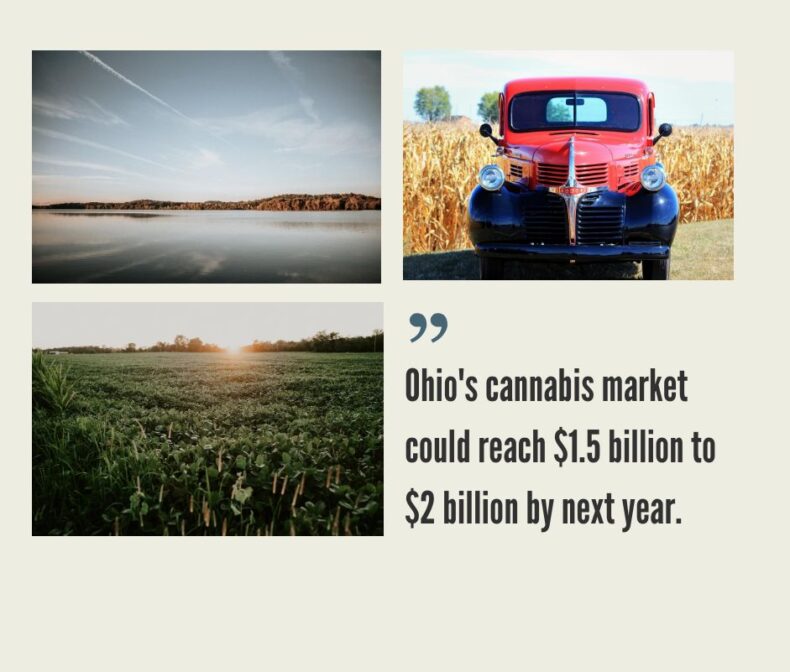
- Recreational: As of early January 2026, there was a total of 37 active cultivators (24 Cultivators Level I and 15 Cultivators Level II), 190 operational dispensaries with Certificates of Operation, 46 processors, and 8 testing laboratories. In addition, around 95 dispensaries still held a provisional license. Recreational sales totaled $242 million in 2024 following the August 2024 launch and surged to $829 million in 2025. According to MJBizDaily, annual recreational sales are projected to reach $1.5-2.0 billion by the program’s fourth year.
- By the end of 2025, total cannabis sales in Ohio – medical and recreational combined – had reached approximately $3.4 billion since the inception of the medical program.
Ohio Medical Cannabis
Ohio Gov. John Kasich signed legislation legalizing medical cannabis in June 2016, making the state the 26th to join the legal cannabis market. The law set the framework for the medical marijuana program: patients with one of 21 medical conditions could buy and use marijuana if recommended to them by a physician: AIDS/HIV, cancer, amyotrophic lateral sclerosis, post-traumatic stress disorder, multiple sclerosis, Crohn’s disease, chronic traumatic encephalopathy, spinal cord injury or disease, Parkinson’s disease, epilepsy, traumatic brain injury, Alzheimer’s disease, hepatitis C, fibromyalgia, inflammatory bowel disease, glaucoma, chronic or intractable pain, sickle cell anemia, Tourette’s syndrome, and ulcerative colitis. Smoking marijuana and growing it at home were not allowed in the law.
Only the following forms of medical marijuana may be dispensed: oils; tinctures; plant material; edibles; patches; any other form approved by the division of marijuana control under section 3796.061 of the Revised Code. Smoking or combustion medical marijuana is prohibited, while vaporizing medical marijuana is permitted. The THC content in plant material should not exceed 35%, and in extracts – no more than 70%.
Ohio Recreational Cannabis
On November 7, 2023, Ohio voters approved Ohio Issue 2, Marijuana Legalization Initiative to legalize recreational cannabis. The new law allows adults 21 and older to purchase and possess up to 2.5 ounces of cannabis and 15 grams of concentrate, as well as grow up to 12 plants at home. Purchases are subject to a 10% tax. The new Division of Cannabis Control (DCC) must have adopted rules necessary to initially implement the initiated statute within nine months of the effective date (December 7, 2023).
In April 2024, DCC issued proposed regulations for the recreational cannabis market which include the option for medical dispensaries to become “dual-use dispensaries”. This would allow them to participate in both the medical and recreational cannabis market. In May 2024, the Joint Committee On Agency Rule Review (JCARR) approved the proposed cannabis regulations, accelerating the implementation timeline so that sales of recreational cannabis can begin in summer with applications for dual-use licenses opening on June 7.
In addition to dual-use licenses, through 10(B) licensure medical cannabis cultivators and retailers can receive additional adult-use cannabis dispensary licenses for facilities which do not yet exist. Each current medical marijuana level I cultivator can apply for three dispensary licenses, while current medical marijuana level II cultivators can apply for one dispensary license. Each medical marijuana dispensary “that is not commonly owned or controlled by a cultivator or processor” (according to DCC’s website) are eligible for one additional adult-use cannabis dispensary license per existing dispensary.
Additionally, as stated in the initiated statute, the DCC will issue 40 level III cultivator licenses and 50 dispensary licenses to certified participants in the Cannabis Social Equity and Jobs Program which will be established by the Ohio Department of Development. The DCC will be able to request applications for these licenses once the program is set up.
Initially no other licensing applications from the public will be accepted. After 24 months from the first date of issuance of a recreational cannabis license, the DCC will review the number of licenses on a biannual basis and may decide to issue additional licenses.
In December 2024, the DCC issued proposed rules (Rule Package 6) for the state’s adult-use cannabis program. The rules package proposes the following:
- Cannabis plant material must contain no more than 35% of THC.
- Cannabis extracts must contain no more than 90% of THC.
- Products must be registered by the DCC before they can be packaged, produced, transferred, distributed or sold.
- Pre-rolls will be allowed for recreational cannabis users.
- Advertising restrictions that, among other things, prohibit advertising on mediums where it is highly likely that the advertisement will reach people under the age of 18 such as billboards.
The proposed rules were open for public comment until December 23.
So far, some of the rules in Rule Package 6 have been approved and can be found in OAC 1301:18 which is now in effect.
Effective June 4, 2025, adults will be able to buy up to 2.5 ounces of cannabis flower a day – a 150% increase from the previous limit.
What Types of Cannabis Products are Legal in Ohio
The following forms of recreational marijuana may be sold: plant material and seeds, live plants, clones, extracts, drops, lozenges, oils, tinctures, edibles, patches, smoking or combustible product, vaporization of product, beverages, pills, capsules, suppositories, oral pouches, oral strips, oral and topical sprays, salves, lotions or similar cosmetic products, and inhalers. From August 1, 2025, pre-rolls are legal in Ohio. In addition, cannabis plant material must have no more than 35% of THC while cannabis extracts must have no more than 90% of THC.
Ohio Cannabis Market Stats
Medical Cannabis
Online registration for patients was launched in December 2018 and the state started licensed sales on January 16, 2019 with the first month sales of nearly $1 million.
Initially, Ohio’s medical cannabis sales grew at a rapid pace, more than doubling from $221.5 million in 2020 to $478.7 million in 2022 and then climbing to $484.4 million in 2023. Following the launch of recreational cannabis sales in August 2024, medical cannabis sales declined to $433 million in 2024 and dropped further to $236 million in 2025.
As of early January 2026, there were approximately 85,000 active medical cannabis patients – a decline of nearly 50% since the 2023 peak. Medical cannabis sales generated $2,290 million in revenue since the start of the medical cannabis program in the state, according to the Medical Marijuana Control Program. The state has sold around 341,255 lbs. of plant material and 31,952,209 units of manufactured products such as edibles, oils, and patches.
In 2025, flower remained the most popular product category in Ohio’s medical cannabis market, accounting for 52% of weekly sales. Vape products ranked second at 32%, followed by edibles at 14%.
Recreational Cannabis
On August 6, 2024, medical marijuana dispensaries in Ohio began selling adult-use cannabis products, after the DCC issued certificates of operation to 98 medical cannabis dispensaries. According to the DCC, adult-use cannabis sales totaled $11.53 million in the first five days after launch. Within five months, cumulative sales had grown more than twentyfold, reaching $242 million. For the full year of 2025, recreational cannabis sales generated $829 million. By year-end, total adult-use sales surpassed $1 billion, with 19,135,925 units of manufactured products and 171,491 pounds of plant material sold.
As with medical cannabis, the most popular product form for adult-use cannabis is also flower, accounting for 52% of total sales in the latest data. It is followed by vape products (34%) and edibles (13%).
Currently medical cannabis regulations apply to the recreational cannabis market as there are no approved rules for the adult-use cannabis market yet. The term “Certificate of Operation” is used to refer to a license that authorizes a medical cannabis entity to begin operating in the recreational cannabis market. As of early January 2026, there was a total of 37 active cultivators (24 Cultivators Level I and 15 Cultivators Level II), 190 operational dispensaries with Certificates of Operation, 46 processors, and 8 testing laboratories. In addition, around 95 dispensaries still held a provisional license.
By the end of 2025, total cannabis sales in Ohio – medical and recreational combined – had reached approximately $3.4 billion since the inception of the medical program. Even though recreational cannabis sales began in just August 2024, they account for already 30% of total cannabis sales.
Since the launch of adult-use cannabis sales in August 2024, the average price per gram of cannabis flower has followed a steady downward trajectory. It peaked at $9.42 in August 2024, declined to $6.74 by the end of December 2024, and continued falling throughout 2025. As of early January 2026, the average price stands at approximately $6.41 per gram.
A similar trend emerged for manufactured products (including vapes, edibles, and other infused items). Their average unit price peaked at $31.65 in August 2024, dipped to a low of $26.39 in early December 2024, and saw brief fluctuations afterward. However, the broader downward pressure resumed in 2025, and by early January 2026, the average price had settled at $23.83 per unit – a decline of more than 10% compared to the same period in 2025.
The impact of recreational cannabis legalization in Ohio on dispensary sales was substantial as medical cannabis dispensaries were able to obtain dual-use licenses to begin selling both medical and recreational cannabis. According to Headset, before adult-use cannabis was legalized in the state, an average Ohio dispensary made around $14,212 per day in medical cannabis sales. After the start of adult-use sales on August 6, 2024, daily revenue of an average dispensary surged to $33,864 – a dramatic increase of 138%. In 2025, the average of 190 operational dual-use dispensaries generated approximately $5.7 million in annual sales each, maintaining a high daily average as the market matured.
MJBizDaily predicts that recreational cannabis sales could reach $1.5-$2 billion by the fourth year.
Ohio Cannabis Market Infographics
Cannabis Retail Business Plan Sample, Ohio
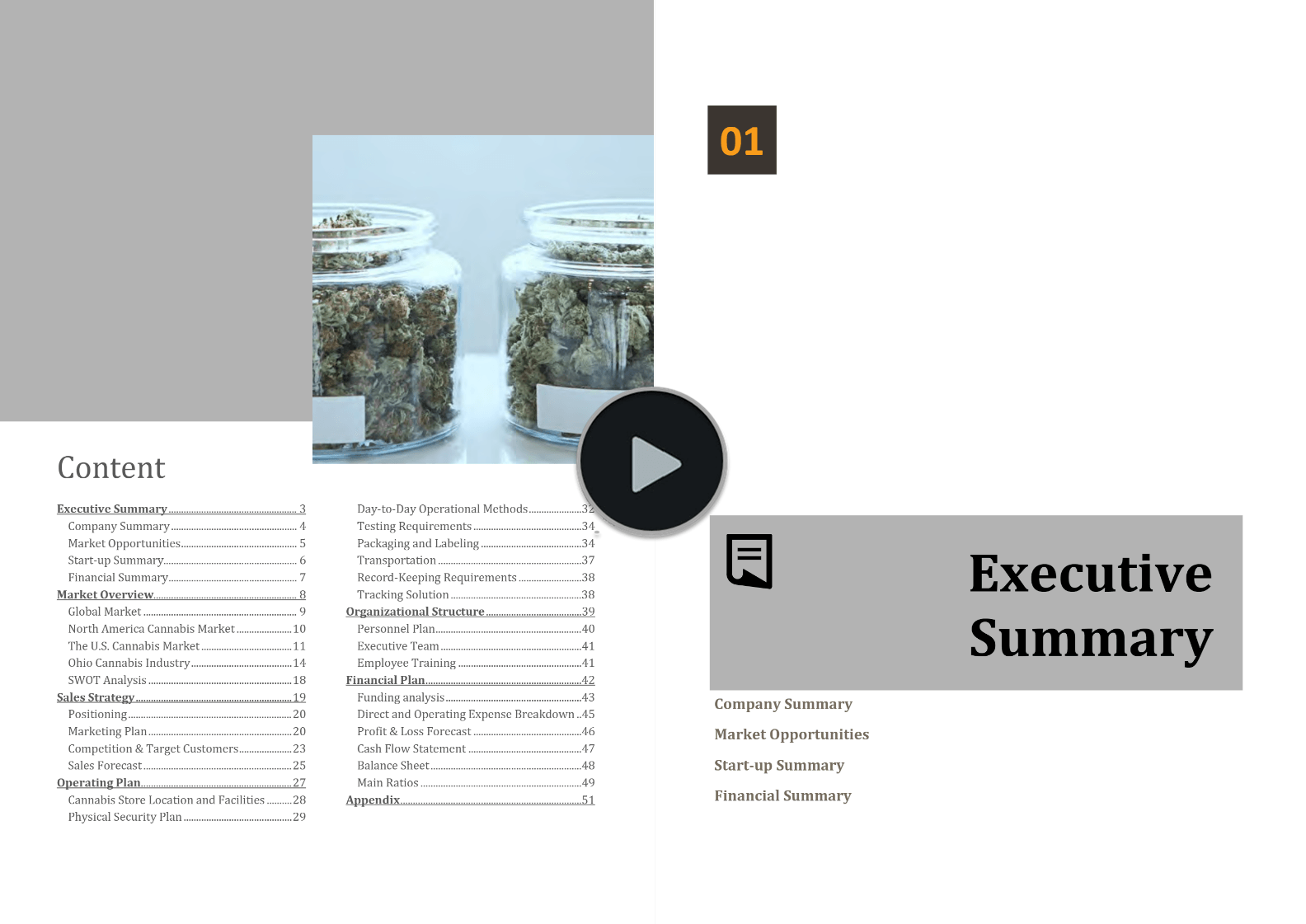
'70% ready to go' business plan templates
Our cannabis financial models and cannabis business plan templates will help you estimate how much it costs to start and operate your own cannabis business, to build all revenue and cost line-items monthly over a flexible seven year period, and then summarize the monthly results into quarters and years for an easy view into the various time periods. We also offer investor pitch deck templates.
Best Selling Templates
-

Cannabis Cultivation Business Plan Template
Price range: $75.00 through $350.00 Select options This product has multiple variants. The options may be chosen on the product page -

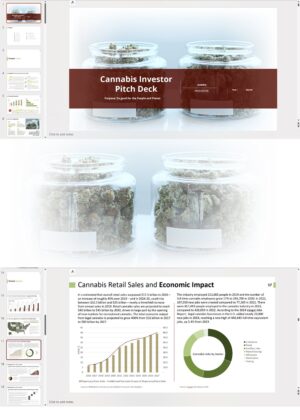
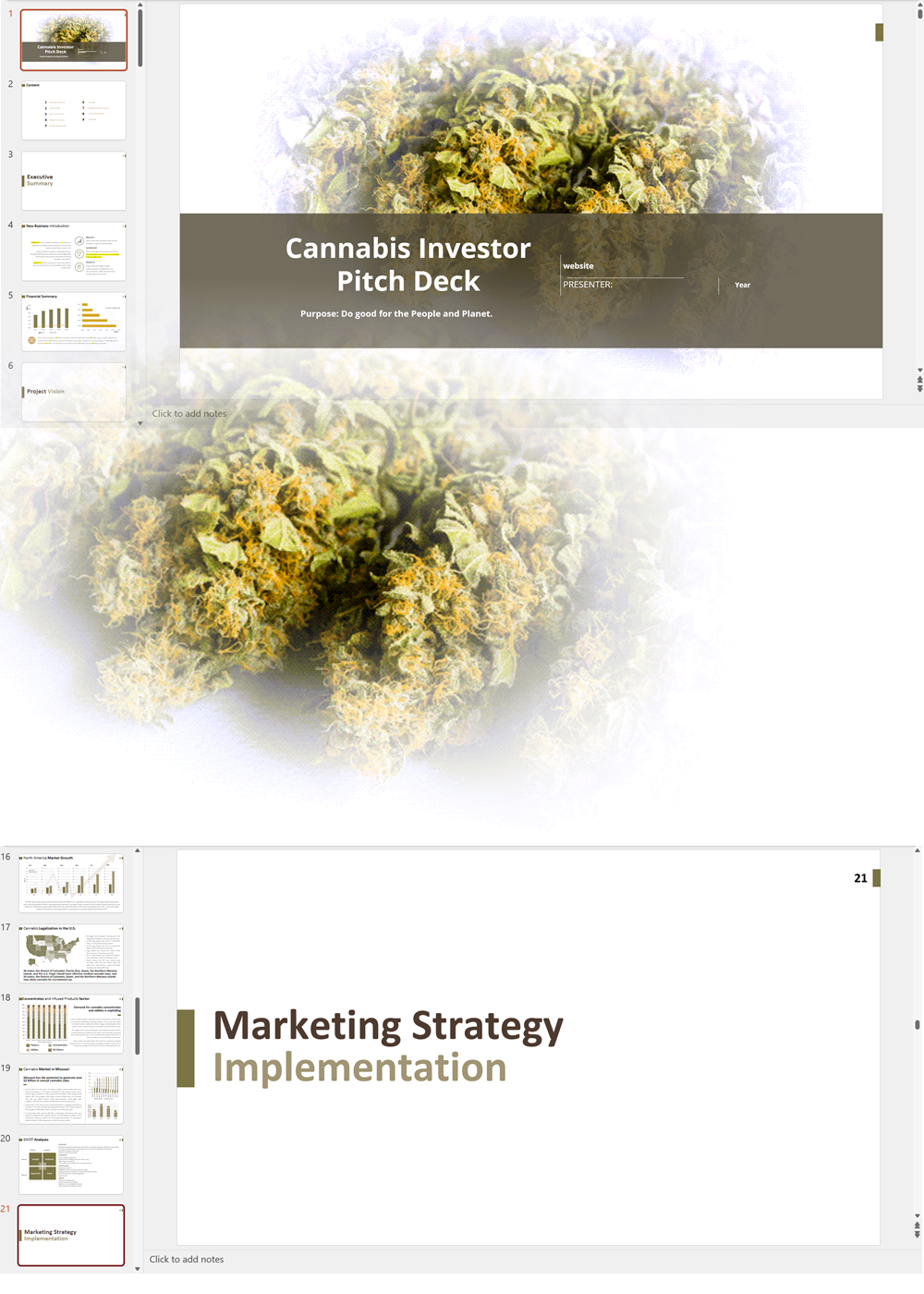
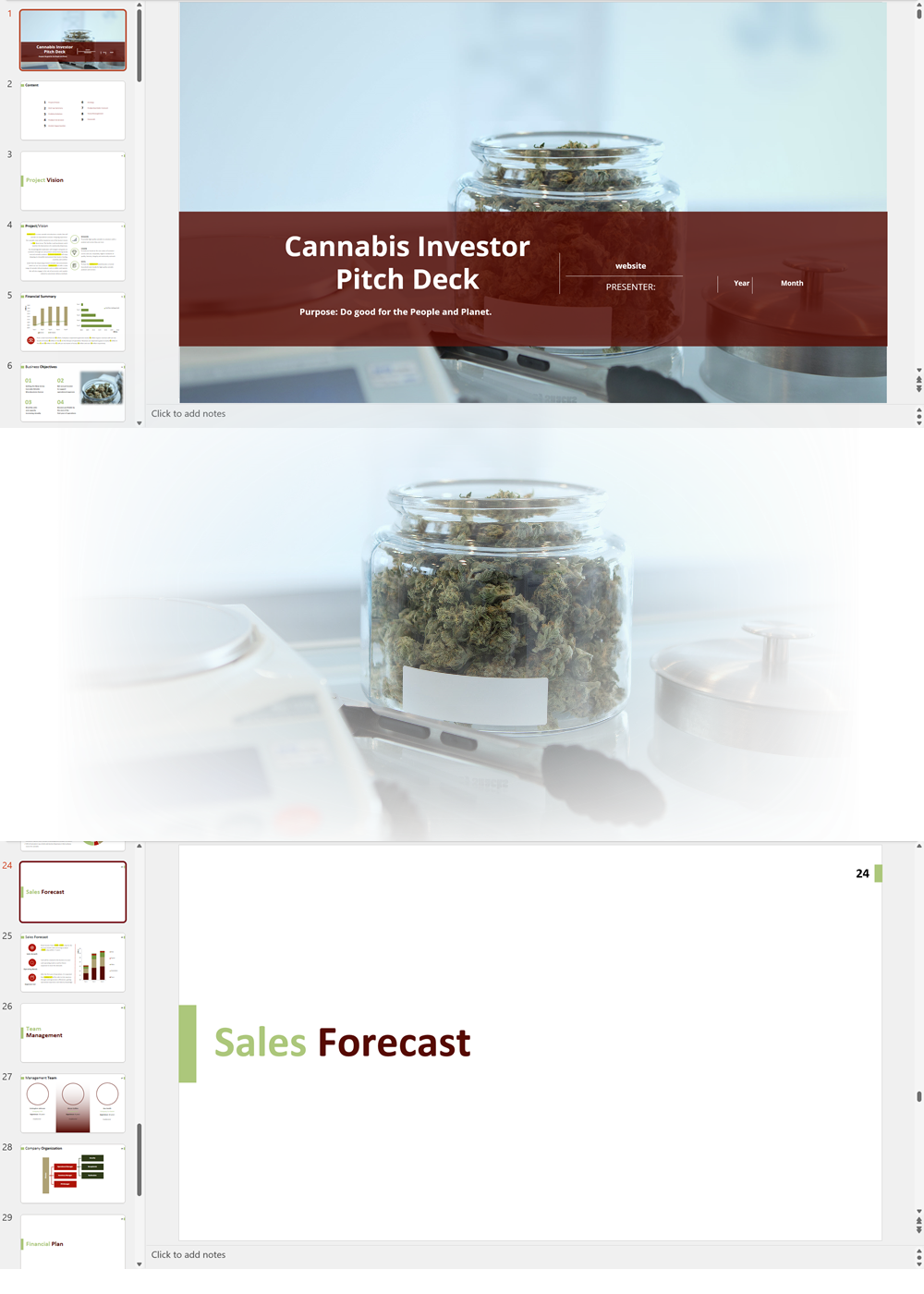
Cannabis Dispensary Investor Pitch Deck Template
$75.00 Select options This product has multiple variants. The options may be chosen on the product page -
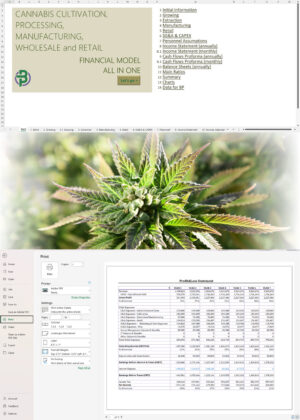
Cannabis Financial Model All in One
$250.00 Select options This product has multiple variants. The options may be chosen on the product page
Hemp CBD business plan templates are available at hempcbdbusinessplans.com.
Our Templates
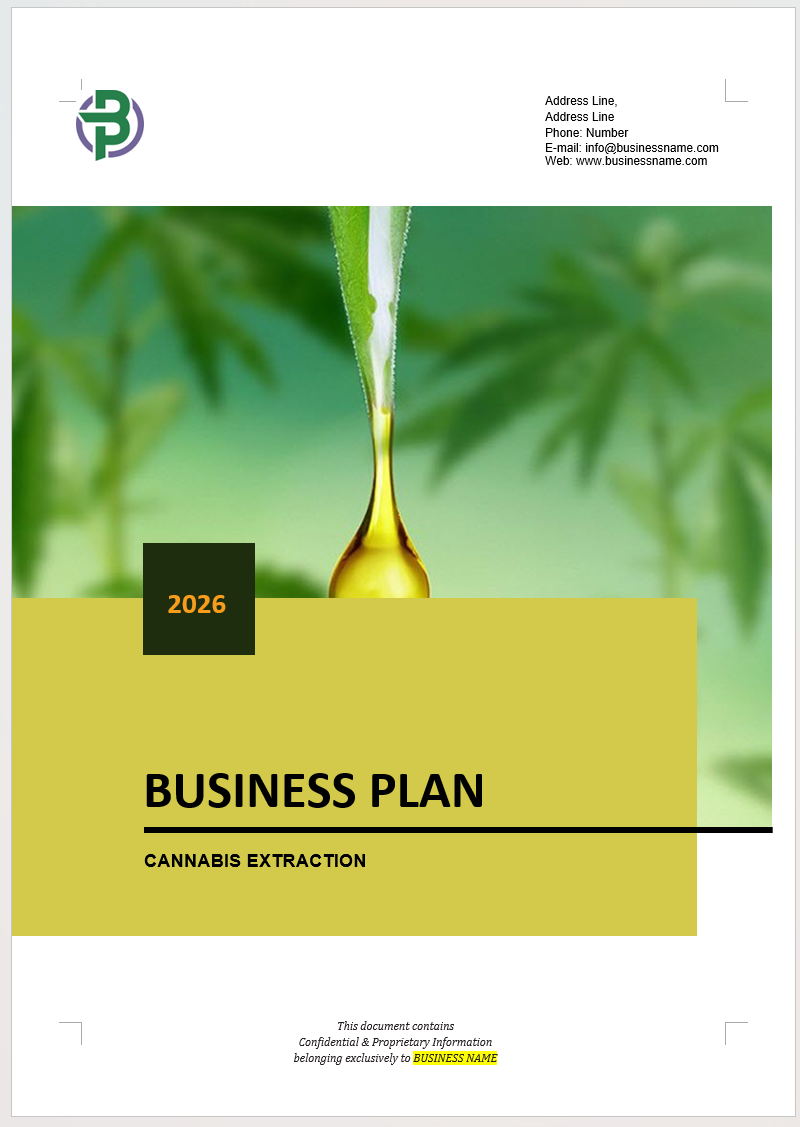
Cannabis Extraction / Concentrates Business Plan Template
Price range: $75.00 through $350.00
CBD Store and/or Cafe Lounge Business Plan Template
Price range: $75.00 through $275.00

Cannabis Processing/ Flowers/ Pre-rolls/ Extraction/ Manufacturing Business Plan Template
Price range: $75.00 through $350.00
Cannabis Transportation Business Plan Template
Price range: $75.00 through $275.00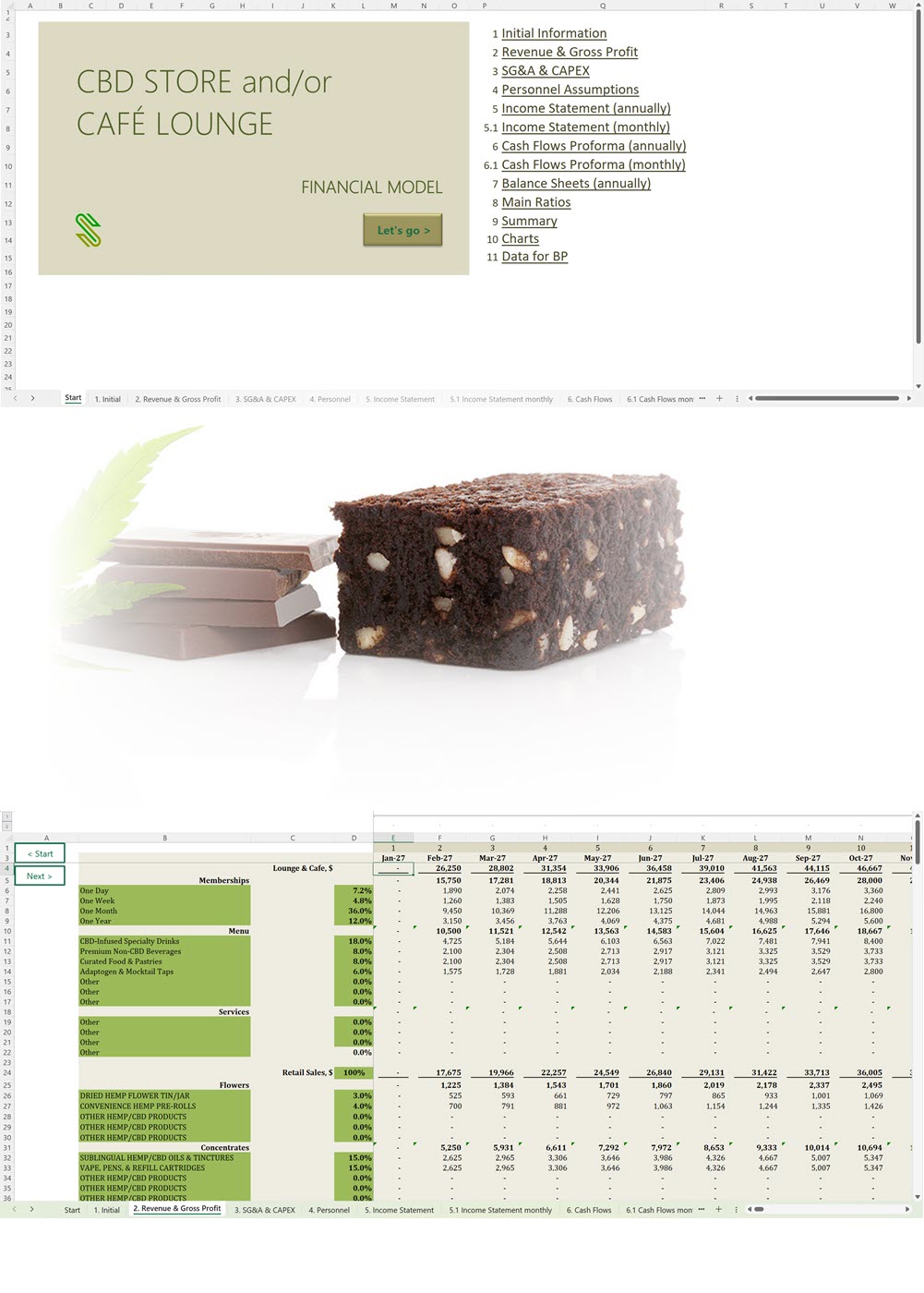

CBD Products Retail/Online Store Business Plan Template
Price range: $75.00 through $275.00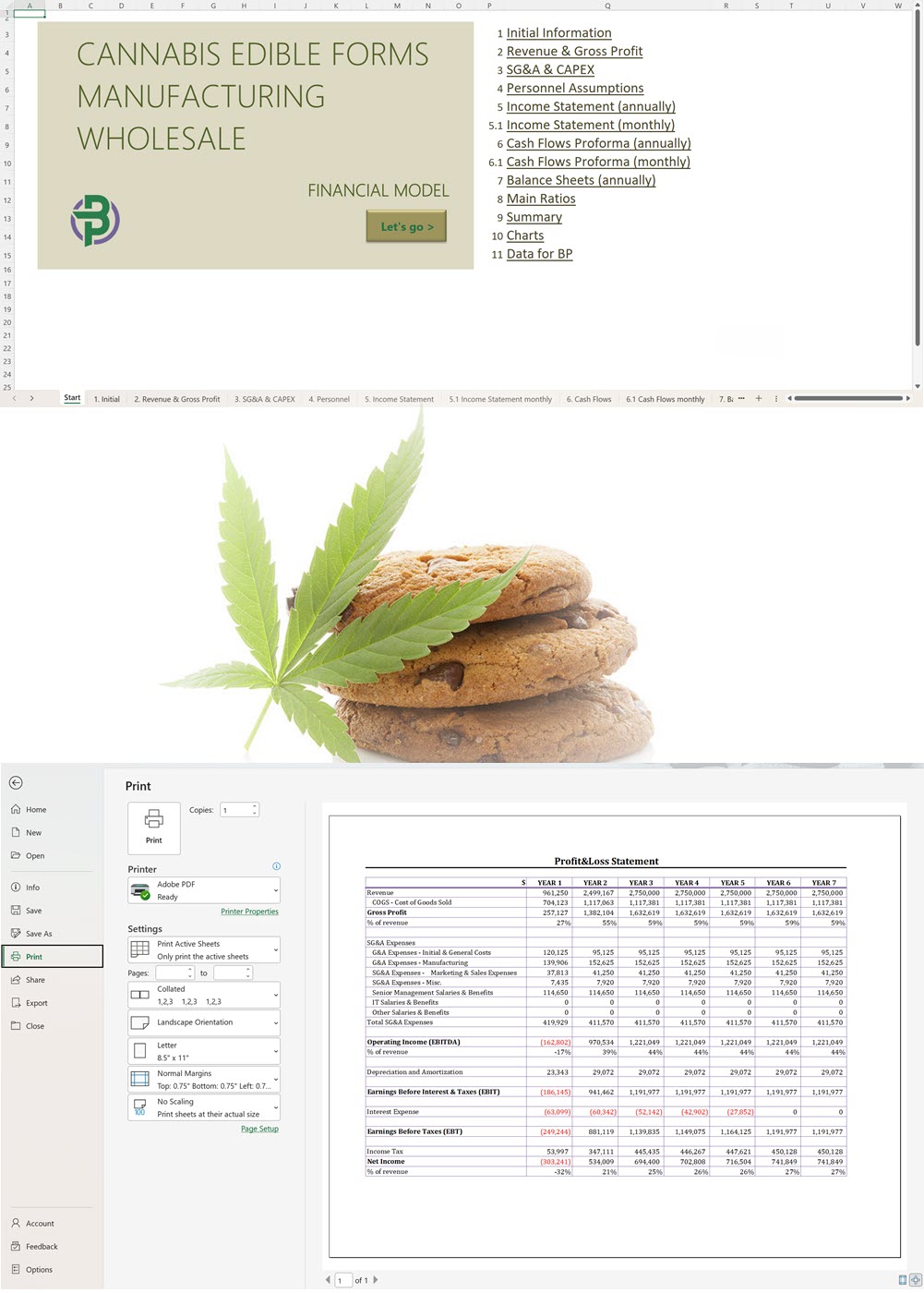
Cannabis Edibles Financial Model
$150.00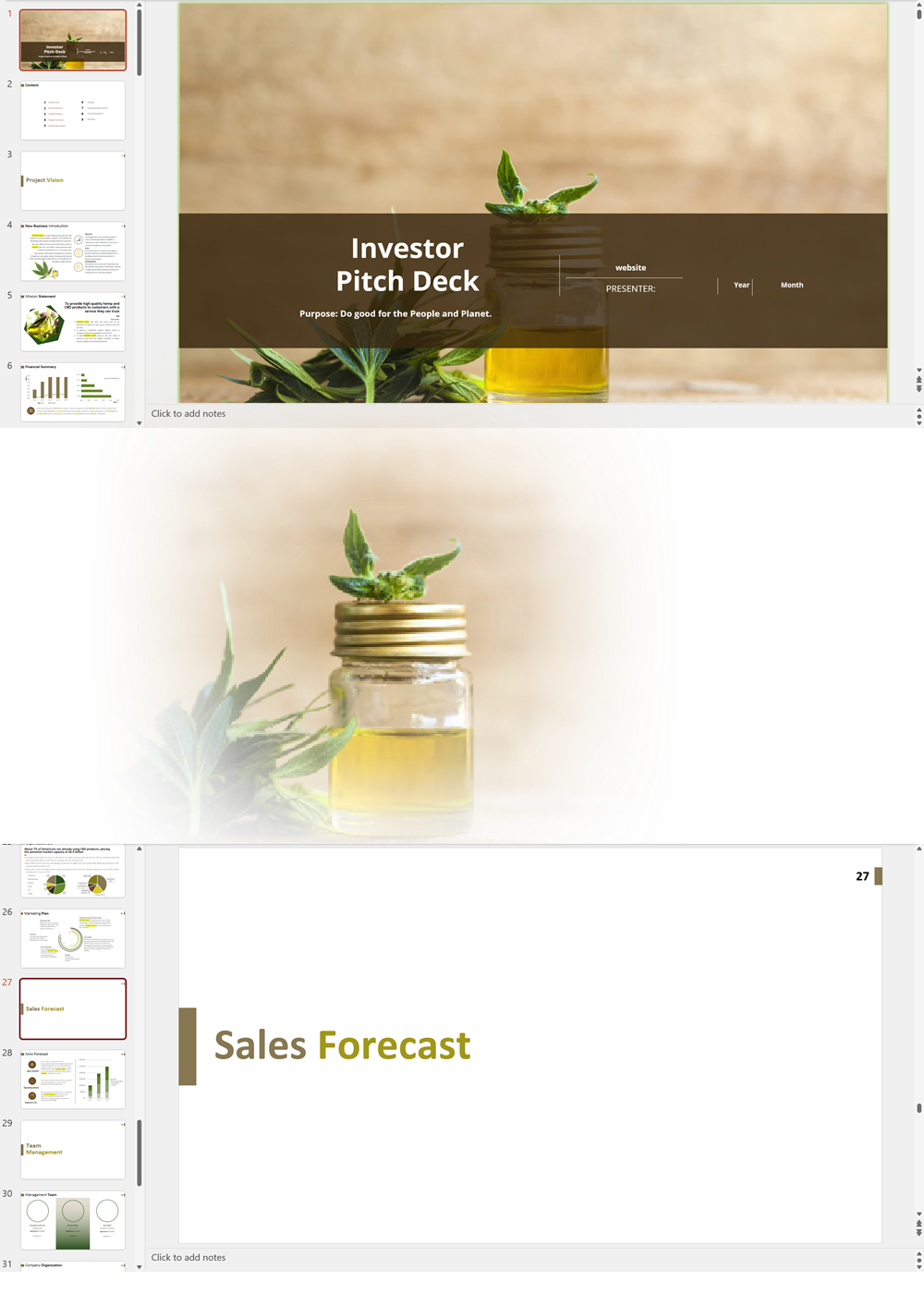
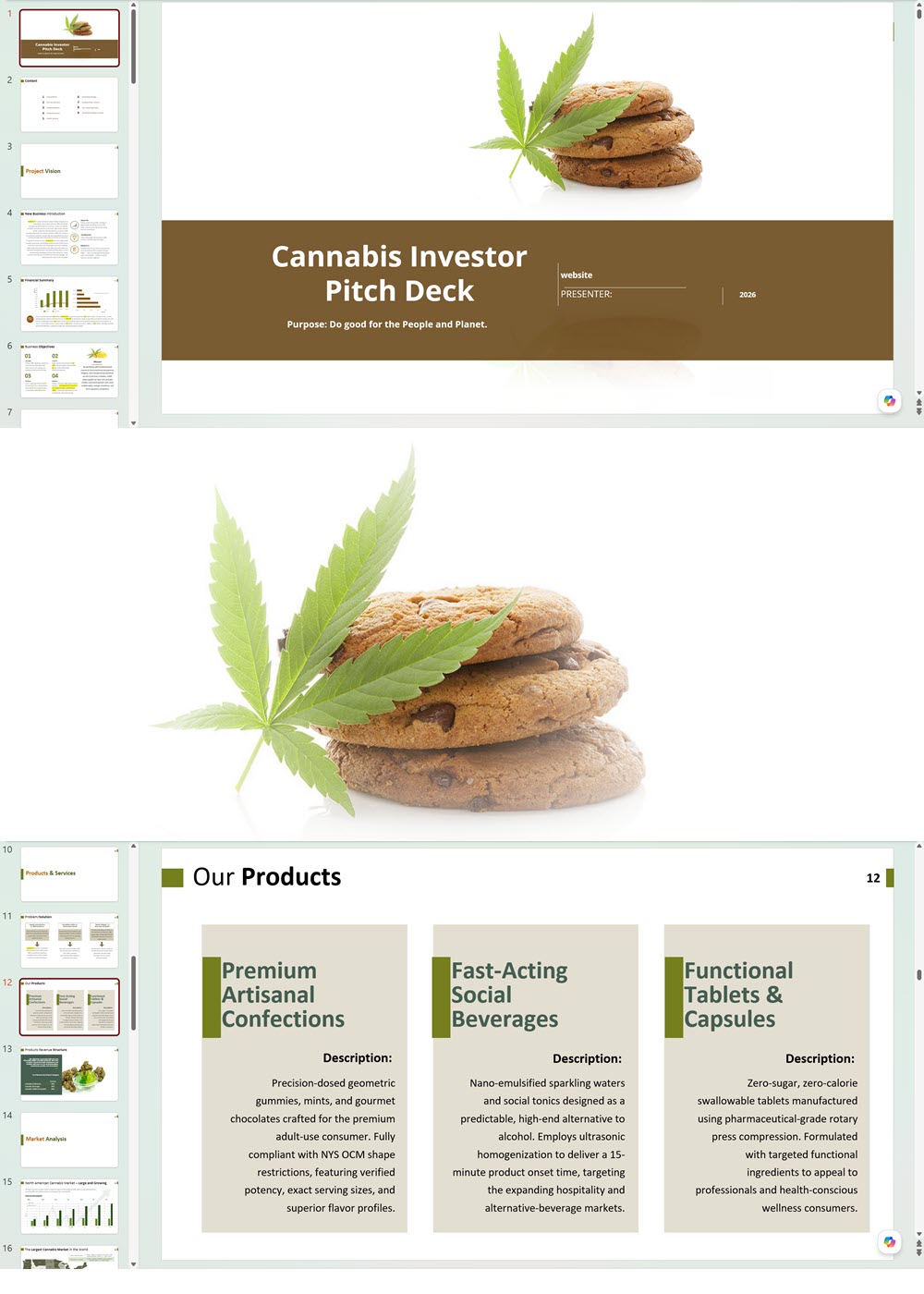
Cannabis Lounge + Retail Business Plan Template
Price range: $75.00 through $350.00
Cannabis Retail Business Plan Template (with or without Delivery)
Price range: $75.00 through $350.00
Cannabis Edibles Business Plan Template
Price range: $75.00 through $350.00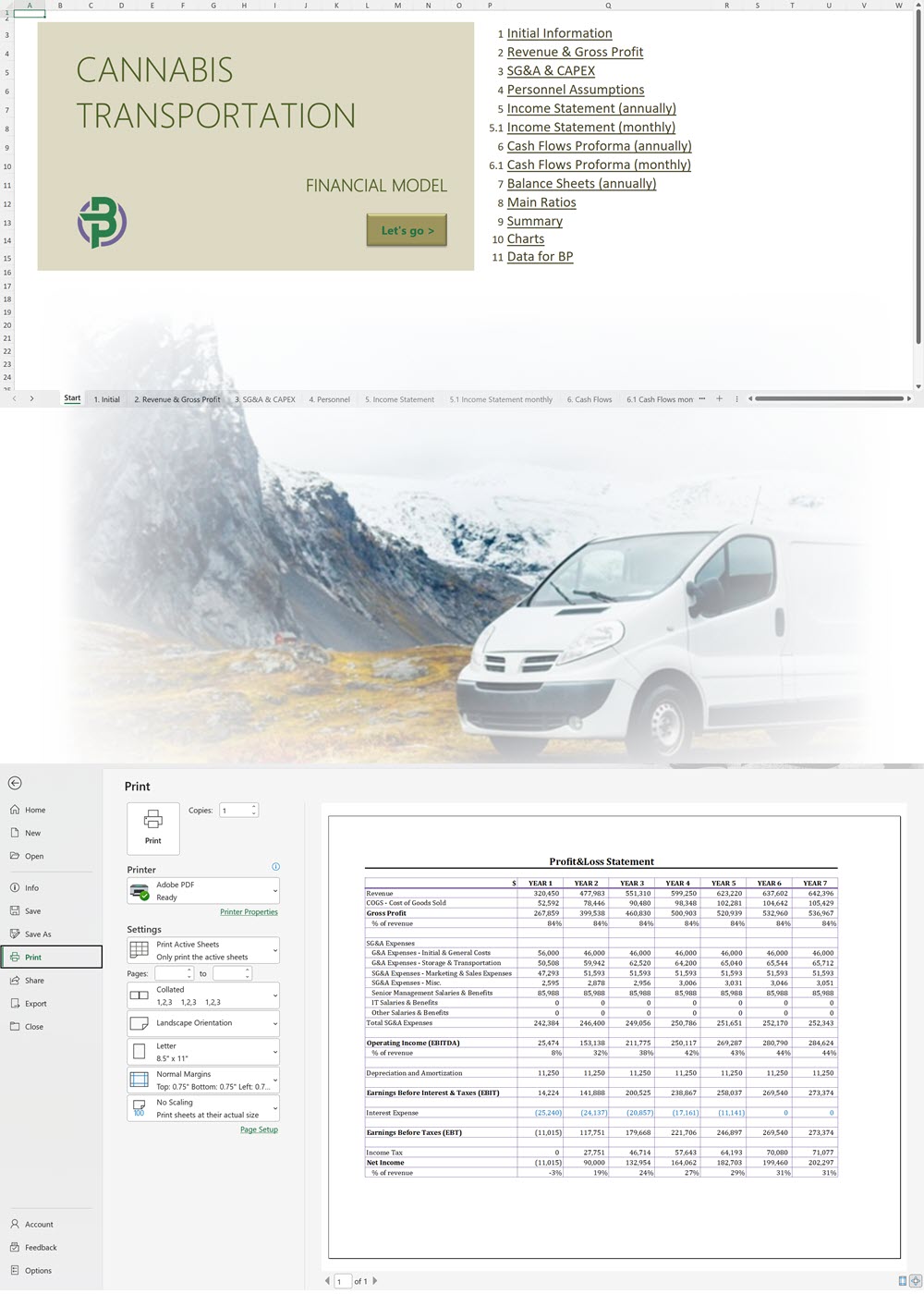
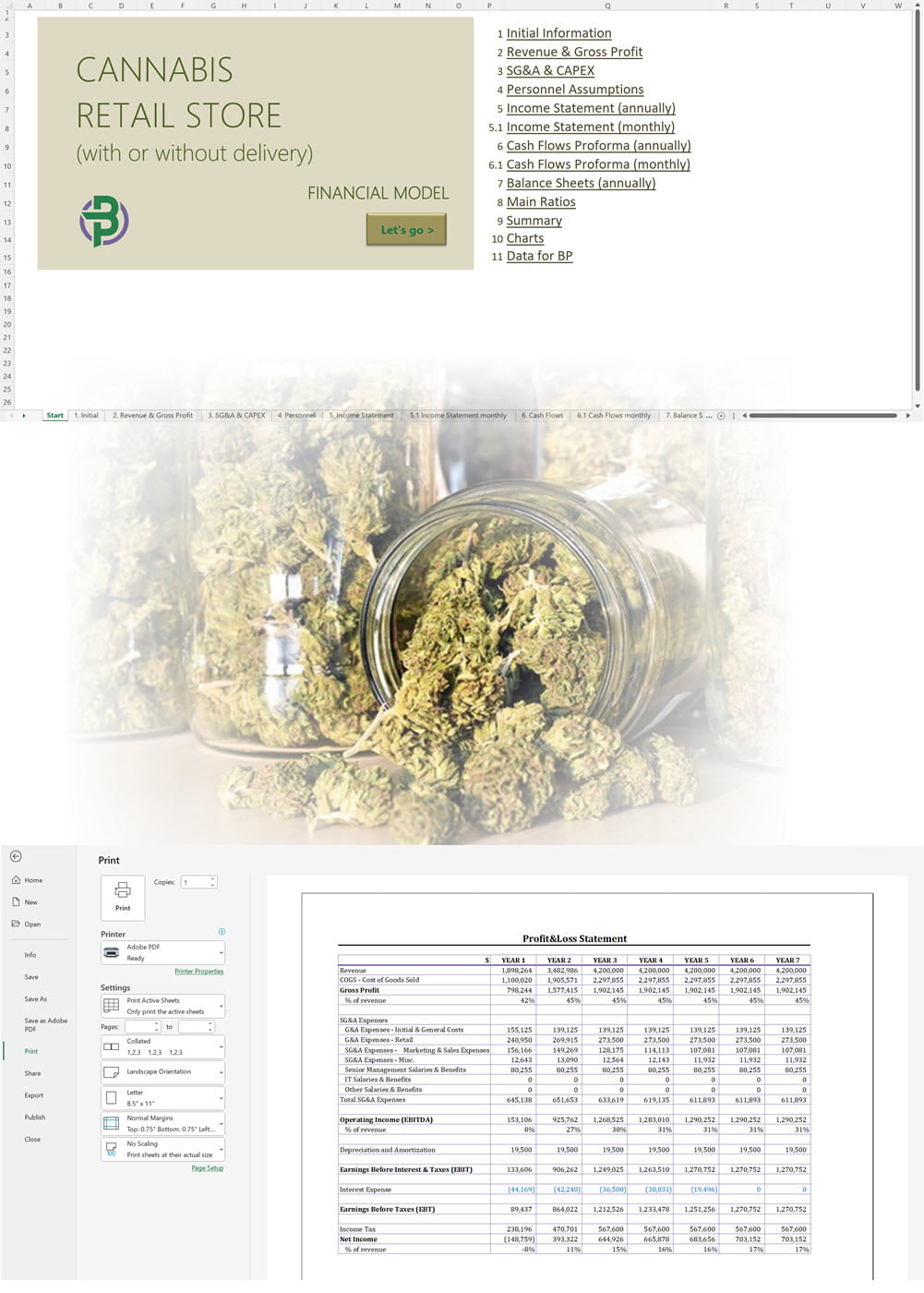
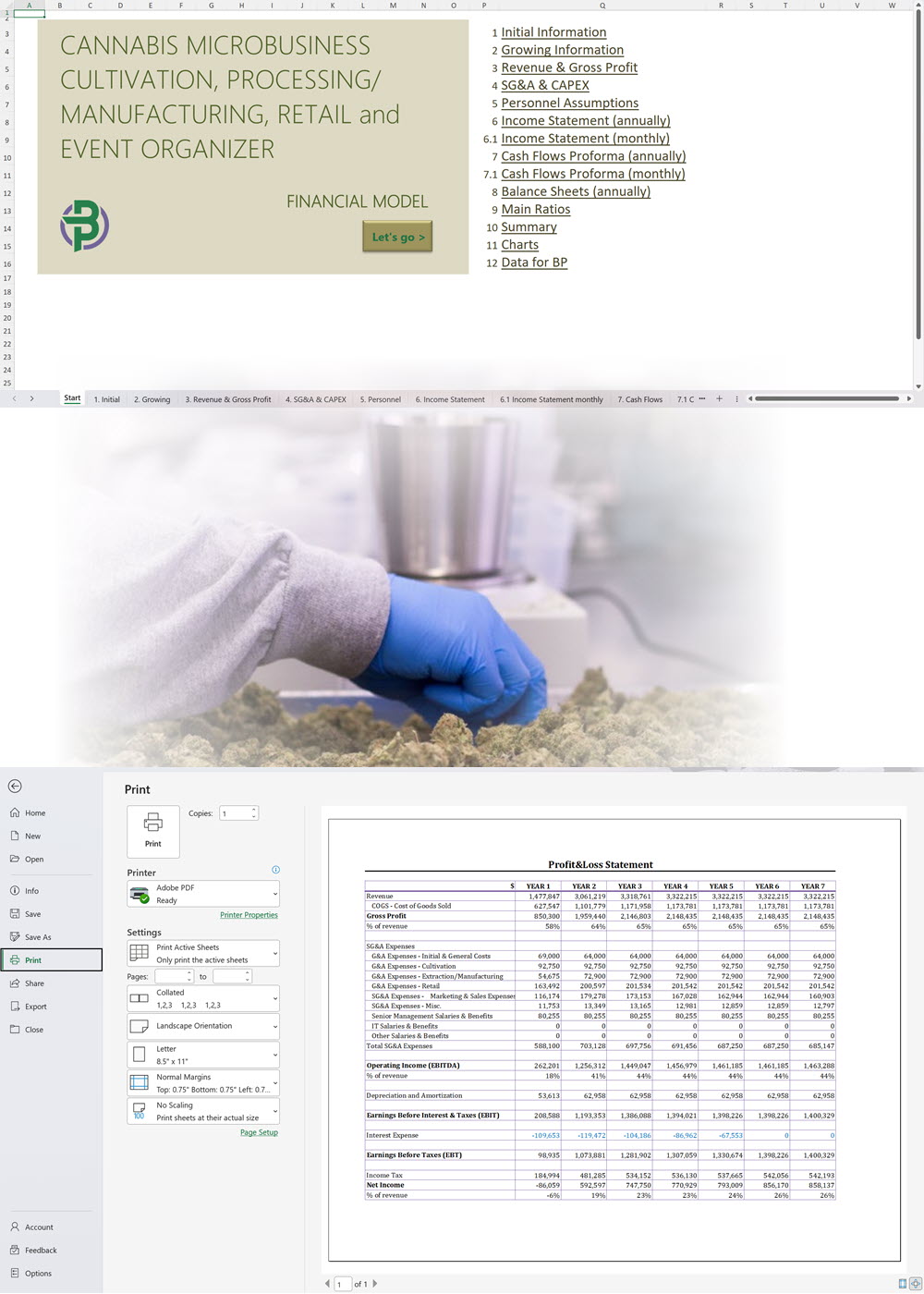
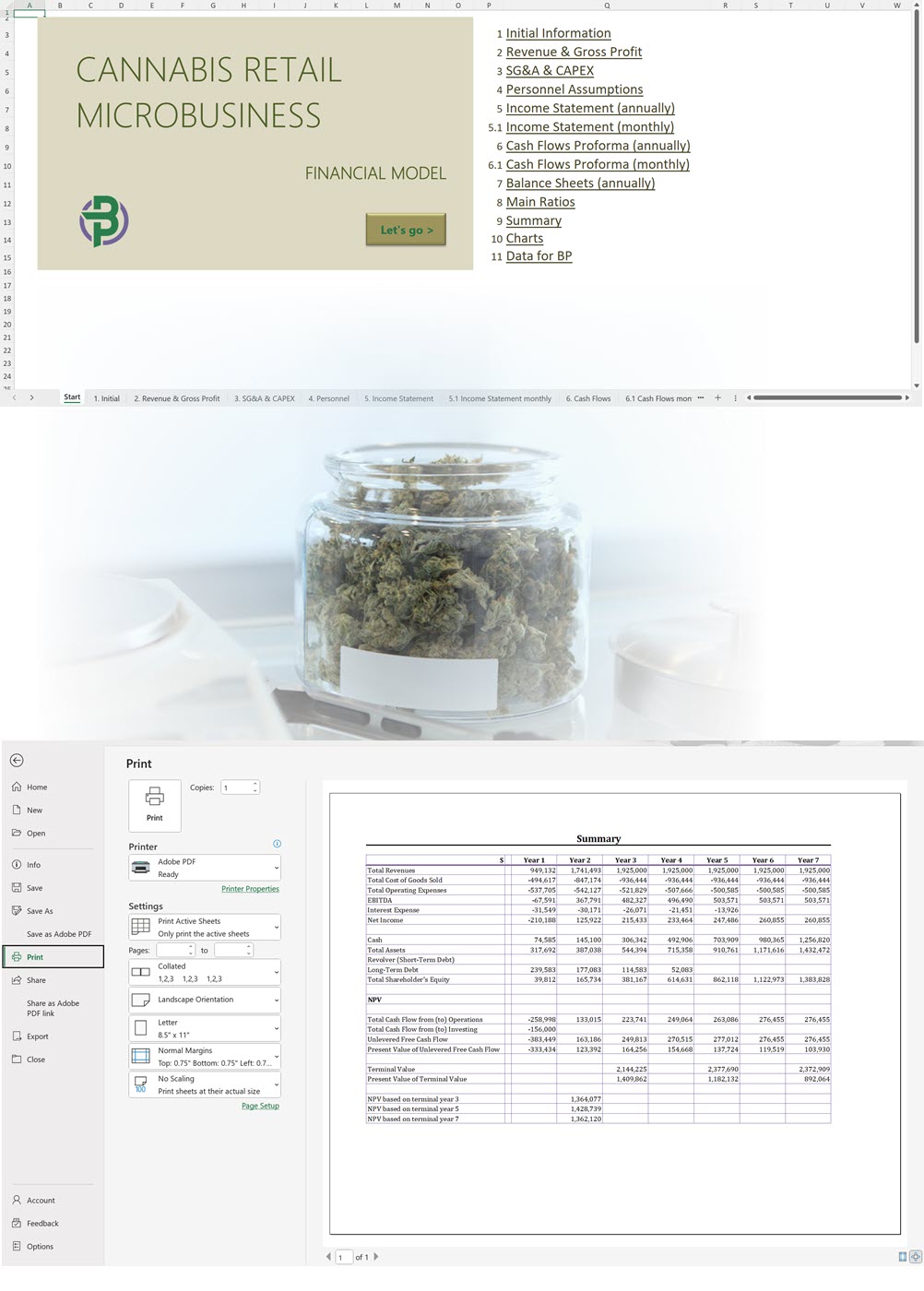
Cannabis Retail Microbusiness Business Plan Template
Price range: $75.00 through $275.00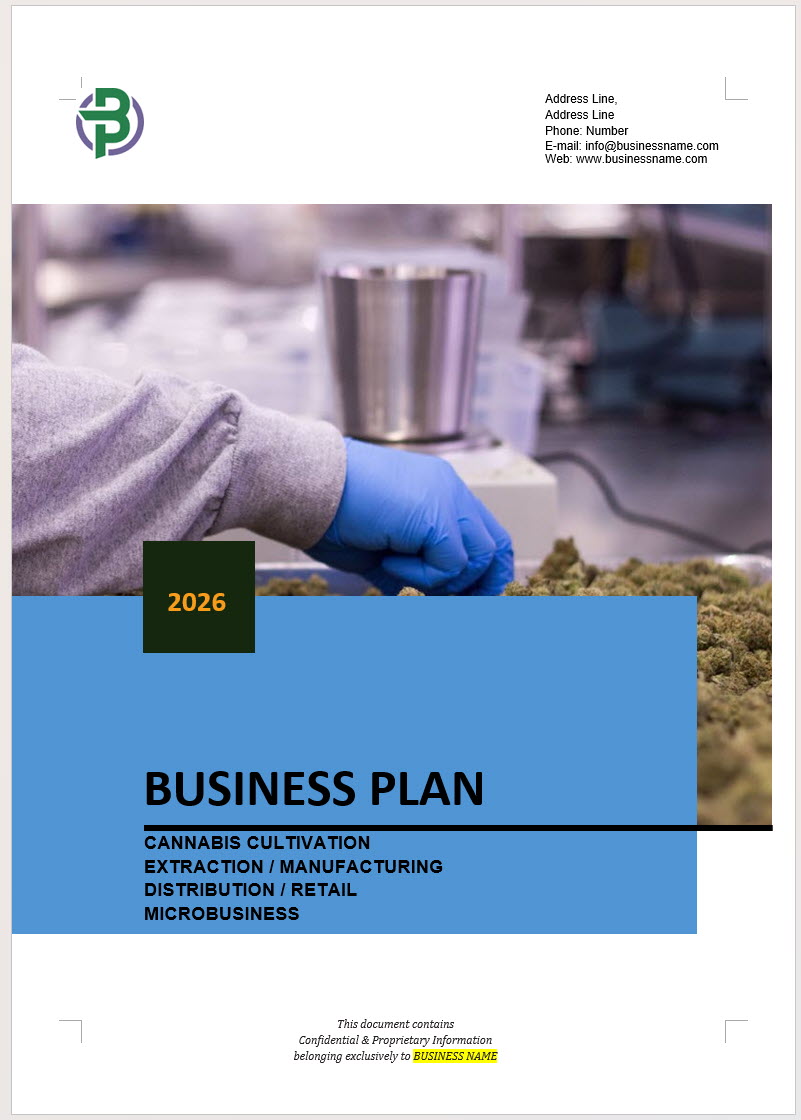
Cannabis Cultivation, Extraction, Manufacturing, Distribution, Retail and Microbusiness Business Plan Template
Price range: $75.00 through $500.00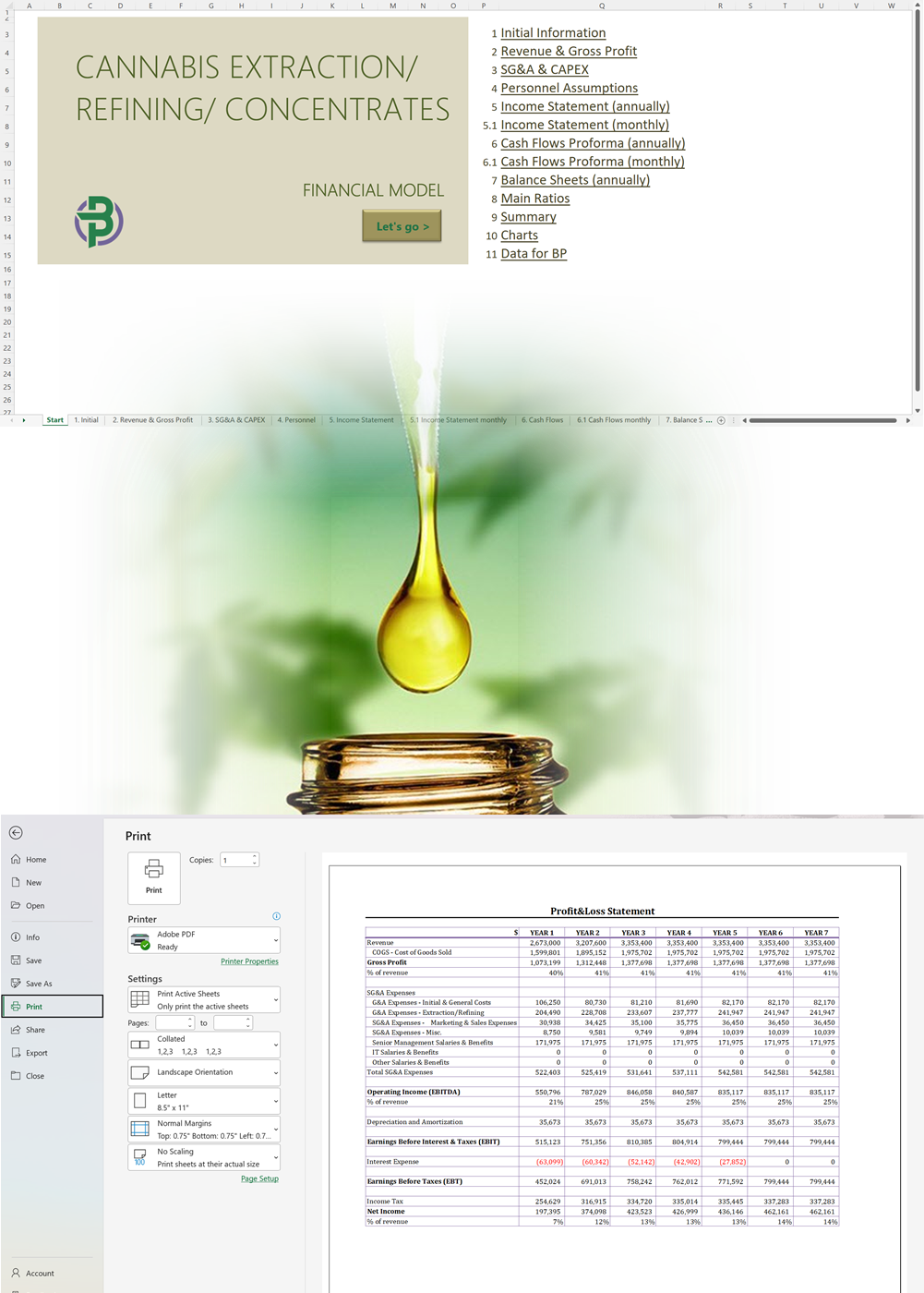

Cannabis Micro Cultivation Business Plan Template
Price range: $75.00 through $300.00