Medical Cannabis
The Federal Act on Narcotics and Psychotropic Substances (NarcA) is the official document that states the laws relating to cannabis.
| Population (m) | 9.0 |
| GDP (US$ billion) | 1,000 |
| Healthcare Expenditure (CHF billion) | 96.79 |
| Healthcare Expenditure (% of GDP) | 12.1 |
| Participants in Adult-Use Cannabis Pilot Trials | 10,400 |
| % of population aged 15-64 who have consumed cannabis in the past year | 7.6% |
An amendment to this act was passed in 2011 by popular vote, allowing for the use of cannabis for medical purposes under special authorization from the Federal Office of Public Health (FOPH) on a case-by-case basis. Medical cannabis authorizations lasted for six months up until 2017, for a year from 2017 and for up to two years from 2021.
In June 2022, Switzerland’s Federal Council lifted the ban on cannabis for medical purposes by amending the Swiss Narcotics Act that parliament approved in March 2021. From August 1, 2022, patients can get medical cannabis through a medical prescription without any exceptional permit from the FOPH. Cannabis products that are allowed to be acquired include cannabis extracts, cannabis resin, cannabis oil and cannabis tinctures.
Though Switzerland has a relatively small population of patients at just over 3,000, the overall value of sales in the country is comparable to the larger markets on the continent. The country has progressive cannabis policies when compared to many of its European neighbors. In Switzerland, cannabis and hemp products can legally contain up to 1% THC, compared to the standard 0.2% seen across the rest of the continent.
Medical Cannabis Licenses Available
Swissmedic is responsible for issuing all medical cannabis licenses. A detailed guide on the license and permit requirements for each activity can be found on Swissmedic’s website.
To be able to manufacture, procure, distribute, import and export as well as trade medical cannabis, an establishment license for handling controlled substances is required. A pharmacy does not require to hold an establishment license for handling controlled substances unless it makes more than 9 distributions of medicines containing controlled substances in a calendar year.
To obtain an establishment license, the applicant must:
- Be entered in the commercial register.
- Ensure correct storage in accordance with Art. 54 NarcCo.
- Have a Responsible Person for controlled substances who must be a healthcare professional or have a science degree.
- Submit the following information:
- First and last name of the applicant is they are an individual. Designation according to the commercial register if the applicant is a business establishment.
- First and last name, date of birth and function of the person responsible for the controlled substances.
- Applicant’s place of residence or business address.
- List of controlled substances the applicant wishes to handle.
- Type of activity the applicant wishes to perform.
- Cultivation and storage location (including customs warehouse and bonded warehouse).
- Current and complete commercial register extract.
- Private extract from the criminal record information system VOSTRA of the responsible person, not older than six months.
- Professional qualifications and the professional career of the responsible person.
An establishment license is valid for up to 5 years. A renewal application must be submitted at least six months before the expiration date.
If the applicant wishes to import or export medical cannabis, an import or export permit is required. Each permit is given for a single import or export and for a specific maximum quantity. It is only valid within the framework of the business relationship between the supplier and the recipient.
A one-time import permit is valid for up to 4 months. A general import permit is valid until the end of the current calendar year at maximum.
To receive an export permit, the applicant must show an import license of the country of destination.
A one-time export permit is valid for up to 4 months. A general export permit is valid until the end of the current calendar year at maximum.
Cultivation
In order to cultivate medical cannabis, two licenses have to be obtained:
- An establishment license for the cultivation of cannabis for medical purposes: the license allows to acquire seeds and seedlings required for cultivation (can be sourced domestically or imported) and is a precondition for obtaining an individual cultivation license.
- Application fee: CHF 1,500
- Valid for up to 5 years.
- An individual cultivation license: the license allows the one-off cultivation of medical cannabis.
- Application fee based on time: CHF 200 per processing hour.
- Valid for up to 1 year.
Licensing process:
- Submit an application for an establishment license for the cultivation of cannabis for medical purposes to Swissmedic.
- Swissmedic will review the submitted application documents and the Canton will carry out an inspection.
- Once an establishment license for the cultivation of cannabis for medical purposes has been obtained, the applicant can apply for an individual cultivation license through the NDS-Web Portal.
To obtain an establishment license, the applicant must:
- Be entered in the commercial register.
- Ensure correct storage in accordance with Art. 54 NarcCo.
- Have a Responsible Person for controlled substances who must be a healthcare professional, have a science degree or diploma issued by a university or university of applied sciences in agriculture, environmental sciences or forestry.
- Ensure adequate protection against theft and prevention of use for other purposes.
Documents required to be submitted to Swissmedic when applying for an individual cultivation license include:
- First and last name or designation of the applicant.
- A traceability and quality assurance system for medical cannabis.
- A written supply agreement with details on the type and quantity of cultivation and the obligation of the purchasing party to accept the delivery of the harvest.
- Type of cultivation that will take place in the specific cultivation cycle such as whether it will be indoor/outdoor, what seeds will be used, variety that will be cultivated with its expected THC content, exact location and size of the cultivation area and the expected yield in kilograms.
An individual cultivation license is valid for 12 months.
Recreational Cannabis
In 2012, Switzerland decriminalized possession of up to 10 grams of cannabis for personal use.
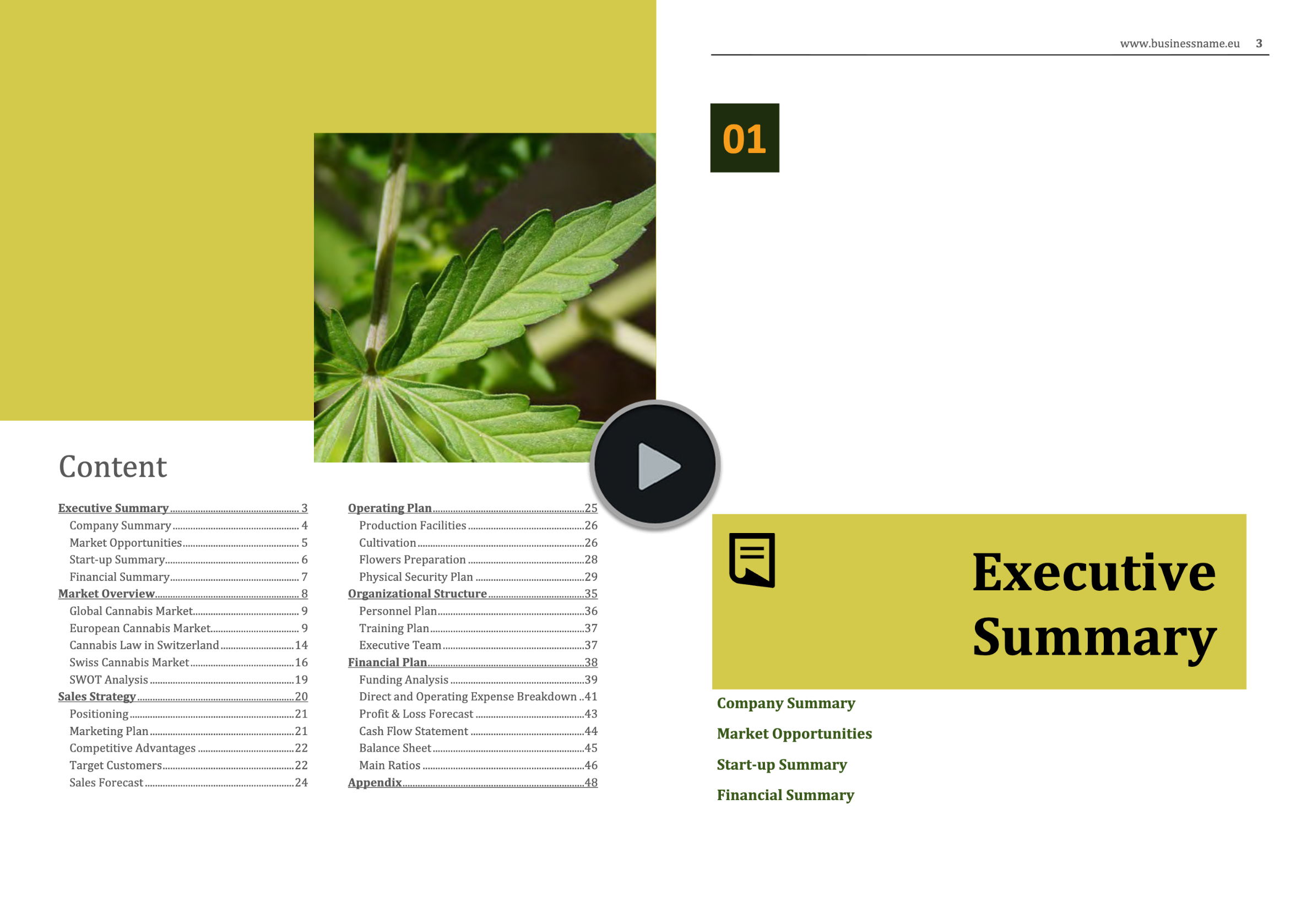
On September 25, 2020, the Swiss Parliament adopted an amendment to the Federal Law on Narcotics and Psychotropic Substances. Per the amendments to Article 8a, the revised law provides a legal basis for scientific pilot trials with cannabis. Then, on 15 May 2021, the amendment came into effect allowing pilot testing of the controlled dispensing of cannabis for recreational purposes. The amendment will remain in effect for ten years and it provides the legal basis for the implementation of local and time-limited scientific pilot trials with cannabis. Applications to conduct such trials can be submitted to the Federal Office of Public Health. The rollout of legalized adult-use cannabis was delayed due to the pandemic and started in September 2022.
Multiple trials will be carried out across different cities. Each trial is meant for a limited number of citizens who already consume cannabis. Trials will be run by individual municipalities which can each supply up to 5,000 consumers at most. The purpose of the trials is to study the effects of legal access to cannabis for users in terms of health and socio-economic metrics. Volunteers will only be able to purchase personal amounts for a month’s supply. Cannabis must be both domestically and organically produced. Local manufacturers must have a production permit from the Federal Office of Public Health, ensuring quality standards.
Cannabis products that can be included in pilot trials include unprocessed products such as cannabis flowers, processed products such as cannabis extracts, cannabis products mixed with additives such as solutions containing cannabis and products intended to be smoked, vaporized, inhaled, eaten or drunk.
Pilot trials can be carried out between 2021 and 2031. The experimental protocol allows for the creation of social cannabis clubs run by universities, local authorities, research institutes, associations or foundations.
Adult-Use Cannabis Legalization Proposal
Switzerland is coming closer to legalizing adult-use cannabis in the country. In February 2025, the National Council’s Health Committee approved a preliminary draft of a new law that was submitted in September 2020. The law would, among other things, legalize the cultivation, trade, and consumption of cannabis. It is based on the following key elements:
- Private individuals would be allowed to cultivate up to 3 female plants for personal use.
- Profit-oriented, commercial production would be permitted, with growers and manufacturers needing to obtain a federal permit.
- Sale of adult-use cannabis would occur through a state monopoly with a limited number of licensed sales outlets and an online retailer. Sales would not be “profit-oriented; and any profits must be invested in prevention, harm reduction, and addiction support”.
- Vertical integration would be banned – organizations cannot produce and sell cannabis at the same time.
- Advertising of cannabis products would be prohibited.
- Adult-use cannabis would be taxed and the tax would depend on the THC content and the method of consumption.
In August 2025, Switzerland launched its three-month public consultation on the adult-use cannabis draft law. This phase will last until December 1, 2025, after which the proposal will move into the Swiss parliament. Debates are scheduled for 2026.
Cannabis Licenses for Supplying Pilot Trials
There are three types of exceptional licenses that are issued by the FOPH – cultivation, manufacture and import – and these licenses allow to cultivate, manufacture or import cannabis for use in Swiss pilot trials. Cannabis and cannabis products can only be imported in exceptional circumstances if sufficient quantity cannot be produced in Switzerland on a timely basis.
Those responsible for a pilot trial select their growers, producers and manufacturers themselves so applicants wishing to cultivate cannabis must not only apply for a license from the FOPH, but also contact the organization responsible for a pilot trial for which they want to cultivate, manufacture or import cannabis or cannabis products. The FOPH acts as a coordinator of the authorization procedure. The interested applicant must submit an application for an exceptional license and the organization conducting the pilot trial for which the cannabis cultivated, manufactured or imported by the applicant will be used must submit a corresponding application to the FOPH.
It is also possible for the applicant to communicate their interest to the FOPH so that they are recorded on a list of interested producers and FOPH will then give the list to those responsible for a pilot trial.
Information required to be submitted with an application for a license includes:
- First and last name of the cultivator or the company name.
- First and last name as well as vocational qualifications and career history of the person responsible for cultivation and their deputy.
- Extract from the criminal excerpt for the responsible person and their deputy, issued within six months.
- Which pilot trial cannabis will be cultivated for and the type and quantity of cannabis that the applicant intends to grow.
- Number of seeds and seedlings and the purchase location.
- Precise types of plants requested, including the expected yield, THC and CBD content and total THC (in grams).
- Desired duration of the license.
- Description of cultivation areas.
- Description of storage, protection and logging of seeds/plants/crops policies.
- Company name as written in the commercial register.
- First and last name as well as vocational qualifications and career history of the person responsible for manufacture and their deputy.
- Which pilot trial cannabis products will be manufactured for and the type and quantity of cannabis products that the applicant intends to manufacture.
- Desired duration of the license.
- Annual production volume.
- Supplier of cannabis raw material.
- Required quantity of cannabis raw material, type, THC and CBD content and total THC (in grams).
- Description of storage, protection and logging of cannabis products policies.
- Description of the pilot trial and exact import address.
- First name and last name of the person responsible for the import and their deputy.
- Certificate of need for the import and proof that sufficient quantities cannot be produced in Switzerland in a timely manner.
- Supplier, including exact address.
- Information on the type of cannabis or cannabis products imported.
- Import quantities.
- Desired duration of the license.
In addition to the exceptional license, the applicant must also obtain an import license from Swissmedic.
Swiss Cannabis Market
Adult-Use Pilot Trials
As of March 2026, a total of seven pilot trials with cannabis for non-medical purposes have been authorized in various cities in Switzerland, including Lausanne, Zürich, Liestal, Allschwil, Bern, Bienne, and Lucerne. According to latest data from June 2025, approximately 10,400 adults are participating in the trials. The table below gives some brief information on each pilot trial.
The pilot trials have significantly shifted sourcing preferences of adult-use cannabis consumers in Switzerland. The Swiss Federal Office of Public Health found that the majority of pilot participants now source cannabis legally. One pilot trial “Grashaus Projects” in the Swiss canton of Basel-Landschaft found that after starting to participate in the study, the proportion of cannabis flower sourced by consumers from illegal sources dropped greatly from 93% to 40% over the period of one year. This clearly demonstrates that consumers are very willing to source high-quality, tested products from legal sources.
Cannabis Research Zurich – the largest of all the pilot programs with 7,500 participants – found that around 90% of participants in the study now purchase their cannabis products from legal sources. According to the study director, as of May 2025, nearly 37 kg of cannabis was sold since the study began.
Meanwhile, in October 2025 the pilot project Zuri Can recorded around 88,000 legal transactions – equivalent to approximately 750kg of cannabis which officials estimated to be worth CHF 7.5 million that previously went to the illicit market. As of March 2026, the official update from Zuri Can states that 106,000 transactions (equivalent to 920kg of cannabis) have been recorded, resulting in an estimated CHF 9.02 million removed from the black market. The pilot trial’s success has resulted in the extension of the project’s end date from 2026 to 2028.
Consumer Statistics
High-THC flower remains the most popular product form with La Cannabinothèque finding that flower with THC content between 15-20% accounts for more than half of all flower sales and Cann-L data also showing that products with THC concentration greater than 15% accounting for around 56% of total sales volume. While this does show a strong preference for potent strains of flower, alternative methods (including vaporizers, e-liquids, and edibles) as well as products with lower THC content are rising in popularity.
Additionally, several pilot trials such as Cann-L and SCRIPT have noted participants’ requests for edible product forms to be available, indicating interest in the product form. Pilot trials that do offer edibles see that they are among the top consumed products – the Cannabis Research Zurich found that wine gums and chocolates are the most popular products alongside flowers and hashish.
Some of the reasons for cannabis use mentioned by SCRIPT study participants were ADHD symptom management, focus improvement, and boosting motivation for performing household chores.
Market Potential
According to Addiction Suisse, in 2022, approximately 7.6% of the population aged 15-64 have used cannabis at least once during the last 12 months, and 4% in the last 30 days.
In June 2022, the University of Geneva published a study estimating that the total economic effect of legalization in Switzerland would generate an annual income of around 1 billion CHF and create about 4,400 full-time jobs. The study also estimates that currently 56 tonnes of cannabis are consumed in Switzerland every year and that based on this figure, annual revenue from domestic consumption is approximately CHF 582 million.
Switzerland Cannabis Market Infographics
How Can Cannabusinessplans Templates Help Start or Grow Your Cannabis Business?
The majority of cannabis licensing programs require the submission of a business plan as part of the application for a cannabis license. Even if it is not mandated by law, a business plan is essential for securing funding and assisting an applicant in understanding how much money it will take to start a cannabis business and how much profit it could make.
A well-structured business plan can make all the difference in helping you demonstrate your proposed cannabis business’ compliance with regulations and its operational viability.
Our complete cannabis business plan template package is everything you need to create a professional business plan for a cannabis business with expert financials and projections. A complete cannabis business plan template package includes:
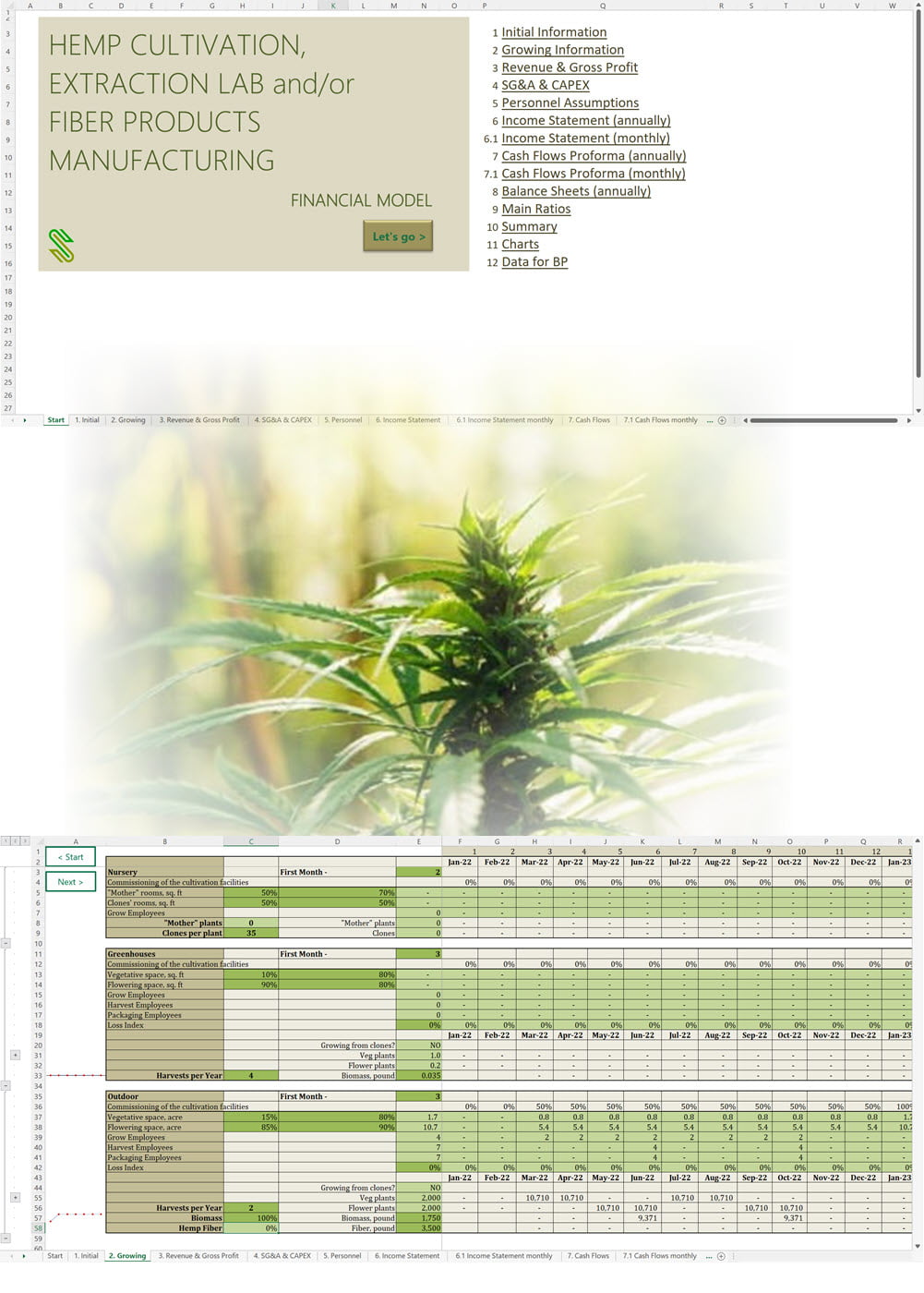
- Excel Financial Model: change variables and immediately see the impact, break down operational and capital costs, know how much it will take to get into the business and the potential profits.
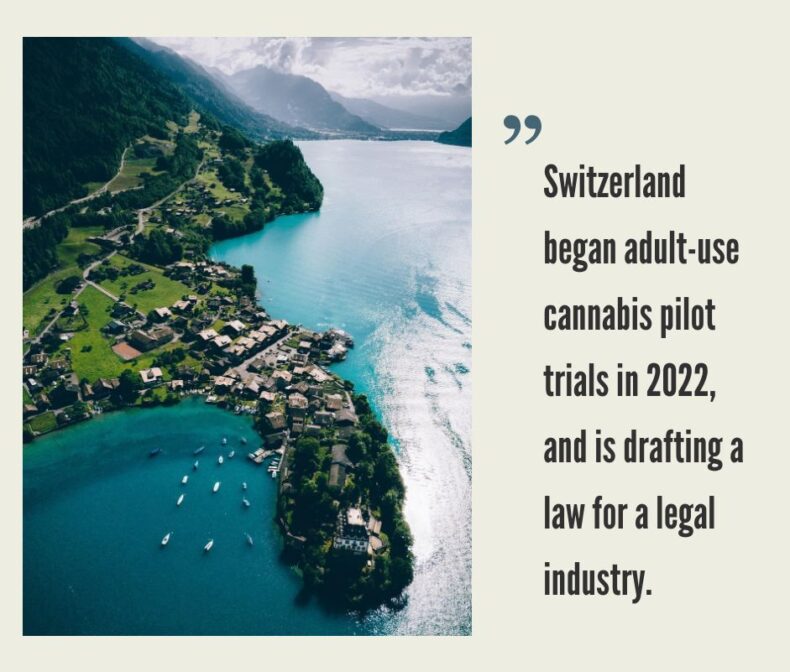
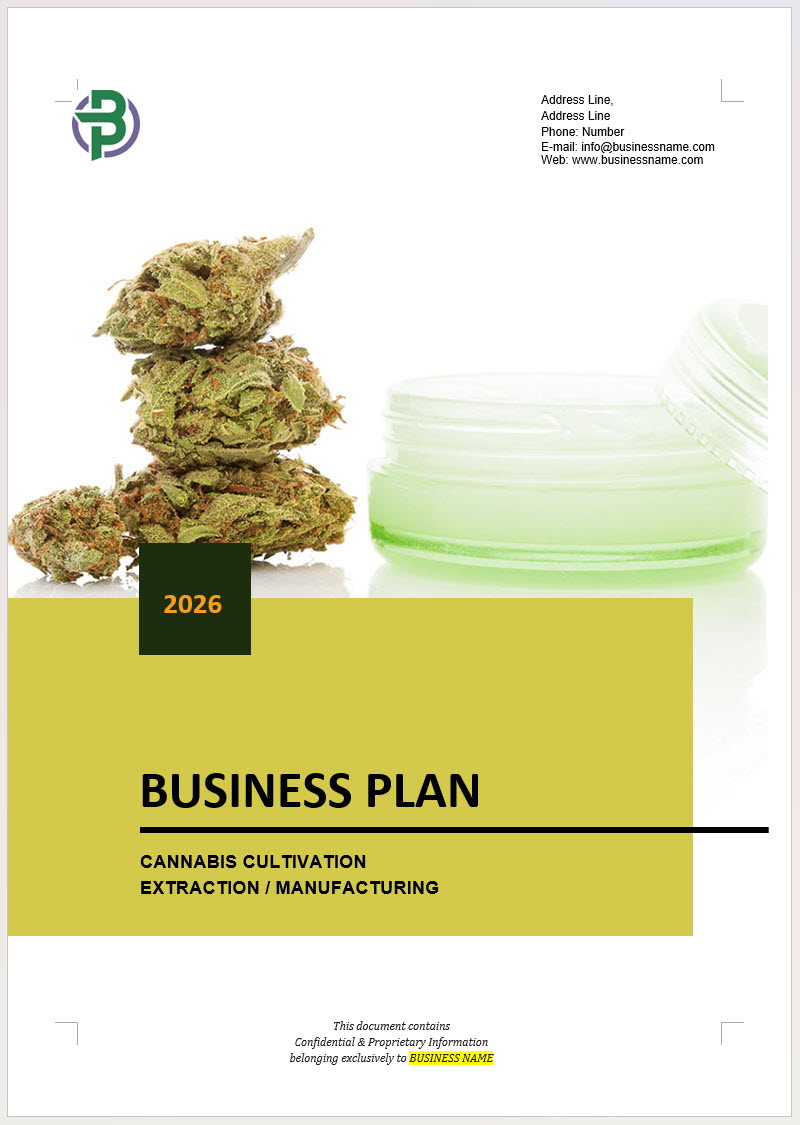
- Word Business Plan: value proposition, market analysis, marketing strategy, operating plan, organizational structure, financial plan and more.
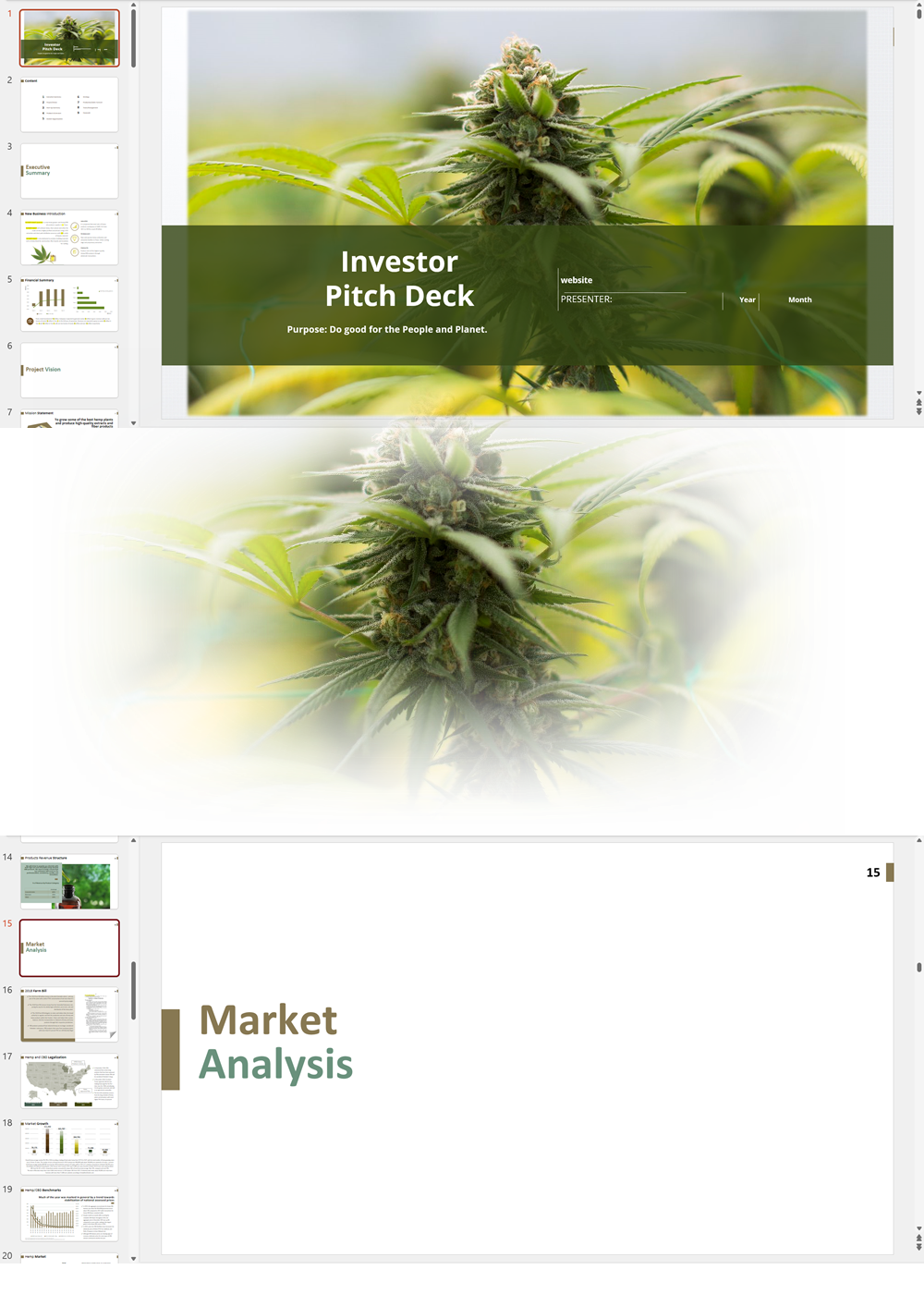
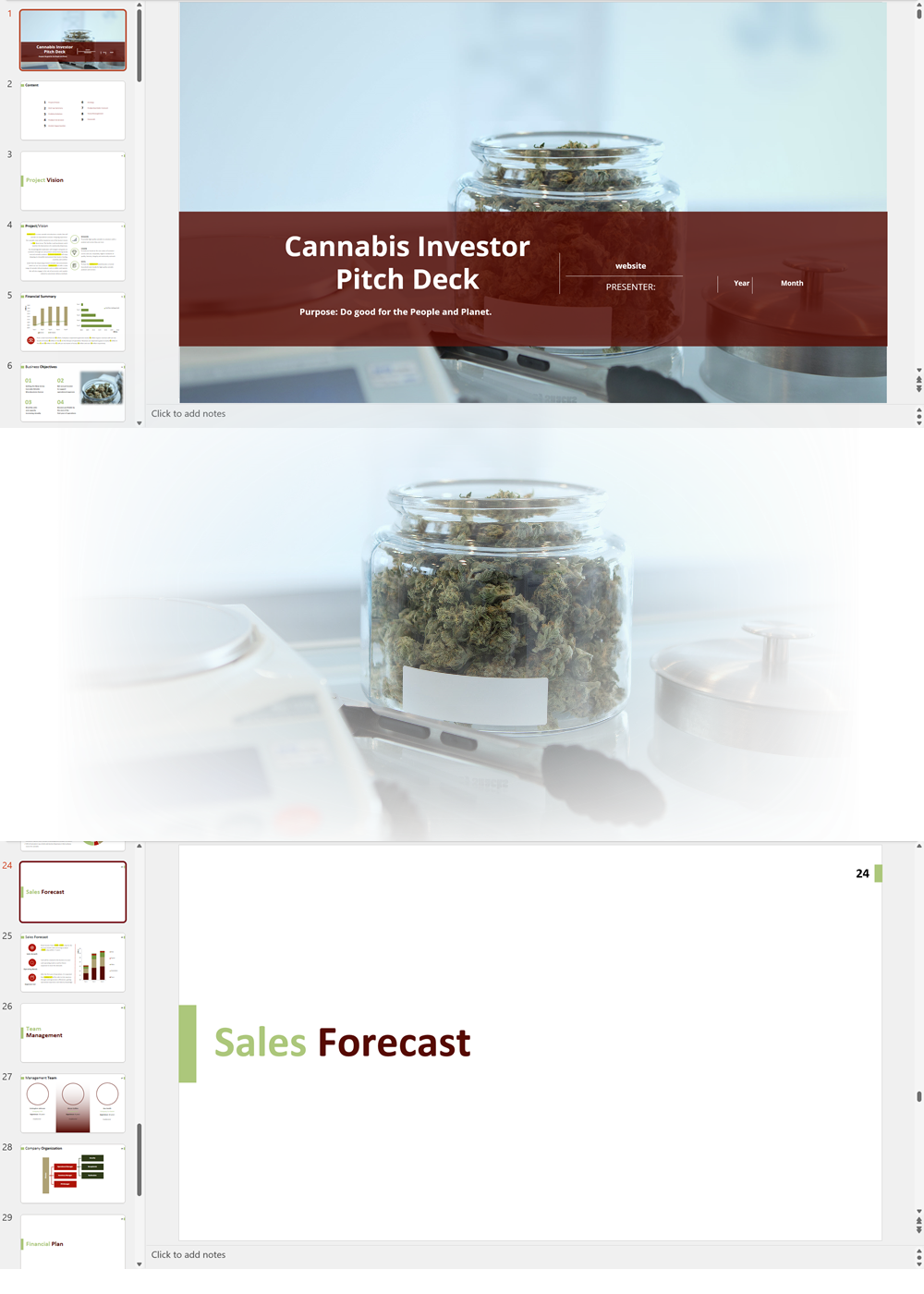
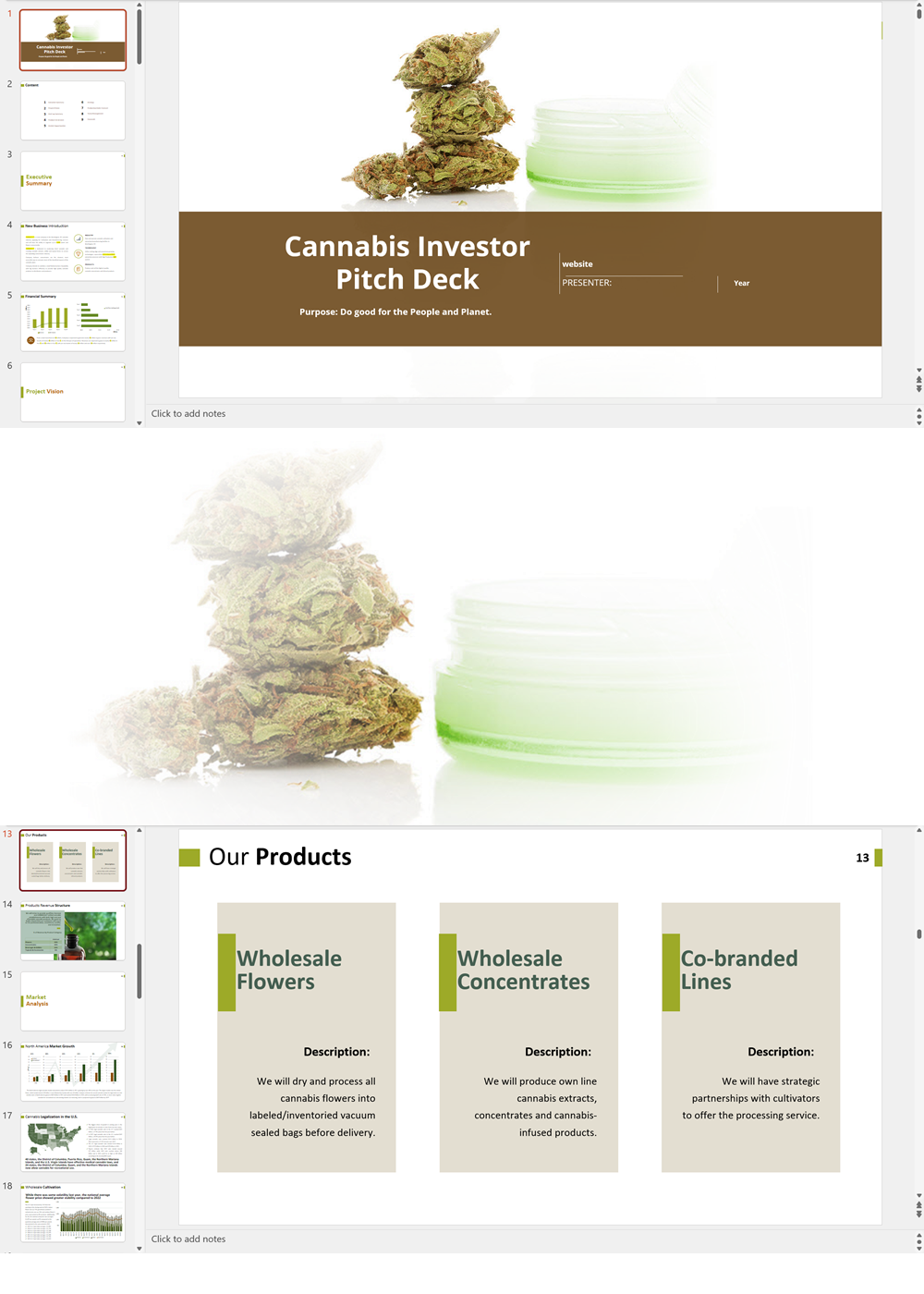
- PowerPoint Pitch Deck: provide a quick overview of your cannabis business plan.
'70% ready to go' business plan templates
Our cannabis financial models and cannabis business plan templates will help you estimate how much it costs to start and operate your own cannabis business, to build all revenue and cost line-items monthly over a flexible seven year period, and then summarize the monthly results into quarters and years for an easy view into the various time periods. We also offer investor pitch deck templates.
Cannabis Cultivation Business Plan Sample, Switzerland
Best Selling Templates
-

Cannabis Cultivation Business Plan Template
Price range: $75.00 through $350.00 Select options This product has multiple variants. The options may be chosen on the product page -

Cannabis Dispensary Investor Pitch Deck Template
$75.00 Select options This product has multiple variants. The options may be chosen on the product page -
Cannabis Financial Model All in One
$250.00 Select options This product has multiple variants. The options may be chosen on the product page
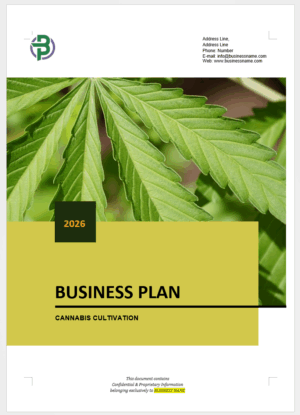
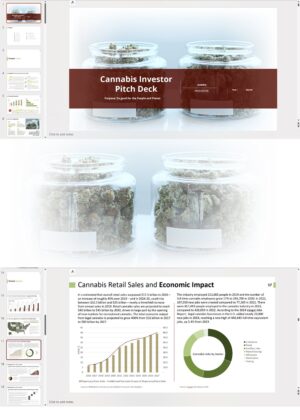
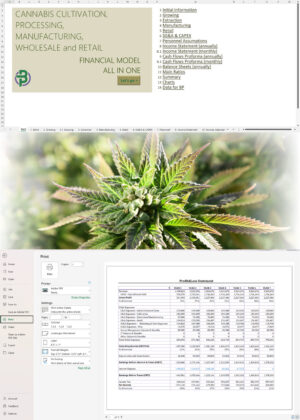
Cannabis business plan templates for European countries can be found on cannabusinessplans.eu.
Our Templates
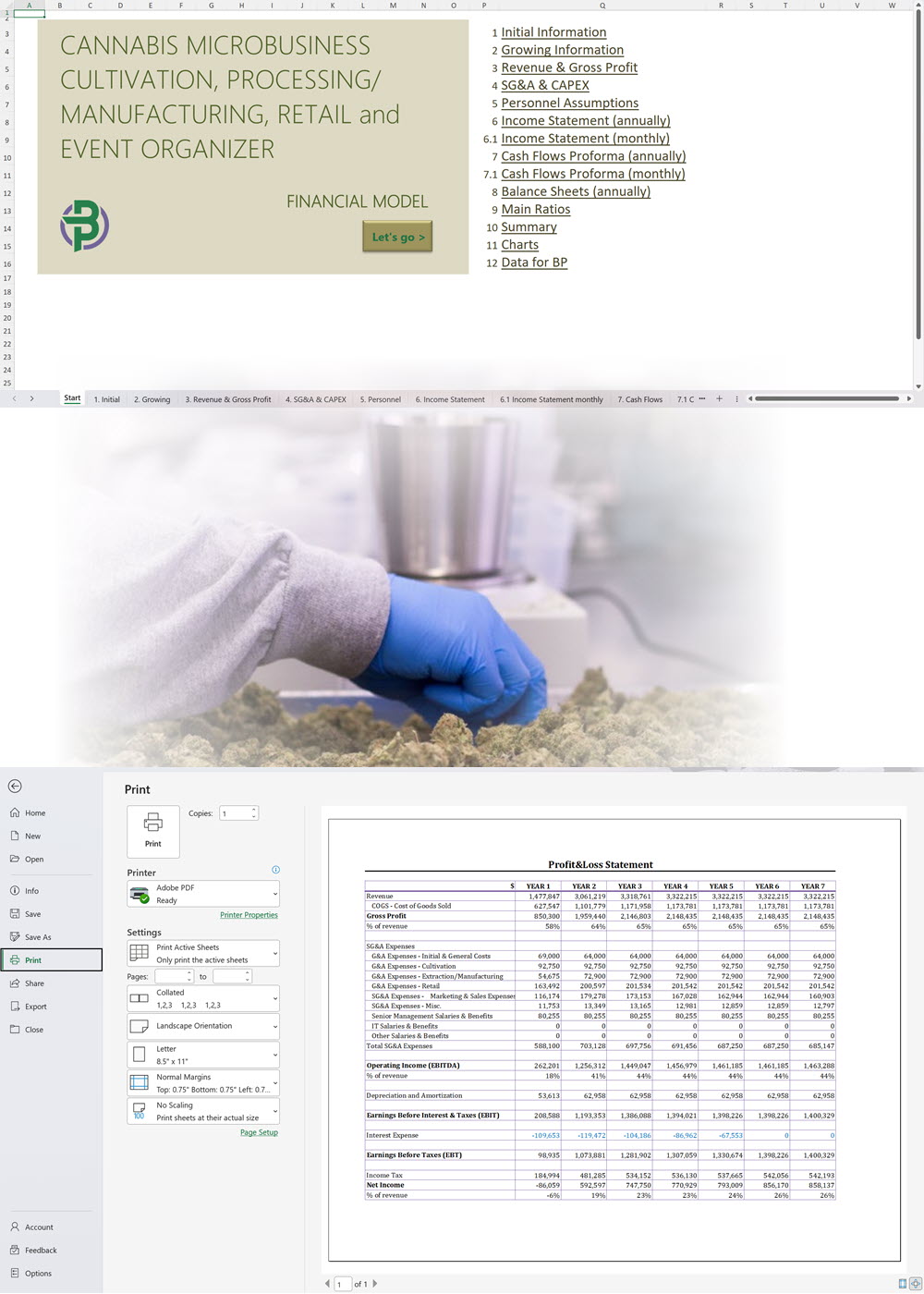
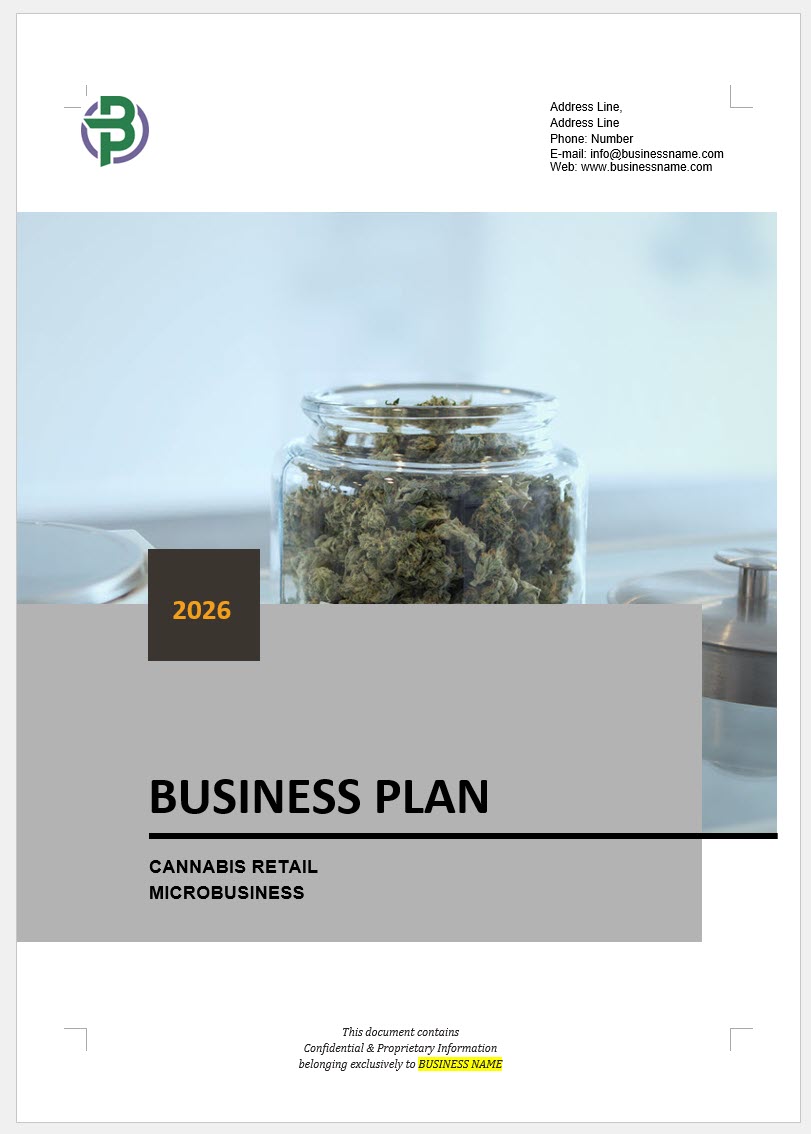
Cannabis Retail Microbusiness Business Plan Template
Price range: $75.00 through $275.00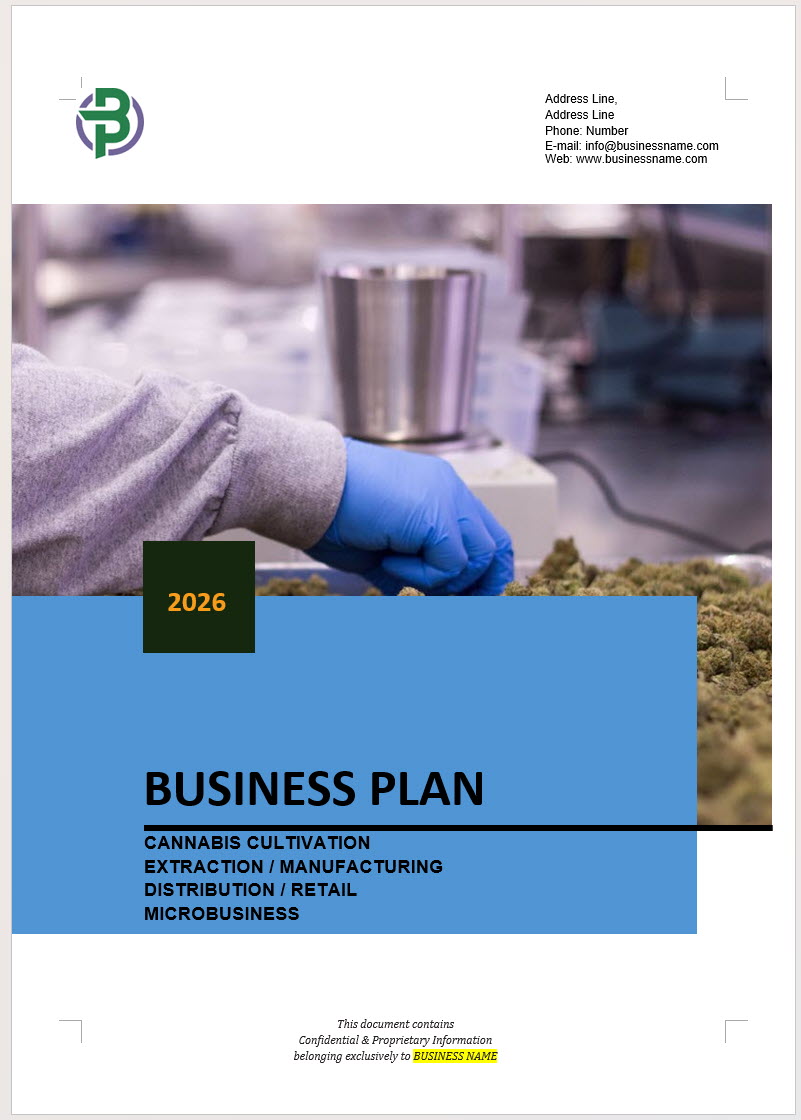
Cannabis Cultivation, Extraction, Manufacturing, Distribution, Retail and Microbusiness Business Plan Template
Price range: $75.00 through $500.00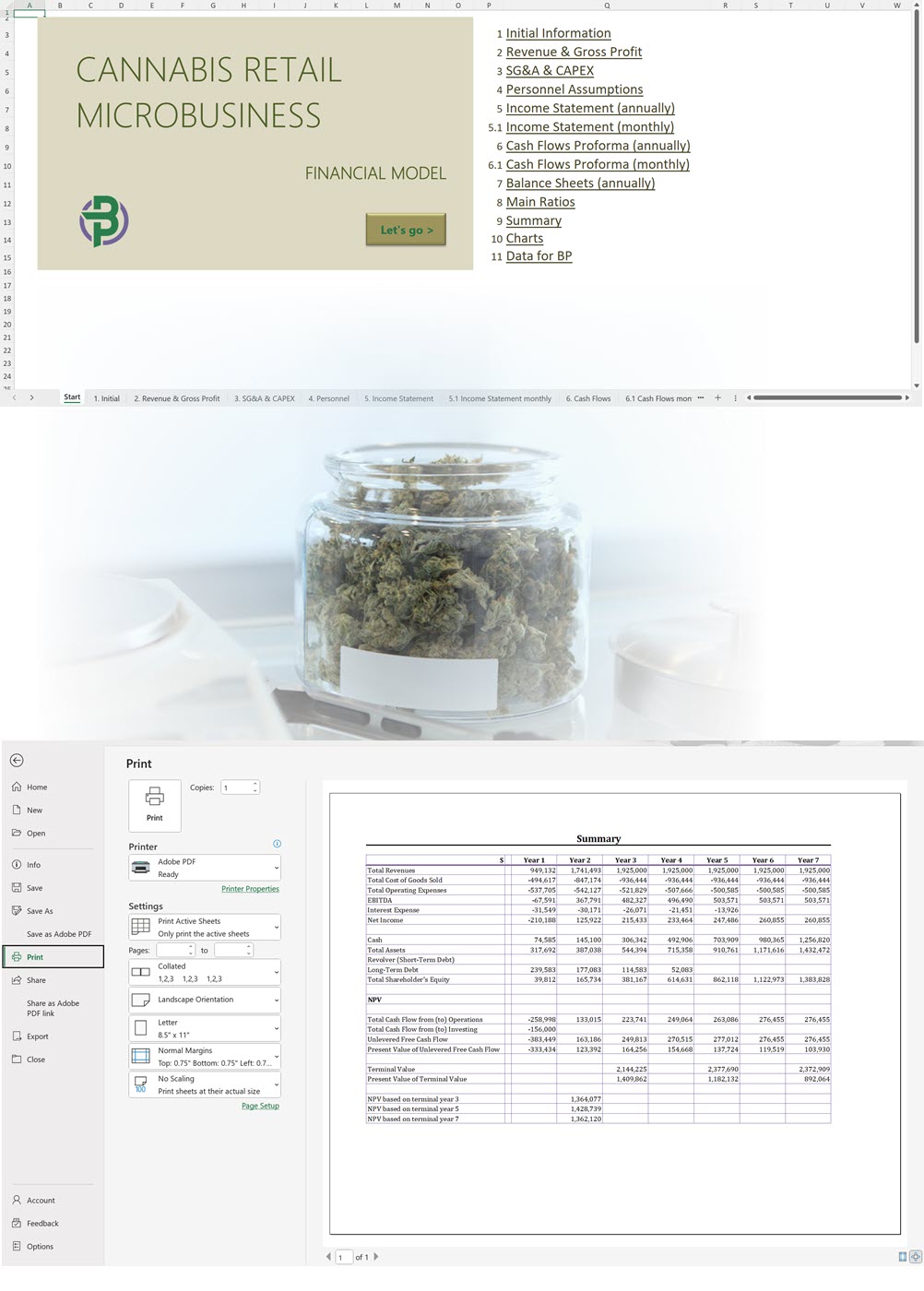
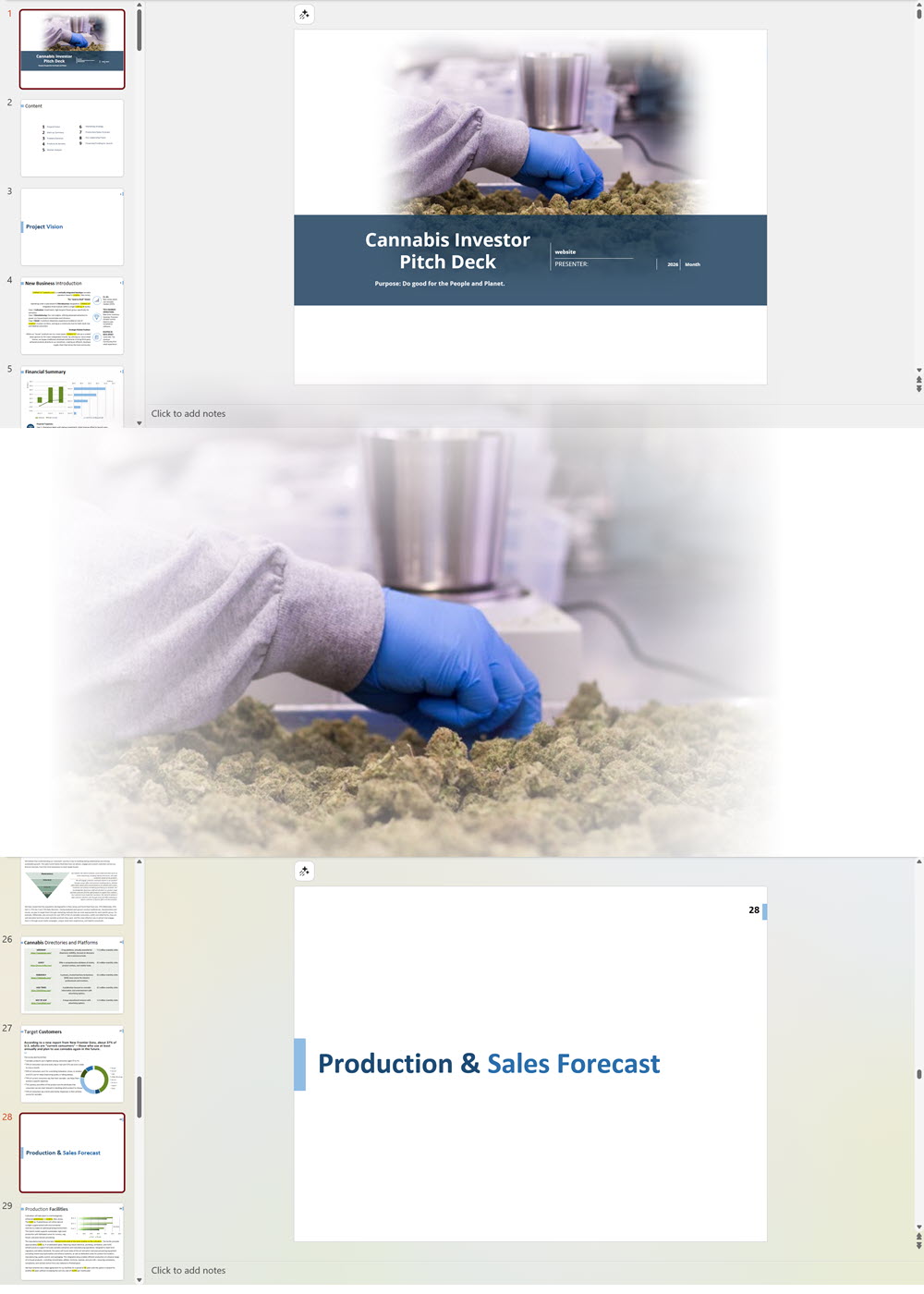
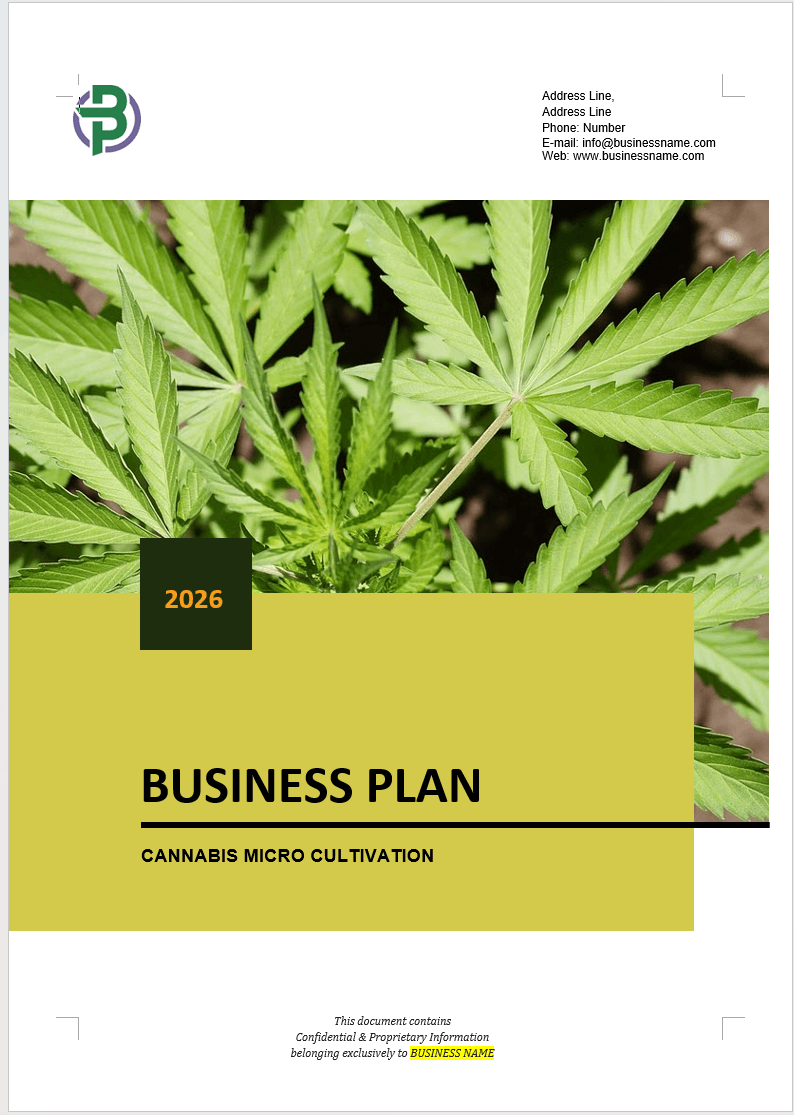
Cannabis Micro Cultivation Business Plan Template
Price range: $75.00 through $300.00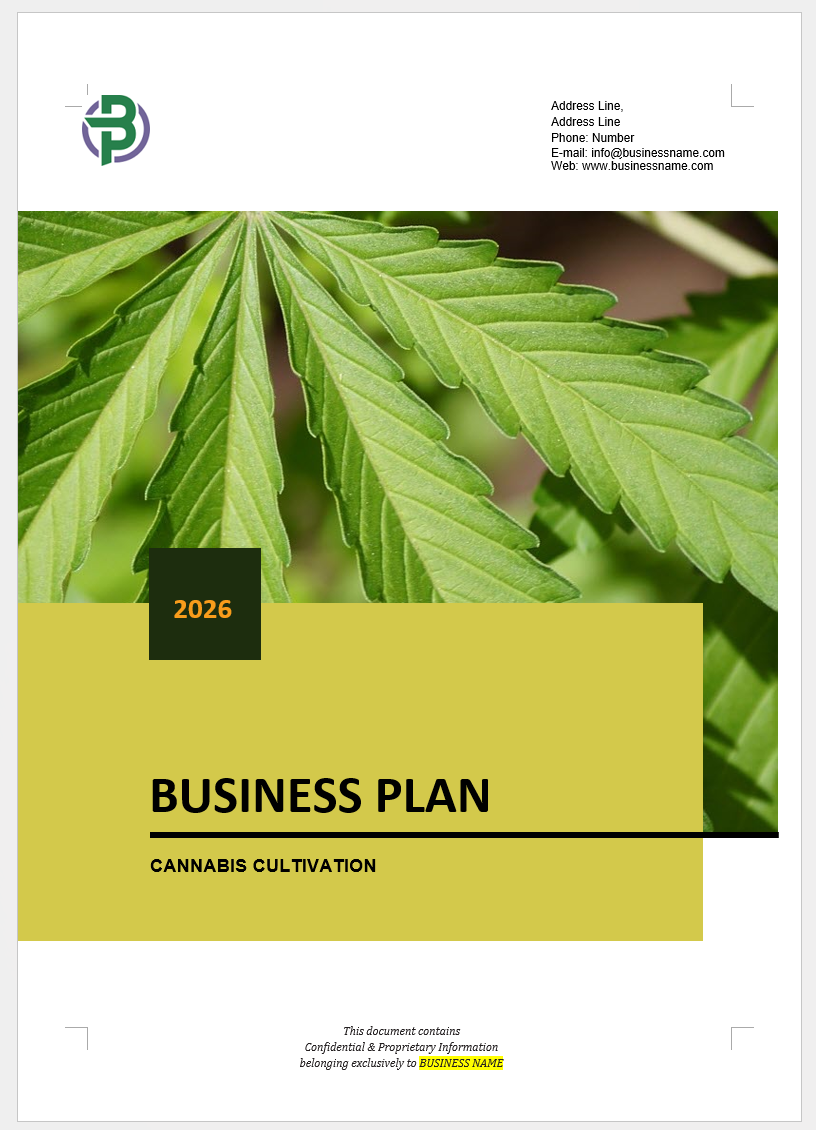
Cannabis Cultivation Business Plan Template
Price range: $75.00 through $350.00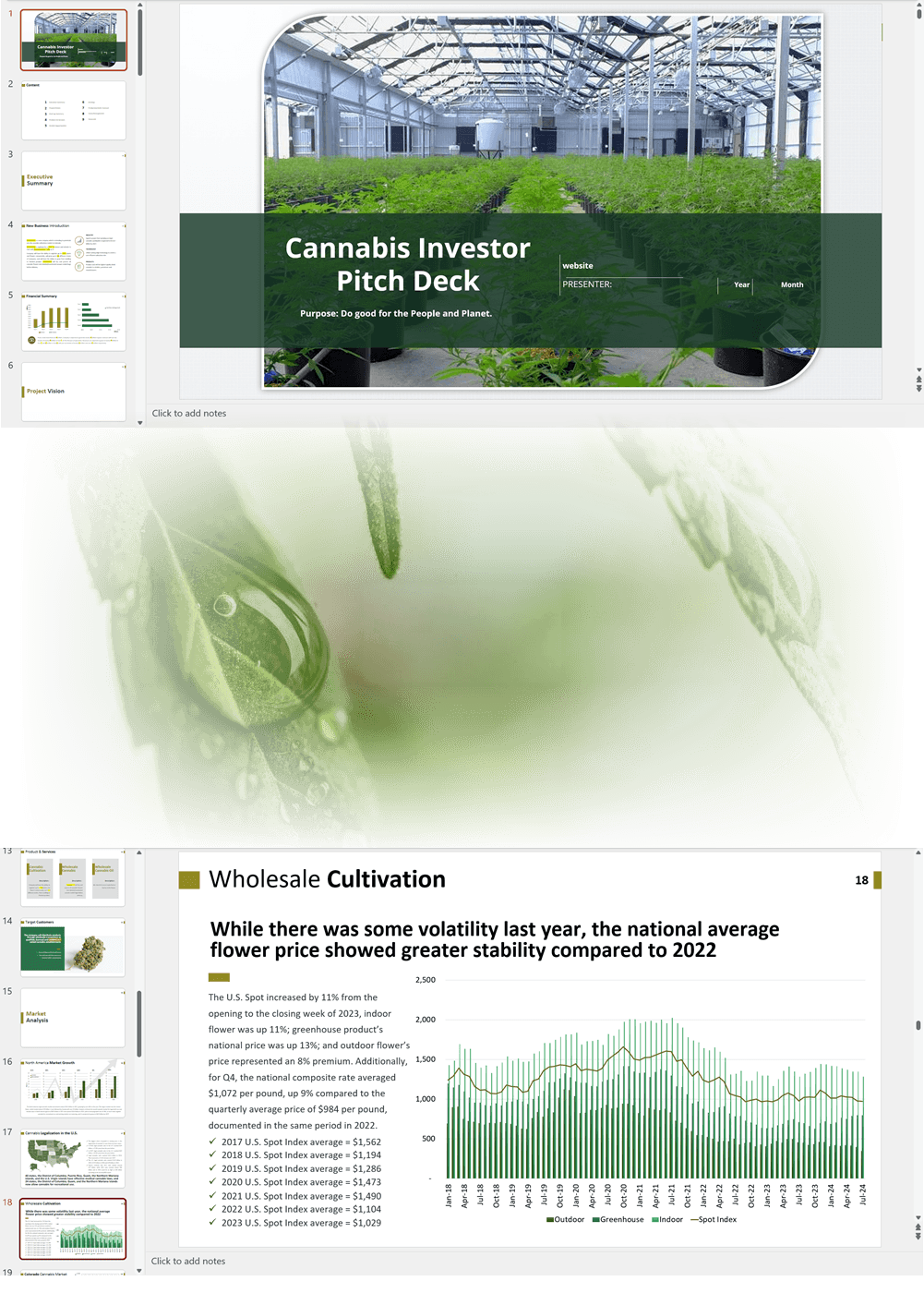
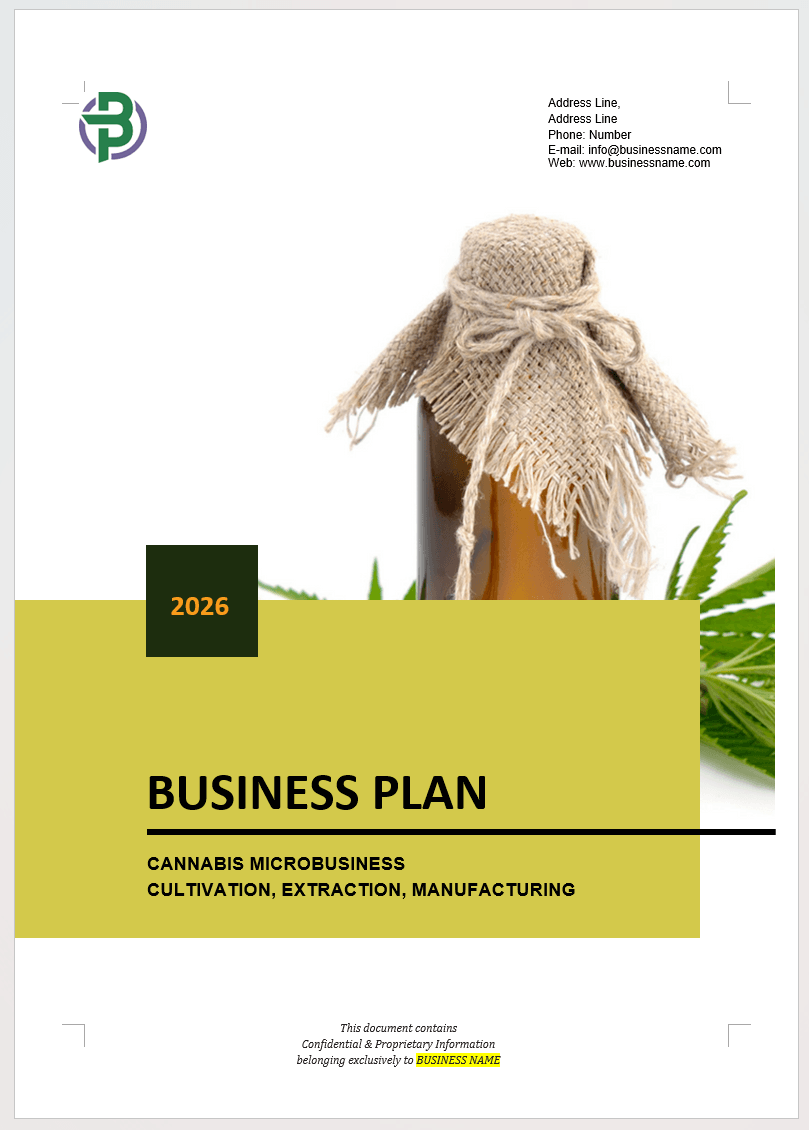
Cannabis Microbusiness Cultivation and Manufacturing Business Plan Template
Price range: $75.00 through $350.00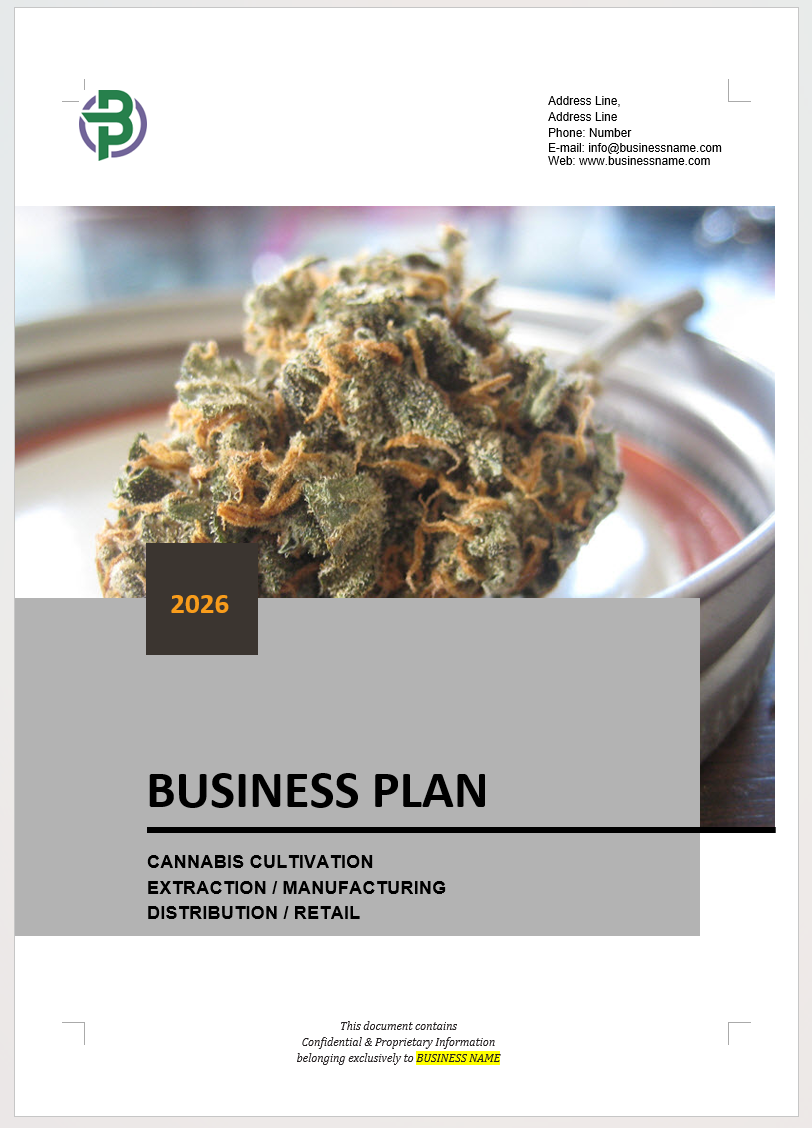
Vertically Integrated Cannabis Business Plan Template
Price range: $75.00 through $500.00

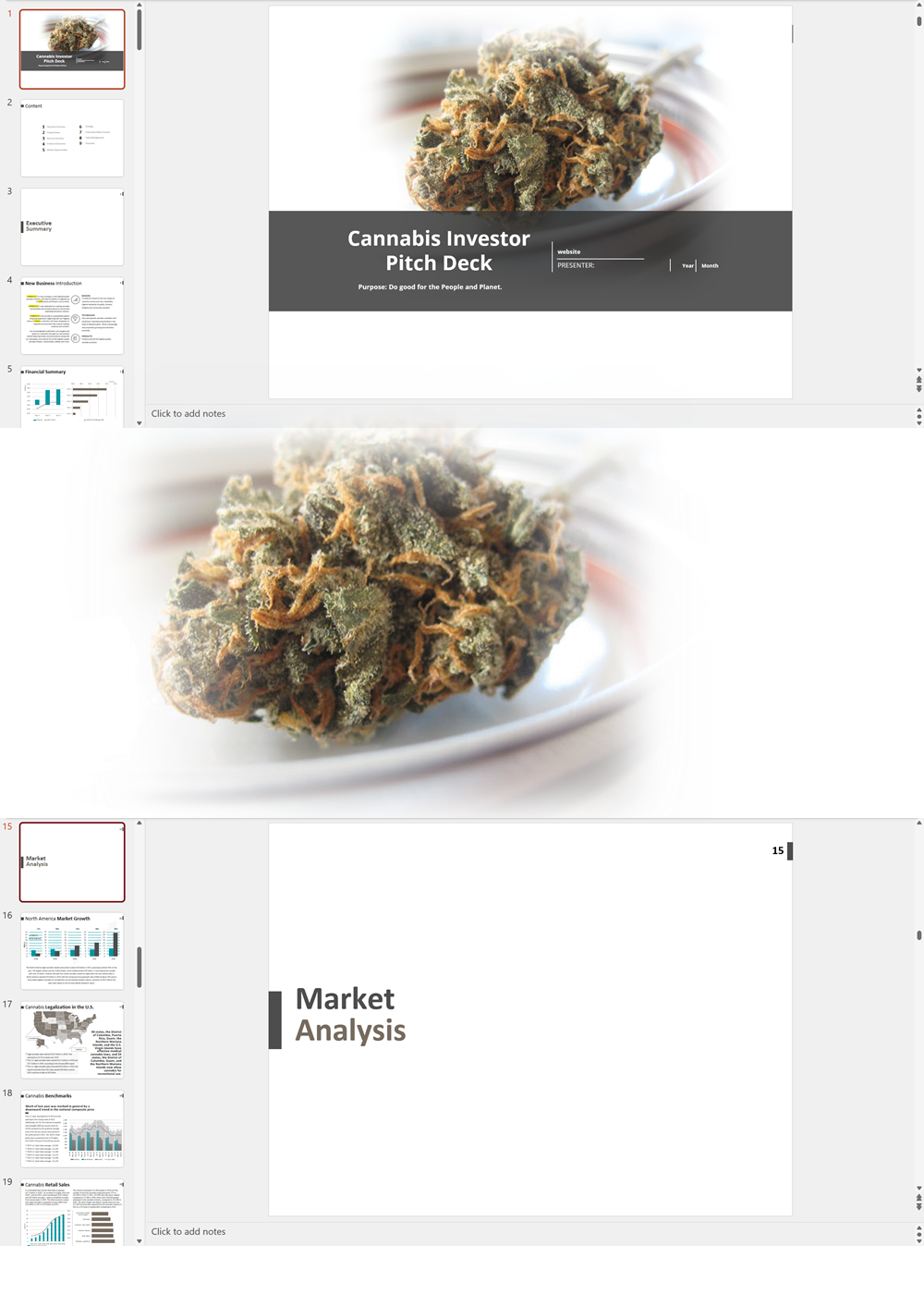

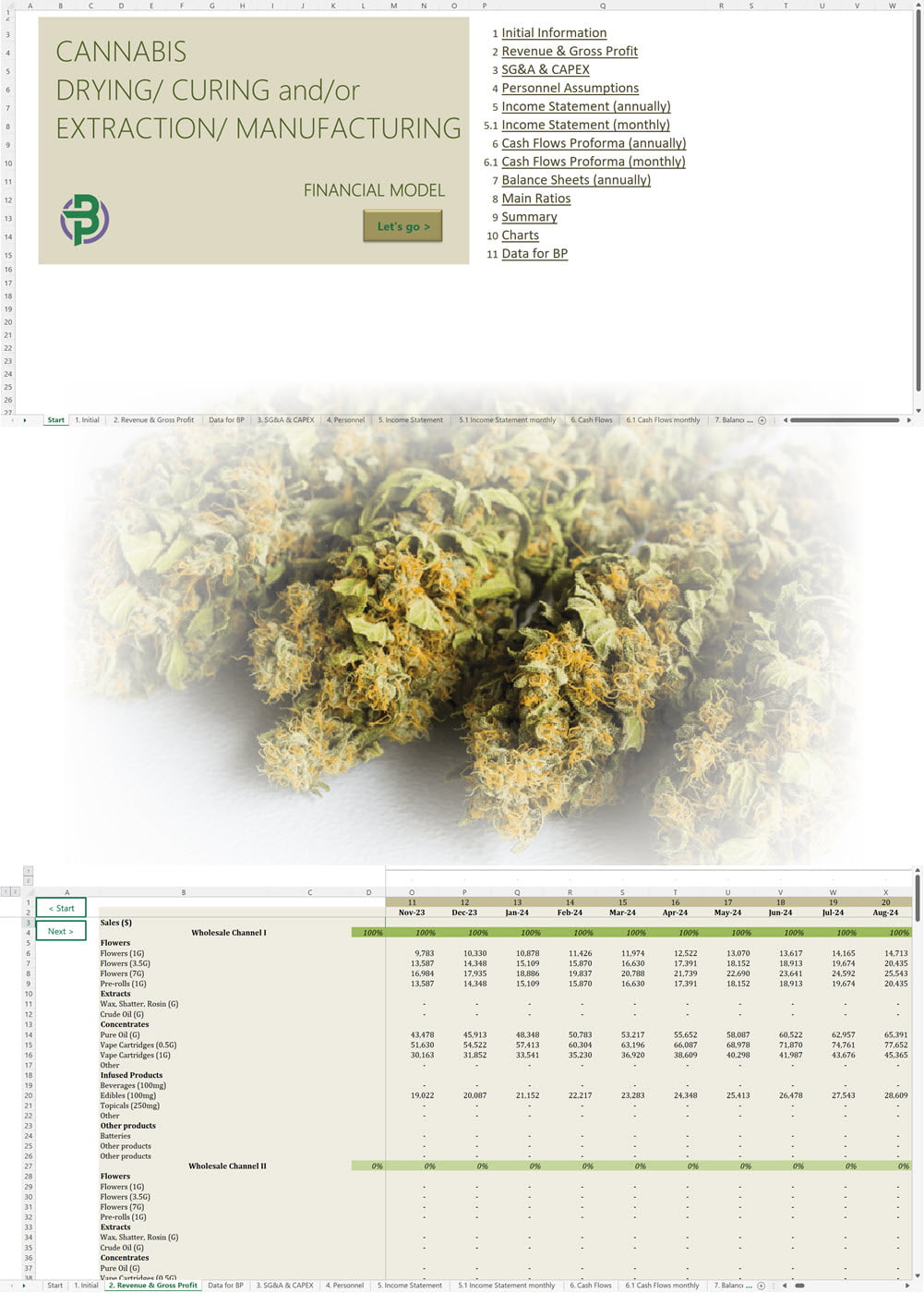
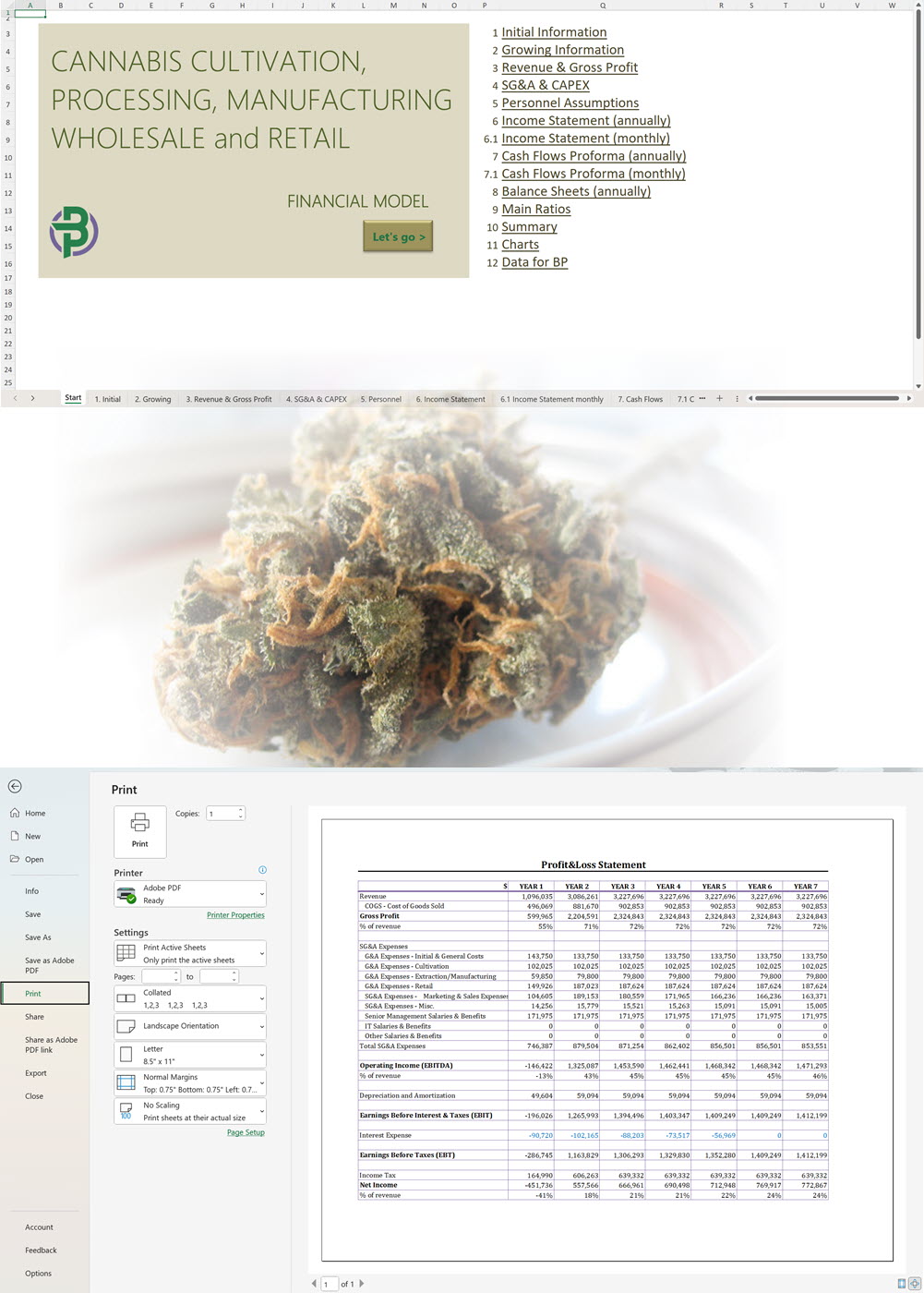
Cannabis Microbusiness Business Plan Template for Cultivation + Extraction + Manufacturing + Wholesale + Retail + Services
Price range: $75.00 through $500.00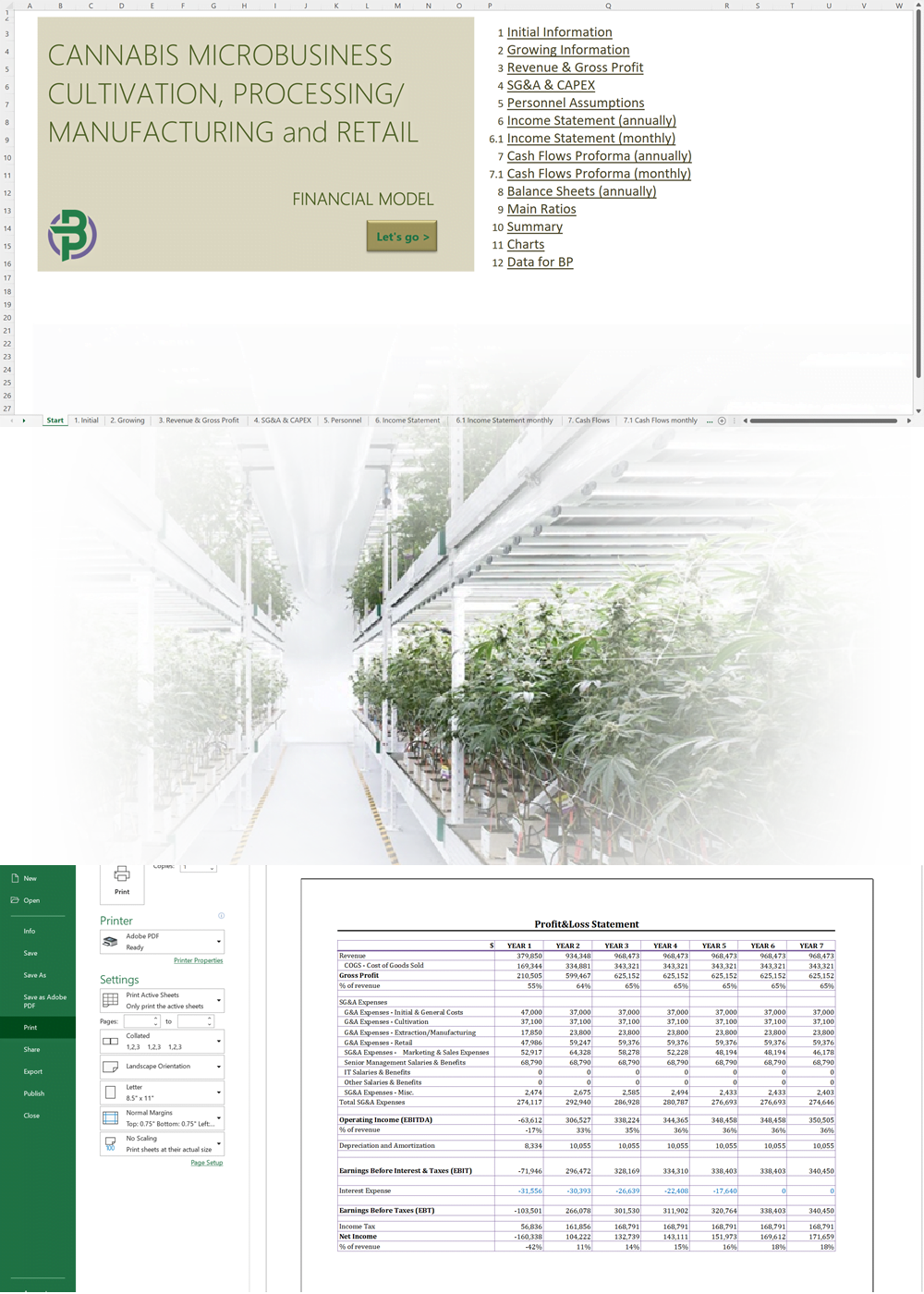
Cannabis Transportation Business Plan Template
Price range: $75.00 through $275.00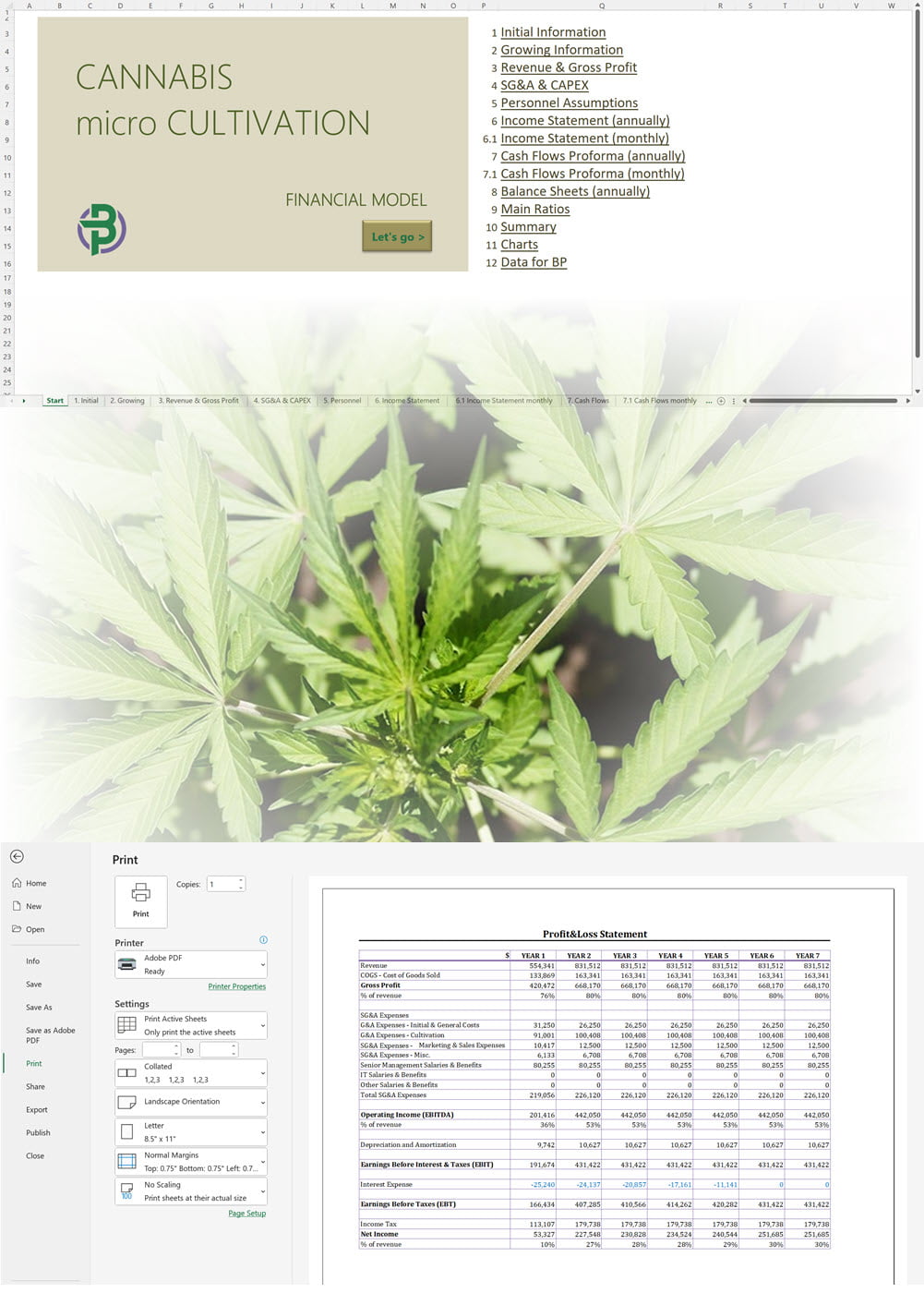

Cannabis Cultivation, Extraction and Manufacturing Business Plan Template
Price range: $75.00 through $450.00
Hemp Cultivation and CBD Oil Extraction and/or Fiber Products Business Plan Template
Price range: $75.00 through $350.00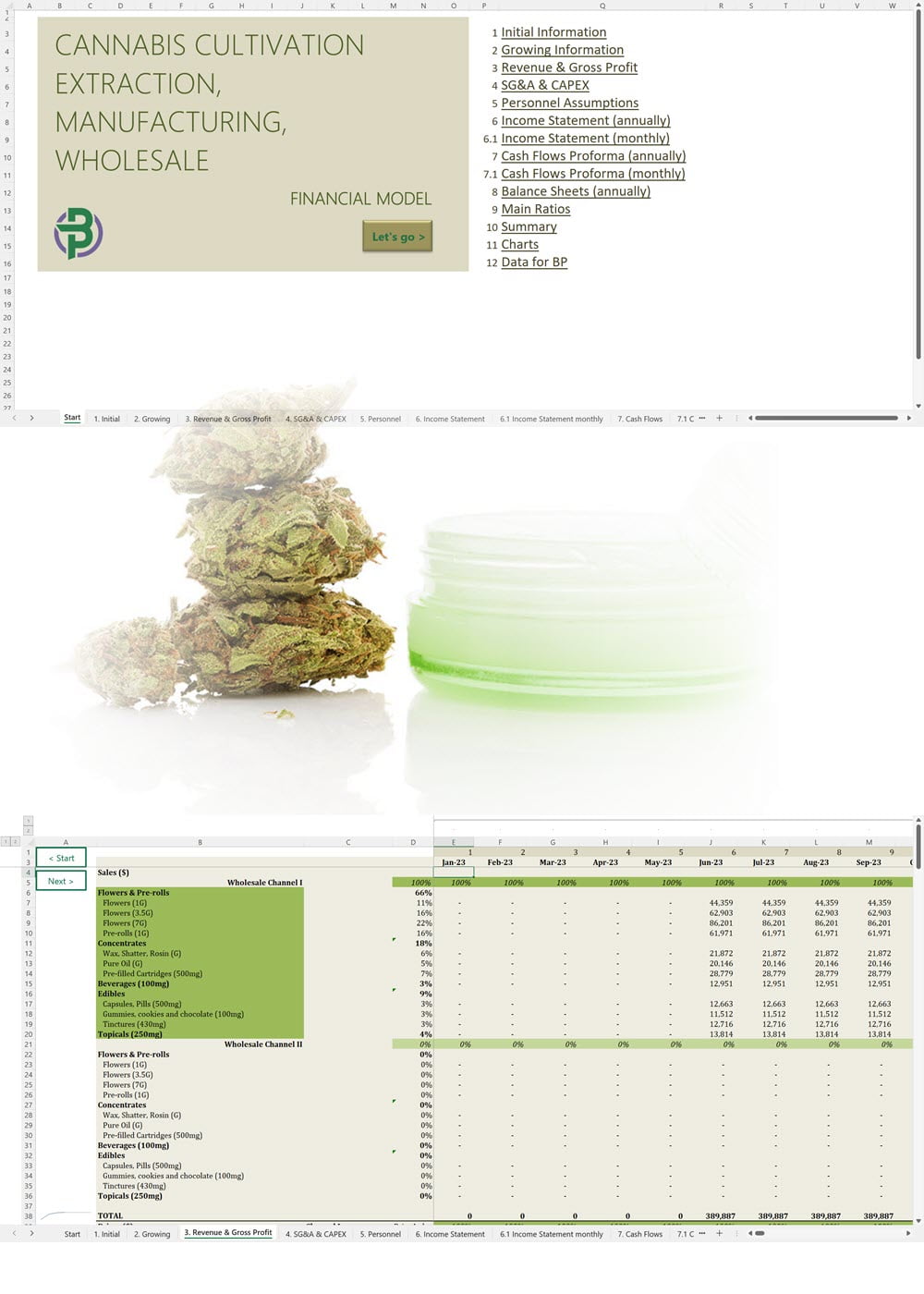
One-Page Cannabis Business Plan Template
Price range: $25.00 through $200.00