Key Takeaways
- Global Hemp Market Size & Trajectory: The global industrial hemp market is estimated to grow from $7.5 billion in 2025 to nearly $27.7 billion by 2033. The global hemp-derived CBD market was estimated at $9.6 billion in 2025 and is projected to reach $21.1 billion by 2033. (based on data from Grand View Research)
- Dominant Sectors: Hemp textiles remain the leading application, capturing 24% of the market. Other high-growth segments include food and beverages, personal care, and sustainable construction (hempcrete).
- Global Production Leaders: Over 70 countries now cultivate hemp. China is the world’s largest producer of fiber and seeds, while France dominates European production (over 60% of EU output).
- North America Leads the CBD Market: North America is the largest regional market for hemp-derived CBD with an estimated value of $6.4 billion in 2025, driven by the U.S. – the largest single hemp-derived CBD market in the world.
- Watch Emerging Hubs: Countries in Latin America, Africa, Middle East and Asia are rapidly developing cost-competitive cultivation and processing sectors.
Global Hemp Market 2025 Size, Projections & Country Regulations
2025 Hemp Market Overview
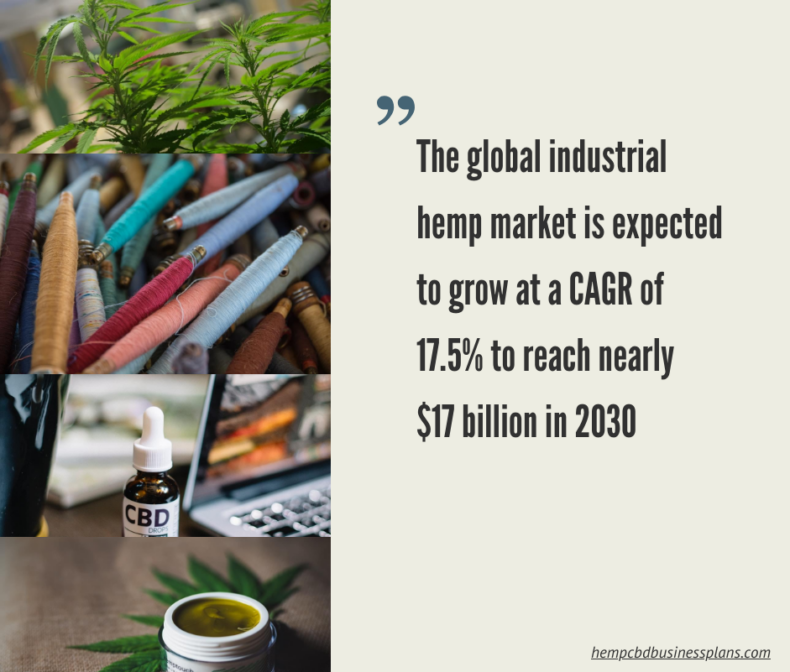
Based on data from Grand View Research, the global industrial hemp market size was estimated at $7.5 billion in 2025 and is expected to grow at a CAGR of 17.7% to reach $27.7 billion in 2033. In 2025, the hemp fabric (textile) segment remained the leading application area, capturing around 27% of the market (up by 3% from 2024), fueled by increasing adoption in sustainable fashion and eco-friendly apparel production. This was followed by food and beverages and personal care product segments which accounted for around 20% of the industrial hemp market. Hemp’s rich nutritious profile makes it a valuable addition to food products while its antioxidant properties contribute to effective skincare formulations.
Global Hemp Cultivation Area & Main Producers
These days, at least 70 countries cultivate hemp for commercial or research purposes. The largest producers of hemp are currently China, France, Canada and USA. In recent years, planted hemp area worldwide has stabilized from the 2019-2020 drop and is growing at a steady pace – having risen from around 93,000 hectares in 2023 to over 114,000 hectares in 2025. Efficiency is also increasing in numerous countries, demonstrated by the rise in yield (kilograms per hectare).
Australia, New Zealand, Germany, the Netherlands, Paraguay, Uruguay, Chile and South Africa are also among countries with active industrial hemp markets. Regulatory developments in Latin America and Africa are expected to open new opportunities for hemp exports while Japan and South Korea represent emerging markets in this industry.
Hemp THC Limits
The THC limits set for industrial hemp differ between countries. The most commonly found limit is that there must be no more than 0.3% THC in industrial hemp – this is adopted by Canada, USA, most countries in Europe, the UK, Chile, China, Lesotho, Morocco, Rwanda, Uganda and several others. However, several countries have adopted higher limits. For instance, in Australia, New Zealand, Costa Rica, the Czech Republic, Ecuador, Malawi, Mexico, Switzerland, Uruguay and Zimbabwe, the THC limit is 1%. In South Africa, the THC limit is even higher at 2%. Meanwhile, South Korea and Japan have very strict regulations which state that hemp must have 0% THC with only trace amounts allowed.
Hemp-Derived CBD
In addition to its industrial uses (such as fiber and grain), hemp can also be used to derive CBD. Cannabidiol (CBD) is one of the numerous compounds found in the cannabis plant. CBD oil can be obtained from two different species of cannabinoids: marijuana and hemp. Hemp-based CBD oil products have a lower delta-9 tetrahydrocannabinol (THC) concentration, while marijuana-derived CBD oil products have a relatively high concentration of THC.
Therefore, it is more likely that a prescription from a doctor will be necessary to acquire products with CBD derived from cannabis rather than CBD derived from hemp, making hemp-derived CBD products much more accessible to consumers which in turn contributes to greater demand for them. This is particularly visible in the share that hemp-derived CBD products occupy in the U.S. CBD market – the largest CBD market in the world currently.
Hemp-derived CBD is legal in at least 57 countries with varying regulations. In some countries like Sweden and Latvia hemp-derived CBD cannot have any THC. In the US, regulations on hemp-derived CBD differ depending on the state. In Canada, hemp-derived CBD can be sold only by cannabis retailers and cannabis regulations govern hemp-derived CBD. In New Zealand and Australia, hemp-derived CBD medicines require a prescription with the exception of low-dose CBD medicines which have been reclassified since October 2023 as pharmacist-only medicines.
The global CBD market size was valued at approximately $18.2 billion in 2025 and is expected to grow at a CAGR of 10.3% from 2025 to 2030, reaching an estimated $39.74 billion by 2033. In 2025, hemp-derived CBD dominated the CBD market, accounting for around 53% of total CBD sales. According to updated estimates (based on Grand View Research and other industry sources), the global hemp-derived CBD market reached $9.6 billion in 2025, up from $5.2 billion in 2024 and $4.3 billion in 2023. B2B segment accounts for the largest revenue share.
US & Canada
North America is the largest regional market for CBD with an estimated value of $12.1 billion in 2025, driven by the U.S. – the largest single CBD market in the world the growth of which is fueled by widespread legalization at the state level, a robust wellness industry and strong consumer demand for hemp-derived products. The market is projected to grow to $26.4 billion if current market shares hold. Hemp-derived CBD accounts for 53.6% of total revenue and this segment is expected to grow at the higher CAGR, fueled by its rising adoption in the pharmaceutical industry and increasing consumer awareness of its health benefits. The region is also responsible for around 30% of global industrial hemp cultivation.
United States
In December 2018, the Farm Bill was signed into law to make hemp legal for the first time in the United States since the 1930s. The passage of the Farm Bill had a dramatic effect on the area intended for hemp cultivation in the U.S. – in 2018, it reached 78,176 acres, recording a tripling of land under hemp from 25,713 in 2017. In 2019, the number of acres licensed for hemp cultivation skyrocketed to 500,000, though only 230,000 acres were actually planted and yields totaled 115,000 acres. The value of hemp production in the open reached its peak of nearly $1.2 billion.
The initial enthusiasm surrounding the hemp industry led to overproduction and resulted in hemp acreage plummeting. Planted acres fell to 28,314 in 2022 and 27,680 in 2023. However, in 2024, the US hemp industry started to recover and planted acreage surged by 63.6% to 45,294 acres according to the National Hemp Report. The total U.S. hemp farm-gate production value (value of utilized production at the farm level) rose to nearly $450 million – 41% up from 2023 – of which around 87% came from floral hemp.
The recovery continued into 2025 with hemp farm-gate production value reaching $739 million – 64.4% up from 2024. In 2025, US hemp farmers planted 49,267 acres of hemp in the open and harvested 43,707 acres, significantly improving their yield to 89% from just 62% in 2021. Nearly 50% of harvested hemp acreage was for fiber, followed by 39% for hemp floral varieties, 17% for grain, and 8% for seed.
After the adoption of the 2018 Farm Bill, CBD producers have had a much greater incentive to use hemp as their main source for CBD since hemp and its extracts, cannabinoids, and derivatives were no longer categorized as controlled substances. Similarly to industrial hemp, the hemp-derived CBD market also experienced a correction in 2021 and 2022 but in 2023, hemp-derived CBD sales began to rise again, reaching $1.4 billion. They climbed further to $1.7 billion in 2024 and are estimated at nearly $2 billion in 2025.
More recently, in 2025, the federal hemp regulations were changed by a spending bill which was approved by President Trump on November 12, 2025. The spending bill includes language that limits total THC (including THCA) in hemp products to 0.3%, limits THC content in finished hemp-derived products to no more than 0.4 mg of total THC per container, and bans synthetic/non-natural cannabinoids, effective from November 12, 2026. This closes what is described by some as the “intoxicating hemp loophole” that has allowed high-THC flower and hemp products with chemically altered or synthesized in lab compounds derived from hemp biomass to enter the market.
On December 18, 2025, President Trump Executive Order 14370, “Increasing Medical Marijuana and Cannabidiol Research“, directing federal agencies to expand research and explore pathways for improving access to full-spectrum CBD products. Following this, the Centers for Medicare & Medicaid Services (CMS) began a new pilot program from April 1, 2026, called the Substance Access Beneficiary Engagement Initiative (BEI) that allows participating healthcare providers in certain models to provide hemp-derived CBD products to patients at no cost to the patient. This marks a significant step towards improving US patients’ access to CBD medicine.
Canada
Canada on its own accounts for approximately 13% of global hemp cultivation. Since hemp cultivation was legalized in Canada, production has been variable year to year but generally increasing – which some attribute to increased import demand in the United States. For instance, in 2022, over 90% of exports of hemp from Canada were made to the United States. According to the most recent data from Statistics Canada, the seeded area of hemp was about 14,800 hectares in 2024 and 15,500 hectares in 2025 – a slight recovery from the 34% drop that occurred from 2023 to 2024. Manitoba and Alberta account for the largest portion of Canada’s hemp cultivation area, holding a 41% and 24.5% share of the total 2025 seeded area, respectively.
The 2018 Canadian Cannabis Act cleared the way for whole hemp plant utilization. Though industrial hemp licensees may not extract CBD themselves, they can sell hemp leaves, flowers and branches to a holder of a cannabis processing or research license who can then extract CBD from them. Sales of hemp in Canada were estimated at around $525 million in 2022.
In recent years, this number is likely even higher as from 2023 to 2024, the share of cultivation area dedicated to flower surged by more than five times from 835 hectares to 4,607 hectares, taking the second largest share of planted area after grain.
Market estimates for the value of hemp-derived CBD in Canada are limited, but researcher Jan Slaski of InnoTech Alberta has predicted that the overall Canadian hemp industry could be worth $1 billion a year.
Europe
In recent years the area dedicated to hemp cultivation has increased significantly in the EU from 20,540 hectares in 2015 to 37,740 hectares in 2024 and an estimated 40,000 hectares in 2025. In the same period, the production of hemp increased by 103% from 97,130 tonnes to 197,590 tonnes. France is the largest producer, accounting for more than 60% of EU production, followed by Germany (17%) and the Netherlands (5%).
Europe is expected to be the region with the fastest growth in its CBD industry over the next 5 years. European consumers are becoming increasingly aware of the health benefits that CBD offers and this has contributed to CBD’s rising popularity. However, the CBD market still faces difficulties in the region due to the classification of food products containing CBD (including hemp-derived CBD) as “novel foods” which prohibits the placement of CBD food products on the market before receiving an authorization from the European Commission. In 2022, the European Food Safety Authority put the CBD food product authorization process on hold due to data gaps and uncertainties relating to CBD intake. The process is still on hold to date.
The novel food classification applies to hemp-derived CBD products in the UK as well and UK’s Food Service Agency (FSA) is responsible for issuing novel food authorizations. UK has been slightly more progressive with the use of CBD in food products – some CBD food products have already received positive safety assessments and have moved on to the risk management stage and consultations. According to FSA board meeting minutes, first CBD authorizations are expected to be issued in summer 2026.
The value of all hemp-based product markets combined (CBD, hemp bioplastics, insulation, hemp concrete and other) in Europe was estimated at €1.62 billion in 2020, and is expected to reach €8.8 billion in 2030. Based on data from Grand View Research, the EU hemp-derived CBD market value was estimated at €1.02 billion in 2025 and it is projected to grow at a compound annual growth rate (CAGR) of around 12.7% to reach €2.68 billion by 2033. The two largest markets for CBD are Germany and the UK.
Alternatively, if the European CBD market grows at a faster pace, it could reach €2.6 billion by 2026 with around 50 million users, as highlighted in a report by the Prohibition Partners.
In September 2025, the European Parliament’s Committee on Agriculture and Rural Development voted to adopt an amendment which includes hemp flowers as a licit agricultural product in the EU, moving towards whole hemp plant utilization. The full European Parliament adopted the first reading of the proposal. It must now be approved by the Council of the EU and then undergo trilogue negotiations between the EU Parliament, Council, and Commission. If the proposal is adopted, this would create a harmonized and clear legal environment for EU hemp farmers and significantly improve access to funding from investors or grants.
Oceania
The industrial hemp market in Oceania is evolving into a high-growth industrial sector in the region, driven by progressive regulatory reforms and rising demand for sustainable construction solutions and nutrition. The industrial hemp market in the region is projected to reach US$115 million by 2030.
Australia and New Zealand are the largest growers in the region but other countries in Oceania like Vanuatu and Fiji have also legalized industrial hemp. Vanuatu is in the process of developing amendments to its hemp and cannabis law which aim to bring greater regulatory clarity and encourage banks to work with licensed hemp and cannabis businesses, facilitating investment into the two industries.
Australia
Industrial hemp production is regulated in Australia under the Industrial Hemp Act 2017, and the Industrial Hemp Regulations 2017. Licensing and THC limits are established and governed at the state level.
Australia’s planted hemp area peaked at 4,132 hectares in 2019, after which it began to decline steadily, falling to 1,493 hectares by 2023 – less than half the area in 2019. This trend reversed sharply in 2024, with plantings rebounding to 3,266 hectares. The resurgence was driven by fibre-focused cultivation which nearly doubled in planted area from 2023 to 2024, and the tripling of hectares dedicated to growing for grain. New South Wales accounts for more than half of Australia’s total hemp plantings.
According to the Australian Hemp Council, investment in Australia’s hemp fiber sector reached AU$52 million as of May 2024, and an additional AU$195 million was anticipated over the next two years. In 2024, Australia’s hemp fiber industry was valued at AU$5.4 million while the hemp grain industry was estimated to be worth AU$5 million. Separately, the Australia Industrial Hemp Alliance estimates that the Australian hemp food market has a retail value of $15 million.
A major catalyst for the hemp industry came in April 2017, when the Australia New Zealand Food Standards Code was amended to permit the sale of food products derived from hemp seed that do not contain cannabinoids apart from trace levels. One consumer survey by the University of Adelaide found that 26% of respondents have already tried purchasing hemp food or beverage products and with further consumer education, this proportion could increase as 46% among non-buyers cited unfamiliarity with hemp as the primary barrier.
New Zealand
Initially, an industrial hemp license was required to cultivate, harvest and/or process industrial hemp in New Zealand but on December 11, 2025, a reform of the country’s industrial hemp regulations was announced – eliminating the license requirement and lifting the THC limit from 0.35% to 1%, among other changes.
It is estimated that the New Zealand hemp industry is worth NZ$10 million (as of 2025) and could grow to NZ$30 million by 2030.
The New Zealand Hemp Industries Association however, has stated that the removal of regulatory barriers for industrial hemp in New Zealand can result in total earnings for New Zealand of NZ$2 billion by 2030; this consists of NZD$183 million in seed products, NZ$317 million in fiber products and NZ$1.5 billion in hemp nutraceuticals containing cannabinoids. In addition, 20,000 new jobs would be created in the country.
The construction sector represents one of the largest potential markets for industrial hemp in New Zealand. According to a report from Venture Taranaki, based on the value of the new houses consented in New Zealand in the year ending February 2022, if hemp materials obtain a market share of 0.1%-0.5% in the building materials sector, this could add NZ$19 – NZ$95 million in revenue to New Zealand’s hemp industry.
Latin America and the Caribbean
Since 2013, several Latin American countries have legalized the production of industrial hemp, including Argentina, Colombia, Costa Rica, Paraguay, Ecuador and Uruguay.
The size of industrial hemp area in Latin America and the Caribbean is estimated at approximately 10,000 hectares in 2023 and is projected to reach 50,000 hectares by 2030. In the second edition of the Latin America and Caribbean Cannabis Report – produced by London-based advisory group Prohibition Partners – the cannabinoid-based products market in the region is projected to reach over $500 million in the coming years with over 50% of CBD products sales.
Paraguay started growing hemp in 2019 and is the largest producer and exporter of hemp in Latin America. It is estimated that approximately 2,500 hectares of hemp were cultivated in Paraguay in 2022 by around 350-400 farmers. The hemp produced was used mostly for food and flower, and some for fiber.
Another major producer in the region is Ecuador which reported in 2025 that 2,377 hectares were registered for hemp cultivation in the country.
Currently, hemp/CBD products are commercialized in Brazil, Mexico, Bahamas, Bermuda, Antigua and Barbuda, Aruba, Trinidad and Tobago, Colombia, Ecuador, Costa Rico, Peru, Paraguay, Chile, Uruguay, Argentina.
Africa
Currently, 11 countries are reported to allow the growing of industrial hemp in Africa, including Botswana, the Kingdom of eSwatini, Ghana, Lesotho, Malawi, Morocco, Rwanda, South Africa, Uganda, Zambia and Zimbabwe. Most of these countries have set the THC limit for hemp at 0.3%, the same as in the United States and Europe, but Malawi and Zimbabwe set the limit between marijuana and hemp at 1.0%.
South Africa made a major step towards boosting its hemp industry when in December 2025, the Department of Agriculture announced the commencement of the new Plant Improvement Act which raises the THC limit in hemp’s leaves and flowering heads to 2% bringing the law into better alignment with the country’s agronomic environment. As of September 2024, South Africa issued over 1,000 permits for hemp cultivation since hemp was declared an agricultural crop in the country.
The Hemp Business Journal estimated hemp retail sales in African markets at $133 million in 2022.
A report from Africa Hemp Fund projects that in the future the African industrial hemp market (excluding CBD) could be worth US$2.4 billion annually and create 180,000 job opportunities on the continent.
Asia
China is Asia’s leading hemp grower, producing 35-40% of the world’s hemp. Provinces Yunnan and Heilongjiang have approved the development of the industrial hemp industry under the guidance of the provincial agricultural science academies. Industrial hemp is defined to have no more than 0.3% THC content. In Yunnan, there is a three-certificate system – the cultivation license, scientific research cultivation license and processing license.
The Heilongjiang province mainly produces hemp for the fiber textile industry while the flower and leaf extracts are concentrated in the Yunnan province. Both provinces allow the production of hemp for CBD. However, use of industrial hemp in medicines or foods is not allowed in China. It is also prohibited to use CBD, hemp fruit, hemp seed oil and hemp leaf extract in cosmetics.
Hectares of hemp planted in China surged from 2016 to 2017 by 60% and, with slight fluctuations, continued the upward trend to reach 23,200 hectares in 2021 and 26,500 hectares in 2022, producing 128,000 and 145,000 tons of hemp in 2021 and 2022, respectively. In 2023, hectares of hemp planted rose to 28,500 and then further in 2024 to reach an estimated 30,800. In 2025, planted hemp hectarage in China was estimated at 33,333.
As of early 2020, there were 158 companies in the Yunnan Province licensed to plant industrial hemp, 101 licensed to process flower and leaf, 14 licensed to extract and process, and 87 companies that have obtained pre-processing approvals. According to the official website of the Yunnan Provincial Public Security Department, from March 2023 to April 2026, another 50 industrial hemp cultivation licenses have been issued. There are around 150 CBD extraction companies in China.
The country exports most its hemp products to the US, Bangladesh, Vietnam, Cambodia, Indonesia, India, Turkey, Italy, Spain, and Brazil, and has begun growing hemp in three provinces for CBD extraction purposes. Chinese hemp-fiber exports were estimated at $2.018 billion in 2025 – down by 15.23% from 2024 but still up by 68% from $1.2 billion in 2018, demonstrating a generally positive trend over the long term. It should be noted that “hemp fiber” in Chinese commodity data typically also includes other bast-fibers such as flax and jute. Therefore, the value of pure hemp-fiber exports is likely lower.
Other countries in Asia – Kazakhstan, Pakistan, India, Thailand, Japan, and South Korea – are actively developing their domestic hemp industries.
In Japan, the primary market for hemp is hemp-derived CBD products – which are legal and approved by the health ministry for consumption. However, products can contain no more than 10ppm (0.001%) of THC in oil, 1ppm in edibles, and 0.1ppm in beverages. Though such a low content is difficult to ensure, it is possible and several stores in Japan sell topicals, food, and beverages containing CBD. Euromonitor estimates that Japan’s legal CBD market reached USD$163 million in 2024 with around 530,000 users.
The hemp-derived CBD industry is also big in India where medical hemp products are regulated by the Ministry of AYUSH. Additionally, in November 2021 the Food Safety and Standards Authority of India approved hemp seeds, oil, and flour as food products – significantly simplifying business for companies wishing to produce nutritious products from industrial hemp such as hemp protein powder and cold-pressed hemp seed oil. BOHECO, one of the leading companies in India’s medical and industrial hemp industry, estimates that the general market size for industrial hemp is between $500 million and $750 million annually.
Middle East
In the Middle East, industrial hemp is legal in Israel, Lebanon, and the United Arab Emirates (UAE). Lebanon was the first Arab nation to legalize cannabis for medical and industrial use back in 2020, defining industrial hemp to have no more than 1% THC.
UAE is one of the newest additions to the growing list of countries with legal hemp programs. The UAE Government issued a Federal Decree-Law on December 18, 2025, legalizing industrial and medical uses of industrial hemp and creating a regulatory framework for the industry. THC levels in hemp must not exceed 0.3% and a license is required to cultivate, manufacture, import, or export hemp and hemp products.
How Can HempCBDbusinessplans Templates Help Start or Grow Your Hemp CBD Business?
The global regulatory landscape for hemp CBD continues to evolve, creating both opportunities for starting a business or growing an existing one, and complexities in navigating diverse laws and restrictions. Regardless of location, a well-structured business plan remains essential – not only to ensure compliance but also to secure funding and demonstrate a clear path to sustainable growth. It will also help you understand how much money it will take to start a hemp CBD business and how much profit it could make.
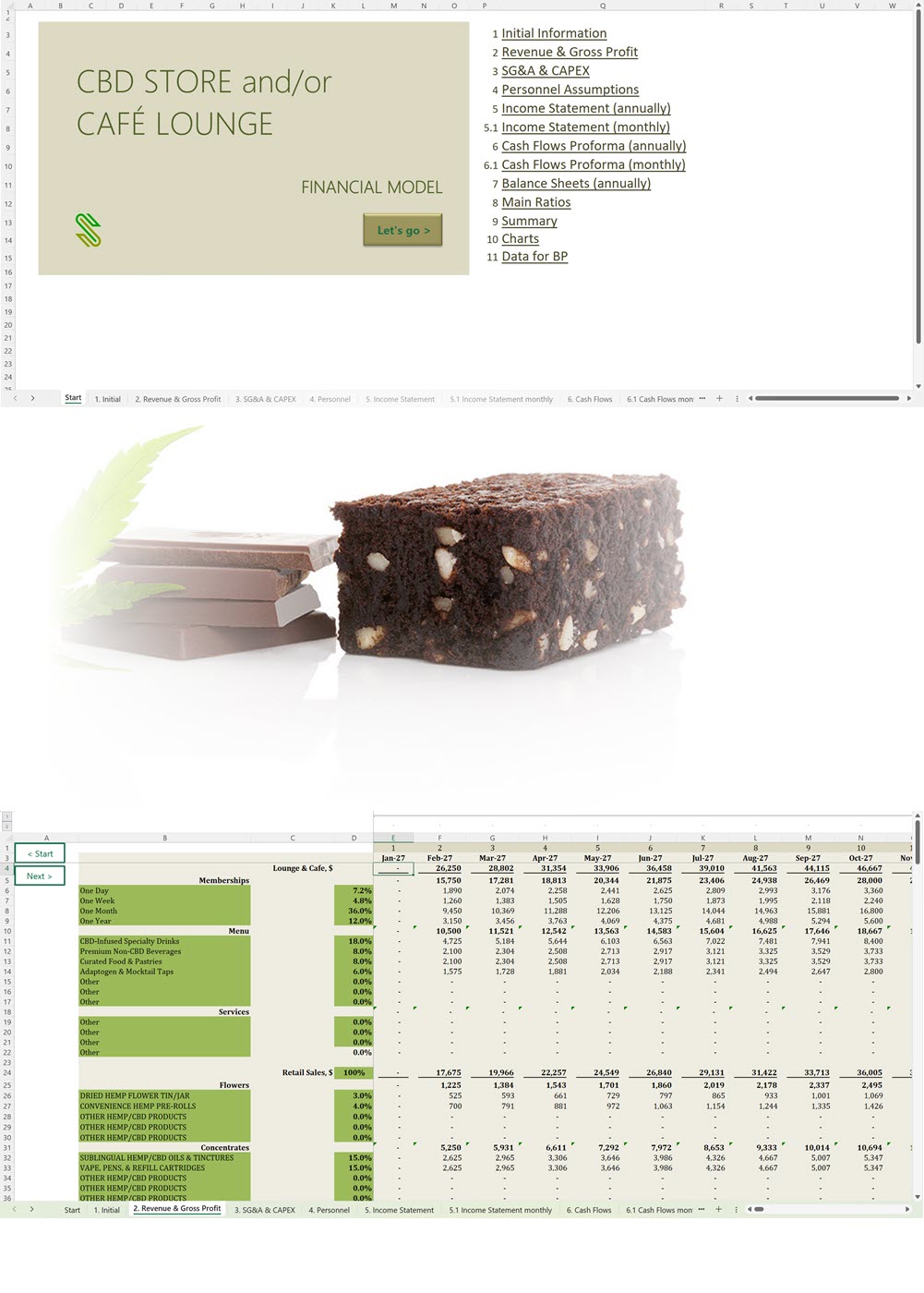
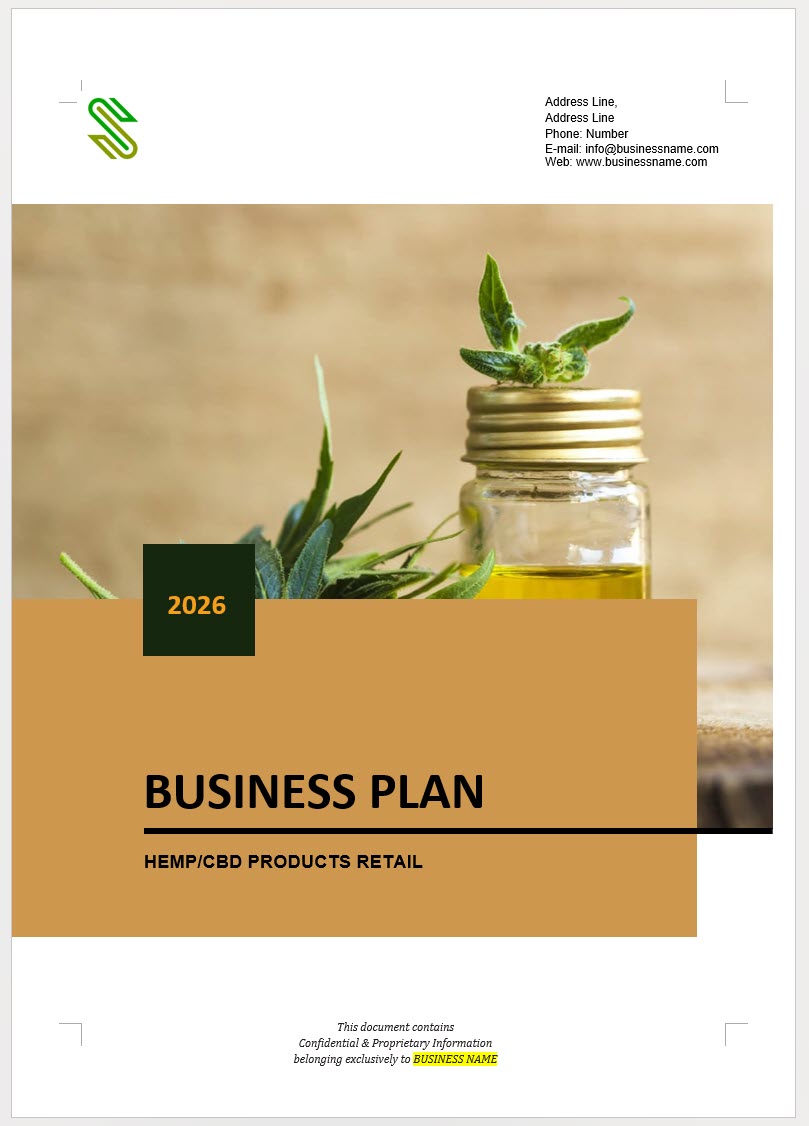
Our complete hemp CBD business plan template package is everything you need to create a professional business plan for a hemp CBD business with expert financials and projections. A complete hemp CBD business plan template package includes:
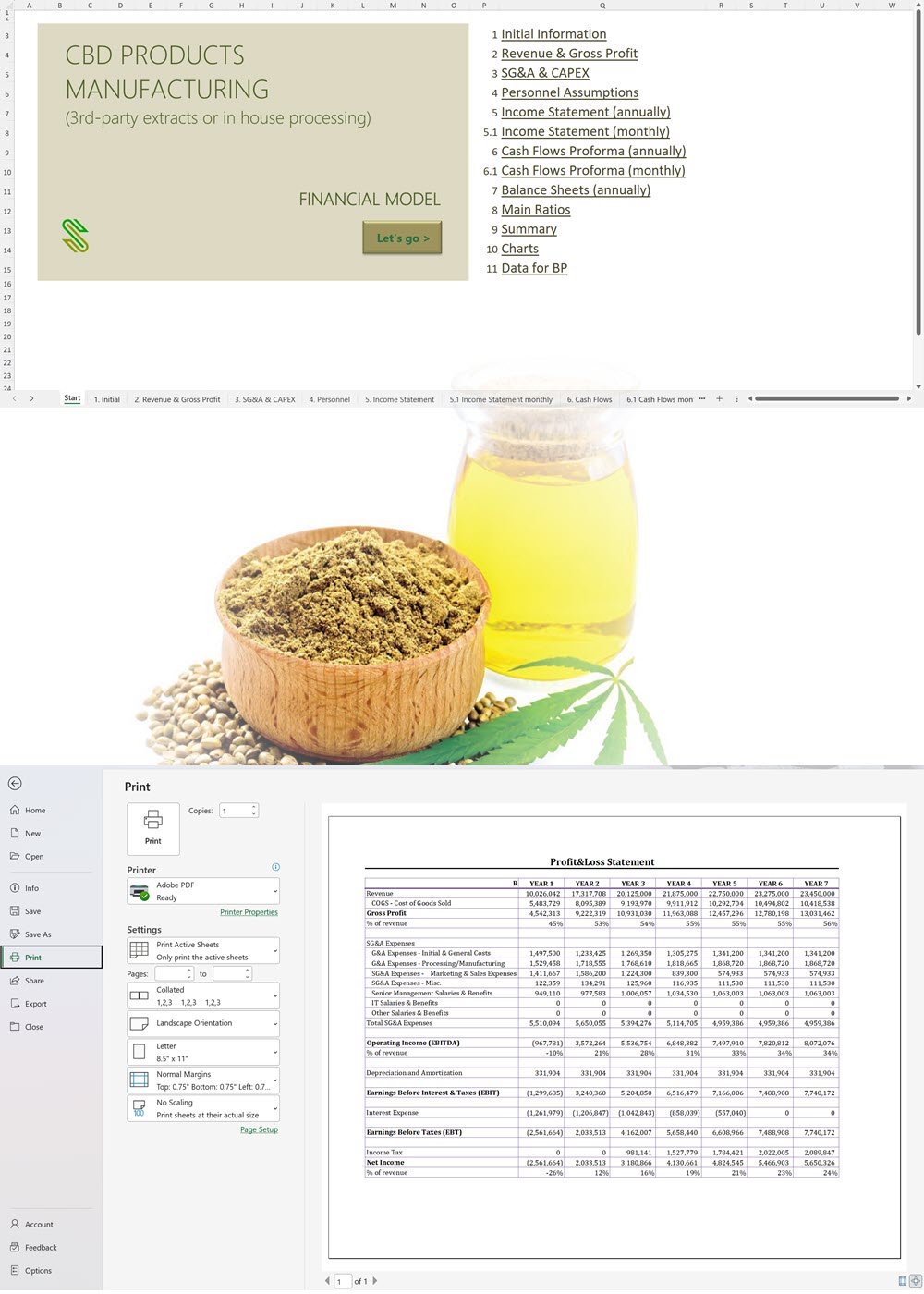
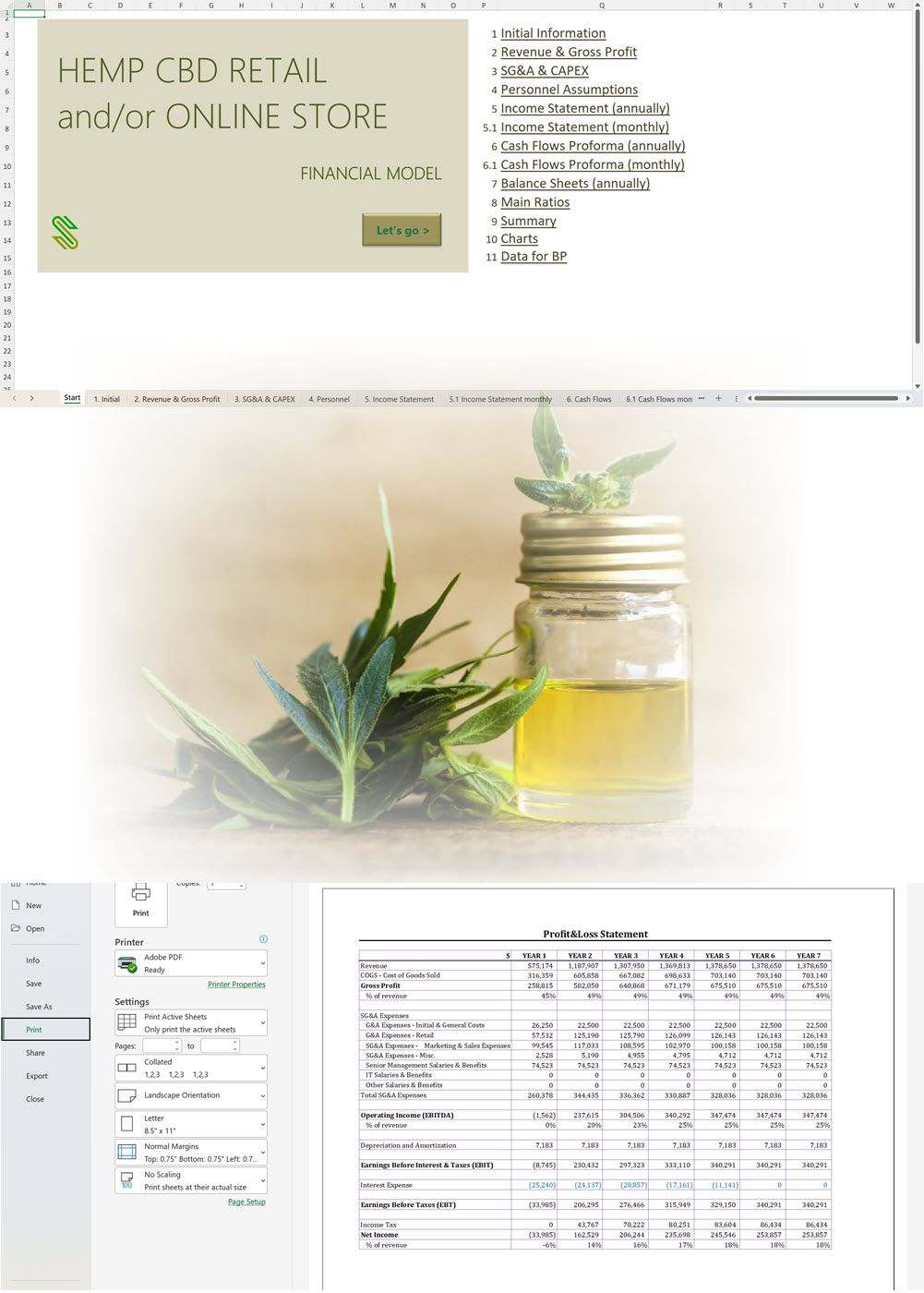
- Excel Financial Model: change variables and immediately see the impact, break down operational and capital costs, know how much it will take to get into the business and the potential profits.
- Word Business Plan: value proposition, market analysis, marketing strategy, operating plan, organizational structure, financial plan and more.
- PowerPoint Pitch Deck: provide a quick overview of your hemp CBD business plan.
Global Hemp Market Infographics
'70% ready to go' business plan templates
Our hemp/CBD financial models and business plan templates will help you estimate how much it costs to start and operate your own hemp/CBD business, to build all revenue and cost line-items monthly over a flexible seven year period, and then summarize the monthly results into quarters and years for an easy view into the various time periods. We also offer investor pitch deck templates.
Frequently Asked Questions
How much is the global hemp market worth?
Based on data from Grand View Research, the global industrial hemp market size was estimated at $7.5 billion in 2025 and is expected to grow at a CAGR of 17.9% to reach $17 billion in 2030.
What are the main applications driving the industrial hemp market?
Hemp can be used to make a variety of products, including textiles, construction blocks, skincare products, pharmaceuticals, nutritional supplements, and dog treats. Currently, the market is fueled by three primary application areas:
- Textiles and Fiber: Used in clothing, rope, and increasingly in bio-composites and construction materials like hempcrete.
- Food and Nutrition: Hemp seeds, oil, and protein powder are popular for their nutritional profile.
- Cannabidiol (CBD) and Wellness: The high-value segment, with CBD used in oils, tinctures, cosmetics, and pharmaceuticals.
Who are the largest producers of hemp?
China is the world’s largest industrial hemp producer, accounting for roughly one third of the global hemp cultivation area. France is another major grower, and similarly to China, cultivates hemp mainly for fiber use. The US and Canada also have a growing hemp industry, and each account for 10-20% of global hemp cultivation area with a significant portion of the US production being floral hemp, destined for CBD extraction and manufacturing of hemp-derived CBD products.
What were some of the biggest global regulatory changes for hemp in 2025?
2025 saw several landmark regulatory shifts:
- In November 2025, President Trump signed a Continuing Resolution which made changes to hemp law including defining the 0.3% THC limit to mean total THC (including THCA), banning synthetic or non-naturally occurring cannabinoids, and limiting THC content in finished hemp-derived products to no more than 0.4 mg of total THC per container. These regulations will come into effect in November 2026.
- New Zealand scrapped its industrial hemp licensing requirements entirely on December 11, 2025, significantly reducing costs for hemp businesses and making it easier to enter the industry for new growers.
- The United Arab Emirates issued a federal decree on December 18, 2025, to legalize and regulate industrial hemp.
- South Africa raised the permitted THC limit for industrial hemp to 2.0%, bringing the law into better alignment with the country’s agronomic environment.
- The full European Parliament adopted the first reading of a proposal to recognize hemp flowers as a licit agricultural product, a crucial step toward whole-plant utilization. It must now be approved by the Council of the EU and then undergo trilogue negotiations between the EU Parliament, Council, and Commission.
For more information on the hemp industry, visit hempcbdbusinessplans.com.
Hemp/CBD Business, Legalization and Opportunities in the U.S.
Hemp/CBD Business, Legalization and Opportunities in Canada
Hemp/CBD Business, Legalization and Opportunities in Europe
Hemp/CBD Business, Legalization and Opportunities in Australia
Hemp/CBD Business, Legalization and Opportunities in New Zealand
Hemp/CBD Business, Legalization and Opportunities in Africa
Hemp/CBD Business, Legalization and Opportunities in South America
Our Templates
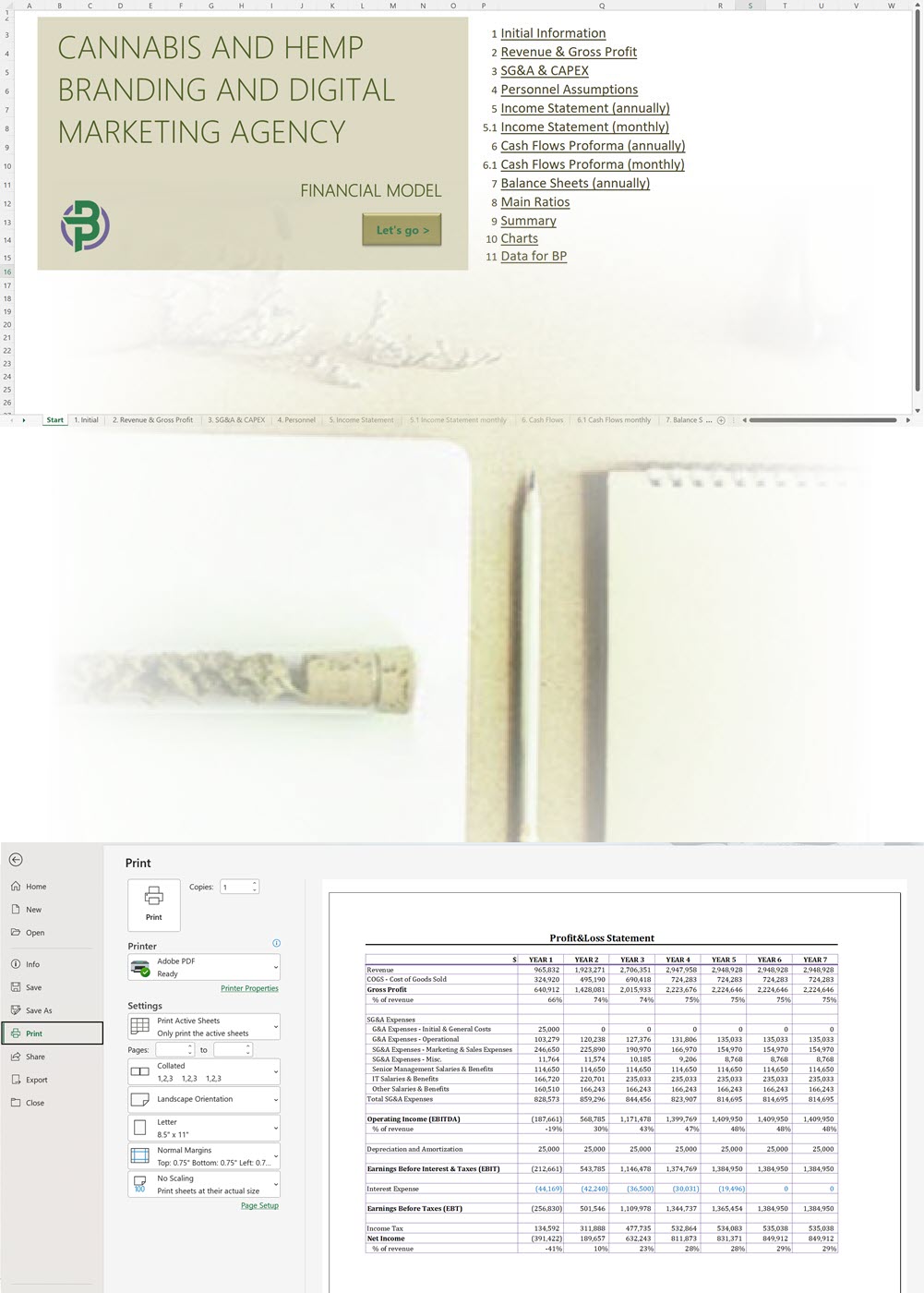

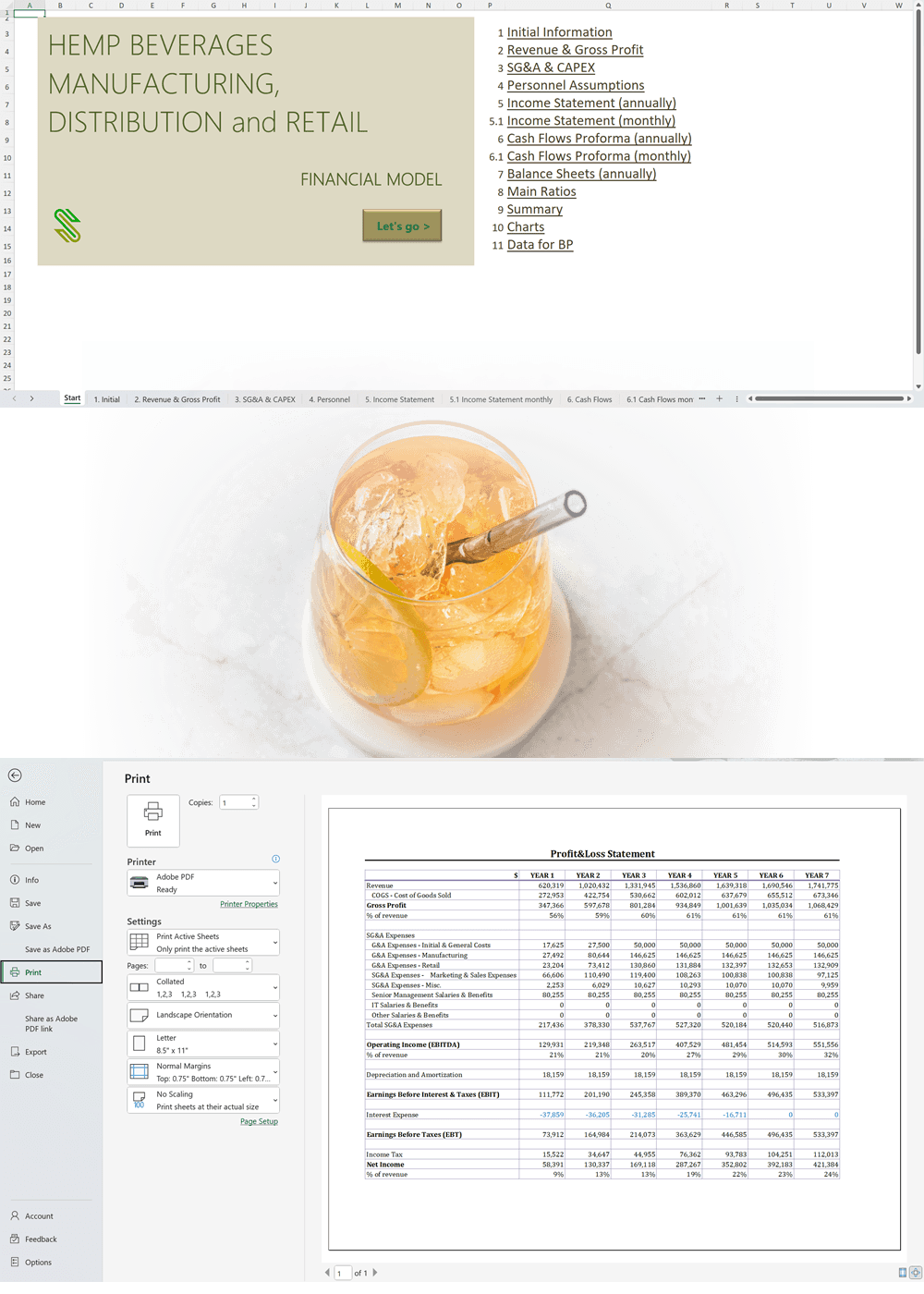
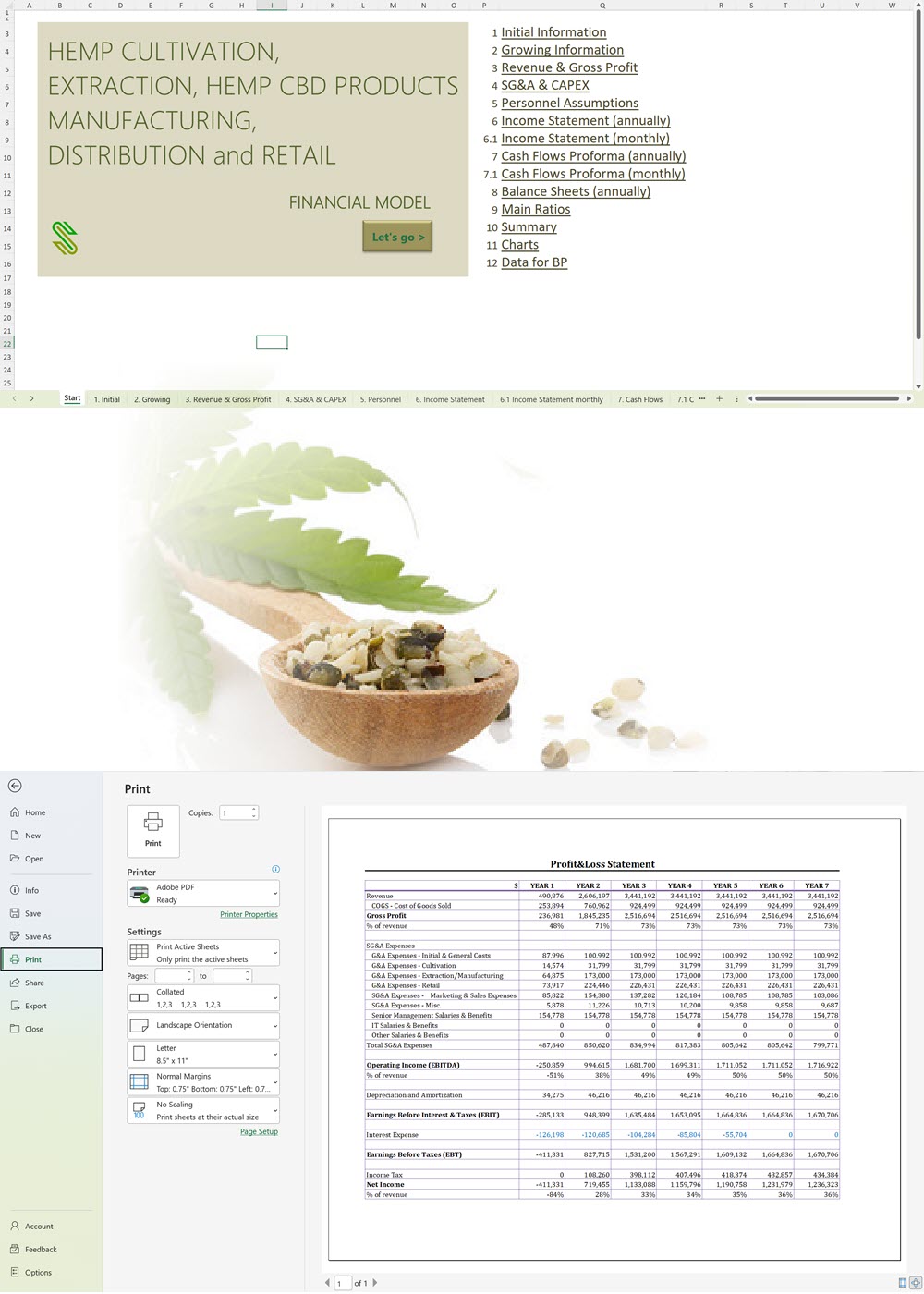
Hemp CBD Beverage Manufacturing, Wholesale and/or Retail Business Plan Template
Price range: $75.00 through $350.00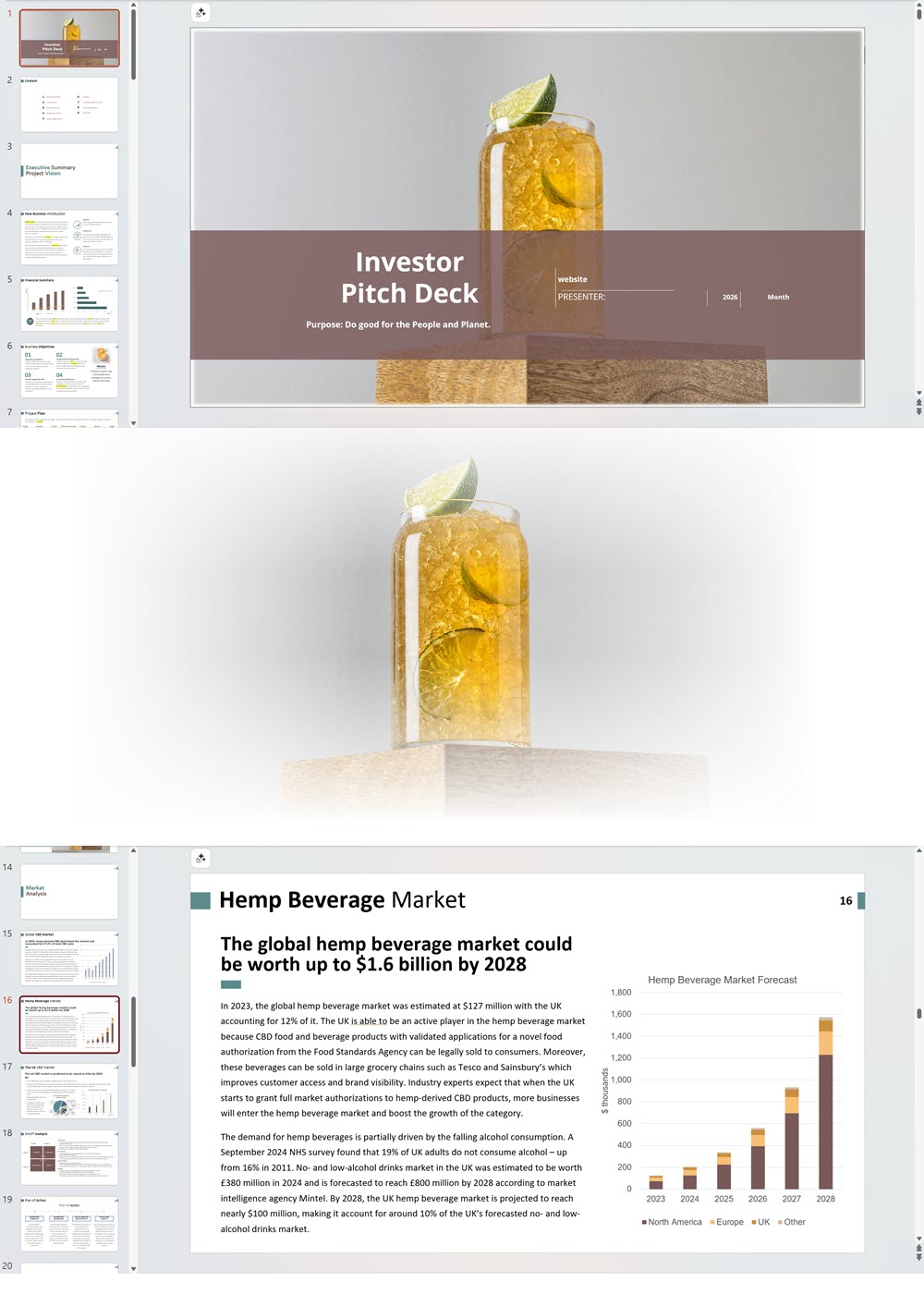

Cannabis Manufacturing Business Plan Template (with in-house processing)
Price range: $75.00 through $350.00
Cannabis Courier Business Plan Template
Price range: $75.00 through $275.00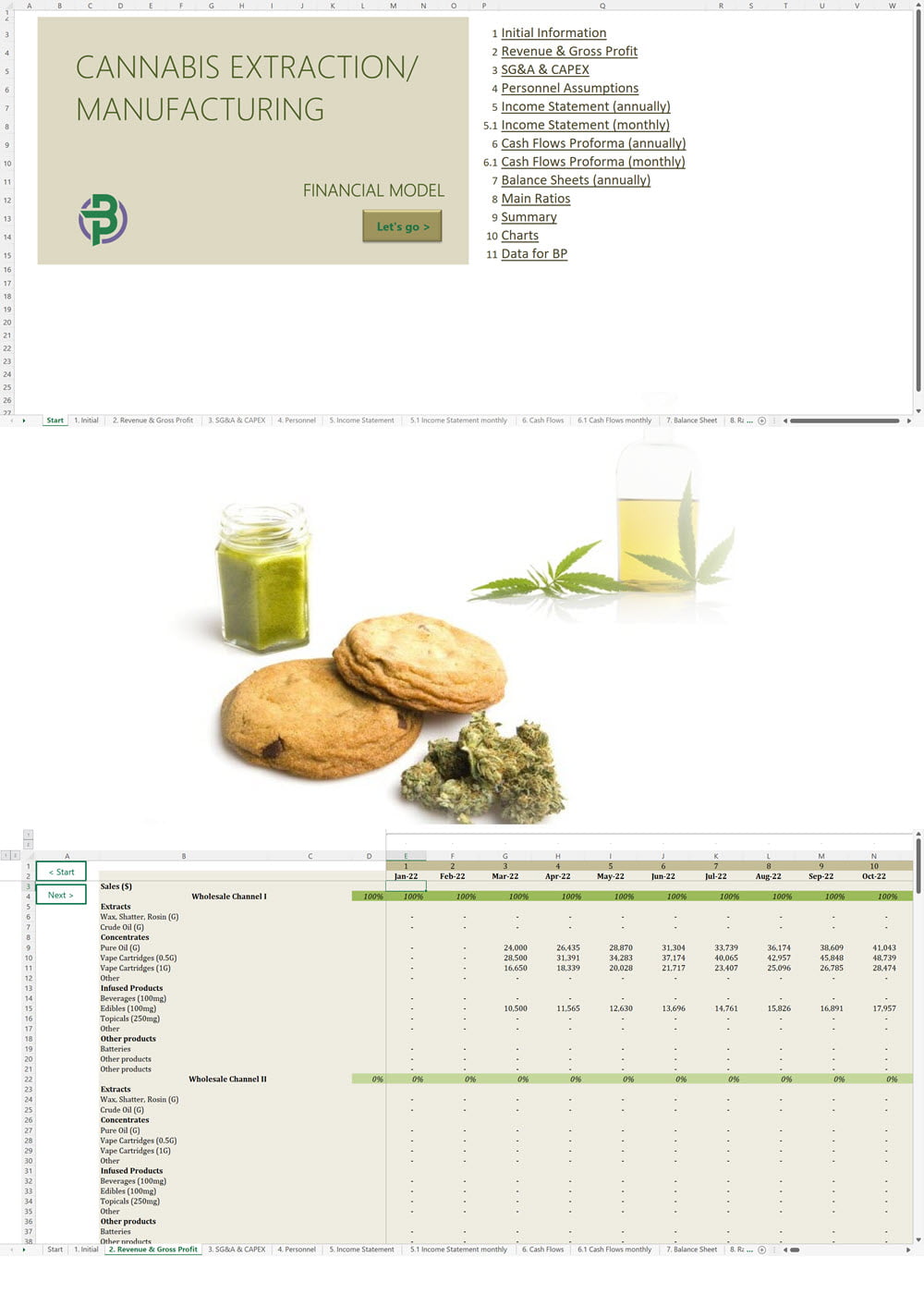
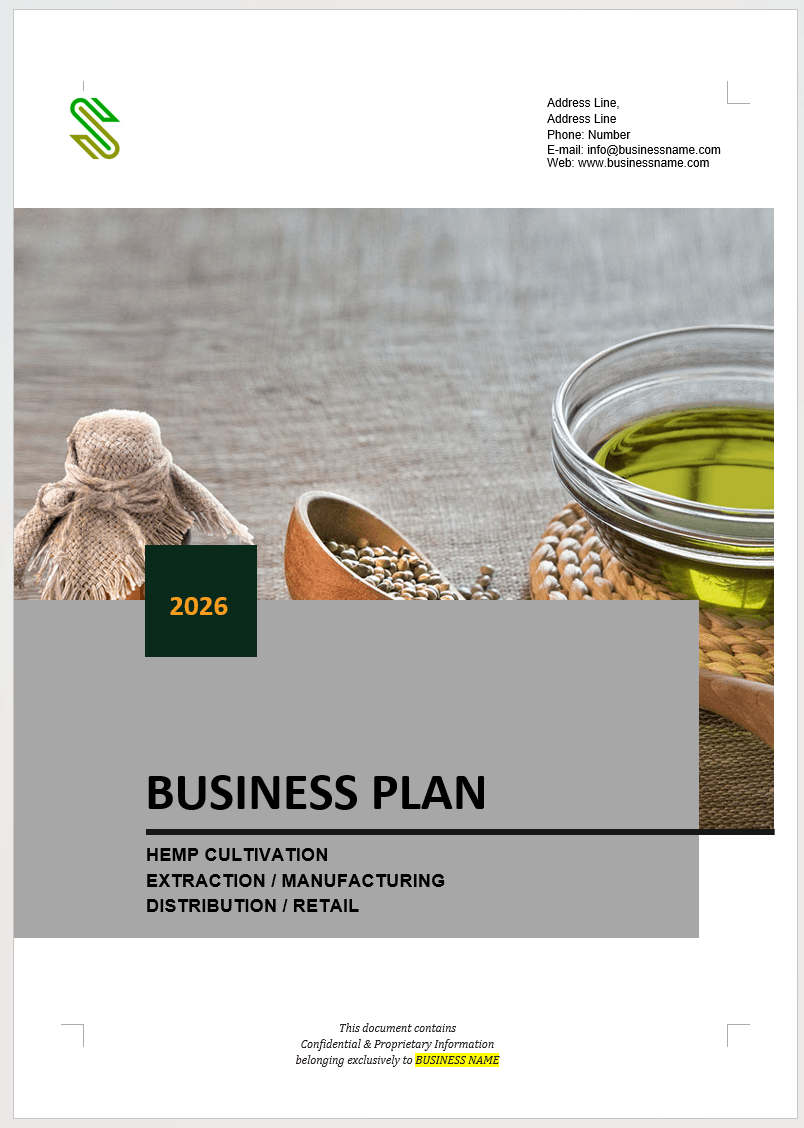
Hemp CBD Vertically Integrated Business Plan Template
Price range: $75.00 through $450.00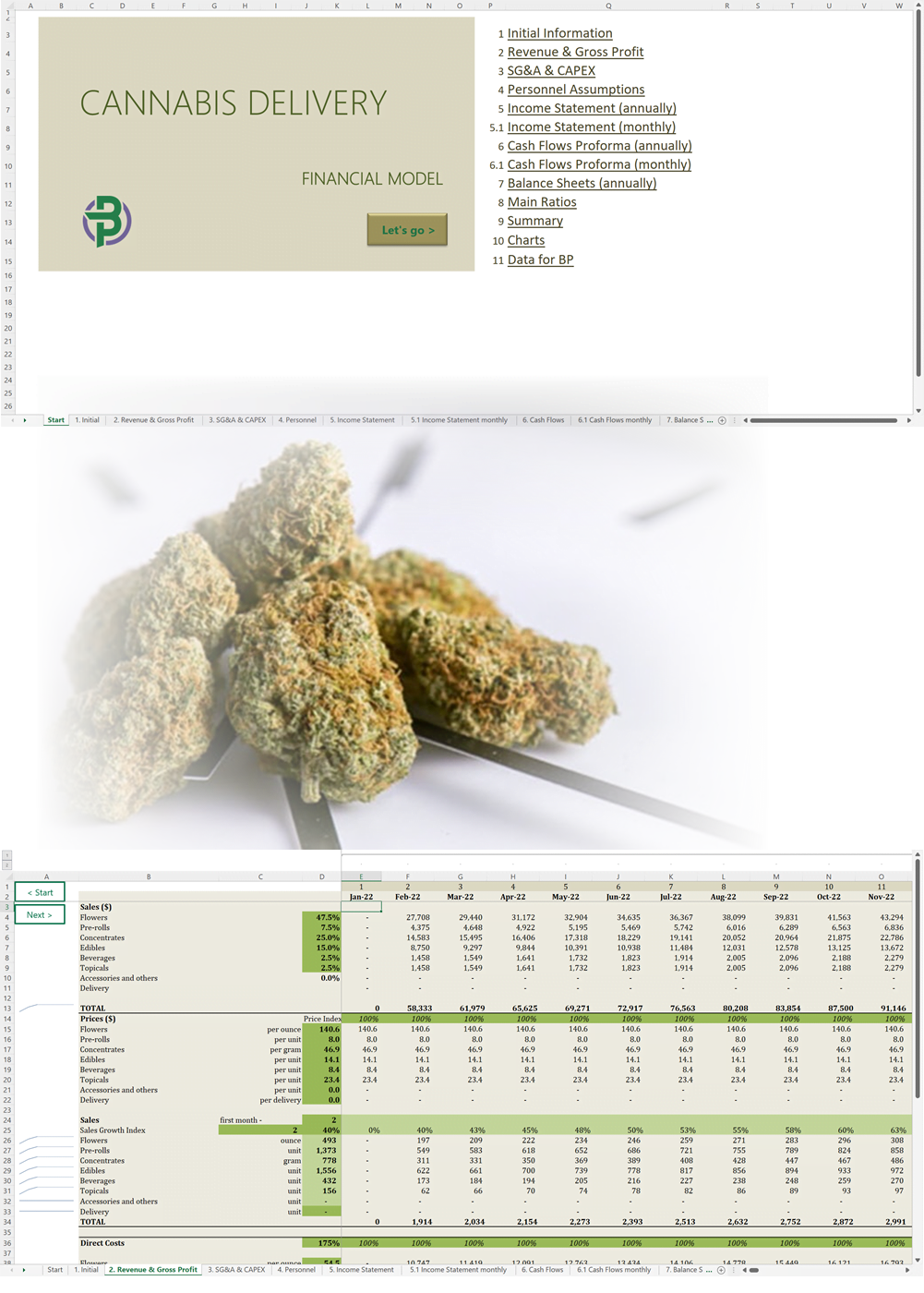

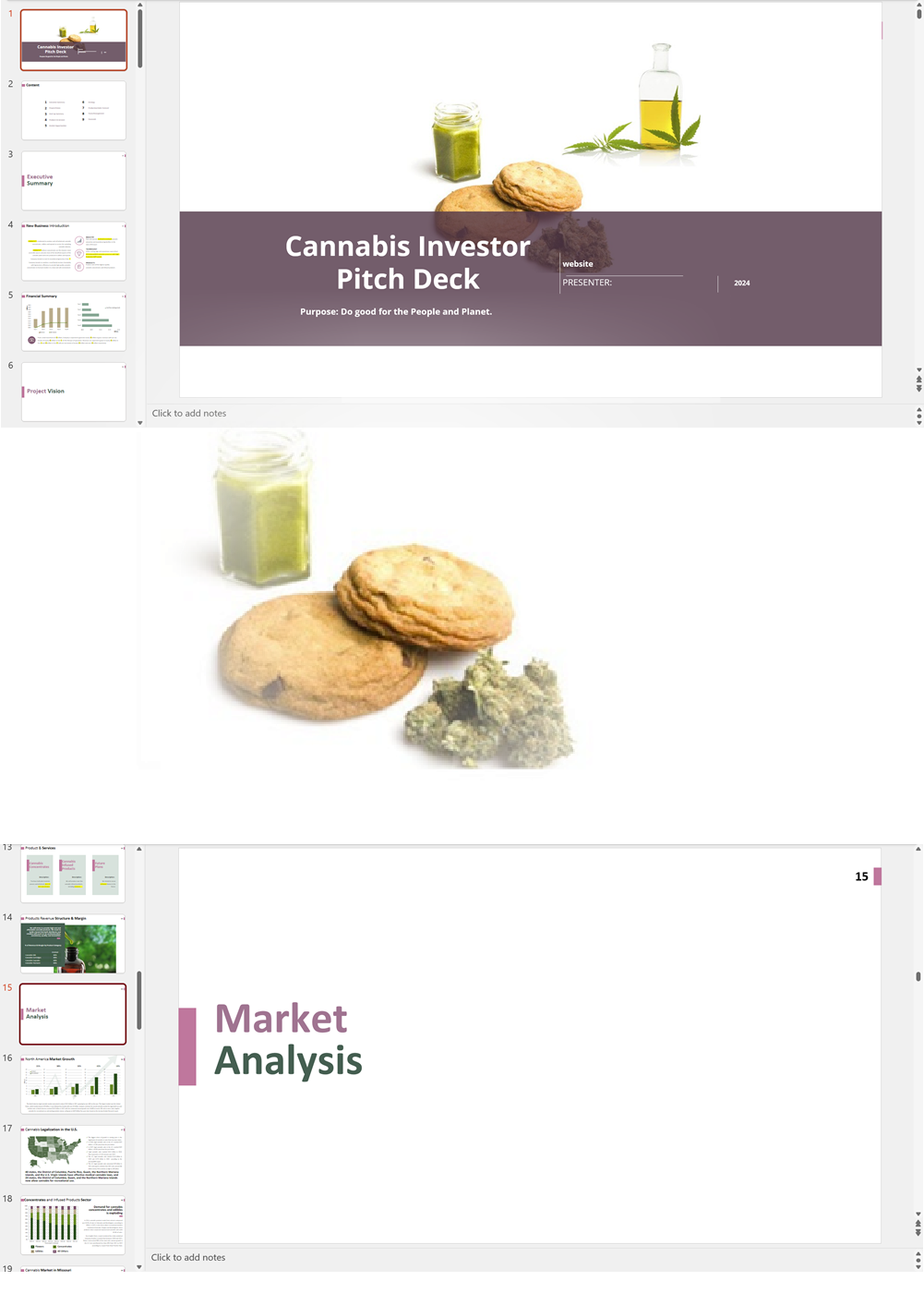
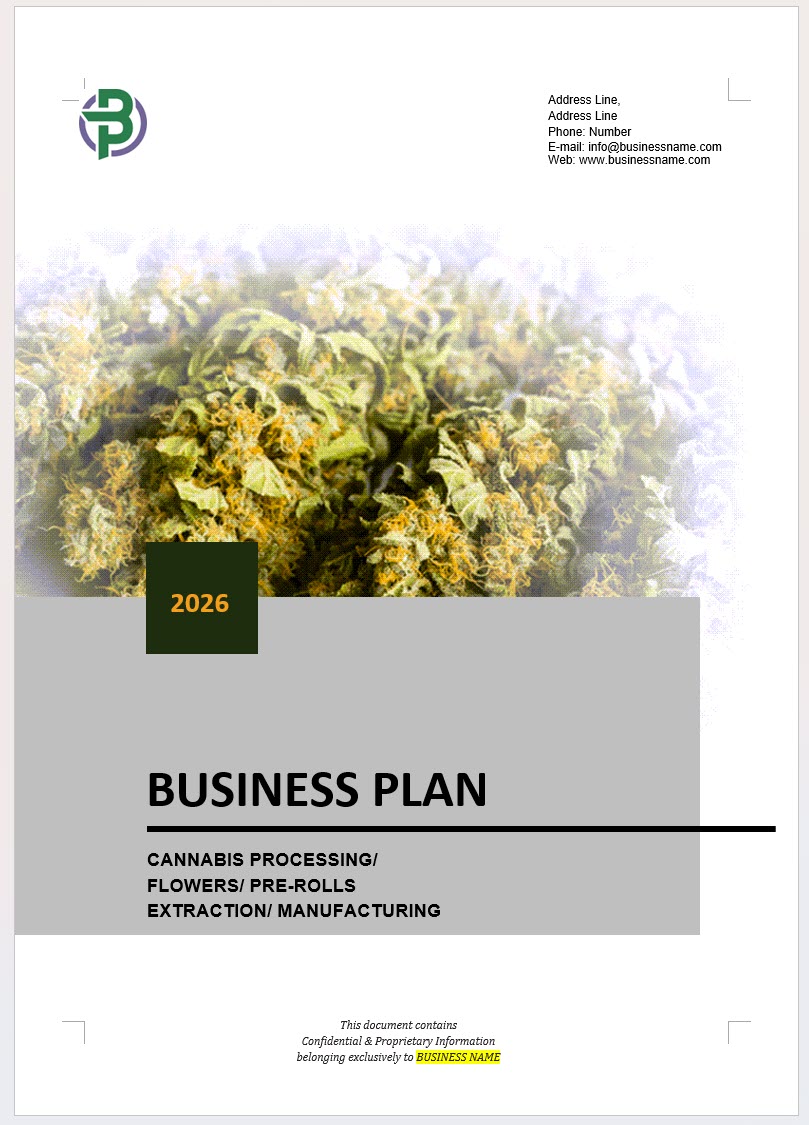
Cannabis Processing/ Flowers/ Pre-rolls/ Extraction/ Manufacturing Business Plan Template
Price range: $75.00 through $350.00
Cannabis Dispensary Business Plan Template
Price range: $75.00 through $350.00
Cannabis Extraction / Concentrates Business Plan Template
Price range: $75.00 through $350.00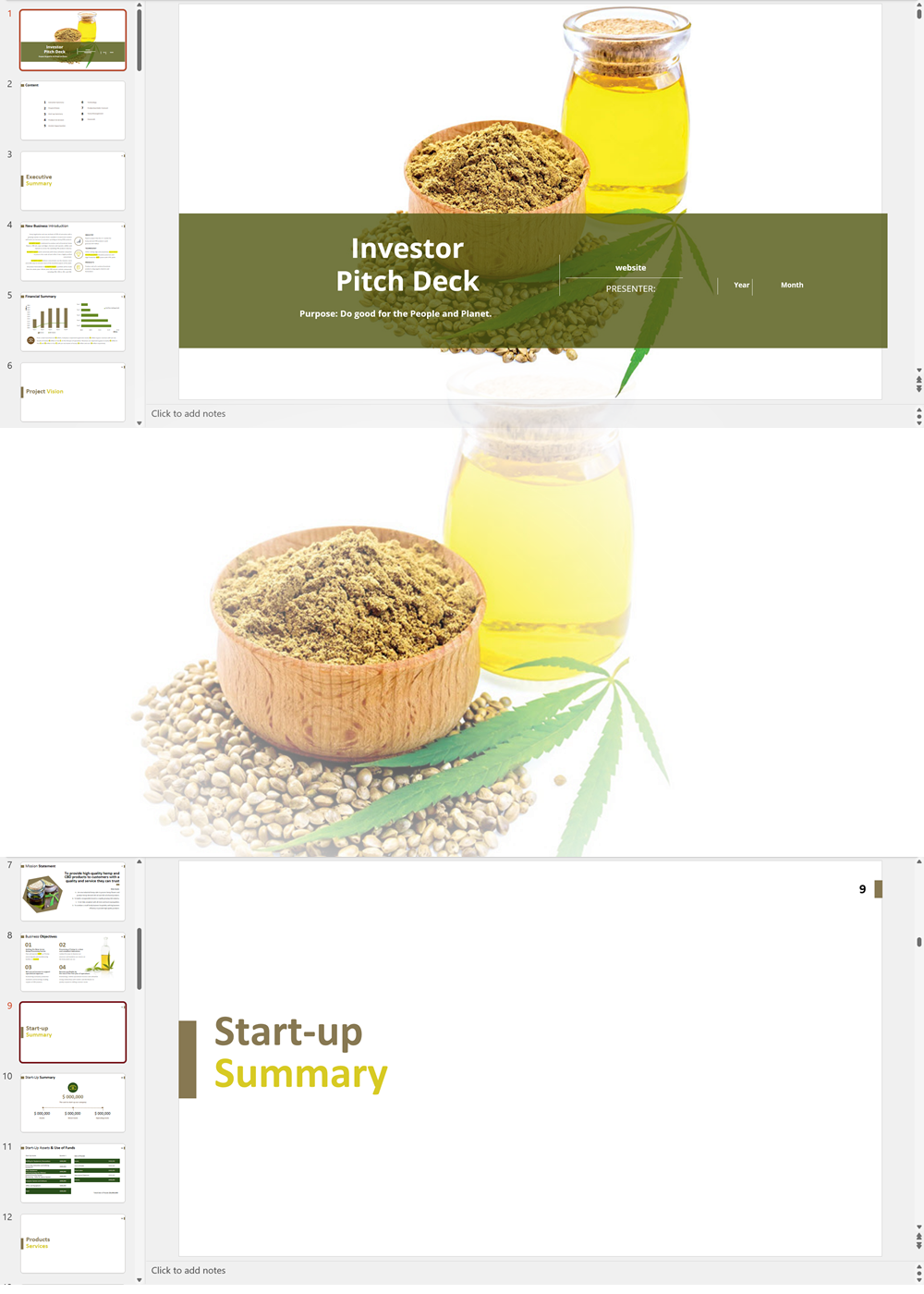
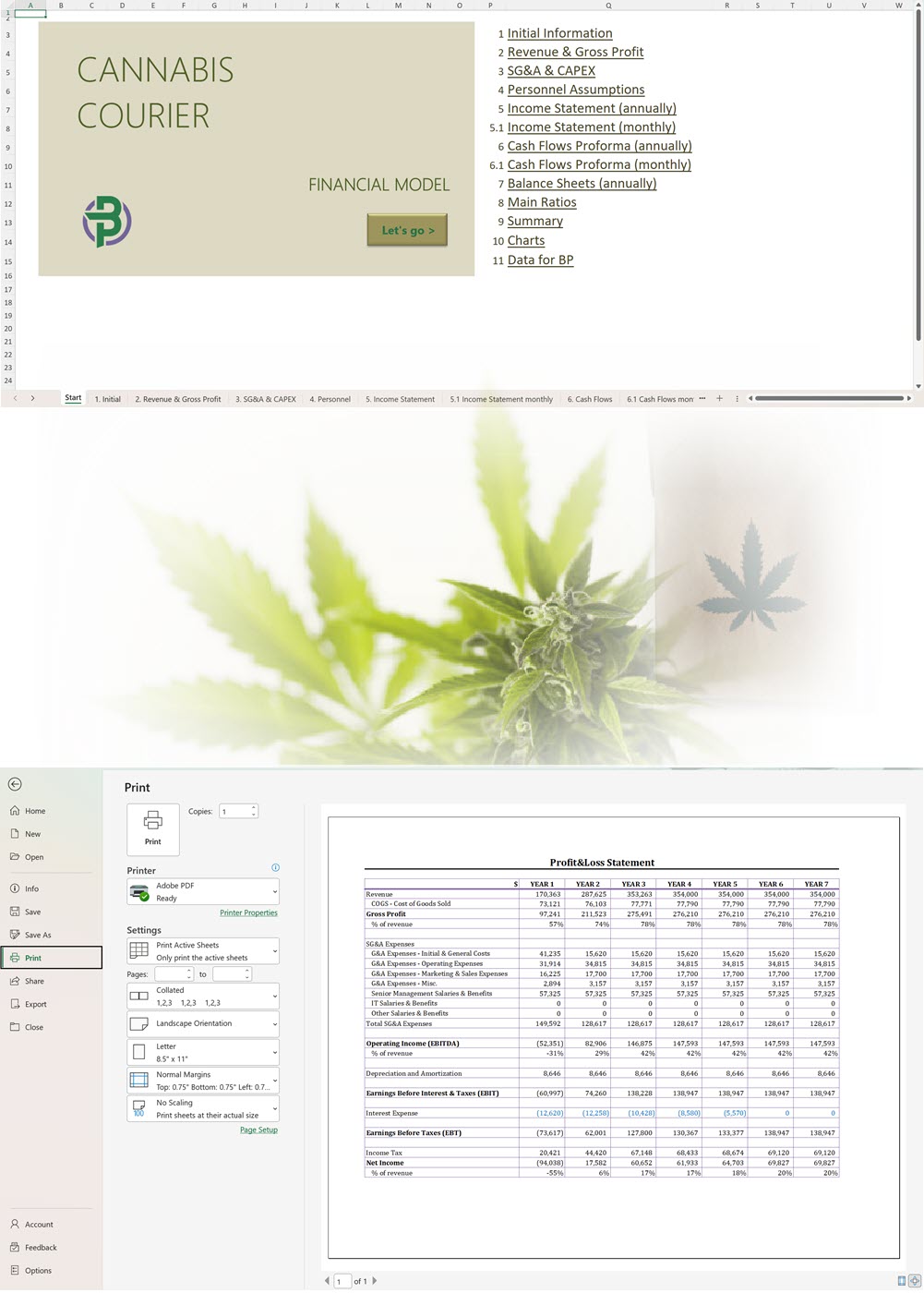
Cannabis Courier Financial Model
$100.00
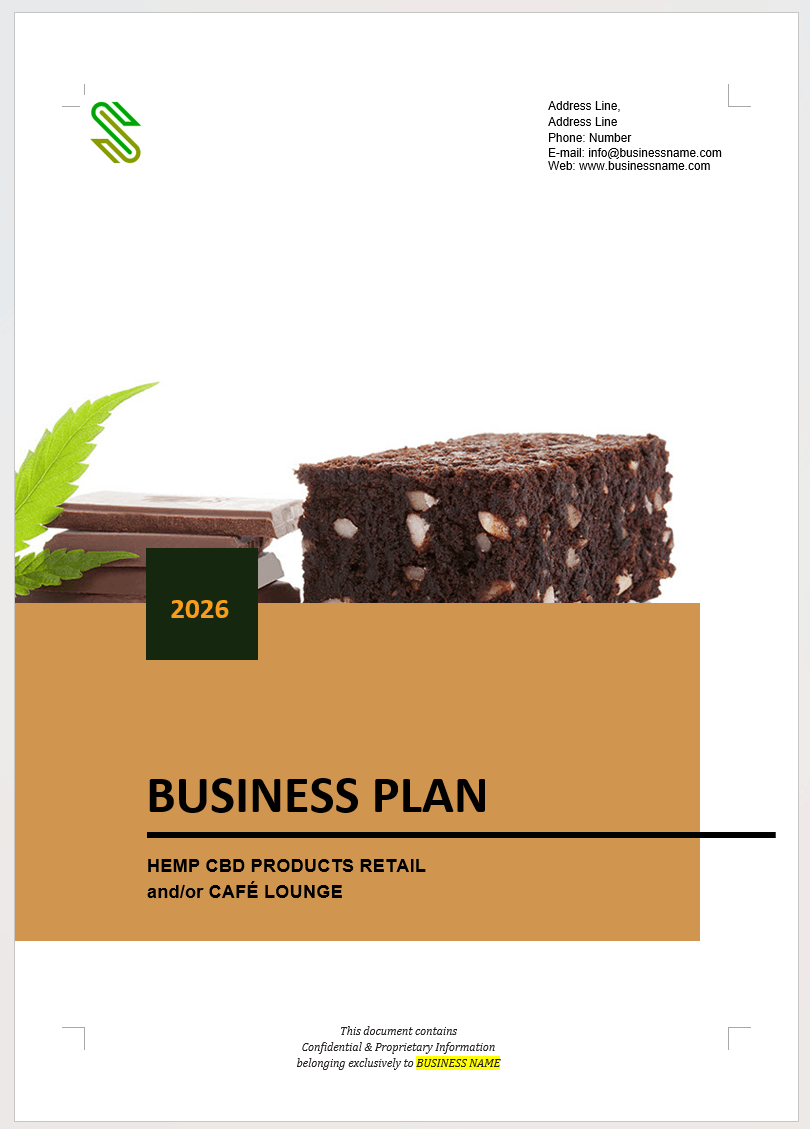
CBD Store and/or Cafe Lounge Business Plan Template
Price range: $75.00 through $275.00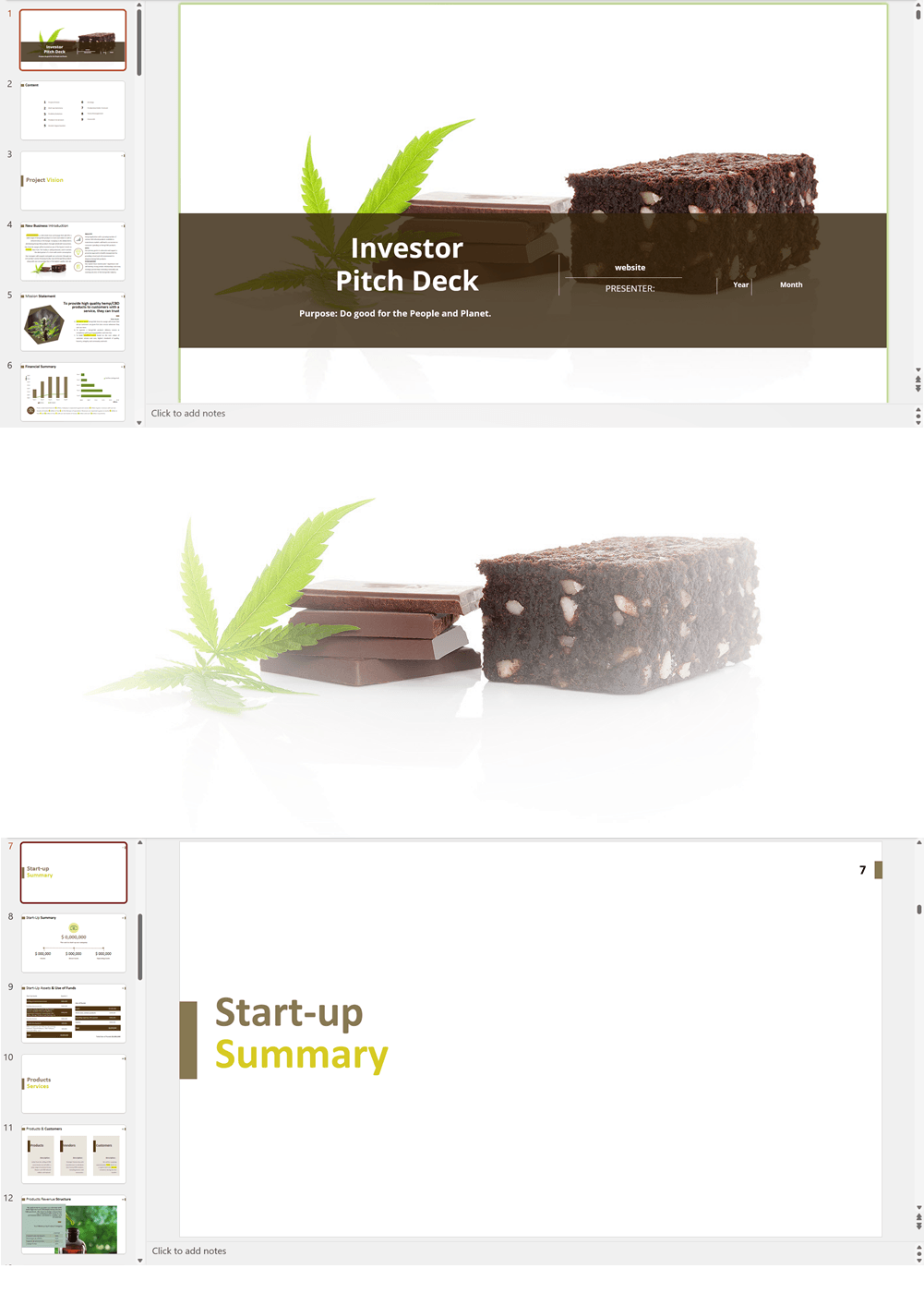


Cannabis Transportation Business Plan Template
Price range: $75.00 through $275.00