Key Takeaways
- Cannabis law and regulations:
- Medical and recreational cannabis are regulated by the Uniform Controlled Substances Act (RCW 69.50) and the Cannabis Patient Protection Act (codified into RCW 69.51A).
- The Washington State Liquor and Cannabis Board is responsible for licensing and regulating the medical and recreational cannabis markets.
- Licenses available:
- Cannabis producer; cannabis processor; cannabis retailer; cannabis transportation; cannabis research; cannabis cooperative registration.
- Products legal:
- Legal cannabis product forms include inhaled products (flower, pre-rolls, concentrates), consumable/ingestible products (edibles, capsules and tablets, tinctures) and topicals.
- Taxes:
- There is a single 37% excise tax paid by the customer at retail sale. The 37% tax is in addition to any other regular state or local taxes that would apply to any Washington business.
- Market
- In calendar year 2021 (January-December), cannabis sales reached their peak at $1,467 million but since then have declined by 18.4% to $1,197 million in 2024.
- Washington recorded $562 million in cannabis sales during the first half of 2025; annual revenue is projected to reach $1.1 billion to $1.2 billion. While Washington’s cannabis sales have been falling in the last few years, this is due to lower prices of cannabis products rather than lower sales volumes.
- Based on the latest data from early 2025, there were 1,641 active cannabis licenses in Washington. This total includes 157 producer, 195 processor, 794 producer-processor, and 471 retail licenses, as well as 10 cooperative, 2 research, and 12 transportation licenses.
Cannabis Legalization in Washington State
In 1998, Initiative 692 legalized the medical use of cannabis for patients with certain terminal or debilitating conditions. The initiative did not create any structure or permits for cannabis cultivation, processing or retail businesses. The law was then amended in 2007 and 2010 to add medical conditions for which medical cannabis could be authorized. It was amended again in 2011 through Senate Bill 5073 to allow for cooperative cultivation operations where qualified patients or their designated caregivers can grow up to 99 cannabis plants in a garden together.
On November 6, 2012, Washington State voters passed Initiative 502, legalizing recreational cannabis for adults aged 21 and over and instructing the Liquor Control Board to create regulations for a licensing system. On July 1, 2016, Washington’s Governor signed S.B. 5052 into law, merging the unregulated medical cannabis market with the recreational market and creating the Cannabis Patient Protection Act. Licenses were awarded through a merit-based system and “medical endorsements” were available for dispensaries that met certain requirements such as training their employees on medical cannabis. It is prohibited to hold a producer/processor and retailer license at the same time.
Per RCW 69.50.535 and WAC 314-55-089, all retail licensees are required to remit to the Washington State Liquor and Cannabis Board (WSLCB) an excise tax of 37% on all taxable sales of marijuana, marijuana concentrates, useable marijuana, and marijuana-infused products.
Washington also opened a voluntary registry for medical cannabis patients in July 2016. Registered patients receive special benefits such as higher possession limits.
Effective April 18, 2019, all products produced under chapter 246-70 WAC are required to be tested for heavy metals and no longer required to include “Not tested for heavy metals” on the label.
Washington Cannabis Market
In 2014, average monthly sales were $10.8 million. By 2015 average monthly sales doubled to $21.6 million. This then increased almost three-fold in 2016 to $60.8 million and to nearly $80 million in 2017, with strong demand continuing in 2018 and 2019 with about $90 million a month, and $119.1 and $122.2 million a month in 2020 and 2021, respectively. From 2022 to 2024, average monthly sales gradually declined from $105 million to $100 million per month.
Total retail sales in Washington hit $1 billion in 2018, reached $1.1 billion in 2019 and totaled $1.4 billion in 2020 – a 100% increase from 2016 ($729.5 million). In calendar year 2021 (January-December), cannabis sales reached their peak at $1,467 million but declined 13% in 2022 to approximately $1,277 million. In 2023 and 2024, cannabis sales remained relatively stable, estimated at $1,226 million and $1,197 million, respectively. Washington recorded $562 million in cannabis sales during the first half of 2025; annual revenue is projected to reach $1.1 billion to $1.2 billion.
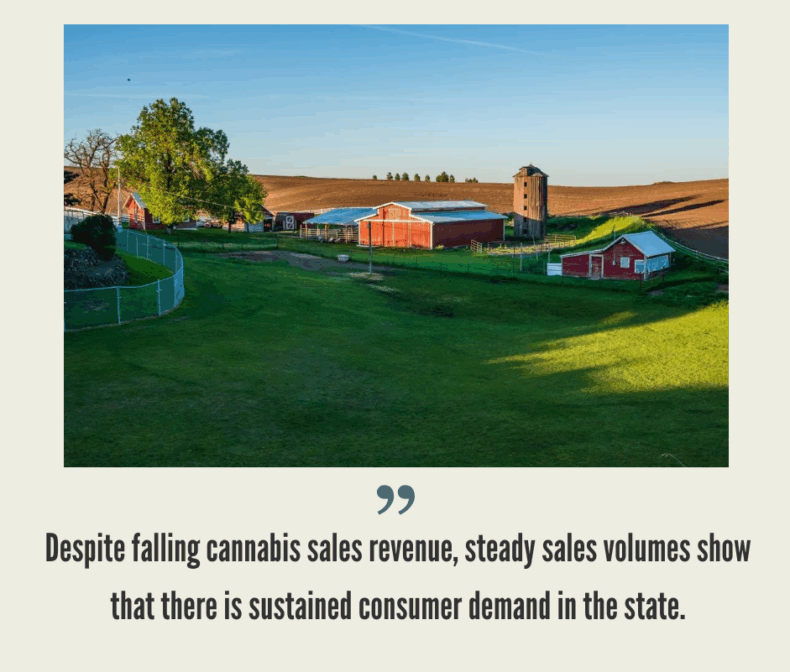
While Washington’s cannabis sales have been falling in the last few years, this is due to lower prices of cannabis products rather than lower sales volumes. According to local cannabis retailers and the state’s Liquor and Cannabis Board, Washington’s cannabis sales volume is steady while prices have fallen as the market matured and the supply of products in the market increased.
All categories of cannabis products enjoyed healthy growth but notably, alternative methods of consumption outpaced traditional flower sales. The largest category were concentrates and vapor pens, representing 36.7% of Washington cannabis sales, followed by dried flower with a 29.9% share, edibles with 10.2%, pre-rolls with 15.1%, and beverages and other products with 8.1%.
Based on the latest data from early 2025, there were 1,641 active cannabis licenses in Washington. This total includes 157 producer, 195 processor, 794 producer-processor, and 471 retail licenses, as well as 10 cooperative, 2 research, and 12 transportation licenses.
Washington Cannabis Market Infographics
How Can Cannabusinessplans Templates Help Start or Grow Your Cannabis Business?
The majority of cannabis licensing programs require the submission of a business plan as part of the application for a cannabis license. Even if it is not mandated by law, a business plan is essential for securing funding and assisting an applicant in understanding how much money it will take to start a cannabis business and how much profit it could make.
A well-structured business plan can make all the difference in helping you demonstrate your proposed cannabis business’ compliance with regulations and its operational viability.
Our complete 70% ‘ready-to-go’ cannabis business plan template package is everything you need to create a professional business plan for a cannabis business with expert financials and projections. A complete cannabis business plan template package includes:
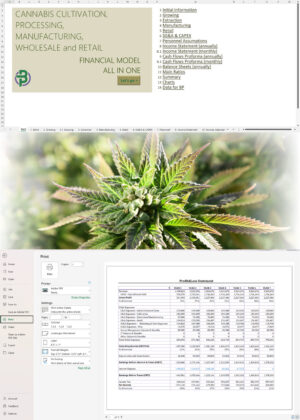
- Excel Financial Model: change variables and immediately see the impact, break down operational and capital costs, know how much it will take to get into the business and the potential profits.
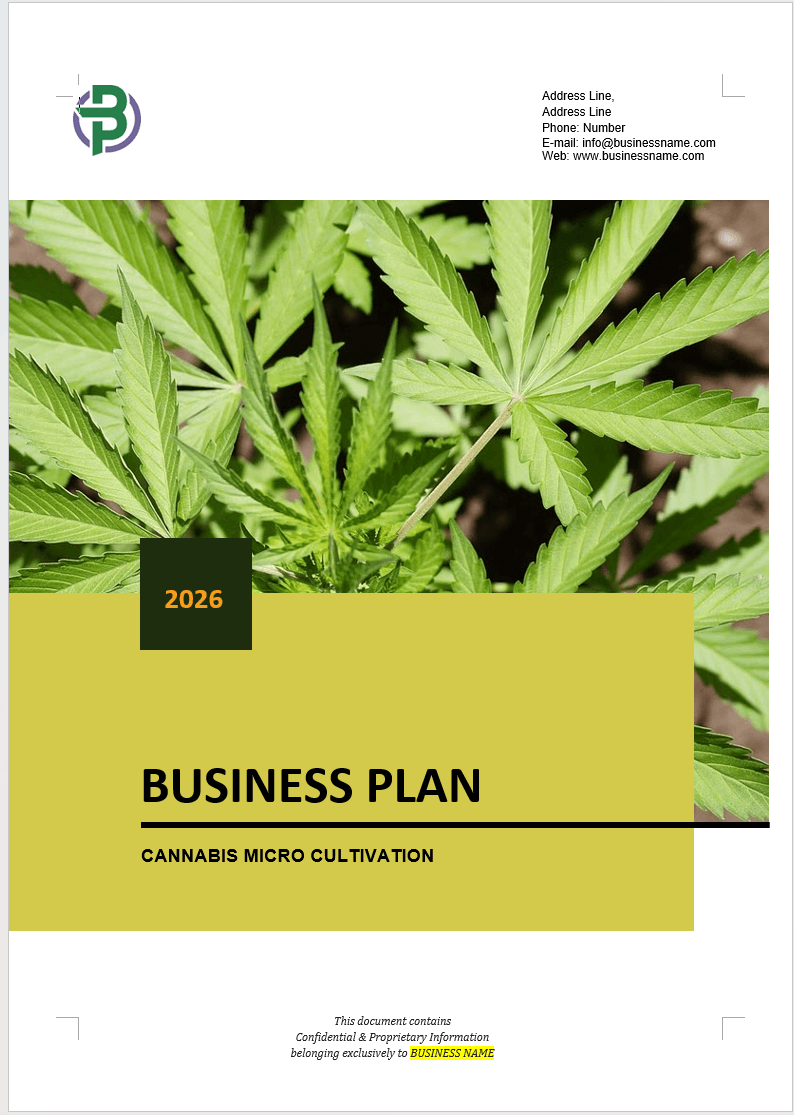
- Word Business Plan: value proposition, market analysis, marketing strategy, operating plan, organizational structure, financial plan and more.
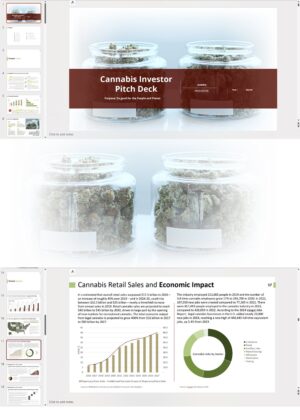
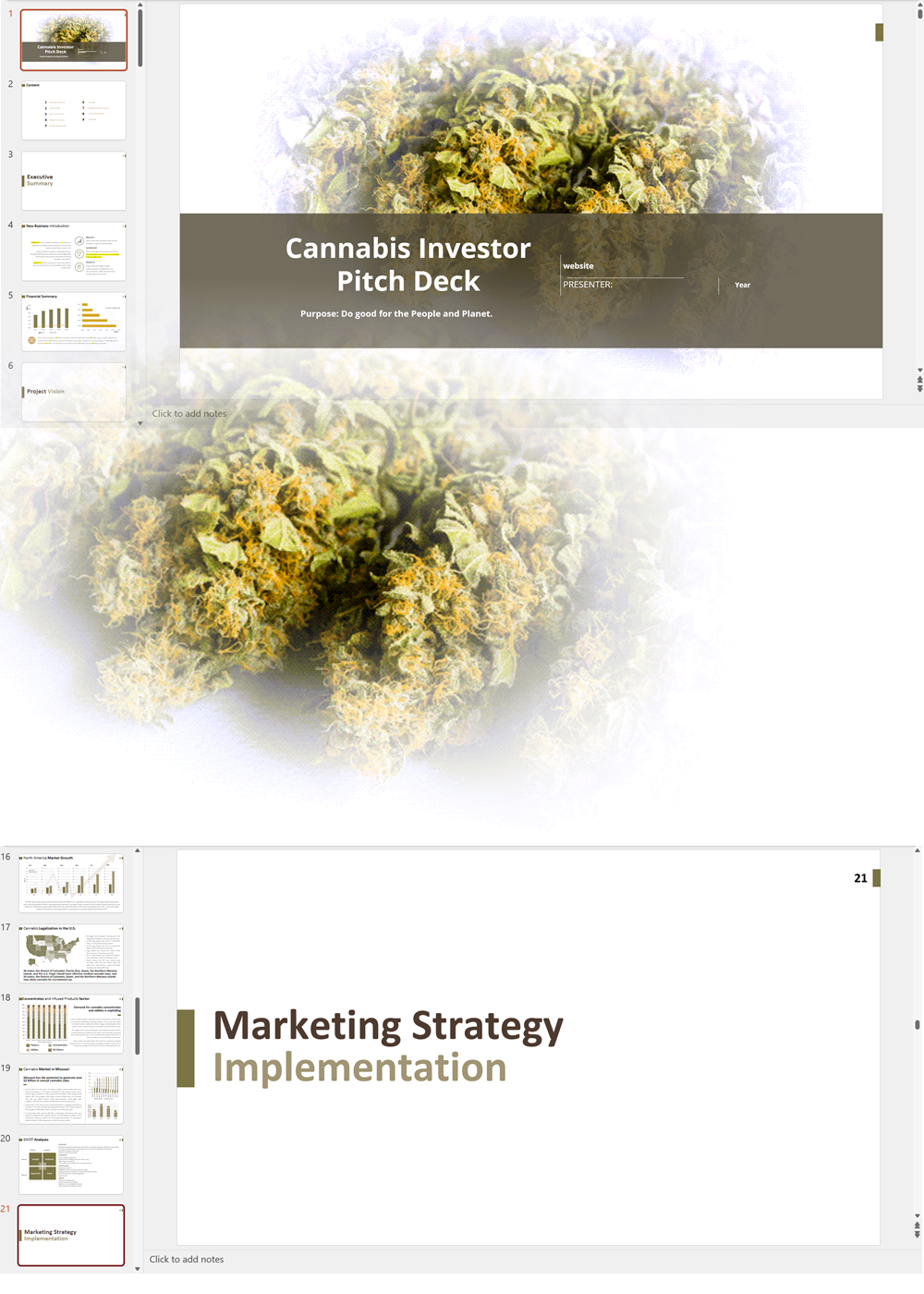
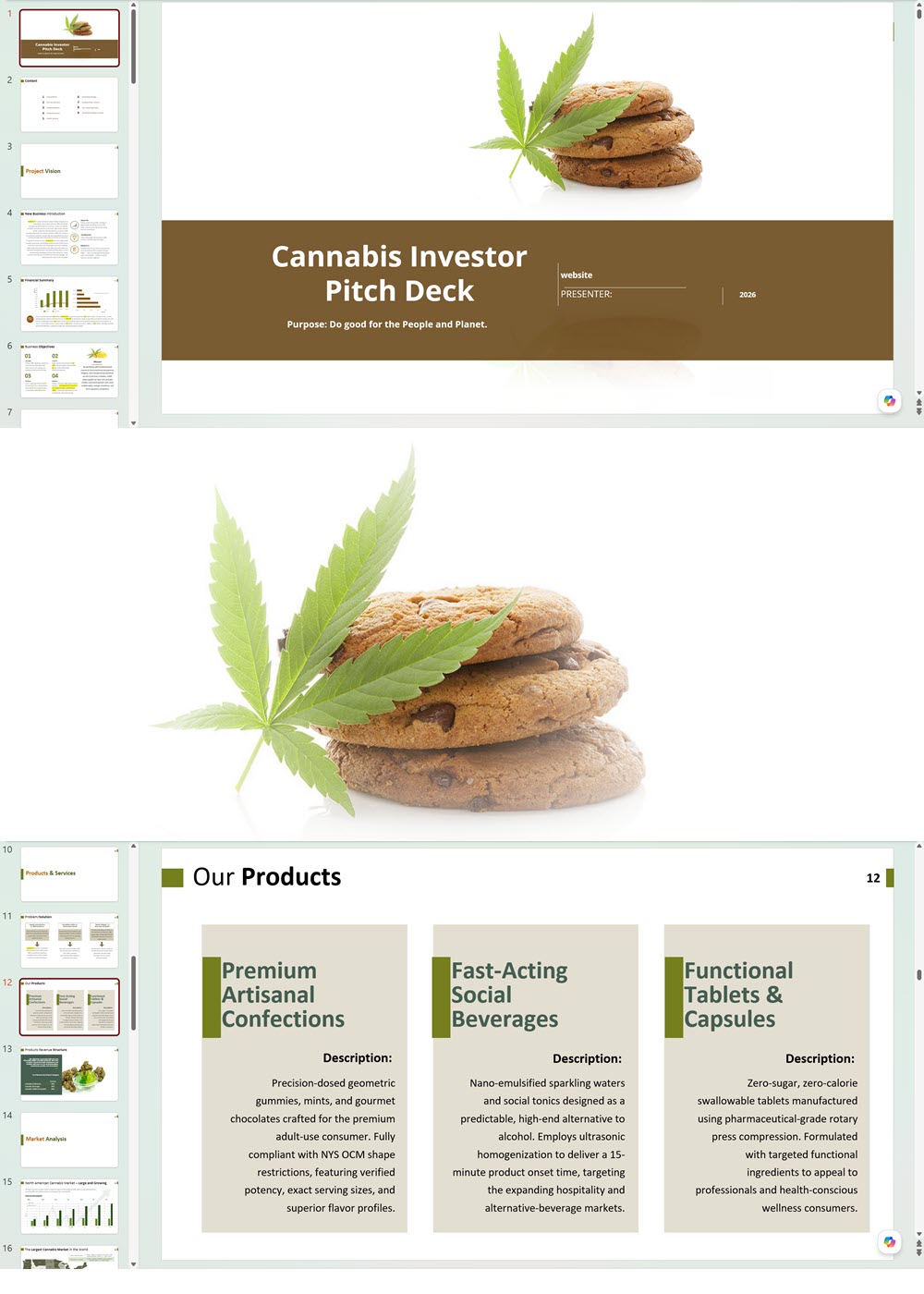
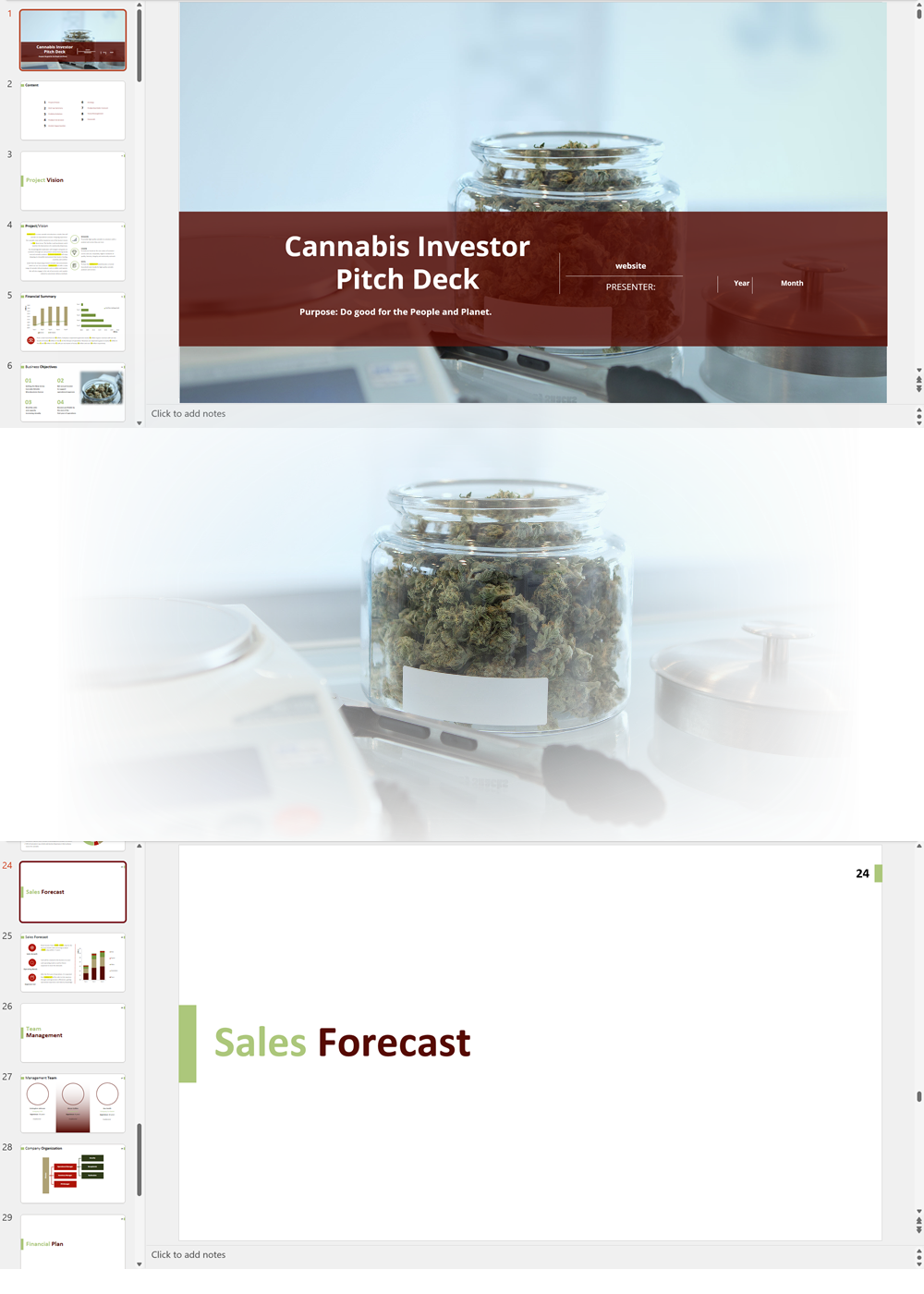
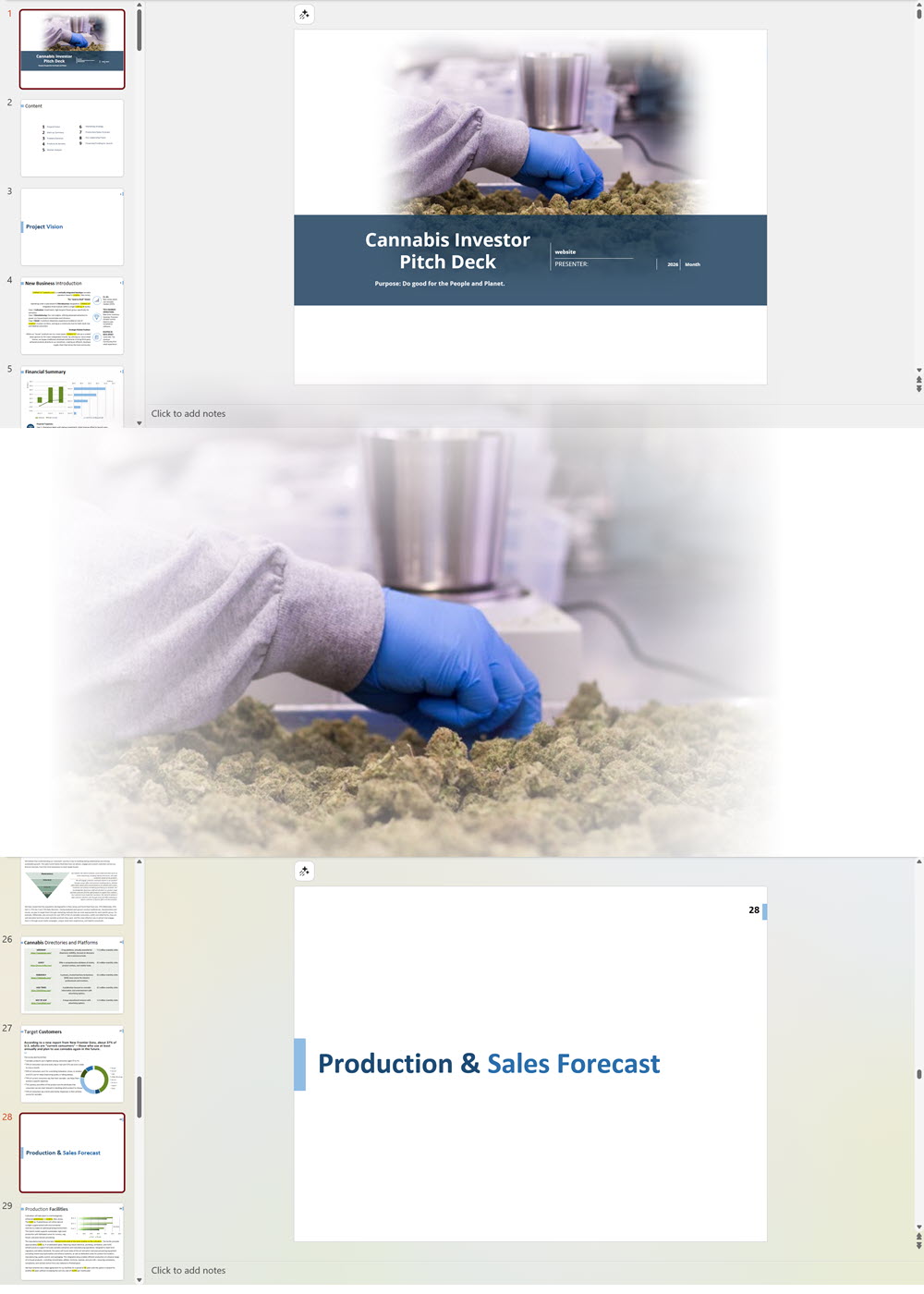
- PowerPoint Pitch Deck: provide a quick overview of your cannabis business plan.
- Unlimited support!
'70% ready to go' business plan templates
Our cannabis financial models and cannabis business plan templates will help you estimate how much it costs to start and operate your own cannabis business, to build all revenue and cost line-items monthly over a flexible seven year period, and then summarize the monthly results into quarters and years for an easy view into the various time periods. We also offer investor pitch deck templates.
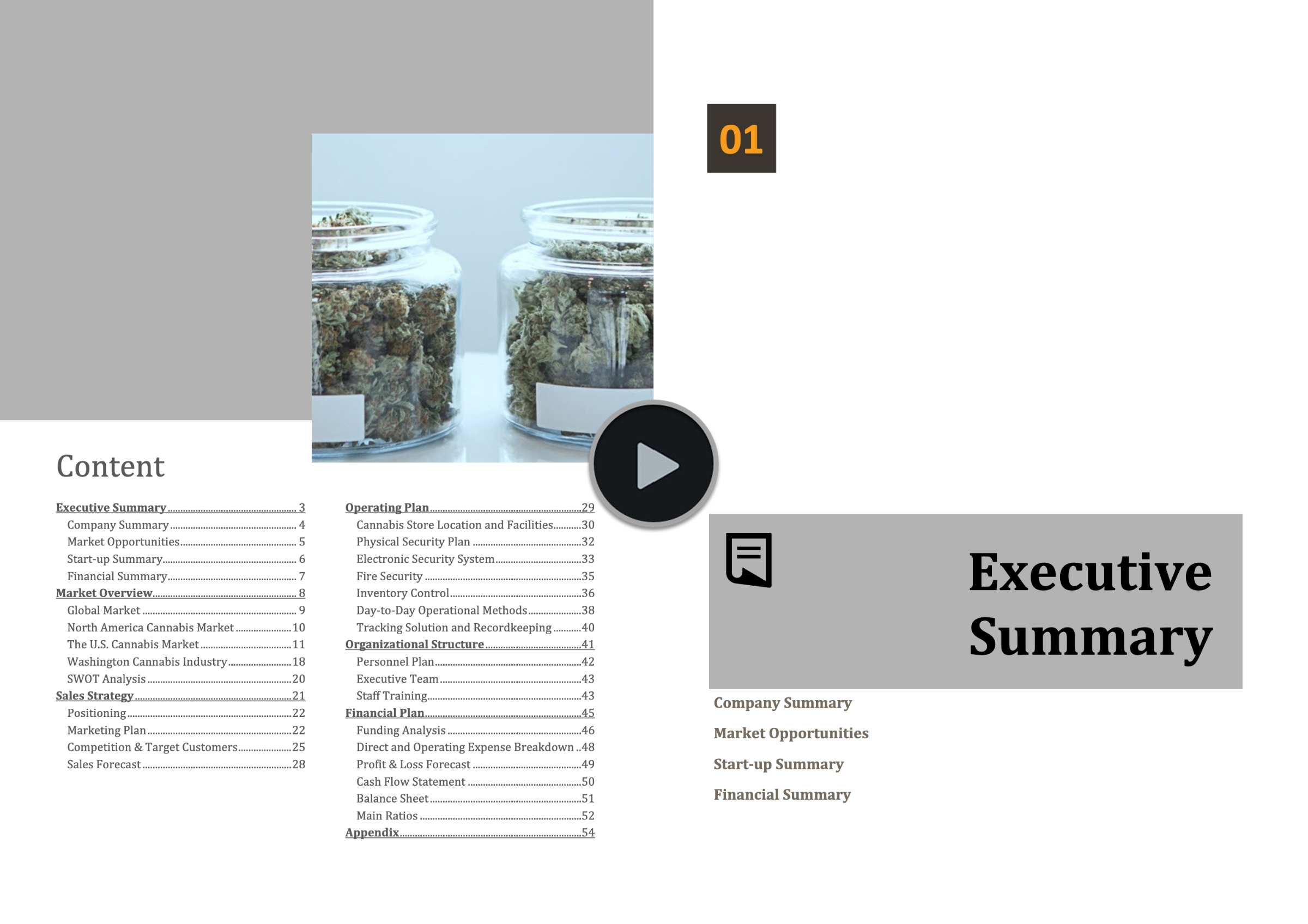
Cannabis Retail Business Plan Sample, Washington
Best Selling Templates
-

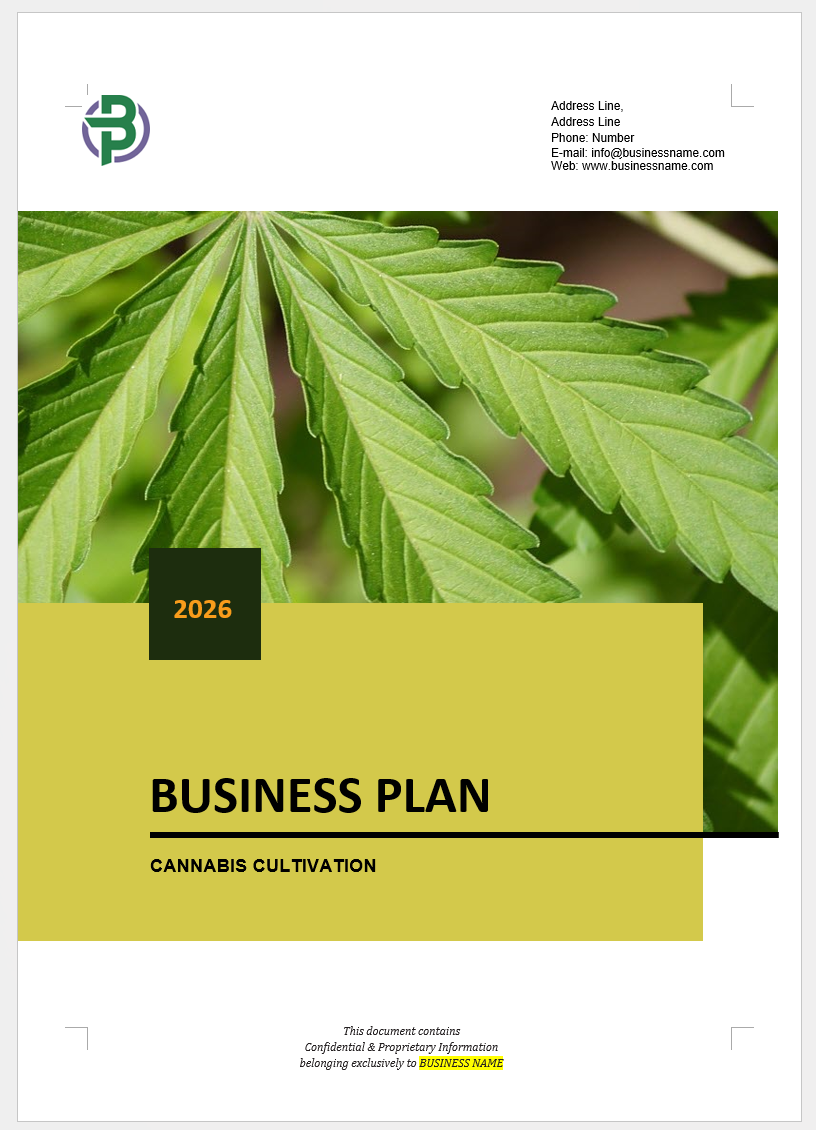
Cannabis Cultivation Business Plan Template
Price range: $75.00 through $350.00 Select options This product has multiple variants. The options may be chosen on the product page -

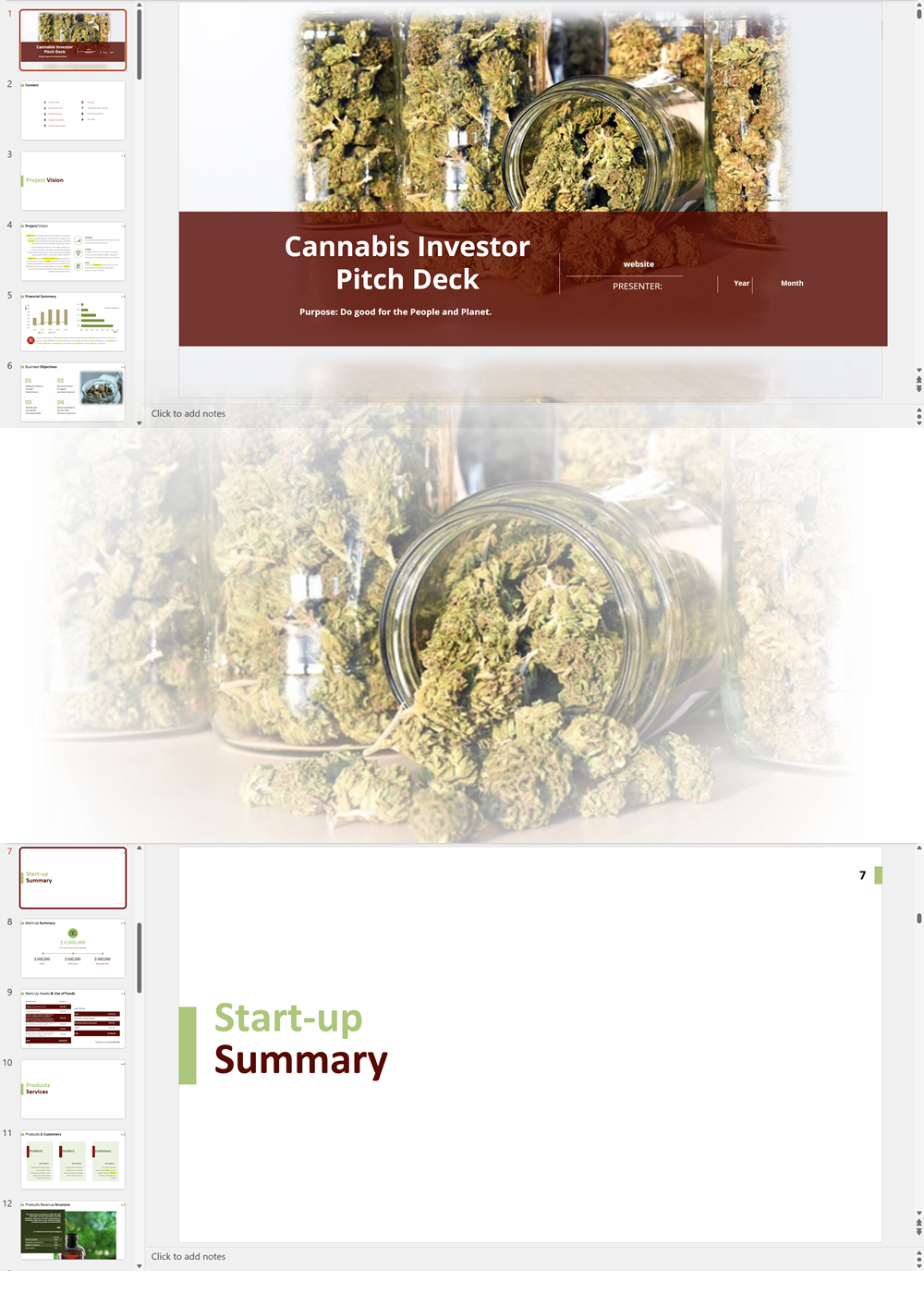
Cannabis Dispensary Investor Pitch Deck Template
$75.00 Select options This product has multiple variants. The options may be chosen on the product page -
Cannabis Financial Model All in One
$250.00 Select options This product has multiple variants. The options may be chosen on the product page
Hemp CBD business plan templates are available at hempcbdbusinessplans.com.
Our Templates
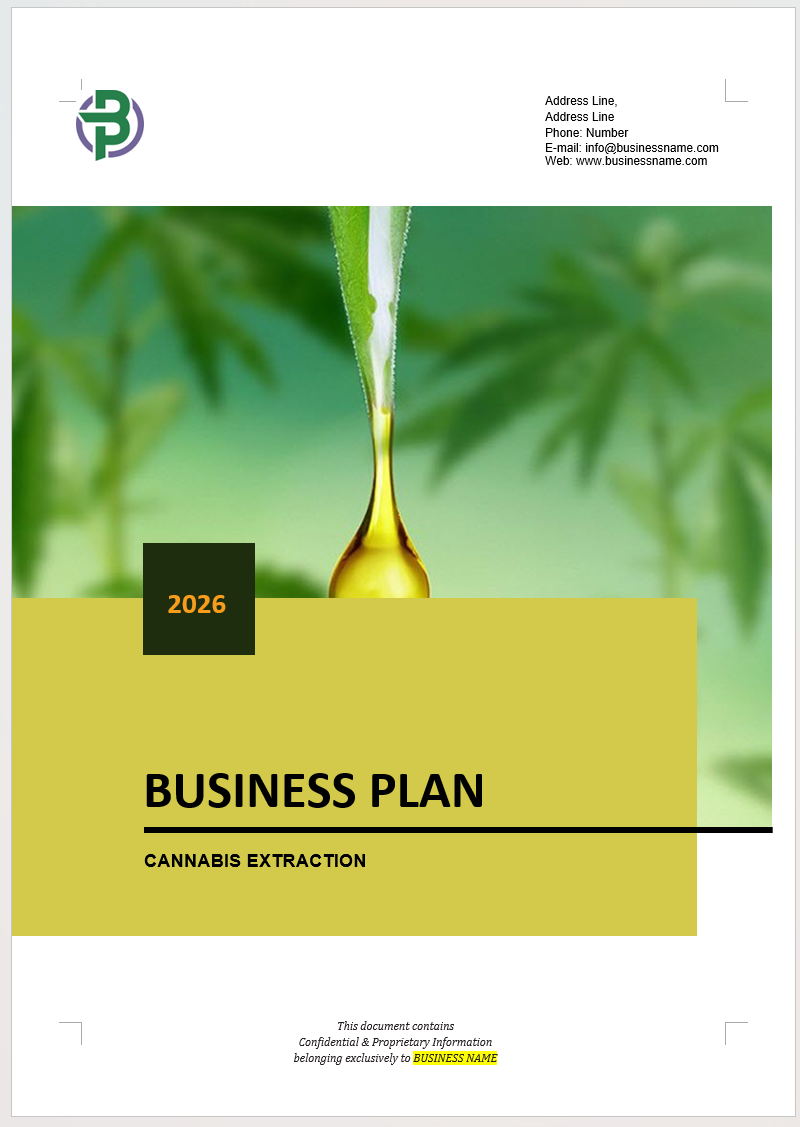
Cannabis Extraction / Concentrates Business Plan Template
Price range: $75.00 through $350.00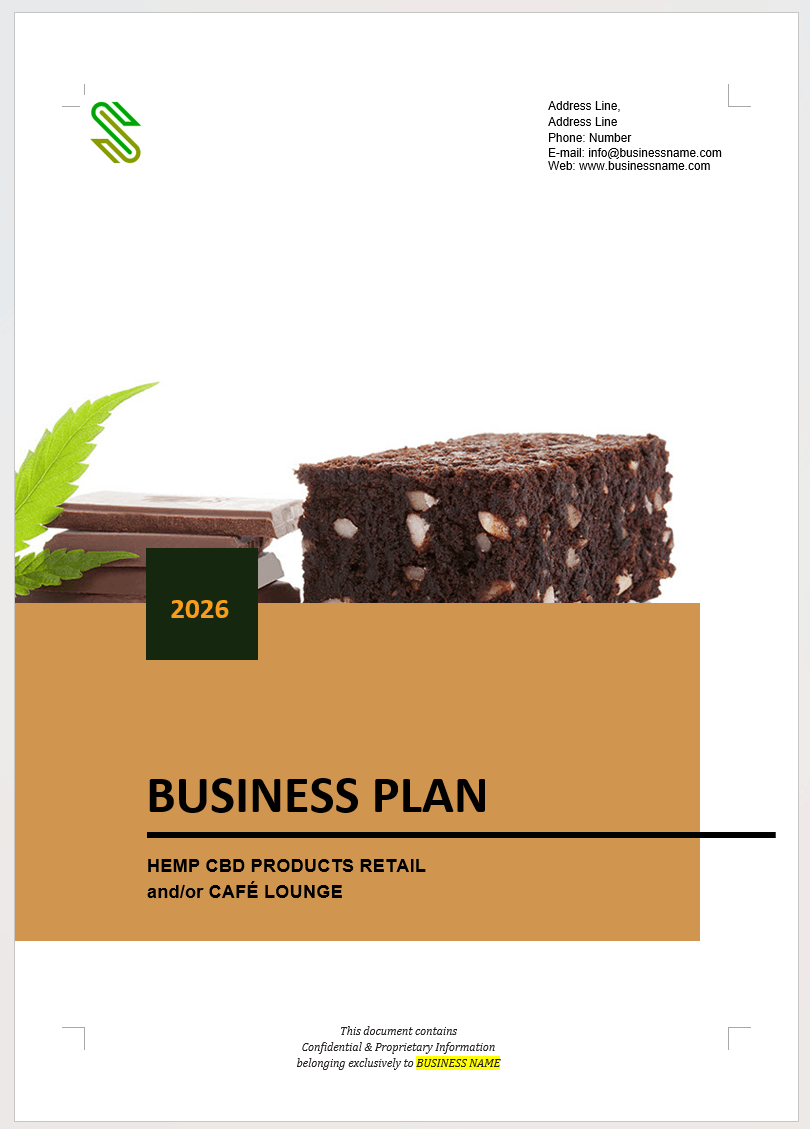
CBD Store and/or Cafe Lounge Business Plan Template
Price range: $75.00 through $275.00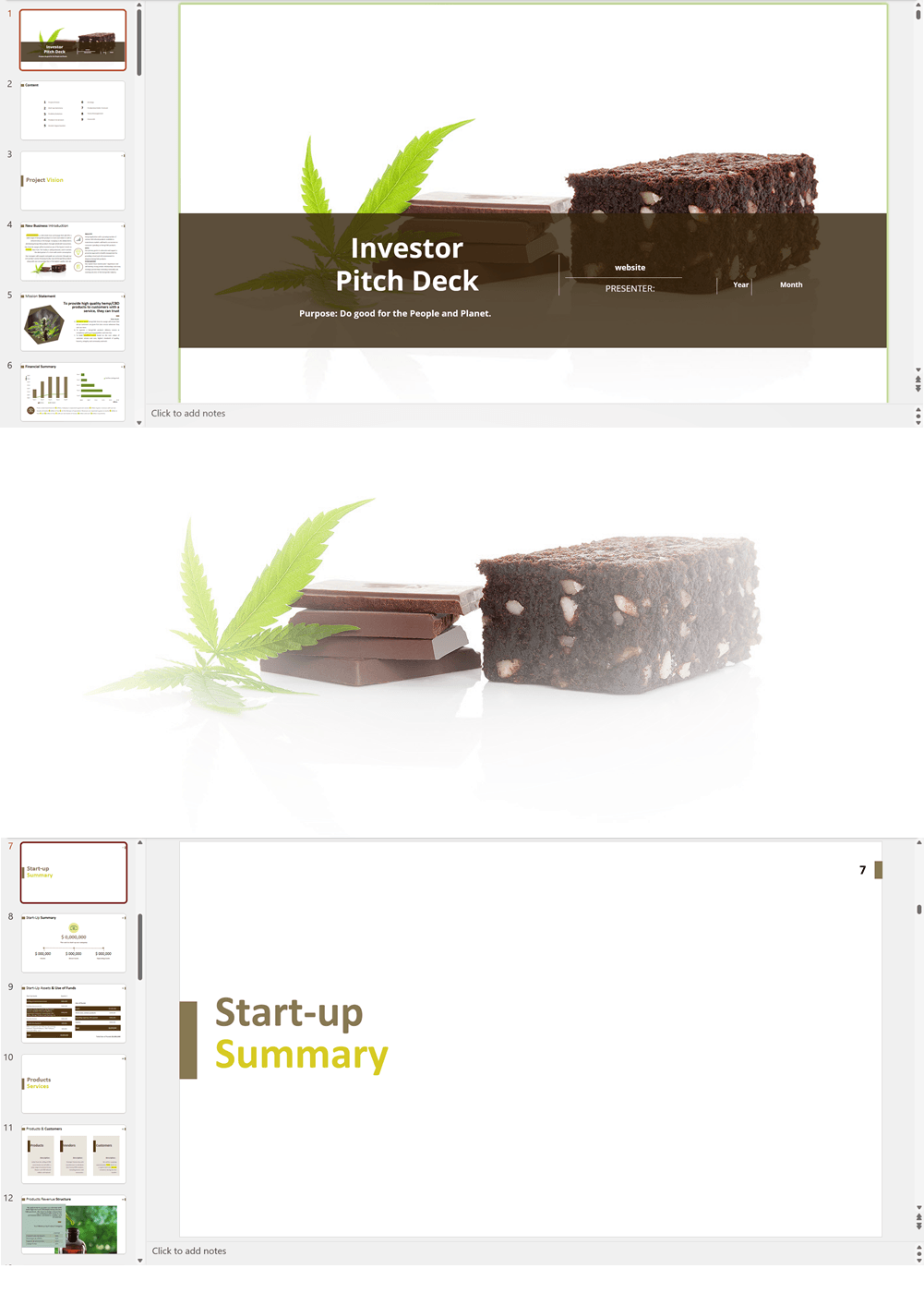

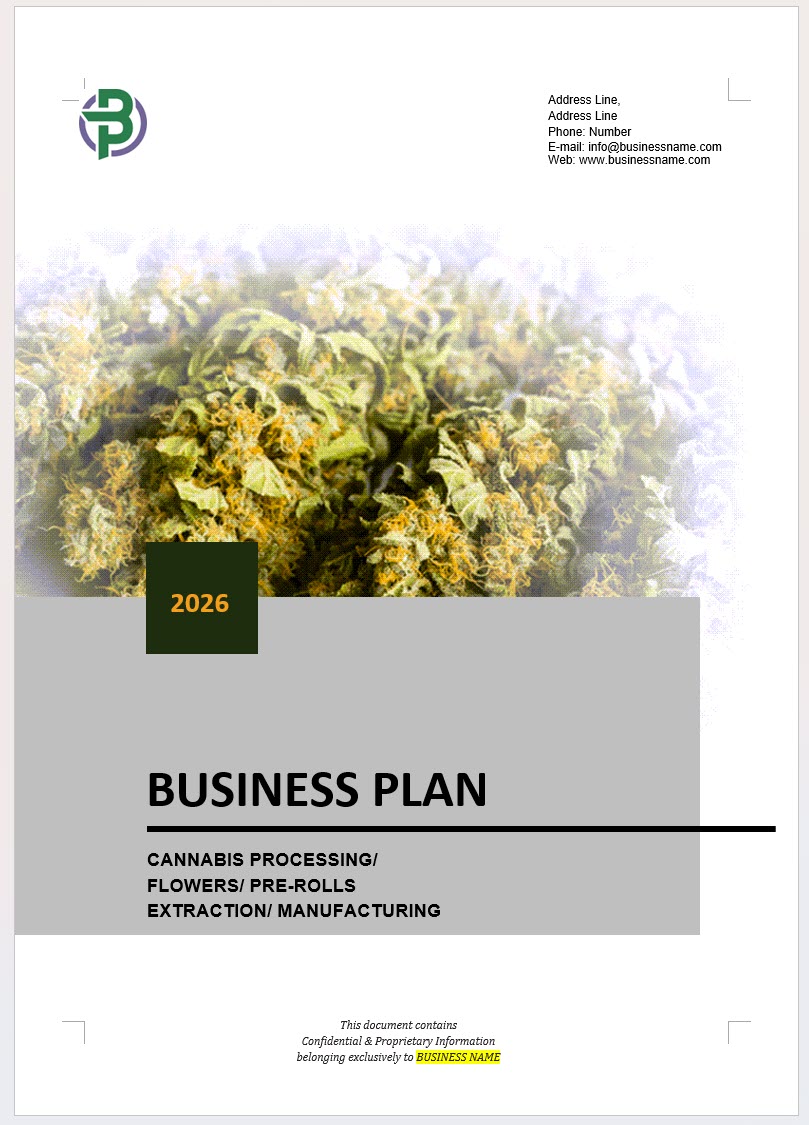
Cannabis Processing/ Flowers/ Pre-rolls/ Extraction/ Manufacturing Business Plan Template
Price range: $75.00 through $350.00
Cannabis Transportation Business Plan Template
Price range: $75.00 through $275.00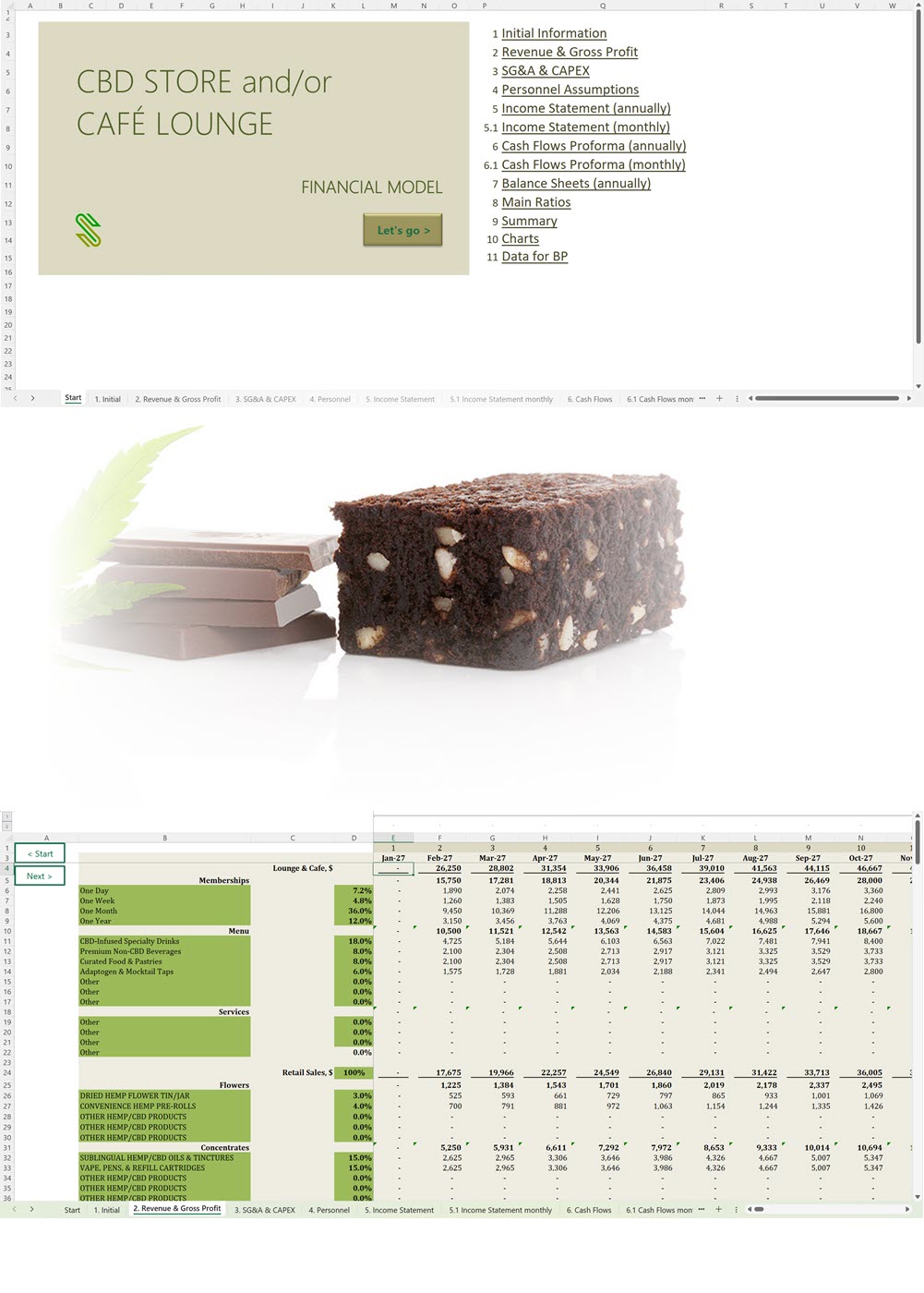
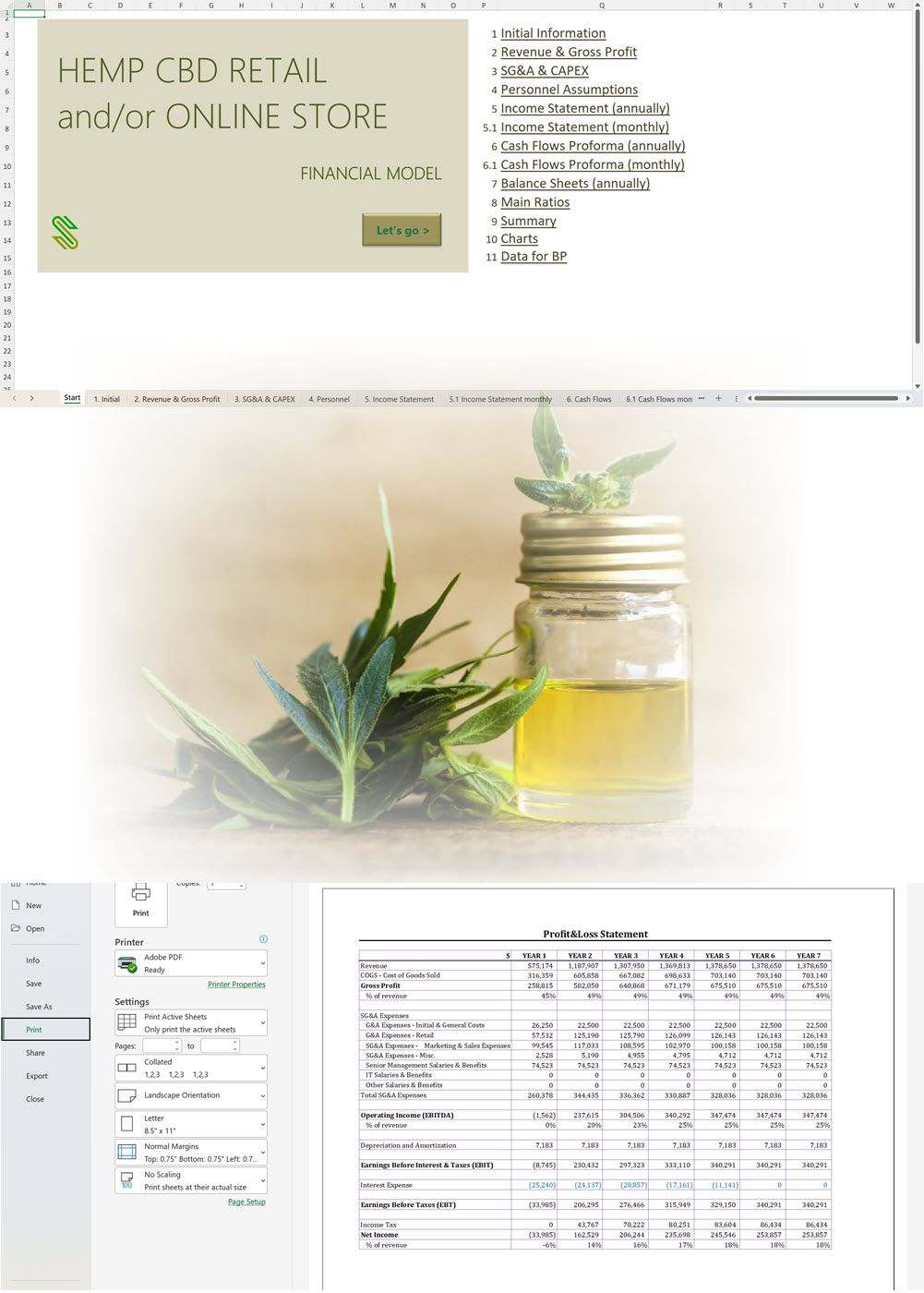
CBD Products Retail/Online Store Business Plan Template
Price range: $75.00 through $275.00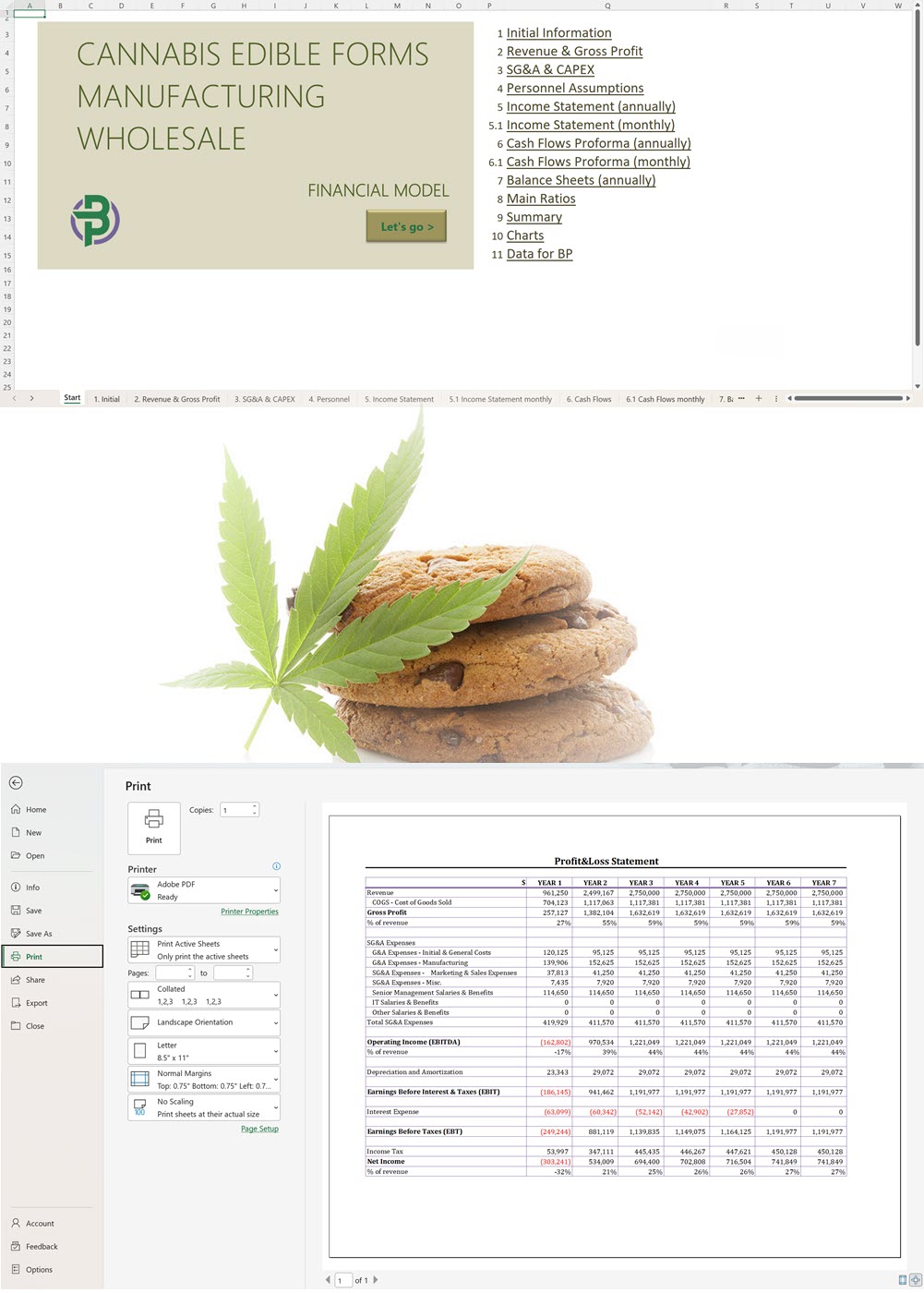
Cannabis Edibles Financial Model
$150.00
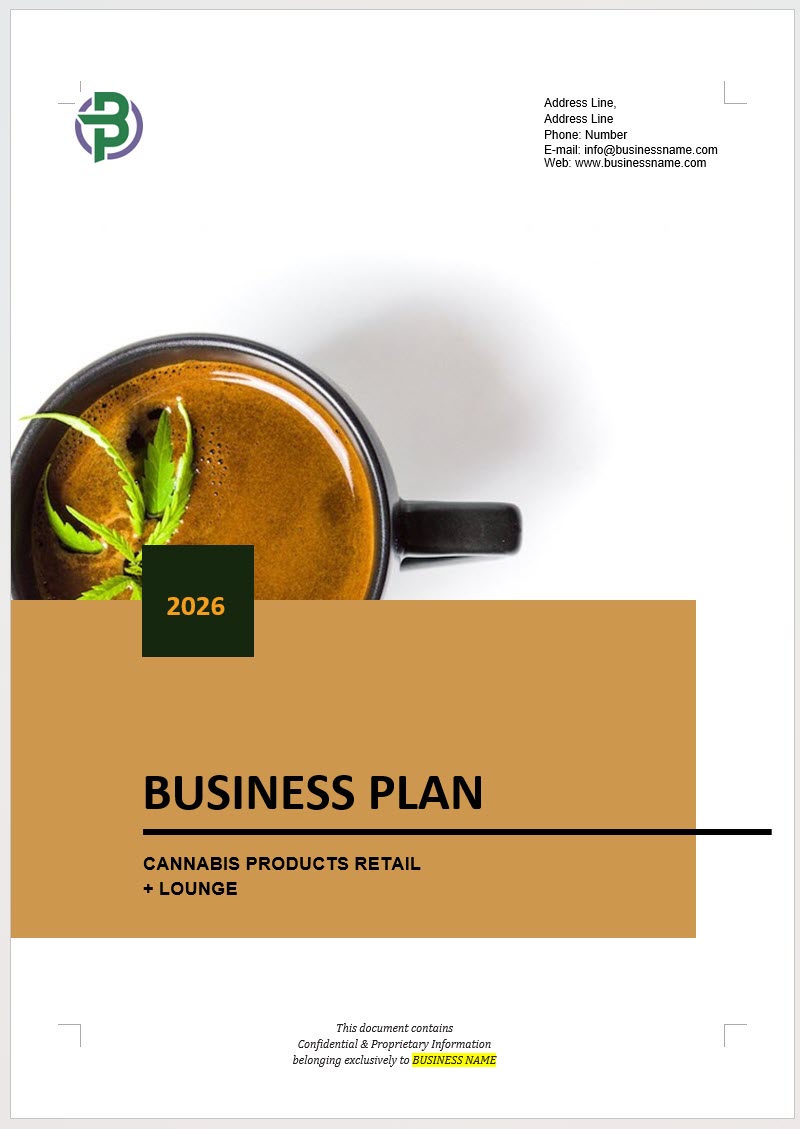
Cannabis Lounge + Retail Business Plan Template
Price range: $75.00 through $350.00
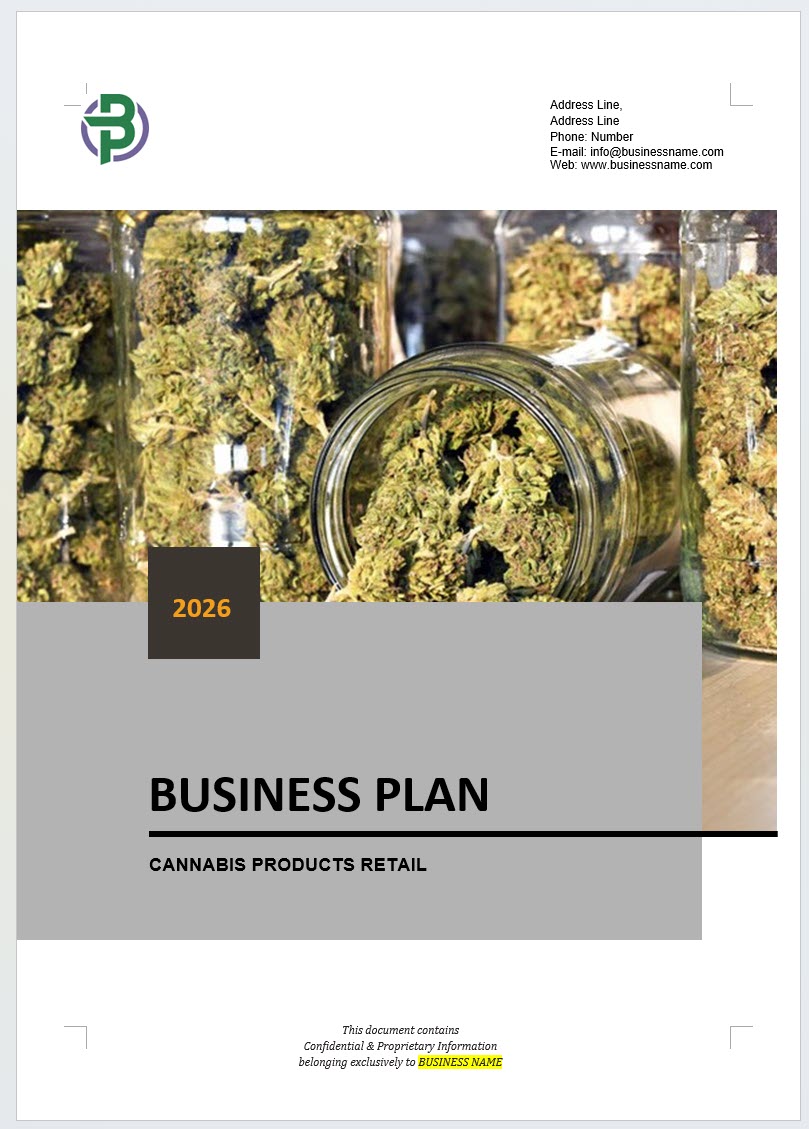
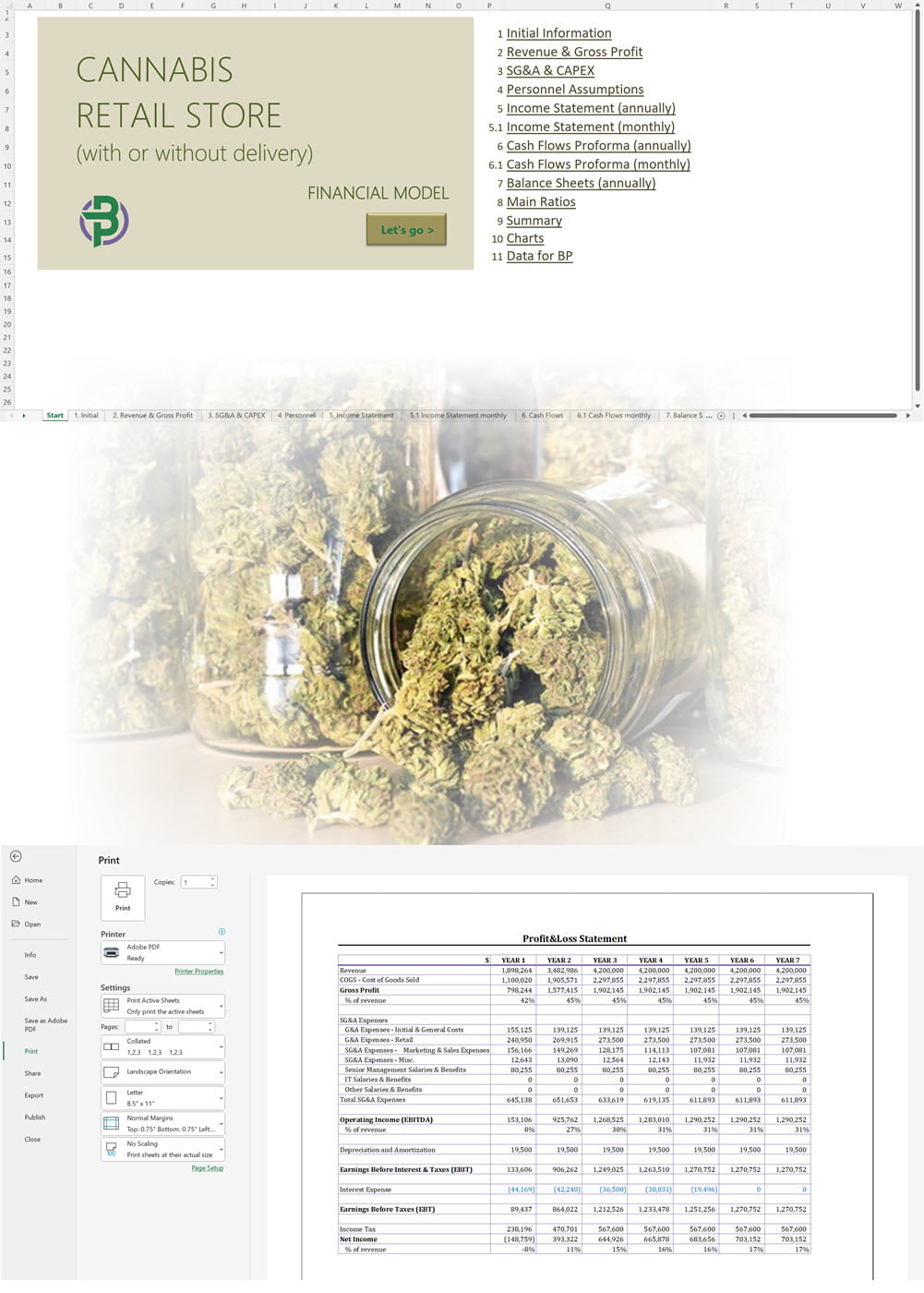
Cannabis Retail Business Plan Template (with or without Delivery)
Price range: $75.00 through $350.00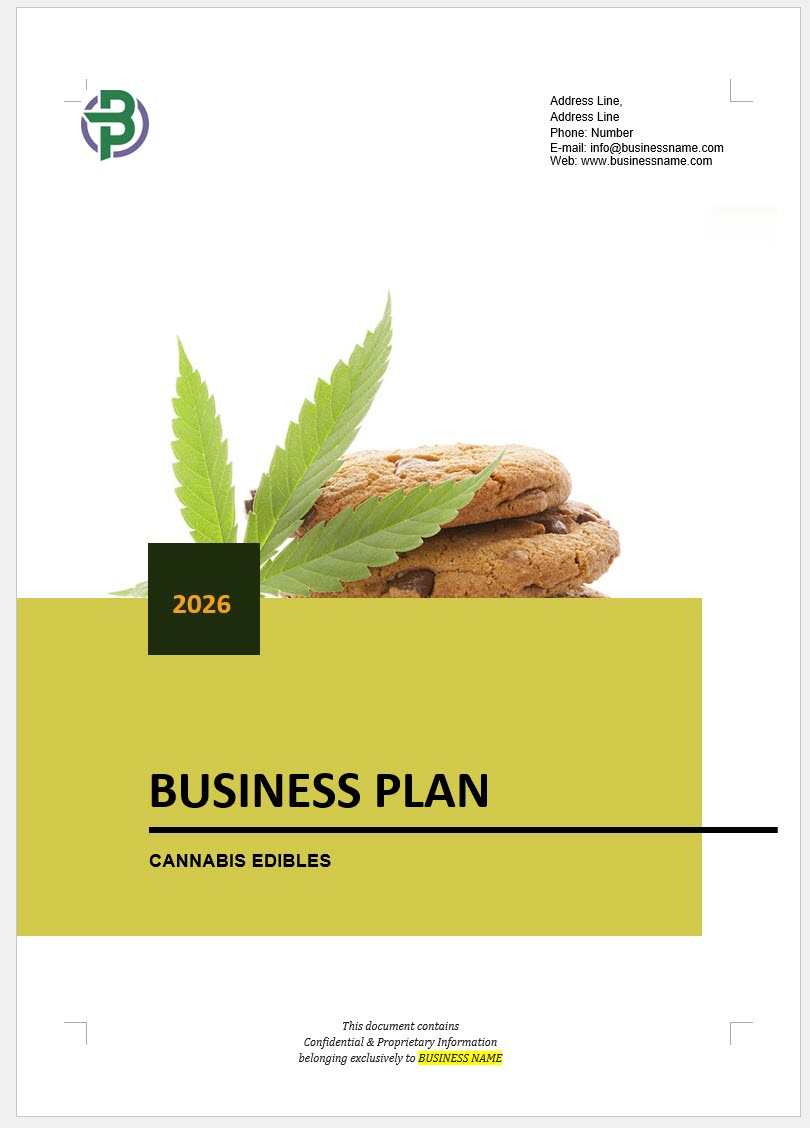
Cannabis Edibles Business Plan Template
Price range: $75.00 through $350.00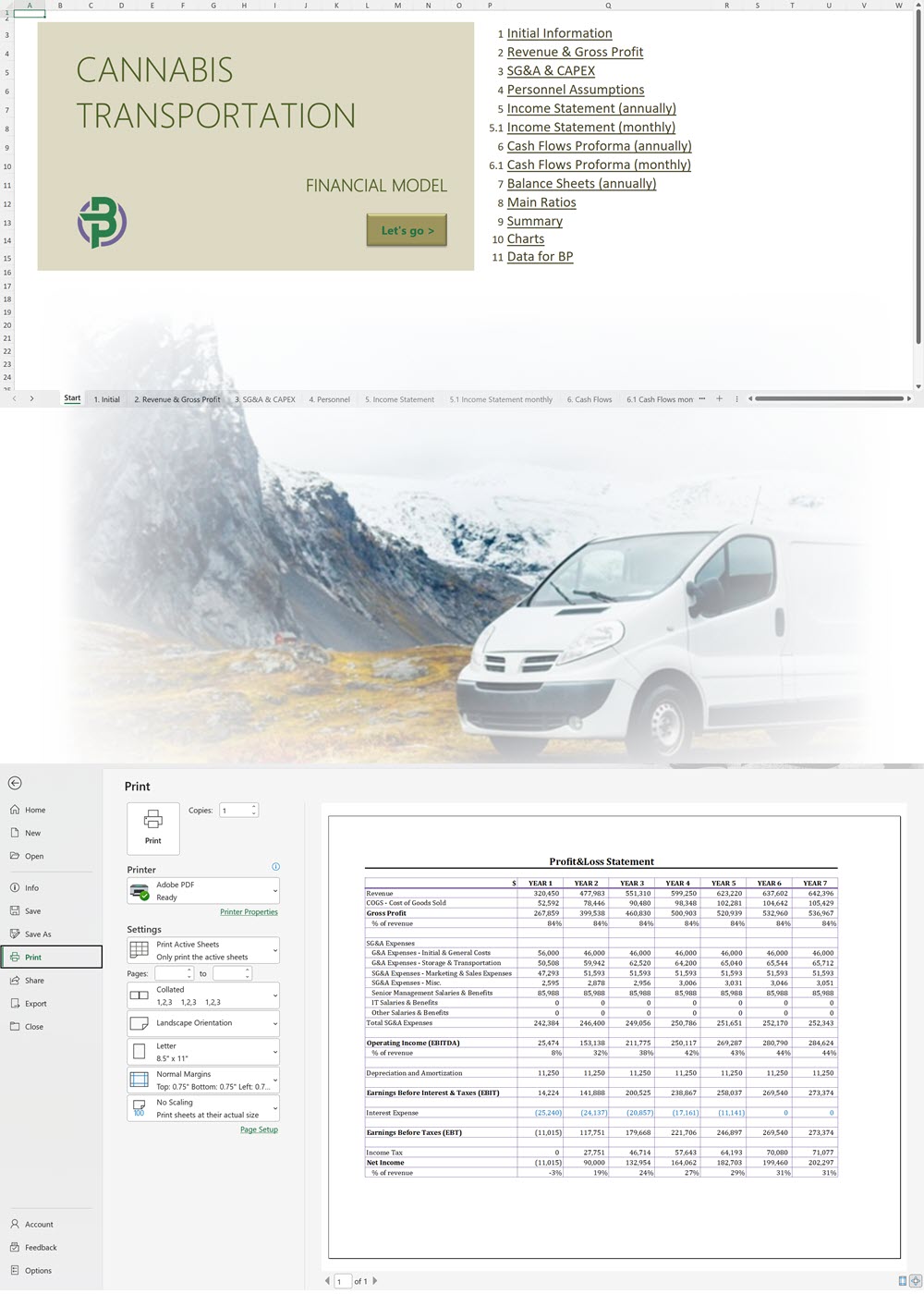
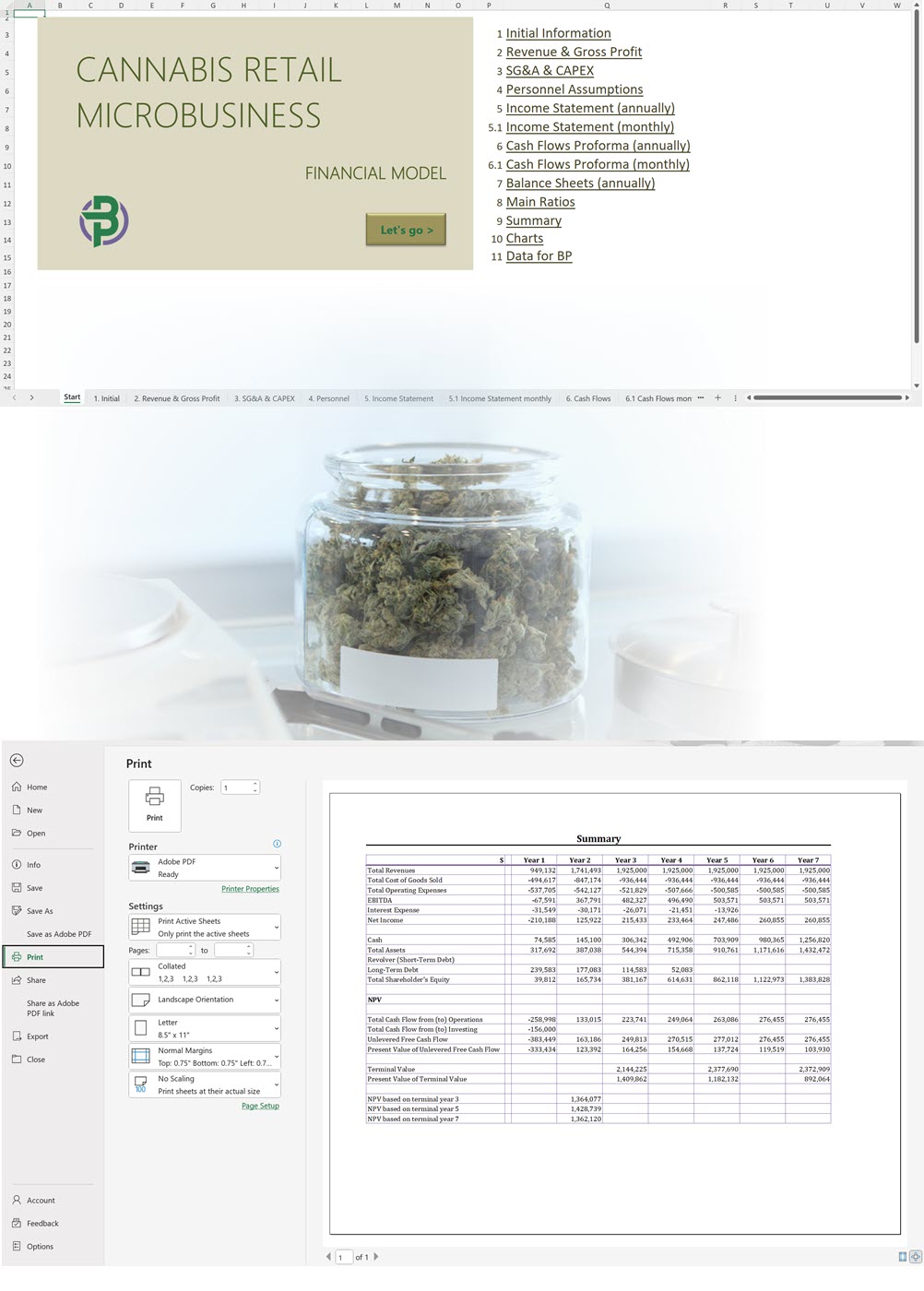
Cannabis Retail Microbusiness Business Plan Template
Price range: $75.00 through $275.00
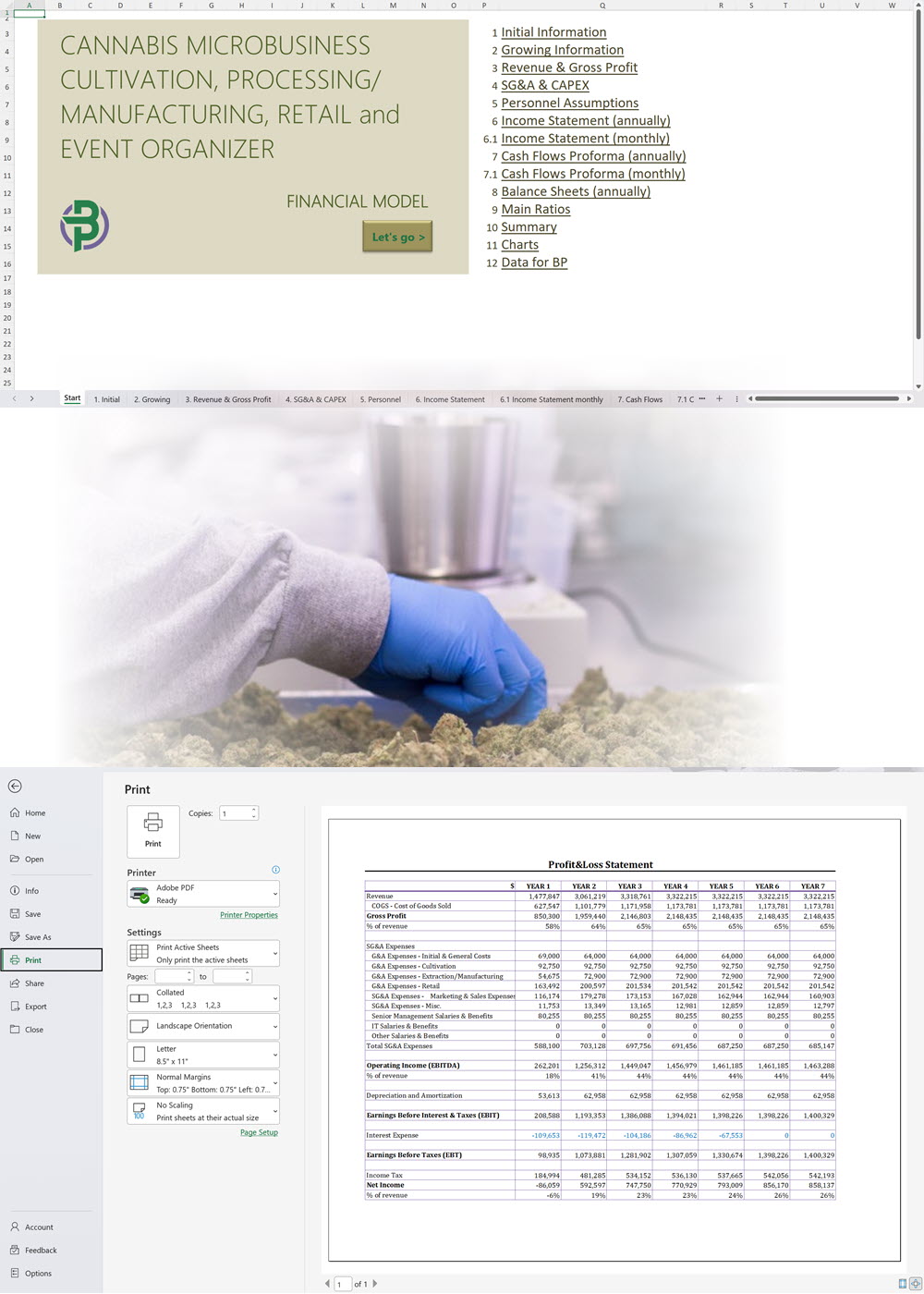
Cannabis Cultivation, Extraction, Manufacturing, Distribution, Retail and Microbusiness Business Plan Template
Price range: $75.00 through $500.00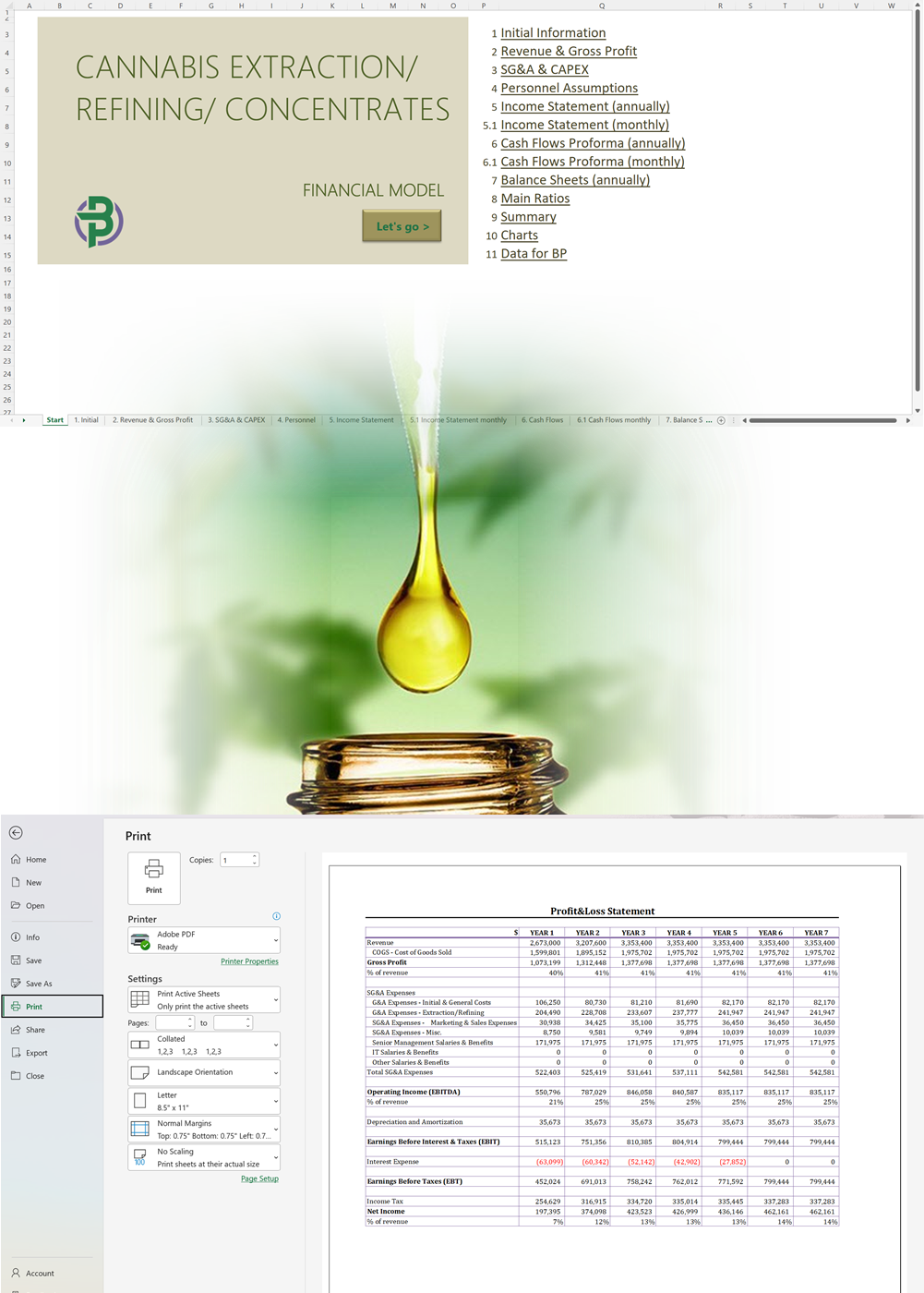

Cannabis Micro Cultivation Business Plan Template
Price range: $75.00 through $300.00