Key Takeaways
- Cannabis law and regulations:
- Chapter 16B of the Code of the District of Columbia and Title 22-C of District of Columbia Municipal Regulations regulate the medical cannabis market.
- Initiative 71 legalized recreational cannabis, allowing anyone over the age of 21 to possess up to two ounces of cannabis, transfer up to one ounce of cannabis to another person who is at least 21 years old (as a gift, with nothing in exchange), and grow up to six plants.
- Licenses available:
- Cultivation Center, Manufacturer, Retail, Internet Retail, Courier, Testing Laboratory.
- License endorsements available:
- Delivery, Education Tasting, Safe-Use Treatment Facility, Summer Garden.
- Products legal:
- Any form deemed safe for patients to eat, inhale or otherwise use medical cannabis for medical purposes.
- Taxes:
- The rate of tax is 6% of the gross receipts from the sale of or charges for medical cannabis, as defined in § 7-1671.01(12), except for sales or charges occurring during “4/20 Medical Cannabis Sales Tax Holiday Week” subject to special bills signed in a given year.
- Market:
- In just nine months of 2025, sales have already totaled $42 million which is equivalent to 130% of the total sales for 2024. Cannabis sales reached their peak in May 2025, hitting $5.8 million, with an average in-store sale of $78 and an average delivery sale of $154.
- As of September 2025, there were 65 operational dispensaries and 3 internet retailers (online only), 32 caregivers and a record number of 78,768 unique medical cannabis patients – the highest it has ever been since the start of the program.
Washington DC Cannabis Legalization
Medical cannabis was legalized in 1998 following the passage of Initiative 59 with the first dispensary opened in 2013. The Medical Marijuana Expansion Emergency Amendment Act of 2014 expanded eligibility for a medical card to include all conditions that a physician feels may benefit from use of medical marijuana.
The Medical Marijuana Reciprocity Amendment Act of 2015, which took effect in 2017, allowed patients from other jurisdictions that had medical cannabis programs equivalent to Washington, DC’s to use their cards at DC dispensaries.
In 2020, a temporary order was issued that allowed medical patients to have cannabis delivered to their homes due the COVID-19 pandemic.
On March 22, 2023, the Medical Cannabis Amendment Act of 2022 (MCAA), signed by Mayor Muriel Bowser in January 2023, became law. The Act overhauls DC’s medical cannabis program. Among other things, the MCAA:
- Eliminates the cap on the number of medical licenses available in D.C.
- Allows for vertical integration
- Permits adults to self-certify their medical use license.
- Exempts businesses from Section 280E of the federal tax code, allowing cannabis companies to deduct business expenses from their state income taxes.
- Creates new license categories (including internet retailers) and authorizes licensees to apply for “endorsements” such as on-site consumption and delivery for retailers.
Testing Requirements
The District’s medical cannabis must pass a series of tests that check moisture content, water activity, terpene and cannabinoid levels (THC, THCA, CBD, CBDA, CBN), foreign matter contamination, microbial and/or mycotoxin contamination, heavy metals (arsenic, cadmium, lead, mercury), pesticide and/or fertilizer residue, residual solvents, and homogeneity (for edibles).
Washington DC Cannabis Medical Market
In 2023, Washington, D.C. had 6 medical dispensaries, 8 cultivation centers, 63 registered active caregivers, and over 25,000 medical cannabis patients. By February 2025, operational dispensaries grew to 17, and medical cannabis patient registrations climbed to 33,540. The following month, that number expanded further to 24 operational dispensaries, with more than 270 additional businesses in the approval pipeline, preparing to launch operations. As of September 2025, there were 65 operational dispensaries and 3 internet-only retailers, 32 caregivers, and a record 78,768 unique medical cannabis patients – the highest since the program began.
Dispensaries sold about $31 million worth of cannabis products in calendar year 2020 (Jan-Dec) and total legal cannabis sales exceeded $35 million in 2021, reaching $36 million in 2022, according to figures released by the Alcoholic Beverage Regulation Administration (ABRA).
Sales totaled nearly $38 million in 2023, with an average in-store transaction of $103 and an average delivery order of $157. In 2024, medical cannabis retail sales dipped slightly to around $33 million.
Yet in just the first nine months of 2025, sales have already hit $42 million – 130% of the full-year 2024 total. May 2025 marked the strongest month on record, with $5.8 million in sales, with an average in-store spend of $78 and an average delivery order of $154. This surge underscores the accelerating growth of Washington, D.C.’s medical cannabis program this year.
Cannabis patients spent most of their dollars (53.7%) on flower, based on data from September 2025. Vape cartridges, the next largest share of the cannabis sales, captured 18.9% – an around 10 percentage points increase from September 2024 which has promoted this product category to the position of a key revenue driver. Infused edibles, with 10.9%, came in third. Raw pre-rolls grabbed around 10% of the market while tincture and capsule held a 2.9% share.
Washington DC Recreational Cannabis
The District’s recreational cannabis was legalized in 2015 following the passage of Initiative 71. Anyone over the age of 21 can possess up to two ounces of cannabis, transfer up to one ounce of cannabis to another person who is at least 21 years old (as a gift, with nothing in exchange), and may grow up to six plants.
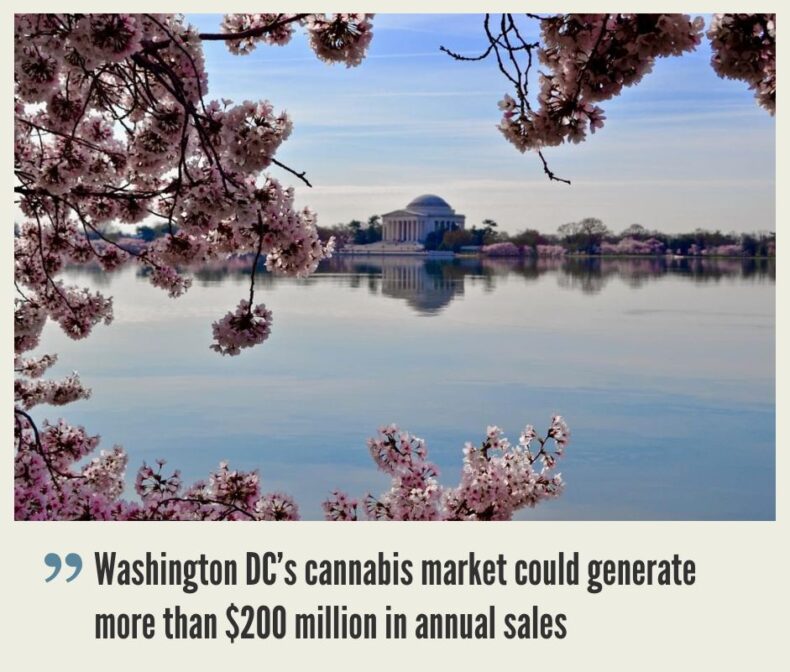
Marijuana Business Daily predicts that the launch of a recreational cannabis market in Washington DC could generate $50 million in retail sales in the first year and over $200 million in the fourth year.
Hemp/CBD Market in Washington DC
The sale, possession, and use of hemp and hemp-derived products is legal in Washington, D.C., as long as the products comply with federal regulations, contain less than 0.3% THC as required by the 2018 Farm Bill, and are only sold to individuals 18 years of age or older.
Washington, D.C. does not have a hemp production plan submitted to or approved by the USDA and cannot issue a license to grow or process hemp. The sale of hemp-derived CBD products in the state is legal as long as the company producing them falls under §7607 of the 2018 Farm Bill and, as mentioned, contains less than 0.3% THC.
Washington DC Cannabis Market Infographics
Cannabis Manufacturing Business Plan Sample, Washington, DC
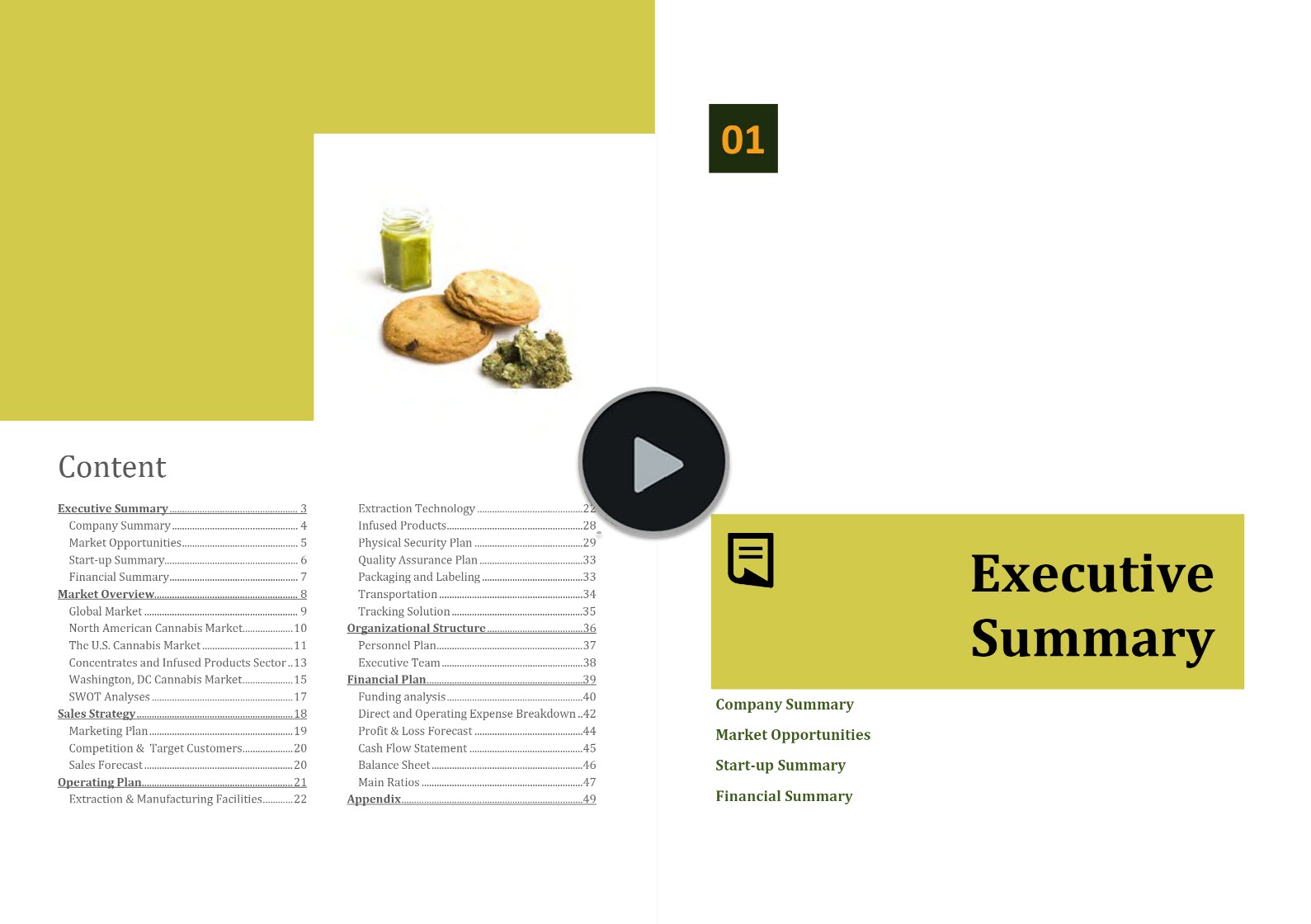
'70% ready to go' business plan templates
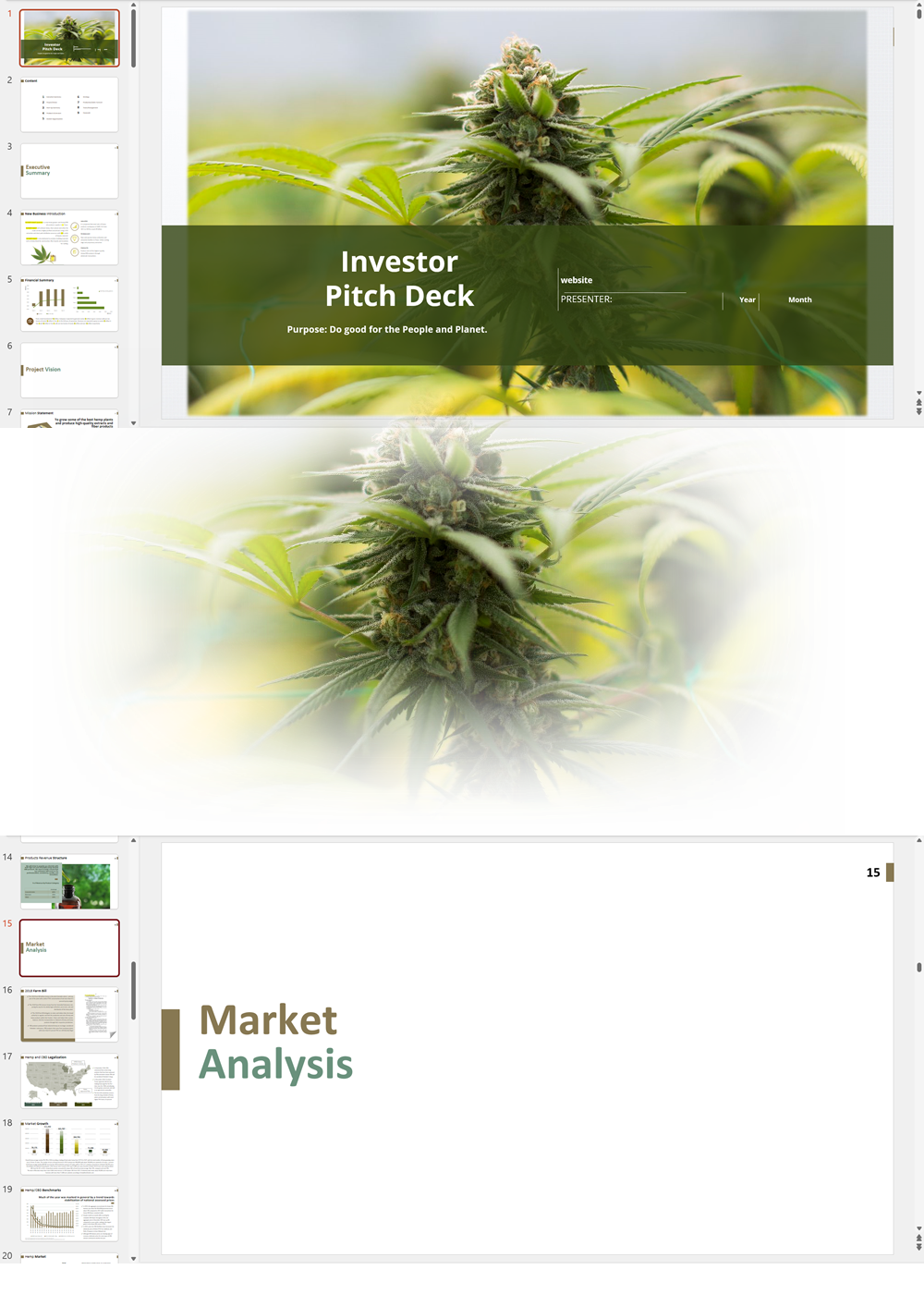
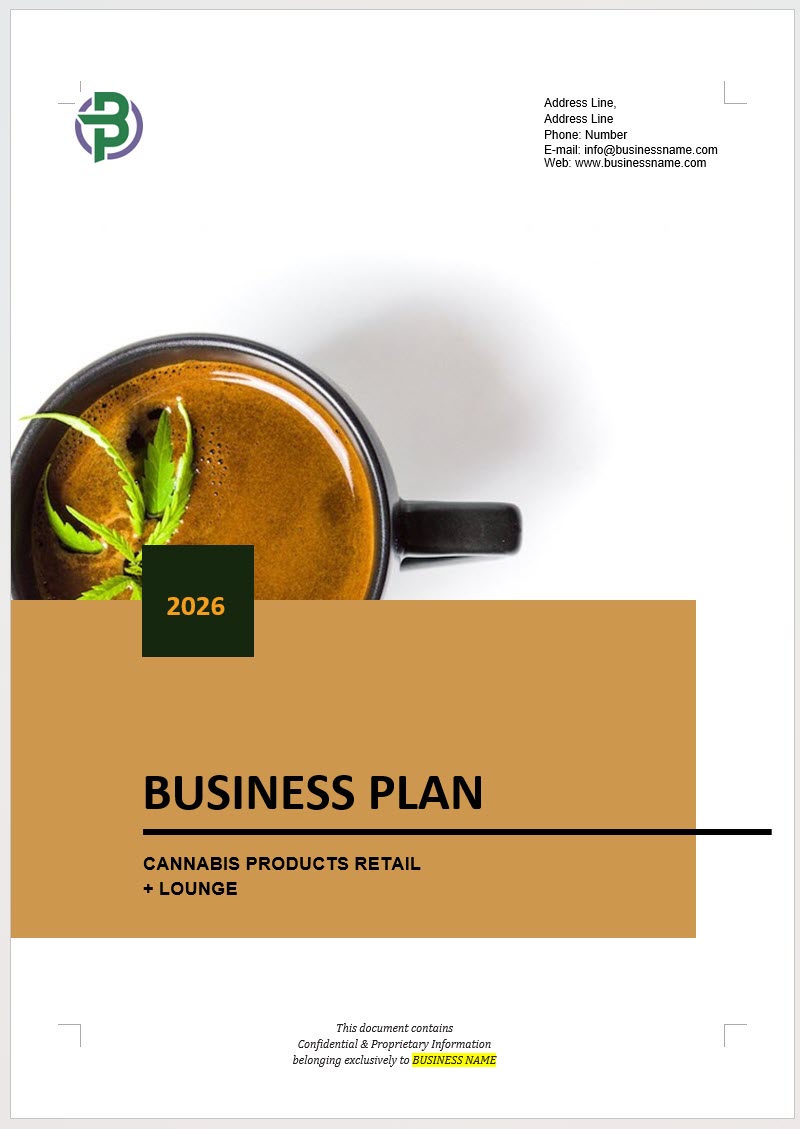
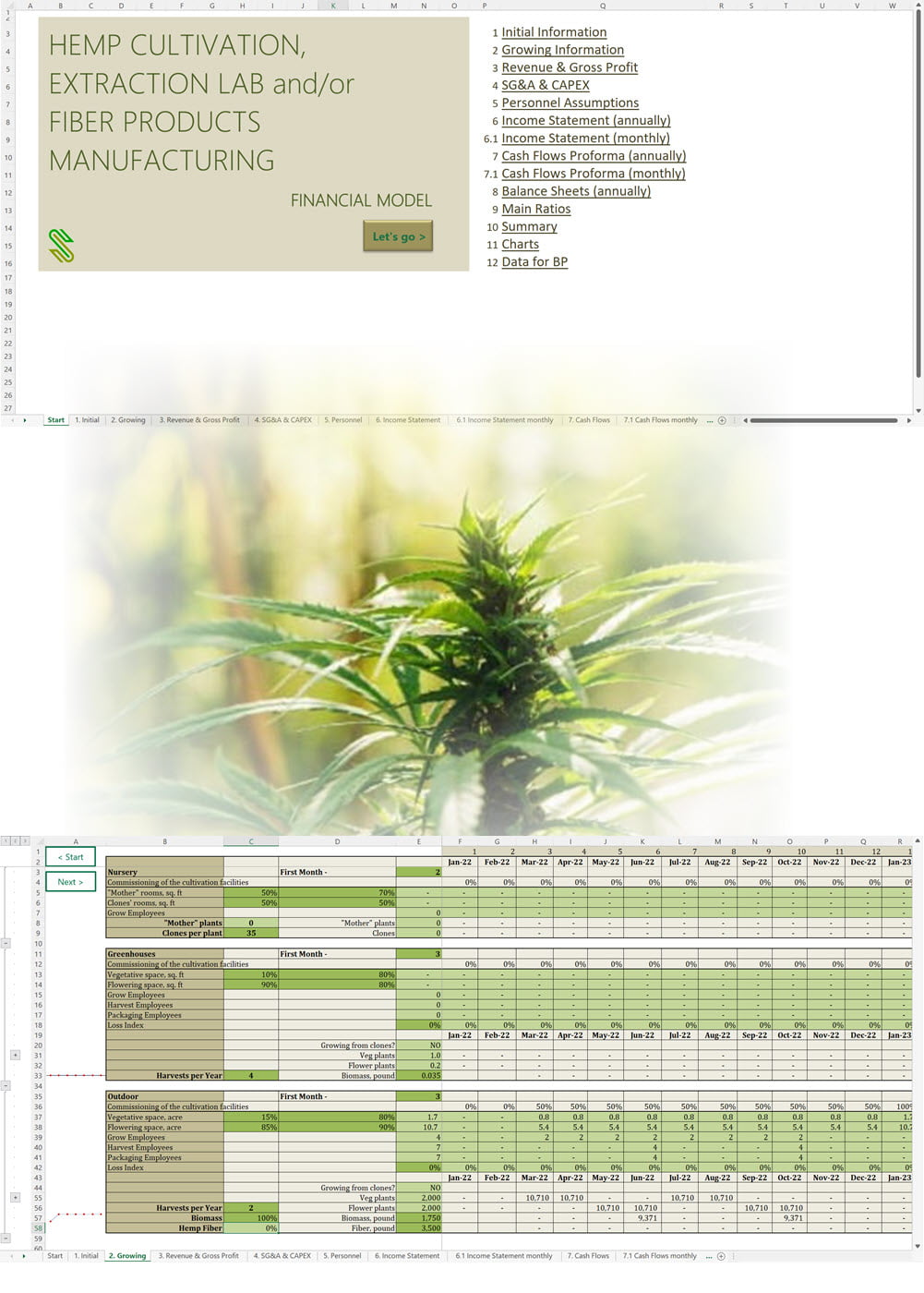
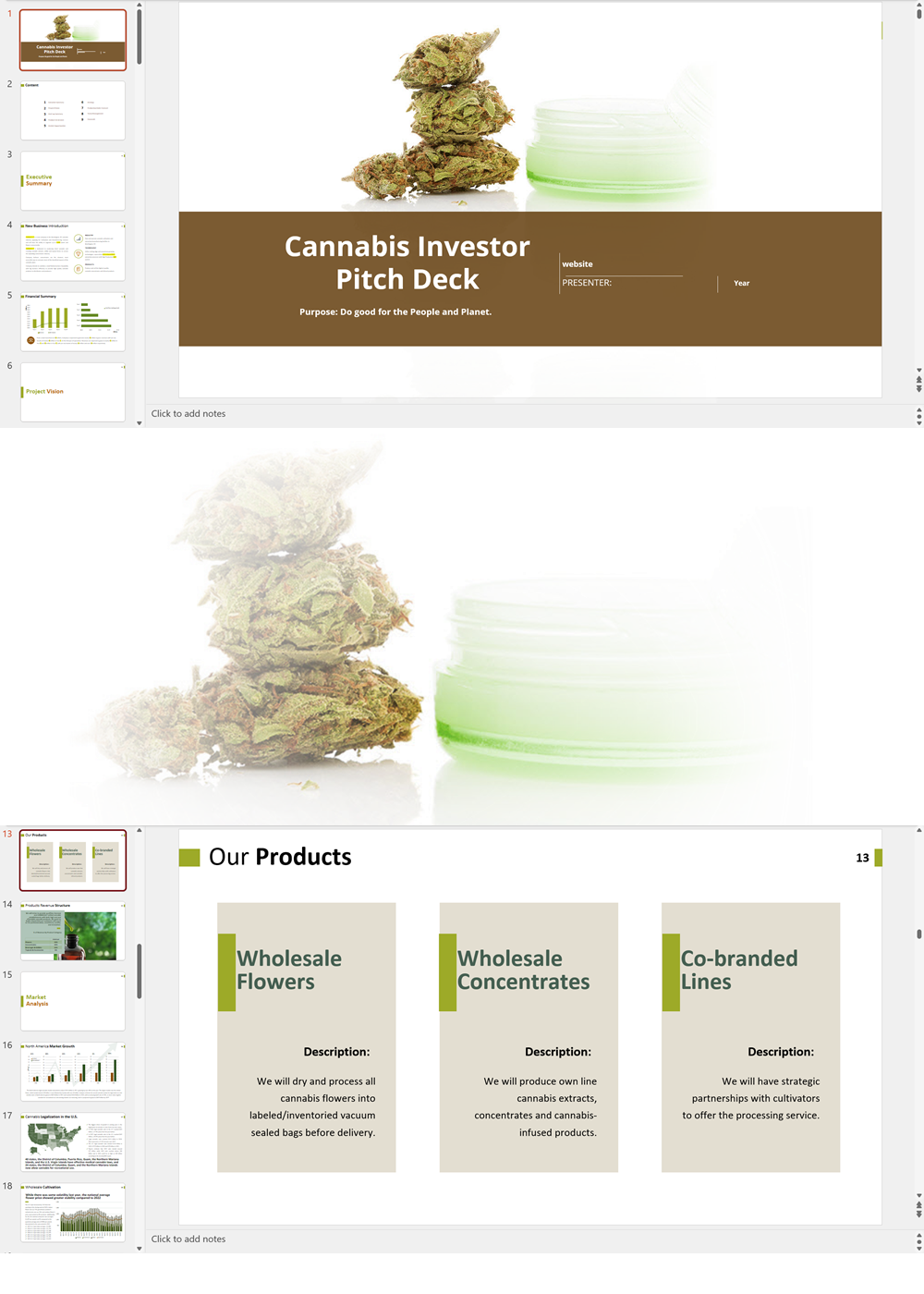
Our cannabis financial models and cannabis business plan templates will help you estimate how much it costs to start and operate your own cannabis business, to build all revenue and cost line-items monthly over a flexible seven year period, and then summarize the monthly results into quarters and years for an easy view into the various time periods. We also offer investor pitch deck templates.
Best Selling Templates
-

Cannabis Cultivation Business Plan Template
Price range: $75.00 through $350.00 Select options This product has multiple variants. The options may be chosen on the product page -

Cannabis Dispensary Investor Pitch Deck Template
$75.00 Select options This product has multiple variants. The options may be chosen on the product page -
Cannabis Financial Model All in One
$250.00 Select options This product has multiple variants. The options may be chosen on the product page
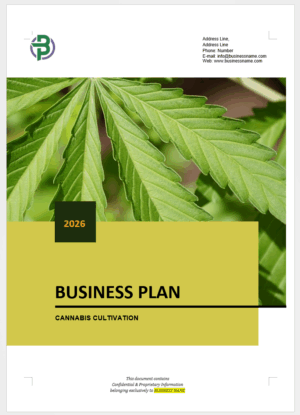
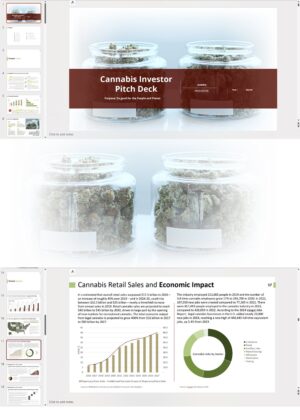
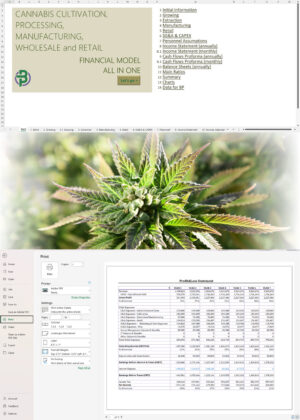
Hemp CBD business plan templates are available at hempcbdbusinessplans.com.
Our Templates
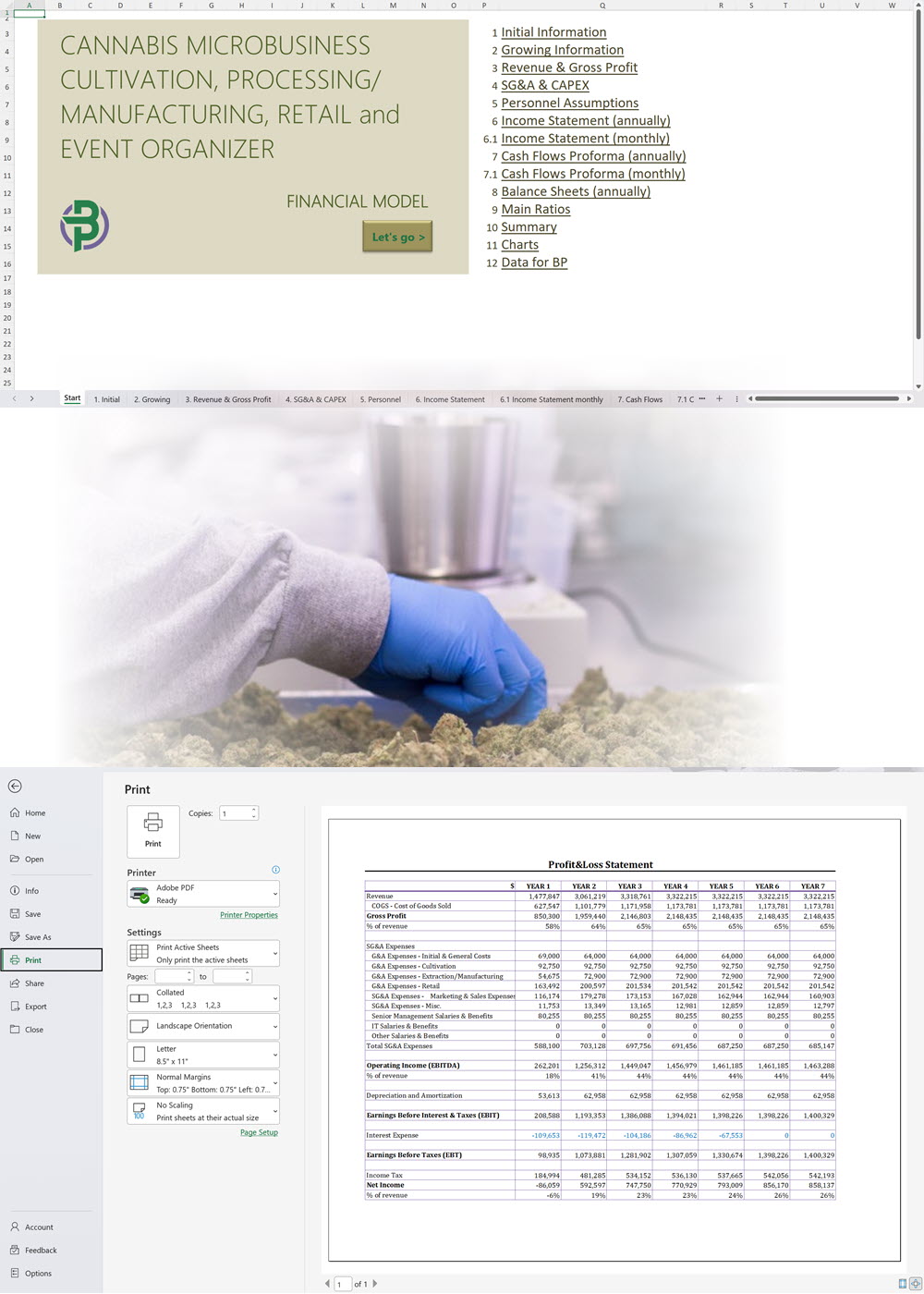
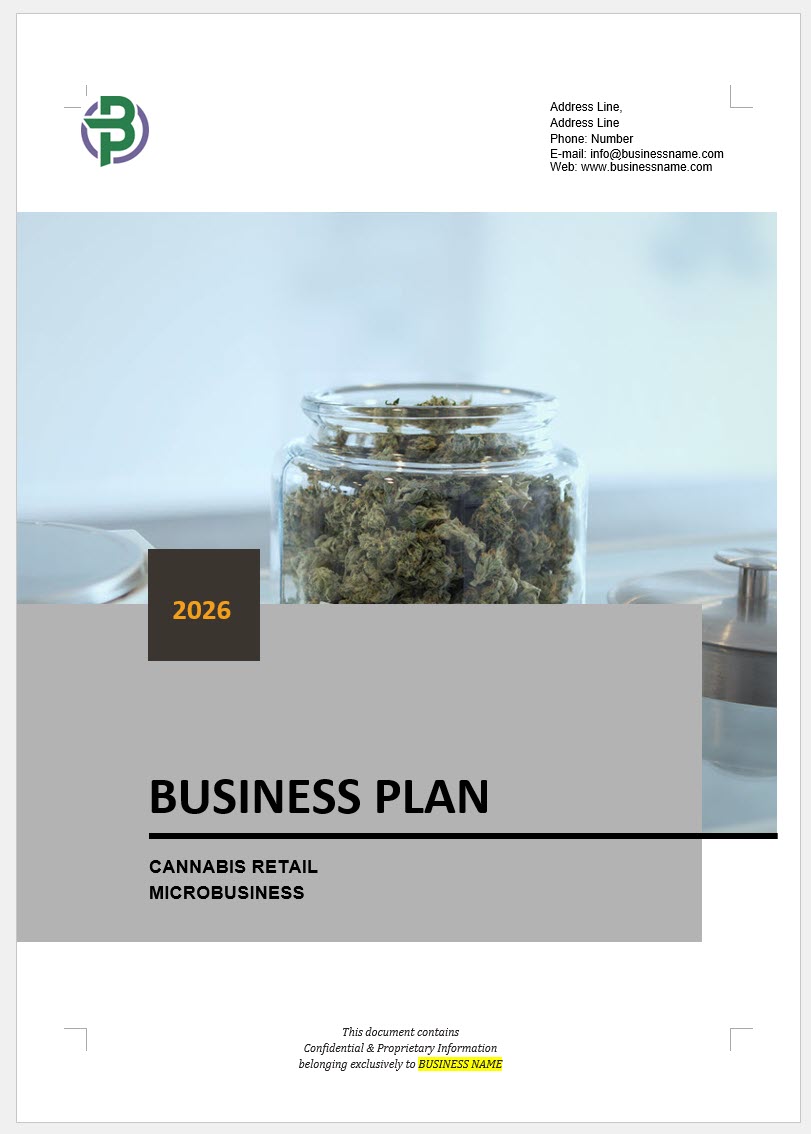
Cannabis Retail Microbusiness Business Plan Template
Price range: $75.00 through $275.00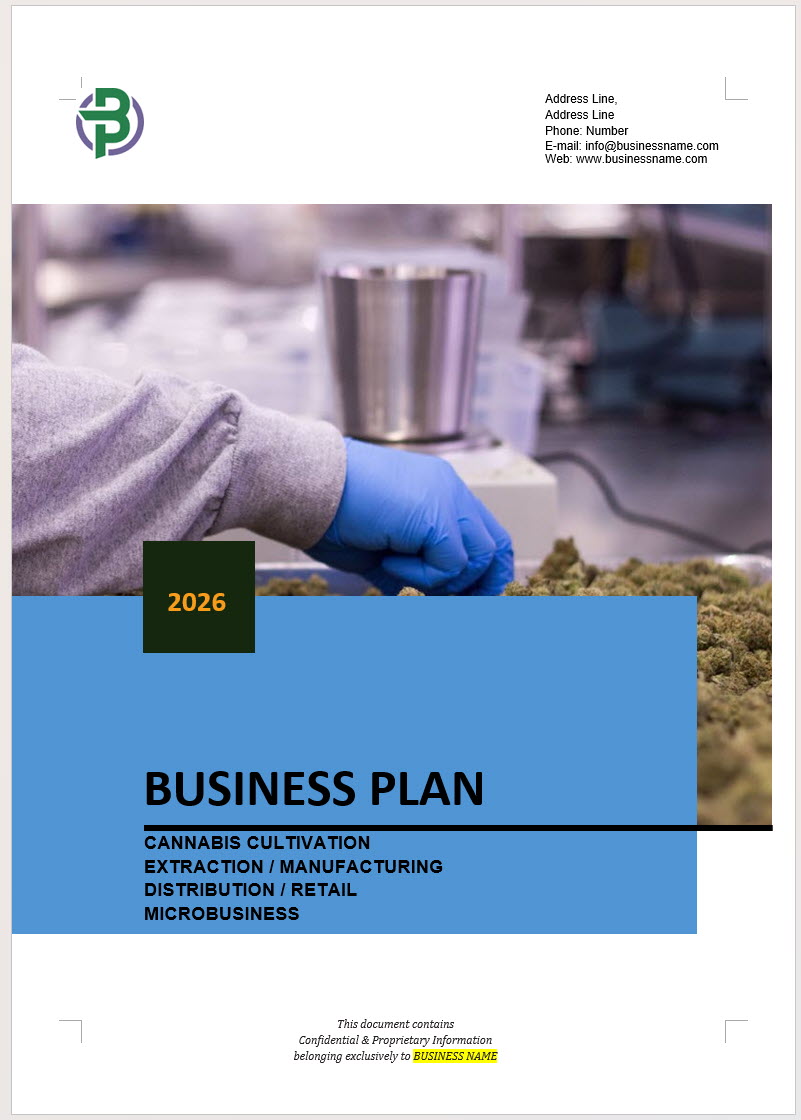
Cannabis Cultivation, Extraction, Manufacturing, Distribution, Retail and Microbusiness Business Plan Template
Price range: $75.00 through $500.00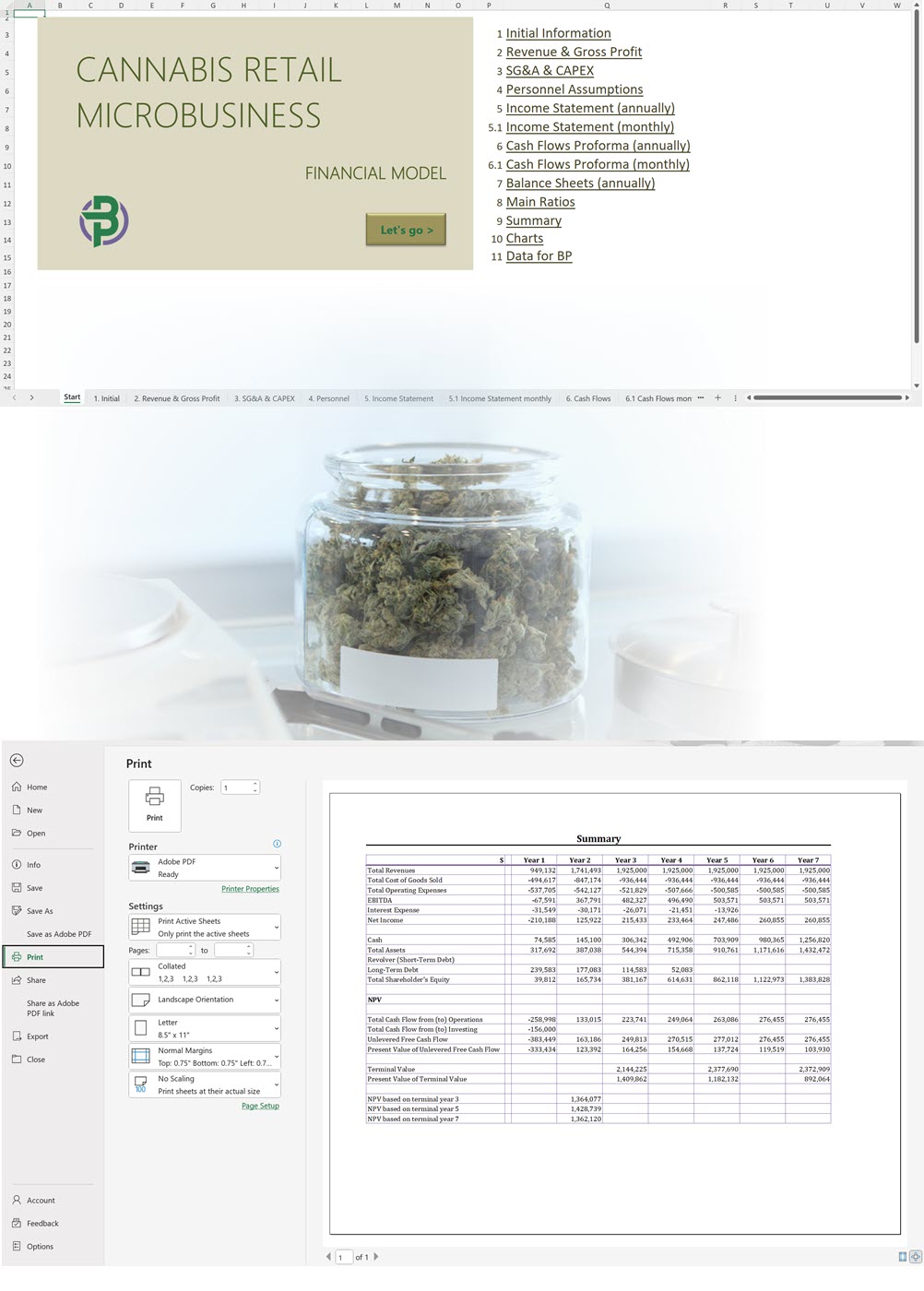
Cannabis Micro Cultivation Business Plan Template
Price range: $75.00 through $300.00
Cannabis Cultivation Business Plan Template
Price range: $75.00 through $350.00
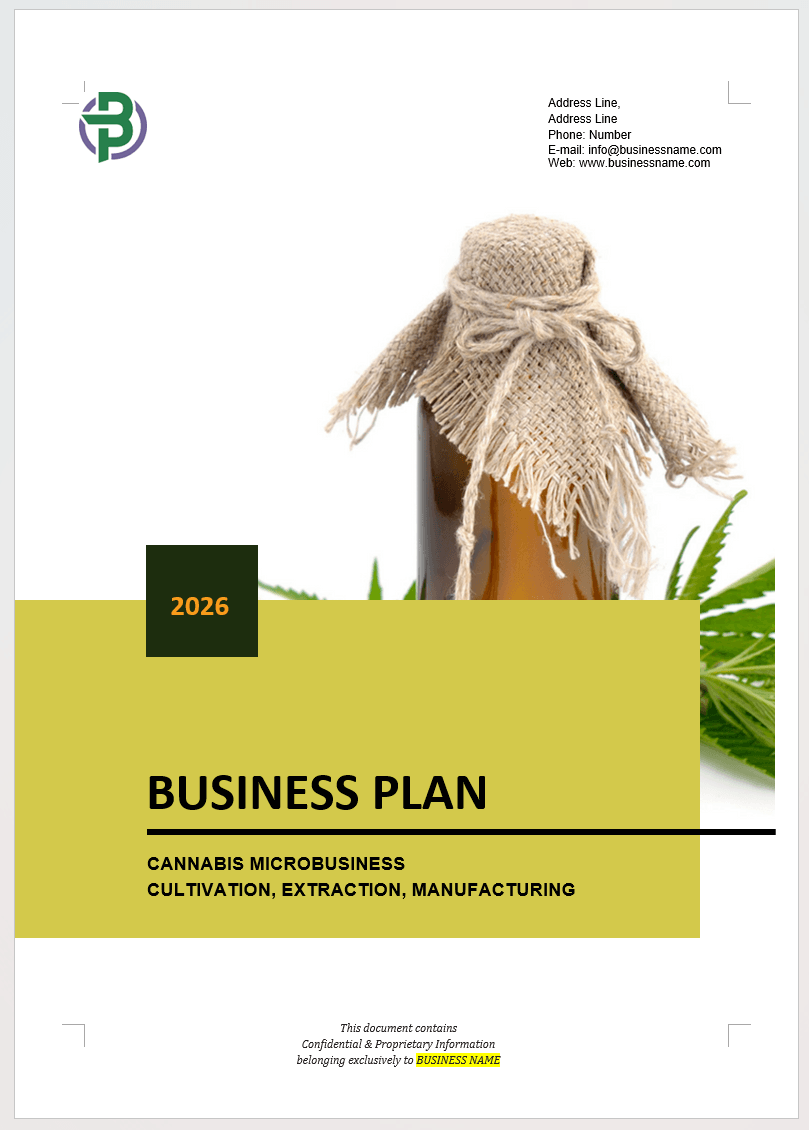
Cannabis Microbusiness Cultivation and Manufacturing Business Plan Template
Price range: $75.00 through $350.00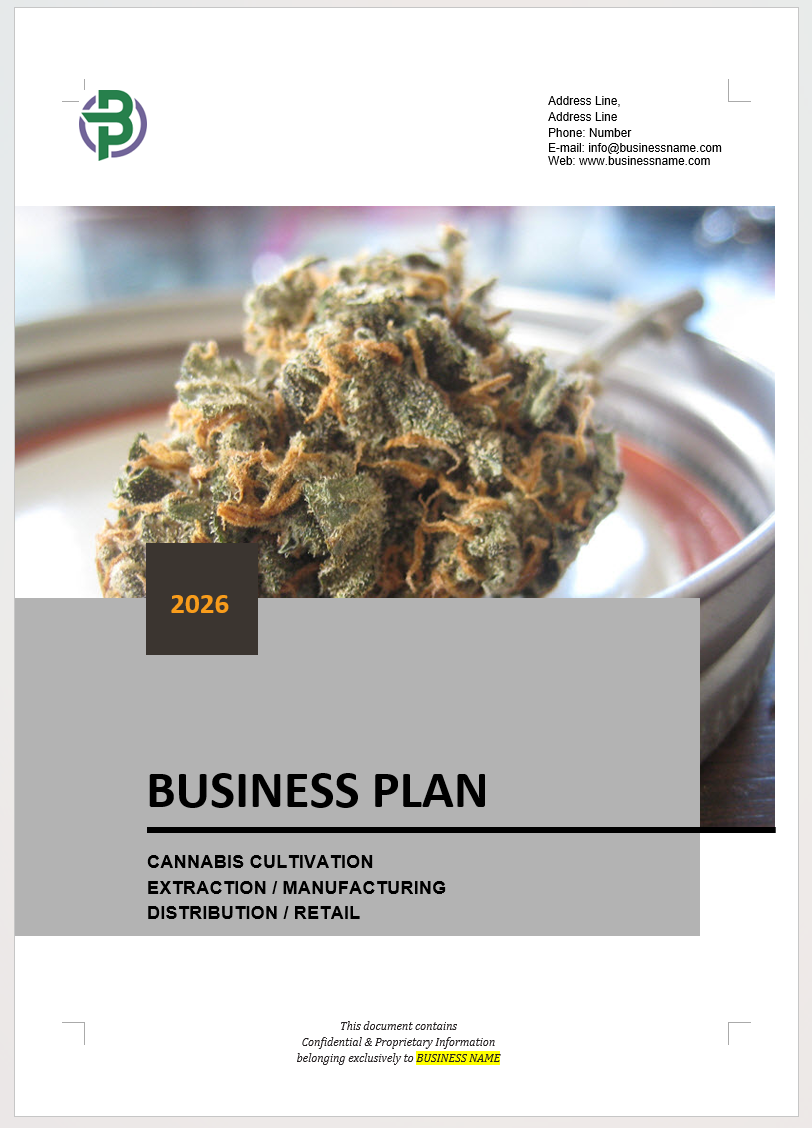
Vertically Integrated Cannabis Business Plan Template
Price range: $75.00 through $500.00

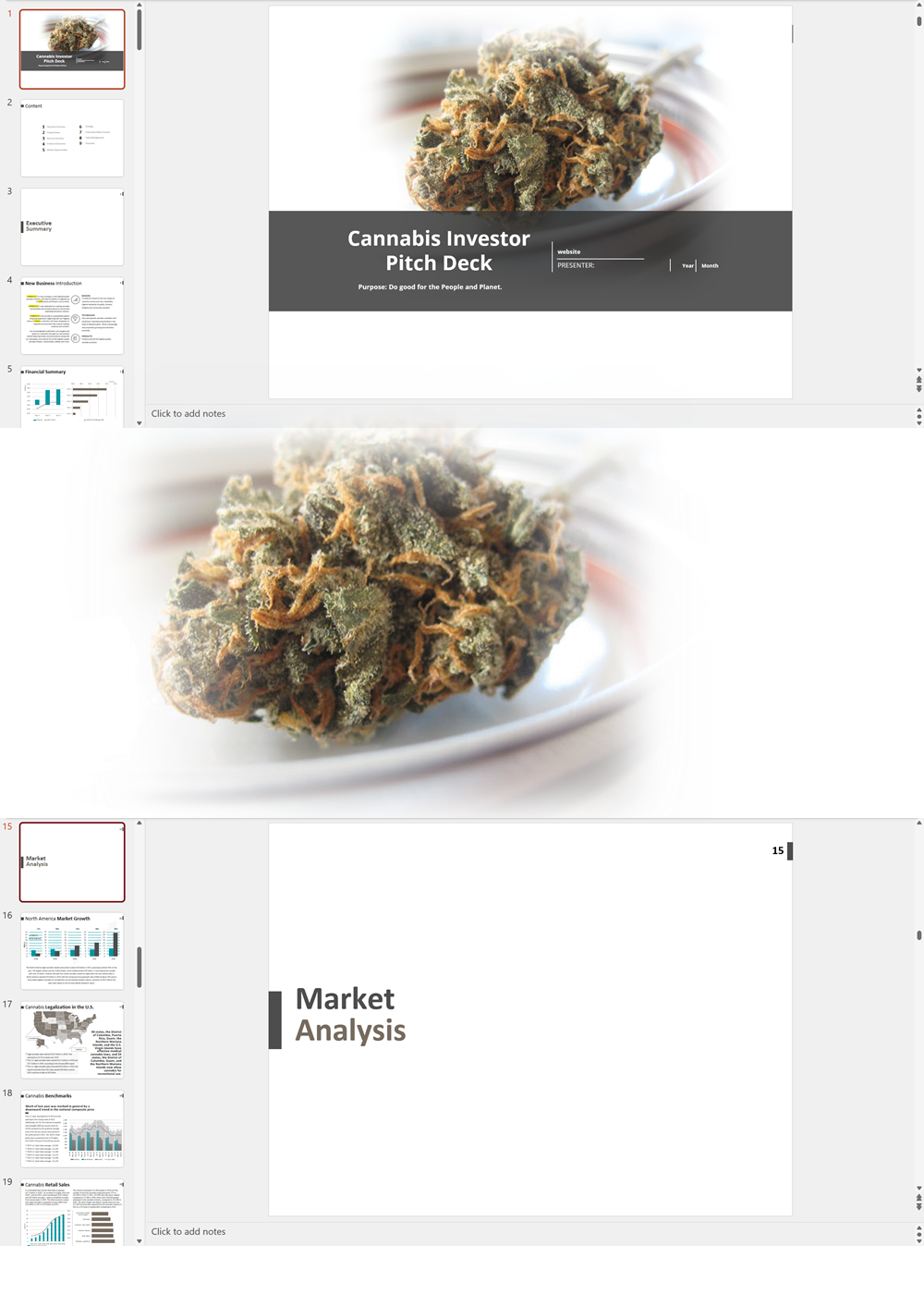

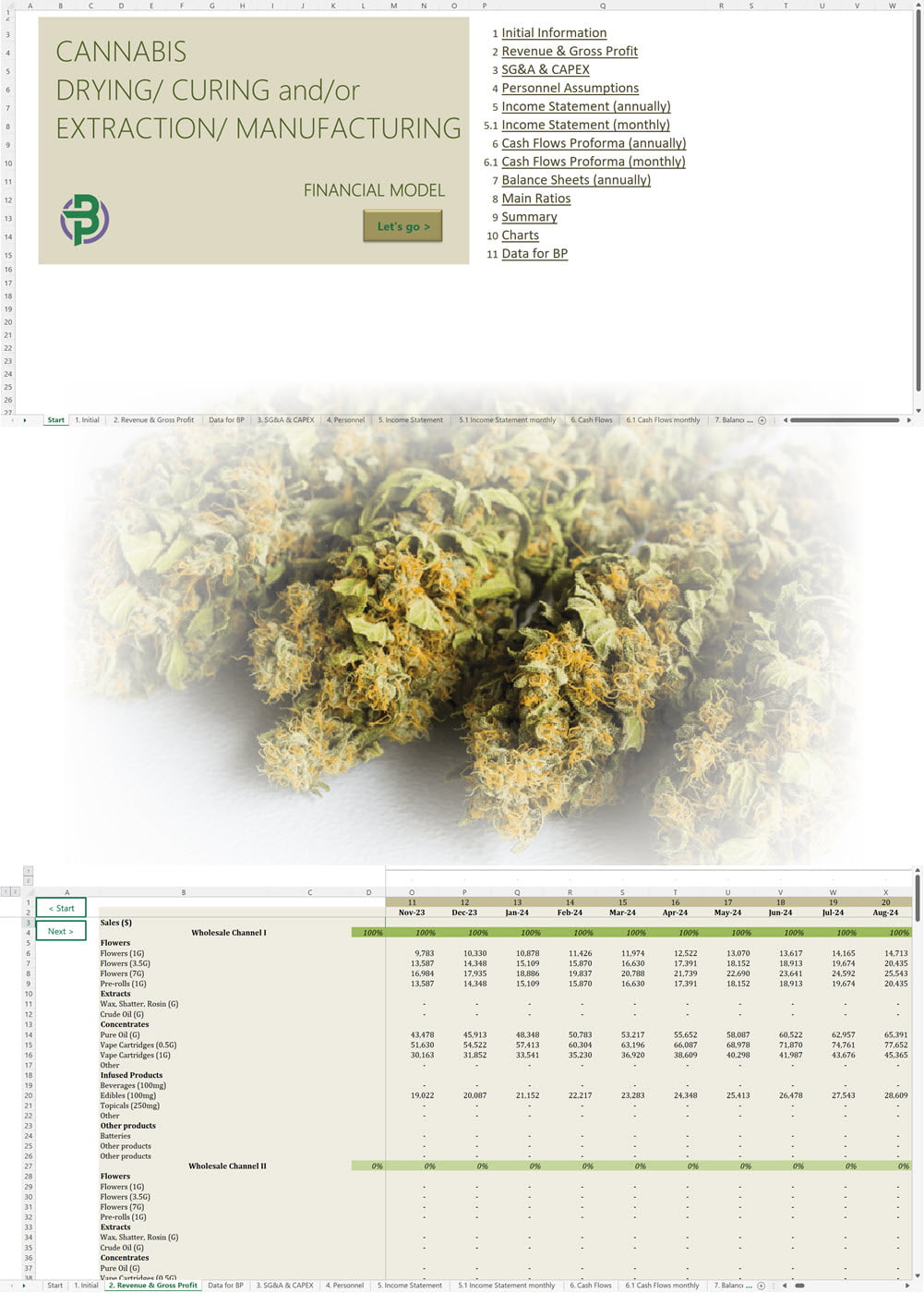
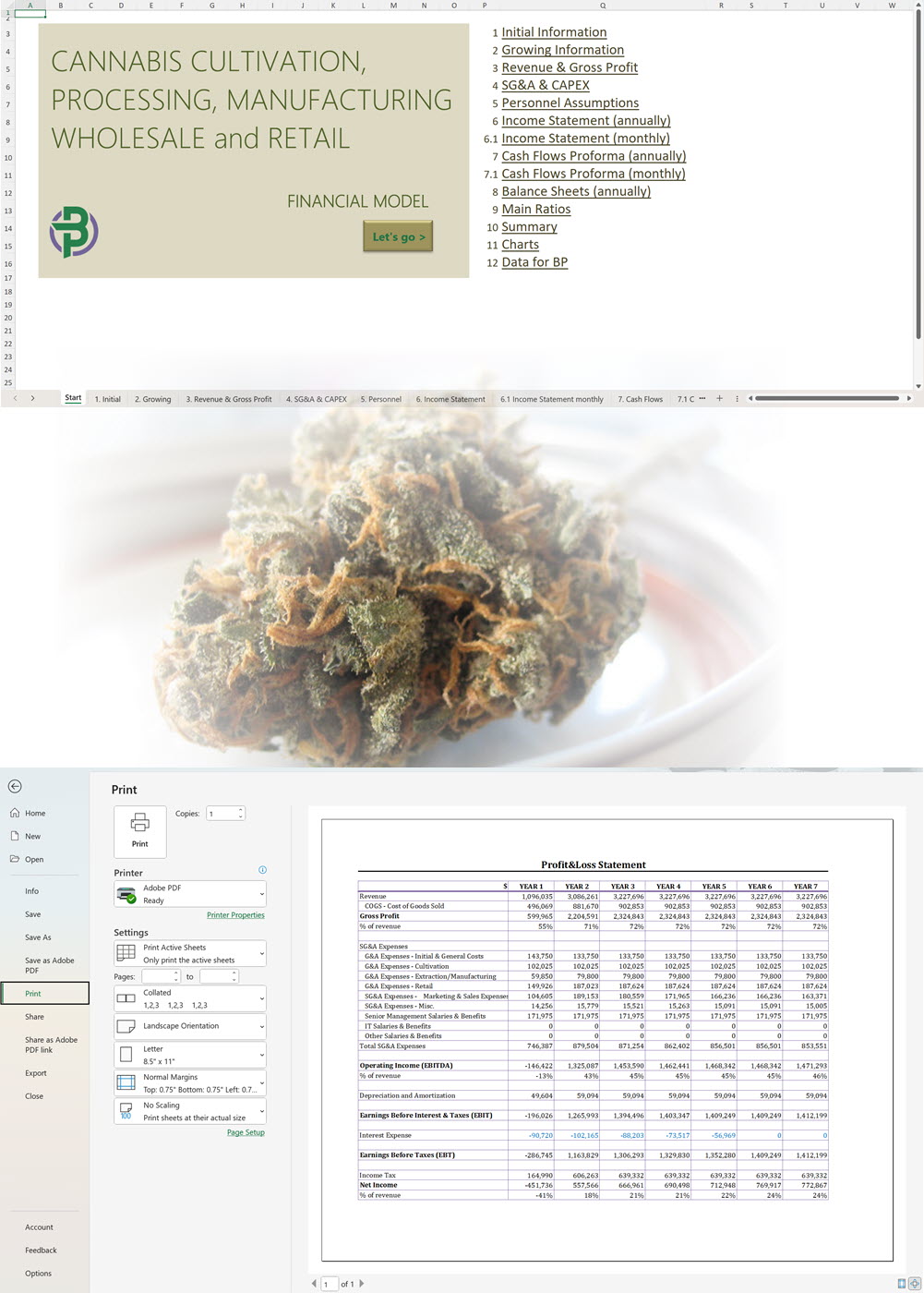
Cannabis Microbusiness Business Plan Template for Cultivation + Extraction + Manufacturing + Wholesale + Retail + Services
Price range: $75.00 through $500.00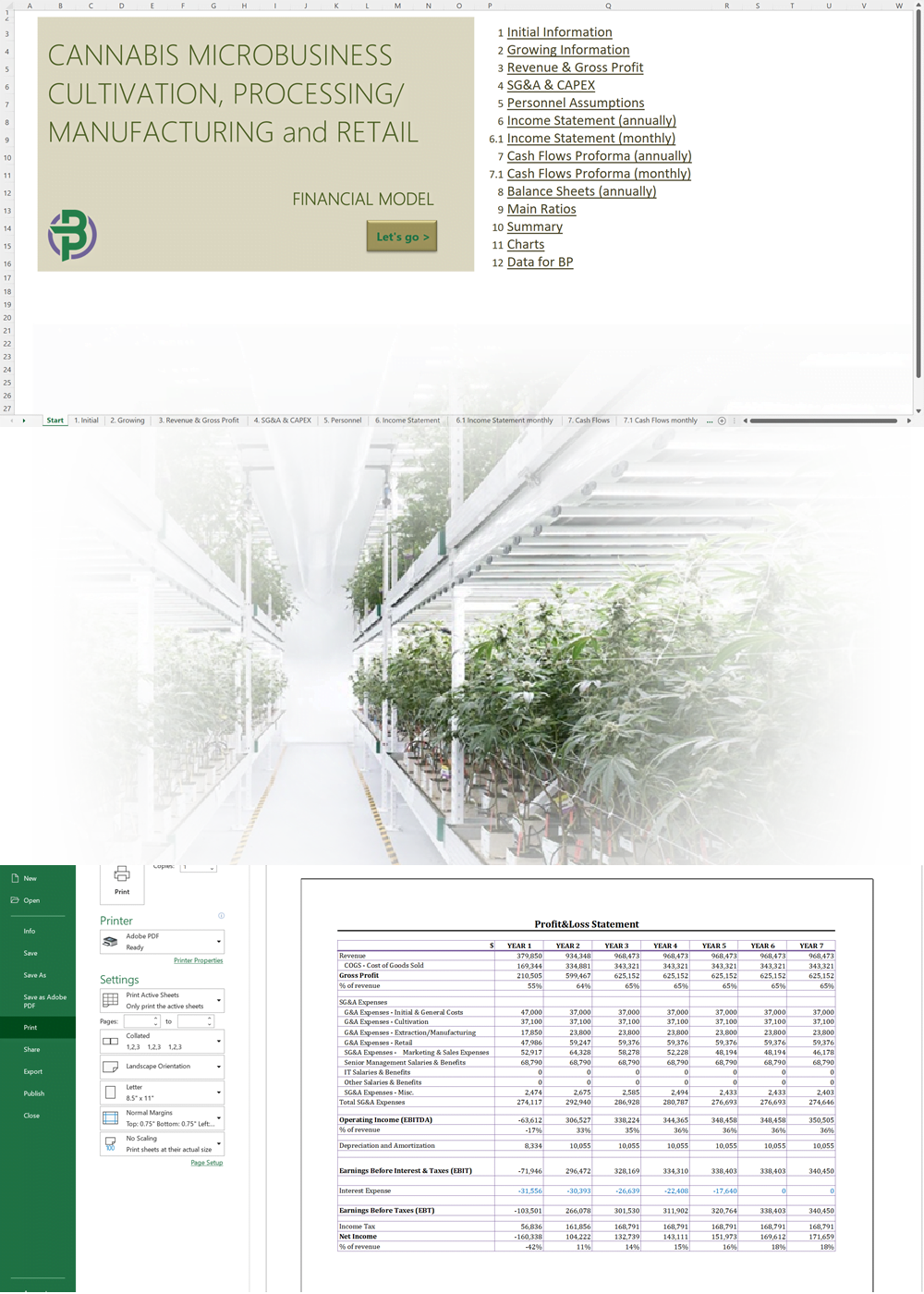

Cannabis Transportation Business Plan Template
Price range: $75.00 through $275.00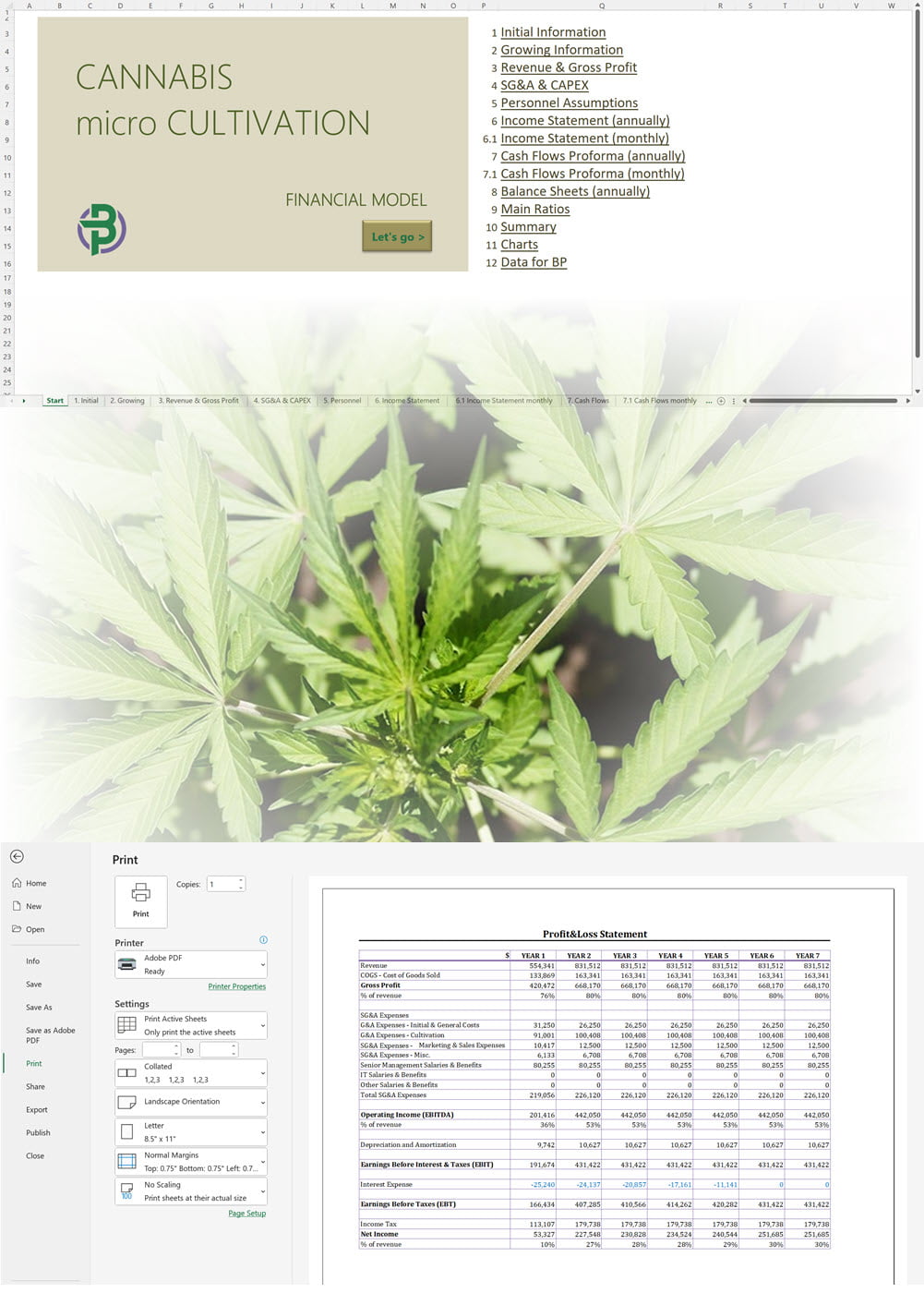

Cannabis Cultivation, Extraction and Manufacturing Business Plan Template
Price range: $75.00 through $450.00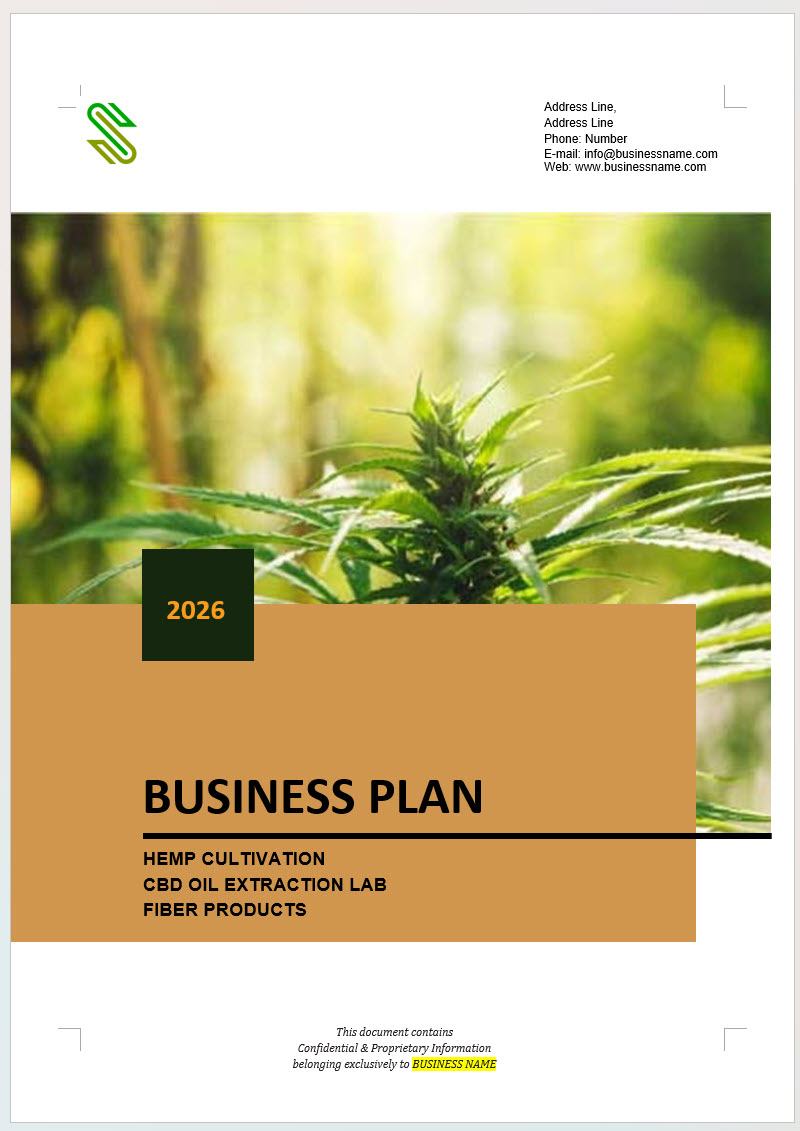
Hemp Cultivation and CBD Oil Extraction and/or Fiber Products Business Plan Template
Price range: $75.00 through $350.00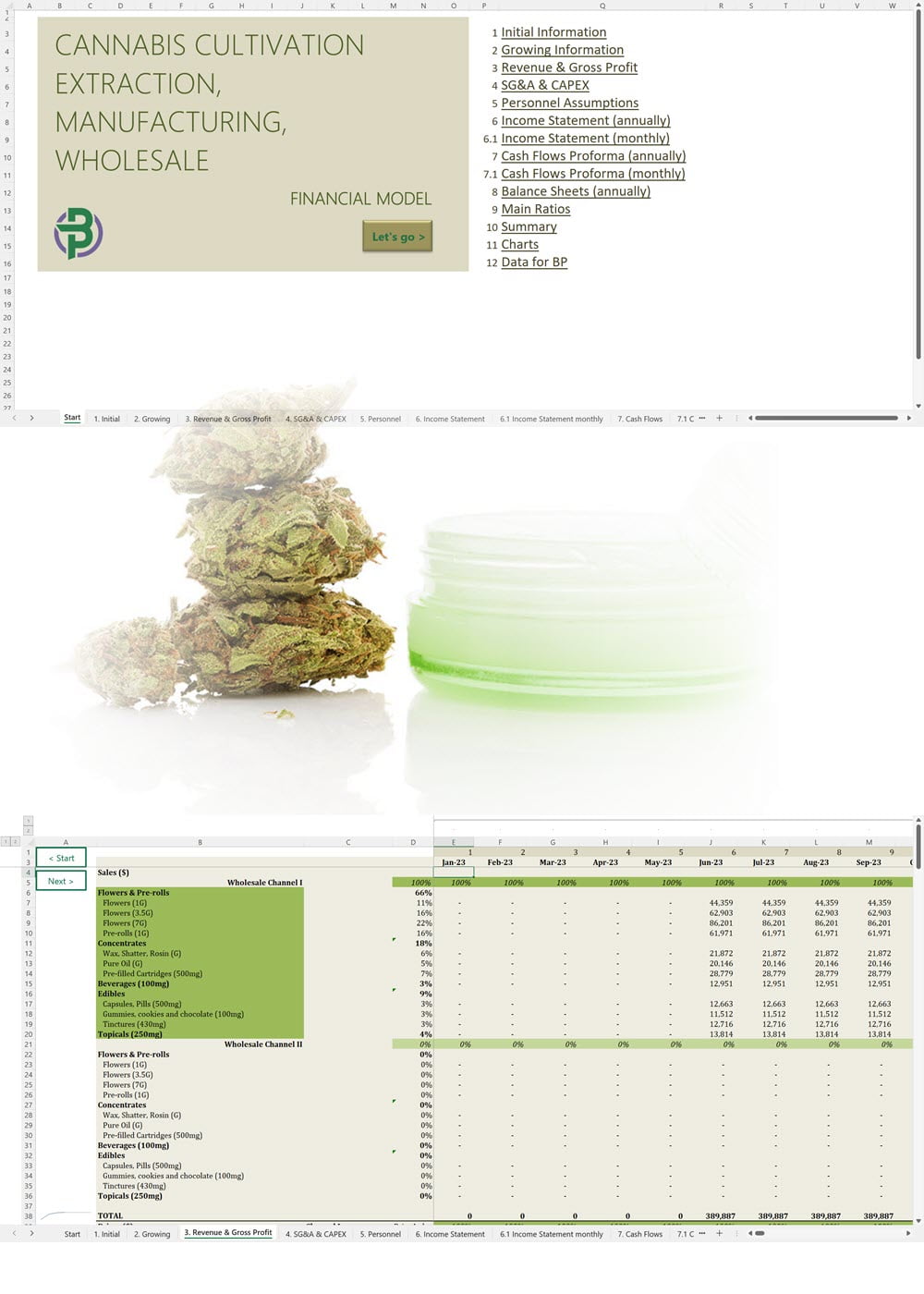
One-Page Cannabis Business Plan Template
Price range: $25.00 through $200.00