
Key Takeaways:
- Cannabis law and regulations:
- The Mississippi Medical Cannabis Program is governed by Senate Bill 2095, the Mississippi Medical Cannabis Act.
- The Mississippi Department of Health (MDOH) is the primary agency that oversees the state’s medical cannabis program and must coordinate its activities with the Mississippi Department of Revenue (MDOR).
- The MDOH is responsible for the registration of patients and medical practitioners as well as the licensing of cannabis cultivation facilities, processing facilities, testing facilities, waste disposal entities and transportation entities. The MDOR is responsible for licensing of medical cannabis dispensaries.
- Licenses available:
- Cannabis Cultivation Facility; Cannabis Processing Facility; Cannabis Dispensary; Cannabis Testing Facility; Cannabis Waste Disposal Entity; Cannabis Transportation Entity.
- Products legal:
- Legal medical cannabis products include cannabis flower, concentrated cannabis, cannabis extracts and products infused with cannabis or cannabis extract such as edibles, beverages, topical products, ointments, oils and tinctures.
- Taxes:
- Medical cannabis cultivators are subject to a 5% excise tax on the first sale/transfer of medical cannabis.
- The standard 7% sales tax applies to sale of medical cannabis by medical cannabis dispensaries to cardholders, at the point of sale.
- Market:
- Retail medical cannabis sales are estimated to be more than $97 million in 2024: an almost 120% increase from 2023.
- Most units of cannabis purchased were bud/flower/shake/trim, accounting for 62.6% of all units purchased in 2024, followed by infused edibles (18.4%) and concentrate (each) (12%).
- It is projected that the cumulative revenue from medical cannabis sales in Mississippi will reach $300 million by 2026.
Mississippi Cannabis Legalization
On November 3, 2020, voters approved Mississippi medical cannabis legalization through a ballot initiative in Mississippi. Legislation became law on February 2, 2022, when Governor Tate Reeves signed Senate Bill 2095, the Mississippi Medical Cannabis Act, that regulates the production and distribution of medical cannabis products. Legal medical cannabis products include cannabis flower, concentrated cannabis, cannabis extracts and products infused with cannabis or cannabis extract such as edibles, beverages, topical products, ointments, oils and tinctures. The new law designates the Mississippi Department of Health (MDOH) as the lead agency, to have “ultimate authority for oversight of the administration” of the program and is charged to coordinate its activities with the Mississippi Department of Revenue (MDOR).
The Act permits qualified patients to purchase up to 3.5 grams of cannabis flower or up to one gram of cannabis concentrate per day from licensed dispensaries, and tax cannabis retail sales at the current state sales tax rate of 7%. It also sets an excise tax on medical cannabis cultivation facilities at a rate of 5% of the sale price of cannabis trim or cannabis flower.
In June 2022, MDOH began accepting applications for patient identification cards, registration of practitioners who desire to participate, as well as licensing of cultivation facilities, processing facilities, testing facilities, research facilities, disposal companies, and transportation companies. The MDOR is responsible for the licensing of medical cannabis dispensaries and began accepting applications in July 2022.
Annual licensing fees vary by type of facility and size:
- Micro-cultivators – (growers with cannabis canopies under 2,000 sq. ft) annual licensing fees range from $2,000 to $3,500.
- Cultivators – annual licensing fees for cultivators range from $15,000 for Tier 1 (with a cannabis grow canopy of up to 5,000 sq. ft) to $150,000 for Tier 6 (100,000 sq. ft or more).
- Micro-processors (less than 3,000 lbs. of biomass annually) – from $3,500 to $5,000.
- Processors (over 3,000 lbs. of biomass annually) – $20,000.
- Dispensaries – $25,000.
- Transportation companies – $7,500.
- Disposal companies – $7,500.
- Testing facilities – $15,000.
- Research facilities – $15,000.
Potency caps:
- Flower or trim cannot exceed 30% THC.
- Tinctures, oils, and concentrates may not exceed 60%.
- Edible cannabis products may contain no more than 60% total THC.
In 2023, House Bill 1158 allowed people 21 and older to purchase topical products regardless of a medical card. Mississippi is the first state in the country to implement a hybrid model for the sale of topical medical cannabis products.
In 2024, two bills, SB 2888 and SB 2857, were signed into law: one established a state-sponsored cannabis research program at the University of Mississippi, and the second eliminated the rolling 7-day limit on patient purchases. Effective July 1, 2024 (SB 2857), Mississippi residents with a medical marijuana card can purchase a one-month supply at a time which is equivalent to 84g of medical cannabis flower, 24g of medical cannabis concentrate or 2.4g of THC in an infused product. SB 2888 aims to promote and fund medical cannabis research, including “research related to the efficacy and potential health effects of various cannabis delivery methods, including vaporizing, ingesting, topical application, and combustion.”
Mississippi Cannabis Market: Stats and Projections
Medical cannabis has been available to patients in Mississippi since January 25, 2023. While the number of medical cannabis patients was only 2,000 at the start of 2023, at the end of the year the Mississippi Department of Health reported more than 32,000 patients had been enrolled. In the first eleven months, retailers sold about $44.4 million worth of products.
According to a report from the Mississippi Medical Cannabis Program, by December 2024, there were 49,626 registered patients, 247 registered caregivers and 258 registered certifying practitioners. Retail medical cannabis sales are estimated to be more than $97 million in 2024: an almost 120% increase from 2023. Most units of cannabis purchased was bud/flower/shake/trim category, accounting for 62.6% of all units purchased in 2024, followed by infused edibles (18.4%) and concentrate (each) (12%). In 2024, more than $1.6 million worth of cannabis excise tax was collected.
The number of licenses issued rose by nearly 60%, from 242 in 2023 to 387 licenses as of December 2024: 200 dispensaries, 61 cultivators, 62 micro-cultivators, 18 processors, 16 micro-processors, 20 transportation entities, 6 state-mandated “disposal companies” and 4 testing laboratories.
It is projected that the cumulative revenue from medical cannabis sales in Mississippi will reach $300 million by 2026.
Mississippi Cannabis Market Infographics
Cannabis Cultivation, Extraction and Manufacturing Business Plan Sample, Mississippi
'70% ready to go' business plan templates
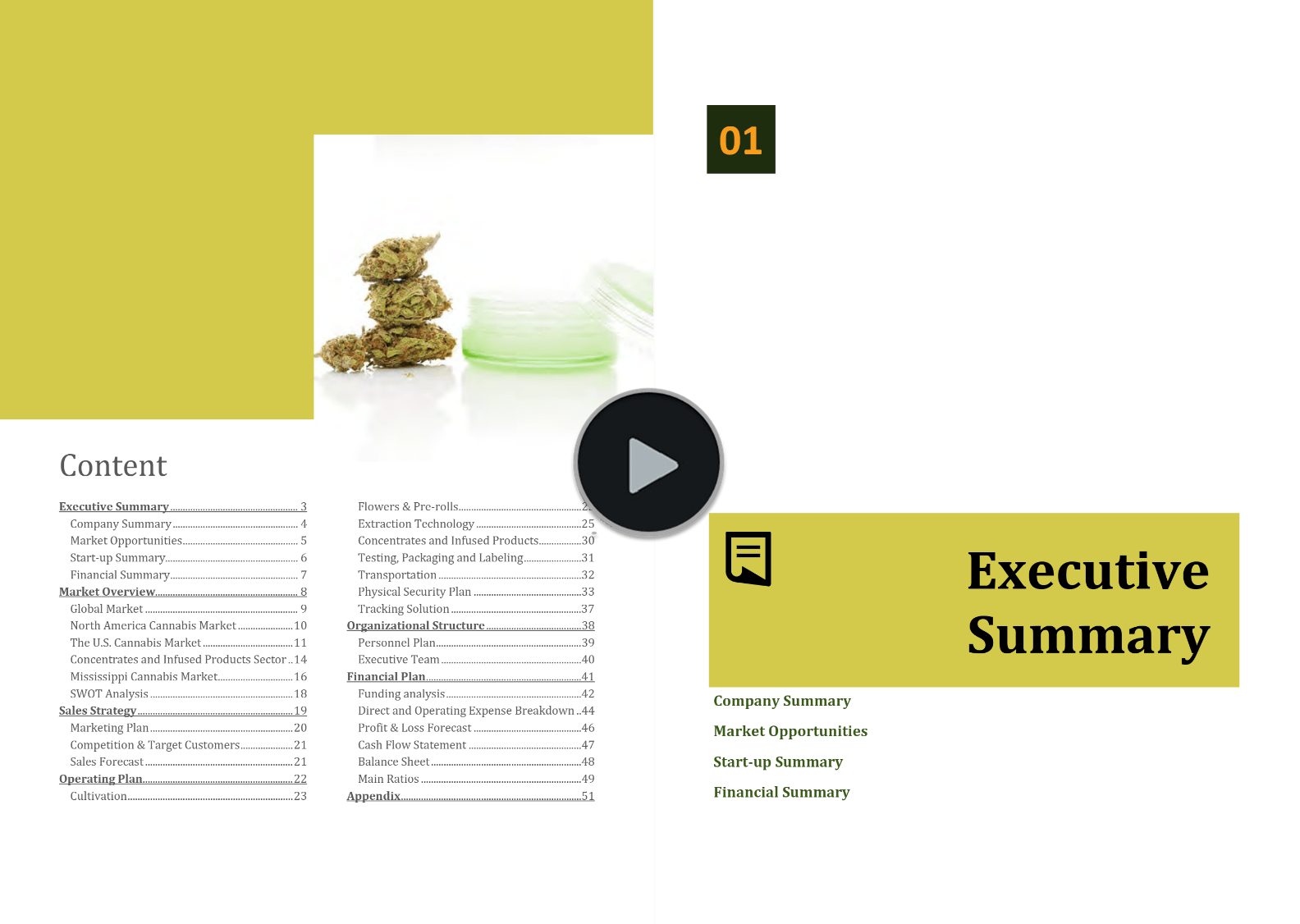
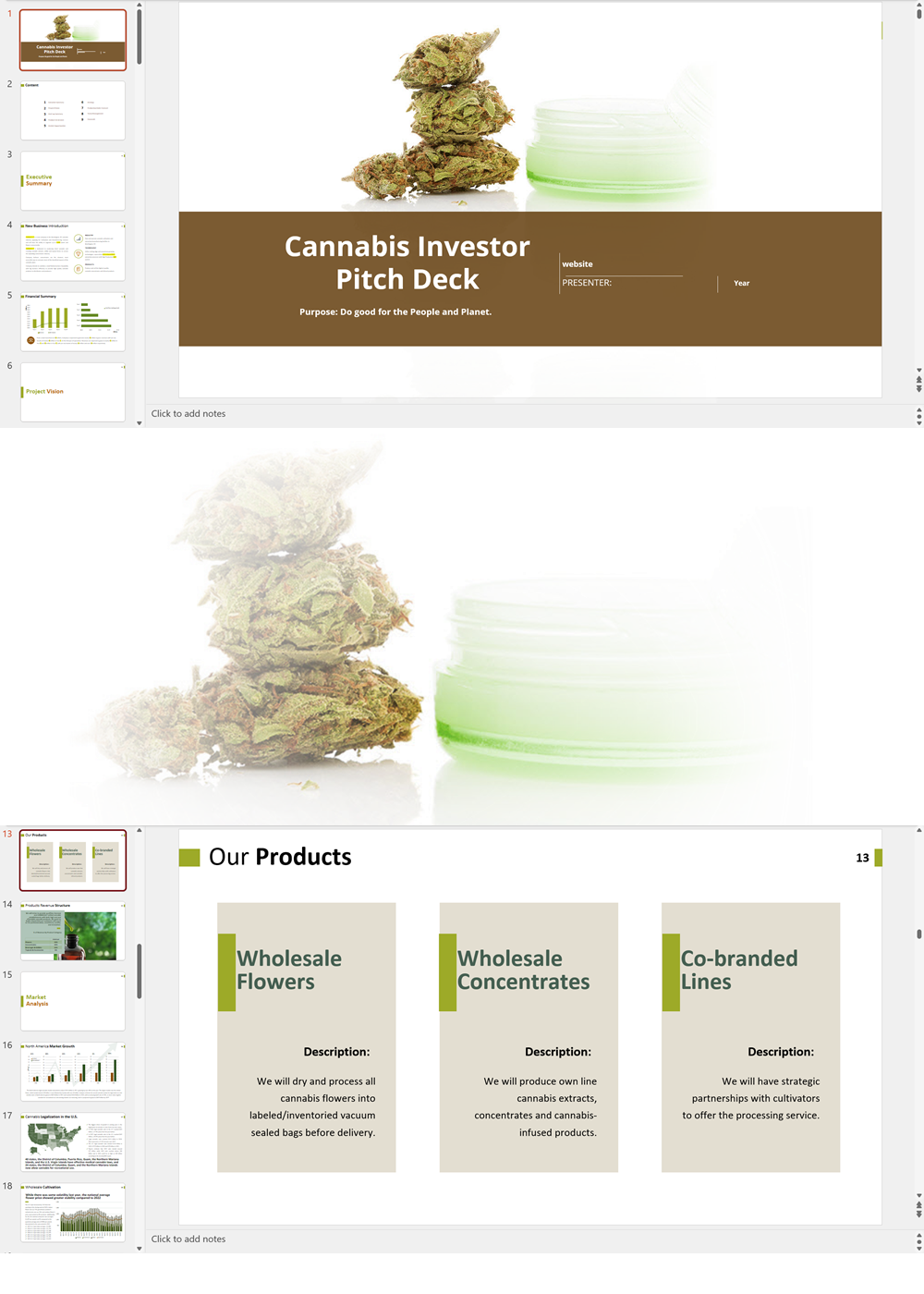
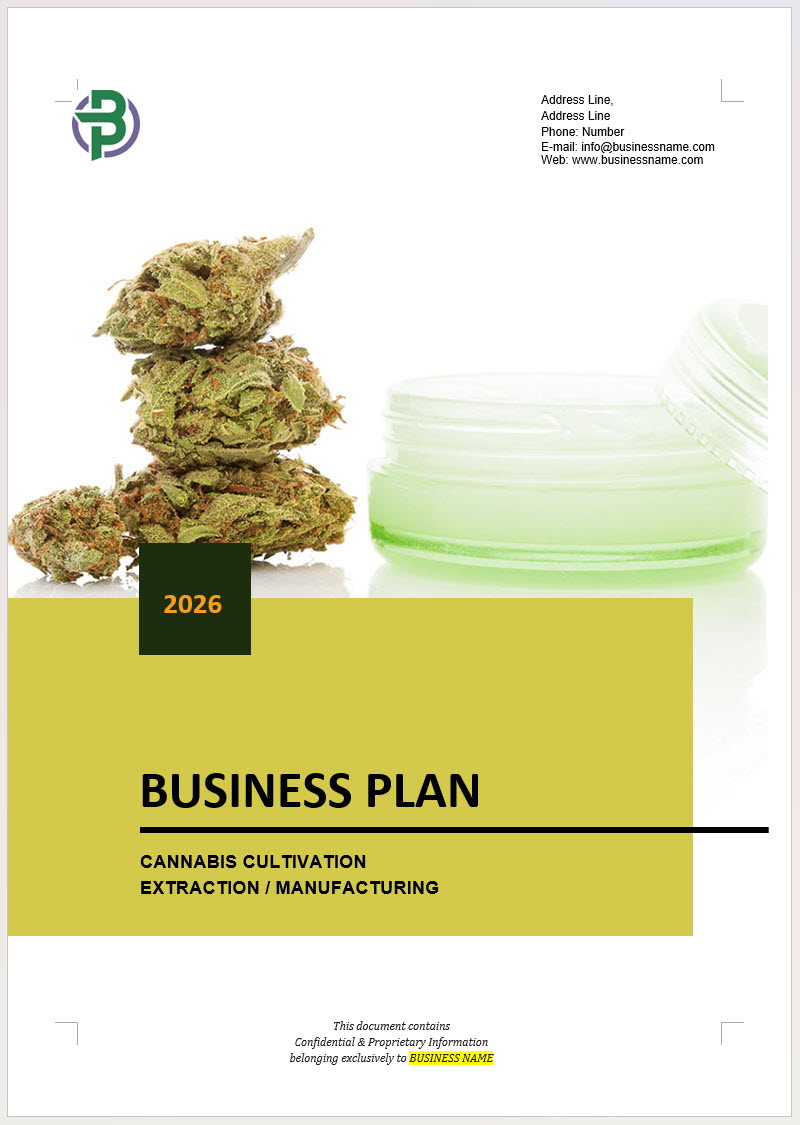
Our cannabis financial models and cannabis business plan templates will help you estimate how much it costs to start and operate your own cannabis business, to build all revenue and cost line-items monthly over a flexible seven year period, and then summarize the monthly results into quarters and years for an easy view into the various time periods. We also offer investor pitch deck templates.
Best Selling Templates
-

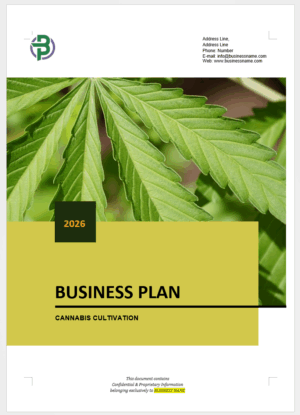
Cannabis Cultivation Business Plan Template
Price range: $75.00 through $350.00 Select options This product has multiple variants. The options may be chosen on the product page -

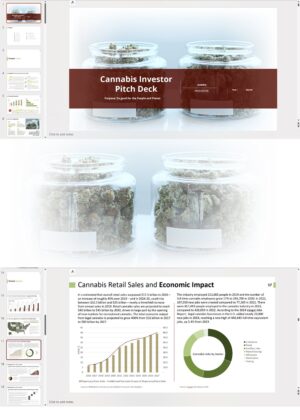
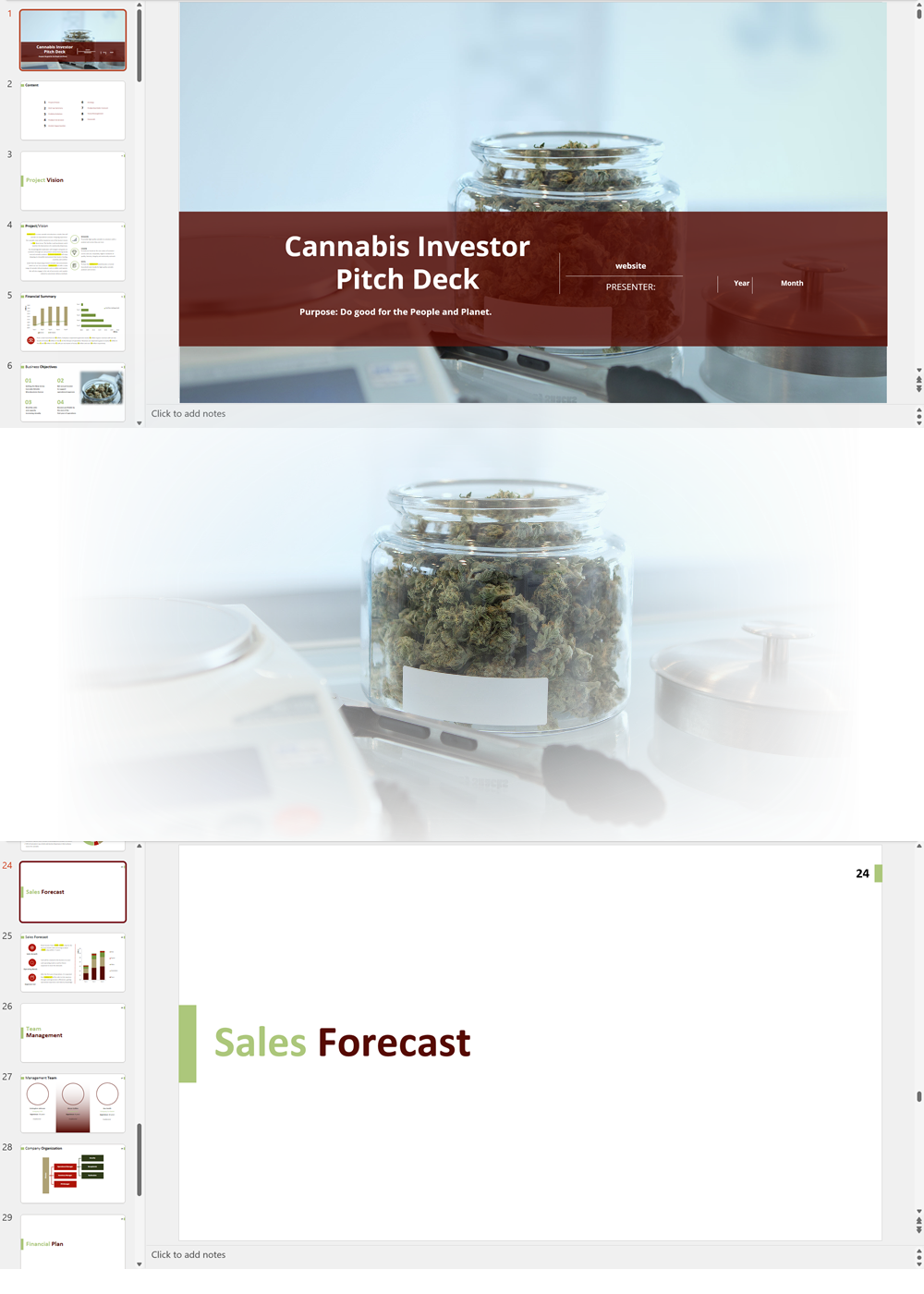
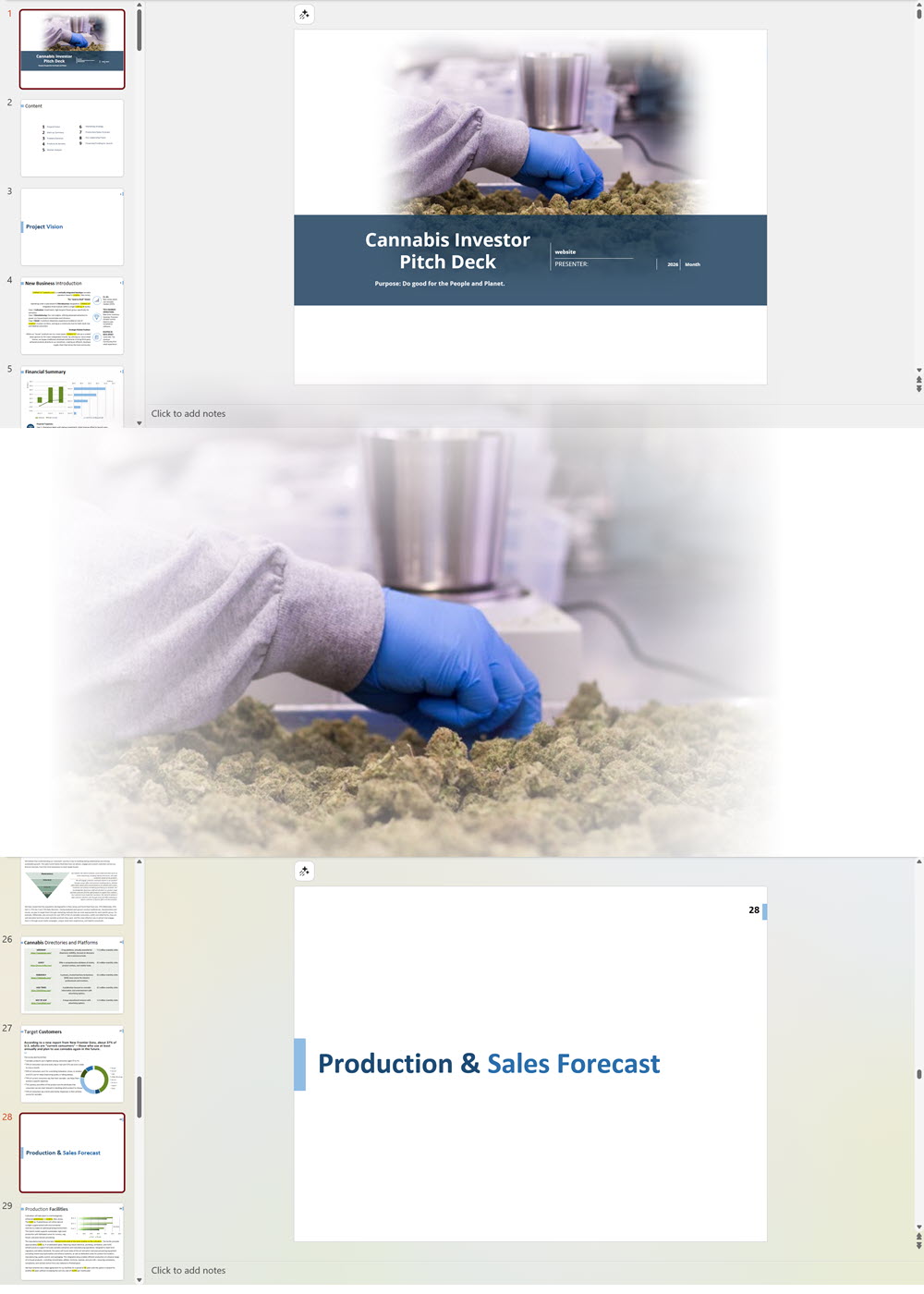
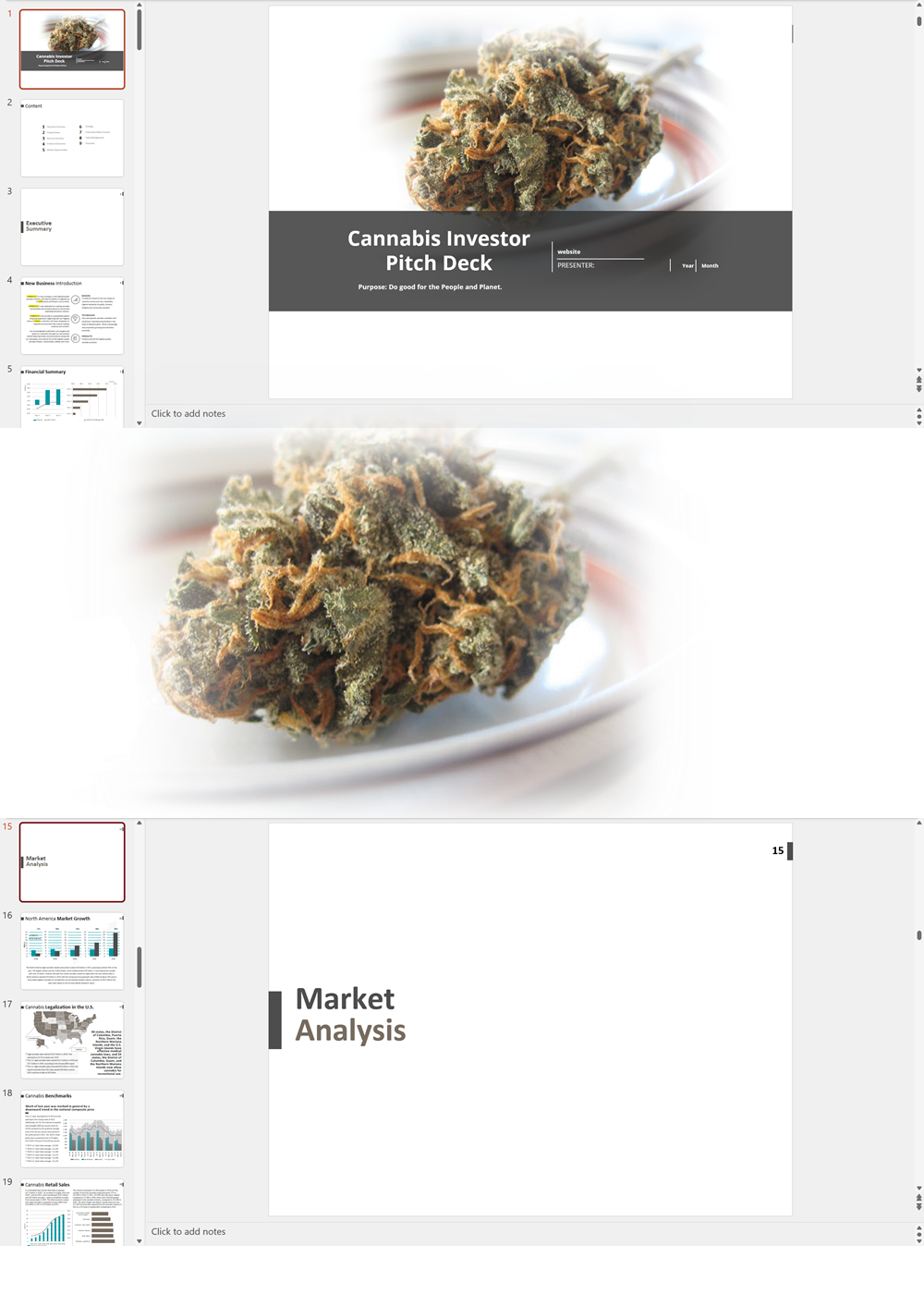
Cannabis Dispensary Investor Pitch Deck Template
$75.00 Select options This product has multiple variants. The options may be chosen on the product page -
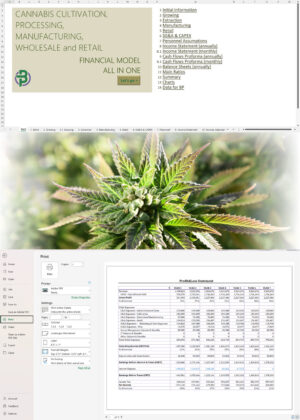
Cannabis Financial Model All in One
$250.00 Select options This product has multiple variants. The options may be chosen on the product page
Hemp/CBD business plan templates are available at hempcbdbusinessplans.com.
Our Templates
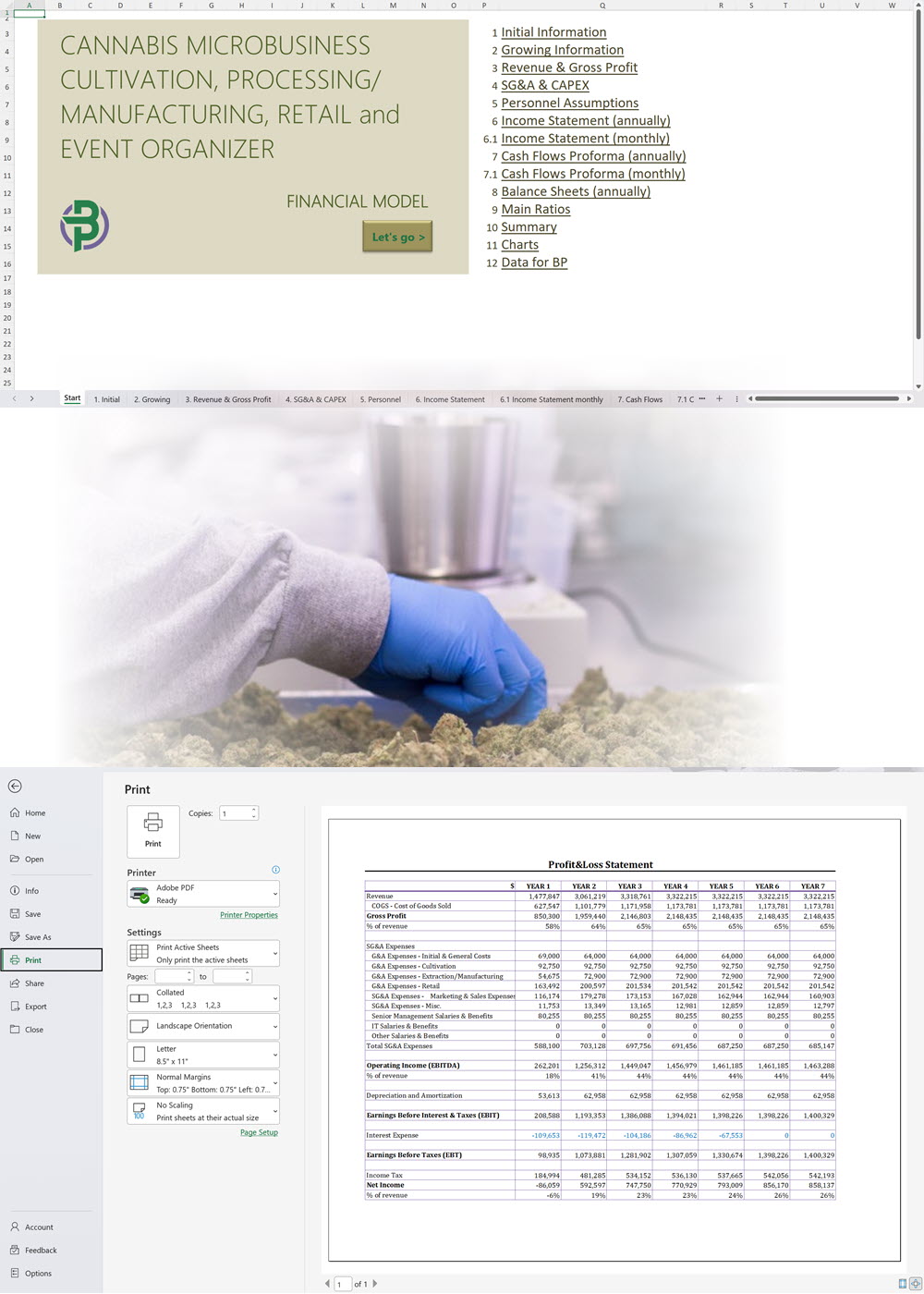
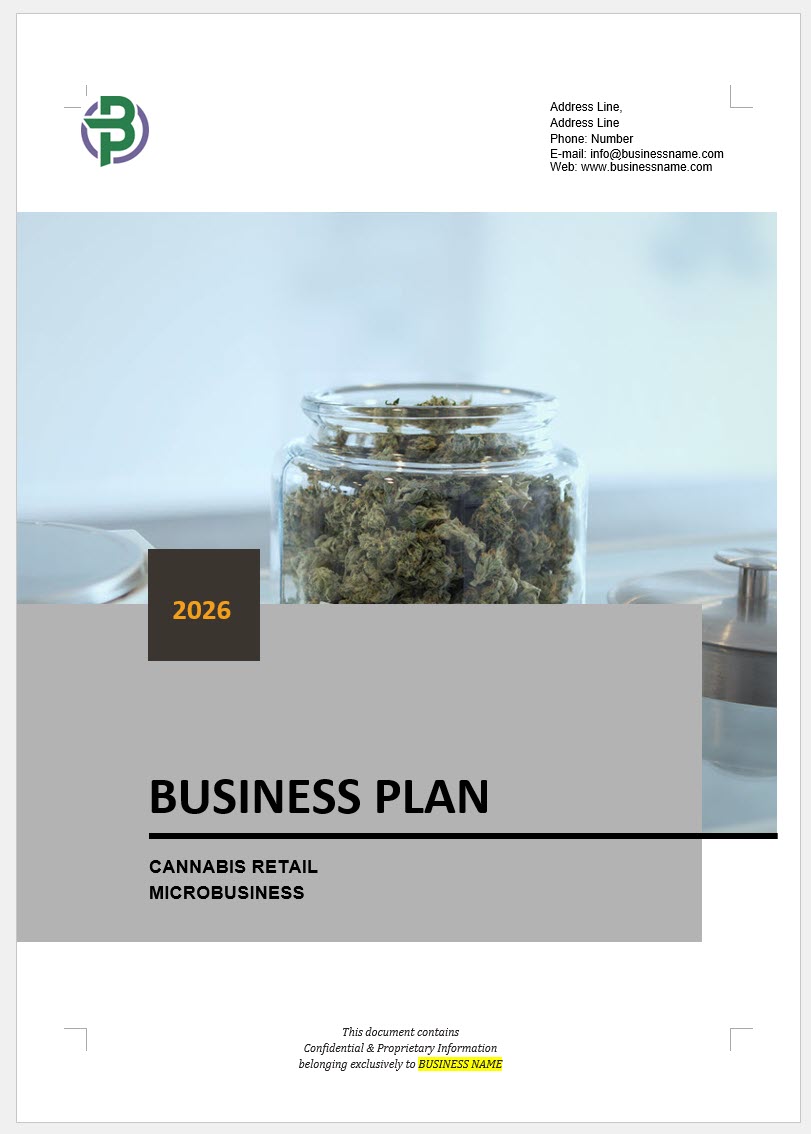
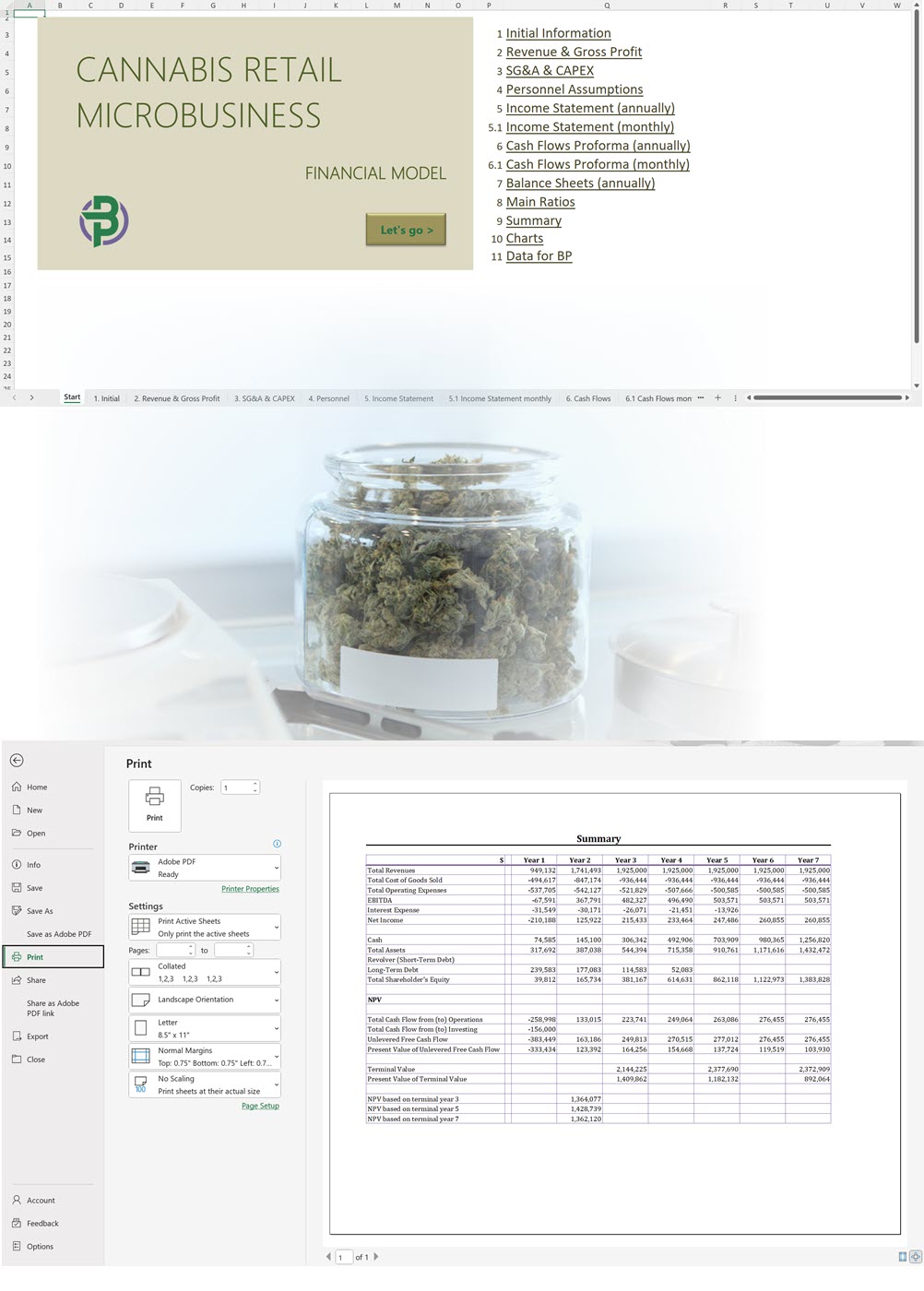
Cannabis Retail Microbusiness Business Plan Template
Price range: $75.00 through $275.00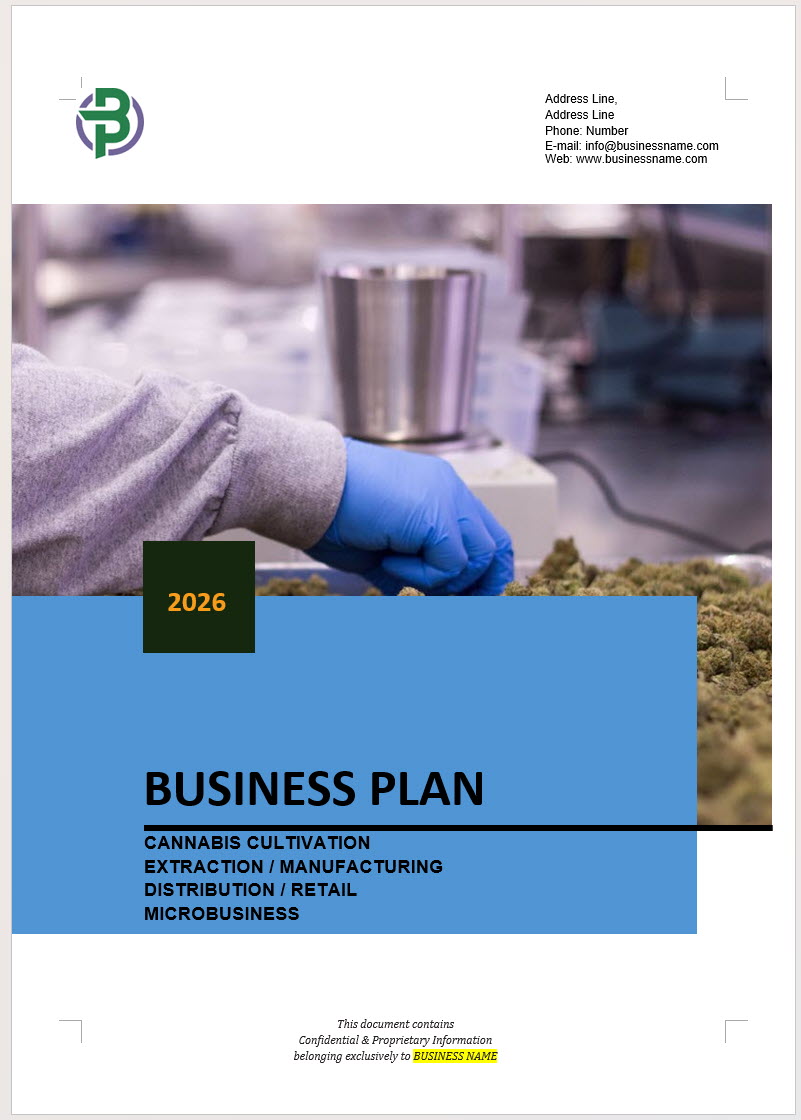
Cannabis Cultivation, Extraction, Manufacturing, Distribution, Retail and Microbusiness Business Plan Template
Price range: $75.00 through $500.00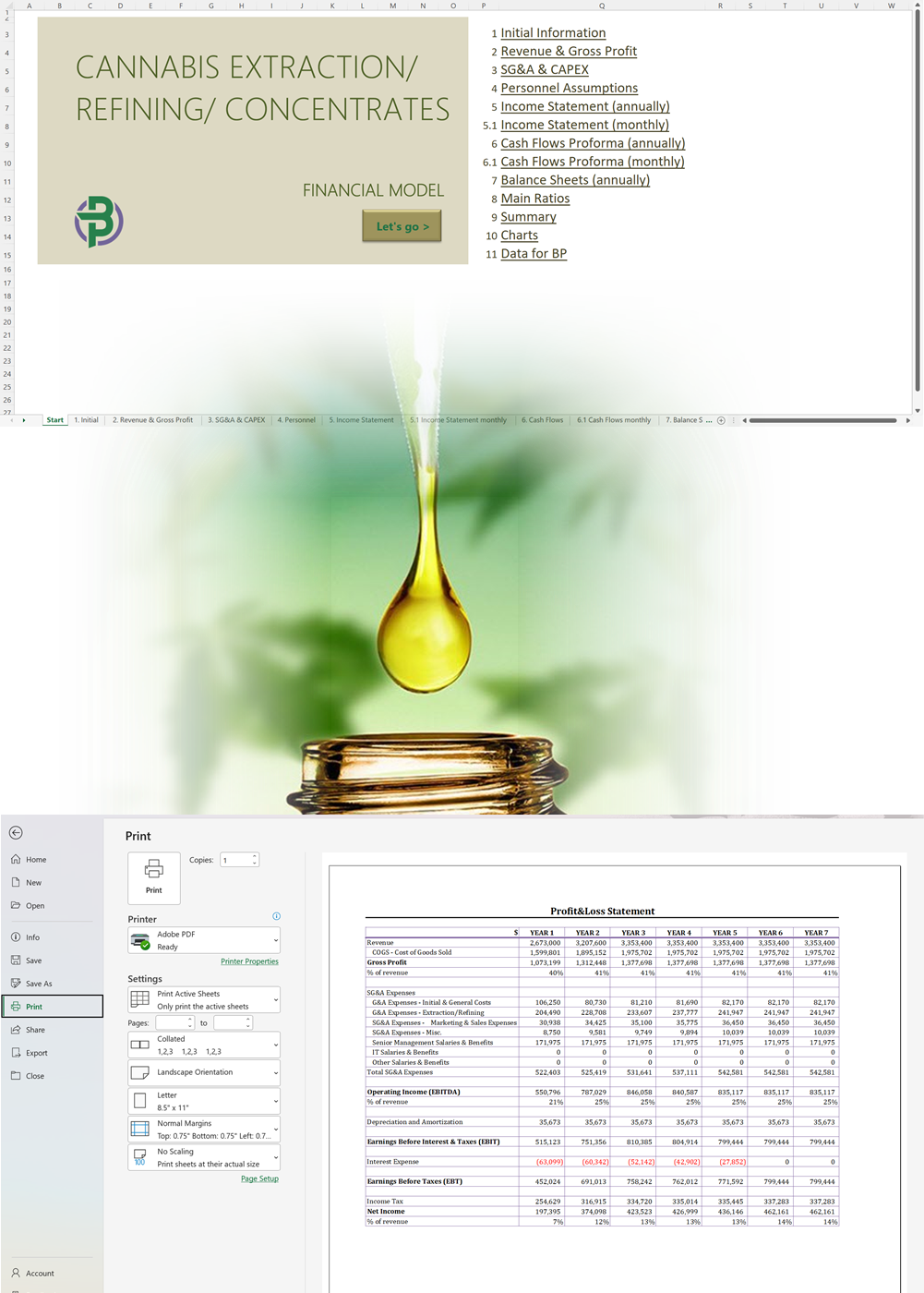

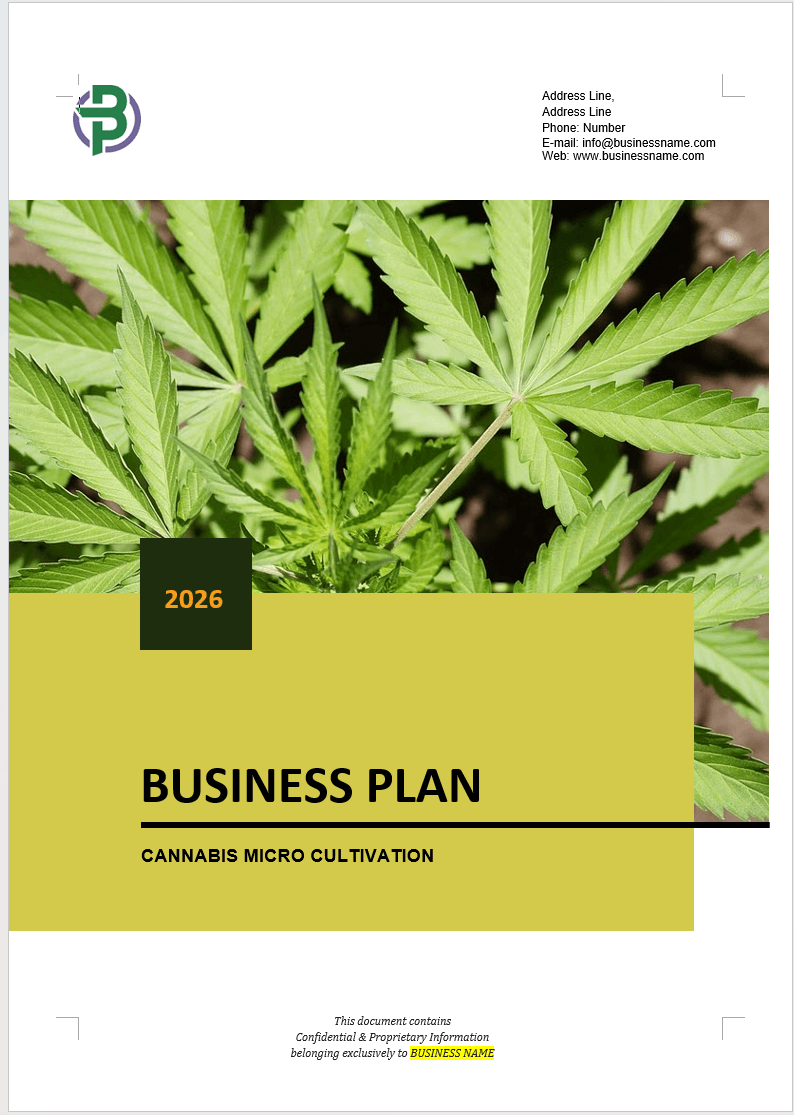
Cannabis Micro Cultivation Business Plan Template
Price range: $75.00 through $300.00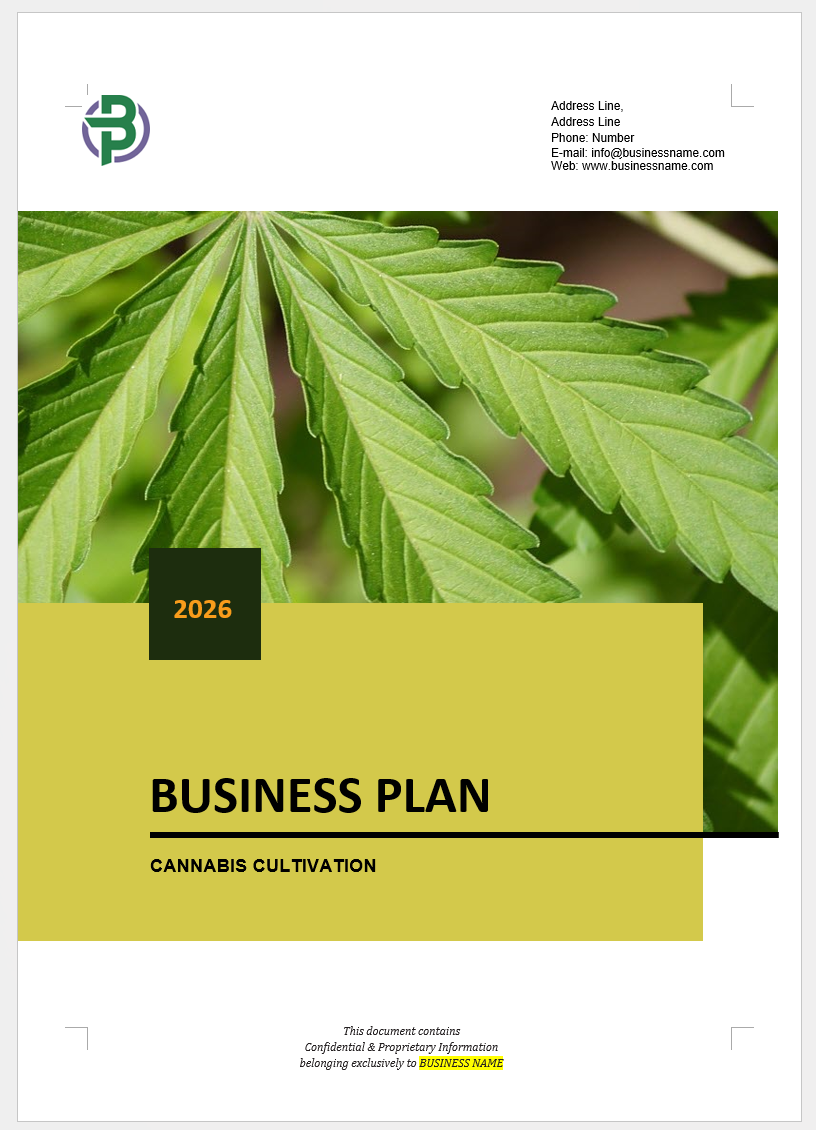
Cannabis Cultivation Business Plan Template
Price range: $75.00 through $350.00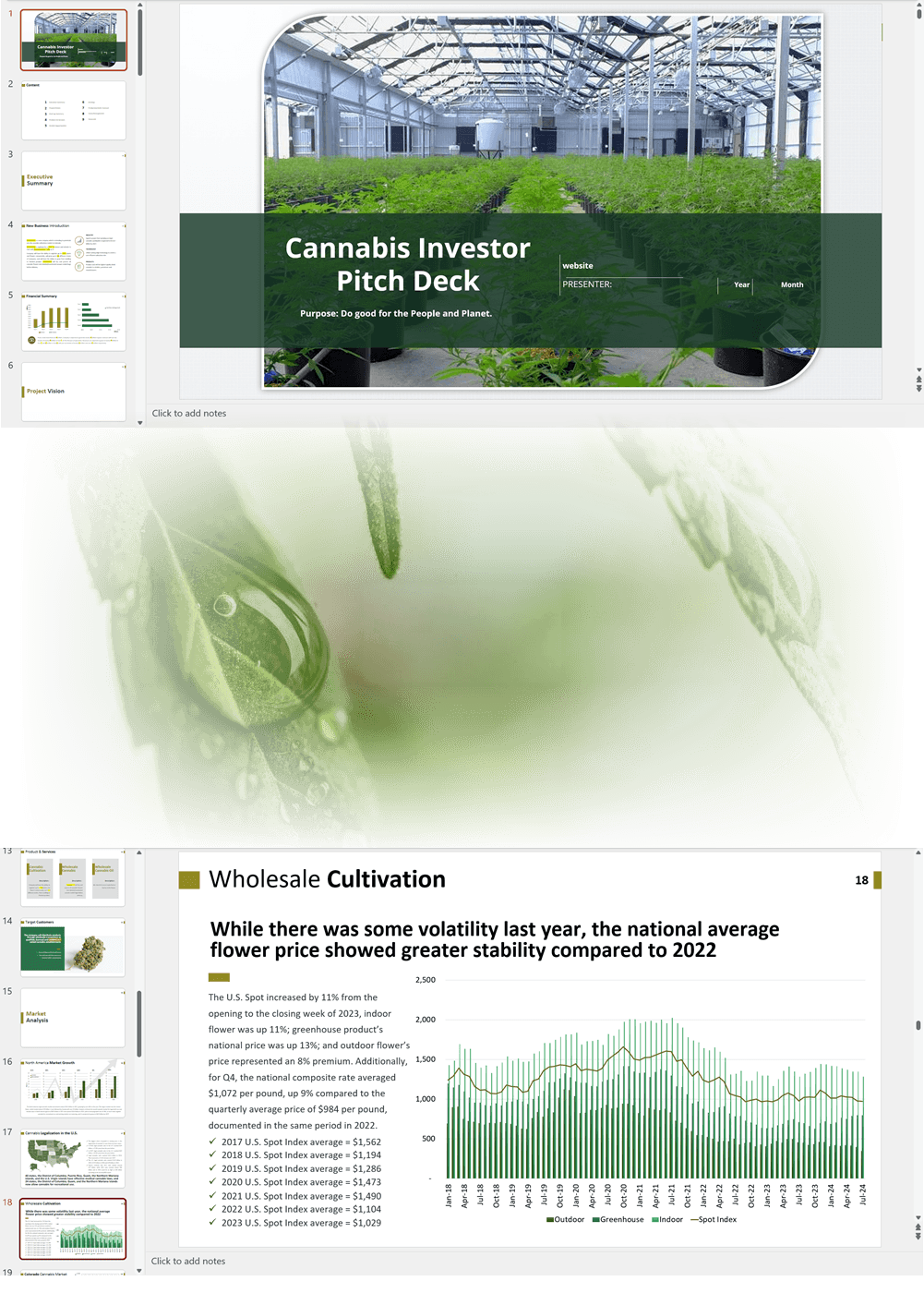
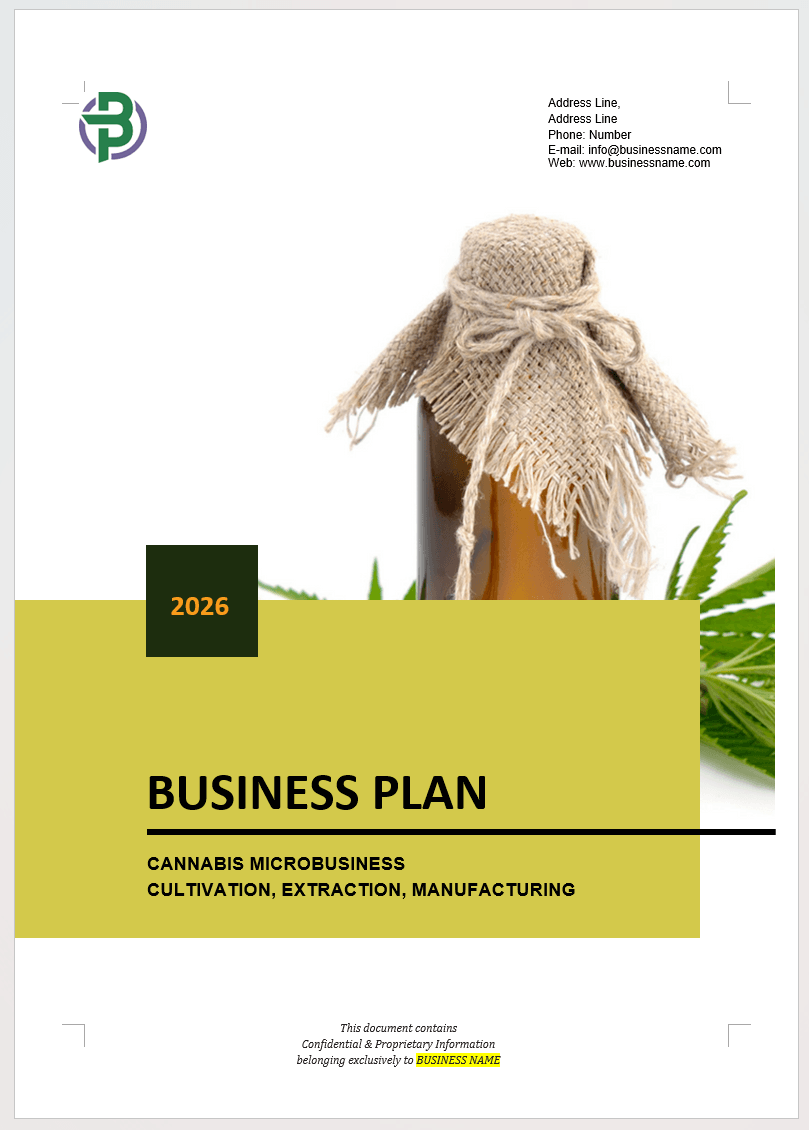
Cannabis Microbusiness Cultivation and Manufacturing Business Plan Template
Price range: $75.00 through $350.00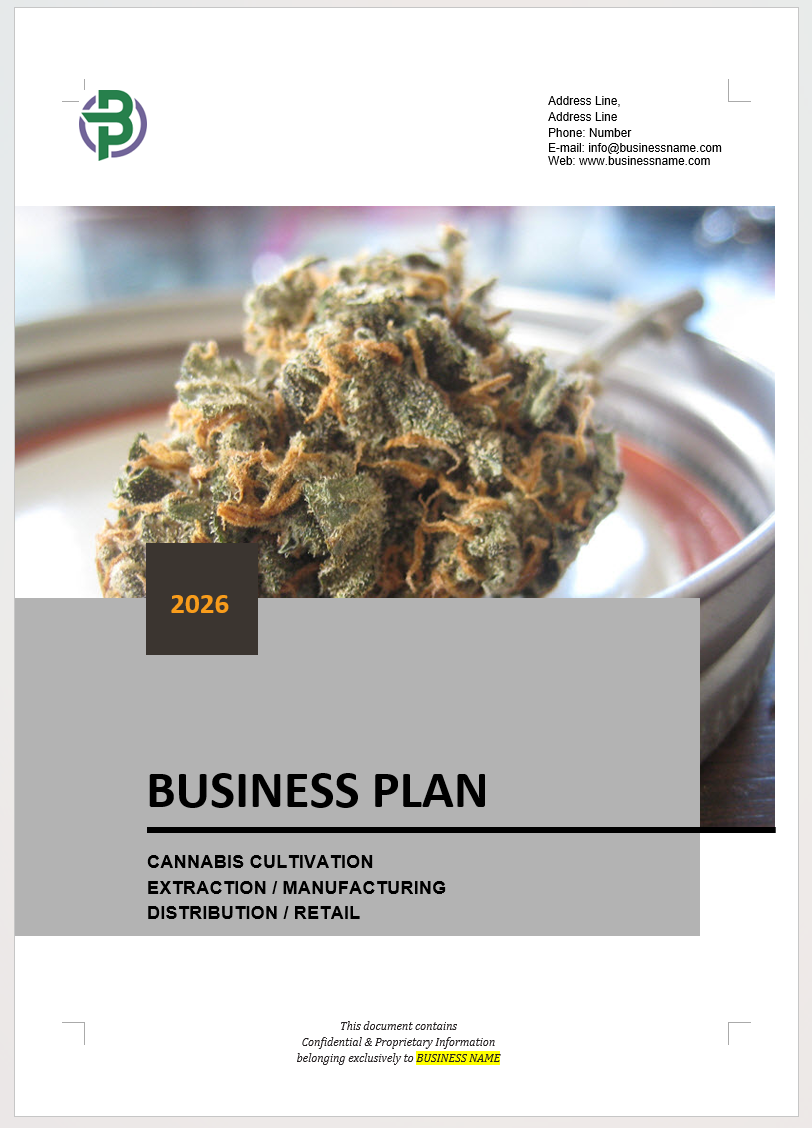
Vertically Integrated Cannabis Business Plan Template
Price range: $75.00 through $500.00


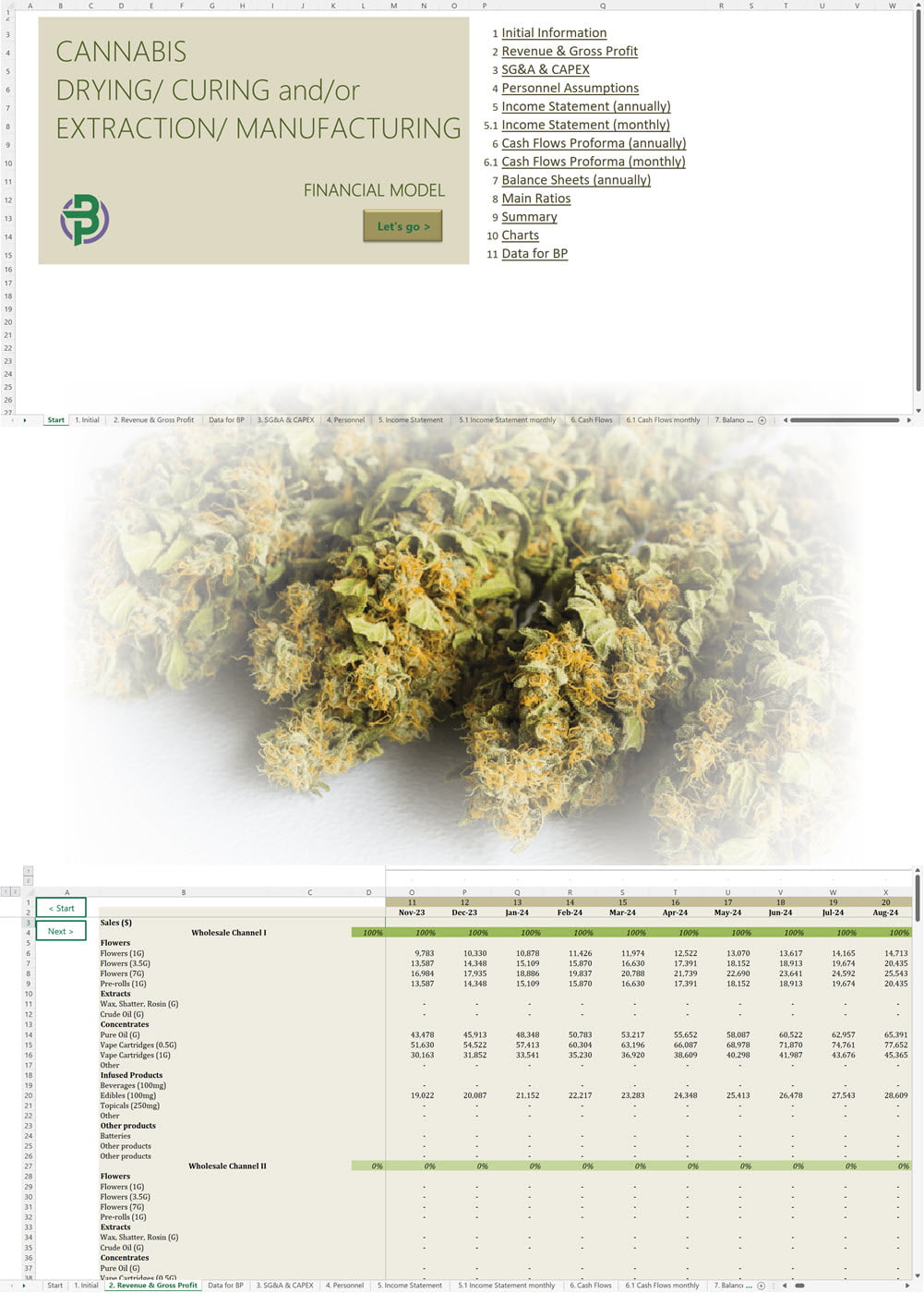
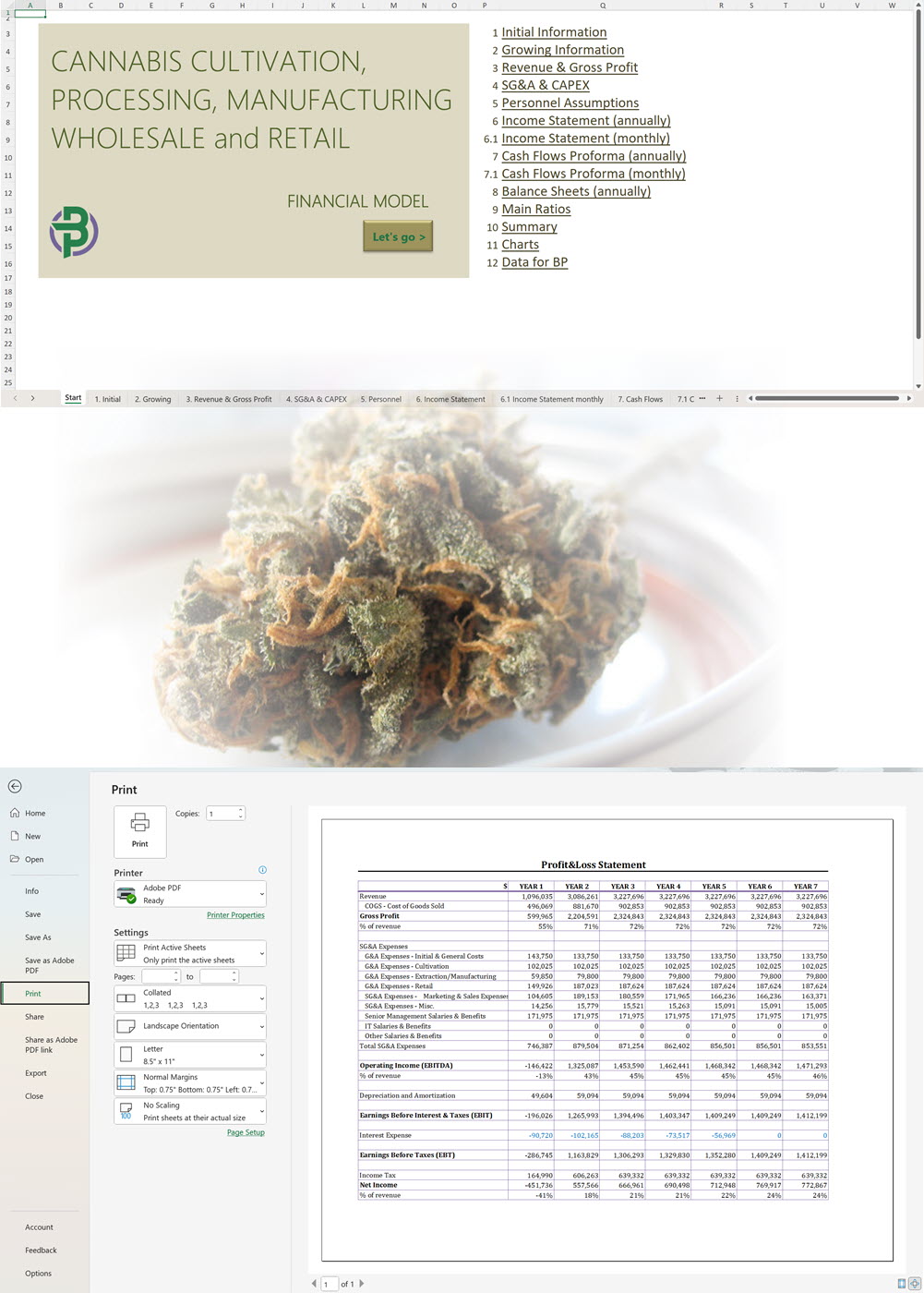
Cannabis Microbusiness Business Plan Template for Cultivation + Extraction + Manufacturing + Wholesale + Retail + Services
Price range: $75.00 through $500.00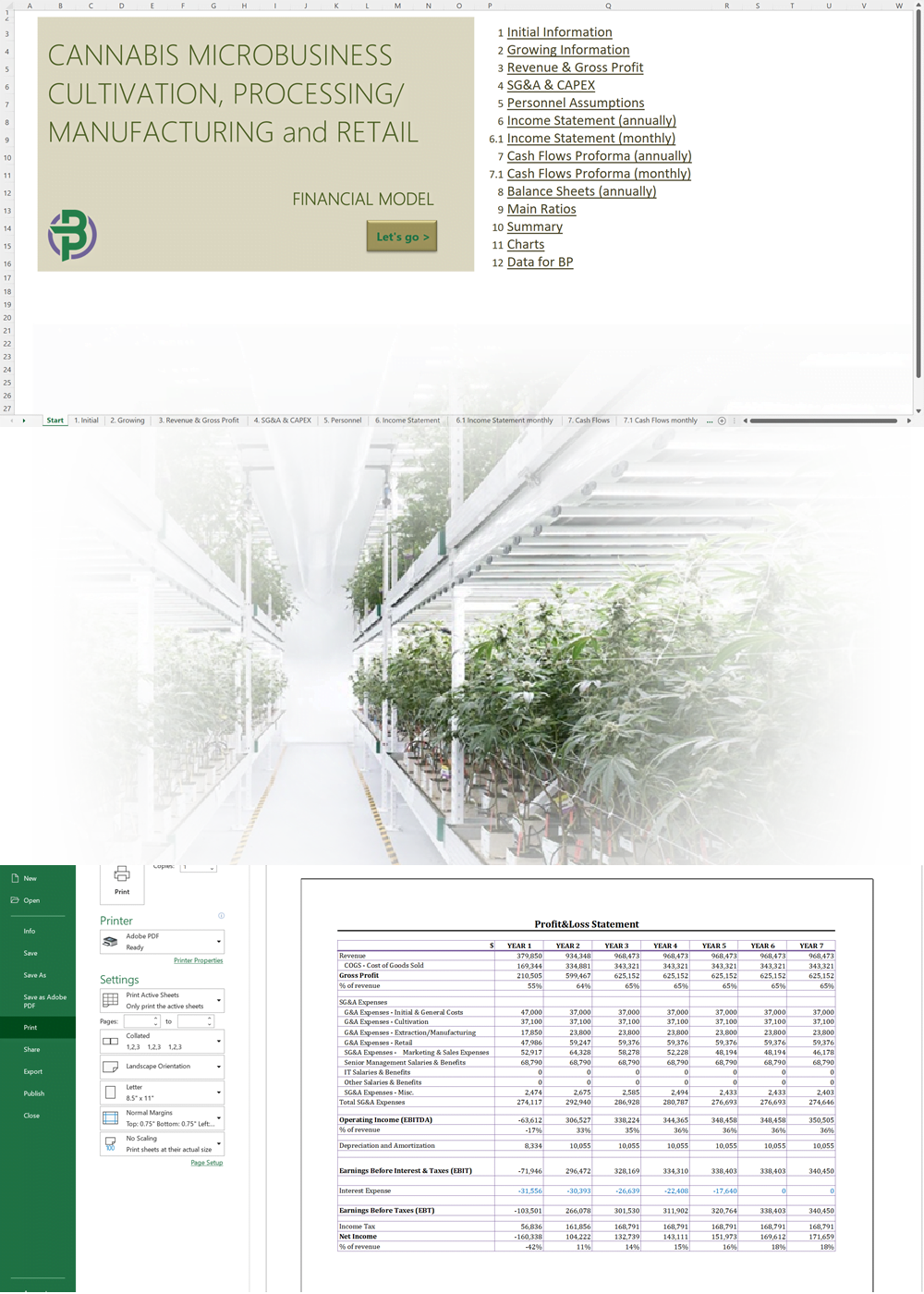

Cannabis Transportation Business Plan Template
Price range: $75.00 through $275.00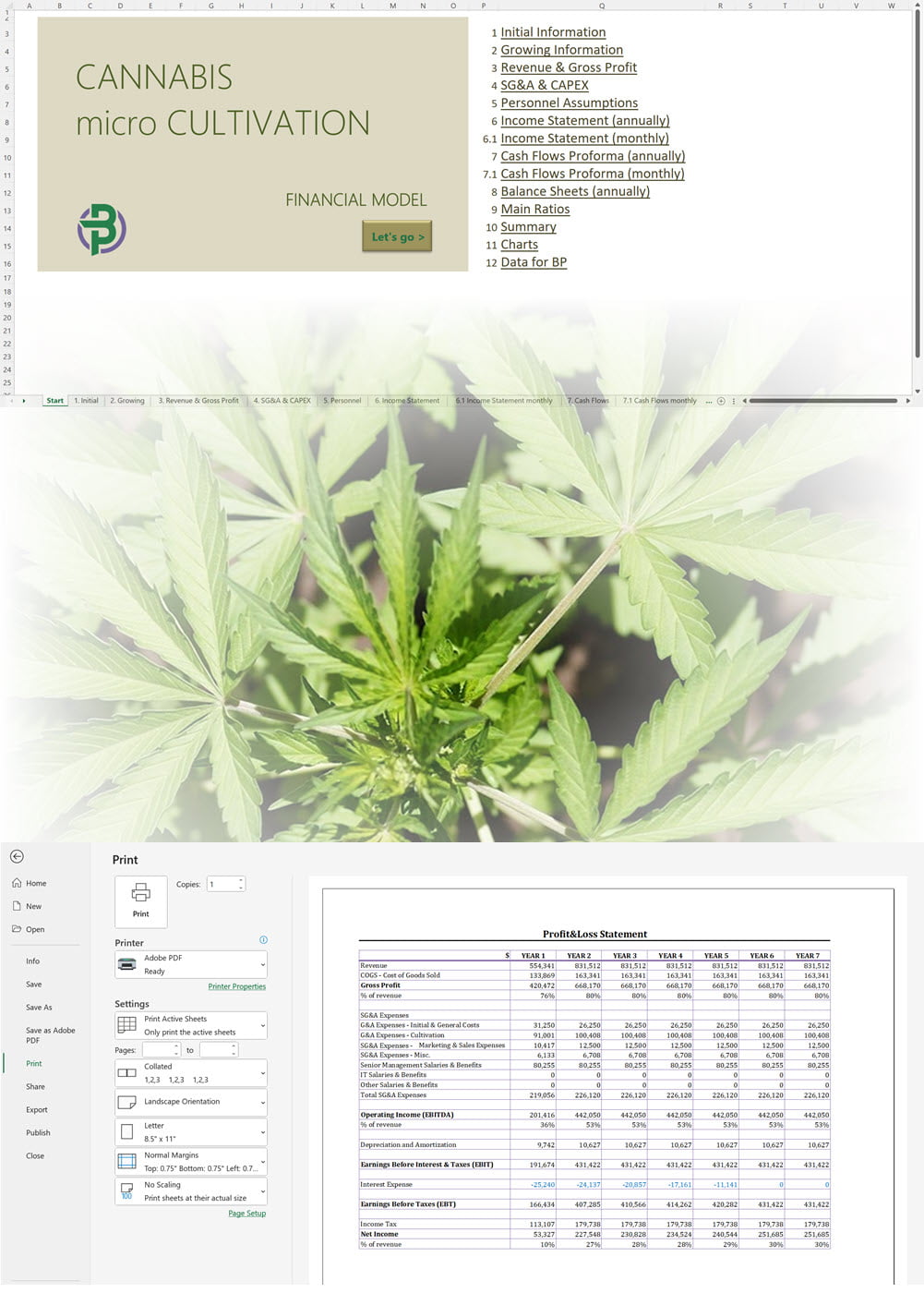

Cannabis Cultivation, Extraction and Manufacturing Business Plan Template
Price range: $75.00 through $450.00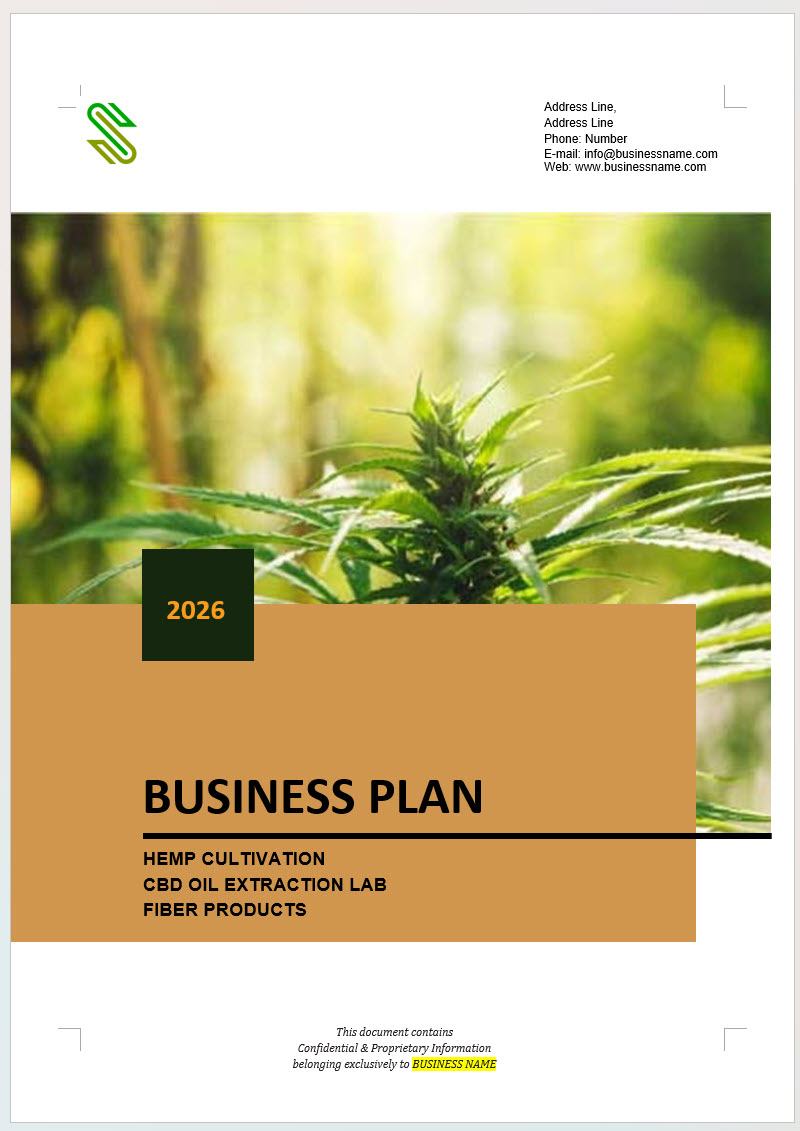
Hemp Cultivation and CBD Oil Extraction and/or Fiber Products Business Plan Template
Price range: $75.00 through $350.00