Key Takeaways
- Cannabis law and regulations:
- The Marihuana Regulation & Taxation Act (MRTA) was signed into law on March 31, 2021 legalizing adult-use cannabis in New York State. The legislation created a new Office of Cannabis Management (OCM) governed by a Cannabis Control Board to comprehensively regulate adult-use, medical, and hemp cannabis. The OCM is responsible for issuing licenses and developing regulations outlining how and when businesses can participate in the new industry.
- Licenses available:
- Cultivator (to grow, clone, harvest, dry, cure, grade, trim cannabis plants, and sell such cannabis to licensed businesses)
- Nursery (to produce and distribute clones, immature plants, seeds, and other agricultural products used specifically for the planting, propagation, and cultivation of cannabis by licensed businesses)
- Processor (to extract, blend, infuse, package, label, brand or otherwise manufacture concentrated cannabis or cannabis products, obtain cannabis from licensed businesses; sell cannabis products to adult-use distributors)
- Retail Dispensary (to acquire, possess, and sell cannabis products at a brick-and-mortar retail dispensary storefront to customers over 21 years old; deliver cannabis products to customers over 21 years old; be a cannabis events organizer)
- Distributor (to obtain cannabis products from duly licensed cannabis businesses; sell cannabis products or transport cannabis to licensed adult-use retail locations)
- Microbusiness (must engage in cannabis cultivation and at least one additional licensed activity including processing, distribution, or retail sale)
- Products legal:
- People 21 or older are allowed to possess up to 3 ounces of cannabis flower or bud and 24 grams of cannabis concentrate (like edibles, oils or vapes).
- Taxes:
- In New York, two taxes apply to the transfer of adult-use cannabis products. First, a 9% distributor tax is imposed on the sale or transfer of adult-use cannabis products from a distributor to a retailer. Second, a retailer must pay a total of 13% in retail taxes on the retail sale or transfer of adult-use cannabis products to the end consumer. If you are a registered organization or microbusiness selling adult-use cannabis products directly to a retail customer, the 9% tax applies to 75% of the amount charged for that sale.
- Market:
- Medical: As of January 2026, there were 77,496 patients and 4,715 practitioners registered in the program, 13 Registered Organizations (ROs) were approved to do business in New York State, and there were 39 dispensing locations (9 ROs) where patients can purchase medical marijuana products, 19 of which offer home delivery service. From 2023 to 2025, medical cannabis sales declined steadily from $162.1 million to $139.1 million and further to $105 million.
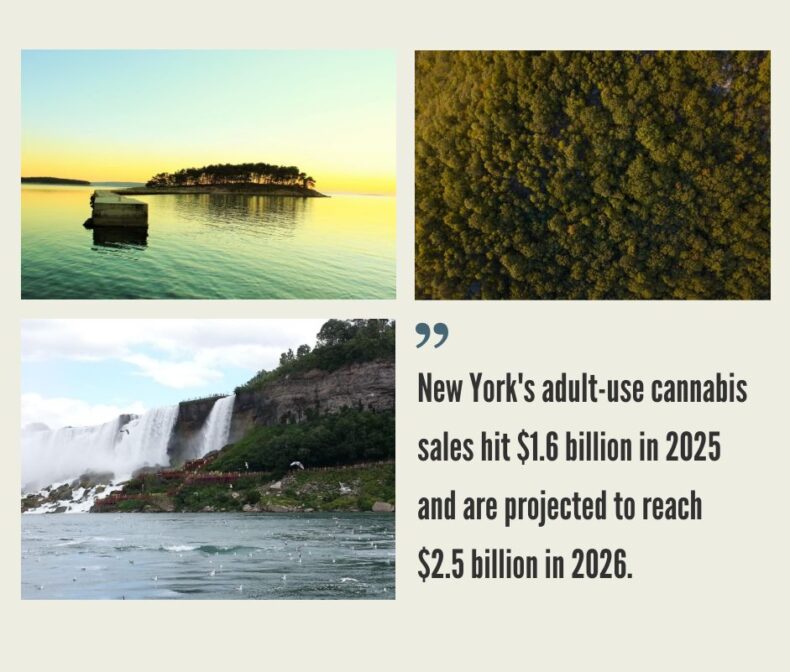
- Recreational: Through November 2025, OCM had issued a total of 2,413 adult-use cannabis licenses, and as of January 2026, 588 adult-use cannabis dispensaries were open and operating throughout New York State. In 2024, New York cannabis retailers reported $882.1 million in sales (averaging $73.5 million monthly), and by December 2024 cumulative recreational sales since program launch surpassed $1 billion; sales then nearly doubled in 2025 to exceed $1.6 billion, averaging $135.5 million per month. New York’s adult-use cannabis sales are projected to hit $2.5 billion this year.
New York Cannabis Legalization
On July 7th, 2014, Governor Andrew M. Cuomo signed into law the Compassionate Care Act to establish a medical marijuana program (“program”). The law set the framework for the medical marijuana program: patients with one of the listed medical conditions could buy and use marijuana if recommended to them by a physician: Marijuana is increasingly being used for treatment of chronic diseases such as Parkinson’s disease, cancer, arthritis, Alzheimer’s disease, along with neurological disorders such as depression, anxiety, and epilepsy. Smoking and whole flower cannabis products were not permitted.
On July 12, 2018 the New York State Department of Health (NYSDOH) adopted emergency regulations adding any condition for which an opioid may be prescribed as a serious condition for which patients may be certified to use medical marijuana.
On Oct. 5, 2021, the New York State Office of Cannabis Management (OCM) and the Cannabis Control Board allowed the sale of whole flower medical cannabis products.
New York Medical Cannabis
In 2019, New York’s medical cannabis patient registry increased by more than 23,000 to over 110,000 patients and grew further to 151,286 certified patients in 2021 with 3,462 registered practitioners in the program.
In January 2022, the OCM announced the launch of a new Medical Cannabis Program certification and registration system. The program allows the certification of a patient by a practitioner for any condition that the practitioner believes can be treated with medical cannabis. Patients certified through the new system receive their certification from the OCM.
On October 31, 2023, the Board opened the application window for new ROs to apply to participate in the medical cannabis market. On October 10, 2024, the OCM awarded three new RO licenses, marking a significant expansion of New York’s medical cannabis program. This move follows over three years of focused attention on the adult-use market rollout and highlights the OCM’s continued efforts to strengthen and balance both sectors of the state’s cannabis industry.
As of January 2026, there were 77,496 patients and 4,715 practitioners registered in the program, 13 Registered Organizations (ROs) were approved to do business in New York State, and there were 39 dispensing locations (9 ROs) where patients can purchase medical marijuana products, 19 of which offer home delivery service.
According to the 2025 OCM Annual Report, smokable products, particularly flower and pre-rolls, dominate the New York medical cannabis market at 55.8%, followed by vaporizers (25.4%), edibles/oral consumption (13.1%), and other forms like topicals (5.7%). While practitioners can certify patients for any condition, the most frequently cited for medical cannabis use include chronic/severe pain (effective for 72.4% of surveyed patients), opioid alternative (associated with a 22% reduction in daily opioid doses), cancer, PTSD/anxiety, and neuropathy.
New York’s medical program has seen slow growth since sales launched in 2016, with 2021 sales estimated at $175 million. The number of medical patients decreased from a peak of 150,000 in December 2021 to 80,000 in 2025. New York State tax data shows 2022 medical cannabis sales peaked in May, when the state recorded about $17 million in legal sales. From 2023 to 2025, medical cannabis sales declined steadily from $162.1 million to $139.1 million and further to $105 million.
New York Recreational Cannabis
In March 2021, the state legalized a recreational New York cannabis market that is “expected to become one of the largest in the country with projected revenues of nearly $2.5 billion by the program’s fourth year”. Cannabis products would be taxed at 13% and an additional tax would be imposed on production as follows: 0.5 cents per milligram for flower, 0.8 cents per milligram for concentrated cannabis and 3 cents per milligram for edibles.
In the first quarter of 2023, New York passed legislation that exempt businesses from Section 280E of the federal tax code that allows cannabis companies to deduct business expenses from their state income taxes.
In September 2023, New York regulators voted to allow the state’s medical cannabis operators to apply for adult-use retail and microbusiness licenses.
On October 4, New York opened a 60-day general application window for several types of cannabis business licenses, including cultivation, processing, distribution, retail and microbusiness, with a priority on social and economic equity. By the close of the submission deadline on December 18, 2023, the Office received 6,934 applications for adult-use licenses, including 372 cultivator, 538 processor, 351 distributor, 4,324 retail, and 1,349 microbusiness licenses.
As of December 2023, the Board had awarded 279 adult-use conditional cultivator, 40 adult-use conditional processor and 463 conditional adult-use retail dispensary licensees. Although hundreds of Conditional Adult-Use Retail Dispensaries (CAURD) permits have been issued, only 41 of these licensees received final approval to open an adult-use cannabis dispensary, and 4 licensees were approved for delivery-only operations. The Board approved a measure to extend all provisional CAURD and provisional adult-use licenses until December 31, 2026, for greater clarity and consistency across all groups of provisional licenses, and to give licensees additional time to secure locations and progress toward full licensure.
On November 13, 2025, the OCM approved a resolution that legalizes the use of various marketing strategies for cannabis and cannabis products, including “discounts, coupons, points-based reward systems, customer loyalty programs, or bundled discounts”, as long as this does not lead to cannabis products being sold at less than their market value. The retail tax on cannabis products must be calculated on the pre-discounted price.
New York Cannabis Market
CAURD licensees were the first retail dispensaries to open for legal adult-use cannabis sales in New York State. New York’s first legal adult-use cannabis sales started on December 29 at a dispensary in Manhattan and generated over $1.6 million in the first month and an estimated $12 million in the first six months of operations. The Office of Cannabis Management reported $155.3 million in retail sales in 2023.
With the Board approving 109 adult use licenses in July 2024, the total number of adult use licenses issued in 2024 increases to 730, including 138 for cultivators, 92 for processors, 268 for retail, 137 for micro businesses (56 with retail operations) and 95 for distributors. Through November 2025, OCM has processed 2,362 licenses and 798 renewals, with 2,008 of the 2,413 issued adult-use licenses currently active – comprising 249 cultivators, 465 processors, 215 distributors, 770 retail dispensaries, and 309 microbusinesses.
According to OCM, during the January 2026 reporting period, 588 adult-use cannabis dispensaries (including 4 temporary delivery-only locations and 33 microbusinesses with retail locations) were open and operating throughout New York State.
In 2024, New York cannabis retailers reported $882.1 million in sales (averaging $73.5 million monthly), and by December 2024 cumulative recreational sales since program launch surpassed $1 billion; sales then nearly doubled in 2025 to exceed $1.6 billion, averaging $135.5 million per month.
New York’s cannabis sales hit a record high of $214.4 million in August 2025 – 106% up from the previous year – which brought the state’s cumulative sales to over $2 billion since the program’s launch in December 2022. It is important to note that while the $1 billion milestone was achieved in two years, sales rose to reach the $2 billion mark much faster – in just eight months. The accelerating cannabis sales are attributed to the continuous opening of new dispensaries in the state.
Although smokable flower holds the largest share of total cannabis sales at 33% – with pre-rolls also holding a considerable share of 12% – New Yorkers have a clear preference for value-added products as non-flower product categories together account for more than half of sales (55%). These are split into vaporizer products (28%), edibles (14%), concentrate (11%) and tincture, tablets, capsules, lozenges, and topicals which account for 1% or less of total sales. Among edibles, gummies are dominant, holding an 84% share of the category’s sales. The next most popular product type are beverages (9%) which have experienced a surge in popularity in recent years. Demand for value-added products is expected to grow, driven by product innovation and manufacturing efficiency which result in lower production costs.
New York Cannabis Market Infographics
How Can Cannabusinessplans Templates Help Start or Grow Your Cannabis Business?
The majority of cannabis licensing programs require the submission of a business plan as part of the application for a cannabis license. Even if it is not mandated by law, a business plan is essential for securing funding and assisting an applicant in understanding how much money it will take to start a cannabis business and how much profit it could make.
A well-structured business plan can make all the difference in helping you demonstrate your proposed cannabis business’ compliance with regulations and its operational viability.
Our complete cannabis business plan template package is everything you need to create a professional business plan for a cannabis business with expert financials and projections. A complete cannabis business plan template package includes:
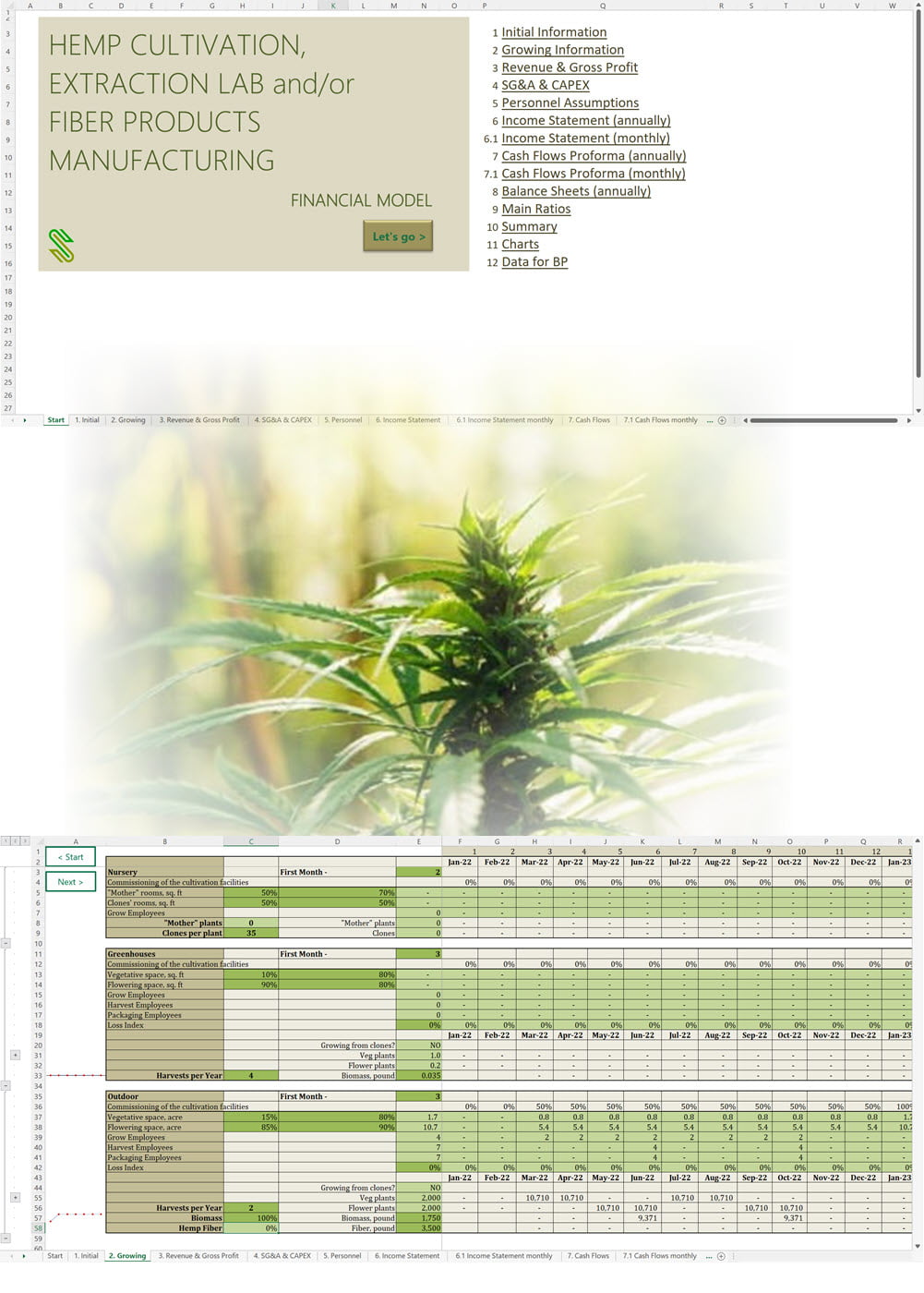
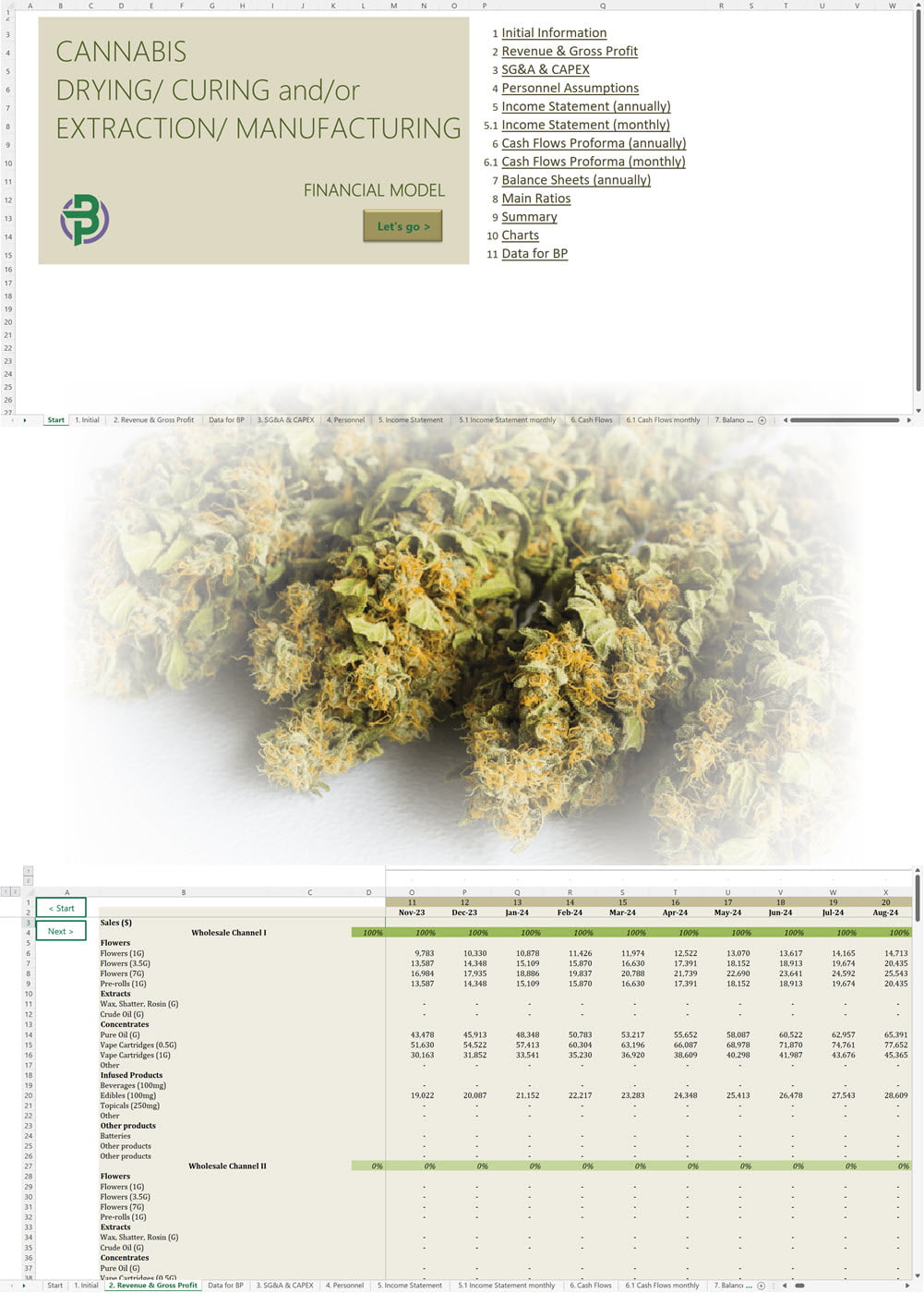
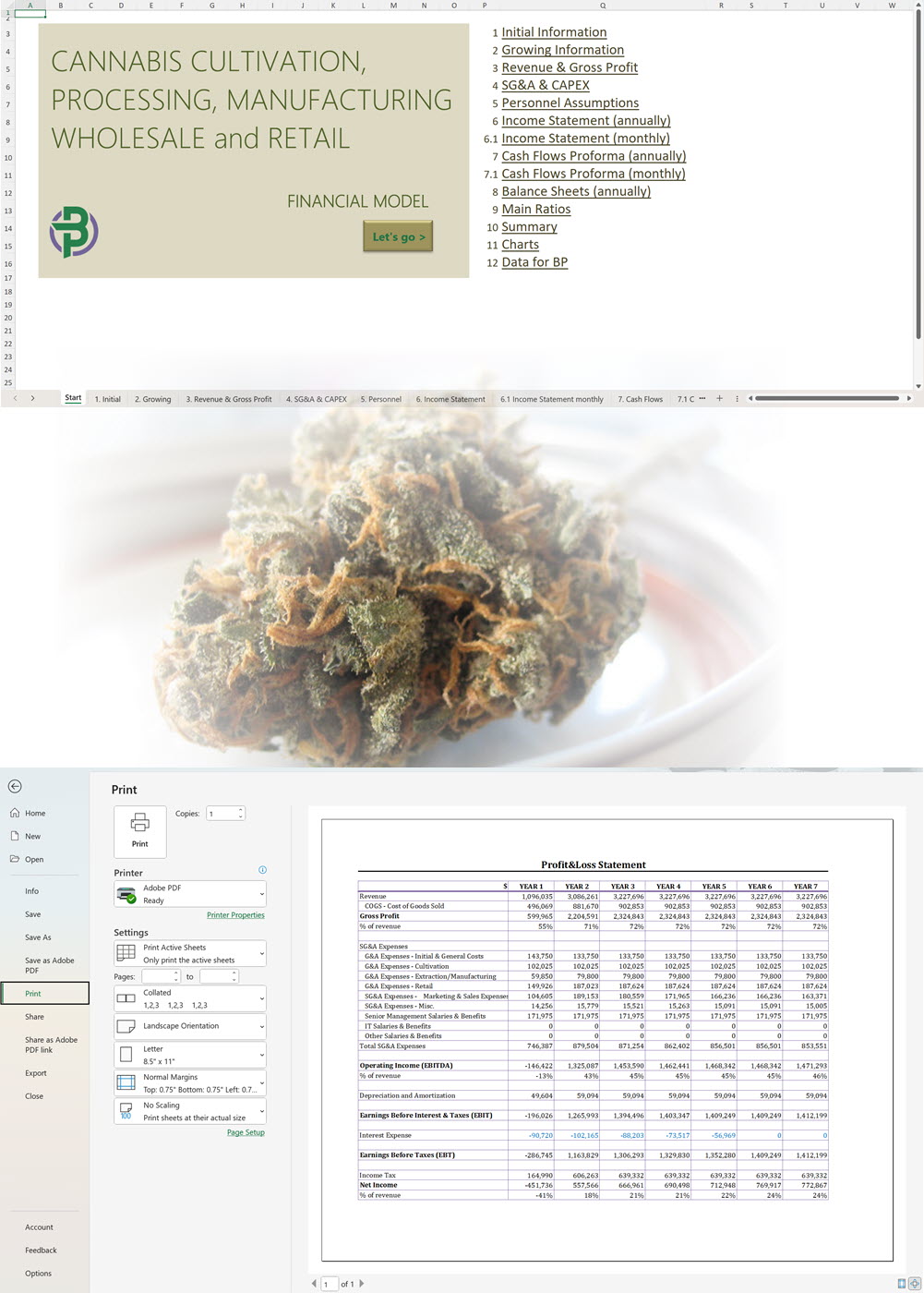
- Excel Financial Model: change variables and immediately see the impact, break down operational and capital costs, know how much it will take to get into the business and the potential profits.
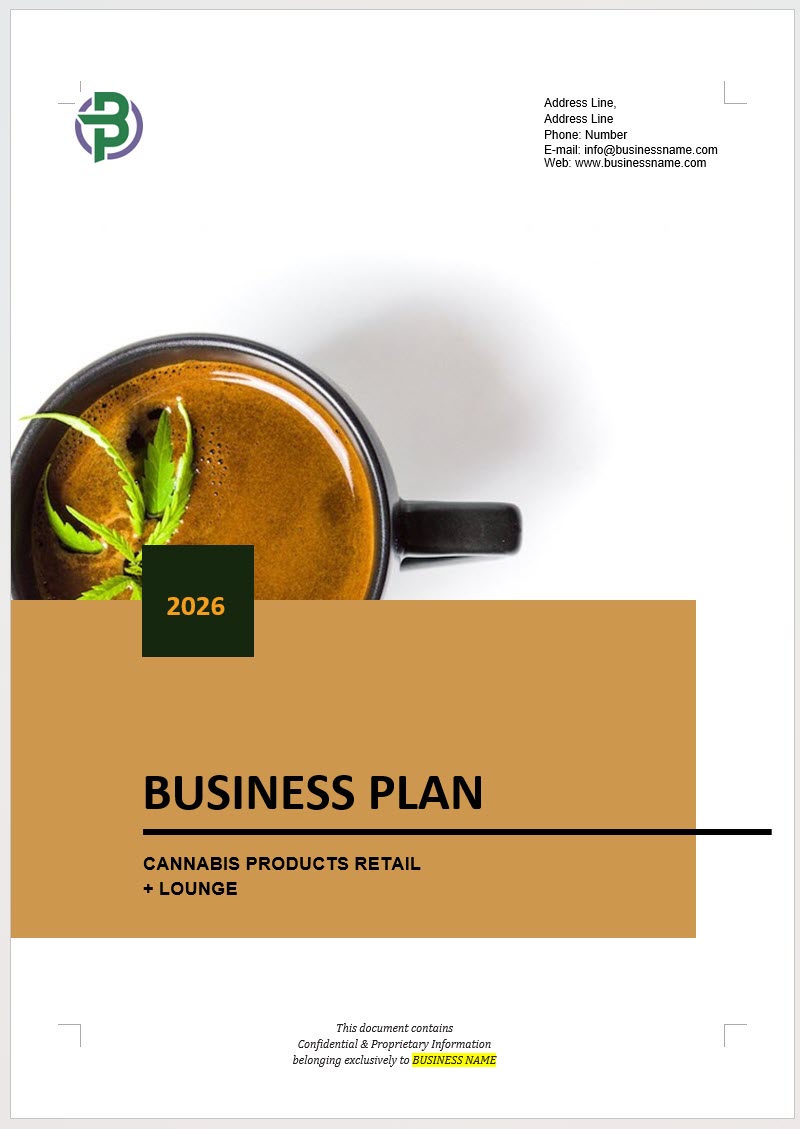
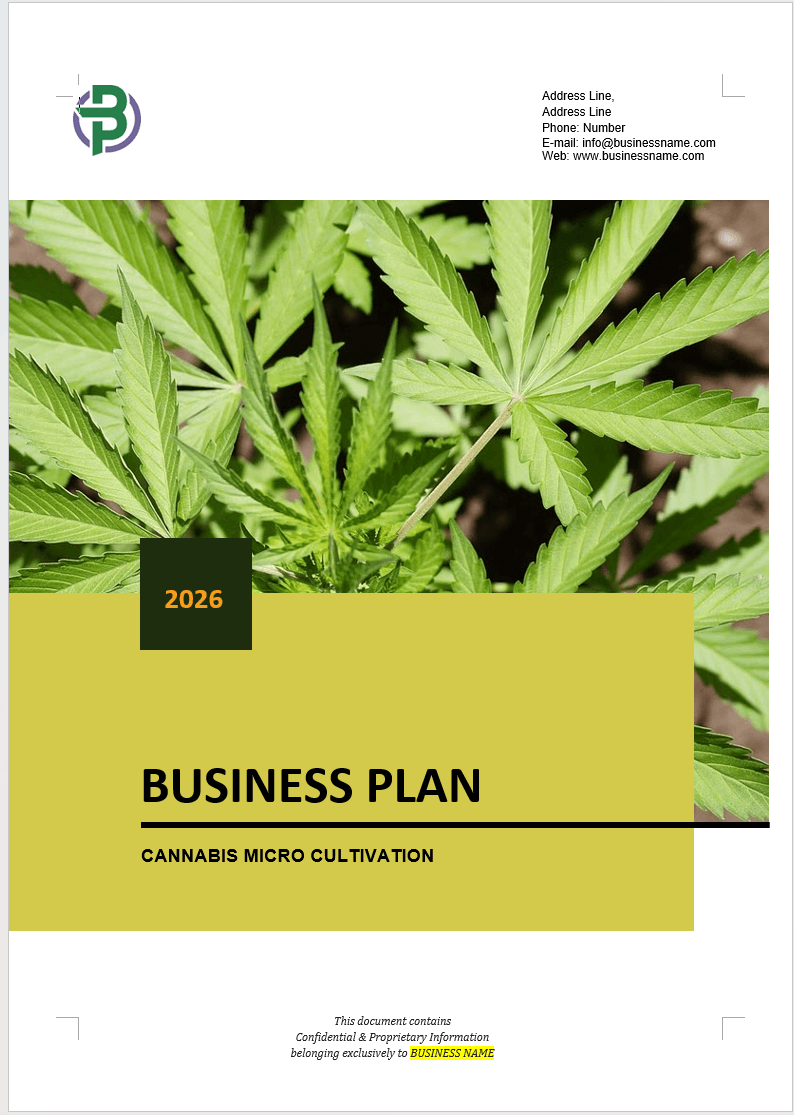
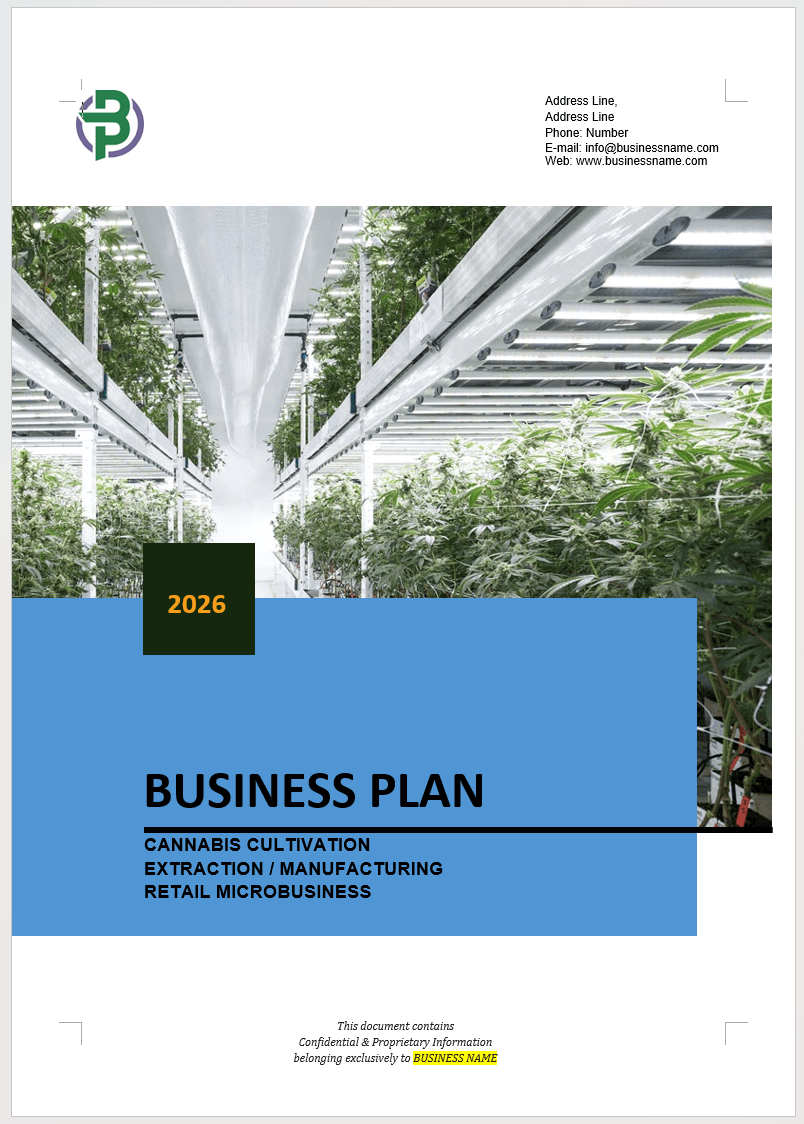
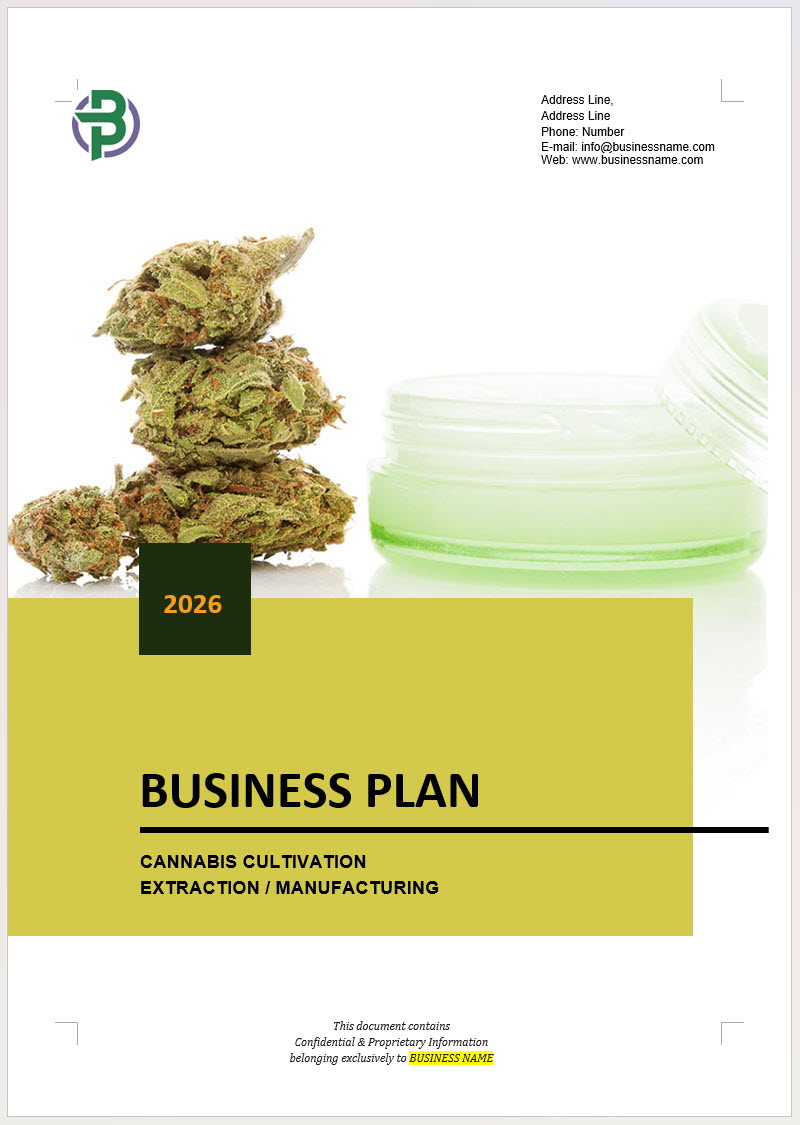
- Word Business Plan: value proposition, market analysis, marketing strategy, operating plan, organizational structure, financial plan and more.
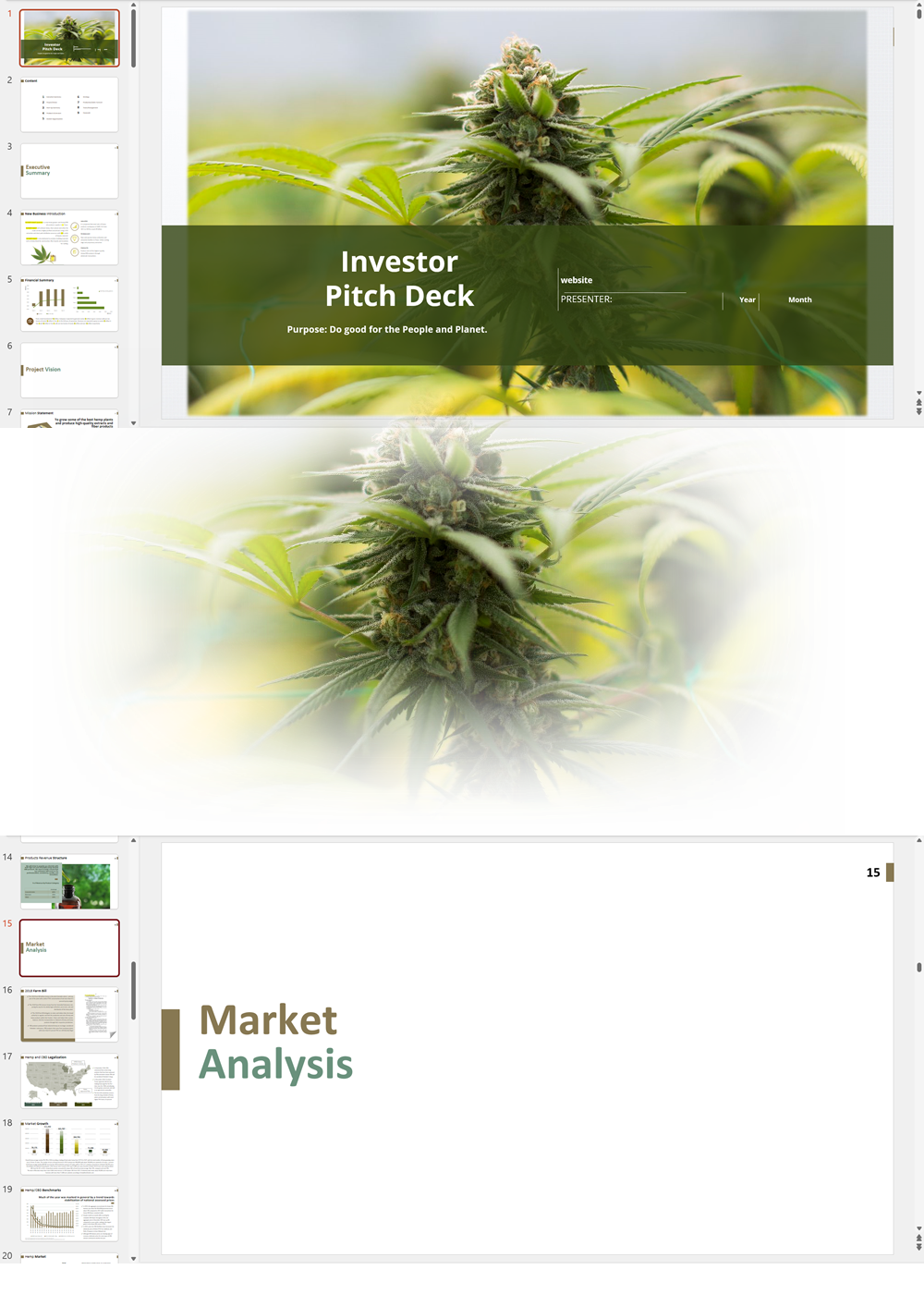
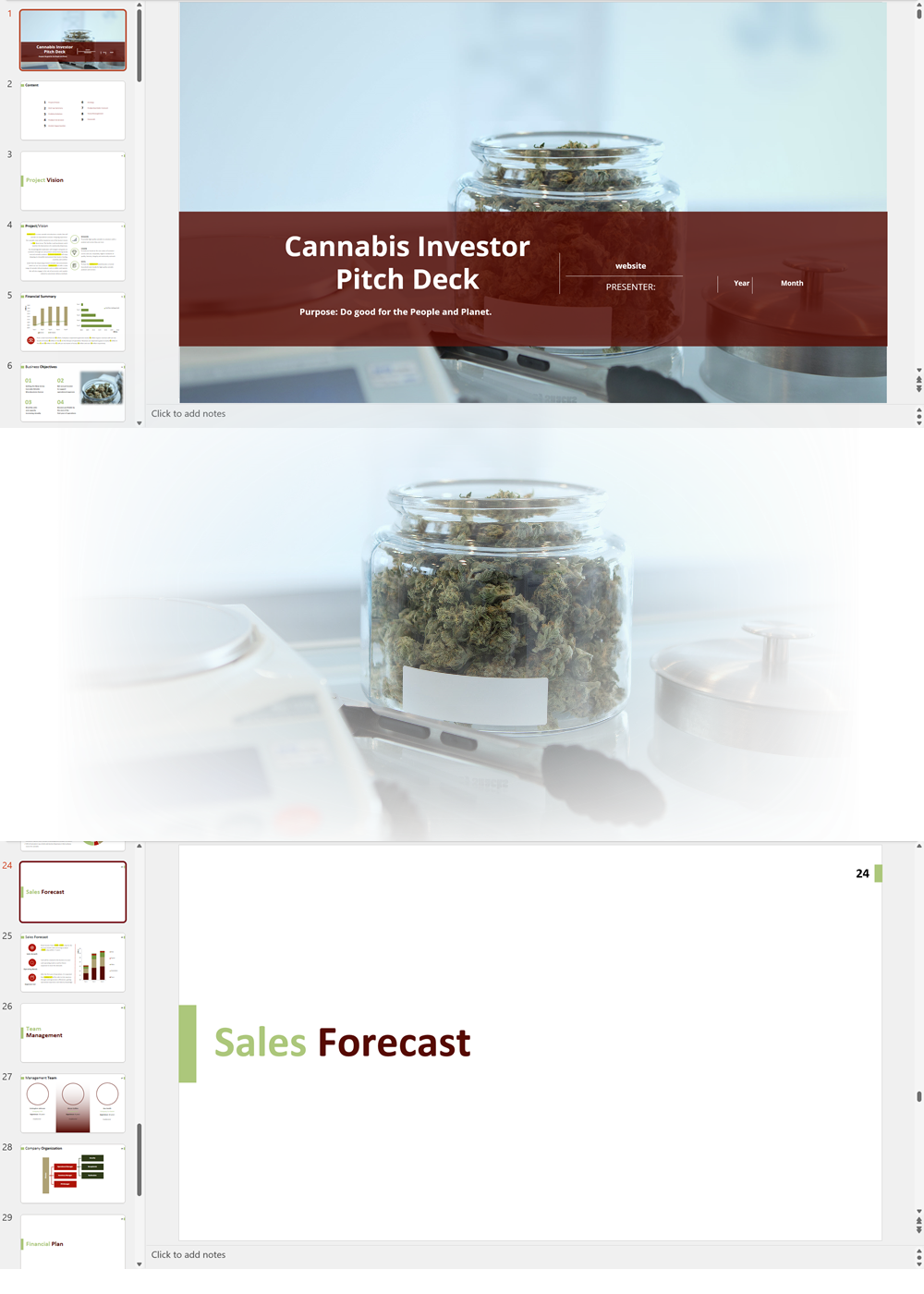
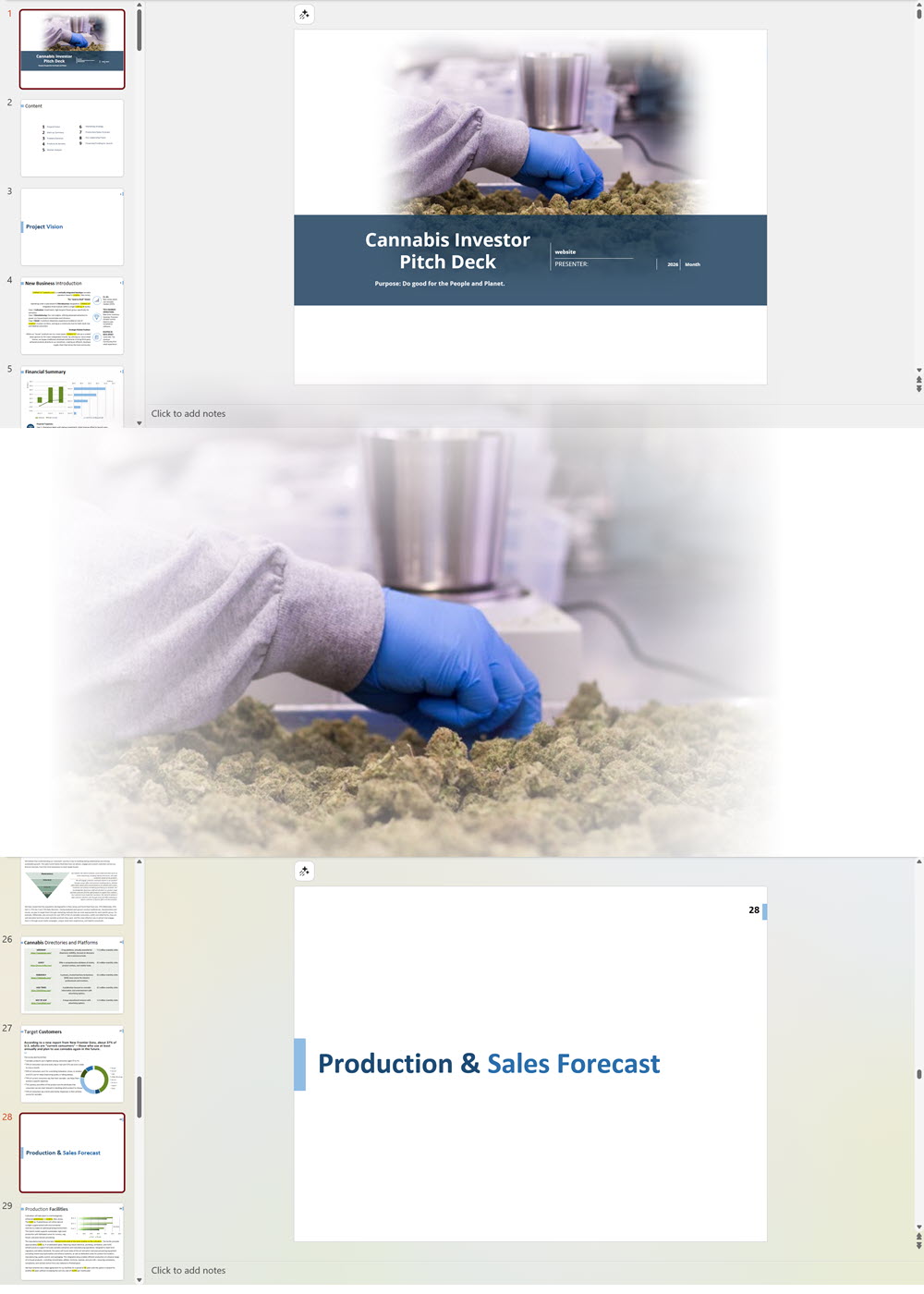
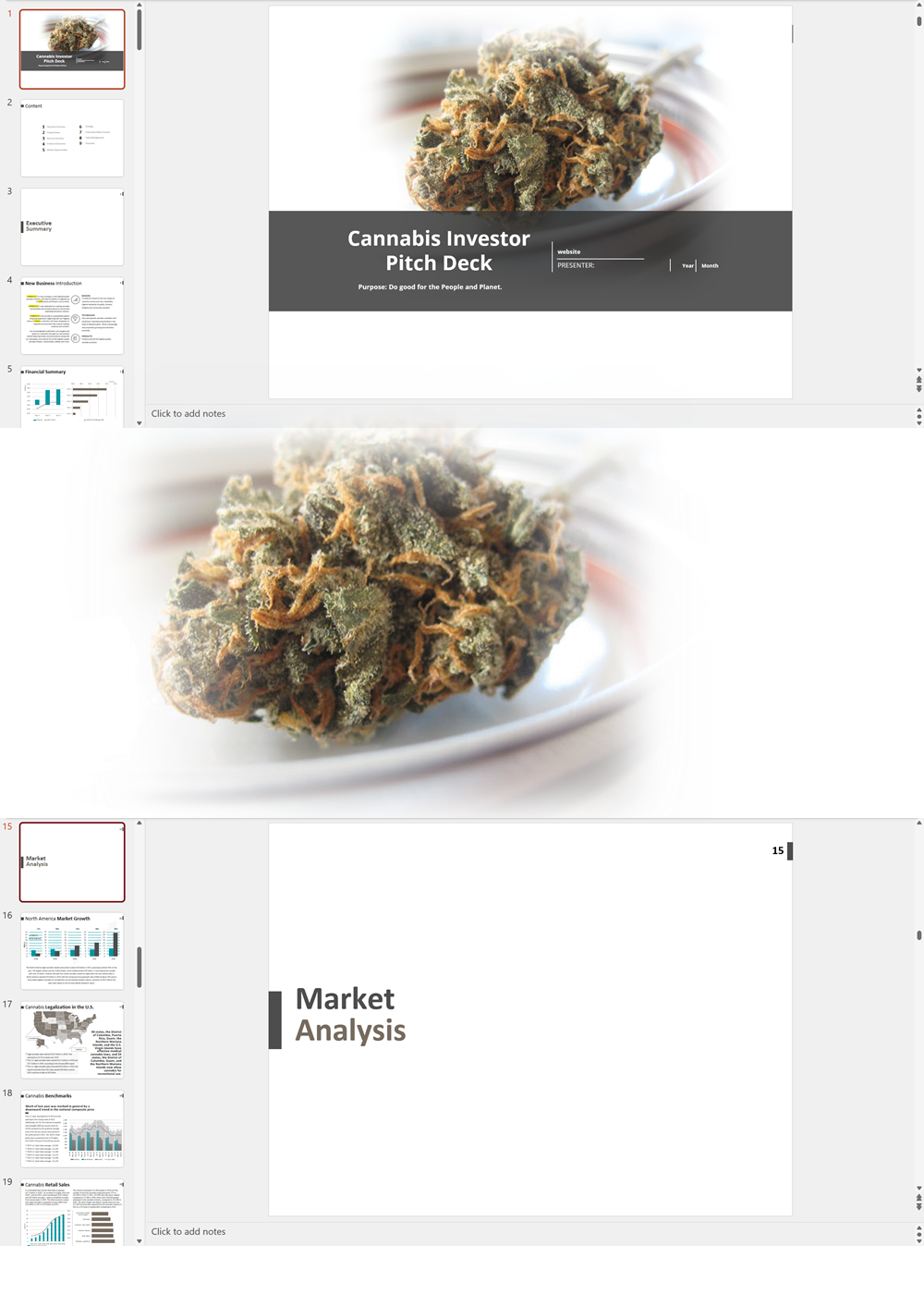
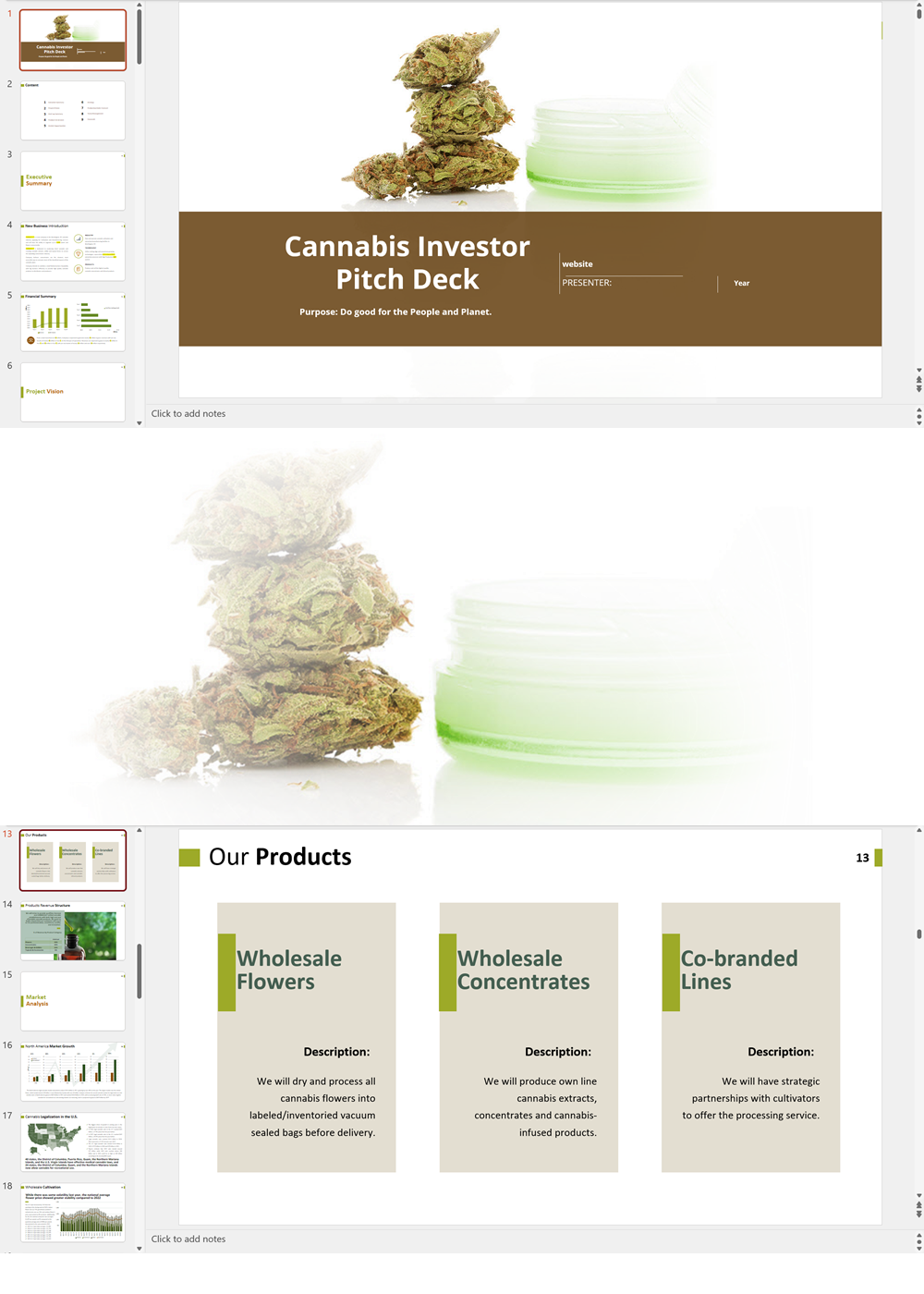
- PowerPoint Pitch Deck: provide a quick overview of your cannabis business plan.
'70% ready to go' business plan templates
Our cannabis financial models and cannabis business plan templates will help you estimate how much it costs to start and operate your own cannabis business, to build all revenue and cost line-items monthly over a flexible seven year period, and then summarize the monthly results into quarters and years for an easy view into the various time periods. We also offer investor pitch deck templates.
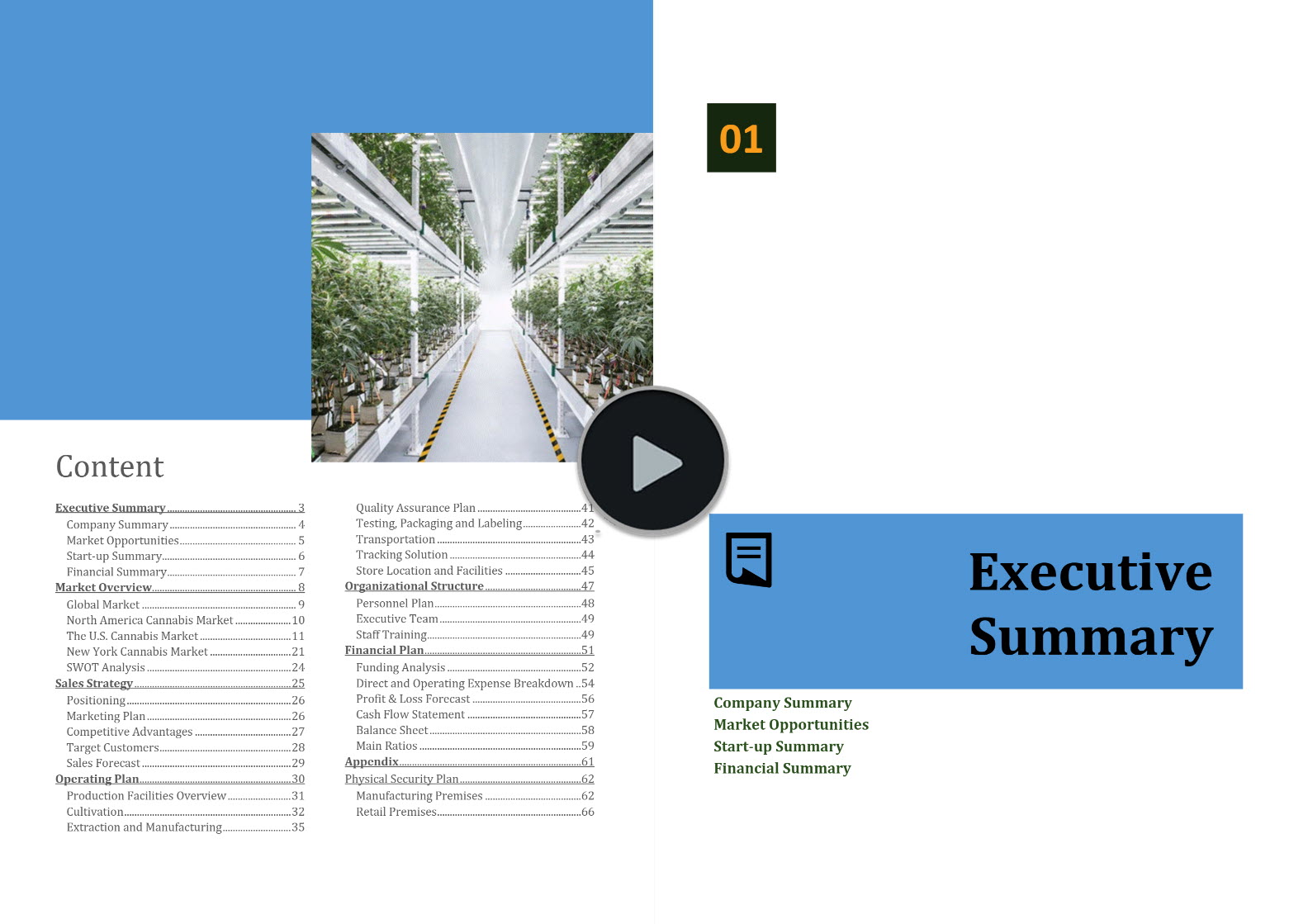
Cannabis Microbusiness Business Plan Sample, New York
Best Selling Templates
-

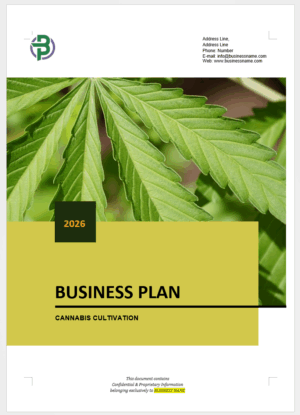
Cannabis Cultivation Business Plan Template
Price range: $75.00 through $350.00 Select options This product has multiple variants. The options may be chosen on the product page -

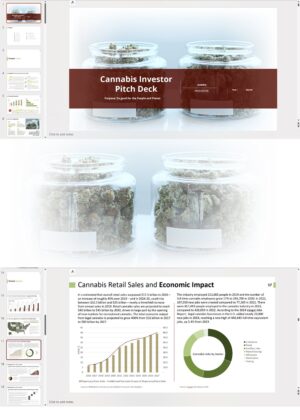
Cannabis Dispensary Investor Pitch Deck Template
$75.00 Select options This product has multiple variants. The options may be chosen on the product page -
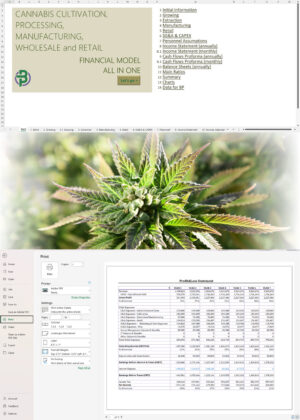
Cannabis Financial Model All in One
$250.00 Select options This product has multiple variants. The options may be chosen on the product page
Our Templates
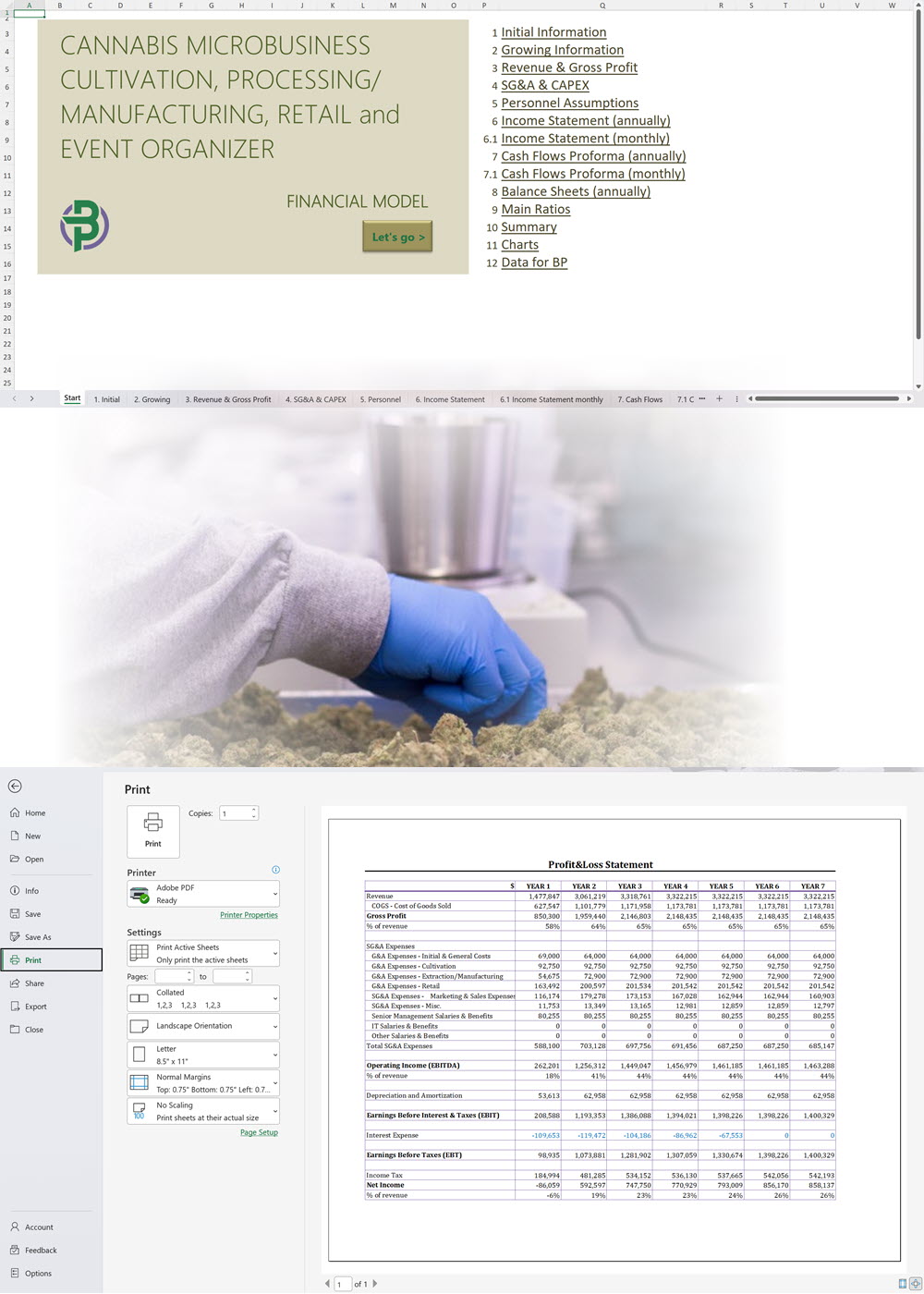
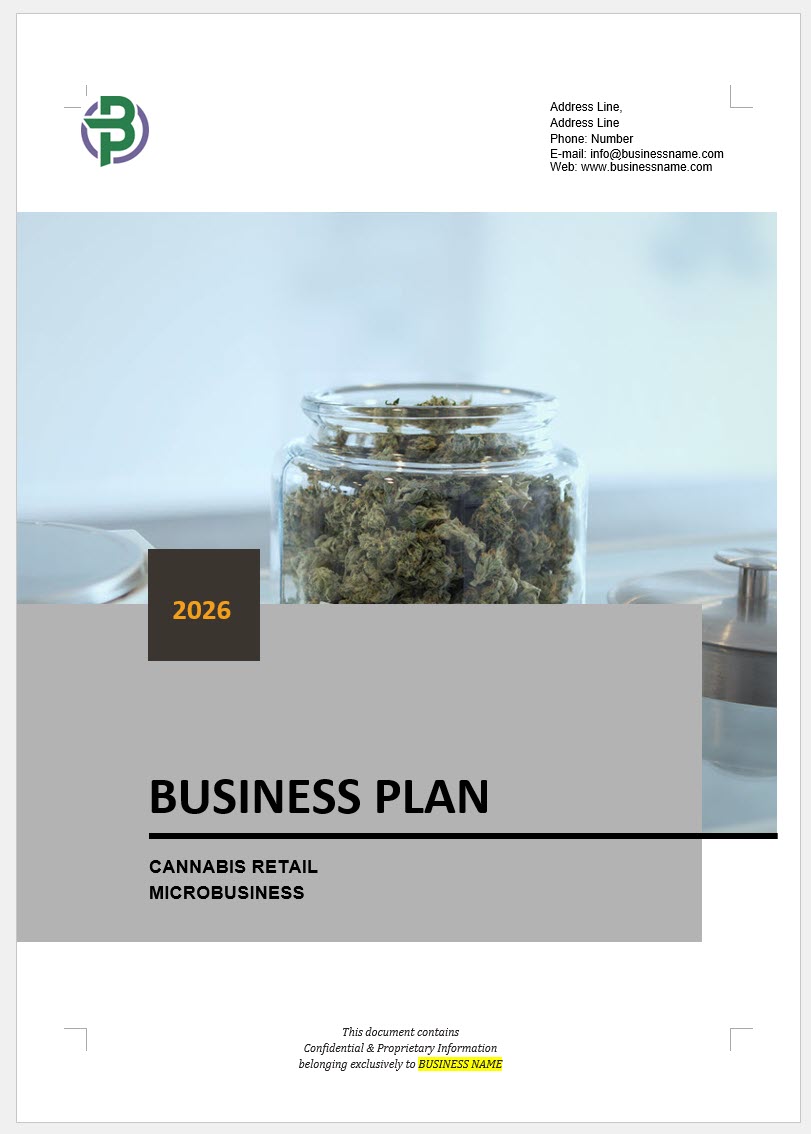
Cannabis Retail Microbusiness Business Plan Template
Price range: $75.00 through $275.00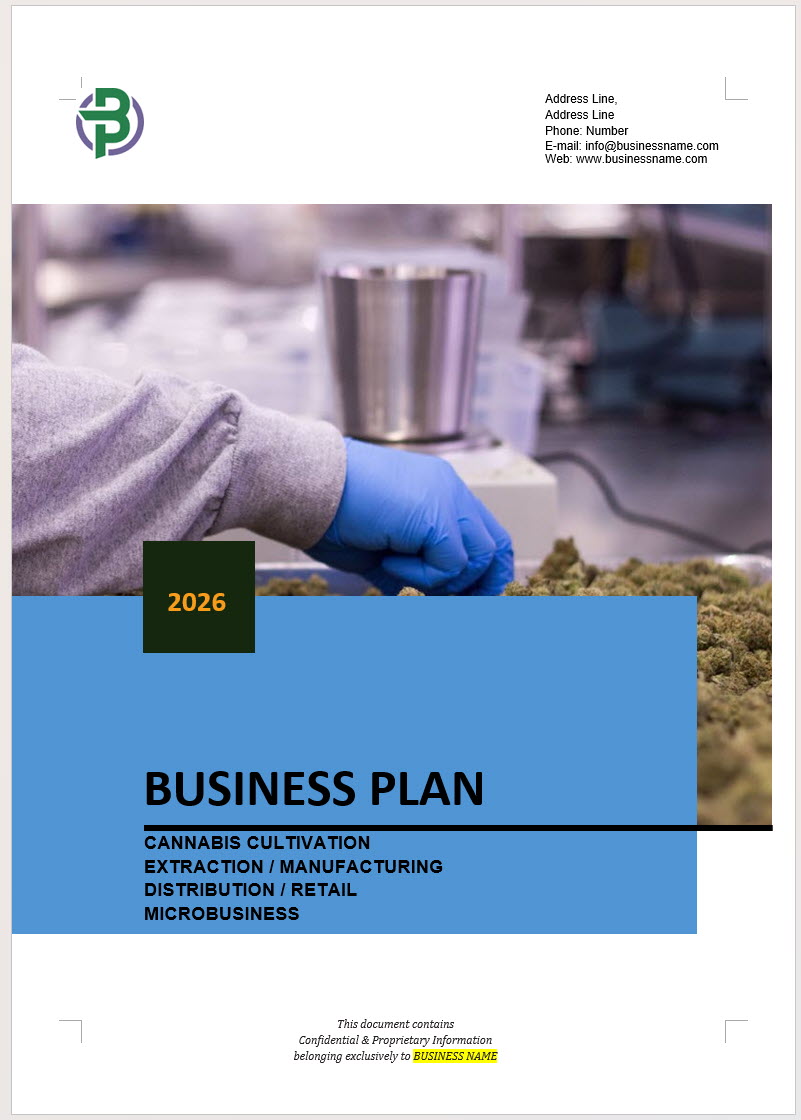
Cannabis Cultivation, Extraction, Manufacturing, Distribution, Retail and Microbusiness Business Plan Template
Price range: $75.00 through $500.00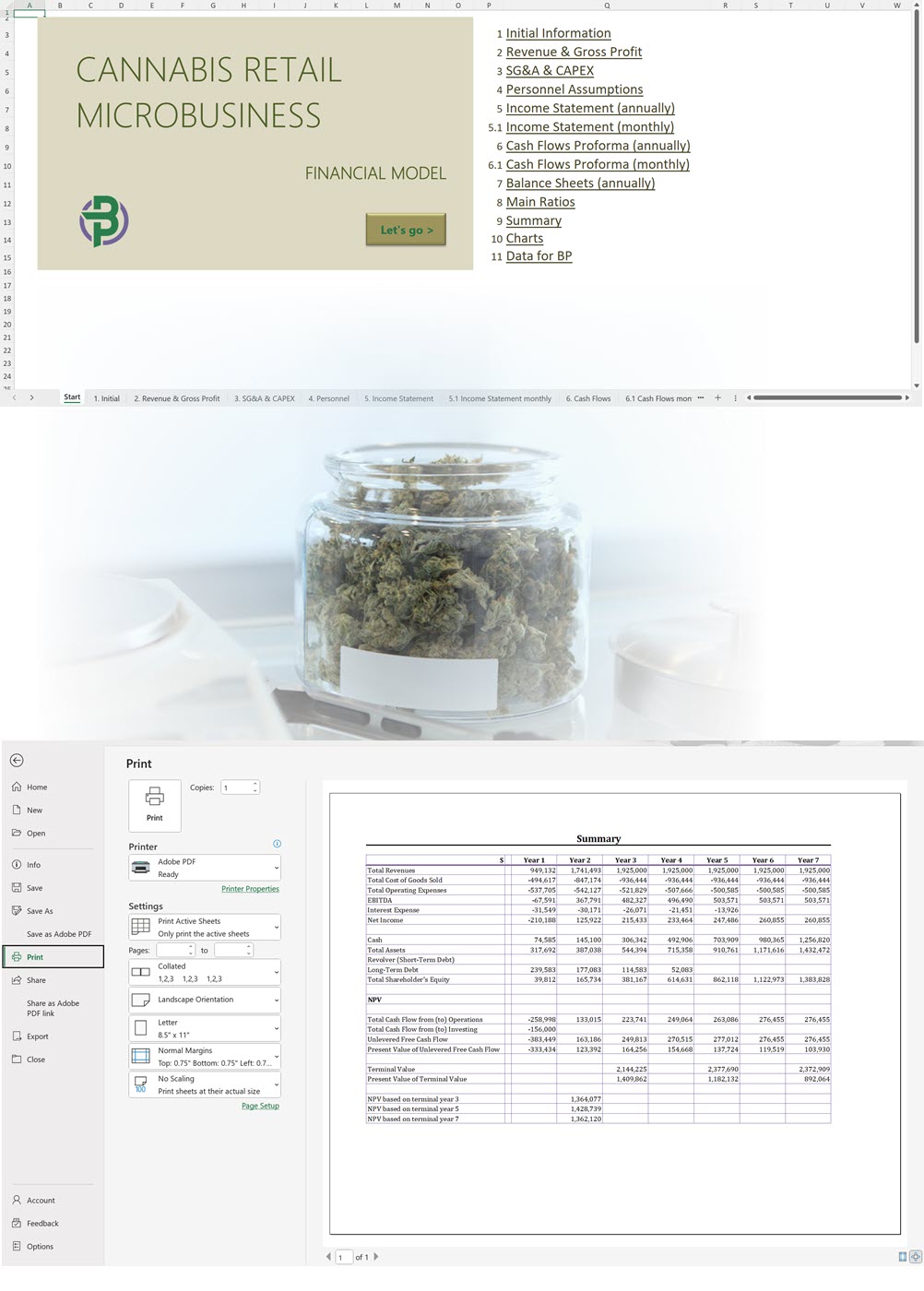
Cannabis Micro Cultivation Business Plan Template
Price range: $75.00 through $300.00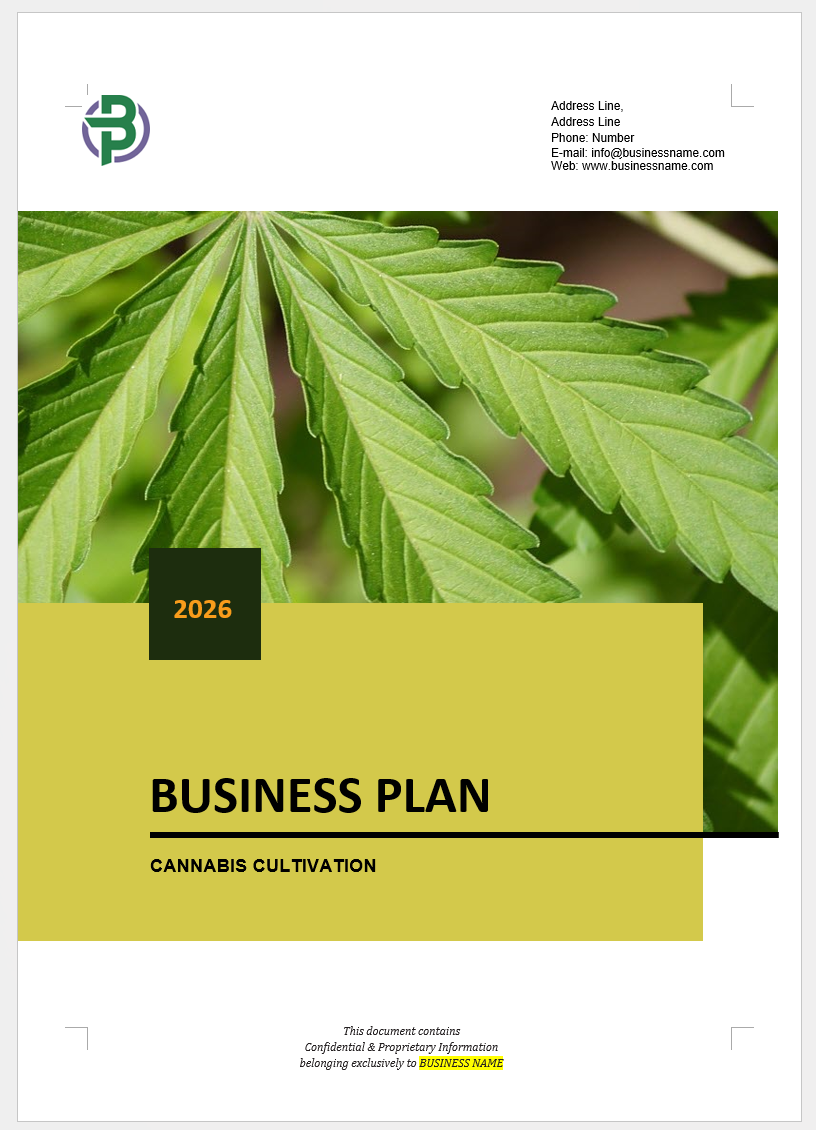
Cannabis Cultivation Business Plan Template
Price range: $75.00 through $350.00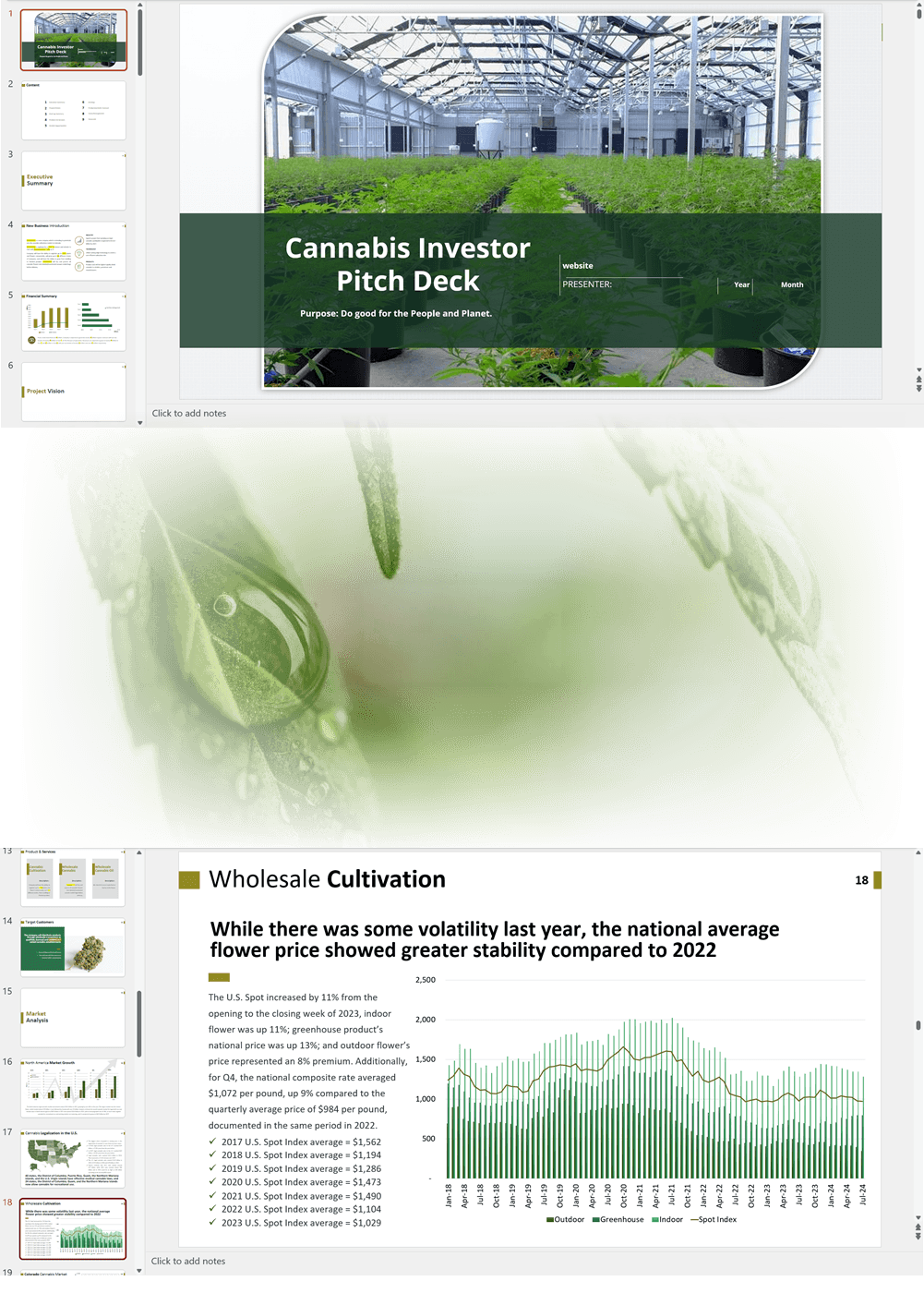
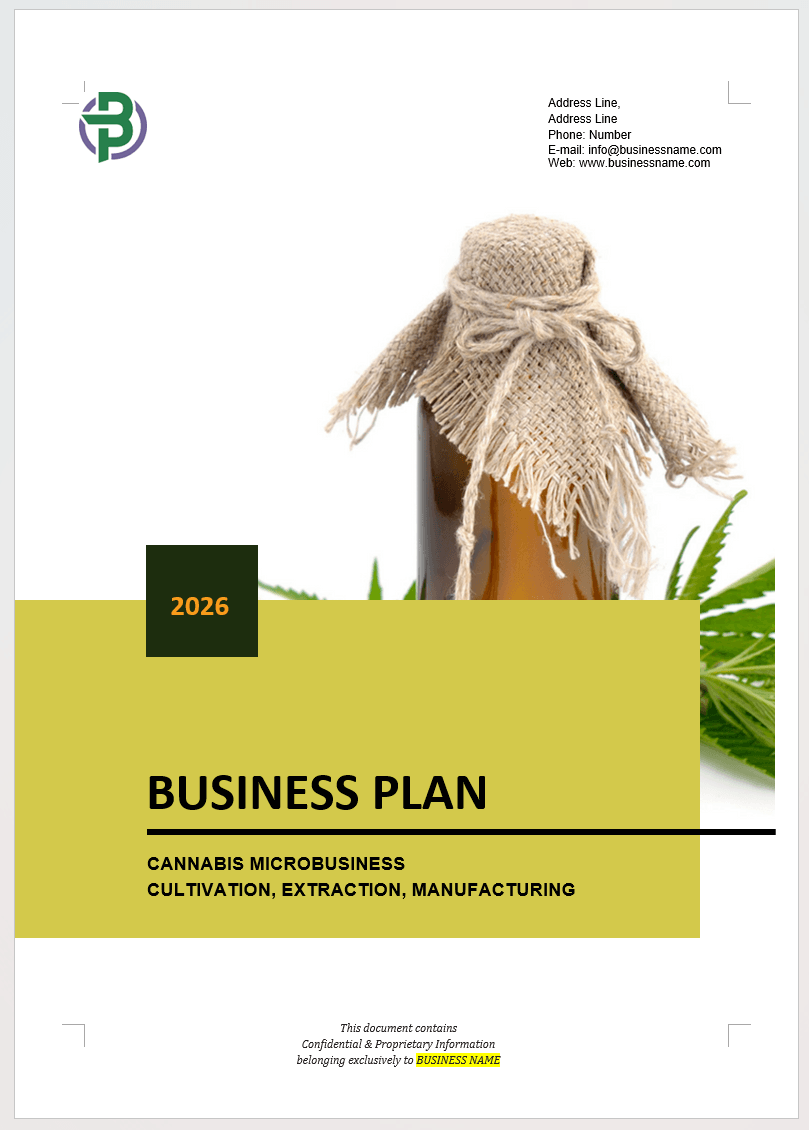
Cannabis Microbusiness Cultivation and Manufacturing Business Plan Template
Price range: $75.00 through $350.00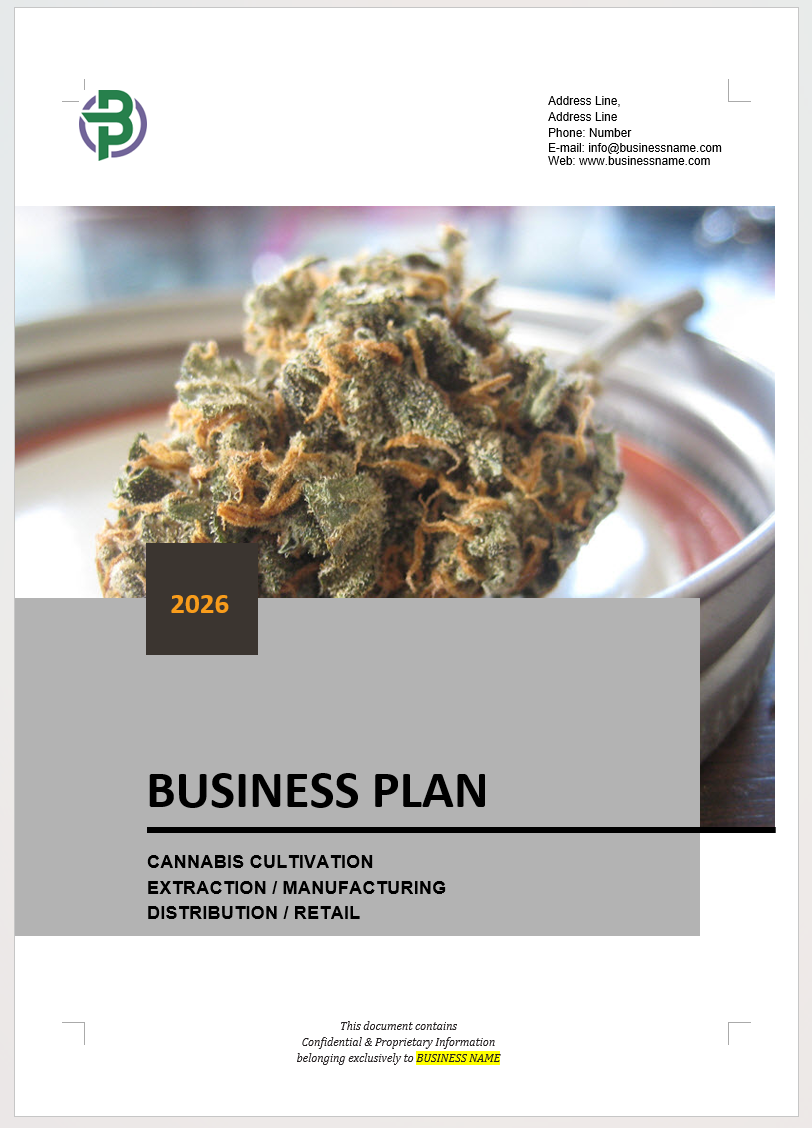
Vertically Integrated Cannabis Business Plan Template
Price range: $75.00 through $500.00


Cannabis Microbusiness Business Plan Template for Cultivation + Extraction + Manufacturing + Wholesale + Retail + Services
Price range: $75.00 through $500.00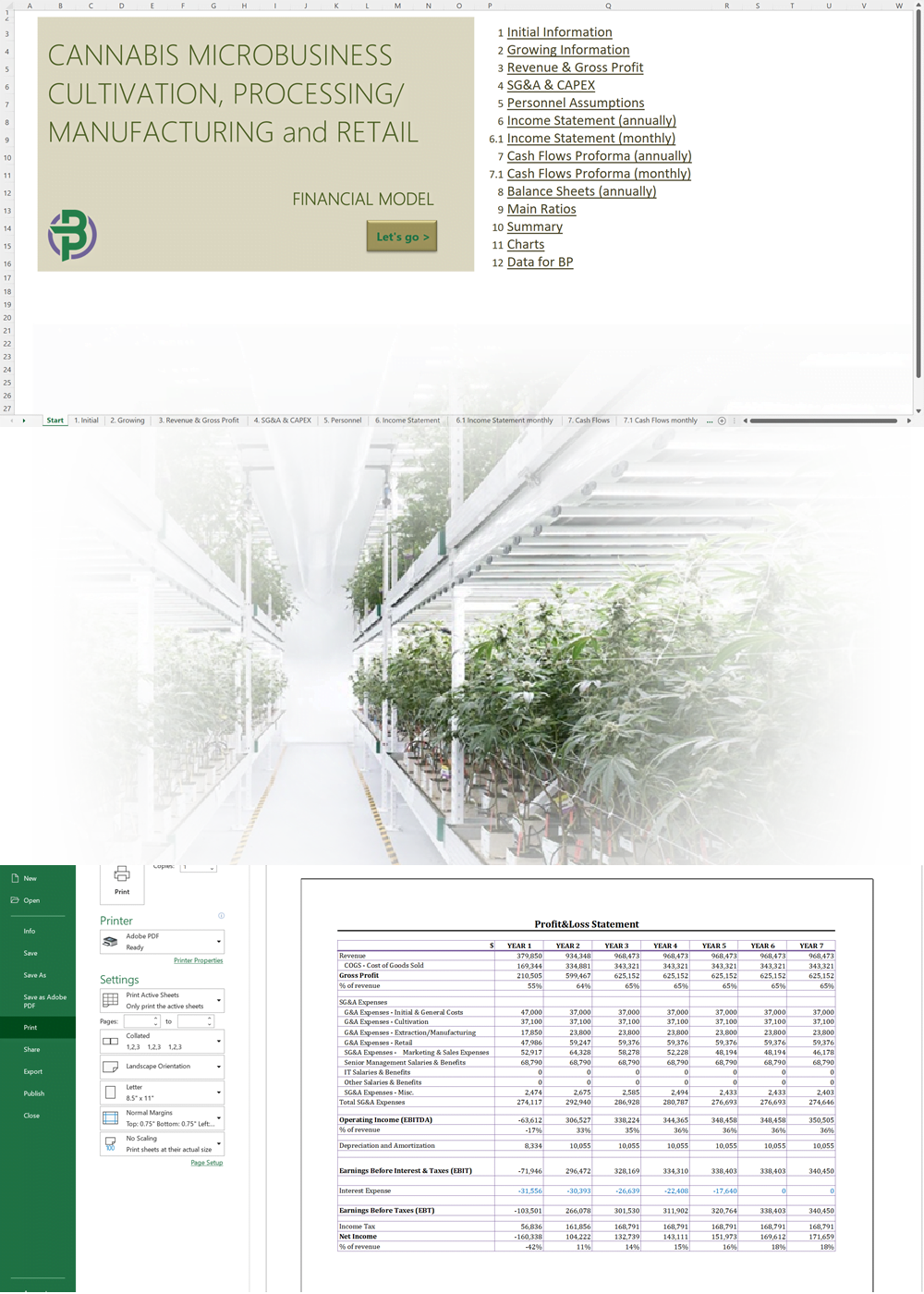

Cannabis Transportation Business Plan Template
Price range: $75.00 through $275.00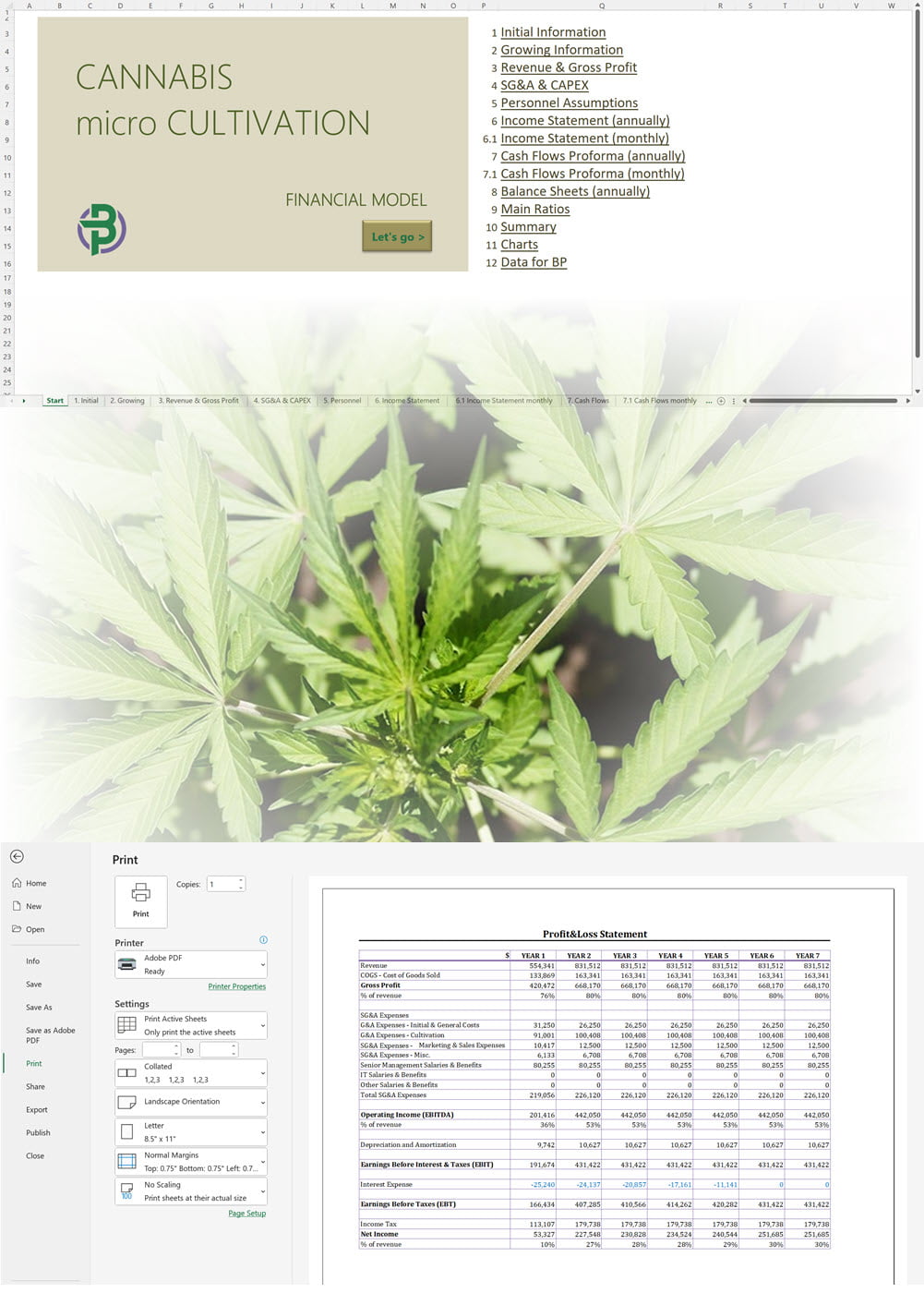

Cannabis Cultivation, Extraction and Manufacturing Business Plan Template
Price range: $75.00 through $450.00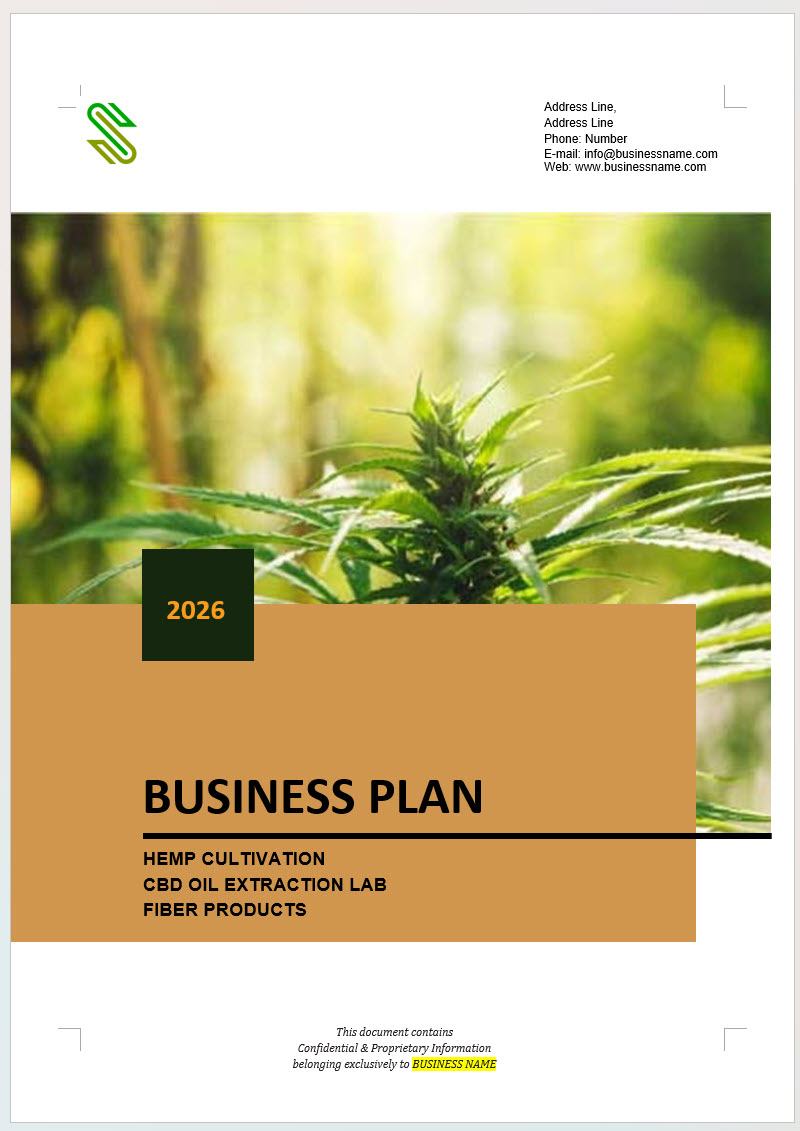
Hemp Cultivation and CBD Oil Extraction and/or Fiber Products Business Plan Template
Price range: $75.00 through $350.00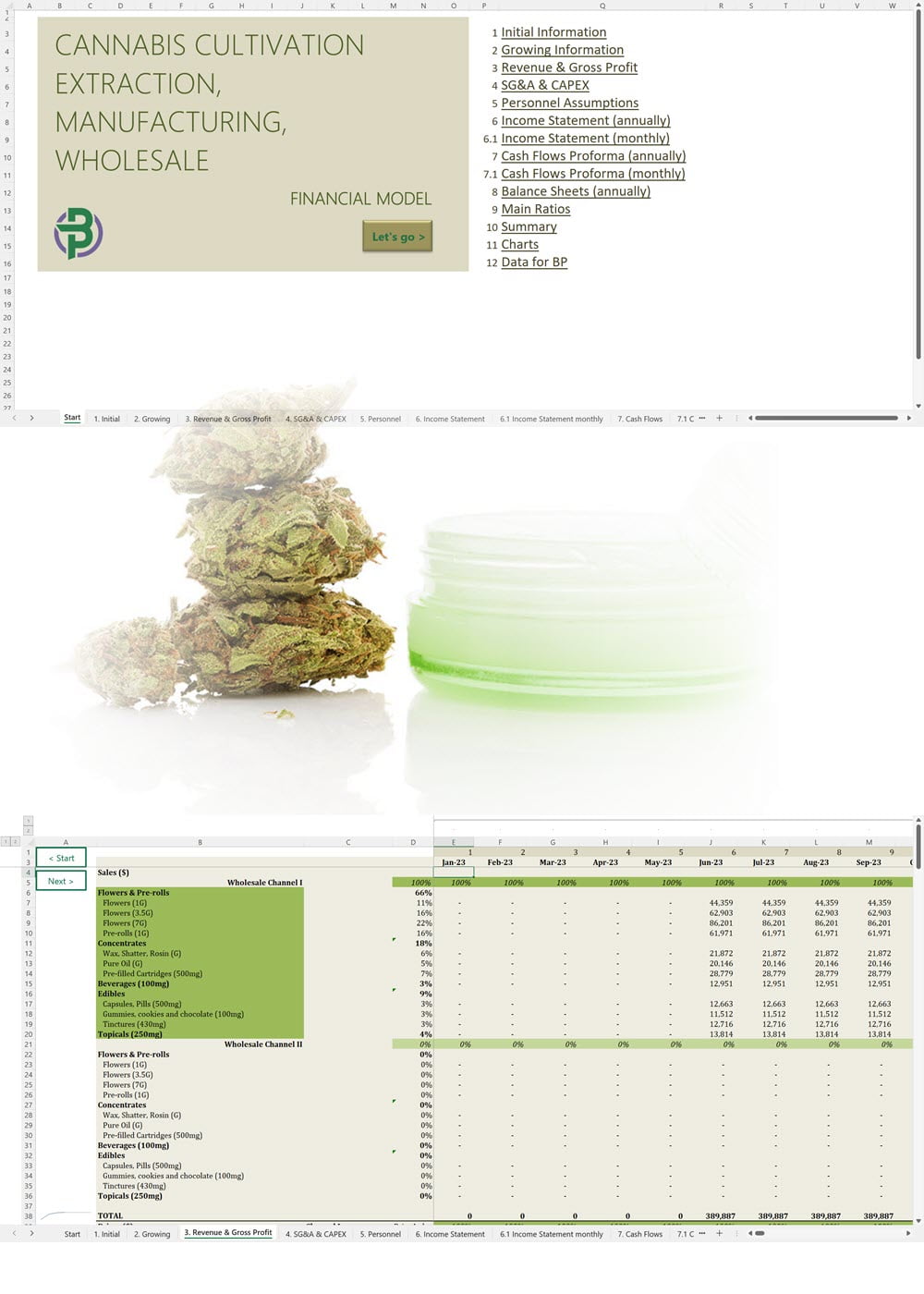
One-Page Cannabis Business Plan Template
Price range: $25.00 through $200.00