
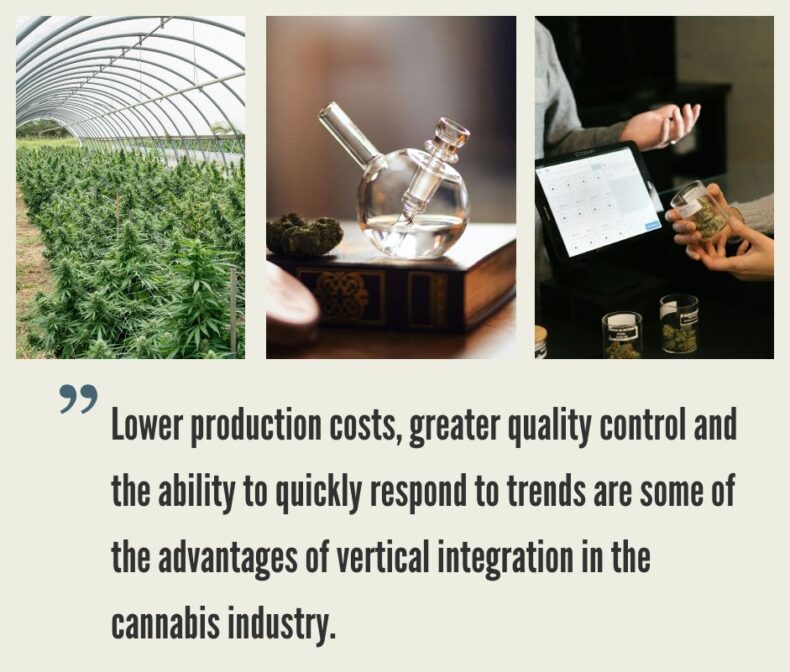
Vertical integration occurs when a company controls multiple consecutive stages of production within a single industry.
- Lower Production Costs
Vertical integration allows cannabis companies to streamline their operations by eliminating intermediary costs, such as purchasing raw materials from third-party cultivators or paying fees to distributors. By controlling multiple stages of the supply chain vertically integrated businesses can achieve higher profit margins while reducing dependency on external suppliers.
- Enhanced Quality Control
A vertically integrated cannabis company has greater oversight and control over the quality of its products at every stage of production. For example, a business that grows its own cannabis and processes it into finished goods can ensure consistent quality from cultivation to manufacturing. This level of control enables the implementation of rigorous quality assurance practices, resulting in premium products that meet or exceed consumer expectations.
- Agility in Responding to Trends
Vertically integrated businesses are better positioned to adapt to changing consumer preferences and capitalize on emerging trends. With direct access to customer feedback and control over the entire supply chain, these companies can quickly modify their product offerings to meet market demands. This responsiveness not only enhances customer satisfaction but also provides a competitive edge in an evolving industry.
- Lower Capital Requirements
Specialized businesses require significantly less capital compared to vertically integrated cannabis companies. By focusing on specific areas of expertise, such as cultivation, processing, or distribution, these companies avoid the substantial upfront costs of owning and operating facilities from seed to shelf. This allows them to allocate resources more efficiently and scale strategically.
- Streamlined Operations
Vertically integrated cannabis companies face high operational complexity due to the need to manage multiple stages of the supply chain, including cultivation, processing, manufacturing, and retail. Each stage demands specialized teams, advanced technologies, and compliance systems, from cultivation tools to automation software and data management platforms. In contrast, specialized companies benefit from simpler operations by focusing on a single area of expertise, reducing overhead, and minimizing the challenges of managing an end-to-end business.
- Multi-State Brand Building Without the Complexity of Vertical Integration
Specialized cannabis companies can build strong multi-state brands by leveraging contract manufacturing instead of pursuing full vertical integration. For instance, infused food and beverage producers can partner with contract manufacturers to distribute their products across state lines. This approach reduces the risks associated with investing heavily in every stage of the supply chain while still achieving geographic expansion.
In cannabis, a vertically integrated business operates across more than one tier of the supply chain – typically cultivation, manufacturing/processing, distribution/wholesale, and retail/dispensing. While some operators may also engage in research or product development, most state licensing models define vertical integration strictly within this core operational chain. Critically, testing laboratories remain excluded from vertical integration in nearly all jurisdictions to preserve analytical independence; California explicitly prohibits testing lab owners from holding any other license type, and Arizona maintains separate licensing categories for testing facilities. Vermont is a rare exception, permitting certain legacy medical operators (registered before April 2022) to include testing within an integrated license structure.
Pathways to vertical integration vary significantly by state and fall into four primary models:
- Explicitly permitted or mandated: States like Florida (mandated for medical), Oklahoma (permitted, though enforcement tightened in 2025-2026), Arizona (integrated adult-use licenses), and Michigan (any combination allowed) enable operators to control multiple tiers through separate or bundled licenses.
- Microbusiness/mezzobusiness licenses: New York, New Jersey, Minnesota, New Mexico, and California (Type 12) restrict vertical integration to small-scale operators via a single license bundling cultivation, processing, and retail – typically with canopy, plant count, or revenue caps. Minnesota uniquely extends this authority to mezzobusinesses and permits both license types to manufacture lower-potency hemp edibles alongside cannabis.
- Strict vertical separation: Washington prohibits producers/processors from holding retail interests; Kentucky limits operators to one license type; New York generally bars full integration for adult-use participants (except microbusinesses and legacy medical Registered Organizations paying ~$20 million for adult-use retail authority).
- Partial integration with quantitative caps: Missouri (max 3 cultivation, 5 dispensary, 3 manufacturing licenses per entity), Mississippi (1 cultivation, 1 processing, 5 dispensary), and Massachusetts (expanded in early 2026 to allow microbusinesses and craft cooperatives to pursue additional license types) permit limited cross-tier ownership within defined limits.
Regulators increasingly scrutinize affiliated-entity structures designed to achieve de facto integration in separation states. Strict financial interest disclosures – required during licensing and annual renewals in states like New Jersey – coupled with ownership caps, have narrowed opportunities to circumvent tiered restrictions. Ultimately, vertical integration feasibility remains entirely jurisdiction-dependent, requiring operators to navigate an evolving patchwork of mandates, permissions, prohibitions, and enforcement priorities.
Cannabis Vertical Integration in the US. Interactive Map
Alabama
In Alabama, “integrated facility” licenses can be obtained which allow the licensee to cultivate, process, transport and dispense medical cannabis. Hence, full vertical integration is possible. The license was created under the Alabama Compassion Act Bill which was signed into law on May 17, 2021.
The Alabama Medical Cannabis Commission is responsible for licensing.
Alaska
According to 3 AAC 306 regulations for Alaska’s cannabis industry, vertical integration is allowed for retail cannabis stores, cultivation facilities and product manufacturing facilities.
The Alcohol & Marijuana Control Office is responsible for licensing cannabis businesses in Alaska.
Arizona
There are only fully integrated cannabis licenses available in Arizona. Applicants can apply for a fully integrated adult use cannabis business license, medical use cannabis business license or a dual cannabis business license which allows the licensee to operate a medical cannabis establishment and a recreational cannabis establishment – both fully integrated. There is a separate cannabis testing facility license.
The Bureau of Marijuana Licensing, under the Arizona Department of Health Services, is responsible for licensing and regulating cannabis businesses.
Arkansas
No individual shall have interest in more than one (1) Arkansas cultivation facility and one (1) Arkansas dispensary. Therefore, vertical integration is allowed but limited in Arkansas.
The Medical Marijuana Commission is responsible for licensing cannabis businesses in Arkansas.
California
Limited vertical integration is allowed in California through the microbusiness license which allows a licensee to engage in cultivation, distribution and retail sale. Additionally, under the MAUCRSA regulations, individuals are allowed to apply for any combination of licenses, with the exception of testing laboratories and large-scale growers. Large-scale growers cannot own a distributor license or a microbusiness license.
The Department of Cannabis Control is responsible for licensing cannabis businesses in California.
Colorado
The state allows vertical integration but does not mandate it. In 2018 own-source (vertical) products requirement for medical marijuana centers was eliminated, and as of July 1, 2019, they may sell medical marijuana acquired from an optional cultivation licensee or a medical marijuana-infused products manufacturer licensee.
The Marijuana Enforcement Division, under the Colorado Department of Revenue, is responsible for licensing cannabis businesses in Colorado.
Connecticut
Vertical integration is allowed in Connecticut through acquiring different license types. However, licensees will not be issued additional licenses of the same type as the ones they already hold.
The Connecticut Department of Consumer Protection is responsible for licensing cannabis businesses.
Washington DC
The state allows a single entity to hold multiple medical cannabis license types, therefore permitting vertical integration.
The Alcoholic Beverage and Cannabis Administration is responsible for licensing medical cannabis businesses in Washington DC.
Delaware
The state allows vertical integration, however, applicants can submit only one application per license type.
The Office of Marijuana Commissioner is responsible for licensing cannabis businesses in Delaware.
Florida
The state requires vertical integration. Licensed medical marijuana treatment centers (MMTCs) are vertically integrated and are the only businesses in Florida authorized to dispense medical marijuana and low-THC cannabis to qualified patients and caregivers. Each MMTC must receive authorization at three stages (cultivation, processing and dispensing), prior to dispensing low-THC cannabis or medical marijuana.
The Office of Medical Marijuana Use is responsible for licensing cannabis businesses in Florida.
Georgia
Georgia has legalized only low-THC (no more than 5% THC) medical cannabis. A Class 1 or 2 production license allows to cultivate cannabis and manufacture low THC oil, allowing for limited vertical integration. A Class 1 or 2 production licensee cannot hold an ownership interest in another Class 1 or 2 production business. Only Class 1 or 2 production licensees can apply for a dispensing license which would permit full vertical integration.
The Georgia Access to Medical Cannabis Commission is responsible for licensing cannabis businesses.
Hawaii
The state requires vertical integration. Each Medical Cannabis Dispensary licensee is allowed to operate a maximum of 2 retails locations and 3 production centers for cultivation, manufacturing and packaging of medical cannabis products.
The Office of Medical Cannabis Control and Regulation, under the Department of Health, is responsible for licensing cannabis businesses in Hawaii.
Idaho
Idaho has not legalized cannabis yet.
Illinois
Illinois allows vertical integration as a single entity can apply for and hold multiple cannabis licenses. Its Cultivation Center license on its own permits limited vertical integration as it allows to cultivate, process and transport cannabis and cannabis-infused products to cannabis business establishments.
The Illinois Department of Financial and Professional Regulation is responsible for licensing of cannabis dispensing organizations while the Department of Agriculture is responsible for licensing cannabis cultivation centers, craft growers, infusers and transporters.
Indiana
Indiana has not legalized cannabis yet.
Iowa
Iowa has only legalized cannabidiol products for now. Its medical cannabidiol product manufacturers are capped at two and the state’s five dispensaries are controlled through direct ownership or operational agreements by these two manufacturers.
Kansas
Kansas has not legalized cannabis yet.
Kentucky
Kentucky’s medical program permits a single entity to hold one cultivation + one dispensary license – but prohibits holding multiple licenses of the same type. Full cross-tier integration (e.g., cultivation + processing + retail) remains restricted.
The Kentucky Cabinet for Health and Family Services is responsible for licensing cannabis businesses.
Louisiana
Limited vertical integration is mandatory in Louisiana as its licensed cannabis production facilities are authorized to both grow and manufacture medical cannabis. However, full vertical integration is not possible.
The Louisiana Department of Agriculture and Forestry is responsible for licensing cannabis production facilities while the Office of Alcohol and Tobacco Control is responsible for licensing cannabis retailers.
Maine
In Maine, it is possible to apply for and possess multiple recreational cannabis license types which allows full vertical integration by acquiring cultivation facility, products manufacturing facility and cannabis store licenses.
In the case of medical cannabis, full vertical integration is also allowed as registered caregivers and dispensary licensees can cultivate, process and sell cannabis. Registered caregivers and dispensary licensees who wish to manufacture medical cannabis products such as edibles, tinctures and topicals, can apply for and receive a manufacturing facility registration. However, an applicant who is a registered caregiver or has interest in a different cannabis establishment, cannot apply for the testing facility and sample collector licenses.
The Office of Cannabis Policy is responsible for licensing cannabis businesses in Maine.
Maryland
The state allows vertical integration but does not mandate it. Parties or entities who wish to operate a growing and processing facility, as well as a dispensary, must submit separate license applications for each facility. The Administration may award separate licenses for each operation.
The Maryland Cannabis Administration is responsible for licensing cannabis businesses.
Massachusetts
In October 2024, new regulations were approved which introduced several changes including allowing microbusiness permit holders and craft cooperatives to apply for other license types such as manufacturing, retail, cultivation and transport.
The Cannabis Control Commission is responsible for licensing cannabis businesses in Massachusetts.
Michigan
A single entity can hold any combination of licenses, establishing a fully vertically integrated business.
The Cannabis Regulatory Agency is responsible for licensing cannabis businesses in Michigan.
Minnesota
Vertical integration is prohibited except for microbusinesses and mezzobusinesses, and both license types can also manufacture and sell lower-potency hemp edibles in addition to cannabis.
The Office of Cannabis Management is responsible for licensing cannabis businesses in Minnesota.
Mississippi
A single entity can hold multiple license types, allowing it to control the supply chain from seed to sale. However, a single entity cannot have a direct or indirect ownership or economic interest greater than 10% in more than one cannabis cultivation entity license; more than one cannabis processing entity license; or more than five cannabis dispensary licenses.
The Mississippi Department of Health is responsible for the licensing of medical cannabis cultivation facilities, processing facilities, testing facilities, waste disposal entities and transportation entities. The Mississippi Department of Revenue is responsible for the licensing of medical cannabis dispensaries.
Missouri
It is possible to hold multiple license types, allowing full control over the entire supply chain from seed to sale. However, a single entity cannot hold more than three cultivation licenses, more than five dispensary licenses and no more than three cannabis-infused manufacturing licenses.
The Department of Health and Senior Services is responsible for licensing cannabis businesses in Missouri.
Montana
It is possible to apply for and possess any combination of cannabis licenses in Montana, therefore permitting vertical integration.
The Cannabis Control Division, under the Montana Department of Revenue, is responsible for licensing cannabis businesses.
Nebraska
There are no final regulations yet for its medical cannabis market.
Nevada
The state allows vertical integration but does not mandate it. Over 30% of all unique businesses in Nevada are licensed to sell, grow, and manufacture.
The Cannabis Compliance Board is responsible for licensing cannabis businesses in Nevada.
New Hampshire
New Hampshire effectively mandates vertical integration as its Alternative Treatment Centers are nonprofit entities allowed to cultivate, process and dispense medical cannabis to qualifying patients.
The New Hampshire Department of Health & Human Services is responsible for licensing Alternative Treatment Centers.
New Jersey
The state allows vertical integration but does not mandate it. Vertical integration allows operators to hold any combination of a cultivator license, a manufacturer license, a retailer license, and a delivery service license simultaneously or hold a wholesale and a distributor license simultaneously. All recreational license holders can have only one business in each class.
The New Jersey Cannabis Regulatory Commission is responsible for licensing cannabis businesses.
New Mexico
New Mexico has two license types for establishing a vertically integrated cannabis business. The Vertically Integrated Cannabis Establishment (VICE) license allows to operate as a cannabis courier, a cannabis manufacturer, a cannabis producer or a cannabis retailer simultaneously. VICE licensees can have multiple sublicenses of each type under the mother VICE license.
The Integrated Cannabis Microbusiness (MICB) license allows to cultivate, manufacture, sell and transport cannabis and cannabis products as well as operate as a courier and deliver the cannabis products to qualified patients, primary caregivers or reciprocal participants, or directly to consumers. However, the licensee is allowed to have only one sublicense of each type under the mother MICB license and may possess no more than 200 mature cannabis plants at any one time.
The Cannabis Control Division is responsible for licensing cannabis businesses in New Mexico.
New York
The state prohibits full vertical integration except for microbusiness. Legacy medical Registered Organizations (ROs) may obtain adult-use retail licenses (subject to ~$20M fee and social equity commitments), creating a de facto integrated pathway for a limited cohort beyond microbusinesses.
The Office of Cannabis Management is responsible for licensing cannabis businesses in New York.
North Carolina
The state has not legalized cannabis yet.
North Dakota
Vertical integration is permitted in North Dakota. Limited vertical integration is mandated as its manufacturing facility license authorizes the cultivation, processing and sale of medical cannabis to licensed dispensaries.
The North Dakota Department of Health and Human Services is responsible for licensing cannabis businesses.
Ohio
It is possible for a single entity to hold more than one license type. However, there are limitations: no person shall be issued more than 8 adult use dispensary licenses, more than one adult use cultivator license or more than one adult use processor license unless permitted by the Division of Cannabis Control. Also, no person is allowed to have ownership in more than one Level III cultivator license and no cultivator processor may have ownership or control in a Level III cultivator license.
The Division of Cannabis Control is responsible for licensing cannabis businesses in Ohio.
Oklahoma
In Oklahoma, a single entity can hold any combination of cannabis licenses, allowing vertical integration.
While vertical integration remains legally permitted, OMMA enforcement tightened significantly in 2025–2026 (business license moratorium, mandatory pre‑packaging by processors), effectively constraining operational flexibility despite permissive licensing structure.
The Oklahoma Medical Marijuana Authority is responsible for licensing cannabis businesses.
Oregon
The state allows vertical integration but does not mandate it. A fully integrated Oregon cannabis business would control all aspects of the process from seed to sale.
The Oregon Liquor and Cannabis Commission is responsible for licensing cannabis businesses.
Pennsylvania
Limited vertical integration is mandated as the cannabis grower/processor license allows to both cultivate and process cannabis. Vertical integration is also possible as an independent grower/processor may apply for one dispensary permit and an independent dispensary may apply for one grower/processor permit. Three dispensaries are allowed to be opened under one Dispensary Permit, and they must be located in the same Medical Marijuana Region, but in three different counties.
The Pennsylvania Department of Health is responsible for licensing cannabis businesses.
Puerto Rico
Puerto Rico permits a single entity to hold multiple license types, therefore allowing vertical integration.
The Medical Cannabis Office, under the Puerto Rico Department of Health, is responsible for licensing cannabis businesses.
Rhode Island
The state allows a single entity to hold any combination of adult use cannabis license types, allowing vertical integration, while in the medical cannabis market, not-for-profit organizations called Compassion Centers are effectively mandated to operate as vertically integrated businesses as they are authorized to cultivate, manufacture and dispense cannabis to registered qualifying patients and their registered primary caregivers.
The Rhode Island Cannabis Control Commission is responsible for licensing cannabis businesses.
South Carolina
The state has not legalized cannabis yet.
South Dakota
A single entity can hold any combination of cannabis licenses, allowing vertical integration.
The South Dakota Department of Health is responsible for licensing cannabis businesses.
Tennessee
The state has not legalized cannabis yet.
Texas
Texas mandates vertical integration with the Cannabis Dispensing Organization being the only available license type in the state. It authorizes the cultivation, processing and dispending of low-THC cannabis to qualified patients via registered physicians. All cultivation, processing and dispensing must be performed at a single location.
The Department of Public Safety is responsible for licensing Cannabis Dispensing Organizations in Texas.
Utah
The state allows vertical integration but does not mandate it.
The Utah Department of Agriculture and Food is responsible for licensing medical cannabis production and distribution businesses. The Utah Department of Health & Human Services is responsible for licensing medical cannabis pharmacies.
Vermont
In Vermont, there are two pathways to establishing a vertically integrated business. An applicant and its affiliates who possessed a medical cannabis program dispensary registration on April 1, 2022, can obtain an Integrated License which authorizes the cultivation, manufacturing, wholesale, testing and retail.
Alternatively, any licensee can hold more than one license type which is referred to as “stacking” or “vertically integrating” licenses. Yet, they can only hold one of each license type.
The Cannabis Control Board is responsible for licensing cannabis businesses in Vermont.
U.S. Virgin Islands
A holder of a Cannabis Dispensary License may also receive a Cannabis Cultivation License, but not other license types.
The Virgin Islands Cannabis Advisory Board is responsible for licensing cannabis businesses.
Virginia
The state requires vertical integration. Licensed Pharmaceutical Processors are vertically integrated and are the only businesses in Virginia authorized to cultivate, produce and dispense cannabis and cannabis products.
The Virginia Cannabis Control Authority is responsible for licensing cannabis businesses.
Washington
Washington prohibits full vertical integration. As stated in RCW 69.50.328, “cannabis producers, processors – No direct or indirect financial interest in licensed cannabis retailers”.
The Washington State Liquor and Cannabis Board is responsible for licensing cannabis businesses.
West Virginia
One person cannot receive more than one individual grower or processor permit and a grower or a processor may not also operate as a dispensary, effectively prohibiting any form of vertical integration.
The Bureau for Public Health is responsible for licensing cannabis businesses in West Virginia.
Wisconsin
The state has not legalized cannabis yet.
Wyoming
The state has not legalized cannabis yet.
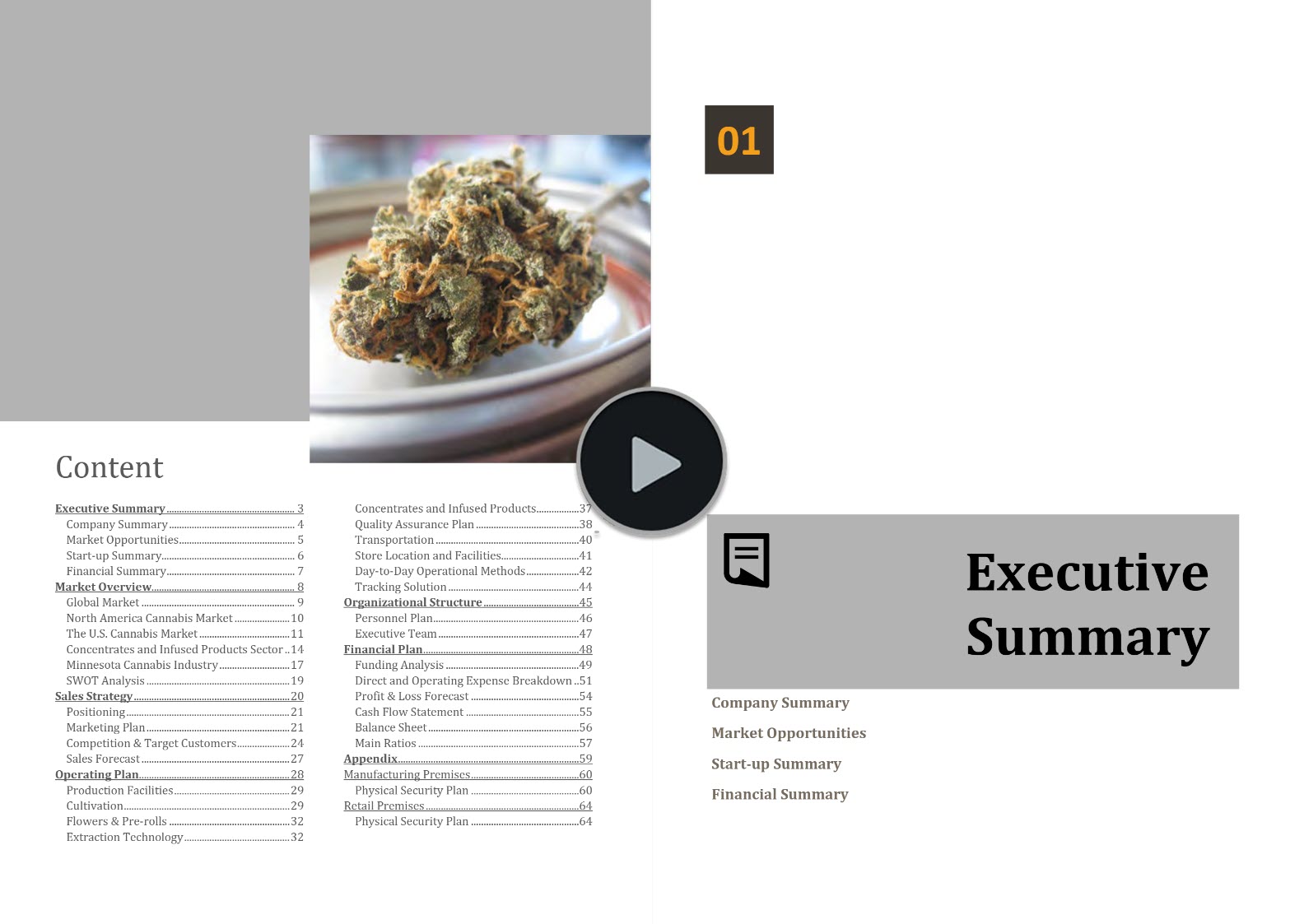
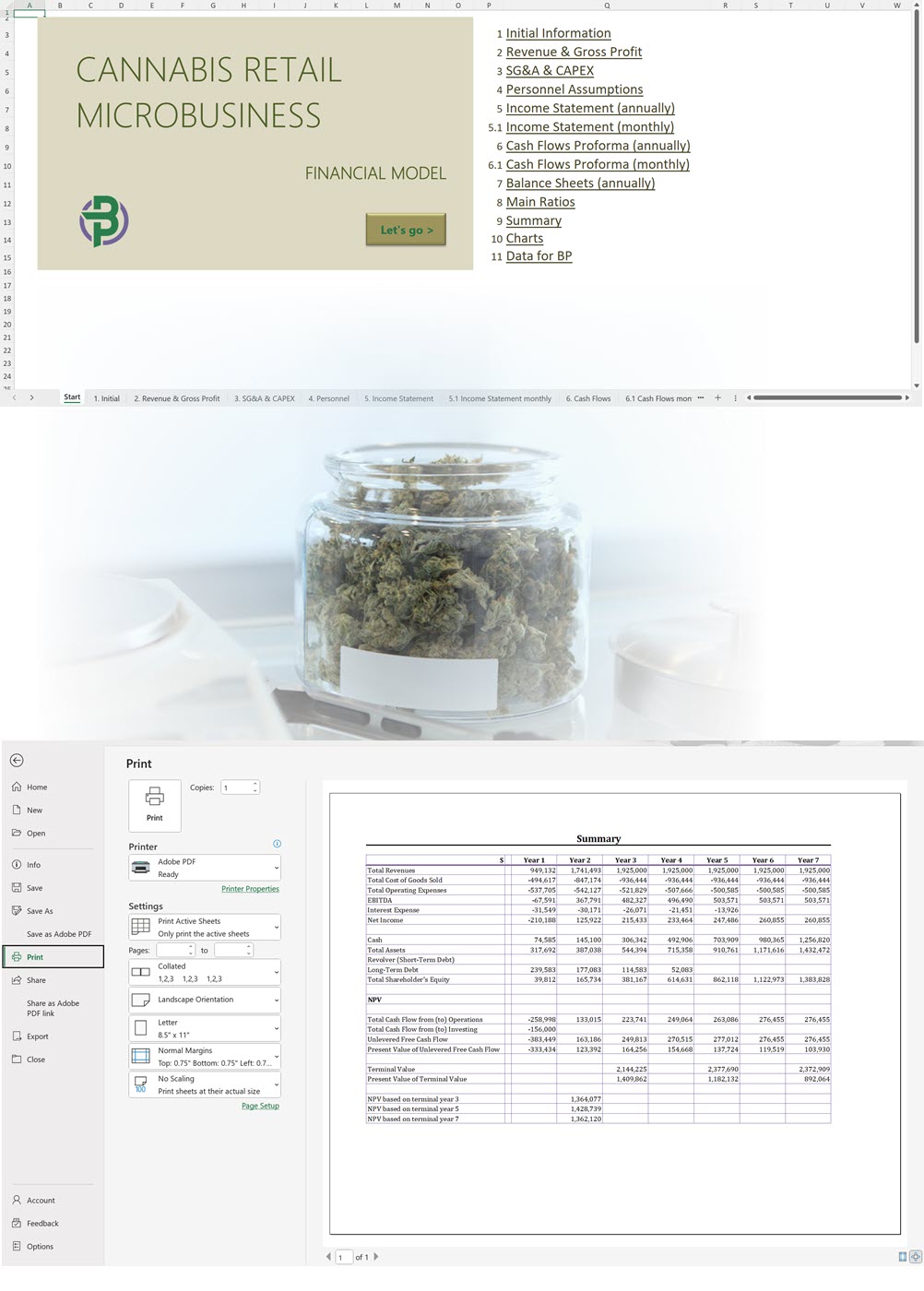
Vertically Integrated Cannabis Business Plan Sample
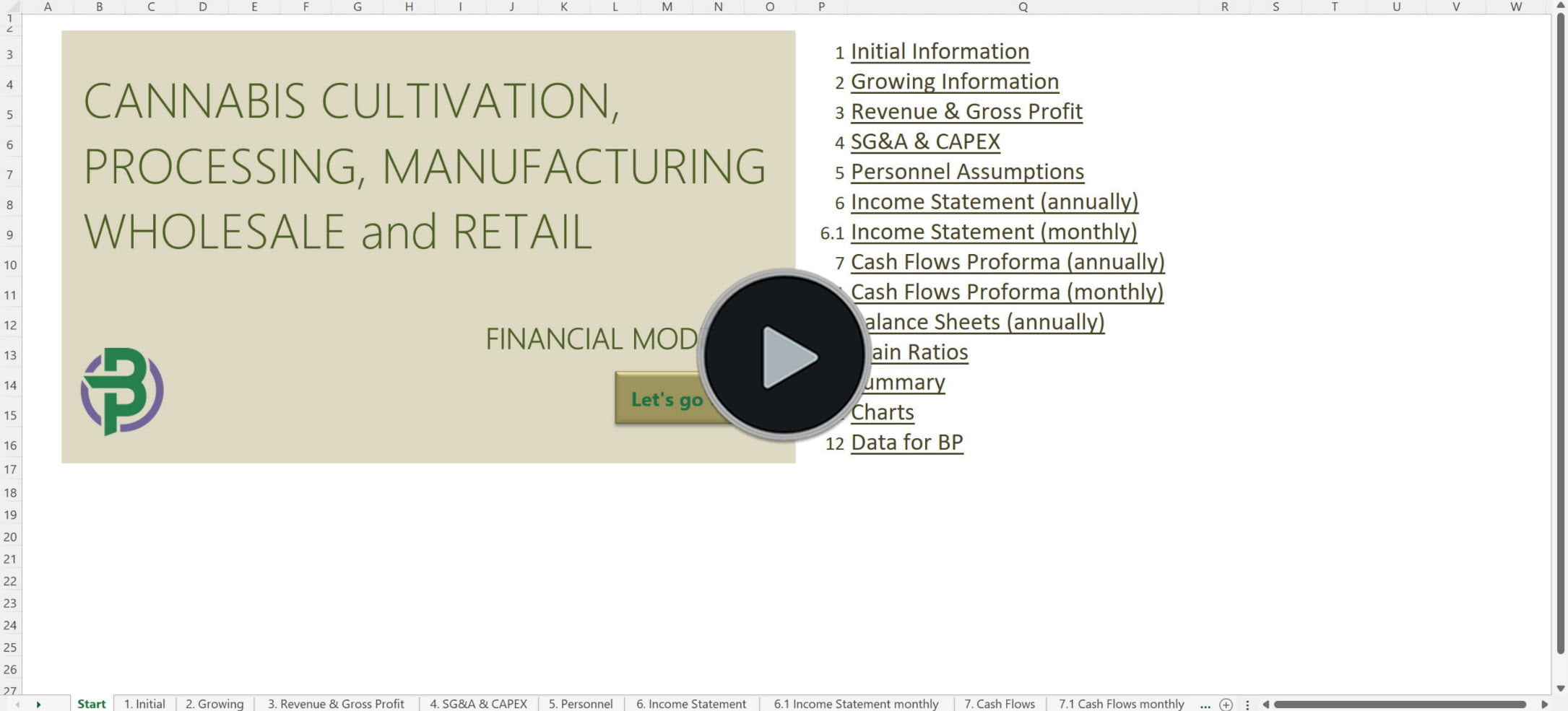
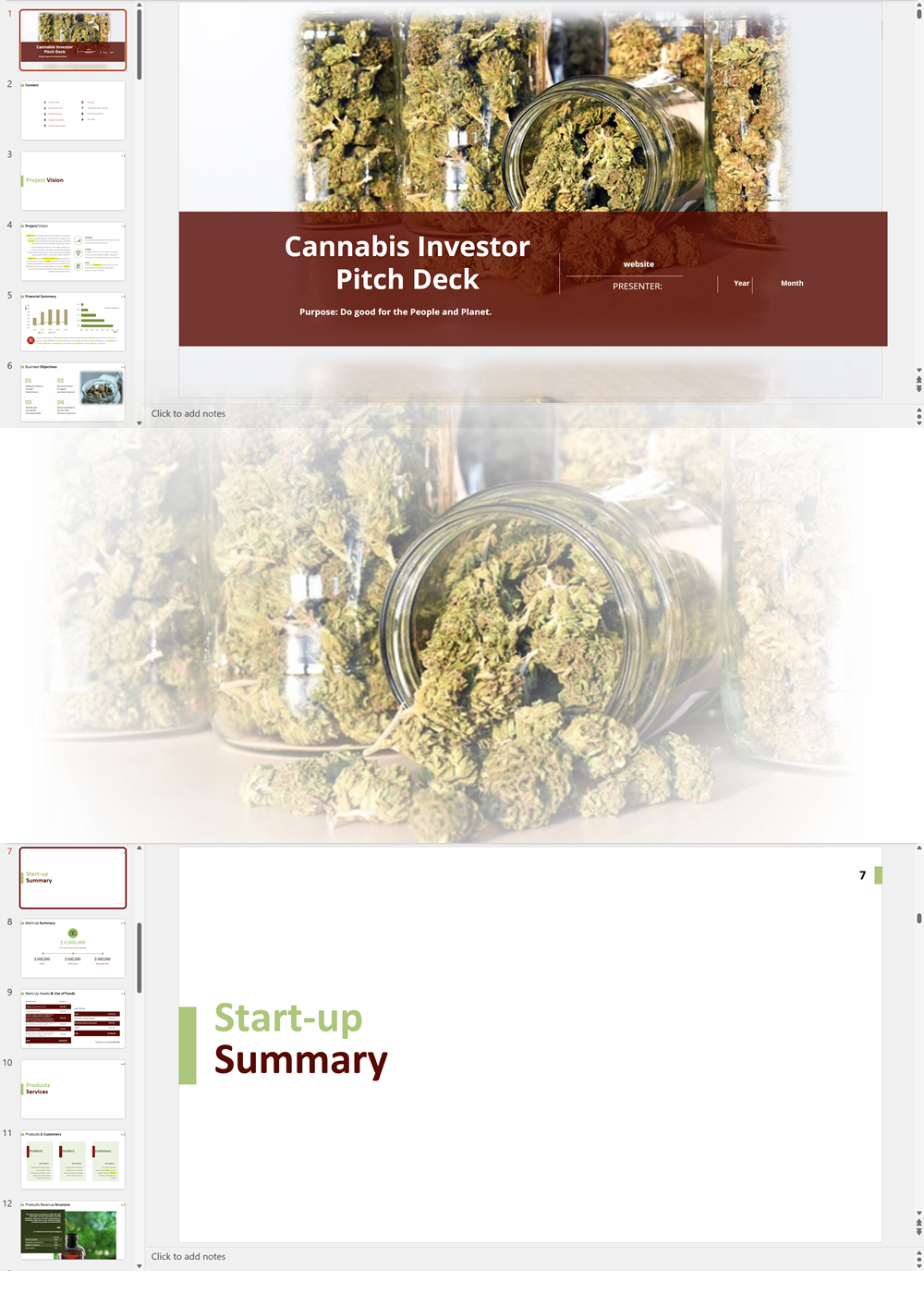
Vertically Integrated Cannabis Pitch Deck Sample (Microbusiness)

'70% ready to go' business plan templates
We offer many other vertically integrated business plan templates in our online store. Simply select the types of operations in our search tool, such as cultivation, extraction and retail, or any other combination, or contact us with your requirements and we will recommend the most suitable template for you.
Should you have any questions, please do not hesitate to contact us.
Hemp/CBD Vertically Integrated Business Plan Templates are available at hempcbdbusinessplans.com.
Our Templates

CBD Store and/or Cafe Lounge Business Plan Template
Price range: $75.00 through $275.00


Cannabis Extraction / Concentrates Business Plan Template
Price range: $75.00 through $350.00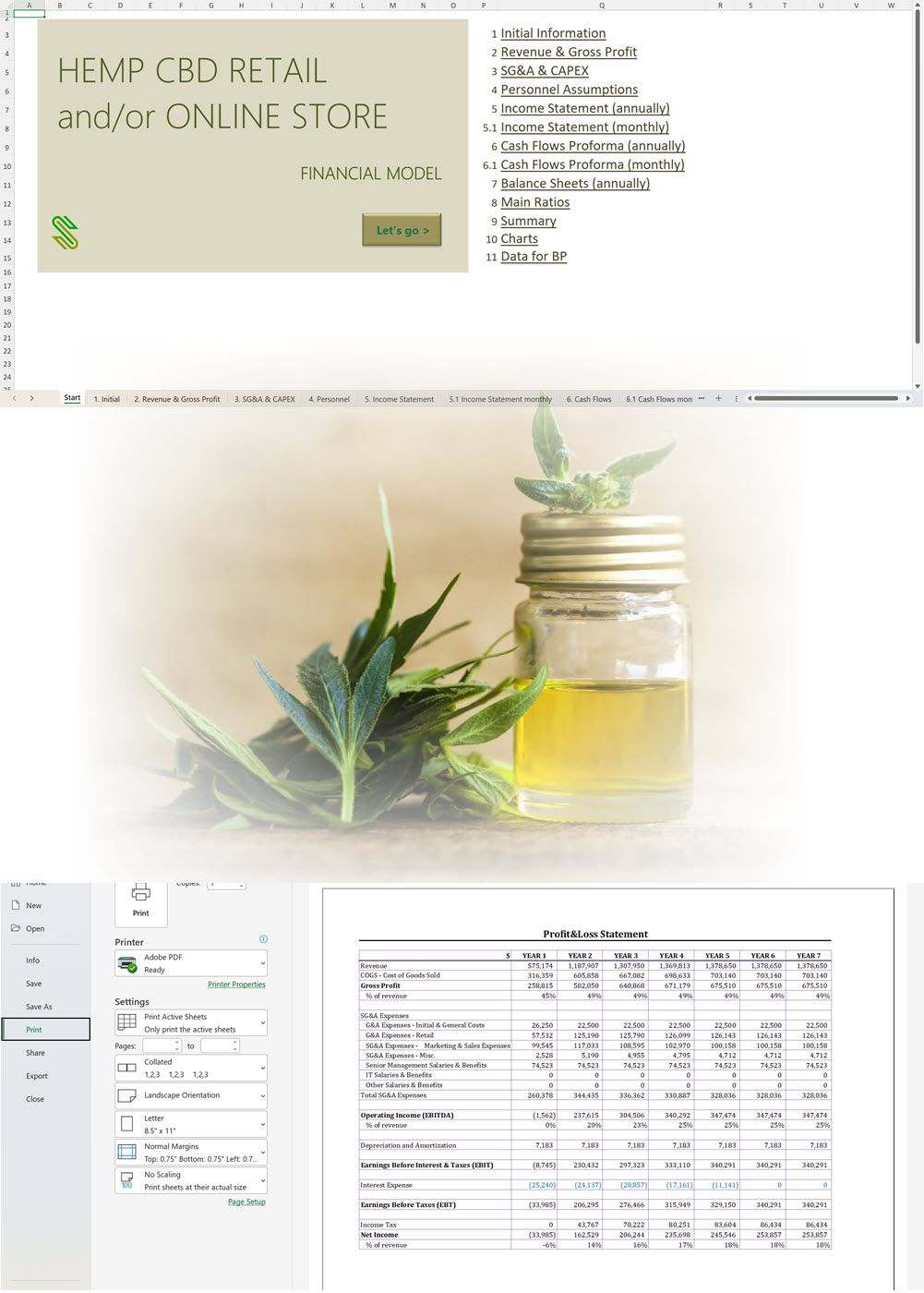

Cannabis Processing/ Flowers/ Pre-rolls/ Extraction/ Manufacturing Business Plan Template
Price range: $75.00 through $350.00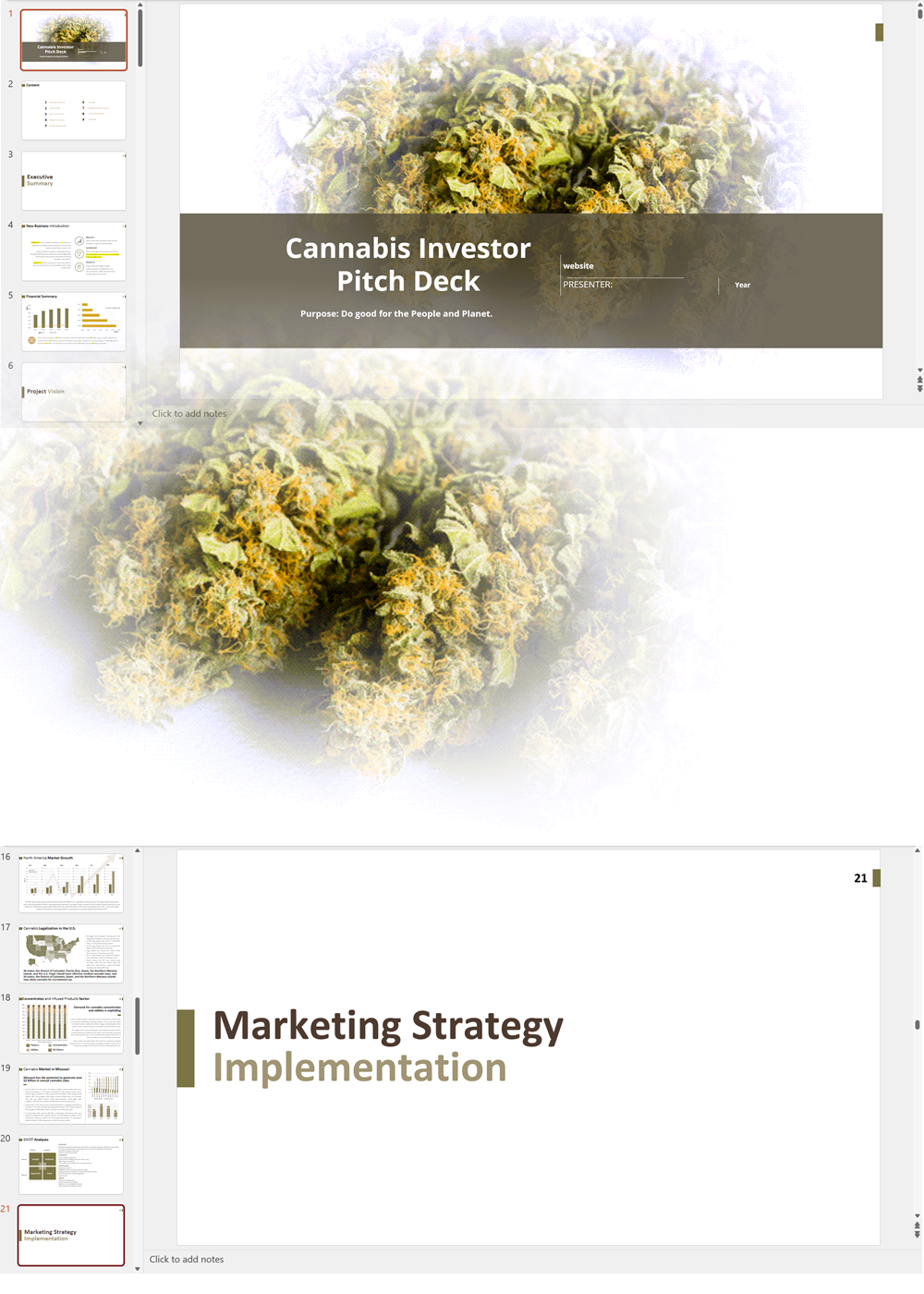

Cannabis Transportation Business Plan Template
Price range: $75.00 through $275.00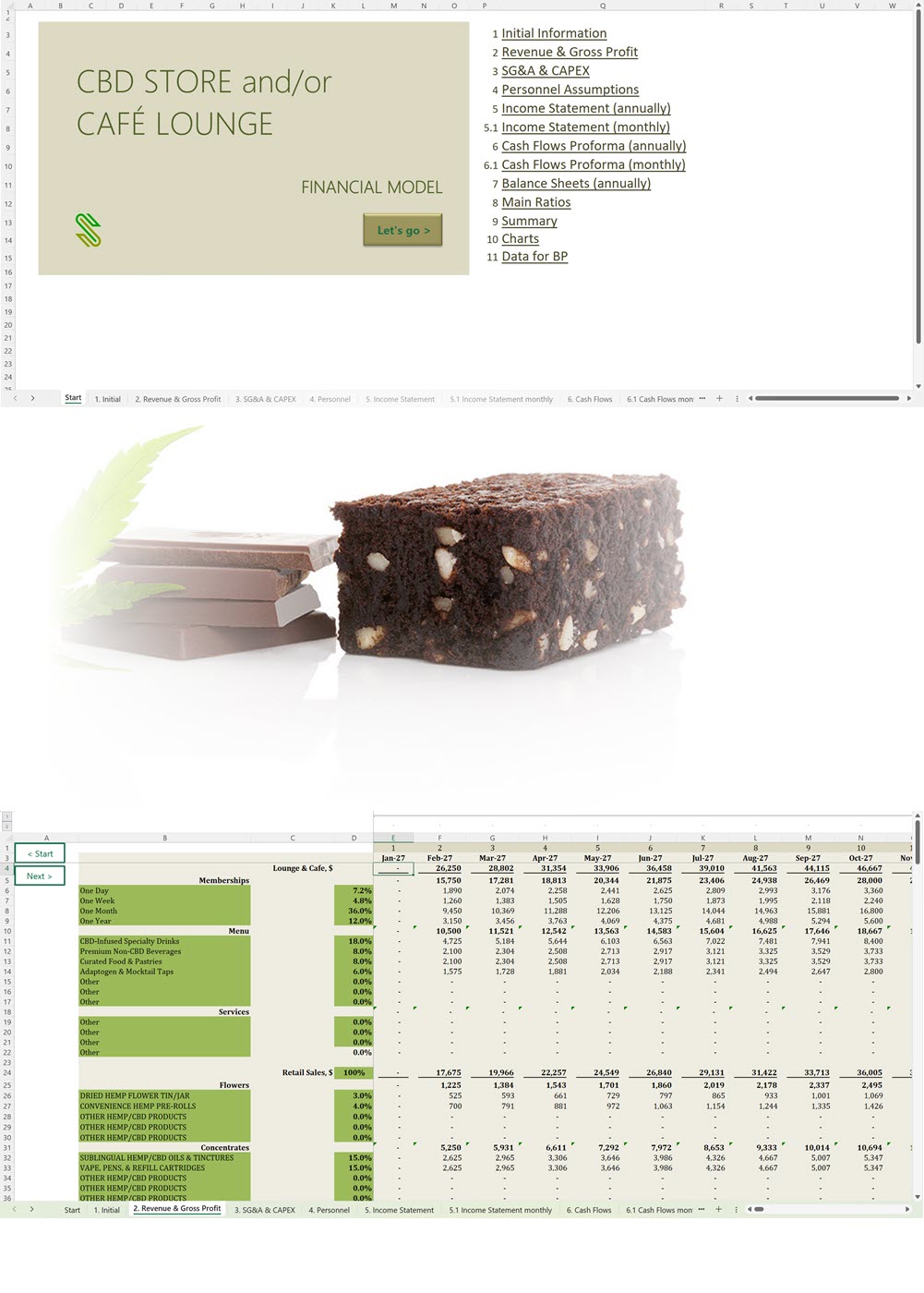

CBD Products Retail/Online Store Business Plan Template
Price range: $75.00 through $275.00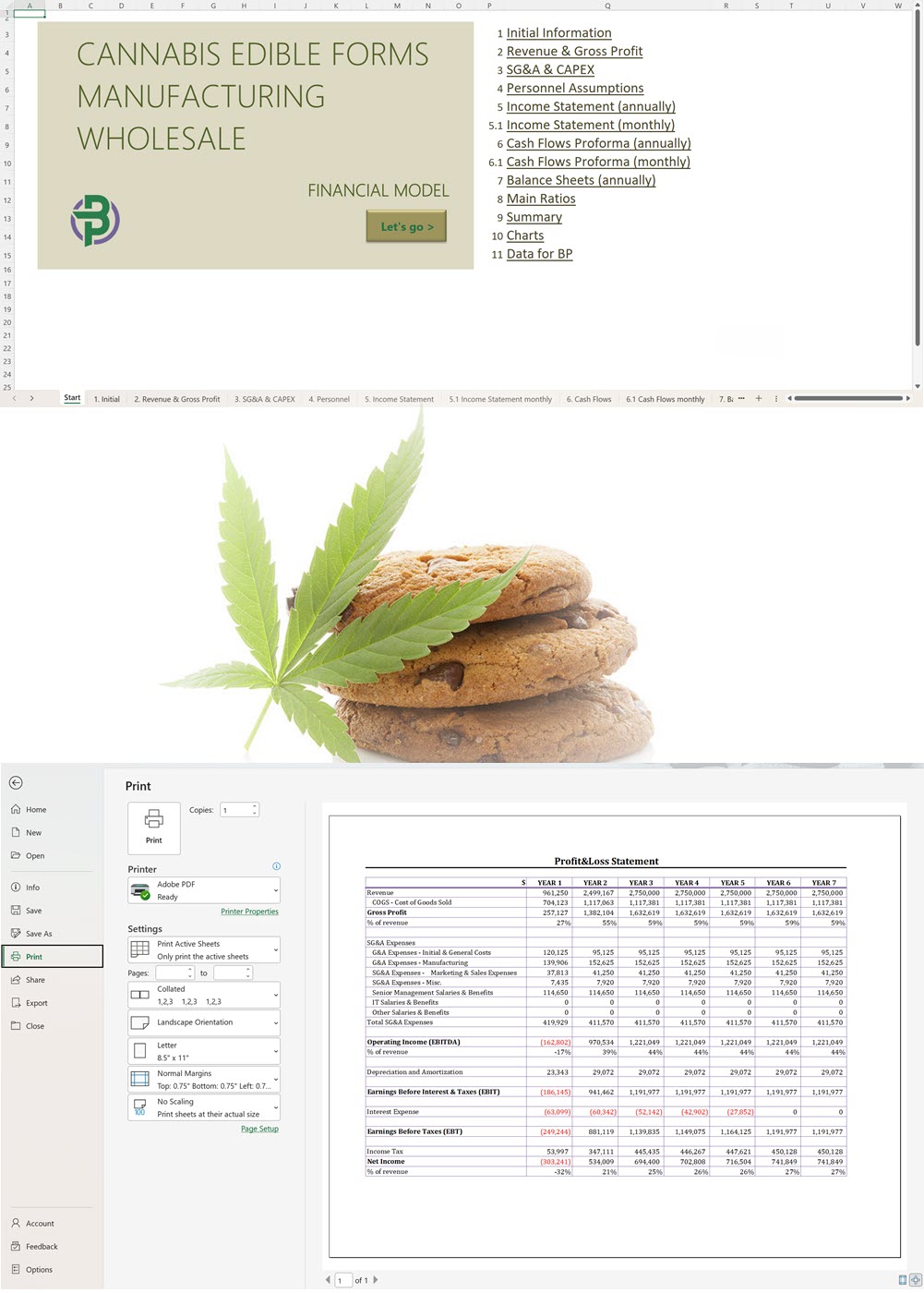
Cannabis Edibles Financial Model
$150.00

Cannabis Lounge + Retail Business Plan Template
Price range: $75.00 through $350.00

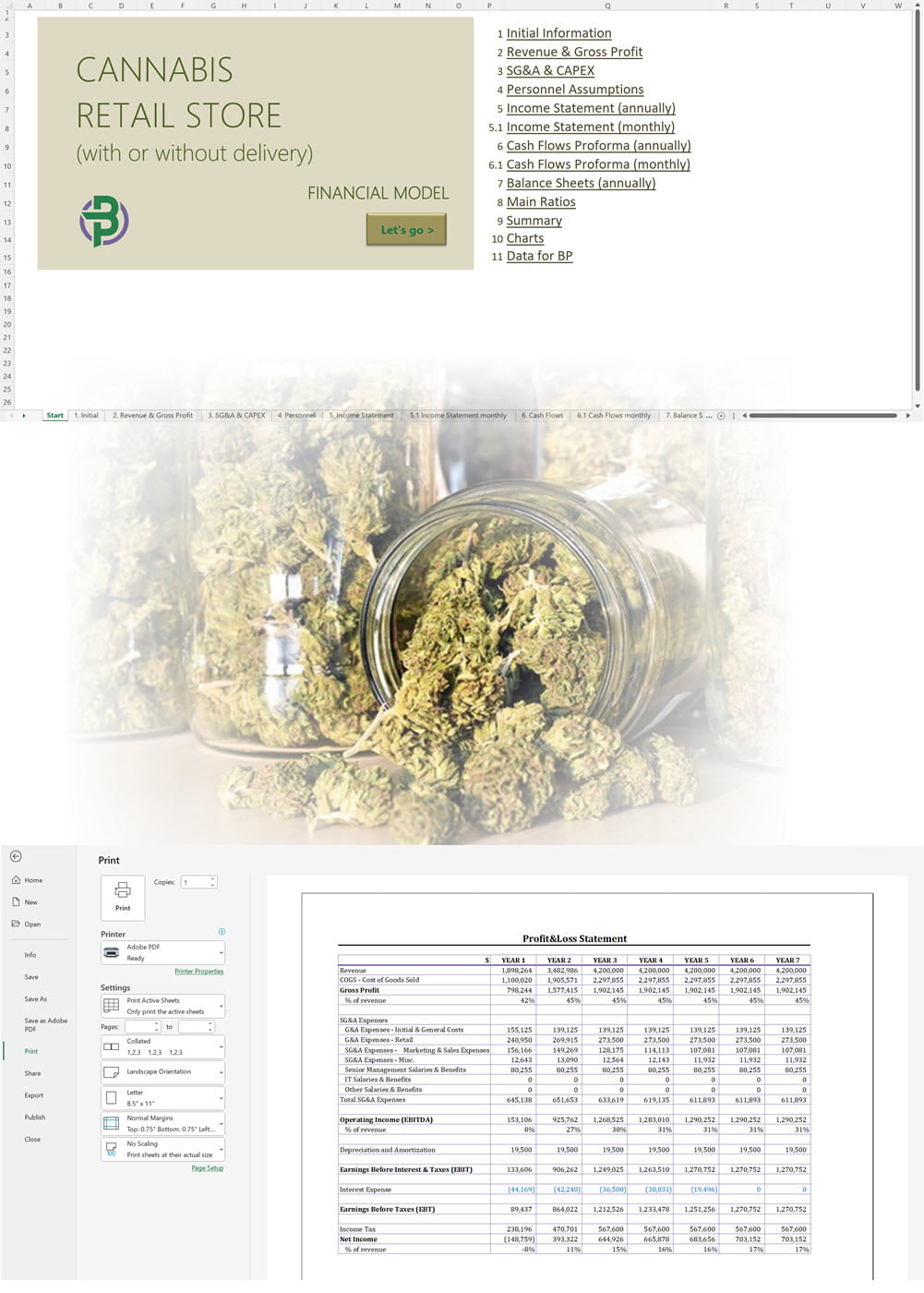
Cannabis Retail Business Plan Template (with or without Delivery)
Price range: $75.00 through $350.00
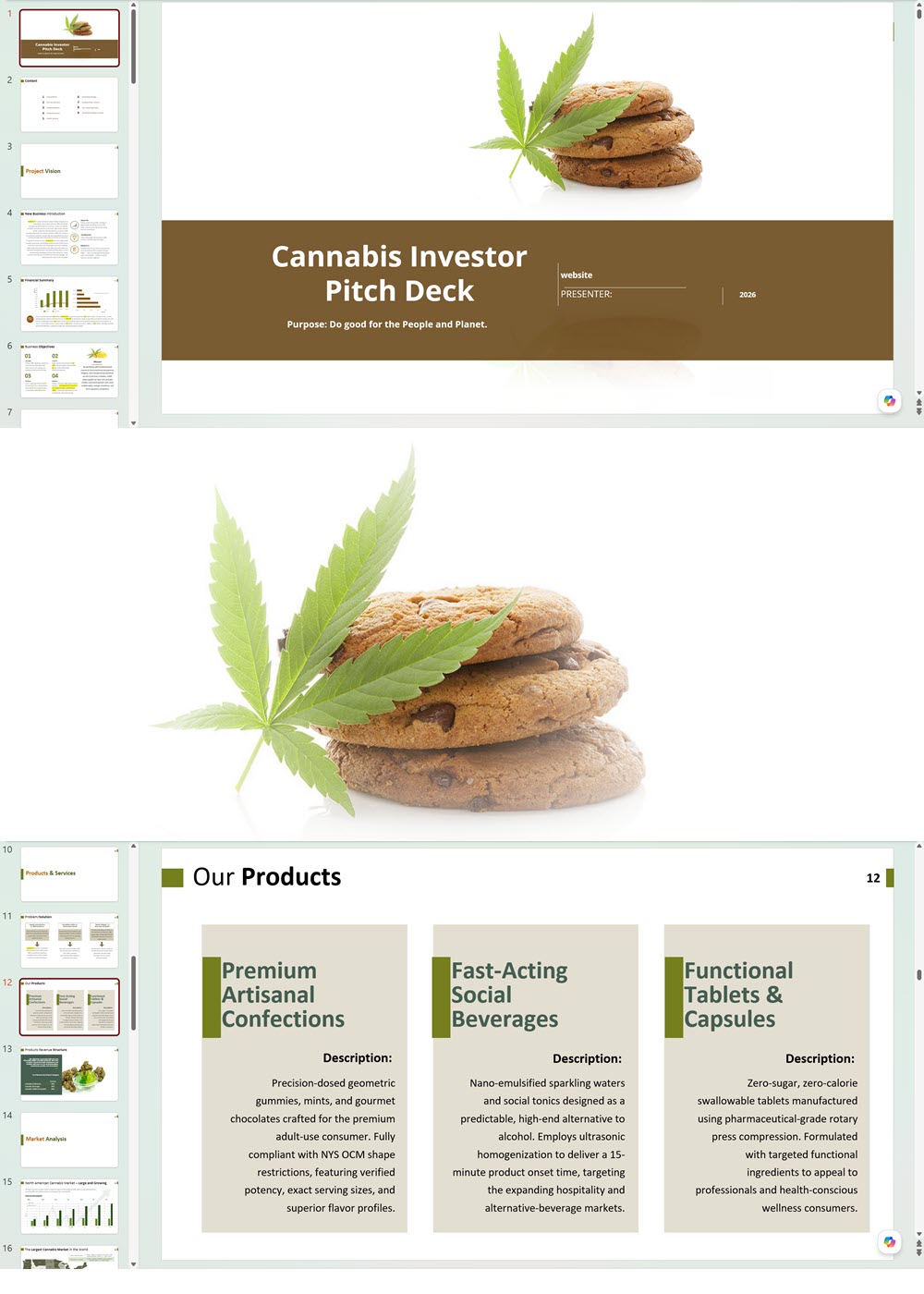
Cannabis Edibles Business Plan Template
Price range: $75.00 through $350.00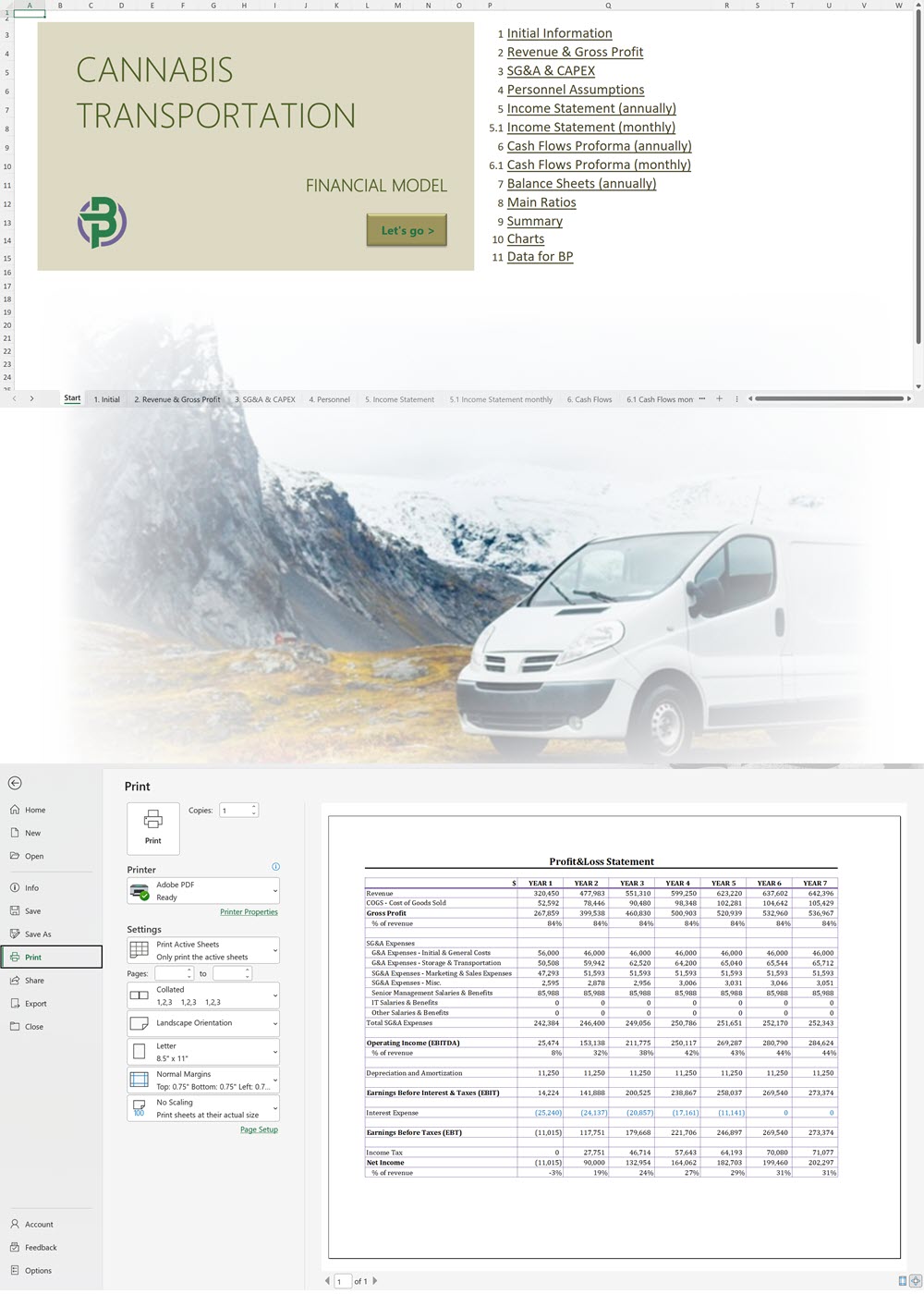

Cannabis Retail Microbusiness Business Plan Template
Price range: $75.00 through $275.00
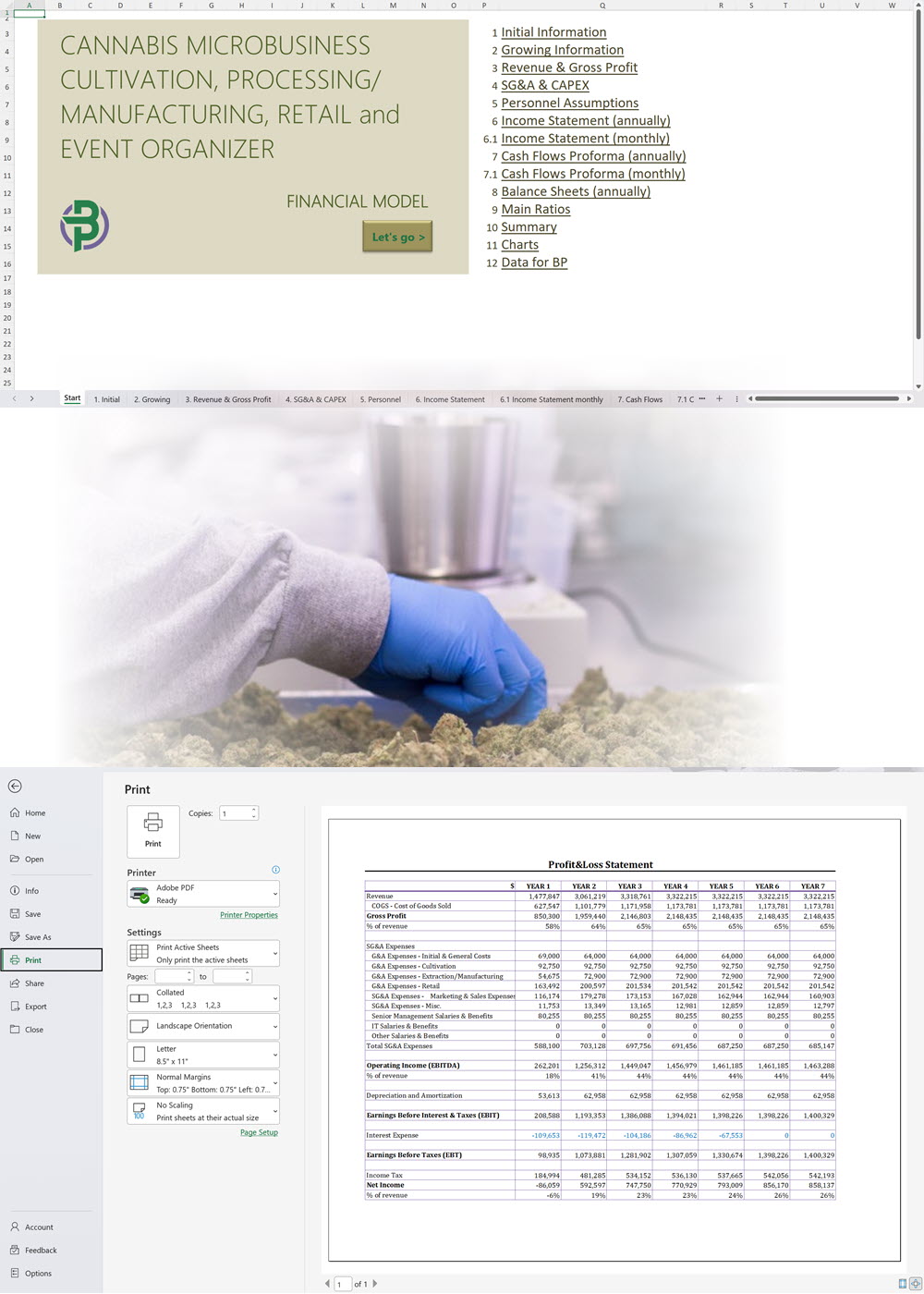
Cannabis Cultivation, Extraction, Manufacturing, Distribution, Retail and Microbusiness Business Plan Template
Price range: $75.00 through $500.00



Cannabis Micro Cultivation Business Plan Template
Price range: $75.00 through $300.00