| Population (m) | 5.38 |
| GDP (US$ b) | 280.55 |
| Agricultural land, share of total land | 37% |
| Food and fiber, share of exports | 57% |
| Agricultural emissions, share of total | 50% |
Export growth in the food and fiber sector has outpaced non-primary industries for seven of the past 10 years, with revenues reaching a record high of $57.4 billion in the year to 30 June 2023 (15% of gross domestic product (GDP) New Zealand), accounting for 81.9% of New Zealand’s merchandise exports. However, this economic strength comes with environmental responsibility: according to New Zealand’s First Emissions Reduction Plan, agricultural emissions account for 50% of New Zealand’s gross emissions. Lowering agricultural emissions is essential not only for climate action but also for safeguarding New Zealand’s reputation as a trusted global supplier of low-emission, high-quality products.
Within this context, industrial hemp emerges as a compelling opportunity. Valued for its breathability and environmental sustainability, hemp fiber offers a durable, mold-resistant alternative to conventional materials. The crop requires moderate water inputs, grows rapidly, and is reported to sequester upt o four times more carbon per hectare than pine wood. As New Zealand advances its Fit for a Better World – Accelerating our Economic Potential roadmap, hemp stands out as a strategic crop that aligns economic potential with ecological stewardship.
Hemp Regulations
Initially, an industrial hemp licence was required to cultivate, harvest and/or process industrial hemp under the Misuse of Drugs (Industrial Hemp) Regulations 2006. The Industrial Hemp Regulations set the allowable limits of THC (given as a % of the dry weight of the plant) of generally below 0.35% and not more than 0.50% in hemp plants. If the crop tested higher than the 0.5% THC regulatory limit it had to be destroyed.
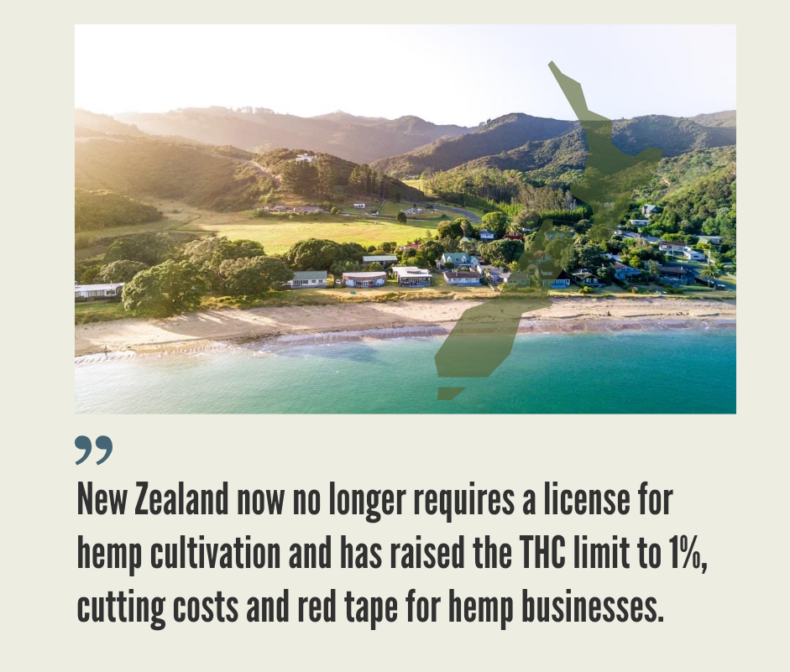
However, on December 11, 2025, Regulation Minister David Seymour announced a reform of the industrial hemp regulations. The major changes are:
- A license will no longer be required to grow or handle industrial hemp.
- Industrial hemp can contain up to 1% THC.
- Hemp biomass, including flowers and leaves, can be supplied to licensed medical cannabis producers under certain conditions.
- Cultivators must notify Police and the Ministry for Primary Industries of their plans to grow hemp.
- Hemp use remains restricted to fibre, seed, and oil, with additional permissions for medical cannabis supply.
- Existing food safety and medical cannabis requirements will continue to apply.
This package of changes has been approved by the Cabinet. The Ministry of Health will draft a new regulatory framework with the Parliamentary Council Office to implement these changes.
It is expected that these changes will significantly reduce costs for New Zealand’s hemp businesses and “cut red tape”, making it easier to enter the industry and begin hemp cultivation. These reforms are estimated to generate a net present value benefit of $41 million over the next 20 years.
Hemp Seeds
On 28 April 2017, changes were made to the Australia New Zealand Food Standards Code to permit the sale of food products derived from hemp seed that do not contain cannabinoids apart from trace levels. These amendments came into effect on 12 November 2018. With the changes to the Food Standard certain hemp seed products are now permitted for human consumption and may be imported without import permission from Medicines Control provided that:
- The seeds are from a Cannabis sativa plant where the leaves and flowering heads contain no more than 1% delta-9 THC (Low THC Cannabis sativa).
- Seeds for retail sale and seeds in food for retail sale are hulled and unable to grow.
- Whole seeds are used as an ingredients, but cannot remain in a food product.
- Cannabinoids are only present naturally in or on the seeds.
- The total cannabidiol content is 75 mg/kg or less.
- The total tetrahydrocannabinol content is 5 mg/kg or less.
- The following hemp seed products, sold as food or used as an ingredient in a food for sale, meets the following limits for total THC:
- Oil extracted from seeds of low THC Cannabis sativa – no more than 10 mg/kg
- A beverage made from seeds of low THC Cannabis sativa – no more than 0.2 mg/kg
- Any other product that is extracted or made from seeds of low THC Cannabis Sativa – no more than 5 mg/kg
More details can be found in the official Guide to Hemp Seeds as Food published by the Ministry for Primary Industries.
The regulatory changes unlocked significant opportunities for the production of food products using hemp seed – placing it on par with other nutrient-rich seeds. At the time of the policy shift, industry estimates projected that this development could generate between $10 million and $20 million in export revenue within three to five years. This potential sits within a much larger context: the global hemp seed food market is valued at approximately $1 billion, offering substantial room for New Zealand producers to establish a foothold and scale competitively.
CBD Products
In October 2023, the New Zealand Medicines and Medical Devices Safety Authority (Medsafe) reclassified low-dose CBD medicines from prescription-only to restricted (pharmacist-only) medicines.
Restricted (Pharmacist-only): when supplied, in medicines with dosing instructions for 150 milligrams or less per day and containing not more than 4.5 grams, when sold in the manufacturer’s original pack that has received consent from the Minister or Director-General, for adults aged 18 years and over, by a registered pharmacist.
“The reclassification will allow supply of approved low-dose CBD medicines, by registered pharmacists, without prescription for patients aged 18 years and older under certain conditions,” Medsafe said. CBD products that do not meet the criteria quoted above, remain prescription-only medicines.
Under Section 2A of the Misuse of Drugs Act 1975, to be considered a ‘CBD product’the tetrahydrocannabinol (THC) and other specified substances within the product must not exceed 2% of the total cannabidiol (CBD), tetrahydrocannabinol (THC) and other specified substances.
Under Section 2A of the Misuse of Drugs Act 1975, a specified substance is a substance that:
- naturally occurs in cannabis; and
- is —
- a tetrahydrocannabinol; or
- an isomer, ester, or ether of a tetrahydrocannabinol; or
- an ester or ether of an isomer of a tetrahydrocannabinol; or
- a salt of any substance described in (i) to (iii); or
- a substance that has a structure substantially similar to that of any substance described in (i) to (iv); and
- for substances listed in (b)(ii) to (v), is capable of inducing more than a minor psychoactive effect, by any means, in a person.
Hemp Production
In 2019, 130 licencees grew hemp on 754 hectares, rising to 214 licencees growing 1,335 hectares in 2020. This levelled off in 2021, with 148 licencees growing hemp on just 862 hectares. Since, then both licensee numbers and area cultivated consistently fell – in 2024, 41 licensees were cultivating hemp on 180 hectares. Meanwhile, processing license numbers began to recover after falling from 29 in 2020 to 19 in 2022; in 2023 and 2024, they remained steady at 21 licenses. Additionally, there were 15 hemp businesses licensed to perform research and breeding in 2024.
Despite this decline in area and participants, the estimated value of New Zealand’s hemp industry rose from $3 – $5 million in the 2019-2020 growing season to $10 million in 2025, suggesting either higher outputs per hectare or increased demand for grain and fibre creating higher prices for hemp-based products.
In New Zealand, the majority of industrial hemp is grown in the South Island with 70 hectares in Canterbury, 30 hectares in Southland, and 56 hectares in Nelson. The remaining 13% was grown primarily in Hawkes Bay on 24 hectares.
Projections
One sector with significant demand potential for industrial hemp materials is construction. Currently demand for construction materials far exceeds supply. According to Venture Taranaki, there were almost 50,000 new houses consented in New Zealand in 2021, valued at about $19 billion. If hemp builds and building materials were able to obtain a 0.1% – 0.5% share of the national residential construction market, this would add $19 – $95 million in revenue to New Zealand’s hemp industry.
A 2021 report from the Ministry for Primary Industries suggests that if New Zealand secures 0.1% market share of the global hemp industry by 2030, then its hemp industry would be worth US$30 million – comprising US$5.3 million in domestic sales and US$24.7 million in exports.
NZHIA however, has stated that the removal of regulatory barriers for industrial hemp in New Zealand can result in total earnings for New Zealand of NZD$2 billion by 2030; this consists of NZD$183 million in seed products, NZD$317 million in fiber products and NZD$1.5 billion in hemp nutraceuticals containing cannabinoids. In addition, 20,000 new jobs would be created in the country.
The industrial hemp market in Oceania is projected to reach US$115 million by 2030.
New Zealand Hemp/CBD Market Infographics
How Can HempCBDbusinessplans Templates Help Start or Grow Your Hemp CBD Business?
A business plan is essential for securing funding. It will also help you understand how much money it will take to start a hemp CBD business and how much profit it could make. A well-structured business plan can make all the difference in demonstrating your proposed hemp CBD business’ compliance with regulations and its operational viability.
Our complete hemp CBD business plan template package is everything you need to create a professional business plan for a hemp CBD business with expert financials and projections. A complete hemp CBD business plan template package includes:
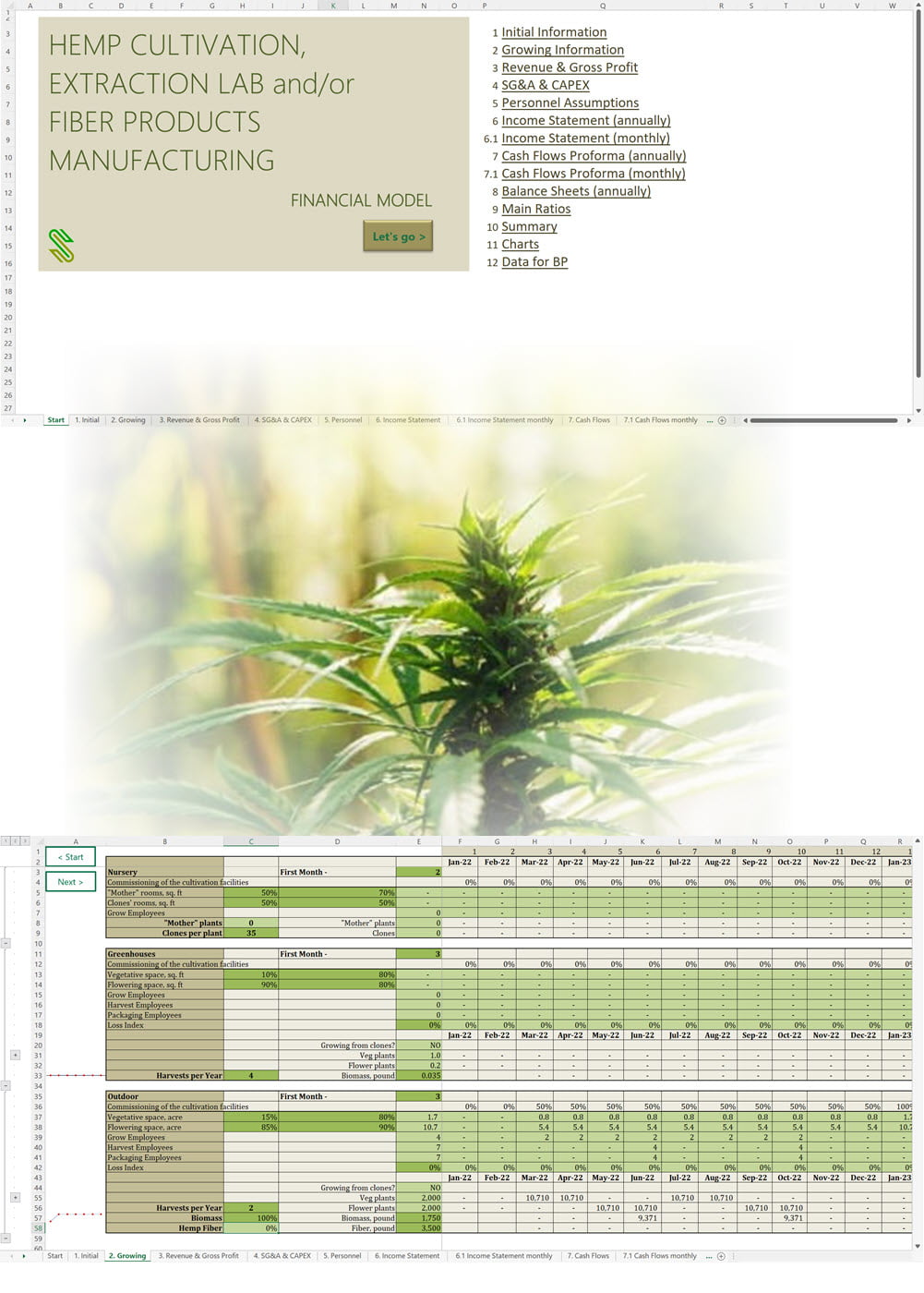
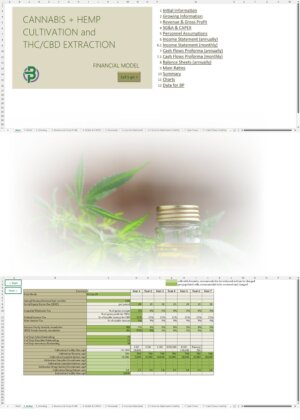
- Excel Financial Model: change variables and immediately see the impact, break down operational and capital costs, know how much it will take to get into the business and the potential profits.
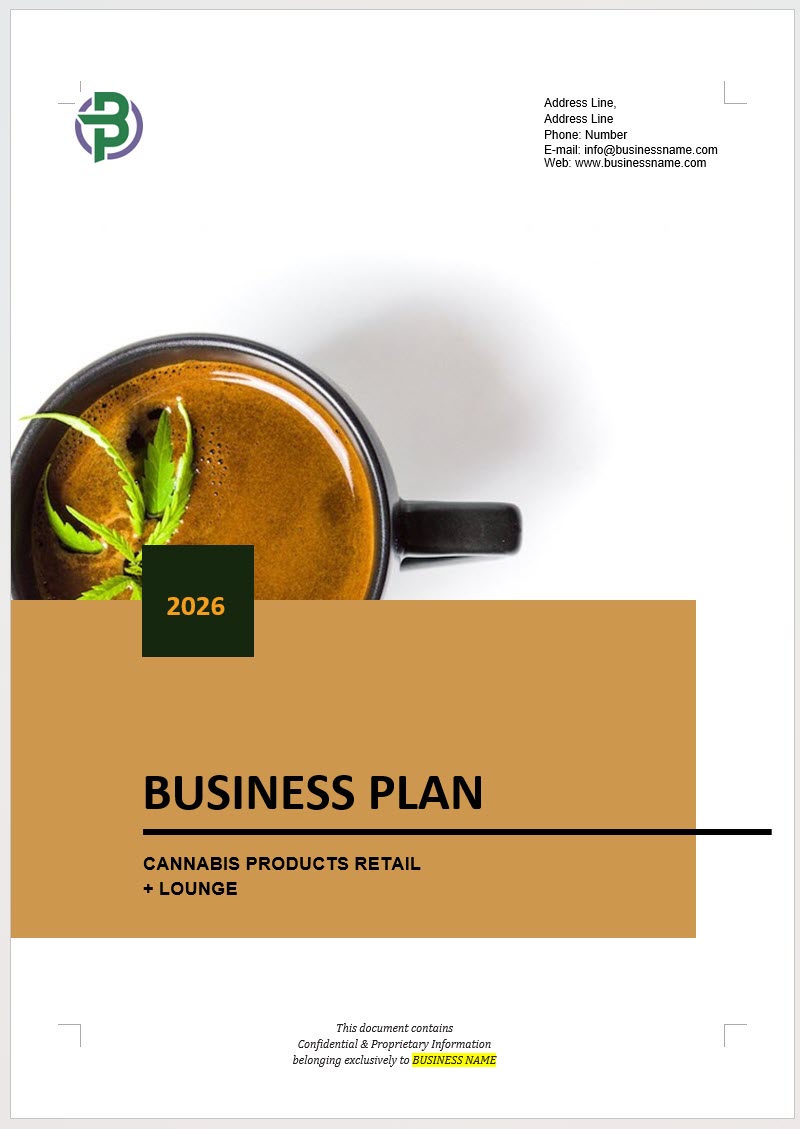
- Word Business Plan: value proposition, market analysis, marketing strategy, operating plan, organizational structure, financial plan and more.
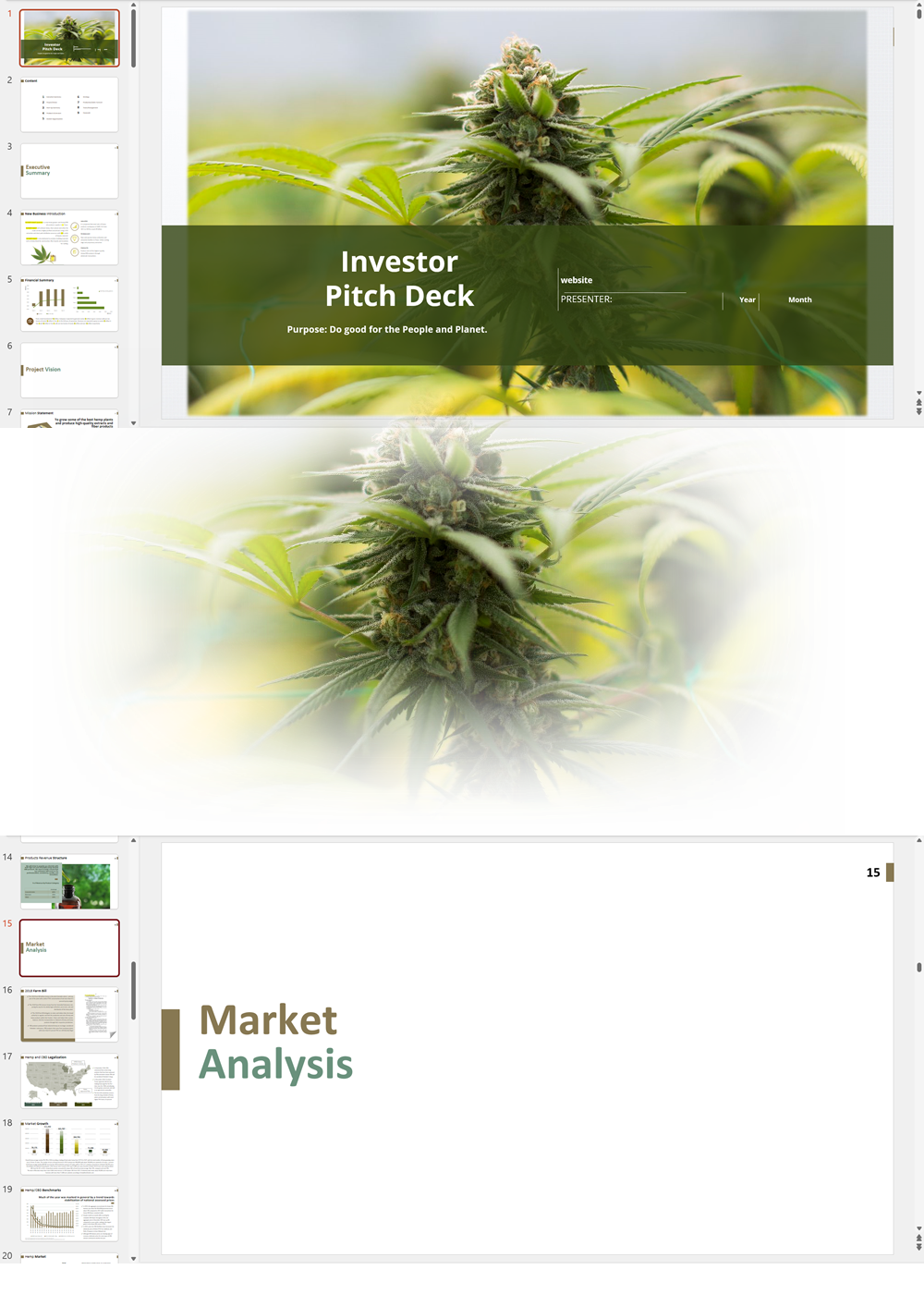
- PowerPoint Pitch Deck: provide a quick overview of your hemp CBD business plan.
'70% ready to go' business plan templates
Our hemp/CBD financial models and business plan templates will help you estimate how much it costs to start and operate your own hemp/CBD business, to build all revenue and cost line-items monthly over a flexible seven year period, and then summarize the monthly results into quarters and years for an easy view into the various time periods. We also offer investor pitch deck templates.
Best Selling Hemp Templates
-

Hemp Cultivation Business Plan Template
Price range: $75.00 through $275.00 Select options This product has multiple variants. The options may be chosen on the product page -

Hemp and Cannabis Growing and Processing Financial Model
$175.00 Select options This product has multiple variants. The options may be chosen on the product page -

CBD Products Retail/Online Store Business Plan Template
Price range: $75.00 through $275.00 Select options This product has multiple variants. The options may be chosen on the product page
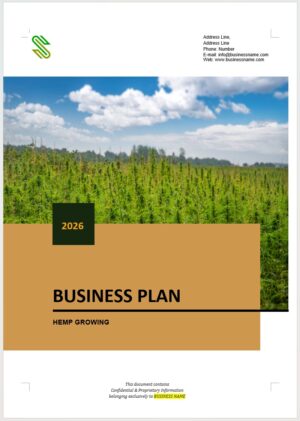
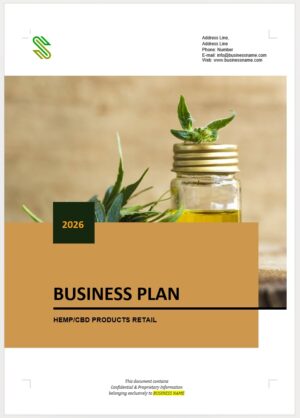
Hemp (Biomass, Fiber, Grain) Cultivation and Processing/ Manufacturing Business Plan Sample, New Zealand
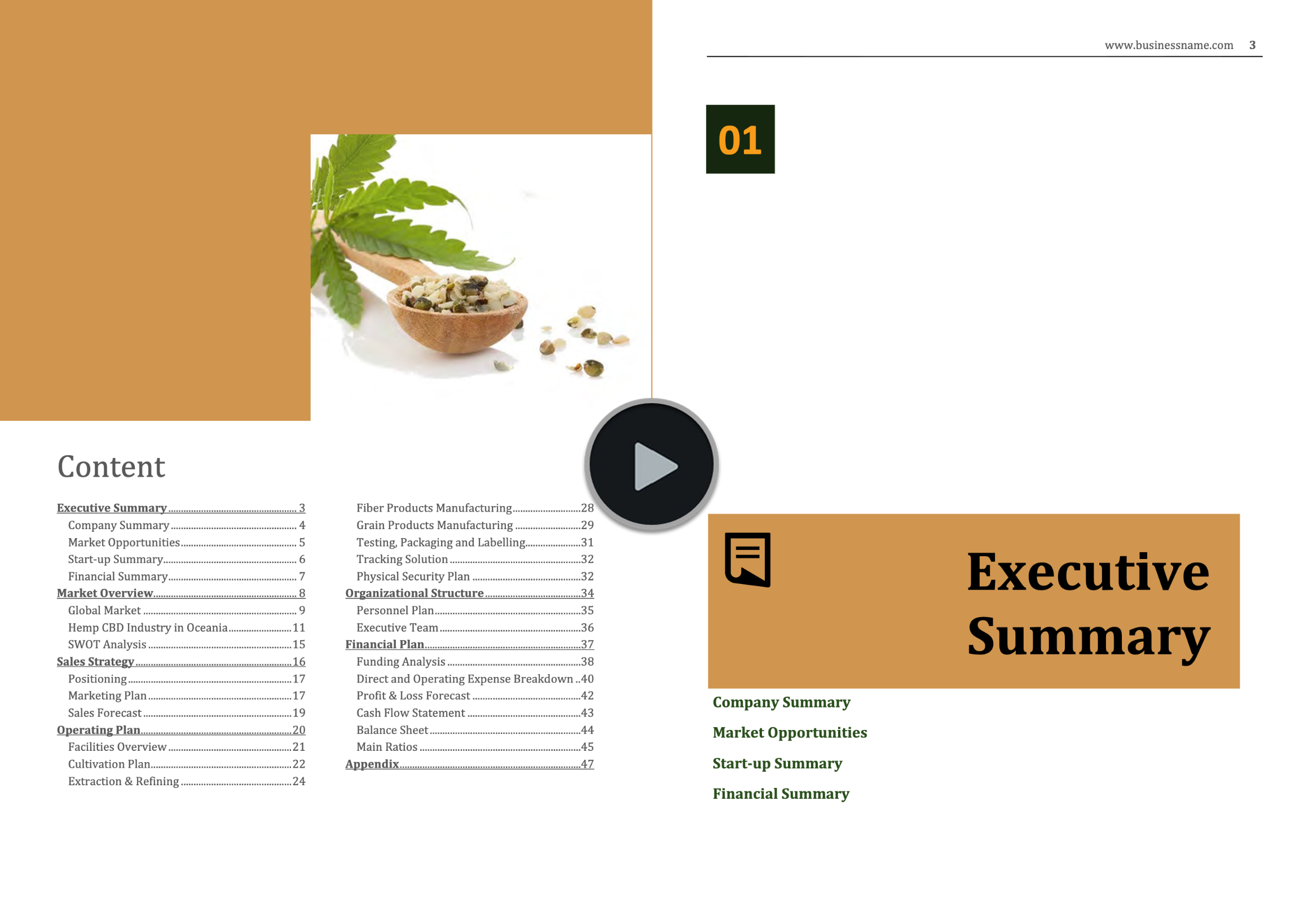
For more information on the hemp industry and hemp/CBD business plan templates, visit hempcbdbusinessplans.com.
Our Templates
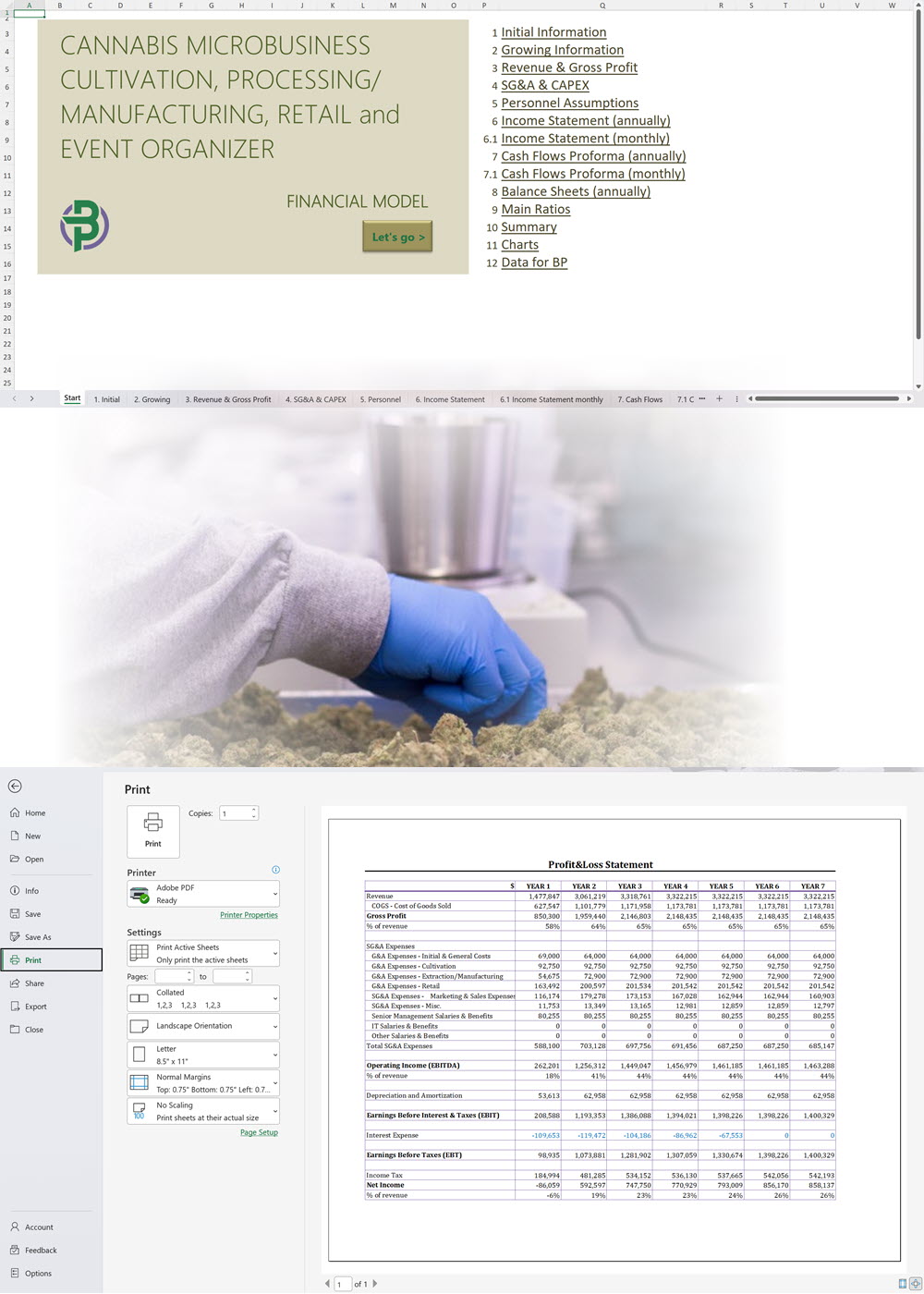
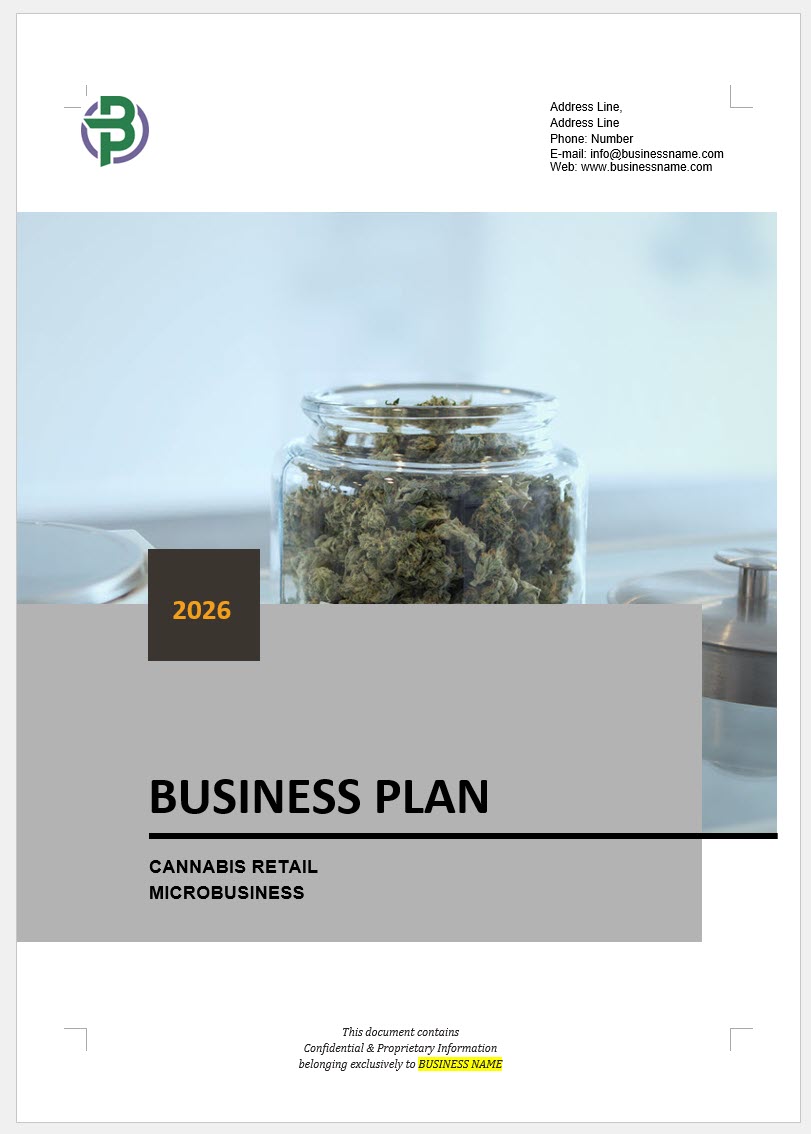
Cannabis Retail Microbusiness Business Plan Template
Price range: $75.00 through $275.00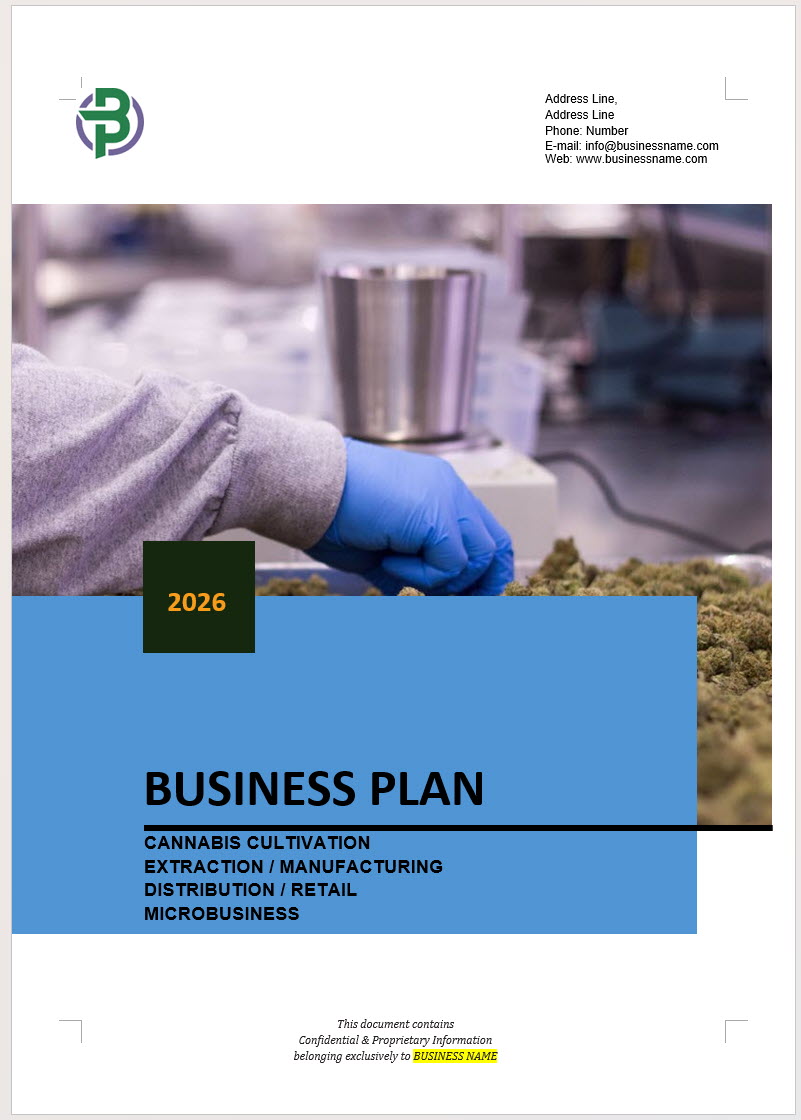
Cannabis Cultivation, Extraction, Manufacturing, Distribution, Retail and Microbusiness Business Plan Template
Price range: $75.00 through $500.00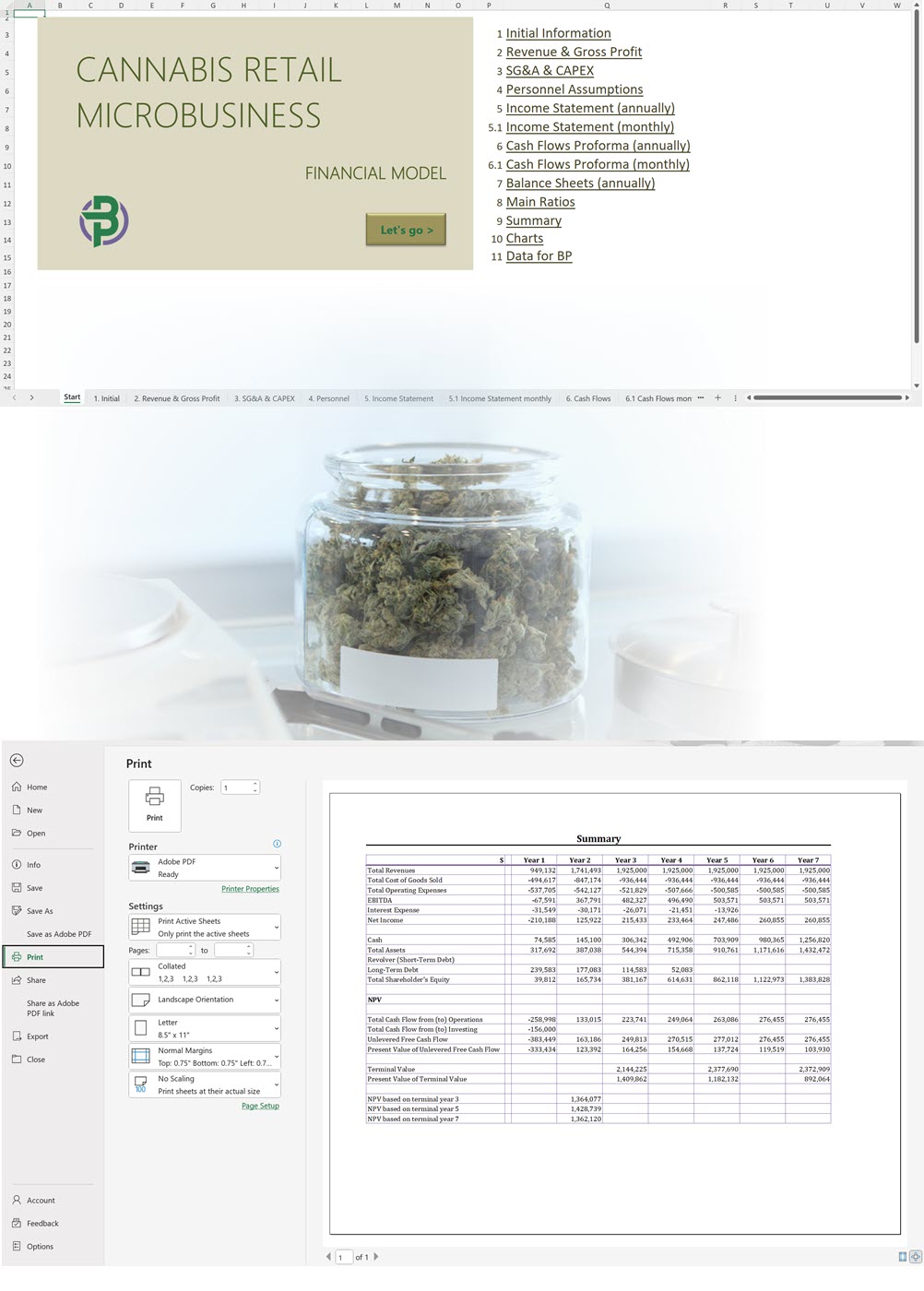
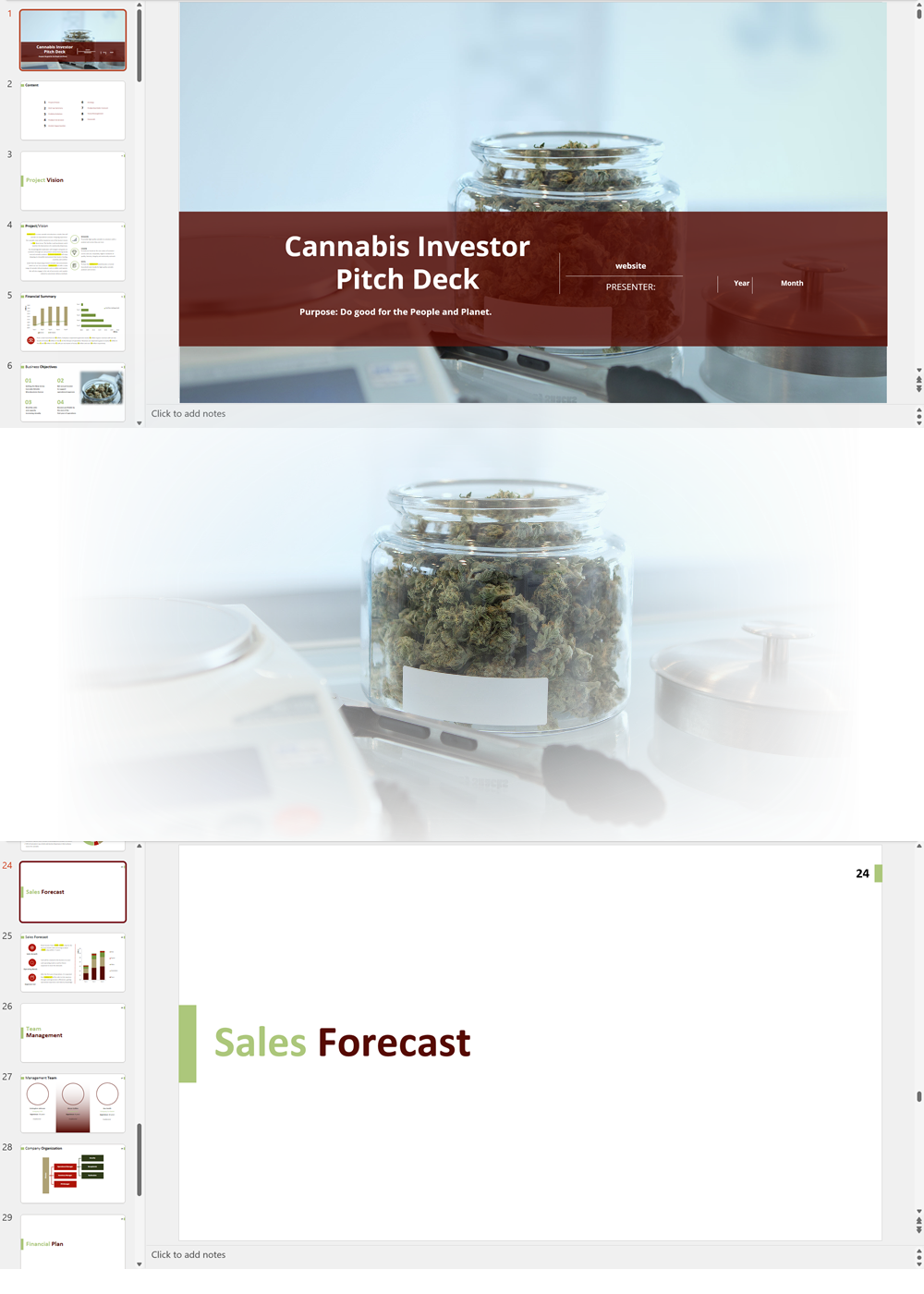
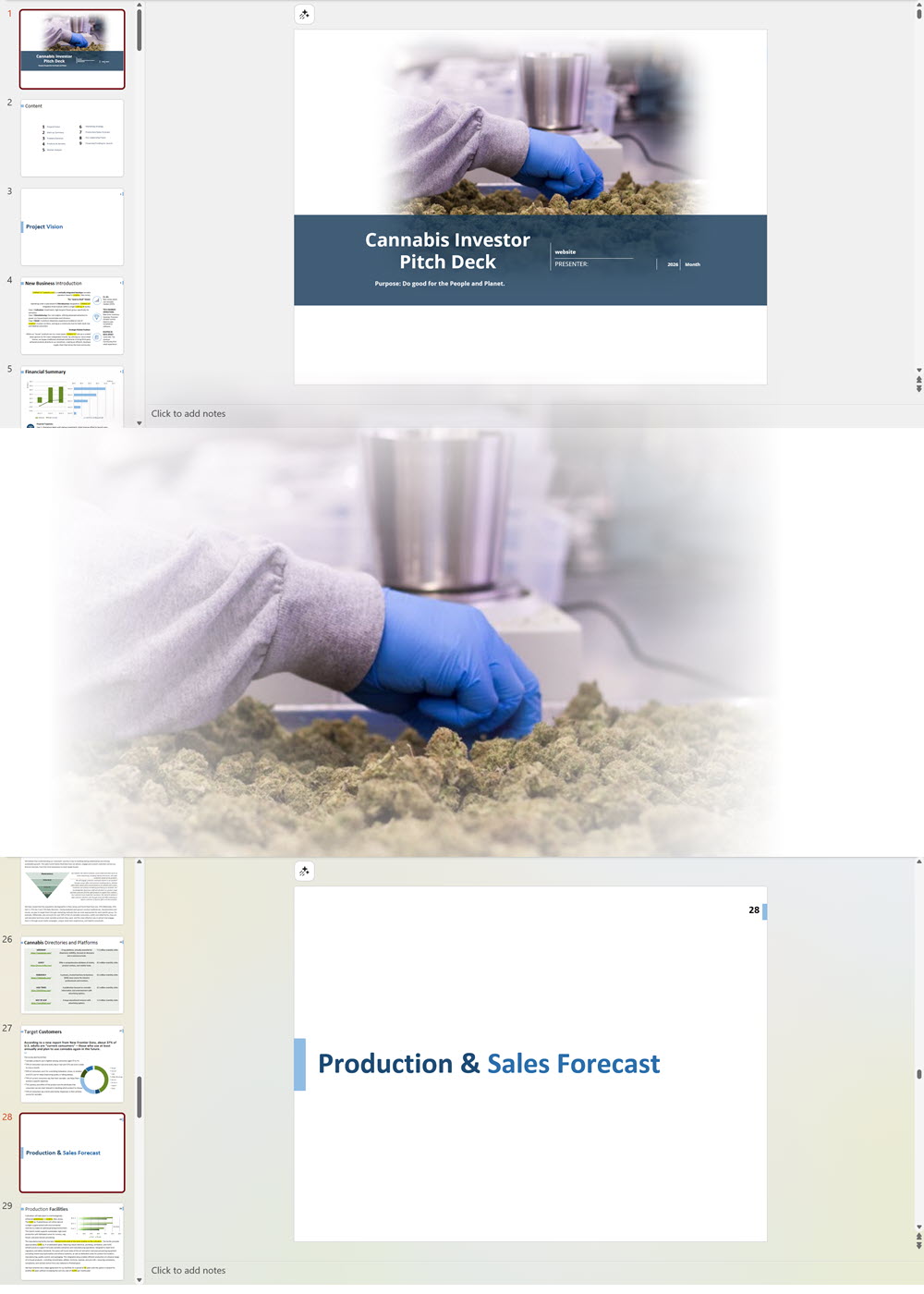
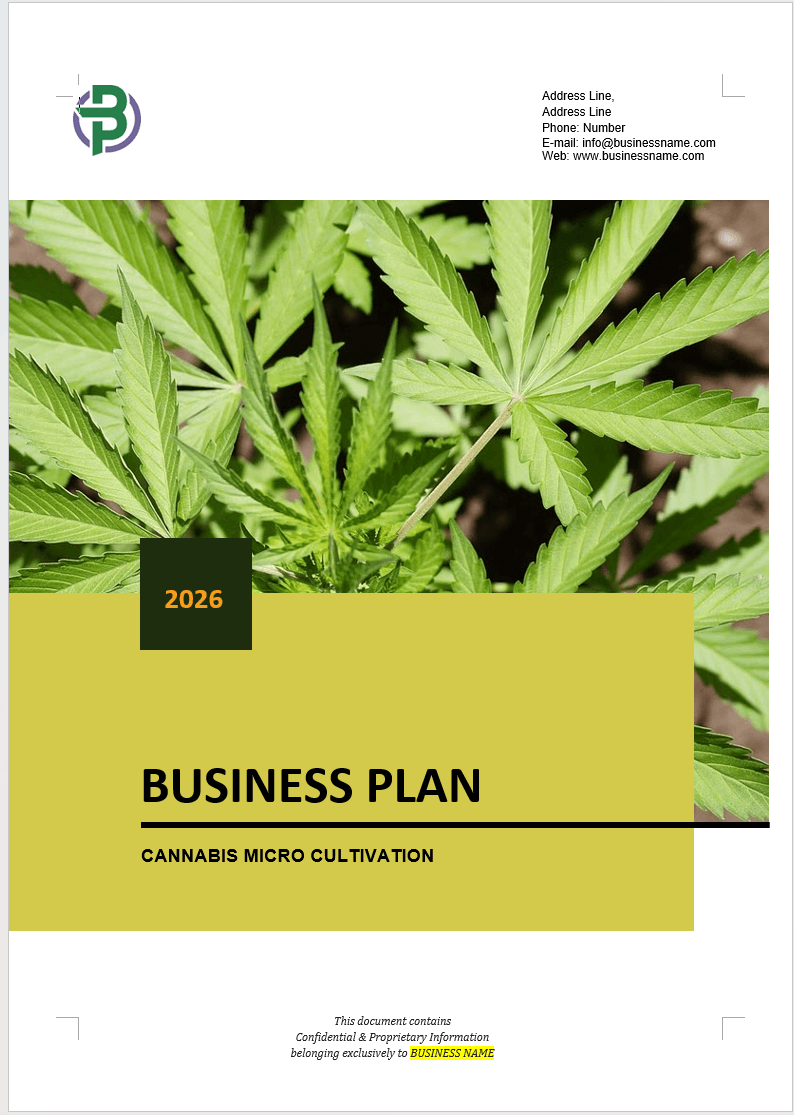
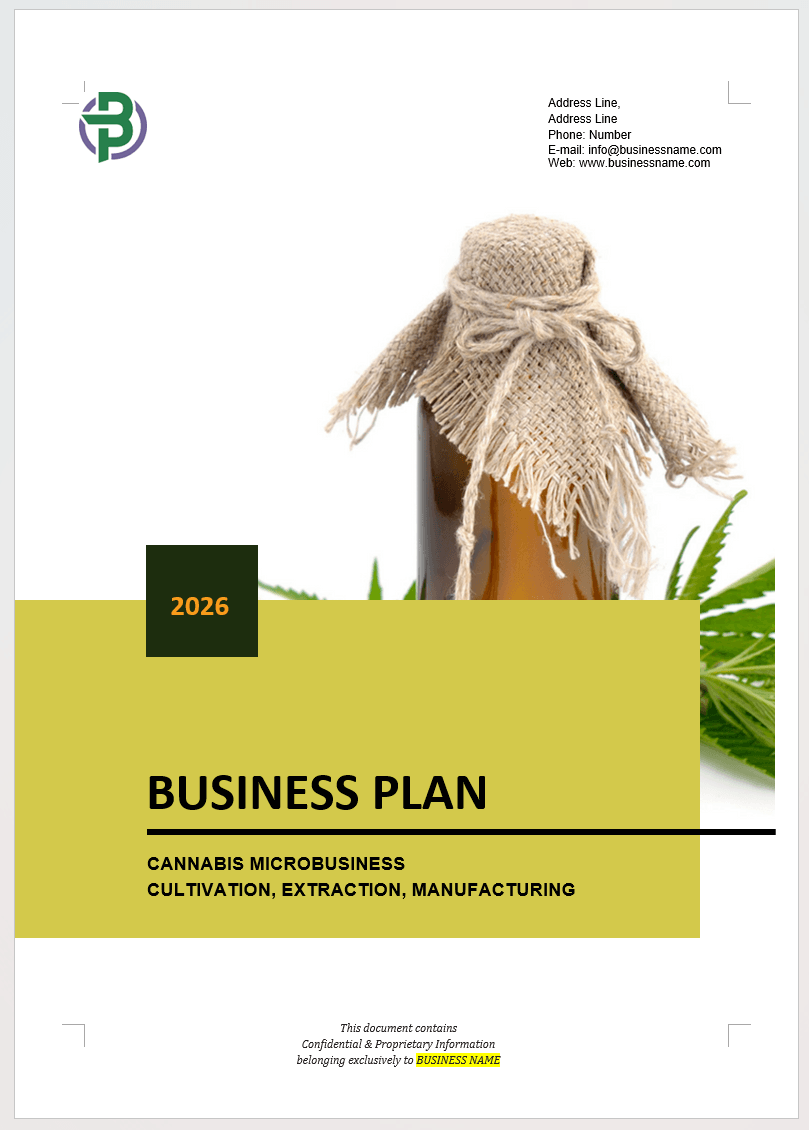
Cannabis Micro Cultivation Business Plan Template
Price range: $75.00 through $300.00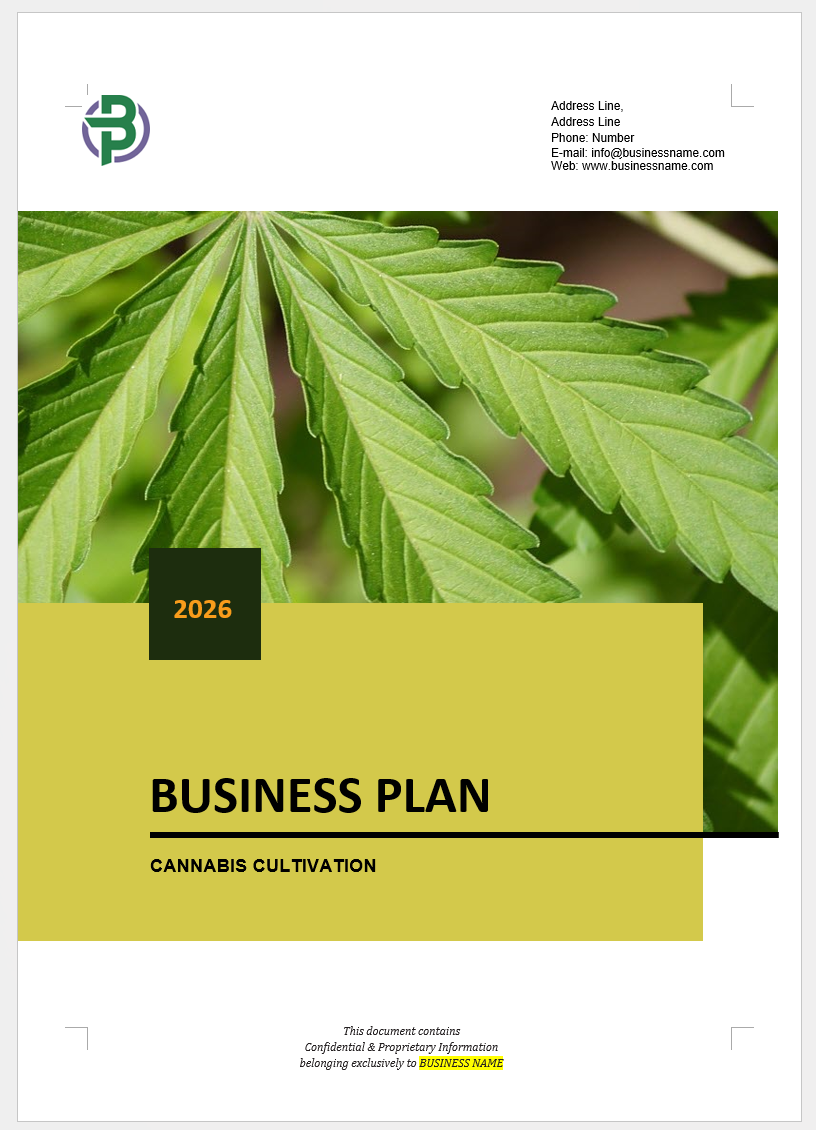
Cannabis Cultivation Business Plan Template
Price range: $75.00 through $350.00
Cannabis Microbusiness Cultivation and Manufacturing Business Plan Template
Price range: $75.00 through $350.00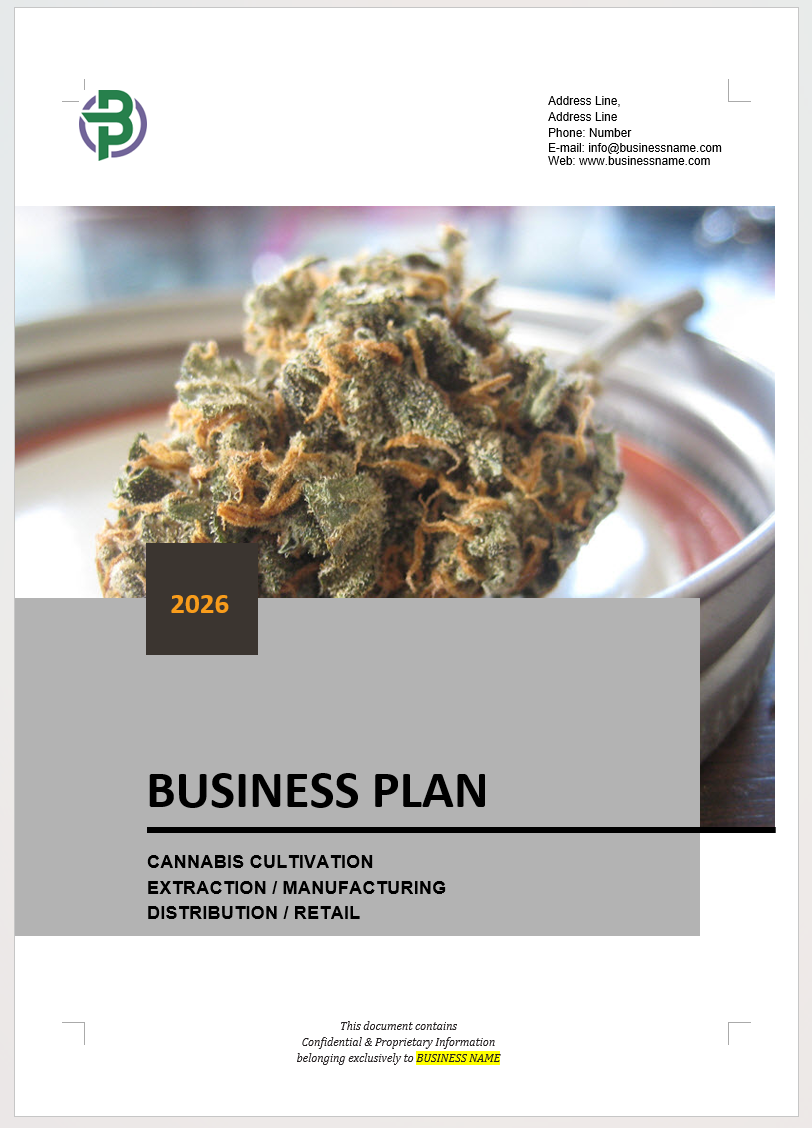
Vertically Integrated Cannabis Business Plan Template
Price range: $75.00 through $500.00

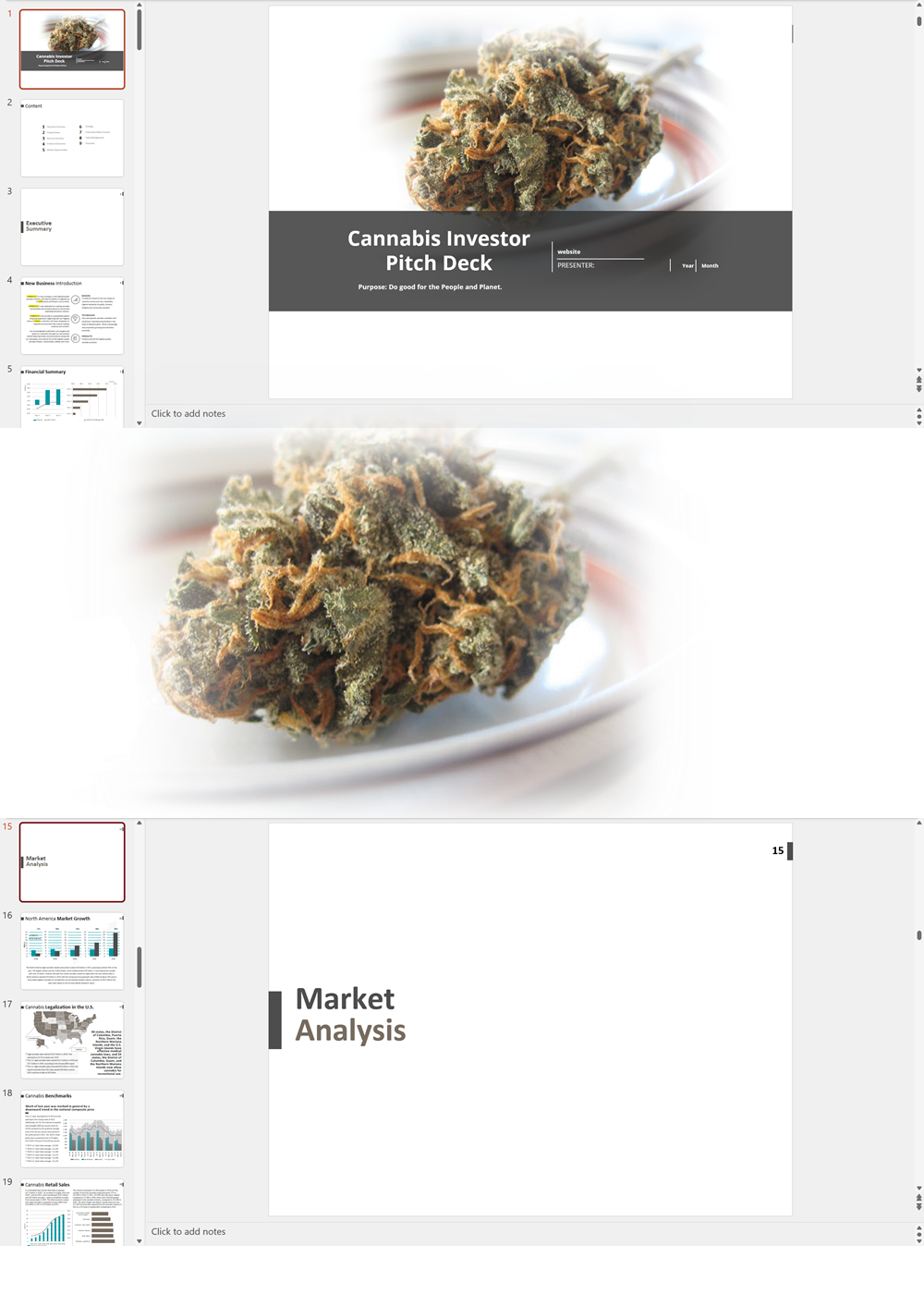

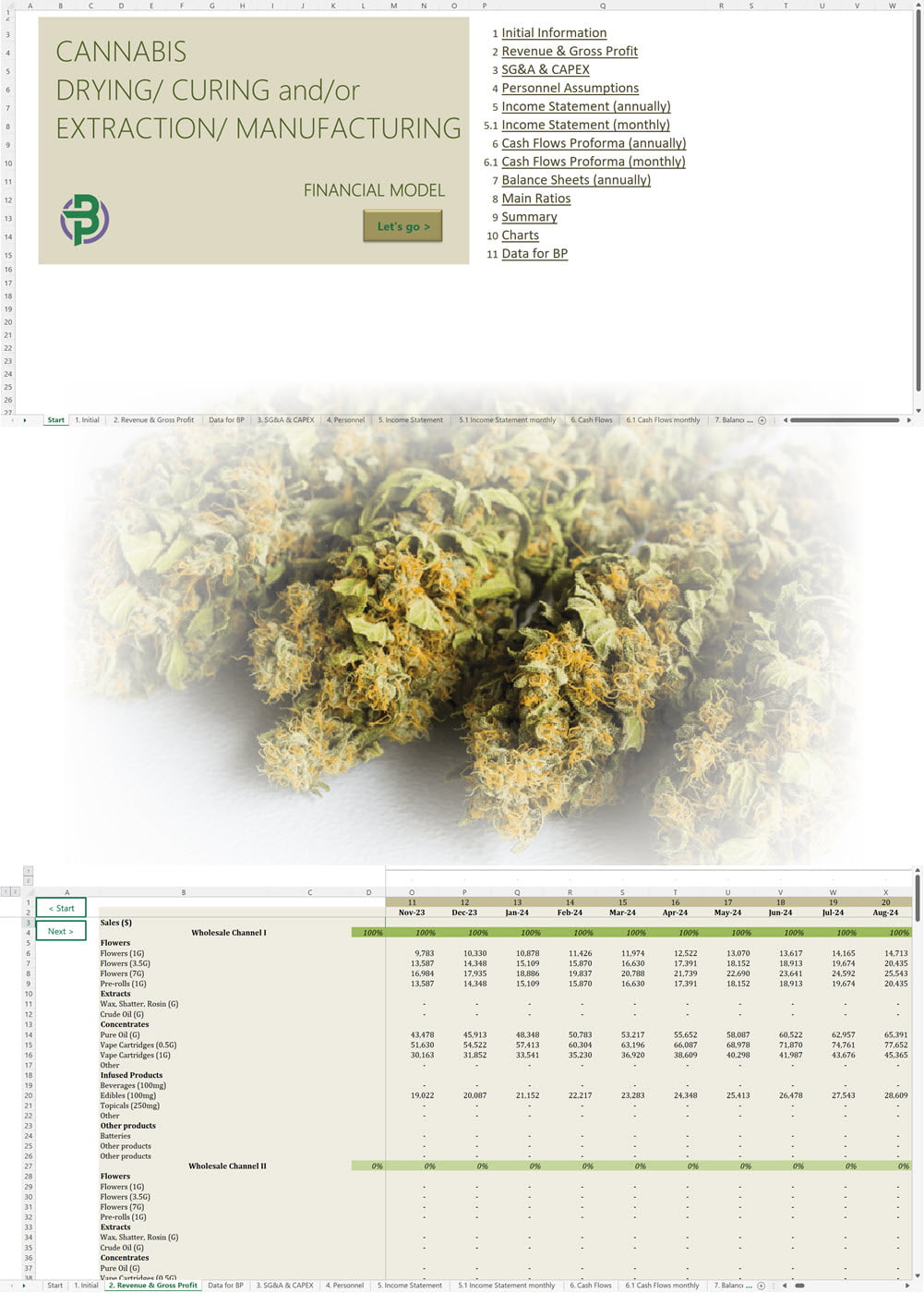
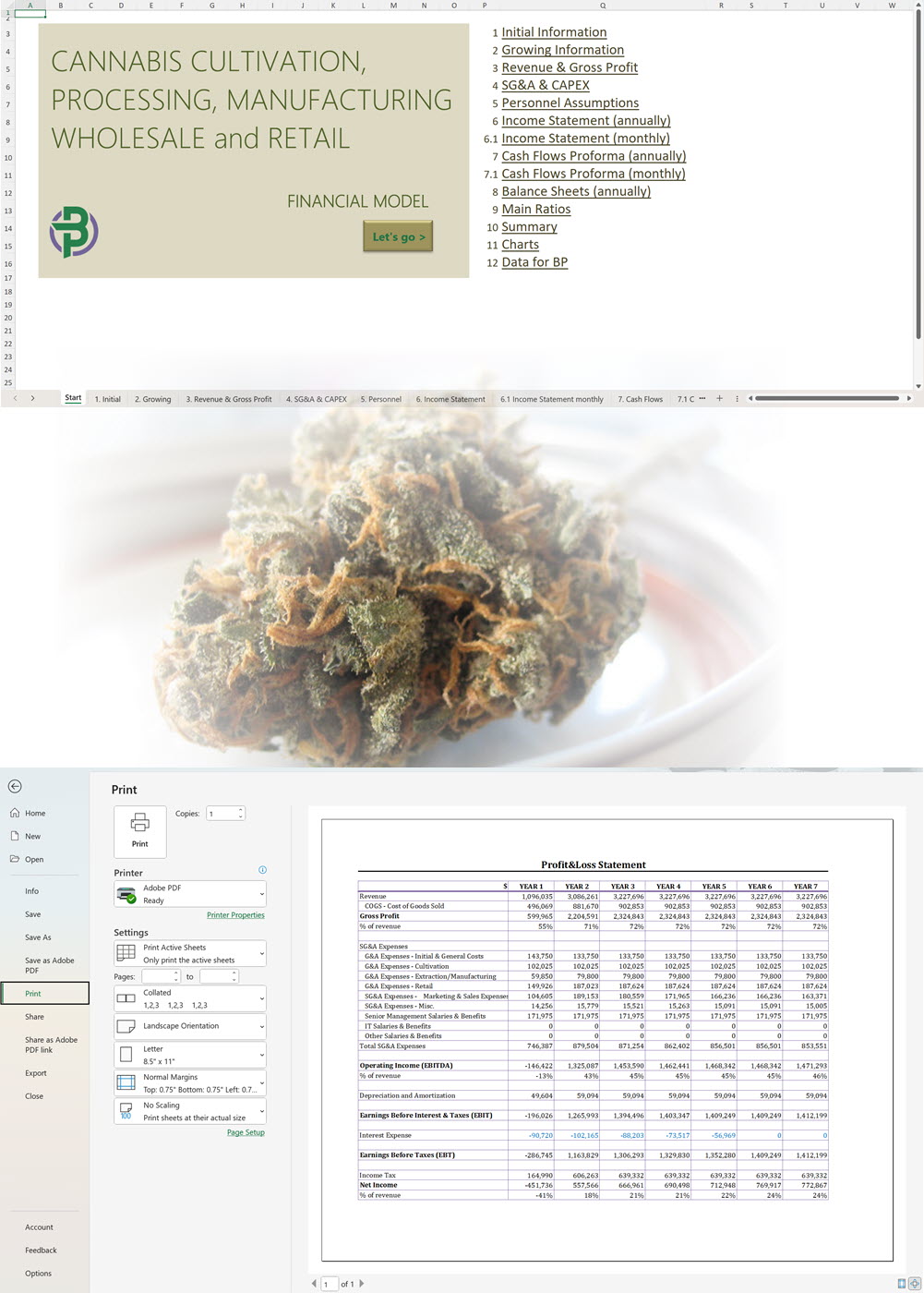
Cannabis Microbusiness Business Plan Template for Cultivation + Extraction + Manufacturing + Wholesale + Retail + Services
Price range: $75.00 through $500.00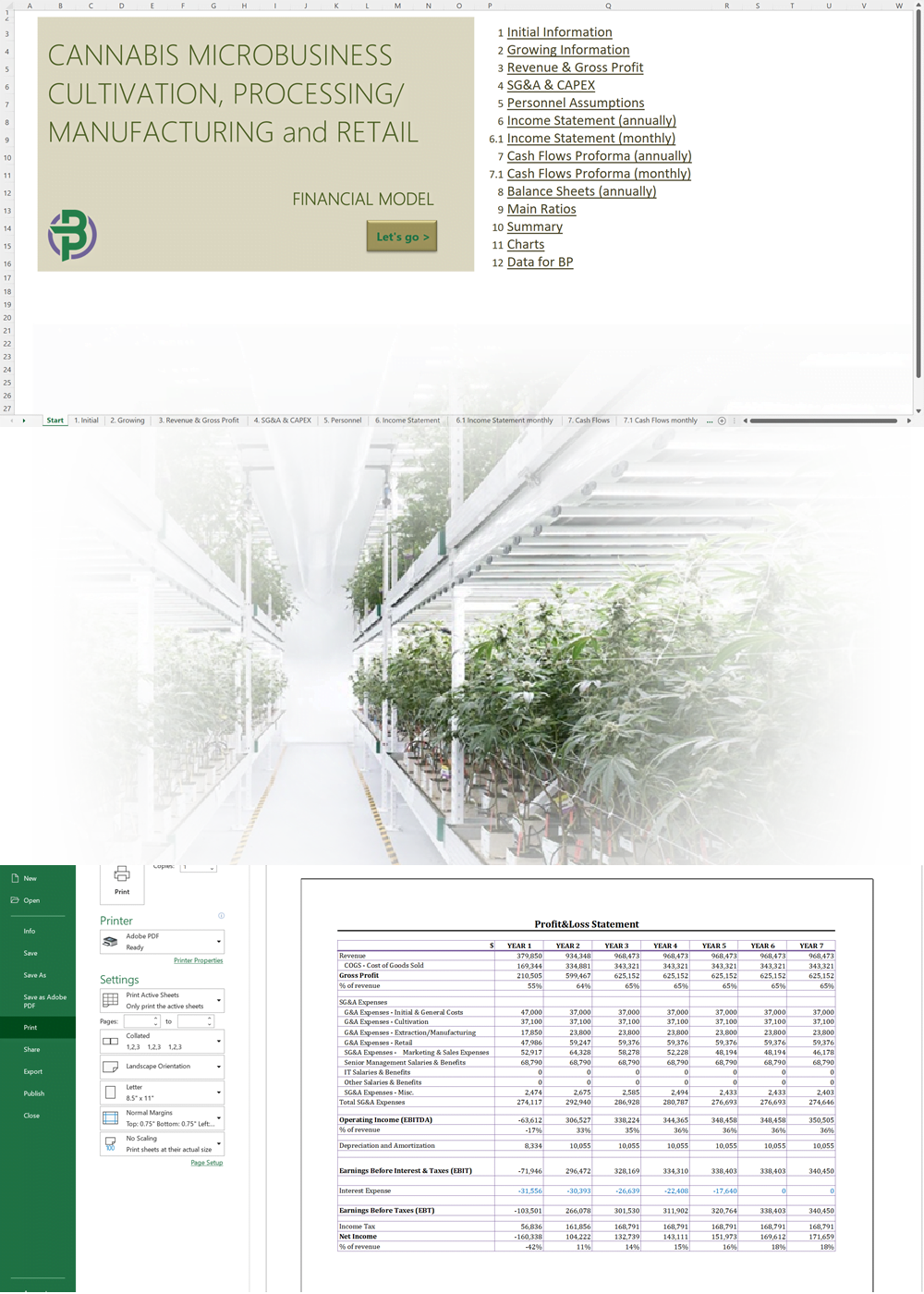
Cannabis Transportation Business Plan Template
Price range: $75.00 through $275.00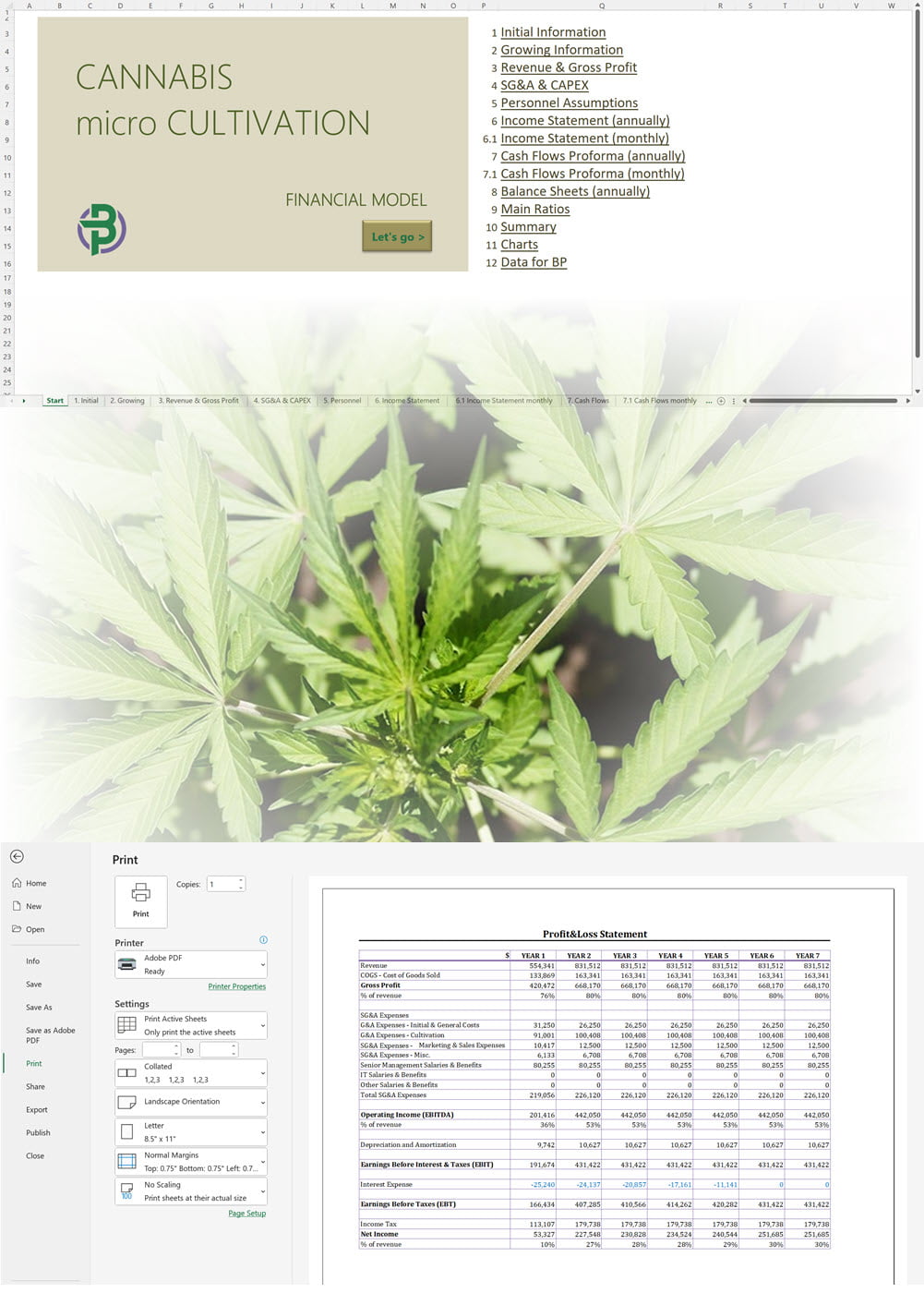

Cannabis Cultivation, Extraction and Manufacturing Business Plan Template
Price range: $75.00 through $450.00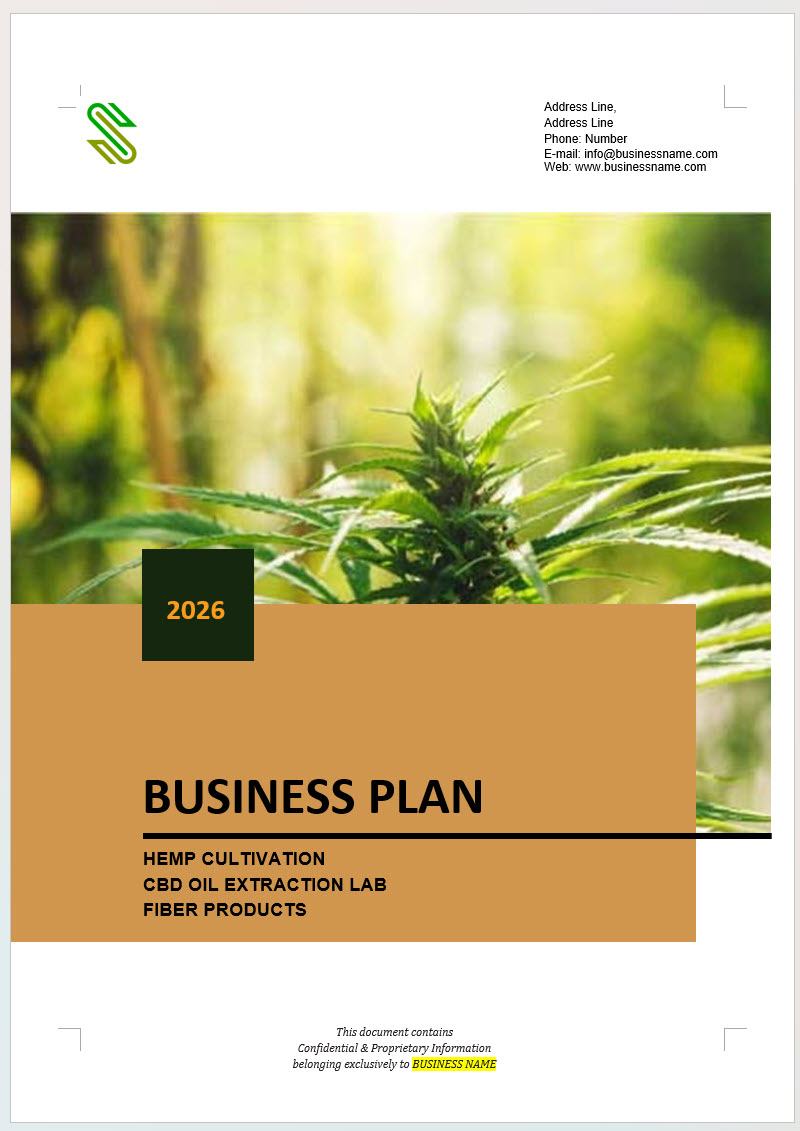
Hemp Cultivation and CBD Oil Extraction and/or Fiber Products Business Plan Template
Price range: $75.00 through $350.00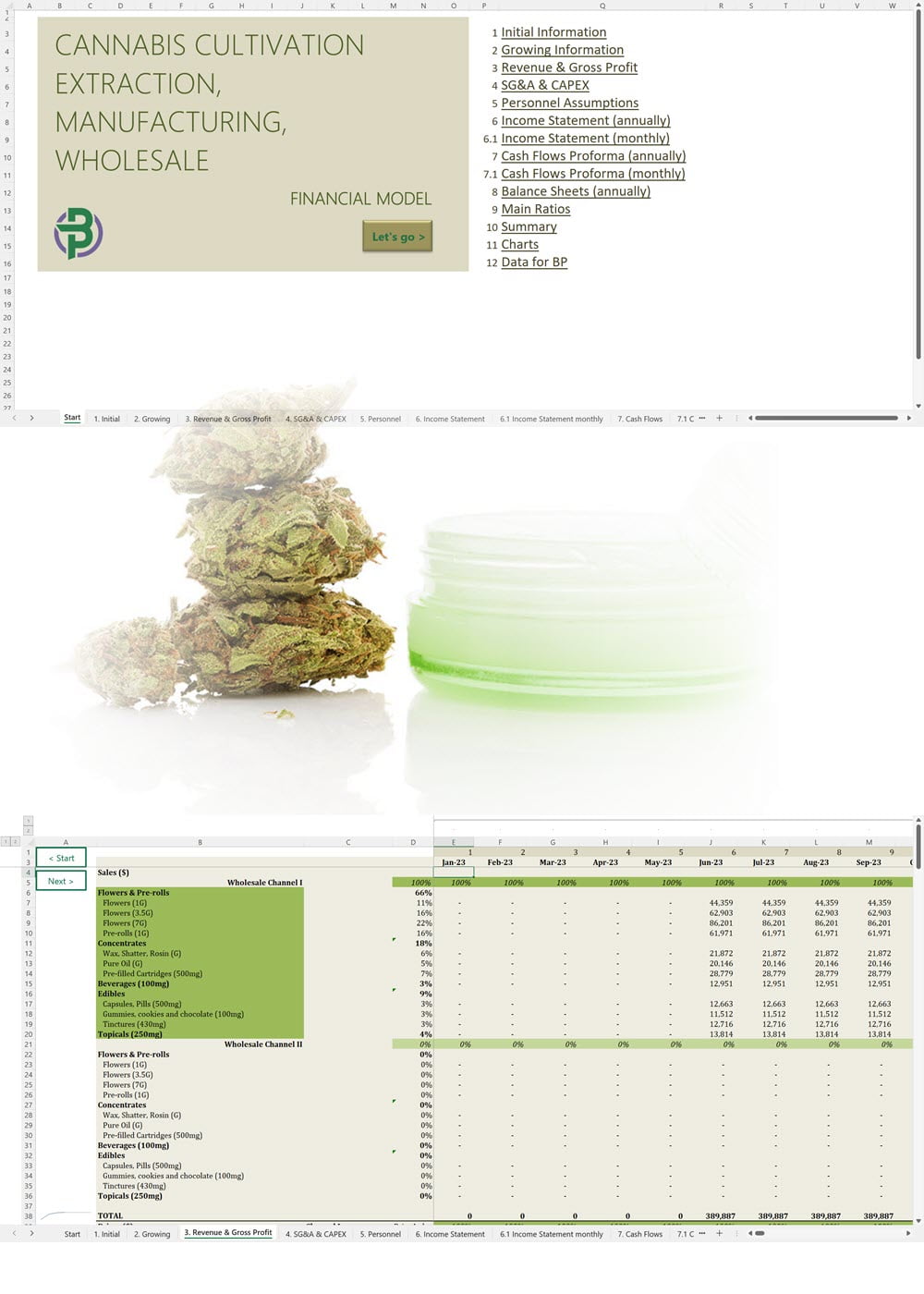
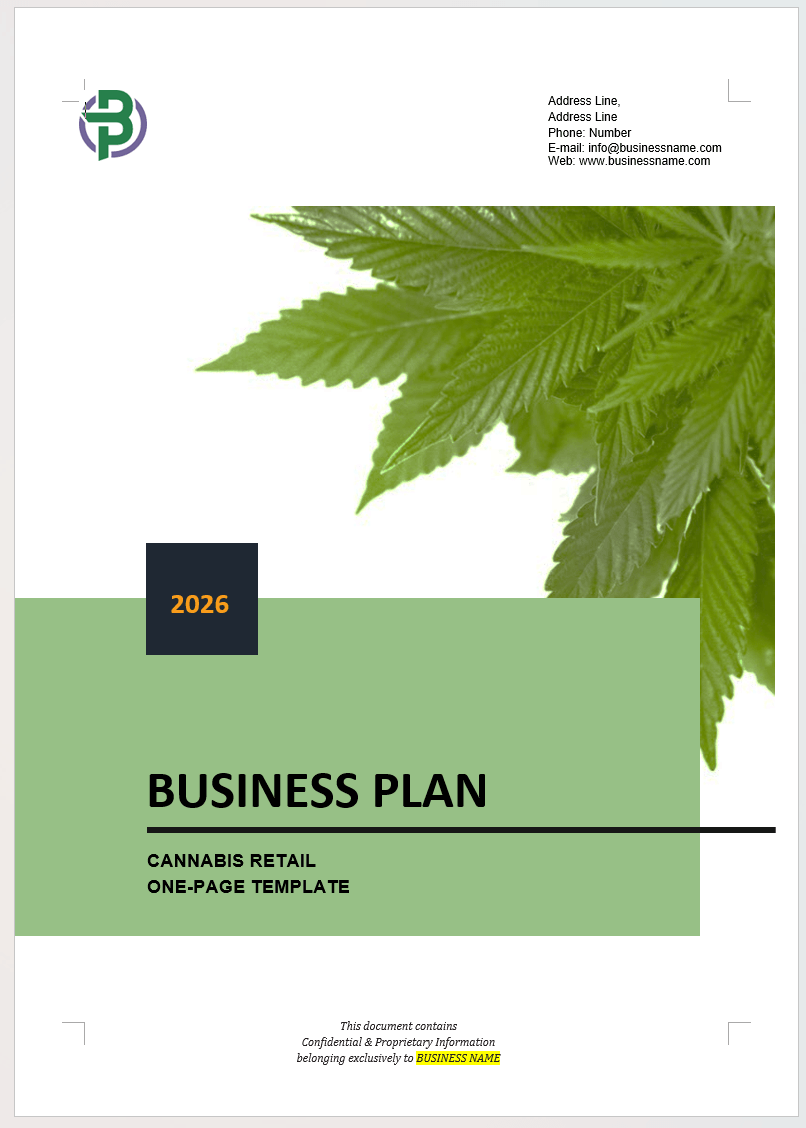
One-Page Cannabis Business Plan Template
Price range: $25.00 through $200.00