What are Hemp Beverages?
Hemp beverages are drinks that contain hemp-derived cannabinoids or terpenes. The 2018 Farm Bill – which legalized hemp, defining it as products coming from the cannabis plant that contain no more than 0.3% THC by dried weight – fueled the growth of CBD products in the US. Hemp beverages were one of the consequent innovative creations, and have grown rapidly in popularity over the last couple of years.
Hemp beverages managed to attract consumers who were curious about cannabis but not yet willing to visit a dispensary to purchase a cannabis product. As in many states hemp beverages are widely available in convenience and grocery stores, they allow consumers to experiment with CBD and THC in small amounts in a comfortable and familiar way for them, purchasing the product like they would purchase beer or lemonade. What also contributed to the growth in demand for hemp beverages is the shift away from alcoholic products. Hemp beverages are an easy substitute for alcoholic drinks, allowing people to relieve their stress or anxiety and participate in social drinking while avoiding the negative effects of alcohol.
Retailers who have introduced hemp beverages into their product range quickly began to see their popularity in action. A liquor store in the Nashville area reported that hemp drink sales were higher than sales of vapes and gummies, and close to craft beer sales. A Florida-headquartered beverage brand Brez brought in $28 million in revenue in 2024 and estimates that it could hit $75 million in sales in 2025. Cann – one of the largest hemp beverage companies in the US – experienced revenue growth of more than 70% in 2024 and it expects over 100% growth in 2025.
The consistent rise in demand has caught the attention of major players in the cannabis and hemp industry. For instance, in April 2025 Curaleaf, one of the largest cannabis companies in the United States, transformed one of its Florida dispensaries into a hemp storefront where customers can buy a wide range of hemp beverages and other hemp products. Canada’s Organigram Global – one of the country’s largest cannabis producers – announced that it will also be entering the hemp beverages segment through a multimillion-dollar deal with a THC drink manufacturer Collective Project. The conglomerate Tilray has already started to prepare for the growth of the hemp beverage market, having acquired at least a dozen craft-beer brands between 2020 and 2023.
The new market has in particular attracted alcohol companies who have turned to hemp beverages in an attempt to mitigate their falling alcohol sales and keep up with the growing non-alcohol beverage market which is expected to rise at a compound annual growth rate of 7% from 2024 to 2028 according to IWSR. Craft breweries are beginning to diversify their product lines by introducing hemp beverages. Multiple factors make this decision financially attractive:
- Distributors are more likely to accept to offer hemp beverages for sale than alcoholic beverages due to the falling sales of the latter.
- Hemp beverages allow to reach a new group of non-alcoholic beverage consumers who previously would not have bought any products from the brewery.
- It can take as little as 6 hours to produce a hemp beverage while brewing beer takes 14 to 60 days.
- Due to lower-cost ingredients and a faster inventory cycle, hemp beverages can bring higher profit margins.
- Breweries can pack beer and hemp beverages using the same canning line machinery, pushing the capacity utilization of canning lines up since they would otherwise be idle, given the falling demand for beer.
On September 25, 2025, Cannabuzz – a Kentucky hemp-derived THC beverage company – announced that it became the first brand to join the Wine & Spirits Wholesalers of America (WSWA) THC beverage category. Through this membership, Cannabuzz gains access to an established distribution network (WSWA represents over 370 distributor companies across the U.S.) while alcohol wholesalers benefit from a new revenue stream with the rising popularity of hemp beverages driving their sales and helping to offset falling demand for alcohol. This move underscores the emerging legitimacy of hemp beverages as a distinct and growing category within the broader beverages market.
In October 2025, the retail giant Target began selling hemp-derived THC beverages in select stores across Minnesota. This move marks a significant milestone in the normalization of hemp beverages and the improvement of mainstream consumer access to these products. For now, Target has selected around 12 brands that are offered for sale in 10 of its Minnesota stores. However, if this soft launch is successful, this could pave the way for expansion into other states where hemp-derived THC products can be legally sold through mainstream retailers. Such a rollout would dramatically increase visibility and accessibility of hemp beverages.
Hemp Beverage Market
The United States remains the largest market for hemp beverages for now, though demand and access to these beverages varies greatly from state to state. Minnesota has seen the highest demand for hemp beverages in the country with monthly sales being around $1 million, fueled by its regulations which allow hemp beverages that comply with THC content limitations to be sold anywhere from liquor to grocery stores in the state.
Demand for hemp beverages also largely boomed in states where consumers cannot easily access cannabis such as Texas where recreational cannabis remains illegal and the medical cannabis program is very strict. As of August 2025, hemp beverages were either legal or unregulated in 42 states.
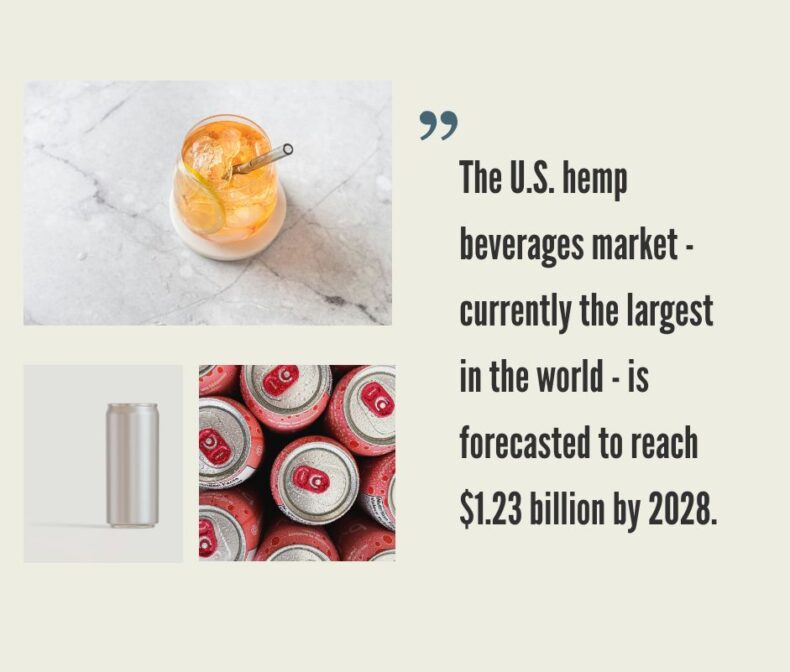
The U.S. hemp beverages market was estimated to be worth $71.7 million in 2023, and by 2028 is expected to reach the value of $1.23 billion, growing at a compound annual growth rate of 76.5%. Considering estimates that the total US hemp-derived CBD market could be worth $6.9 billion, this means hemp beverages can account for 18% of total hemp-derived CBD product sales in the country.
The global hemp beverage market was valued at $127 million in 2023 and is projected to reach $1.57 billion by 2028 with North America remaining the largest market with a share of 78%.
In the cannabis market, cannabis-infused beverages also took off in recent years and this, due to being the same product form, can provide a good indication of the direction that the hemp beverages market will take. While the majority of cannabis product categories fell from June 2024 to June 2025, in nearly every state the beverage category grew with some states such as Ohio showing a double digit growth rate of 70%, according to data from Headset. Hemp beverages are expected to grow at an even faster rate as they are less burdened by regulations compared to cannabis products, and in some states can be easily accessed through convenience stores, liquor shops, and large grocery stores where consumers usually shop for drinks.
Beyond North America, Germany is expected to be another big market for hemp beverages due to beer being a major part of its culture. Europe could be a big market for CBD products with an estimated value of €347.7 million (US$407.6 million) in 2023 and a projected compound annual growth rate of 25.8% to reach €1.7 billion (US$2 billion) by 2030. The UK brand TRIP became the country’s best selling CBD brand in February 2023 after growing 522% over the previous 12 months which demonstrates the rising demand for hemp beverages in the country. Germany and UK are forecasted to remain the largest European CBD markets with sales reaching $442 million and $480 million, respectively, by 2030.
Who is Buying Hemp Beverages?
According to Brightfield Group, a typical hemp beverage consumer is young – nearly 50% of hemp beverage consumers are millennials – and is a high-income earner. Many consumers drink hemp beverages for relaxation as well as emotional relief and better sleep.
Considering that the majority of cannabis edible consumers prefer to consume 10mg or less at a time – as revealed by findings from New Frontier Data – hemp beverages are well positioned for high consumer demand since they usually contain up to 5mg of THC, and up to 10mg in some states, as permitted by law there.
Regulatory Landscape
United States
Minnesota was the first state to regulate hemp beverages in 2023, implementing age restrictions, THC potency limits, and precise labeling requirements. Kentucky and Tennessee are also among states that have regulated the hemp beverages market.
Here is how hemp beverages are regulated in each one of the US states:
The Hemp Beverages Alliance believes that the alcohol industry model would be most appropriate for regulating hemp beverages. While no federal regulations have been established for hemp beverages and states have adopted their own regulations of varied restriction level, the Hemp Beverages Alliance urges businesses operating in the market to adhere to the following regulatory principles:
- Restrict sale of hemp beverages to adults aged 21 and over.
- Use clear, consistent labeling and tamper-evident packaging.
- Prioritize consumer safety and perform testing for potency and contaminants.
- Use THC serving and potency levels that are safe and effective.
Europe & UK
In Europe and the UK, regulations are more restrictive – food and beverages containing CBD are classified as “novel foods” and must obtain an authorization from the European Commission (or the UK’s Food Service Agency in the case of the UK) prior to being placed on the market. While Europe paused the authorization process in 2022, the UK is processing CBD food product applications and is slowly progressing towards having authorized products on the market.
Source: hempcbdbusinessplans.com
Hemp Beverages Industry Infographics
How to Start a Hemp Beverage Business?
Whether you want to manufacture hemp beverages, sell them through a brick-and-mortar or online store, or even do both, you must first research the regulations of the specific state (if in the United States) or country where you wish to start your business. Once you determine which licenses you need – if any are required – and that you are eligible to obtain them, you can proceed to planning your business.
It is very likely that you will require finance to start your business – either from a bank or from investors – especially if you wish to start a capital-intensive manufacturing business or open a retail store selling hemp beverages in an expensive premium location. In order to secure finance, you will need a comprehensive, straightforward business plan that will demonstrate the operational viability of your business.
'70% ready to go' business plan templates
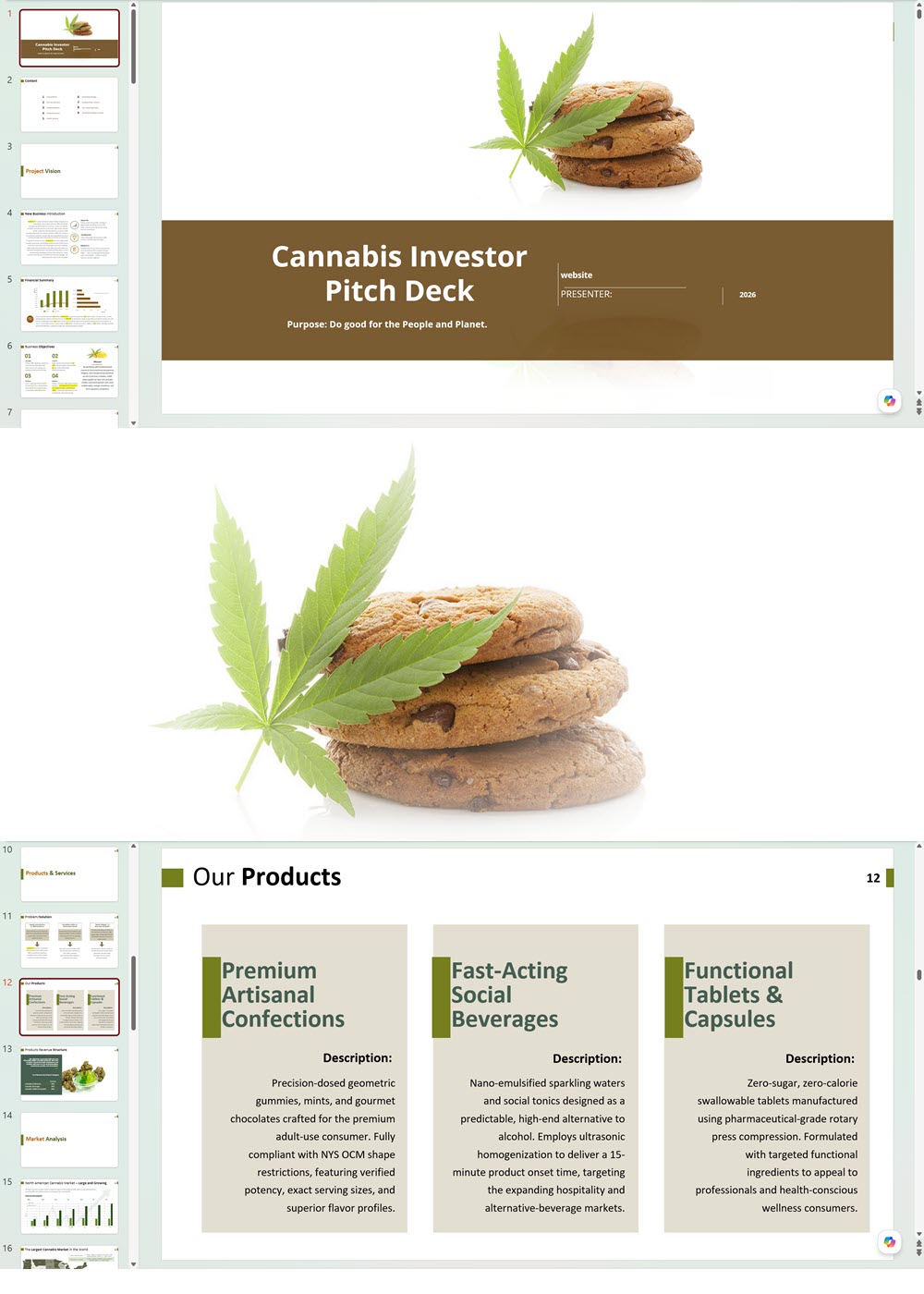
Our hemp/CBD financial models and business plan templates will help you estimate how much it costs to start and operate your own hemp/CBD business, to build all revenue and cost line-items monthly over a flexible seven year period, and then summarize the monthly results into quarters and years for an easy view into the various time periods. We also offer investor pitch deck templates.
Best Selling Hemp Templates
-

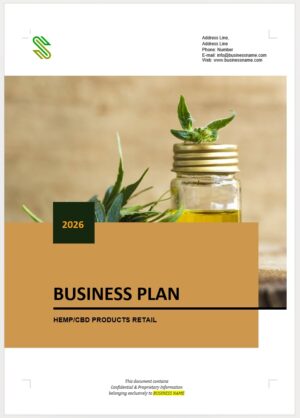
Hemp Cultivation Business Plan Template
Price range: $75.00 through $275.00 Select options This product has multiple variants. The options may be chosen on the product page -

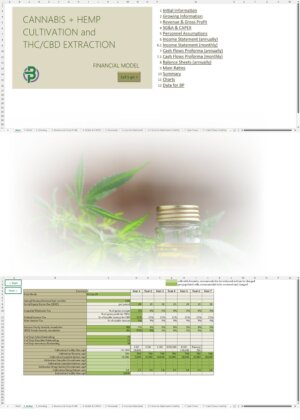
Hemp and Cannabis Growing and Processing Financial Model
$175.00 Select options This product has multiple variants. The options may be chosen on the product page -

CBD Products Retail/Online Store Business Plan Template
Price range: $75.00 through $275.00 Select options This product has multiple variants. The options may be chosen on the product page
Our Templates
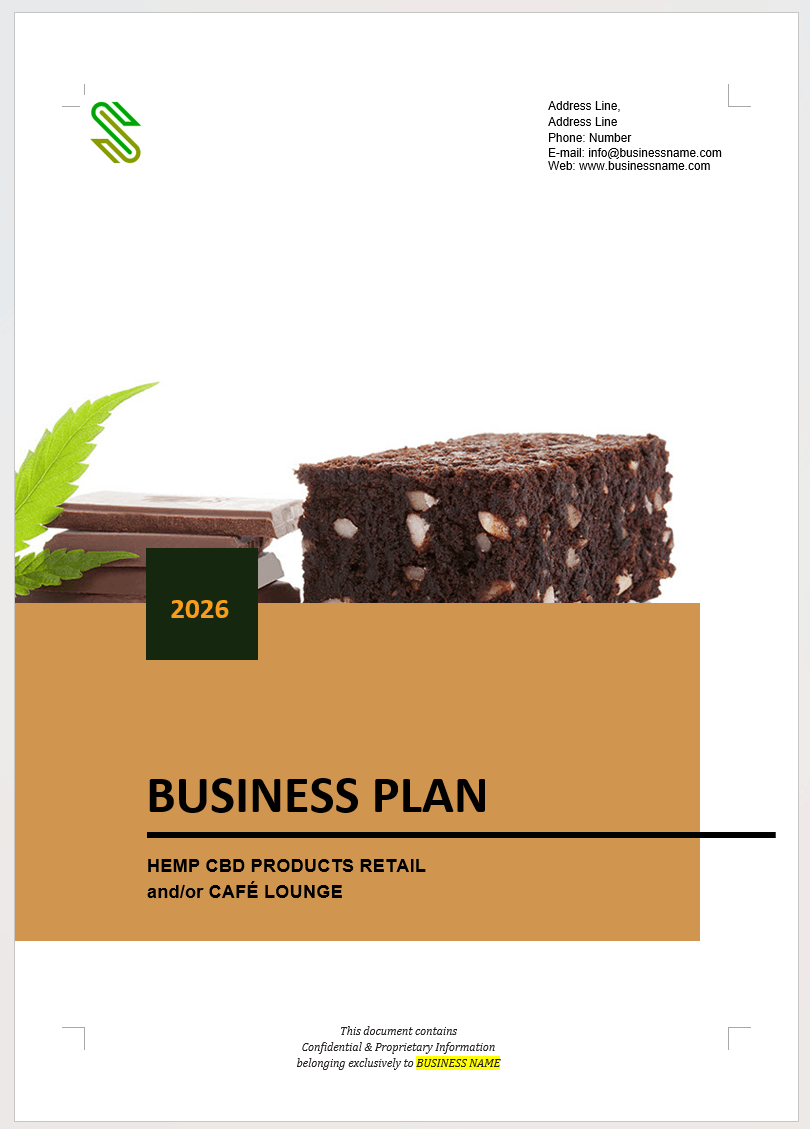
CBD Store and/or Cafe Lounge Business Plan Template
Price range: $75.00 through $275.00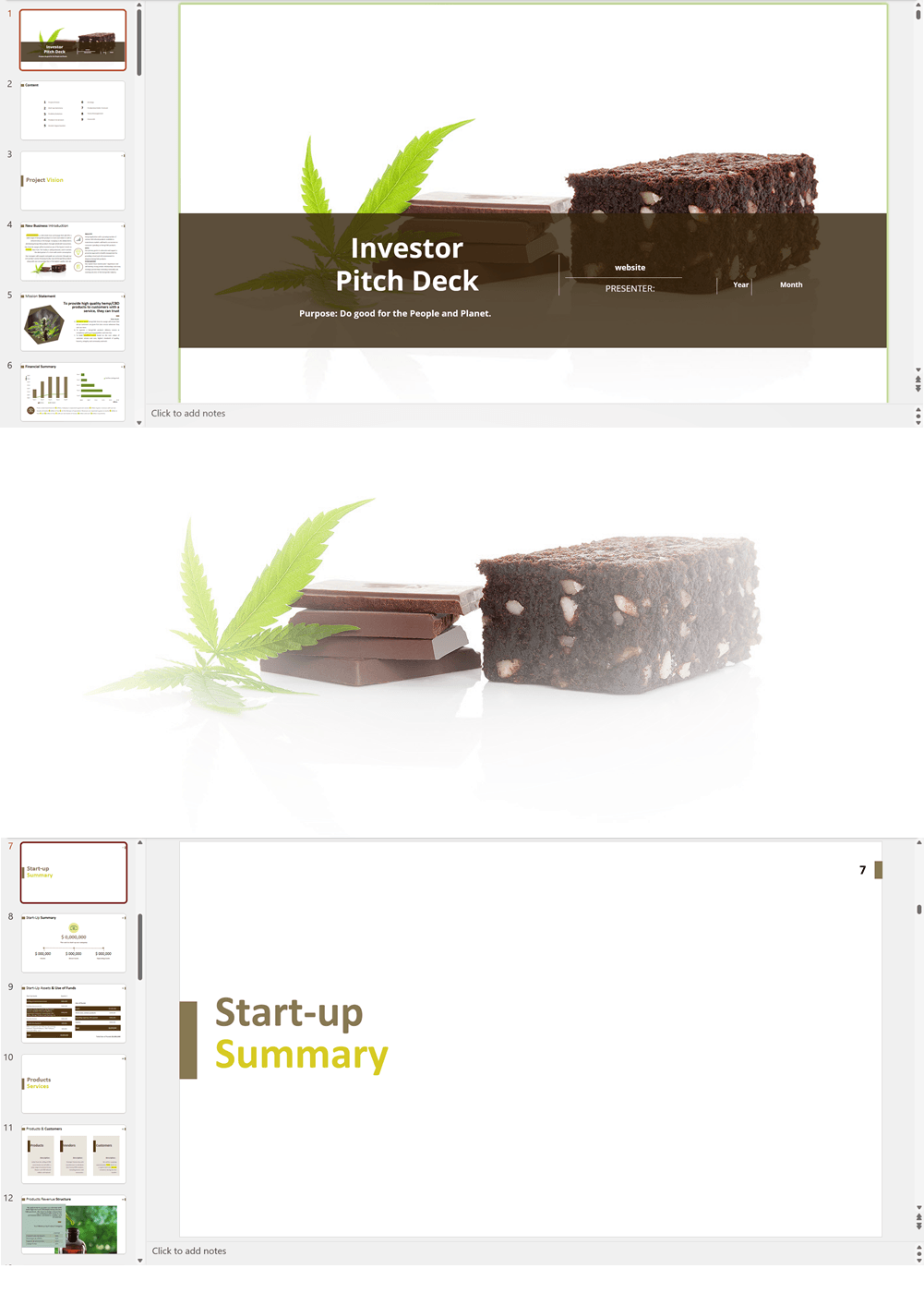
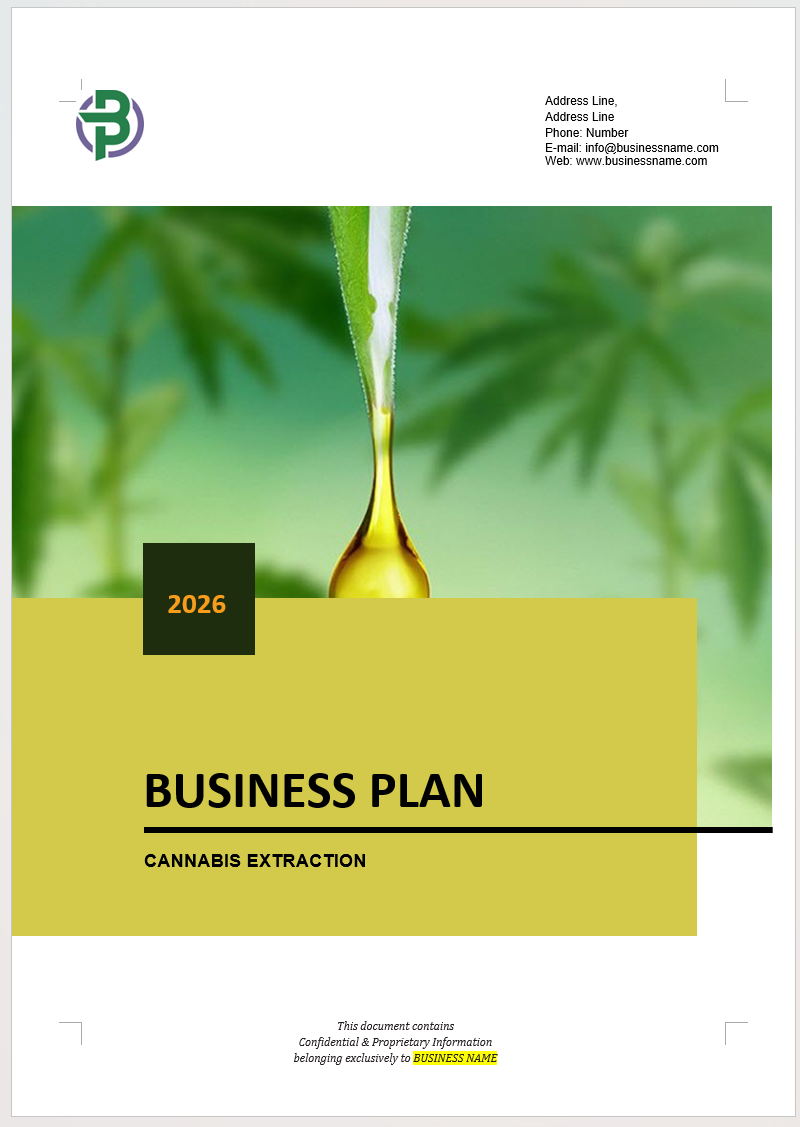
Cannabis Extraction / Concentrates Business Plan Template
Price range: $75.00 through $350.00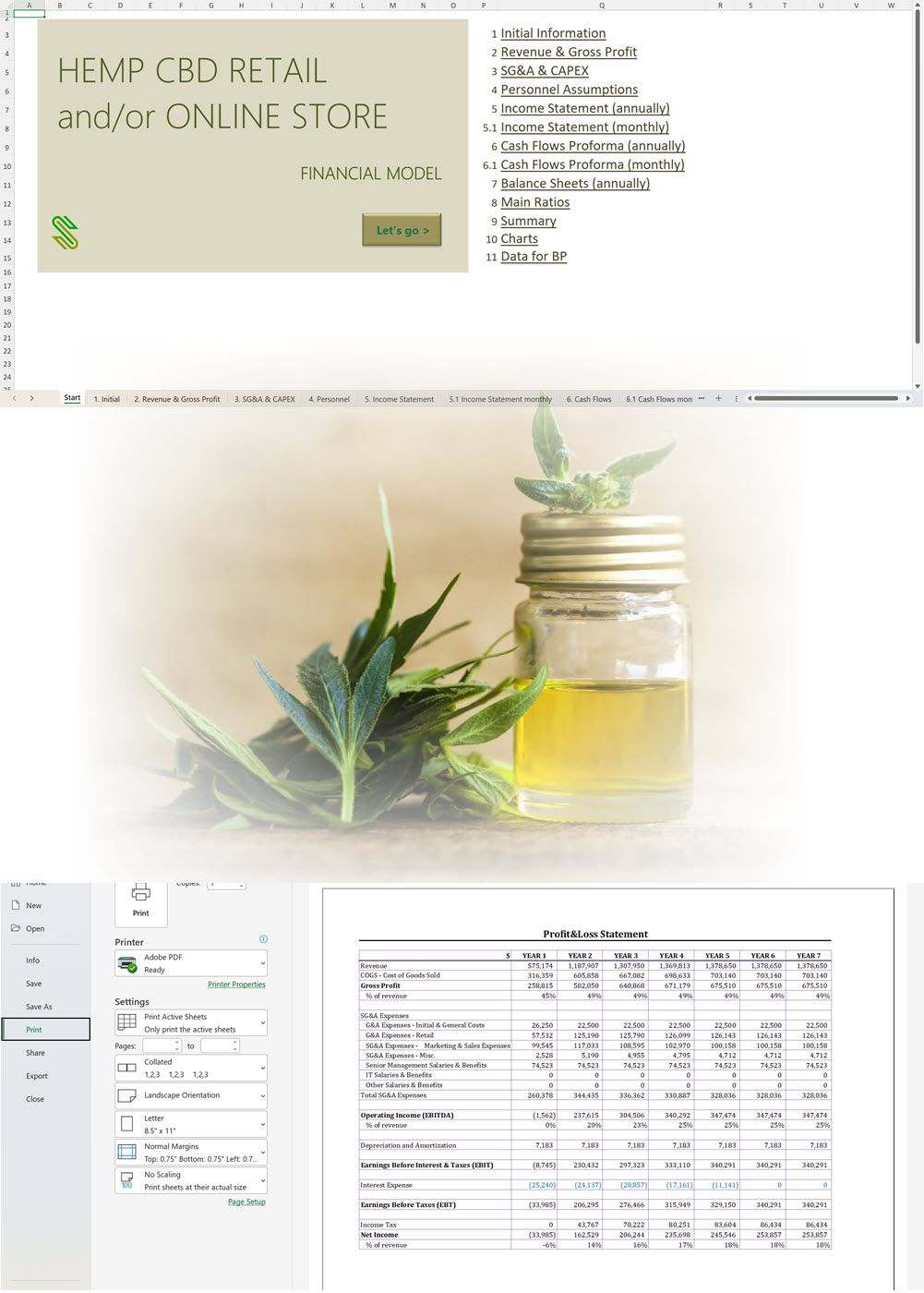
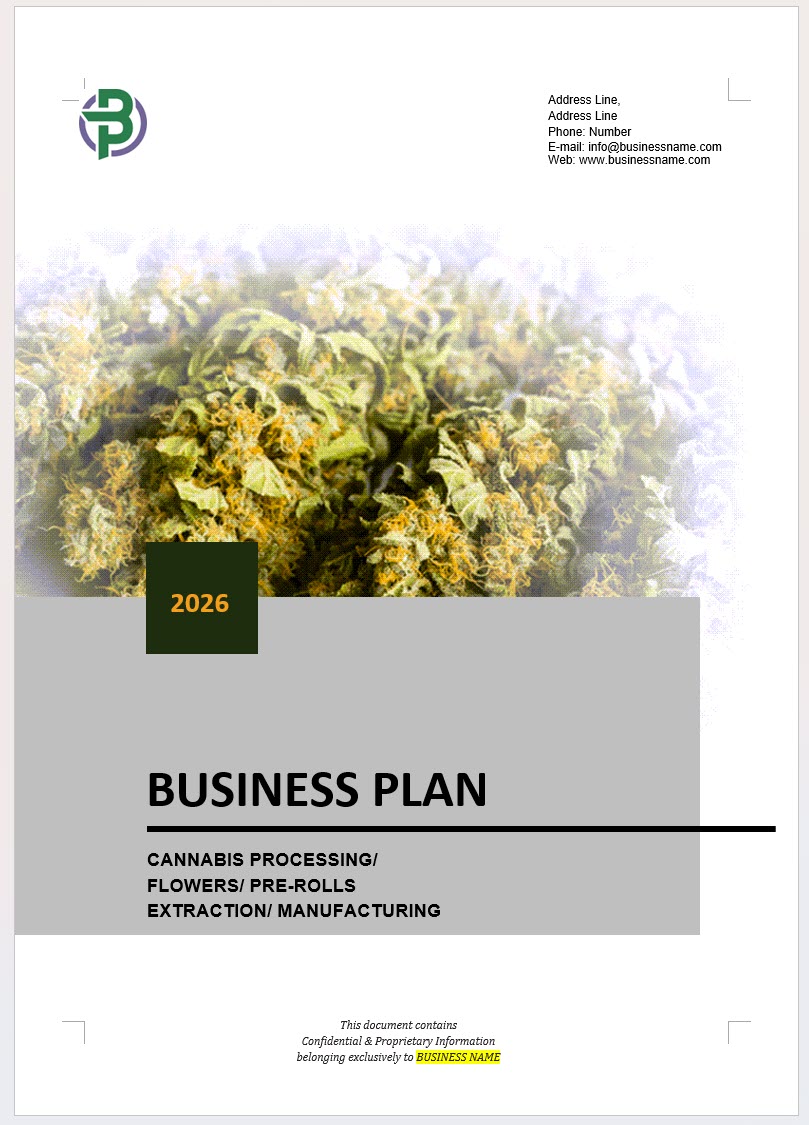
Cannabis Processing/ Flowers/ Pre-rolls/ Extraction/ Manufacturing Business Plan Template
Price range: $75.00 through $350.00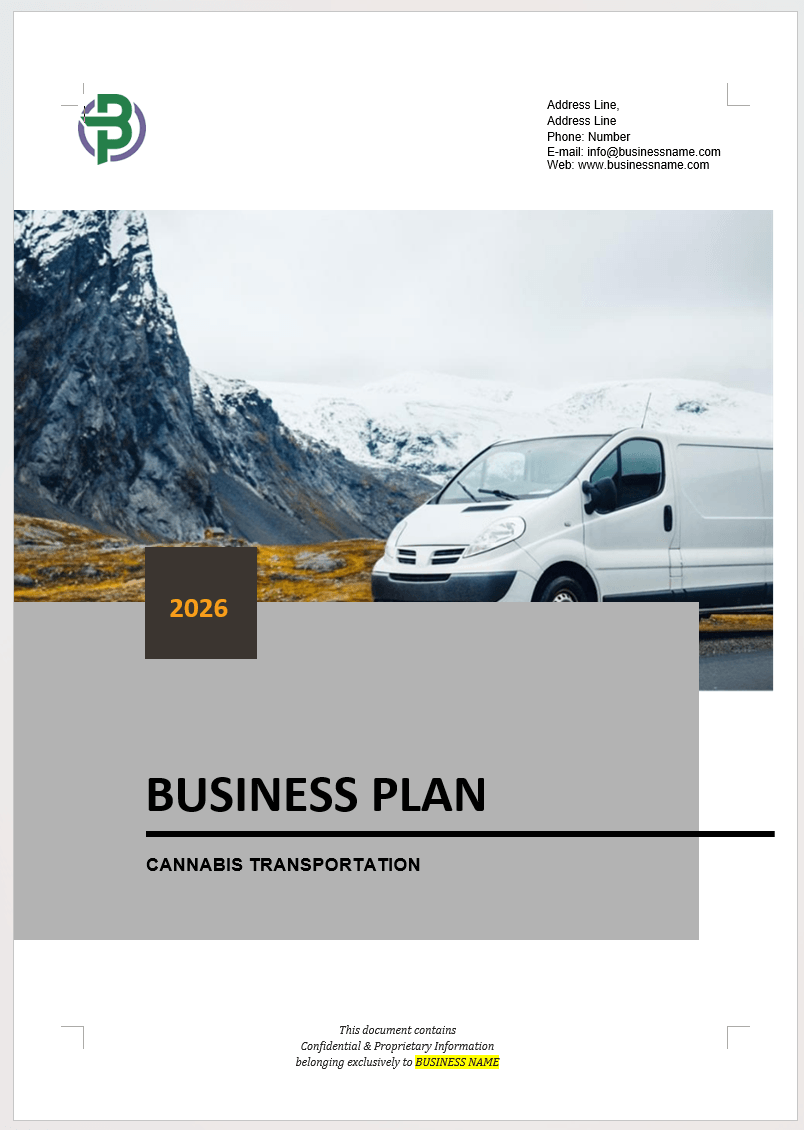
Cannabis Transportation Business Plan Template
Price range: $75.00 through $275.00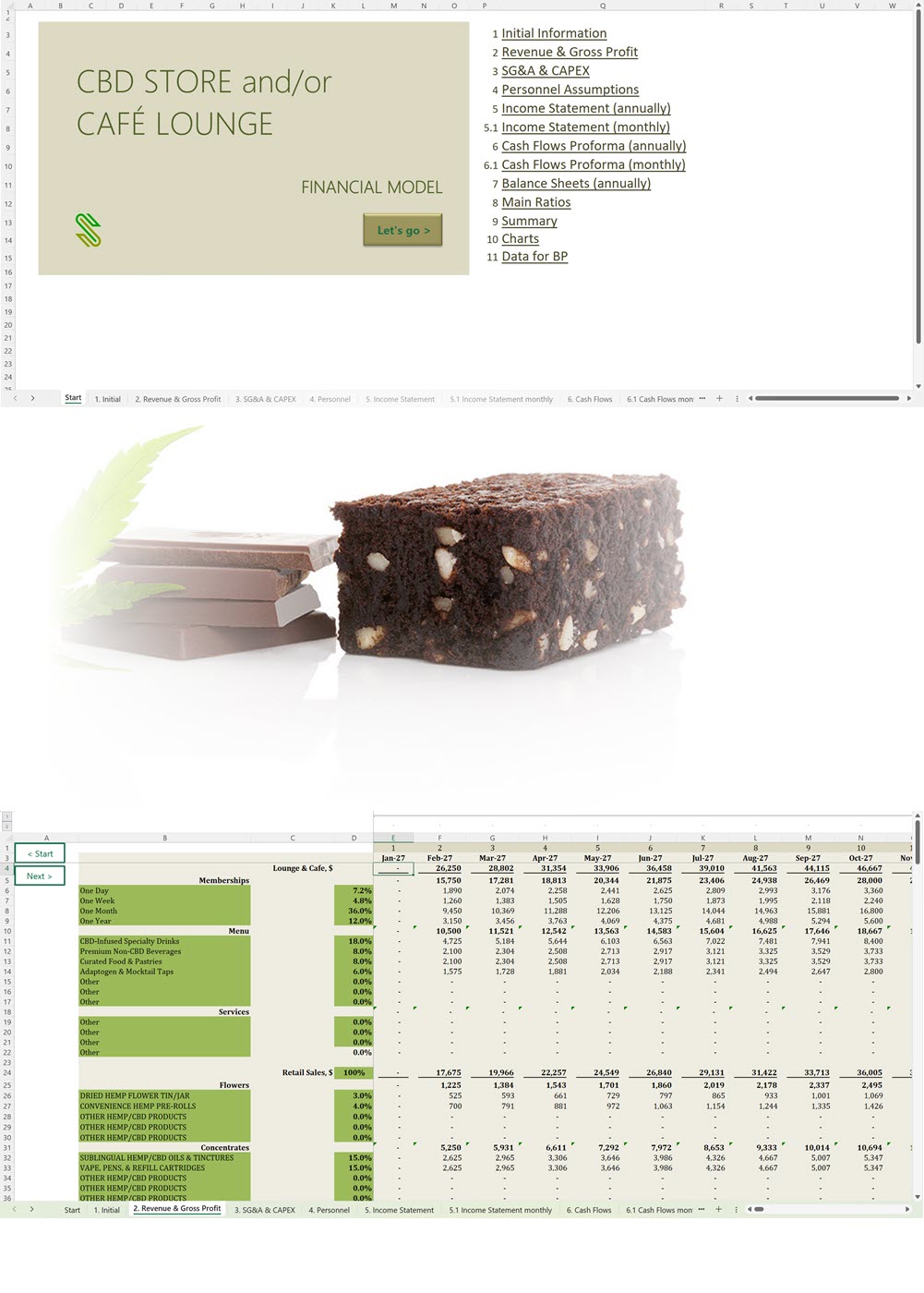
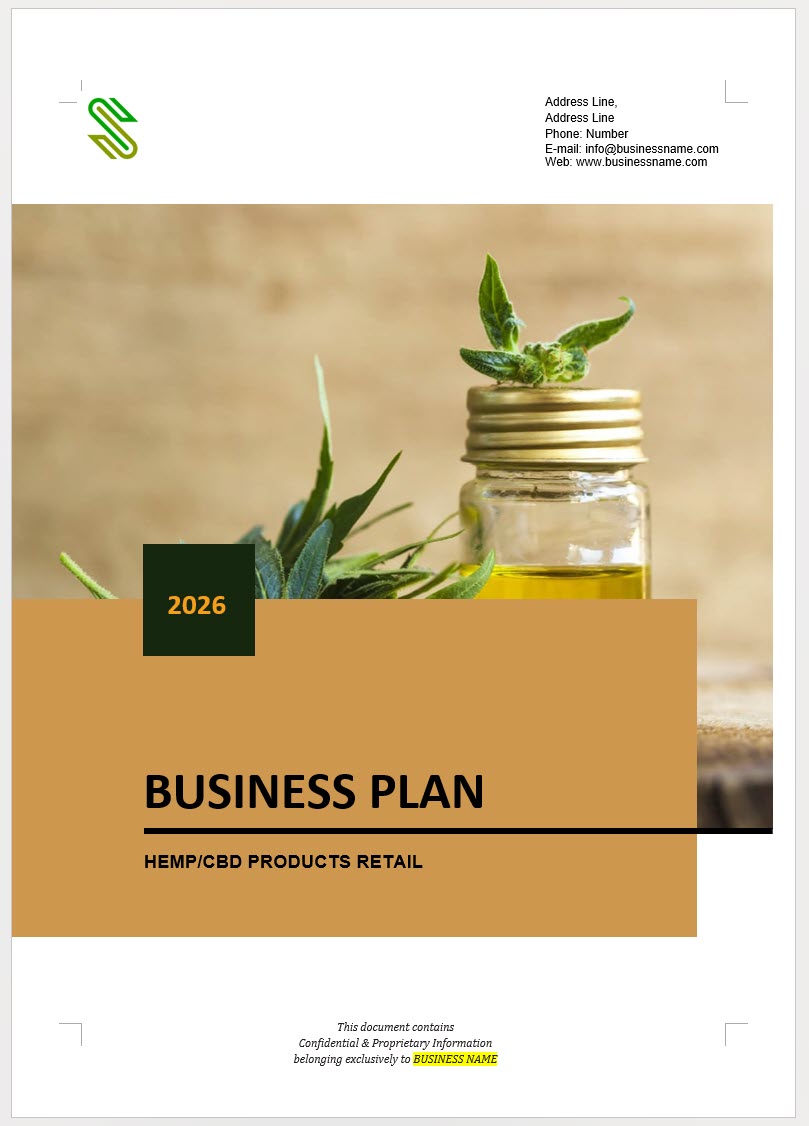
CBD Products Retail/Online Store Business Plan Template
Price range: $75.00 through $275.00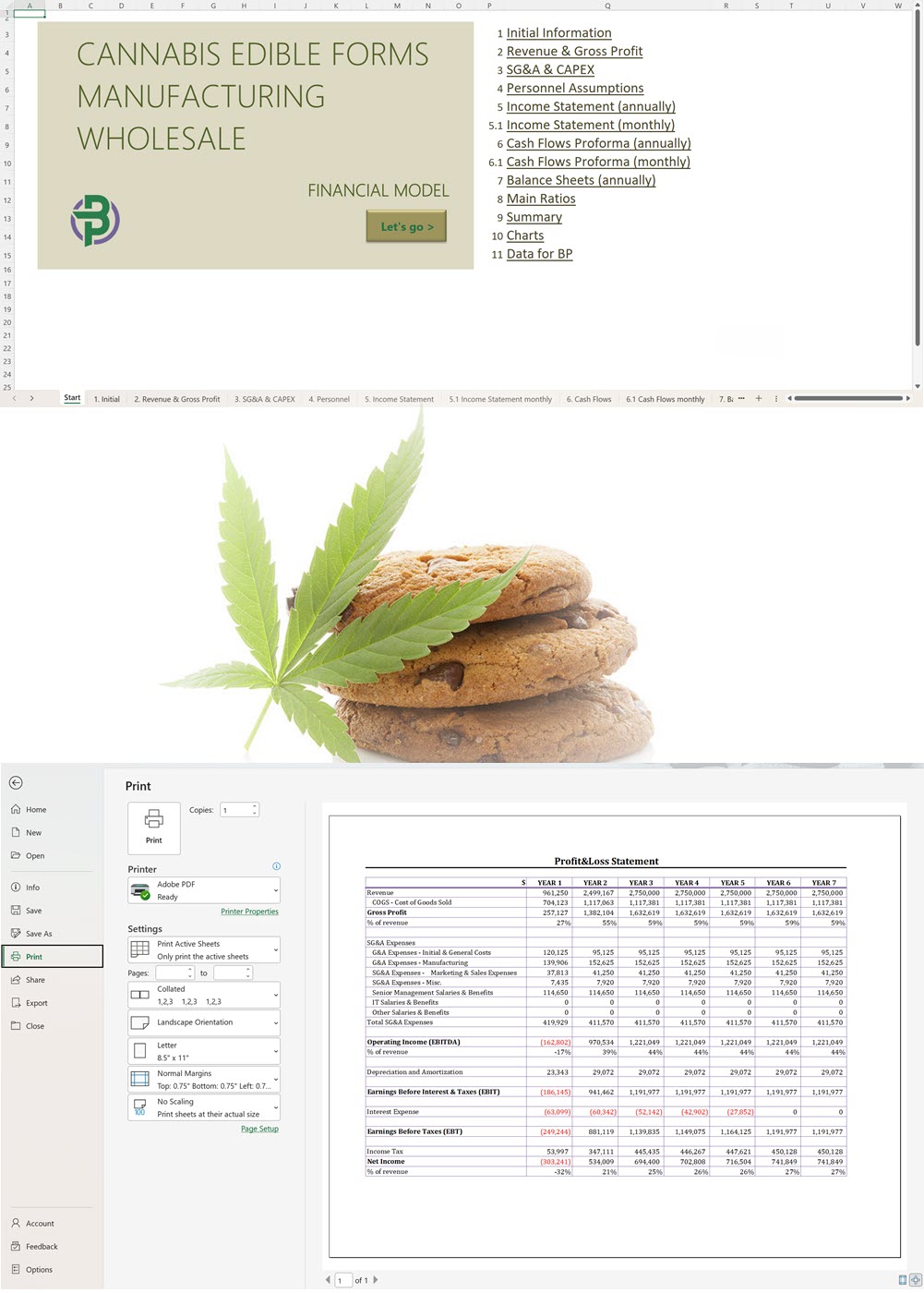
Cannabis Edibles Financial Model
$150.00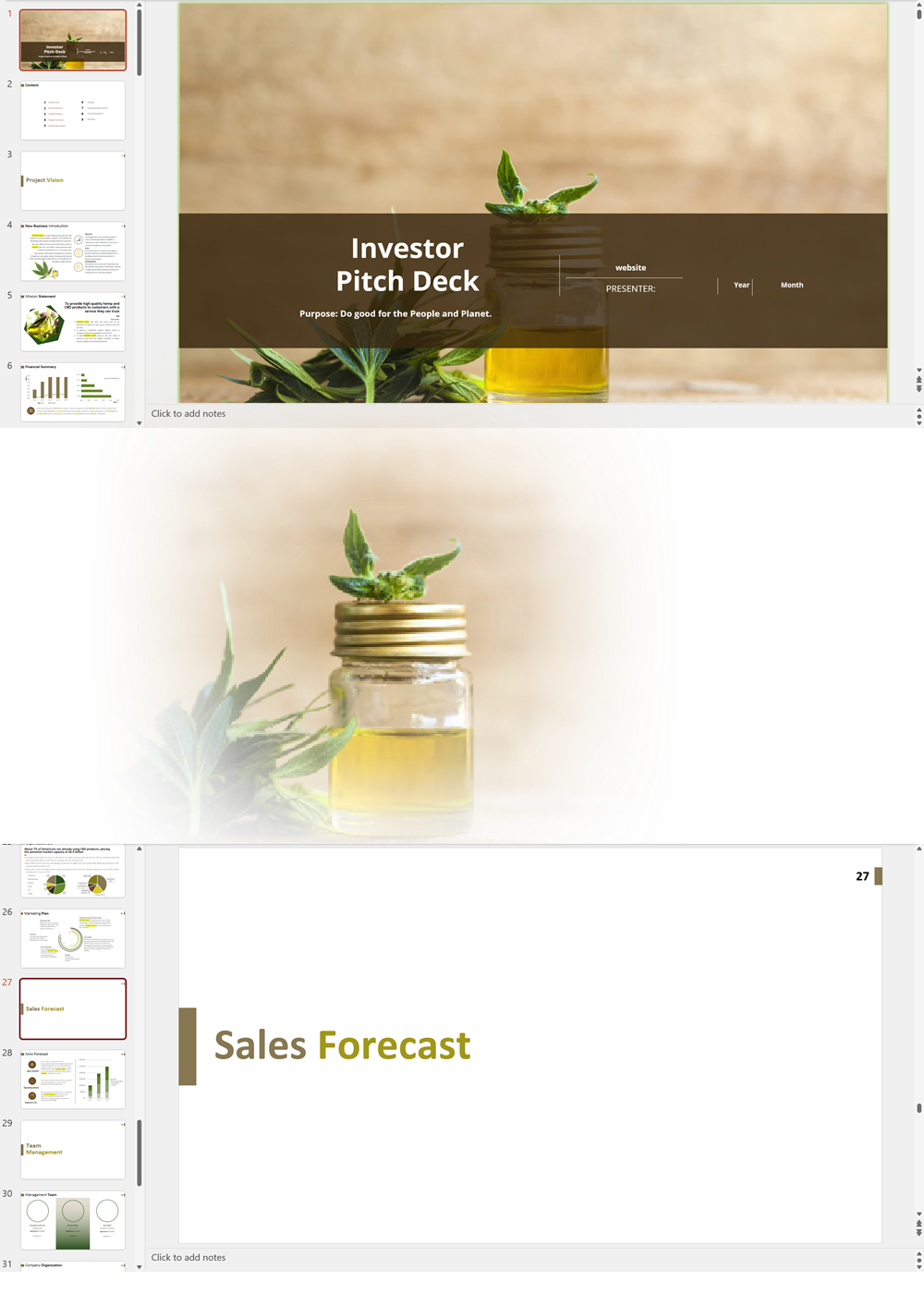
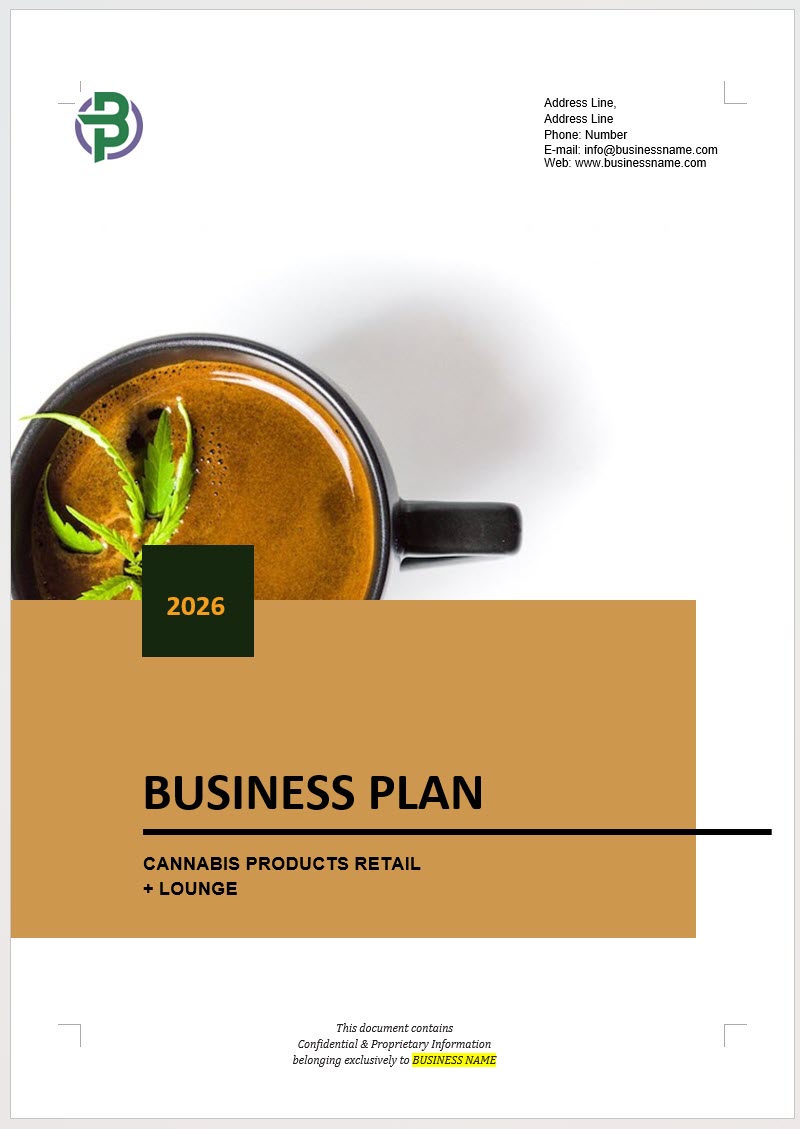
Cannabis Lounge + Retail Business Plan Template
Price range: $75.00 through $350.00
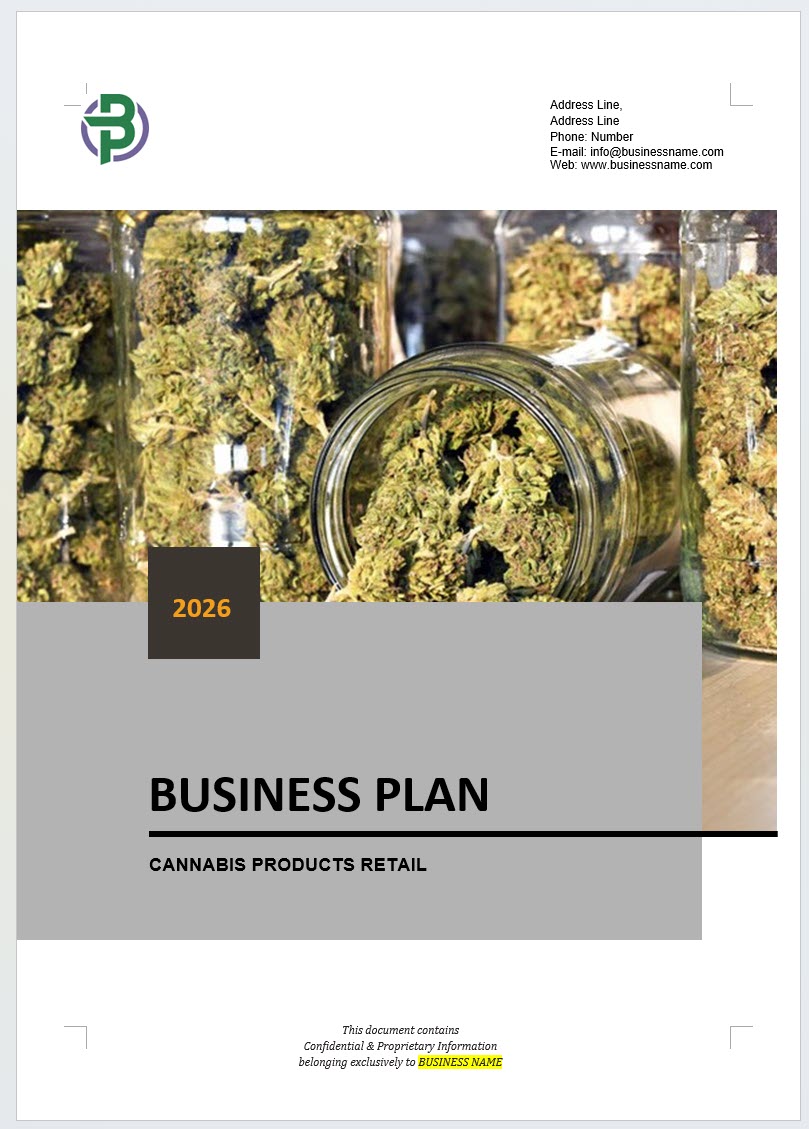
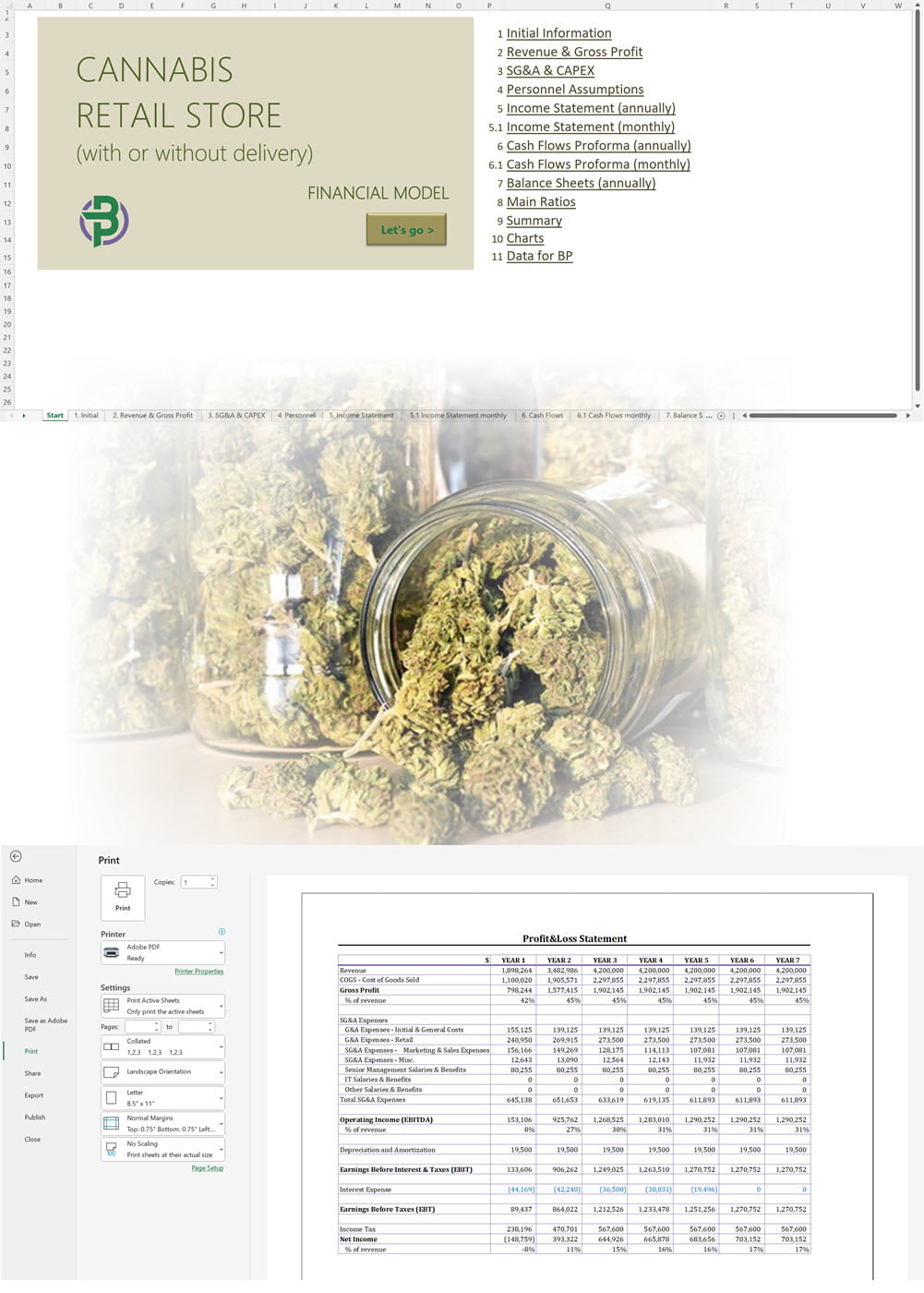
Cannabis Retail Business Plan Template (with or without Delivery)
Price range: $75.00 through $350.00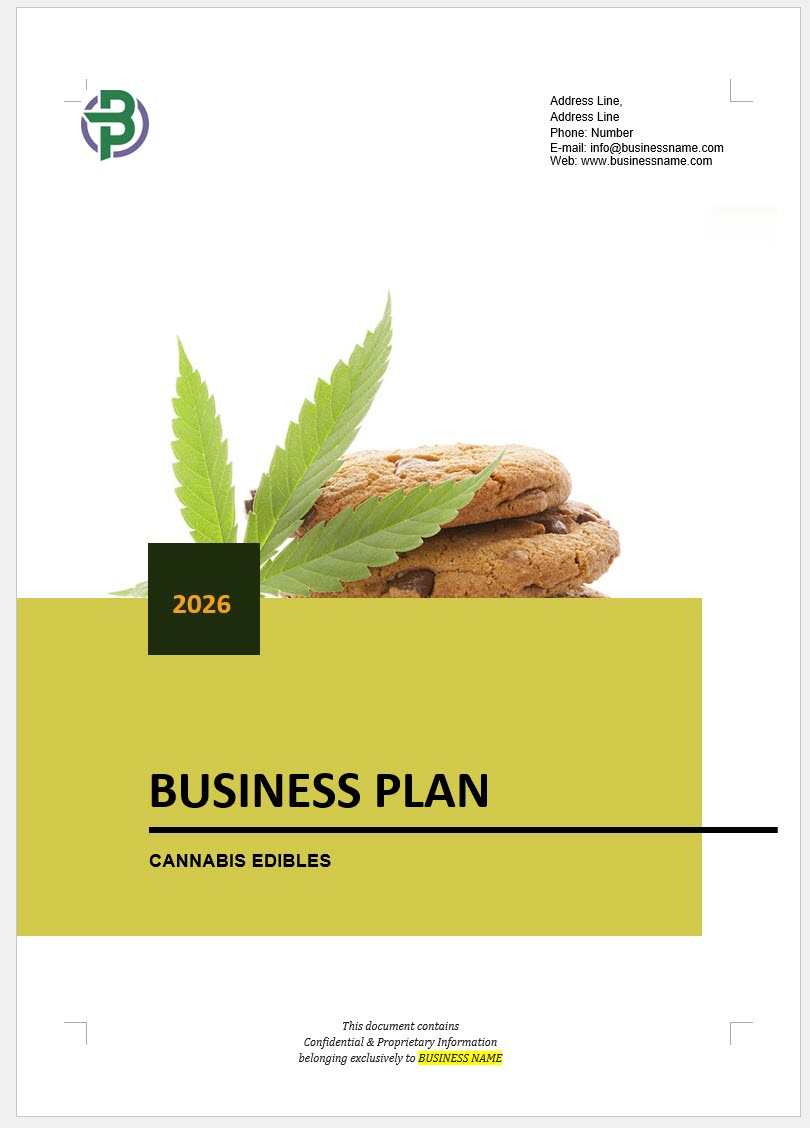
Cannabis Edibles Business Plan Template
Price range: $75.00 through $350.00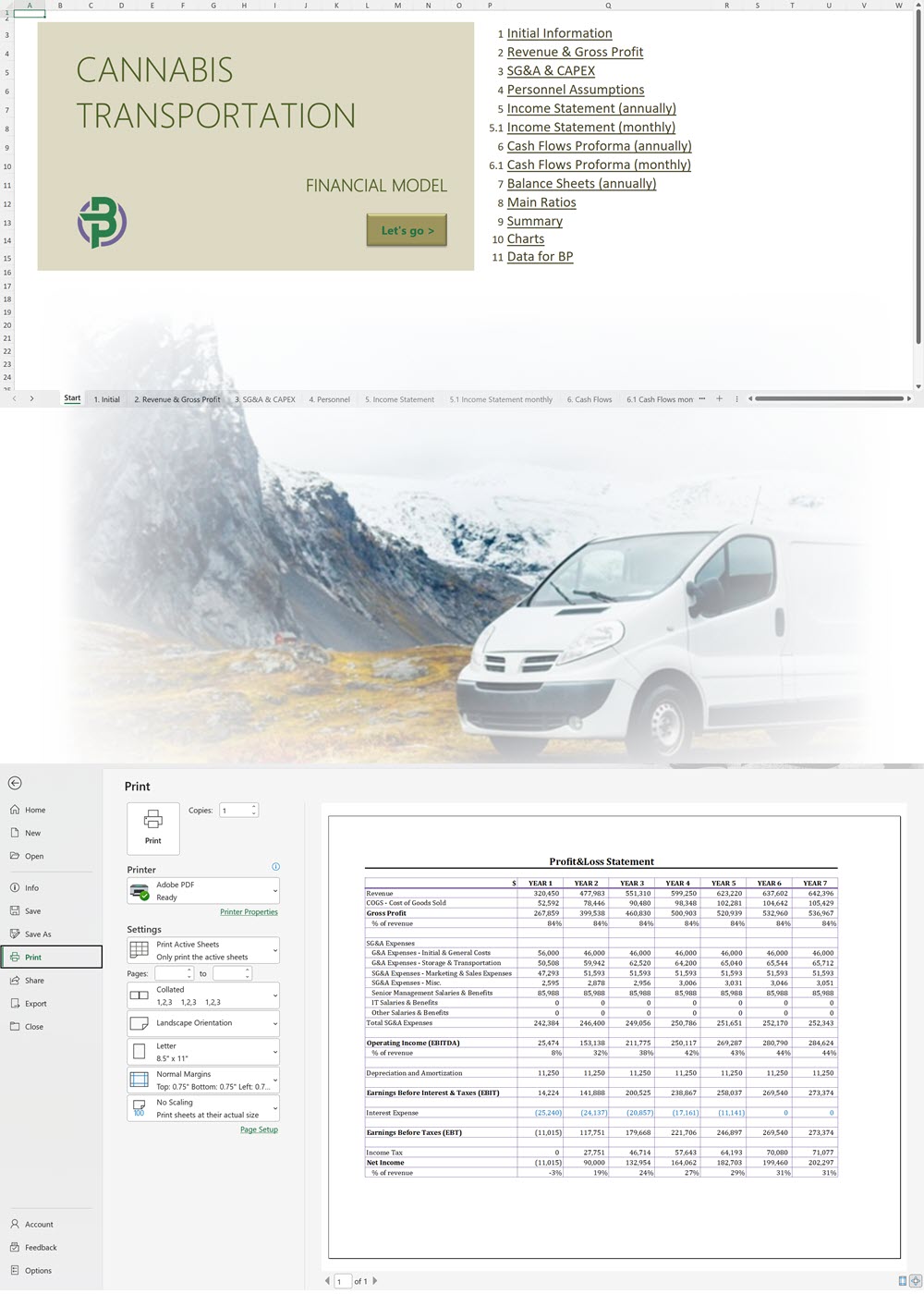
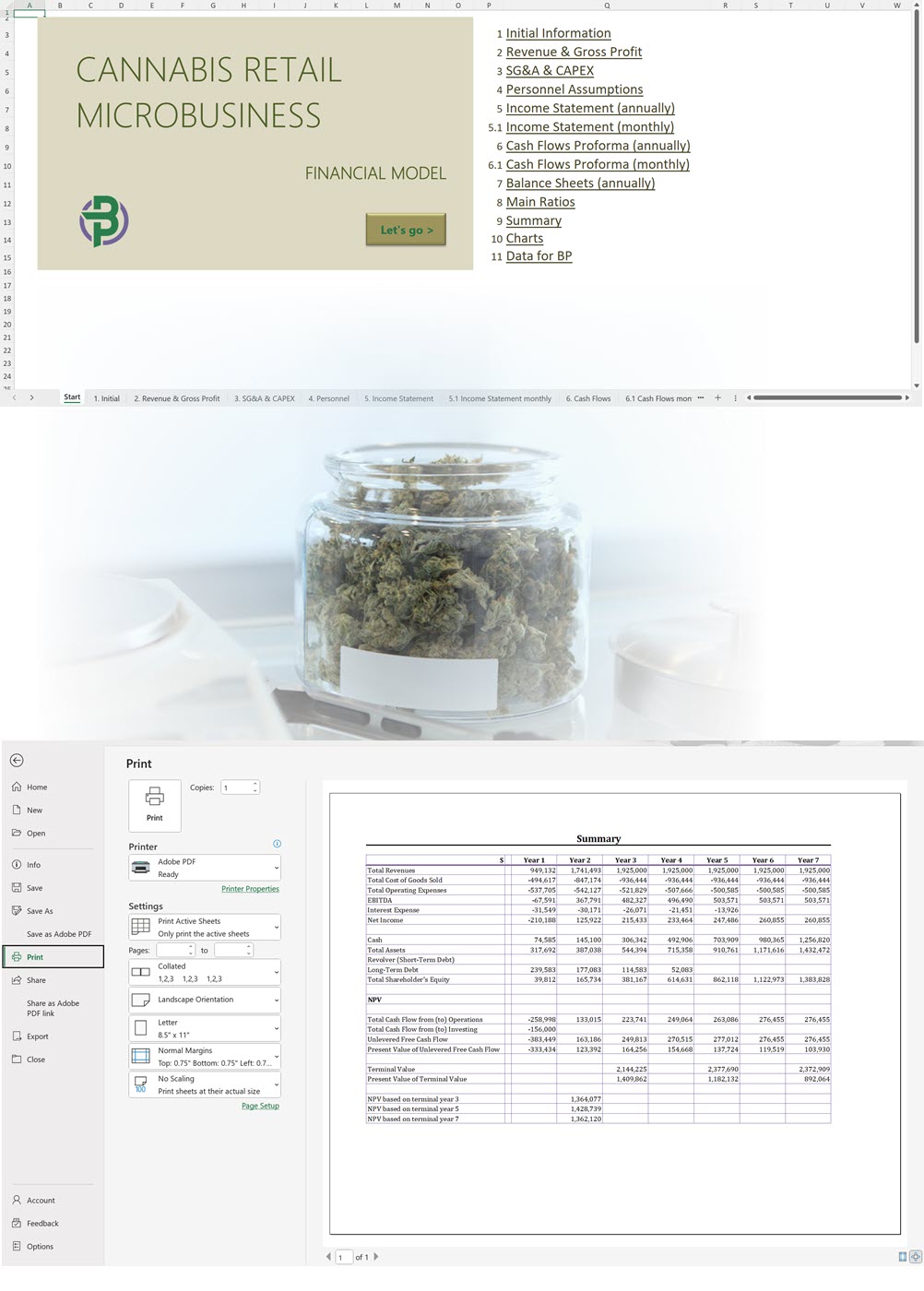
Cannabis Retail Microbusiness Business Plan Template
Price range: $75.00 through $275.00
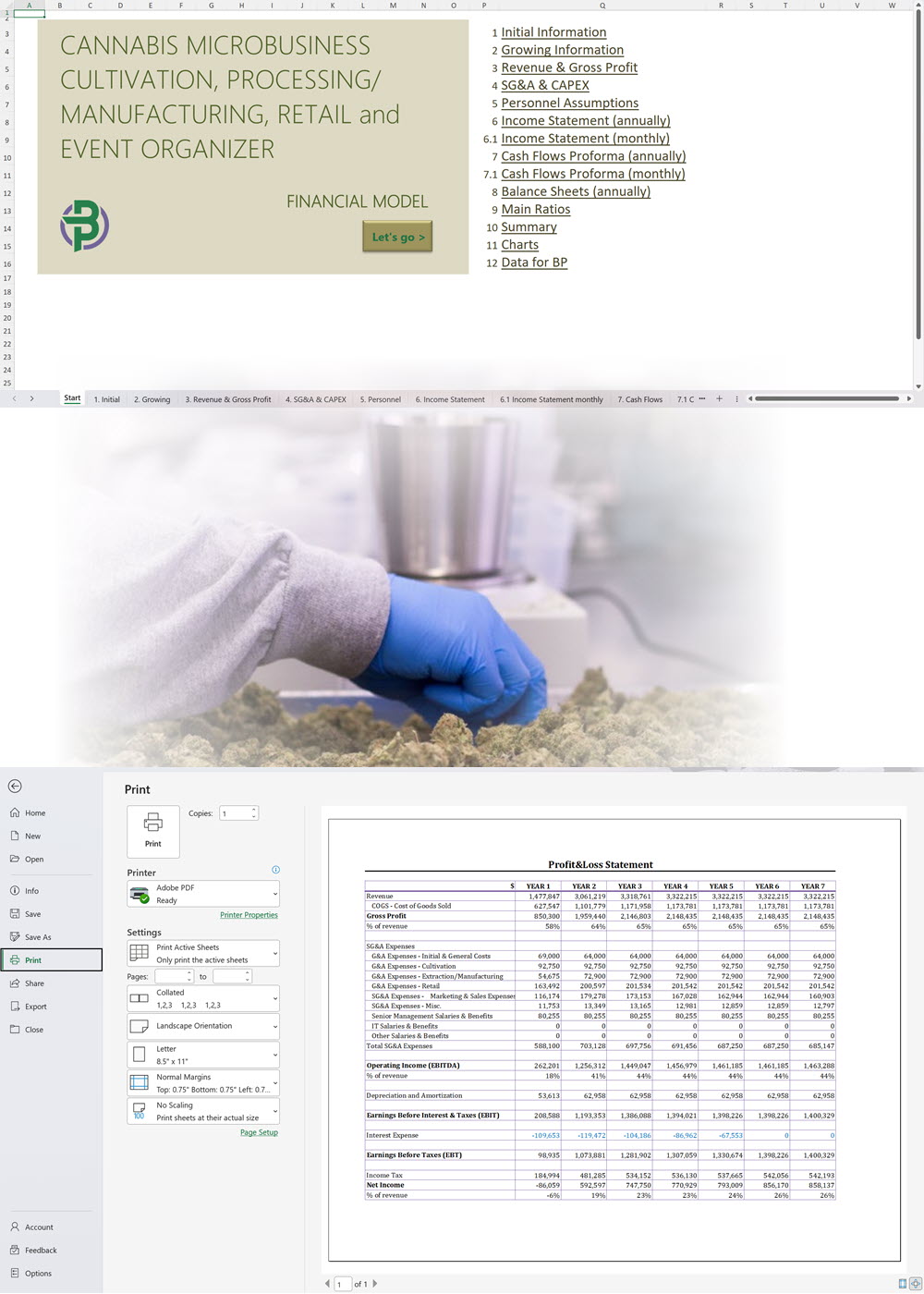
Cannabis Cultivation, Extraction, Manufacturing, Distribution, Retail and Microbusiness Business Plan Template
Price range: $75.00 through $500.00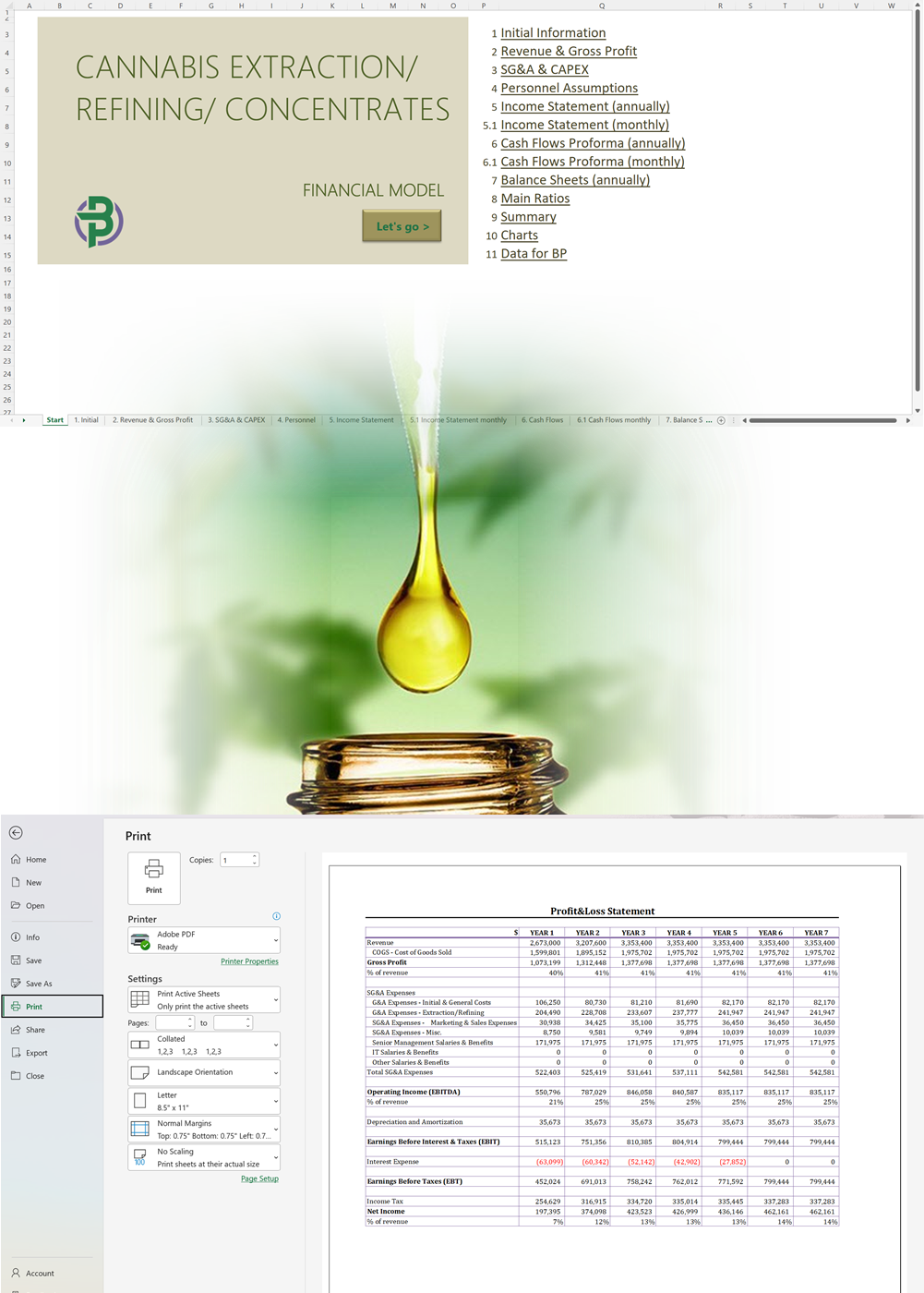

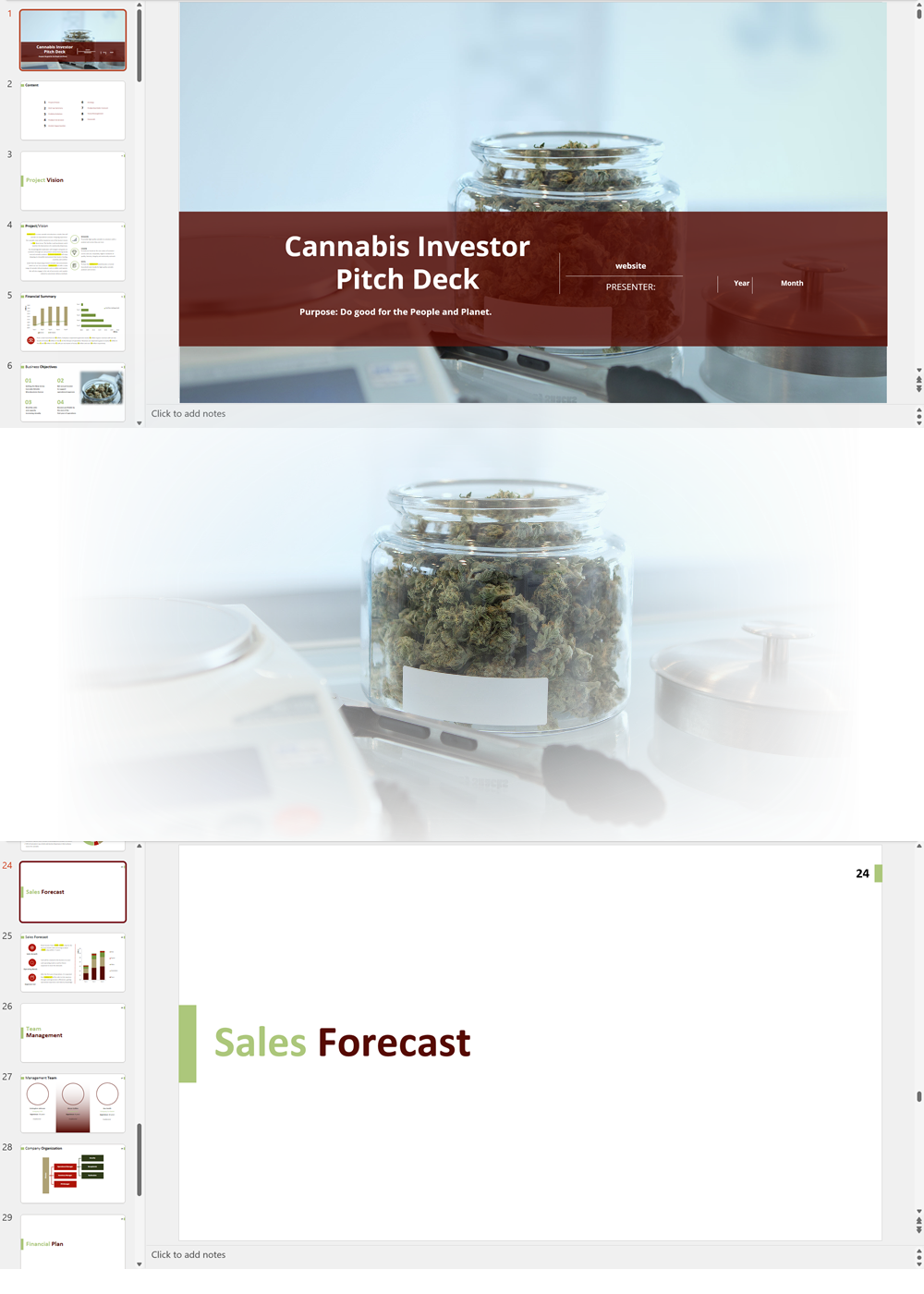
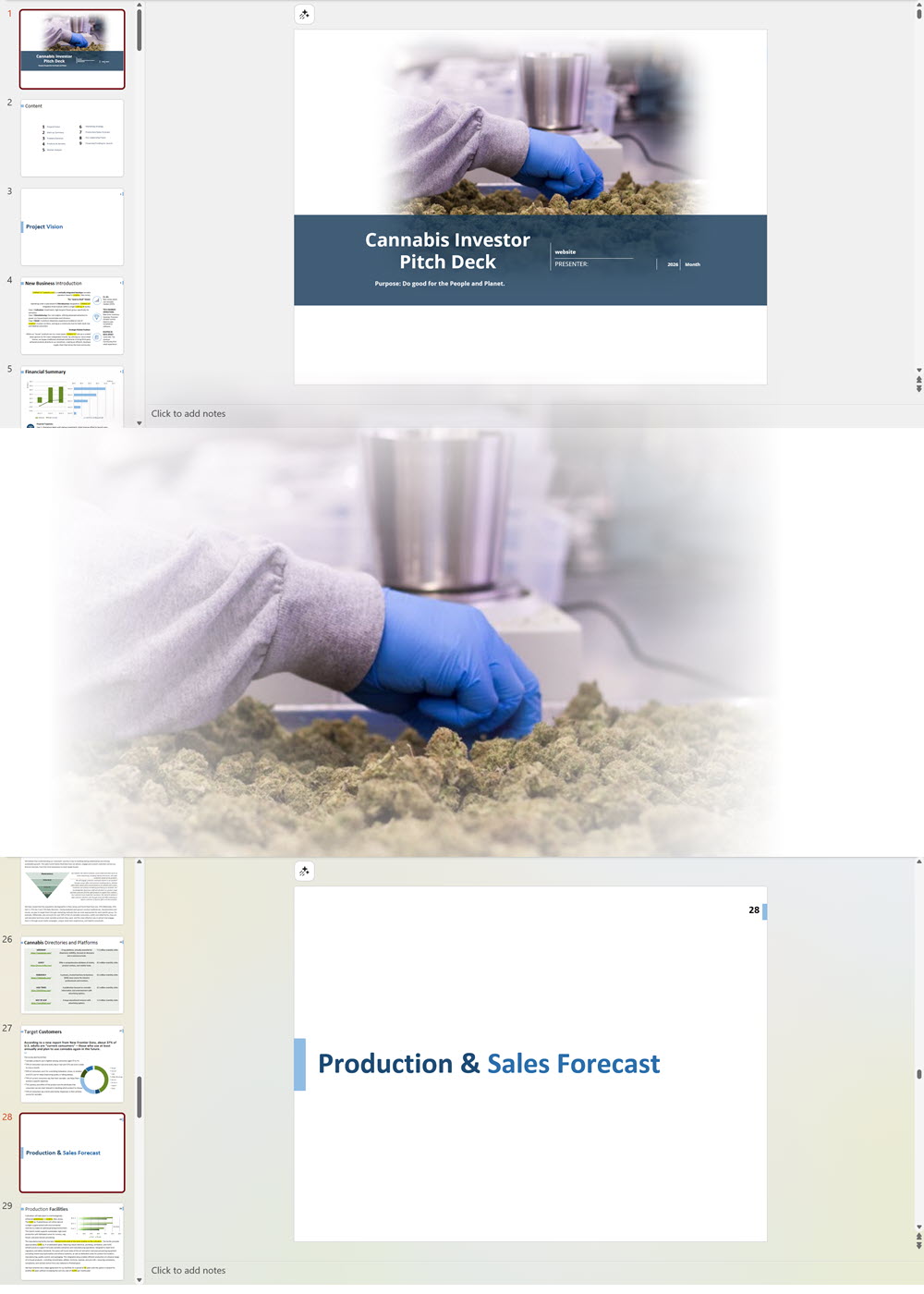
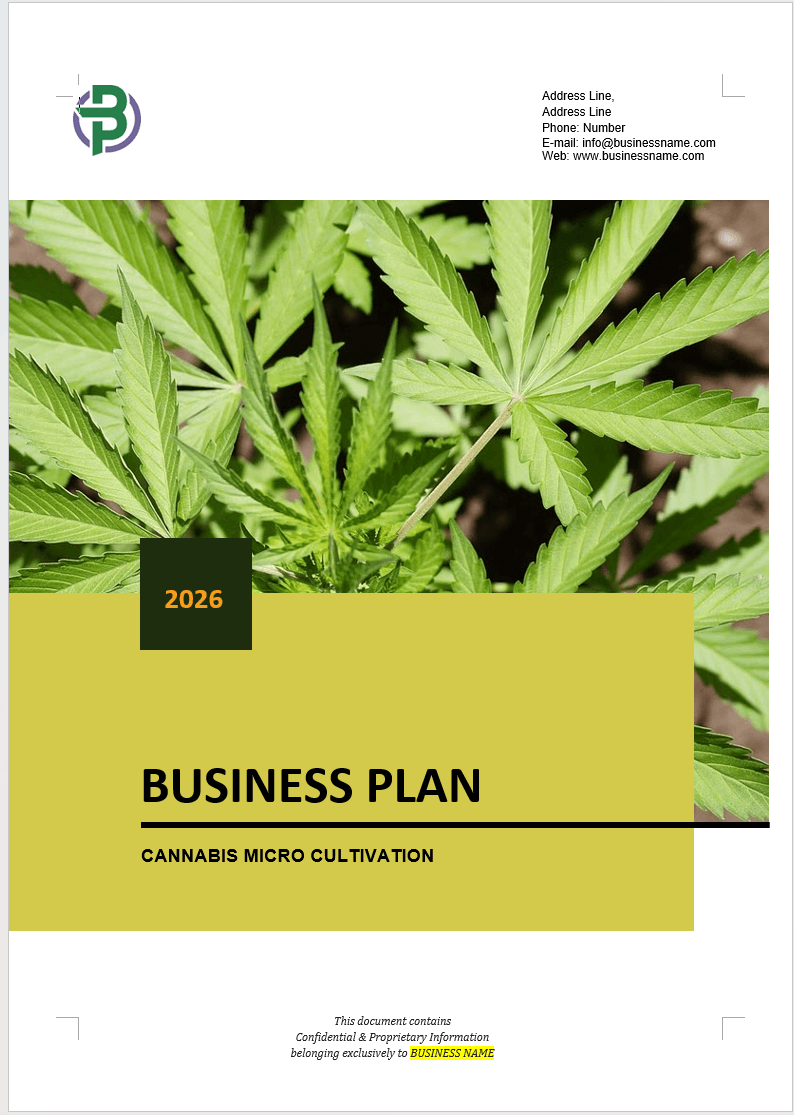
Cannabis Micro Cultivation Business Plan Template
Price range: $75.00 through $300.00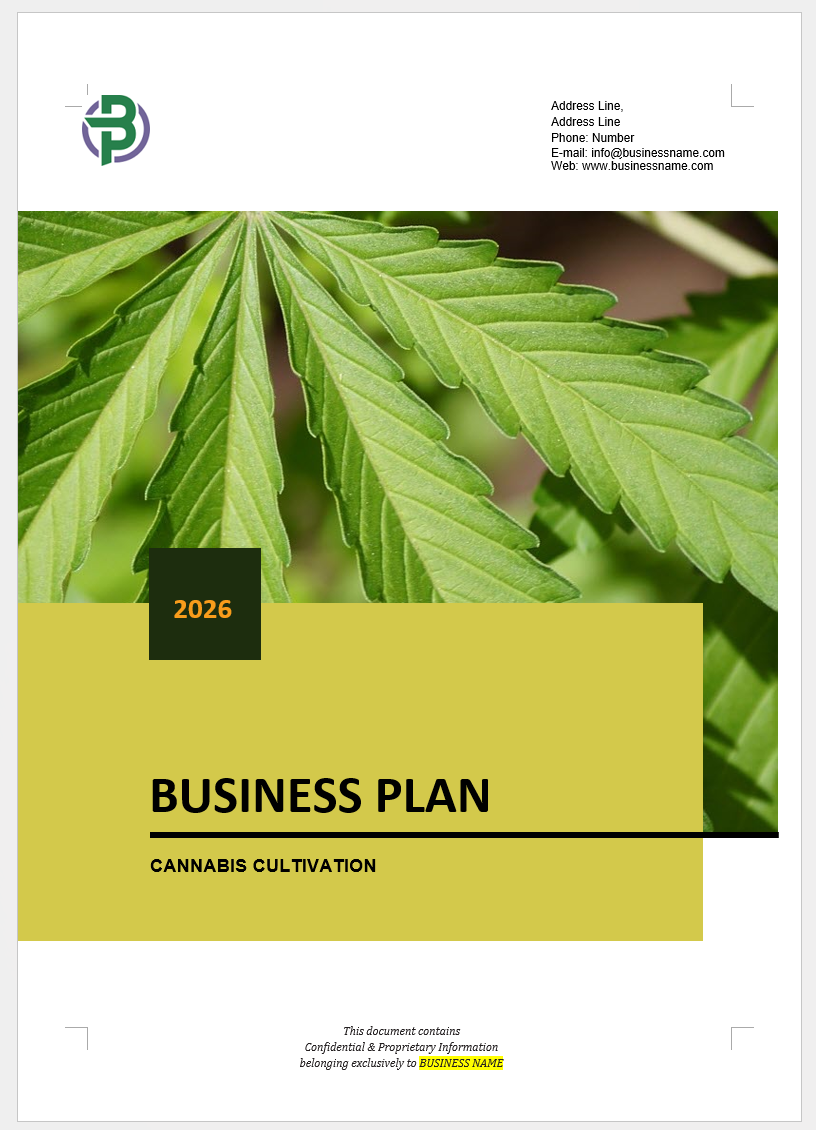
Cannabis Cultivation Business Plan Template
Price range: $75.00 through $350.00