Key Takeaways
- Cannabis law and regulations:
- Medical cannabis: Title 22, Chapter 558-C – Maine Medical Use of Cannabis Act
- Recreational cannabis: Title 28-B – Adult Use Cannabis
- Licenses available:
- Medical cannabis: dispensary, manufacturing facility, testing facility.
- Recreational cannabis: cultivation facility, products manufacturing facility, testing facility, cannabis store, sample collector.
- Products legal:
- Medical cannabis: individuals are allowed to possess no more than 2.5 ounces of cannabis.
- Recreational cannabis: individuals aged 21 and over can possess up to 2.5 ounces of cannabis.
- Cannabis products may be sold as inhaled products, edible products, topical products and seeds.
- Taxes:
- The state tax rate for medical and recreational marijuana purchases is 5.5%.
- There is a 10% retail sales tax on recreational cannabis as well as excise taxes on the wholesale of recreational cannabis. From January 1, 2026, the retail sales tax is raised to 14% and the excises taxes on wholesale are reduced.
- Market:
- Medical cannabis: 2023 brought in nearly $280 million worth of sales.
- In 2024, there were 110,484 patient certifications and 12 certified medical cannabis manufacturing facilities.
- As of March 2025, there were 1,634 registered caregivers and 77 active dispensaries.
- Recreational cannabis: Sales worth $243.9 million in 2024 – 12% higher than in 2023. In January and February 2025 combined, sales were worth nearly $37 million with usable cannabis (flowers, pre-rolls and trims) accounting for 56.6% of them, followed by concentrate (28.4%) and infused products (15%).
- As of March 2025, there were 330 active recreational cannabis licensees.
Medical Maine Cannabis Market
Since medical cannabis was legalized in Maine in 1999 through the approval of Ballot Question 2, patients either cultivated their own cannabis plants or authorized a caregiver to do it for them.
In 2009, the Maine Medical Use of Marijuana Act decriminalized possession of no more than 2.5 ounces of cannabis and established nonprofit dispensaries to be licensed and regulated by the Office of Cannabis Policy.
Two new medical cannabis laws, LDs 238 and 1539, were passed in July 2018 and took effect in December 2018. The laws gives Maine’s 50,000 medical patients broader access to cannabis, making the drug safer and making the laws easier to enforce:
- Medical patients may get a medical card if a doctor deems cannabis medically beneficial, eliminating state-sanctioned qualifying conditions like cancer, chronic pain or AIDS.
- Not only physicians, but also physician assistants and nurse practitioners were allowed to issue certifications.
- Patients were no longer required to designate a specific caregiver or dispensary and certification was simplified.
- Caregivers can be granted the right to open shops and hire more than a single employee.
- Nonprofit dispensaries were allowed to transition to for-profit businesses.
- Six new medical dispensary licenses can be issued, giving Maine a total of 14.
- The sales amount is increased to 2.5 ounces per visit, up from 2.5 ounces per 14 days.
- Caregivers could now grow up to 30 flowering plants and up to 60 vegetative plants, no matter how many patients they serve.
- Caregivers could now take on an unlimited number of patients.
- Municipalities gain local control to decide whether or not to accept cannabis businesses.
- Medical cannabis providers may now sell up to 30% of their total amount grown to other legal providers, increasing access and selection for medical cardholders.
- Medical testing facilities are allowed to operate, and the lab verification of label information is required on all cannabis products.
- Allows dispensaries and caregivers to expense equipment costs on their state taxes.
- Establishes a license for third-party extraction facilities.
In August 2022, a federal judge ruled that owners of licensed cannabis companies no longer had to be state residents. This opened an opportunity for out-of-state individuals to start a cannabis business in Maine.
According to the Portland Press Herald, tax data shows that Mainers spent $23.5 million on cannabis products in 2018, $111.6 million in 2019 and sales reached $291 million in 2020 through seven dispensaries, according to state sales tax data. Maine’s 3,000 caregivers brought in over $371 million in sales in 2021, according to Portland Press Herald. In 2022, this fell to around $307 million and then further to $280 million in 2023 and $234 million in 2024, following a decrease in the number of caregivers.
As of March 2025, the state had 1,634 registered caregivers and 77 active dispensaries, according to data from the Maine Office of Cannabis Policy.
The number of patient certifications in the state has consistently risen from 45,940 in 2018 to 110,484 in 2024. By the end of 2024, 12 manufacturing facility registration certificates have been issued to four registered dispensaries and eight registered caregivers.
Recreational Maine Cannabis Market
On November 8, 2016, Maine voters passed Ballot Question 1 which approved cannabis for recreational use, allowing Mainers over age 21 to consume 2.5 ounces of cannabis.
On May 2, 2018, the Legislature overrode the Governor’s veto of LD 1719, An Act to Implement a Regulatory Structure for Adult Use Marijuana. The bill enacted Title 28-B.
The following excise tax is imposed on a cultivation facility licensee when making sales to other licensees in the state:
- $335 per pound or fraction thereof of cannabis flower.
- $94 per pound or fraction thereof of cannabis trim.
- $1.50 per immature cannabis plant or seedling.
- $35 per mature cannabis plant.
- 30¢ per cannabis seed.
There is also a 10% tax on the value of adult-use cannabis and cannabis products sold to consumers.
On June 27, 2019, new cannabis regulations (P.L. 2019, ch. 491) were approved by a state legislative committee which became effective from December 5, 2019. Maine started accepting recreational cannabis business license applications in December 2019.
In September 2020, Maine began issuing recreational cannabis licenses and recreational cannabis sales started on October 9, 2020, reporting nearly $82 million sales in 2021 and $158.9 million in 2022. In 2023, sales of adult-use cannabis were worth almost $217 million.
In 2024, sales reached $243.9 million and the first two months of 2025 have brought around $37 million. February 2025 sales mainly consisted of usable cannabis (56.6%) which includes flowers, pre-rolls and trim, followed by concentrate (28.4%) and finally infused products (15%) such as drinks, edibles and topicals.
Excise tax revenue also continuously increased, from nearly $5 million in 2021 to almost $9.9 million in 2022, reaching $14.7 million in 2023 and surpassing $18 million in 2024.
In August 2022, a federal judge ruled that owners of licensed cannabis companies no longer had to be state residents. This opened an opportunity for out-of-state individuals to start a cannabis business in Maine.
As of December 31, 2024, there were 334 active licensees, of which there were 87 cultivation establishments growing cannabis on 311,669 square feet of land – operating at 74.7% capacity. Eleven of the stores and one products manufacturing facility have been authorized for delivery. As of March 2025, there were 330 active licensees: 82 cultivators, 75 manufacturers, 169 stores and 4 testing facilities.
Maine Cannabis Market Infographics
How Can Cannabusinessplans Templates Help Start or Grow Your Cannabis Business?
The majority of cannabis licensing programs require the submission of a business plan as part of the application for a cannabis license. Even if it is not mandated by law, a business plan is essential for securing funding and assisting an applicant in understanding how much money it will take to start a cannabis business and how much profit it could make.
A well-structured business plan can make all the difference in helping you demonstrate your proposed cannabis business’ compliance with regulations and its operational viability.
Our complete 70% ‘ready-to-go’ cannabis business plan template package is everything you need to create a professional business plan for a cannabis business with expert financials and projections. A complete cannabis business plan template package includes:
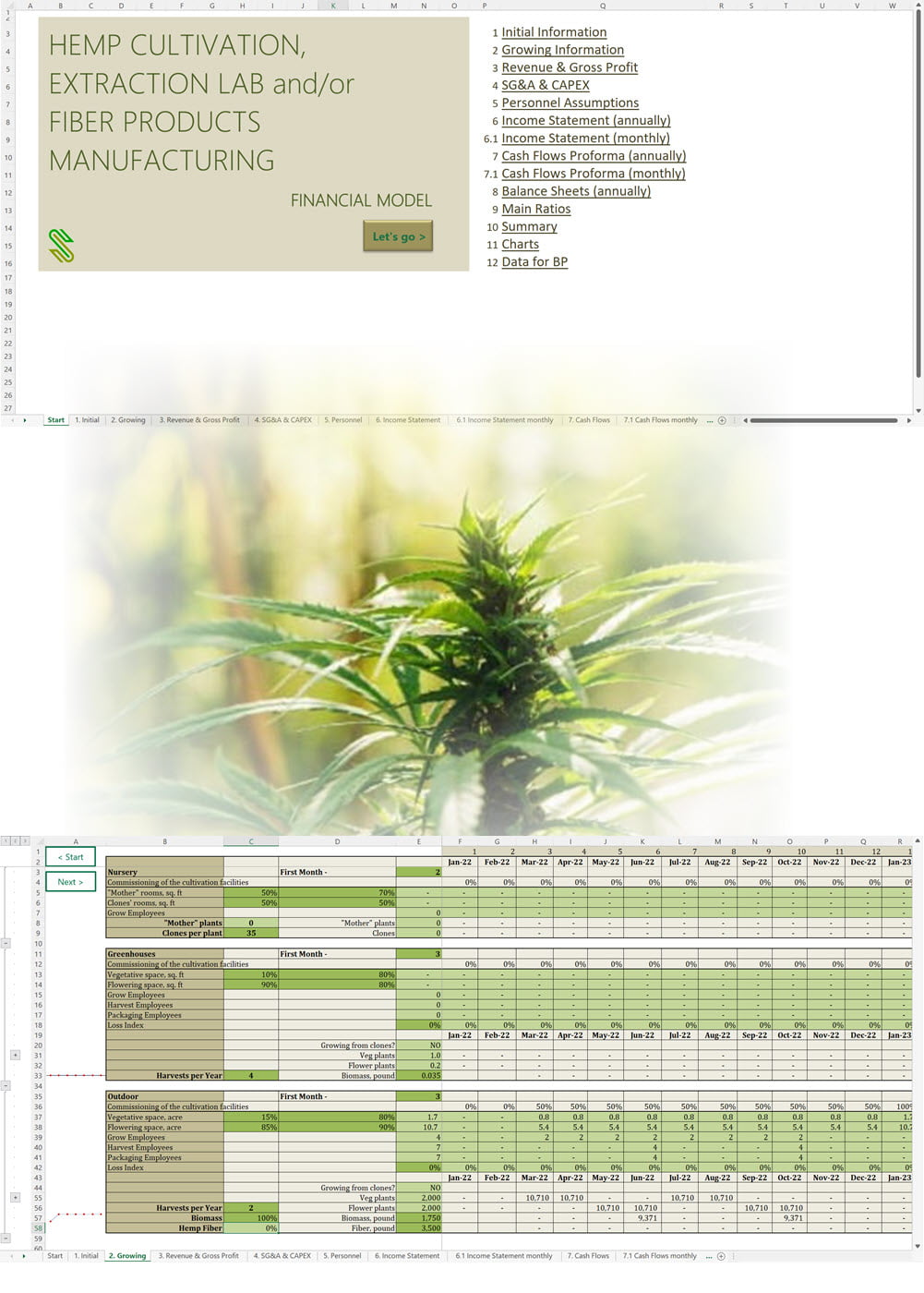
- Excel Financial Model: change variables and immediately see the impact, break down operational and capital costs, know how much it will take to get into the business and the potential profits.
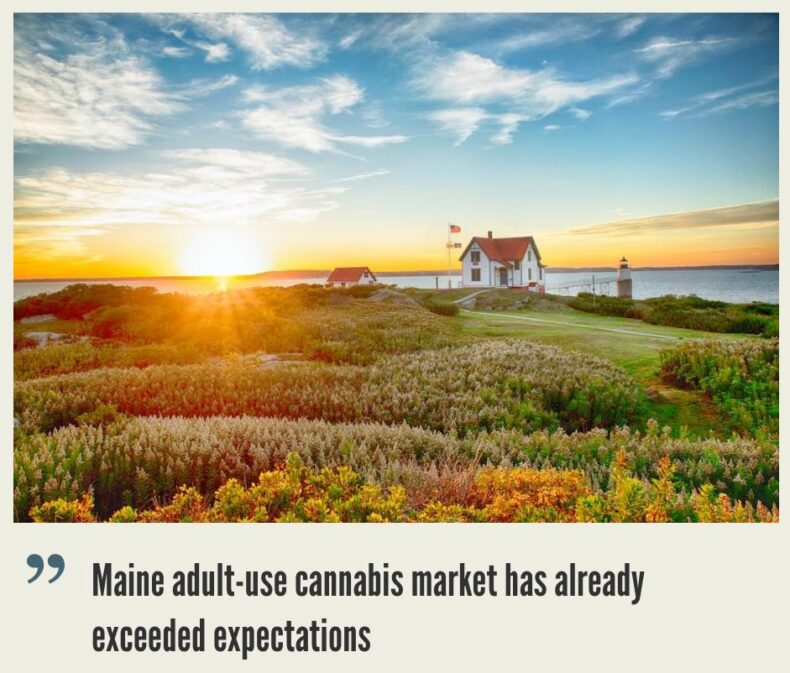
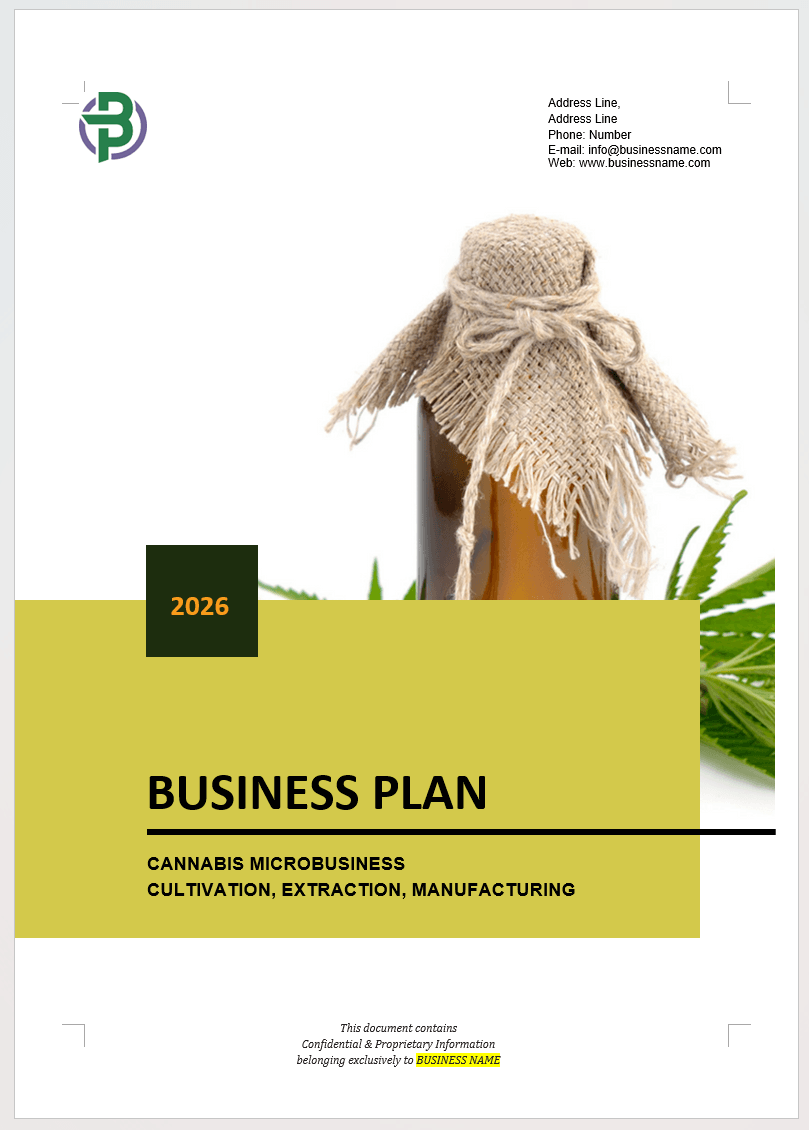
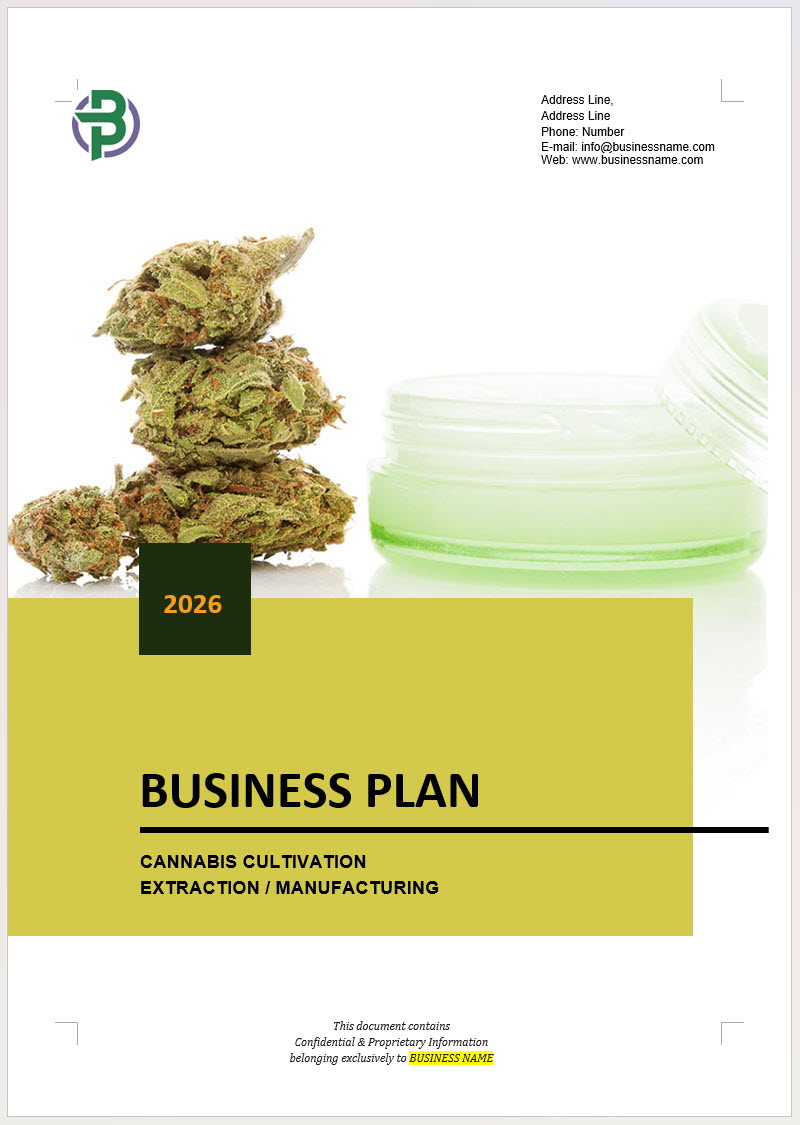
- Word Business Plan: value proposition, market analysis, marketing strategy, operating plan, organizational structure, financial plan and more.
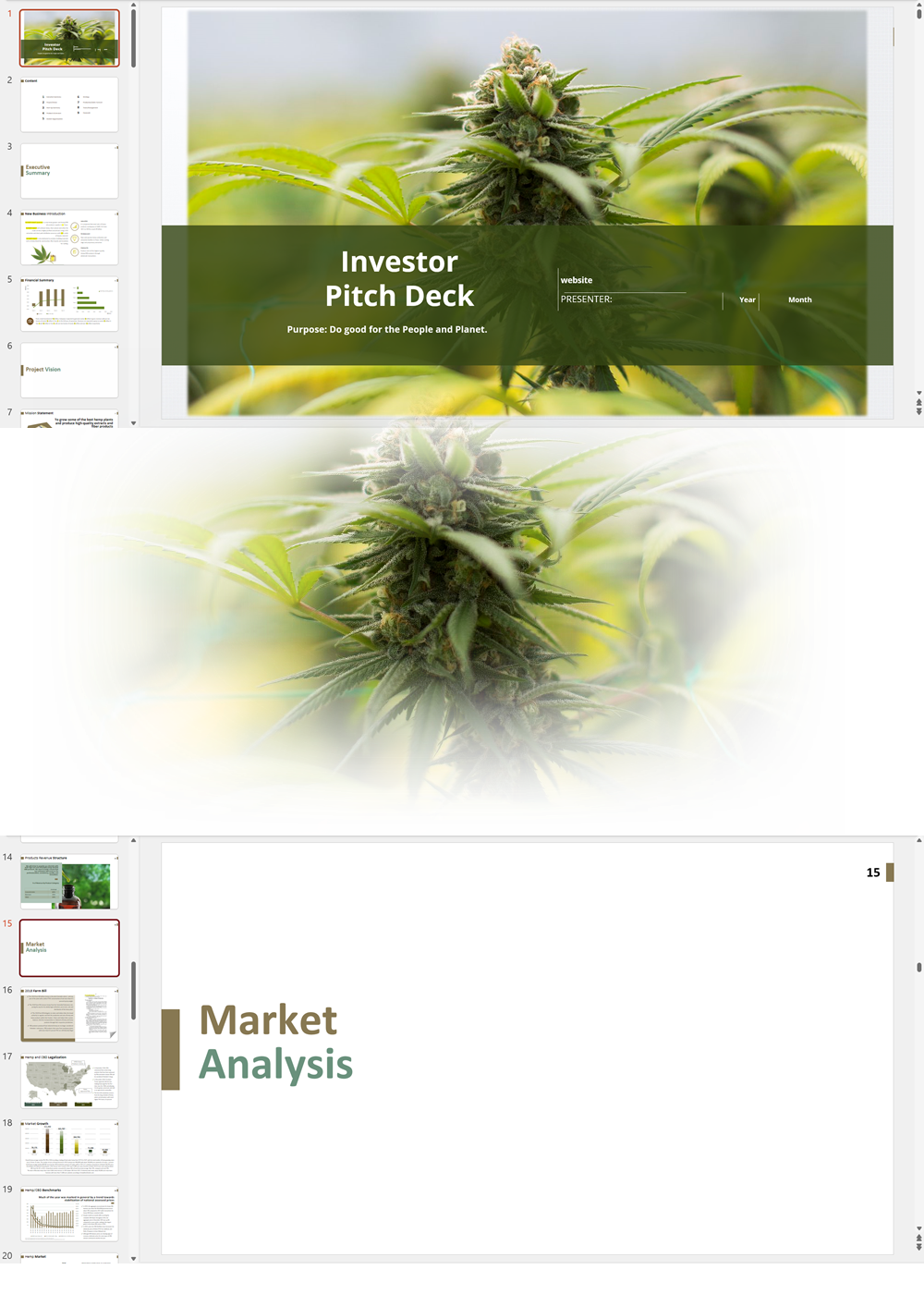
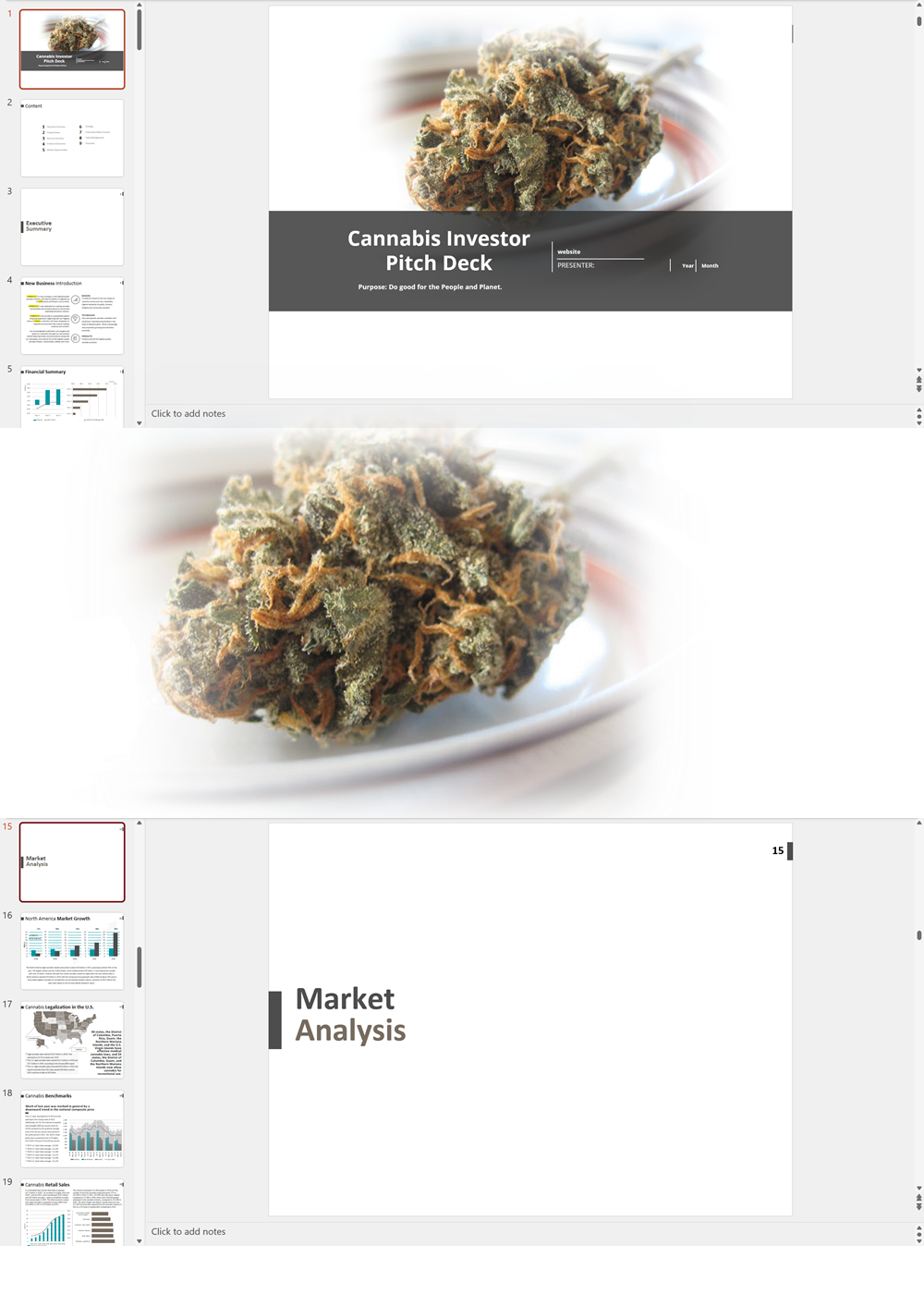
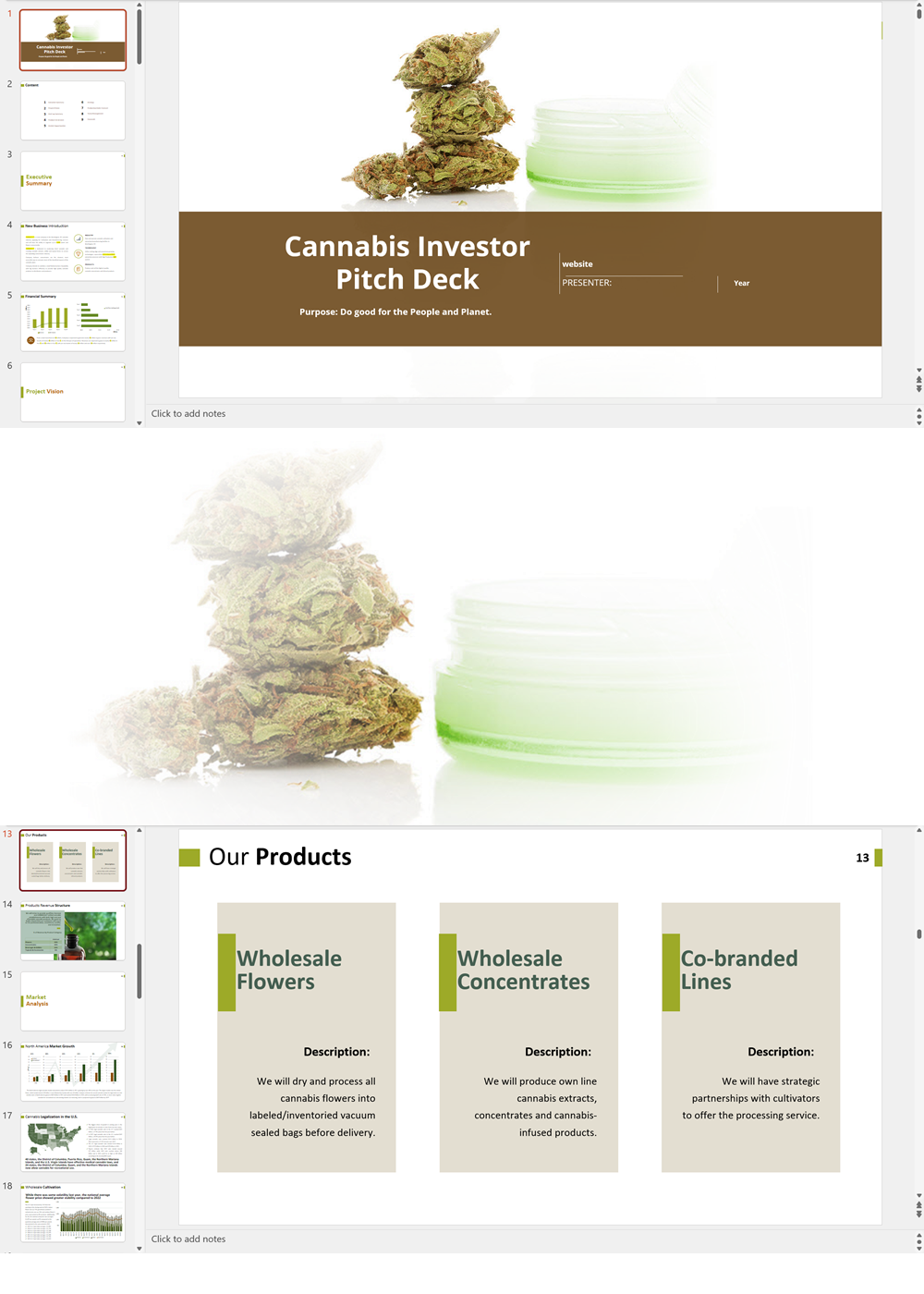
- PowerPoint Pitch Deck: provide a quick overview of your cannabis business plan.
- Unlimited support!
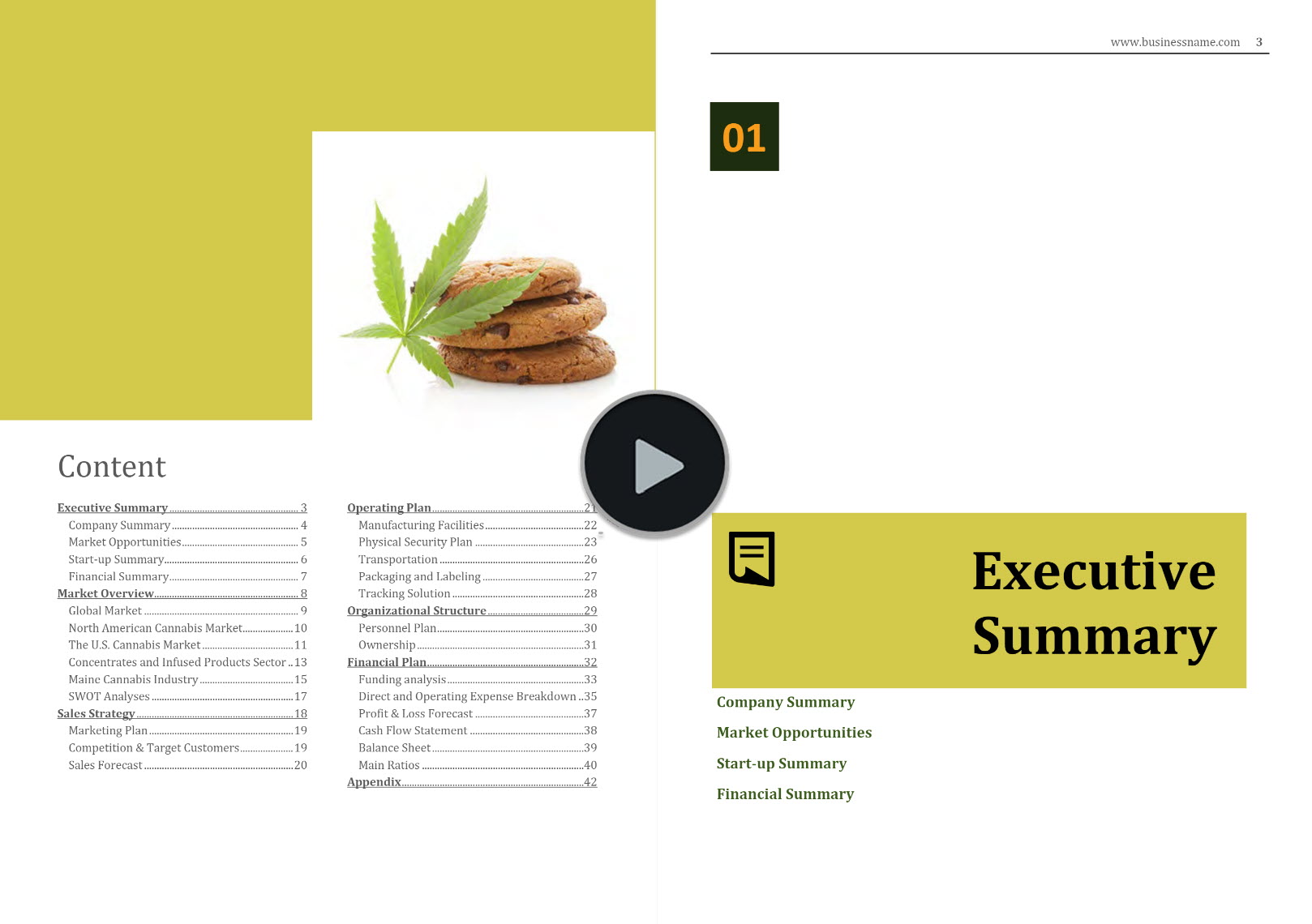
Cannabis Edibles Business Plan Sample, Maine
Hemp CBD business plan templates are available at hempcbdbusinessplans.com.
Our Templates
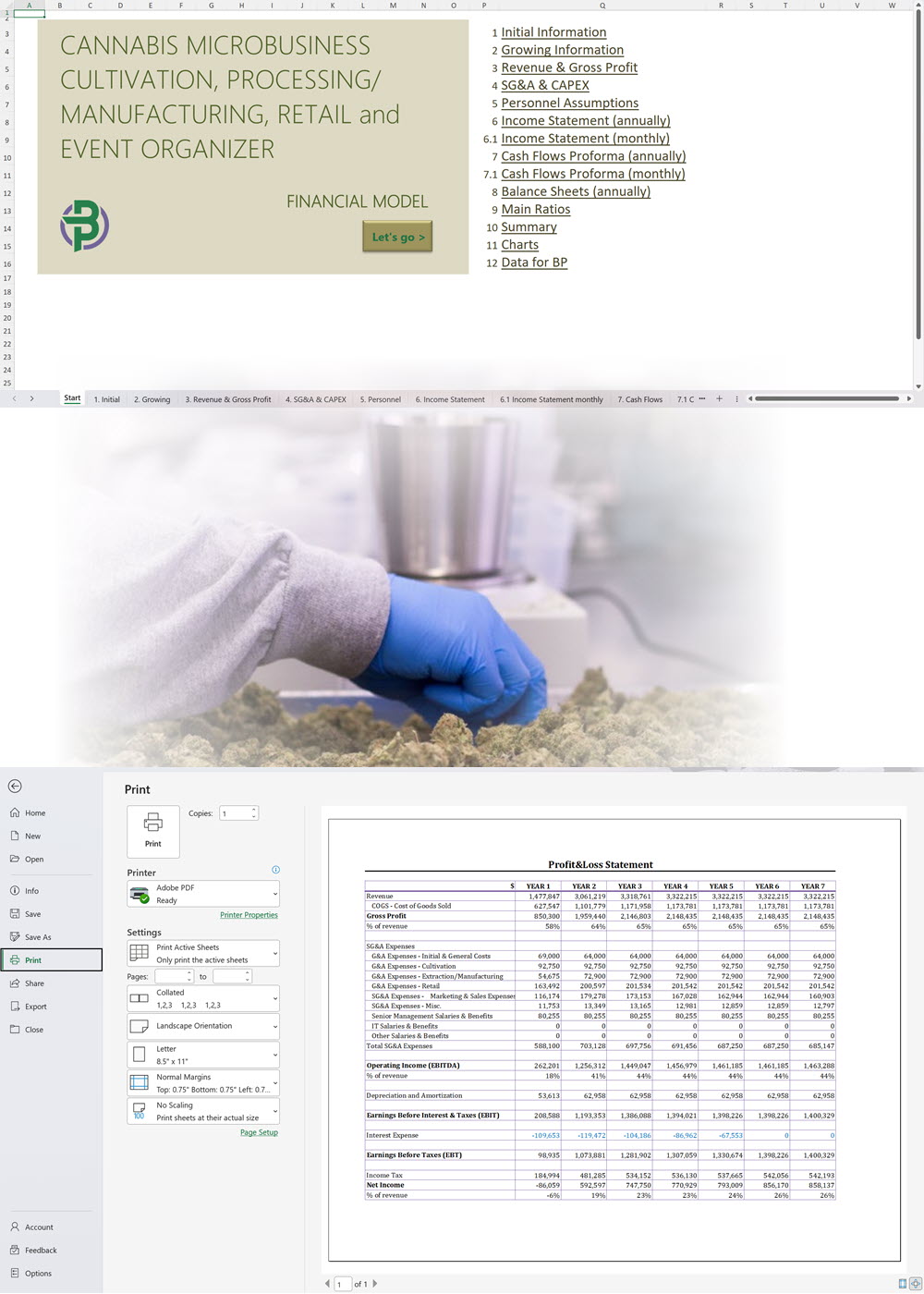
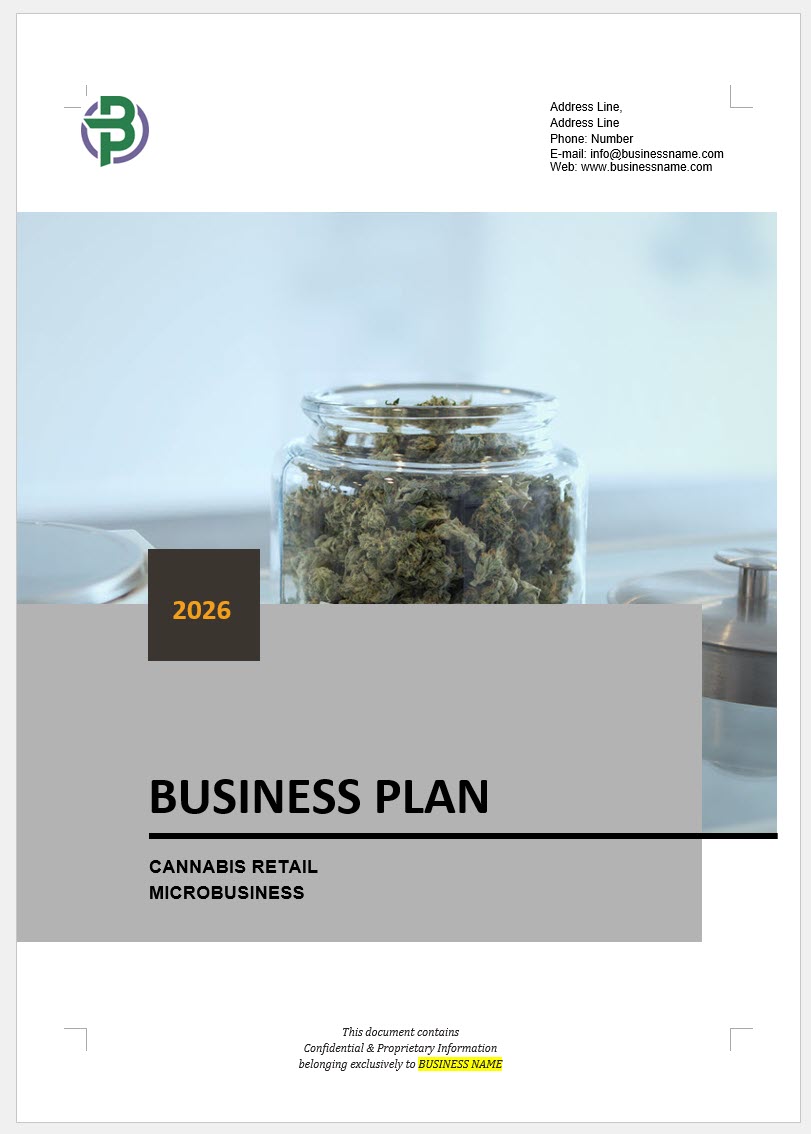
Cannabis Retail Microbusiness Business Plan Template
Price range: $75.00 through $275.00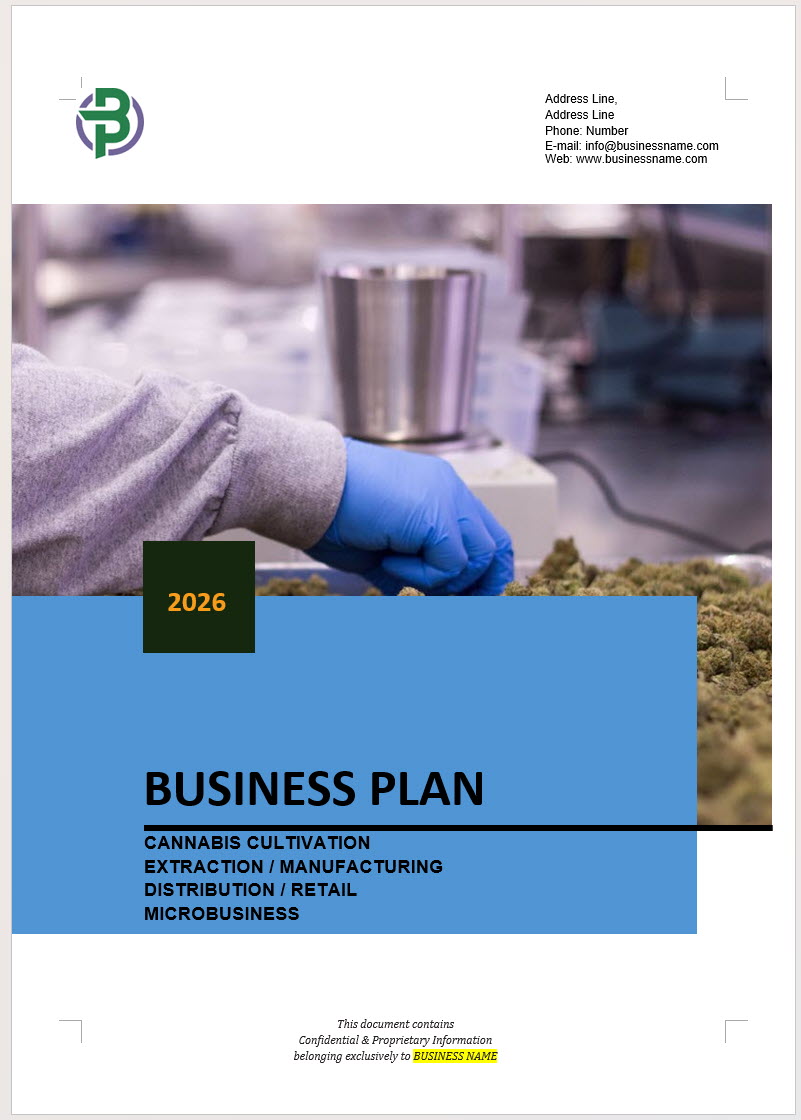
Cannabis Cultivation, Extraction, Manufacturing, Distribution, Retail and Microbusiness Business Plan Template
Price range: $75.00 through $500.00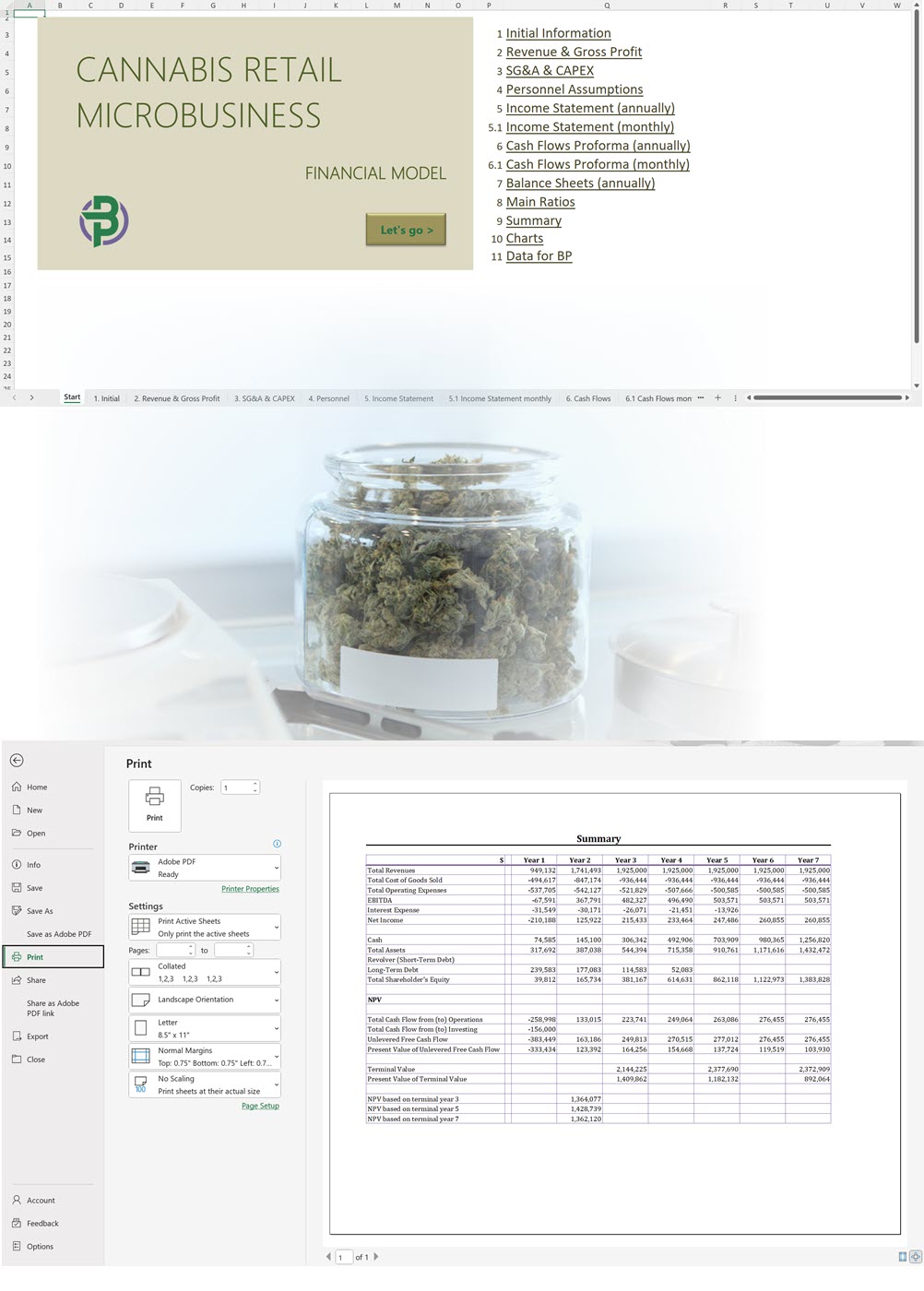
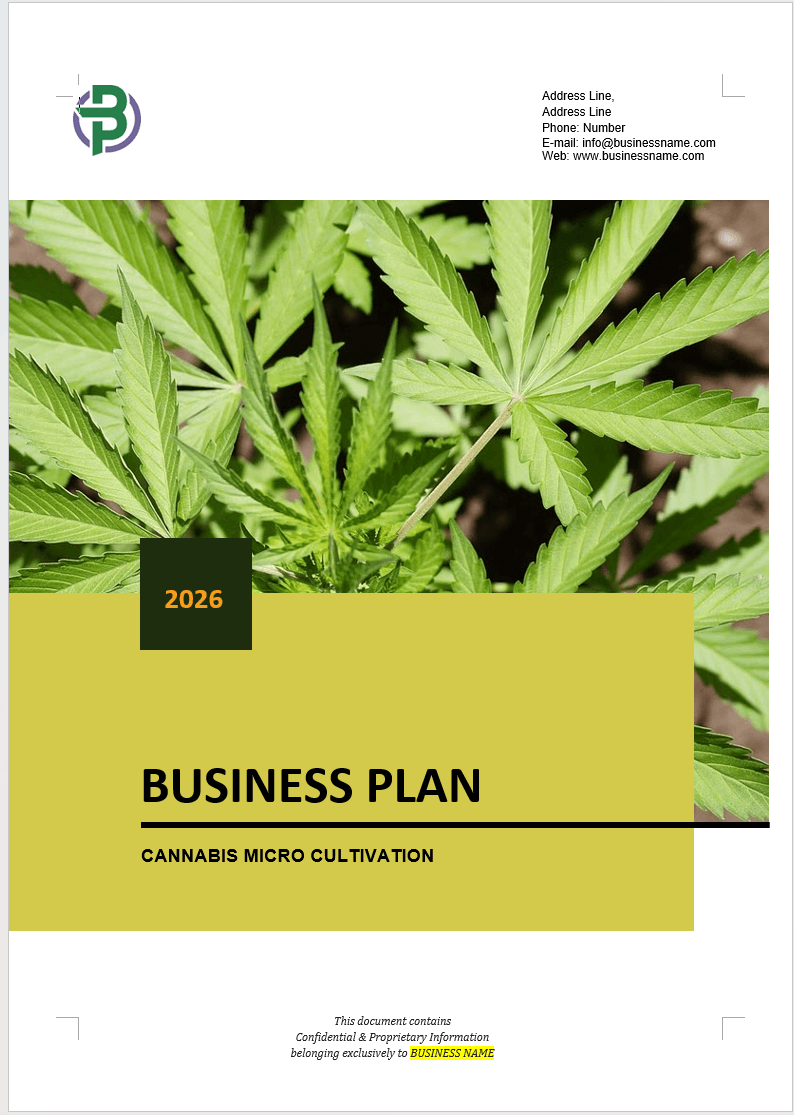
Cannabis Micro Cultivation Business Plan Template
Price range: $75.00 through $300.00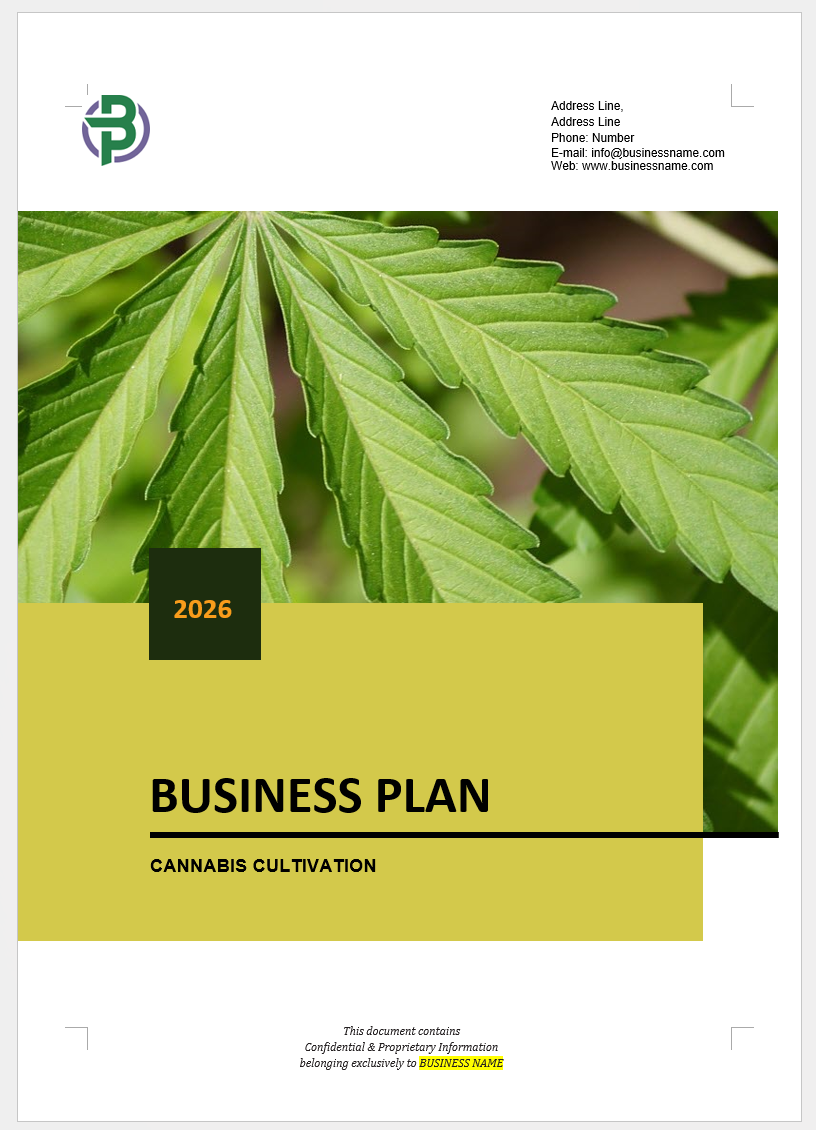
Cannabis Cultivation Business Plan Template
Price range: $75.00 through $350.00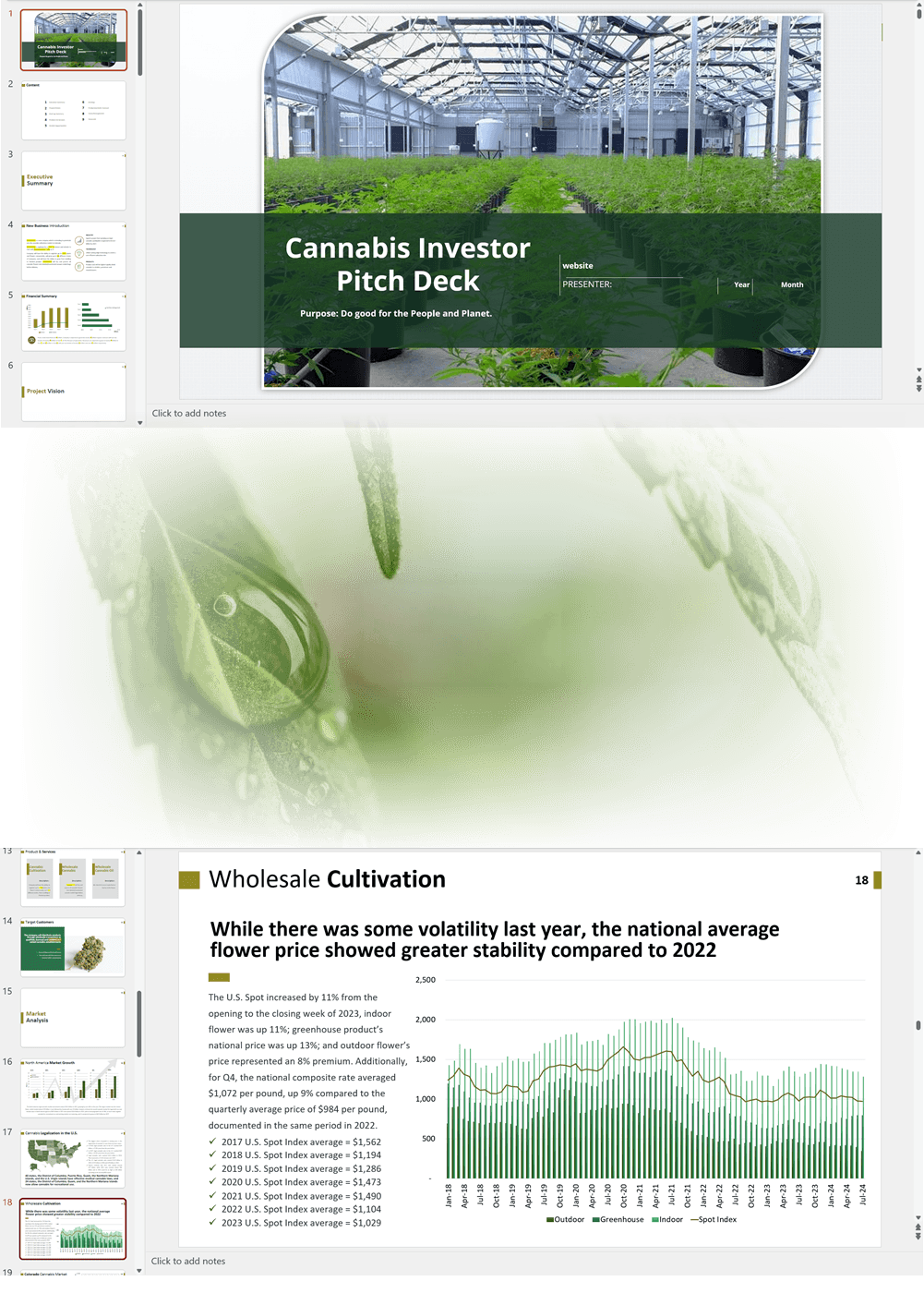
Cannabis Microbusiness Cultivation and Manufacturing Business Plan Template
Price range: $75.00 through $350.00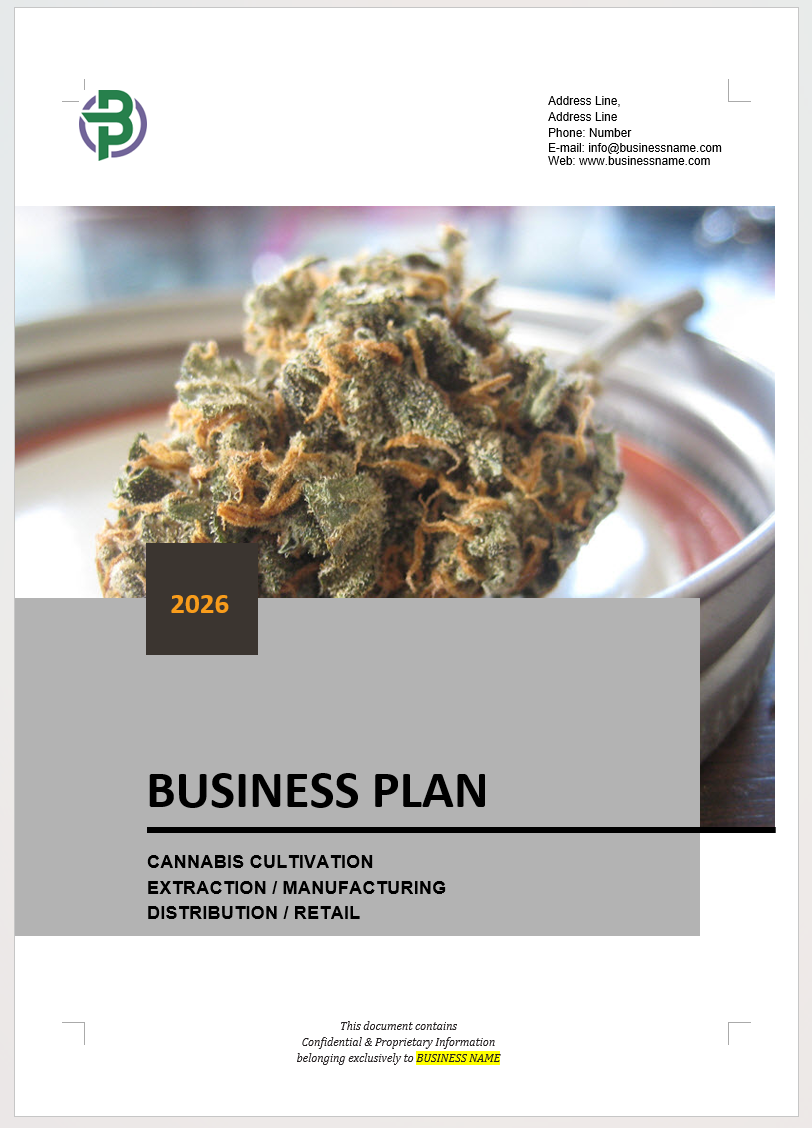
Vertically Integrated Cannabis Business Plan Template
Price range: $75.00 through $500.00


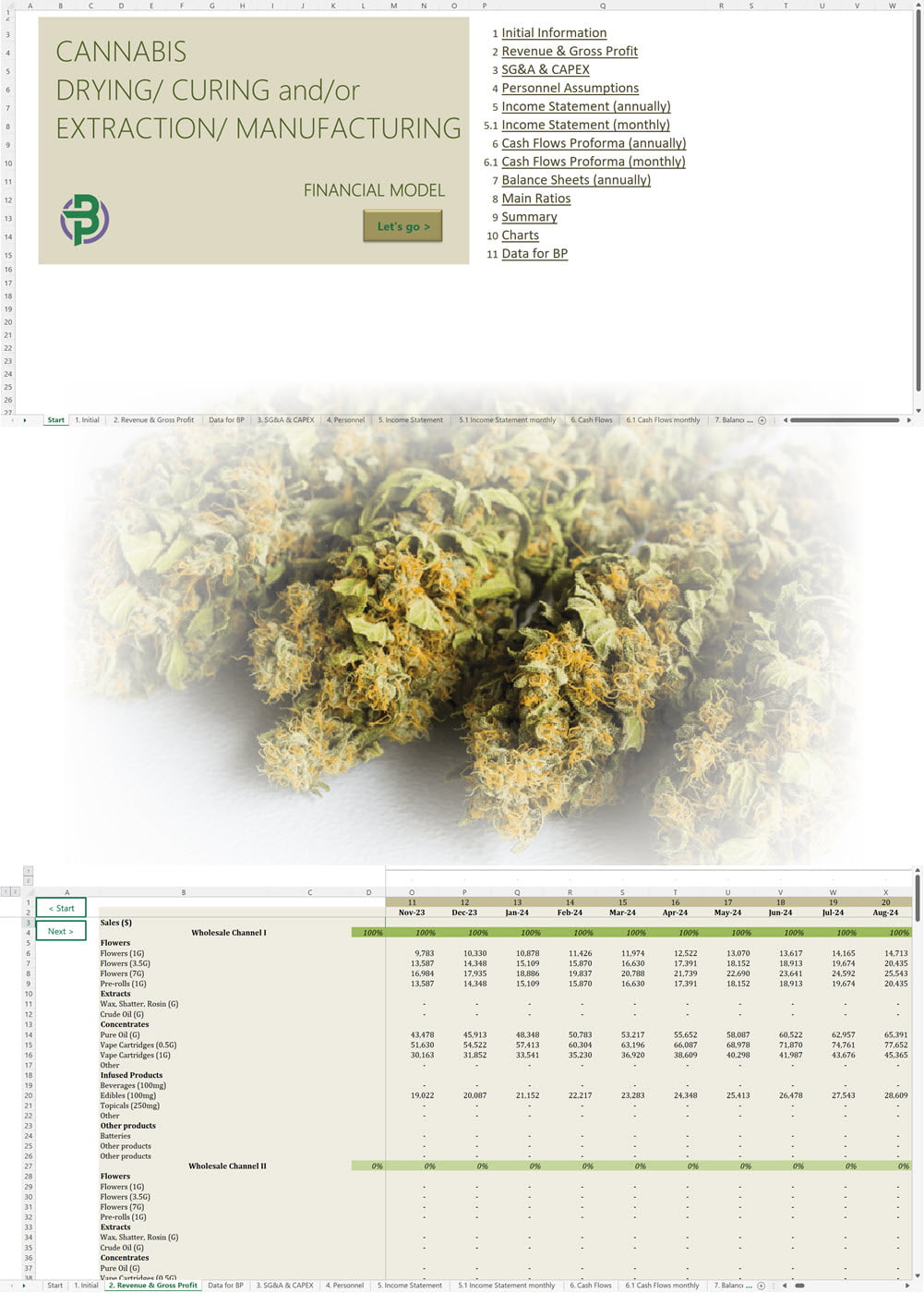
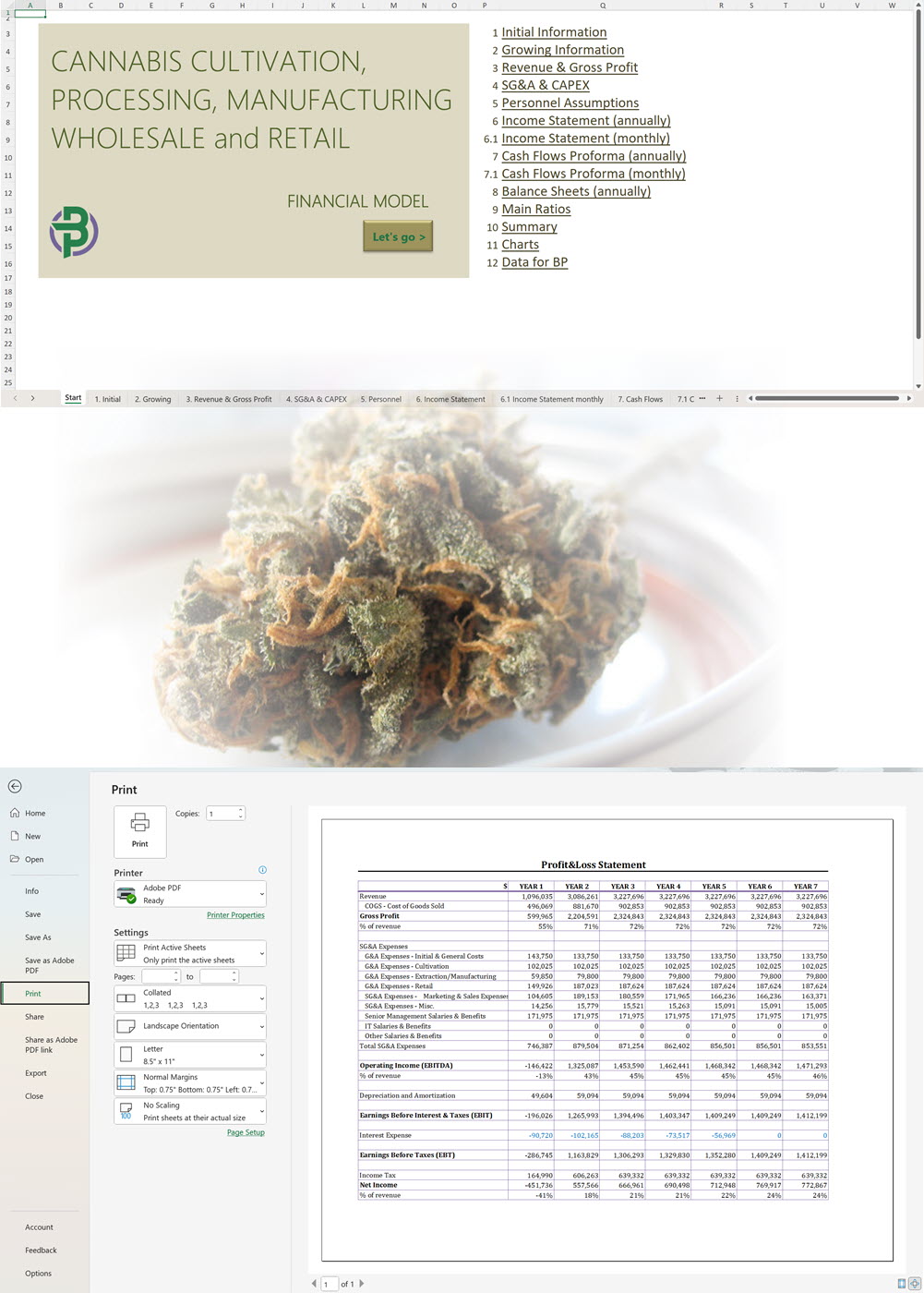
Cannabis Microbusiness Business Plan Template for Cultivation + Extraction + Manufacturing + Wholesale + Retail + Services
Price range: $75.00 through $500.00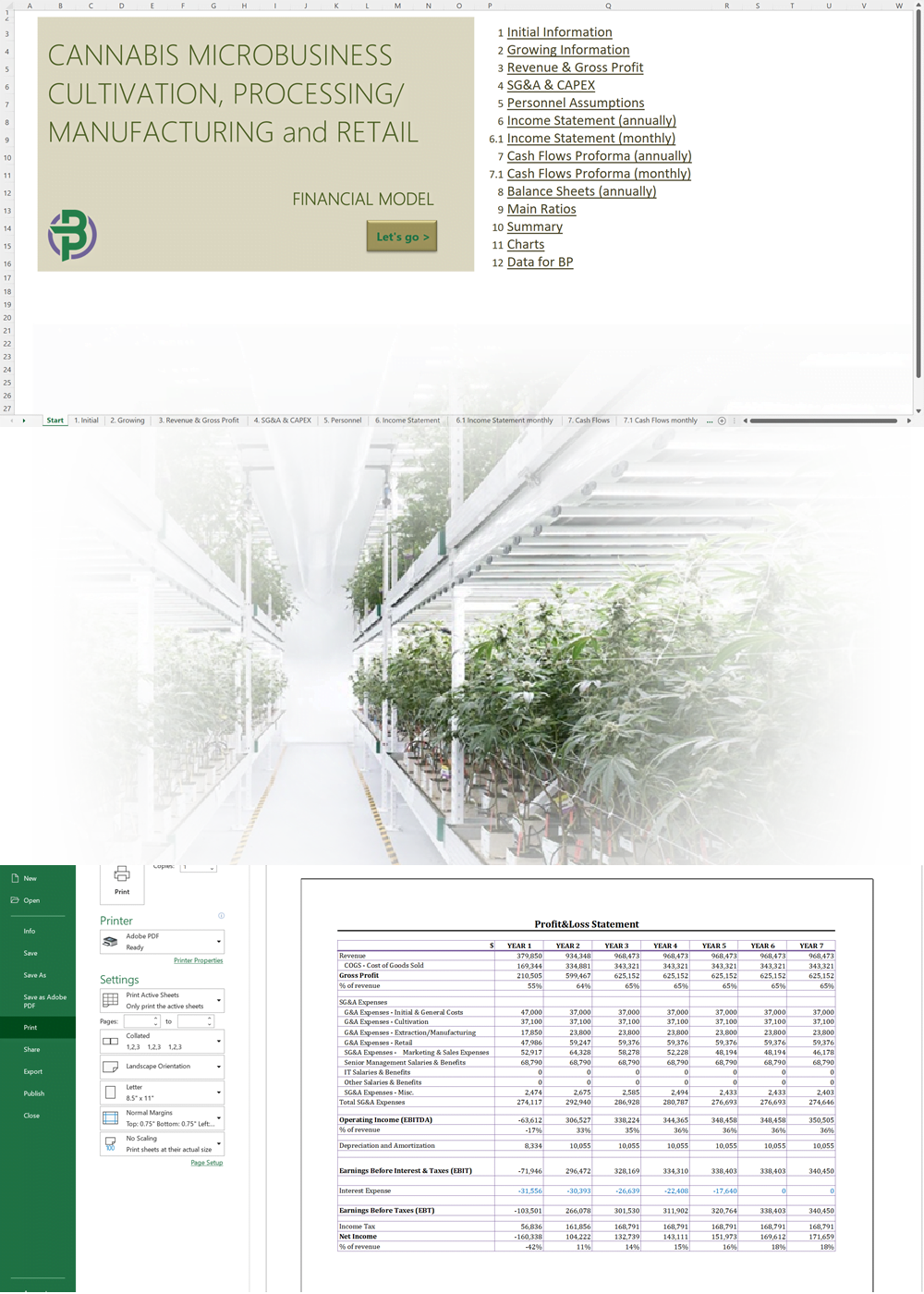

Cannabis Transportation Business Plan Template
Price range: $75.00 through $275.00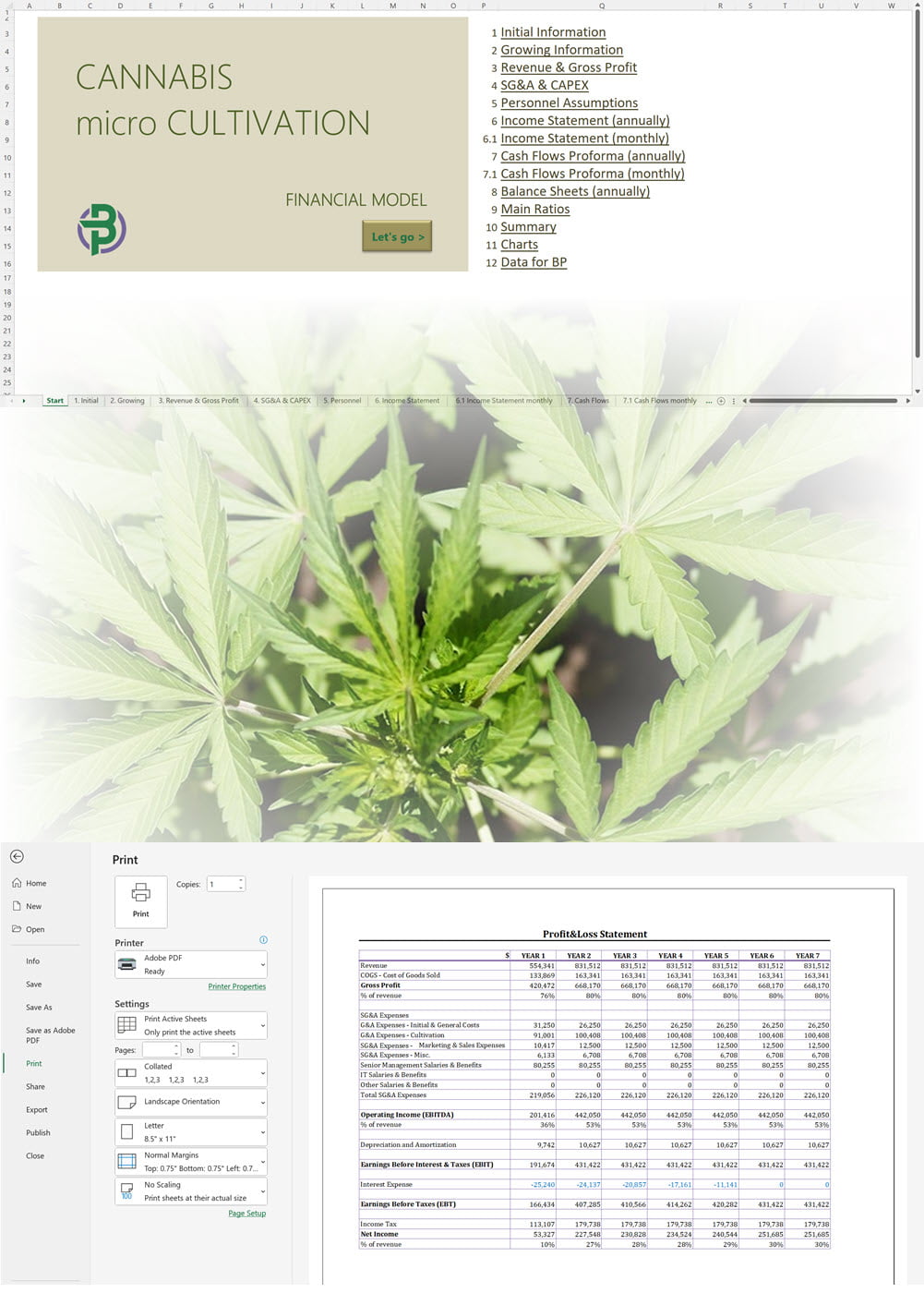

Cannabis Cultivation, Extraction and Manufacturing Business Plan Template
Price range: $75.00 through $450.00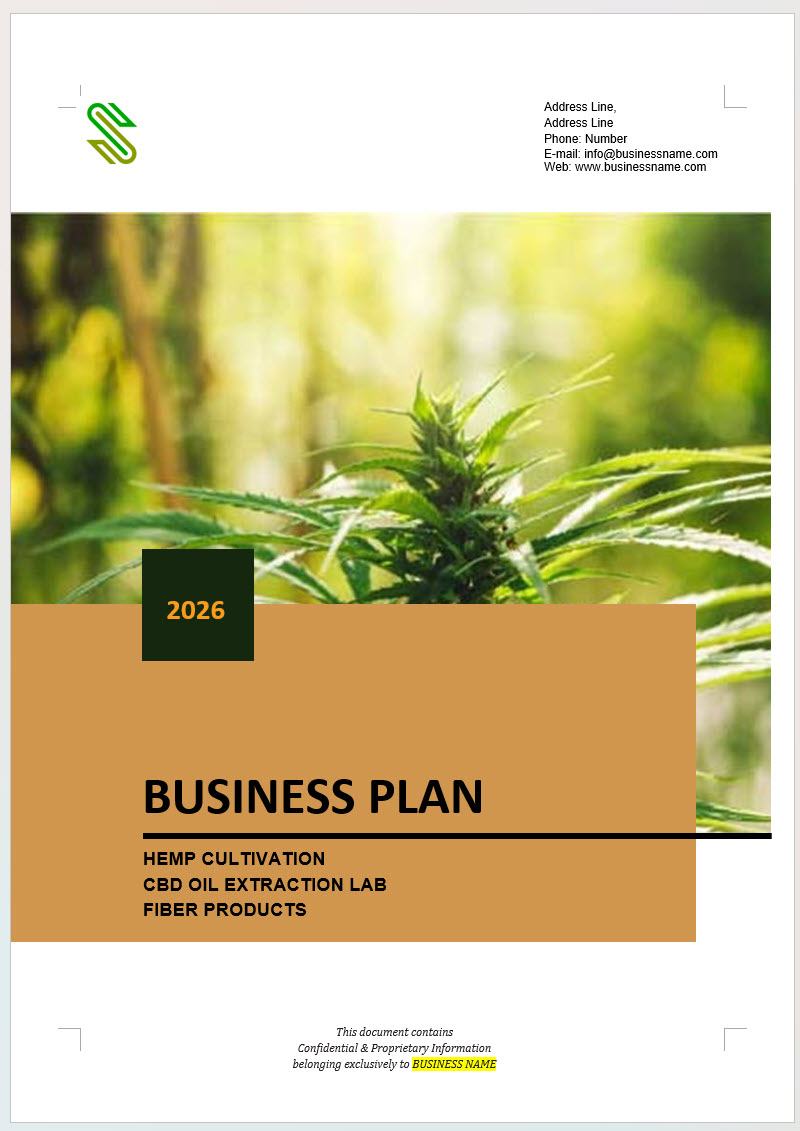
Hemp Cultivation and CBD Oil Extraction and/or Fiber Products Business Plan Template
Price range: $75.00 through $350.00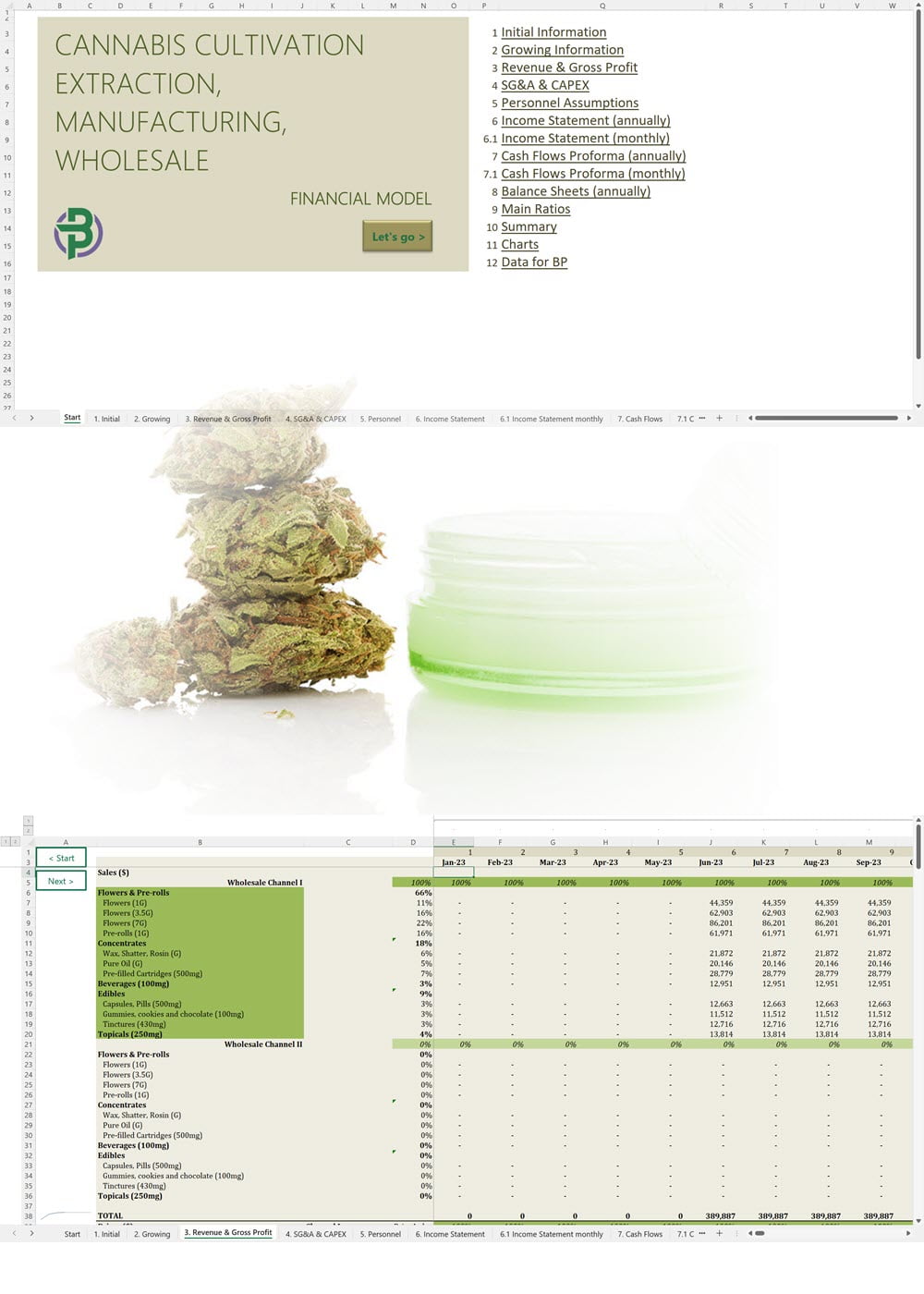
One-Page Cannabis Business Plan Template
Price range: $25.00 through $200.00