Key Takeaways
- Cannabis law and regulations:
- The MCA’s (Maryland Cannabis Administration) permanent regulations are now in effect under COMAR 14.17.01-.22.
- Licenses available:
- Standard Grower; Micro Grower; Standard Processor; Micro Processor; Dispensary; Micro Dispensary; On-Site Consumption; Incubator; Testing Laboratory. The state allows vertical integration but does not mandate it.
- Products legal:
- Cannabis vaporizing devices, of any product weight (e.g., vapes).
- Concentrated cannabis products with a total weight of 1 gram or less.
- Infused pre-rolls of any product weight.
- Infused non-edible cannabis products (no potency limit).
- Usable cannabis products (e.g., flower, pre-rolls).
- Edible cannabis products, capsules, and tinctures containing up to 10 mg THC per serving or 100 mg of THC per package.
- Home cultivation products – up to two plants.
- Taxes:
- Adult-use cannabis products are subject to a 9% sales tax. Medical cannabis is exempt from sales and excise taxes.
- Market:
- Medical: Maryland’s first medical dispensaries opened in December 2017. Maryland’s medical cannabis sales surged from $110 million in 2018 to a peak of $550 million in 2021. However, following recreational legalization in 2022, sales dropped to $256 million by 2025. As of May 2026, there were 81,648 cannabis medical patients and 3,922 caregivers registered in the state.
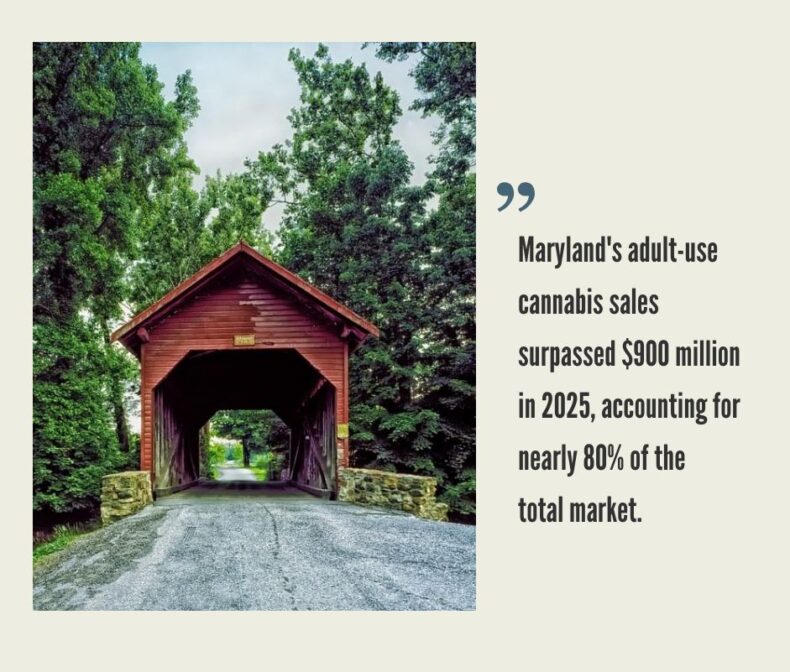
- Adult-use: Recreational cannabis sales began in July 2023 and achieved $332 million in revenue during the first six months of operation. In the first 12 months following the legalization of recreational cannabis in Maryland, total cannabis sales surpassed $1.1 billion, with recreational and medical sales accounting for approximately $700 million and $400 million, respectively. The adult-use segment continued to grow in both absolute terms and market share, reaching $806 million in 2024 and $920 million in 2025.
As of May 2026, there were 196 license holders, including 117 dispensaries, 29 processors, 24 growers, 4 testing labs and 22 ancillary businesses.
Maryland Medical Cannabis Legalization
In 2014, the Maryland Legislature passed HB 881 which legalized medical cannabis and established the Maryland Medical Cannabis Commission (MMCC). On April 22, 2015, MMCC met to further consider regulations to implement the medical Cannabis law.
Maryland’s first medical cannabis dispensaries opened in December 2017.
In May 2019, Maryland legalized the sale of edible forms for medical cannabis.
Maryland Adult-Use Cannabis Legalization
On November 8, 2022, Maryland voters approved Questions 4 (the Marijuana Legalization Amendment), legalizing marijuana for adults 21 years of age or older beginning in July 2023 and directing the Maryland State Legislature to pass laws for the use, distribution, regulation, and taxation of marijuana. It also automatically implemented House Bill 837 (HB 837), that temporarily expands decriminalization from January 1 to June 30, 2023.
Maryland 2022 ballot measures:
Marijuana Legalization Amendment. The measure would amend the Maryland Constitution to add a new article, which would authorize individuals 21 years of age or older to use and possess marijuana.
The amendment passed with a vote of 65.54 percent for and 34.46 percent against.
Beginning July 1, 2023, HB 837 legalized the personal use and possession of up to 1.5 ounces or 12 grams of concentrated cannabis for individuals 21 years of age or older and the possession of up to two cannabis plants.
In April 2023, the Maryland Legislature passed the Cannabis Reform Act (HB 556) which regulates the recreational cannabis market. Sales began on July 1, 2023. The measure also changed the Maryland Medical Cannabis Commission to the Maryland Cannabis Administration (MCA). The MCA’s permanent regulations are now in effect under COMAR 14.17.01-.22.
As of July 2023, 95 medical dispensaries and 42 medical growers and processors have successfully converted their licenses, allowing them to operate in both medical and recreational cannabis markets.
On April 22, 2025, Maryland’s Gov. Wes Moore signed into law Senate Bill 215 which makes changes to the state’s cannabis regulations, including limiting application submissions for on-site consumption licenses to social equity applicants. A maximum of 15 consumption lounge licenses are available. Consumption lounges will be allowed to operate as food service facilities, offering non-infused food products as well as single-serving edibles or cannabis beverages. Indoor smoking or vaping of cannabis or cannabis products at a consumption lounge is prohibited. The bill also establishes that a cannabinoid beverage can have no more than 5mg of THC and that it can only be produced by licensed cannabis businesses.
What Types of Cannabis Products are Available in Maryland
Adult-use consumers may purchase:
- Cannabis vaporizing devices, of any product weight (e.g., vapes)
- Concentrated cannabis products with a total weight of 1 gram or less
- Infused pre-rolls of any product weight
- Infused non-edible cannabis products (no potency limit)
- Home cultivation products – up to two plants
- Usable cannabis products (e.g., flower, pre-rolls)
- Edible cannabis products, capsules, and tinctures containing up to 10 mg THC per serving or 100 mg of THC per package
Maryland Cannabis Market Stats and Projections
MCA’s data shows that Maryland’s medical cannabis sales surged from $110 million in 2018 to a peak of $550 million in 2021. However, following recreational legalization in 2022, sales dropped to $256 million by 2025.
The number of medical cannabis patients surged from just 11,489 in 2017 to a peak of 162,300 in 2022. Following adult-use cannabis legalization in November 2022 and the start of adult-use cannabis sales in July 2023, medical cannabis patient number began to fall. As of May 2026, there were 81,648 cannabis medical patients and 3,922 caregivers registered in the state.
On March 14, 2024, the first licensing round for social equity licenses was held. Through a lottery, 174 social equity licenses were awarded to the winners, of which there were 40 grower, 56 processor and 78 dispensary licenses awarded. The second licensing round was held on June 28 of 2024, in which 31 additional licenses were awarded: 7 dispensary, 10 grower and 14 processor licenses.
In the first 12 months since the legalization of recreational cannabis in Maryland, total cannabis sales surpassed $1.1 billion: recreational and medical cannabis sales being around $700 million and $400 million, respectively. The adult-use segment continued to grow in both absolute terms and market share, reaching $806 million in 2024 and $920 million in 2025.
The latest sales data reveals that cannabis was mainly purchased in flower form for both medical and recreational purposes; nearly 57% of total recreational sales and 50% of total medical sales. This was followed by concentrates (32% of total recreational sales and of total medical sales) and edibles (11% of total recreational sales and 18% of total medical sales). This matches the findings of the Behavioral Risk Factor Surveillance System that 79.6% of Maryland adults using cannabis prefer to smoke it while 46.3% of them prefer to eat it, and 34.7% of them prefer to vaporize it.
In March 2025, the MCA published the Maryland Cannabis Use Biannual Study which includes data collected from surveys on cannabis use patterns. According to data from the Maryland Behavioral Risk Factor Surveillance System, in 2023, 13.2% (up by 4.2 percentage points from 2021) of Maryland adults reported cannabis use in the past 30 days. Prevalence was the highest in the group aged 18-20 where 29.5% reported cannabis use in the past 30 days. Around 74% of participants of the Maryland Young Adult Survey on Alcohol stated that they use cannabis for recreation or fun, with the second most stated reason being to reduce anxiety, depression, or stress (73.7%). Nearly 56% of participants use cannabis as a sleep aide and 38% use it to relieve physical pain.
As of May 2026, there were 196 license holders, including 117 dispensaries, 29 processors, 24 growers, 4 testing labs and 22 ancillary businesses.
Maryland Cannabis Market Infographics
How Can Cannabusinessplans Templates Help Start or Grow Your Cannabis Business?
The majority of cannabis licensing programs require the submission of a business plan as part of the application for a cannabis license. Even if it is not mandated by law, a business plan is essential for securing funding and assisting an applicant in understanding how much money it will take to start a cannabis business and how much profit it could make.
A well-structured business plan can make all the difference in helping you demonstrate your proposed cannabis business’ compliance with regulations and its operational viability.
Our complete cannabis business plan template package is everything you need to create a professional business plan for a cannabis business with expert financials and projections. A complete cannabis business plan template package includes:
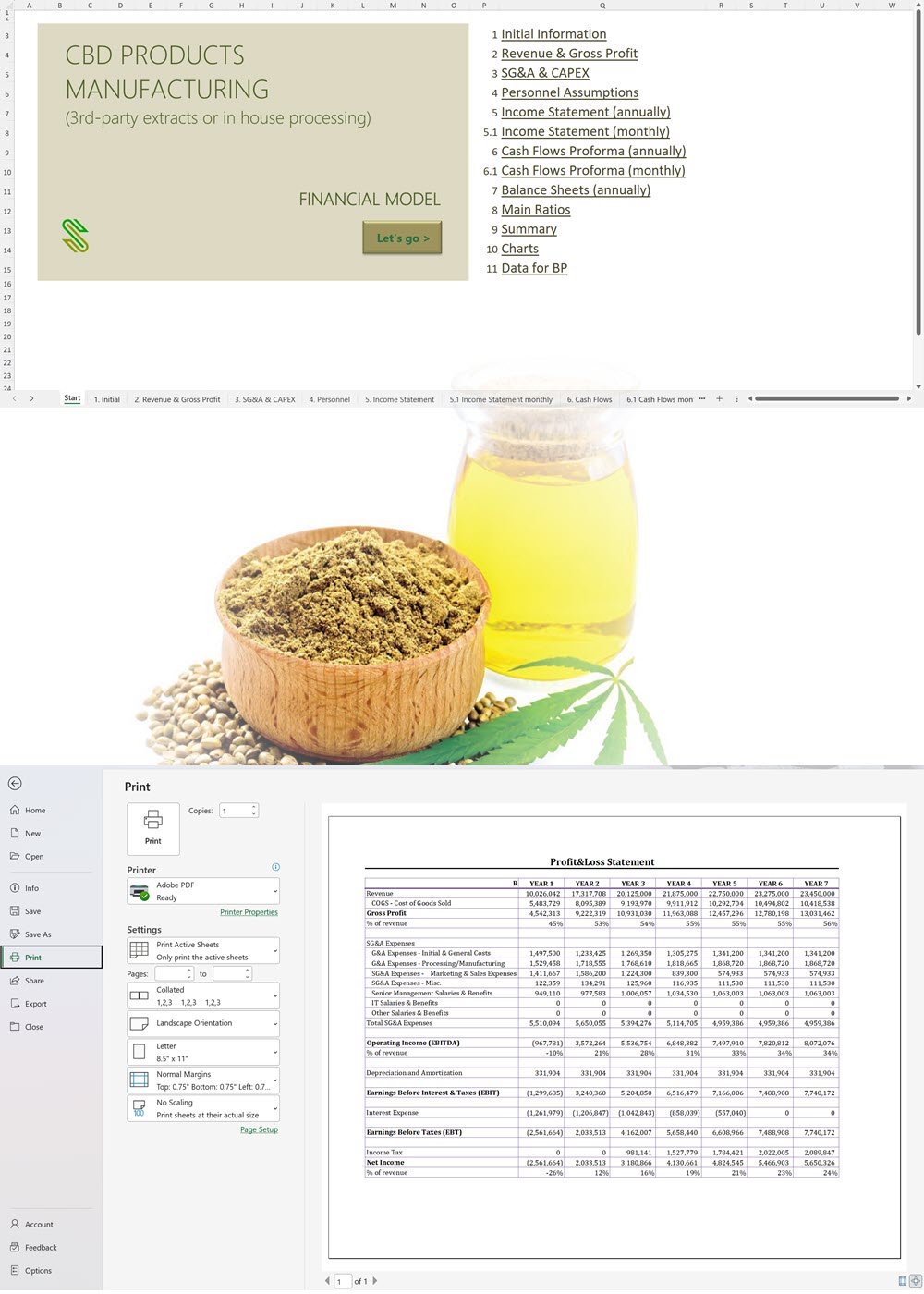
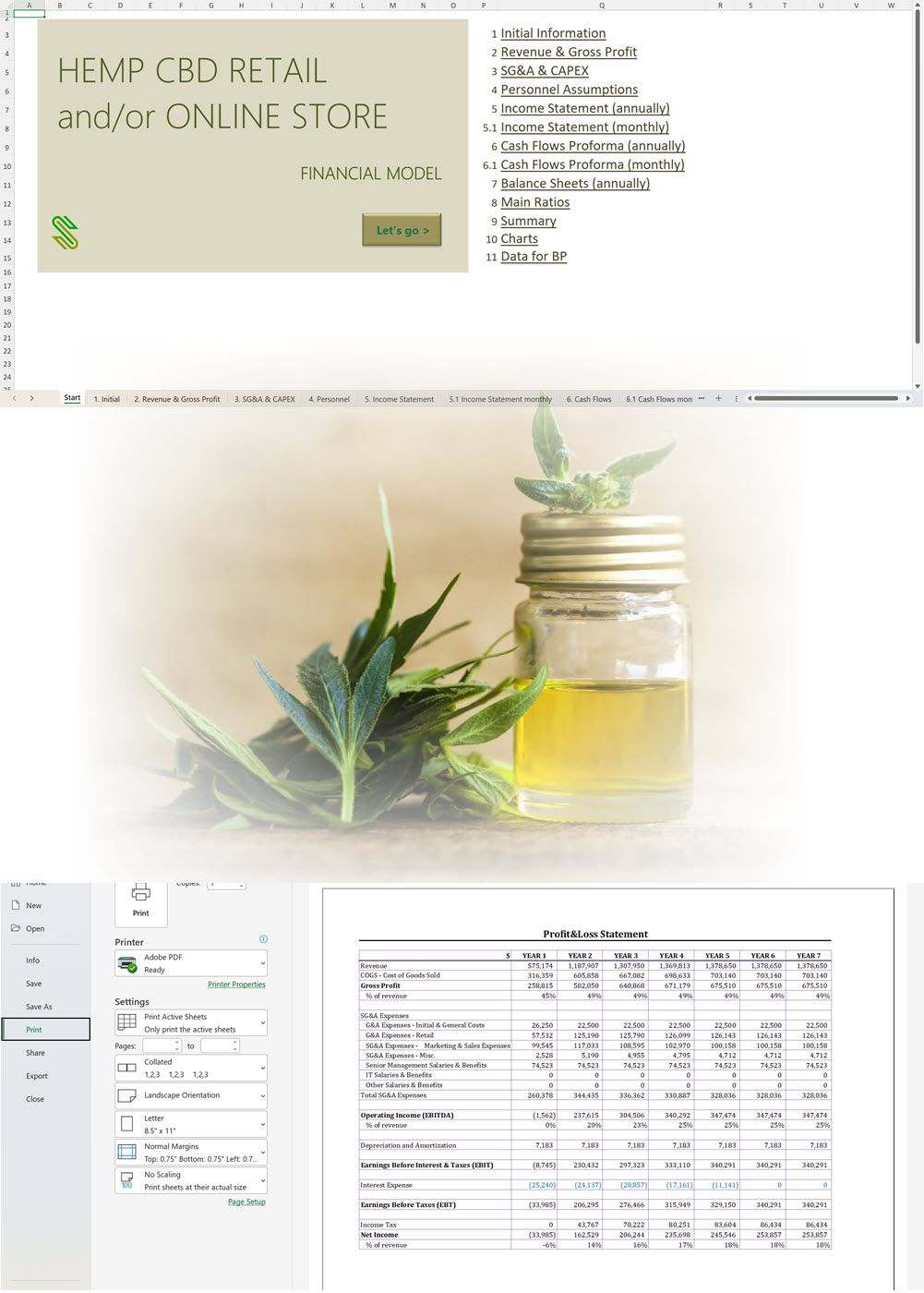
- Excel Financial Model: change variables and immediately see the impact, break down operational and capital costs, know how much it will take to get into the business and the potential profits.
- Word Business Plan: value proposition, market analysis, marketing strategy, operating plan, organizational structure, financial plan and more.
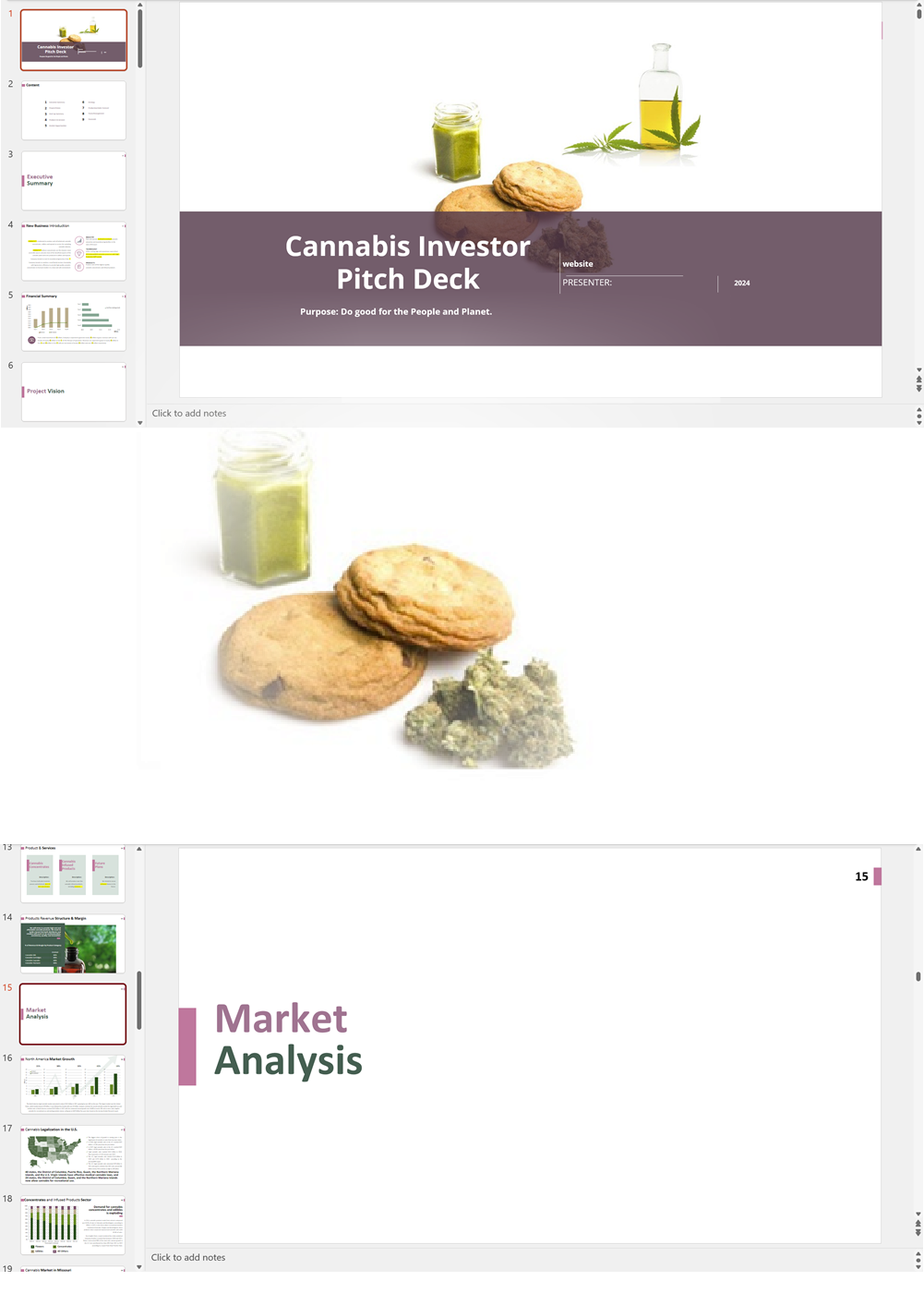
- PowerPoint Pitch Deck: provide a quick overview of your cannabis business plan.
- Unlimited support!
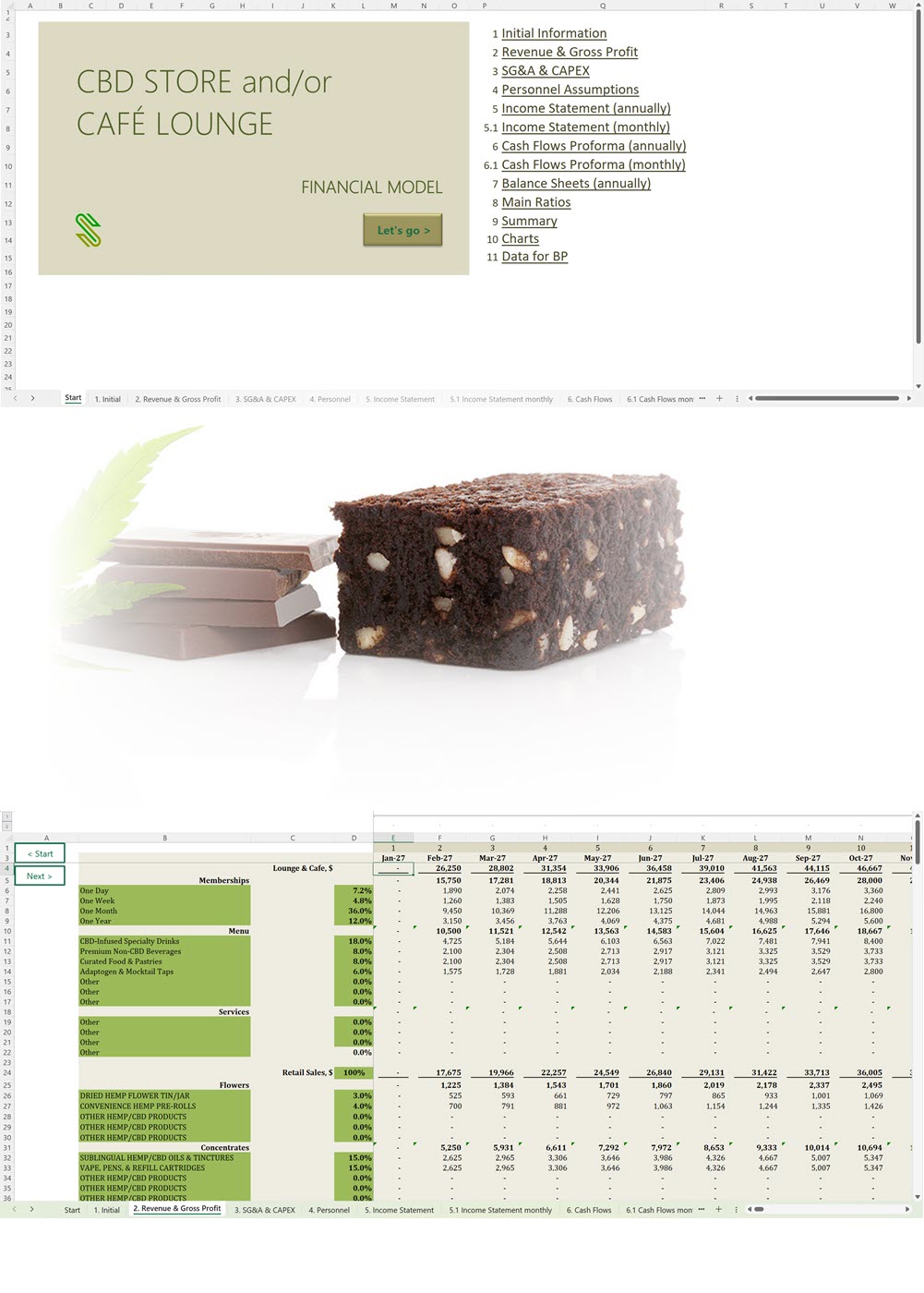
Our cannabis financial models and cannabis business plan templates will help you estimate how much it costs to start and operate your own cannabis business, to build all revenue and cost line-items monthly over a flexible seven year period, and then summarize the monthly results into quarters and years for an easy view into the various time periods. We also offer investor pitch deck templates.'70% ready to go' business plan templates
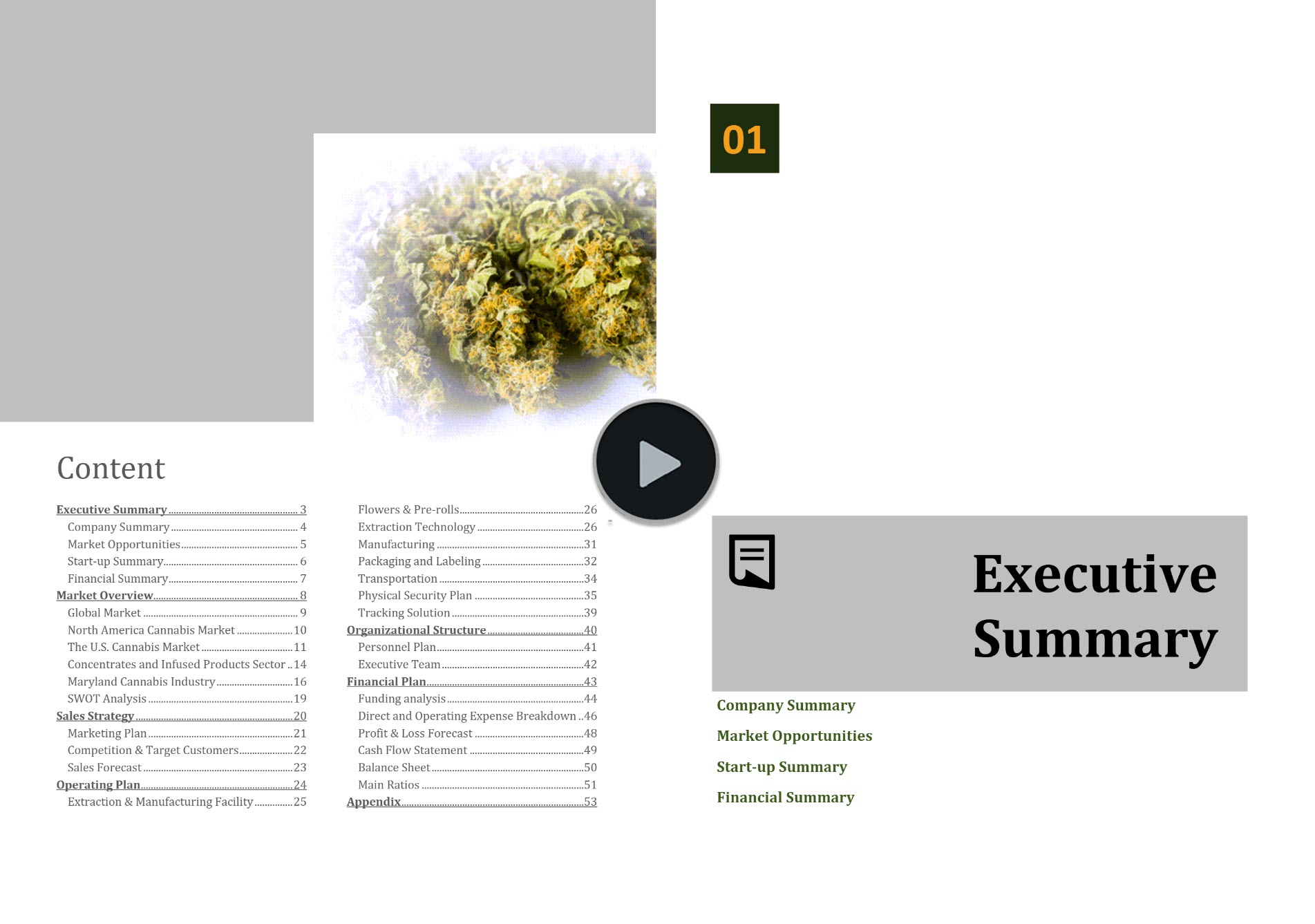
Cannabis Processing/ Flowers/ Pre-rolls/ Extraction/ Manufacturing Business Plan Sample, Maryland
Best Selling Templates
Cannabis Cultivation Business Plan Template
Price range: $75.00 through $350.00
Select options
This product has multiple variants. The options may be chosen on the product page 
Cannabis Dispensary Investor Pitch Deck Template
$75.00
Select options
This product has multiple variants. The options may be chosen on the product page 
Cannabis Financial Model All in One
$250.00
Select options
This product has multiple variants. The options may be chosen on the product page
Hemp CBD business plan templates are available at hempcbdbusinessplans.com.
Our Templates
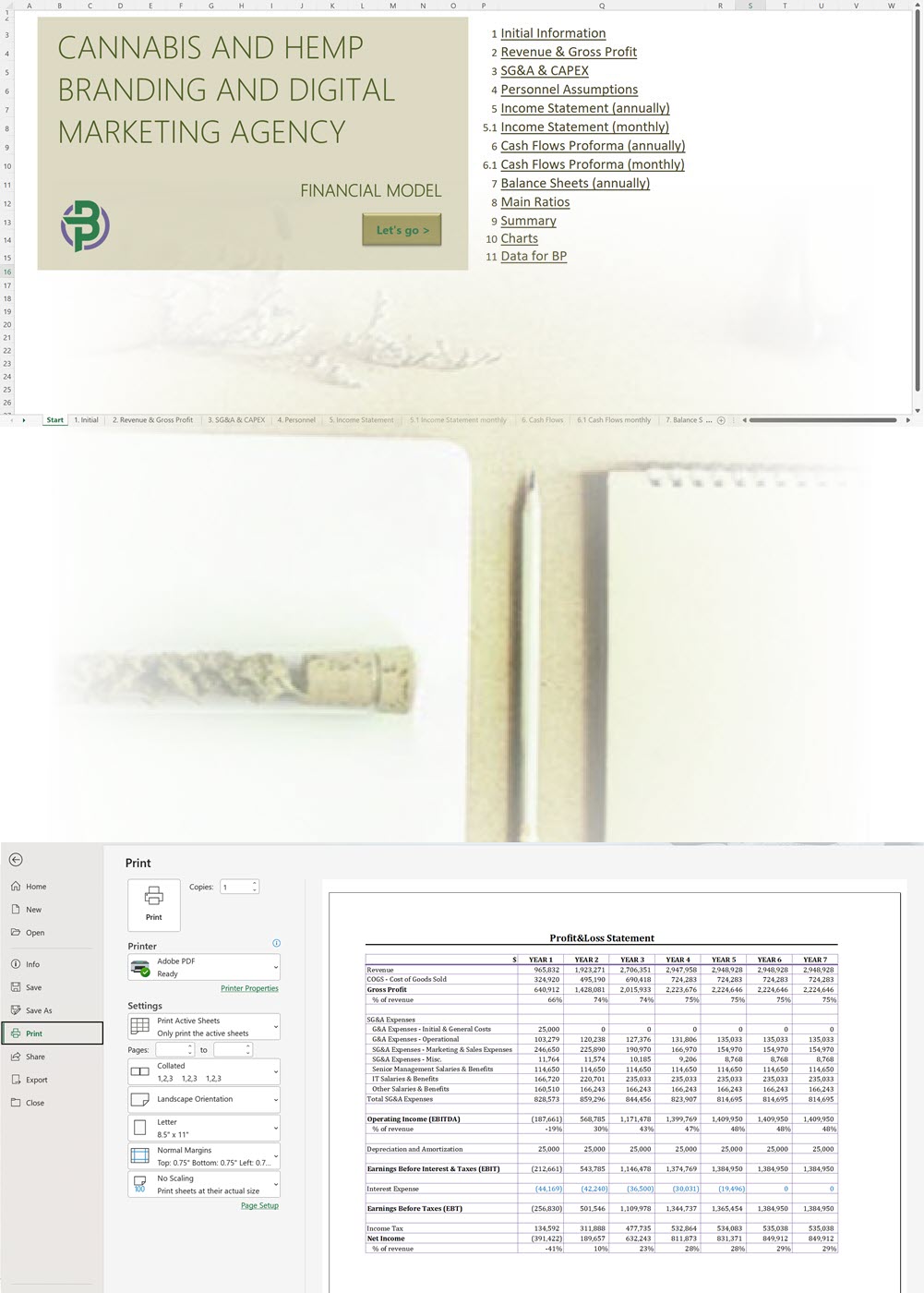

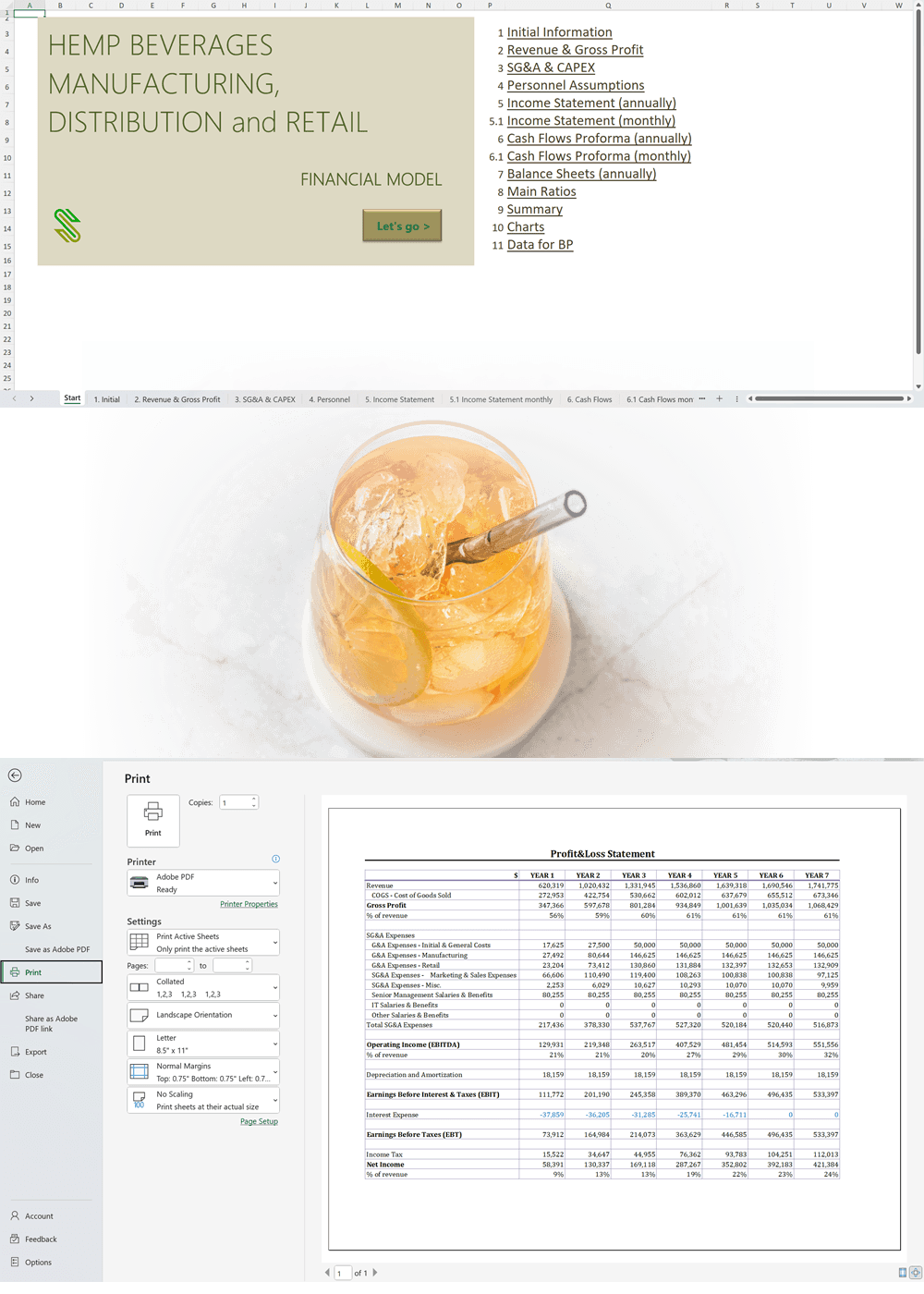
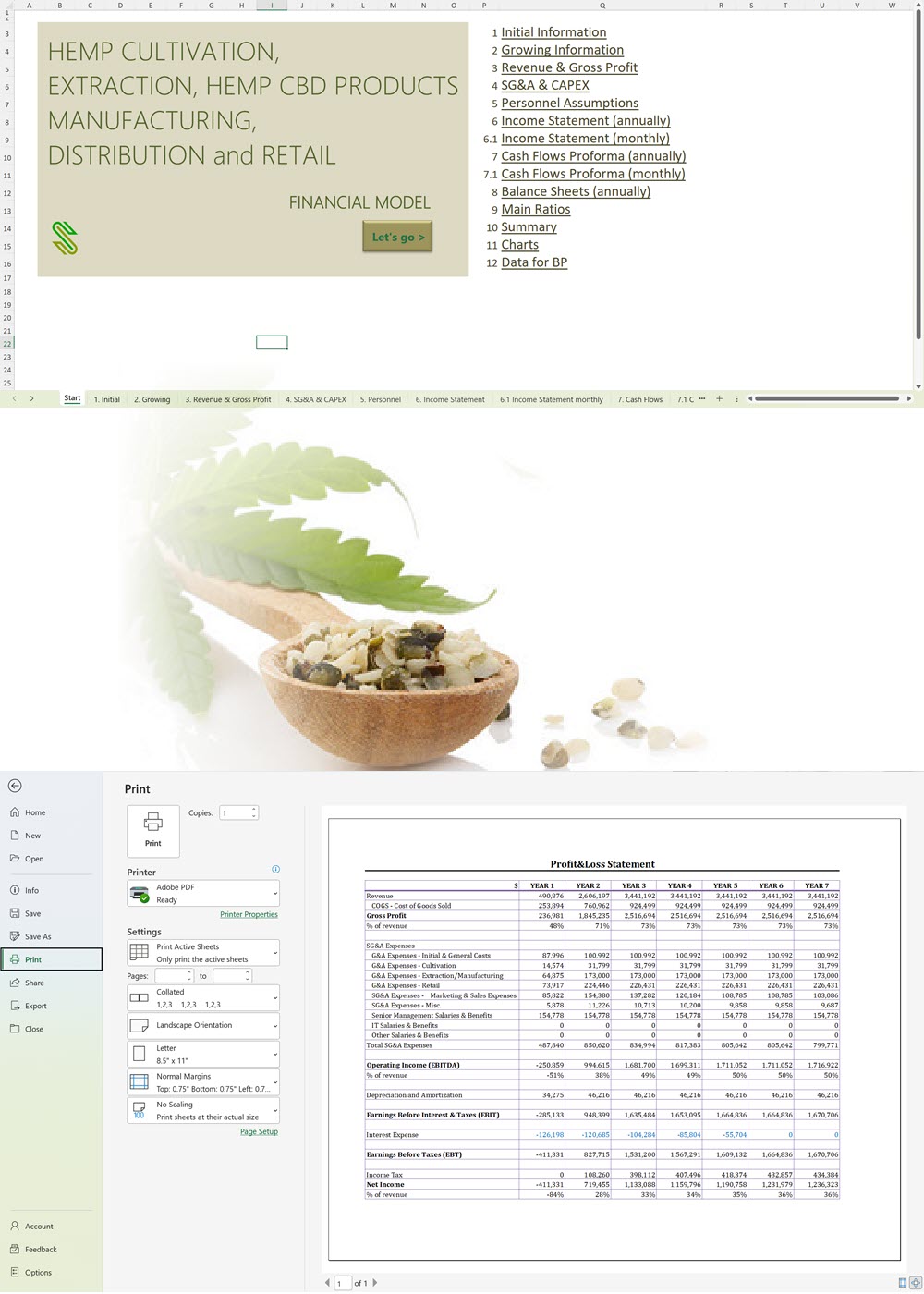
Hemp CBD Beverage Manufacturing, Wholesale and/or Retail Business Plan Template
Price range: $75.00 through $350.00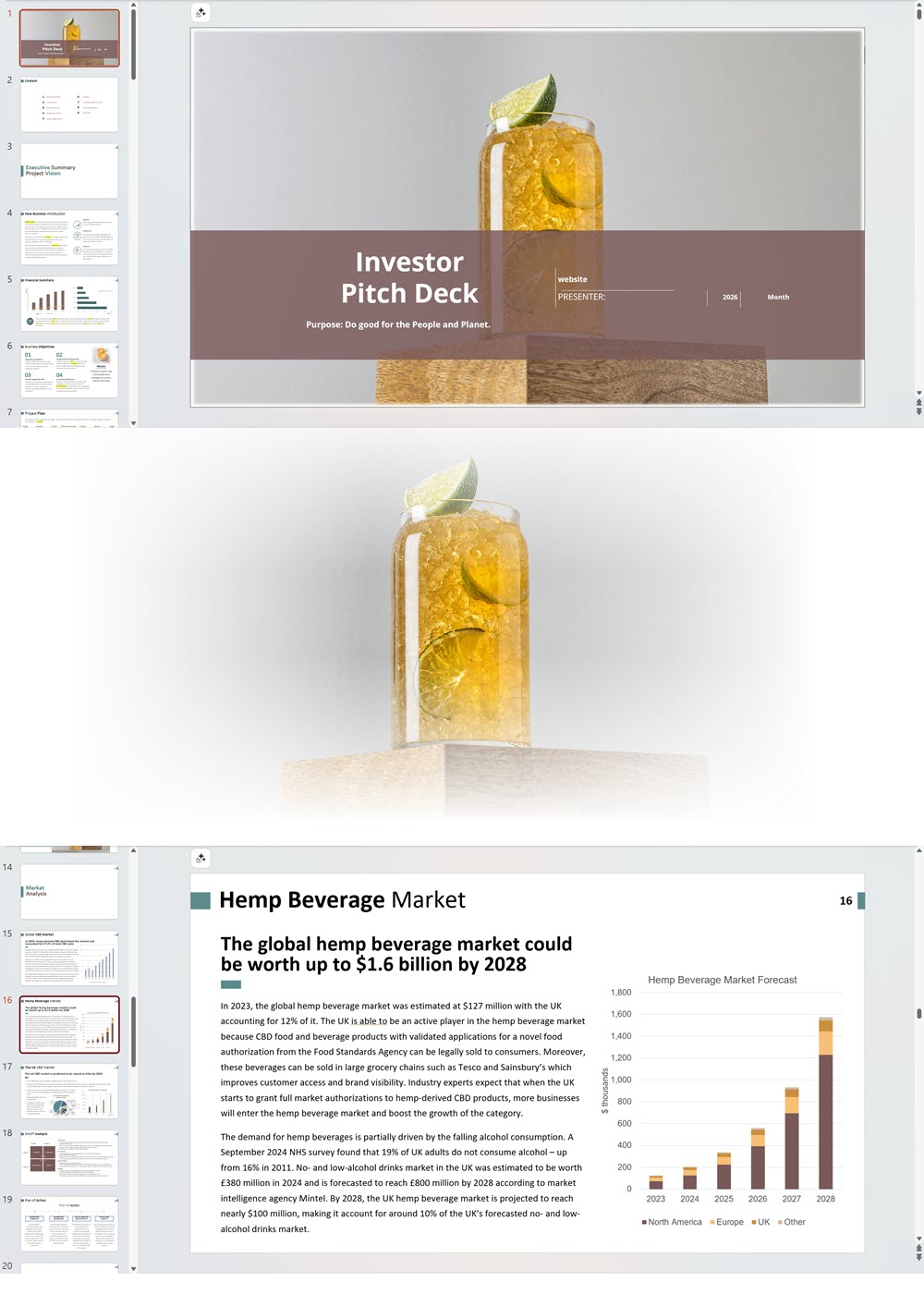

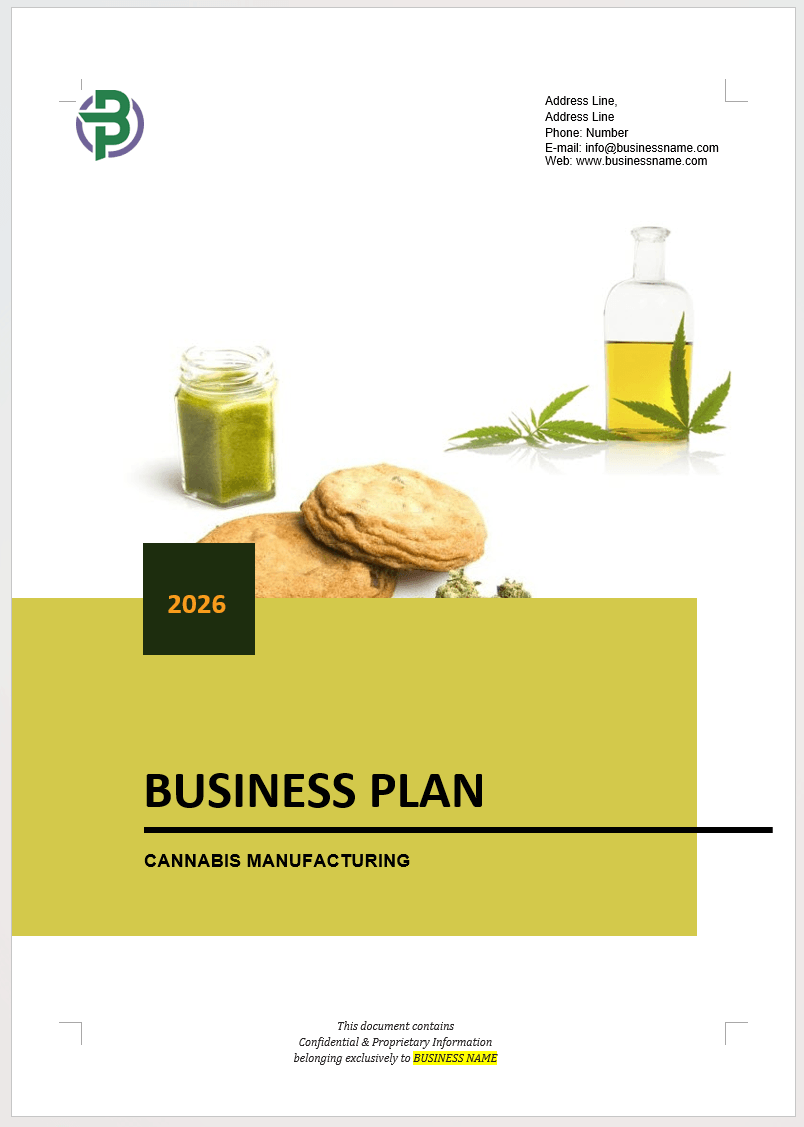
Cannabis Manufacturing Business Plan Template (with in-house processing)
Price range: $75.00 through $350.00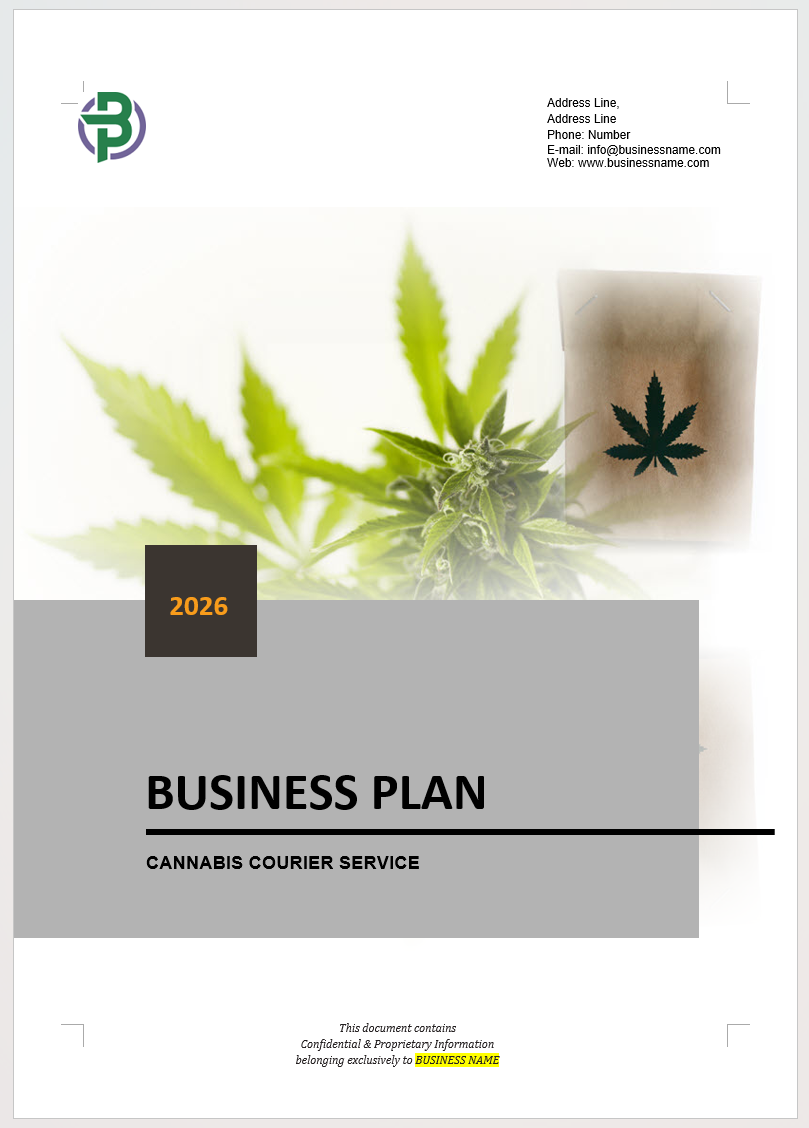
Cannabis Courier Business Plan Template
Price range: $75.00 through $275.00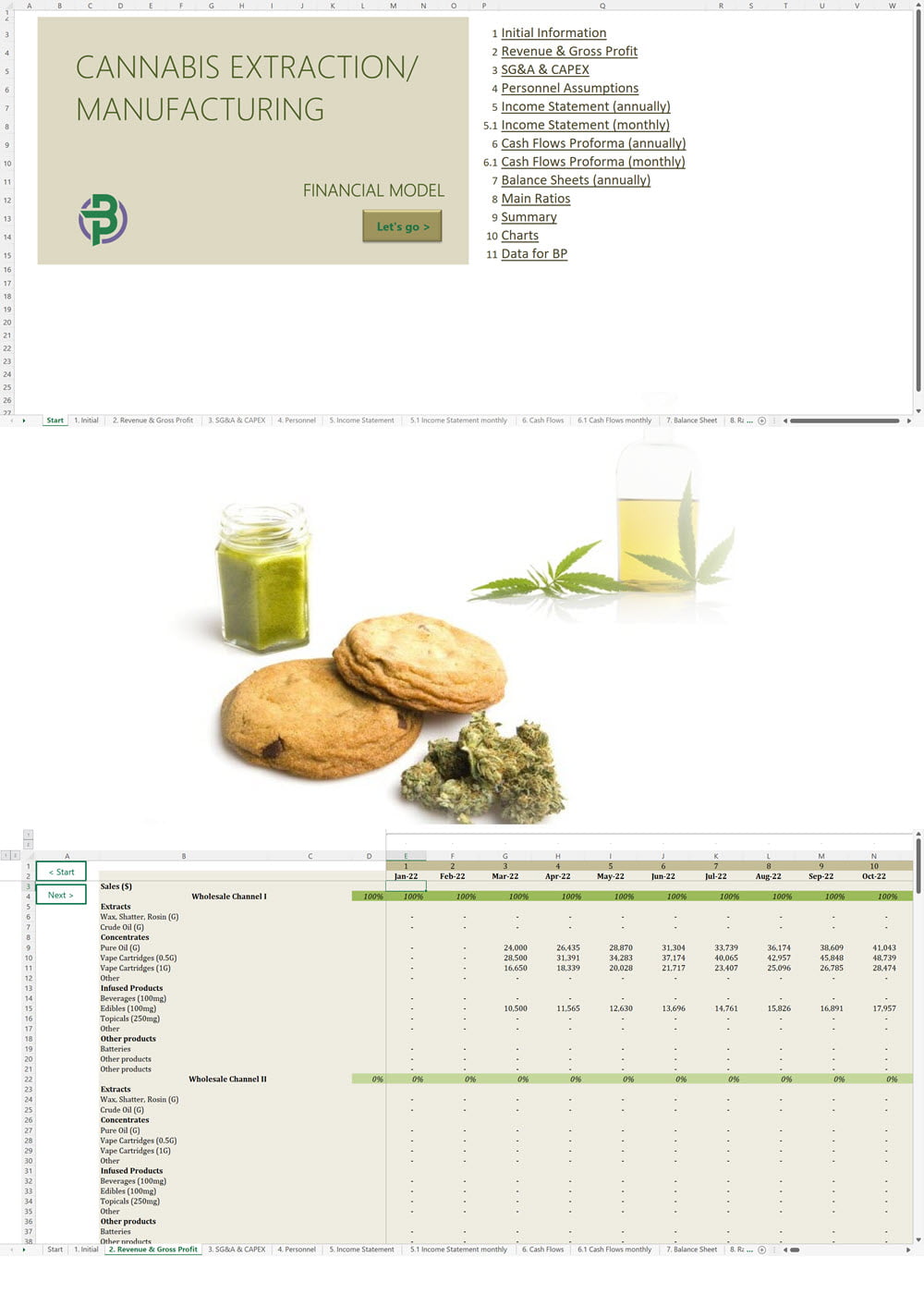
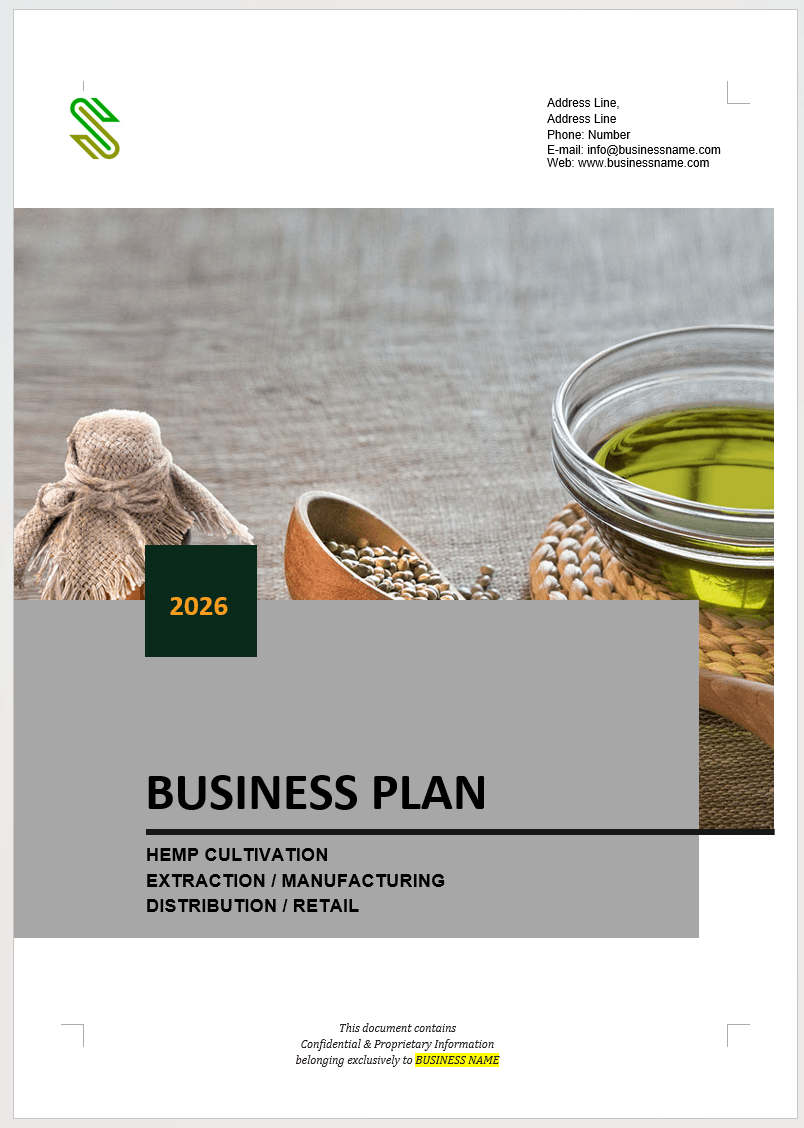
Hemp CBD Vertically Integrated Business Plan Template
Price range: $75.00 through $450.00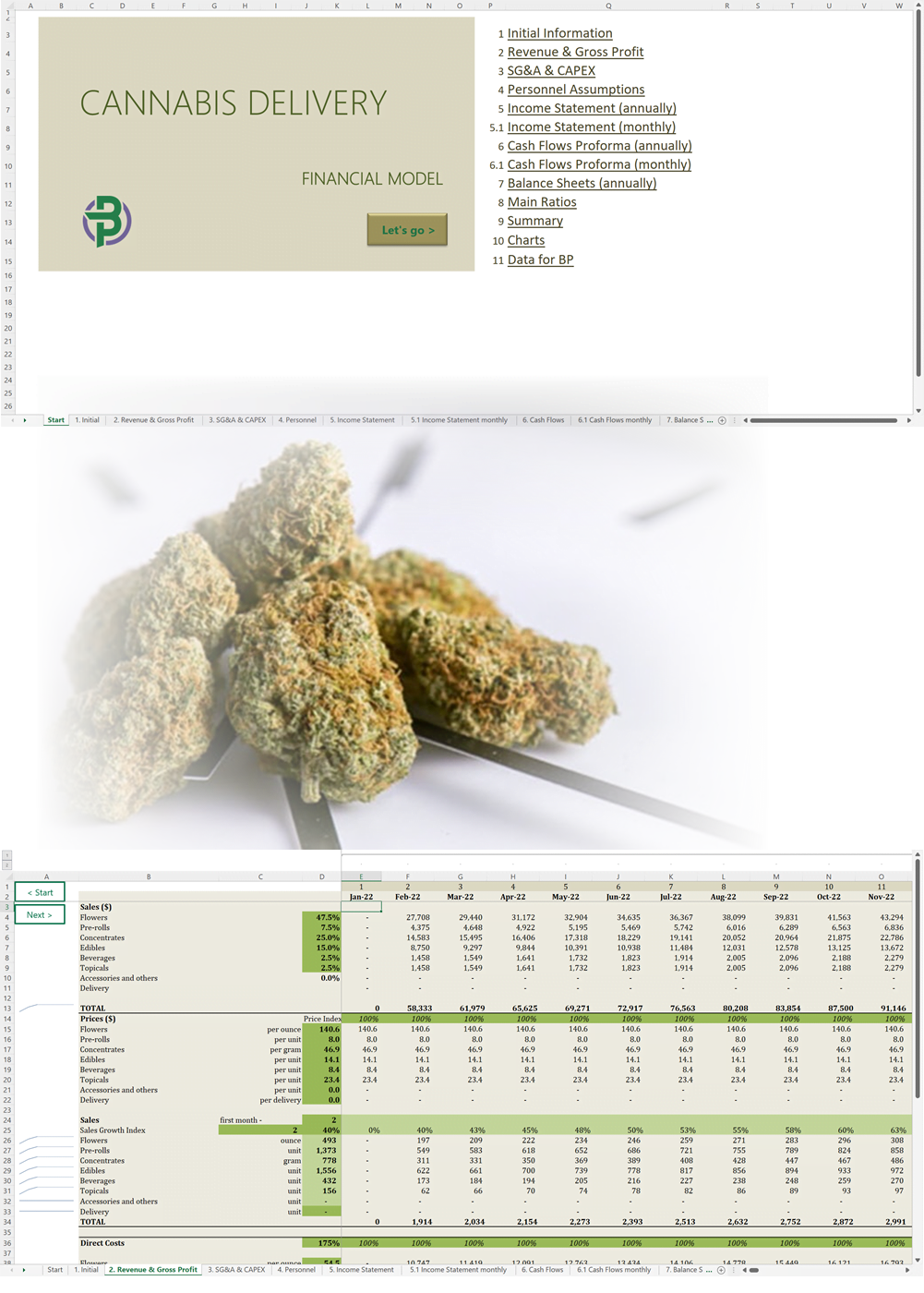

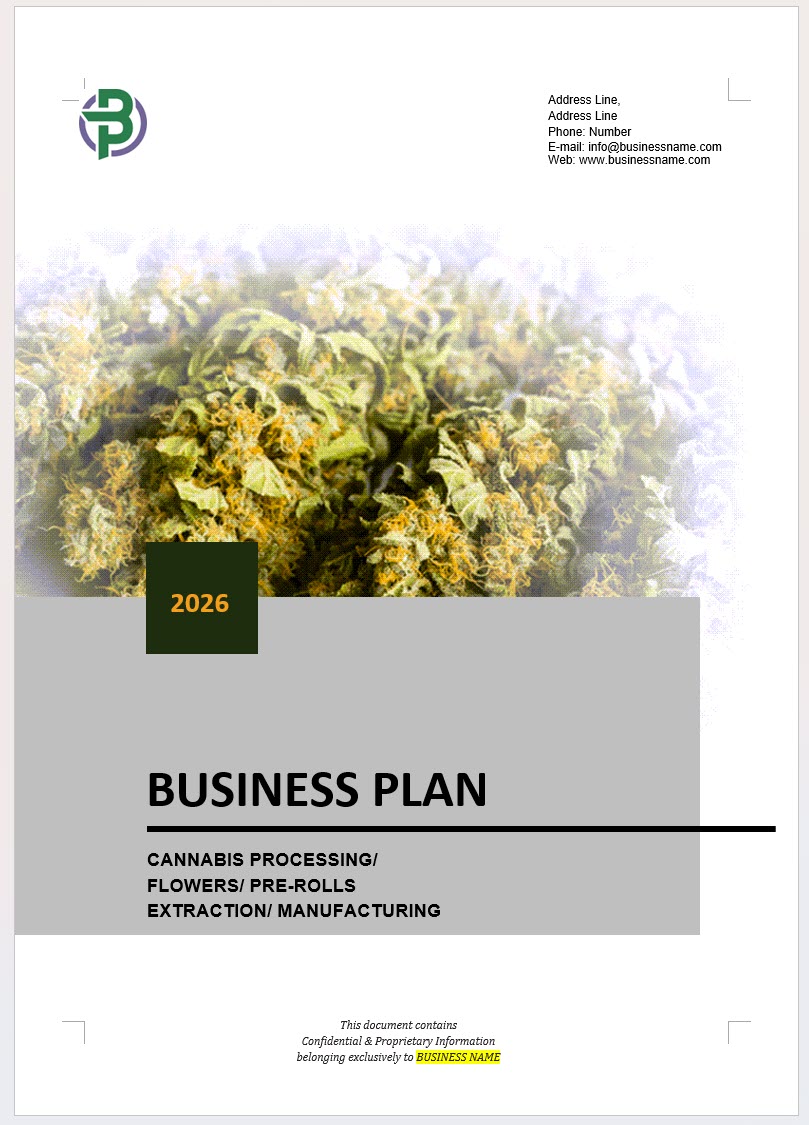
Cannabis Processing/ Flowers/ Pre-rolls/ Extraction/ Manufacturing Business Plan Template
Price range: $75.00 through $350.00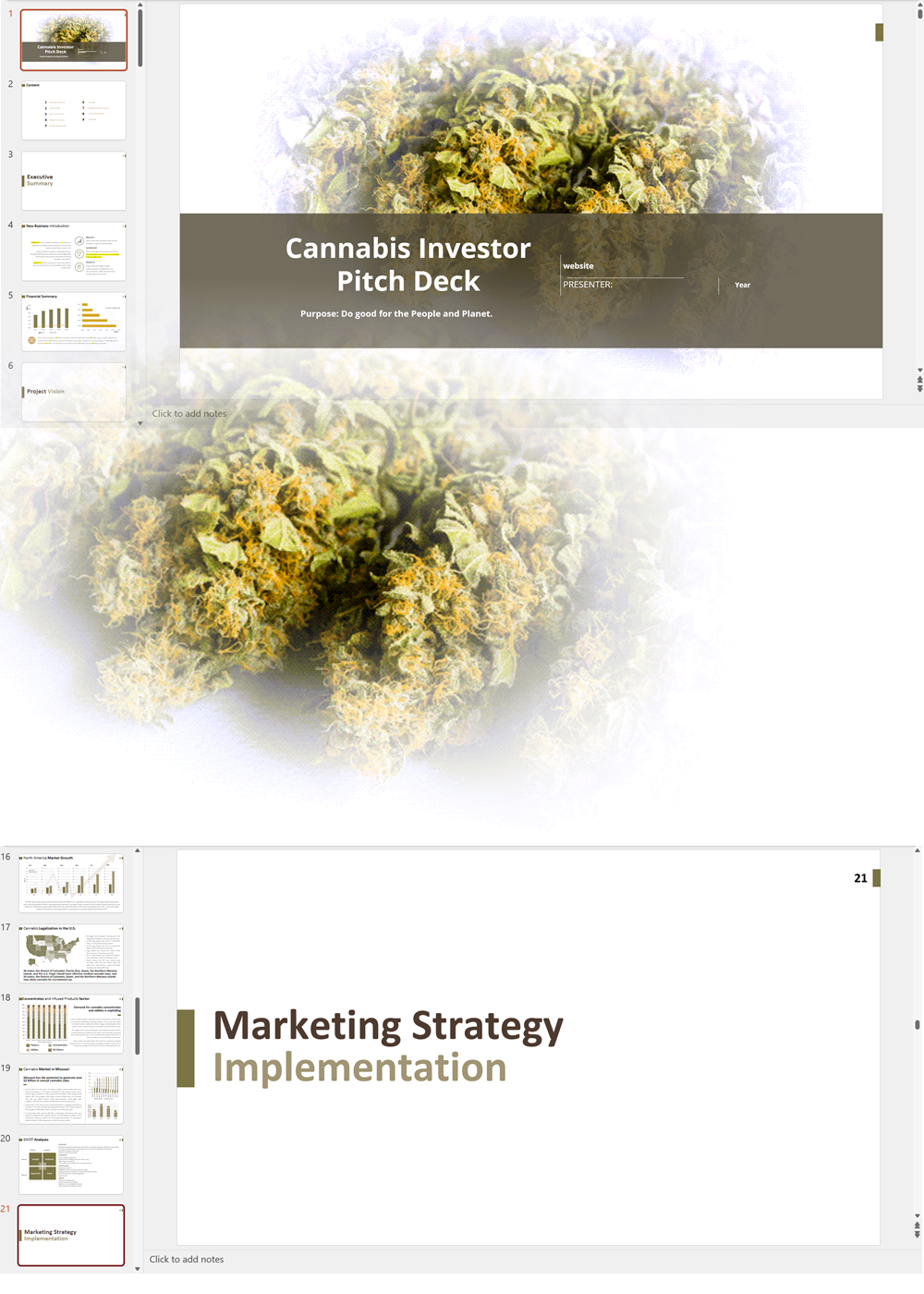
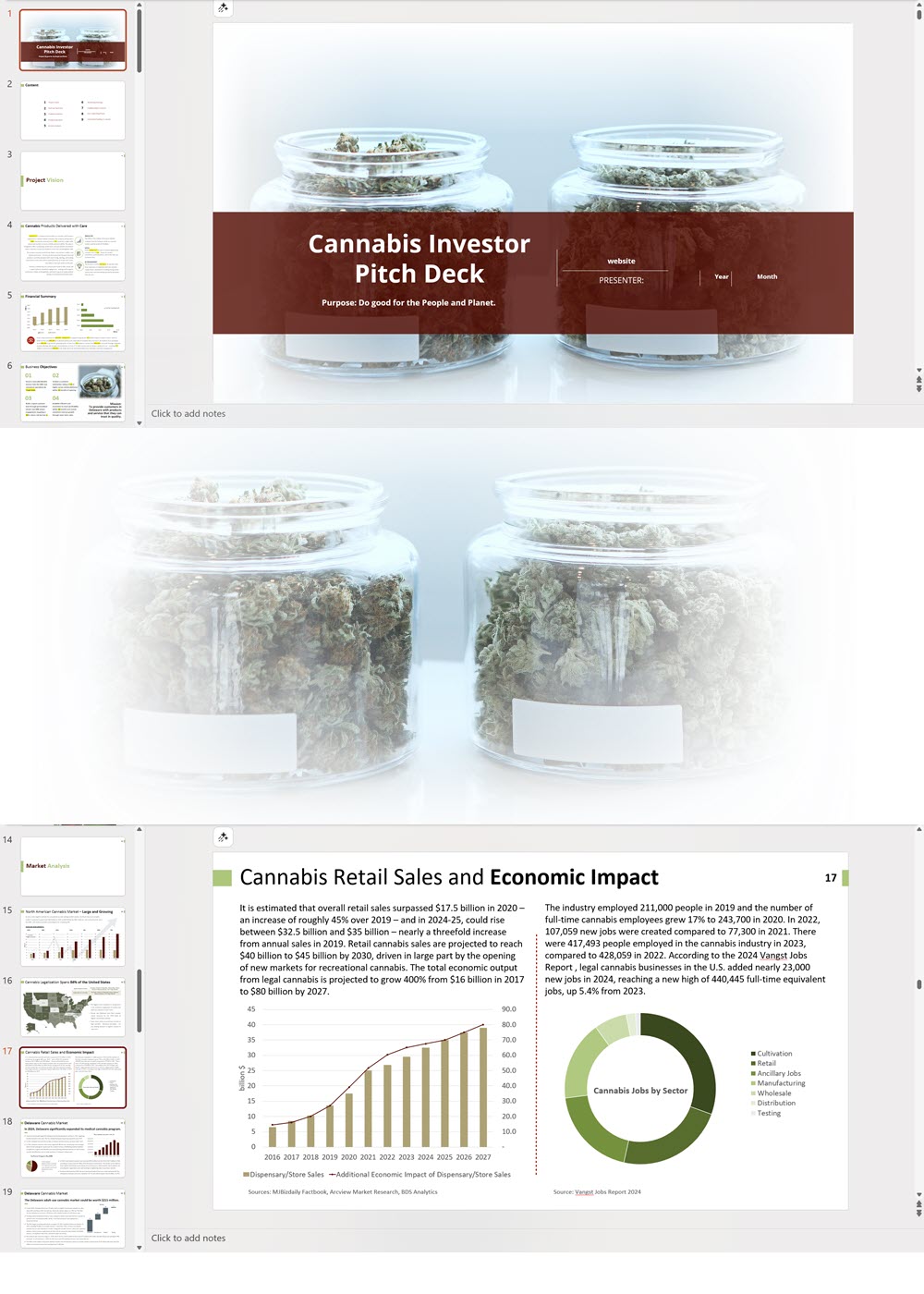
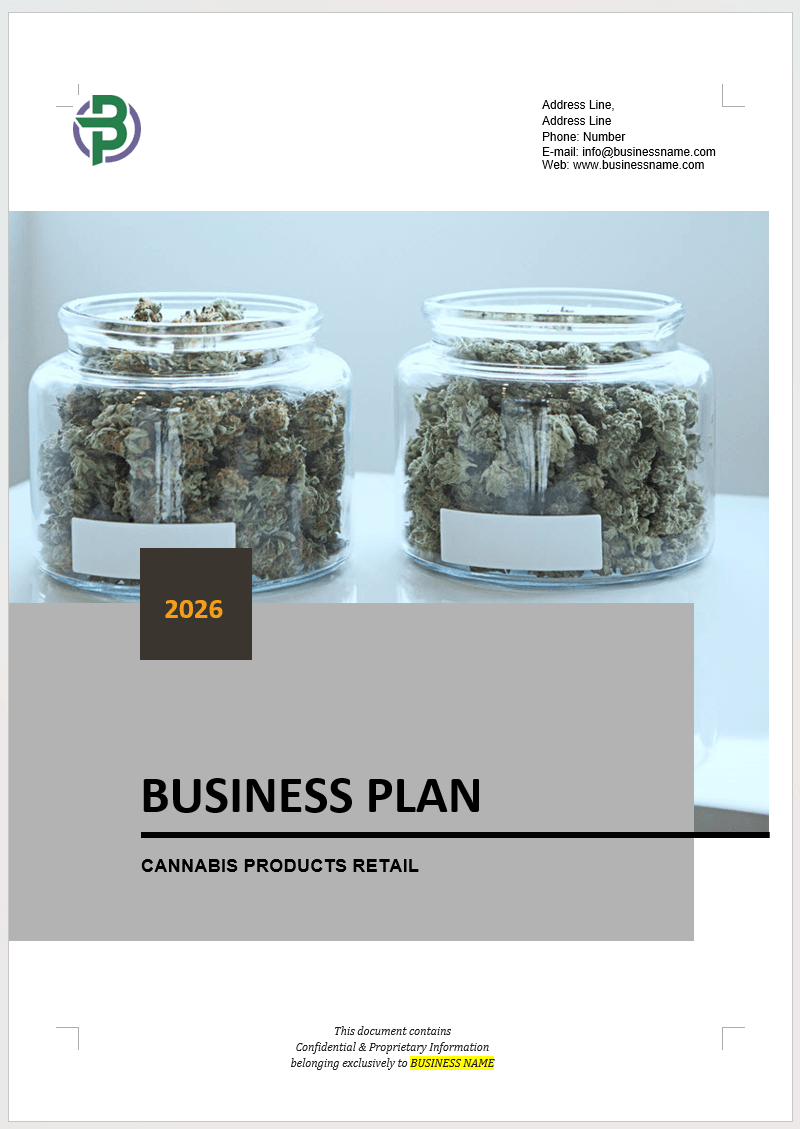
Cannabis Dispensary Business Plan Template
Price range: $75.00 through $350.00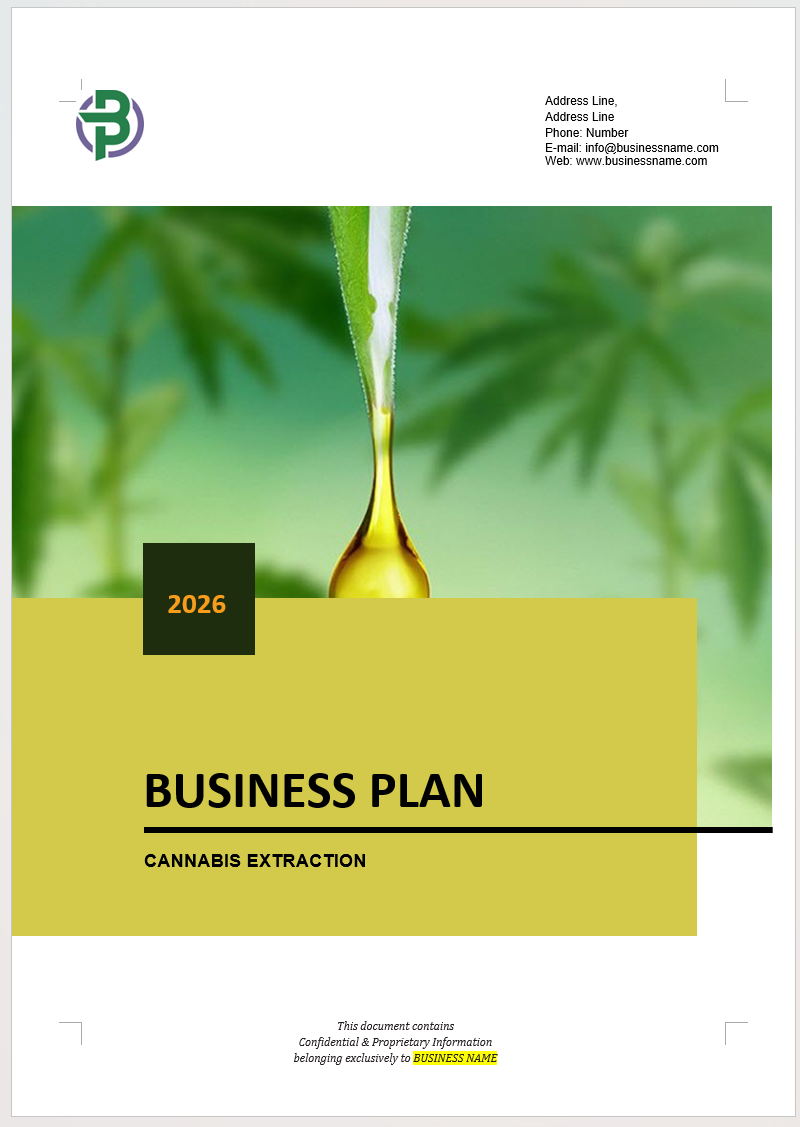
Cannabis Extraction / Concentrates Business Plan Template
Price range: $75.00 through $350.00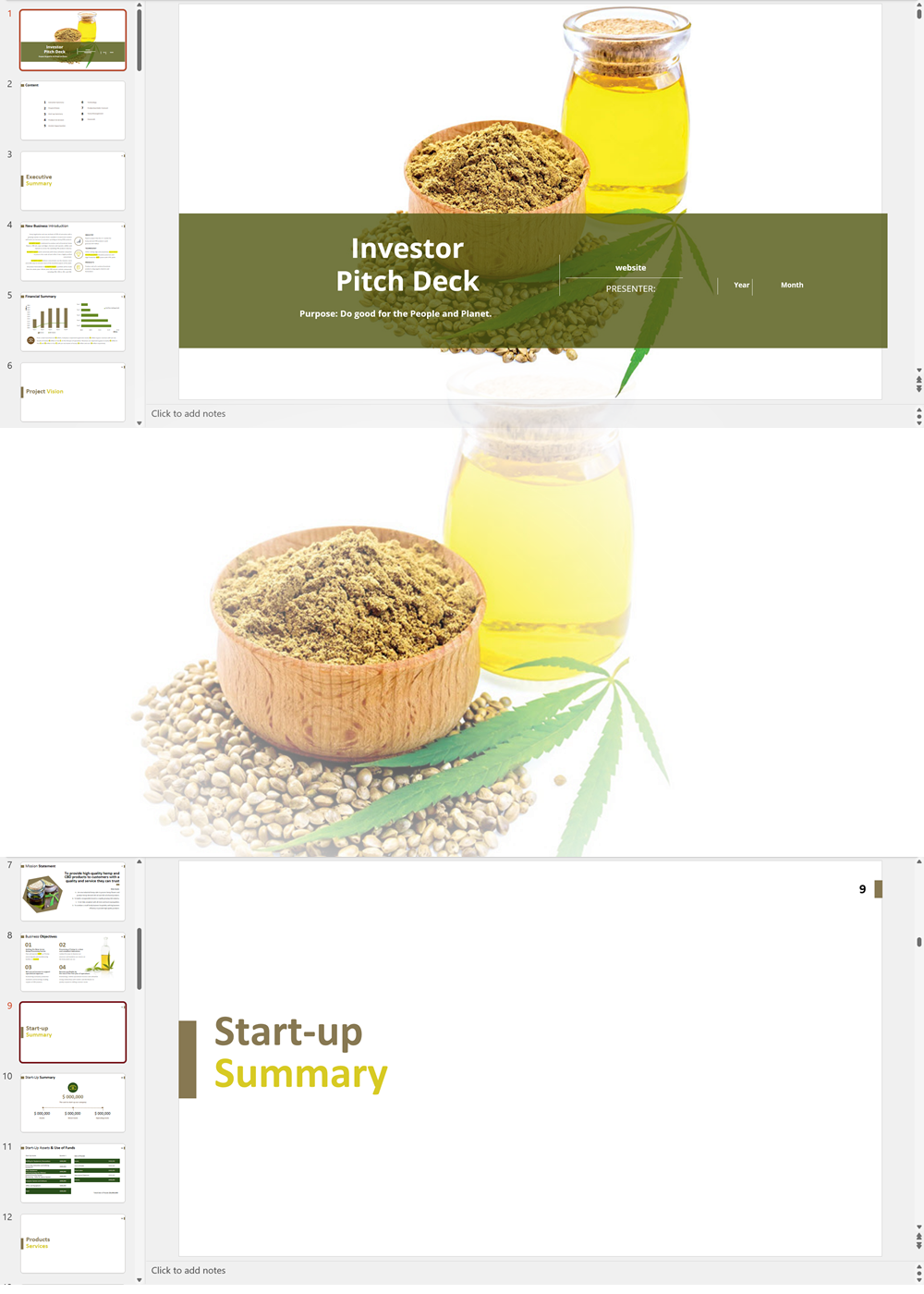
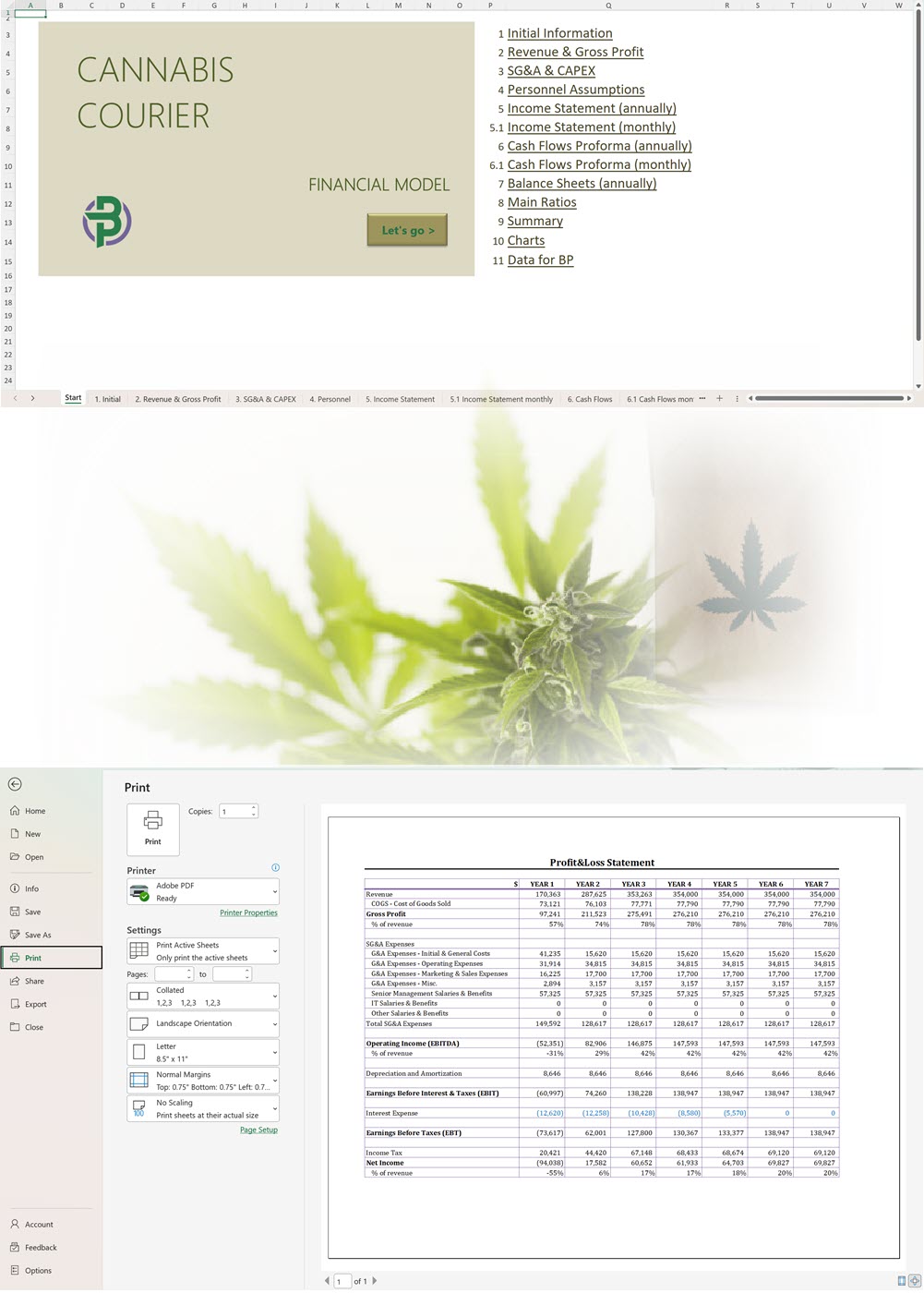
Cannabis Courier Financial Model
$100.00
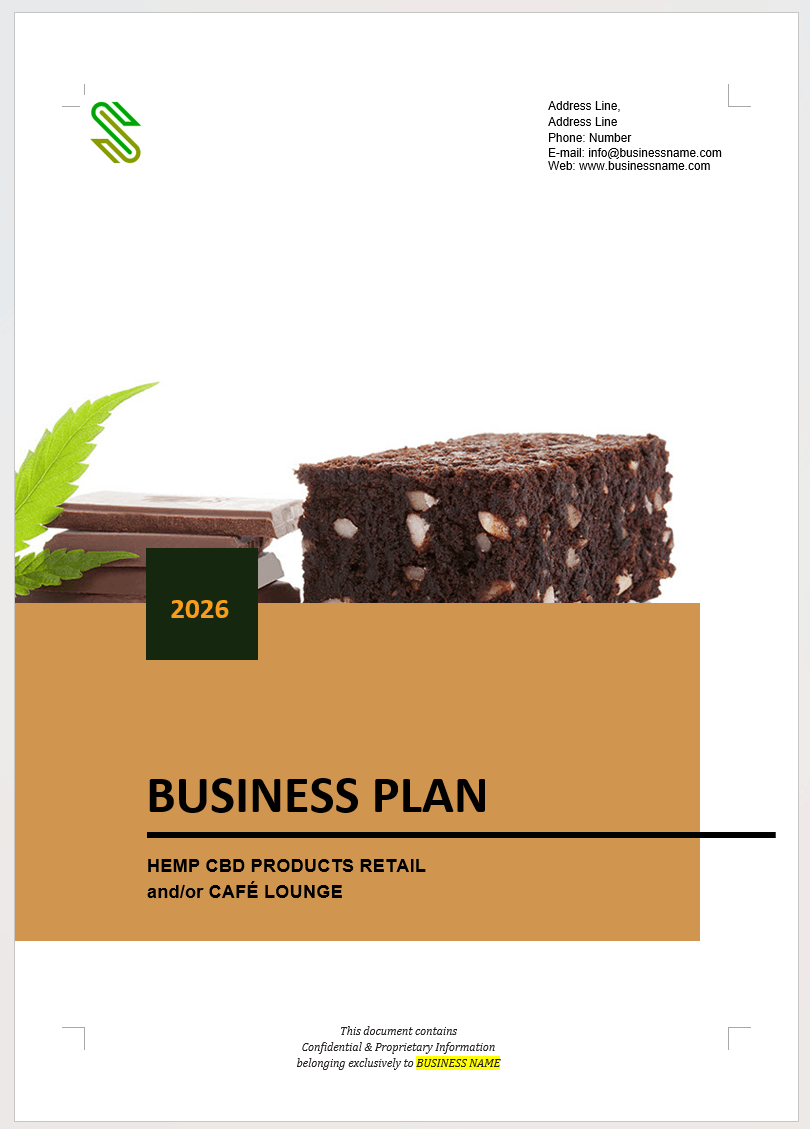
CBD Store and/or Cafe Lounge Business Plan Template
Price range: $75.00 through $275.00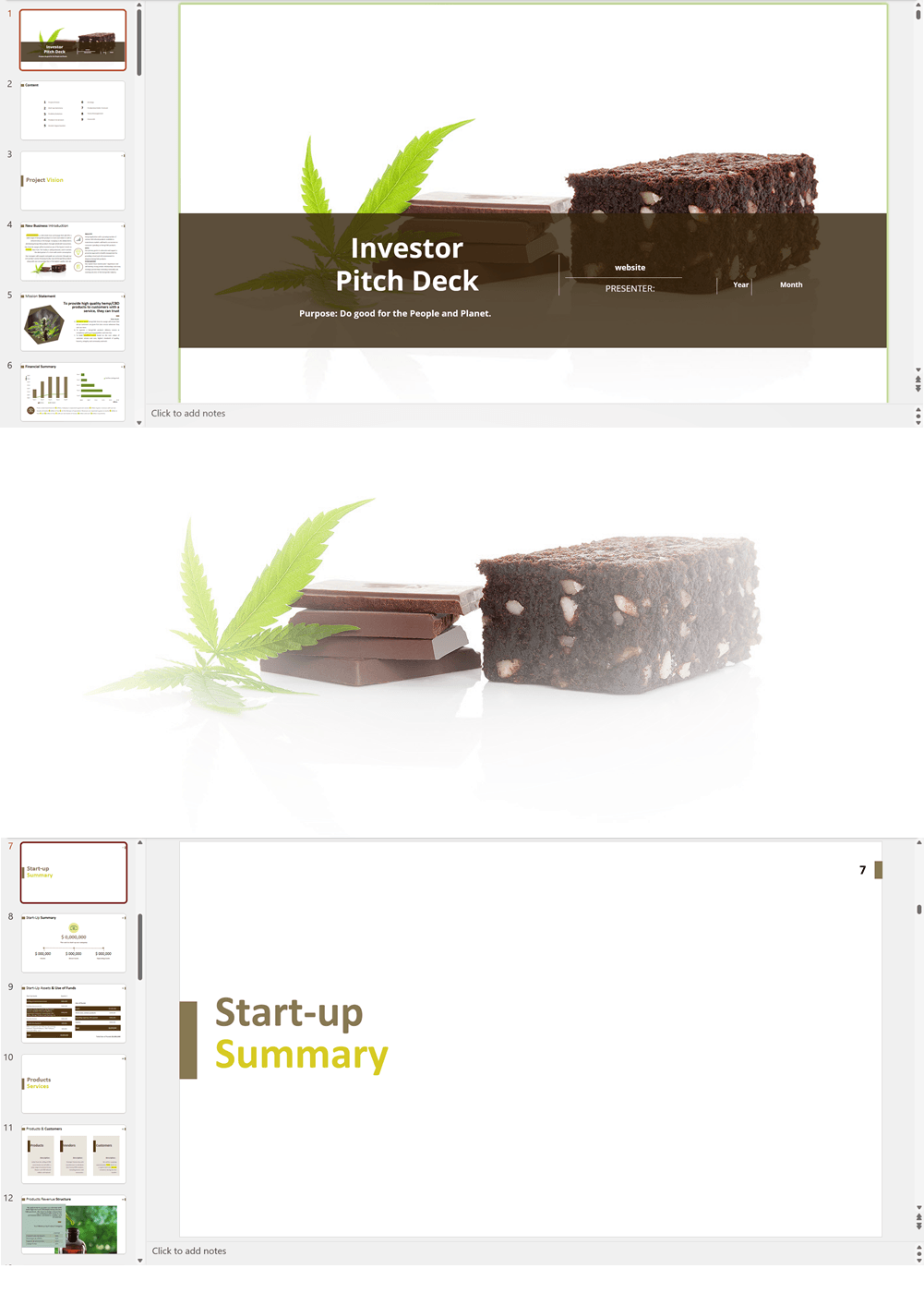

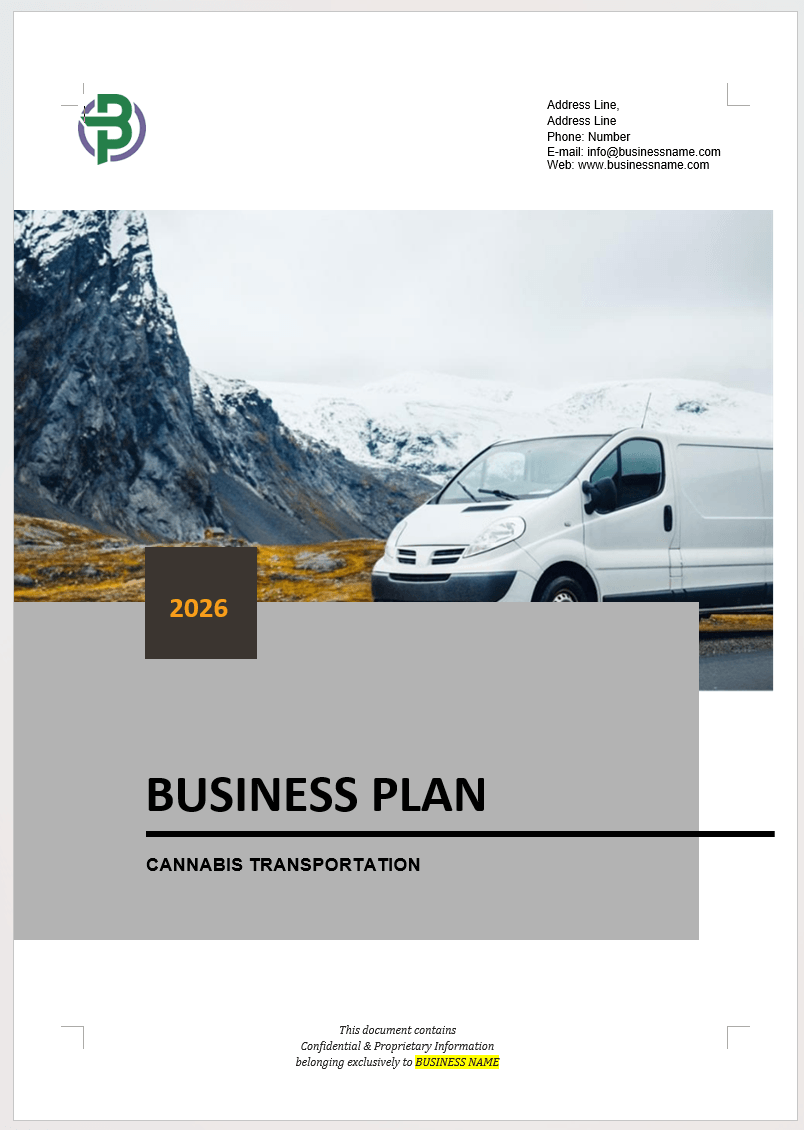
Cannabis Transportation Business Plan Template
Price range: $75.00 through $275.00