Key Takeaways
- Cannabis law and regulations:
- The Office of Cannabis Management (OCM) is responsible to release applications, issue licenses, and develop regulations outlining how and when businesses can participate in the new cannabis industry (medical and adult-use) in Minnesota.
- Licenses available:
- Cultivator; Manufacturer, Retailer; Wholesaler; Transporter; Testing Facility; Event Organizer; Delivery Service; Microbusiness; Mezzobusiness; Macrobusiness. Vertical integration is prohibited except for microbusiness, mezzobusiness, and macrobusiness.
- Products legal:
- dried flower (dried raw cannabis flower; bud; trim; shake; pre-rolls; and infused pre-rolls);
- concentrates (hash; hash oils; live resin; kief; resin; shatter; tinctures; total extract; wax; and any other product produced by extracting cannabinoids from the plant using solvents, carbon dioxide, heat, screens, presses or steam distillation);
- edible cannabis products (including beverage products) and lower-potency hemp edibles infused with a combined 800 milligrams or less of THC;
- topical and transdermal (balms; lotions; ointments; rubbing alcohol solutions; and patches).
- Taxes:
- Adult-use cannabis products are subject to a 10% sales tax. Medical cannabis is exempt from sales and excise taxes.
- Market:
- Medical: As of January 2026, Minnesota’s medical cannabis program included 73,555 registered patients and 2,808 certified practitioners, with 18 dispensaries operating statewide. Based on OCM data, medical cannabis sales in 2025 are estimated at $85–90 million, derived from total market figures and post-September sales breakdowns.
- Adult-use: Adult-use cannabis sales began on September 17, 2025, through two medical dispensaries operating under new combination licenses and a licensed microbusiness selling Tribally grown flower to adult-use consumers. The state reached a milestone of 119 total cannabis business licenses issued by the end of 2025. Based on OCM data released in January 2026, Minnesota recorded $31.1 million in adult-use cannabis sales following its September 2025 launch, while the MJBiz Factbook projects 2026 adult-use sales to reach $430 million.
Minnesota Medical Cannabis
Minnesota became the 22nd state to legalize medical cannabis in 2014 (Laws of Minnesota 2014, chap. 311 (SF2470)). The Minnesota Department of Health established the Office of Medical Cannabis after the passage of the medical cannabis bill and the office was tasked with implementing the law. The office began soliciting bids for medical cannabis manufacturers in early fall of 2014.
Two companies have been selected as registered manufacturers of medical cannabis in Minnesota and 18 dispensaries are currently operated in the state. State regulators have estimated that Minnesota will eventually need at least 381 dispensaries to meet long-term demand.
In 2016, “intractable pain” was added to the list of qualifying conditions for participation in Minnesota’s Medical Cannabis Program. In 2020, two new qualifying medical conditions – sickle cell disease and chronic vocal or motor tic disorder – were approved, effective Aug. 1, 2021. In July 2023, Minnesota regulators added irritable bowel syndrome and obsessive-compulsive disorder to the list of qualifying conditions.
When the program first launched, medical cannabis was available in pill, vapor oil, and liquid forms. Topicals (which are applied to the skin) were added in December 2016 and water-soluble cannabinoid multi-particulates with orally dissolvable products in December 2019. In 2021 the Legislature expanded the law to allow medical cannabis patients to smoke “dried raw cannabis”, effective March 1, 2022 and in December, the Department of Health approved “infused edibles in the form of gummies and chews” as an additional delivery option for patients, effective August 1, 2022. In November 2023, they added dry herb vaporization to the list of approved delivery methods, effective August 1, 2024.
As of January 2026, there were 2,808 practitioners, 4,621 caregivers and 73,555 registered patients. Minnesota residents participating in the medical cannabis program are required to join a patient registry in order to obtain and use medical cannabis for treatment purposes. The top two qualifying medical conditions are chronic pain (58.93%) and post-traumatic stress disorder (32.83%).
In 2019, Minnesota passed legislation that exempt businesses from Section 280E of the federal tax code that allows cannabis companies to deduct business expenses from their state income taxes.
According to the 2022 MJBiz Factbook, the Minnesota medical cannabis market reached $70 million in sales in 2022, up from approximately $60 million in 2021.
Based on OCM data, medical cannabis sales in 2025 are estimated at $85–90 million, derived from total market figures and post-September sales breakdowns.
Minnesota Adult-Use Cannabis
In May 2023, the state became the 23rd to legalize adult-use cannabis after the governor of Minnesota signed a bill allowing residents over the age of 21 to possess up to two ounces of cannabis in public and to home-cultivate up to eight plants (of which four may be mature) starting August 1. In addition to creating a system of licensed, private cannabis businesses, municipalities, and counties could own and operate government dispensaries. The legislation also allows for on-site consumption lounges and cannabis delivery services. A new ten percent gross receipts tax went into effect on July 1, 2023, for all THC-related purchases, excluding medical cannabis.
The application period for pre-approval licenses (social equity applicants) ran from July 24 to August 12, 2024, with traditional business license applications will be available in early 2025 after the Office of Cannabis Management (OCM) develops regulations outlining how businesses can participate in the new adult-use industry in Minnesota.
Adult-use sales in the state began in 2025, however, the very first recreational cannabis dispensary already opened on August 1, 2023, in the Red Lake Nation area of northwest Minnesota.
Minnesota’s cannabis law directs the governor to establish intergovernmental agreements called “cannabis compacts” with Tribal Nations sharing territory with Minnesota. In May 2025, the first Tribal-state cannabis compact was signed with the White Earth Nation which created a pathway for the Tribe to open recreational cannabis dispensaries in Moorhead and St. Cloud. On September 11, a second Tribal-state compact was signed with the Mille Lacs Band of Ojibwe. As of November 4, 2025, another three Tribal-state compacts have been signed.
On April 14, 2025, rules for the state’s recreational cannabis industry were approved and formally adopted. Testing facility, microbusiness, transporter, wholesaler, and delivery service licenses are not limited in quantity. Cultivator licenses are capped at 50, mezzobusiness licenses are capped at 100, manufacturer licenses are capped at 24, and retailer licenses are capped at 150. Applicants for license types that are limited in number must first have their application chosen in a lottery – they then become preliminarily approved. Preliminarily approved applicants have 18 months to complete the local government approvals, finalize application documents, and undergo pre-licensure inspection before they can be issued a license.
On September 16, 2025, the OCM issued a medical cannabis combination business license to two licensed medical cannabis dispensaries in the state – Green Goods and RISE. This license allows them to direct one third of their supply to recreational sale and also permits the wholesale of their cannabis products to other licensed dispensaries. On September 17, all eight of Green Goods’ dispensaries began recreational cannabis sales with RISE also starting recreational sales that week in eight of its dispensaries. On the same day, a licensed microbusiness in Duluth started selling Tribally grown cannabis flower to adult-use consumers, through its partnership with the White Earth Nation.
According to the Minnesota Office of Cannabis Management (OCM) Annual Report and the Cannabis Market Monitor, the state reached a milestone of 119 total cannabis business licenses issued by the end of 2025. These included 96 microbusiness, 4 retailer, 4 cultivator, 3 mezzobusiness, 3 testing facilities, 1 manufacturer, 3 transporter, 3 wholesaler, and 2 medical cannabis combination business licenses. OCM also granted preliminary approval to 1,404 applicants, comprising 1,124 microbusinesses, 86 retailers, 23 cultivators, 54 mezzobusinesses, 38 delivery services, 22 wholesalers, 15 manufacturers, 30 transporters, 9 testing facilities, and 3 medical cannabis combination businesses.
On May 26, 2026, Gov. Tim Walz signed an Omnibus Cannabis Bill into law, combining Minnesota’s adult-use and medical cannabis supply chains. The new law makes several changes to the state’s cannabis program, including:
- Allows cannabis businesses operating in both markets to grow, process and store adult-use and medical cannabis in the same building.
- Creates a new “macrobusiness” license which allows adult-use cannabis businesses to produce and sell medical cannabis to patients, effectively replacing the previous medical cannabis combination business license type. The number of macrobusiness licenses is capped at 8. The initial permitted indoor cultivation canopy size is limited to 38,000 square feet while the outdoor cultivation area is limited to one acre.
- Establishes a pathway through which licensed cannabis microbusinesses with a medical cultivation endorsement will be able to move up to the mezzobusiness license and then further up to the macrobusiness license, allowing smaller businesses to gradually increase their scale.
- Restructures event organizer license to make it an annual, renewable license type.
- Allows license holders to self-transport compliance samples to testing facilities until February 1, 2029.
What Types of Cannabis Products are Legal in Minnesota
Legally allowable product categories include dried flower (dried raw cannabis flower; bud; trim; shake; pre-rolls; and infused pre-rolls), concentrates (hash; hash oils; live resin; kief; resin; shatter; tinctures; total extract; wax; and any other product produced by extracting cannabinoids from the plant using solvents, carbon dioxide, heat, screens, presses or steam distillation), edible cannabis products (including beverage products) or lower-potency hemp edibles infused with a combined 800 milligrams or less of THC, topical and transdermal (balms; lotions; ointments; rubbing alcohol solutions; and patches).
Market Stats
Based on the data released by the OCM in January 2026, Minnesota recorded $122.5 million in combined cannabis sales over the preceding 12 months. Since the official launch of adult-use retail sales on September 16, 2025, the market has demonstrated near parity between segments:
- Adult-use sales: $31.1 million
- Medical cannabis sales: $31.7 million
This balance suggests strong initial consumer adoption of recreational products while maintaining robust demand in the established medical program. December 2025 was the first month where adult-use sales ($9.4 million) surpassed medical cannabis sales ($8.8 million) in Minnesota.
Projections
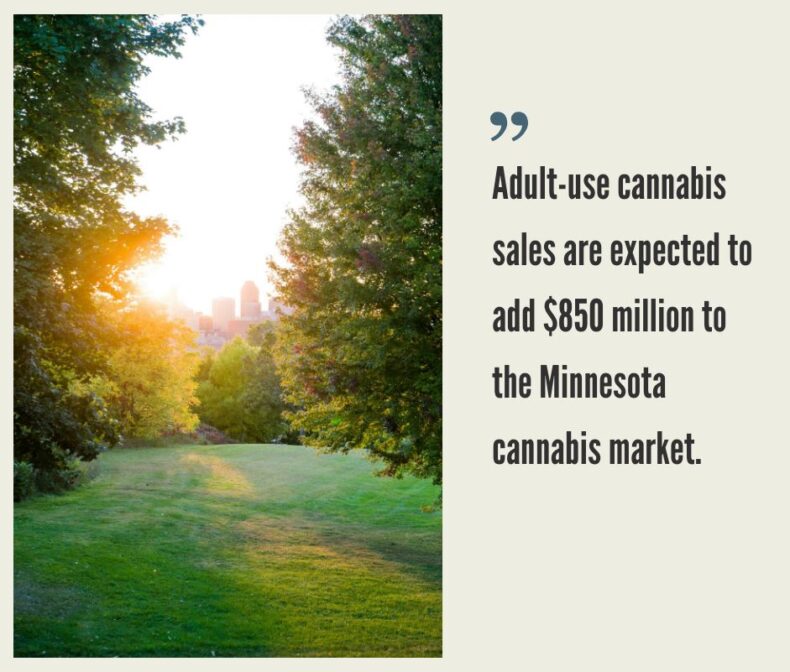
According to the Department of Revenue, the gross receipts tax (10%) is expected to generate $40 million in 2026, $65 million in 2027 and $85 million expected in 2028 – implying annual retail sales of approximately $400 million, $650 million, and $850 million, respectively.
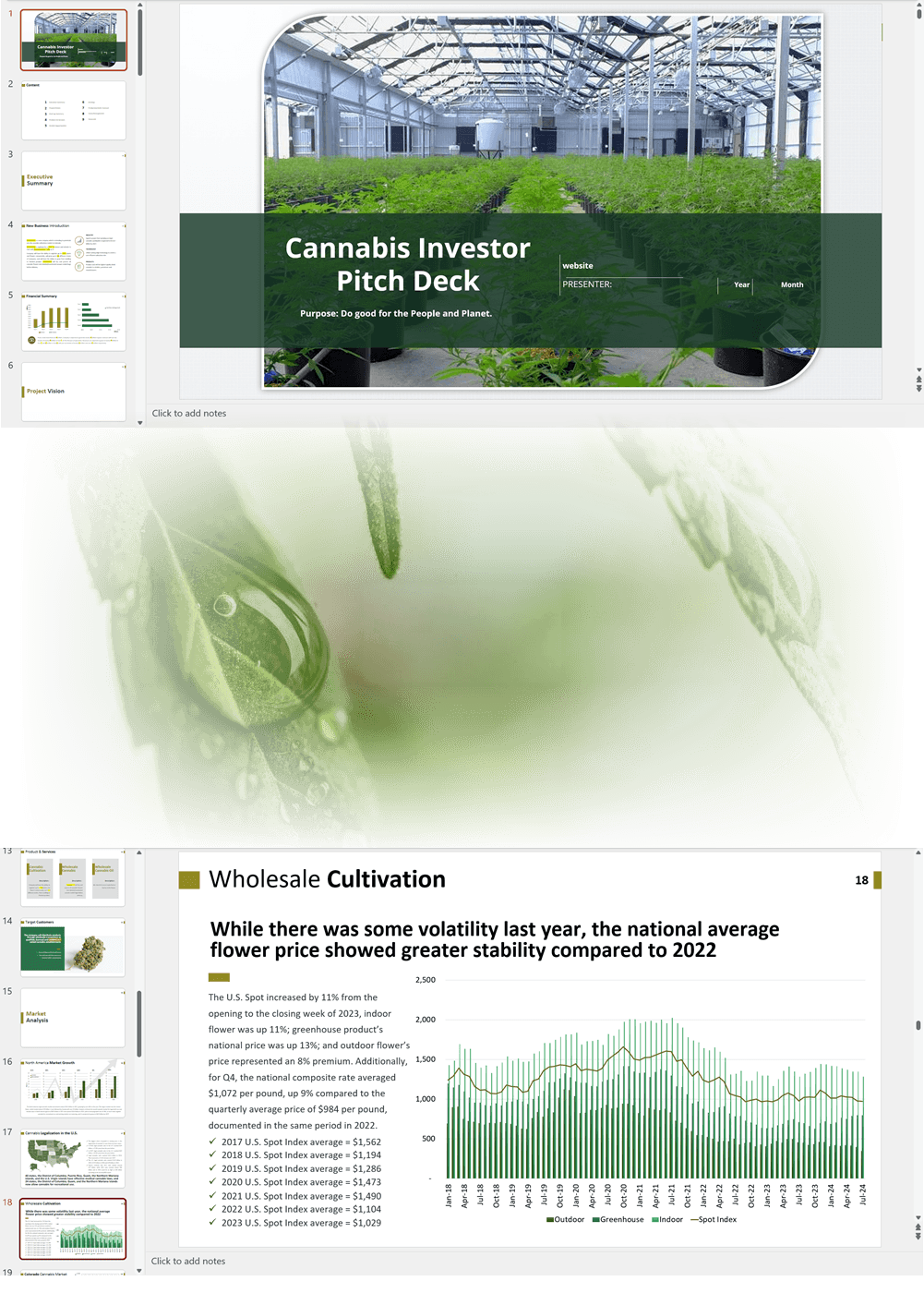
Minnesota Cannabis Market Infographics
How Can Cannabusinessplans Templates Help Start or Grow Your Cannabis Business?
The majority of cannabis licensing programs require the submission of a business plan as part of the application for a cannabis license. Even if it is not mandated by law, a business plan is essential for securing funding and assisting an applicant in understanding how much money it will take to start a cannabis business and how much profit it could make.
A well-structured business plan can make all the difference in helping you demonstrate your proposed cannabis business’ compliance with regulations and its operational viability.
Our complete cannabis business plan template package is everything you need to create a professional business plan for a cannabis business with expert financials and projections. A complete cannabis business plan template package includes:
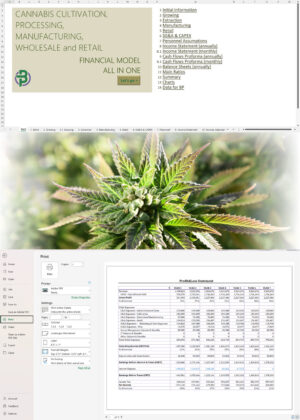
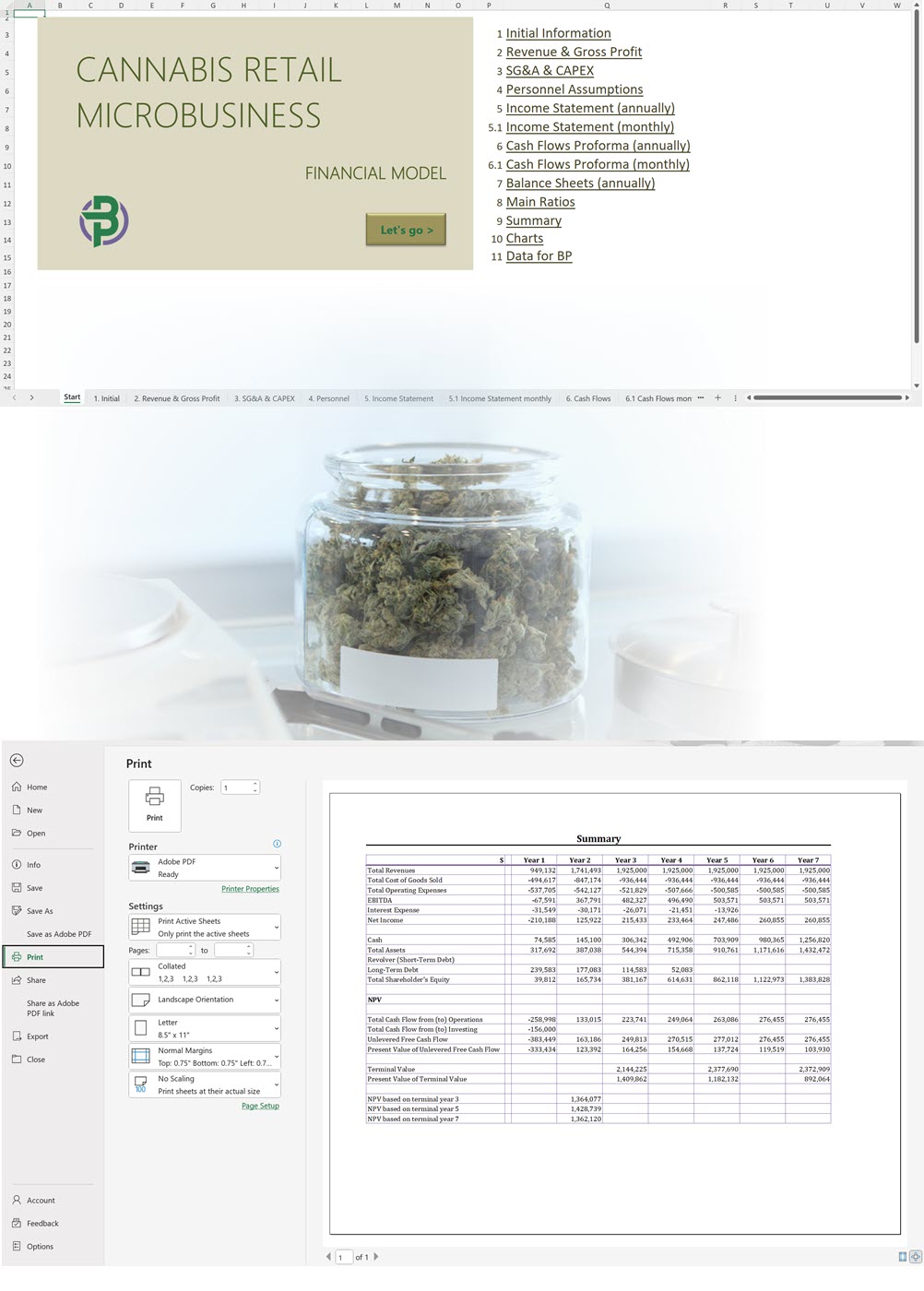
- Excel Financial Model: change variables and immediately see the impact, break down operational and capital costs, know how much it will take to get into the business and the potential profits.
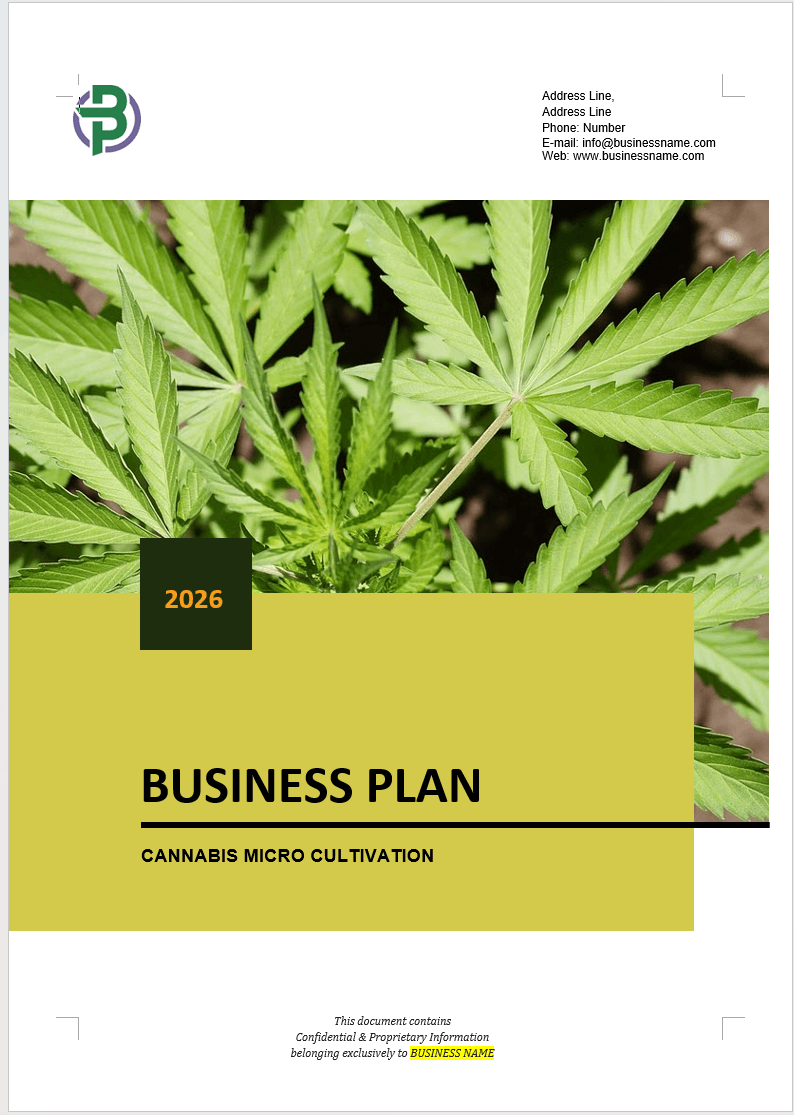
- Word Business Plan: value proposition, market analysis, marketing strategy, operating plan, organizational structure, financial plan and more.
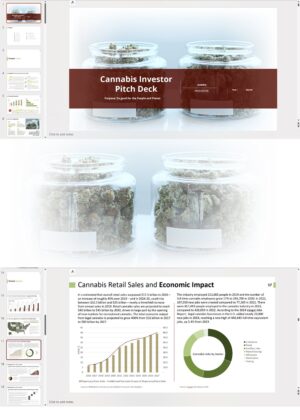
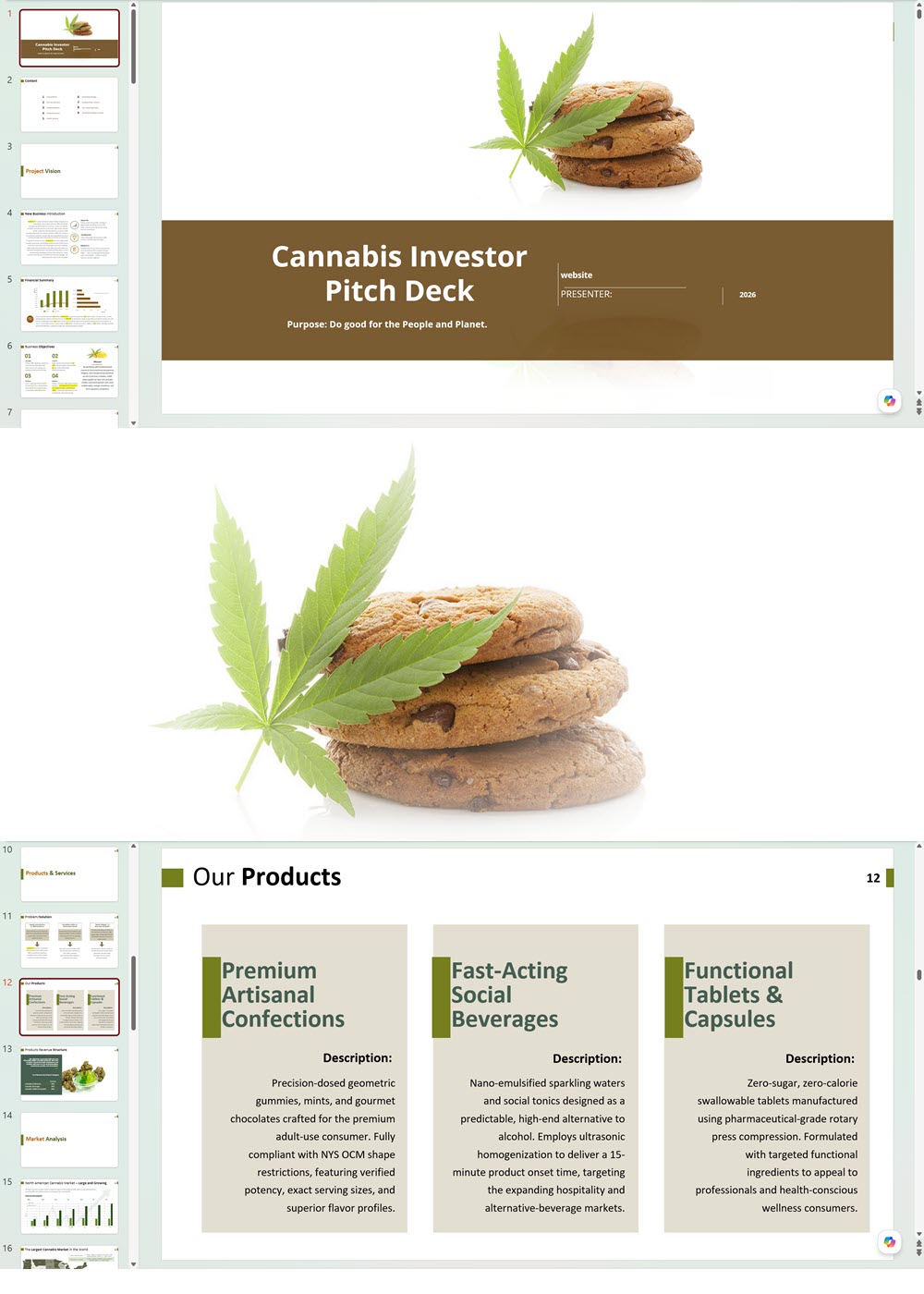
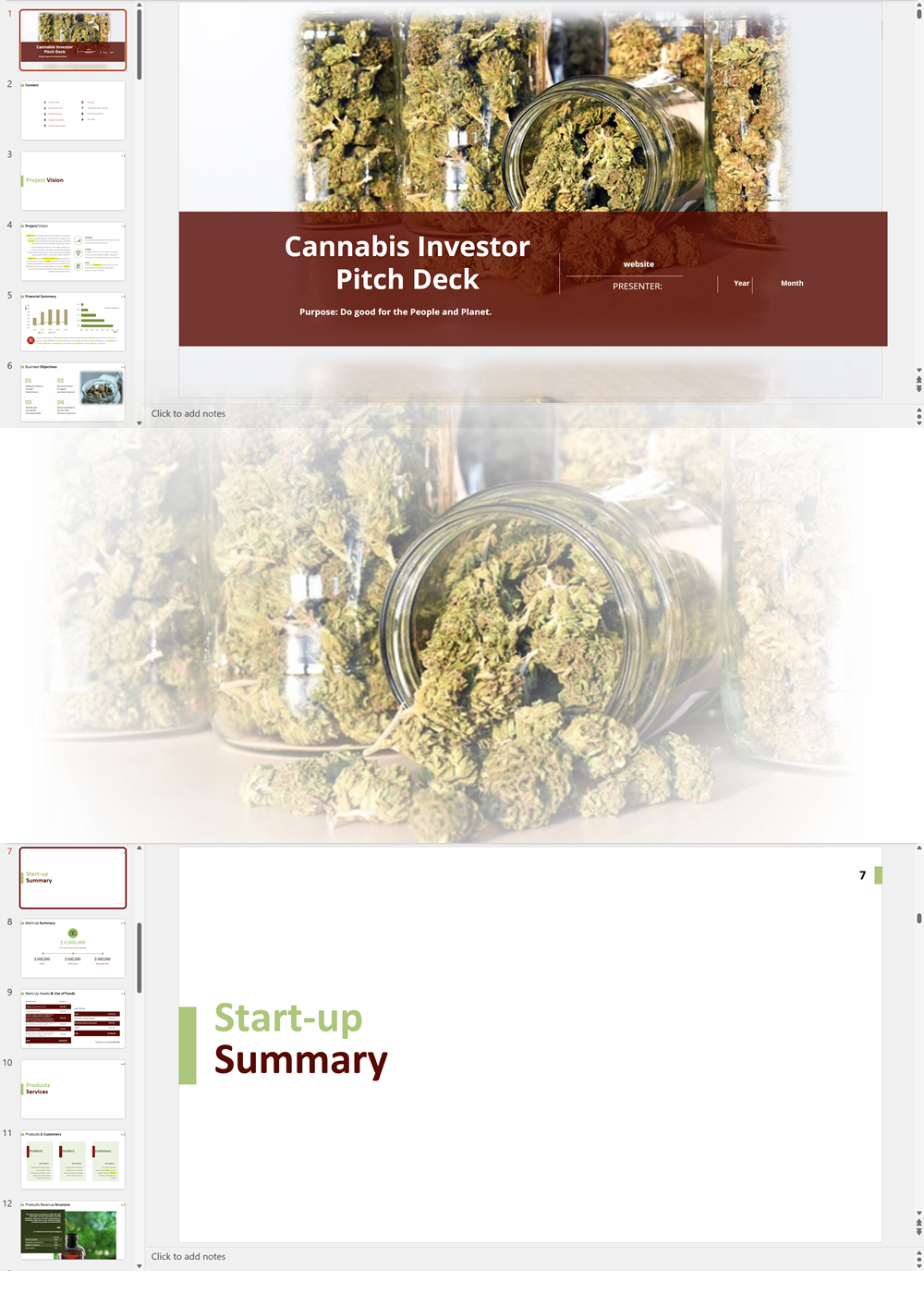
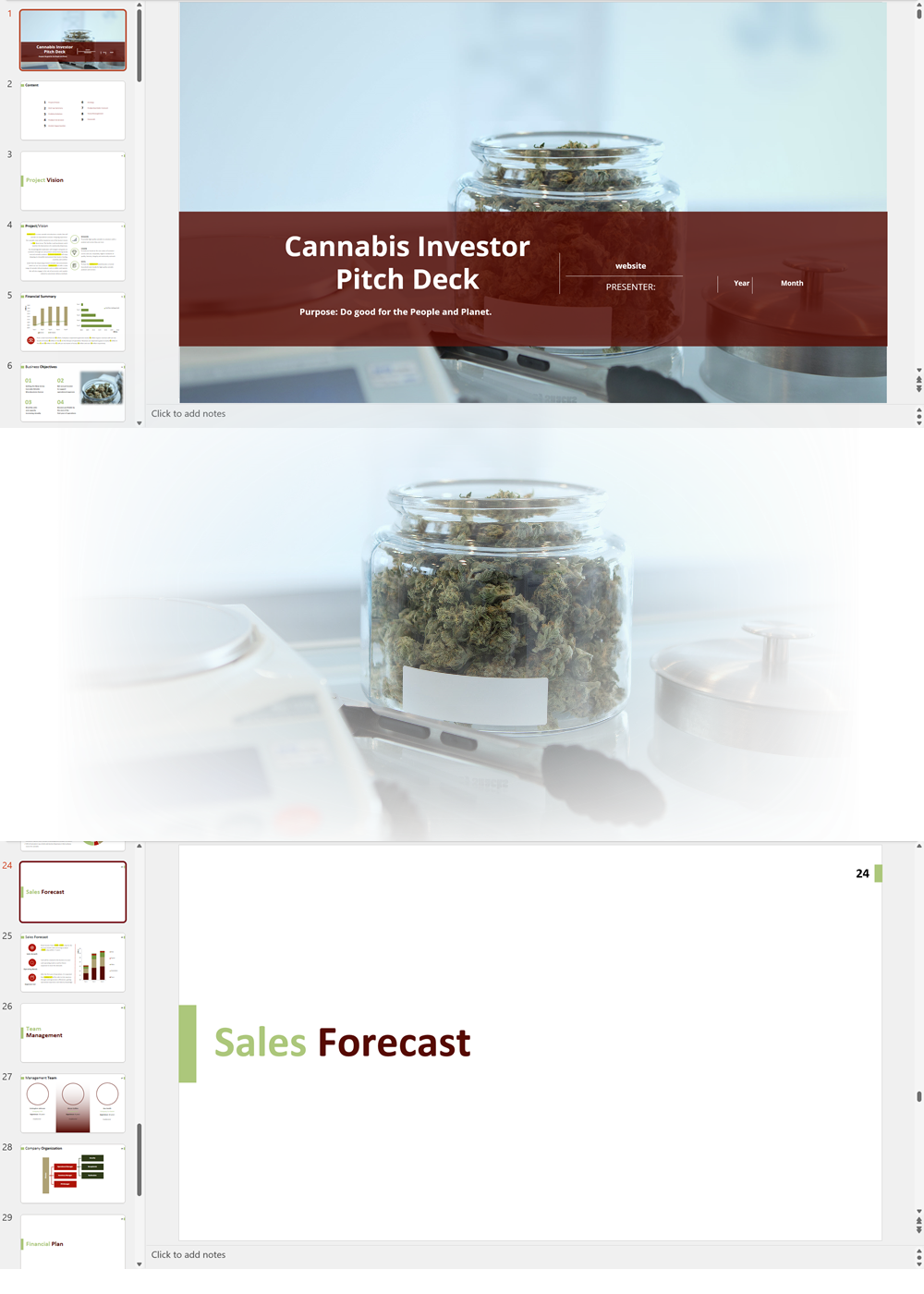
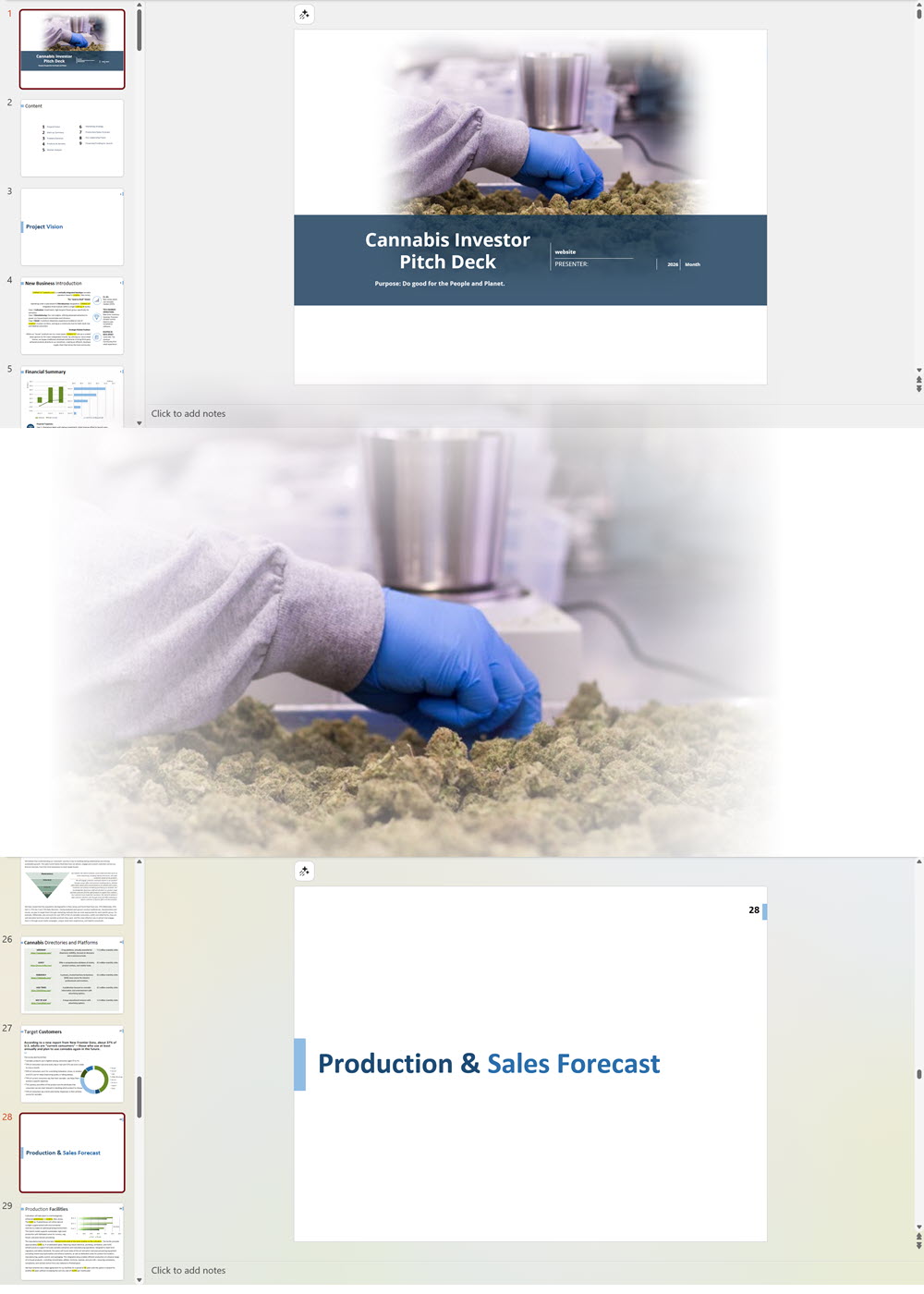
- PowerPoint Pitch Deck: provide a quick overview of your cannabis business plan.
- Unlimited support!
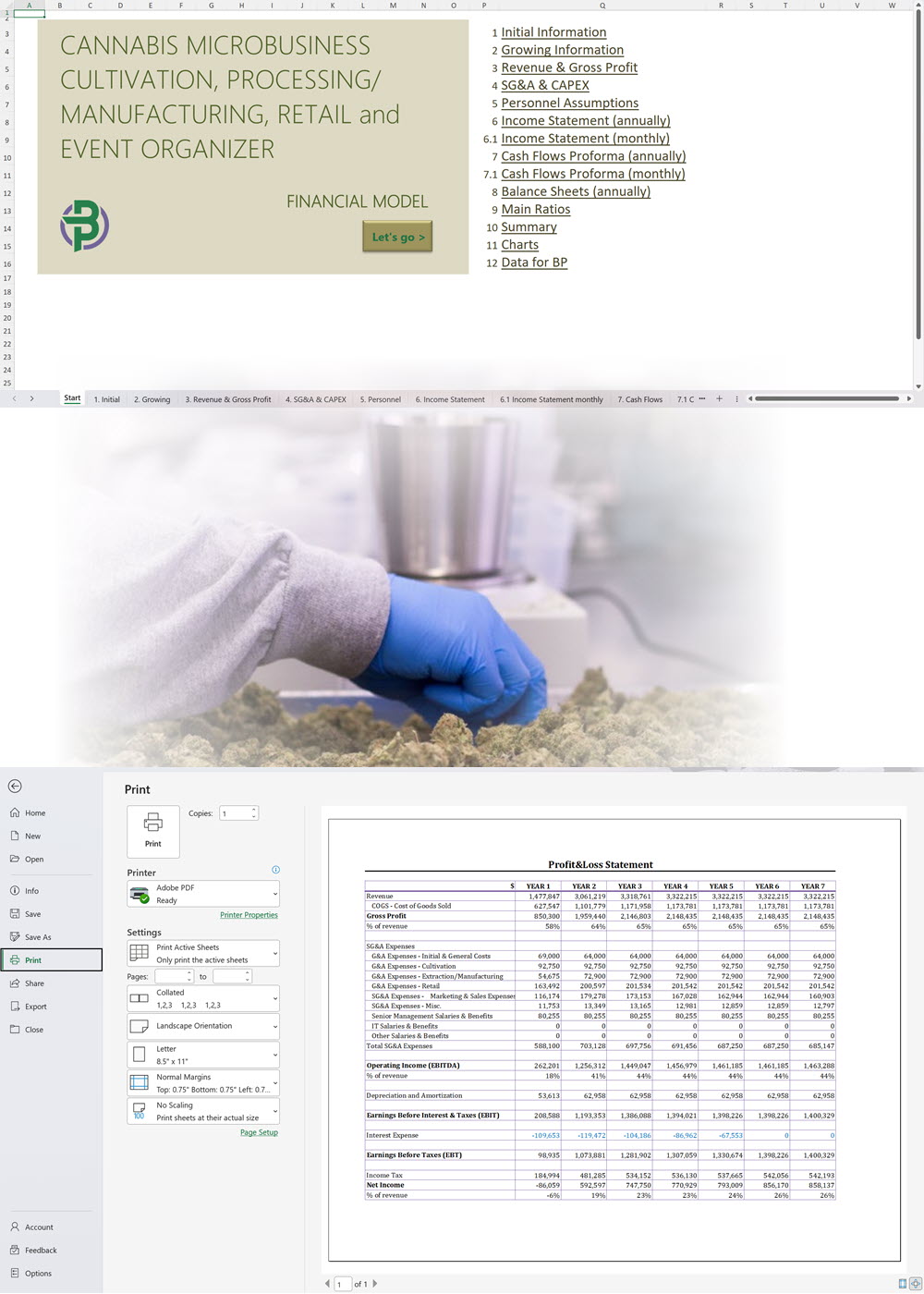
Our cannabis financial models and cannabis business plan templates will help you estimate how much it costs to start and operate your own cannabis business, to build all revenue and cost line-items monthly over a flexible seven year period, and then summarize the monthly results into quarters and years for an easy view into the various time periods. We also offer investor pitch deck templates.'70% ready to go' business plan templates
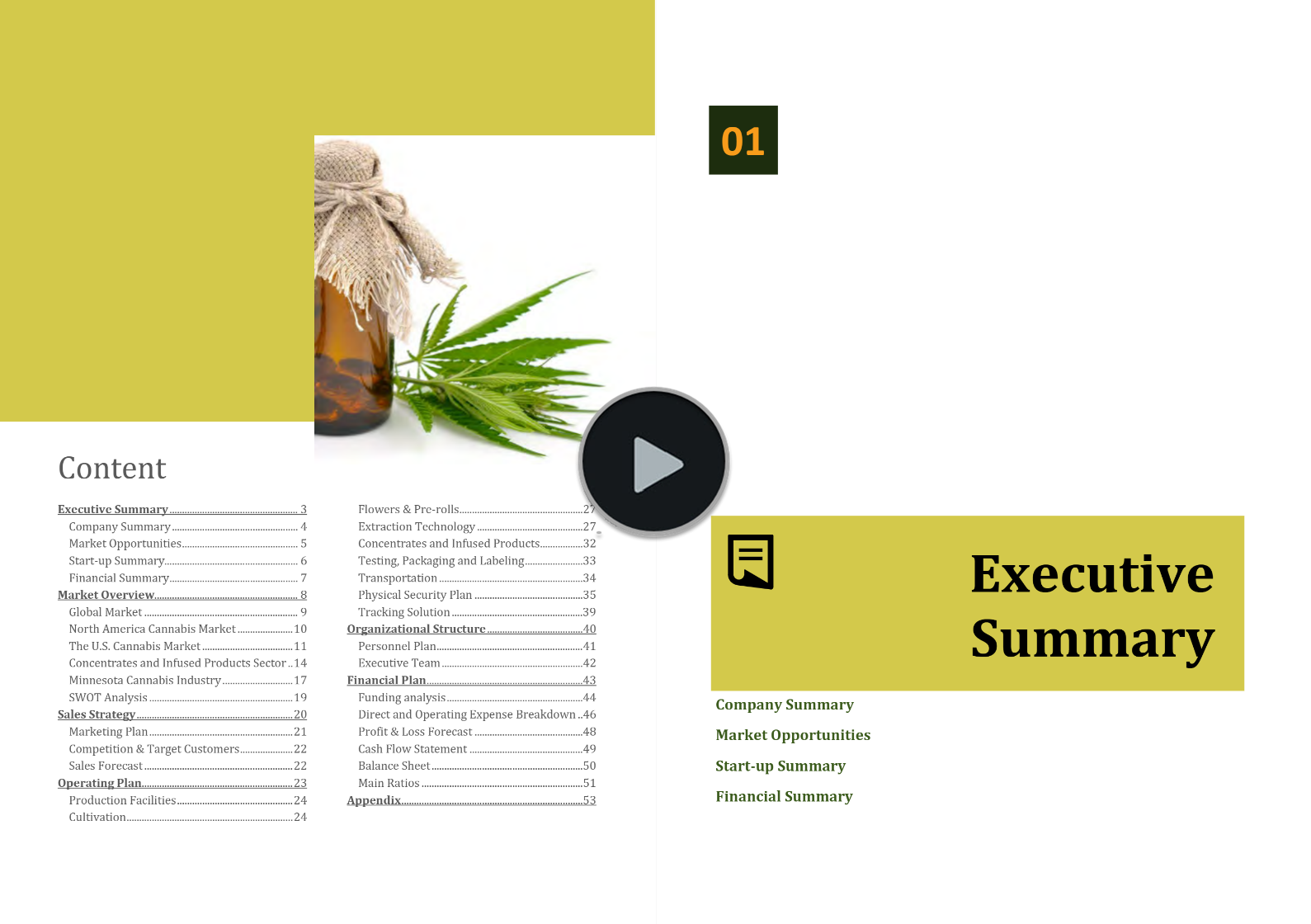
Cannabis Microbusiness Cultivation and Manufacturing Business Plan Template Sample, Minnesota
Best Selling Templates
-

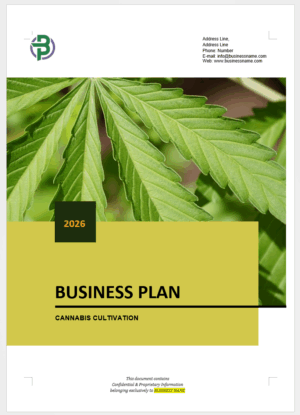
Cannabis Cultivation Business Plan Template
Price range: $75.00 through $350.00 Select options This product has multiple variants. The options may be chosen on the product page -

Cannabis Dispensary Investor Pitch Deck Template
$75.00 Select options This product has multiple variants. The options may be chosen on the product page -
Cannabis Financial Model All in One
$250.00 Select options This product has multiple variants. The options may be chosen on the product page
Our Templates
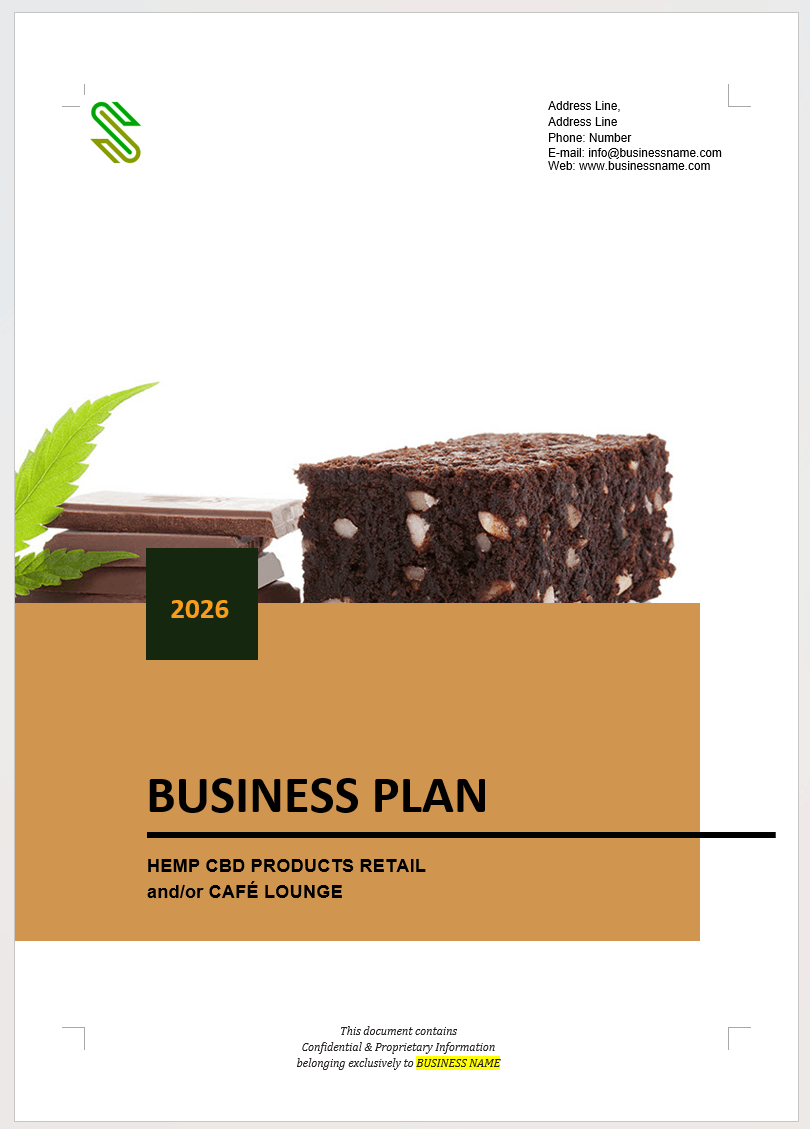
CBD Store and/or Cafe Lounge Business Plan Template
Price range: $75.00 through $275.00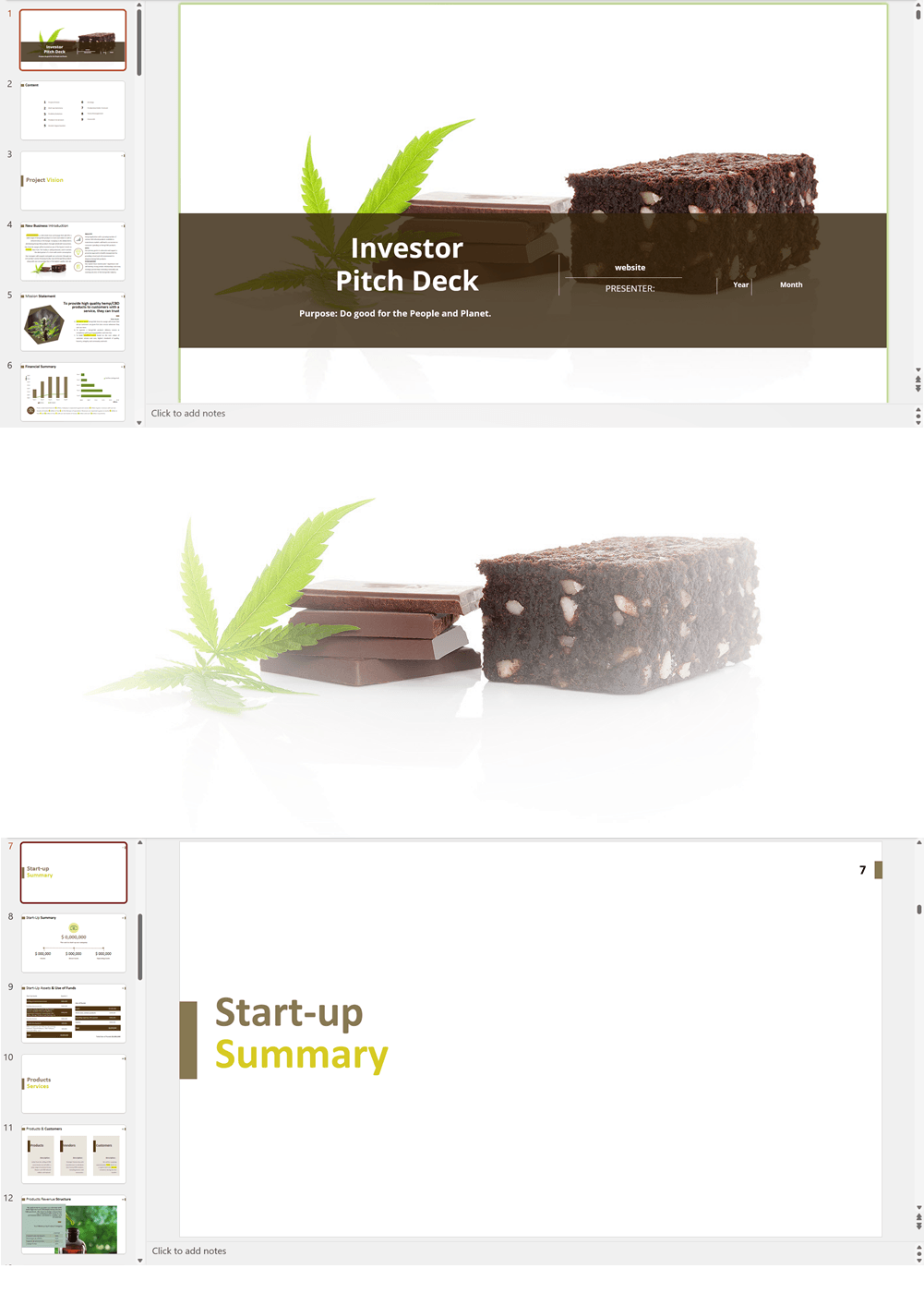
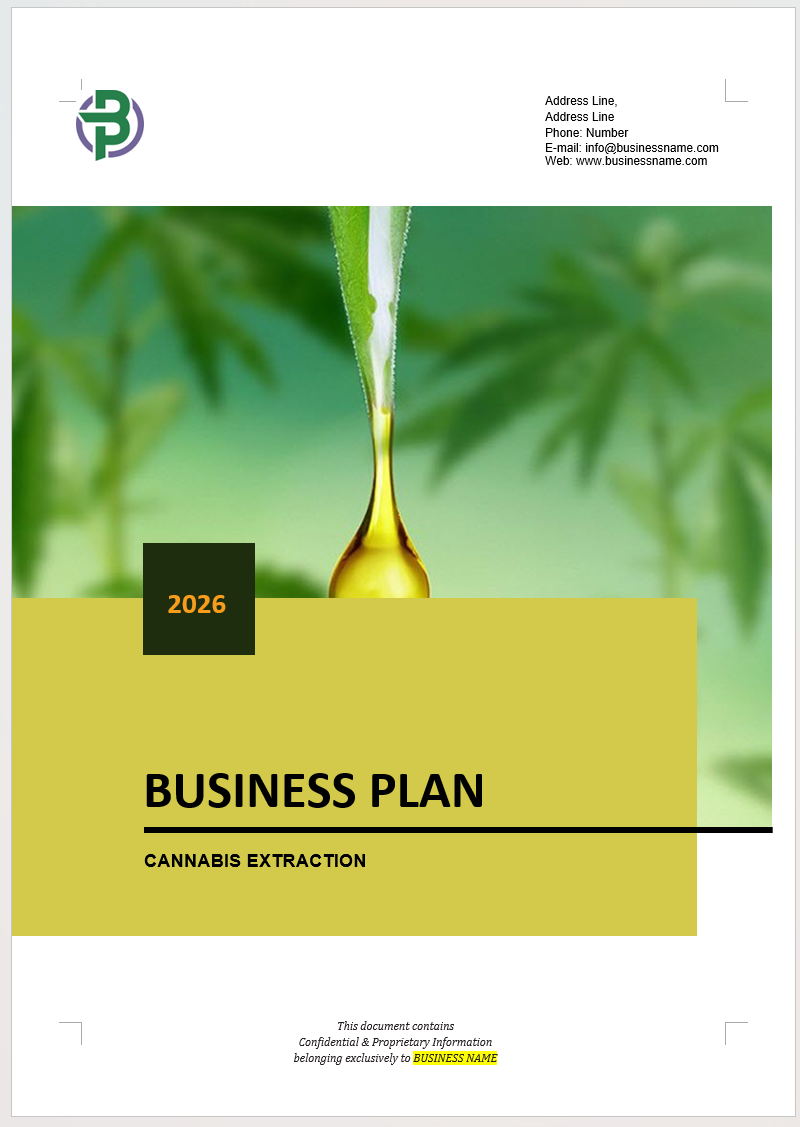
Cannabis Extraction / Concentrates Business Plan Template
Price range: $75.00 through $350.00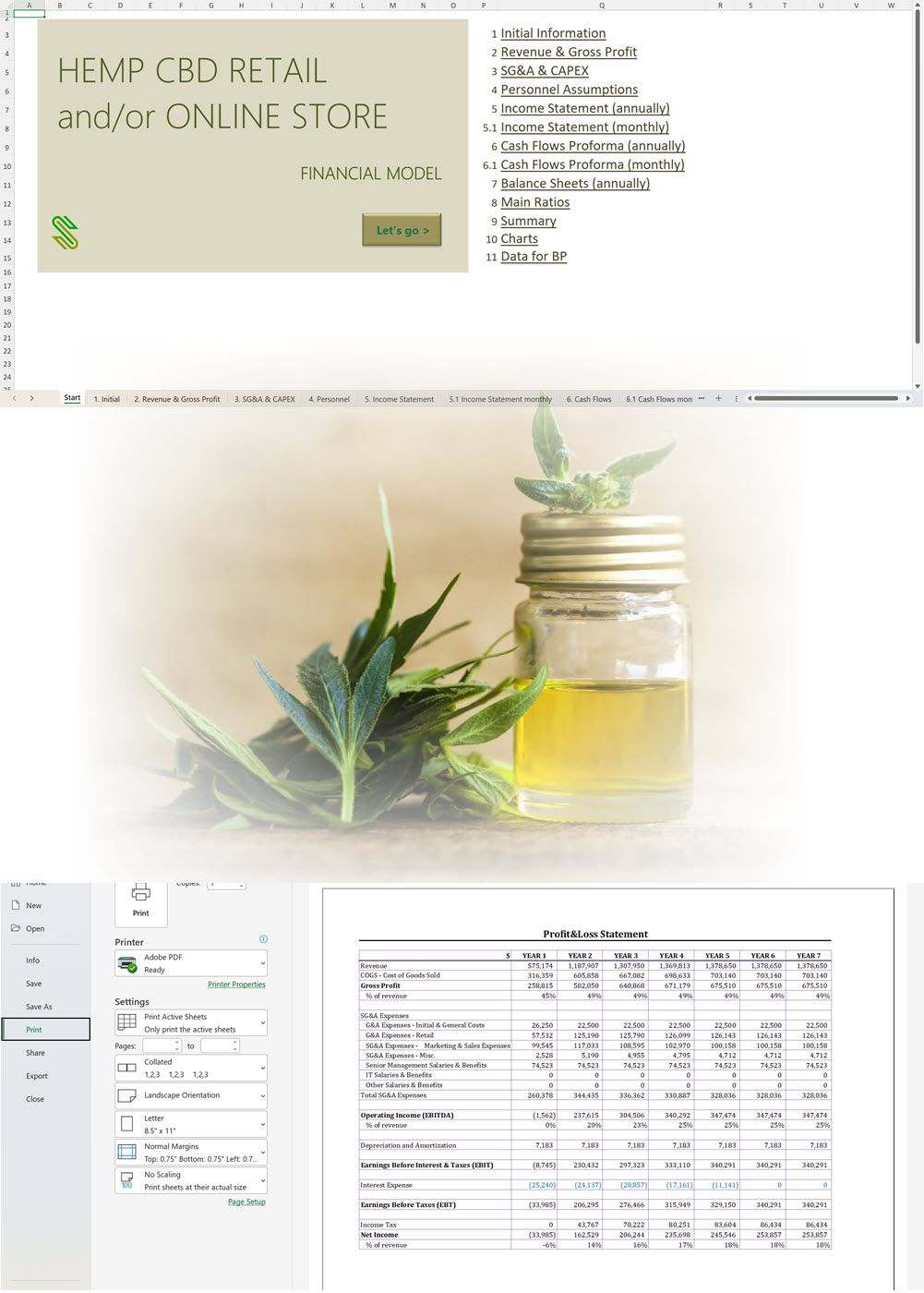
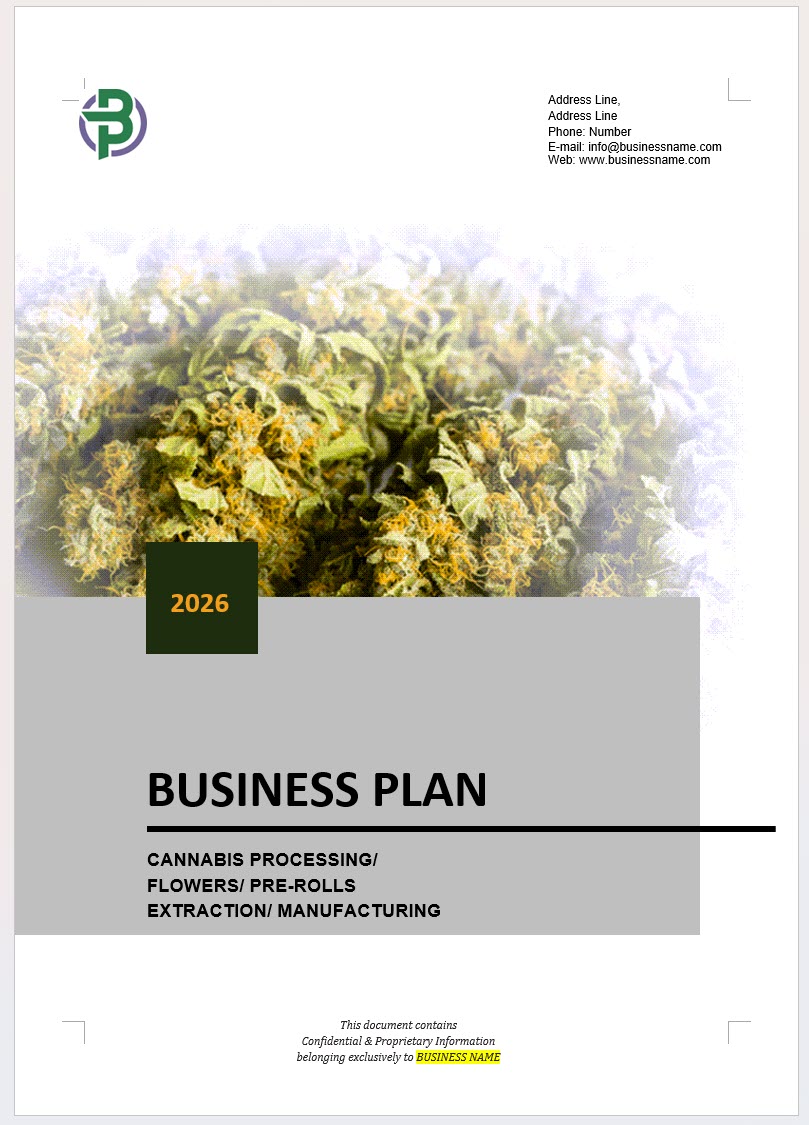
Cannabis Processing/ Flowers/ Pre-rolls/ Extraction/ Manufacturing Business Plan Template
Price range: $75.00 through $350.00
Cannabis Transportation Business Plan Template
Price range: $75.00 through $275.00
CBD Products Retail/Online Store Business Plan Template
Price range: $75.00 through $275.00
Cannabis Edibles Financial Model
$150.00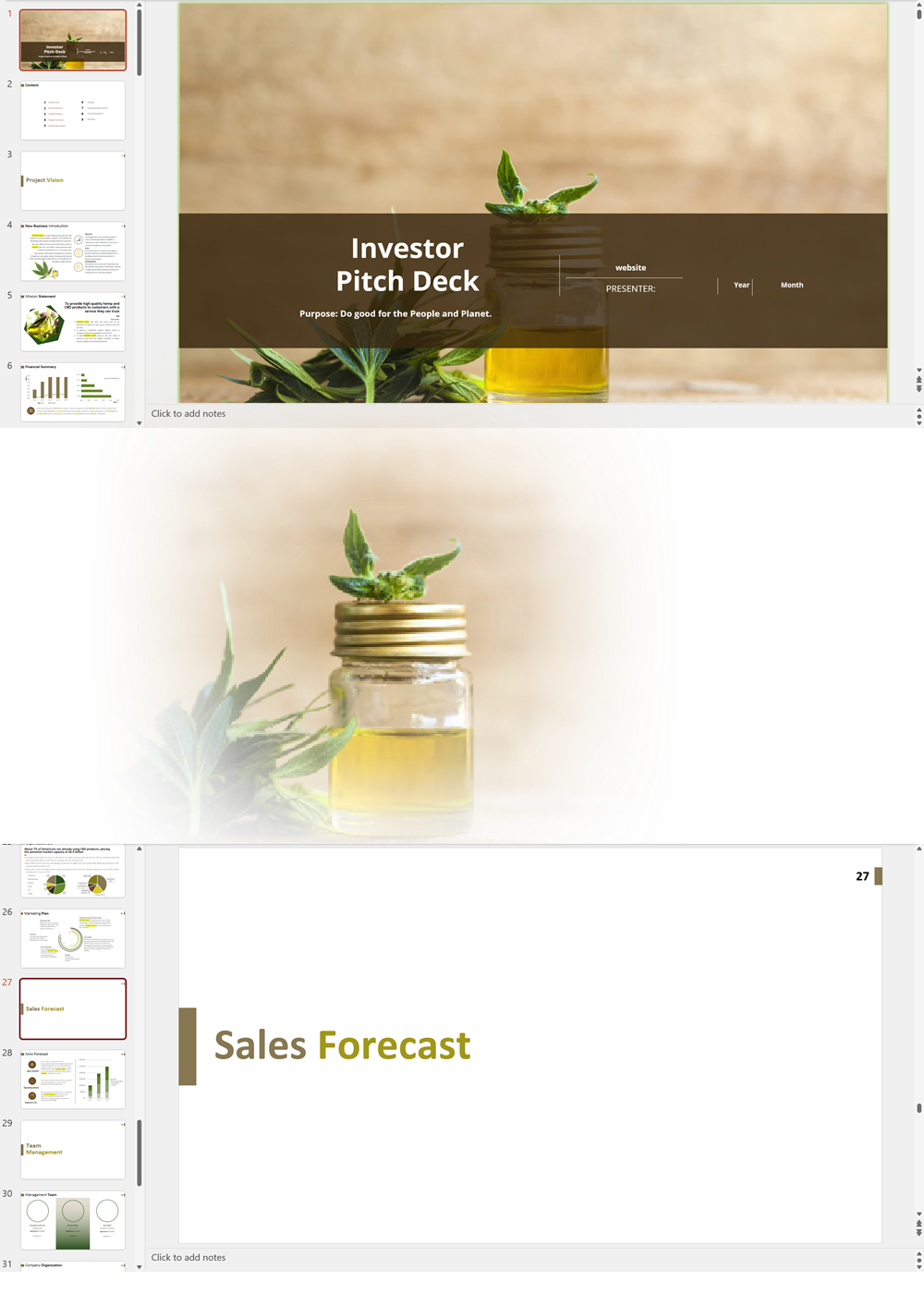
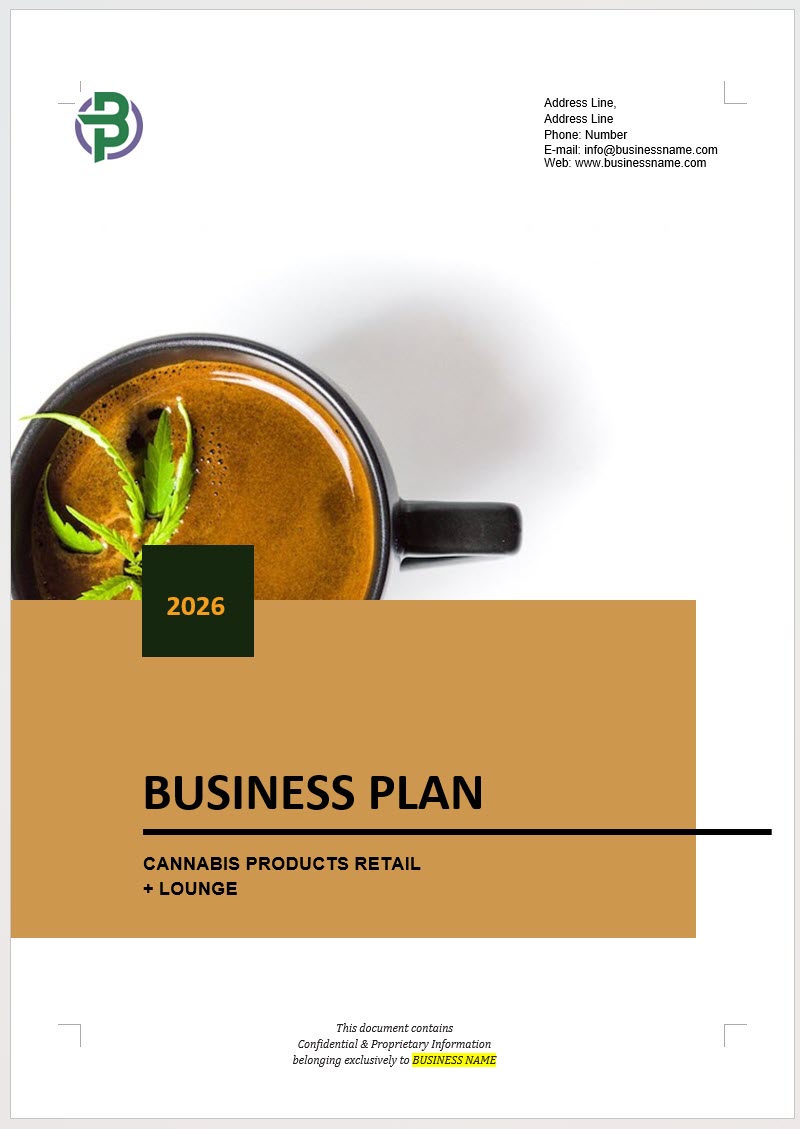
Cannabis Lounge + Retail Business Plan Template
Price range: $75.00 through $350.00
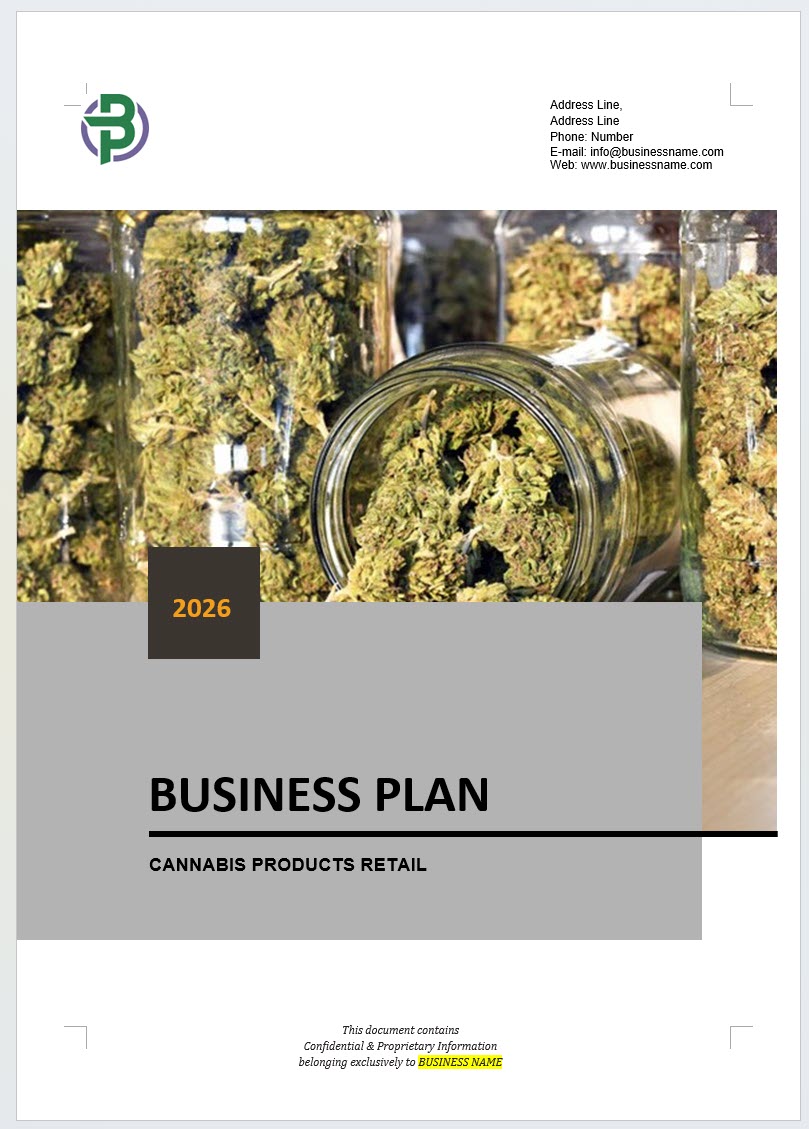
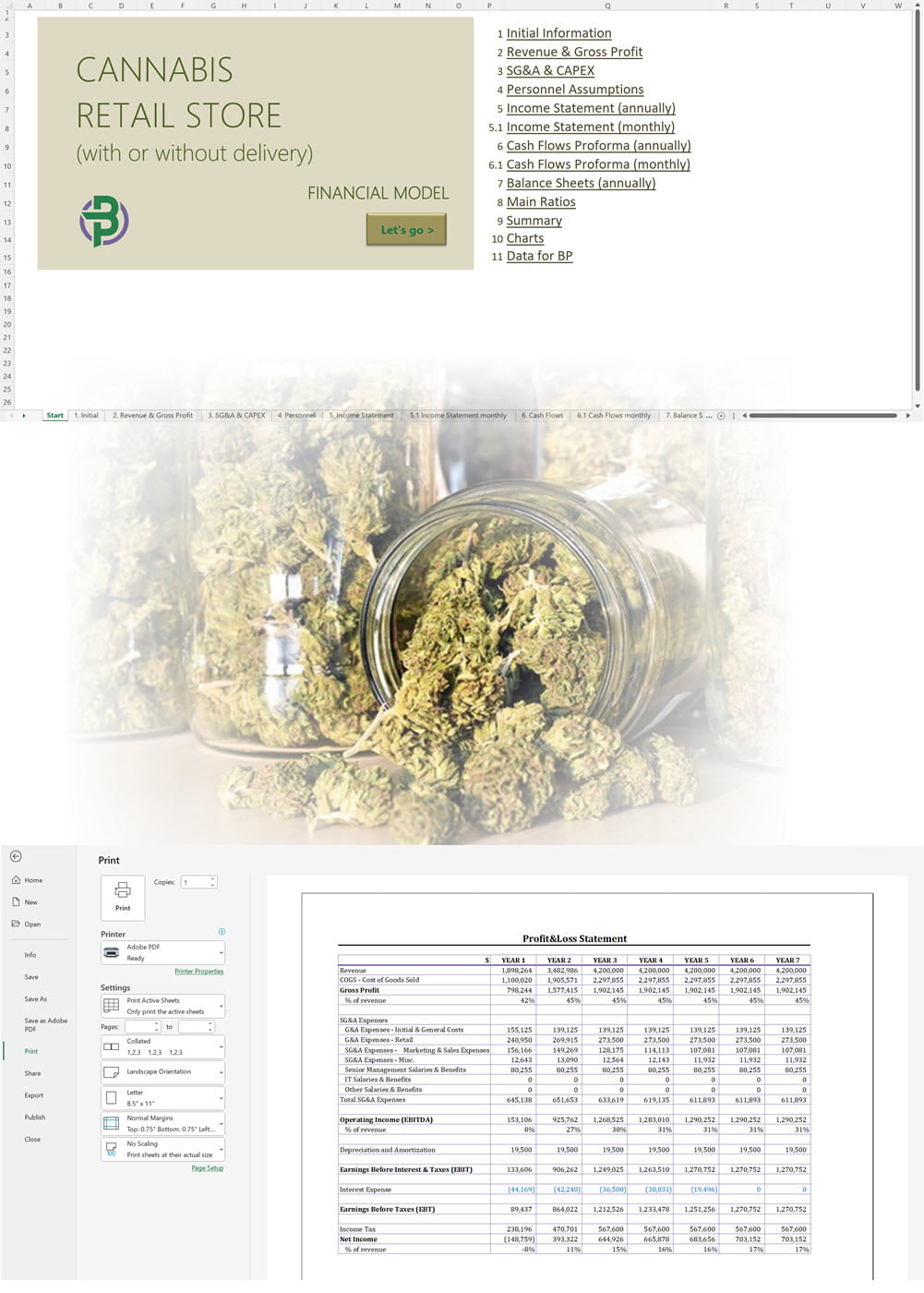
Cannabis Retail Business Plan Template (with or without Delivery)
Price range: $75.00 through $350.00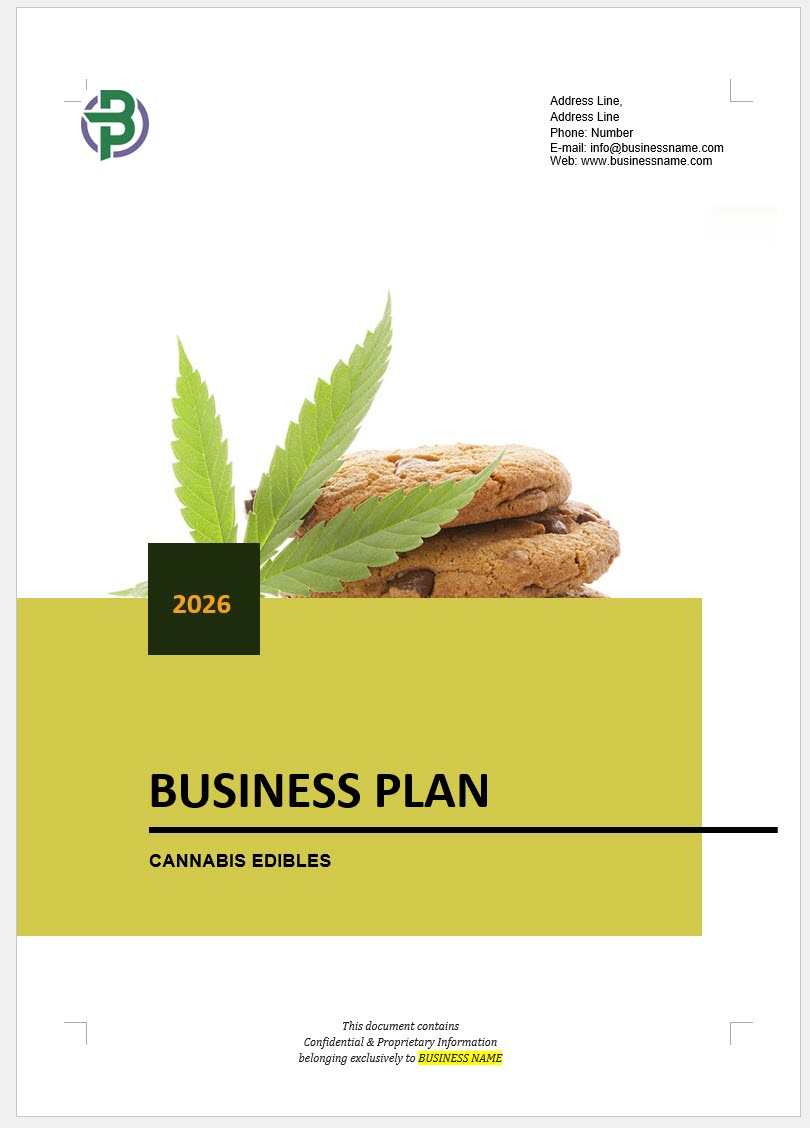
Cannabis Edibles Business Plan Template
Price range: $75.00 through $350.00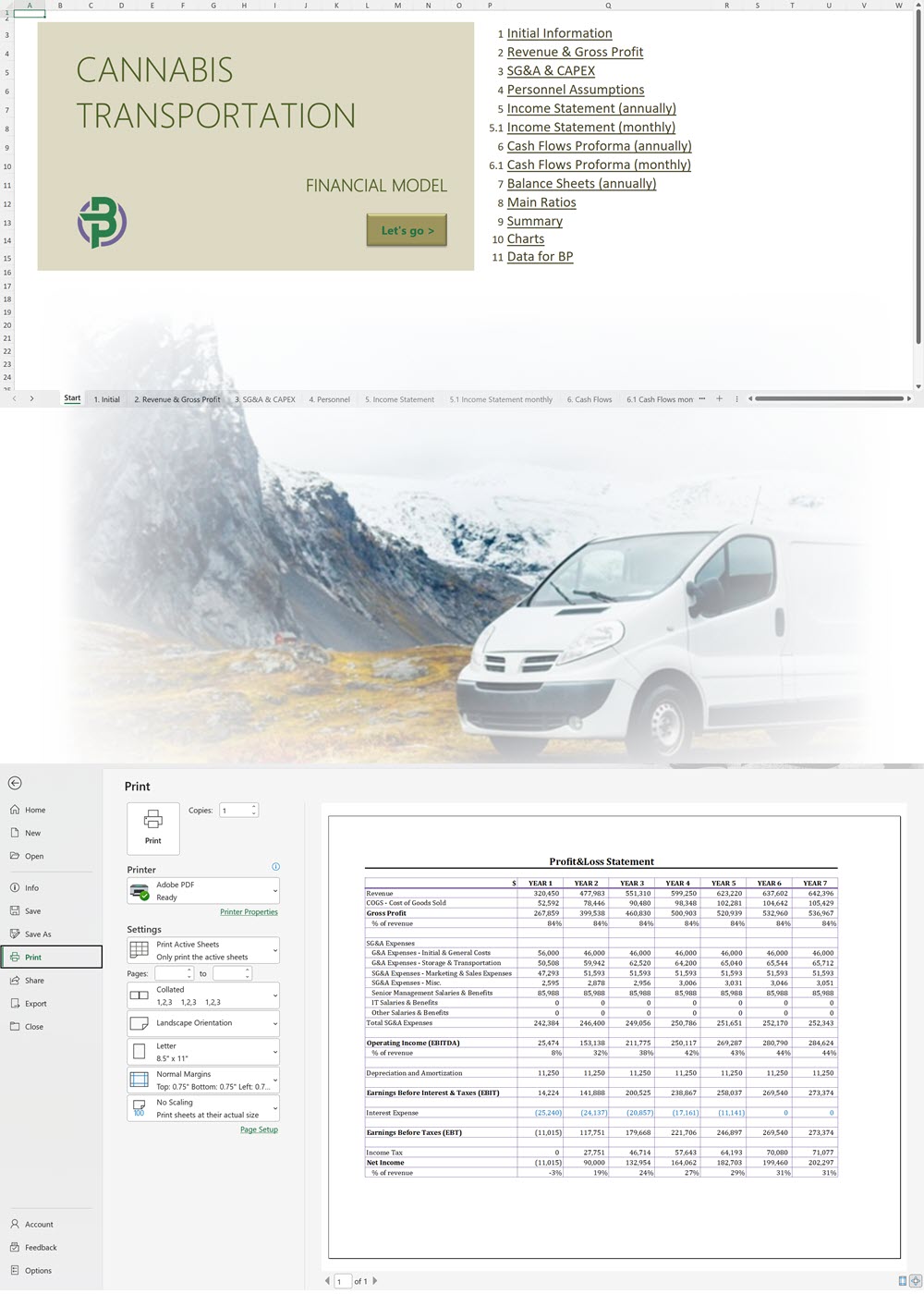
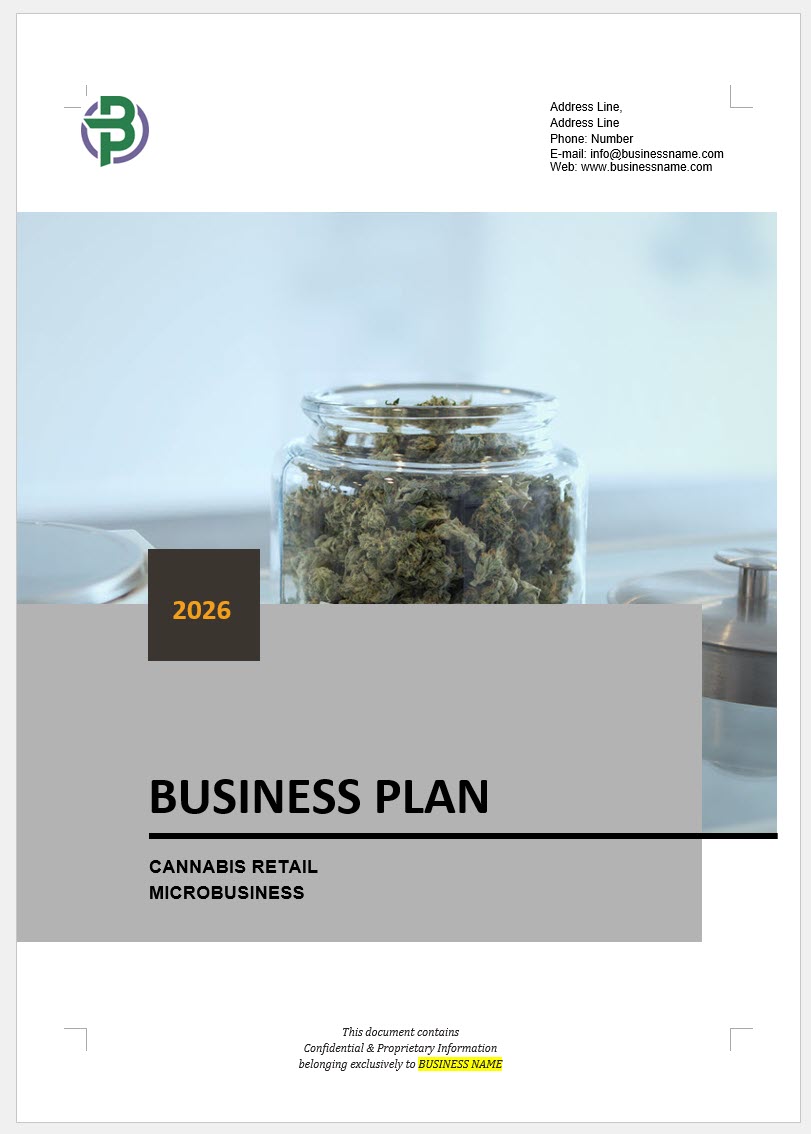
Cannabis Retail Microbusiness Business Plan Template
Price range: $75.00 through $275.00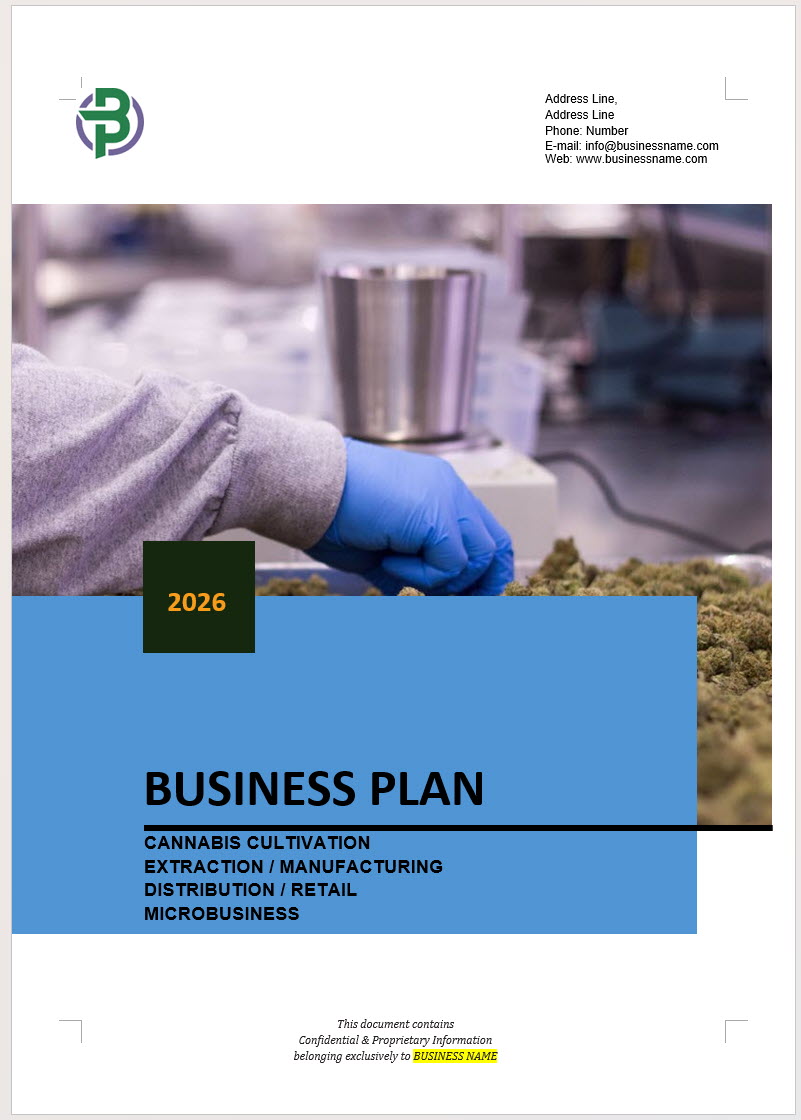
Cannabis Cultivation, Extraction, Manufacturing, Distribution, Retail and Microbusiness Business Plan Template
Price range: $75.00 through $500.00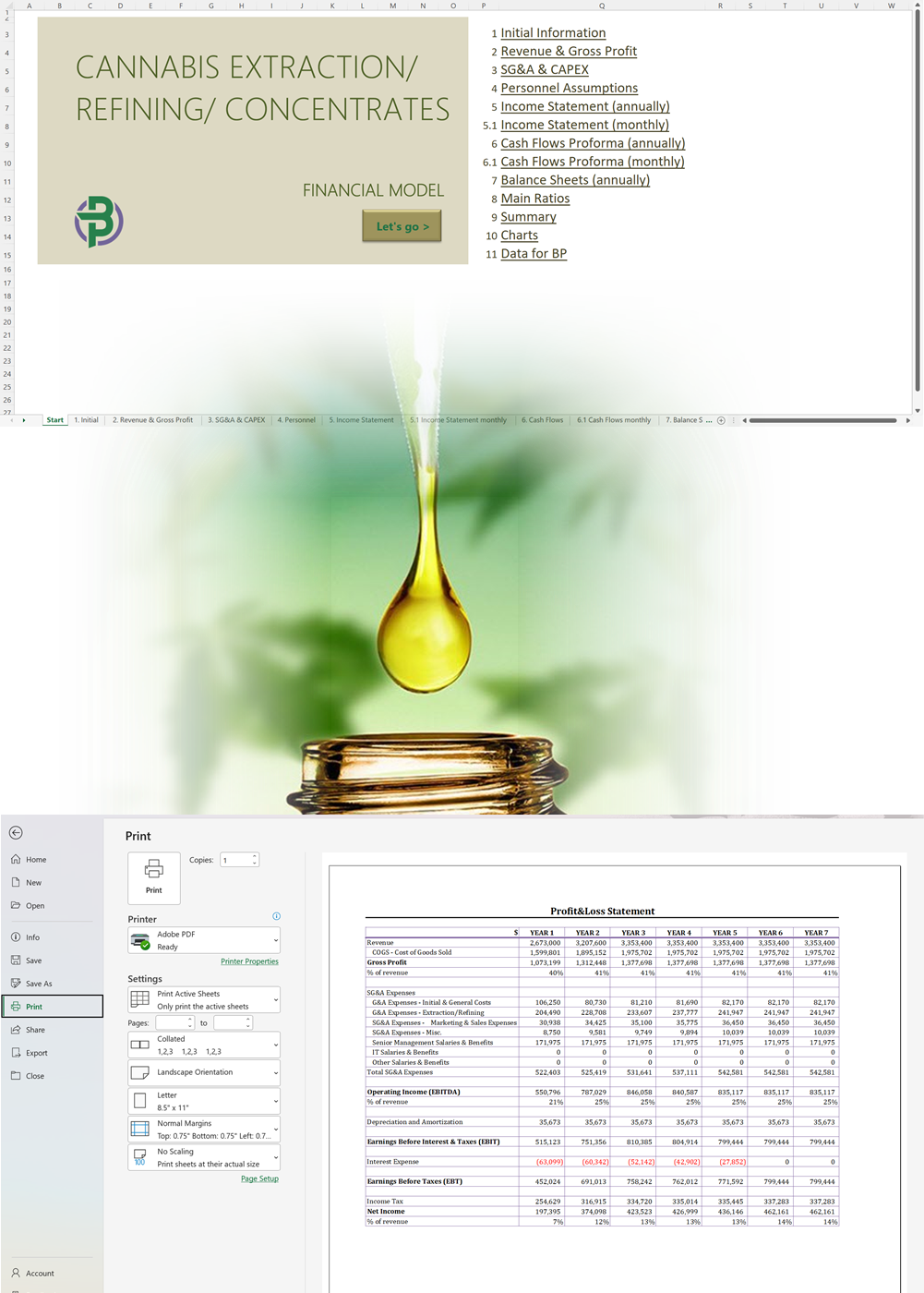

Cannabis Micro Cultivation Business Plan Template
Price range: $75.00 through $300.00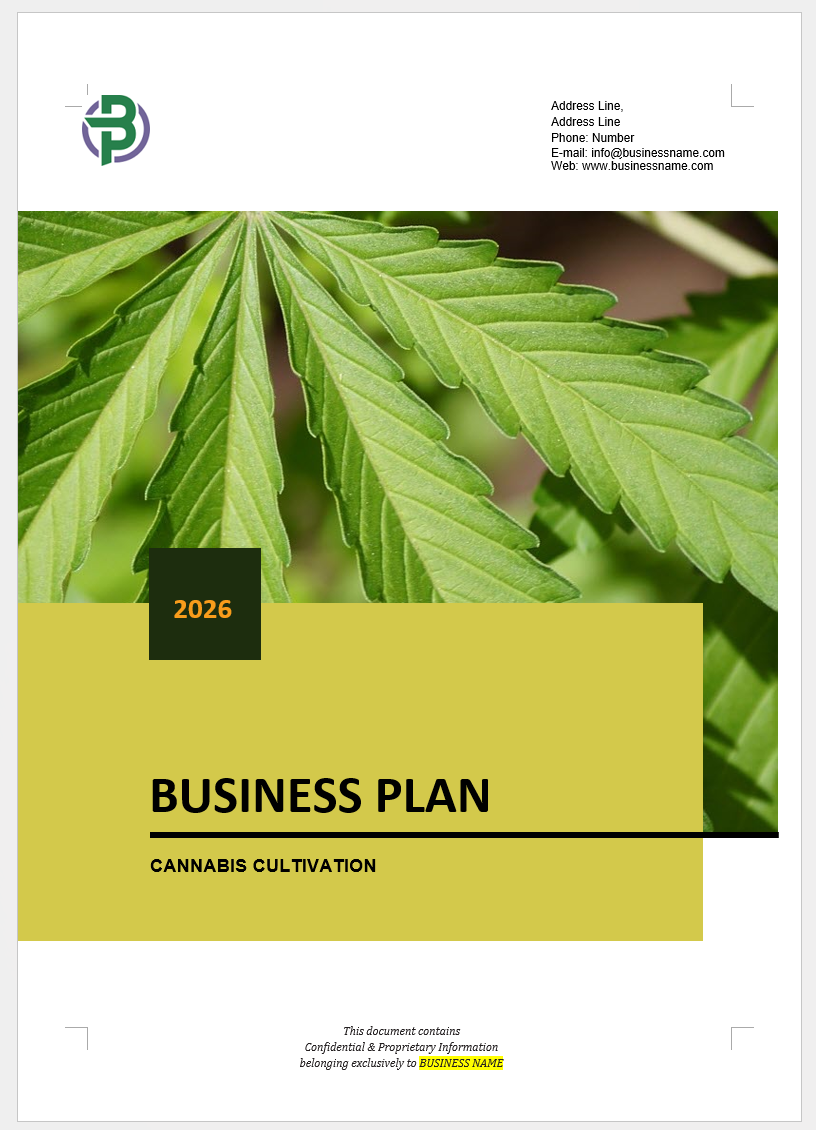
Cannabis Cultivation Business Plan Template
Price range: $75.00 through $350.00