Key Takeaways
- Cannabis law and regulations:
- Oklahoma voters authorized the state’s medical marijuana program in 2018 with State Question 788. The Oklahoma Medical Marijuana Authority (OMMA) is the regulatory agency for Oklahoma’s medical marijuana program. Current OMMA Rules.
- Licenses available:
- Grower; Processor; Dispensary; Transporter; Transporter Agent; Testing Laboratory; Waste Disposal Facility; Research; Education.
- Products legal:
- A patient who has been issued and is in possession of an OMMA medical cannabis license is legally authorized to legally possess: up to 3 ounces of cannabis on their person; 6 mature cannabis plants and the harvested cannabis therefrom; 6 seedling plants; 1 ounce of concentrated cannabis; 72 ounces of edible cannabis; up to 8 ounces of cannabis in their residence; and 72 ounces of topical cannabis.
- Taxes:
- SQ 788 authorized a 7% excise tax on retail sales of medical marijuana and medical marijuana products – sales from dispensaries to patients. Retail medical marijuana sales are subject to state and local sales tax, too.
- Market:
- In 2025, the market saw a broader contraction: total sales fell 8.9% to $657M (from $721M), patient enrollment declined 5.2% to 322,587, and total cannabis business licenses dropped 15.6% to 4,963 (from 5,880).
Oklahoma Cannabis Legalization
Oklahoma State Question 788, the Medical Oklahoma Cannabis Market Legalization Initiative, was on the ballot in Oklahoma as an initiated state statute on June 26, 2018. Oklahoma voters approved the ballot measure making the state the 30th in the U.S. to legalize medical cannabis.
People with licenses are permitted to possess up to 3 ounces of marijuana on their person and 8 ounces of marijuana in their residence. In addition patients could have up to six seedling plants and six additional mature plants, one ounce of cannabis concentrates, and up to 72 ounces of edible cannabis products.
A 7 percent tax would be levied on cannabis sales, with revenue being allocated to administrative costs, education, and drug and alcohol rehabilitation. The state will issue licenses for medical cannabis cultivation, processing, transportation and dispensing businesses.
In 2022, Oklahoma imposed a two-year moratorium on the issuance of new cultivation, processing and dispensary licenses, beginning August 26, 2022, and House Bill 2095, which was signed into law in May 2023, extends the licensing moratorium until August 1, 2026.
Steps Towards Adult-Use Cannabis Legalization
The Oklahoma State Question 837, Marijuana Legalization Initiative, has been filed for the state’s 2026 ballot. The measure would amend the constitution to allow people aged 21 and over to purchase and possess up to 8 ounces of cannabis as well as cultivate up to 12 cannabis plants at home and have up to one ounce of cannabis concentrates.
The state departments responsible for oversight of the state’s medical cannabis program would also be responsible for the regulation of the adult-use market. Upon passage of the measure, medical cannabis licenses would become “Marijuana Business Licenses” and all existing medical cannabis licensees would be allowed to operate in the adult-use cannabis market without any additional license being required. Medical dispensaries would be able to begin selling adult-use cannabis to consumers starting 60 days after the measure’s enactment and after 180 days, they would be able to start delivering cannabis products to adults.
It would also eliminate the 7% excise tax on medical cannabis and impose a 10% excise tax on adult-use cannabis sales as well as a 3% export tax on cannabis sold outside the state of Oklahoma.
Oklahoma Cannabis Market: Stats and Projections
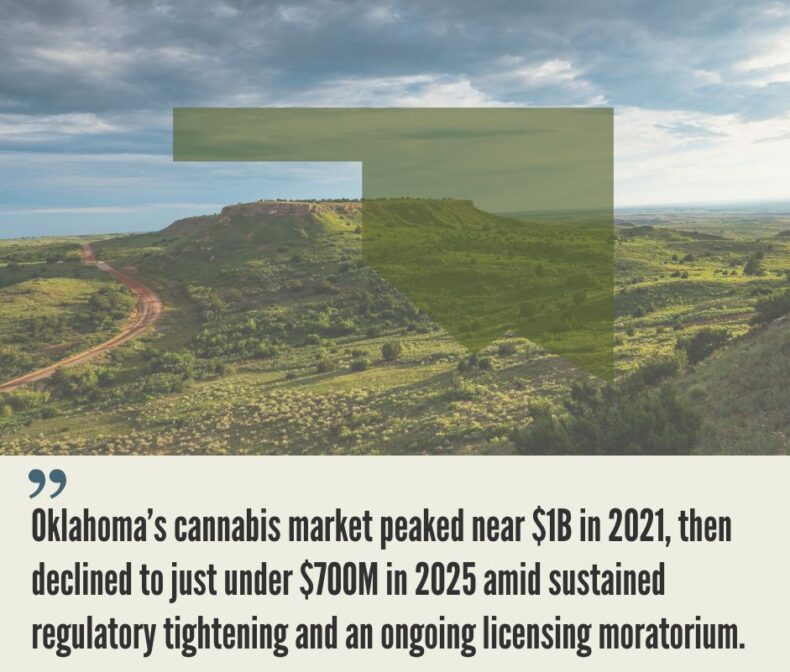
Oklahoma’s cannabis market peaked near $1B in 2021, then declined to just under $700M in 2025 amid sustained regulatory tightening and an ongoing licensing moratorium.
As of April 2025, according to Oklahoma Medical Marijuana Authority (OMMA) information, there were 5,485 cannabis business licenses, compared to 7,383 in April 2024, including 2,815 growers, 1,698 dispensaries, 873 processors, 67 transporters, 23 testing laboratories and 9 waste disposal facilities with an approved patient pool 336,798 (347,156 in April 2022) or about 8% of Oklahoma’s population.
Oklahoma medical cannabis industry generated $1 million in cannabis sales in December 2018 and peaked almost $90 million in April 2021. Retail medical cannabis sales totaled about $786 million in 2022, compared to $945 million in 2021, according to the Oklahoma Medical Marijuana Authority (OMMA). Cannabis sales in 2023 and 2024 were relatively stable at $729 million and $721 million, respectively.
In 2025, the market saw a broader contraction: total sales fell 8.9% to $657M (from $721M), patient enrollment declined 5.2% to 322,587, and total cannabis business licenses dropped 15.6% to 4,963 (from 5,880). Dispensary licenses fell 13.6% to 1,565 (from 1,811), driving average annual dispensary revenue up 5.4% to ~$420K (from ~$398K). Meanwhile, non-dispensary licensees (e.g., cultivation, manufacturing, transport) declined more sharply – down 16.7% to 3,398 (from 4,069) – suggesting regulatory pruning has disproportionately affected upstream and ancillary operators, accelerating vertical integration and operational consolidation across the supply chain. Increased compliance requirements and the ongoing moratorium caused the number of licensed businesses to plunge by over 40% between 2023 and 2025.
Oklahoma’s medical cannabis market is consolidating around high-potency, convenient formats. Flower remains dominant (41% of sales), with premium high-THC strains (>25%) commanding significant price premiums. Vapes (22%) rank second, valued for discretion and portability, while edibles (17%) – led by THC gummies – are growing steadily, with minor cannabinoid products (CBN, CBG) showing the fastest category growth. Pre-rolls (15%) are the fastest-growing segment overall, especially infused or enhanced multi-packs that combine potency with ease of use. Concentrates (4%), though smaller in revenue, serve a critical niche of high-tolerance medical patients.
Oklahoma Cannabis Market Infographics
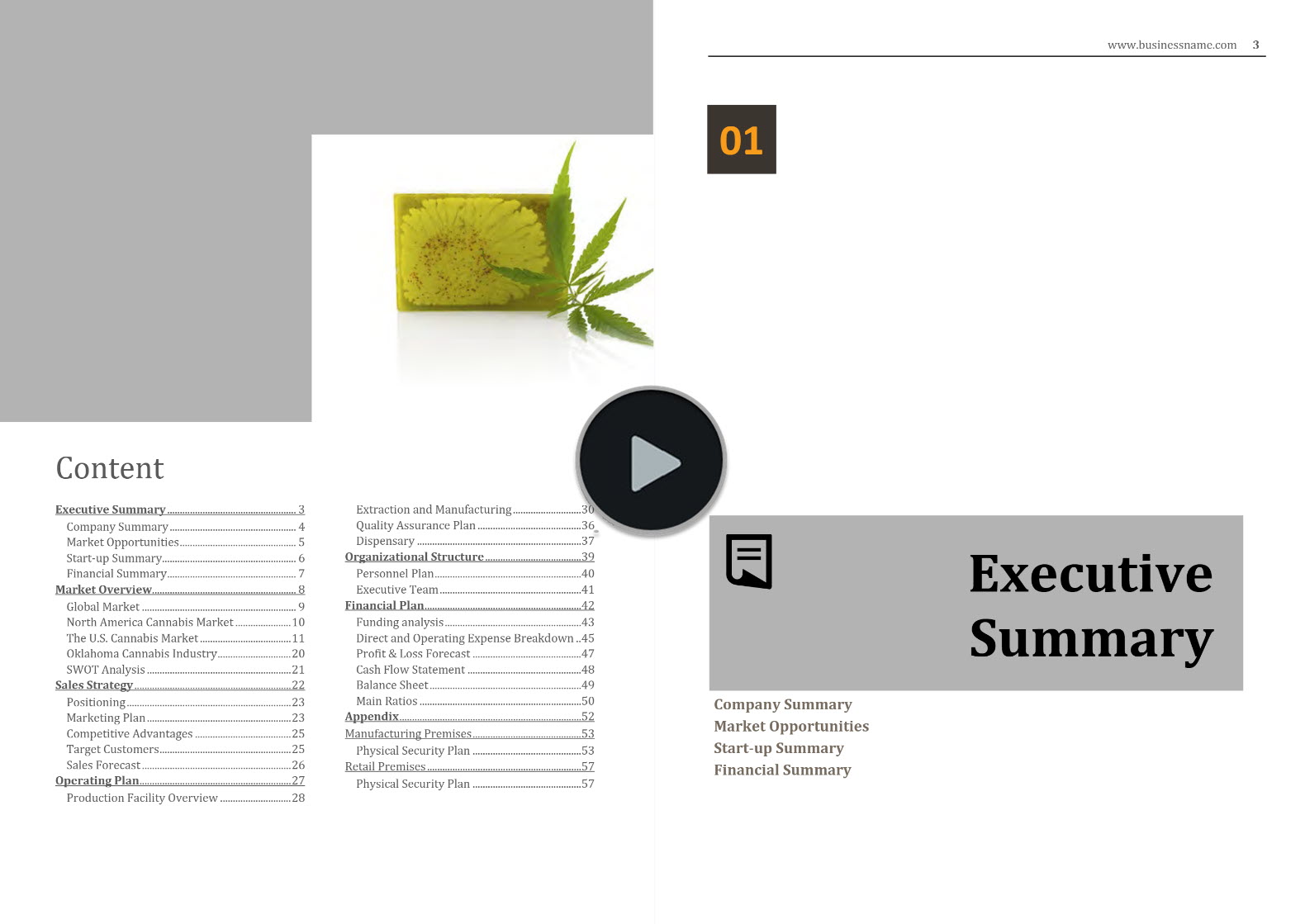
'70% ready to go' business plan templates
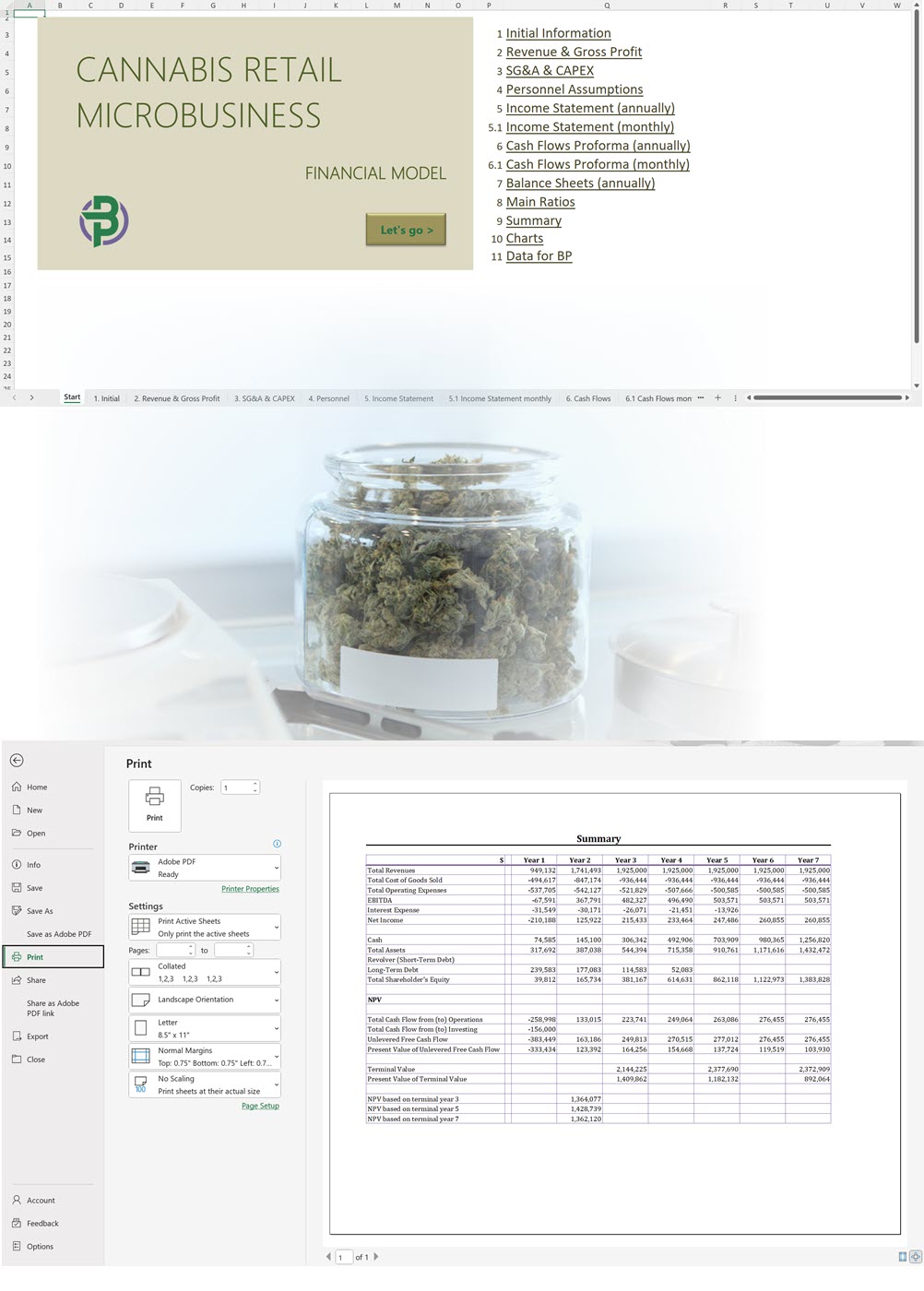
Our cannabis financial models and cannabis business plan templates will help you estimate how much it costs to start and operate your own cannabis business, to build all revenue and cost line-items monthly over a flexible seven year period, and then summarize the monthly results into quarters and years for an easy view into the various time periods. We also offer investor pitch deck templates.
Best Selling Templates
-

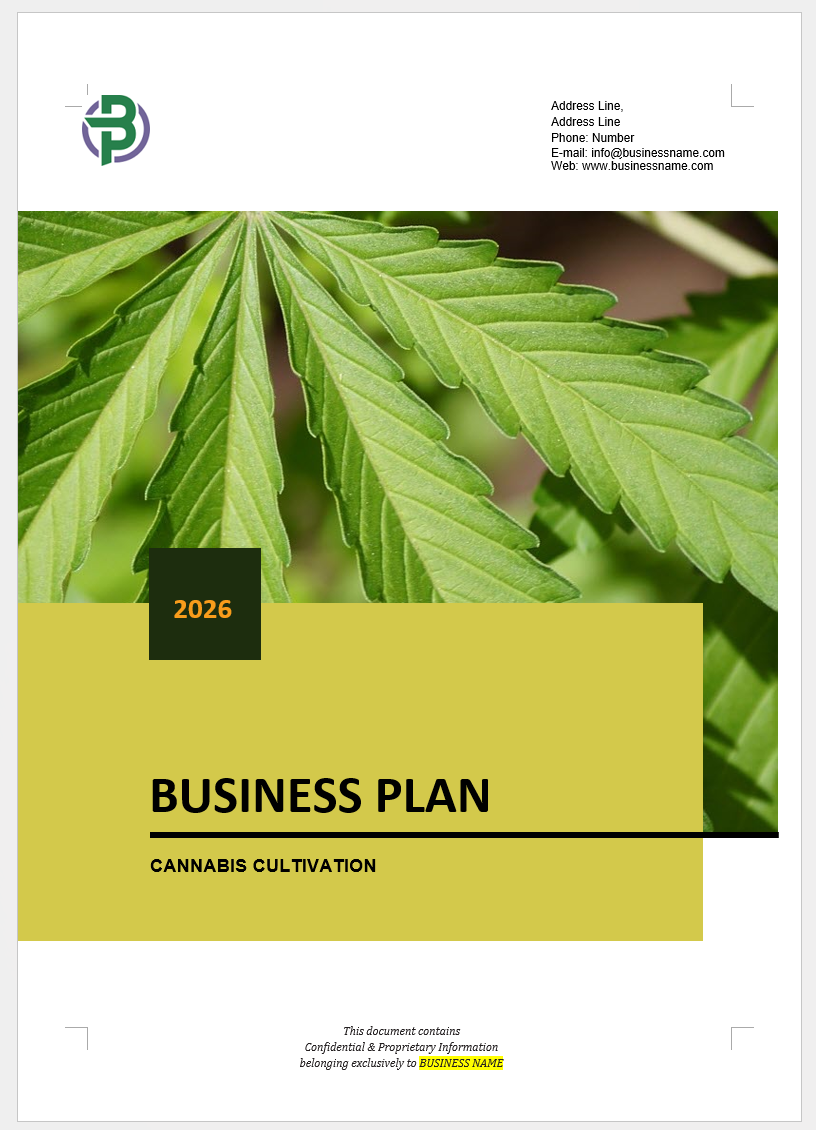
Cannabis Cultivation Business Plan Template
Price range: $75.00 through $350.00 Select options This product has multiple variants. The options may be chosen on the product page -

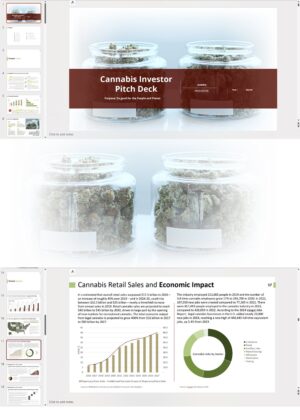
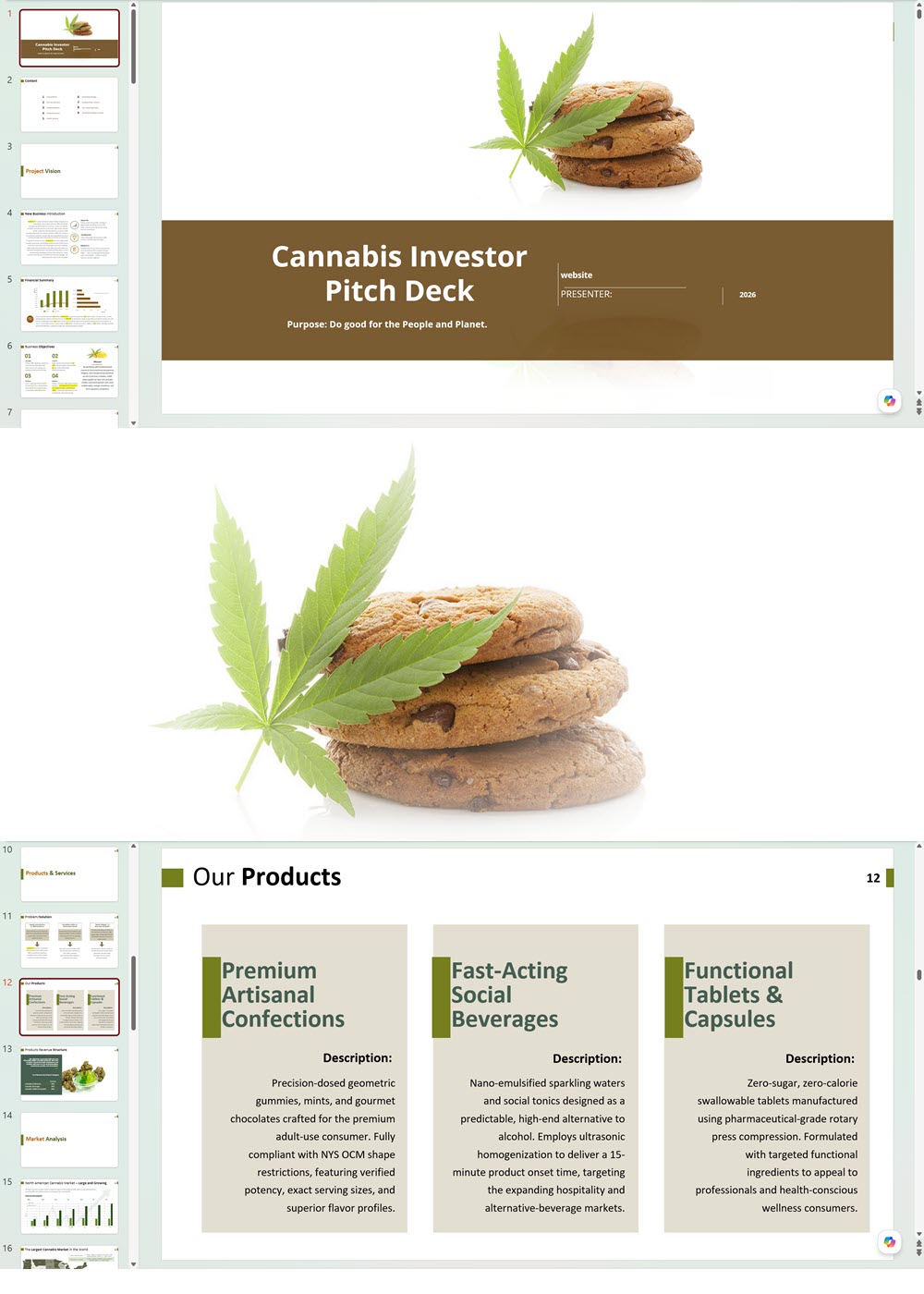
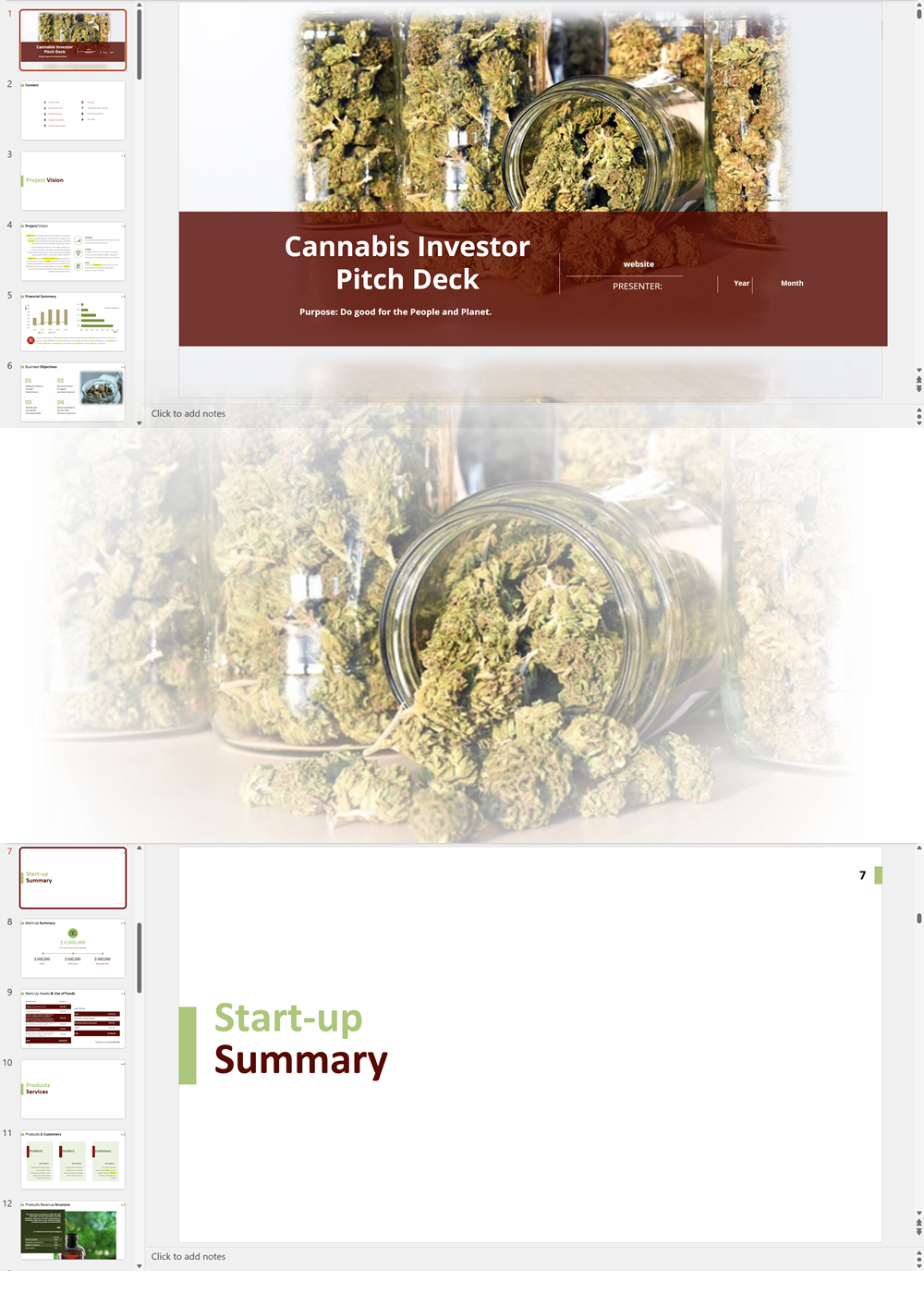
Cannabis Dispensary Investor Pitch Deck Template
$75.00 Select options This product has multiple variants. The options may be chosen on the product page -
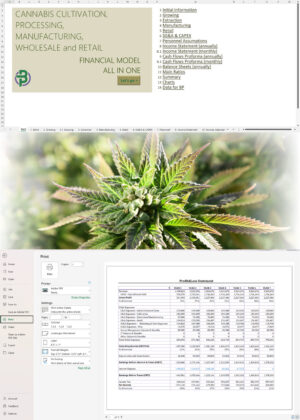
Cannabis Financial Model All in One
$250.00 Select options This product has multiple variants. The options may be chosen on the product page
Our Templates
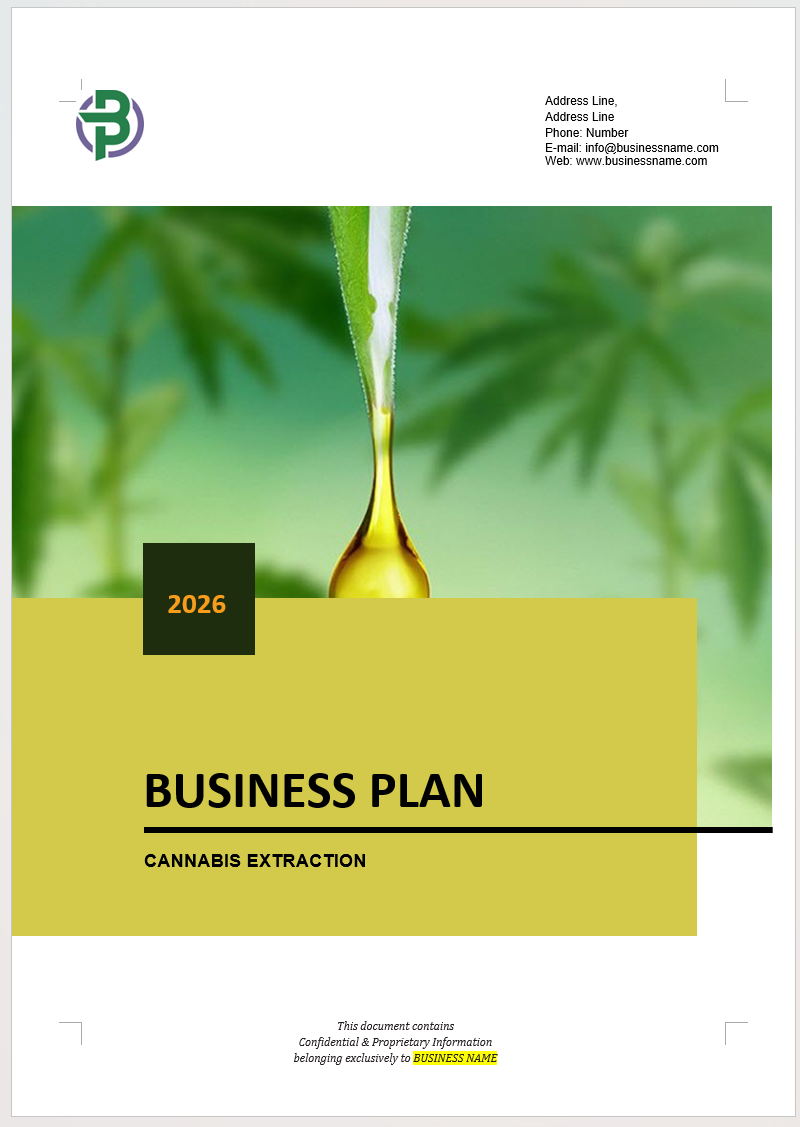
Cannabis Extraction / Concentrates Business Plan Template
Price range: $75.00 through $350.00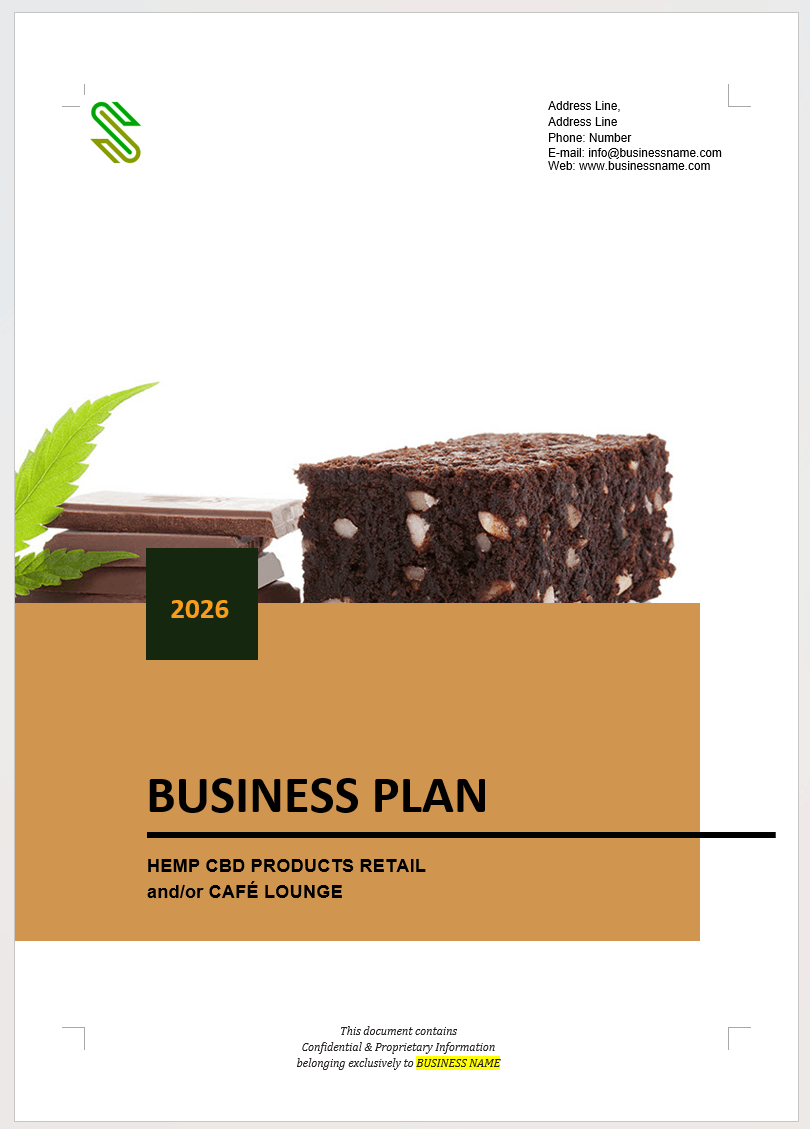
CBD Store and/or Cafe Lounge Business Plan Template
Price range: $75.00 through $275.00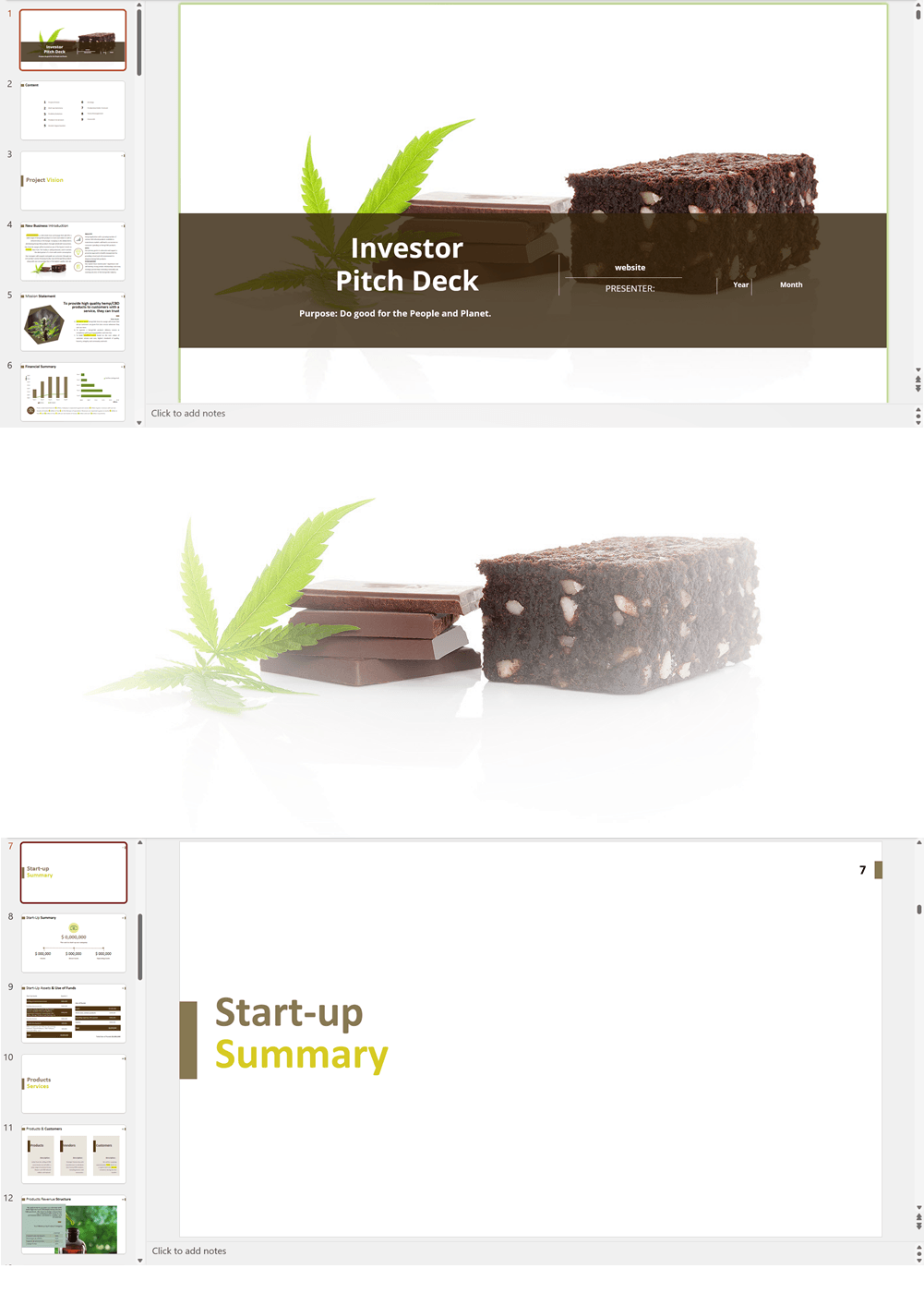

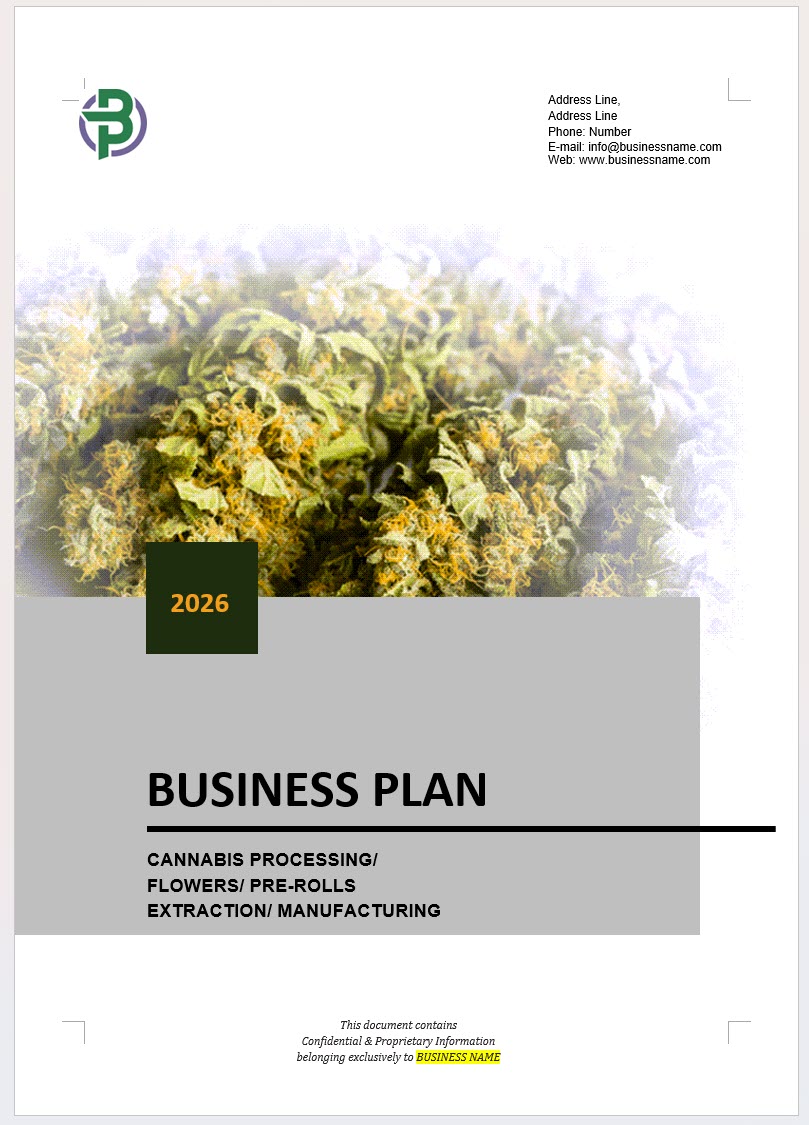
Cannabis Processing/ Flowers/ Pre-rolls/ Extraction/ Manufacturing Business Plan Template
Price range: $75.00 through $350.00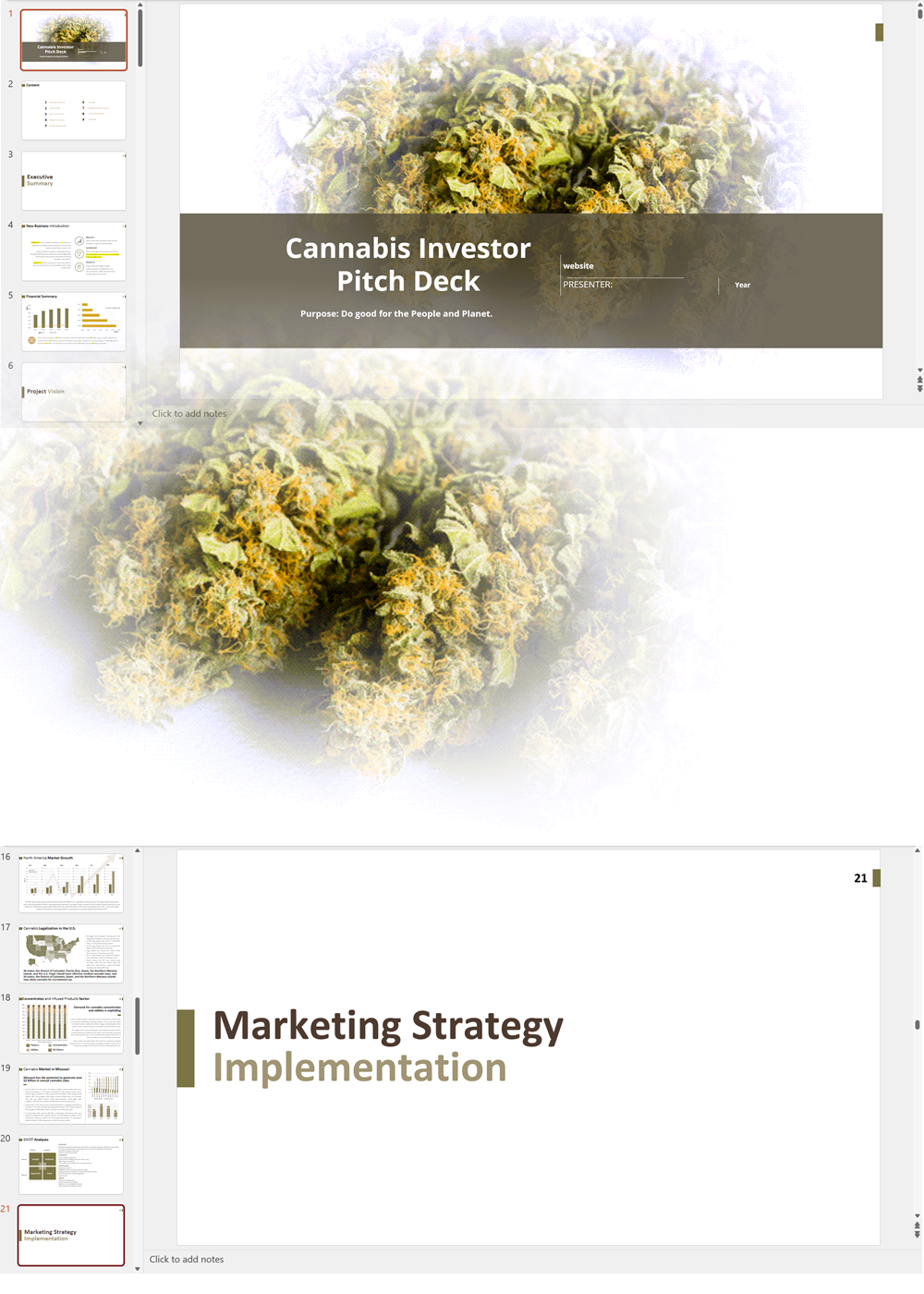

Cannabis Transportation Business Plan Template
Price range: $75.00 through $275.00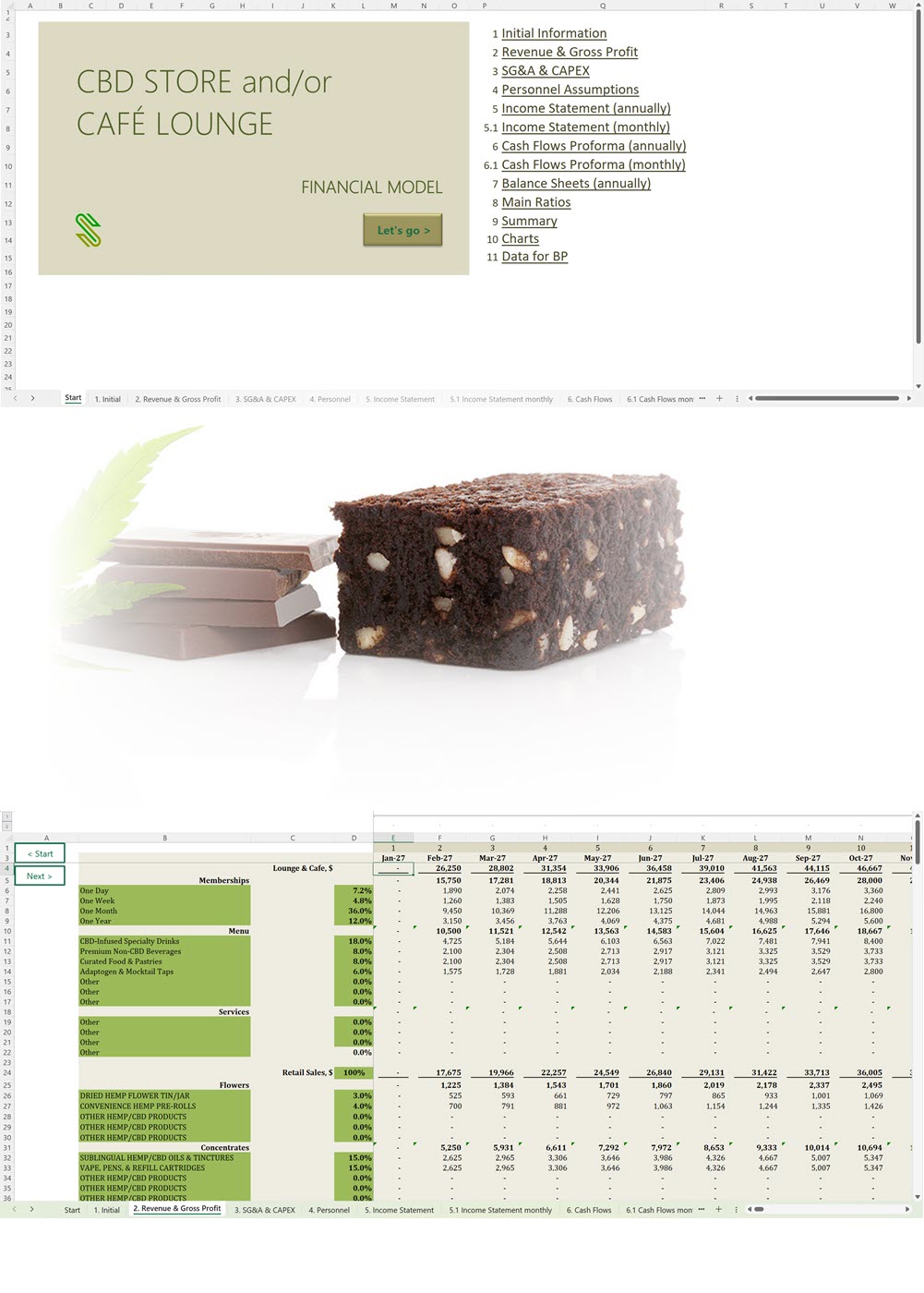
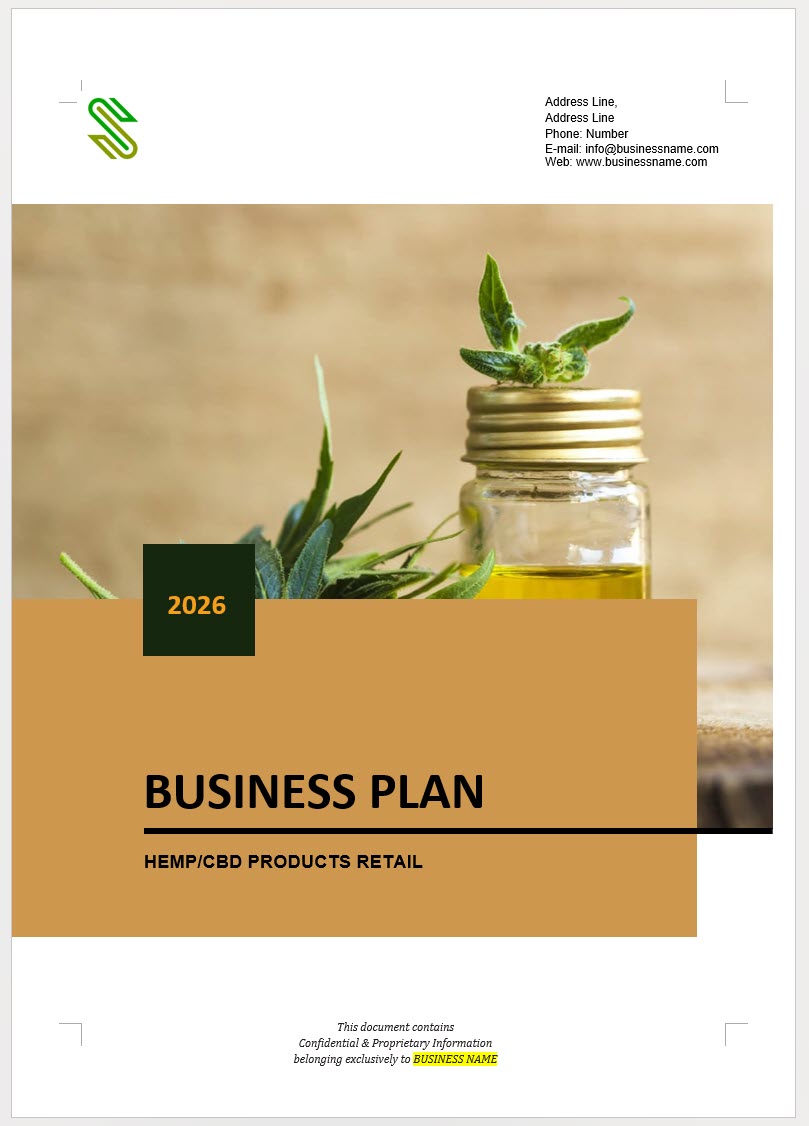
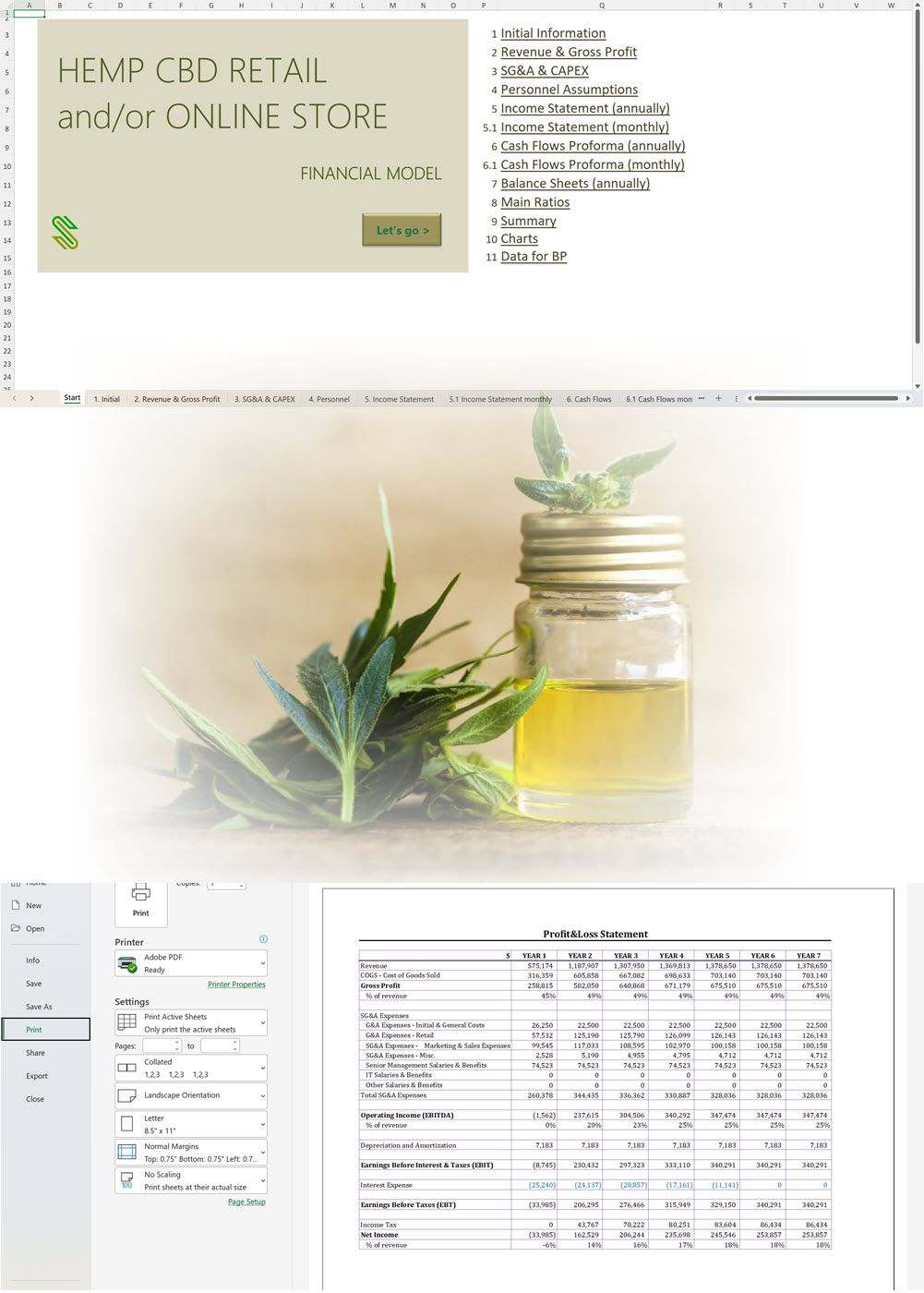
CBD Products Retail/Online Store Business Plan Template
Price range: $75.00 through $275.00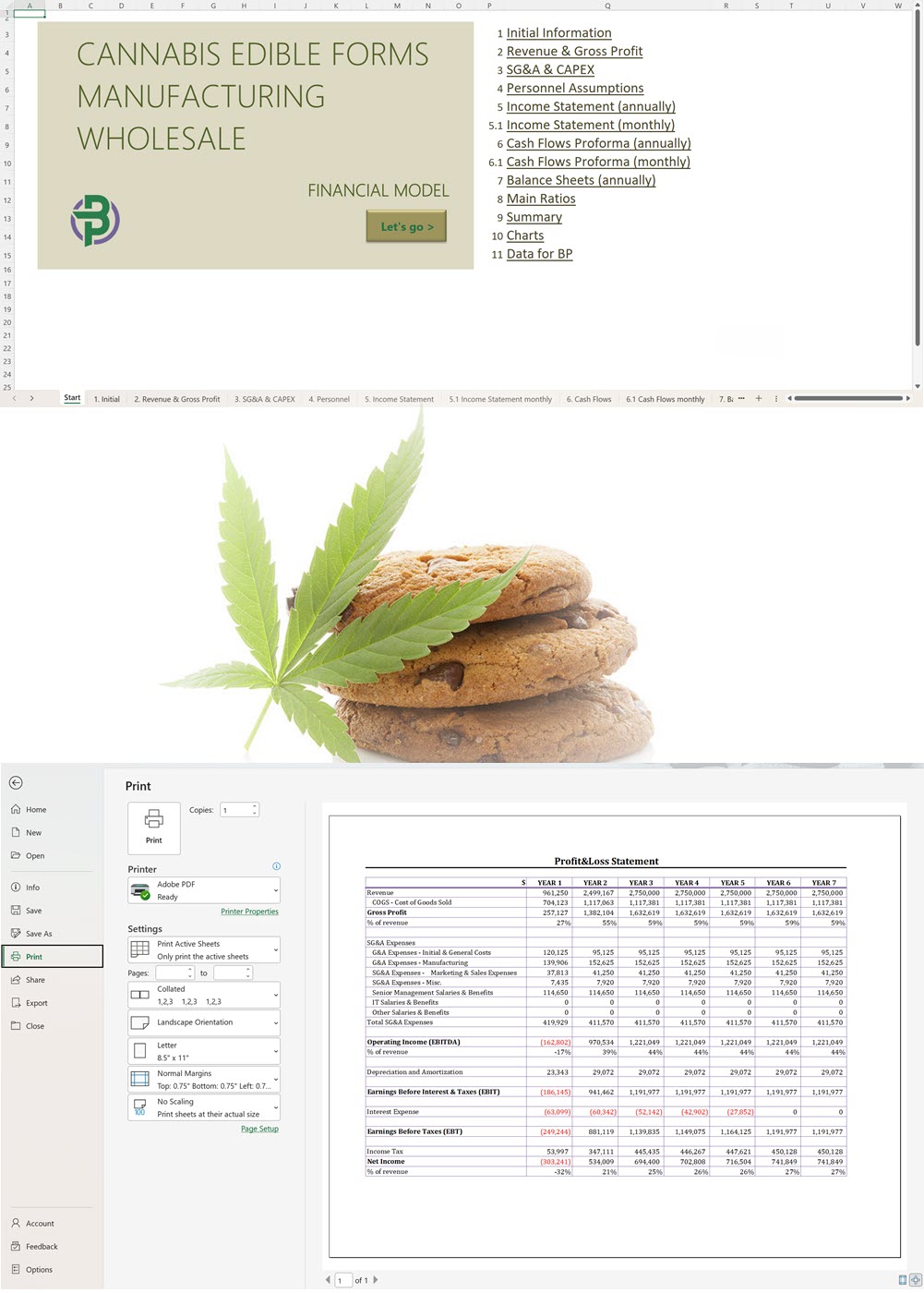
Cannabis Edibles Financial Model
$150.00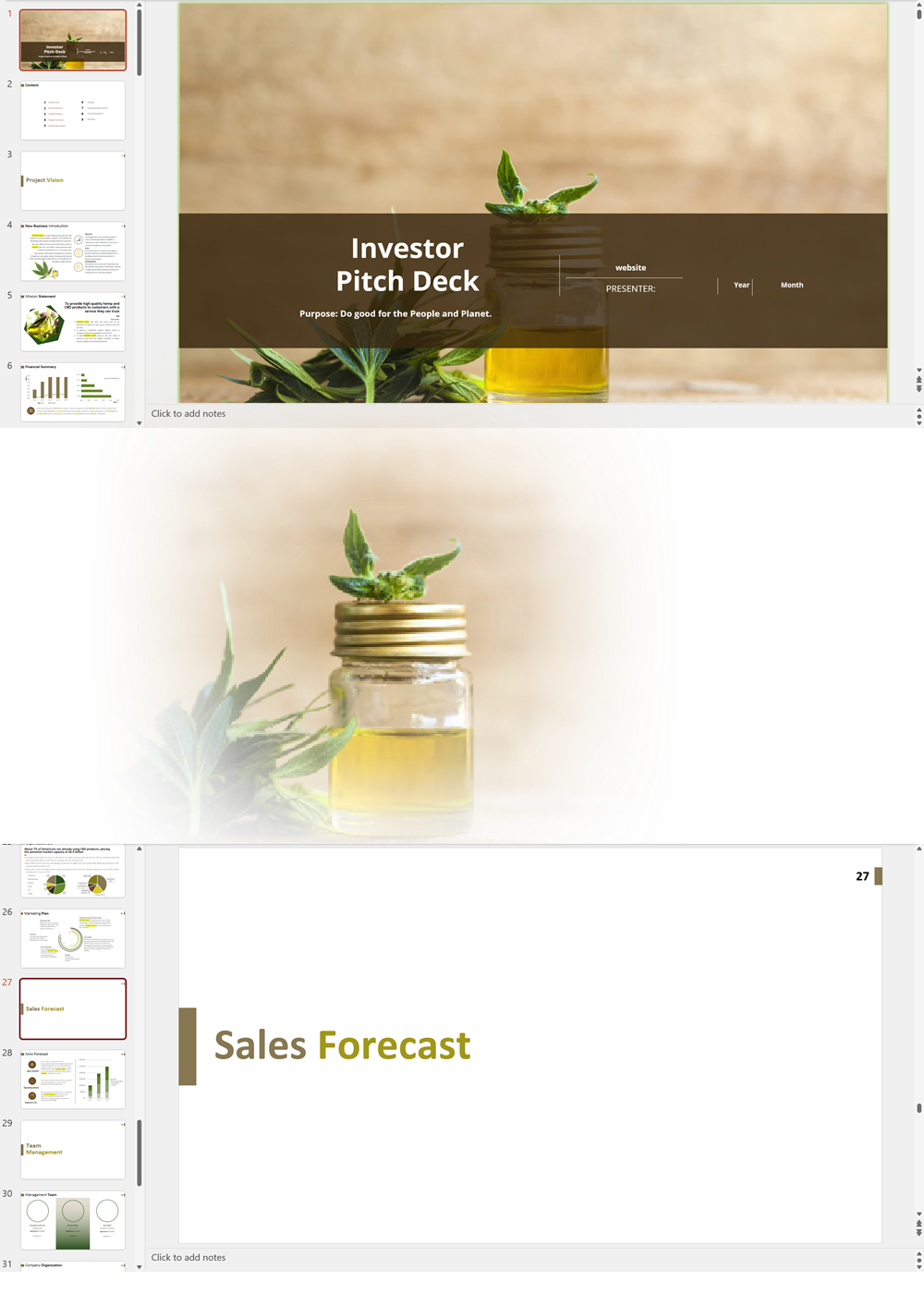
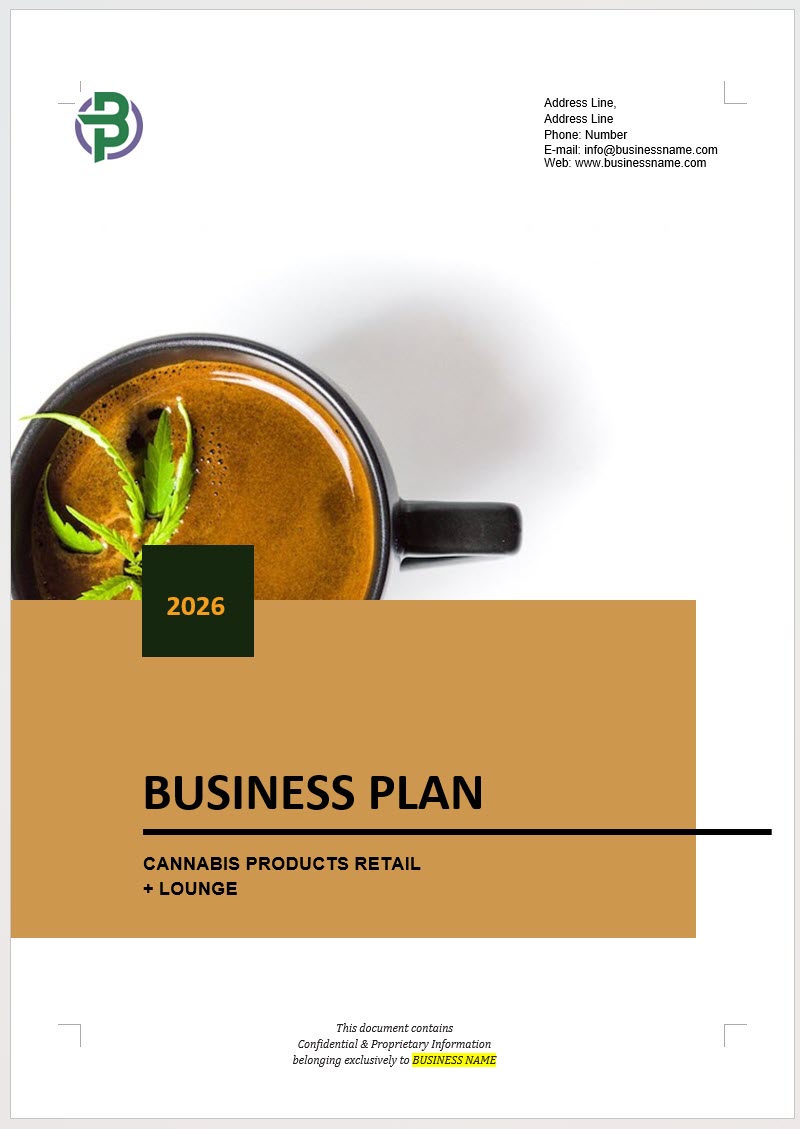
Cannabis Lounge + Retail Business Plan Template
Price range: $75.00 through $350.00
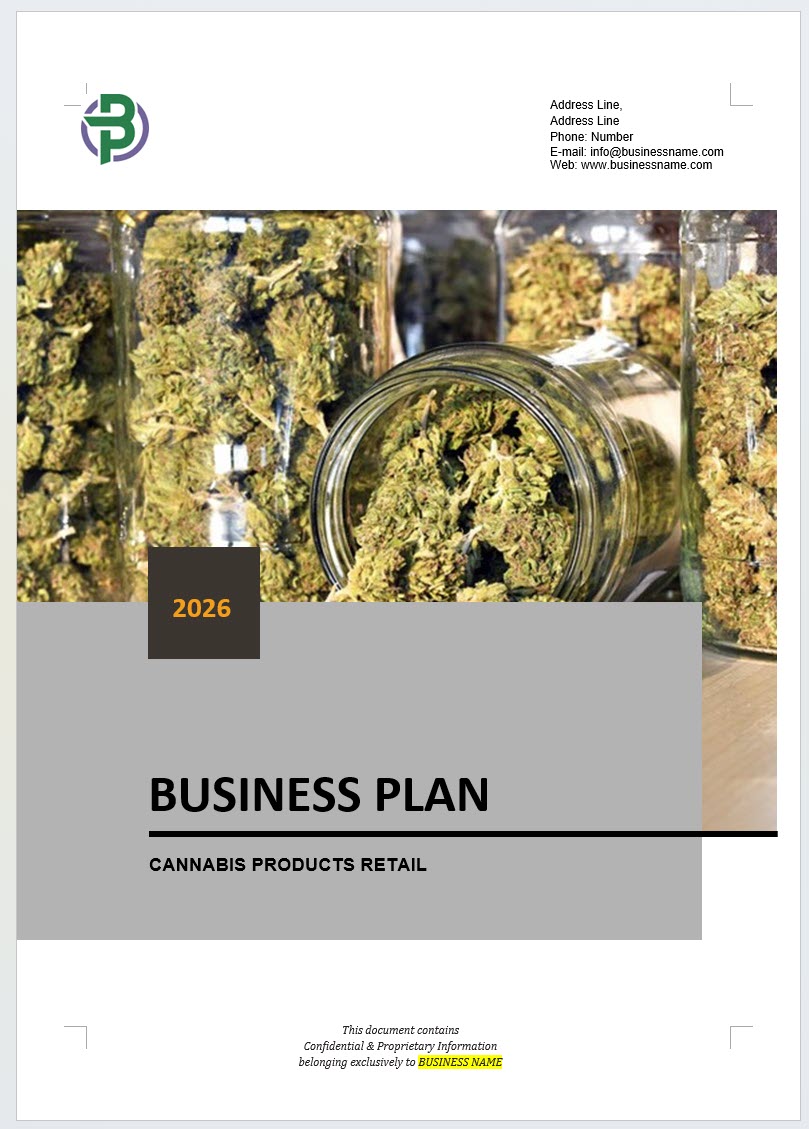
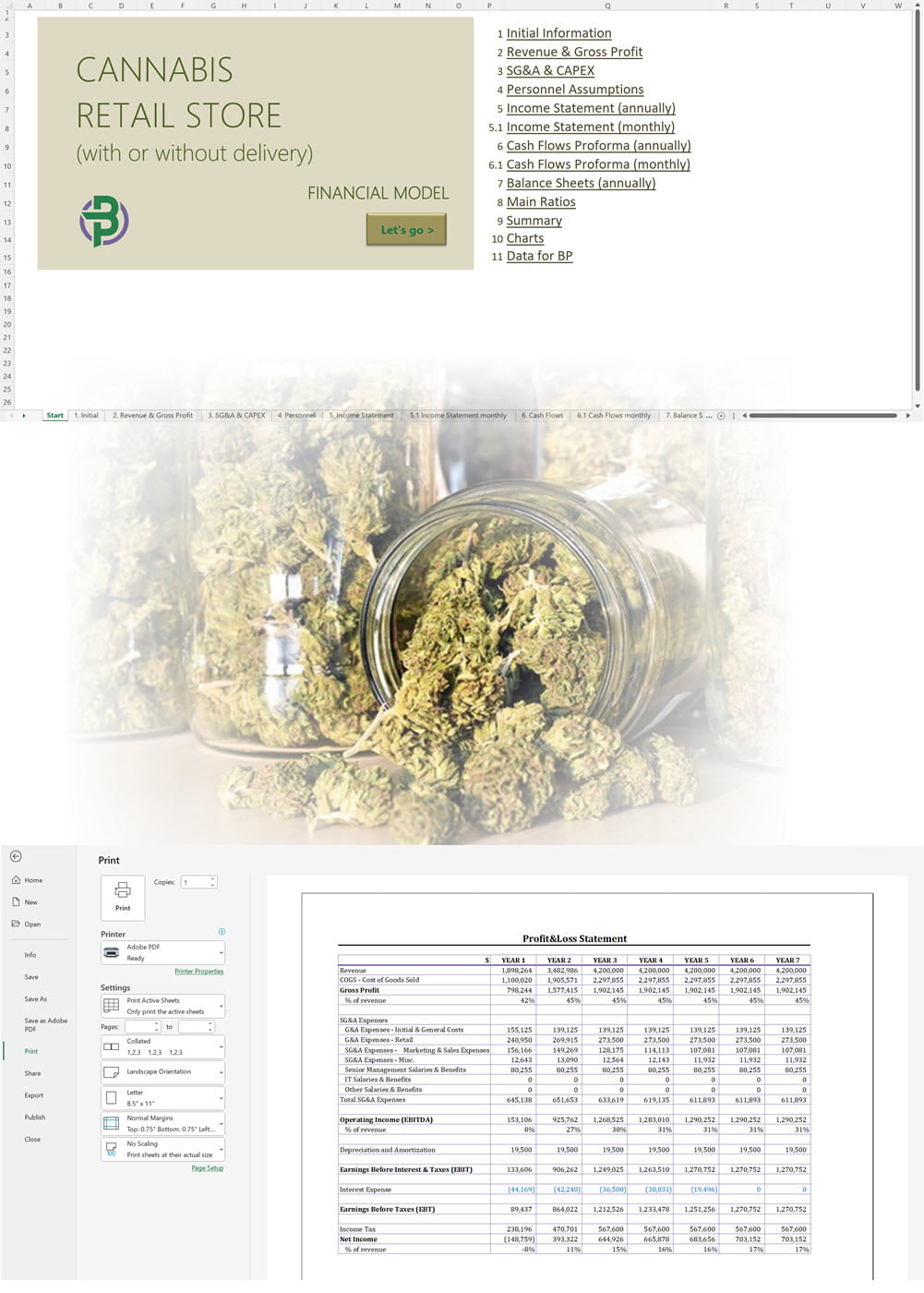
Cannabis Retail Business Plan Template (with or without Delivery)
Price range: $75.00 through $350.00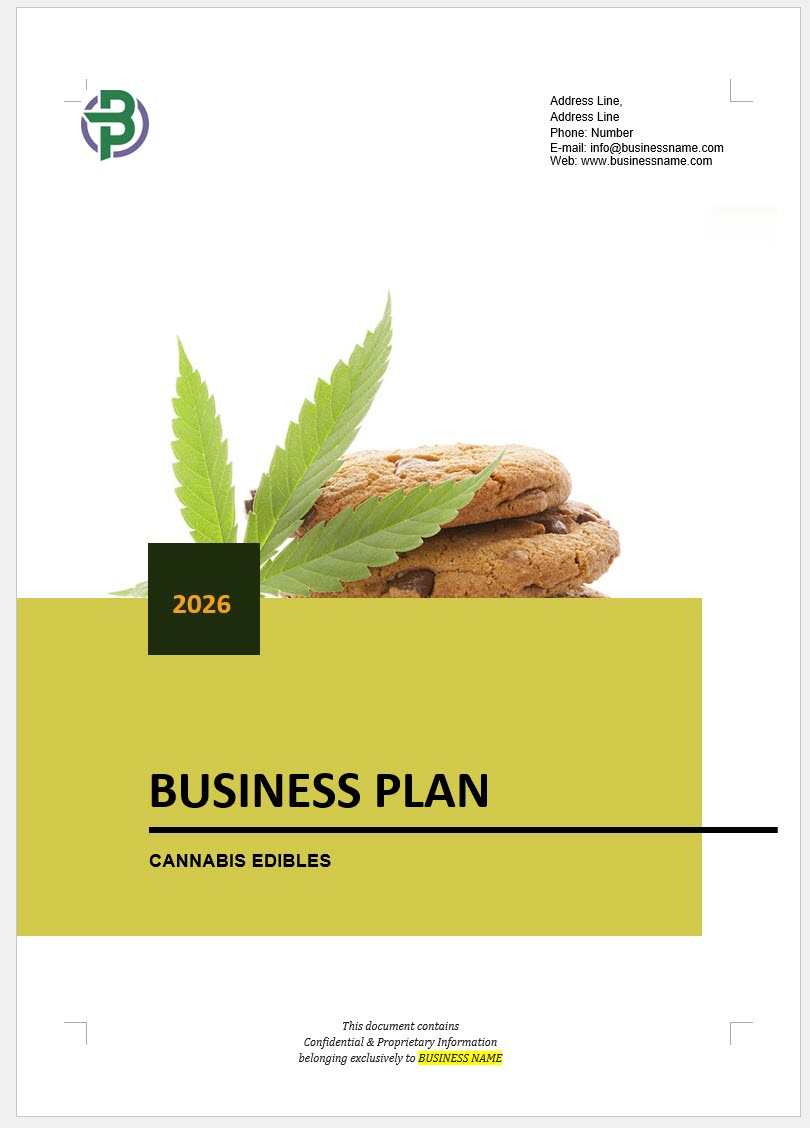
Cannabis Edibles Business Plan Template
Price range: $75.00 through $350.00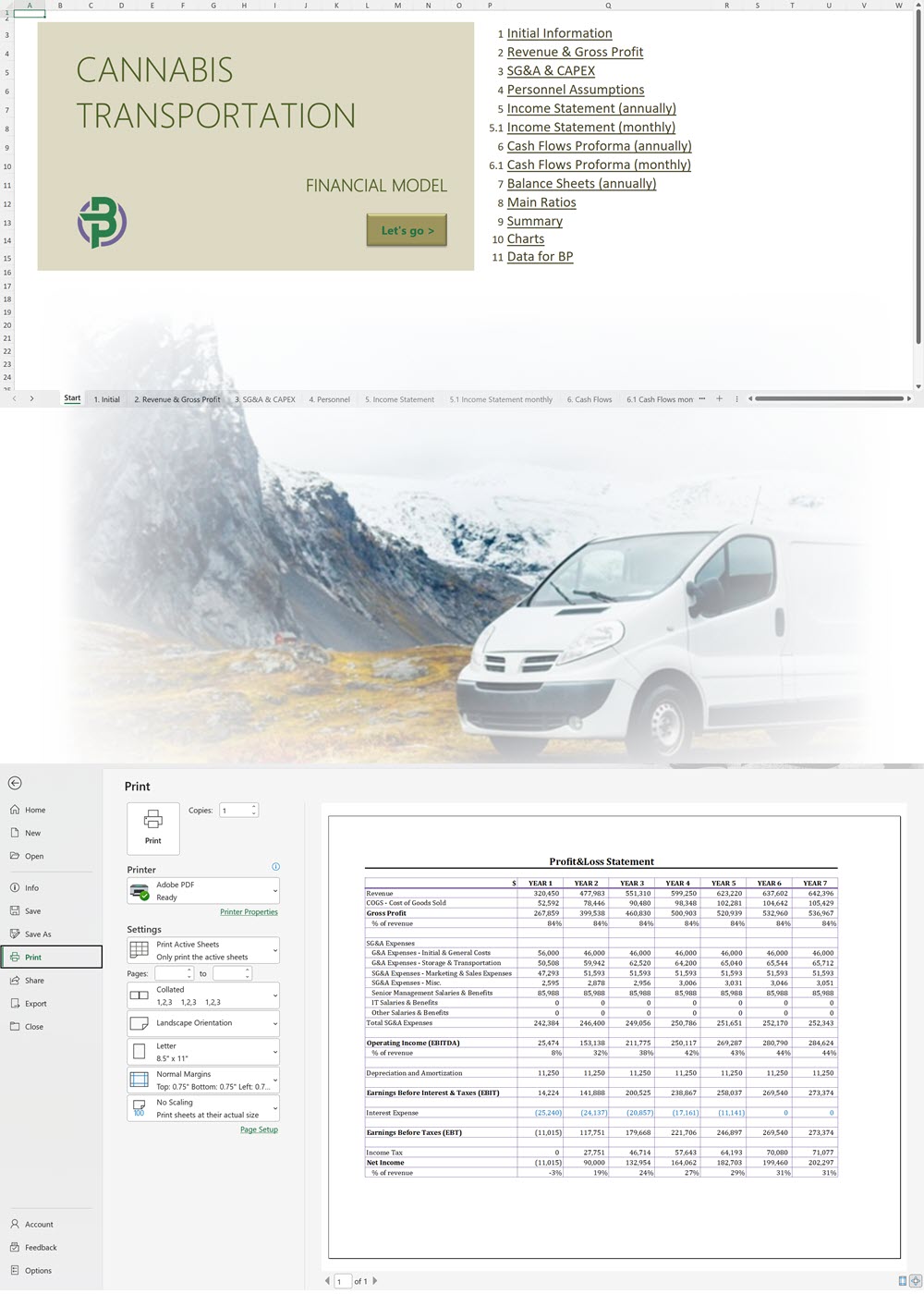
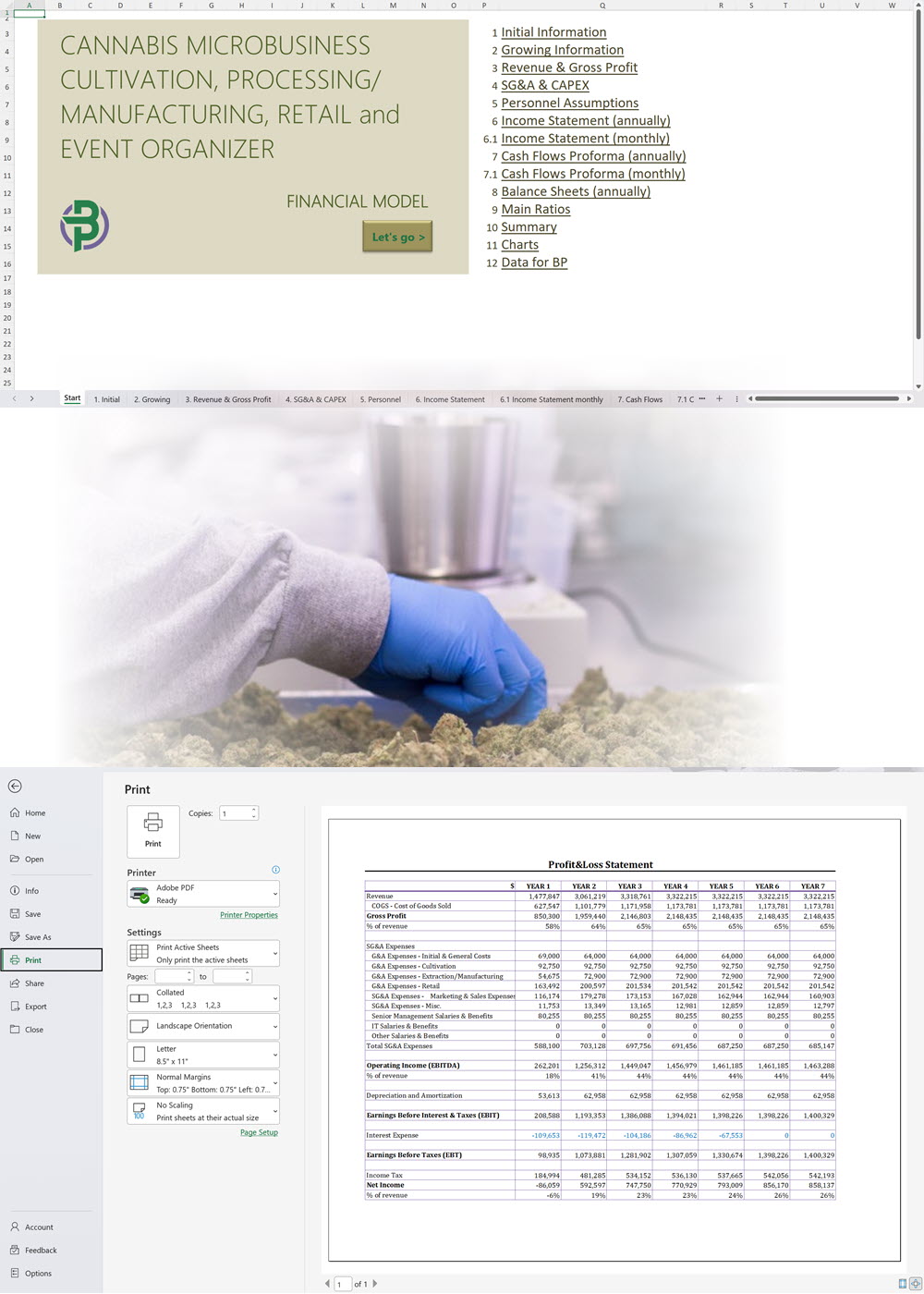
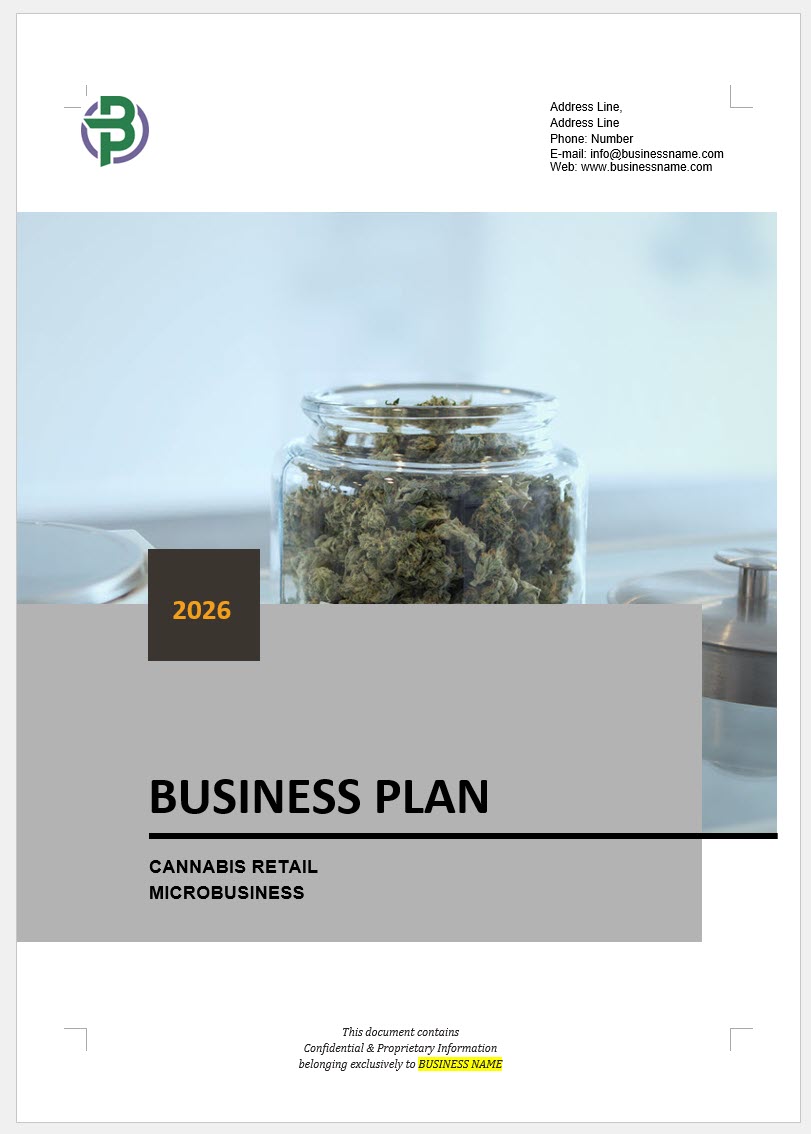
Cannabis Retail Microbusiness Business Plan Template
Price range: $75.00 through $275.00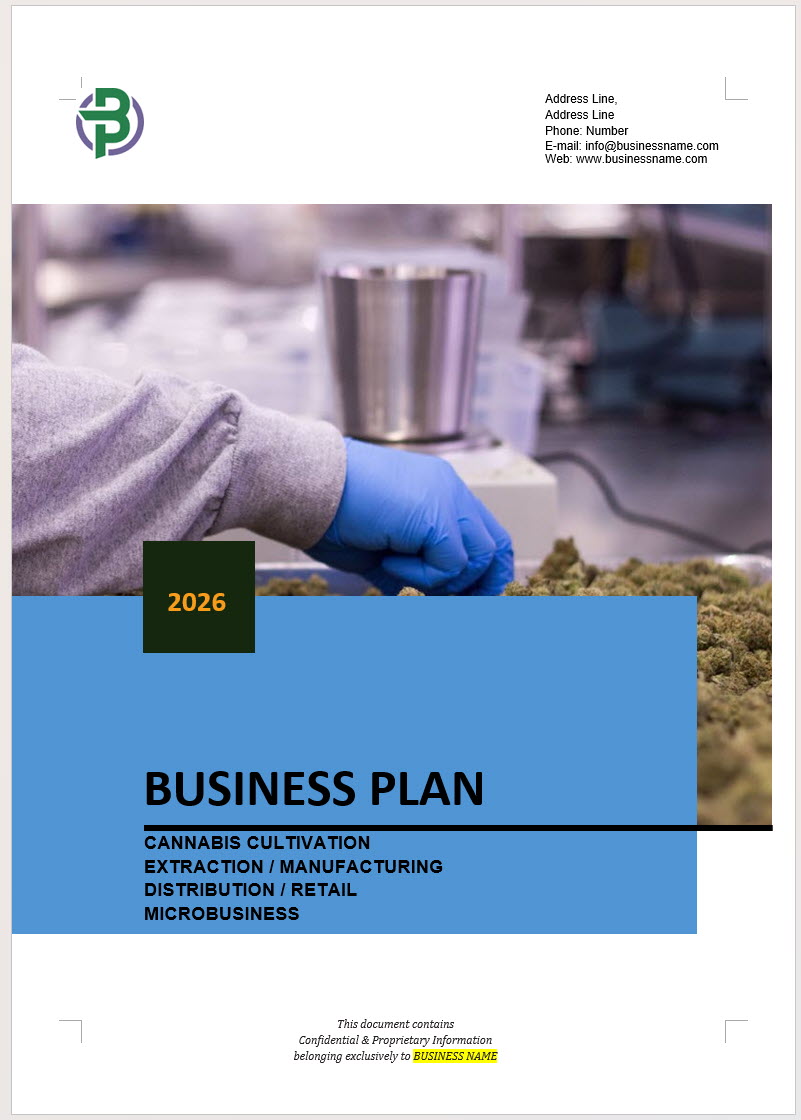
Cannabis Cultivation, Extraction, Manufacturing, Distribution, Retail and Microbusiness Business Plan Template
Price range: $75.00 through $500.00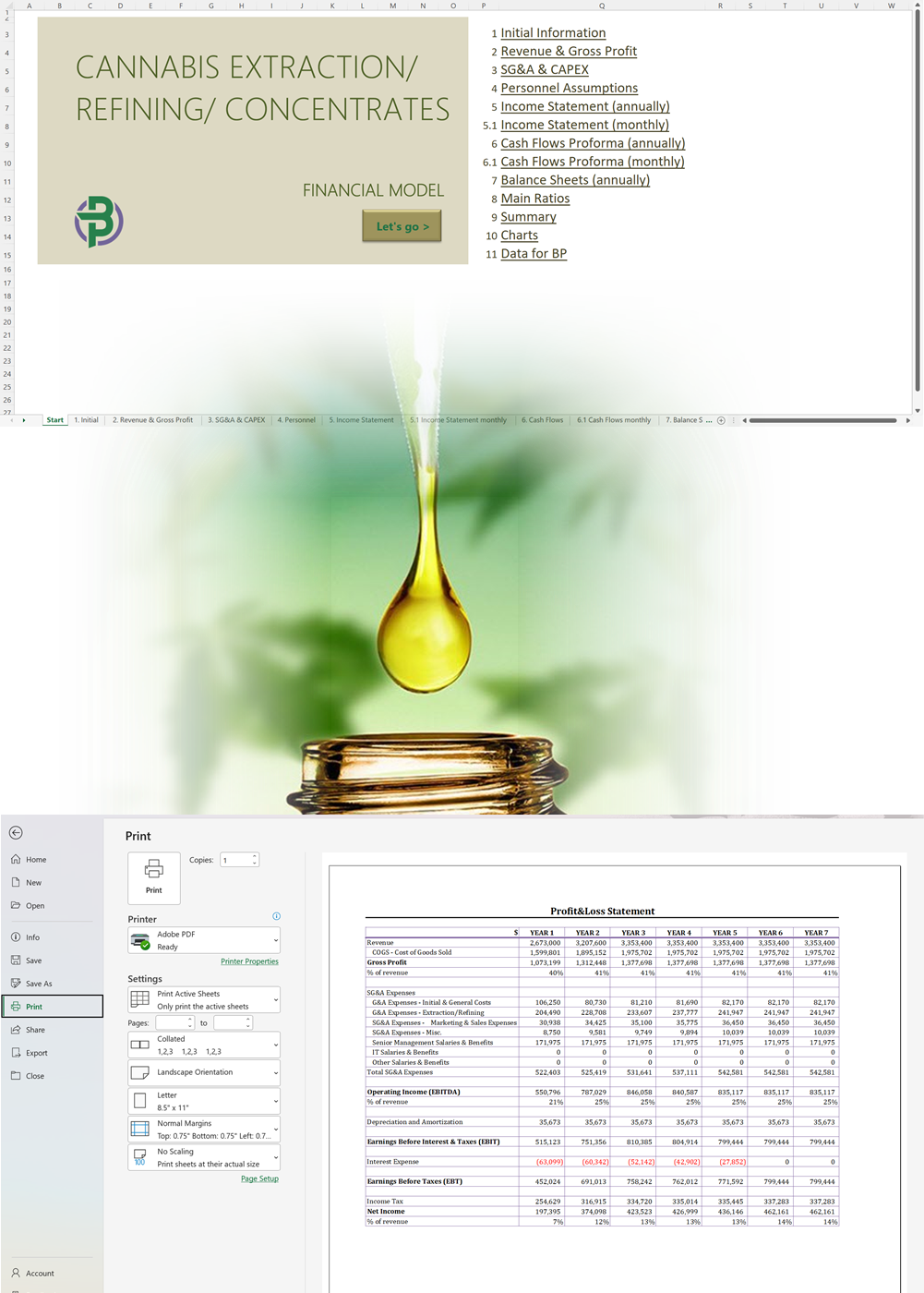

Cannabis Micro Cultivation Business Plan Template
Price range: $75.00 through $300.00