Key Takeaways
- Cannabis law and regulations:
- Iowa first legalized medical cannabidiol in May 2014 for the treatment of intractable epilepsy. Since then, the program has been greatly expanded to include more qualifying medical conditions and allow for medical cannabis products with varying potency. There is a purchasing limit of 4.5 grams of total THC every 90 days per patient.
- Statute: Chapter 124E
- Administrative Rules: Chapter 154
- Licenses available:
- Manufacturer: Capped at 2
- Dispensary: Capped at 5
- Products legal:
- Legally allowable product categories include oral (tinctures, capsules, tablets and sublingual forms), topical (gels, ointments, creams, lotions and transdermal patches), nebulizeable forms, suppository forms and vaporized forms.
- Taxes:
- Standard retail sales tax of 6% applies to medical cannabis purchases in Iowa. Depending on the city or county, an additional 1% local tax may be added.
- Market:
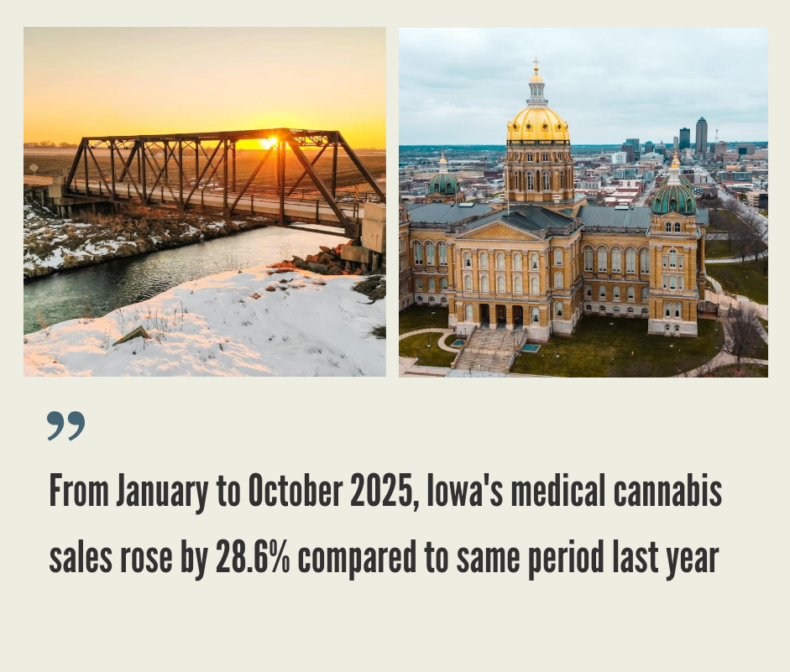
- Medical cannabis sales have risen from $3.5 million in 2020 to $13.6 million in 2023, and after a brief contraction to $13 million in 2024, continued their upward trajectory. From January to October 2025, medical cannabis sales in Iowa totaled $13.7 million.
- As of October 2025, there were 2,858 practitioners certifying for Iowa’s medical cannabidiol program and 18,012 active patients.
- Inhaled product forms dominate sales, accounting for 78% of total sales in the past 12 months, followed by oral forms which held a share of 21%.
Iowa Cannabis Legalization
In May 2014, Governor Terry Branstad signed the Medical Cannabidiol Act (SF 2360), allowing the possession of low-THC cannabis oil on the recommendation of a neurologist for the treatment of intractable epilepsy. The program was expanded via HF 524 in May 2017, authorizing licensing for two in-state manufacturers and five dispensaries. The list of qualifying conditions was expanded to include cancer, multiple sclerosis, and Crohn’s disease. Product potency was capped at 3% THC. Products under the expanded program became available to patients on December 1, 2018.
In 2020, the law was revised (HF 2589), expanding the list of qualifying conditions to include PTSD and chronic pain, and removing the 3% potency cap. Manufacturers are legally permitted to produce formulations of any potency or concentration. However, there is a purchasing limit of 4.5 grams of total THC every 90 days per patient. Approved product forms are oral (tinctures, capsules, tablets and sublingual forms), topical (gels, ointments, creams, lotions and transdermal patches), nebulizeable forms, suppository forms and vaporized forms.
Iowa’s Medical Cannabidiol Act and corresponding regulations are codified as Chapter 124E in Iowa Code and Chapter 154 in Iowa Administrative Code.
On May 6, 2025, House File 990 has been sent to the Governor’s desk, proposing to double the medical cannabidiol dispensary cap from 5 to 10. If signed into law, the proposal would also allow out-of-state residents to register in the medical cannabis program provided that they have a certification from an Iowa healthcare provider.
How to Start a Medical Cannabis Business in Iowa?
Iowa has two types of medical cannabis licenses: a manufacturer and a dispensary license. The two licenses are issued by the Iowa Department of Health and Human Services (Department). Currently, the manufacturing license number is capped at two and the dispensary license number is capped at five.
A manufacturing license allows to possess, cultivate, harvest, manufacture products, transport, package, process, or supply medical cannabidiol within Iowa.
Application fee: $7,500
A dispensary license allows to dispense medical cannabidiol to patients within Iowa.
Application fee: $5,000
The Department considers the following when evaluating applicants and licensing:
- Technical expertise of the applicant regarding medical cannabidiol.
- Qualifications of the applicant’s employees.
- Long-term financial stability of the applicant.
- Ability to provide appropriate security measures on the premises of the proposed business.
- For manufacturing license:
- Whether the applicant has demonstrated “an ability to meet certain medical cannabidiol production needs for medical use regarding the range of recommended dosages for each debilitating medical condition, the range of chemical compositions of any plant of the genus cannabis that will likely be medically beneficial for each of the debilitating medical conditions, and the form of the medical cannabidiol in the manner determined by the department pursuant to rule”.
- Applicant’s projection and ongoing assessment of fees they plan to charge to patients with debilitating medical conditions.
- For dispensary license:
- Applicant’s projection and ongoing assessment of fees they plan to charge patients with debilitating medical conditions.
Annual license fees to be paid by the licensed manufacturers and dispensaries are evaluated by the Department on an annual basis before December 1. Annual fees cannot exceed $100,000 for a manufacturing license and $50,000 for a dispensary license.
License Renewal
To renew a license, the licensee must submit an application at least 6 months before the experiation date. The Department will notify the licensee whether their application has been approved or denied by August 1 of the year in which the renewal application has been submitted.
Iowa Cannabis Market Stats
According to program data, the program generated around $3.5 million in cannabis sales in 2020, rose by 74% to $6.1 million in 2021, and exceeded $10 million in 2022. In 2023, dispensary sales peaked at $13.6 million after which they contracted slightly to $13 million in 2024. While the sales value dropped by around 21%, dispensary transaction volume increased by rose 10.3% which reveals that market contraction was the result of lower average transaction prices rather than a dip in demand. The average transaction price amongst Iowa’s licensed dispensaries decreased to about $102 in October 2024 from $133 in December 2022, and from January 2025 to October 2025 has fluctuated around $100.
From January to October 2025, dispensary sales recovered strongly to $13.7 million, driven by a continuous rise in annual transaction volume. Considering that January to October 2024 sales value comprised 82% of total 2024 sales, medical cannabidiol sales for the whole of 2025 could be worth $16.7 million.
As of October 2024, there were 2,585 practitioners certifying for Iowa’s medical cannabidiol program – up by 16.8% from November 2023.
Meanwhile, the number of active patients has fluctuated each year. In 2019, there were 4,628 active patients. By 2021, this number rose to 7,871 and further by 84% to 14,486 in 2022. As the market matured, the growth rate slowed down to 26% in 2023 with active patient numbers reaching 18,230. In 2024 and 2025, there were 17,999 and 18,012 active patients, respectively. This demonstrates that active patient numbers have largely stabilized around 18,000.
Patients are eligible for a THC waiver which allows them to purchase additional THC over the 4.5 gram per 90-day limit, if they are certified for a terminal illness, or their certifying provider completes a waiver for a larger amount. Over the past few years, the proportion of patients with active THC waivers has consistently risen, climbing from 17.08% in 2022 to 27.03% in 2025.
The majority of certifications issued for medical cannabidiol are for chronic pain (~71% of total certifications), followed by PTSD (~20%). Inhaled product forms accounted for 78% of total sales in the past 12 months, followed by oral forms that held a share of 21%. Vaporized product forms have increased their share dramatically each year, climbing from just 4% in 2019 to 76% in 2024, demonstrating their dominance in Iowa’s medical cannabidiol market. There was also a clear preference for high THC formulations which comprised 90.9% of 2024 sales.
Iowa Cannabis Market Infographics
How Can Cannabusinessplans Templates Help Start or Grow Your Cannabis Business?
The majority of cannabis licensing programs require the submission of a business plan as part of the application for a cannabis license. Even if it is not mandated by law, a business plan is essential for securing funding and assisting an applicant in understanding how much money it will take to start a cannabis business and how much profit it could make.
A well-structured business plan can make all the difference in helping you demonstrate your proposed cannabis business’ compliance with regulations and its operational viability.
Our complete cannabis business plan template package is everything you need to create a professional business plan for a cannabis business with expert financials and projections. A complete cannabis business plan template package includes:
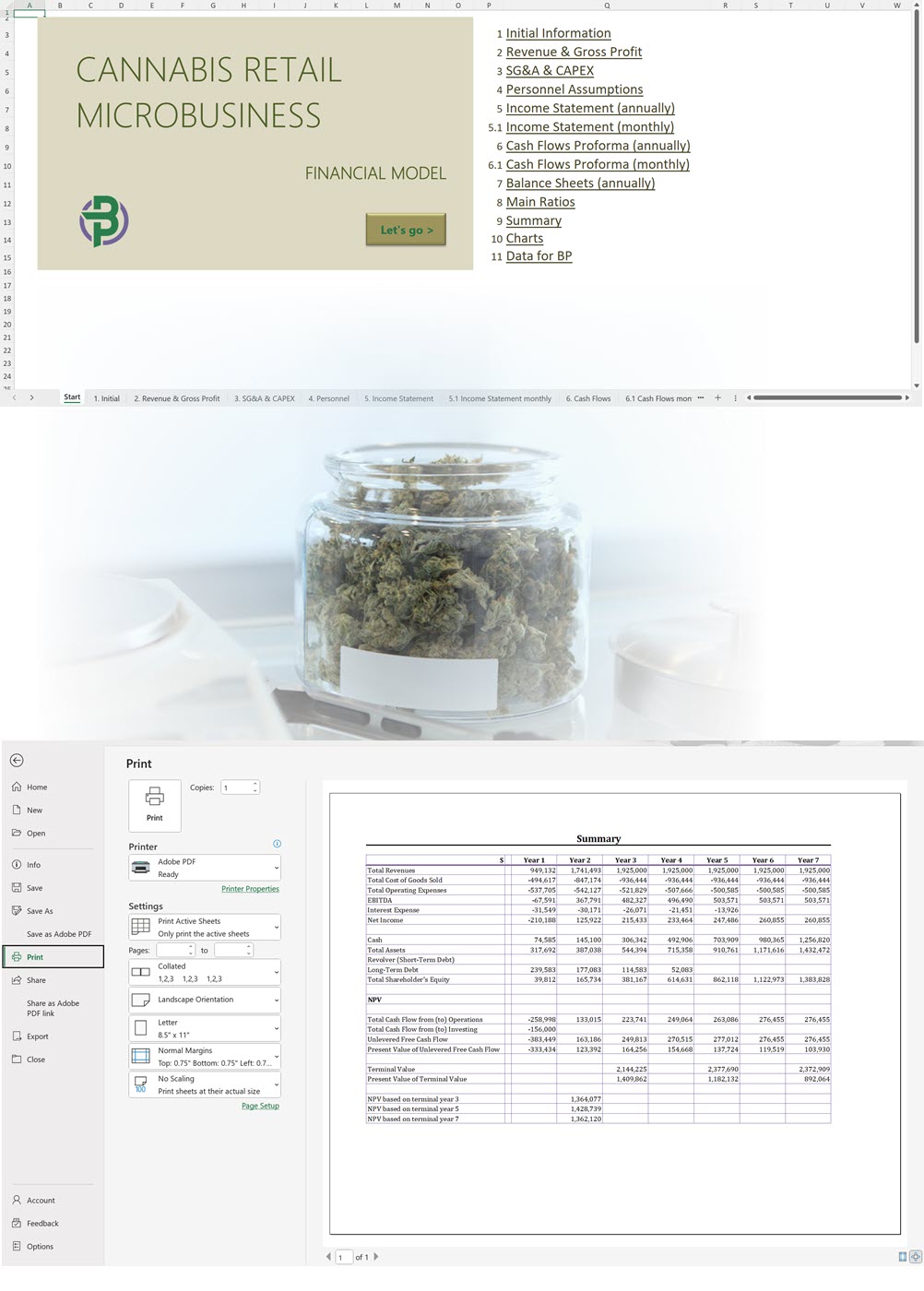
- Excel Financial Model: change variables and immediately see the impact, break down operational and capital costs, know how much it will take to get into the business and the potential profits.
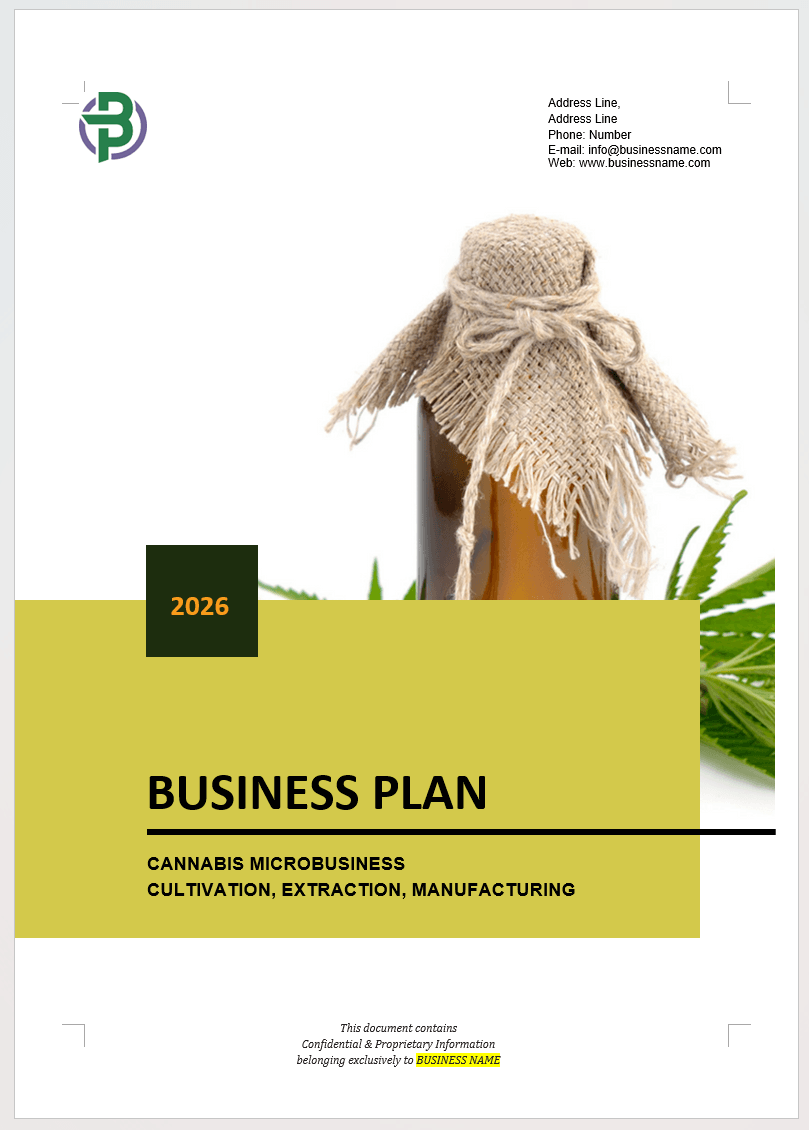
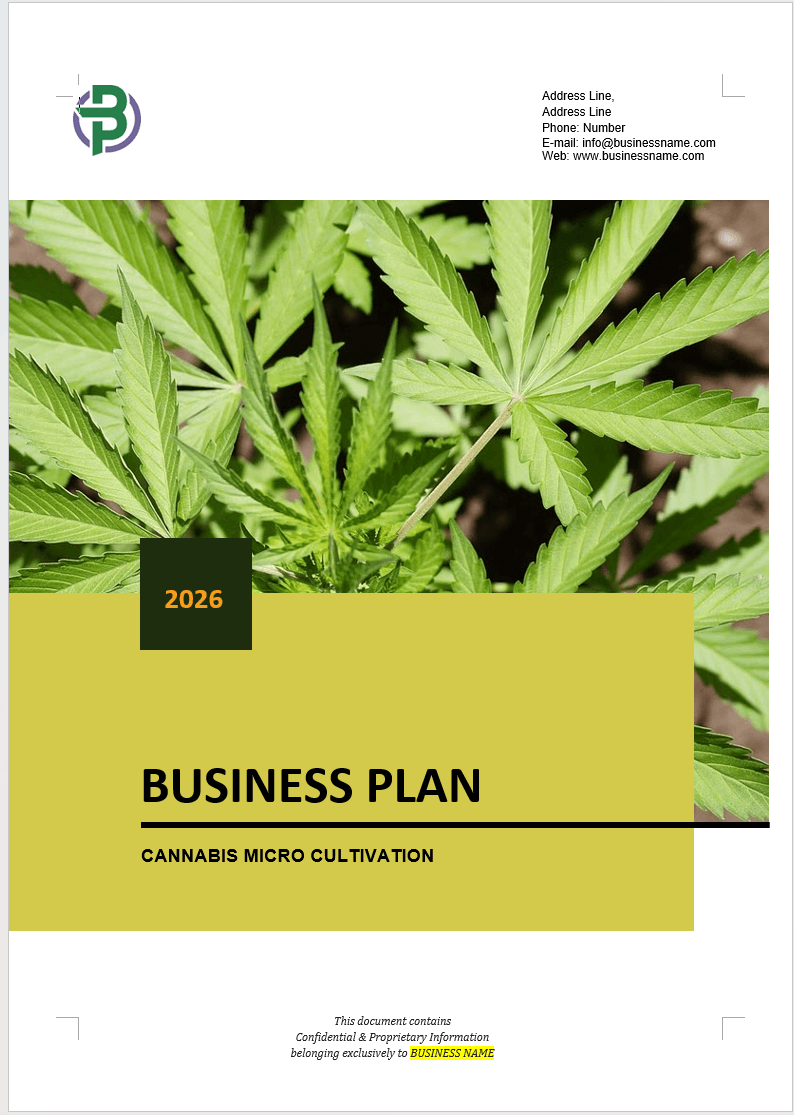
- Word Business Plan: value proposition, market analysis, marketing strategy, operating plan, organizational structure, financial plan and more.
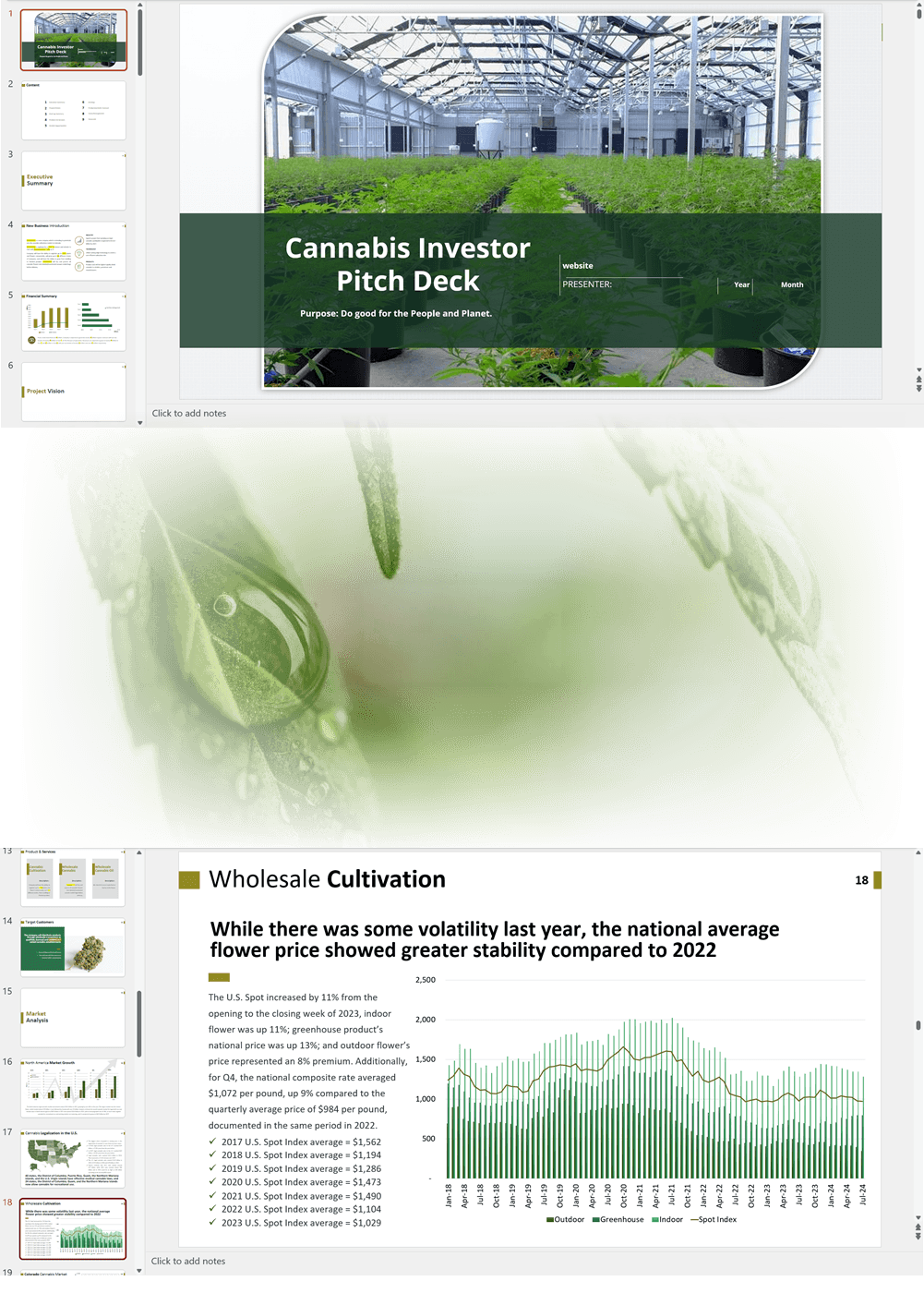
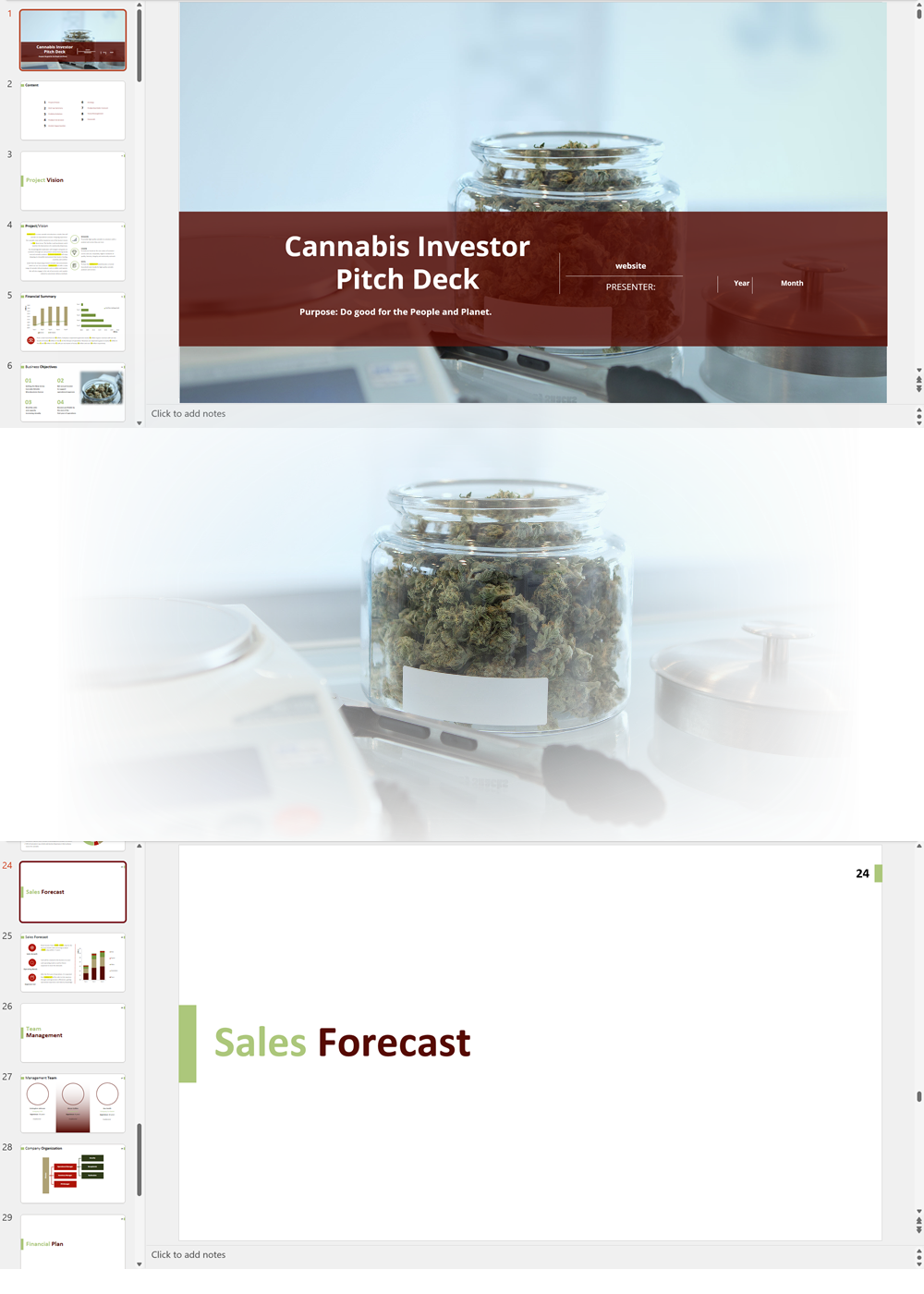
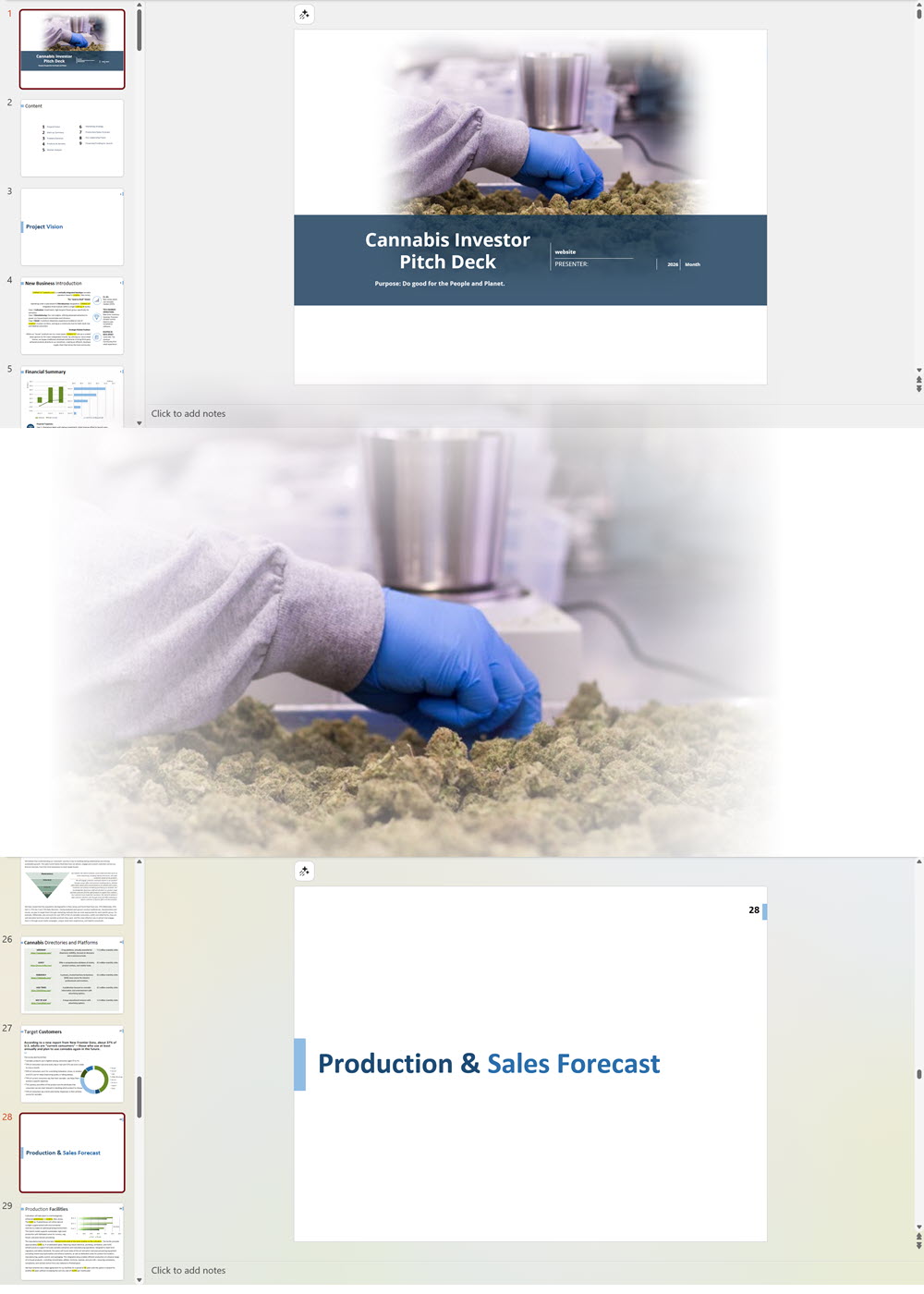
- PowerPoint Pitch Deck: provide a quick overview of your cannabis business plan.
'70% ready to go' business plan templates
Our cannabis financial models and cannabis business plan templates will help you estimate how much it costs to start and operate your own cannabis business, to build all revenue and cost line-items monthly over a flexible seven year period, and then summarize the monthly results into quarters and years for an easy view into the various time periods. We also offer investor pitch deck templates.
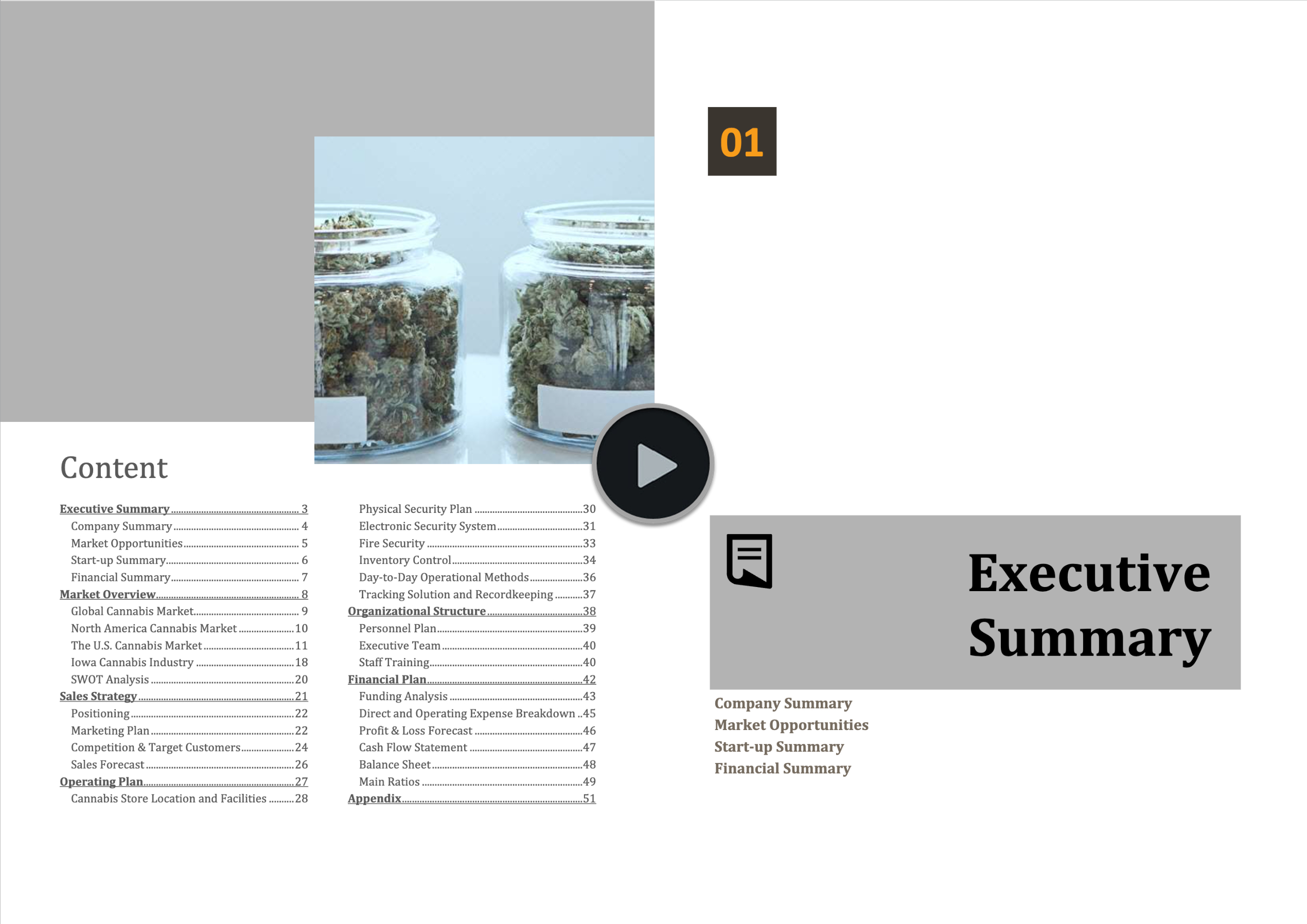
Cannabis Dispensary Business Plan Sample, Iowa
Best Selling Templates
-

Cannabis Cultivation Business Plan Template
Price range: $75.00 through $350.00 Select options This product has multiple variants. The options may be chosen on the product page -

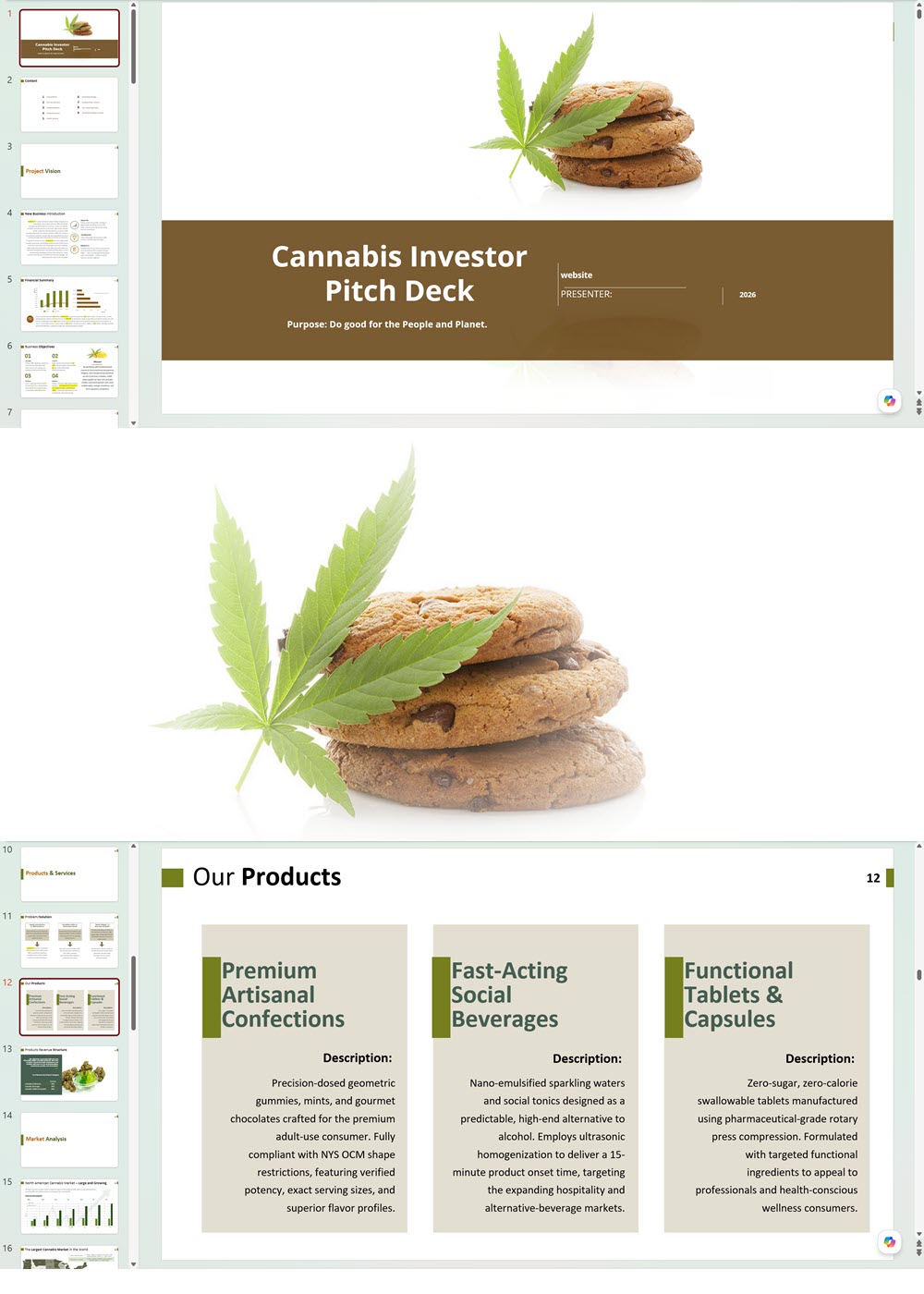
Cannabis Dispensary Investor Pitch Deck Template
$75.00 Select options This product has multiple variants. The options may be chosen on the product page -
Cannabis Financial Model All in One
$250.00 Select options This product has multiple variants. The options may be chosen on the product page
Hemp CBD business plan templates are available at hempcbdbusinessplans.com.
Our Templates
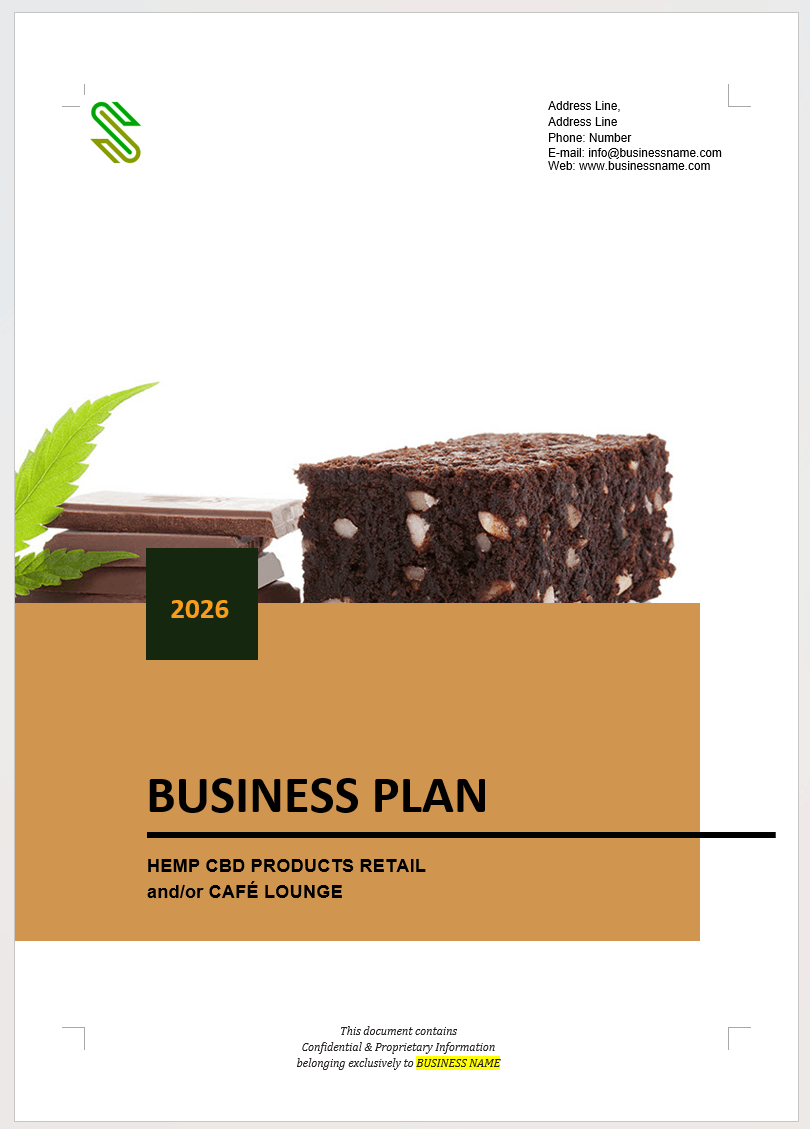
CBD Store and/or Cafe Lounge Business Plan Template
Price range: $75.00 through $275.00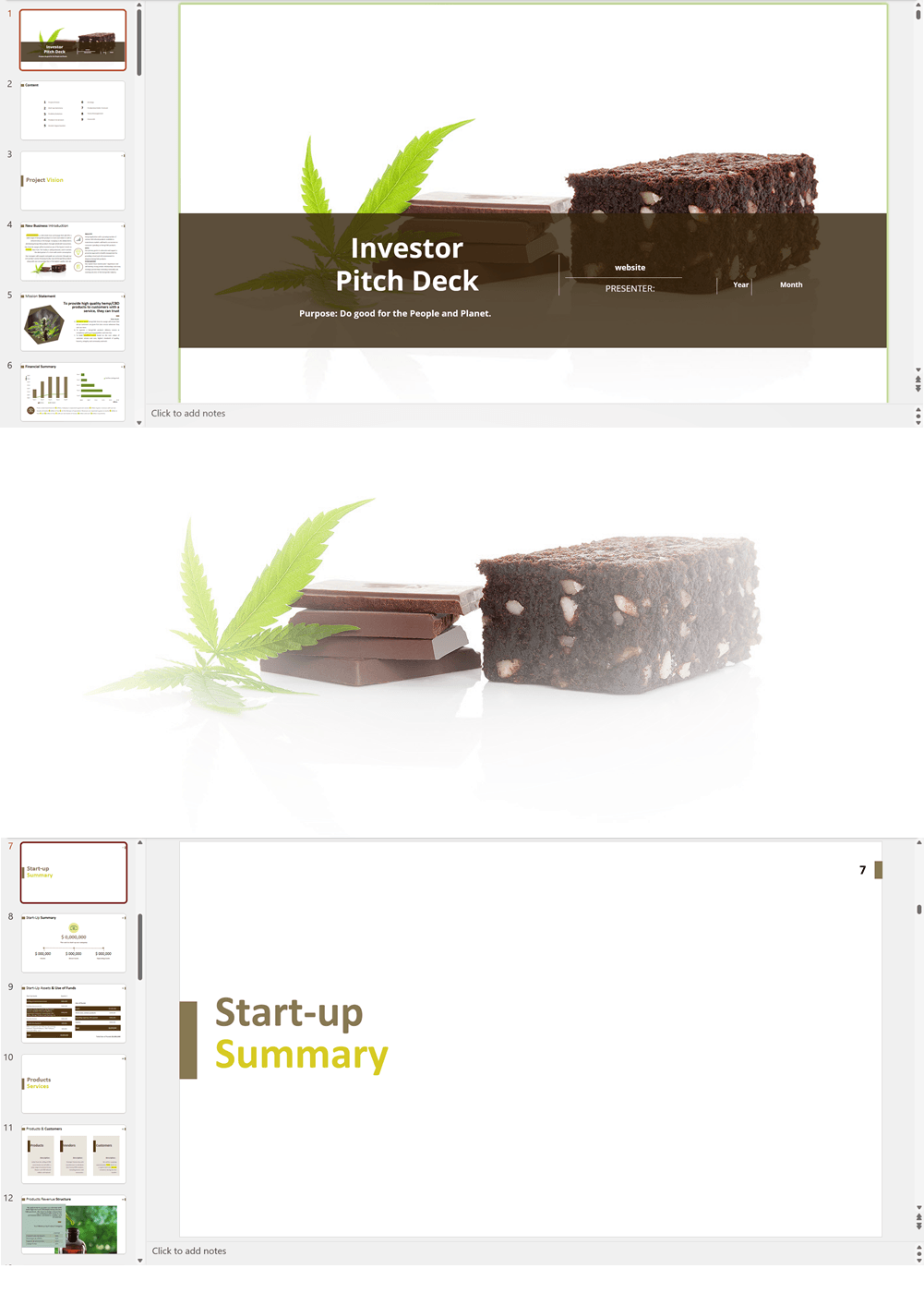
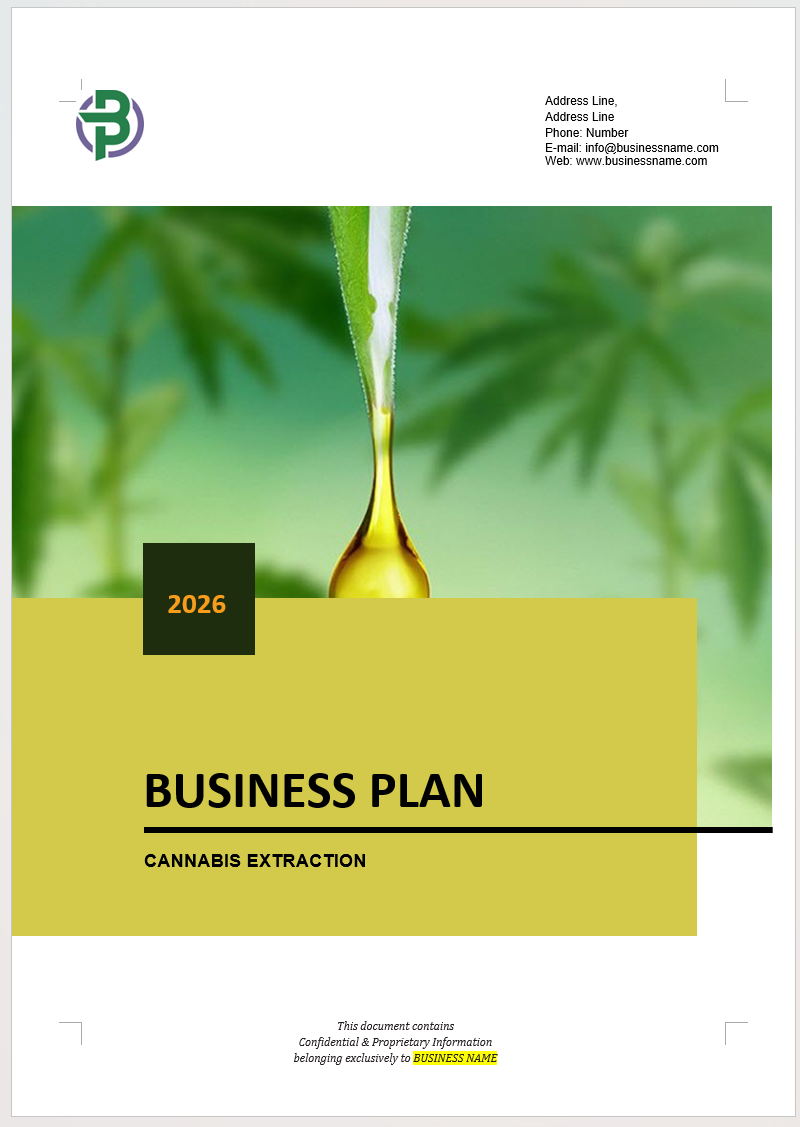
Cannabis Extraction / Concentrates Business Plan Template
Price range: $75.00 through $350.00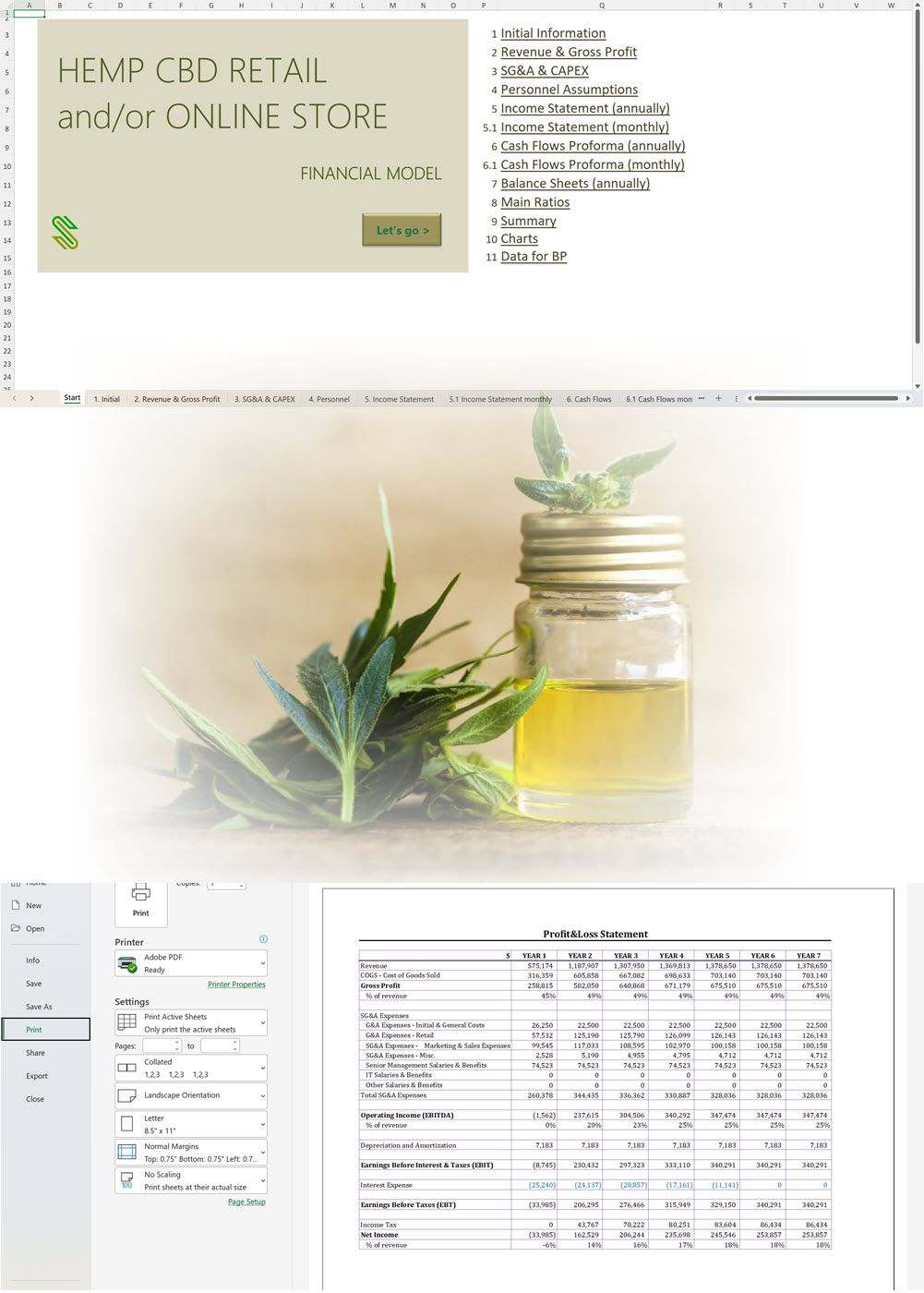
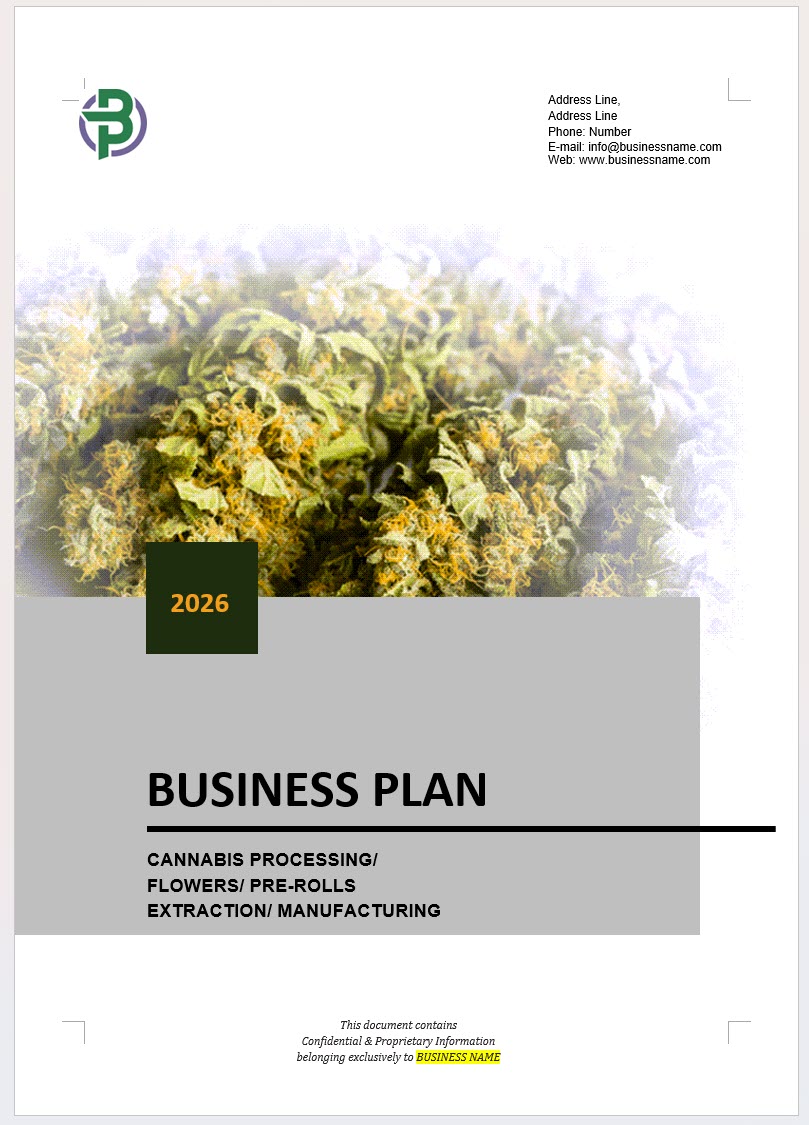
Cannabis Processing/ Flowers/ Pre-rolls/ Extraction/ Manufacturing Business Plan Template
Price range: $75.00 through $350.00
Cannabis Transportation Business Plan Template
Price range: $75.00 through $275.00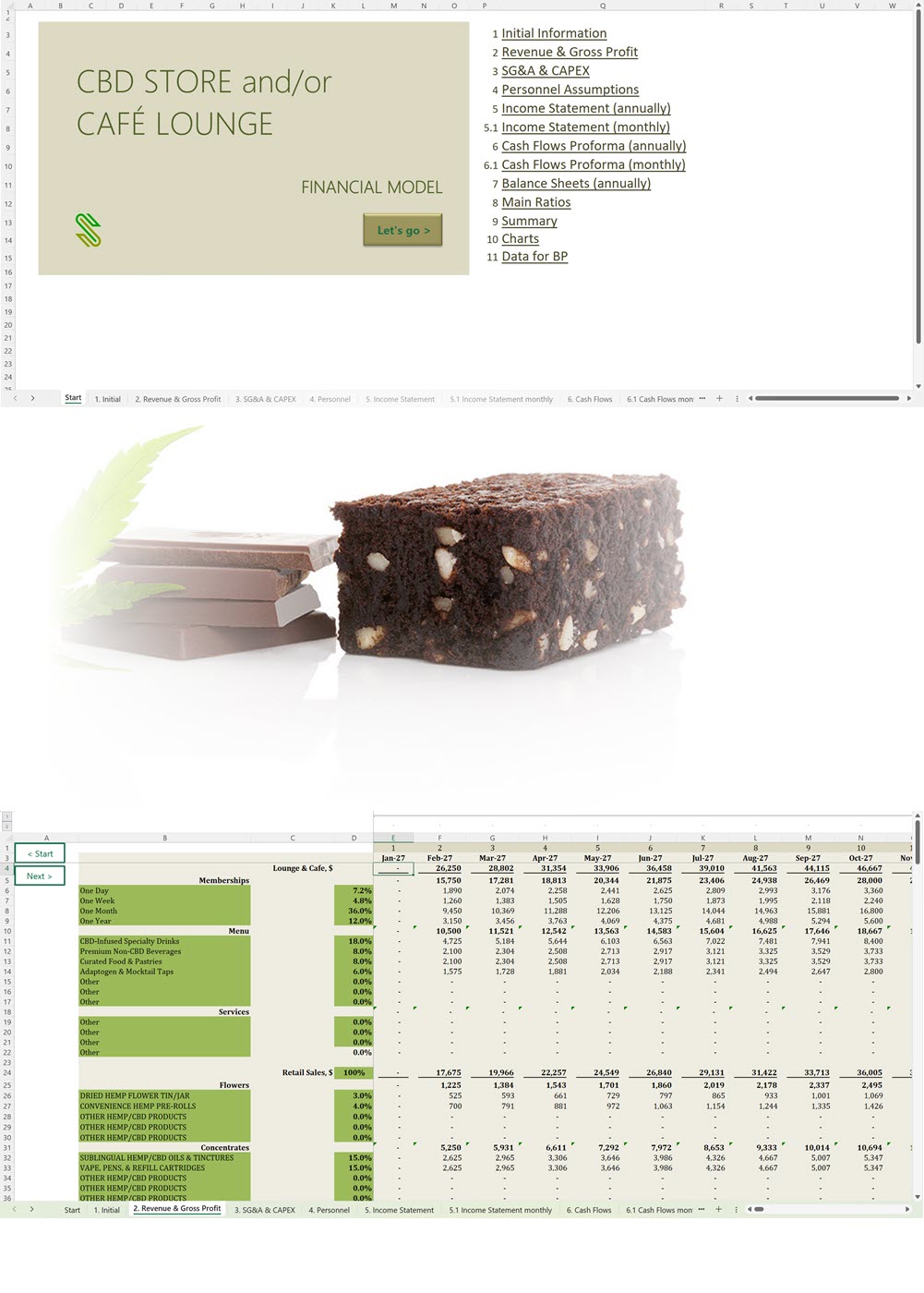
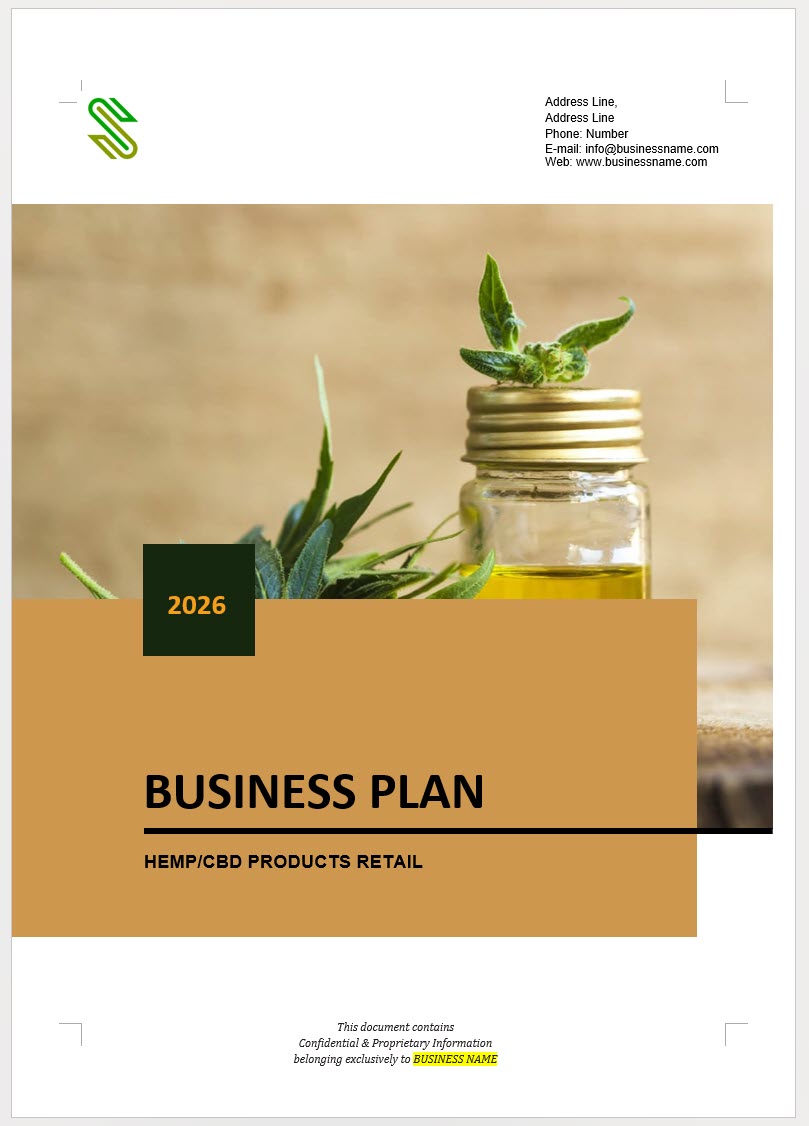
CBD Products Retail/Online Store Business Plan Template
Price range: $75.00 through $275.00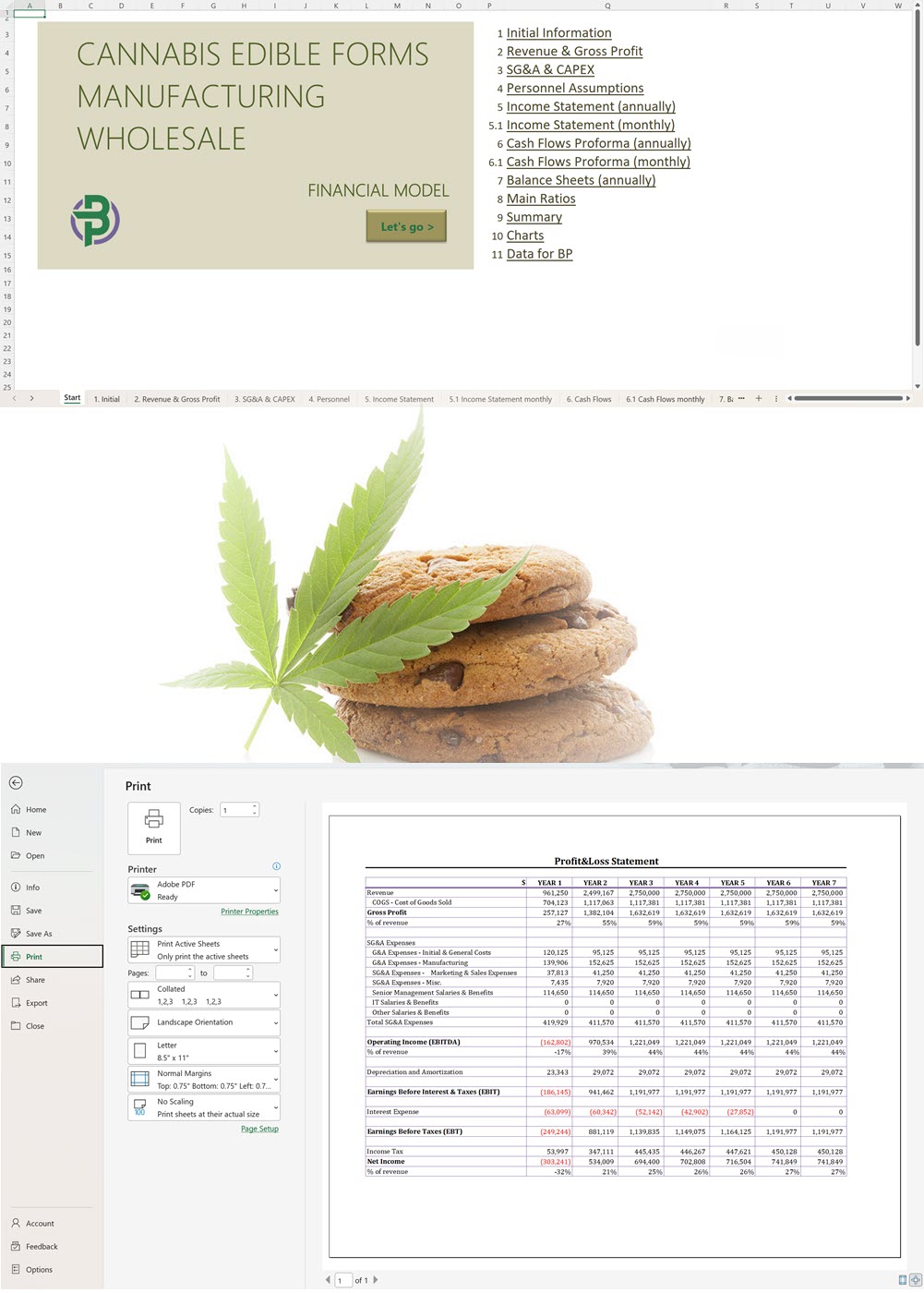
Cannabis Edibles Financial Model
$150.00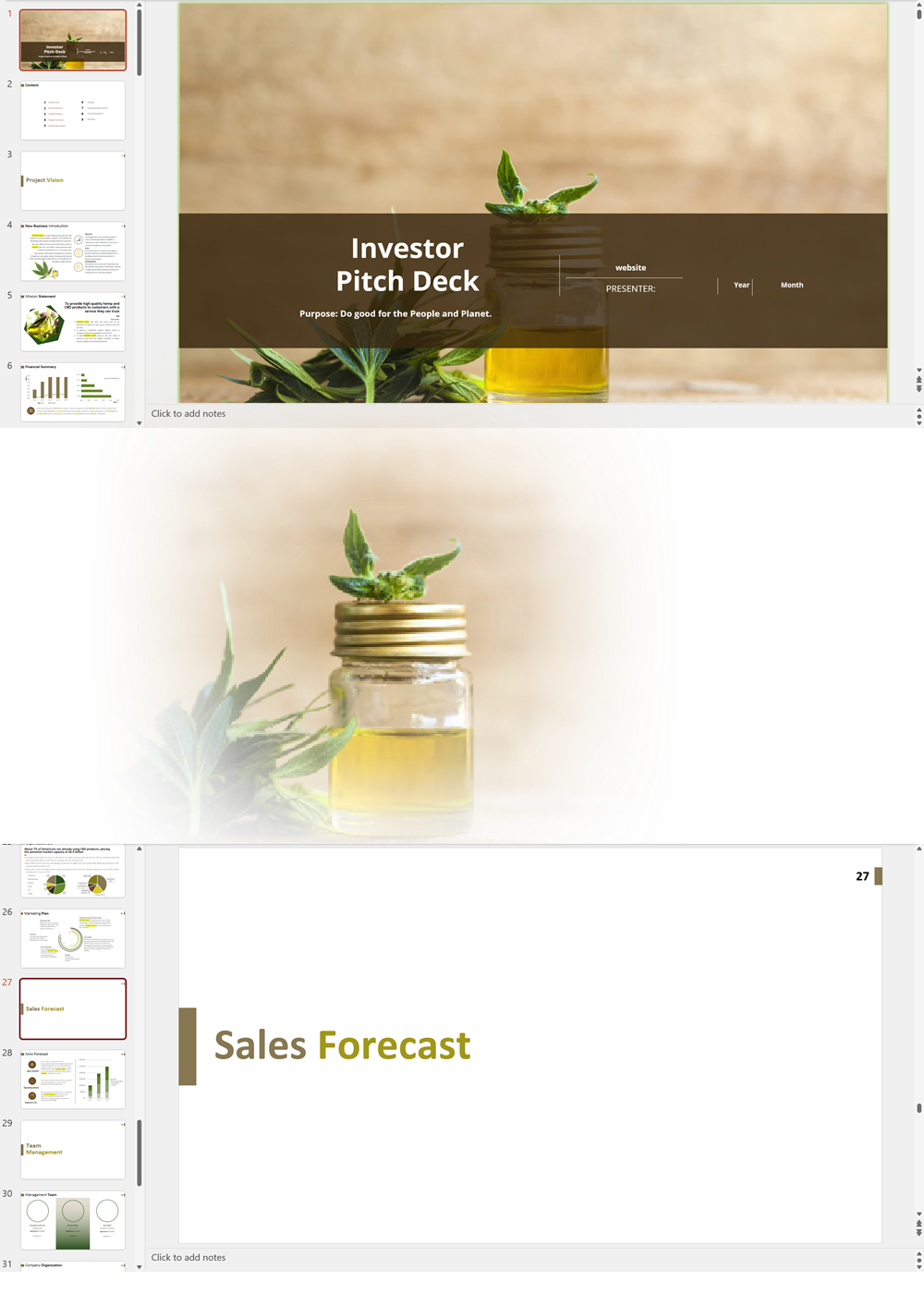
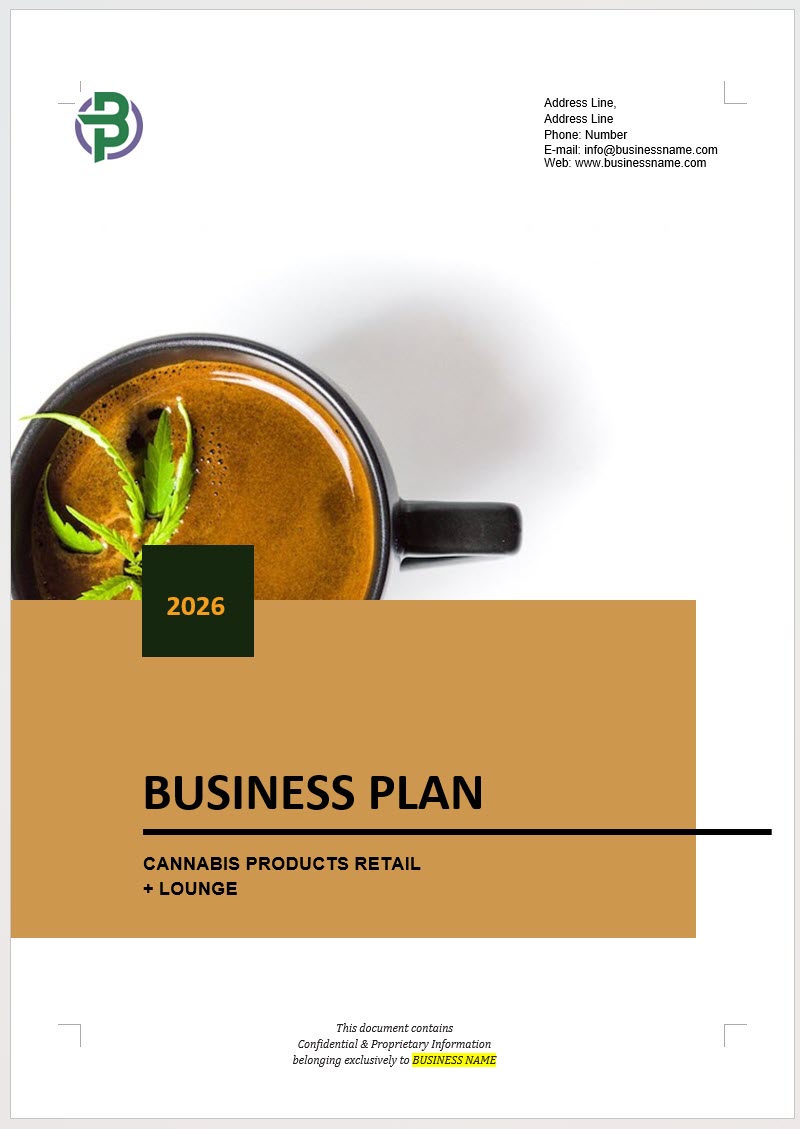
Cannabis Lounge + Retail Business Plan Template
Price range: $75.00 through $350.00
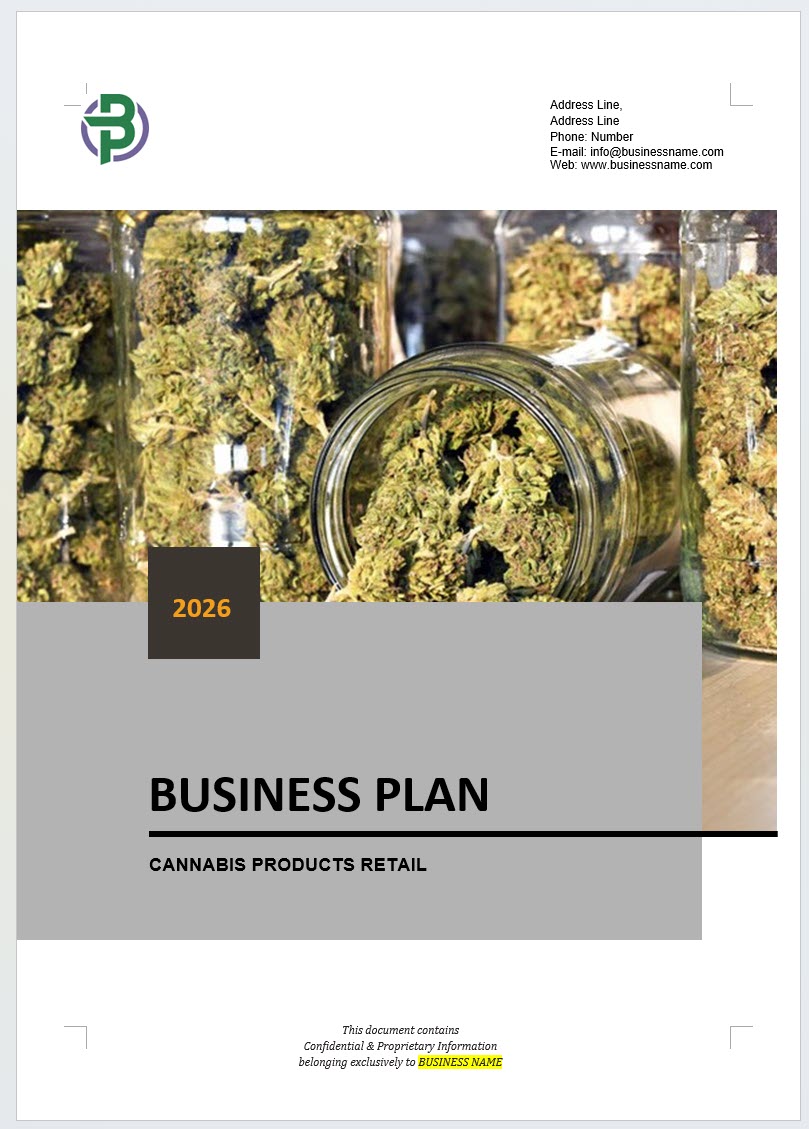
Cannabis Retail Business Plan Template (with or without Delivery)
Price range: $75.00 through $350.00
Cannabis Edibles Business Plan Template
Price range: $75.00 through $350.00
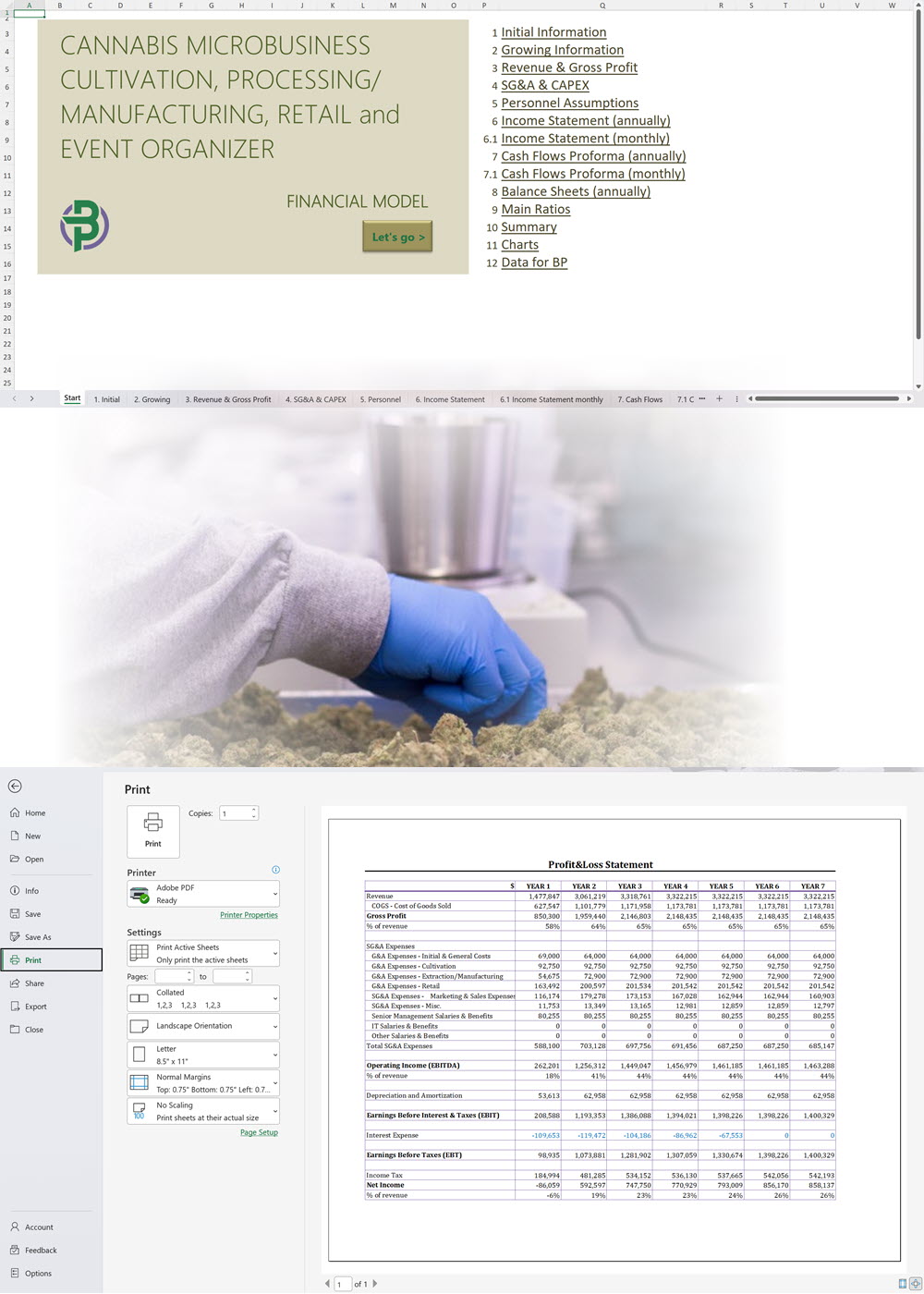
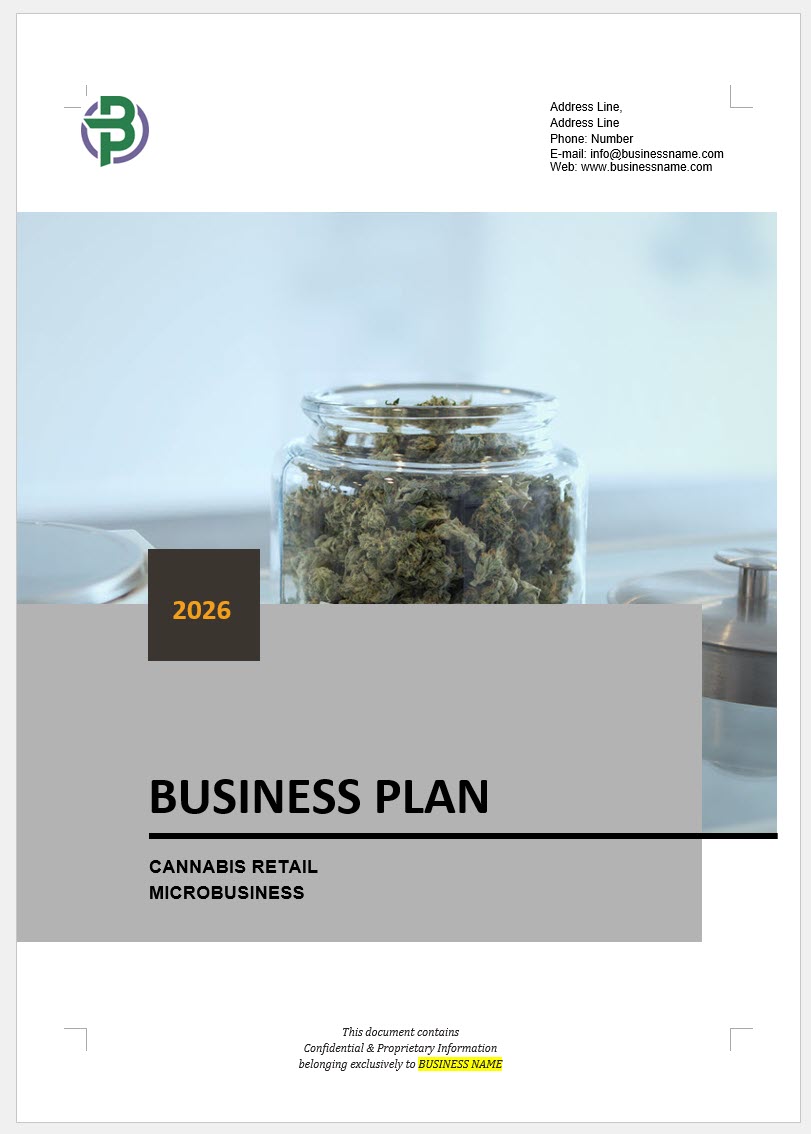
Cannabis Retail Microbusiness Business Plan Template
Price range: $75.00 through $275.00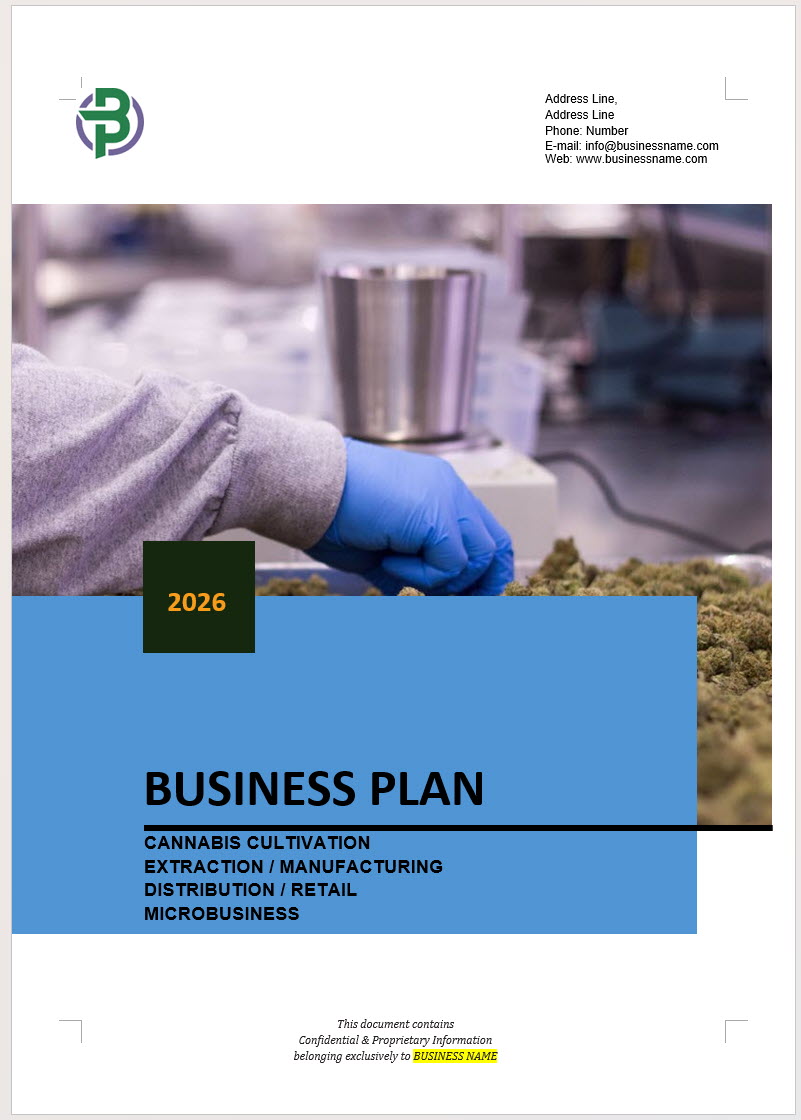
Cannabis Cultivation, Extraction, Manufacturing, Distribution, Retail and Microbusiness Business Plan Template
Price range: $75.00 through $500.00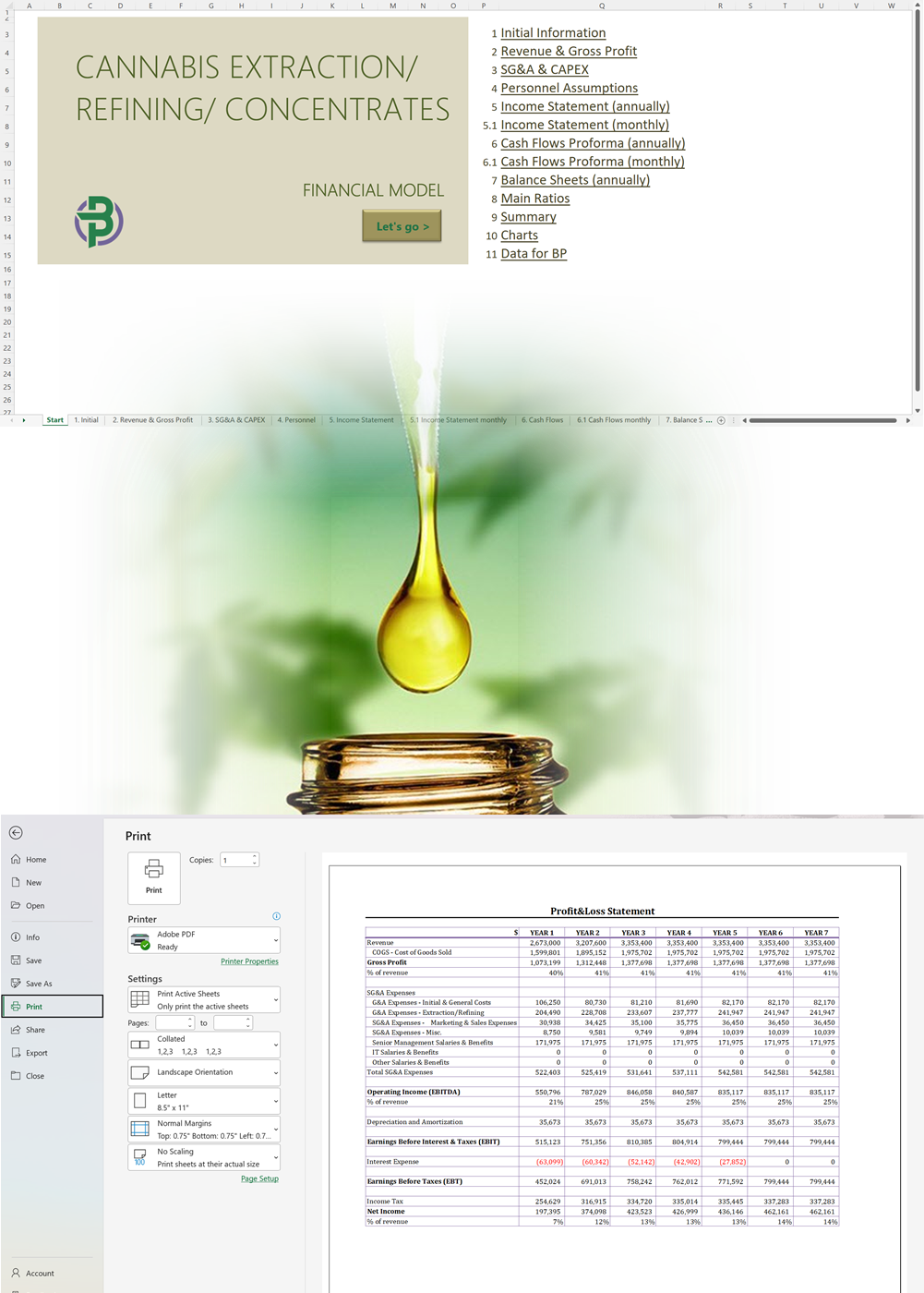

Cannabis Micro Cultivation Business Plan Template
Price range: $75.00 through $300.00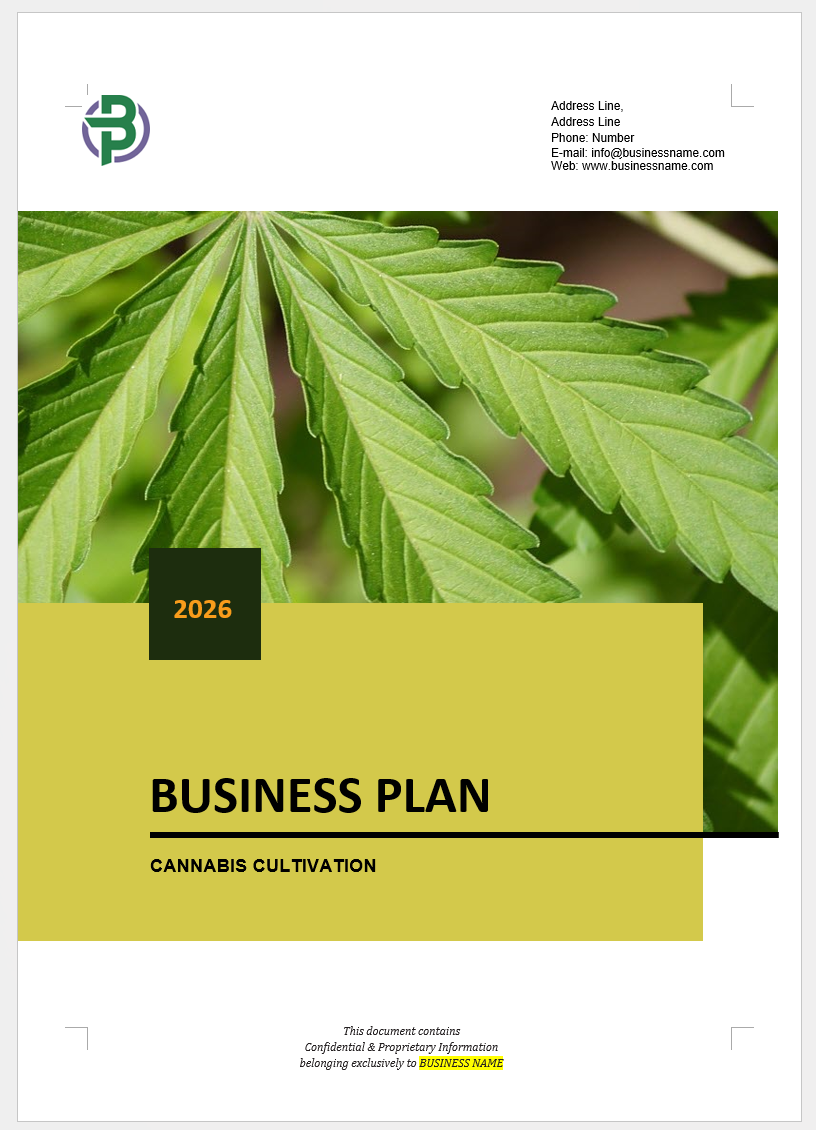
Cannabis Cultivation Business Plan Template
Price range: $75.00 through $350.00