Key Takeaways
- Cannabis law and regulations:
- Rhode Island’s medical and recreational cannabis programs are governed by a set of final regulations.
- Licenses available:
- Medical: Compassion center, cultivator.
- Recreational: Cultivator, manufacturer, retailer, testing laboratory.
- Products legal:
- Legal cannabis products include Buds; Vape Products; Concentrates; Raw Pre-Rolls; Infused Pre-Rolls; Infused Edibles; Infused Non-Edibles; Tinctures; Topicals.
- Taxes:
- Medical cannabis is subject to the Sales and Use Tax of 7% and a surcharge at a rate of 4% is imposed on net patient revenue received each month by a compassion center.
- Recreational cannabis is subject to a 10% state cannabis excise tax and a 3% local cannabis excise tax, in addition to the Sales and Use Tax of 7%.
- Market:
- Medical: As of March 2025, there were 7 compassion centers, 57 licensed growers and 7,199 active patients. In 2024, sales were worth $24.23 million – down from $33 million in 2023. Pre-packaged buds account for the greatest proportion of sales (46%), followed by raw pre-rolls (18.5%) and vape cartridges (13.4%).
- Adult-use: All of the 7 compassion centers and 57 cultivators in Rhode Island are approved to operate in the recreational cannabis market. In 2024, adult-use sales were worth $94.09 million – up by 26.7% from 2023. From January to August 2025, they were worth $66.10 million – 6.7% up from the same period last year. Pre-packaged buds account for the majority of recreational cannabis sales (42%), followed by raw pre-rolls (20%) and vape cartridges (17%).
Rhode Island Cannabis Legalization
Medical
The Medical Marijuana Act was signed into law in 2006. It allowed patients with debilitating medical conditions to use medical cannabis and possess up to 2.5 ounces. A medical marijuana patient is permitted to cultivate up to 12 mature and 12 immature cannabis plants, provided each plant has a valid “tag” issued by the Department of Business Regulation, to appoint a caregiver to cultivate and provide medical cannabis or to purchase cannabis products from state-licensed dispensaries known as compassion centers which became legal after the medical cannabis law was amended in 2009.
In October 2016 the emergency regulations were issued to get a new category of private cannabis growers, called cultivators, up and running as quickly as possible. In 2016, lawmakers also added PTSD and in 2018, autism to the list of qualifying conditions for medical cannabis:
- cancer or the treatment of this condition
- post-traumatic stress disorder (PTSD)
- glaucoma or the treatment of this condition
- positive status for human immunodeficiency virus (HIV) or the treatment of this condition
- acquired immune deficiency syndrome (AIDS) or the treatment of this condition
- hepatitis C or the treatment of this condition
- autism
- a chronic or debilitating disease or medical condition or its treatment that produces one or more of the following:
- cachexia or wasting syndrome
- severe, debilitating, chronic pain
- severe nausea
- seizures, including but not limited to those characteristic of epilepsy
- severe and persistent muscle spasms, including but not limited to those characteristic of multiple sclerosis or Crohn’s disease
- agitation related to Alzheimer’s disease
Cultivator licenses are divided into the following categories:
- Micro-license 0 – 2,500 sq. ft.
- Class A 2,500 – 5000 sq. ft.
- Class B 5,001 – 10,000 sq. ft.
- Class C 10,001 – 15,000 sq. ft.
- Class D 15,001 – 20,000 sq. ft.
In 2019, Governor signed budget tripling the number of compassion centers licenses from three to nine.
Recreational
On May 25, 2022, Rhode Island officially became the 19th state in the U.S. to legalize adult-use cannabis when Gov. Dan McKee signed into law the Rhode Island Cannabis Act. The regulations allowed adults aged 21 and over to possess up to 1 ounce of cannabis in public, 10 ounces at home and 5 grams of concentrate and to cultivate up to 3 mature and 3 immature plants per person at home with a maximum of 6 per household. The Rhode Island’s Cannabis Control Commission (CCC) was established to be responsible for regulating the cannabis industry and licensing.
The Act created a moratorium on issuing new cannabis cultivator licenses for two years until the final issuance of rules and regulations. However, licensed medical cannabis cultivator or licensed vertically integrated compassion centers are allowed to apply for hybrid licenses to operate in both the medical and recreational cannabis market. There are 24 adult-use cannabis retail business licenses available – 4 in each of the six geographic areas of the state with each geographic zone having one social equity licensee and a worker-owned cooperative licensee. Recreational cannabis is subject to a 10% state cannabis excise tax and a 3% local cannabis excise tax, in addition to the 7% state sales tax.
Recreational cannabis sales started in December 2022 through hybrid licensees.
In January 2025, the CCC published draft regulations for public comment and on April 11, 2025, the final regulations for the state’s recreational and medical cannabis market were approved and set to come into effect on May 1, 2025. CCC will also assume full responsibility for the regulation, licensing and enforcement of both the recreational and medical cannabis programs from May 1, 2025.
In September 2025, the CCC opened the application period until December 29 for 24 new adult-use cannabis retail licenses with 6 reserved for social equity applicants and another 6 reserved for worker-owned cooperatives. The licenses will be distributed equally over Rhode Island’s six geographic zones. On August 29, 2025, the CCC opened the initial screening process for social equity applicants.
Rhode Island Cannabis Market
As of September 2025, there were 7 compassion centers, 57 licensed growers and 7,199 active patients. All of the compassion centers and growers are approved to operate in the recreational cannabis market.
Medical cannabis sales reached $38 million in 2018 up from $25 million in 2017, increased to $60 million in 2019 and totaled $80 and $87 million in 2020 and 2021 accordingly. 2022 and 2023 brought in around $66 and $33 million. In 2024, medical cannabis sales fell further to $24.23 million and from January to August 2025 brought in $13.07 million.
This decline in medical cannabis sales follows the start of adult-use cannabis sales on December 1, 2022, which has likely resulted in some patients switching to purchasing recreational cannabis products rather than medical ones. This shift is evident in the active registered patient numbers which fell from 16,552 as of June 30, 2022, to 7,199 as of September 15, 2025 – a 56.5% drop.
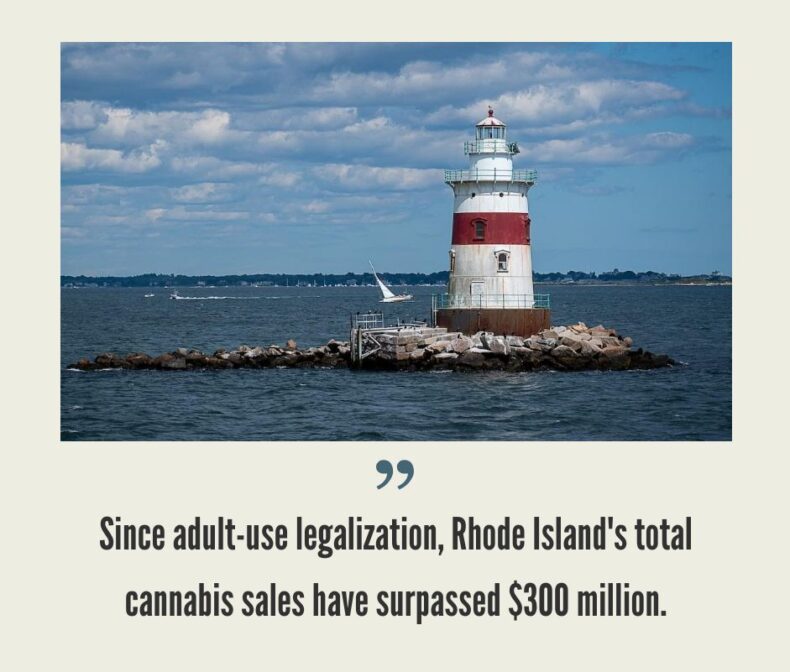
As of September 2025, adult-use sales have brought in about $238.08 million since their launch on December 1, 2022, while total medical and adult-use sales surpassed $300 million in July 2025. In 2023, adult-use sales were worth $74.26 million and grew by 26.7% to reach $94.09 million in 2024. From January to August 2025, they were worth $66.10 million – 6.7% up from the same period last year. According to the MJBiz Factbook, Rhode Island adult-use sales are projected to total $120 million for the whole of 2025.
Pre-packaged buds account for the majority of both medical and recreational cannabis sales (46% and 42%, respectively), followed by raw pre-rolls (18.5% and 20%) and vape cartridges (13.4% and 17%).
Rhode Island Cannabis Market Infographics
How Can Cannabusinessplans Templates Help Start or Grow Your Cannabis Business?
The majority of cannabis licensing programs require the submission of a business plan as part of the application for a cannabis license. Even if it is not mandated by law, a business plan is essential for securing funding and assisting an applicant in understanding how much money it will take to start a cannabis business and how much profit it could make.
A well-structured business plan can make all the difference in helping you demonstrate your proposed cannabis business’ compliance with regulations and its operational viability.
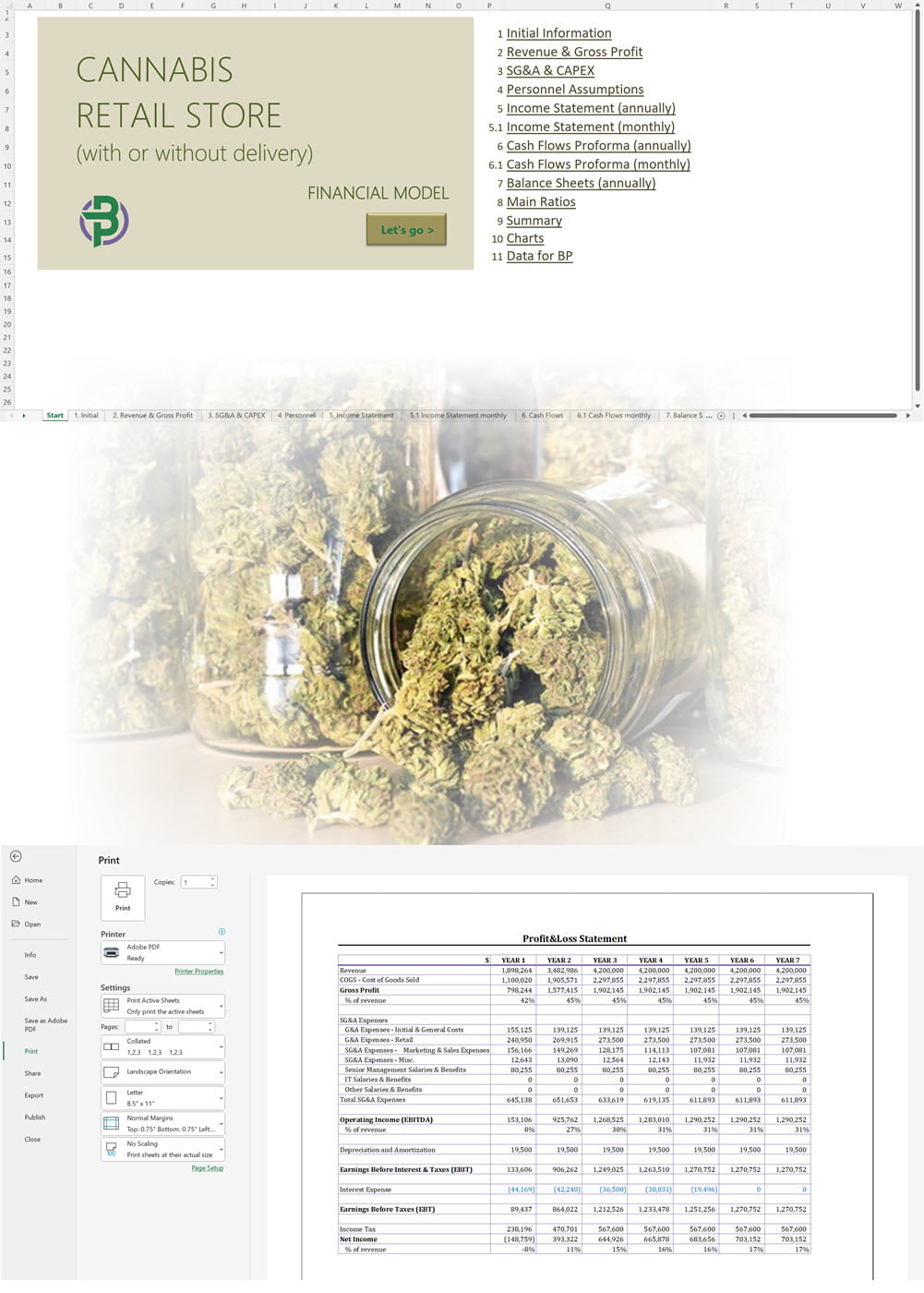
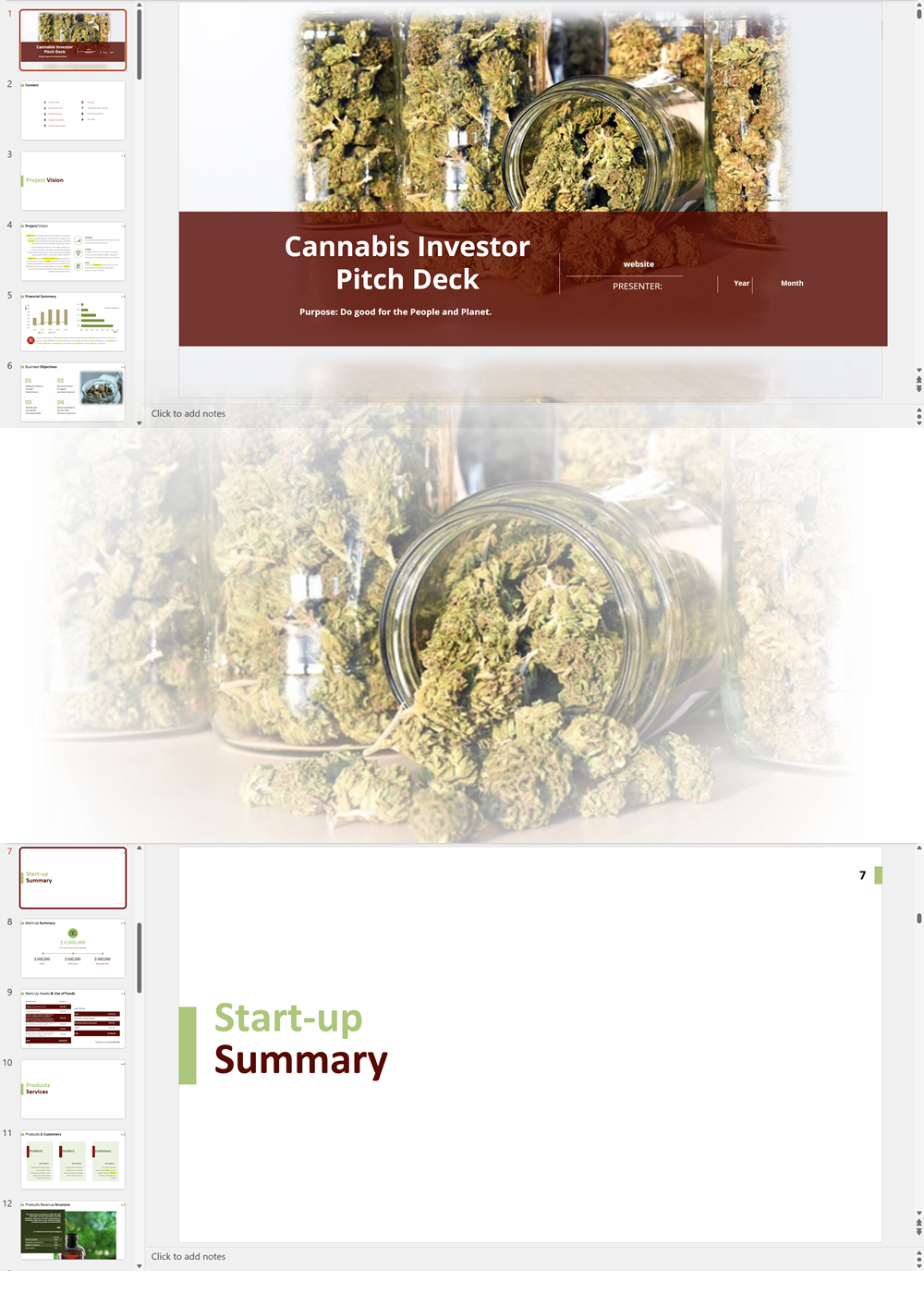
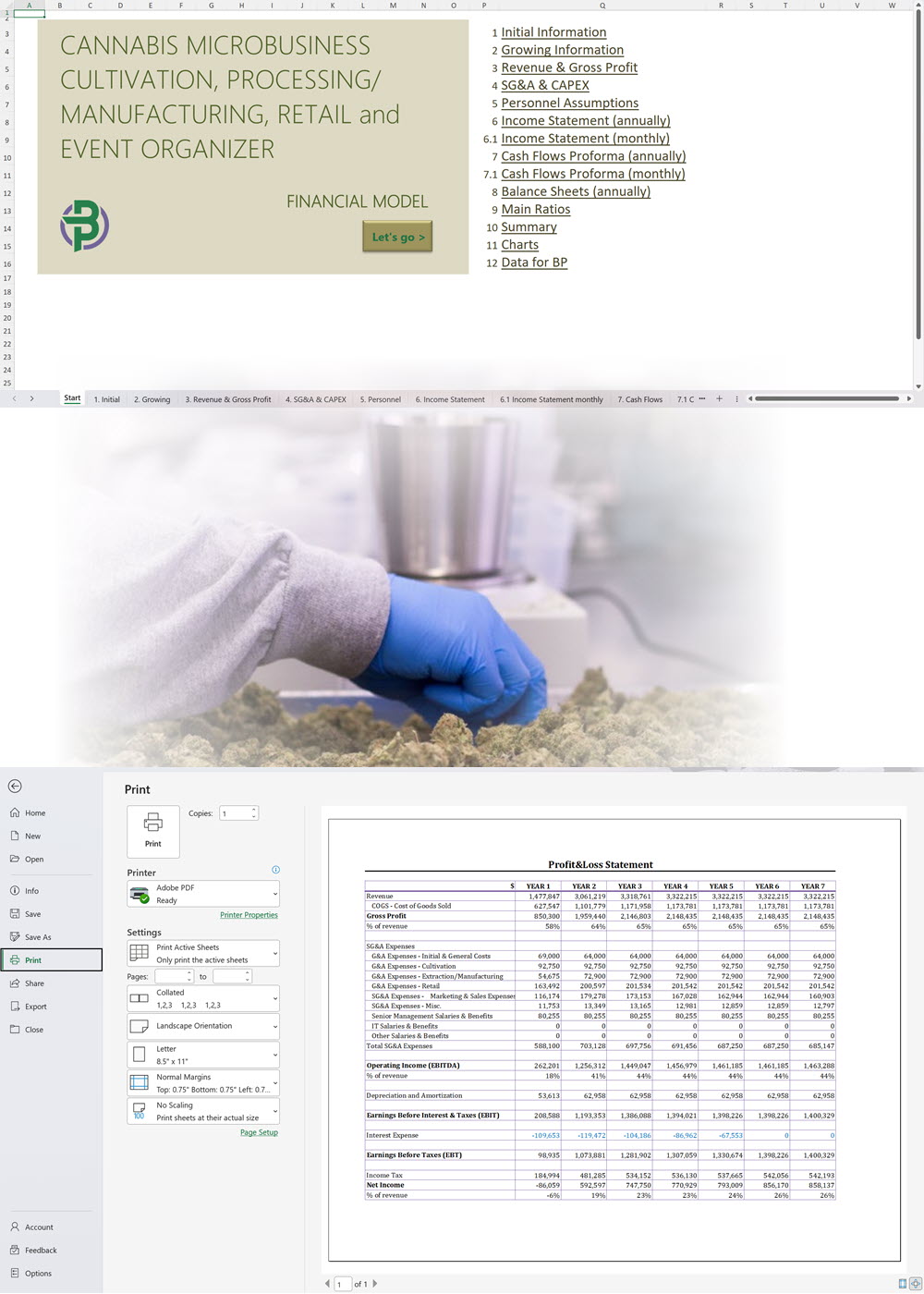
Our complete cannabis business plan template package is everything you need to create a professional business plan for a cannabis business with expert financials and projections. A complete cannabis business plan template package includes:
- Excel Financial Model: change variables and immediately see the impact, break down operational and capital costs, know how much it will take to get into the business and the potential profits.
- Word Business Plan: value proposition, market analysis, marketing strategy, operating plan, organizational structure, financial plan and more.
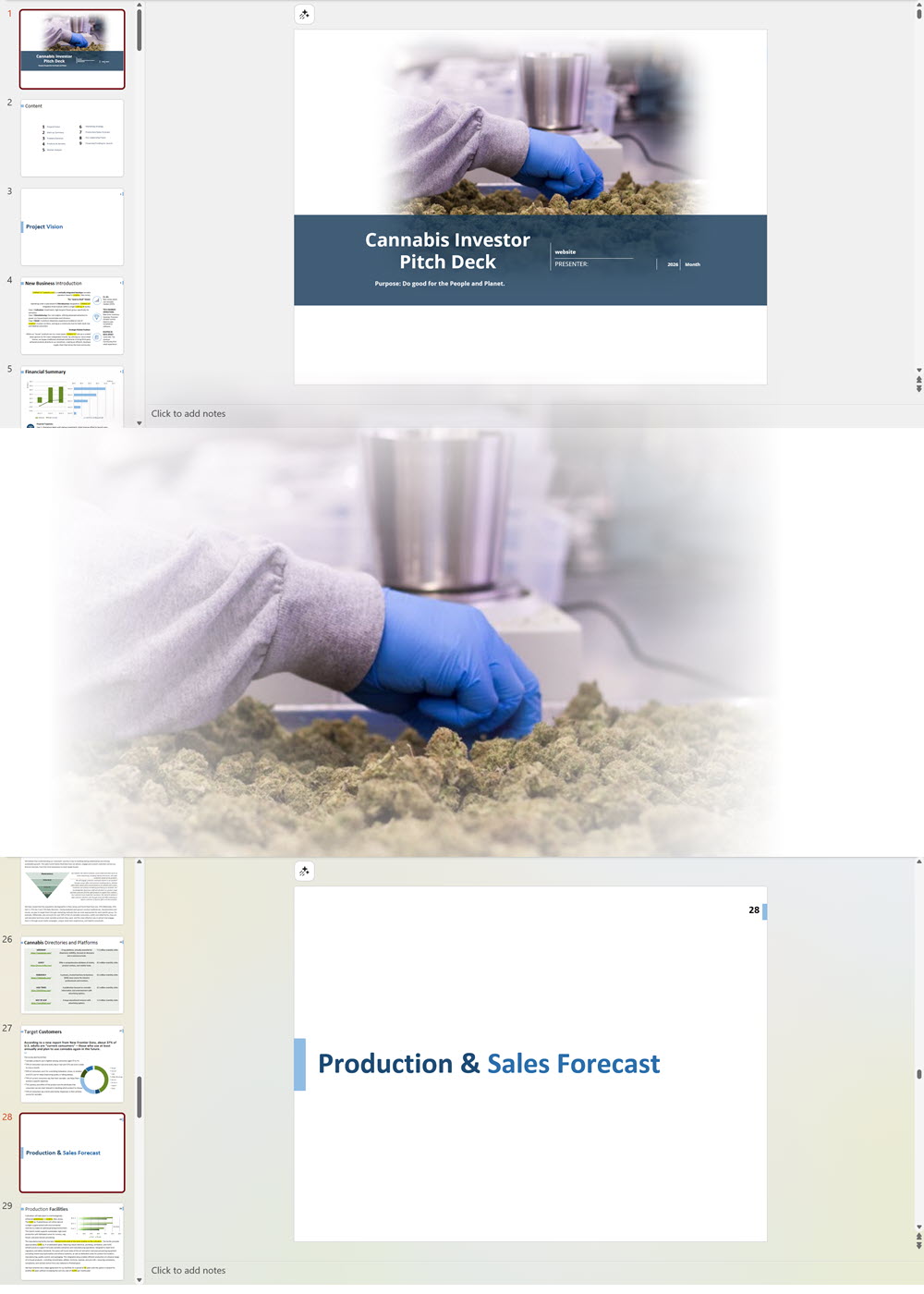
- PowerPoint Pitch Deck: provide a quick overview of your cannabis business plan.
'70% ready to go' business plan templates
Our cannabis financial models and cannabis business plan templates will help you estimate how much it costs to start and operate your own cannabis business, to build all revenue and cost line-items monthly over a flexible seven year period, and then summarize the monthly results into quarters and years for an easy view into the various time periods. We also offer investor pitch deck templates.
Cannabis Retail Business Plan Sample, Rhode Island

Best Selling Templates
-

Cannabis Cultivation Business Plan Template
Price range: $75.00 through $350.00 Select options This product has multiple variants. The options may be chosen on the product page -

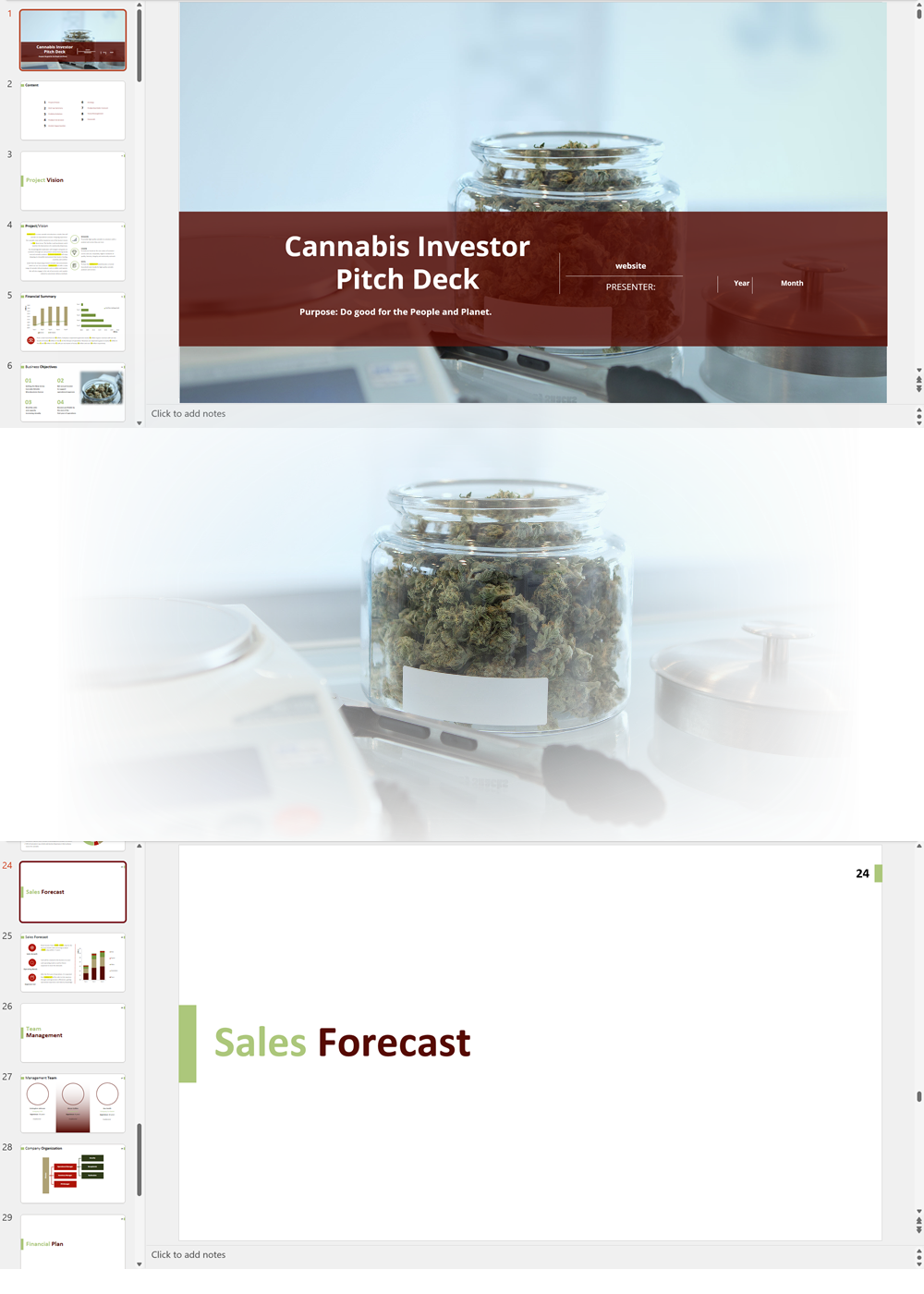
Cannabis Dispensary Investor Pitch Deck Template
$75.00 Select options This product has multiple variants. The options may be chosen on the product page -
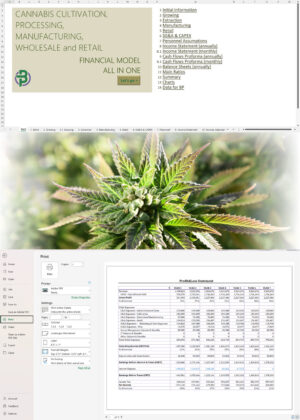
Cannabis Financial Model All in One
$250.00 Select options This product has multiple variants. The options may be chosen on the product page
Our Templates
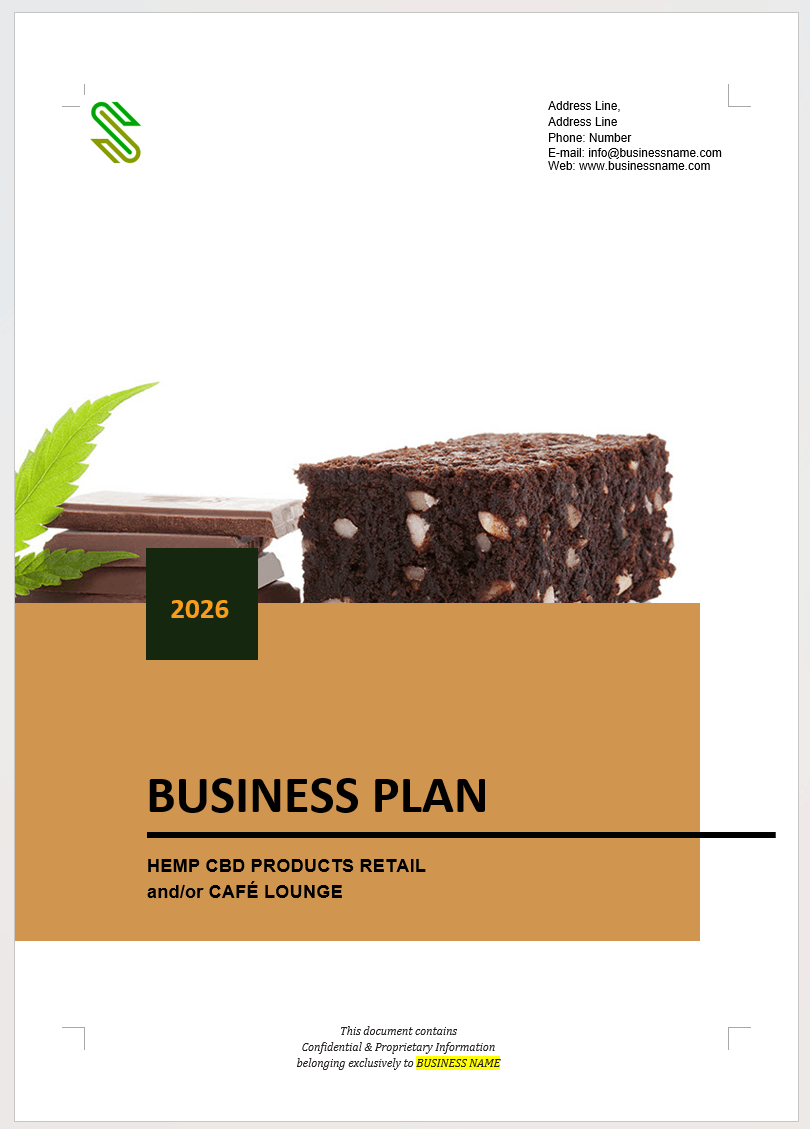
CBD Store and/or Cafe Lounge Business Plan Template
Price range: $75.00 through $275.00

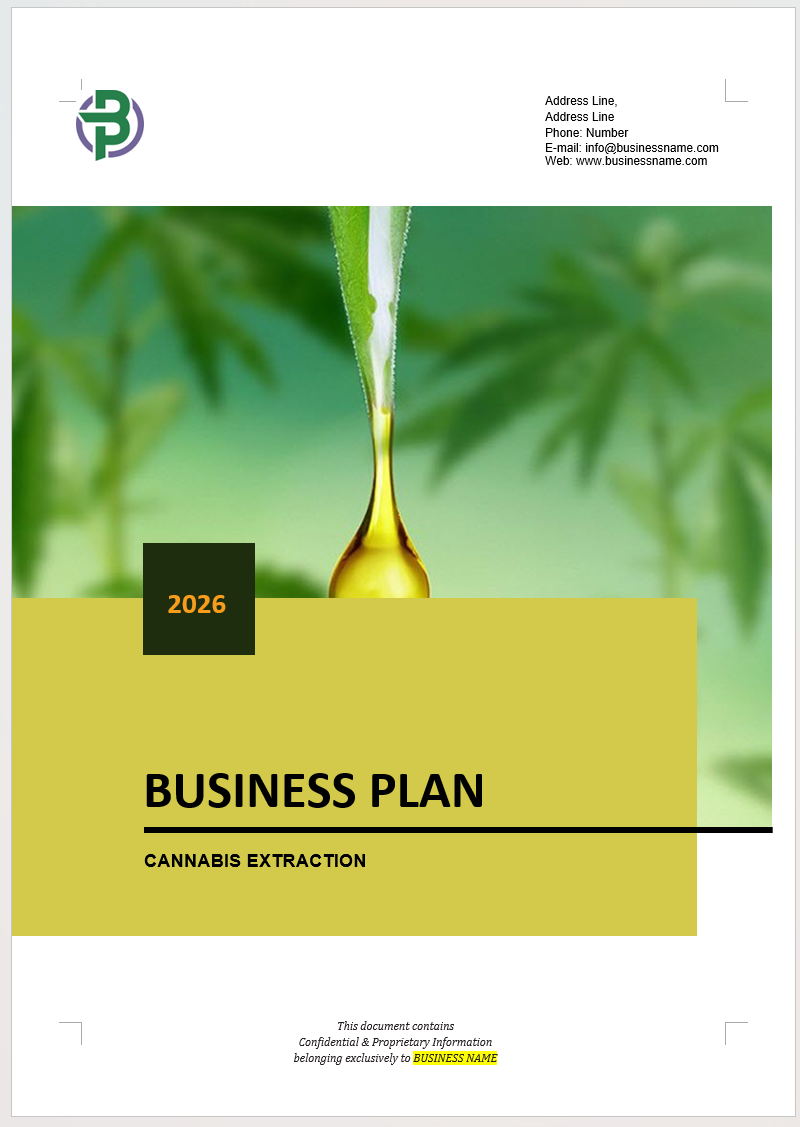
Cannabis Extraction / Concentrates Business Plan Template
Price range: $75.00 through $350.00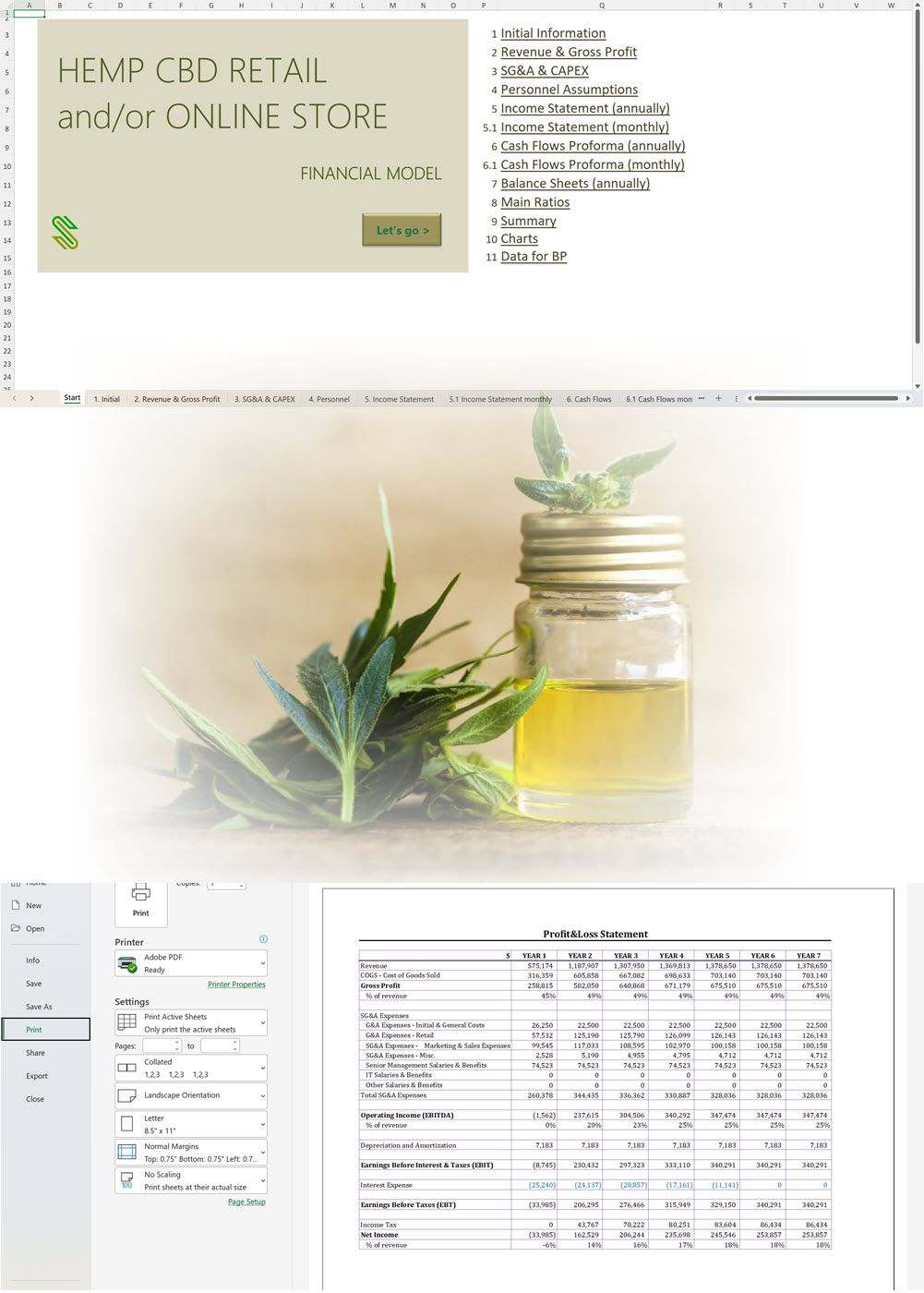
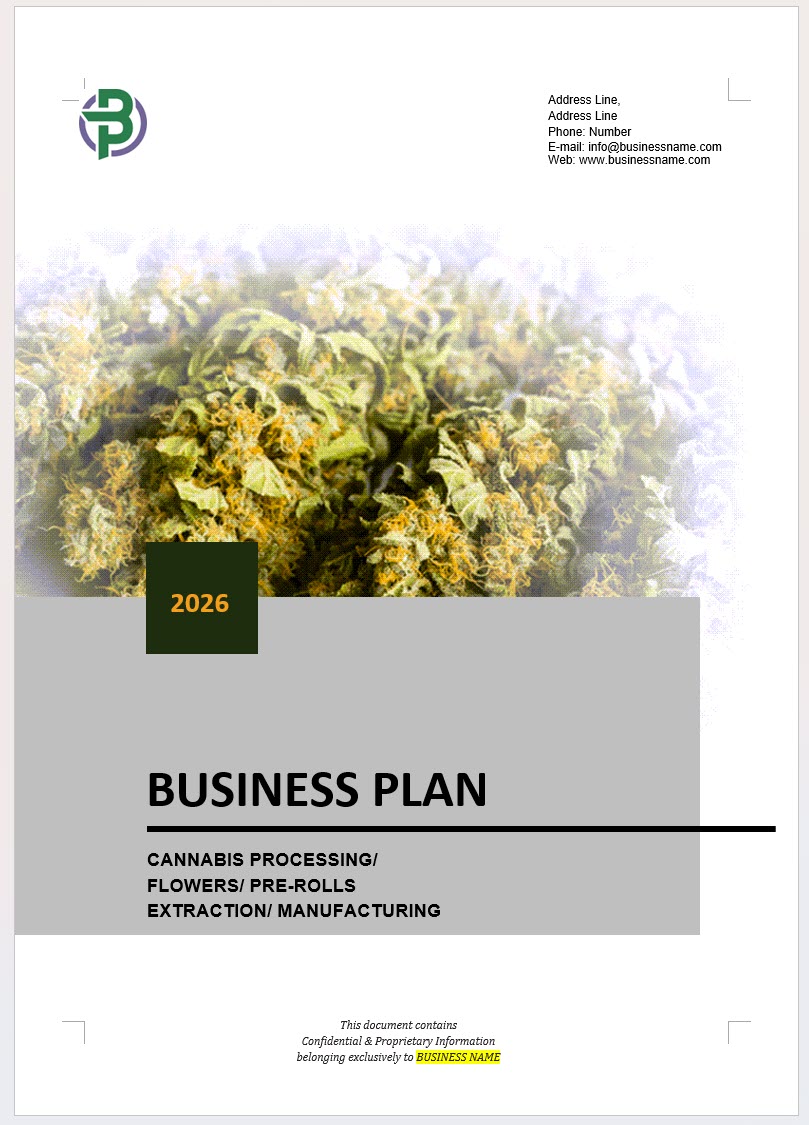
Cannabis Processing/ Flowers/ Pre-rolls/ Extraction/ Manufacturing Business Plan Template
Price range: $75.00 through $350.00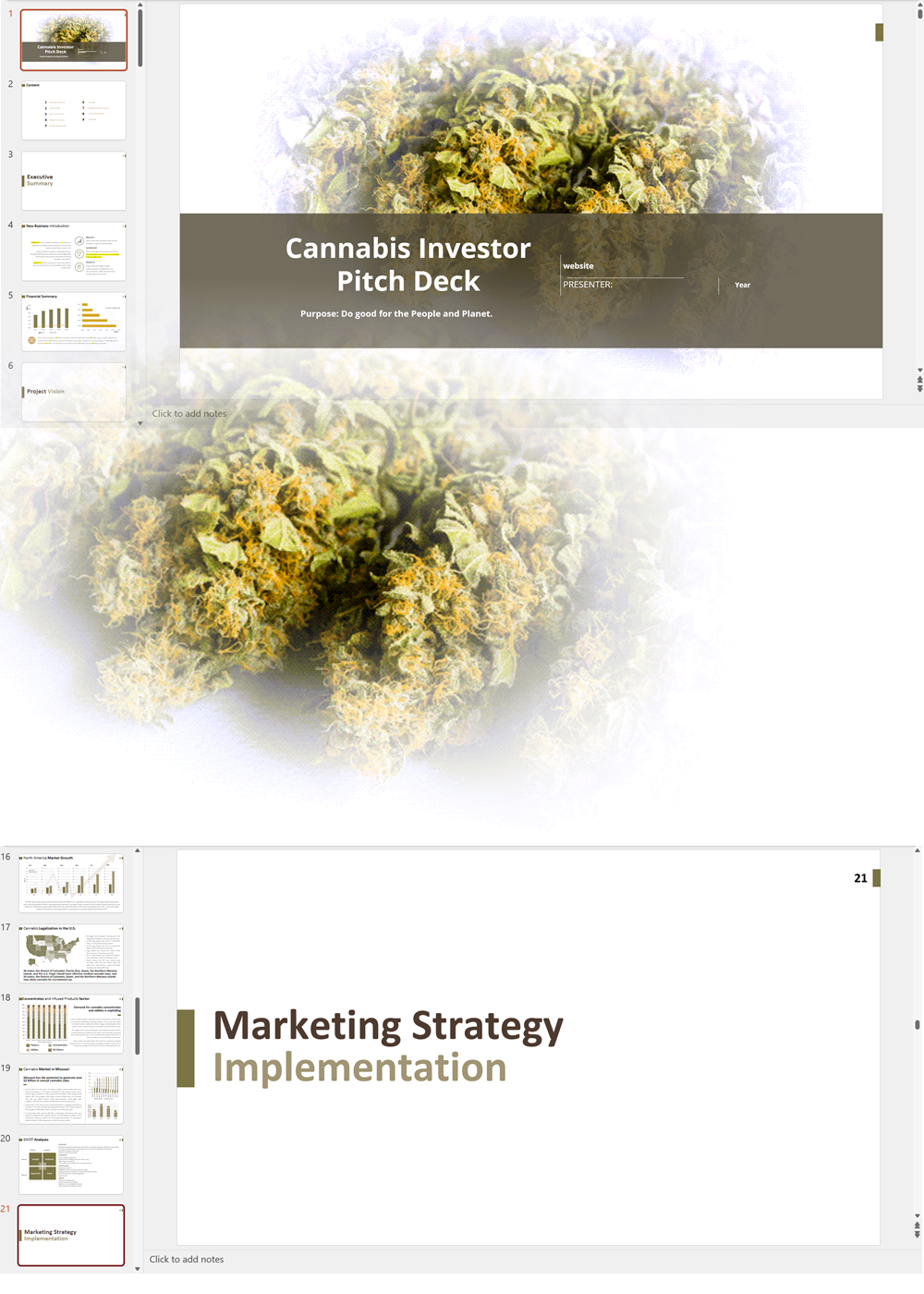

Cannabis Transportation Business Plan Template
Price range: $75.00 through $275.00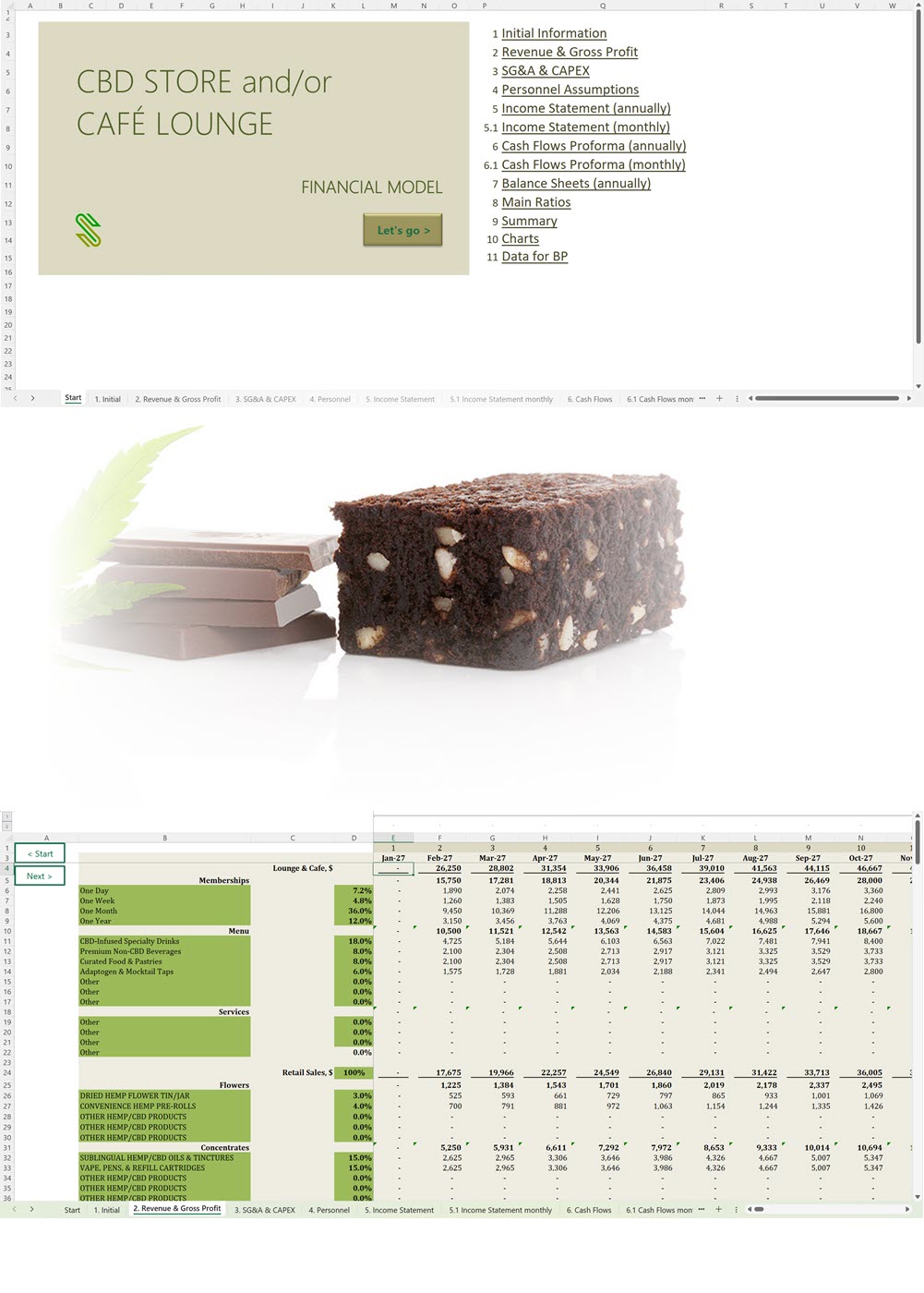
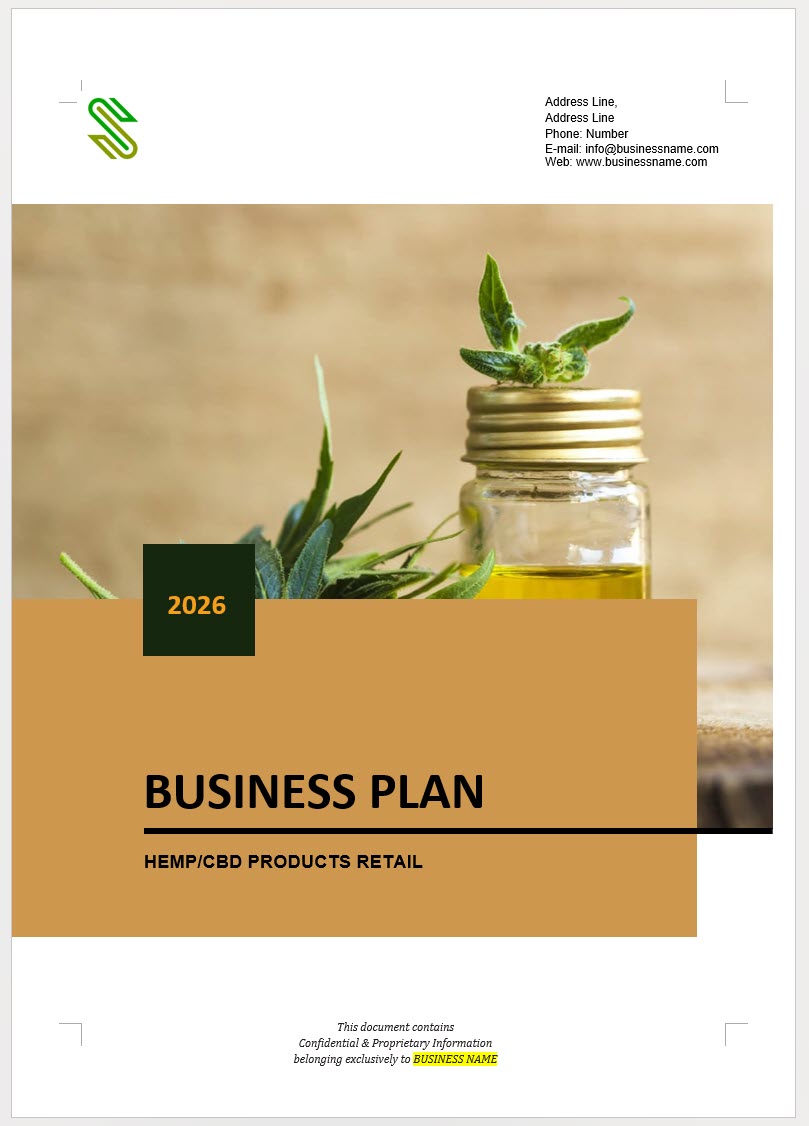
CBD Products Retail/Online Store Business Plan Template
Price range: $75.00 through $275.00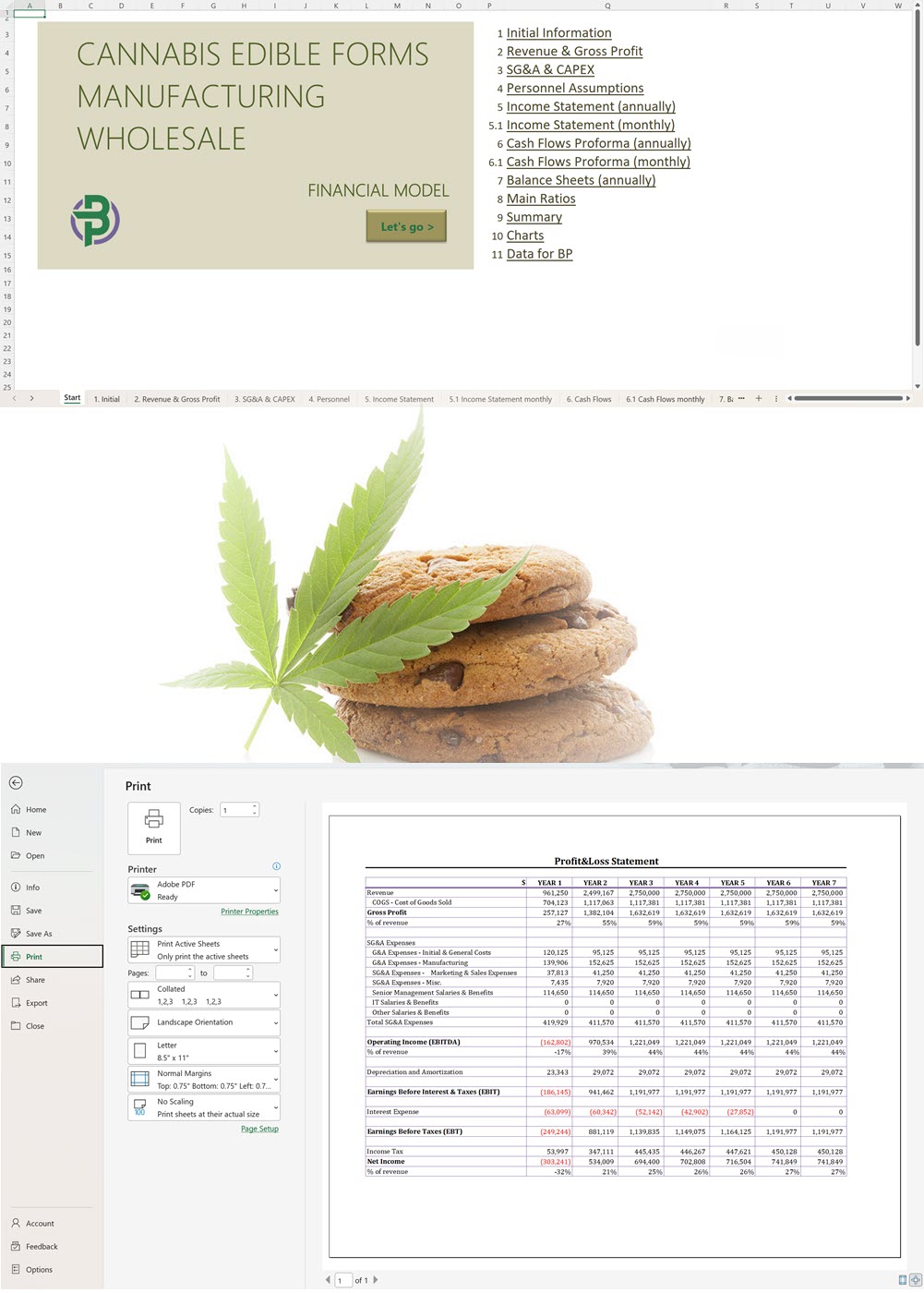
Cannabis Edibles Financial Model
$150.00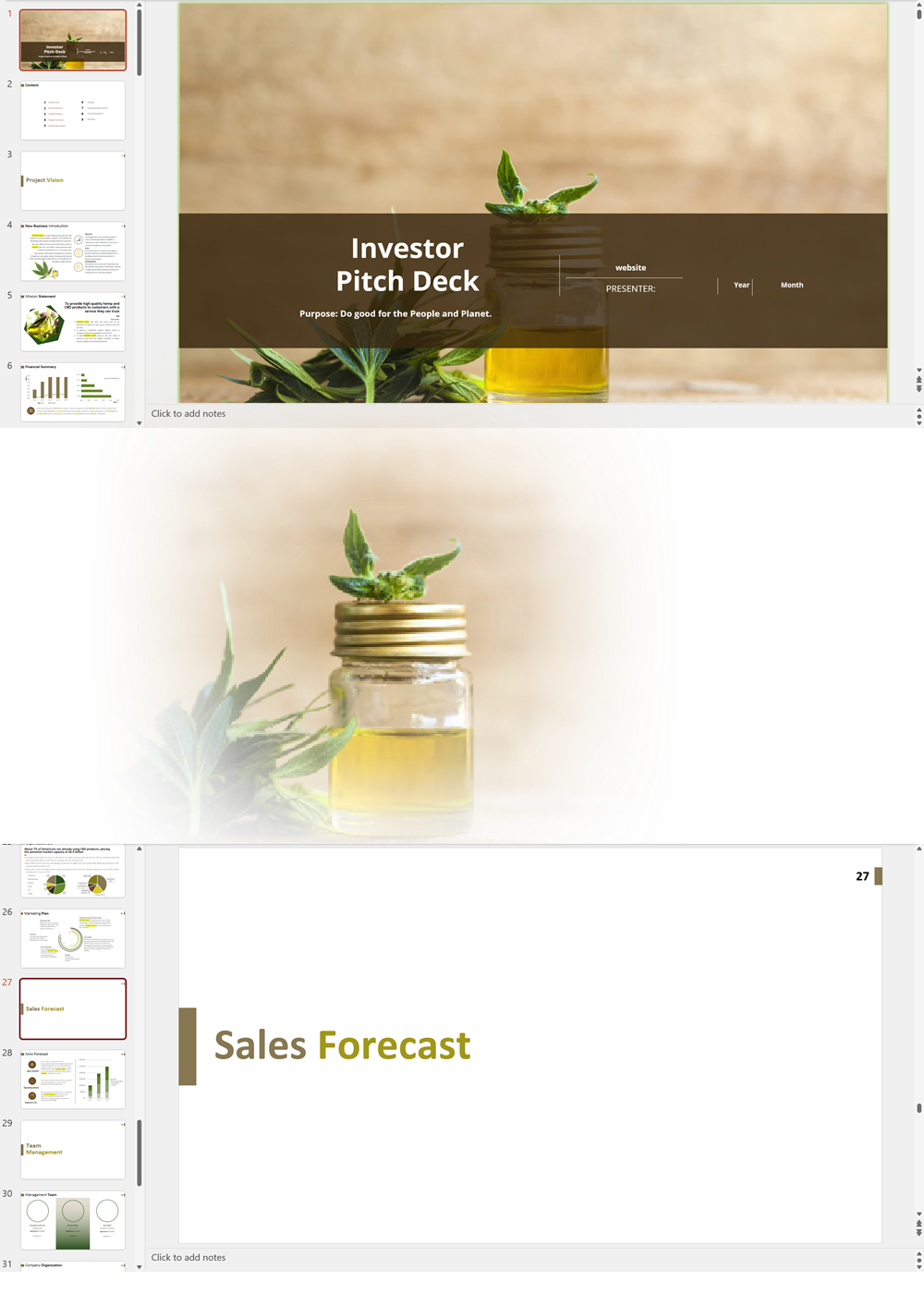
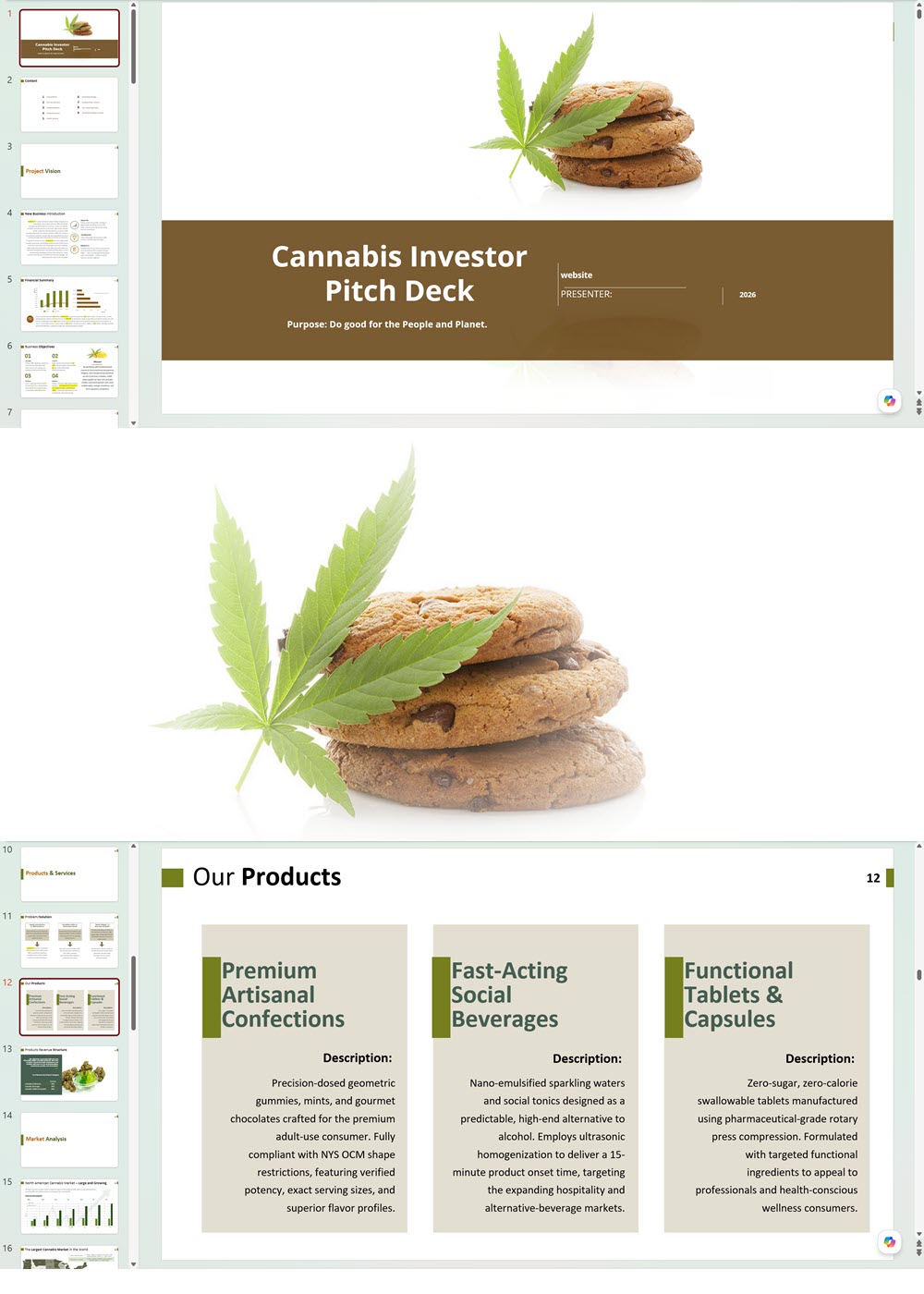
Cannabis Lounge + Retail Business Plan Template
Price range: $75.00 through $350.00
Cannabis Retail Business Plan Template (with or without Delivery)
Price range: $75.00 through $350.00
Cannabis Edibles Business Plan Template
Price range: $75.00 through $350.00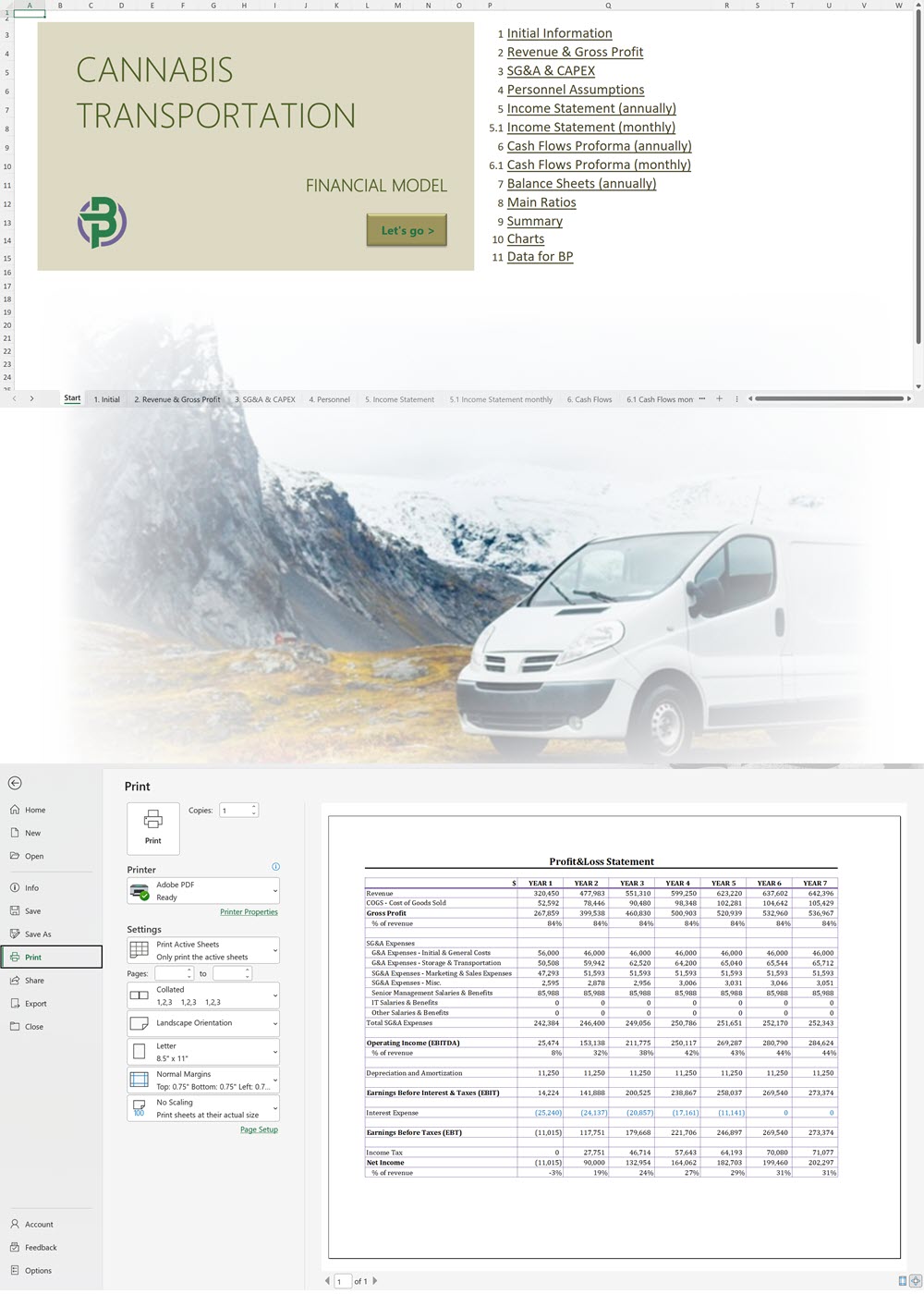
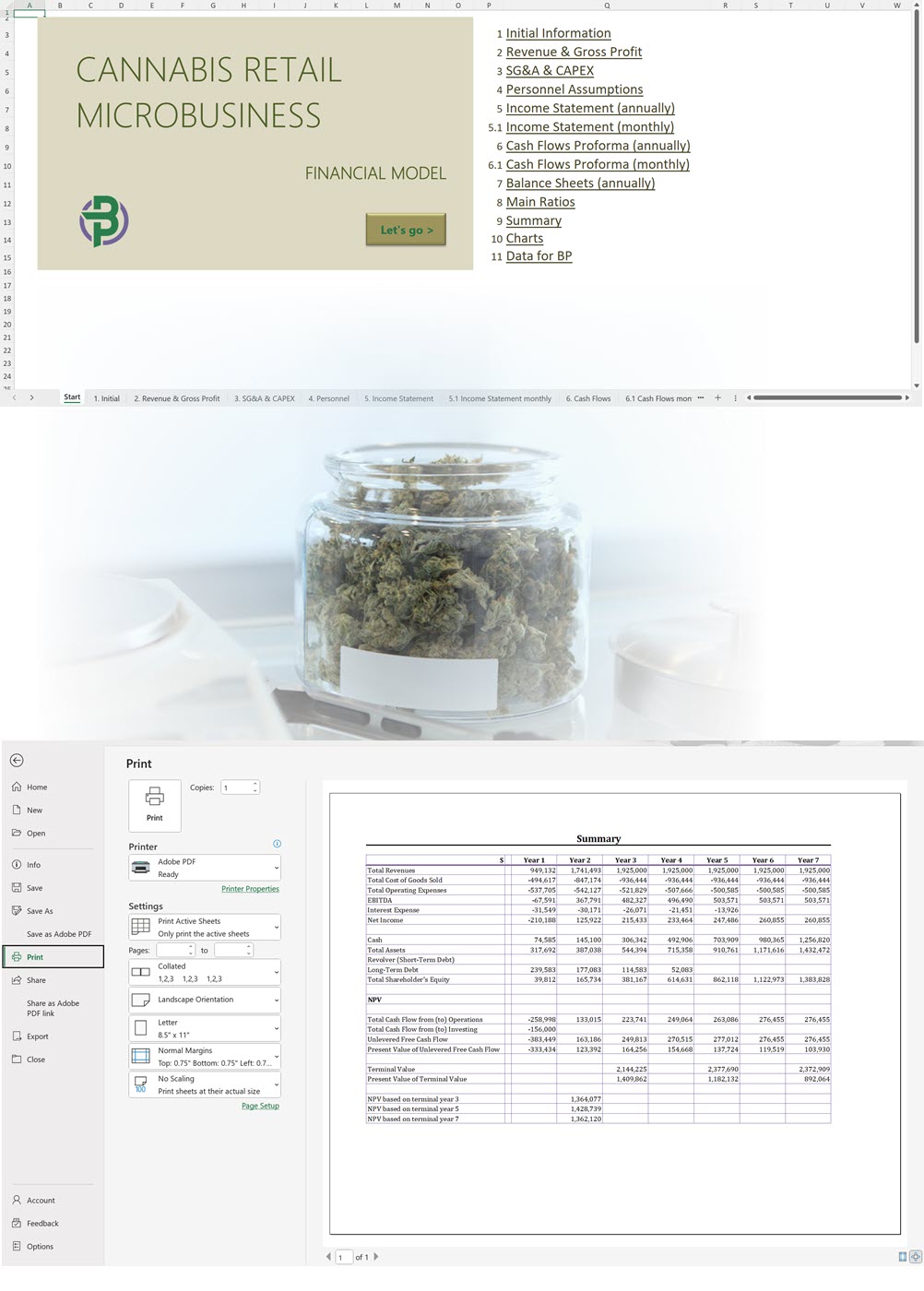
Cannabis Retail Microbusiness Business Plan Template
Price range: $75.00 through $275.00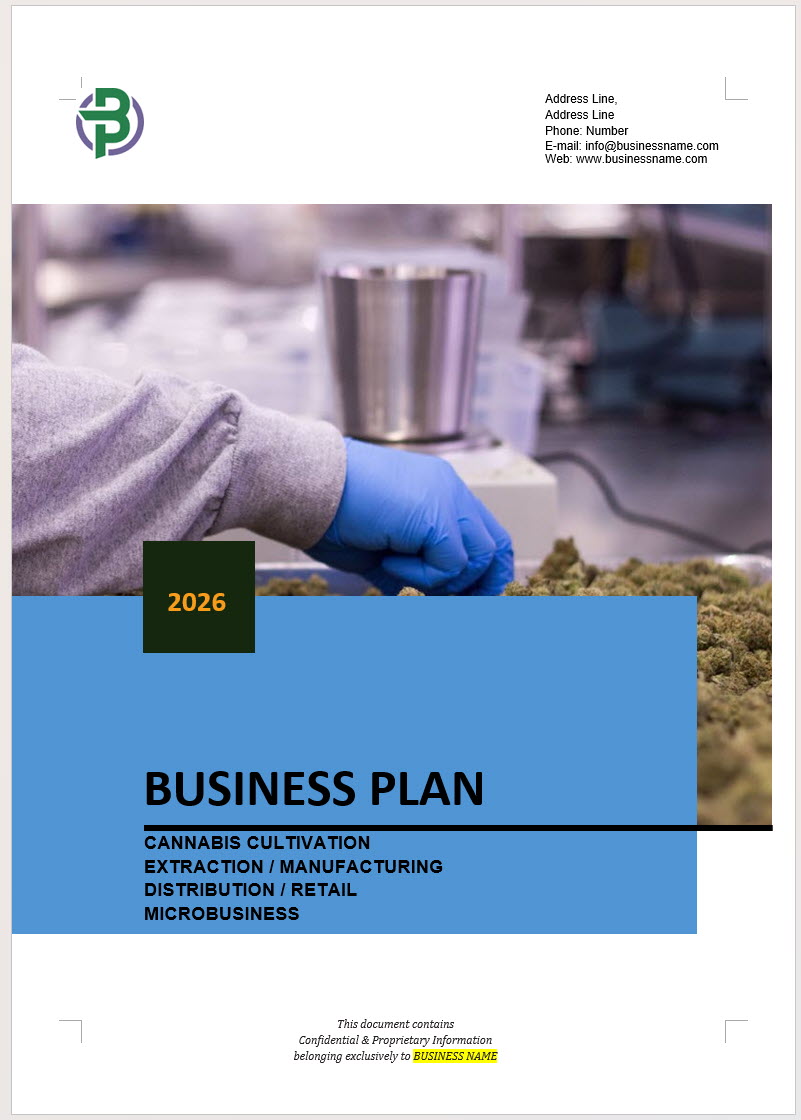
Cannabis Cultivation, Extraction, Manufacturing, Distribution, Retail and Microbusiness Business Plan Template
Price range: $75.00 through $500.00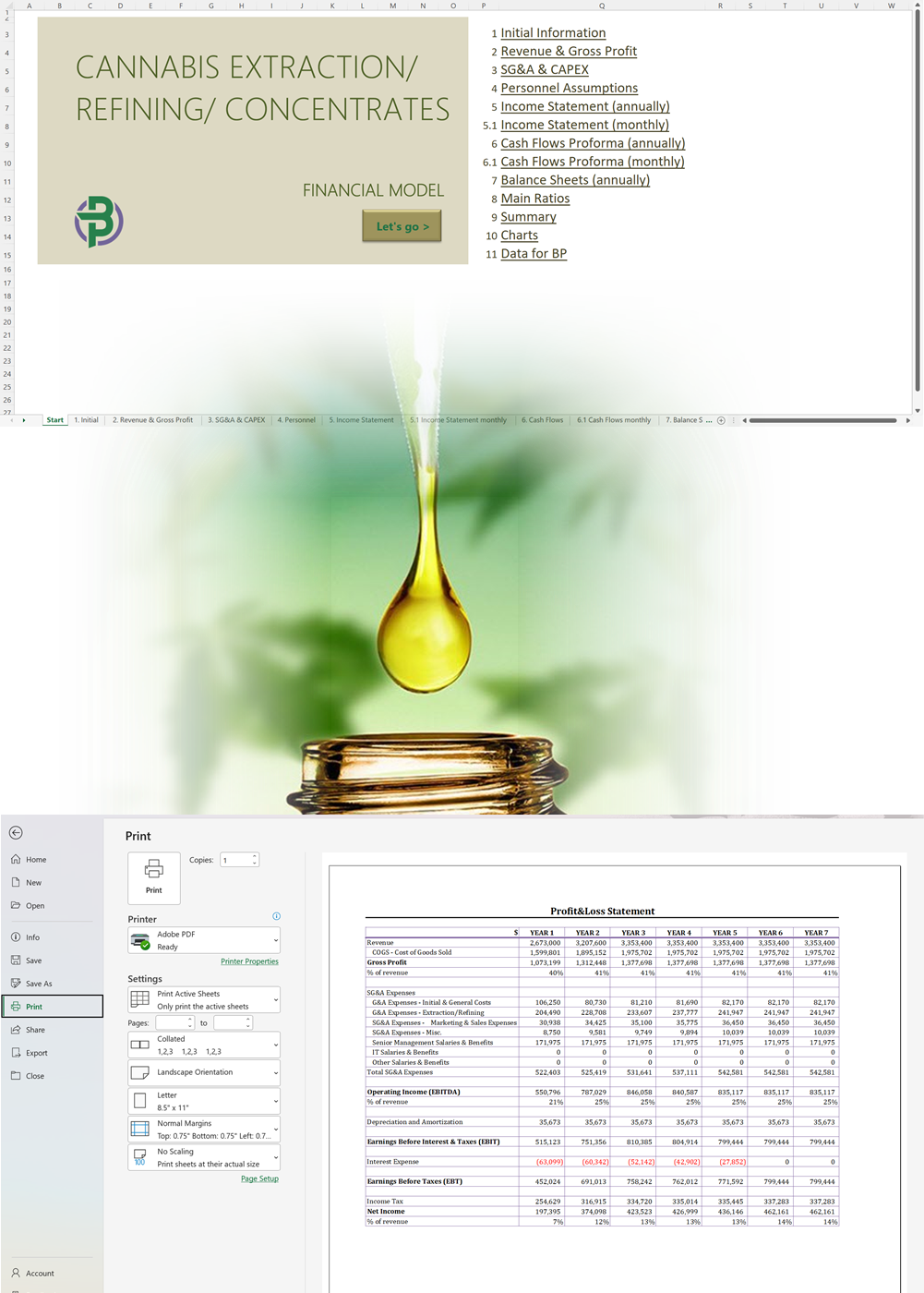

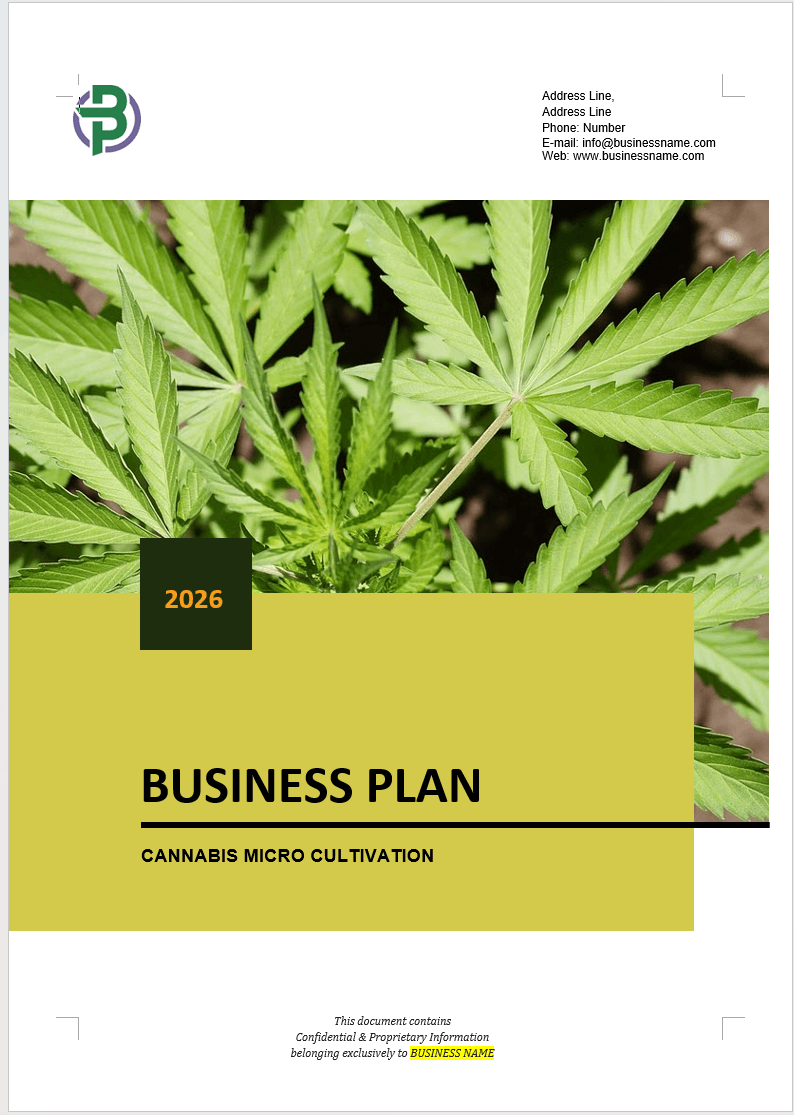
Cannabis Micro Cultivation Business Plan Template
Price range: $75.00 through $300.00