Key Takeaways
- Hemp Industry Regulations currently in force:
- Hemp: Tennessee Hemp Plan
- Hemp-Derived Cannabinoids: TDA Final Rules for Hemp and HDC
- Licenses available:
- Hemp Producer (to grow and sell harvested hemp as an unprocessed commodity to wholesalers and distributors)
- Hemp-Derived CBD Supplier (to manufacture and distribute HDC products to retailers)
- Hemp-Derived CBD Retail (to sell HDC products to consumers)
- Products legal:
- In Tennessee, from December 26, 2024, hemp products containing less than 0.3% of delta-9 THC are legal. Hemp-derived CBD products are legal if they contain less than 0.3% total THC, demonstrated through a post-decarboxylation testing method. Hemp-derived CBD products can only be sold by appropriately licensed retailers to consumers aged 21 years or older.
- Taxes:
- Effective July 1, 2023, Tennessee imposed a new 6% sales and use tax on the retail price of products containing hemp-derived cannabinoid. The 6% tax is in addition to the standard 7% sales and use tax and any applicable local option sales tax.
Tennessee Hemp Legalization
Federal and state laws require Tennessee industrial hemp growers to be licensed through the Tennessee Department of Agriculture’s (TDA) industrial hemp program. It remains illegal to grow hemp in Tennessee without a license.
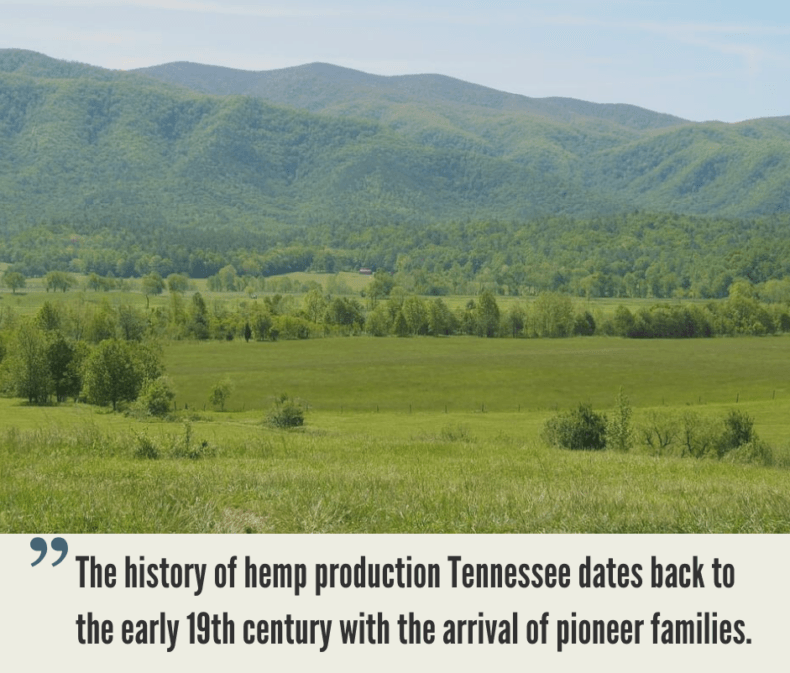
The history of hemp production in Tennessee dates back to the early 19th century with the arrival of pioneer families. According to the U.S. Census 1850, Tennessee produced 454 tons of dew-rotted hemp and 141 tons of water-rotted hemp.
In 2014, the Tennessee General Assembly passed Public Chapter 916 which established a licensing program for hemp producers. Since 2015, Tennessee participants of the Industrial Hemp Agricultural Pilot Program have produced industrial hemp for fiber, grain and cannabinoids.
House Bill No. 1164, passed in 2017, states that industrial hemp must not have more than 0.3% delta-9 THC, including any hemp-derived products such as topical or ingestible consumer products. This law also required growers to be licensed by the TDA.
Tennessee’s hemp regulations were then amended in 2019 by Public Chapter 87, bringing the state’s law on hemp in line with federal regulations after the approval of the 2018 Farm Bill. Public Chapter 87 also authorized the Tennessee Commissioner of Agriculture to regulate the state’s hemp program and outlined the requirements for obtaining a hemp license.
The Tennessee Department of Agriculture’s (TDA) 2021 hemp plan was approved by the USDA in 2020, positioning the department to implement new federal standards. The Tennessee State Hemp Plan was approved by the USDA in December 2021. Tennessee hemp processors no longer need to register with the state Department of Agriculture, and hemp producers can now apply to grow the crop year-round under new rules for the industry.
On May 11, 2023, Senate Bill 378 was signed into law. It established new regulations for the production and sale of hemp-derived CBD, including products containing delta-8 and delta-10 THC. The new law took effect from July 1, 2023, prohibiting the sale of hemp-derived CBD products to individuals younger than 21, requiring CBD products to be stored behind a retail counter and introducing a 6% tax on the sale of CBD products. Additionally, new product testing and packaging requirements were created for hemp-derived CBD products.
Any individuals who wish to manufacture or sell hemp-derived CBD products (HDC) must have obtained a license for these activities from the TDA by July 1, 2024. The TDA was responsible for establishing formal hemp rules by July 2024.
Emergency rules, which went into force on July 1, 2024, establish a licensing program so TDA could accept applications for retailers and suppliers of hemp-derived CBD products. TDA planned to issue licenses from July 1 to September 30 of 2024 and start to enforce the license requirements from October 1, 2024.
On September 27, 2024, the TDA established final permanent rules for hemp and hemp-derived cannabinoid products. In addition to the rules imposed by Senate Bill 378, these regulations also require hemp-derived CBD products to contain less than 0.3% total THC (amount of THCA and delta-9 THC combined), shown by a post-decarboxylation test. These rules became effective on December 26, 2024. According to the Tennessean, products containing THCA are the most popular in Tennessee, being 85% of all retail sales which makes this new requirement especially important for Tennessee’s hemp industry.
What Types of Hemp Products are Legal in Tennessee
In Tennessee, from December 26, 2024, hemp products containing less than 0.3% of delta-9 THC are legal. Hemp-derived CBD products are legal if they contain less than 0.3% total THC (amount of THCA and delta-9 THC combined), demonstrated through a post-decarboxylation testing method. Hemp-derived CBD products can only be sold by appropriately licensed retailers to consumers aged 21 years or older. It is important to note that delta-8 and delta-10 remain legal in the state, provided they have less than 0.3% total THC post-decarboxylation.
Hemp CBD Taxes In Tennessee
Effective July 1, 2023, Tennessee imposed a new 6% sales and use tax on the retail price of products containing hemp-derived cannabinoid. The 6% tax is in addition to the standard 7% sales and use tax and any applicable local option sales tax.
Hemp Licenses Available in Tennessee
All hemp licenses are issued by the TDA.
A hemp producer license can be issued to an individual who wishes to be a hemp producer, a hemp broker or a hemp propagator:
- A hemp producer cultivates hemp for harvesting.
- A hemp broker purchases and sells hemp plants grown by others.
- A hemp propagator produces clones or seedlings for retail sale.
Annual license fee:
- Cumulative growing areas less than 5 acres: $250
- Cumulative growing areas between 5 to 20 acres: $300
- Cumulative growing areas of more than 20 acres: $350
- Propagator/Broker: $300
License period: The license expires on June 30 of the licensing cycle for which it was issued.
An HDC supplier license allows to manufacture and distribute an HDC product to retailers.
Annual license fee: $500
License period: The license expires on June 30 of the licensing cycle for which it was issued.
An HDC retail license allows to sell HDC products to consumers.
Annual license fee: $250
License period: The license expires on June 30 of the licensing cycle for which it was issued.
Note: License fees are waived for University establishments.
Application and other requirements:
Licensing Process:
- Submit a complete application for each physical address, with the required information and the relevant license fee.
- An invoice will be sent to the email address stated on the application with a web link to pay the license fee.
- If the application is approved by the TDA, the applicant will be granted a hemp producer license.
The link to the Hemp Producer Application can be found here.
Information required to be submitted with the application includes:
- The applicant’s name.
- Date of birth of any applicant who is an individual or partner in a general partnership.
- If the applicant is a business entity, proof of registration in its state of incorporation.
- Contact information of the applicant, including the name of the person legally responsible for applicant’s operations, telephone number, email address and address of principal place of business.
- Aerial map of each physical address.
- Address of the proposed establishment location.
- Acreage and perimeter description for each growing area in the proposed establishment location.
- GPS coordinates for the central most point of each growing area at the proposed establishment location.
- A nationwide criminal background check, facilitated by the Tennessee Bureau of Investigation, for the person who is legally responsible for the applicant’s operations.
Renewal process:
Each year, by June 30th, the applicant must submit a complete application along with the relevant license fee, map and an updated criminal background check for the person legally responsible for the applicant’s operations. The license fee must be paid by July 16, or a late charge will apply under T.C.A. § 43-1-703.
After Obtaining the License:
- The applicant must report hemp crop acreage to the USDA Farm Service Agency, including street location, GPS location of where hemp is grown, acreage dedicated to production and license number.
- For transportation of hemp, a copy of producer’s license and certificate of analysis for the applicable hemp is required.
Licensing Process:
- Submit a complete application.
- An email will be sent to the email address stated on the application, guiding the applicant to log into TDA’s secure portal and upload the required documents.
- TDA will review the documents for final approval and once approved, an email will be sent to the applicant with an invoice for the license fee. This email will guide the applicant to log into TDA’s secure portal to submit the payment.
- Once the invoice is paid, a digital permit will be sent to the applicant by email.
Information required to be submitted with the application includes:
- The applicant’s name.
- Date of birth of any applicant who is an individual or partner in a general partnership.
- If the applicant is a business entity, proof of registration in its state of incorporation.
- Contact information of the applicant, including the name of the person legally responsible for applicant’s operations, telephone number, email address and address of principal place of business.
- Address of the proposed establishment location.
- Proof of registration with the Tennessee Department of Revenue.
- A nationwide criminal background check, facilitated by the Tennessee Bureau of Investigation, for the person who is legally responsible for the applicant’s operations.
Renewal process:
Each year, by June 30th, the applicant must submit a complete application along with the relevant license fee and an updated criminal background check for the person legally responsible for the applicant’s operations.
Licensing Process:
- Submit a complete application for each retail location.
- An email will be sent to the email address stated on the application, with a prompt for the applicant to log into TDA’s secure portal and upload the required documents.
- TDA will review the documents for final approval and once approved, an email will be sent to the applicant with an invoice for the license fee. This email will also contain a prompt to log into TDA’s secure portal to submit the payment.
- Once the invoice is paid, a digital permit will be sent to the applicant by email.
Information required to be submitted with the application includes:
- The applicant’s name.
- Date of birth of any applicant who is an individual or partner in a general partnership.
- If the applicant is a business entity, proof of registration in its state of incorporation.
- Contact information of the applicant, including the name of the person legally responsible for applicant’s operations, telephone number, email address and address of principal place of business.
- A map showing the business location in relation to the nearest private school, public school or charter school.
- Address of the proposed establishment location.
- Proof of registration with the Tennessee Department of Revenue.
- A nationwide criminal background check, facilitated by the Tennessee Bureau of Investigation, for the person who is legally responsible for the applicant’s operations.
Renewal process:
Each year, by June 30th, the applicant must submit a complete application along with the relevant license fee and an updated criminal background check for the person legally responsible for the applicant’s operations.
Tennessee Hemp Industry Stats
Initially, there was a great increase in the number of hemp producers. According to The Tennessean, the state had 44 licensed growers in 2015, 64 in 2016, 117 in 2017 and 226 in 2018. This number surged to 3,957 in 2019, nearly 18 times the number in 2018.
The licensed hemp acres followed a similar pattern. According to Vote Hemp, 3,338 acres of hemp were grown in Tennessee in 2018 compared to 200 acres in 2017. In 2019, there was a jump to 51,000 licensed acres. In 2020, the state licensed 1,852 producers to grow about 15,722 acres of hemp, of which 4,836 acres were planted.
The significant fall in licensed hemp acreage in 2021 and 2022 occurred due to the oversupply and market correction across the industry and continued in 2023, with just 320 licensed hemp producers and 1,122 licensed hemp acres in Tennessee, according to the TDA.
As of October 2024, there were 220 licensed hemp producers according to the TDA.
The 6% hemp tax, which became effective from July 2023, by October 2024 had already generated $12.5 million in tax revenue.
Tennessee Hemp Industry Infographics
Hemp-derived CBD Products Manufacturing, Distribution and Retail Business Plan Sample, Tennessee
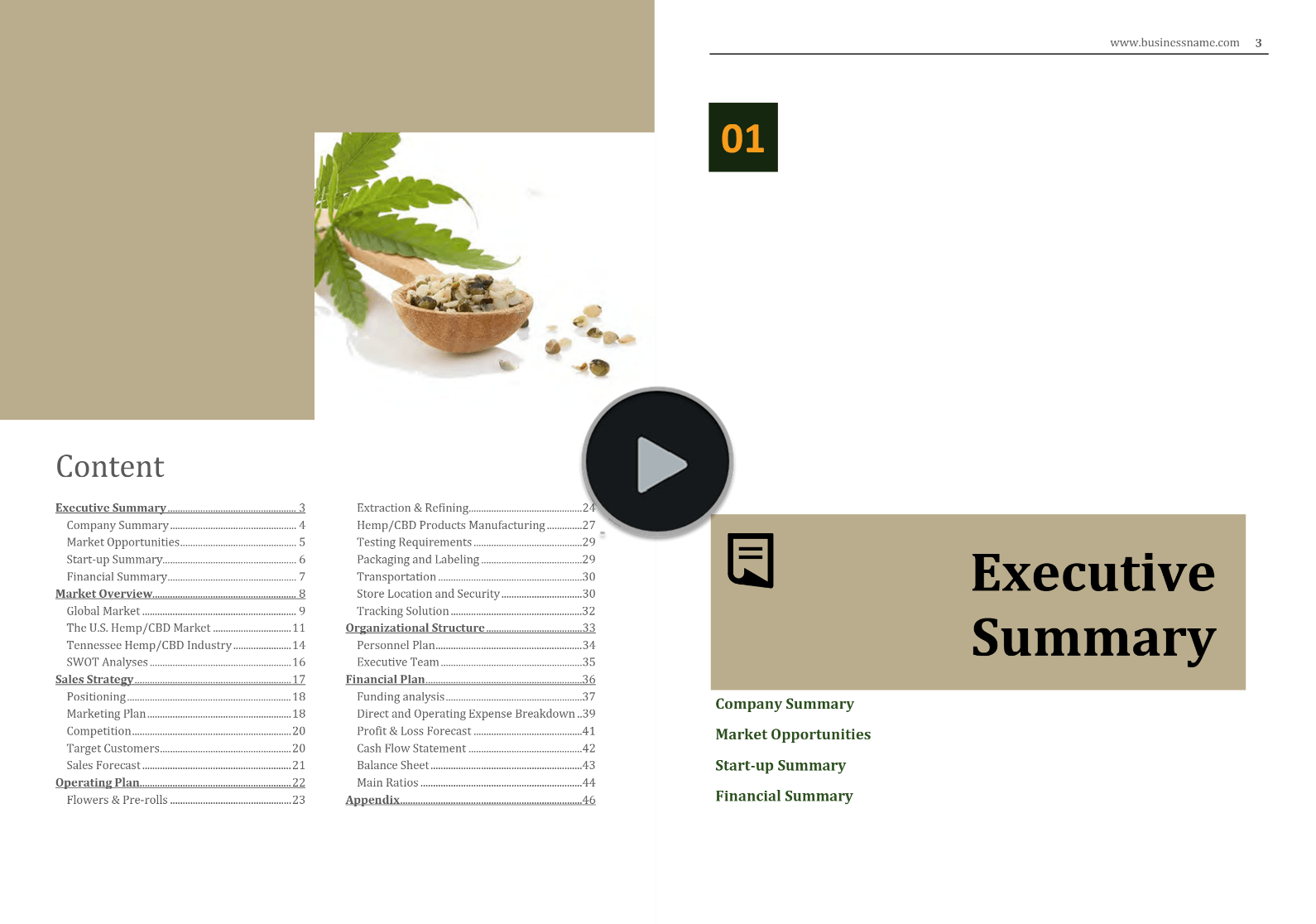
'70% ready to go' business plan templates
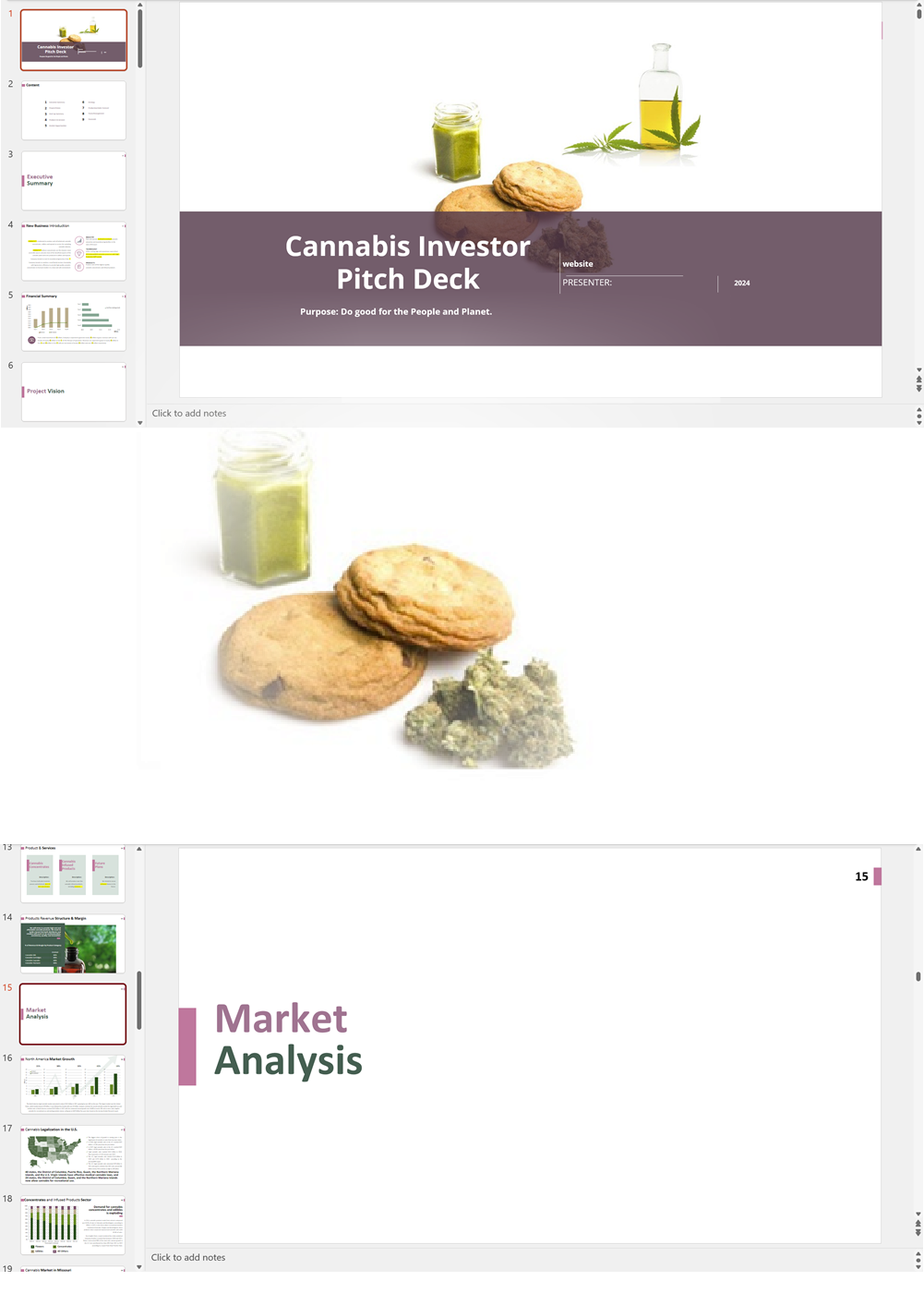
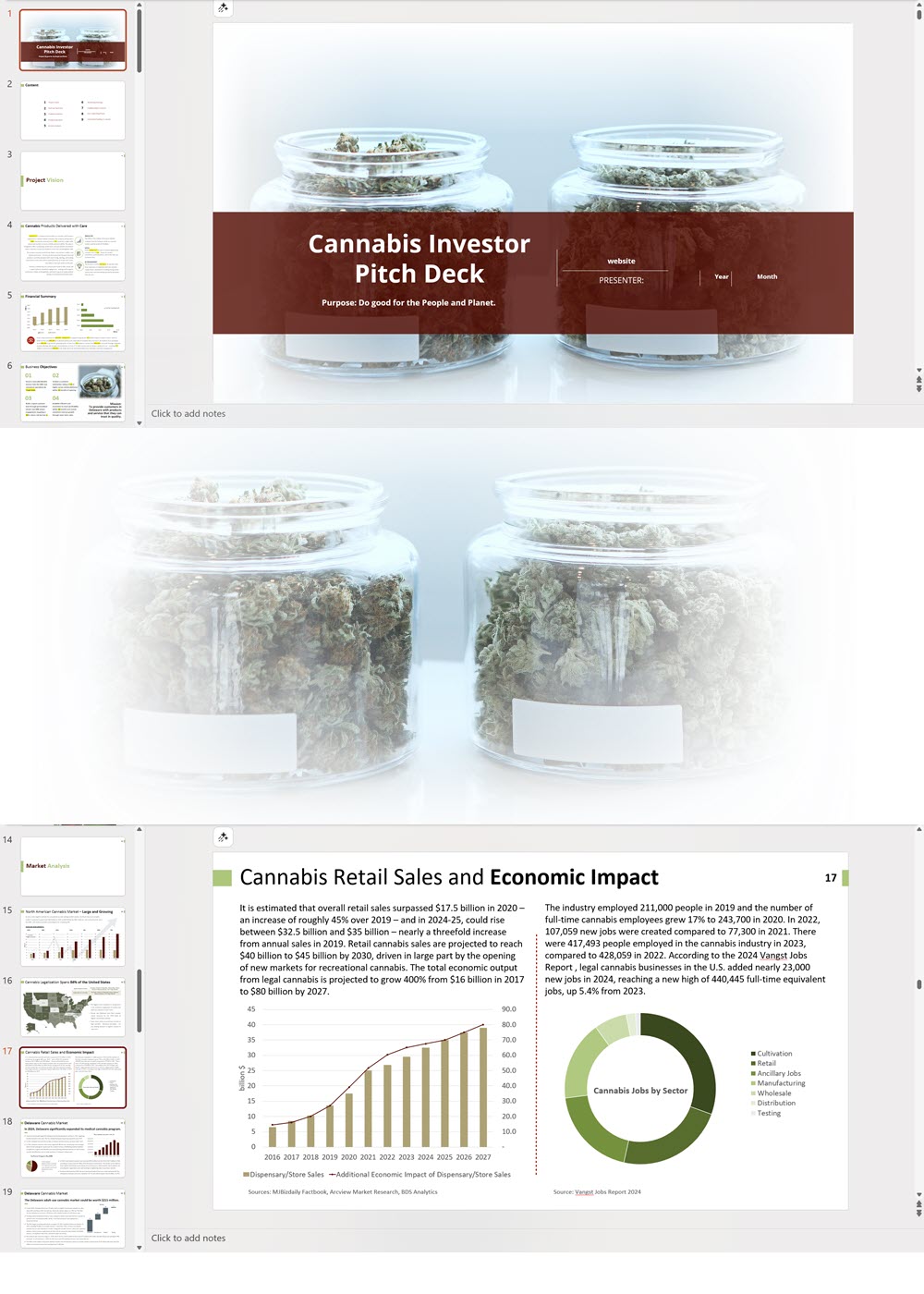
Our cannabis financial models and cannabis business plan templates will help you estimate how much it costs to start and operate your own cannabis business, to build all revenue and cost line-items monthly over a flexible seven year period, and then summarize the monthly results into quarters and years for an easy view into the various time periods. We also offer investor pitch deck templates.
Best Selling Templates
-

Cannabis Cultivation Business Plan Template
Price range: $75.00 through $350.00 Select options This product has multiple variants. The options may be chosen on the product page -

Cannabis Dispensary Investor Pitch Deck Template
$75.00 Select options This product has multiple variants. The options may be chosen on the product page -
Cannabis Financial Model All in One
$250.00 Select options This product has multiple variants. The options may be chosen on the product page
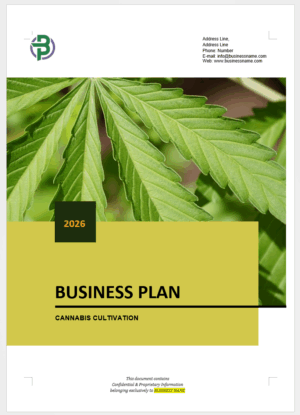
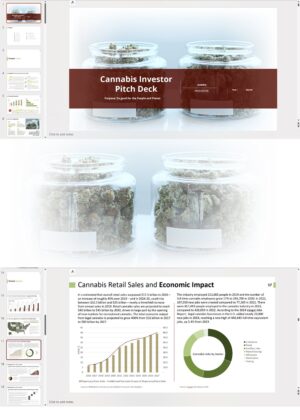
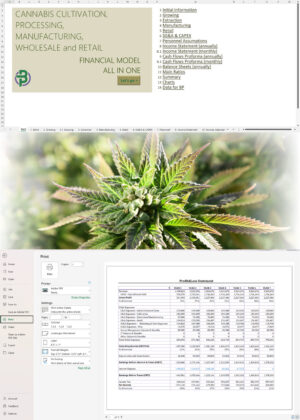
Hemp CBD business plan templates are available at hempcbdbusinessplans.com.
Our Templates
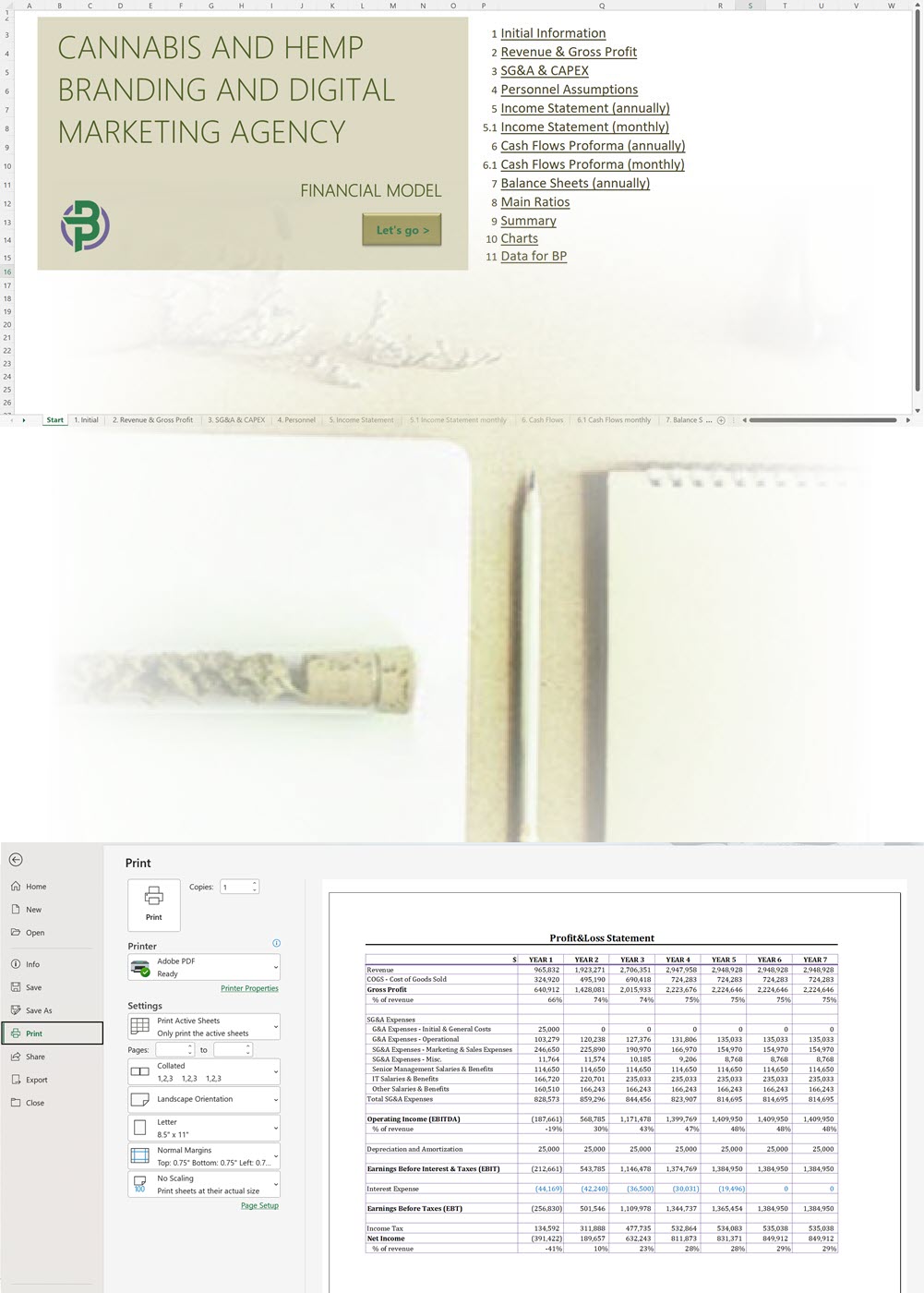

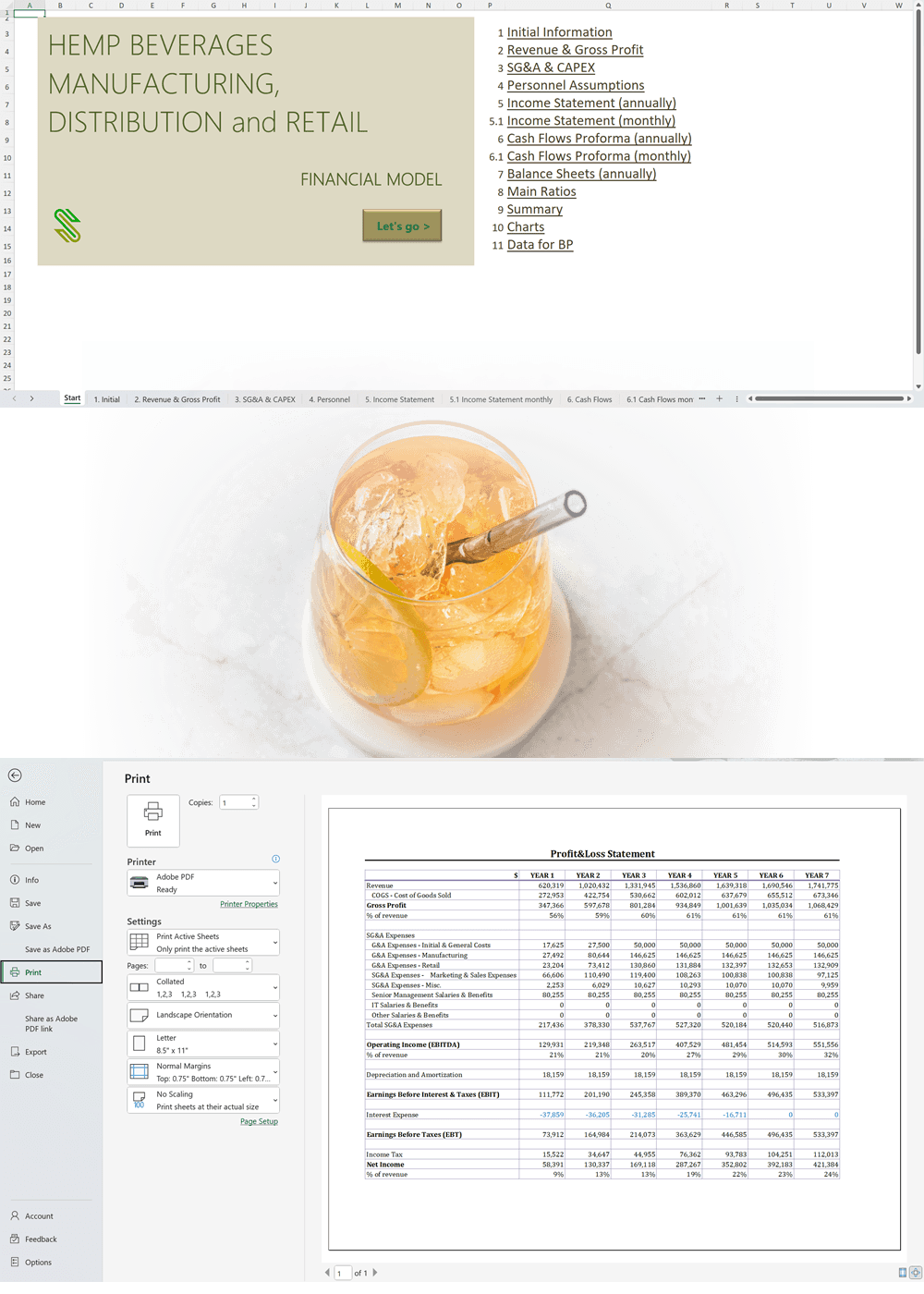
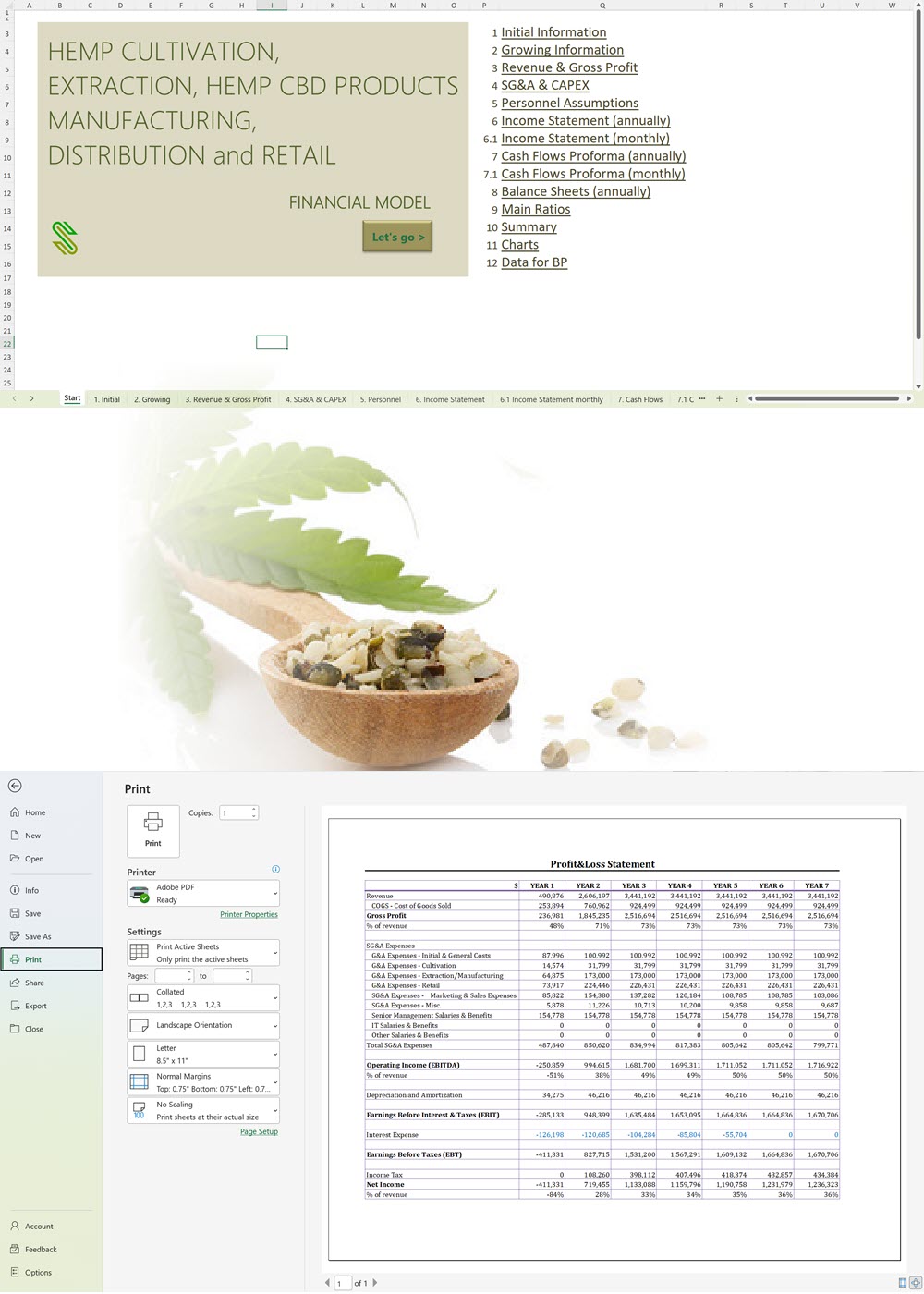

Hemp CBD Beverage Manufacturing, Wholesale and/or Retail Business Plan Template
Price range: $75.00 through $350.00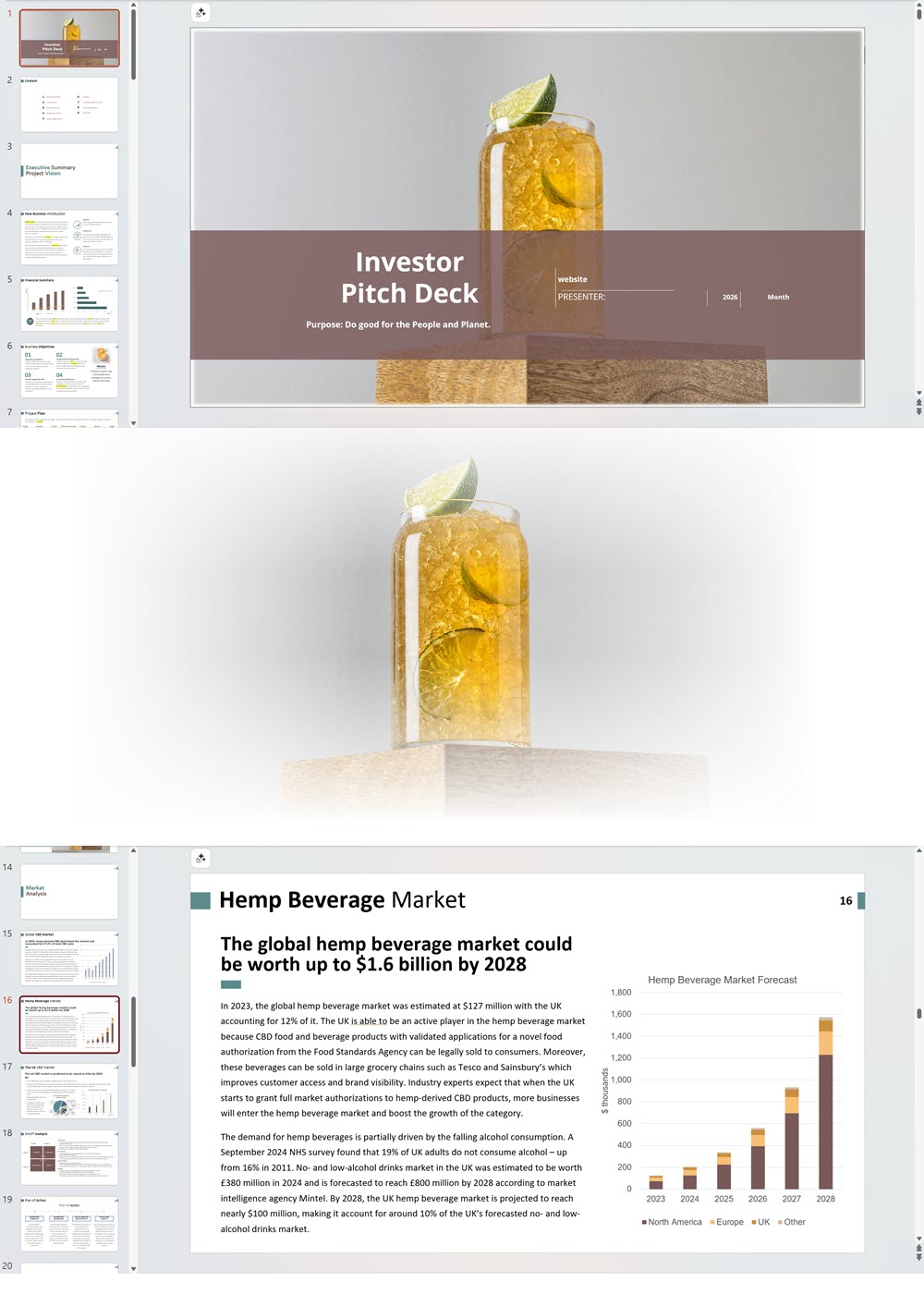

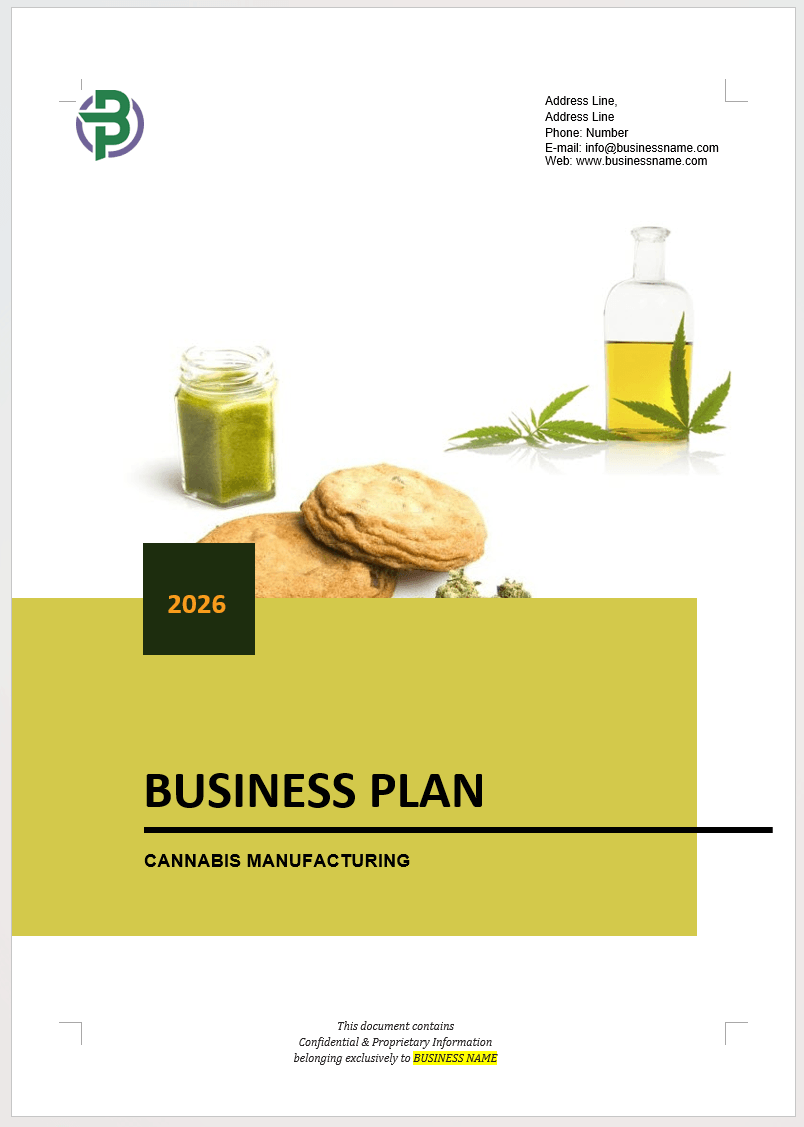
Cannabis Manufacturing Business Plan Template (with in-house processing)
Price range: $75.00 through $350.00
Cannabis Courier Business Plan Template
Price range: $75.00 through $275.00
Hemp CBD Vertically Integrated Business Plan Template
Price range: $75.00 through $450.00

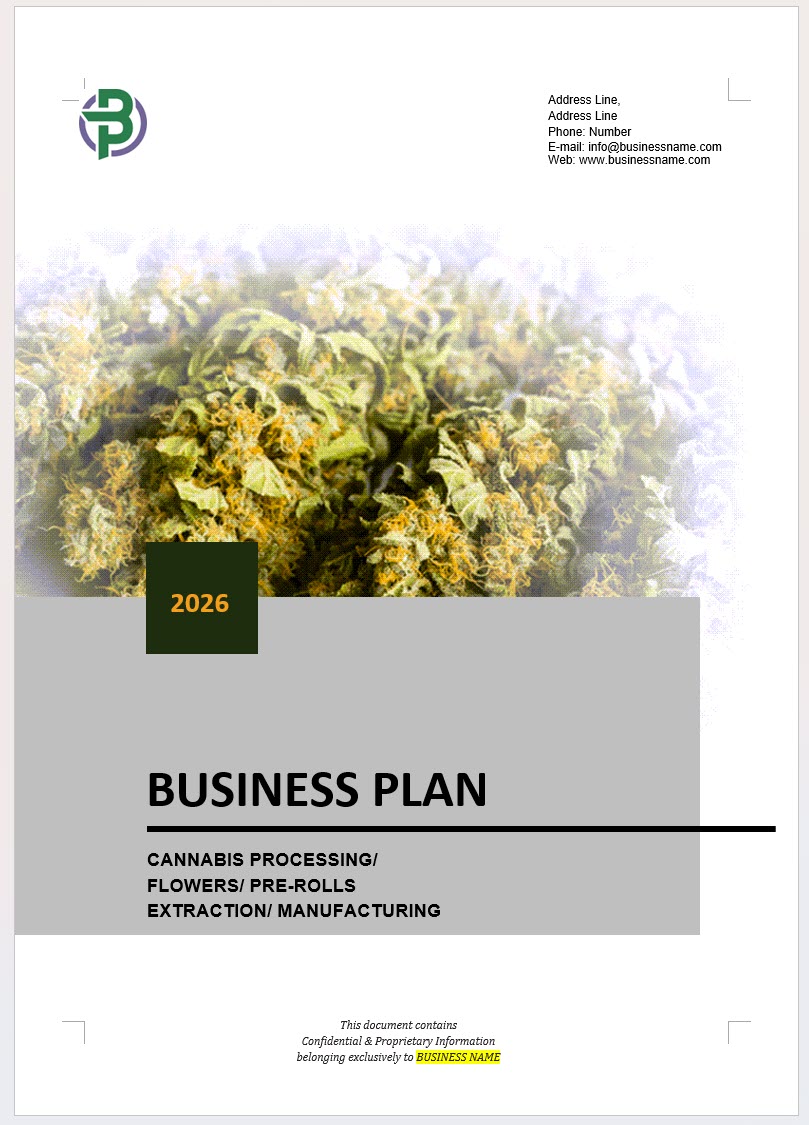
Cannabis Processing/ Flowers/ Pre-rolls/ Extraction/ Manufacturing Business Plan Template
Price range: $75.00 through $350.00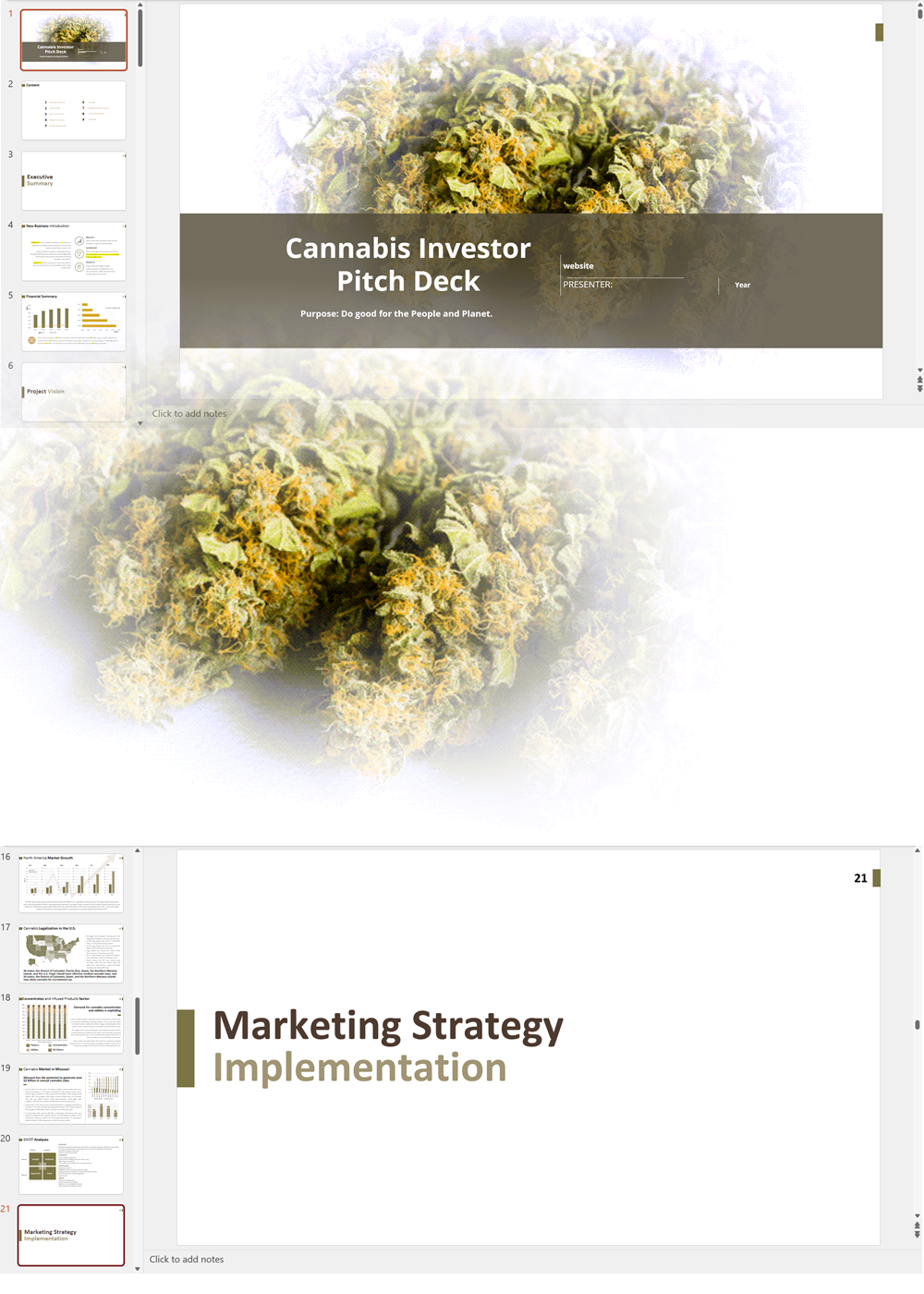
Cannabis Dispensary Business Plan Template
Price range: $75.00 through $350.00
Cannabis Extraction / Concentrates Business Plan Template
Price range: $75.00 through $350.00
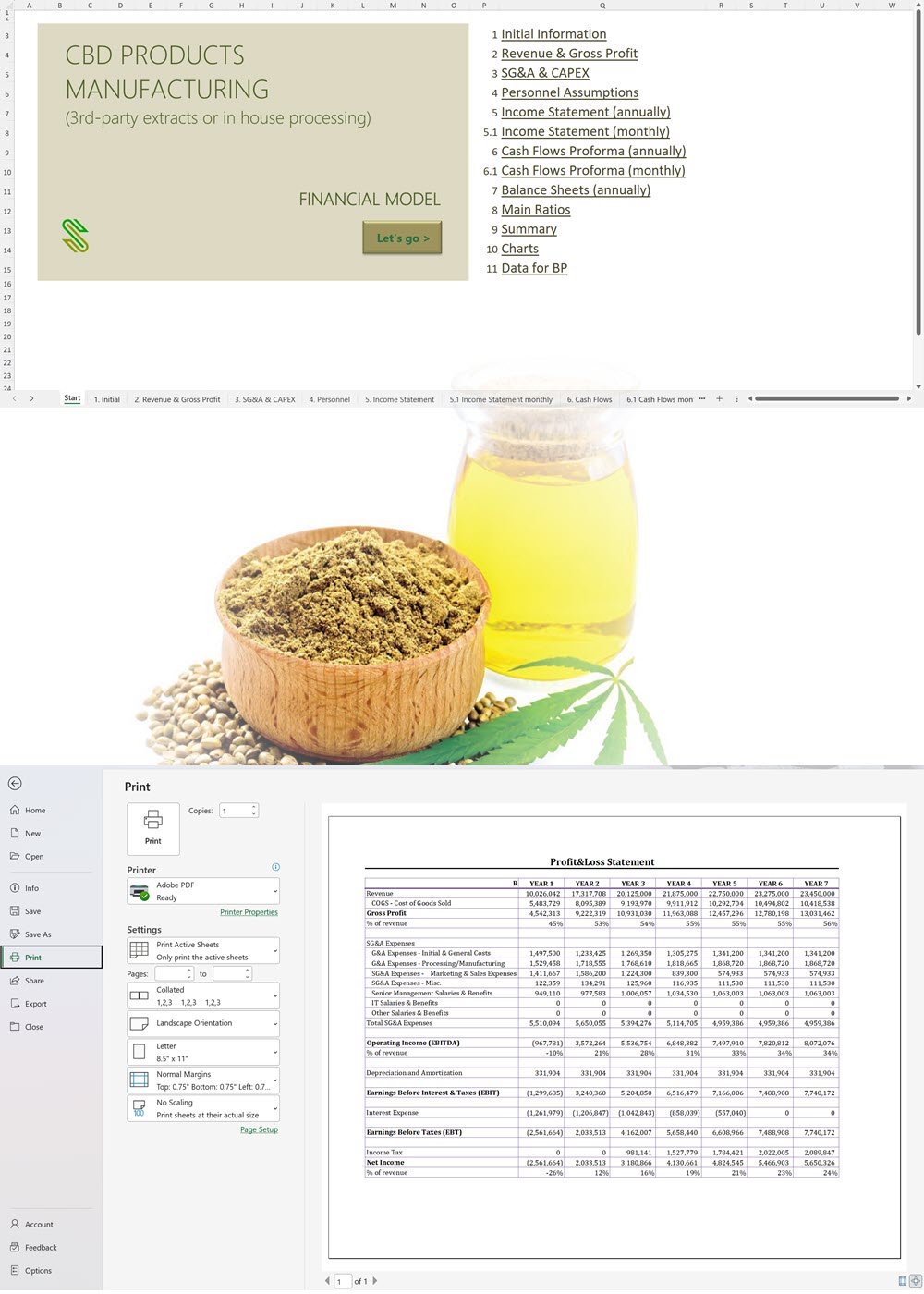
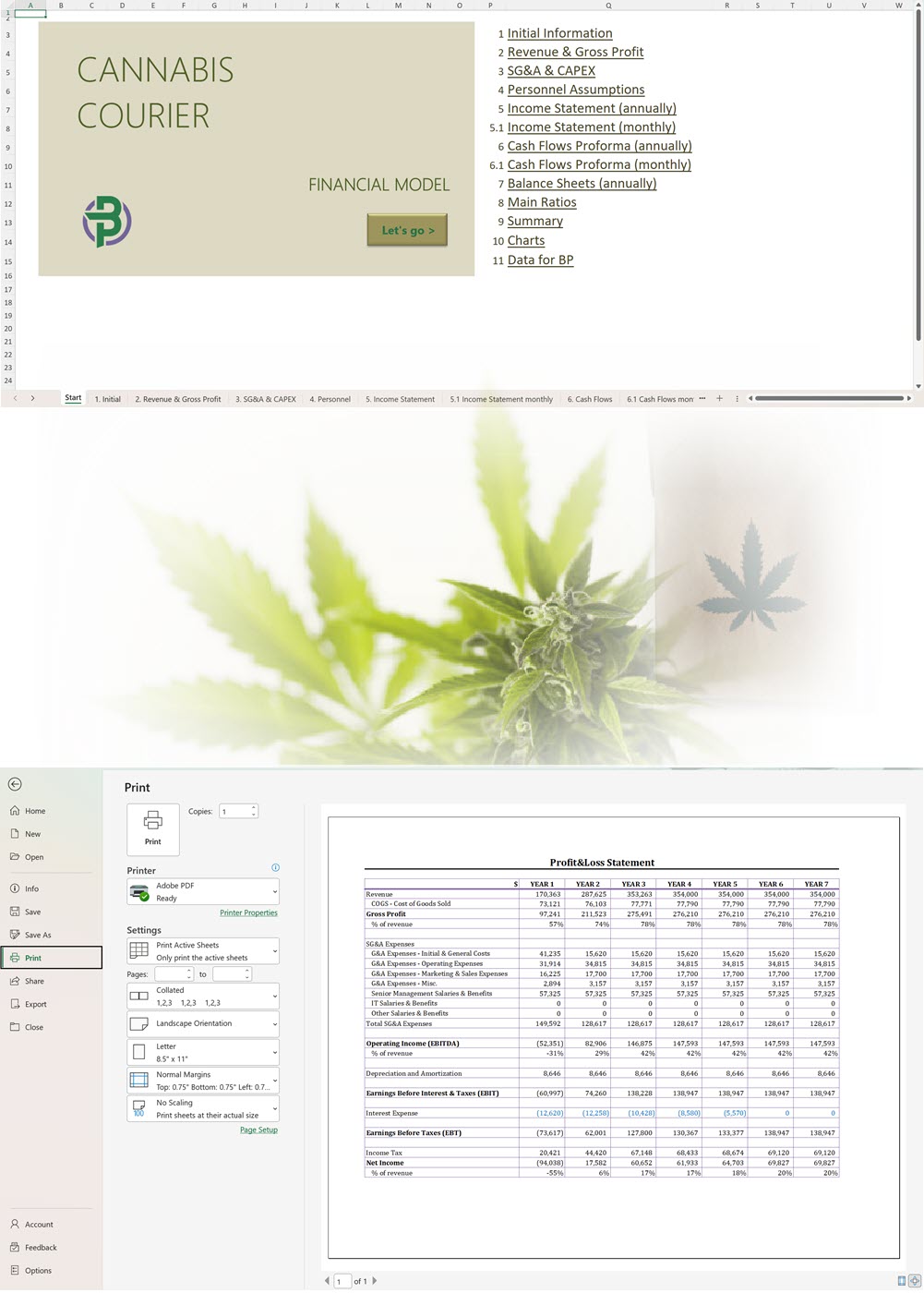
Cannabis Courier Financial Model
$100.00
CBD Store and/or Cafe Lounge Business Plan Template
Price range: $75.00 through $275.00

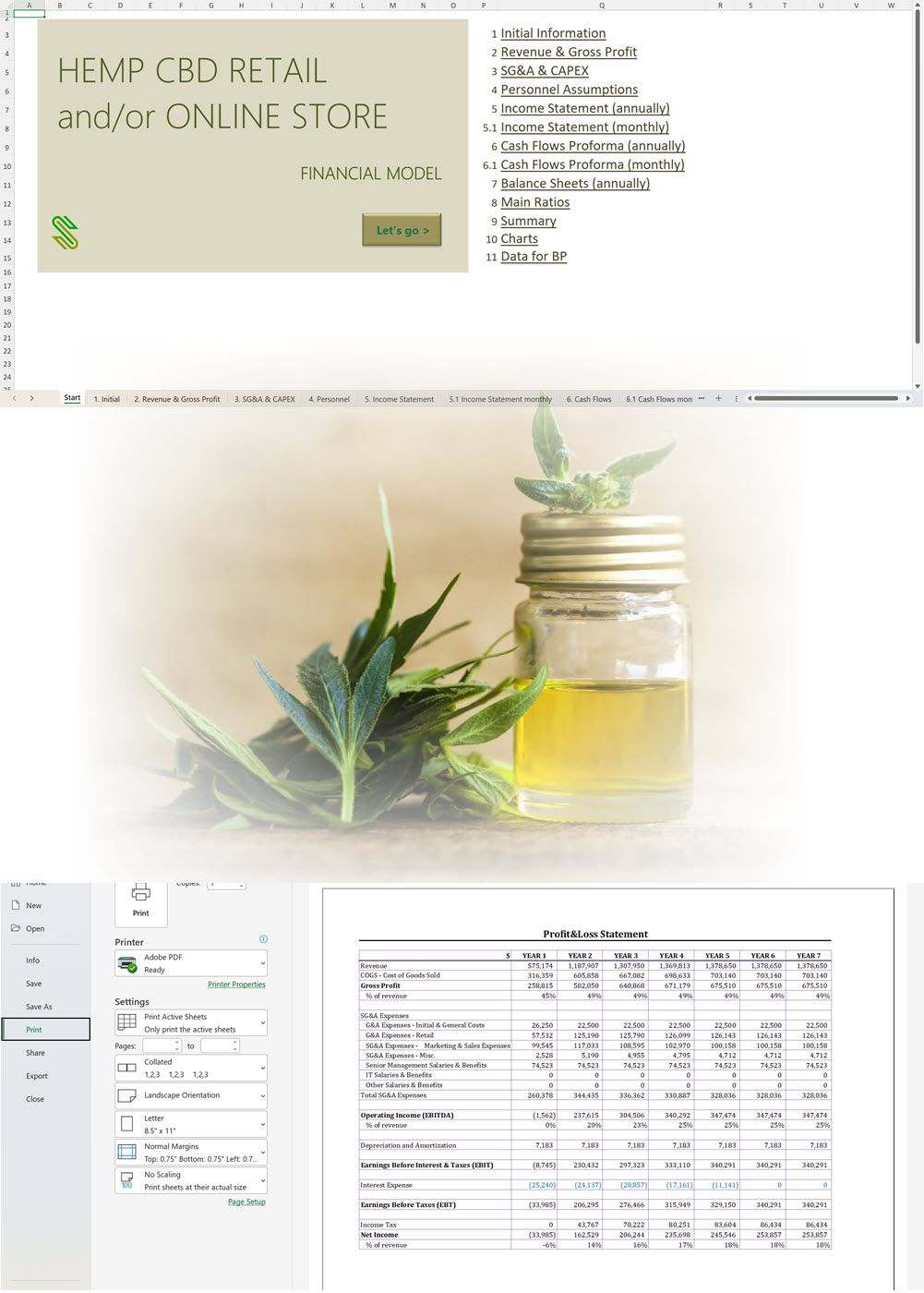

Cannabis Transportation Business Plan Template
Price range: $75.00 through $275.00