Current Progress
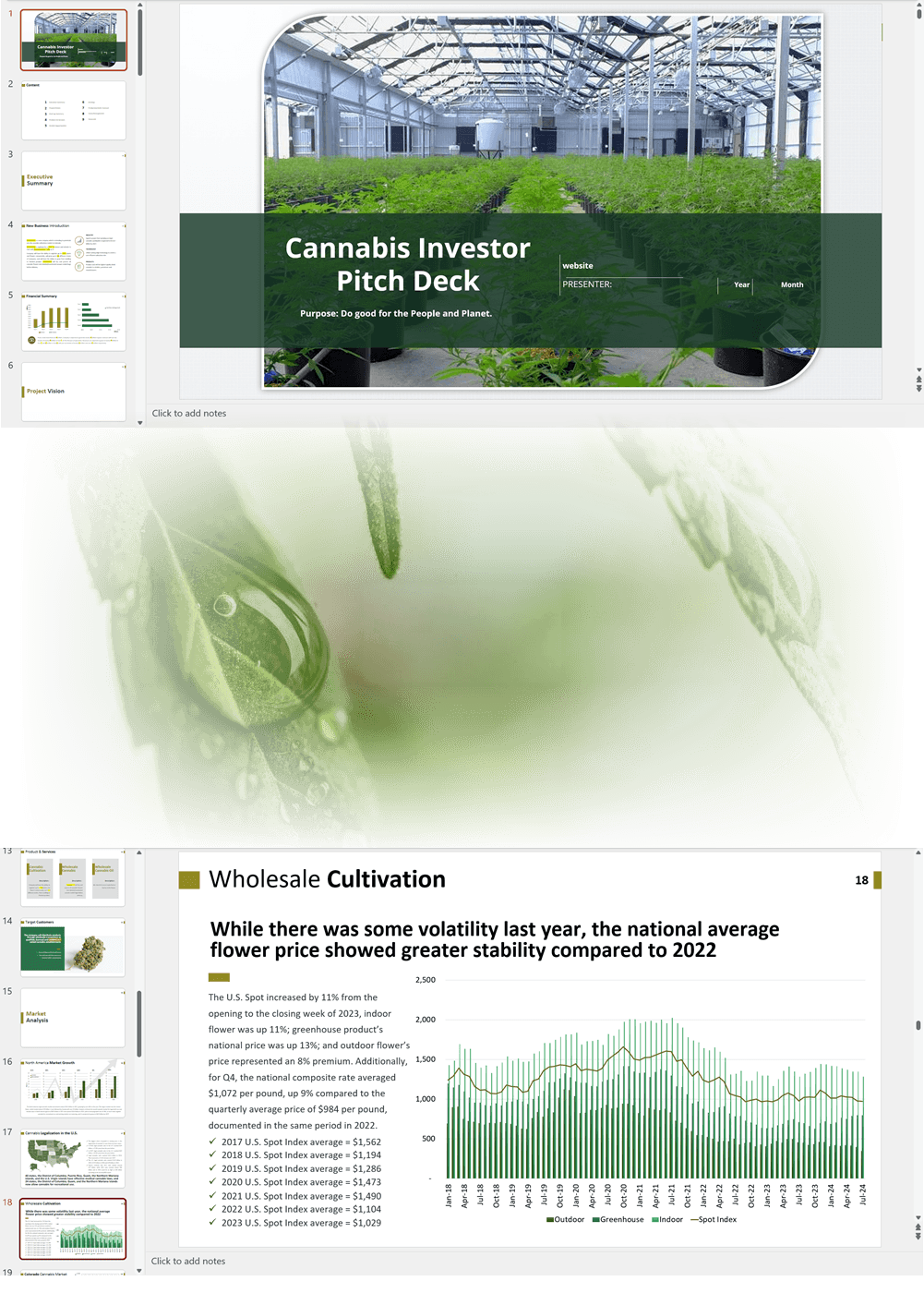
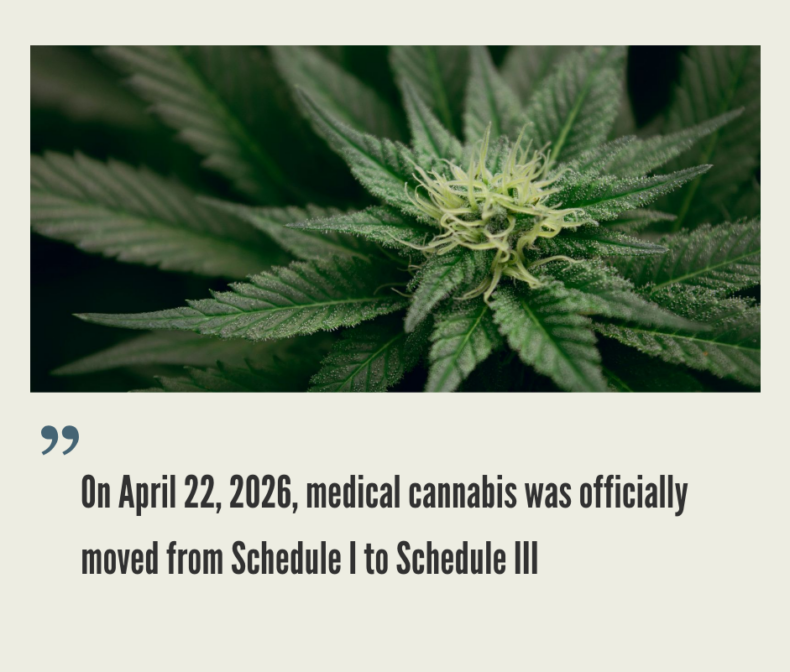
On April 22, 2026, Acting Attorney General Todd Blanche signed an order rescheduling cannabis produced by state-licensed medical cannabis businesses and FDA-approved cannabis products to Schedule 3 of the Controlled Substances Act. This order took effect immediately.
From April 22, 2026, medical cannabis produced by state-licensed cannabis businesses is no longer subject to Section 280E of the Internal Revenue Code.
Additionally, an administrative hearing will be held on June 29, 2026, regarding the proposal to also reschedule recreational/adult-use cannabis from Schedule I to Schedule III.
The Drug Enforcement Administration (DEA) announced that on April 29, 2026, its “Medical Marijuana Dispensary Registration Portal” went live and started accepting applications from medical cannabis businesses applying for federal protections granted by the rescheduling process. These protections include legal protections as well as tax benefits that Schedule III status brings. The annual application fee is $794.
The U.S. Department of the Treasury and Internal Revenue Service (IRS) have stated that they plan to issue guidance on the new tax regulations that will apply to medical cannabis businesses post-rescheduling.
Background: The Road to Cannabis Rescheduling
On December 18, 2025, President Trump signed an executive order that directs the Attorney General to take “all necessary steps to complete the rulemaking process related to rescheduling marijuana to Schedule III of the CSA in the most expeditious manner in accordance with Federal law”.
Currently, Schedule I designation is reserved for substances that the federal government deems to have “no currently accepted medical use” and a “high potential for abuse”, effectively prohibiting legal cultivation, possession, or distribution outside of tightly controlled research settings. Schedule III includes prescription drugs which are deemed to be medically useful and have a moderate to low potential for physical or psychological dependence. Schedule III substances are regulated by the Food and Drug Administration (FDA) and can be legally prescribed or sold in pharmacies – provided they have received FDA approval.
The rescheduling decision is supported by the fact that the Department of Health and Human Services (HHS) completed scientific and medical evaluation of medical cannabis and found that it does have accepted medical use. In August 2023, the HHS formally recommended the Drug Enforcement Agency to reclassify cannabis to Schedule III.
While rescheduling does not equate to full federal legalization, this move represents a pivotal shift in U.S. cannabis policy. This change formally acknowledges that cannabis has therapeutic potential, eases barriers to medical access for patients, and alleviates several operational and financial obstacles currently faced by state-licensed cannabis businesses – including reducing tax burdens and prompting financial institutions to re-evaluate the provision of banking services and loans to cannabis operators.
280E Tax Relief and Key Impacts for Cannabis Businesses
Tax Breaks
One of the most impactful changes of cannabis rescheduling is the elimination of Section 280E of the Internal Revenue Code as it applied to cannabis businesses. Currently, because cannabis is classified as a Schedule I controlled substance, licensed operators are prohibited from deducting their business expenses when calculating their taxes. This results in effective tax rates of as high as 50%, severely constraining profitability.
It should be noted that some states have passed regulations that allow deductions for both corporate business tax and gross income tax. As of December 2025, 23 U.S. states have decoupled IRC 280E from their state tax code. However, the state-level exemption does not affect the federal taxes owed by cannabis companies and businesses are still not able to deduct business expenses (other than cost of goods sold) toward those federal income taxes. This will change once cannabis is rescheduled.
Reclassification to Schedule III aligns cannabis businesses with other legal enterprises, allowing them to deduct legitimate expenses when calculating federal income taxes as well. With the federal corporate tax rate at 21% (much higher than state-level tax rates), this brings even greater financial benefits to cannabis businesses than the state-level exemptions. The resulting tax relief will significantly boost their profitability enabling reinvestment in research and development, expansion, and workforce development. For new market entrants, this shift could accelerate the path to profitability, making the industry more attractive to entrepreneurs and investors alike.
Banking Access
Although rescheduling to Schedule III will not fully resolve the banking challenges faced by cannabis businesses, it will send a powerful signal to financial institutions that the federal stance on cannabis is evolving. Many banks have long avoided serving cannabis-related businesses due to legal uncertainty and fear of federal enforcement. A Schedule III designation will reduce perceived risk and likely encourage more banks and credit unions to offer basic services, including business loans.
Moreover, as cannabis companies become more profitable under the new tax framework, they will present a lower financial risk, potentially unlocking greater access to capital and fostering healthier business growth.
Medical Cannabis
Schedule III reclassification formally recognizes that cannabis has medical value – a stark departure from the “no medical value” premise of Schedule I. This is expected to boost its legitimacy and can lead to more healthcare providers becoming open to the idea of offering cannabis treatment to their patients.
Research
Rescheduling will lower regulatory barriers for scientific research. Under Schedule I, researchers face extensive bureaucratic hurdles to obtain cannabis for clinical study, slowing down innovation and evidence generation. Moving to Schedule III will simplify the approval process, enabling more investigations into therapeutic applications, safety profiles, and delivery mechanisms.
Over time, this could lead to the development and FDA approval of cannabis-derived medicines – some of which may eventually qualify for reimbursement under Medicare and Medicaid.
States with No Cannabis
Rescheduling could catalyze policy shifts in states that have resisted medical cannabis legalization largely due to federal classification concerns. With the federal government acknowledging cannabis’ medical value, the remaining states where cannabis is illegal – such as Idaho, Wyoming, Kansas, and South Carolina – may be encouraged to legalize medical cannabis. This would open up new markets, creating opportunities for cannabis businesses, caregivers, and patients in regions that have been long excluded from the national cannabis landscape.
What This Means for Consumers?
For patients using cannabis under state medical programs, rescheduling will increase the willingness of healthcare providers to recommend cannabis treatment, reduce stigma, improve patient education, and streamline access within clinical settings.
While most cannabis enforcement occurs at the state level, federal law still applies – especially in cases involving cross-state transport or federal prosecution. For recreational users, rescheduling will reduce the severity of criminal penalties for possession of cannabis since possession of a Schedule III substance is not as heavily penalized as the possession of a Schedule I substance.
Navigating Cannabis Rescheduling
For established cannabis businesses, federal rescheduling is a potential turning point for growth. With better tax conditions and improved banking access, businesses could see a substantial boost in profitability and operational stability. This newfound financial clarity may free up capital for strategic reinvestment in innovation, product development, technology, and geographic expansion. Additionally, clearer regulatory signals are expected to lower perceived risk for both financial institutions and private investors, resulting in an inflow of capital that can be used for achieving new strategic plans.
Rescheduling will also provide an incentive for new entrants, especially if the remaining prohibitionist states move to legalize medical cannabis. With healthcare professionals becoming more open to prescribing cannabis and rising patient demand, these developments could drive need for licensed, compliant producers and dispensaries. Since state-ran licensing programs will remain, market entry will still require securing a medical cannabis license through established regulatory frameworks.
Whether you are an existing operator looking to scale or an aspiring entrepreneur eyeing entry into the cannabis space, one foundational step remains essential: a comprehensive, well-structured business plan.
The majority of cannabis licensing programs require the submission of a business plan as part of the application for a cannabis license. Even if it is not mandated by law, a business plan is essential for securing funding and assisting an applicant in understanding how much money it will take to start a cannabis business and how much profit it could make.
A well-structured business plan can make all the difference in helping you demonstrate your proposed cannabis business’ compliance with regulations and its operational viability.
Our complete cannabis business plan template package is everything you need to create a professional business plan for a cannabis business with expert financials and projections. A complete cannabis business plan template package includes:
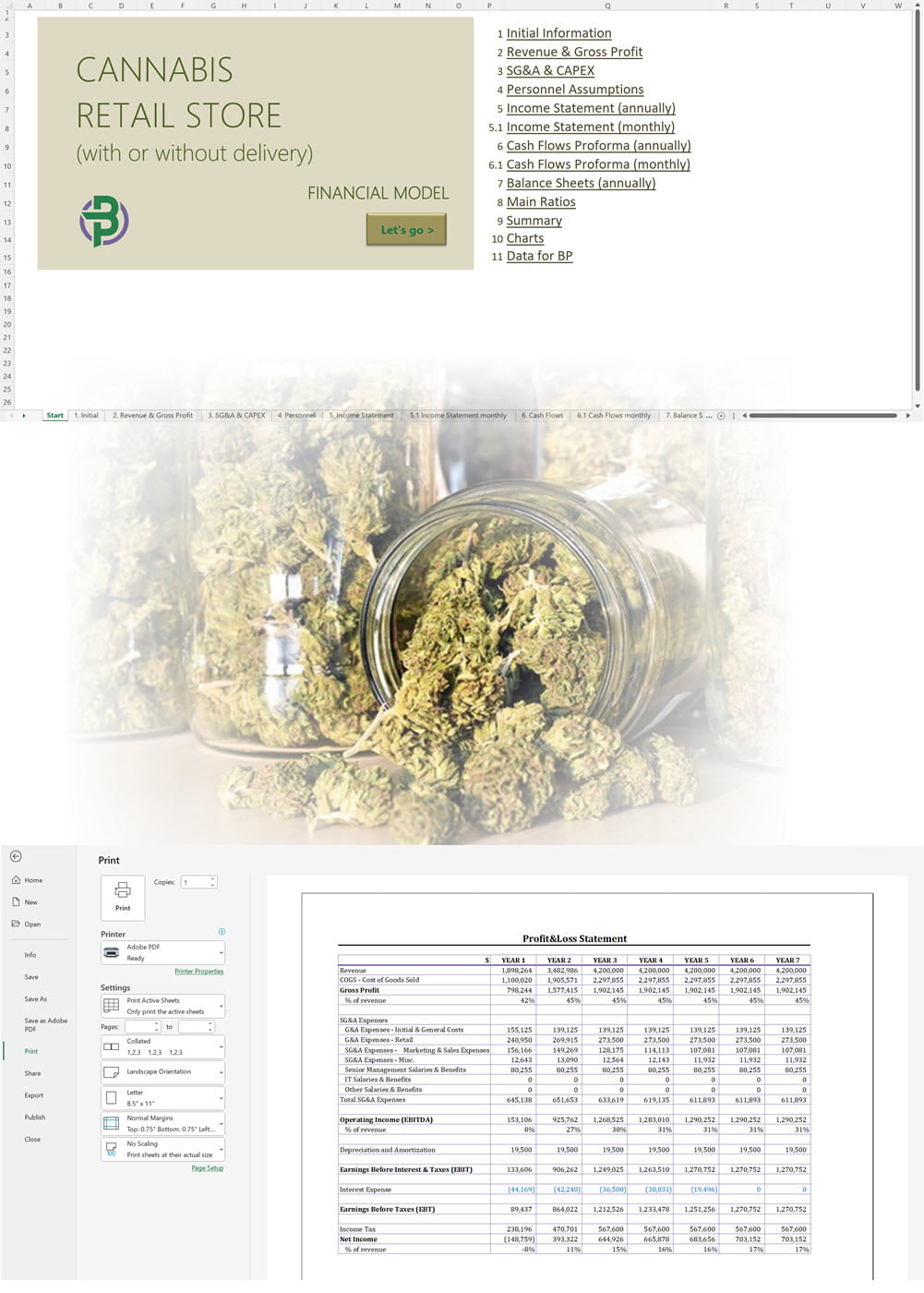
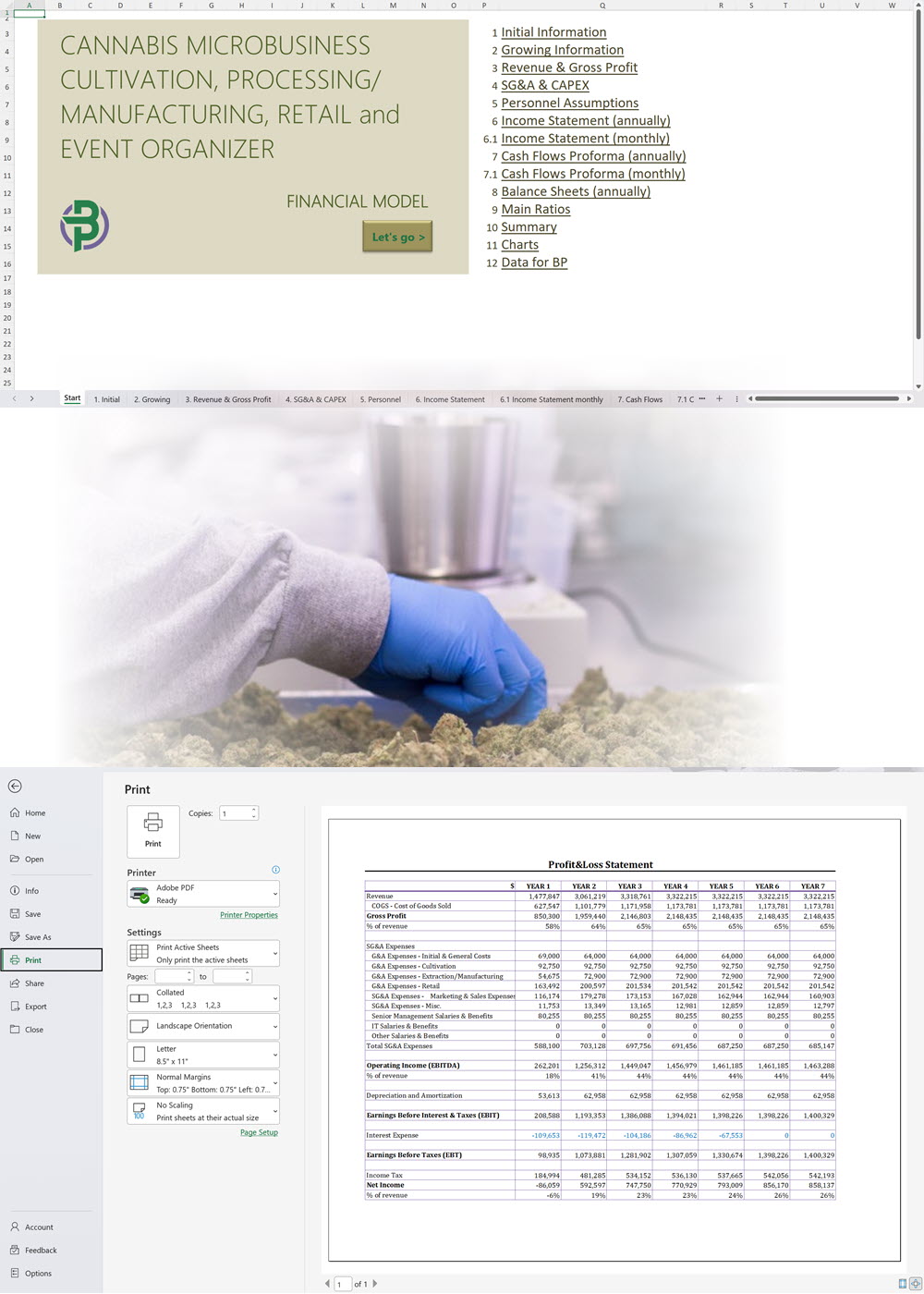
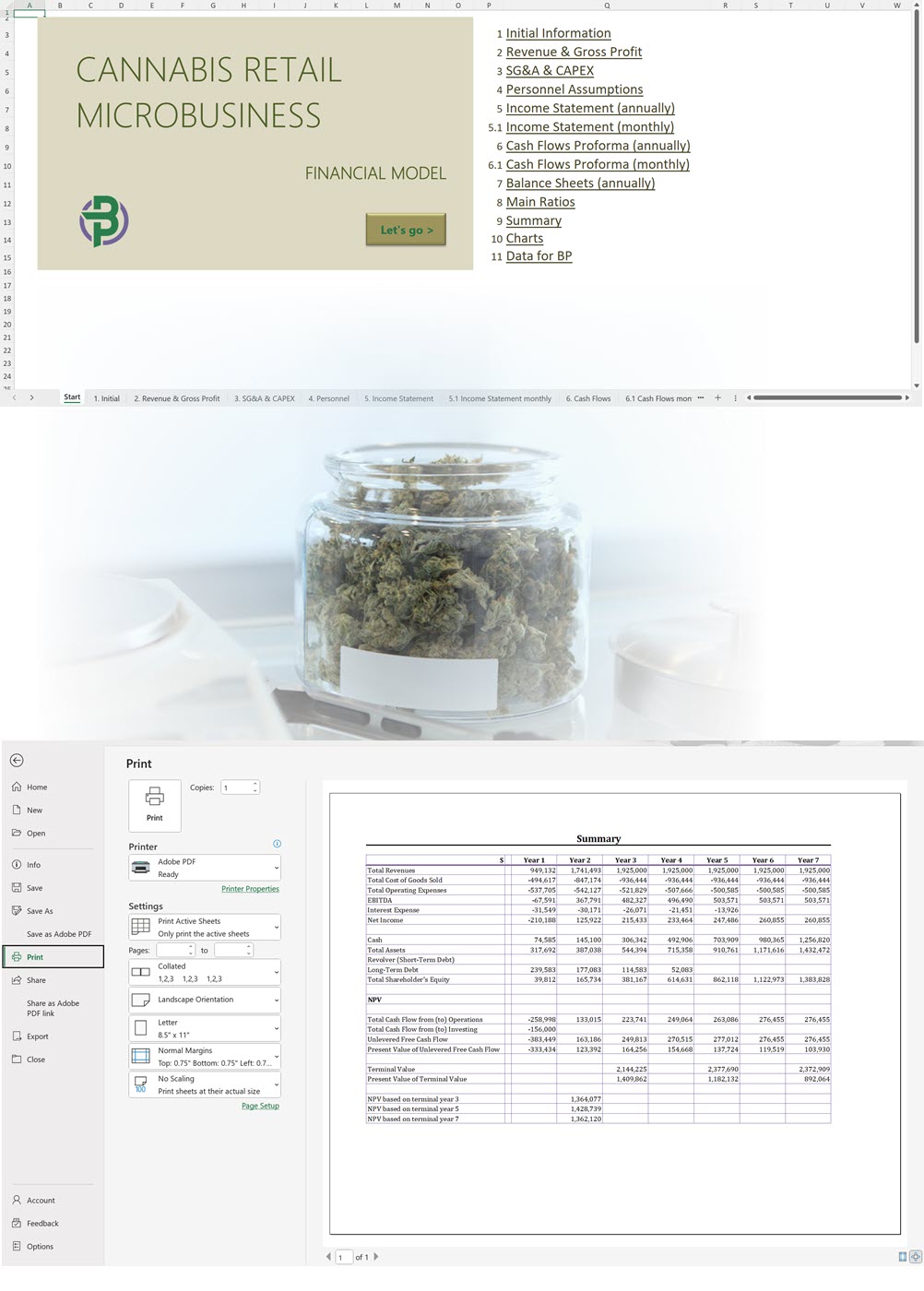
- Excel Financial Model: change variables and immediately see the impact, break down operational and capital costs, know how much it will take to get into the business and the potential profits.
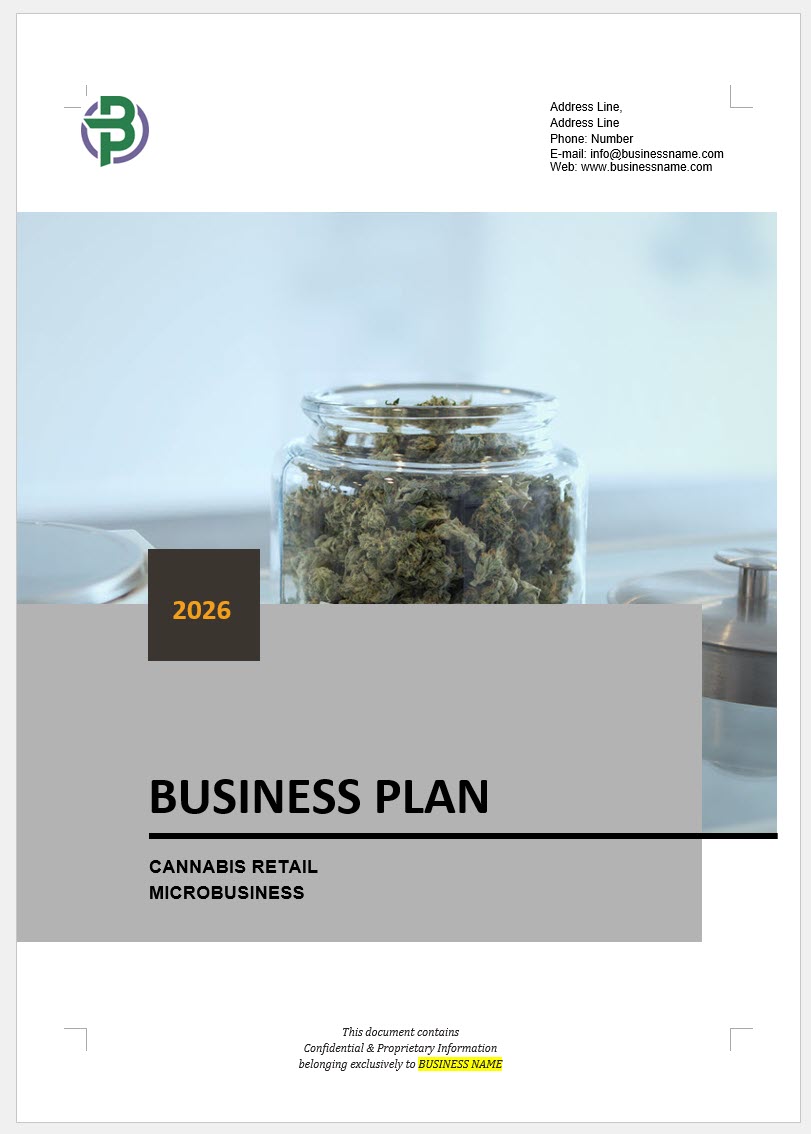
- Word Business Plan: value proposition, market analysis, marketing strategy, operating plan, organizational structure, financial plan and more.
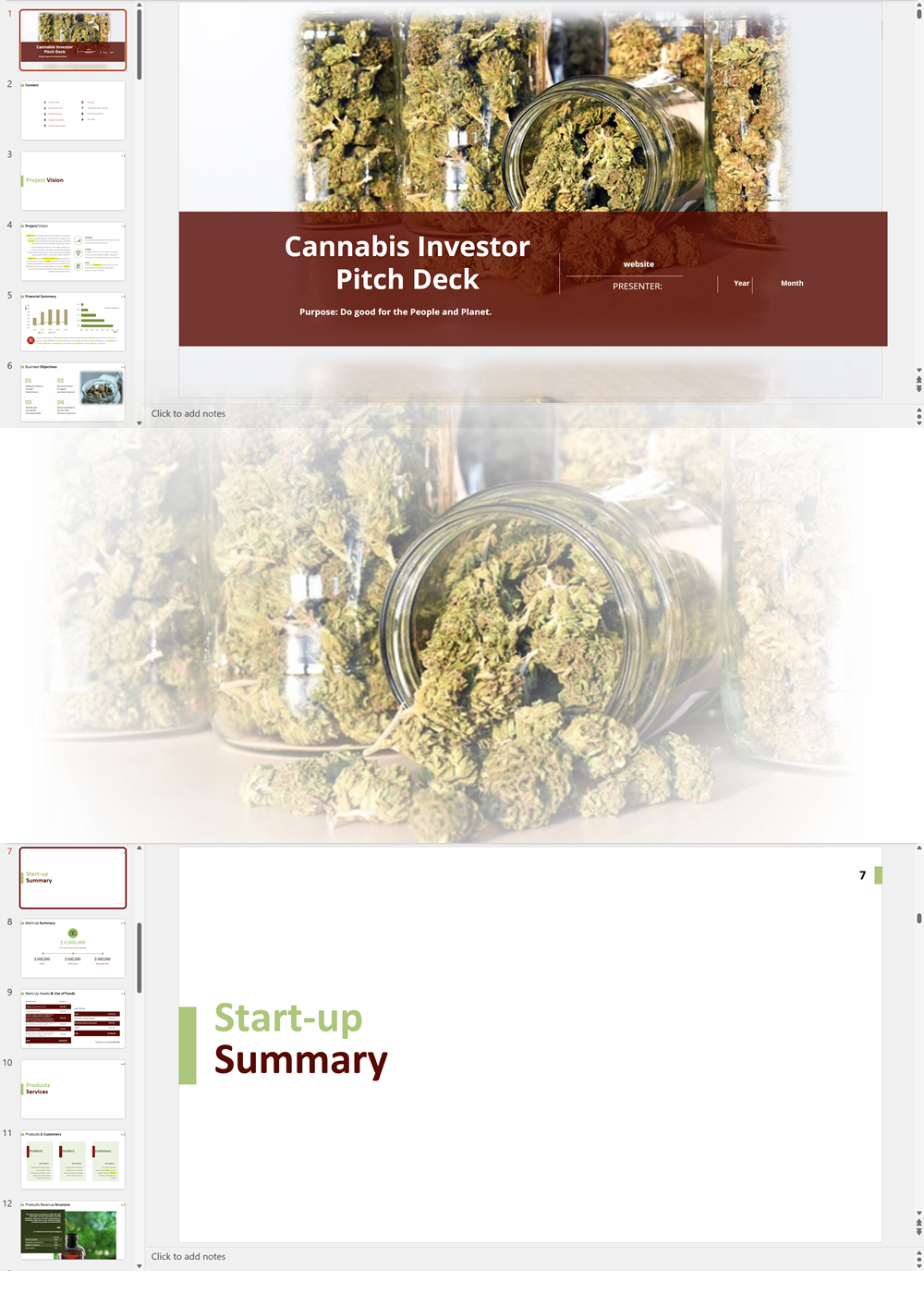
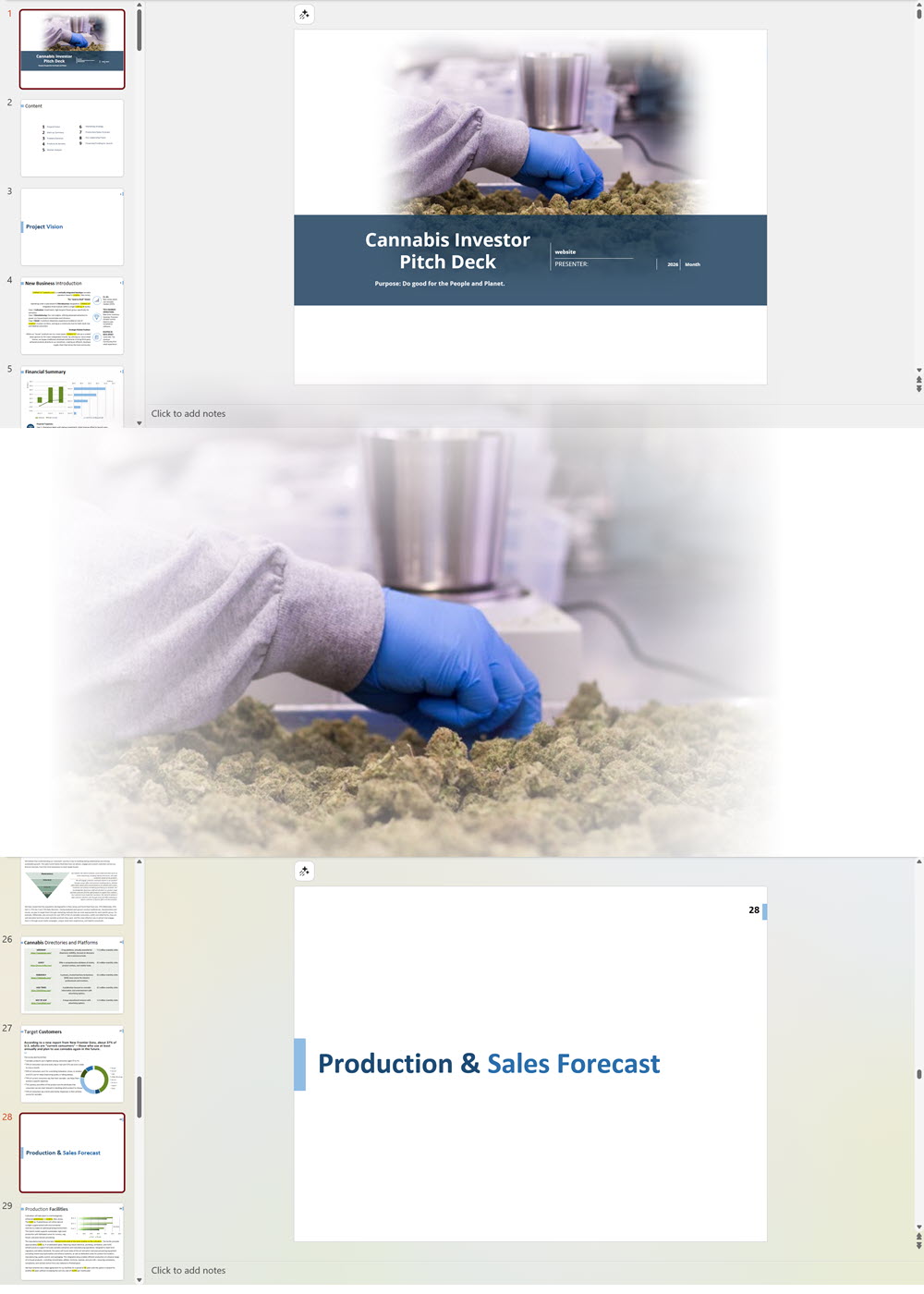
- PowerPoint Pitch Deck: provide a quick overview of your cannabis business plan.
'70% ready to go' business plan templates
Our cannabis financial models and cannabis business plan templates will help you estimate how much it costs to start and operate your own cannabis business, to build all revenue and cost line-items monthly over a flexible seven year period, and then summarize the monthly results into quarters and years for an easy view into the various time periods. We also offer investor pitch deck templates.
Best Selling Templates
-

Cannabis Cultivation Business Plan Template
Price range: $75.00 through $350.00 Select options This product has multiple variants. The options may be chosen on the product page -

Cannabis Dispensary Investor Pitch Deck Template
$75.00 Select options This product has multiple variants. The options may be chosen on the product page -
Cannabis Financial Model All in One
$250.00 Select options This product has multiple variants. The options may be chosen on the product page


Our Templates

CBD Store and/or Cafe Lounge Business Plan Template
Price range: $75.00 through $275.00

Cannabis Extraction / Concentrates Business Plan Template
Price range: $75.00 through $350.00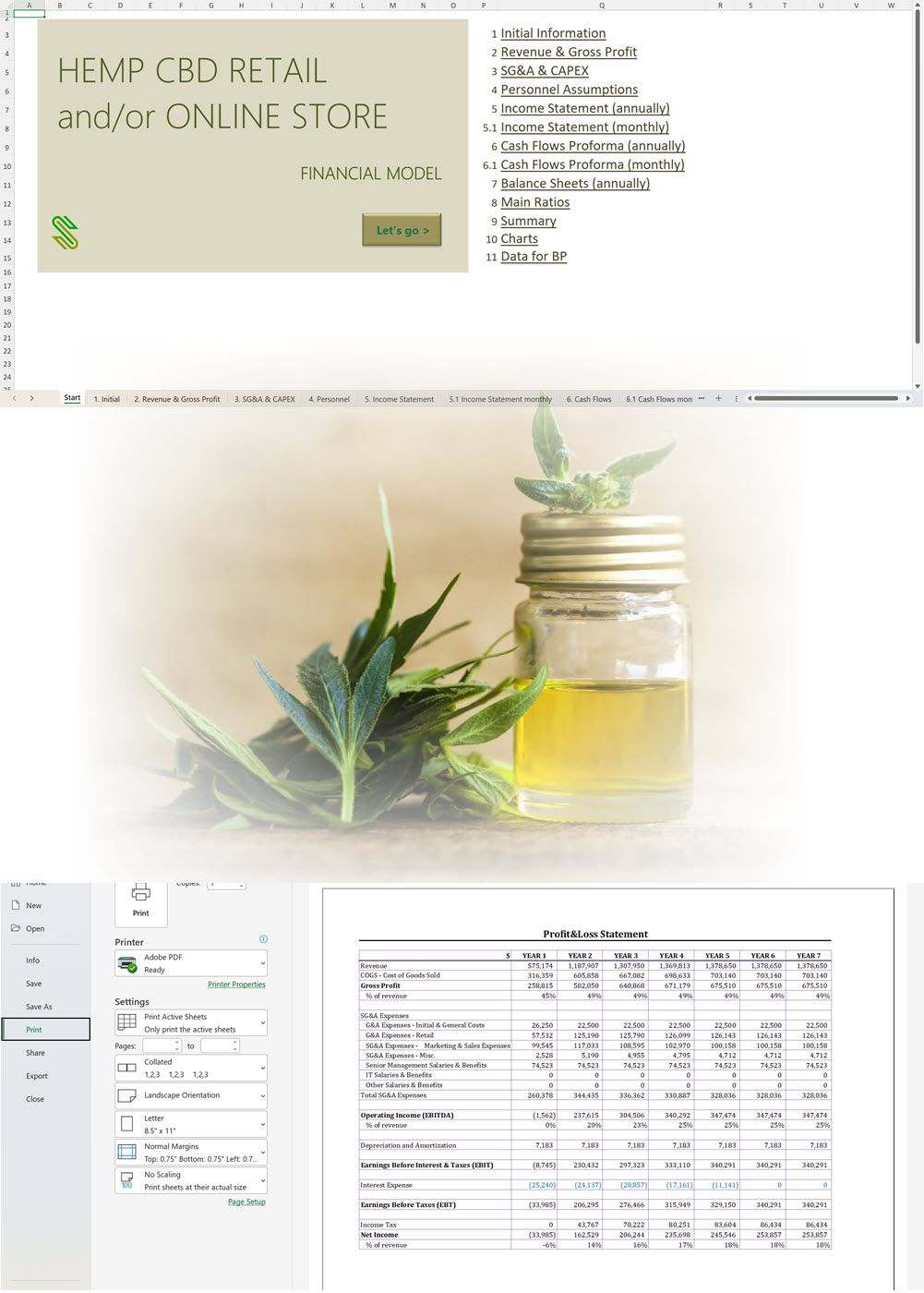
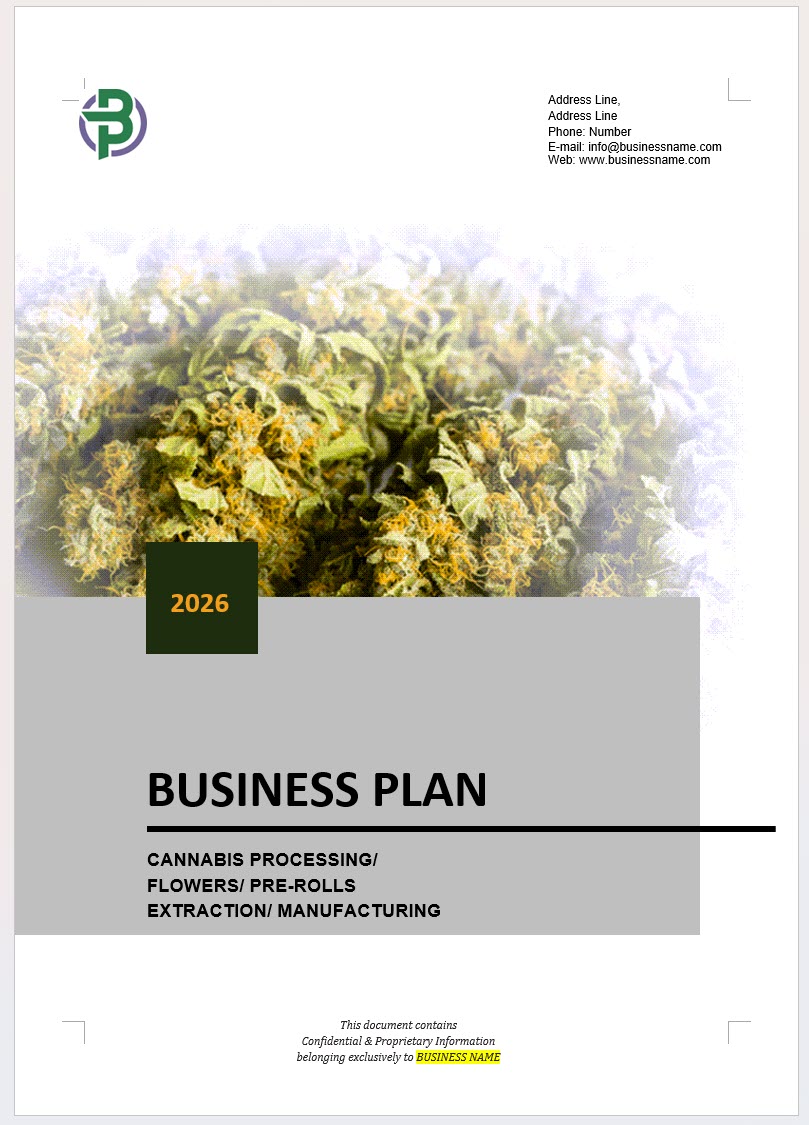
Cannabis Processing/ Flowers/ Pre-rolls/ Extraction/ Manufacturing Business Plan Template
Price range: $75.00 through $350.00
Cannabis Transportation Business Plan Template
Price range: $75.00 through $275.00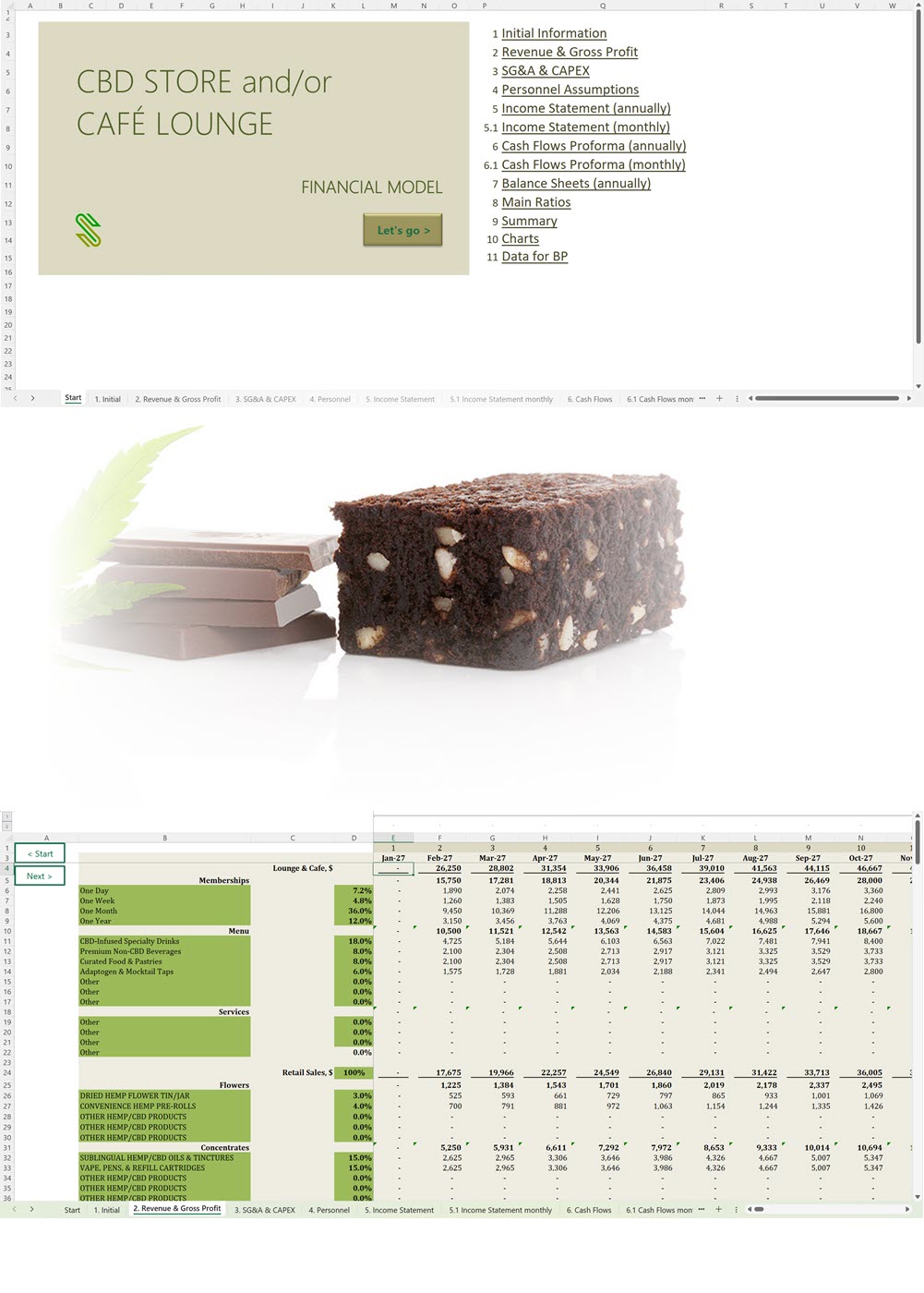

CBD Products Retail/Online Store Business Plan Template
Price range: $75.00 through $275.00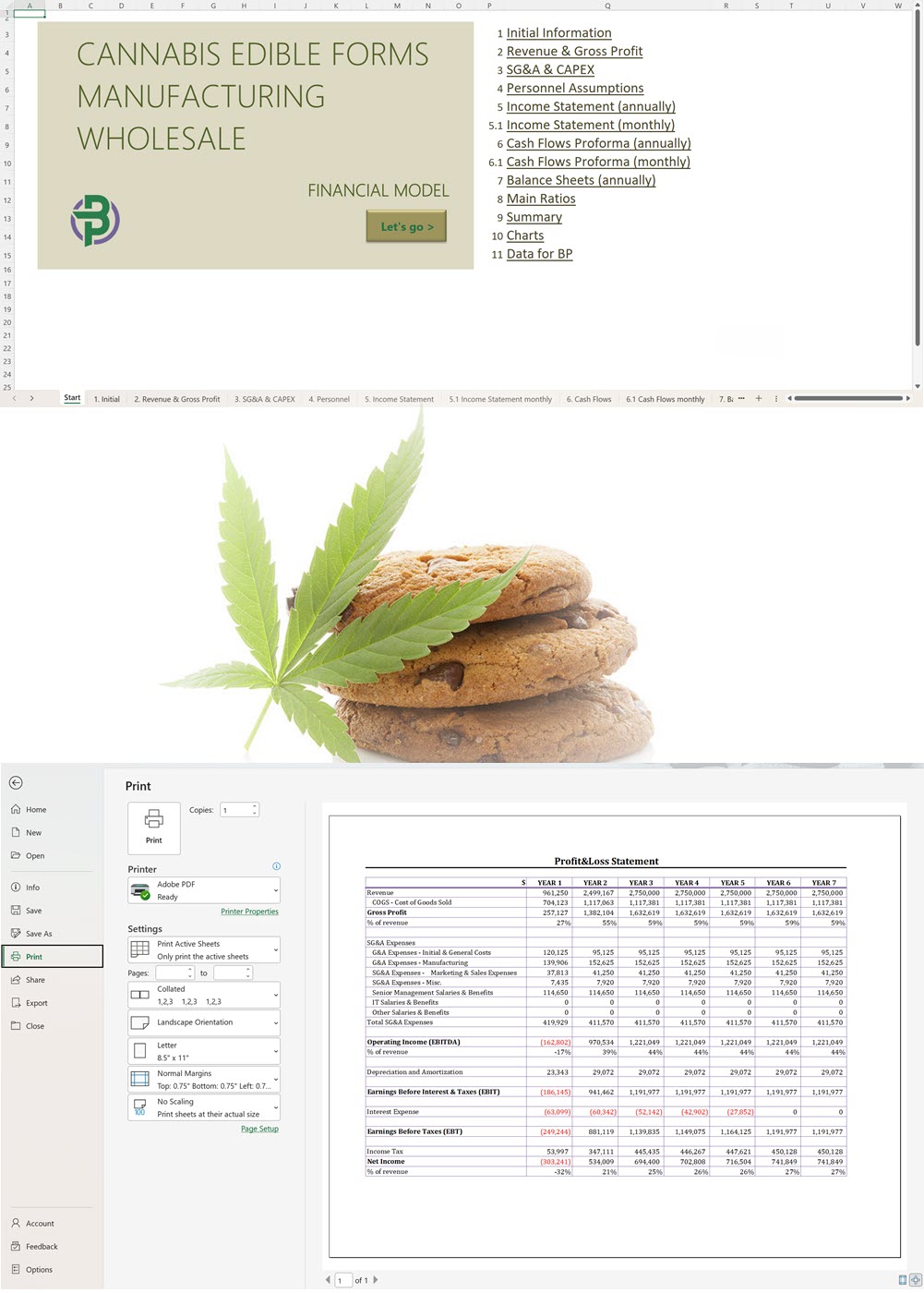
Cannabis Edibles Financial Model
$150.00


Cannabis Lounge + Retail Business Plan Template
Price range: $75.00 through $350.00

Cannabis Retail Business Plan Template (with or without Delivery)
Price range: $75.00 through $350.00
Cannabis Edibles Business Plan Template
Price range: $75.00 through $350.00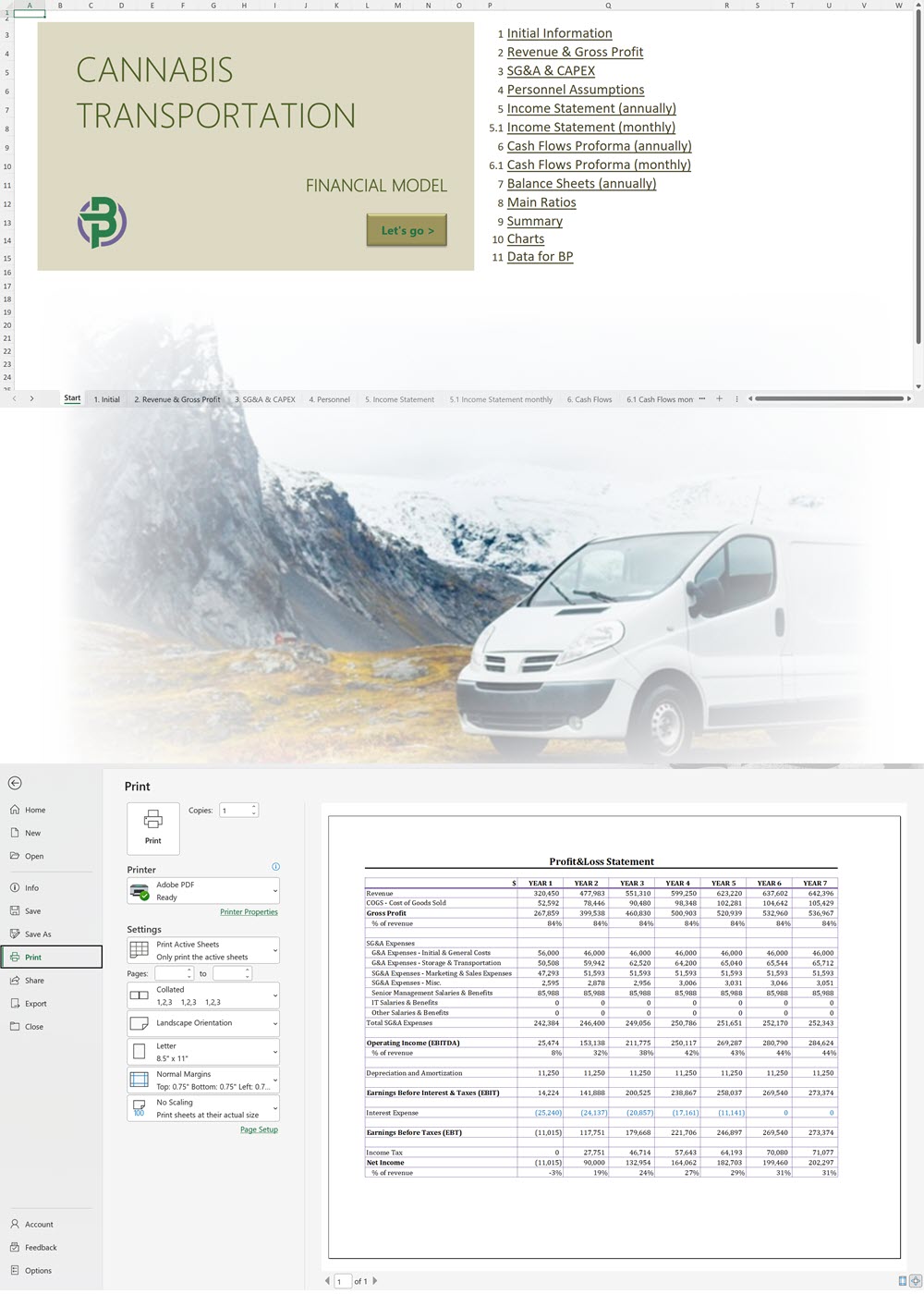
Cannabis Retail Microbusiness Business Plan Template
Price range: $75.00 through $275.00
Cannabis Cultivation, Extraction, Manufacturing, Distribution, Retail and Microbusiness Business Plan Template
Price range: $75.00 through $500.00



Cannabis Micro Cultivation Business Plan Template
Price range: $75.00 through $300.00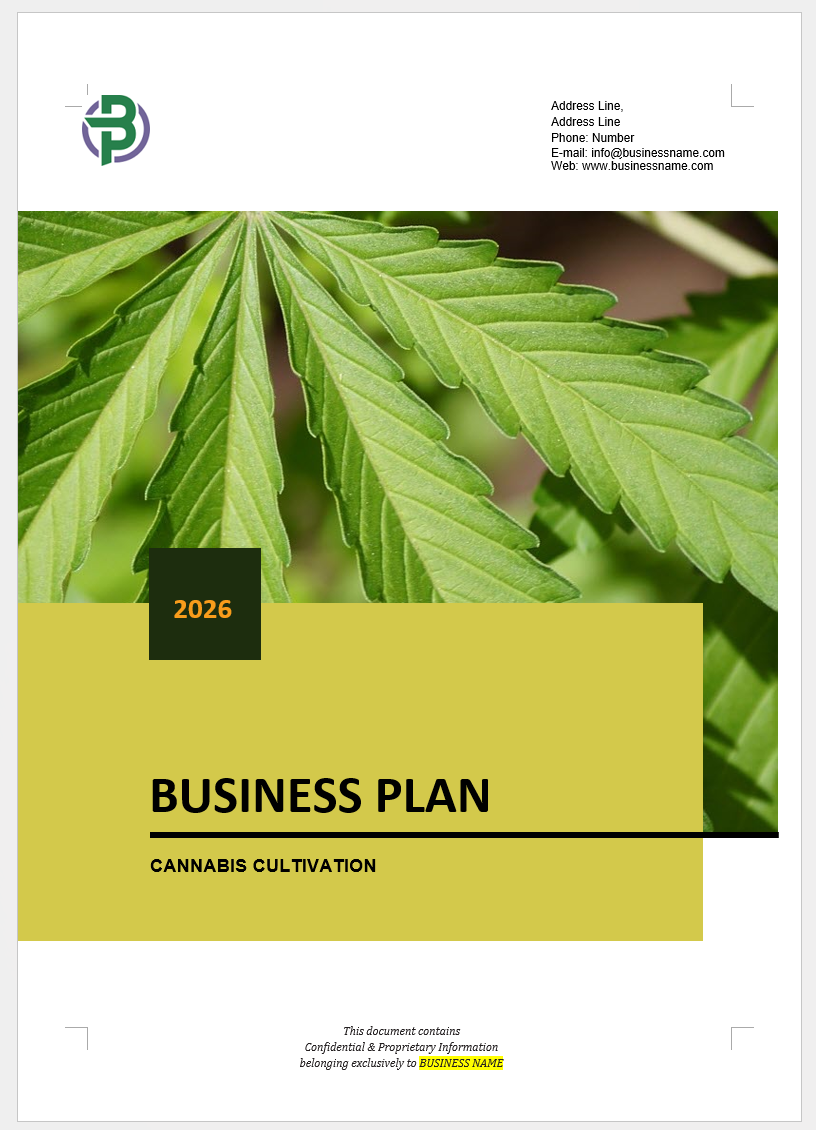
Cannabis Cultivation Business Plan Template
Price range: $75.00 through $350.00