Uruguay Cannabis Legalization
Uruguay has a population of around 3.42 million people according to the United Nations data, with 80.4% of its land being agricultural.
In 2013, Uruguay became the first country in the world to legalize all activities related to the import, export, cultivation, production, distribution and sale of recreational or medicinal cannabis under the Law 19.172, signed by president José Mujica. Only pharmacies were allowed to sell cannabis and only to registered citizens.
The Institute for the Regulation and Control of Cannabis (IRCCA) was established to regulate the cannabis market and monitor compliance of businesses in the cannabis industry with the regulations. The IRCCA also issues licenses for all stages of production – from cultivation to export.
There are three legal ways for Uruguayans and legal residents to obtain cannabis:
| Population 2024 (m) | 3.42 | |
| GDP 2024 (US$ b) | 82.61 | |
| Share of total farming land | 80.4% | |
| Health expenditure (% of GDP) | 9% | |
| Registered medical cannabis users (according to most recent data) | 73,757 | |
| Total of potential cannabis users (est.) | 7.3% | |
| Source: UN/ International Monetary Fund/ International Trade Administration/ IRCCA / Uruguay XXI | ||
- Home-grow no more than 6 female plants per household and harvest up to 480 grams of marijuana per year.
- Join or establish a cannabis social club.
- Buy a maximum of 10 grams per week from pharmacies.
In August 2014, the first home-growing licenses were issued and in October 2014, the registration of cannabis social clubs began. On October 1, 2015, two companies were selected as first to receive a commercial cannabis cultivation license and sale of commercial cannabis in pharmacies began on 19 July 2017.
In February 2015, decree 46/015 approved regulations concerning the medical use and scientific research of cannabis. This decree confirmed that the state and the IRCCA will promote research for scientific evidence regarding psychoactive and not psychoactive cannabis. Regarding medicinal cannabis, the decree allowed physicians to prescribe cannabis to patients and permitted for cannabis to be used in the production of therapeutic products of medicinal use.
In December 2019, Law No. 19.847 was approved by the Uruguay Parliament with the aim of improving public health through quality products based on cannabis or cannabinoids. The legislation organized medicinal cannabis products into four types:
- Pharmaceutical specialties approved by the Health Ministry.
- Vegetable products
- Magistral preparations based on cannabis and cannabinoids prescribed by doctors and prepared by pharmaceutical chemists.
- Imported products based on cannabis and cannabinoids for medicinal purposes.
In 2020, two decrees (Decree 214/2020 and Decree 215/2020) were issued that allowed hemp or cannabis for medicinal purposes to be exported without obtaining authorization from the Ministry of Public Health of Uruguay (MSP).
In July 2021, the national government’s new decree (Decree 246/2021) repealed decree 46/015 and proposed a new legal framework for the medicinal cannabis industry. This decree also gave allowance for producing and exporting raw materials and semi-finished products in addition to finished products for medical use.
In February 2023, Decree No. 56/023 was published to regulate the terms and conditions of access to master formulas based on cannabis or cannabinoids and conditions for obtaining licenses and authorizations from manufacturing pharmacies. It also regulates the operation of the National Program for Access to Medicinal and Therapeutic Cannabis of the MSP and the Technical Advisory Committee for the implementation of Law No. 19.847.
There are not THC products authorized yet so medical cannabis companies in Uruguay mainly focus on the export market.
Uruguay Cannabis Market
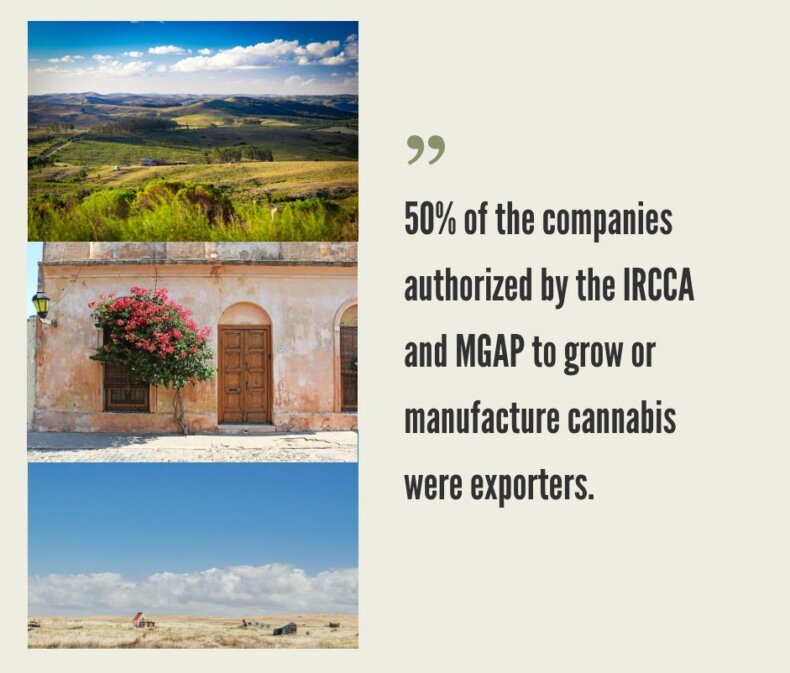
Uruguay’s production is mainly destined for export. In 2023, almost 4,400kg of medical cannabis were produced in Uruguay and more than half of it was exported. The International Narcotics Control Board (INCB) reported that in 2022, Uruguay’s exports of cannabis accounted for 2.1% of total medical cannabis production.
According to Uruguay XXI, the value of total medical cannabis exports in 2022 was around US$4.4 million. The top destination for medicinal cannabis flower from Uruguay were Germany and Portugal while medicines were exported to Brazil and Argentina. In 2023, 39 companies exported around 2,500kg (an 11% increase from 2022) of cannabis worth nearly US$2 million. A report from Uruguay XXI suggests that this fall in export value occurred mainly due to products being sold at lower prices. This is evident in the sales of medical cannabis flowers which experienced a fall in value from nearly US$4.4 million in 2022 to around $1.5 million in 2023.
However, in 2023, there was an expansion into new export markets for Uruguay’s medical cannabis flower. Though exports to Portugal fell greatly from 1,757kg in 2022 to just 80kg in 2023, Uruguay’s companies began to export medical cannabis flower to more countries in Europe such as the Czech Republic and Spain as well as into Australia, Israel and New Zealand. In addition, from 2022 to 2023 there was a dramatic increase of cannabis medicines exported to Brazil – in 2023 net kilograms exported surged by 21,475% to 1,726kg and the value of exports increased by 4,381% to US$465,838. By August 2024, already nearly US$240,000 worth of cannabis medicines were exported to Brazil.
Of the 4.4kg of psychoactive cannabis produced in 2023, 72% was used to produce flowers and 28% was used for trimming.
As of January 2025, there were 15 licensed cultivators of medical cannabis, 12 licensed manufacturers, 15 licensed researchers, 7 licensed analytical laboratories and 3 licensed cultivators of adult-use cannabis.
According to data from IRCCA, from June 2018 to June 2023, the number of registered pharmacy buyers of medical cannabis rose by 144% (from 35,246 to 86,207). During the same period, the number of cannabis social club members soared by 348% to 10,486 club members in June 2023. As of June 2024, there were 12,611 home cultivators, 39 dispensaries with 69,789 registered pharmacy acquirers and 373 cannabis social clubs with 13,128 club members. Just six months after, the number of registered pharmacy buyers has already increased by 5.7% to 73,757 while the number of cannabis social clubs rose to 436 – a nearly 17% increase.
In Uruguay, as of January 2025, 15.1% of medical cannabis consumers acquire cannabis as club members, 11.6% are home cultivators and 73.3% purchase it through pharmacies.
Uruguay Cannabis Market Infographics
Cannabis Cultivation Business Plan Sample, Uruguay
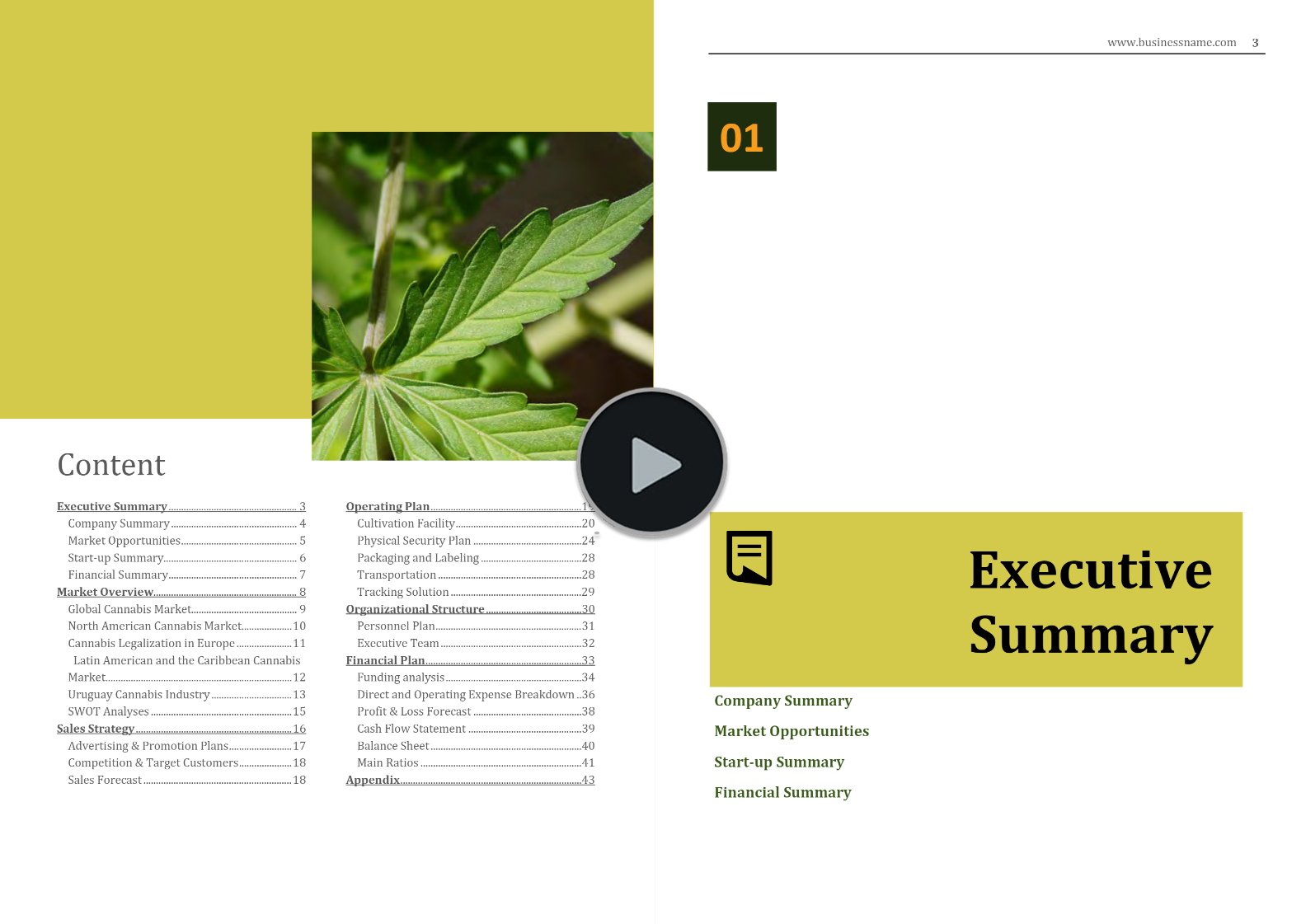
'70% ready to go' business plan templates
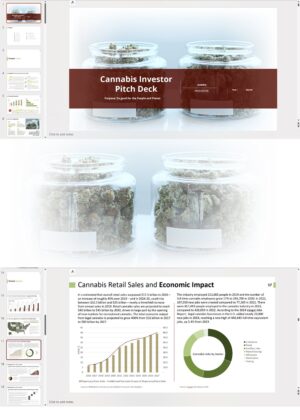
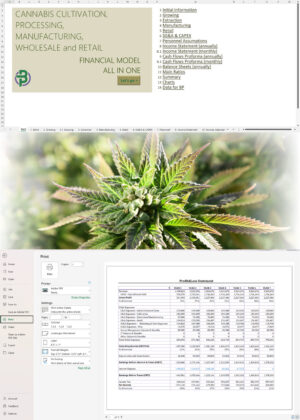
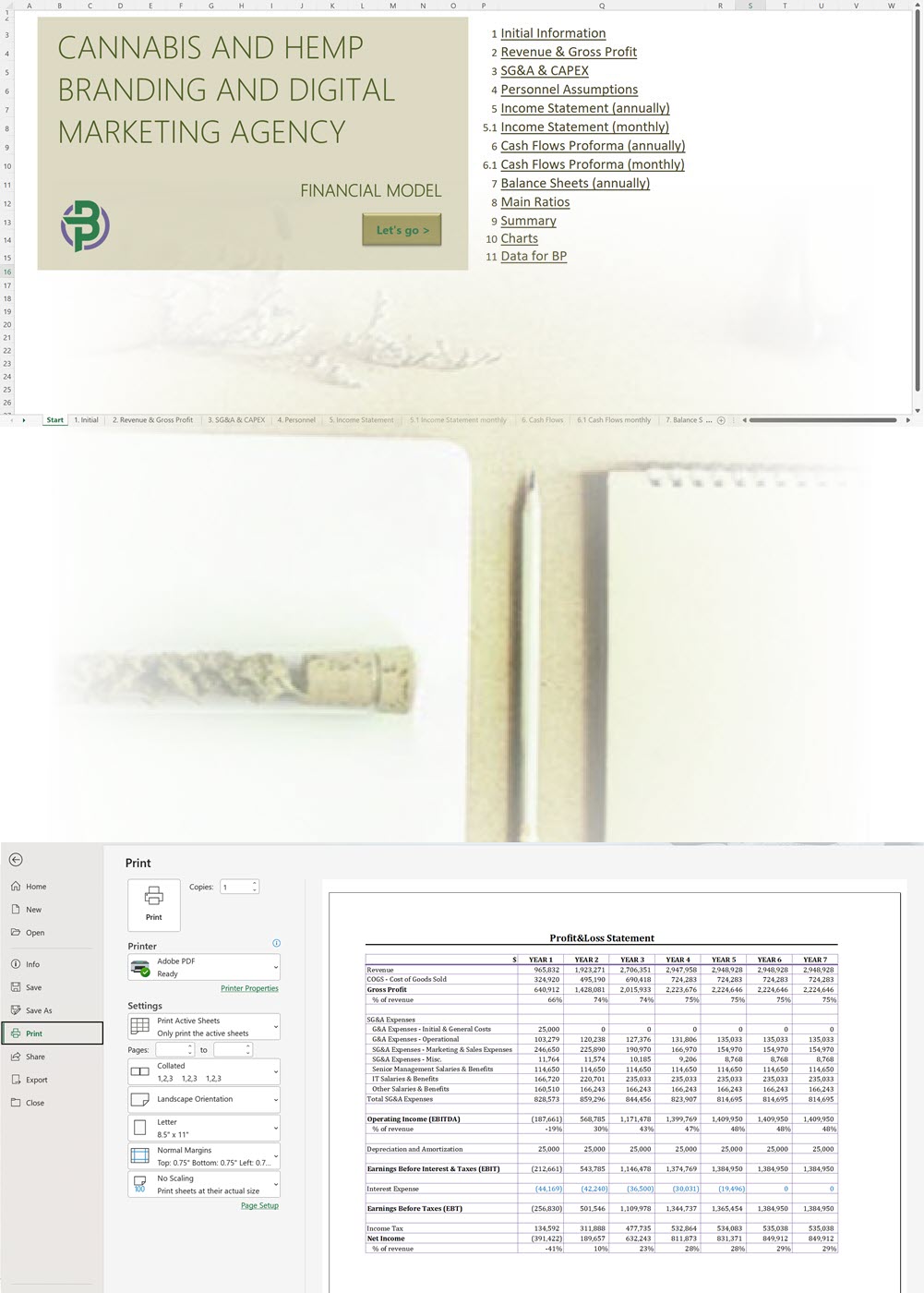
Our cannabis financial models and cannabis business plan templates will help you estimate how much it costs to start and operate your own cannabis business, to build all revenue and cost line-items monthly over a flexible seven year period, and then summarize the monthly results into quarters and years for an easy view into the various time periods. We also offer investor pitch deck templates.
Best Selling Templates
-

Cannabis Cultivation Business Plan Template
Price range: $75.00 through $350.00 Select options This product has multiple variants. The options may be chosen on the product page -

Cannabis Dispensary Investor Pitch Deck Template
$75.00 Select options This product has multiple variants. The options may be chosen on the product page -
Cannabis Financial Model All in One
$250.00 Select options This product has multiple variants. The options may be chosen on the product page
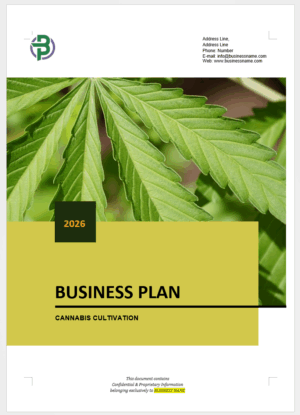
Hemp CBD business plan templates are available at hempcbdbusinessplans.com.
Our Templates

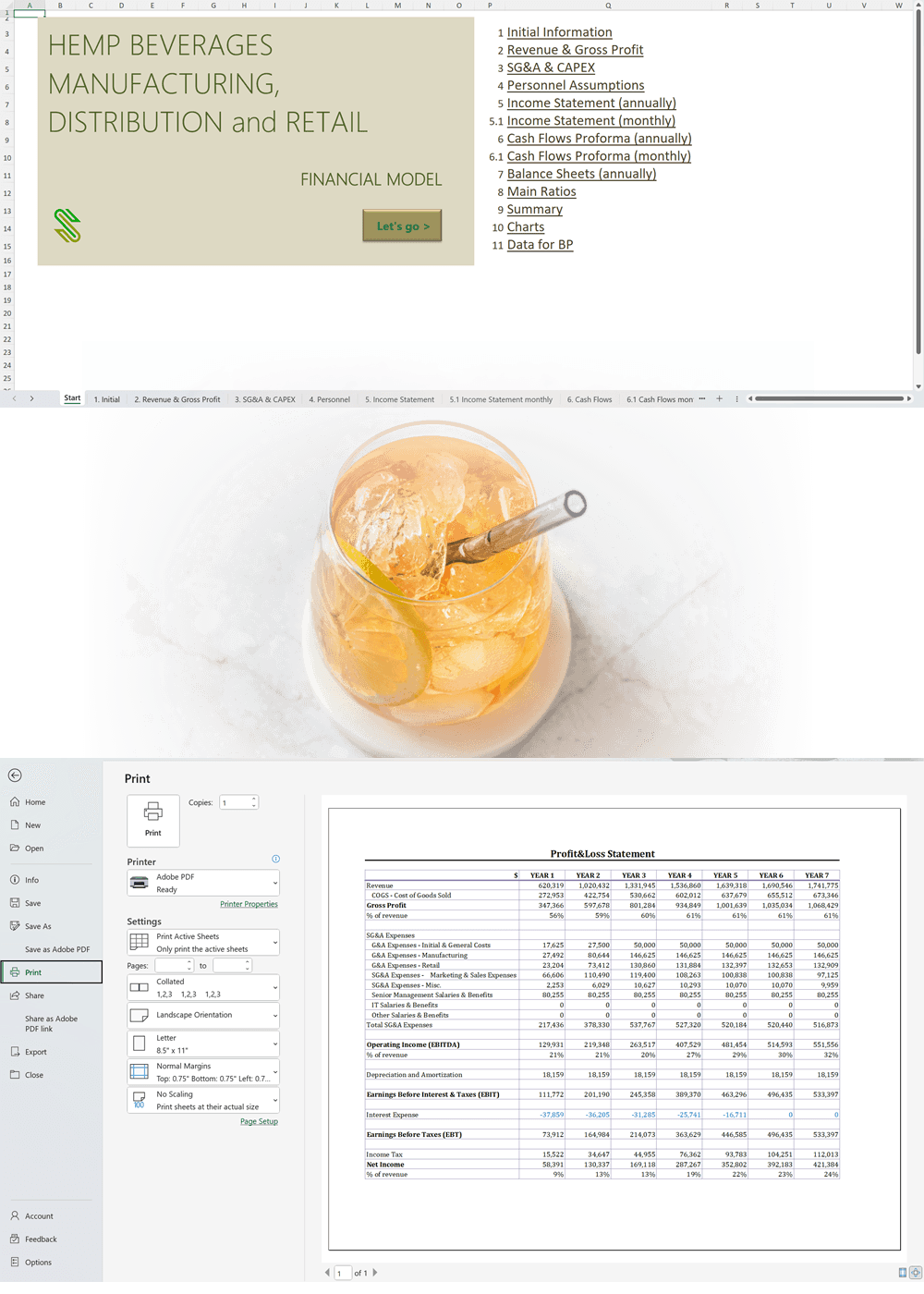
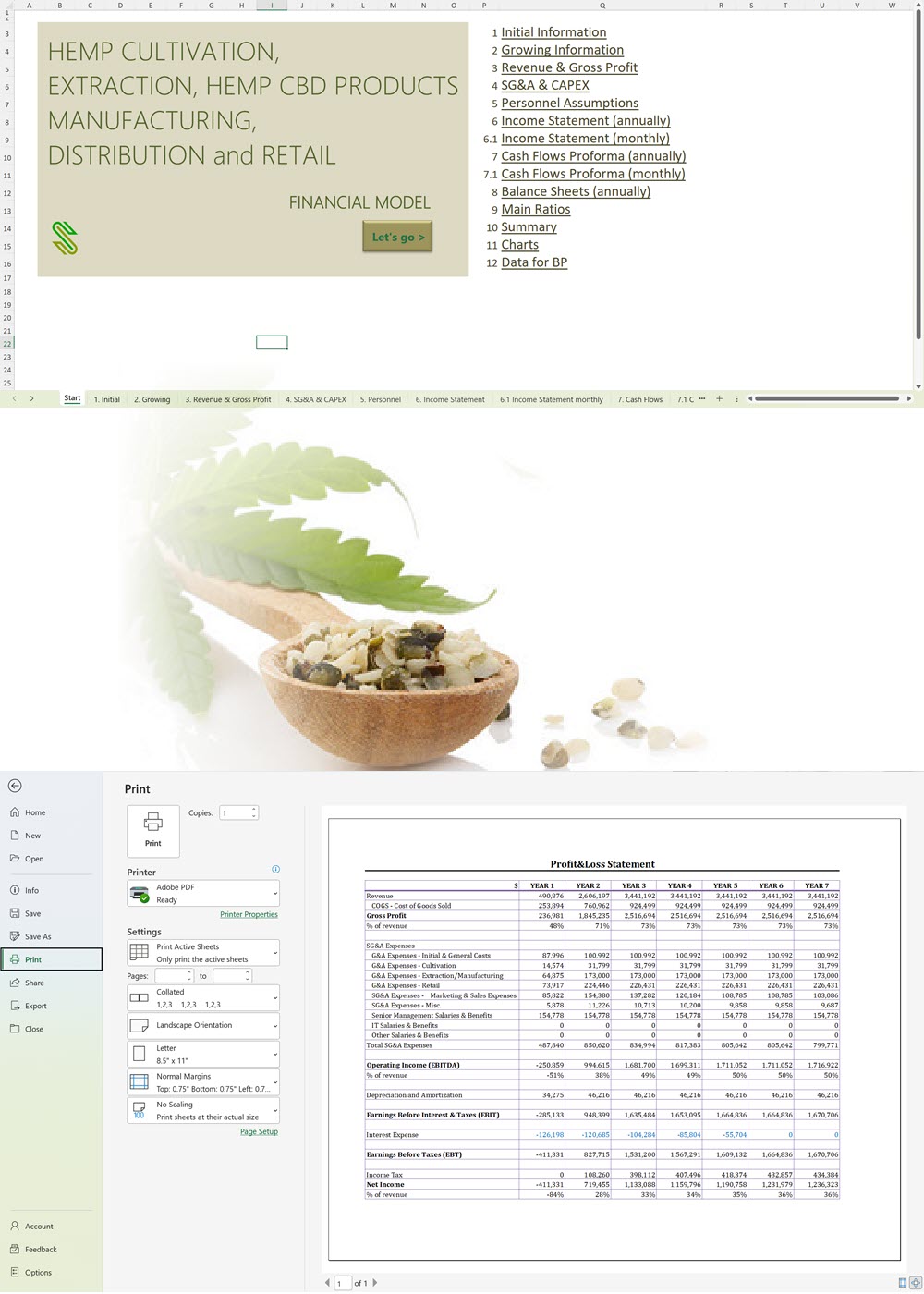

Hemp CBD Beverage Manufacturing, Wholesale and/or Retail Business Plan Template
Price range: $75.00 through $350.00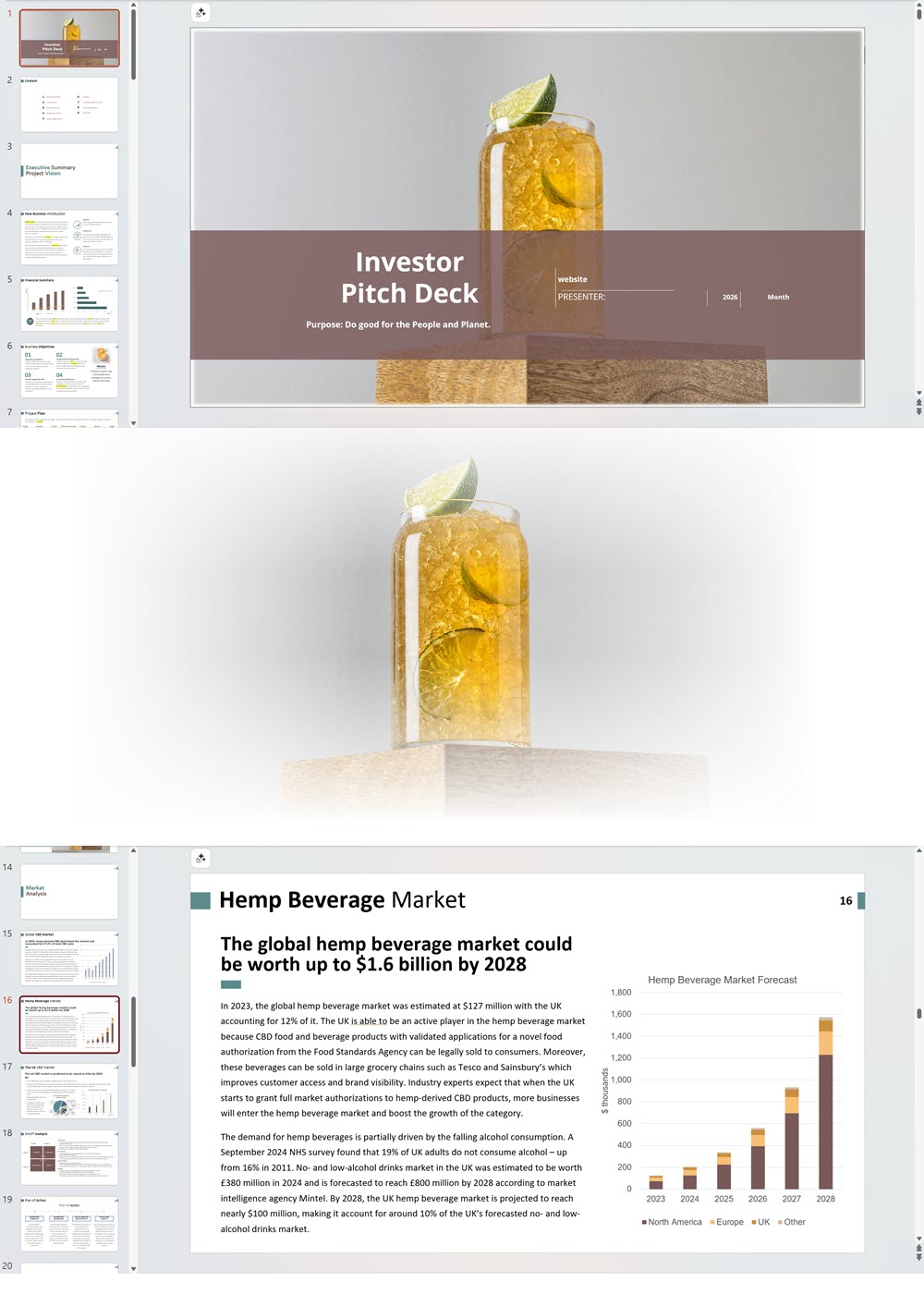

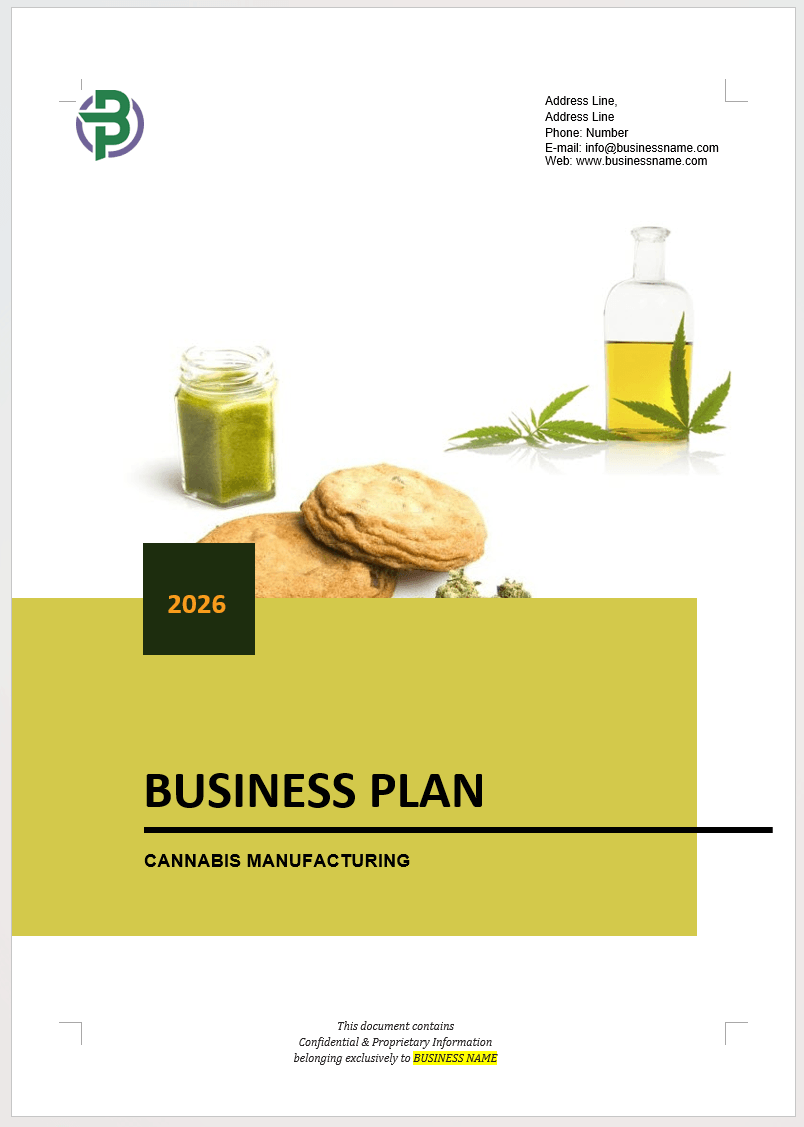
Cannabis Manufacturing Business Plan Template (with in-house processing)
Price range: $75.00 through $350.00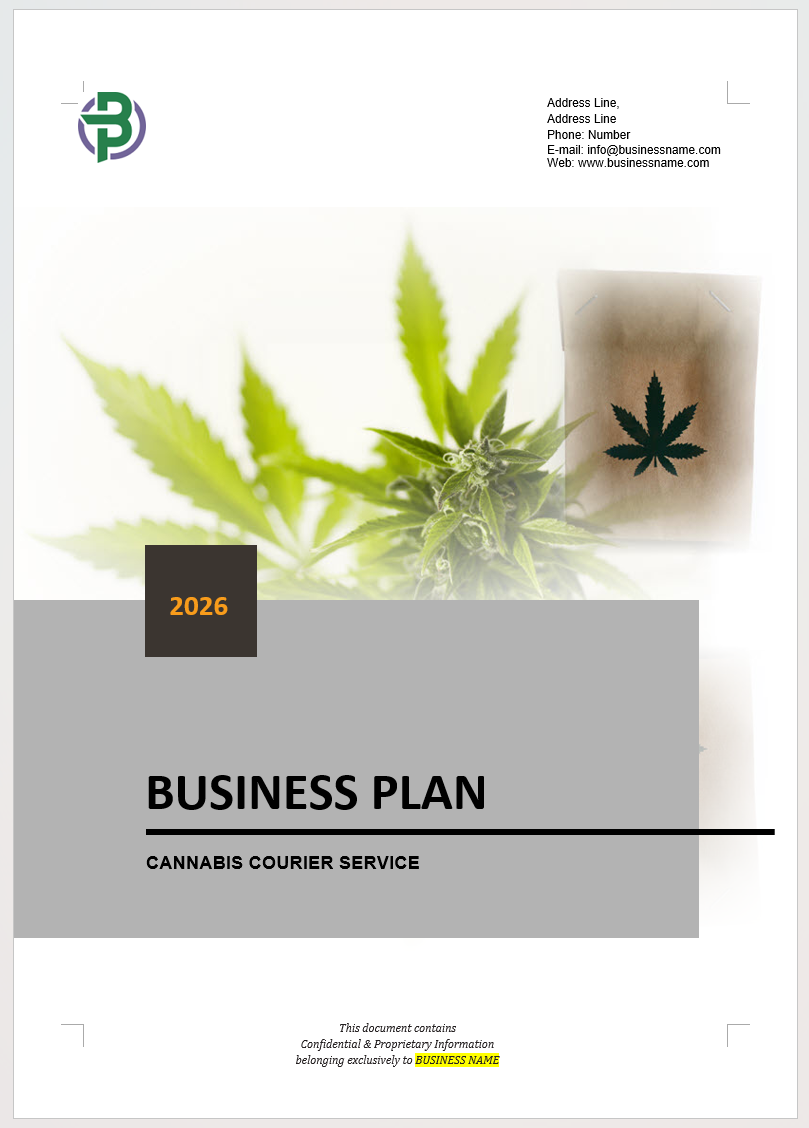
Cannabis Courier Business Plan Template
Price range: $75.00 through $275.00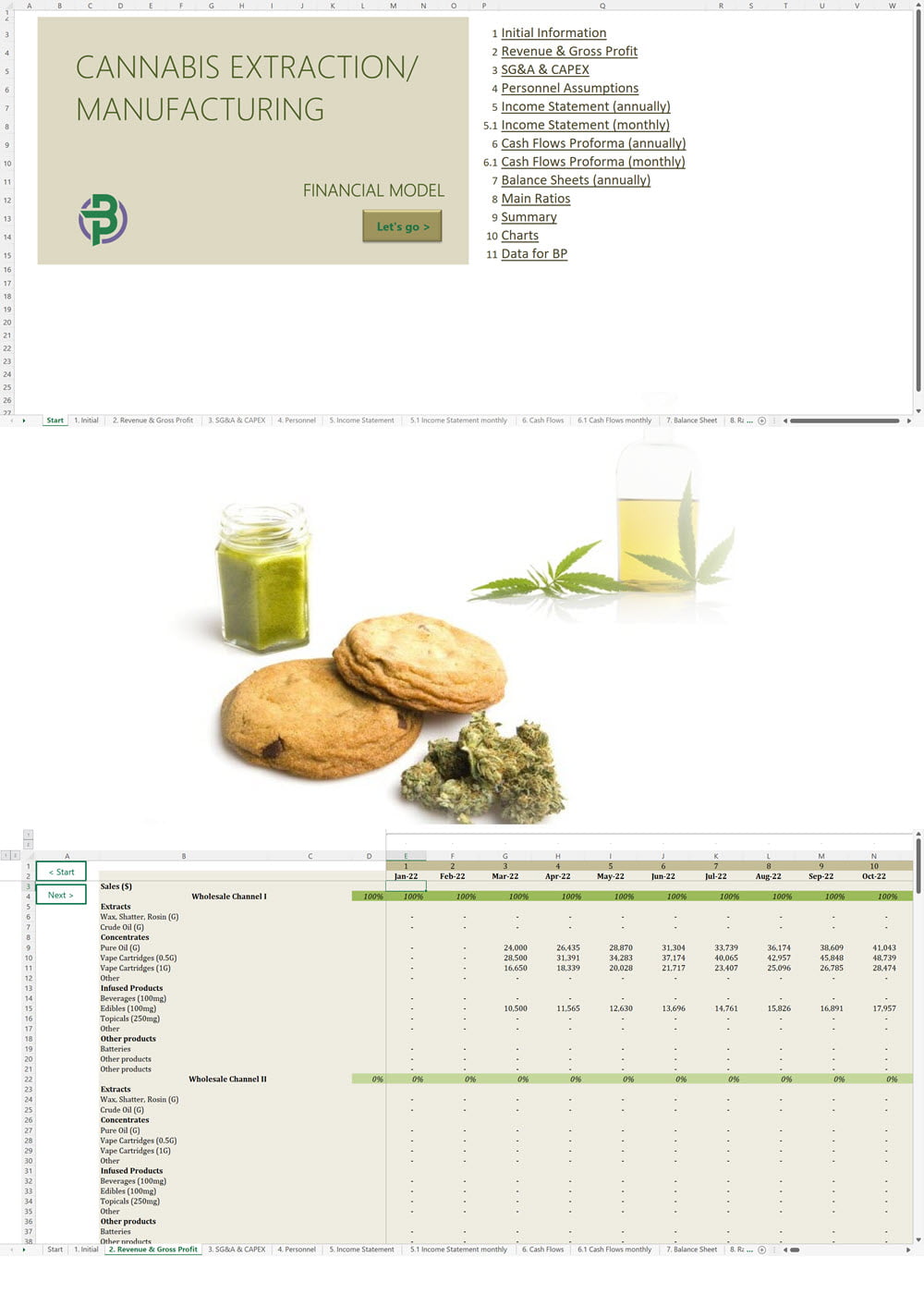
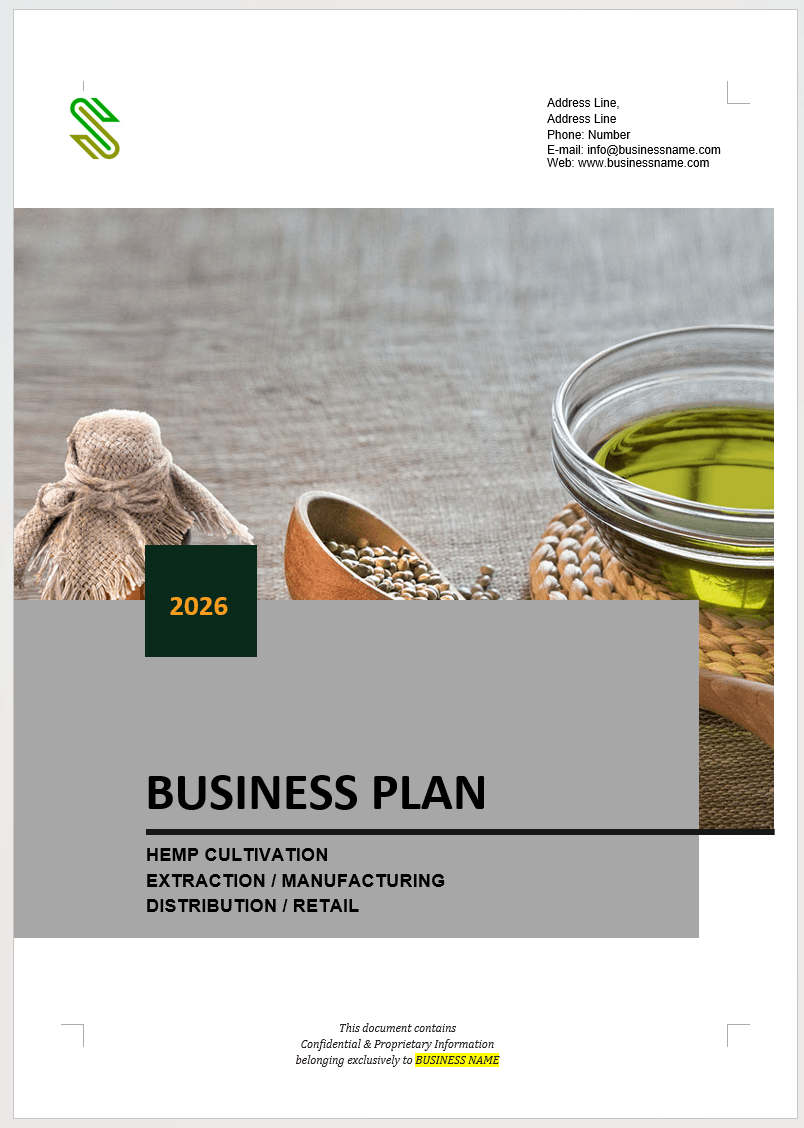
Hemp CBD Vertically Integrated Business Plan Template
Price range: $75.00 through $450.00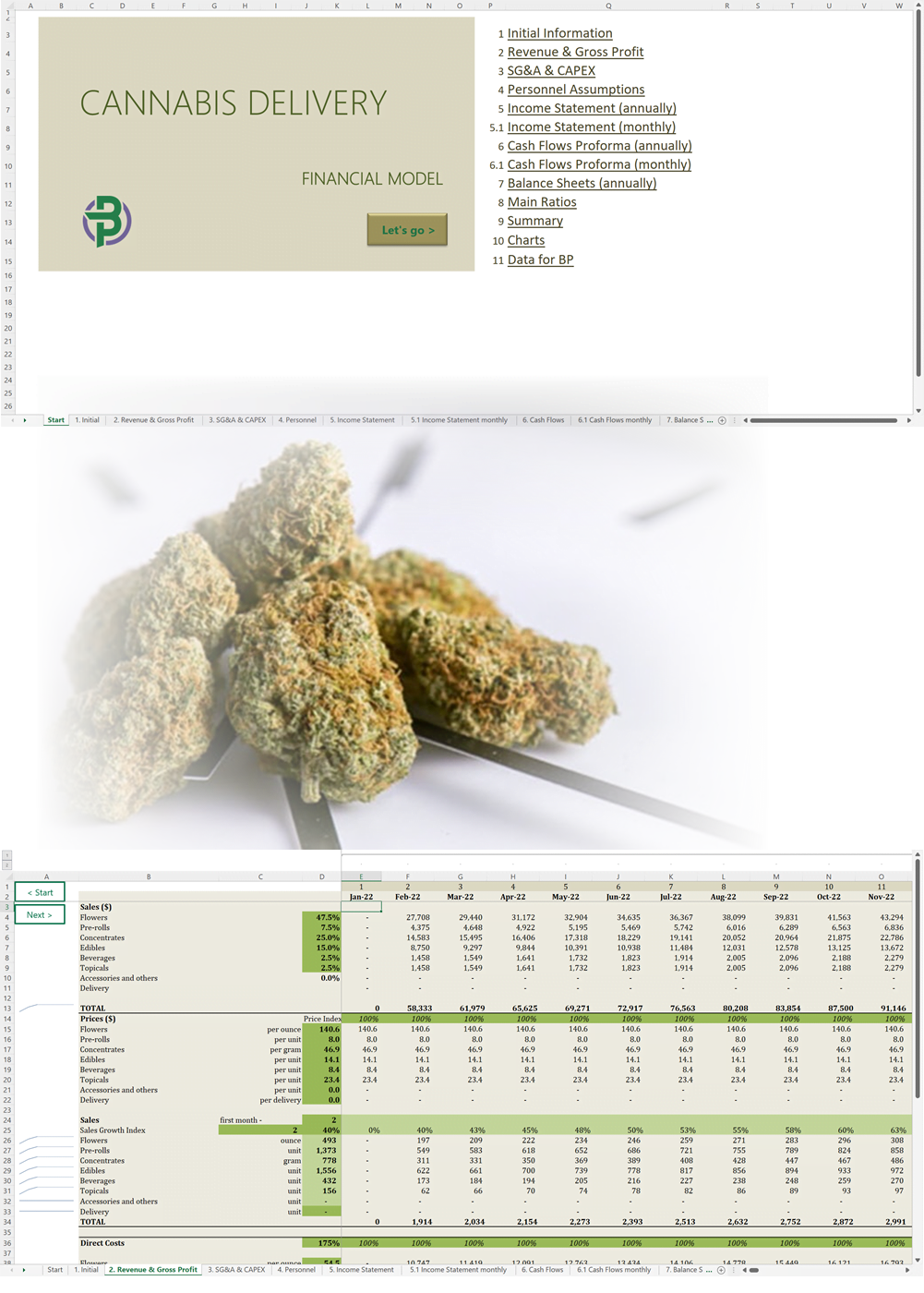

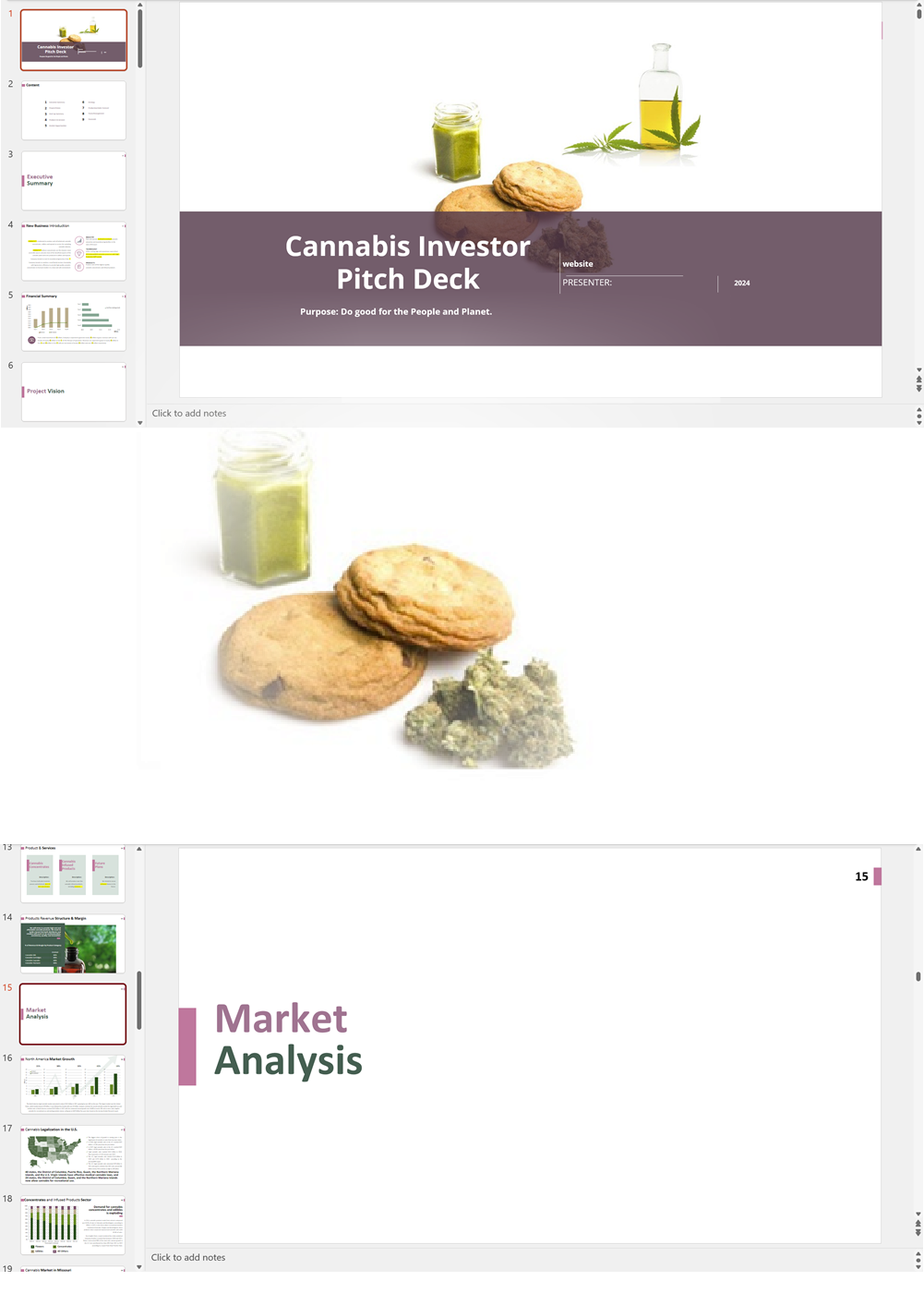
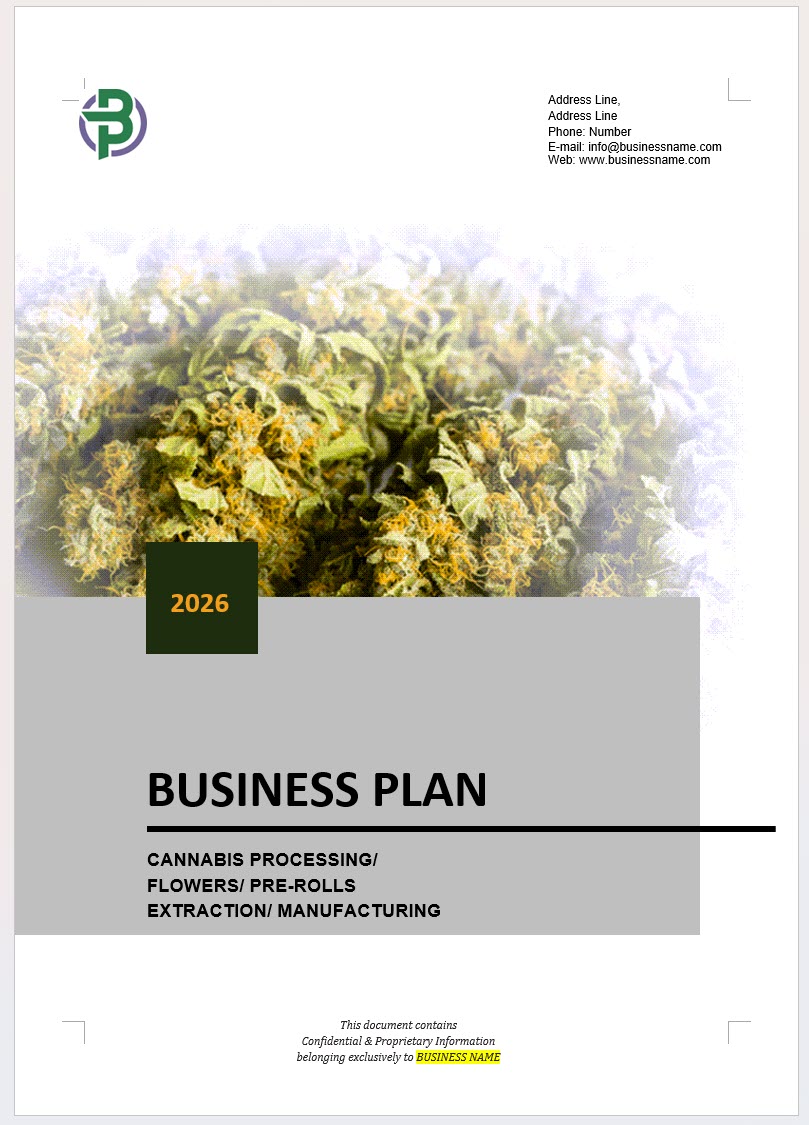
Cannabis Processing/ Flowers/ Pre-rolls/ Extraction/ Manufacturing Business Plan Template
Price range: $75.00 through $350.00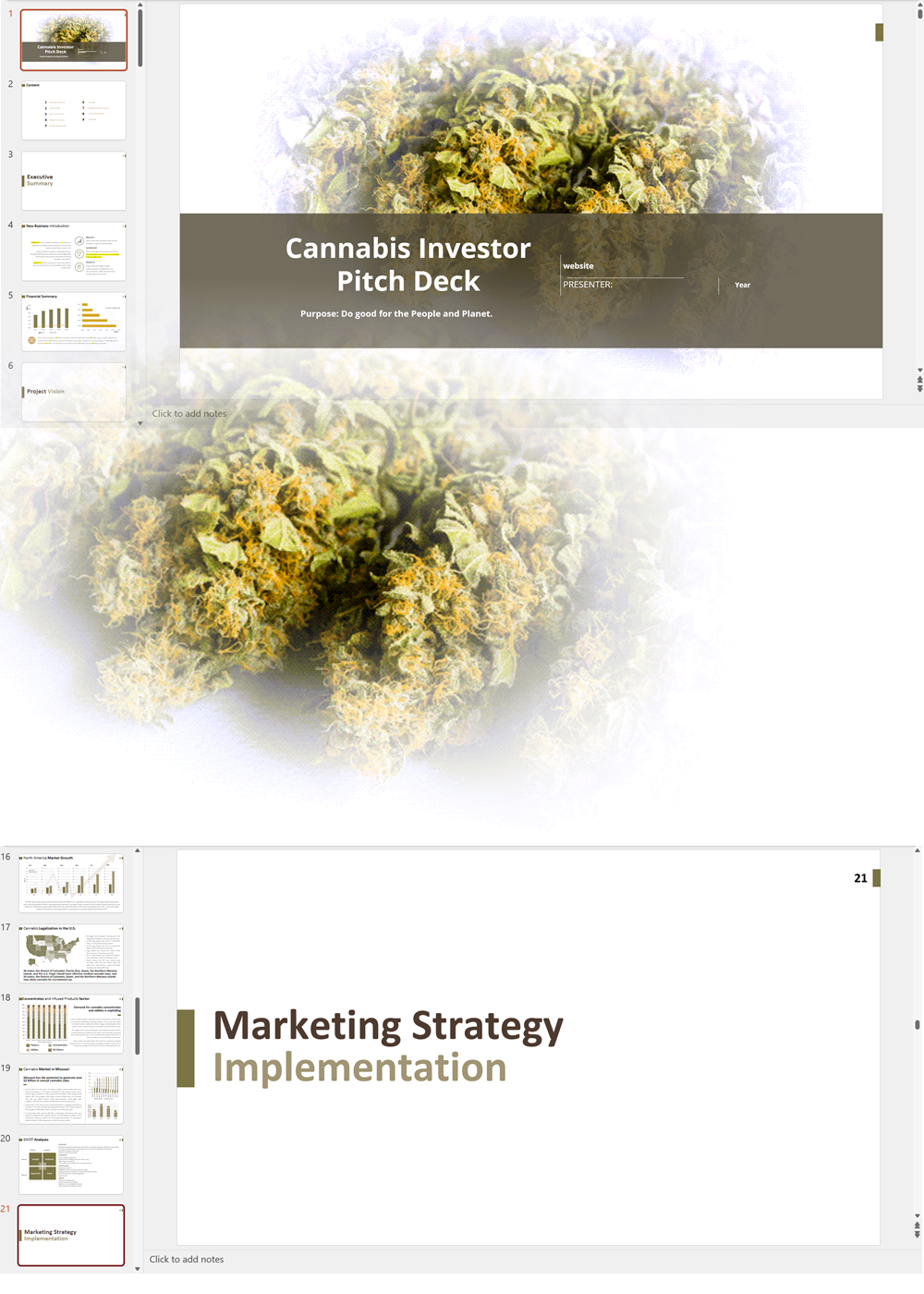
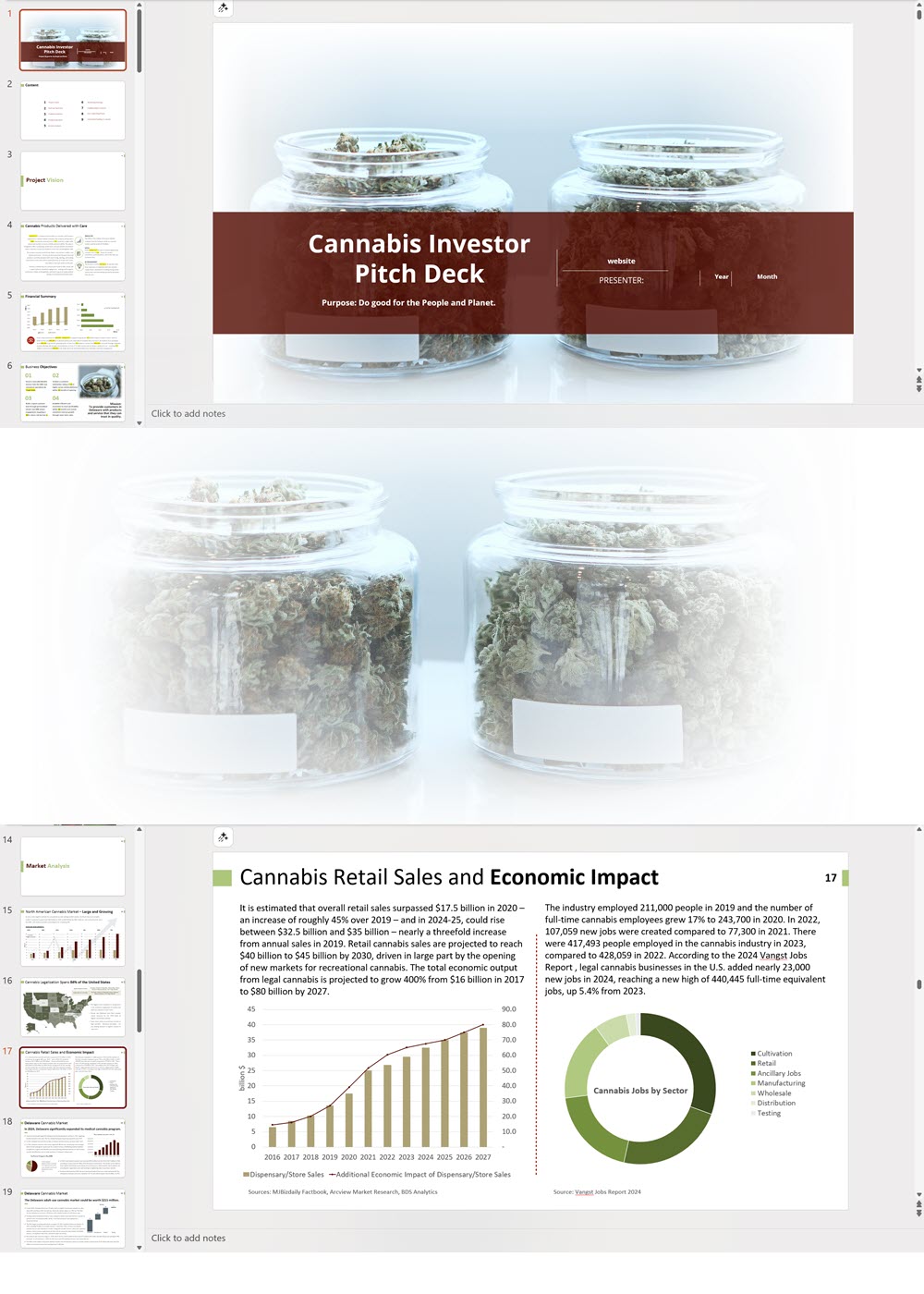
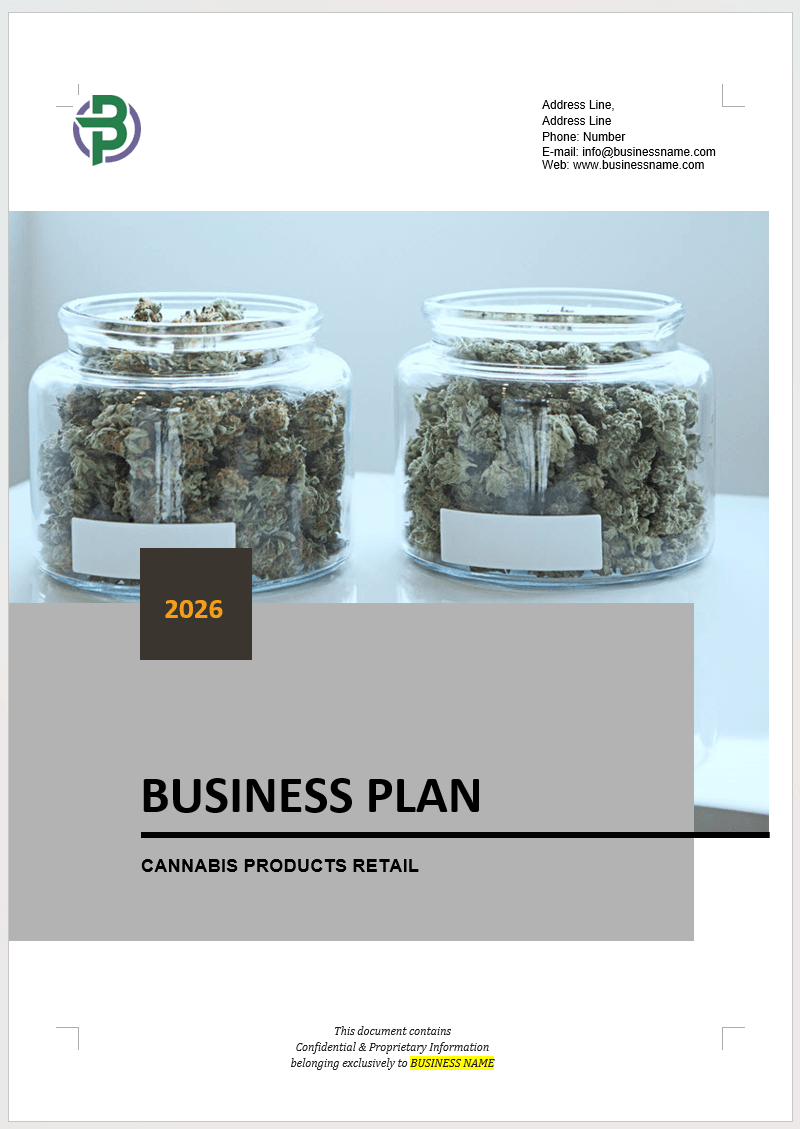
Cannabis Dispensary Business Plan Template
Price range: $75.00 through $350.00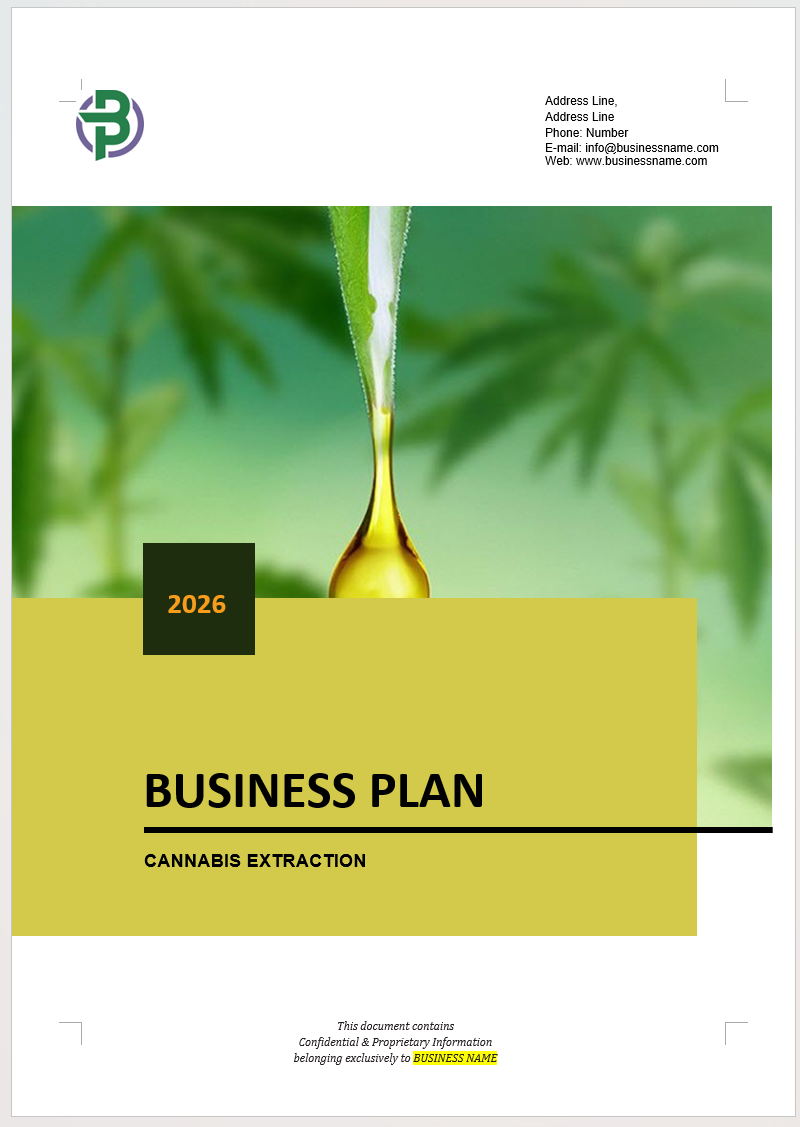
Cannabis Extraction / Concentrates Business Plan Template
Price range: $75.00 through $350.00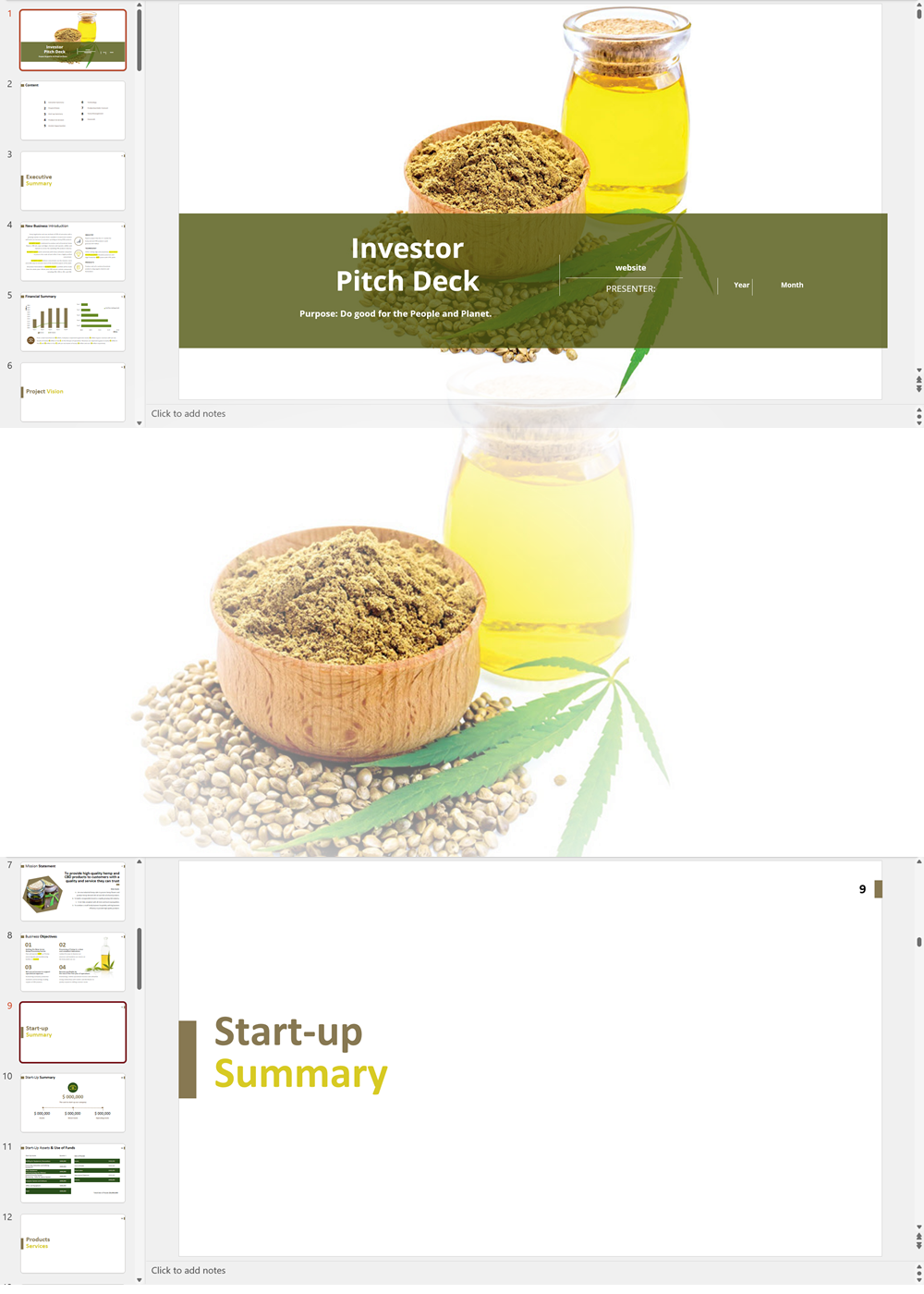
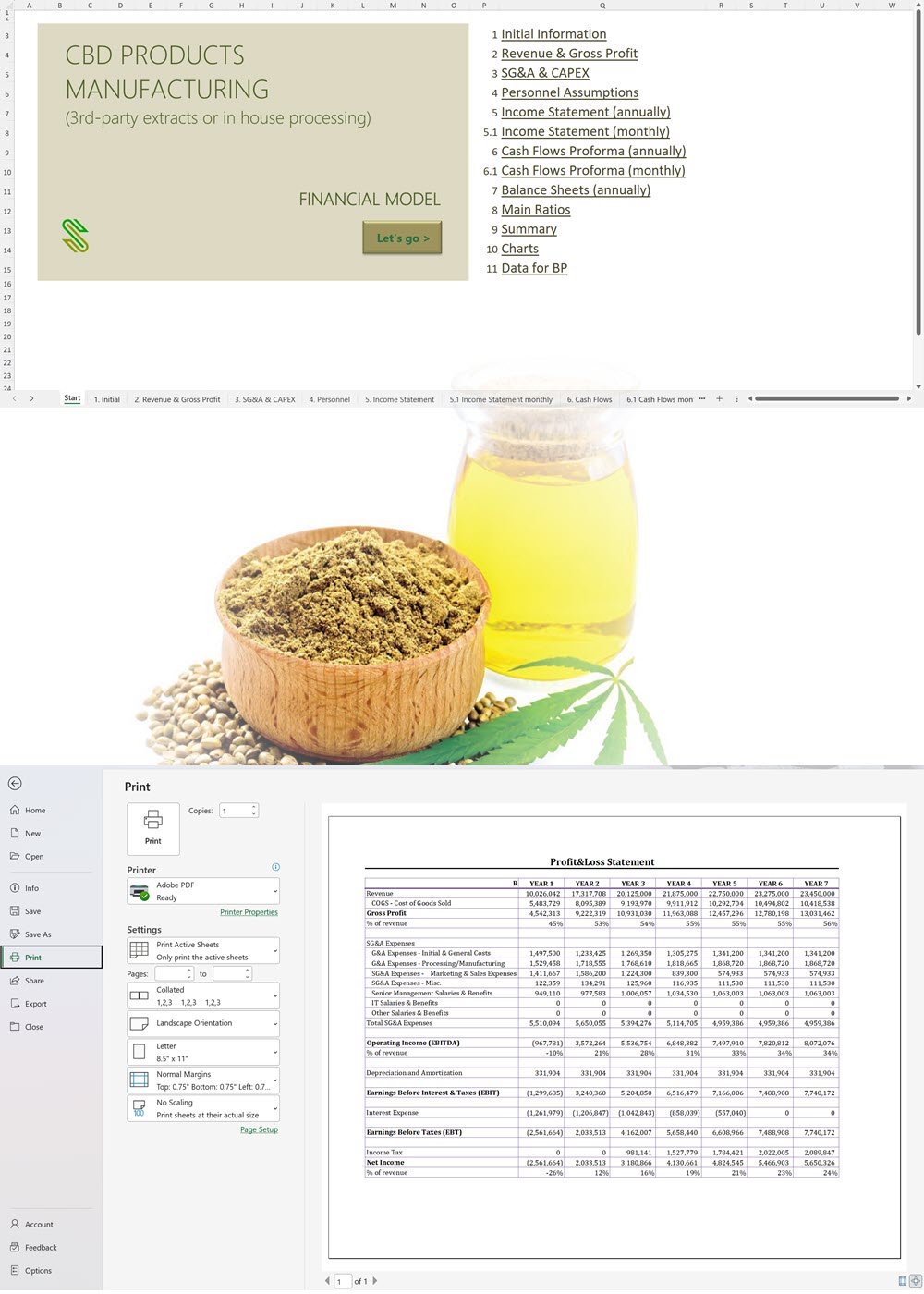
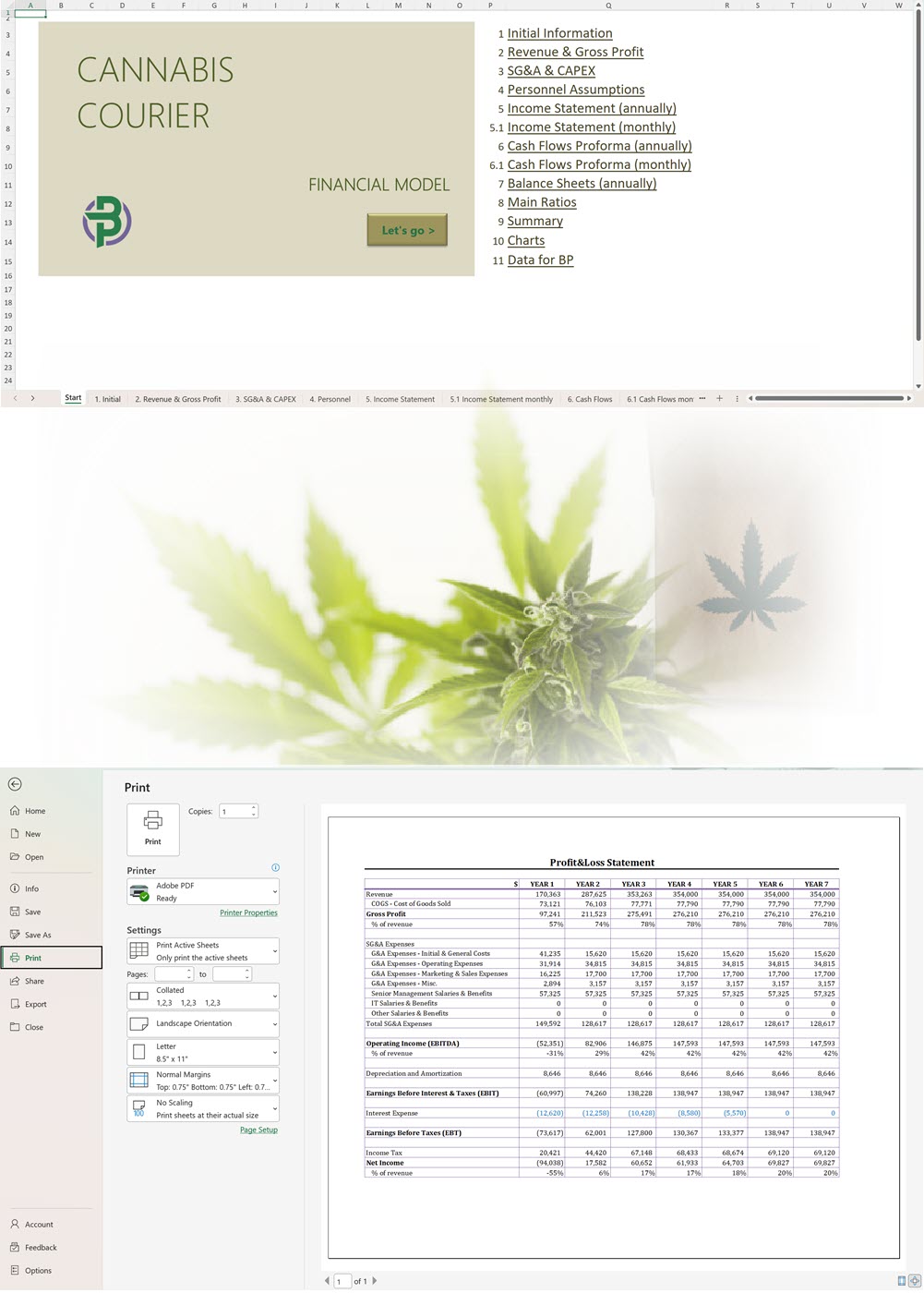
Cannabis Courier Financial Model
$100.00

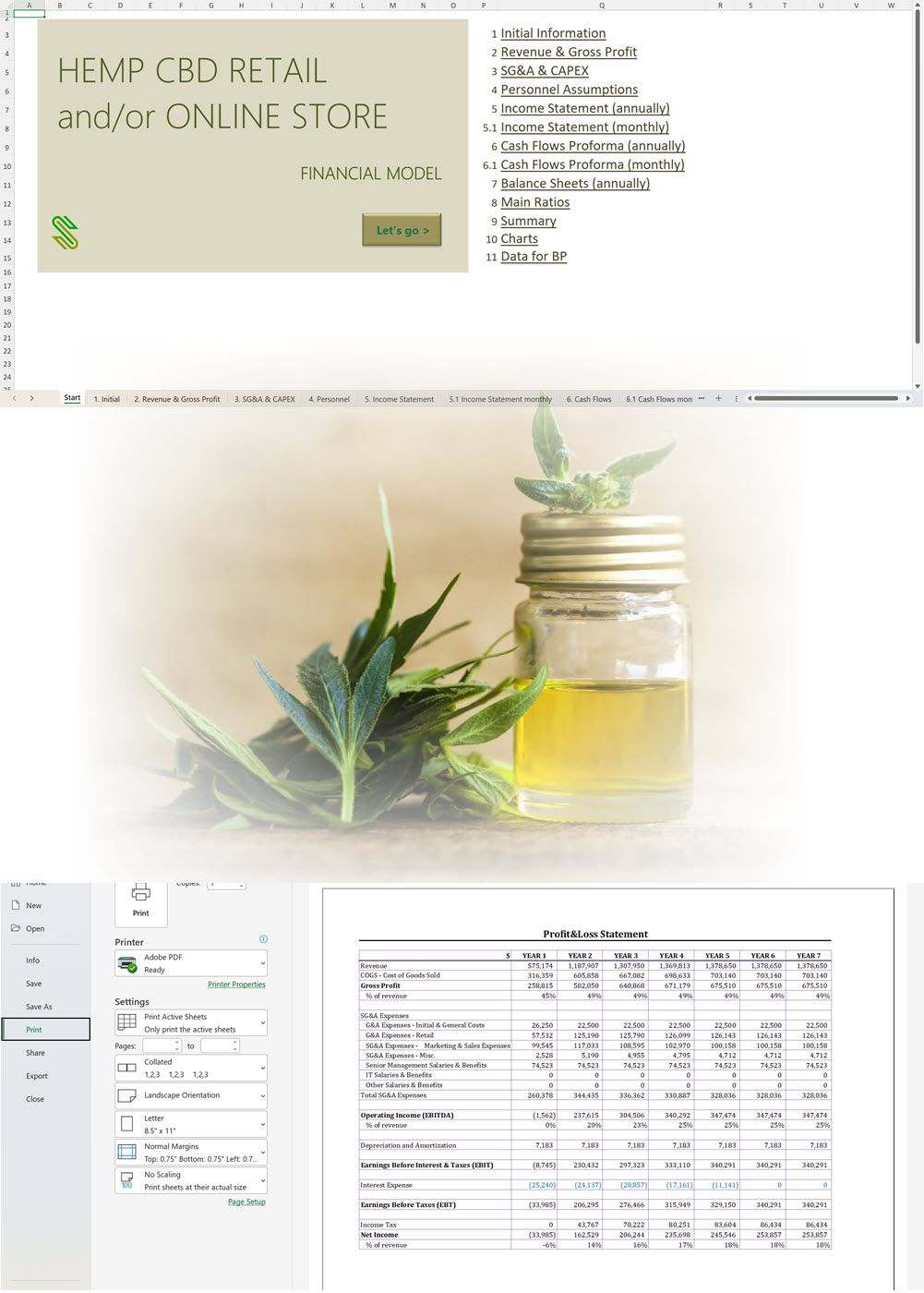
CBD Store and/or Cafe Lounge Business Plan Template
Price range: $75.00 through $275.00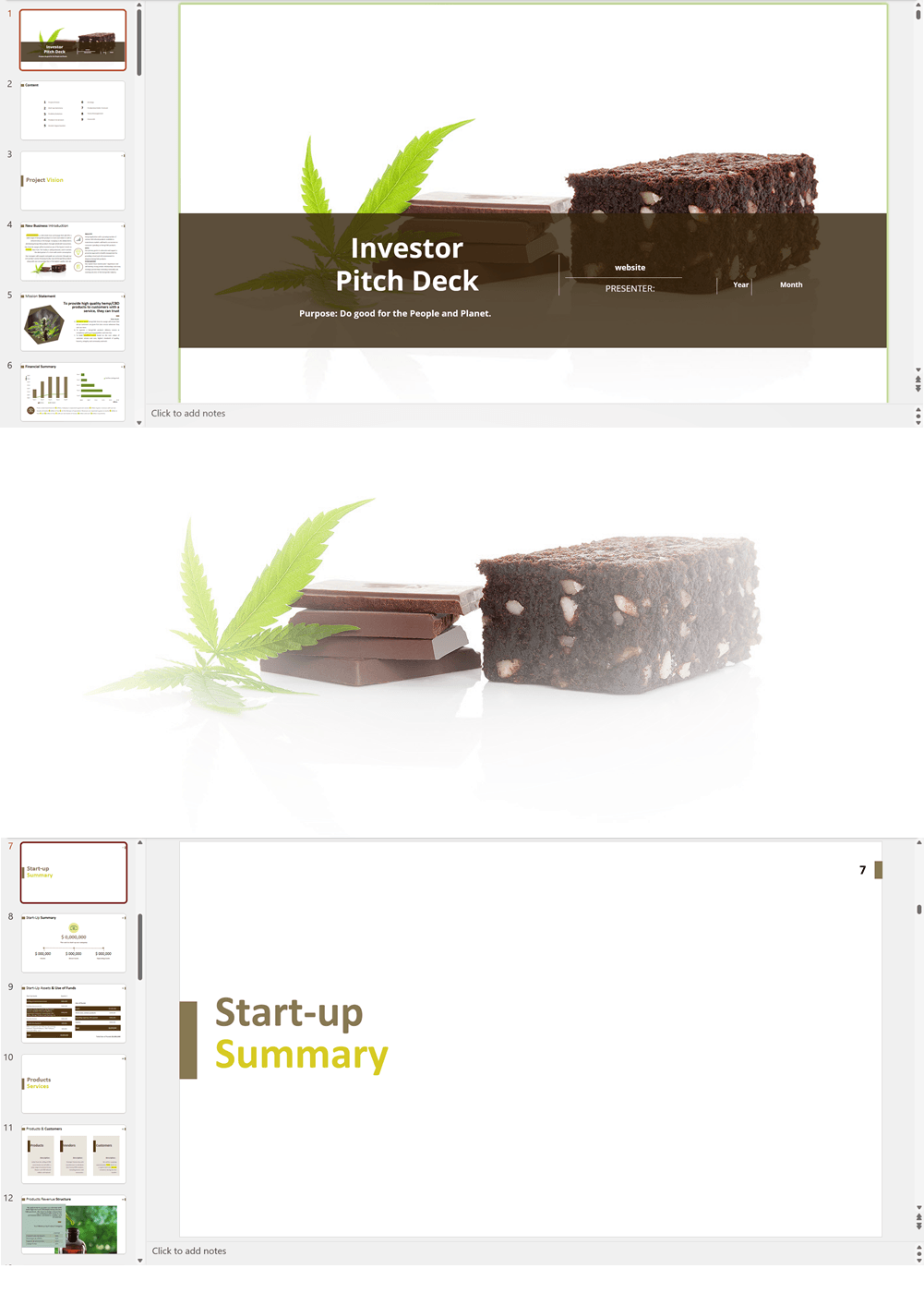


Cannabis Transportation Business Plan Template
Price range: $75.00 through $275.00