Key Takeaways
- Cannabis law and regulations:
- The Utah Department of Agriculture and Food oversees the licensing and regulation of medical cannabis production and distribution in the state. Cannabis pharmacies are regulated by the Utah Department of Health.
- Licenses available:
- Cannabis Cultivation Facility; Cannabis Processing Facility; Independent Cannabis Testing Laboratory; Medical Cannabis Courier; Medical Cannabis Pharmacy. The state allows vertical integration but does not mandate it.
- Products legal:
- Cannabis may be dispensed in the following forms: flower or bud (in a blister pack containing no more than one gram of flower pods in each individual blister), tablets, capsules, concentrated oil, liquid suspension, topicals, transdermal patches, sublingual preparations, and lozenges. Utah law prohibits the smoking of cannabis, as well as candy, cookies, cakes, and other foods.
- Taxes:
- Medical cannabis is exempt from sales and excise taxes.
- Market:
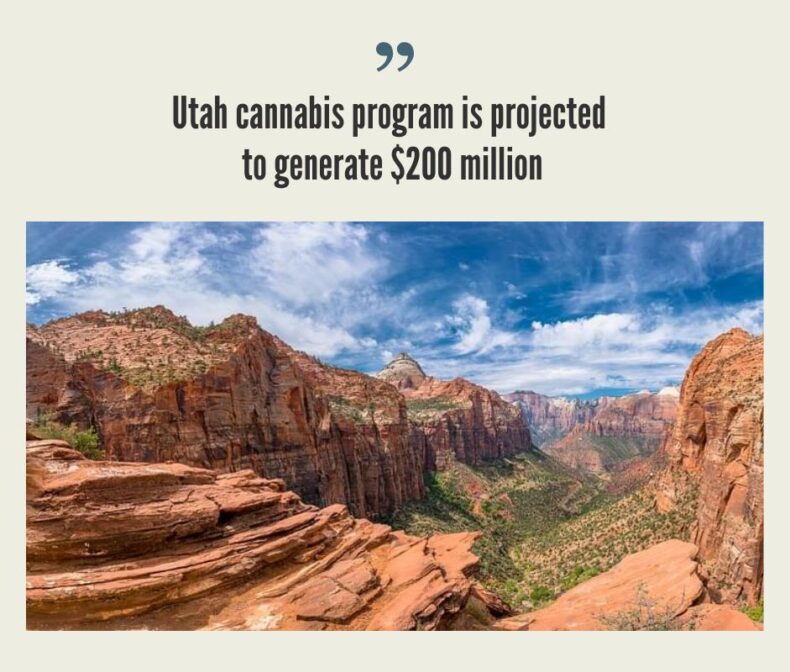
- Medical cannabis sales grew 14% in 2024 to $163.5 million, with quarterly sales peaking at $43 million. Medical cannabis sales for the first two quarters of 2025 were $88 million – already nearly 50% higher than for the first two quarters of 2024. Utah cannabis program is projected to generate $200 million.
- As of June 2025, there were 15 licensed medical cannabis pharmacies in operation, 15 licensed Tier 1 processors, one licensed Tier 2 processor, 8 cultivators and one independent testing laboratory.
Utah Cannabis Legalization
Utah Proposition 2, the Medical Marijuana Initiative was on the ballot in Utah as an initiated state statute on November 6, 2018. Gov. Gary Herbert signed the measure into law on December 3, 2018.
The bill allows up to 14 cannabis dispensaries and 8 cultivation licenses. According to the rules for Utah’s new medical cannabis program, the state charges $2,500 application fee and an additional $50,000-$69,000 annual licensing fee for retailers and $100,000 for cultivators.
The state also has licenses for processing, testing and courier operations.
Only the following forms are available in the Utah cannabis market: tablet; capsule; concentrated oil; liquid suspension; transdermal preparation; gelatinous cube; unprocessed cannabis flower in a blister pack containing no more than one gram of flower pods in each individual blister; wax or resin. Utah law prohibits the smoking of cannabis, as well as candy, cookies, cakes, and other foods.
Utah Cannabis Licenses
In 2020, the Utah Department of Agriculture and Food and the Utah Division of Purchasing selected eight companies to be Medical Cannabis Cultivators in Utah’s Medical Cannabis Program. The Utah Department of Agriculture follows 4-41a-205 and to not exceed 8 Cannabis Cultivation Facility Licenses unless all Cultivators reach their 100,000 sq. ft. grow limit, the Utah Department of Health anticipates a greater patient need, or a current company forfeits their license.
Utah is not restricting the number of processing licenses. All medical cannabis processing facilities must comply with quality assurance testing, and obtain a good manufacturing permit from UDAF’s Regulatory Services. As of June 2025, there were 15 licensed Tier 1 processors and one licensed Tier 2 processor. There was also one licensed independent testing laboratory.
Utah Cannabis Market
Utah’s first medical cannabis dispensary opened on March 2, 2020. There are currently 15 licensed medical cannabis pharmacies in operation with locations in North Logan, Brigham City, South Ogden, West Bountiful, Park City, Salt Lake City, South Jordan, Lehi, Provo, Price, Springville, Payson, Murray, Cedar City, and St. George. On March 24, 2025, House Bill 54 was signed into law, raising the limit on the number of medical cannabis dispensaries in the state from 15 to 17. Medical cannabis home delivery became available for the first time in January 2021. In 2023, the number of orders delivered by medical cannabis pharmacies to cardholders’ homes reached 715,235 – nearly 9 times the number in 2021.
Net sales revenue exceeded $20 million per quarter in 2021 and totaled almost $75 million, up from $22 million in the first year. In 2022, medical cannabis sales brought in almost $120 million and in 2023, quarterly sales rose to over $38 million, totaling $143 million for the whole year. Quarterly sales continued to consistently grow in 2024, totaling $163.5 million. Medical cannabis sales for the first two quarters of 2025 were already nearly 50% higher than for the first two quarters of 2024.
The number of medical cannabis cardholders with active status increased sevenfold from 2020 (11,000) to 2023 (77,644). As of June 2025, there were 102,633 patients with active medical cards. The majority of patients use cannabis to treat persistent pain (85.6%).
Medical cannabis patients in Utah mainly prefer to purchase cartridges/pens and this category has been steadily increasing its share of cannabis product sales – from 30% in 2020, it reached 48% in June 2025. The next most preferred categories are flower (33%) and infused edibles (18%).
Utah Cannabis Market Infographics
How Can Cannabusinessplans Templates Help Start or Grow Your Cannabis Business?
The majority of cannabis licensing programs require the submission of a business plan as part of the application for a cannabis license. Even if it is not mandated by law, a business plan is essential for securing funding and assisting an applicant in understanding how much money it will take to start a cannabis business and how much profit it could make.
A well-structured business plan can make all the difference in helping you demonstrate your proposed cannabis business’ compliance with regulations and its operational viability.
Our complete cannabis business plan template package is everything you need to create a professional business plan for a cannabis business with expert financials and projections. A complete cannabis business plan template package includes:
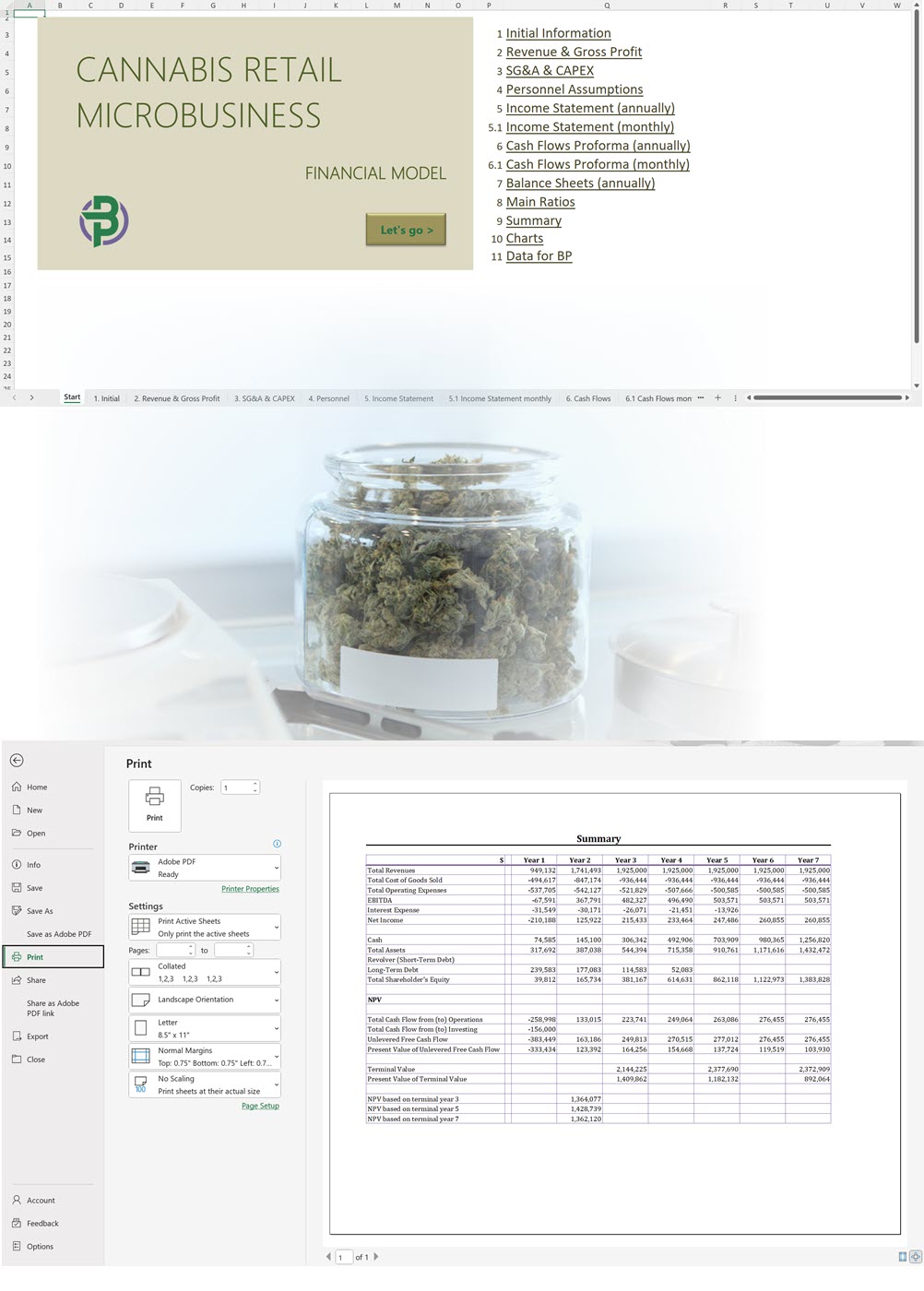
- Excel Financial Model: change variables and immediately see the impact, break down operational and capital costs, know how much it will take to get into the business and the potential profits.
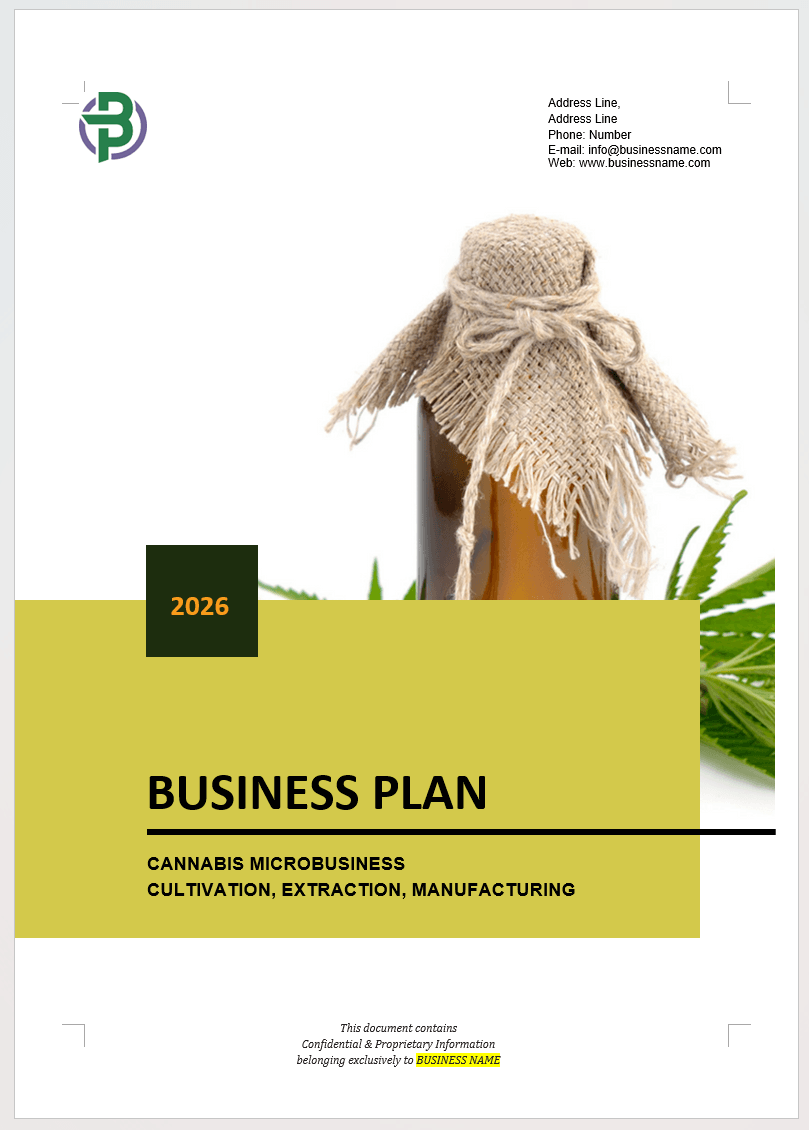
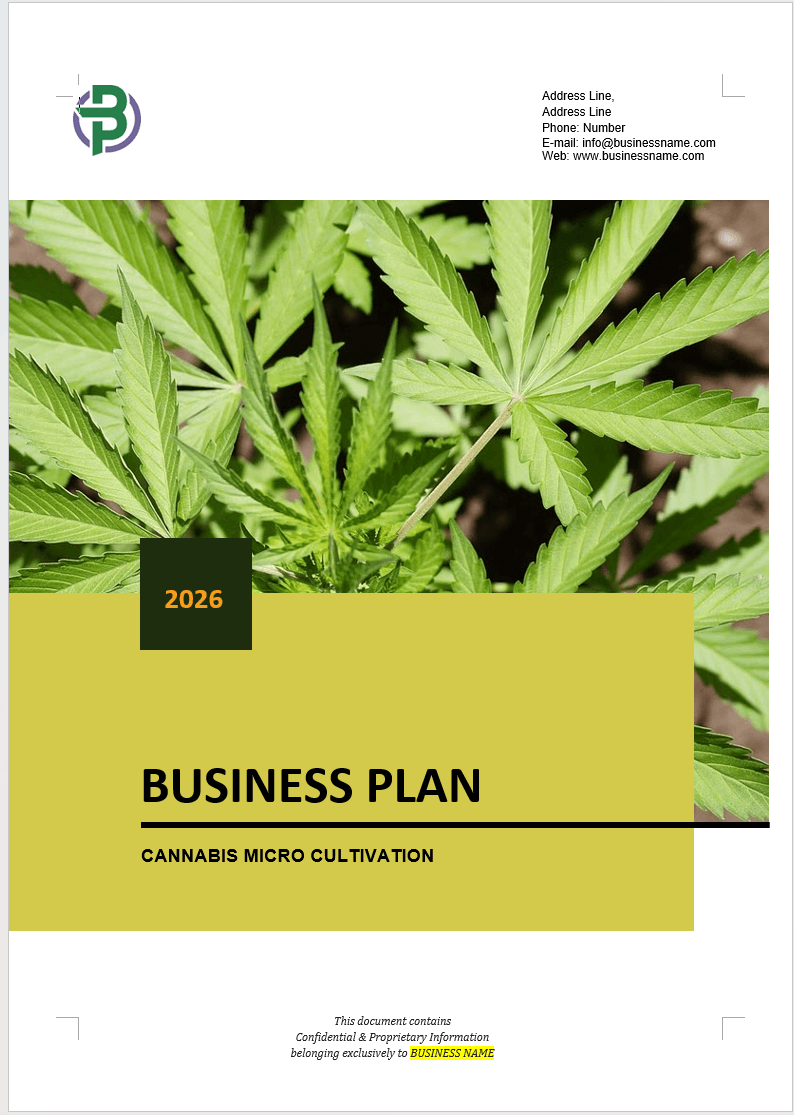
- Word Business Plan: value proposition, market analysis, marketing strategy, operating plan, organizational structure, financial plan and more.
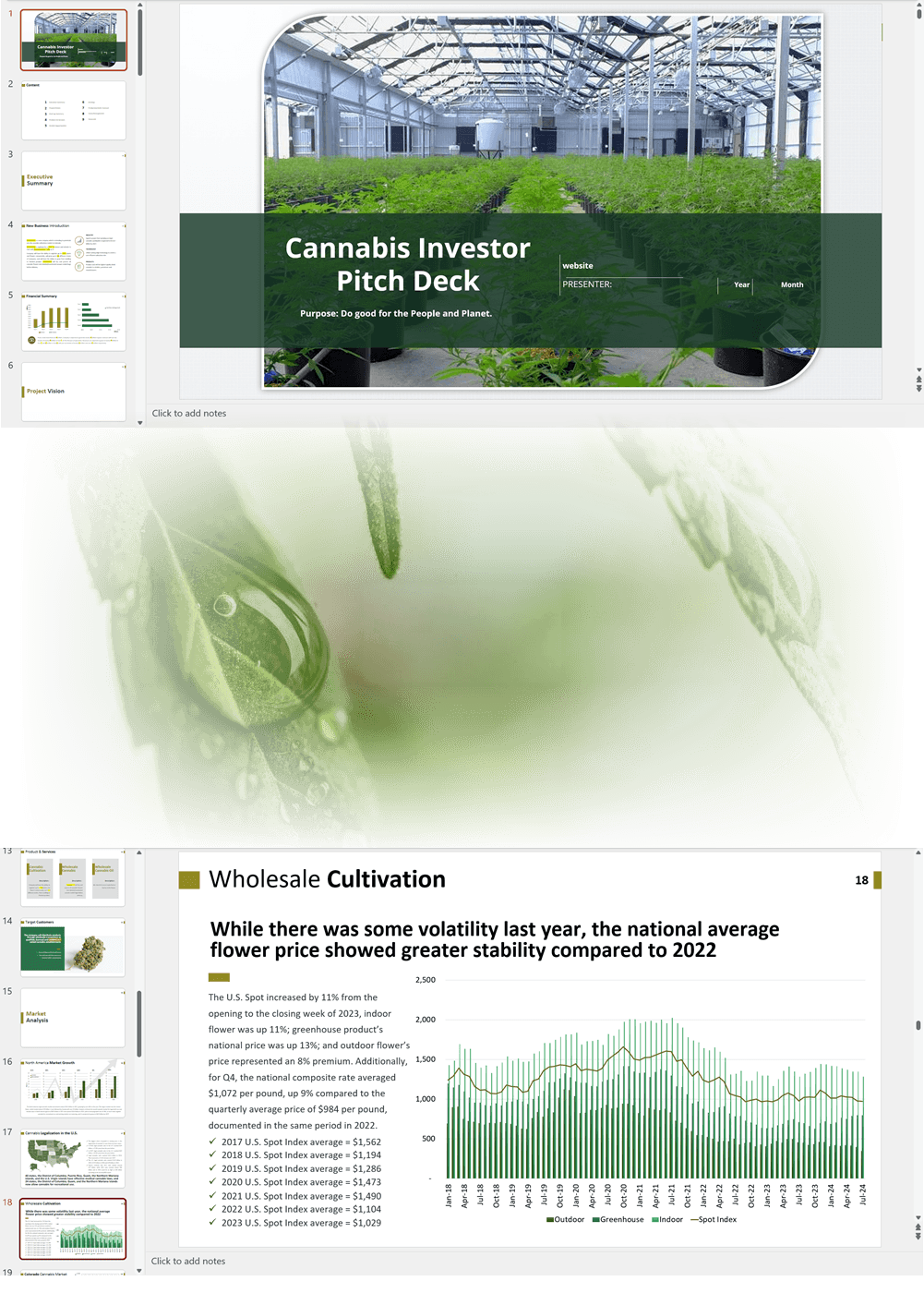
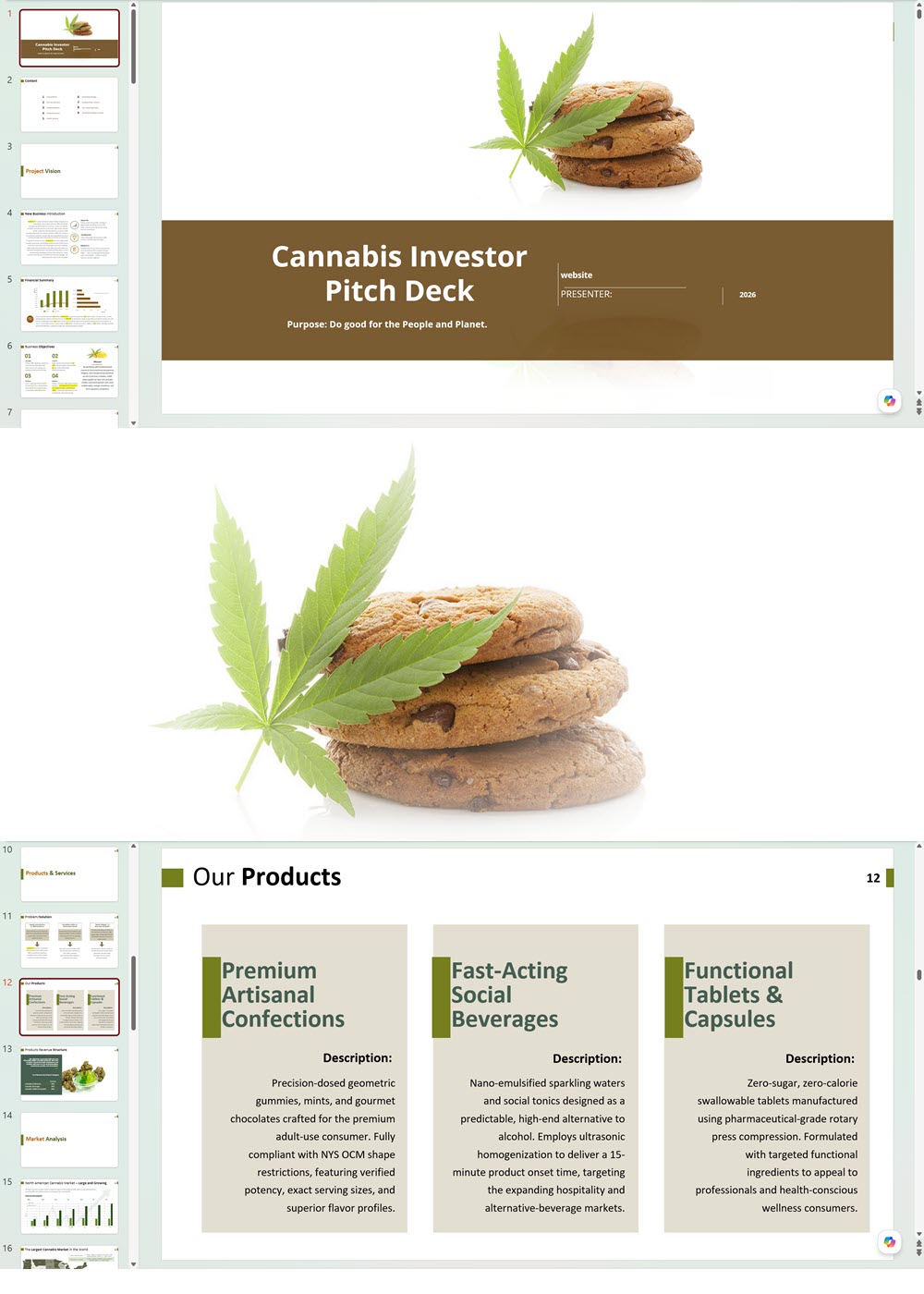
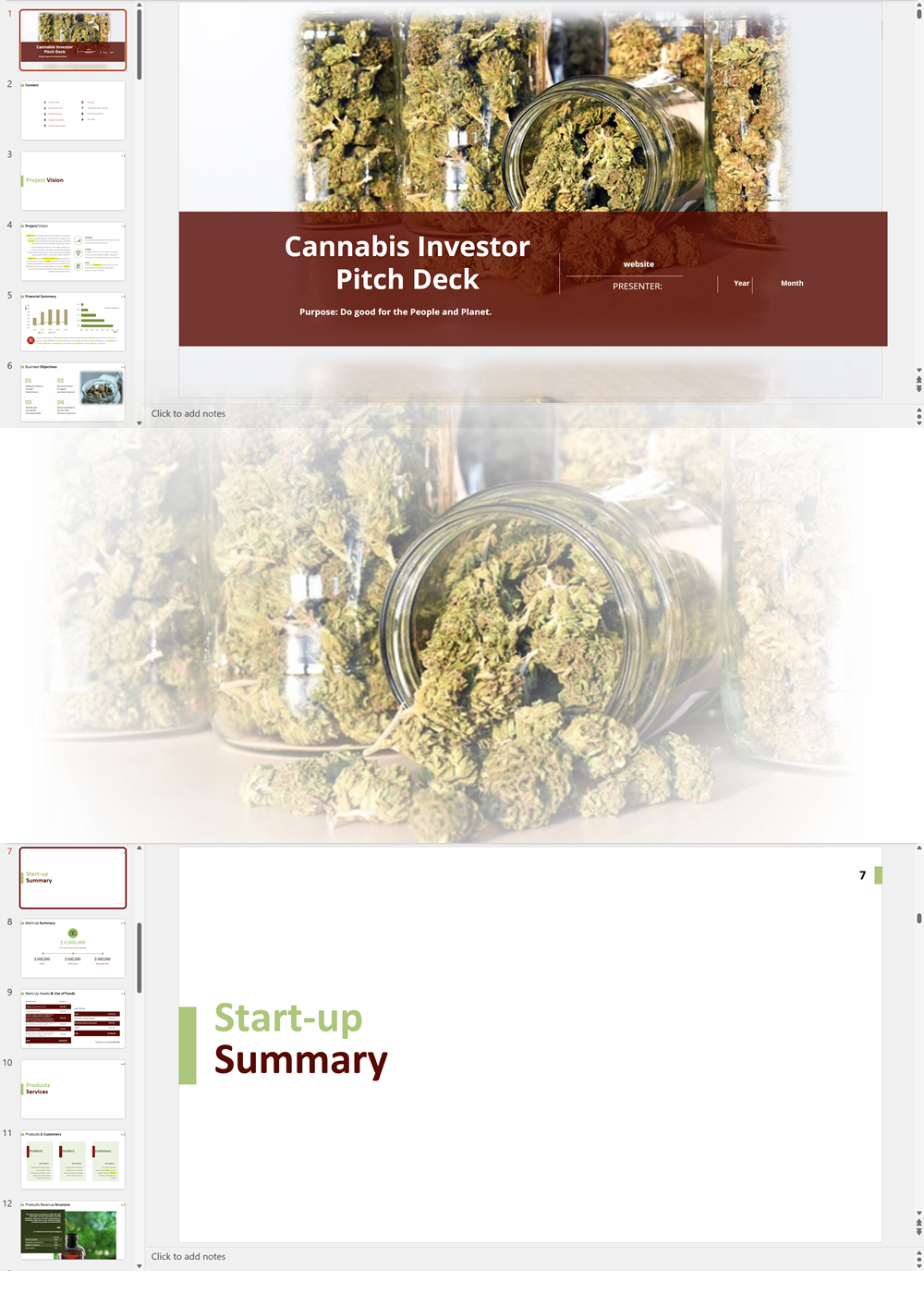
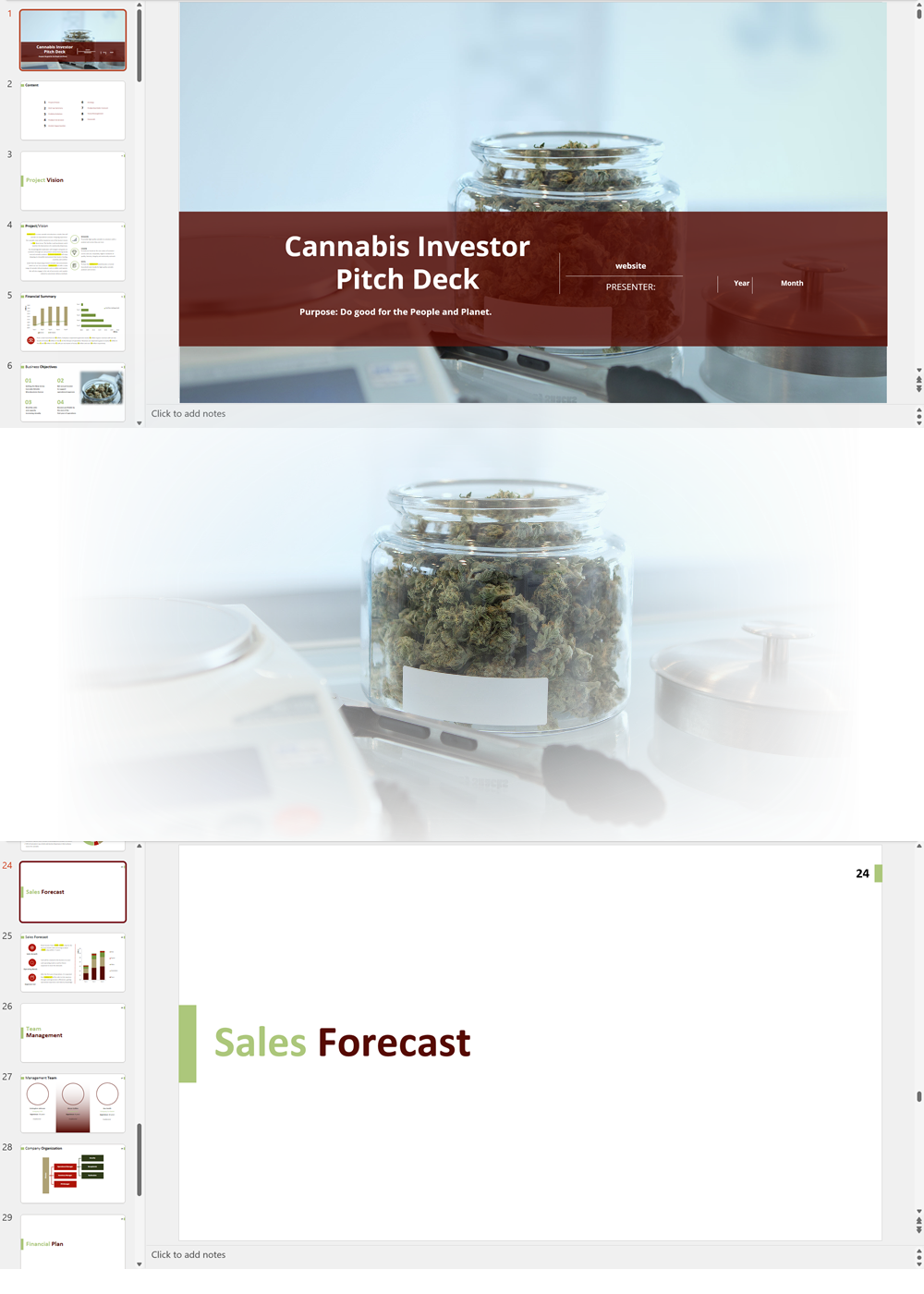
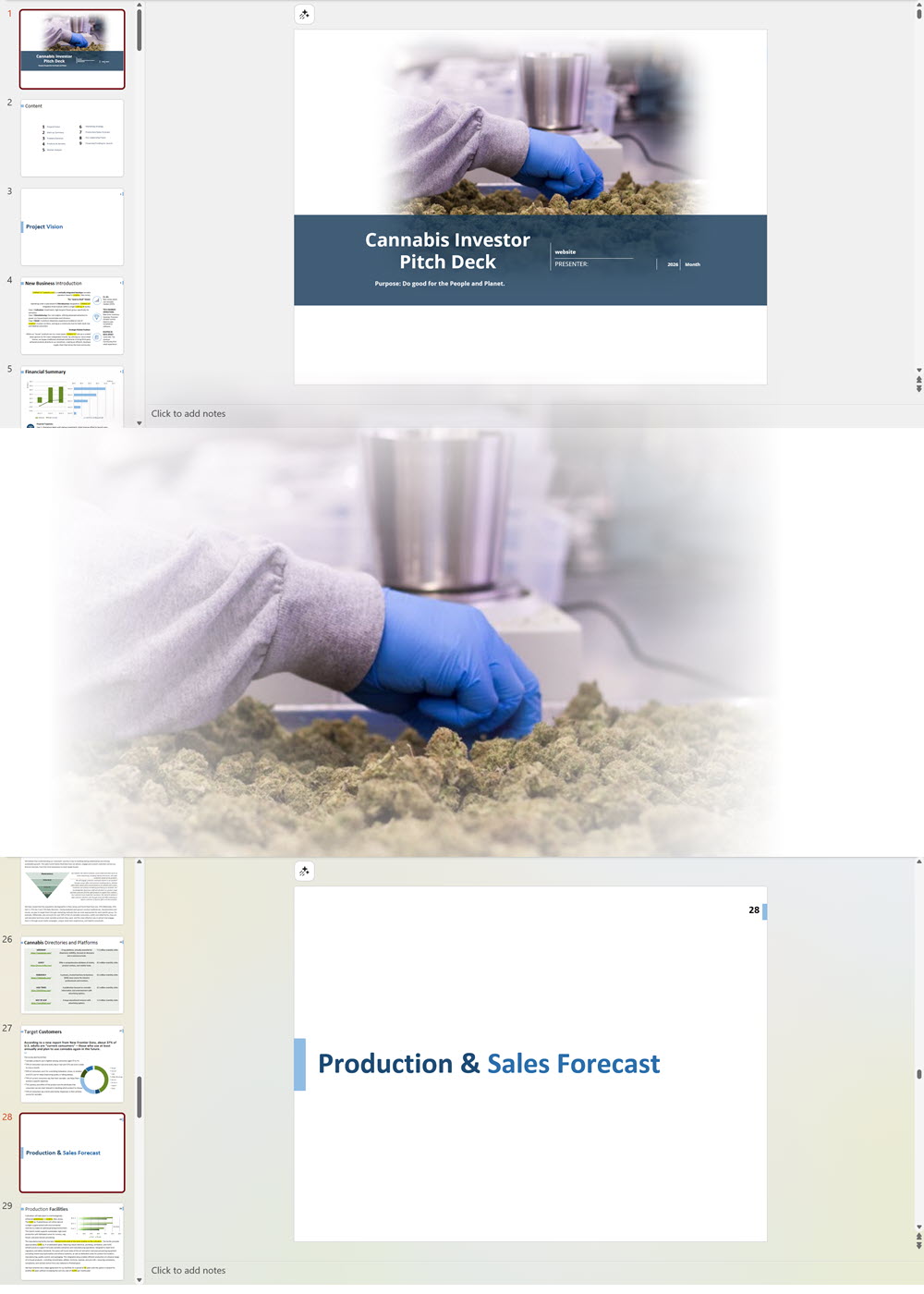
- PowerPoint Pitch Deck: provide a quick overview of your cannabis business plan.
'70% ready to go' business plan templates
Our cannabis financial models and cannabis business plan templates will help you estimate how much it costs to start and operate your own cannabis business, to build all revenue and cost line-items monthly over a flexible seven year period, and then summarize the monthly results into quarters and years for an easy view into the various time periods. We also offer investor pitch deck templates.
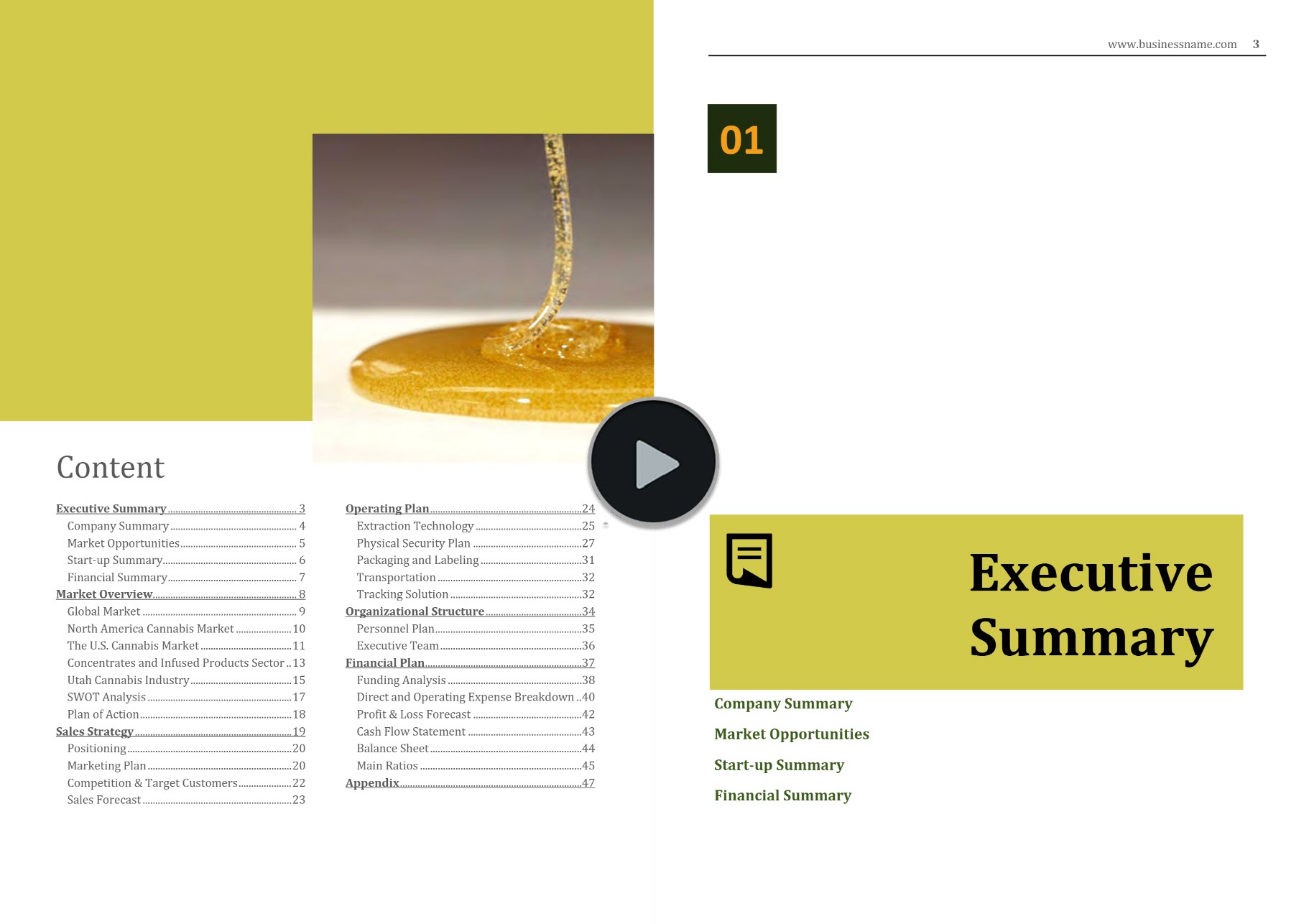
Cannabis Solventless Extraction Business Plan Sample, Utah
Best Selling Templates
-

Cannabis Cultivation Business Plan Template
Price range: $75.00 through $350.00 Select options This product has multiple variants. The options may be chosen on the product page -

Cannabis Dispensary Investor Pitch Deck Template
$75.00 Select options This product has multiple variants. The options may be chosen on the product page -
Cannabis Financial Model All in One
$250.00 Select options This product has multiple variants. The options may be chosen on the product page
Our Templates
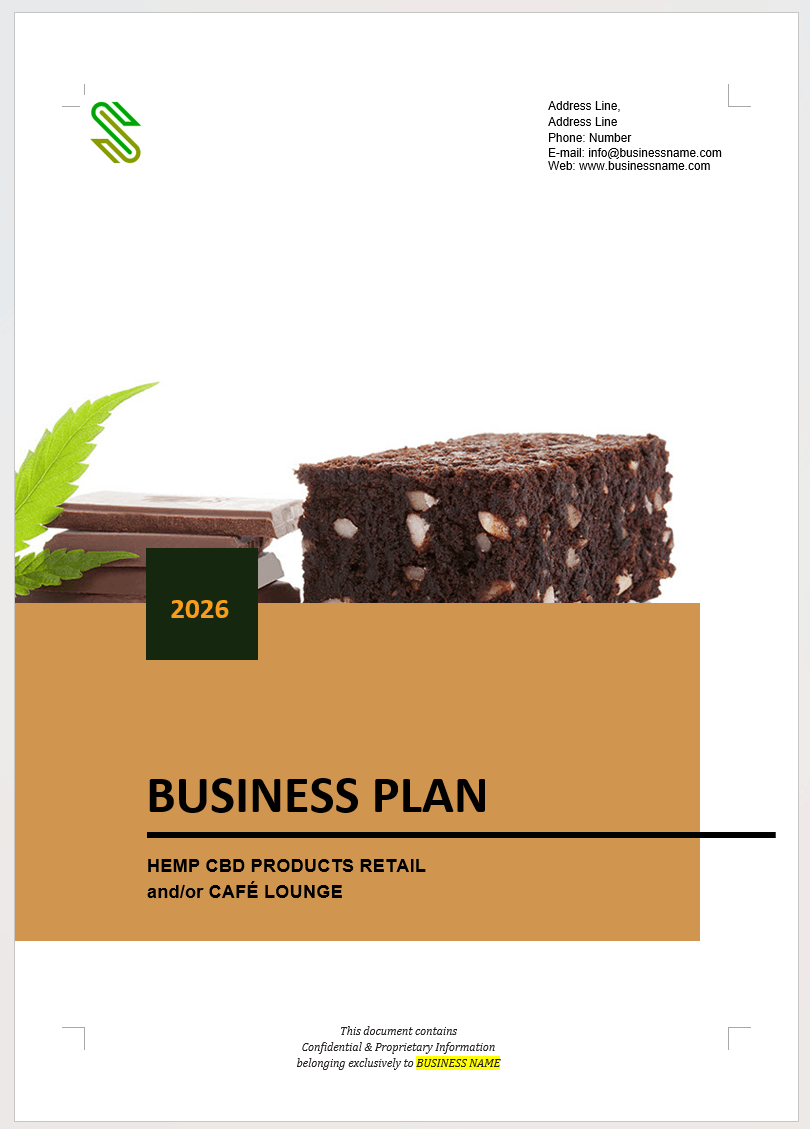
CBD Store and/or Cafe Lounge Business Plan Template
Price range: $75.00 through $275.00
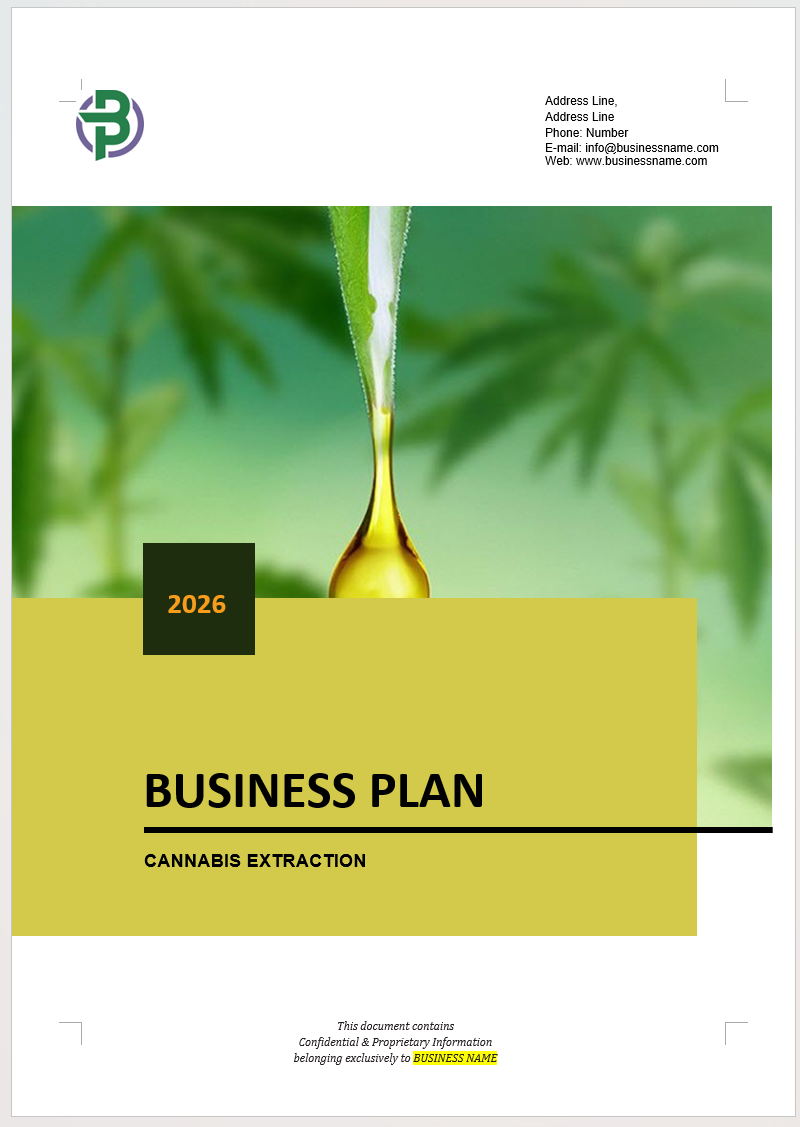
Cannabis Extraction / Concentrates Business Plan Template
Price range: $75.00 through $350.00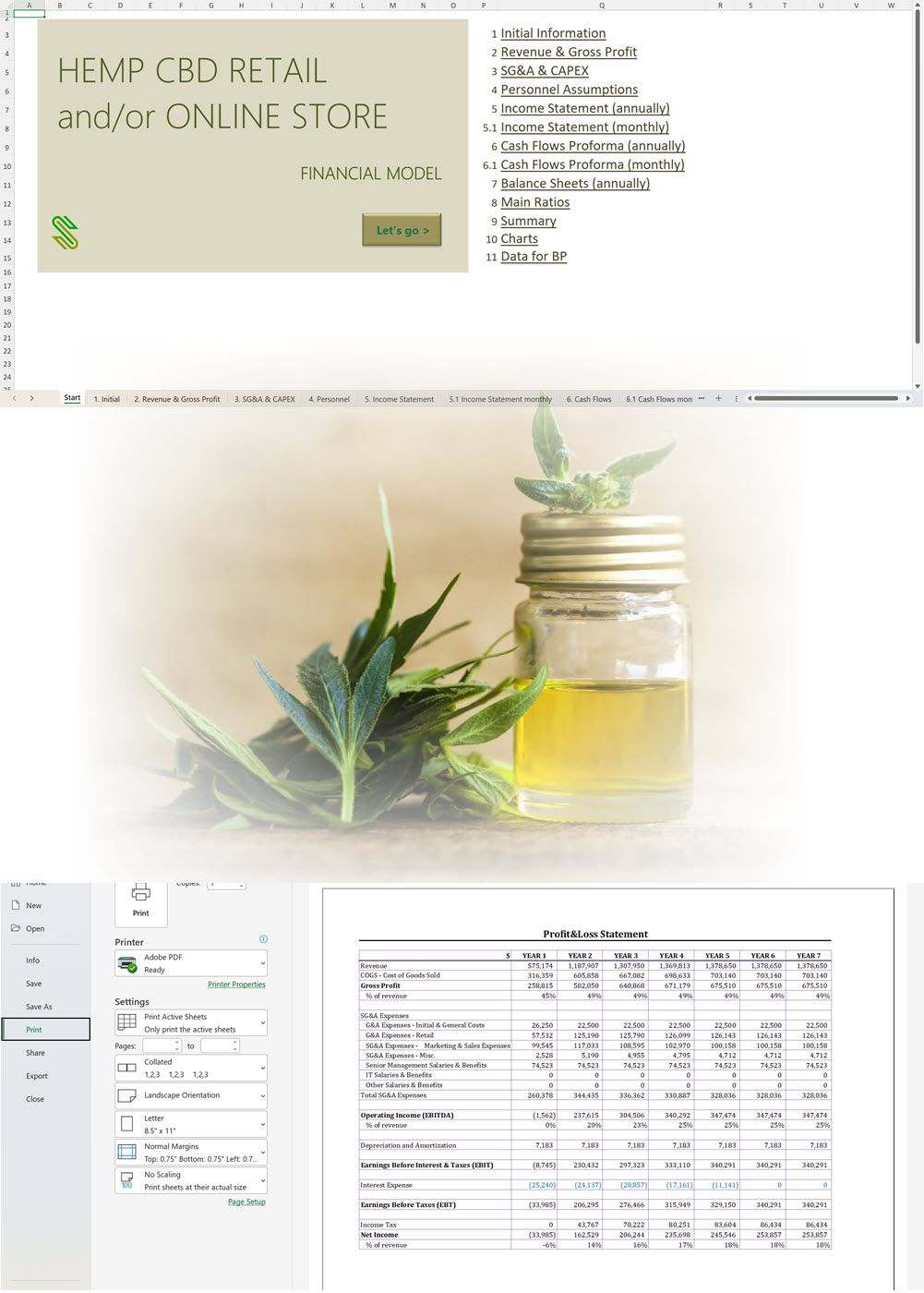
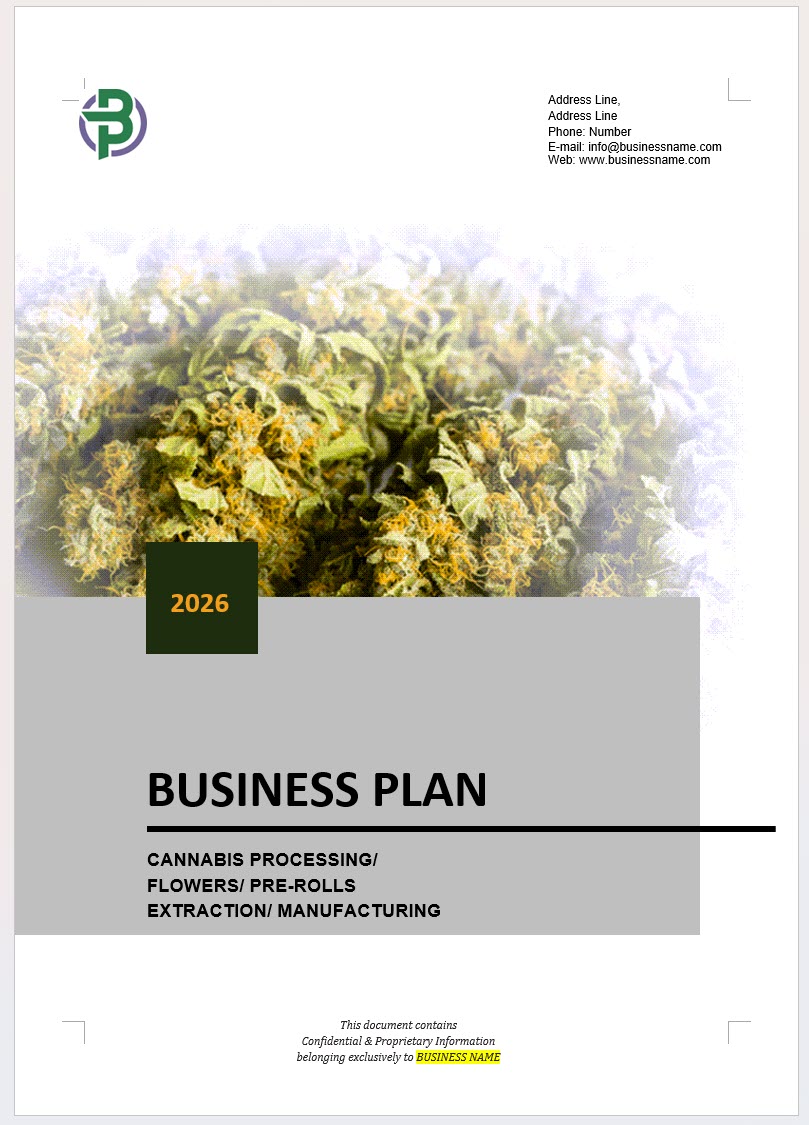
Cannabis Processing/ Flowers/ Pre-rolls/ Extraction/ Manufacturing Business Plan Template
Price range: $75.00 through $350.00
Cannabis Transportation Business Plan Template
Price range: $75.00 through $275.00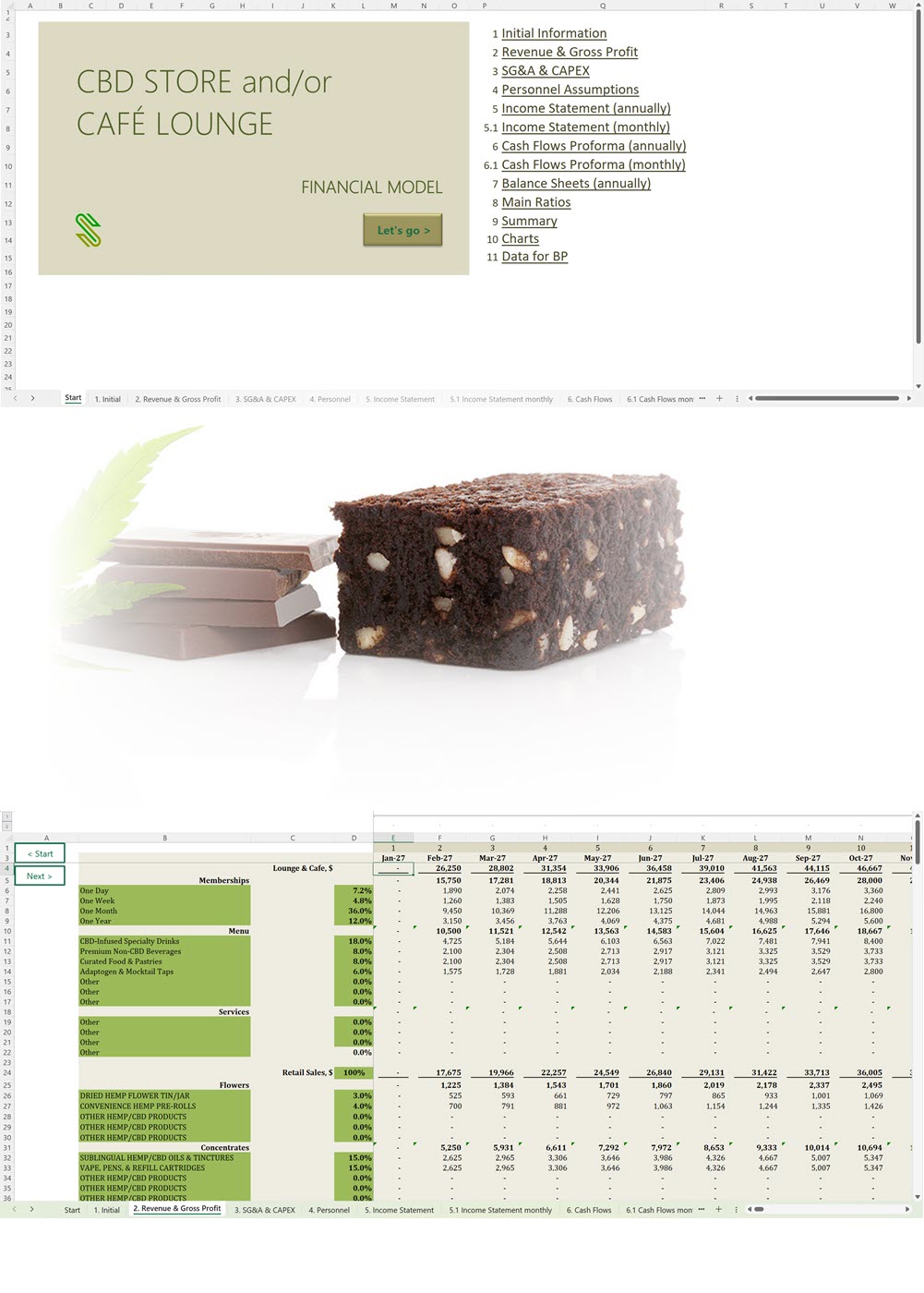
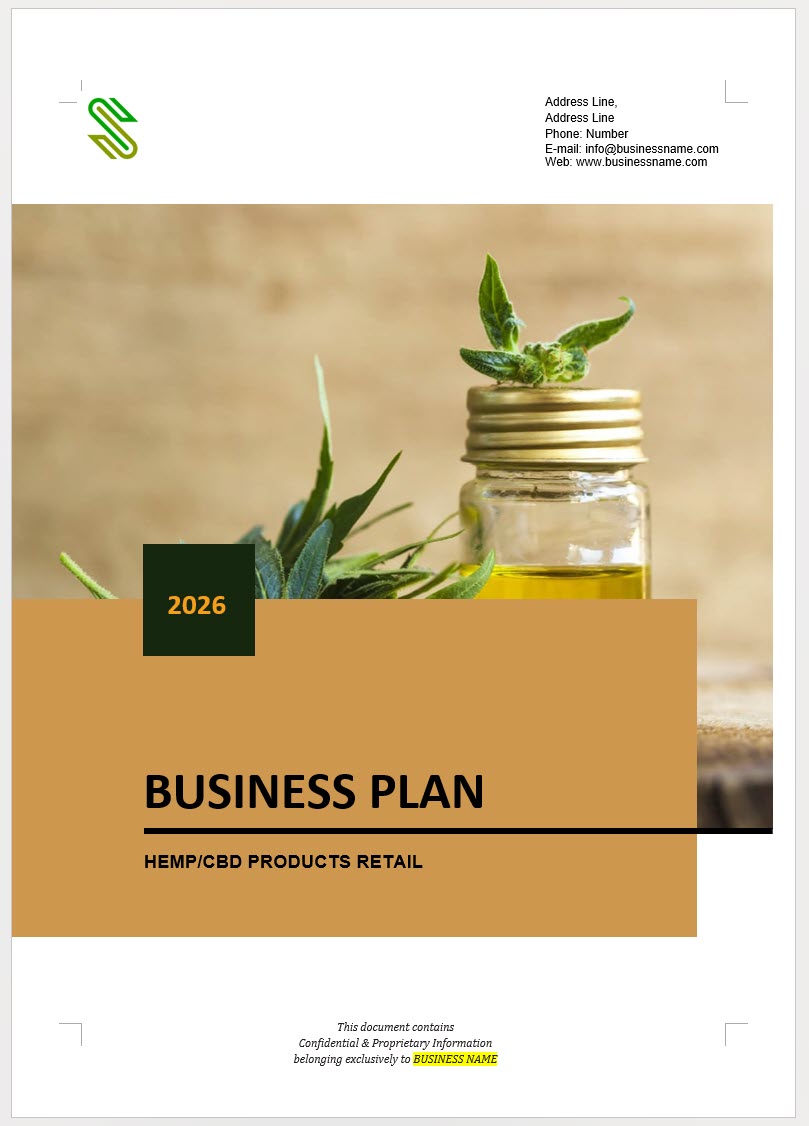
CBD Products Retail/Online Store Business Plan Template
Price range: $75.00 through $275.00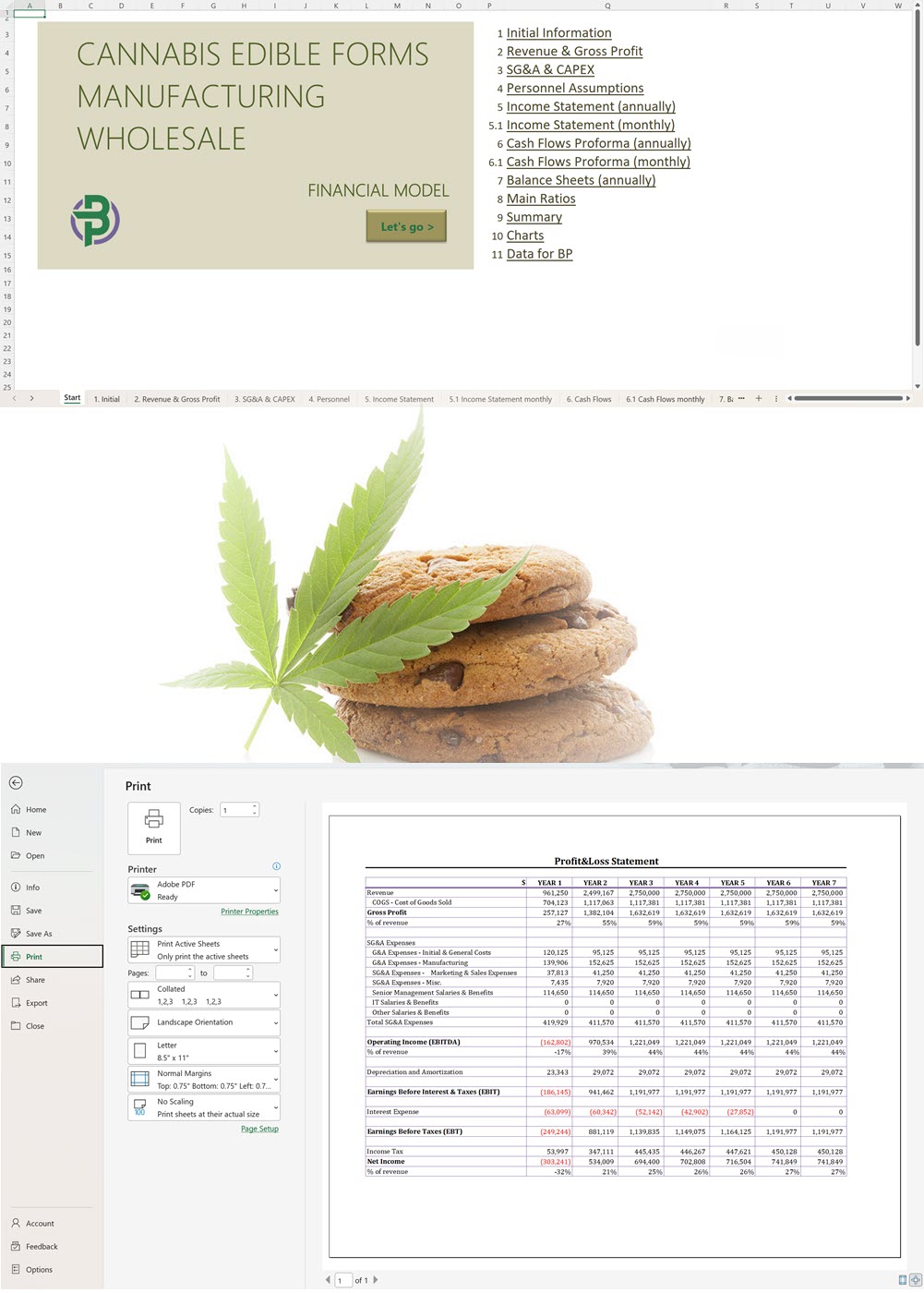
Cannabis Edibles Financial Model
$150.00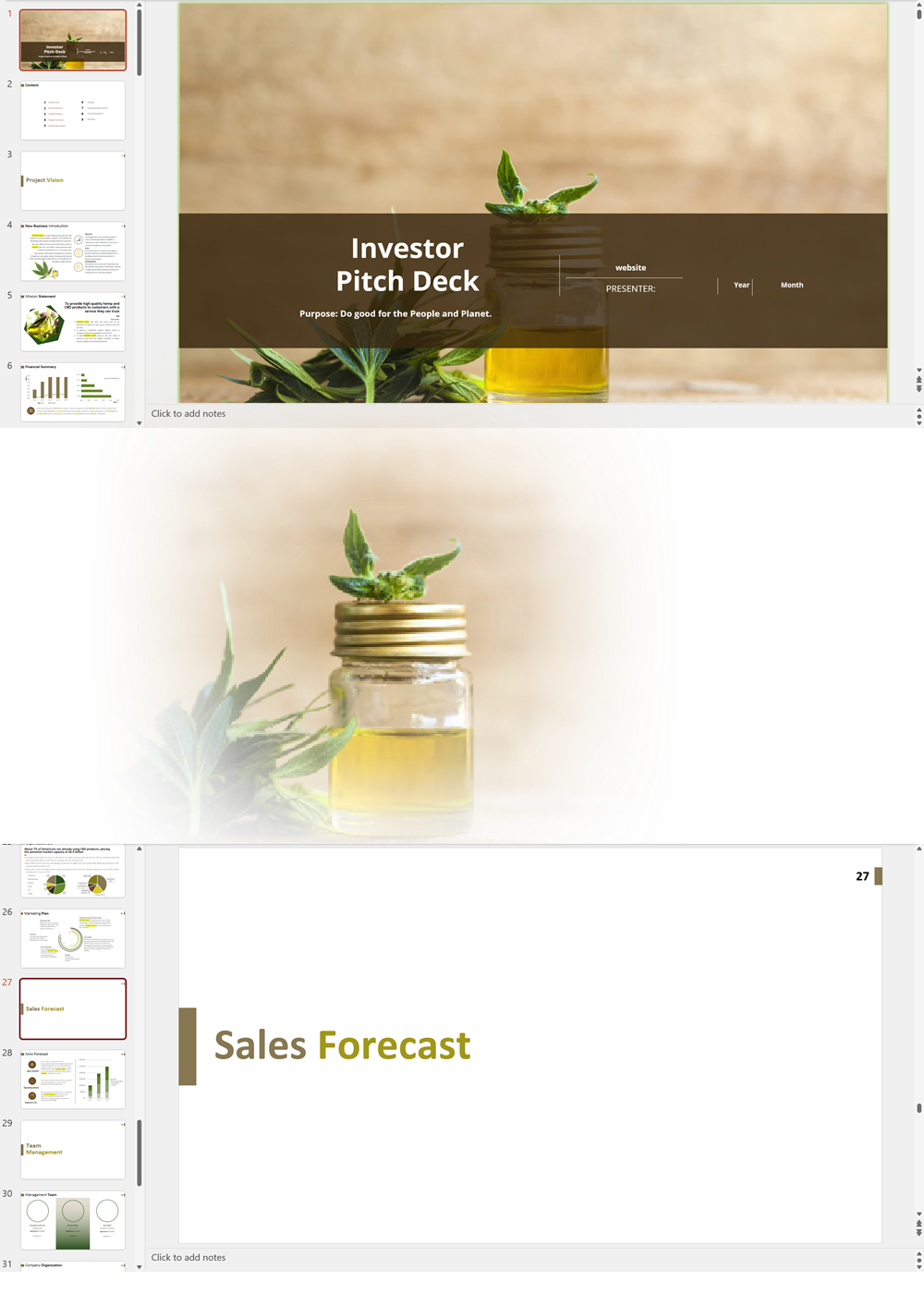
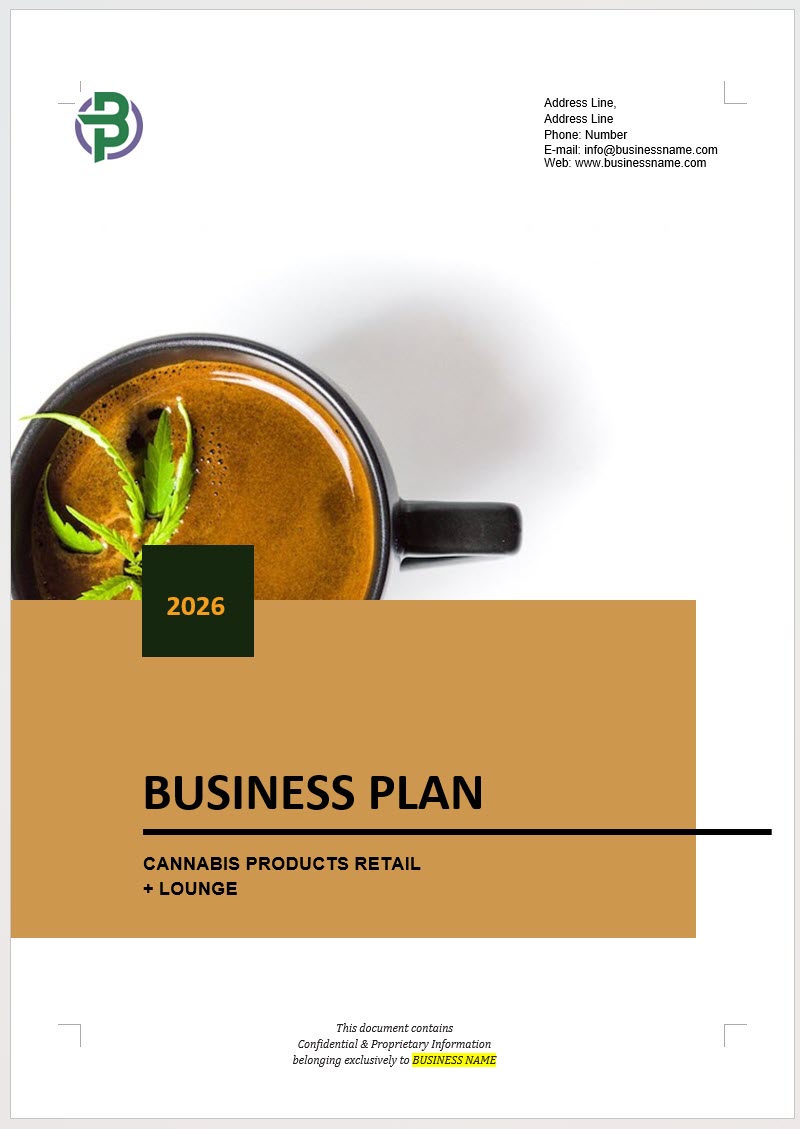
Cannabis Lounge + Retail Business Plan Template
Price range: $75.00 through $350.00
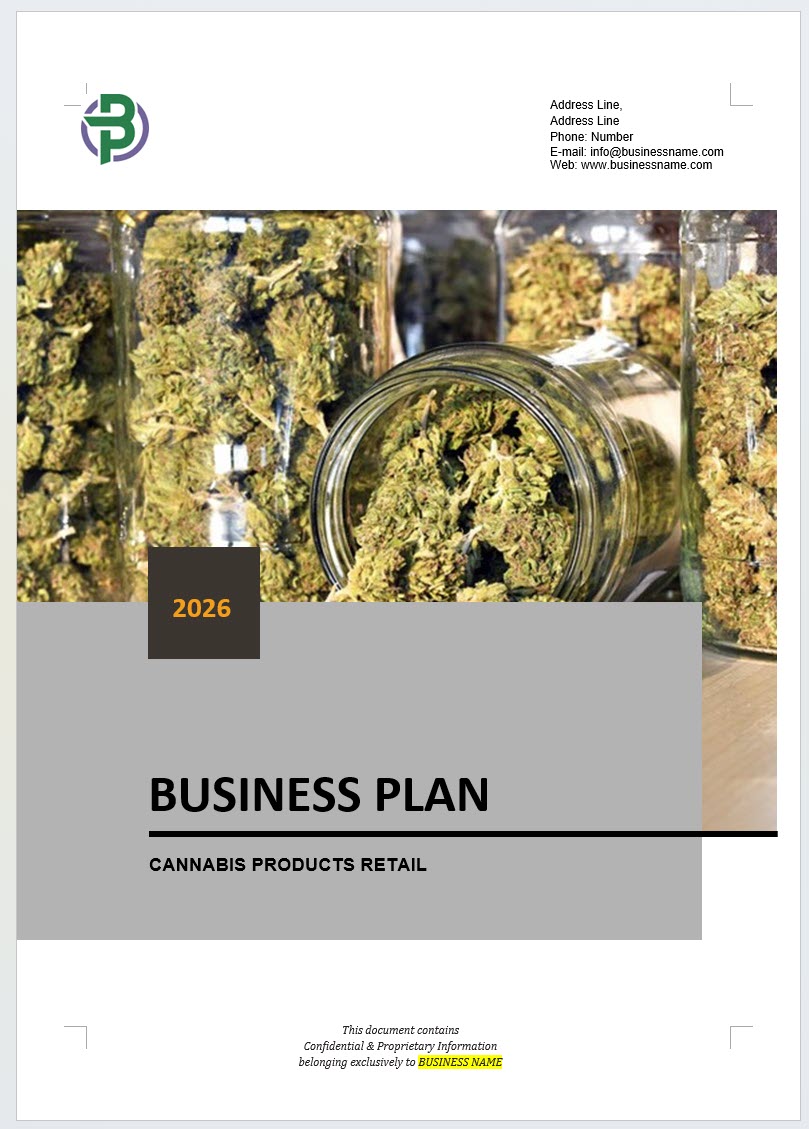
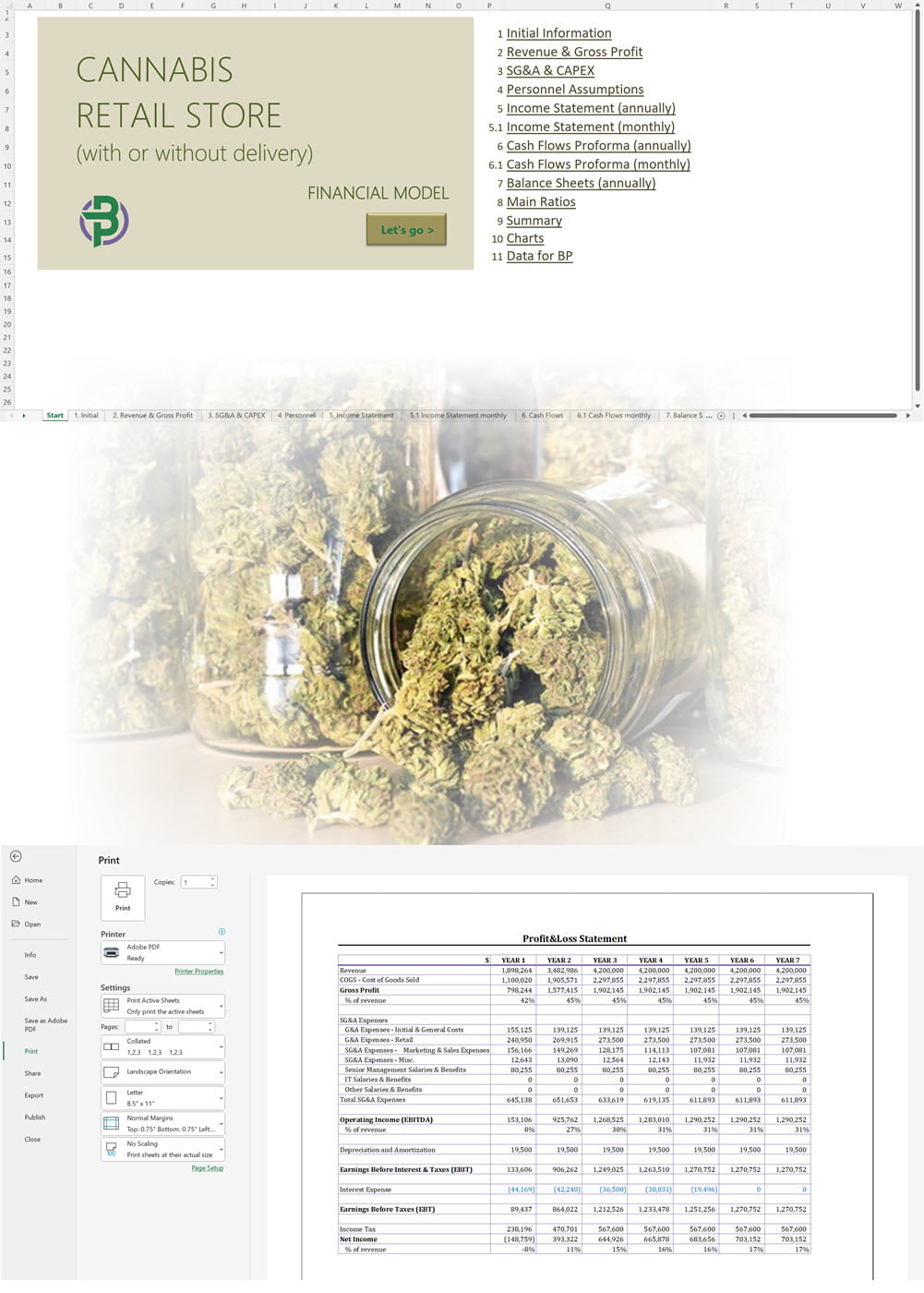
Cannabis Retail Business Plan Template (with or without Delivery)
Price range: $75.00 through $350.00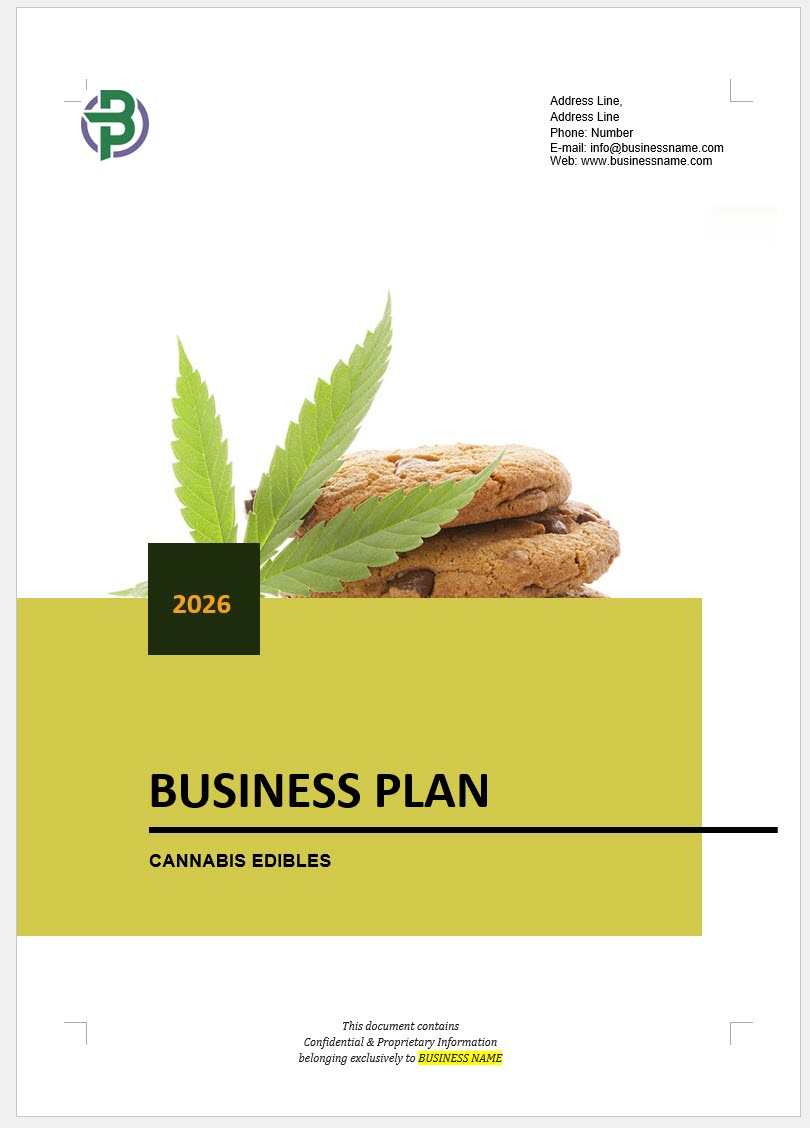
Cannabis Edibles Business Plan Template
Price range: $75.00 through $350.00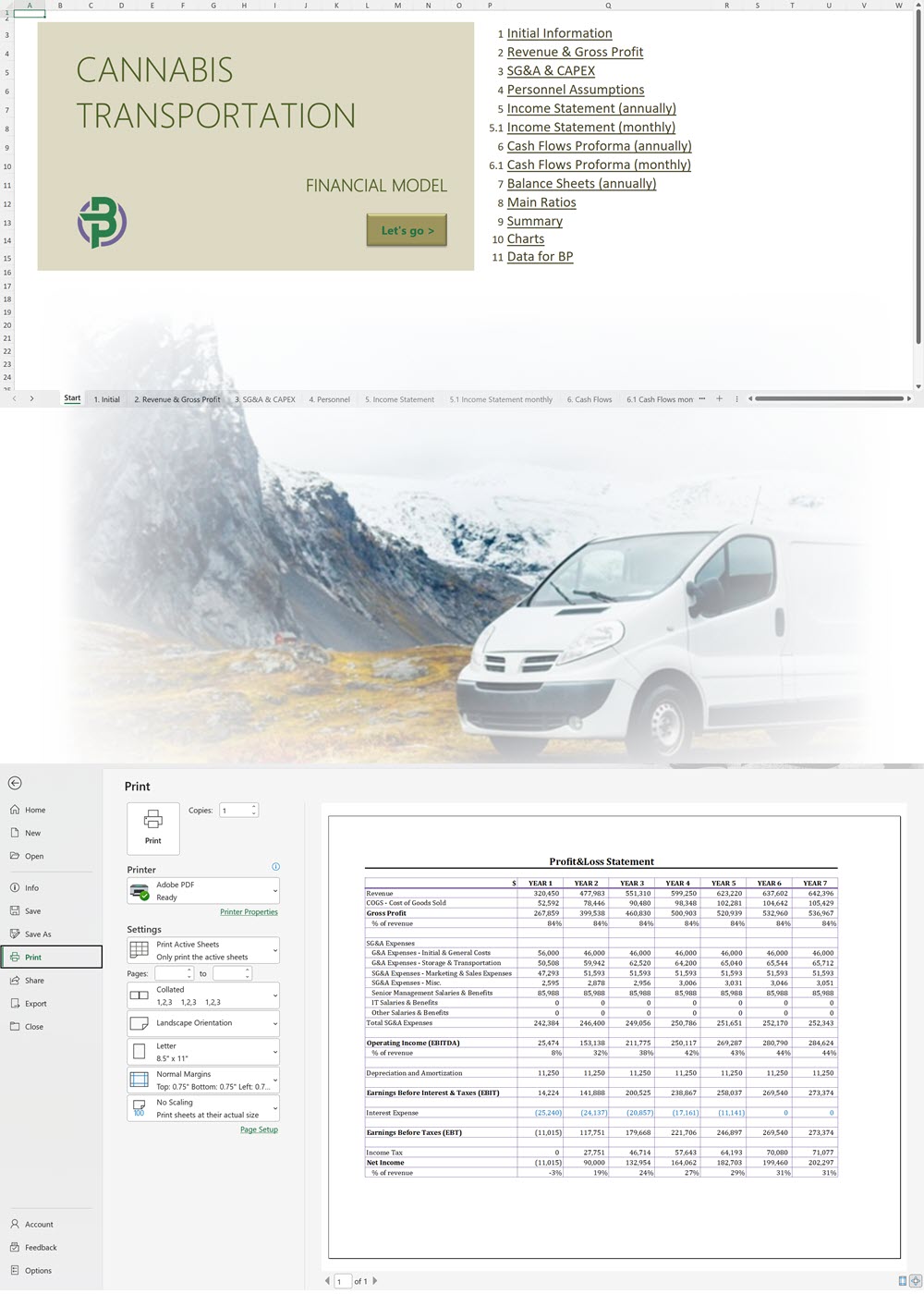
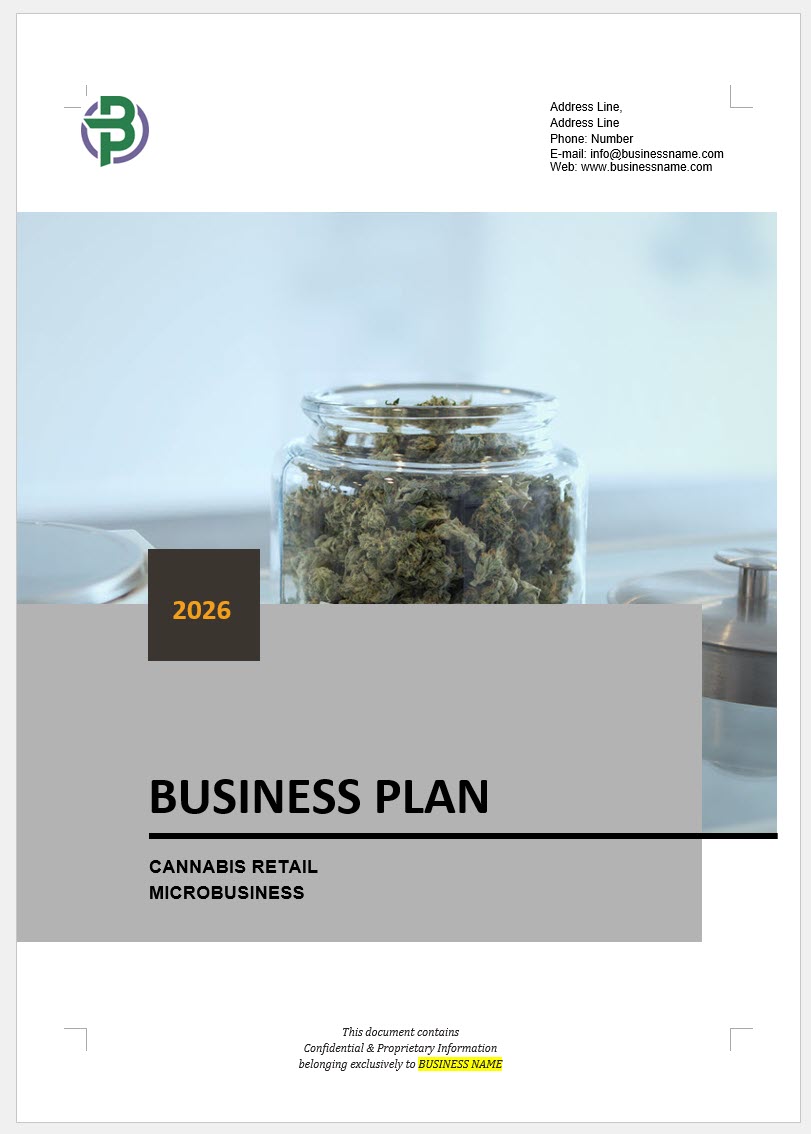
Cannabis Retail Microbusiness Business Plan Template
Price range: $75.00 through $275.00
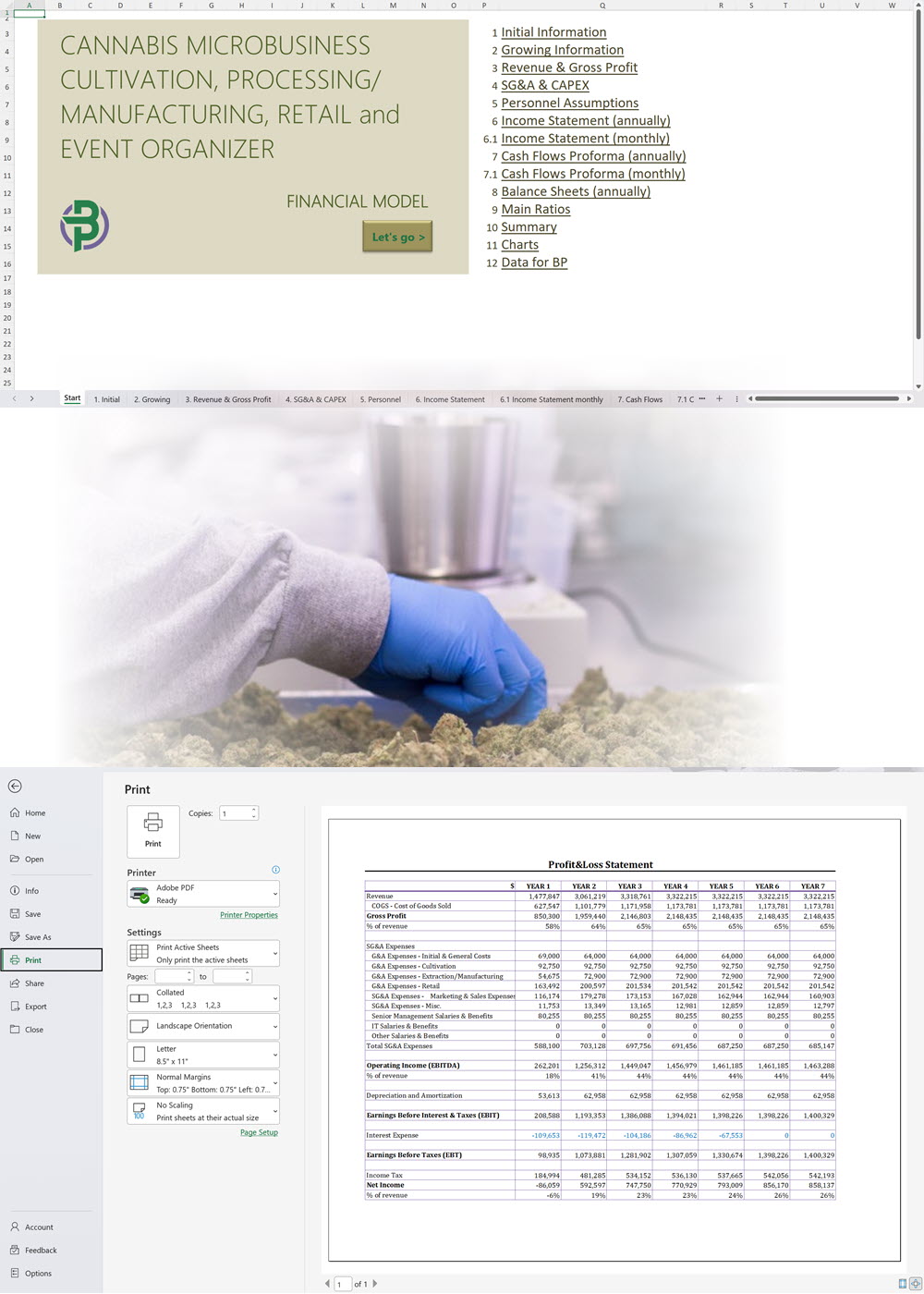
Cannabis Cultivation, Extraction, Manufacturing, Distribution, Retail and Microbusiness Business Plan Template
Price range: $75.00 through $500.00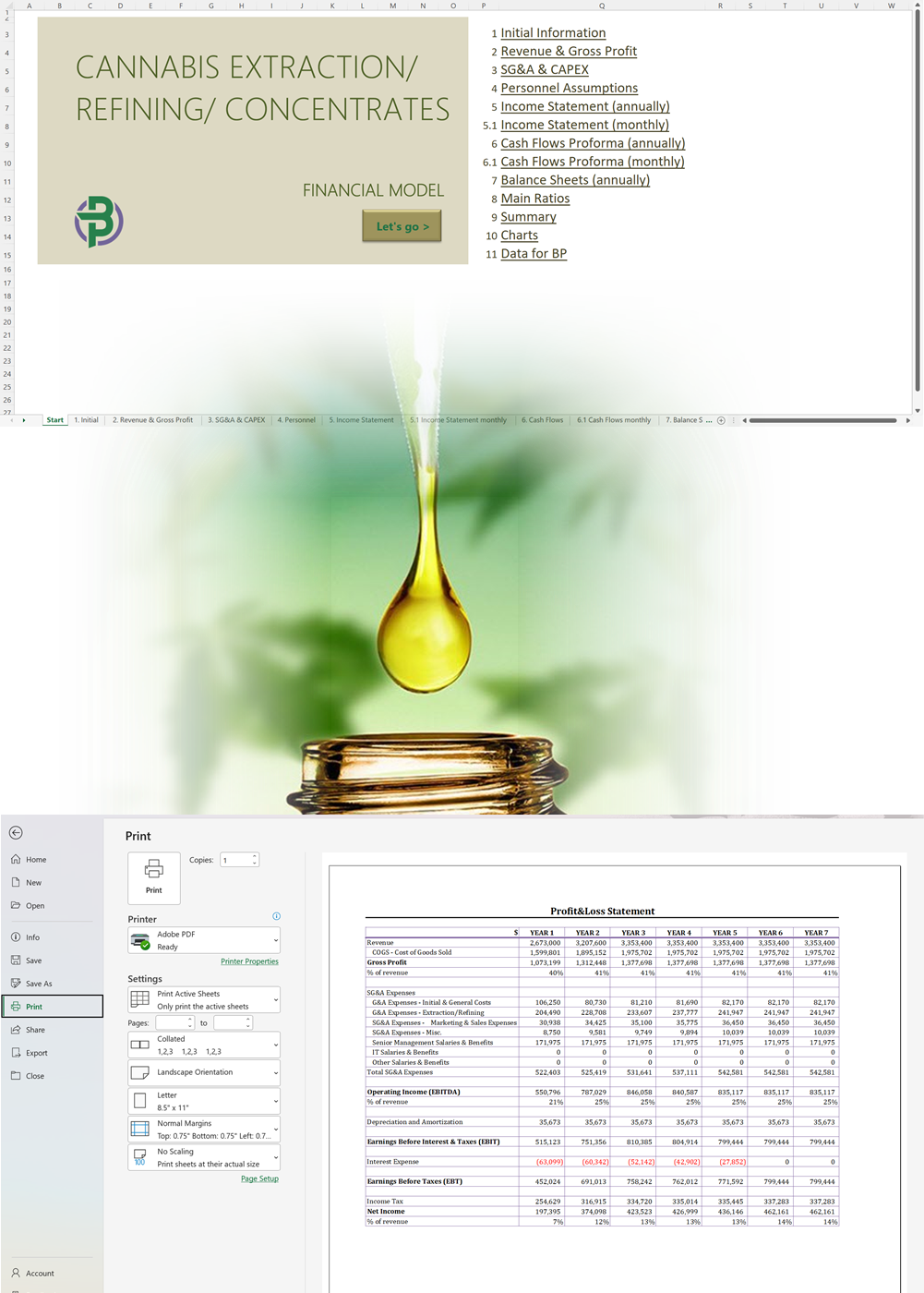

Cannabis Micro Cultivation Business Plan Template
Price range: $75.00 through $300.00
Cannabis Cultivation Business Plan Template
Price range: $75.00 through $350.00