- Understand regulatory and legal requirements. Do market research.
Arizona Cannabis Legalization
In December 2010, Arizona voters passed the Arizona Medical Marijuana Act (AMMA) and on November 3, 2020, voters approved a proposition that legalizes recreational cannabis.
The Bureau of Marijuana Licensing, part of the Arizona Department of Health Services (ADHS), Division of Licensing, is responsible for licensing and regulating medical marijuana qualified patients, caregivers, facility agents, lab agents, and dispensary agents, as well as medical marijuana dispensaries and adult-use marijuana establishments. Marijuana Testing Laboratories, both medical and adult-use, are licensed and regulated by the ADHS State Lab.
- Decide the type of cannabis business. Choose a location. Check local zoning regulations.
Arizona Cannabis Licenses
The following Arizona cannabis business licenses are available to apply for:
A “marijuana establishment” is an entity licensed by the department to operate all of the following:
- A single retail location at which the licensee may sell marijuana and marijuana products to consumers, cultivate marijuana and manufacture marijuana products.
- A single off-site cultivation location at which the licensee may cultivate marijuana, process marijuana and manufacture marijuana products, but from which marijuana and marijuana products may not be transferred or sold to consumers.
- A single off-site location at which the licensee may manufacture marijuana products and package and store marijuana and marijuana products, but from which marijuana and marijuana products may not be transferred or sold to consumers.
(an application fee for an initial license – $25,000; and a license fee for license renewal – $5,000)
A “nonprofit medical marijuana dispensary” is “a not-for-profit entity that acquires, possesses, cultivates, manufactures, delivers, transfers, transports, supplies, sells or dispenses marijuana or related supplies and educational materials to cardholders. A nonprofit medical marijuana dispensary may receive payment for all expenses incurred in its operation.”
(an application fee for an initial license – $5,000; and a license fee for license renewal – $1,000)
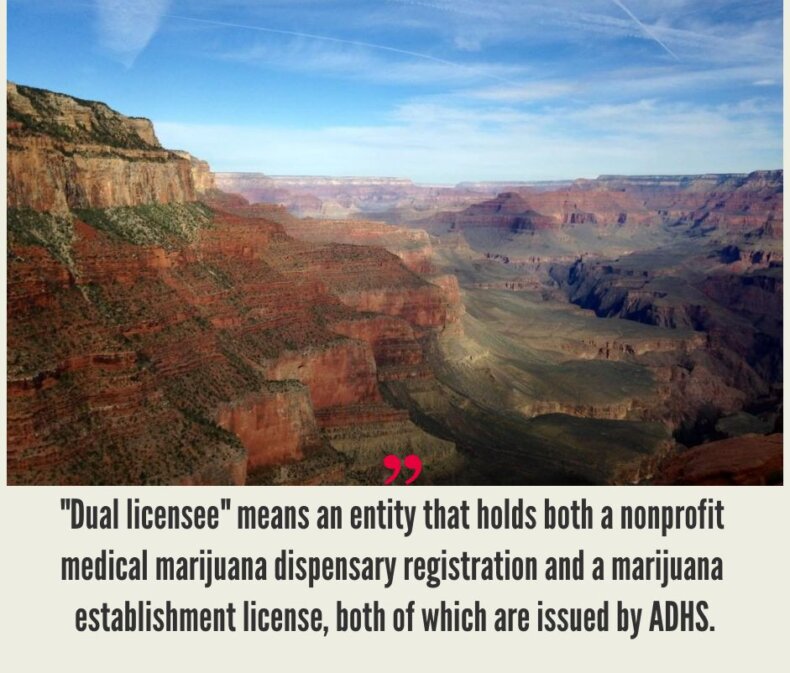
“An entity that holds both a nonprofit medical marijuana dispensary registration and a marijuana establishment license.”
(an application fee for an initial license – $30,000; and a license fee for license renewal – $6,000)
“An entity that is licensed by the department to analyze the potency of marijuana and test marijuana for harmful contaminants.”
(an application fee for an initial license – $25,000; and a license fee for license renewal – $5,000)
Arizona Weed Delivery
Medical cannabis delivery is permitted and dispensaries can partake in delivery provided they follow the controlled substances prescription monitoring program and medical cannabis program laws established by the Department of Health Services.
As of November 1, 2024, vertically integrated cannabis companies in Arizona are allowed to deliver products to adult-use consumers.
- Develop a solid cannabis business plan. Secure financing.
'70% ready to go' business plan templates
We offer a wide range of '70% ready-to-go' cannabis business plan templates that will help you prepare a professional cannabis business plan document supported with expert financials and an investor pitch deck. All our templates are completely open and editable and you can use Word, Excel and PowerPoint to work with them.
- Prepare the necessary documentation.
An applicant must submit all required information to the Department on the forms and in the manner prescribed by the Department, which may include, but is not limited to the following:
- Articles of Incorporation.
- Copy of policies and procedures.
- A sworn statement signed and dated certifying that the facility location is in compliance with any local zoning restrictions.
- Documentation from the local jurisdiction where the facility’s proposed physical address is located. There are no local zoning restrictions for the facility’s location, or the facility’s location is in compliance with any local zoning restrictions.
- Documentation of: 1) Ownership of the physical address of the proposed facility, or 2) Permission from the owner of the physical address of the proposed facility for the entity applying for a facility registration certificate to operate a facility at the physical address.
- The facility’s by-laws.
- Site Plan.
- Floor Plan.
- A business plan demonstrating the on-going viability of the dispensary on a not-for-profit basis.
- Obtain required state licenses. Pay fees.
In Arizona, any business that wishes to sell cannabis products must first hold a license issued by the Arizona Department of Health Services (ADHS).
- Register your business as an employer and a tax payer.
Once the business has been issued a license from ADHS, the business can then apply for a transaction privilege tax (TPT) license and a Marijuana Excise Tax (MET) registration number with the Arizona Department of Revenue (ADOR).
- Keep track of your ongoing compliance requirements.
Physical security measures, good production practices, packaging, labelling and transport requirements, reporting requirements and more. Since 2017, businesses are required to file all their TPT activity with ADOR through a centralized reporting and payment system.
Arizona Cannabis Taxes
Arizona imposes transaction privilege tax (TPT) on the sale of medical and adult use marijuana. Additionally, a 16% excise tax (MET) is also imposed on the sale of adult use marijuana.
Arizona complies with the Internal Revenue Code. The starting point for corporate income tax in Arizona is federal taxable income, and there is no provision that Section 280E does not apply, so cannabis businesses cannot deduct most business expenses other than cost of goods sold.
Cannabis Advertising Regulations in Arizona
(A) Only a marijuana establishment or nonprofit medical marijuana dispensary may advertise marijuana, products containing tetrahydrocannabinol or marijuana paraphernalia.
(B) In Arizona, ads on social media and the internet must be placed only where more than “71.6 percent of the audience viewing the advertising or marketing is reasonably expected to be 21 years of age or older.”
(C) Web sites, social media accounts and advertising shall contain the following warning: “Marijuana is only for adults who are 21 years of age or older. Keep out of reach of children.”
(D) Any advertising involving direct, individualized communication or dialogue shall use a method of age affirmation to verify that the recipient is 21 years of age or older before engaging in that communication or dialogue. The method of age affirmation may include user confirmation, birth date disclosure or other similar registration methods.
Main steps in short
- Understand regulatory and legal requirements. Do market research.
- Decide the type of cannabis business. Choose a location. Check local zoning regulations.
- Develop a solid business plan. Secure financing.
- Prepare the necessary documentation.
- Obtain required state licenses. Pay fees.
- Register your business as an employer and a tax payer.
- Keep track of your ongoing compliance requirements.
Cannabis Flowers Pre-rolls Concentrates Edibles Business Plan Sample, Arizona

Best Selling Templates
-

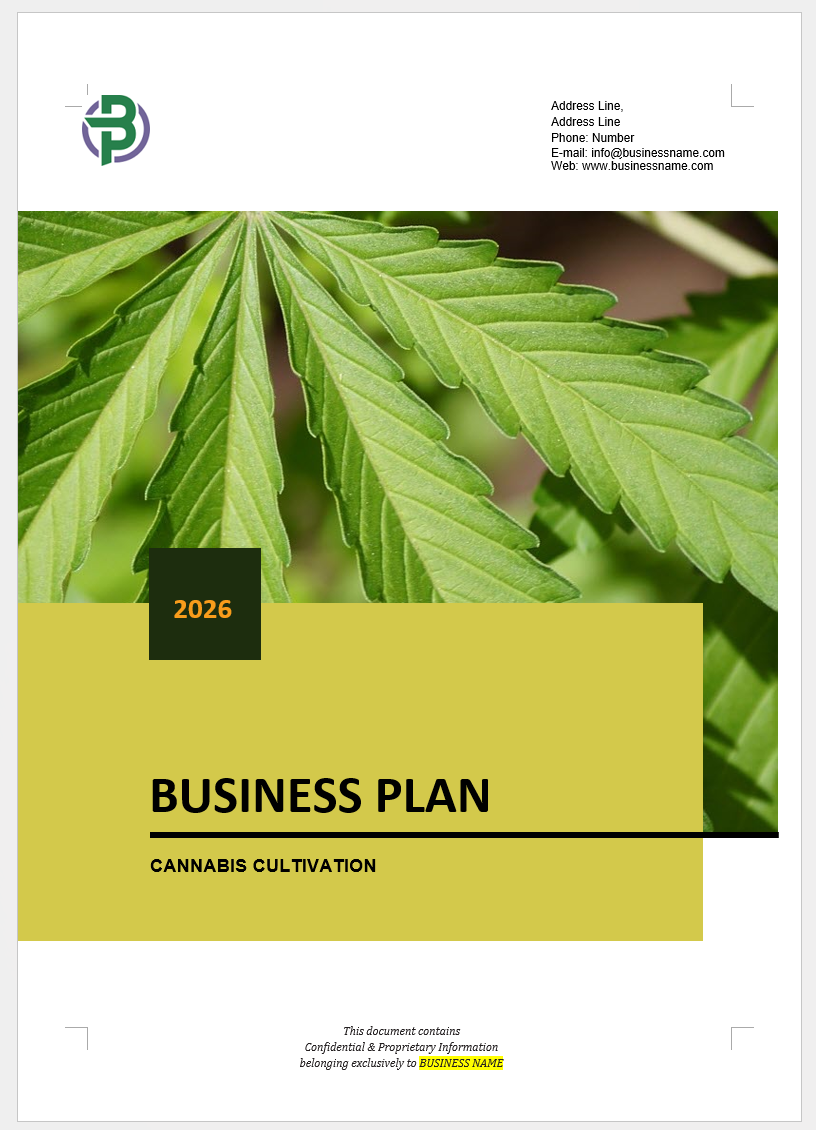
Cannabis Cultivation Business Plan Template
Price range: $75.00 through $350.00 Select options This product has multiple variants. The options may be chosen on the product page -

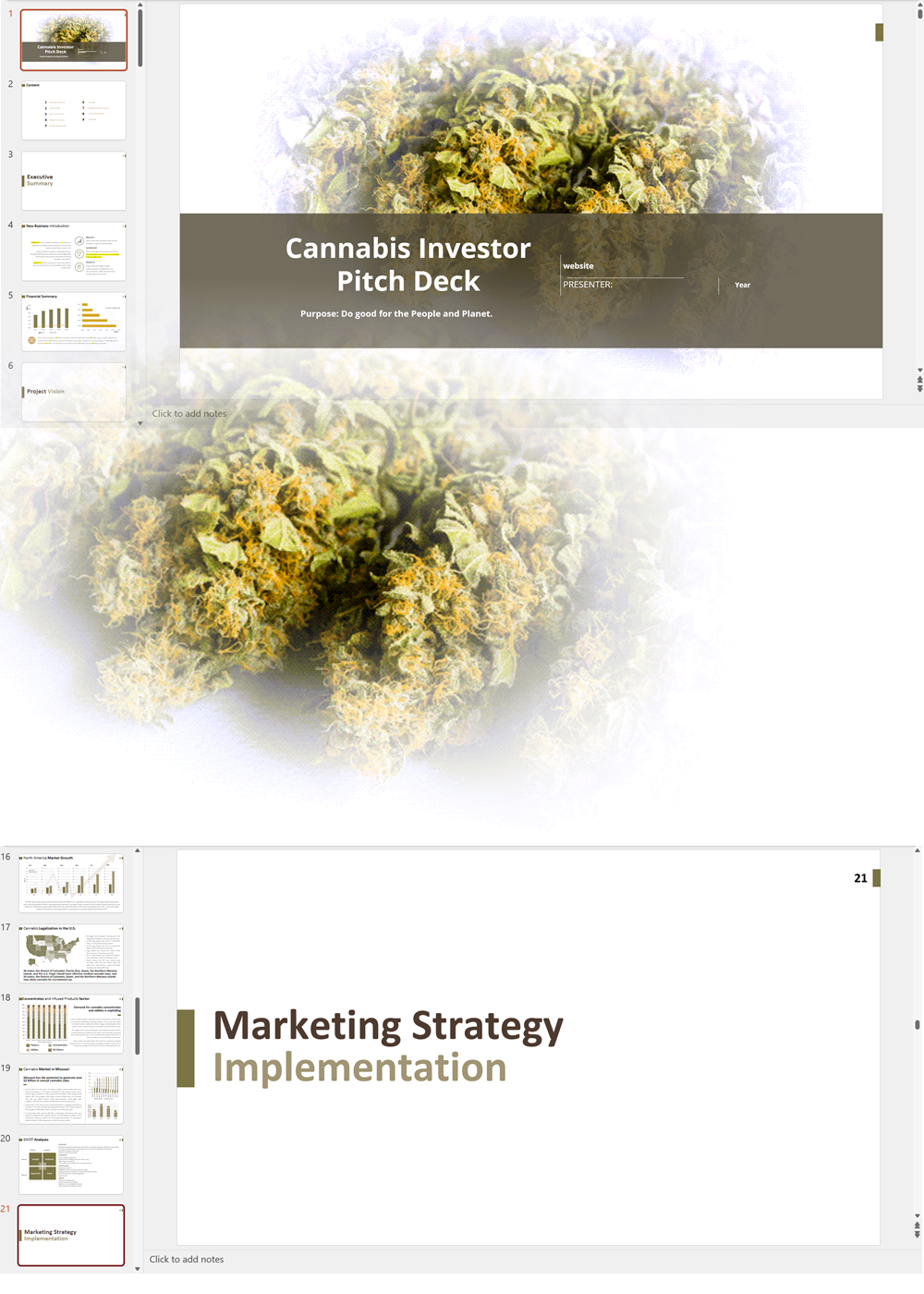
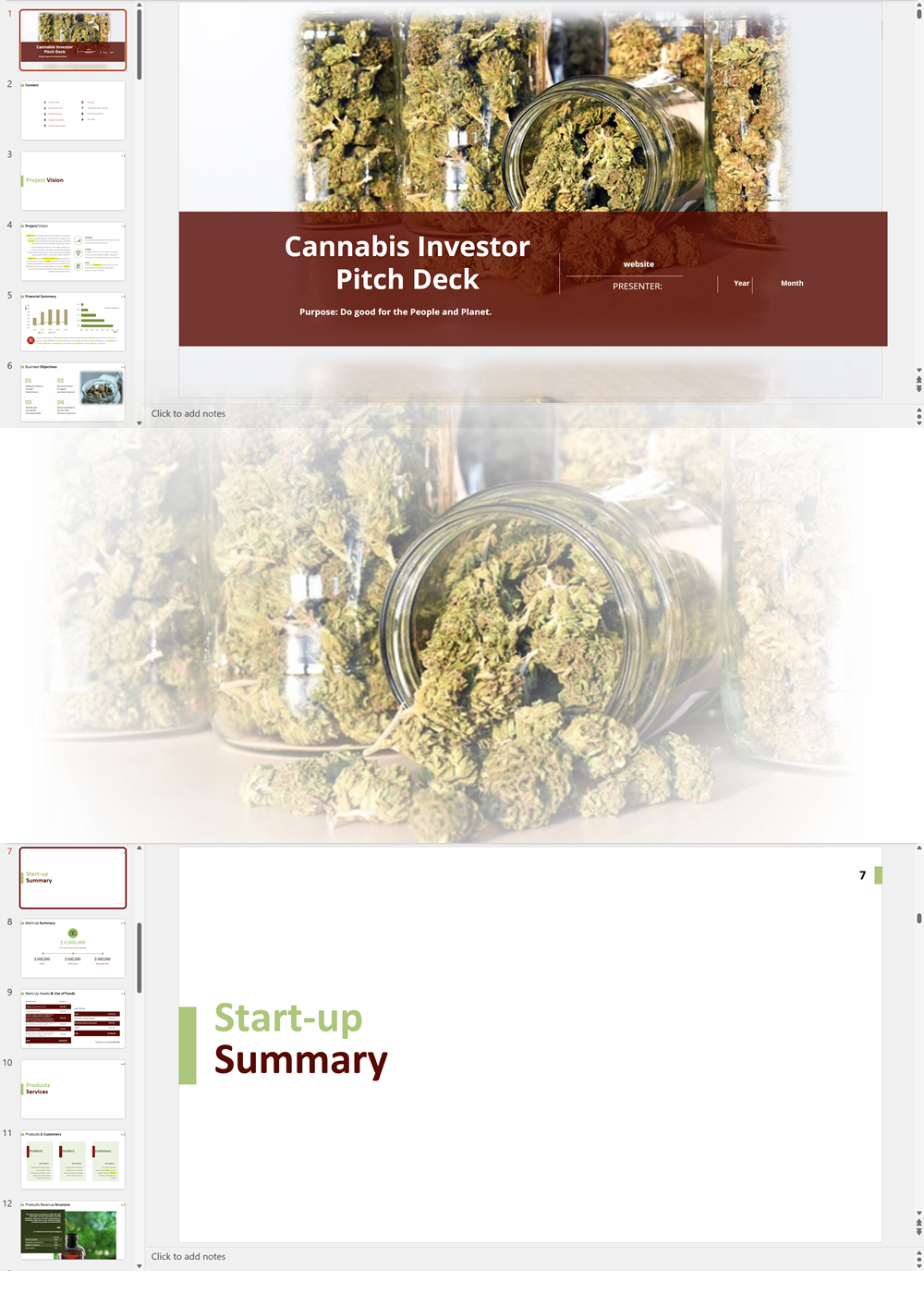
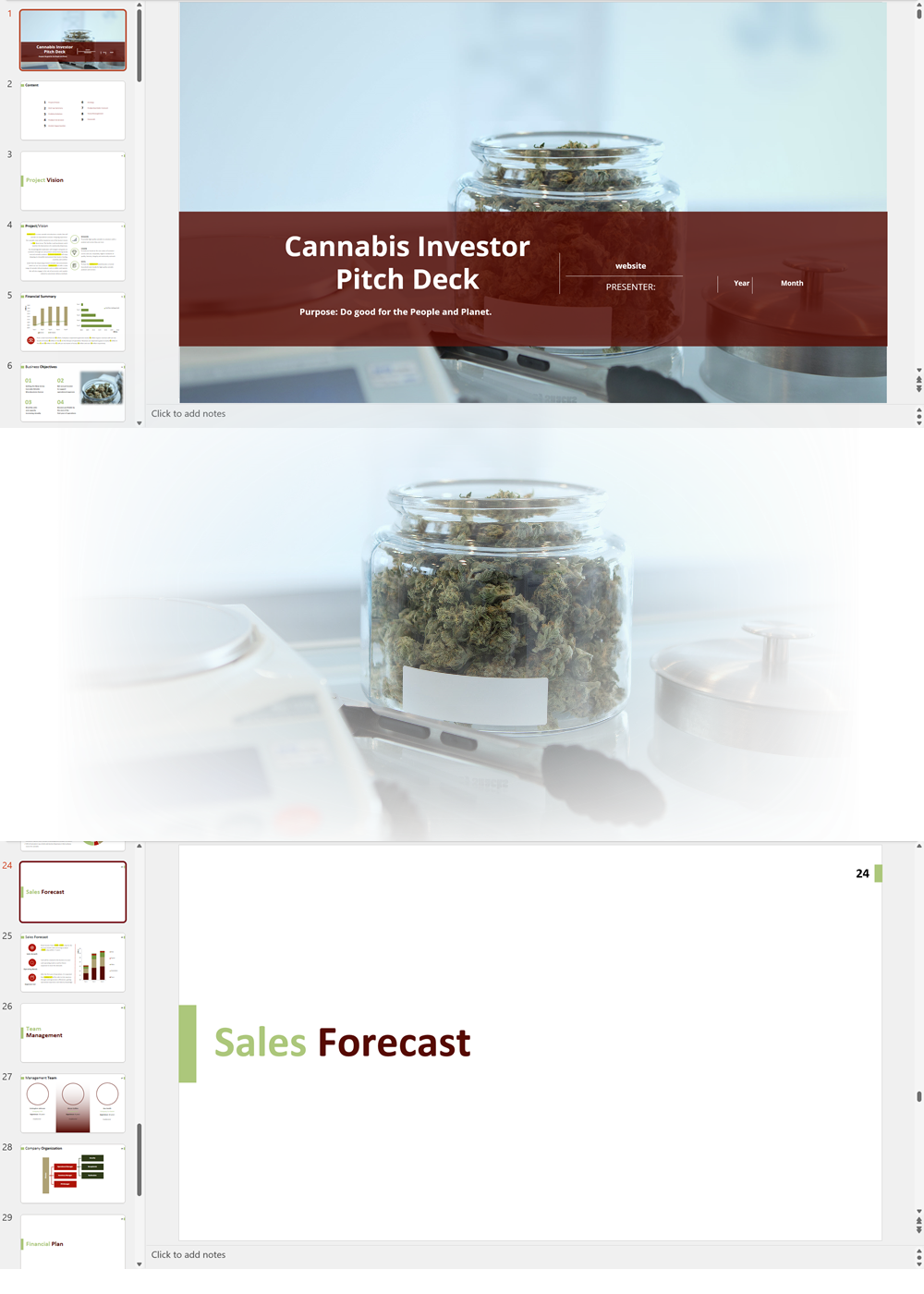
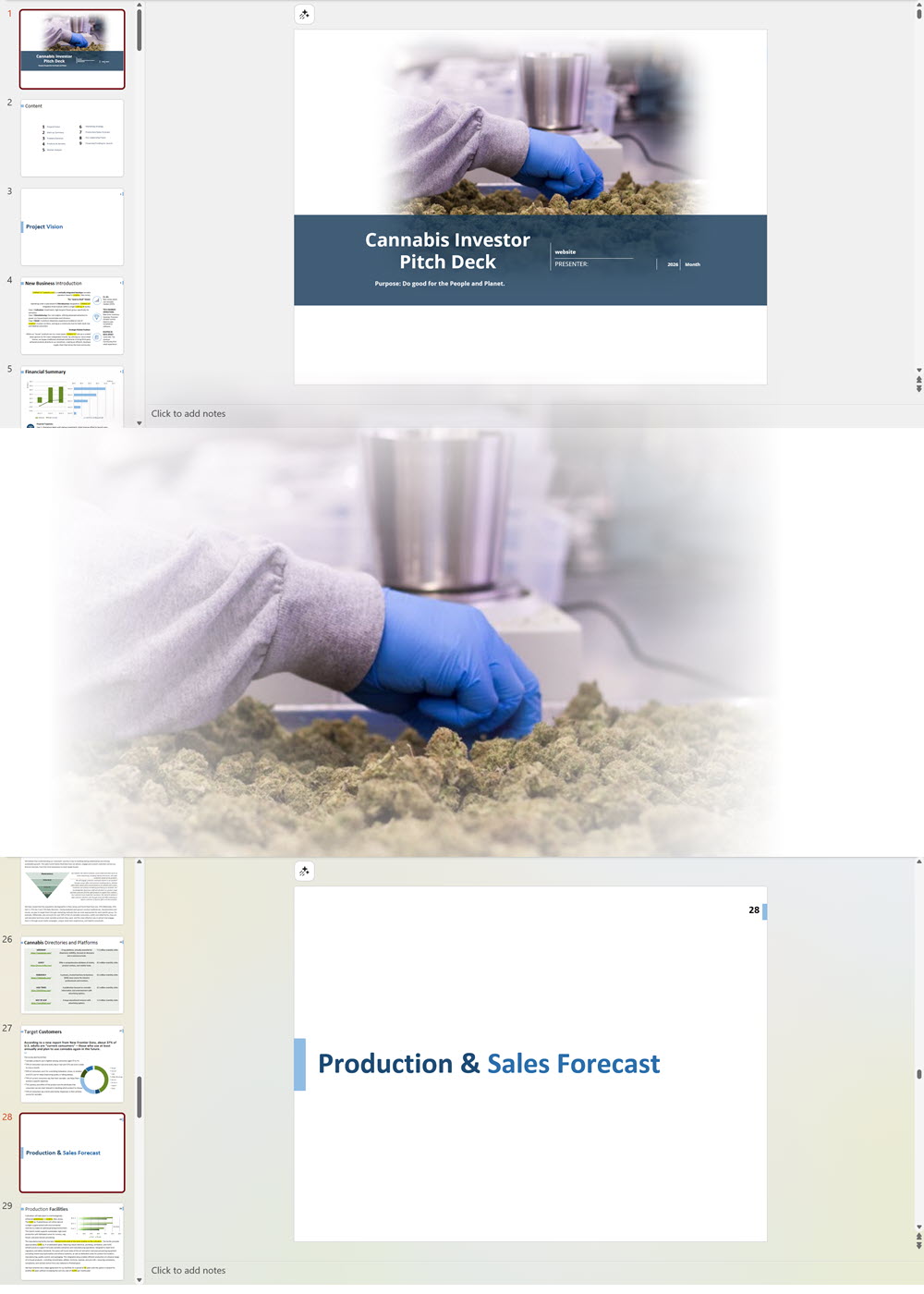
Cannabis Dispensary Investor Pitch Deck Template
$75.00 Select options This product has multiple variants. The options may be chosen on the product page -
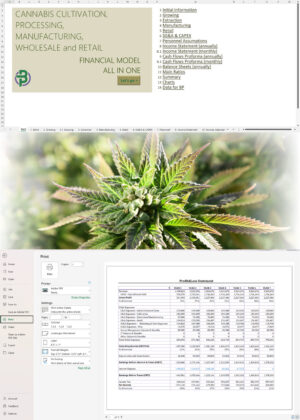
Cannabis Financial Model All in One
$250.00 Select options This product has multiple variants. The options may be chosen on the product page
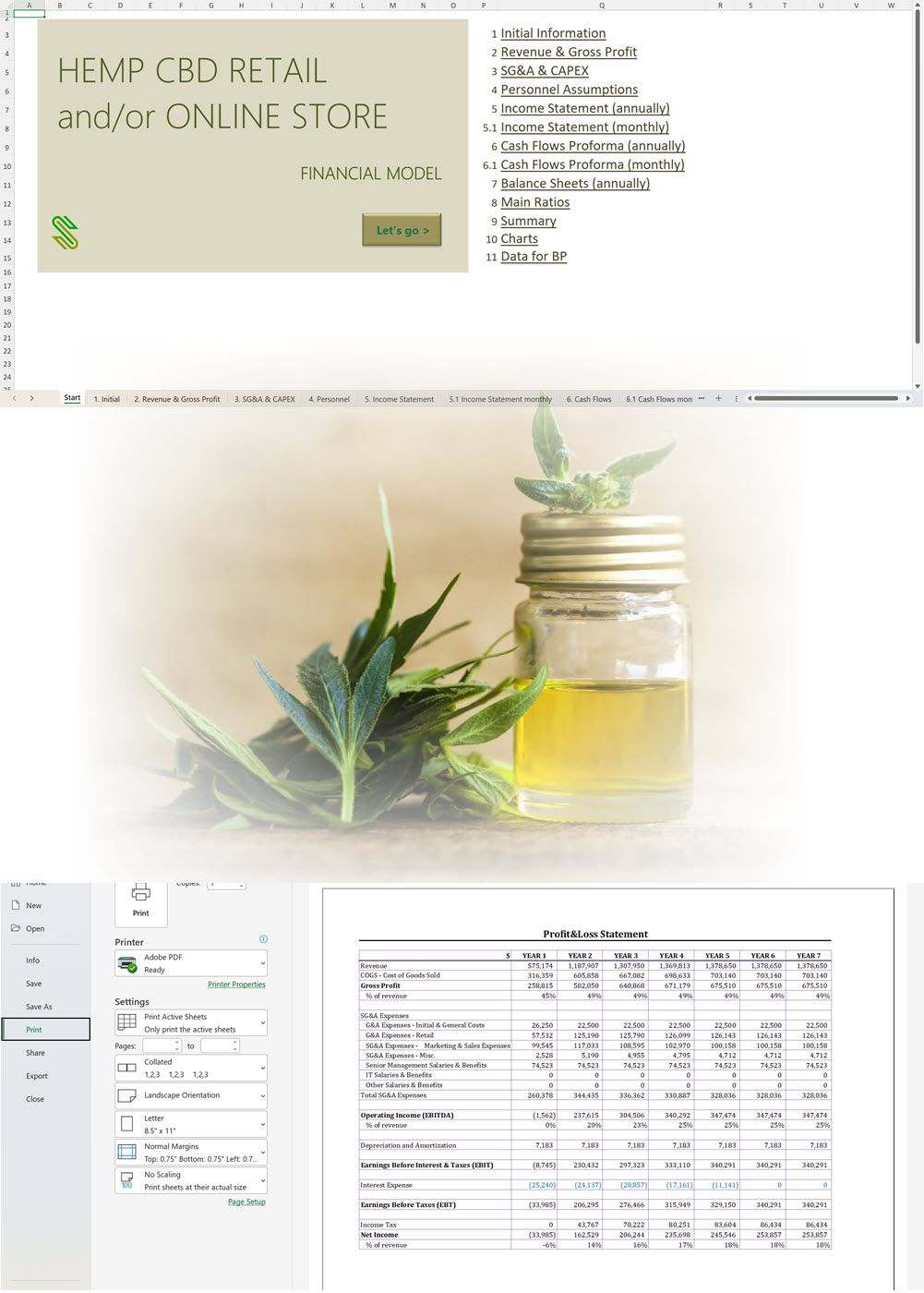
Hemp CBD business plan templates are available at hempcbdbusinessplans.com.
Our Templates
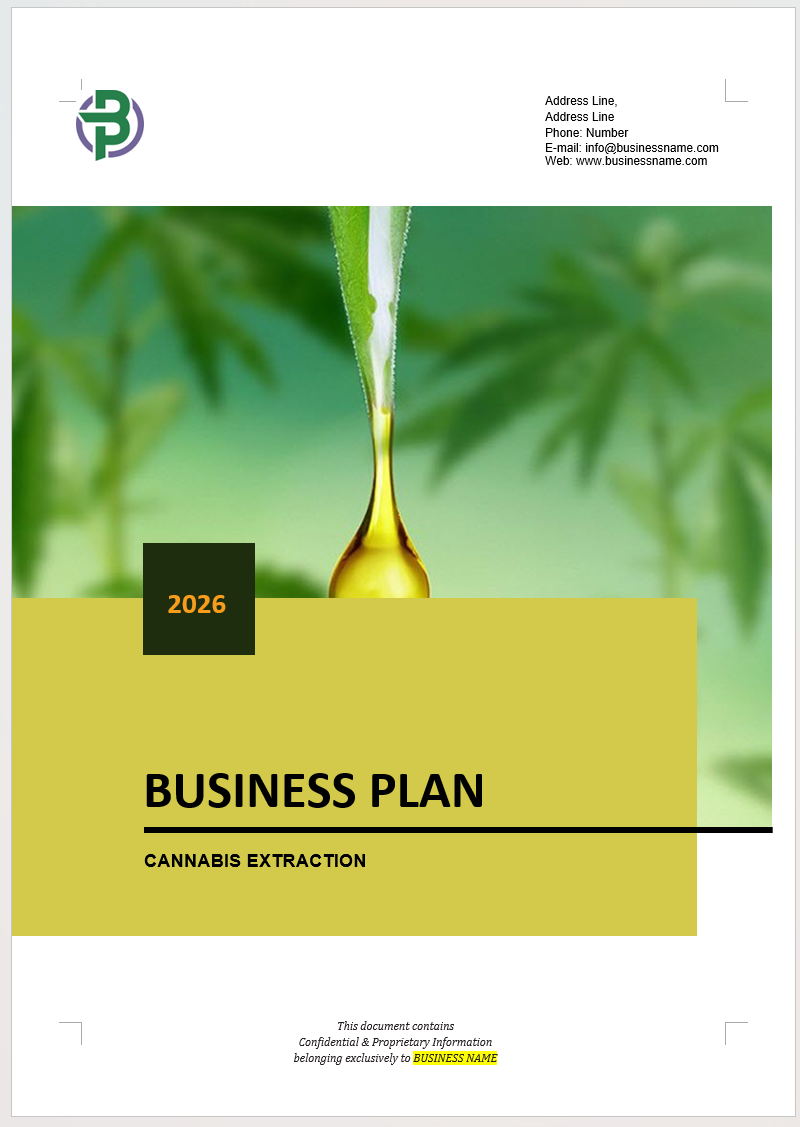
Cannabis Extraction / Concentrates Business Plan Template
Price range: $75.00 through $350.00
CBD Store and/or Cafe Lounge Business Plan Template
Price range: $75.00 through $275.00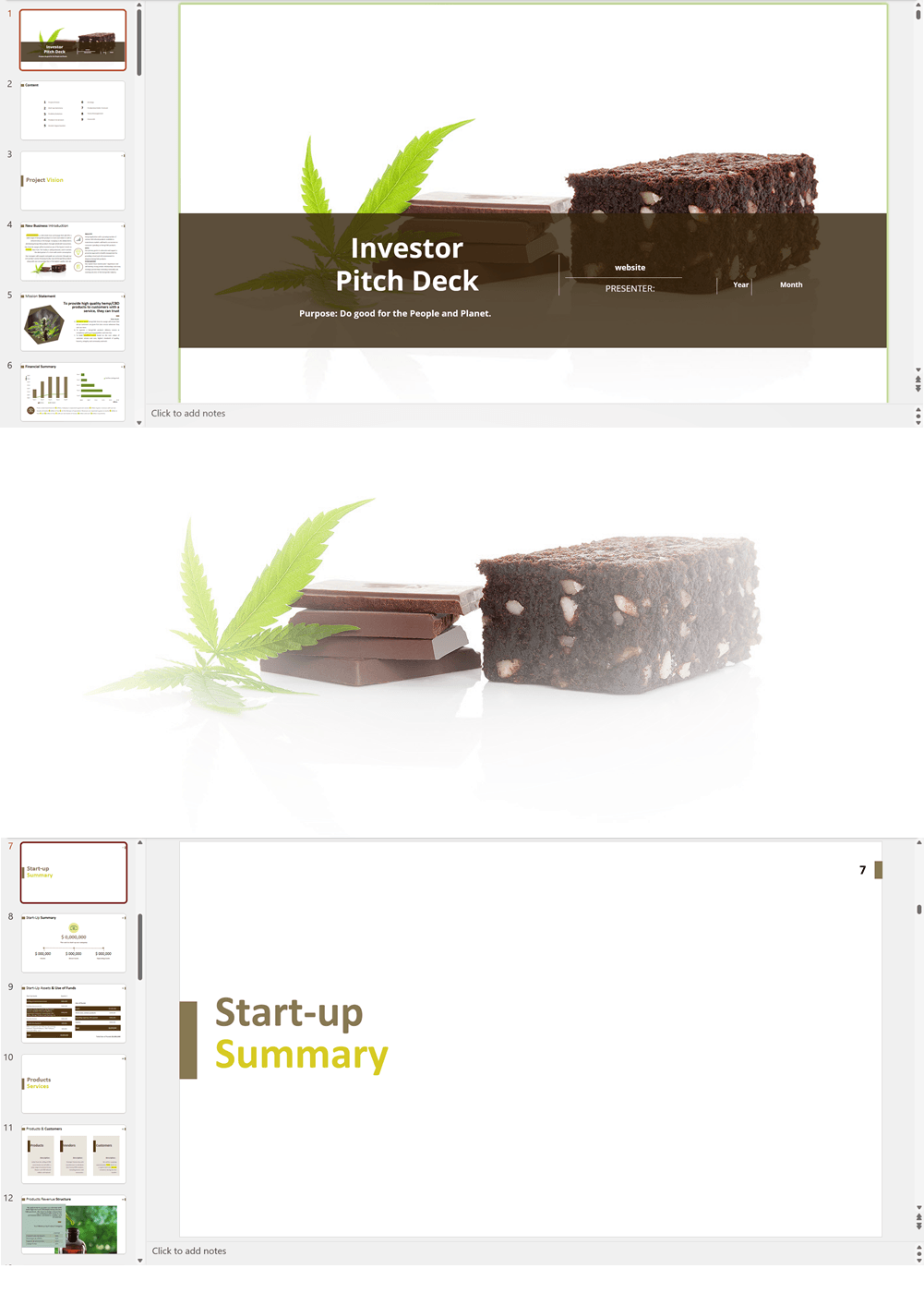

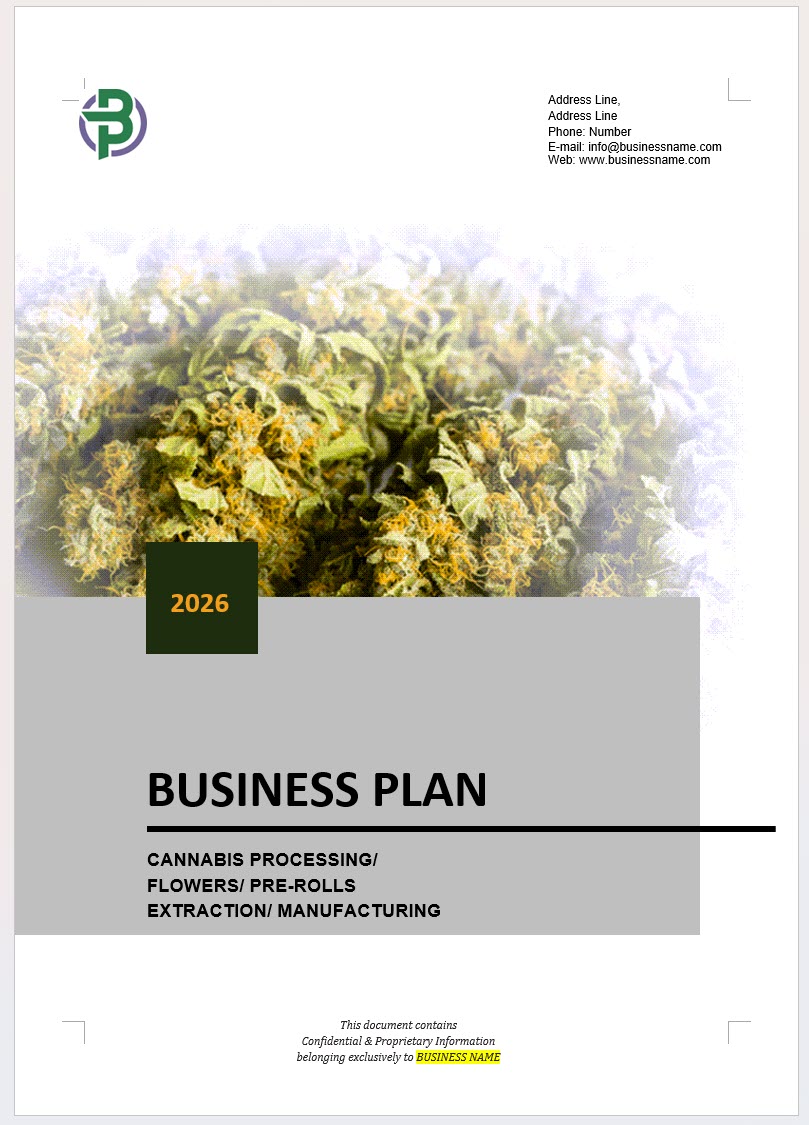
Cannabis Processing/ Flowers/ Pre-rolls/ Extraction/ Manufacturing Business Plan Template
Price range: $75.00 through $350.00
Cannabis Transportation Business Plan Template
Price range: $75.00 through $275.00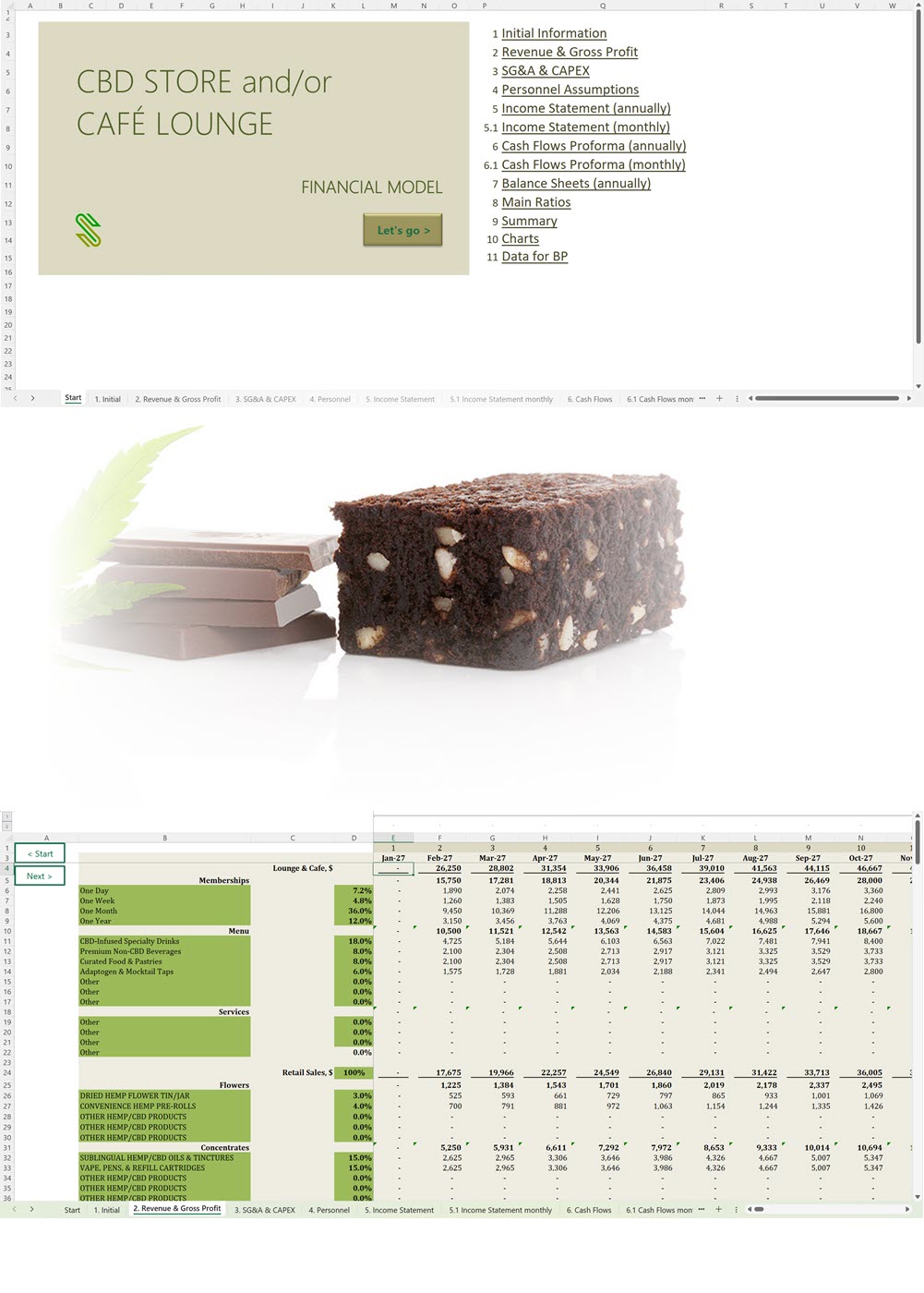

CBD Products Retail/Online Store Business Plan Template
Price range: $75.00 through $275.00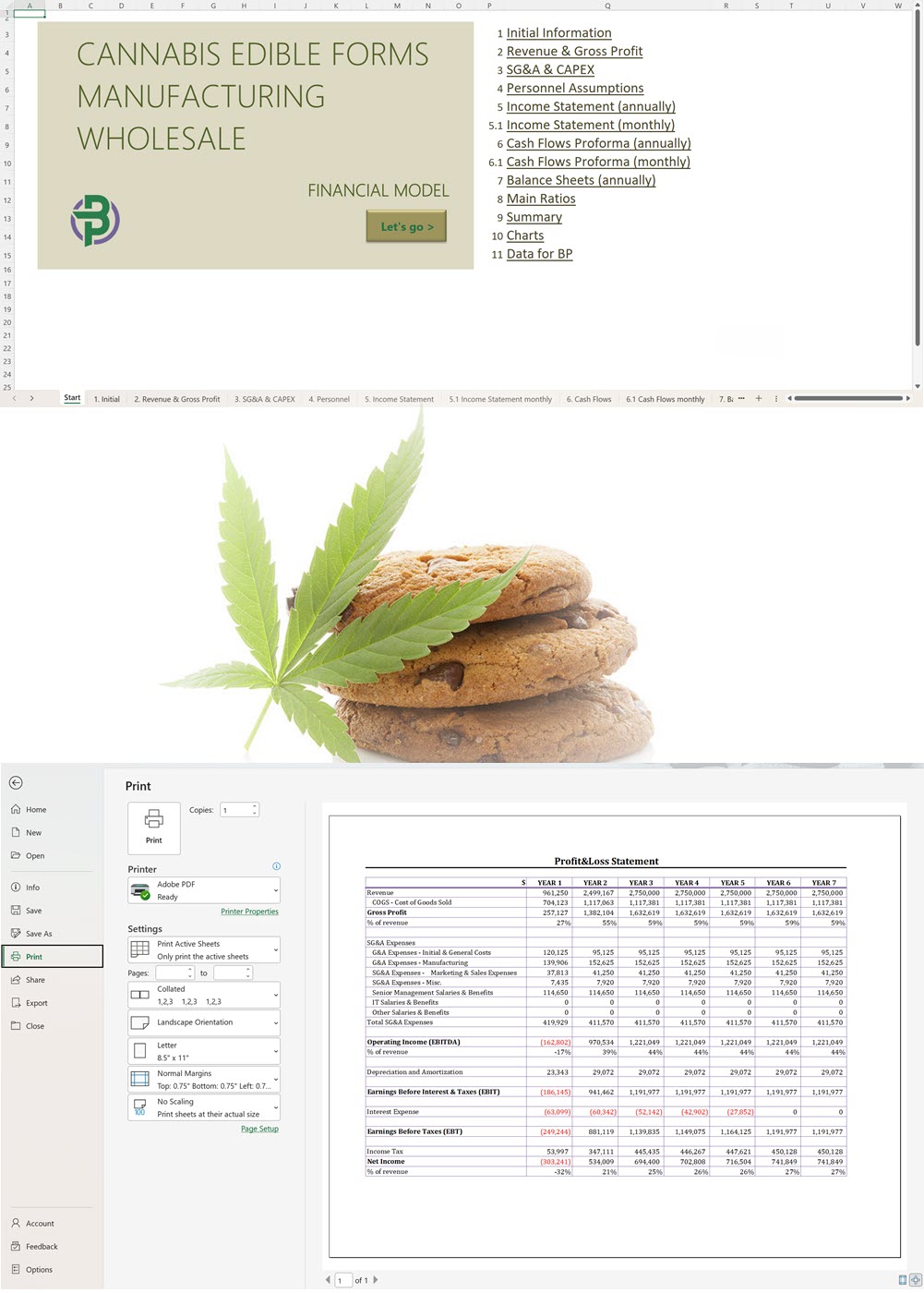
Cannabis Edibles Financial Model
$150.00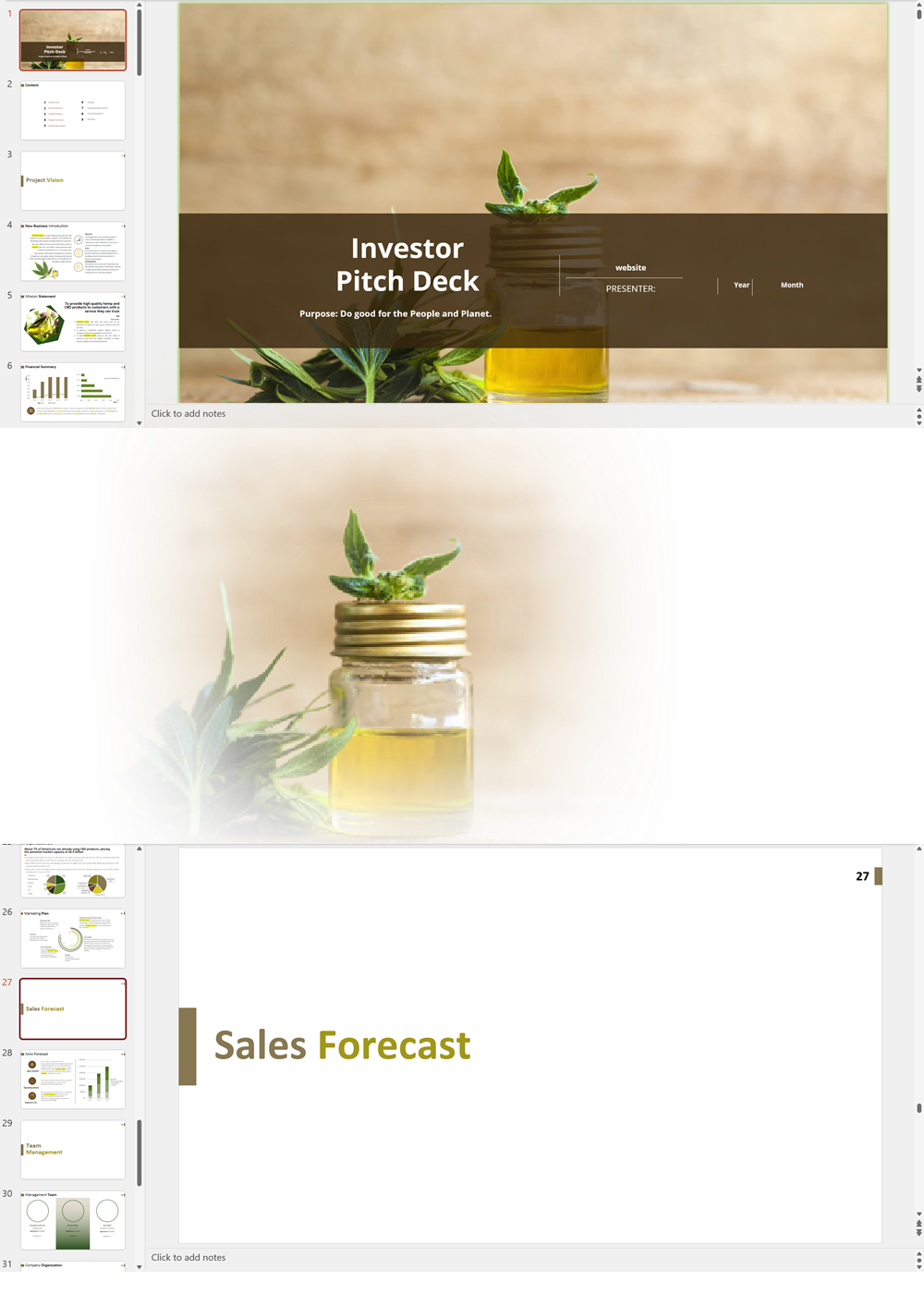

Cannabis Lounge + Retail Business Plan Template
Price range: $75.00 through $350.00
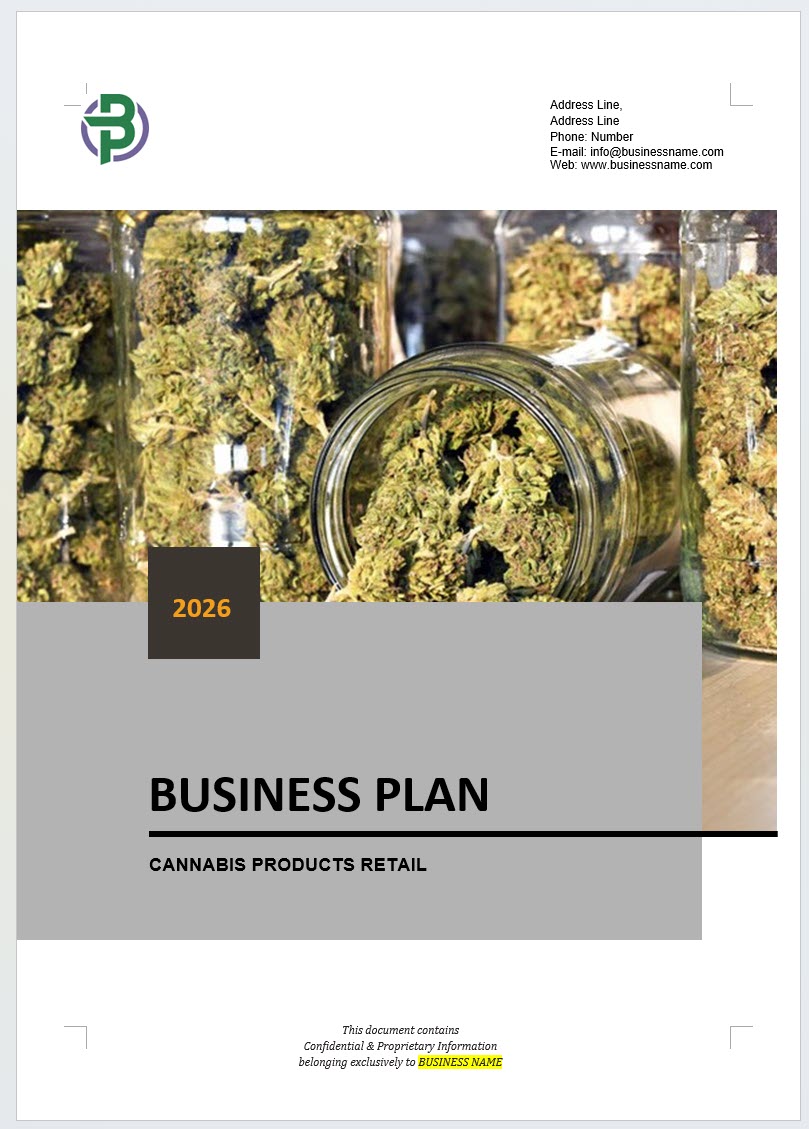
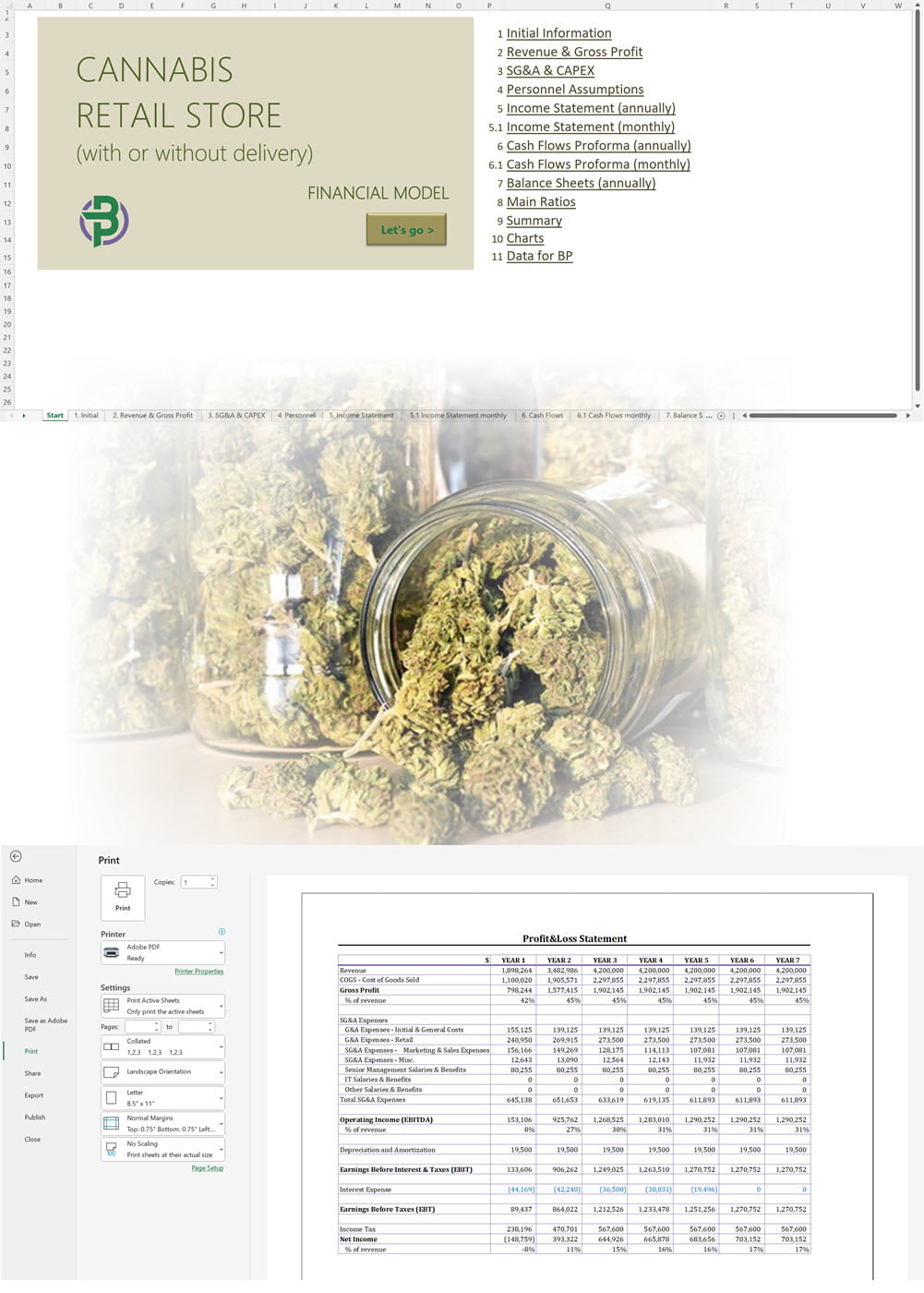
Cannabis Retail Business Plan Template (with or without Delivery)
Price range: $75.00 through $350.00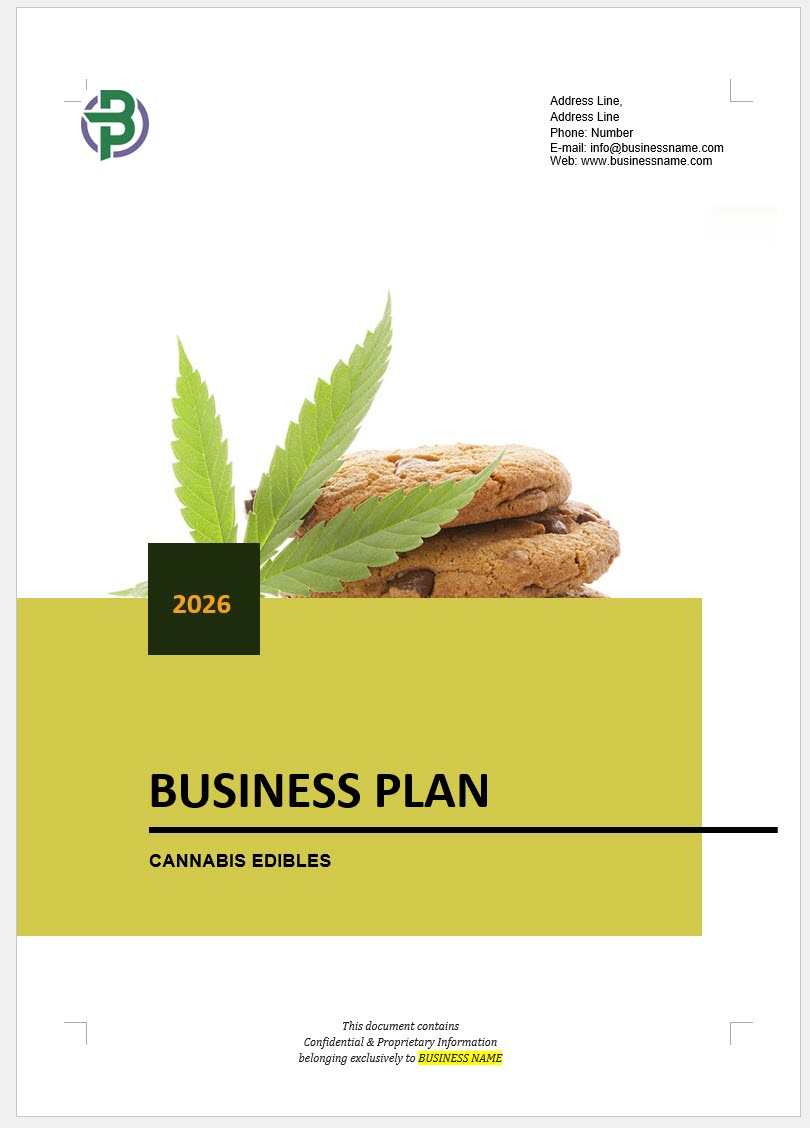
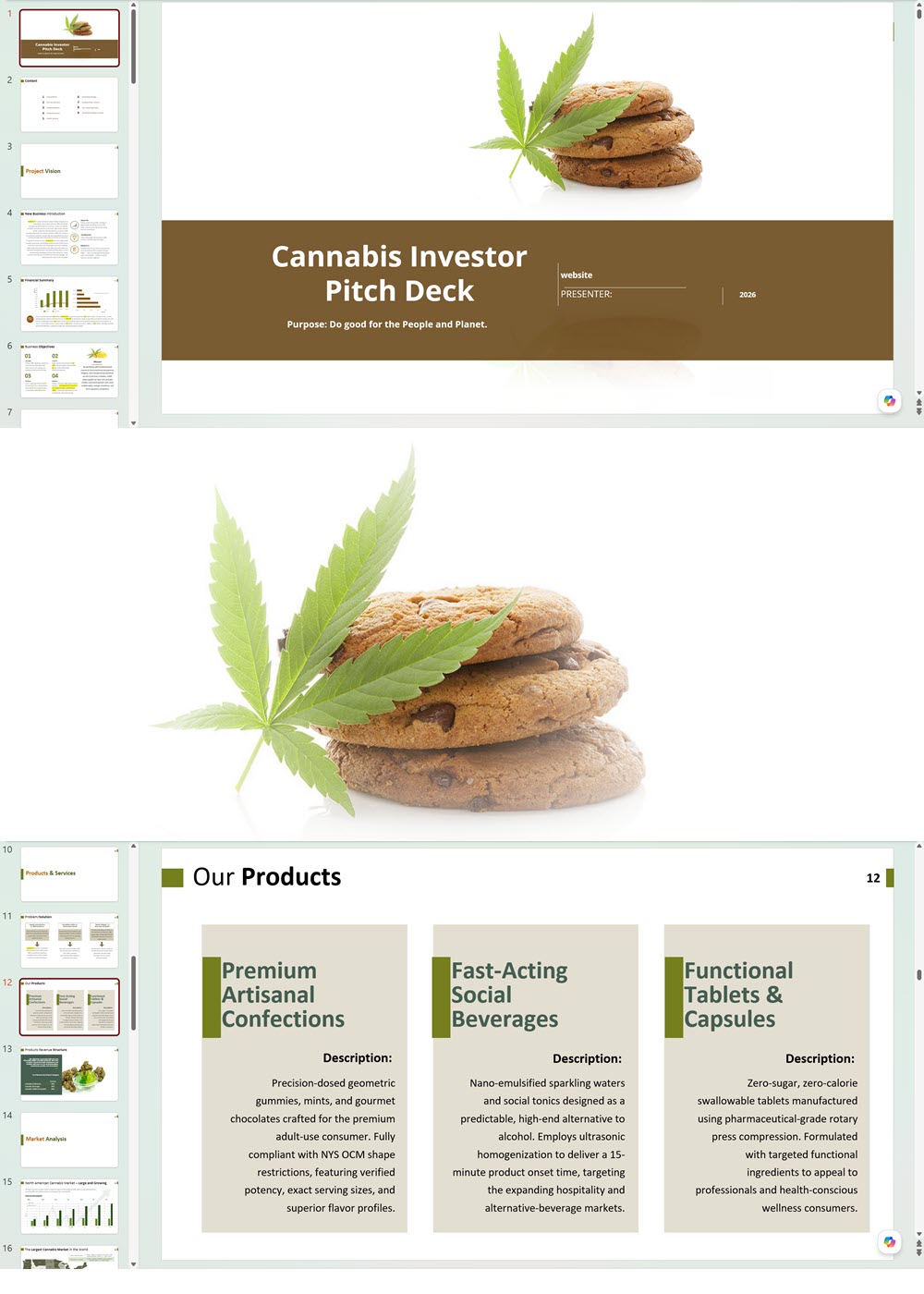
Cannabis Edibles Business Plan Template
Price range: $75.00 through $350.00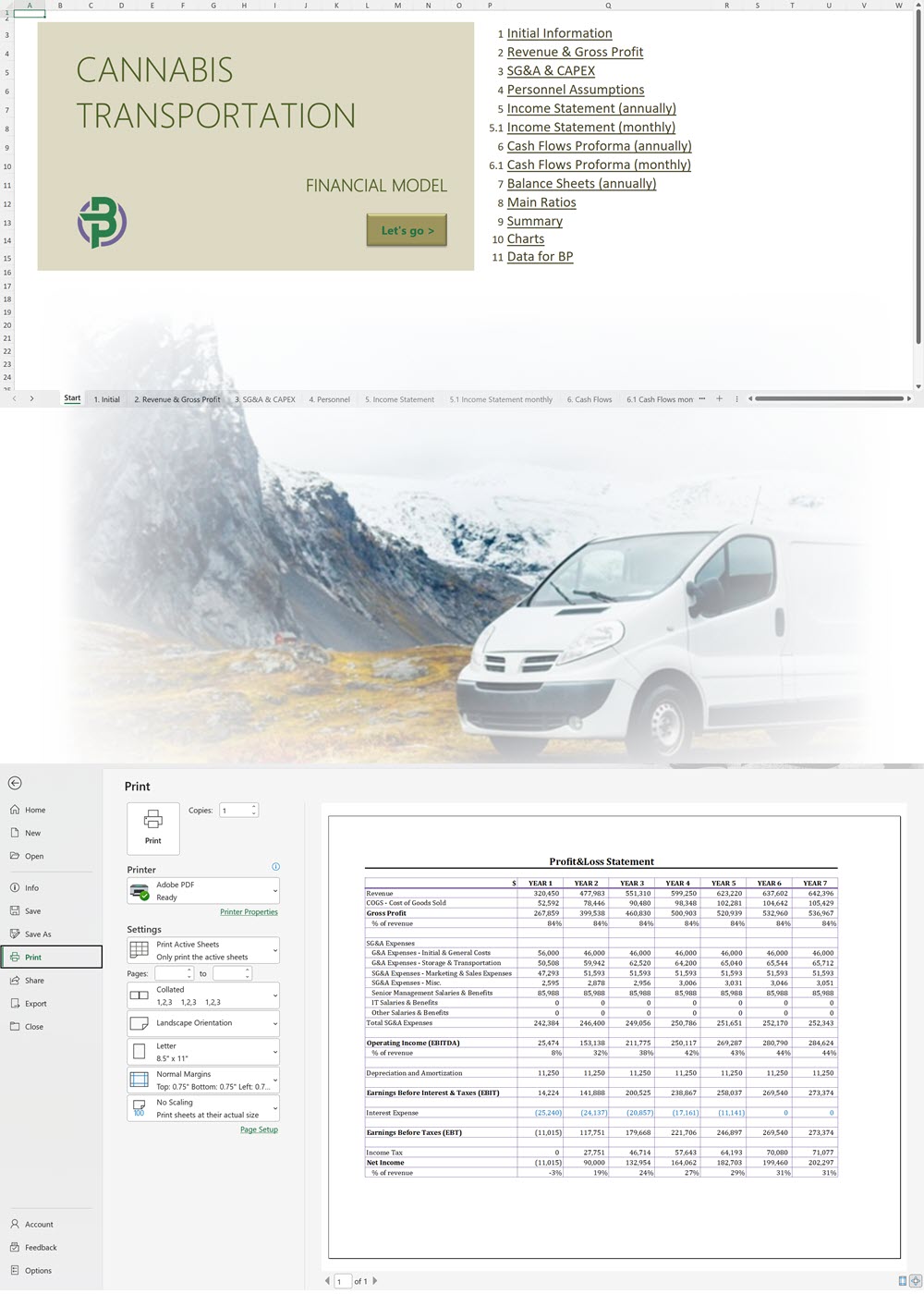
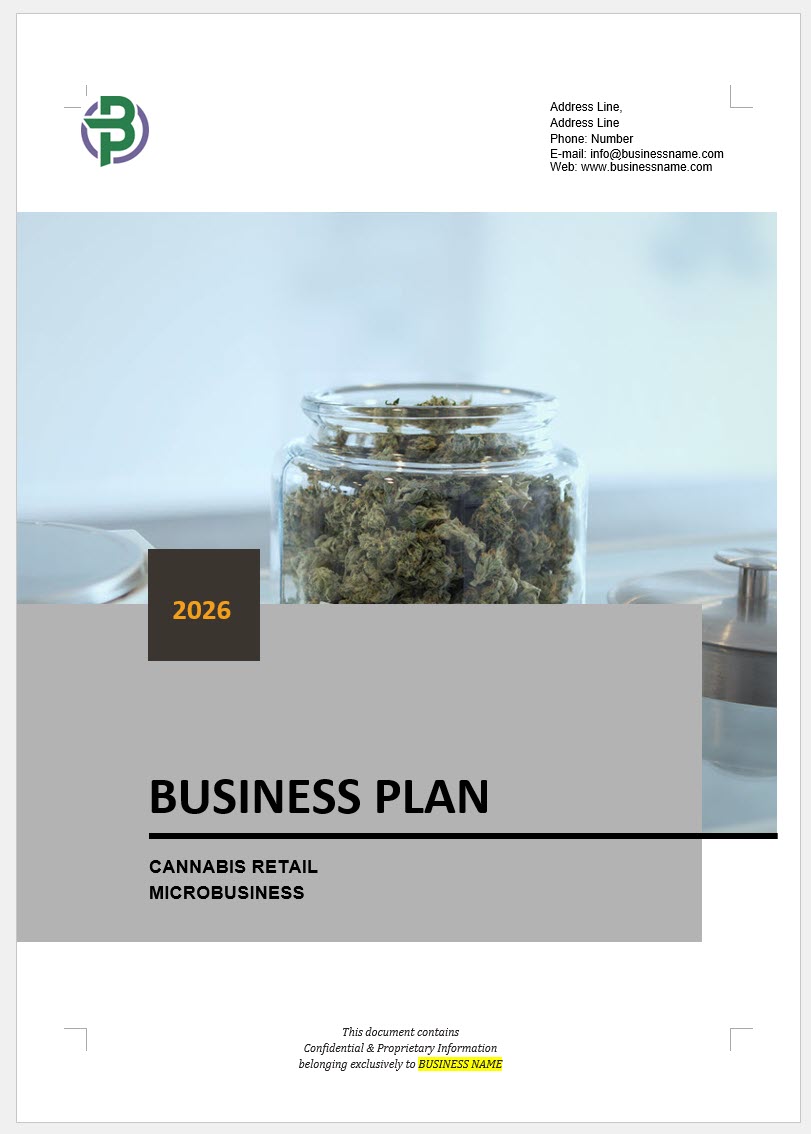
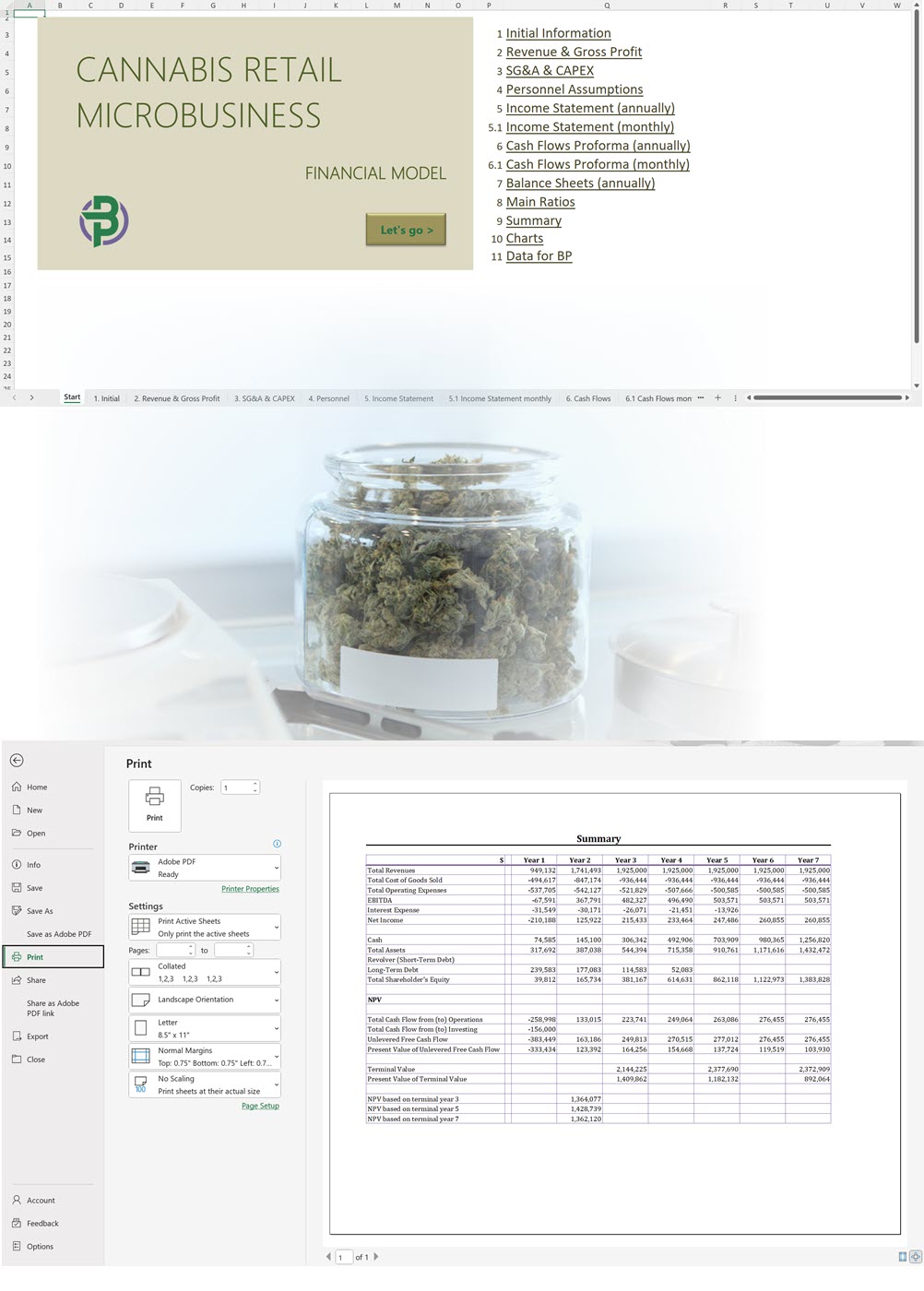
Cannabis Retail Microbusiness Business Plan Template
Price range: $75.00 through $275.00
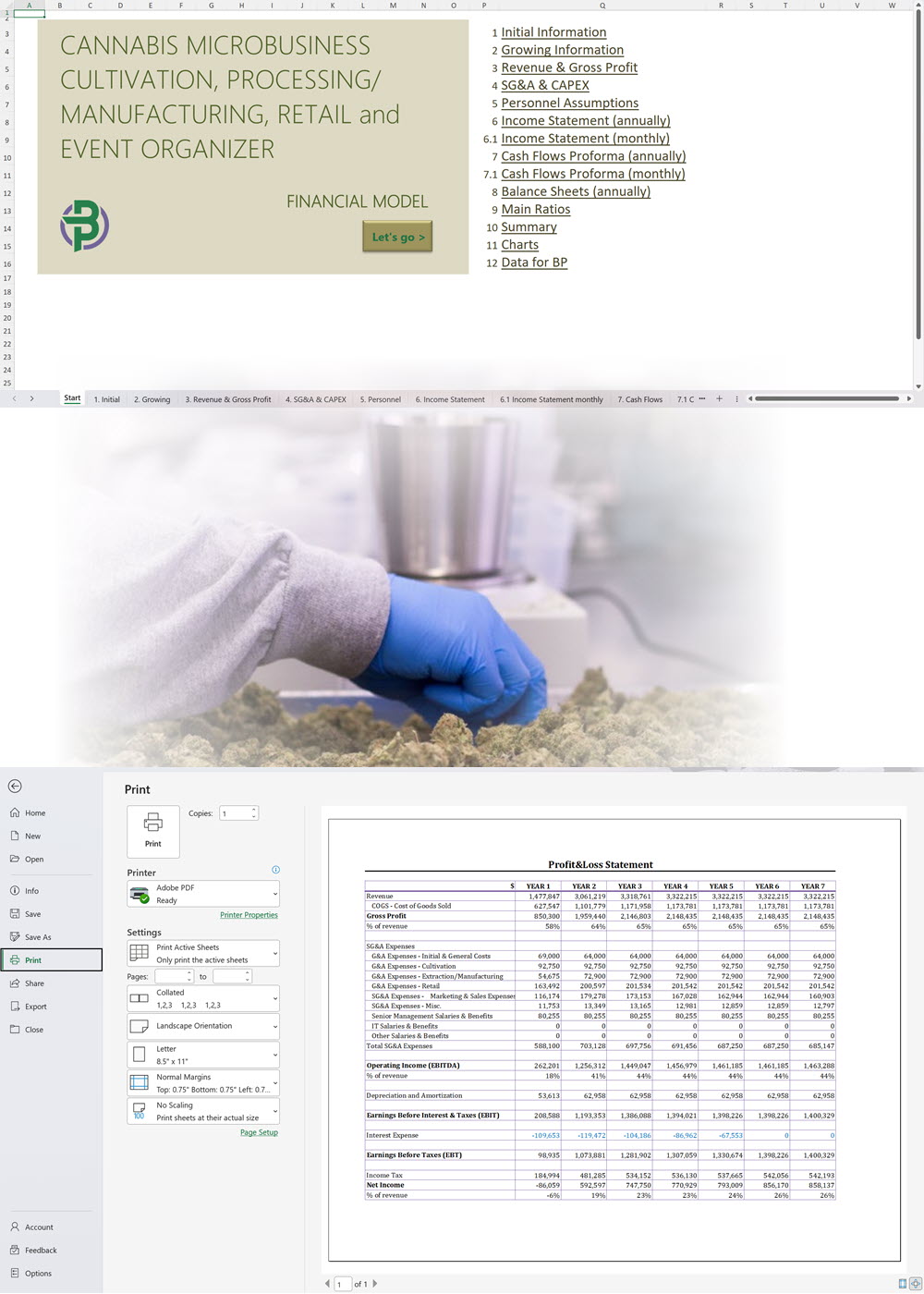
Cannabis Cultivation, Extraction, Manufacturing, Distribution, Retail and Microbusiness Business Plan Template
Price range: $75.00 through $500.00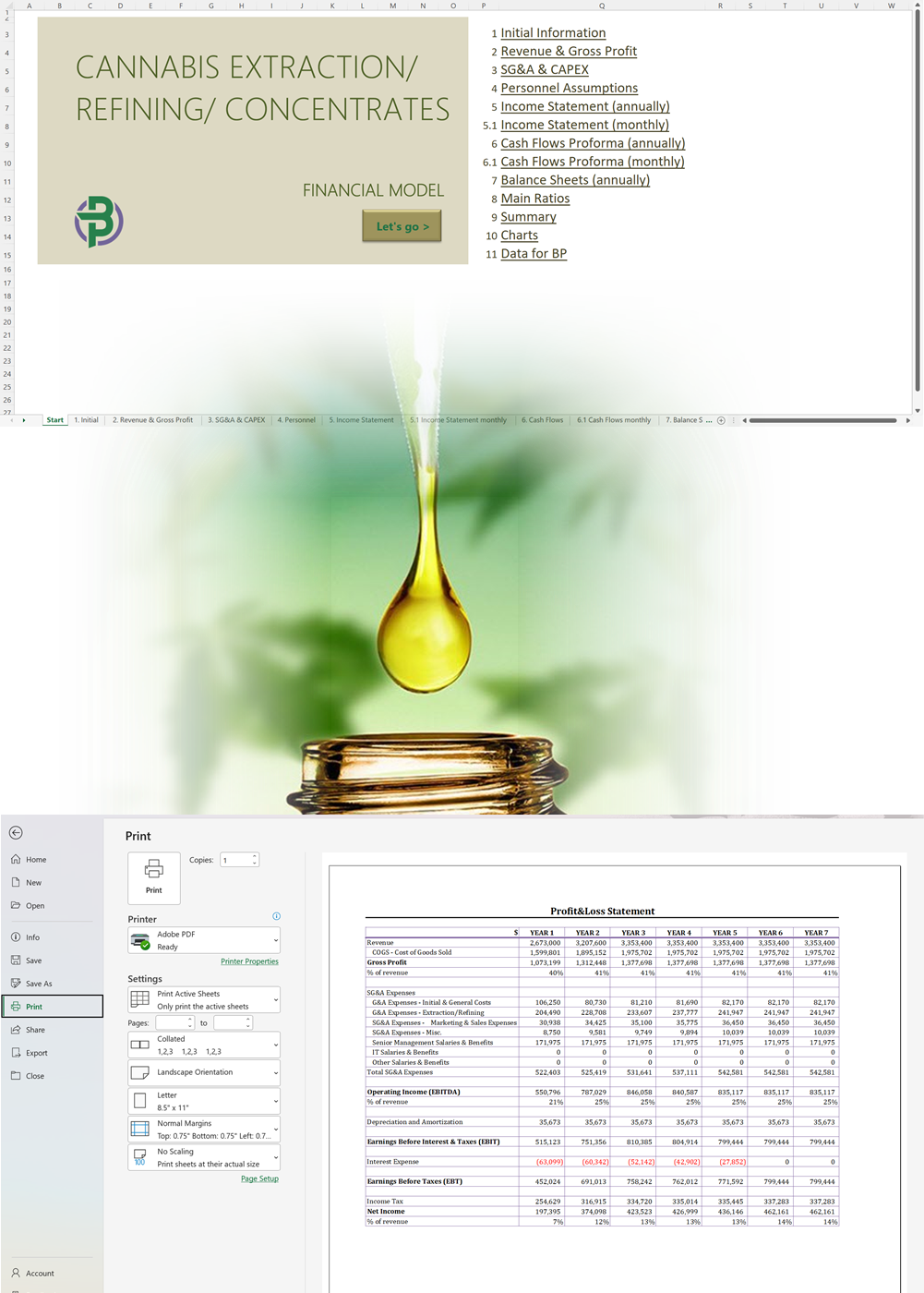

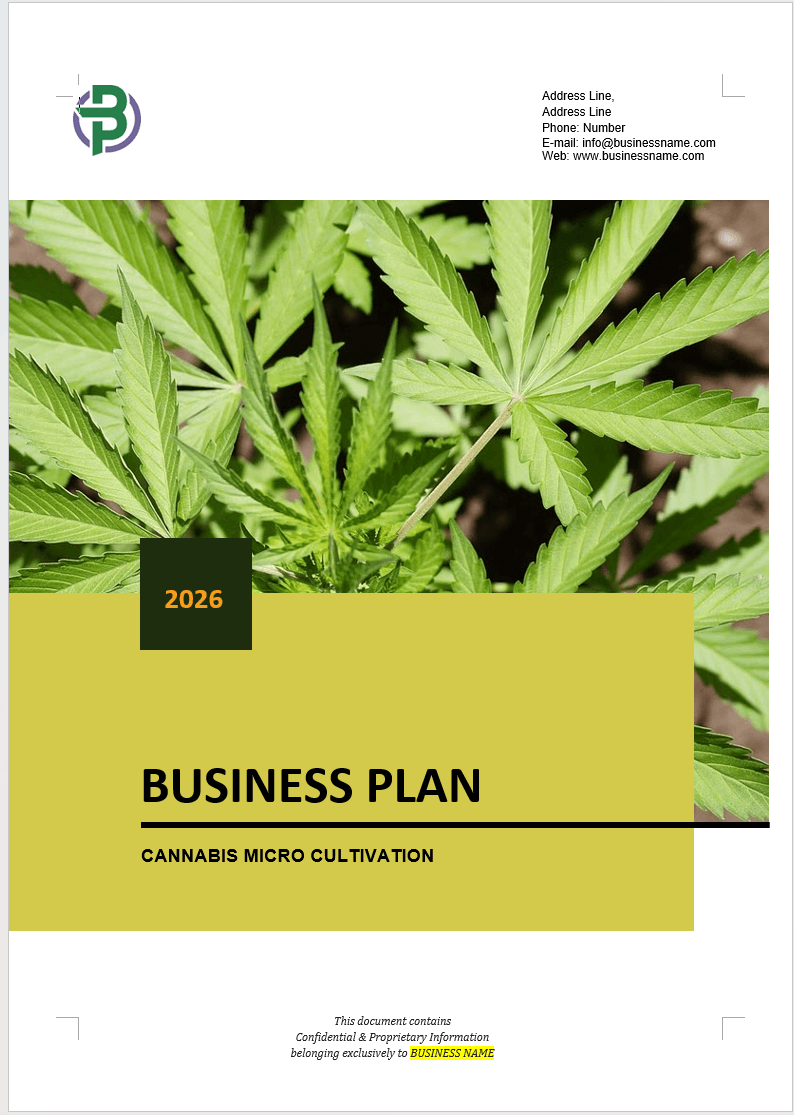
Cannabis Micro Cultivation Business Plan Template
Price range: $75.00 through $300.00