A Cannabis Delivery Service can be a part of a retailer license or an add-on license that allows retailers to deliver cannabis and cannabis products to consumers. Currently, cannabis delivery is legal in 23 states, DC and Puerto Rico – Arizona, Arkansas, California, Connecticut, DC, Delaware, Florida, Kentucky, Louisiana, Maine, Maryland, Massachusetts, Michigan, Minnesota, Missouri, Nevada, New York, Ohio, Oregon, Puerto Rico, Rhode Island, Texas, Utah, Vermont and Virginia.
As of November 1, 2024, recreational (adult-use) delivery became legal statewide. While initially restricted to medical patients, the Arizona Department of Health Services expedited regulations to allow licensed dispensaries and their approved third-party partners to deliver to anyone 21 and older. Deliveries are limited to residential addresses and cannot be made to government buildings.
Qualifying patients and designated caregivers in the state can pick up medical cannabis products at the dispensary or get home delivery. Unlike many states that allow a single driver to complete deliveries, Arkansas regulations currently require two dispensary employees to be present in every delivery vehicle.
Delivery of both medical and recreational cannabis has been legal for over a decade. A non-storefront retailer sells cannabis products to customers only through delivery. While cities can ban cannabis businesses (storefronts), SB 1186 (2022) ensures they cannot ban medical cannabis deliveries. Patients everywhere in CA have a legal right to receive medical deliveries regardless of local ordinances. Delivery vehicles can carry up to $10,000 in total retail value. Of that, no more than $5,000 can be unallocated (not pre-ordered) product if the retailer operates “ice cream truck” style delivery.
Micro-cultivators, dispensary facilities, hybrid retailers and retailers may deliver their own products or use a delivery service to deliver cannabis and cannabis products to consumers, qualifying patients and caregivers. Once there are five licensed delivery services operating in the state, these establishments may no longer deliver their own products and must use a delivery service to deliver cannabis and cannabis products to consumers, qualifying patients and caregivers. Delivery licenses remain exclusively available to social equity applicants until at least April 2029 to promote industry participation from disproportionately impacted communities. The state typically caps the total retail value in a single vehicle at $5,000.
Medical Cannabis Delivery Endorsement permits medical cannabis, medical cannabis products, and paraphernalia to be delivered to eligible patients and their caregivers at residential and commercial building addresses located in the District that are not on District government or Federal property or picked up curbside at the retailer’s physical location. Licensed retailers must submit a Medical Cannabis Endorsement Application to add the permission. As of 2026, DC recognizes “Internet Retailers” who can deliver medical products directly to patients without maintaining a physical storefront open to the public. For retailers preparing their own products for delivery, storage is capped at 2kg of flower and 1L of oil/tincture. Vehicles are generally subject to the standard possession limit of 2 ounces per person to avoid intent-to-distribute charges.
While medical patients can receive home deliveries with prior approval from the Office of Medical Marijuana, recreational delivery is currently limited. Existing Compassion Centers that converted to hybrid retail licenses are the primary entities permitted to deliver, while new standalone retail licensees are still becoming operational.
Only licensed medical marijuana treatment centers can offer cannabis delivery services in the state to registered Florida patients. Licensed patients or caregivers must be present with a valid ID at the time of delivery.
In Illinois, commercial cannabis delivery is currently prohibited for both medical and recreational use as of early 2026. While the state is “close” to a change, the necessary legislation – such as the Cannabis Delivery License Act – is still pending in the General Assembly, meaning consumers must still visit a physical storefront or authorized drive-through for all purchases.
Under HB 829, a dispensary may provide delivery services to cardholders and may deliver medicinal cannabis, medical cannabis accessories and educational materials to cardholders at the address listed on the cardholder’s registry identification. While HB 829 was signed in 2024, dispensary operations and delivery services are still in early implementation phases as of early 2026.
Under HB 697 (2022), each marijuana pharmacy shall offer home delivery to patients in each zip code within its region at least once per month. Effective January 1, 2025, regulatory authority over medical marijuana transferred from the Board of Pharmacy to the Louisiana Department of Health (LDH). What were previously called “marijuana pharmacies” are now formally regulated as therapeutic marijuana retailers.
Maine permits medical cannabis delivery and rules enacted in late 2023 and 2024 fully authorized adult use delivery as well as curbside pickup. Medical and recreational cannabis dispensaries are allowed to deliver to individuals over the age of 21 with a valid license even, to addresses not located in a designated “safe zone” if the business procures a special license for delivery and transport.
Both medical and adult-use delivery are standard, provided the business holds the proper license or endorsement. Adult-use cannabis businesses can also apply for a micro-dispensary license, which enables them to run a delivery service without having a physical storefront. As of early 2026, the Maryland Cannabis Administration (MCA) has issued approximately 174 social equity licenses to various business types including micro-dispensaries. Delivery vehicles are typically limited by total retail value (often capped at $5,000) rather than a specific aggregate weight limit.
In 2020, the Massachusetts Cannabis Control developed a delivery program. Delivery operators are allowed to purchase cannabis and cannabis products from licensed cultivators and manufacturers and sell and deliver to consumers. Cannabis delivery operators may securely store on its premises cannabis and cannabis products that have been purchased at wholesale for eventual resale to consumers. In March 2026, the Cannabis Control Commission (CCC) extended the exclusivity period for delivery licenses until April 2029. This means only Social Equity and Economic Empowerment applicants can hold these licenses for the next three years. Delivery vehicles are prohibited from carrying more than $10,000 in retail value at any one time.
Both medical and recreational cannabis may be delivered in Michigan by cannabis retailers to customers’ physical residence or an adult-use designated consumption establishment, aka social lounges that allow smoking and vaping. Municipalities like Northfield Township recently extended delivery hours (until 11 p.m.) to improve consumer access and business compliance. Delivery drivers are prohibited from carrying more than 15 ounces of usable cannabis (or the equivalent in other forms) at any given time during a single trip.
State-licensed non-tribal retail sales officially began in February 2026. A dedicated Cannabis Delivery Service license allows for transporting products from various retail types to consumers and patients. State regulations prohibit a delivery vehicle from transporting more than $5,000 worth of cannabis products during a single delivery trip.
After Missouri voters approved Amendment 3 on November 8, 2022, legalizing the recreational use of cannabis for adults 21 and older, both medical and recreational cannabis may be delivered. Delivery facilities are prohibited from allowing a single vehicle to transport an aggregate amount of cannabis exceeding 60 ounces across all combined orders in a single trip.
Sales facilities can deliver to medical patients, caregivers, and adult-use consumers. Delivery can be done by the sales facility or an authorized third-party delivery licensee. While private residences are the standard, Assembly Bill 203 (2025) updated rules to allow deliveries to a broader range of locations, excluding schools, community facilities, airports, and certain gaming establishments. Facilities are prohibited from delivering more than 5 ounces of cannabis to any combination of consumers within a single trip.
New York allows medical cannabis delivery to patients and caregivers. A New York cannabis delivery license allows for the delivery of recreational cannabis and cannabis products by licensees independent of another adult-use cannabis license. Each delivery licensee is permitted to have no more than 25 individuals providing delivery services per week. As of early 2026, the New York Office of Cannabis Management (OCM) has extended provisional licenses through December 31, 2026, to allow more time for operators to secure permanent locations.
The Division of Cannabis Control has established regulations for recreational delivery following the 2023 legalization. While the initial law opened the door for home delivery, recent legislative updates in March 2026 (Senate Bill 56) have tightened rules. Currently, home delivery is permitted for medical cannabis patients only; recreational delivery is not currently authorized.
Medical and recreational cannabis delivery are both permitted. Cities and counties can opt-in to allow cannabis home deliveries from adjacent jurisdictions, provided the destination jurisdiction has passed a specific ordinance allowing it. Deliveries must be made only by employees of the retail locations, and drivers may not transport more than $3,000 in retail value at any one time.
Medical cannabis delivery is permitted to authorized patients and caregivers between the hours of 6:00 a.m. and 10:00 p.m.. While recreational use remains illegal, the island’s medical program is mature, with over 150 licensed dispensaries. However, smoking cannabis remains prohibited; only forms such as pills, creams, patches, and oral drops are allowed for medical use.
Medical and recreational cannabis delivery are both permitted. Home delivery can only be conducted by licensed cannabis retailers between 8:00 a.m. and 8:00 p.m.. A single delivery vehicle is prohibited from carrying more than $7,500 worth of retail products at any one time. Hybrid retailers (those serving both medical and recreational) must ensure delivery is available to medical patients statewide at least once every 15 days.
Delivery is permitted only under the Texas Compassionate Use Program (TCUP) for qualified medical patients; no recreational cannabis or delivery is legal. Deliveries may only be made by registered employees of a dispensing organization, and vehicles must meet strict security requirements under Texas Administrative Rule §12.32. Remote pickup locations are authorized as an extension of delivery services, provided products are dispensed and labeled for a specific patient and not stored overnight.
Medical cannabis delivery services are permitted in Utah for pharmacy licensees with a home delivery designation. Deliveries must be made directly to the cardholder (patient or caregiver). As of 2026, the Utah Center for Medical Cannabis provides a list of pharmacies specifically authorized for this service.
A registered dispensary is allowed to deliver medical cannabis to registered patients and caregivers. While recreational storefront sales are active, third-party recreational delivery services are not yet the standard; delivery is primarily conducted by the retail license holder’s own employees.
Medical cannabis delivery services are legal for registered patients and caregivers with a valid written certification. Recreational retail sales framework was approved in March 2026, with sales potentially beginning late 2026 or January 2027; delivery rules for adult-use remain pending.
'70% ready to go' business plan templates
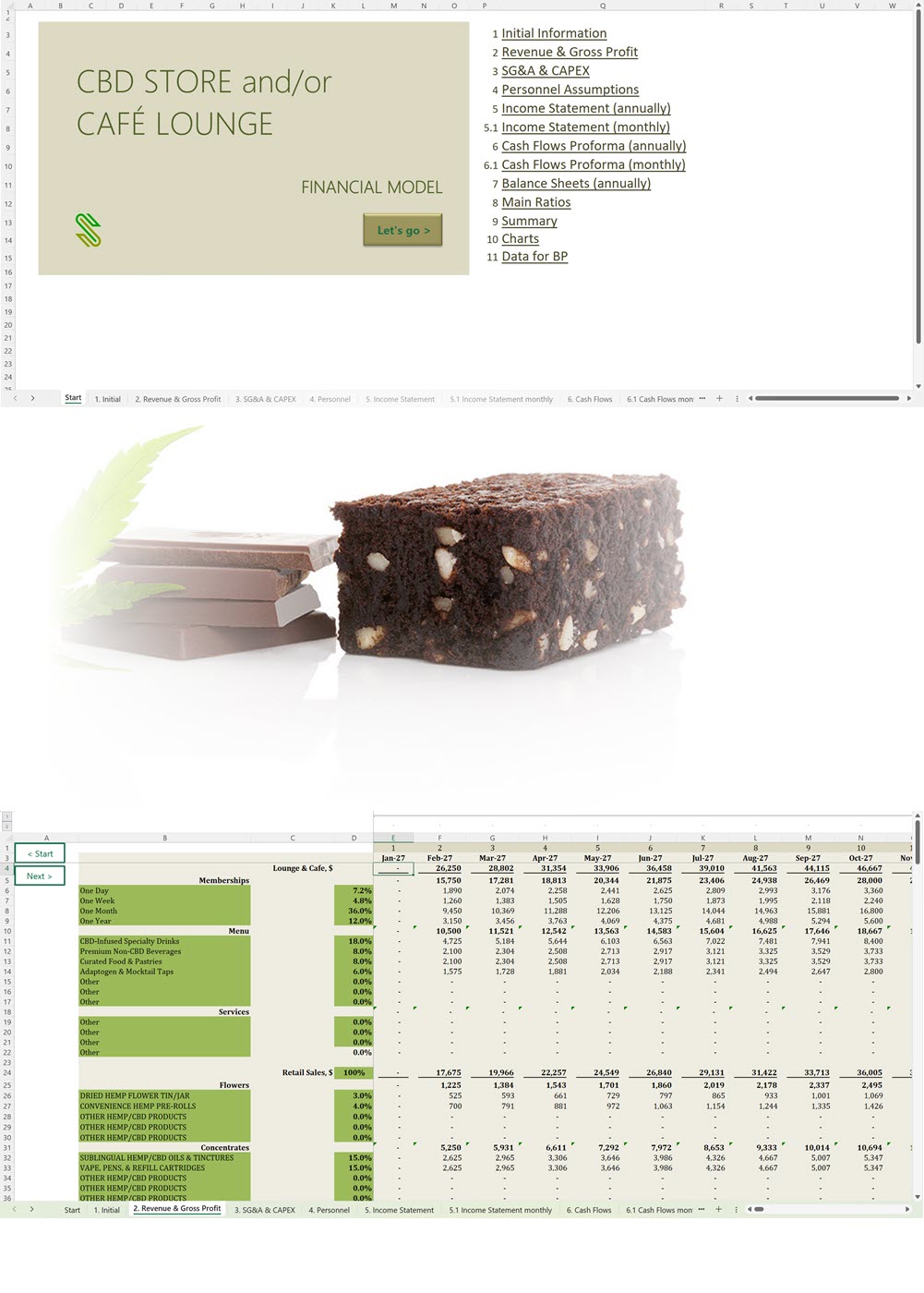
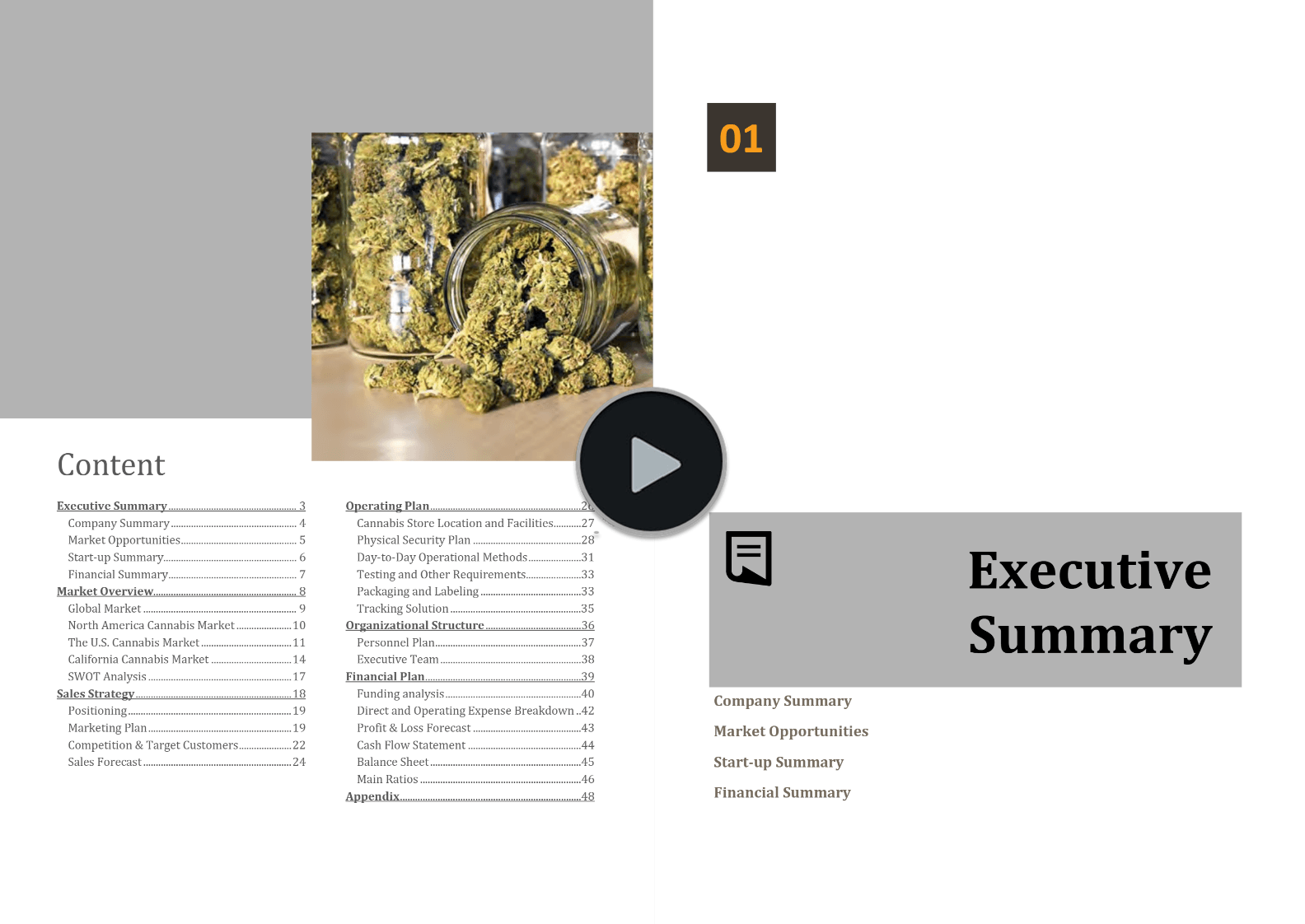
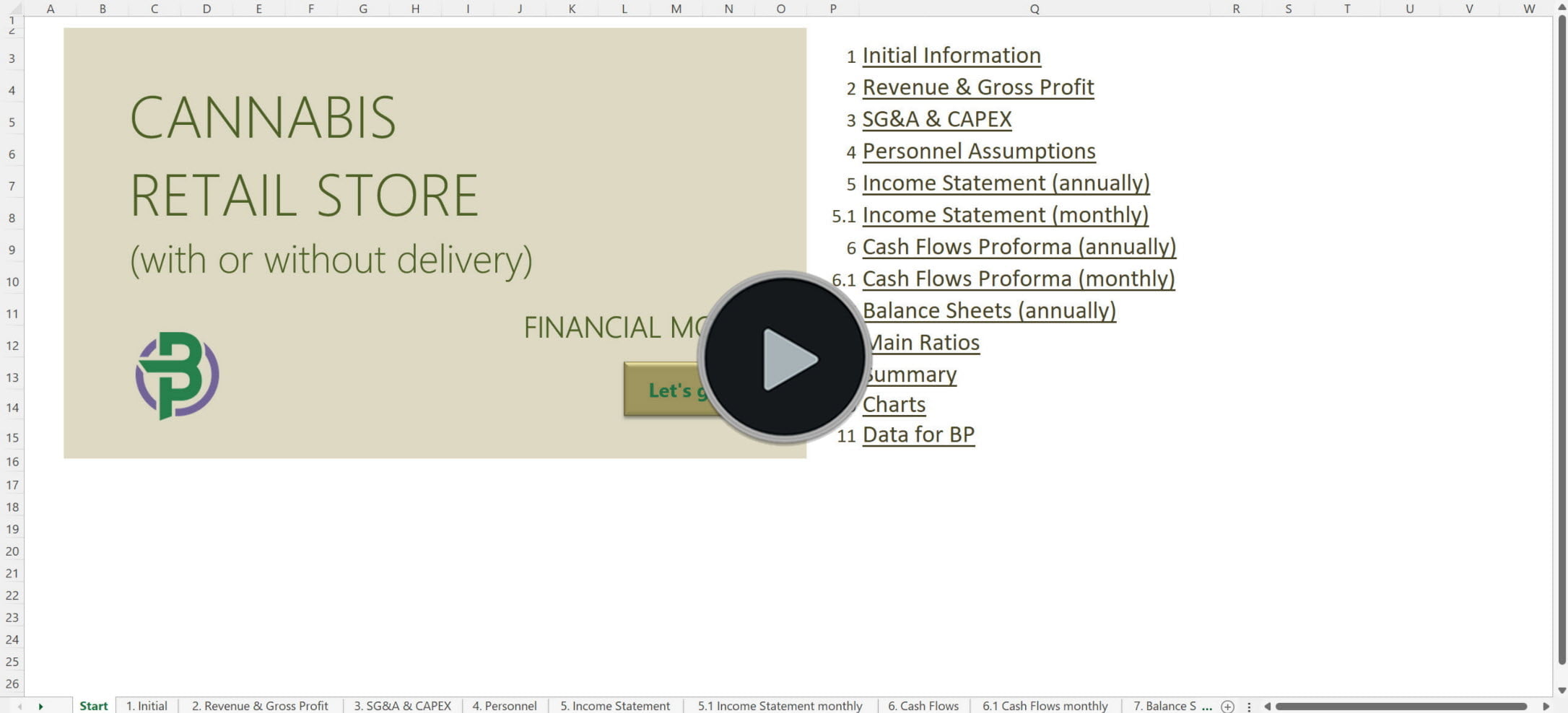
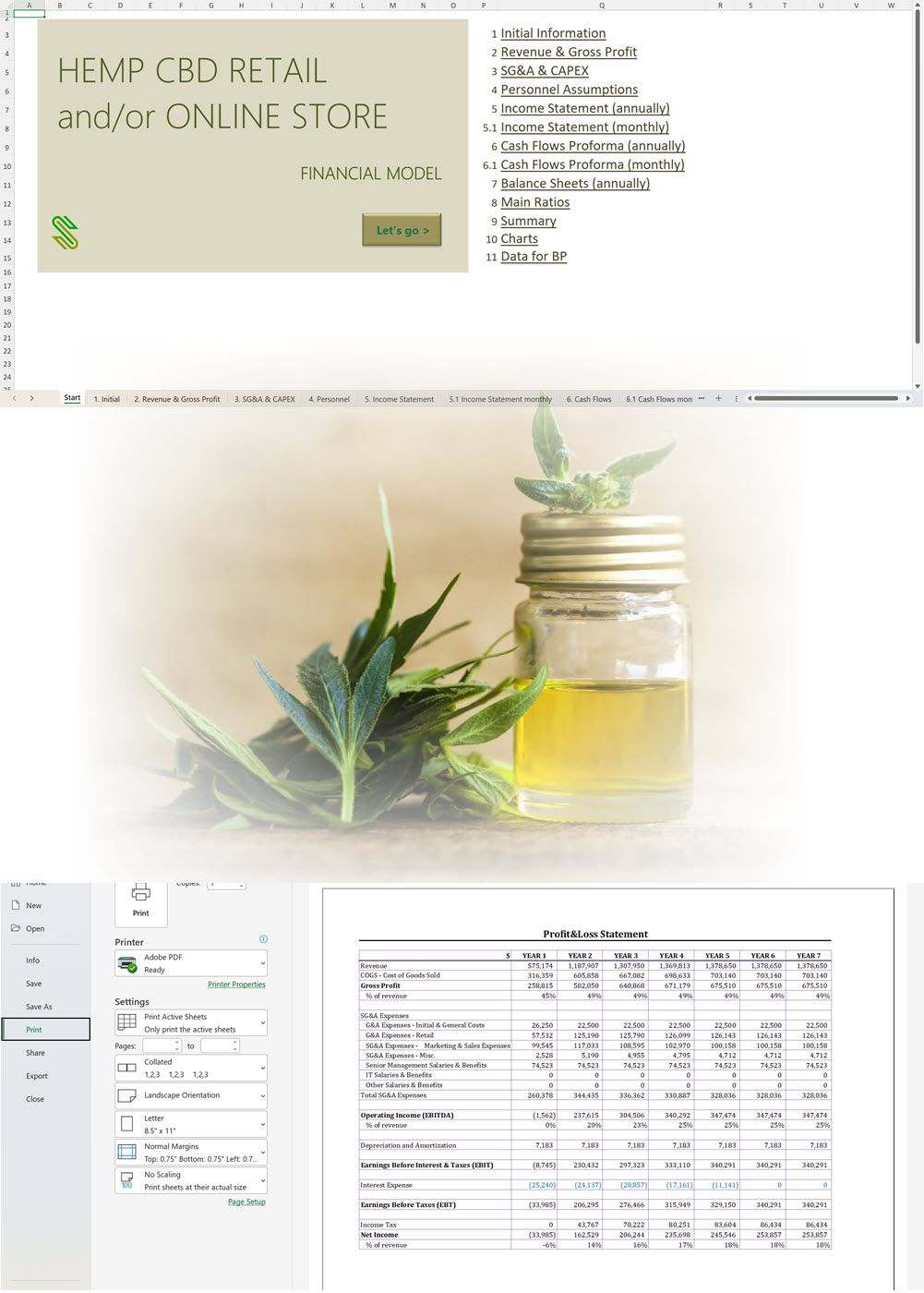
We recommend our cannabis retail with delivery service business plan template for this type of business. It includes a financial model that will help you estimate start-up and operating costs and build all the necessary financial statements. Our Word template will help you prepare a professional cannabis retail with delivery business plan, which can also be accompanied by a PowerPoint presentation. All templates are pre-populated, fully open and editable, and you can work with them just like regular files.
Should you have any questions, please do not hesitate to contact us.
Cannabis Retail (with Delivery) Business Plan Sample (California)

Cannabis delivery is also available in 8 states through contracts with licensed couriers or transporters and in 4 states from non-storefront retailers. Check for more details:
16 states and Puerto Rico have a stand-alone cannabis transporter license for B2B delivery:
Cannabis Transporter License by State
Hemp/CBD Products Retail / Online business plan templates are available at hempcbdbusinessplans.com.
Our Templates
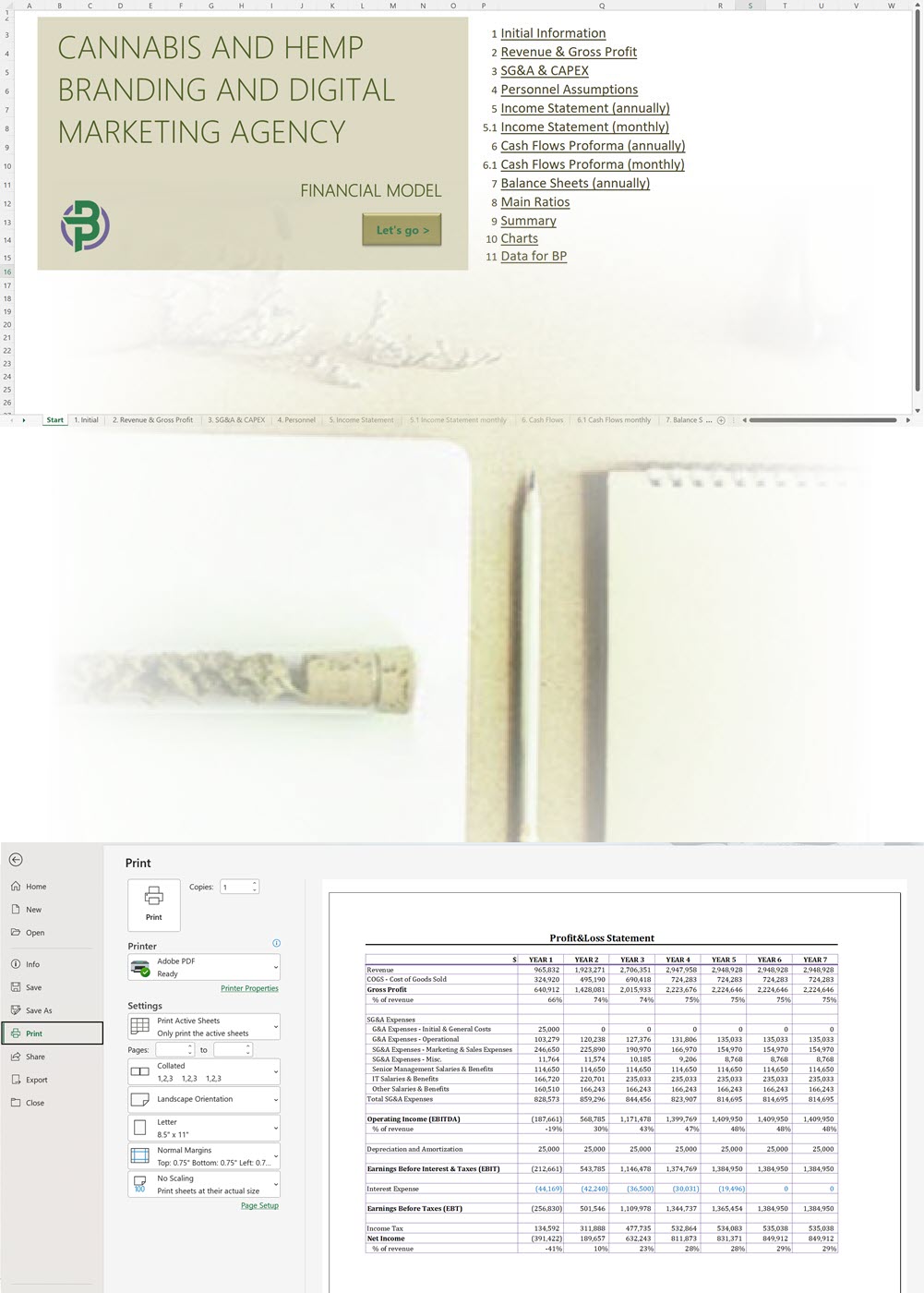

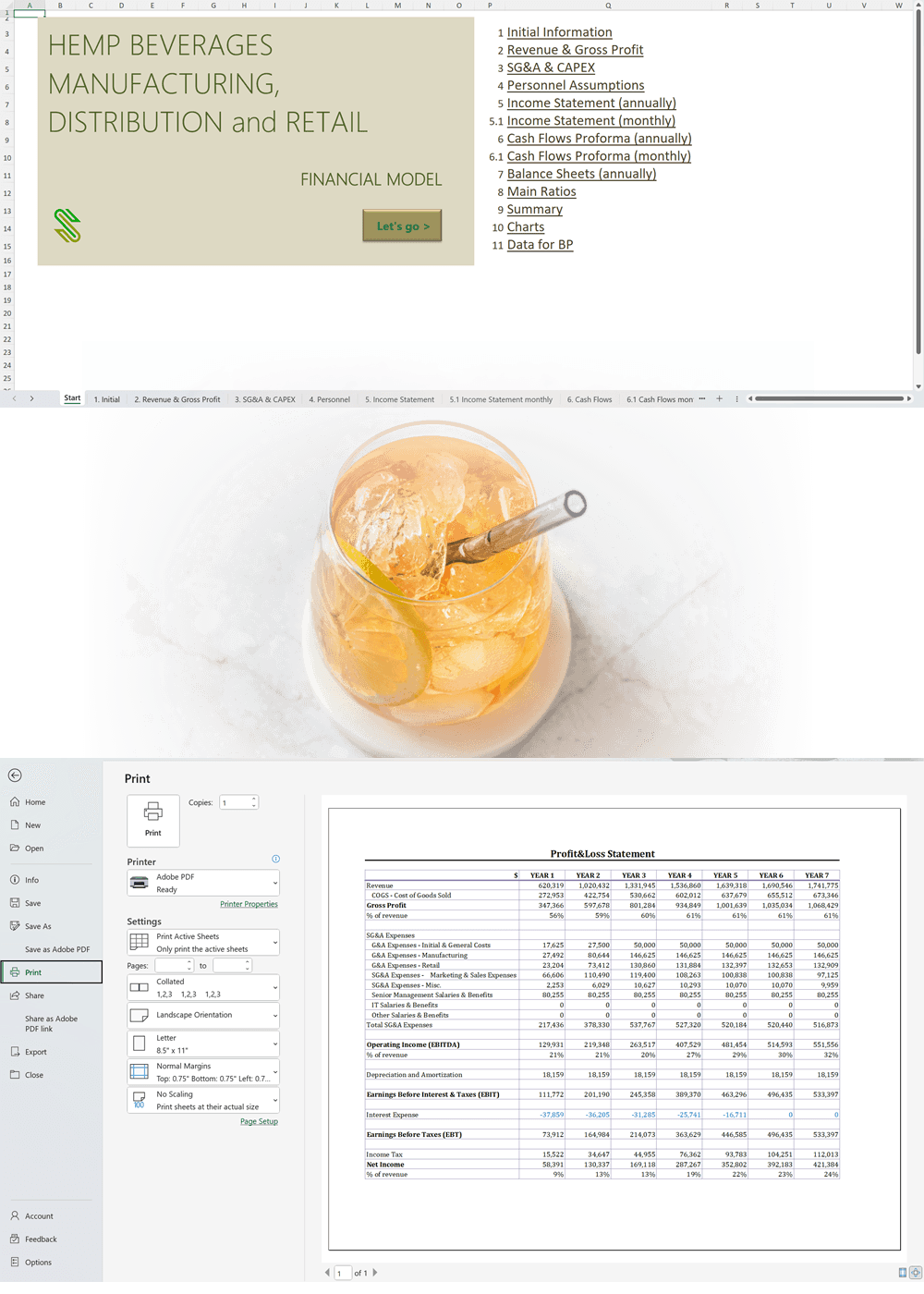
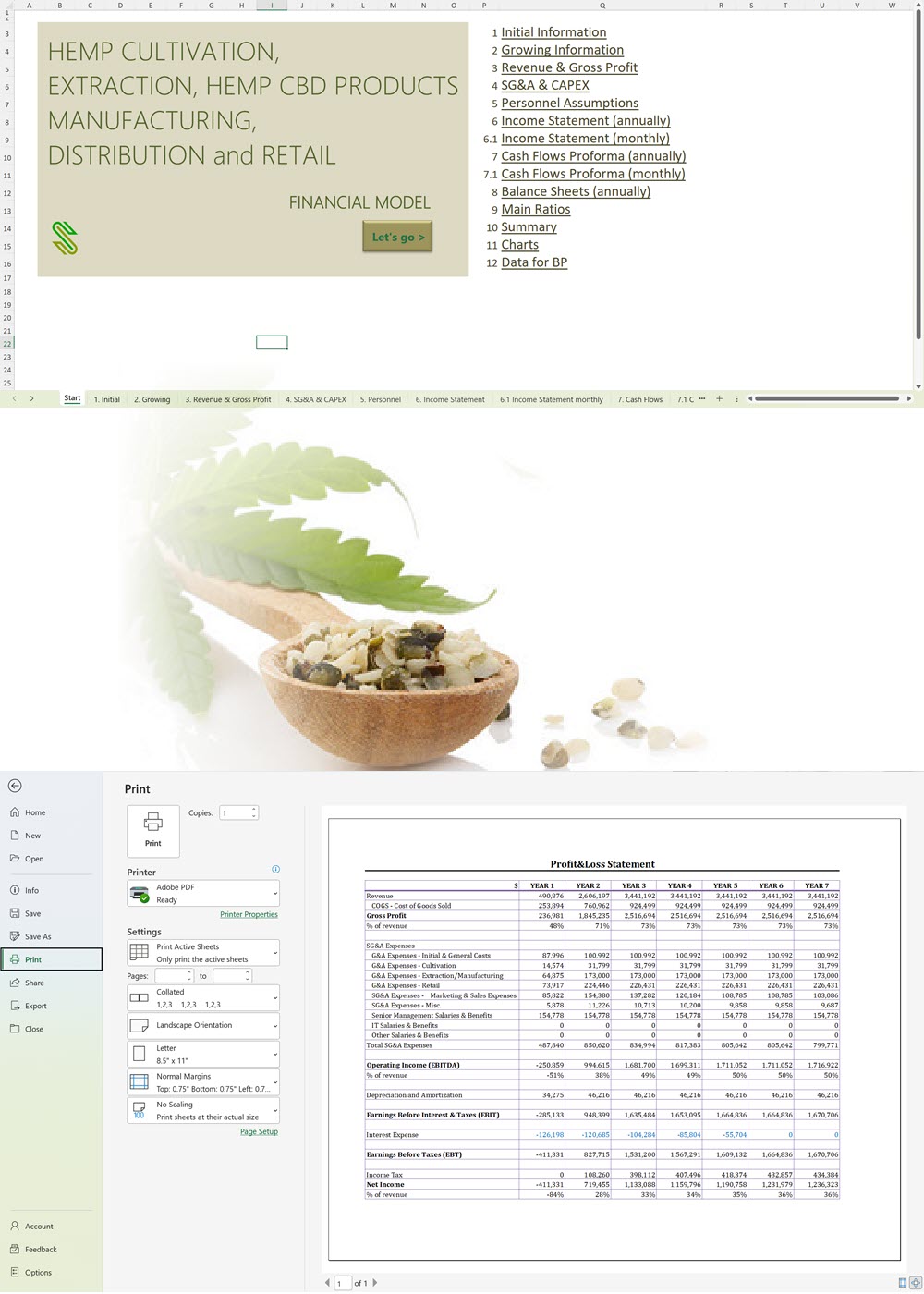

Hemp CBD Beverage Manufacturing, Wholesale and/or Retail Business Plan Template
Price range: $75.00 through $350.00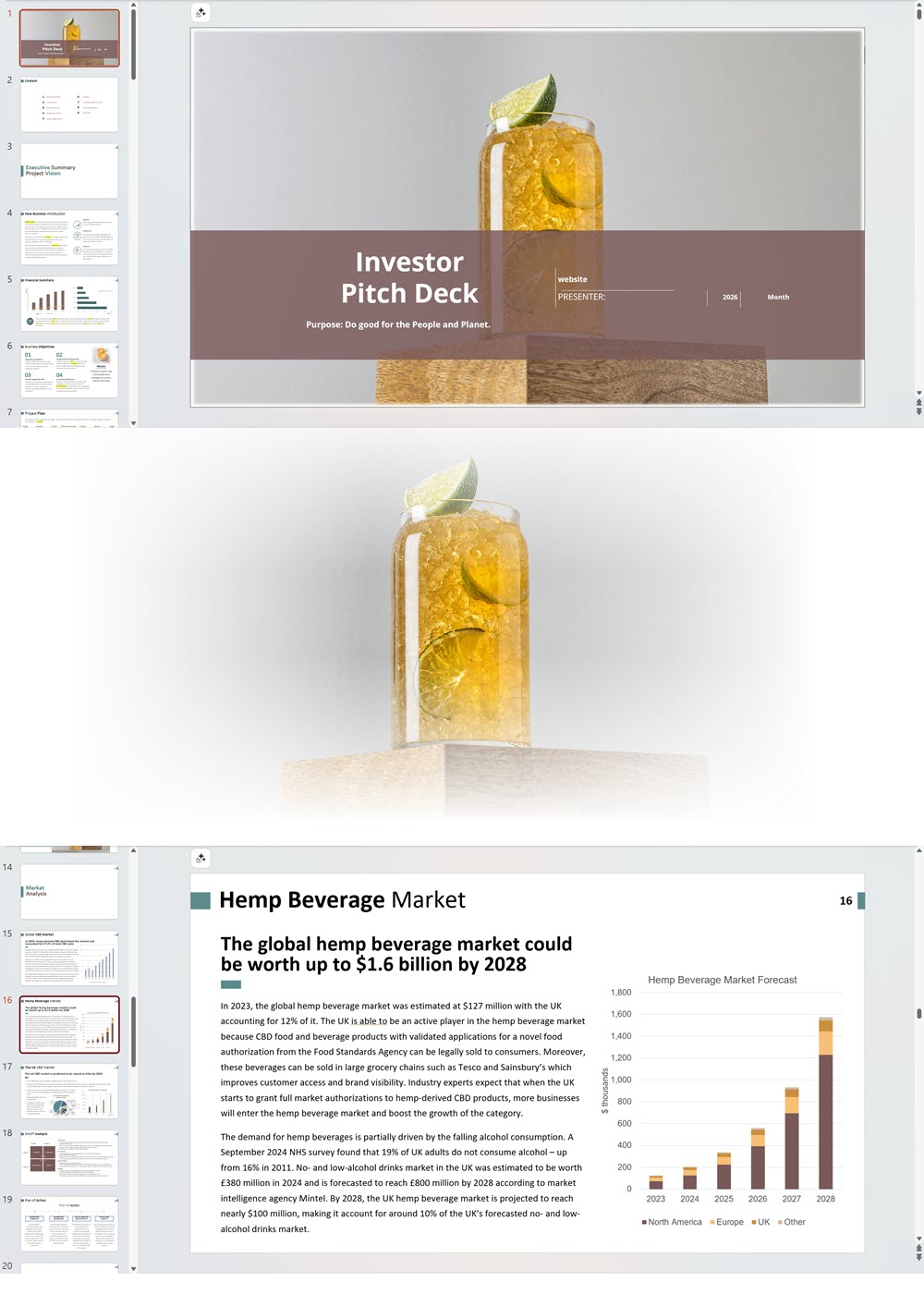


Cannabis Manufacturing Business Plan Template (with in-house processing)
Price range: $75.00 through $350.00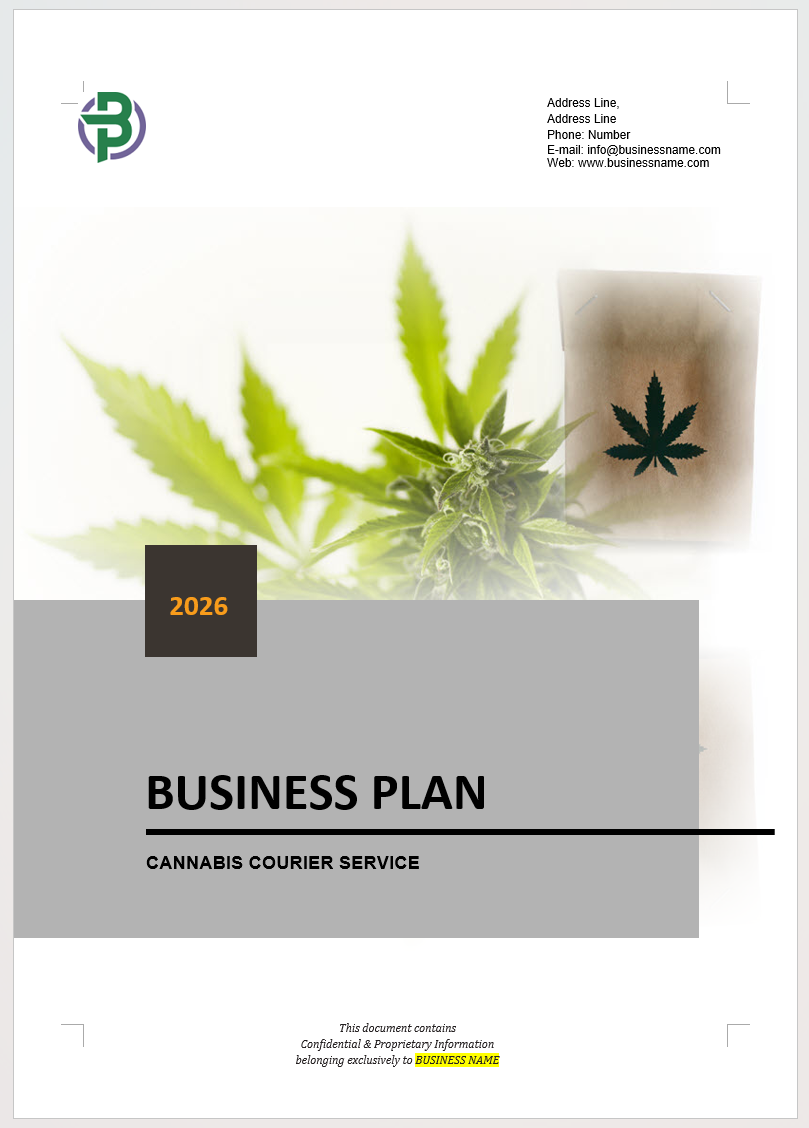
Cannabis Courier Business Plan Template
Price range: $75.00 through $275.00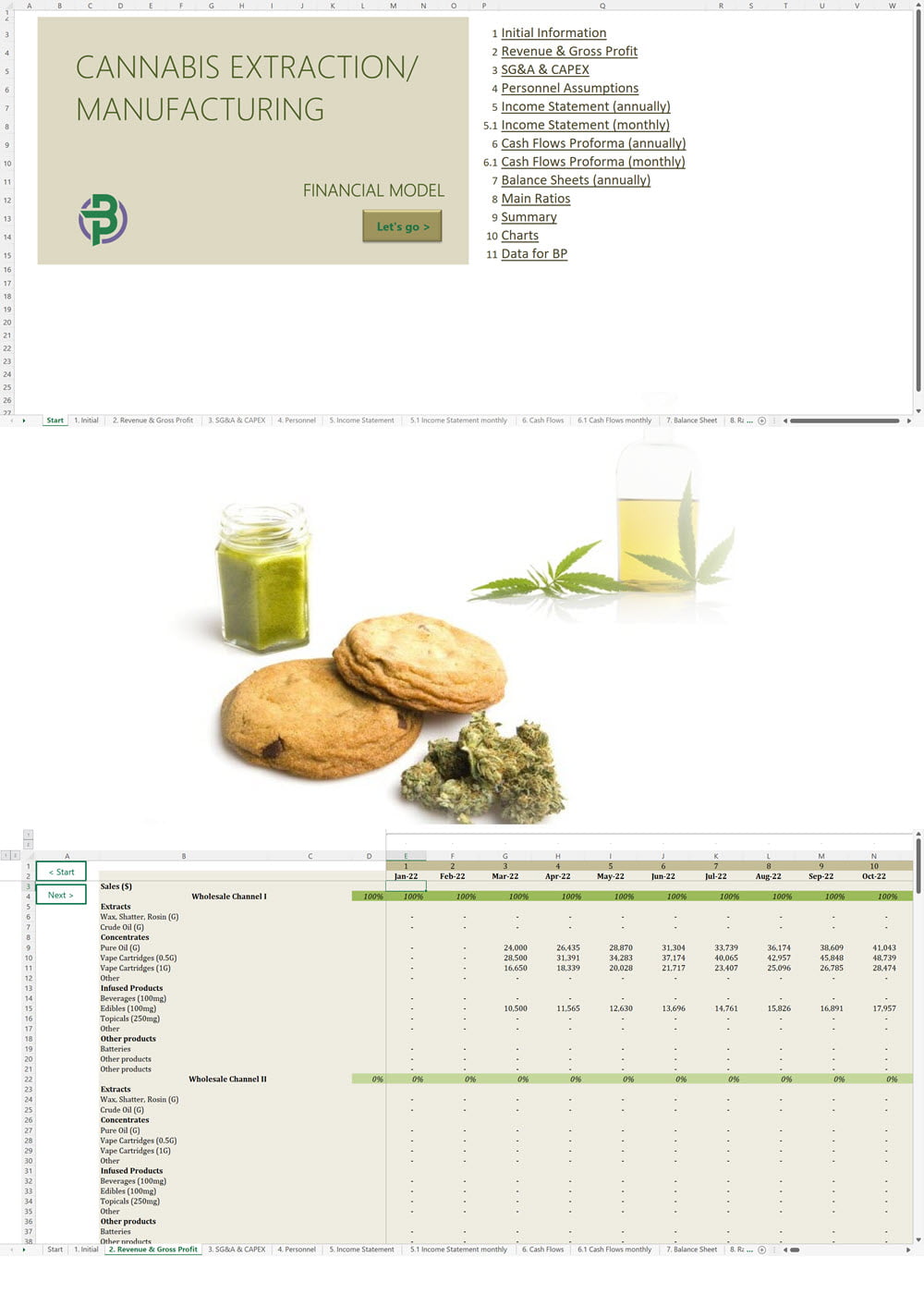

Hemp CBD Vertically Integrated Business Plan Template
Price range: $75.00 through $450.00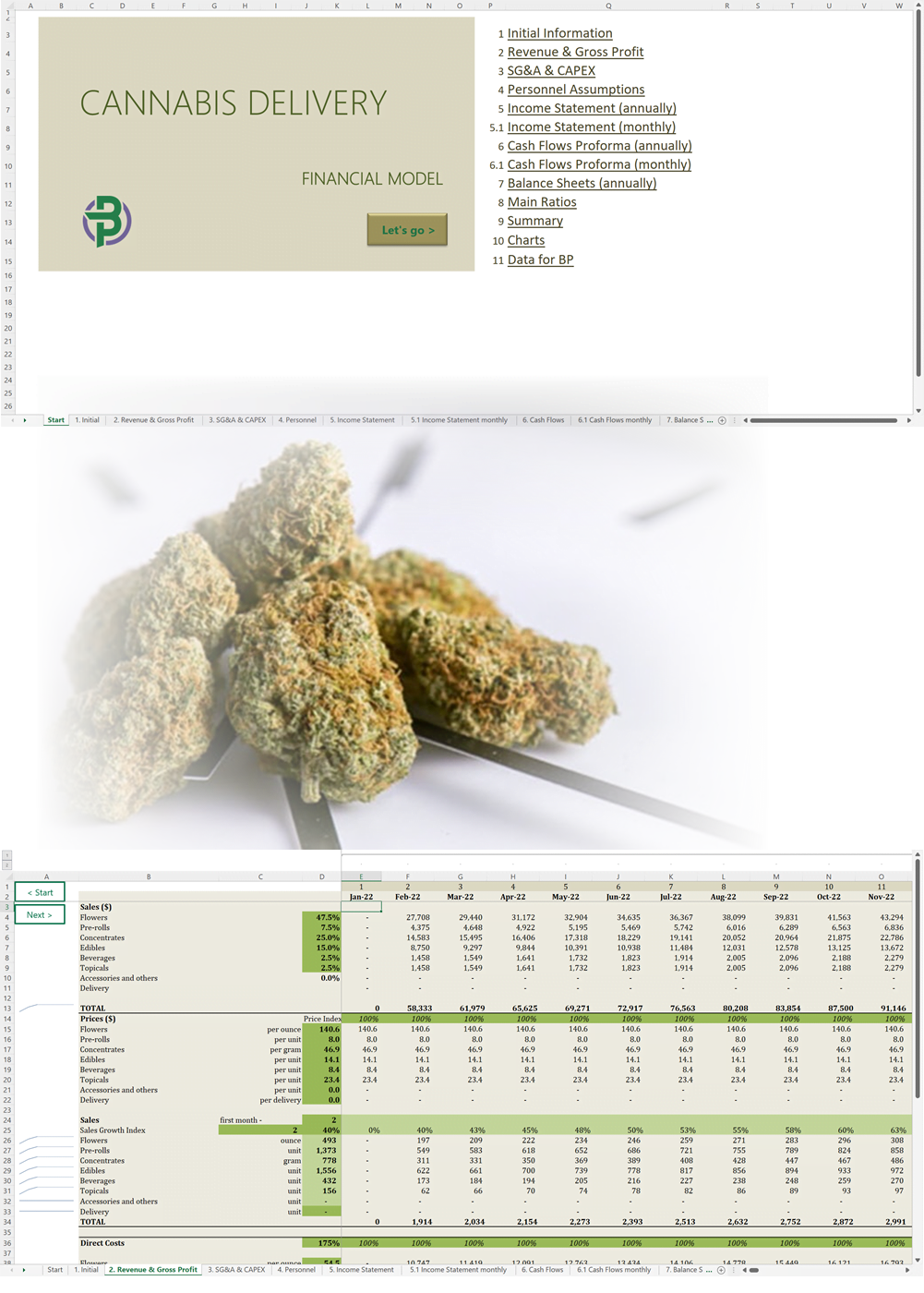

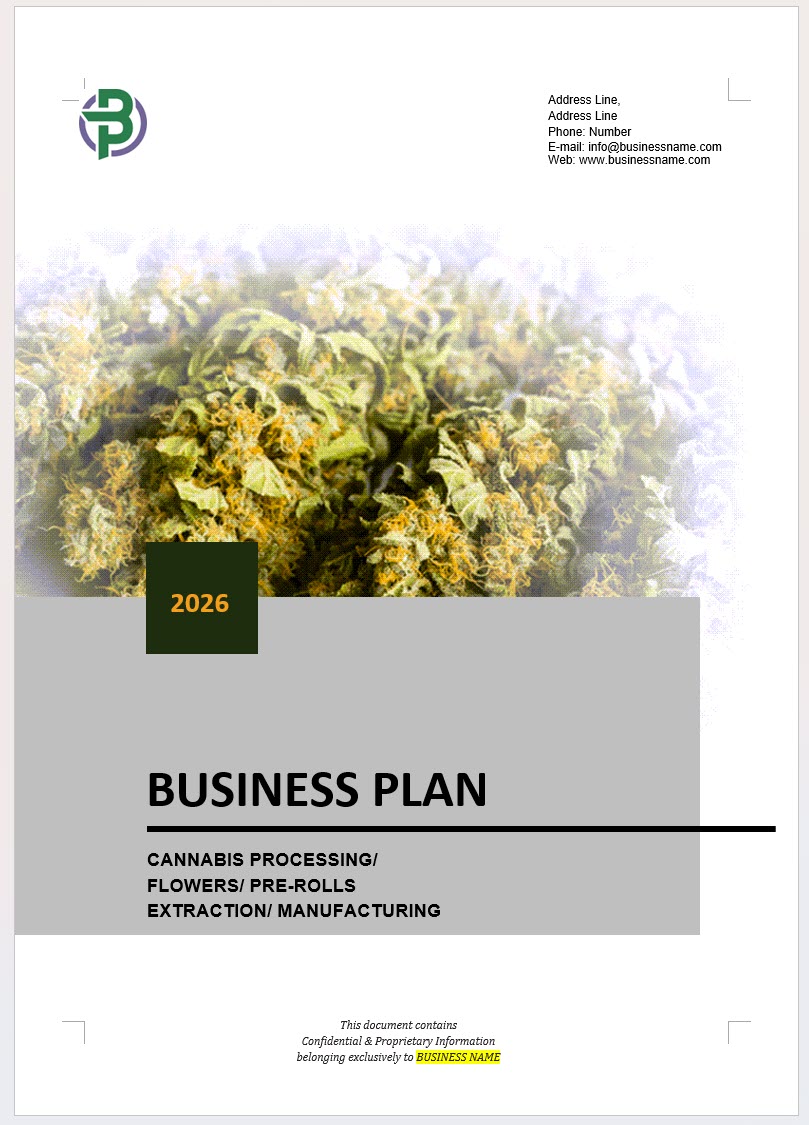
Cannabis Processing/ Flowers/ Pre-rolls/ Extraction/ Manufacturing Business Plan Template
Price range: $75.00 through $350.00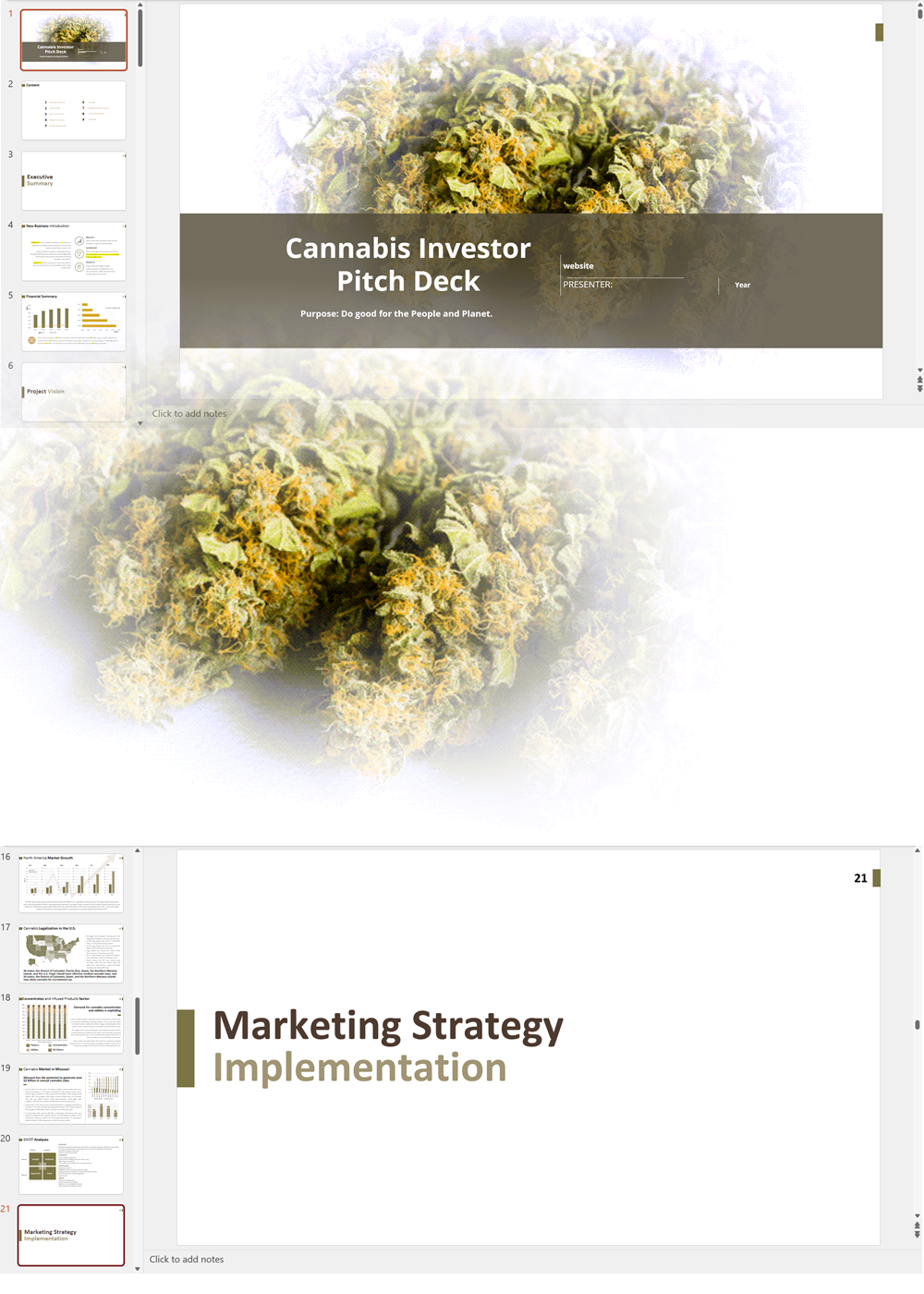
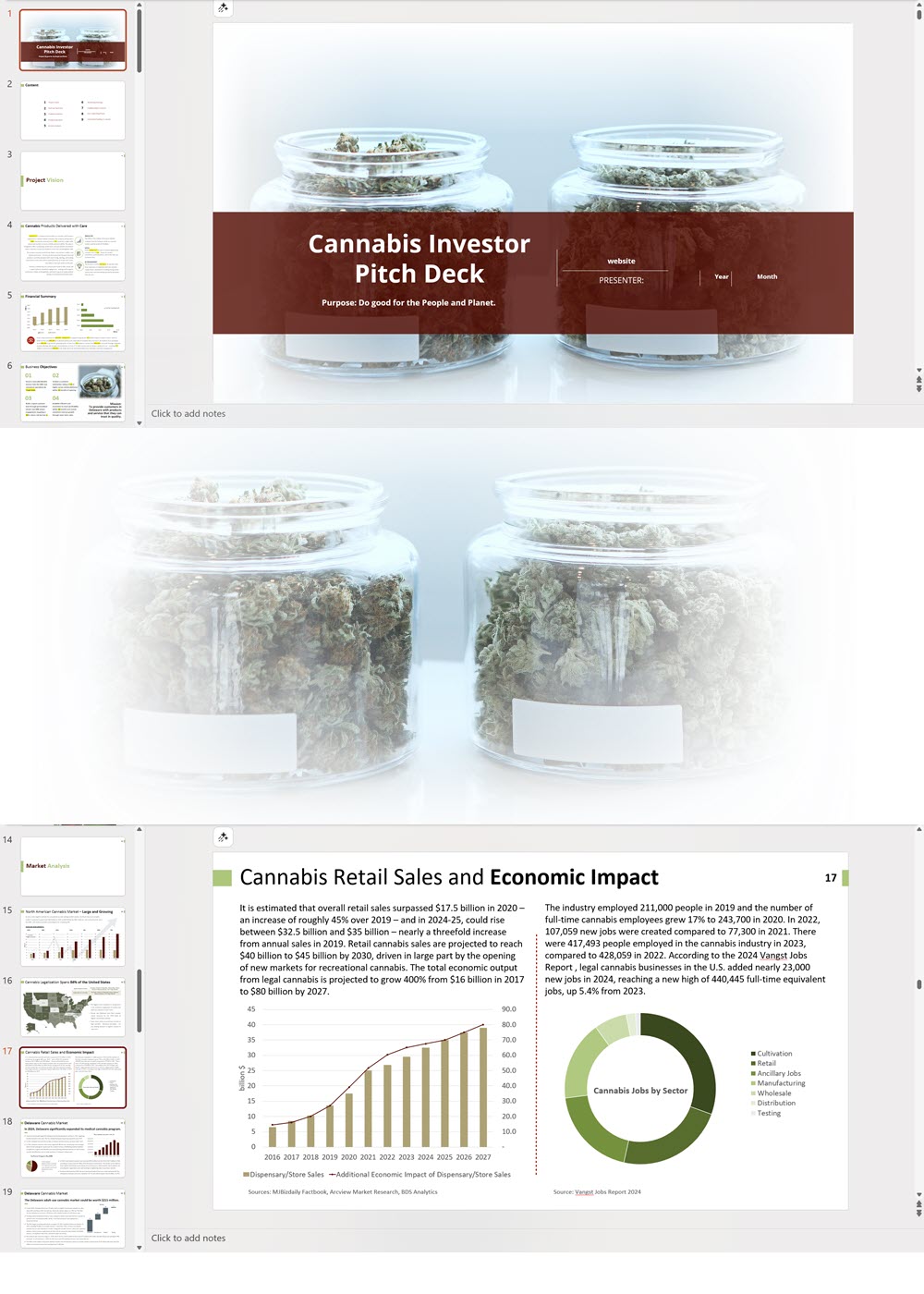
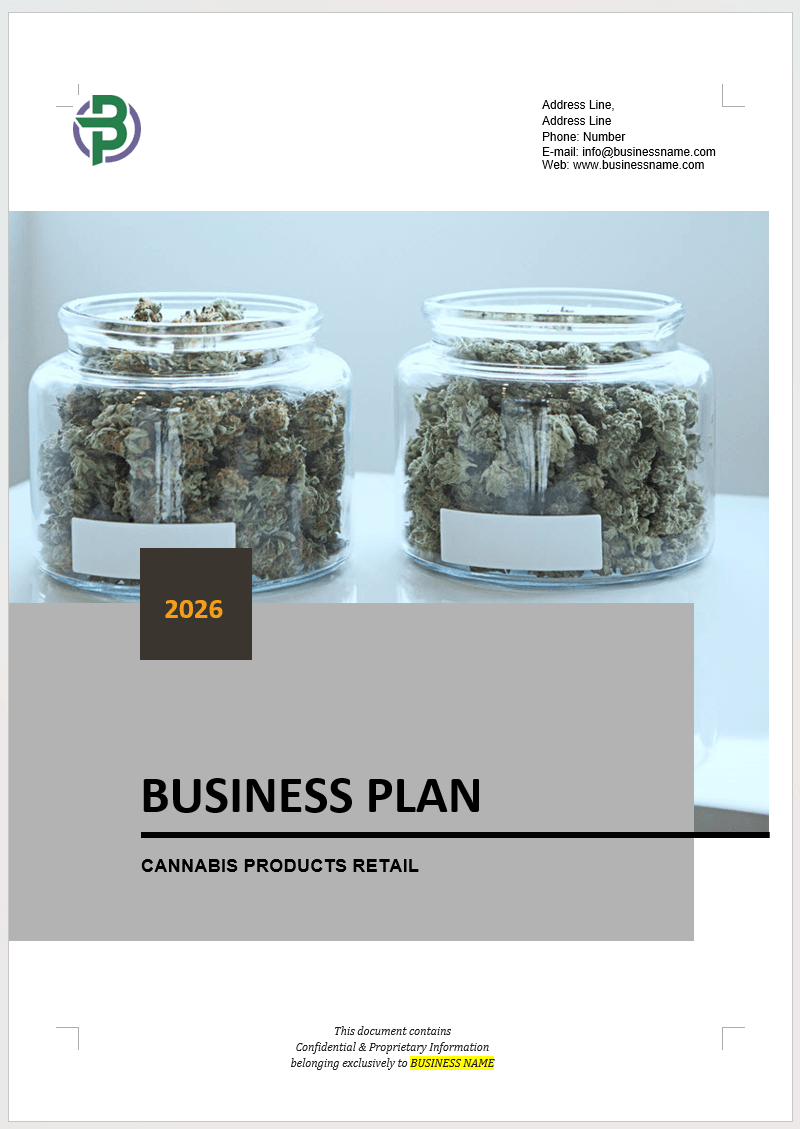
Cannabis Dispensary Business Plan Template
Price range: $75.00 through $350.00
Cannabis Extraction / Concentrates Business Plan Template
Price range: $75.00 through $350.00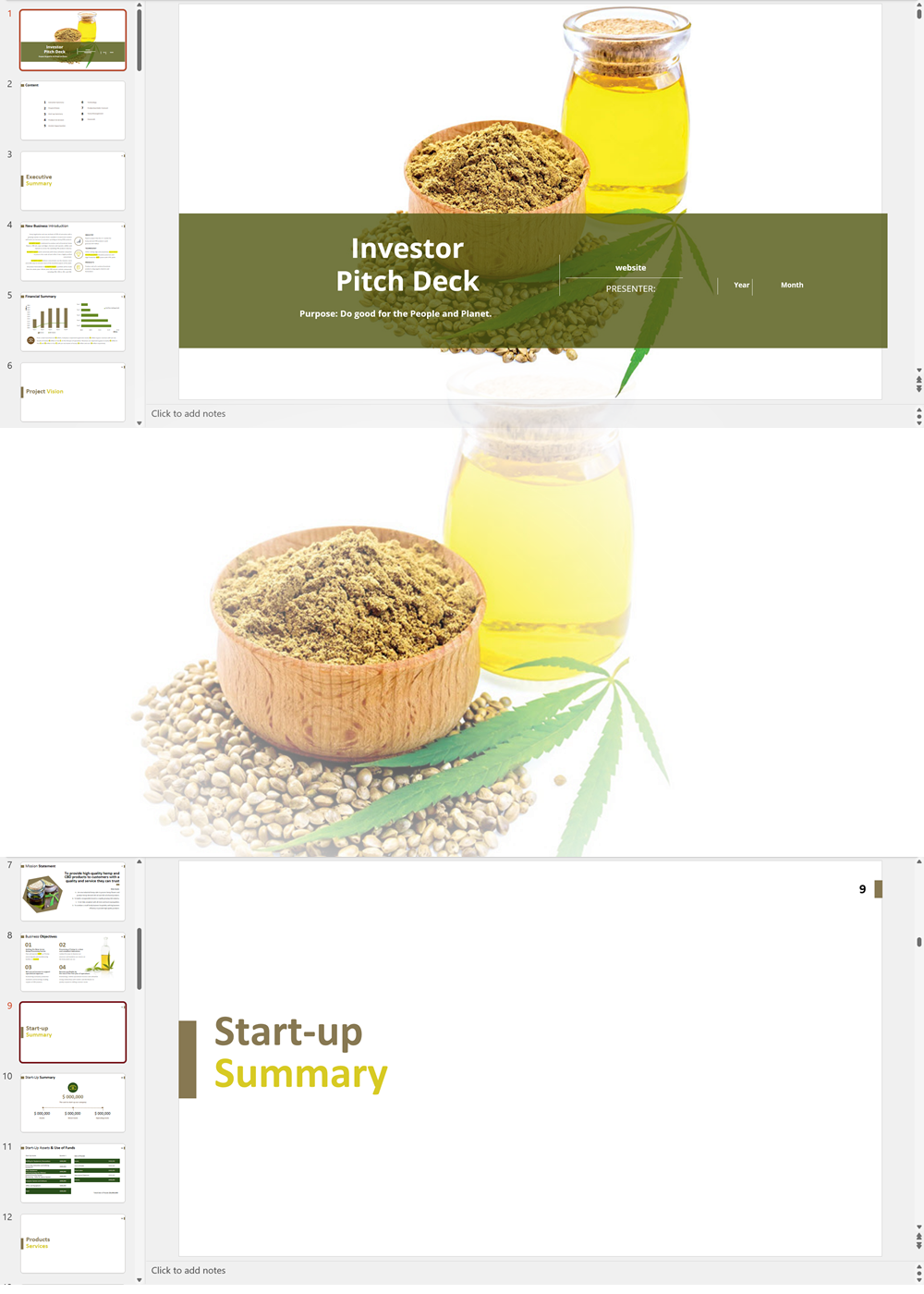

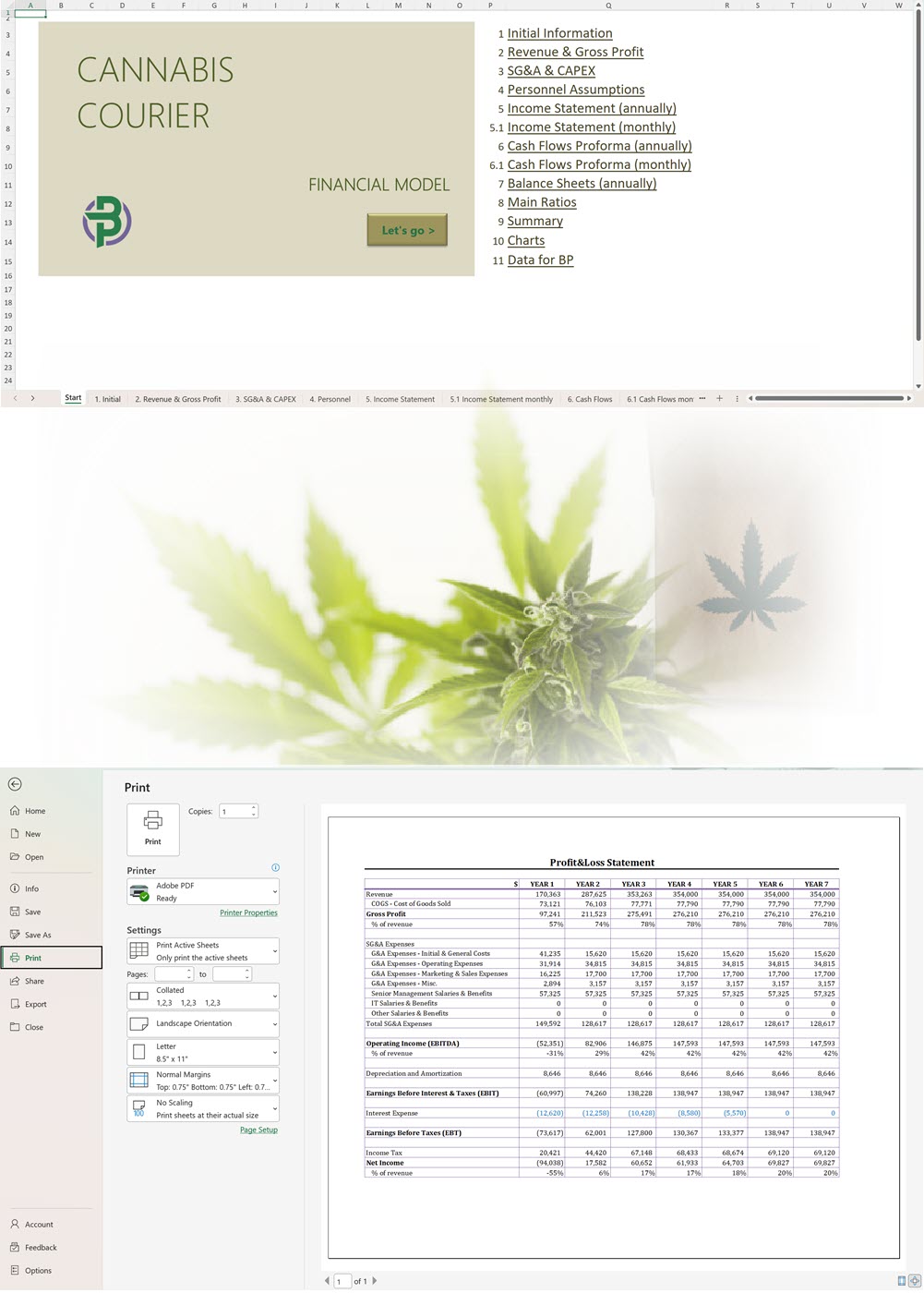
Cannabis Courier Financial Model
$100.00

CBD Store and/or Cafe Lounge Business Plan Template
Price range: $75.00 through $275.00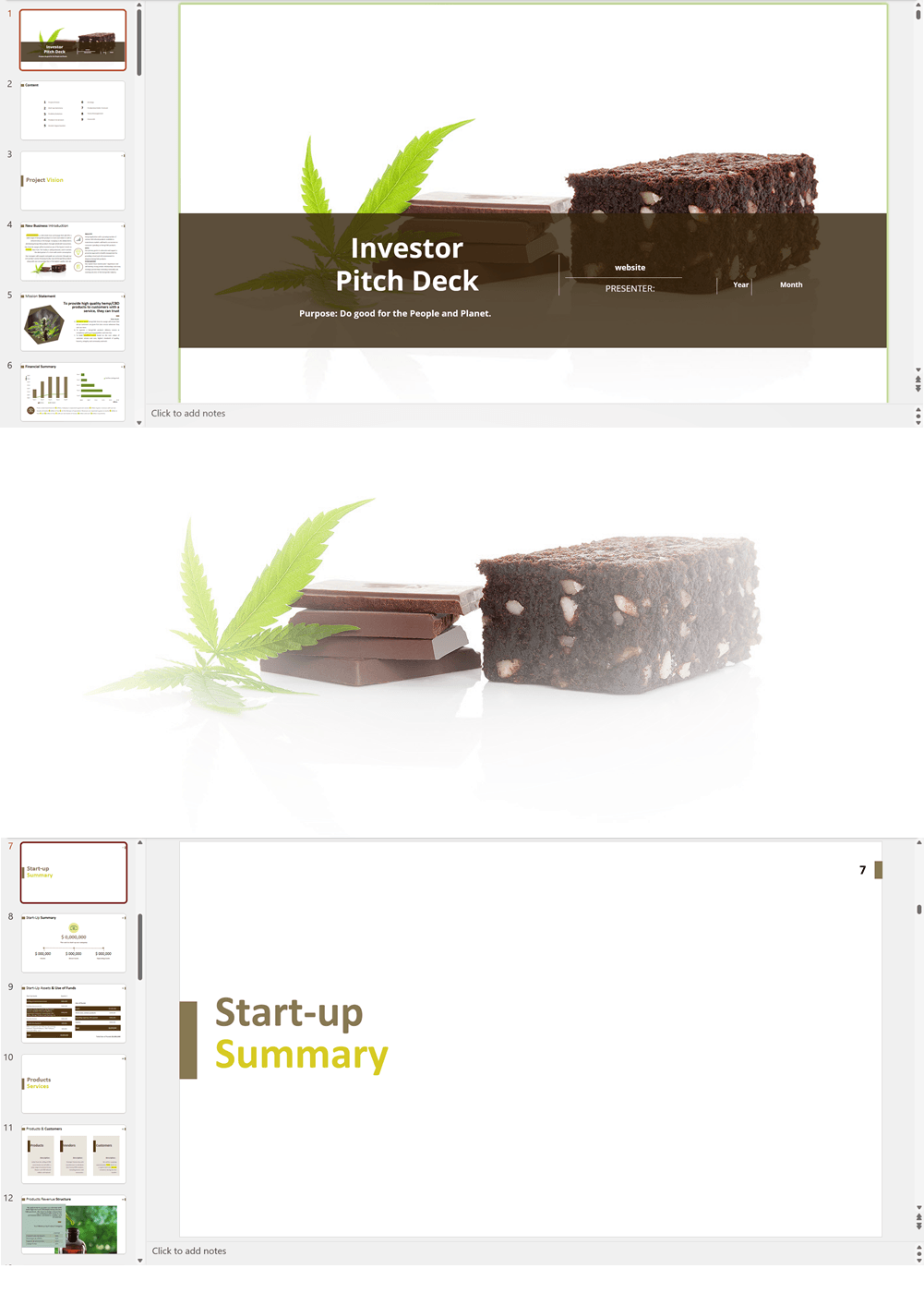


Cannabis Transportation Business Plan Template
Price range: $75.00 through $275.00