Key Takeaways
- Cannabis law and regulations:
- California cannabis market pioneered the modern cannabis policy reform movement in 1996 when voters passed Proposition 215, the Compassionate Care Act, making it legal for doctors to recommend cannabis to patients. In 2015, the state’s medical cannabis industry was further regulated by the Medical Marijuana Regulation and Safety Act (MMRSA).
- On November 8, 2016, California voters approved cannabis for recreational use and on June 27, 2017, the Medicinal and Adult-Use Cannabis Regulation and Safety Act (MAUCRSA) was signed into law, establishing a framework for the regulation of both commercial medicinal and recreational cannabis.
- Licenses available:
- Cannabis Cultivation License Categories (outdoor, indoor and mixed-light tier 1 and 2 license types available for all categories except for nursery and processor): specialty cottage, specialty, small, medium, large, nursery, processor.
- Cannabis Manufacturing License Categories: volatile solvent manufacturing; non-volatile solvent manufacturing or mechanical extraction; infusion of products; packaging and labeling; manufacturers who work in a shared-use facility.
- Cannabis Testing License.
- Cannabis Retailer License Categories: storefront retailer, non-storefront retailer.
- Cannabis Distribution License Categories: distributor, transport-only distributor.
- Cannabis Microbusiness License.
- Cannabis Event Organizer License.
- Products legal:
- Nonmanufactured cannabis products: packaged flower, pre-rolls, packaged seeds, immature plants sold at retail.
- Manufactured cannabis products: edibles, concentrates, topicals.
- Taxes:
- Beginning January 1, 2023, cannabis retailers are responsible for reporting and paying the cannabis excise tax to the California Department of Tax and Fee Administration (CDTFA) for retail sales of cannabis or cannabis products. From July 1 until September 31, 2025, the cannabis excise tax rate was 19%. Effective October 1, 2025, the excise tax rate was reduced to the initial level of 15%.
- In 2024, Senate Bill 167 extended until January 1, 2030, that the IRC Section 280E does not apply to the carrying of any trade or business that is a cannabis commercial activity by a licensee.
- Market:
- In 2025, California retail stores sold $4,412 million worth of cannabis products representing 13 percent of legal sales in the United States. Since January 2018, the program has totaled nearly $33 billion in sales and $7.9 billion in tax revenue.
- Consumers spent most on cannabis flower and vapes – each category occupying a 30-31% share of total sales. The next categories with highest shares are pre-rolls (17%), edibles (10%), extracts/concentrates (7%), beverages (2%) and tinctures/capsules (2%).
- Despite declining dollar sales in recent years, production and consumption volumes in California’s legal cannabis market have grown consistently from 2018 through 2025. Notably, legal cannabis consumption volume surged by more than 50% between 2020 and 2025 – reflecting robust demand amid significant price compression.
Cannabis Legalization in California
California cannabis market pioneered the modern cannabis policy reform movement in 1996 when voters passed Proposition 215, the Compassionate Care Act. State voters approved Proposition 215, the law that made it legal for doctors to recommend cannabis to patients.
In 2015 Gov. Jerry Brown signed three bills that toughened regulations for medical cannabis businesses and sought standards for documentation and testing. The bills are known as the Medical Marijuana Regulation and Safety Act (MMRSA). Collectively, the legislation also paved the way for medical cannabis businesses to turn a profit. The legislation is impacting marijuana business models in other ways. The laws have eliminated the idea of home-based dispensaries. The Act requires licenses for the cultivation, manufacture, distribution, transportation, laboratory testing, and sale of medical cannabis.
Though voters failed to approve adult use in 2010, they voted overwhelmingly in 2016 to make adult use legal in a state that represents the world’s sixth-largest economy.
On November 8, 2016, California voters approved cannabis for recreational use.
On June 27, 2017, the legislature passed, and Governor Brown signed into law the Medicinal and Adult-Use Cannabis Regulation and Safety Act (MAUCRSA), which creates the general framework for the regulation of both commercial medicinal and adult-use (recreational) cannabis. Under MAUCRSA, the Bureau of Cannabis Control (Bureau) is the lead agency. The Bureau is charged with licensing, regulation, and enforcement of the following types of commercial cannabis businesses: distributors, retailers, microbusinesses, temporary cannabis events, and testing laboratories. The Manufactured Cannabis Safety Branch, a division of the California Department of Public Health (CDPH), is responsible for regulating and licensing manufacturers. CalCannabis Cultivation Licensing, a division of the California Department of Food and Agriculture (CDFA), is responsible for licensing cultivators and implementing the Track-and-Trace system.
On January 1, 2018, the state began issuing licenses for commercial cannabis activity.
Assembly Bill 141, signed July 12, 2021 eliminated three state cannabis programs housed within different state departments, and established the Department of Cannabis Control (DCC) within the Business, Consumer Services and Housing (BCSH) Agency. “DCC regulates all commercial cannabis license holders in California, including cultivators, retailers, manufacturers, distributors, testing laboratories, microbusinesses, and industry event organizers. DCC also manages the state’s track-and-trace system, which is used to track cannabis and cannabis products, from seed to sale, within the legal supply chain.”
California Cannabis Taxes
Since the legalization of adult-use cannabis, California made changes to its cannabis taxes several times:
- Effective November 9, 2016, certain sales of medical marijuana are exempt from sales and use tax.
- Effective January 1, 2018, a 15 percent excise tax was imposed upon purchasers of all marijuana and marijuana products.
- Additionally, a tax on cultivators of marijuana was imposed, however, beginning July 1, 2022, the cultivation tax no longer applies to harvested cannabis entering the commercial market.
- Effective July 1, 2025, the cannabis excise tax rate increased from 15 percent to 19 percent of gross receipts from retail sales of cannabis or cannabis products.
- On September 22, 2025, Governor Newsom signed a tax cut into law, reducing California’ cannabis excise tax back to 15% starting October 1, 2025.
California’s corporation tax law does not conform to the Internal Revenue Code, meaning the automatic denial of deductions under IRC Section 280E does not apply. In 2019, Governor Newsom signed Assembly Bill 37 into law, eliminating California’s conformity with Internal Revenue Code (IRC) Section 280E for licensed Personal Income Tax (PIT) cannabis businesses. Licensed (under the MAUCRSA) PIT cannabis businesses may now deduct ordinary and necessary business expenses on their California income tax return. The bill was effective for taxable years beginning on or after January 1, 2020, and before January 1, 2025.
In 2024, Senate Bill 167 extended until January 1, 2030, that the IRC Section 280E does not apply to the carrying of any trade or business that is a cannabis commercial activity by a licensee.
California Cannabis Licenses
DCC issues licenses based on the type of cannabis activity:
- Growing cannabis (cultivation)
- Transporting cannabis (distribution)
- Making cannabis products (manufacturing)
- Testing cannabis or cannabis products (testing laboratory)
- Selling cannabis (retail)
- Holding an event where cannabis will be sold (event organizers)
A business that will engage in more than one activity may require more than one license.
Additionally, there is a microbusiness license available which allows to do at least three of the following activities: cultivation, manufacturing, distribution and retail.
On September 30, 2024, California’s Governor Gavin Newsom signed Assembly Bill 1775 that allows licensed cannabis retailers and microbusinesses to serve non-cannabis hot food and beverages in the same space where on-site consumption of cannabis is allowed. The beverages sold must, however, be non-alcoholic. Licensed retailers and microbusinesses will also be allowed to host and sell tickets to live music events and other performances on their premises. The law went into effect on January 1, 2025.
As of January 2026, there were 7,744 active licenses including:4,401 cultivators, 513 manufacturers and 1,210 retailers, 241 non-storefront retailers, 867 distributors, 345 microbusinesses, 120 transporters, 28 event organizers and 19 testing laboratories.
California Cannabis Market Stats
In 2017, California’s regulatory regime allowed only holding state-issued medical cannabis cards to legally purchase cannabis. But that hasn’t stopped sales in the state from eclipsing the other states with recreational sales. Sales in California represented about 34 percent of legal sales in the United States in 2017.
California’s retail store sales peaked at nearly $5.4 billion in 2021, from where it began to decrease – dropping to $4.9 billion in 2022 and 2023, and around $4.7 billion in 2024. In 2025, California retail stores sold $4,412 million worth of cannabis products representing 13 percent of legal sales in the United States. Since January 2018, the program has totaled nearly $33 billion in sales and $7.9 billion in tax revenue.
Despite declining dollar sales in recent years, production and consumption volumes in California’s legal cannabis market have grown consistently from 2018 through 2025. Notably, legal cannabis consumption volume surged by more than 50% between 2020 and 2025 – reflecting robust demand amid significant price compression.
In 2025, Californians spent most of their dollars (47%) on flower, including pre-rolled joints (17%). Concentrates, the next largest share of the cannabis sales, captures 39% with over 80% of this contributed by cartridges. Edibles, with 12%, came in third. The top performers in the California edibles market include cannabis-infused chocolate, gummies and beverages. Other products categories represented 2% of the marketplace.
California Cannabis Market FAQs
Is California the largest cannabis market?
California will remain the world’s largest cannabis market.
How big is the cannabis market in California?
In 2025, California retail sales represented 13 percent of legal sales in the United States while combined sales in top five states represented more than a third.
California Cannabis Market Infographics
Cannabis Cultivation, Extraction, Manufacturing, Distribution and Retail Microbusiness Business Plan Template Sample, California
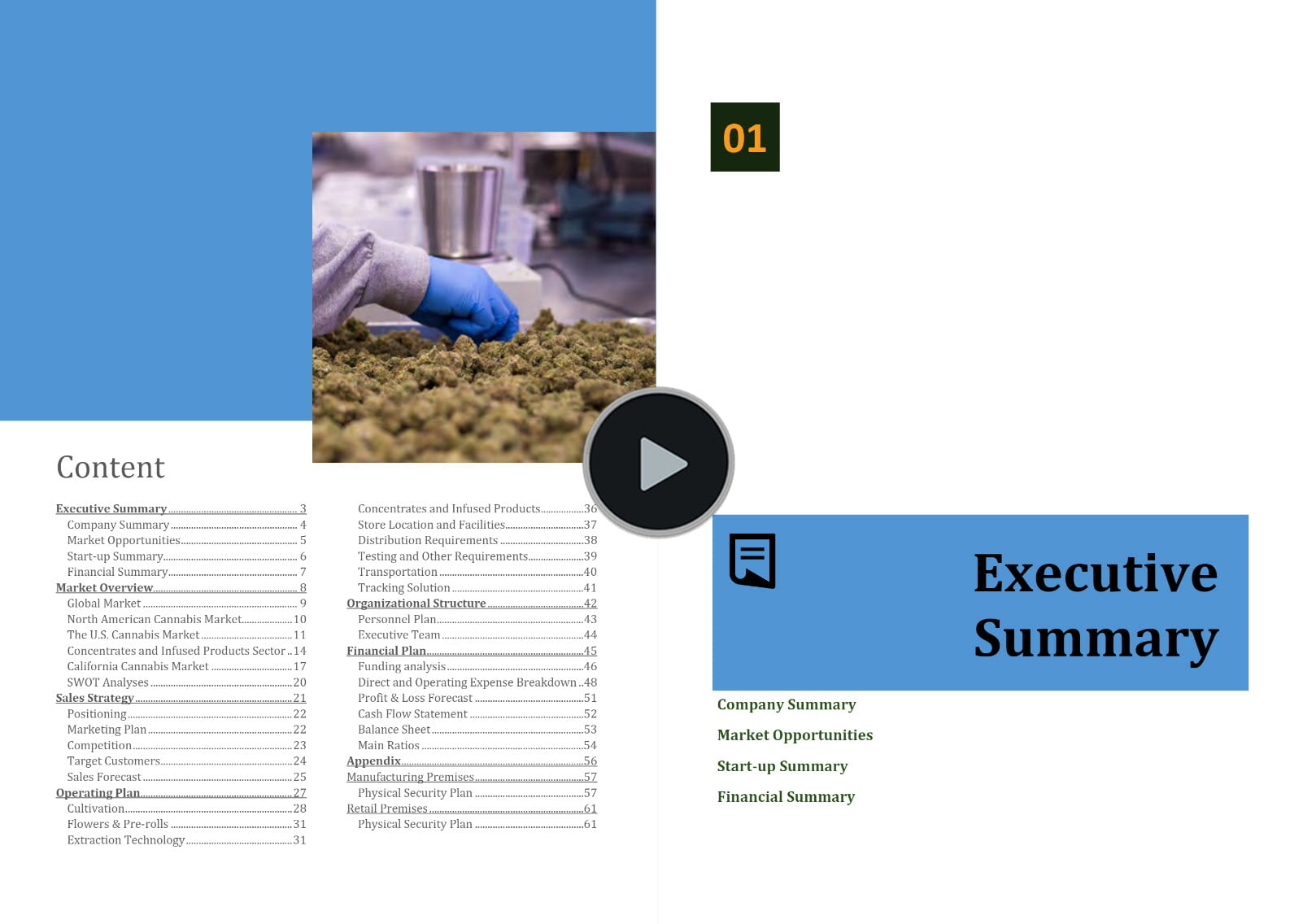
'70% ready to go' business plan templates
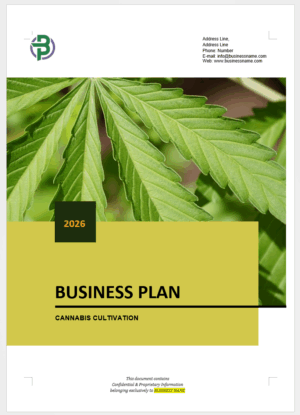
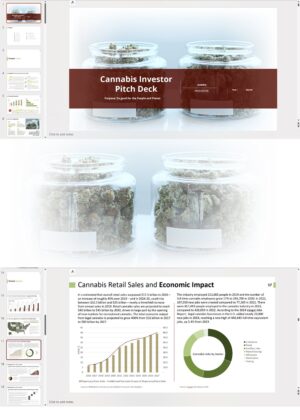
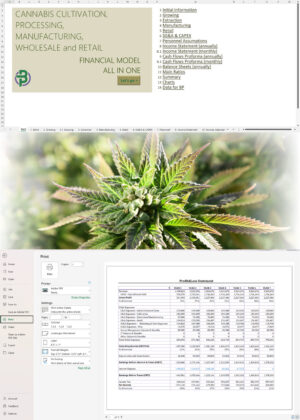
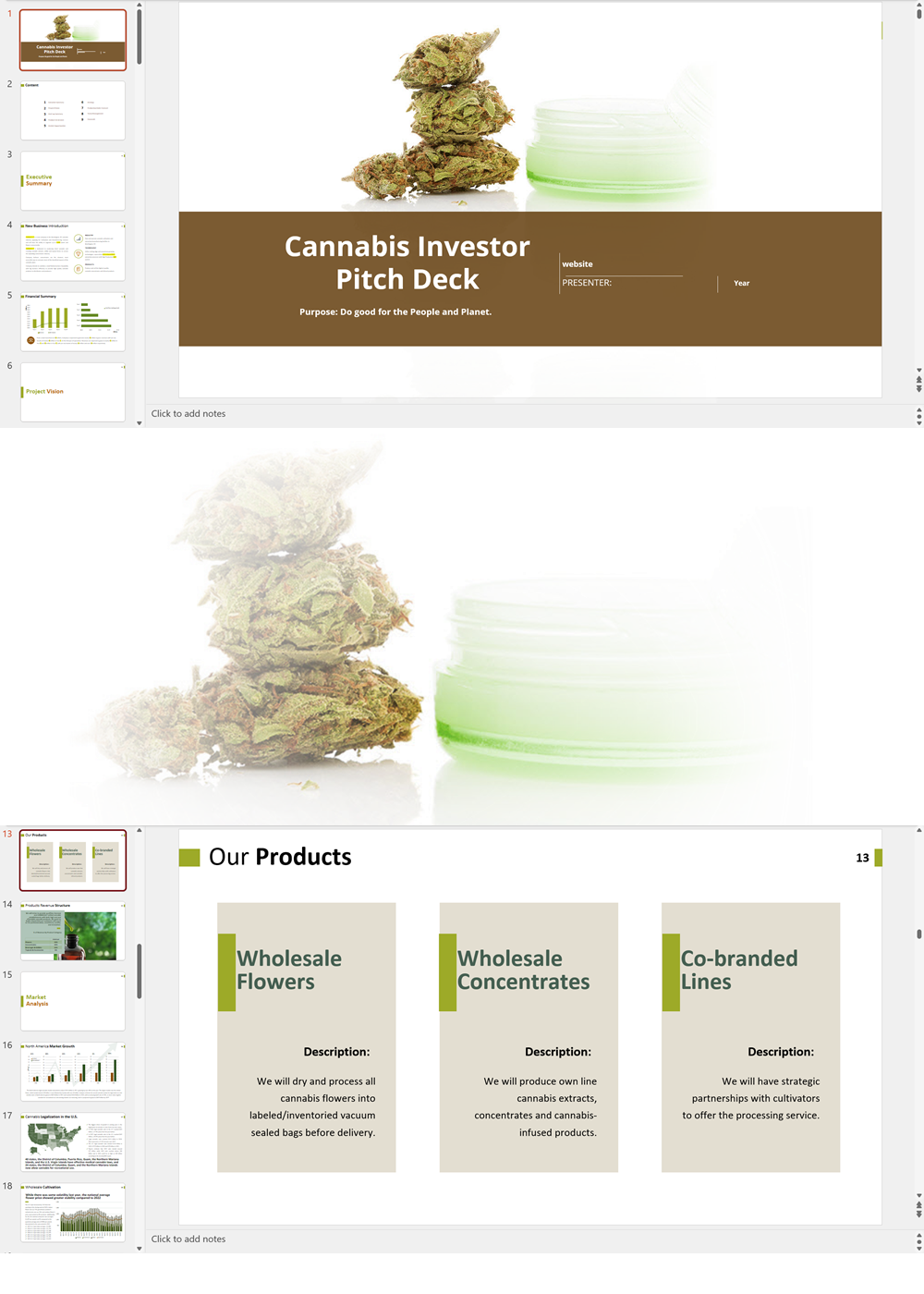
Our cannabis financial models and cannabis business plan templates will help you estimate how much it costs to start and operate your own cannabis business, to build all revenue and cost line-items monthly over a flexible seven year period, and then summarize the monthly results into quarters and years for an easy view into the various time periods. We also offer investor pitch deck templates.
Best Selling Templates
-

Cannabis Cultivation Business Plan Template
Price range: $75.00 through $350.00 Select options This product has multiple variants. The options may be chosen on the product page -

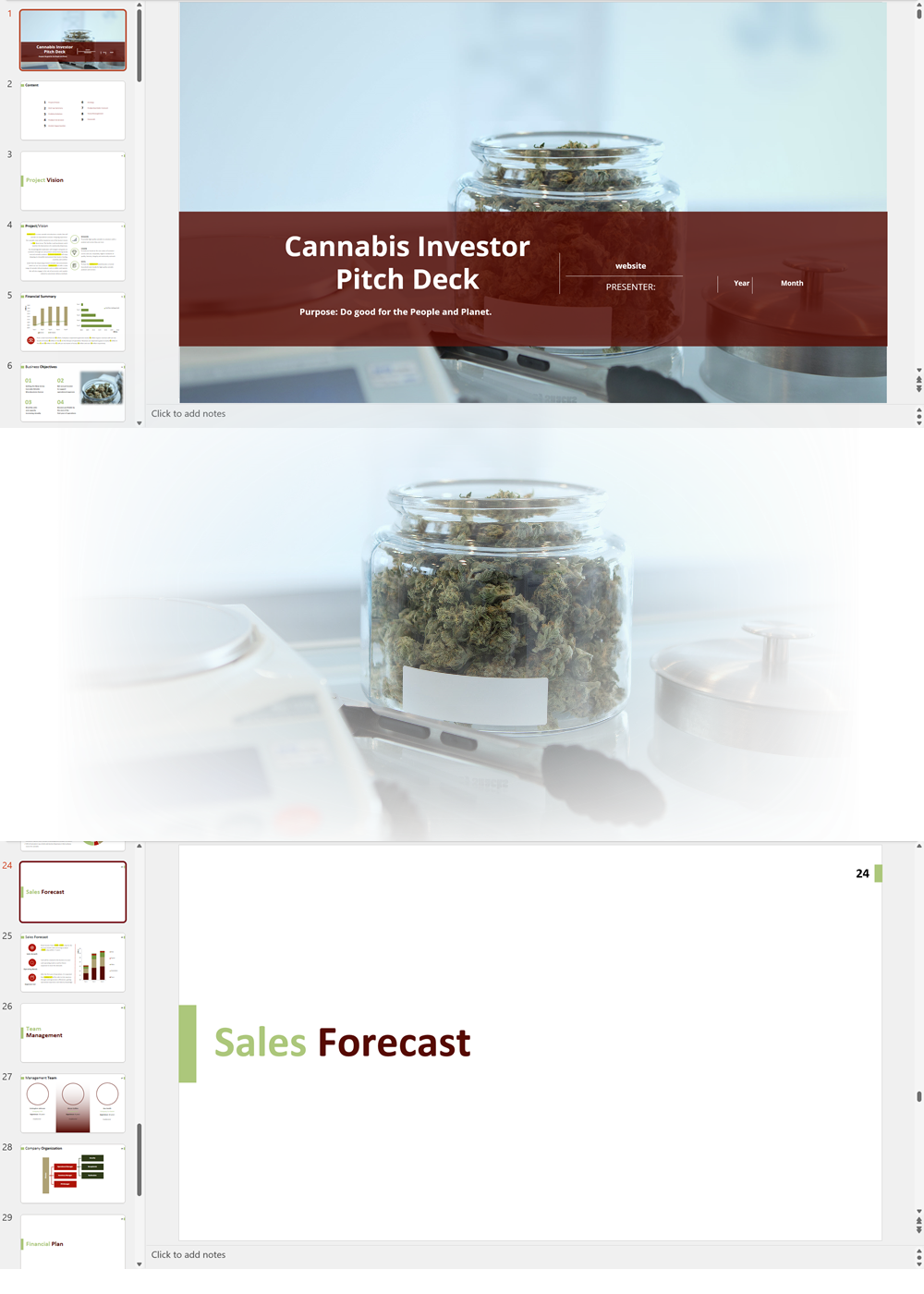
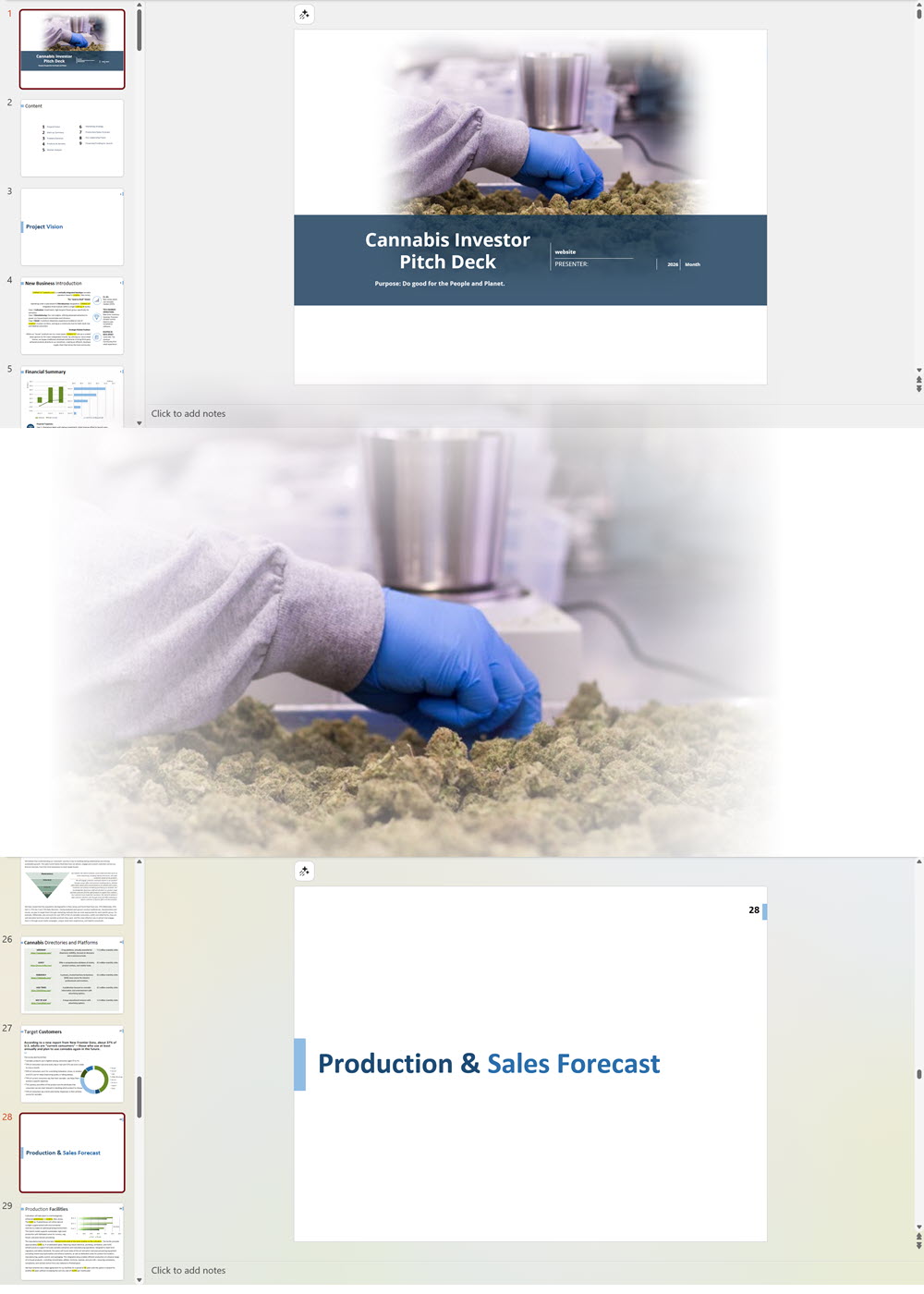
Cannabis Dispensary Investor Pitch Deck Template
$75.00 Select options This product has multiple variants. The options may be chosen on the product page -
Cannabis Financial Model All in One
$250.00 Select options This product has multiple variants. The options may be chosen on the product page
Hemp/CBD business plan templates are available at hempcbdbusinessplans.com.
Our Templates
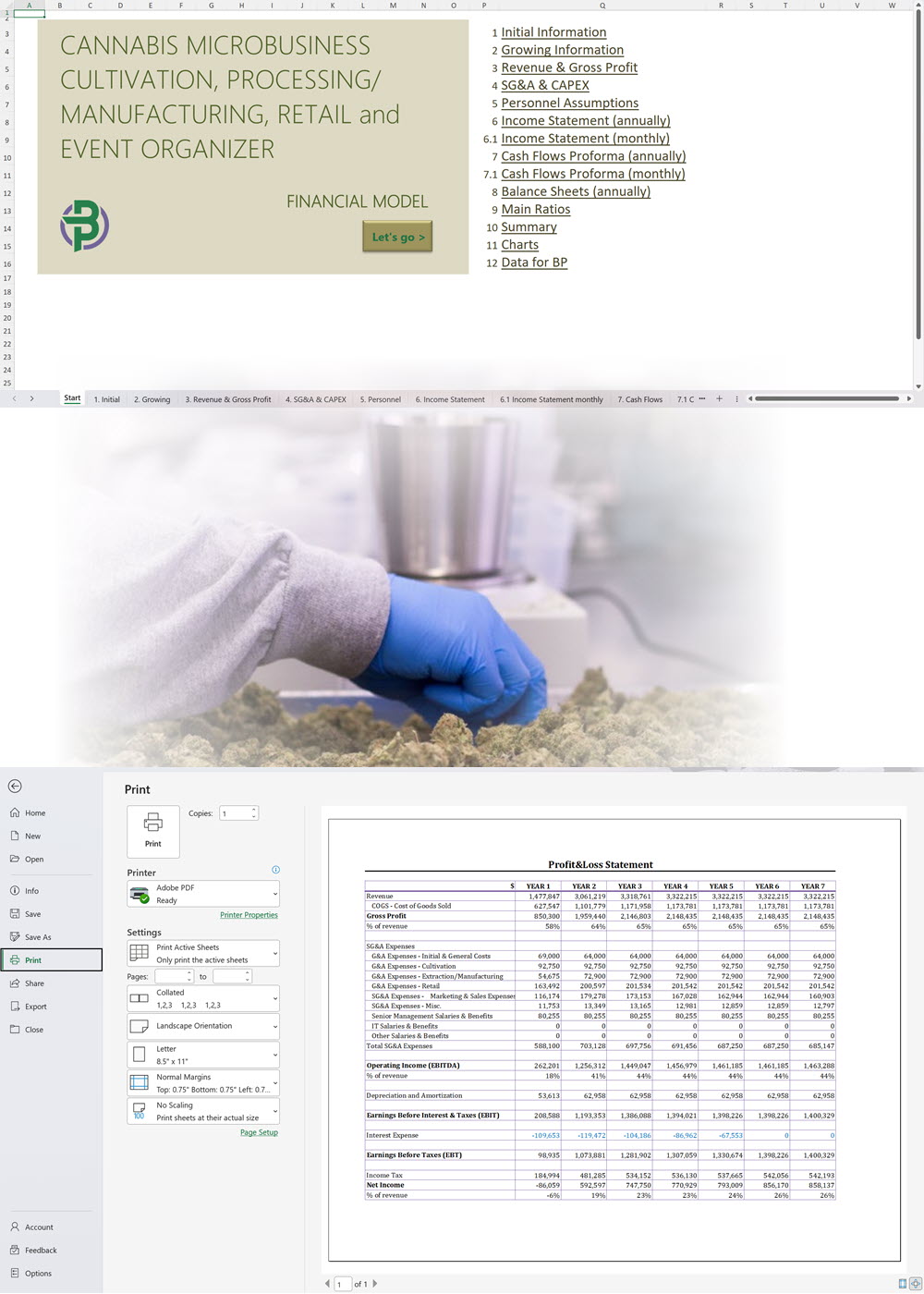
Cannabis Retail Microbusiness Business Plan Template
Price range: $75.00 through $275.00
Cannabis Cultivation, Extraction, Manufacturing, Distribution, Retail and Microbusiness Business Plan Template
Price range: $75.00 through $500.00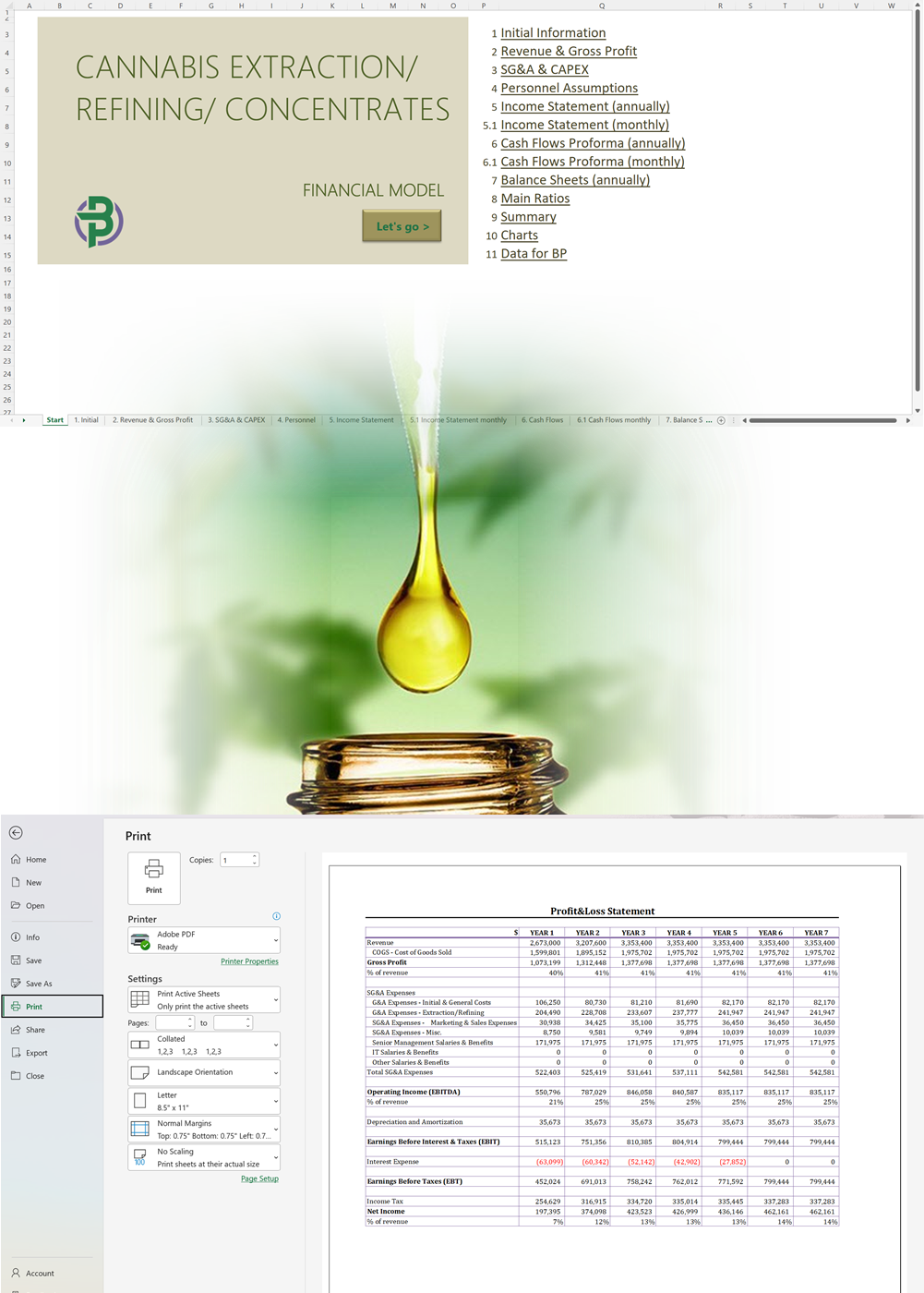

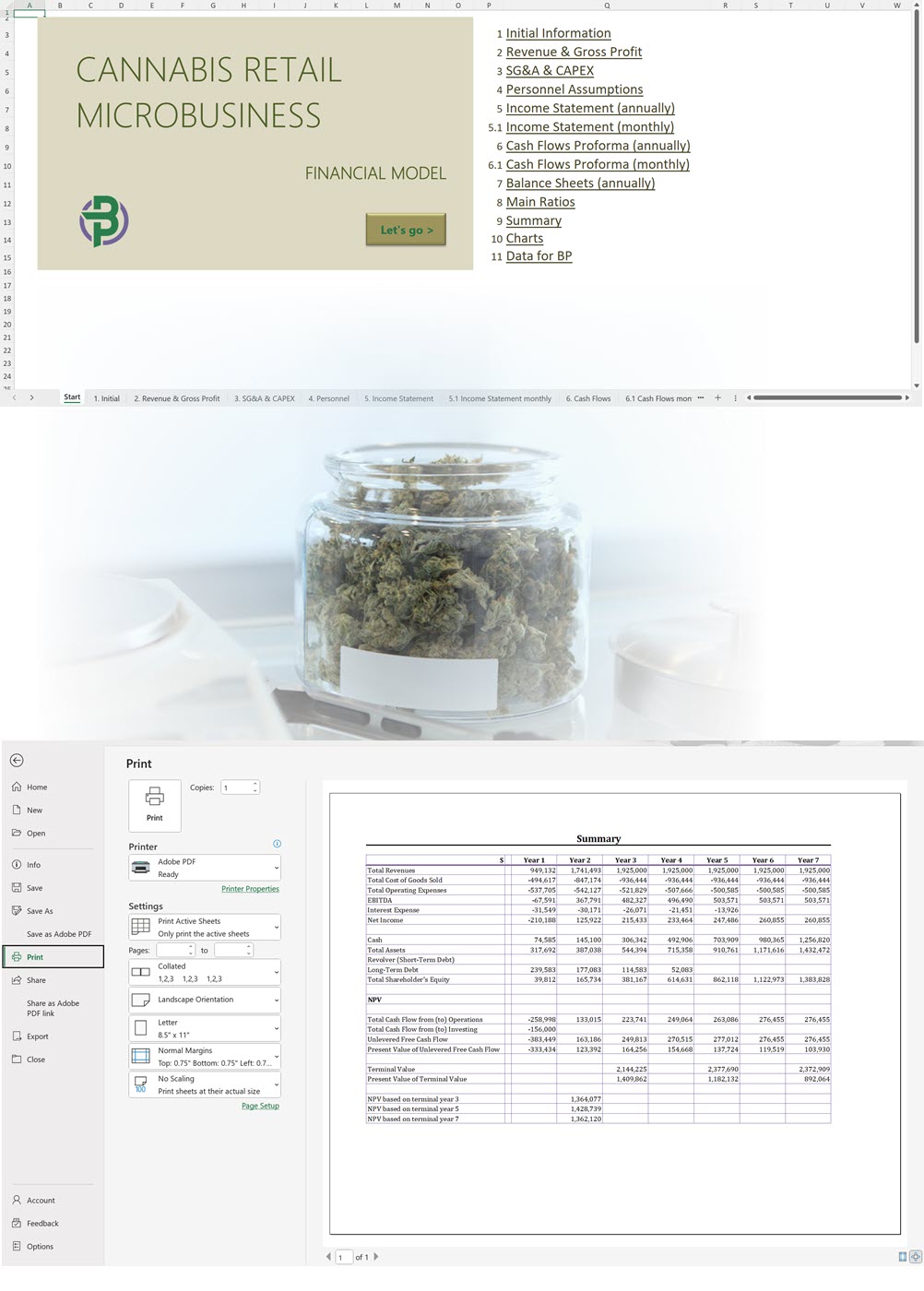
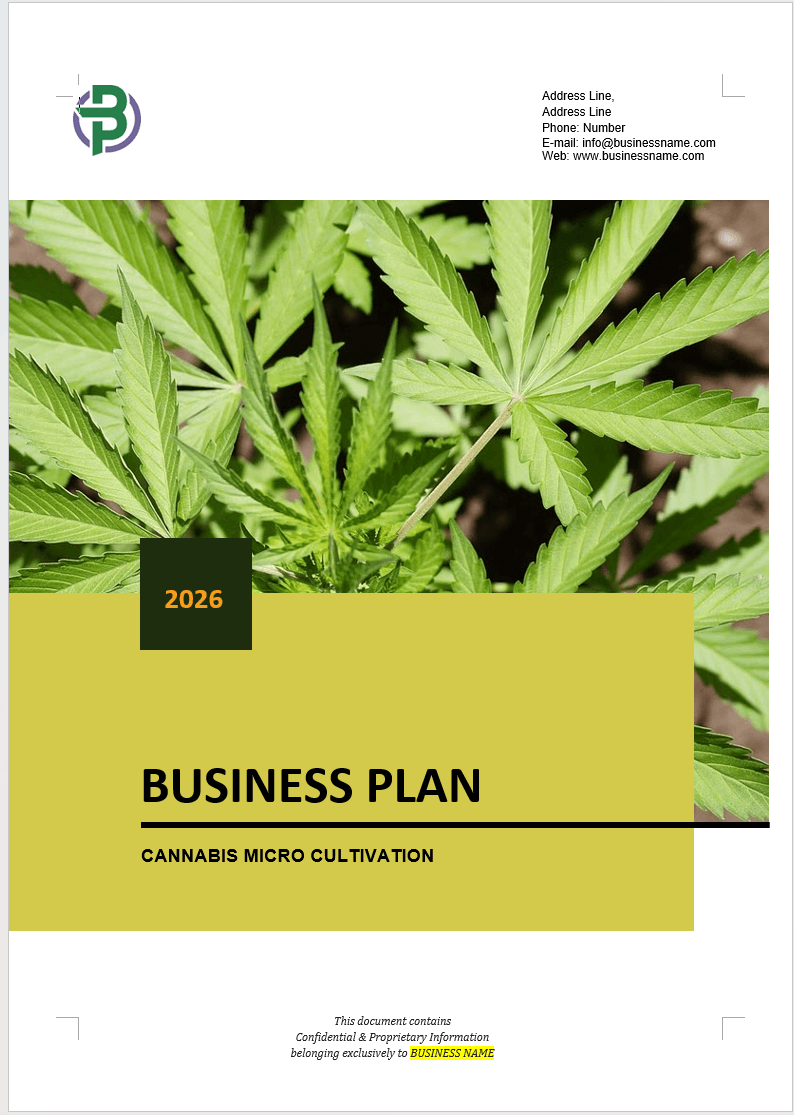
Cannabis Micro Cultivation Business Plan Template
Price range: $75.00 through $300.00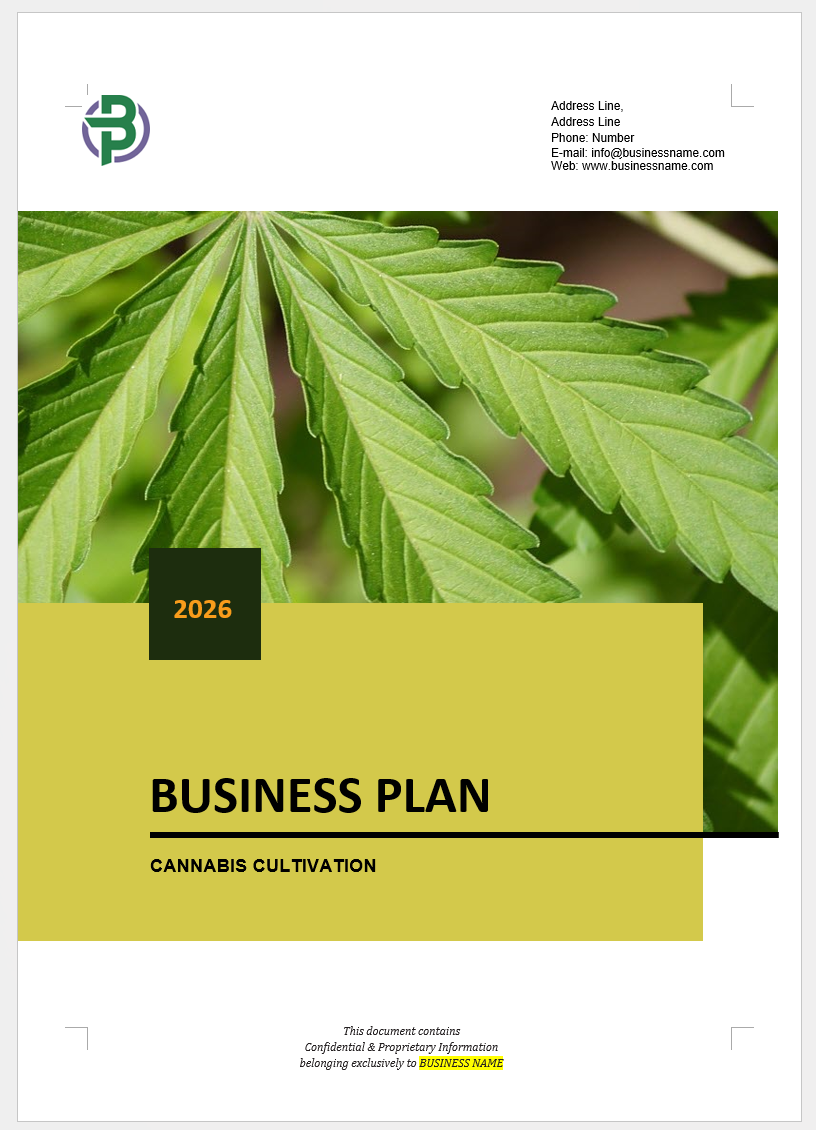
Cannabis Cultivation Business Plan Template
Price range: $75.00 through $350.00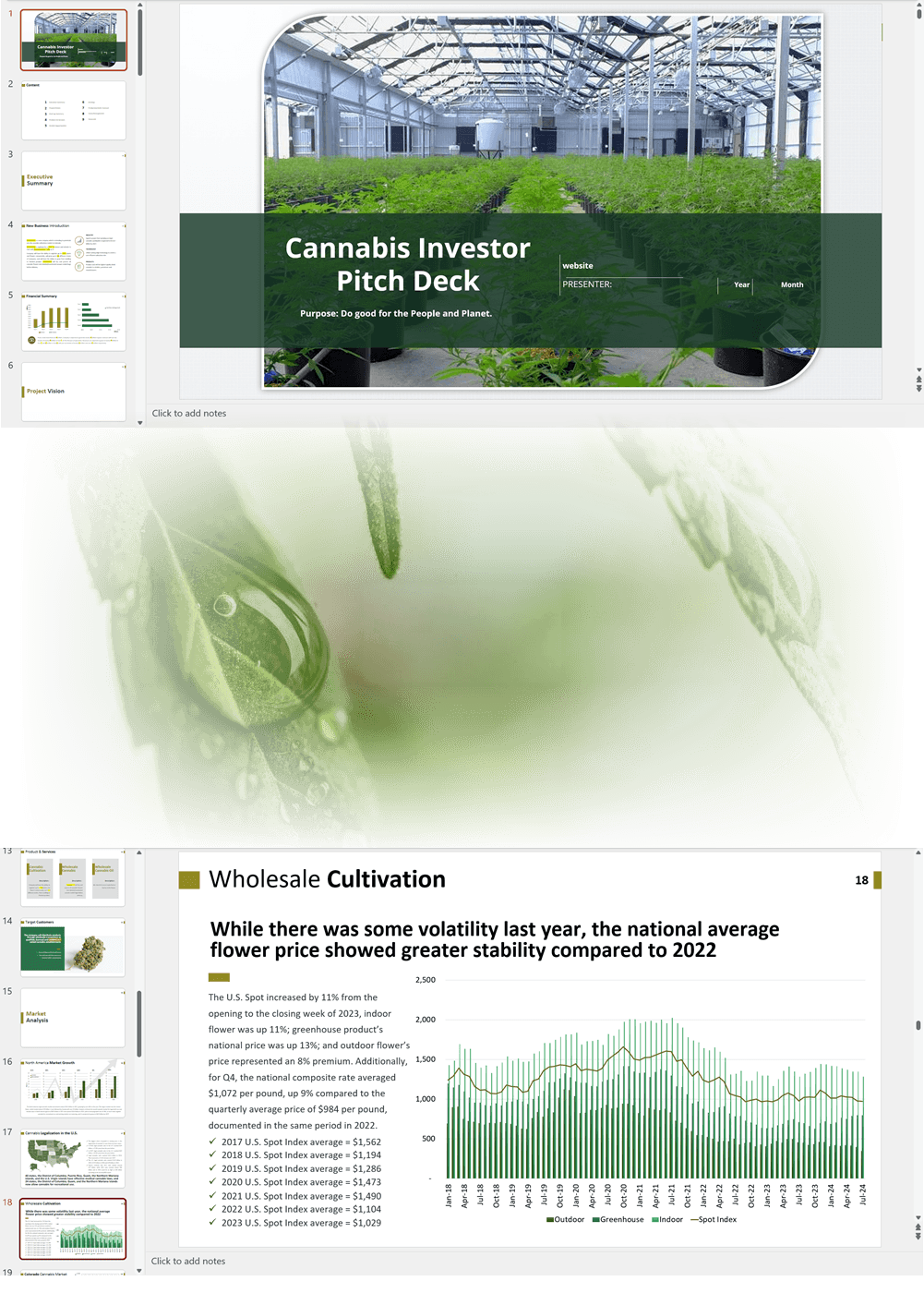
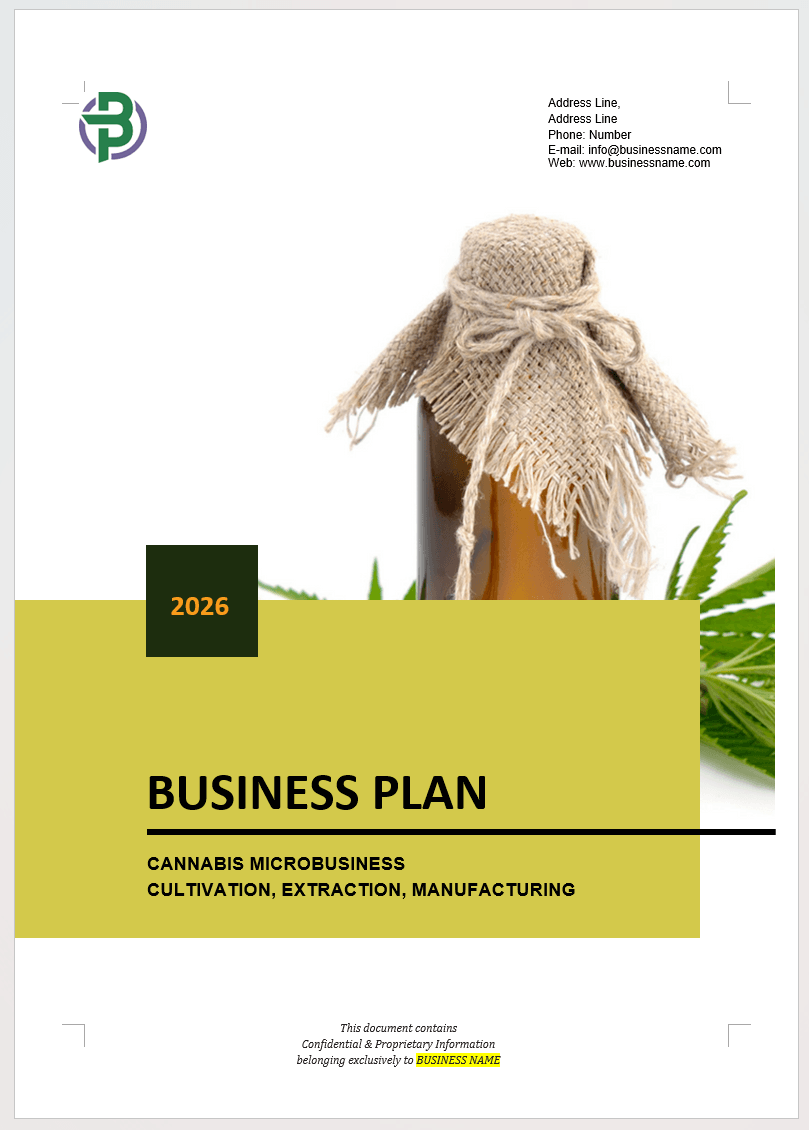
Cannabis Microbusiness Cultivation and Manufacturing Business Plan Template
Price range: $75.00 through $350.00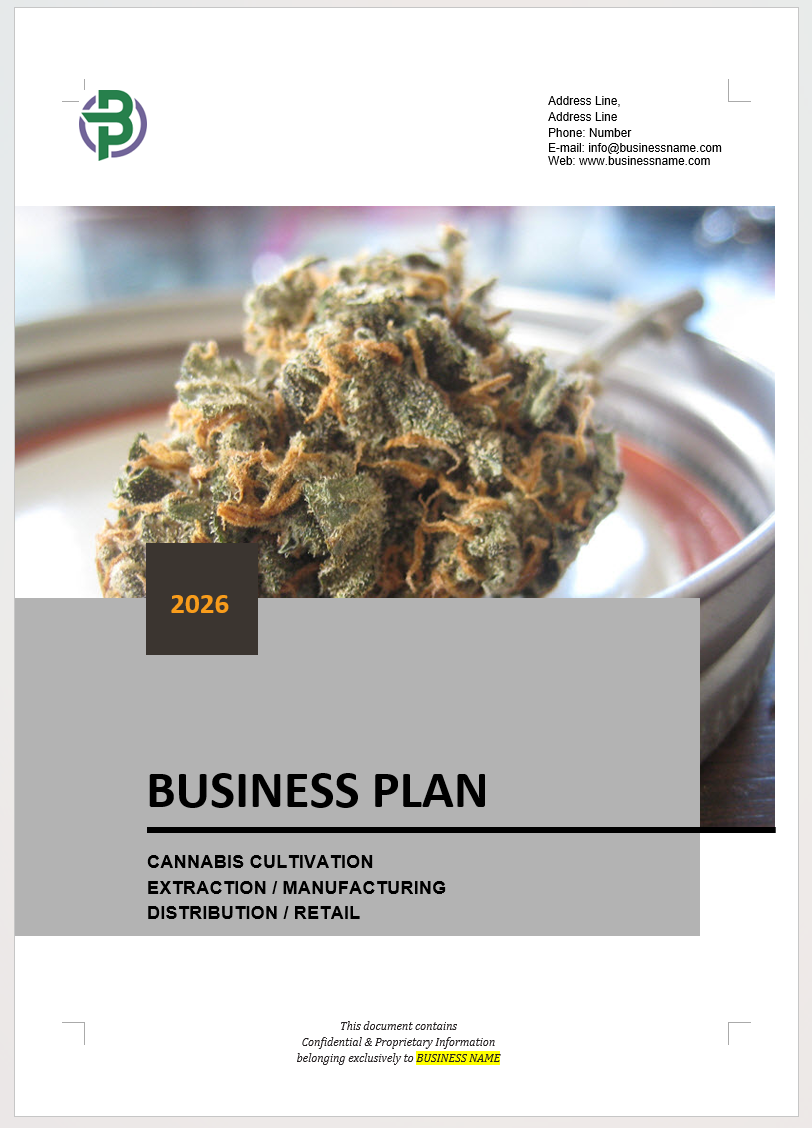
Vertically Integrated Cannabis Business Plan Template
Price range: $75.00 through $500.00

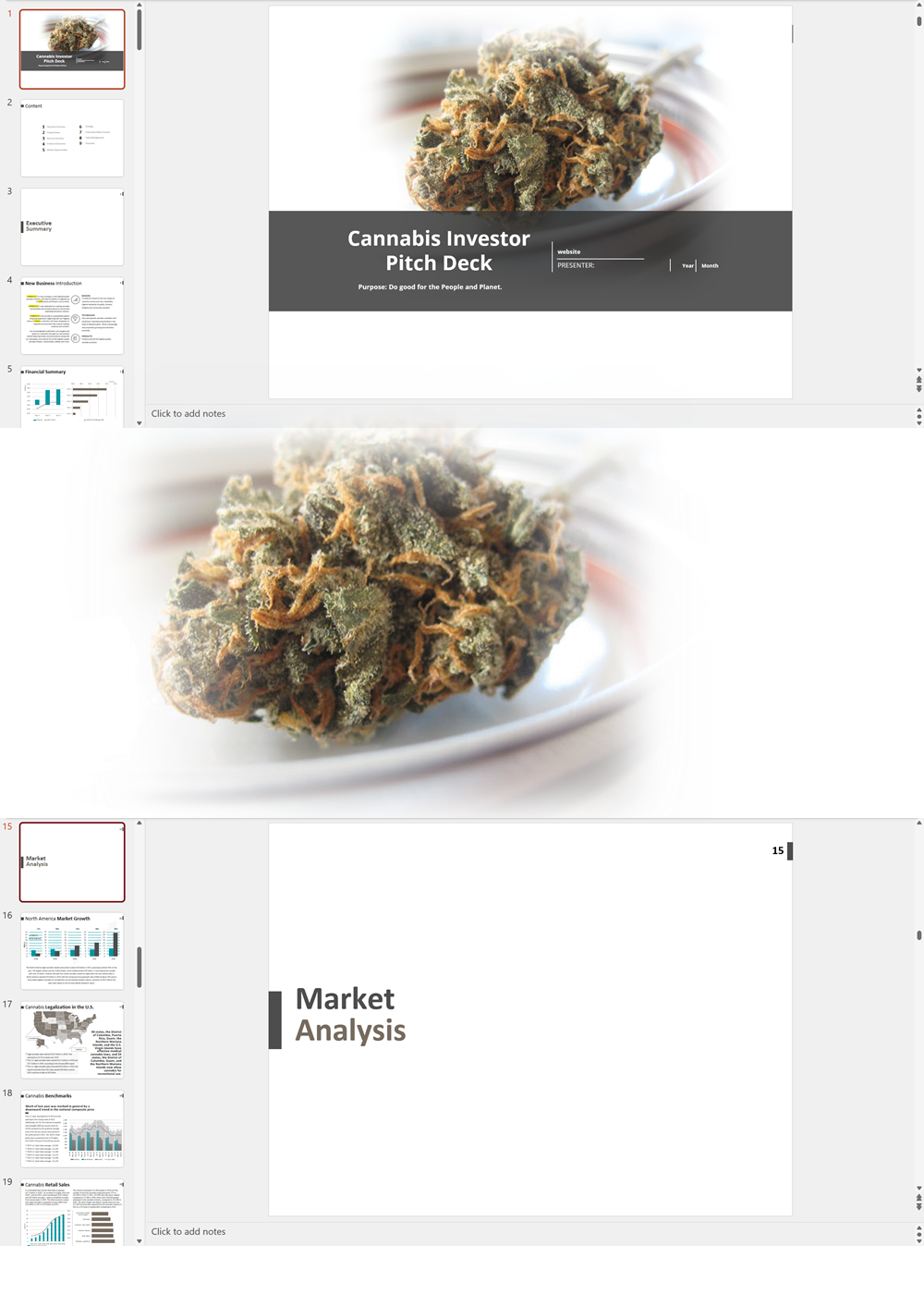

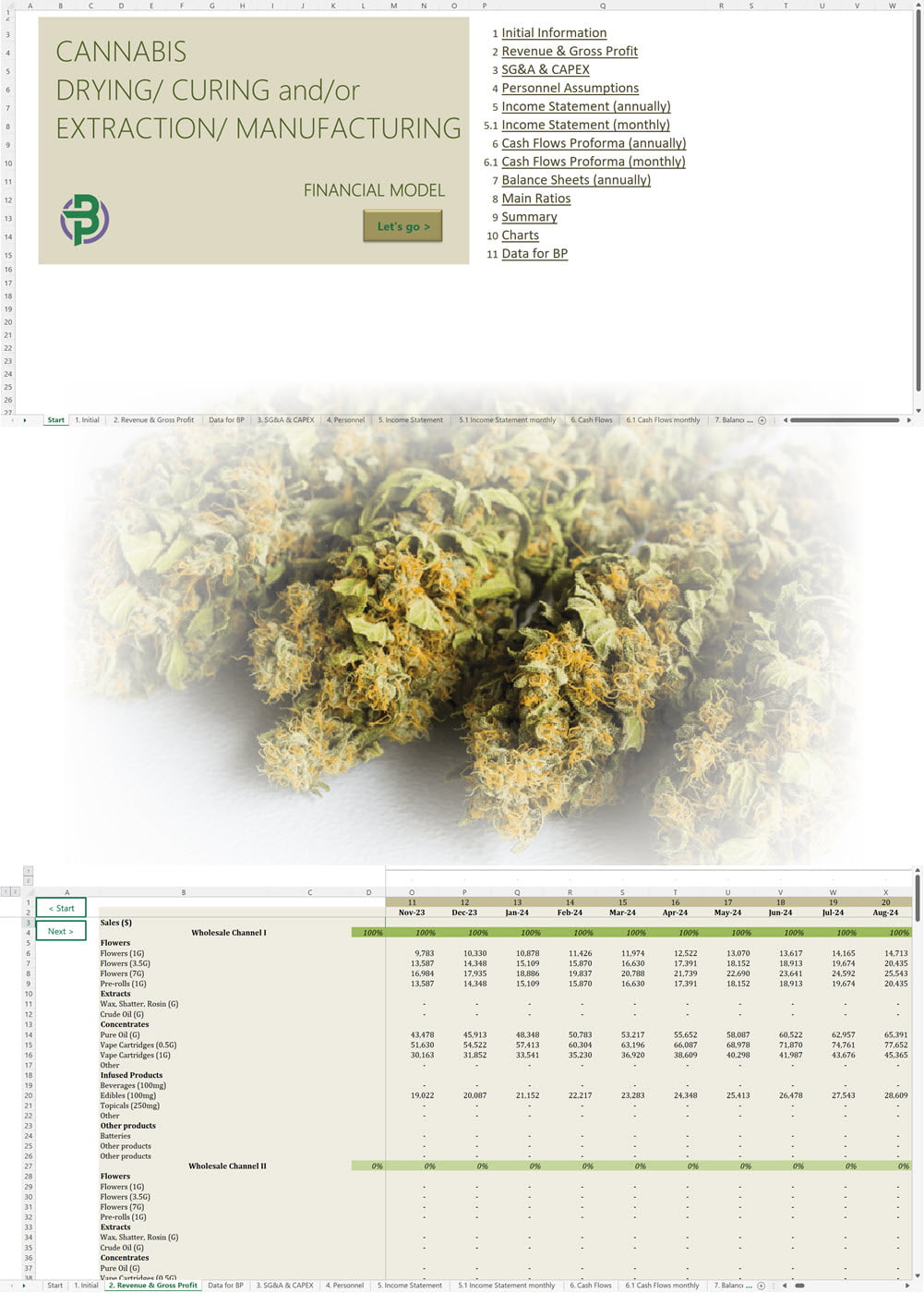
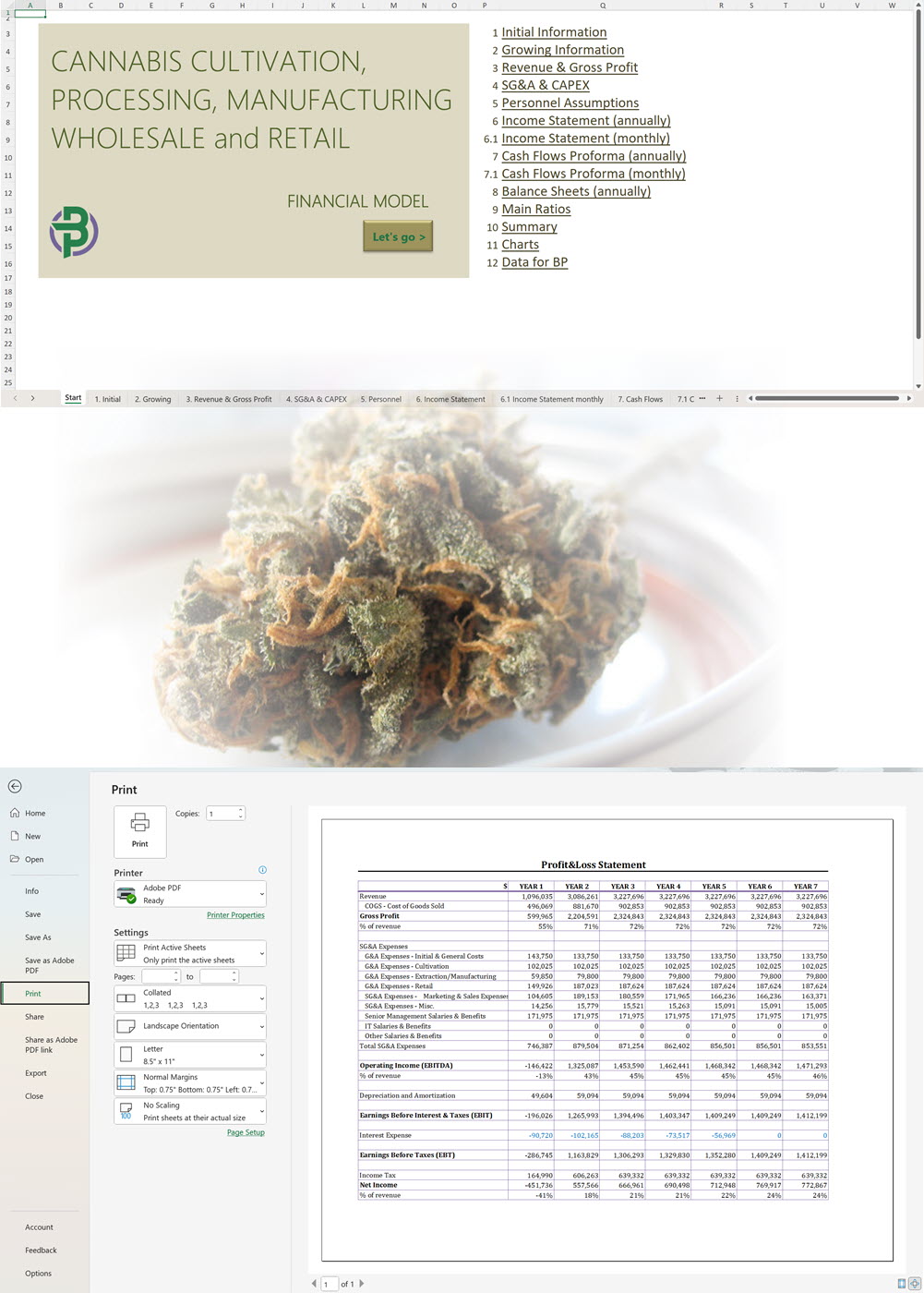
Cannabis Microbusiness Business Plan Template for Cultivation + Extraction + Manufacturing + Wholesale + Retail + Services
Price range: $75.00 through $500.00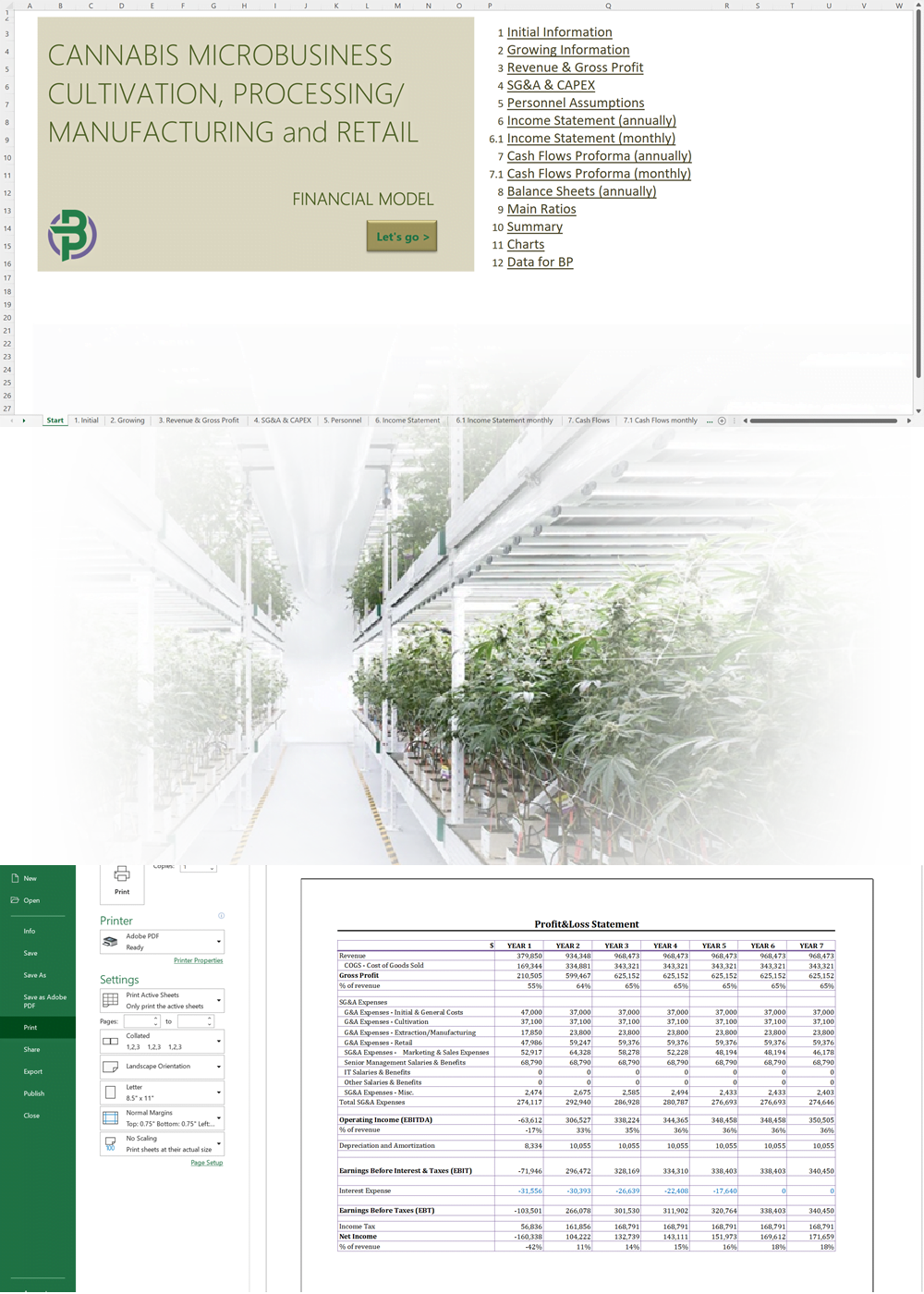

Cannabis Transportation Business Plan Template
Price range: $75.00 through $275.00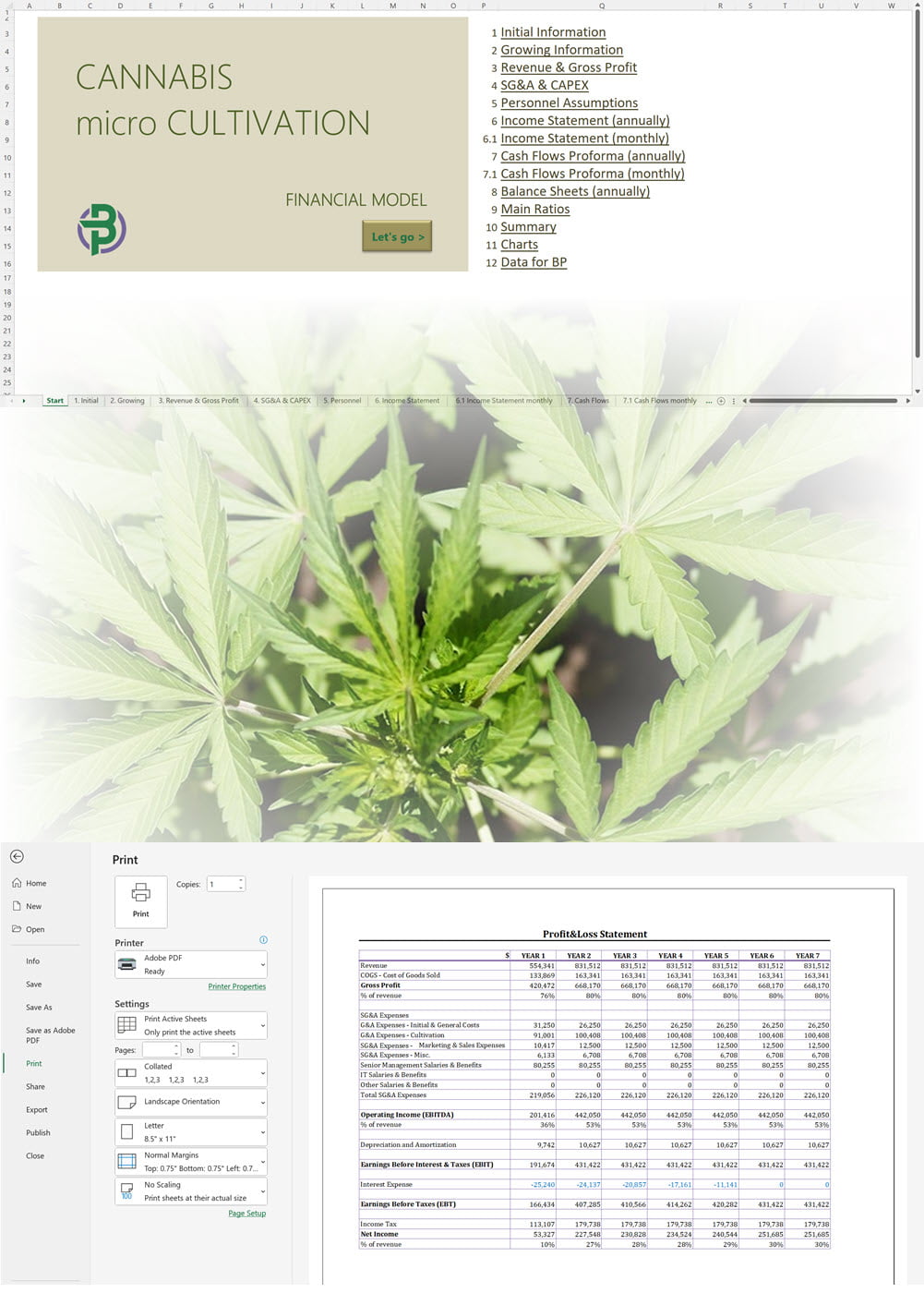

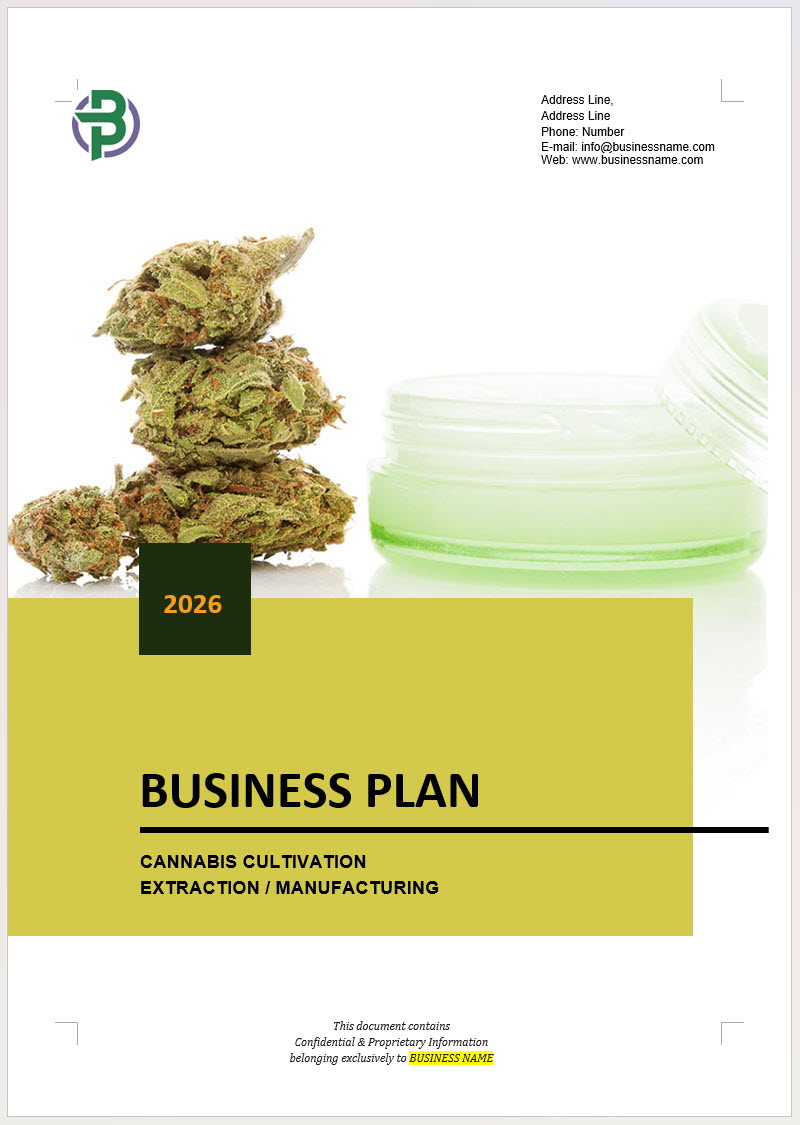
Cannabis Cultivation, Extraction and Manufacturing Business Plan Template
Price range: $75.00 through $450.00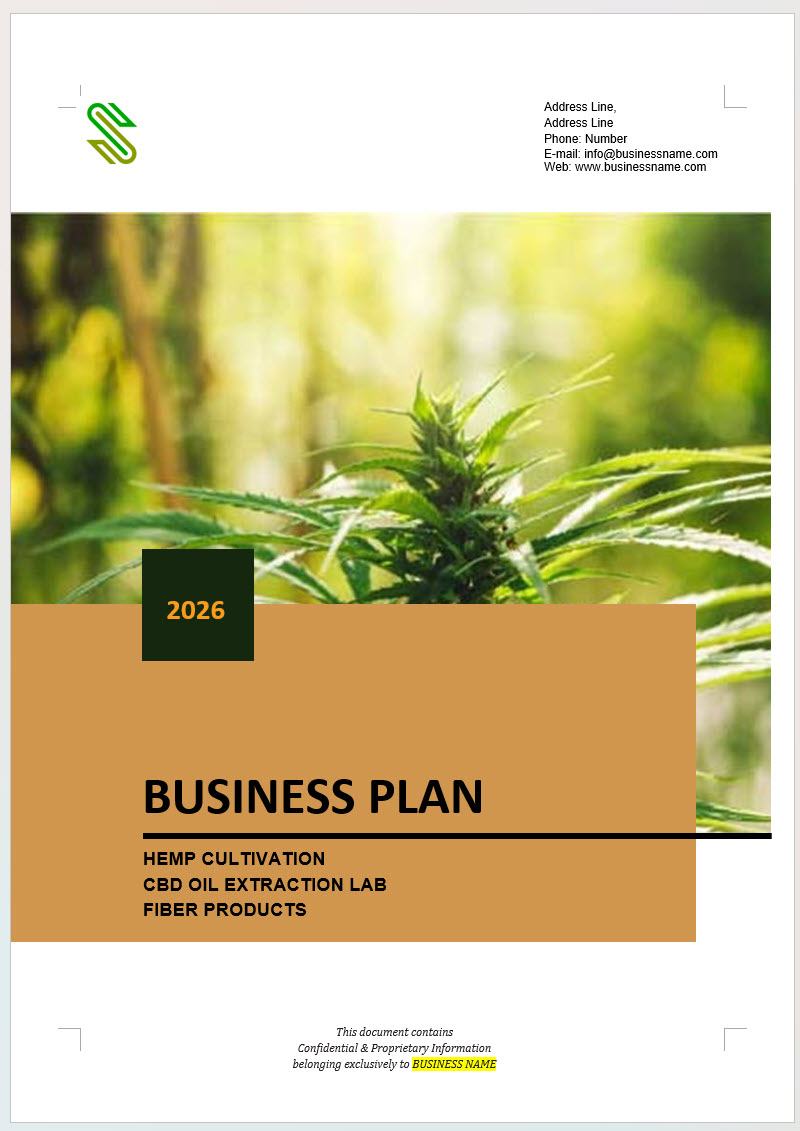
Hemp Cultivation and CBD Oil Extraction and/or Fiber Products Business Plan Template
Price range: $75.00 through $350.00