- Understand regulatory and legal requirements. Do market research.
California Cannabis Laws
Today, cannabis is legal in California for both medicinal and adult (recreational) use. On November 16, 2017, California published the long awaited rules and regulations to implement voter approved Proposition 64, the Adult Use of Cannabis Act of 2016, which legalized adult use of cannabis in the State of California. The California Legislature passed and the Governor signed into law the Medicinal and Adult-Use Cannabis Regulation and Safety Act (MAUCRSA), which created the general framework for the regulation of both commercial medicinal and adult-use (recreational) cannabis.
Research cannabis laws and regulations to learn more about the regulatory requirements for obtaining a license in the city or county in which you want to operate in. View municipal zoning status and bylaws by city or county.
- Decide the type of cannabis business. Choose a location.
California Cannabis Licensing
There are at least 20 different types of cannabis licenses for the following cannabis operations:
- Growing cannabis (cultivation)
- Transporting cannabis (distribution)
- Making cannabis products (manufacturing)
- Testing cannabis or cannabis products (testing laboratory)
- Selling cannabis (retail)
- Holding an event where cannabis will be sold (event organizers)
Where to apply for a state license?
Assembly Bill 141, signed July 12, 2021 eliminated three state cannabis programs housed within different state departments: the Department of Consumer Affairs’ Bureau of Cannabis Control, the Department of Food and Agriculture’s CalCannabis Cultivation Licensing Division, and the Department of Public Health’s Manufactured Cannabis Safety Branch, and established the Department of Cannabis Control (DCC) within the Business, Consumer Services and Housing (BCSH) Agency. “DCC regulates all commercial cannabis license holders in California, including cultivators, retailers, manufacturers, distributors, testing laboratories, microbusinesses, and industry event organizers. DCC also manages the state’s track-and-trace system, which is used to track cannabis and cannabis products, from seed to sale, within the legal supply chain.”
California License Types and Fees
The type of cultivation license you need depends on the size of your canopy (the area where you grow mature plants) and what kind of lighting is used:
(a) Specialty Cottage:
(1) “Specialty Cottage Outdoor” is an outdoor cultivation site with up to 25 mature plants or up to 2,500 square feet of canopy. (application fee $135; license fee $1,205)
(2) “Specialty Cottage Indoor” is an indoor cultivation site with 500 square feet or less of total canopy. (application fee $205; license fee $1,830)
(3) “Specialty Cottage Mixed-Light Tier 1 and 2” is a mixed-light cultivation site with 2,500 square feet or less of total canopy. (application fee $340 and $580; license fee $3,035 and $5,200)
(b) Specialty:
Type 1 “Specialty Outdoor” is an outdoor cultivation site with less than or equal to 5,000 square feet of total canopy, or up to 50 mature plants on noncontiguous plots. (application fee $270; license fee $2,410)
Type 1A “Specialty Indoor” is an indoor cultivation site between 501 and 5,000 square feet of total canopy. (application fee $2,170; license fee $19,540)
Type 1B “Specialty Mixed-Light Tier 1 and 2” is a mixed-light cultivation site between 2,501 and 5,000 square feet of total canopy. (application fee $655 and $1,125; license fee $5,900 and $10,120)
(c) Small:
Type 2 “Small Outdoor” is an outdoor cultivation site between 5,001 and 10,000 square feet of total canopy. (application fee $535; license fee $4,820)
Type 2A “Small Indoor” is an indoor cultivation site between 5,001 and 10,000 square feet of total canopy. (application fee $3,935; license fee $35,410)
Type 2B “Small Mixed-Light Tier 1 and 2” is a mixed-light cultivation site between 5,001 and 10,000 square feet of total canopy. (application fee $1,310 and $2,250; license fee $11,800 and $20,235)
(d) Medium:
Type 3 “Medium Outdoor” is an outdoor cultivation site between 10,001 square feet and one acre of total canopy. (application fee $1,555; license fee $13,990; fee per additional 2,000 square feet $640)
Type 3A “Medium Indoor” is an indoor cultivation site between 10,001 and 22,000 square feet of total canopy. (application fee $8,655; license fee $77,905; fee per additional 2,000 square feet $7,080)
Type 3B “Medium Mixed-Light Tier 1 and 2” is a mixed-light cultivation site between 10,001 and 22,000 square feet of total canopy. (application fee $2,885 and $4,945; license fee $25,970 and $44,517; fee per additional 2,000 square feet $2,360 and $4,040)
(e) Large:
“Large Outdoor” is an outdoor cultivation site more than 1 acre of total canopy. (application fee $1,555; license fee $13,990; fee per additional 2,000 square feet $640)
“Large Indoor” is an indoor cultivation site more than 22,000 square feet of total canopy. (application fee $8,655; license fee $77,905; fee per additional 2,000 square feet $7,080)
“Large Mixed-Light Tier 1 and 2” is a mixed-light cultivation site more than 22,000 square feet of total canopy. (application fee $2,885 and $4,945; license fee $25,970 and $44,517; fee per additional 2,000 square feet $2,360 and $4,040)
Type 4 “Nursery” is a cultivation site that conducts the cultivation of cannabis solely as a nursery. (application fee $520; license fee $4,685)
Type 5 “Processor” is a cultivation site that conducts only trimming, drying, curing, grading, packaging, or labeling of cannabis and non-manufactured cannabis products. (application fee $1,040; license fee $9,370)
Manufacturing license types are based on the activities performed, the chemicals used for extraction and post processing, if any and whether the manufacturer works in a shared-use facility:
Manufacturer 1 (Type 6): Manufacturing using non-volatile solvents or mechanical extraction.
Manufacturer 2 (Type 7): Manufacturing using volatile solvents.
There are additional Type N (infusion of products), Type P (packaging and labeling) and Type S (manufacturers who work in a shared-use facility) manufacturing licenses.
Type 7, 6, N and P licenses fees
| Gross annual revenue | Application fee | License fee |
| Less than or equal to $100,000 (Tier I) | $1,000 | $2,000 |
| $100,001 to $500,000 (Tier II) | $1,000 | $7,500 |
| $500,001 to $1,500,000 (Tier III) | $1,000 | $15,000 |
| $1,500,001 to $3,000,000 (Tier IV) | $1,000 | $25,000 |
| $3,000,001 to $5,000,000 (Tier V) | $1,000 | $35,000 |
| $5,000,001 to $10,000,000 (Tier VI) | $1,000 | $50,000 |
| More than $10,000,000 (Tier VII) | $1,000 | $75,000 |
Type S licenses fees
| Gross annual revenue | Application fee | License fee |
| Less than or equal to $100,000 (Tier I) | $500 | $2,000 |
| $100,001 to $500,000 (Tier II) | $500 | $7,500 |
| $500,001 to $1,000,000 (Tier III) | $500 | $15,000 |
Type 8 license holders must test for THC, cannabinoids, contaminants, microbiological impurities, among other compounds listed in Business & Professions Code § 19344. Testing laboratories must obtain and maintain ISO/IEC 17025 accreditation. You can use an interim testing license while you work on your accreditation.
| Gross annual revenue | Application fee | License fee |
| Less than or equal to $160,000 | $1,000 | $3,000 |
| $160,001 to $320,000 | $1,000 | $6,000 |
| $320,001 to $480,000 | $1,000 | $8,000 |
| $480,001 to $800,000 | $1,000 | $13,000 |
| $800,001 to $1,200,000 | $1,000 | $20,000 |
| $1.200,001 to $2,000,000 | $1,000 | $32,000 |
| $2,000,001 to $2,800,000 | $1,000 | $48,000 |
| $2,800,001 to $4,400,000 | $1,000 | $72,000 |
| More than $4,400,000 | $1,000 | $112,000 |
Retailer (Type 10): A storefront retailer has a physical location where cannabis products are sold. Storefront retailers can also deliver cannabis products.
Non-Storefront Retailer (Type 9): A non-storefront retailer sells cannabis products to customers through delivery only.
| Gross annual revenue | Application fee | License fee |
| Less than or equal to $500,000 | $1,000 | $2,500 |
| $500,001 to $750,000 | $1,000 | $5,500 |
| $750,001 to $1,000,000 | $1,000 | $7,500 |
| $1,000,001 to $1,500,000 | $1,000 | $11,000 |
| $1,500,001 to $2,000,000 | $1,000 | $14,500 |
| $2,000,001 to $3,000,000 | $1,000 | $22,500 |
| $3,000,001 to $4,000,000 | $1,000 | $30,500 |
| $4,000,001 to $5,000,000 | $1,000 | $38,500 |
| $5,000,001 to $6,000,000 | $1,000 | $46,500 |
| $6,000,001 to $7,500,000 | $1,000 | $57,000 |
| More than $7.5 million | $1,000 | $96,000 |
Type 11 distributors can move cannabis and cannabis products between cultivation, manufacturing or distribution premises, move finished cannabis goods to retail premises, provide storage services to other licensees and arrange for testing of cannabis goods.
| Gross annual revenue | Application fee | License fee |
| Less than or equal to $1,000,000 | $1,000 | $1,500 |
| $1,000,001 to $2,500,000 | $1,000 | $6,000 |
| $2,500,001 to $5,000,000 | $1,000 | $11,250 |
| $5,000,001 to $10,000,000 | $1,000 | $22,500 |
| $10,000,001 to $20,000,000 | $1,000 | $45,000 |
| $20,000,001 to $30,000,000 | $1,000 | $75,000 |
| $30,000,001 to $50,000,000 | $1,000 | $120,000 |
| $50,000,001 to $70,000,000 | $1,000 | $180,000 |
Type 13 distributors can move cannabis and cannabis products between cultivation, manufacturing or distribution premises. A licensee may not transport cannabis goods to a licensed retailer and may not engage in any other distributor activities. Reduced fees are available if you only want to transport the goods you cultivate or manufacture.
| Gross annual revenue | Application fee | License fee |
| Less than or equal to $1,000 | $1,000 | $200 |
| $1,001 to $3,000 | $1,000 | $500 |
| More than $3,000 | $1,000 | $1,000 |
Allows a licensee to engage in cultivation (on an area less than 10,000 square feet), manufacturing (Level 1 manufacturing, Type 6), distribution, and retail sale, or any combination of at least three of the activities. Licensees will be required to comply with all rules and regulations, which will include, where applicable, regulations, governing the activities they are engaged in.
| Gross annual revenue | Application fee | License fee |
| Less than or equal to $1,000,000 | $1,000 | $5,000 |
| $1,000,001 to $2,000,000 | $1,000 | $12,000 |
| $2,000,001 to $3,000,000 | $1,000 | $20,000 |
| $3,000,001 to $4,000,000 | $1,000 | $32,000 |
| $4,000,001 to $6,000,000 | $1,000 | $45,000 |
| $6,000,001 to $7,000,000 | $1,000 | $60,000 |
| $7,000,001 to $10,000,000 | $1,000 | $80,000 |
| $10,000,001 to $20,000,000 | $1,000 | $100,000 |
| $20,000,001 to $30,000,000 | $1,000 | $120,000 |
| $30,000,001 to $40,000,000 | $1,000 | $140,000 |
| $40,000,001 to $50,000,000 | $1,000 | $160,000 |
| $50,000,001 to $60,000,000 | $1,000 | $180,000 |
| $60,000,001 to $80,000,000 | $1,000 | $220,000 |
| More than $80,000,000 | $1,000 | $300,000 |
Cannabis events can only be held by a person with an event organizer license, and the event itself requires a temporary cannabis event license.
| Number of planned cannabis events | Application fee | License fee |
| 5 or fewer | $1,000 | $3,000 |
| 6 to 10 | $1,000 | $5,000 |
| 11 to 20 | $1,000 | $9,000 |
| More than 20 | $1,000 | $20,000 |
Temporary cannabis event licenses are $1,000 per event.
On September 30, 2024, California’s Governor Gavin Newsom signed Assembly Bill 1775 that allows licensed cannabis retailers and microbusinesses to serve non-cannabis hot food and beverages in the same space where on-site consumption of cannabis is allowed. The beverages sold must, however, be non-alcoholic. Licensed retailers and microbusinesses will also be allowed to host and sell tickets to live music events and other performances on their premises. The law goes into effect on January 1, 2025.
- Develop a solid cannabis business plan. Secure financing.
- Prepare the necessary documentation. Obtain local licenses, permits, or authorization.
California has a dual licensing system and cannabis businesses will be required to obtain a city, county, or city and county license, permit, or other authorization, before a business can apply for a state license.
If you sell cannabis or cannabis products, you must register with the California Department of Tax and Fee Administration (CDTFA) for a seller’s permit and for a cannabis tax permit. You will also need to check and comply with non-cannabis business regulations, such as the responsibility of registering your business with the California Secretary of State. If you intend to have employees for your business, you must register your business as an employer and obtain a federal Employer Identification Number (EIN).
The Department of Cannabis Control (DCC) has requirements for standard operating procedures, training employees and how facilities must be set up. DCC also has resources to help you create the documents you need during the license process.
- Register and apply online. Pay application fees.
Currently DCC has two licensing systems: for cultivators and for all other license types. Use the one that corresponds to the license type you’re applying for. When you finish your license application, the system will tell you how to pay your application fee.
- Obtain required licenses. Pay license fees. Post your license.
If your application is approved, you’ll receive an email with instructions about how to pay your license fee.
- Keep track of your ongoing compliance requirements.
Physical security measures, good production practices, packaging, labelling and transport requirements, reporting requirements and more.
California Cannabis Taxes
Beginning July 1, 2022, the cultivation tax no longer applies to harvested cannabis entering the commercial market.
Beginning January 1, 2023, cannabis retailers are responsible for reporting and paying the cannabis excise tax to the California Department of Tax and Fee Administration (CDTFA) for retail sales of cannabis or cannabis products:
- 19% prior to October 1, 2025,
- 15% after October 1, 2025.
In 2024, Senate Bill 167 extended the provisions of the IRC Section 280E no longer applying to licensed individual taxpayers operating under personal income tax law to December 31, 2029.
Cannabis Advertising Regulations in California
Any advertising or marketing, that is placed in broadcast, cable, radio, print, and digital communications:
- Shall only be displayed after a licensee has obtained reliable up-to-date audience composition data demonstrating that at least 71.6 percent of the audience viewing the advertising or marketing is reasonably expected to be 21 years of age or older.
- Shall not use any depictions or images of minors or anyone under 21 years of age.
- Shall not use any images that are attractive to children.
- Shall not advertise free cannabis goods or cannabis accessories.
All outdoor signs, including billboards, shall be affixed to a building or permanent structure; and comply with the provisions of the Outdoor Advertising Act, commencing with section 5200 of the Business and Professions Code, if applicable.
Giving away any free amount of cannabis or cannabis products, or any cannabis accessory, as part of a business promotion is prohibited. Cannabis or cannabis products that have been designated as trade samples may be provided from one cannabis business to another for the purpose of providing the recipient business with product information to aid in making purchasing decisions about new or existing cannabis or cannabis products.
(DCC Commercial Cannabis Regulations, Article 4)
Main steps in short
- Understand regulatory and legal requirements. Do market research.
- Decide the type of cannabis business. Choose a location.
- Develop a solid business plan. Secure financing.
- Prepare the necessary documentation. Obtain local licenses, permits, or authorization.
- Register and apply online. Pay application fees.
- Obtain required licenses. Pay license fees. Post your license.
- Keep track of your ongoing compliance requirements.
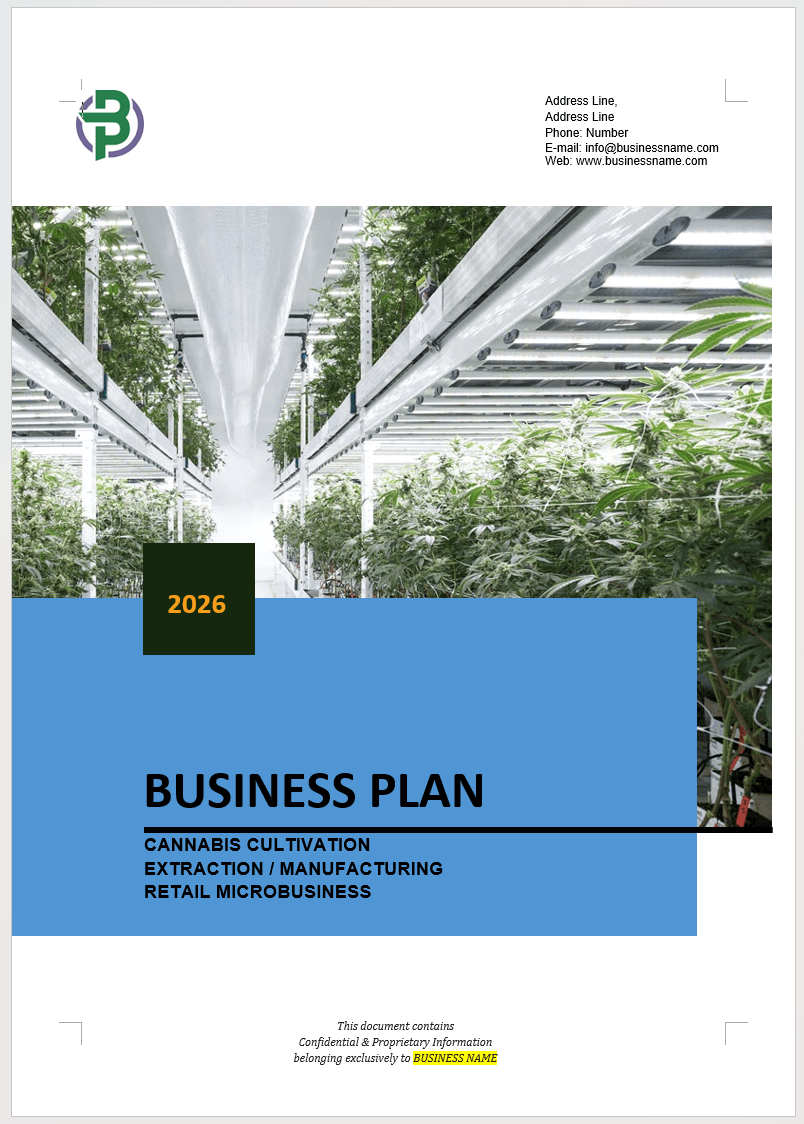
Cannabis Cultivation, Extraction, Manufacturing, Distribution and Retail Microbusiness Business Plan Template Sample, California
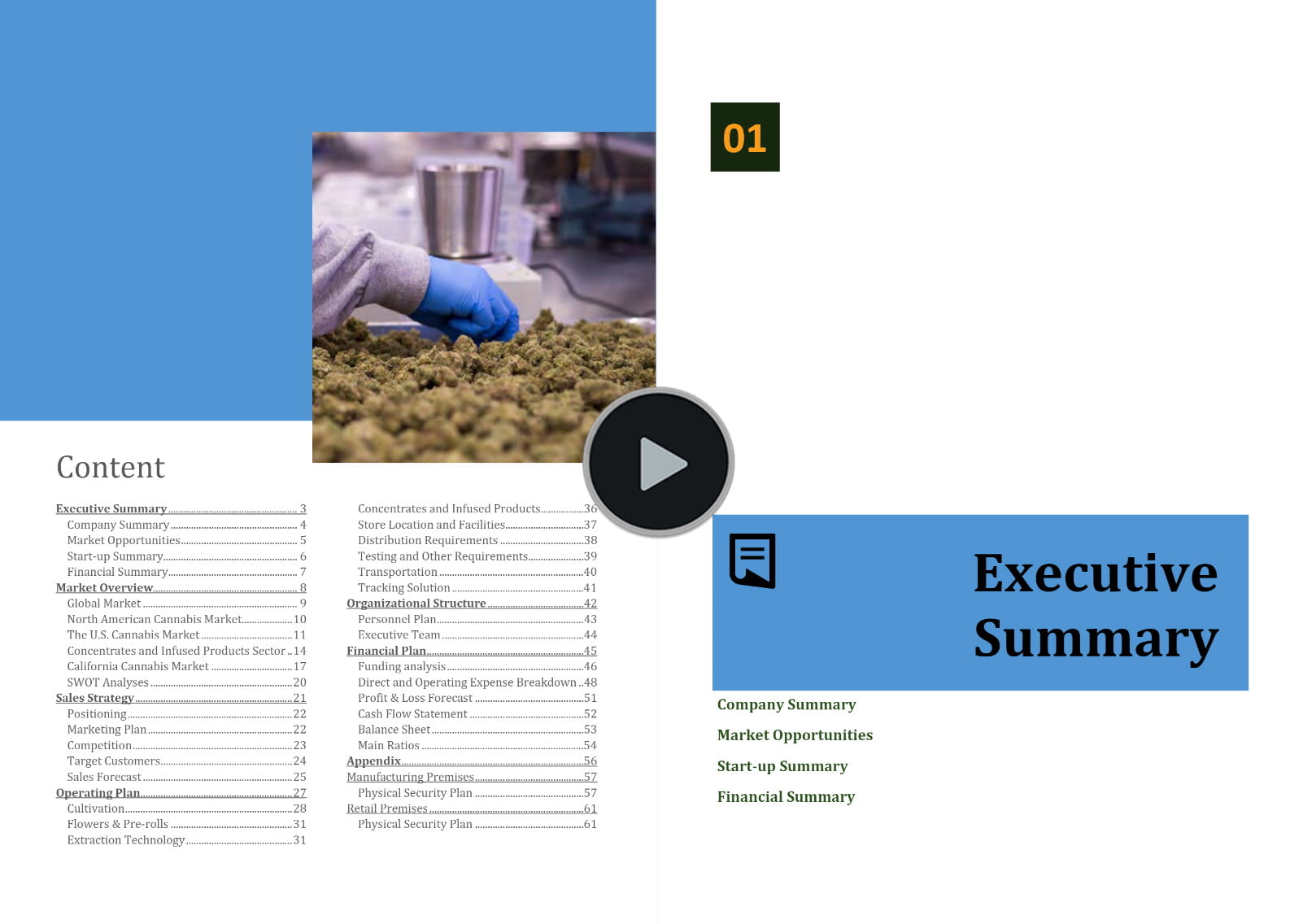
'70% ready to go' business plan templates
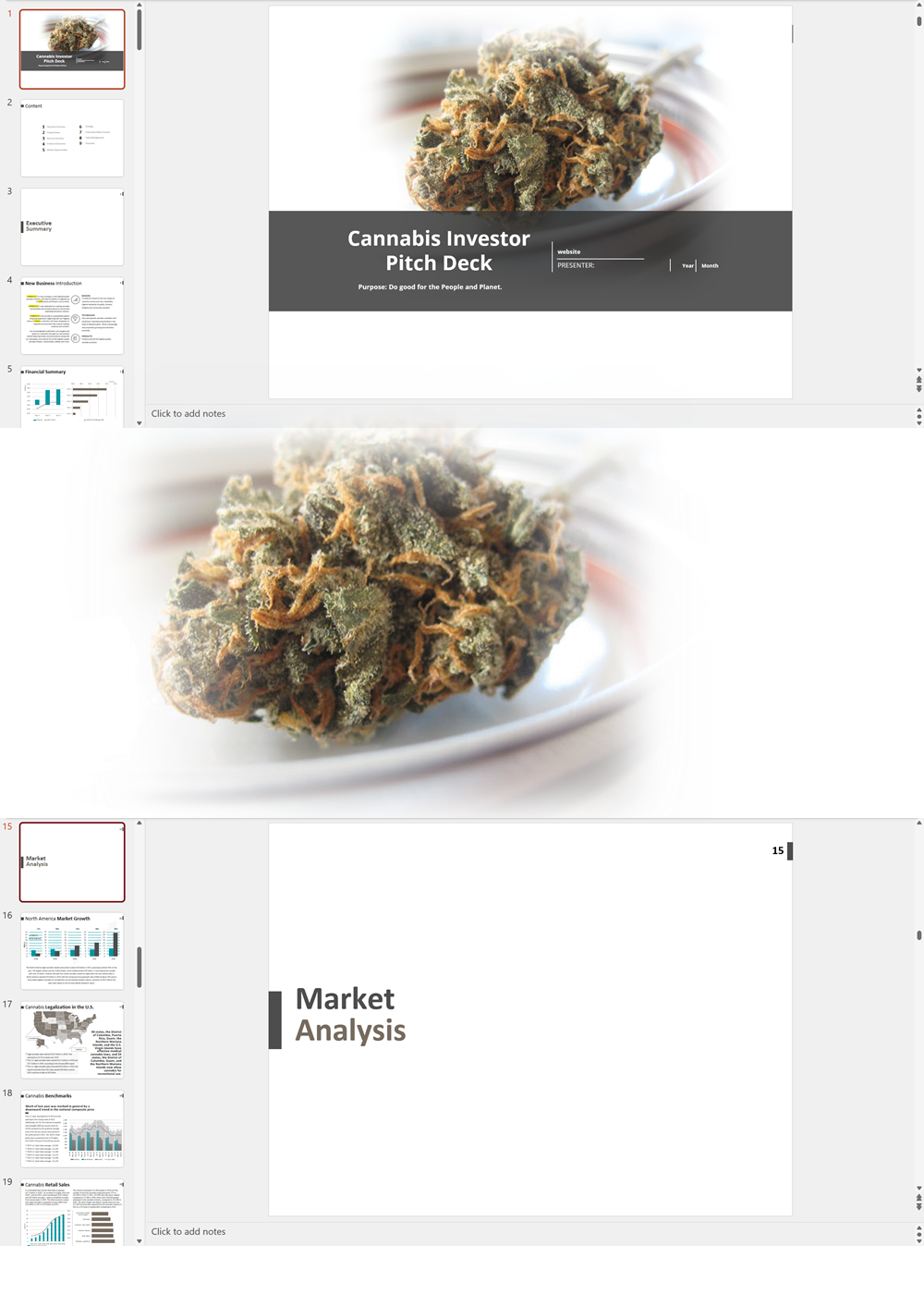
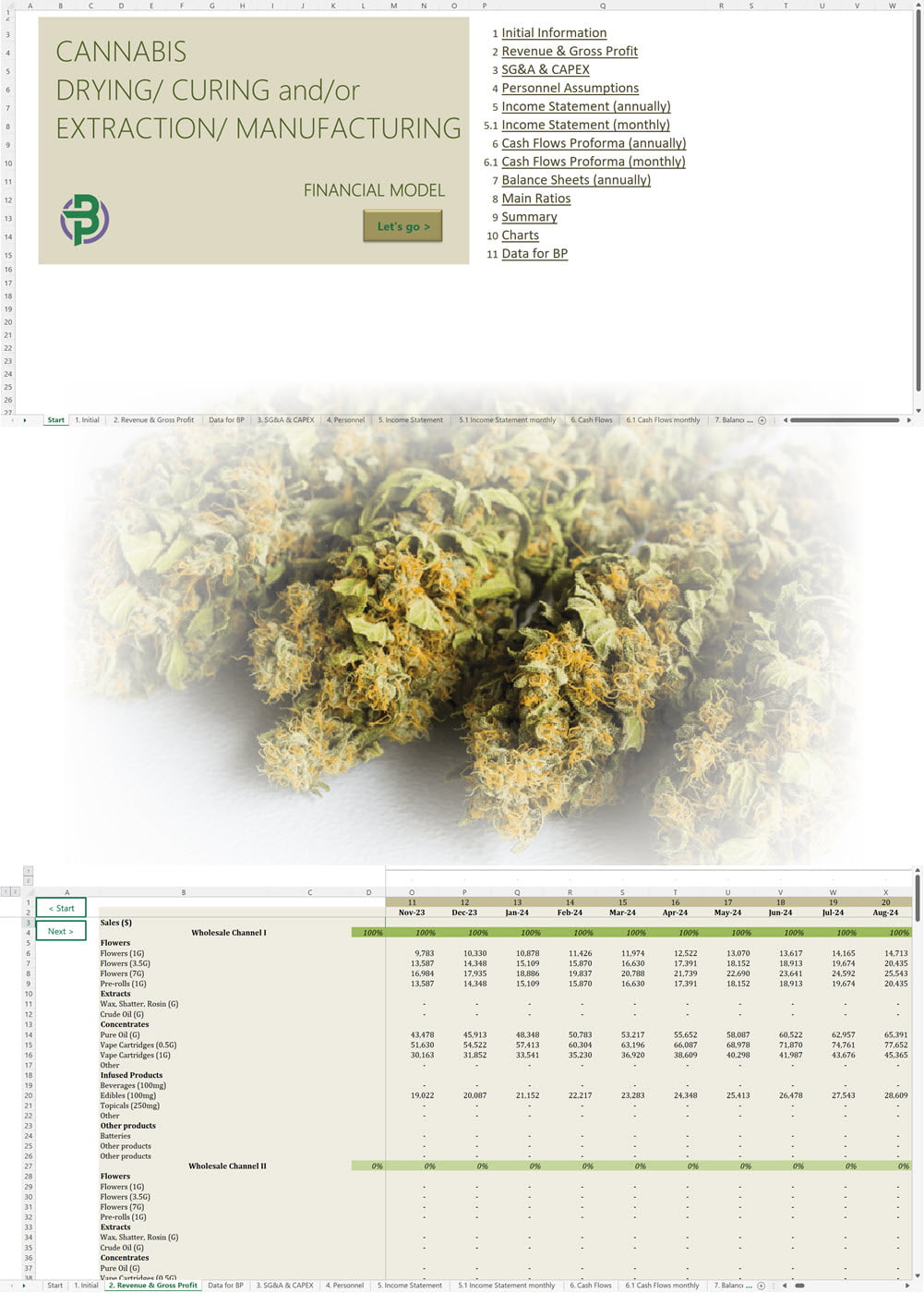
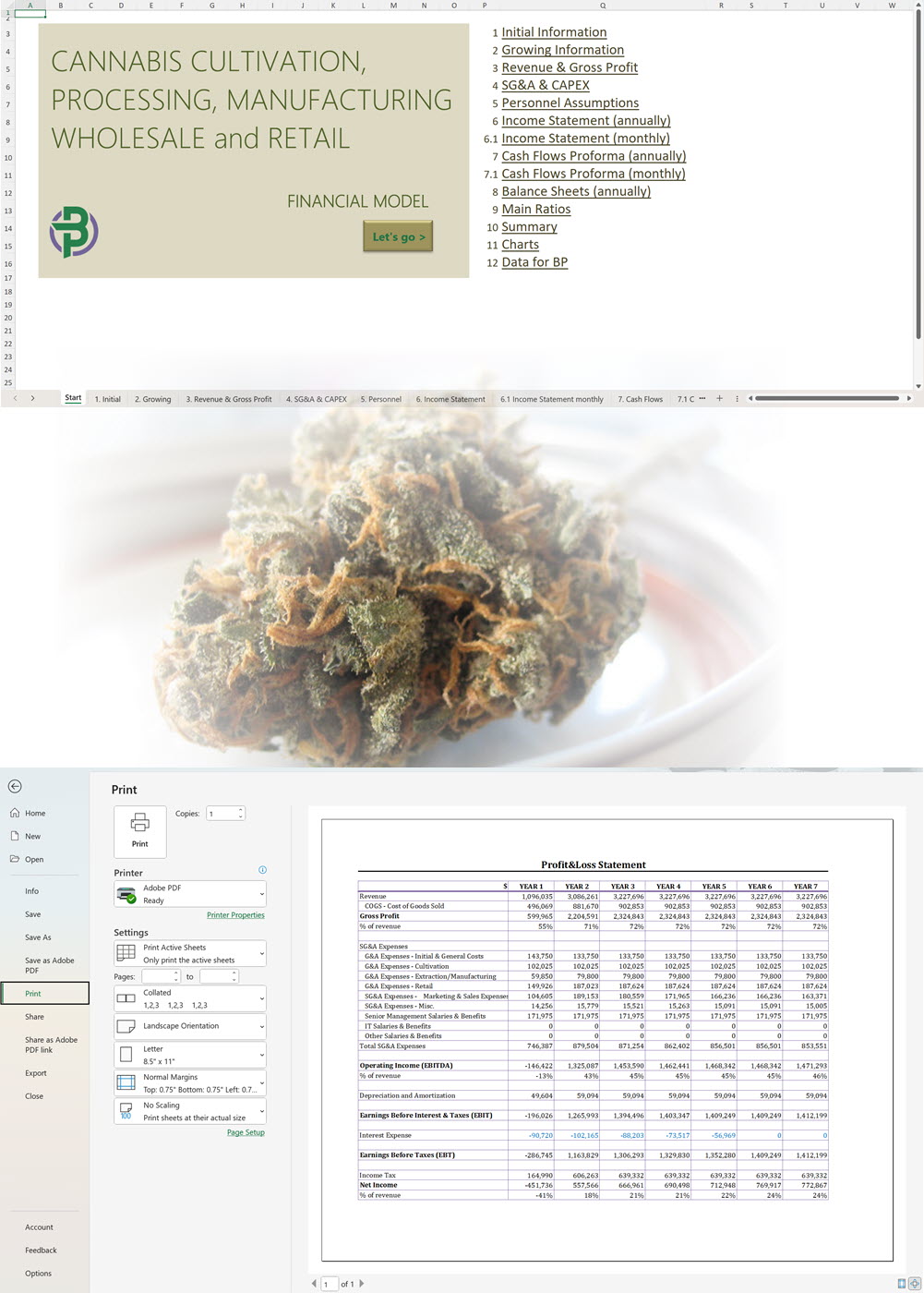
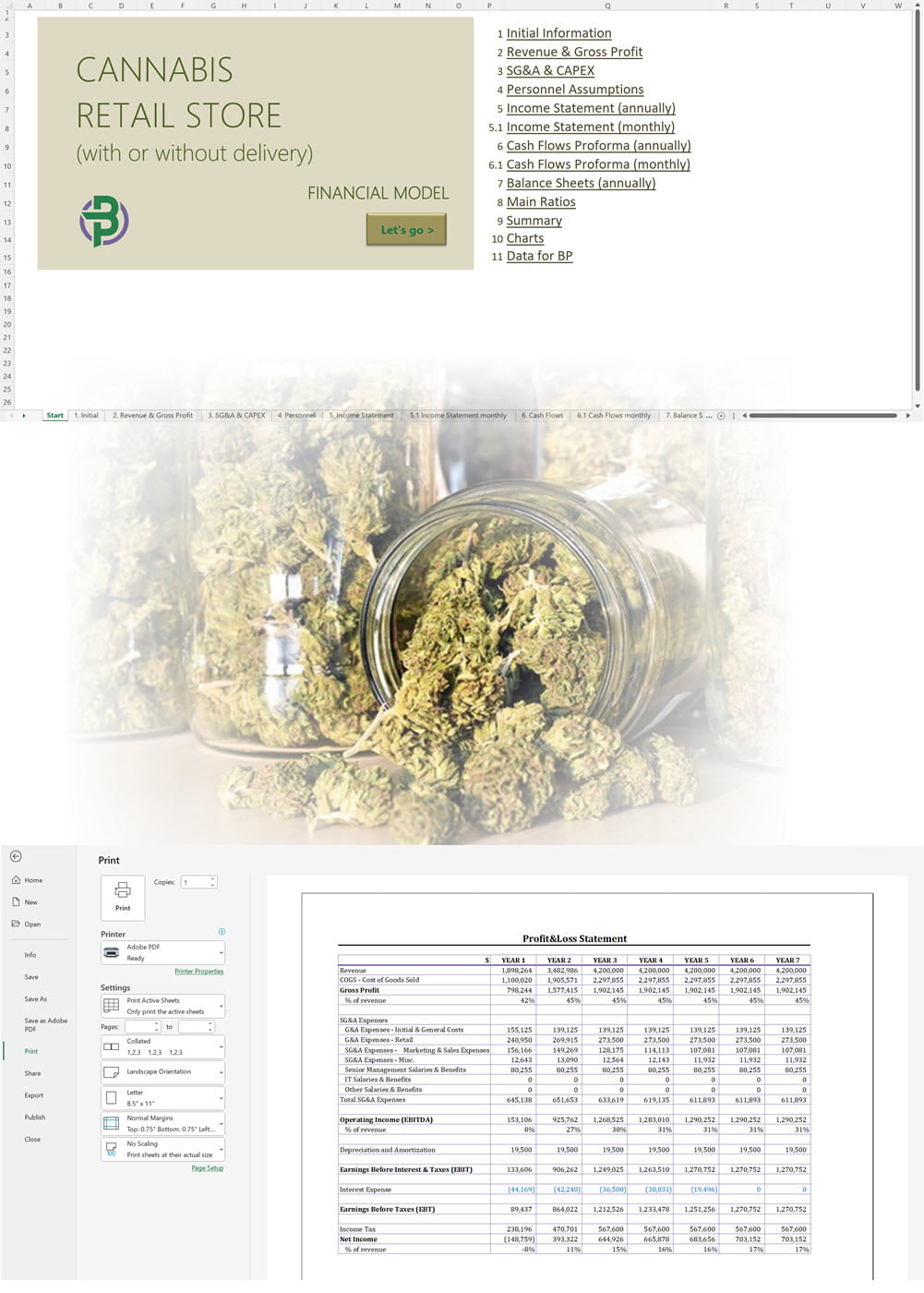
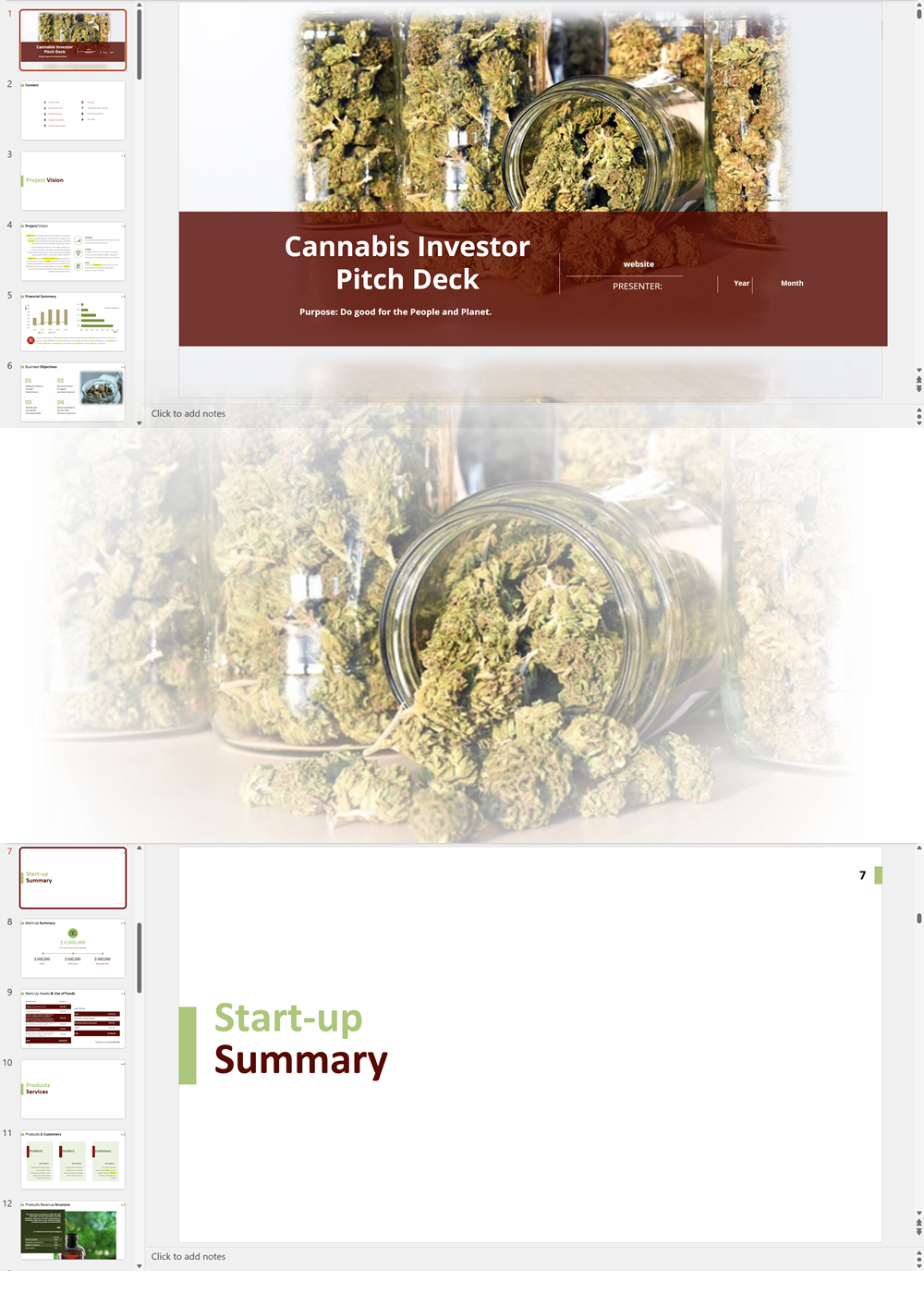
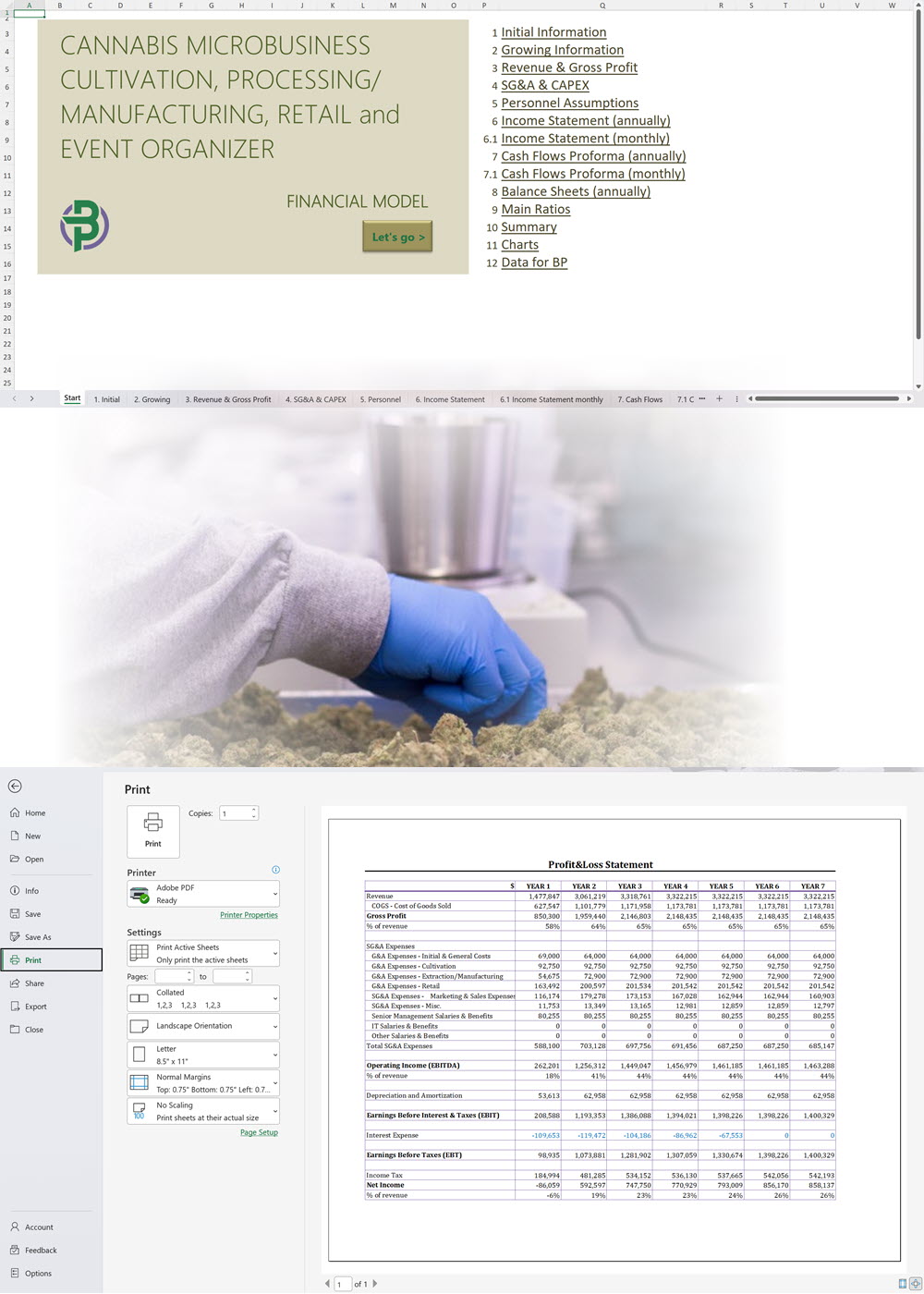
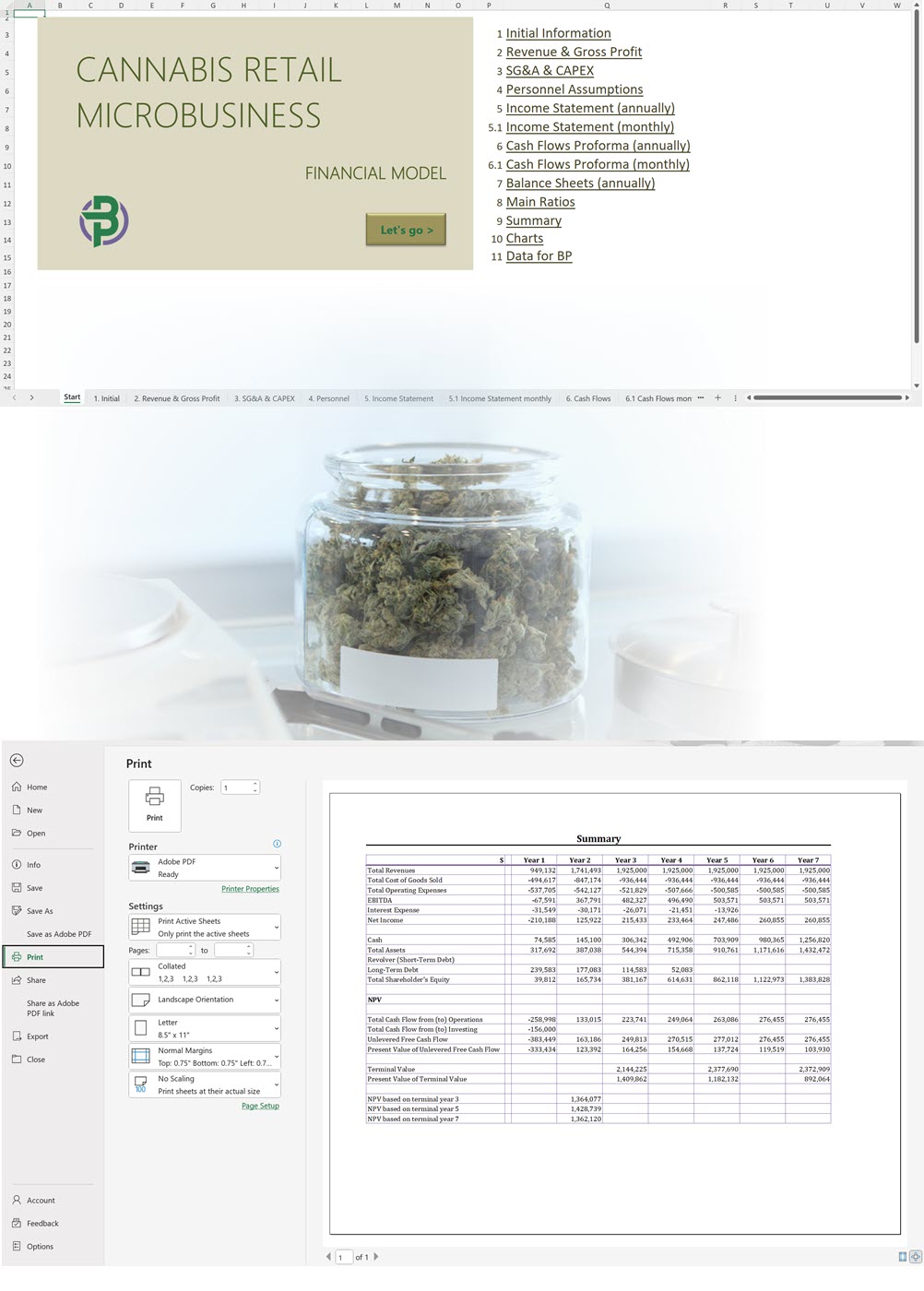
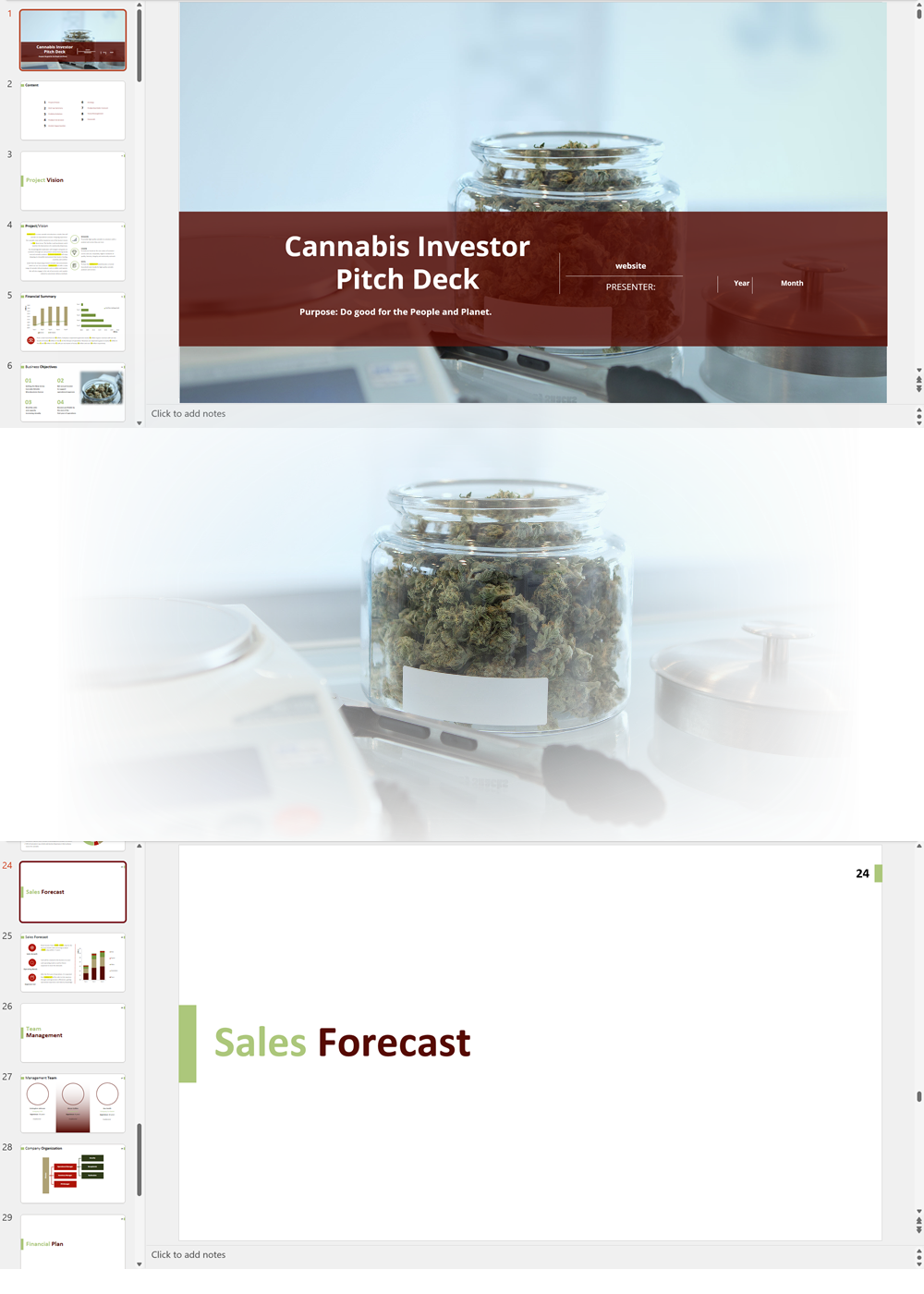
Our cannabis financial models and cannabis business plan templates will help you estimate how much it costs to start and operate your own cannabis business, to build all revenue and cost line-items monthly over a flexible seven year period, and then summarize the monthly results into quarters and years for an easy view into the various time periods. We also offer investor pitch deck templates.
Best Selling Templates
-

Cannabis Cultivation Business Plan Template
Price range: $75.00 through $350.00 Select options This product has multiple variants. The options may be chosen on the product page -

Cannabis Dispensary Investor Pitch Deck Template
$75.00 Select options This product has multiple variants. The options may be chosen on the product page -
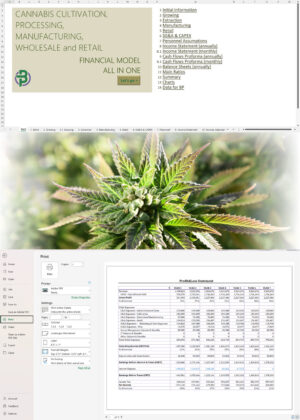
Cannabis Financial Model All in One
$250.00 Select options This product has multiple variants. The options may be chosen on the product page
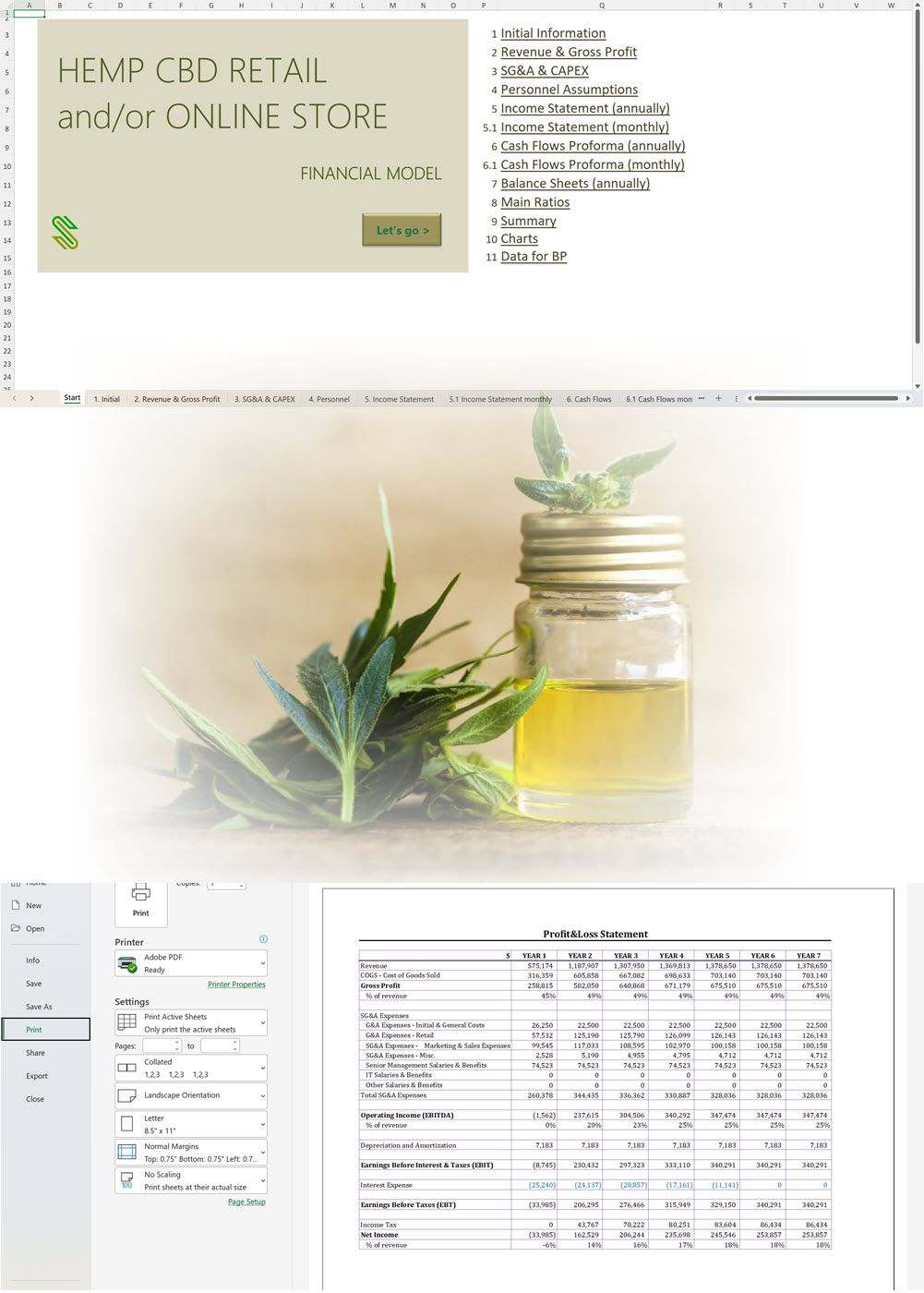
Hemp CBD business plan templates are available at hempcbdbusinessplans.com.
Our Templates
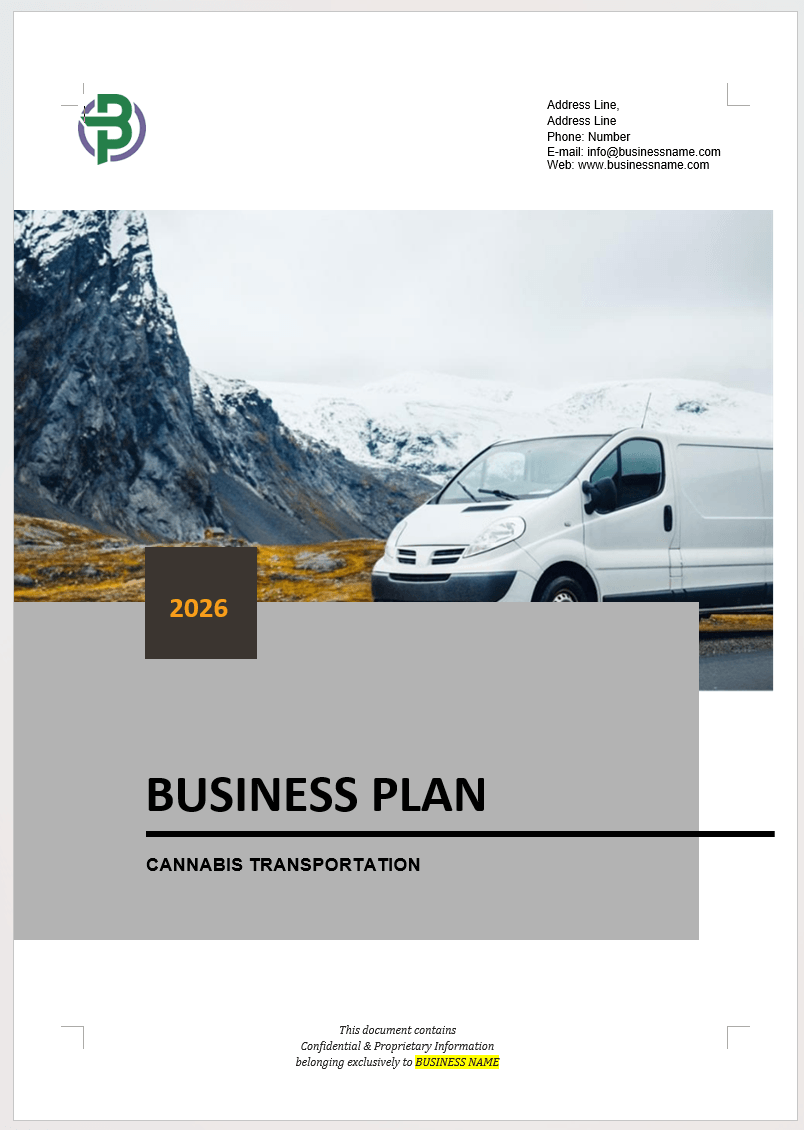
Cannabis Transportation Business Plan Template
Price range: $75.00 through $275.00
CBD Products Retail/Online Store Business Plan Template
Price range: $75.00 through $275.00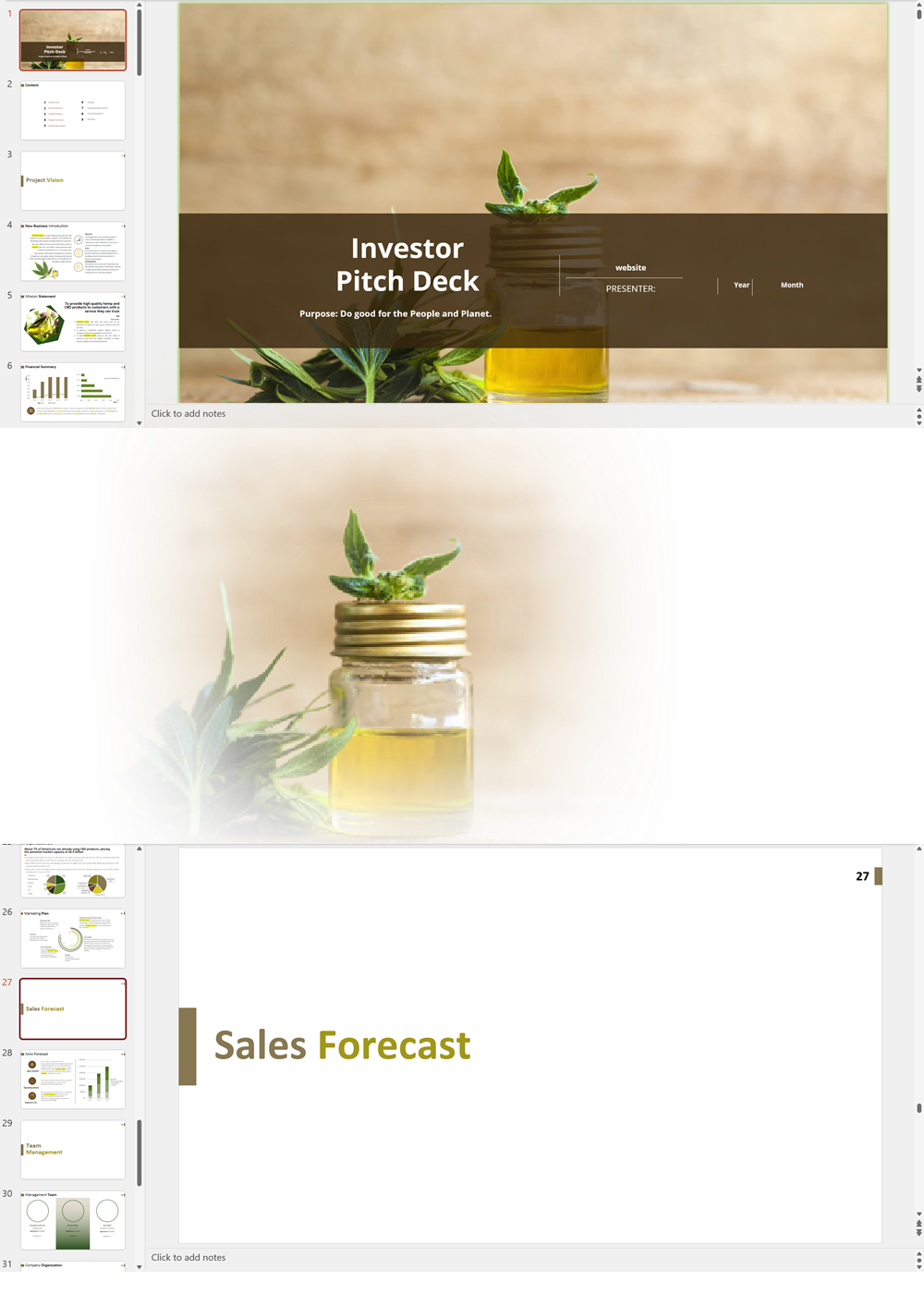

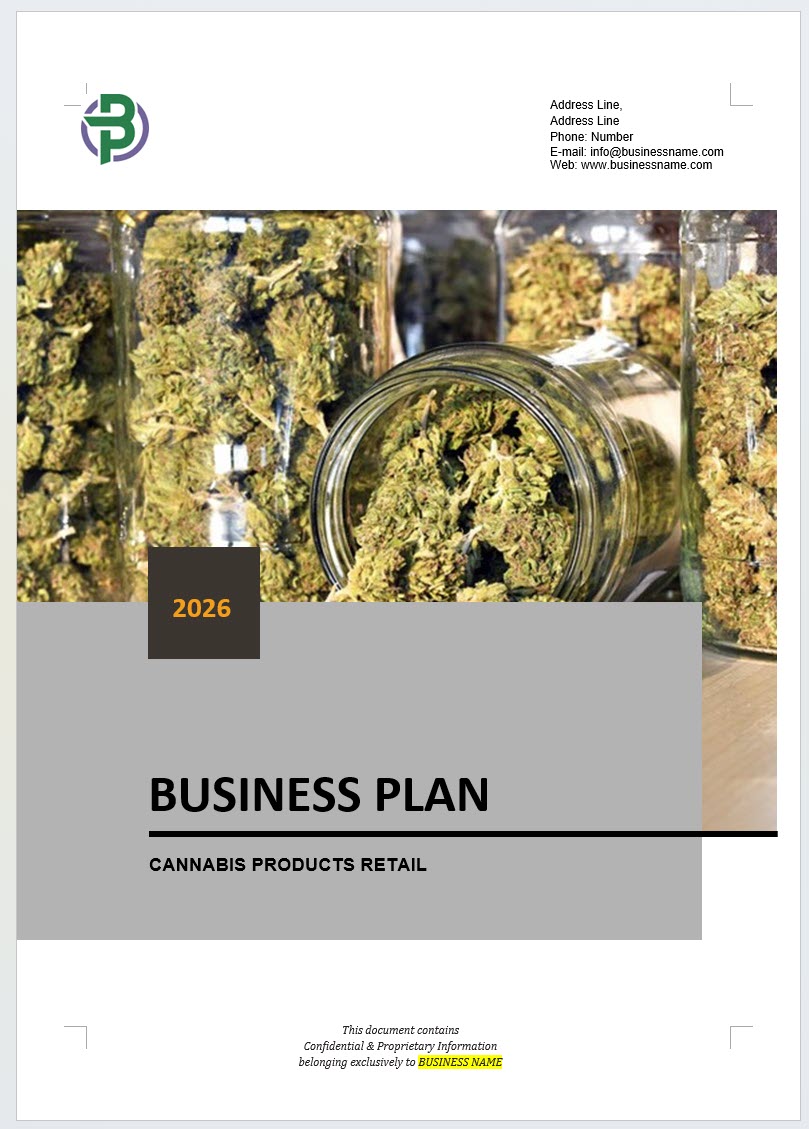
Cannabis Retail Business Plan Template (with or without Delivery)
Price range: $75.00 through $350.00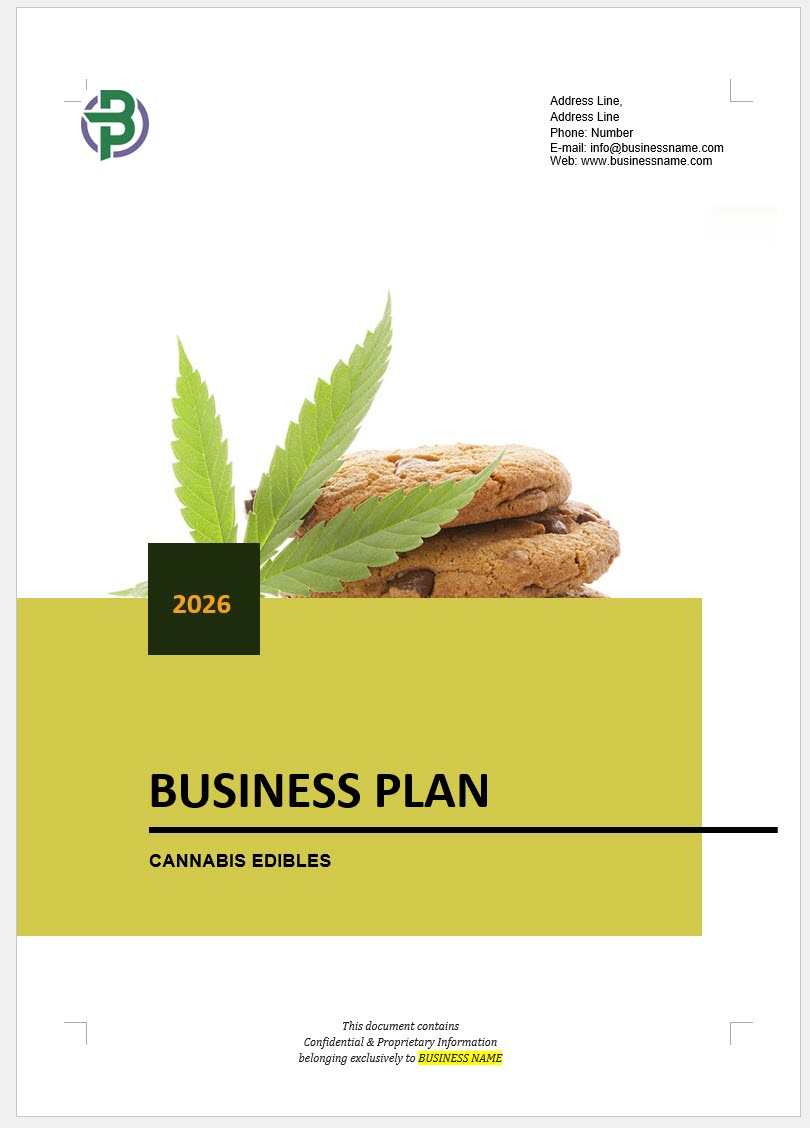
Cannabis Edibles Business Plan Template
Price range: $75.00 through $350.00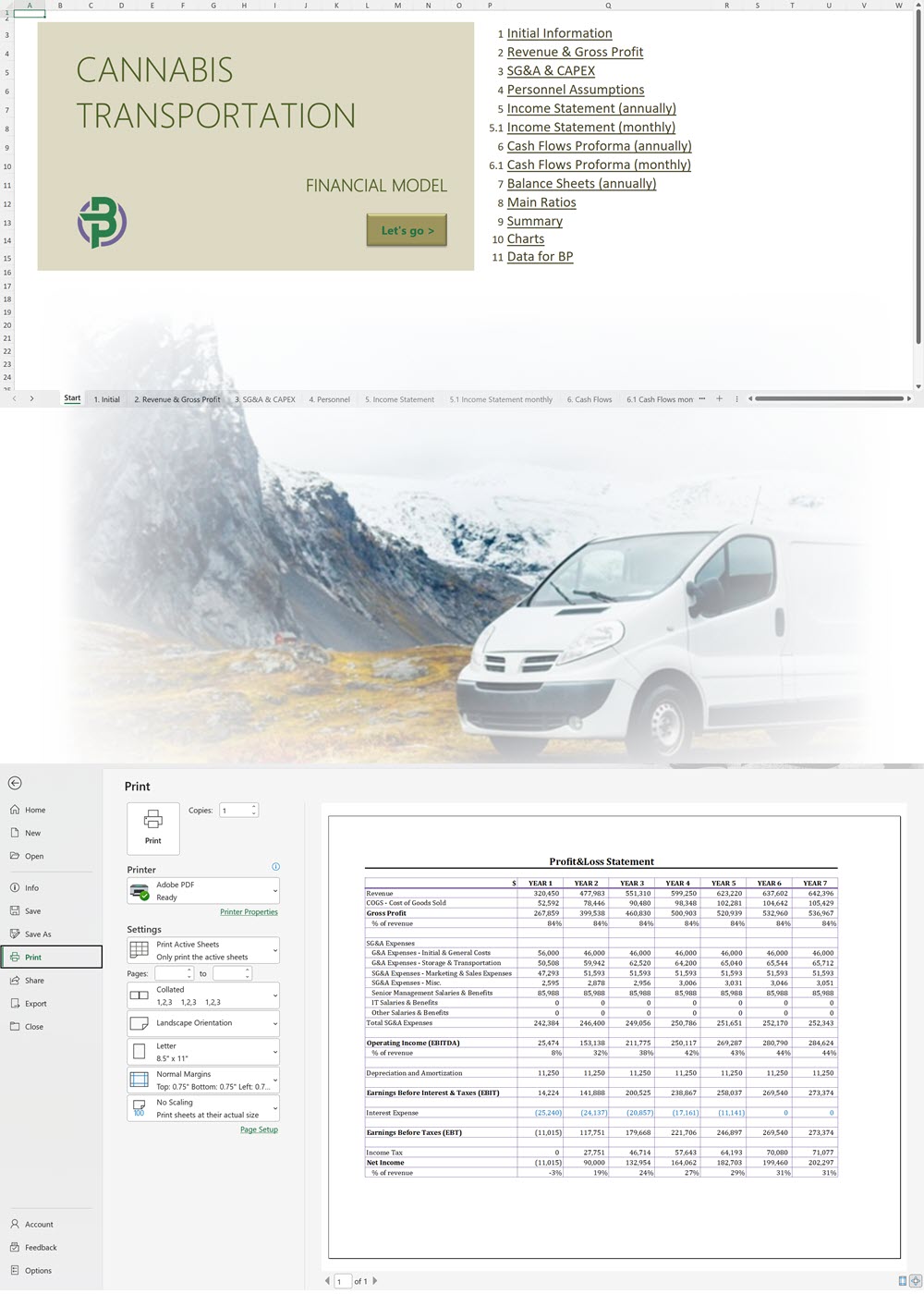
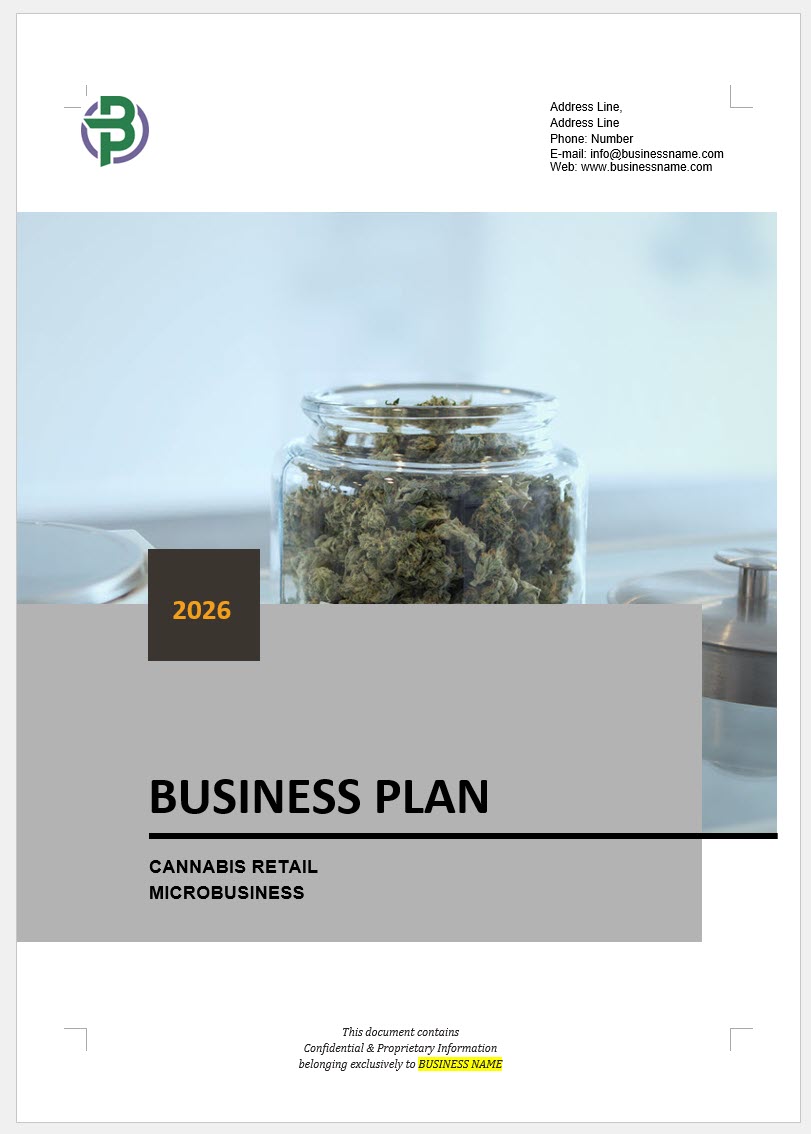
Cannabis Retail Microbusiness Business Plan Template
Price range: $75.00 through $275.00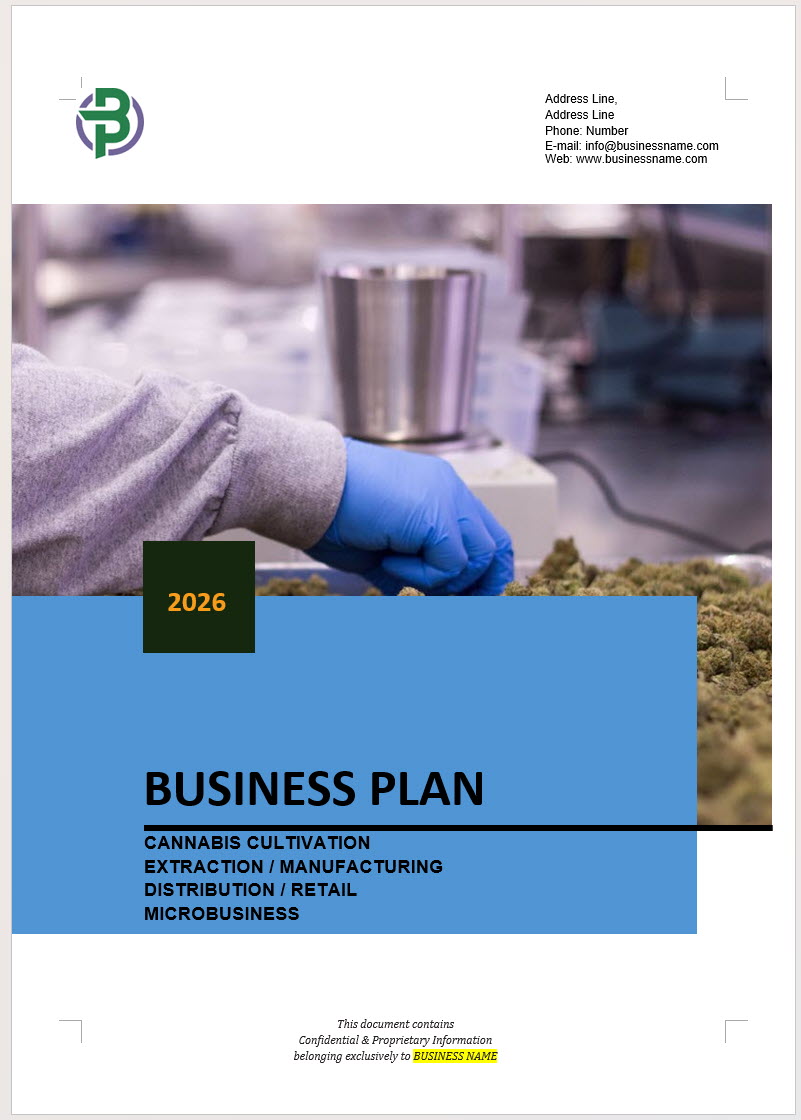
Cannabis Cultivation, Extraction, Manufacturing, Distribution, Retail and Microbusiness Business Plan Template
Price range: $75.00 through $500.00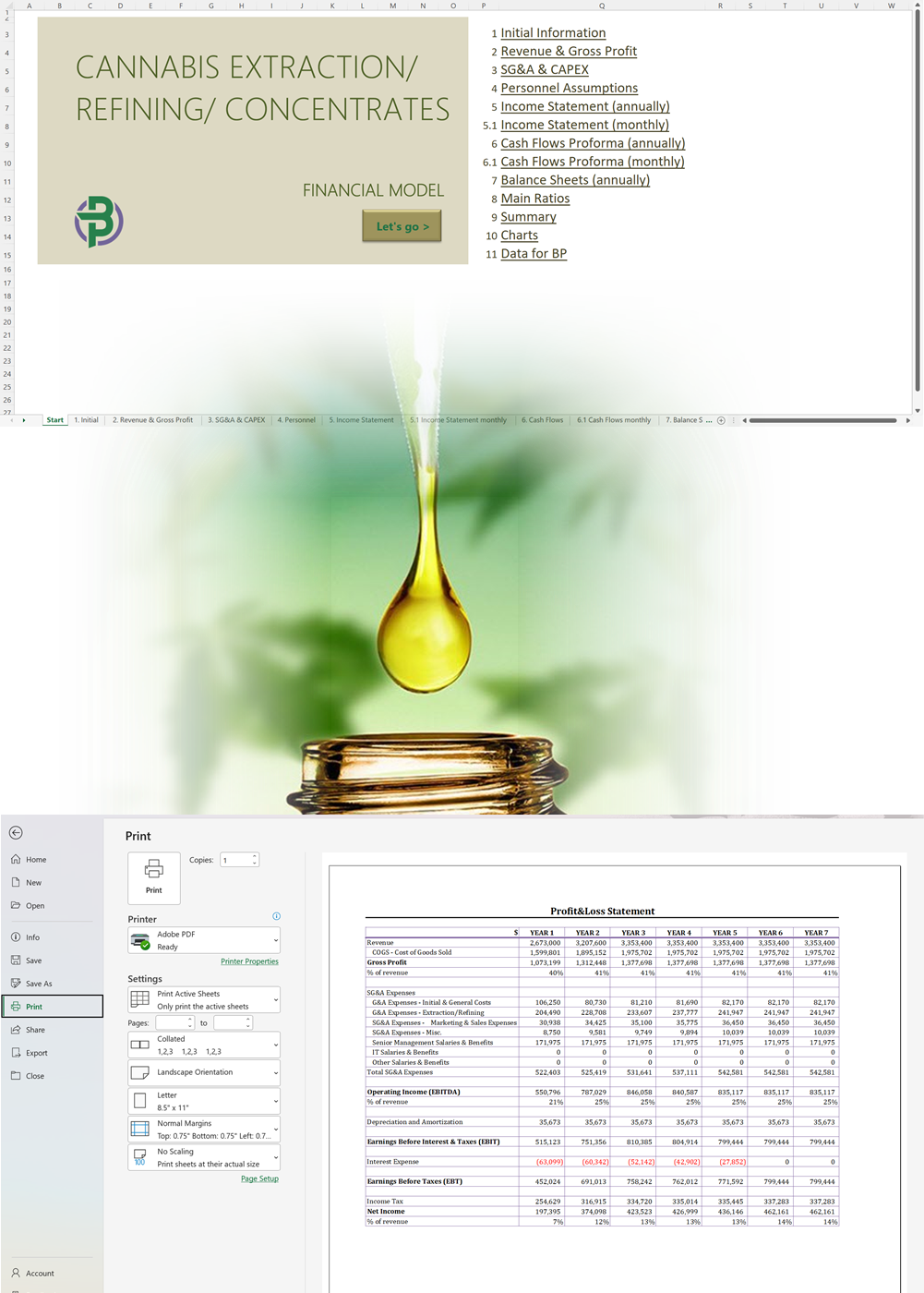

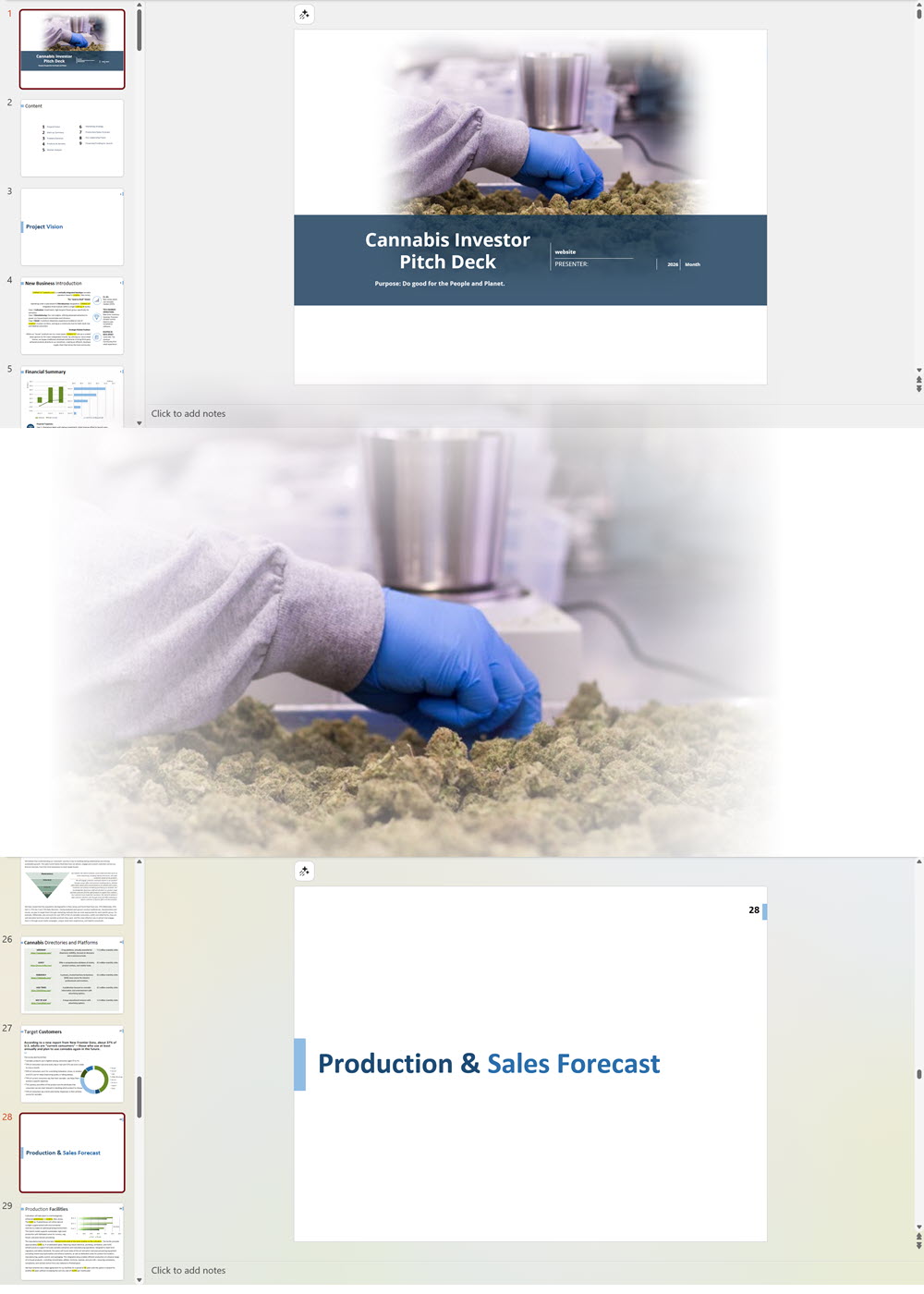
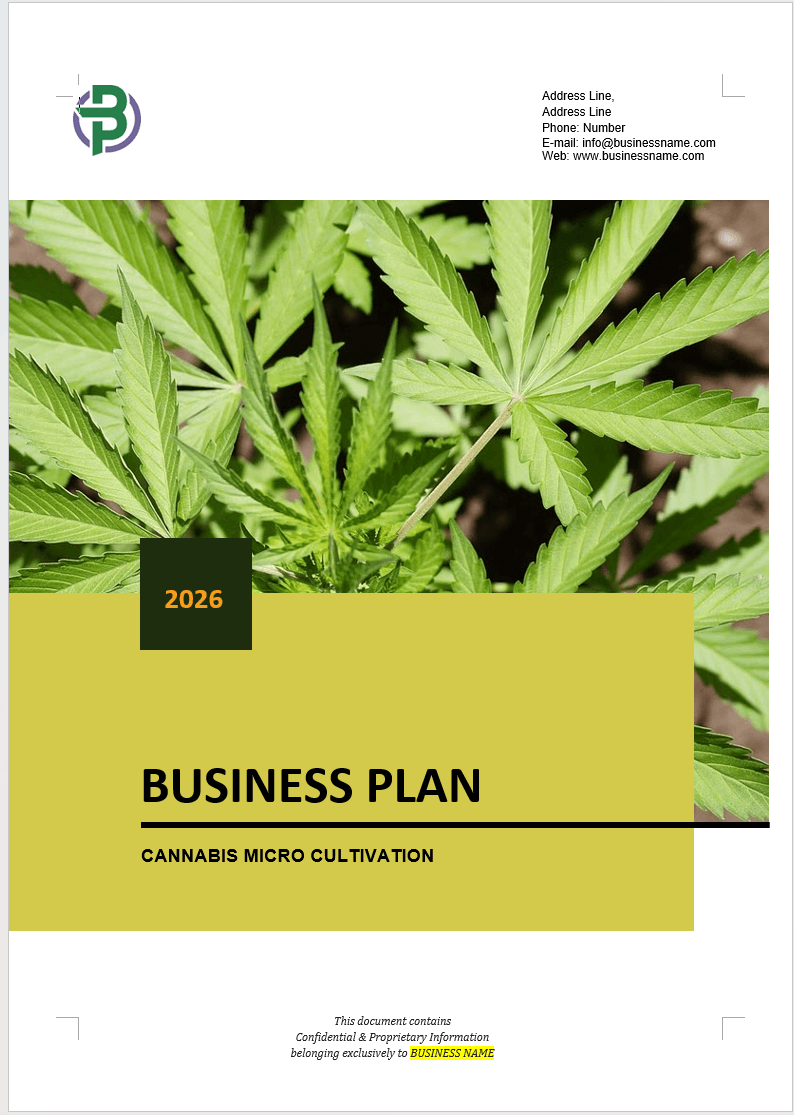
Cannabis Micro Cultivation Business Plan Template
Price range: $75.00 through $300.00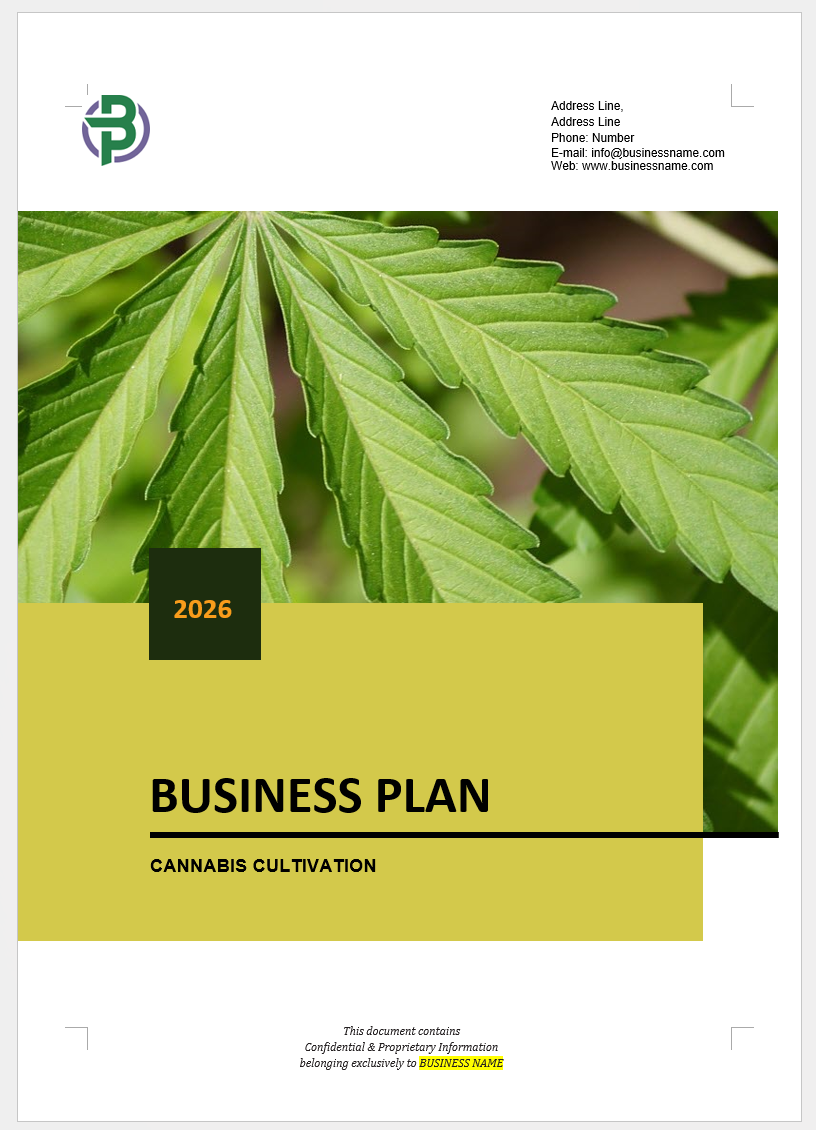
Cannabis Cultivation Business Plan Template
Price range: $75.00 through $350.00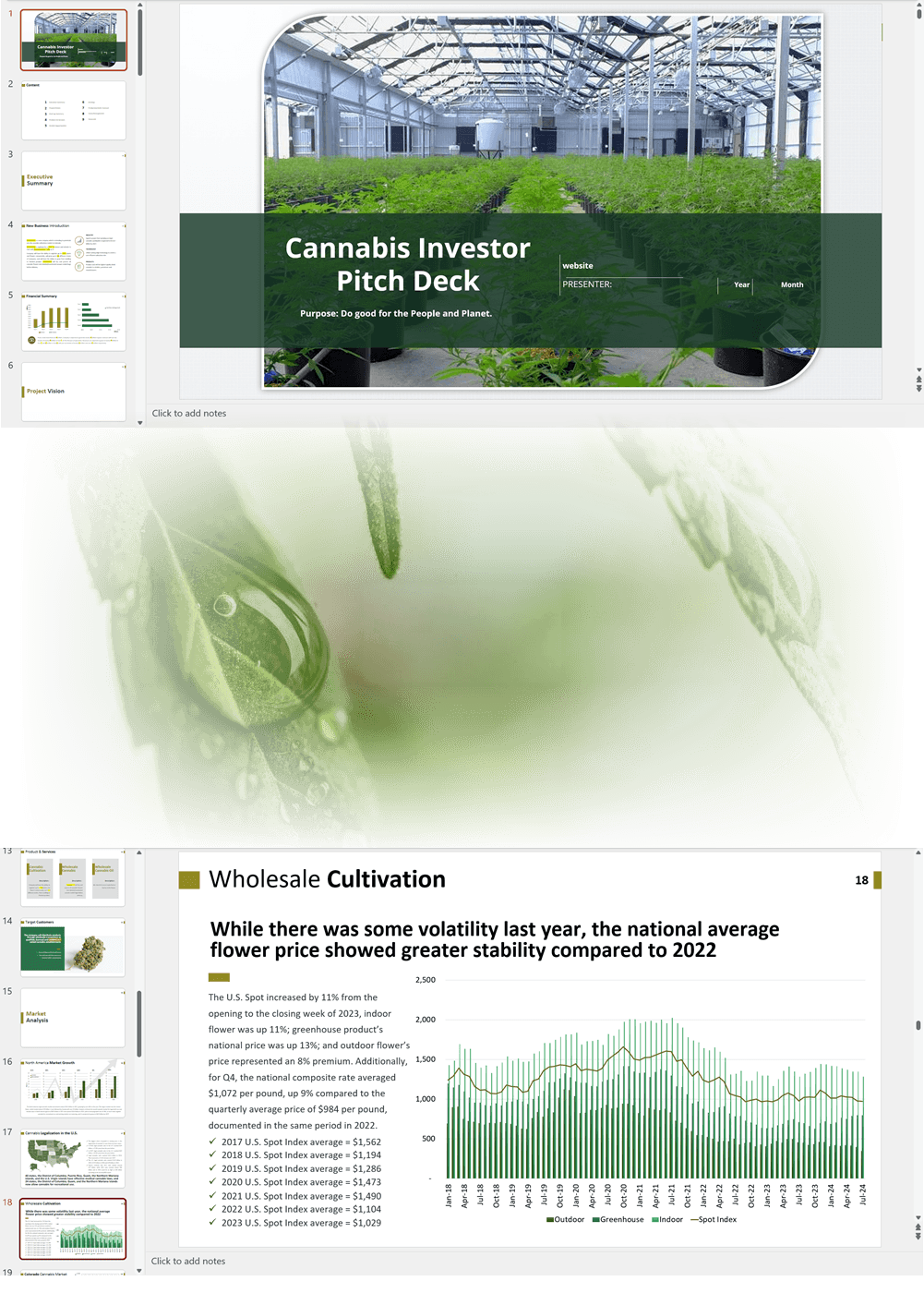
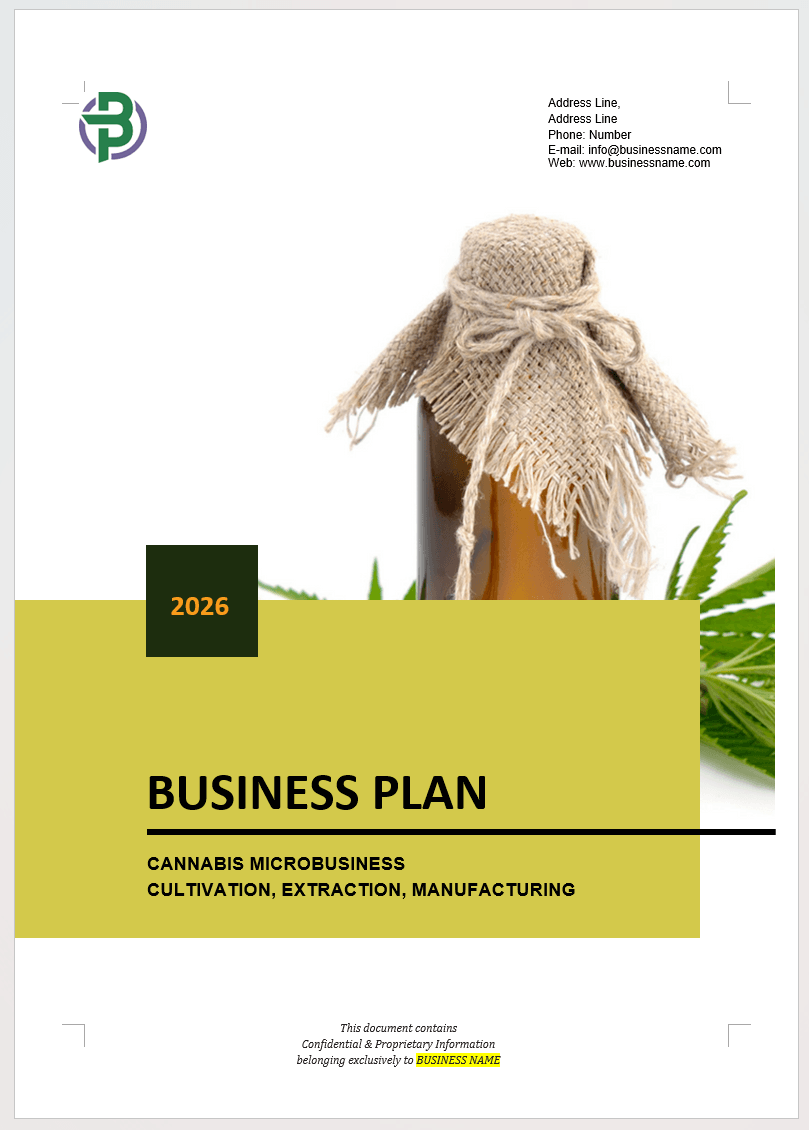
Cannabis Microbusiness Cultivation and Manufacturing Business Plan Template
Price range: $75.00 through $350.00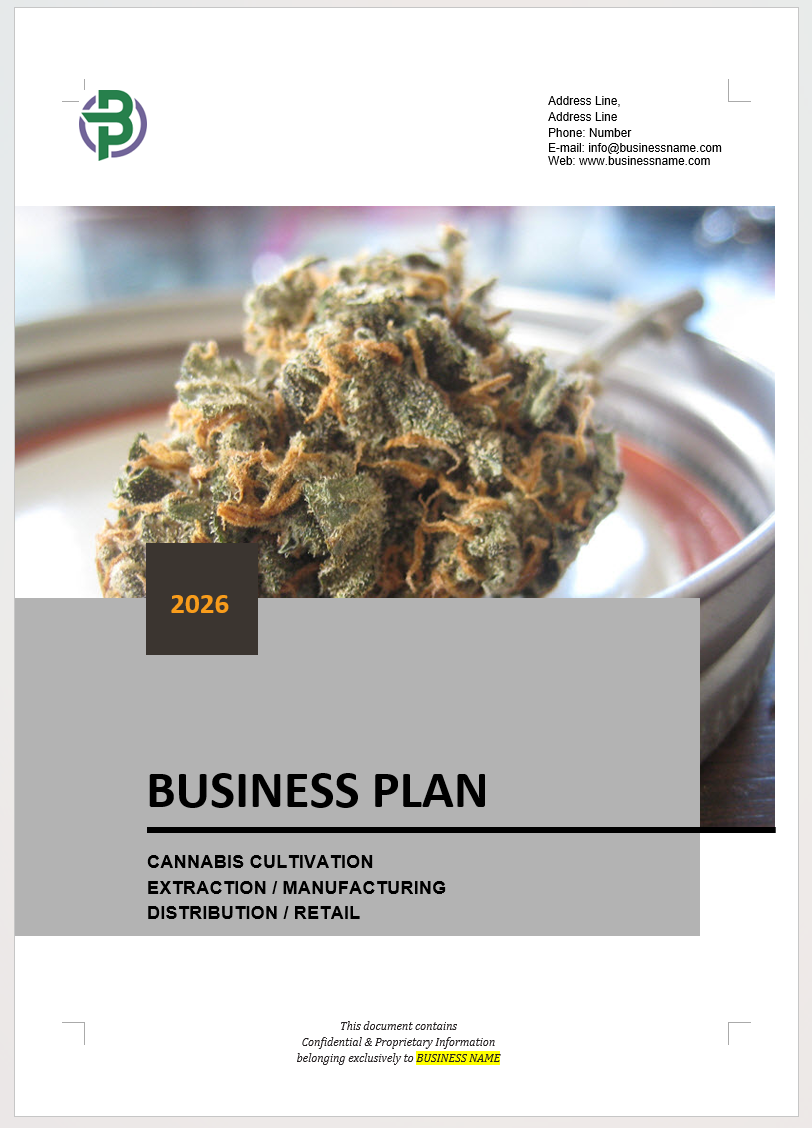
Vertically Integrated Cannabis Business Plan Template
Price range: $75.00 through $500.00