Key Takeaways
- Cannabis law and regulations:
- The Cannabis Regulatory Agency (CRA) regulates the state’s medical marijuana facilities and licensees in accordance with the Medical Marihuana Facilities Licensing Act (MMFLA) and its associated administrative rules.
- The Cannabis Regulatory Agency (CRA) regulates the state’s adult-use marijuana establishments and licensees in accordance with the Michigan Regulation and Taxation of Marihuana Act (MRTMA) and its associated administrative rules.
- Licenses available:
- There are eight types of cannabis licenses in Michigan: grower, processor, retailer, microbusiness, transporter, safety compliance facility, designated consumption establishment, and marijuana event organizer. A single entity can hold any combination of licenses, establishing a fully cannabis vertically integrated business.
- Products legal:
- A wide range of cannabis products are available, including dried flower, concentrates, edibles, and more. Adults can buy up to 2.5 ounces of cannabis or its equivalent in infused products per transaction. This includes a maximum of 15 grams of concentrates.
- Taxes:
- The MRTMA imposes a 10% excise tax on retail adult-use cannabis sales in addition to a 6% sales tax.
- From January 1, 2026, an additional wholesale tax of 24% is imposed on adult-use cannabis.
- Market:
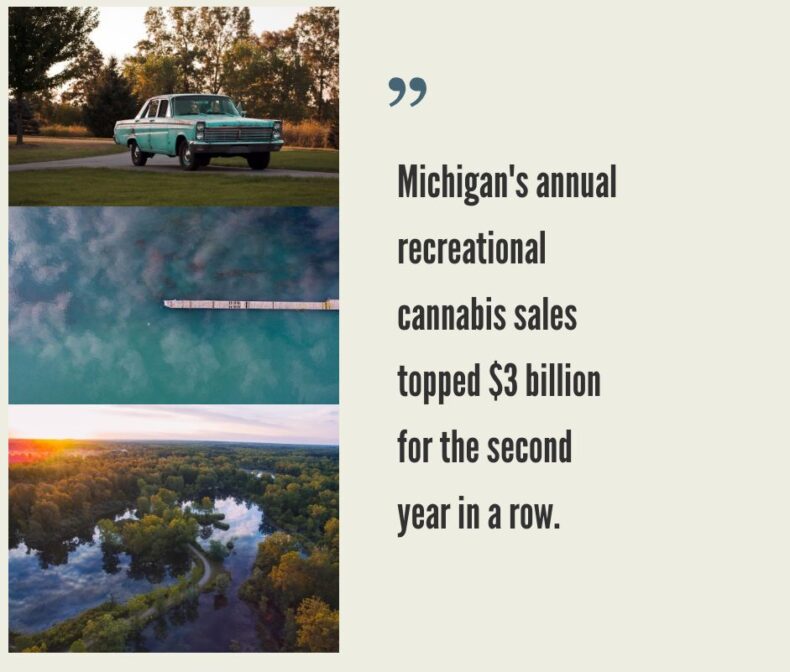
- Michigan’s cannabis market grew steadily from 2021 to 2024, with total sales rising from $1.8 billion in 2021 to $2.3 billion in 2022, surpassing $3.0 billion in 2023, and peaking at $3.3 billion in 2024. Sales moderated slightly in 2025, declining 3% to $3.2 billion.
Michigan Medical Cannabis
Michigan first legalized medical cannabis in 2008. The state has approved medicinal cannabis for Alzheimer’s disease, amyotrophic lateral sclerosis (ALS), cachexia or wasting syndrome, cancer, chronic pain, Crohn’s disease, glaucoma, HIV or AIDS, hepatitis C, nail-patella syndrome, nausea, post-traumatic stress disorder (PTSD), seizures, and severe and persistent muscle spasms. Registered patients were legally allowed to purchase and possess up to 2.5 ounces of ‘useable marijuana’ or cultivate up to 12 cannabis plants.
In September 2016, the Michigan cannabis market Legislature passed, and governor signed into law three bills (House Bills 4209, 4827 and 4210 to amend the previous medical cannabis law to allow for production of infused products and edibles) that created a licensing and regulatory framework for medical cannabis.
The new laws created three classes of growers: people who can grow up to 500 plants, up to 1,000 plants or up to 1,500 plants. The state can charge no more than $10,000 fees per license for the class of growers who cultivate up to 500 plants.
The Act requires licenses for the cultivation, manufacture, distribution, transportation, laboratory testing, and sale of medical cannabis. The Department of Food and Agriculture is responsible for issuing cultivation licenses; the Department of Public Health is responsible for issuing manufacturing licenses; and the Bureau of Medical Cannabis Regulation within the Department of Consumer Affairs is responsible for issuing distribution, transportation, laboratory testing, and dispensary licenses. Communities can decide whether and where they will allow dispensaries to operate and charge an annual fee of up to $5,000 per dispensary.
Since 2022, the Michigan Cannabis Regulatory Agency (CRA) has been responsible for administering and regulating Michigan’s legal cannabis programs. The name was changed from the Marijuana Regulatory Agency (MRA) to the Cannabis Regulatory Agency on April 13, 2022.
As of December 31, 2025, there were 59,337 (79,022 in 2024) medical cannabis patients and 3,741 (5,646) caregivers in Michigan; 100 (160 in 2024; 234 in 2023) active licenses for provisioning centers; 1,660 (1,813 in 2024; 1,049 in 2023) growers; 72 (100 in 2024; 128 in 2023) processors; 13 (18 in 2024 and 2023) transporters and 17 (19 in 2024; 23 in 2023) licenses for testing facilities.
Based on CRA data, METRIC system reports $474 million of total medical cannabis sales in 2020, $481 million in 2021, $255 million in 2022, $81 million in 2023, $18 million in 2024 and $6 million in 2025 (33% for flowers, 52% for concentrates, 10% for infused products and 5% for trim/shake).
Michigan Recreational Cannabis
On November 6, 2018, voters in Michigan approved Proposition 18-1, a ballot initiative that opens Michigan cannabis industry for adults who are age 21 or older, and allows for the sale of flower, concentrates or cannabis-infused edibles with the December 6 legalization date and a deadline to develop the regulatory framework within a year. The measure creates an excise sales tax of 10%, which will be levied on cannabis sales at retailers and microbusinesses. On October 3, 2025, the Michigan Senate passed a new 24% wholesale tax on cannabis, set to come into effect on January 1, 2026. The wholesale tax will apply in the following manner:
- “For the first sale or other transfer of marihuana from a marihuana establishment to a marihuana retail licensee, a tax is levied on the marihuana establishment at the rate of 24% of the wholesale price of the marihuana sold or otherwise transferred.”
- “For the sale of marihuana that is cultivated and processed for retail sale by the marihuana retail licensee, a tax is levied on the marihuana retail licensee at the rate of 24% of the wholesale price on the aggregate amount or quantity of marihuana that is cultivated or processed for retail sale by that marihuana retail licensee.”
- “For the sale or transfer of marihuana from a provisioning center to a marihuana retail licensee, a tax is levied on the provisioning center at the rate of 24% of the wholesale price of marihuana sold or otherwise transferred to the marihuana retail licensee.”
In 2019, Michigan passed legislation that exempt businesses from Section 280E of the federal tax code that allows cannabis companies to deduct business expenses from their state income taxes.
MRA began accepting applications for adult-use marijuana establishments on November 1, 2019.
As of December 31, 2025, there were 2,171 (2,256 in 2024; 2,190 in 2023) active recreational cannabis business licenses, including 838 (848 in 2024; 762 in 2023) active retailer licenses; 917 (956 in 2024; 967 in 2023) growers and 51 (65 in 2024; 96 in 2023) excess growers; 273 (279 in 2024; 254 in 2023) processors; 21 transporters, 30 (42 in 2024; 45 in 2023) event organizers, 20 (21 in 2024; 24 in 2023) licenses for testing facilities, 15 (19 in 2024; 17 in 2023) microbusiness licenses, 5 (3 in 2024 and 2023) designated consumption establishment licenses and 1 educational research license.
Sales of recreational cannabis in Michigan started on December 1, 2019, and reached almost $6.5 million during the first month. Based on CRA data, the METRIC system reports $511 million of total sales in 2020, $1,312 million in 2021, $2,038 million in 2022, $2,976 million in 2023, $3,272 million in 2024 and $3,171 million in 2025 (43% for flowers, 40% for concentrates, 10% for infused products and 7% for trim/shake).
Michigan’s cannabis market grew steadily from 2021 to 2024, with total sales rising from $1.8 billion in 2021 to $2.3 billion in 2022, surpassing $3.0 billion in 2023, and peaking at $3.3 billion in 2024. Sales moderated slightly in 2025, declining 3% to $3.2 billion.
Michigan Cannabis Market Infographics
Cannabis Transportation Business Plan Sample, Michigan
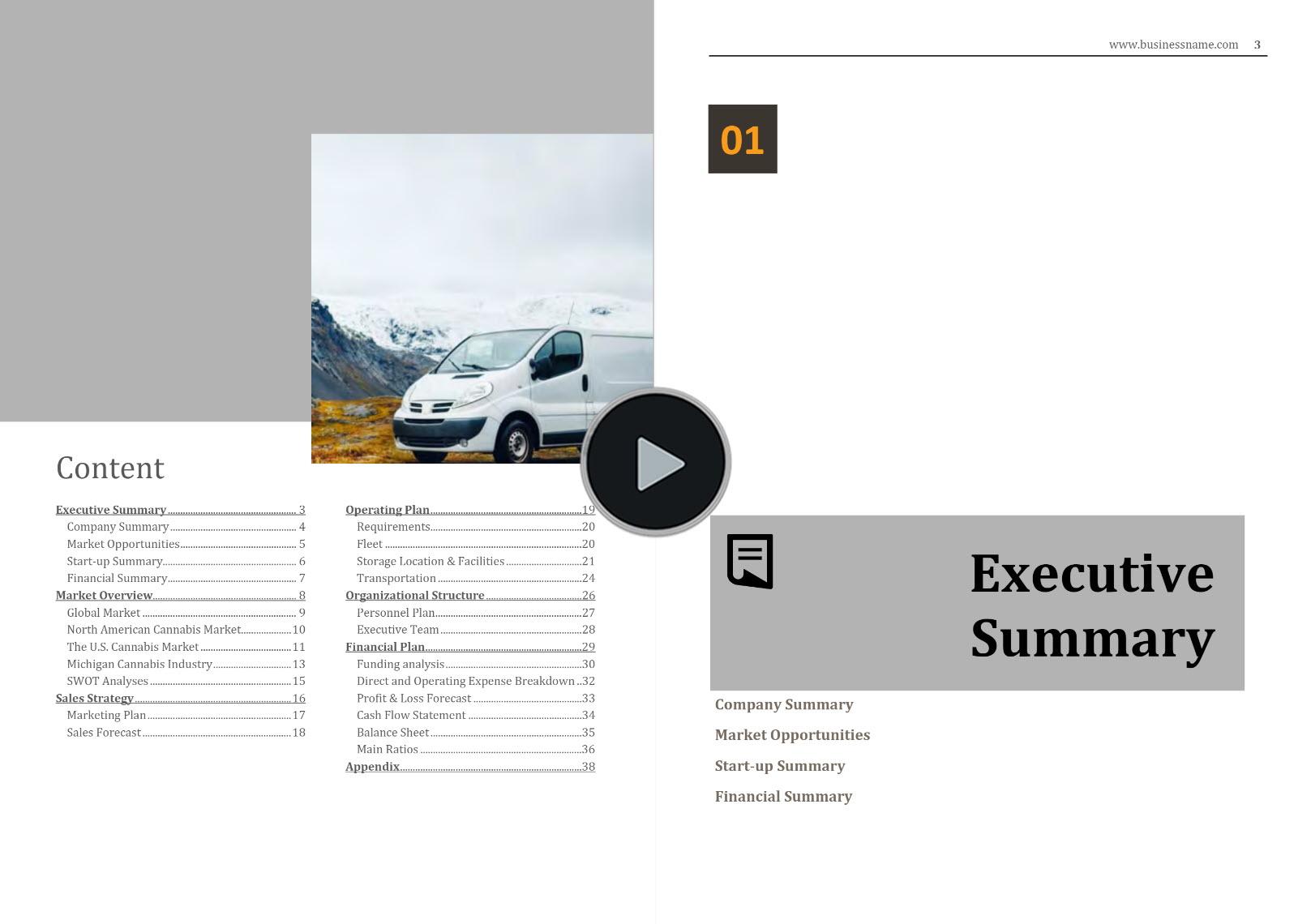
'70% ready to go' business plan templates
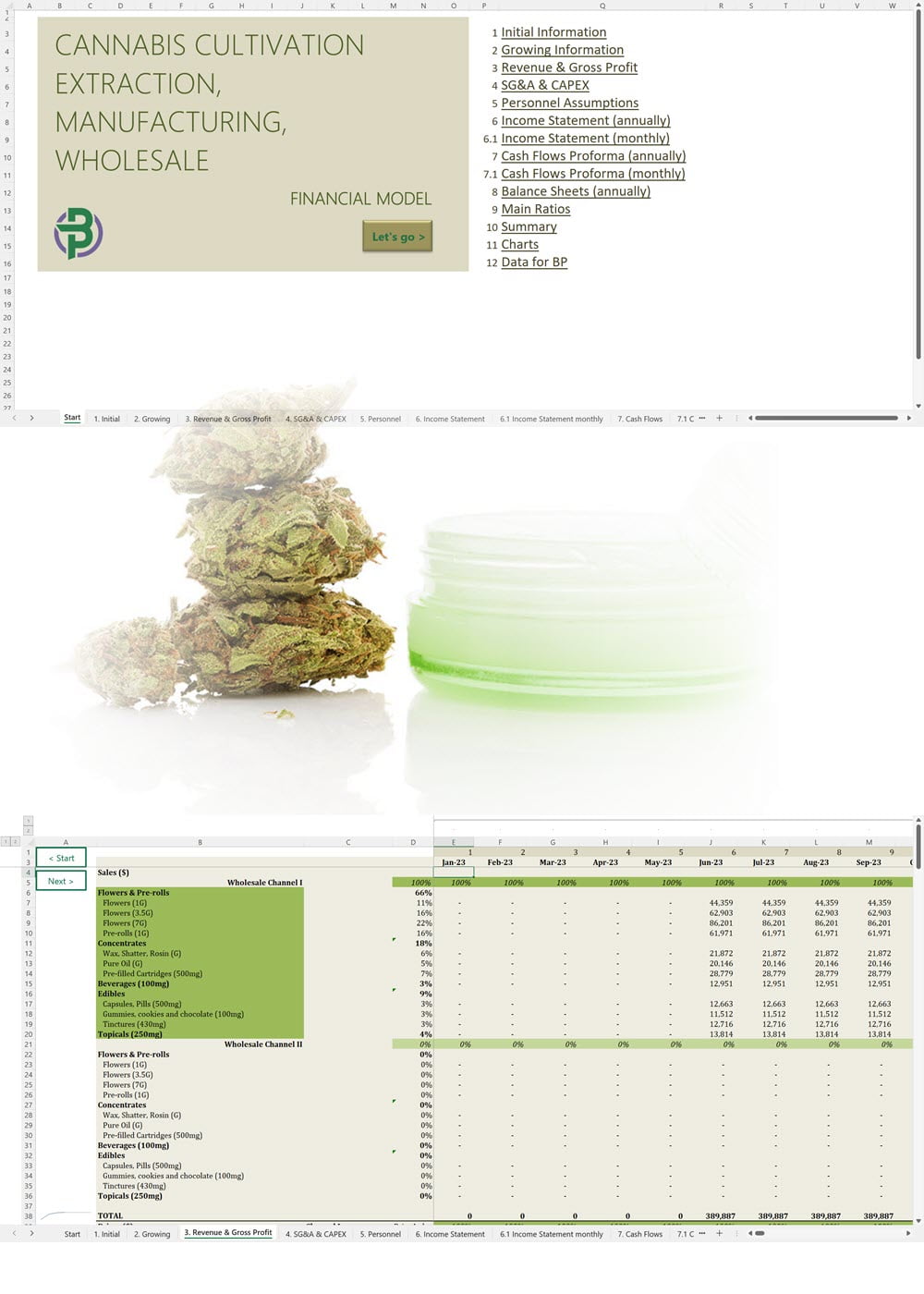
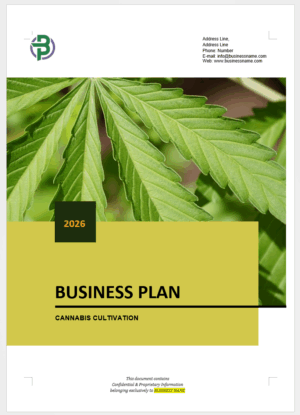
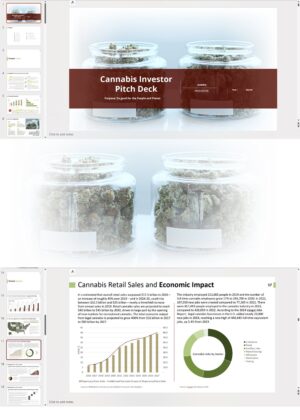
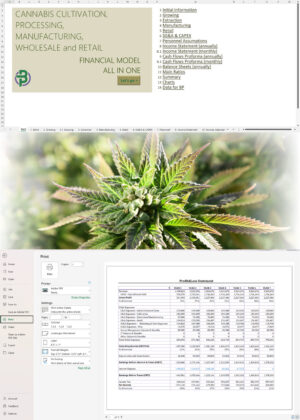
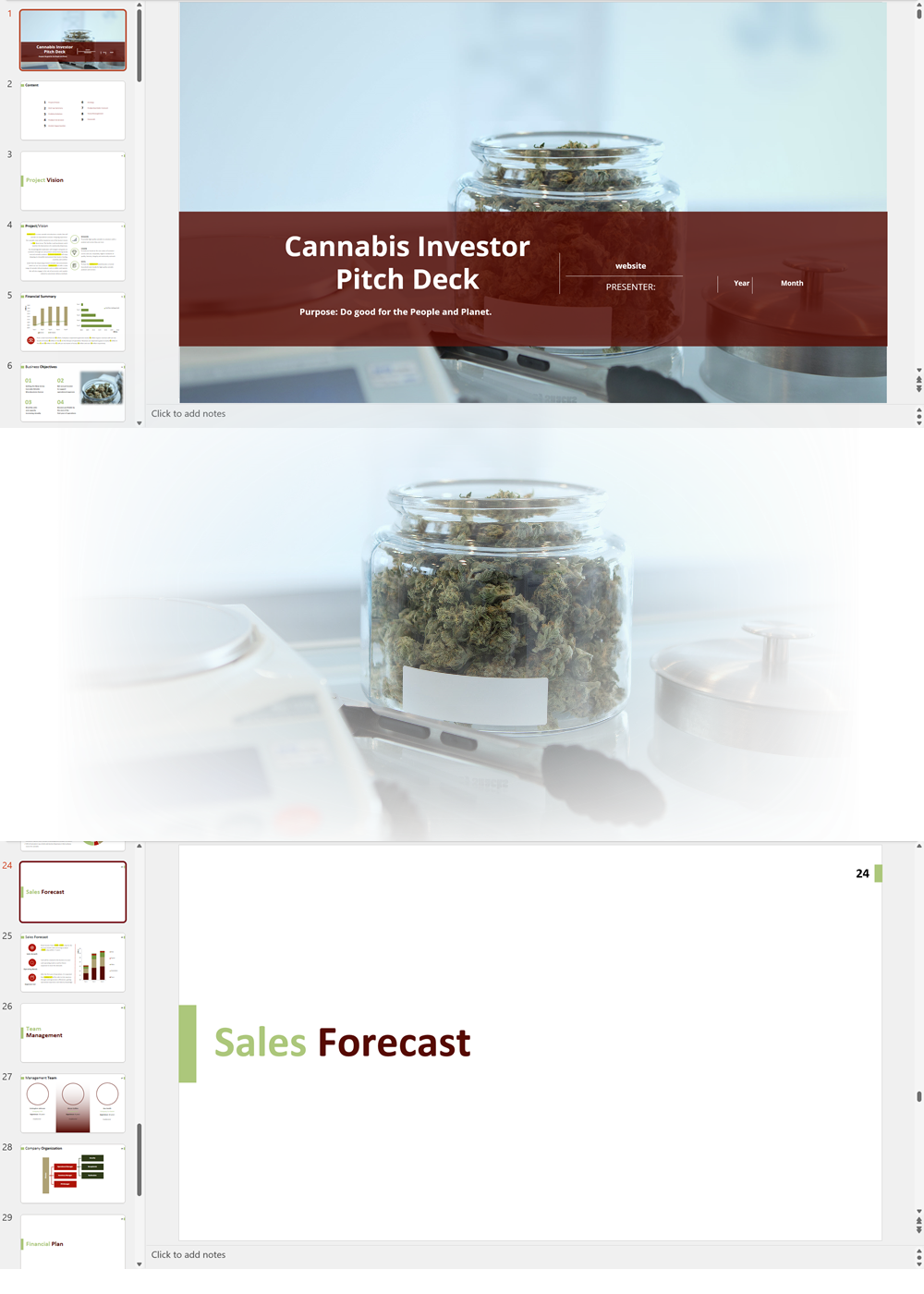
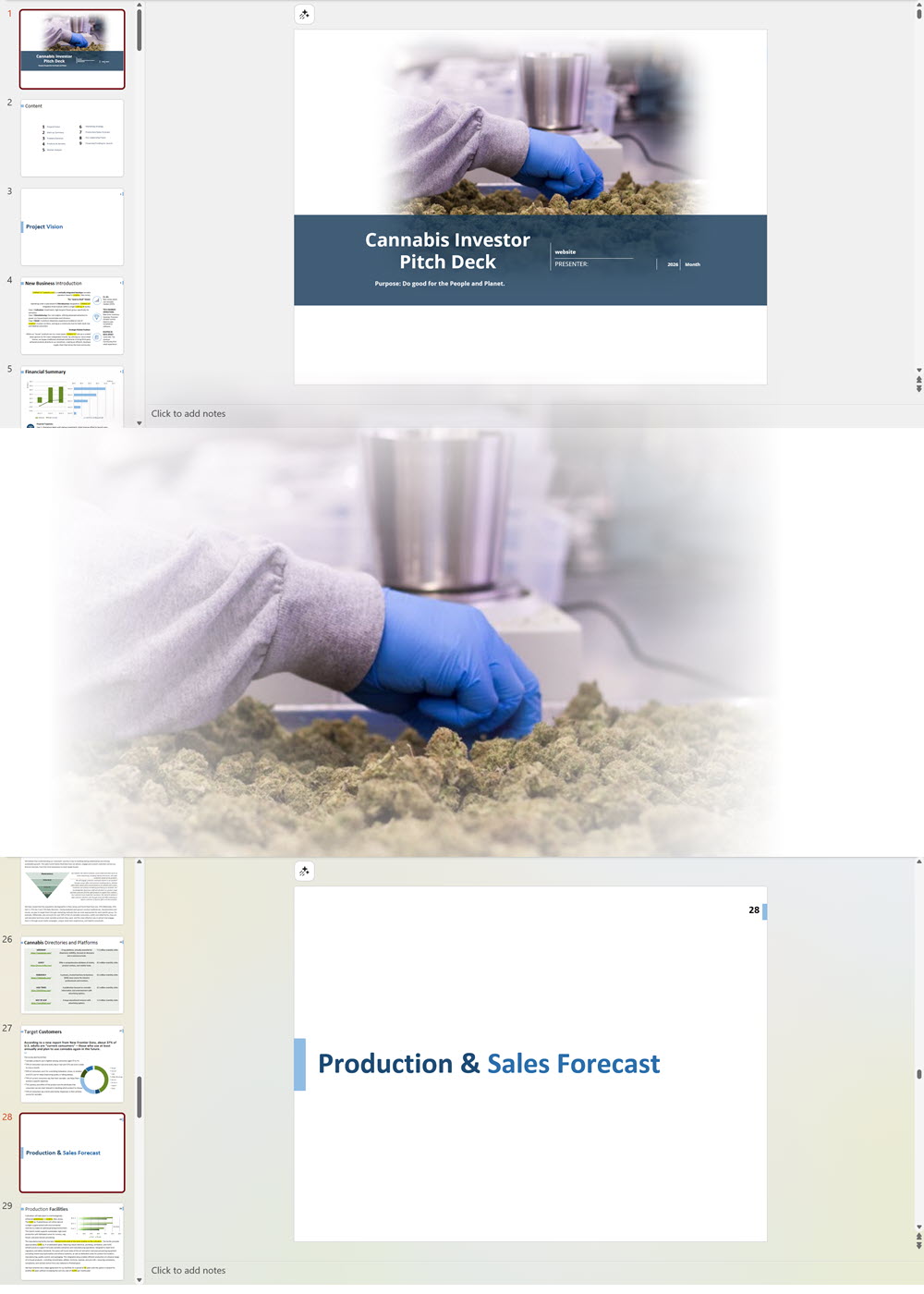
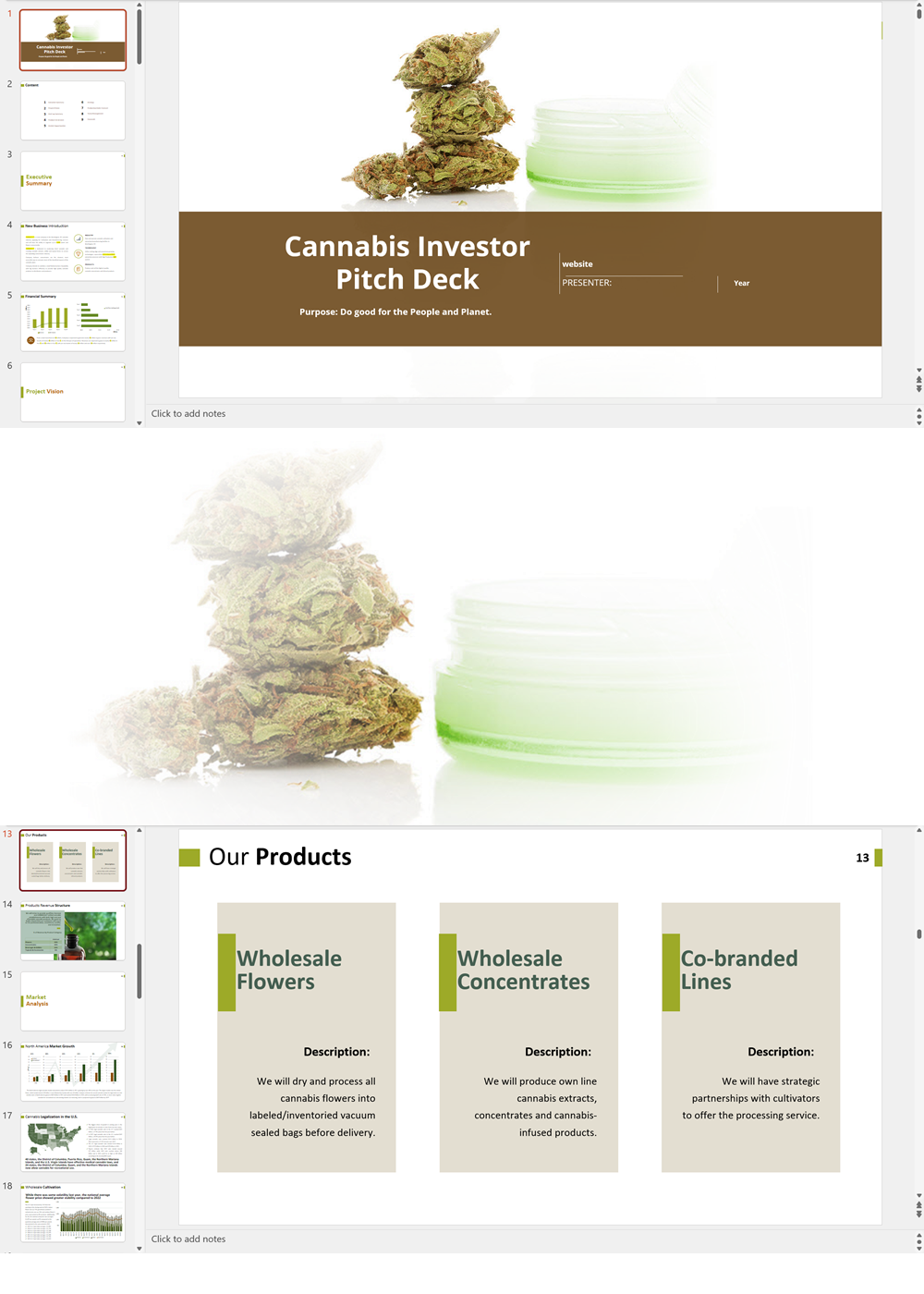
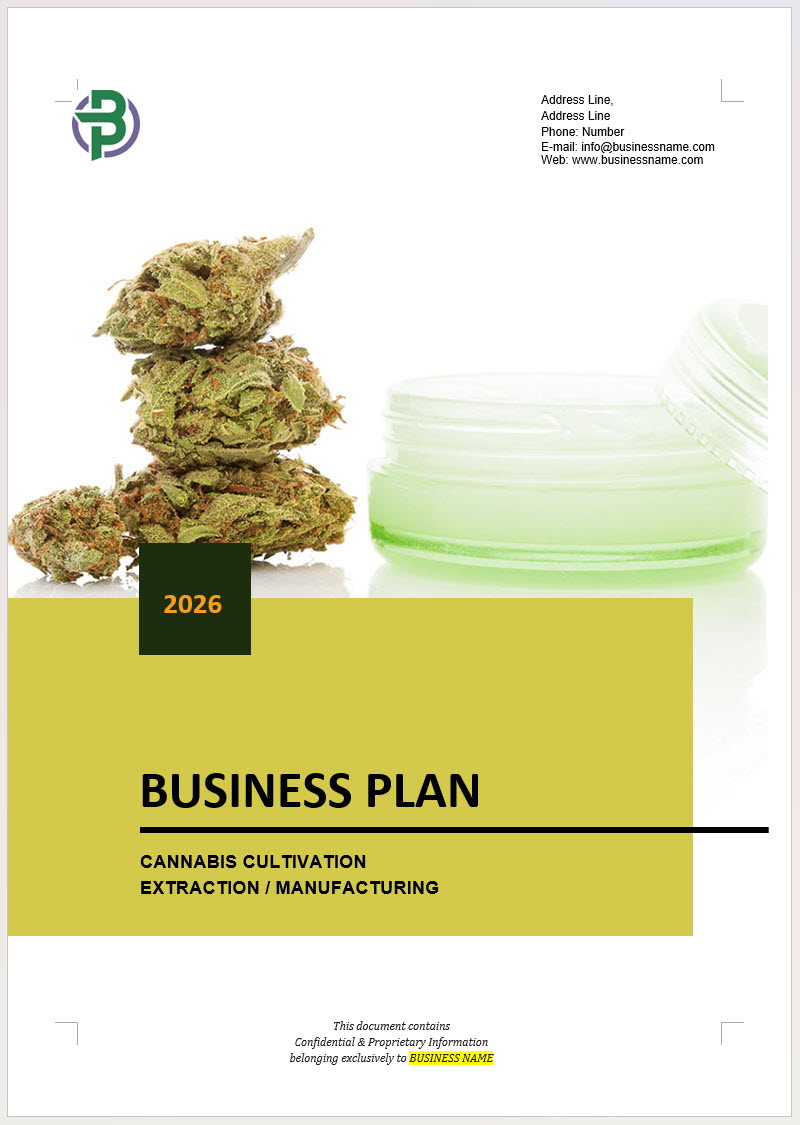
Our cannabis financial models and cannabis business plan templates will help you estimate how much it costs to start and operate your own cannabis business, to build all revenue and cost line-items monthly over a flexible seven year period, and then summarize the monthly results into quarters and years for an easy view into the various time periods. We also offer investor pitch deck templates.
Best Selling Templates
-

Cannabis Cultivation Business Plan Template
Price range: $75.00 through $350.00 Select options This product has multiple variants. The options may be chosen on the product page -

Cannabis Dispensary Investor Pitch Deck Template
$75.00 Select options This product has multiple variants. The options may be chosen on the product page -
Cannabis Financial Model All in One
$250.00 Select options This product has multiple variants. The options may be chosen on the product page
Hemp CBD business plan templates are available at hempcbdbusinessplans.com.
Our Templates
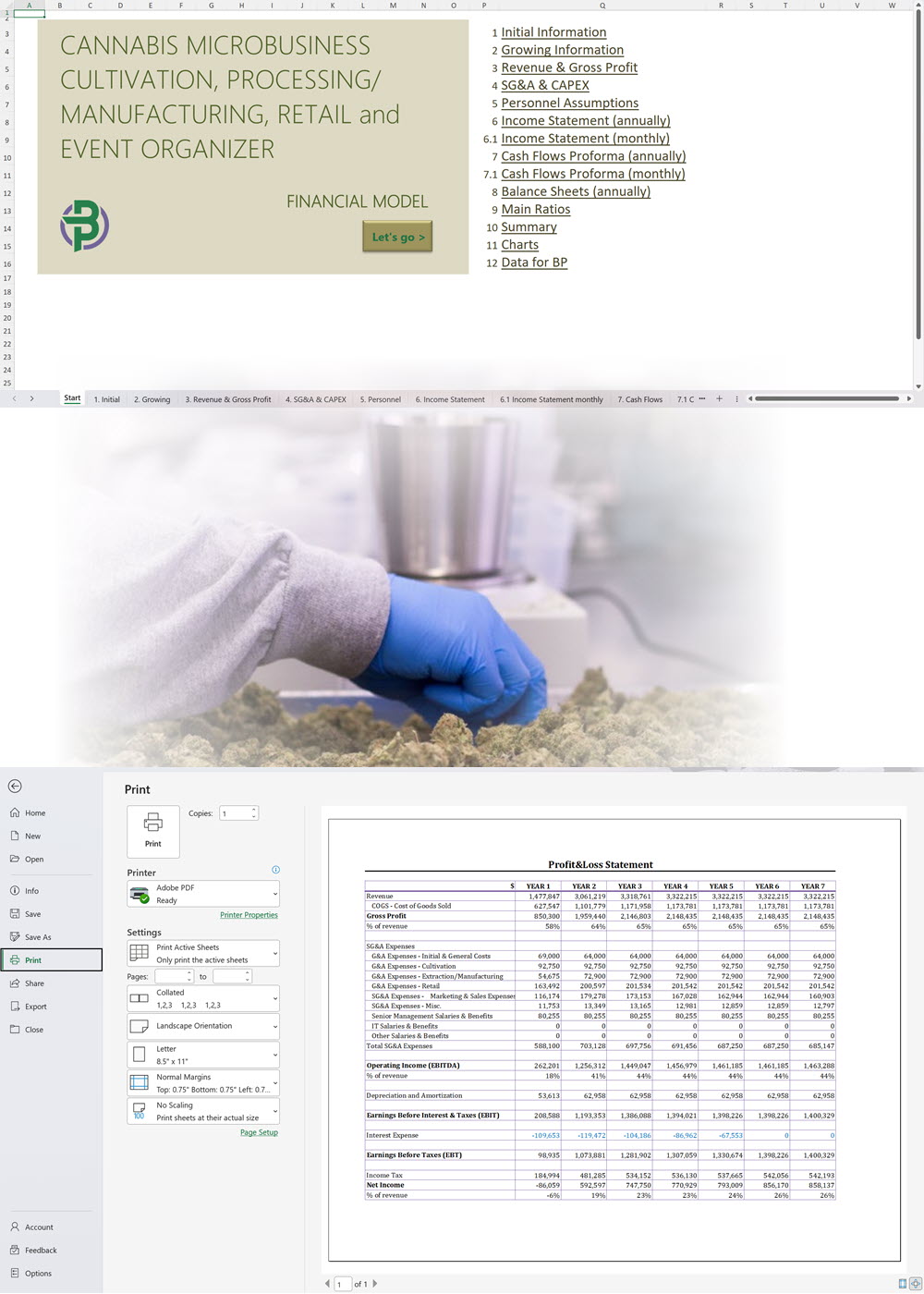
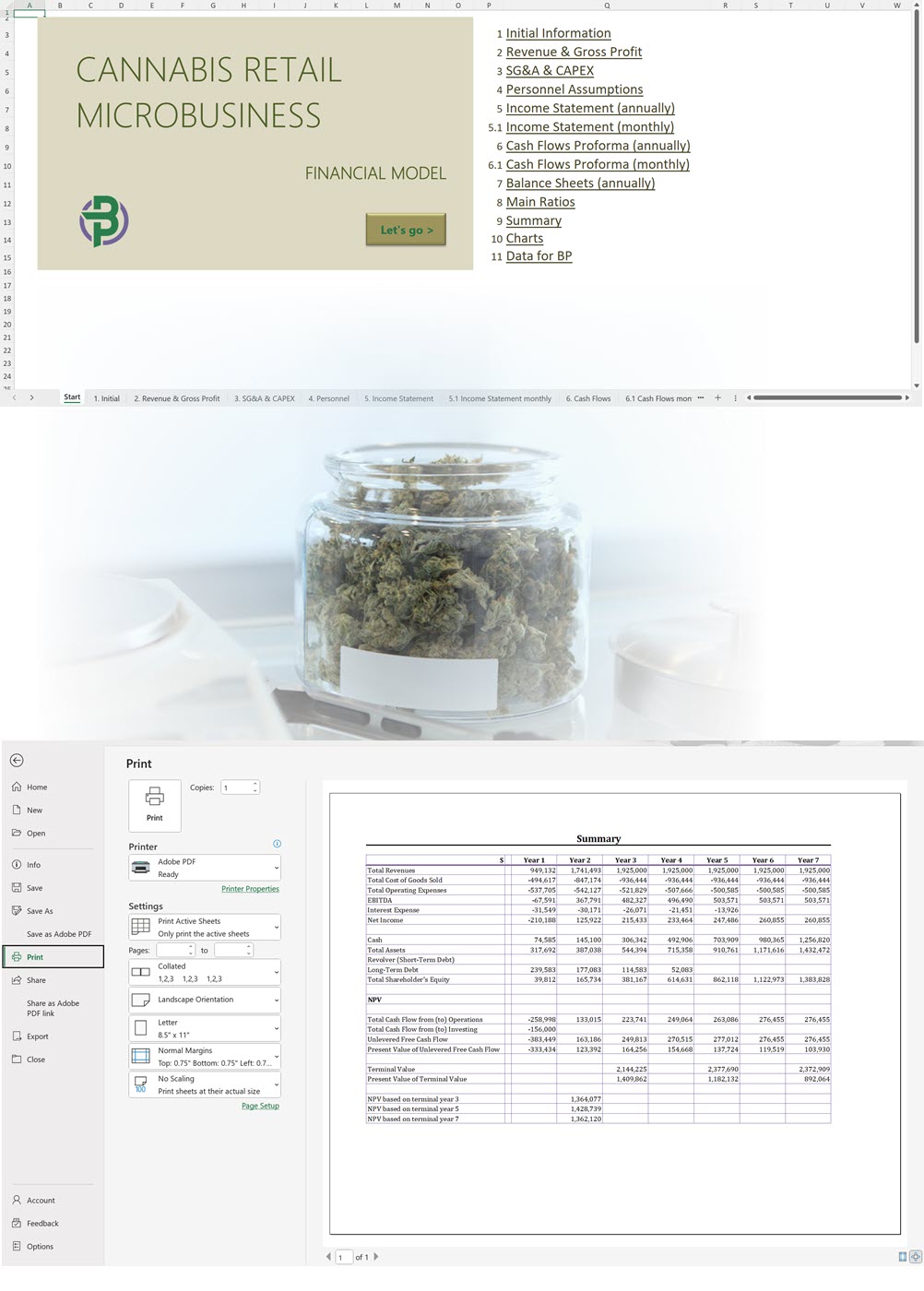
Cannabis Retail Microbusiness Business Plan Template
Price range: $75.00 through $275.00
Cannabis Cultivation, Extraction, Manufacturing, Distribution, Retail and Microbusiness Business Plan Template
Price range: $75.00 through $500.00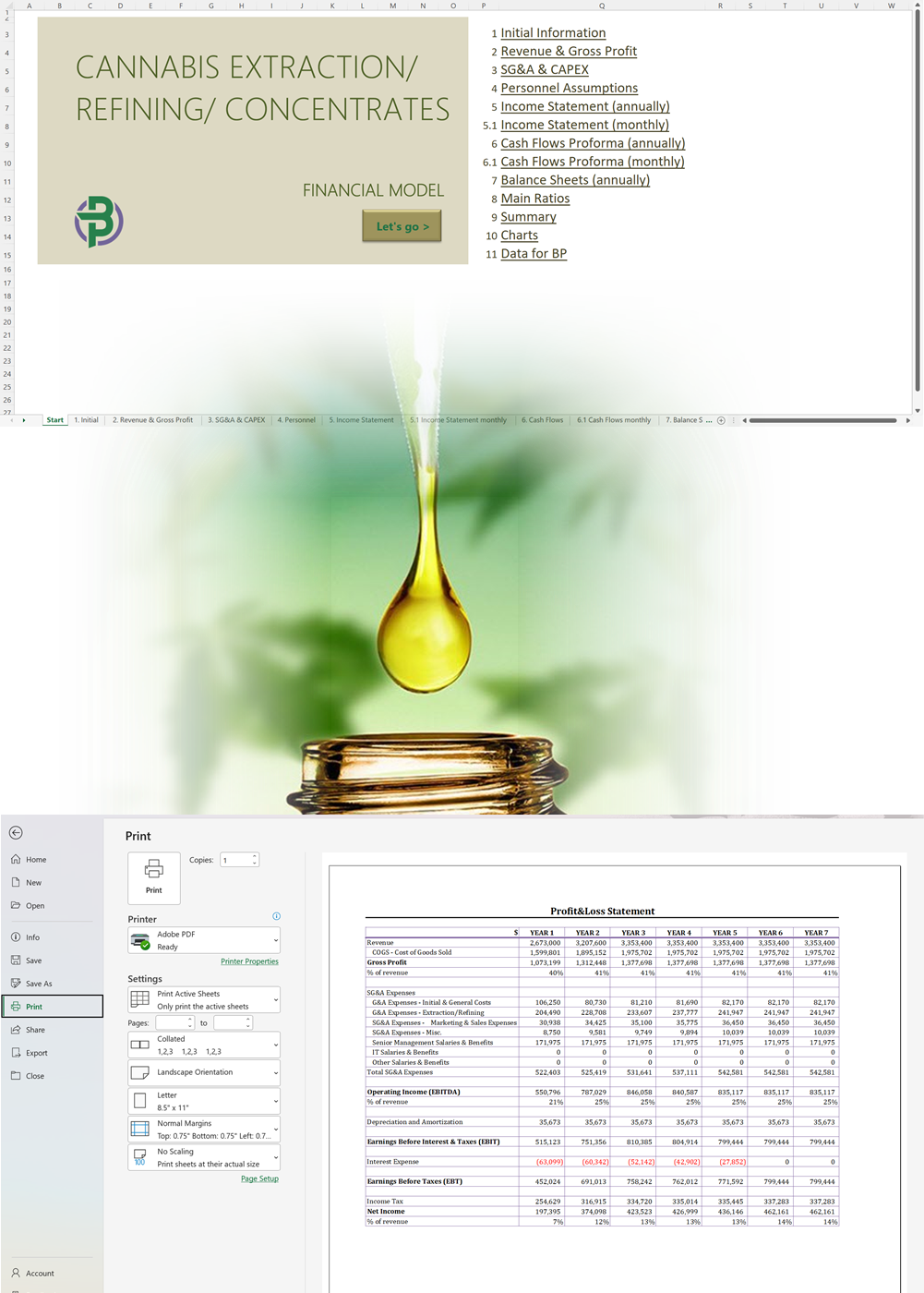

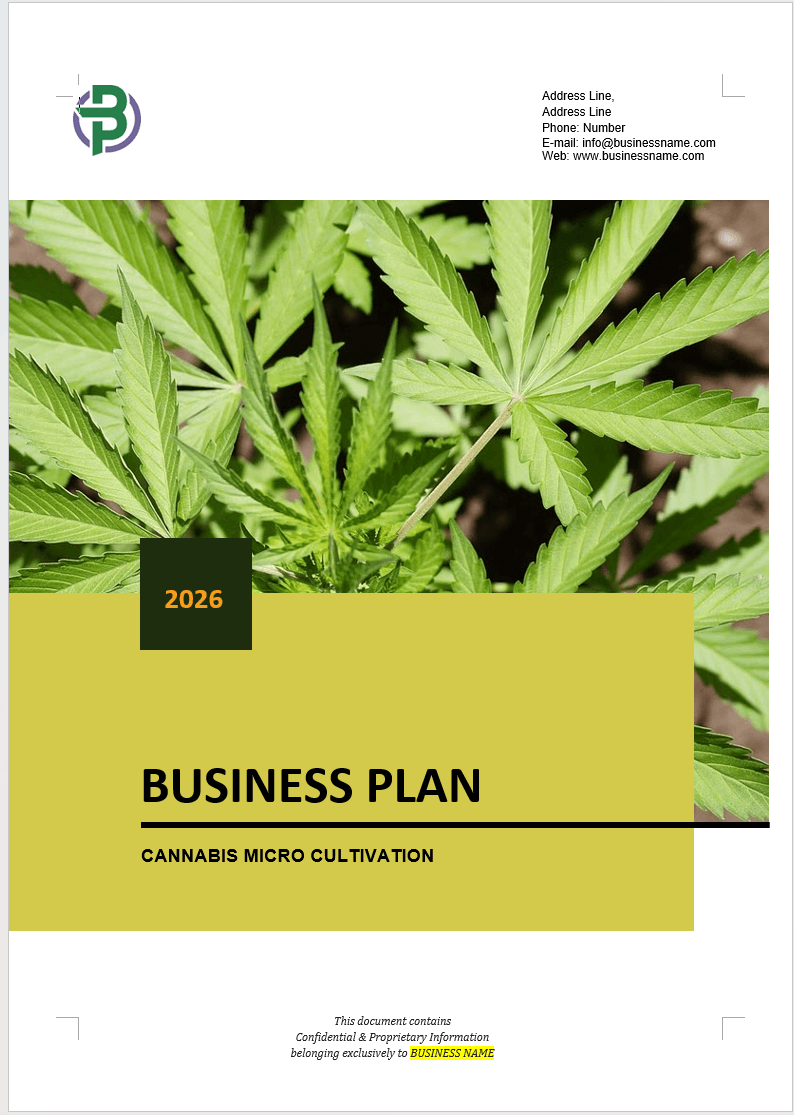
Cannabis Micro Cultivation Business Plan Template
Price range: $75.00 through $300.00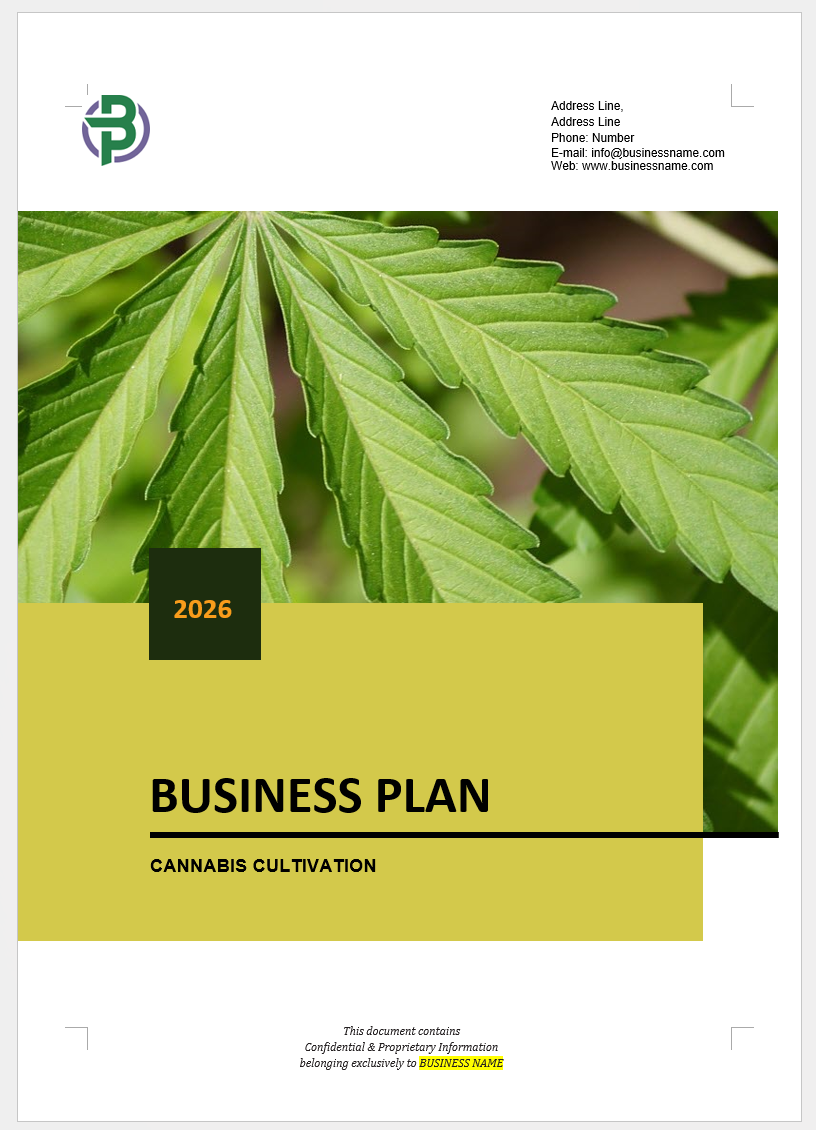
Cannabis Cultivation Business Plan Template
Price range: $75.00 through $350.00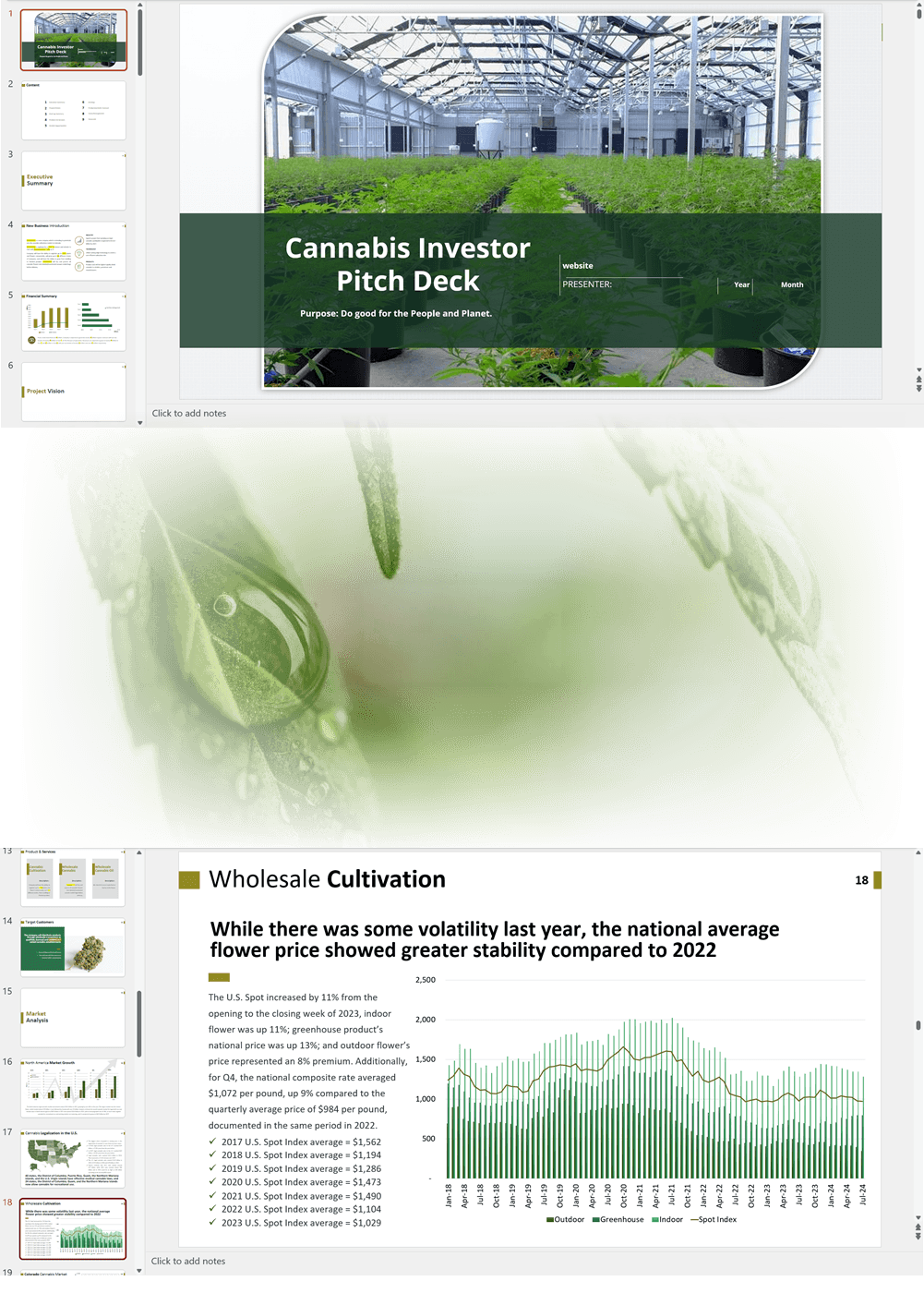
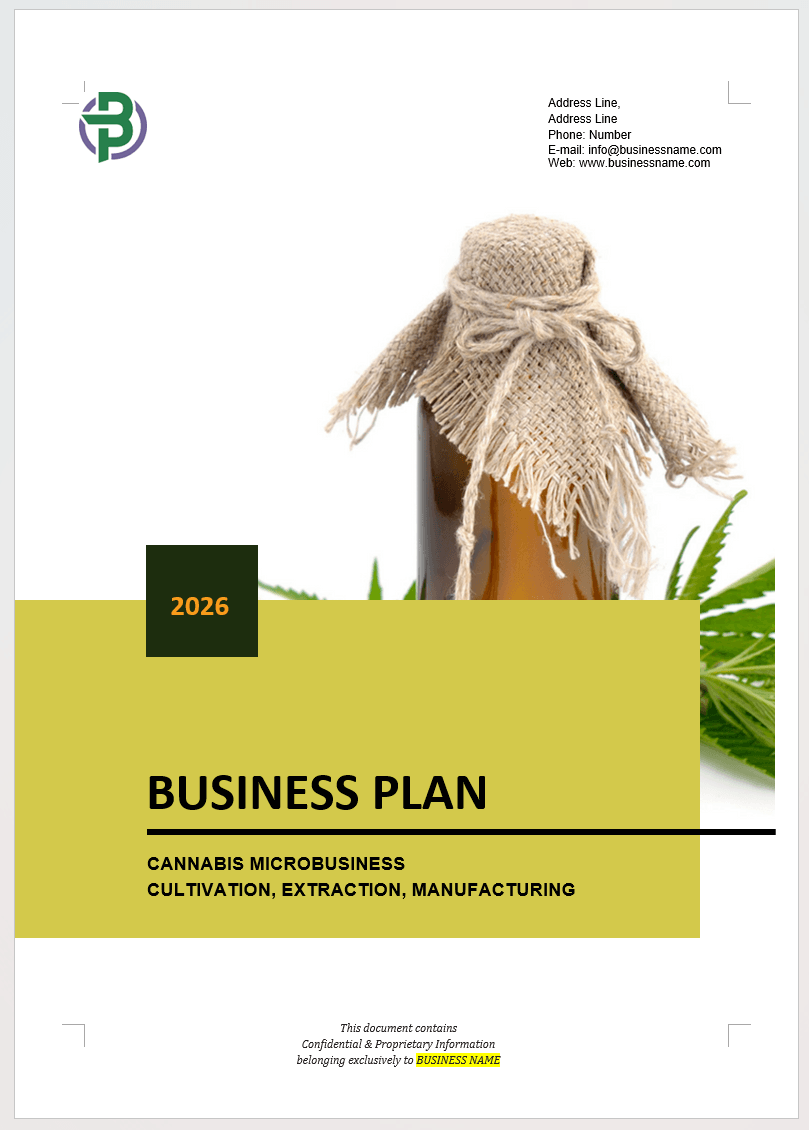
Cannabis Microbusiness Cultivation and Manufacturing Business Plan Template
Price range: $75.00 through $350.00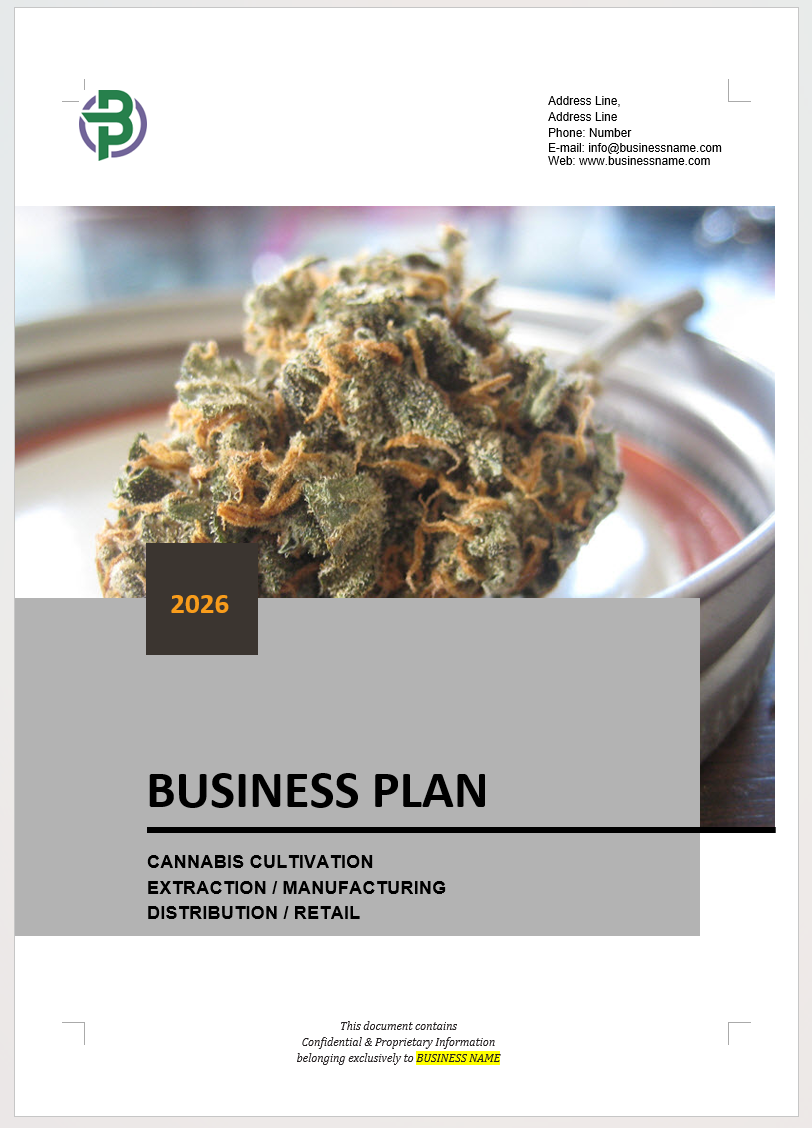
Vertically Integrated Cannabis Business Plan Template
Price range: $75.00 through $500.00

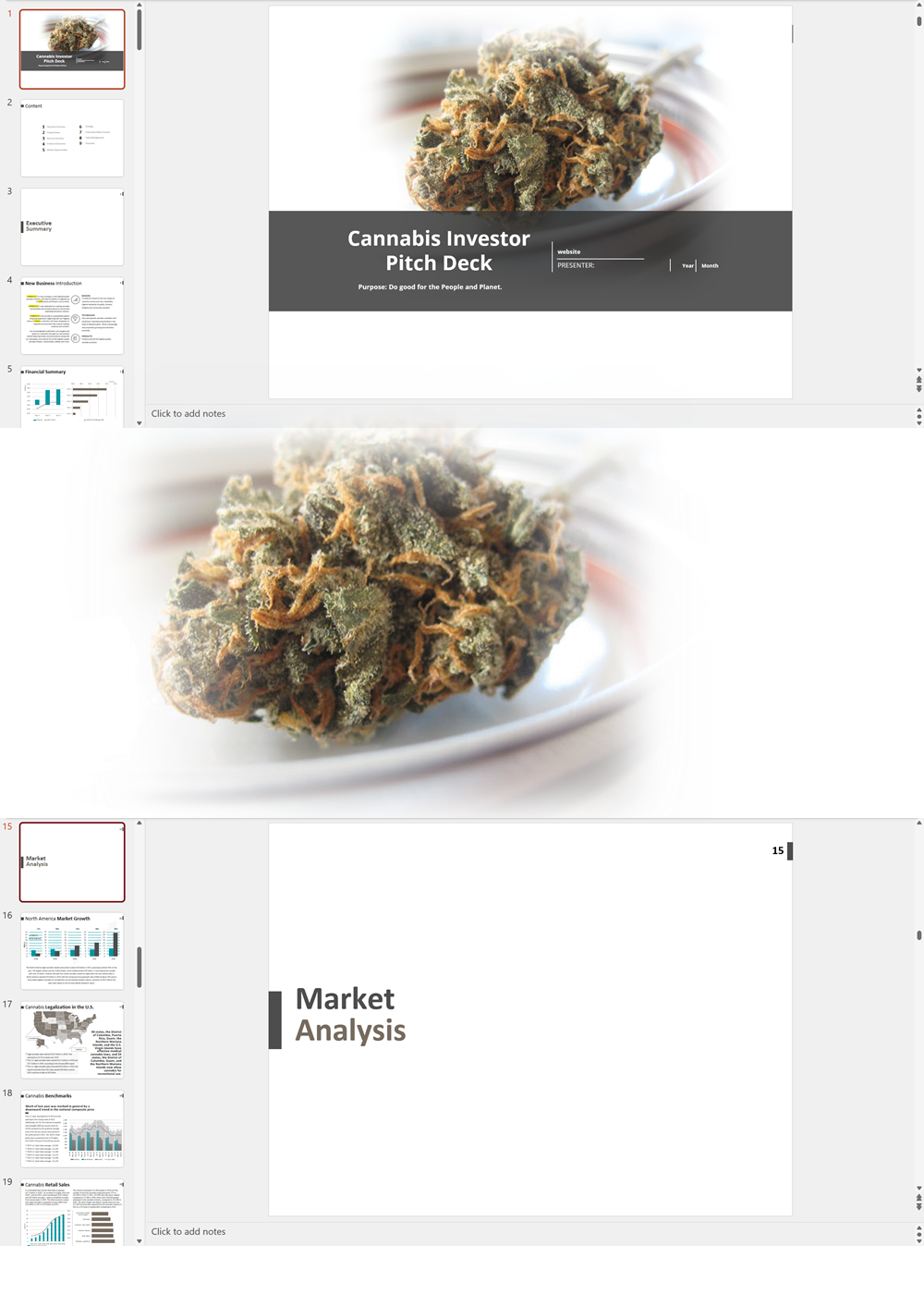

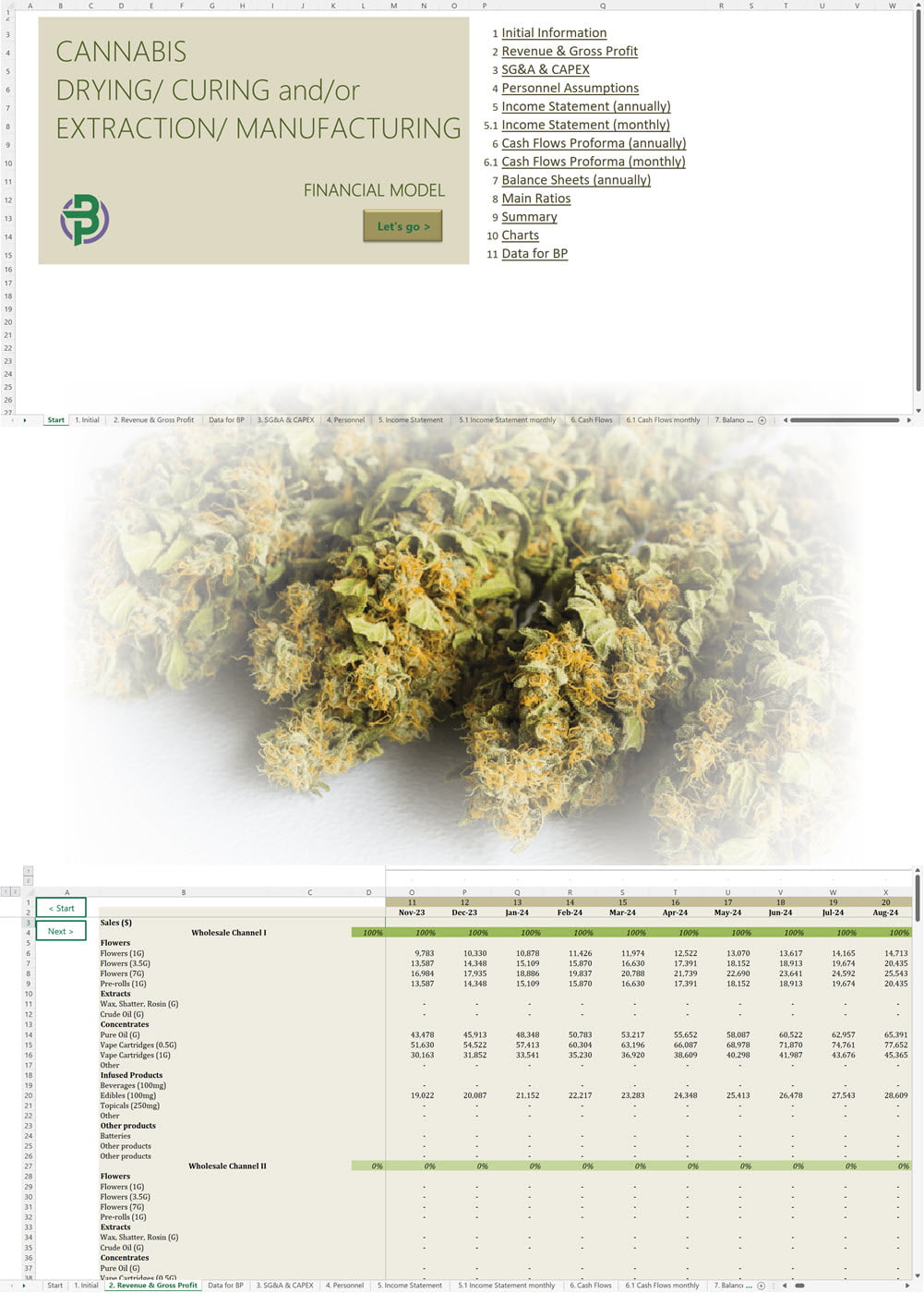
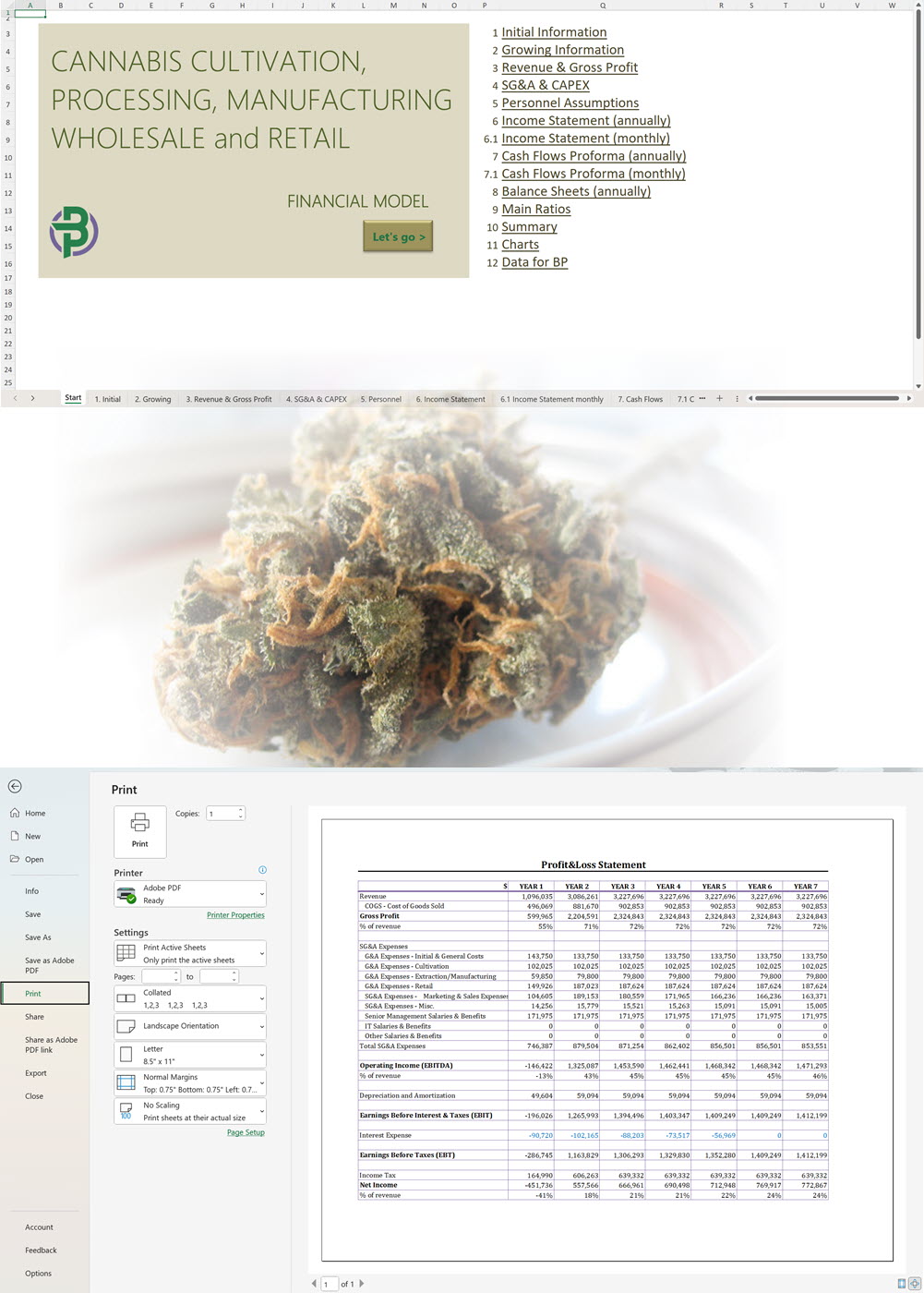
Cannabis Microbusiness Business Plan Template for Cultivation + Extraction + Manufacturing + Wholesale + Retail + Services
Price range: $75.00 through $500.00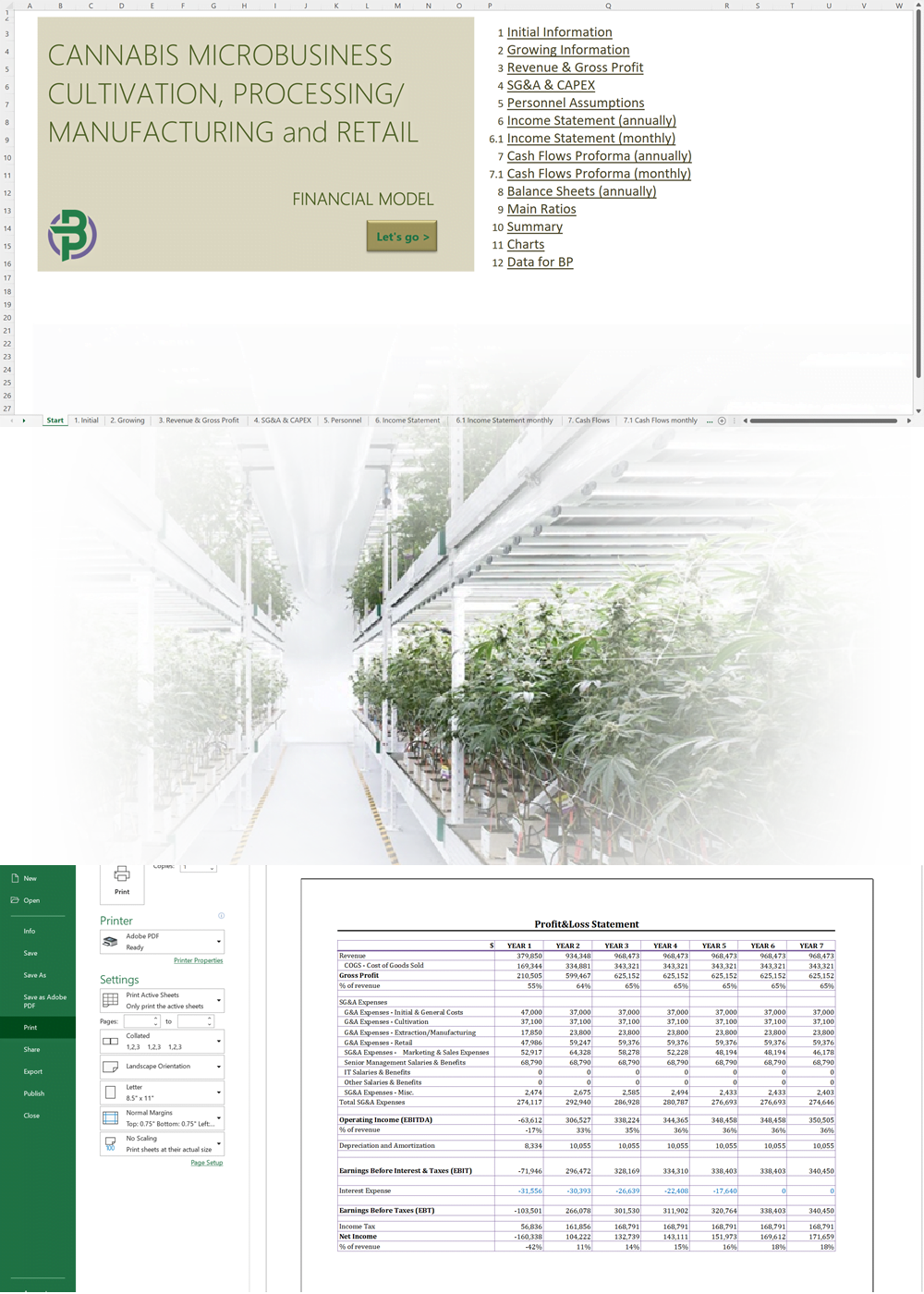

Cannabis Transportation Business Plan Template
Price range: $75.00 through $275.00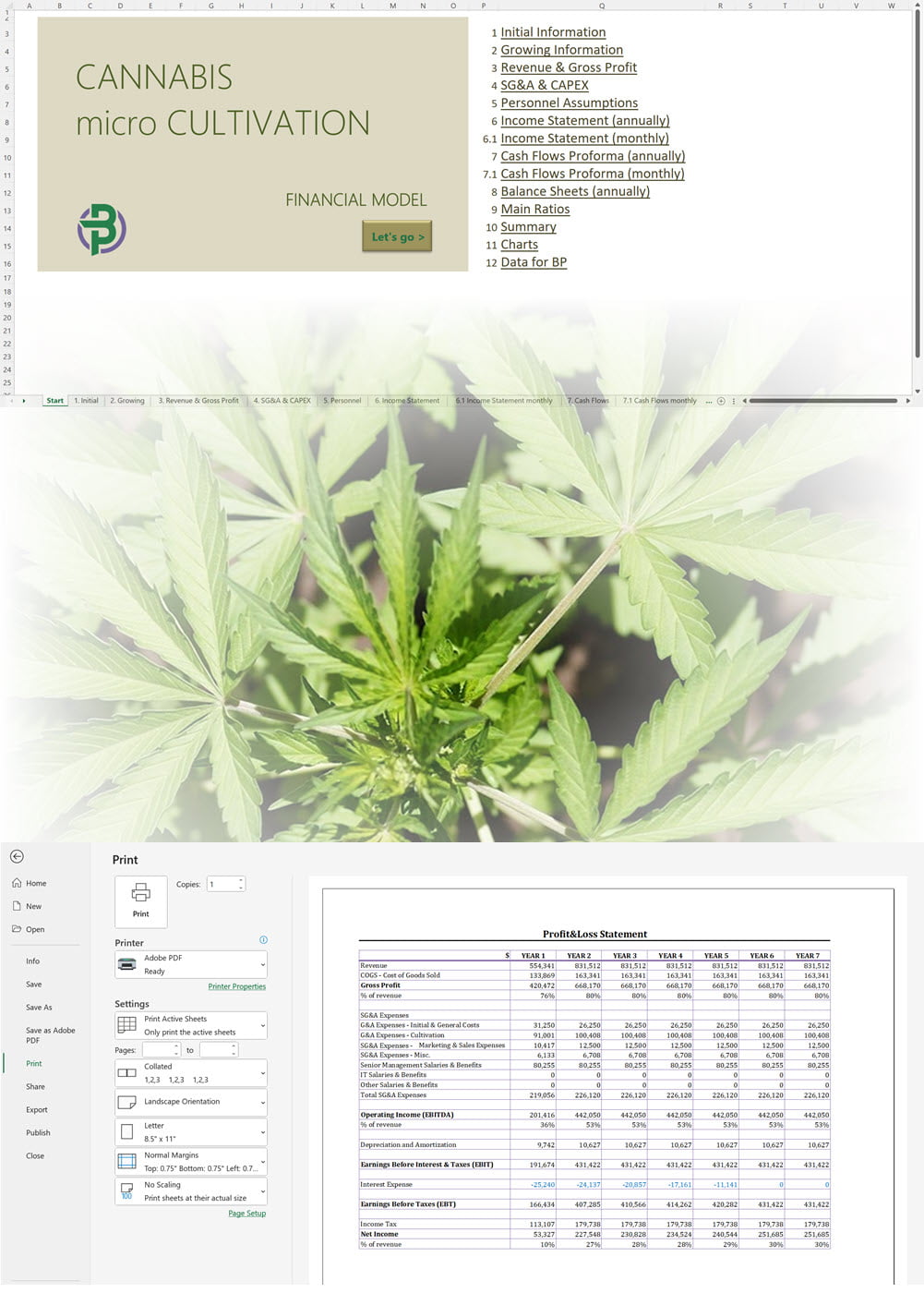

Cannabis Cultivation, Extraction and Manufacturing Business Plan Template
Price range: $75.00 through $450.00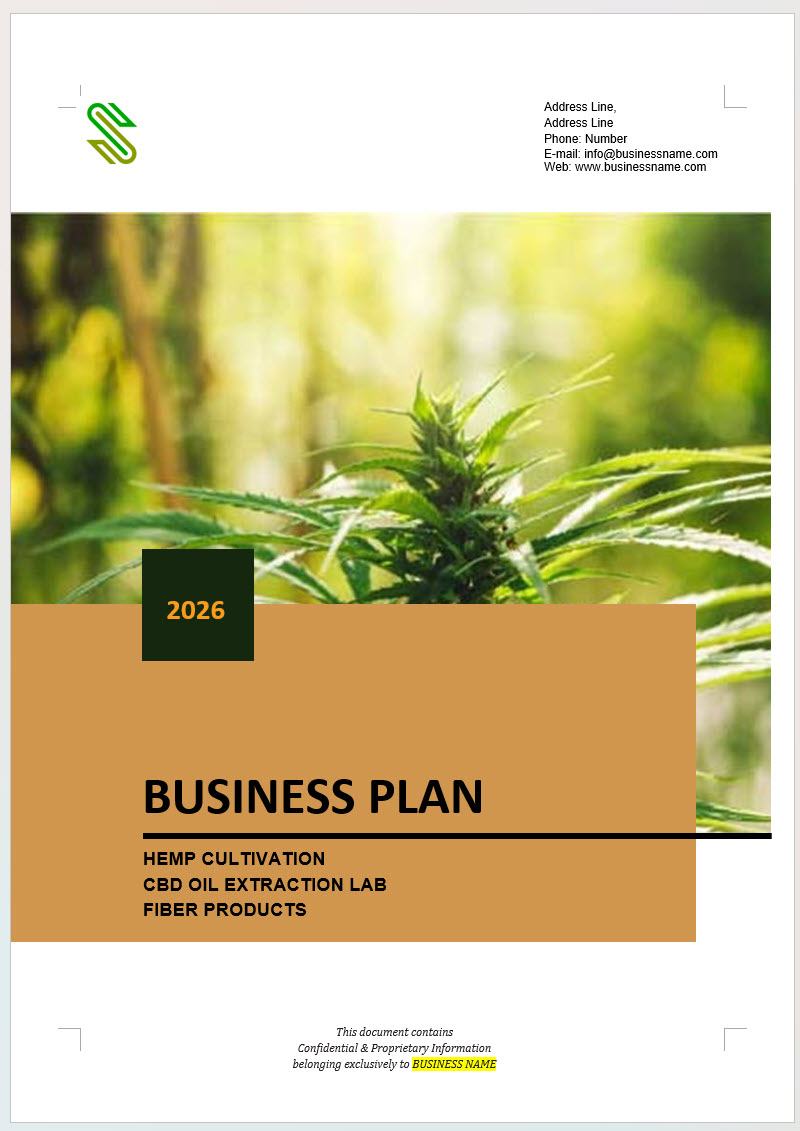
Hemp Cultivation and CBD Oil Extraction and/or Fiber Products Business Plan Template
Price range: $75.00 through $350.00