
Medical Cannabis Legalization
On May 17, 2021, Gov. Kay Ivey signed Senate Bill 46 into law making Alabama the 36th state to legalize medical cannabis for adults and minors with certain qualifying conditions under a doctor’s recommendation. The law created the Alabama Medical Cannabis Commission (AMCC) to license in the following categories: cultivator, processor, dispensary, transporter, testing laboratory and an “integrated facility” (which can cultivate, process, transport, and dispense medical cannabis under one license), as well as to supervise the program. The license numbers were capped at 12 cultivation licenses, 4 processors, 4 dispensaries which can have up to 3 locations and 5 integrated facility licenses with each one having up to 5 dispensing sites. The number of dispensing sites was allowed to be increased in the future if demand requires this.
Regulators in Alabama approved rules for the regulation and licensing of medical cannabis in August 2022. From September 1, 2022 – December 30, 2022, the Commission accepted requests for Business Applications for licenses for integrated facilities, cultivators, processors, secure transporters, state testing laboratories and dispensaries. The Commission received 607 Requests for Application.
Once the program is launched, doctors will be able to recommend medical cannabis to patients for the treatment of autism; cancer-related weight loss or chronic pain; Crohn’s; depression; epilepsy or other conditions causing seizures; HIV/AIDS-related nausea or weight loss; panic disorder; Parkinson’s; persistent nausea that is not related to pregnancy; PTSD; sickle-cell; spasticity associated with ALS, multiple sclerosis and spinal cord injuries; terminal illnesses; Tourette’s; and chronic pain where conventional therapies or opiates should not be used or are ineffective.
Medical cannabis will be allowed in the forms of tablet, capsule or tincture, non-sugarcoated gelatinous cube, cuboid or lozenge, gel, oil, cream or other topical preparation, transdermal patch, nebulizer, liquid or oil only for an inhaler and suppository with the daily dosage not exceeding 50 milligrams of THC.
A 9% gross receipts tax will be levied on the retail sale of medical cannabis and an annual privilege tax will be levied on those operating a business within the law.
Medical Cannabis Licensing Progress
In June and August 2023, the AMCC made attempts to grant licenses but both times the licenses were voided or rescinded.
In December 2023, Alabama regulators issued 25 medical cannabis business licenses to 5 integrated facilities, 4 dispensaries, 7 cultivators, 4 processors, 4 transport providers and 1 testing laboratory. However, companies that did not receive integrated facility licenses filed lawsuits and a temporary restraining order was issued in January 2024, preventing the AMCC from issuing the integrated facility licenses until legal challenges are resolved. On April 21, the Montgomery County Circuit Court ruled that the emergency rule used by the AMCC to award integrated facility licenses on December 12, 2023, was void, therefore invalidating the 5 integrated facility licenses that were issued.
The 2024 Annual Report revealed that as of December 23, 2024, there were 9 licensed cultivators, 4 licensed processors, 4 licensed transporters, and one licensed testing laboratory.
After two years of legal battles, on December 11, 2025, the AMCC approved three dispensary licenses while the fourth dispensary license was placed on hold due to a legal challenge from a competing applicant. On January 26, 2026, the AMCC decided to extend the stay on the fourth dispensary license until the appeal is resolved. The three approved dispensary licenses were issued on January 8, 2026.
In early January 2026, following the issuance of the three dispensary licenses, the Alabama Board of Medical Examiners started accepting applications from physicians for permits that will allow them to recommend medical cannabis to patients. As of April 2026, there were more than 40 physicians approved to prescribe medical cannabis and around 66 medical cannabis cards have been issued, according to the AMCC. These numbers are expected to rise significantly once the market becomes fully operational and patients are able to obtain medical cannabis products from dispensaries.
In their April meeting, the AMCC stated that the first dispensary could start sales on May 4, 2026. There are three licensed dispensaries in total – each one able to open three locations – and the AMCC Chairman Dr. Sam Blakemore says that all nine locations could be open by summer, according to WSFA-12.
MJBizDaily projects that the state medical cannabis program could generate $270 million in sales in its first year once it gets going and $450 million-$545 million in annual sales by its fourth year.
Alabama Cannabis Market Infographics
How Can Cannabusinessplans Templates Help Start or Grow Your Cannabis Business?
The majority of cannabis licensing programs require the submission of a business plan as part of the application for a cannabis license. Even if it is not mandated by law, a business plan is essential for securing funding and assisting an applicant in understanding how much money it will take to start a cannabis business and how much profit it could make.
A well-structured business plan can make all the difference in helping you demonstrate your proposed cannabis business’ compliance with regulations and its operational viability.
Our complete cannabis business plan template package is everything you need to create a professional business plan for a cannabis business with expert financials and projections. A complete cannabis business plan template package includes:
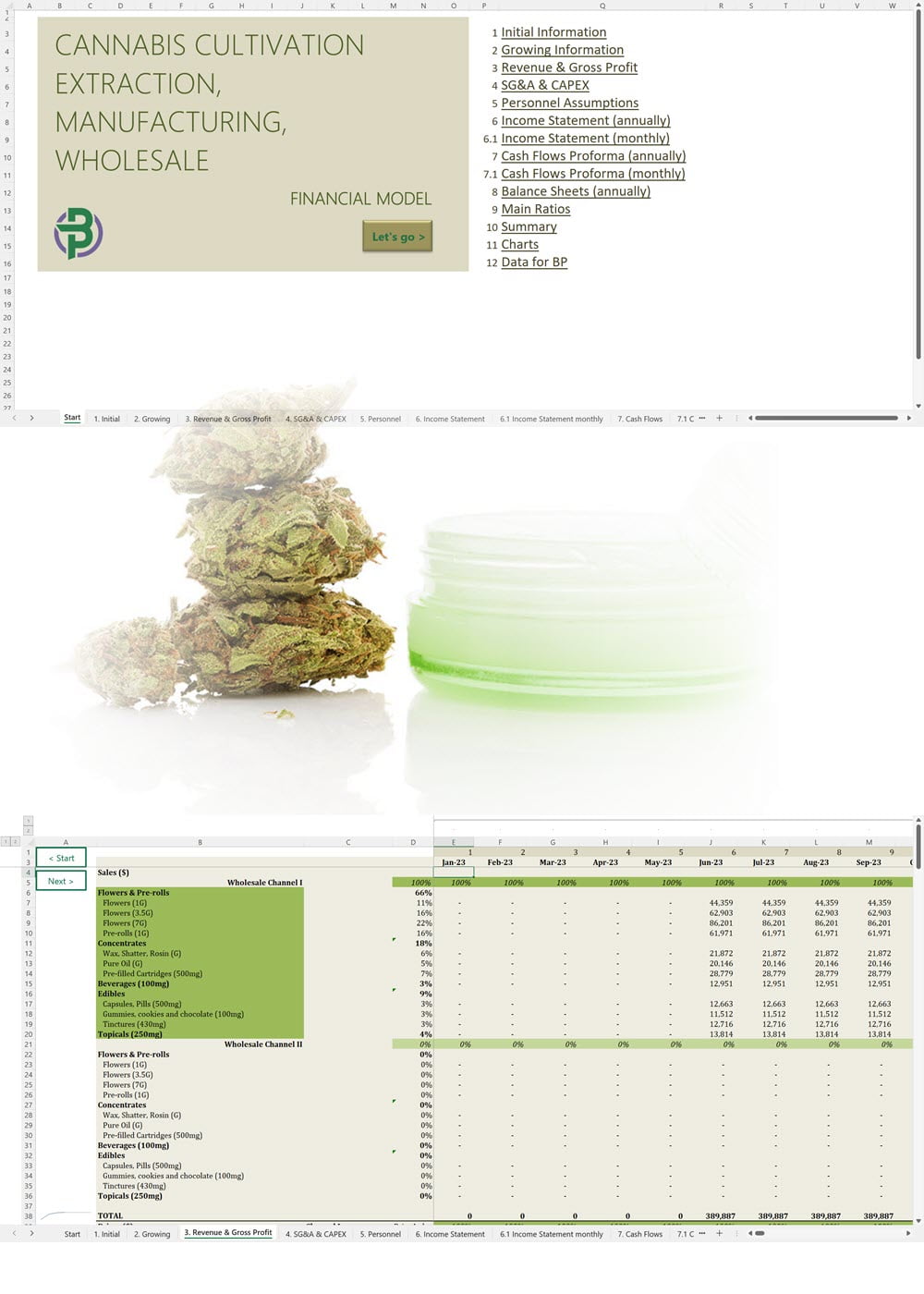
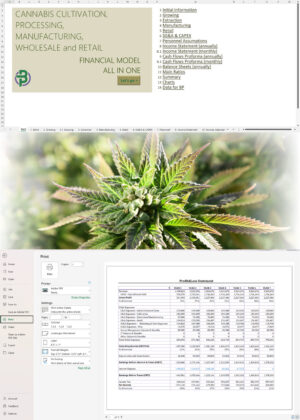
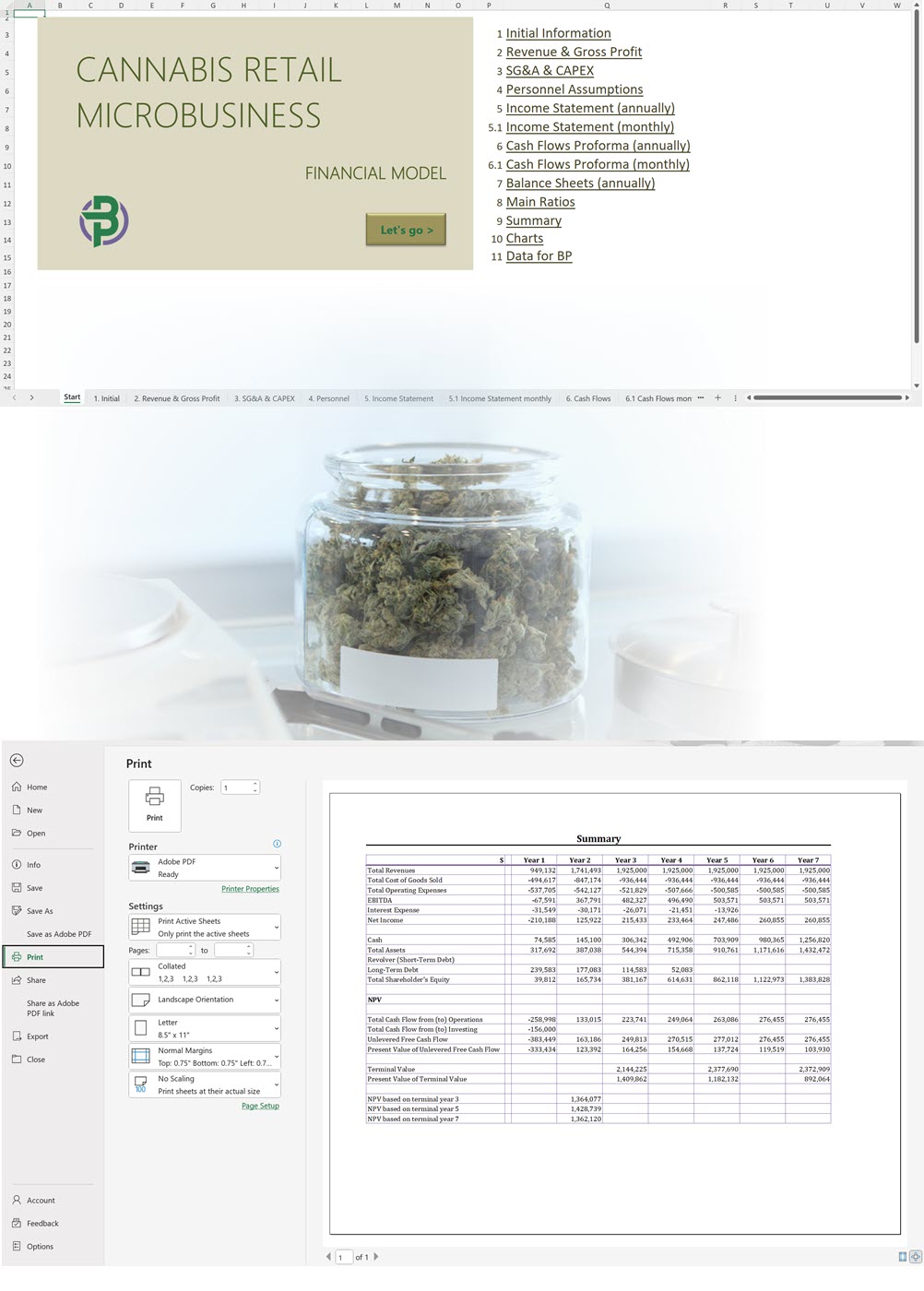
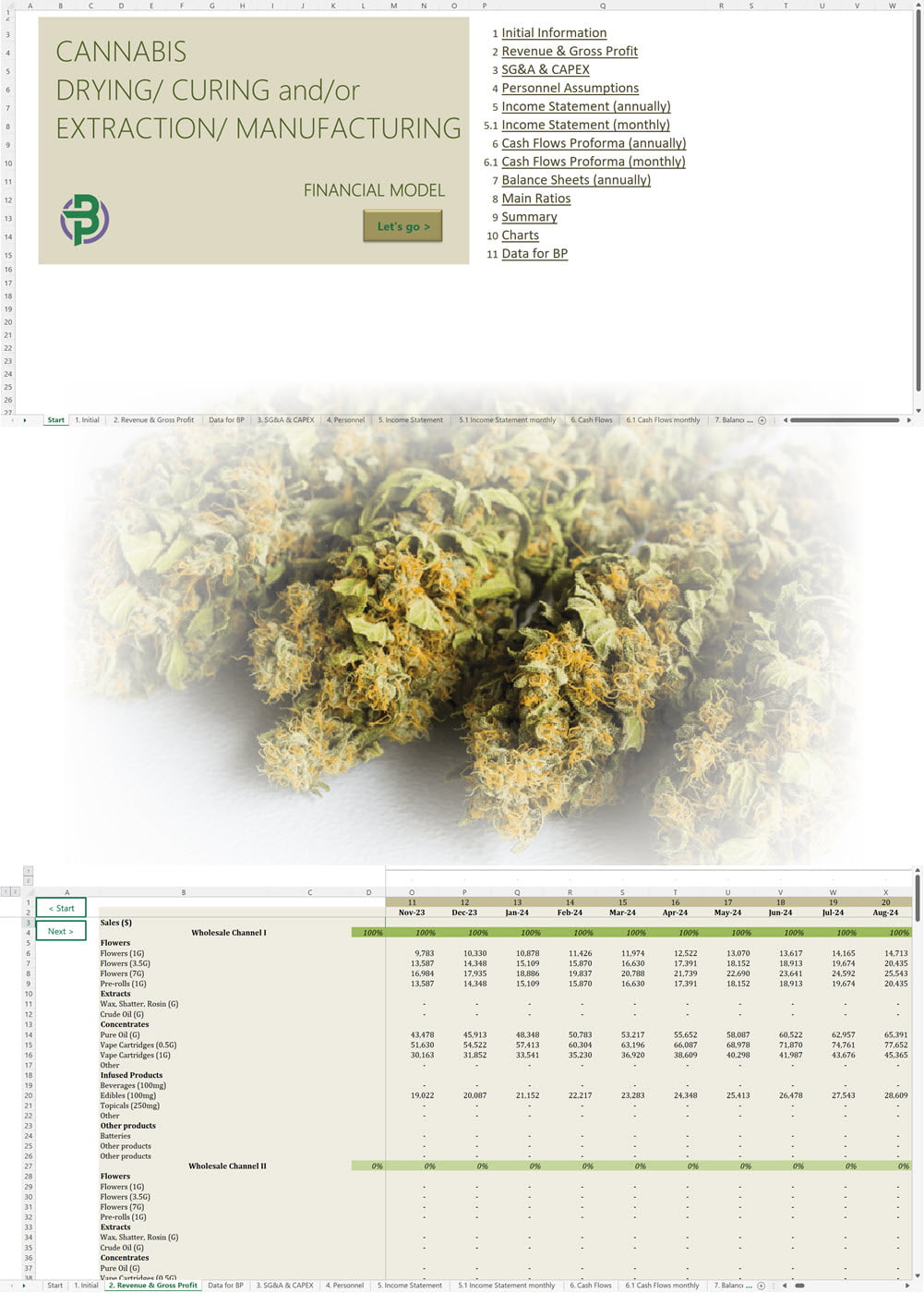
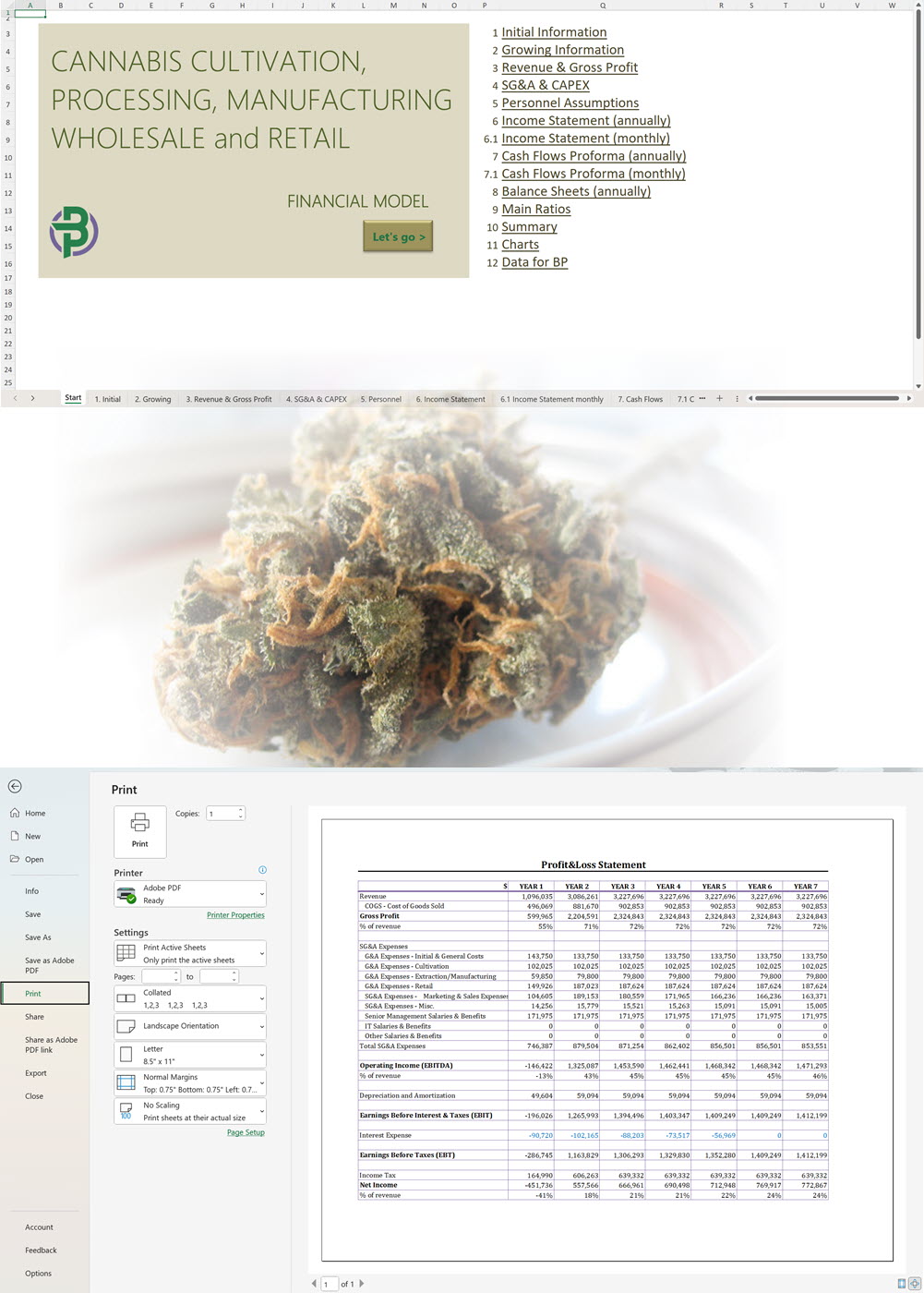
- Excel Financial Model: change variables and immediately see the impact, break down operational and capital costs, know how much it will take to get into the business and the potential profits.
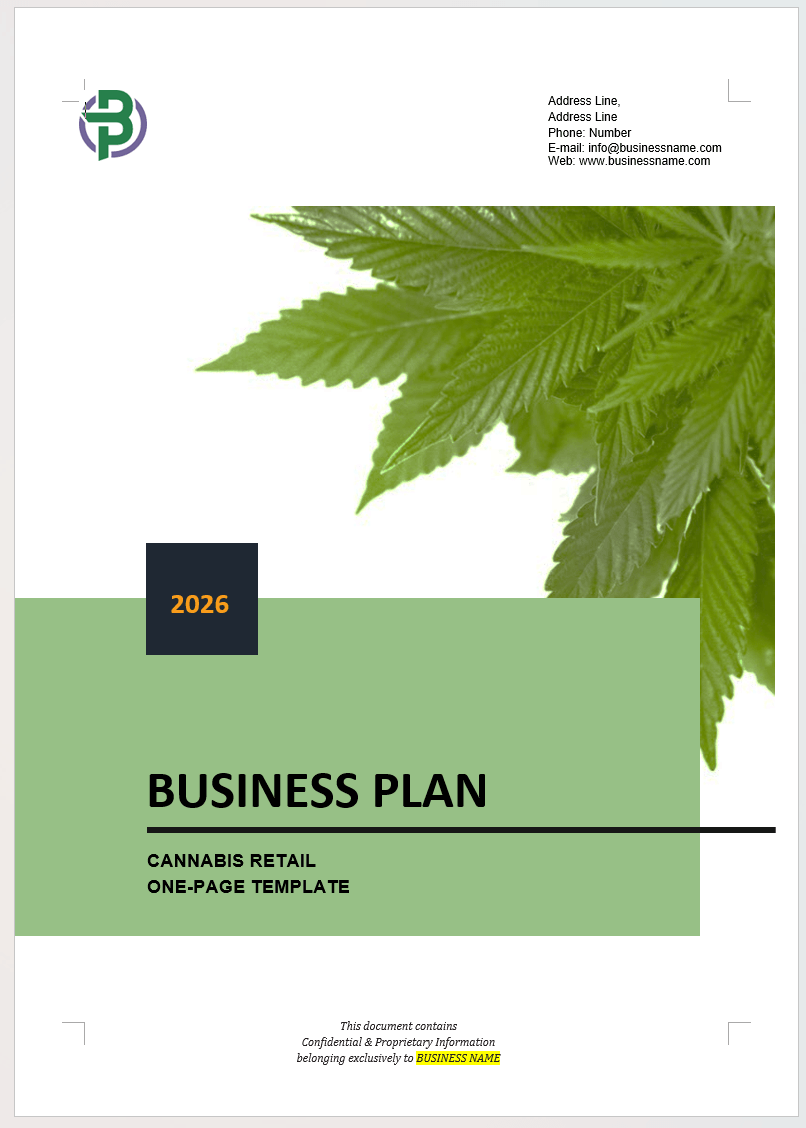
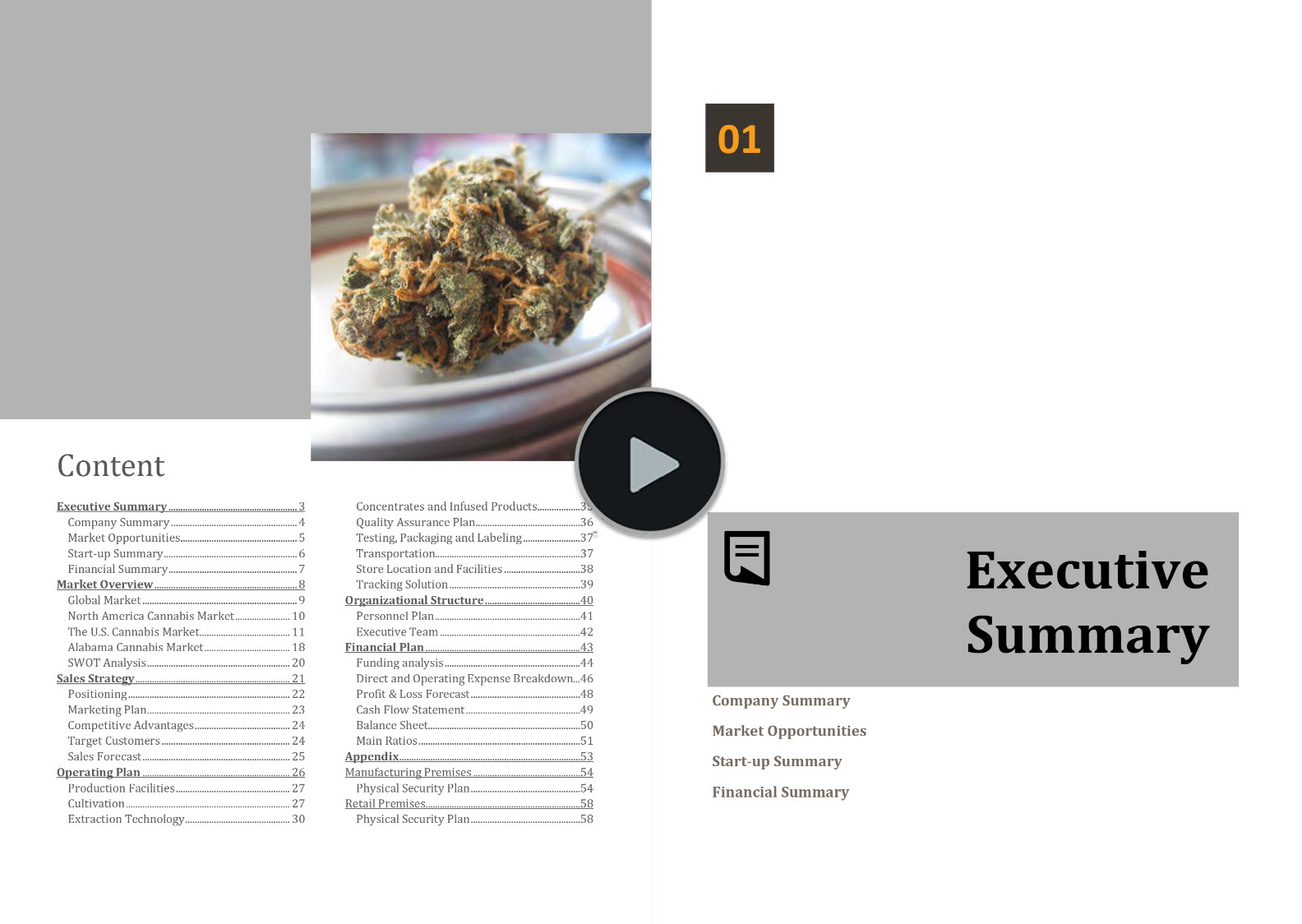
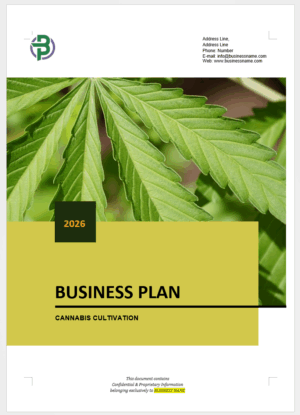
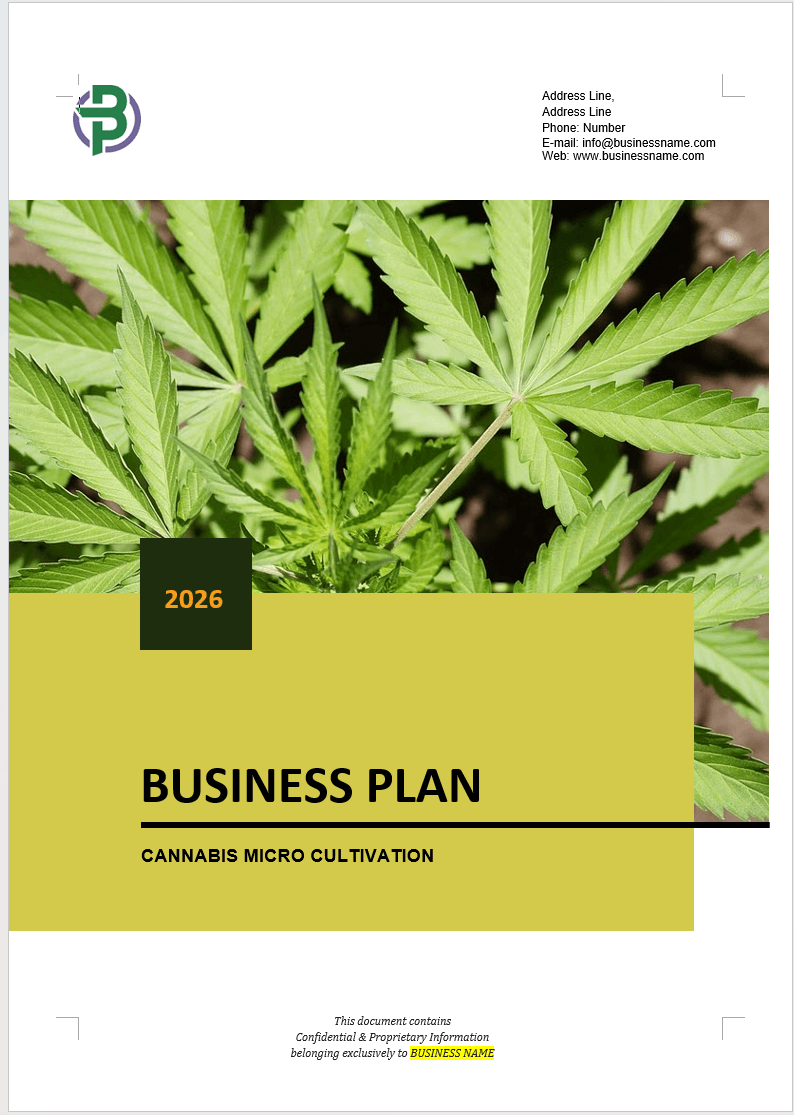
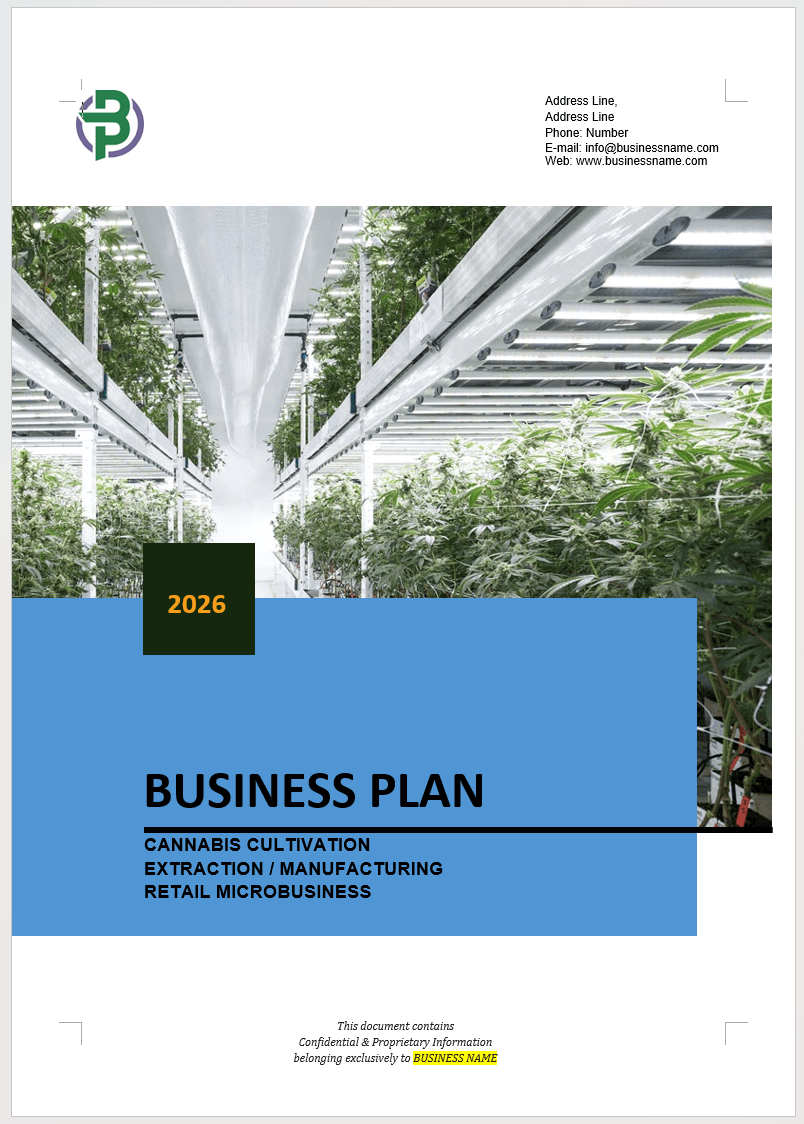
- Word Business Plan: value proposition, market analysis, marketing strategy, operating plan, organizational structure, financial plan and more.
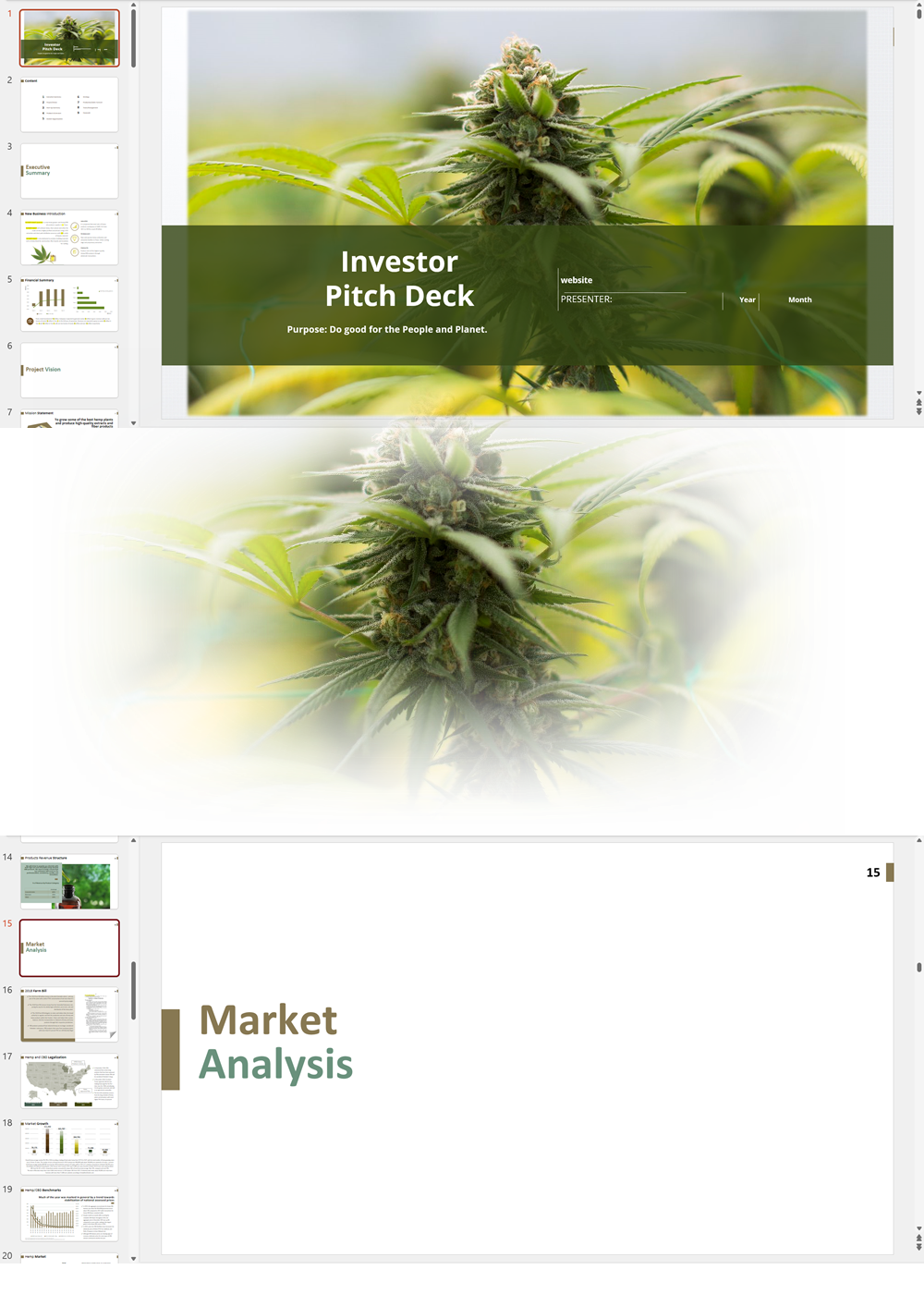
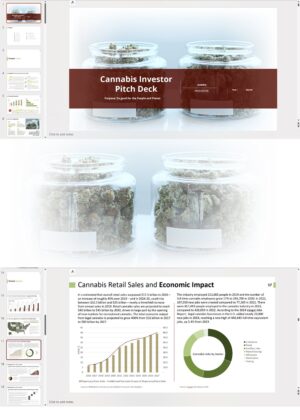
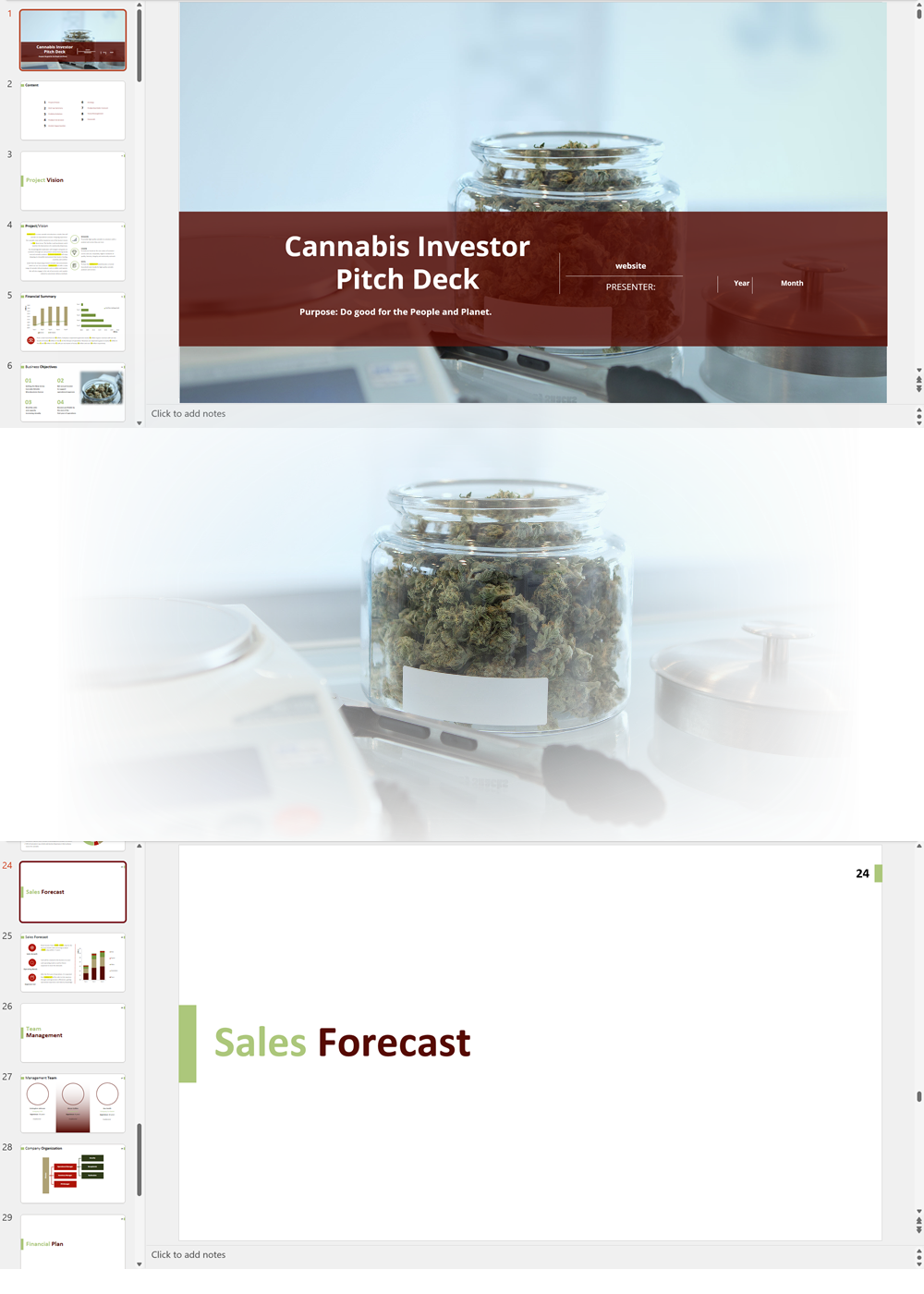
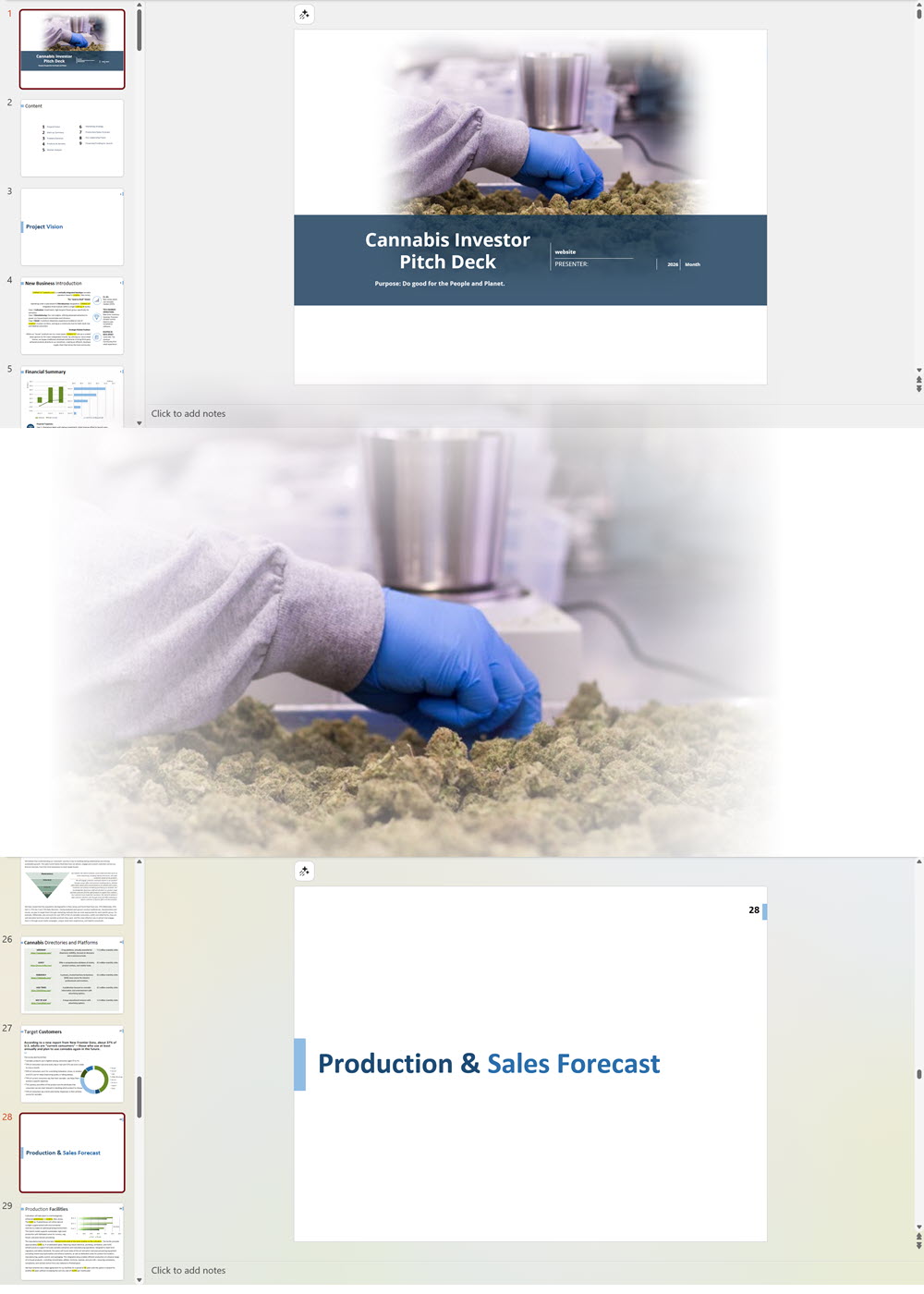
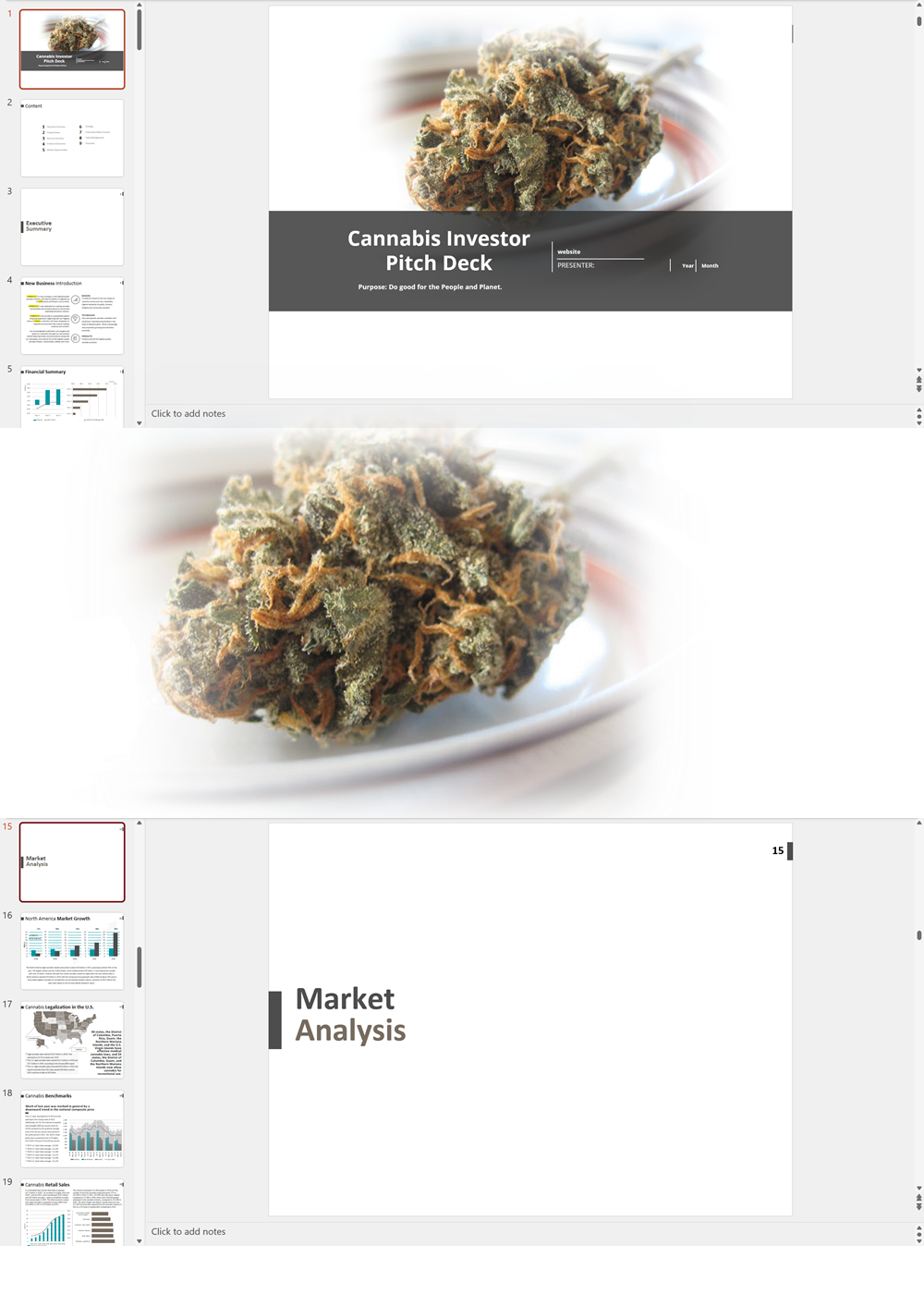
- PowerPoint Pitch Deck: provide a quick overview of your cannabis business plan.
'70% ready to go' business plan templates
Our cannabis financial models and cannabis business plan templates will help you estimate how much it costs to start and operate your own cannabis business, to build all revenue and cost line-items monthly over a flexible seven year period, and then summarize the monthly results into quarters and years for an easy view into the various time periods. We also offer investor pitch deck templates.
Vertically Integrated Cannabis Business Plan Sample, Alabama
Best Selling Templates
-

Cannabis Cultivation Business Plan Template
Price range: $75.00 through $350.00 Select options This product has multiple variants. The options may be chosen on the product page -

Cannabis Dispensary Investor Pitch Deck Template
$75.00 Select options This product has multiple variants. The options may be chosen on the product page -
Cannabis Financial Model All in One
$250.00 Select options This product has multiple variants. The options may be chosen on the product page
Hemp/CBD business plan templates are available at hempcbdbusinessplans.com.
Our Templates
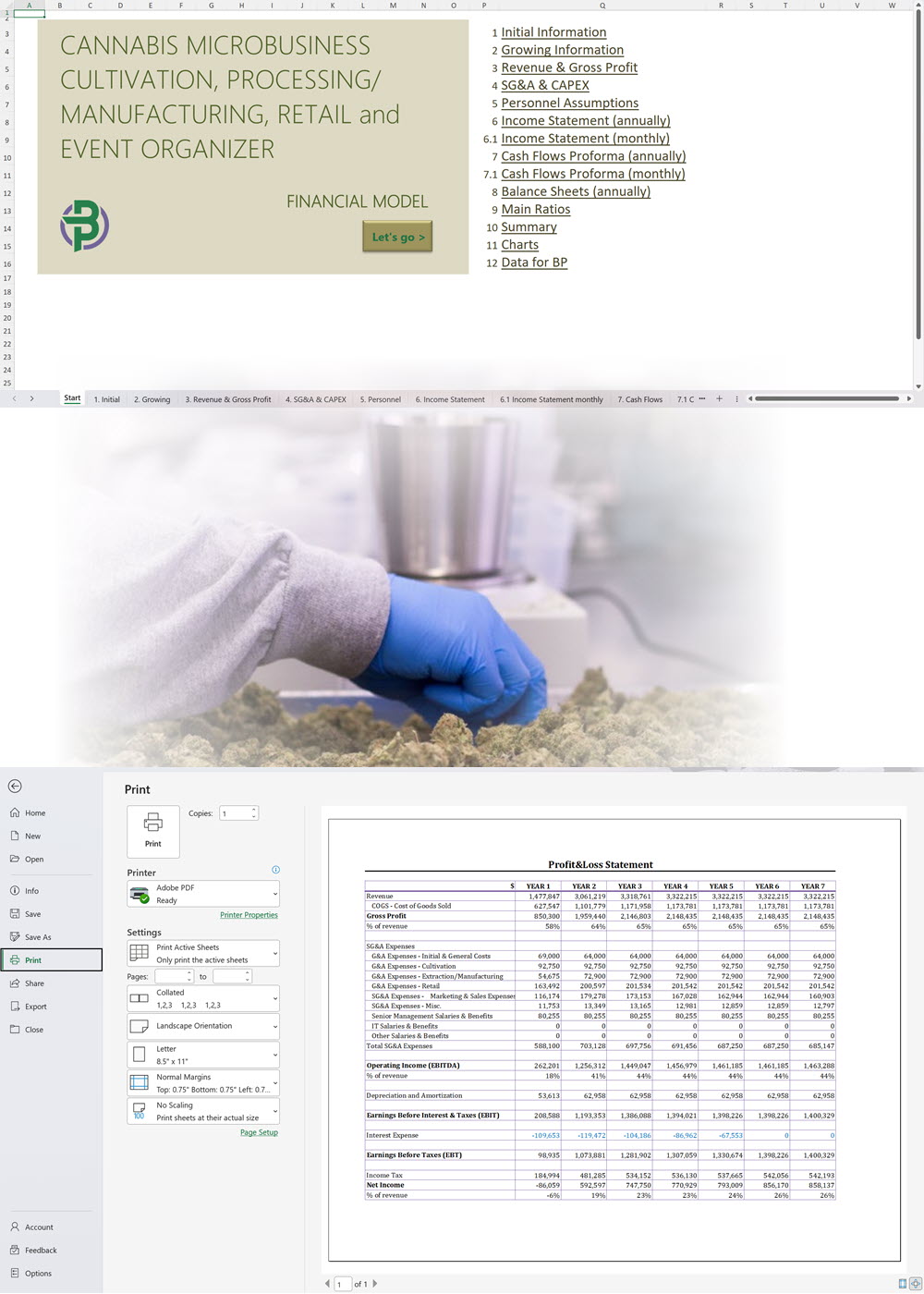
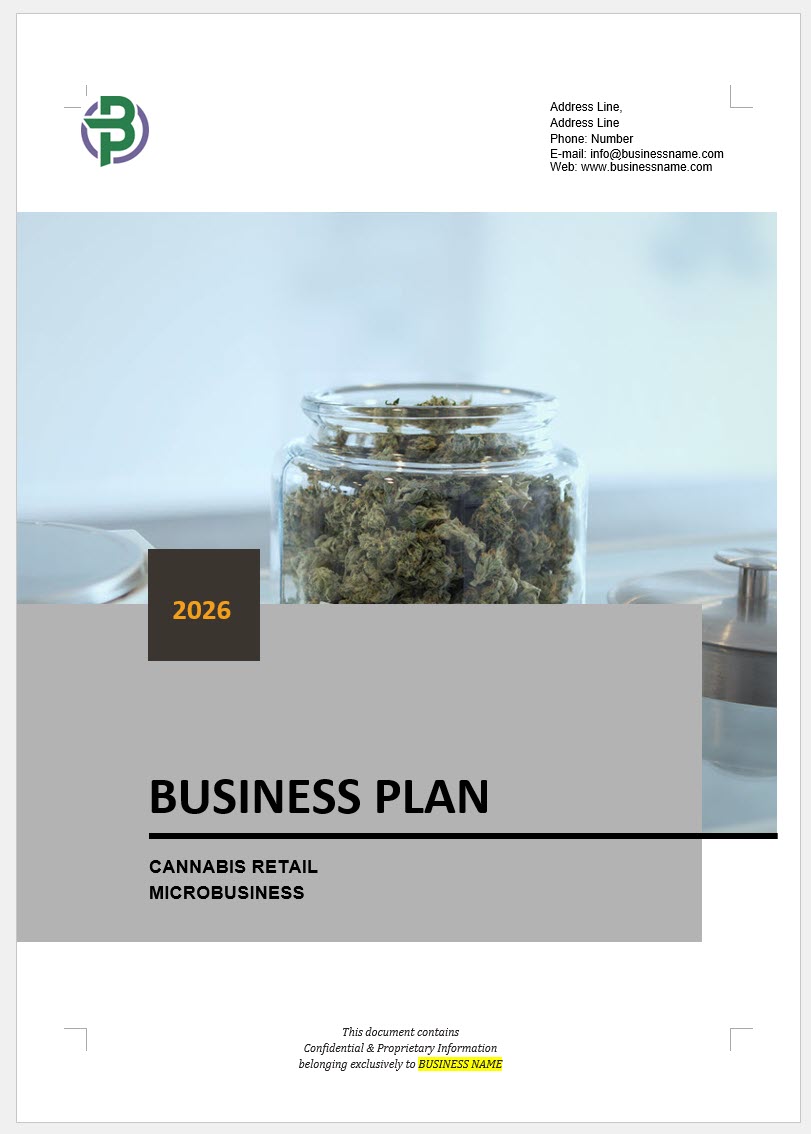
Cannabis Retail Microbusiness Business Plan Template
Price range: $75.00 through $275.00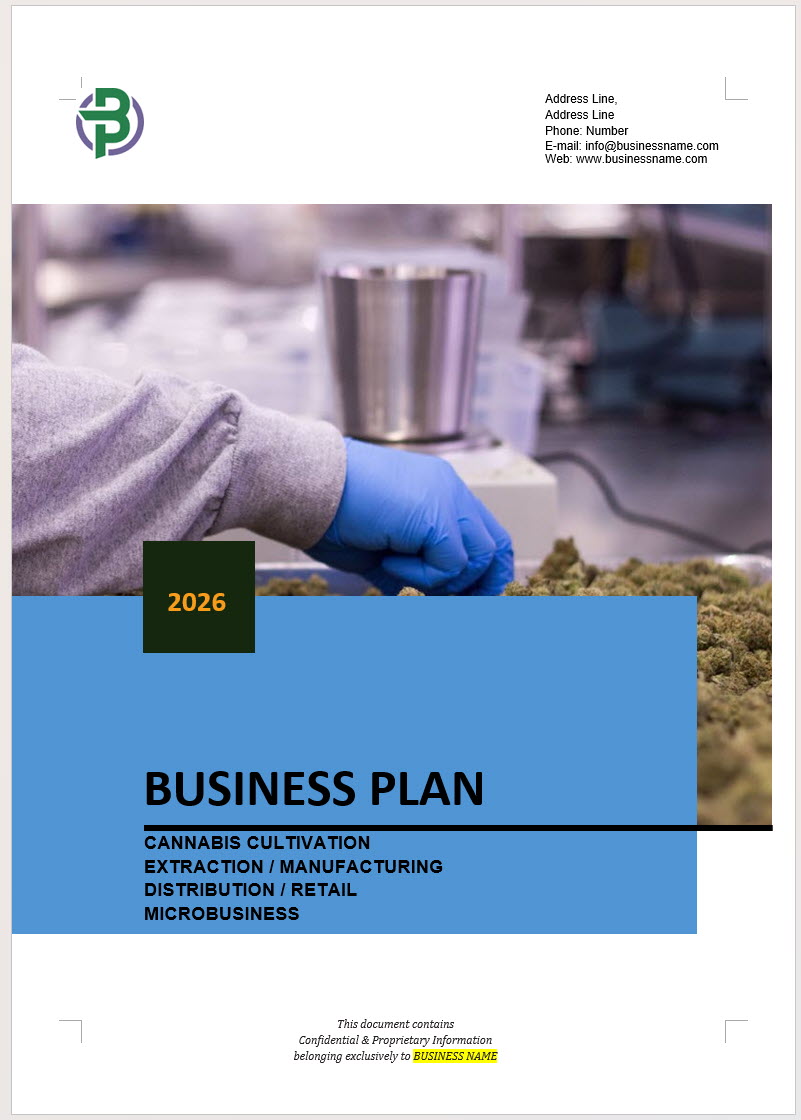
Cannabis Cultivation, Extraction, Manufacturing, Distribution, Retail and Microbusiness Business Plan Template
Price range: $75.00 through $500.00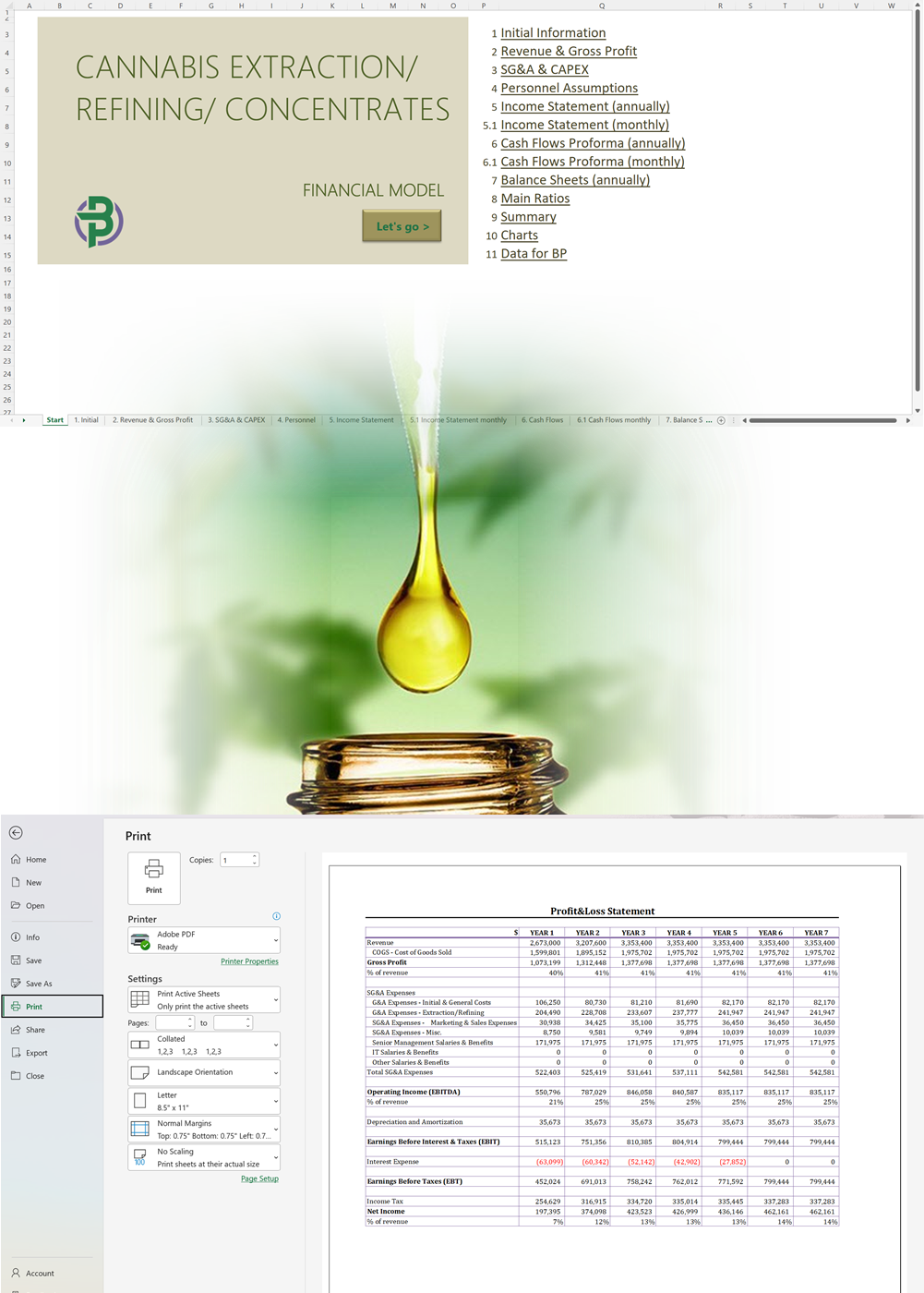

Cannabis Micro Cultivation Business Plan Template
Price range: $75.00 through $300.00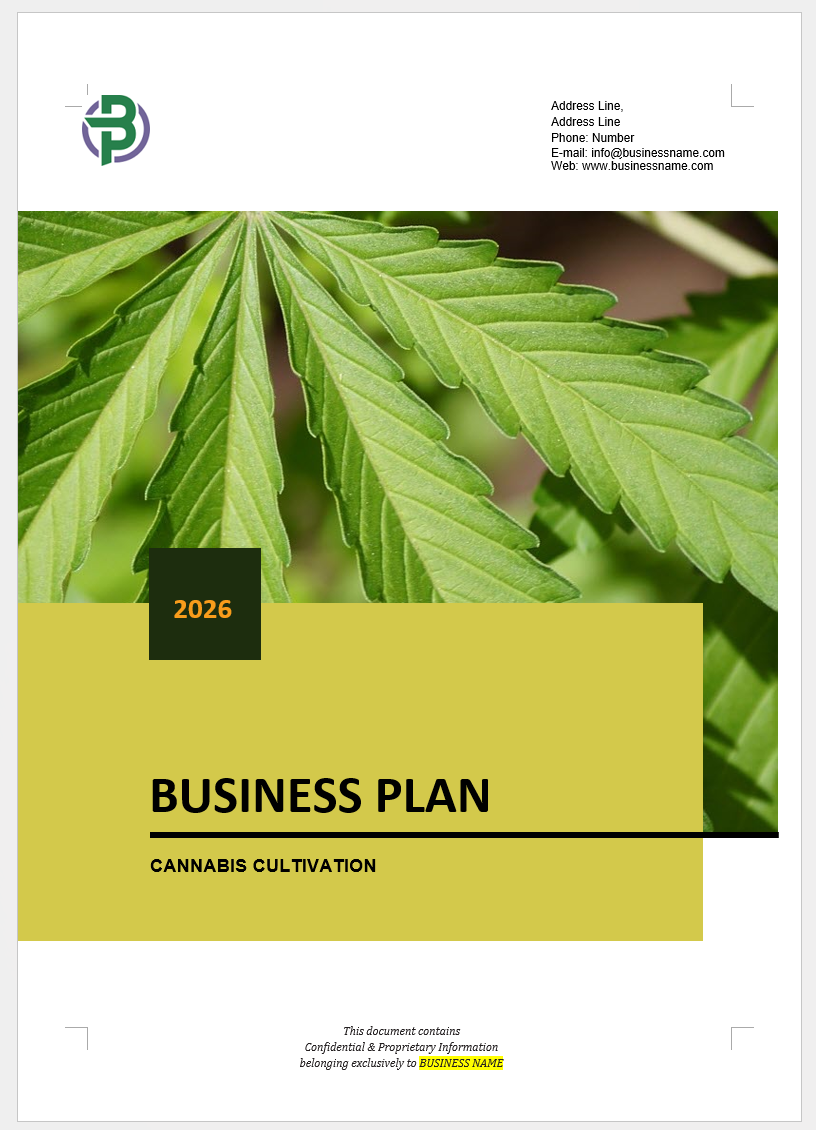
Cannabis Cultivation Business Plan Template
Price range: $75.00 through $350.00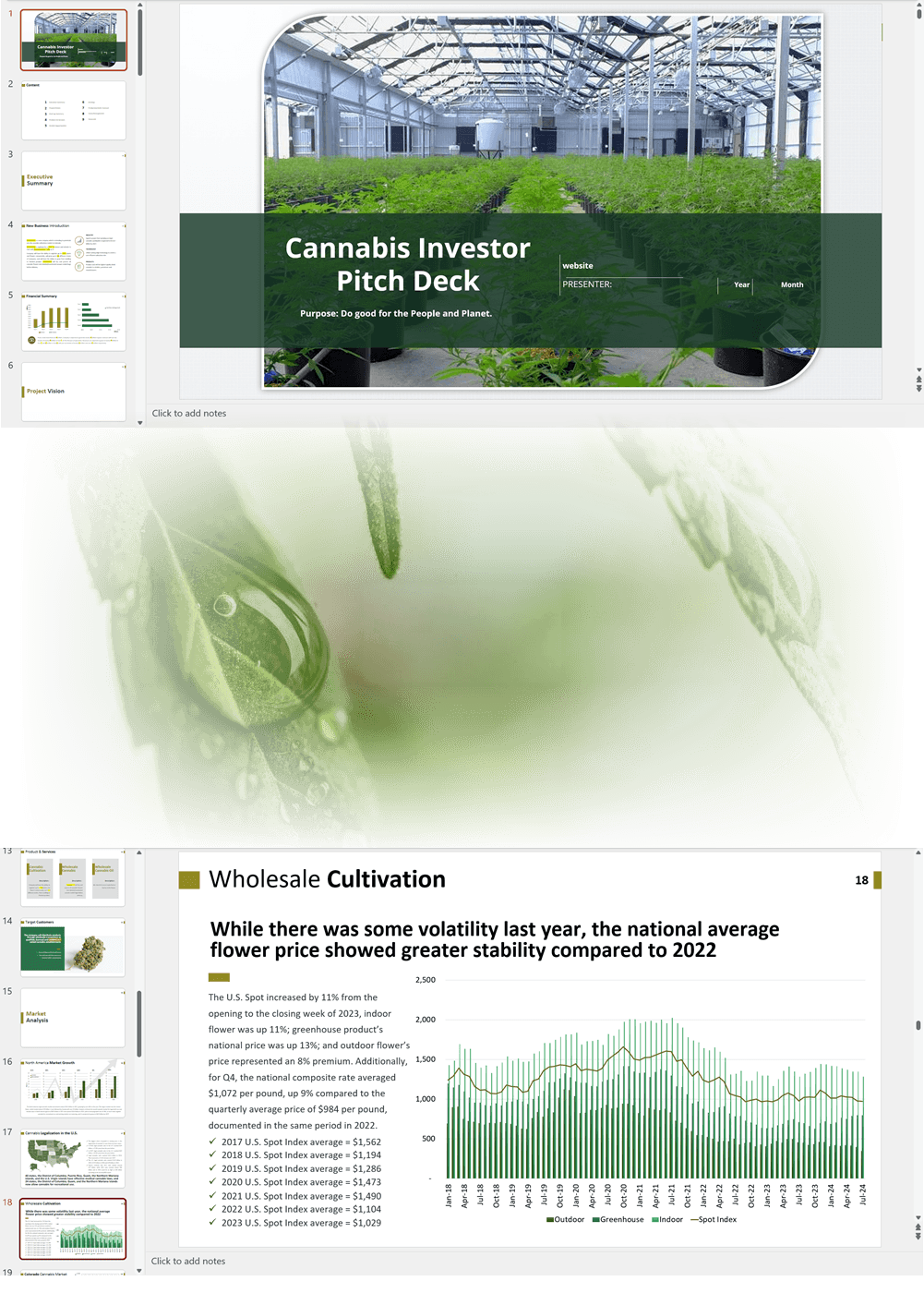
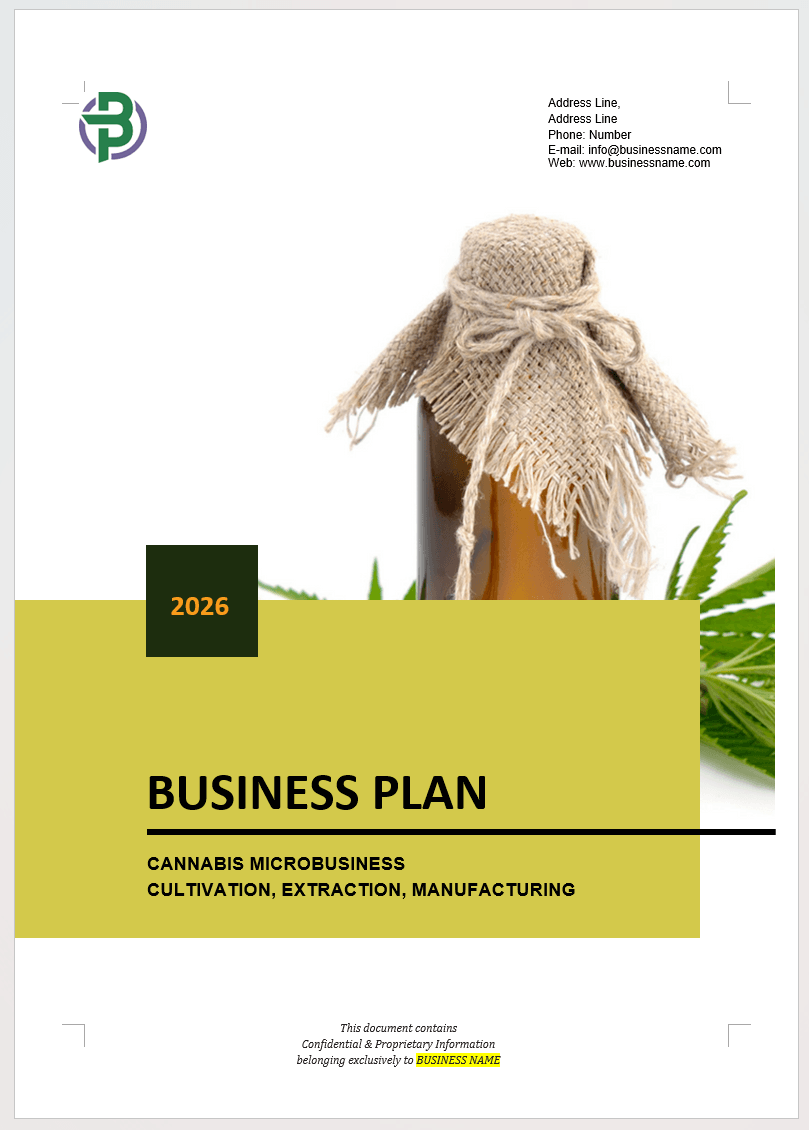
Cannabis Microbusiness Cultivation and Manufacturing Business Plan Template
Price range: $75.00 through $350.00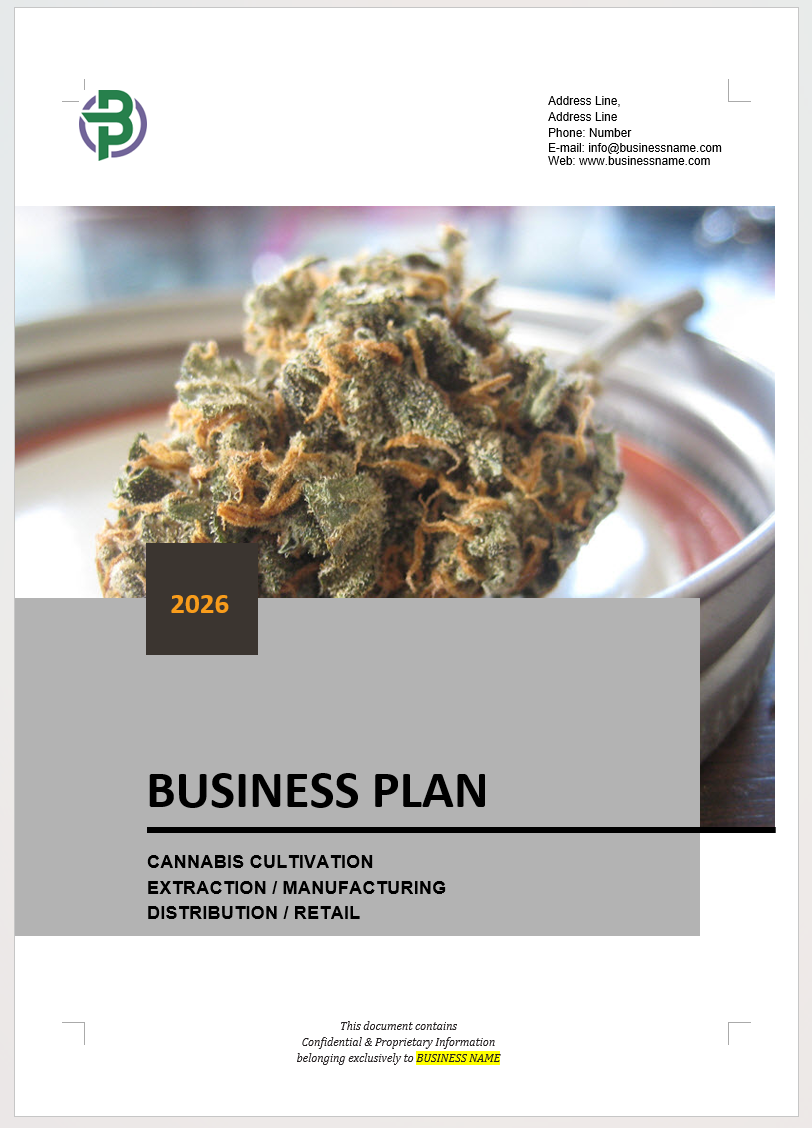
Vertically Integrated Cannabis Business Plan Template
Price range: $75.00 through $500.00


Cannabis Microbusiness Business Plan Template for Cultivation + Extraction + Manufacturing + Wholesale + Retail + Services
Price range: $75.00 through $500.00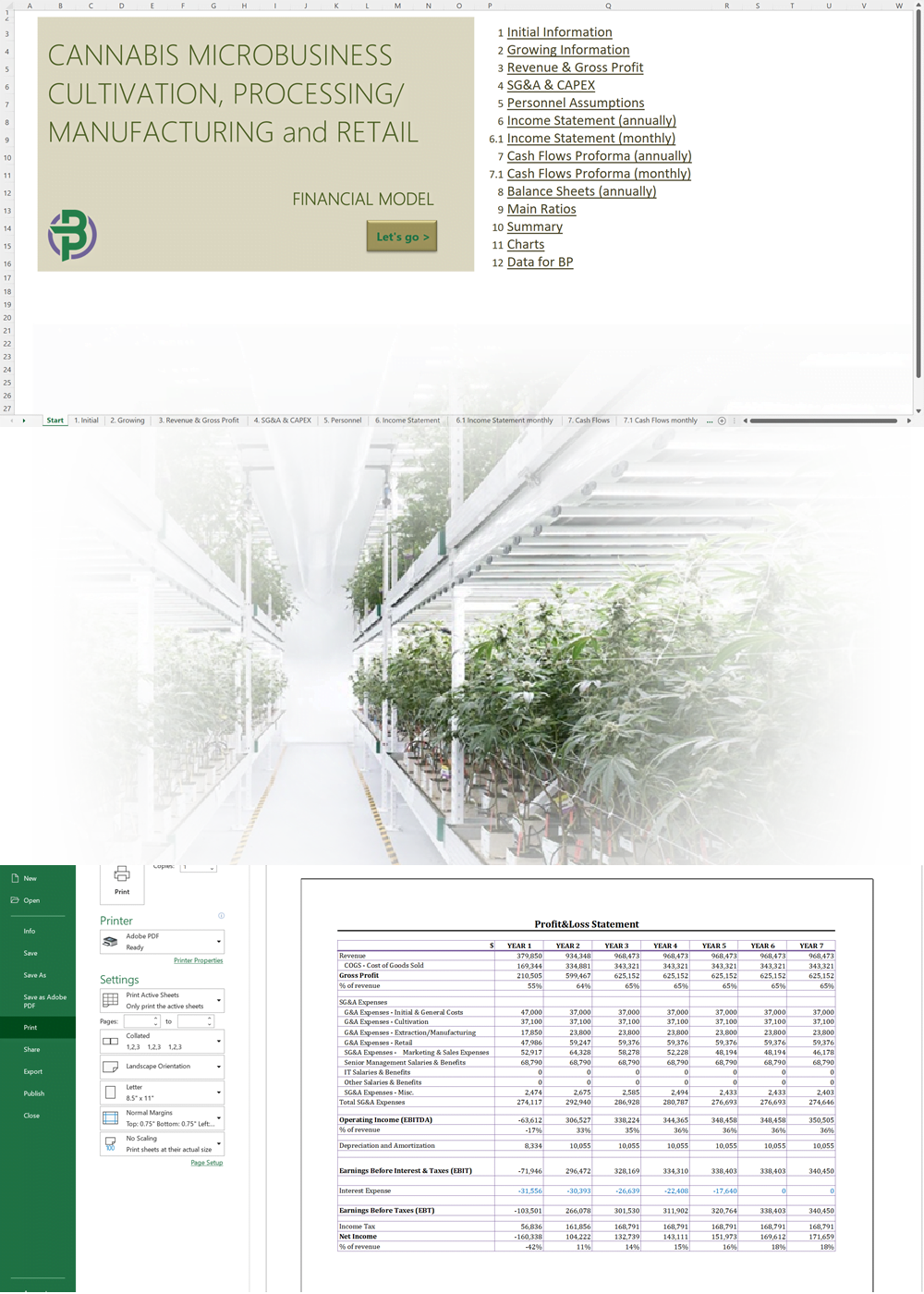

Cannabis Transportation Business Plan Template
Price range: $75.00 through $275.00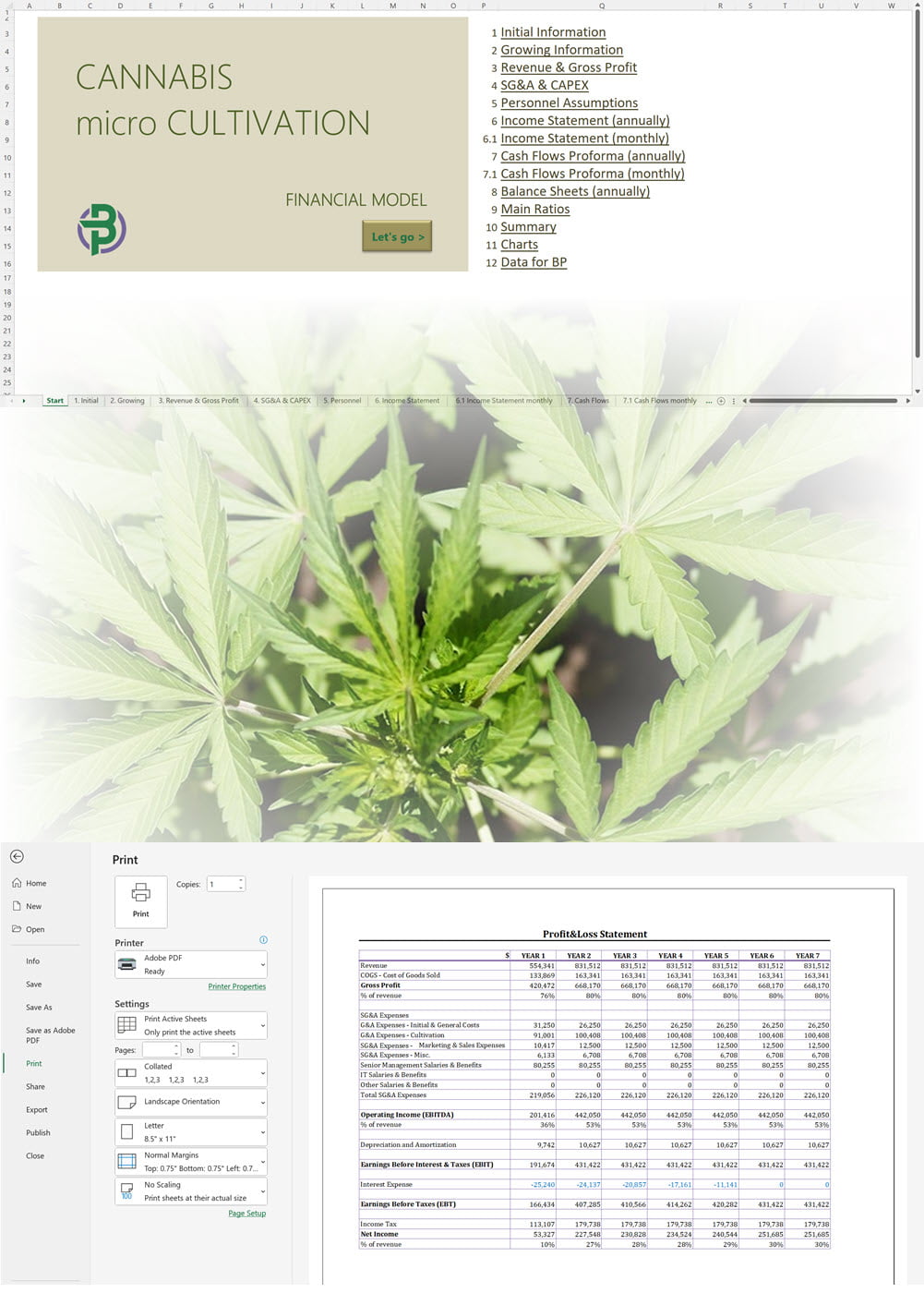
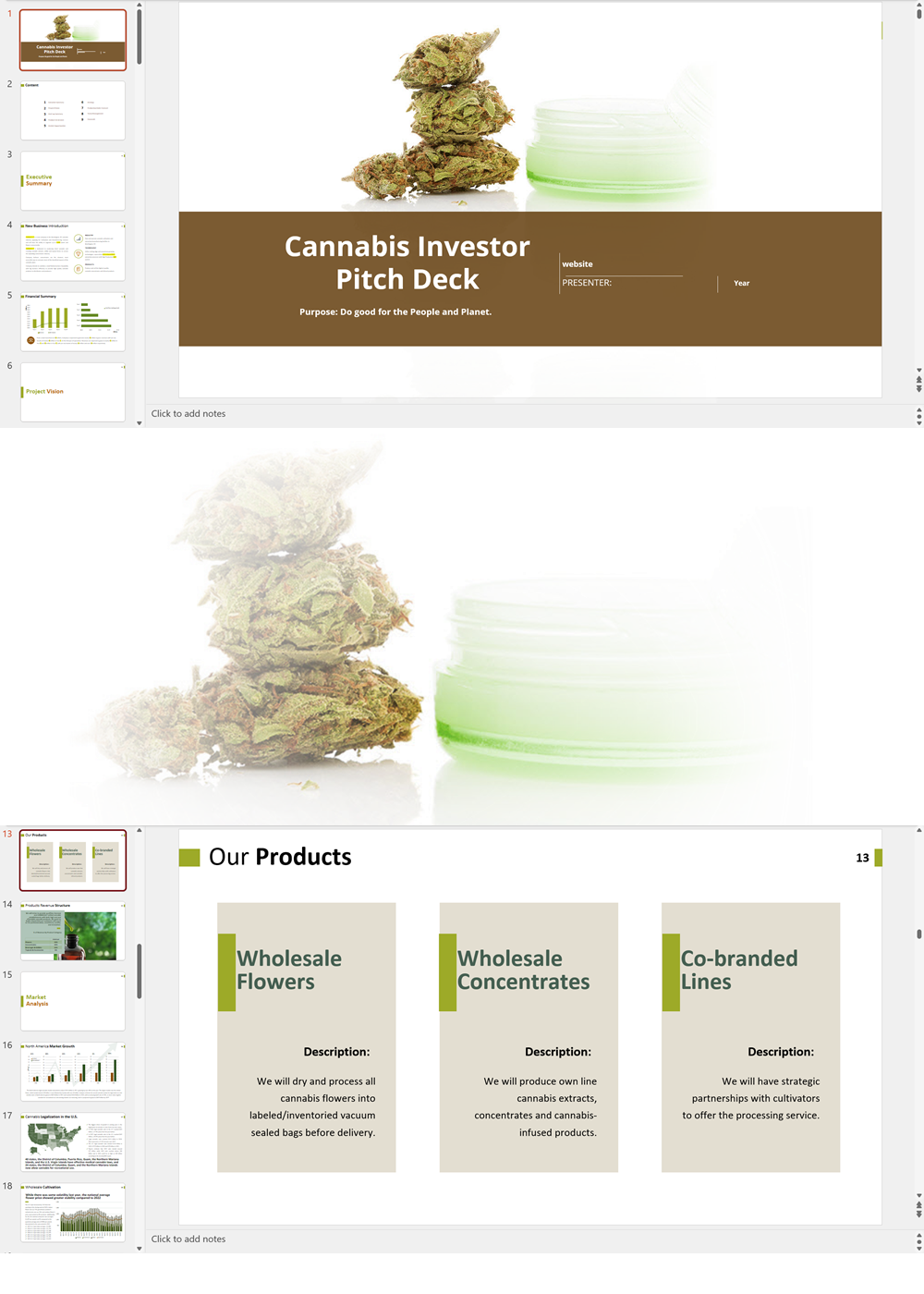

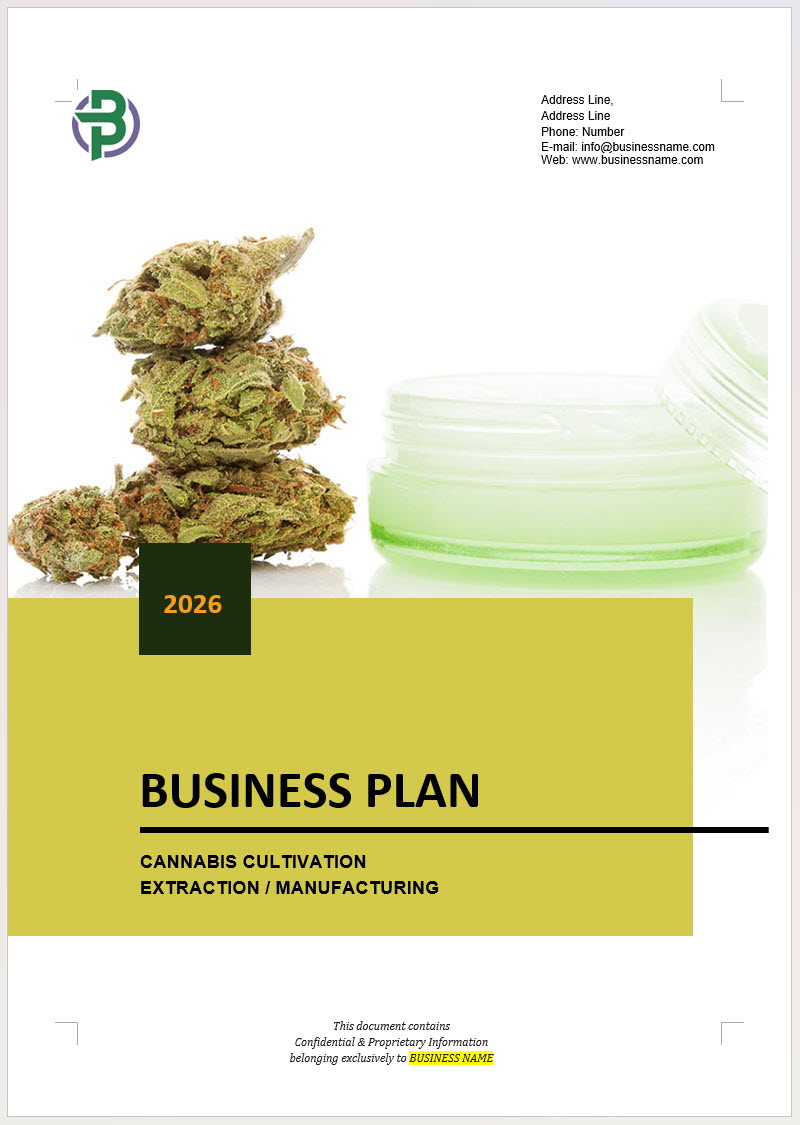
Cannabis Cultivation, Extraction and Manufacturing Business Plan Template
Price range: $75.00 through $450.00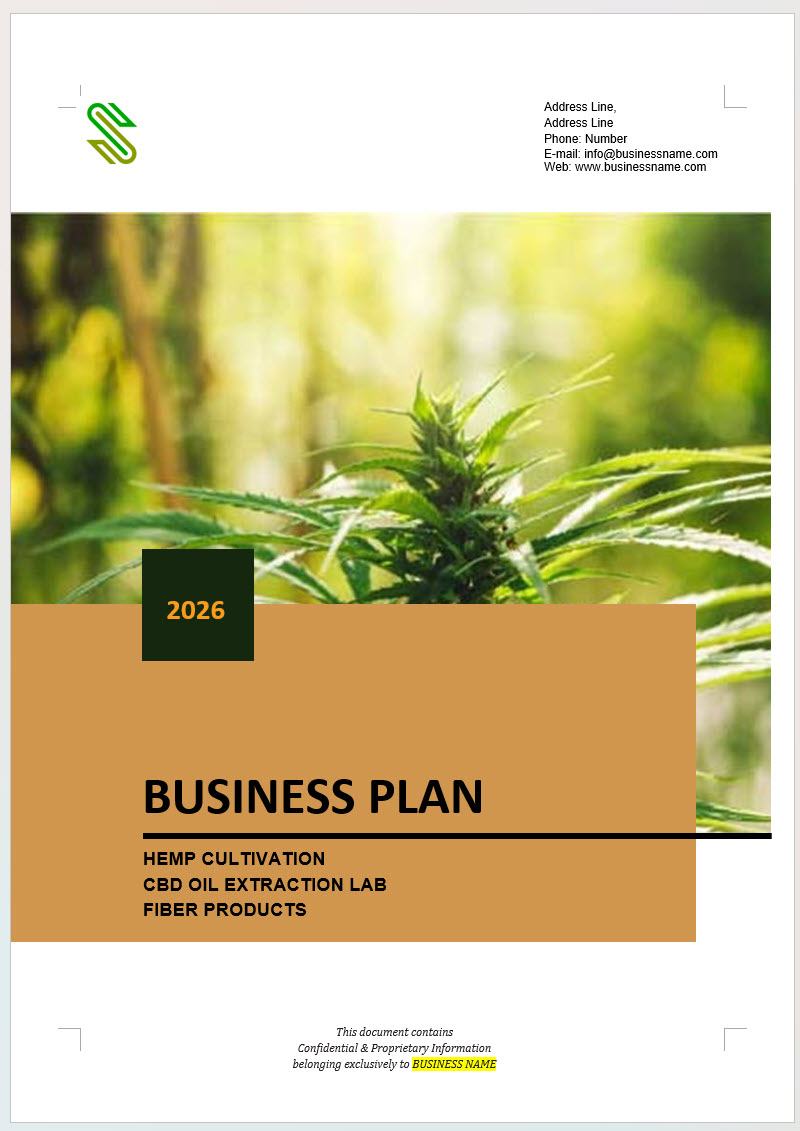
Hemp Cultivation and CBD Oil Extraction and/or Fiber Products Business Plan Template
Price range: $75.00 through $350.00