The law created the Alabama Medical Cannabis Commission (AMCC) to license in the following categories: cultivator, processor, dispensary, transporter, testing laboratory and “integrated facility” (which can cultivate, process, transport, and dispense medical cannabis under one license), as well as to supervise the program.
- Decide the type of cannabis business. Choose a location. Check local zoning regulations.
Alabama Cannabis Business Licenses Types
An integrated facility license authorizes all of the following:
- The cultivation of cannabis.
- The processing of cannabis into medical cannabis, including proper packaging and labeling of medical cannabis products.
- The dispensing and sale of medical cannabis only to a registered qualified patient or registered caregiver. Each licensee may operate up to 5 dispensing sites.
- The transport of cannabis or medical cannabis between its facilities.
- The sale or transfer of medical cannabis to a dispensary.
License Application Fee – $2,500
Annual License Fee – $50,000
A cultivator license authorizes all of the following:
- The cultivation of cannabis.
- The sale or transfer of cannabis to a processor.
- If the cultivator contracts with a processor to process its cannabis into medical cannabis on the cultivator’s behalf, the sale or transfer of medical cannabis to a dispensary.
License Application Fee – $2,500
Annual License Fee – $40,000
A processor license authorizes all of the following:
- The purchase or transfer of cannabis from a cultivator.
- The processing of cannabis into medical cannabis which shall include properly packaging and labeling medical cannabis products, in accordance with the law.
- The sale or transfer of medical cannabis to a dispensary.
License Application Fee – $2,500
Annual License Fee – $40,000
A dispensary license authorizes all of the following:
- The purchase or transfer of medical cannabis from a processor.
- If a cultivator contracted with a processor to process its cannabis into medical cannabis on the cultivator’s behalf, the purchase or transfer of medical cannabis from the cultivator.
- The purchase or transfer of medical cannabis from an integrated facility.
- The dispensing and sale of medical cannabis only to a registered qualified patient or registered caregiver. Each licensee may operate up to 3 dispensing sites.
License Application Fee – $2,500
Annual License Fee – $40,000
A secure transporter license authorizes the licensee to store and transport cannabis and medical cannabis for a fee upon request of a licensee. A license does not authorize transport to a registered qualified patient or registered caregiver.
License Application Fee – $2,500
Annual License Fee – $30,000
A state testing laboratory license authorizes the licensee to possess and test cannabis and medical cannabis products cultivated or processed at licensed facilities.
License Application Fee – $2,500
Annual License Fee – $30,000
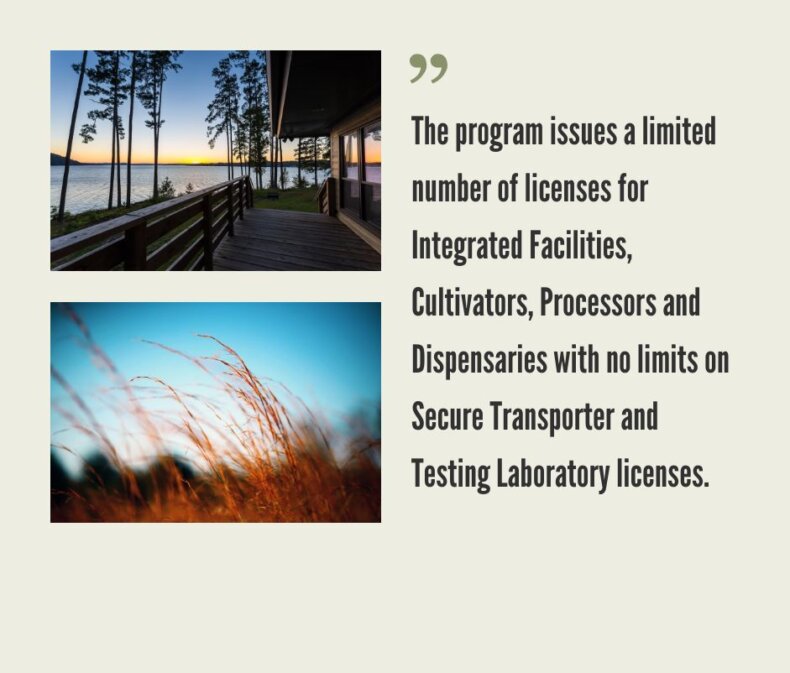
Initially, the program issues 5 Integrated Facility licenses, 12 Cultivator licenses, 4 Processor licenses and 4 Dispensary licenses with no limits on Secure Transporter and Testing Laboratory licenses.
Applicants cannot apply for more than one category of business license at a time. A cannabis business license is valid for one year from the date of issuance. The Commission will notify licensees electronically of the need to file an Application for Renewal not more than 60 days prior to the date of license expiration.
Weed Delivery in Alabama
Alabama Cannabis Law does not provide for home delivery of medical marijuana.
- Develop a solid cannabis business plan. Secure financing.
- Prepare the required documents. Submit applications. Pay fees. Obtain the required licenses.
Licensing process:
- Check off all the requirements and documents on the Business Licensing Application Guides.
- Develop a cannabis business plan to estimate the start-up expenses and potential profitability. The business and financial plan for annual license applications shall contain a full business plan, including at a minimum:
- an executive summary, including mission statement, leadership background and qualifications, business style and philosophy, key personnel, identification of facility location(s) and function(s), clearly defined business goals (a 3-year and a 5-year plan);
- marketing analysis and strategy with sales forecast;
- an operating plan with a description of services and/or products to be cultivated, processed, transported, dispensed, or tested;
- an organizational chart with job descriptions;
- a community engagement plan;
- an environmental impact statement;
- an insurance plan.
Application Submission: The online application form must be completed and filed electronically through the AMCC application portal with exhibits created and all required documents uploaded as well as non-refundable application fee paid electronically. USB flash drives and verification must be received on or before the 7th business day after date application filed. It is the applicant’s responsibility to confirm that all items have been received by AMCC.
Initial Review, Notice of Deficiency, Amendment & Correction: Applications will be initially reviewed for deficiencies.
Evaluation & Scoring: Application materials, including exhibits and attachments, will be evaluated and scored in accordance with the criteria as provided by Rule 538-x-3-.11.
Award & Issuance of Licenses: The Commission will vote to award licenses in each license category.
License Fee: An applicant, if awarded a license, has 14 days after the date on which licenses are awarded to submit the appropriate license fee to the Commission.
An applicant shall pay the required nonrefundable initial application fee at the time of application submission and provide information in a form and manner as prescribed by the Commission, which may include, but is not limited to the following:
- Ownership, including Resume or Curriculum Vitae of Individuals with Ownership Interest in Applicant, Residency of Owners, Commercial Horticulture or Agronomic Production Experience, Criminal Background Check.
- Financial ability, including Minimum Performance Bond Requirements, Minimum Liquid Assets Requirement, Demonstration of Sufficient Capital, Minimum Operating Capital Requirement, Financial Statements, Tax Plan.
- Business/Management approach, including Business Formation Documents, Business License and Authorization of Local Authorities, Business Plan, Evidence of Business Relationship with Other Licensees and Prospective Licensees, Coordination of Information from Registered Certifying Physicians, Point-of-Sale Responsibilities, Confidentiality of Patient Information, Money Handling and Taxes.
- Operational plans and procedures, including Standard Operating Plan and Procedures, Policies and Procedures Manual, Production and Manufacturing Process, Machinery and Equipment, Receiving and Shipping Plan, Secure Transport Vehicles, Compliance with Alabama Public Service Commission Requirements, Commercial Driver’s License, Fleet Summary, Care and Maintenance of Vehicles, Route Plans, Plan for Segregation of Processes Within and Transportation Between Facilities.
- Facility suitability and infrastructure, including Facilities, Engineering Plans and Specifications (Cultivation Facilities).
- Security Plan.
- Personnel, including Business Leadership Credentials, Employee Handbook, Secure Transport Drivers, Driver’s Manual.
- Quality control and testing, including Quality Control and Quality Assurance Plan, Contamination and Recall Plan.
- Marketing and advertising, including Marketing and Advertising Plan, Website and Social Media.
- Keep track of your ongoing compliance requirements.
Alabama Cannabis Taxes
A 9% gross receipts tax will be levied on the retail sale of medical cannabis and an annual privilege tax levied on those operating a business within the law:
(a) Commencing January 1, 2022, there is levied, in addition to all other taxes of every kind now imposed by law, a tax on the gross proceeds of the sales of medical cannabis when sold at retail in this state at the rate of nine percent of the gross proceeds of the sales.
(b) Commencing January 1, 2022, there is levied an annual privilege tax on every person doing business in Alabama. The tax shall be levied upon the taxpayer’s net worth in Alabama for the taxable year. The rate rages from $0.25 to $1.75 for each $1,000 of net worth in Alabama.
Alabama Advertising Regulations
Before a name, logo, sign, advertisement or other marketing campaign is used, it must first be submitted to the AMCC for review. The AMCC will have 14 days to review the materials submitted and approve or prohibit their use.
An advertisement may not be placed:
- Within 500 feet of the perimeter of a prohibited facility or any business where the placement of the advertisement could target or be attractive to minors, in the opinion of the AMCC.
- On a billboard.
- On a radio or television broadcast.
- On any handheld or other portable sign.
- On a brochure, handbill, pamphlet, leaflet or flyer distributed in public places.
- Left on a private property without the consent of the property owners.
- On or in a vehicle, public transit vehicle or public transit shelter.
- On or in a publicly-owned or operated property.
An advertisement may not:
- Contain a reference to, or be accompanied by, an image of a cartoon character or individual more than 15% of whose audience may be reasonably assumed to be minors.
- Suggest a relationship to edibles or beverages.
- Include designs that could appeal to minors.
- Suggest that the advertisement is approved or endorsed by the AMCC, the State of Alabama or any person, entity or agency associated with the State of Alabama.
- Advertise medical cannabis in a manner that is inconsistent with the medicinal and approved use of medical cannabis.
- Encourage the use of medical cannabis for a condition other than a qualifying medical condition.
Cannabis Microbusiness Business Plan Sample, Alabama

'70% ready to go' business plan templates
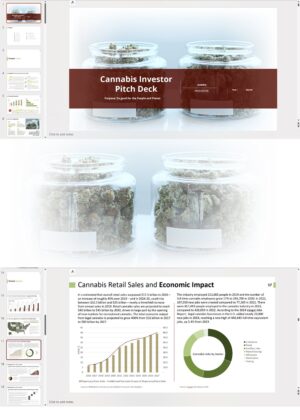
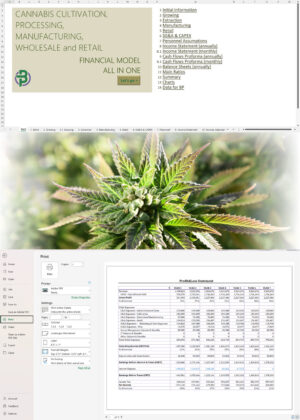
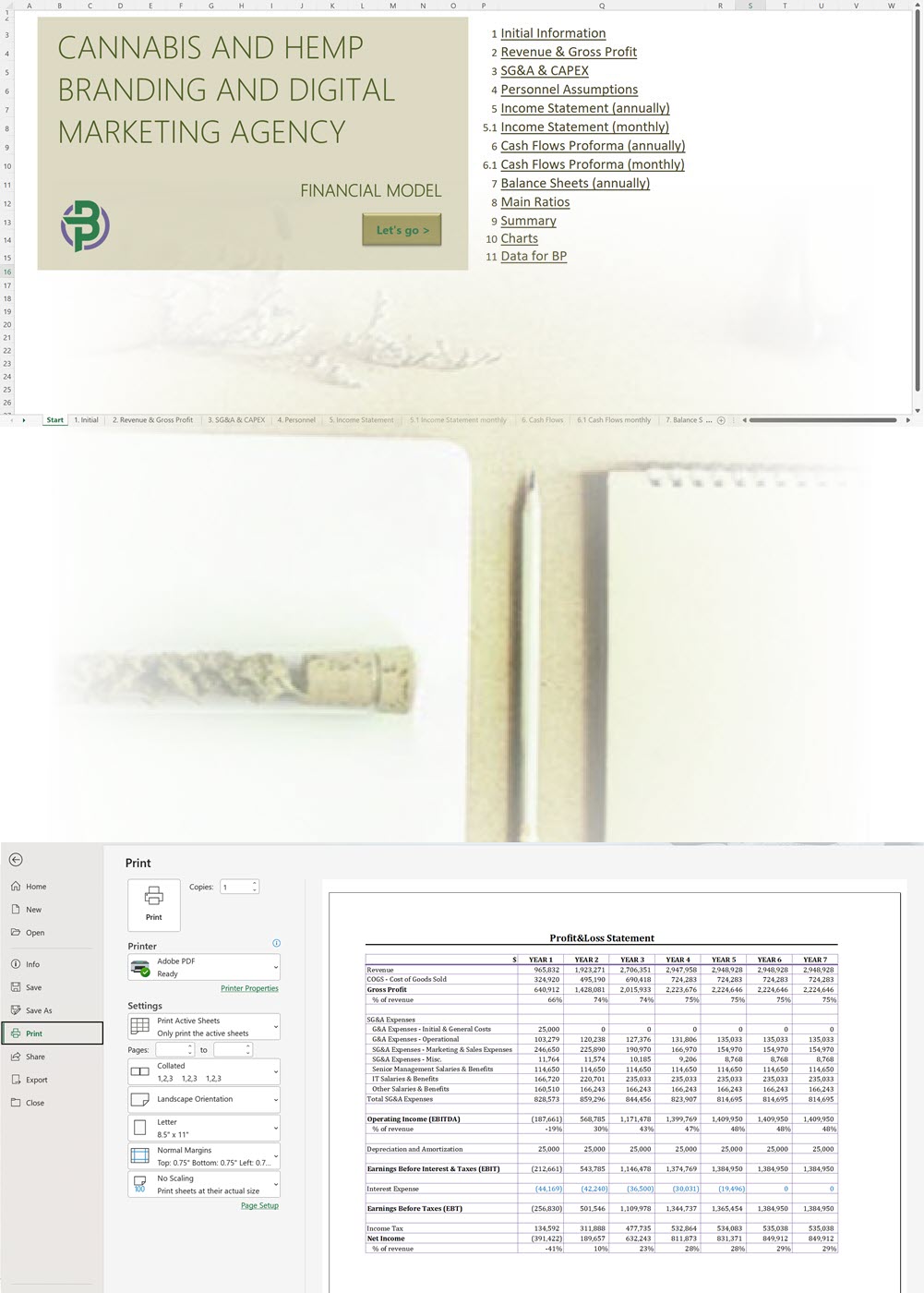
Our cannabis financial models and cannabis business plan templates will help you estimate how much it costs to start and operate your own cannabis business, to build all revenue and cost line-items monthly over a flexible seven year period, and then summarize the monthly results into quarters and years for an easy view into the various time periods. We also offer investor pitch deck templates.
Best Selling Templates
-

Cannabis Cultivation Business Plan Template
Price range: $75.00 through $350.00 Select options This product has multiple variants. The options may be chosen on the product page -

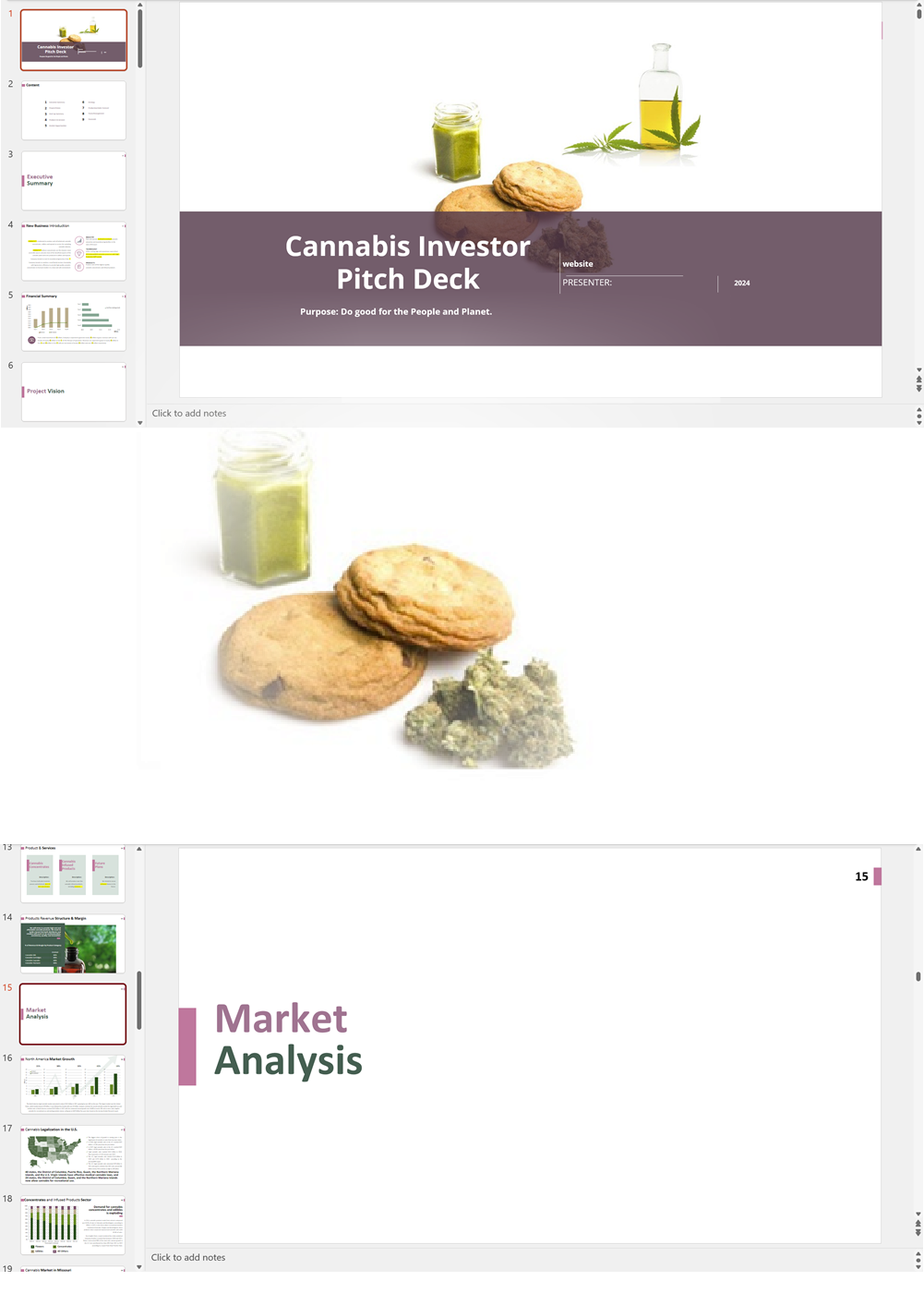
Cannabis Dispensary Investor Pitch Deck Template
$75.00 Select options This product has multiple variants. The options may be chosen on the product page -
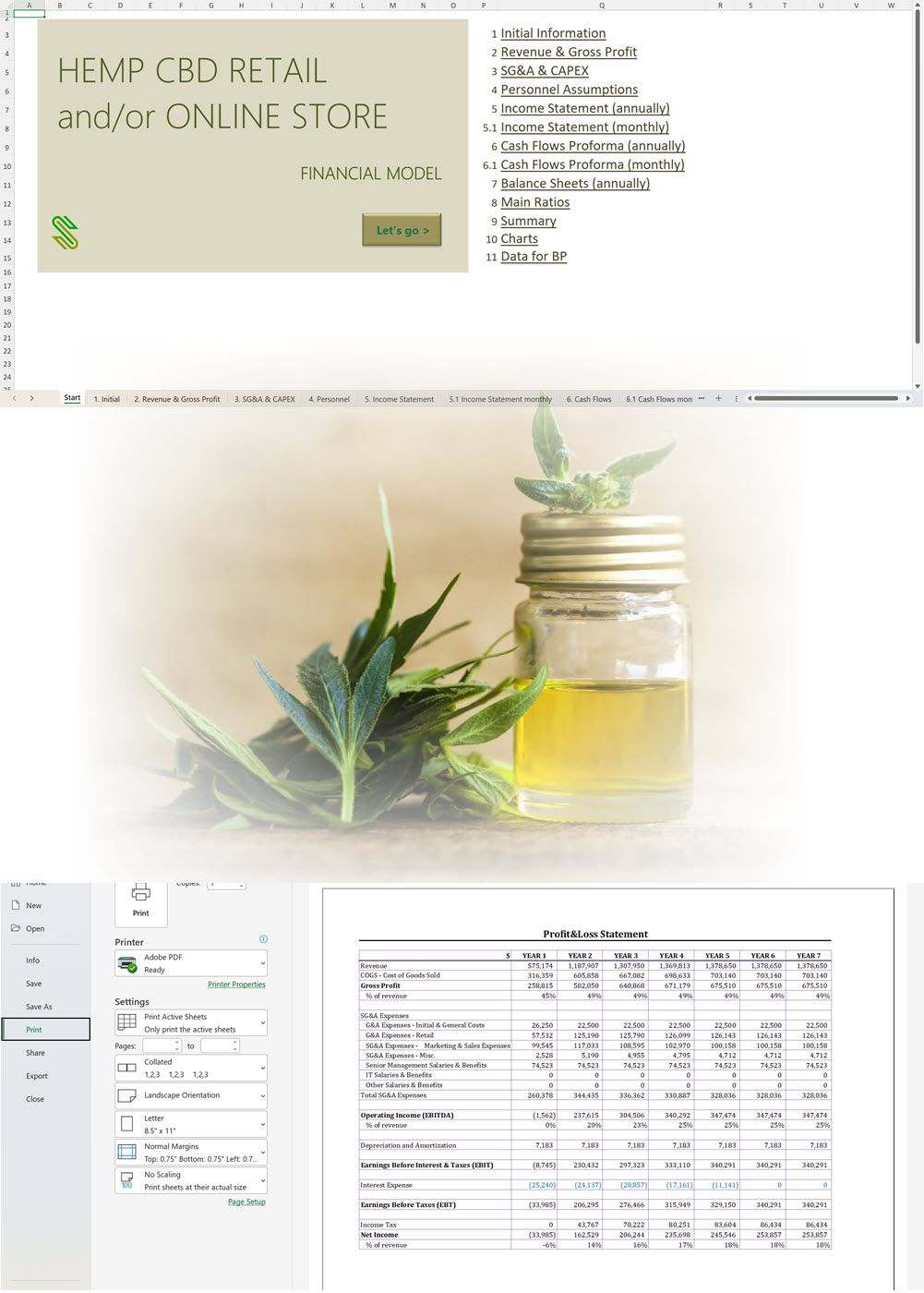
Cannabis Financial Model All in One
$250.00 Select options This product has multiple variants. The options may be chosen on the product page
Hemp/CBD business plan templates are available at hempcbdbusinessplans.com.
Our Templates

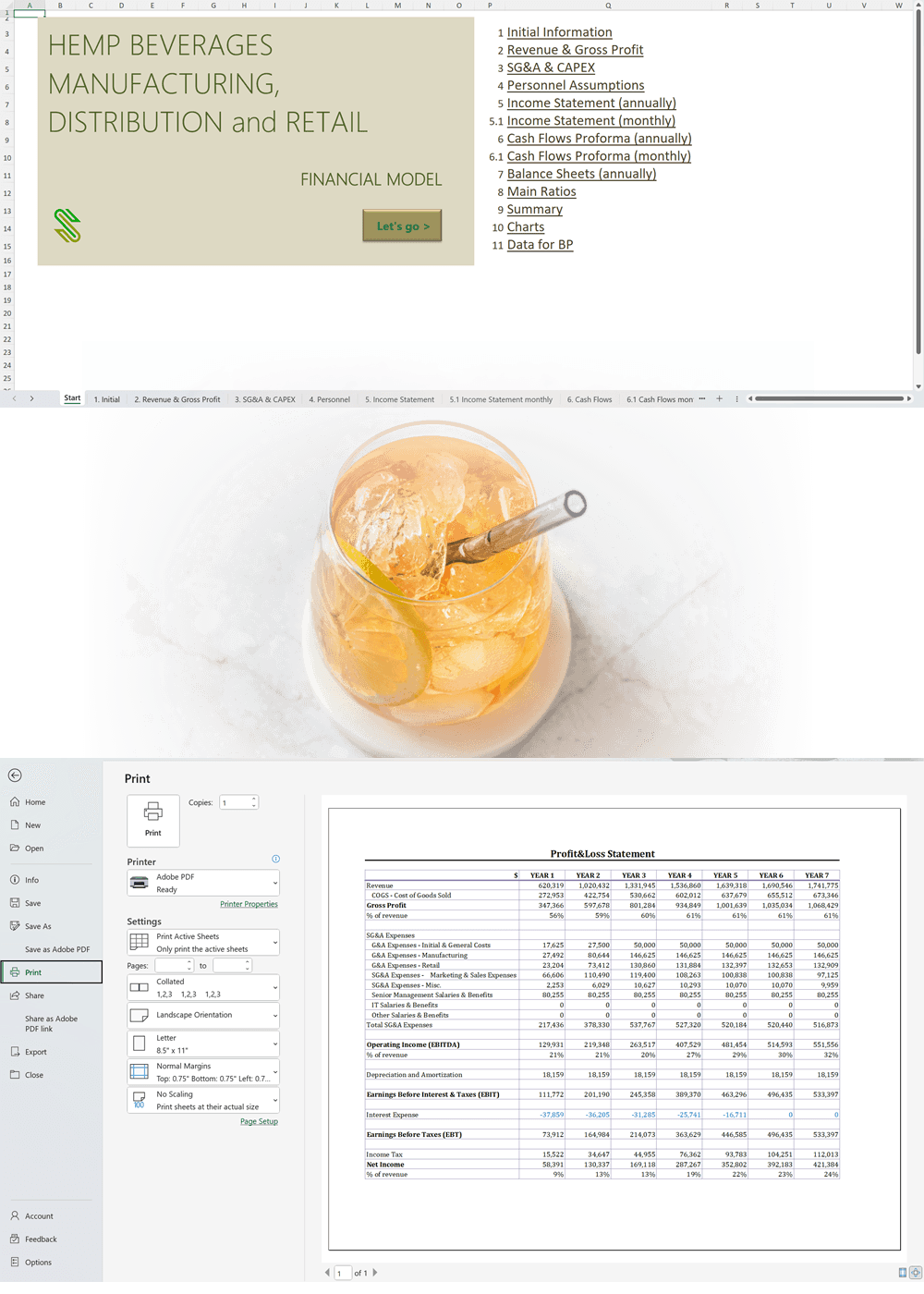
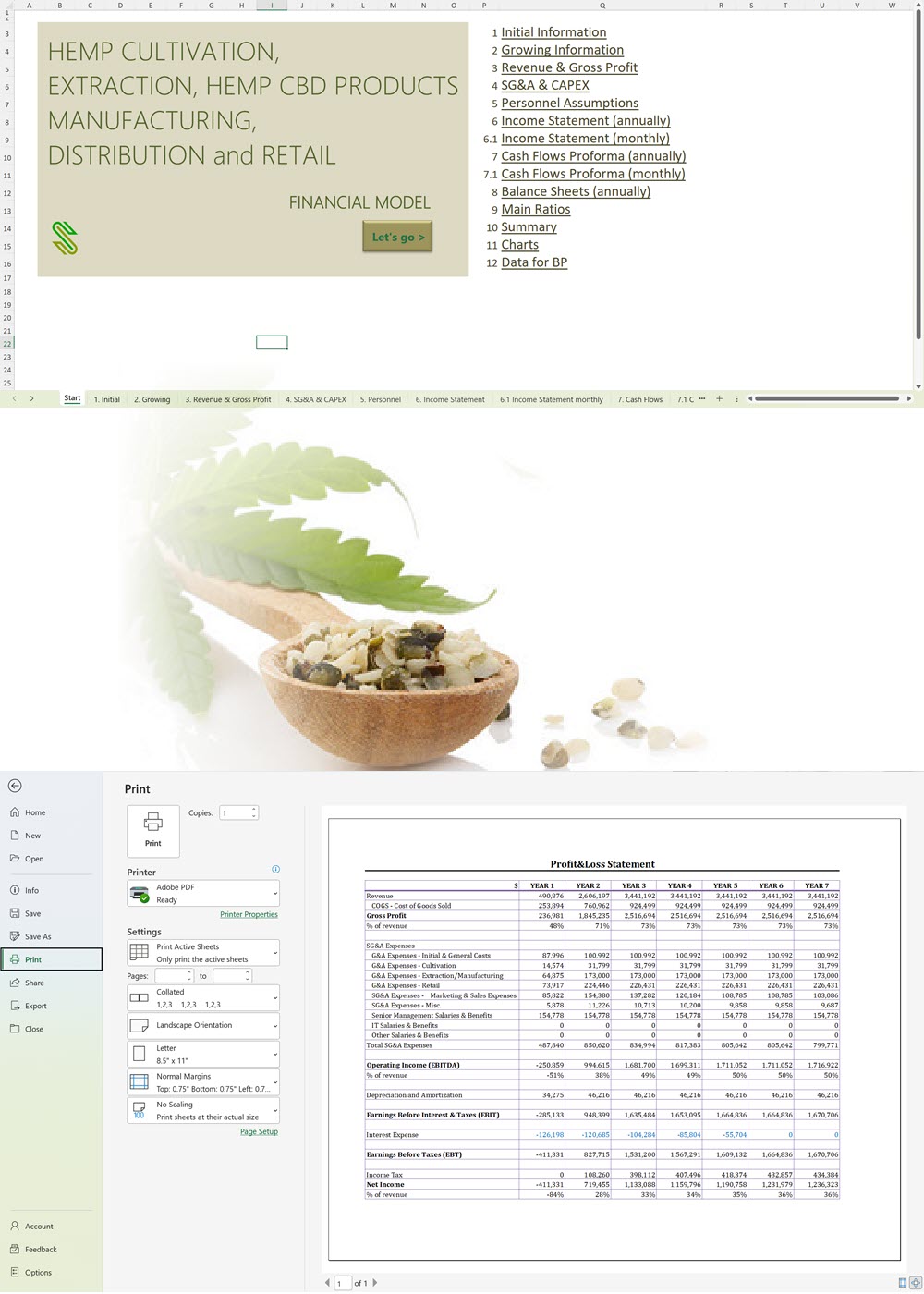

Hemp CBD Beverage Manufacturing, Wholesale and/or Retail Business Plan Template
Price range: $75.00 through $350.00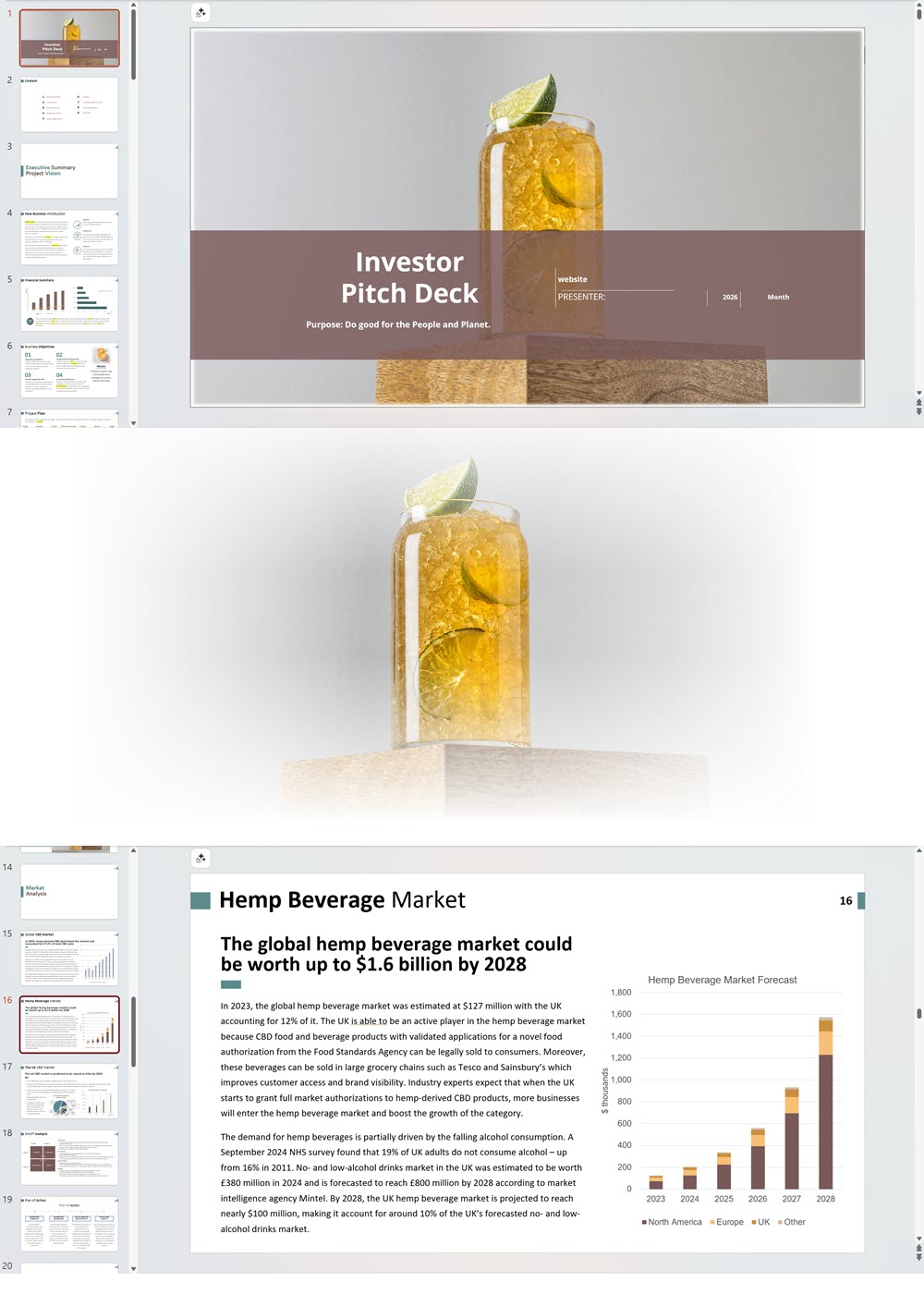

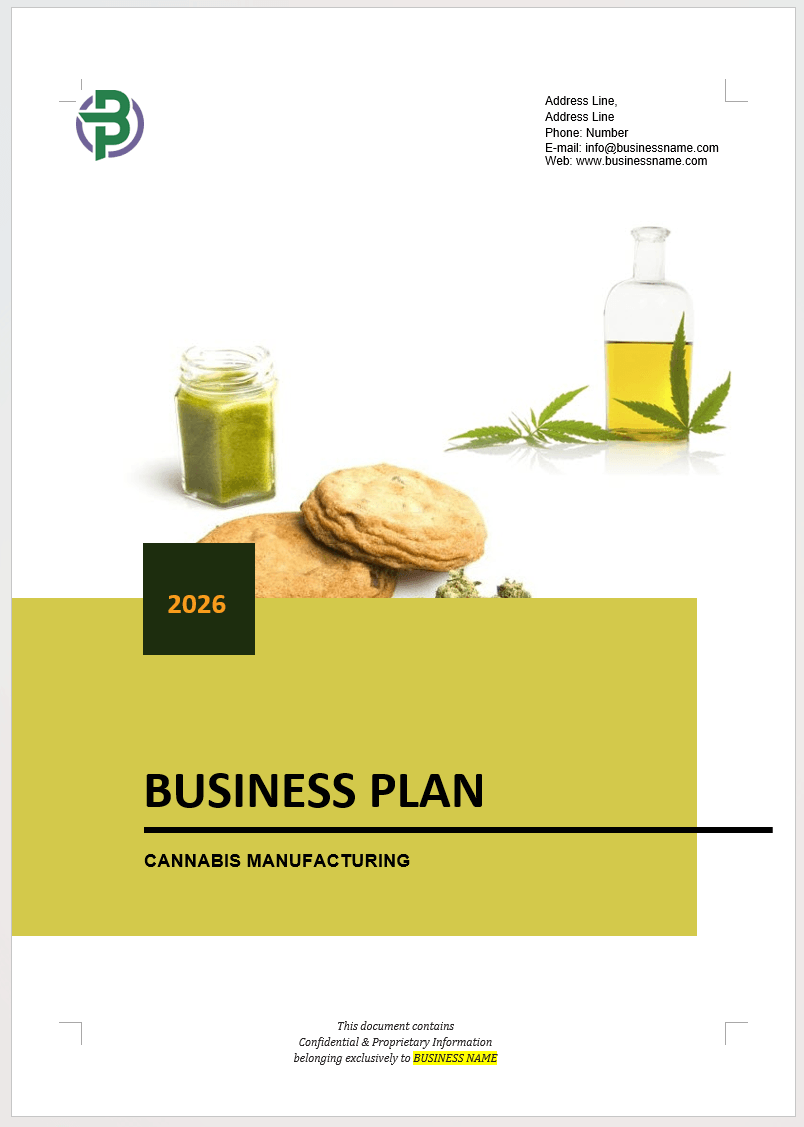
Cannabis Manufacturing Business Plan Template (with in-house processing)
Price range: $75.00 through $350.00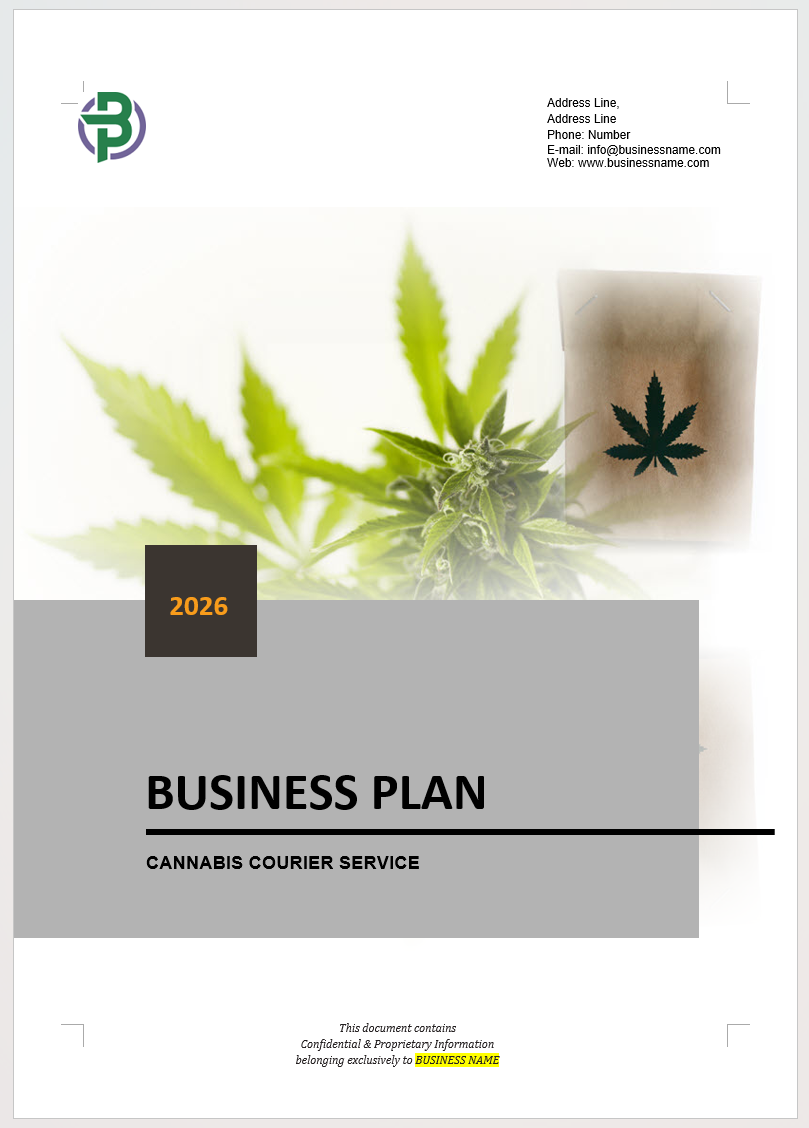
Cannabis Courier Business Plan Template
Price range: $75.00 through $275.00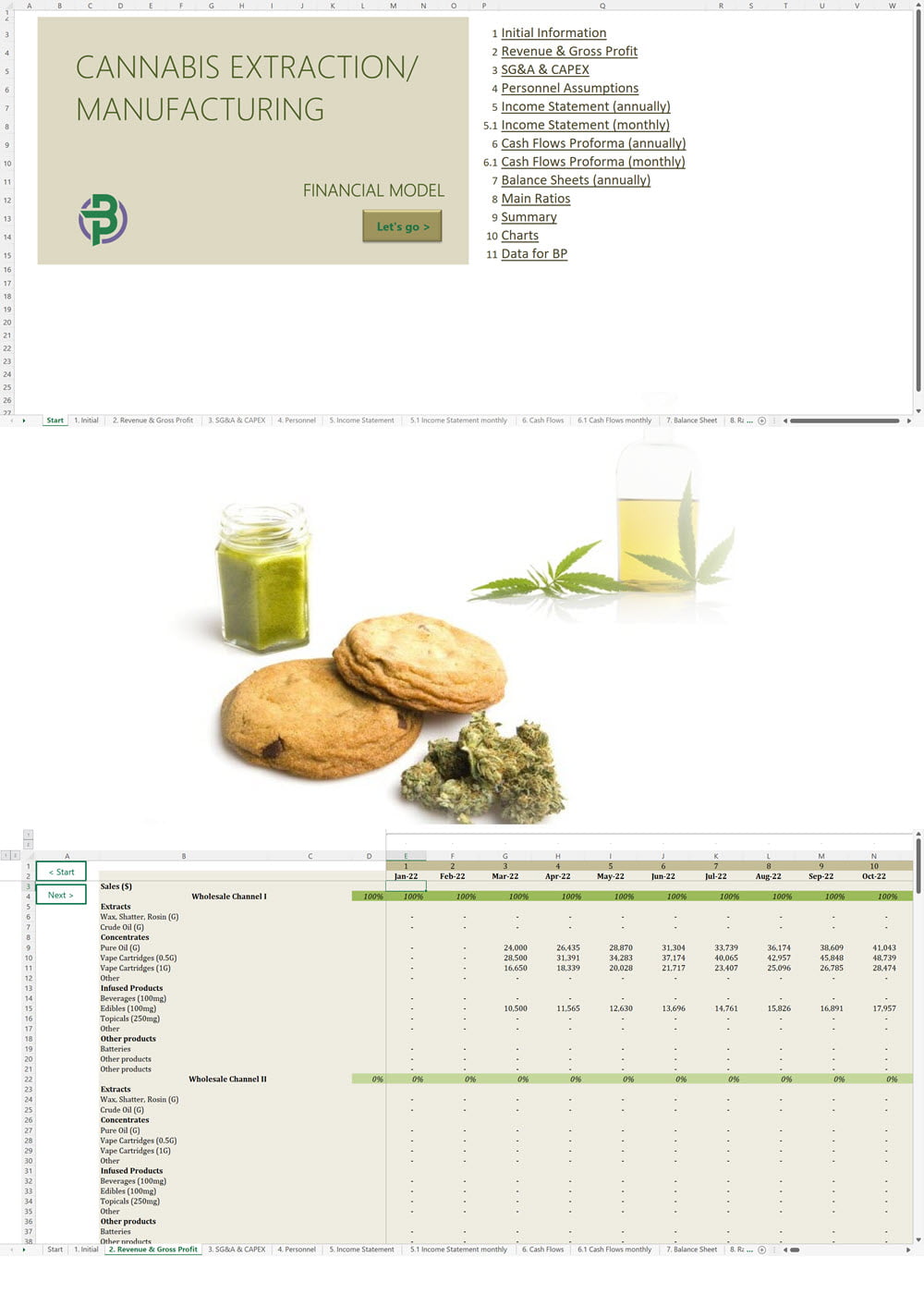
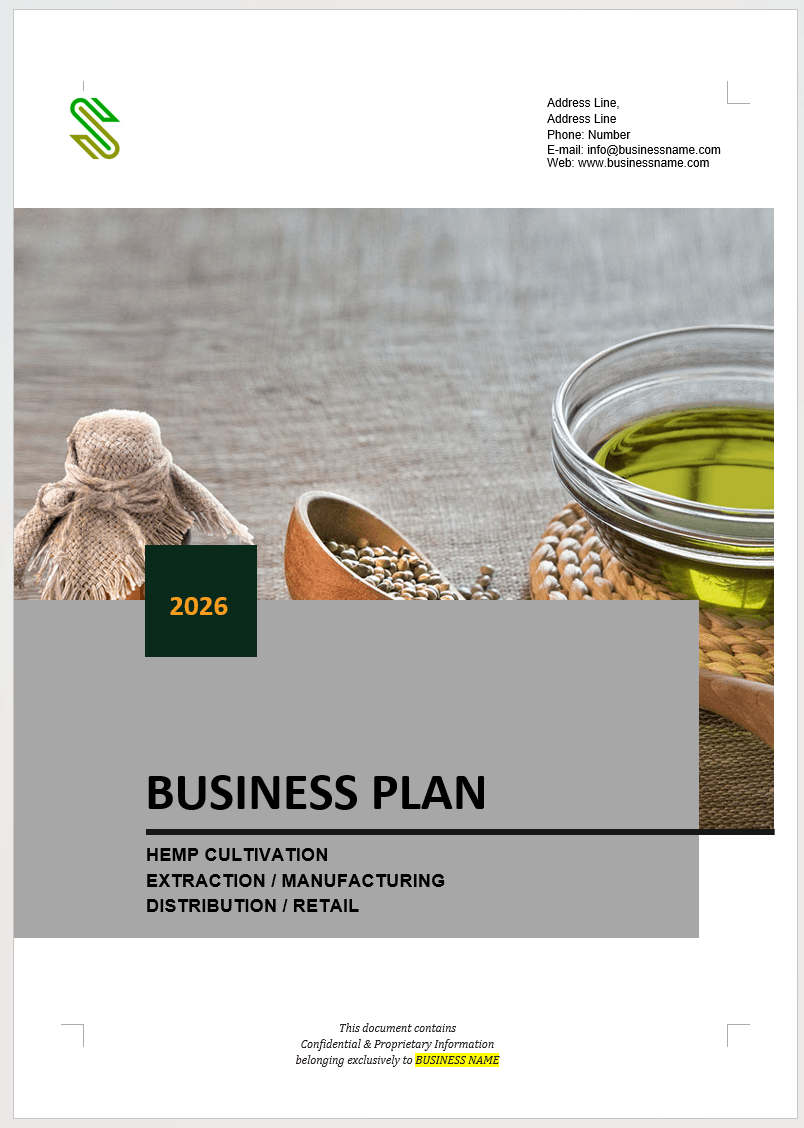
Hemp CBD Vertically Integrated Business Plan Template
Price range: $75.00 through $450.00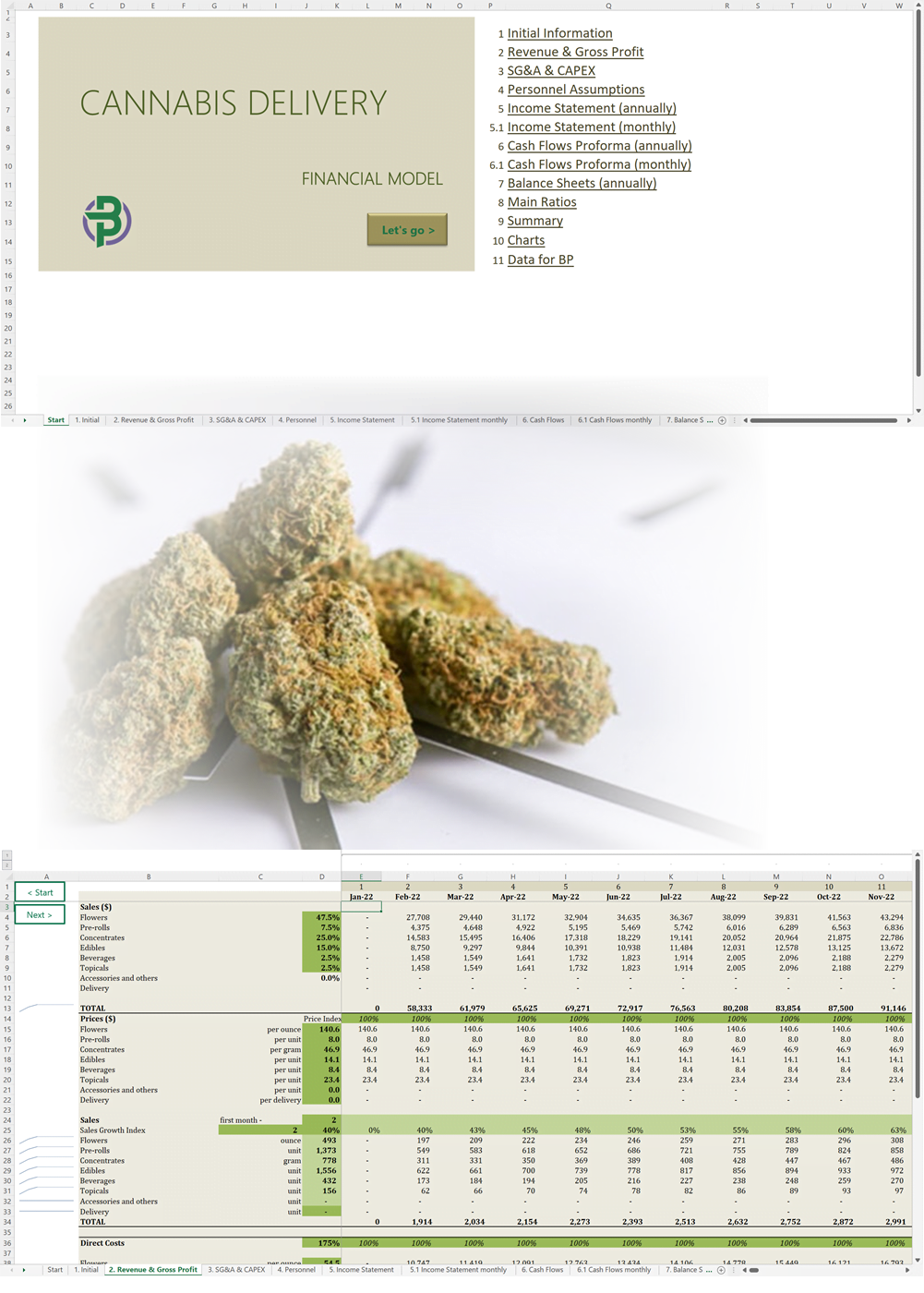

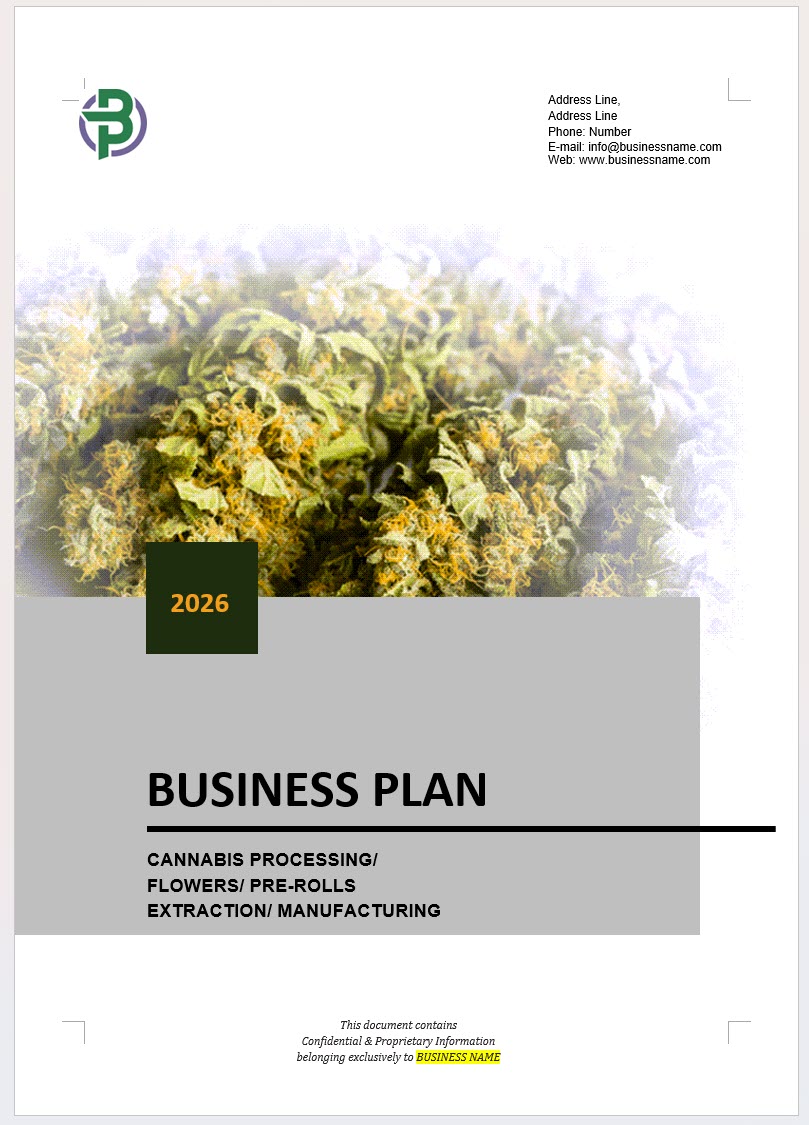
Cannabis Processing/ Flowers/ Pre-rolls/ Extraction/ Manufacturing Business Plan Template
Price range: $75.00 through $350.00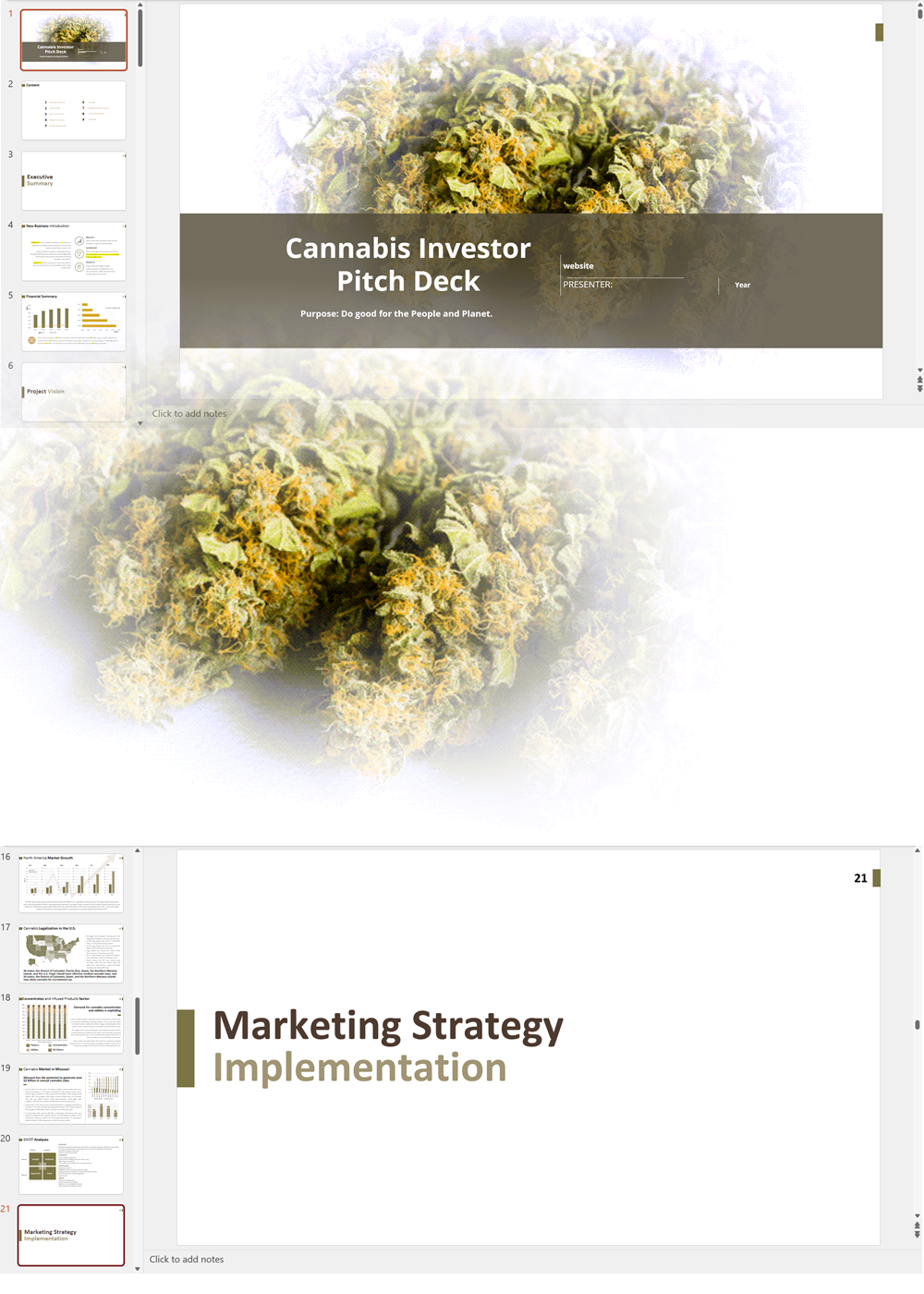
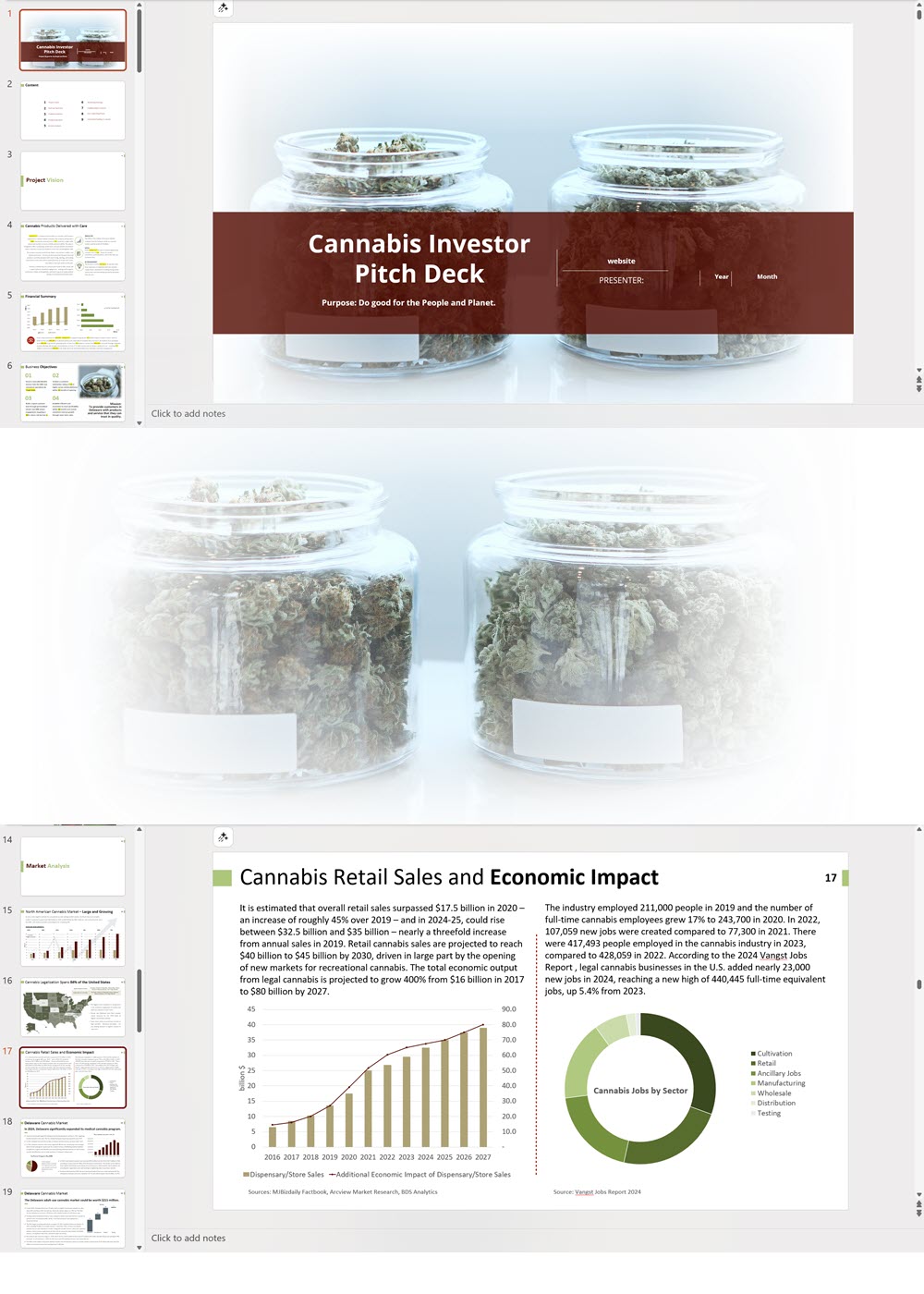
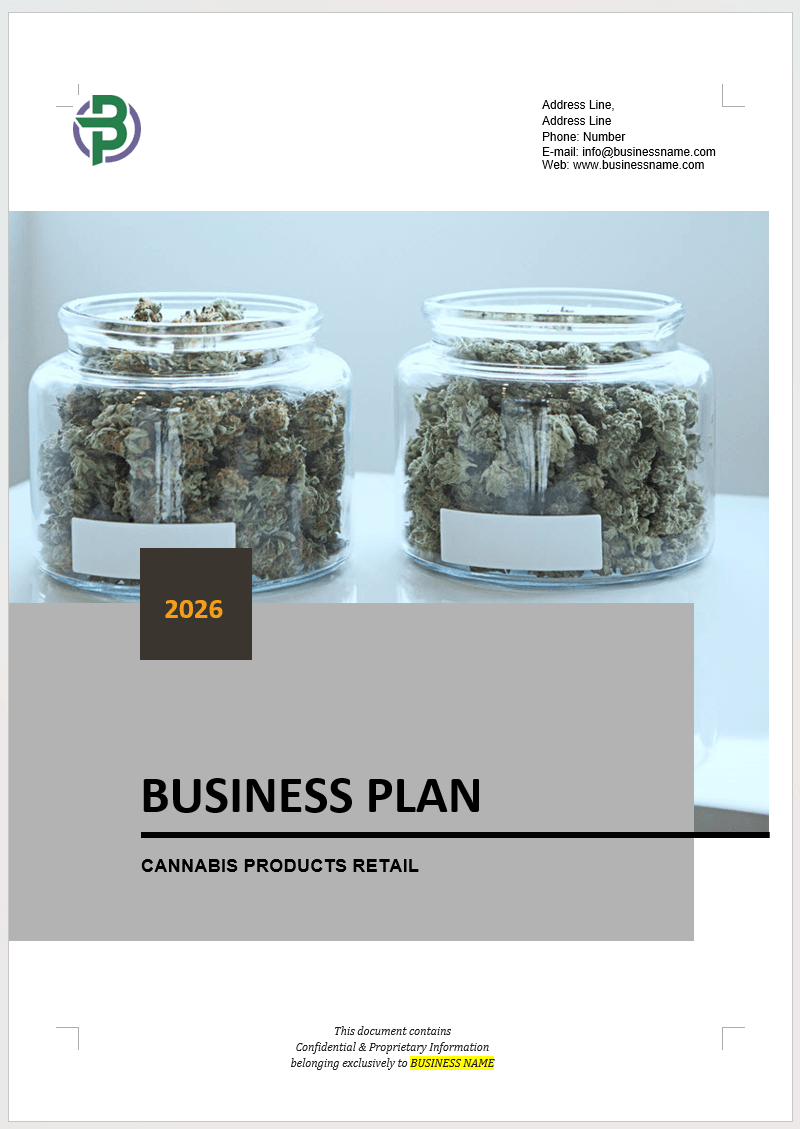
Cannabis Dispensary Business Plan Template
Price range: $75.00 through $350.00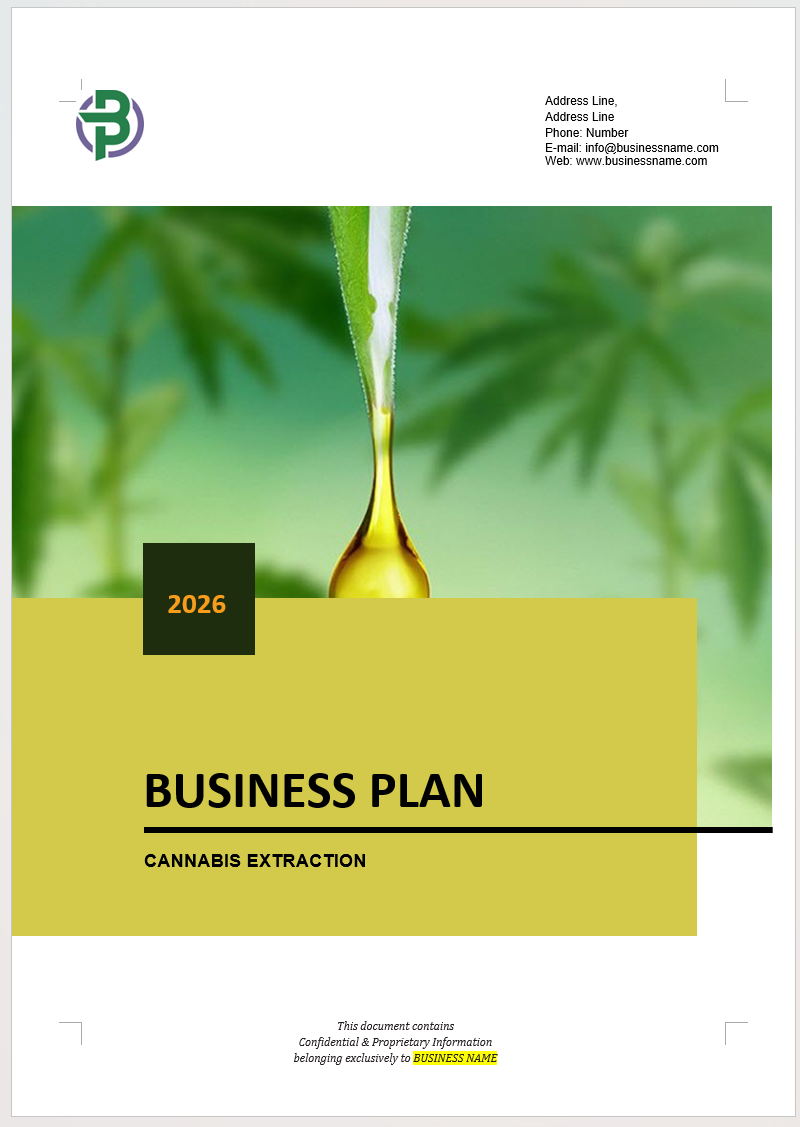
Cannabis Extraction / Concentrates Business Plan Template
Price range: $75.00 through $350.00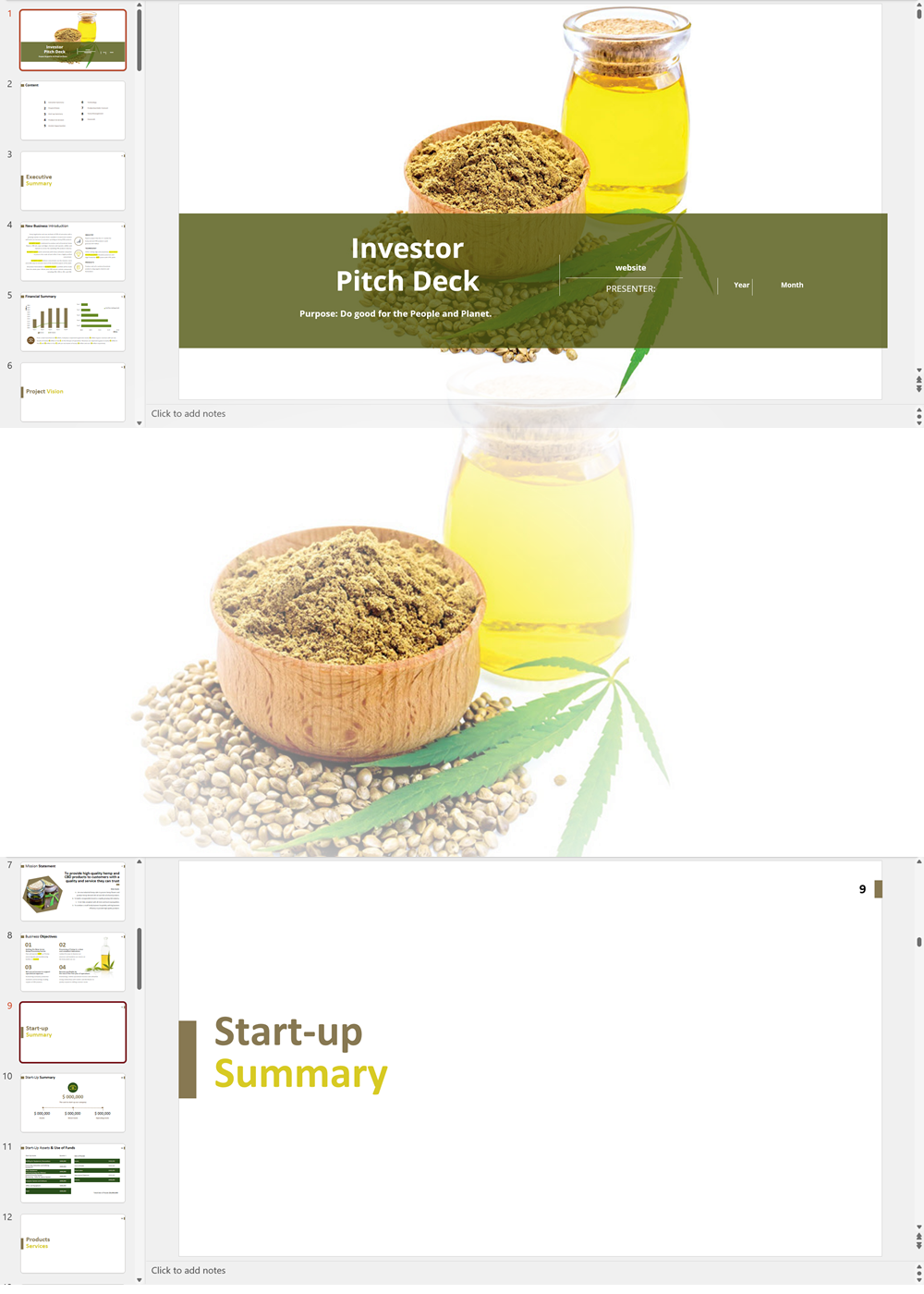
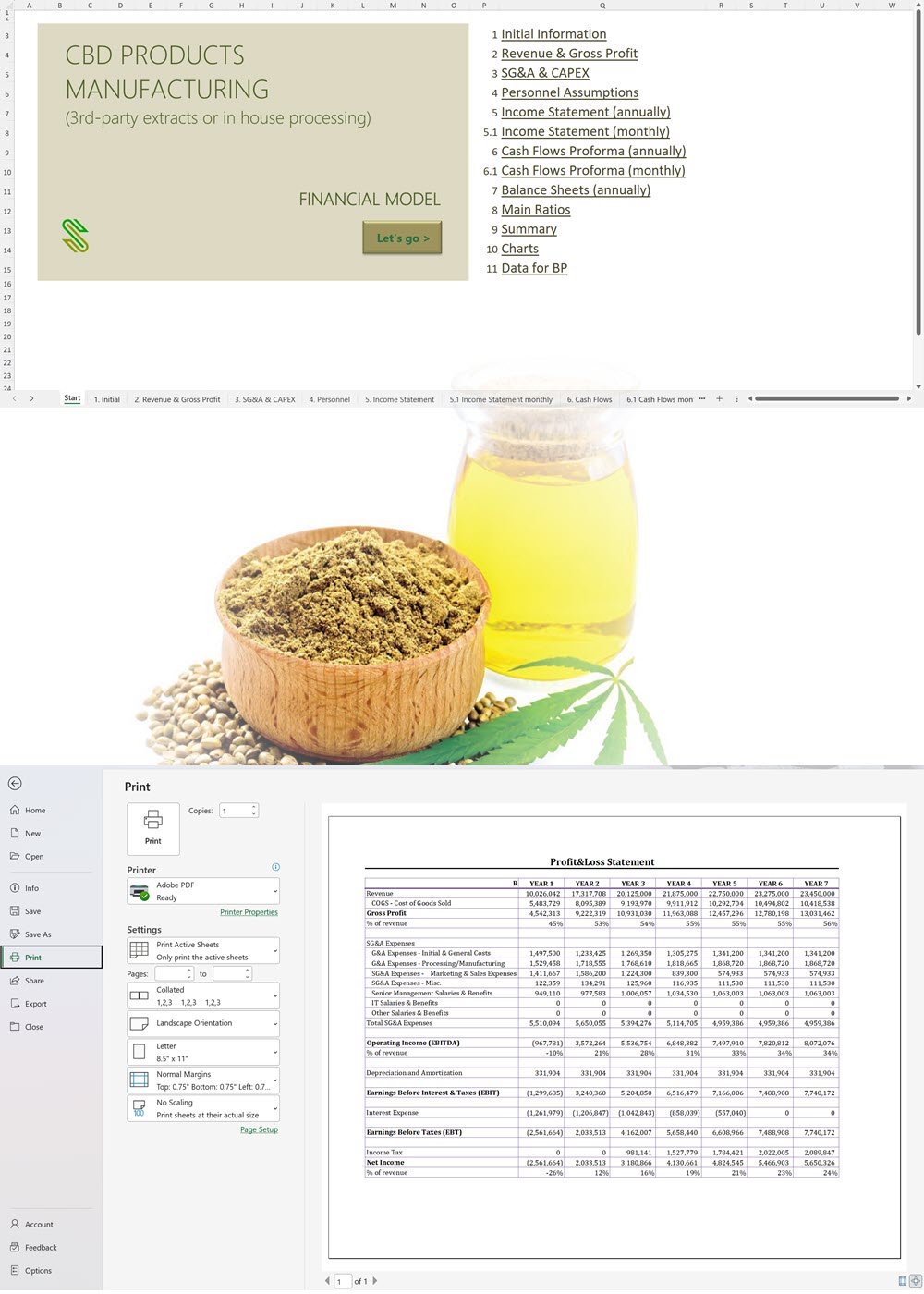
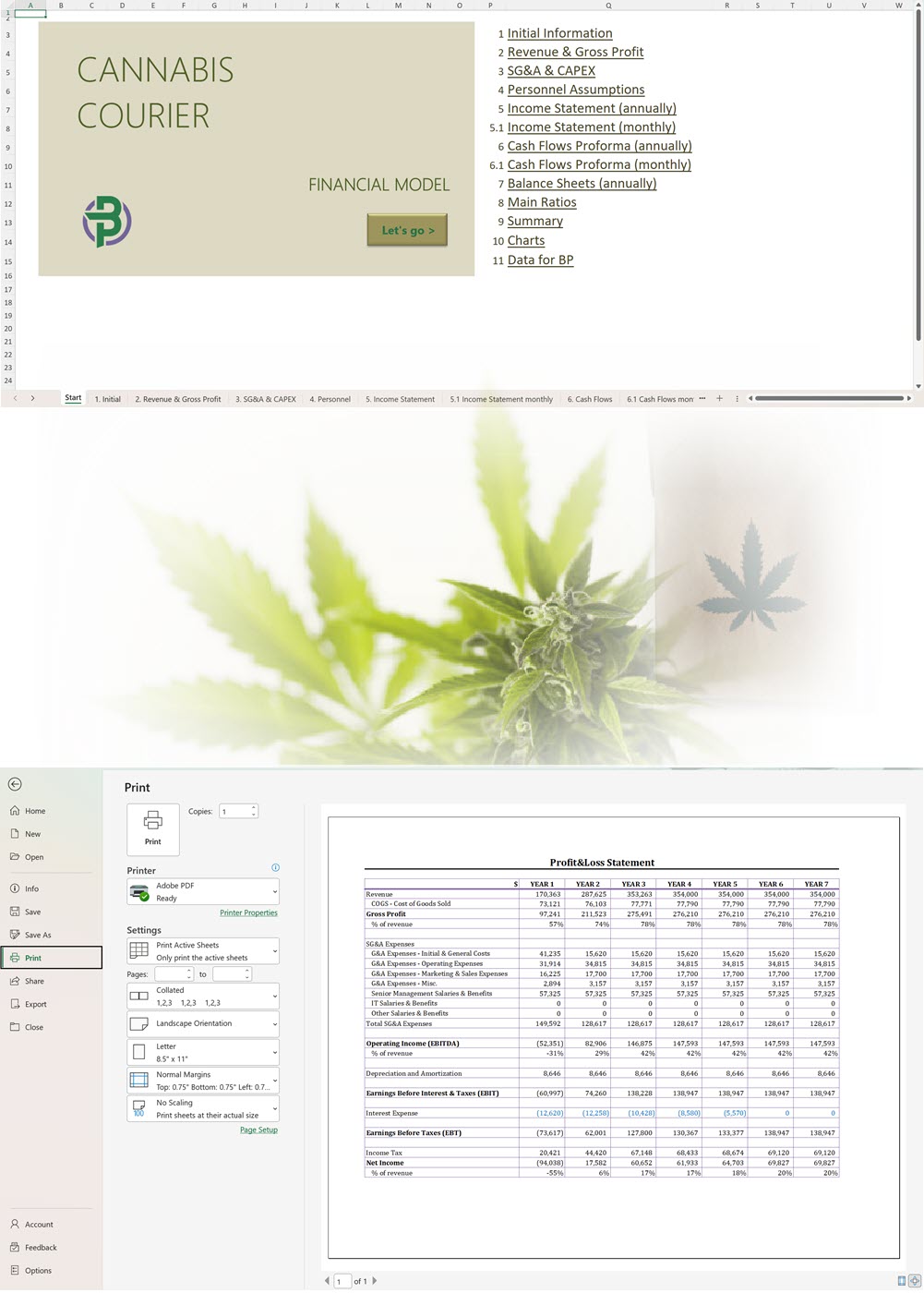
Cannabis Courier Financial Model
$100.00
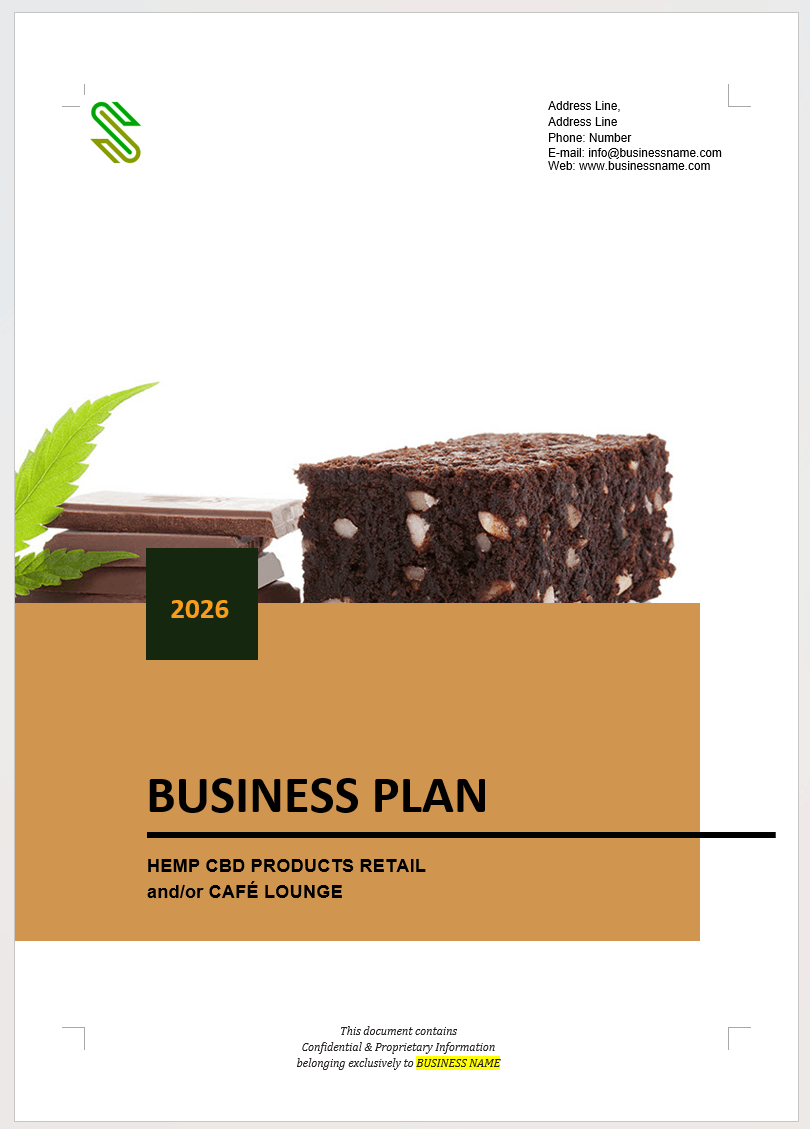
CBD Store and/or Cafe Lounge Business Plan Template
Price range: $75.00 through $275.00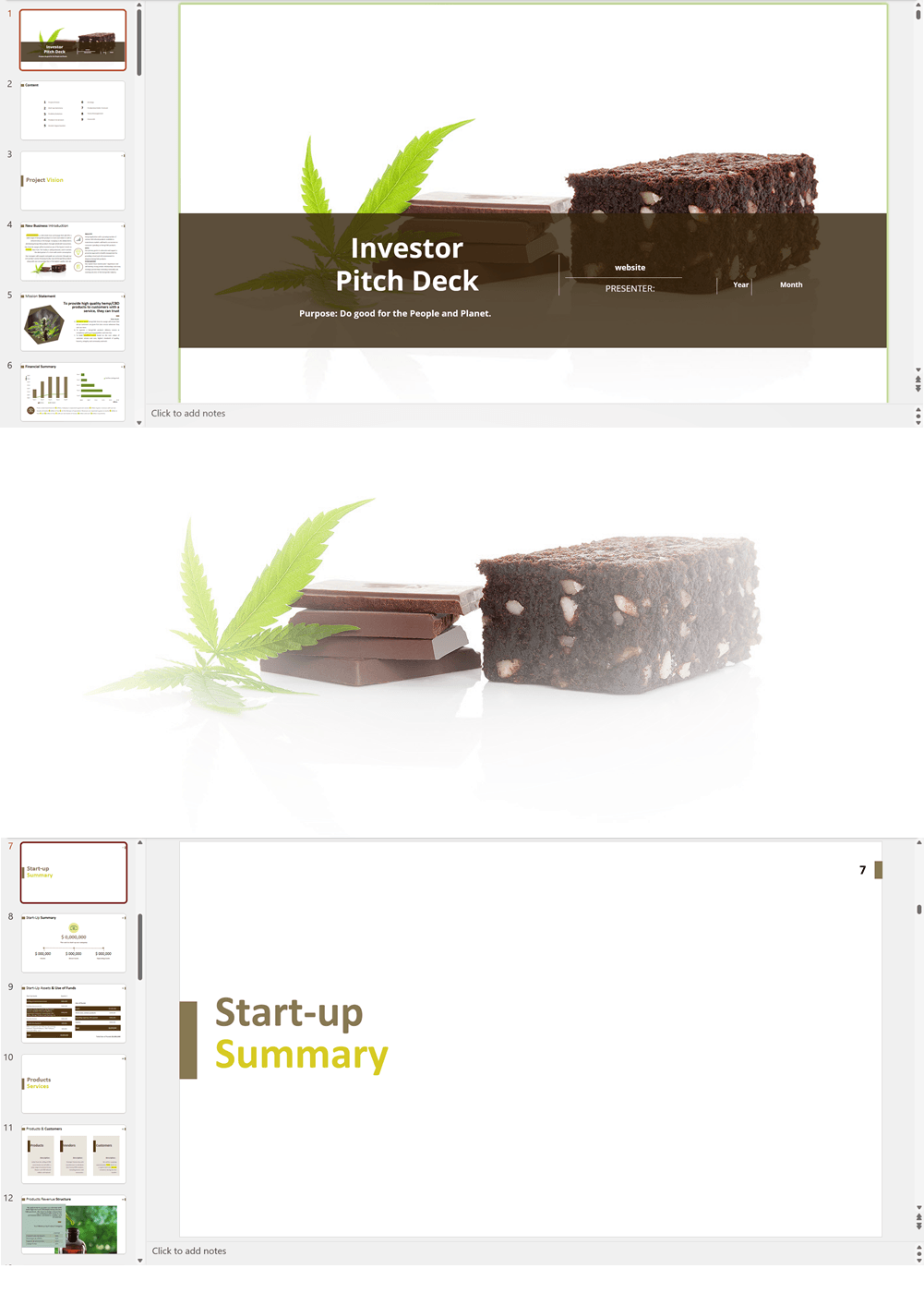


Cannabis Transportation Business Plan Template
Price range: $75.00 through $275.00