Key Takeaways
- Cannabis law and regulations:
- In 2008 Massachusetts voters decriminalized the possession of small amounts of cannabis and in 2012 Massachusetts became the 18th state to open Massachusetts cannabis market to medical users through a ballot. Medical cannabis is regulated by 935 CMR 501.000. The 2016 ballot petition known as “Question 4” became Chapter 334 of the Acts of 2016. It created General Laws Chapter 94G which governs the adult use of marijuana and creates the Cannabis Control Commission. Recreational cannabis in Massachusetts is regulated by 935 CMR 500.000.
- Licenses available:
- Medical Treatment Center (MTC); Cultivator; Craft Cooperative; Product Manufacturer; Retailer; Existing Licensee Transporter; Third-Party Transporter; Research Facility; Independent Testing Laboratory; Standards Testing Laboratory; Microbusiness; Courier; Delivery Operator.
- In October 2024, new regulations were approved which introduced several changes including allowing microbusiness permit holders and craft cooperative to apply for other license types such as manufacturing, retail, cultivation and transport.
- Products legal:
- Legal cannabis products include Buds; Vape Products; Concentrates; Raw Pre-Rolls; Infused Pre-Rolls; Infused Edibles; Infused Beverages; Infused Non-edibles.
- Taxes:
- The baseline tax is 17%, which is determined from a combination of a 6.25% sales tax and a 10.75% special excise tax on adult use. Any city or town may impose a local sales tax upon the sale or transfer of cannabis or cannabis products by a cannabis retailer operating within the city or town to anyone other than a cannabis establishment at a rate not greater than 3% of the total sales price received by the cannabis retailer as a consideration for the sale of cannabis or cannabis products. Medical cannabis is exempt from sales and excise taxes.
- Market:
- Medical: In 2025, medical cannabis sales were just over $156 million. As of December 2025, medical cannabis patients are being served by 87 dispensaries. Since January 2019 (when medical sales data became available through METRC tracking system), total program revenue to date is about $1.55 billion.
- Adult-use: In 2025, sales of recreational cannabis surpassed $1.65 billion. Since November 2018, total program revenue to date has reached $8.87 billion. As of December 2025, there were 1,693 approved licenses, of which 934 were active.
Cannabis Legalization in Massachusetts
In 2008 Massachusetts voters decriminalized the possession of small amounts of cannabis and in 2012 Massachusetts became the 18th state to open Massachusetts cannabis market to medical users through a ballot. Medical cannabis is regulated by 935 CMR 501.000.
In November 2016, Massachusetts voters approved Question 4, the initiative to legalize the recreational use of cannabis for adults 21 years of age and older. In December 2016, the Massachusetts state legislature voted to delay sales of recreational cannabis for six months. Originally, licensing for cannabis shops was set to begin in January 2018, but the delay moved the date, and first retail cannabis business opened in Massachusetts in November 2018. Recreational cannabis in Massachusetts is regulated by 935 CMR 500.000. The Cannabis Control Commission (CCC) is responsible for implementing and administering the state’s medical and adult-use cannabis programs.
Under the law, recreational cannabis is taxed in the range of 17% to 20%. The baseline tax is 17%, which is determined from a combination of a 6.25% sales tax and a 10.75% special excise tax on adult use. Cities and towns can choose to add a 3% tax on top of the 17%, tallying up to a 20% tax on retail cannabis.
In 2022, Massachusetts passed legislation that exempt businesses from Section 280E of the federal tax code that allows cannabis companies to deduct business expenses from their state income taxes.
In October 2024, new regulations were approved which introduce several changes including:
- Allowing microbusiness permit holders and craft cooperative to apply for other license types such as manufacturing, retail, cultivation and transport.
- For recreational cannabis delivery licensees and Medical Marijuana Treatment Centers, allowing solo drivers to make home deliveries of cannabis products, rather than requiring two employees to make each delivery, if the value of inventory does not exceed $5,000.
- Allowing nurse practitioners with independent practices to write medical cannabis recommendations for patients.
Even though social consumption establishment licenses were part of the adult-use cannabis measure that Massachusetts voters approved in 2016, their implementation was delayed. In September 2019, the CCC approved new regulations for Massachusetts cannabis market, adult and medical use of cannabis programs that introduced new license types – cannabis cafes and home delivery. The regulations were supposed to create a 12-municipality pilot program for cannabis cafes and other social consumption sites but in May 2023, the CCC voted to abandon this project. Instead of a pilot program, it chose to develop regulations for social consumption sites.
A framework was proposed in December 2024 and in July 2025, the CCC approved draft social consumption site regulations. On August 15, 2025, proposed rules were released for public comment. The rules suggest three social consumption license types:
- Supplemental – for existing qualifying cannabis establishments to add on-site consumption to their operations.
- Hospitality – for qualifying cannabis establishments to establish a new business or operate within a non-cannabis entity to sell cannabis or cannabis products to consumers for consumption within the Social Consumption Establishment’s premises and in designated consumption areas.
- Event organizer – for qualifying cannabis establishments to organize and host temporary consumption events by submitting an Event Plan for approval by the CCC.
On December 11, 2025, the CCC approved regulations for social consumption licenses and the Secretary of the Commonwealth promulgated the new regulations on January 2, 2026.
Massachusetts Cannabis Market Stats
Adult-use
As of December 2025, there were 1,693 approved licenses (1,448 in 2024), including 562 retailers, 392 cultivators, 315 product manufacturers, 39 microbusinesses, 5 delivery microbusinesses, 150 couriers (including pre-certified couriers), 20 testing laboratories, 162 delivery operators (including pre-certified delivery operators), 16 transporters, 4 craft cannabis cooperatives, 2 research facility licenses, and 26 medical cannabis treatment centers according to the official data. Among them, 934 licensees are active. The review process includes a background check and a 60-day window during which the municipality in which the business hopes to locate must certify that the applicant has met all local requirements.
Cannabis stores sold about $4 million worth of cannabis products during the first month and in December 2019 total legal cannabis sales exceeded $448 million, according to figures released by the Cannabis Control Commission. In 2020, adult-use cannabis establishments generated about $712 million in gross sales despite two months of closures. Retail sales continued to rise, with $1.33 billion and $1.47 billion generated in 2021 and 2022, respectively. In 2023, gross sales hit a new annual record, reaching $1.57 billion.
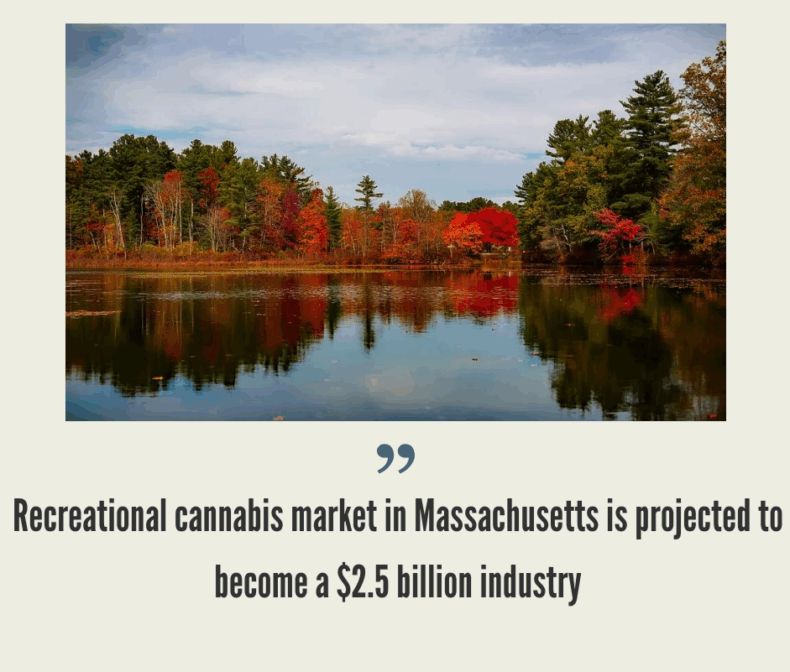
In 2024, sales of recreational cannabis rose to almost $1.65 billion. In 2025, they surpassed $1.65 billion, hitting a new annual record high. Retailers recorded around 46.3 million transactions – up by 3.4 million from 2024 – demonstrating strong consumer demand. This surge in transaction volume helped drive overall sales growth, even as average retail cannabis prices continued to decline. Since November 2018, total program revenue to date has reached $8.87 billion. The recreational cannabis market in Massachusetts is projected to become a $2.5 billion industry.
Information about sales in one week of December 2025 shows that almost 40% of recreational cannabis sales in a typical week are flowers, followed by vape products (21%), pre-rolls (19% incl. infused pre-rolls) and infused edibles (10%).
Medical
In 2021, there were over 100,000 (up from 70,000 in 2020) people who have received medical cannabis cards that allow them to use medical cannabis legally to treat a variety of ailments. Medical cannabis sales amounted to about $314 million in 2021, up by 15.7% from 2020
In 2022, medical sales totaled around $234 million, while 2023 brought in nearly $227 million. In 2024, medical cannabis sales were just under $190 million. Sales for 2025 totaled just over $156 million. As of December 2025, medical cannabis patients are being served by 87 dispensaries. Since January 2019 (when medical sales data became available through METRC tracking system), total program revenue to date is about $1.55 billion.
Massachusetts Cannabis Market Infographics
How Can Cannabusinessplans Templates Help Start or Grow Your Cannabis Business?
The majority of cannabis licensing programs require the submission of a business plan as part of the application for a cannabis license. Even if it is not mandated by law, a business plan is essential for securing funding and assisting an applicant in understanding how much money it will take to start a cannabis business and how much profit it could make.
A well-structured business plan can make all the difference in helping you demonstrate your proposed cannabis business’ compliance with regulations and its operational viability.
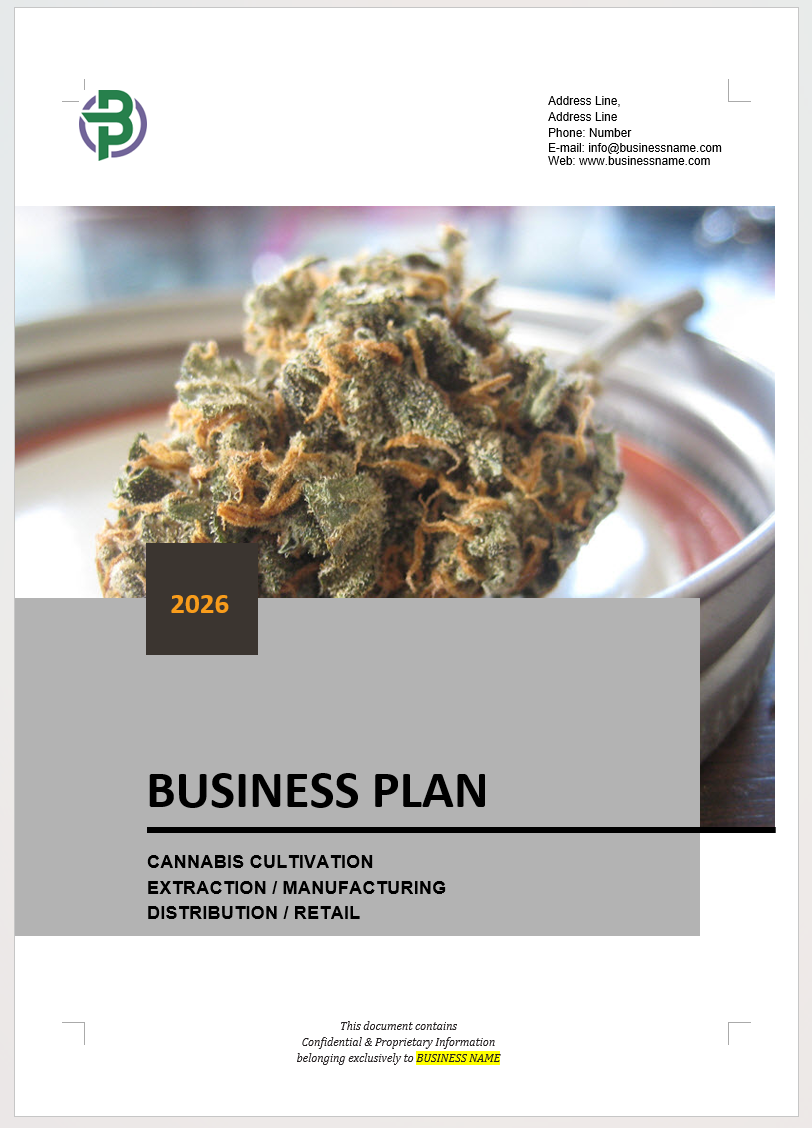
Our complete cannabis business plan template package is everything you need to create a professional business plan for a cannabis business with expert financials and projections. A complete cannabis business plan template package includes:
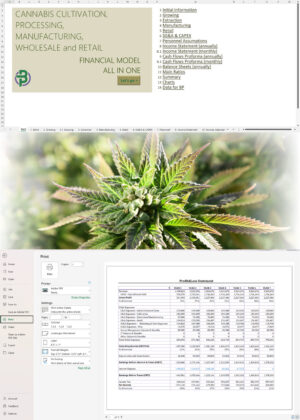
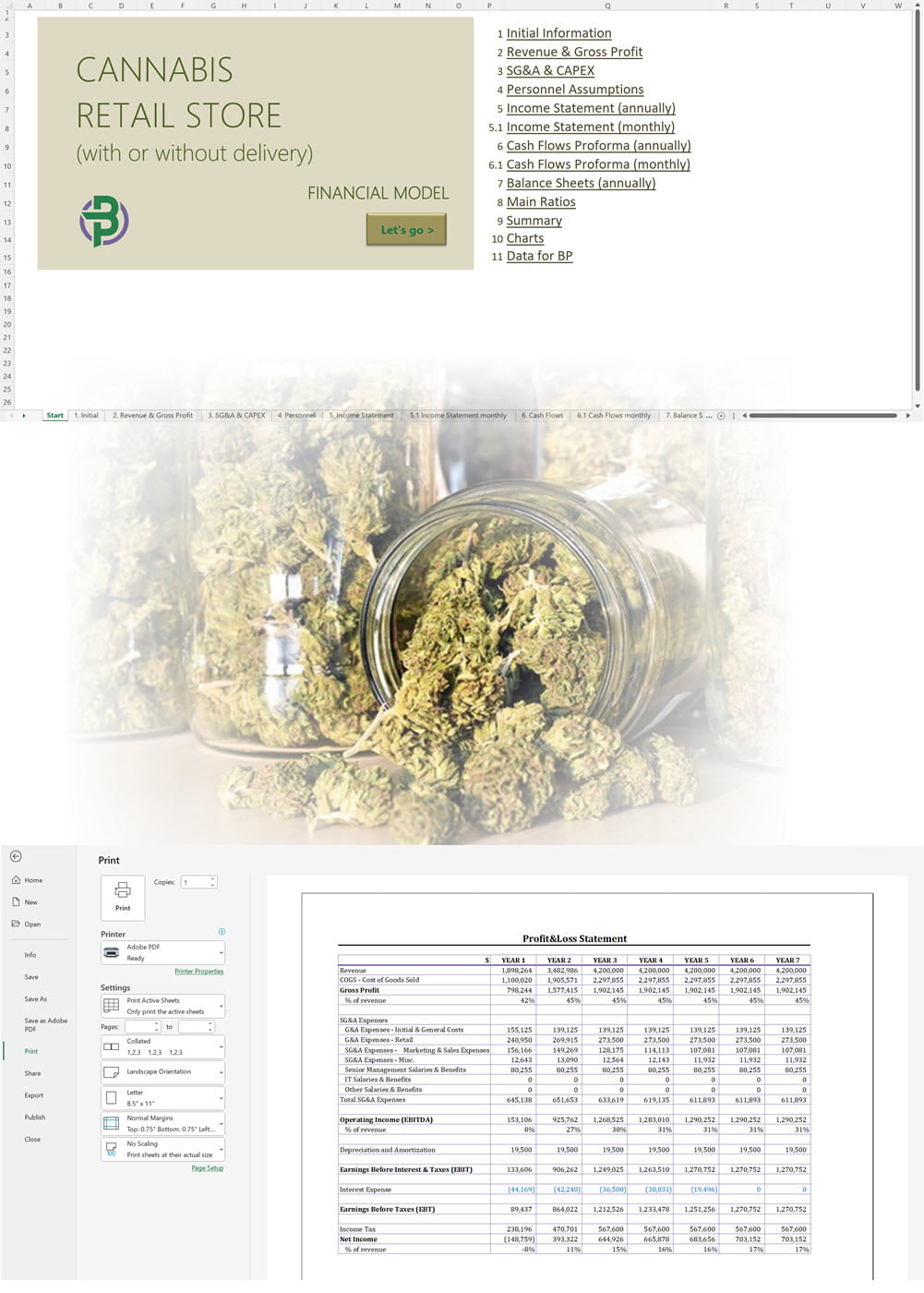
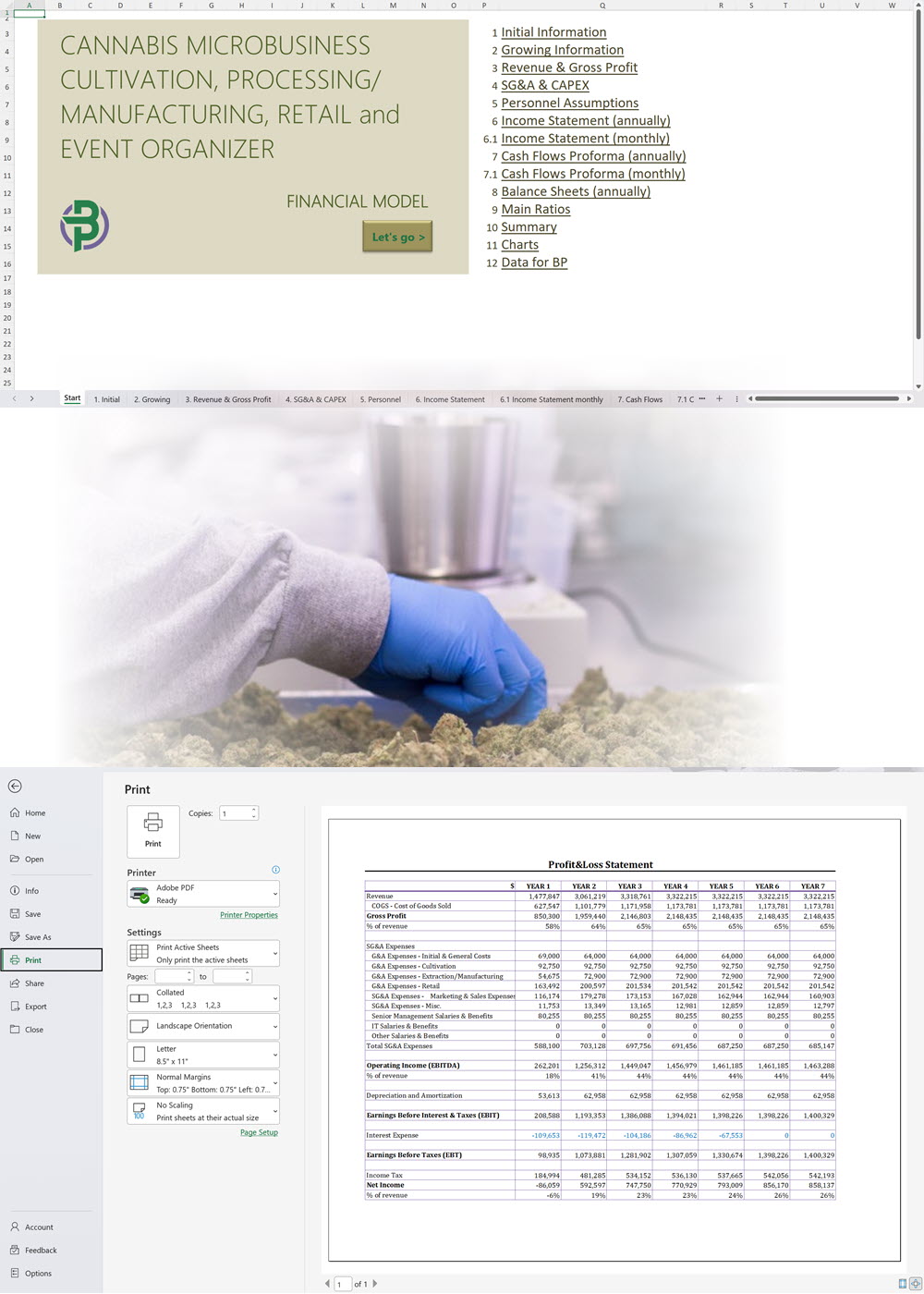
- Excel Financial Model: change variables and immediately see the impact, break down operational and capital costs, know how much it will take to get into the business and the potential profits.
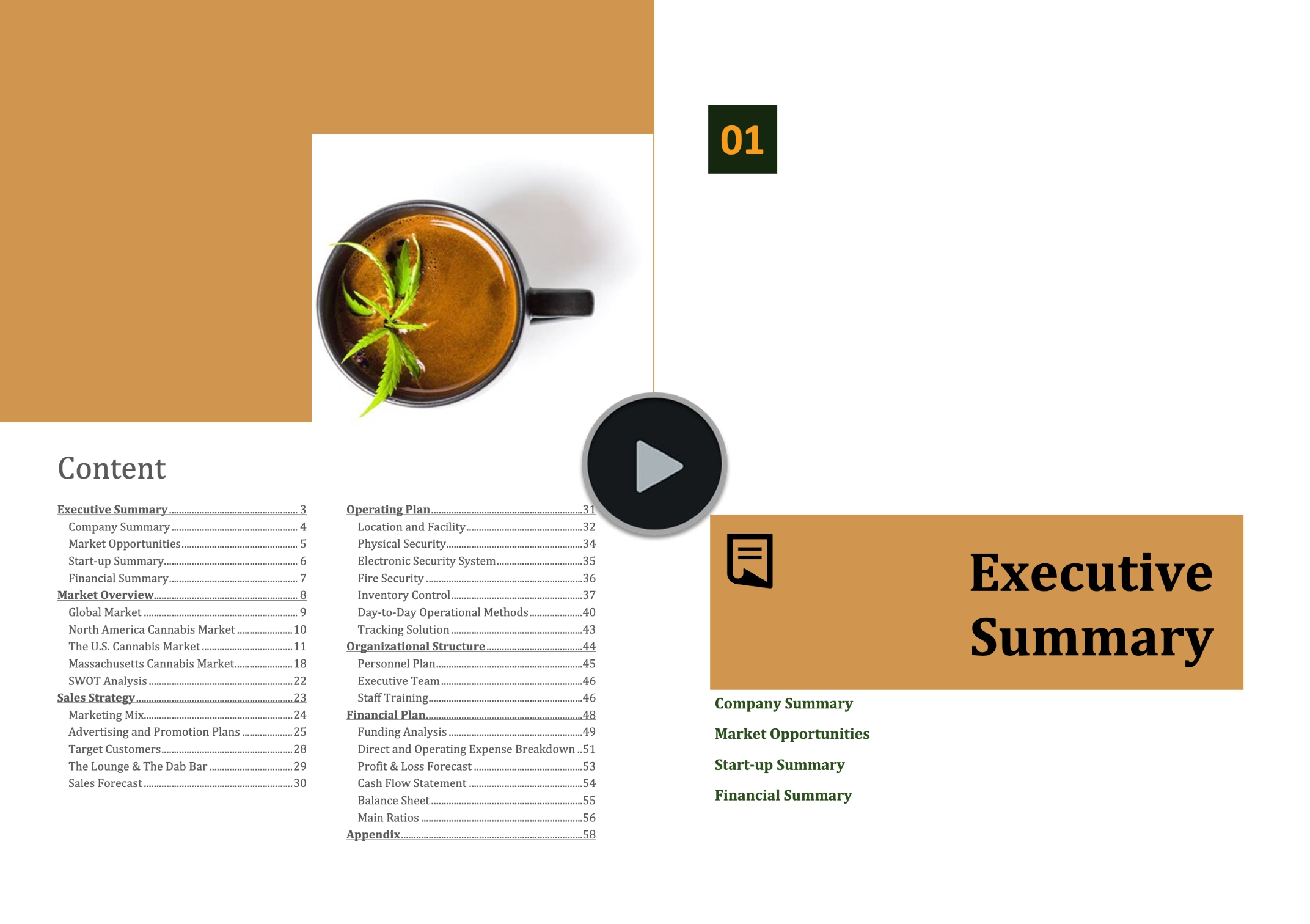
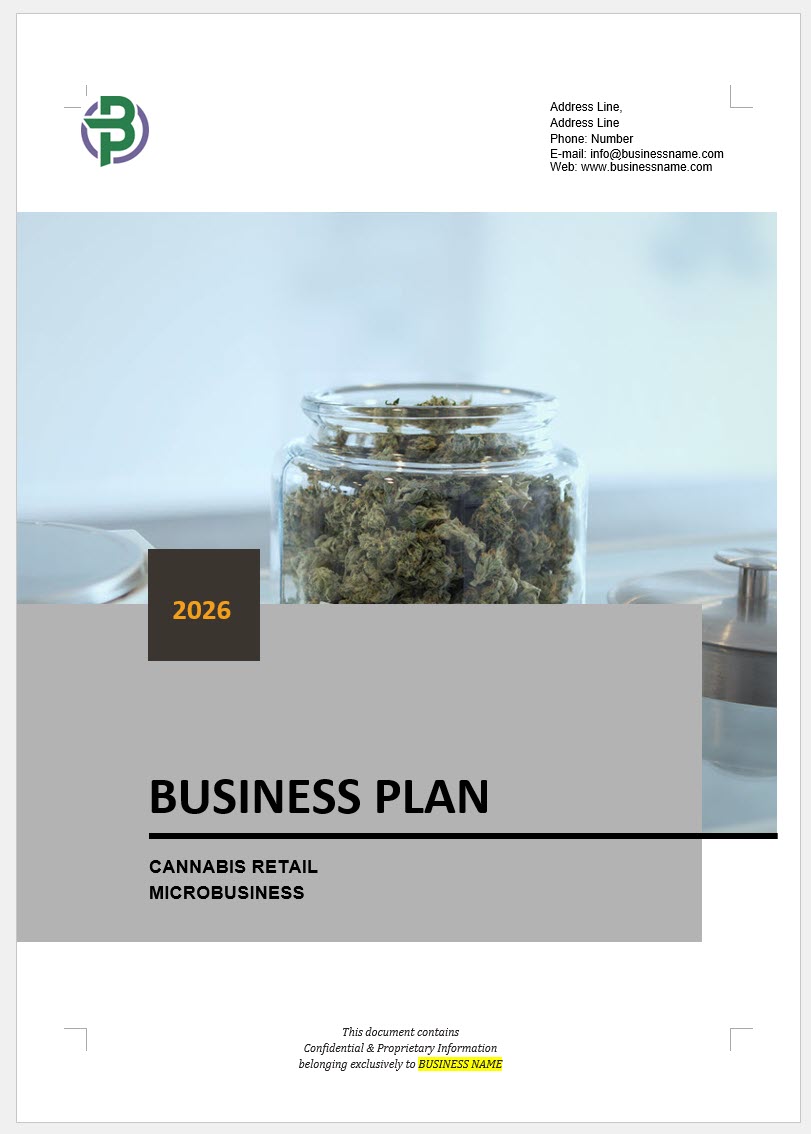
- Word Business Plan: value proposition, market analysis, marketing strategy, operating plan, organizational structure, financial plan and more.
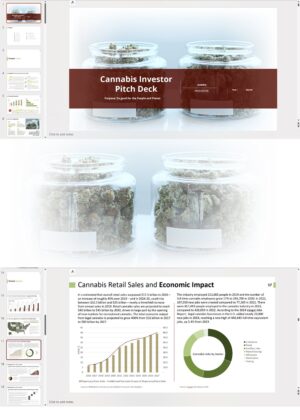
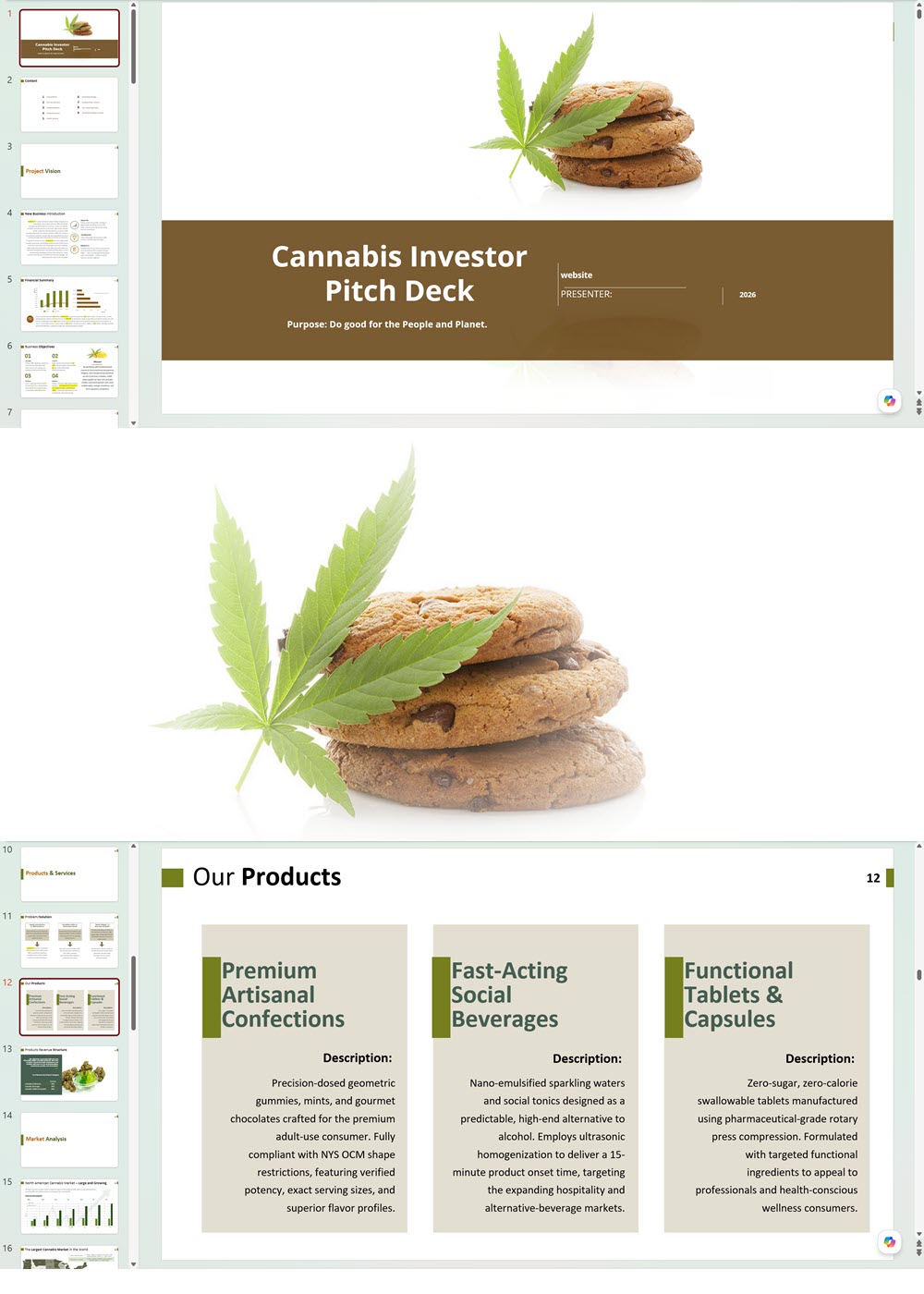
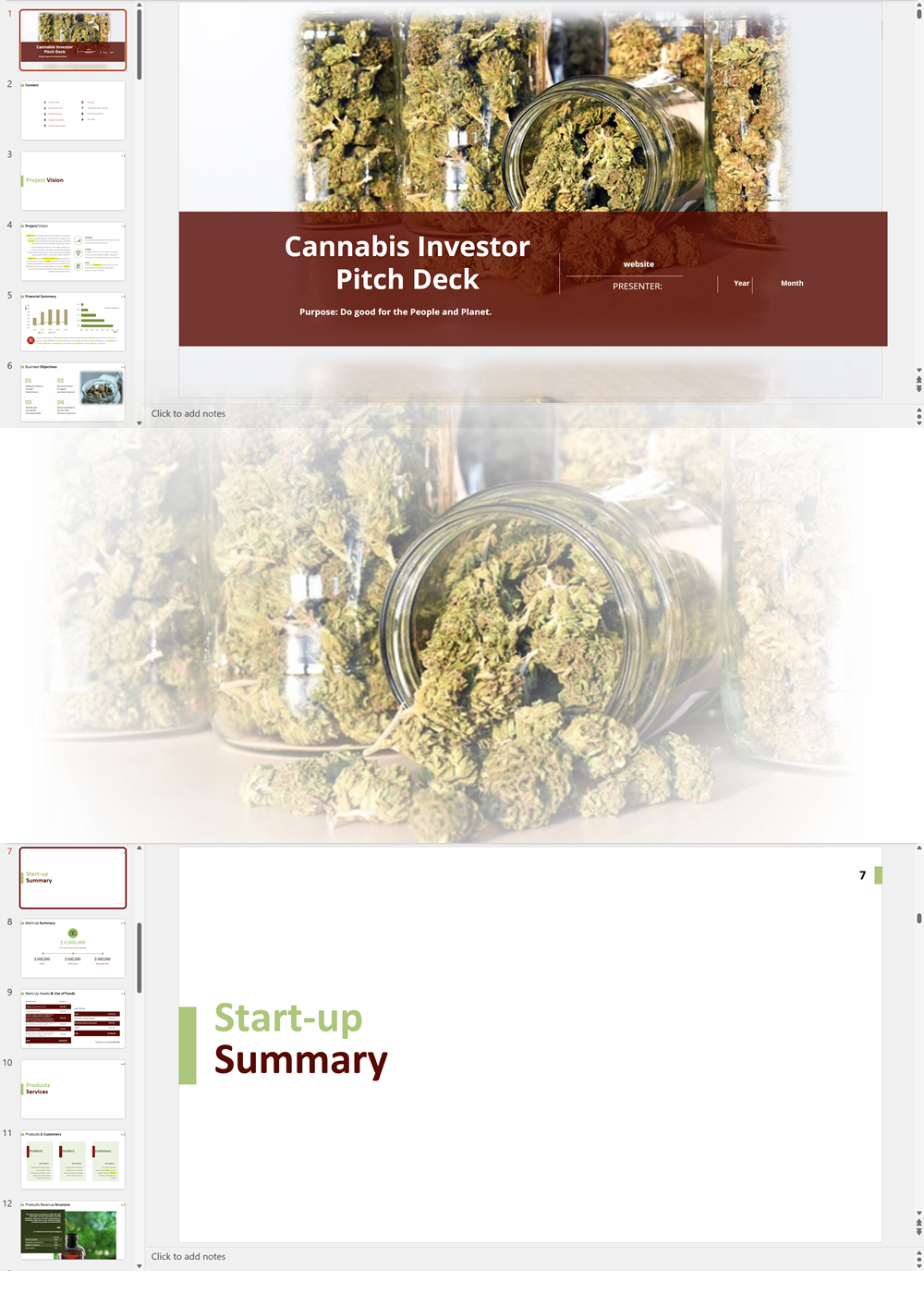
- PowerPoint Pitch Deck: provide a quick overview of your cannabis business plan.
'70% ready to go' business plan templates
Our cannabis financial models and cannabis business plan templates will help you estimate how much it costs to start and operate your own cannabis business, to build all revenue and cost line-items monthly over a flexible seven year period, and then summarize the monthly results into quarters and years for an easy view into the various time periods. We also offer investor pitch deck templates.
Cannabis Retail and/or Lounge Business Plan Sample, Massachusetts
Best Selling Templates
-

Cannabis Cultivation Business Plan Template
Price range: $75.00 through $350.00 Select options This product has multiple variants. The options may be chosen on the product page -

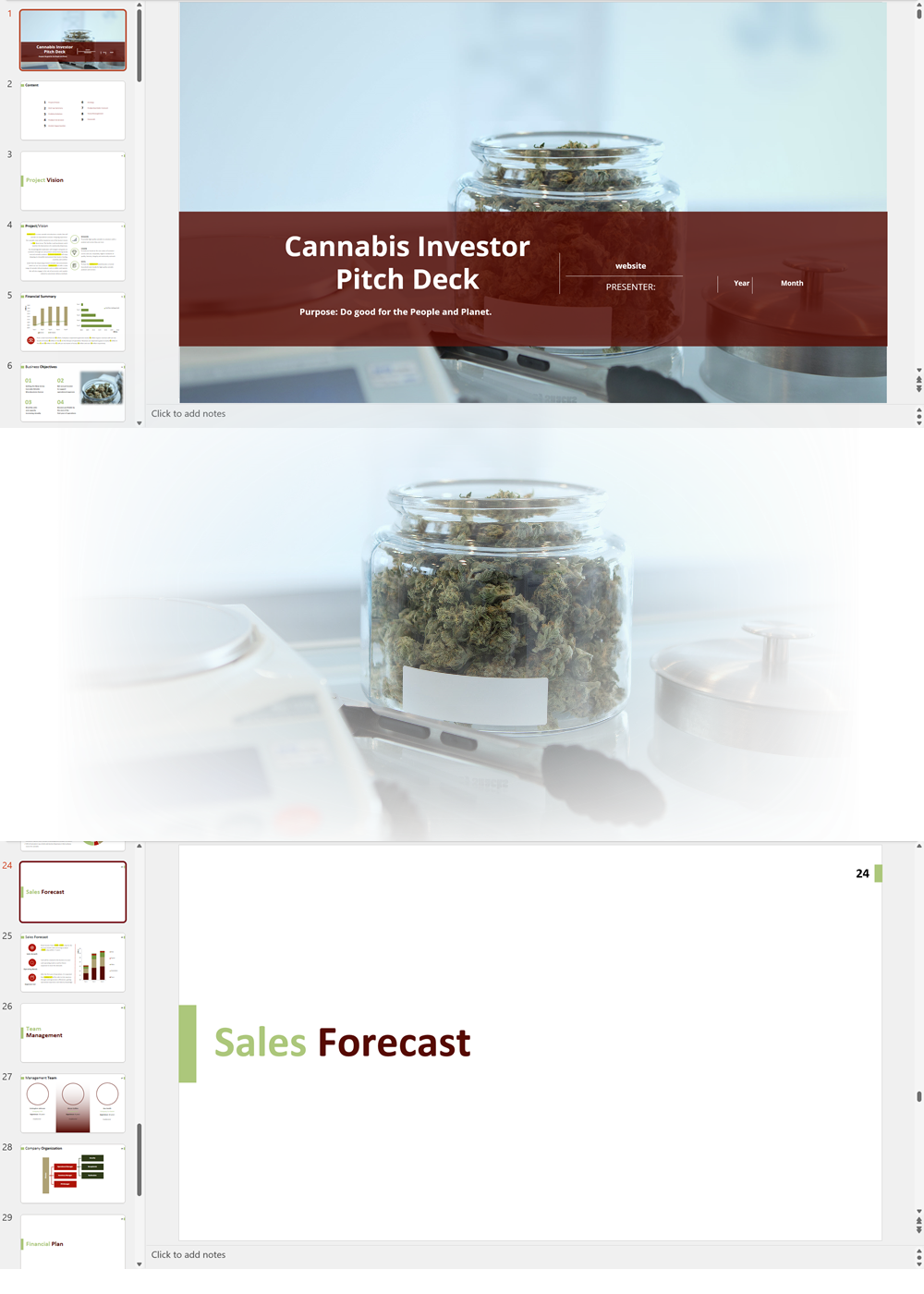
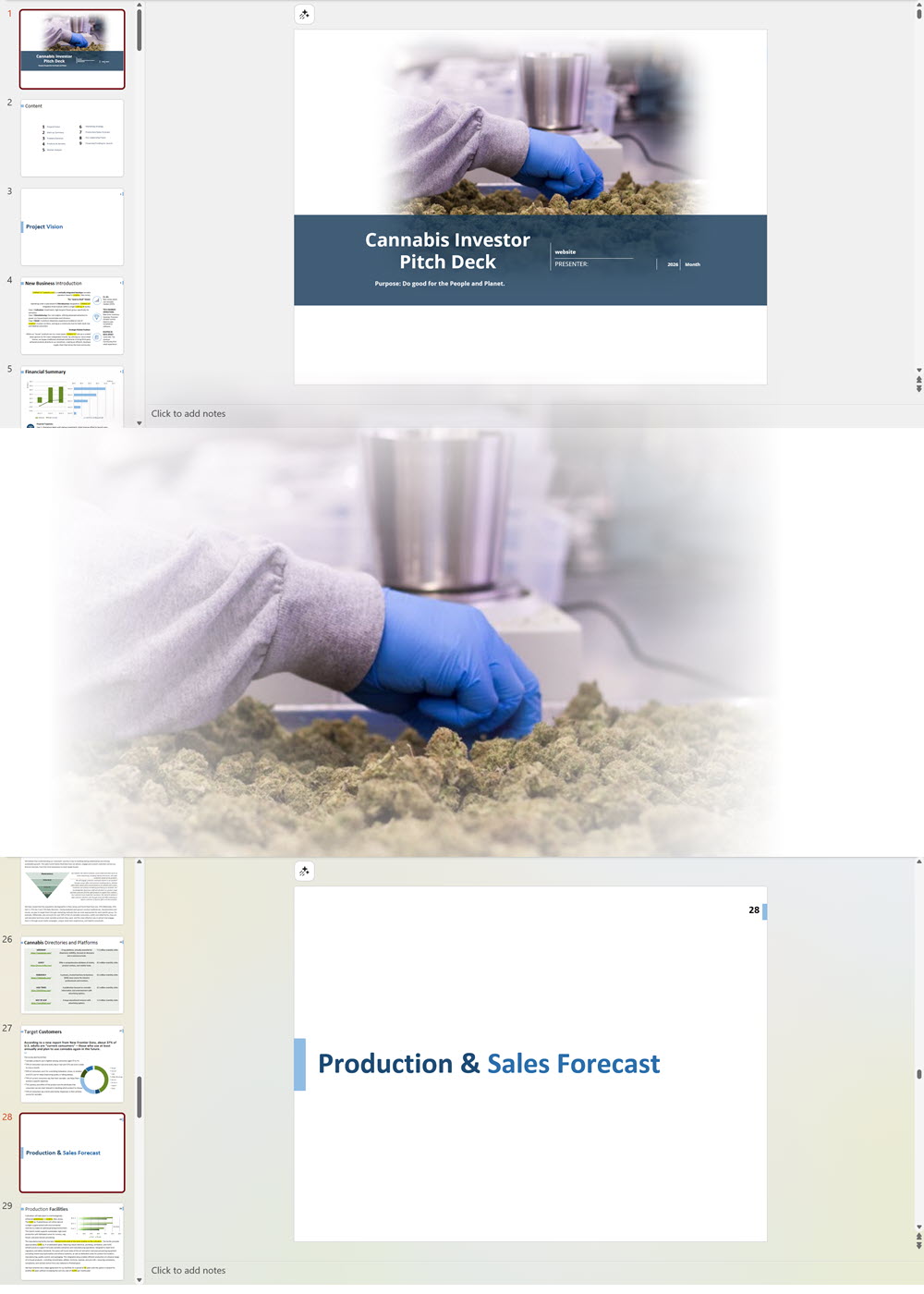
Cannabis Dispensary Investor Pitch Deck Template
$75.00 Select options This product has multiple variants. The options may be chosen on the product page -
Cannabis Financial Model All in One
$250.00 Select options This product has multiple variants. The options may be chosen on the product page
Hemp CBD business plan templates are available at hempcbdbusinessplans.com.
Our Templates
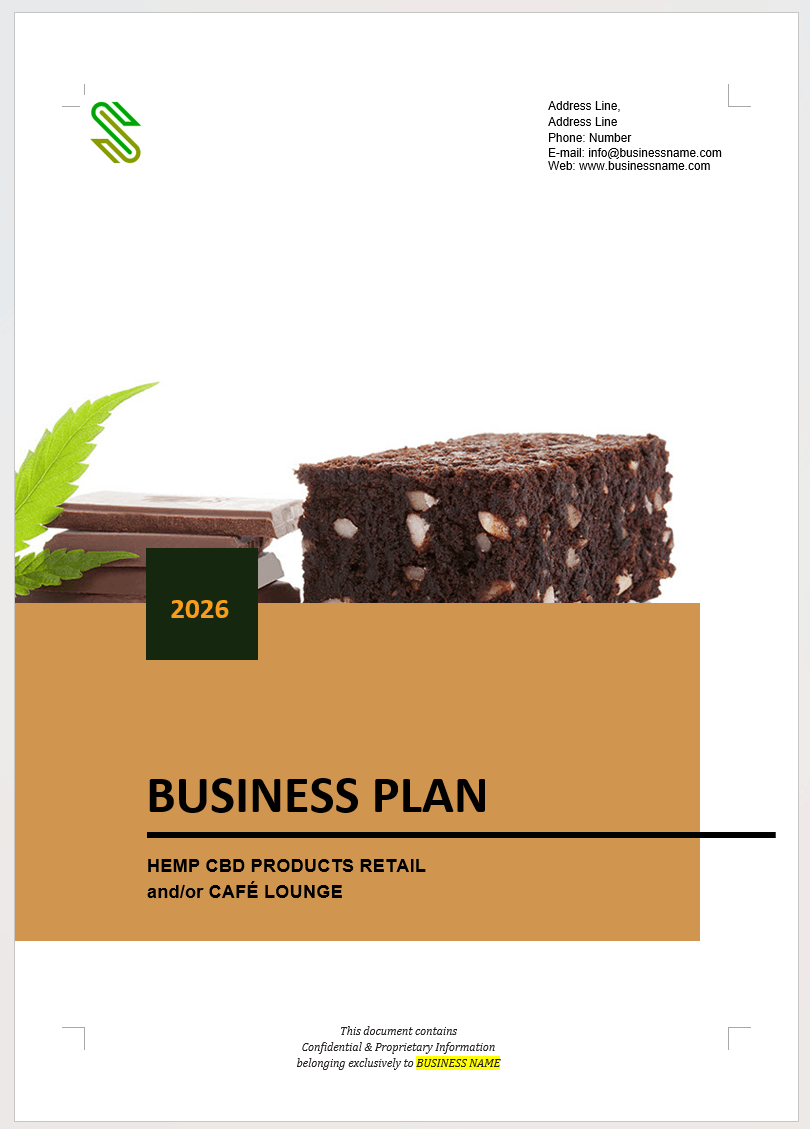
CBD Store and/or Cafe Lounge Business Plan Template
Price range: $75.00 through $275.00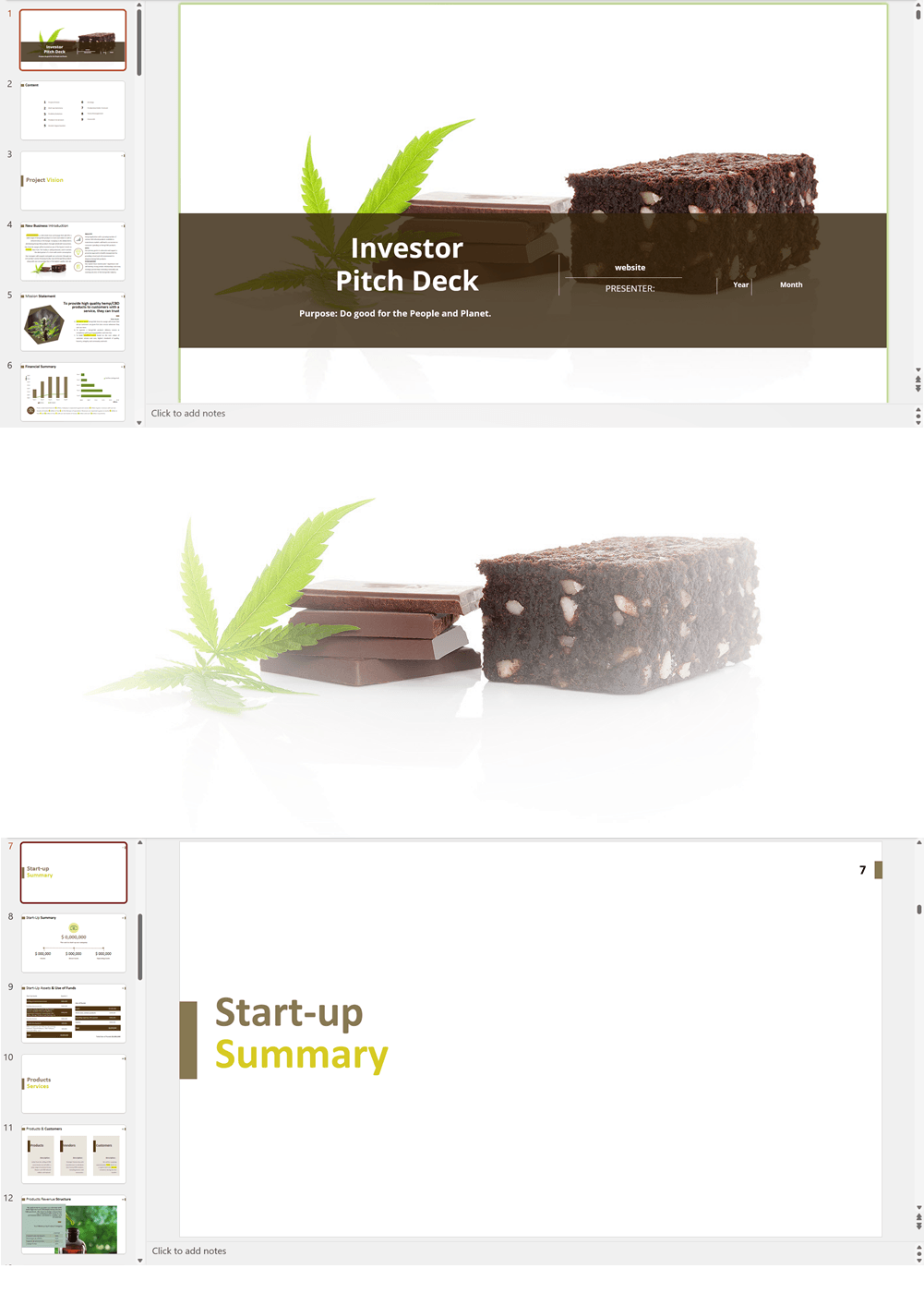
Cannabis Extraction / Concentrates Business Plan Template
Price range: $75.00 through $350.00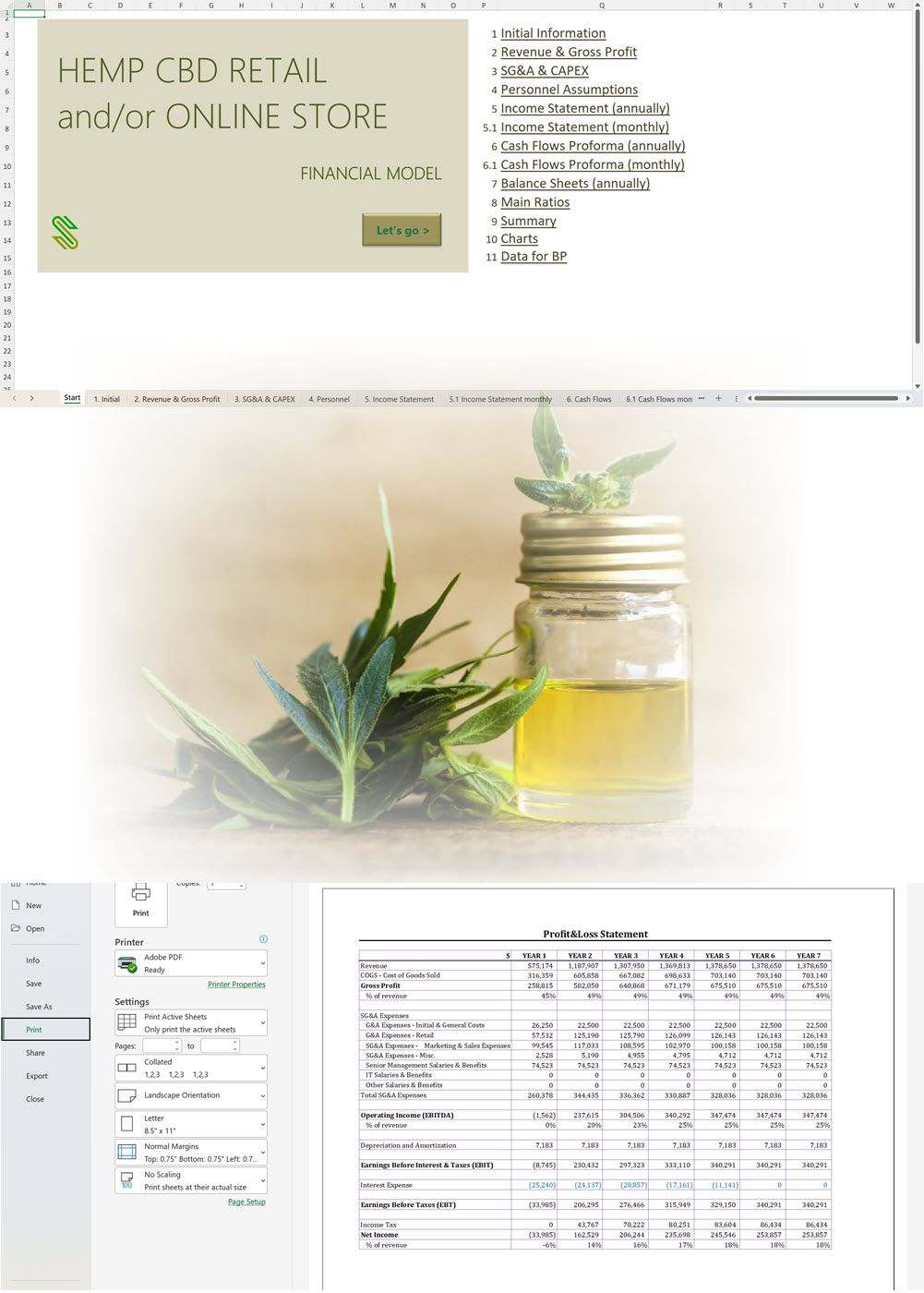
Cannabis Transportation Business Plan Template
Price range: $75.00 through $275.00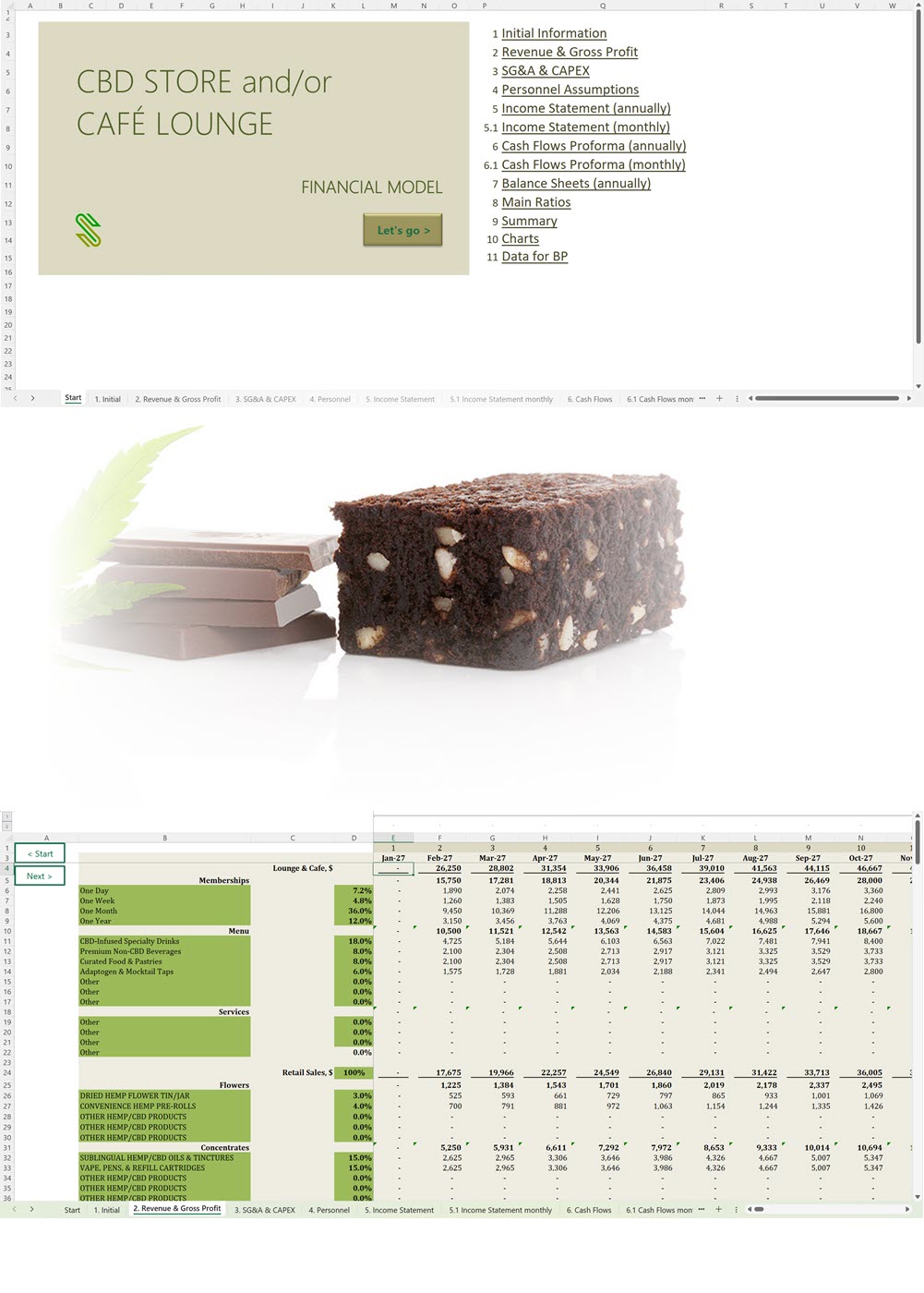
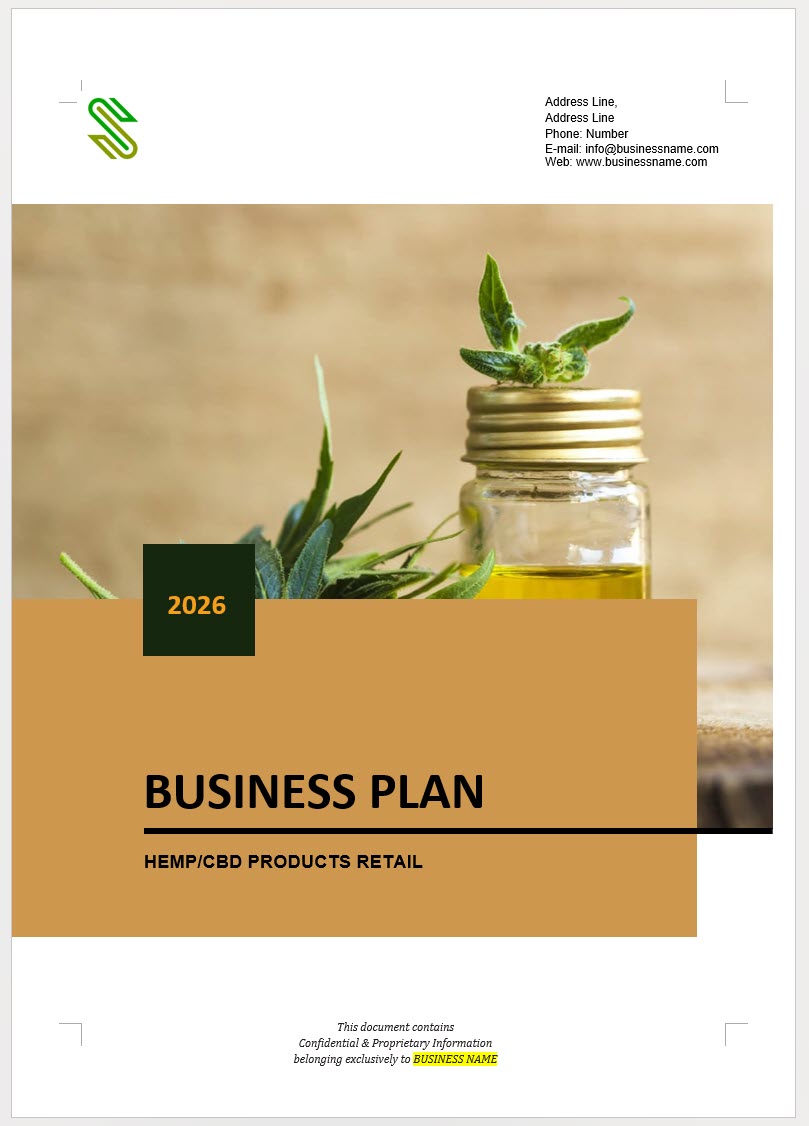
CBD Products Retail/Online Store Business Plan Template
Price range: $75.00 through $275.00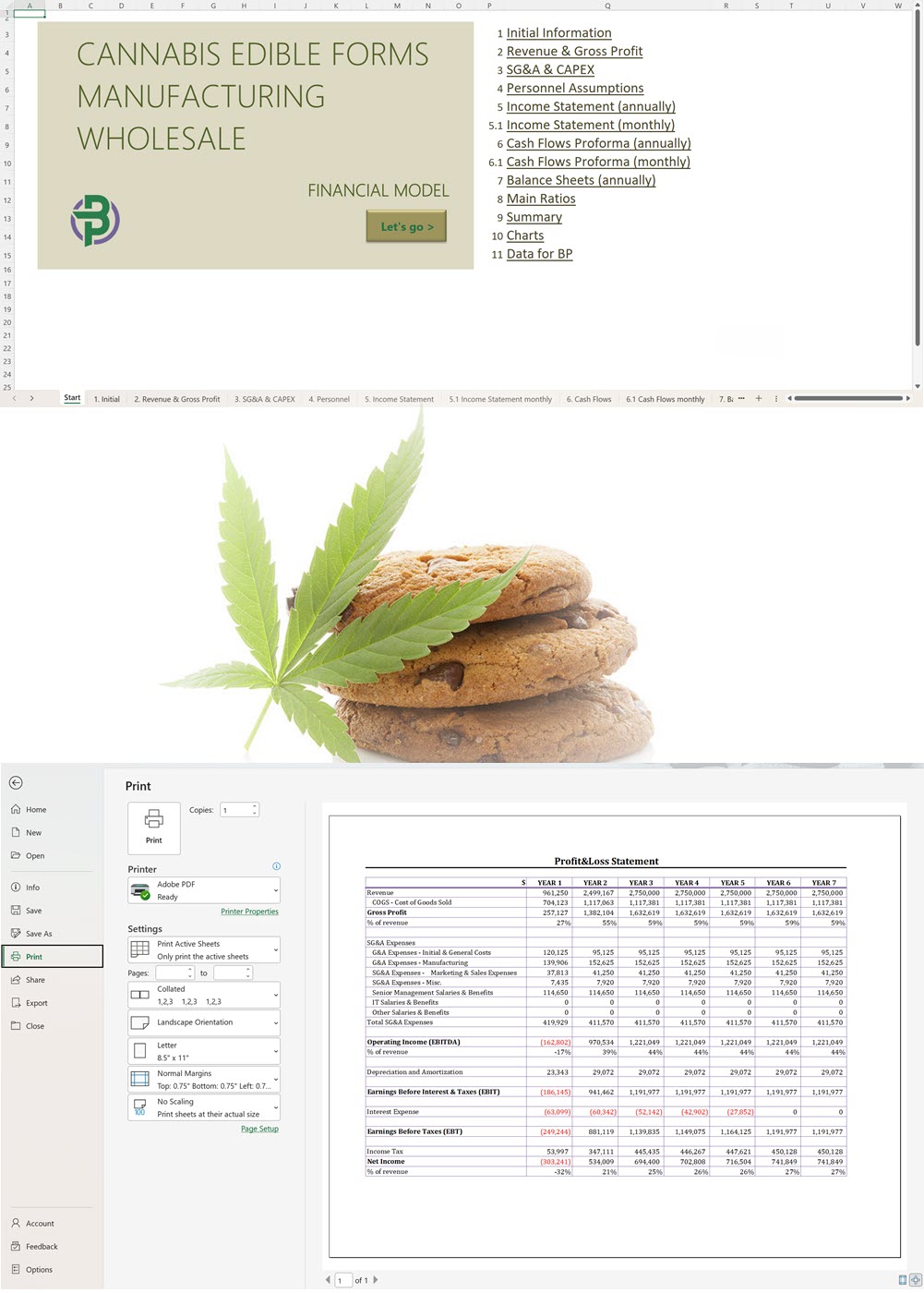
Cannabis Edibles Financial Model
$150.00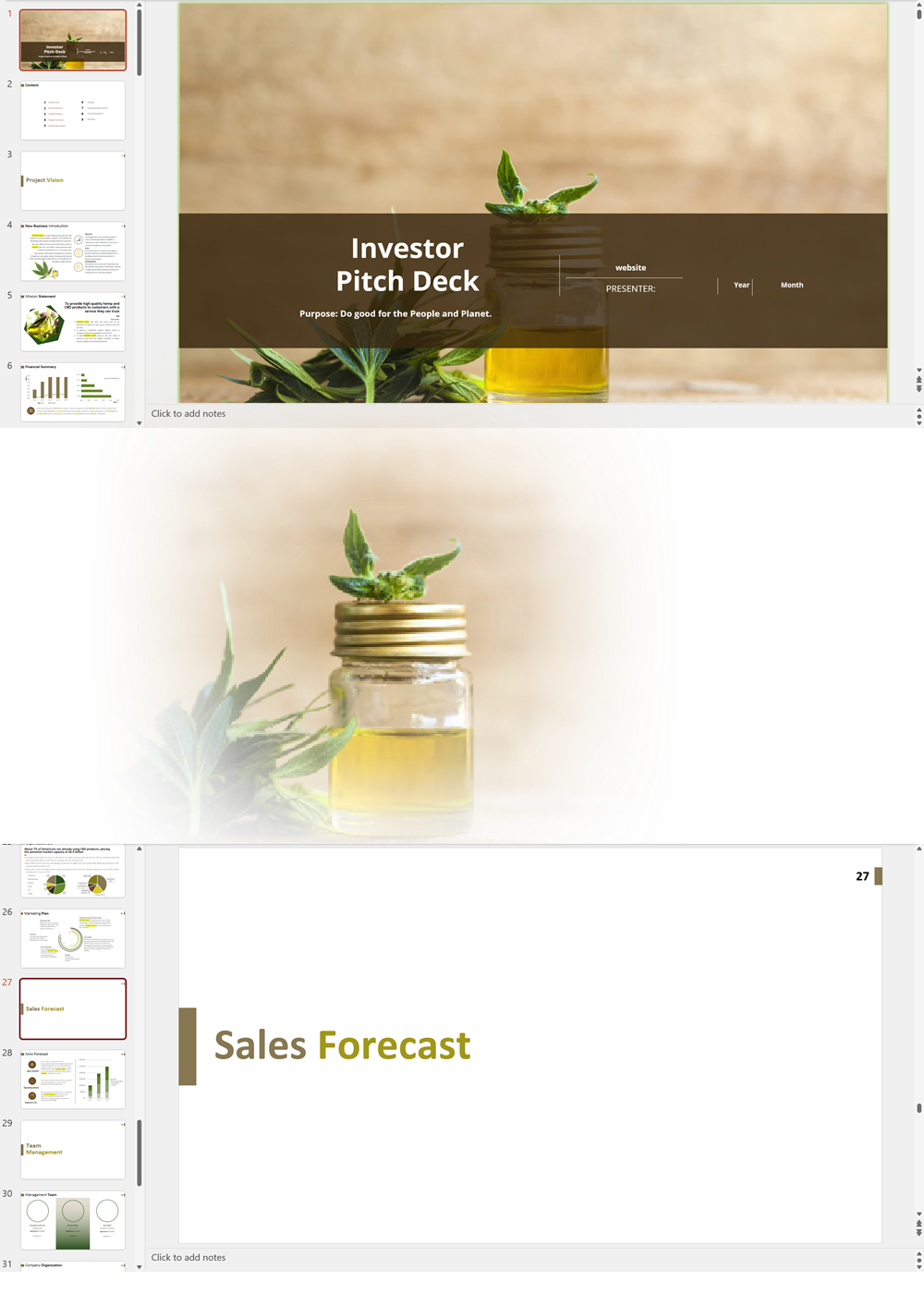
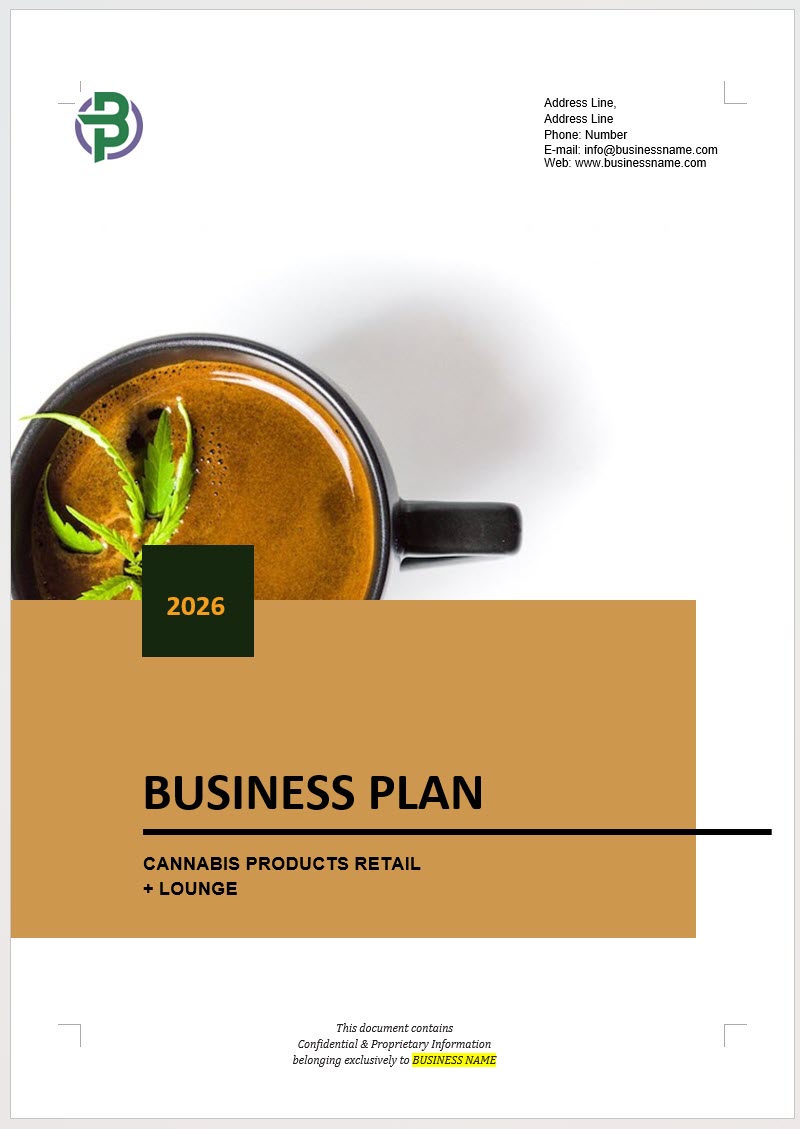
Cannabis Lounge + Retail Business Plan Template
Price range: $75.00 through $350.00
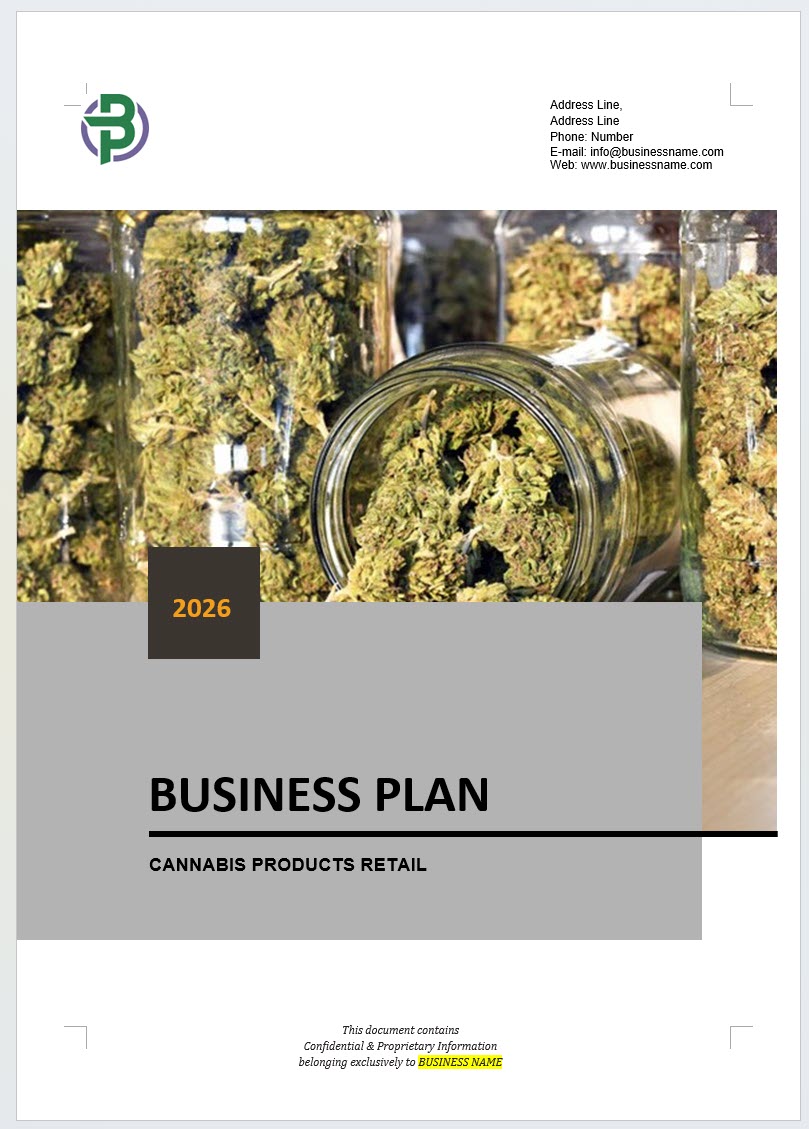
Cannabis Retail Business Plan Template (with or without Delivery)
Price range: $75.00 through $350.00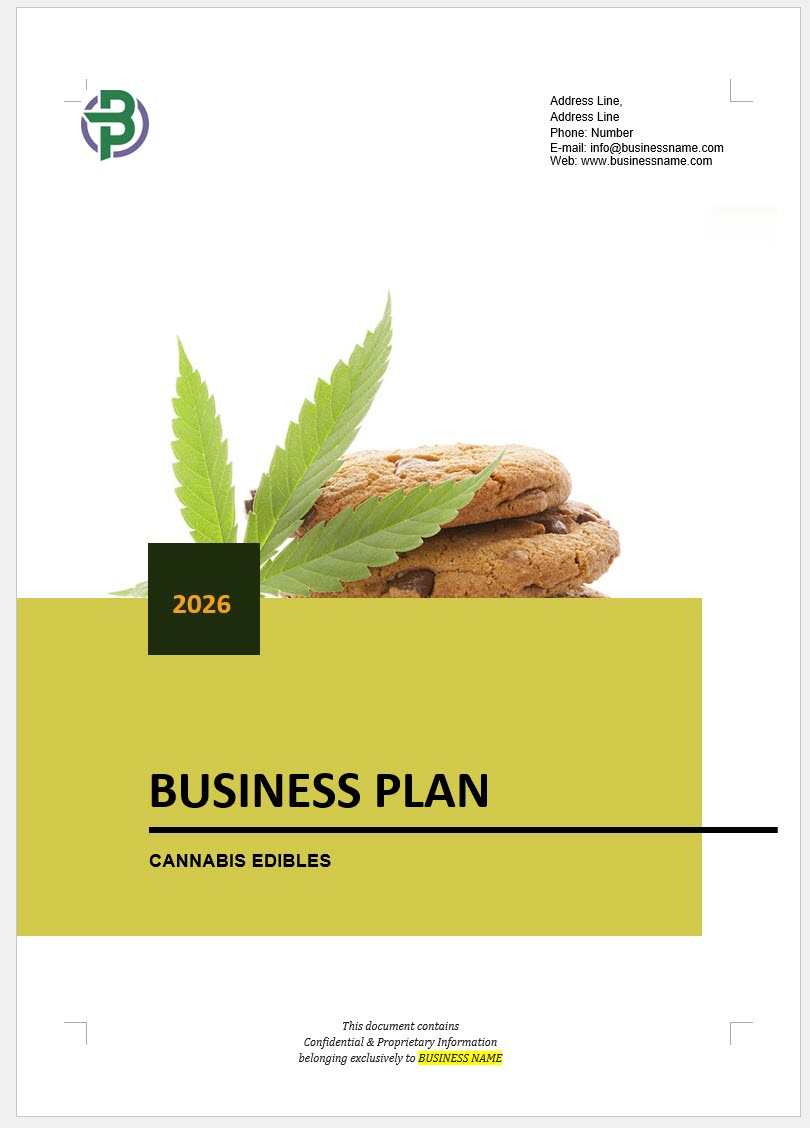
Cannabis Edibles Business Plan Template
Price range: $75.00 through $350.00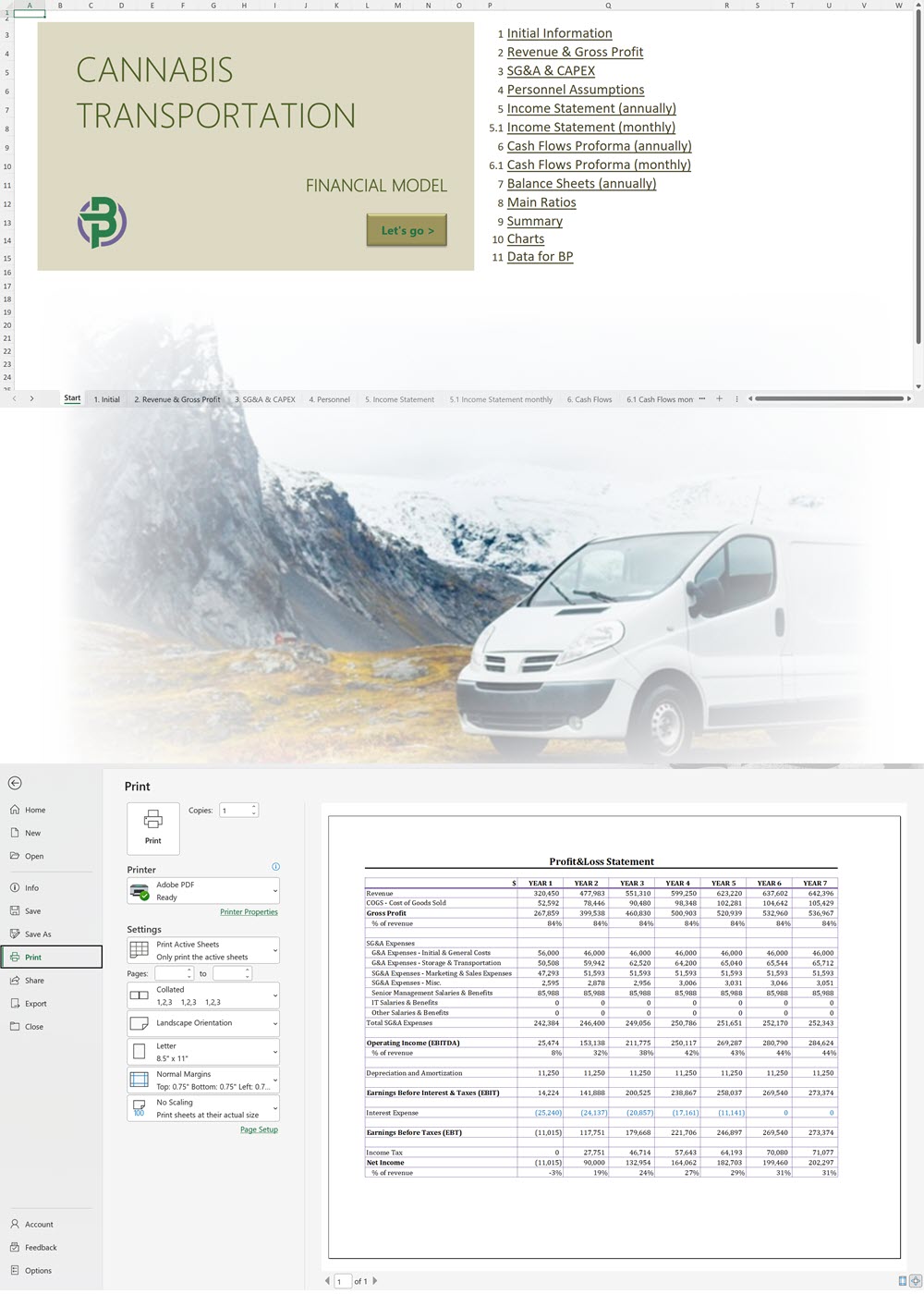
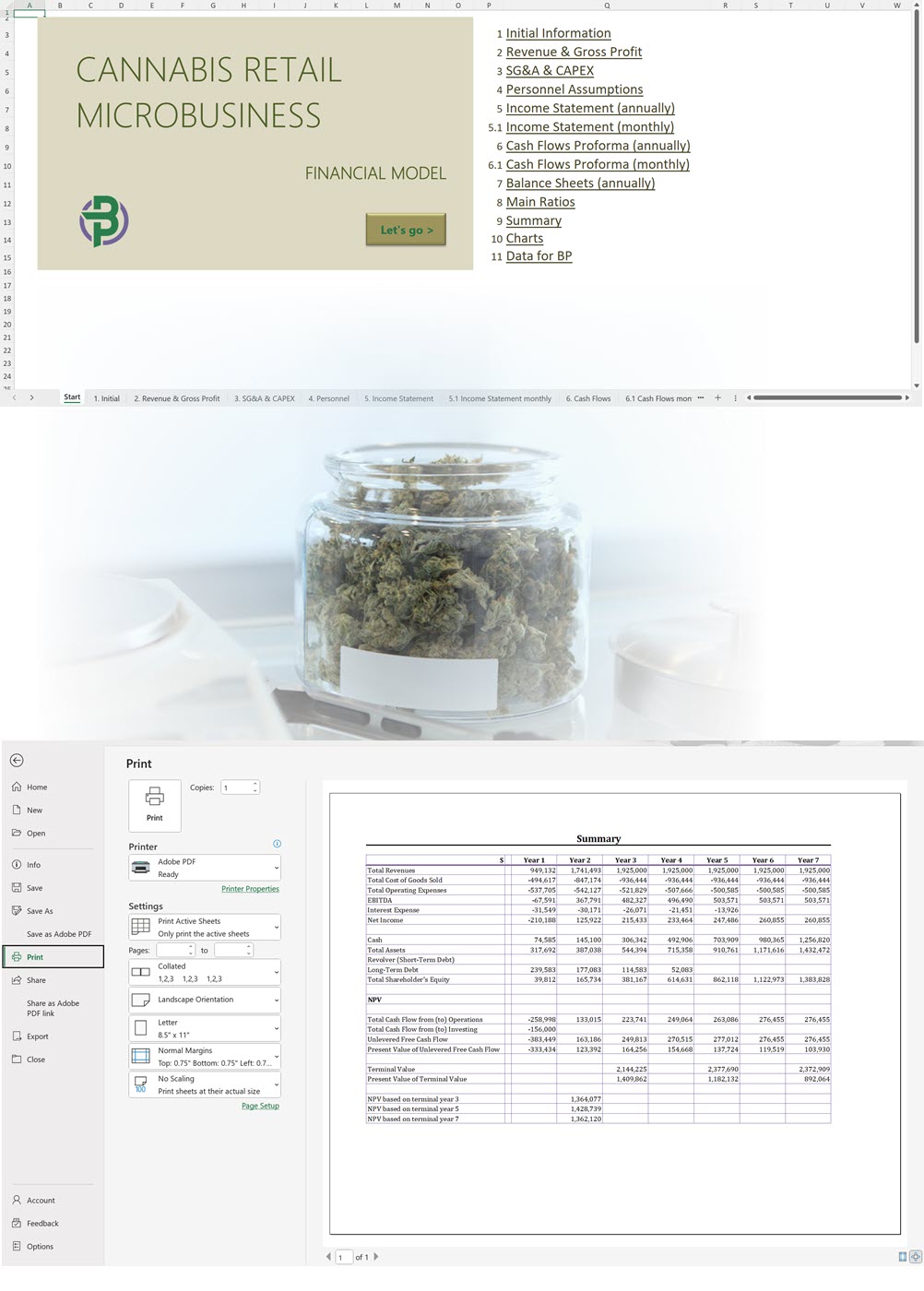
Cannabis Retail Microbusiness Business Plan Template
Price range: $75.00 through $275.00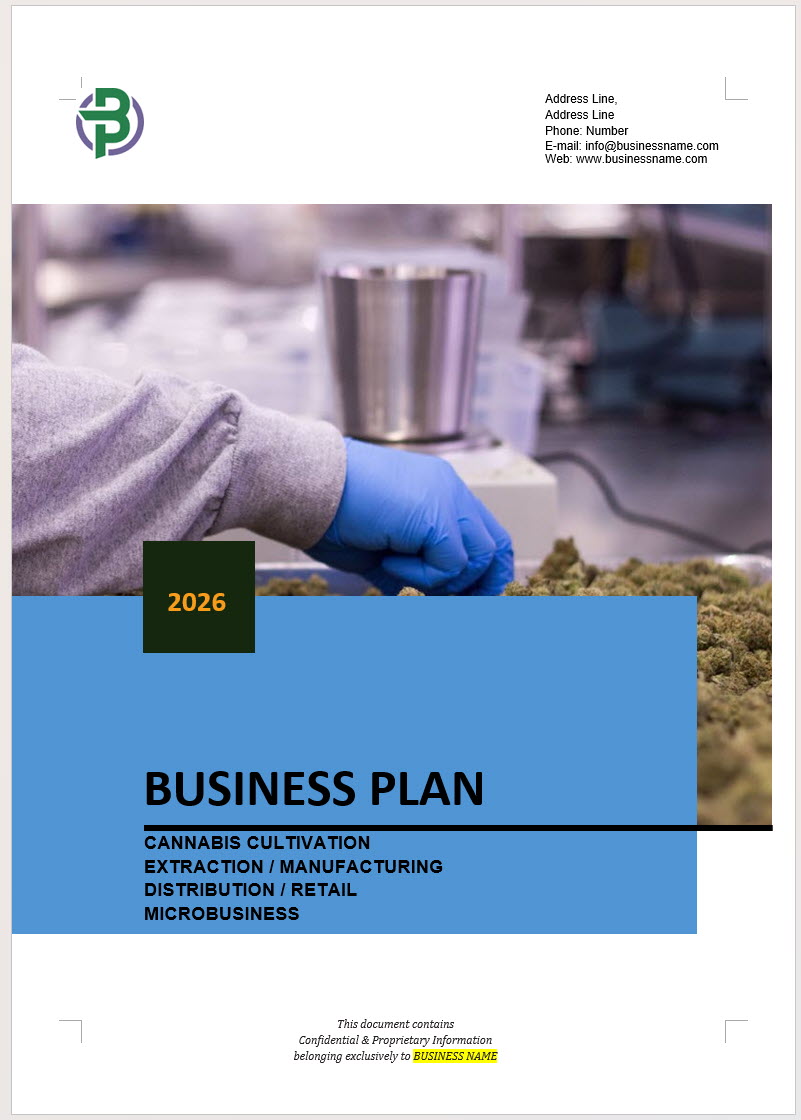
Cannabis Cultivation, Extraction, Manufacturing, Distribution, Retail and Microbusiness Business Plan Template
Price range: $75.00 through $500.00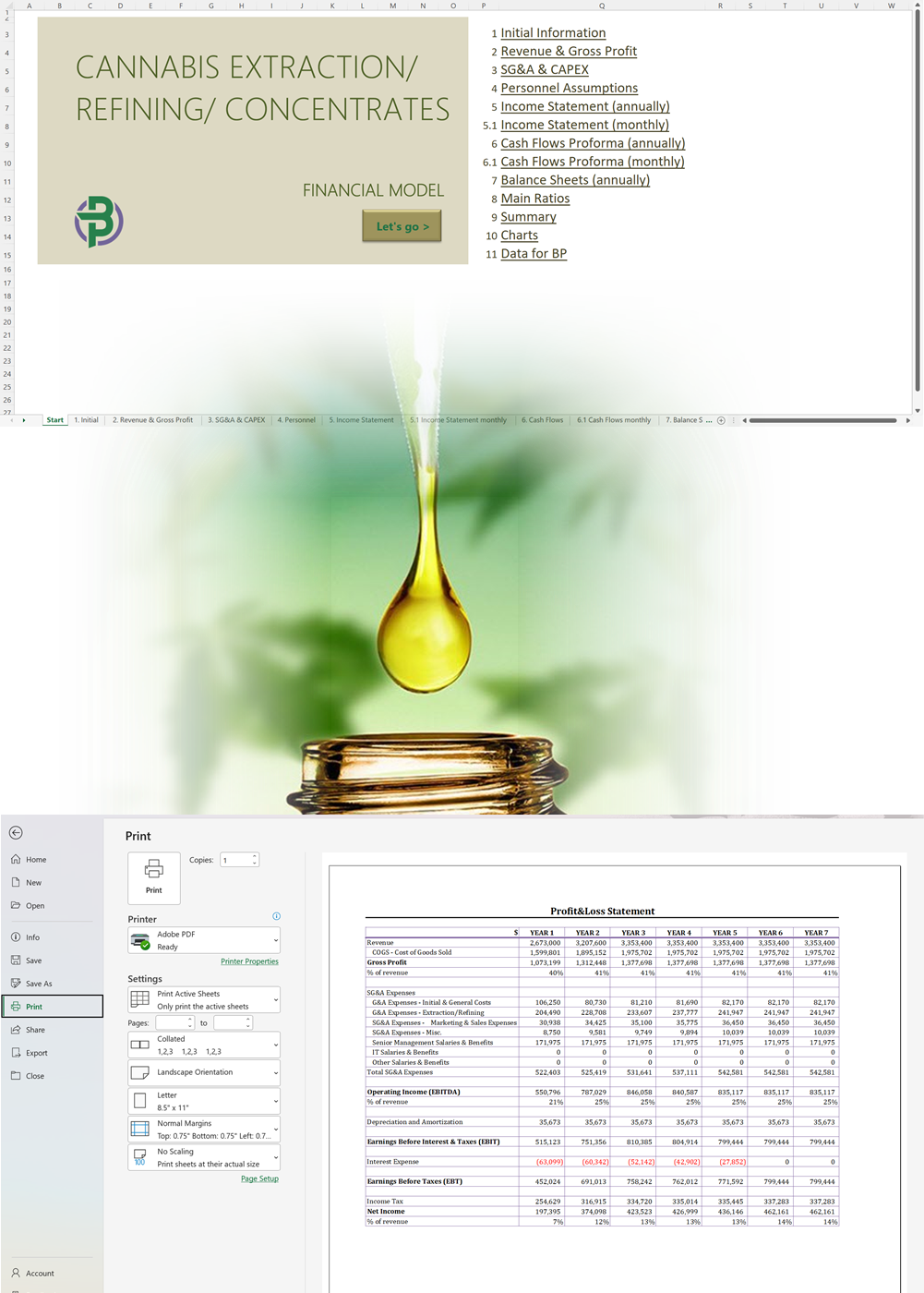

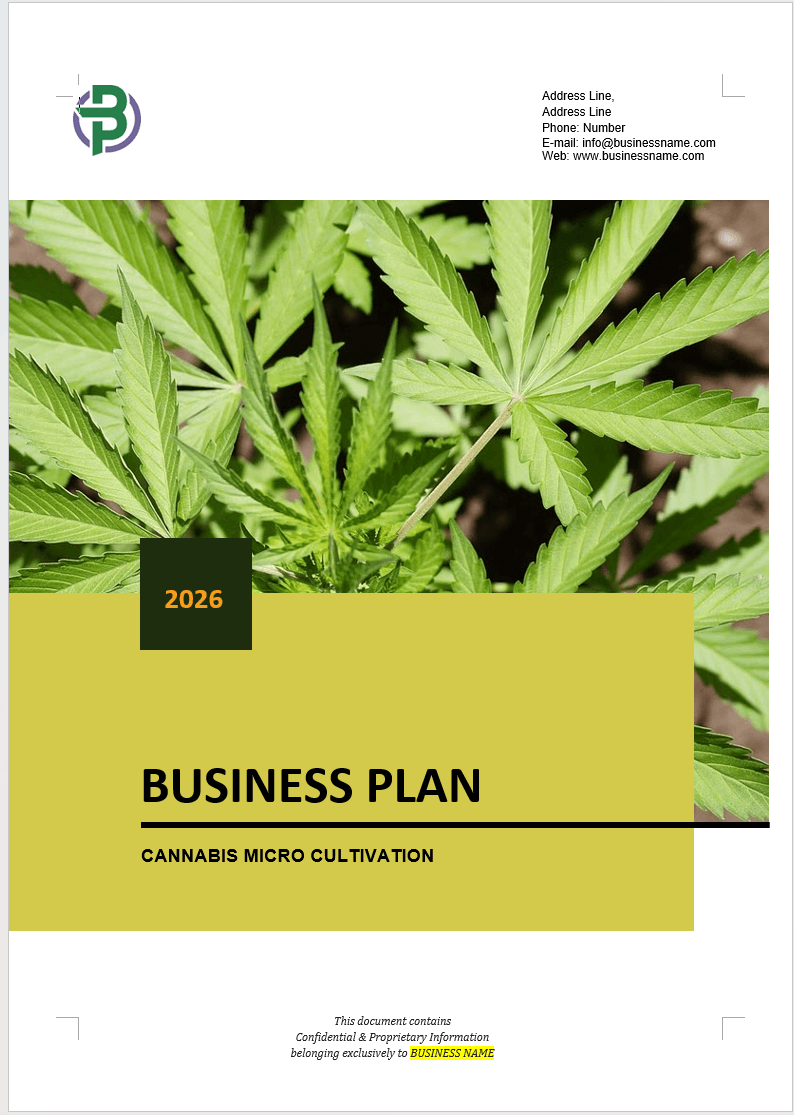
Cannabis Micro Cultivation Business Plan Template
Price range: $75.00 through $300.00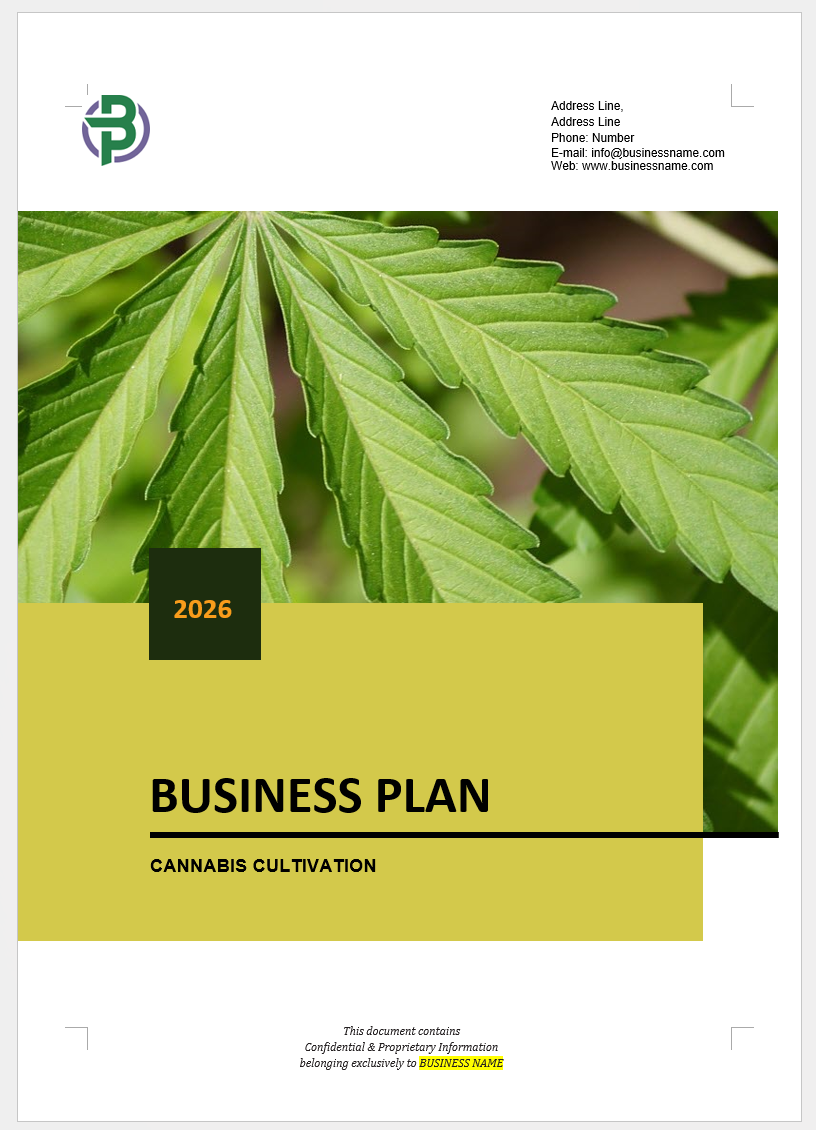
Cannabis Cultivation Business Plan Template
Price range: $75.00 through $350.00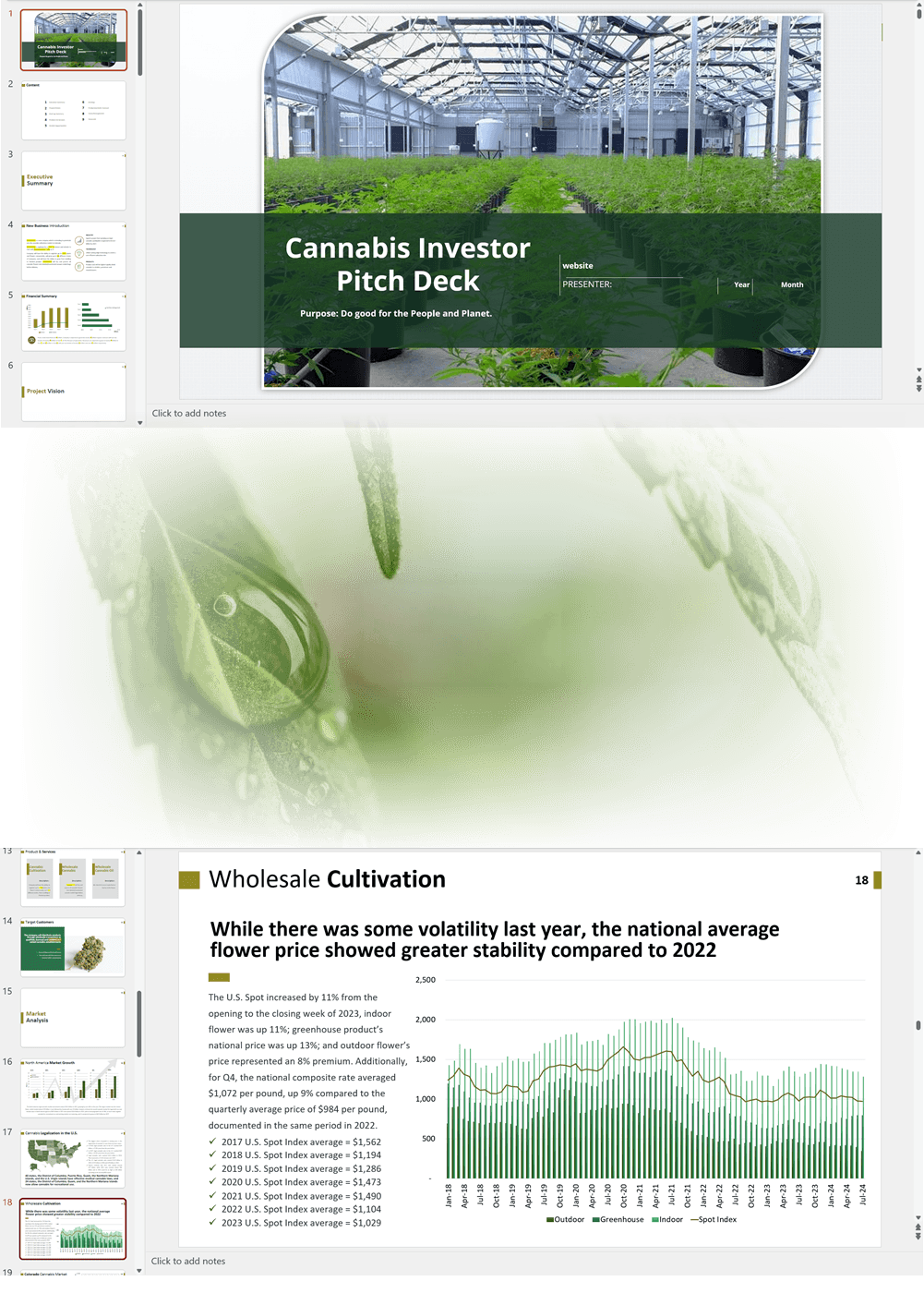
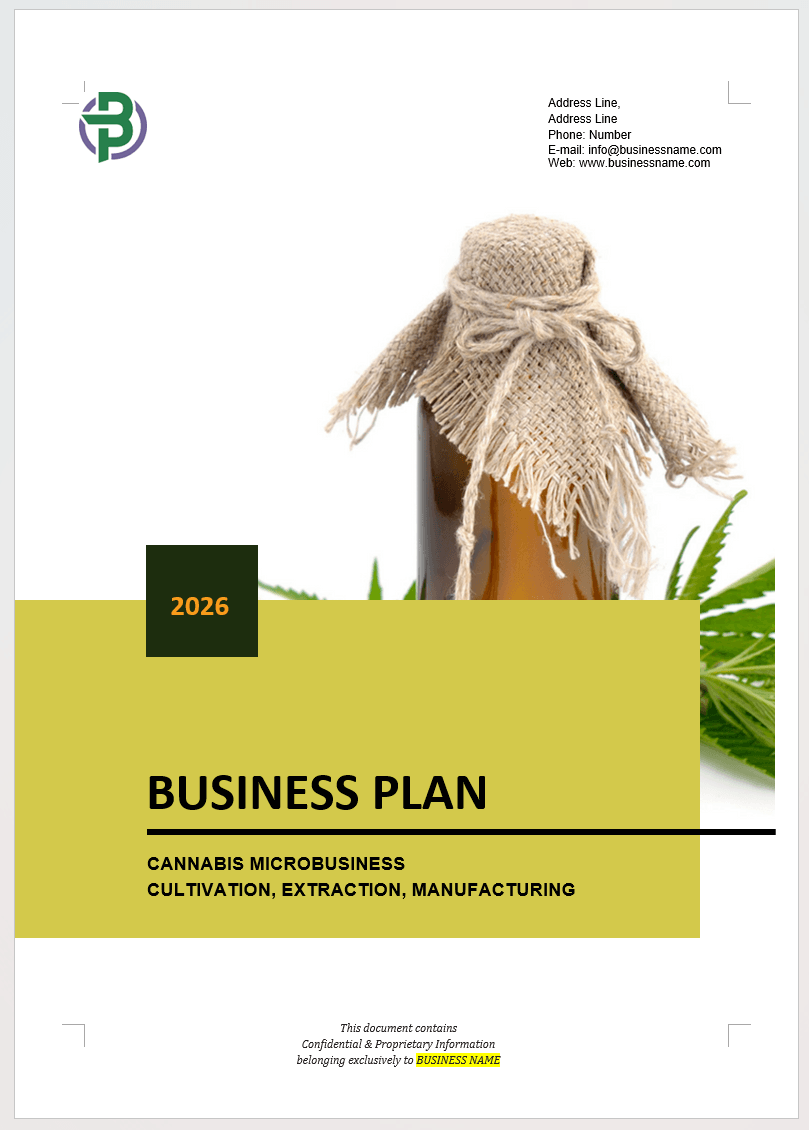
Cannabis Microbusiness Cultivation and Manufacturing Business Plan Template
Price range: $75.00 through $350.00