Main steps in short:
- Understand regulatory and legal requirements. Do market research.
- Decide the type of cannabis business. Choose a location. Check local zoning regulations.
- Develop a solid cannabis business plan. Secure financing.
- Prepare the required documents. Submit applications. Pay fees.
- Final approval. Final fees. Obtain the required licenses.
- Register your business as an employer and a tax payer.
- Keep track of your ongoing compliance requirements.
Research the laws and regulations governing adult-use or medical-use cannabis for more information about the regulatory requirements for licensure in the city or town you wish to operate.
New York Cannabis Legalization
Cannabis in New York has been legal for medical purposes under New York law since 2016. On March 31, 2021, New York State enacted the Marihuana Regulation and Taxation Act (MRTA), which, among other things, legalized recreational adult-use of cannabis in New York. The legislation creates a new Office of Cannabis Management (OCM) governed by a Cannabis Control Board to oversee and implement the law (collectively referred to as the “OCM”). The OCM is responsible for issuing licenses and developing regulations outlining how and when businesses can participate in the new industry. The OCM also oversees the State’s existing Medical Marijuana Program, formerly regulated by the Department of Health (DOH).
Cannabis Licenses Types Available in New York
“Businesses that have a cultivation license are authorized to grow, clone, harvest, dry, cure, grade, trim cannabis plants, and sell such cannabis to a processor, microbusiness authorized to process cannabis, cooperative or collective, registered organization with dispensing (ROD), registered organization non-dispensing (ROND), cannabis research licensee, or process cannabis products under their own processor license.”
There are four cultivation types: indoor, outdoor, mixed light, and combination. For each type, there are five cultivation canopy tiers, ranging from Tier 1 (the smallest) to Tier 5 (the largest):
- Tier 1: up to 5.000 sq. ft
- Tier 2: 5,000 sq. ft to 12,500 sq. ft
- Tier 3: 12,500 sq. ft to 25,000 sq. ft
- Tier 4: 25,000 sq. ft to 50,000 sq. ft
- Tier 5: over 50,000 sq. ft
Cultivator license fees: from $1,000+$150 per 500 sq. ft. of cultivation canopy (Outdoor Tier 1) to $100,000+$2,000 per 500 sq. ft. of cultivation canopy over 50,000 sq. ft (Indoor Tier 5).
No cultivator or its true party of interest is permitted to have any direct or indirect interest, including by being a true party of interest, passive investor, or having a goods and services agreement with, or by any other means, in an adult-use retail dispensary, on-site consumption, delivery, registered organization, or cannabis laboratory licensee or permittee.
“Businesses that have a nursery license are authorized to produce and distribute clones, immature plants, seeds, and other agricultural products used specifically for the planting, propagation, and cultivation of cannabis by licensed adult-use cultivators, cooperatives, microbusinesses or registered organizations.”
Nursery license fees: from $750 (Outdoor) to $2,100 (Indoor).
A nursery shall not hold a retail dispensary, on-site consumption, or delivery license.
“Businesses that have a processor license are authorized to extract, blend, infuse, package, label, brand or otherwise manufacture concentrated cannabis or cannabis products, based on their licensing authorizations; obtain cannabis from licensed cultivators, microbusinesses, ROD, ROND, or other licensed processors; sell cannabis products to adult-use distributors.”
There are three processing types: Type 1: Extracting, plus activities under Type 2 and 3; Type 2: Infusing and blending, plus activities under Type 3; and Type 3: Packaging, labeling, and branding, including entering into white labeling agreements only.
Processor license fees: from $2,000 (Type 2 and 3) to $7,000 (Type 1).
No processor or its true party of interest is permitted to have any direct or indirect interest, including by being a true party of interest, passive investor, or having a goods and services agreement with, or by any other means, in an adult-use retail dispensary, on-site consumption, delivery, registered organization, or cannabis laboratory licensee or permittee.
“Businesses that have a retail license are authorized to acquire, possess, and sell cannabis products at a brick-and-mortar retail dispensary storefront to customers over 21 years old; deliver cannabis products to customers over twenty-one (21) years old; be a Cannabis Events Organizer.”
Retail Dispensary license fees: $7,000 per operating premises.
Retail Dispensary with a limited retail consumption facility: $10,000.
Limited Retail Consumption Facility fee: $3,000.
No adult-use retail dispensary or its true party of interest is permitted to hold a direct or indirect interest, including by being a true party of interest, passive investor, or having a goods and services agreement with, or by any other means, in an adult-use cultivator, processor, distributor, cooperative or collective, microbusiness, ROD, ROND, registered organization, or cannabis laboratory licensee or permittee, or any person outside of New York State, otherwise licensed to conduct the activities authorized under such licenses, registrations, and permits.
“Businesses that have a distributor license are authorized to obtain cannabis products from duly licensed cultivators, processors, microbusinesses, cooperatives, ROD, or ROND; and sell cannabis products or transport cannabis to licensed adult-use retail locations.”
Distributor license fees: $7,000 per operating premises.
No distributor or its true party of interest is permitted to have any direct or indirect interest, including by being a true party of interest, passive investor, or having a goods and services agreement with, or by any other means, in an adult-use retail dispensary, on-site consumption, delivery, registered organization, or cannabis laboratory licensee or permittee.
“An adult-use microbusiness must engage in cannabis cultivation and at least one additional licensed activity including processing, distribution, or retail sale.”
- Cultivate cannabis in a canopy that is either: indoors (up to 3,500 ft2), in mixed light (up to 5,000 ft2), outdoors (up to 10,000 ft2), or in a combination of outdoors and mixed light (up to 5,000 ft2 outdoors and up to 2,500 ft2 mixed light);
- Purchase up to 500lbs of cannabis biomass (or the extract equivalent) per calendar year from a licensed cultivator, microbusiness, cooperative or collective, ROD and ROND;
- Process up to 1,700 pounds of cannabis biomass per year into cannabis products (unless all the biomass is cultivated solely by the microbusiness exclusively at its licensed premises, then there is no processing limit);
- Operate a processing facility to manufacture cannabis products;
- Sell cannabis to a duly licensed processor;
- Sell cannabis products it has produced to a duly licensed distributor;
- Distribute self-produced cannabis products to retail dispensaries and on-site consumption premises;
- Deliver a microbusinesses cannabis products to cannabis consumers;
- Be a Cannabis Event Organizer; and
- Sell cannabis products directly to consumers from the microbusinesses retail premises.
Microbusiness license fees: $4,500.
No microbusiness or its true party of interest is permitted to have any direct or indirect interest, including by being a true party of interest, passive investor, or having a goods and services agreement with, or by any other means, in an adult-use retail dispensary, on-site consumption, delivery, registered organization, or cannabis laboratory licensee or permittee.
Application Fees. An application for a license (except a ROD or ROND license) must be accompanied by a nonrefundable application fee of $1,000. Applications for an ROD and ROND license must be accompanied by a nonrefundable application fee of $10,000. A qualified social and economic equity (SEE) applicant shall receive a 50% reduction in all application fees and license fees.
Cannabis On-Site Consumption Permit in New York
Consumption facility means an adult-use on-site consumption premises at which both the consumption of cannabis products and the retail sale of cannabis products to consumers may occur and is either a limited retail consumption facility or a microbusiness. Limited retail consumption facility means a type of consumption facility which is a distinct area located within the licensed premises of a specific retail dispensary. Additional information related to the on-site consumption license will be made available at a later date.
Exception Area means an adult-use on-site consumption premises at which the consumption of cannabis products may occur but the retail sale of cannabis to consumers may only occur on the licensed premises during a cannabis event.
Cannabis Event Organizer Permit in New York
According to Section 120.19 “Licensed Premises for Cannabis Events”, an on-site consumption, adult-use retail dispensary, microbusiness, or ROD licensee may, upon Office approval, temporarily include in their licensed premises the licensed premises of a different on-site consumption, adult-use retail dispensary, microbusiness, or ROD licensee to engage in a cannabis event at such temporarily added premises for a specified period. All requests for approval shall be received at least thirty (30) calendar days prior to the beginning of the cannabis event and shall be accompanied by a non-refundable application fee of $50; and if the approval is given, there shall be an additional event fee of $100 for the first day of the event, and $50 for each additional day. The Office may determine an additional fee schedule for cannabis events which have an anticipated attendance greater than 100 people.
Cannabis Delivery in New York
New York allows medical cannabis delivery to patients and caregivers. A New York cannabis delivery license allows for the delivery of recreational cannabis and cannabis products by licensees independent of another adult-use cannabis license.
“Delivery-Only Location” means an Office-approved location, obtained by a CAURD licensee, from which the licensee fulfills delivery orders made by consumers. For the purposes of delivery transactions, licensees may only receive cannabis products from a duly licensed distributor, accept delivery orders online from customers who are twenty-one years of age and older, and deliver products to those customers from their approved location to the residential address location provided by the customer. In-person customer sales from the delivery-only location are not permitted.
No delivery license or its true party of interest is permitted to hold a direct or indirect interest, including by being a true party of interest, passive investor, or having a goods and services agreement with, or by any other means, in a cultivator, processor, distributor, cooperative, microbusiness, ROD, ROND, registered organization, or cannabis laboratory licensee or permittee.
- Develop a solid cannabis business plan. Secure financing.
Cannabis Business Plan
Application requirements include a business plan demonstrating a likelihood of success and sufficient business ability and experience on the part of the applicant. A typical cannabis business plan outline includes sections such as Executive Summary, Market Overview, Sales Strategy, Operating Plan, Organizational Structure (+ Diversity Plan) and Financial Plan.
'70% ready to go' business plan templates
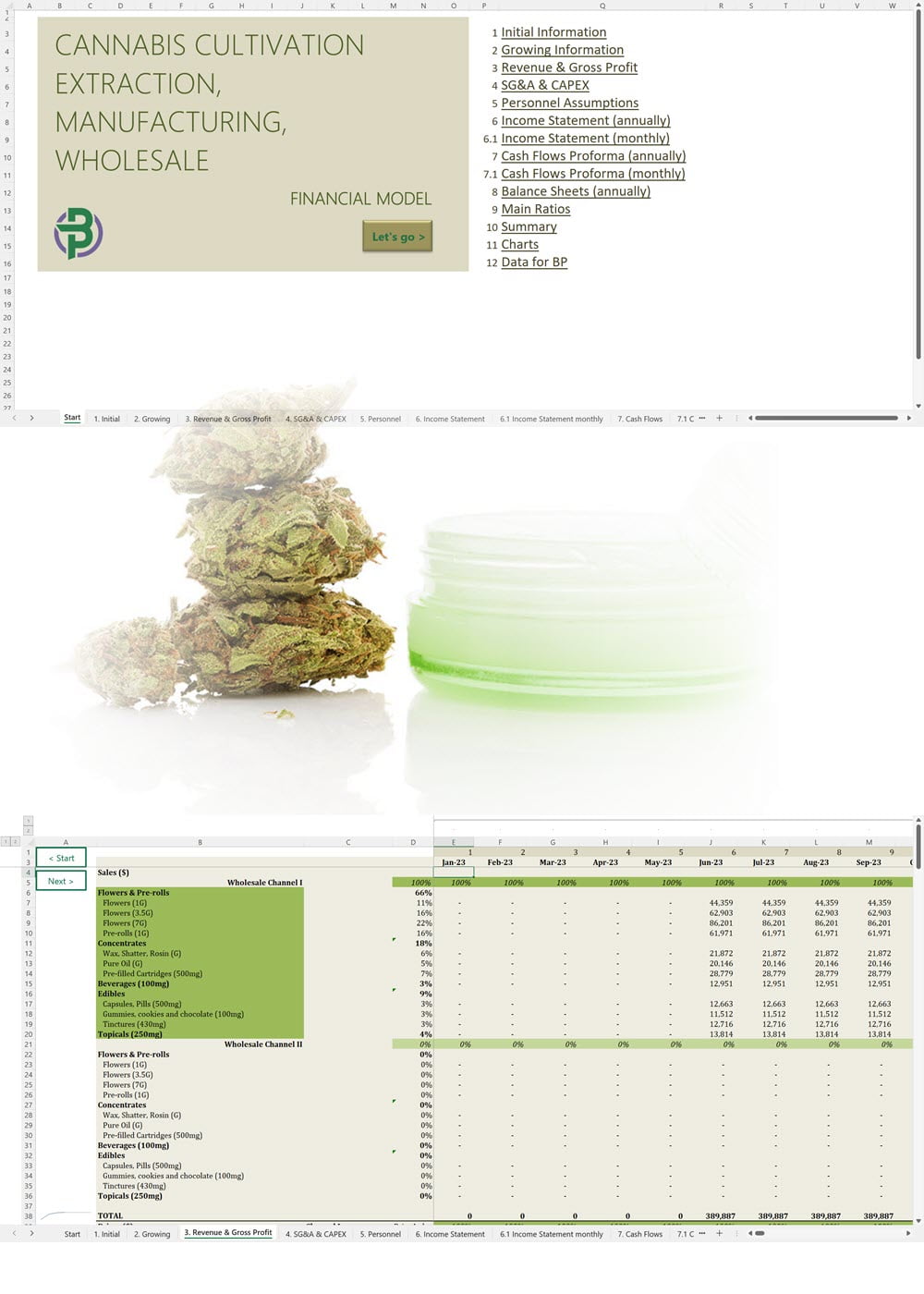
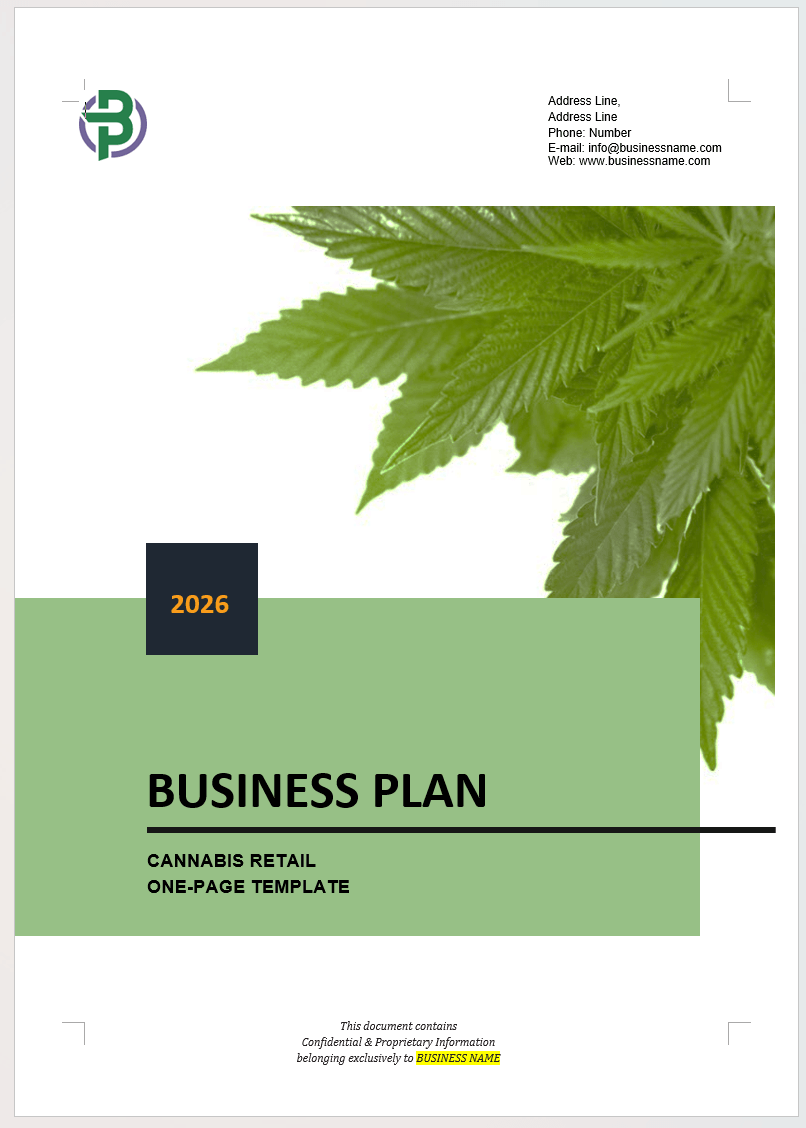
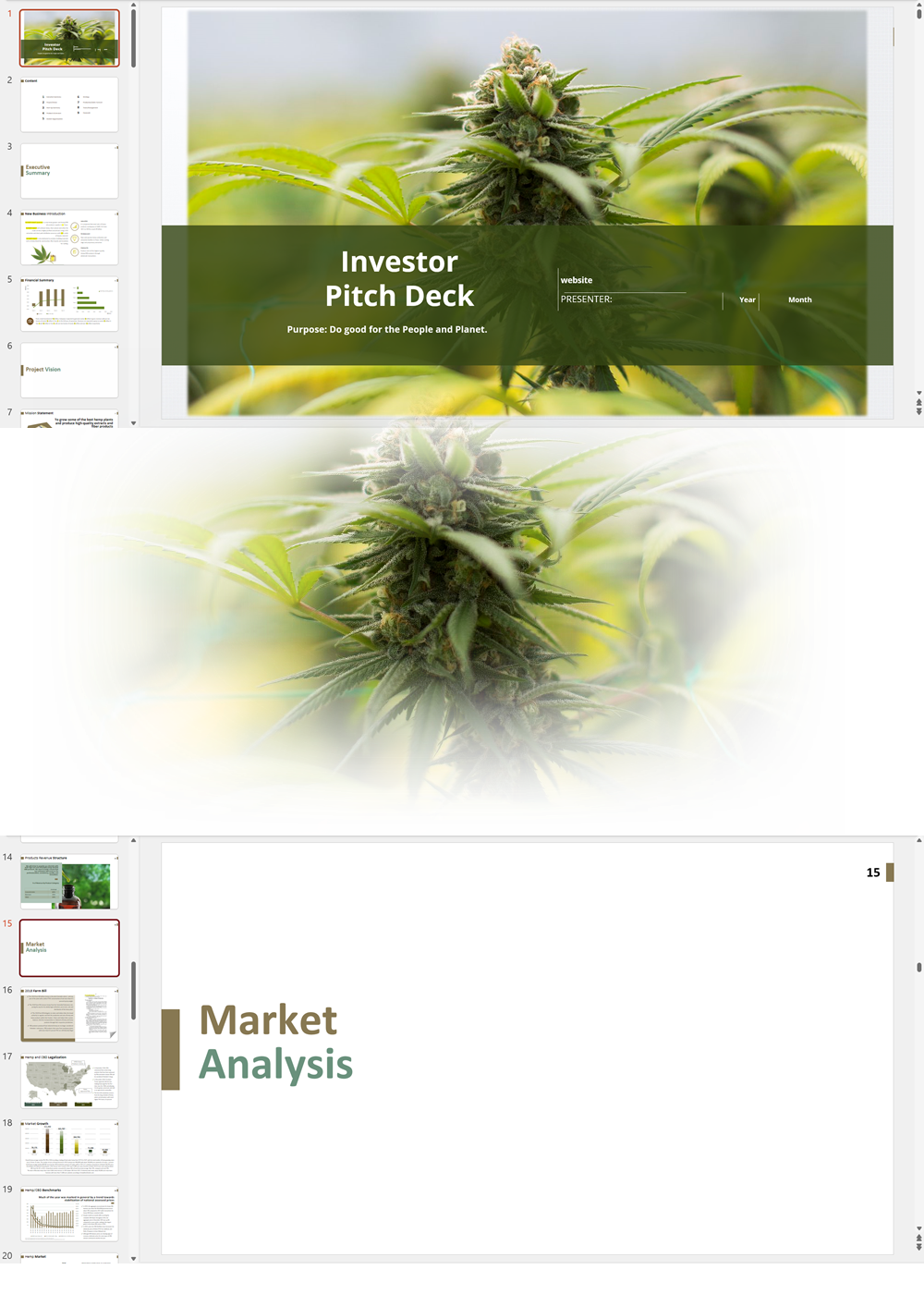
We offer a wide range of '70% ready-to-go' cannabis business plan templates that will help you prepare a professional cannabis business plan document supported with expert financials and an investor pitch deck. All our templates are completely open and editable and you can use Word, Excel and PowerPoint to work with them.
How to Get a Cannabis Business License in New York
The first step before applying for a cannabis license is to form the business that you intend to use for the licensed activity. This requires registering with New York State as a New York or non-New York company and the IRS to obtain your formation documents and Federal Employer Identification Number (FEIN aka EIN).
An applicant and each true party of interest in an applicant shall provide information in a form and manner as prescribed by the Board, which may include, but is not limited to the following:
- Identity of the applicant or true party of interest.
- Applicant ownership and financial disclosures.
- Criminal history and legal proceedings.
- Premises. Applicants shall be required to provide additional information regarding its premises where licensed activities will occur. If more time is needed to secure a premises, an applicant for a retail dispensary or microbusiness license can apply without premises details. If deemed eligible and selected for a license, they will become provisionally approved and have twelve (12) months to secure a premises and submit documentation before being licensed on a final basis and operational. All applicants, except those seeking retail dispensary and microbusiness licenses, must submit proof of control of their proposed premises to complete an application.
- Social and Economic Equity. An applicant seeking to qualify as a social and economic equity applicant shall provide information proving their qualification.
Applicants seeking an adult-use retail dispensary, ROD, microbusiness with retail dispensary, or on-site consumption license, are required to notify the municipality, or in New York City, the appropriate community board in which the retail premises is located.
All licensees must enter into a Labor Peace Agreement (LPA) with a bona fide labor organization prior to final license issuance.
Physical security measures, good production practices, packaging, labelling, transport and reporting requirements, taxes and more.
New York Cannabis Taxes
In New York, two taxes apply to the transfer of adult-use cannabis products. First, a 9% distributor tax is imposed on the sale or transfer of adult-use cannabis products from a distributor to a retailer. Second, a retailer must pay a total of 13% in retail taxes on the retail sale or transfer of adult-use cannabis products to the end consumer. If you are a registered organization or microbusiness selling adult-use cannabis products directly to a retail customer, the 9% tax applies to 75% of the amount charged for that sale.
New York has enacted a state-level exemption (decoupling) from Internal Revenue Code (IRC) Section 280E for licensed cannabis businesses. Effective for tax years beginning on or after January 1, 2023, licensed cannabis businesses can deduct normal business expenses (e.g., rent, payroll, utilities, marketing) when calculating their New York State taxable income.
Cannabis Advertising Regulations in New York
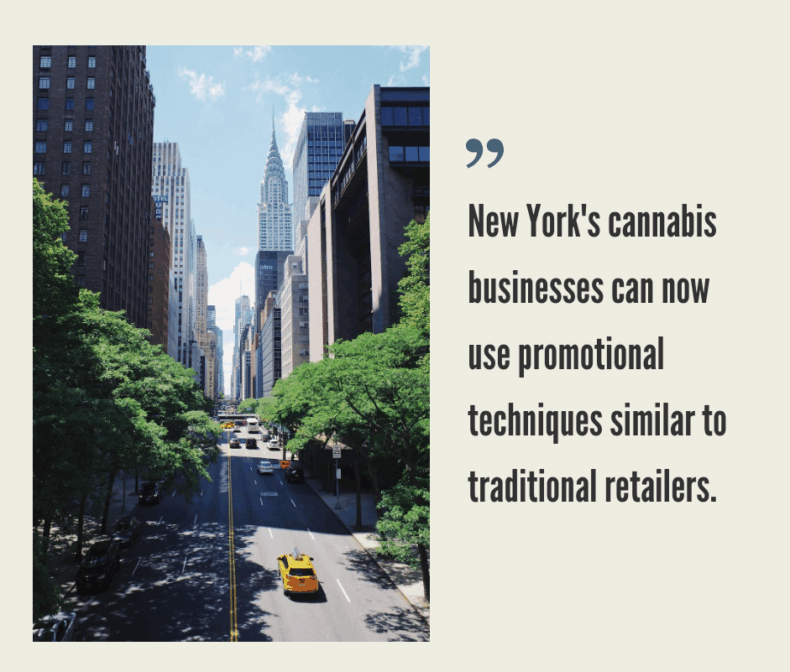
On November 13, 2025, the OCM approved a resolution that legalizes the use of various marketing strategies for cannabis and cannabis products, including “discounts, coupons, points-based reward systems, customer loyalty programs, or bundled discounts”, as long as this does not lead to cannabis products being sold at less than their market value. Licensees are also allowed to advertise to consumers through free cannabis merchandise as long as the merchandise is not give to consumers under 21 years of age.
Apparel can be an advertisement if it causes, directly or indirectly, the purchase or use of a brand or cannabis product. Licensees cannot give away apparel or use it as an incentive unless the apparel is part of an Environmental Sustainability Program that has been submitted by a licensee as a requirement of their license and has been approved by the Office.
In New York, a licensee can only advertise if the audience is reasonable expected to be comprised of a “proportion of individuals age 21 and older that meets or exceeds the proportion of the state’s population that is 21 and older based upon the most recently available data from the U.S. Census Bureau’s Annual Estimates of the Resident Population”. This requirement does not apply to advertising that can only be viewed or heard from within the licensed premises of a licensed cannabis retailer. All advertisements (except for brand representatives and cannabis merchandise) must have this warning displayed or clearly read aloud: “For use only by persons 21 years of age and older. Keep out of reach of children and pets. If someone accidentally consumes cannabis, contact the Poison Center. Consume responsibly.”
When advertising on social media, the licensee must state the following information on the profile page of their social media account: text stating that cannabis products are legal only for individuals aged 21 and over, the license number, and any other information requested by the OCM.
Outdoor signs are allowed as along as they are not in the form of billboards, and contain only the following information:
- Licensee’s name, entity name, or doing business as name.
- Dispensary address, licensee’s phone number, email address, and website URL.
- Directions to the business.
- Licensed activity.
Signs cannot be displayed in arenas, sport venues, stadiums, shopping malls, fairs that receive state allocations, and video game arcades unless the event or facility has an employee, agent, or other controlled security access that will restrict access to only individuals aged 21 and over.
Licensees are also allowed to use a brand representative – a person who is “compensated or directed by a licensee authorized to cultivate, process or distribute adult-use cannabis, to provide information and education about a specific brand or cannabis product”. A brand representative must complete Responsible Workforce Training, adhere to employee and visitor identification requirements, cannot have a direct or indirect interest with a licensee authorized to conduct retail sales except for an interest in a microbusiness, and must only engage in product or brand education, giveaways or distribution with individuals aged 21 and over.
Cannabis Microbusiness Business Plan Sample, New York

Best Selling Templates
-

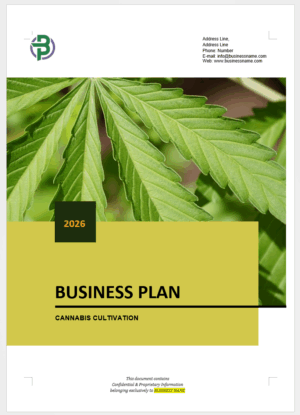
Cannabis Cultivation Business Plan Template
Price range: $75.00 through $350.00 Select options This product has multiple variants. The options may be chosen on the product page -

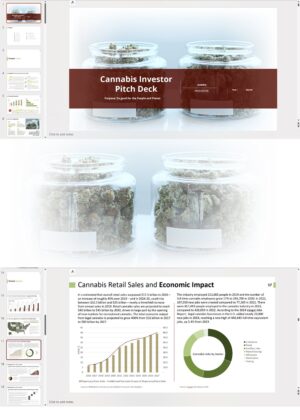
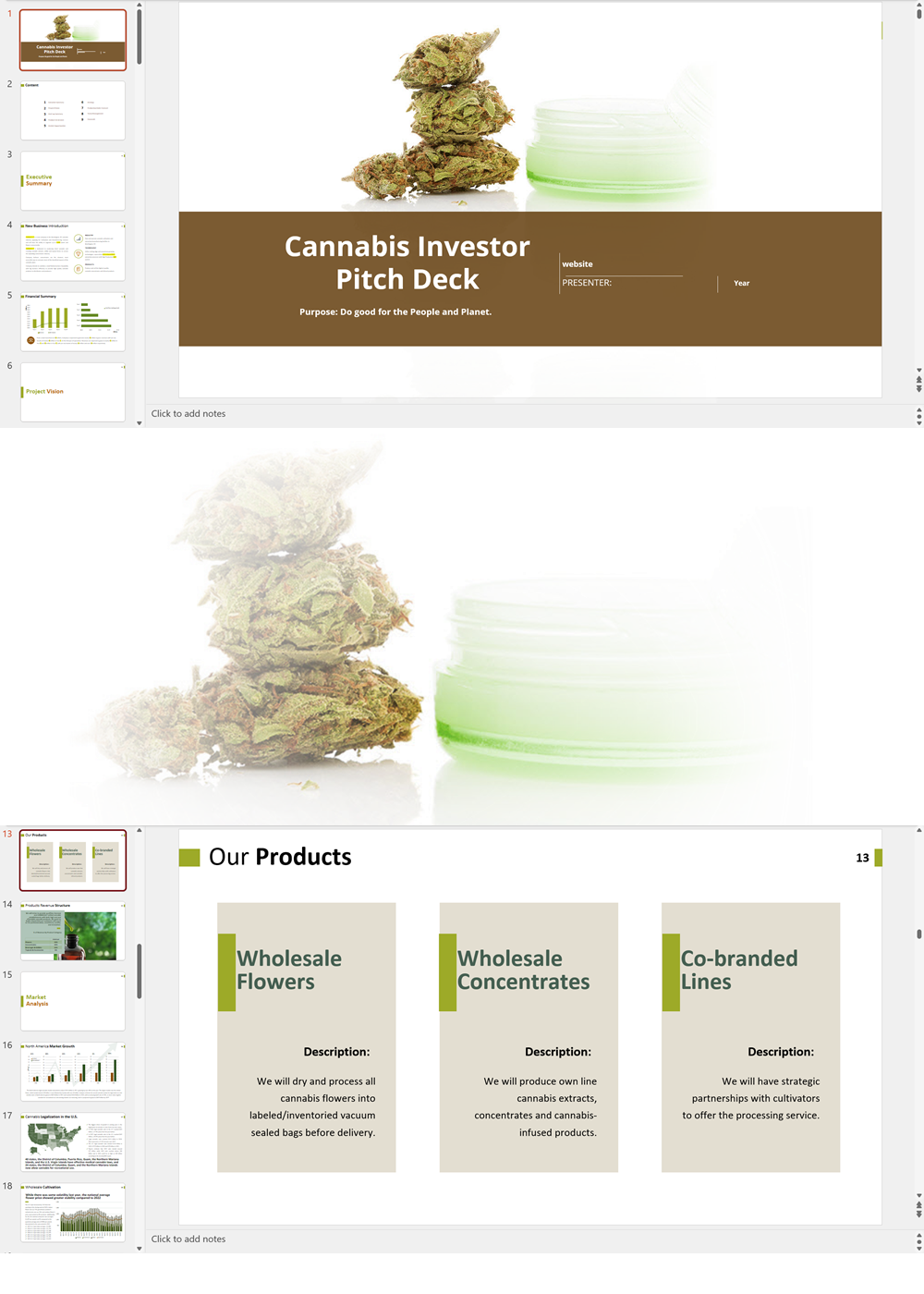
Cannabis Dispensary Investor Pitch Deck Template
$75.00 Select options This product has multiple variants. The options may be chosen on the product page -
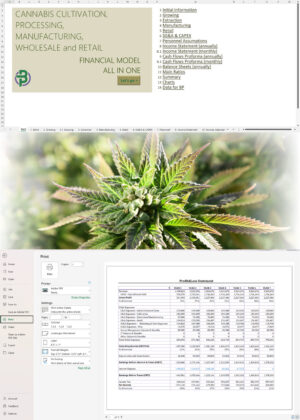
Cannabis Financial Model All in One
$250.00 Select options This product has multiple variants. The options may be chosen on the product page
Hemp CBD business plan templates are available at hempcbdbusinessplans.com.
Our Templates
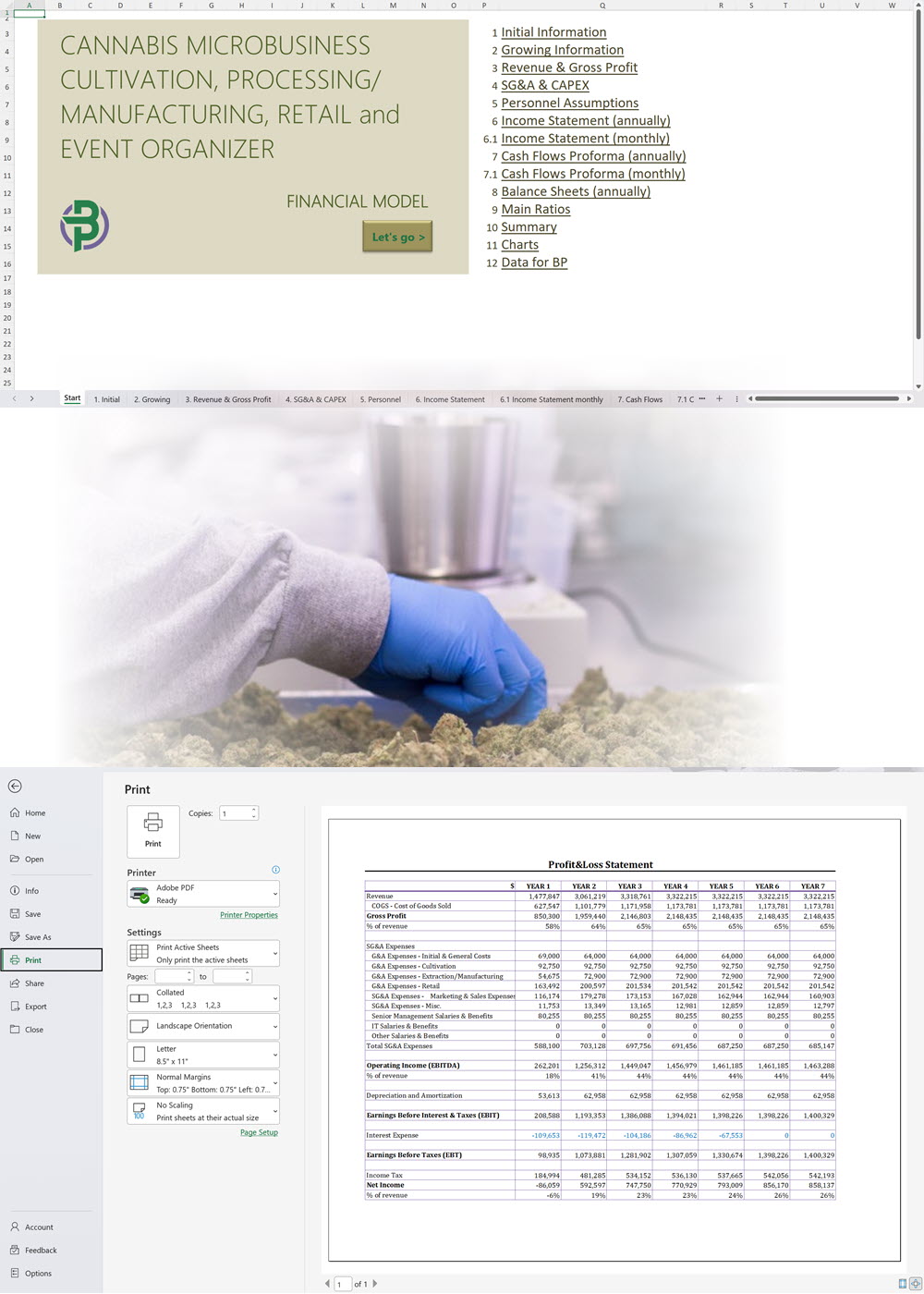
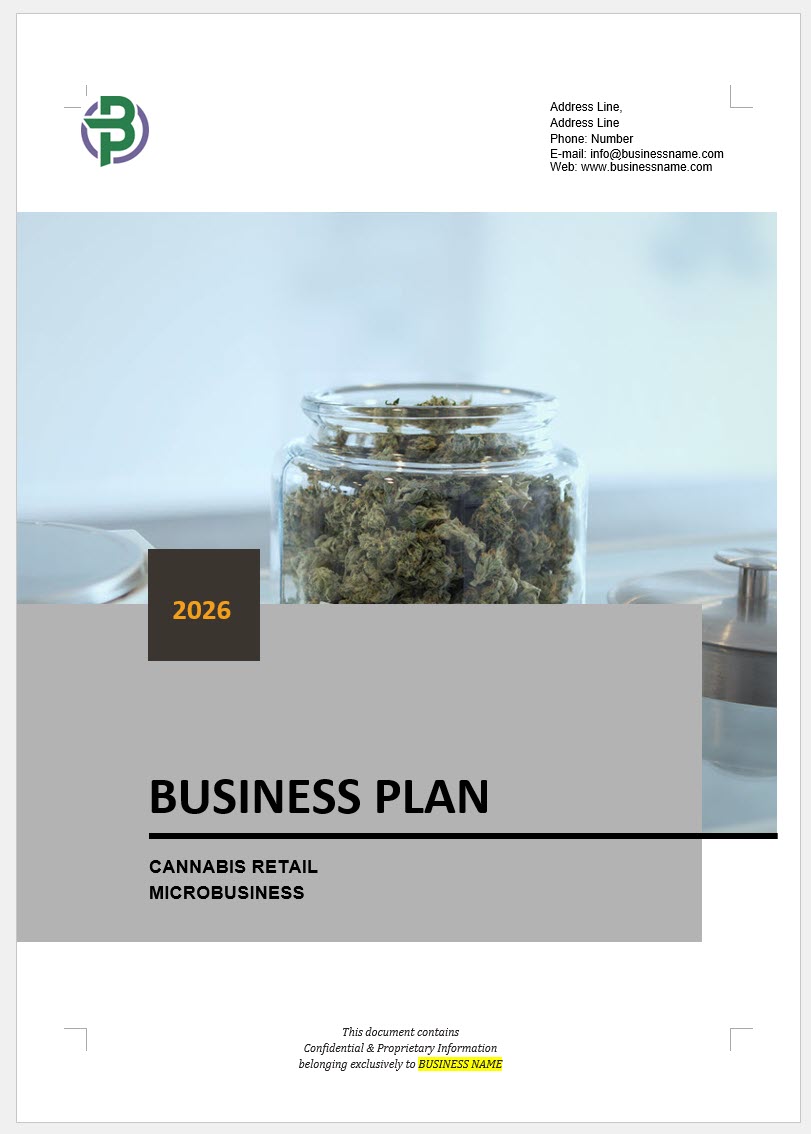
Cannabis Retail Microbusiness Business Plan Template
Price range: $75.00 through $275.00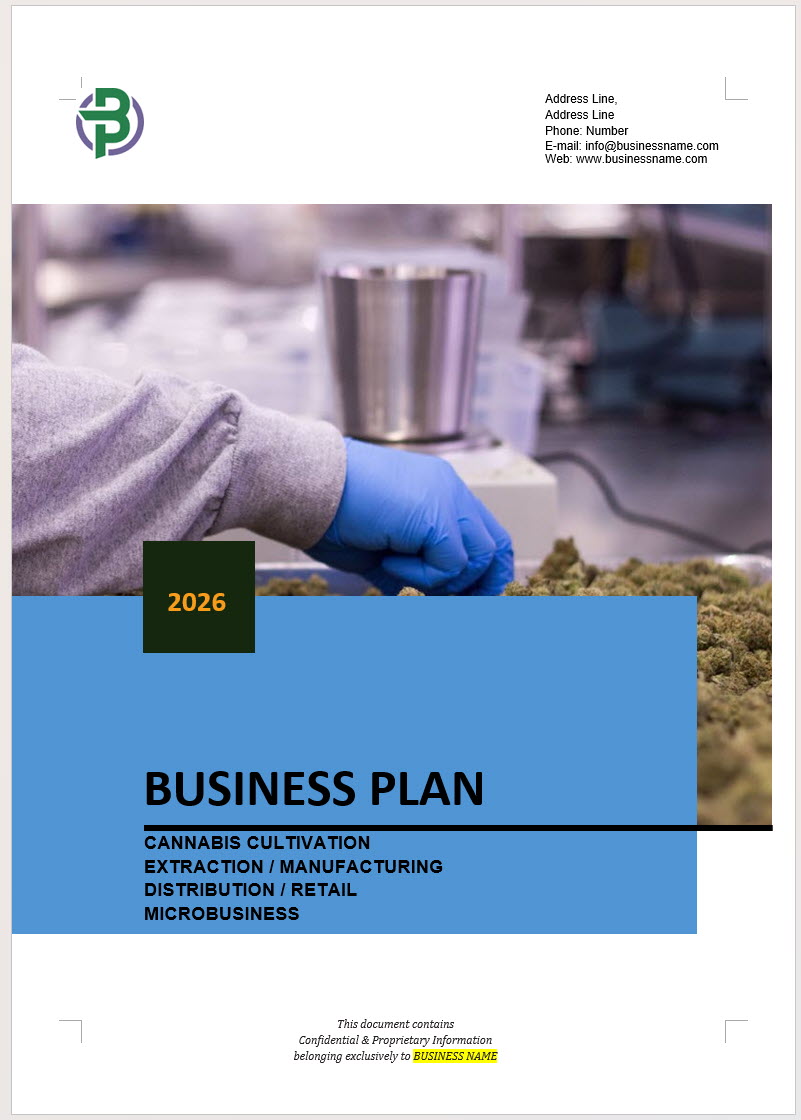
Cannabis Cultivation, Extraction, Manufacturing, Distribution, Retail and Microbusiness Business Plan Template
Price range: $75.00 through $500.00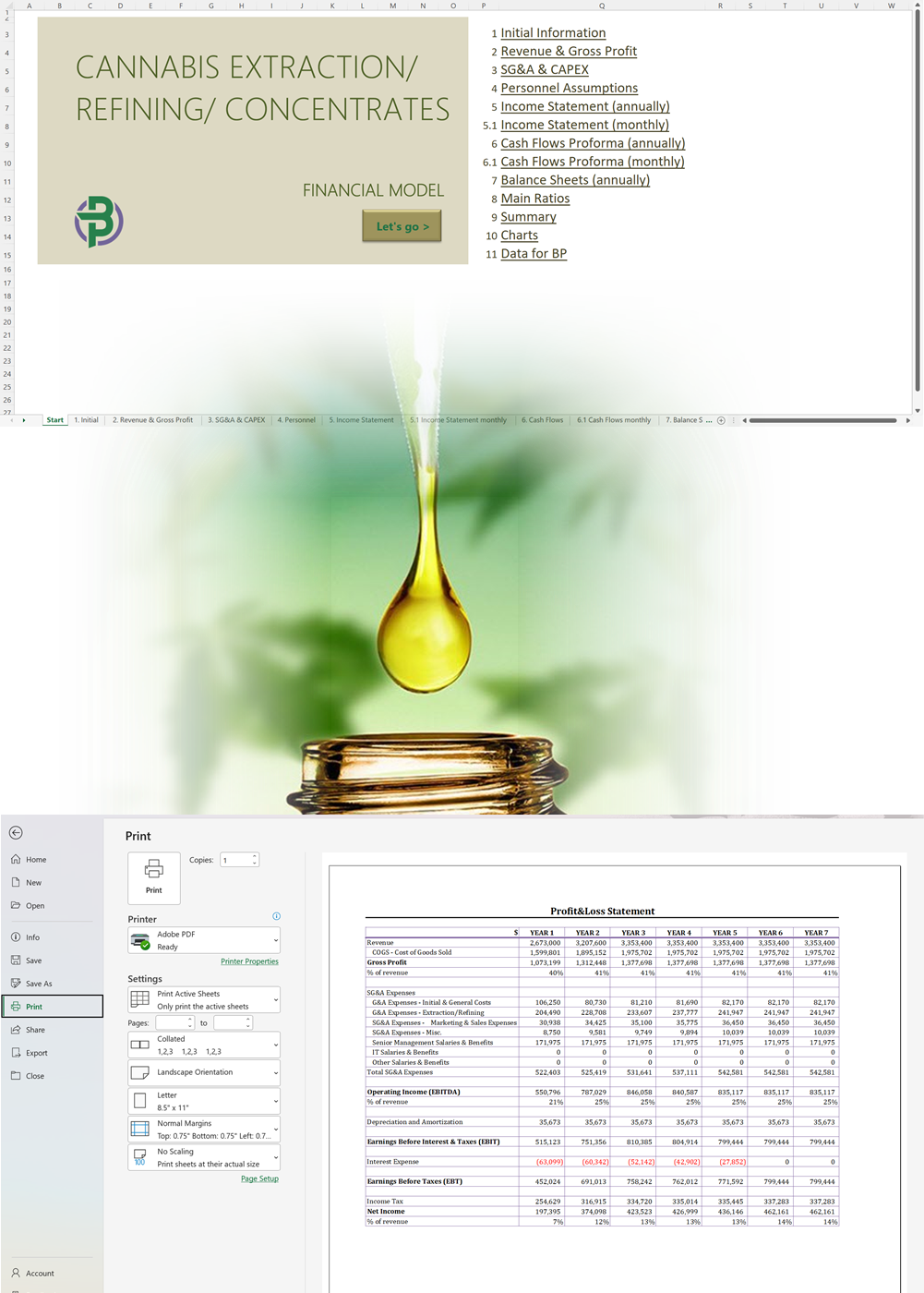

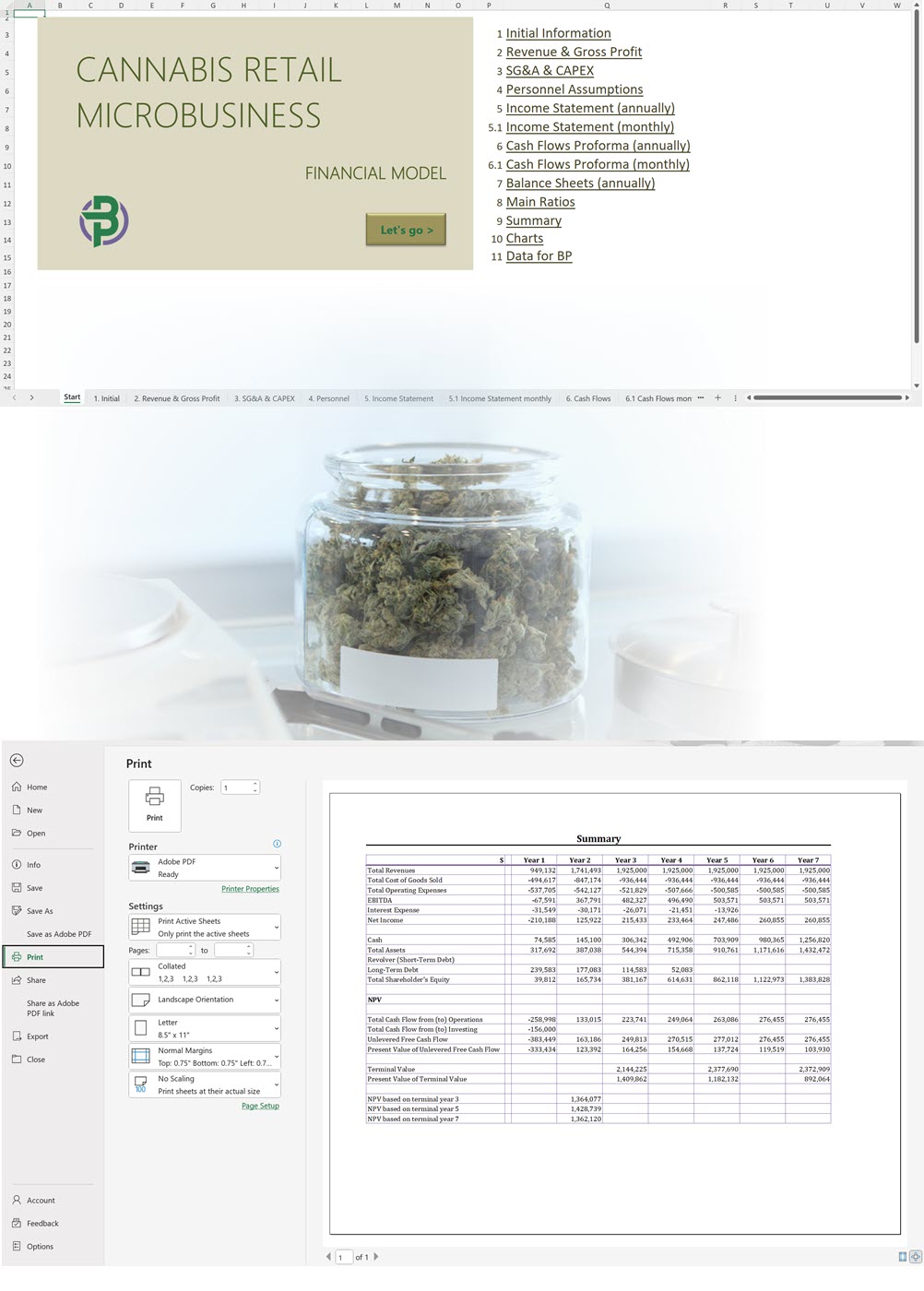
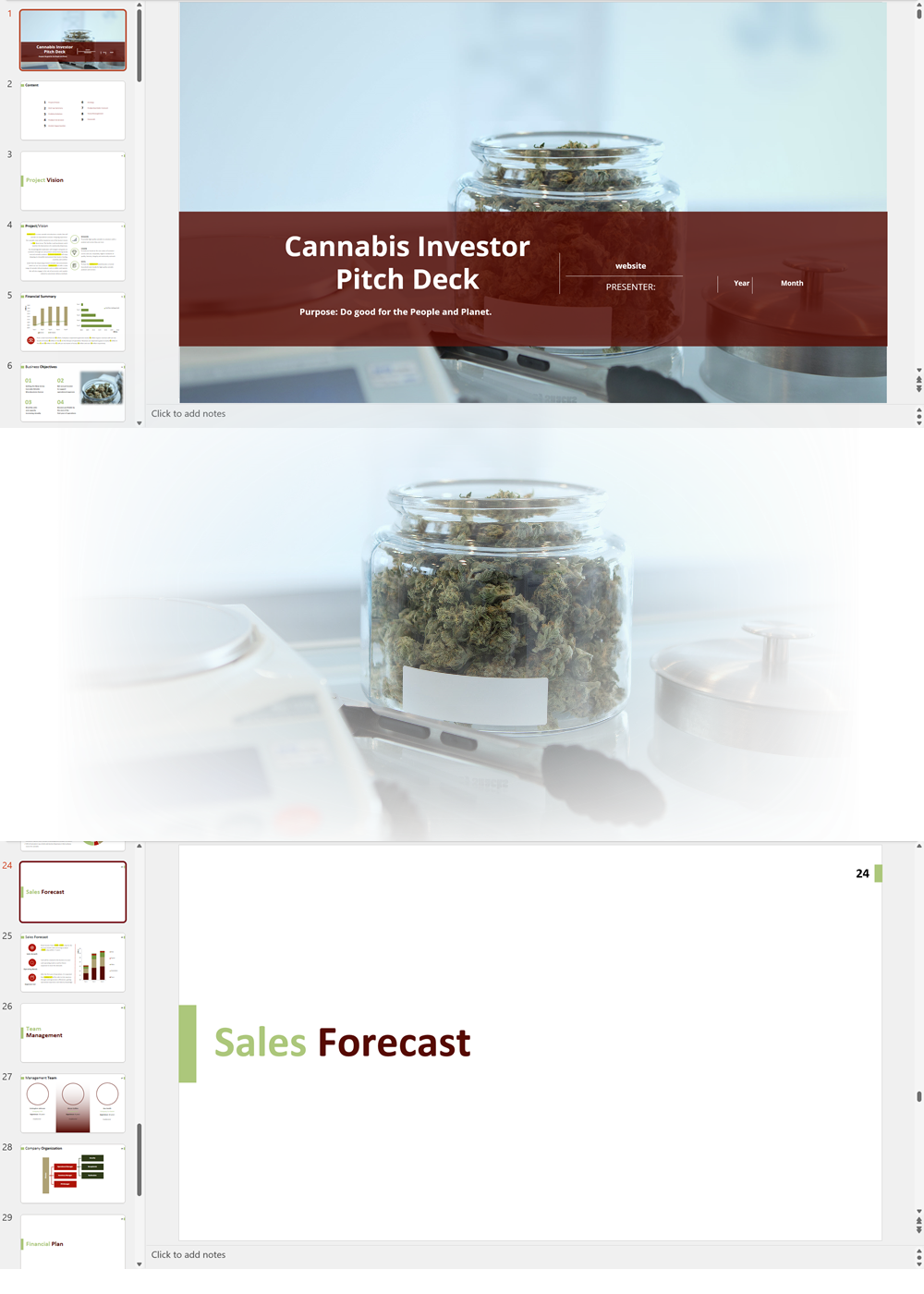
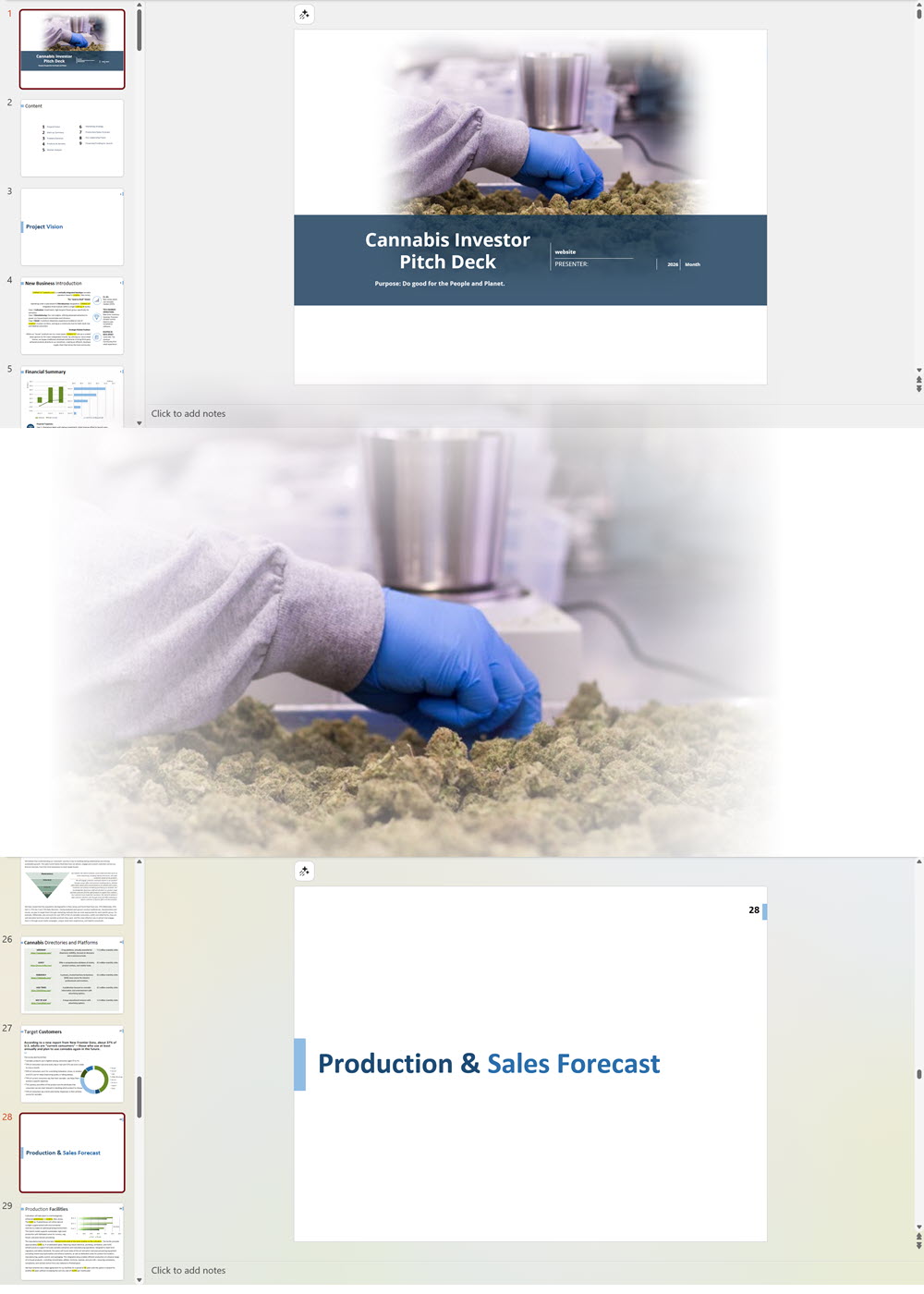
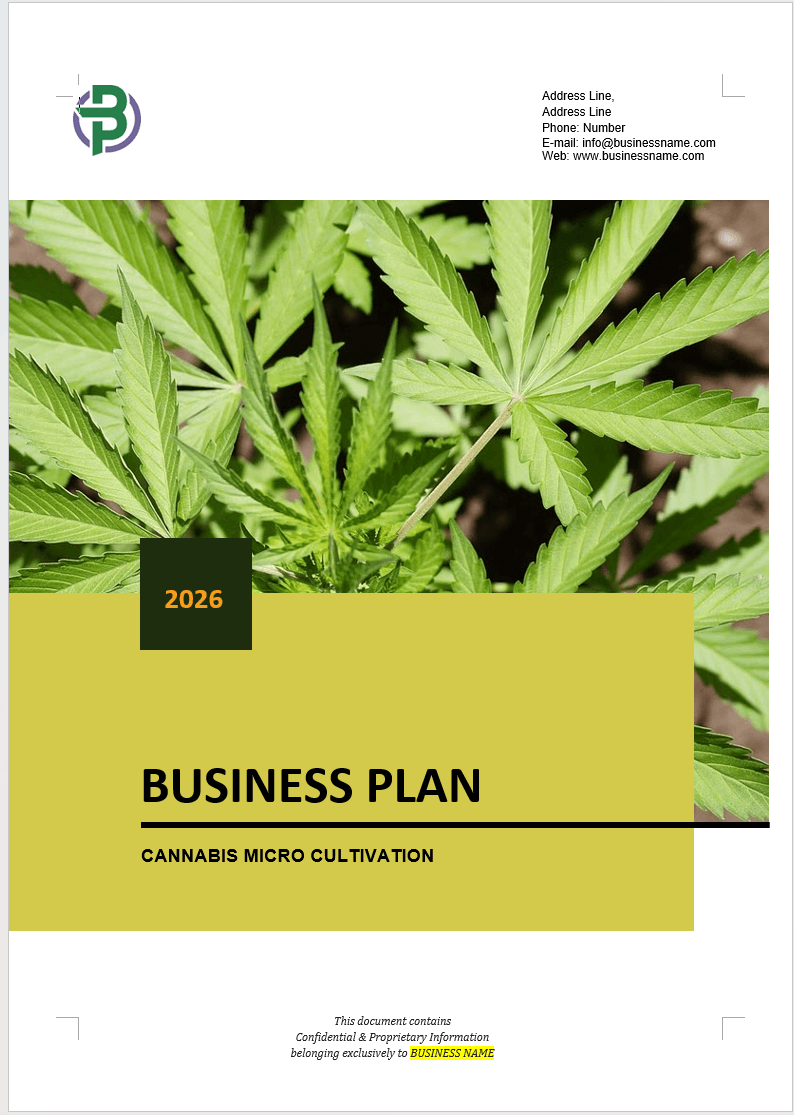
Cannabis Micro Cultivation Business Plan Template
Price range: $75.00 through $300.00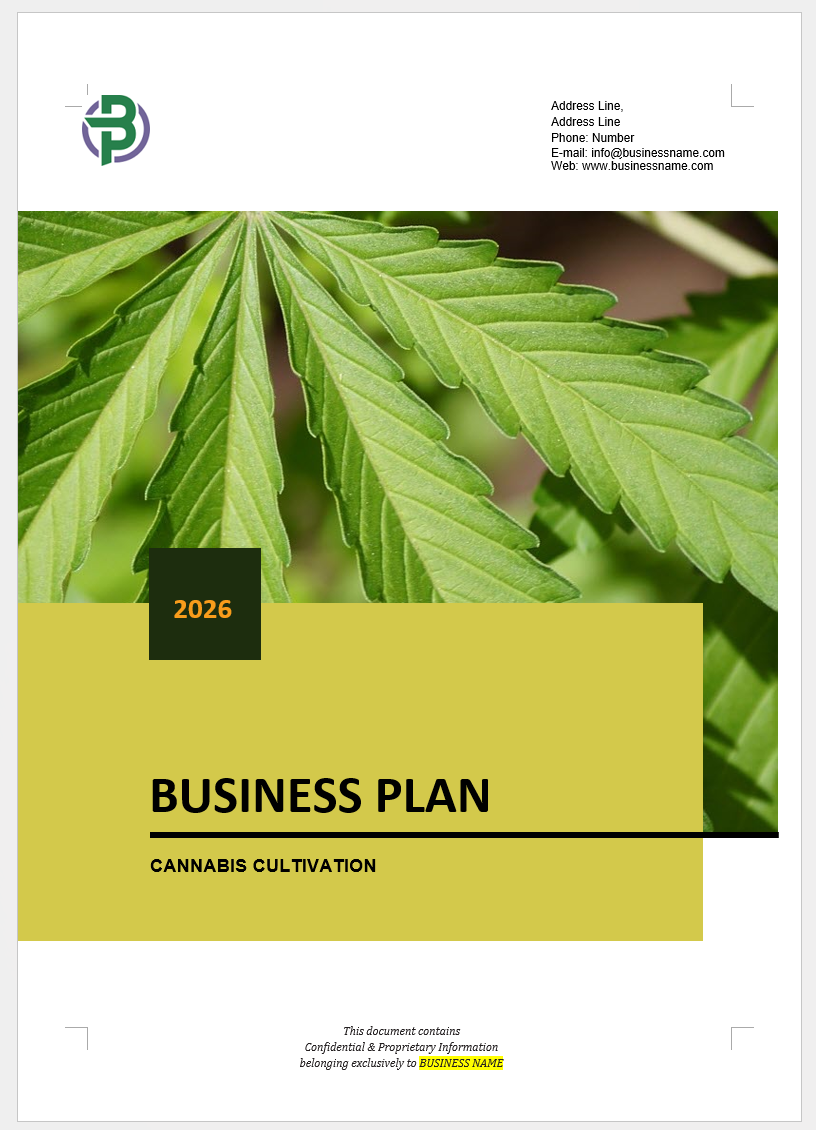
Cannabis Cultivation Business Plan Template
Price range: $75.00 through $350.00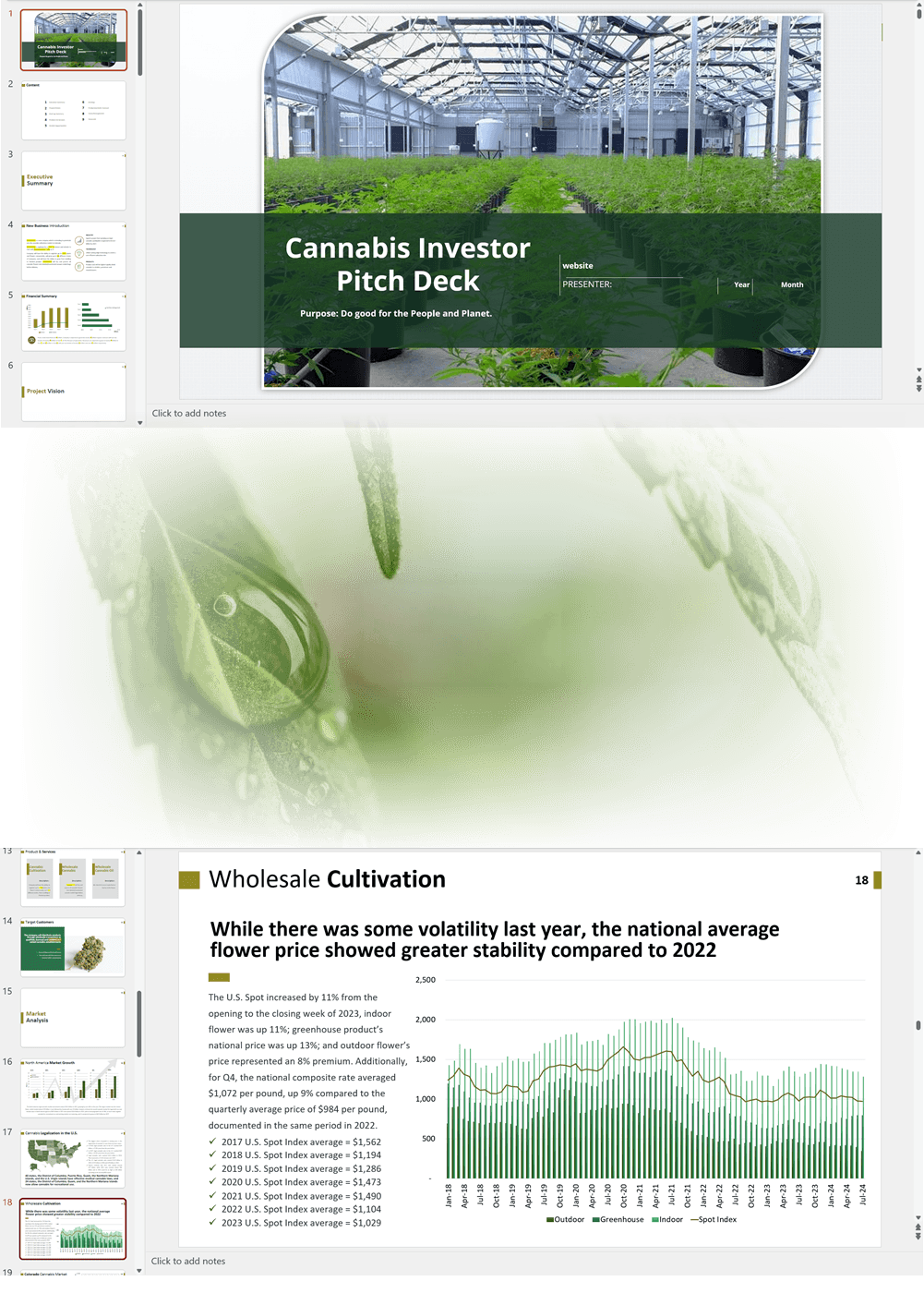
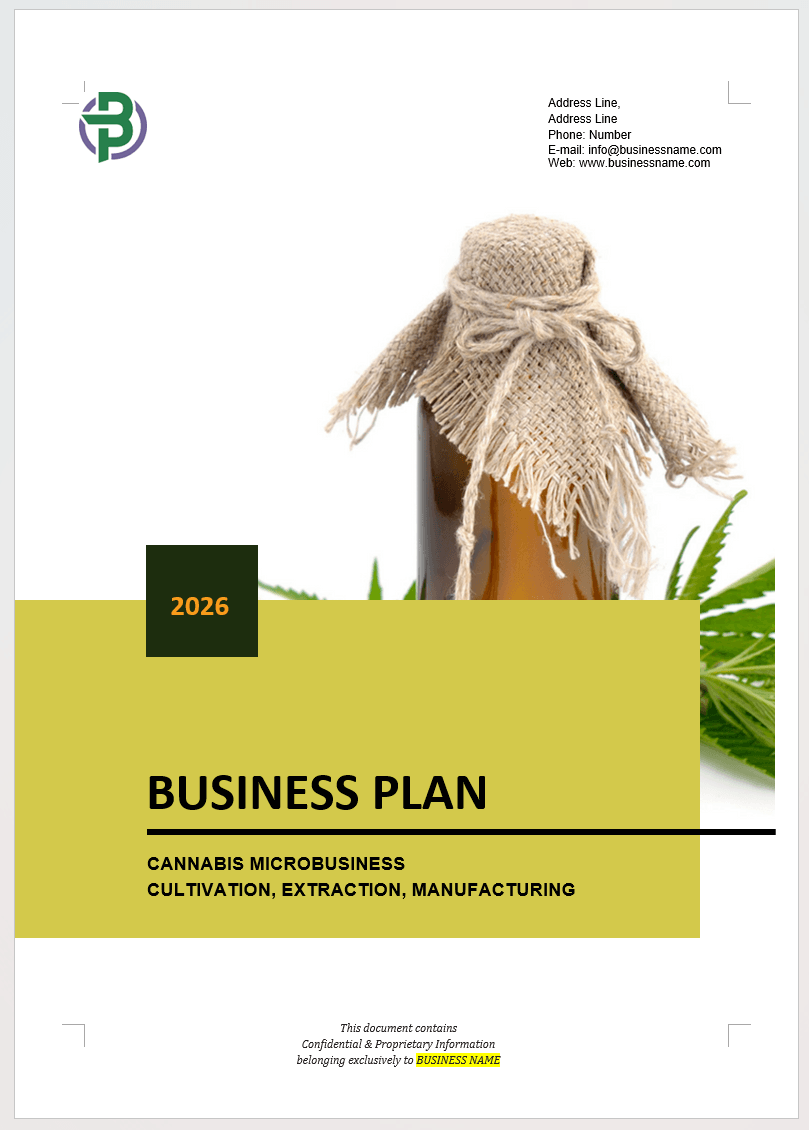
Cannabis Microbusiness Cultivation and Manufacturing Business Plan Template
Price range: $75.00 through $350.00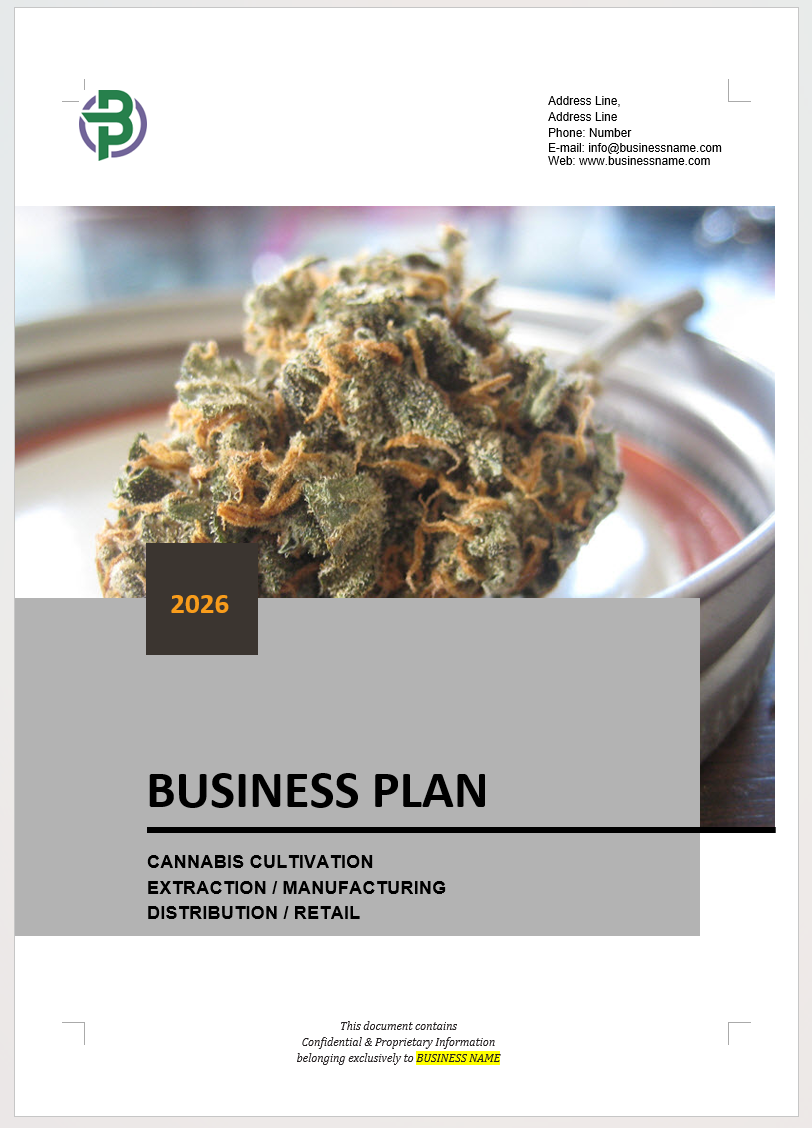
Vertically Integrated Cannabis Business Plan Template
Price range: $75.00 through $500.00

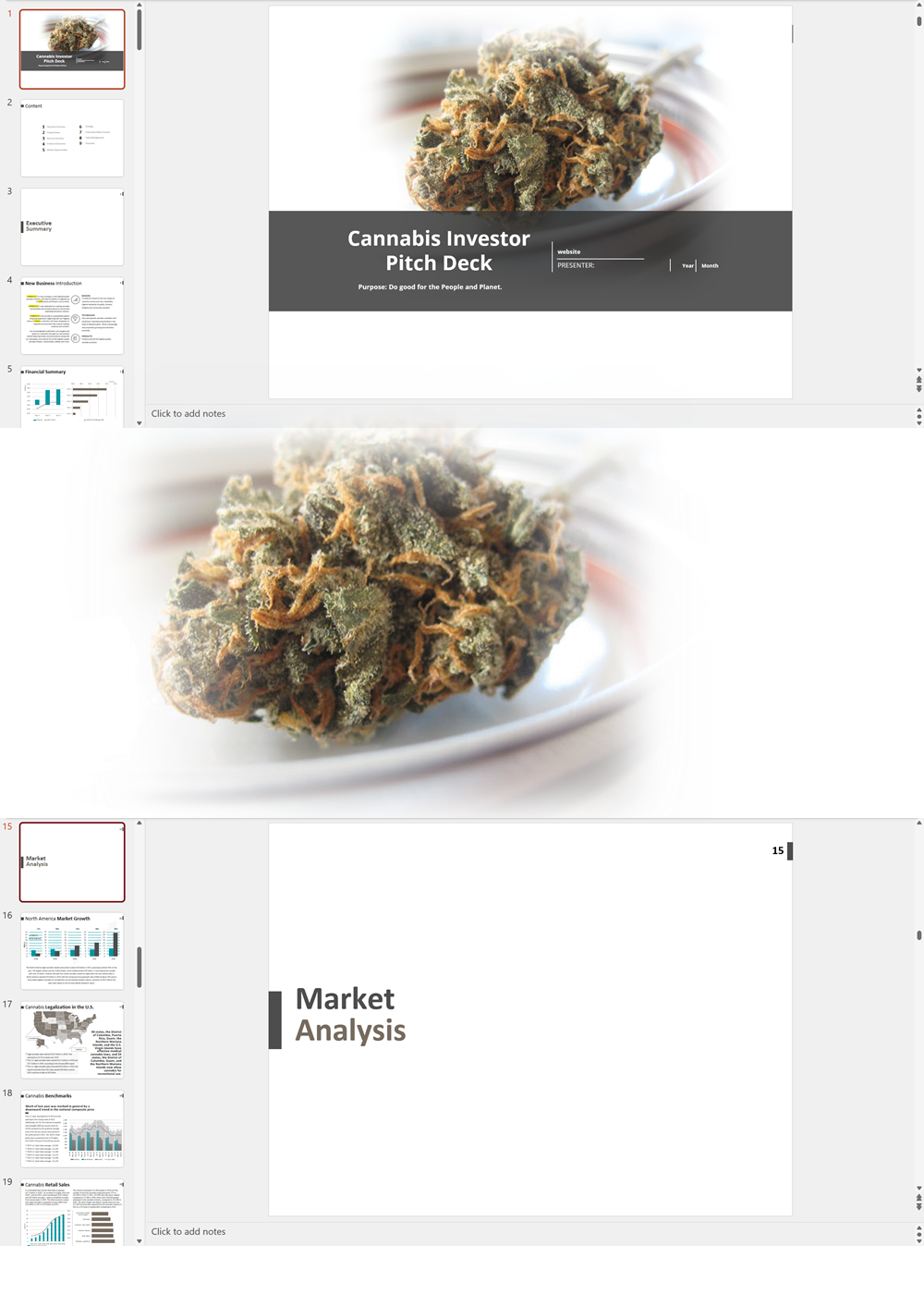

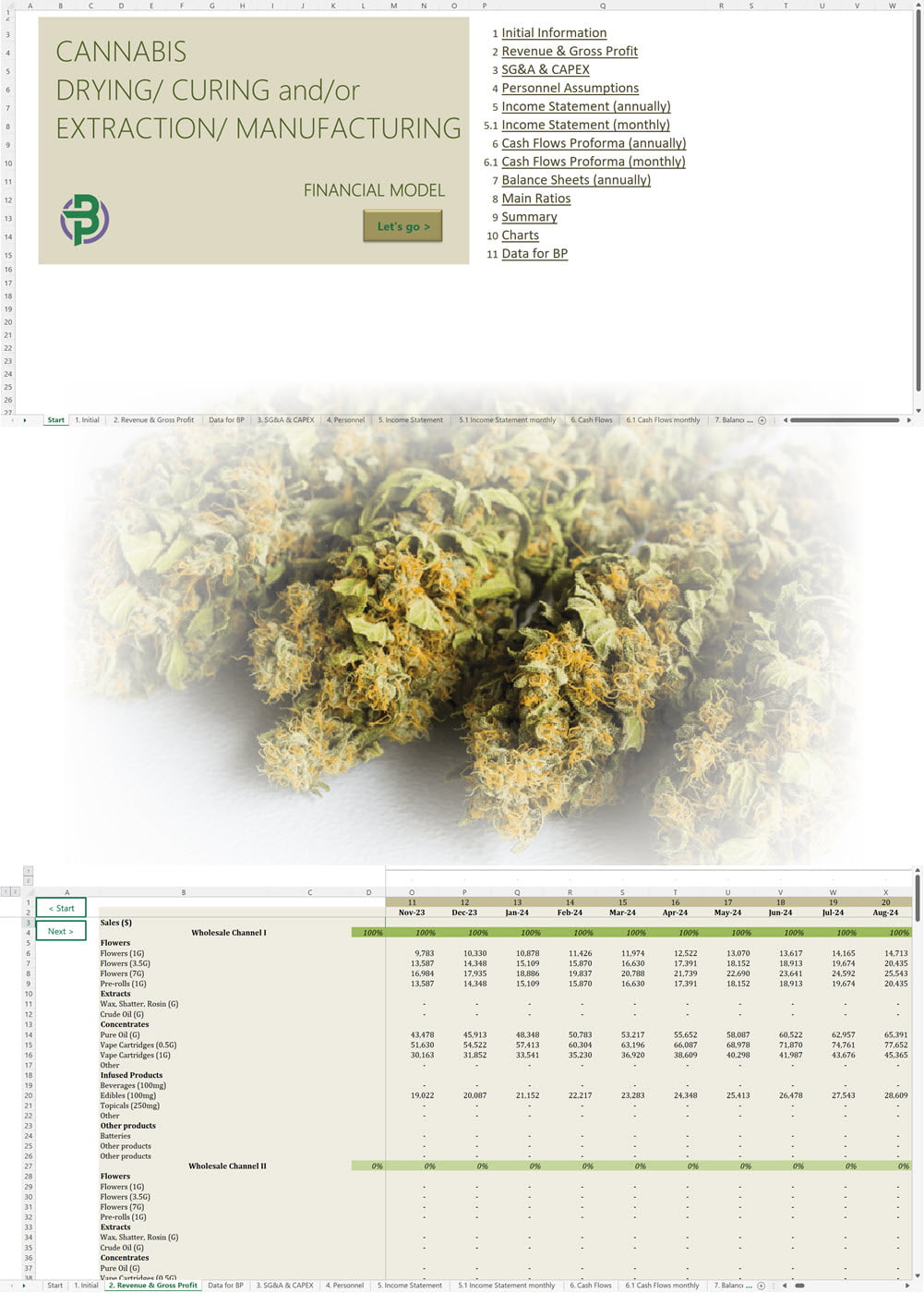
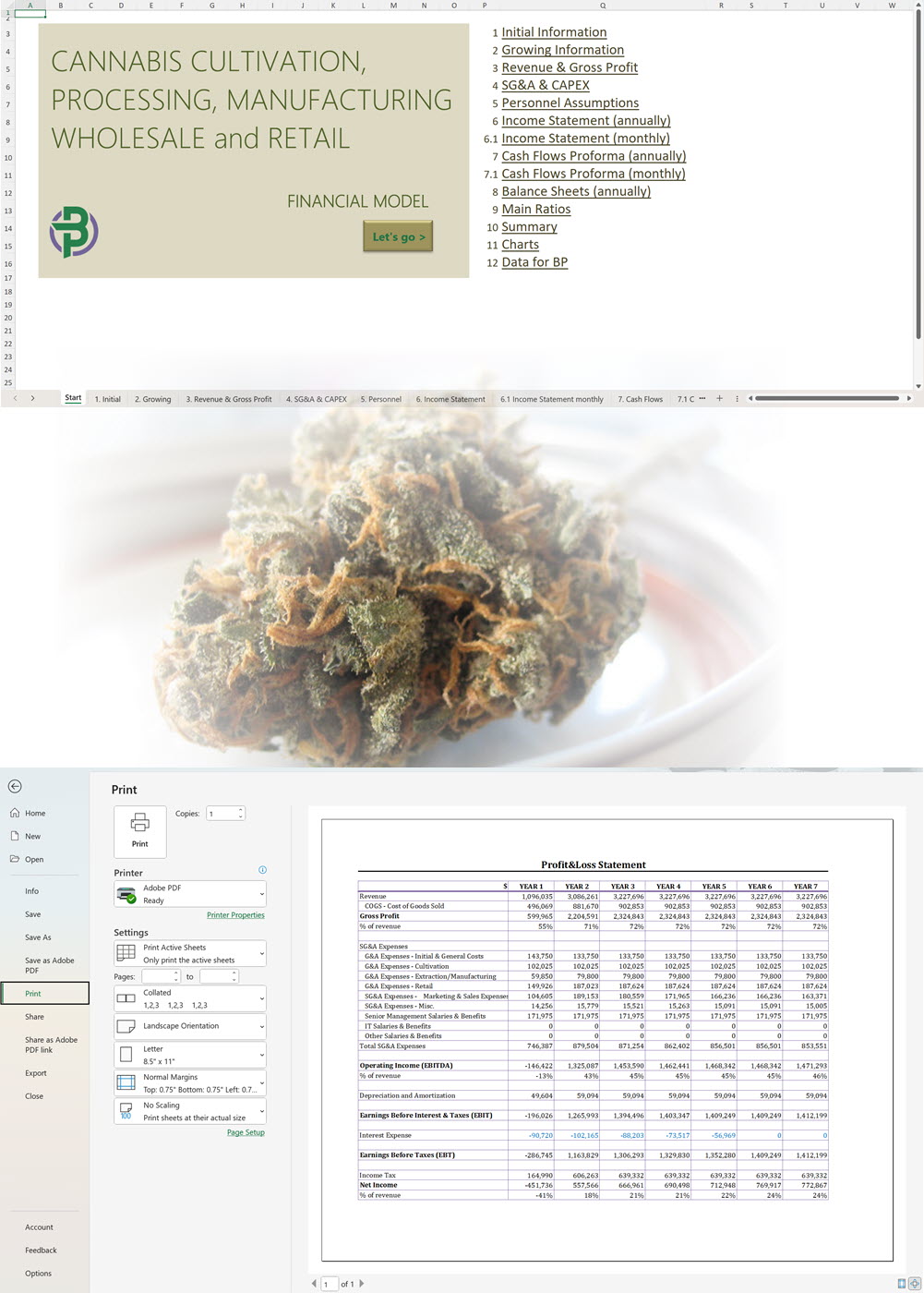
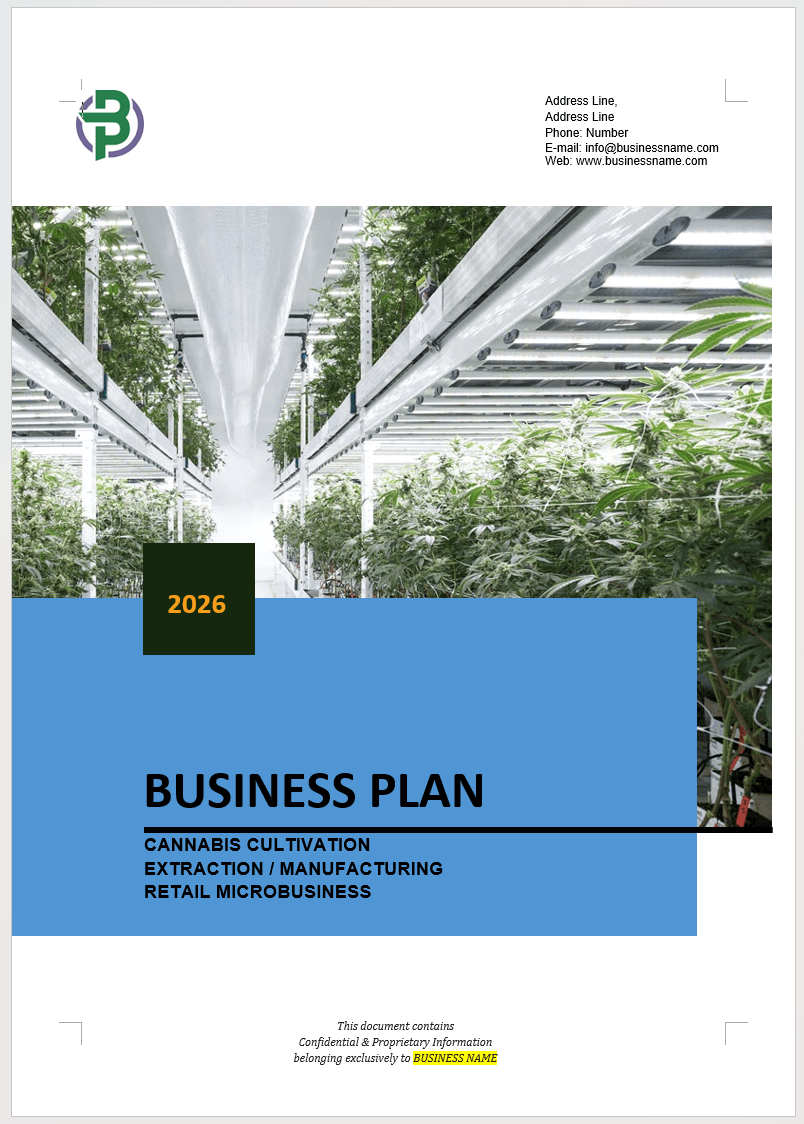
Cannabis Microbusiness Business Plan Template for Cultivation + Extraction + Manufacturing + Wholesale + Retail + Services
Price range: $75.00 through $500.00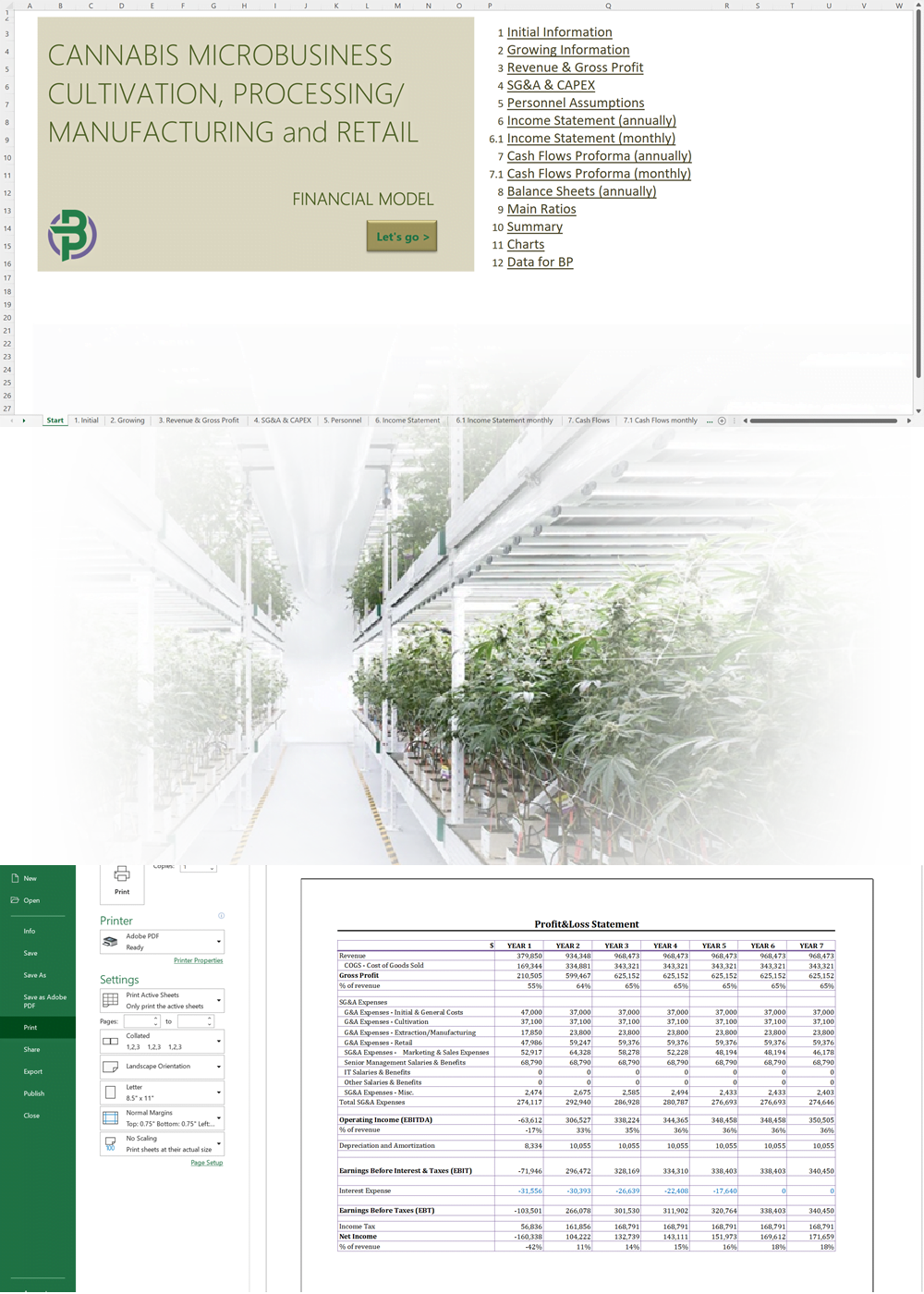
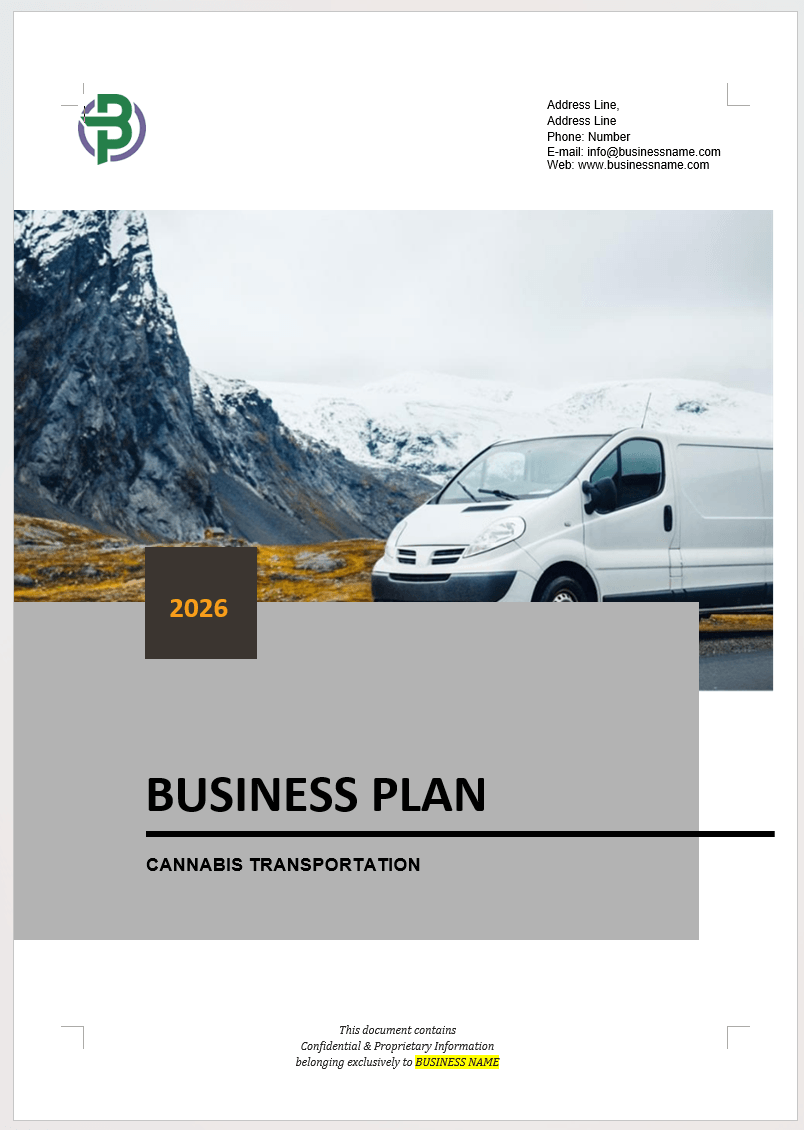
Cannabis Transportation Business Plan Template
Price range: $75.00 through $275.00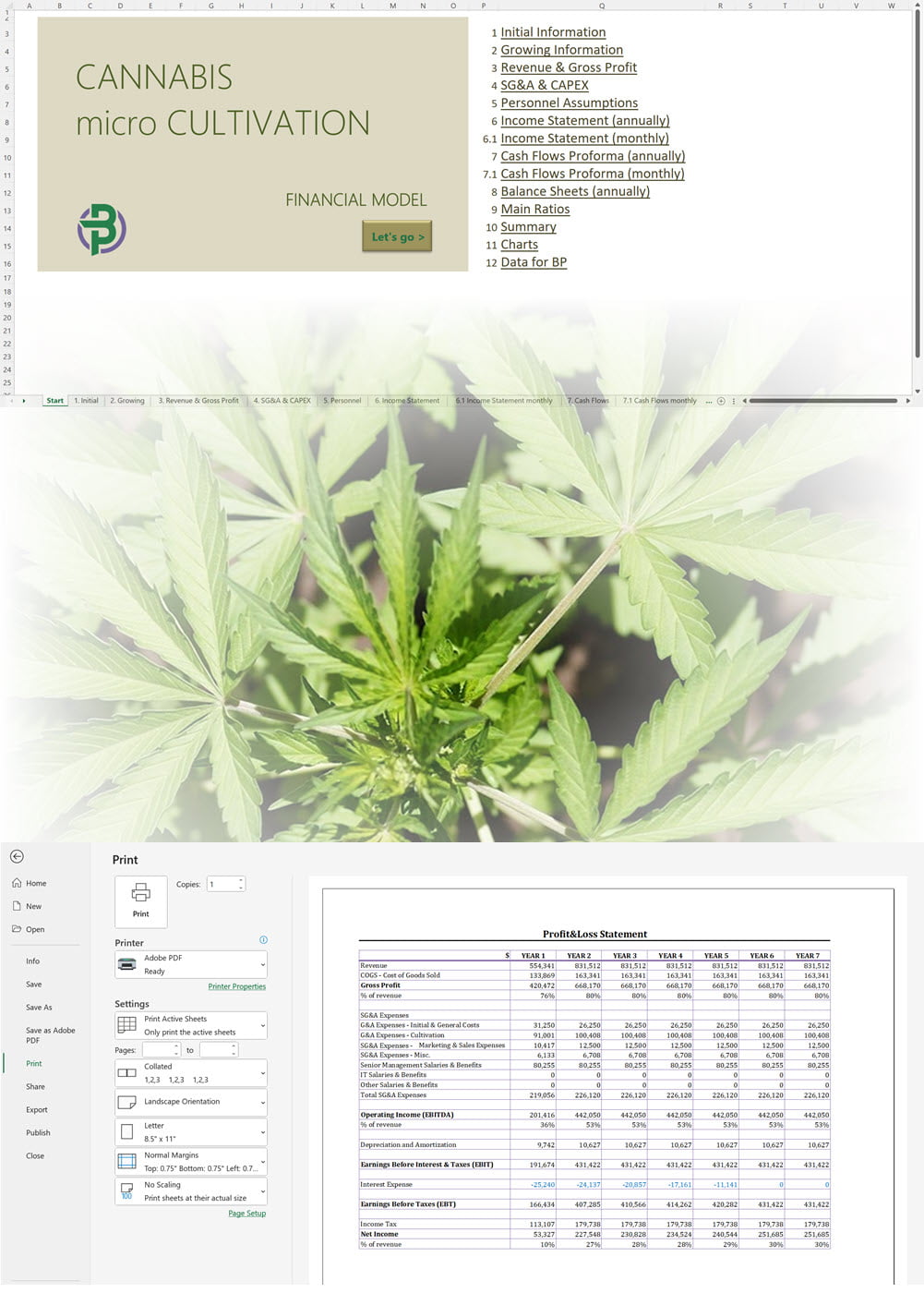

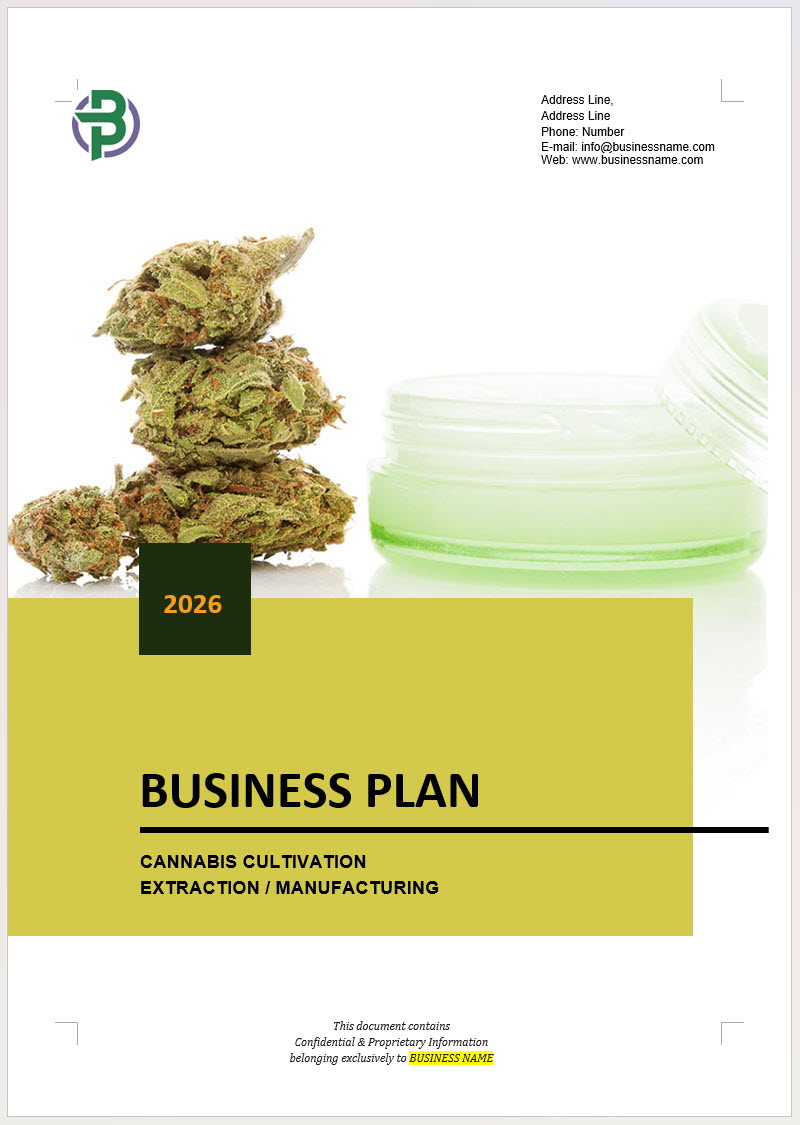
Cannabis Cultivation, Extraction and Manufacturing Business Plan Template
Price range: $75.00 through $450.00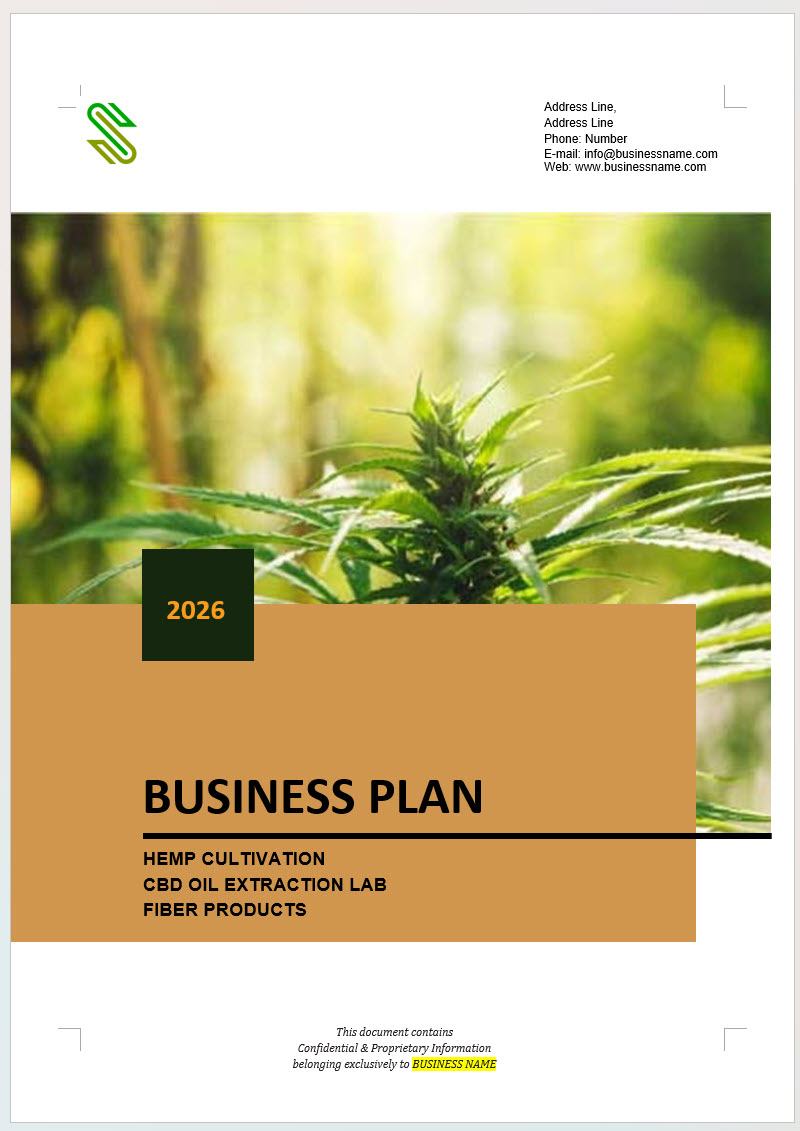
Hemp Cultivation and CBD Oil Extraction and/or Fiber Products Business Plan Template
Price range: $75.00 through $350.00