- Understand regulatory and legal requirements. Do market research.
Medical Cannabis Legalization
Montana legalized medical cannabis in 2004 through Initiative 148 (Montana Medical Marijuana Act). Between 2009 and 2011, the program surged in popularity and several lawmakers tried to repeal and undo it. However, Initiative 182, approved in November 2016, overruled the restrictions that lawmakers tried to impose and created a regulatory structure.
Later, in 2017, Senate Bill 333 established mandatory testing, a seed-to-sale tracking (Metrc) system and imposed a 4% tax on medical cannabis. In 2019, Senate Bill 256 amended the state’s medical cannabis program by eliminating the requirement for patients to purchase cannabis from a single dispensary only.
Recreational Cannabis Legalization
On November 3, 2020, through the Constitutional Initiative 190 voters legalized the possession and use of cannabis by adults aged 21 and over. Then in 2021, House Bill 701 was signed into law, implementing and refining Initiative 190. Recreational sales began in January 2022.
- Decide the type of cannabis business. Choose a location. Check local zoning regulations.
Cannabis License Types Available in Montana
The Montana Department of Revenue, Cannabis Control Division (CCD) is responsible for issuing licenses for both medical and recreational cannabis.
All licenses are valid for one year, except for transporter license which is valid for two years.
From January 1, 2022, to June 30, 2025, CCD could only issue cultivator, manufacturer, dispensary, testing laboratory and transporter licenses to former medical cannabis licensees that were licensed or had a pending application with the Department of Public Health and Human Services. Combined-use licenses – created specifically for Montana’s eight federally recognized tribes and/or entities majority owned by one of those tribes – were allowed to be issued to new applicants right away.
It was originally planned that new entrants into the adult-use market will wait until 2023 to apply. However, the license moratorium was extended to 2025 and then further until June 30, 2027, through Senate Bill 27 which was signed into law on May 5, 2025.
Allows to plant, cultivate, grow, harvest and dry cannabis, as well as package and relabel cannabis produced at the cultivation site in a natural or naturally dried form that has not been converted, concentrated or compounded, for sale at a licensed dispensary.
| Tier | Maximum Square Footage | Maximum Indoor Facilities | Fees |
| Micro Tier | 250 | 1 | $1,000 |
| Tier 1 | 1,000 | 1 | $2,500 |
| Tier 2 | 2,500 | 2 | $5,000 |
| Tier 3 | 5,000 | 3 | $7,500 |
| Tier 4 | 7,500 | 4 | $10,000 |
| Tier 5 | 10,000 | 5 | $13,000 |
| Tier 6 | 13,000 | 5 | $15,000 |
| Tier 7 | 15,000 | 5 | $17,500 |
| Tier 8 | 17,500 | 5 | $20,000 |
| Tier 9 | 20,000 | 6 | $23,000 |
| Tier 10 | 30,000 | 7 | $27,000 |
| Tier 11 | 40,000 | 8 | $32,000 |
| Tier 12 | 50,000 | 9 | $37,000 |
Allows to convert or compound cannabis into cannabis products, cannabis concentrates, or cannabis extracts, and to package, repackage, label, or relabel cannabis products.
Annual license fees are based on the total amount of concentrate produced under the manufacturer’s license on a monthly basis:
- up to 10 pounds of concentrate: $5,000
- 10-15 pounds of concentrate: $10,000
- 15 pounds or more of concentrate: $20,000
Allows to sell cannabis to registered cardholders and/or adult-use consumers. Dispensaries can be licensed as either medical-only or adult-use.
- Medical-only dispensaries can sell to registered cardholders only.
- Adult-use dispensaries can sell to BOTH registered cardholders and adult-use consumers.
Annual fee: $5,000
Allows to transport cannabis and cannabis products between licensed cannabis businesses or to medical registered cardholders, but NOT to adult-use consumers.
License fee: $10,000
To be able to store cannabis and cannabis products temporarily, a transporter can apply for a storage facility endorsement.
Annual fee: $1,000
Allows to test representative samples of cannabis and cannabis products and to provide information about the chemical composition and potency of a sample, as well as the presence of molds, pesticides, or other contaminants. A testing laboratory must be inspected before a license is issued or renewed.
Annual fee: $5,000
To be able to store cannabis and cannabis products temporarily, a testing laboratory can apply for a storage facility endorsement.
Annual fee: $1,000
A special license meant specifically for Montana’s federally recognized tribes and/or entities majority owned by one of those tribes. It allows to operate a cultivation site and a dispensary to be established on the same premises.
Annual fee: $7,500
- Develop a solid cannabis business plan. Secure financing.
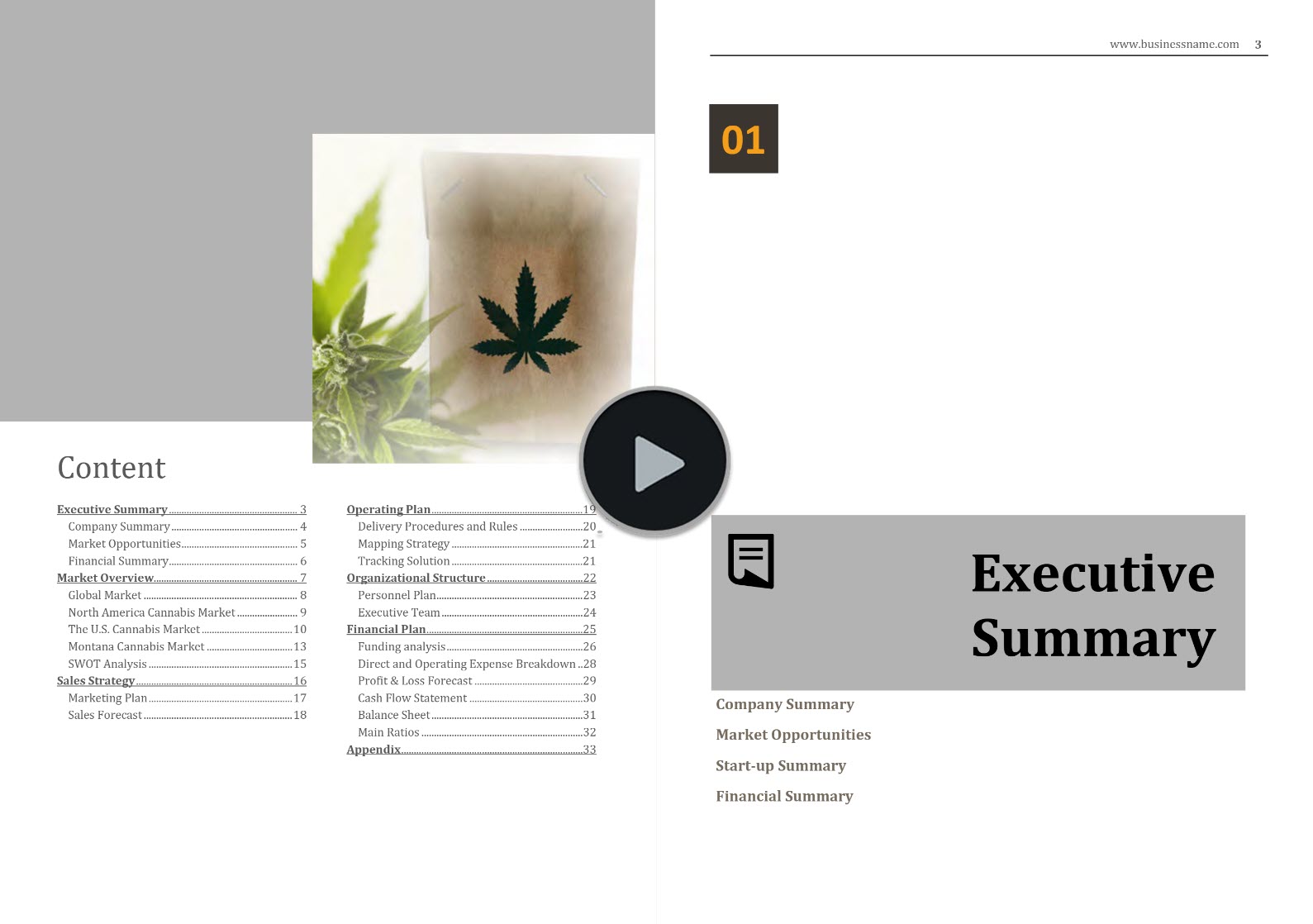
A typical cannabis business plan outline includes sections such as Executive Summary, Market Overview, Sales Strategy, Operating Plan, Organizational Structure (+ Diversity Plan) and Financial Plan.
'70% ready to go' business plan templates
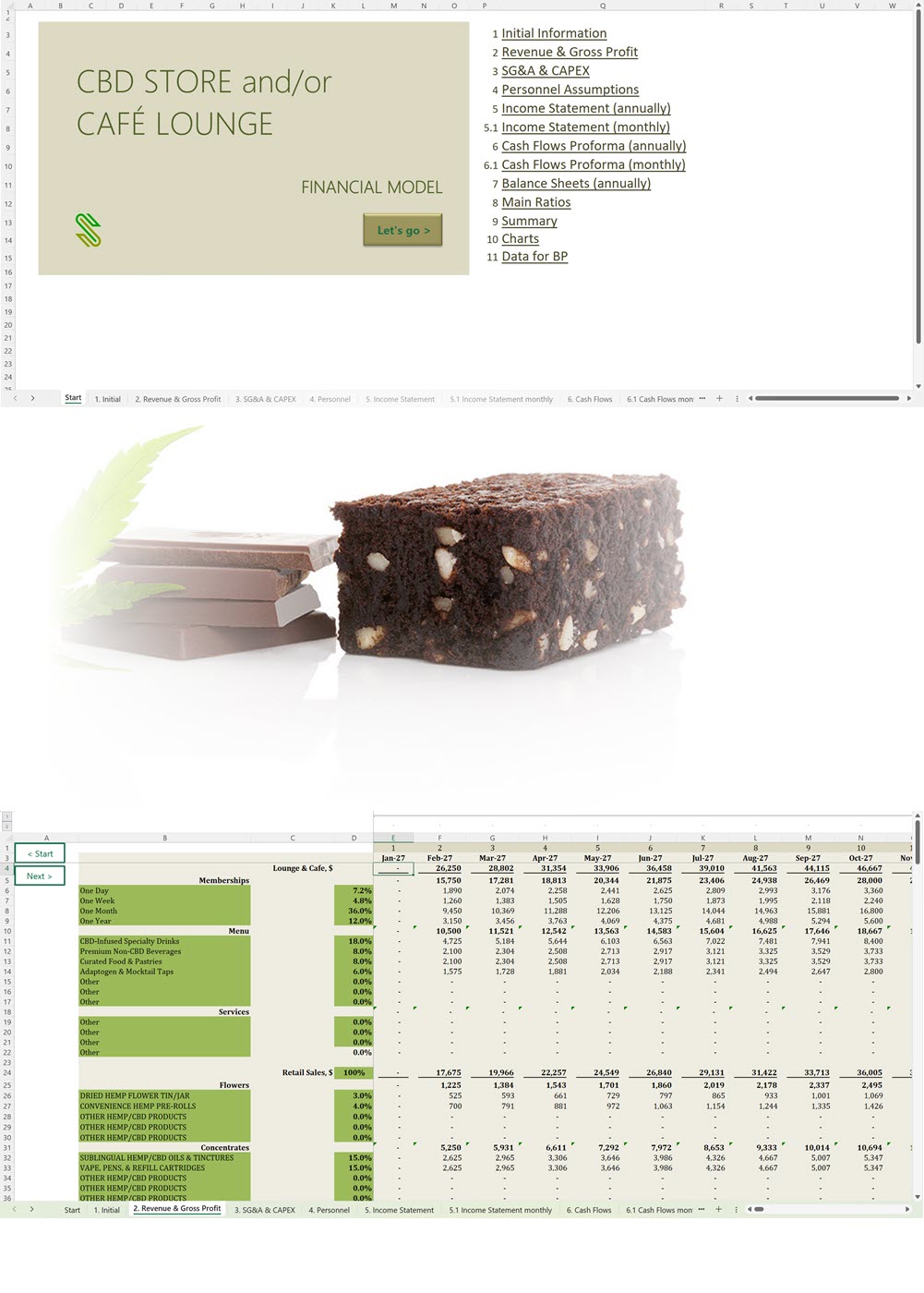
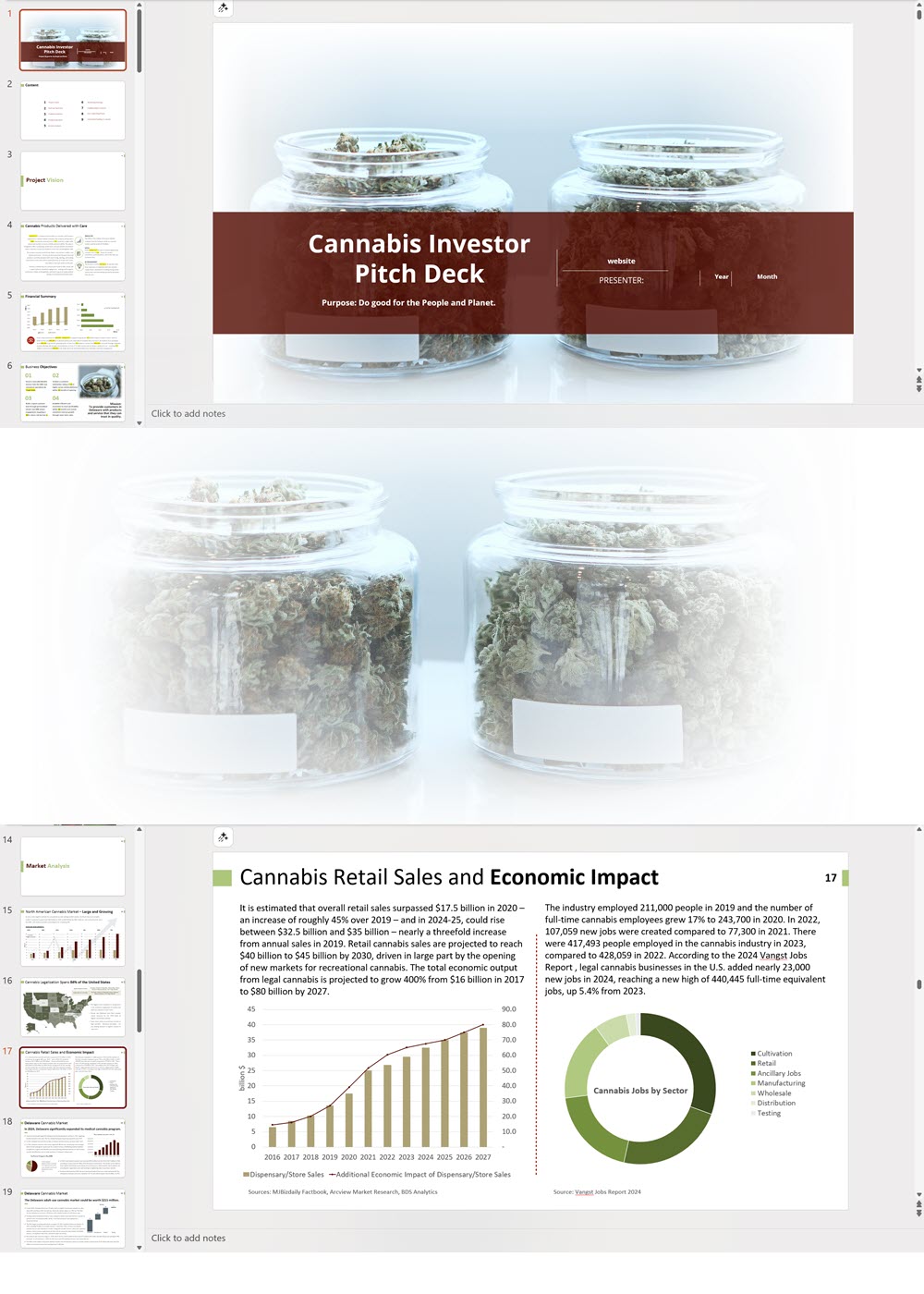
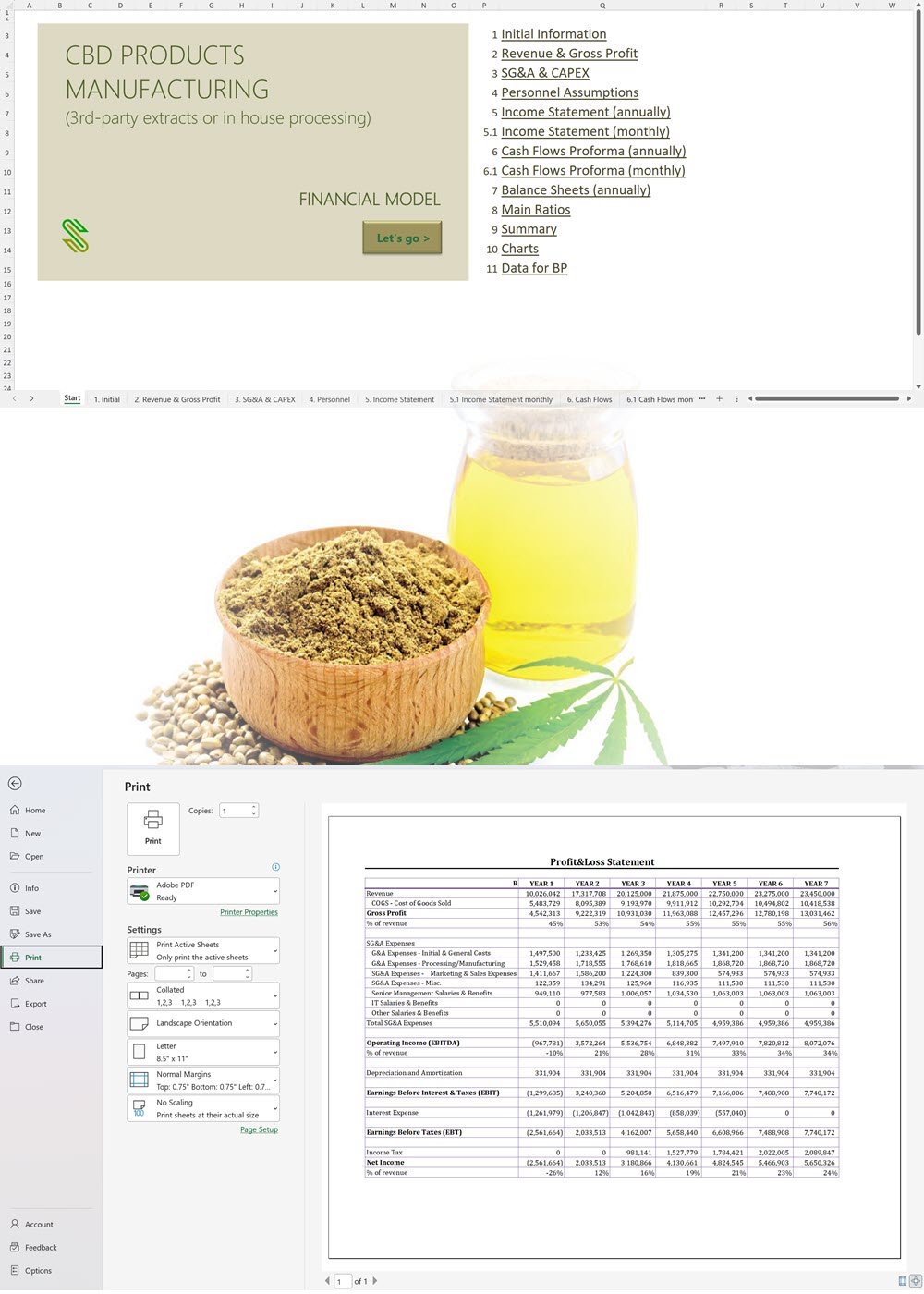
We offer a wide range of '70% ready-to-go' cannabis business plan templates that will help you prepare a professional cannabis business plan document supported with expert financials and an investor pitch deck. All our templates are completely open and editable and you can use Word, Excel and PowerPoint to work with them.
- Prepare the required documents. Submit applications. Pay fees. Obtain the required licenses.
To obtain a cannabis license, the applicant must submit a complete application through the TransAction Portal. The application processing fee is 20% of the license fees.
Documents required to be submitted with the application include:
- Documentation of Montana residency.
- Documentation of date of birth.
- Consent to fingerprint.
- Documentation of property ownership or property owner permission.
- Business organization chart.
- Business structure form.
- Source of funding verification.
- Building inspection report.
- Fire inspection report.
- City and country approval.
More details can be found on CCD’s official website.
- Register your business as an employer and tax payer.
- Keep track of your ongoing compliance requirements.
Cannabis Delivery in Montana
Transporter licensees can deliver medical cannabis to registered cardholders. However, delivery of recreational cannabis is illegal.
Montana Cannabis Taxes
A 4% tax is imposed on sale of medical cannabis and a 20% tax is imposed on sale of recreational cannabis. Counties can also impose a local-option tax rate up to a maximum of 3% on medical, recreational, or both.
In 2017, Montana passed legislation that exempt businesses from Section 280E of the federal tax code that allows cannabis companies to deduct business expenses from their state income taxes.
Cannabis Advertising Regulations in Montana
It is prohibited in Montana to:
- Advertise cannabis through marketing directed towards location-based devices, including cellular phones, unless users opt in to receive push notifications related to cannabis.
- Use unsolicited pop-up or push-to advertising on the internet.
- Advertise on TV, radio or in print such as newspapers, magazines, flyers and mailers. However, it is allowed to use informational pamphlets at cannabis trade conferences or distribute business cards.
- Use signage that claims the products are safe. However, it is allowed to assert that the products have been tested by a licensed cannabis testing laboratory.
- Advertise on a billboard.
- Use images that will likely appeal to youth.
- Use a commercial mascot outside of, or close to, a licensed cannabis business.
Cannabis businesses must ensure that their website uses appropriate measures to verify that individuals visiting are 21 years of age or older. Cannabis business social media accounts that advertise cannabis must be private and contain a clearly visible notice on the main page stating that only individual aged 21 and over can follow the account.
Main steps in short
- Understand regulatory and legal requirements. Do market research.
- Decide the type of cannabis business. Choose a location. Check local zoning regulations.
- Develop a solid business plan. Secure financing.
- Prepare the required documents. Submit applications. Pay fees. Obtain the required licenses.
- Register your business as an employer and a tax payer.
- Keep track of your ongoing compliance requirements.
Cannabis Courier Business Plan Sample, Montana
Best Selling Templates
-

Cannabis Cultivation Business Plan Template
Price range: $75.00 through $350.00 Select options This product has multiple variants. The options may be chosen on the product page -

Cannabis Dispensary Investor Pitch Deck Template
$75.00 Select options This product has multiple variants. The options may be chosen on the product page -
Cannabis Financial Model All in One
$250.00 Select options This product has multiple variants. The options may be chosen on the product page

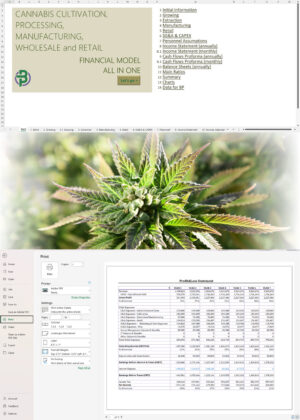
Hemp/CBD business plan templates are available at hempcbdbusinessplans.com.
Our Templates
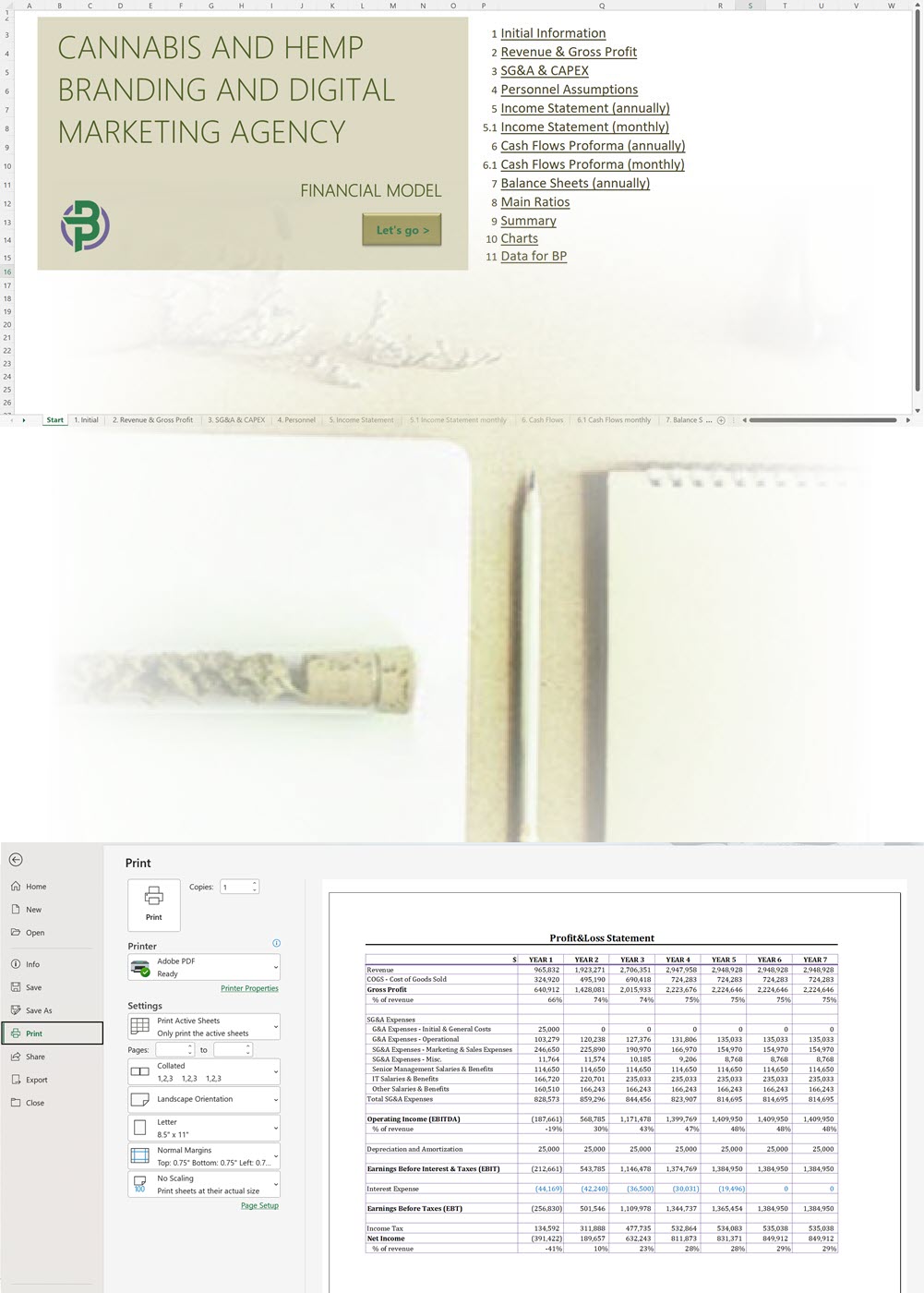

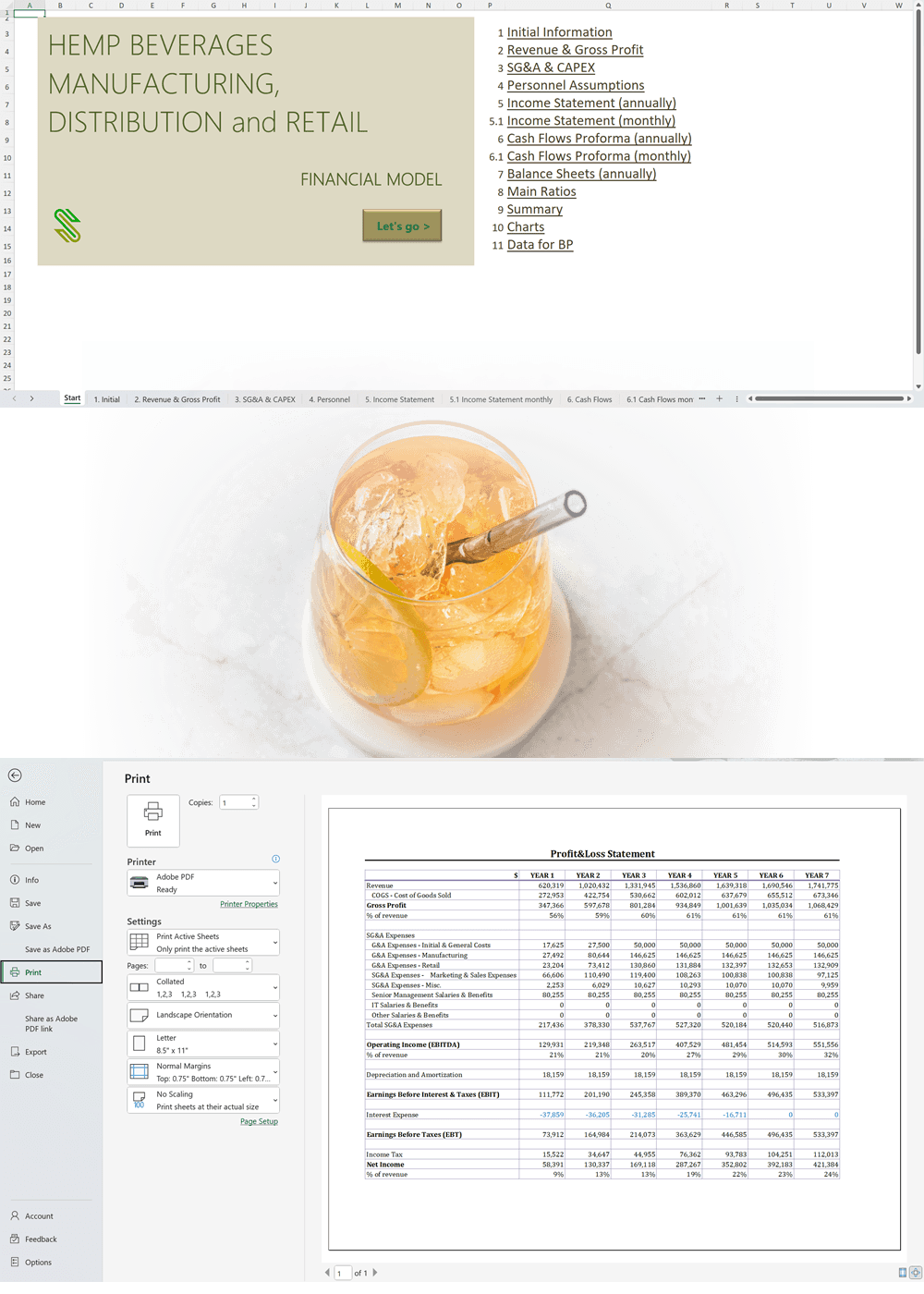
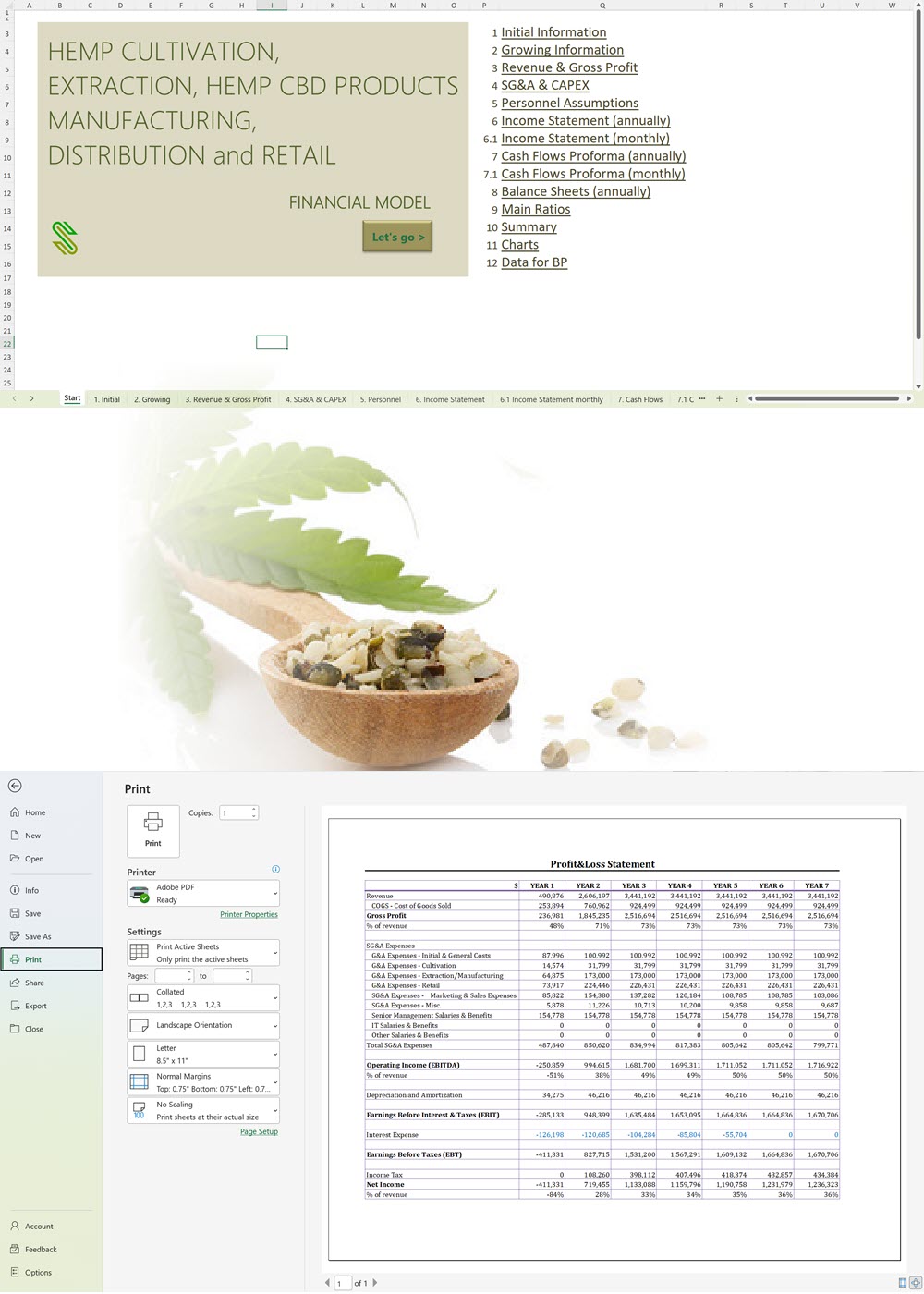

Hemp CBD Beverage Manufacturing, Wholesale and/or Retail Business Plan Template
Price range: $75.00 through $350.00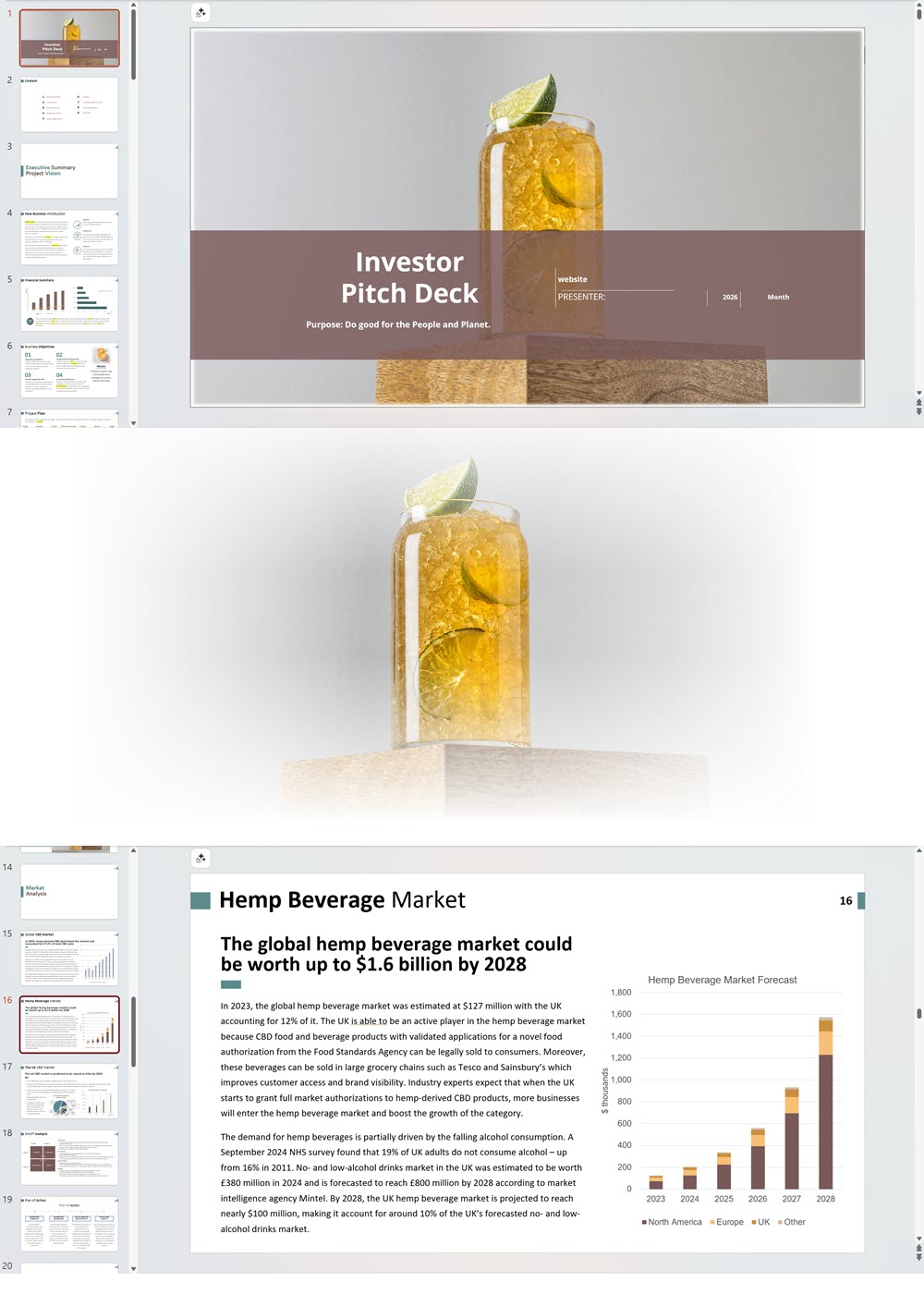


Cannabis Manufacturing Business Plan Template (with in-house processing)
Price range: $75.00 through $350.00
Cannabis Courier Business Plan Template
Price range: $75.00 through $275.00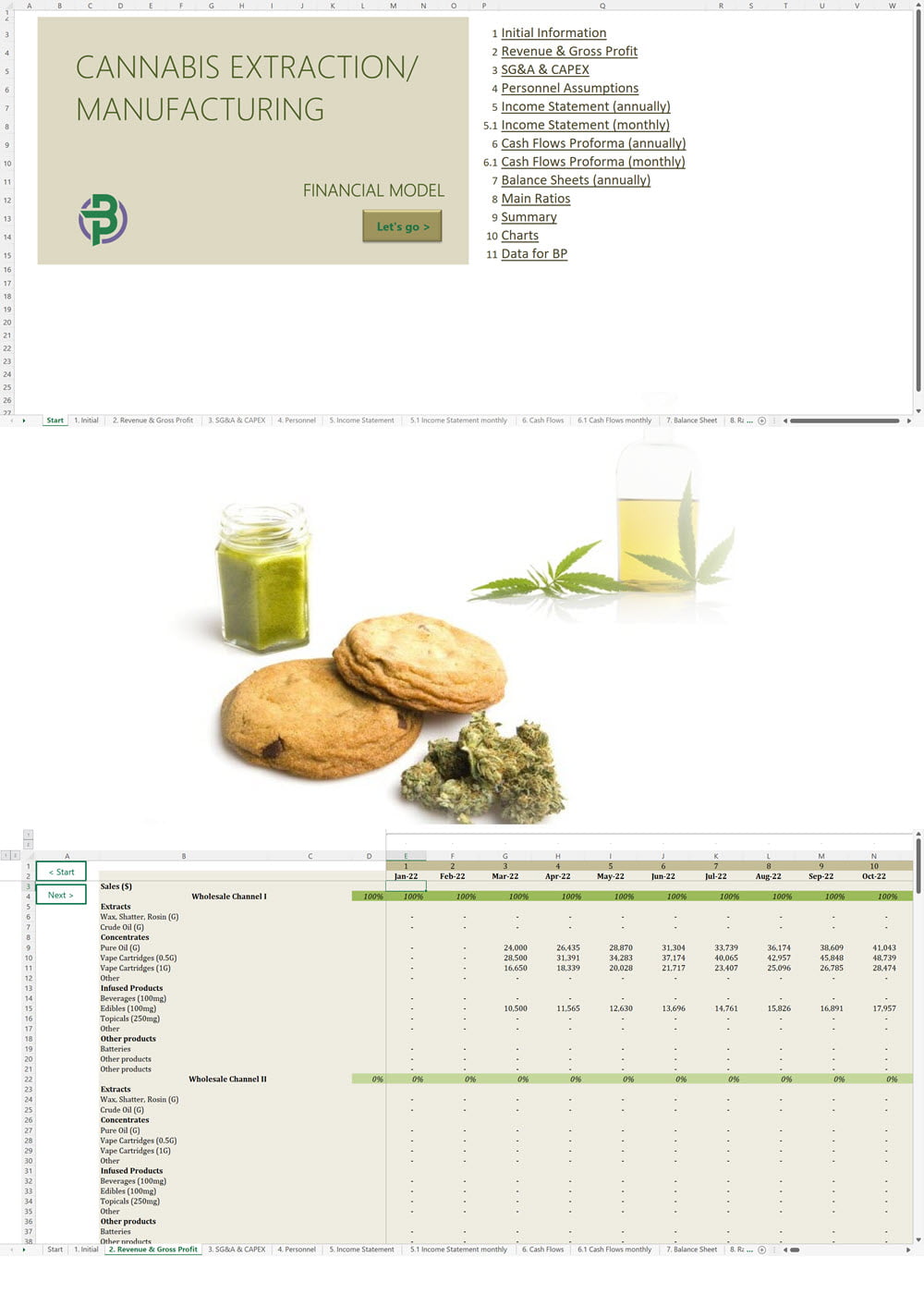

Hemp CBD Vertically Integrated Business Plan Template
Price range: $75.00 through $450.00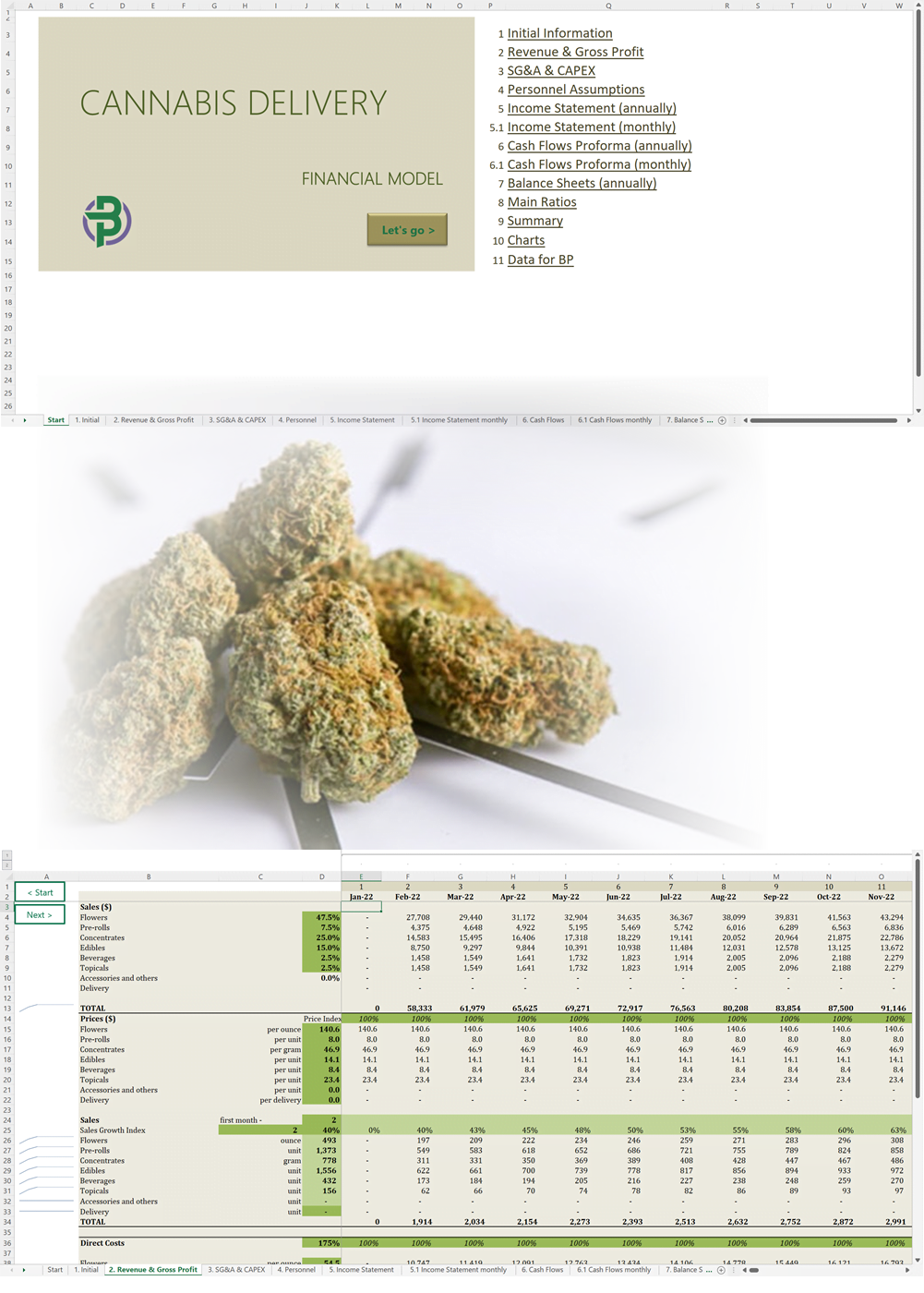

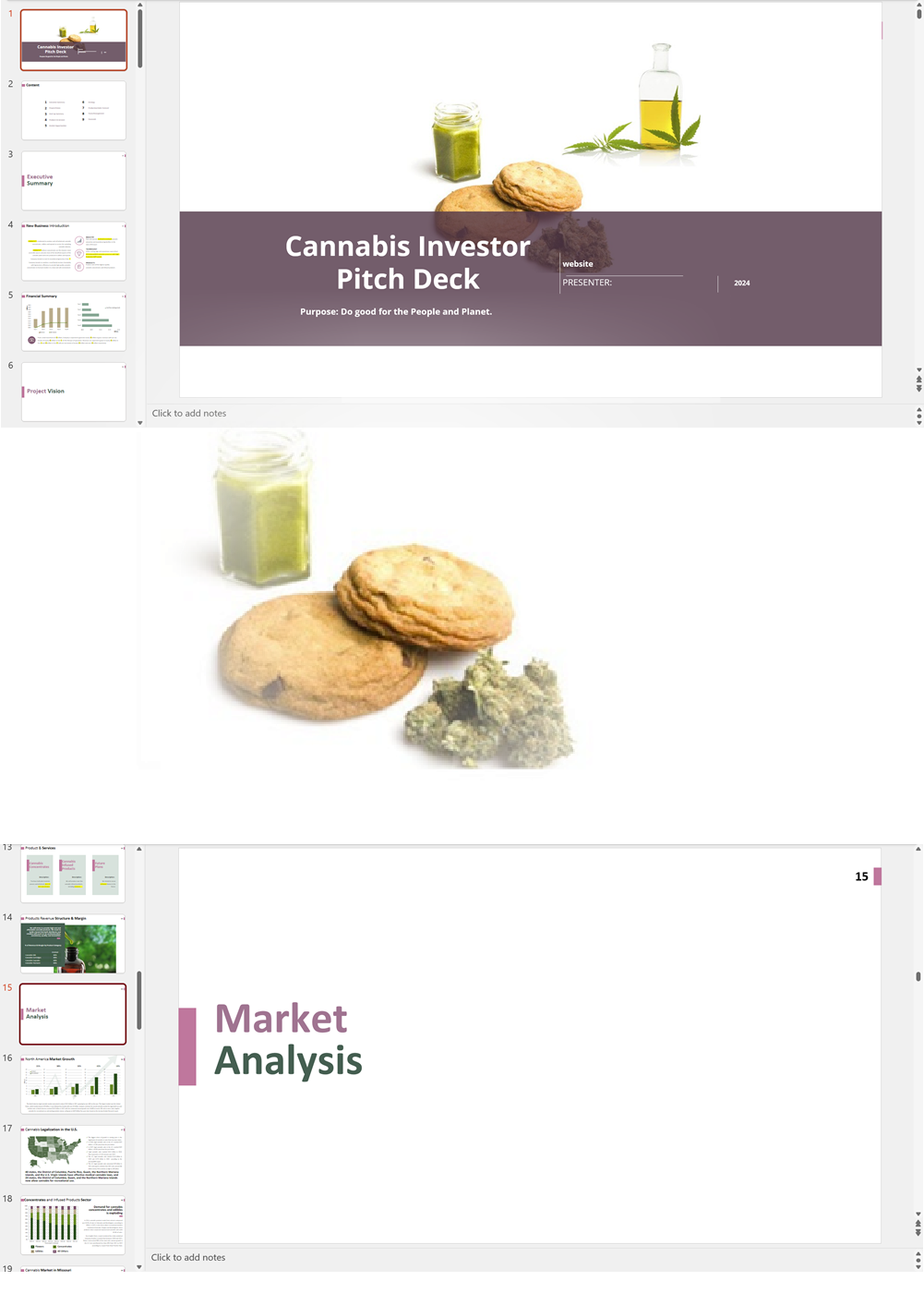

Cannabis Processing/ Flowers/ Pre-rolls/ Extraction/ Manufacturing Business Plan Template
Price range: $75.00 through $350.00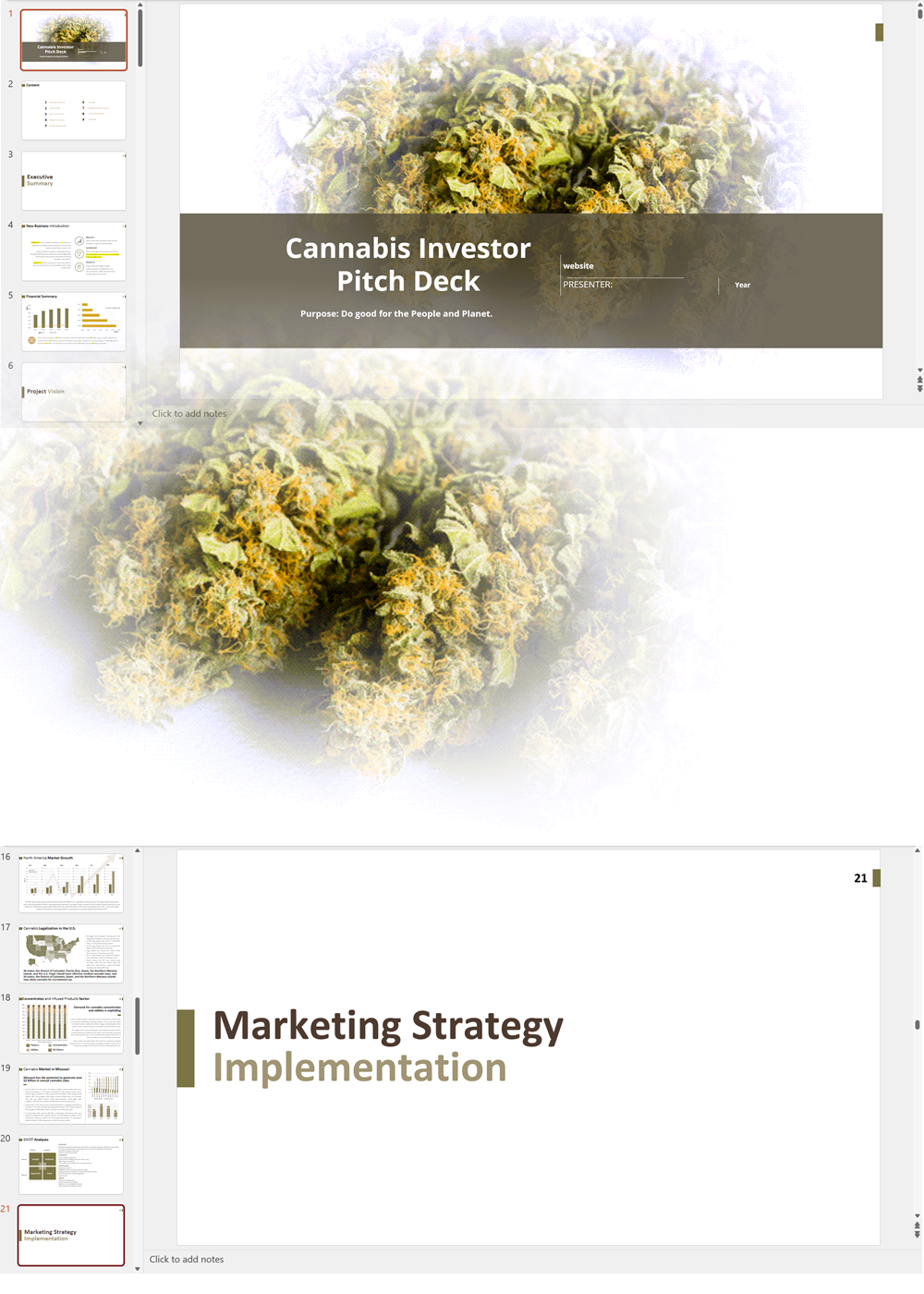

Cannabis Dispensary Business Plan Template
Price range: $75.00 through $350.00
Cannabis Extraction / Concentrates Business Plan Template
Price range: $75.00 through $350.00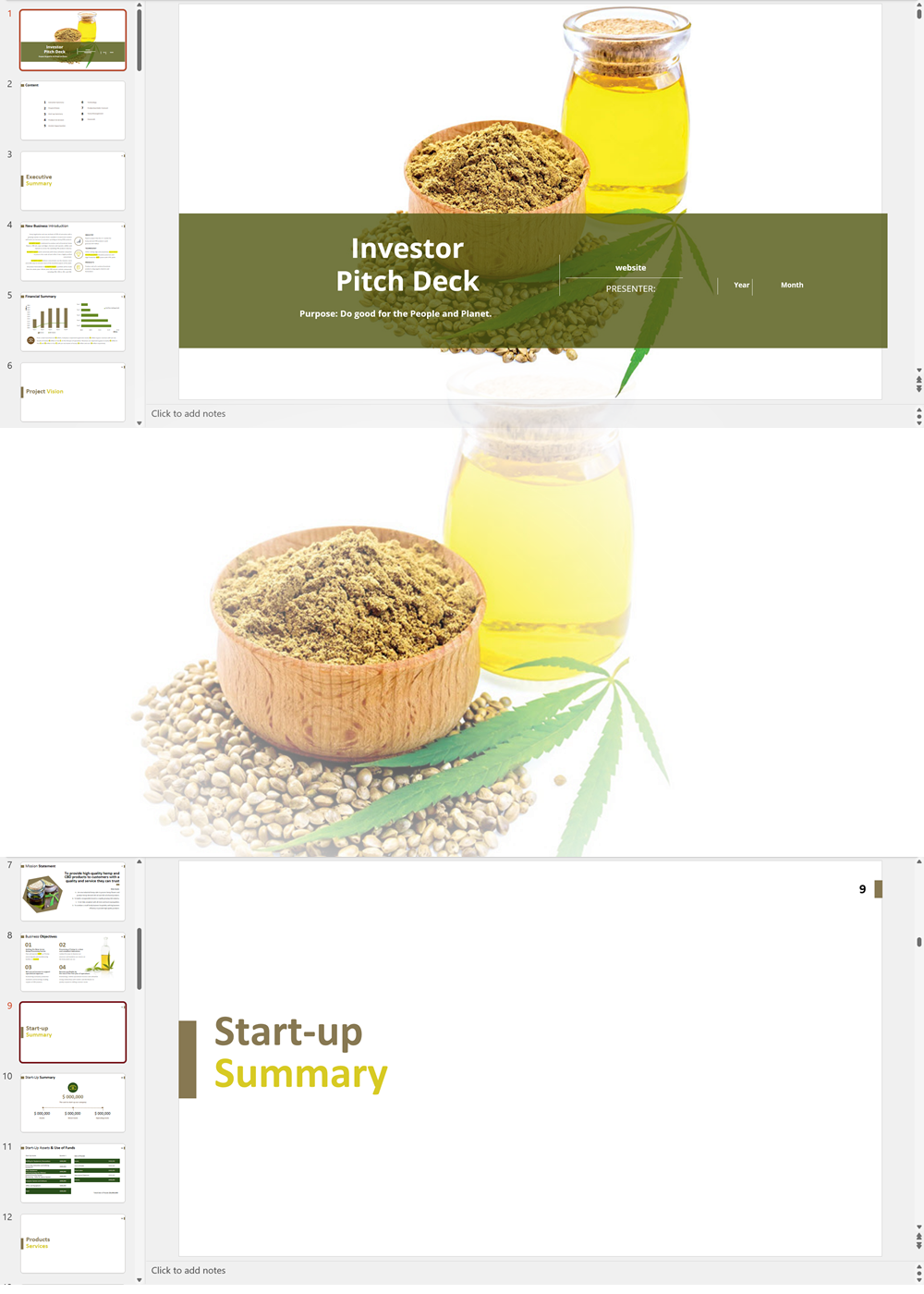
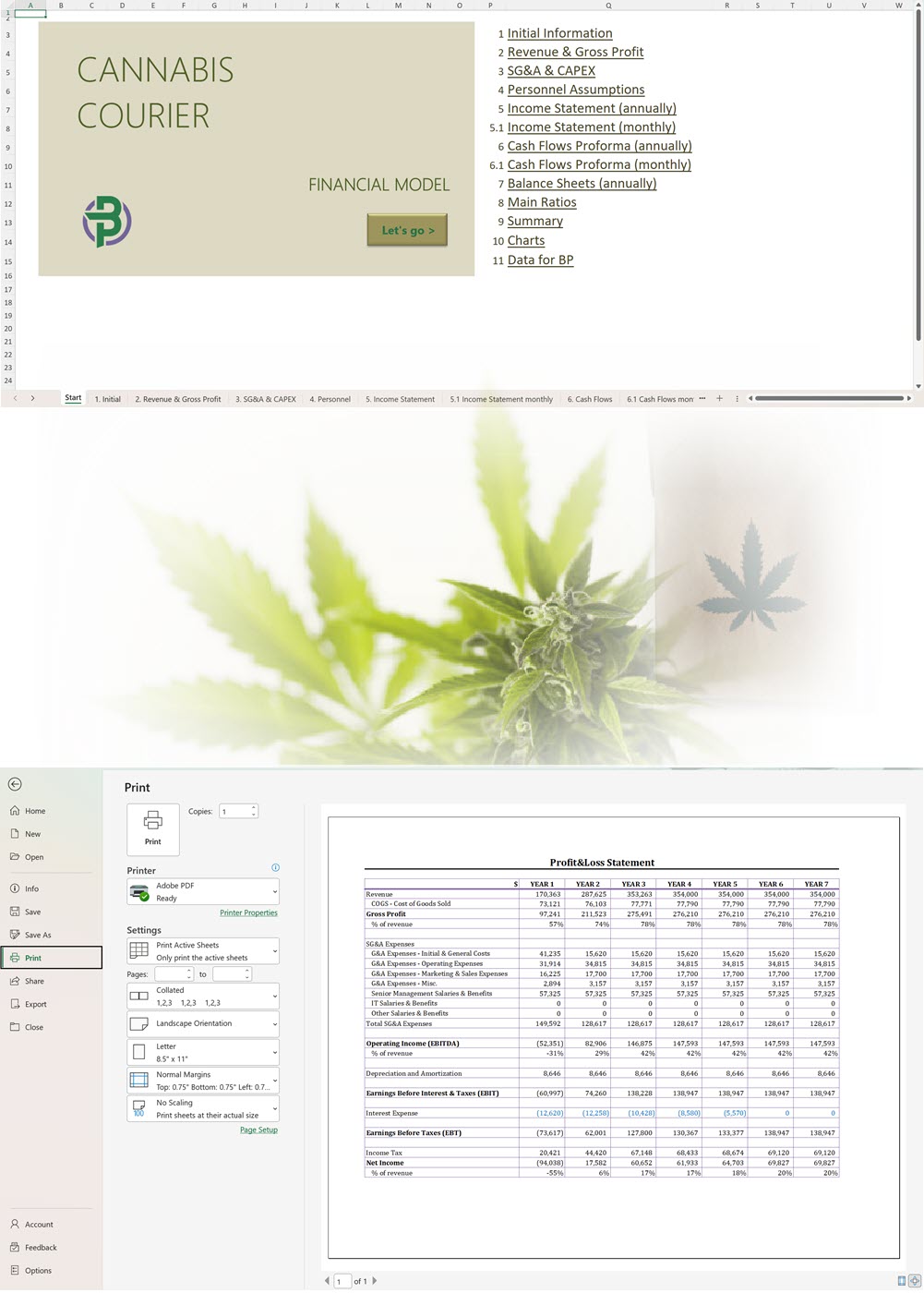
Cannabis Courier Financial Model
$100.00

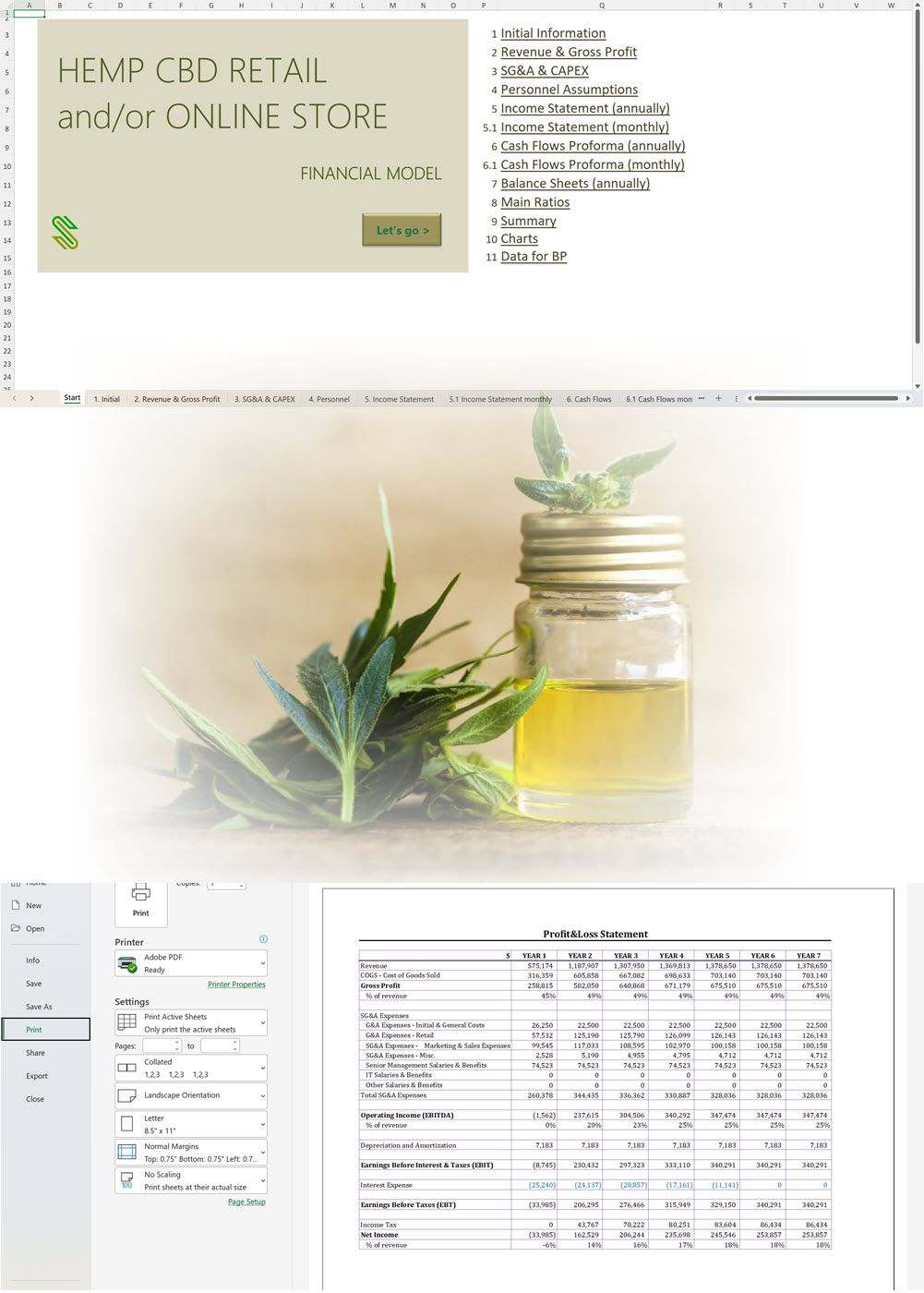
CBD Store and/or Cafe Lounge Business Plan Template
Price range: $75.00 through $275.00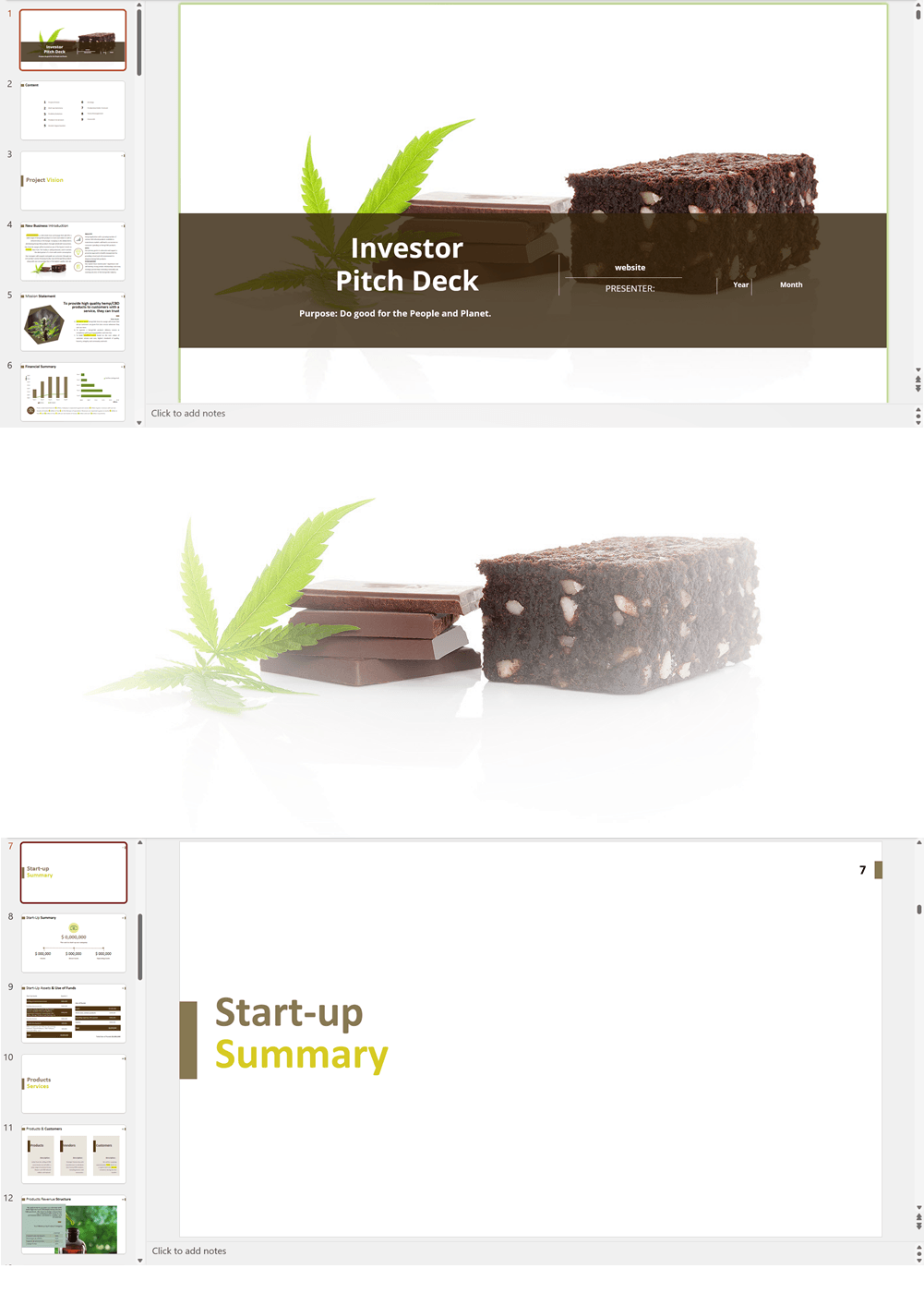


Cannabis Transportation Business Plan Template
Price range: $75.00 through $275.00