Key Takeaways
- Cannabis law and regulations:
- Recreational and medical cannabis are regulated by the Montana Code, Title 16, Chapter 12. Recreational cannabis is also regulated by the Administrative Rules of Montana, Title 42, Chapter 42.39.
- Licenses available:
- Cultivator, manufacturer, dispensary, testing laboratory, transporter and combined-use (a license designed specifically for Montana’s federally recognized tribes and/or entities majority owned by one of those tribes; it consists of a cultivation and dispensary located on the same premises).
- Products legal:
- Legally allowable products include edibles, ointments, tinctures, cannabis derivatives and cannabis concentrates, including concentrates intended to be consumed through smoking or vaping.
- A single package of ingestible-infused cannabis product can contain no more than 100 mg of delta-9 THC and a single serving can contain no more than 5 mg of delta-9 THC.
- Taxes:
- Medical cannabis is taxed at a 4% rate while recreational cannabis is taxed at a 20% rate. In addition to these, local-option tax rates can be set by counties up to a maximum of 3% on medical, recreational, or both.
- Market:
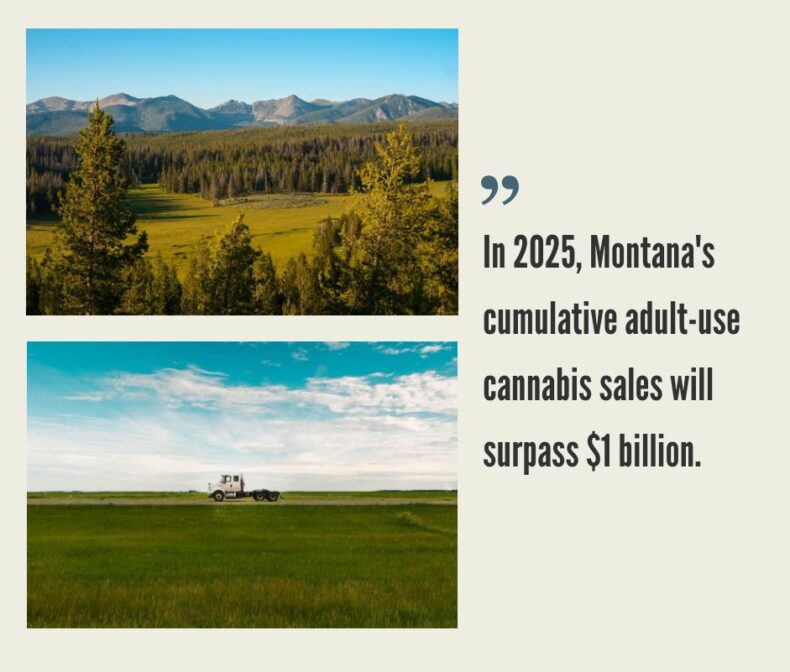
- From January 2022 to August 2025, recreational cannabis sales reached about $934 million, and when combined with medical cannabis sales, exceeded $1.16 billion.
Medical Cannabis Legalization
Montana voters first embraced medical cannabis reforms in 2004 through Initiative 148 (Montana Medical Marijuana Act) which made it legal for patients with debilitating conditions to possess up to 1 ounce of cannabis and grow up to 4 mature plants and 12 seedlings with a physician’s recommendation. The Montana Department of Public Health and Human Services (DPHHS) was given responsibility for regulating the medical cannabis market but it was later transferred to the Department of Revenue, Cannabis Control Division.
The program experienced explosive popularity between 2009 and 2011, however, which prompted efforts from lawmakers to repeal and undo the program with laws such as Senate Bill 423. Another successful voter initiative (Initiative 182) in November 2016 overruled the restrictions that lawmakers tried to impose and established a regulatory structure.
In 2017, Senate Bill 333 made testing mandatory, set up a seed-to-sale tracking (Metrc) and imposed a 4% tax which was then reduced to 2% in 2018.
Senate Bill 265, passed in May 2019, made various changes to Montana’s medical cannabis program including eliminating a requirement that patients may only purchase cannabis from a single dispensary, raising the tax back up to 4% and setting a cap of 5 ounces on the amount of usable cannabis a patient can purchase each month.
In 2011, there were 31,500 patients registered for medical cannabis treatment. Following the approval of Senate Bill 423, the number of patients fell to 7,099 in May 2013. After the passage of Initiative 182 which released the restrictions imposed by Senate Bill 423, patient numbers rose by around 359% from 7,785 in October 2016 to 35,711 in July 2019. By September 2021, patient numbers reached 55,000 according to the DPHHS. In 2024, the number of patients was estimated at 13,897 which is equal to 1.23% of the state’s population.
The Montana Department of Revenue reported that the state’s medicinal cannabis sales totaled about $45 million in 2018 and increased to about $70 million in 2019. In 2022, medical cannabis sales surpassed $93 million, from where they began to fall following the legalization of adult-use cannabis. In 2023, sales were worth nearly $61 million while in 2024, they descended further to around $47 million.
Recreational Cannabis Legalization
On November 3, 2020, through the Constitutional Initiative 190 (I-190) voters legalized the possession and use of cannabis for adults aged 21 and over and imposed a 20% tax on recreational cannabis sales. In 2021, House Bill 701 was signed into law which implemented and refined I-190. It imposed a 20% tax on cannabis sales with an additional optional local county rate of 3% and limited home cultivation to 2 mature plants per adult with a maximum of 4 plants per household. The Montana Department of Revenue, Cannabis Control Division (CCD) was made responsible for overseeing both the medical and recreational cannabis market.
From January 1, 2022, to June 30, 2025, CCD could only issue cultivator, manufacturer, dispensary, testing laboratory and transporter licenses to former medical cannabis licensees that were licensed or had a pending application with the Department of Public Health and Human Services. Combined-use licenses – created specifically for Montana’s eight federally recognized tribes and/or entities majority owned by one of those tribes – were allowed to be issued to new applicants right away.
It was originally planned that new entrants into the adult-use market will wait until 2023 to apply. However, the license moratorium was extended to 2025 and then further until June 30, 2027, through Senate Bill 27 which was signed into law on May 5, 2025.
Adult-use cannabis is regulated by the Montana Code, Title 16, Chapter 12 and the Administrative Rules of Montana, Title 42, Chapter 42.39.
Montana began selling recreational cannabis in January 2022 and the full year brought in nearly $210 million, while 2023 generated approximately $258 million. In 2024, sales grew by 8%, reaching almost $278 million, and for the first 8 months of 2025, revenue was $190 million. From January 2022 to August 2025, recreational cannabis sales in Montana reached about $934 million, and when combined with medical cannabis sales, exceeded $1.16 billion.
As of August 2025, according to the lists provided by the CCD, there were 332 licensed cultivators, 554 licensed dispensaries, 191 licensed manufacturers, 2 licensed testing laboratories and 12 licensed transporters.
Montana Cannabis Market Infographics
Cannabis Courier Business Plan Sample, Montana
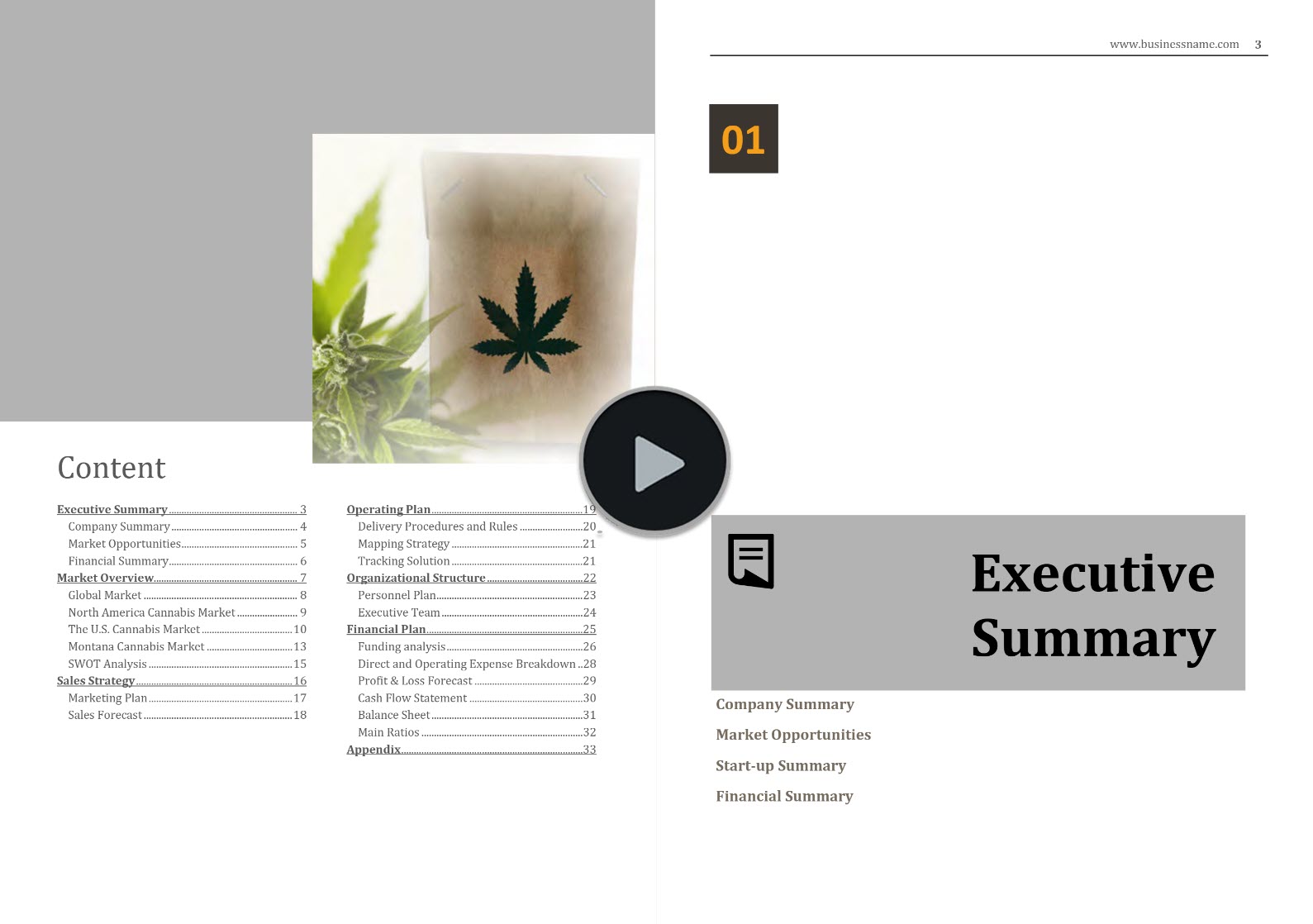
'70% ready to go' business plan templates
Our cannabis financial models and cannabis business plan templates will help you estimate how much it costs to start and operate your own cannabis business, to build all revenue and cost line-items monthly over a flexible seven year period, and then summarize the monthly results into quarters and years for an easy view into the various time periods. We also offer investor pitch deck templates.
Best Selling Templates
-

Cannabis Cultivation Business Plan Template
Price range: $75.00 through $350.00 Select options This product has multiple variants. The options may be chosen on the product page -

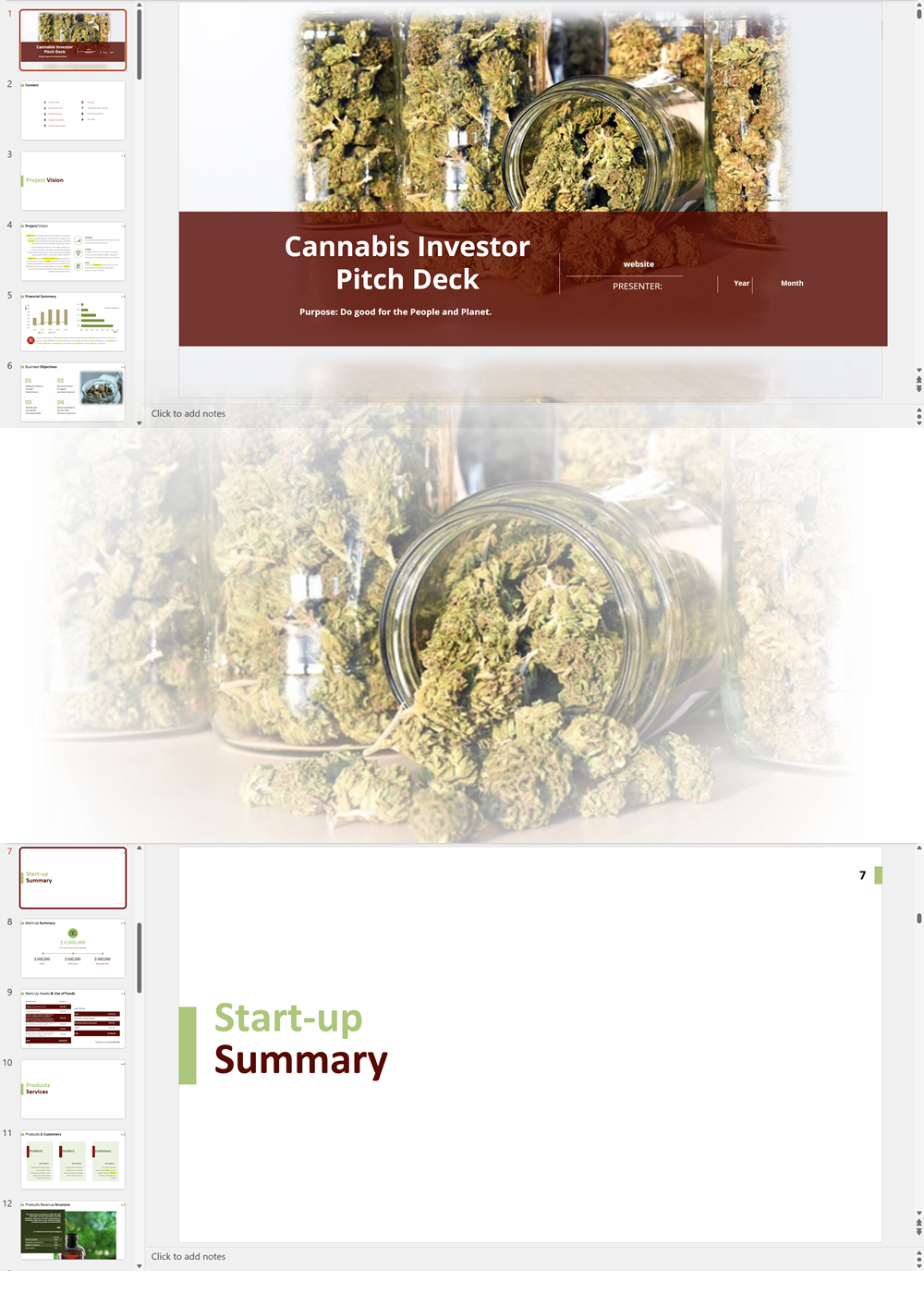
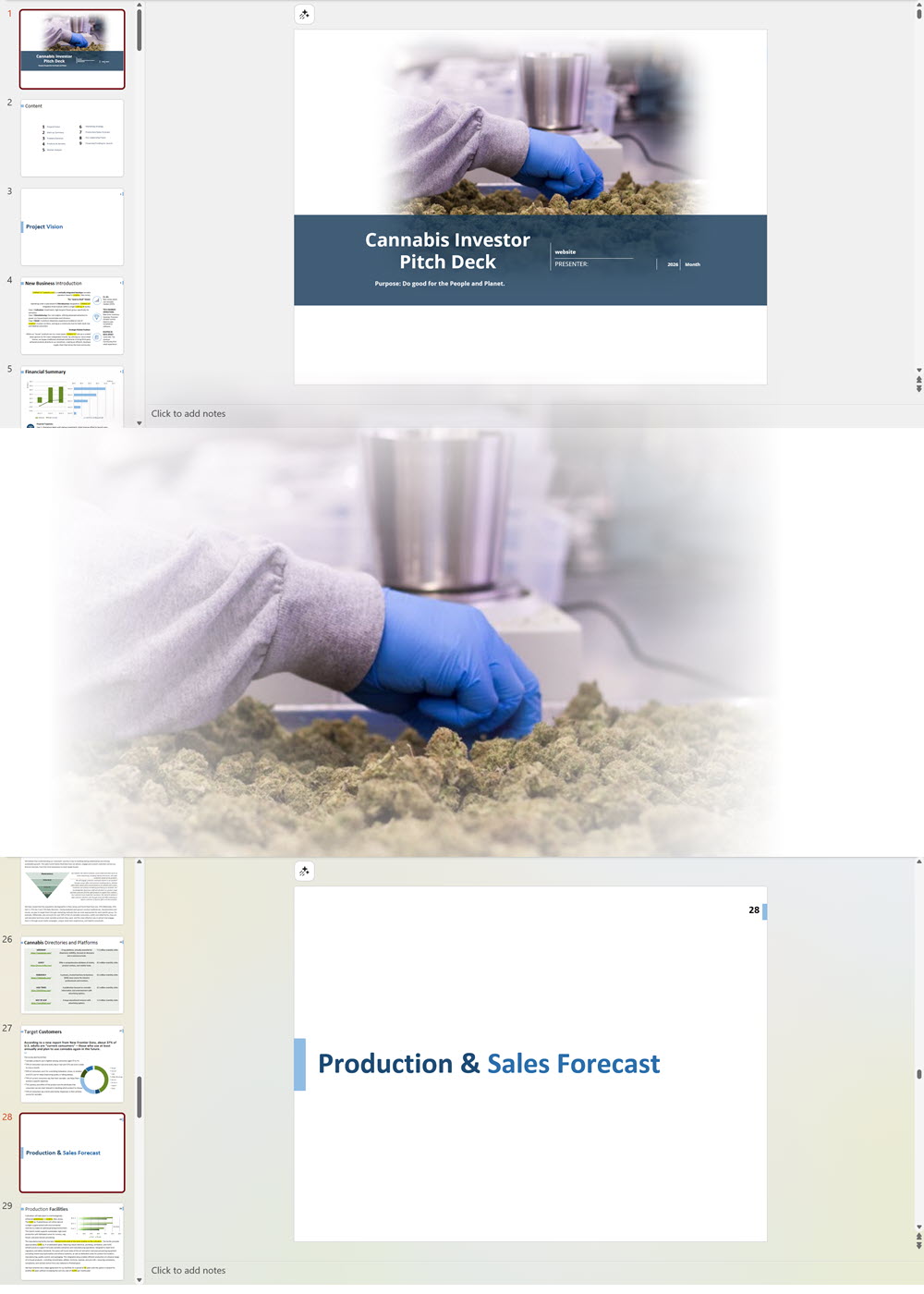
Cannabis Dispensary Investor Pitch Deck Template
$75.00 Select options This product has multiple variants. The options may be chosen on the product page -
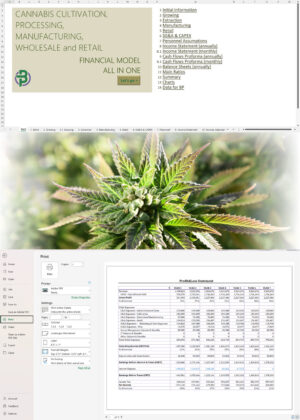
Cannabis Financial Model All in One
$250.00 Select options This product has multiple variants. The options may be chosen on the product page

Hemp/CBD business plan templates are available at hempcbdbusinessplans.com.
Our Templates

CBD Store and/or Cafe Lounge Business Plan Template
Price range: $75.00 through $275.00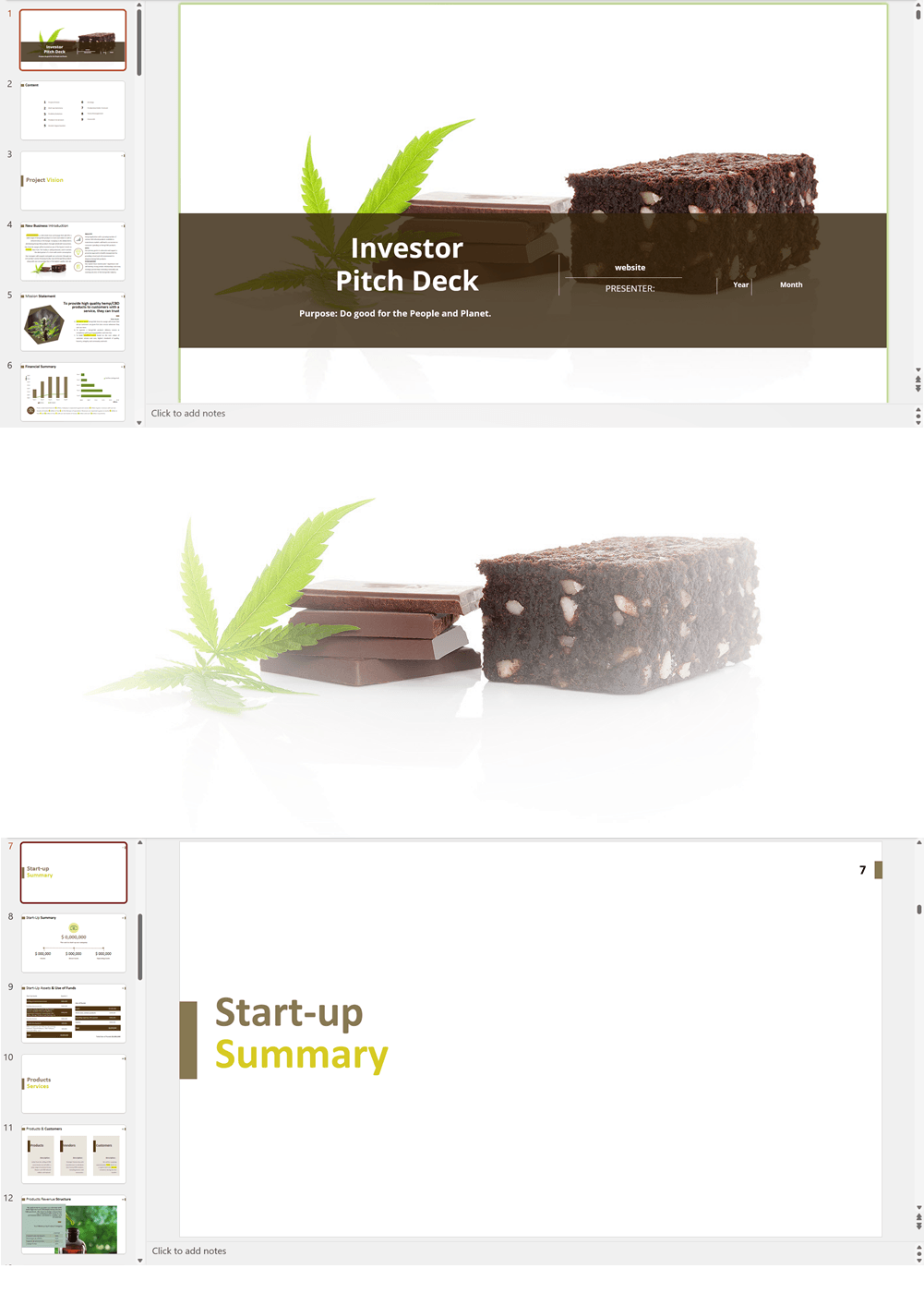


Cannabis Extraction / Concentrates Business Plan Template
Price range: $75.00 through $350.00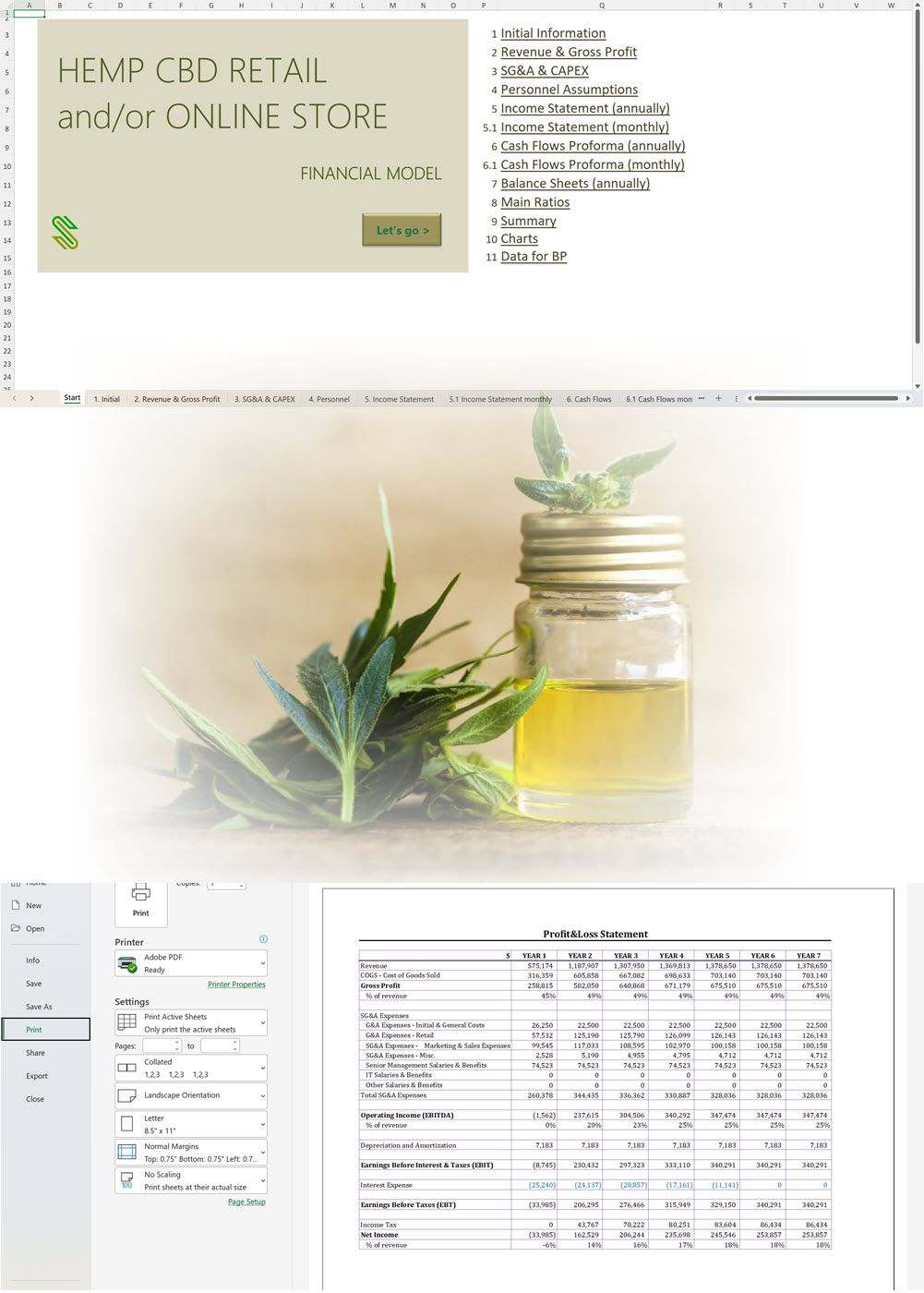
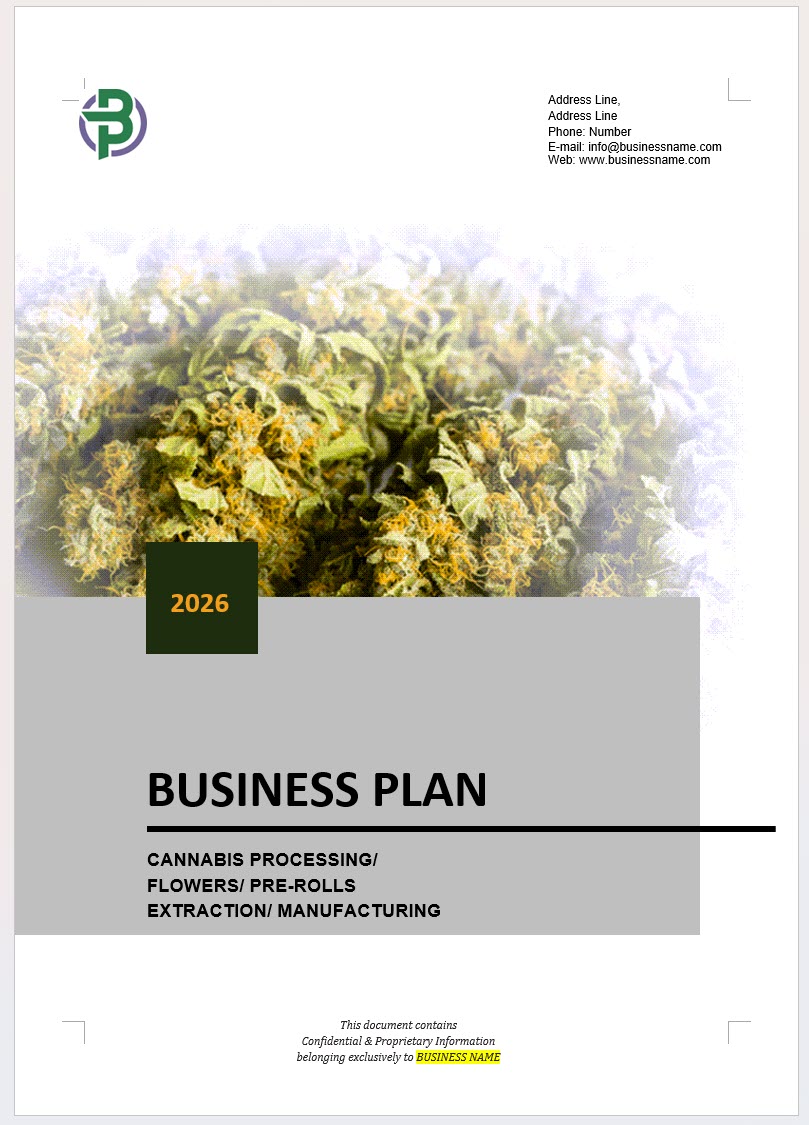
Cannabis Processing/ Flowers/ Pre-rolls/ Extraction/ Manufacturing Business Plan Template
Price range: $75.00 through $350.00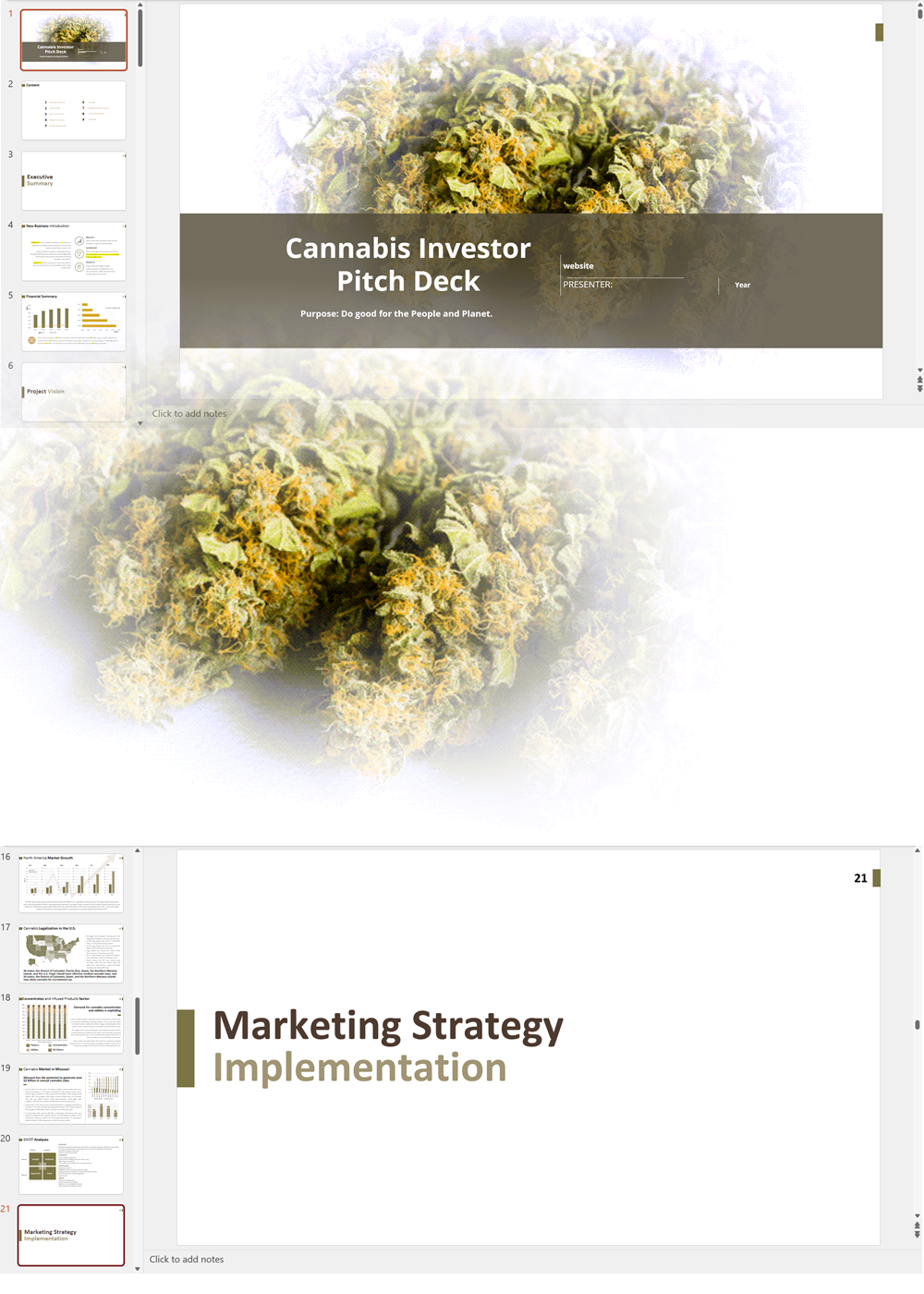

Cannabis Transportation Business Plan Template
Price range: $75.00 through $275.00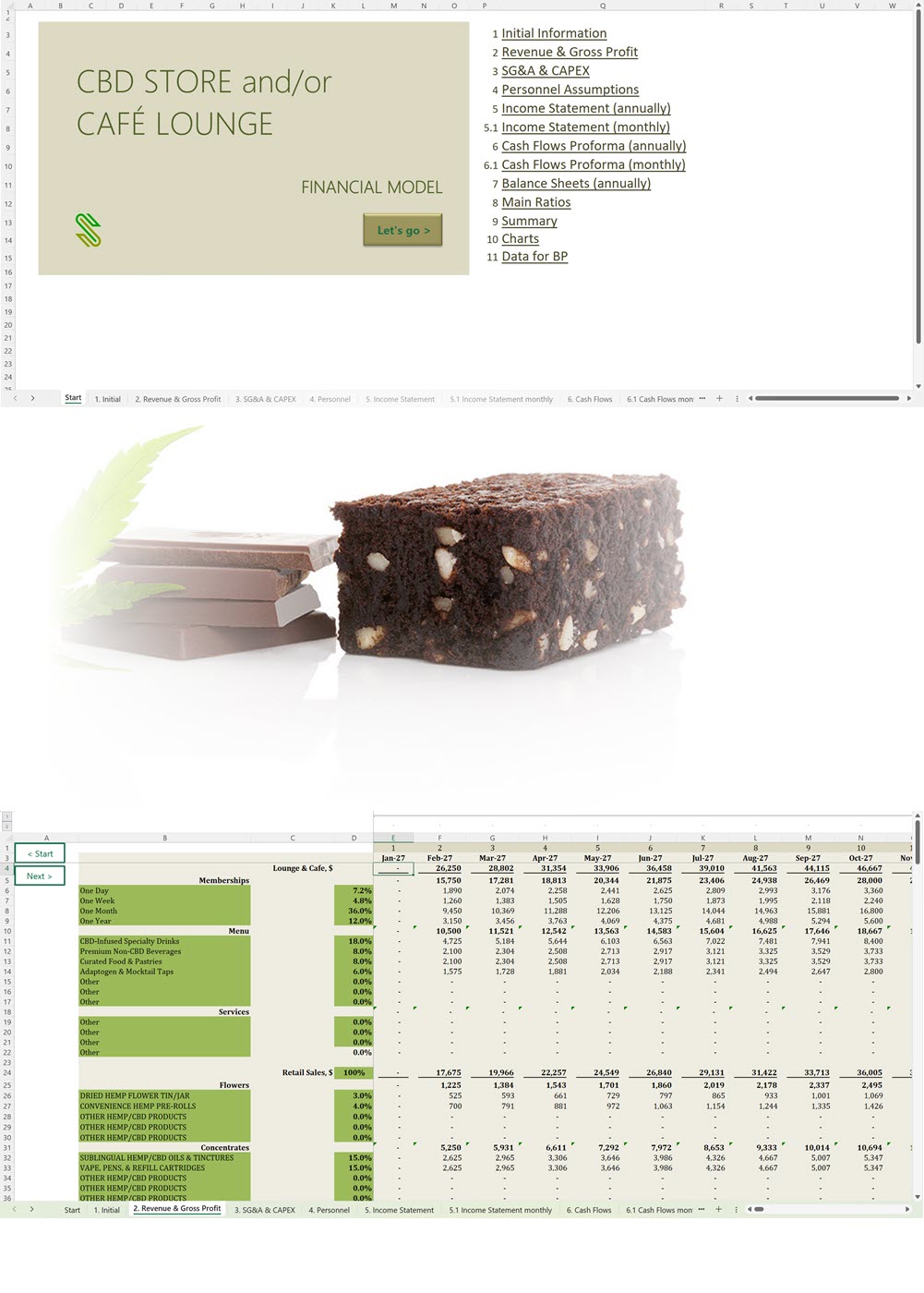

CBD Products Retail/Online Store Business Plan Template
Price range: $75.00 through $275.00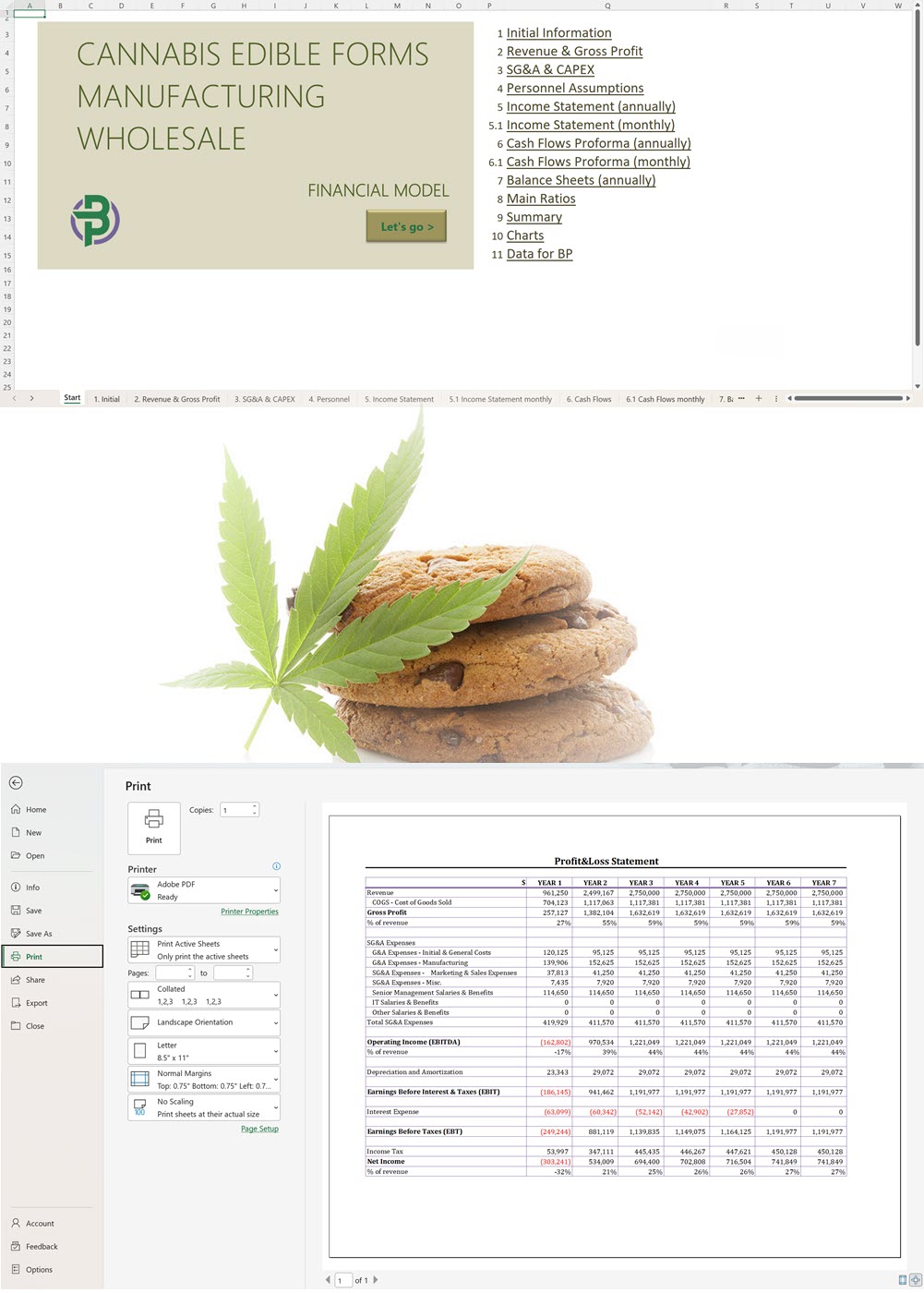
Cannabis Edibles Financial Model
$150.00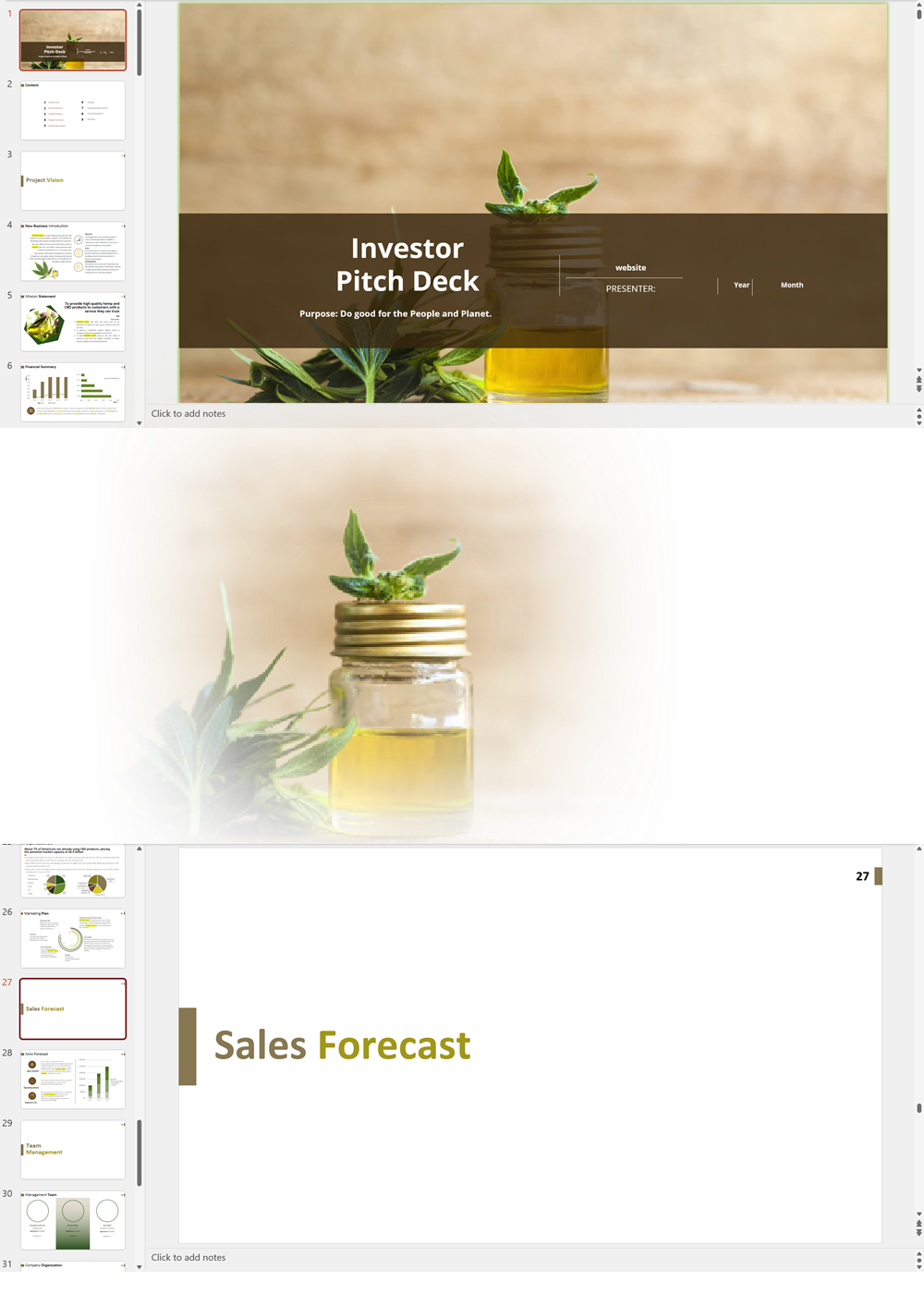
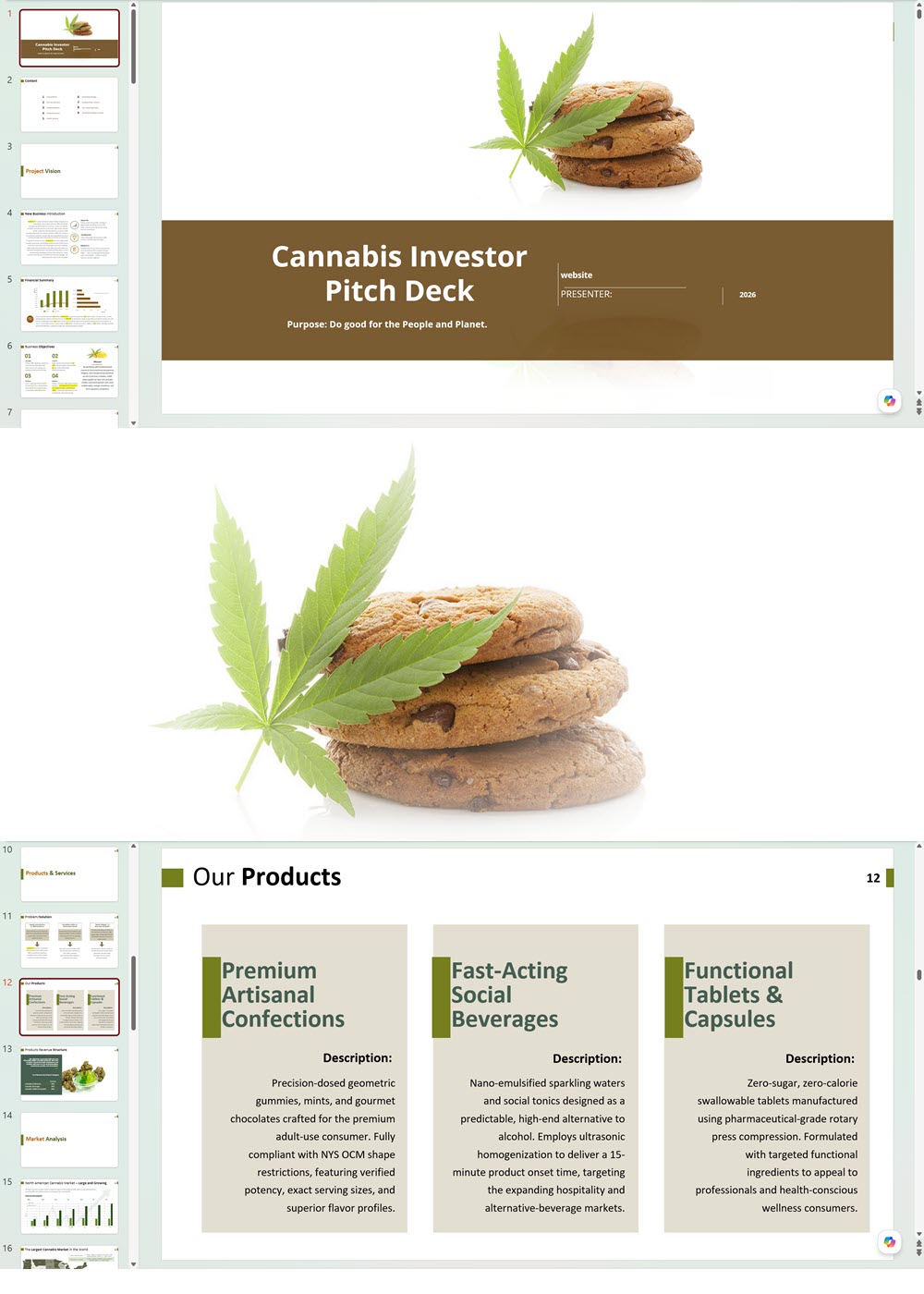

Cannabis Lounge + Retail Business Plan Template
Price range: $75.00 through $350.00

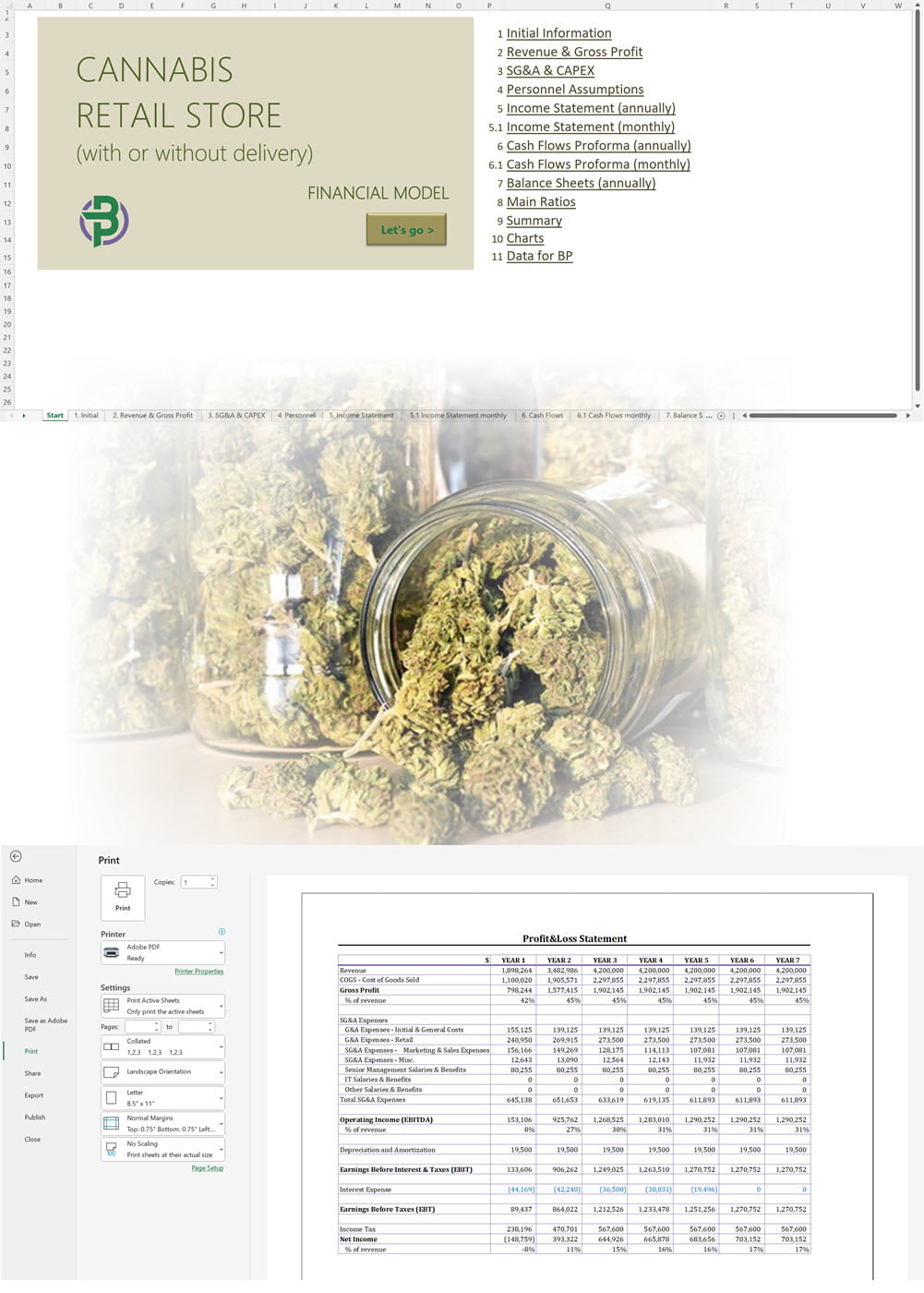
Cannabis Retail Business Plan Template (with or without Delivery)
Price range: $75.00 through $350.00
Cannabis Edibles Business Plan Template
Price range: $75.00 through $350.00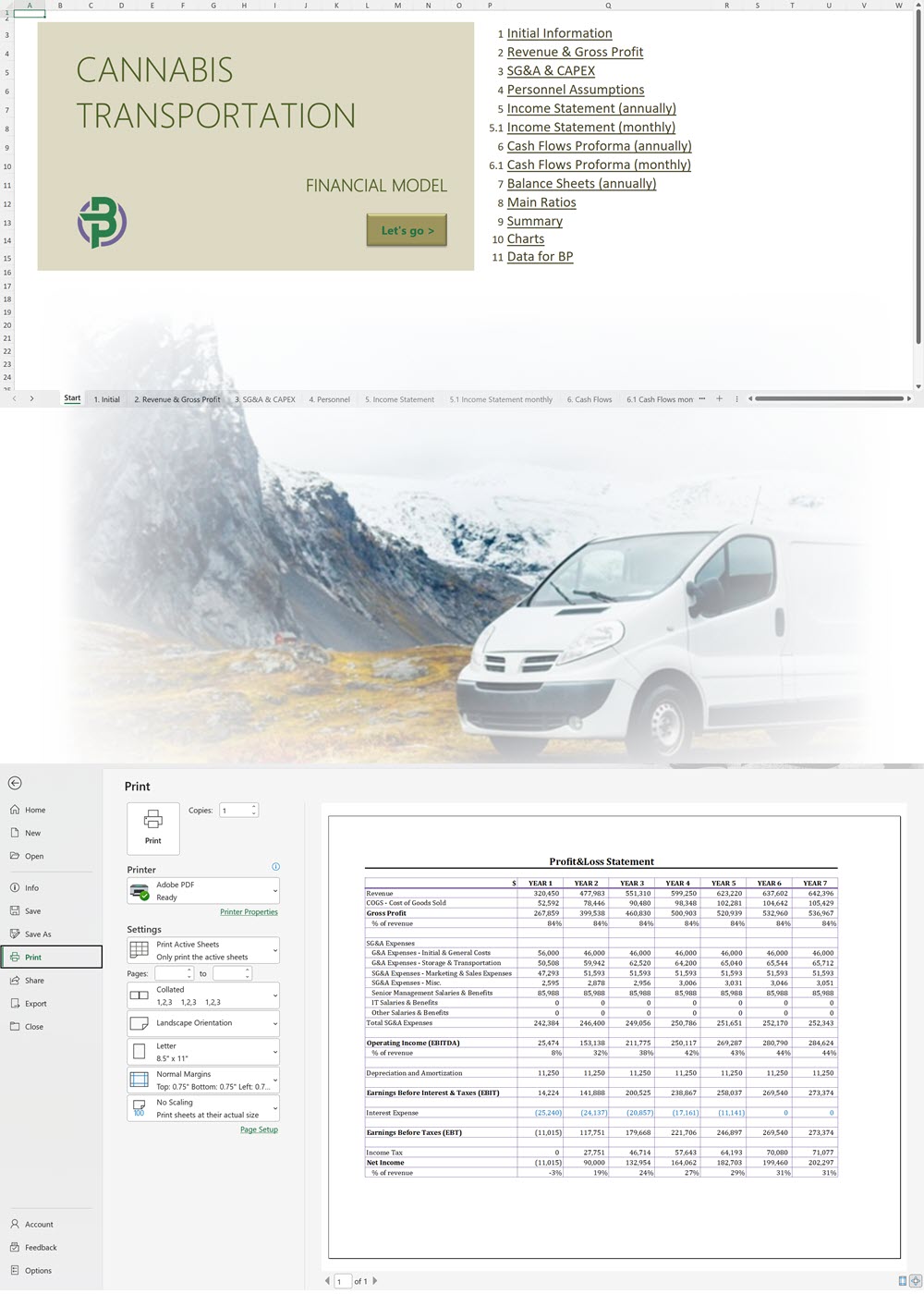
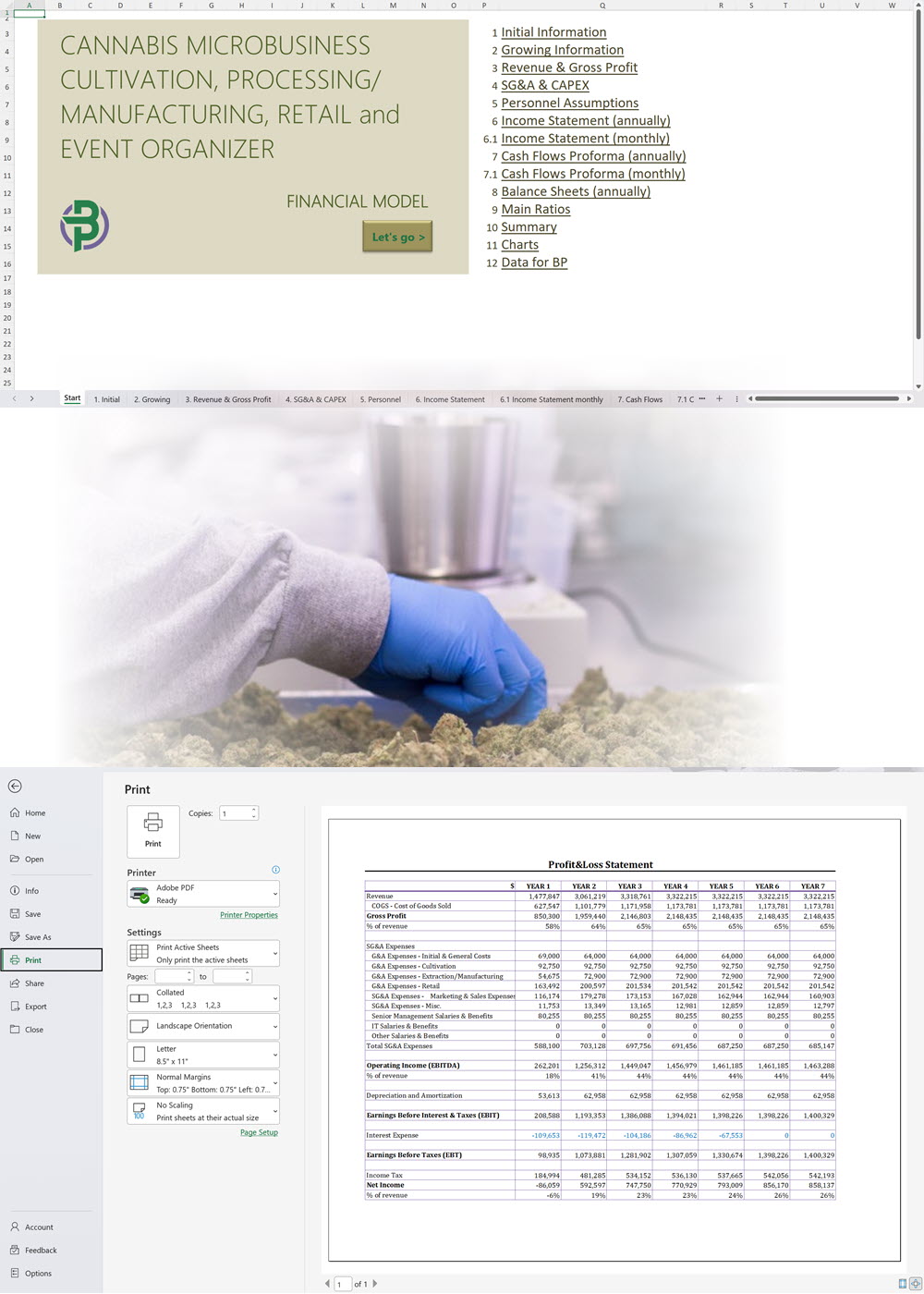

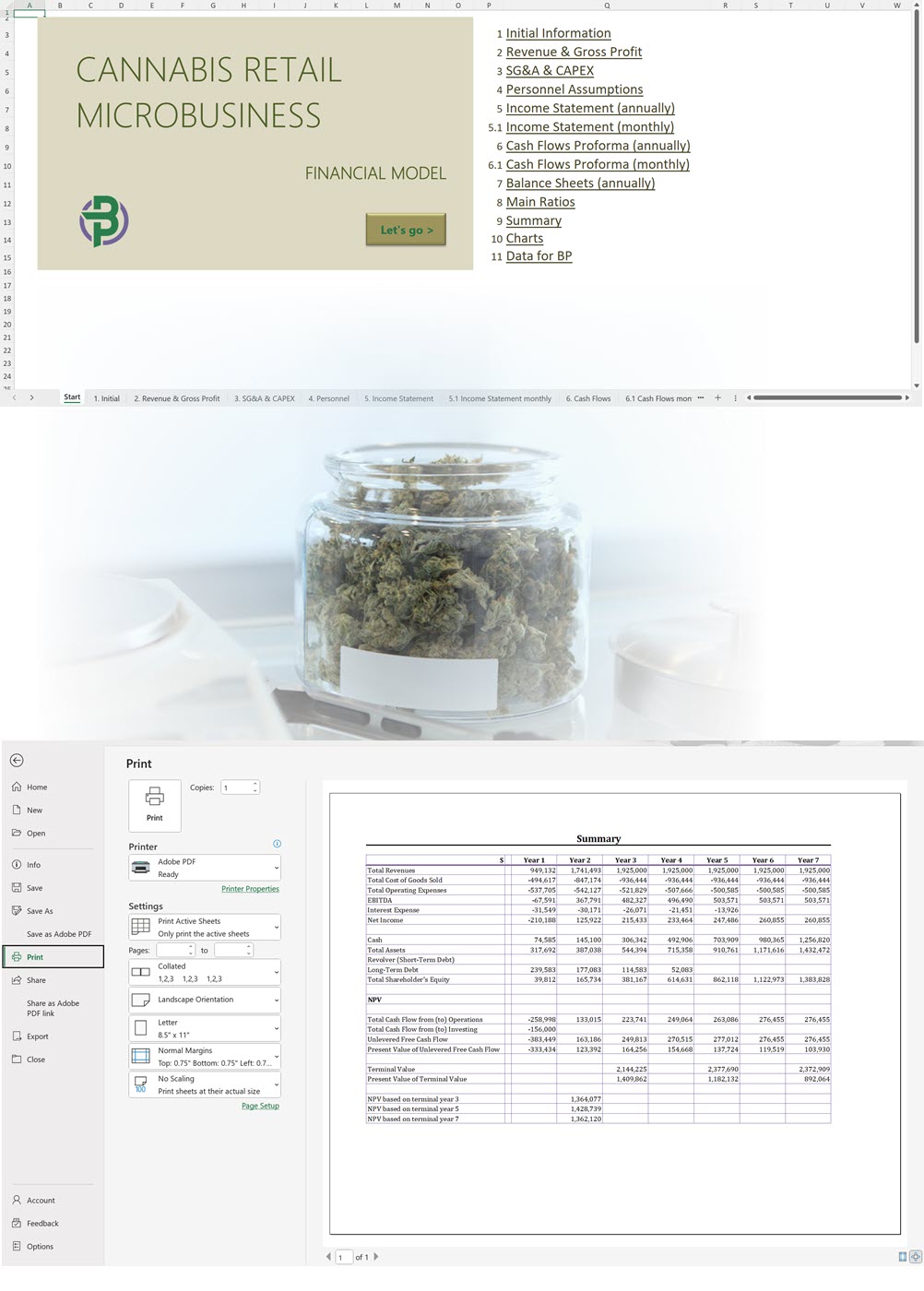
Cannabis Retail Microbusiness Business Plan Template
Price range: $75.00 through $275.00
Cannabis Cultivation, Extraction, Manufacturing, Distribution, Retail and Microbusiness Business Plan Template
Price range: $75.00 through $500.00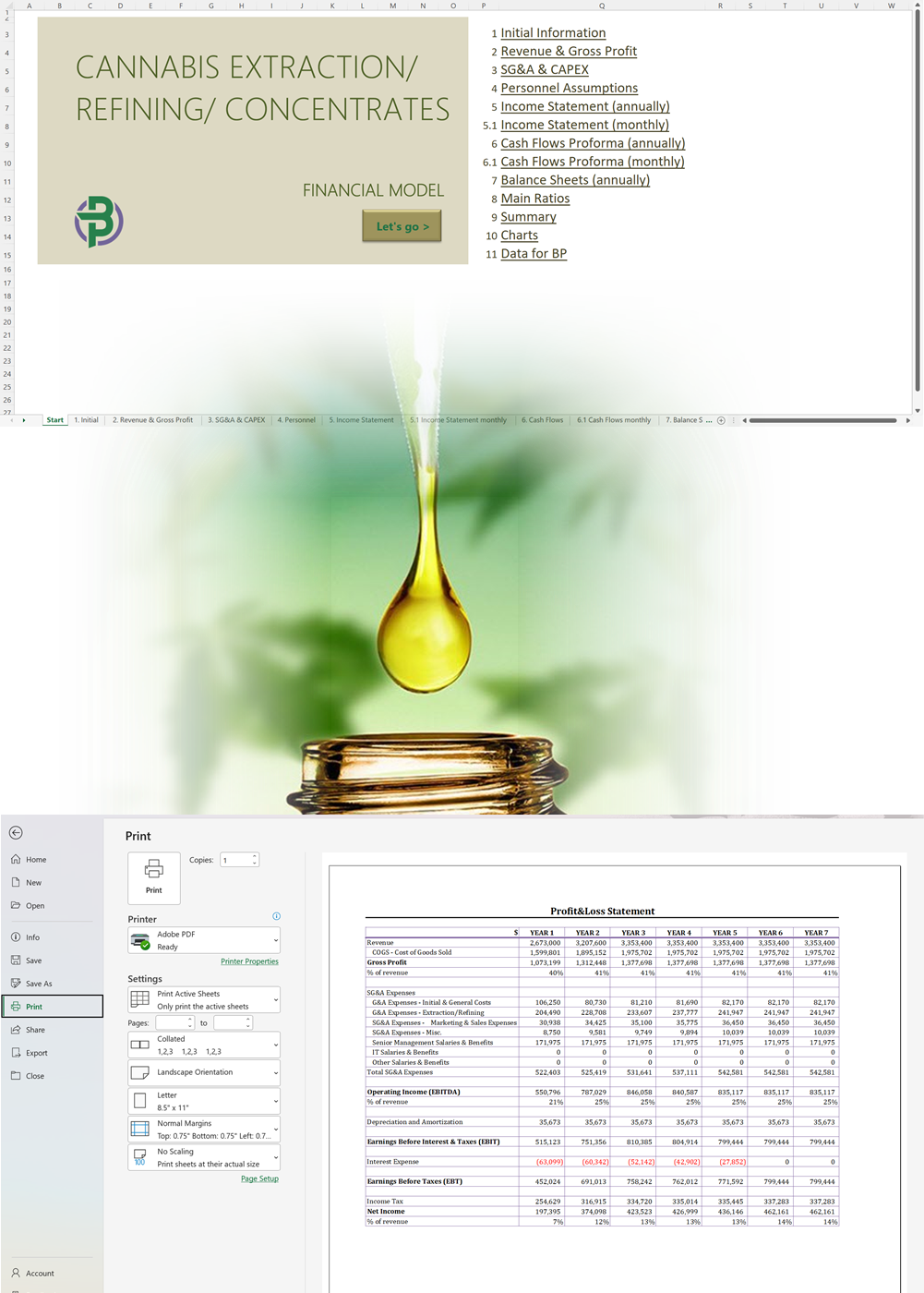

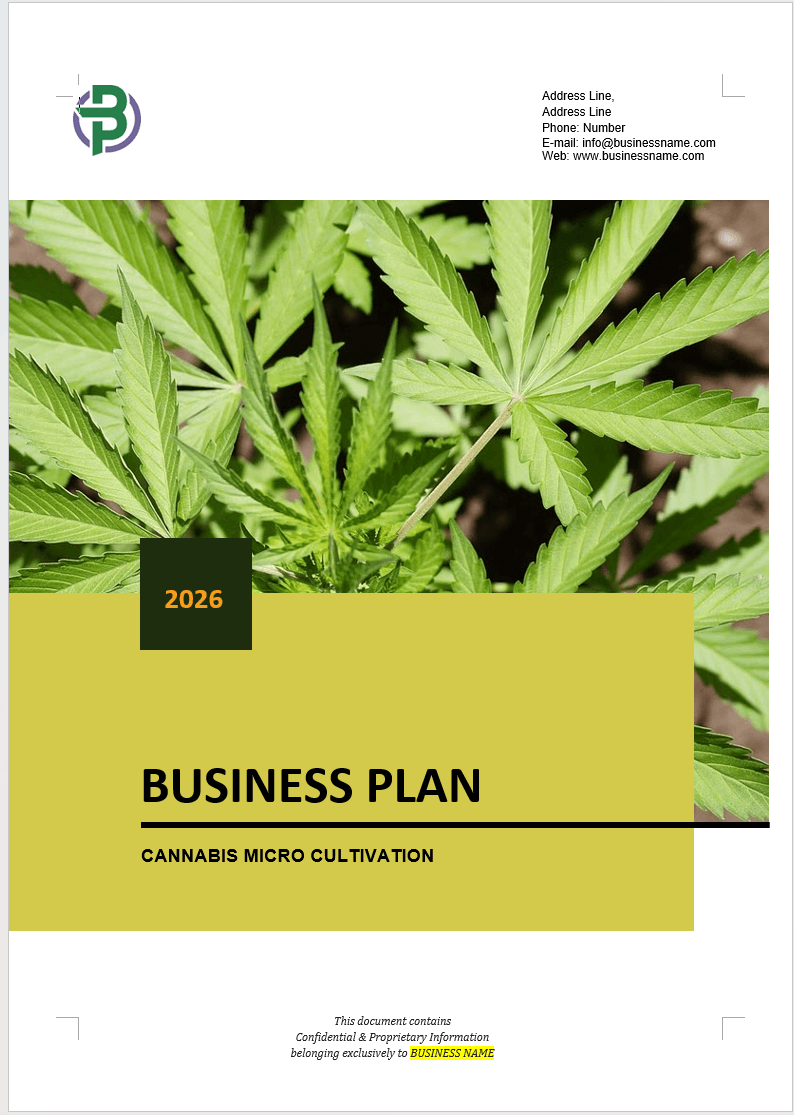
Cannabis Micro Cultivation Business Plan Template
Price range: $75.00 through $300.00