| Population (m) | 28.1 | |
| GDP (US$ t) | 1.95 | |
| Agricultural land, share of total land | 55% | |
| Agricultural goods, share of exports | 15% | |
| Agricultural emissions, share of total | 18% | |
| Source: International Monetary Fund/ Australian Government | ||
Emissions from Australia’s agricultural sector fluctuate each year depending on seasonal conditions and have accounted for between 14% and 18% of national greenhouse gas emissions since 2005 according to data from the Department of Climate Change, Energy, the Environment and Water (DCCCEEW), with nearly 80% of agricultural emissions coming from livestock industry. While overall emissions from Australian agriculture have fallen over time, largely reflecting a shift in commodity mix from sheep to farming, and were projected by the DCCEEW to remain at roughly the same levels from 2023 to 2030. the share of agriculture’s emissions is expected to increase from 17% in 2022 to more than 25% in 2035.
With nearly 55% of Australia’s 768.8 million hectares of land dedicated to agriculture, sustainable farming practices are becoming increasingly important. As the WWF notes, “Sustainable farming is about meeting the needs of the world today and in the future.” Industrial hemp offers a compelling solution: it sequesters up to four times more carbon than pine wood, grows rapidly, and yields fibre with natural breathability, antibacterial properties, and strong environmental credentials – making it a strategic crop for climate-smart agriculture.
Hemp Legalization
Industrial hemp production is regulated in Australia under the Industrial Hemp Act 2017 and the Industrial Hemp Regulations 2017. Industrial hemp is a plant or any part of a plant (including seed) from the Cannabis genus that has been specifically bred to have tetrahydrocannabinol (THC) levels in the leaves and flowering heads of not more than 1%.
Industrial hemp cultivation in Australia is governed at the state level – in 1998, Victoria, Queensland, and Tasmania legalized hemp cultivation; then followed Western Australia in 2004 and New South Wales in 2008; and Southern Australia passed its Industrial Hemp Act in April 2017. Each state maintains its own licensing system and enforces limits on THC content in hemp at planting and harvest.
| State | Laws and Regulations | THC Limits | Licensing |
| Tasmania | Legislation: Industrial Hemp Act 2015Regulations: Industrial Hemp Regulations 2016Regulatory Body: Department of Natural Resources and Environment Tasmania (DPIPWE) | At planting: <0.5%At harvest: <1% | Types: Supply and store, cultivate, clean and treat, researchLicense term: 5 yearsFees: No fees |
| Queensland | Legislation: Drugs Misuse Act 1986Regulations: Drugs Misuse Regulation 1987Regulatory Body: Business Queensland | At planting: <0.5%At harvest: <1% | Types: Grower, researcher, seed handlerLicense term: 3 yearsFees: Application ($506.75); Renewal ($202.80) |
| Victoria | Legislation: Agriculture Legislation Amendment Bill 2022Regulations: Drugs, Poisons and Controlled Substances (Industrial Hemp) Regulations 2018Regulatory Body: Agriculture Victoria | At planting: <1%At harvest: <1% | Types: Possess, process, sell or supply; cultivate and possessLicense term: 3 yearsFees: $500 to $1,500 |
| Western Australia | Legislation: Industrial Hemp Act 2004Regulations: Industrial Hemp Regulations 2004Regulatory Body: Department of Primary Industries and Regional Development (PIRD) | At planting: <0.5%At harvest: <1% | Types: Cultivate, harvest, processLicense term: 3 yearsFees: Application ($368); Renewal ($316) |
| New South Wales | Legislation: Hemp Industry Act 2008Regulations: Hemp Industry Regulation 2016Regulatory Body: Department of Primary Industries (DPI) | At planting: <0.5%At harvest: <1% | Types: Cultivation and supply of commercial production; cultivate and supply manufacturing process; scientific and researchLicense term: Not specifiedFees: Application ($572); Annual Fee ($200) |
| Southern Australia | Legislation: Industrial Hemp Act 2017Regulations: Industrial Hemp Act Regulations 2017Regulatory Body: Department of Primary Industries and Regions (PIRSA) | At planting: <0.5%At harvest: <1% | Types: Possession, cultivation, processingLicense term: 5 yearsFees: Application ($1,181) |
| Northern Territory | Legislation: Hemp Industry Act 2019Regulations: Hemp Industry Regulations 2020Regulatory Body: NT Government | At planting: <0.5%At harvest: <1% | Types: Possess, cultivate, process or supplyLicense term: 5 yearsFees: Application ($1,250) |
| Australian Capital Territory | Legislation: Hemp Fibre Industry Facilitation Act 2004Regulatory Body: Environment, Planning and Sustainable Development Directorate | At planting: <0.5%At harvest: <1% | Types: Category 1 researcher; category 2 researcher; growerLicense term: 3 yearsFees: No fees |
Source: Australian Hemp Council
A major catalyst for the hemp industry came in April 2017, when the Australia New Zealand Food Standards Code was amended to permit the sale of food products derived from hemp seed that do not contain cannabinoids apart from trace levels
Hemp Production
After peaking at 4,132 hectares in 2019, Australia’s planted hemp area declined steadily, falling to 1,493 hectares by 2023 – less than half the area in 2019. This trend reversed sharply in 2024, with plantings rebounding to 3,266 hectares. This resurgence was mainly driven by fibre-focused cultivation which nearly doubled from 858 hectares in 2023 to 1,564 hectares in 2024. Hemp fibre plantings are currently being boosted by the demand for sustainable building materials from the housing construction industry. An additional 2,000 hectares of fibre hemp are expected to be planted in 2025, which would surpass planted area in 2020 and set a new record high for Australia’s hemp industry.
Grain production also saw significant growth: around 1,700 hectares were dedicated to hemp grain in 2024 – triple the 630 hectares planted in 2023 and equal to the area planted in 2022.
New South Wales (NSW) accounted for more than half of Australia’s total hemp plantings in 2024, with 970 hectares for fibre and 1,020 hectares for grain – nearly 2,000 hectares combined.
According to AHC , investment in Australia’s hemp fibre sector has reached AU$52 million to date, and an additional AU$195 million is anticipated over the next two years. As of 2025, Australia’s hemp fibre industry is valued at AU$5.4 million while the hemp grain industry is estimated to be worth AU$5 million. Separately, the Australia Inndustrial Hemp Alliance estimates that the Australian hemp food market has a retail value of $15 million.
Consumer insights from a survey performed by the University of Adelaide reveal untapped potential: only around 26% of respondents reported purchasing hemp food or beverage products. Among non-buyers, 46% cited unfamiliarity with hemp as the primary barrier – indicating a clear opporutnity through consumer education. Of those who do purchase, nearly half cite health benefits as their main motivation. The most commonly purchased products are hemp seeds (10% of respondents), hemp oil (8%), and hemp flour (6%).
Hemp Seeds
With the recent changes to the Food Standard certain hemp seed products are now permitted for human consumption. The following products may be imported without import permission under the PI Regulations:
- Products contain hulled hemp seeds, derived from hemps, and/or hemp seed oil provided that:
- They do not contain another drug
- They do not contain any part (or extracts) of the cannabis/hemp plant (excluding extracts made from the hemp seeds)
- The total cannabidiol content is 75 mg/kg or less, and
- The total tetrahydrocannabinol content is less 50 mg/kg or less.
The international food market for hempseed is estimated at $1 billion. It costs around $1,300 a hectare for farmers to grow it, and they are paid around $3 a kilogram.
CBD Products
In December 2020, the Therapeutic Goods Administration (TGA) announced a final decision to down-schedule certain low dose cannabidiol (CBD) preparations from Schedule 4 (Prescription Medicine) to Schedule 3 (Pharmacist Only Medicine):
“The decision will allow TGA approved low-dose CBD containing products, up to a maximum of 150 mg/day, for use in adults, to be supplied over-the-counter by a pharmacist, without a prescription. The decision limits over-the-counter supply to only those products that are approved by the TGA and included on the Australian Register of Therapeutic Goods (ARTG).”
There are currently no TGA approved products on the Australian Register of Therapeutic Goods (ARTG) that meet the Schedule 3 criteria.
Hemp Research
A new five-year research program was launched in 2022 to boost the hemp industry in Australia. The AgriFutures Australia Emerging Industries program supports the expansion of the Australian hemp industry through a $2.5 million research program aimed at improving hemp seeds and varieties, production methods, industry sustainability and hemp-based product development.
Projections
The industrial hemp market in the Oceania region is expected to be worth US$115 million by 2030 with Australia being the largest market in the region.
Australian Hemp Market Infographics
Hemp Fibre Cultivation and Manufacturing Business Plan Sample, Australia
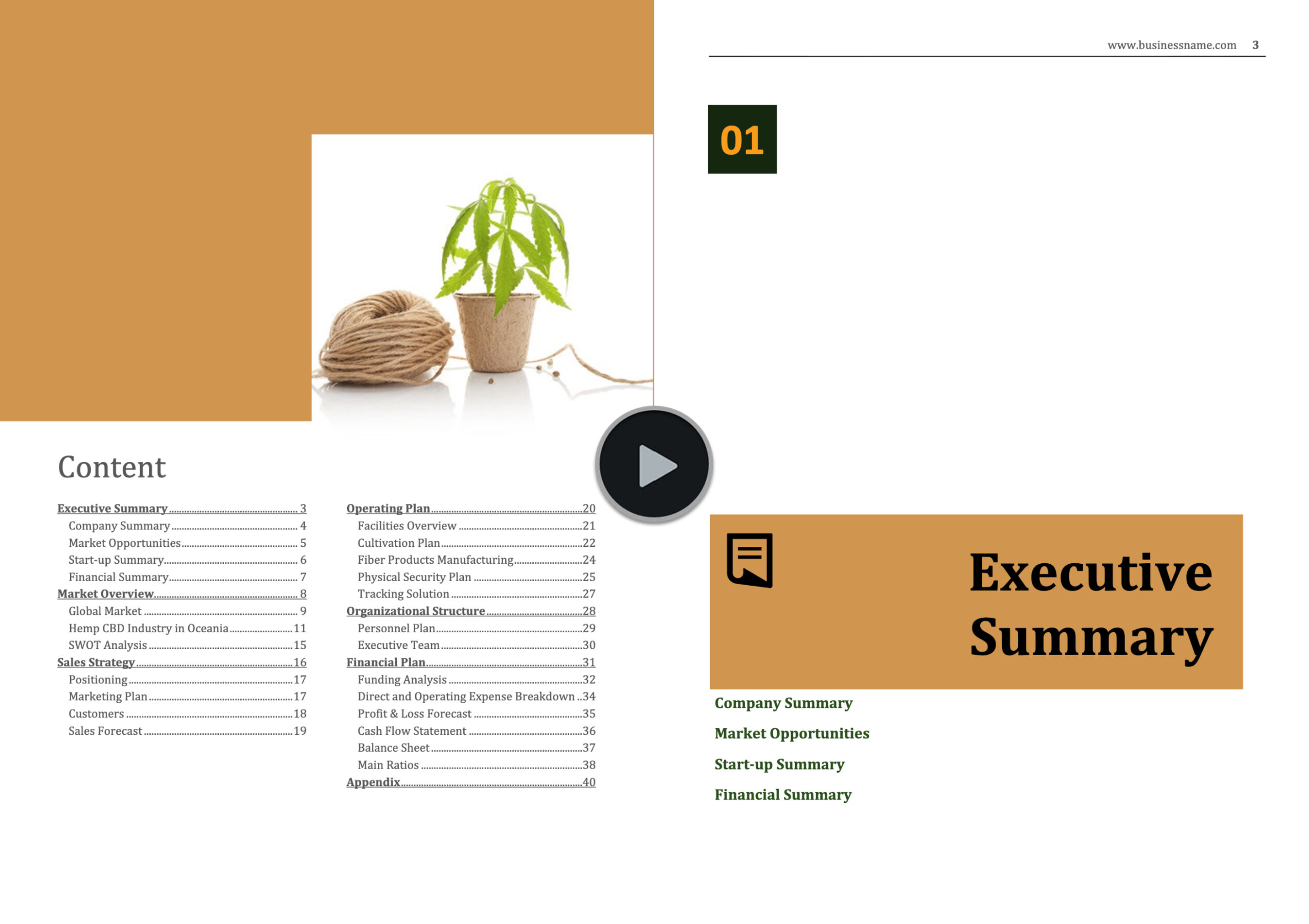
'70% ready to go' business plan templates
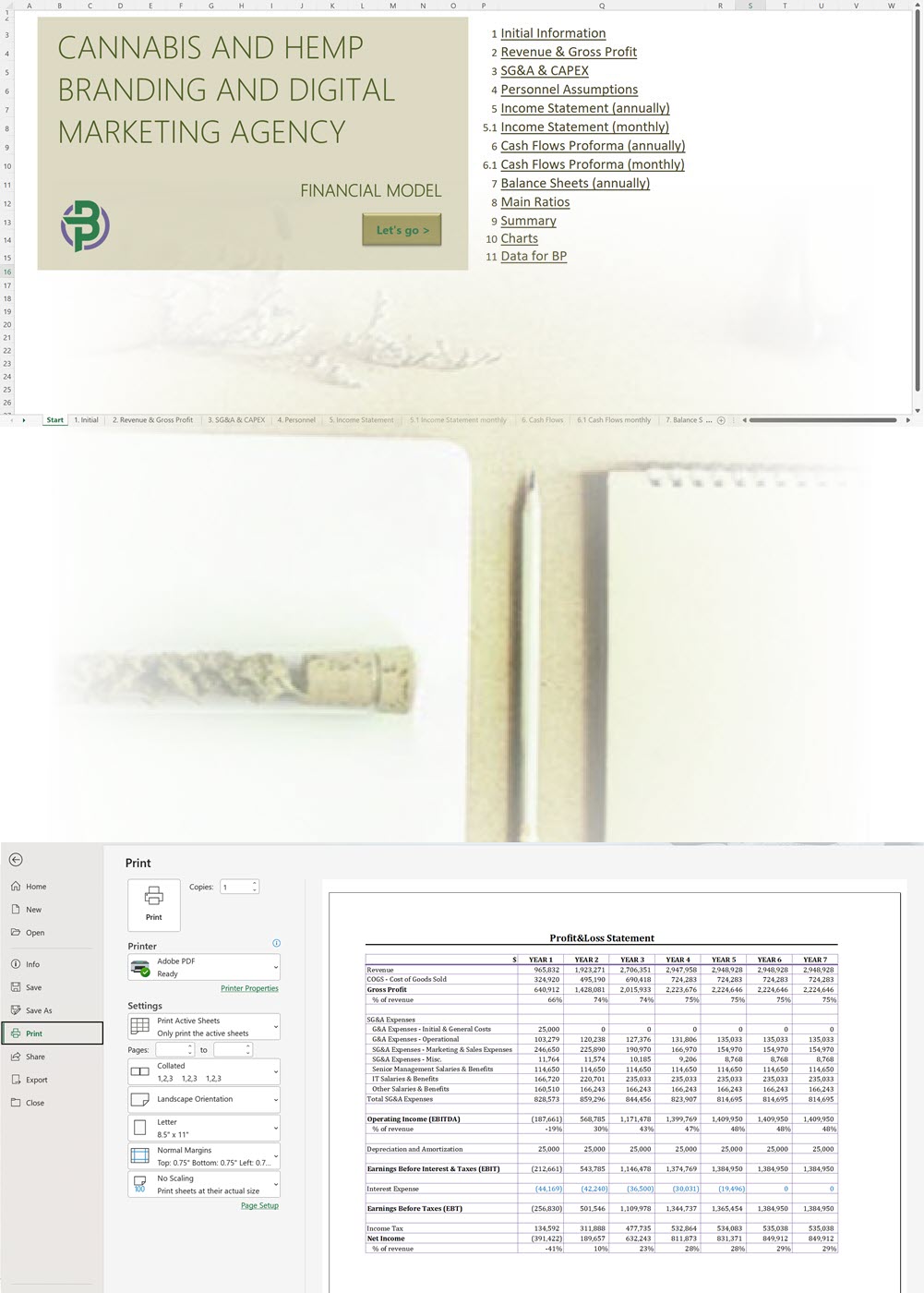
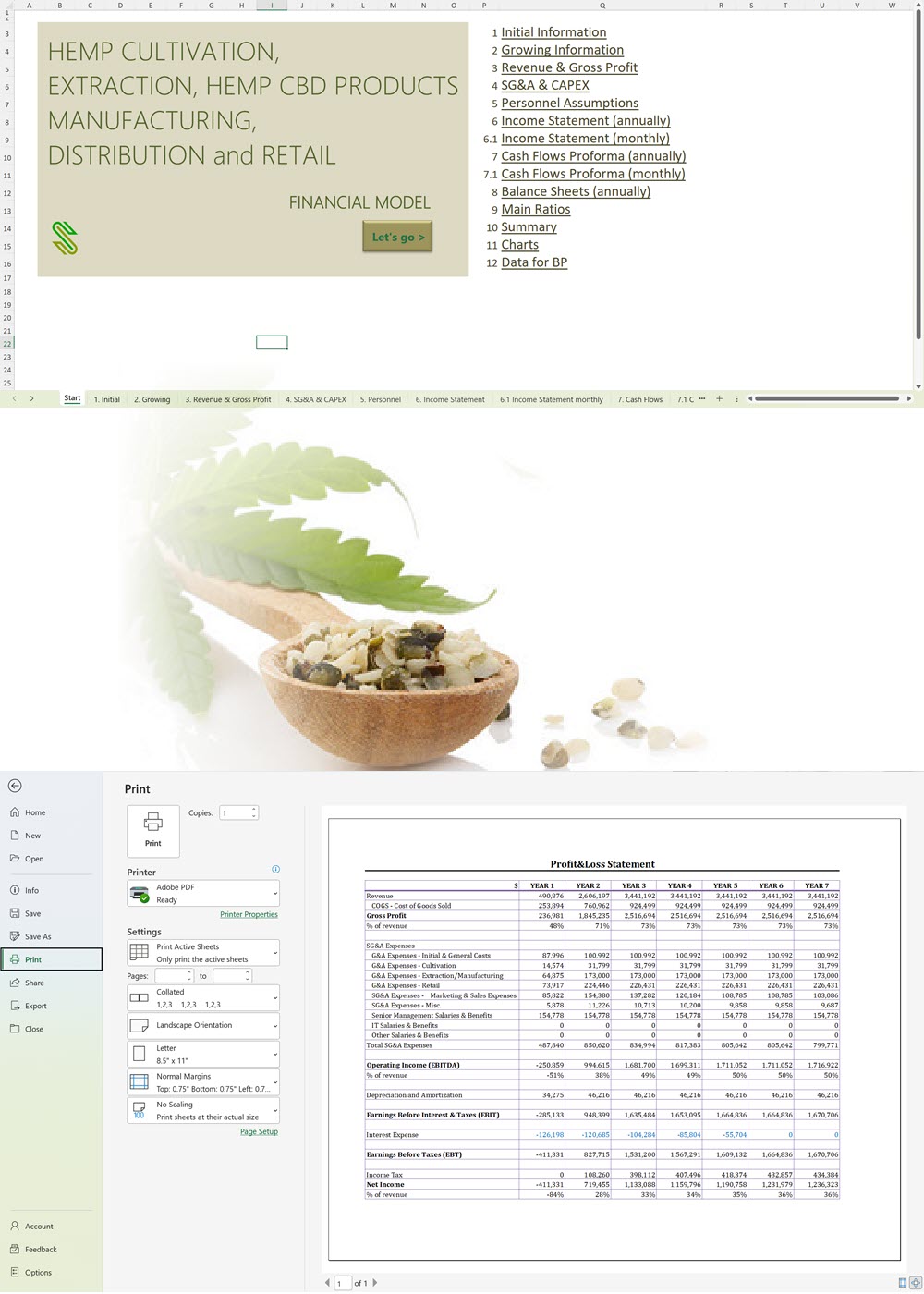
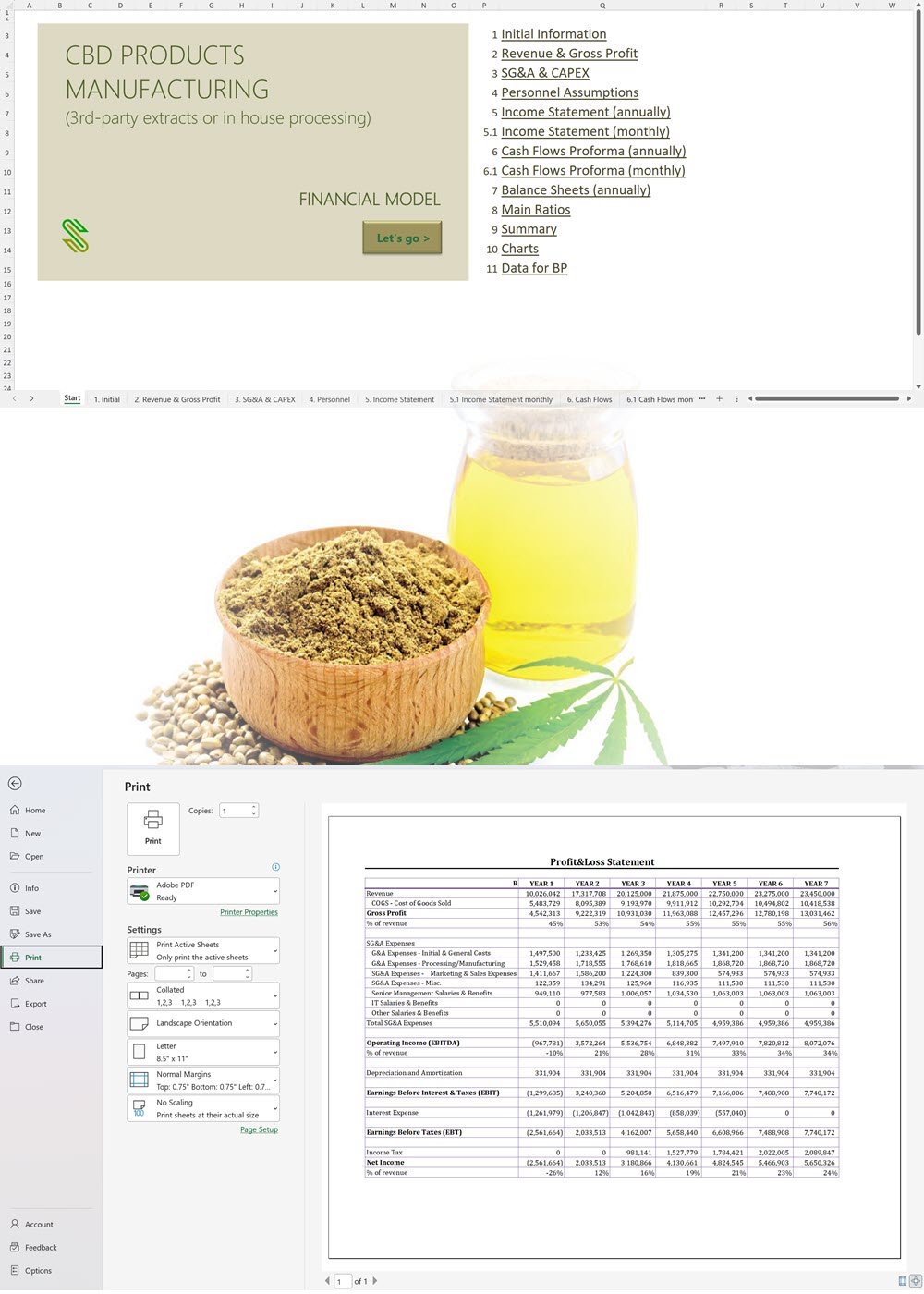
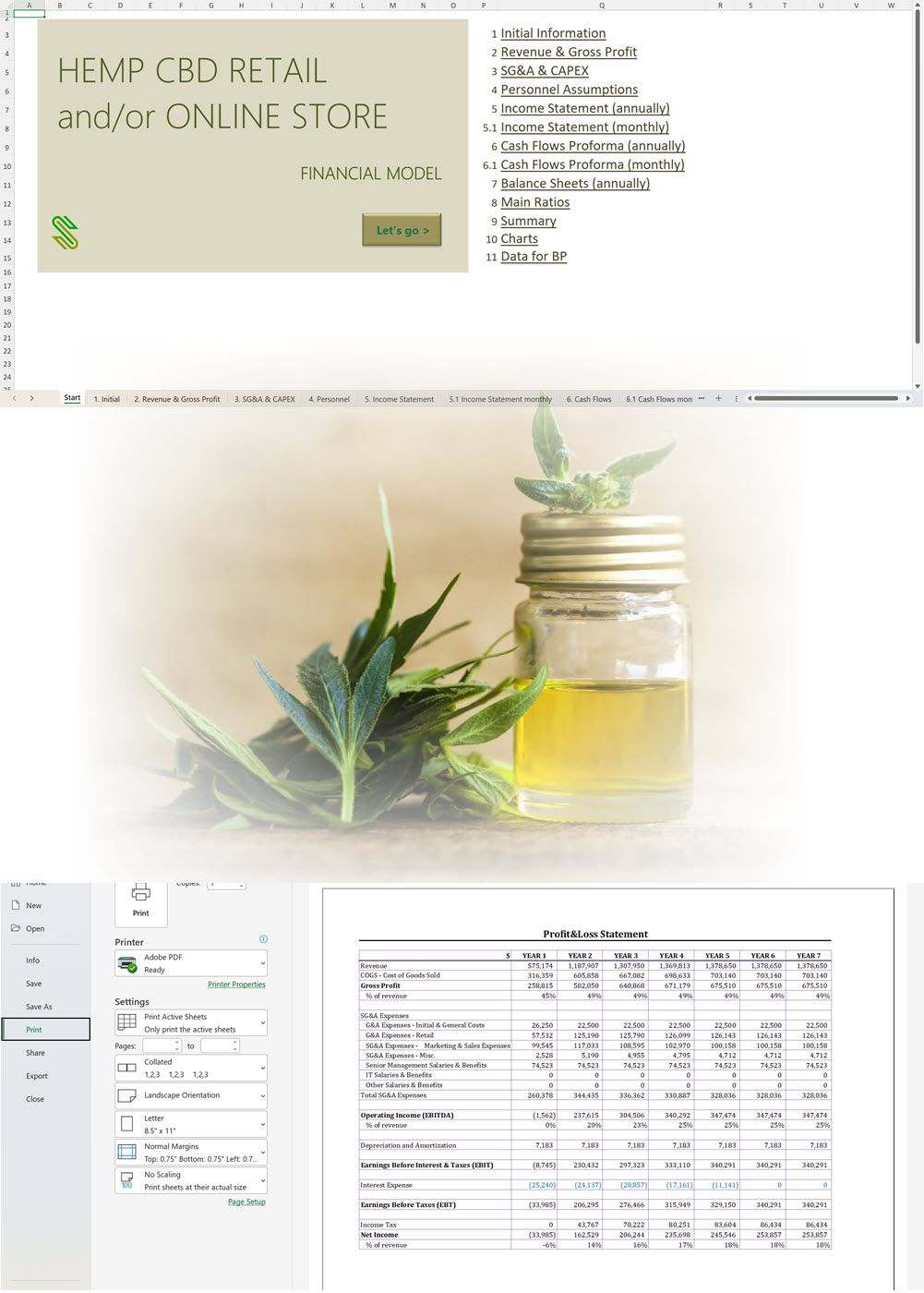
Our hemp/CBD financial models and business plan templates will help you estimate how much it costs to start and operate your own hemp/CBD business, to build all revenue and cost line-items monthly over a flexible seven year period, and then summarize the monthly results into quarters and years for an easy view into the various time periods. We also offer investor pitch deck templates.
Best Selling Hemp Templates
-

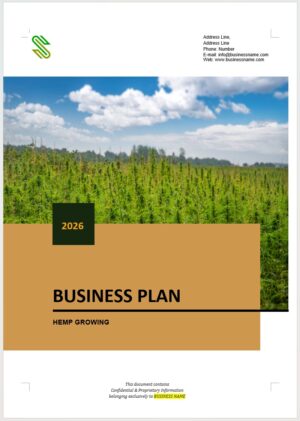
Hemp Cultivation Business Plan Template
Price range: $75.00 through $275.00 Select options This product has multiple variants. The options may be chosen on the product page -

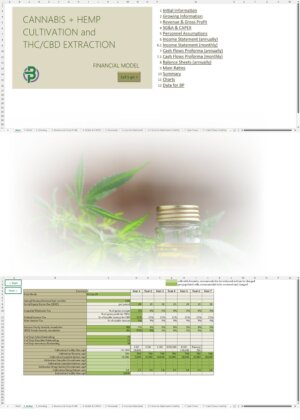
Hemp and Cannabis Growing and Processing Financial Model
$175.00 Select options This product has multiple variants. The options may be chosen on the product page -

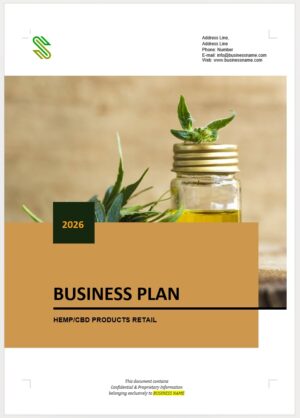
CBD Products Retail/Online Store Business Plan Template
Price range: $75.00 through $275.00 Select options This product has multiple variants. The options may be chosen on the product page
For more information on the hemp industry and hemp/CBD business plan templates, visit hempcbdbusinessplans.com.
Our Templates

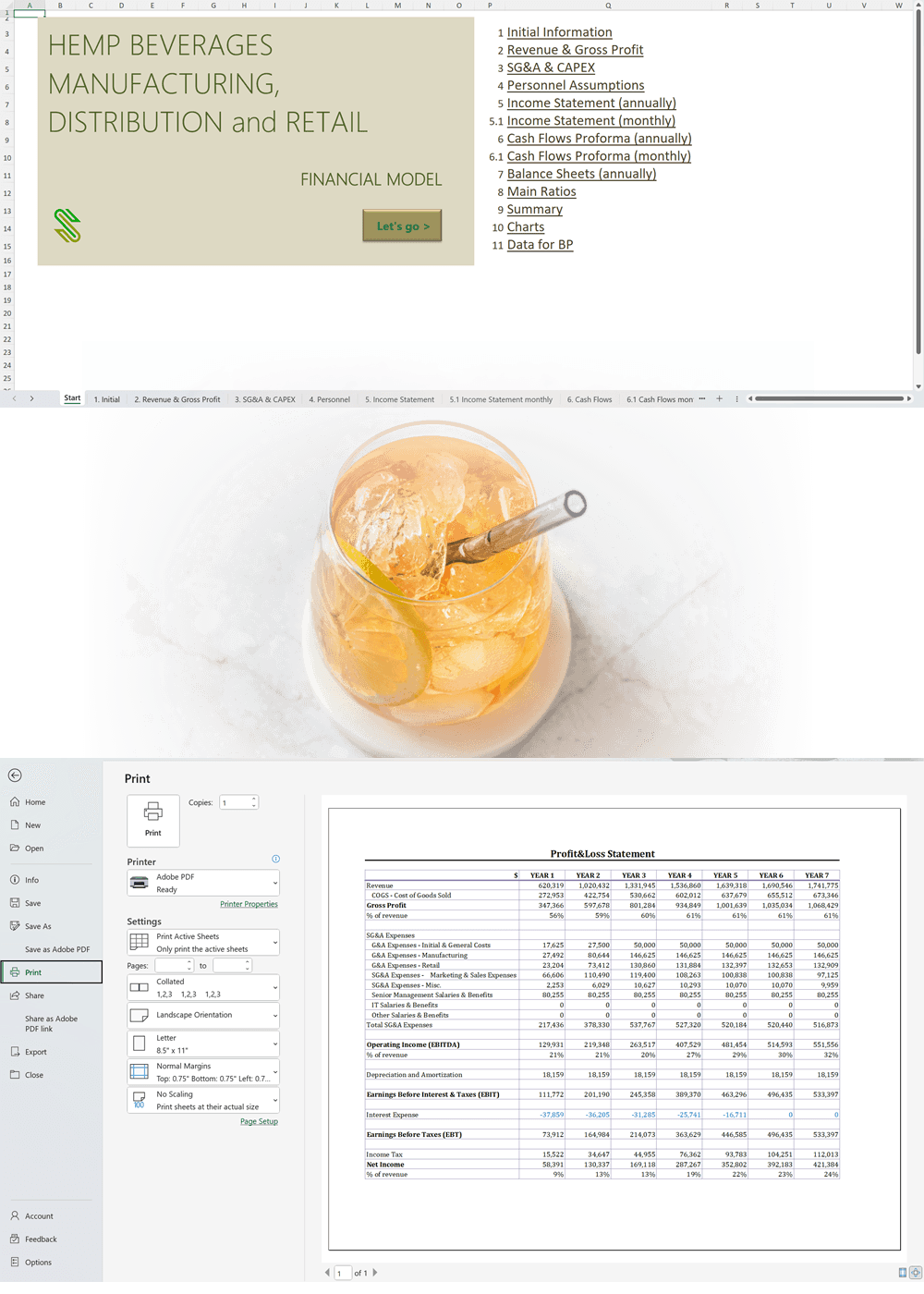
Hemp CBD Beverage Manufacturing, Wholesale and/or Retail Business Plan Template
Price range: $75.00 through $350.00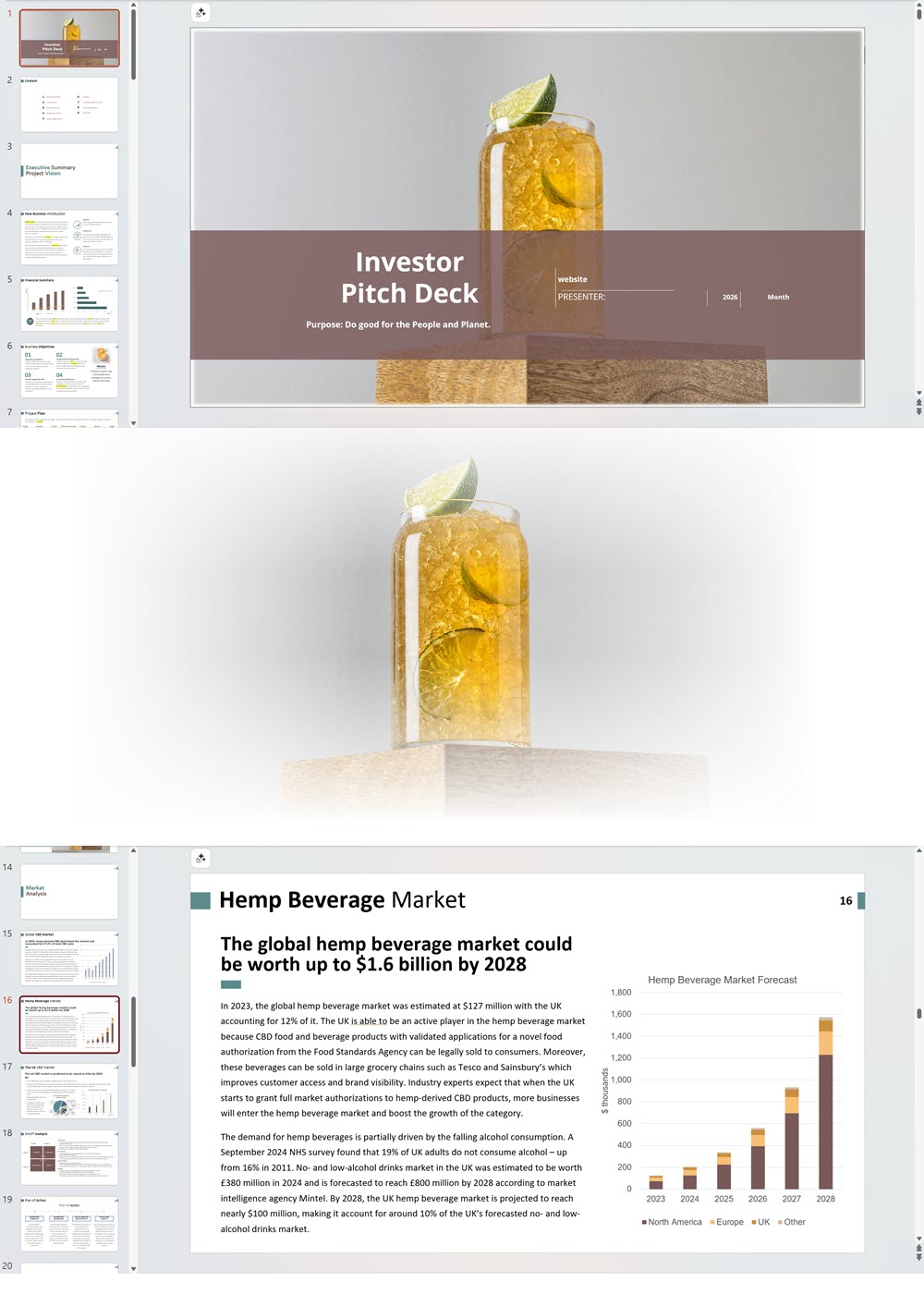

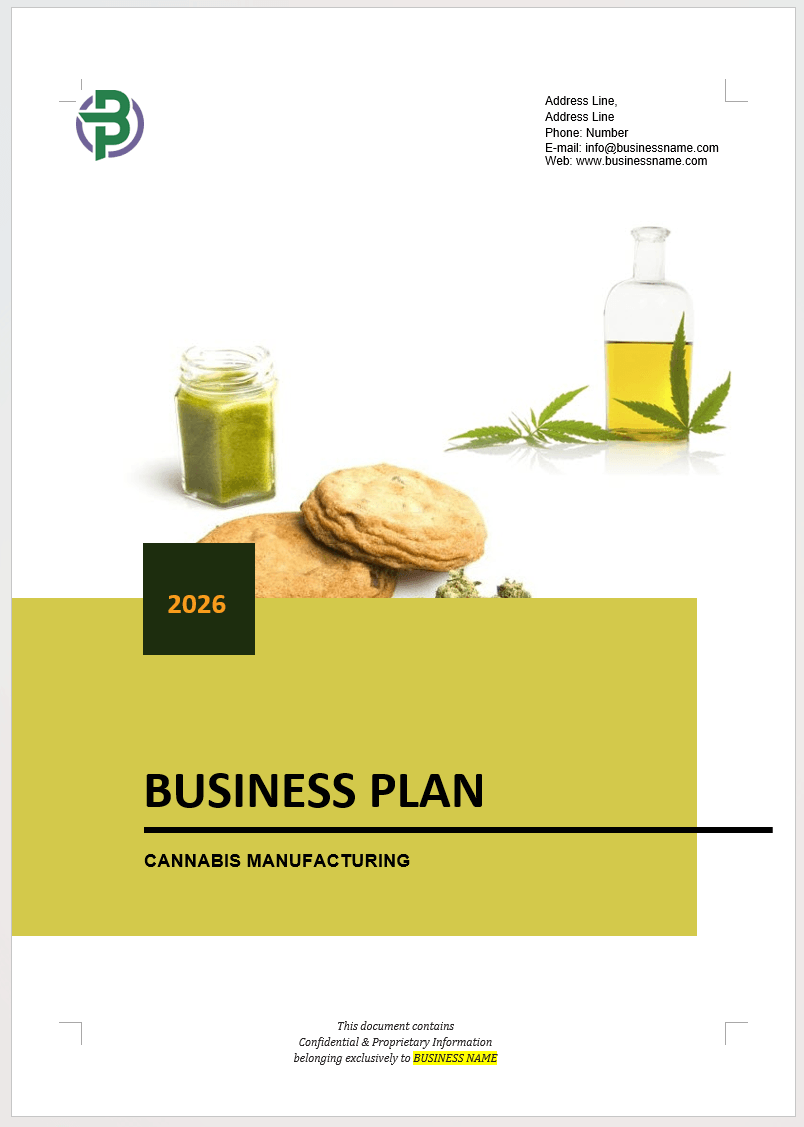
Cannabis Manufacturing Business Plan Template (with in-house processing)
Price range: $75.00 through $350.00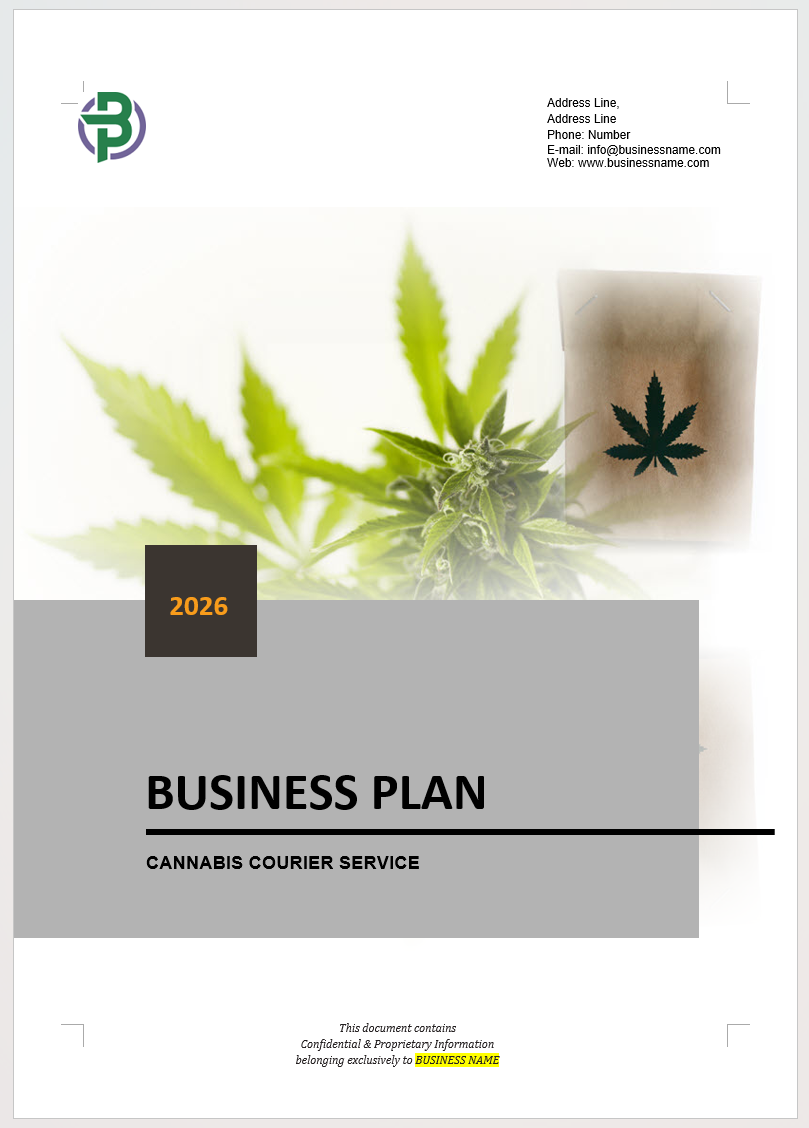
Cannabis Courier Business Plan Template
Price range: $75.00 through $275.00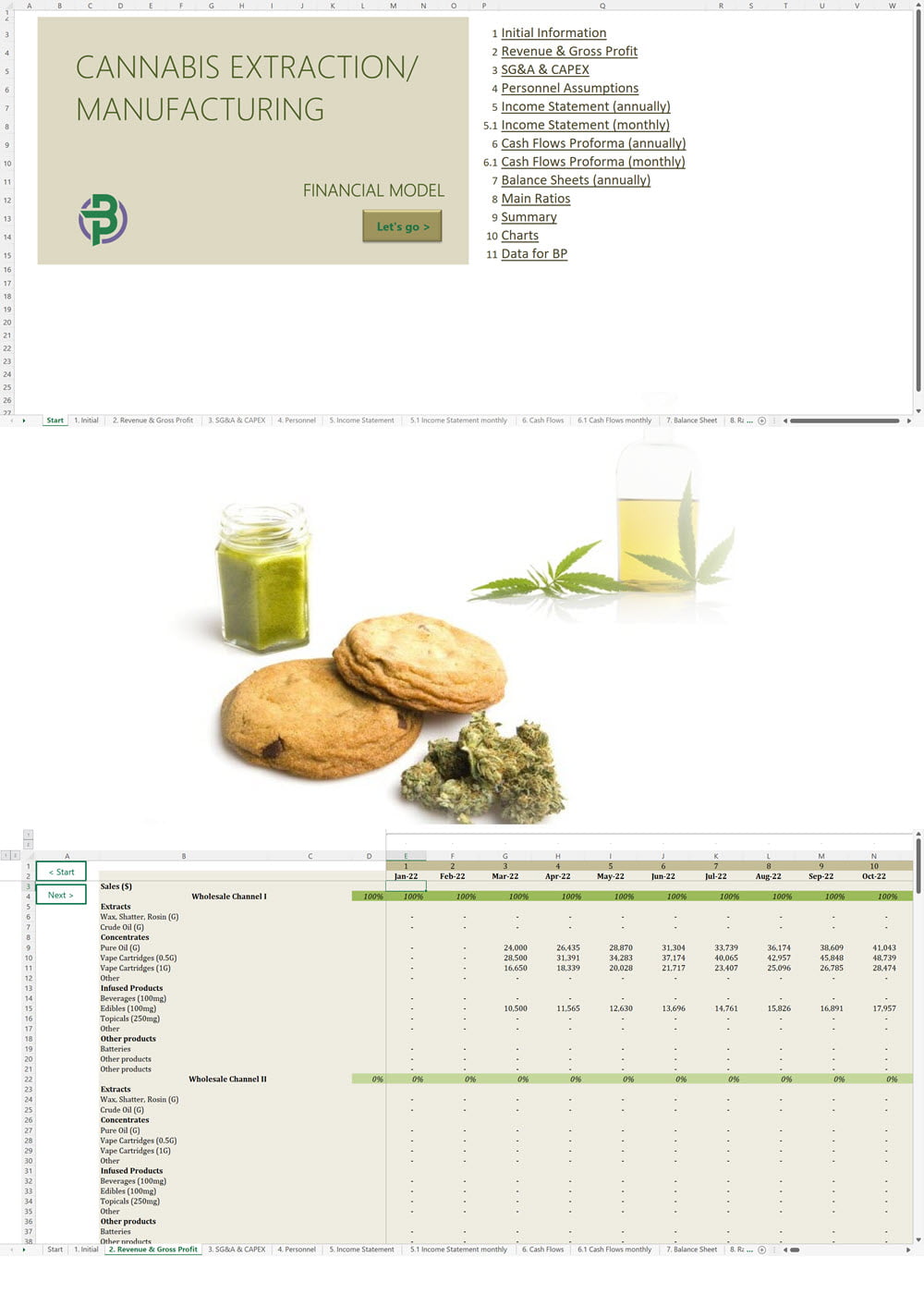
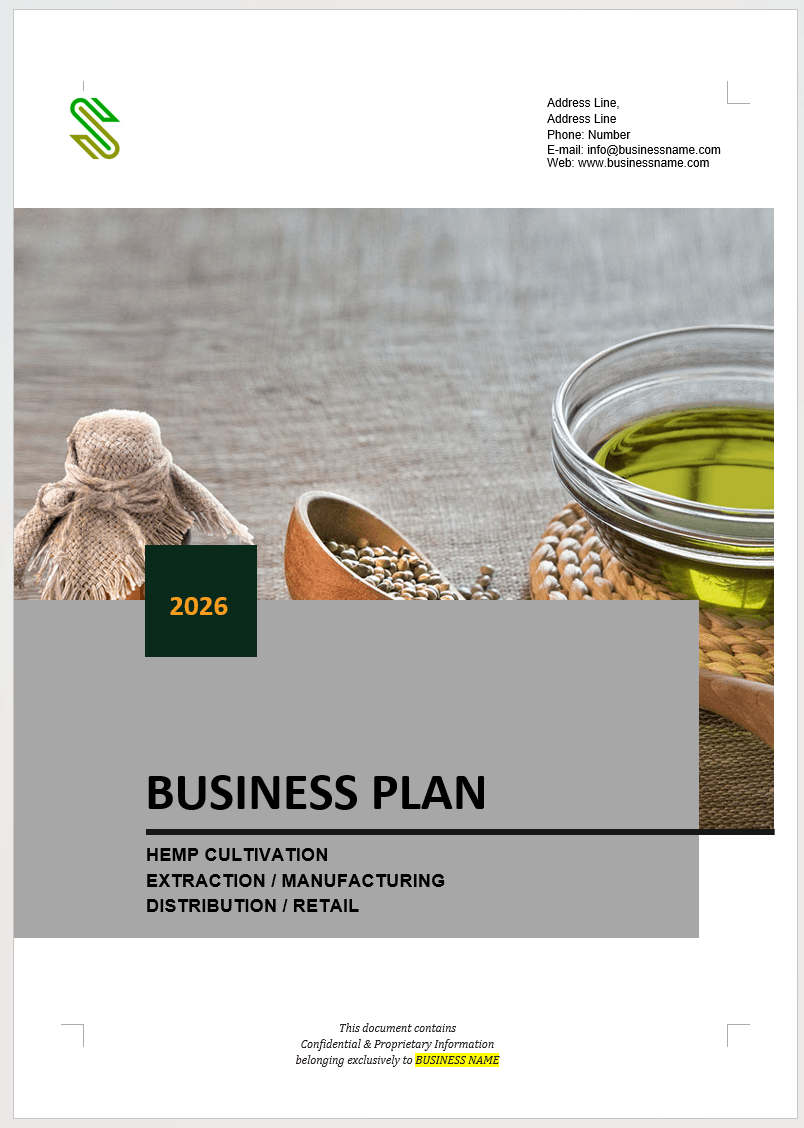
Hemp CBD Vertically Integrated Business Plan Template
Price range: $75.00 through $450.00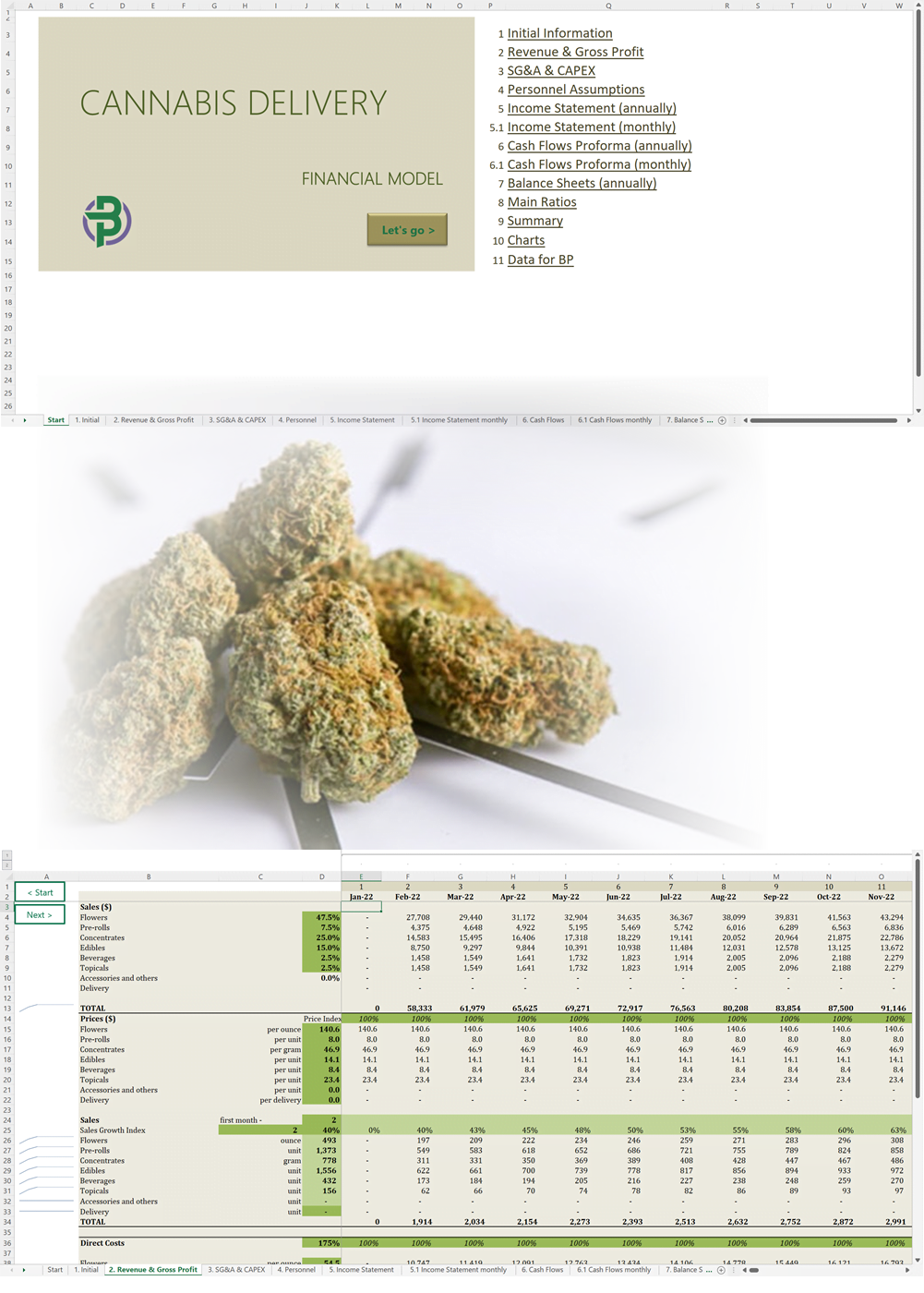

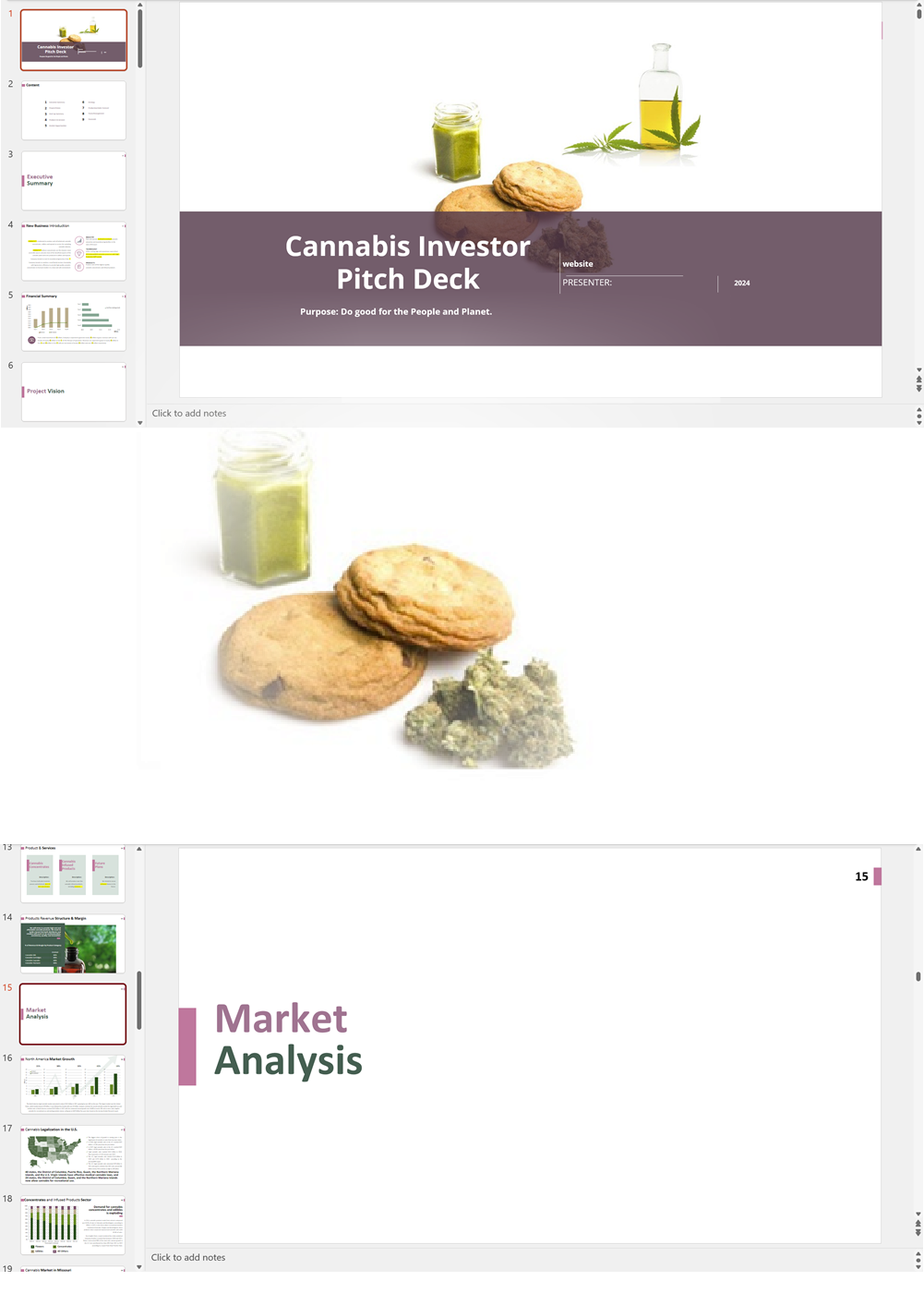
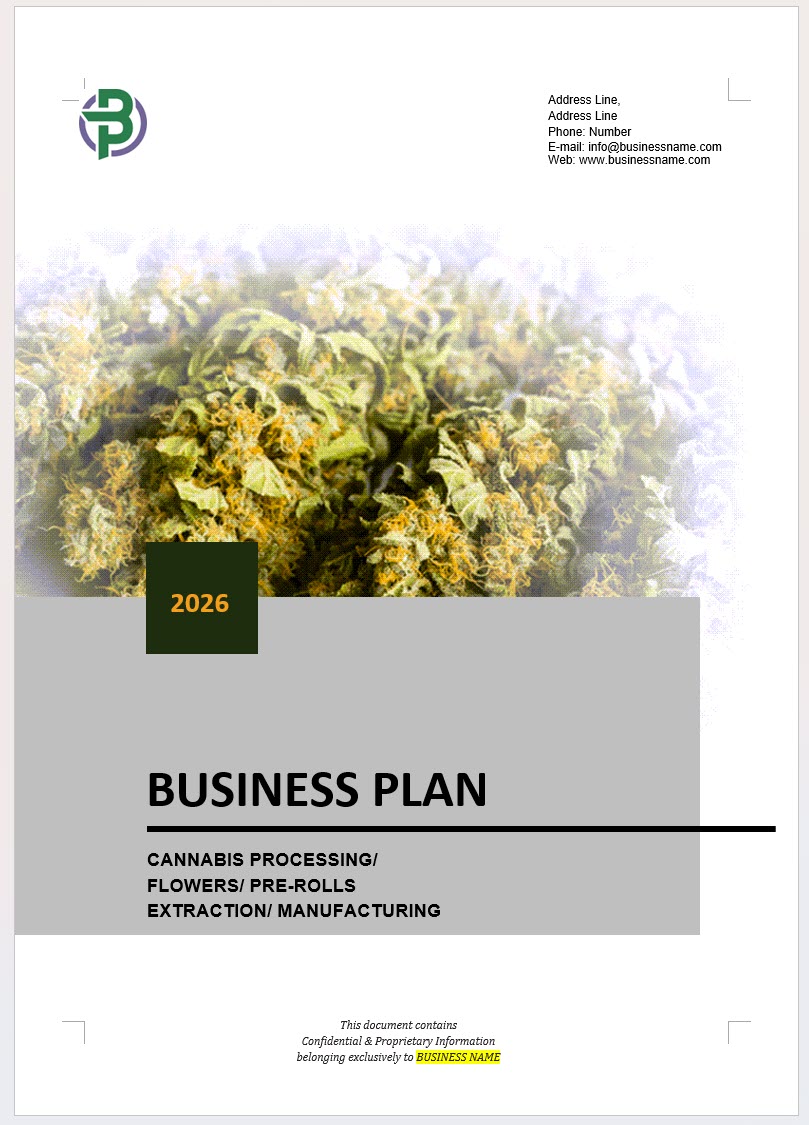
Cannabis Processing/ Flowers/ Pre-rolls/ Extraction/ Manufacturing Business Plan Template
Price range: $75.00 through $350.00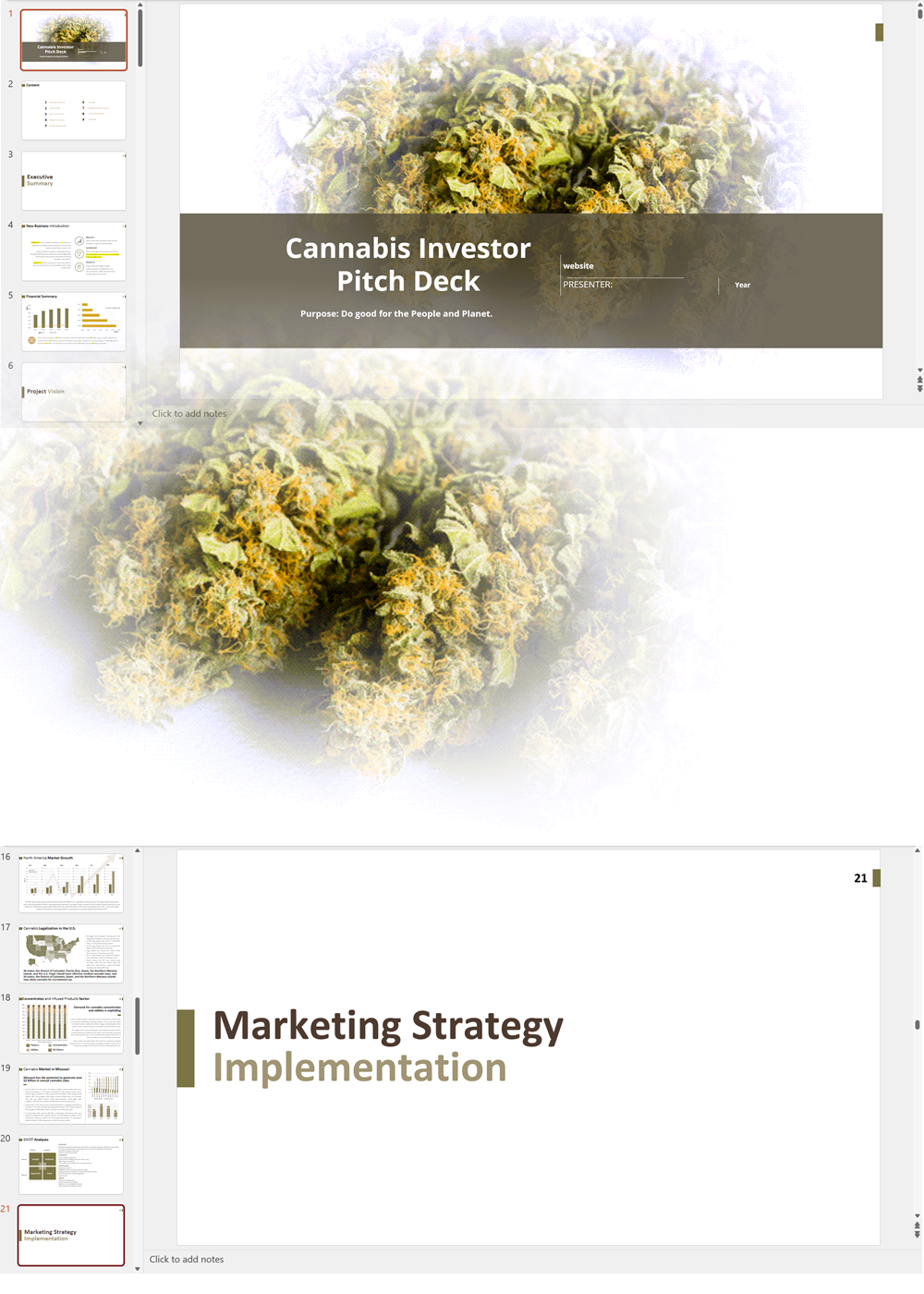
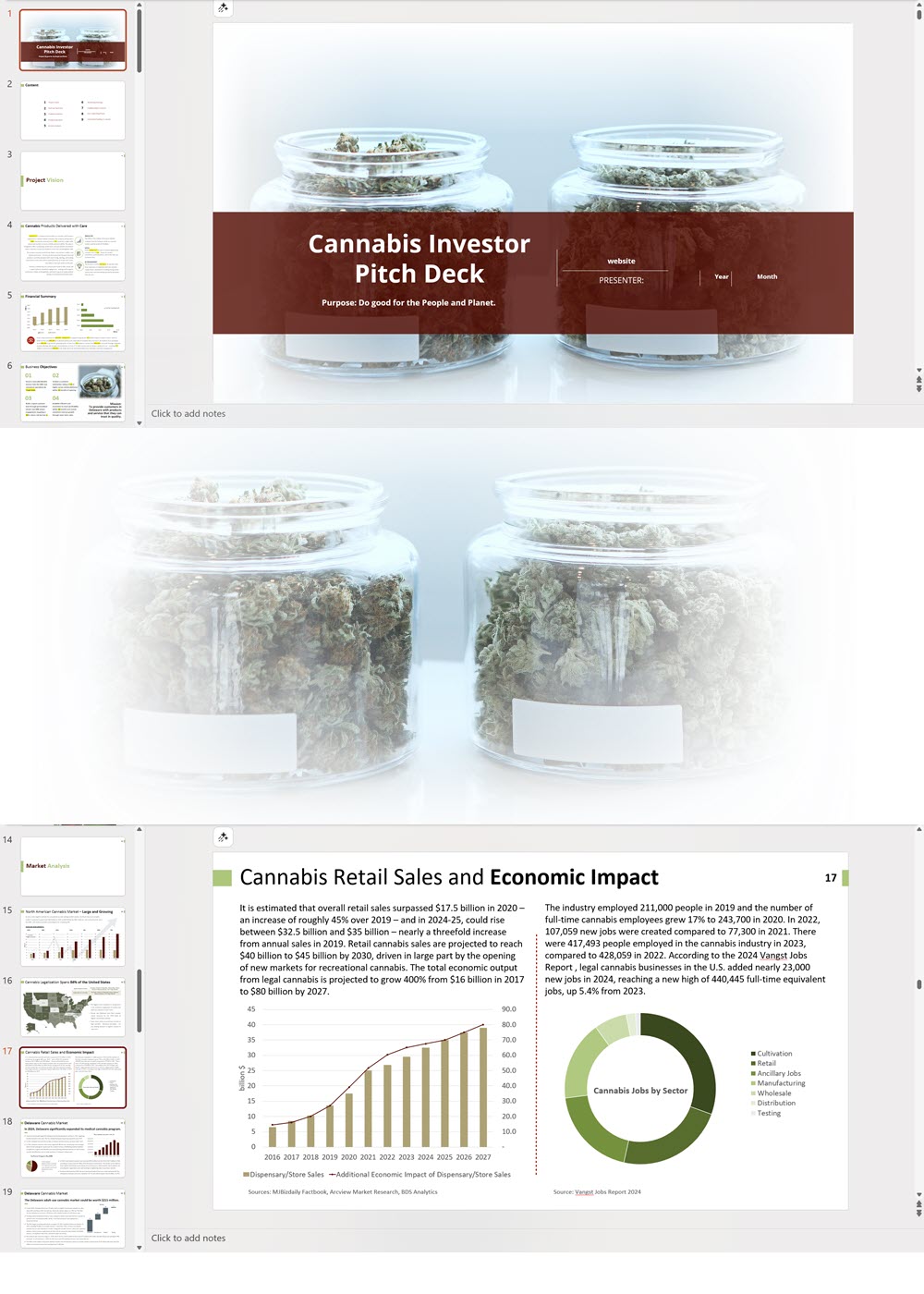
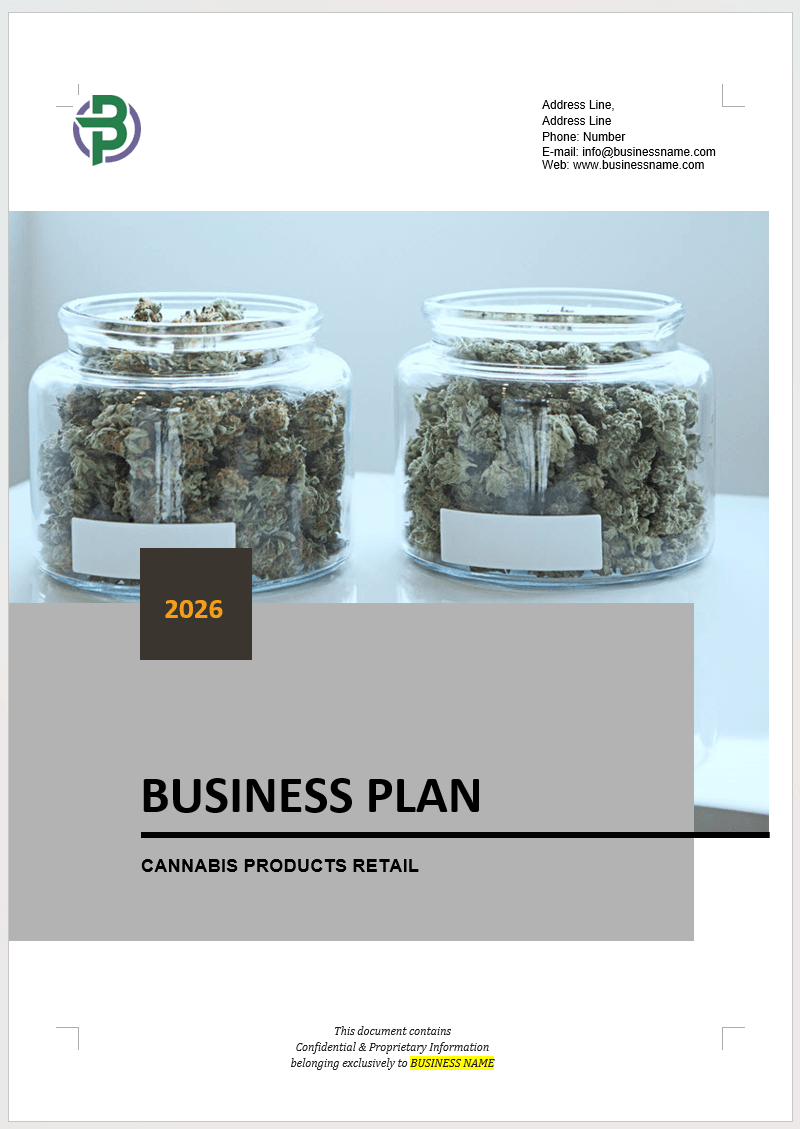
Cannabis Dispensary Business Plan Template
Price range: $75.00 through $350.00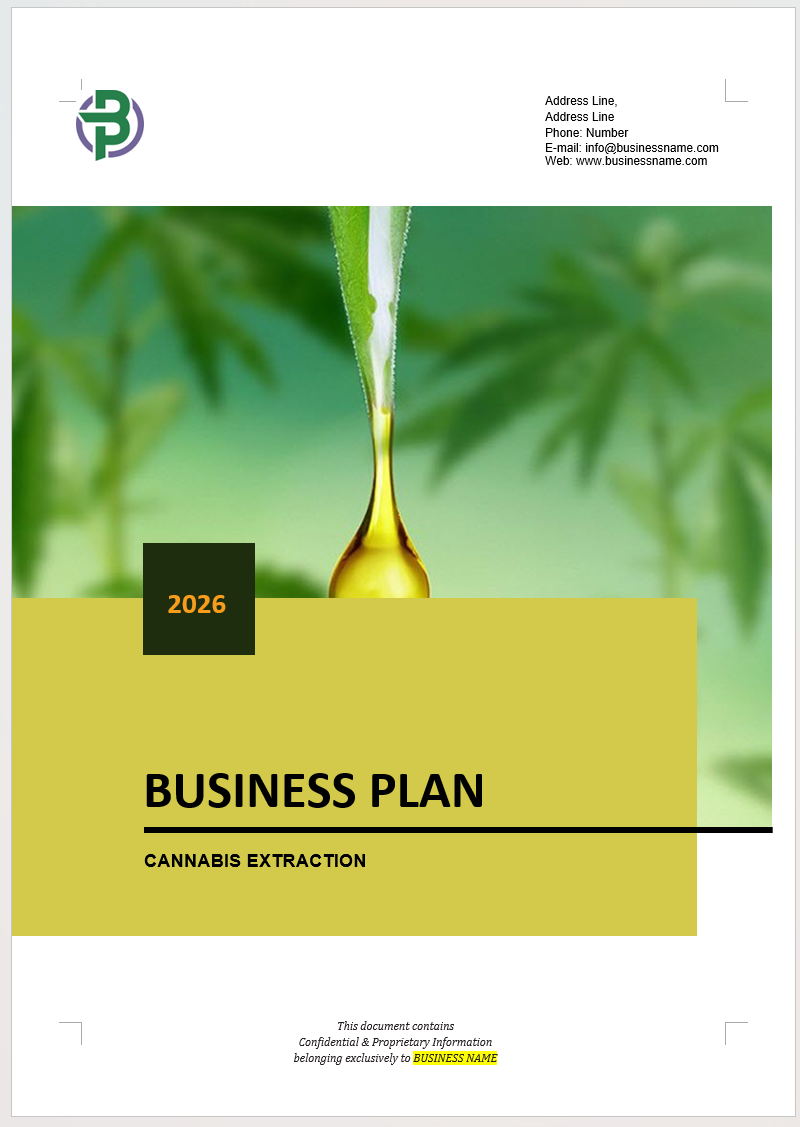
Cannabis Extraction / Concentrates Business Plan Template
Price range: $75.00 through $350.00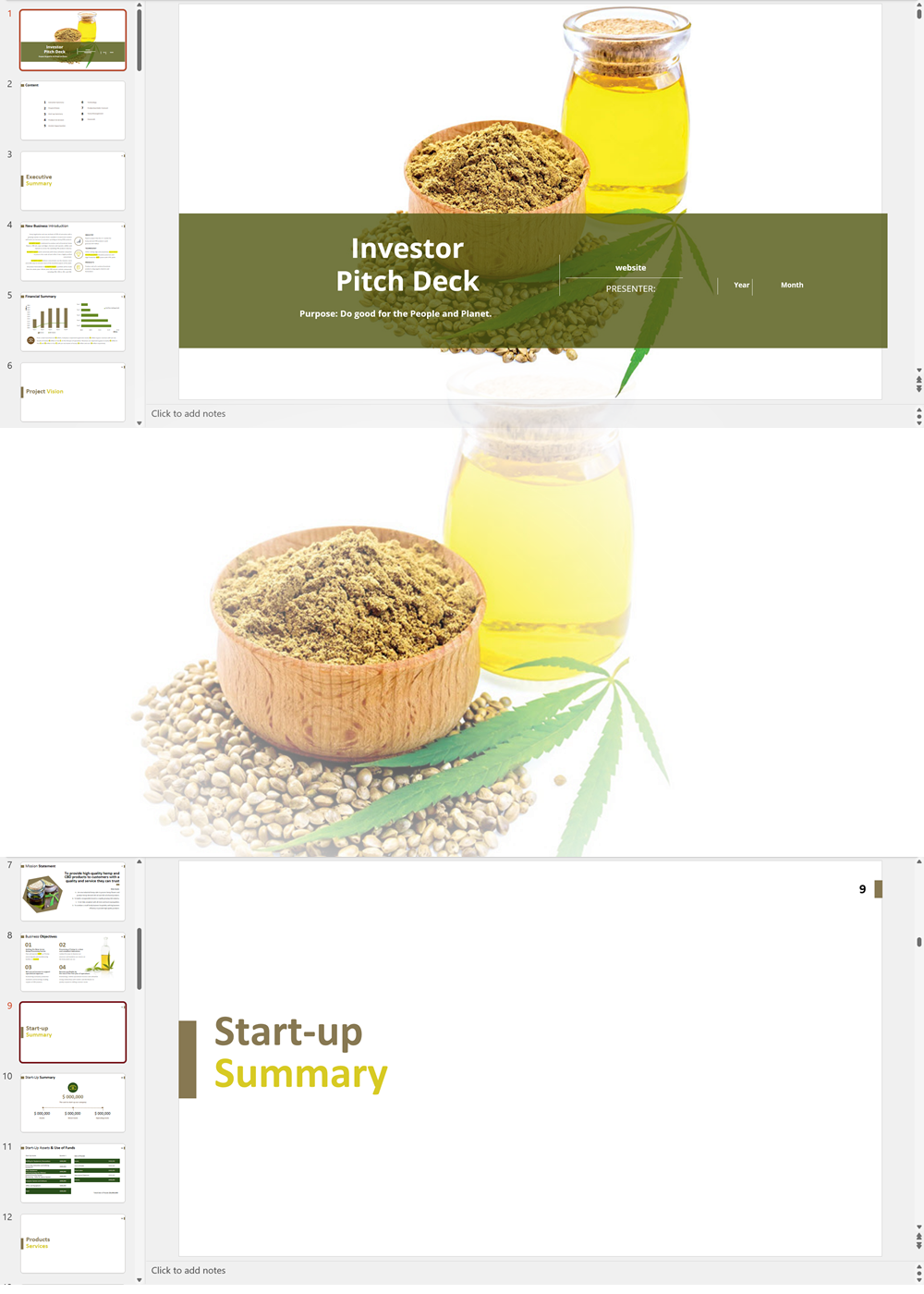
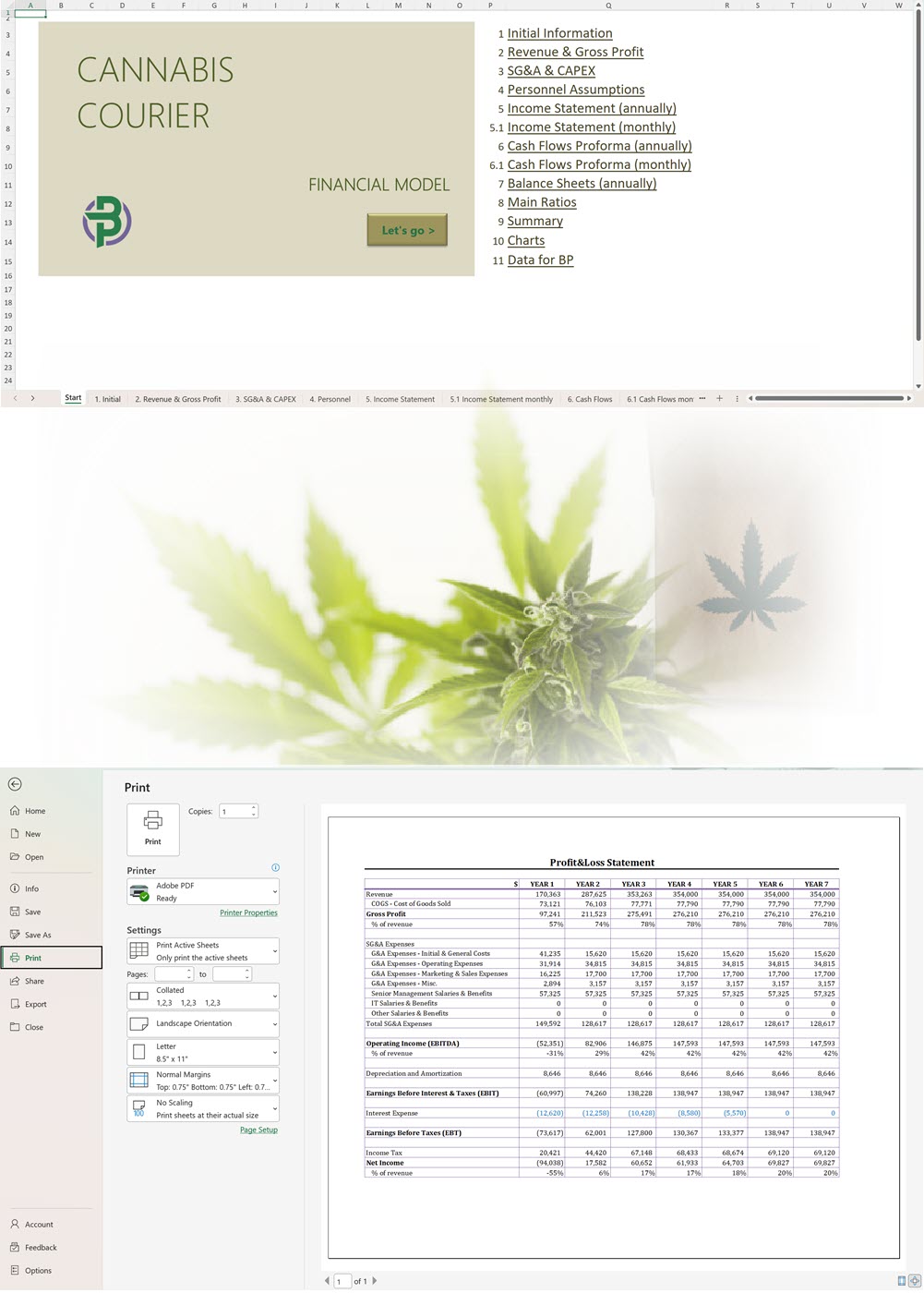
Cannabis Courier Financial Model
$100.00
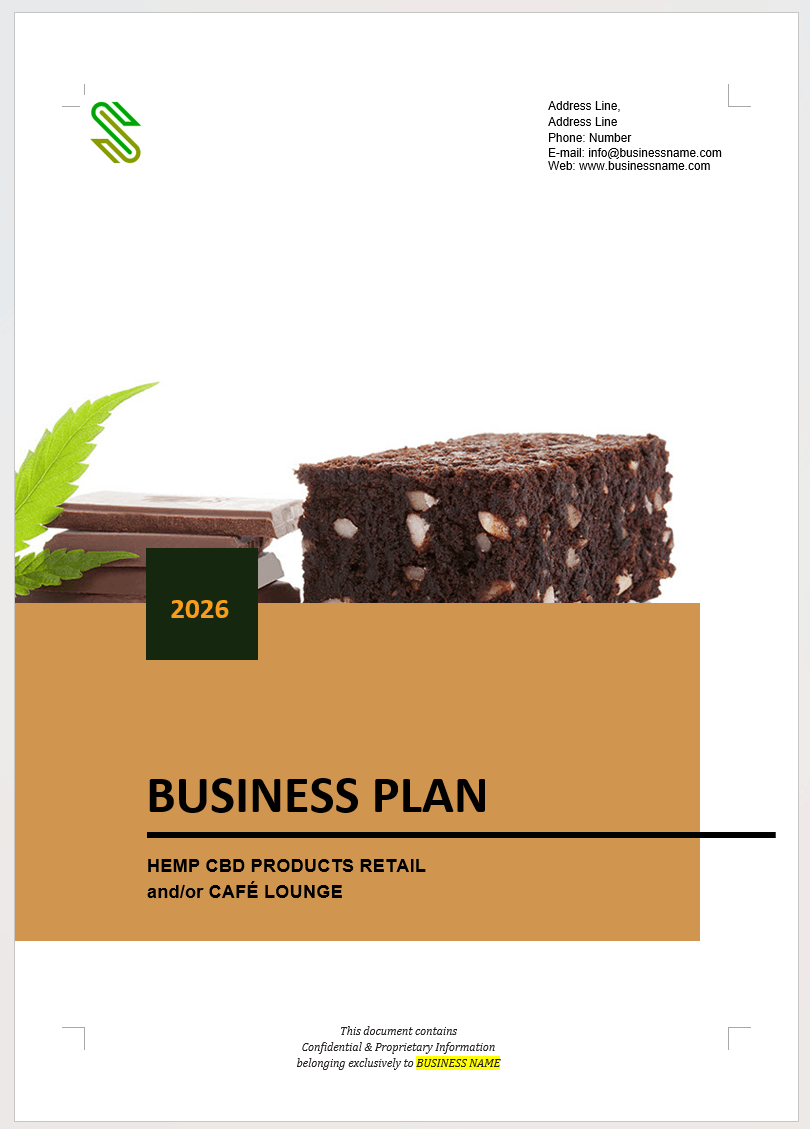
CBD Store and/or Cafe Lounge Business Plan Template
Price range: $75.00 through $275.00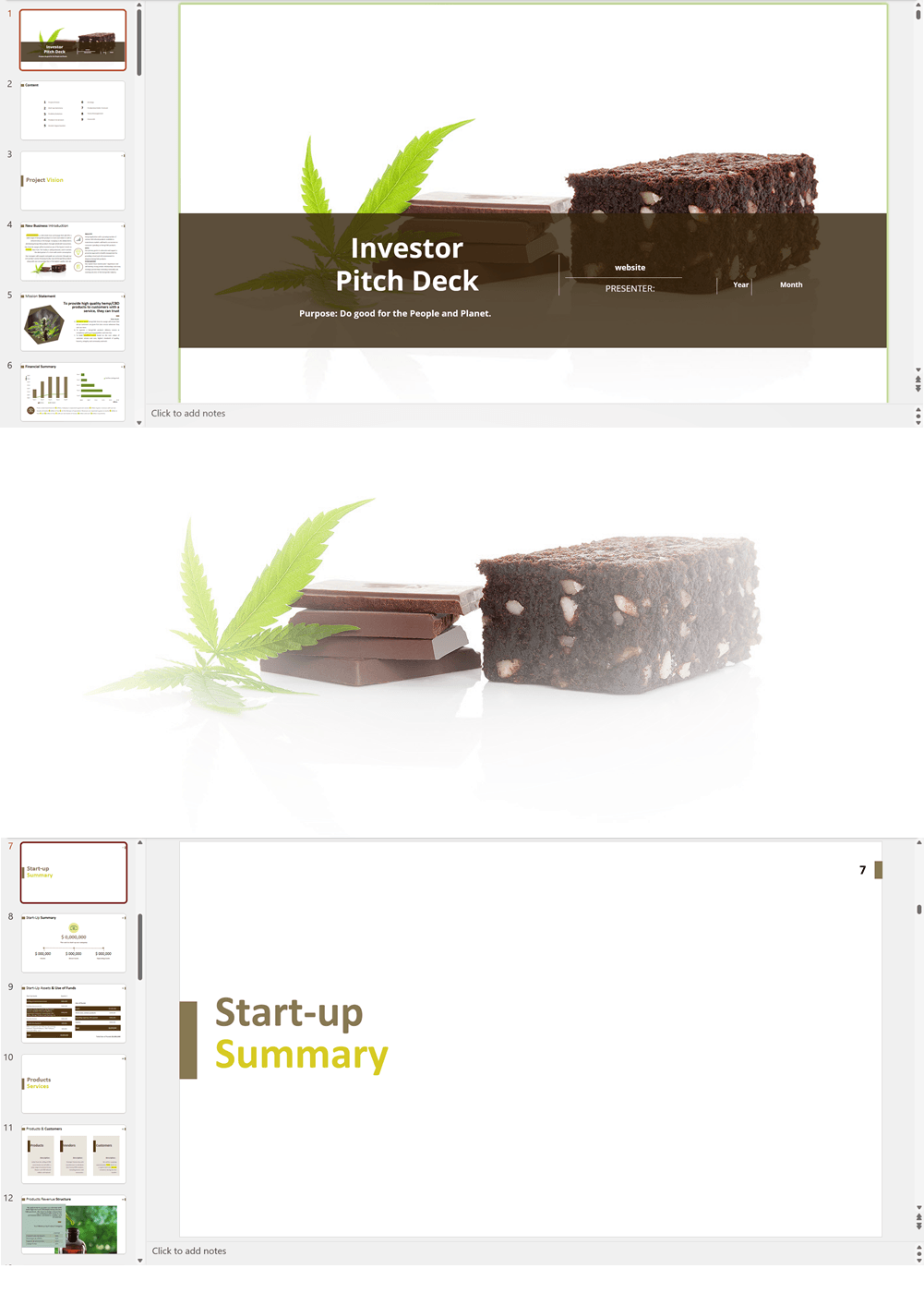

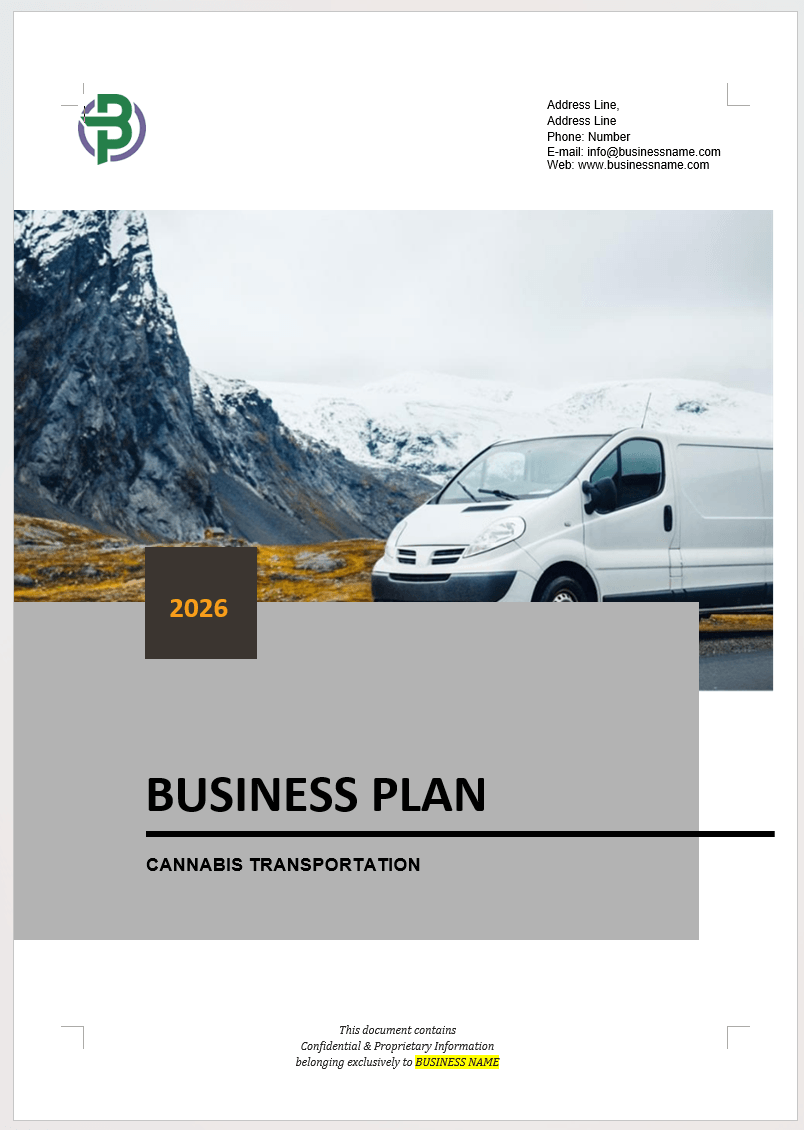
Cannabis Transportation Business Plan Template
Price range: $75.00 through $275.00