Cannabis Processor or Manufacturer License
A cannabis manufacturer (processor) license allows a business to legally process cannabis. Licensed manufacturers can sell to licensed retailers and other licensed manufacturers. In some states licensed manufacturers may also process cannabis into a concentrated form for a patient license holder for a fee. Manufacturers license types can be based on the activities performed and the chemicals used for extraction and post processing. A licensed manufacturer can 1) use volatile or non-volatile solvents (depending on a license type) for extraction or post-extraction processing of cannabis extract, or mechanical extraction, 2) make cannabis products through infusion, 3) package and label cannabis products.
Cannabis Extraction Business Trends
Demand for cannabis concentrates and edibles is exploding, offering a window into trends that will likely play out in the larger cannabis industry over time. Nationally, patients and consumers who favor concentrates spend an average of $4,800 each year, more than double the average amount spent by cannabis users in general, according to What Cannabis Patients and Consumer Want, a marketing research report published by Marijuana Business Daily.
Nearly 70% of edibles manufacturers produce other products such as concentrates and topicals. Sixty percent of concentrates manufacturers also offer a diverse product mix. Despite the dominance of edibles and concentrates, less than a quarter of infused businesses produce these types of products solely.
According to Arcview Research, after recreational cannabis legalization, the edibles market went from $17 million to $53 million in the first 2.5 years in Colorado and soared 121% within first year in Washington state.
Key insights from a report produced by a data analytical company Headset revealed that between 2020 and 2021, flower represented 50% of the total sales volume growth in the U.S. but contributed less than 45% from 2021 to 2022 according to a report from New Frontier Data. Flower market share fell a further 4% in 2023, but continued to hold the majority of sales at 41% of the market, according to Headset’s analysis. This is followed by cartridges with 24% of sales and pre-rolled joints with 12%.
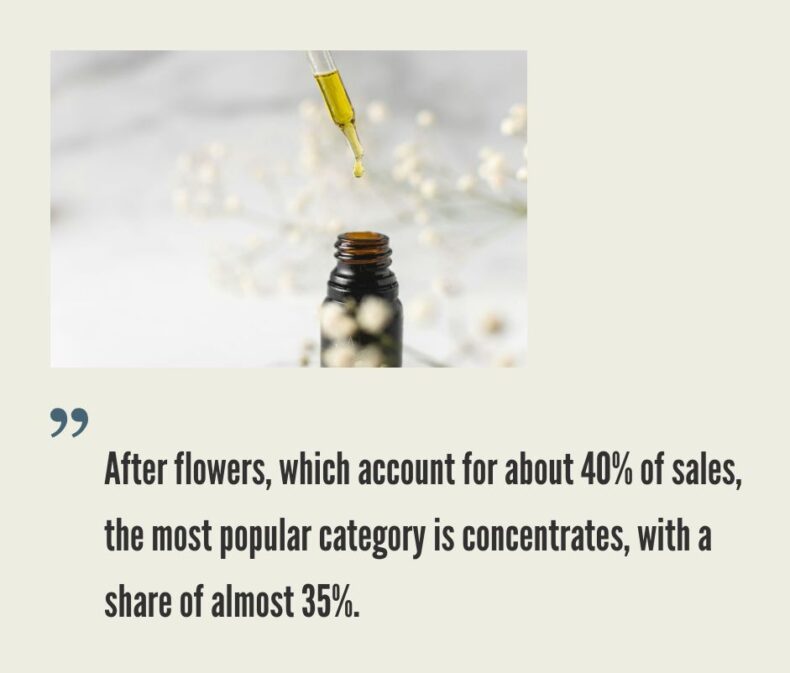
According to Forbes, cannabis flower remained the top-selling product category in the regulated industry in 2024, accounting for about 40% of retail sales and 39% of wholesale sales. After flower, the most popular categories were vape cartridges (about 22% of wholesale sales), edibles (14%), pre-rolls (13%), and cannabis concentrates (12%).
Cannabis Concentrates Market Size
In 2024, the global market for cannabis extracts (oil, shatter, wax and hash) was valued at approximately $5 billion, and the cannabis vaporizers market generated sales of over $9 billion. Their combined value is expected to reach $25 billion by 2030, at a CAGR of about 10%.
Cannabis Solventless Extraction
One of the key hurdles that concentrates must face has to do with a negative public perception of the extraction process. However, as innovation and technology becomes a more integral part of the industry, producers of concentrates are developing cleaner, safer, and more efficient tools and processes to overcome this stereotype. Companies are going to be constantly on the lookout for ways to improve their processes and maximize their returns on the cannabis plants they use.
While solvent-based extraction techniques involve chemical dissolution, solvent-free extraction is essentially a mechanical separation process that uses heat, pressure, ice, or water. End products include live rosins, diamonds, shatter, wax, budder, sugar, sauce, oil.
Solventless products are characterized by more stable retail prices and contributing to the growth of the cannabis concentrates sector overall, up 17.6% from 2020 to 2021 in five recreational states, according to Headset.
While solventless products make up a relatively small share of total cannabis sales, an analysis of BDSA Retail Sales Tracking data shows that the solventless category is primed for premiumization and growth in legal cannabis markets. One top product trend going into 2023 was the rise of solventless cannabis products, particularly in the dabbable concentrate category, but also in the vape category. Across all BDSA tracked markets (AZ, CA, CO, FL, IL, MA, MD, MI, MO, NV, NJ, NY, OR and PA), solventless products made up 16% of monthly dabbable dollar sales in January 2023.
Rosin is the most popular solventless extract on the market today, accounting for 14% of total dabbable concentrate category sales or about 87.5% of all solventless extract types in this category. Today, rosin and solventless cartridges are more common in more mature legal cannabis markets such as Colorado and California. Some consumer education may be needed in new markets, but solventless extracts can be expected to find a niche in the premium sector there as well.
Cannabis Extraction Business: Costs and Profits
$1 million scenario:
- $150,000 legal and professional fees, insurance
- $50,000 building renting (including security deposit)
- $60,000 marketing campaign
- $50,000 space improvements including finishing/painting, kitchen, office space, bathrooms, etc.
- $300,000 extraction equipment
- $125,000 post-processing lab/refining equipment
- $35,000 security system
- $5,000 computer system
- plus direct costs, including material
- plus salaries, direct and managerial
- plus operational and administrative costs
= approximately $1,000,000 start-up expenses
Revenue = $5,085,600 (100%)
-Direct Costs = $2,640,051 (52%)
Gross Profit = $2,445,549 (48%)
– Operating Expenses = $678,572 (13%)
Operating Income = $1,766,977 (35%)
Check ‘How Much Does It Cost to Start a Cannabis Extraction Business?‘ for more details
Cannabis manufacturing business conditions differ from country to country and state to state and if you have planned to set up your own business, then you must comply with the laws of your particular location. Licensing requirements will also depend on the type of business you wish to start.
'70% ready to go' business plan templates
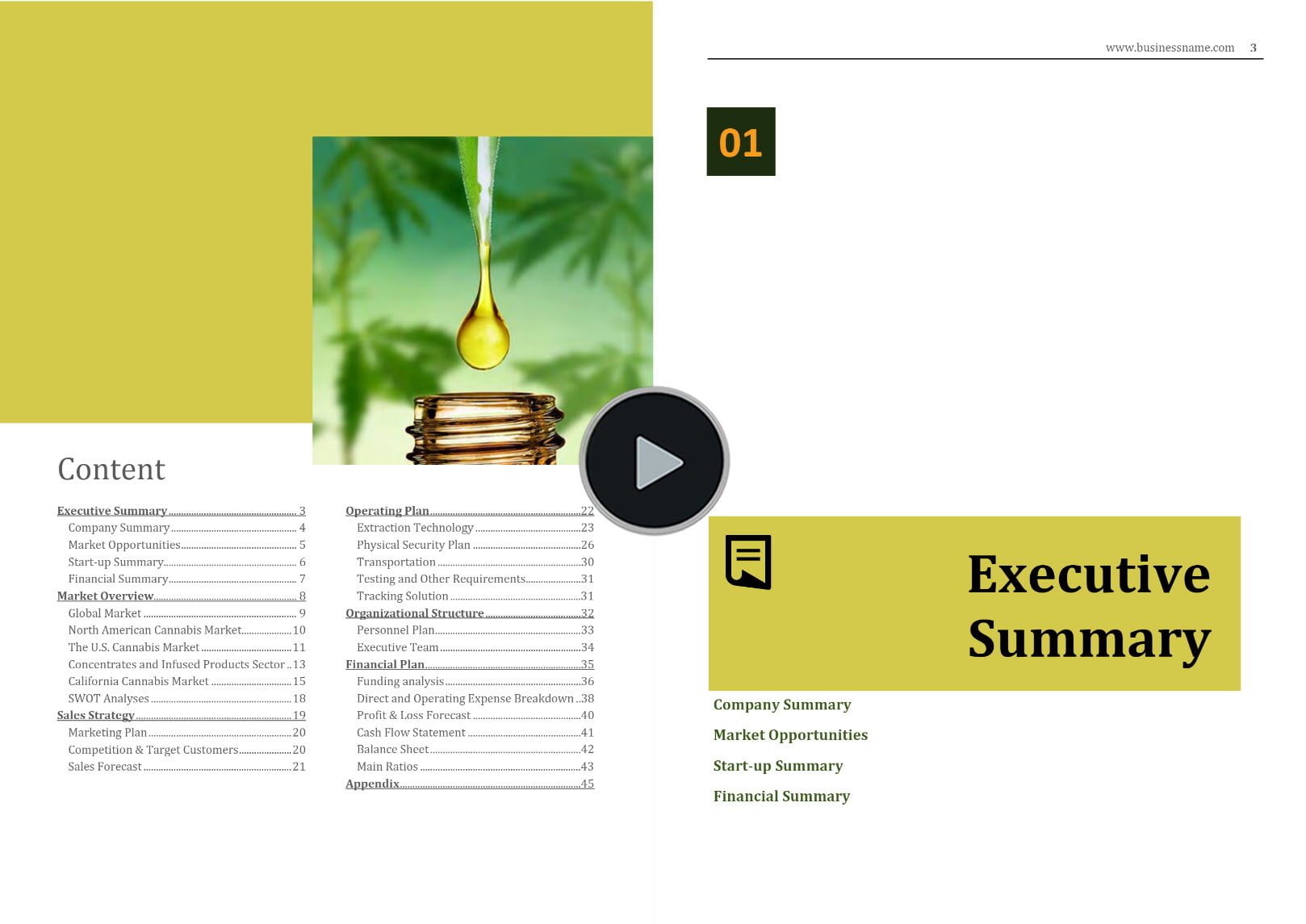
Our cannabis extraction financial models and cannabis extraction business plan templates will help you estimate how much does it cost to start and operate your own cannabis extraction business, to build all revenue and cost line-items monthly over a flexible seven year period, and then sums the monthly results into quarters and years for an easy view into the various time periods.
Should you have any questions, please do not hesitate to contact us.
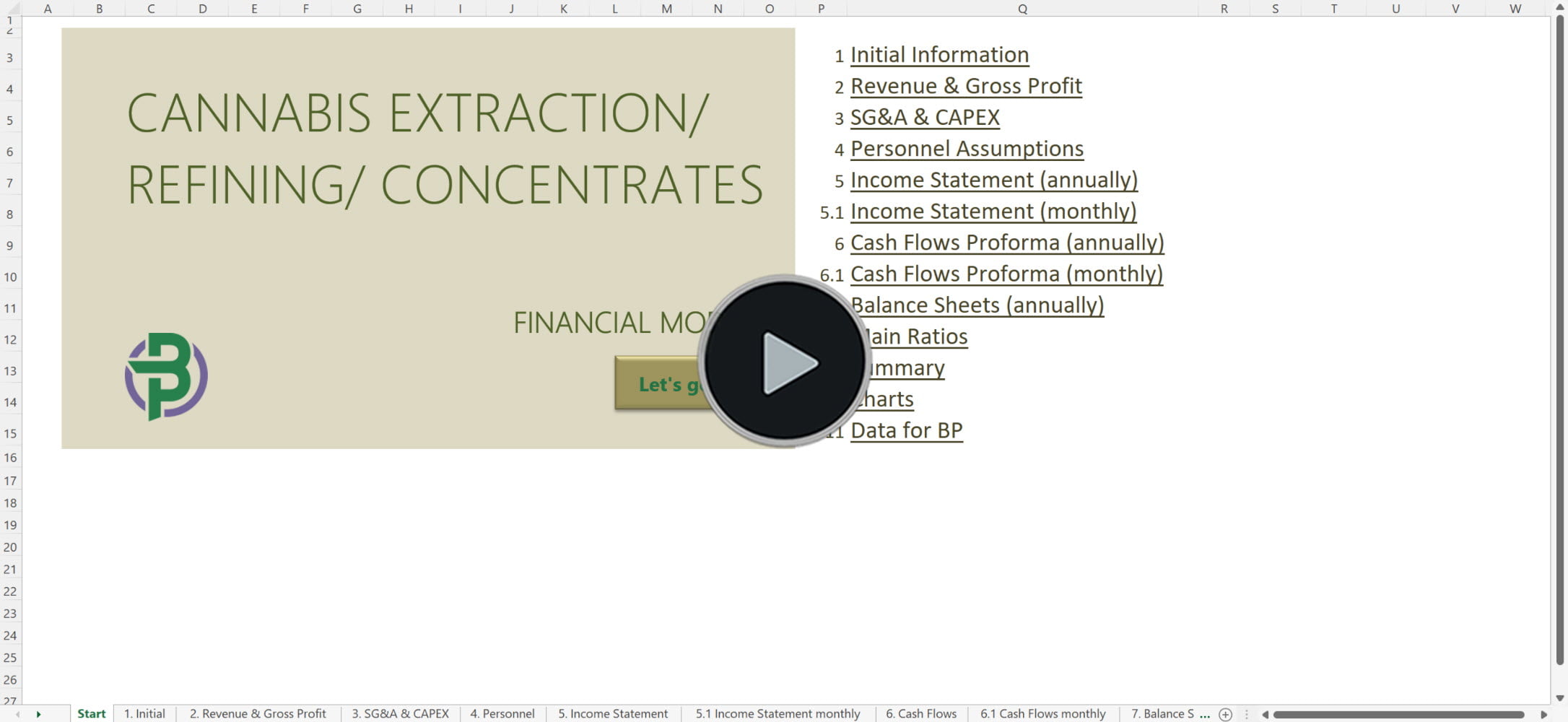
Cannabis Extraction/ Concentrates Financial Model Sample (Massachusetts)
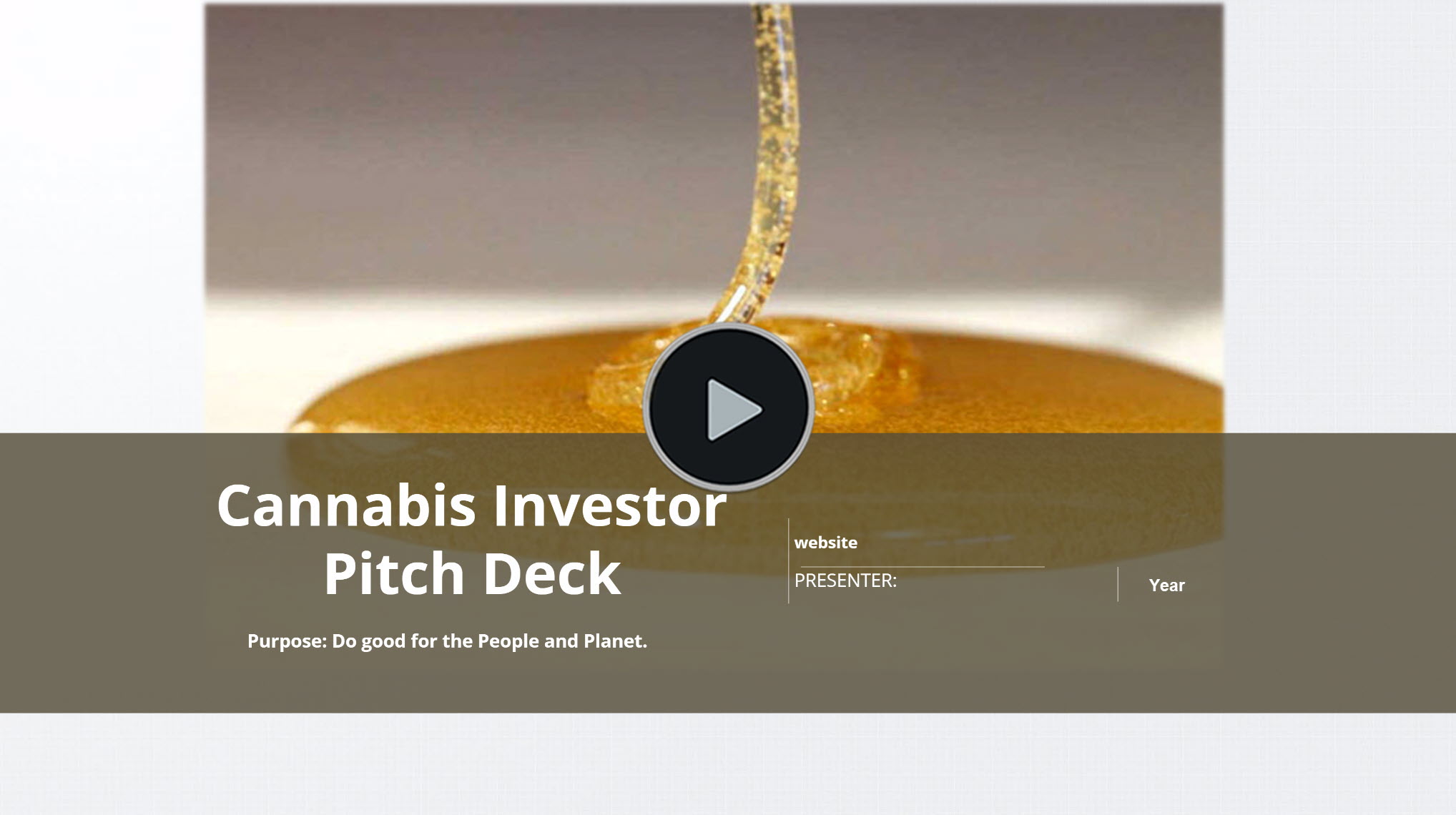
CBD Oil Extraction Lab Business Plan Templates are available at hempcbdbusinessplans.com.
Our Templates
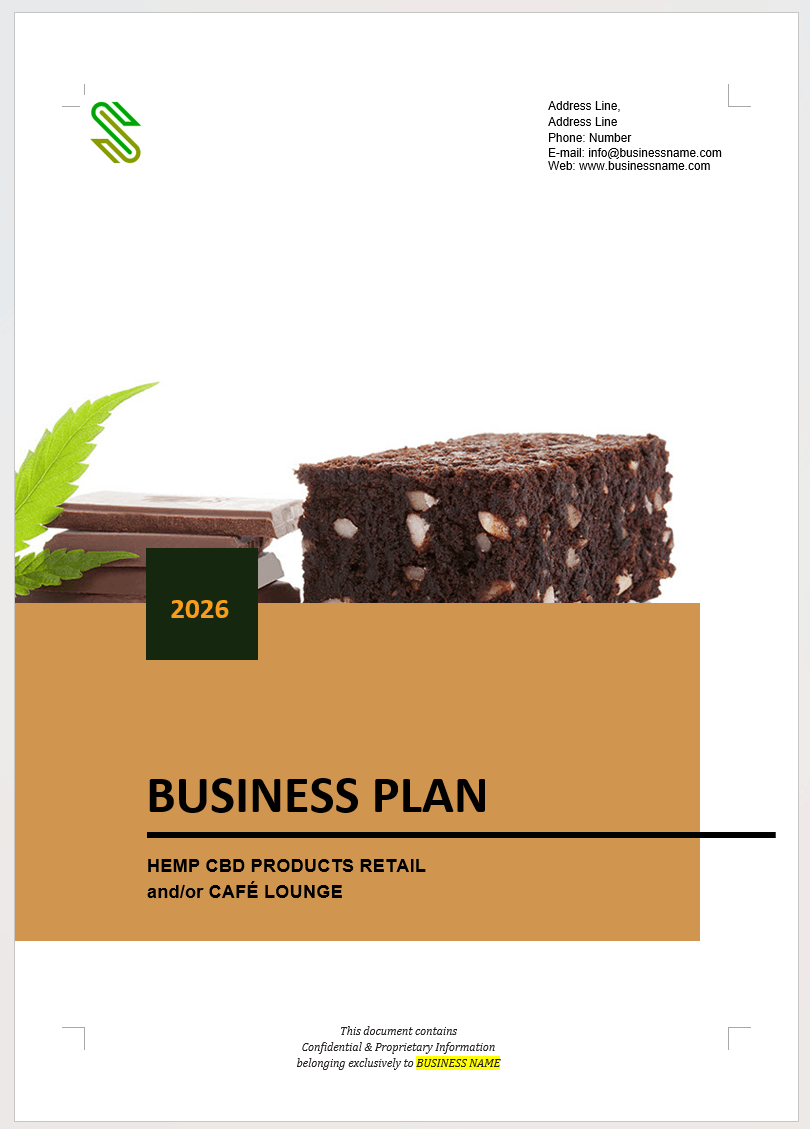
CBD Store and/or Cafe Lounge Business Plan Template
Price range: $75.00 through $275.00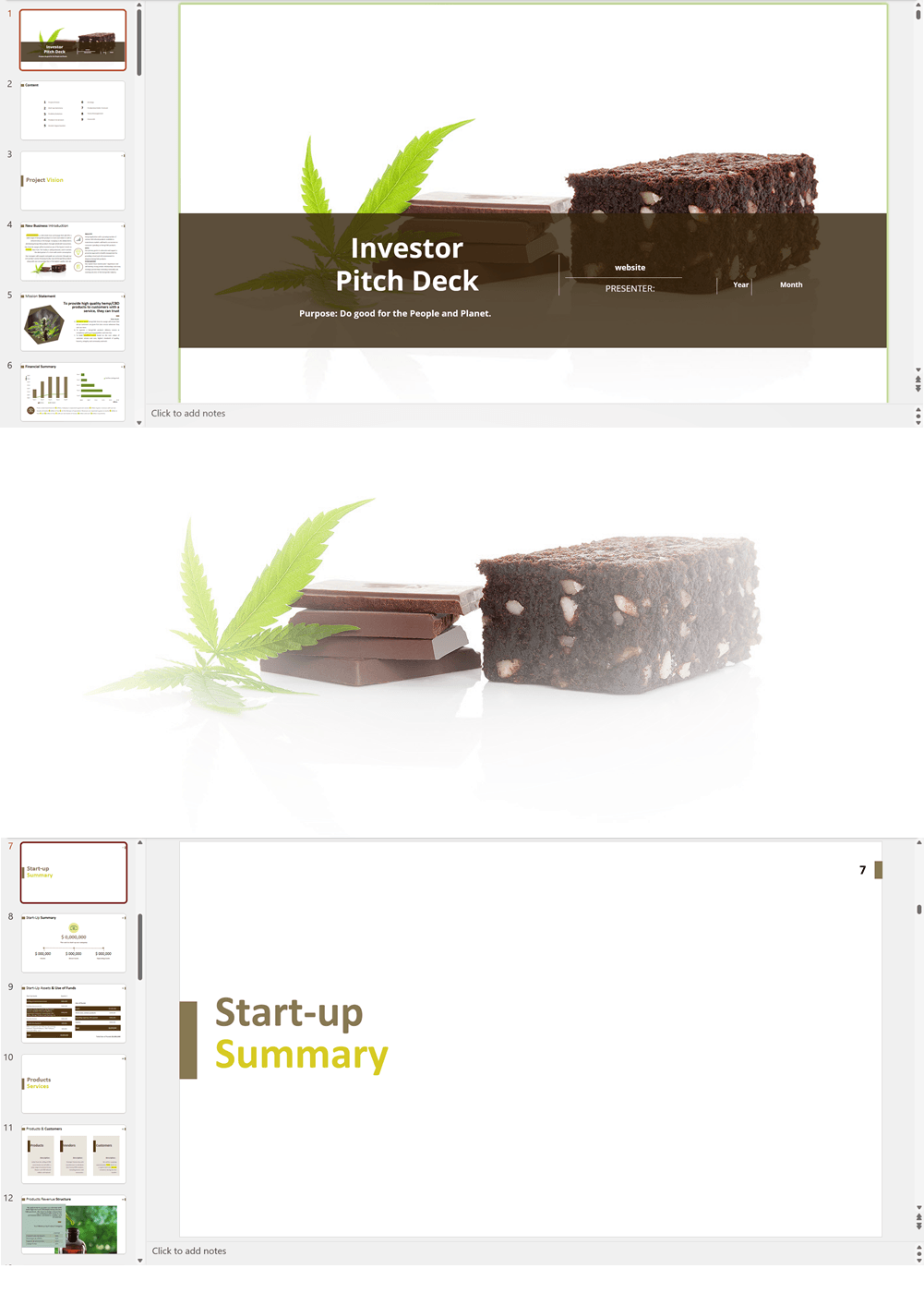

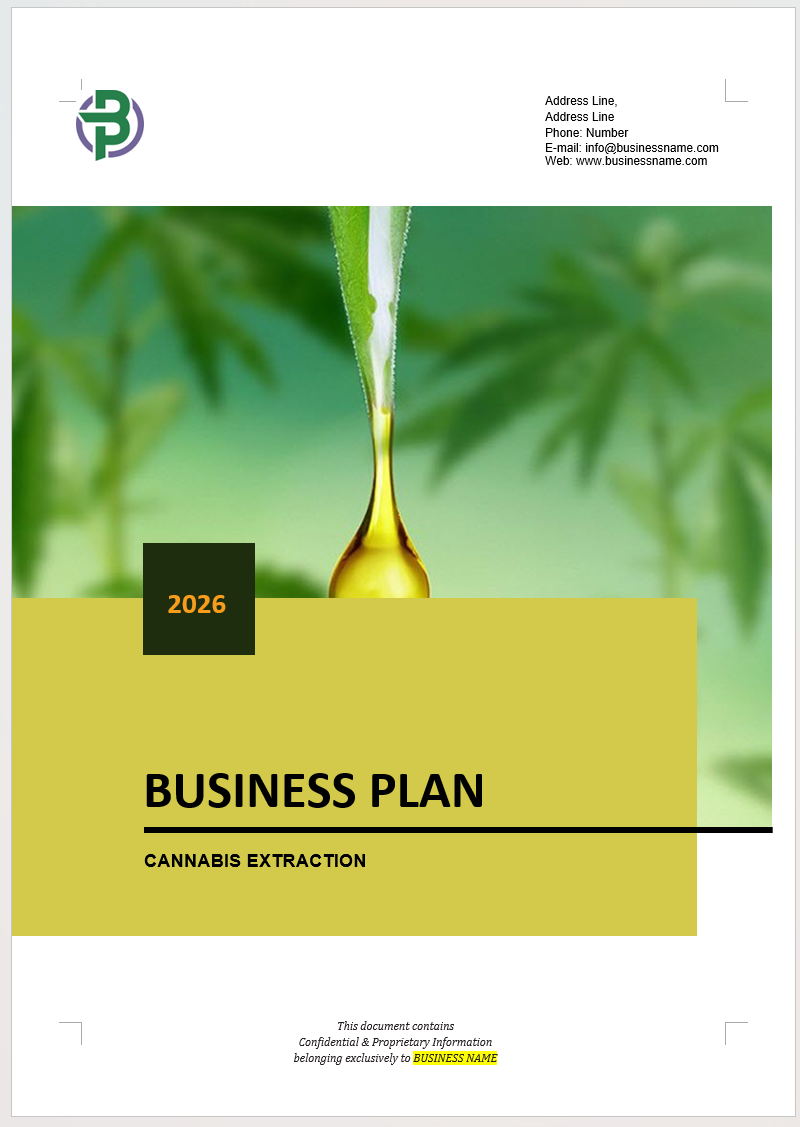
Cannabis Extraction / Concentrates Business Plan Template
Price range: $75.00 through $350.00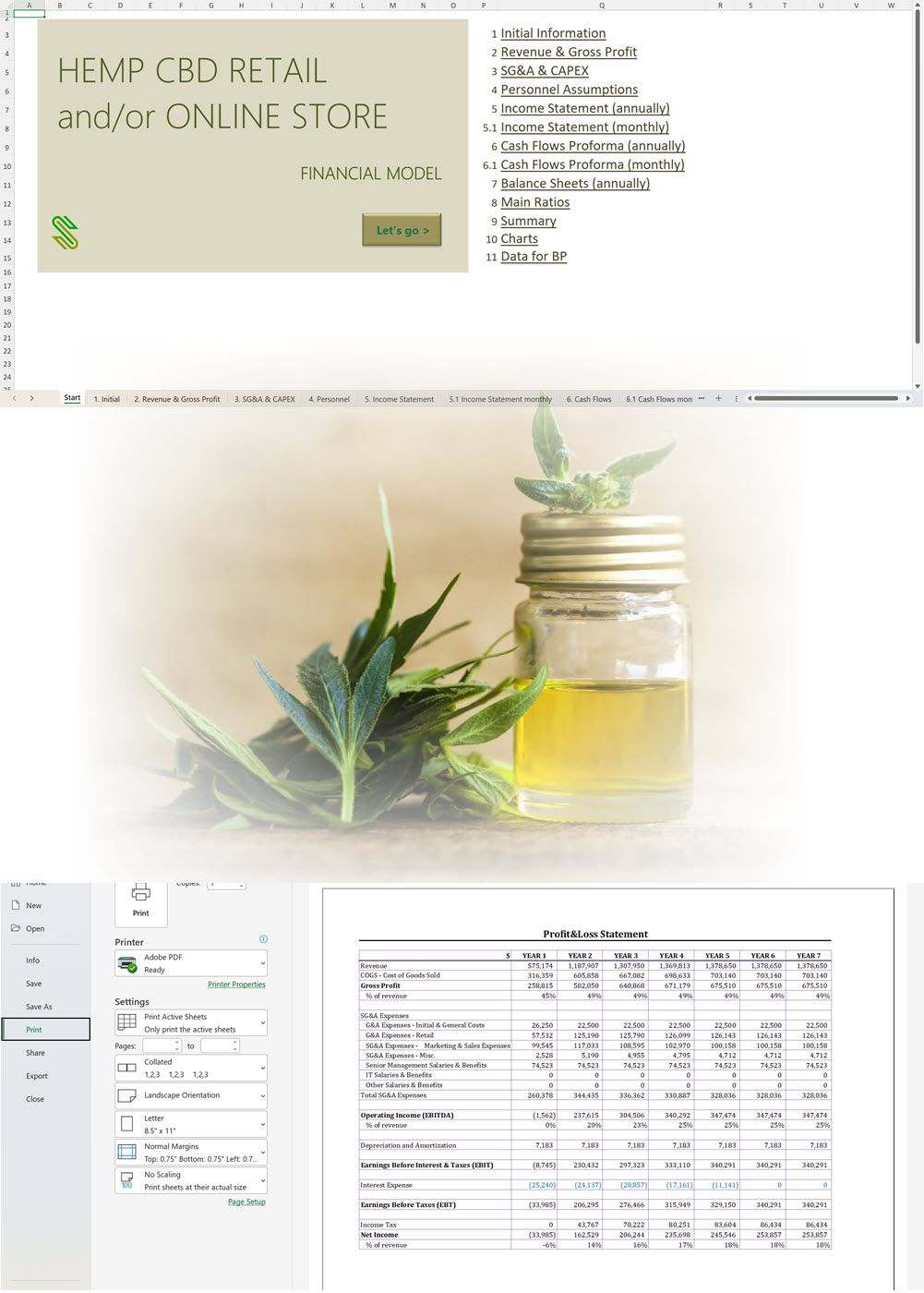
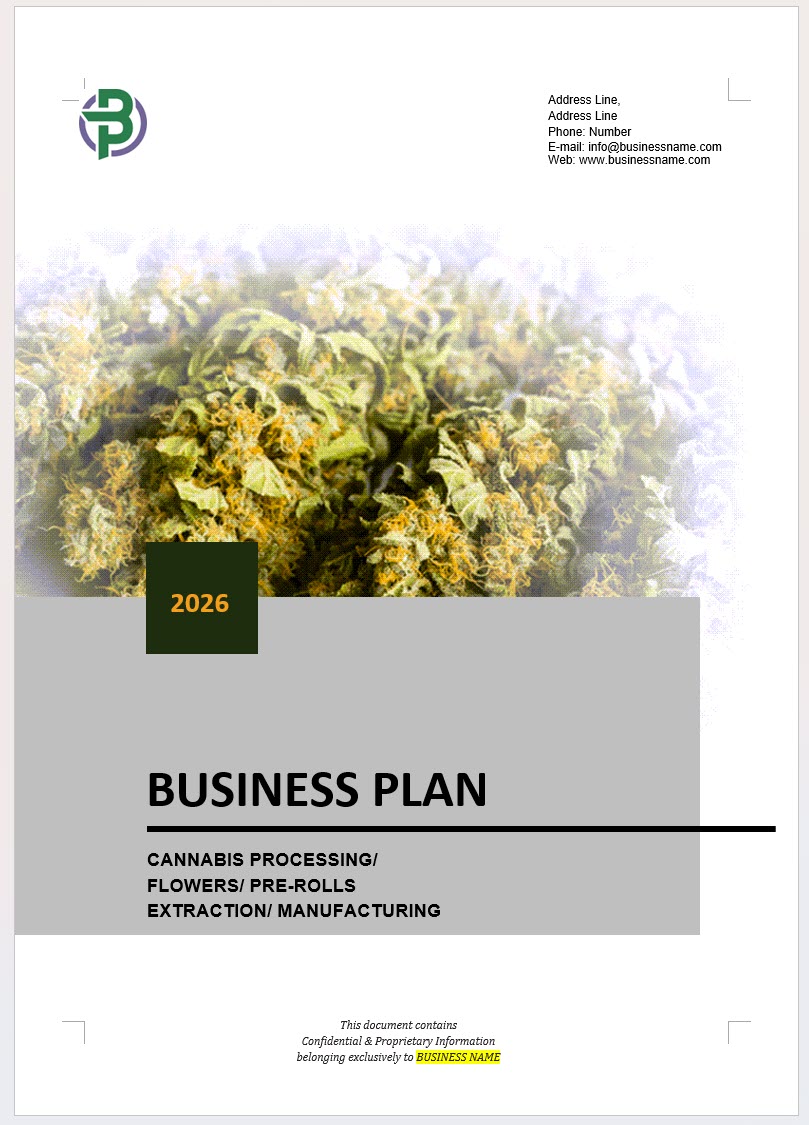
Cannabis Processing/ Flowers/ Pre-rolls/ Extraction/ Manufacturing Business Plan Template
Price range: $75.00 through $350.00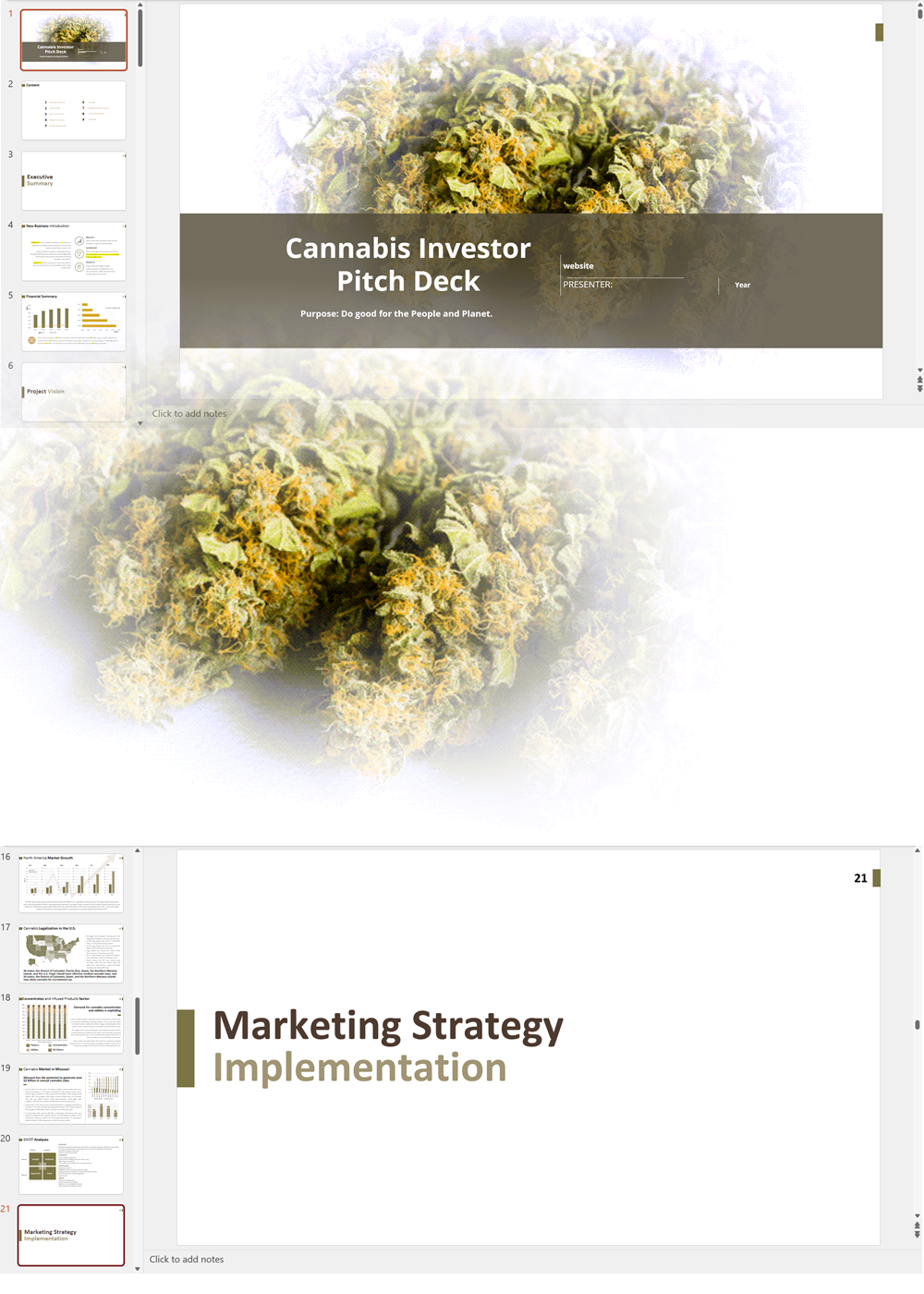
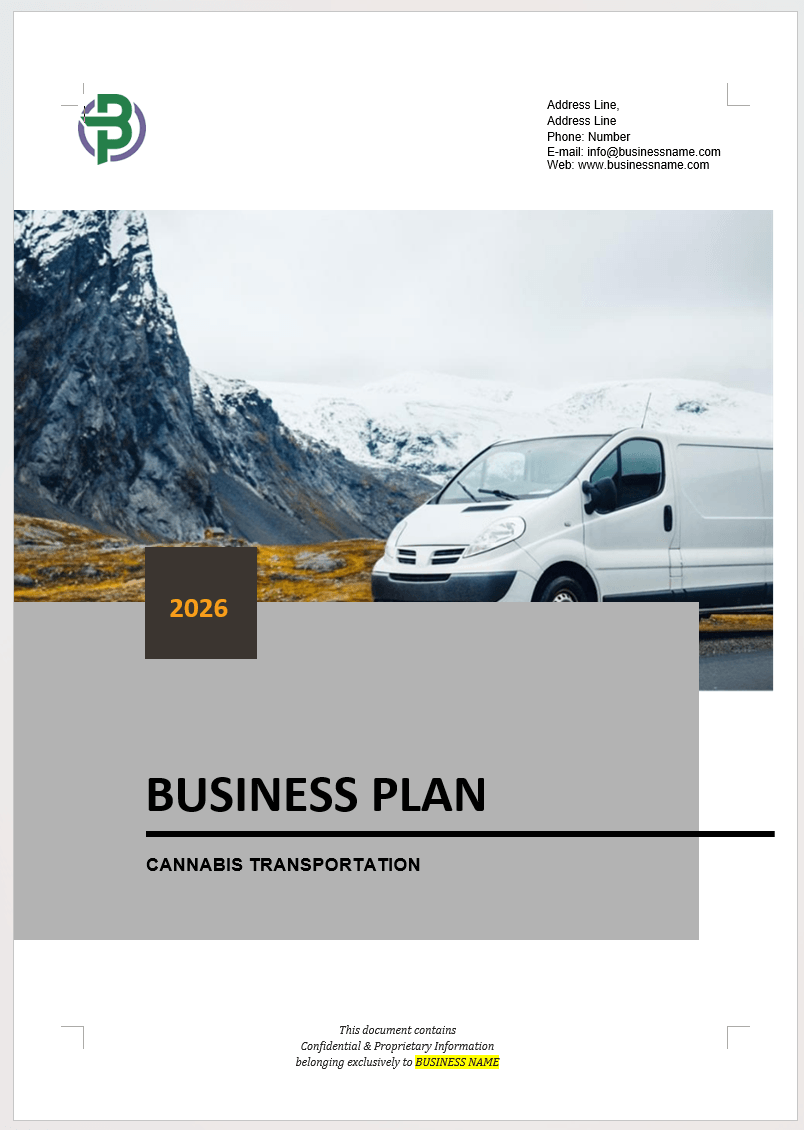
Cannabis Transportation Business Plan Template
Price range: $75.00 through $275.00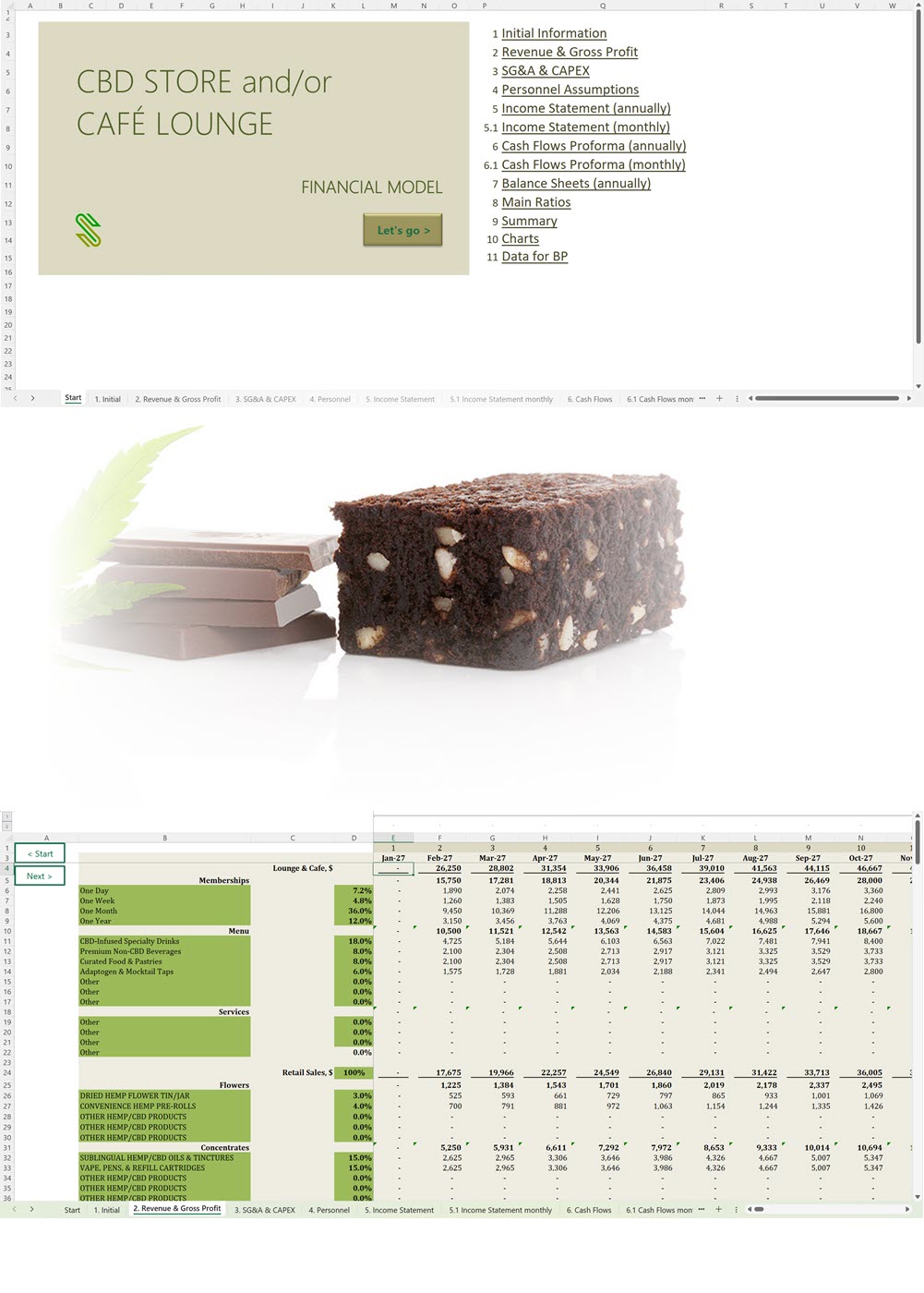
CBD Products Retail/Online Store Business Plan Template
Price range: $75.00 through $275.00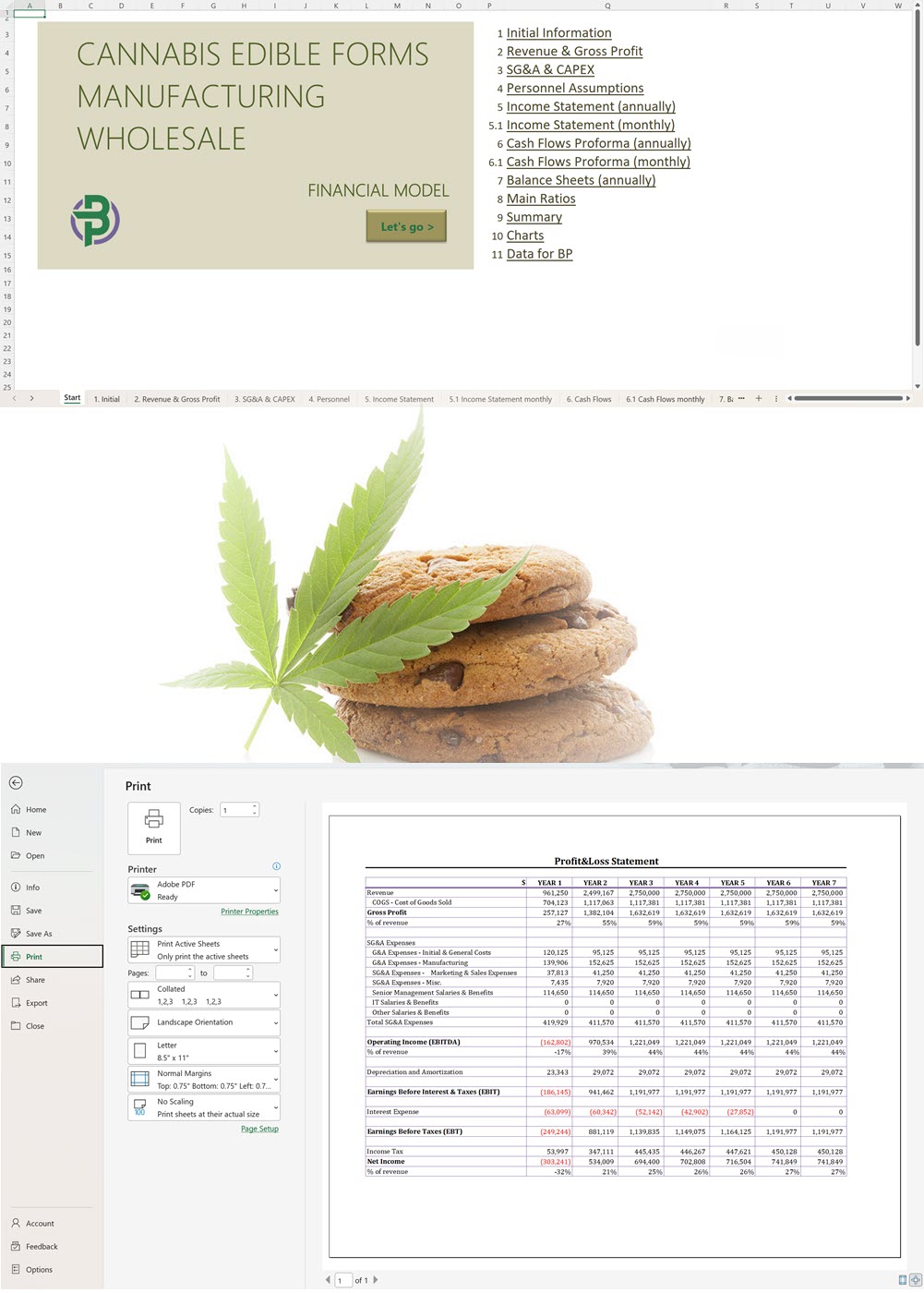
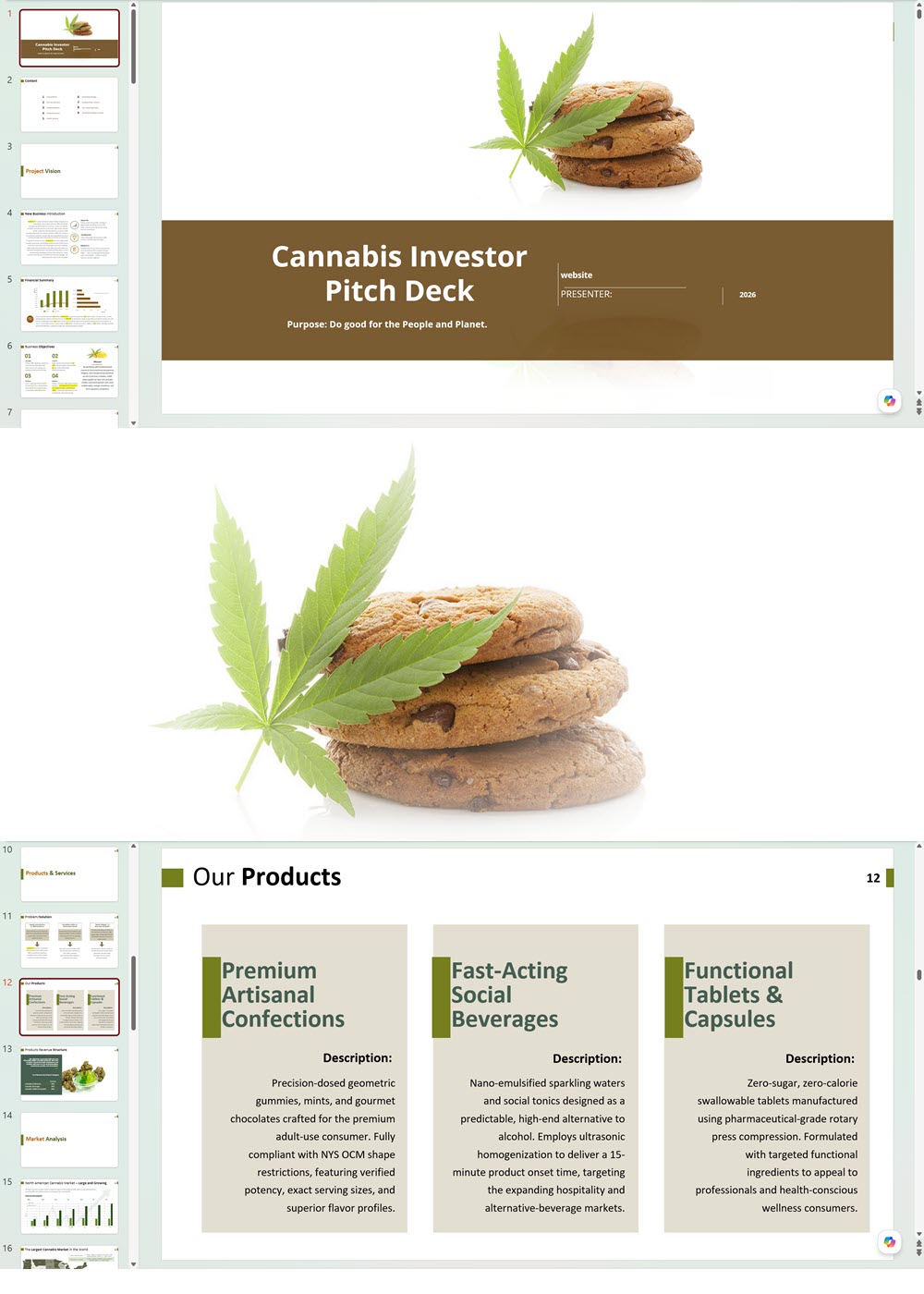
Cannabis Edibles Financial Model
$150.00
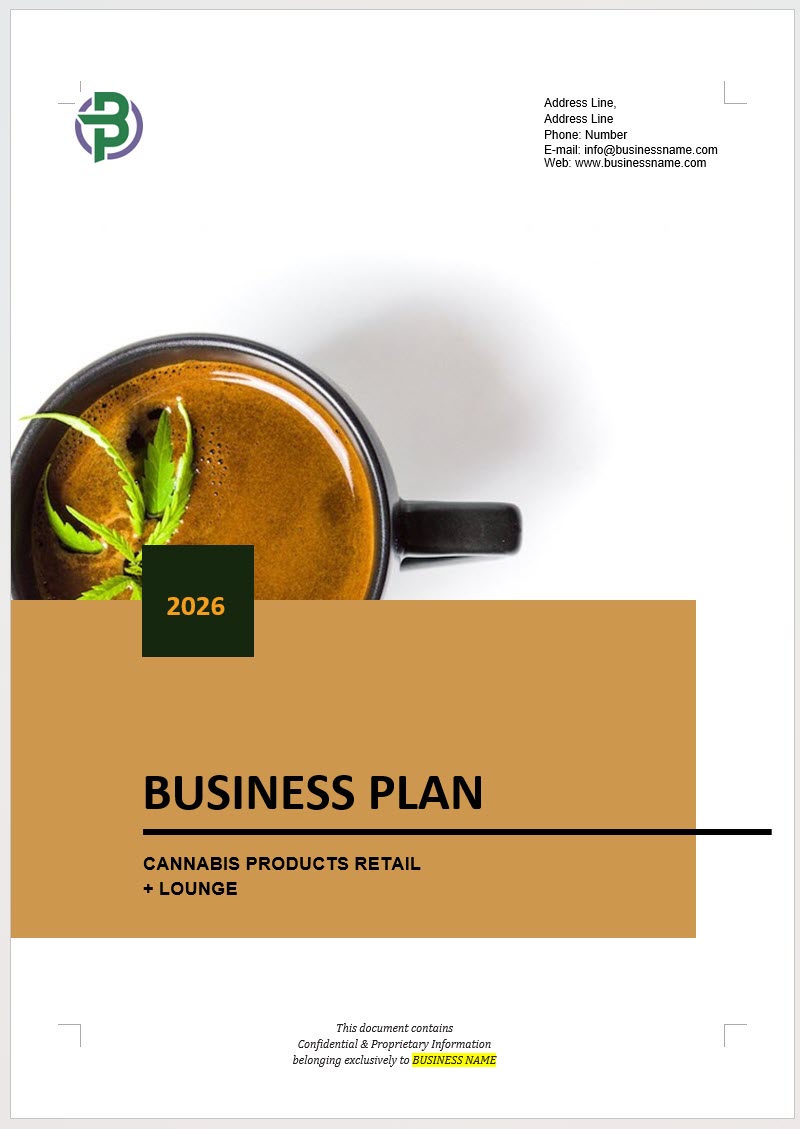
Cannabis Lounge + Retail Business Plan Template
Price range: $75.00 through $350.00
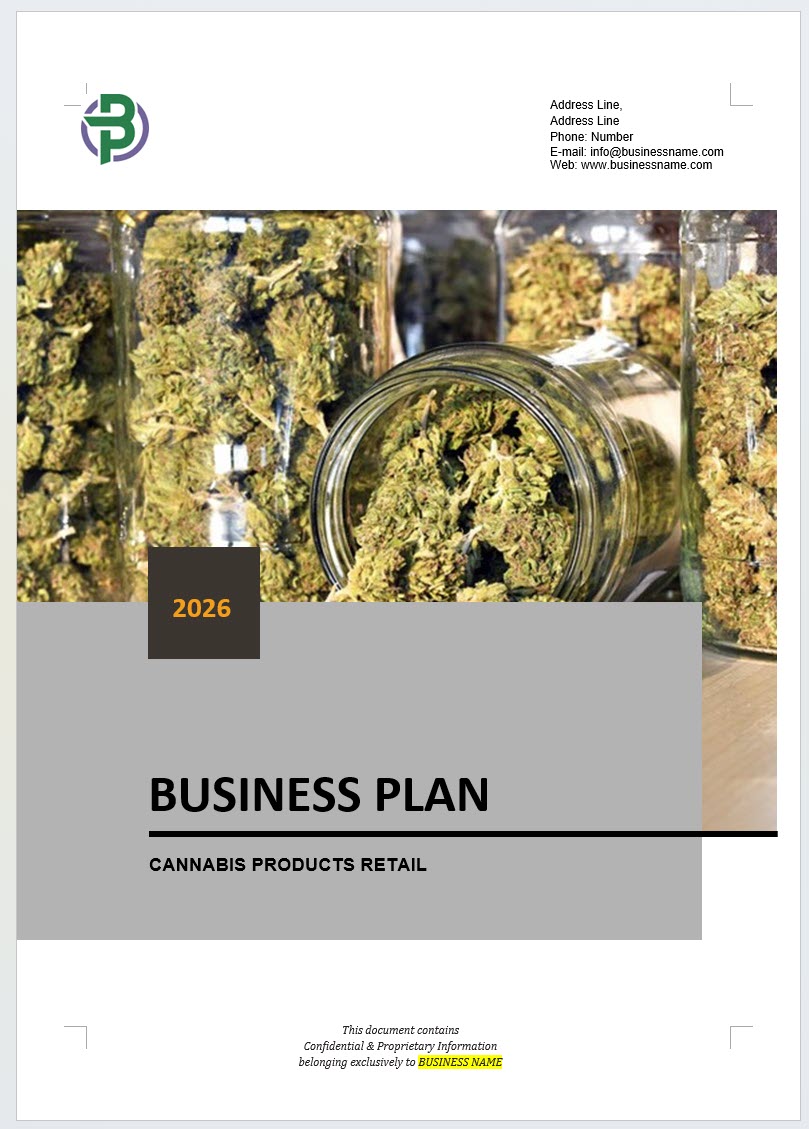
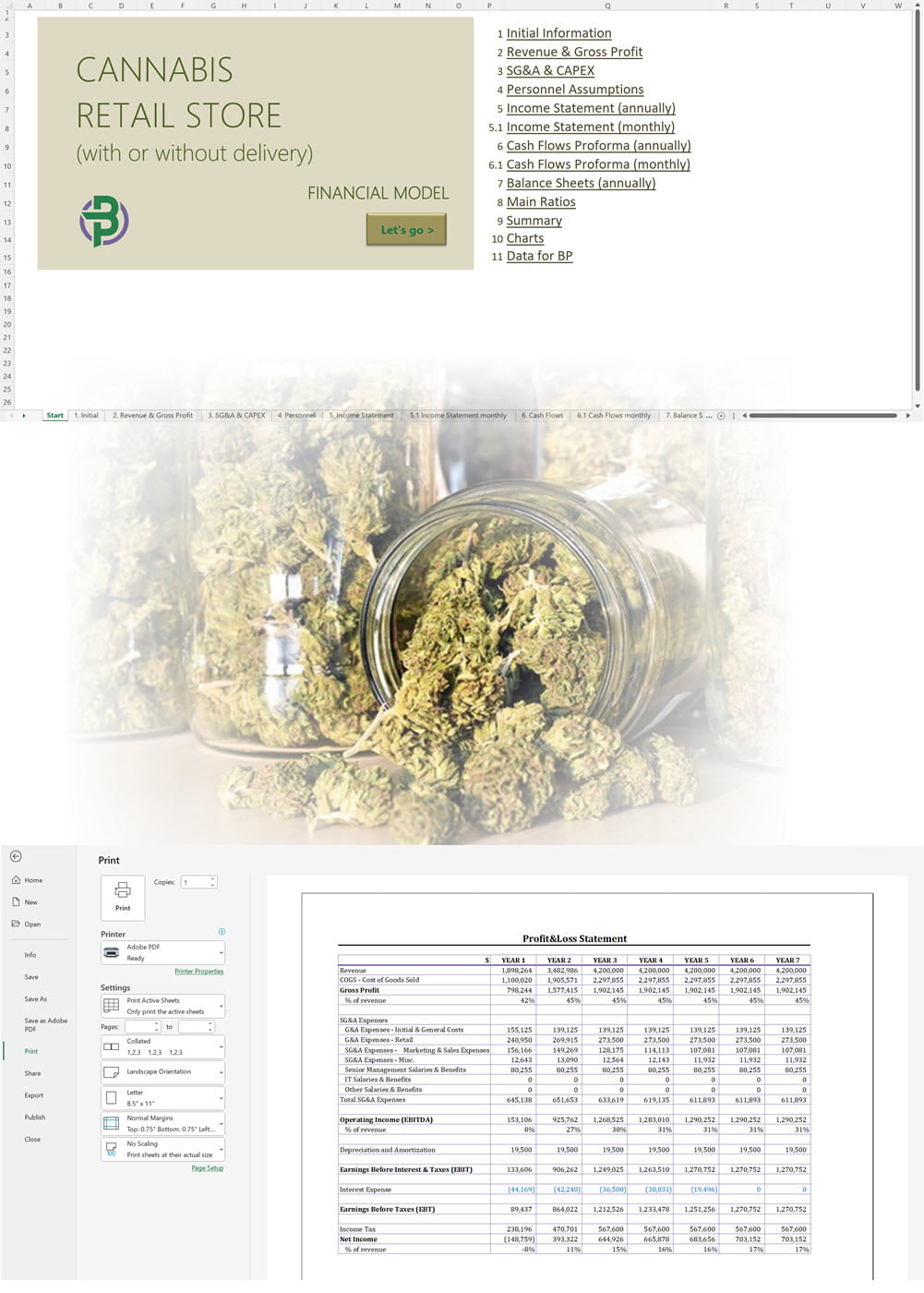
Cannabis Retail Business Plan Template (with or without Delivery)
Price range: $75.00 through $350.00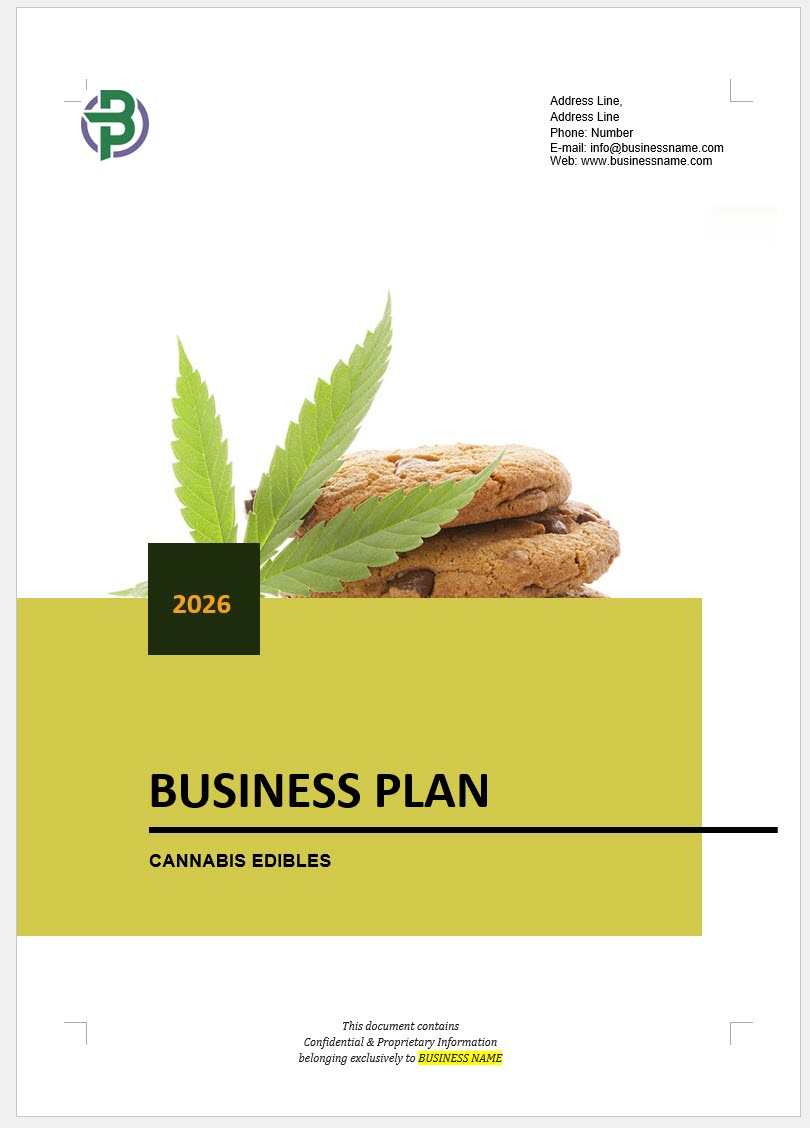
Cannabis Edibles Business Plan Template
Price range: $75.00 through $350.00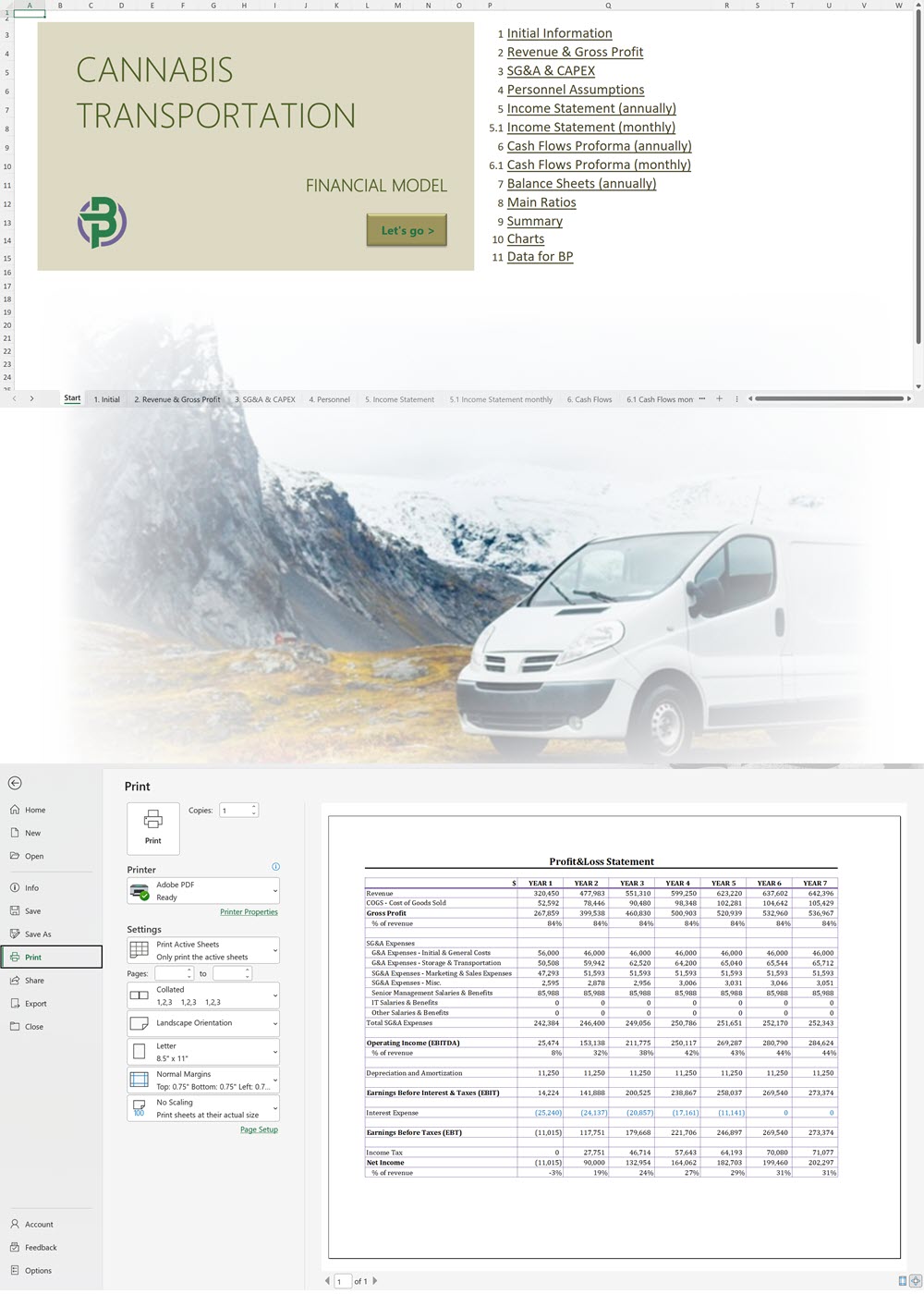
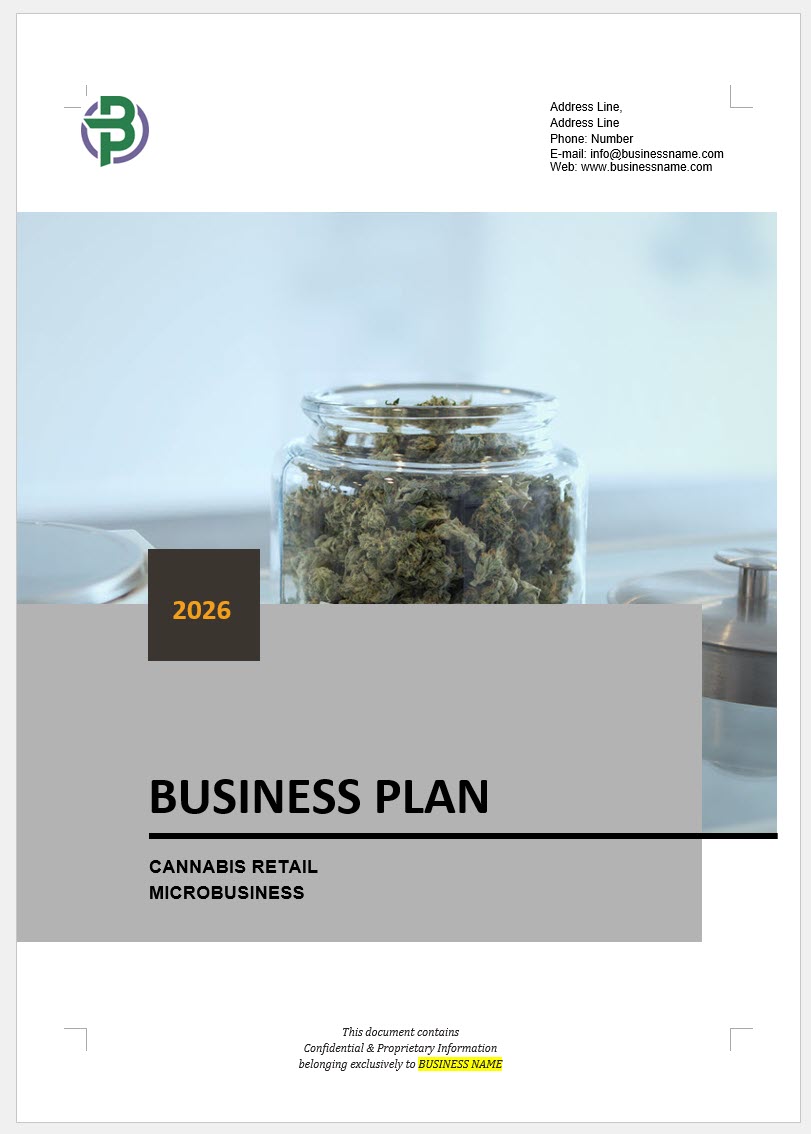
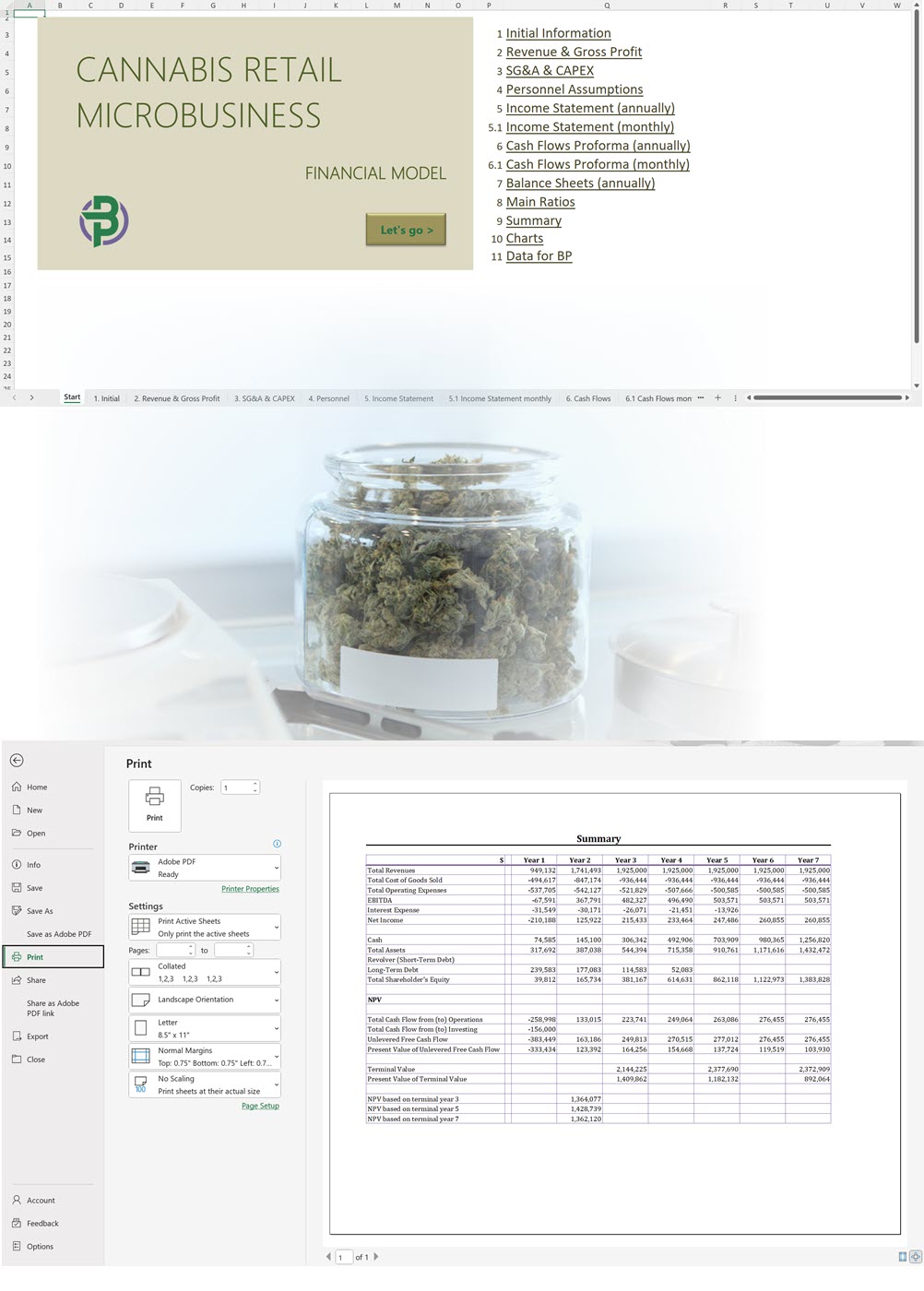
Cannabis Retail Microbusiness Business Plan Template
Price range: $75.00 through $275.00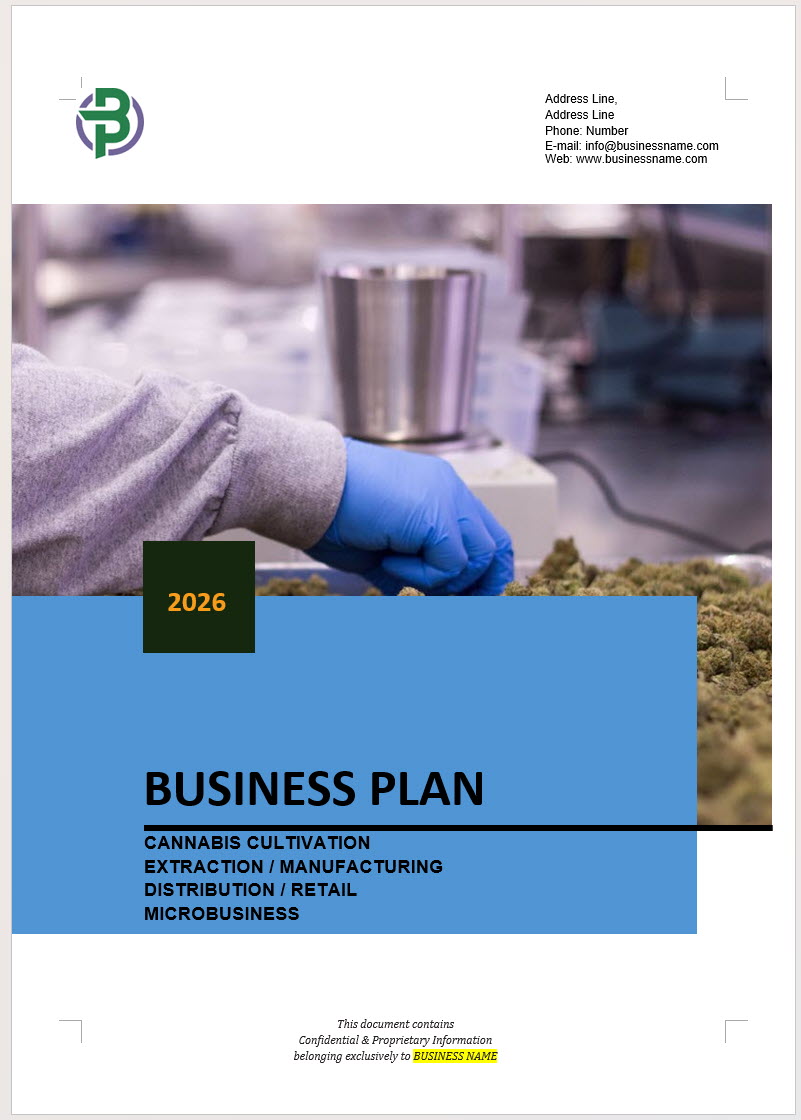
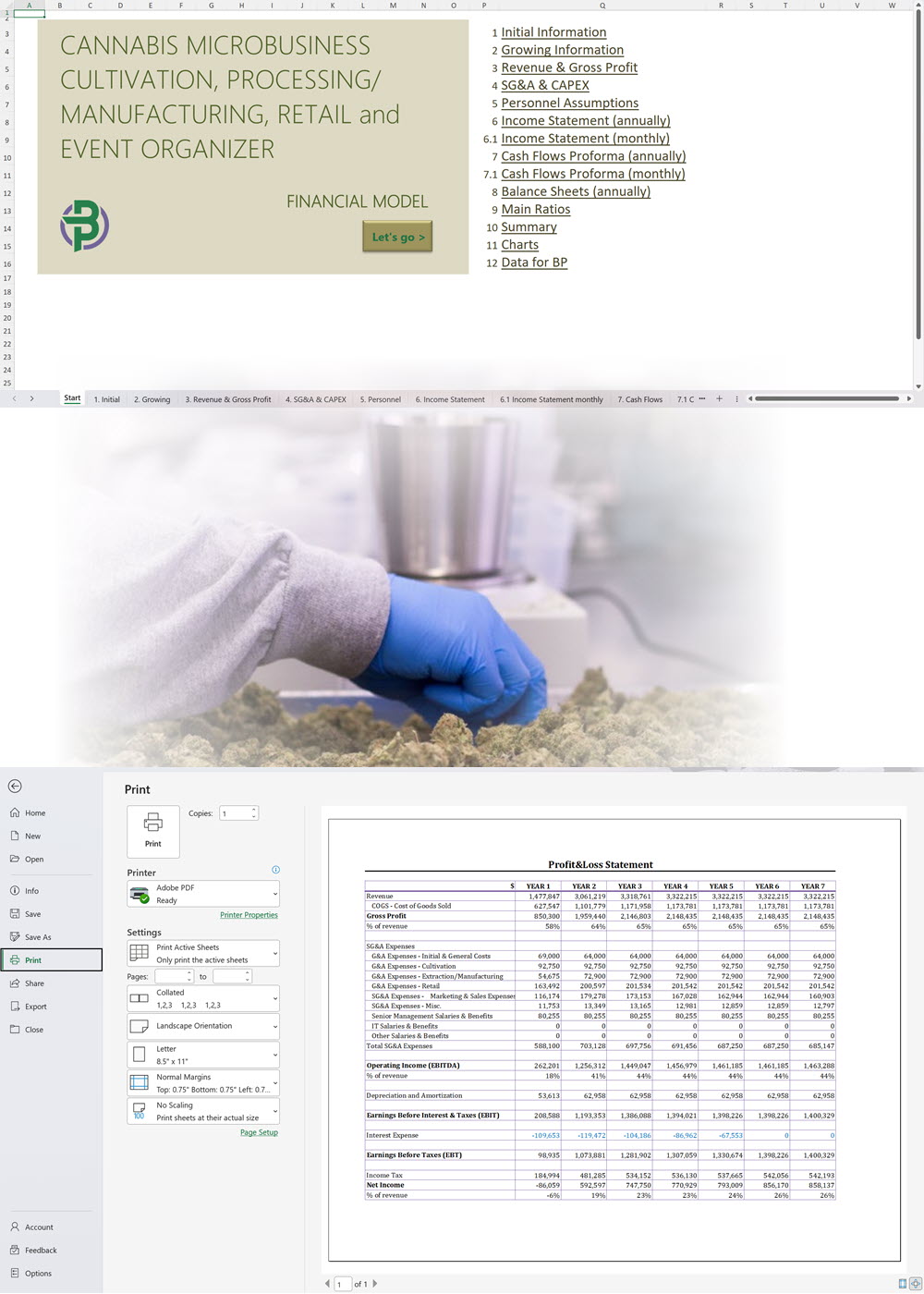
Cannabis Cultivation, Extraction, Manufacturing, Distribution, Retail and Microbusiness Business Plan Template
Price range: $75.00 through $500.00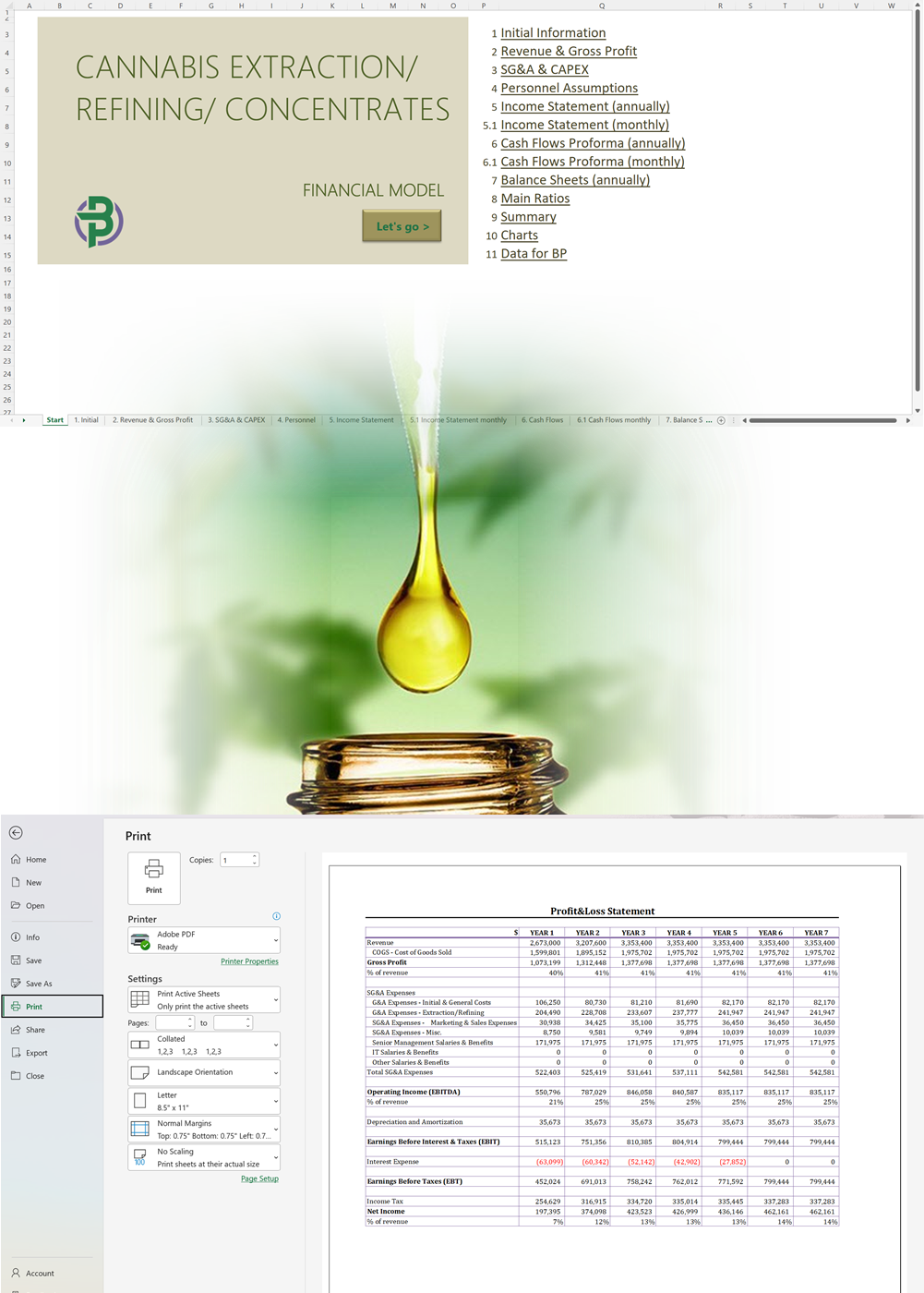

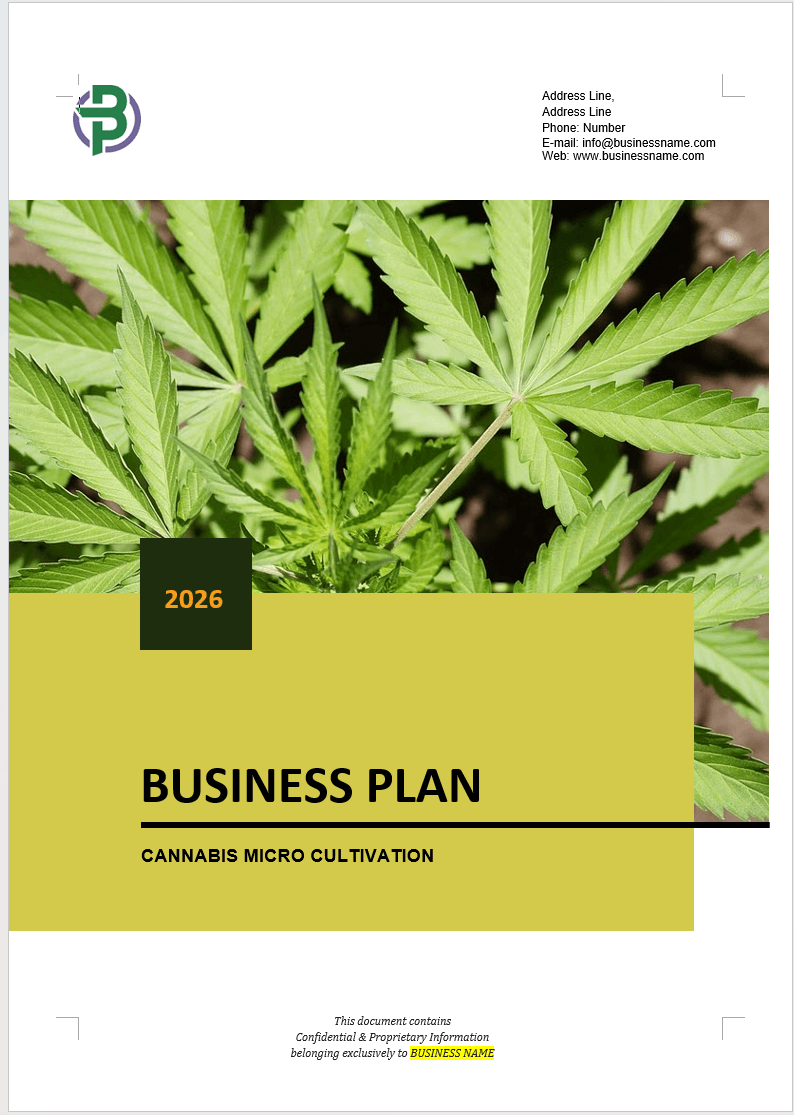
Cannabis Micro Cultivation Business Plan Template
Price range: $75.00 through $300.00