Key Takeaways
- Cannabis law and regulations:
- On April 17, 2019, legislation was approved (House Bill 324, the Georgia’s Hope Act) to allow in-state cultivation of cannabis and sale of the low-THC medical cannabis oils (with up to 5% THC) to patients within Georgia.
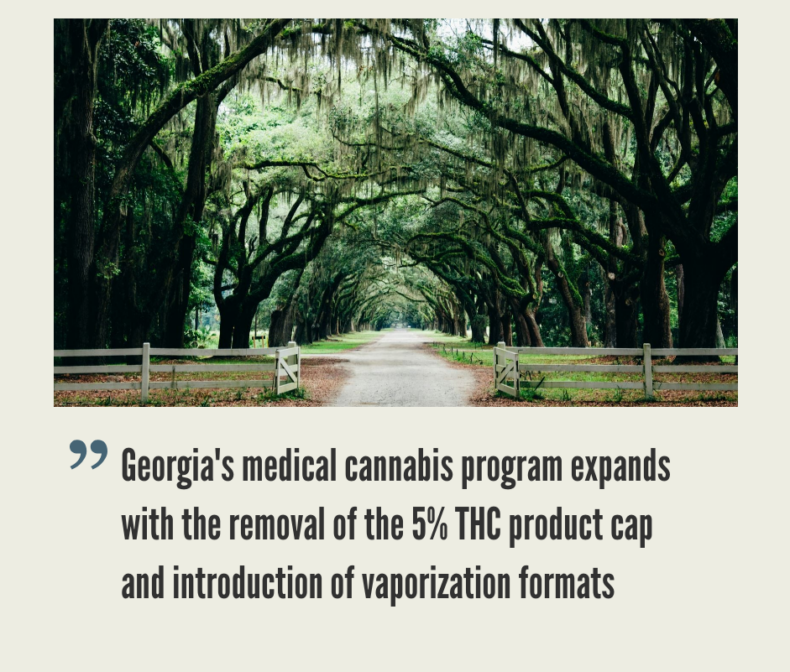
- On May 12, 2026, Georgia’s Gov. Brian Kemp signed Senate Bill 220 into law, revising the state’s medical cannabis regulations. Changes included introducing vaporization formats for patients aged over 21, removing the restrictive 5% product potency cap, and significantly easing patient access. New regulations effective from July 1, 2026.
- Licenses available: (a) Class 1 and Class 2 Production Licenses (b) Dispensing License.
- Products legal:
- Any product that is “derived from or made by processing medical cannabis, that is prepared in a form available for commercial sale and does not contain more than 1,200 milligrams of THC in an individual package”.
- Prohibited: Consumption through smoking/combustion; food products/baked goods infused with cannabis.
- Taxes:
- 4% – standard Georgia state sales tax, plus any applicable local city or county add-ons.
- Market:
- As of May 2026, there were 6 production licensees, 18 dispensaries, and one independent testing laboratory in Georgia. There were also 46 active pharmacies licensed to dispense low THC products (now defined as the standardized “medical cannabis” term).
- As of May 2026, there were 34,500 registered medical cannabis patients – 146% up from 14,000 patients in January 2024. With the new regulations set to come into effect on July 1, 2026, it is expected that the number of patients will start to increase at an accelerated pace due to the broadening of the types of products that can be sold (including the highly popular vape products) and the easing of access to medical cannabis for more patients by amending qualifying condition language.
Georgia Cannabis Legalization
A measure to allow medical cannabis oil up to 5% THC passed the Georgia House in February 2015. On April 16, 2015, the low-THC cannabis oil (rich in CBD) was legalized for medical use in the state under HB 1, the Haleigh’s Hope Act. The bill allowed possession of the oil for eight qualifying medical conditions but did not provide for cultivation or distribution within the state. The legislature later expanded the law to include more medical conditions:
- In 2017, SB 16 added six more conditions.
- In 2018, HB 65 added intractable pain and posttraumatic stress disorder (PTSD).
On April 17, 2019, legislation was finally approved (House Bill 324, the Georgia’s Hope Act) to allow in-state cultivation of cannabis and sale of the low-THC medical cannabis oils (with up to 5% THC) to patients within Georgia. Under the 2019 Georgia’s Hope Act, six producers are allowed to grow medical cannabis in the state, as well as two universities. Pharmacies can sell medical cannabis preparations, and regulators can authorize private dispensaries. However, no regulatory framework existed yet for pharmacies to be able to sell medical cannabis.
In 2021, SB 195 expanded the list of available products beyond oils to include tinctures, transdermal patches, lotions, and capsules, but excluded other edible forms.
Sales of medical cannabis began on April 28, 2023, through the state’s first two licensed dispensaries. Georgia’s rules allow for gradual expansion of the maximum permitted number of dispensaries in the state as the program expands. After the program reached the 25,000-patient mark, with every 10,000 new medical cannabis patients entering the program, there is an additional retail license available.
In September 2023, Gov. Brian Kemp signed off on the Georgia Board of Pharmacy Rules which established a regulatory framework for pharmacies to sell medical cannabis products. These rules became effective from November 29, 2023. Around 120 pharmacies applied to the Georgia Board of Pharmacy for approval to sell medical cannabis. The Drug Enforcement Agency (DEA) responded by sending a notice to pharmacies in Georgia, stating that they may not legally dispense medical cannabis as any cannabis with a delta-9-THC content higher than 0.3% is a Schedule I controlled substance.
However, as of 2026, the situation has changed significantly since medical cannabis has been reclassified to Schedule III. Although the current law loosens many federal restrictions, it does not automatically make it federally legal for state-licensed pharmacies to sell state-grown medical cannabis. Under federal law, pharmacies are generally only permitted to dispense Schedule III substances that are specifically approved by the FDA as prescription drugs. Because state-grown cannabis products do not go through the FDA’s clinical approval process, their sale in traditional pharmacies remains a federal gray area.
On May 12, 2026, Georgia’s Gov. Brian Kemp signed Senate Bill 220 into law, revising the state’s medical cannabis regulations. The new regulations will come into effect on July 1, 2026. Changes include the following:
- Introducing a possession limit of up to 12,000 milligrams of THC per person, in place of the 5% product potency cap. Products also cannot contain more than 1,200 milligrams of THC in an individual package.
- Replaced all references to “low-THC oil” with the standardized term “medical cannabis” and legalized vaporization/vaping as an official medical delivery format for patients aged over 21.
- Removing the “severe” and “end stage” language from multiple illnesses, allowing for more patients to qualify for medical cannabis treatment. The law also adds lupus as a qualifying medical condition.
What Cannabis Products are Legal in Georgia
According to Georgia’s laws, a medical cannabis product means any product that is “derived from or made by processing medical cannabis, that is prepared in a form available for commercial sale and does not contain more than 1,200 milligrams of THC in an individual package”. From July 1, 2026, the law no longer requires that medical cannabis products must have up to 5% THC. Medical cannabis products can be offered in the form of pharmaceutical-style ingestibles such as gummies, capsules, and lozenges, but food products/baked goods infused with medical cannabis are banned. Medical cannabis products also cannot be consumed through smoking or combustion, but they can be consumed through vaporization if the patient is 21 years of age or older.
Georgia Cannabis Market: Stats and Projections
In spring 2023, Georgia regulators issued the first testing laboratory license and two Class 1 Production Licenses to grow medical cannabis in 100,000-square-foot indoor facilities as well as to manufacture and sell low-THC cannabis oil. Each Class 1 or Class 2 production licensee is allowed to open up to five dispensaries. In 2023, the Commission issued nine dispensing licenses. A tenth dispensing license was issued in January 2024.
In autumn 2023, the Commission unanimously granted provisional Class 2 Production Licenses to four companies to grow medical cannabis in 50,000-square-foot indoor facilities for producing low-THC cannabis oil.
As of May 2026, there were 6 production licensees, 18 dispensaries, and one independent testing laboratory in Georgia. Despite the DEA’s warning mentioned above, as of October 2024, at least three pharmacies were selling medical cannabis oils among a total of more than 40 licensed low THC pharmacies. By May 2026, this number has remained stable at 46 active pharmacies. It remains unclear yet what action the DEA will take regarding those pharmacies.
As of May 2026, there were 34,500 registered medical cannabis patients – 146% up from 14,000 patients in January 2024. With the new regulations set to come into effect on July 1, 2026, it is expected that the number of patients will start to increase at an accelerated pace due to the broadening of the types of products that can be sold (including the highly popular vape products) and the easing of access to medical cannabis for more patients by amending qualifying condition language.
Georgia Cannabis Market Infographics
How Can Cannabusinessplans Templates Help Start or Grow Your Cannabis Business?
The majority of cannabis licensing programs require the submission of a business plan as part of the application for a cannabis license. Even if it is not mandated by law, a business plan is essential for securing funding and assisting an applicant in understanding how much money it will take to start a cannabis business and how much profit it could make.
A well-structured business plan can make all the difference in helping you demonstrate your proposed cannabis business’ compliance with regulations and its operational viability.
Our complete cannabis business plan template package is everything you need to create a professional business plan for a cannabis business with expert financials and projections. A complete cannabis business plan template package includes:
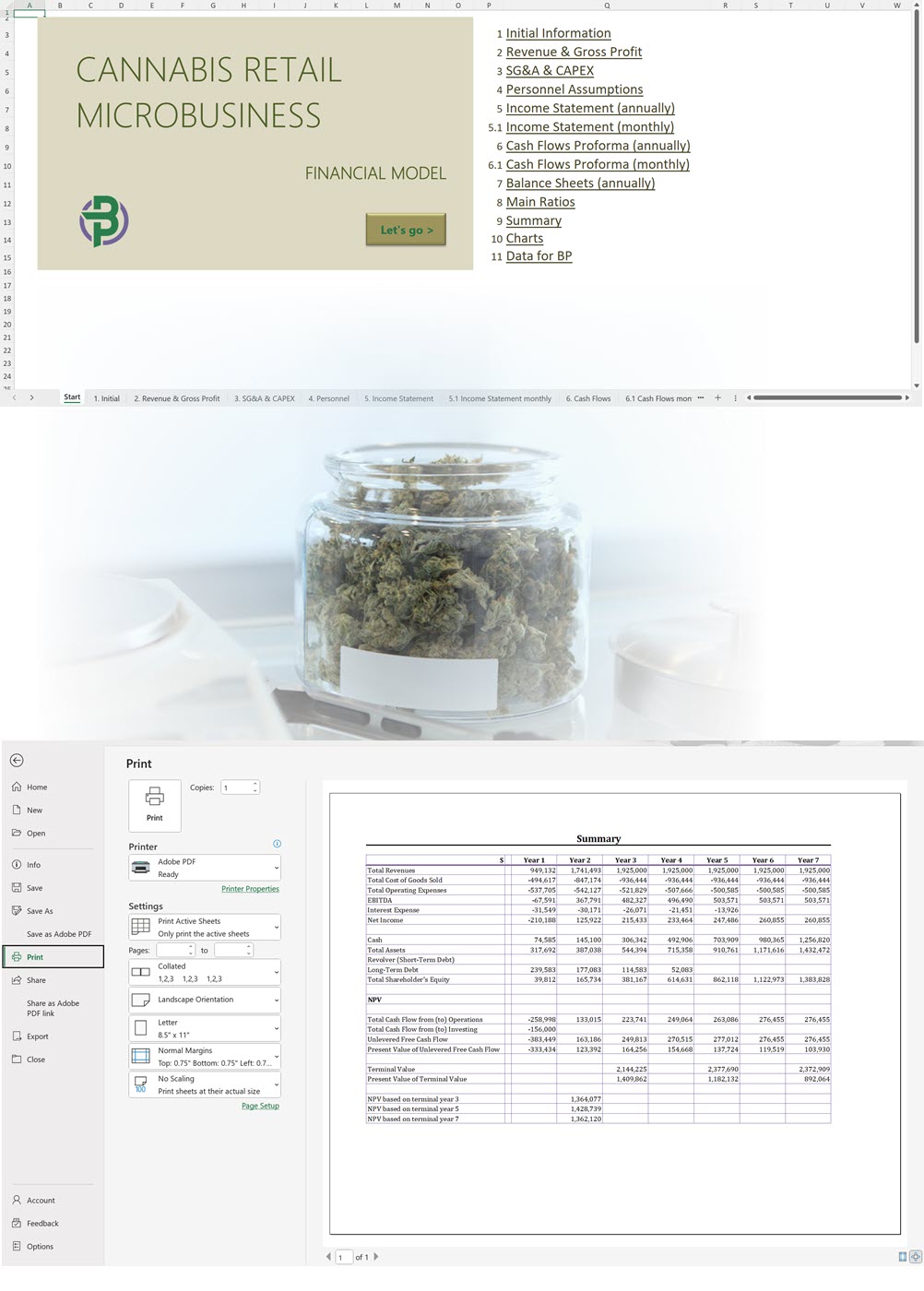
- Excel Financial Model: change variables and immediately see the impact, break down operational and capital costs, know how much it will take to get into the business and the potential profits.
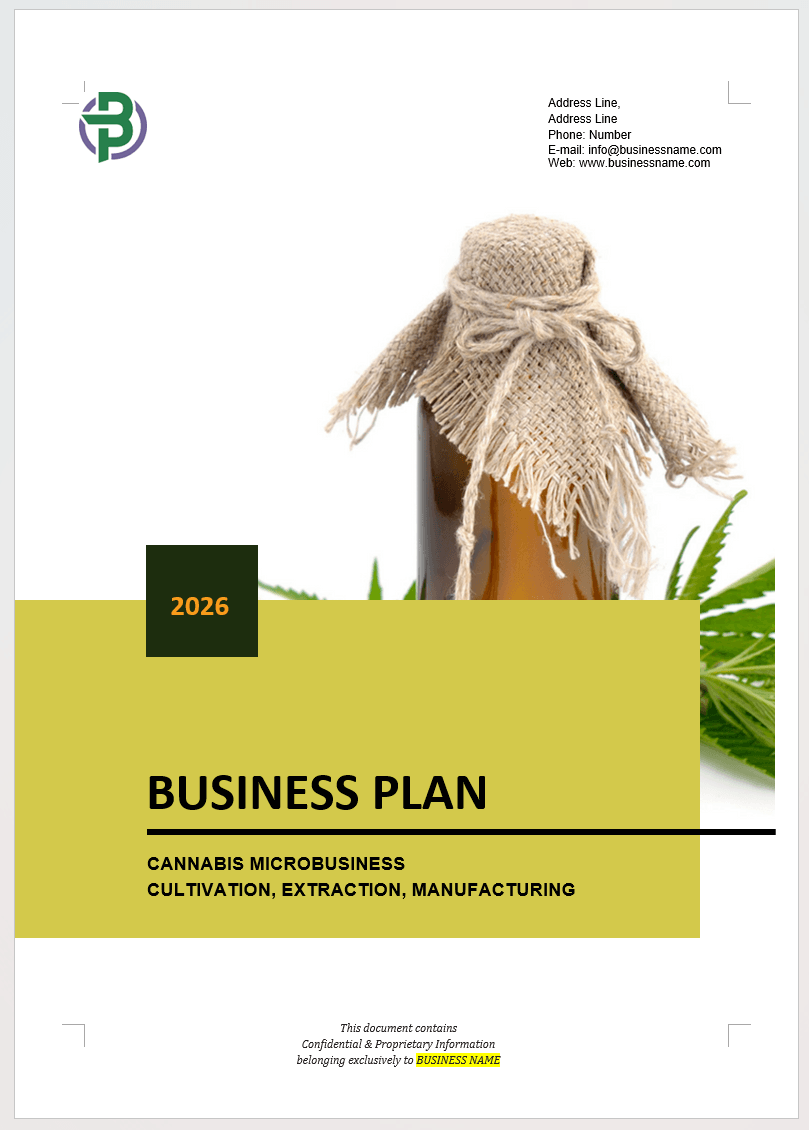
- Word Business Plan: value proposition, market analysis, marketing strategy, operating plan, organizational structure, financial plan and more.
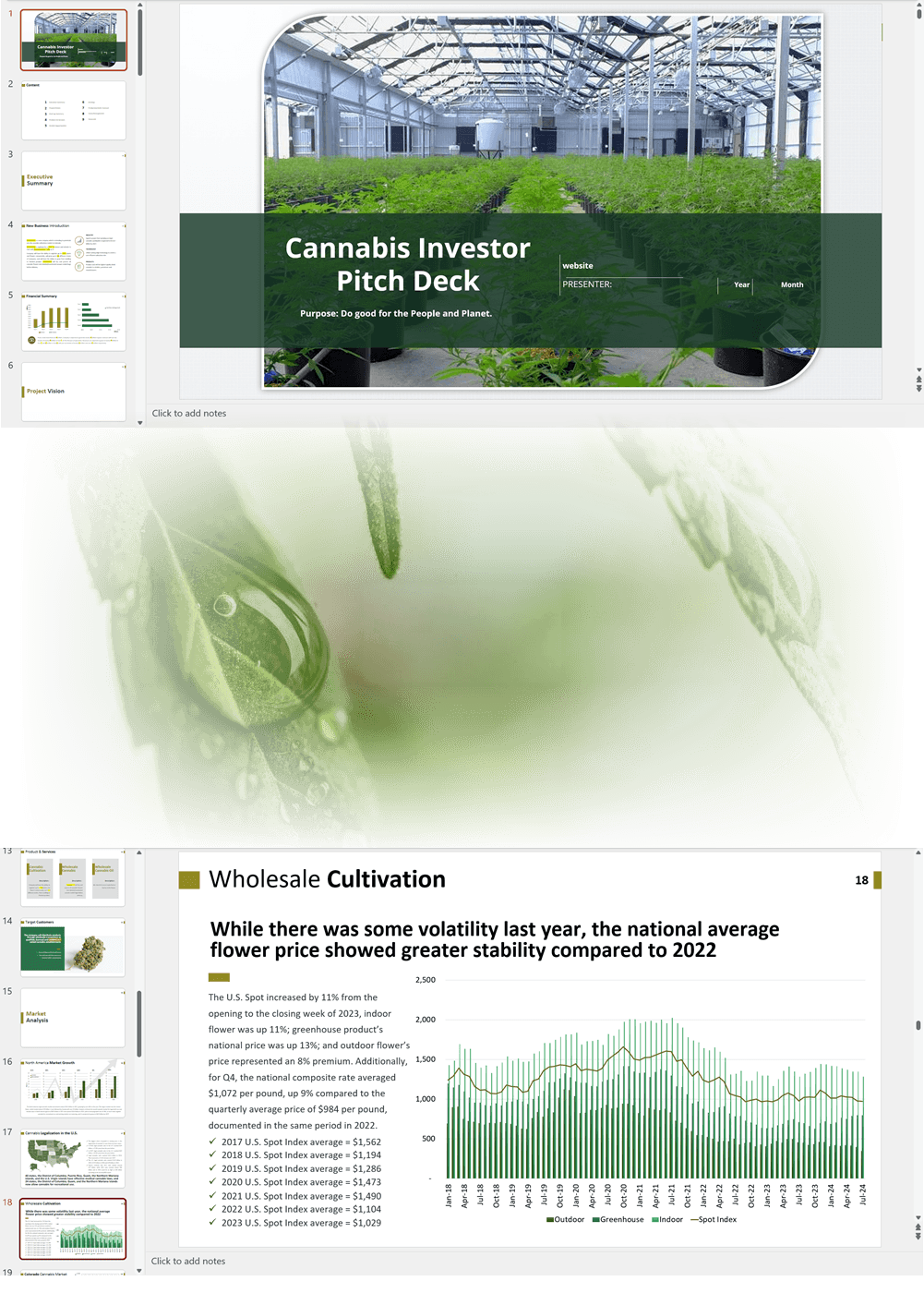
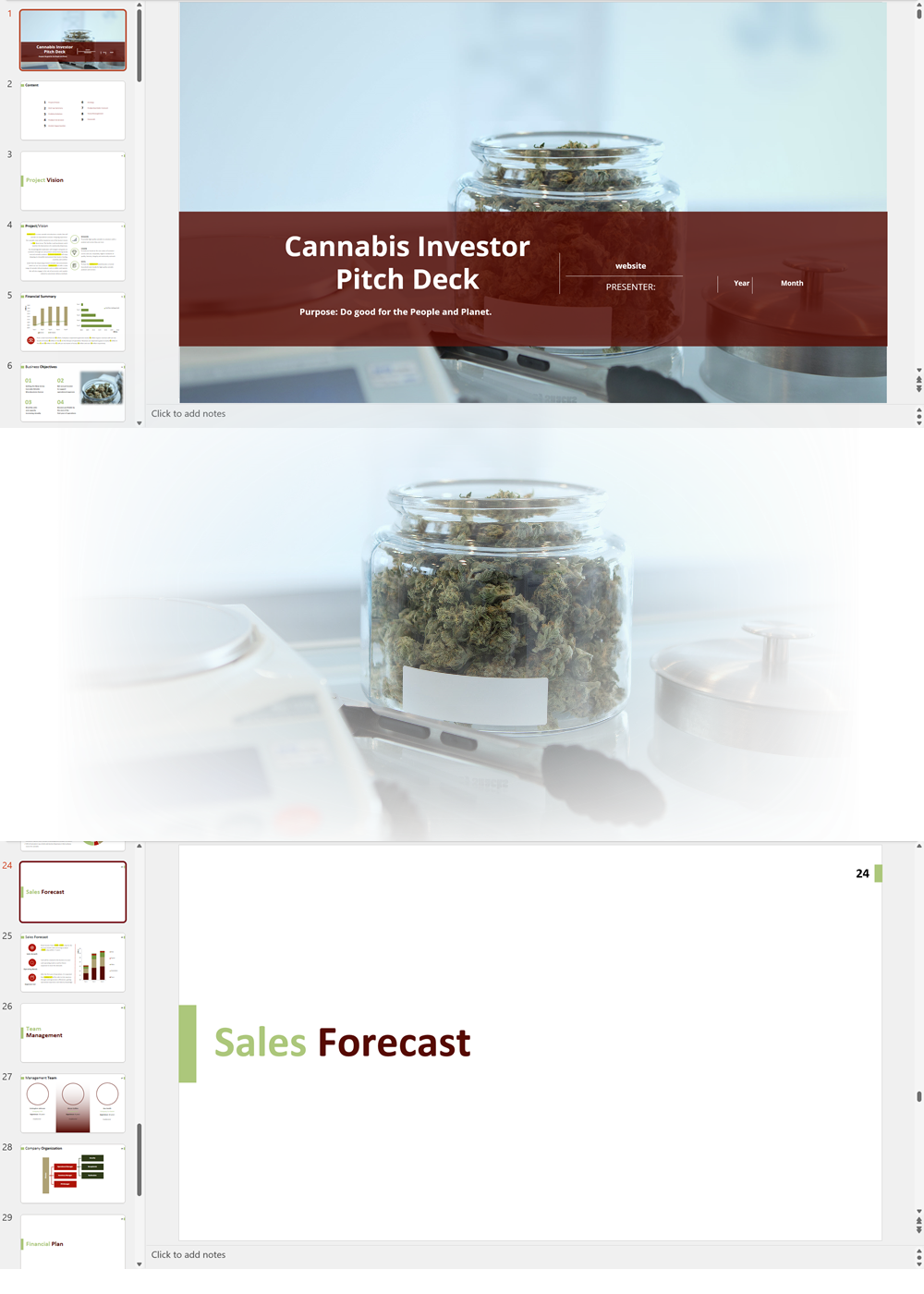
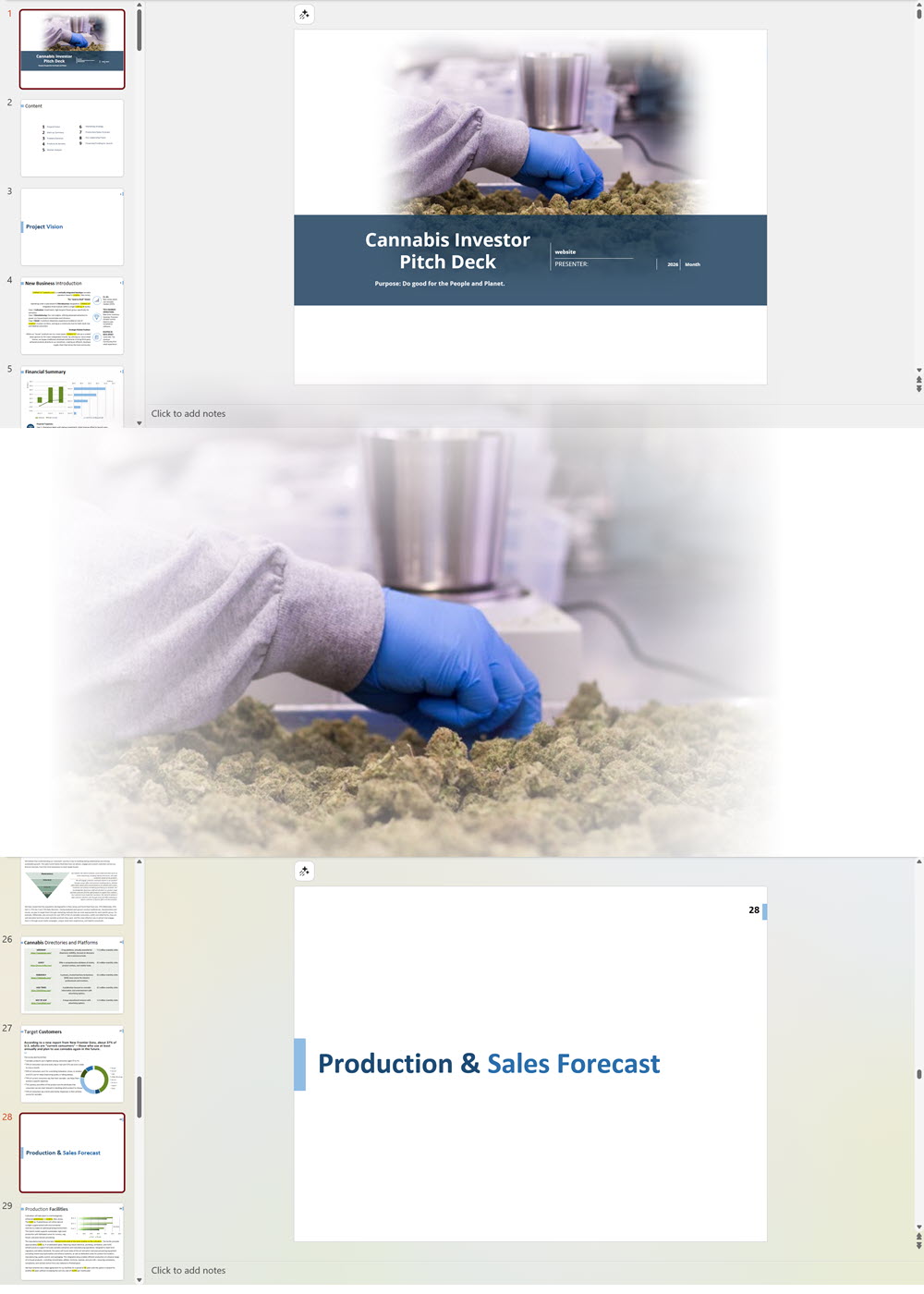
- PowerPoint Pitch Deck: provide a quick overview of your cannabis business plan.
'70% ready to go' business plan templates
Our cannabis financial models and cannabis business plan templates will help you estimate how much it costs to start and operate your own cannabis business, to build all revenue and cost line-items monthly over a flexible seven year period, and then summarize the monthly results into quarters and years for an easy view into the various time periods. We also offer investor pitch deck templates.
Cannabis Testing Laboratory Business Plan Sample, Georgia

Best Selling Templates
-

Cannabis Cultivation Business Plan Template
Price range: $75.00 through $350.00 Select options This product has multiple variants. The options may be chosen on the product page -

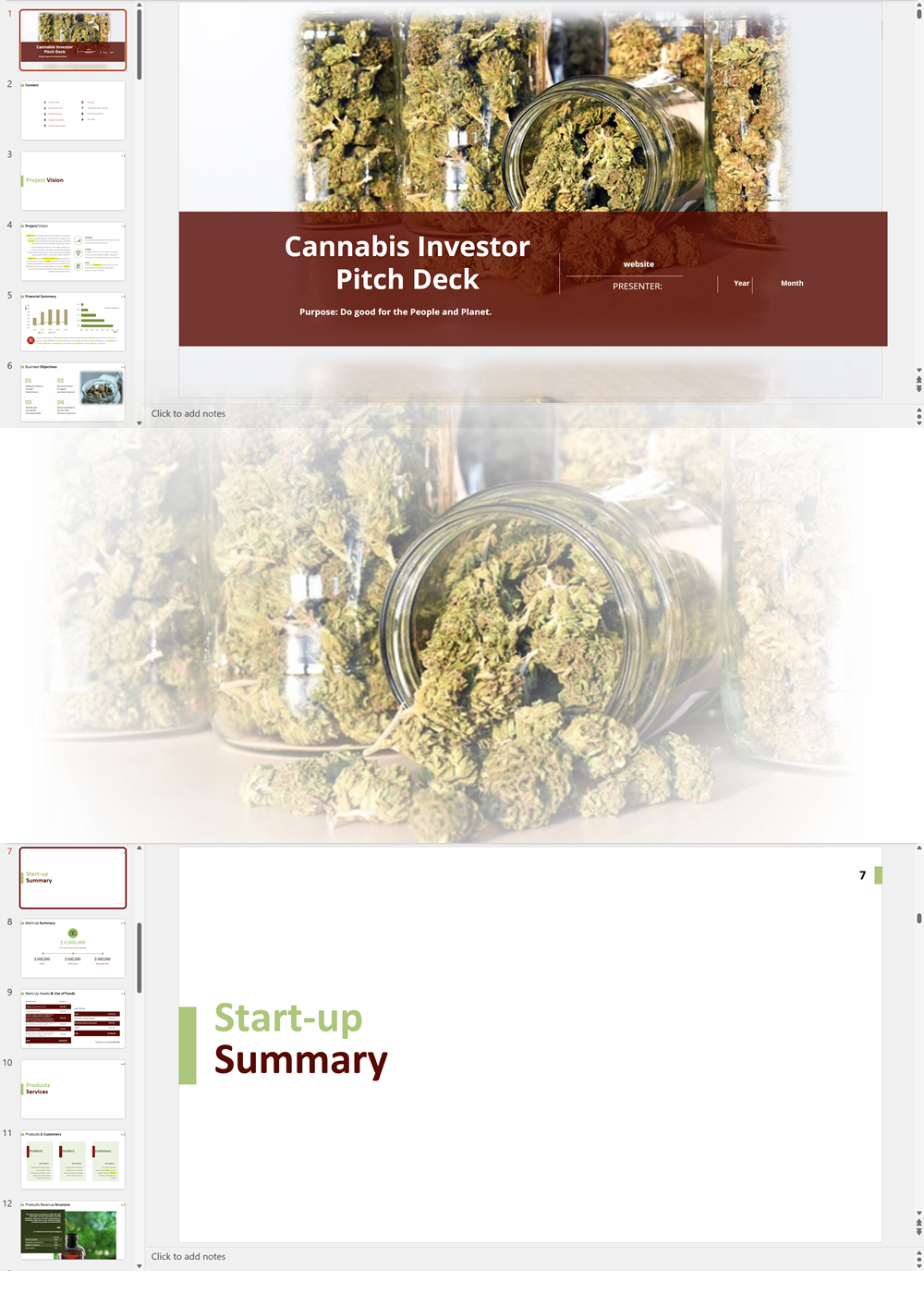
Cannabis Dispensary Investor Pitch Deck Template
$75.00 Select options This product has multiple variants. The options may be chosen on the product page -
Cannabis Financial Model All in One
$250.00 Select options This product has multiple variants. The options may be chosen on the product page
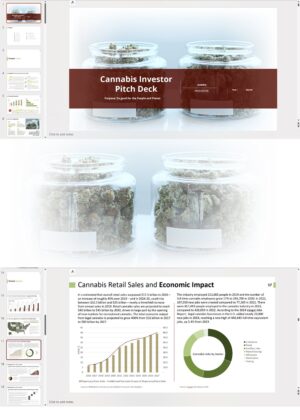
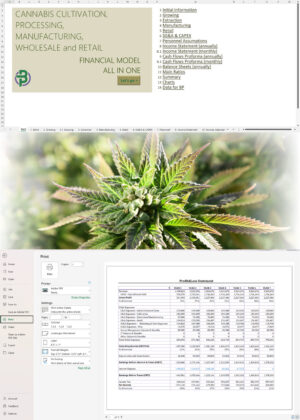
Hemp CBD business plan templates are available at hempcbdbusinessplans.com.
Our Templates
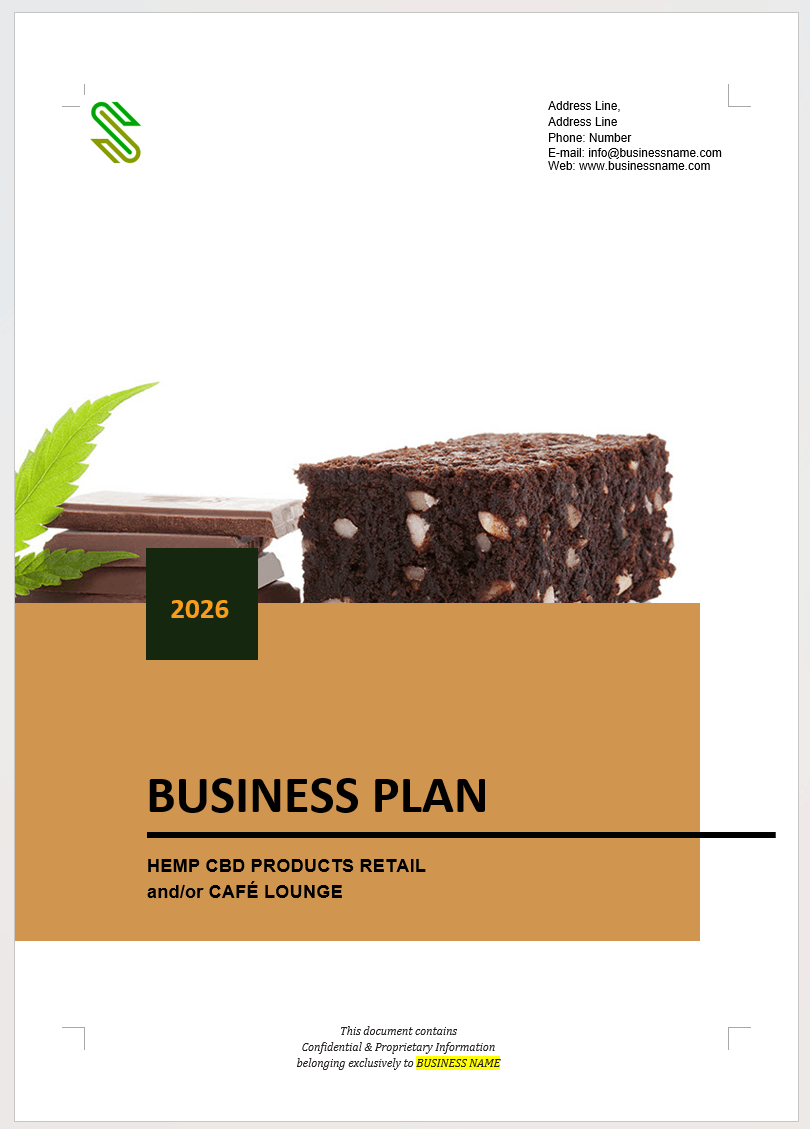
CBD Store and/or Cafe Lounge Business Plan Template
Price range: $75.00 through $275.00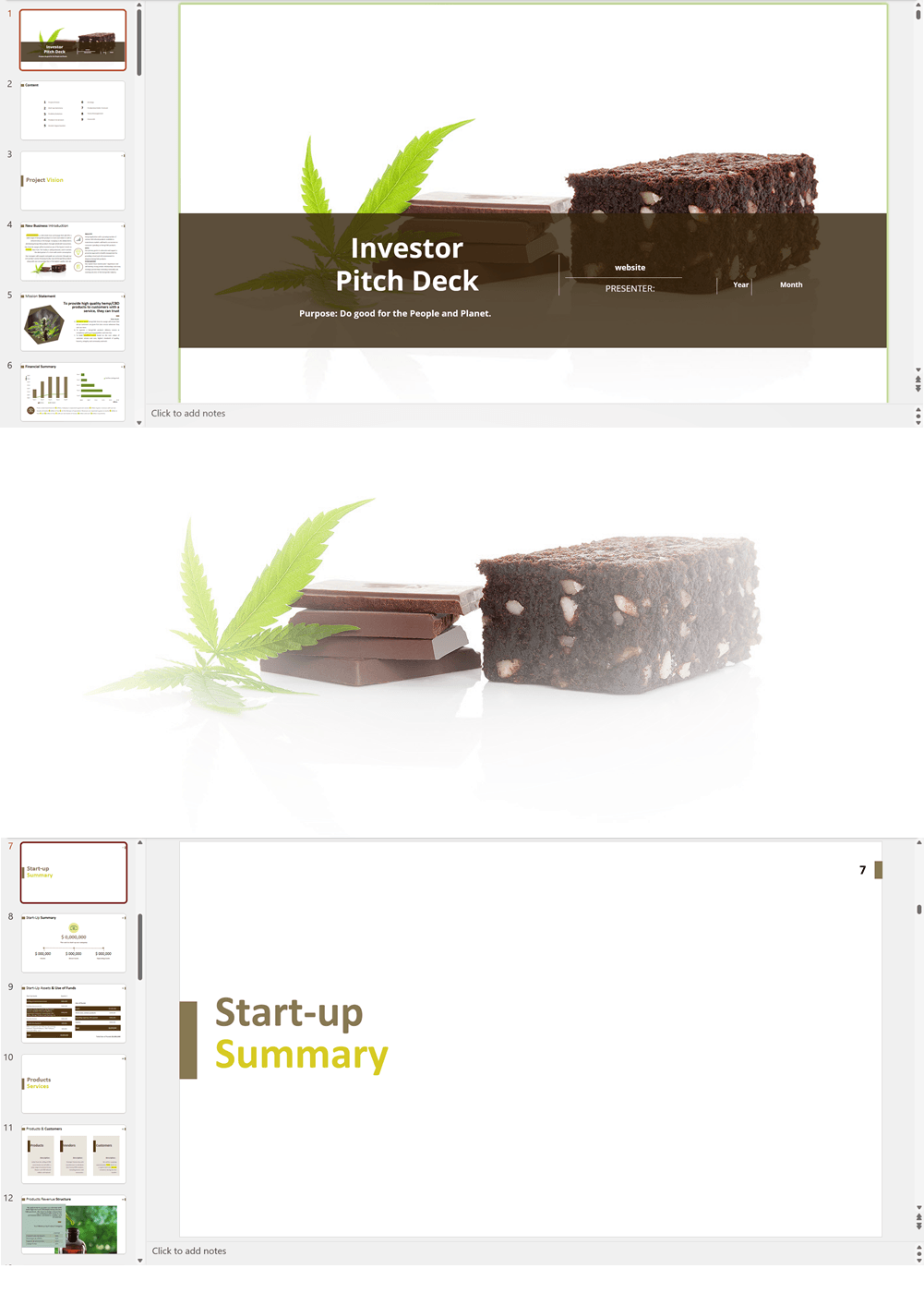
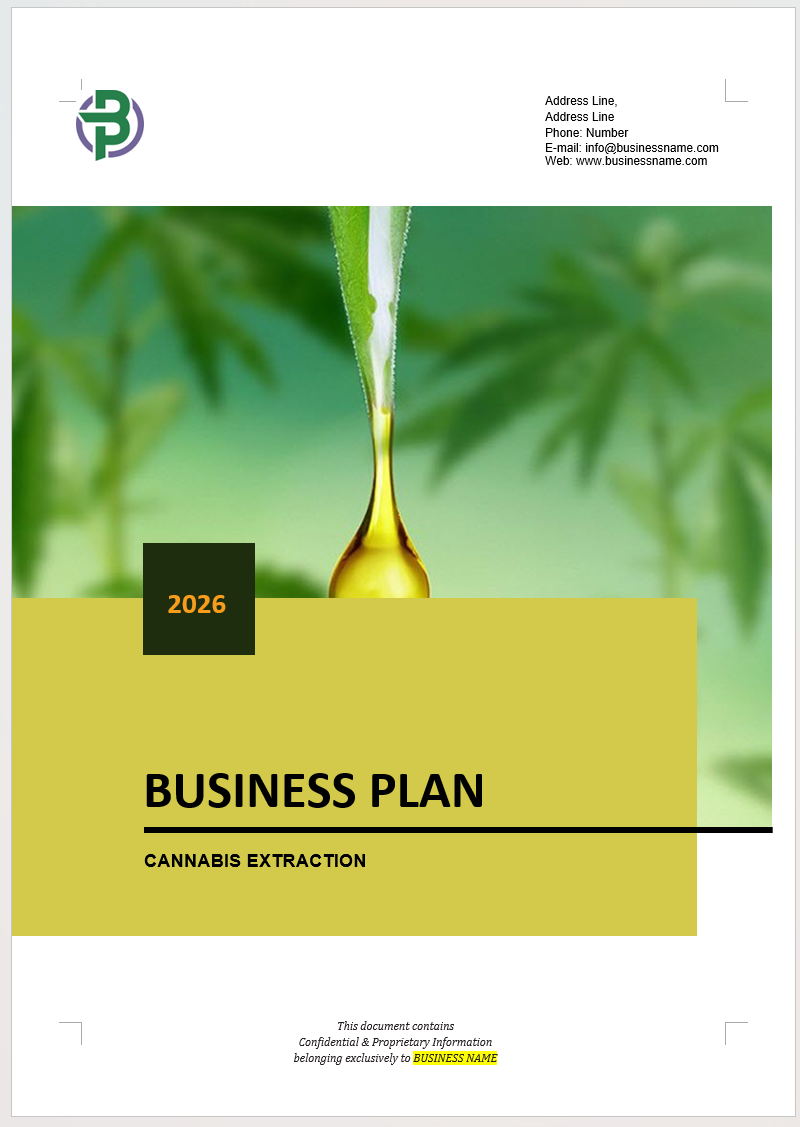
Cannabis Extraction / Concentrates Business Plan Template
Price range: $75.00 through $350.00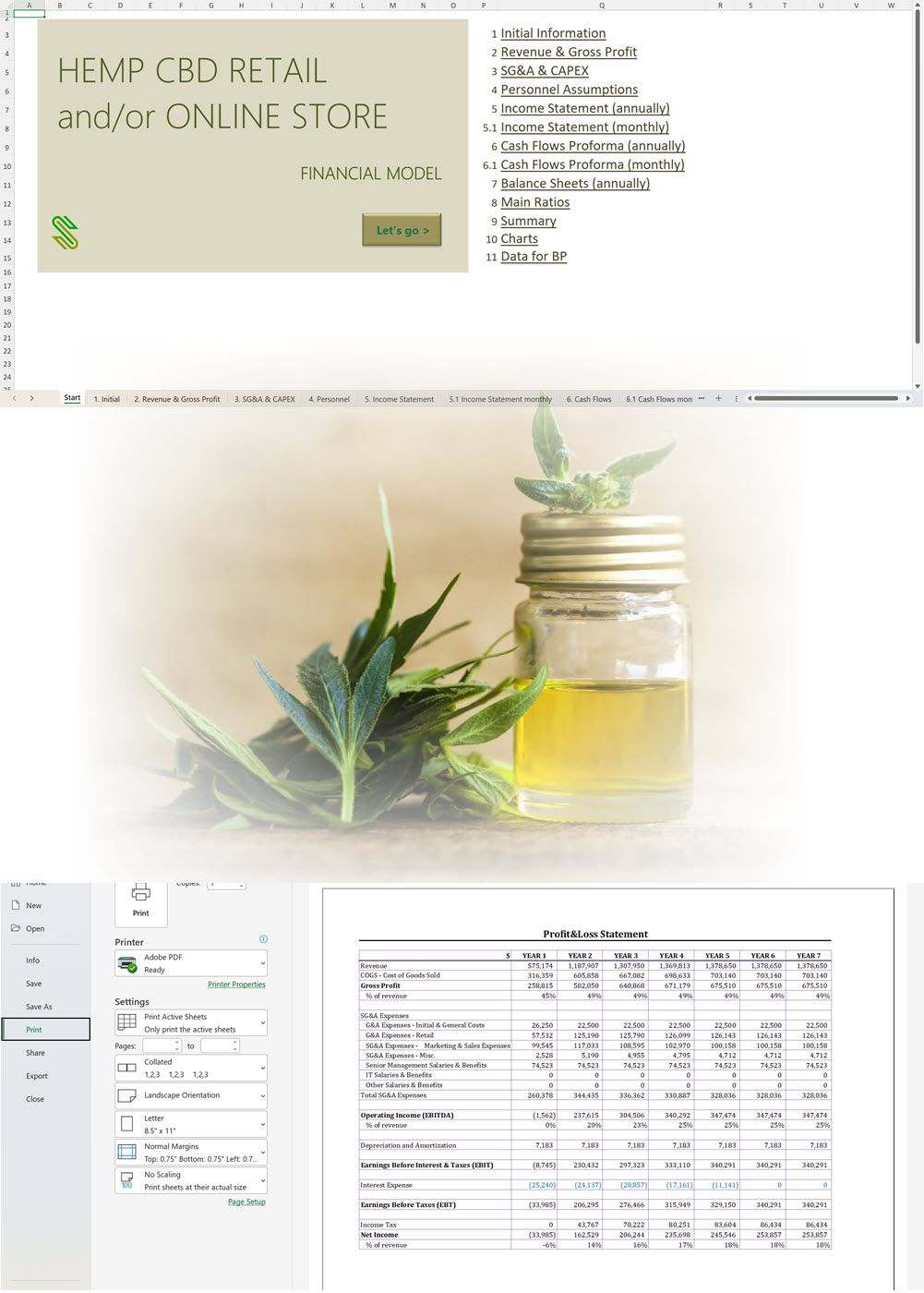
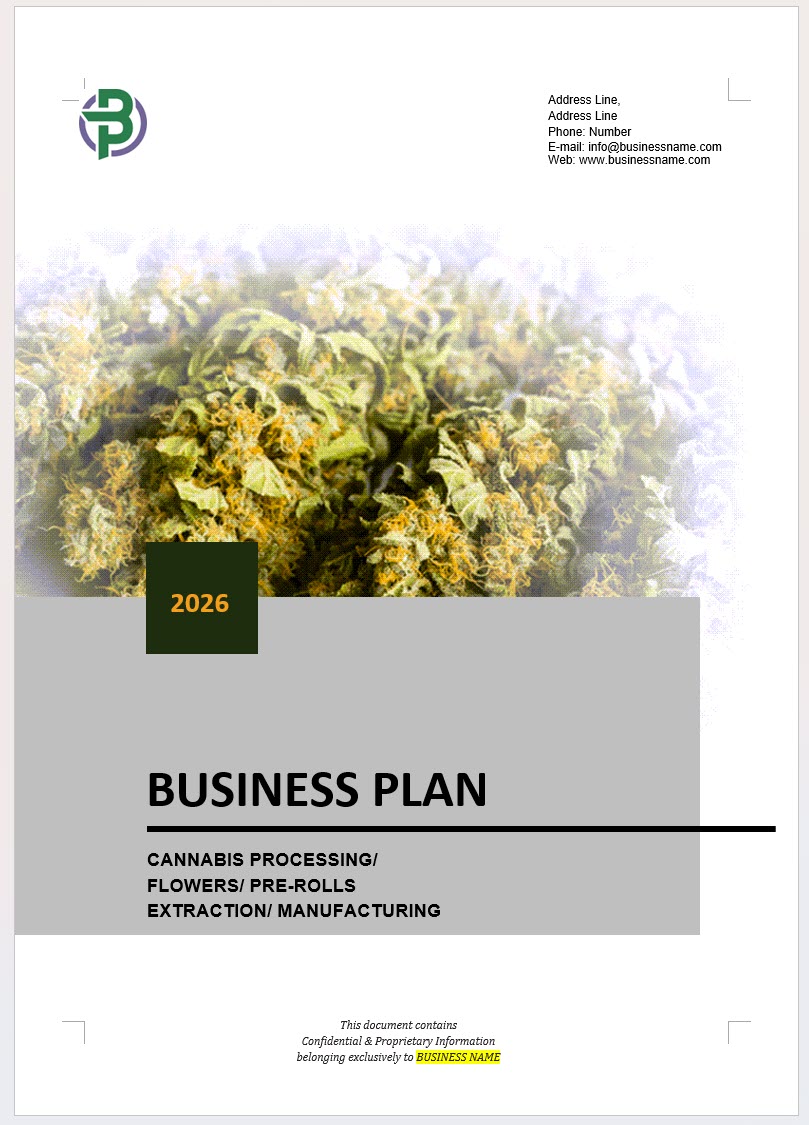
Cannabis Processing/ Flowers/ Pre-rolls/ Extraction/ Manufacturing Business Plan Template
Price range: $75.00 through $350.00
Cannabis Transportation Business Plan Template
Price range: $75.00 through $275.00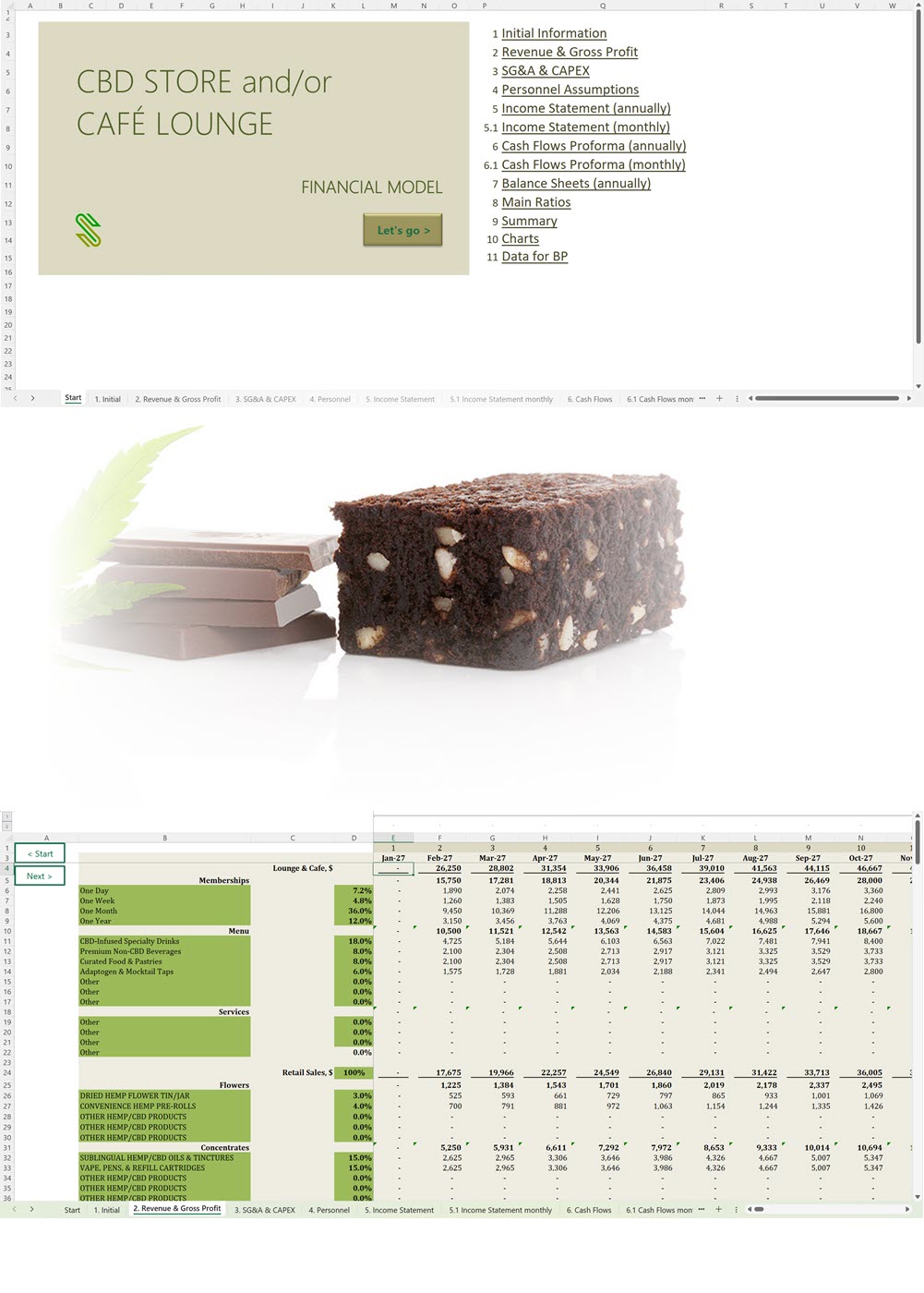

CBD Products Retail/Online Store Business Plan Template
Price range: $75.00 through $275.00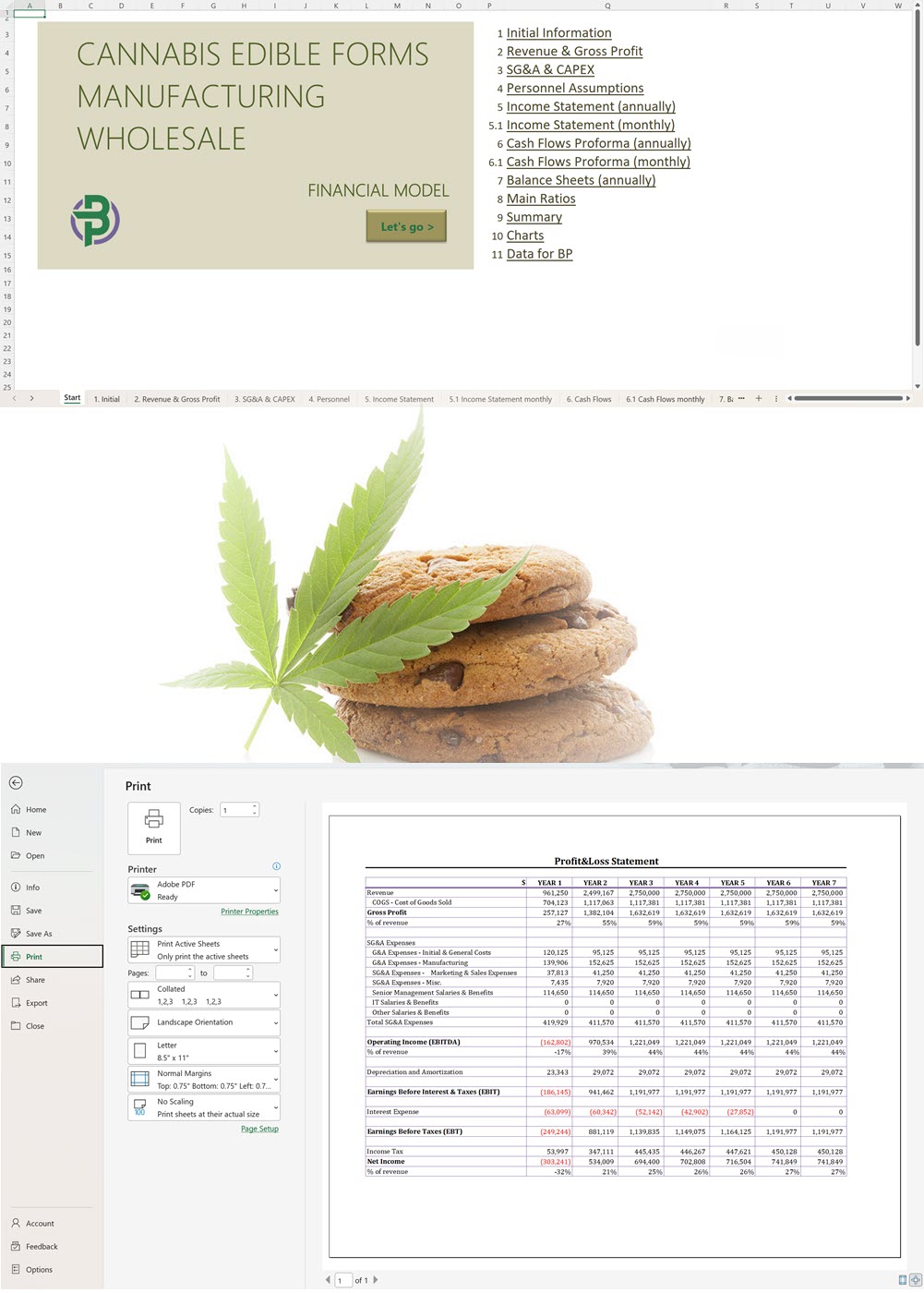
Cannabis Edibles Financial Model
$150.00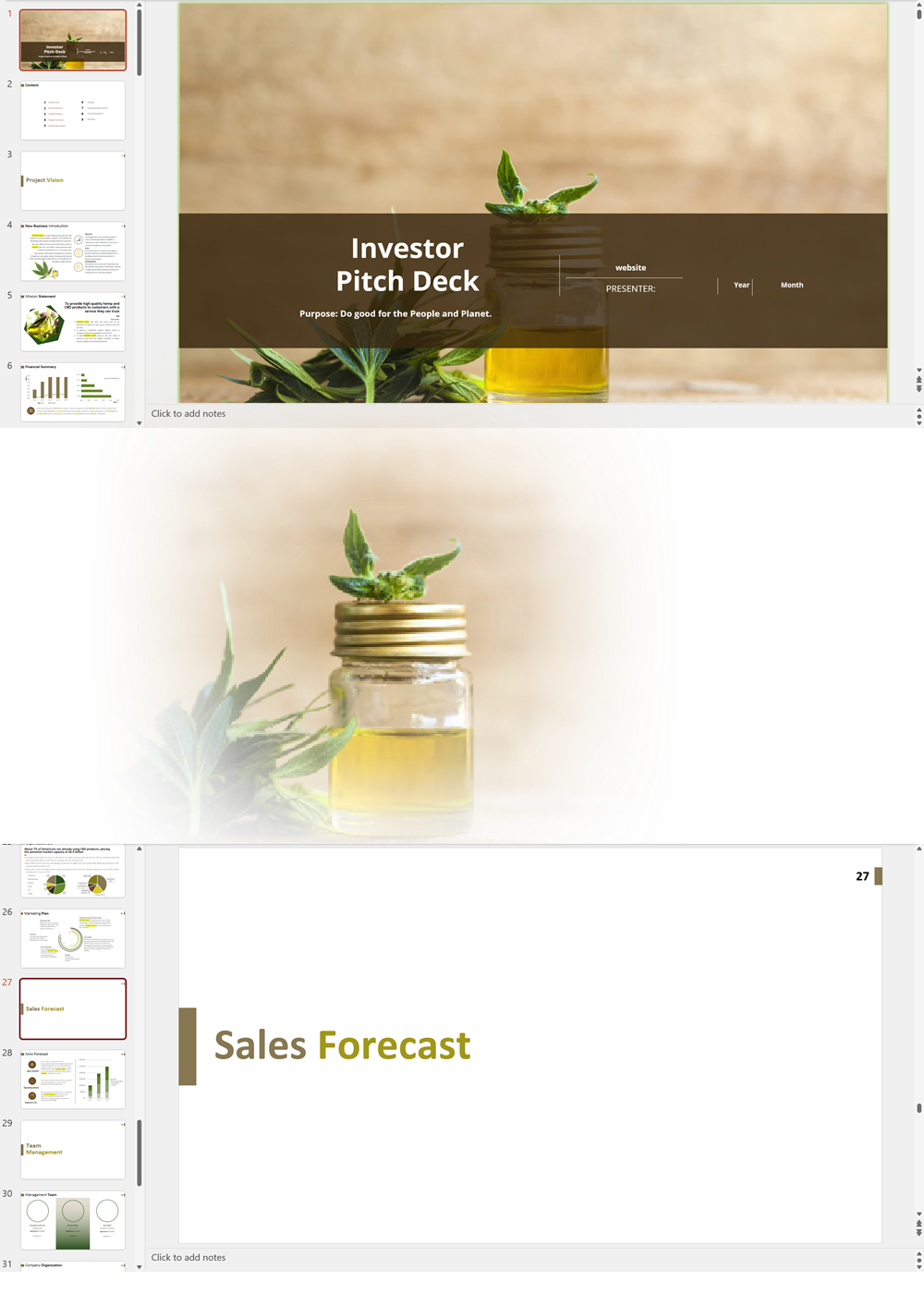

Cannabis Lounge + Retail Business Plan Template
Price range: $75.00 through $350.00
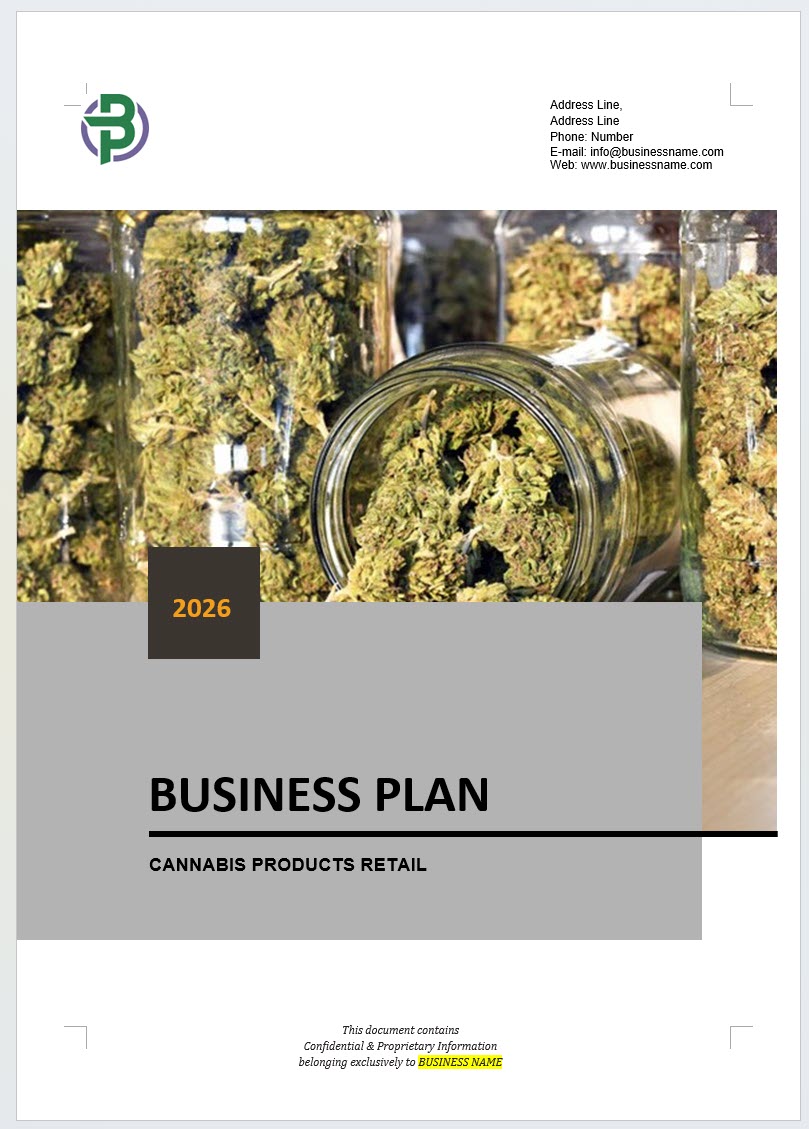
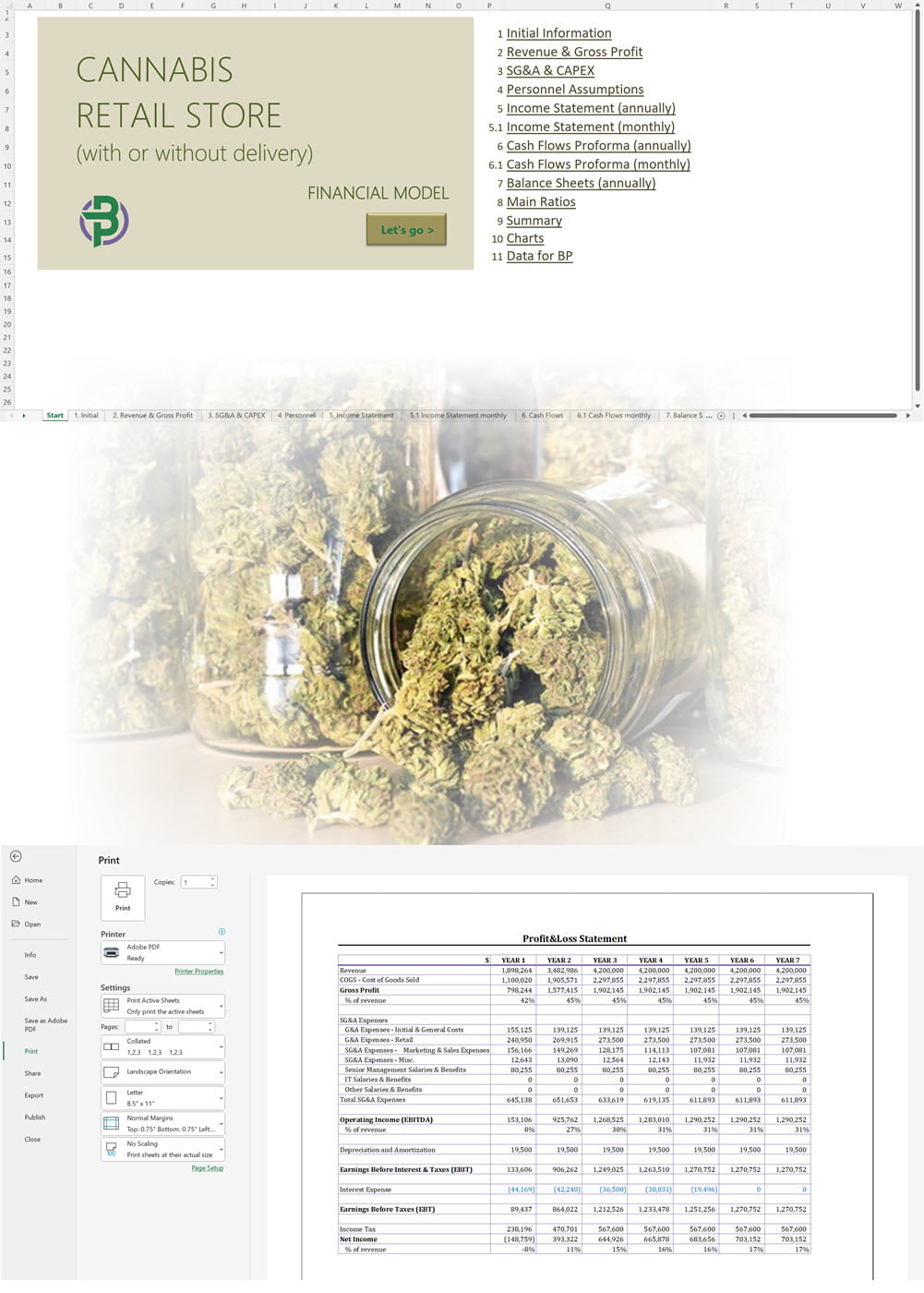
Cannabis Retail Business Plan Template (with or without Delivery)
Price range: $75.00 through $350.00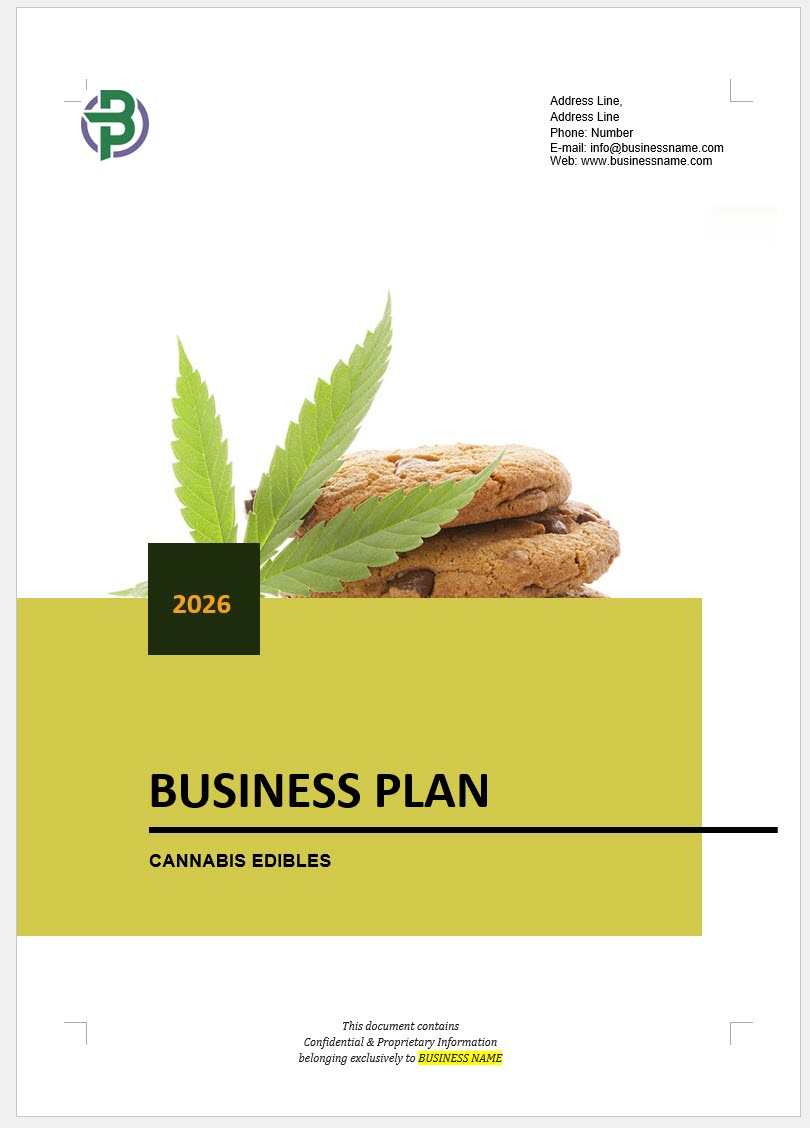
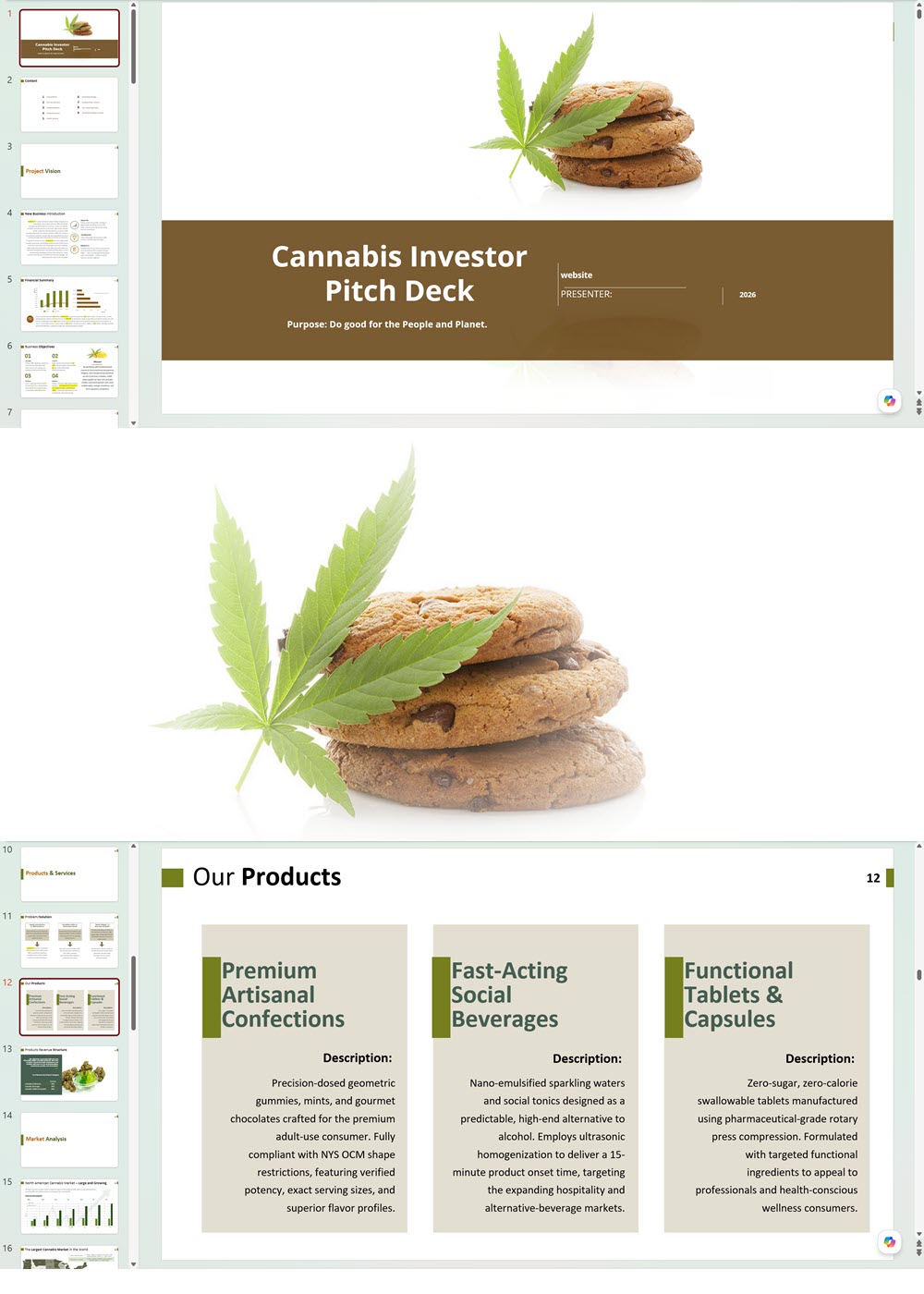
Cannabis Edibles Business Plan Template
Price range: $75.00 through $350.00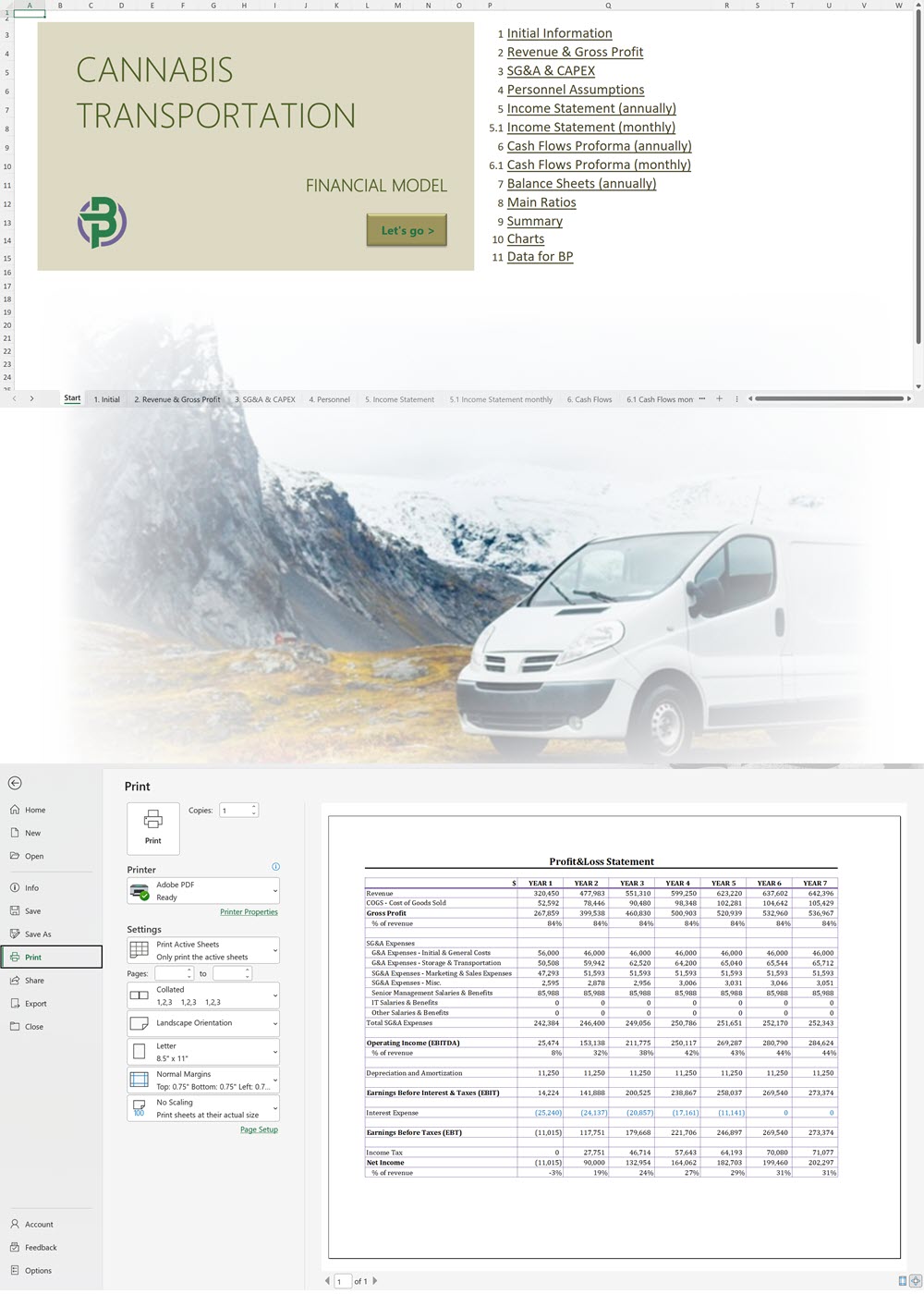
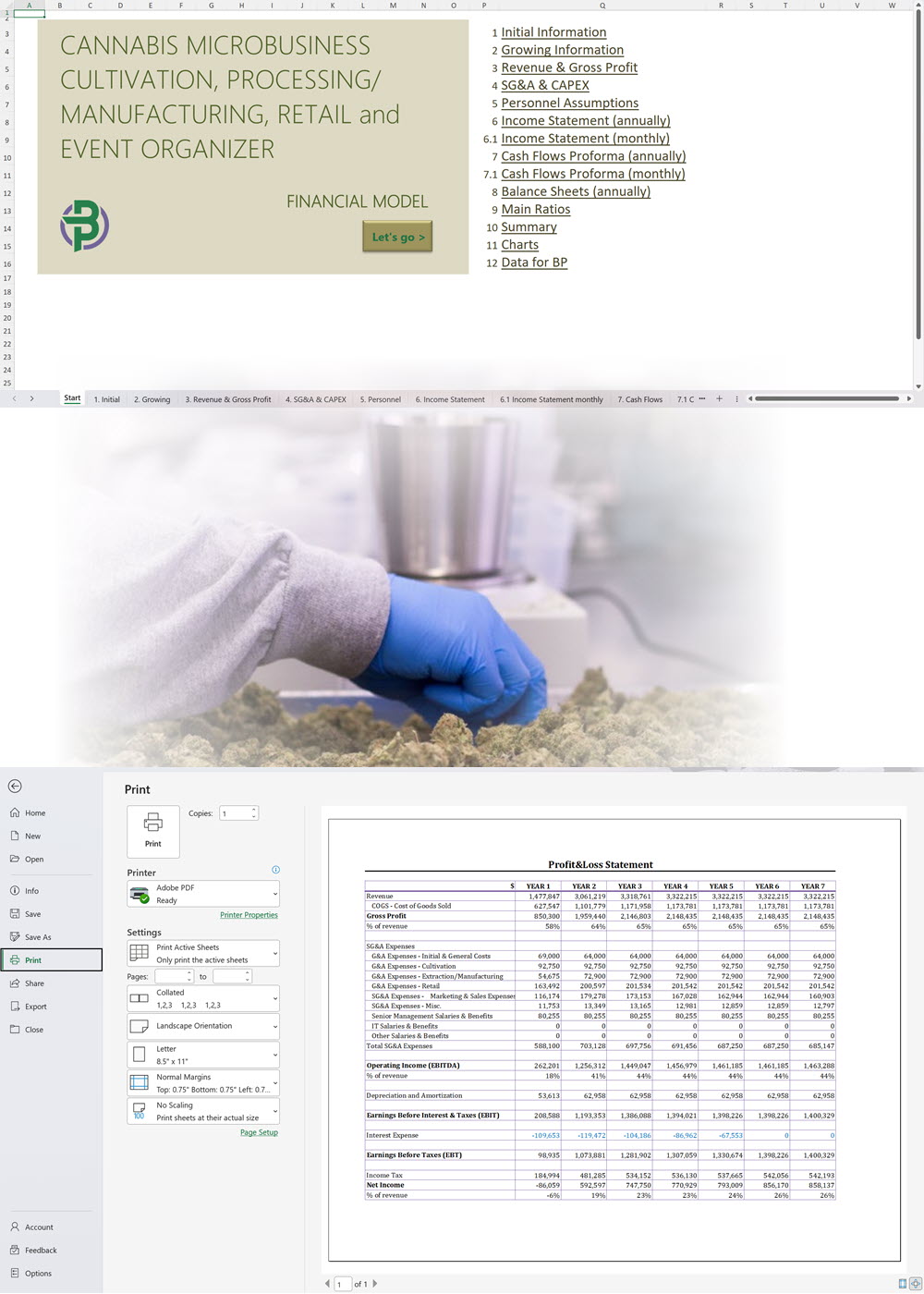
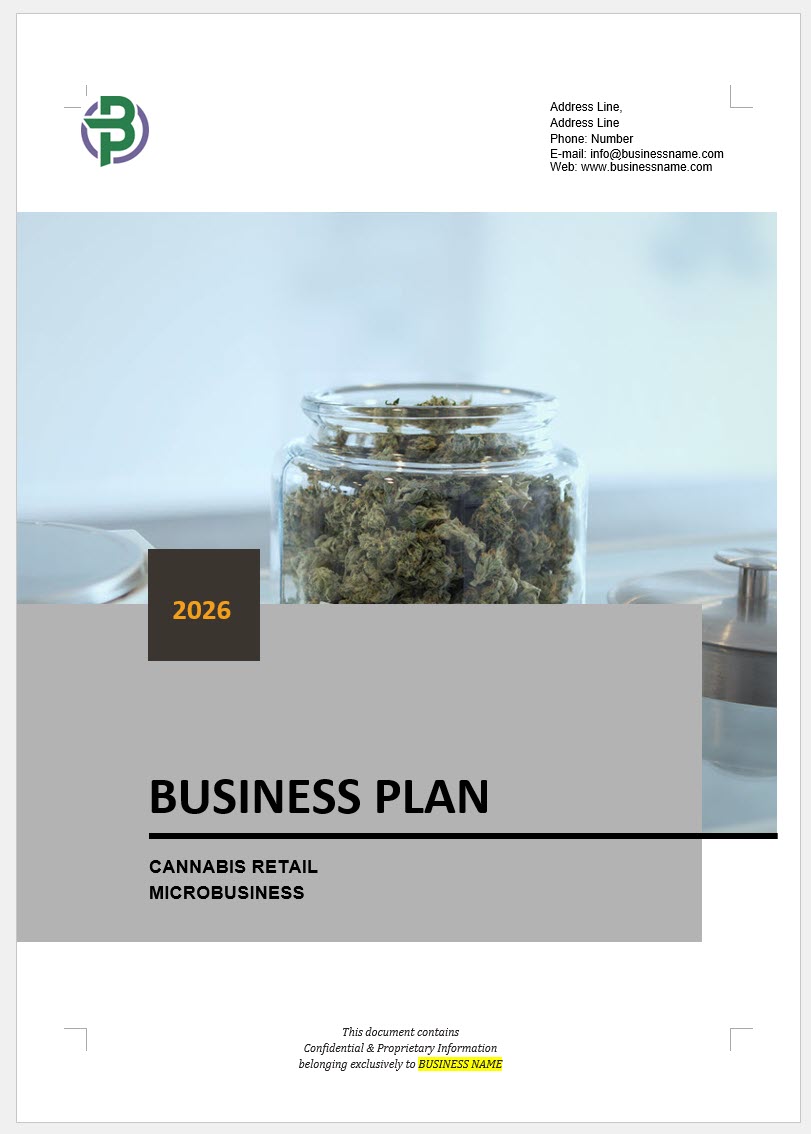
Cannabis Retail Microbusiness Business Plan Template
Price range: $75.00 through $275.00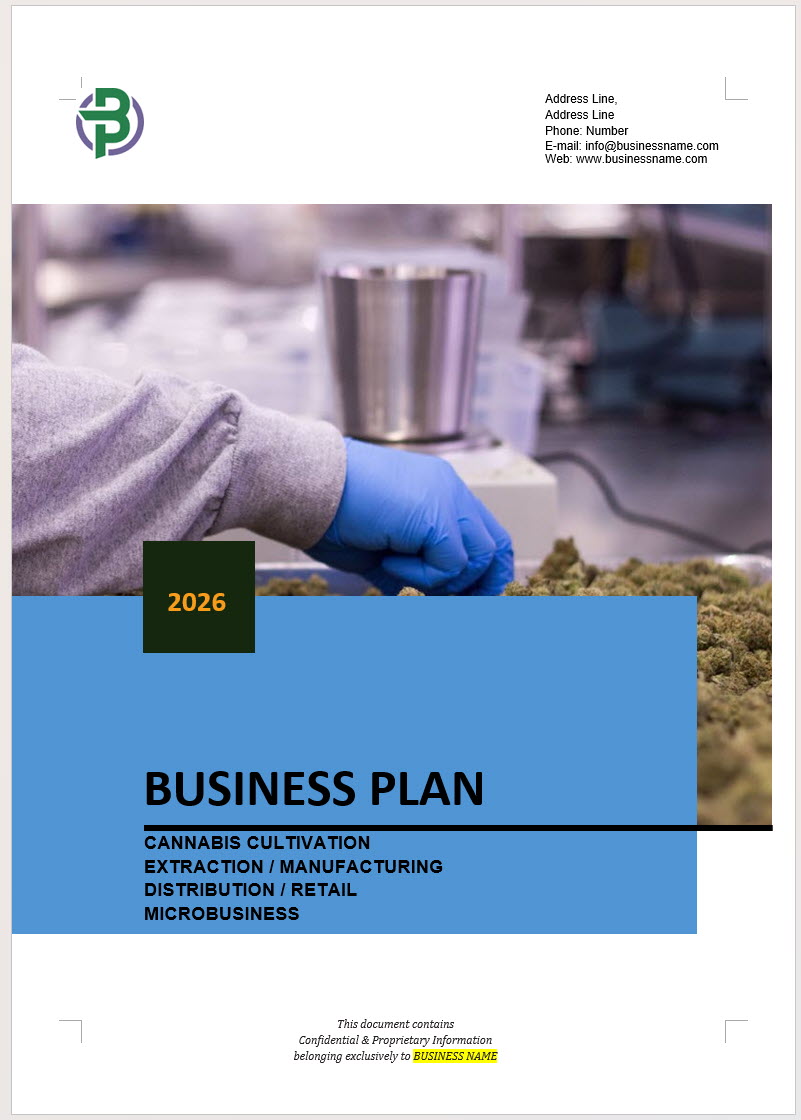
Cannabis Cultivation, Extraction, Manufacturing, Distribution, Retail and Microbusiness Business Plan Template
Price range: $75.00 through $500.00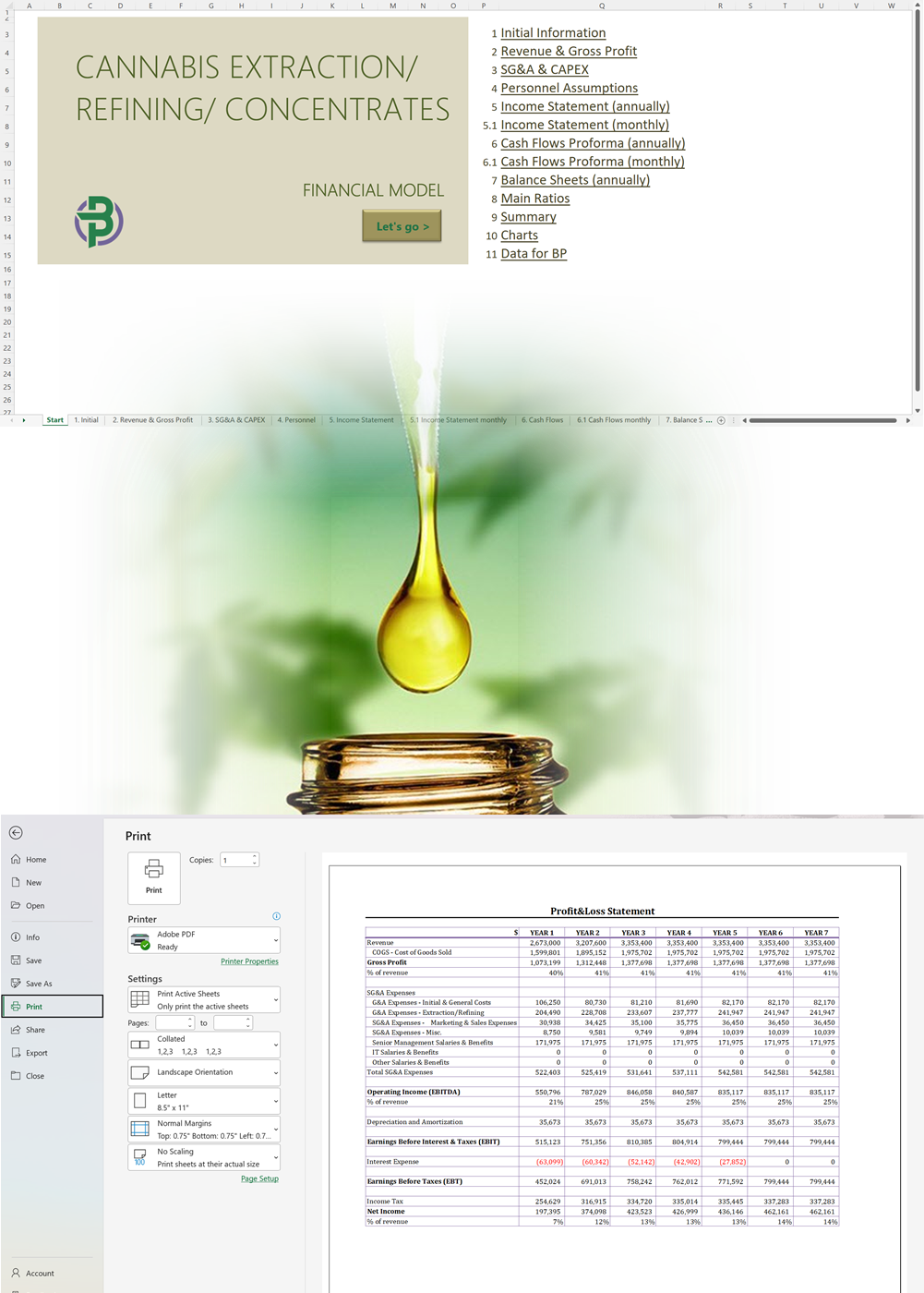

Cannabis Micro Cultivation Business Plan Template
Price range: $75.00 through $300.00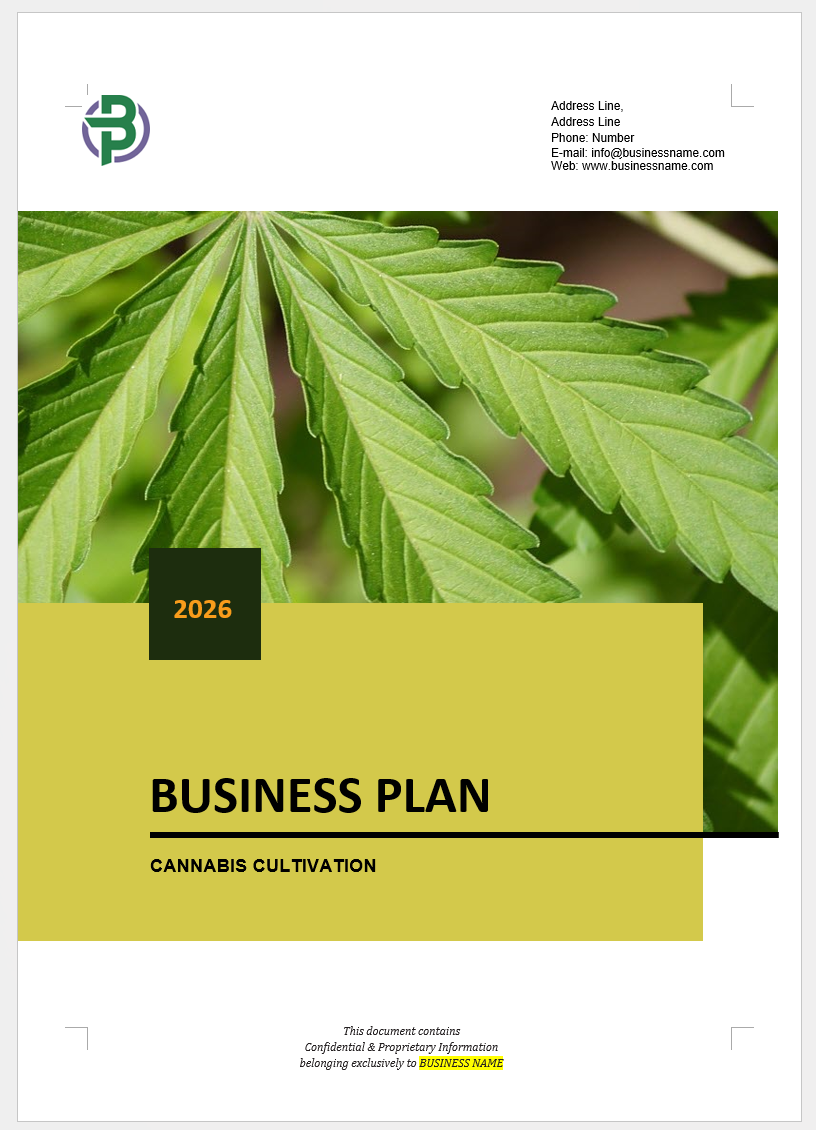
Cannabis Cultivation Business Plan Template
Price range: $75.00 through $350.00