Key Takeaways
- Cannabis law and regulations:
- The Nevada Medical Cannabis Program is governed by Title 56 Nevada Revised Statutes 678A‐678C and Nevada Cannabis Compliance Regulations (NCCR) 453A.
- The Nevada Adult-Use Cannabis Program is governed by Title 56 Nevada Revised Statutes 678A-B, D.
- As of July 1, 2020, both programs are administered by the Cannabis Compliance Board (CCB).
- Licenses available:
- There are six types of cannabis licenses in Nevada: Cultivation facility, Product manufacturing facility, Cannabis testing facility/independent testing lab, Distributor (adult-use only), Retail cannabis store/medical dispensary and Cannabis consumption lounges. A single entity can hold any combination of licenses, establishing a fully cannabis vertically integrated business.
- Products legal:
- A wide range of cannabis products are available, including dried flower, concentrates, edibles, and more. Adults can buy up to 2.5 ounces of cannabis and up to 1/4 of an ounce of concentrated cannabis (the separated resin, whether crude or purified, obtained from cannabis).
- Taxes:
- 15 percent excise tax on the first wholesale sale (calculated on the Fair Market Value for Affiliate sales and calculated on the sales price for Non‐affiliate sales). Wholesale cannabis excise taxes are the responsibility of the cultivation facility.
- 10 percent excise tax on the sales price when sold by an adult‐use cannabis retail store. Retail cannabis excise taxes are the responsibility of the adult‐use retail store, retail cannabis consumption lounge and an independent cannabis consumption lounge but may be recovered from the purchaser.
- Market:
- According to data released by the state’s tax authorities, taxable sales – including both medical and adult-use cannabis – totaled $829 million in fiscal year 2024 and approximately $758 million in fiscal year 2025. Despite a decline in sales volume, the average price per item in Nevada experienced a modest increase in the second half of 2025, rising from $20.68 to $21.10, according to Headset. This uptick suggests a potential stabilization in pricing, even as overall market activity contracted.
Nevada Cannabis Market Legalization
Nevada voters legalized medical cannabis on the ballot in 2000. In 2013 the state Legislature passed a law allowing for medical dispensaries.
On November 8, 2016, voters approved ballot Question 2, giving adults in Nevada the ability to consume up to an ounce of cannabis. The new law, the Regulation and Taxation of Marijuana Act, took effect in the state on January 1, 2017, and recreational cannabis sales became legal on July 1, 2017.
In 2021, Nevada passed the Assembly Bill 341 which allowed for the licensing and regulation of cannabis consumption lounges – establishments where individuals can consume cannabis in public. The first cannabis consumption lounge was approved in February 2024.
As of September 2025, there were a total of 349 active medical and recreational cannabis establishments. This is broken down into:
- 1 medical cannabis dispensary
- 105 cultivation facilities
- 84 production facilities
- 8 independent testing laboratories
- 2 lounge facilities
- 107 retail cannabis stores
- 42 distributors
In 2018, there were 659 final medical and adult-use certificates/licenses issued and 245 provisional/conditional certificates/licenses. In 2019, Nevada awarded 65 conditional adult-use retail licenses to 17 separate businesses, bringing to 125 the number of recreational cannabis shops allowed statewide. From 2021 to 2022, there was a slight increase in the total number of licensees from 745 to 754. However, this number fell to 665 in 2023 and, as shown above, further down to just 349 in 2025.
Nevada Cannabis Market Stats and Perspectives
Data from the state’s tax officials reveals that fiscal year 2024 brought $829 million in taxable sales. Looking at sales statistics on a calendar year basis, the first two quarters of 2024 generated more than $430 million in taxable sales.
From the beginning of the recreational cannabis legalization, sales were driven by two main factors:
- Nevada’s early start program: this allowed medical cannabis licensees to start selling recreational cannabis from July 1, 2017.
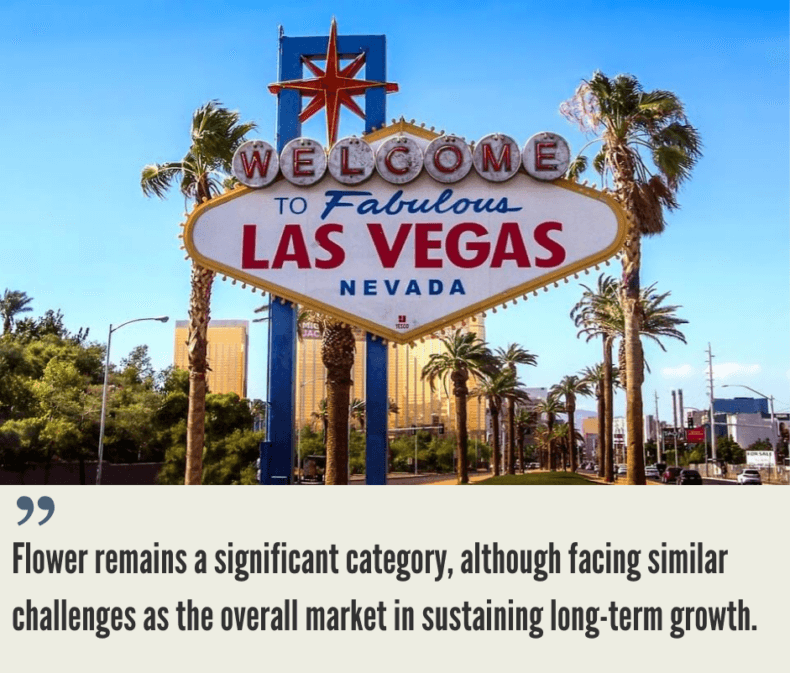
- Over 40 million visitors travel to Las Vegas each year.
In the 2018 fiscal year (July), Nevada retailers sold about $530 million worth of medical and recreational cannabis, with the adult-use market having generated roughly $425 million of that revenue – an average of $35.4 million per month.
From there, total cannabis sales rose consistently with $639 million generated in 2019 and state tax officials reporting $685 million in taxable sales in the 2020 fiscal year – up by $46 million (7%) from 2019. This trend continued with sales reaching $1,003 million in the 2021 fiscal year – an increase of over 45% from the previous period. The adult-use market generated roughly $920 million of that revenue – an average of $76.7 million per month.
Total sales for fiscal years 2022 and 2023 decreased to about $965 million and $848 million respectively, with $893 million and $801 million coming from adult cannabis sales, averaging $74.4 million and $66.8 million per month.
On a calendar year basis, in 2021 (January-December), cannabis sales totaled $1,042 million. Total sales for year 2022 decreased to about $896 million, with $816 million coming from adult cannabis sales, averaging $68 million per month. 2023 calendar year generated $840 million in total cannabis sales, including $776 million of adult use cannabis sales.
According to data released by the state’s tax authorities, taxable sales – including both medical and adult-use cannabis – totaled $829 million in fiscal year 2024 and approximately $758 million in fiscal year 2025.
Despite a decline in sales volume, the average price per item in Nevada experienced a modest increase in the second half of 2025, rising from $20.68 to $21.10, according to Headset. This uptick suggests a potential stabilization in pricing, even as overall market activity contracted.
As of August 2025, cannabis flower and pre-rolls represented the largest segment of recreational cannabis sales, accounting for 58% of total revenue. Concentrates comprised approximately 30% of sales, with vapor pens making up 25% of that category. Edibles accounted for just over 13% of recreational sales, including beverages, which contributed 1.5%.
In contrast, medical cannabis sales are predominantly driven by infused edibles, which consistently represent more than 60% of monthly medical cannabis revenue.
Cannabis Taxes
Cannabis business is subject to the following taxes:
- 15 percent excise tax on the wholesale sale;
- 10 percent excise tax on the retail sale.
Cannabis tax contributions have increased by 6% year over year, from $99.18 million paid in the 2019 fiscal year to $105.11 million in 2020. This was followed by a 50% increase to $157.75 million in 2021 and then fell to $152.33 million in 2022 and further down to $133.09 million in 2023, $120.54 million in 2024 and $111.85 million in 2025.
Nevada Cannabis Market Infographics
Cannabis Retail and Lounge Business Plan Sample, Nevada
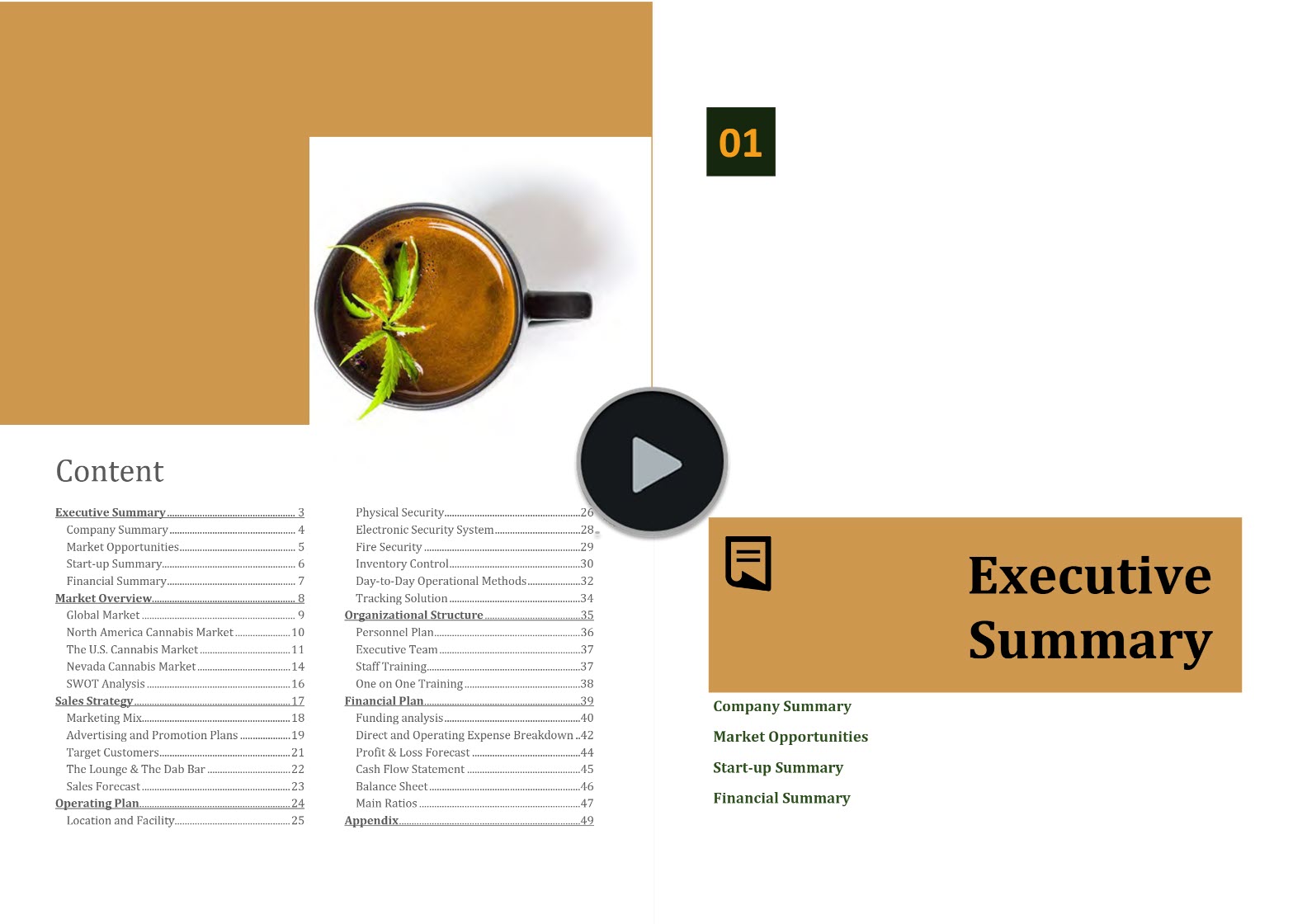
'70% ready to go' business plan templates
Our cannabis financial models and cannabis business plan templates will help you estimate how much it costs to start and operate your own cannabis business, to build all revenue and cost line-items monthly over a flexible seven year period, and then summarize the monthly results into quarters and years for an easy view into the various time periods. We also offer investor pitch deck templates.
Best Selling Templates
-

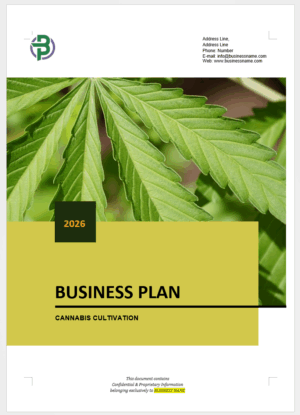
Cannabis Cultivation Business Plan Template
Price range: $75.00 through $350.00 Select options This product has multiple variants. The options may be chosen on the product page -

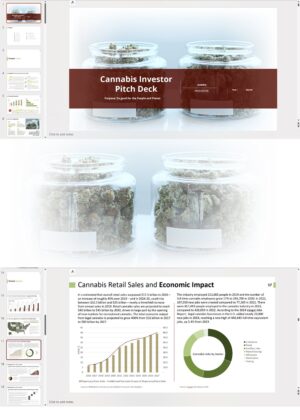
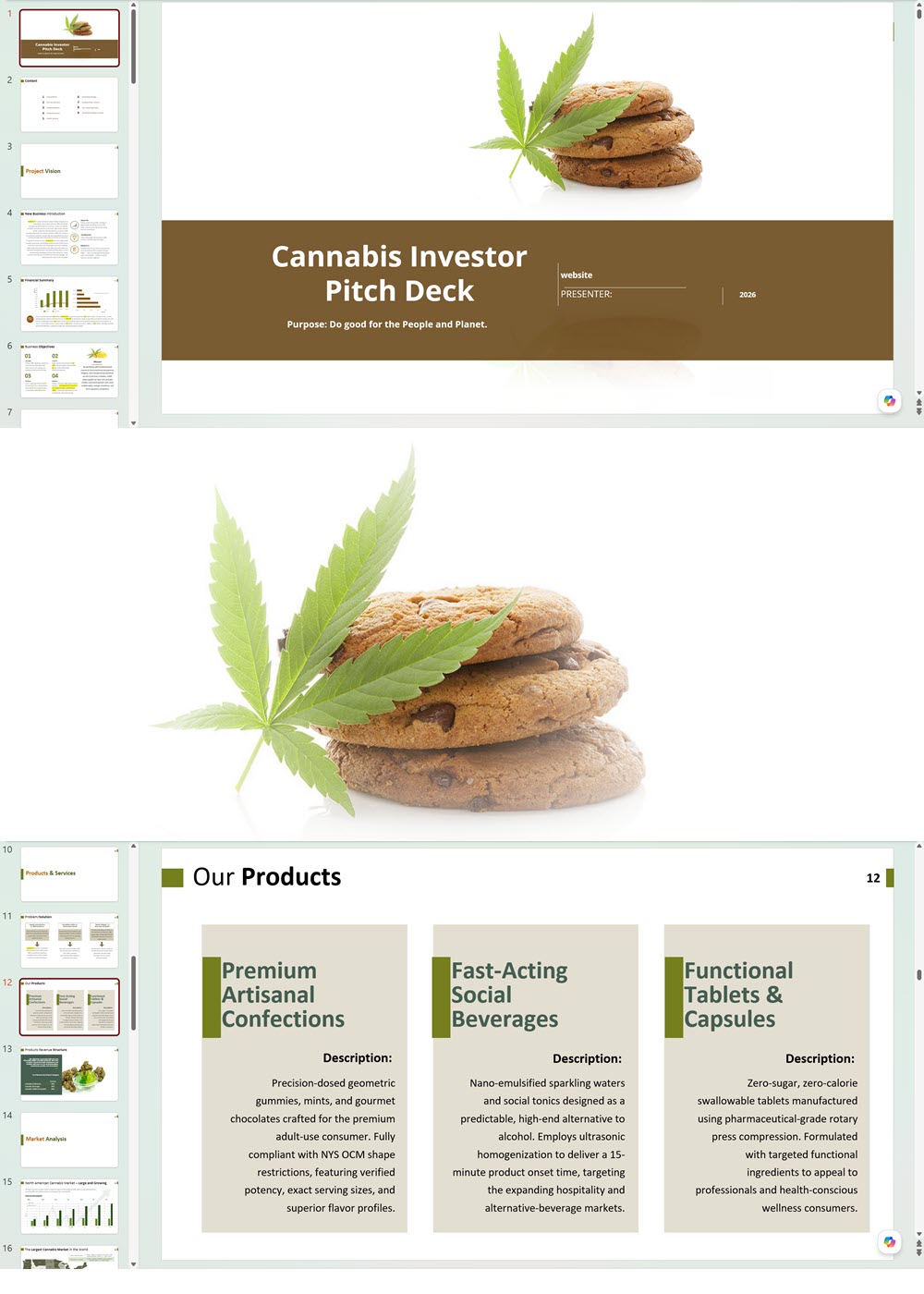
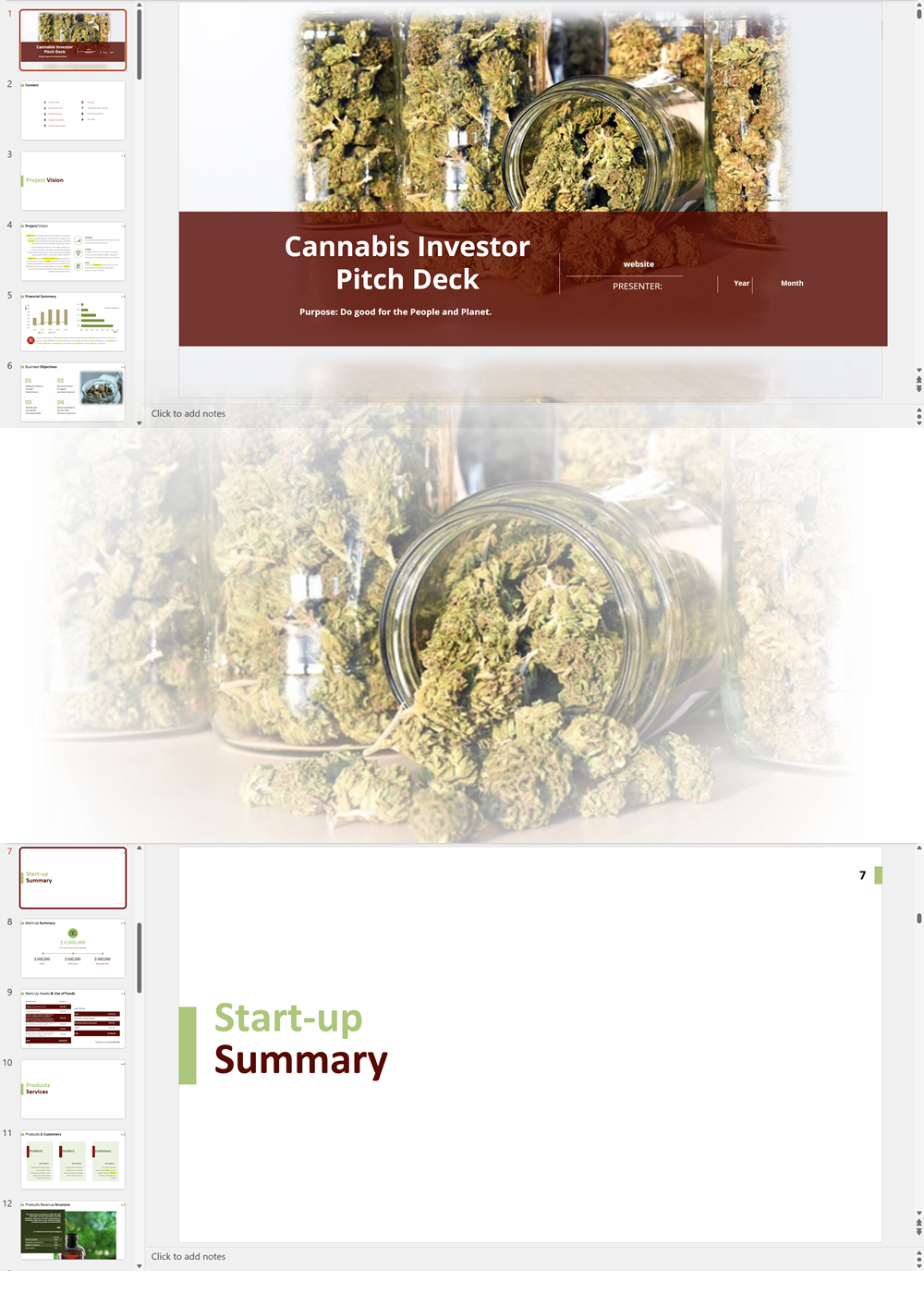
Cannabis Dispensary Investor Pitch Deck Template
$75.00 Select options This product has multiple variants. The options may be chosen on the product page -
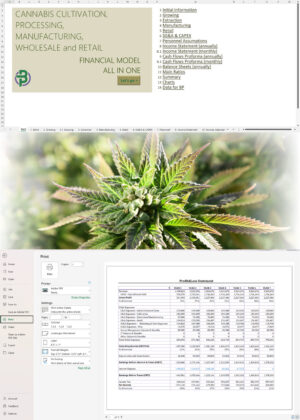
Cannabis Financial Model All in One
$250.00 Select options This product has multiple variants. The options may be chosen on the product page
Hemp CBD business plan templates are available at hempcbdbusinessplans.com.
Our Templates
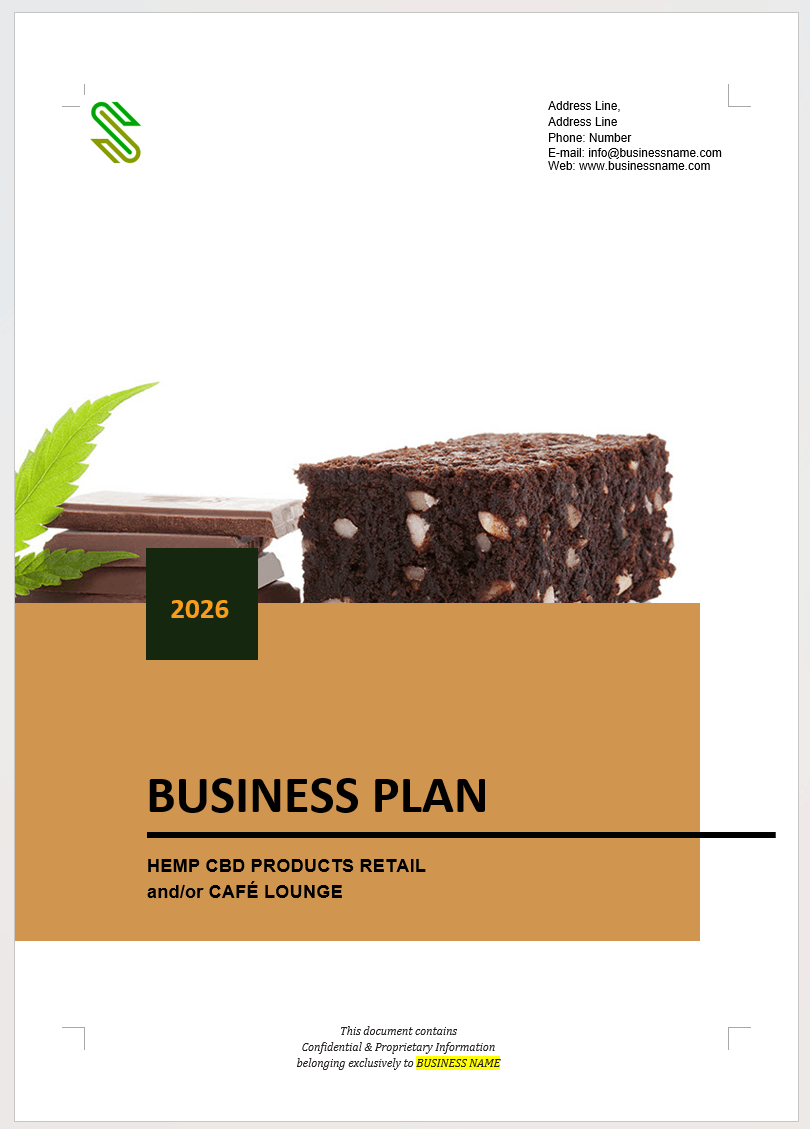
CBD Store and/or Cafe Lounge Business Plan Template
Price range: $75.00 through $275.00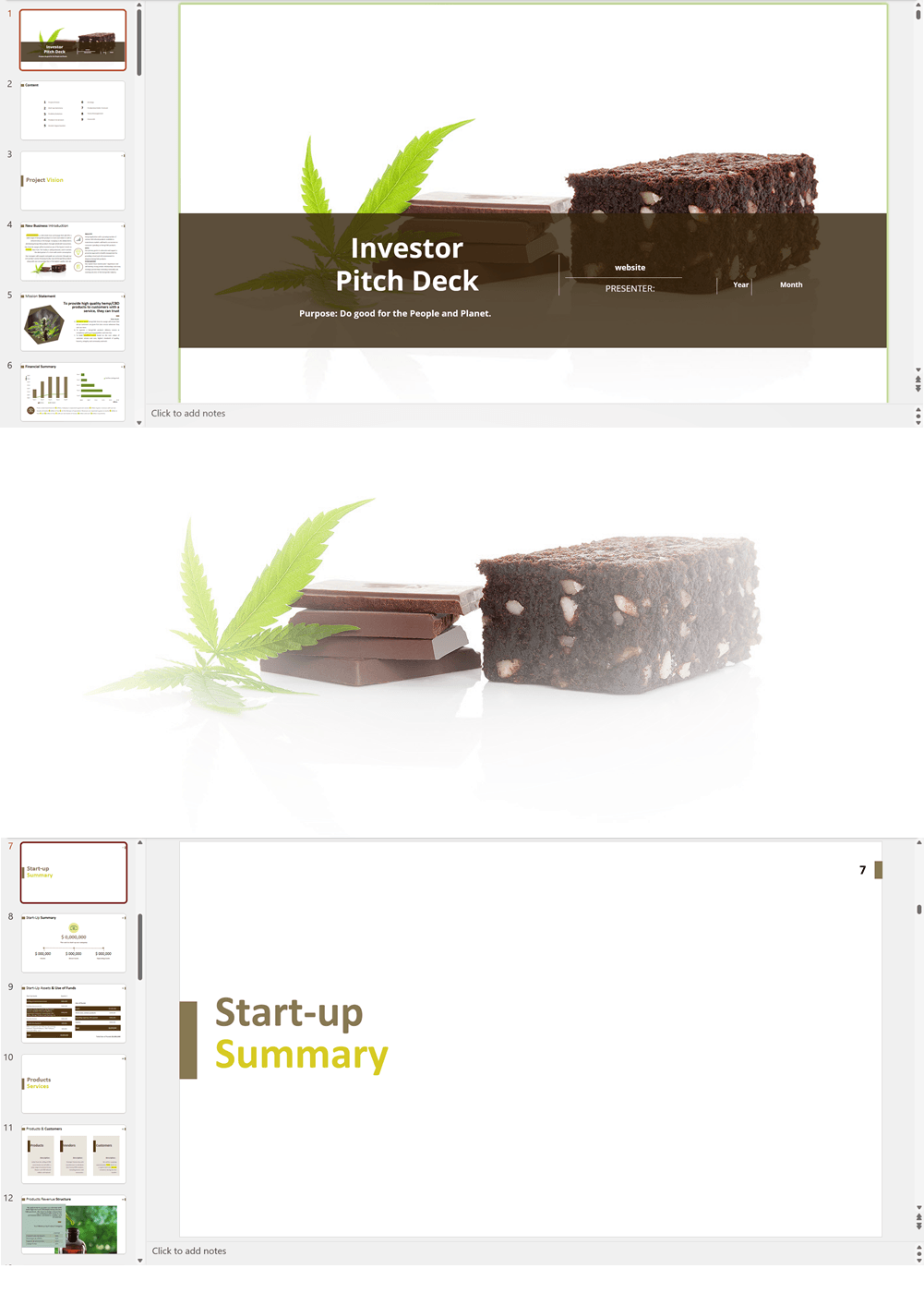
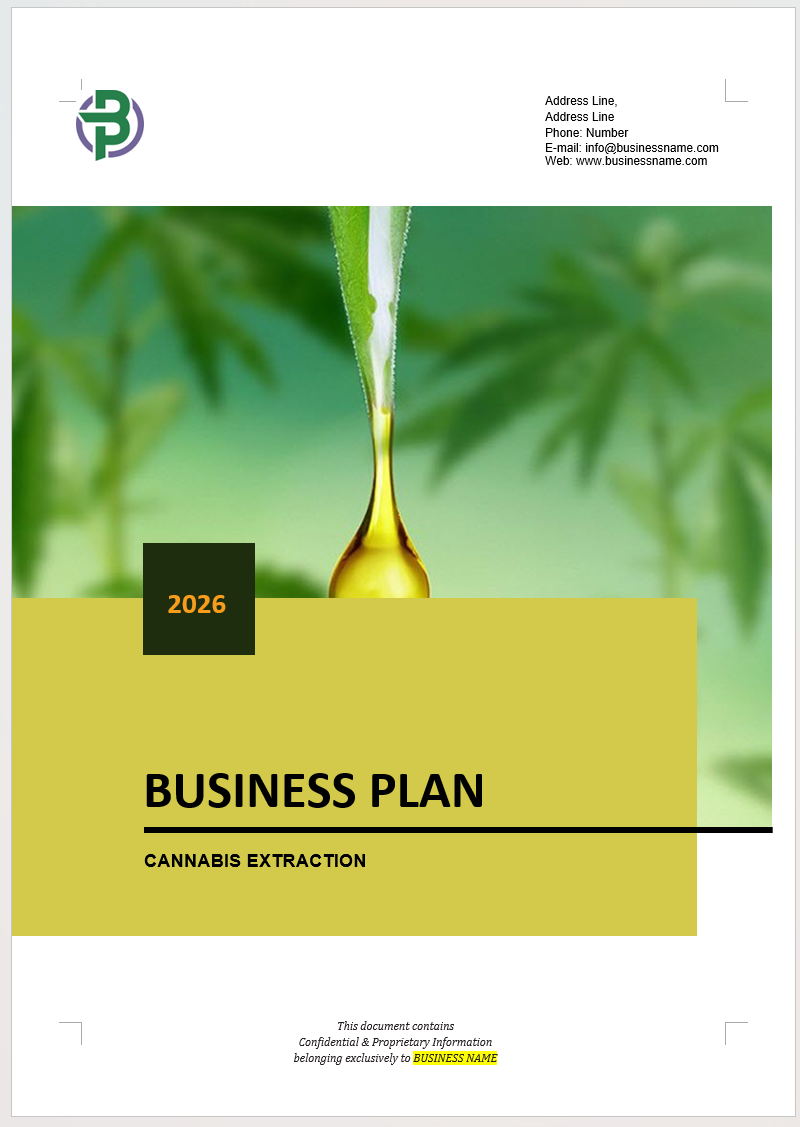
Cannabis Extraction / Concentrates Business Plan Template
Price range: $75.00 through $350.00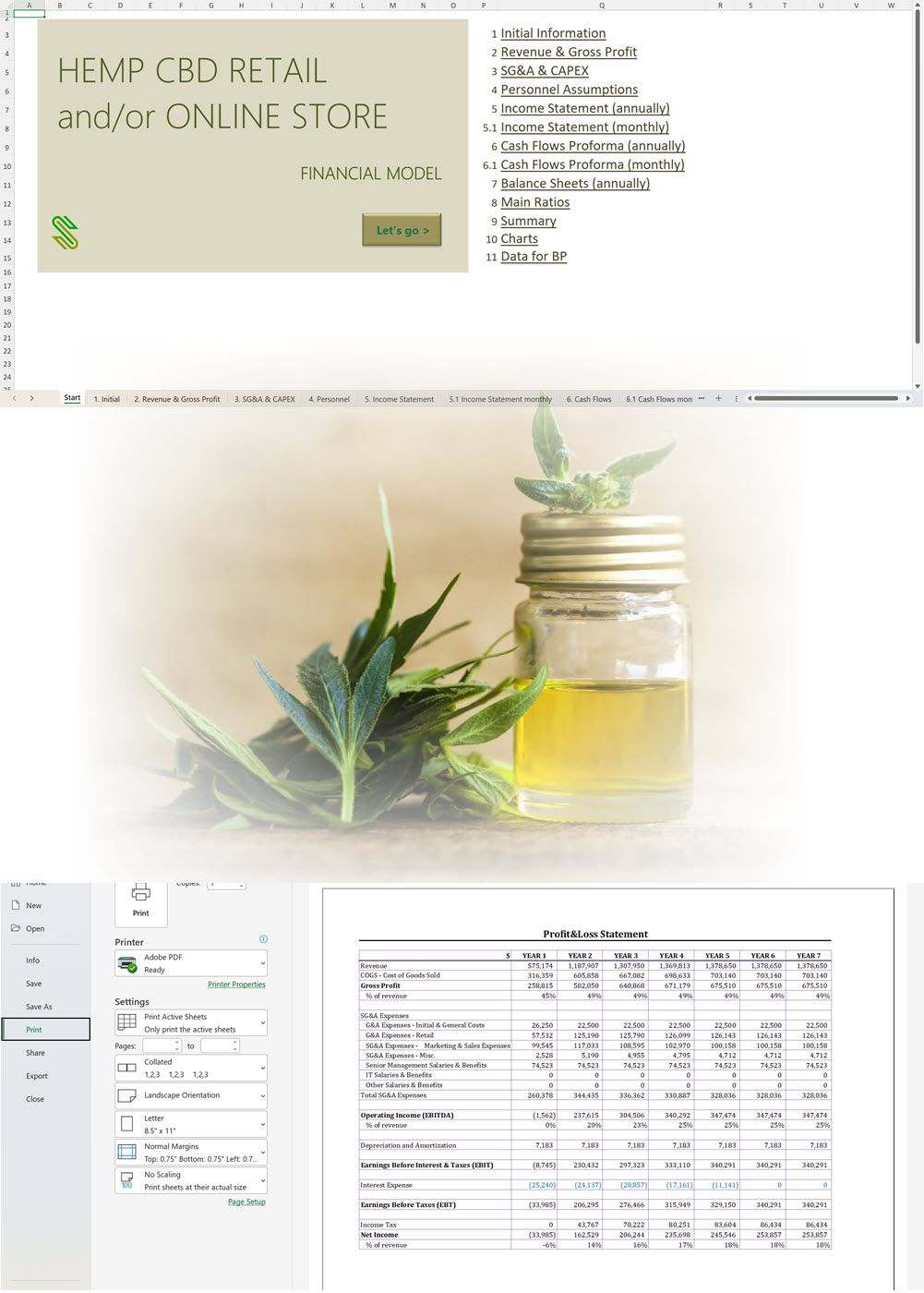
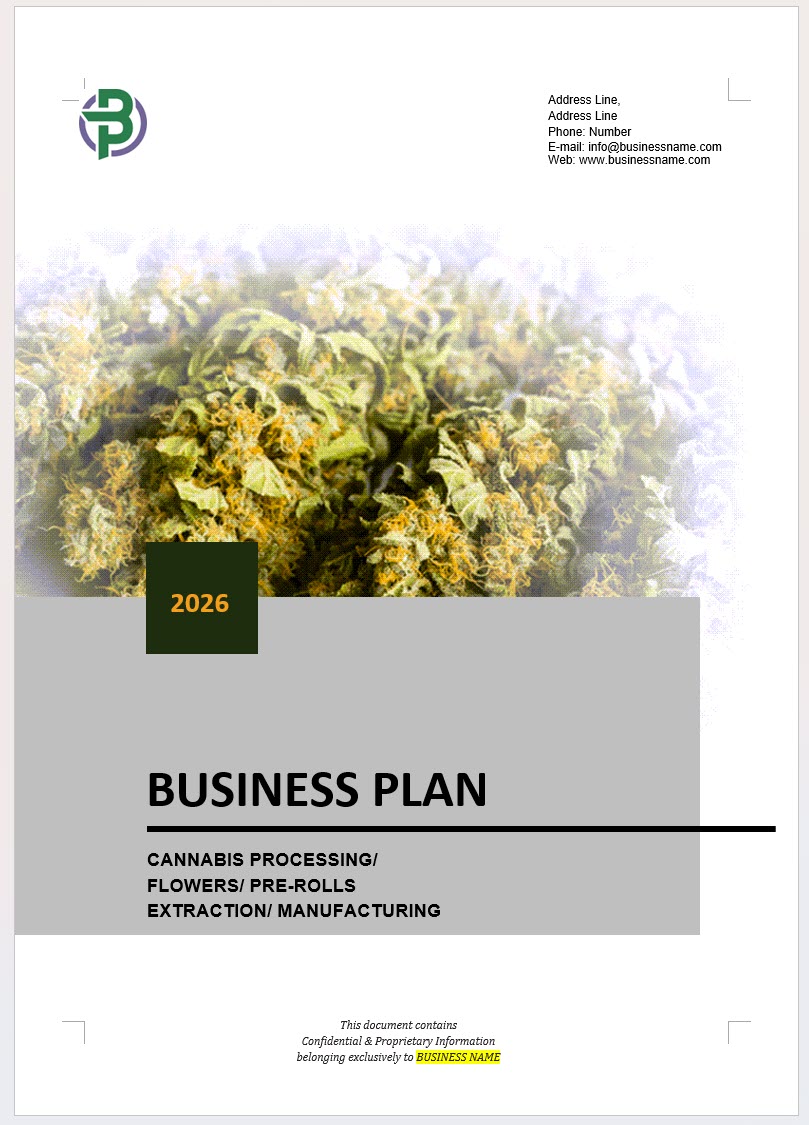
Cannabis Processing/ Flowers/ Pre-rolls/ Extraction/ Manufacturing Business Plan Template
Price range: $75.00 through $350.00
Cannabis Transportation Business Plan Template
Price range: $75.00 through $275.00
CBD Products Retail/Online Store Business Plan Template
Price range: $75.00 through $275.00
Cannabis Edibles Financial Model
$150.00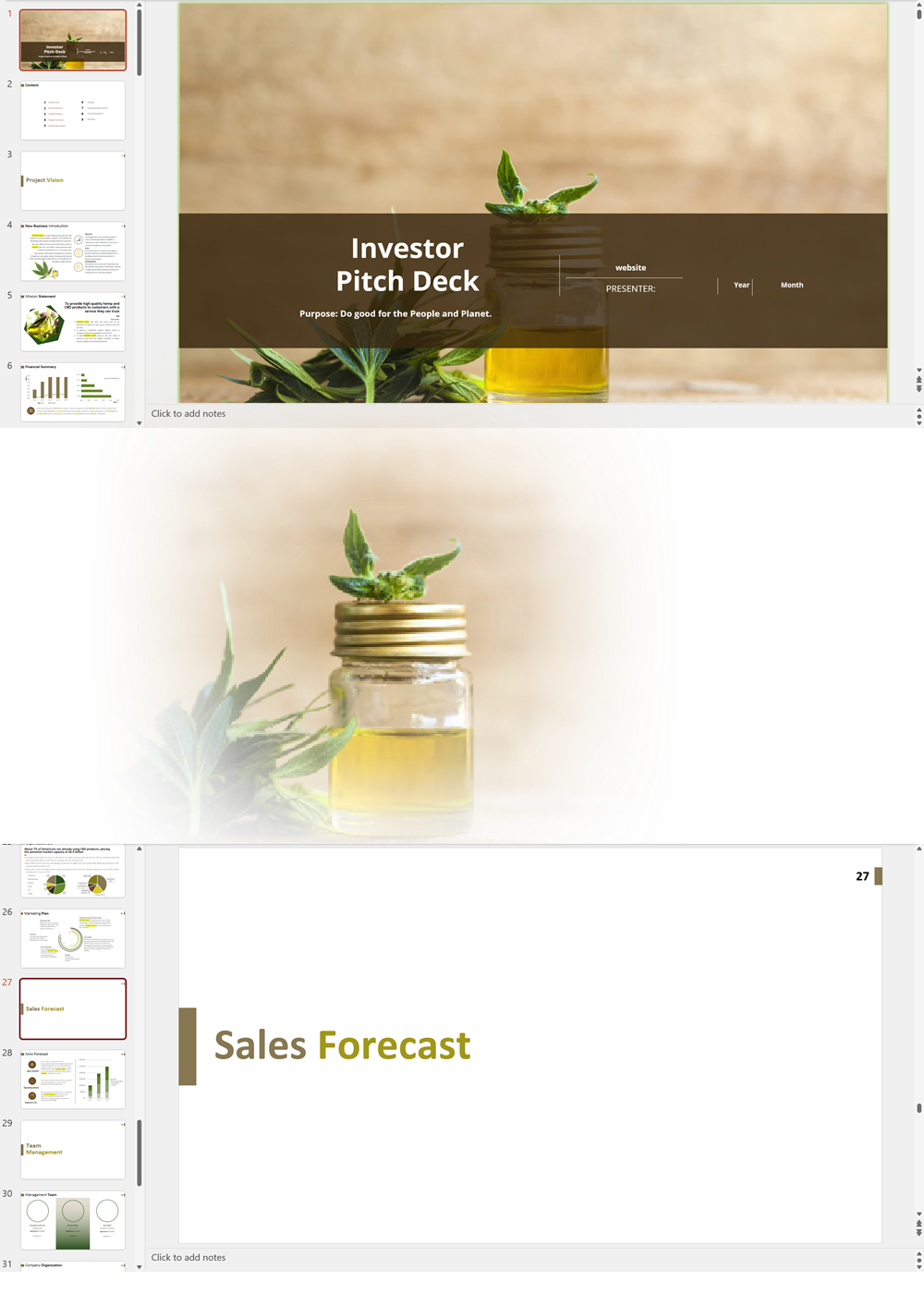
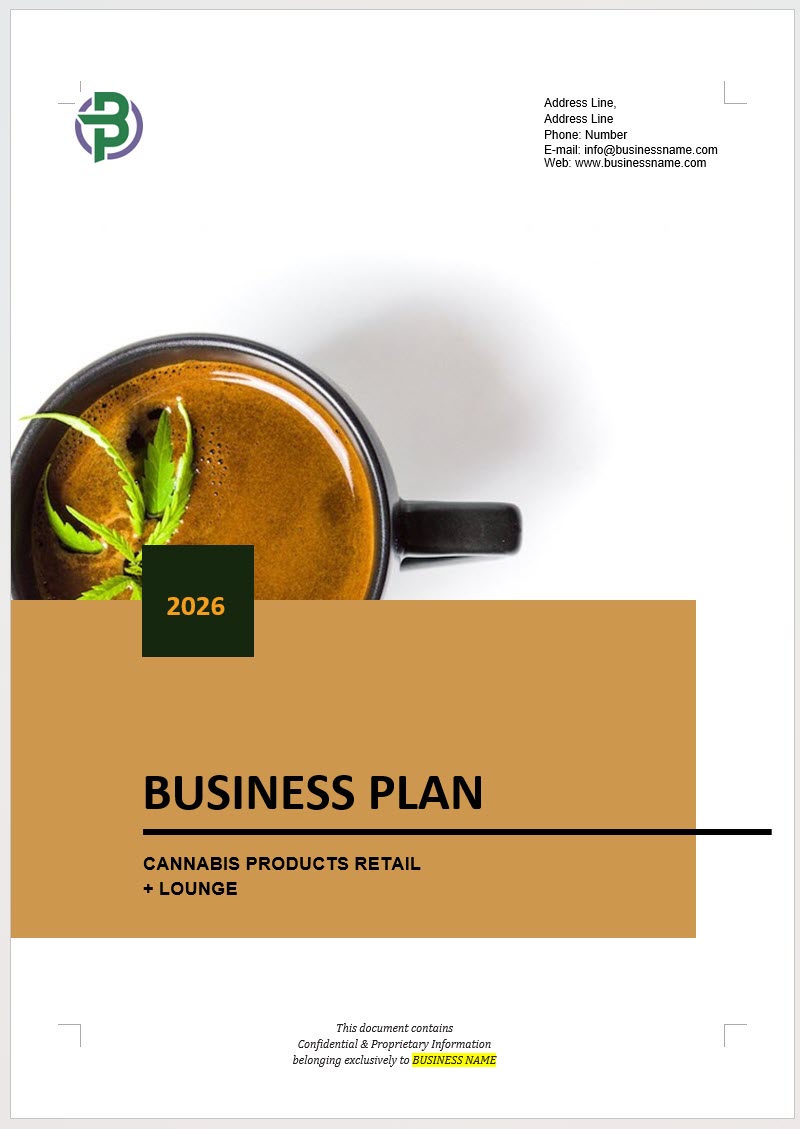
Cannabis Lounge + Retail Business Plan Template
Price range: $75.00 through $350.00
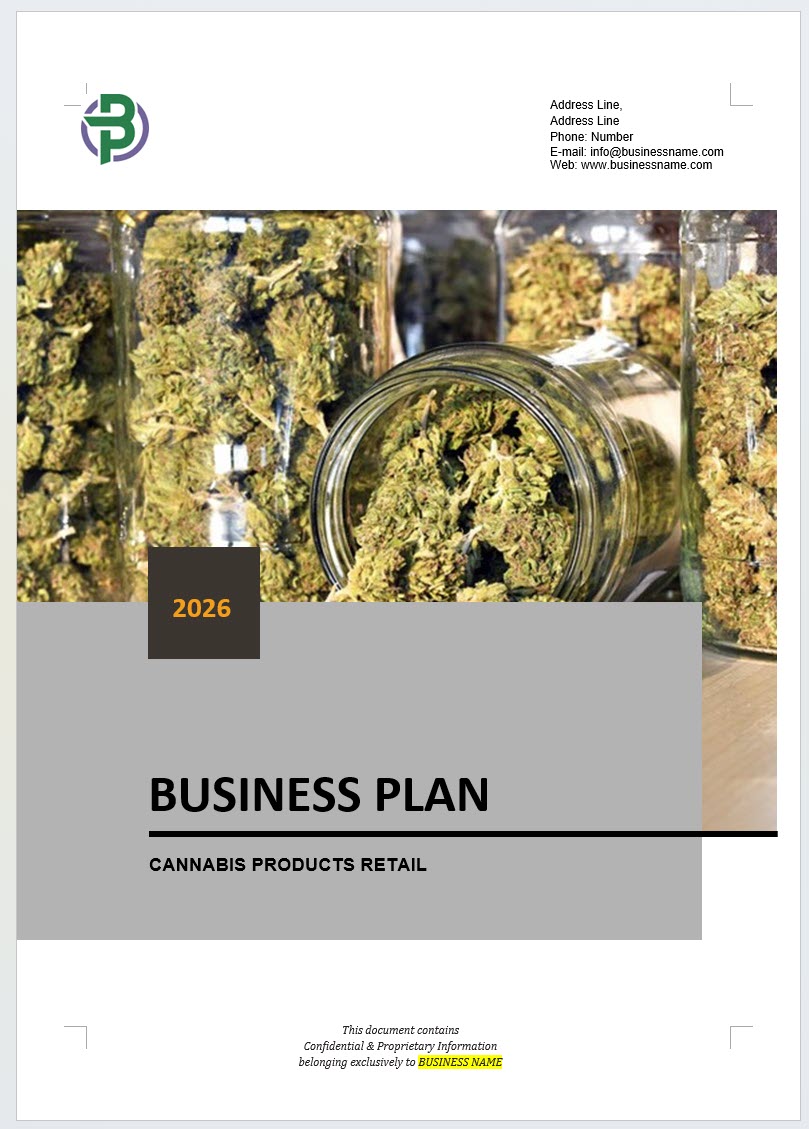
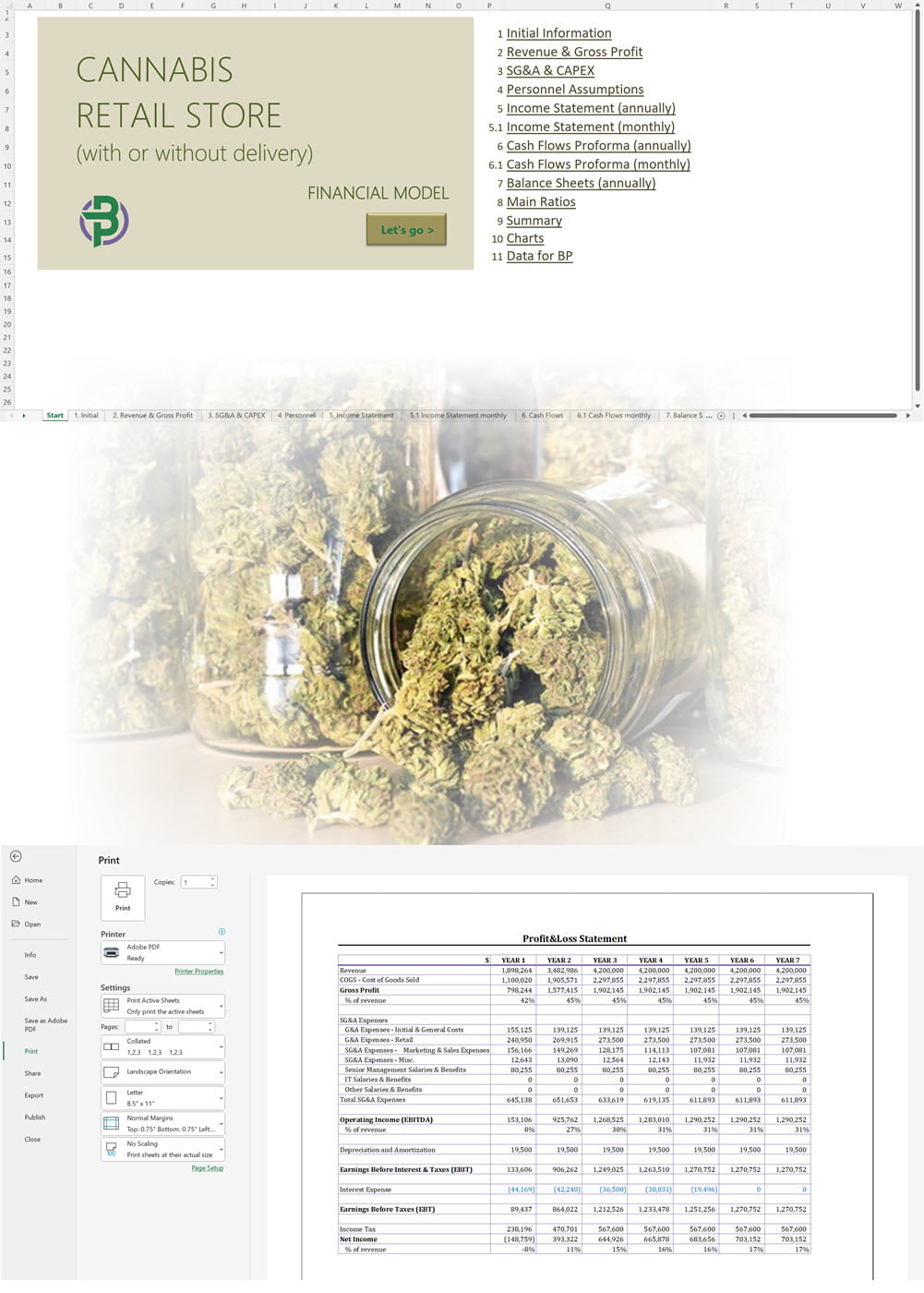
Cannabis Retail Business Plan Template (with or without Delivery)
Price range: $75.00 through $350.00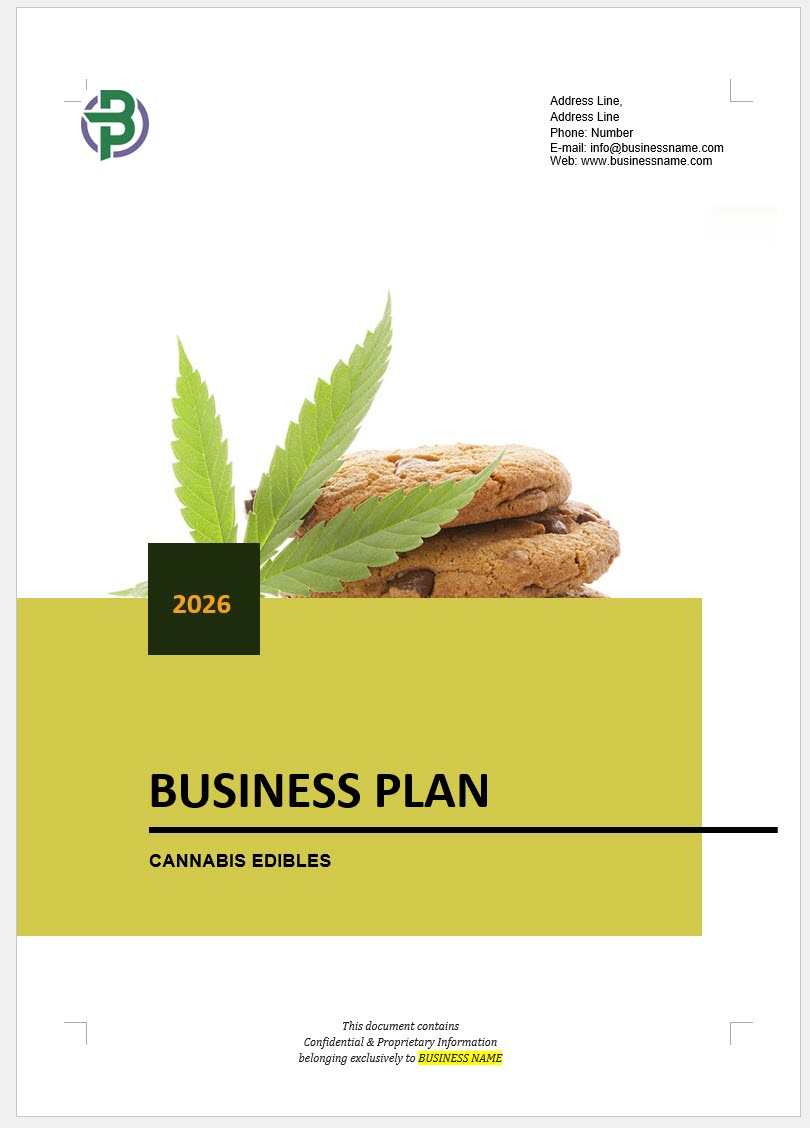
Cannabis Edibles Business Plan Template
Price range: $75.00 through $350.00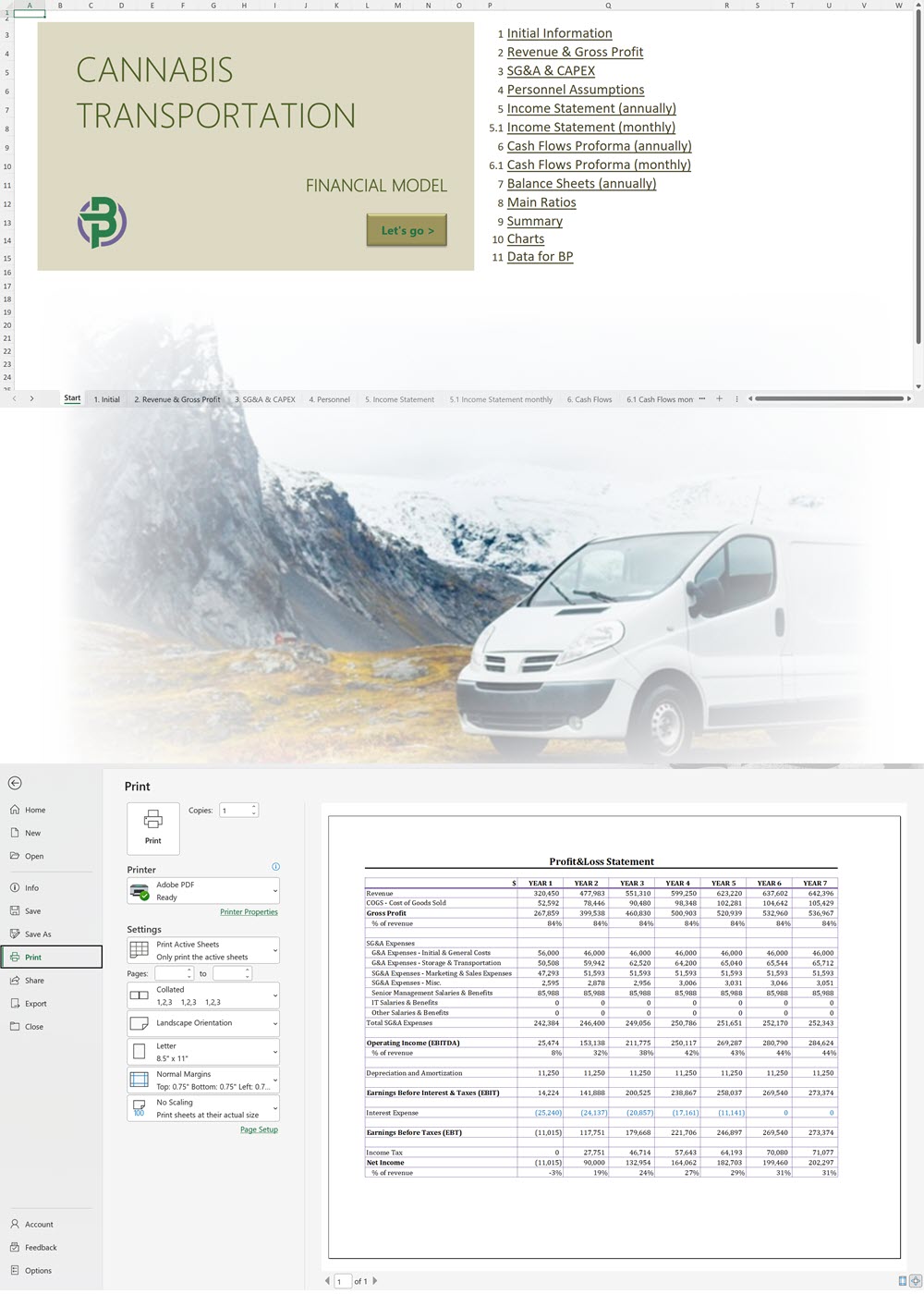
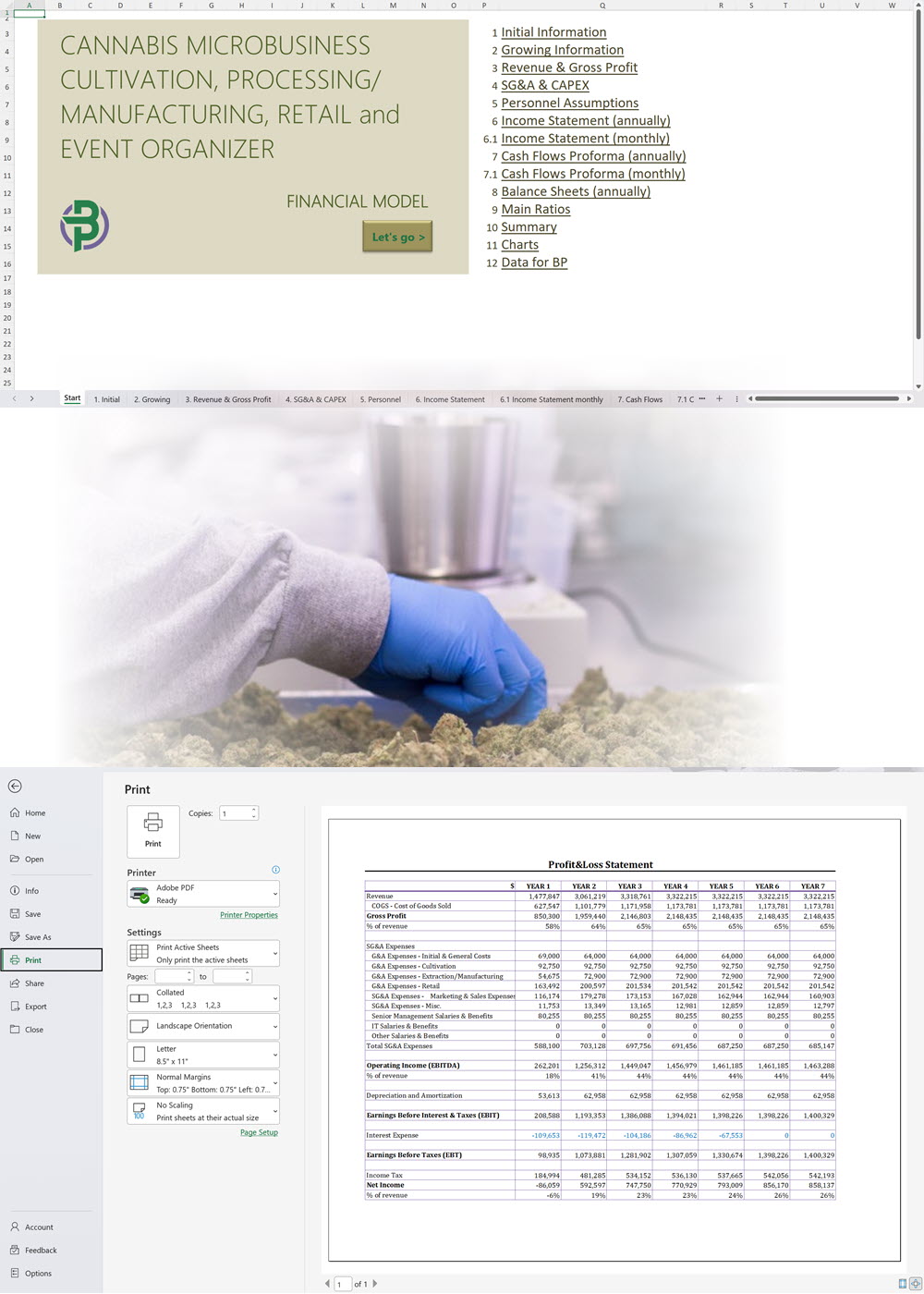
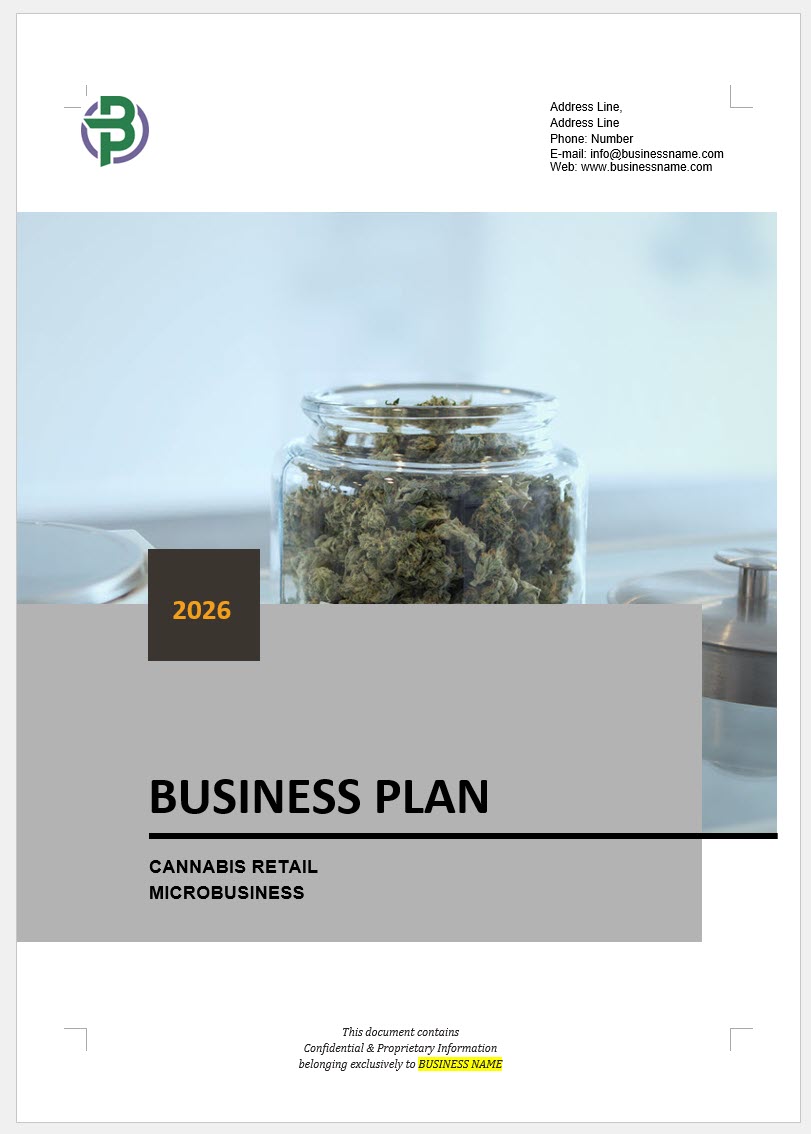
Cannabis Retail Microbusiness Business Plan Template
Price range: $75.00 through $275.00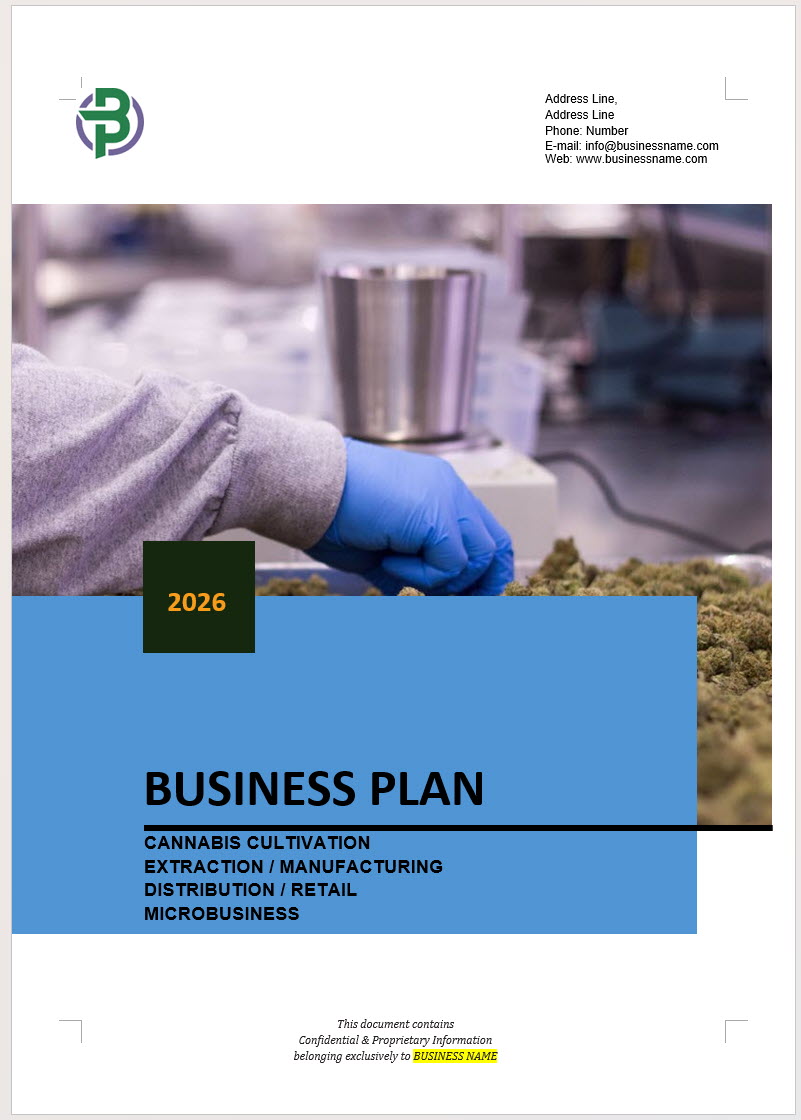
Cannabis Cultivation, Extraction, Manufacturing, Distribution, Retail and Microbusiness Business Plan Template
Price range: $75.00 through $500.00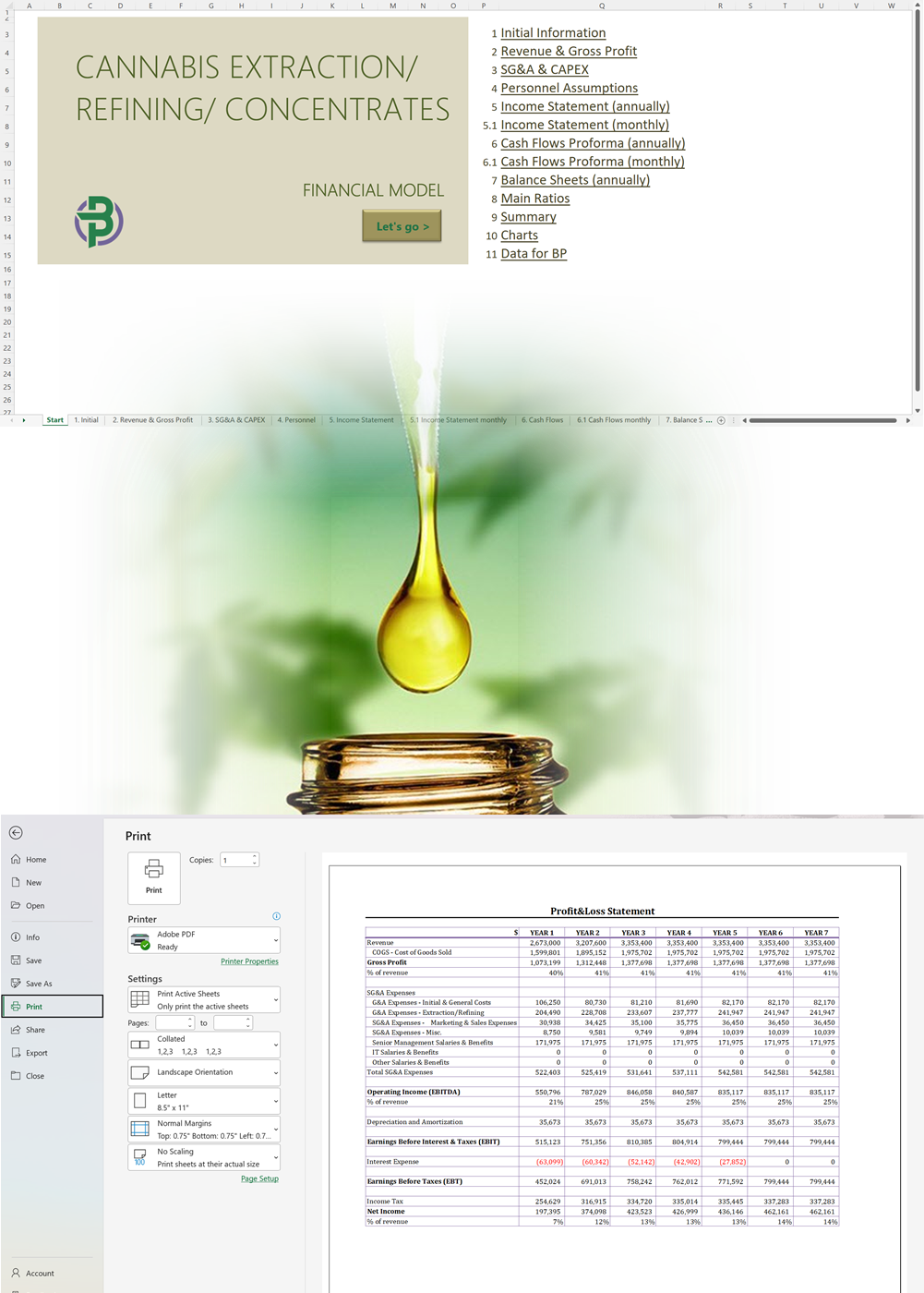

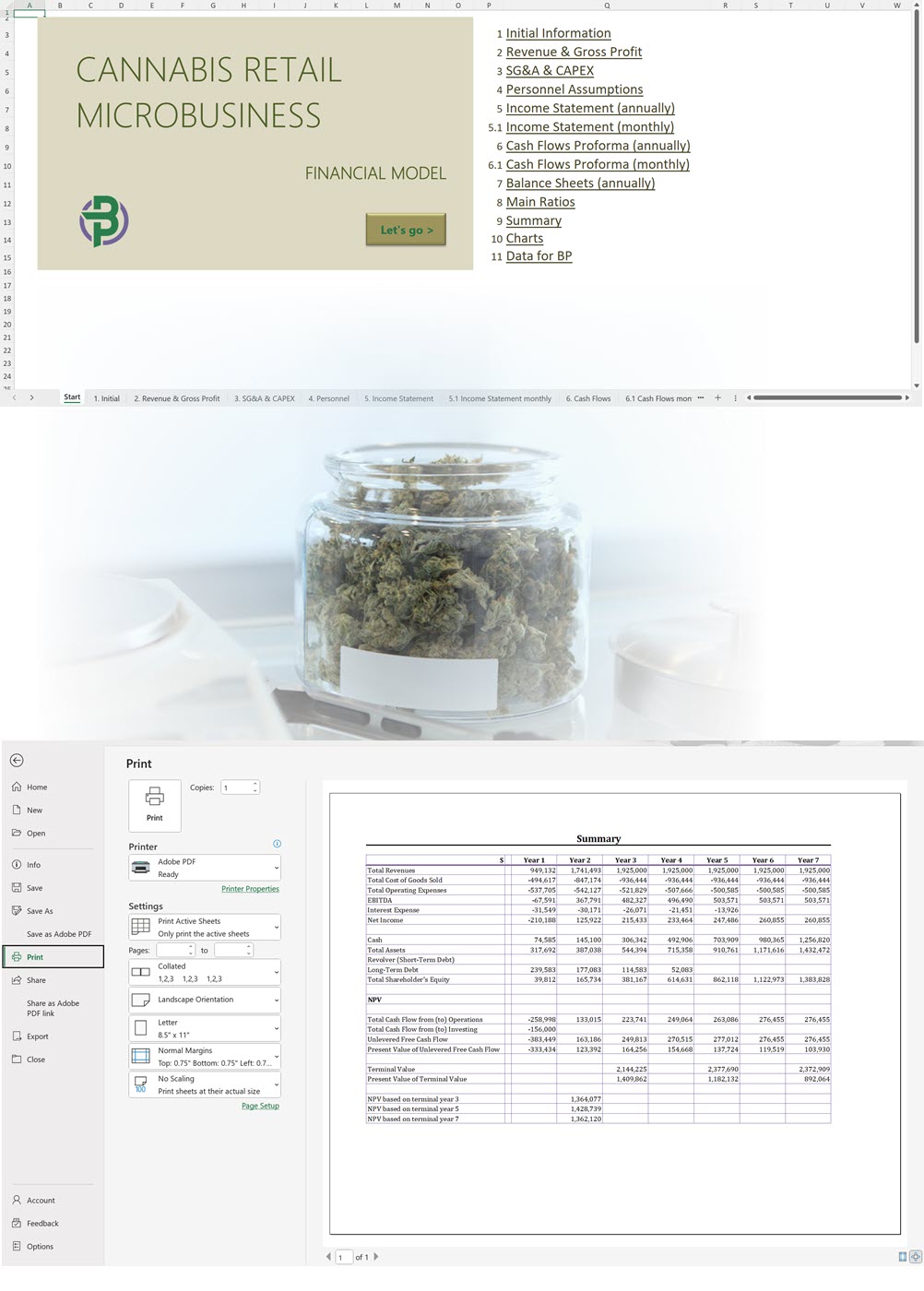
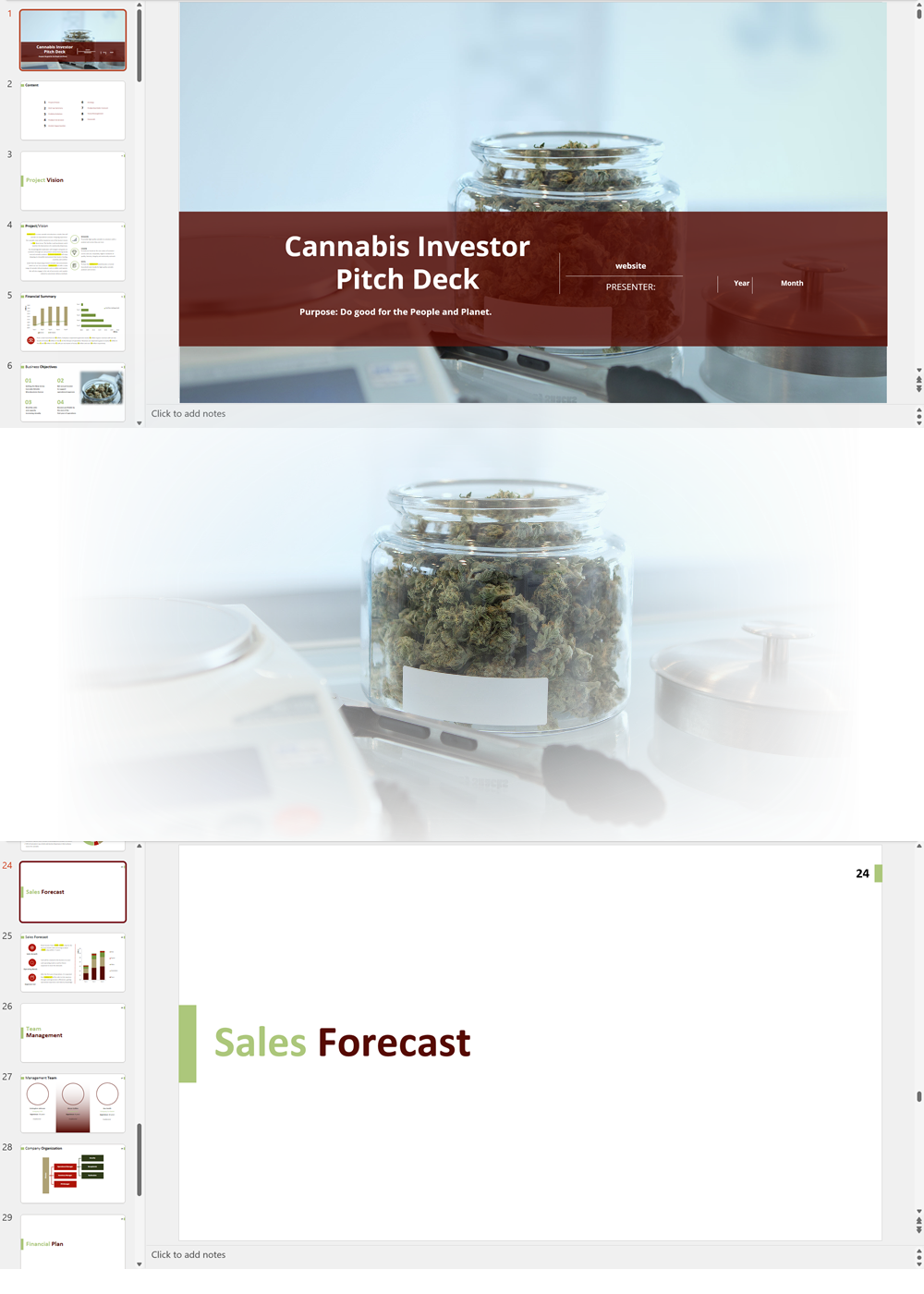
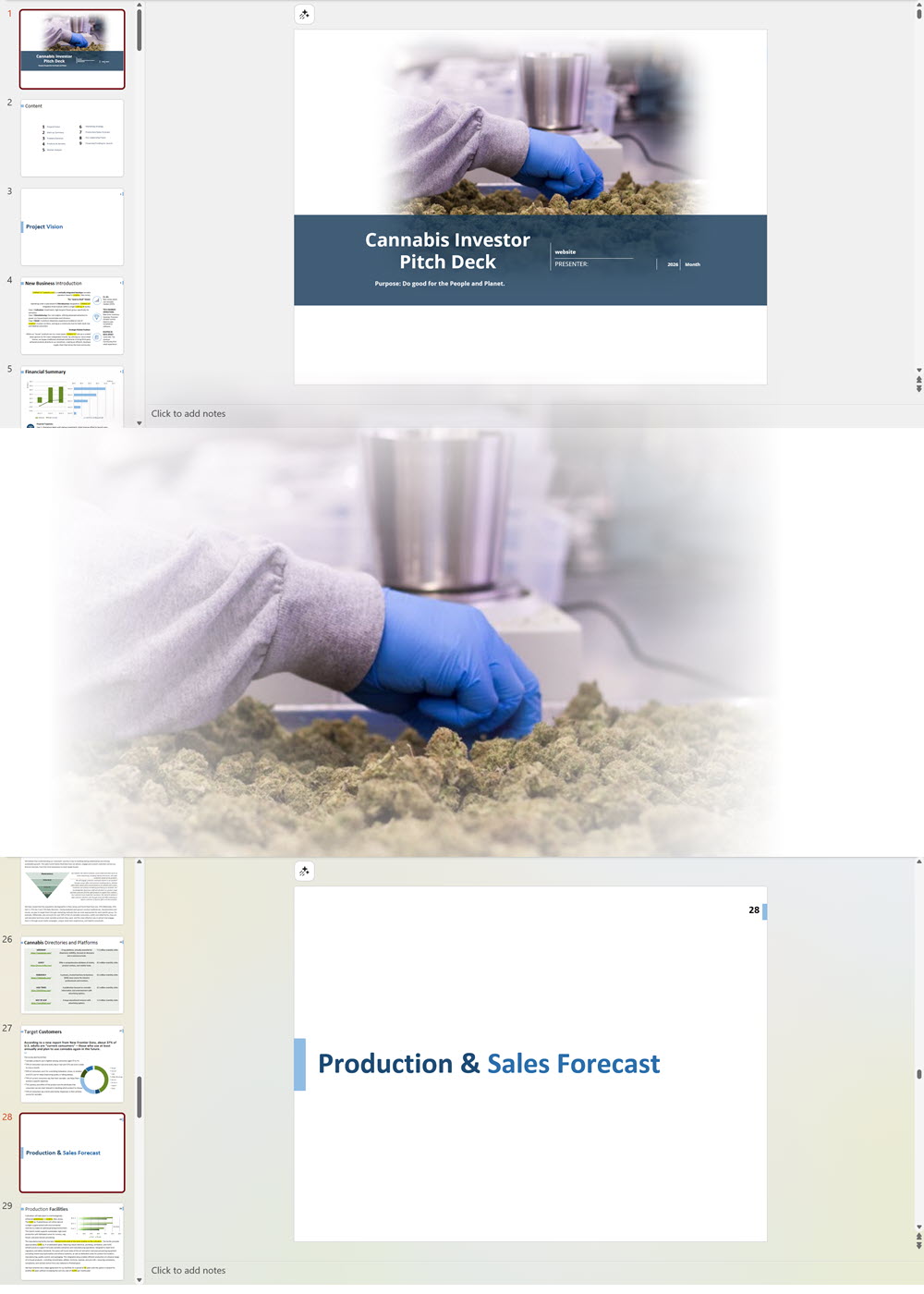
Cannabis Micro Cultivation Business Plan Template
Price range: $75.00 through $300.00
Cannabis Cultivation Business Plan Template
Price range: $75.00 through $350.00