- Understand regulatory and legal requirements. Do market research.
Research the laws and regulations governing adult-use or medical-use cannabis for more information about the regulatory requirements for licensure in the city or town you wish to operate in.
Delaware Cannabis Legalization
The Delaware Medical Marijuana Act was signed into law on May 13, 2011, and became effective on July 1, 2011. The Delaware Department of Health and Social Services (DHSS), Division of Public Health (DPH) is responsible for implementing the Delaware Medical Marijuana Act.
Recreational cannabis was legalized in April 2023 through two house bills: HB 1 and HB 2. House Bill 1 regulates the legal personal use of recreational marijuana. House Bill 2 establishes and regulates the Delaware marijuana industry.
The Office of the Marijuana Commissioner (OMC) is the agency responsible for regulating the recreational marijuana industry in Delaware, pursuant to the Delaware Marijuana Control Act, which became effective on July 5, 2023. House Bill 425 has transitioned the Medical Marijuana Program from the Division of Public Health to OMC in 2024.
- Decide the type of cannabis business. Choose a location. Check local zoning regulations.
Cannabis Licenses Types Available in Delaware
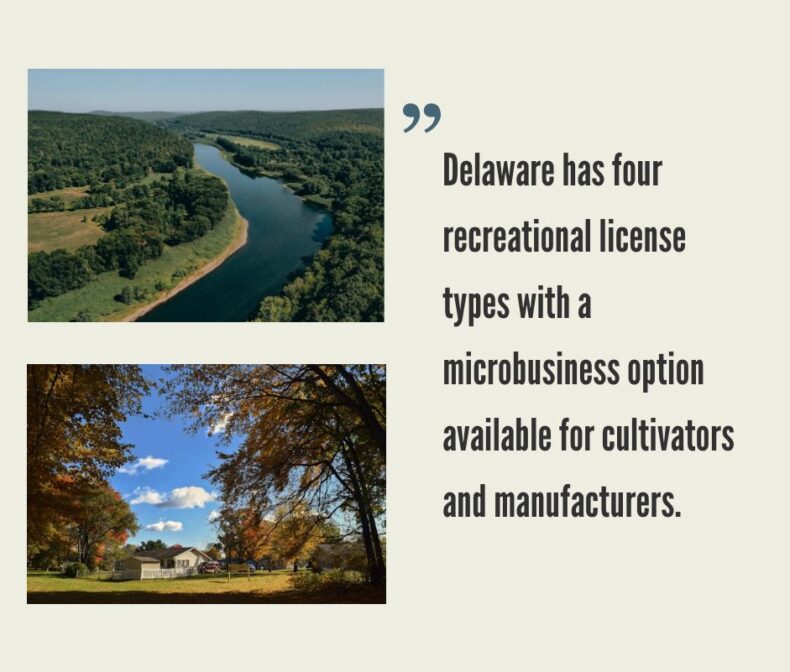
There are four types of recreational cannabis licenses in Delaware: retail, cultivation, manufacturing and testing facility. In addition to open licenses, there are also social equity and microbusiness licenses. According to the Delaware Marijuana Control Act Implementation Timeline, the Commissioner started to accept applications for licenses on August 19, 2024.
The retail marijuana store license allows to purchase, transport and sell marijuana or marijuana products. Consumable products or any other edible products that do not contain marijuana cannot be sold by the retailer. Marijuana and marijuana products cannot be consumed on the premises of the retail store. Specific requirements to applicants:
- Maintain a current and accurate copy of the retail marijuana store operational plan.
- Have necessary security arrangements in place.
Application fee: $5,000
License fee: $10,000
License period: 2 years
The marijuana cultivation facility license allows the cultivation, trimming, drying, storing, sale and transport of marijuana. The facility cannot sell marijuana directly to customers. The cultivation facility can only sell marijuana in batches of 10 pounds maximum. Specific requirements to applicants:
- Establish standard operating procedures.
- Have an environmental and sustainability plan.
- Have necessary security arrangements in place.
License fees are based on the cannabis plant grow canopy area, the calculations of which are detailed in House Bill 2.
| Indoor facility with a cannabis plant grow canopy area (sq. ft) | Outdoor facility with a cannabis grow canopy area (acre) | License fee ($) |
| <=2,500 | <=1.0 | 2,500 |
| 2,501 – 7,500 | 1.1 – 2.5 | 5,000 |
| 7,501 – 10,000 | 2.6 – 5.0 | 7,500 |
| 10,001 – 12,500 | 5.1 – 7.5 | 10,000 |
Licenses are not issued for:
- Indoor facility with a cannabis plant grow canopy area greater than 12,500 square feet.
- Outdoor facility with a cannabis plant grow canopy area greater than 7.5 acres.
This is unless the Marijuana Commissioner creates additional tiers for licensure anytime after August 1, 2025.
Application fee: $5,000
License period: 2 years
A marijuana product manufacturing facility license allows to manufacture and distributed marijuana products. Specific requirements to applicants:
- Establish standard operating procedures.
- Have necessary security arrangements in place.
Application fee: $5,000
License fee: $10,000
License period: 2 years
A marijuana testing facility license allows to receive, store and perform analysis on samples of marijuana and marijuana products. It also allows to provide a Certificate of Analysis for a sample that has been tested. Specific requirements to applicants:
- Must operate in compliance with the International Organization for Standardization 17025 (ISO 17025) standards, confirmed by an accreditation.
- Have a director responsible for the day-to-day management and operation as well as the supervision of quality standards of practice.
- Have a qualified quality assurance management officer responsible for the facility’s quality assurance management plan and its implementation.
- Employ enough qualified personnel, considering the workload.
- Have a quality assurance management plan.
- Have necessary security arrangements in place.
Application fee: $5,000
License fee: $10,000
License period: 2 years
On 17 July, 2024, House Bill 408 was signed into law which creates a temporary conversion license through which existing medical cannabis compassion centers can participate in the recreational cannabis market. The bill states that from 1 August, 2024, the Commissioner will begin to accept applications for conversion licenses. A cultivation, manufacturing or testing facility can begin their operations immediately from the date of the license approval. Retail facilities must first receive authorization from the Commissioner before they begin to sell recreational cannabis. No conversion licenses will be issued after November 1, 2024.
Conversion license fee for a cultivation facility: $200,0000
Conversion license fee for any other activity: $100,000
Conversion license period: 2 years
Process:
- Submit an application with the required information, along with payment of the conversion license fee.
- If conditions are met, the conversion license will be granted.
Required information to be provided with the application is not limited to:
- Documentation that demonstrates the applicant’s ability to meet the demand for medical cannabis.
- Plan detailing how the applicant will continue to serve the medical market.
- Plan detailing how the applicant will offer support for the social equity program.
- A signed labor peace agreement with a bona fide labor organization.
- Eligibility for renewal of the compassion center registration certificate.
- For a conversion license for a cultivation facility, details of the facility dimensions.
Before the expiration of the conversion license, the licensee may apply for a recreational cannabis open license for the type of facility they operate under the conversion license. A fee of $10,000 would have to be paid to renew the conversion license as an open license.
A social equity applicant is a Delaware resident that meets one of the following criteria:
- An applicant for any type of license with at least 51% ownership and control by 1 or more individuals who have resided for at least 5 of the preceding 10 years in a disproportionately impacted area.
- An applicant for any type of license with at least 51% ownership and control by 1 or more individuals who meets one of the following criteria:
(1) Was convicted of or adjudicated delinquent for any marijuana-related offense except any of the following: delivery to a minor; any marijuana offense with a Tier 3 quantity of marijuana as defined in § 4751(c) of Title 16; the functional equivalent of the offenses described in (b)(1)a. or b. of this section under the laws of the United States, any state or territory of the United States, or any other country. (2) Is married to or the child of a person who was convicted of or adjudicated delinquent for any marijuana-related offense.
A social equity applicant pays a discounted application fee of $1,000. They also pay the license fee at a discount rate of 40% of the applicable open license fee.
A microbusiness applicant is an applicant for a marijuana cultivation facility license or a marijuana product manufacturing license who meets all the following criteria:
- 51% ownership and control by 1 or more individuals who have resided in Delaware for at least 5 of the preceding 10 years.
- Intends to employ no more than 10 employees.
- Will not operate a facility with a cannabis plant grow canopy area greater than 2500 square feet.
- Will not possess more than 1,000 marijuana plants each month.
An applicant for a microbusiness license pays a discounted application fee of $3,000. They also pay the license fee at a discount rate of 40% of the applicable open license fee.
Cannabis Delivery in Delaware
Delaware allows medical marijuana delivery. Medical marijuana products can be ordered online and delivered to patients’ homes. Registered Compassion Centers may conduct home deliveries to patients with prior approval from the Office of Medical Marijuana.
Recreational marijuana delivery is prohibited and it cannot be sold online. However, this does not prohibit online pre-orders for pick-up at the retail location if all other requirements have been met before the sale is completed, including identity and age verification.
- Develop a solid cannabis business plan. Secure financing.
Application requirements include a business plan, including an annual budget and pro forma financial statements.
'70% ready to go' business plan templates
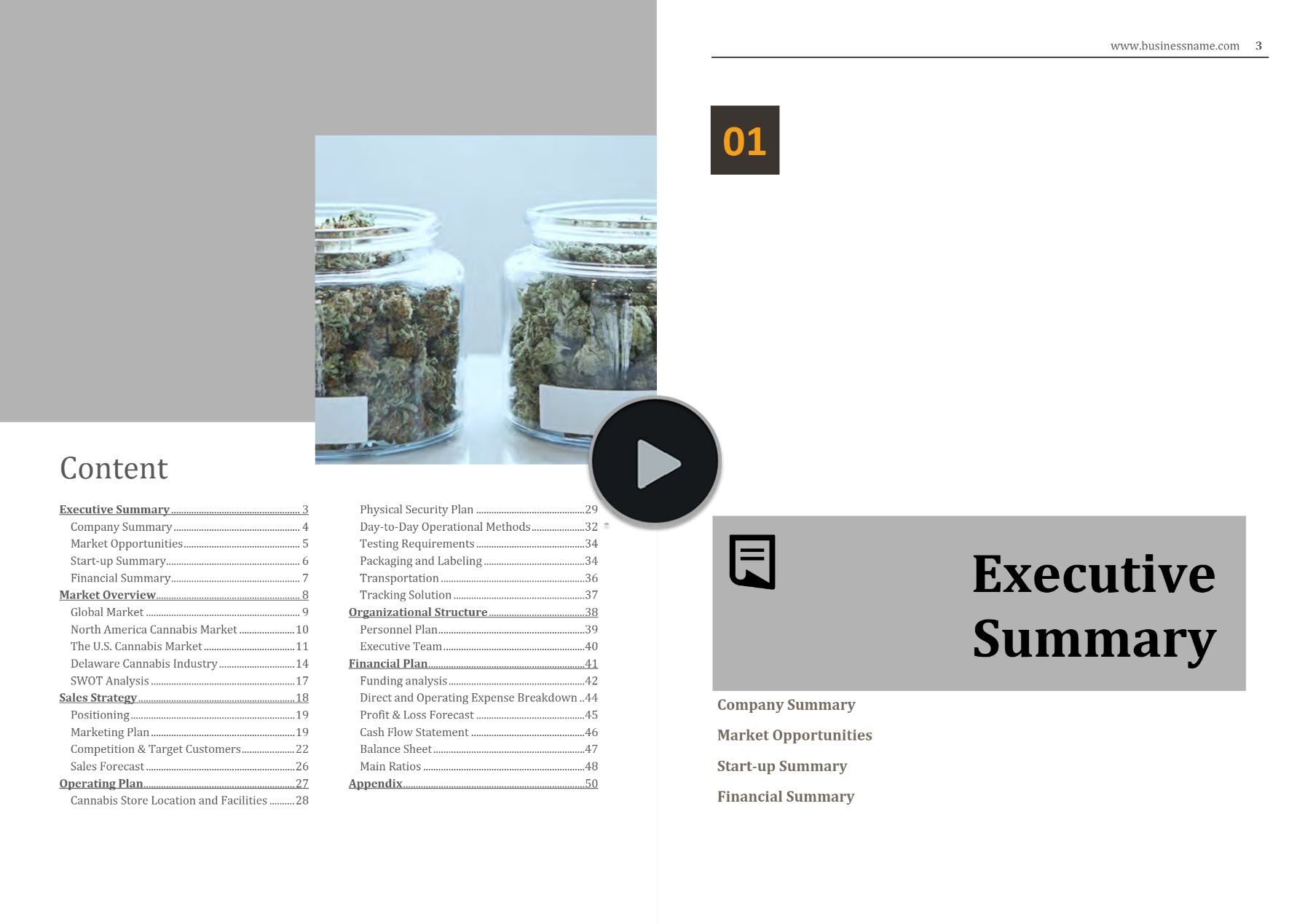
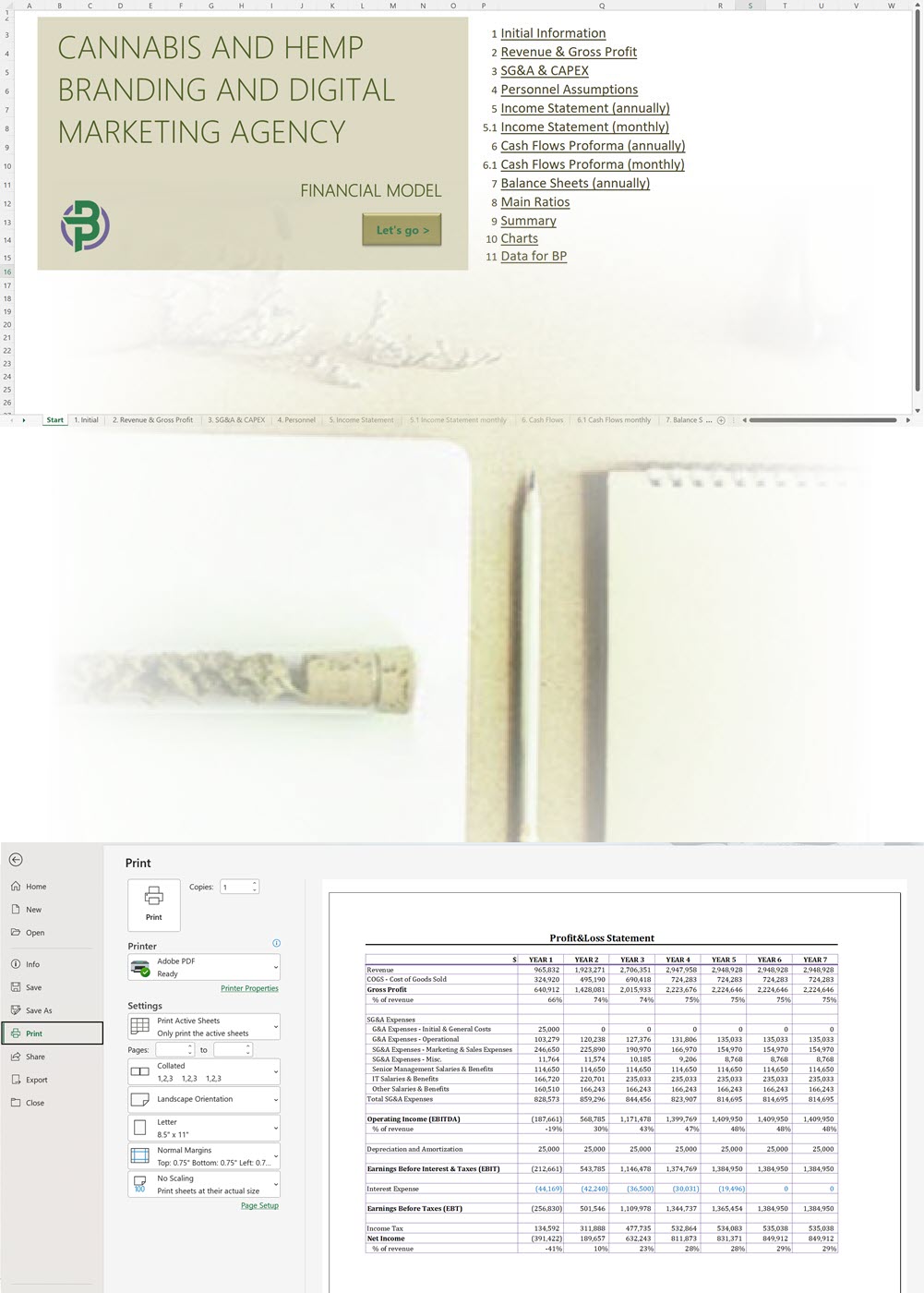
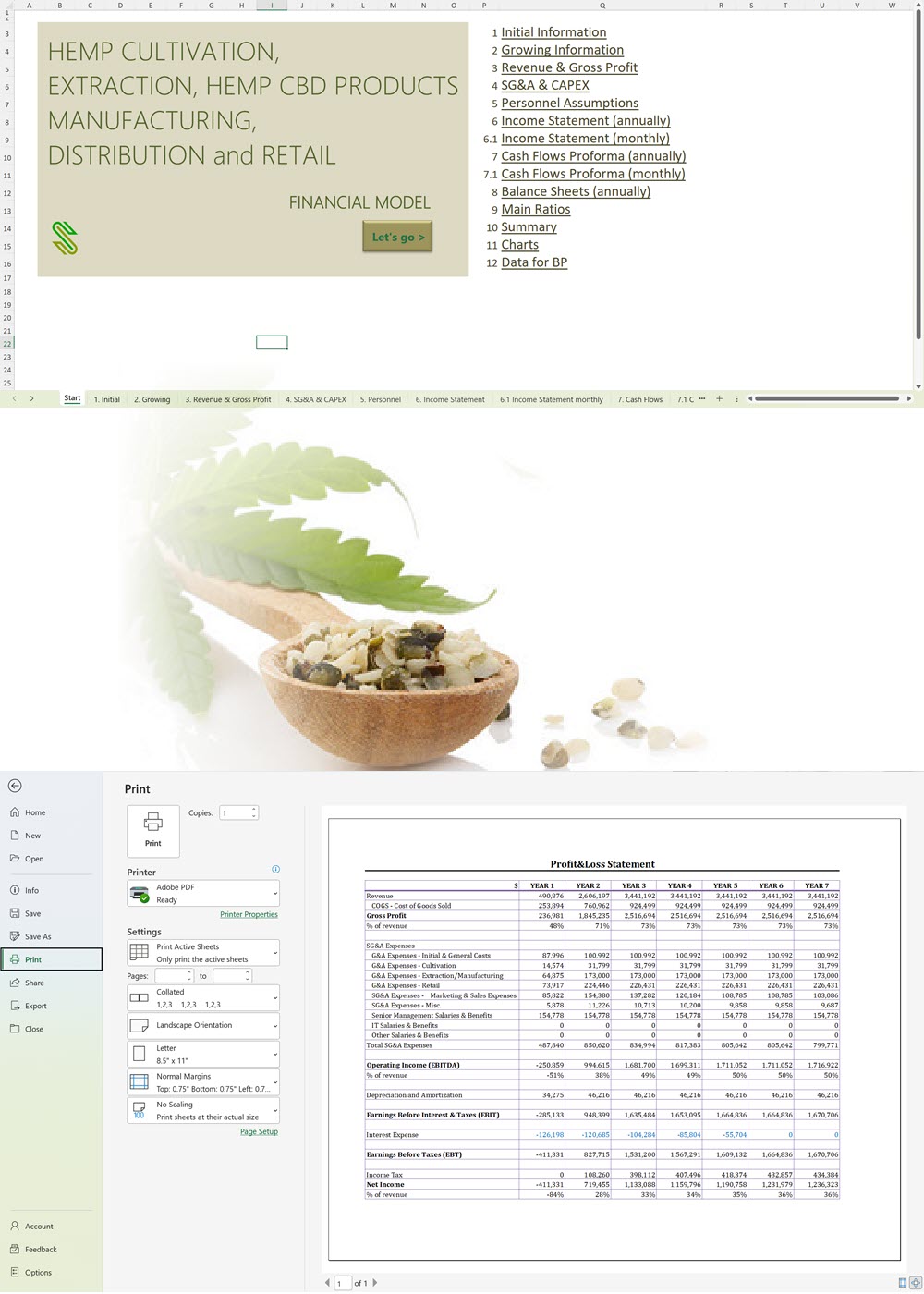
We offer a wide range of '70% ready-to-go' cannabis business plan templates that will help you prepare a professional cannabis business plan document supported with expert financials and an investor pitch deck. All our templates are completely open and editable and you can use Word, Excel and PowerPoint to work with them.
- Prepare the required documents. Submit an application. Pay fees.
The application period will be announced by the Marijuana Commissioner (Commissioner) 10 days before acceptance of applications starts. The applicants must then submit their application for a license within a period of 30 days. The applicants who meet the minimum qualifications will be notified by the Commissioner and will be entered in the lottery.
Licensing process:
- Submit an application to the Commissioner. Pay a nonrefundable application fee.
- If application meets minimum qualifications, applicant is entered in the lottery. Any additional information or supporting documentation requested by the Commissioner must be provided.
- Pay the license fee.
- If application is approved and license fee paid, a conditional license will be issued to the applicant.
Criteria to meet the minimum qualifications include:
- The applicant’s business plan, including an annual budget and pro forma financial statements.
- The experience, training and expertise of the applicant and managing officers.
- Plans for safety, security and the prevention of diversion.
- Plans for operations, training and staffing, including:
- A social responsibility plan.
- A plan to provide a safe, healthy and economically beneficial working environment for its employees.
- The suitability of the proposed location for the facilities.
Required documents for application are not limited to:
- Evidence of a criminal background check. Costs of the criminal background check must be paid by the applicant.
- Evidence of a comprehensive financial background investigation.
- Certificate of Tax Clearance for responsible persons if the applicant is an entity.
- Description of all civil litigation or any settled or closed legal action over the past 3 years.
- Disclosure of whether the applicant or specific members of the entity applicant had any license application, license, permit or other authorization issued by a government agency in Delaware or any other jurisdiction denied, suspended or revoked in the last 10 years.
- Verification from the Commissioner regarding any information or supporting documentation submitted with the application.
- Conversion of conditional license to active license.
Within 18 months of receiving the conditional license, the applicant must identify a physical location for the licensed premises and become operational. The proposed location must be approved by the Commissioner.
Requirements for conversion of conditional license to active license are not limited to:
- Submission and approval of final safety, security, theft or diversion, and operational plans by the Commissioner.
- Payment of costs for having a background check performed.
- Submit an attestation signed by a bona fide labor organization confirming that the licensee has entered into a labor peace agreement with the bona fide labor organization.
- Submit a form which demonstrates compliance with all local laws.
- Demonstrate legal control of the proposed location.
- A completed full inspection of the proposed location by the Commissioner and the Division.
A conditional license is then converted to an active license after certain requirements are met. If the applicant is not selected for the lottery, they may request the Commissioner to keep their application for the next application period within 1 year.
- Keep track of your ongoing compliance requirements.
Physical security measures, good production practices, packaging, labelling, transport and reporting requirements, taxes and more.
License renewal process:
- Application for renewal must be submitted on or before the first day of the third month before its expiration date. A criminal background check and the license renewal fee must be submitted along with the application.
- Before renewal, the Commissioner or Division may carry out a full inspection of the licensed premises.
Delaware Cannabis Taxes
A tax is imposed at the rate of 15% of the retail sales price of cannabis product. There is no tax on medical cannabis.
The Delaware Marijuana Control Act (House Bill 2 or HB 2), which became law on April 27, 2023, and took effect on July 5, 2023, decouples Delaware’s tax code from federal IRC Section 280E, enabling cannabis businesses to deduct ordinary and necessary business expenses on their state income tax returns.
Cannabis Advertising Regulations in Delaware
In Delaware, “Marijuana establishments may not engage in advertising by means of television, radio, Internet, mobile application, social media, or other electronic communication, event sponsorship, or print publication, unless at least 85% of the audience is reasonably expected to be at least 21 years old as determined by reliable and current audience composition data.”
Current regulations require that any advertising or marketing materials created for viewing by the public shall disclose that the facility is licensed by the State of Delaware and include the statement “For use by adults 21+, KEEP OUT OF REACH OF CHILDREN!” and other required health and safety statements pursuant to Section 10.0 Advertising.
Retail cannabis stores may not offer cannabis or cannabis products free of charge under any circumstance. Cannabis or cannabis products may not be discounted or offered for free if the retail sale of the cannabis or cannabis product is made in conjunction with the retail sale of any other item. This does not prohibit discounts on cannabis or cannabis product sales that are not made in conjunction with the retail sale of any other item.
Main steps in short
- Understand regulatory and legal requirements. Do market research.
- Decide the type of cannabis business. Choose a location. Check local zoning regulations.
- Develop a solid business plan. Secure financing.
- Prepare the required documents. Submit an application. Pay fees.
- Conversion of conditional license to active license.
- Keep track of your ongoing compliance requirements.
Delaware Medical Cannabis Licensing
Compassion centers are registered with the Office of the Marijuana Commissioner and operate as vertically integrated cannabis businesses. A valid registration certificate from the Commissioner allows compassion centers to cultivate, process and dispense medical cannabis to qualifying patients.
Application fee: $5,000
Certification and renewal fee: $40,000
License period: 2 years
Licensing process:
- Submit an application, along with a non-refundable application fee and required information.
- The Department will evaluate the applications based on the following criteria: suitability of proposed locations; the character and relevant experience of the principal officer and board members; proposed plan for operations and services; sufficiency of applicant’s plans for record keeping; sufficiency of applicant’s plans for safety, security and prevention of diversion; plan for providing affordable medical cannabis to qualifying patients.
- Submit registration fee.
- If the application is approved by the Department, a compassion center registration certificate will be issued as well as a renewable registration certificate.
Required information is not limited to:
- The proposed legal name of the compassion center.
- The name, address and date of birth of each principal officer and board member.
- Proposed physical address of the compassion center and any additional locations where marijuana will be cultivated, processed or otherwise prepared for distribution by the compassionate center.
- Information about whether any of the prospective board members used to manage or serve on the board of a business that was convicted, fined, censured or had its registration or license suspended or revoked as a result of administrative or judicial proceeding.
- Proposed operating bylaws.
- If applicant will employ more than 20 workers, a copy of a labor peace agreement or an attestation that the applicant will enter into a labor peace agreement.
A renewal application must be submitted 90 days before the expiration of the registration certificate, along with the renewal fee. Within 30 days, the Department will grant the renewal if all relevant conditions are satisfied.
Cannabis Retail Business Plan Sample, Delaware
Best Selling Templates
-

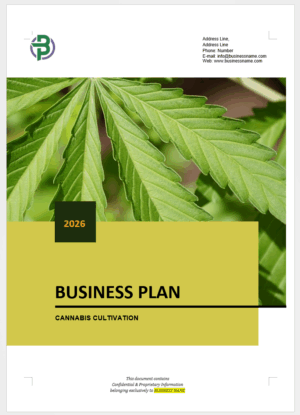
Cannabis Cultivation Business Plan Template
Price range: $75.00 through $350.00 Select options This product has multiple variants. The options may be chosen on the product page -

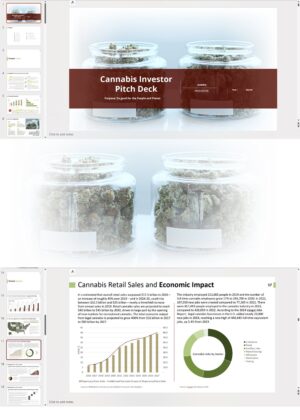
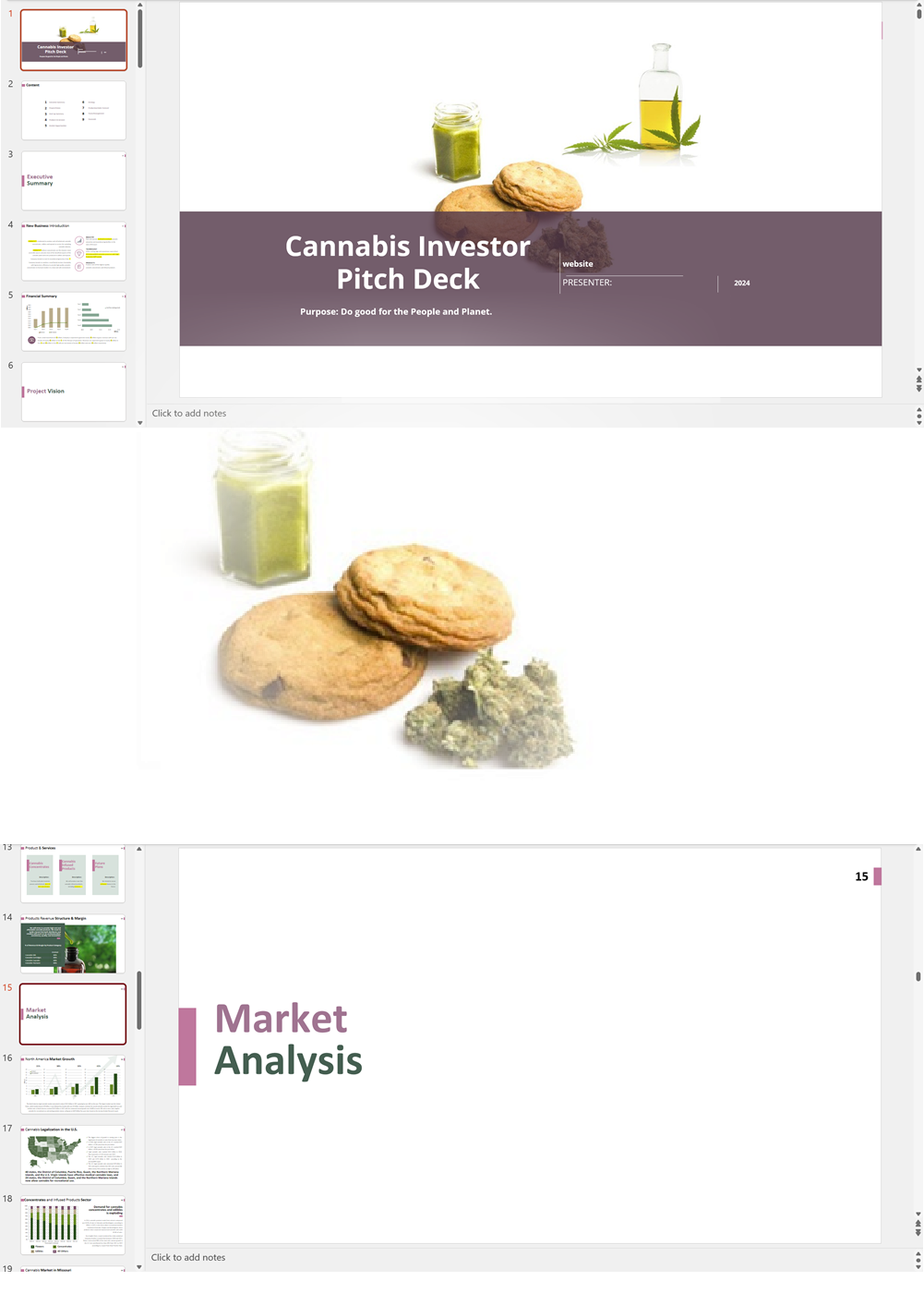
Cannabis Dispensary Investor Pitch Deck Template
$75.00 Select options This product has multiple variants. The options may be chosen on the product page -
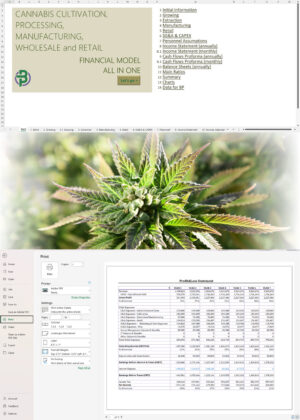
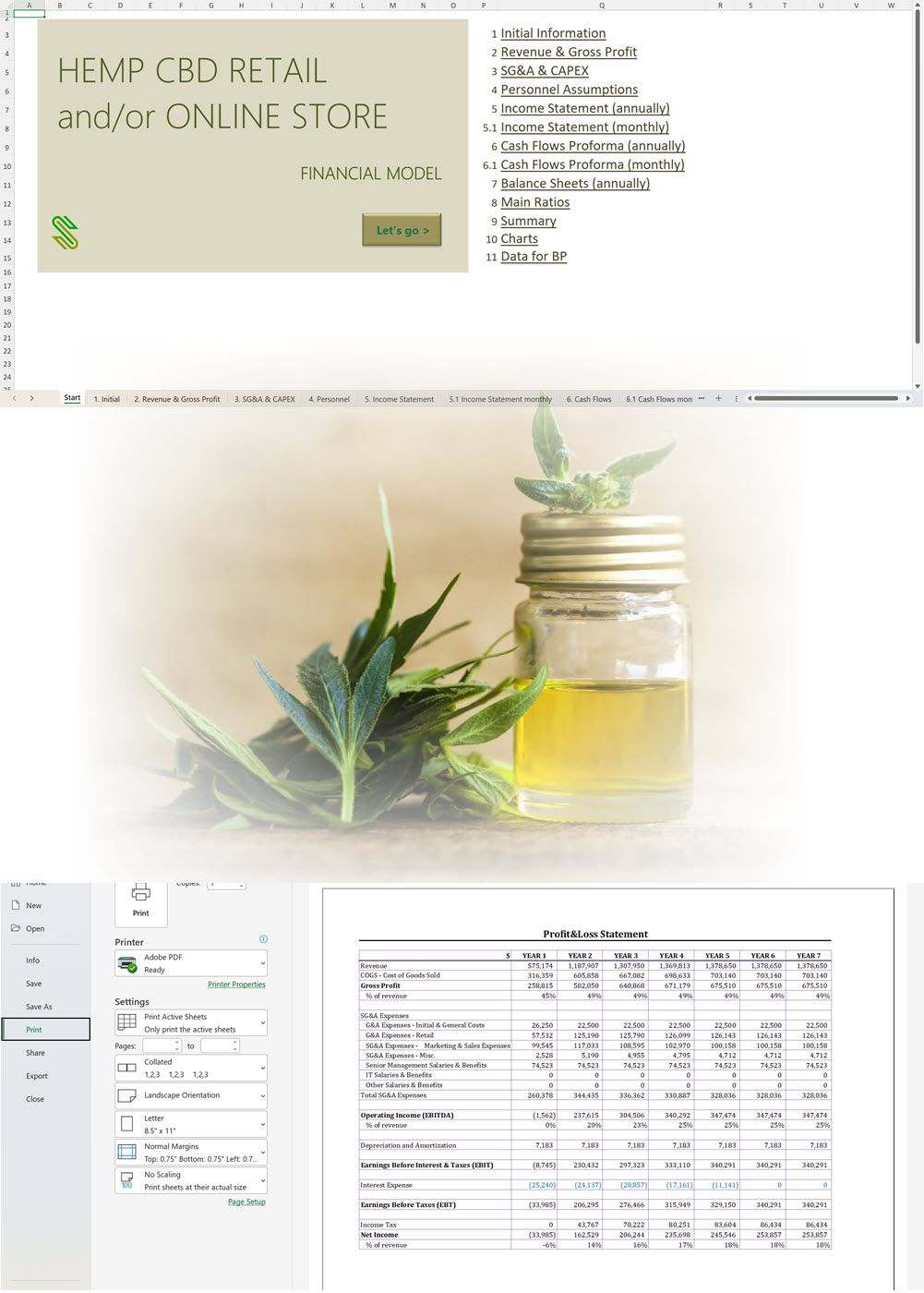
Cannabis Financial Model All in One
$250.00 Select options This product has multiple variants. The options may be chosen on the product page
Hemp CBD business plan templates are available at hempcbdbusinessplans.com.
Our Templates

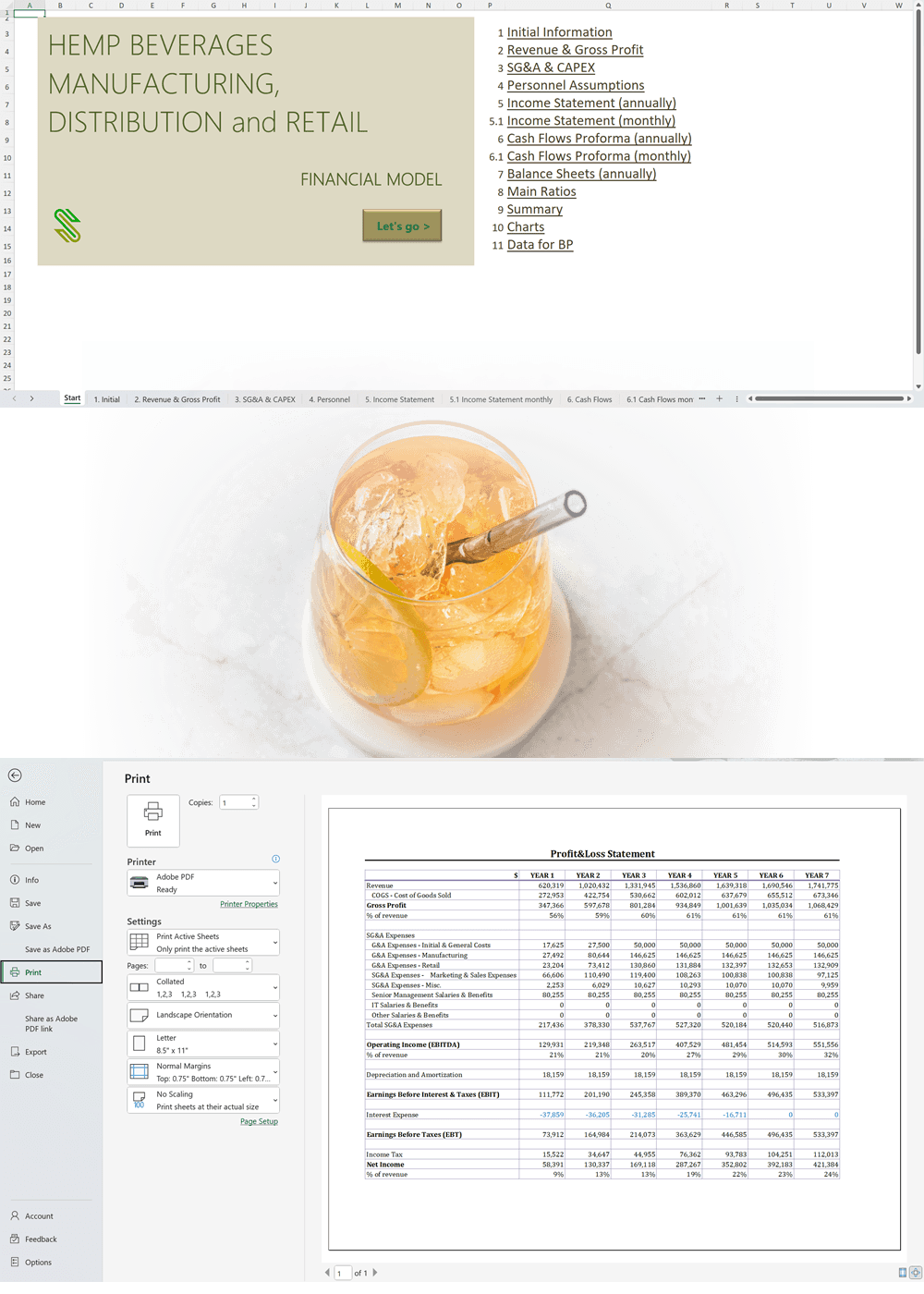
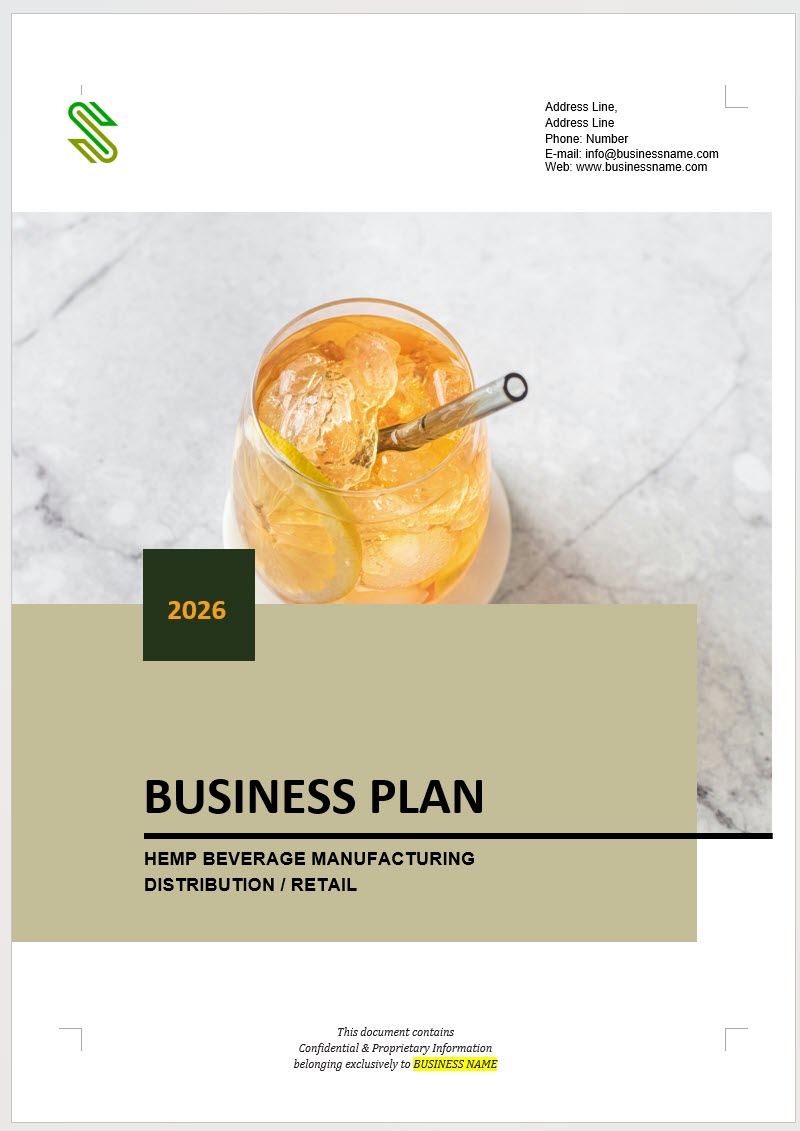
Hemp CBD Beverage Manufacturing, Wholesale and/or Retail Business Plan Template
Price range: $75.00 through $350.00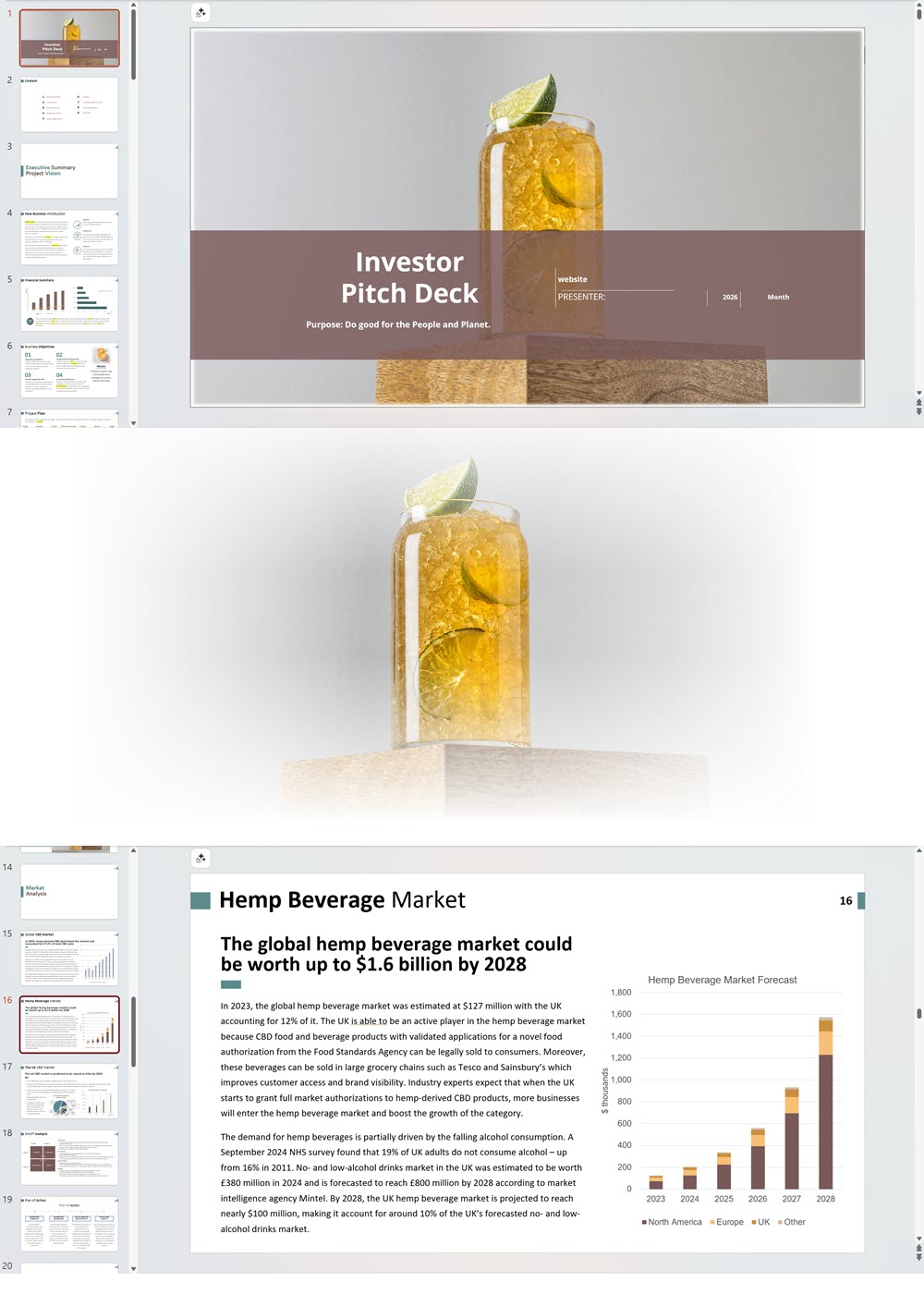

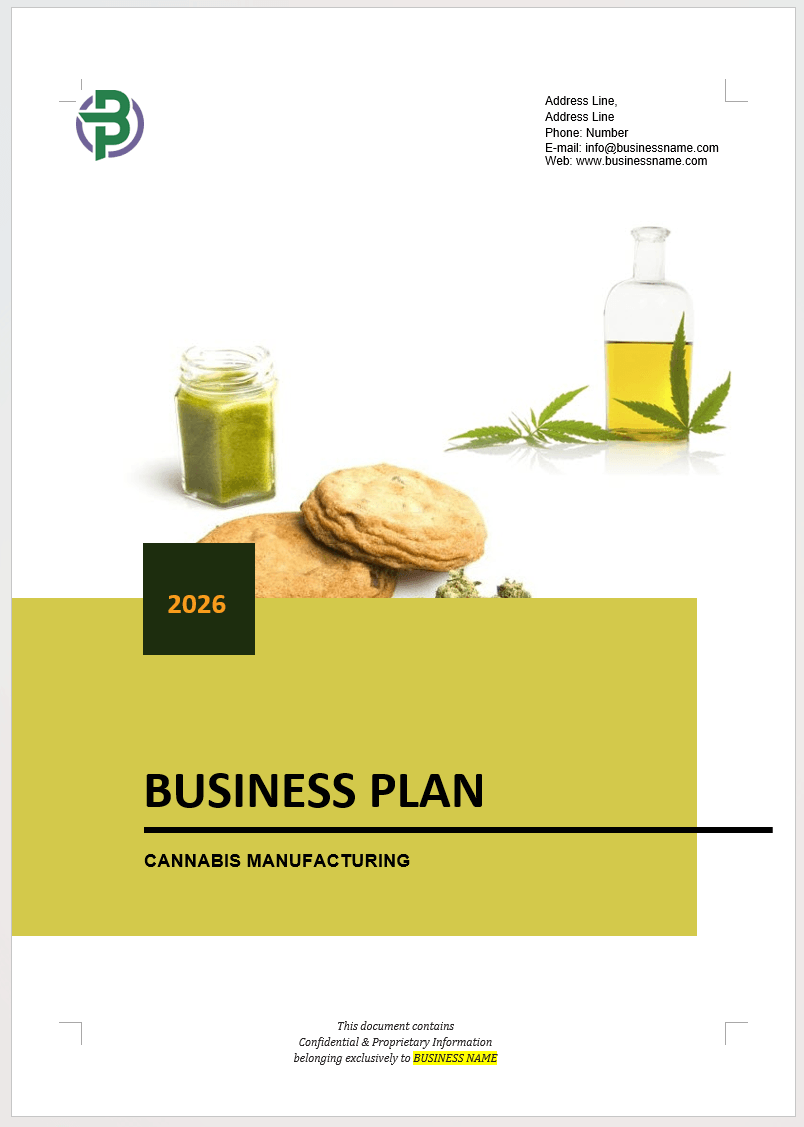
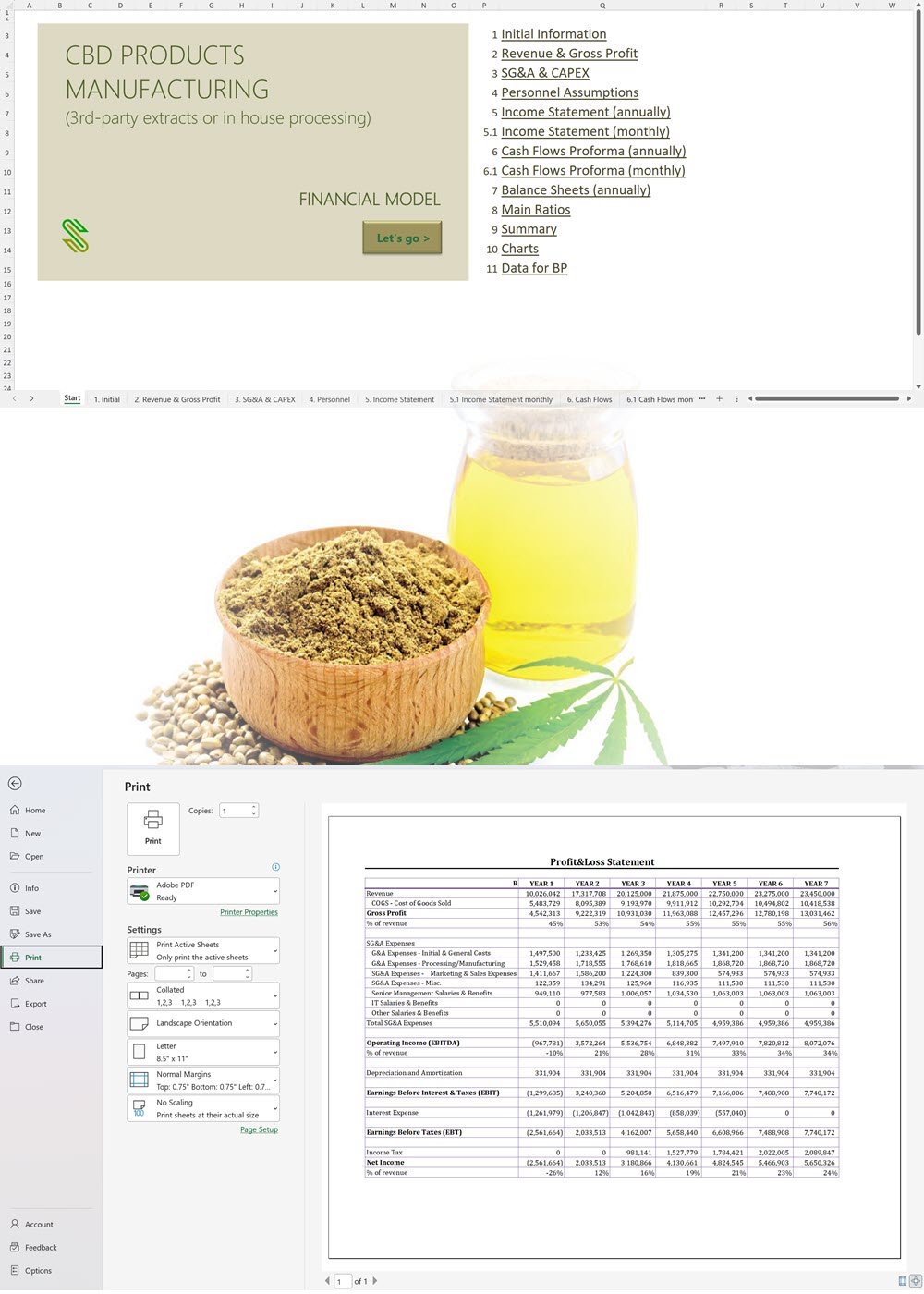
Cannabis Manufacturing Business Plan Template (with in-house processing)
Price range: $75.00 through $350.00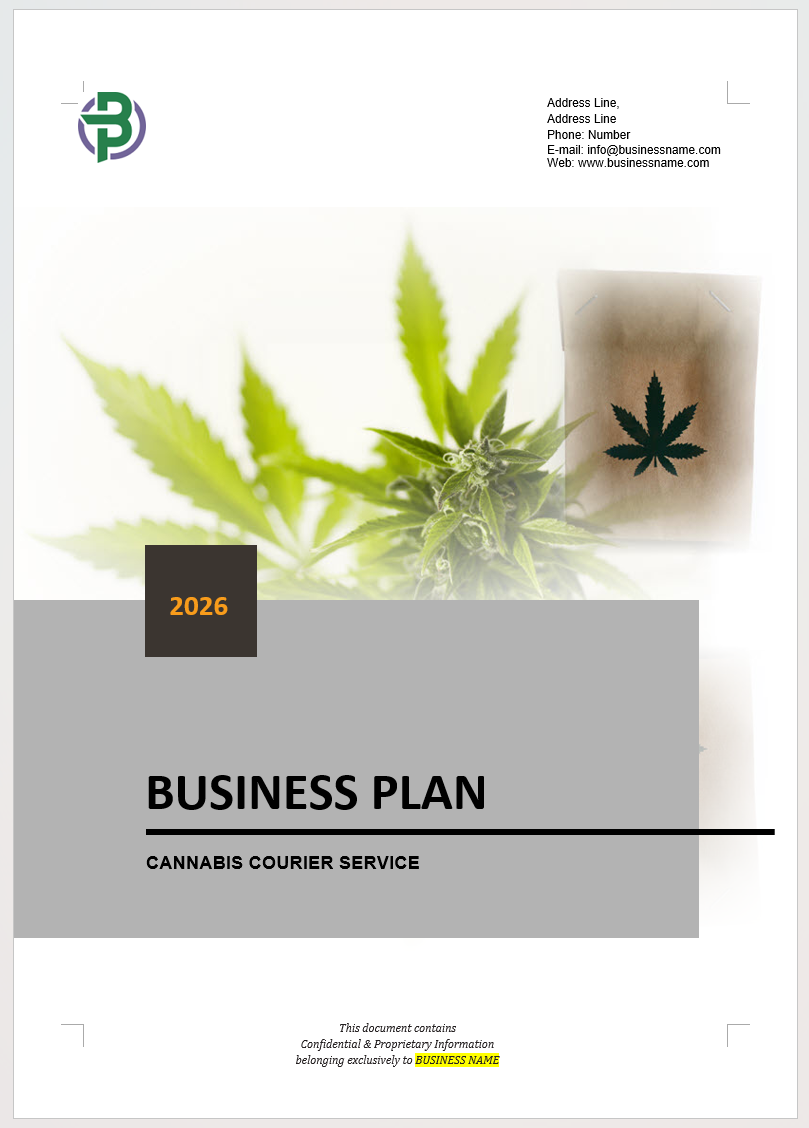
Cannabis Courier Business Plan Template
Price range: $75.00 through $275.00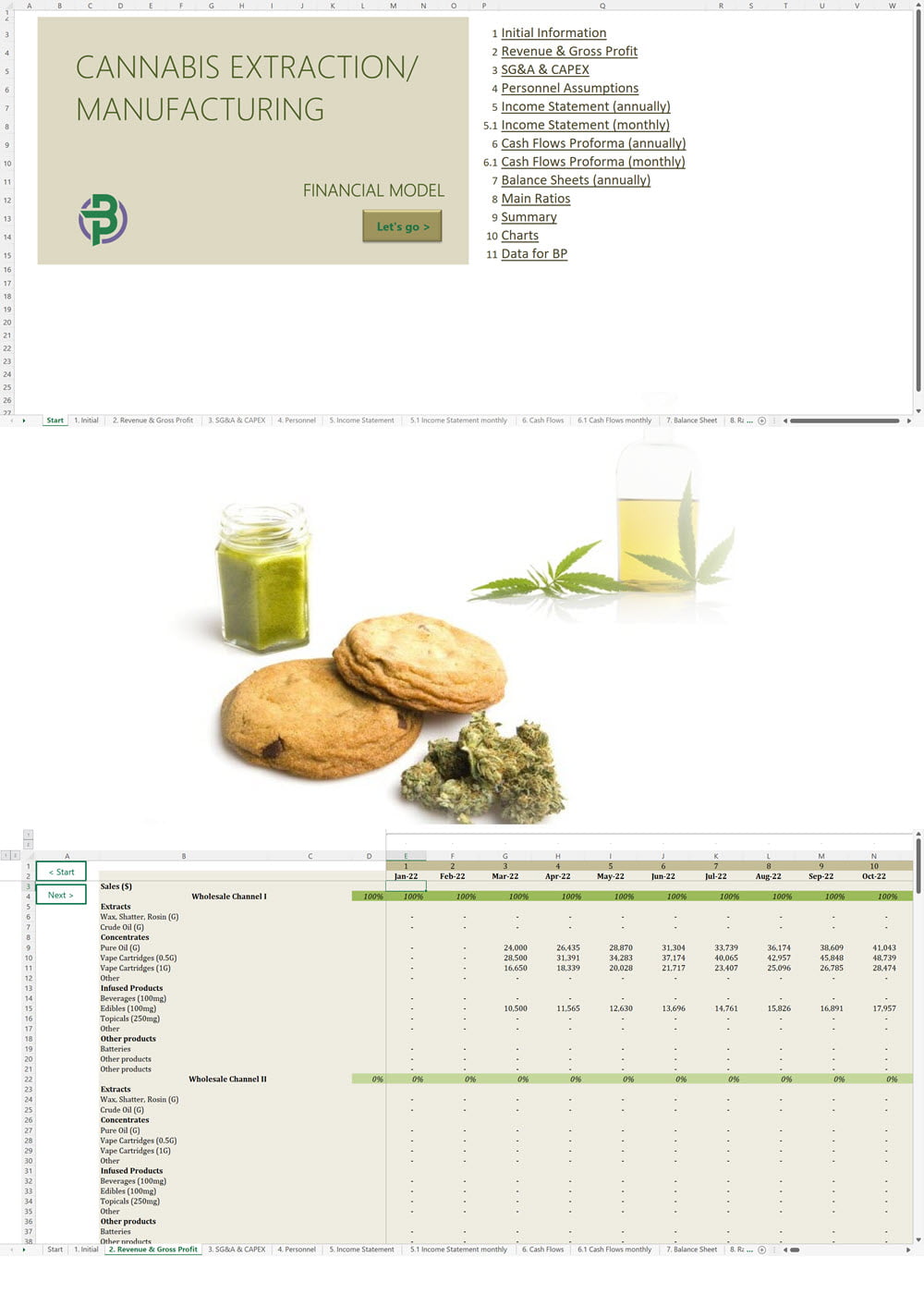
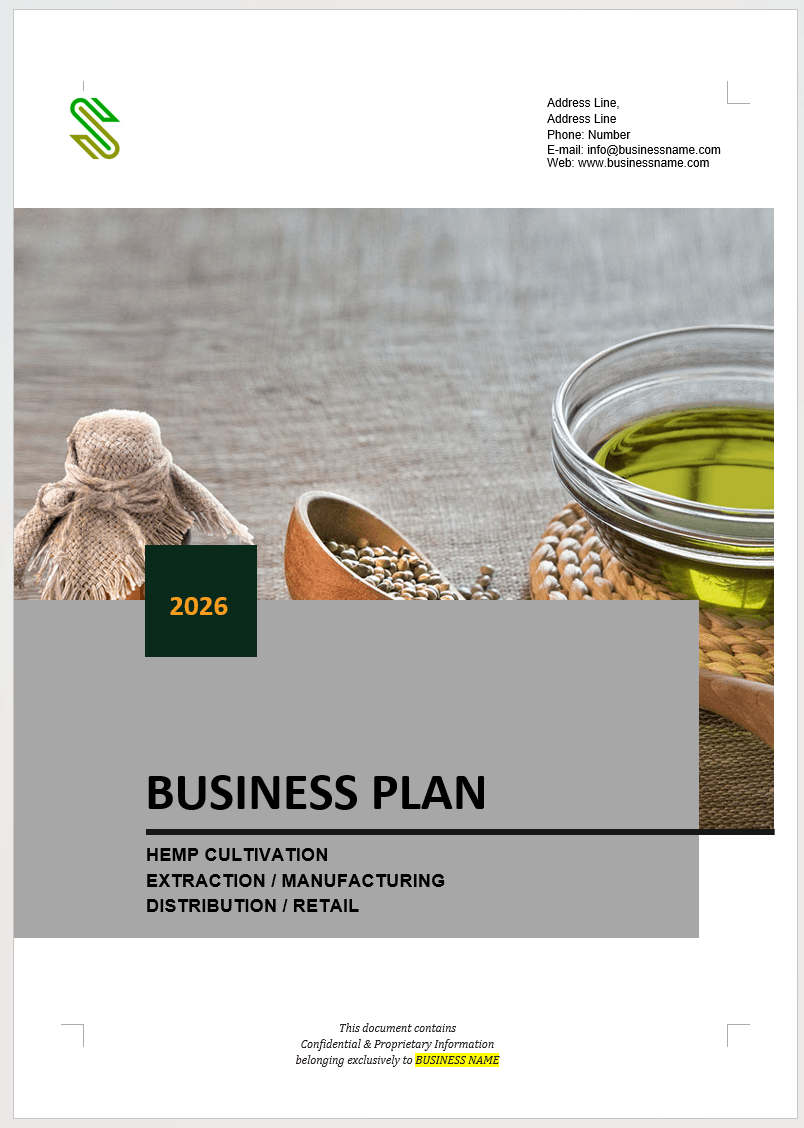
Hemp CBD Vertically Integrated Business Plan Template
Price range: $75.00 through $450.00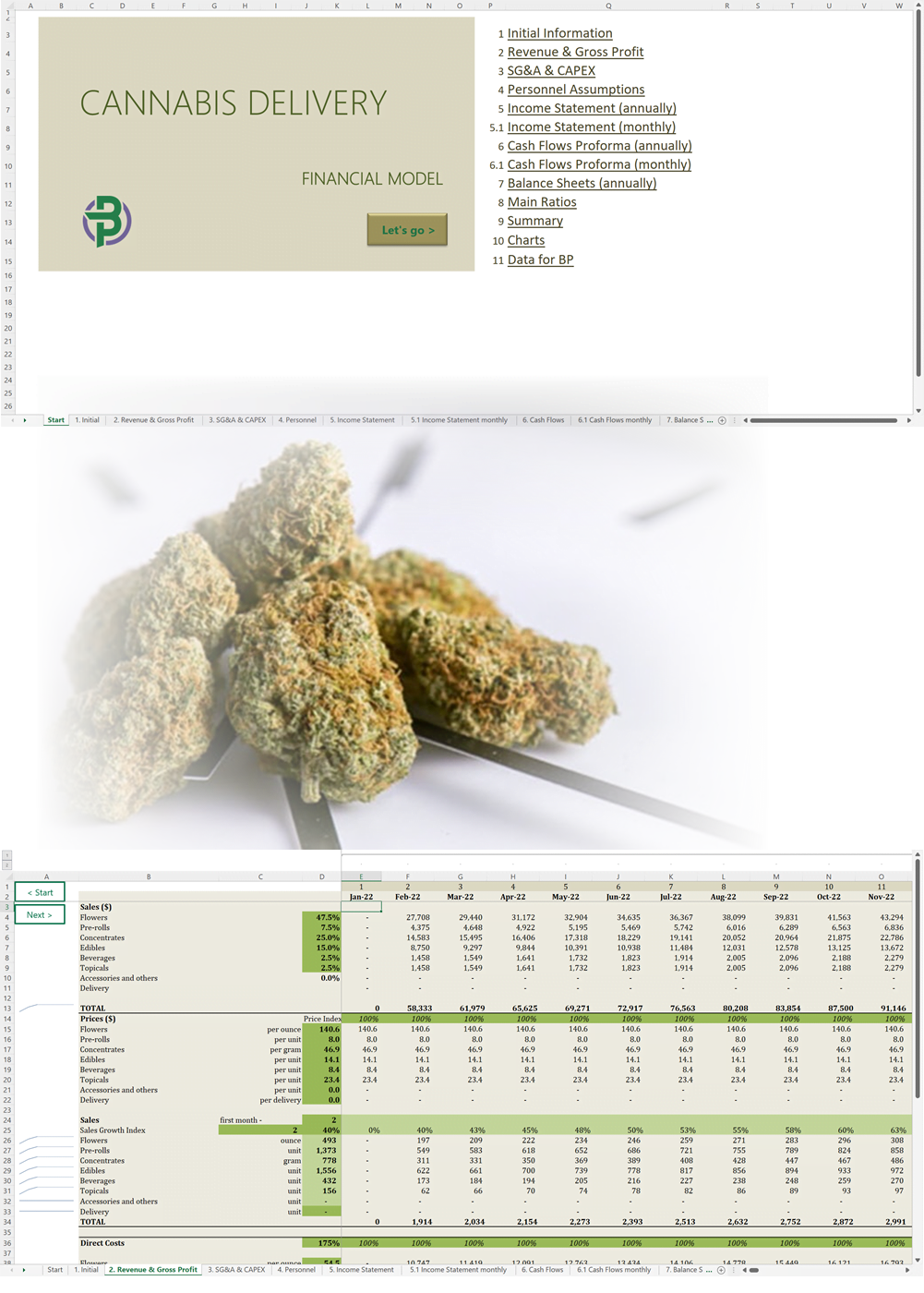

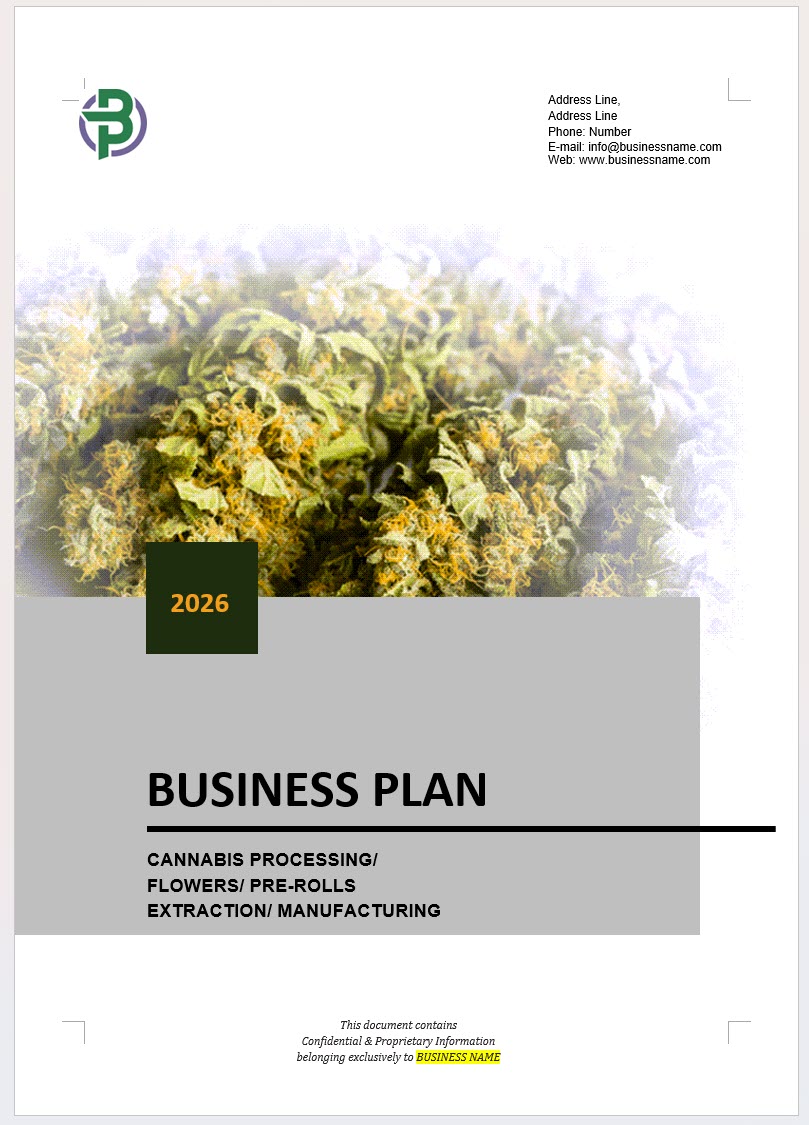
Cannabis Processing/ Flowers/ Pre-rolls/ Extraction/ Manufacturing Business Plan Template
Price range: $75.00 through $350.00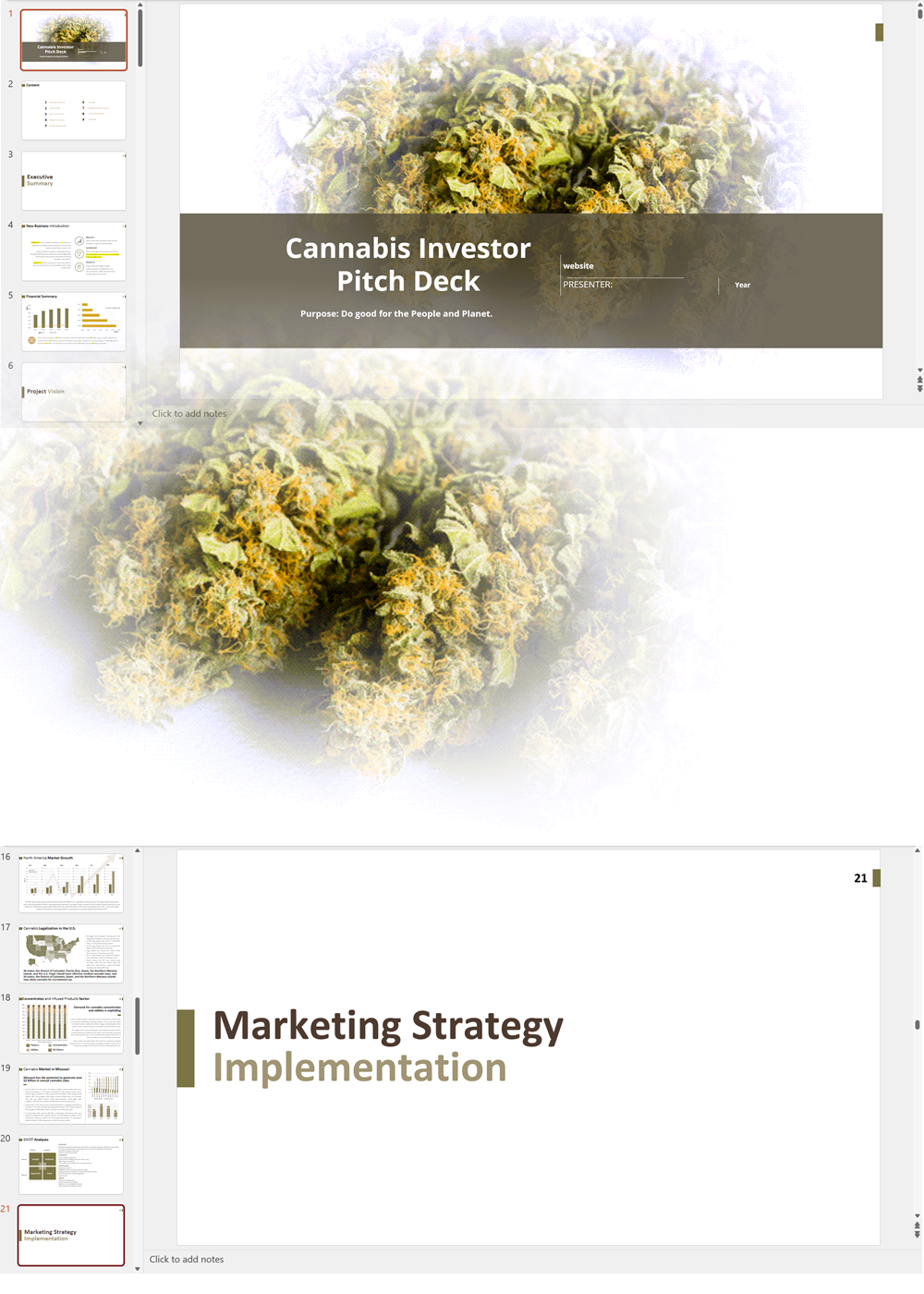
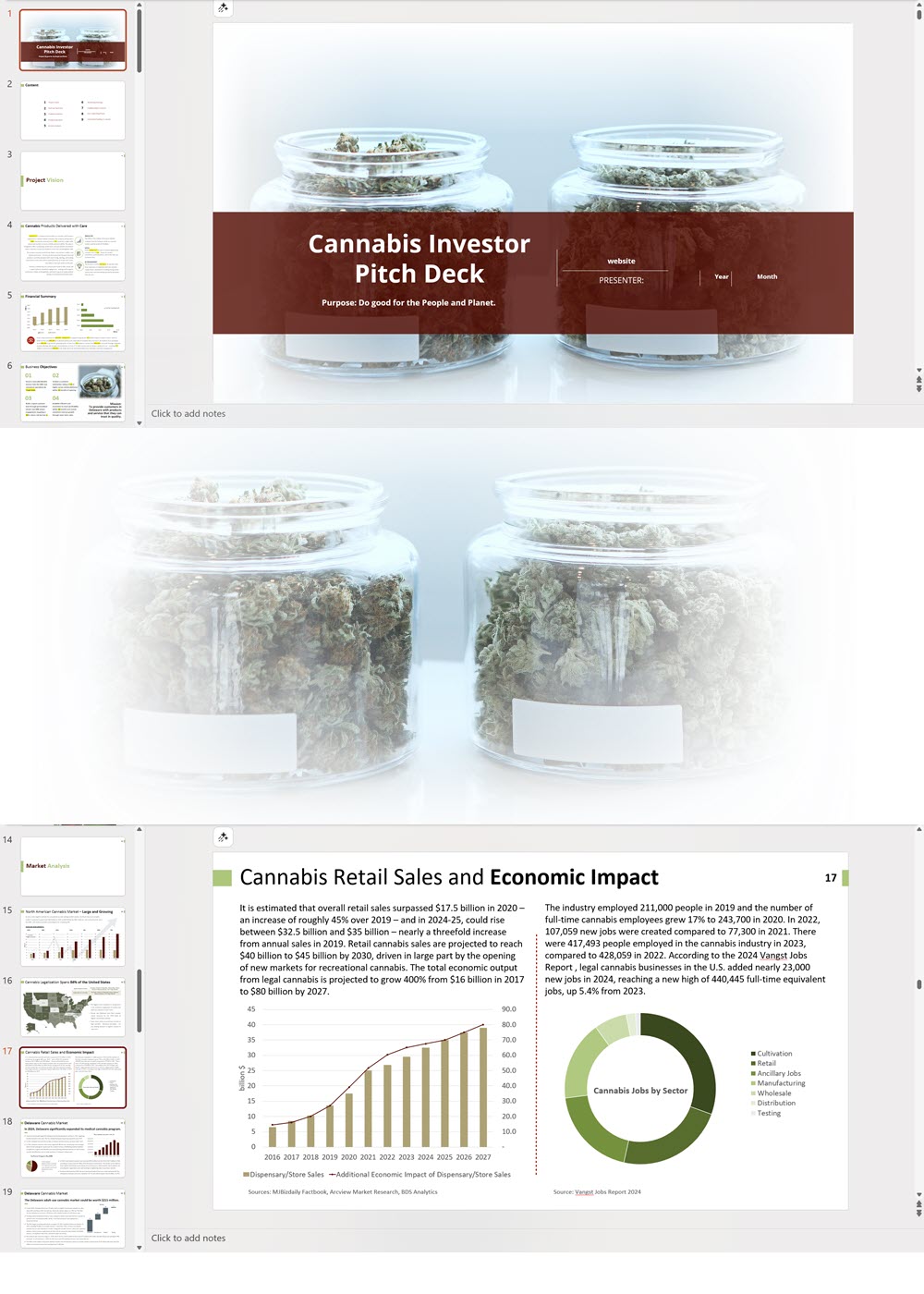
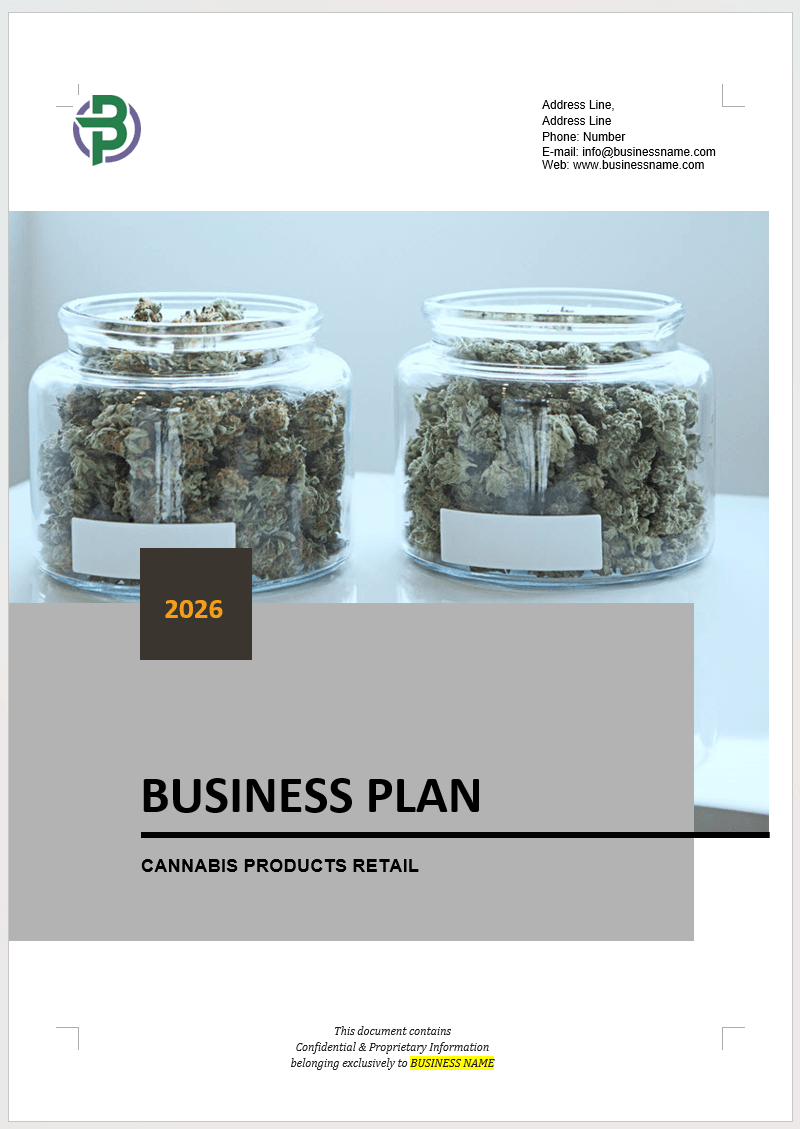
Cannabis Dispensary Business Plan Template
Price range: $75.00 through $350.00
Cannabis Extraction / Concentrates Business Plan Template
Price range: $75.00 through $350.00
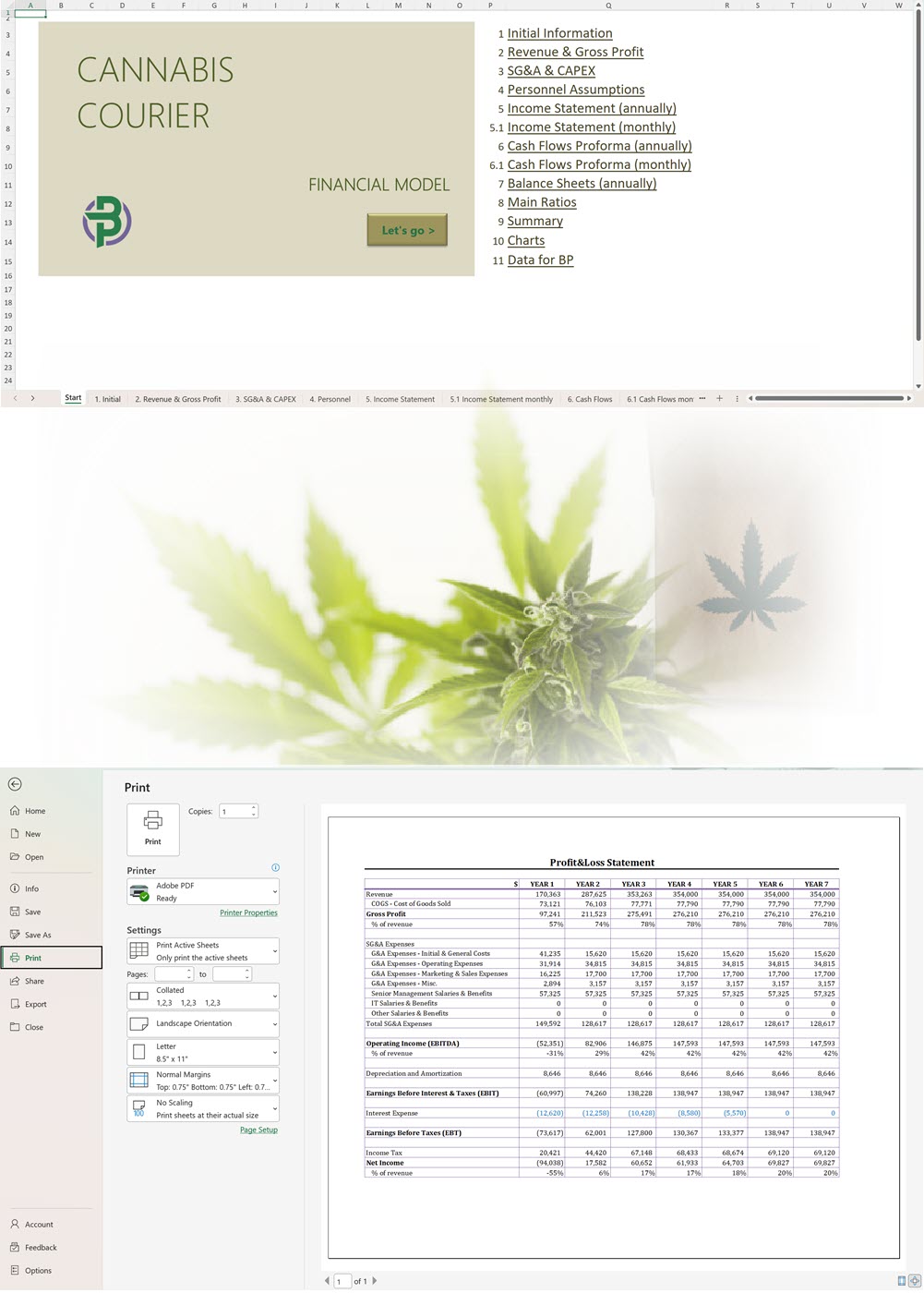
Cannabis Courier Financial Model
$100.00
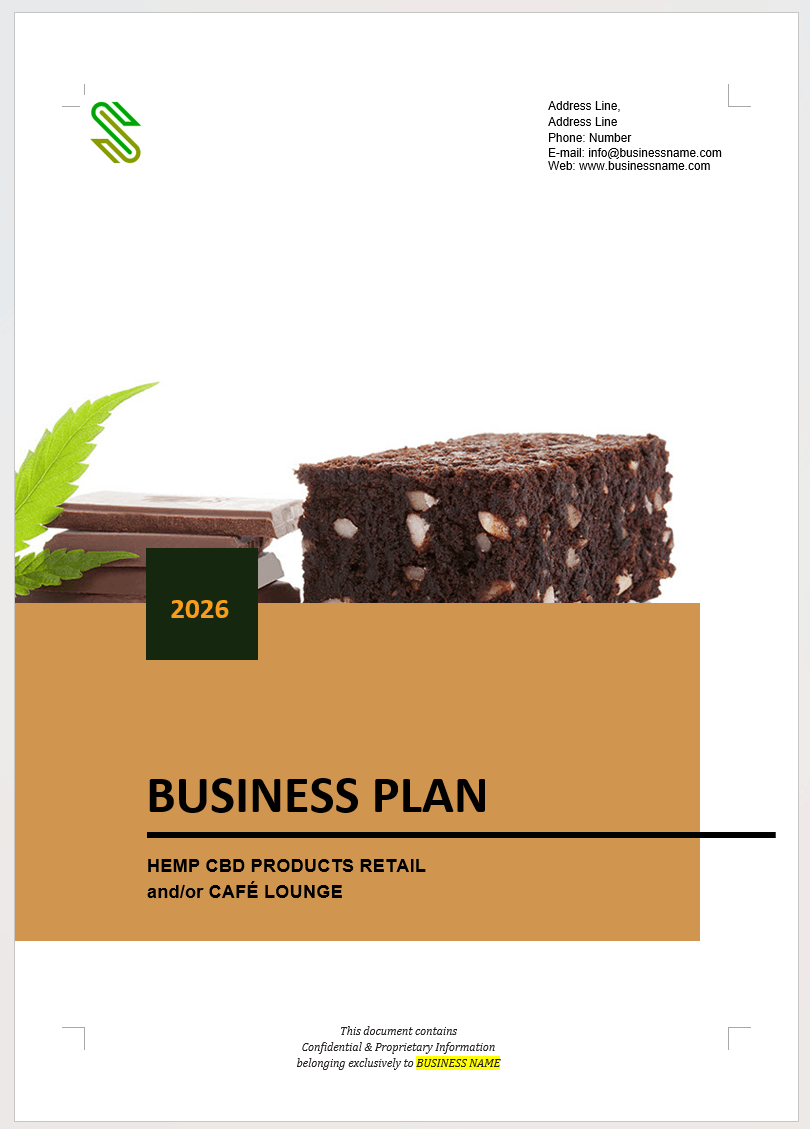
CBD Store and/or Cafe Lounge Business Plan Template
Price range: $75.00 through $275.00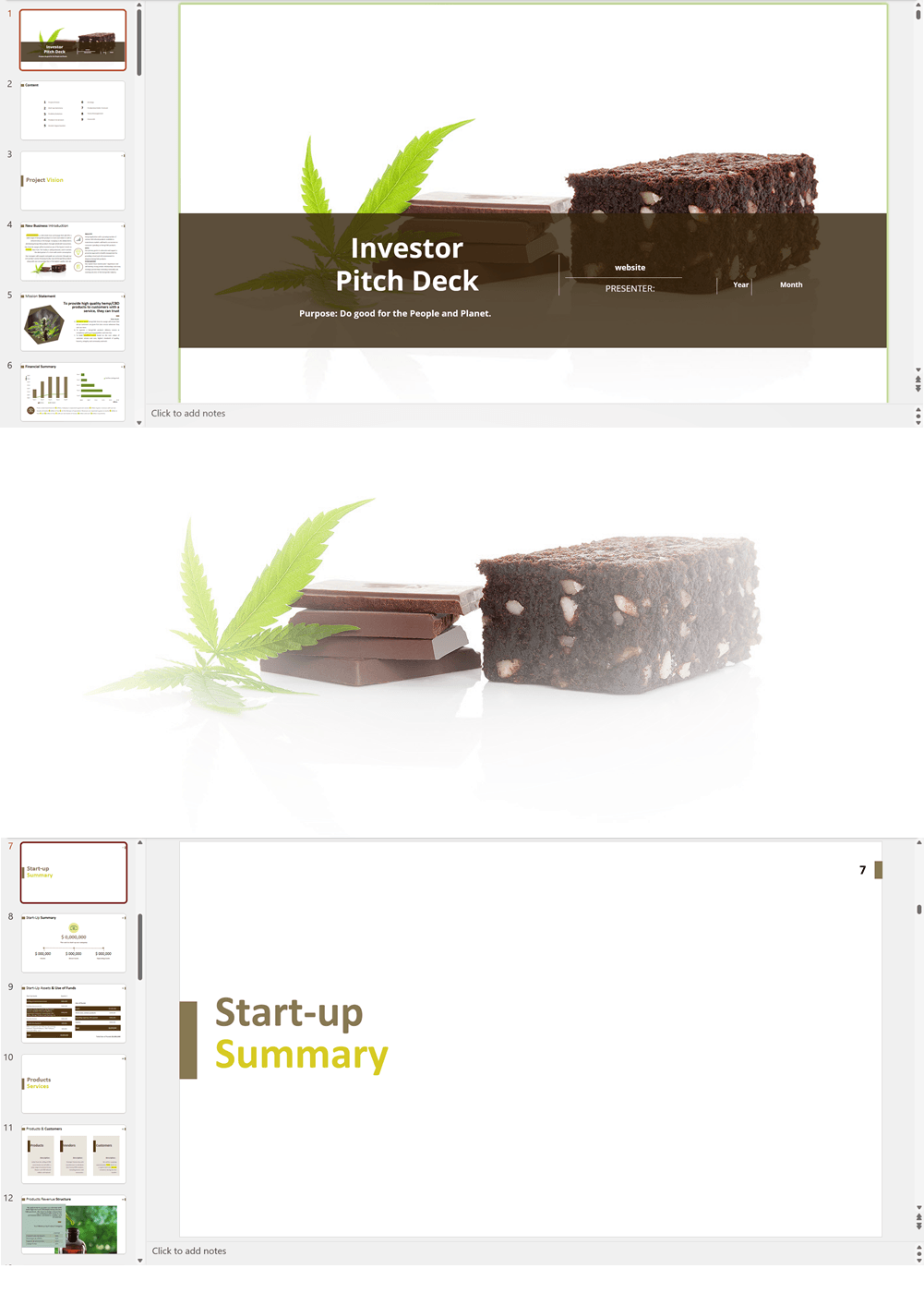

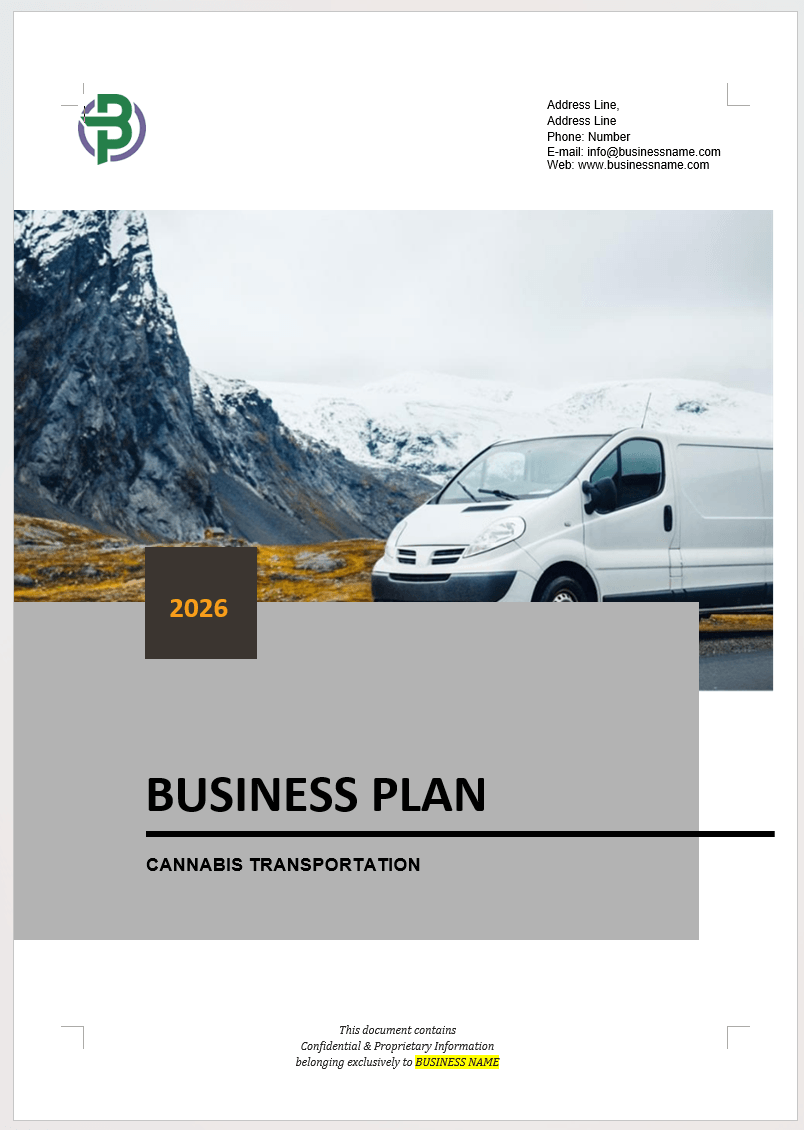
Cannabis Transportation Business Plan Template
Price range: $75.00 through $275.00