- Understand regulatory and legal requirements. Do market research.
Research the laws and regulations governing adult-use or medical-use cannabis for more information about the regulatory requirements for licensure in the city or town you wish to operate in.
Connecticut Cannabis Legalization
In 2012, medical cannabis was legalized in Connecticut through HB 5389 and sales began in 2014. Initially, only six dispensaries were licensed and this number was then increased to nine in 2016. On December 11, 2018, Connecticut approved nine new licenses.
Recreational cannabis was legalized on 1 July, 2021, through SB 1201. Retail sales began in January 2023.
All licenses are issued by the Connecticut Department of Consumer Protection.
- Decide on the type of cannabis business you want to start. Choose a location. Check local zoning regulations.
Cannabis Licenses Types Available in Connecticut
A dispensary facility license allows to acquire, possess and sell medical cannabis to qualifying patients and primary caregivers.
- Initial application fee: $1,000 (non-refundable)
- Registration fee: $5,000 (non-refundable)
- Renewal fee: $5,000 (non-refundable)
Licensed dispensary facilities may convert their license to a hybrid retail license to be able to sell both recreational and medical cannabis.
- License conversion fee: $1,000,000
A producer license allows to grow cannabis in a secure, indoor facility.
- Initial application fee: $25,000 (non-refundable)
- Registration fee: $75,000 (non-refundable)
- Renewal fee: $75,000 (non-refundable)
Producer license holders may also apply to convert their license to an “expanded producer license” to be able to grow cannabis for both recreational and medical purposes.
- License conversion fee: $3,000,000
Cultivator: allows to grow cannabis for medical and adult use with a minimum of 15,000 square feet of grow space required. A cultivator licensee is also allowed to label, package and perform extractions on any cannabis cultivated on its establishment as well as sell and transport its cannabis to a different cannabis establishment.
| General | Social Equity | |
| Lottery | $1,000 | $500 |
| Provisional | $25,000 | $12,500 |
| Final License | $75,000 | $37,500 |
Micro-cultivator: allows to grow cannabis for medical and adult use on 2,000 to 10,000 square feet of grow space with the option to apply for an expansion of grow space in increments of 5,000 square feet per year. A micro-cultivator licensee may also label, package and perform extractions on any cannabis cultivated on its establishment as well as sell and transport its cannabis to a different cannabis establishment. A micro-cultivator licensee is also allowed to sell its cannabis to consumers, but not to qualifying patients and caregivers.
| General | Social Equity | |
| Lottery | $250 | $125 |
| Provisional | $500 | $250 |
| Final License | $1,000 | $500 |
Product manufacturer: allows to extract cannabis, perform chemical synthesis and other manufacturing activities. A product manufacturer licensee is also allowed to package and label cannabis manufactured at its establishment, as well as sell and transport its products to a different cannabis establishment.
| General | Social Equity | |
| Lottery | $750 | $375 |
| Provisional | $5,000 | $2,500 |
| Final License | $25,000 | $12,500 |
Food and beverage manufacturer: allows to incorporate cannabis into food or beverage intended for human consumption. A food and beverage manufacturer licensee may also package or label any food prepared by the licensee at their establishment, as well as sell and transport its products to a different cannabis establishment.
| General | Social Equity | |
| Lottery | $250 | $125 |
| Provisional | $1,000 | $500 |
| Final License | $5,000 | $2,500 |
Product packager: allows to obtain, possess, label and package cannabis in compliance with state statutes, regulations and policies. A product packager licensee may sell and transport cannabis packaged at its establishment to other cannabis establishments.
| General | Social Equity | |
| Lottery | $500 | $250 |
| Provisional | $5,000 | $2,500 |
| Final License | $25,000 | $12,500 |
Retailer: allows to obtain, possess, transport and sell recreational cannabis to consumers.
| General | Social Equity | |
| Lottery | $500 | $250 |
| Provisional | $5,000 | $2,500 |
| Final License | $25,000 | $12,500 |
Hybrid retailer: allows to obtain, possess, transport and sell cannabis to consumers both for recreational and medical use.
| General | Social Equity | |
| Lottery | $500 | $250 |
| Provisional | $5,000 | $2,500 |
| Final License | $25,000 | $12,500 |
Delivery service: allows to deliver cannabis from cannabis establishments to consumers, qualifying patients and caregivers. A delivery service licensee cannot maintain cannabis for more than 24 hours between the point when an order is placed and the point when the cannabis product is delivered to the customer.
| General | Social Equity | |
| Lottery | $250 | $125 |
| Provisional | $1,000 | $500 |
| Final License | $5,000 | $2,500 |
Transporter: allows to deliver cannabis between cannabis establishments, laboratories and research programs. A transporter licensee cannot maintain cannabis for more than 24 hours from the point when they obtain cannabis from a cannabis establishment and the point when the cannabis is delivered to the destination.
| General | Social Equity | |
| Lottery | $250 | $125 |
| Provisional | $1,000 | $500 |
| Final License | $5,000 | $2,500 |
Cannabis testing laboratory: allows to test and analyze cannabis.
- Provisional license fee: $500
- Final license fee: $1,000
- Renewal fee: $1,000
Infused beverage manufacturer: allows to manufacture infused beverages for sale in Connecticut.
- Application fee: $5,000
- Renewal fee: $5,000
Infused beverage sales: an additional license that must be obtained by licensed dispensary facilities, hybrid retailers, retailers or package store permittees in order to sell THC-infused beverages.
A social equity applicant is an applicant for a cannabis establishment license where 65% of the establishment is owned and controlled by an individual or individuals who:
- had an average household income of less than 300% or three times of the state median household income over the last 3 tax years and
- was a resident of a disproportionately impact area for at least 5 of the 10 years prior to the applicant date or for at least 9 years before the age of 18.
Licensees will not be issued additional licenses that are of the same type as the ones they currently hold. For example, a cultivator licensee will not be issued a micro-cultivator license.
Cannabis Delivery in Connecticut
Delivery service licensees can deliver recreational and medical cannabis to consumers and qualifying patients in Connecticut. Beginning on July 1, 2021, a dispensary may deliver medical marijuana to a patient using their own employees until 30 days after the first 5 delivery service licensees have commenced public operation.
- Develop a solid cannabis business plan. Secure financing.
Cannabis Business Plan
Application requirements include a business plan showing the expected size of the business; anticipated growth; the methods of record keeping; the knowledge and experience of the applicant and any officer, director, manager, and general partner of the business; and other relevant financial and operational components.
'70% ready to go' business plan templates
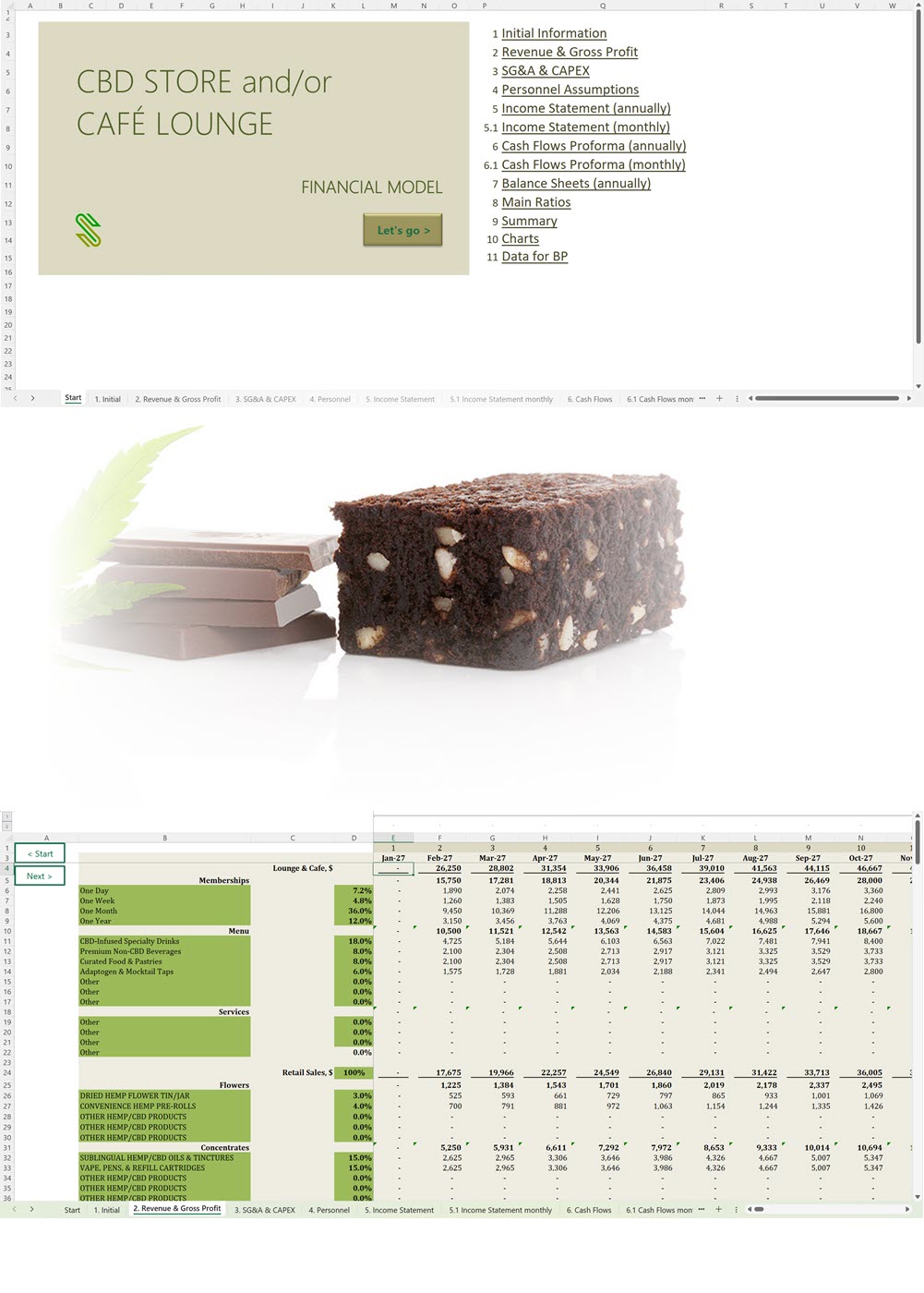
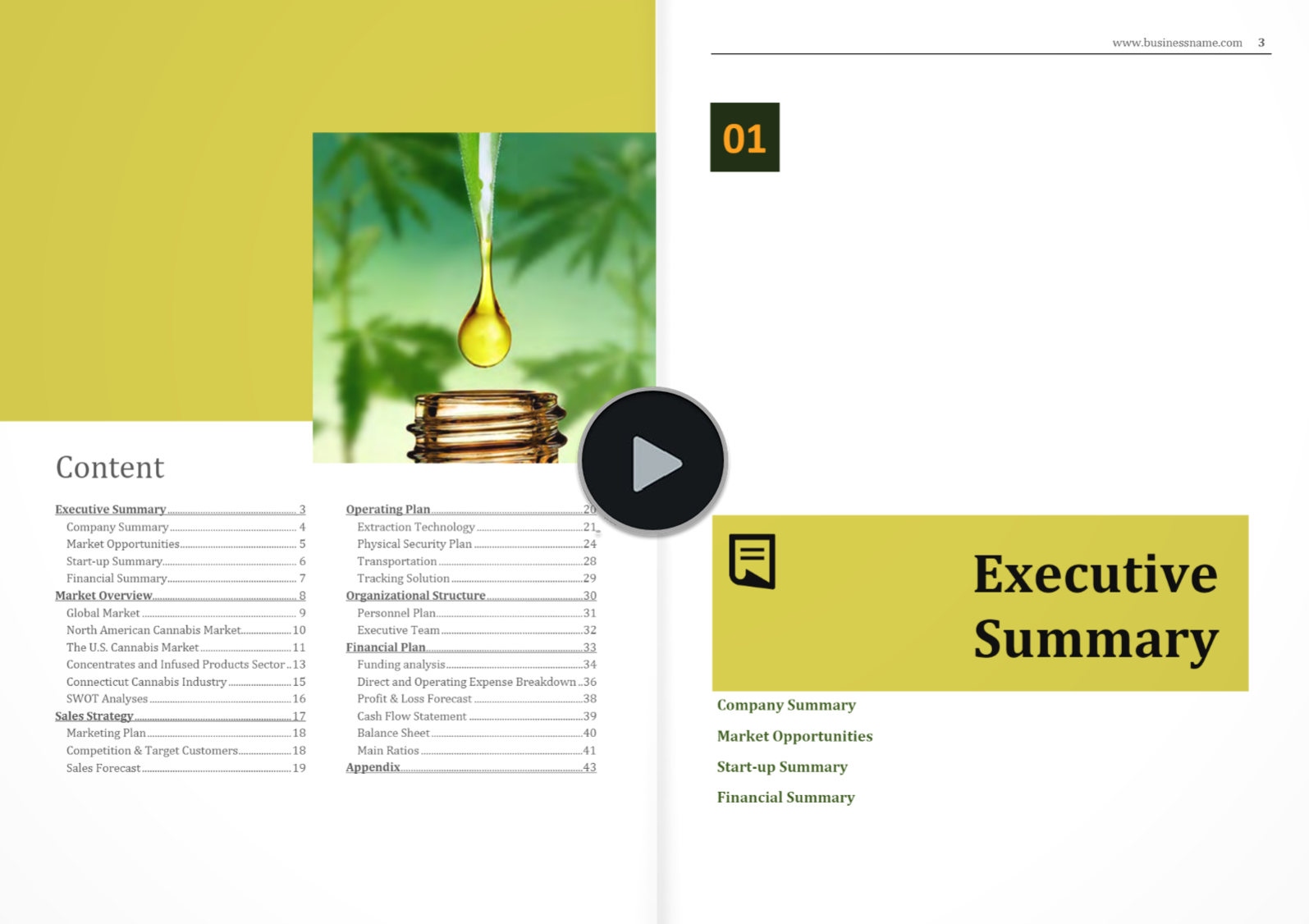
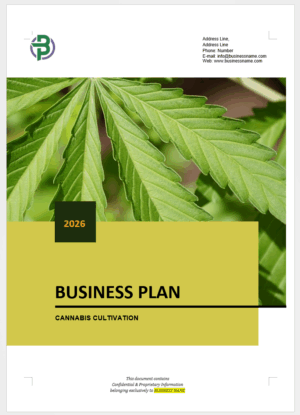
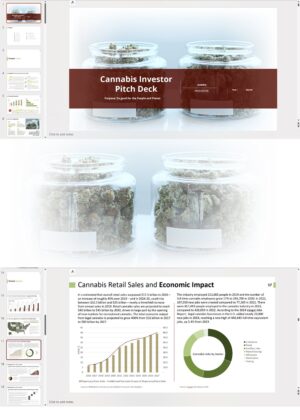
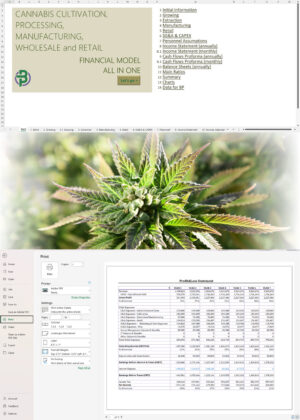
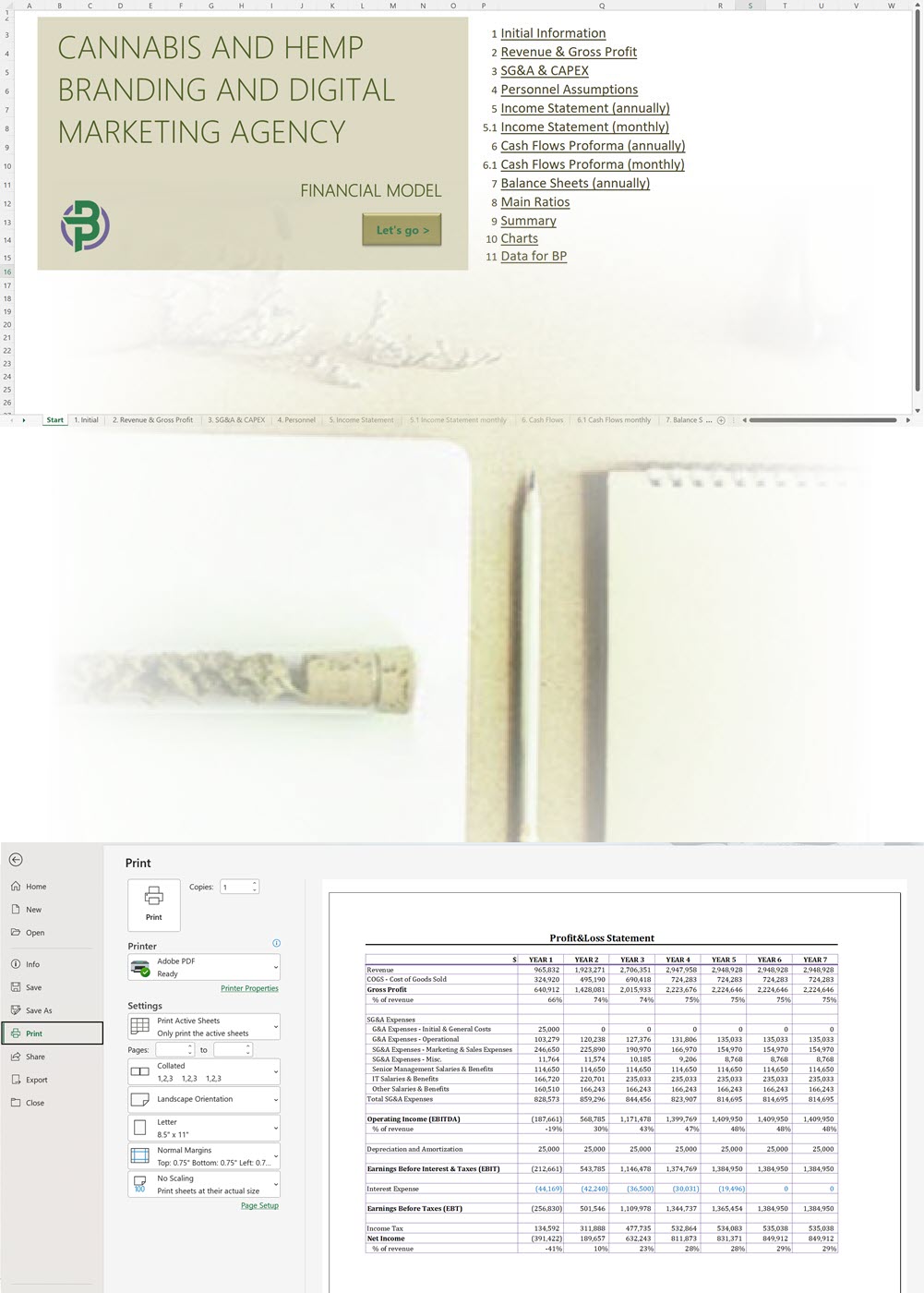
We offer a wide range of '70% ready-to-go' cannabis business plan templates that will help you prepare a professional cannabis business plan document supported with expert financials and an investor pitch deck. All our templates are completely open and editable and you can use Word, Excel and PowerPoint to work with them.
- Submit an application. Pay fees. Prepare and submit the required documents.
How to Get a Cannabis Business License in Connecticut
Application Process:
- Register or log into eLicense.
- Follow the steps in the Department’s guide to complete your online application and submit it.
- If more applications are submitted than the maximum number established by the Department, a third-party lottery operator will conduct a lottery to identify applicants that will be reviewed by the Department. There will be two types of lotteries: a social equity lottery for social equity applicants and a general lottery.
- The Department will review the selected applications to confirm that they are complete and that they contain no features that would lead to disqualification, as outlined in the regulations, section 21a-420g.
- Applicants with applications that were not denied will be provided a provisional license application which they must complete within sixty days of receiving it.
- The Department will review the provisional license application and if it meets the required standards, the applicant will be awarded a provisional license. The provisional license will expire after fourteen months.
- Within the fourteen months, the provisional licensee must submit a final license application with the required information in order to be able to obtain a final license.
- The Department will inspect the entire facility to ensure that it meets all the requirements for operation outlined in the policies and procedures.
- If the Department approves the final license application, the final license will be issued and the cannabis establishment may begin to operate.
- Submit an application form with the required fees as well as other required information.
- The Department will verify the information in the application. If the application is approved, the applicant will receive the relevant license that they applied for.
- Once an applicant has been awarded a dispensary facility license, they must commence operations within 120 days of the notification that they have been awarded a dispensary facility license. Otherwise, their license will be revoked.
- Submit an application form with the required fees as well as other required information.
- The Department will evaluate each application and award producer licenses on a competitive basis based on criteria set out in the notice for applications.
- Once an applicant has been awarded a producer license, they must commence operations within 180 days of the notification that they have been awarded a producer license. Otherwise, their license will be revoked.
Information about the relevant criteria and what is deemed to be the commencement of operations can be found in the state’s regulations.
Required information to be submitted with the application is not limited to (adult-use, medical):
- A list of all backers*, including full name, date of birth, home address, social security number and email.
- A list of any other Connecticut cannabis establishments with which the applicant is associated, applied for or planned to apply for.
- If available, business documents, including articles of incorporation, articles of association, partnership agreement, agreements between any two or more members.
- Current organizational chart showing the ownership of the applicant, including holding companies, subsidiaries and investors. All ownership percentages must be shown.
- All compensation agreements, if applicable.
Required information to be provided with the final license application is not limited to:
- A contract with an entity providing an approved electronic tracking system.
- Evidence of the right to occupy the site where the cannabis establishment will be located.
- Local zoning approvals, if necessary.
- A labor peace agreement between the cannabis establishment and a bona fide labor organization.
- A certification by the applicant that a project labor agreement will be entered into by the cannabis establishment before the construction of any facility that will be used for operation of the cannabis establishment.
- A social equity plan approved by the Social Equity Council.
- A workforce development plan approved by the Social Equity Council.
- Written policies for prevention of diversion and misuse of cannabis and sales to underage individuals.
- Evidence that all security requirements necessary for the specific license type will be in place.
- The name and address of the applicant, the applicant’s backers*, if any, and the person who will serve as the dispensary facility manager (if applying for a dispensary facility license).
- The location for the proposed cannabis establishment.
- A financial statement demonstrating all elements and details of any business transactions connected with the application.
- Details of the applicant’s plan to maintain adequate control against the diversion and theft of cannabis.
- Details of any felony conviction or of any criminal conviction related to controlled substances or legend drugs of the applicant or their backers.
- Documents providing evidence of the applicant’s authorization to conduct business in Connecticut.
- Evidence that all applicable state and local building, fire and zoning requirements and local ordinances will be met.
- Permission for the Department to carry out a background check of the applicant and their backers.
- Business and marketing plans related to the operation of the cannabis establishment.
- Blueprint of the proposed cannabis establishment.
* A backer has “a direct or indirect financial interest in a cannabis establishment, and owns 5% or more of a cannabis establishment, in aggregate with their spouse, parent or child, or participates directly or indirectly in the control, management or operation of the cannabis establishment” according to the Department’s official website.
In addition, all backers must complete a backer application before the cannabis establishment application window closes so that they are considered as part of the application. The backer applicant checklists for a social equity applicant or a non-social equity applicant are available on Connecticut’s official website.
Social equity applicants must provide additional information outlined in this document.
Social equity applicants will pay 50% of the amount of all relevant license fees (as shown in the fee tables above) for the first three renewal cycles and the full amount thereafter. However, in the case of license conversion from a dispensary facility to a hybrid retailer or from a producer to an expanded producer license, the social equity licensee must pay the full amount of the fee.
License Conversion from Producer to Expanded Producer/from Dispensary Facility to Hybrid Retailer
Application process:
- Submit a complete license application with the conversion fee and other required information.
- The Department will review the application and if approved, the conversion to the expanded producer/hybrid retailer license will be successful.
Information to be provided with the application is not limited to:
- Producer: A medical cannabis preservation plan to ensure that there will be no supply shortages of medical cannabis products. This plan must be approved by the Department. A workforce development plan that meets the requirements set by the Social Equity Council. The plan must be approved by the Social Equity Council.
- Retailer: Every hybrid retailer should have a licensed pharmacist on the premises of its dispensary when the dispensary is open to the public or to qualifying patients and caregivers. Every hybrid retailer should have a private consultation space for qualifying patients and caregivers to meet with pharmacists and a priority entrance for qualifying patients and caregivers must be arranged at the facility.
- Final approval. Final fees. Final Inspection.
Final inspections are carried out at the end of the application process before the Department issues a license. Some of the items verified during the inspection include:
- The layout of the location matches the submitted floor plan.
- There is adequate camera coverage (no blind spots in required areas).
- The surveillance system is functioning and properly secured.
- The premise is not connected or combined with a residence or another business.
- Cannabis product is secure from public/customer access.
- Keep track of your ongoing compliance requirements.
Physical security measures, good production practices, packaging, labelling, transport and reporting requirements, taxes and more.
- License renewal.
Medical Licenses: All licensees must be renewed annually. The licensee must submit a renewal application and the relevant renewal fee to the Department at least 45 days before the license’s expiration date.
Adult-use Licenses: All adult-use licenses must be renewed annually. In order to renew a license, a renewal application must be submitted with the relevant renewal fee to the Department.
Connecticut Cannabis Taxes
There will be three (3) taxes on retail sale of cannabis: the state’s usual 6.35 percent sales tax, a 3 percent sales tax dedicated to the city or town where the sale occurs, and a tax based on THC content that will cost approximately 10 to 15 percent of the sale price. In total, the tax rate is expected to be approximately 20 percent of the retail price of cannabis, in line with the tax rates in Massachusetts.
https://portal.ct.gov/drs/taxes/cannabis/cannabis-tax
In 2023, Connecticut passed legislation that exempt businesses from Section 280E of the federal tax code that allows cannabis companies to deduct business expenses from their state income taxes.
Cannabis Advertising Regulations in Connecticut
Prohibited activities for those advertising cannabis or cannabis-related services include, but are not limited to:
- Advertising that targets or is designed to appeal to individuals who are under the age of 21.
- Advertising using any image, or any other visual representation, of the cannabis plant or any part of the cannabis plant, including, but not limited to, the leaf of the cannabis plant.
- Advertising by means of an electronic or illuminated billboard between the hours of 6 a.m. and 11 p.m.
- Advertising where less than 90 percent of the audience for the advertisement is reasonably expected to be 21 years of age or older, based on reliable evidence.
- Advertising using location-based devices such as cell phones. Exceptions exist for mobile apps.
- Sponsoring or advertising at, or in connection with, charitable, sports, musical, artistic, cultural, social, or other similar events, unless the cannabis establishment has reliable evidence that at least 90 percent of the audience will be 21 or older.
- Advertising cannabis or cannabis-related products visible to the public within 1,500 feet of an elementary or secondary school ground, recreation center or facility, childcare center, playground, public park, library, or house of worship.
- Advertising on or in public or private vehicles or at bus stops, taxi stands, transportation waiting areas, train stations, airports, or other similar transportation venues.
- Operating websites that advertise cannabis or cannabis-related products without verifying that users are 21 years of age or older.
- Any advertisements from a cannabis establishment shall contain the following warning: “Do not use cannabis if you are under twenty-one years of age. Keep cannabis out of the reach of children.”
(Sec. 21a-421bb. Prohibitions re advertisement of cannabis and cannabis products. Registration of cannabis brand names.)
Main steps in short
- Understand regulatory and legal requirements. Do market research.
- Decide on the type of cannabis business you want to start. Choose a location. Check local zoning regulations.
- Develop a solid business plan. Secure financing.
- Submit an application. Pay fees. Prepare and submit the required documents.
- Final approval. Final fees. Final inspection.
- Keep track of your ongoing compliance requirements.
- License renewal.
Cannabis Extraction/Concentrates Business Plan Sample, Connecticut
Best Selling Templates
-

Cannabis Cultivation Business Plan Template
Price range: $75.00 through $350.00 Select options This product has multiple variants. The options may be chosen on the product page -

Cannabis Dispensary Investor Pitch Deck Template
$75.00 Select options This product has multiple variants. The options may be chosen on the product page -
Cannabis Financial Model All in One
$250.00 Select options This product has multiple variants. The options may be chosen on the product page
Hemp CBD business plan templates are available at hempcbdbusinessplans.com.
Our Templates

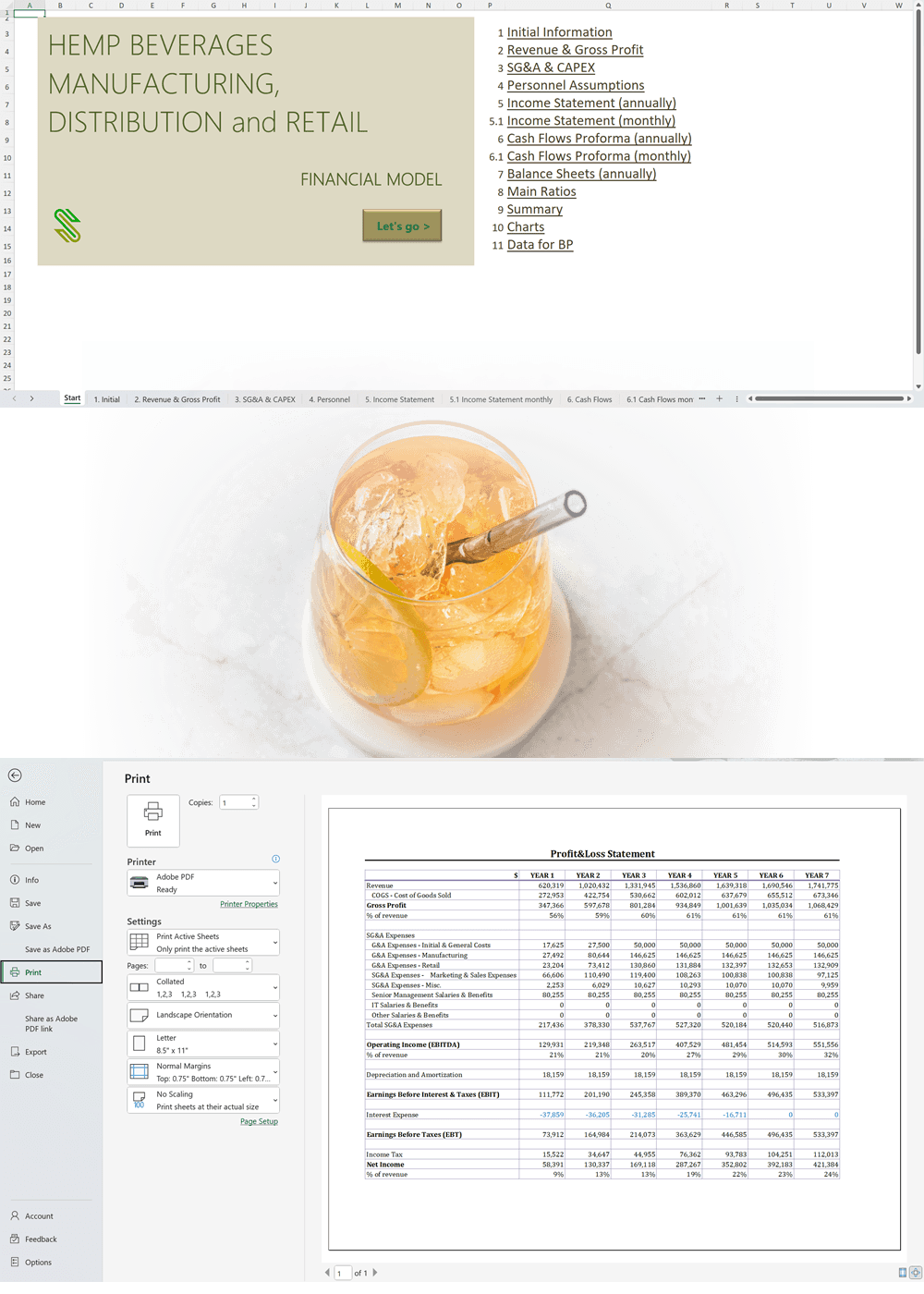

Hemp CBD Beverage Manufacturing, Wholesale and/or Retail Business Plan Template
Price range: $75.00 through $350.00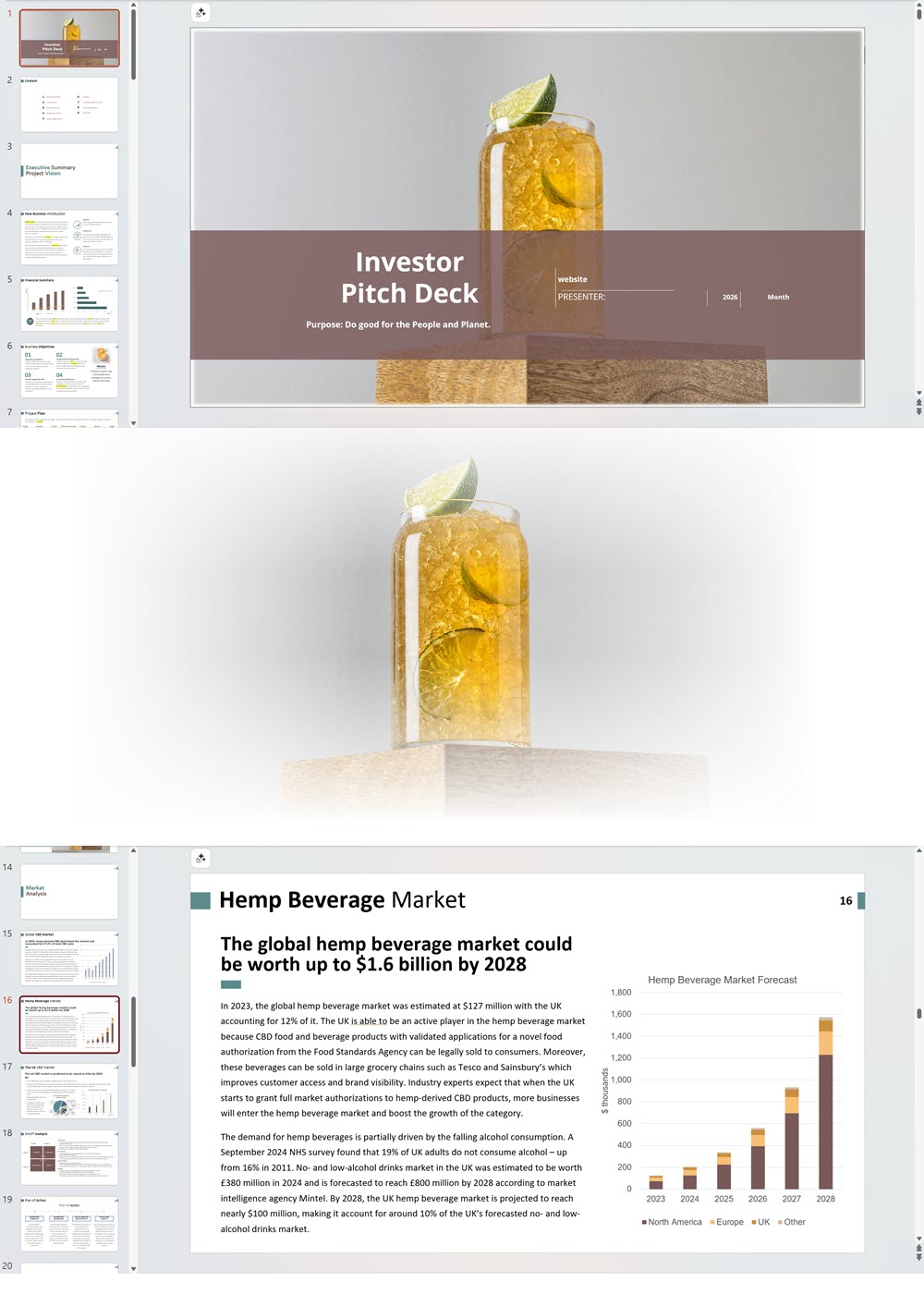

Cannabis Manufacturing Business Plan Template (with in-house processing)
Price range: $75.00 through $350.00
Cannabis Courier Business Plan Template
Price range: $75.00 through $275.00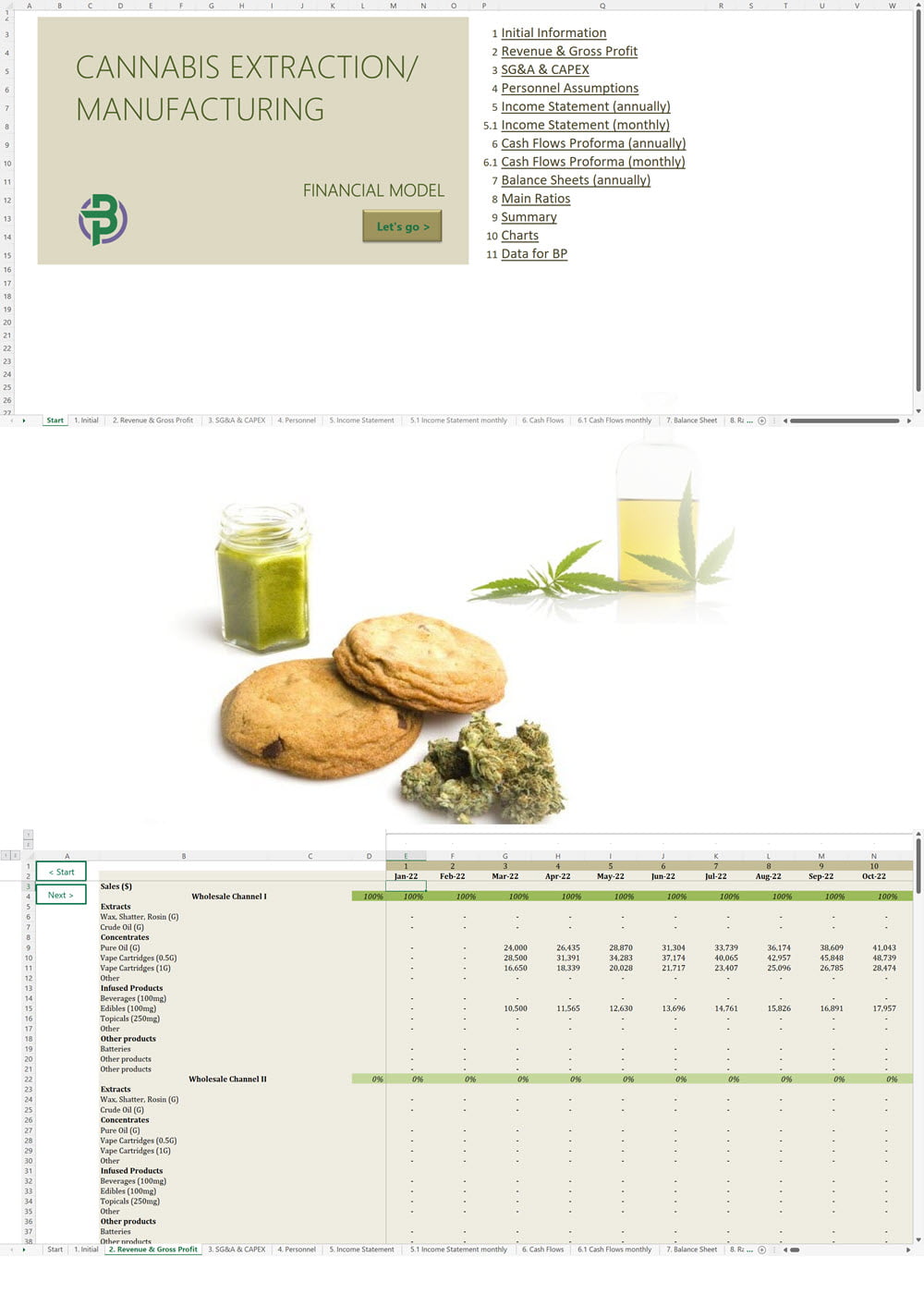
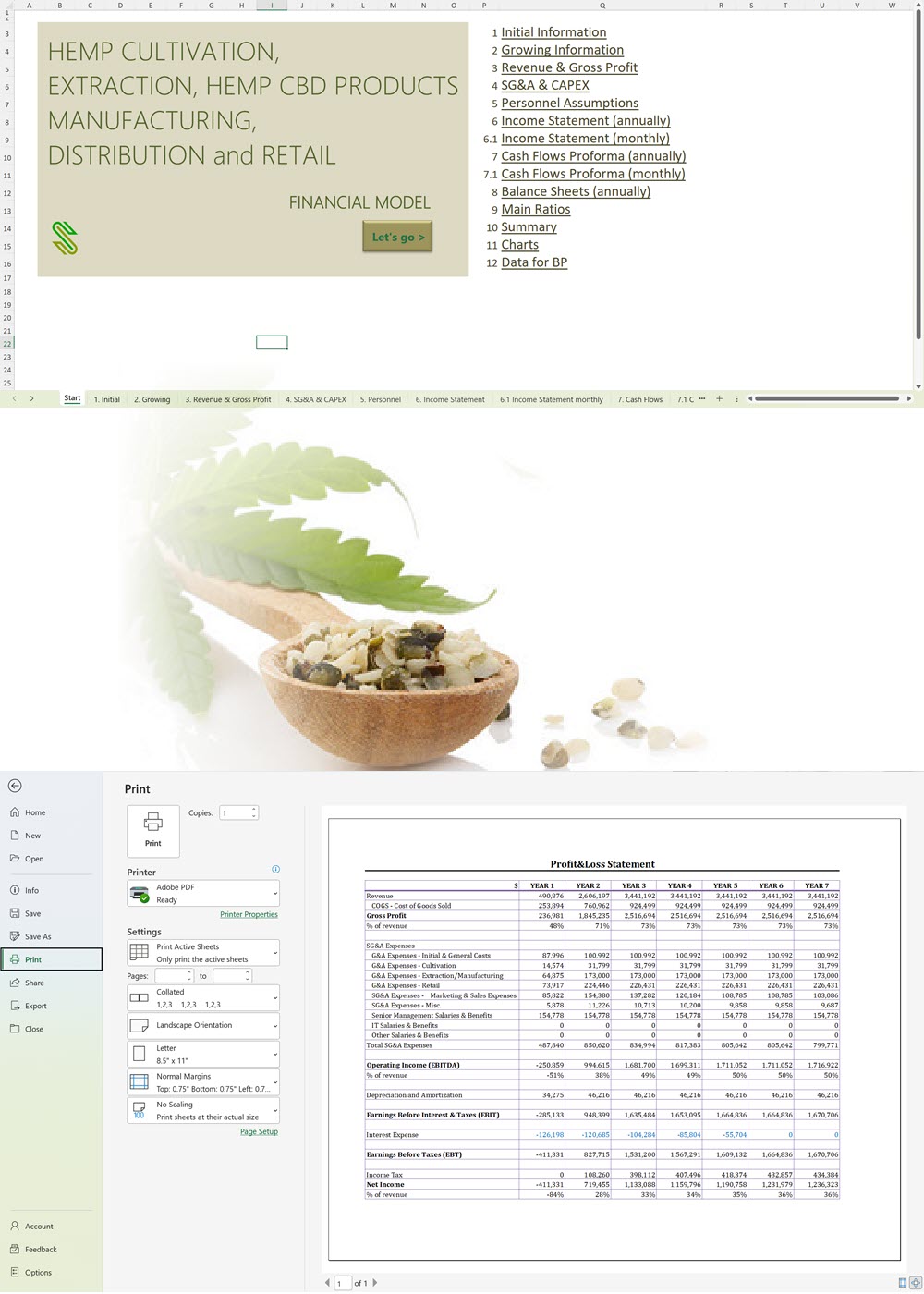
Hemp CBD Vertically Integrated Business Plan Template
Price range: $75.00 through $450.00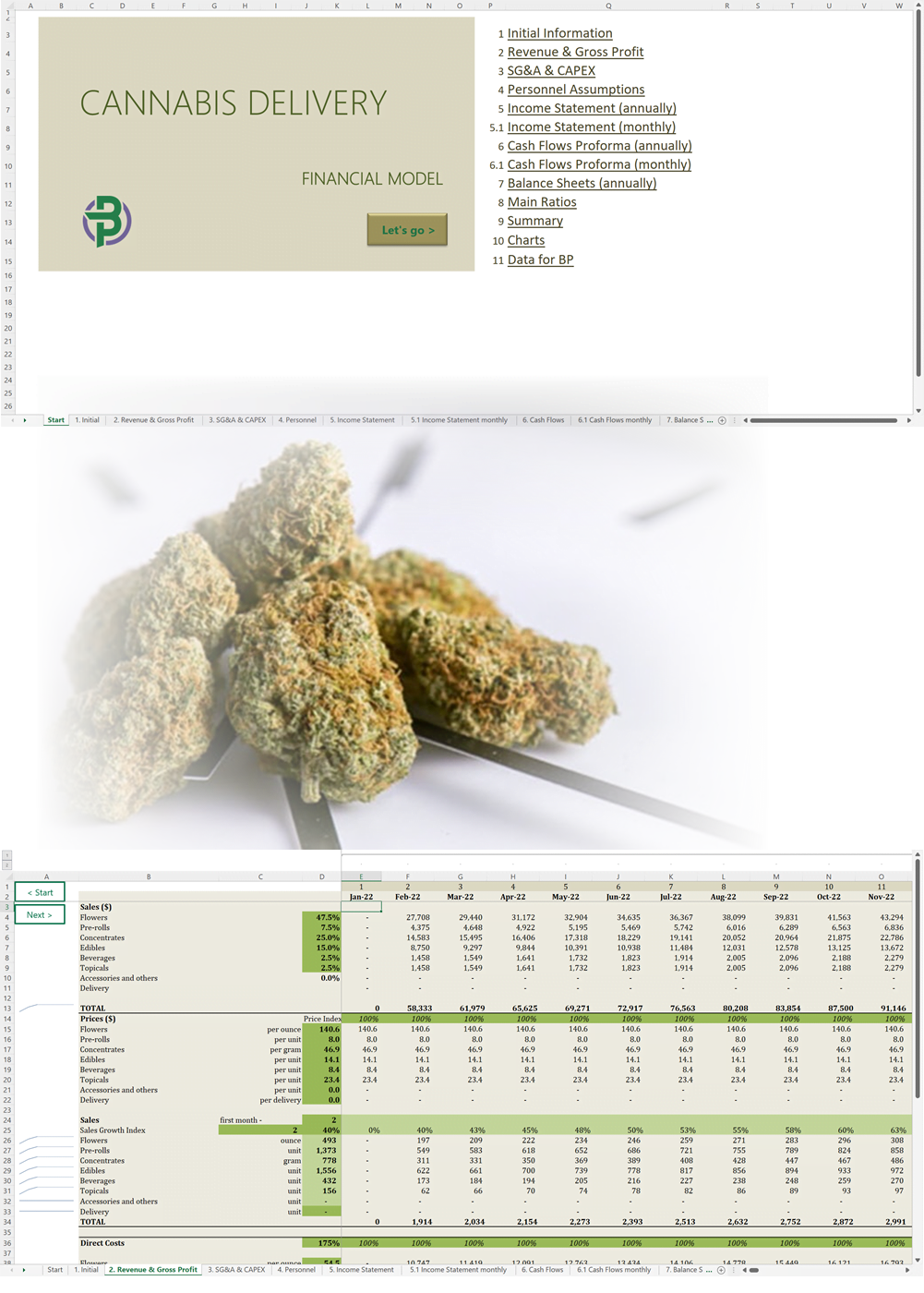

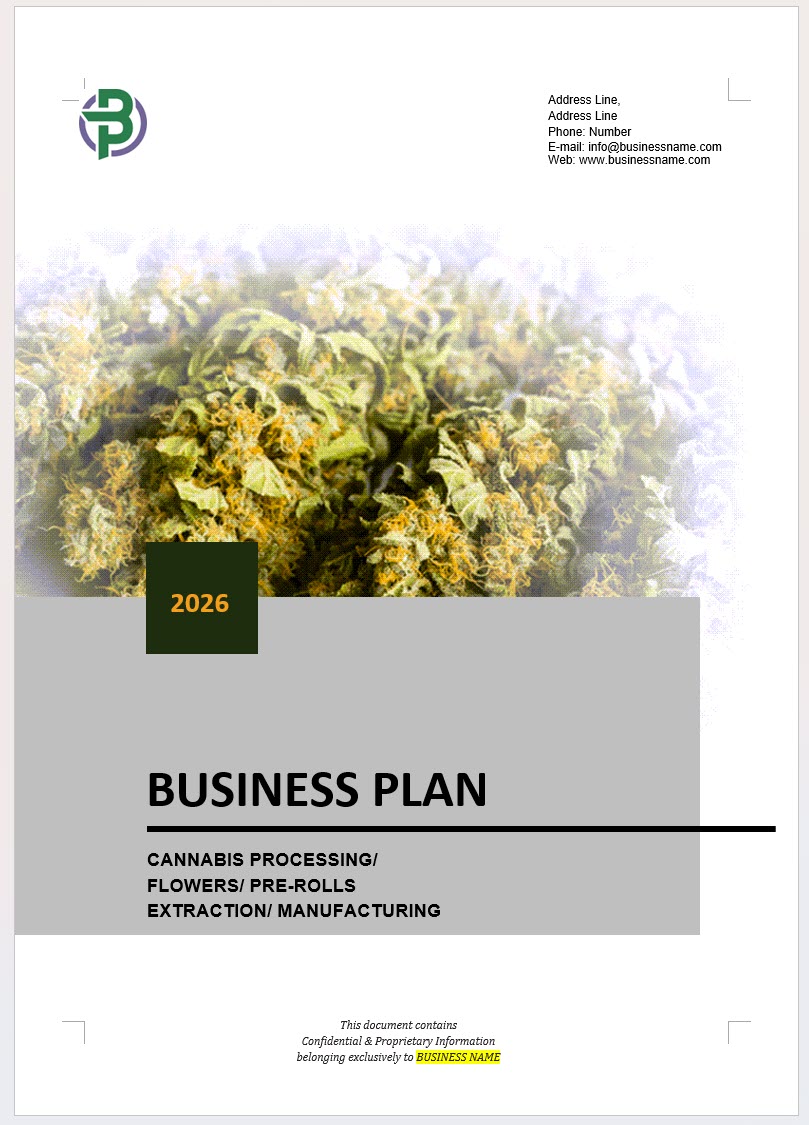
Cannabis Processing/ Flowers/ Pre-rolls/ Extraction/ Manufacturing Business Plan Template
Price range: $75.00 through $350.00
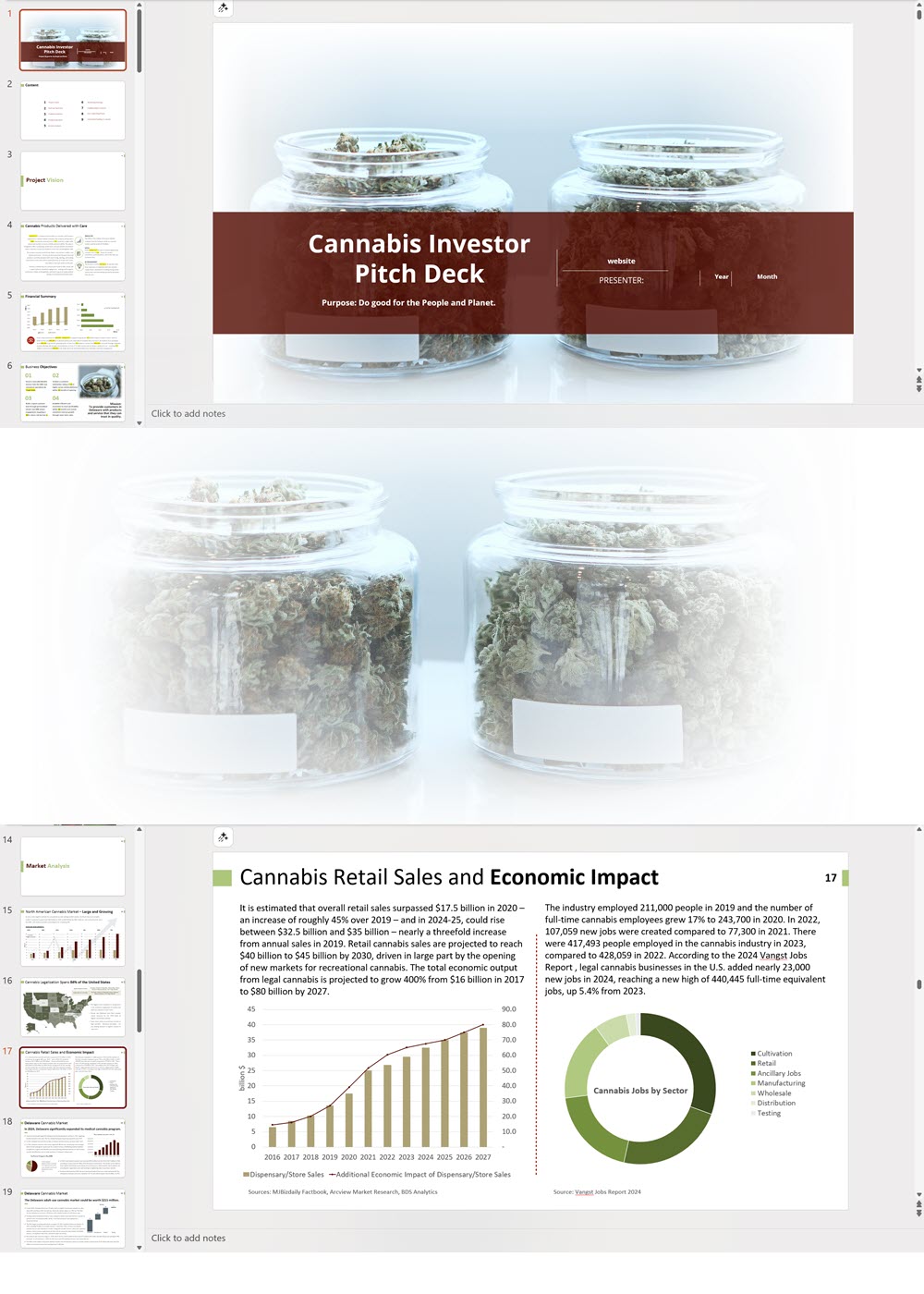
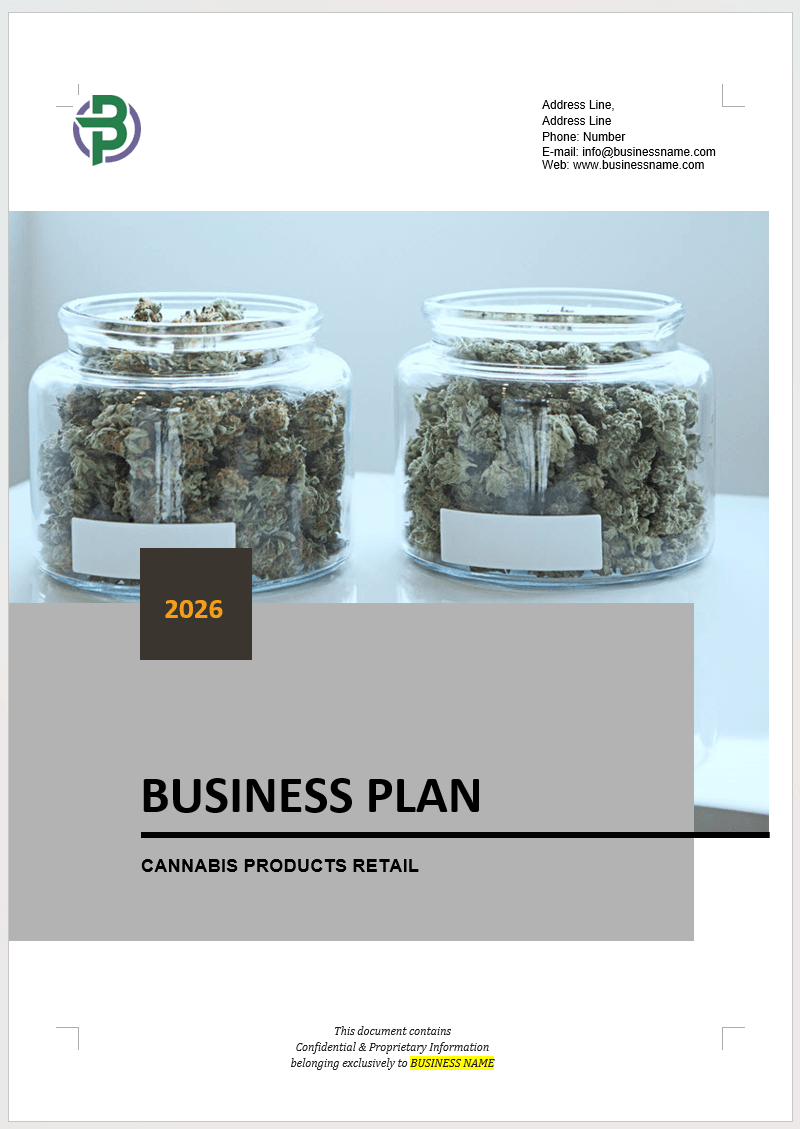
Cannabis Dispensary Business Plan Template
Price range: $75.00 through $350.00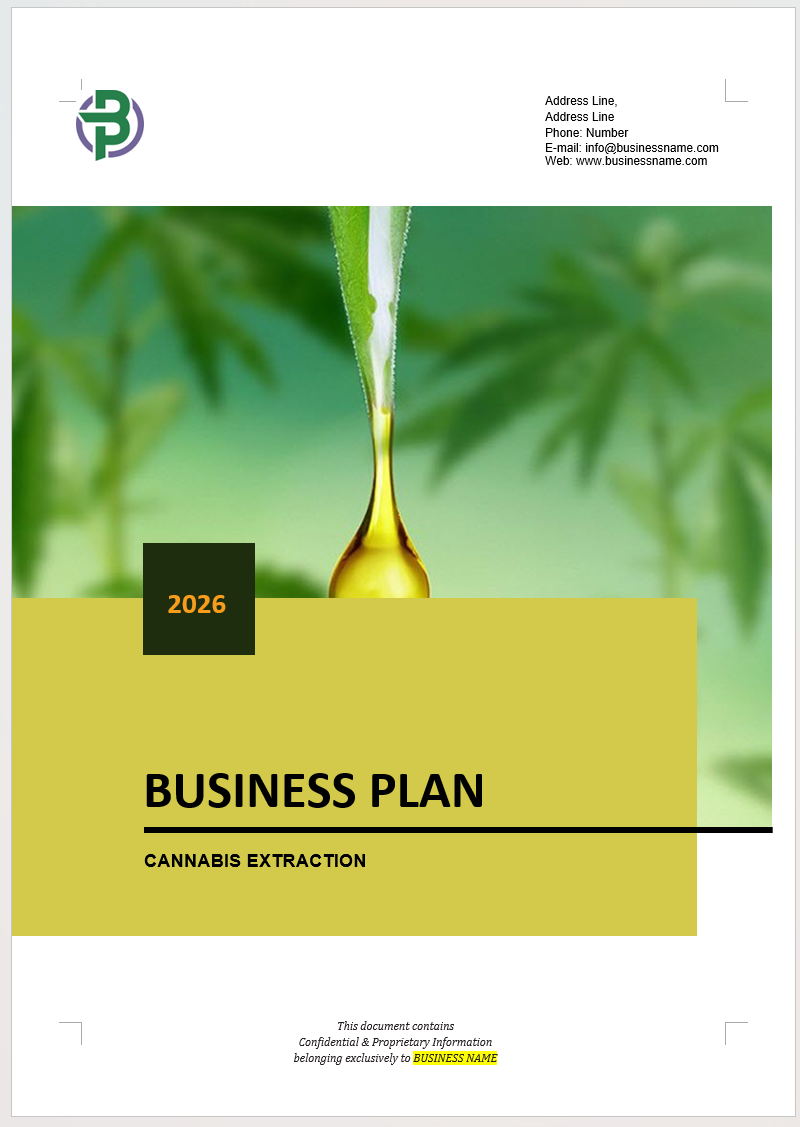
Cannabis Extraction / Concentrates Business Plan Template
Price range: $75.00 through $350.00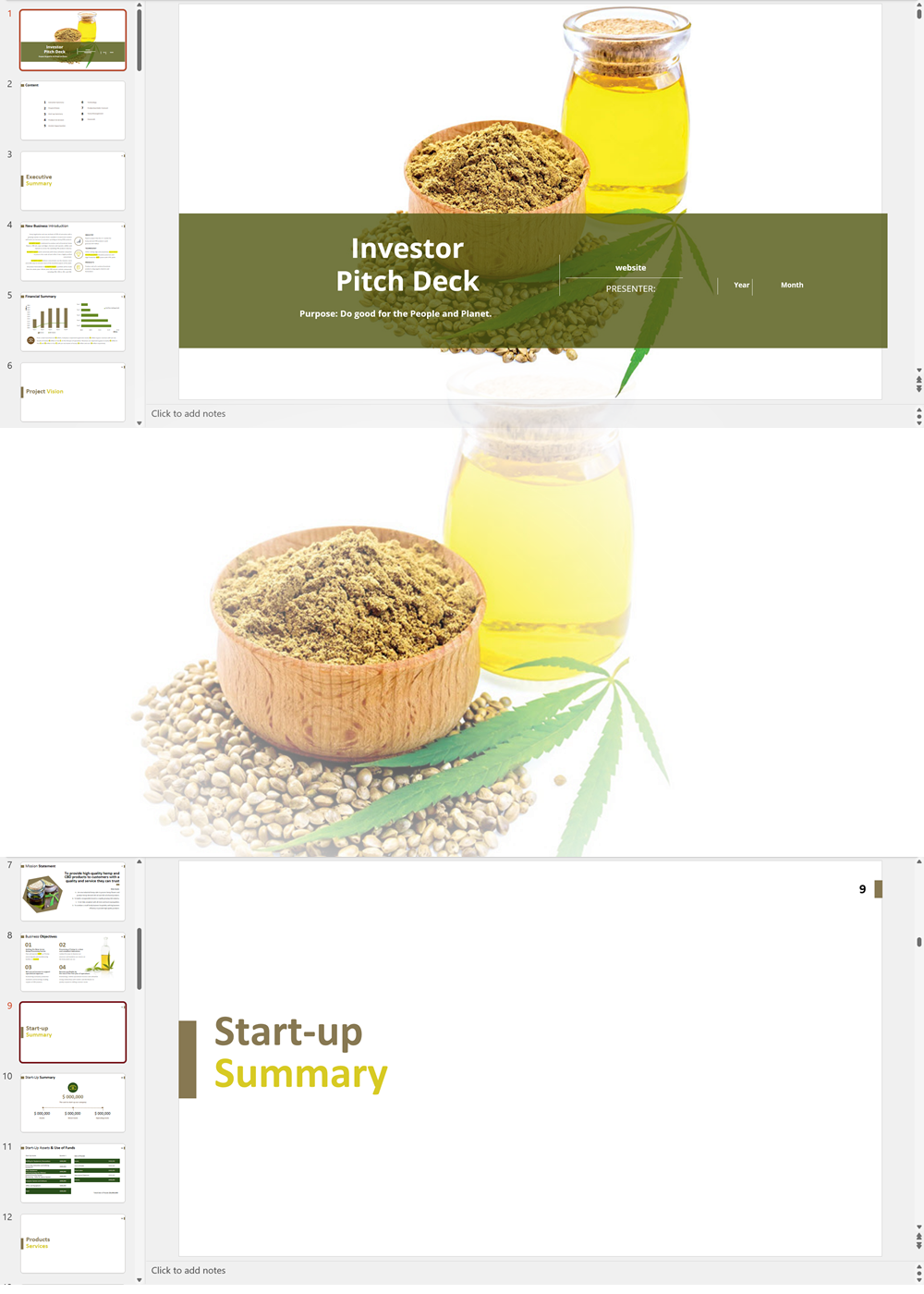
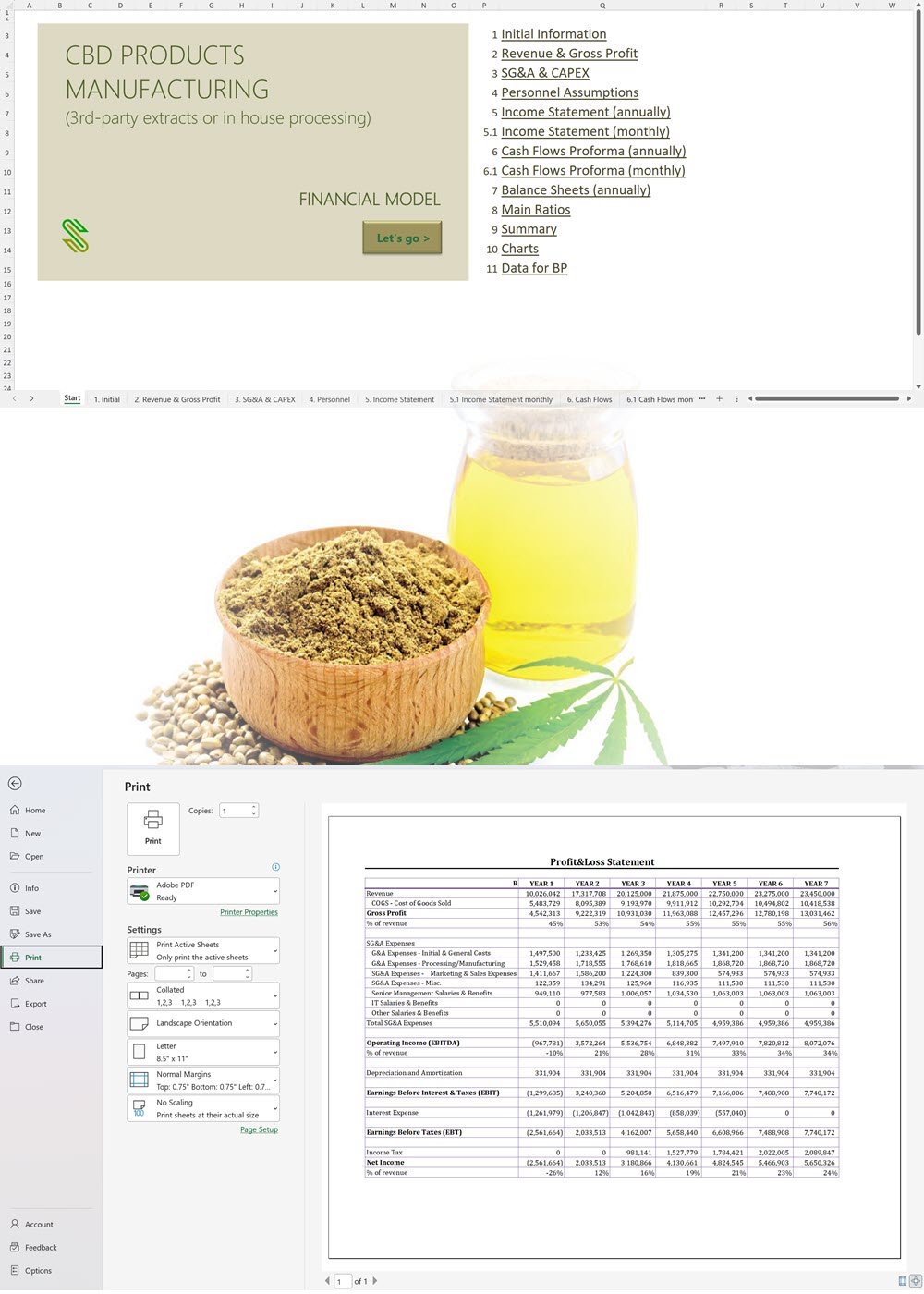
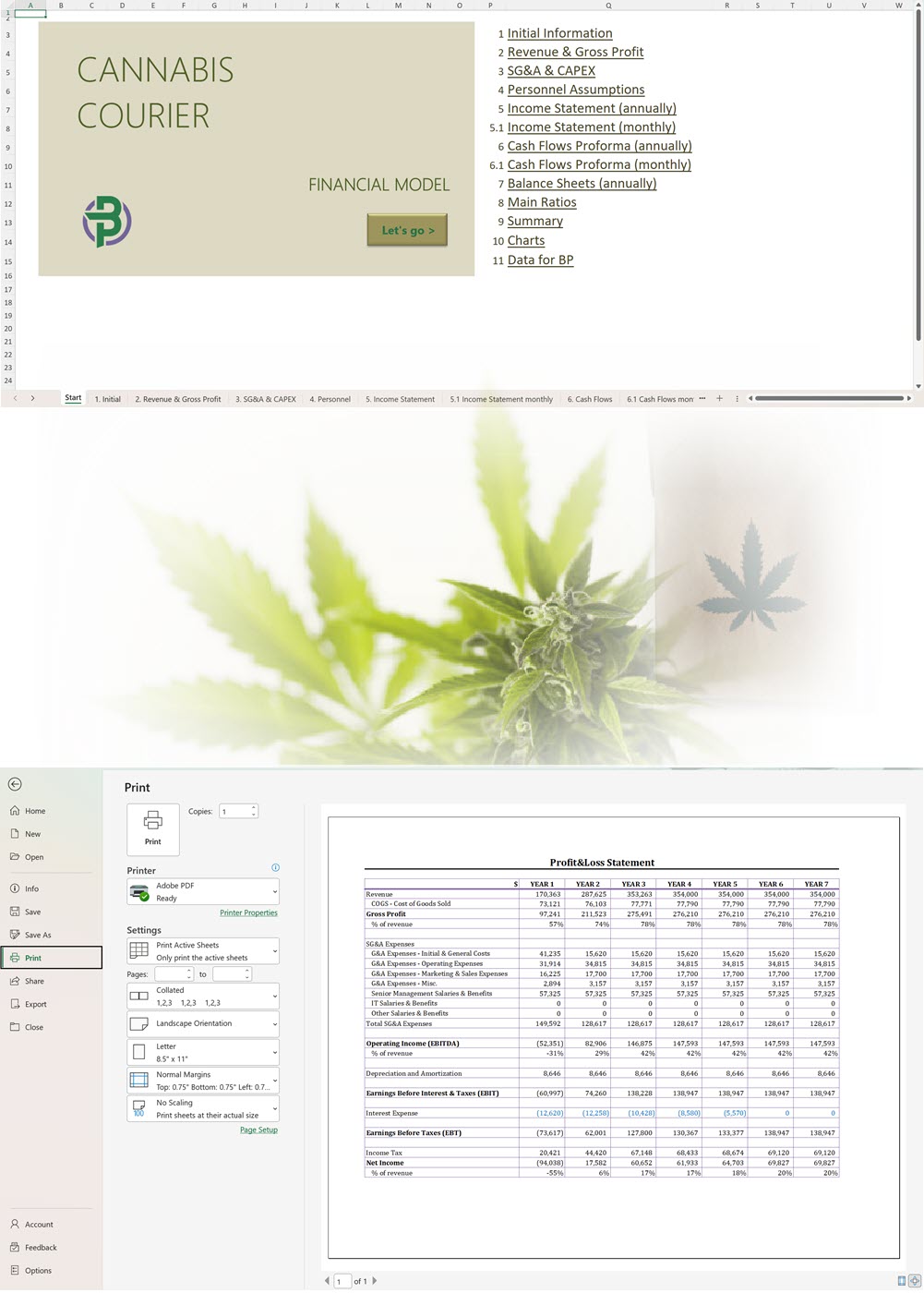
Cannabis Courier Financial Model
$100.00
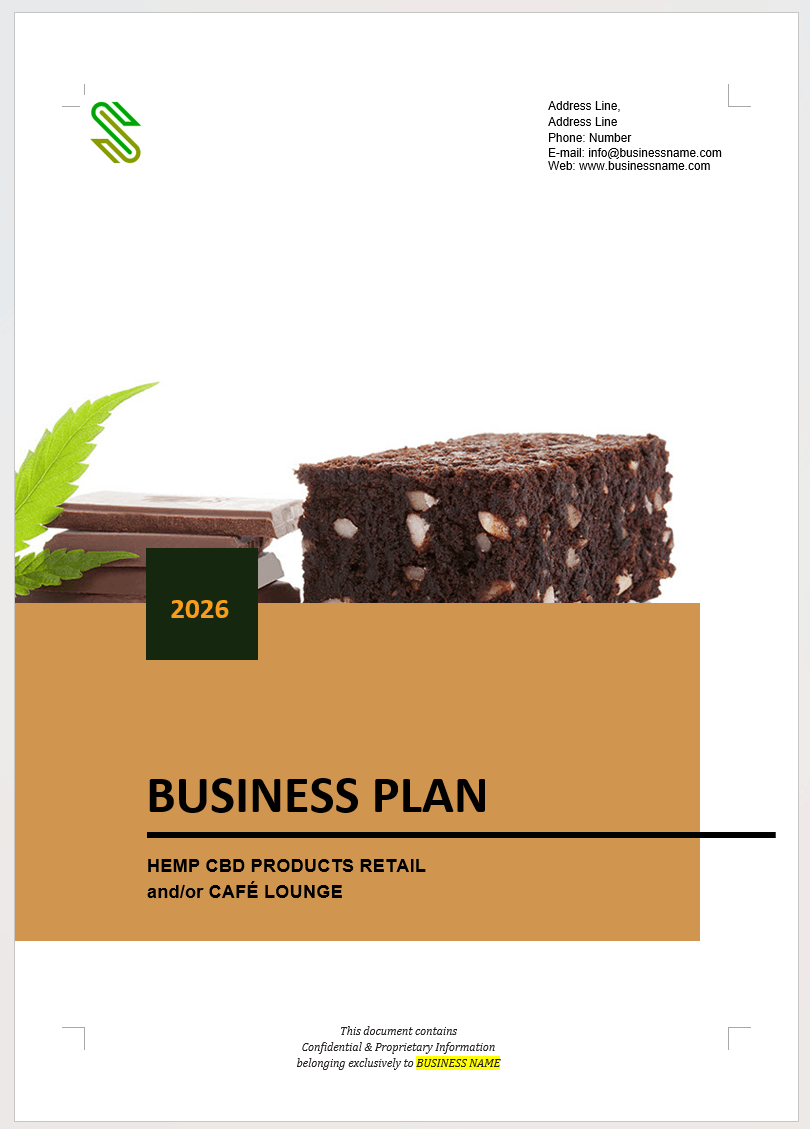
CBD Store and/or Cafe Lounge Business Plan Template
Price range: $75.00 through $275.00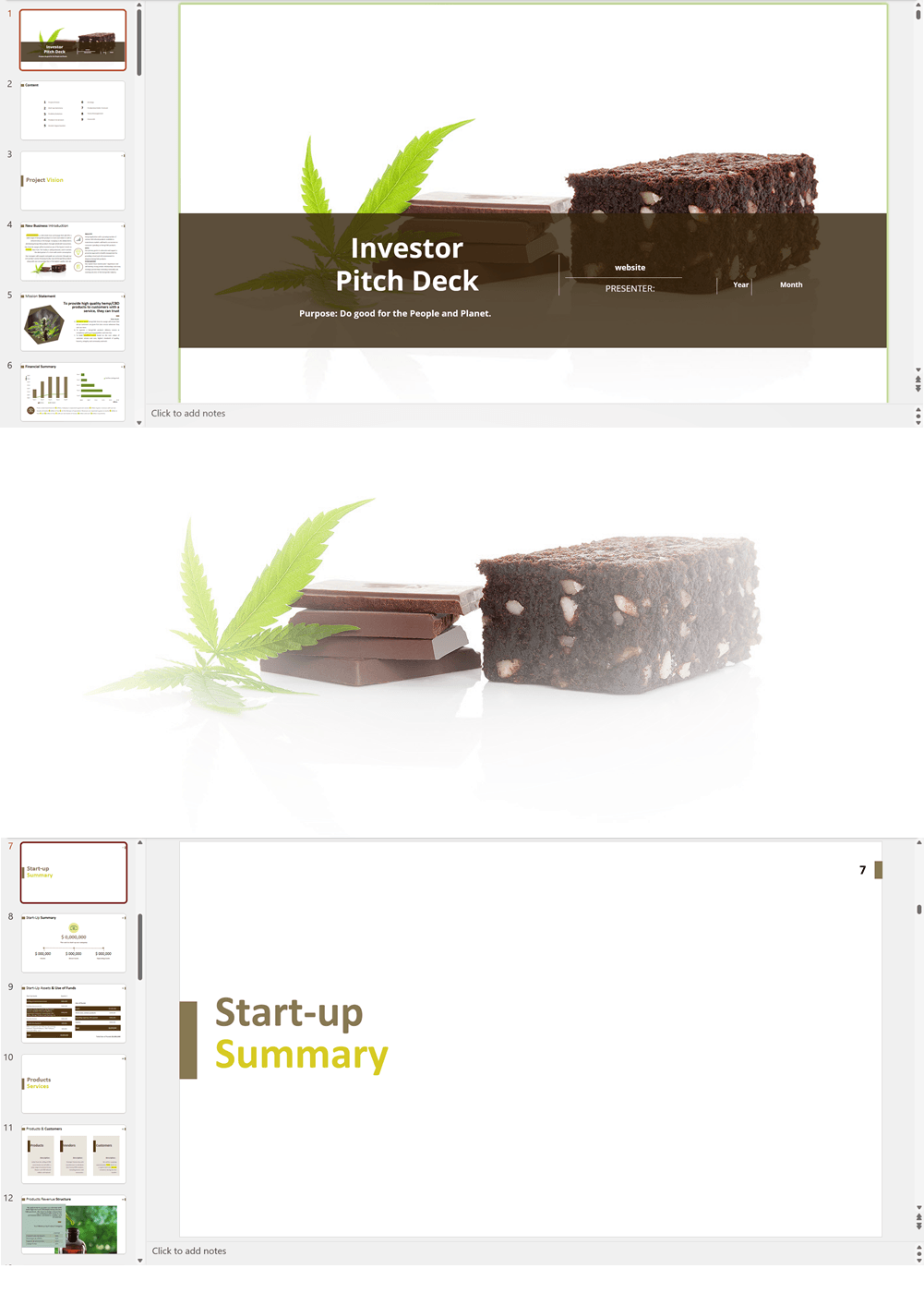

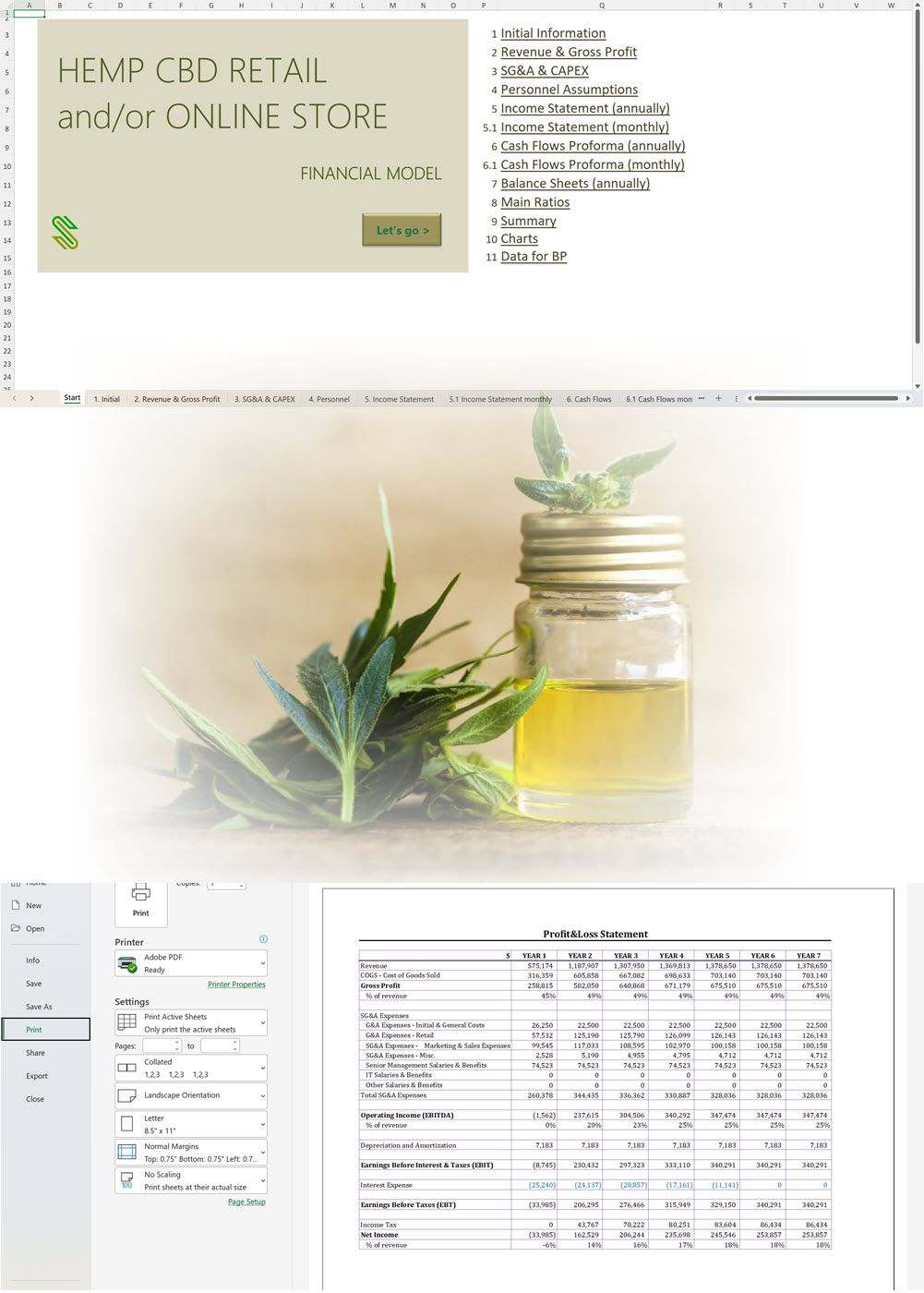
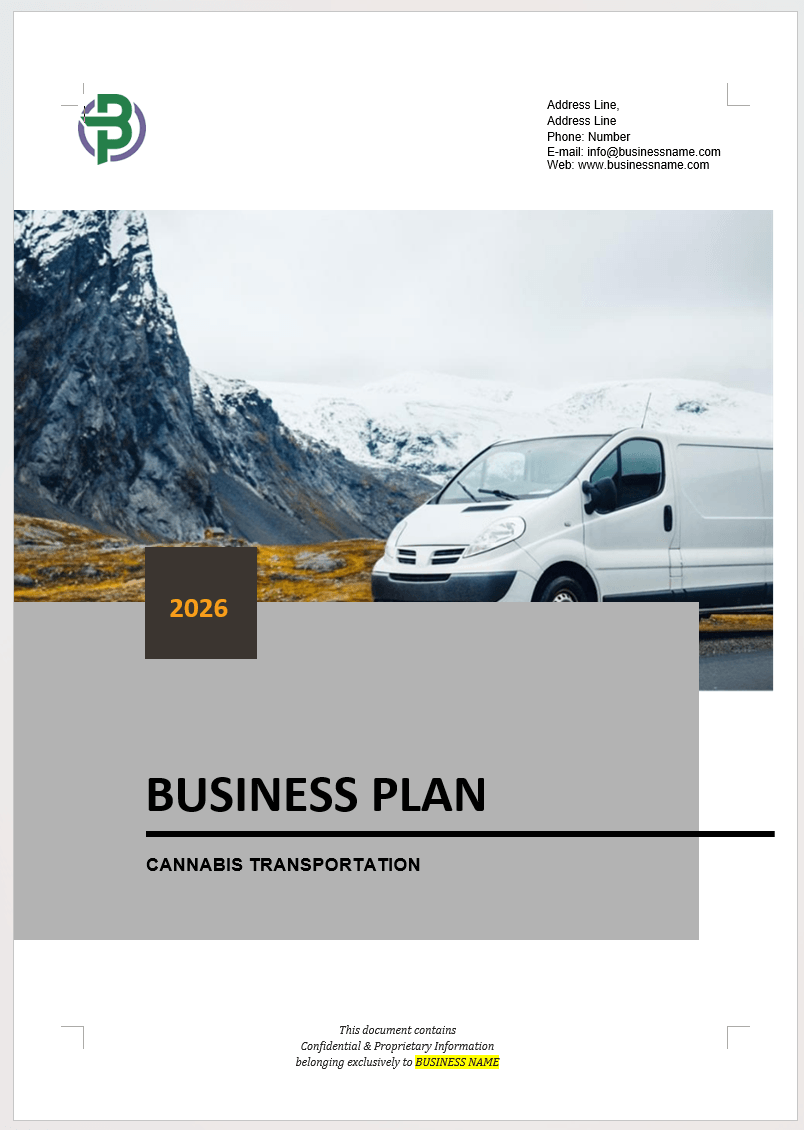
Cannabis Transportation Business Plan Template
Price range: $75.00 through $275.00