- Understand regulatory and legal requirements. Do market research.
Research the laws and regulations governing low-THC cannabis for more information about the regulatory requirements for licensure in the city or town you wish to operate.
Texas Cannabis Legalization
The Texas Compassionate Use Act (Senate Bill 339) was enacted by the Texas Legislature in 2015 (84th Legislative Session).
The Department of Public Safety (the Department) administers the Compassionate Use Program (CUP) in Texas, under the authority of the Texas Health and Safety Code, Chapter 487. Through the program, DPS operates a secure online registry of qualified physicians who can prescribe low tetrahydrocannabinol (THC) to patients with specific medical conditions.
On June 20, 2025, Gov. Abbott signed House Bill 46 into law. The bill takes effect September 1, 2025. It expands the state’s medical cannabis program by adding qualifying conditions for medical cannabis treatment, introducing new product forms, replacing the 1% THC by weight limit with up to 10 milligrams per dose and 1 gram per package, allowing dispensing organizations to open satellite locations, and instructing the DPS to issue at least 12 new dispensing organization licenses to bring the total number of licensees in the state to 15.
- Decide the type of cannabis business. Choose a location. Check local zoning regulations.
Cannabis Licenses Types Available in Texas
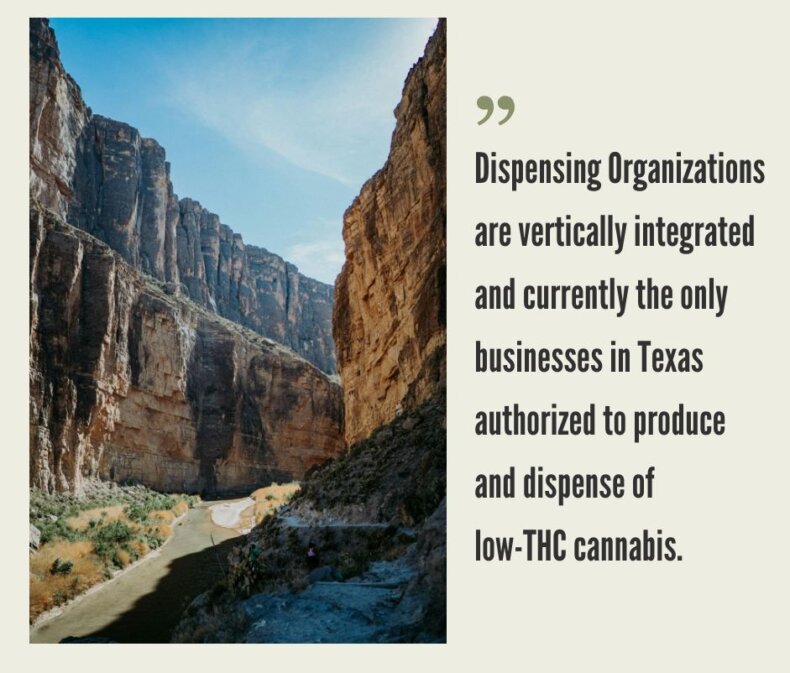
Cannabis Dispensing Organizations are vertically integrated and the only businesses in Texas authorized to perform the regulated functions of cultivation, processing, and dispensing of low-THC cannabis to qualified patients via registered physicians.
All cultivation, processing and dispensing must be performed at a single location. Remote pickup locations are authorized so long as the product has already been dispensed and labeled for the receiving patient and the products are not stored overnight. All cultivation of low-THC cannabis shall take place in an enclosed, secured building, or an enclosure within a building.
Dispensing Organizations are also allowed to operate one or more satellite locations, in addition to their primary location, where they may securely store low-THC cannabis for distribution. The satellite location must be approved by the Department before a Dispensing Organization can begin to operate it. A location approved by the Department as a remote pickup location before September 1, 2025, is considered to be approved as a satellite location.
All regulated premises shall be located at least 1000 feet from any private or public school or day care center that existed prior to the date of initial license application, measured from the closest points on the respective property lines.
- The application fee for a dispensing organization license is $7,356.
- The license fee for a dispensing organization is $488,520 for a 2 year period.
- The fee for the biennial renewal of the dispensing organization license is $318,511.
- The registration fee is $530 for both the original registration and renewals.
Cannabis Delivery in Texas
Deliveries may only be made by registered employees of the dispensing organization. Delivery vehicles must meet the security requirements provided in Texas Administrative Rule §12.32.
Remote pickup locations are authorized as an extension of delivery services, so long as the product has already been dispensed and labeled for the receiving patient and the products are not stored overnight.
- Develop a solid cannabis business plan. Secure financing.
Application requirements include demonstrating a likelihood of success and sufficient business ability and experience on the part of the applicant. As determined by the department, the applicant must possess:
- the technical and technological ability to cultivate and produce low-THC cannabis;
- the ability to secure the resources and personnel necessary to operate as a dispensing organization; and premises reasonably located to allow patients listed on the compassionate-use registry access to the organization through existing infrastructure;
- the ability to maintain accountability for the raw materials, the finished product, and any by-products used or produced in the cultivation or production of low-THC cannabis to prevent unlawful access to or unlawful diversion or possession of those materials, products, or by-products; and
- the financial ability to maintain operations for not less than two years from the date of application.
'70% ready to go' business plan templates
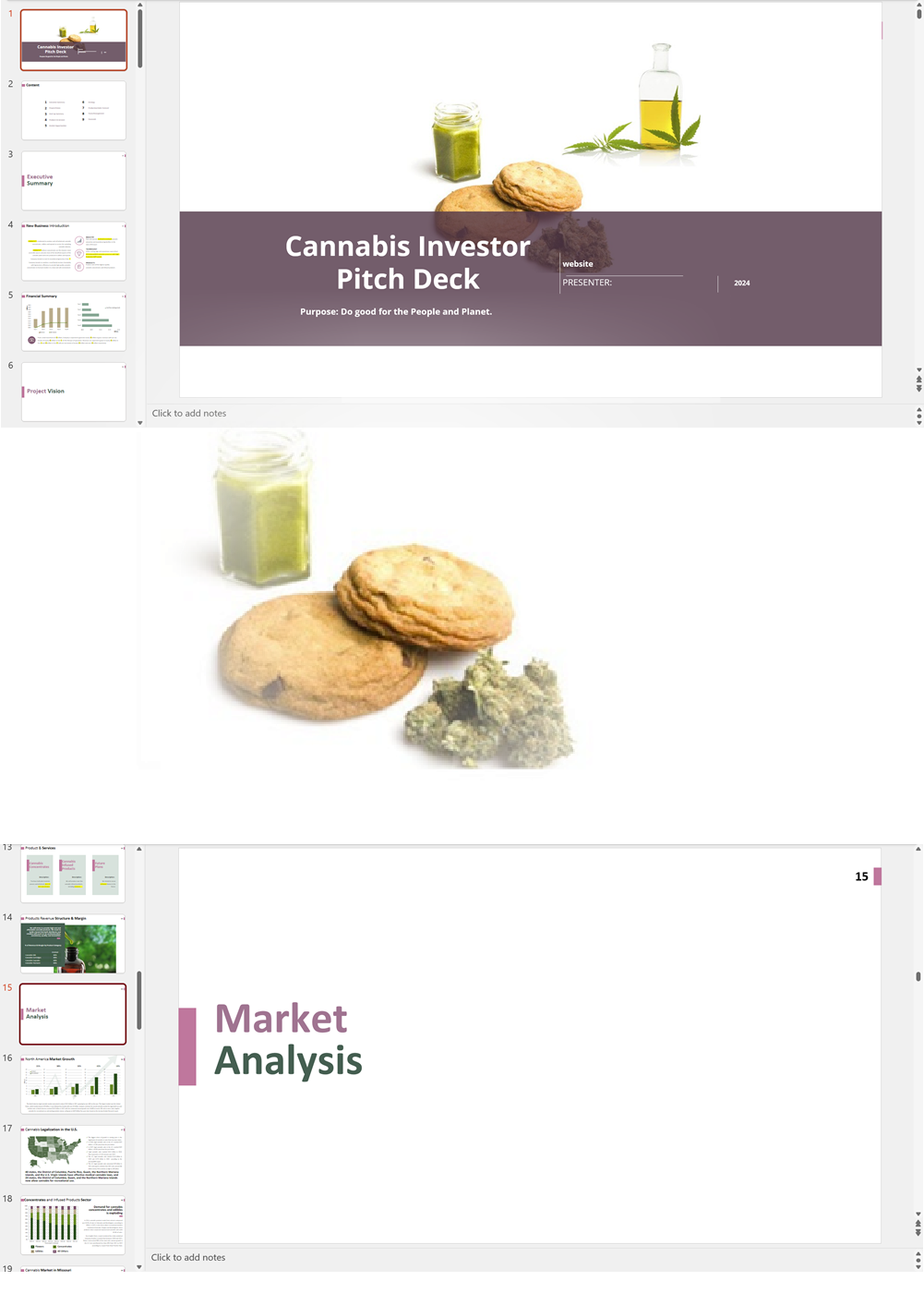
We offer a wide range of '70% ready-to-go' cannabis business plan templates that will help you prepare a professional cannabis business plan document supported with expert financials and an investor pitch deck. All our templates are completely open and editable and you can use Word, Excel and PowerPoint to work with them.
- Prepare the required documents. Submit application. Pay fees.
Application process:
Step 1. Download, complete and submit the CUP Dispensing Organization Application Form.
Step 2. Submit the application fee in the amount of $7,356 through a wire transfer. Upload the required documentation via a secure portal:
Ownership documentation: Proof of ownership and current status, including but not limited to a current Certificate of Existence or Certificate of Authority from the Texas Office of the Secretary of State and a Certificate of Good Standing from the Texas Comptroller of Public Accounts.
Proof of required liability insurance: A certificate of insurance as proof of commercial general liability insurance coverage against claims of liability for damage to property of third parties and for personal injuries to third parties, including bodily injury, property damage, and product liability, with limits of: a) $1,000,000 each occurrence. b) $2,000,000 General Aggregate limit. c) $1,000,000 Product Liability. If a certificate of insurance is not available at the time of application, a letter of intent to obtain required insurance may be submitted. Prior to final approval of a license, applicants will be required to provide a valid certificate of insurance.
Proof of the ability to secure the premises, resources, and employees necessary to operate as a dispensing organization: 1. Descriptions of all property’s applicant proposes to utilize to cultivate, process, and dispense low- THC cannabis, including ownership information for the properties. 2. Descriptions of the methods proposed for the cultivation, processing, and dispensing of low THC cannabis. 3. Descriptions of the types and locations of worker safety equipment and plans and procedures for complying with federal Occupational Safety and Health Administration (OSHA) regulations for workplace safety. 4. A list of current and proposed staff, including, position, duties and responsibilities, and an organizational chart illustrating the supervisory structure of the dispensing organization. 5. Description of the applicant’s proposed testing laboratory, and description of the proposed testing protocols and methods. 6. A proposal establishing the ability to secure premises reasonably located to allow patient access through existing infrastructure.
Proof of the ability to maintain accountability of all raw materials, finished products, and any by products to prevent diversion or unlawful access to or possession of these substances: 1. Floor plan of each facility or proposed floor plans for proposed facilities, including: a. Locking options for all means of ingress and egress consistent with life safety requirements. b. Alarm systems. c. Video surveillance. d. Name, layout and function of each room; and e. Storage, including safes and vaults. 2. Diversion prevention procedures. 3. Emergency management plan. 4. System for tracking source plant material throughout cultivation, processing, and dispensing. 5. Inventory control system as required by Title 37, TAC §12.8. 6. Policies and procedures for recordkeeping. 7. Electronic vehicle tracking systems. 8. Vehicle security systems. 9. Methods of screening and monitoring employees. 10. Employee qualifications and experience with chain of custody or other tracking mechanisms. 11. Waste disposal plan. 12. Recall procedures for any product that has a reasonable probability of causing adverse health consequences based on a testing result, patient reaction, or other reason. 13. Access to specialized resources or expertise regarding data collection, security, and tracking.
Proof of the financial ability to maintain operations for two (2) years from the date of application: 1. Description of applicant’s business organization, and corporate structure if applicable. 2. List of all owners of any non-corporate applicant, or all shareholders of a corporate applicant. 3. List of all individuals and entities with control over the applicant. 4. Projected two (2) year budget. 5. Description of available assets sufficient to support the dispensing organization activities.
Proof of the technical and technological ability to cultivate, process, and/or dispense low-THC cannabis, evidenced by experience in the areas listed below: 1. Cultivation, analytical organic chemistry and micro-biology; and analytical laboratory methods. 2. Patient education and interaction, and the handling of confidential information including familiarity with the requirements of the Health Insurance Portability and Accountability Act (HIPAA).
Proof of infrastructure reasonably located to dispense low-THC cannabis to registered patients: 1. Map showing the location of the applicant’s proposed dispensing facilities with streets; property lines. buildings; parking areas; outdoor areas, if applicable; fences; security features; fire hydrants, if applicable; and access to water and sanitation systems. 2. Floor plan of the actual or proposed building or buildings where dispensing activities will occur showing areas designed to protect patient privacy and areas designed for retail sales, with proposed hours of operation. 3. Detailed description of HIPAA compliant computer network utilized by all facilities. 4. Identifying descriptions of any vehicles to be used to transport product. 5. Description of all communication systems.
Project Schedule and Plan: 1. A business plan detailing how the applicant would stand up operations if licensed including timelines, deliverables, milestones, and projected date for filling prescriptions. 2. The plan must also identify how the applicant would provide statewide coverage for patients.
Step 3. The Department will be begin evaluating the application and may contact the applicant with questions or request additional information. Applicants will be contacted by email to submit Director, Manager and Employee applications.
- Final approval. Final fees. Obtain the required licenses.
During Phase One Review, the Department reviews of applications for apparent errors and omissions. If an application contains apparent errors or omissions, an applicant will be notified in writing of the apparent errors or omissions, or if additional information is needed, and an applicant will be afforded an opportunity to timely correct the errors or omissions and supply additional information, as requested.
During Phase Two Review, the Department’s evaluators qualitatively review and score the scored sections of the applications, and other Department personnel assesses the non-scored portions of the applications.
During Phase Three Review, the Department calculates the Total Application Score for each application and approves the selected applicant for licensure.
A approved licensee must begin dispensing low-THC cannabis no later than 24 months after being issued the license.
- Register your business as an employer and a tax payer.
Prior to employment with a currently licensed dispensing organization, directors, managers, and employees must submit:
- Identifiers, including the individual’s full name, date of birth, telephone number, electronic mail address, residential address, and driver license or state-issued identification number; and
- Fingerprints submitted in the manner approved by the department.
- Keep track of your ongoing compliance requirements.
Physical security measures, good production practices, packaging, labelling, transport and reporting requirements, taxes and more.
License renewal process:
- A license or registration may be renewed at any time during the 6 months prior to expiration.
- A renewal applicant must pass department inspection prior to approval of the application. This requirement is satisfied by an inspection within 90 days prior to the submission of the renewal application.
- An expired license or registration may be renewed for up to 6 months after the expiration date. If the license has been expired for more than 6 months, the former license holder must submit an original license application to receive a license in the future.
Texas Cannabis Taxes
Texas does not impose an excise tax on the sale of low-THC cannabis. Purchases are subject to statewide retail sales tax.
Cannabis Advertising
Current regulations require all advertisements for functions regulated under the Texas Health and Safety Code, Chapter 487 “must contain the dispensing organization’s license number in a font of the same size as the primary text of the advertisement”.
Permitted cannabis branding activities in Texas include creating a website and social media presence that provides general information about the licensed business.
Main steps in short
- Understand regulatory and legal requirements. Do market research.
- Decide the type of cannabis business. Choose a location. Check local zoning regulations.
- Develop a solid business plan. Secure financing.
- Prepare the required documents. Submit applications. Pay fees.
- Final approval. Final fees. Obtain the required licenses.
- Register your business as an employer and a tax payer.
- Keep track of your ongoing compliance requirements.
Vertically Integrated Cannabis Business Plan Sample, Texas
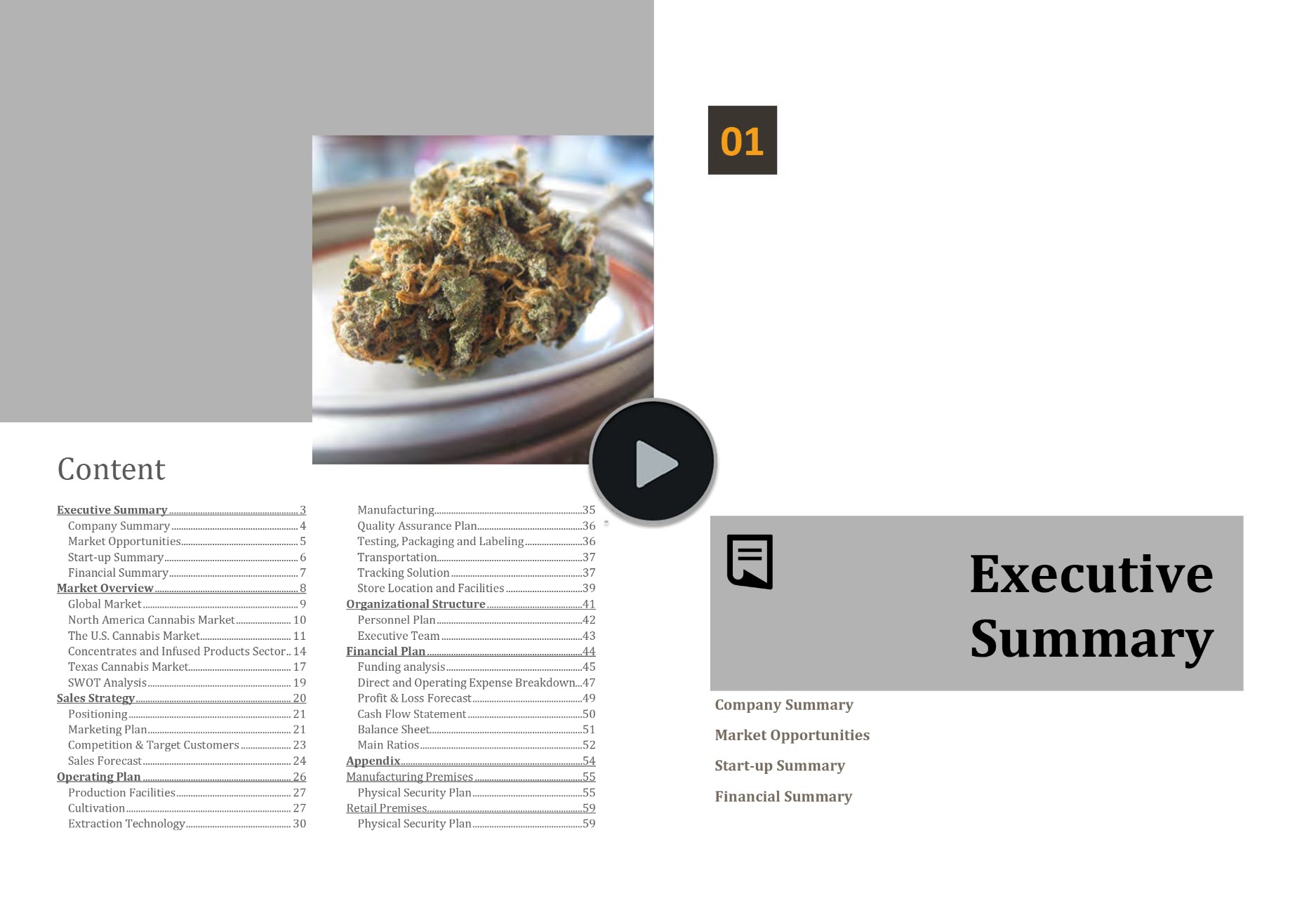
Best Selling Templates
-

Cannabis Cultivation Business Plan Template
Price range: $75.00 through $350.00 Select options This product has multiple variants. The options may be chosen on the product page -

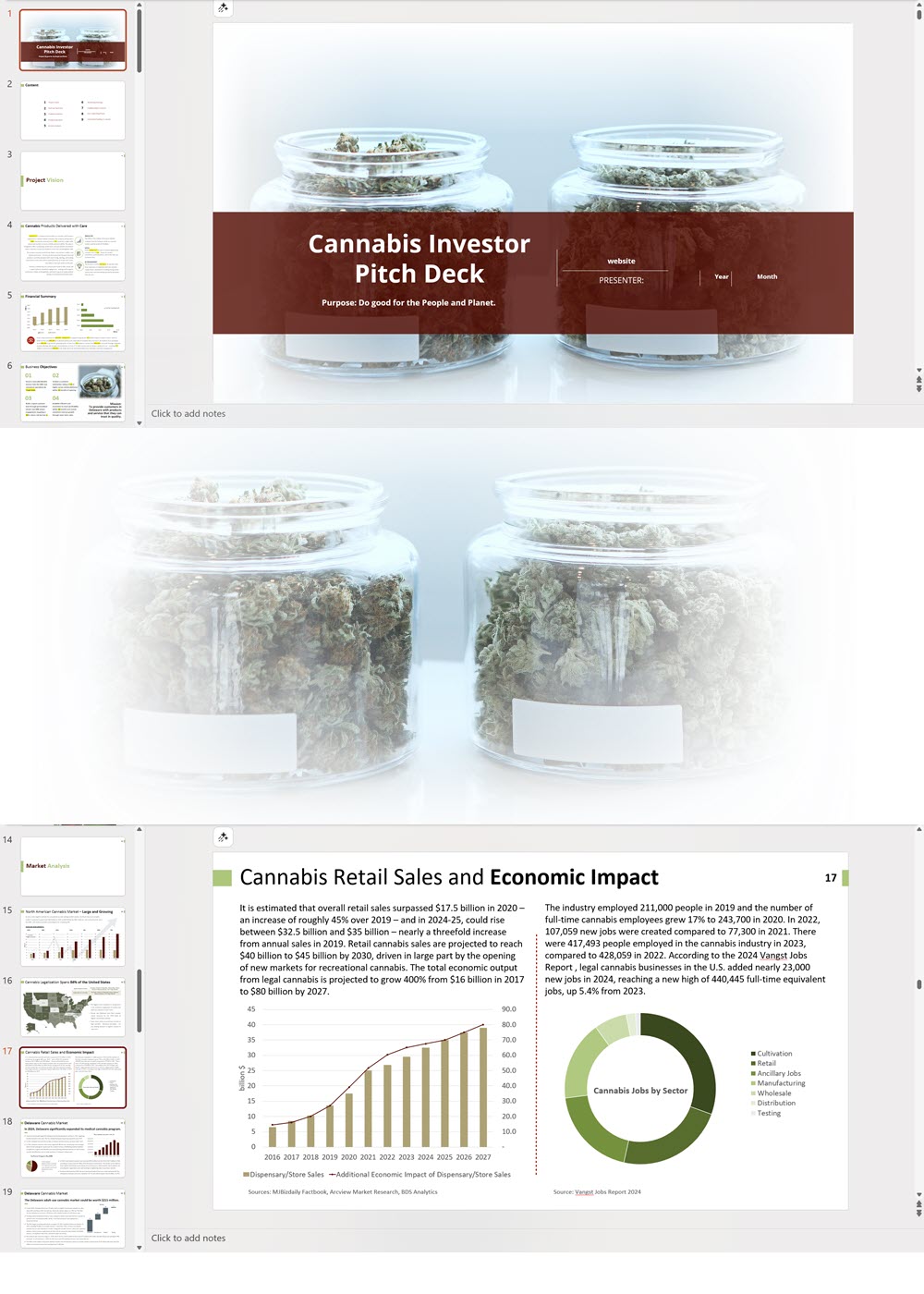
Cannabis Dispensary Investor Pitch Deck Template
$75.00 Select options This product has multiple variants. The options may be chosen on the product page -
Cannabis Financial Model All in One
$250.00 Select options This product has multiple variants. The options may be chosen on the product page
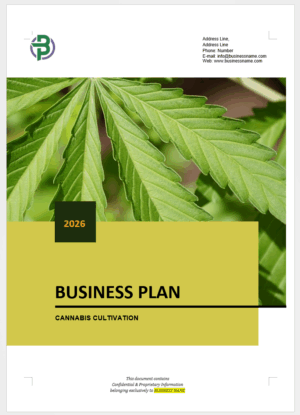
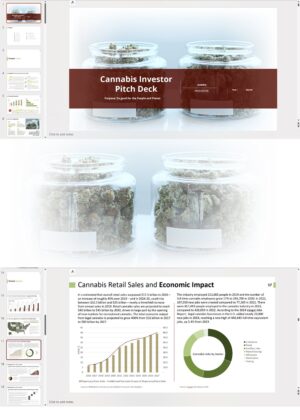
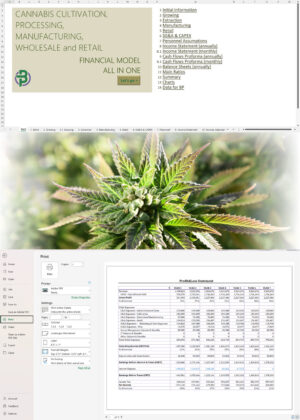
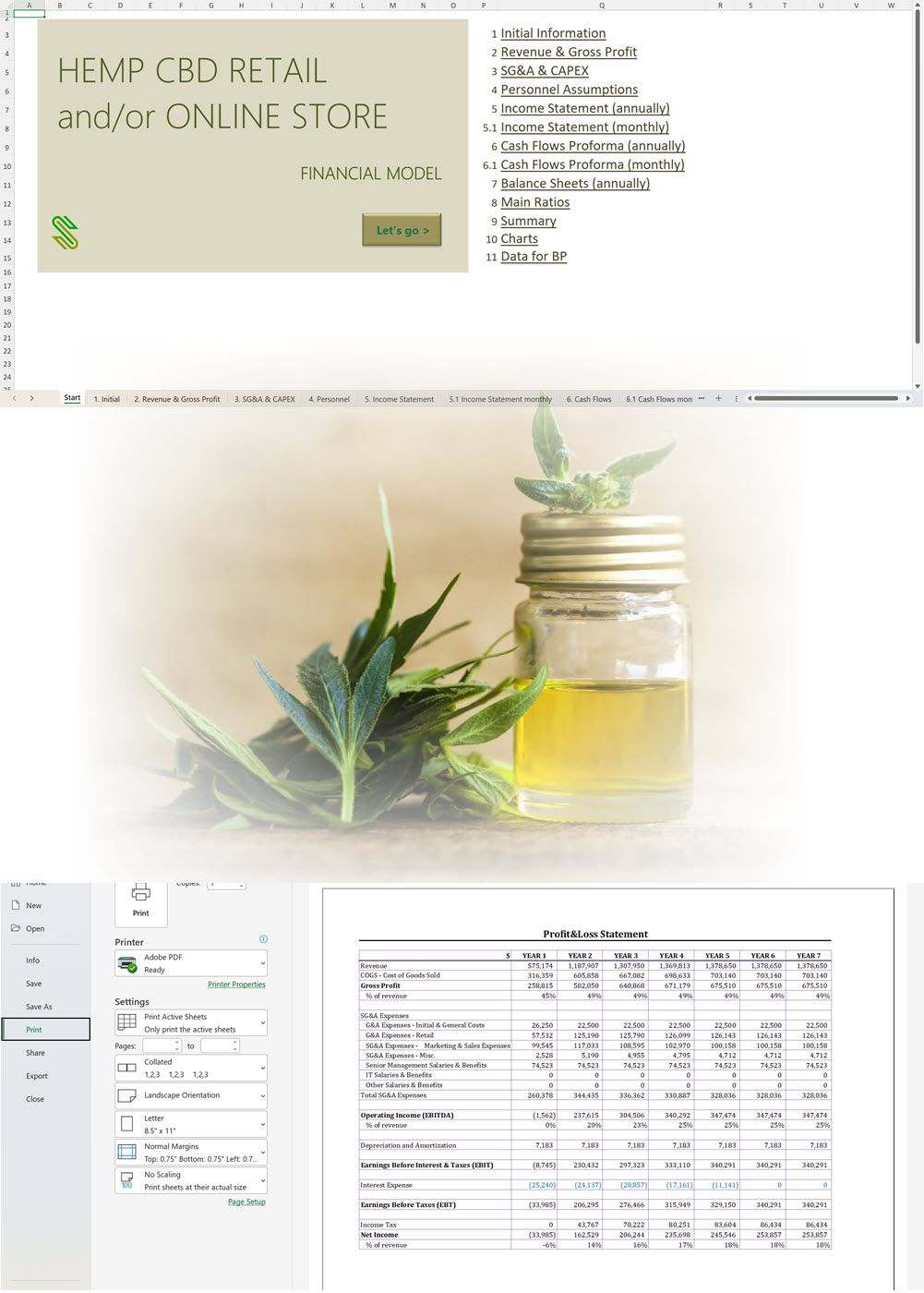
Hemp CBD business plan templates are available at hempcbdbusinessplans.com.
Our Templates
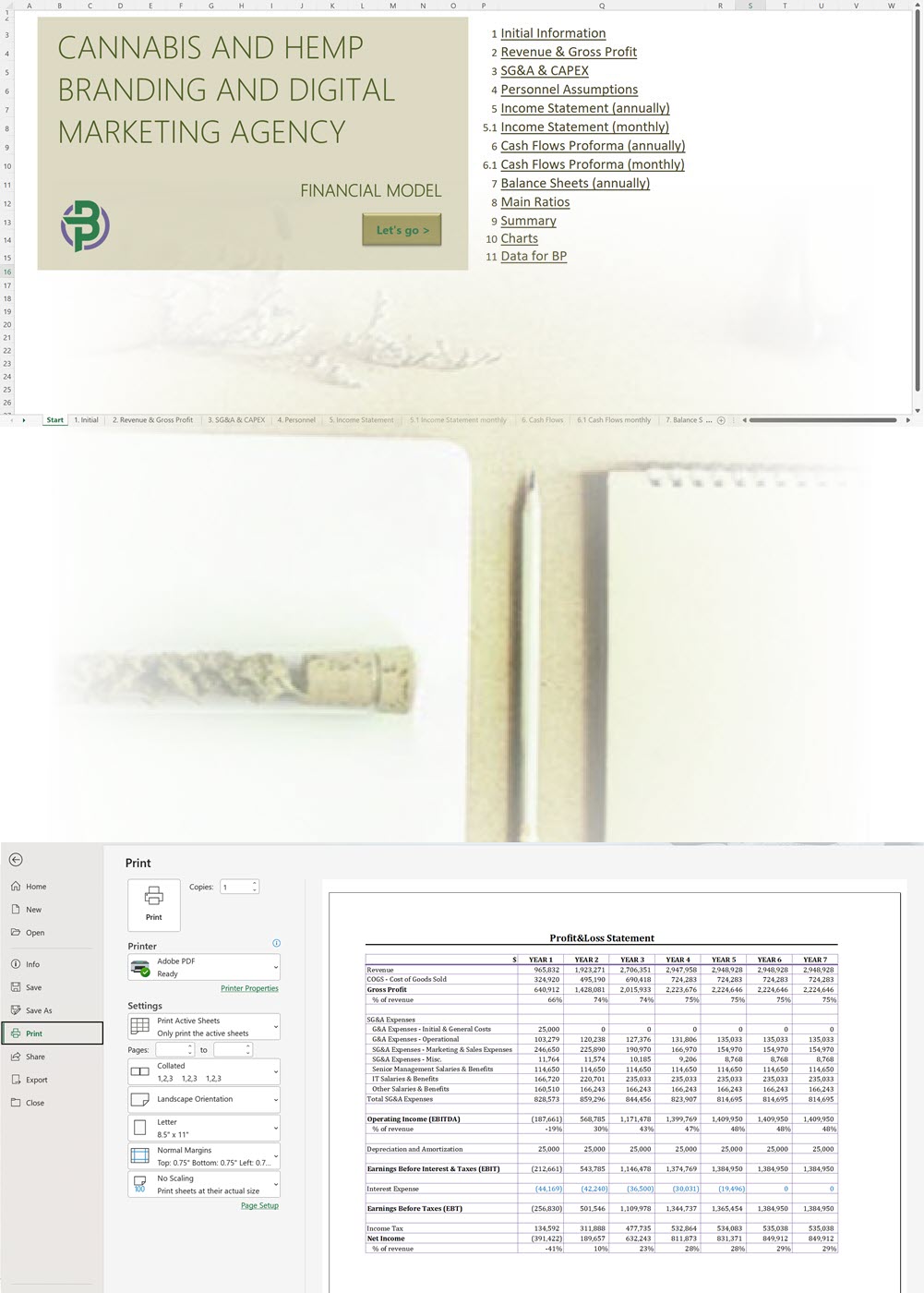

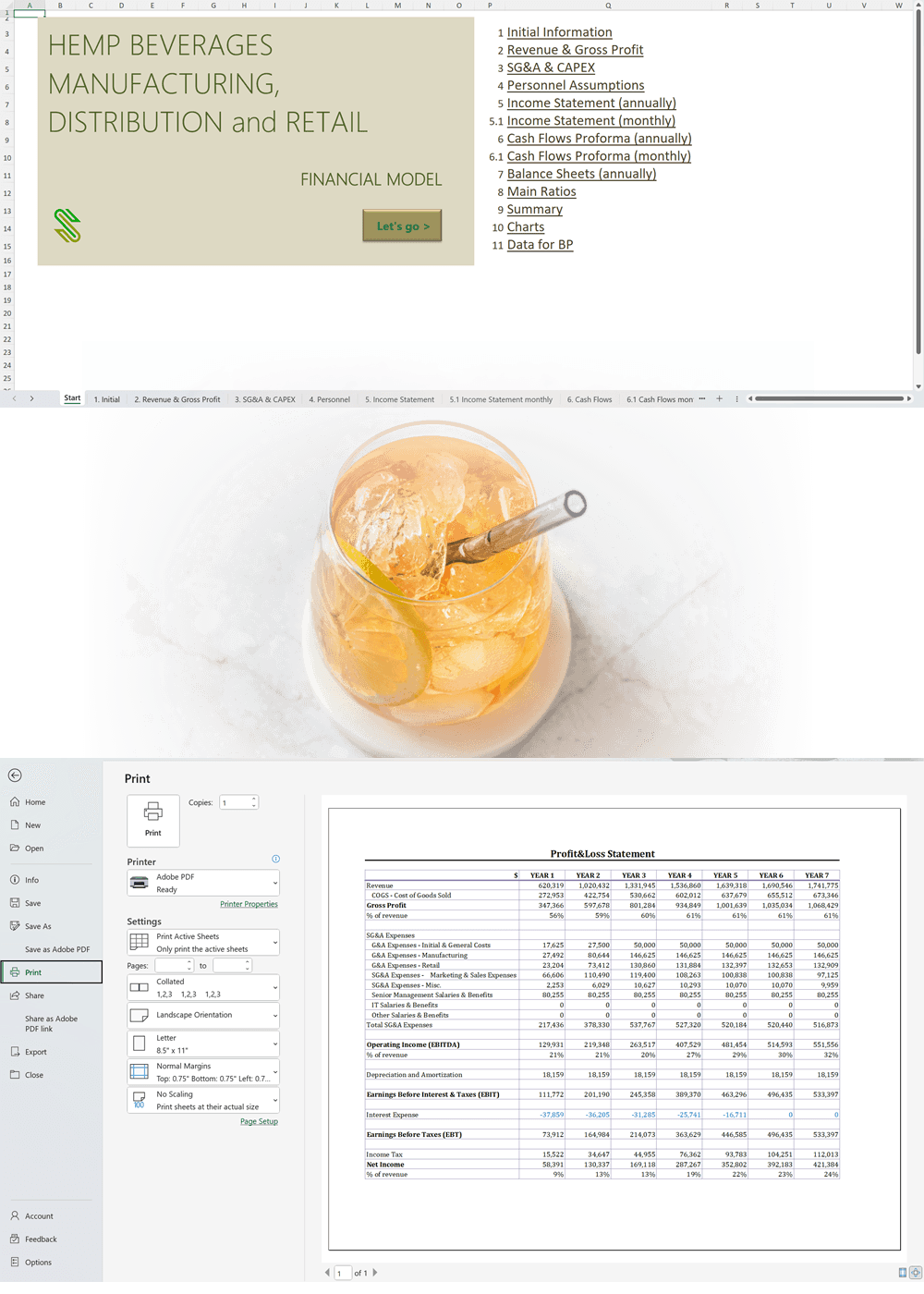
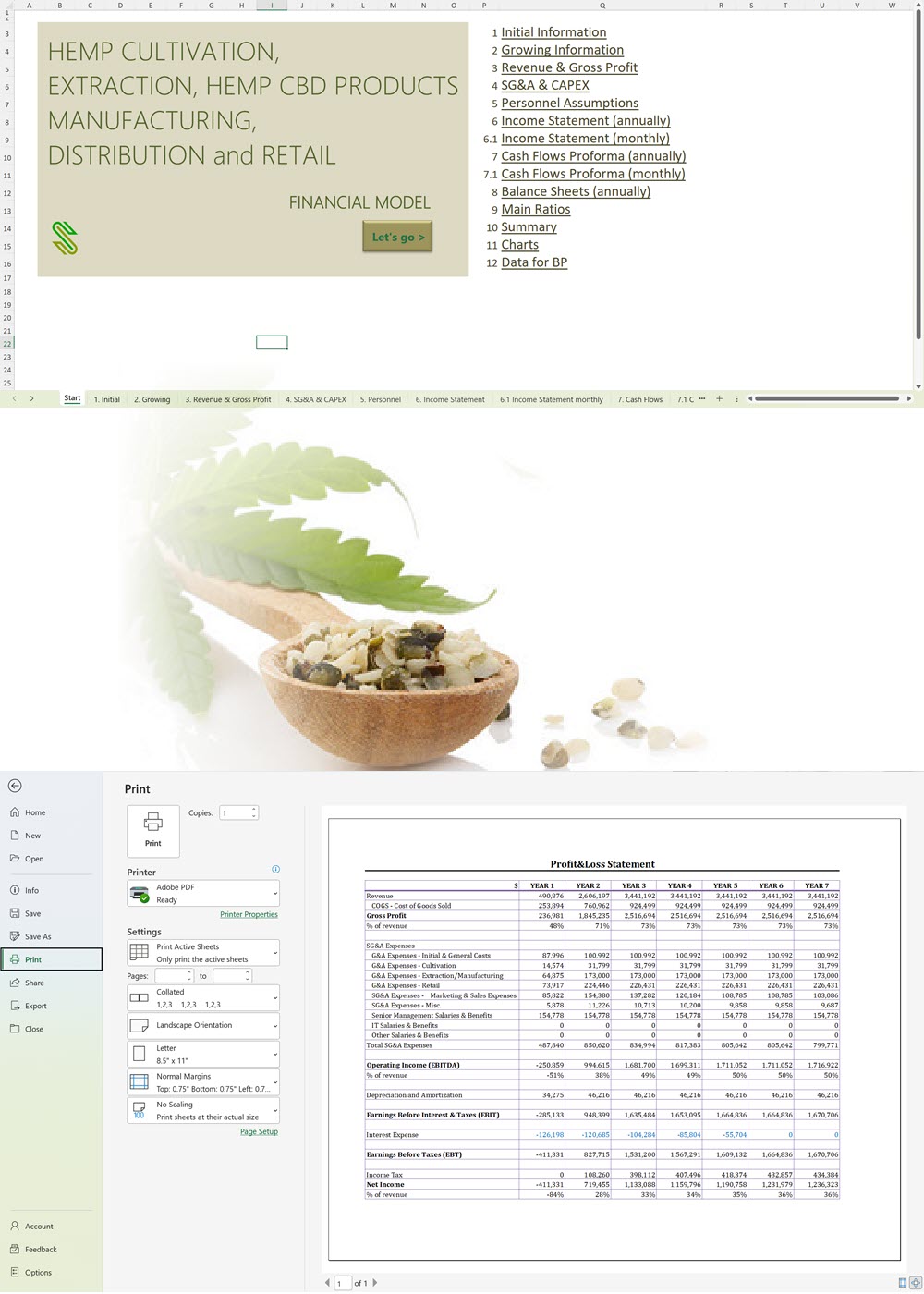
Hemp CBD Beverage Manufacturing, Wholesale and/or Retail Business Plan Template
Price range: $75.00 through $350.00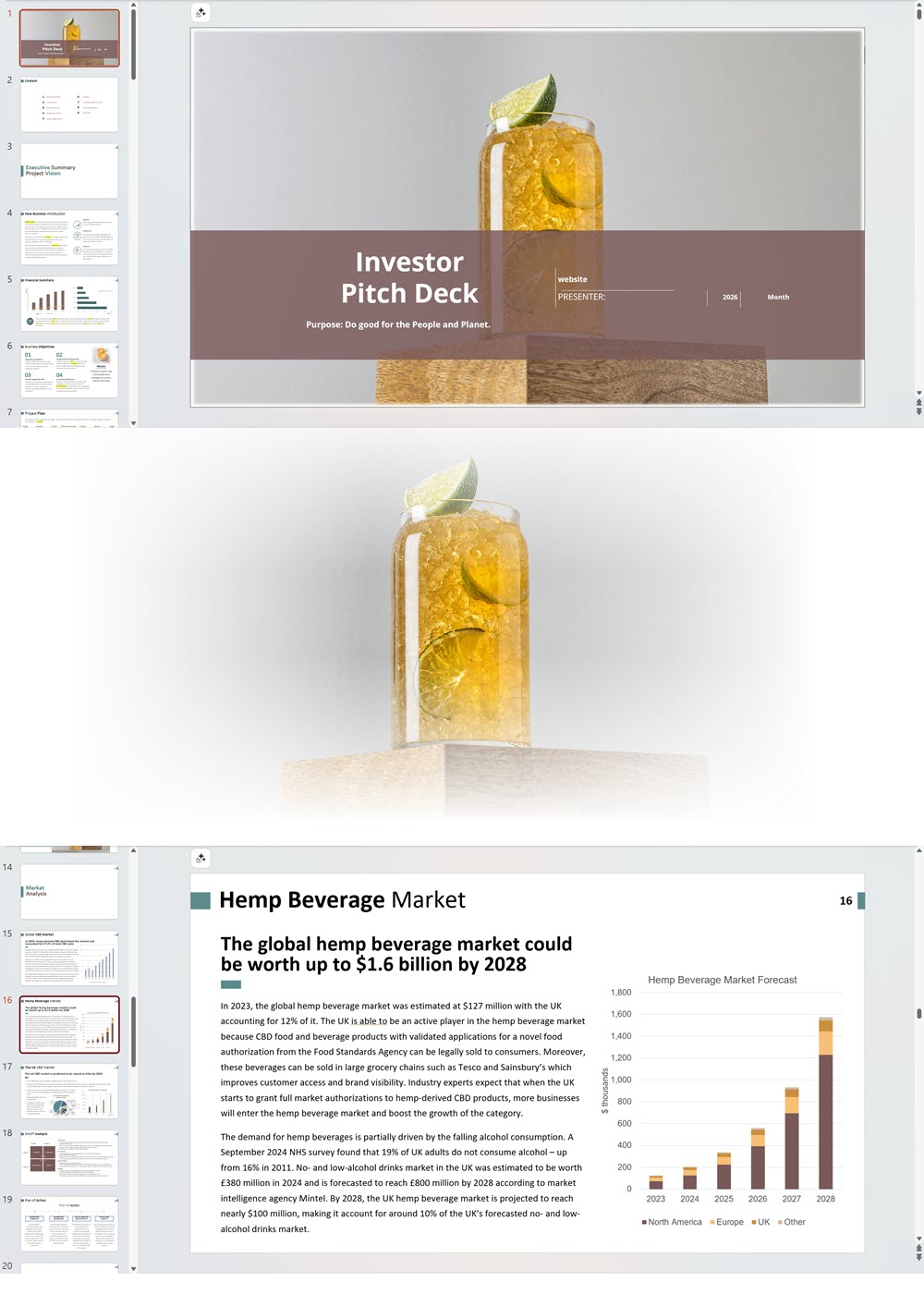

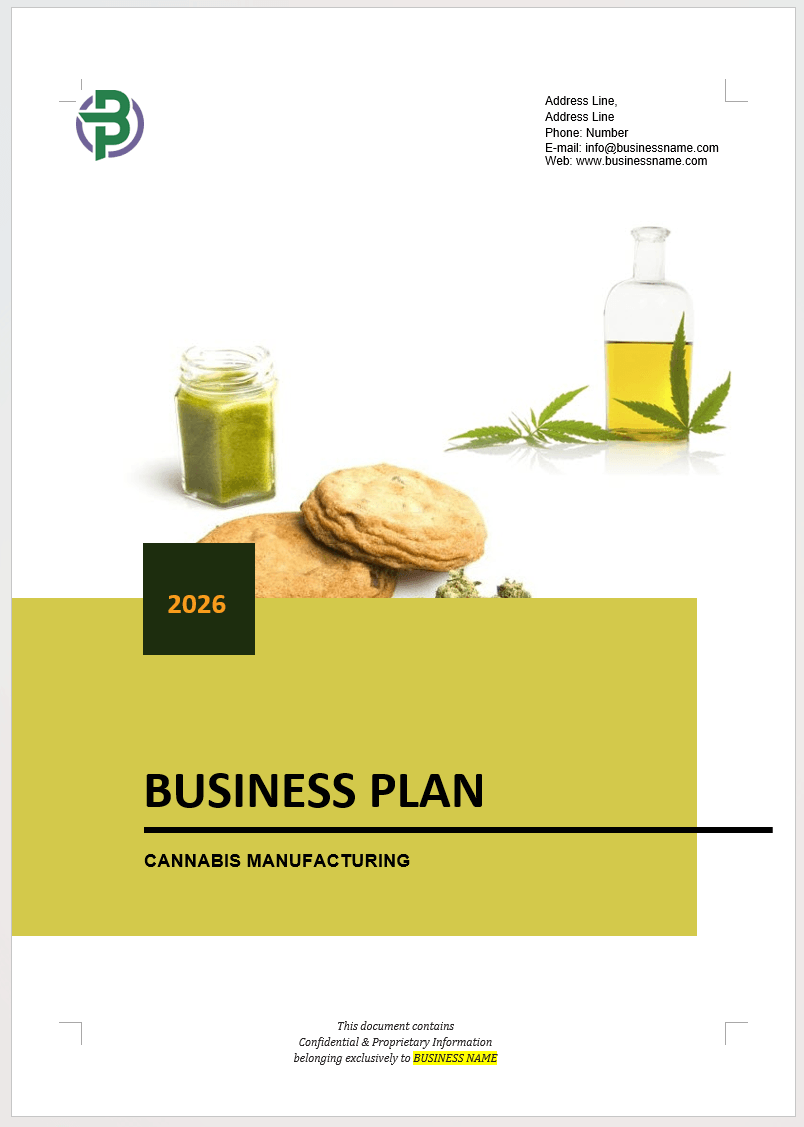
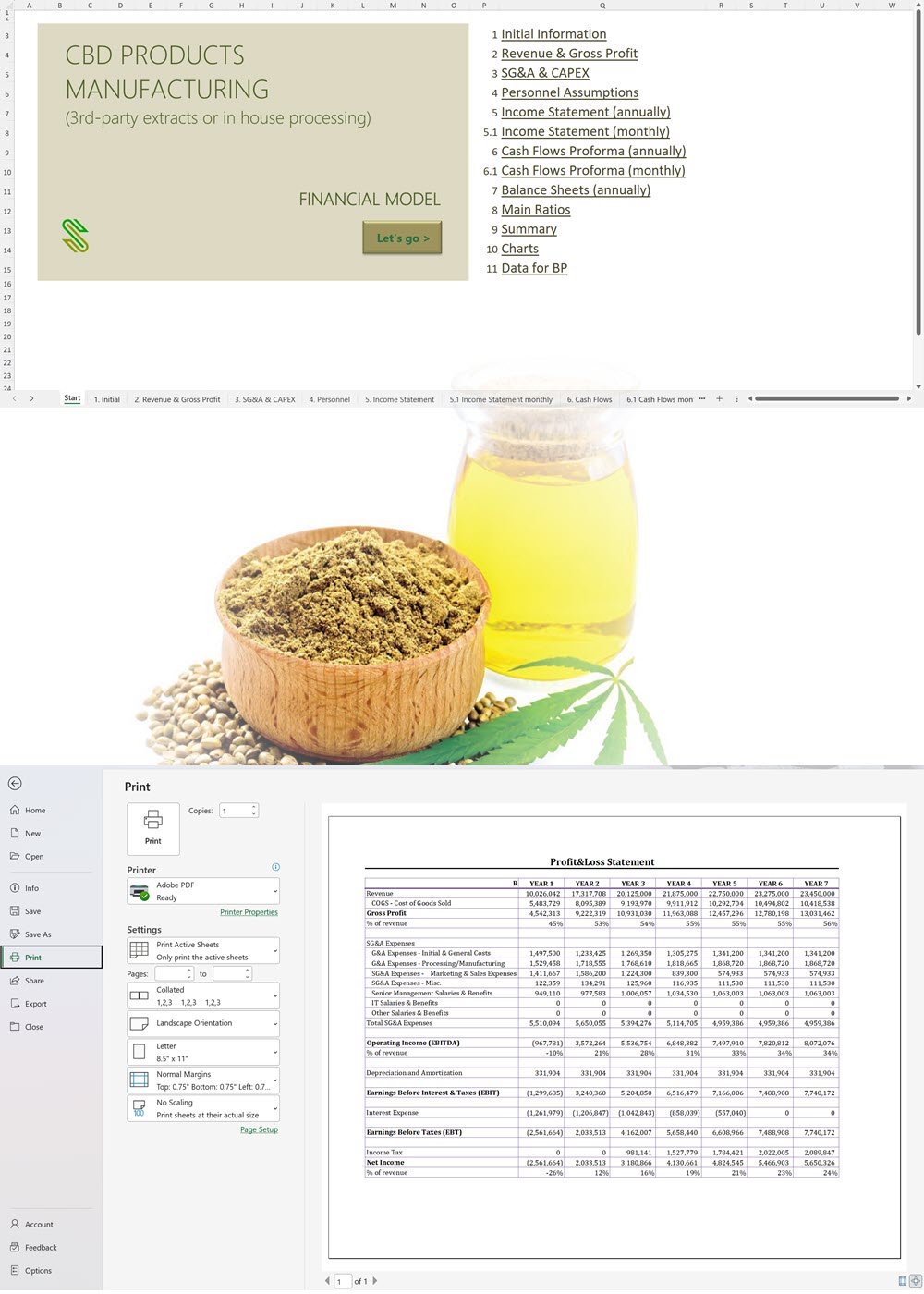
Cannabis Manufacturing Business Plan Template (with in-house processing)
Price range: $75.00 through $350.00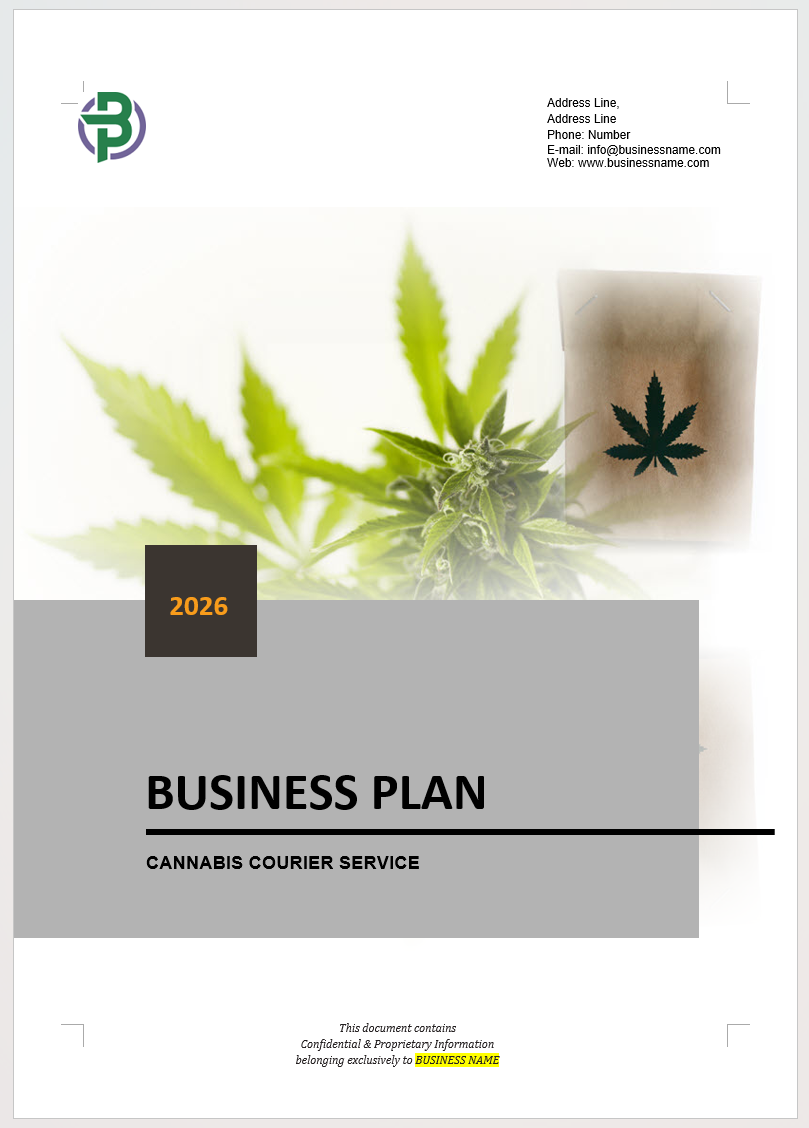
Cannabis Courier Business Plan Template
Price range: $75.00 through $275.00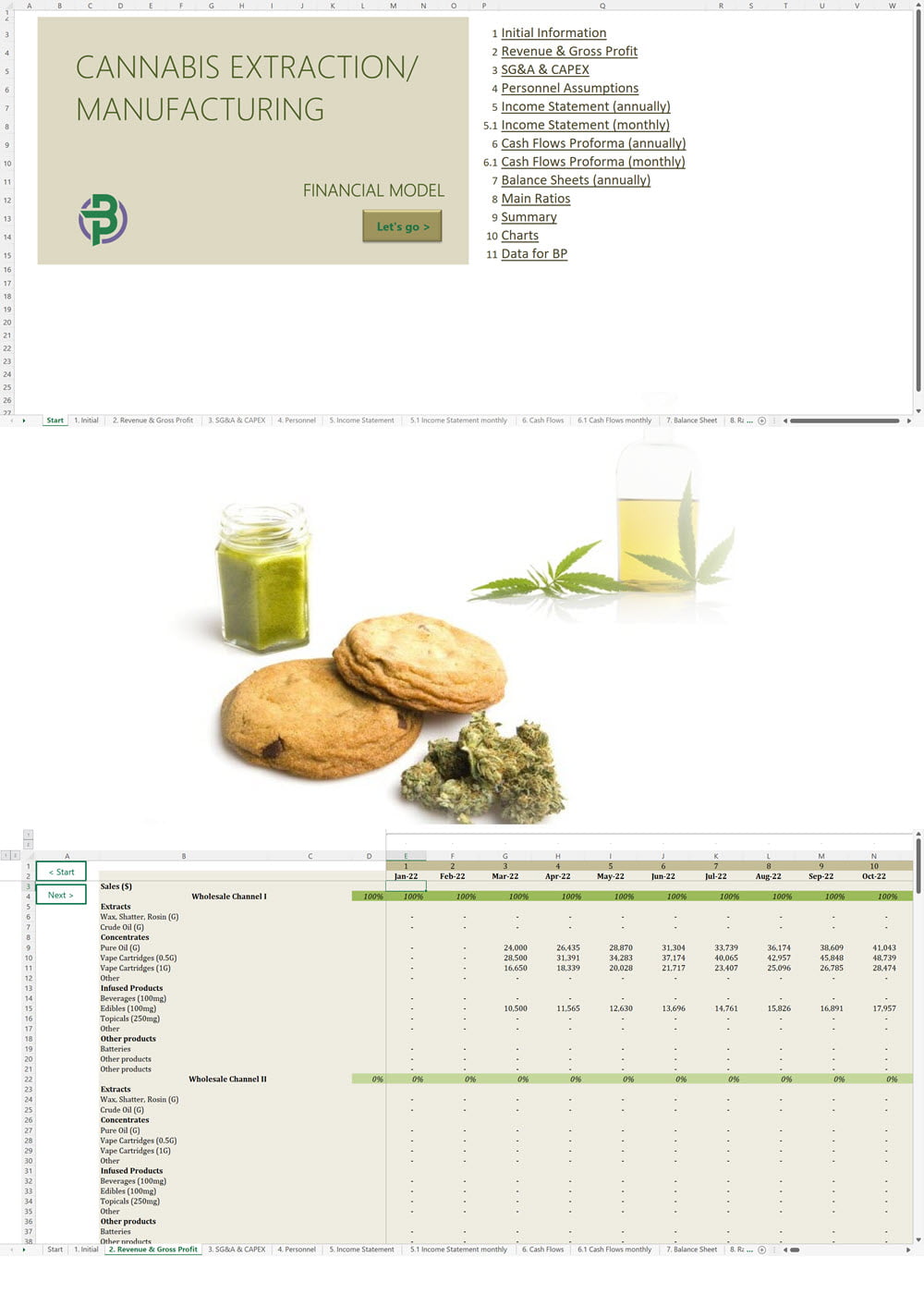
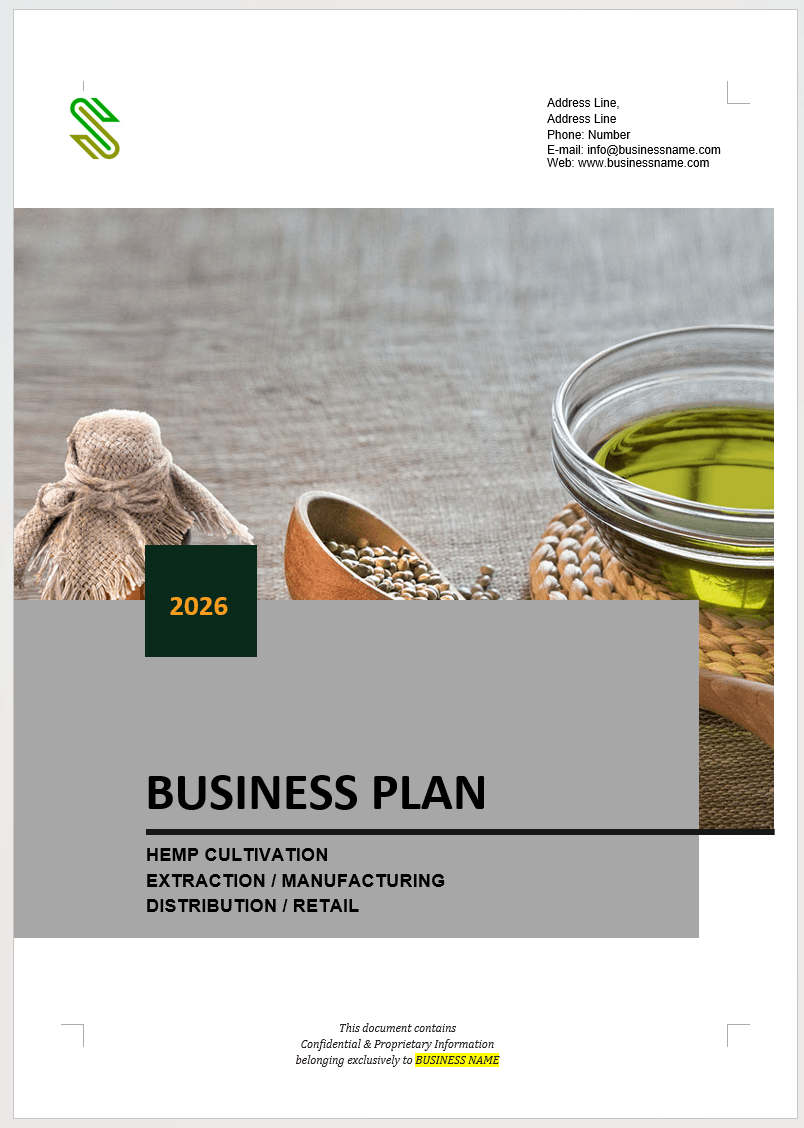
Hemp CBD Vertically Integrated Business Plan Template
Price range: $75.00 through $450.00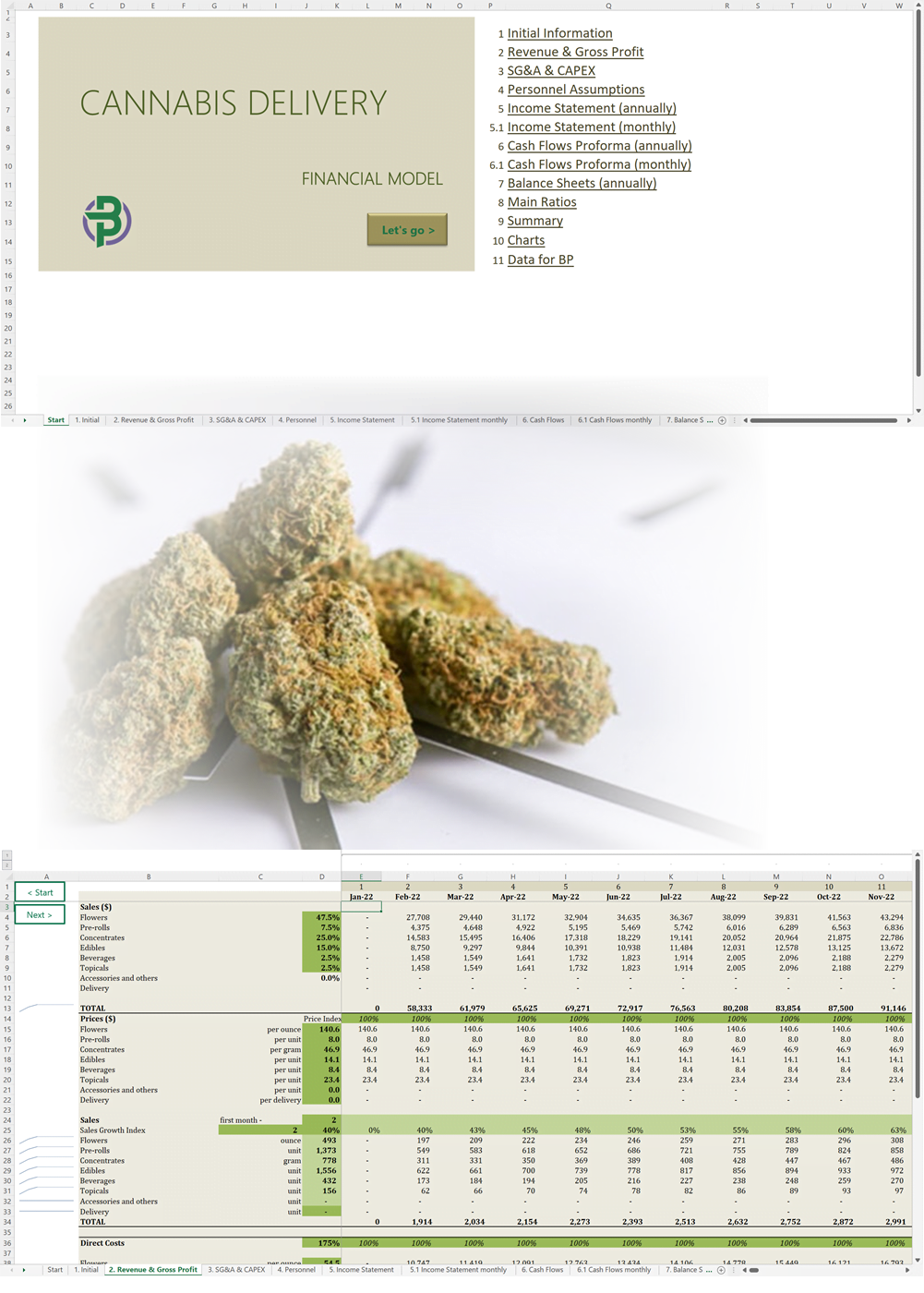

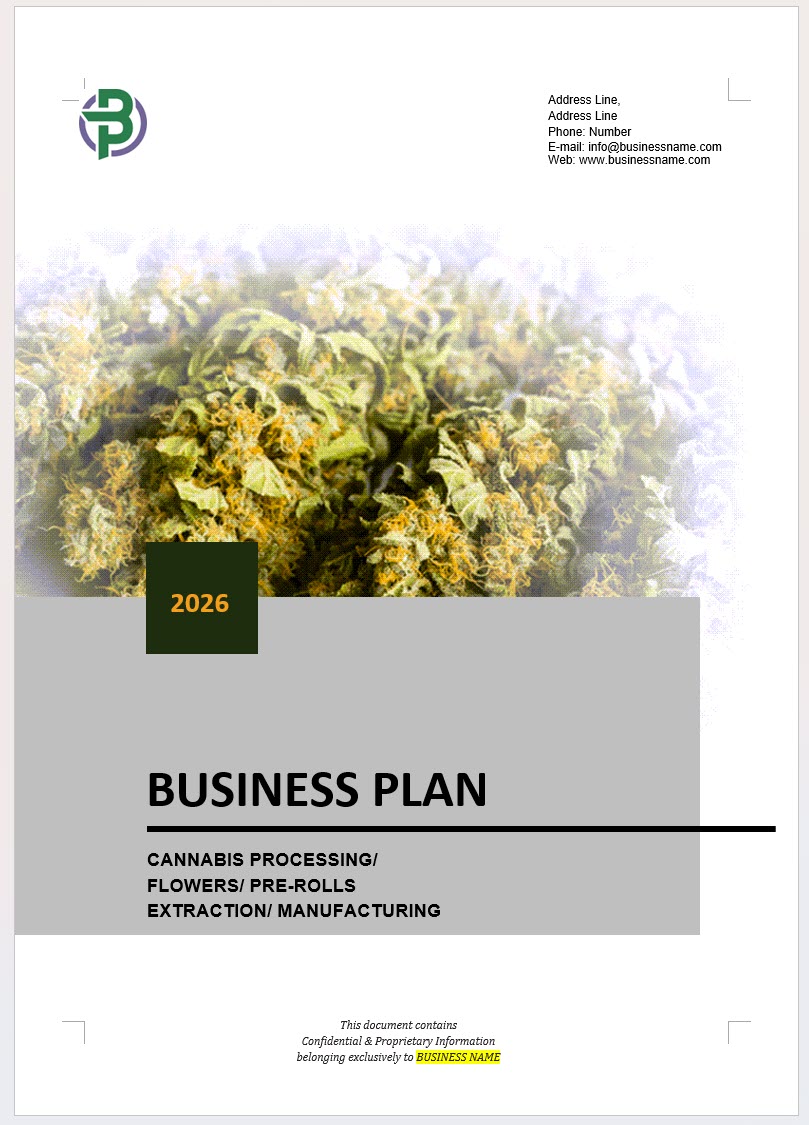
Cannabis Processing/ Flowers/ Pre-rolls/ Extraction/ Manufacturing Business Plan Template
Price range: $75.00 through $350.00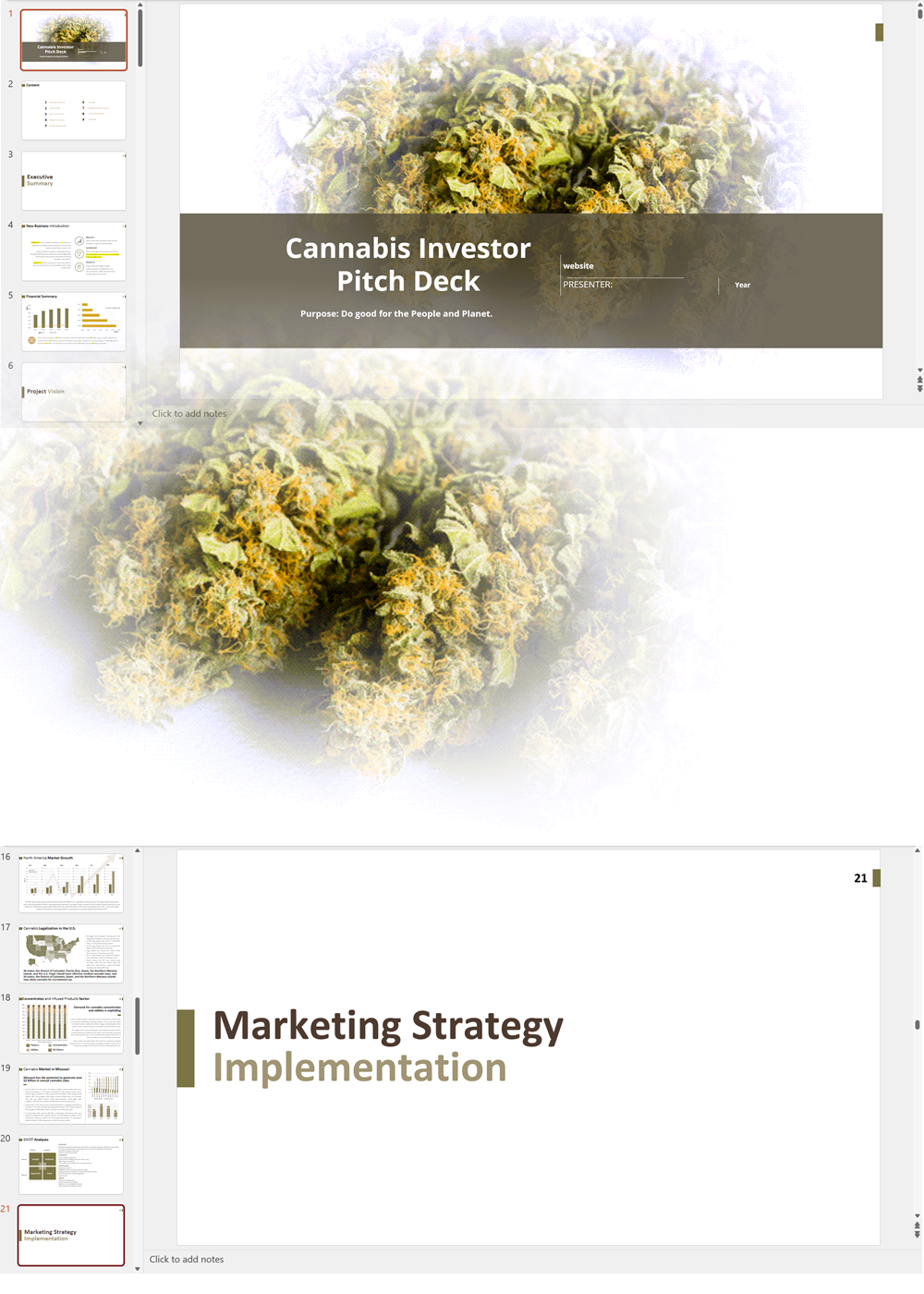
Cannabis Dispensary Business Plan Template
Price range: $75.00 through $350.00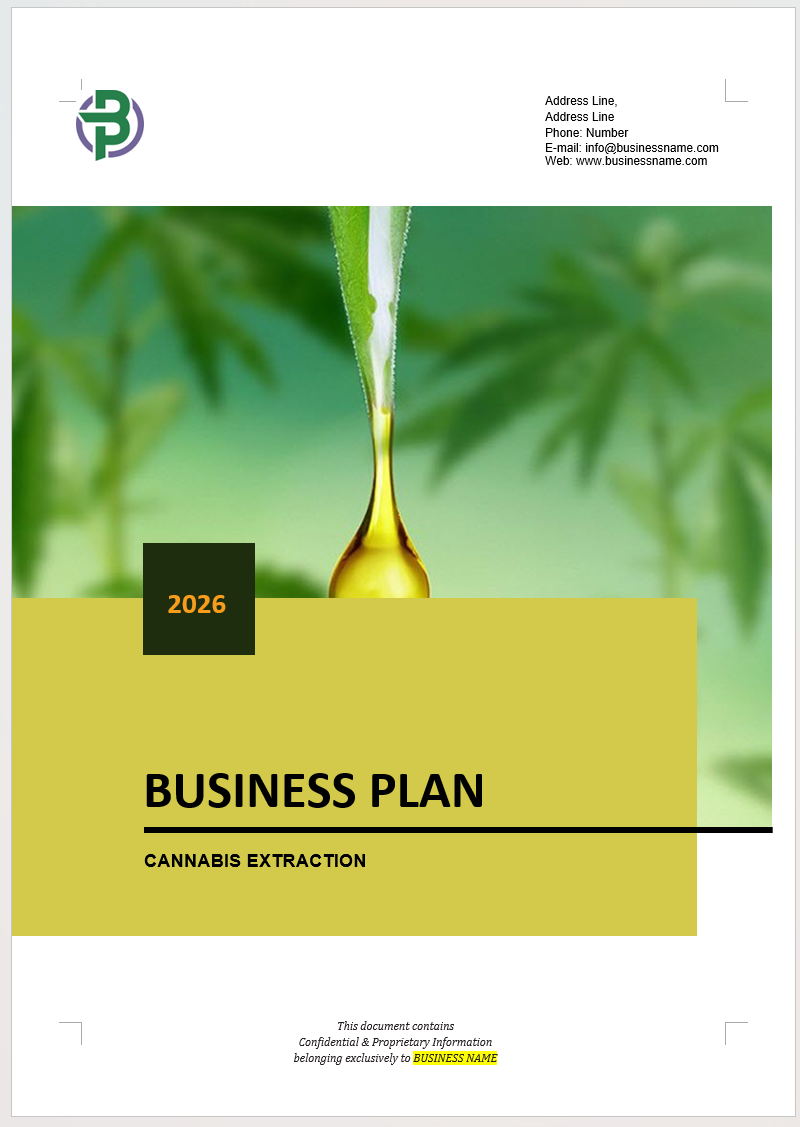
Cannabis Extraction / Concentrates Business Plan Template
Price range: $75.00 through $350.00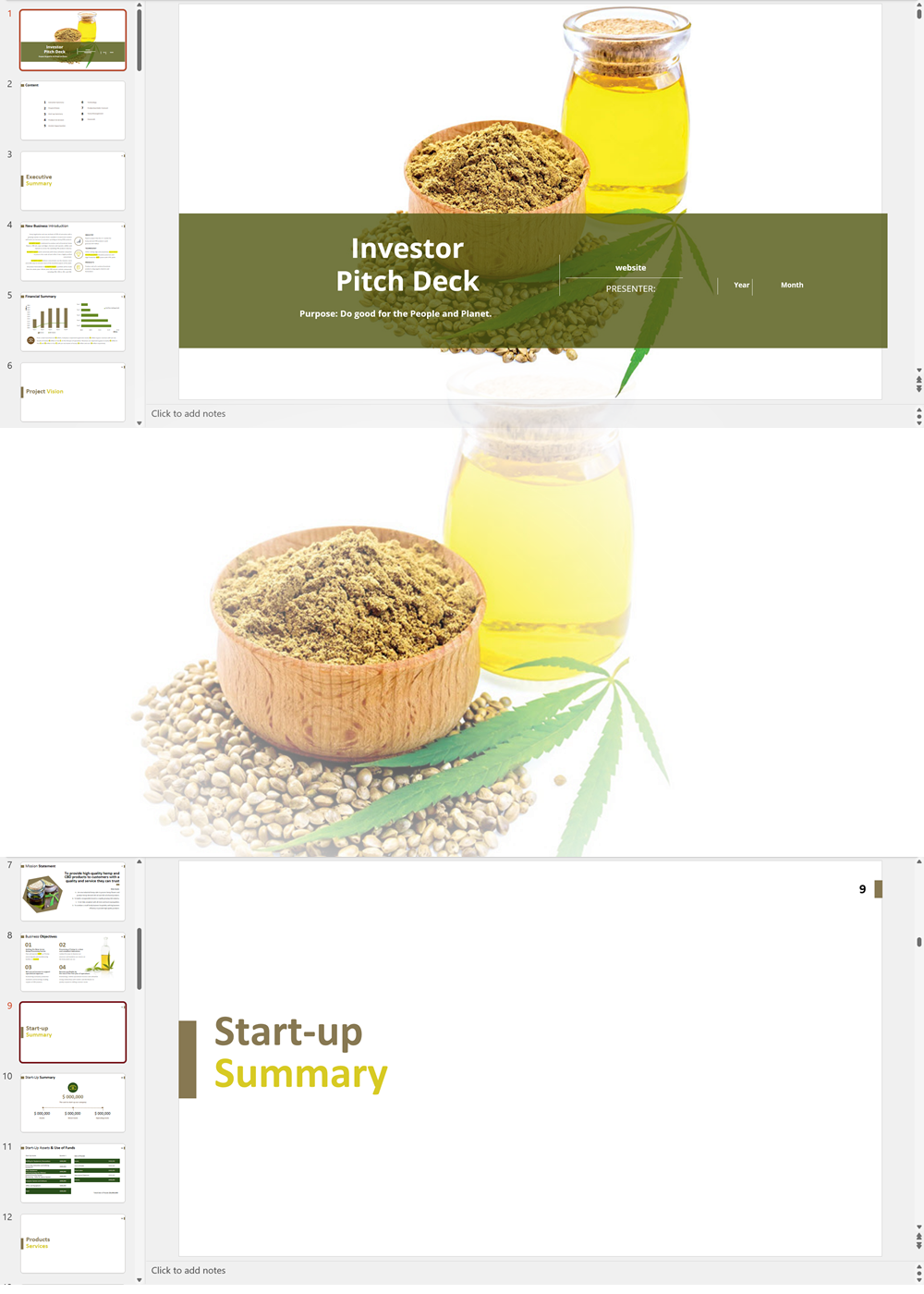
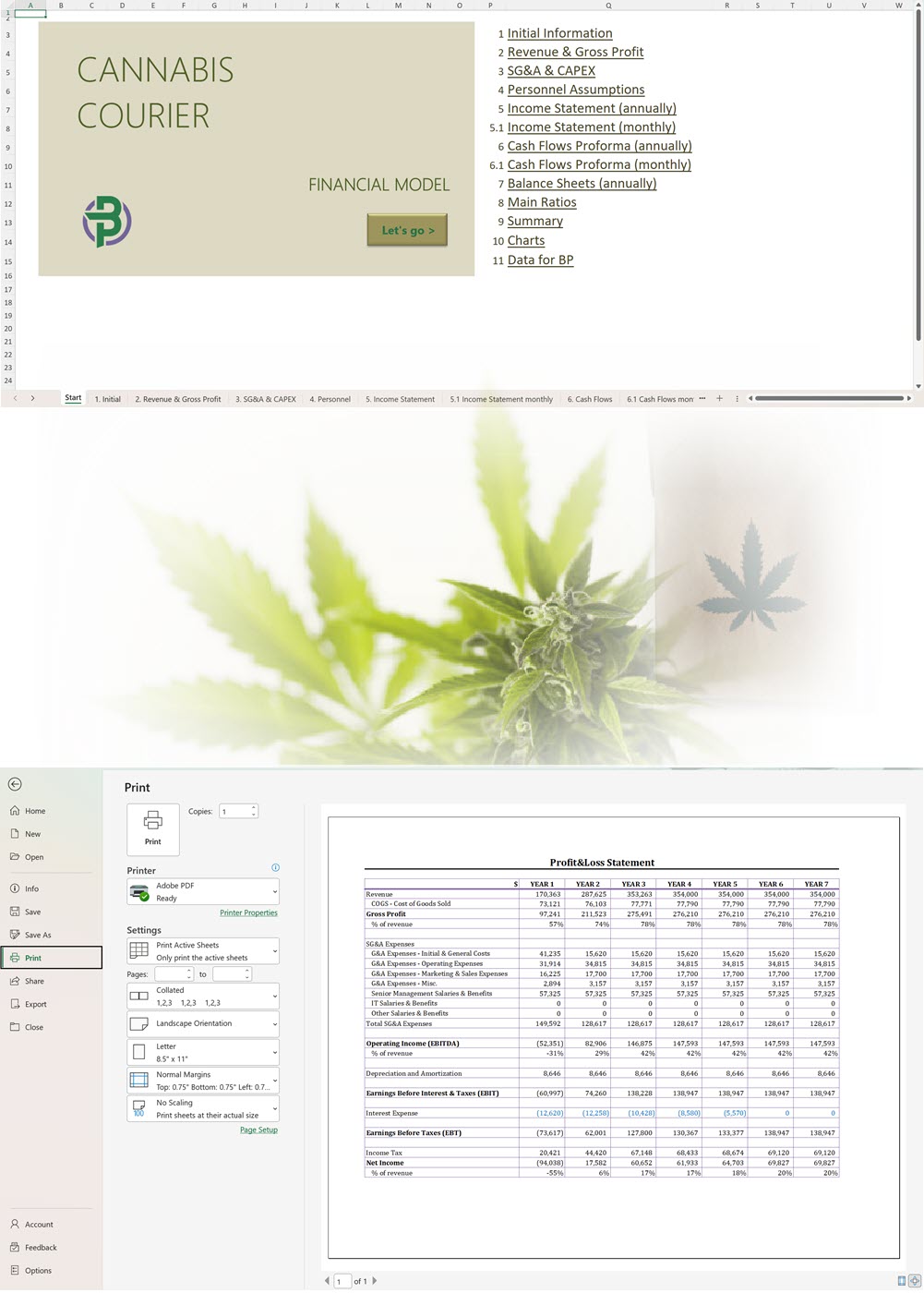
Cannabis Courier Financial Model
$100.00
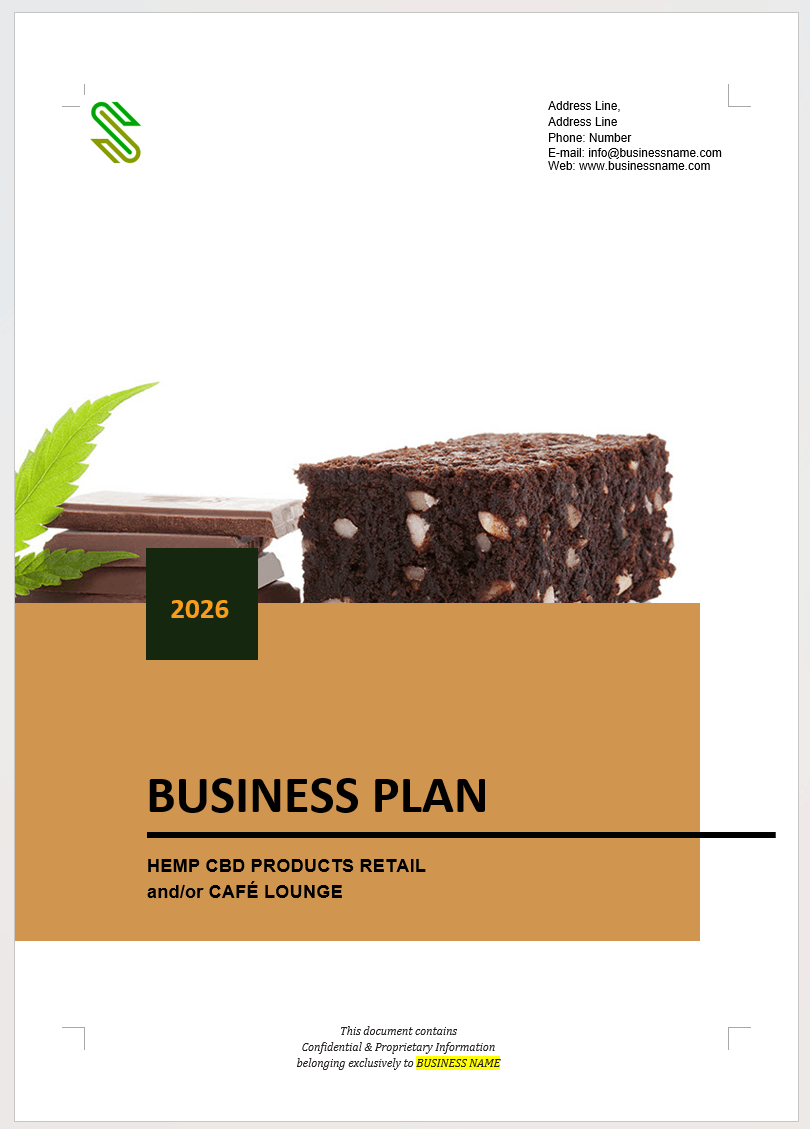
CBD Store and/or Cafe Lounge Business Plan Template
Price range: $75.00 through $275.00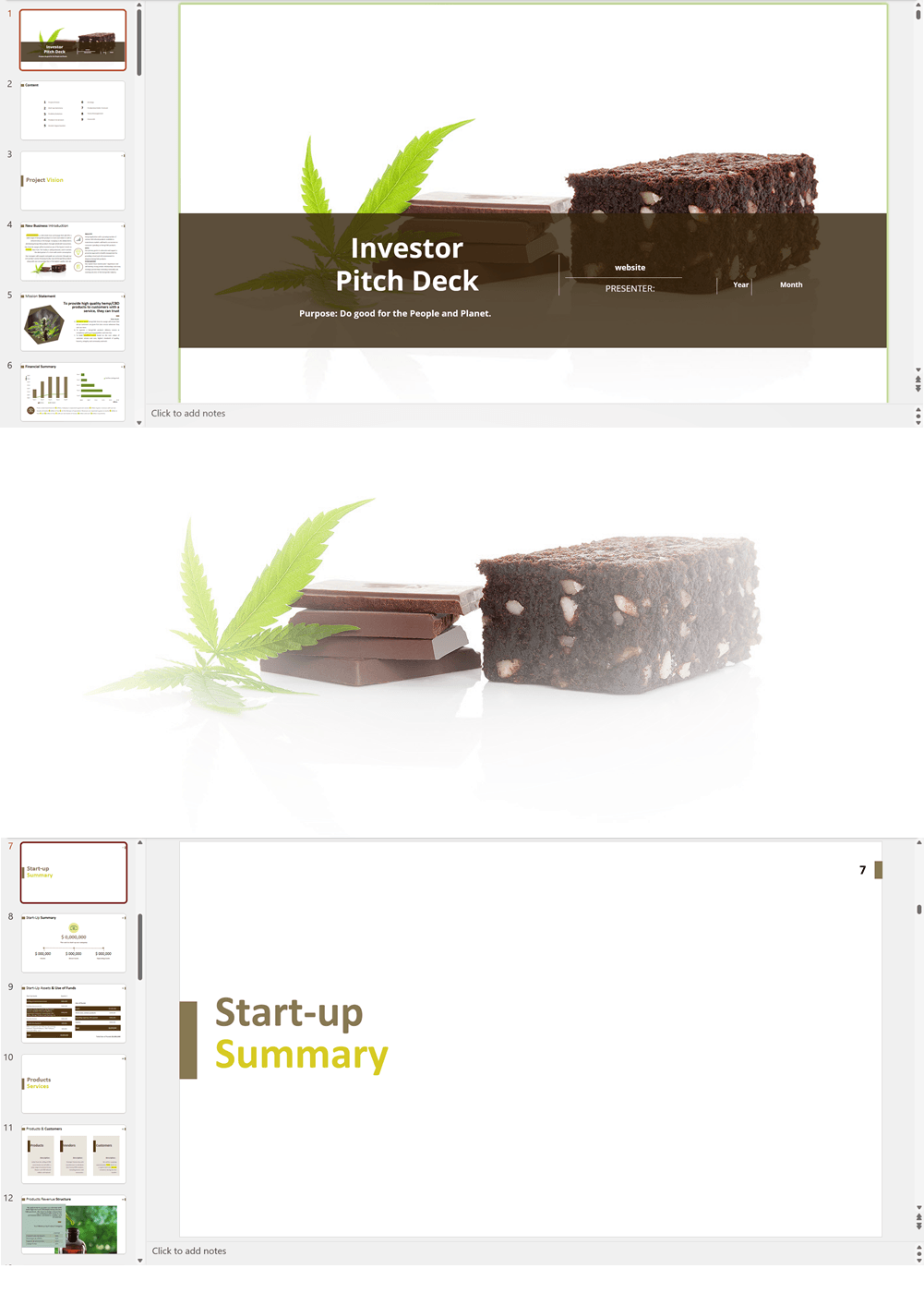

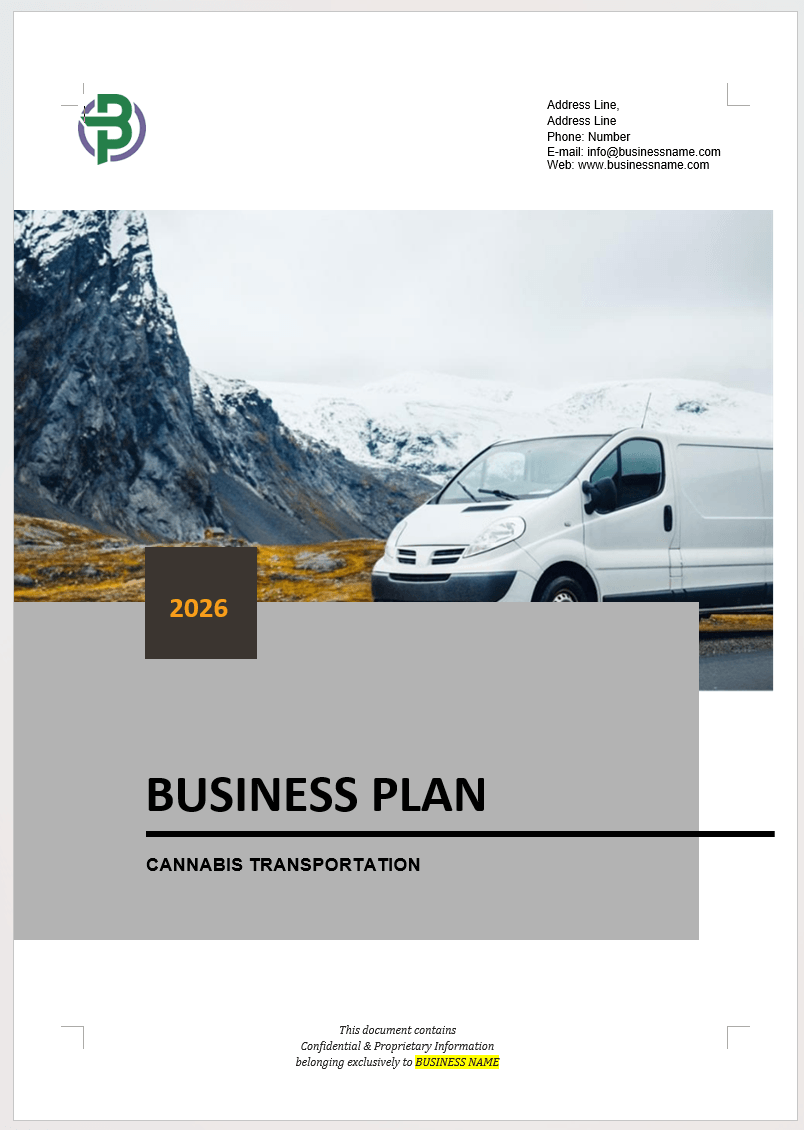
Cannabis Transportation Business Plan Template
Price range: $75.00 through $275.00