- Understand regulatory and legal requirements. Do market research.
Research the laws and regulations governing adult-use or medical-use cannabis for more information about the regulatory requirements for licensure in the city or town you wish to operate in.
Vermont Cannabis Legalization
In 2004, the Vermont legislature voted to legalize medical cannabis, and in 2013, penalties for possession of one ounce or less were reduced to a fine. In July 2018, a law went into effect legalizing possession, private consumption, and limited cultivation for people 21 and older. In 2020, the Vermont legislature voted to create a regulated recreational cannabis market that opened in October 2022.
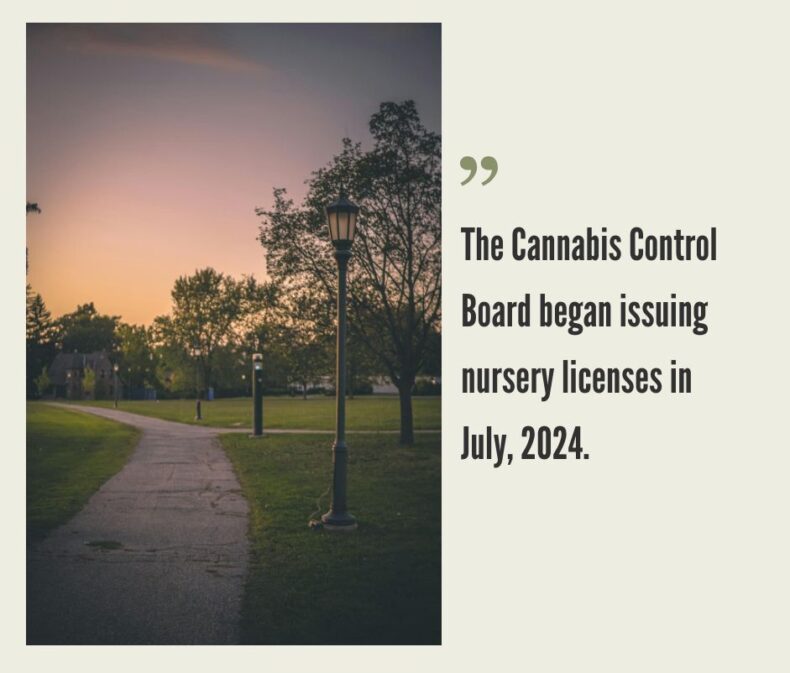
The Cannabis Control Board was created in 2020 by Act 164 for the purpose of safely, equitably, and effectively implementing and administering the laws enabling access to adult-use cannabis in Vermont. The Cannabis Control Board is responsible for administering the adult-use and medical cannabis programs in the State of Vermont. It is also responsible for regulating hemp and CBD product manufacturing.
- Decide the type of cannabis business. Choose a location. Check local zoning regulations.
Cannabis License Types Available in Vermont
There are six license types – cultivators, manufacturers, retailers, wholesalers, testing laboratories, and integrated licenses.
Cultivation licensees may grow cannabis plants either indoors, outdoors, or in a mixed setting. This license type is tiered based on the size of the applicant’s proposed growing operation.
Outdoor Cultivation Associated Fees:
- Tier 1 (up to 1,000 sq. ft or 125 plants): $750
- Tier 2 (up to 2,500 sq. ft or 312 plants): $1,875
- Tier 3 (up to 5,000 sq. ft or 625 plants): $4,000
- Tier 4 (up to 10,000 sq. ft or 1,250 plants): $8,000
- Tier 5 (up to 20,000 sq. ft or 2,500 plants): $18,000
- Tier 6 (up to 37,500 sq. ft or 4,687 plants): $34,000
Indoor Cultivation Associated Fees:
- Tier 1 (up to 1,000 sq. ft): $1,500
- Tier 2 (up to 2,500 sq. ft): $3,750
- Tier 3 (up to 5,000 sq. ft): $8,000
- Tier 4 (up to 10,000 sq. ft): $16,000
- Tier 5 (up to 15,000 sq. ft): $36,000
- Tier 6 (up to 25,000 sq. ft): $75,000
Mixed Cultivation Associated Fees:
- Tier 1 (up to 1,000 sq. ft of indoor plant canopy & up to 125 outdoor plants): $2,250
- Tier 2 (up to 2,500 sq. ft of indoor plant canopy & up to 312 outdoor plants): $5,625
- Tier 3 (up to 1,000 sq. ft of indoor plant canopy & up to 625 outdoor plants): $5,500
- Tier 4 (up to 1,000 sq. ft of indoor plant canopy & up to 1,250 outdoor plants): $9,500
- Tier 5 (up to 1,000 sq. ft of indoor plant canopy & up to 2,500 outdoor plants): $19,500
Manufacturer licensees may produce cannabis products from cannabis plants, including edibles, oils, and other such products. This license type is tiered based on allowable extraction type and gross revenue per year.
Manufacturing Associated Fees:
- Tier 1 ($50,000 cap on gross revenue per year. May manufacture products using water-based, food-based (cooking fats, glycerin, propylene glycol, or alcohol), or heat/pressure-based extraction. Must be a home-occupancy business.): $750
- Tier 2 (No cap on annual gross revenue. May manufacture products using the same extraction methods as a Tier 1 manufacturer.): $2,500
- Tier 3 (No cap on annual gross revenue. May manufacture products using the same extraction methods as a Tier 1 manufacturer, as well as solvent-based extraction (butane or hexane extraction is prohibited).): $15,000
Retailer licensees may sell cannabis and cannabis products to the general public. Only a licensed retail establishment or an integrated licensee, may sell cannabis or cannabis products to the general public.
Associated Fee: $10,000
Wholesaler licensees may purchase cannabis and cannabis products from other licensees and sell them to licensees, however, they are not permitted to sell to the public.
Associated Fee: $4,000
Testing Laboratory licensees may test cannabis and cannabis products obtained from a licensed cannabis establishment, dispensary, or a member of the public.
Associated Fee: $1,500
Integrated licensees may engage in the activities of each of the license types listed above. These licenses are only available to applicants that hold a dispensary registration on April 1, 2022.
Associated Fee: $100,000
Propagators may grow vegetative canopy only for the purposes of producing cannabis seeds and clones. Propagators may sell seeds to the general public, but may only sell clones to other licensees.
Except for the Integrated Licenses, licensees may hold more than one license. This is referred to as “stacking” or “vertically integrating” licenses. However, they may not hold more than one of any type of license, including different cultivation licenses.
In addition to the above annual licensing fees, applicants must pay a one-time $1,000 application fee. This application fee is non-transferable and non-refundable.
Cannabis Delivery in Vermont
Vermont law currently prohibits delivery in the adult-use cannabis market. Thus, there is no stand-along delivery license available, and delivery to consumers is not allowed by a licensee. However, customers can order cannabis and cannabis products online, but they must go to a licensed retail establishment to pick up their order in person, as cannabis delivery is not currently allowed.
A registered dispensary is allowed to deliver medical cannabis to registered patients and caregivers.
- Develop a solid cannabis business plan. Submit prequalification application. Secure financing.
Effective December 1, 2023, all new license applicants without an existing cannabis establishment license are required to submit a prequalification application prior to submission of a full application. Pre-qualification provides preliminary State approval of the business, during which all applicants are required to provide an operating plan, which must include:
- The type and name of the business to be licensed, along with documentation that it is registered to do business in Vermont with the Secretary of State’s office.
- Identity of any owners or other principals for the business.
- Name of main point of contact for the Cannabis Control Board.
- Type of license or licenses sought, and tier (if relevant)
- Whether anyone mentioned in the operating plan is a past or present owner or principal of a cannabis business outside of Vermont.
Pre-qualification aims to help applicants in securing financing for the business and assess the viability of their business plan.
'70% ready to go' business plan templates
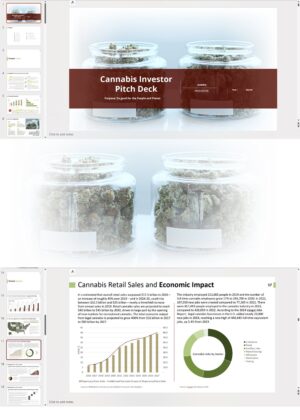
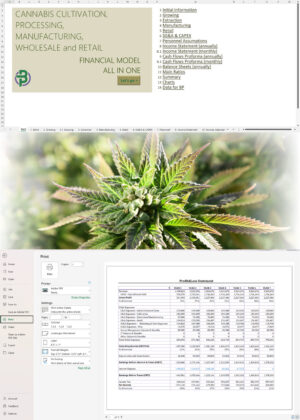
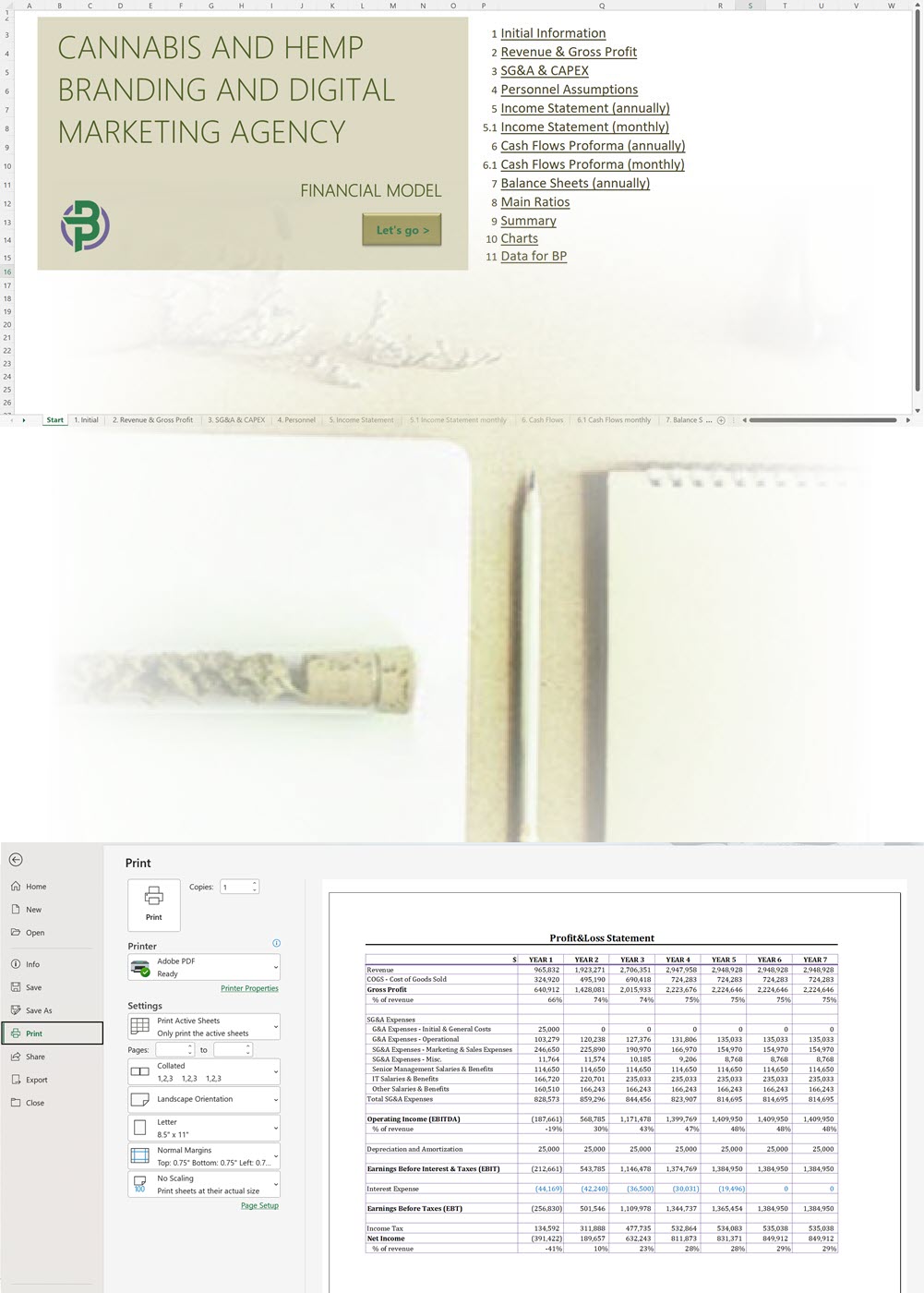
We offer a wide range of '70% ready-to-go' cannabis business plan templates that will help you prepare a professional cannabis business plan document supported with expert financials and an investor pitch deck. All our templates are completely open and editable and you can use Word, Excel and PowerPoint to work with them.
- Criminal history record check. Submit a full application. Pay fees.
Applicants for a cannabis establishment license will be directed to Creative Services Inc. (CSI) to complete the required background check. Each principal or controlling party will need to submit to the background check, and the cost for each check is $475.
The applicant must complete and submit an application through the portal and will be prompted to pay an application fee unless they are an approved applicant for the Social Equity Scheme.
Required documents are not limited to:
- Operating Plans, including Security Plan
- Financial/Source of funds statement
- Copy of bank statements and/or tax returns
- Compliance and Management Plans
- Insurance, Taxation, and Banking Requirements
- Location Information. Lease information. Purchase agreements
- Plans Related to Positive Impact Criteria
- Water and Wastewater Requirements (for cultivators)
- Affidavits
- Application approval. License fees. LCC approval.
Applicant can expect the decision on application approximately 30 calendar days from the last resubmission. If it is approved applicant will be directed to pay local and license fees. Once applicable fees are paid and CCB receives approval from the local control commission (if one exists in the municipality), staff notify applicant that their license and cannabis establishment ID are ready for download.
The Board will not issue a license to an approved applicant until:
- any and all contingencies identified in the approval letter have been met;
- the applicant has paid their licensing fees;
- if the business is located in a town with a local control commission (LLC), that LLC has approved of the application.
Once these criteria have been met, the CCB will issue the license, the licensee will receive their newly issued license, and they may begin operations.
- Register your cannabis business. Pay other fees.
Before the beginning of operations, a business needs to perform following tasks:
- Request good standing certification from the Department of Taxes by sending an email with the following information to tax.compliancesupport@vermont.gov:
- Business name
- ID (SSN or FEIN)
- include “Good standing request for Cannabis license” in the subject line.
- Obtain a license from the Cannabis Control Board (CCB).
- Register for or update a business tax account with the Department of Taxes to ensure the necessary tax accounts are set up.
Cannabis retailers and integrated licensees need to register for both cannabis excise tax and sales and use tax. If a business already has a sales and use tax account, it does not need to register for a second sales and use tax account when registering for the cannabis excise tax.
Other fees include:
- Cannabis Establishment Identification Cards $50 per card ID Cards, issued by the Board, are required for everyone working at a licensed cannabis establishment. Owners and principals are issued ID cards as a part of the application and licensing process. Employees of the licensed cannabis establishments must be issued an ID card separately from the licensure process.
- Local Licensing Fees $100. This is a mandatory annual fee that must be paid to the Board in conjunction with the licensing fee after the Board’s approval for licensure. It is subsequently distributed to the municipality where the cannabis establishment is licensed.
- Product Licensing $50 per type of cannabis and cannabis product. This is a mandatory annual fee that should be paid to the Board for each distinct cannabis product registered by a licensee.
- Keep track of your ongoing compliance requirements.
Physical security measures, good production practices, packaging, labelling, transport and reporting requirements, taxes and more.
Applications for licenses and renewals shall be submitted on forms provided by the Board and shall be accompanied by the required fees.
Vermont Cannabis Taxes
Vermont imposes a 14% excise tax on the retail sale of cannabis and cannabis products, including food or beverages that contain any cannabis or cannabis product. Cannabis retailers and integrated licensees are required to collect the excise tax from purchasers at the time of a taxable sales transaction. These are the only two types of businesses allowed to make retail sales of cannabis.
In addition to cannabis excise tax, businesses making retail sales of cannabis and cannabis products must collect the following taxes from customers at the time of sale:
- Sales and Use Tax,
- Local Option Tax, where applicable.
A sale is exempt from cannabis excise tax if it is:
- made by a licensed medical cannabis dispensary, and
- made only to a registered qualifying patient or through a registered caregiver.
Vermont has enacted a state-level exemption from Internal Revenue Code (IRC) Section 280E for licensed cannabis businesses, effective for tax years beginning on or after January 1, 2022. This allows these businesses to deduct ordinary business expenses on their state income tax returns, which is not permitted on their federal returns.
Cannabis Advertising Regulations in Vermont
Websites for Cannabis Establishments must have age-gating and social media accounts for Cannabis Establishments may only promote products using links to their age-gated websites.
Current regulations require that cannabis establishments shall not advertise their products via any medium unless the licensee can show that not more than 15 percent of the audience is reasonably expected to be under 21 years of age. All advertisements shall contain health warnings adopted by the Board and shall be submitted to the Board, prior to the dissemination of the advertisement. The following is not an advertisement and does not require prior approval:
- Building-attached signs and on-premises sandwich boards that help visitors looking for the establishment to find it
- A directory listing that passes the four-part test
- A sponsorship that passes the four-part test
- The label affixed to a registered product
- Branded merchandise offered inside the establishment or offered only to those 21 or older at an approved promotional event
- Uncompensated and non-commercial reference to an establishment in a periodical or newspaper that the establishment does not direct
Main steps in short
- Understand regulatory and legal requirements. Do market research.
- Decide the type of cannabis business. Choose a location. Check local zoning regulations.
- Develop a solid business plan. Submit prequalification application. Secure financing.
- Criminal history record check. Submit a full application. Pay fees.
- Application approval. License fees. LCC approval.
- Register your cannabis business. Pay other fees.
- Keep track of your ongoing compliance requirements.
Cannabis Cultivation Business Plan Sample, Vermont

Best Selling Templates
-

Cannabis Cultivation Business Plan Template
Price range: $75.00 through $350.00 Select options This product has multiple variants. The options may be chosen on the product page -

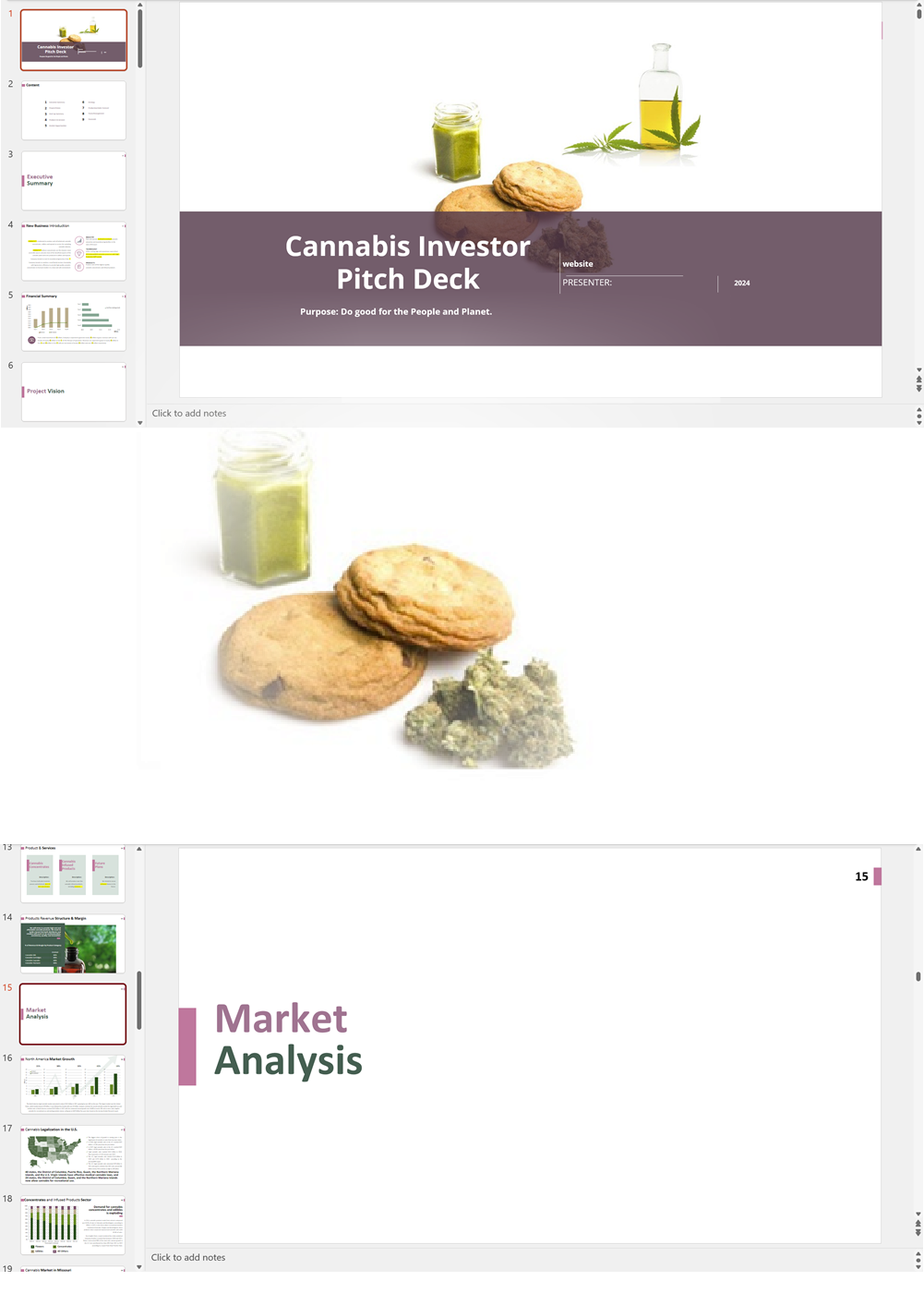
Cannabis Dispensary Investor Pitch Deck Template
$75.00 Select options This product has multiple variants. The options may be chosen on the product page -
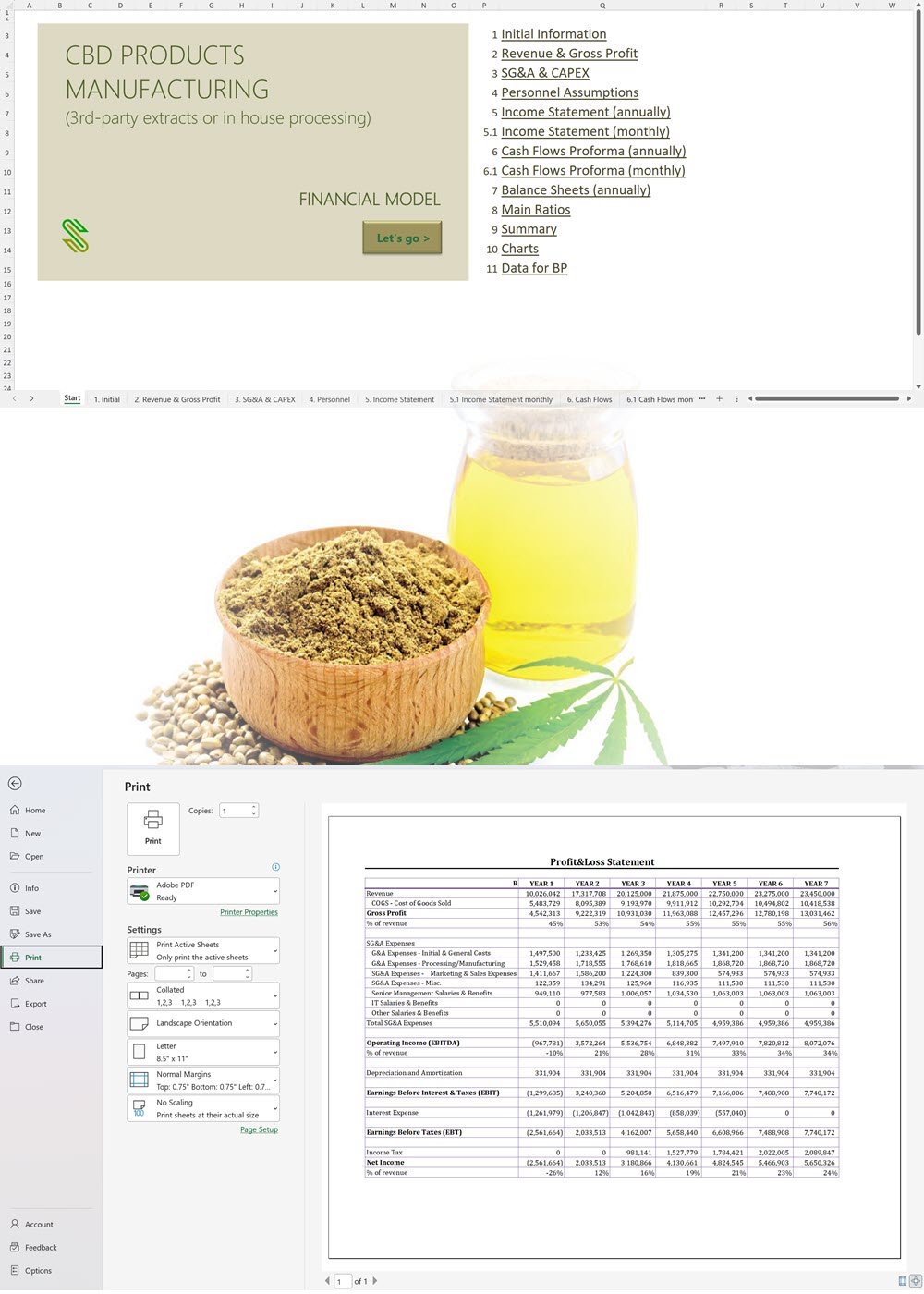
Cannabis Financial Model All in One
$250.00 Select options This product has multiple variants. The options may be chosen on the product page
Hemp CBD business plan templates are available at hempcbdbusinessplans.com.
Our Templates

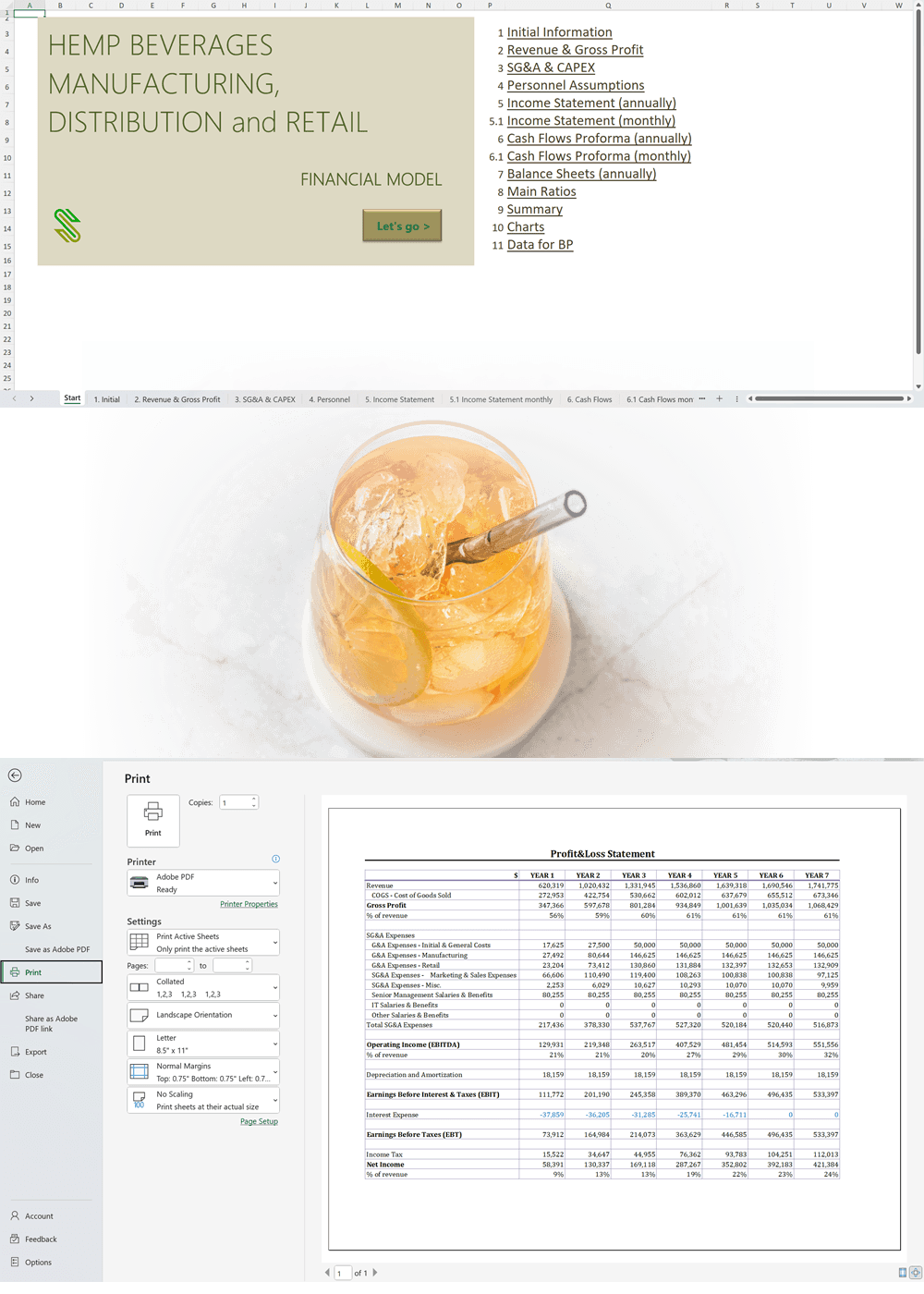
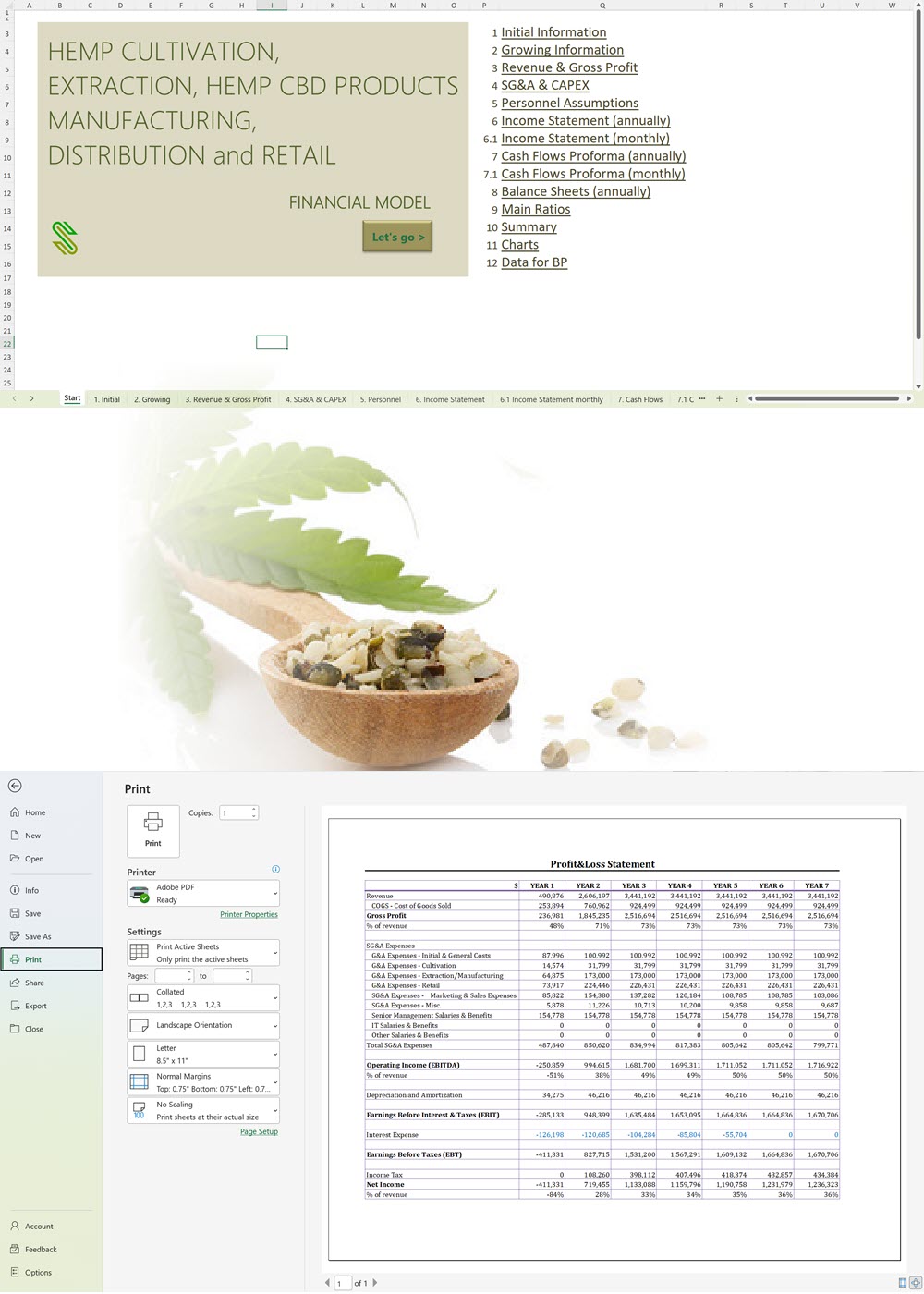

Hemp CBD Beverage Manufacturing, Wholesale and/or Retail Business Plan Template
Price range: $75.00 through $350.00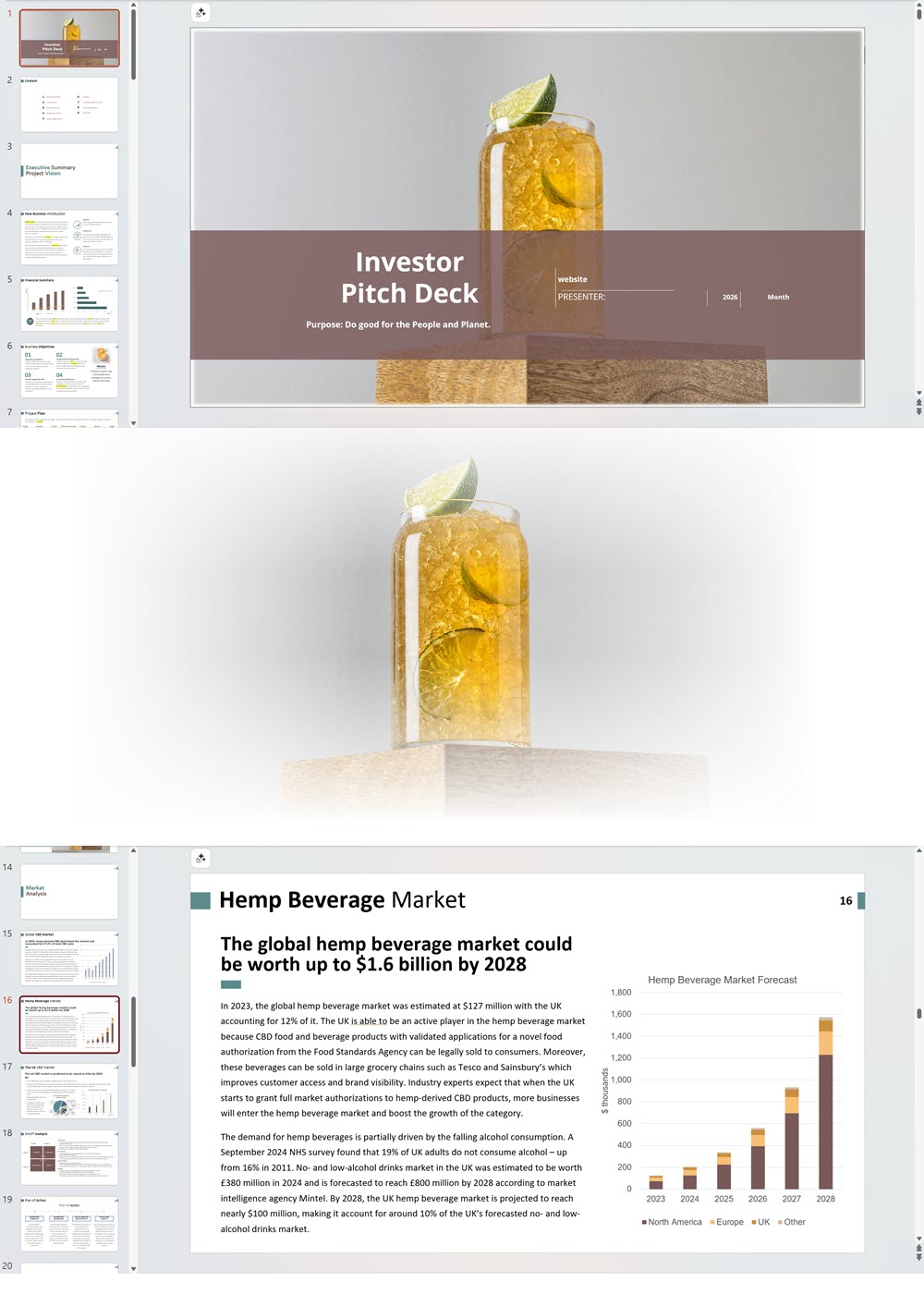

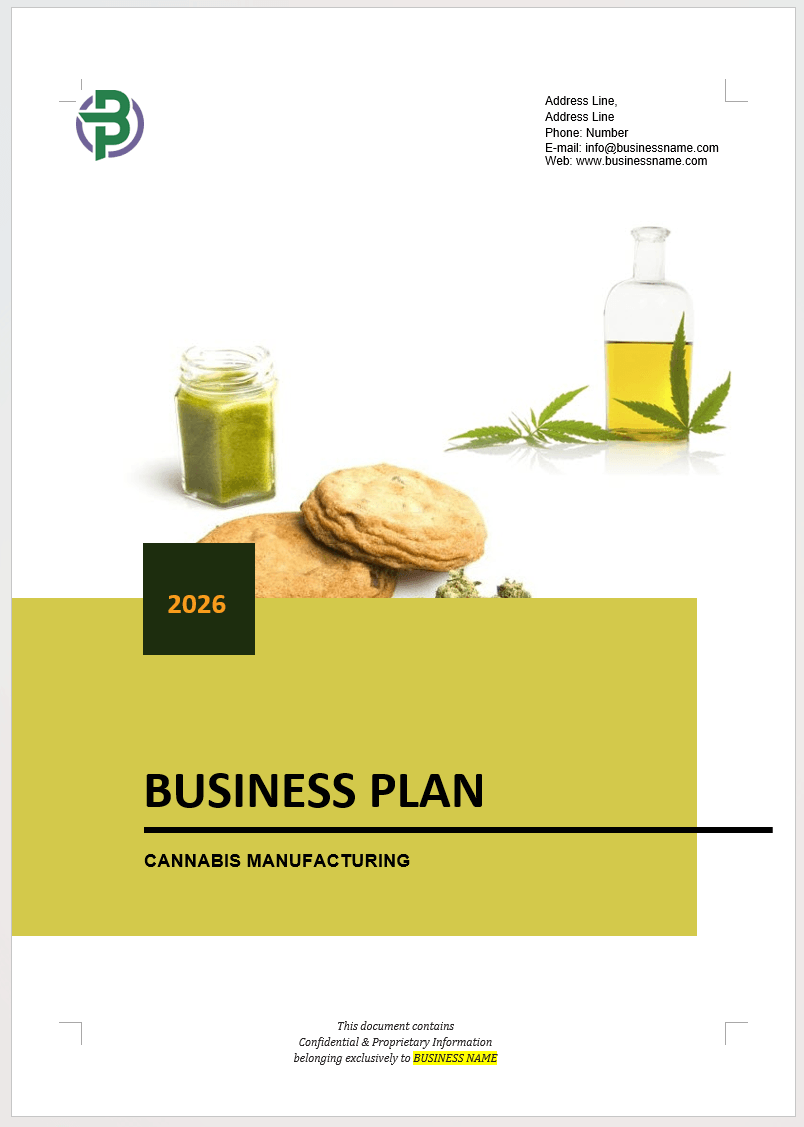
Cannabis Manufacturing Business Plan Template (with in-house processing)
Price range: $75.00 through $350.00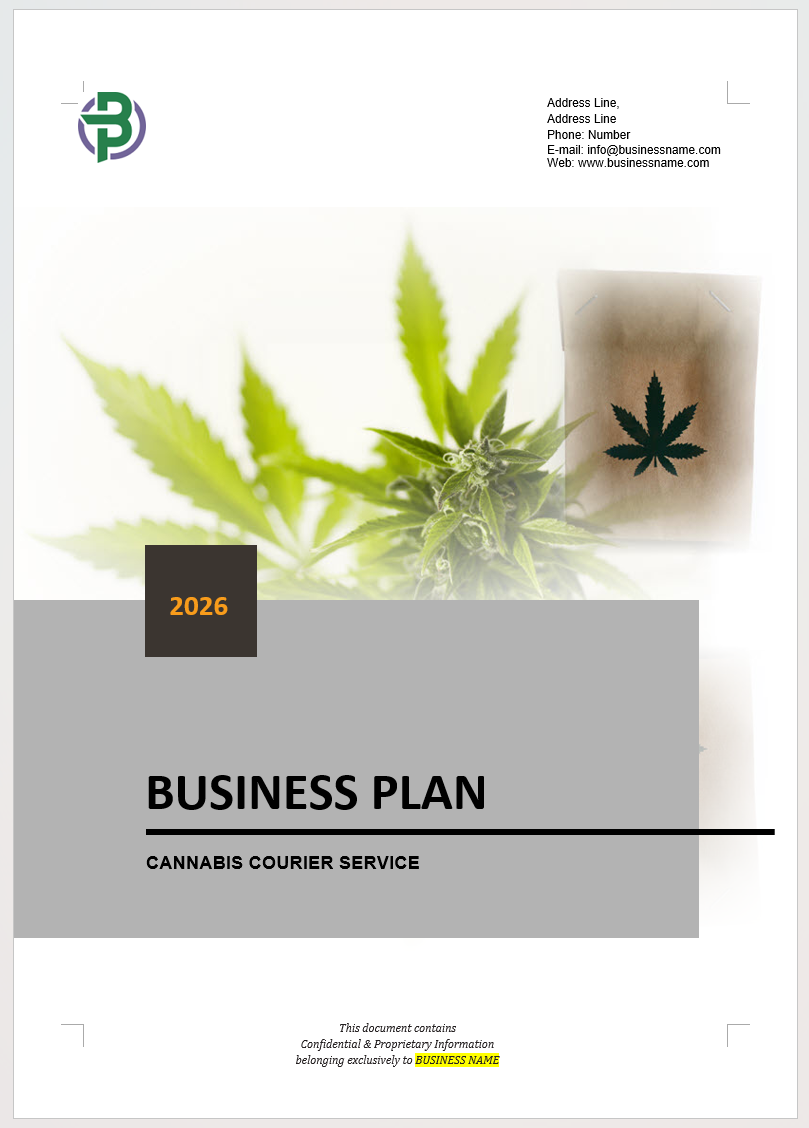
Cannabis Courier Business Plan Template
Price range: $75.00 through $275.00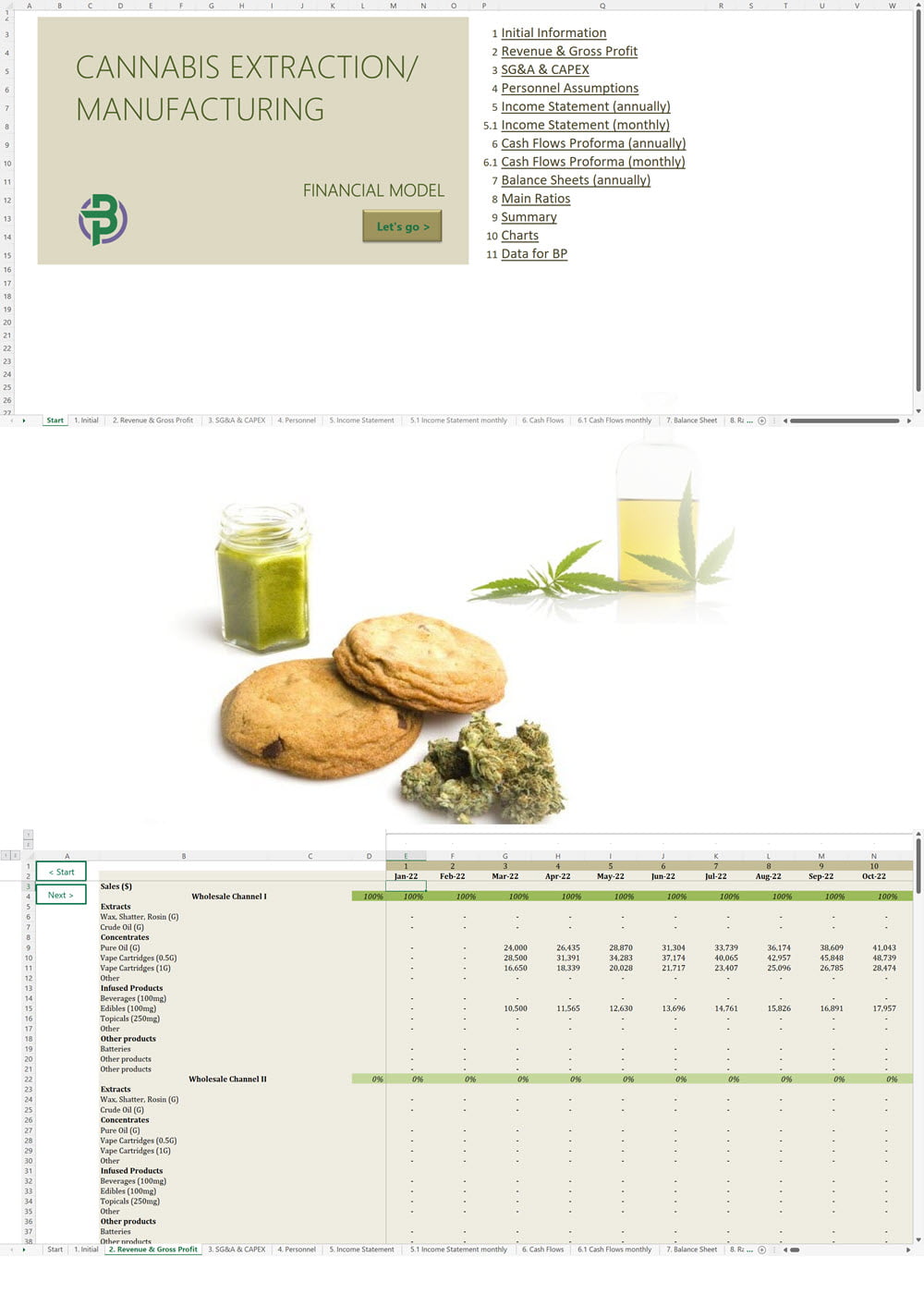
Hemp CBD Vertically Integrated Business Plan Template
Price range: $75.00 through $450.00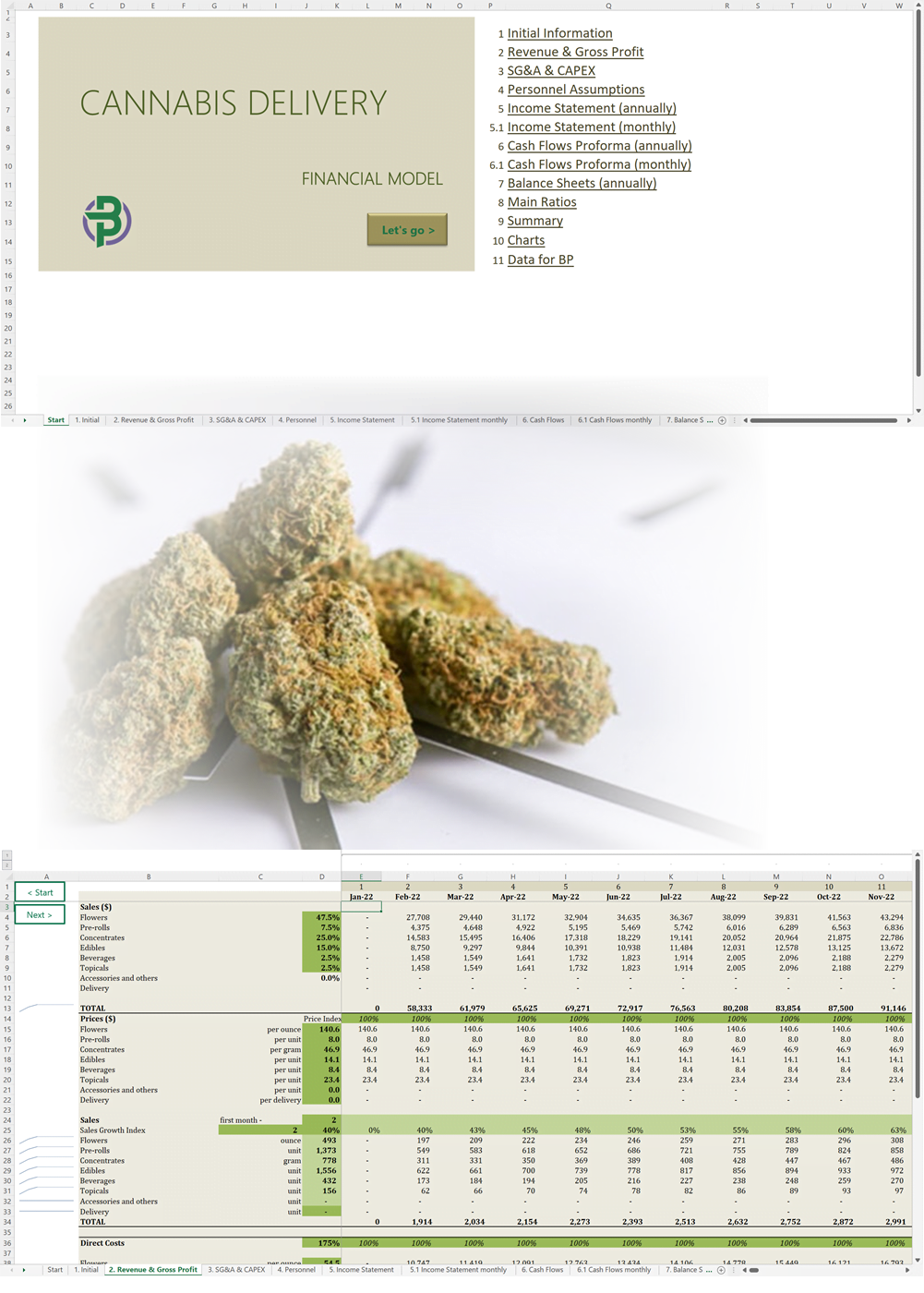

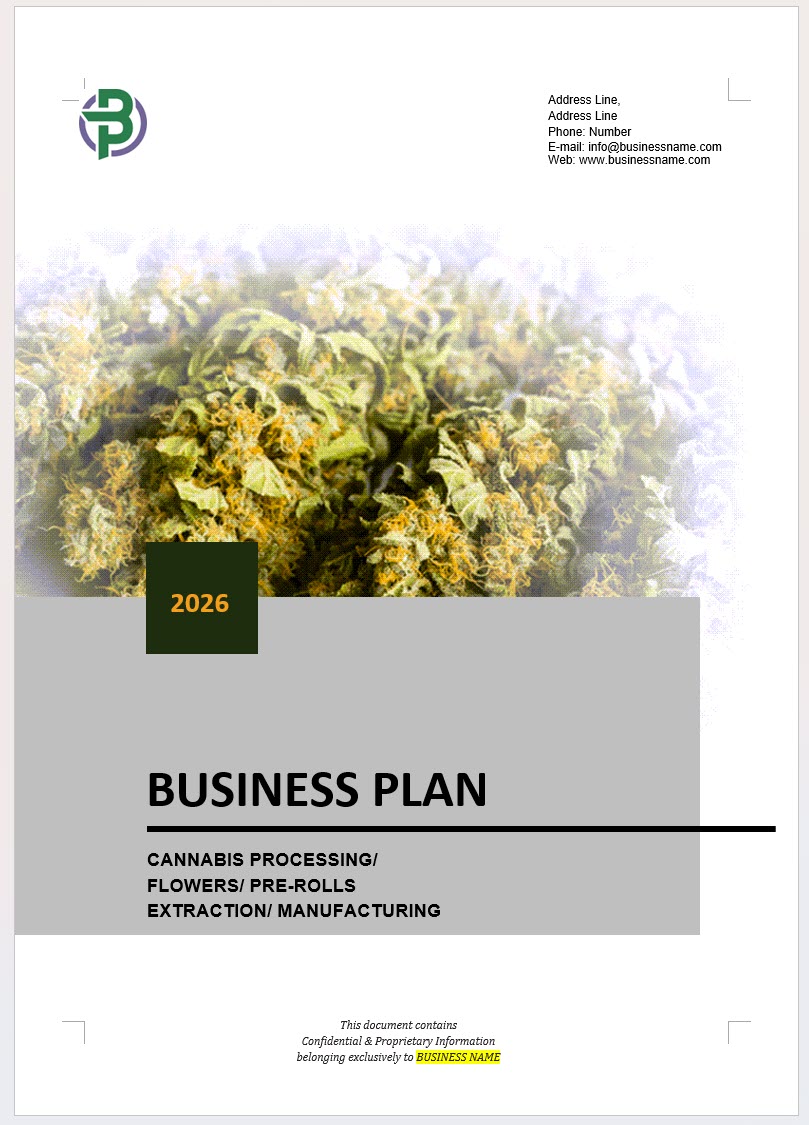
Cannabis Processing/ Flowers/ Pre-rolls/ Extraction/ Manufacturing Business Plan Template
Price range: $75.00 through $350.00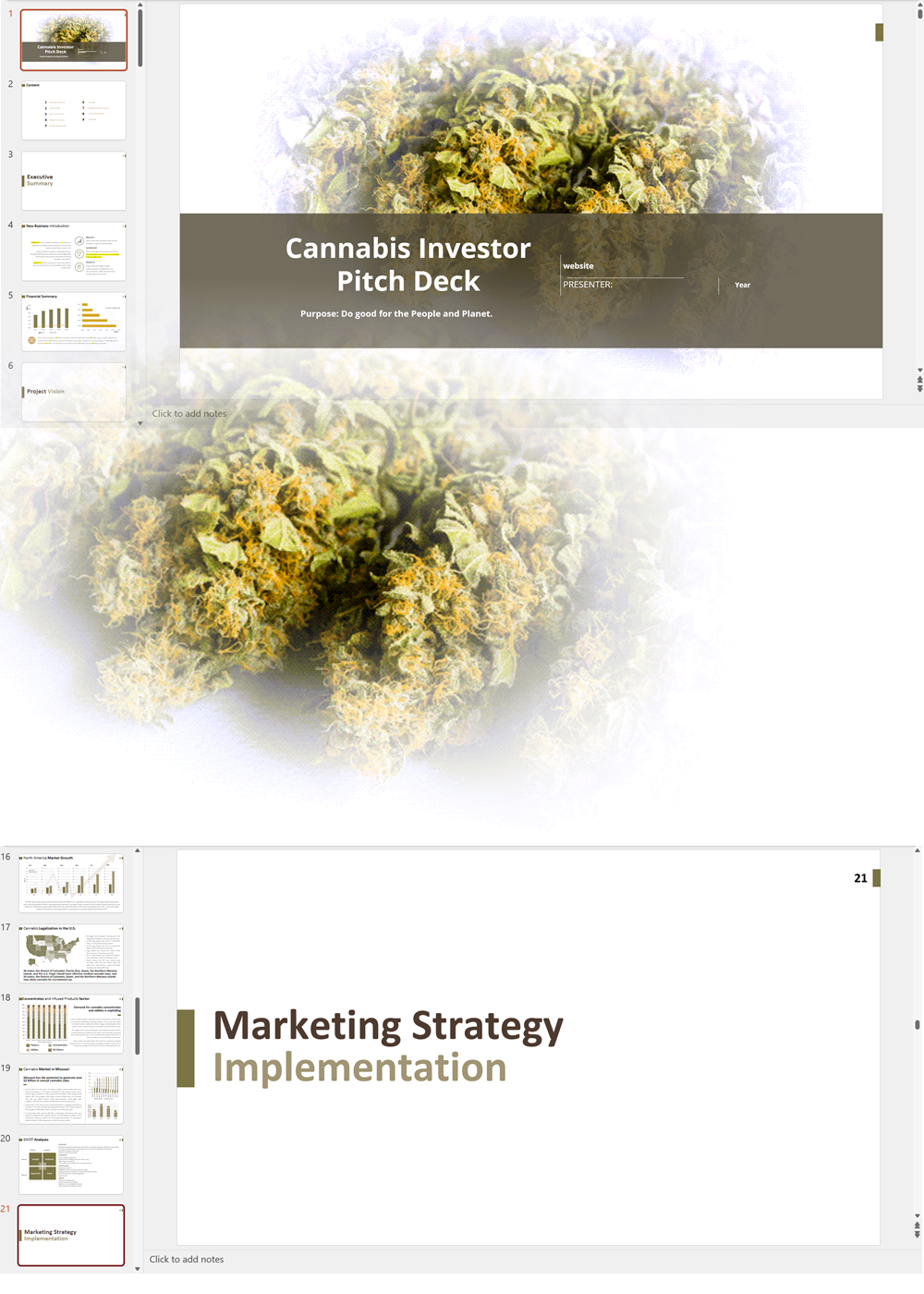
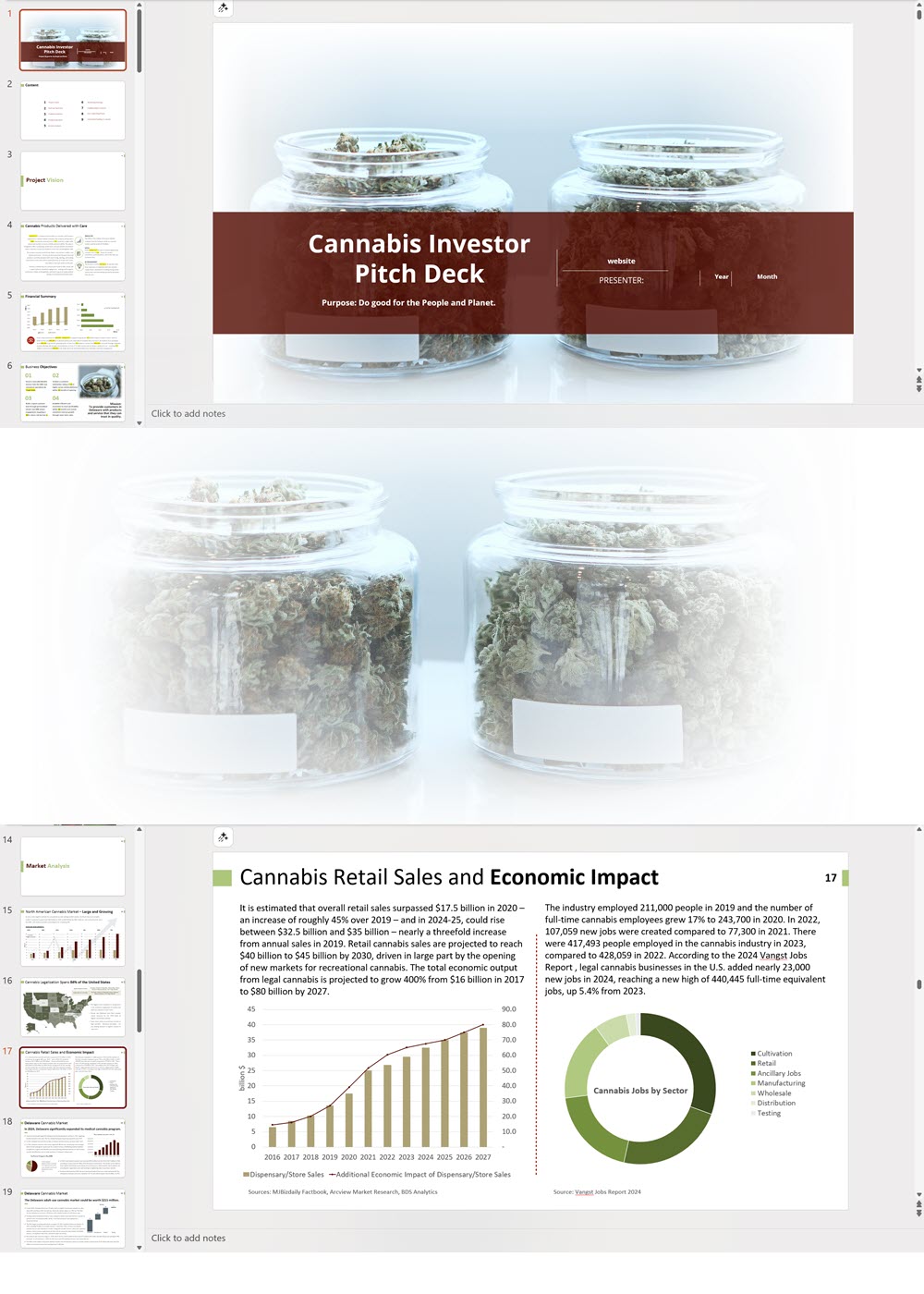
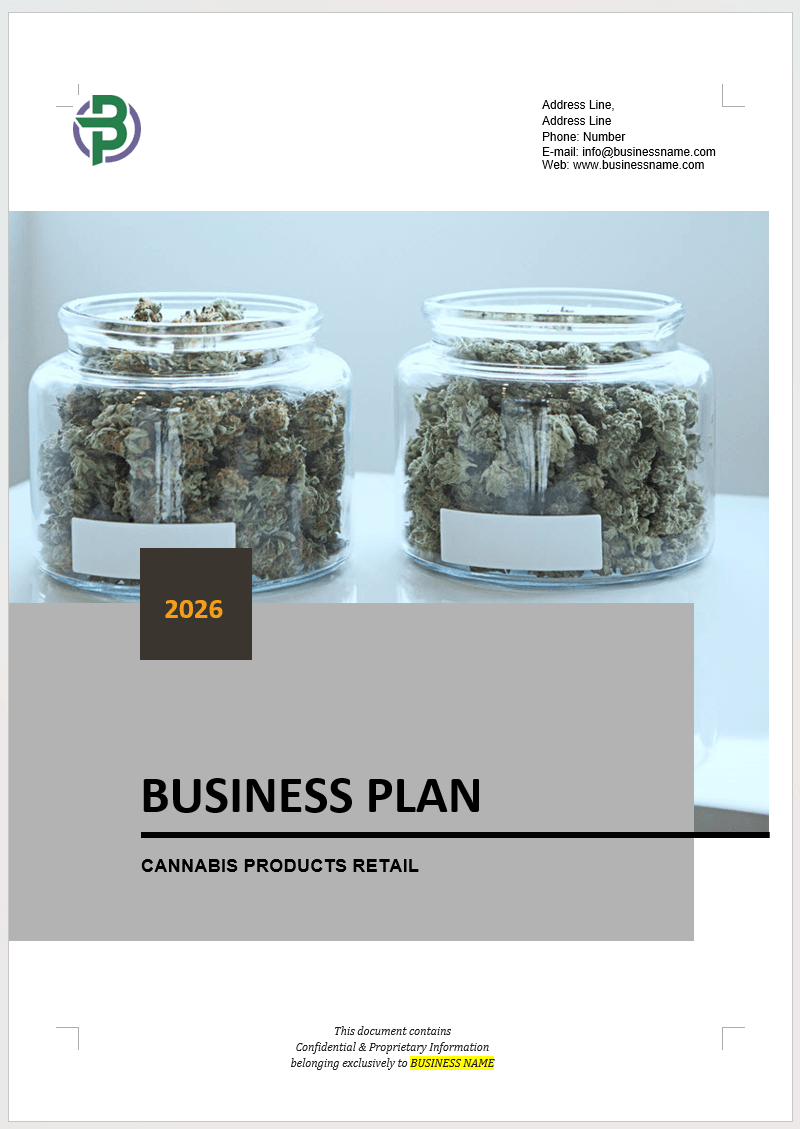
Cannabis Dispensary Business Plan Template
Price range: $75.00 through $350.00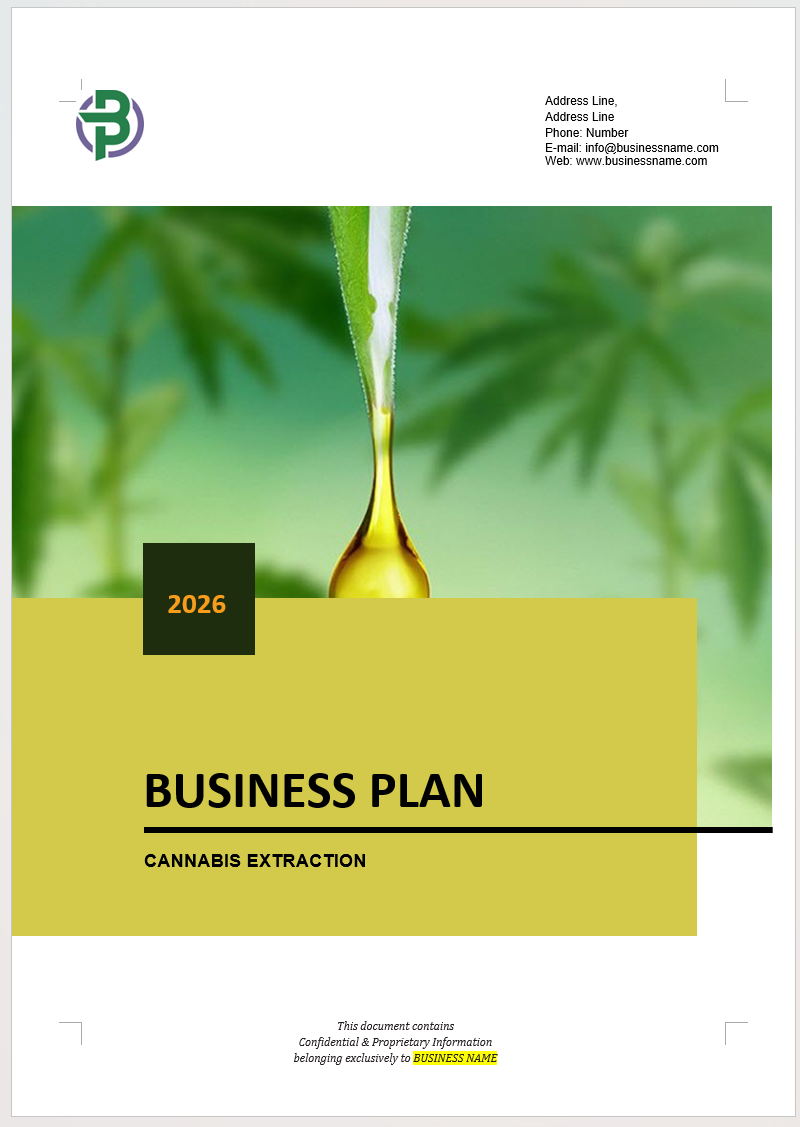
Cannabis Extraction / Concentrates Business Plan Template
Price range: $75.00 through $350.00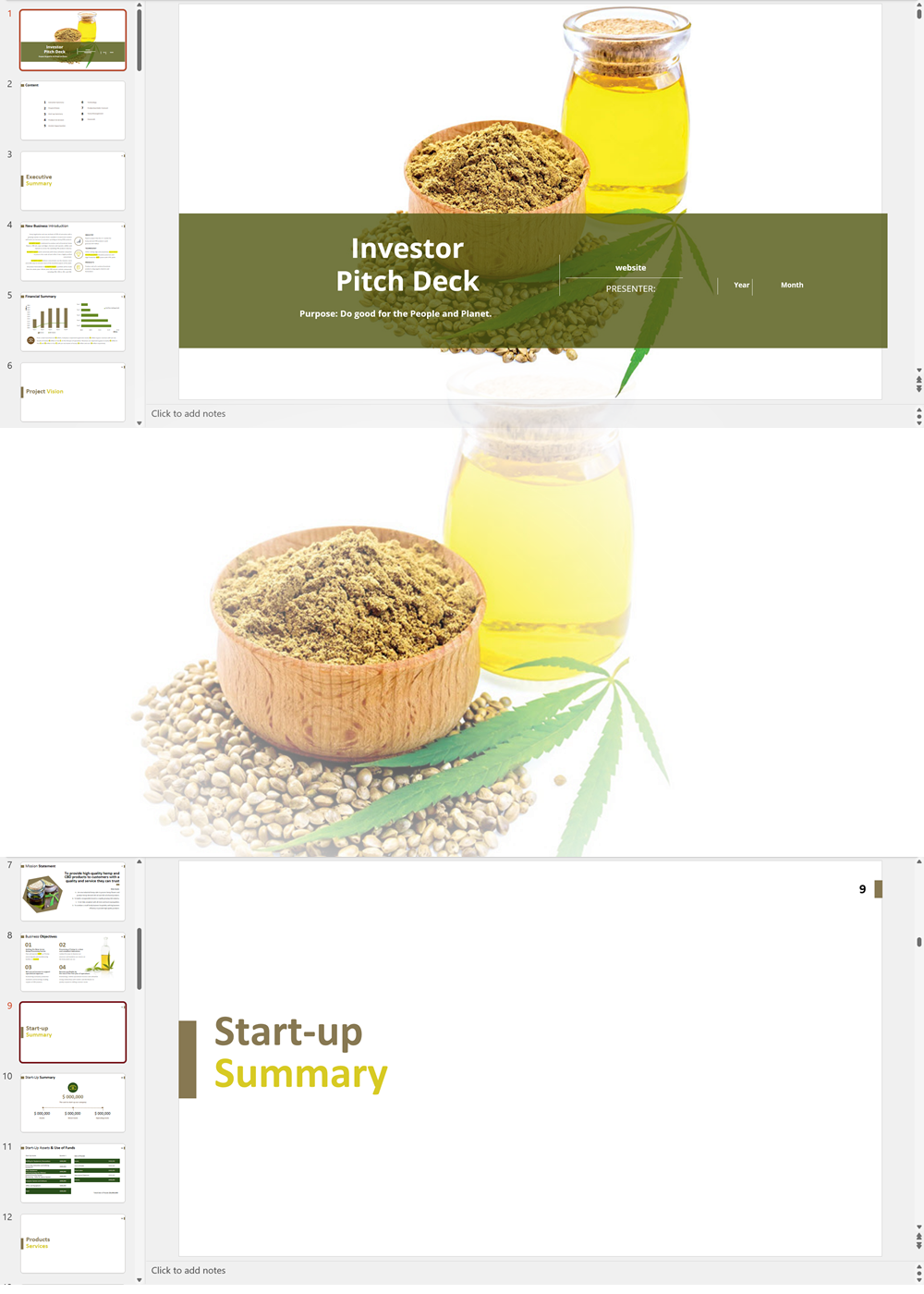
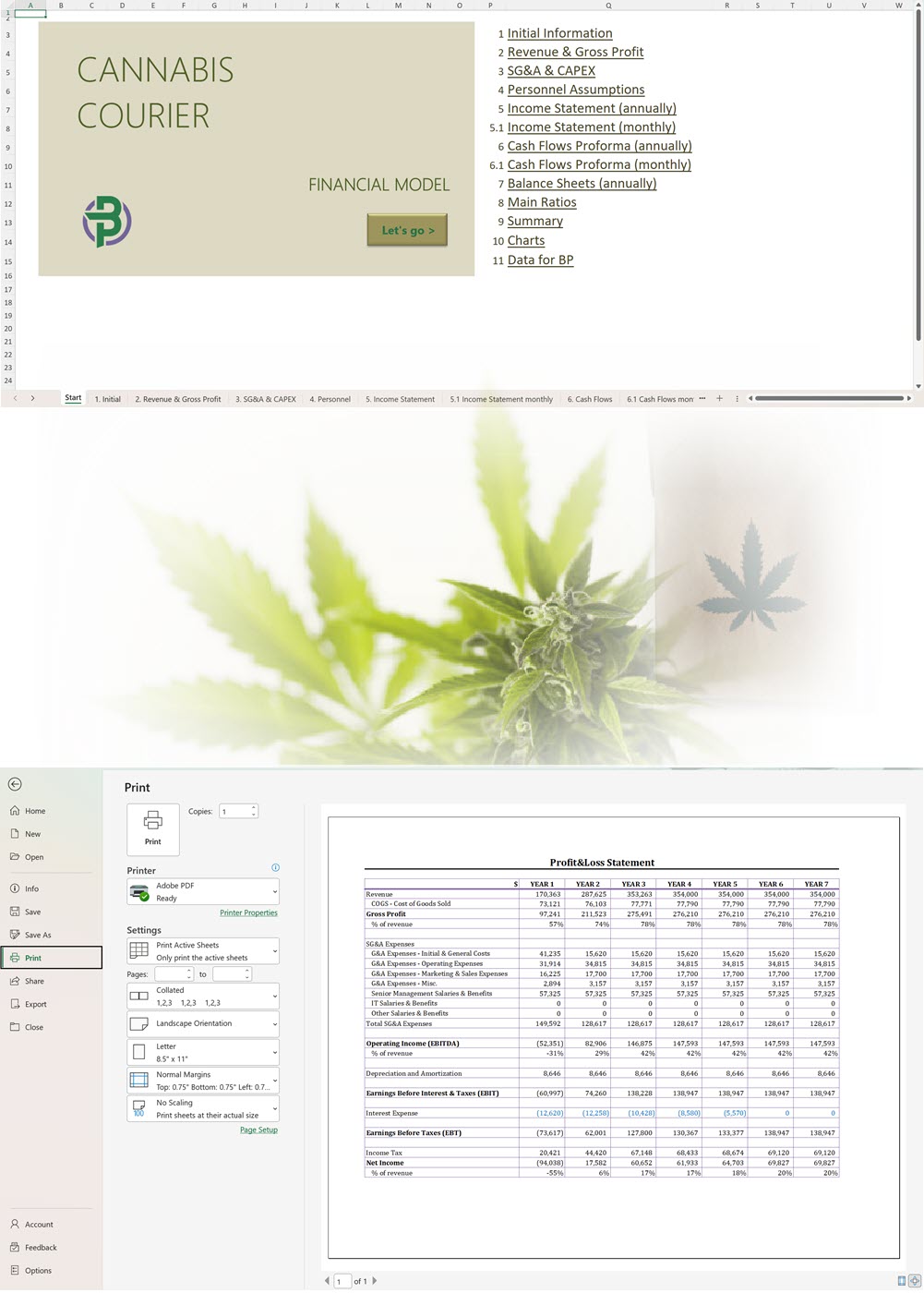
Cannabis Courier Financial Model
$100.00
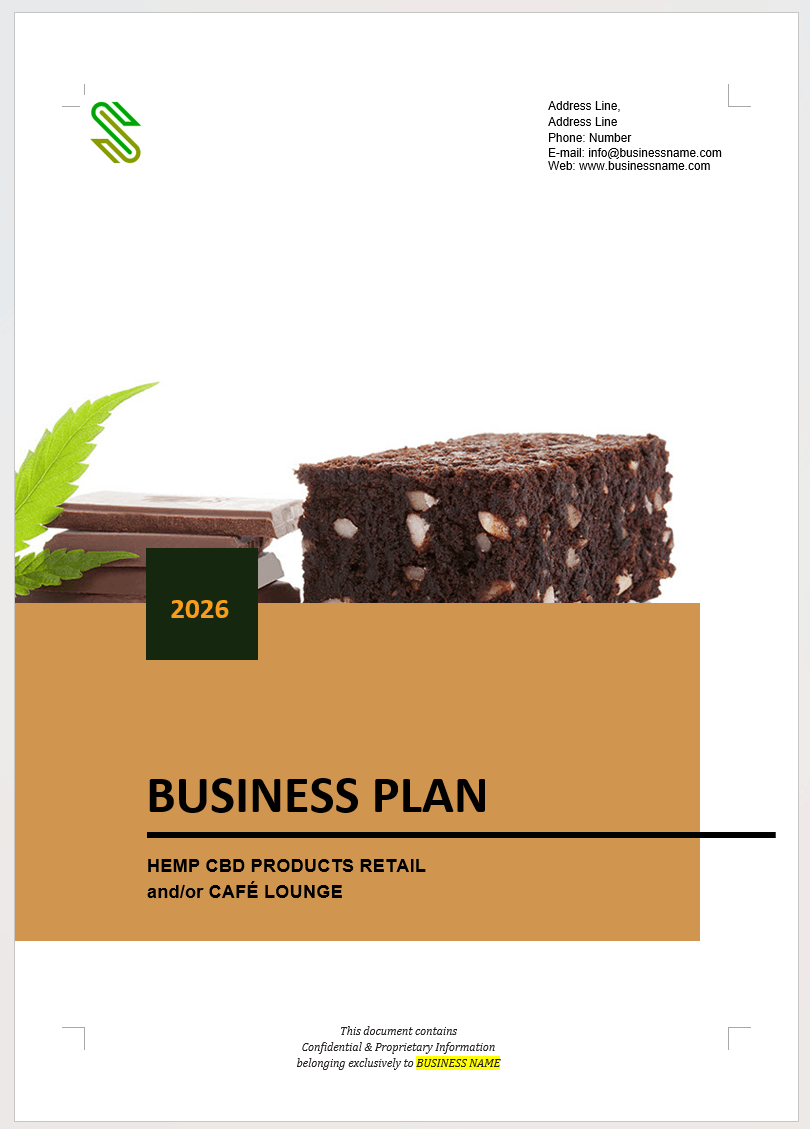
CBD Store and/or Cafe Lounge Business Plan Template
Price range: $75.00 through $275.00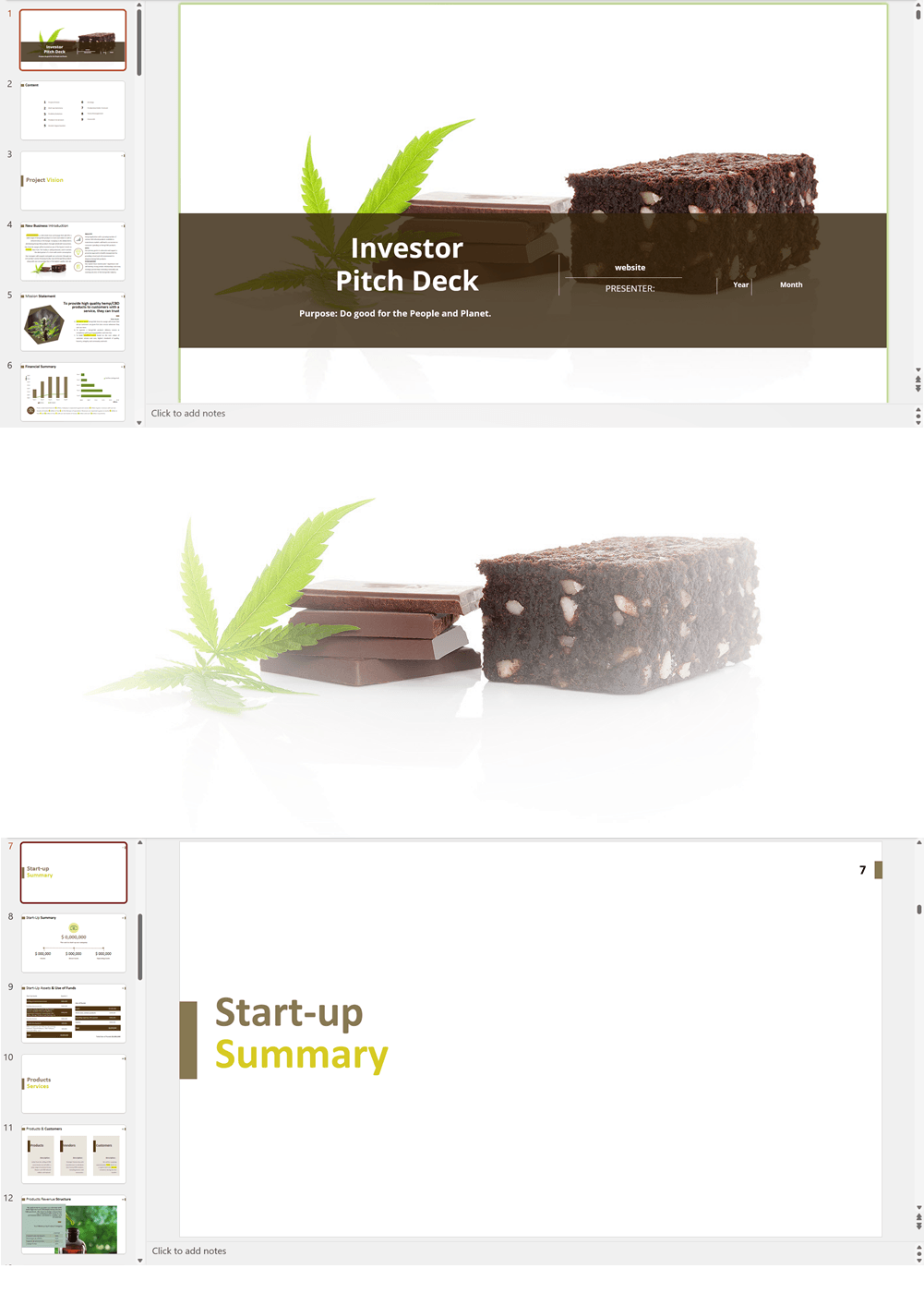

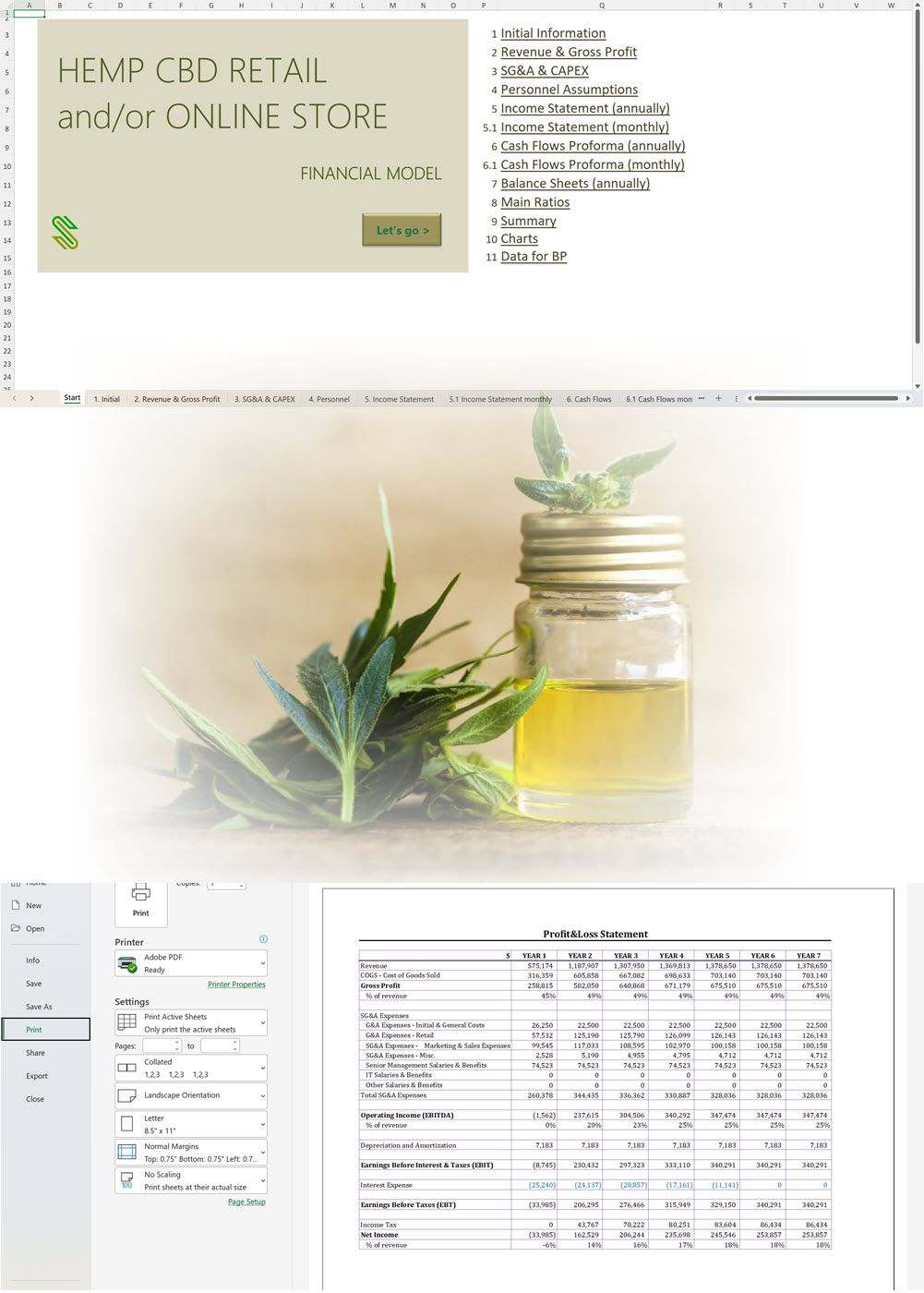
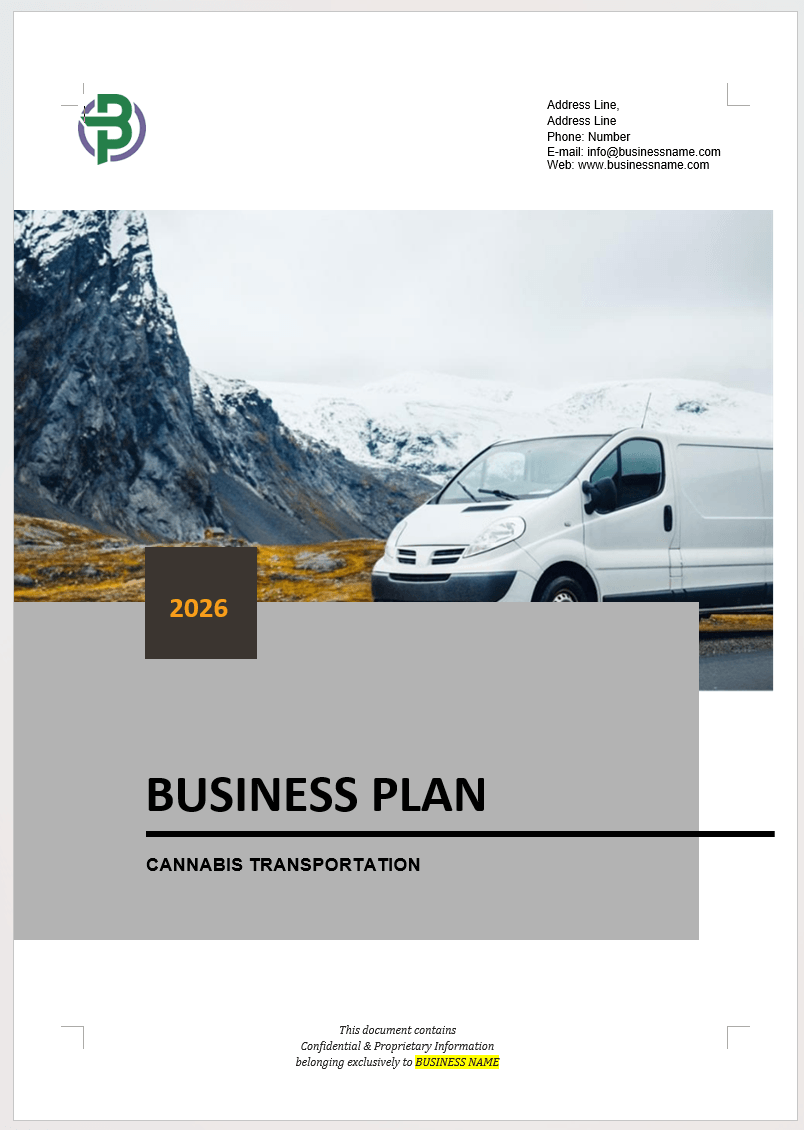
Cannabis Transportation Business Plan Template
Price range: $75.00 through $275.00