
Main steps in short:
- Understand regulatory and legal requirements. Do market research.
- Decide the type of cannabis business. Choose a location. Check local zoning regulations.
- Develop a solid business plan. Secure financing.
- Submit an application. Pay fees. Prepare and submit the required documents.
- Register your business as an employer and a tax payer.
- Keep track of your ongoing compliance requirements.
Medical Cannabis Legalization
Maine voters legalized use of medical cannabis in 1999 and have significantly expanded the program since, most recently by creating a regulated system of medical cannabis dispensaries and caregivers permitted to grow pot for clients.
Since medical cannabis sales were approved in Maine, the state’s dispensaries have been extremely limited. Only eight medical dispensaries were permitted one in each of the state’s predefined geographic areas and a new law increased this number to fourteen. The dispensaries are required to obtain permits and licenses and cultivate their own cannabis, with production caps set by the state. Much of Maine’s medical cannabis sales have been carried out by a large number of caregivers, many of whom profit by growing cannabis for patients.
The State of Maine has enacted legislation allowing to legally grow cannabis for Maine qualified patients. As a Maine licensed caregiver you are allowed by law to produce and transport up to 2.5 ounces of medical cannabis at reasonable market prices to the patient you care for every visit.
According to a new law, medical cannabis providers may now sell up to 30% of their total amount grown to other legal providers, increasing access and selection for medical cardholders.
Recreational Cannabis Legalization
Recreational cannabis was legalized on November 8, 2016, through Ballot Question 1 passed by voters. Mainers aged 21 and over are allowed to possess up to 2.5 ounces of cannabis.
On June 27, 2019, new cannabis regulations (P.L. 2019, ch. 491) were approved by a state legislative committee which became effective on December 5, 2019. Maine started accepting recreational cannabis business license applications in December 2019 and recreational sales began on October 9, 2020.
Cannabis License Types Available in Maine
All medical and recreational cannabis licenses are issued by the Office of Cannabis Policy (OCP). All licenses are valid for one year.
Medical Cannabis:
A caregiver is an individual who provides care to a qualifying patient and they are allowed to:
- Cultivate up to 30 mature cannabis plants, up to 60 immature cannabis plants and an unlimited number of seedlings OR up to 500 square feet of mature plant canopy, up to 1,000 square feet of immature plant canopy and an unlimited area for seedlings.
- Transfer up to 2.5 ounces of cannabis to a qualifying patient in a single transaction for a reasonable price.
- Manufacture cannabis products and cannabis concentrate.
- Transfer to and accept from another registered caregiver or dispensary cannabis plants and harvested cannabis in a wholesale transaction.
- Operate one retail store where they sell medical cannabis and cannabis products as well as related supplies to qualifying patients.
To obtain a caregiver registration certification, an applicant must:
- Pay the annual fee (if the caregiver plans to cultivate cannabis plants).
- Provide evidence of the applicant’s registration with the Secretary of State and evidence that the applicant is in good standing with the Secretary of State.
- The name, address and date of birth of each officer or director of the applicant.
Within 30 days of the receipt of the application, the OCP will approve or deny the application.
A dispensary license allows to acquire, possess, cultivate, manufacture, deliver, transfer, transport and sell cannabis and cannabis products to registered patients.
To obtain a medical dispensary license, an applicant must:
- Pay the annual fee of between $5,000 and $15,000.
- Provide evidence of incorporation and evidence that the corporation is in good standing with the Secretary of State.
- Provide the physical address of the dispensary and at maximum one additional location where cannabis will be cultivated.
- Give the name, address and date of birth of each principal officer and board member of the dispensary.
- Give the name, address and date of bird of any person who is employed by the dispensary.
A registered caregiver or dispensary can then obtain a manufacturing facility registration in order to be able to manufacture medical cannabis products such as edibles, tinctures and topicals. The following has to be submitted:
- An annual fee.
- Legal name of the facility and, if incorporated, evidence of incorporation and evidence that the corporate is in good standing with the Secretary of State.
- Physical address of the facility where the authorized activities will be performed.
- The name, address and date of birth of each officer or director of the facility.
There are two tiers of manufacturing facilities:
Tier 1 allows to possess up to 40 pounds of harvested cannabis.
Tier 2 allows to possess up to 200 pounds of harvested cannabis.
There is also an authorization for extraction using inherently hazardous substances which permits to engage in cannabis extraction using inherently hazardous substances. To obtain this authorization, a qualifying patient, caregiver, dispensary or manufacturing facility must meet the requirements listed in §2423-F. An applicant for this authorization who is not a qualified patient, caregiver or dispensary but meets the requirements can still obtain the authorization by paying a fee of $250-$350.
Recreational Cannabis:
A cultivation facility is a facility licensed to purchase cannabis plants and seeds; to cultivate, prepare and package adult-use cannabis; to sell adult-use cannabis to products manufacturing facilities, cannabis stores and other cultivation facilities; to sell cannabis plants and seeds to other cultivation facilities and immature cannabis plants and seedlings to cannabis stores or adults.
Tier 1: Cultivation of no more than 30 mature marijuana plants and an unlimited number of immature plants and seedlings, or less than 500 square feet of plant canopy
Tier 2: Cultivation of up to 3,000 square feet of plant canopy.
Tier 3: Cultivation of up to 10,000 square feet of plant canopy.
Tier 4: Cultivation of up to 30,000 square feet of plant canopy. Not more than once every 2 years, an applicant seeking renewal of a Tier 4 cultivation facility license may apply to increase the allowed maximum amount of plant canopy by 10,000 square feet.
Nursery cultivation facility: Cultivation of no more than 1,000 square feet of plant canopy.
A testing facility is a facility licensed to develop, research and test cannabis and cannabis products.
A products manufacturing facility is a facility licensed to purchase adult-use cannabis; manufacture, label and package adult-use cannabis and cannabis products; sell adult-use cannabis and cannabis products to cannabis stores and to other products manufacturing facilities.
A cannabis store is a facility licensed to purchase and sell adult-use cannabis, immature cannabis plants, seedlings and other products.
A sample collector is a person licensed to collect samples of cannabis and cannabis products for testing as well as to transport and deliver those samples to a testing facility.
An applicant can apply for and possess multiple licenses except for the following cases:
- An applicant may not have more than 3 cultivation facility licenses.
- An applicant may not have cultivation facility licenses of a number that allows a combined total licensed area of 30,000 square feet, except when that exceedance is due to approved increases in the maximum licensed area under a tier 4 cultivation facility license.
- An applicant who is a registered caregiver or has interest in a registered medical cannabis dispensary, cultivation facility, products manufacturing facility or cannabis store, cannot apply for a testing facility license or sample collector license.
Cannabis Delivery in Maine
Both medical and recreational cannabis and cannabis products can be delivered in Maine. Medical cannabis can be delivered by dispensaries while recreational cannabis is delivered by cannabis stores. However, cannabis stores cannot sell recreational cannabis through Internet-based sales platforms or a third-party delivery service.
It is possible for Tier 1 and Tier 2 cultivation facilities as well as nursery cultivation facilities to sell immature plants and seedlings to consumers through delivery service.
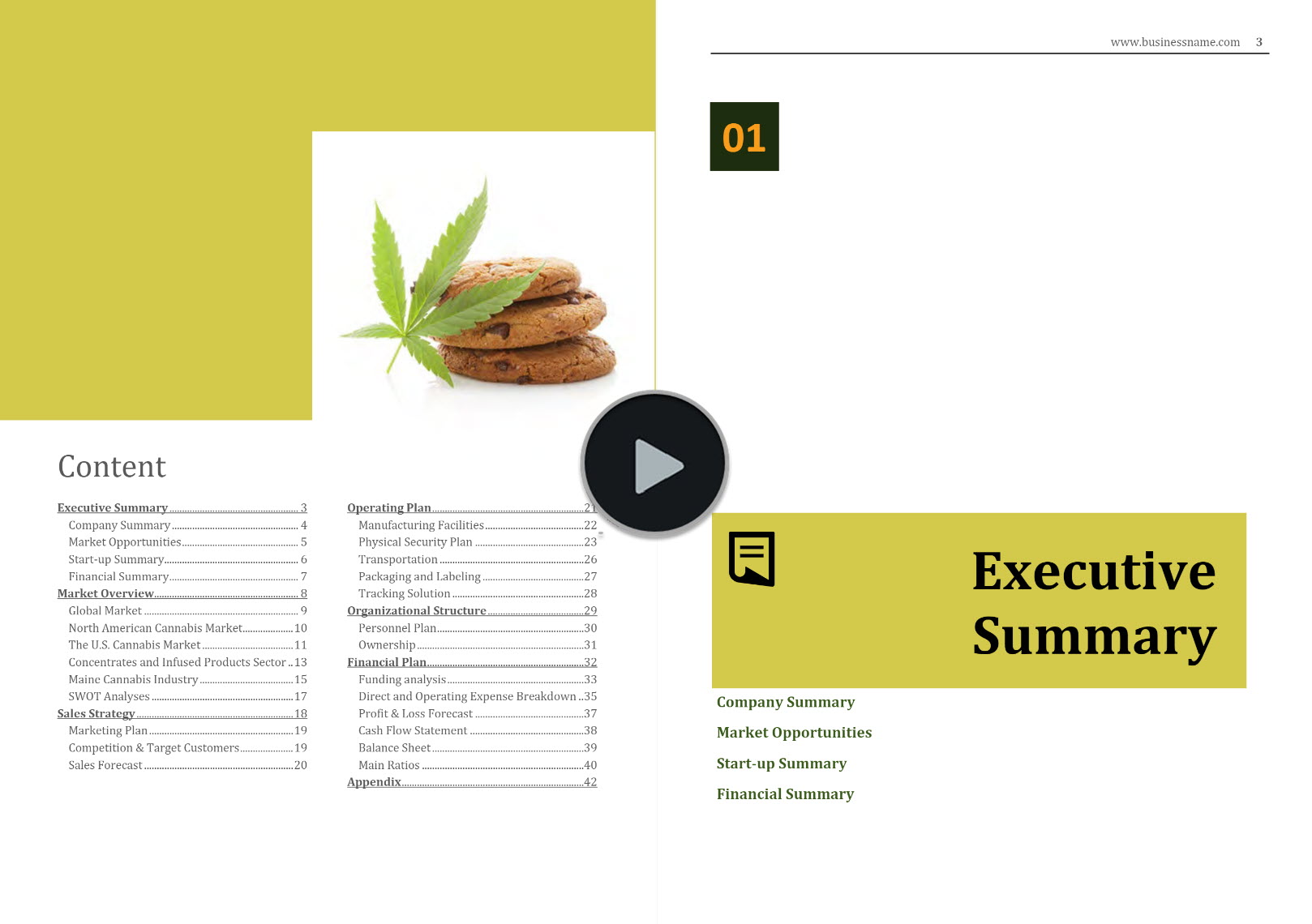
A typical cannabis business plan outline includes sections such as Executive Summary, Market Overview, Sales Strategy, Operating Plan, Organizational Structure (+ Diversity Plan) and Financial Plan.
'70% ready to go' business plan templates
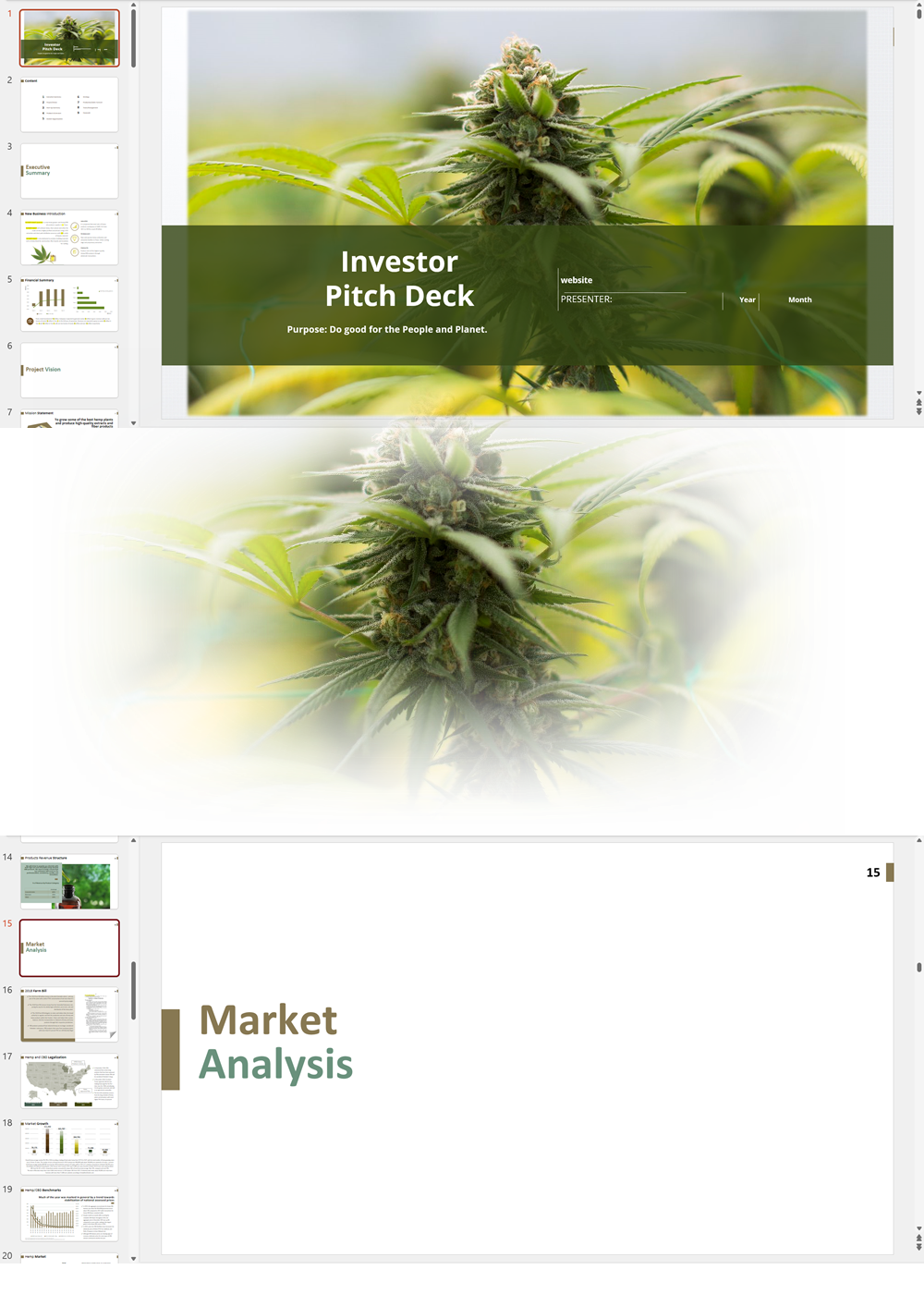
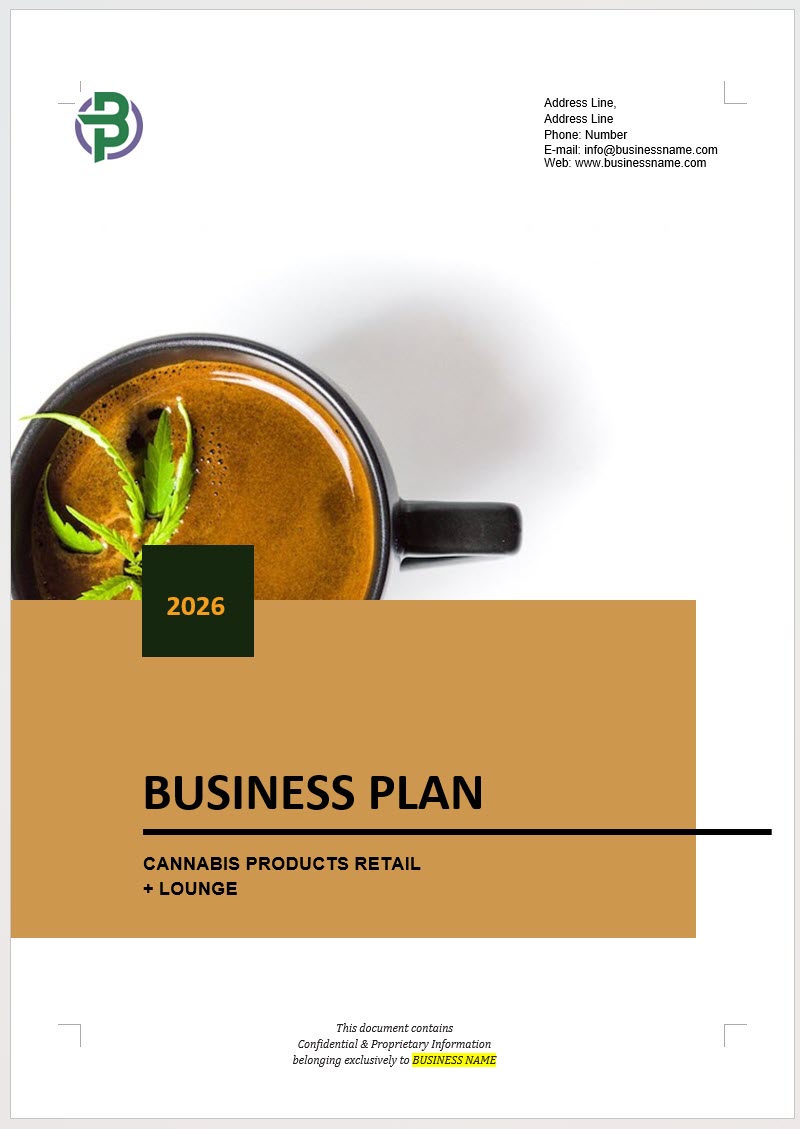
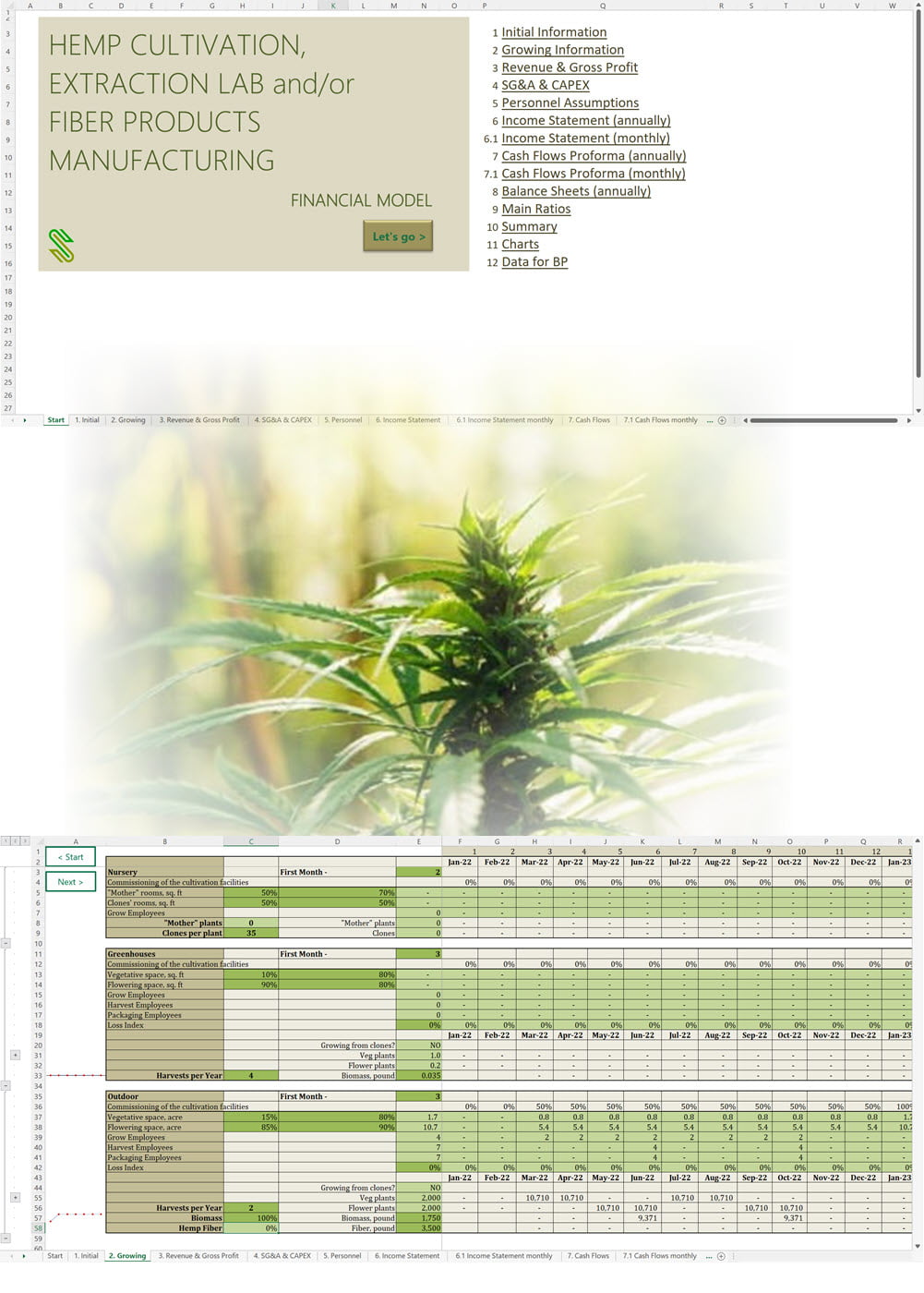
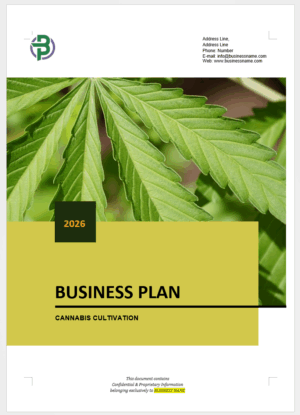
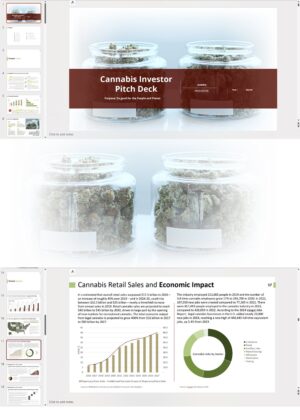
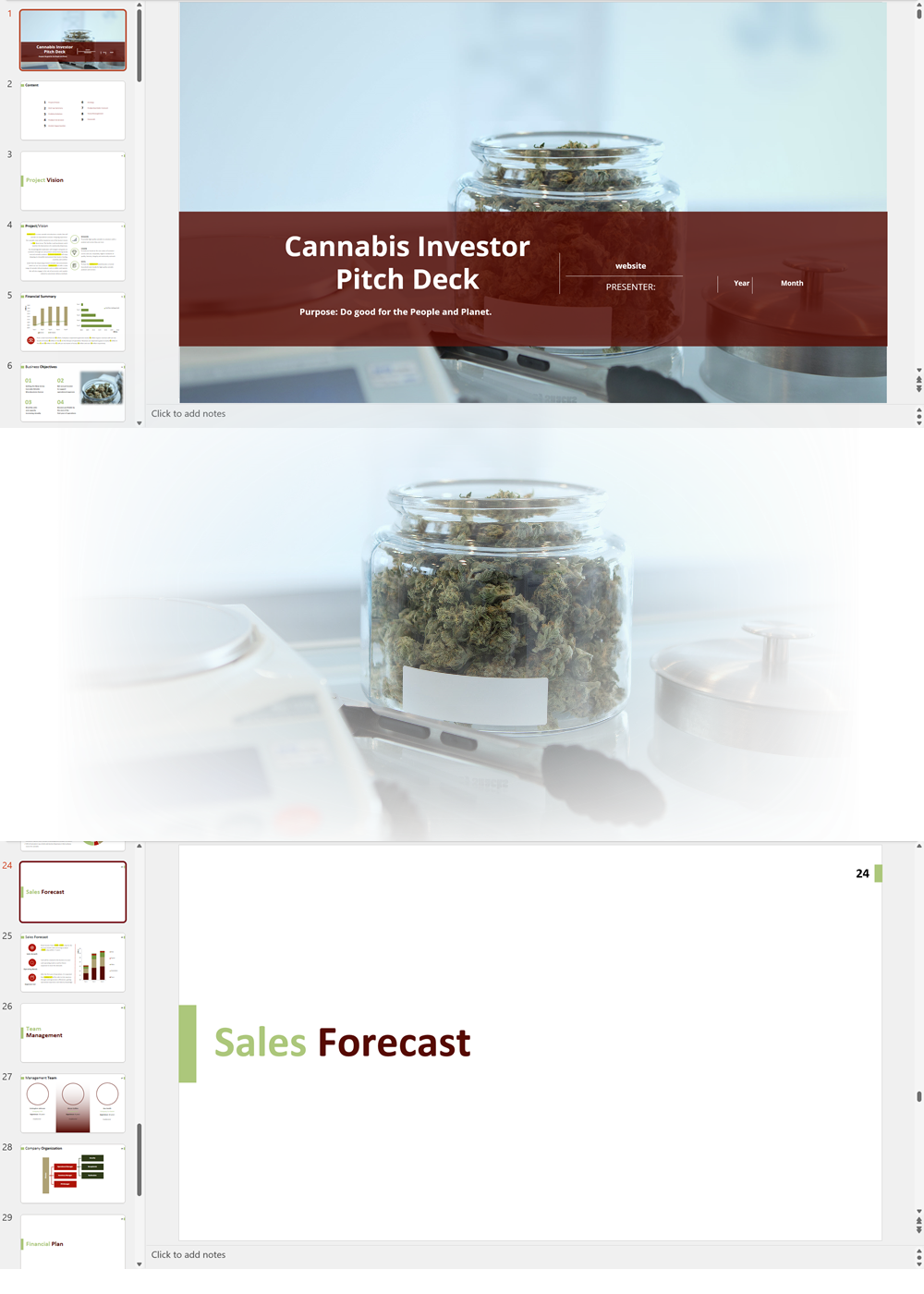
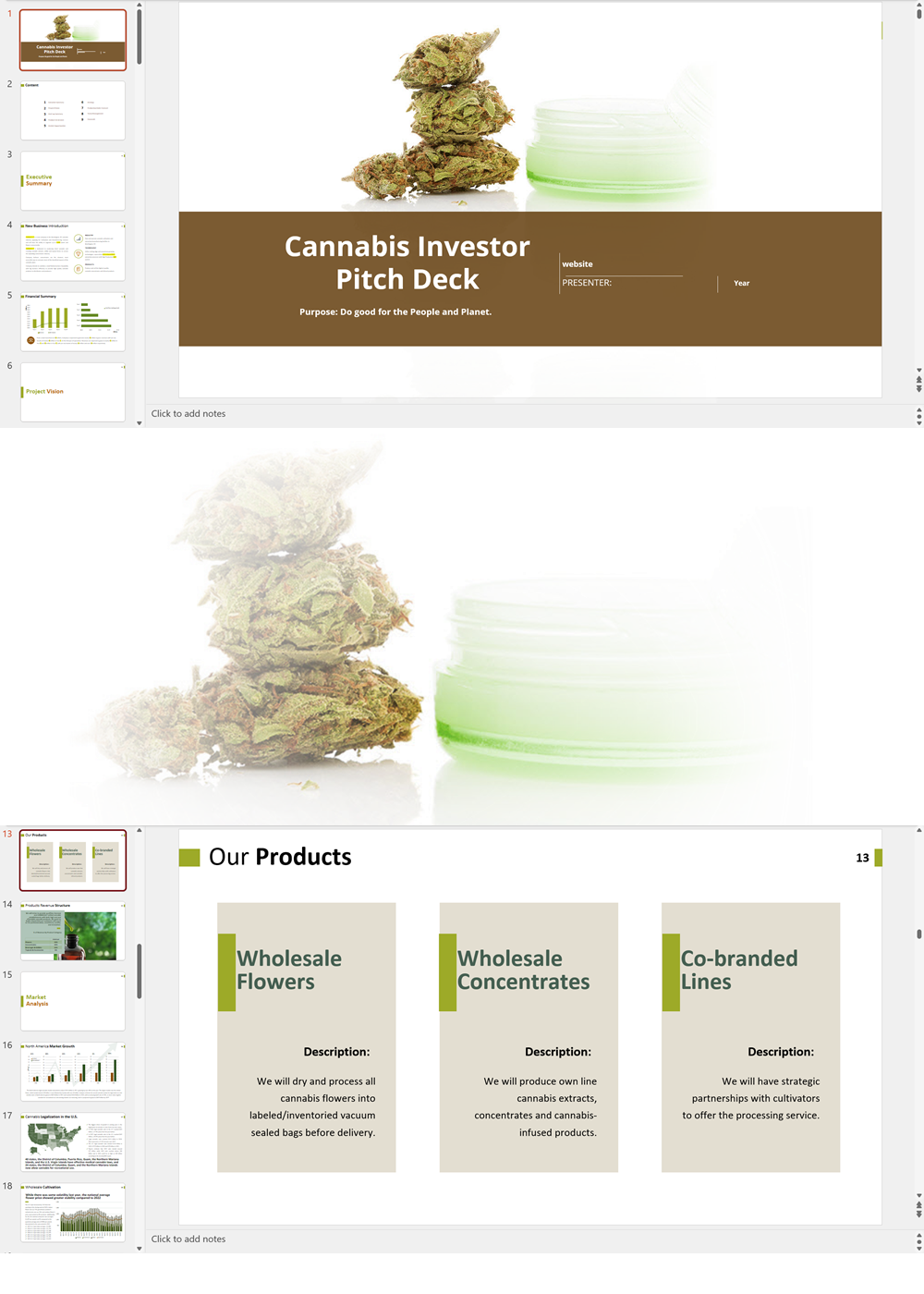
We offer a wide range of '70% ready-to-go' cannabis business plan templates that will help you prepare a professional cannabis business plan document supported with expert financials and an investor pitch deck. All our templates are completely open and editable and you can use Word, Excel and PowerPoint to work with them.
Licensing process:
- Submit a complete application for a conditional license along with the relevant fee, an OCP-issued Individual Identification Card for each employee and a criminal history check completed by all principals.
- Within 90 days, the OCP will approve or deny the conditional license which is valid for one year only and is non-renewable.
- The conditional licensee must obtain local authorization within 90 days of applying for an authorization. Within 10 days of receiving an approval local authorization form, the OCP will request additional information and updated documents from the applicant.
- Once all the additional information has been submitted, the applicant must play a relevant licensing fee. After the receipt of payment, the OCP will issue an active license.
Additional information required to be submitted for the active license includes:
- Evidence of compliance with all electrical and permitting requirements.
- Registration with the State Tax Assessor (does not apply to a sample collector or testing facility license).
- Any changes to the original application, if such have been made.
- If applying for a cultivation facility license, an updated operating and cultivation plan based on the actual premises to be licensed.
- A facility plan including the location, size and layout of the cannabis establishment.
Since 2018, Maine has allowed an income subtraction modification for IRC § 280E expenses of a medical cannabis business, and on July 26, 2023, Maine Governor Janet Mills signed into law legislation allowing state legal adult use cannabis businesses to deduct ordinary business expenses. The state-level exemption does not affect the federal taxes owed by cannabis companies.
How much is a cannabis license in Maine?
| Medical | Recreational | |
| Application | Dispensary: $15,000 | Retail store: $250Cultivator Tier 1: $100Cultivator Tier 2/3/4: $500Nursery cultivator: $60Manufacturer: $250 Testing facility: $250 Sample collector: $100 |
| Licenses | Caregiver who cultivates cannabis plants: $50-$240 for each group of 6 mature cannabis plants OR $50-$1,500 for a total mature plant canopy of <=500 square feet.Dispensary: $5,000-$12,000Manufacturing facility Tier 1: $50-$150Manufacturing facility Tier 2: $150-250 | Retail store: $2,500Cultivator Tier 1: no more than $9 per mature cannabis plant (or no more than $250) for an outdoor facility and no more than $17 per mature cannabis plant (or no more than $500) for an indoor facility or indoor/outdoor facility.Cultivator Tier 2: $1,500 (outdoor) or $3,000 (indoor, indoor/outdoor)Cultivator Tier 3: $5,000 (outdoor) or $10,000 (indoor, indoor/outdoor)Cultivator Tier 4: $15,000 (outdoor) or $30,000 (indoor, indoor/outdoor). For each approved increase in canopy area, maximum licensed fee can be increased by no more than $5,000 (outdoor) and $10,000 (indoor, indoor/outdoor). Nursery cultivator: $350 Manufacturer: $2,500 Testing facility: $1,000 Sample collector: $250 |
Maine Cannabis Taxes
The state sales tax of 5.5% applies on all cannabis transactions at dispensaries and 8% on edibles specifically.
In June 2025, Governor Mills signed a new budget bill into law, raising the 10% sales tax on retail sales of adult-use cannabis to 14% which will come into effect from January 1, 2026.
The following excise taxes are imposed on a cultivation facility licensee when making sales to other licensees in the state:
- $335 per pound or fraction thereof of cannabis flower.
- $94 per pound or fraction thereof of cannabis trim.
- $1.50 per immature cannabis plant or seedling.
- $35 per mature cannabis plant.
- 30¢ per cannabis seed.
However, starting January 1, 2026, these excise taxes are reduced to the following:
- $223 per pound or fraction thereof of cannabis flower.
- $63 per pound or fraction thereof of cannabis trim.
- $1 per immature cannabis plant or seedling.
- $23 per mature cannabis plant.
- 20¢ per cannabis seed.
Cannabis Advertising Regulations in Maine
Companies can advertise provided that the advertisements:
- Are not misleading or false.
- Are not placed within 1,000 feet of the property line of a public or private school.
- Do not appeal to individuals younger than 21.
- Are not displayed where there is a high likelihood that they will be seen by individuals younger than 21.
A licensee may submit to the OCP a request for approval of any sign, advertisement or marketing materials that they intend to use. Within 30 days, the office will issue a written decision on whether the request is approved or denied.
Main steps in short
- Understand regulatory and legal requirements. Do market research.
- Decide the type of cannabis business. Choose a location. Check local zoning regulations.
- Develop a solid business plan. Secure financing.
- Prepare the required documents. Submit applications. Pay fees. Obtain the required licenses.
- Register your business as an employer and a tax payer.
- Keep track of your ongoing compliance requirements.
Maine Cannabis Business FAQs
How big is cannabis industry in Maine?
In 2023, cannabis sales in Maine were worth $497 million – $280 million of medical cannabis and $217 million of adult-use cannabis. Recreational cannabis sales grew by 12% to reach $243.9 million in 2024.
Is cannabis delivery legal in Maine?
Both medical and recreational cannabis and cannabis products can be delivered in Maine. Medical cannabis can be delivered by dispensaries. Recreational cannabis can be delivered by cultivation facilities, cannabis stores and products manufacturing facilities to consumers.
What are the taxes placed on retail sale of cannabis in Maine?
The state sales tax of 5.5% applies on all cannabis transactions at dispensaries and 8% on edibles specifically.
There is a 10% excise tax on retail sales of adult-use cannabis.
Cannabis Edibles Business Plan Sample, Maine
'70% ready to go' business plan templates
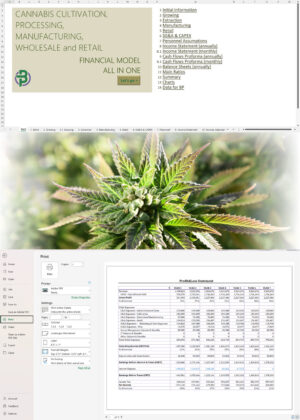
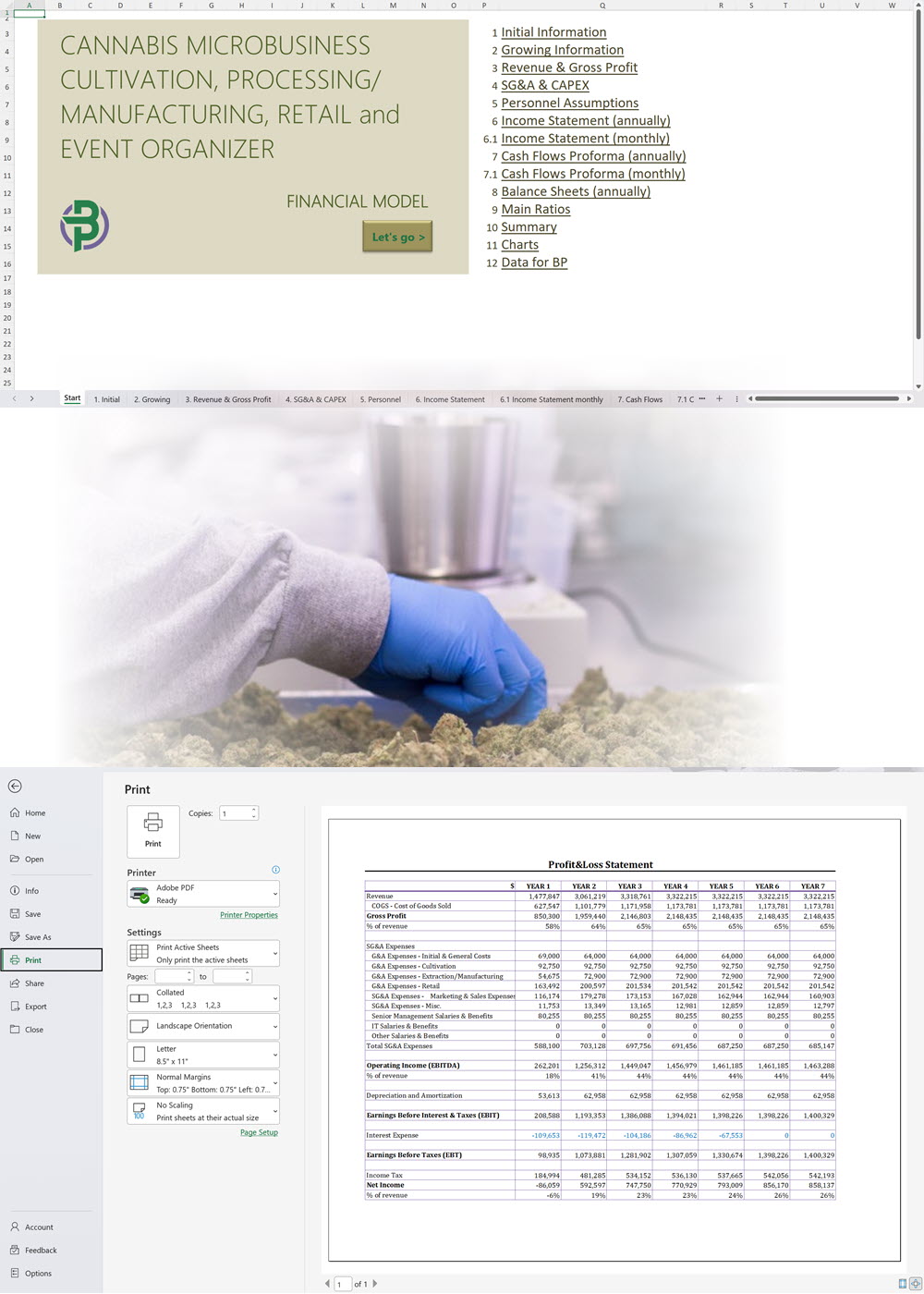
Our cannabis financial models and cannabis business plan templates will help you estimate how much it costs to start and operate your own cannabis business, to build all revenue and cost line-items monthly over a flexible seven year period, and then summarize the monthly results into quarters and years for an easy view into the various time periods. We also offer investor pitch deck templates.
Best Selling Templates
-

Cannabis Cultivation Business Plan Template
Price range: $75.00 through $350.00 Select options This product has multiple variants. The options may be chosen on the product page -

Cannabis Dispensary Investor Pitch Deck Template
$75.00 Select options This product has multiple variants. The options may be chosen on the product page -
Cannabis Financial Model All in One
$250.00 Select options This product has multiple variants. The options may be chosen on the product page
Hemp CBD business plan templates are available at hempcbdbusinessplans.com.
Our Templates
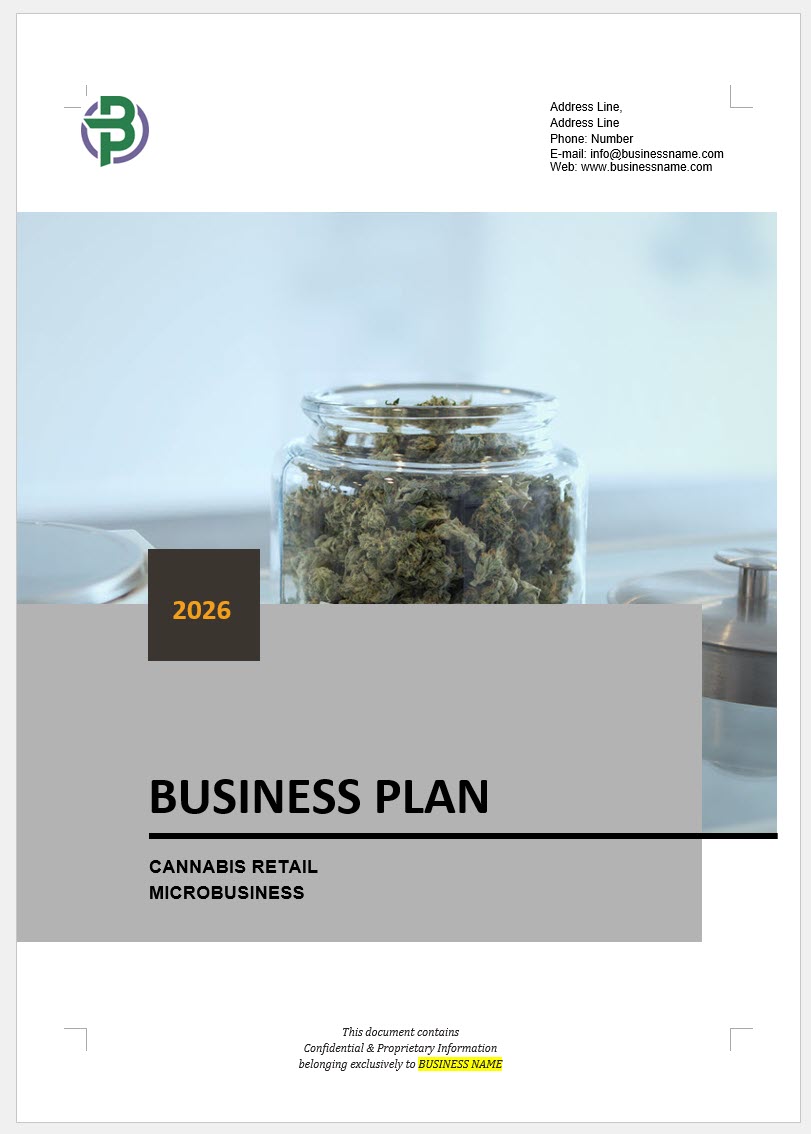
Cannabis Retail Microbusiness Business Plan Template
Price range: $75.00 through $275.00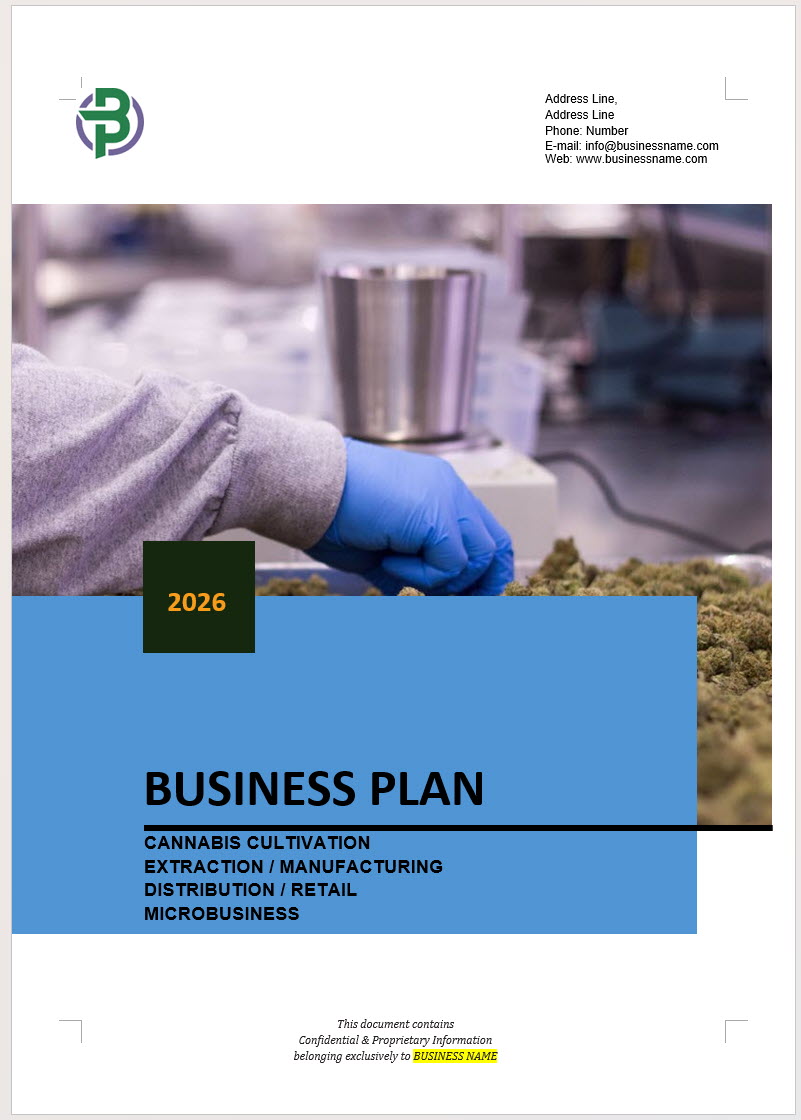
Cannabis Cultivation, Extraction, Manufacturing, Distribution, Retail and Microbusiness Business Plan Template
Price range: $75.00 through $500.00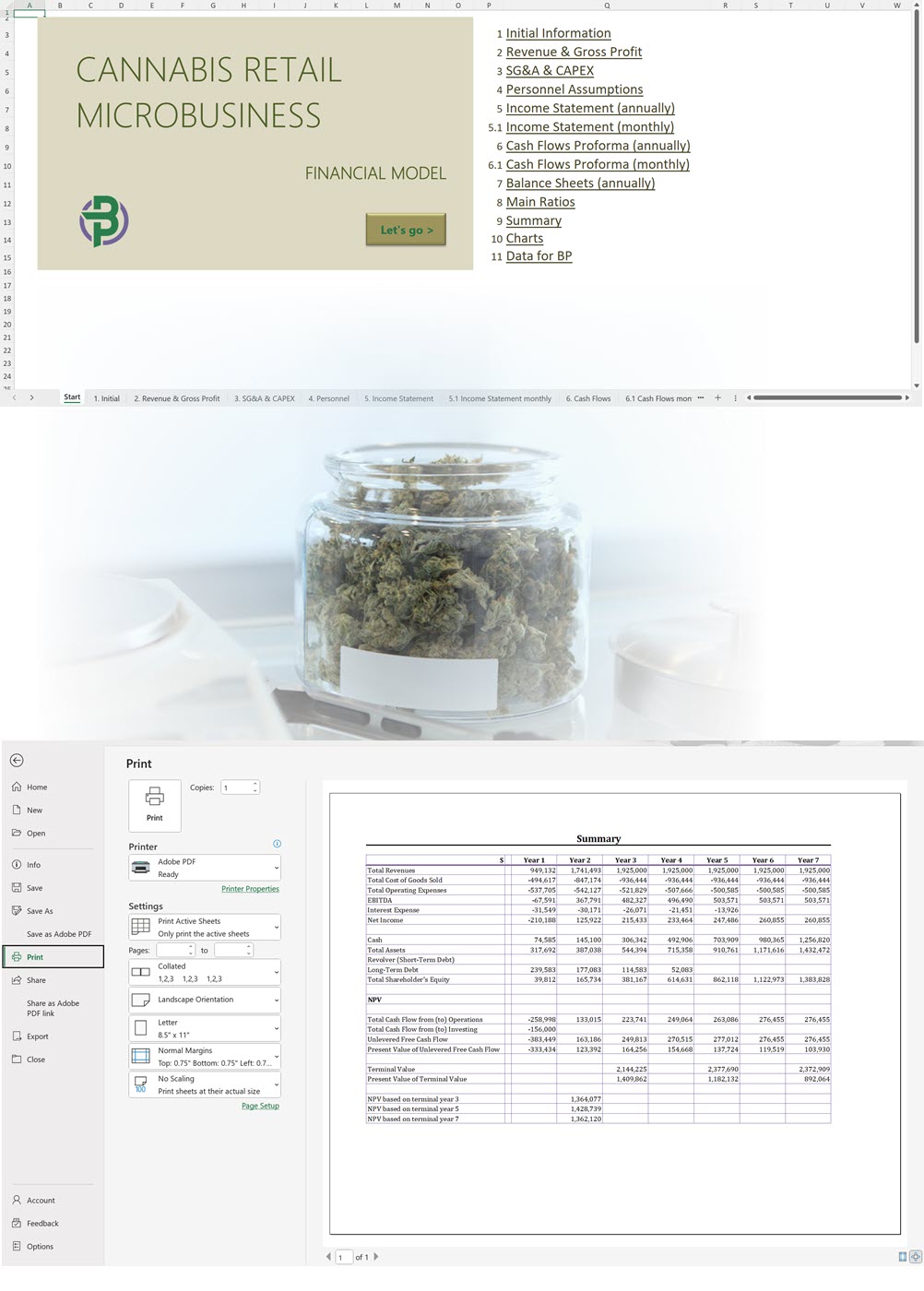
Cannabis Micro Cultivation Business Plan Template
Price range: $75.00 through $300.00
Cannabis Cultivation Business Plan Template
Price range: $75.00 through $350.00
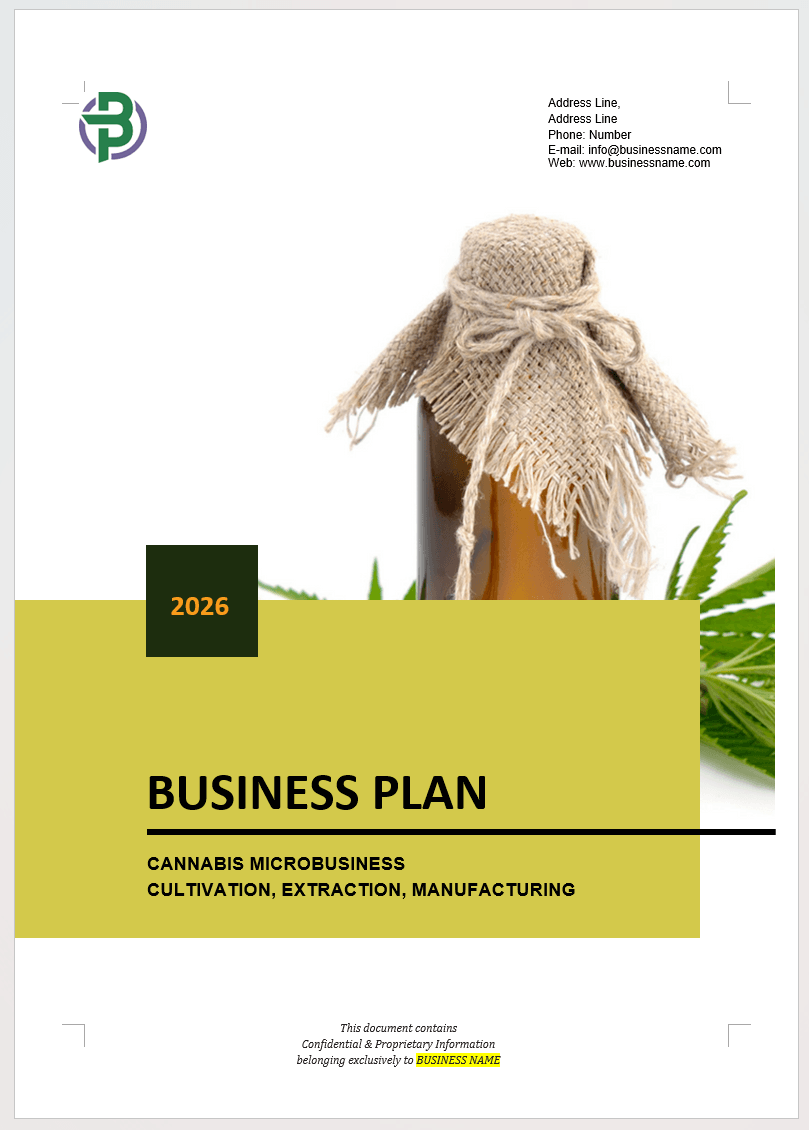
Cannabis Microbusiness Cultivation and Manufacturing Business Plan Template
Price range: $75.00 through $350.00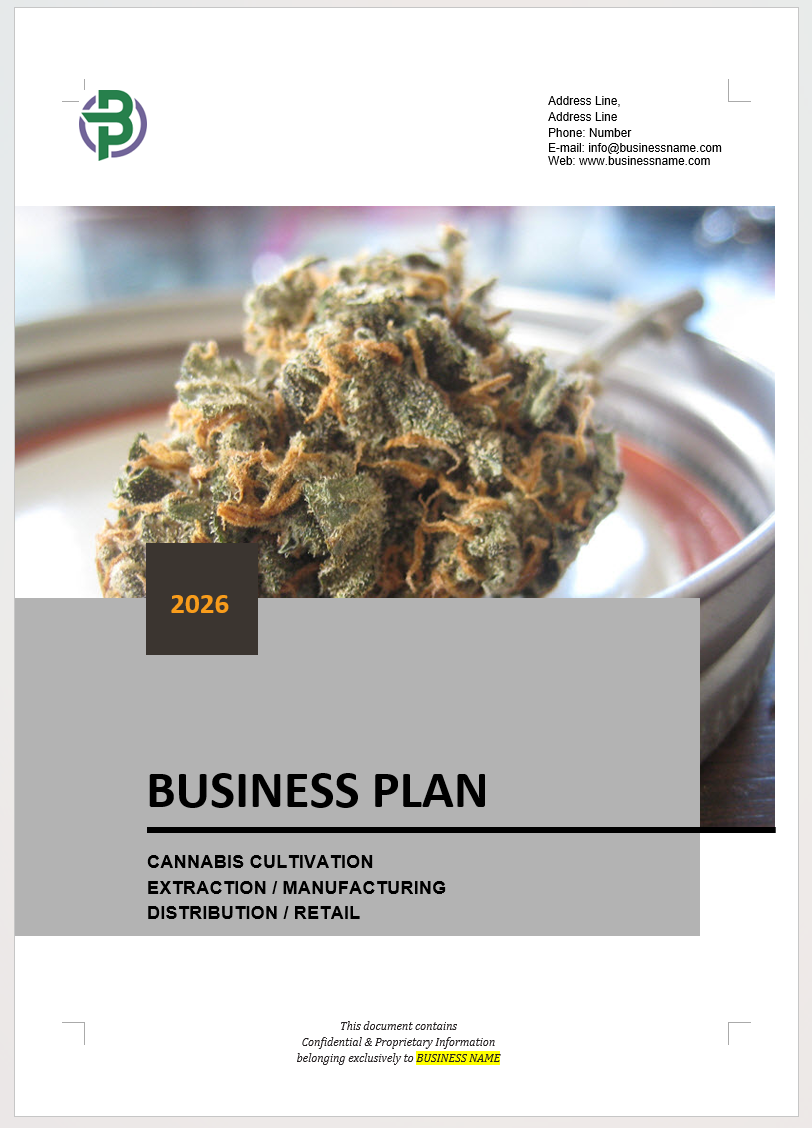
Vertically Integrated Cannabis Business Plan Template
Price range: $75.00 through $500.00

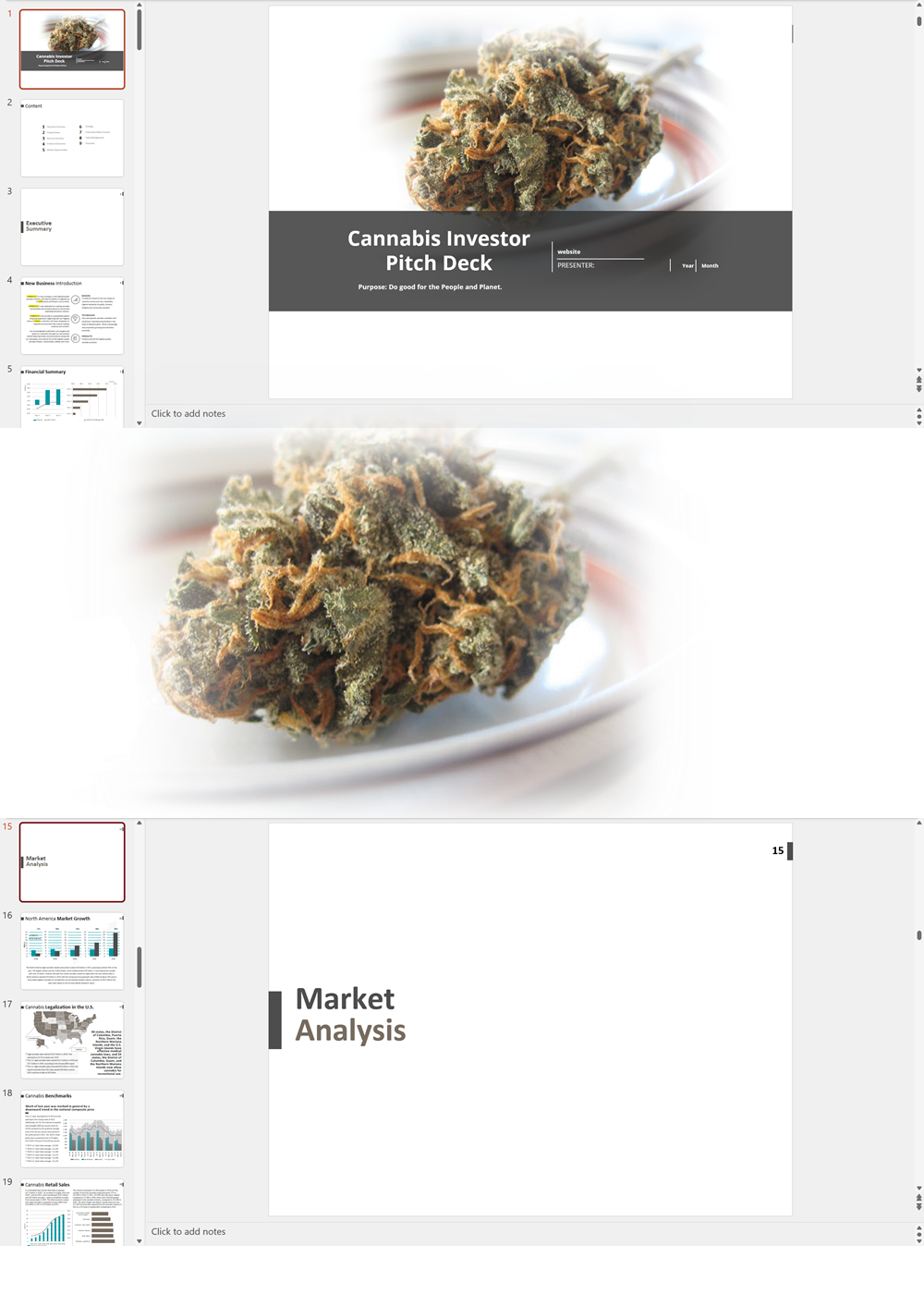

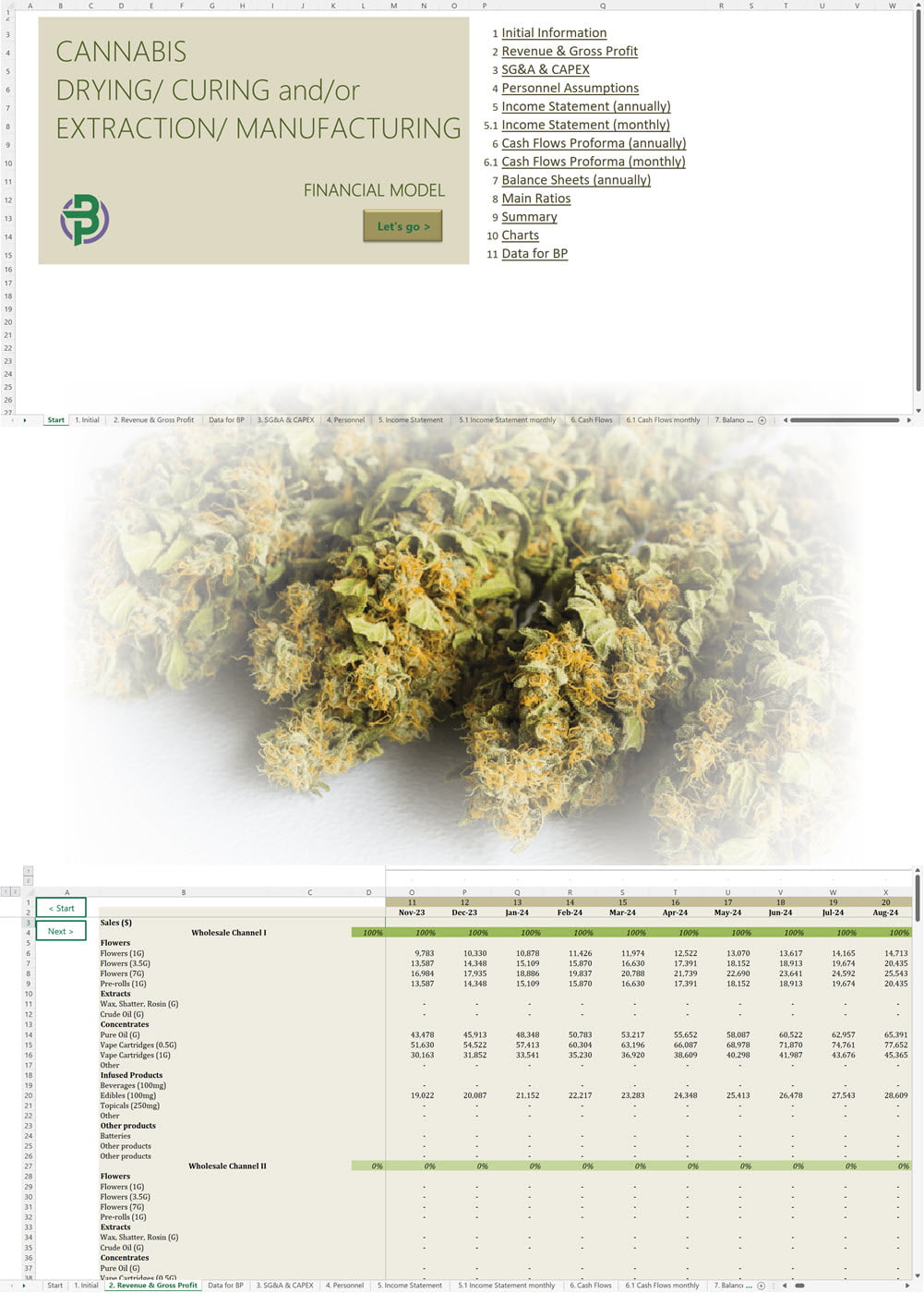
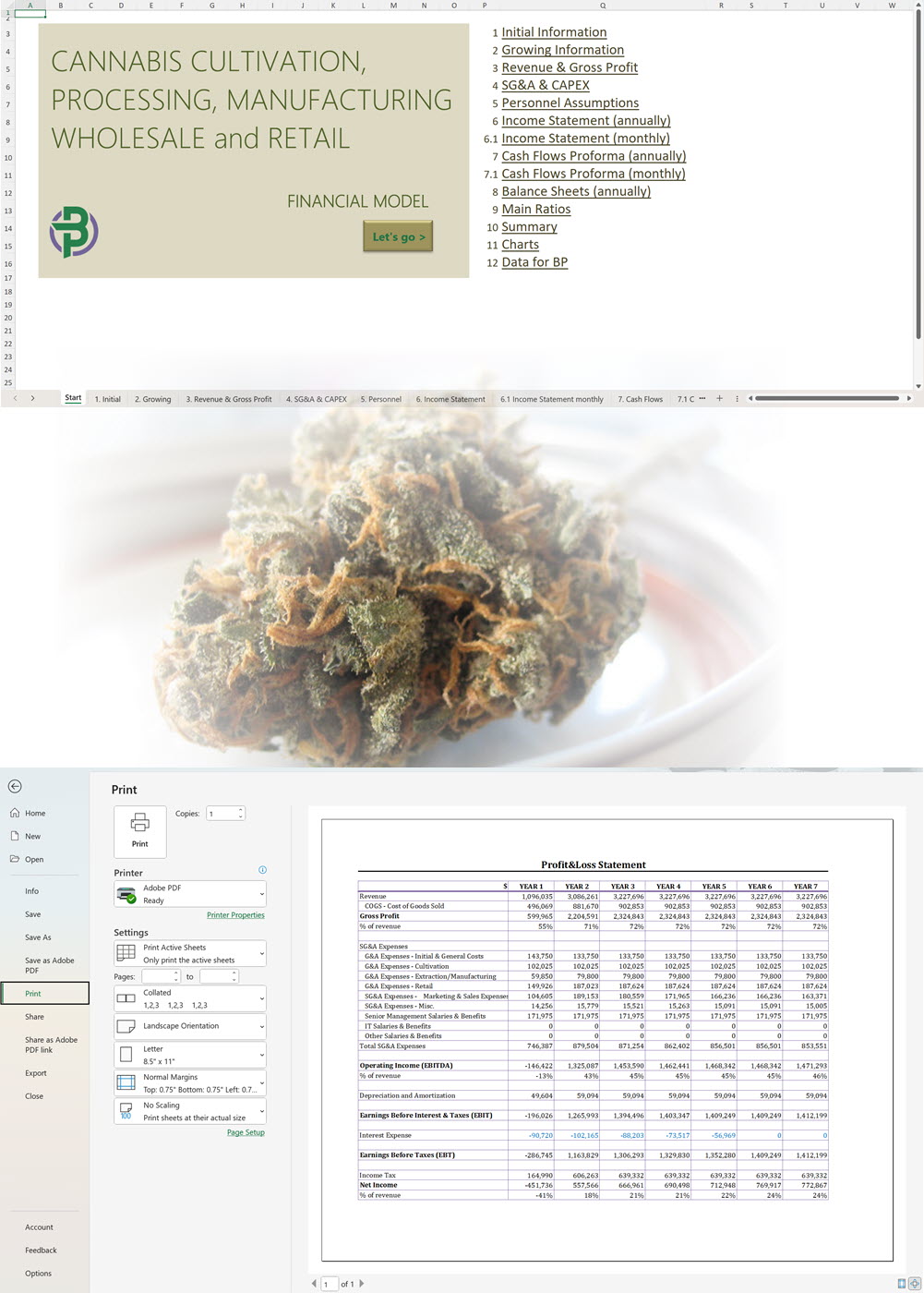
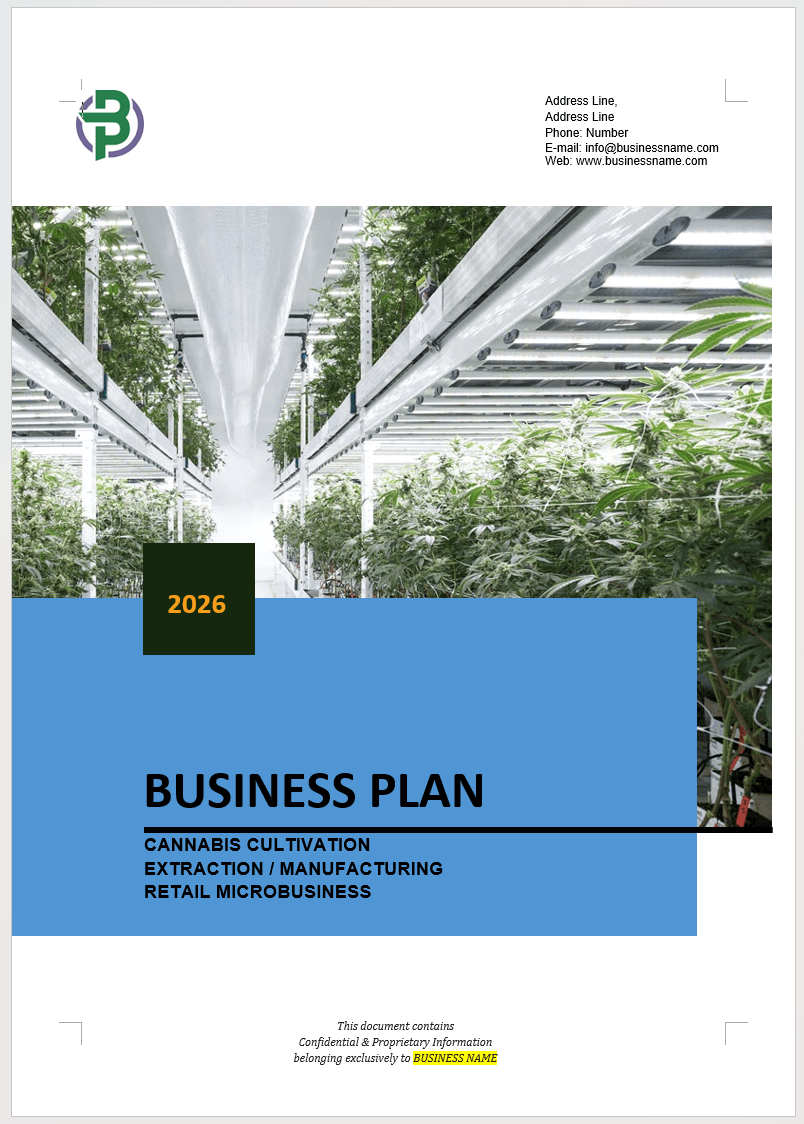
Cannabis Microbusiness Business Plan Template for Cultivation + Extraction + Manufacturing + Wholesale + Retail + Services
Price range: $75.00 through $500.00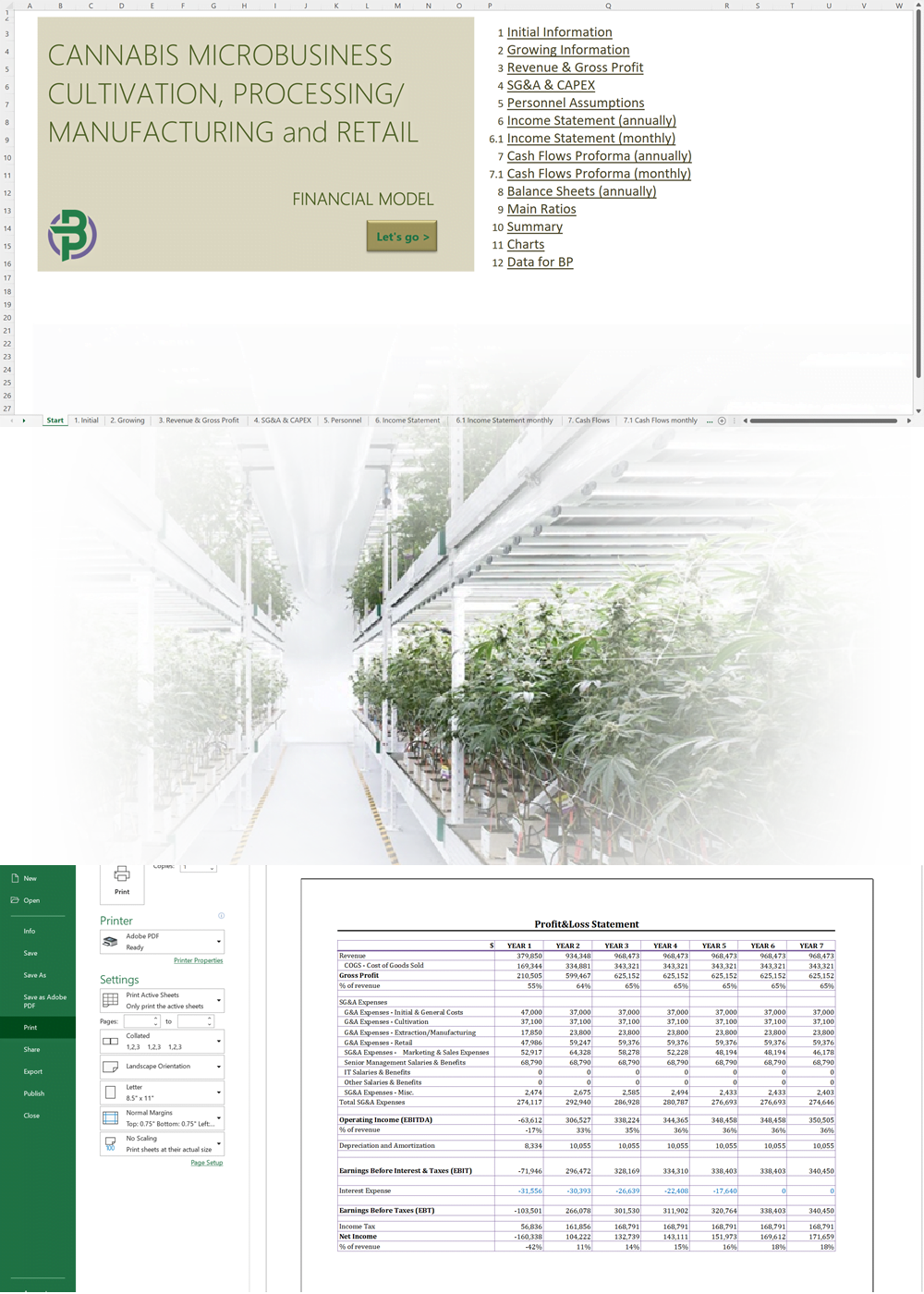
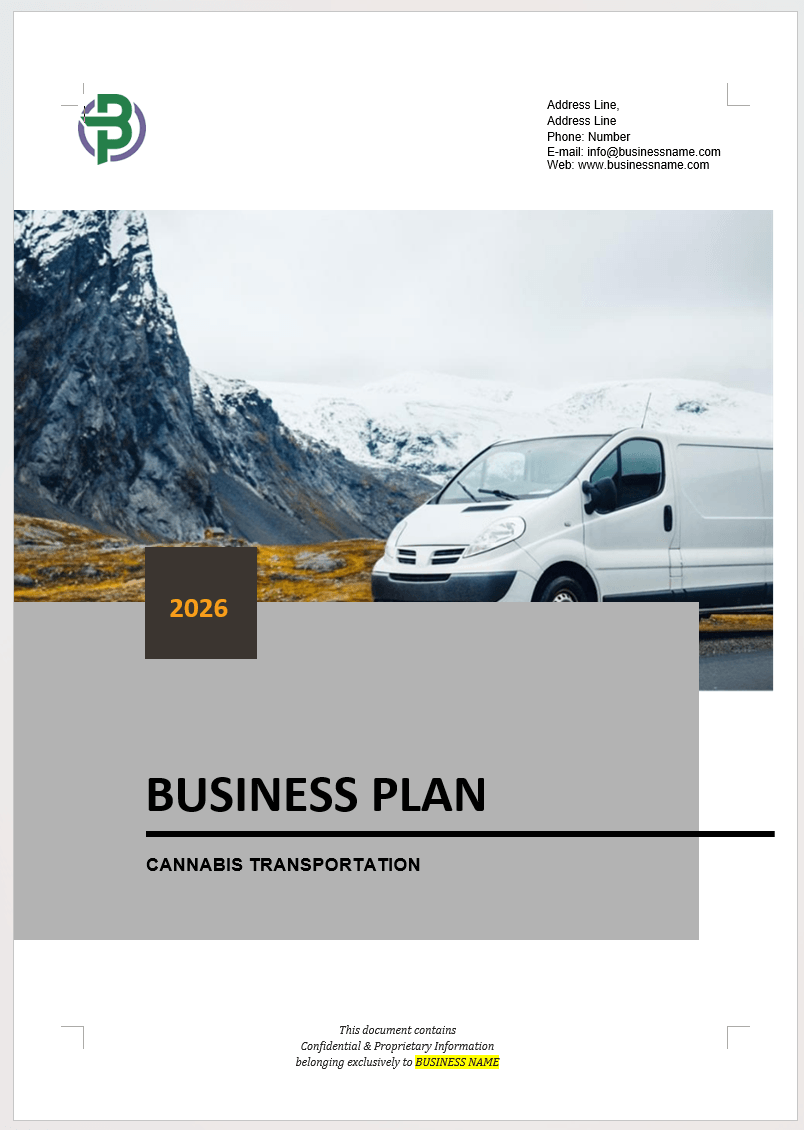
Cannabis Transportation Business Plan Template
Price range: $75.00 through $275.00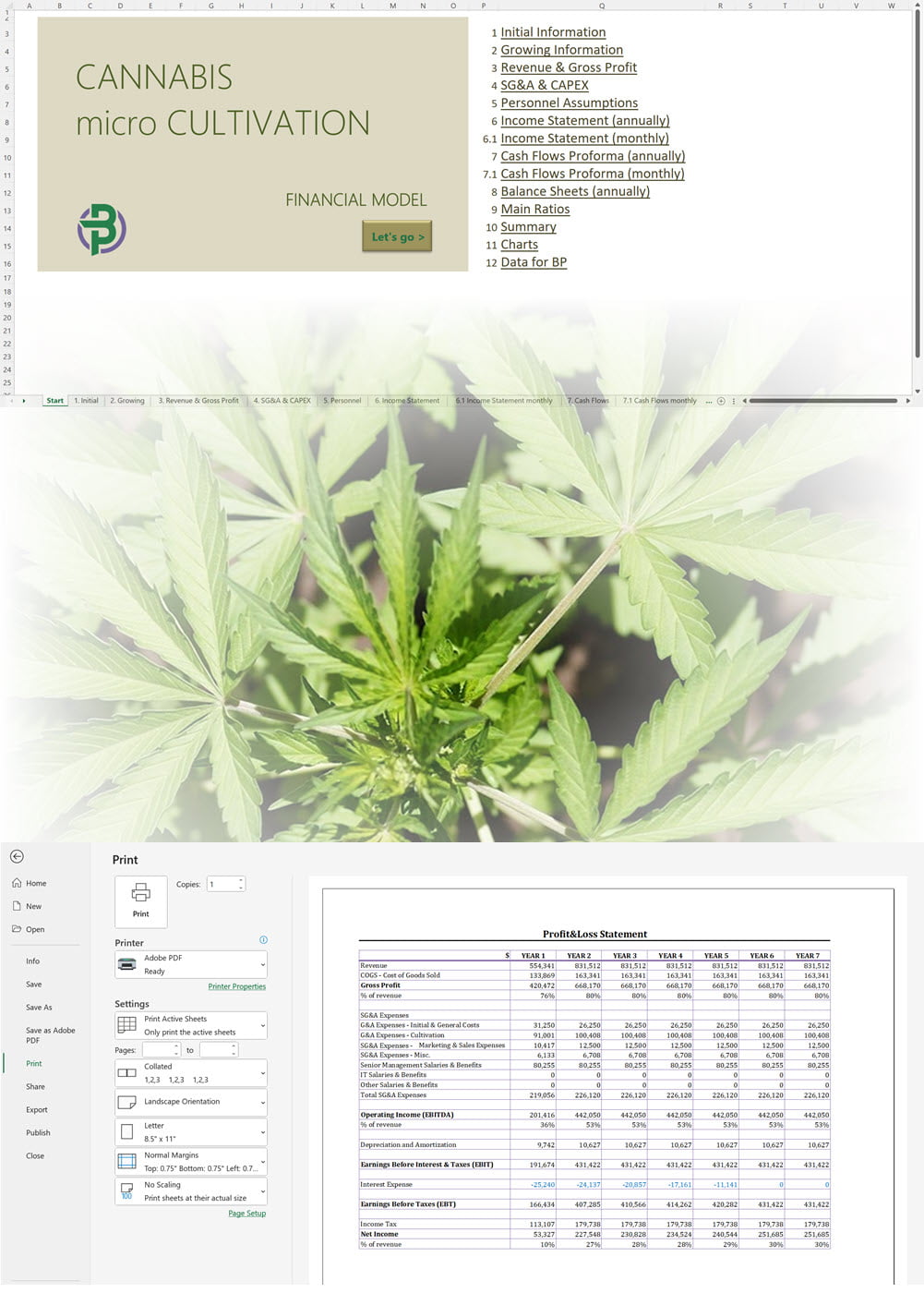

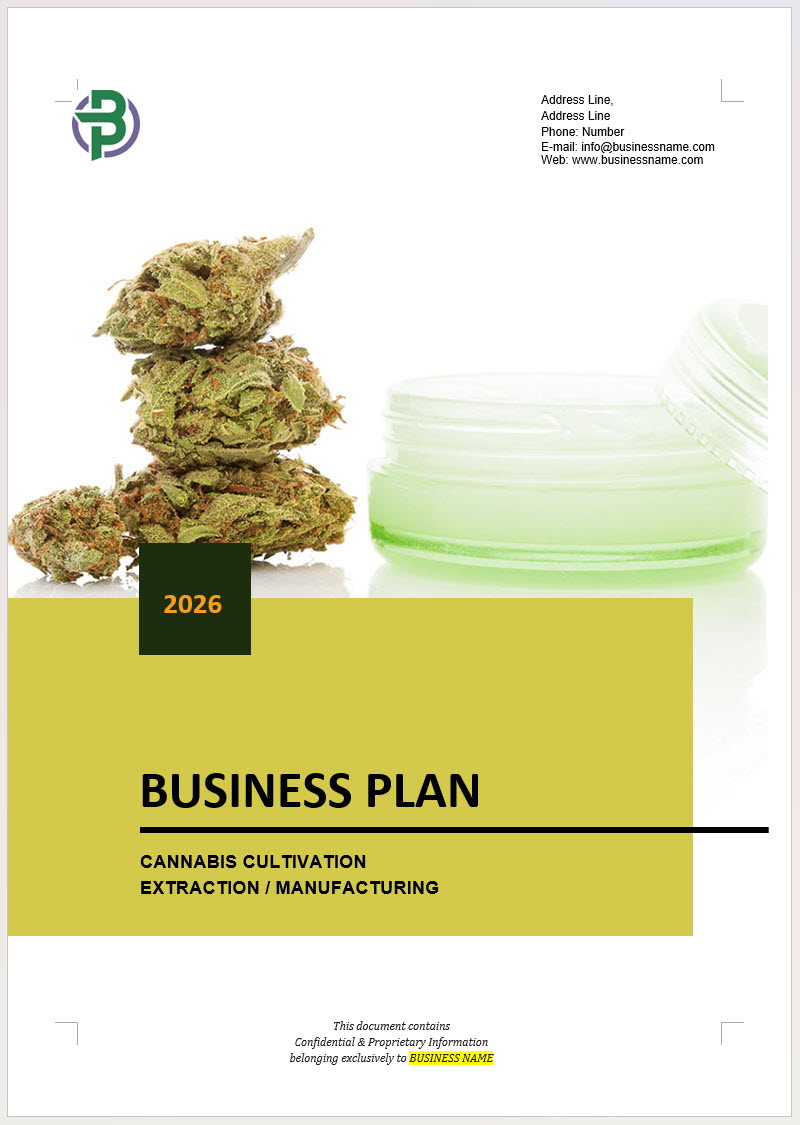
Cannabis Cultivation, Extraction and Manufacturing Business Plan Template
Price range: $75.00 through $450.00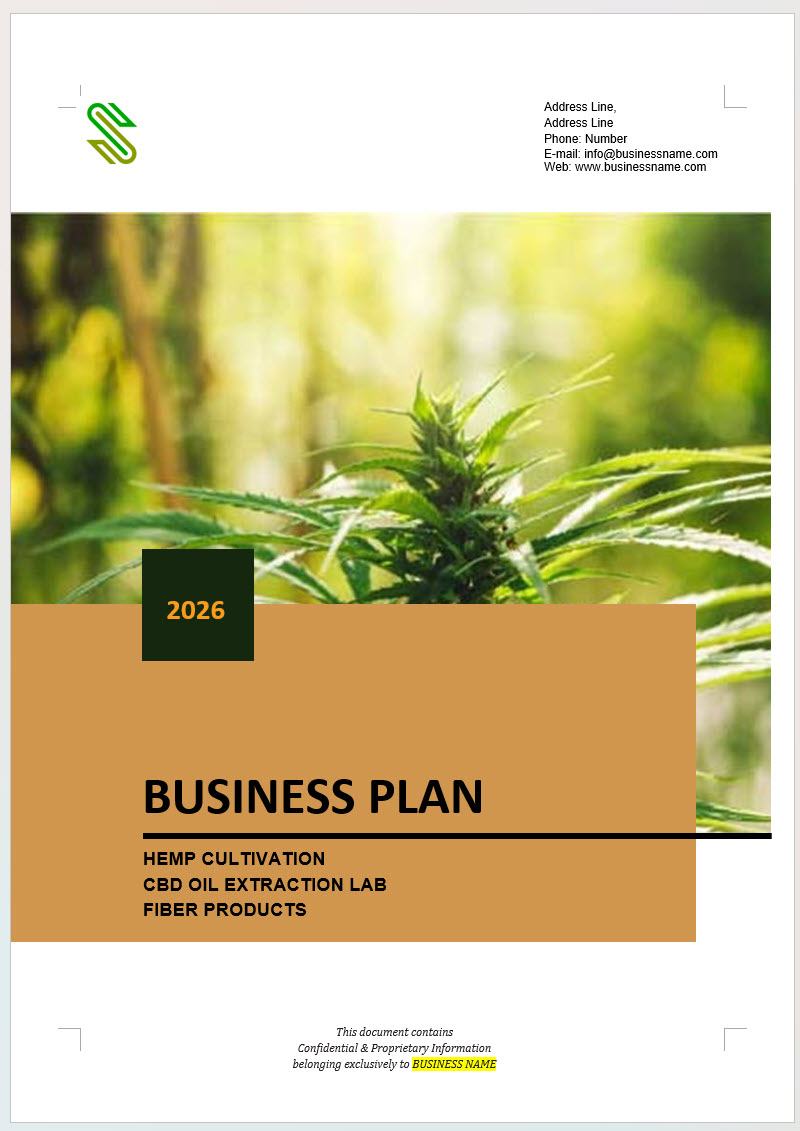
Hemp Cultivation and CBD Oil Extraction and/or Fiber Products Business Plan Template
Price range: $75.00 through $350.00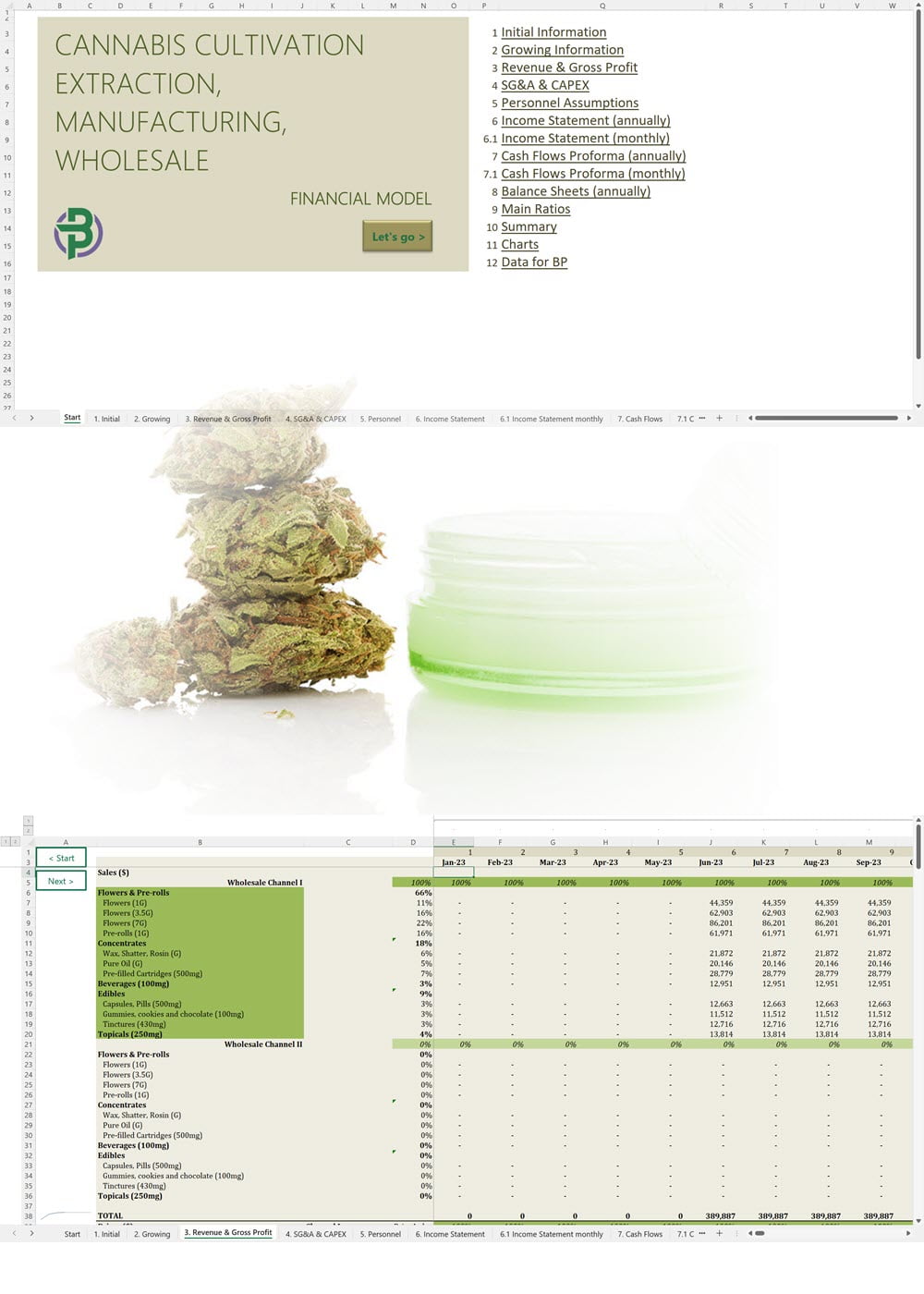
One-Page Cannabis Business Plan Template
Price range: $25.00 through $200.00