Key Takeaways
- Cannabis law and regulations:
- Medical cannabis was legalized in Pennsylvania on April 17, 2016 through the Medical Marijuana Act. The law was then amended by Act 44 of 2021 on June 30, 2021. The state’s medical cannabis program is governed by the Pennsylvania Code, Title 28, Part IXa.
- Licenses available:
- Growers/processors; Dispensaries; Laboratories.
- Products legal:
- Legal cannabis products are available in the following forms: pill, oil, topical forms (e.g. gel or creams), a form medically appropriate for administration by vaporization or nebulization (e.g. dry leaf or plant form), tincture, liquid.
- Taxes:
- There is a 5% tax on gross receipts received from the sale of medical marijuana and marijuana products by a grower/processor to a dispensary. The tax is paid by the grower/processor. Retail sales of medical marijuana and marijuana products (excluding accessories) are not subject to sales tax.
- In October 2023, the Pennsylvania House of Representatives approved a tax reform that included provisions that would allow state-licensed medical cannabis businesses to take state tax deductions as a partial workaround to the IRS 280E, which prohibits such deductions at the federal level.
- Market:
- As of December 2025, Pennsylvania’s cumulative medical cannabis retail sales surpassed $8.5 billion, making it the sixth largest cannabis retail market in the U.S. despite being a medical-only state.
- Pennsylvania’s program-to-date patient registrations have surpassed 1 million.
- Dispensary count grew over 100% from 86 (2020) to 185 operational dispensaries (2025).
- It is estimated that recreational cannabis legalization in Pennsylvania could generate $250 million annually and around $1.3 billion in the first five years.
Medical Cannabis Legalization
The Medical Marijuana Act was signed into law on April 17, 2016, and amended by Act 44 of 2021 on June 30, 2021, which made a number of enhancements to the state’s program. The Act establishes a program for the use of medical cannabis in Pennsylvania by patients who have one or more of the 24 qualifying serious medical conditions. Dispensing activities to certified patients and approved caregivers began on February 15, 2018.
Legal cannabis products are available in the following forms: pill, oil, topical forms (e.g. gel or creams), a form medically appropriate for administration by vaporization or nebulization (e.g. dry leaf or plant form), tincture, liquid.
From July 21, 2019 anxiety disorders and Tourette syndrome were added to the medical cannabis program’s list.
The Pennsylvania Department of Health (DOH) issues permits to approved medical cannabis growers/processors and dispensaries.
On December 14, 2023, the state’s Governor signed Senate Bill 773, amending the Pennsylvania Medical Marijuana Act. The law came into force on April 12, 2024. Amendments to the Act allow eligible independent grower/processors to apply for a dispensary permit, which would allow them to operate up to three retail locations. Additionally, eligible independent dispensaries can apply for a permit to grow and process marijuana.
Pennsylvania Cannabis Market Stats
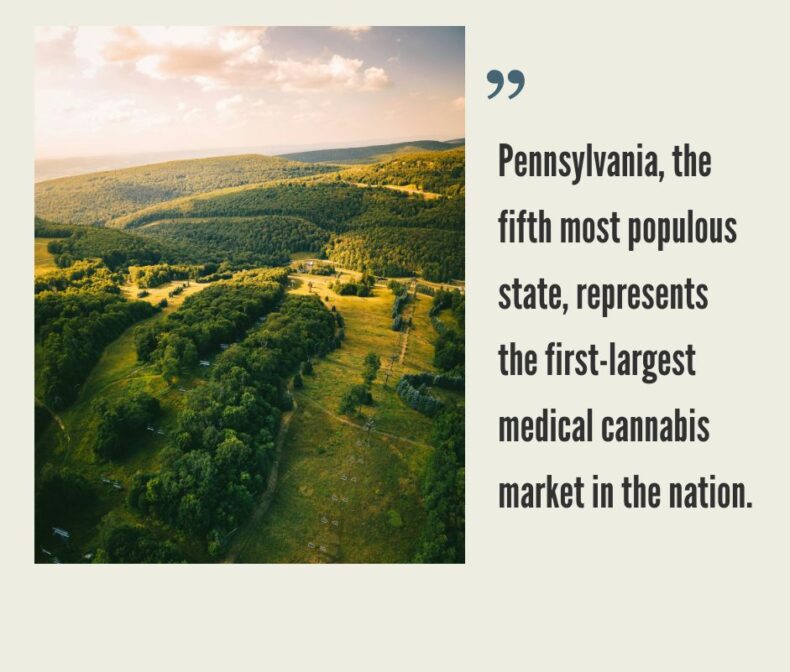
Pennsylvania’s medical cannabis sales totaled nearly $58 million during the first year and in the second year soared by 428% to more than $306 million, based on the state Department of Health data. In 2020, medical cannabis retail sales totaled $823 million and in 2021, rose by 64% to surpass $1.35 billion. In 2022 and 2023, sales were $1.46 billion and $1.53 billion, respectively. In 2024, medical cannabis retail sales grew to nearly $1.73 billion and in 2025 they reached $1.8 billion, making Pennsylvania the first largest medical cannabis market in the nation.
As of November 2025, Pennsylvania’s cumulative medical cannabis retail sales were $8.5 billion, making it the sixth largest cannabis retail market in the U.S. despite being a medical-only state.
This growth was driven by one of the highest number of active medical cannabis patients (439,381 as of November 2025) in the country, and by dispensary count which grew over 100% from 86 (2020) to 185 operational dispensaries (2025). Data from November 2025 revealed that Pennsylvania’s program-to-date patient registrations surpassed 1 million.
As of November 2025, there were 30 operational grower/processors.
Recreational Cannabis Market Potential
Governor Josh Shapiro included recreational cannabis legalization in his 2025-2026 budget proposal, aiming for legalization to occur by July 2025 and for sales to start in January 2026. It is estimated that recreational cannabis legalization could generate $250 million annually and around $1.3 billion in the first five years. Meanwhile, a legalization advocacy organization Responsible PA projects – based on calculations provided by Washington, D.C.-based FTI Consulting – that adult-use cannabis legalization in Pennsylvania could generate $2.8 billion in sales annually and support between 26,250 and 44,500 jobs.
On July 10, 2025, Senate Bill 120 was introduced, aiming to legalize the personal use and possession of cannabis by adults aged 21 and over. The bill would establish an independent cannabis control board, tasked with the licensing and regulation of recreational cannabis businesses. Current medical cannabis licensees would be able to expand into the adult-use market, and new recreational cannabis licenses would prioritize small businesses and applicants from disproportionately impact communities. Financial assistance in the form of grants and low-interest loans would be available through the Department of Community and Economic Development. Sales would be subject to a 6% sales tax and 8% excise tax. Following this, on July 14, 2025, a companion bill House Bill 20 was introduced.
A Pennsylvania poll found that 68% of Pennsylvania voters support recreational cannabis legalization.
Pennsylvania Cannabis Market Infographics
How Can Cannabusinessplans Templates Help Start or Grow Your Cannabis Business?
The majority of cannabis licensing programs require the submission of a business plan as part of the application for a cannabis license. Even if it is not mandated by law, a business plan is essential for securing funding and assisting an applicant in understanding how much money it will take to start a cannabis business and how much profit it could make.
A well-structured business plan can make all the difference in helping you demonstrate your proposed cannabis business’ compliance with regulations and its operational viability.
Our complete cannabis business plan template package is everything you need to create a professional business plan for a cannabis business with expert financials and projections. A complete cannabis business plan template package includes:
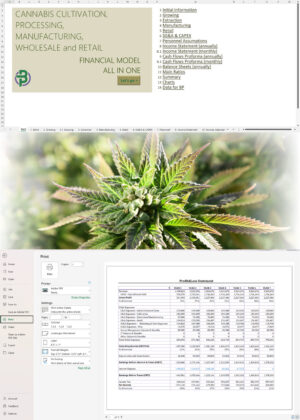
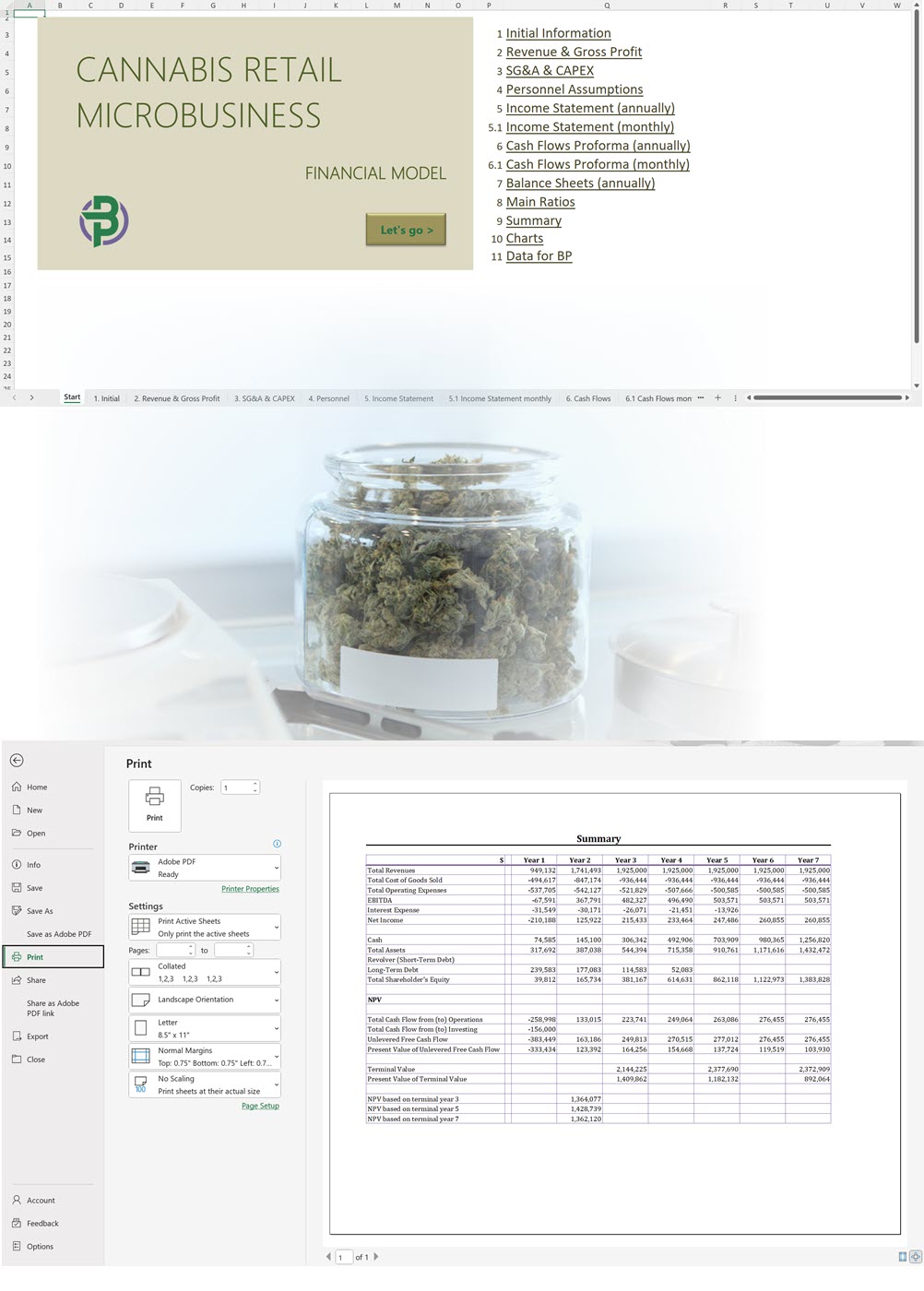
- Excel Financial Model: change variables and immediately see the impact, break down operational and capital costs, know how much it will take to get into the business and the potential profits.
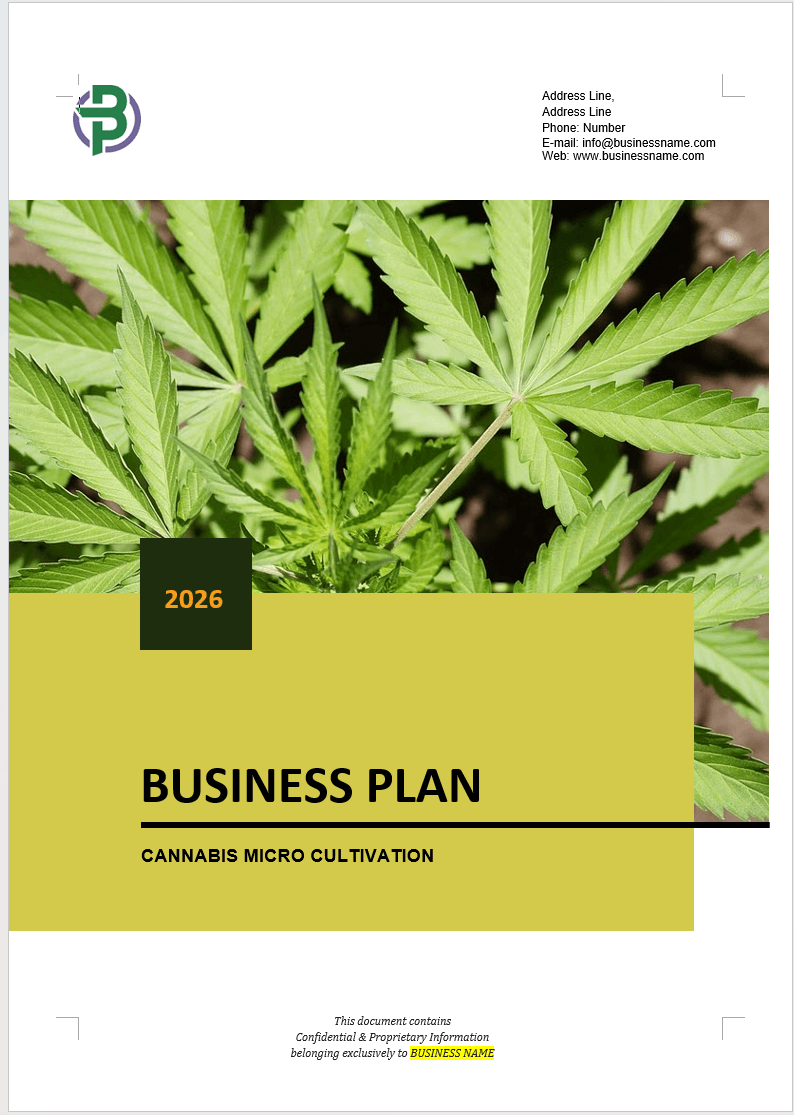
- Word Business Plan: value proposition, market analysis, marketing strategy, operating plan, organizational structure, financial plan and more.
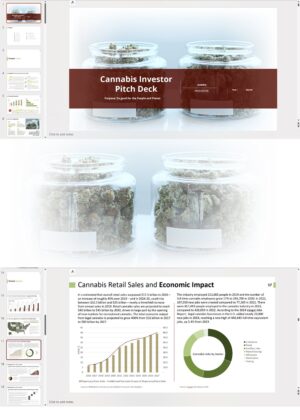
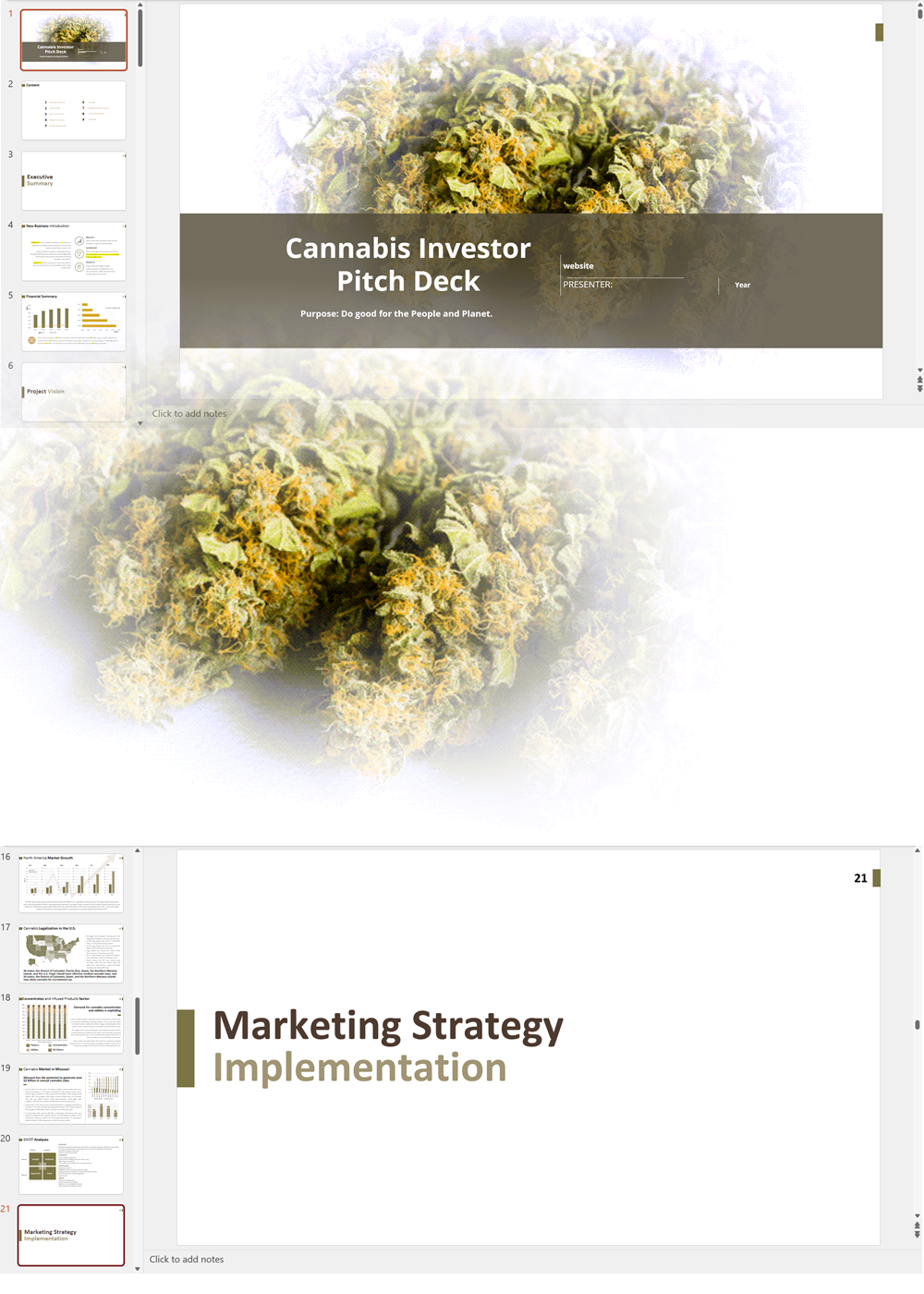
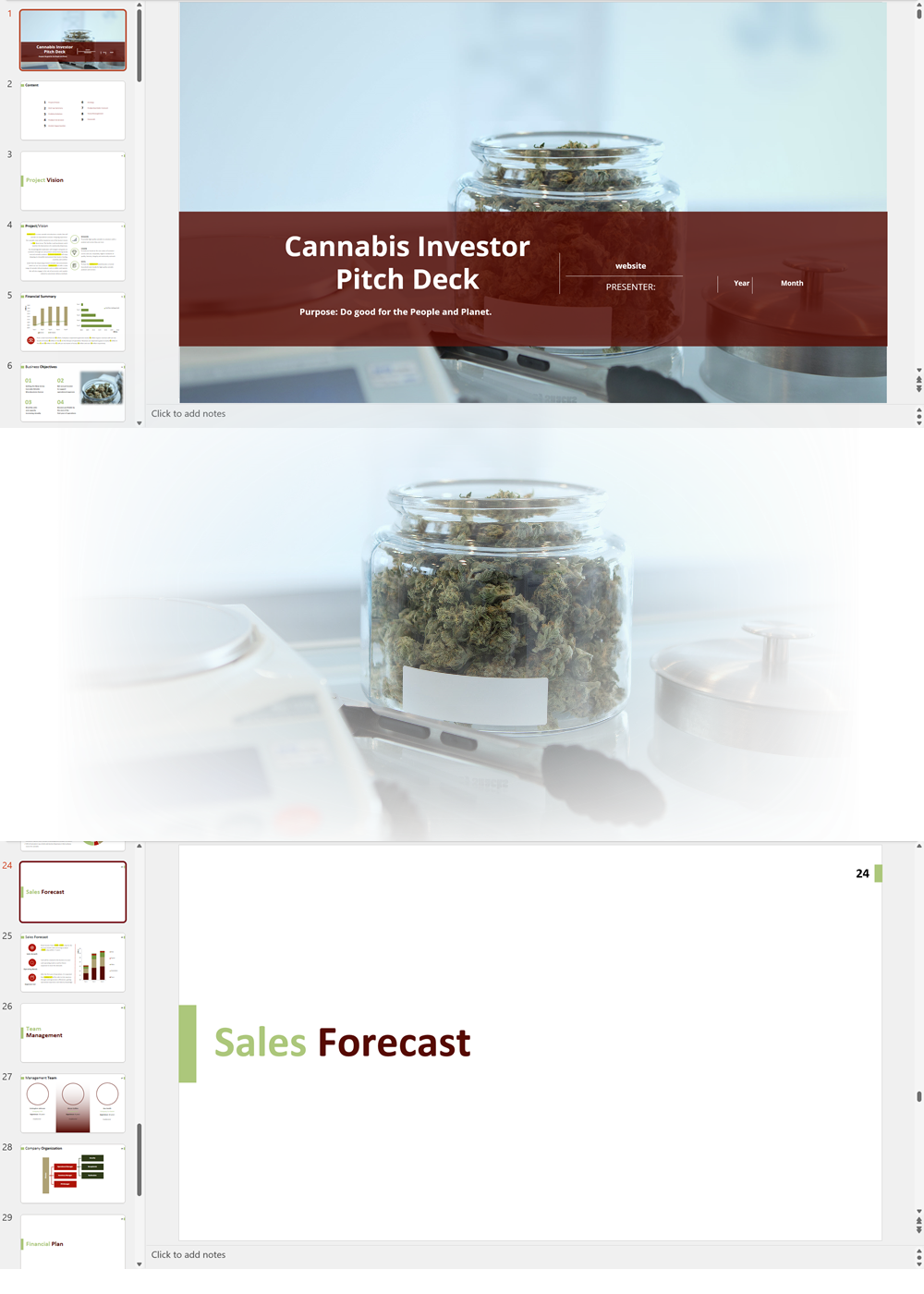
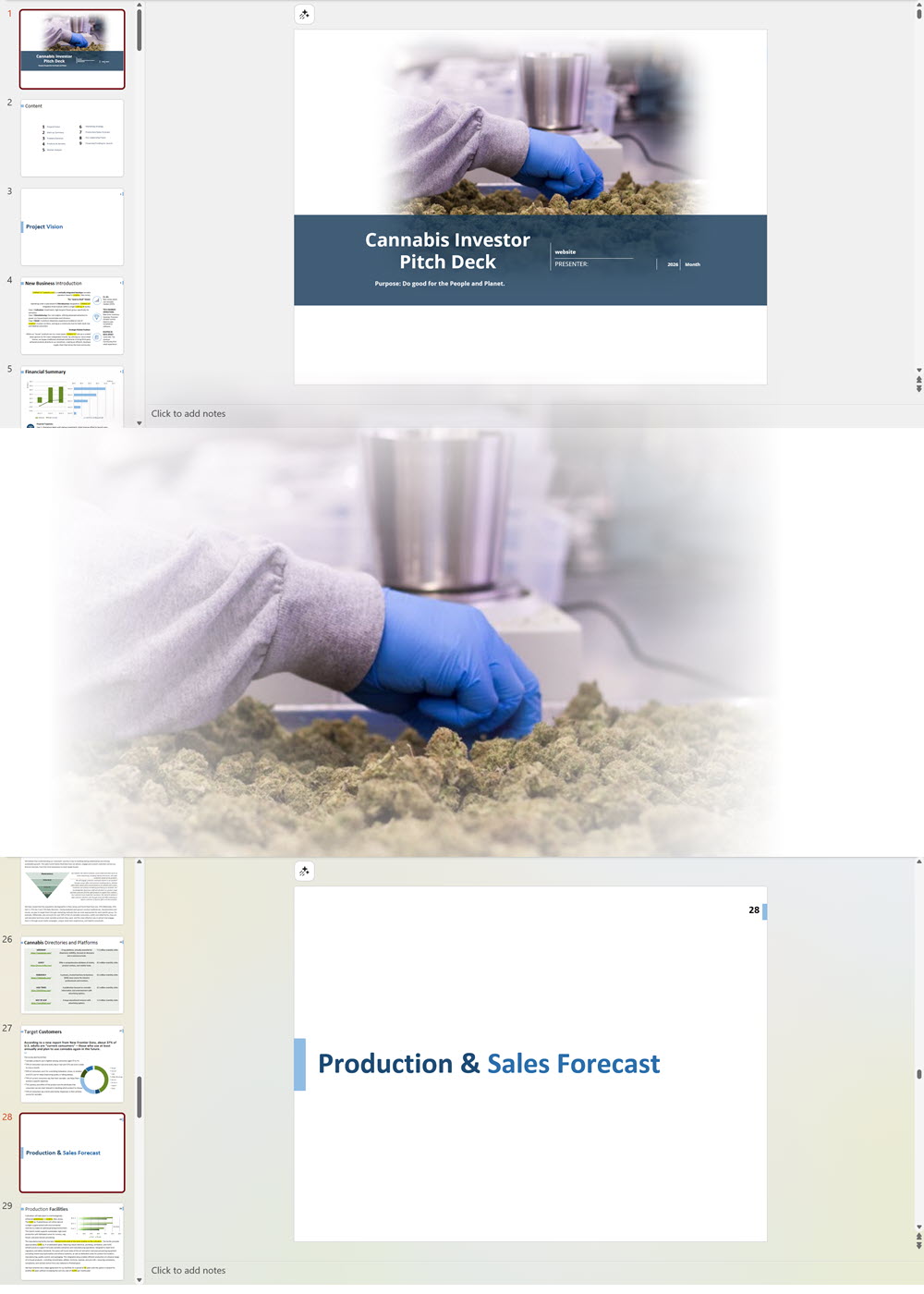
- PowerPoint Pitch Deck: provide a quick overview of your cannabis business plan.
- Unlimited support!
Our cannabis financial models and cannabis business plan templates will help you estimate how much it costs to start and operate your own cannabis business, to build all revenue and cost line-items monthly over a flexible seven year period, and then summarize the monthly results into quarters and years for an easy view into the various time periods. We also offer investor pitch deck templates.'70% ready to go' business plan templates
Cannabis Vertically Integrated Business Plan Sample, Pennsylvania
Best Selling Templates
-

Cannabis Cultivation Business Plan Template
Price range: $75.00 through $350.00 Select options This product has multiple variants. The options may be chosen on the product page -

Cannabis Dispensary Investor Pitch Deck Template
$75.00 Select options This product has multiple variants. The options may be chosen on the product page -
Cannabis Financial Model All in One
$250.00 Select options This product has multiple variants. The options may be chosen on the product page
Our Templates
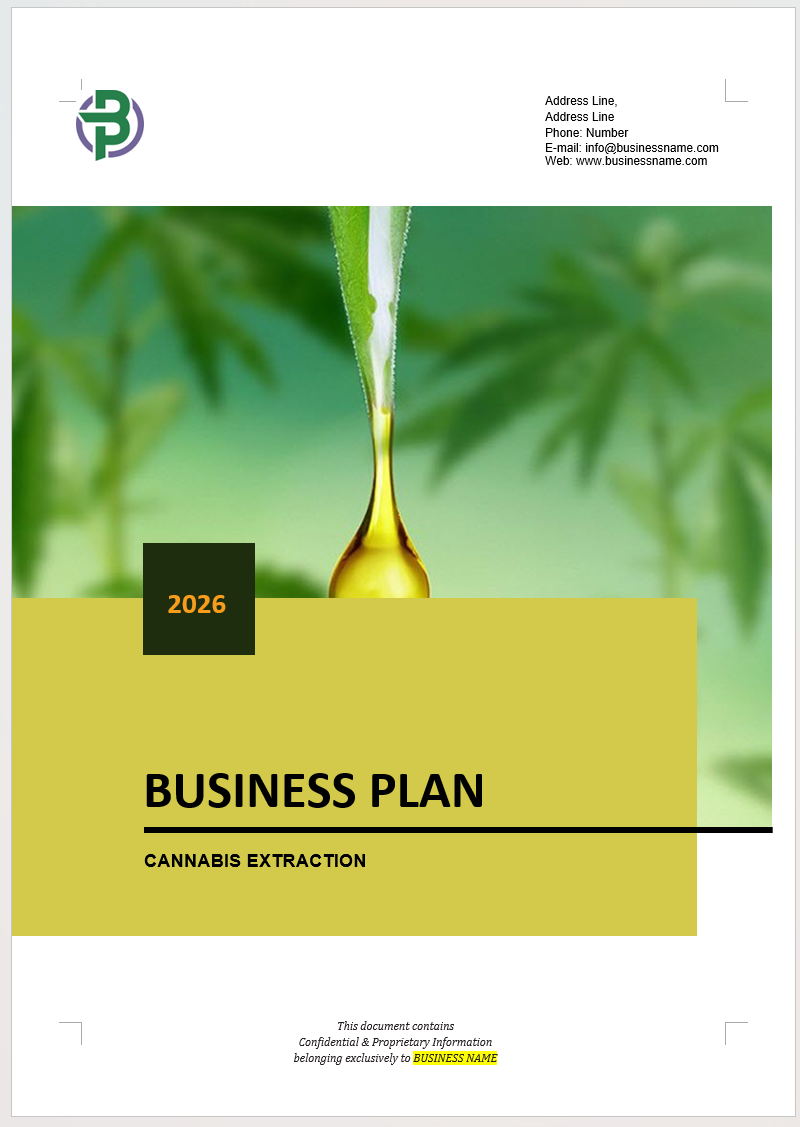
Cannabis Extraction / Concentrates Business Plan Template
Price range: $75.00 through $350.00
CBD Store and/or Cafe Lounge Business Plan Template
Price range: $75.00 through $275.00

Cannabis Processing/ Flowers/ Pre-rolls/ Extraction/ Manufacturing Business Plan Template
Price range: $75.00 through $350.00
Cannabis Transportation Business Plan Template
Price range: $75.00 through $275.00
CBD Products Retail/Online Store Business Plan Template
Price range: $75.00 through $275.00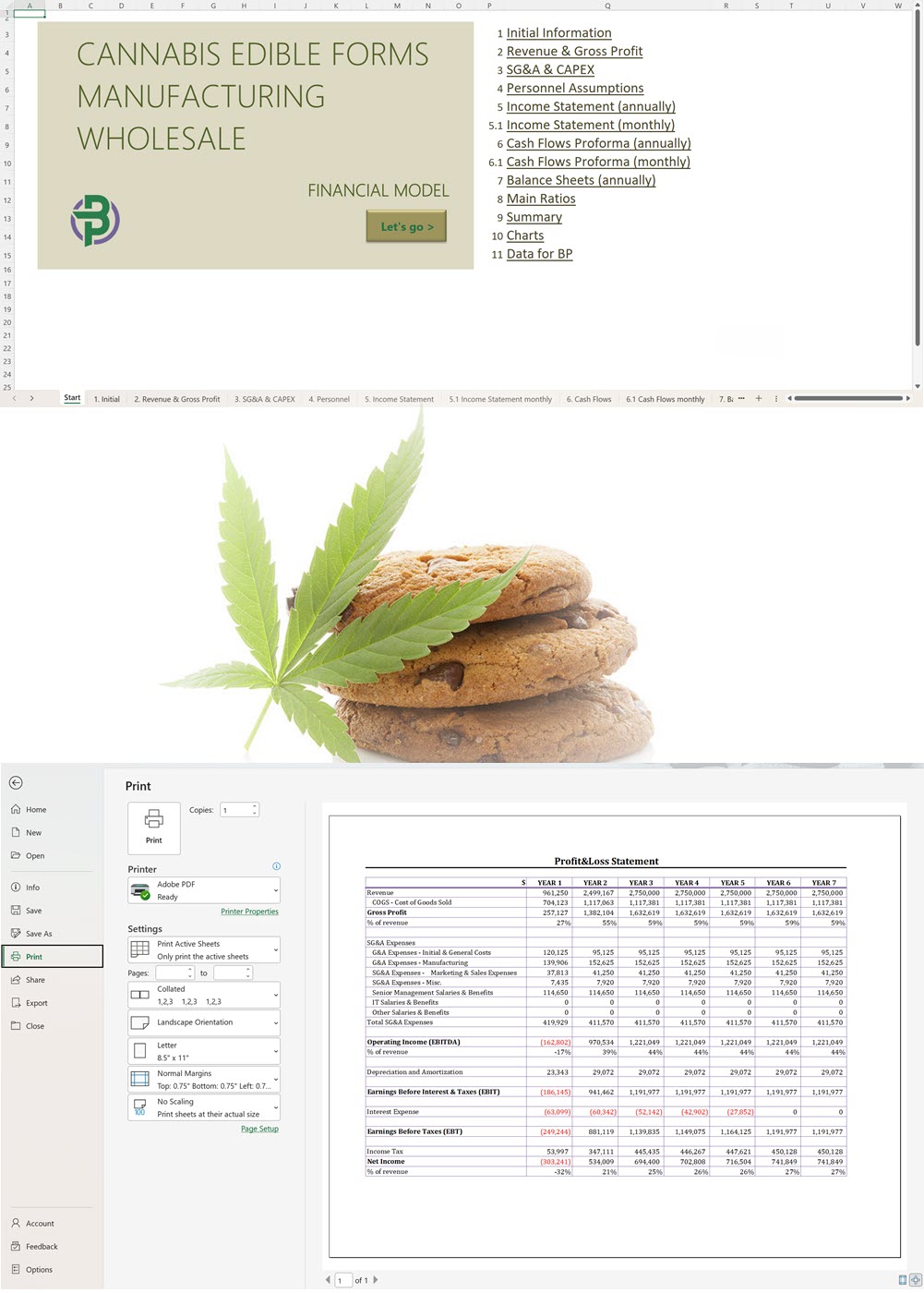
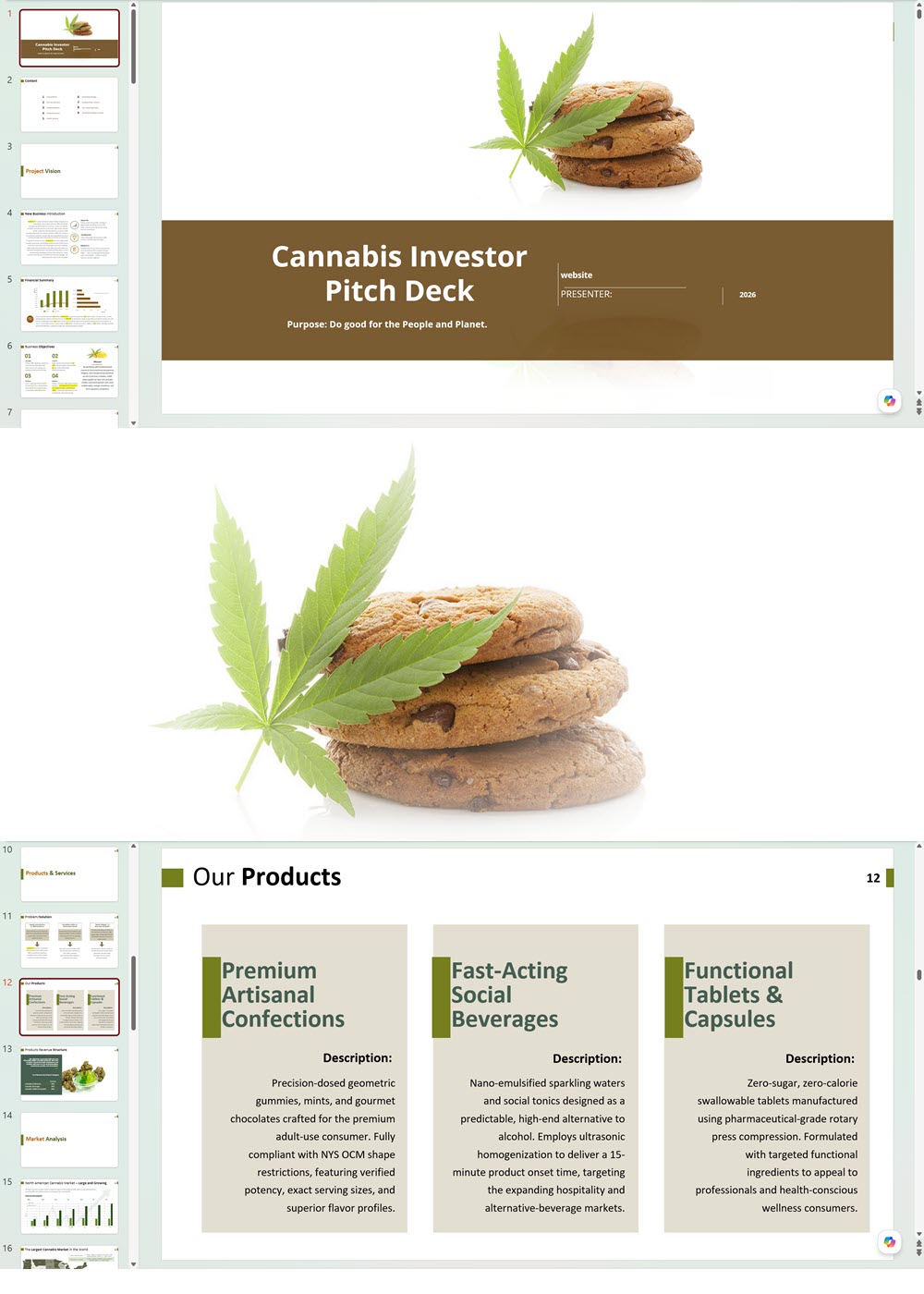
Cannabis Edibles Financial Model
$150.00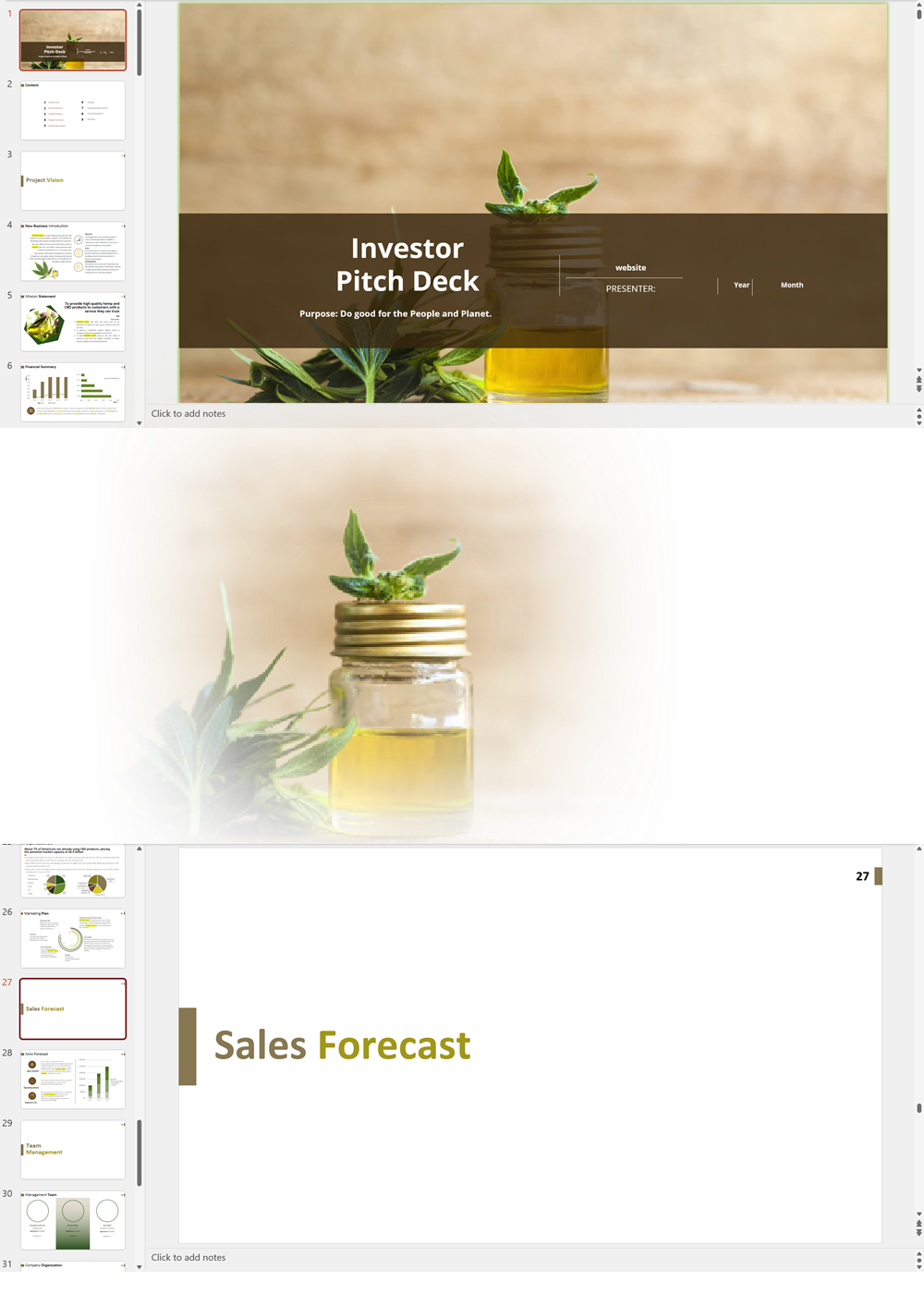
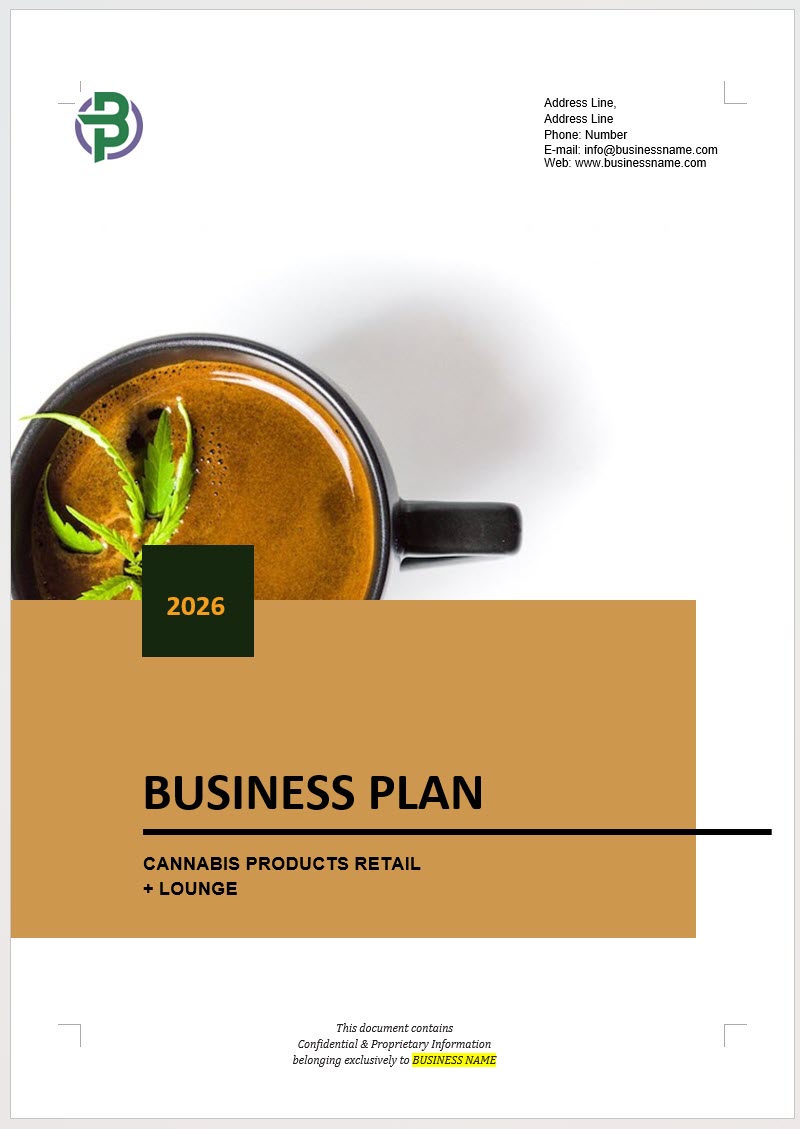
Cannabis Lounge + Retail Business Plan Template
Price range: $75.00 through $350.00
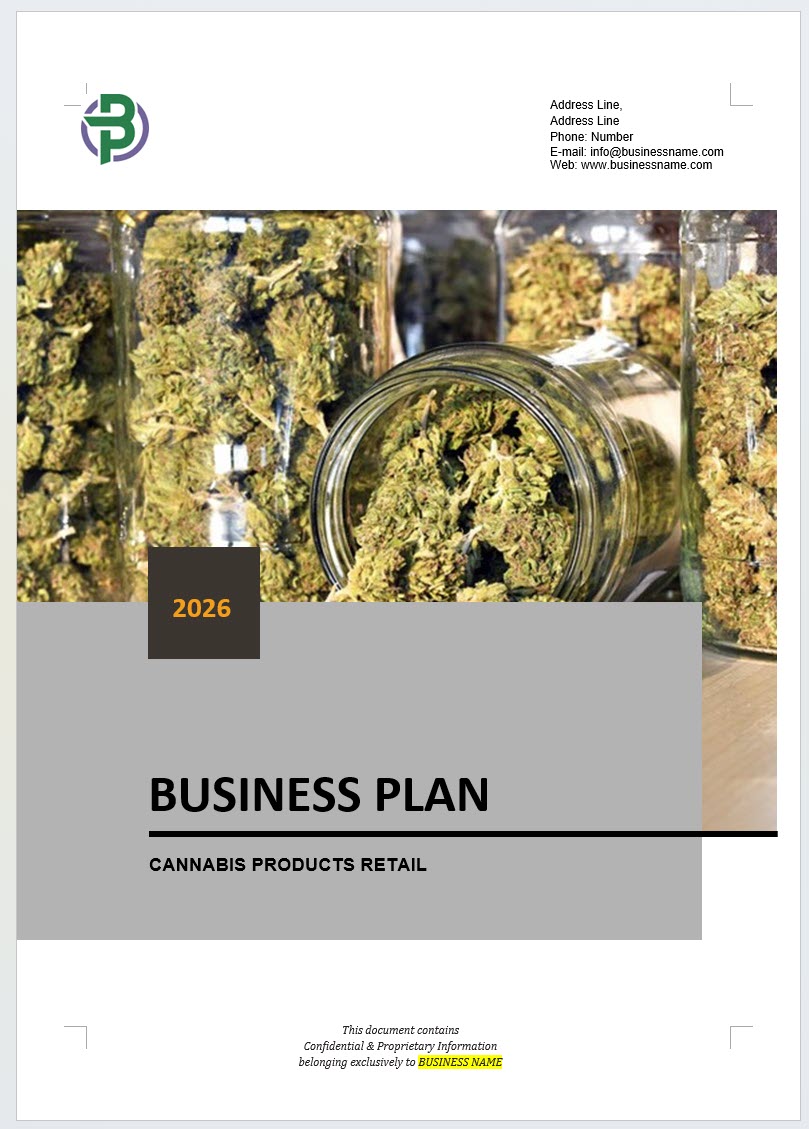
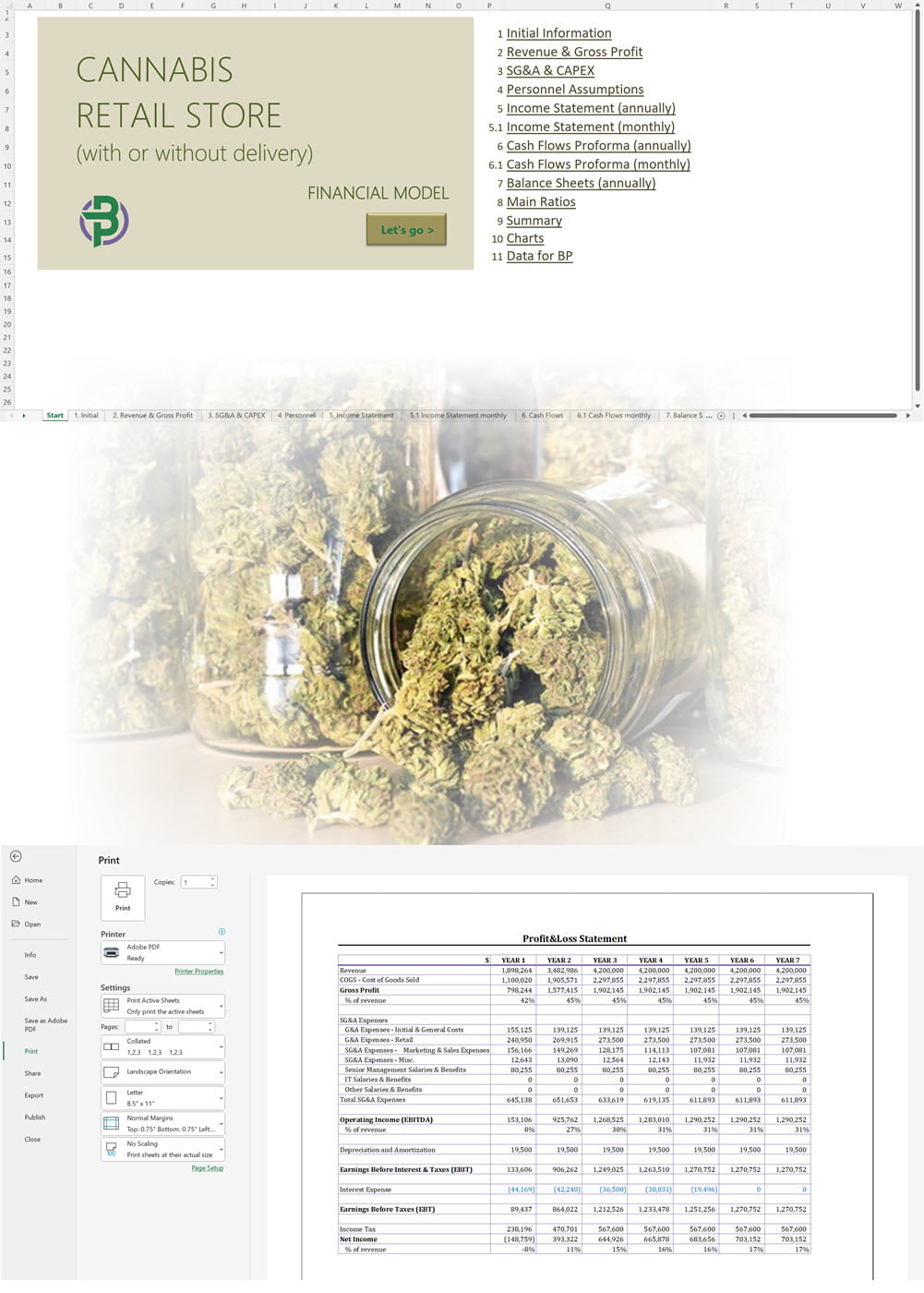
Cannabis Retail Business Plan Template (with or without Delivery)
Price range: $75.00 through $350.00
Cannabis Edibles Business Plan Template
Price range: $75.00 through $350.00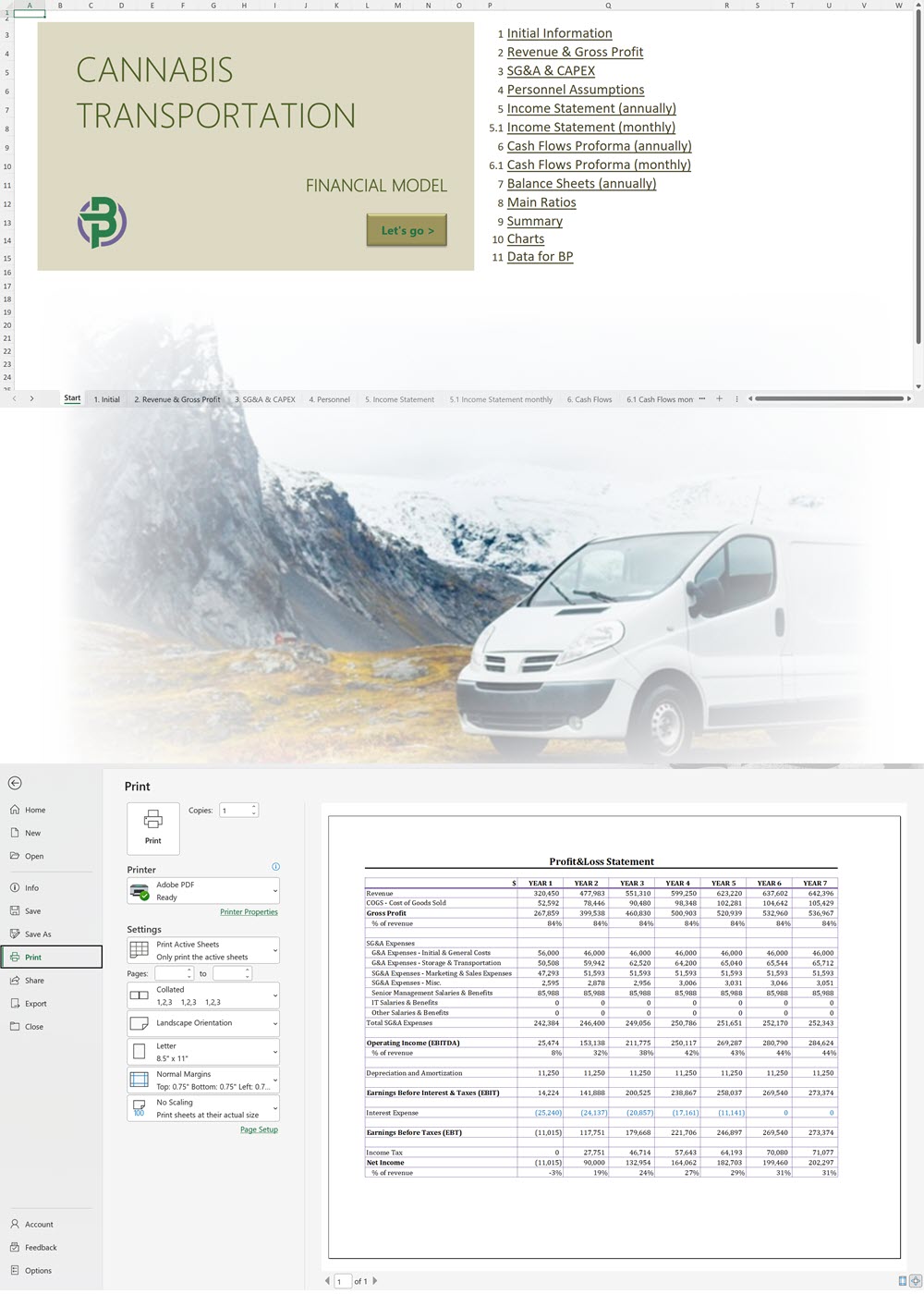
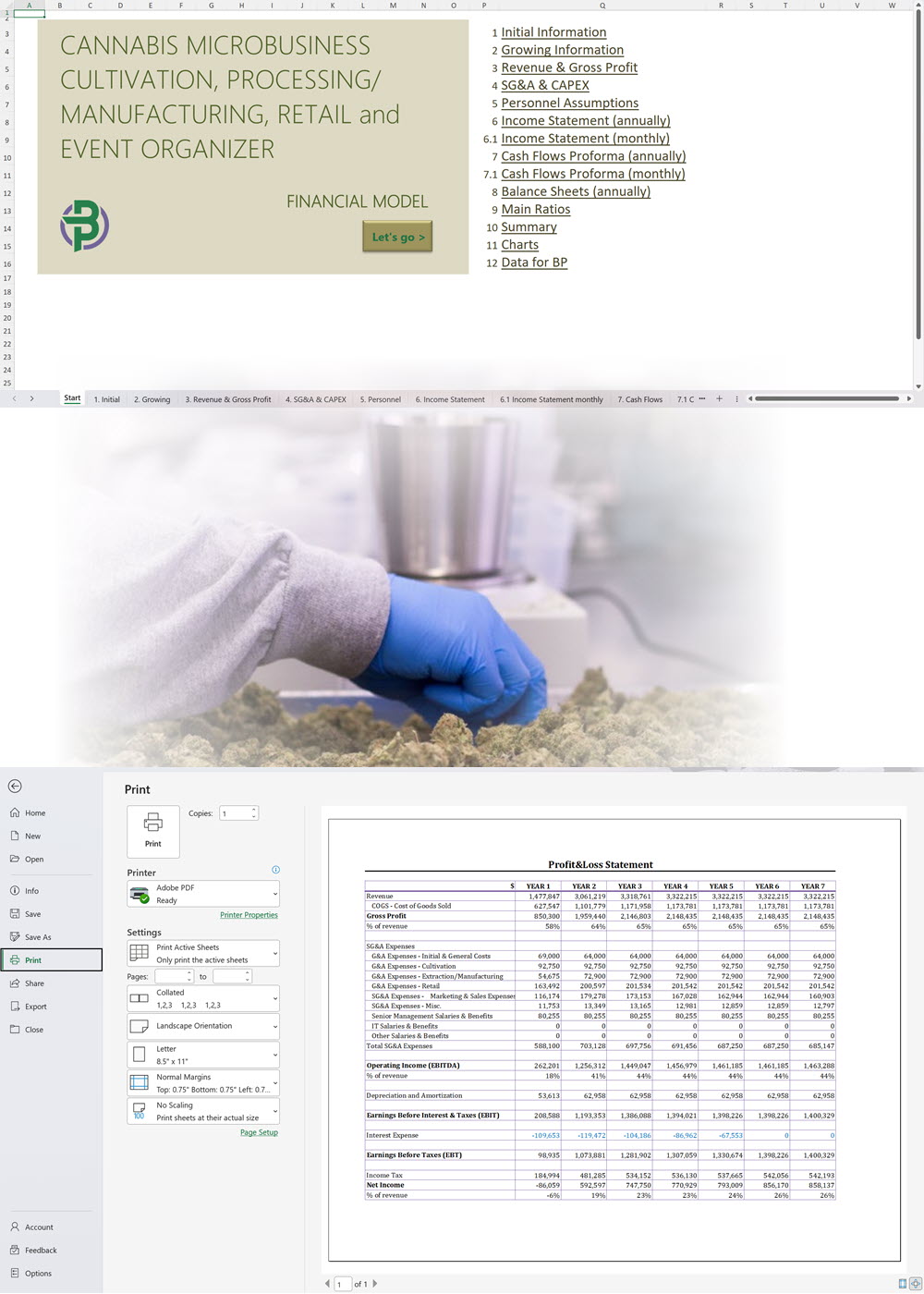
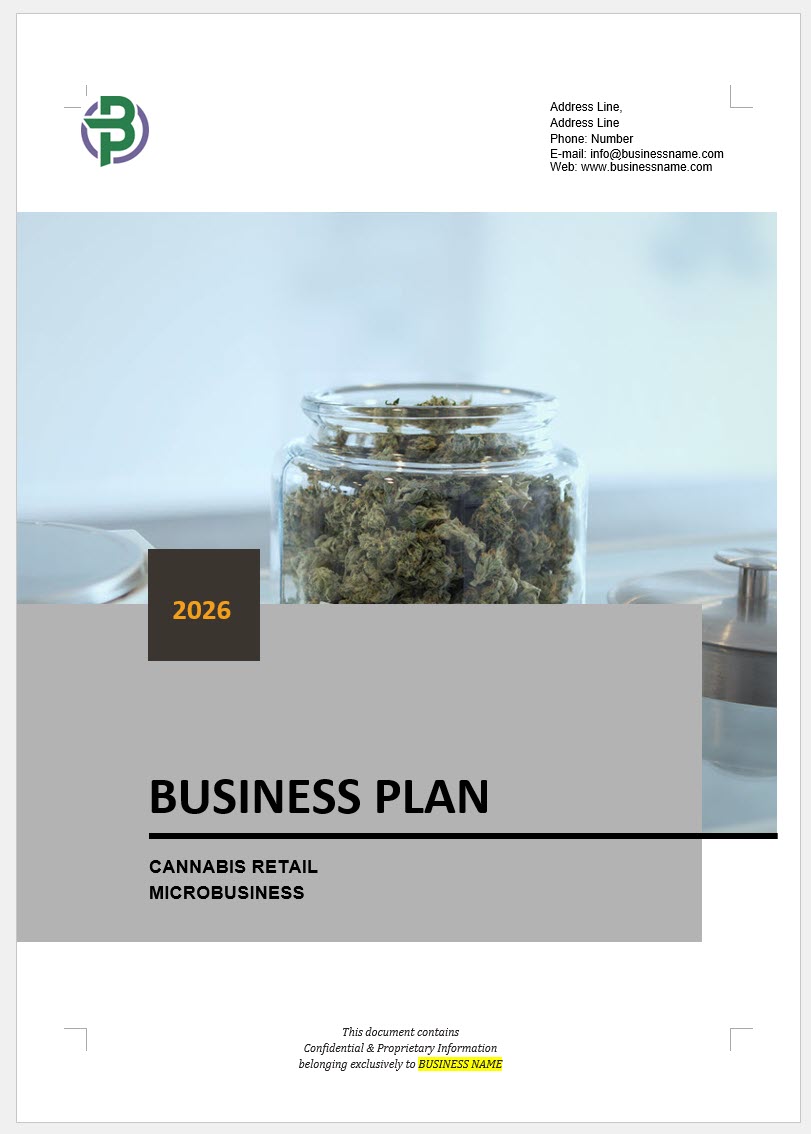
Cannabis Retail Microbusiness Business Plan Template
Price range: $75.00 through $275.00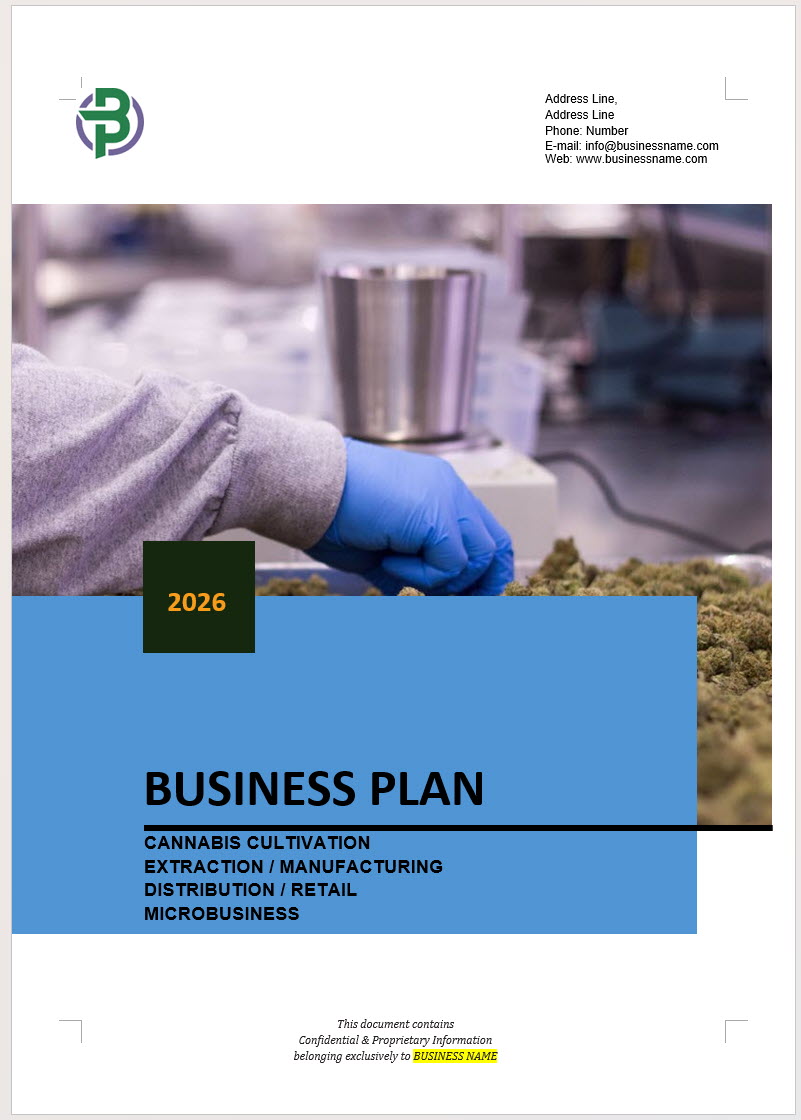
Cannabis Cultivation, Extraction, Manufacturing, Distribution, Retail and Microbusiness Business Plan Template
Price range: $75.00 through $500.00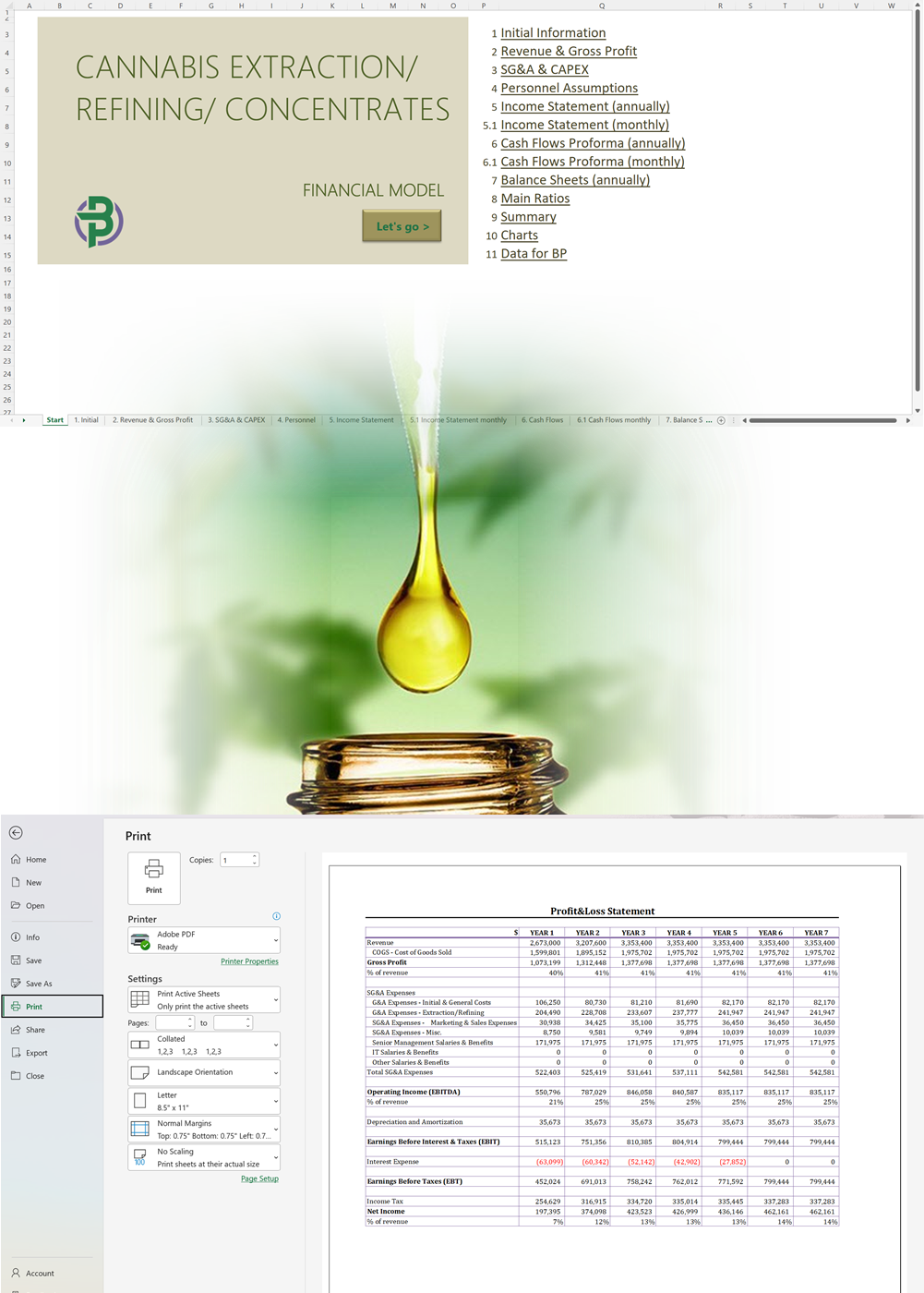

Cannabis Micro Cultivation Business Plan Template
Price range: $75.00 through $300.00