Pennsylvania Cannabis Legalization
The Medical Marijuana Act was signed into law on April 17, 2016, and amended by Act 44 of 2021 on June 30, 2021, which made a number of enhancements to the state’s program. The Act establishes a program for the use of medical cannabis in Pennsylvania by patients with serious medical conditions.
The Pennsylvania Department of Health (DOH) issues permits to approved medical cannabis growers/processors and dispensaries.
Cannabis Licenses in Pennsylvania
Grower/processors grow medical marijuana plants and process those plants into acceptable forms of medical marijuana products for distribution to dispensaries.
The application process requires an applicant to:
1. Apply for a permit with the department before growing\processing marijuana.
2. Provide information or evidence in the permit application, including, but not limited to:
- business plan with description of business organization and activities;
- federal and state criminal background check;
- ability to maintain effective security and control to prevent diversion, abuse or other illegal conduct;
- compliance with municipality zoning requirements;
- a diversity plan.
3. Submit a permit application with:
- initial non-refundable fee of $10,000
- permit fee of $200,000, which is refundable if the permit is not granted; and
- proof of $2 million in capital ($500,000 of which must be on deposit in a financial institution).
Currently, 32 grower/processors are operational and actively growing and processing medical marijuana.
Dispensaries dispense medical marijuana products to certified patients and approved caregivers for the treatment of serious medical conditions. Dispensaries are charged with maintaining clean, efficient, and secure facilities and ensuring that medical marijuana products are dispensed only to certified patients and approved caregivers.
The application process requires an applicant to:
1. Apply for a permit with the department before dispensing marijuana.
2. Provide information or evidence in the permit application, including, but not limited to:
- business plan with description of business organization and activities;
- federal and state criminal background check;
- ability to maintain effective security and control to prevent diversion, abuse or other illegal conduct;
- compliance with municipality zoning requirements;
- a diversity plan.
3. Submit a permit application with:
- initial non-refundable fee of $5,000
- permit fee of $30,000, which is refundable if the permit is not granted; and
- proof of $150,000 in capital.
Currently, 181 dispensary sites, of which includes Clinical Registrant dispensaries, have been deemed operational and are actively dispensing medical marijuana products to certified patients and approved caregivers.
Laboratories testing medical marijuana are also overseen by the Department. The Department’s Office of Medical Marijuana has issued guidance for testing and sampling of medical marijuana by a Department-approved laboratory. An approved laboratory collects samples for testing after harvesting the medical marijuana and again after processing it into a medical marijuana product. Additionally, Act 44 amended the Medical Marijuana Act to require stability testing at established intervals. Approved medical marijuana laboratories test for contaminants and potency to ensure that medical marijuana adheres to its chemical labeling.
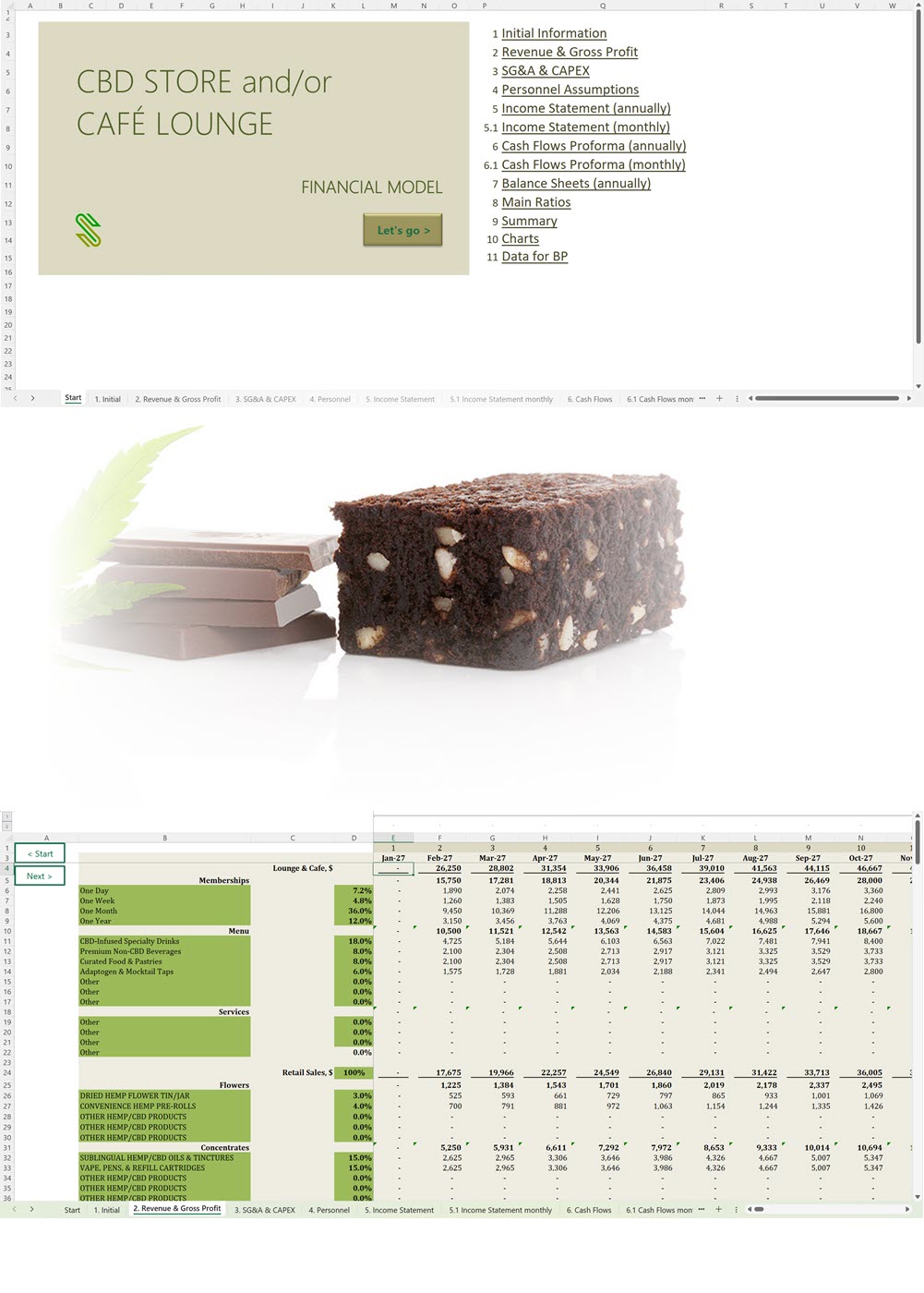
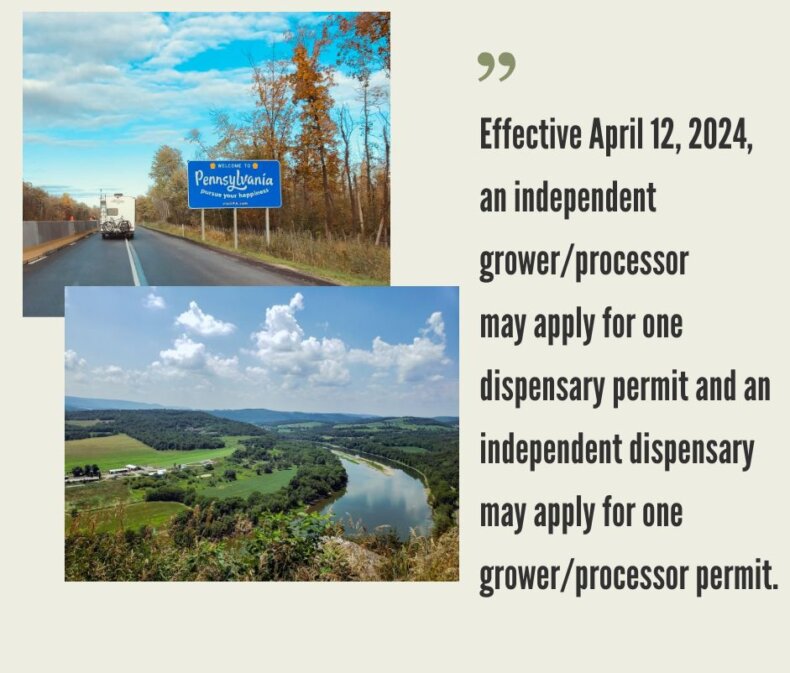
As of April 12, 2024, an independent grower/processor may apply for one dispensary permit and an independent dispensary may apply for one grower/processor permit. Three dispensaries are allowed to open under one Dispensary Permit, and they must be located in the same Medical Marijuana Region, but in three different counties.
Cannabis Delivery in Pennsylvania
A grower/processor may deliver seeds, immature medical marijuana plants, medical marijuana plants, medical marijuana and medical marijuana products to a medical marijuana organization or an approved laboratory. A dispensary may deliver medical marijuana products to a medical marijuana organization only for the purposes of transporting medical marijuana products among the permittee’s dispensary locations and returning medical marijuana products to a grower/processor.
Pennsylvania Cannabis Taxes
There is a 5% tax on gross receipts received from the sale of medical marijuana and marijuana products by a grower/processor to a dispensary. The tax is paid by the grower/processor. Retail sales of medical marijuana and marijuana products (excluding accessories) are not subject to sales tax.
In October 2023, the Pennsylvania House of Representatives approved a tax reform that included provisions that would allow state-licensed medical cannabis businesses to take state tax deductions as a partial workaround to the IRS 280E, which prohibits such deductions at the federal level.
Pennsylvania Cannabis Advertising and Marketing Regulations
(28 Pa. Code § 1141a.50)
Cannabis Vertically Integrated Business Plan Sample, Pennsylvania
'70% ready to go' business plan templates
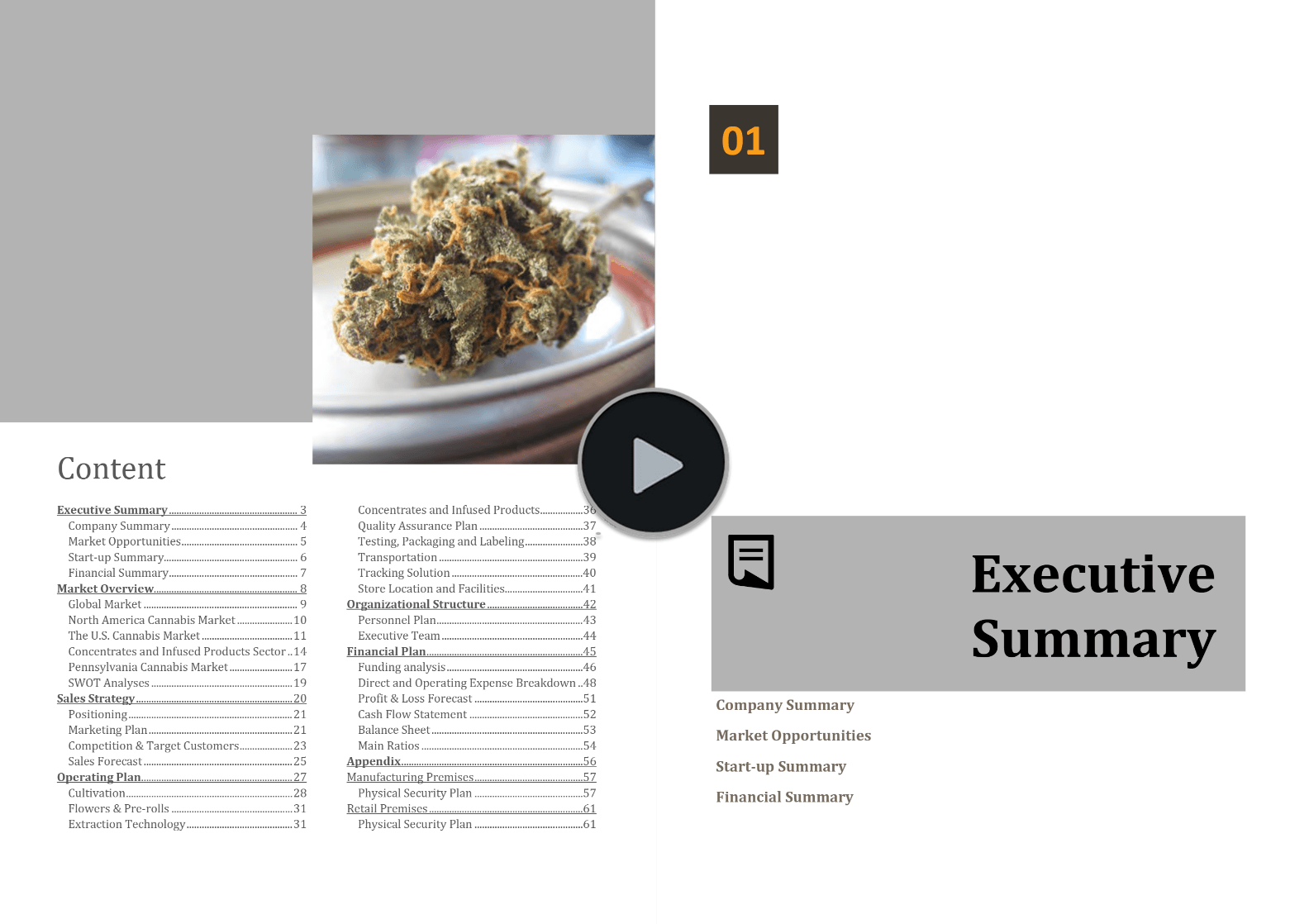
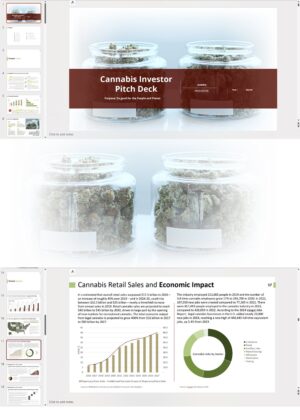
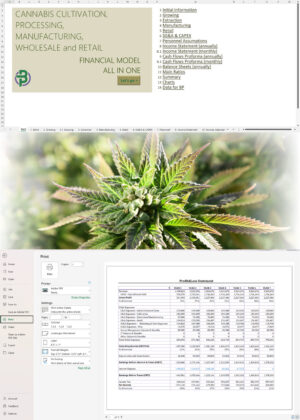
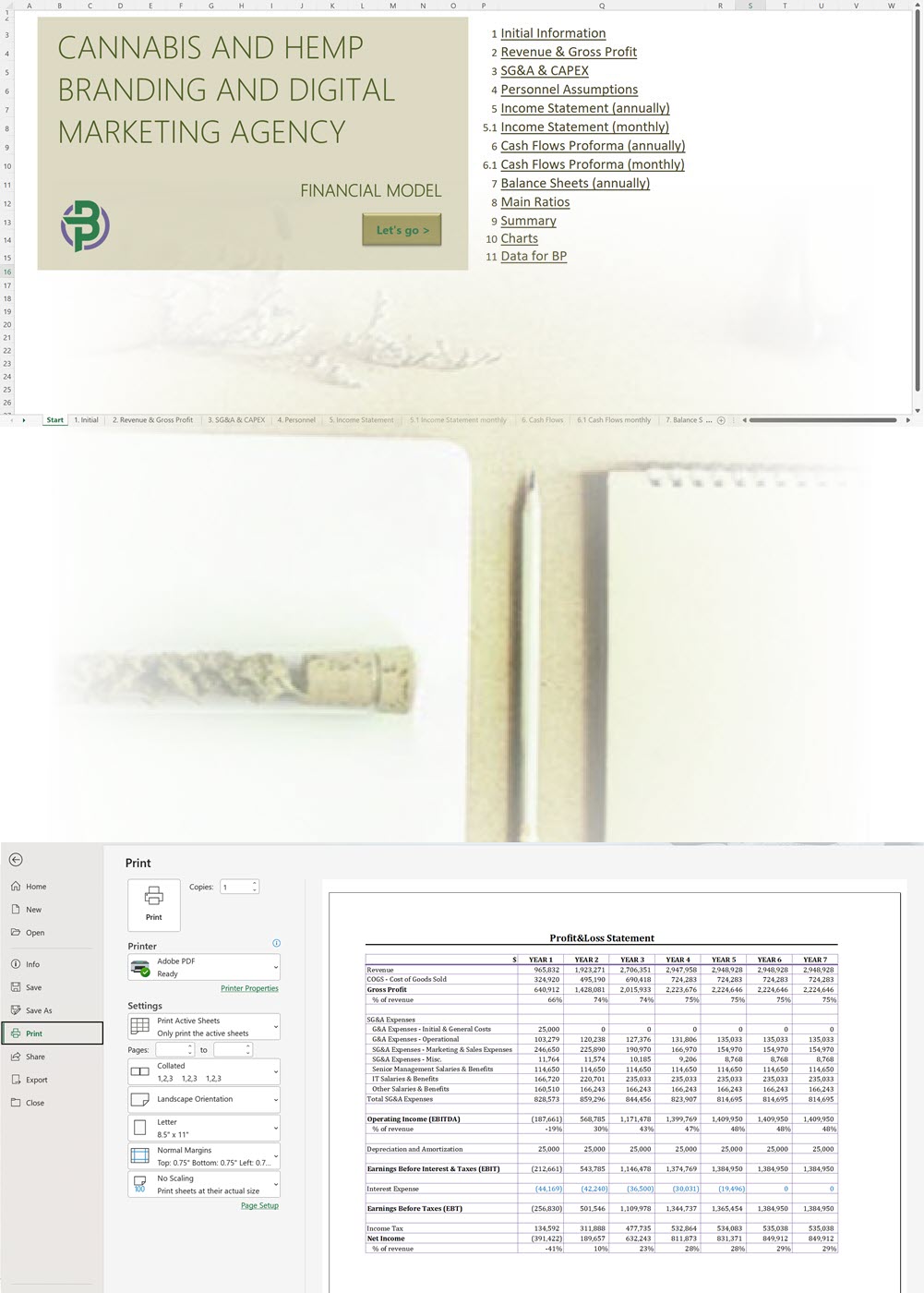
Our cannabis financial models and cannabis business plan templates will help you estimate how much it costs to start and operate your own cannabis business, to build all revenue and cost line-items monthly over a flexible seven year period, and then summarize the monthly results into quarters and years for an easy view into the various time periods. We also offer investor pitch deck templates.
Best Selling Templates
-

Cannabis Cultivation Business Plan Template
Price range: $75.00 through $350.00 Select options This product has multiple variants. The options may be chosen on the product page -

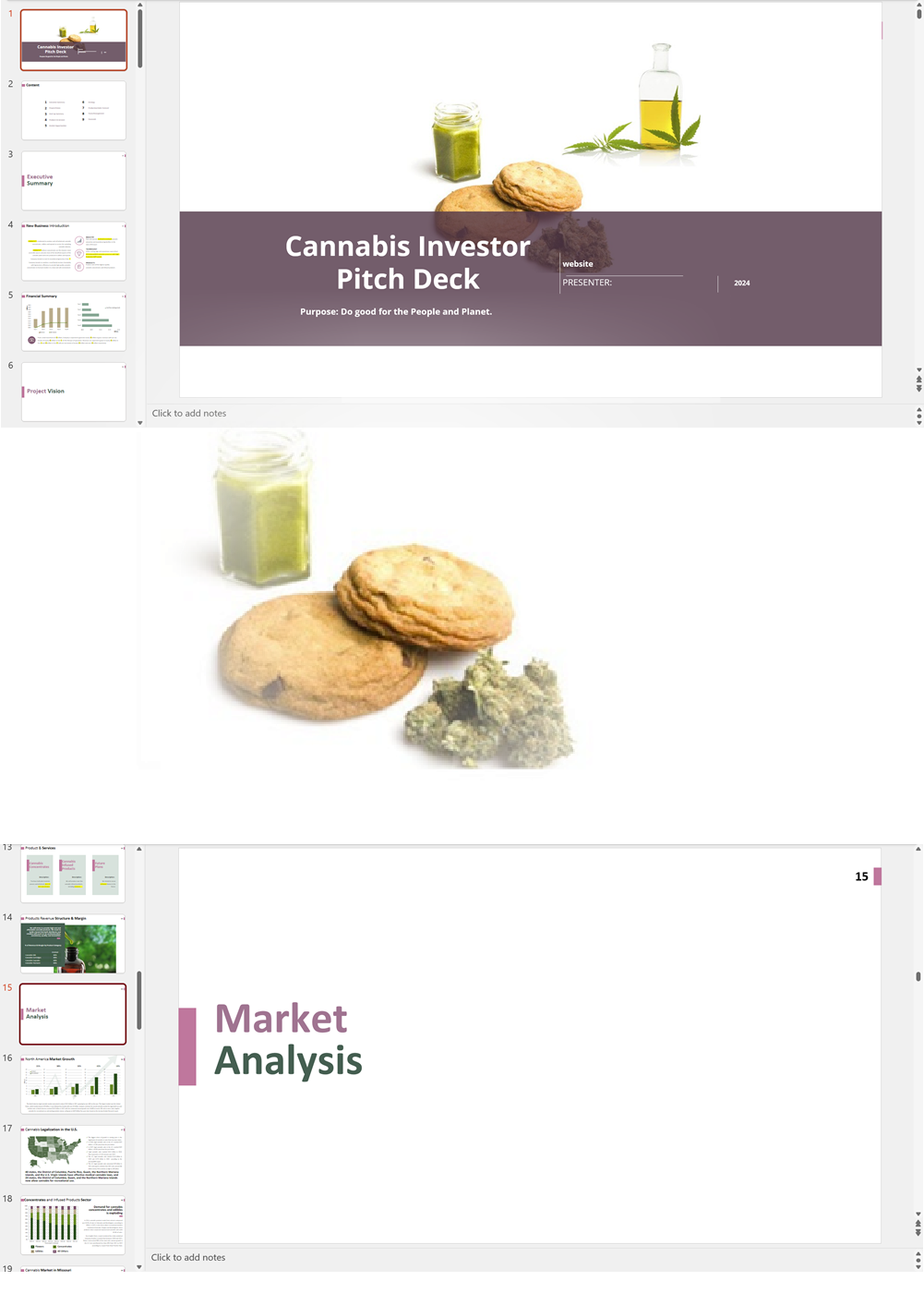
Cannabis Dispensary Investor Pitch Deck Template
$75.00 Select options This product has multiple variants. The options may be chosen on the product page -
Cannabis Financial Model All in One
$250.00 Select options This product has multiple variants. The options may be chosen on the product page
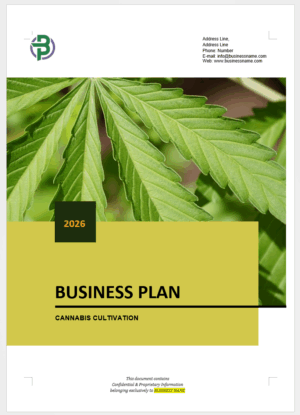
We also offer hemp/CBD business plan templates at hempcbdbusinessplans.com.
Our Templates

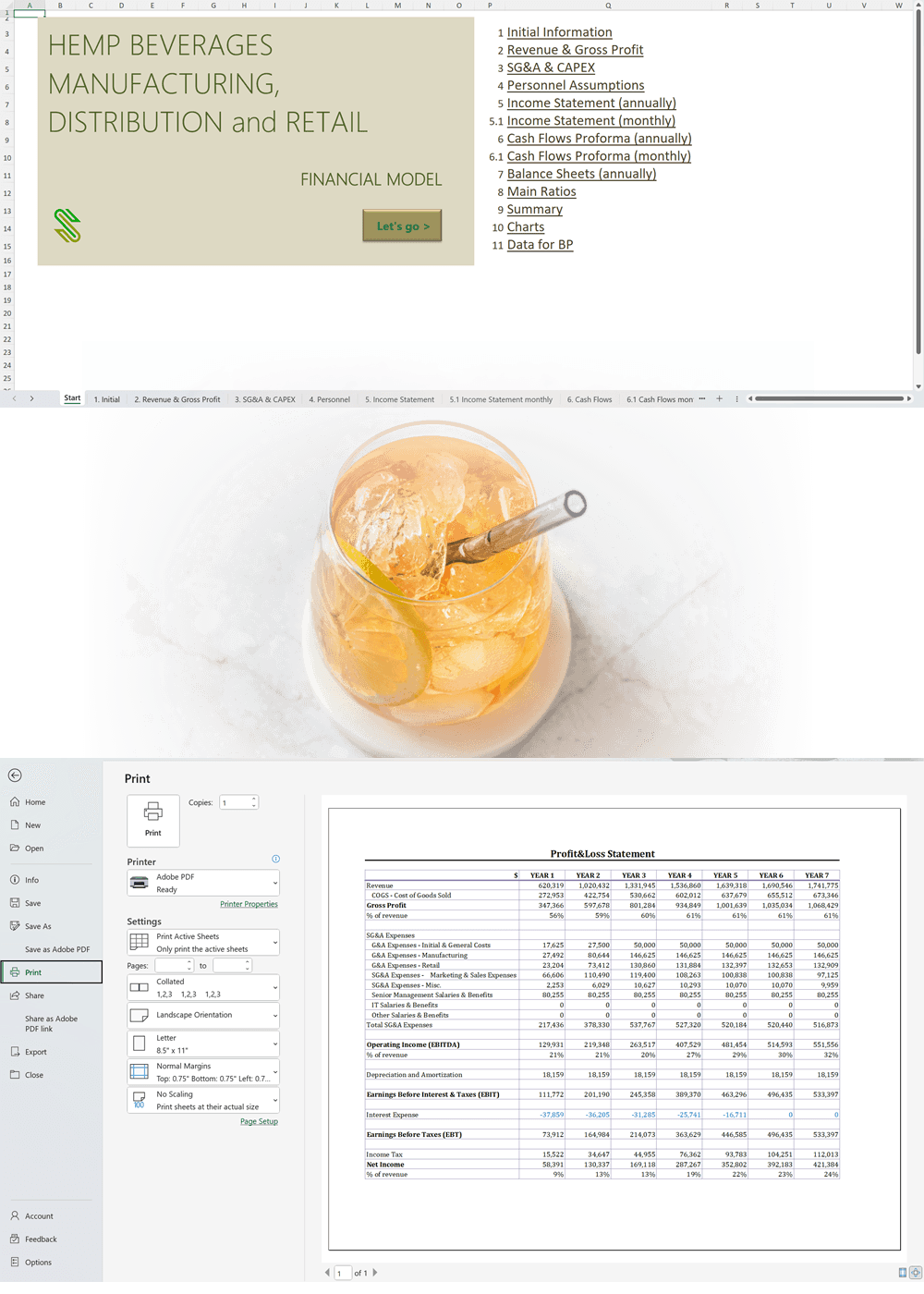
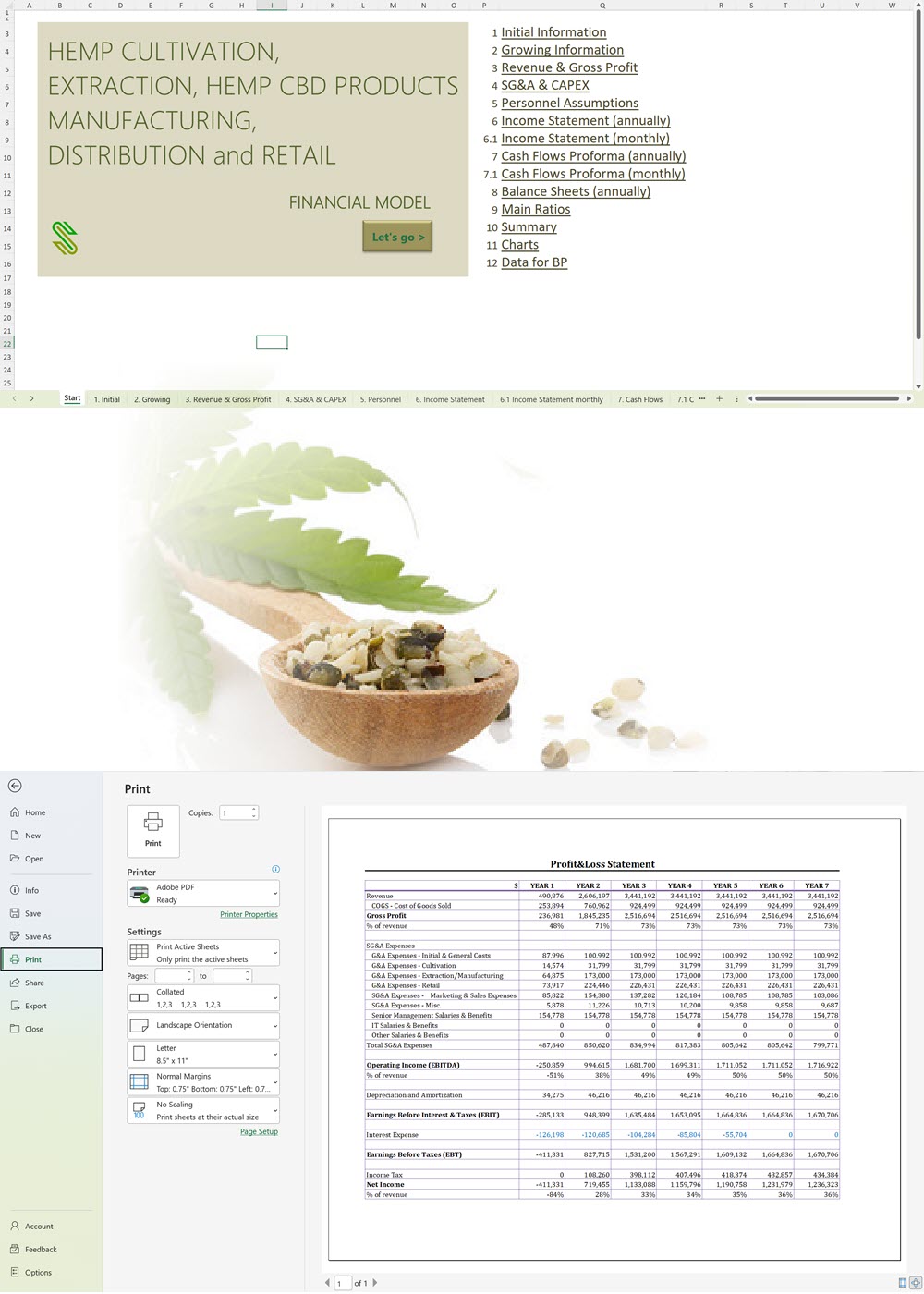

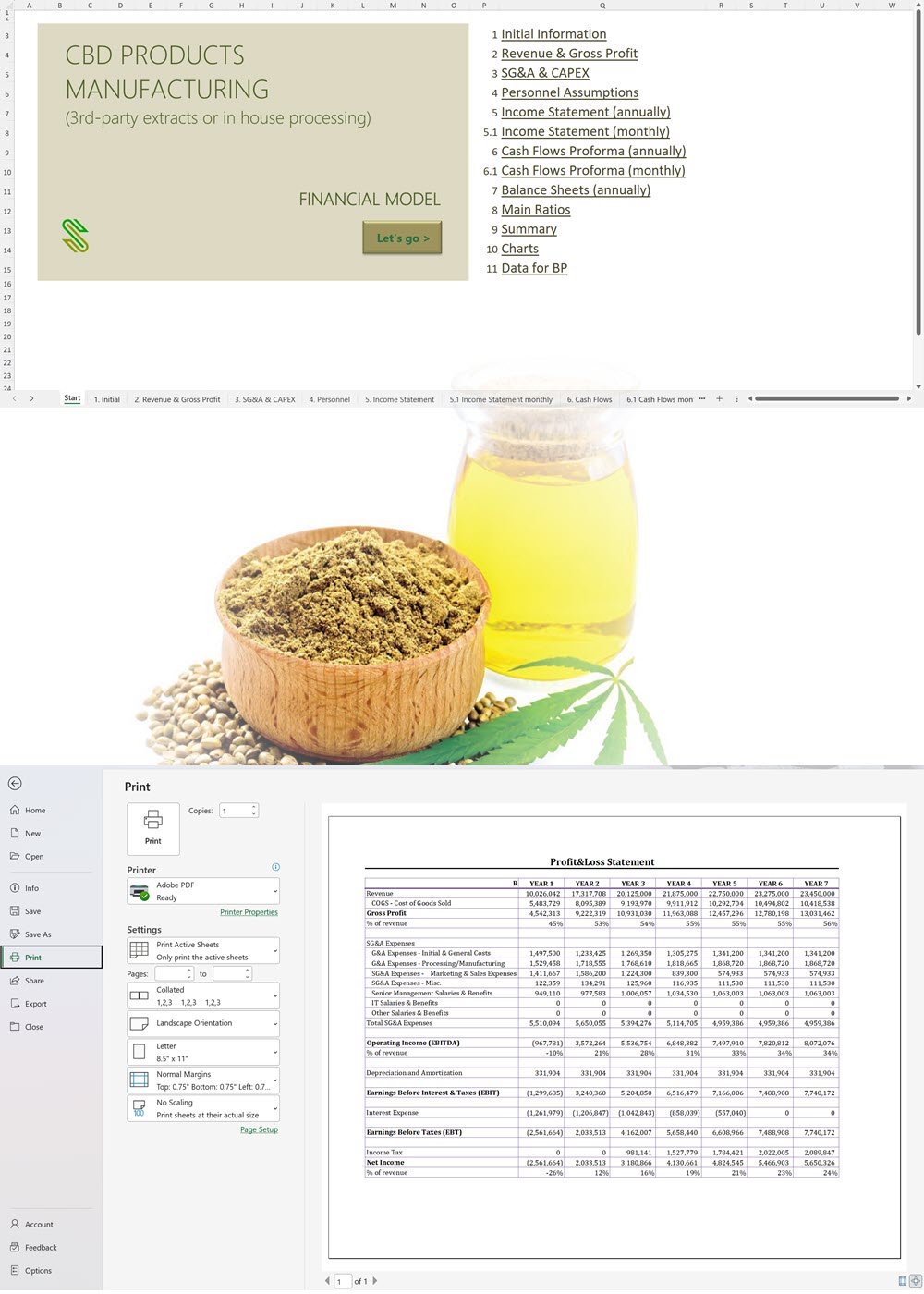
Hemp CBD Beverage Manufacturing, Wholesale and/or Retail Business Plan Template
Price range: $75.00 through $350.00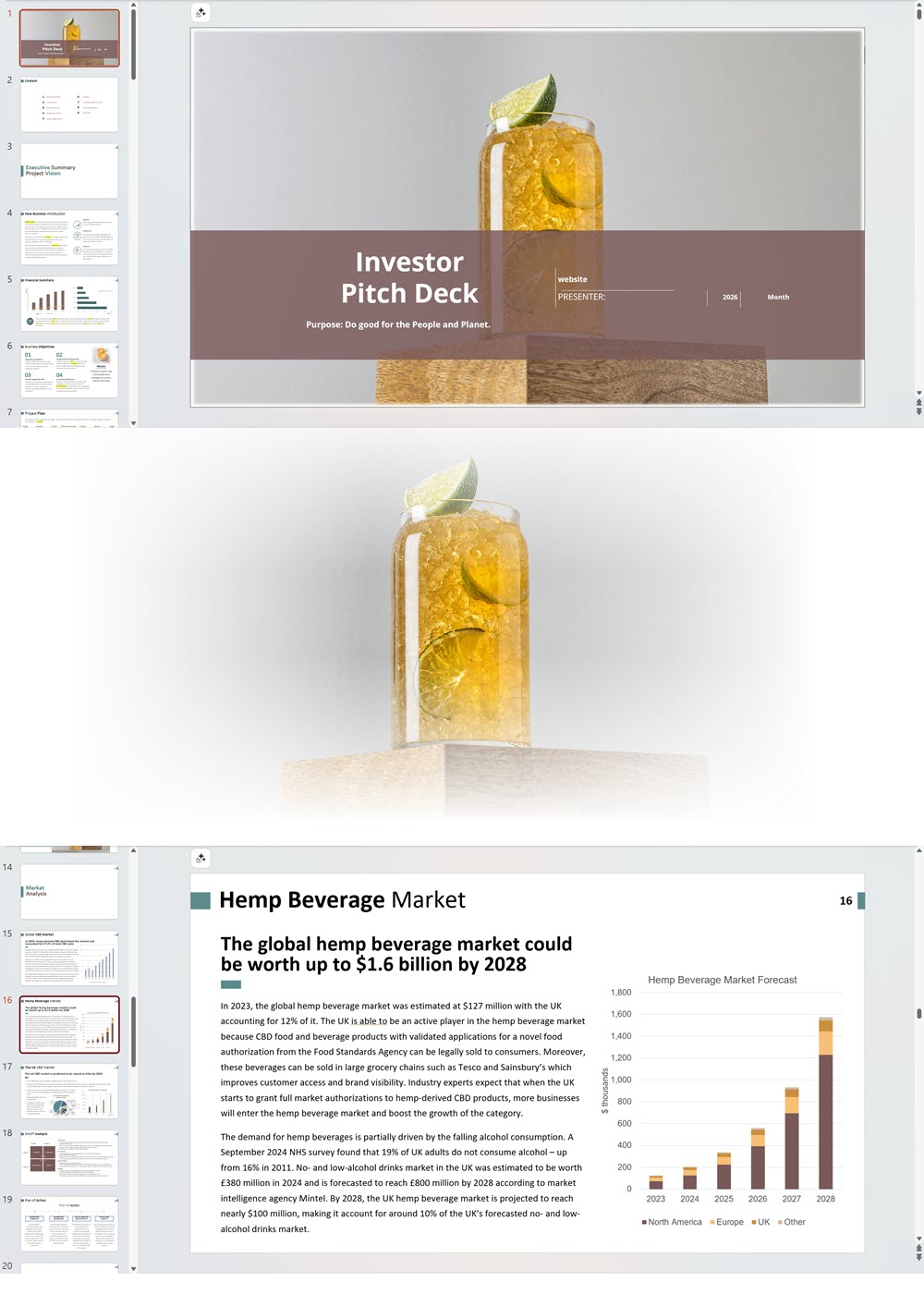

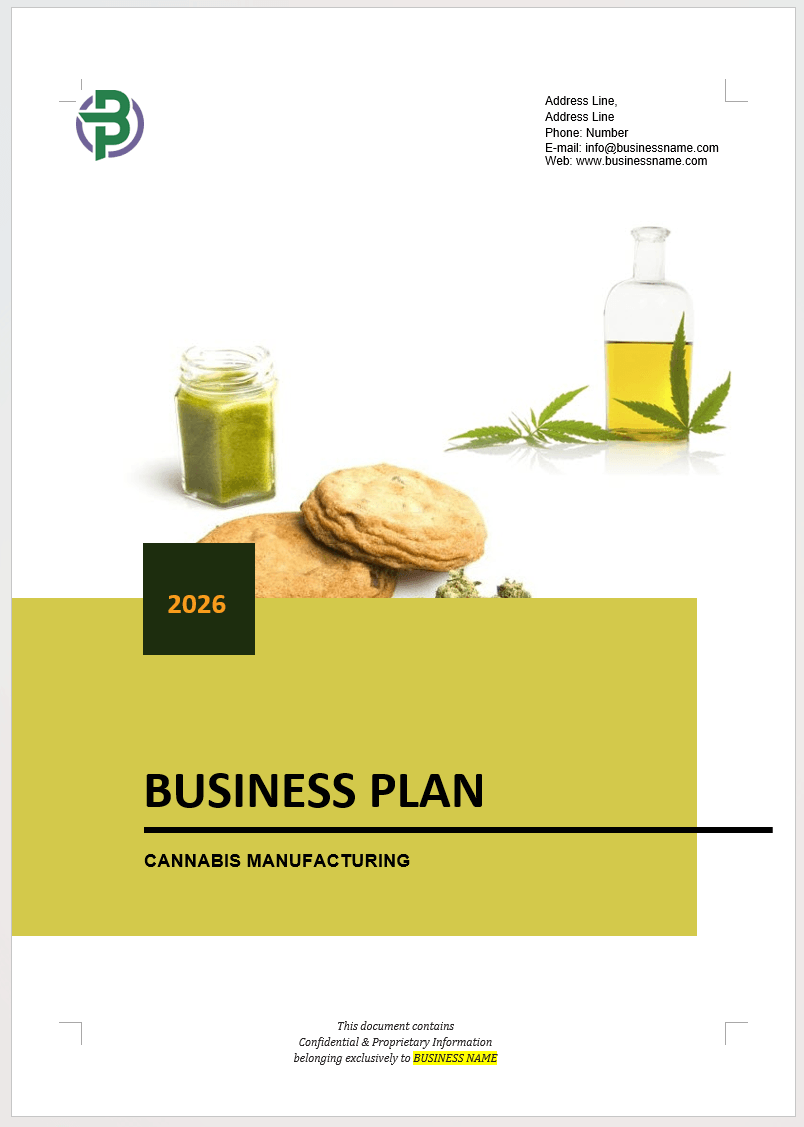
Cannabis Manufacturing Business Plan Template (with in-house processing)
Price range: $75.00 through $350.00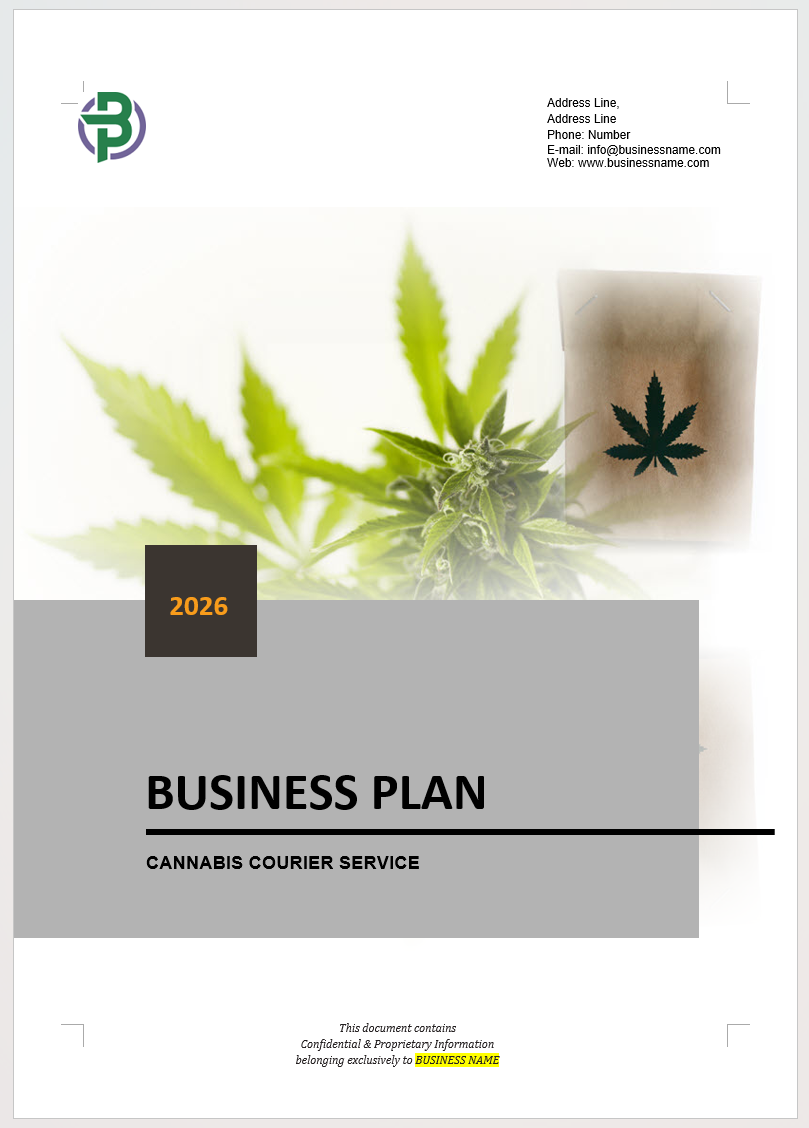
Cannabis Courier Business Plan Template
Price range: $75.00 through $275.00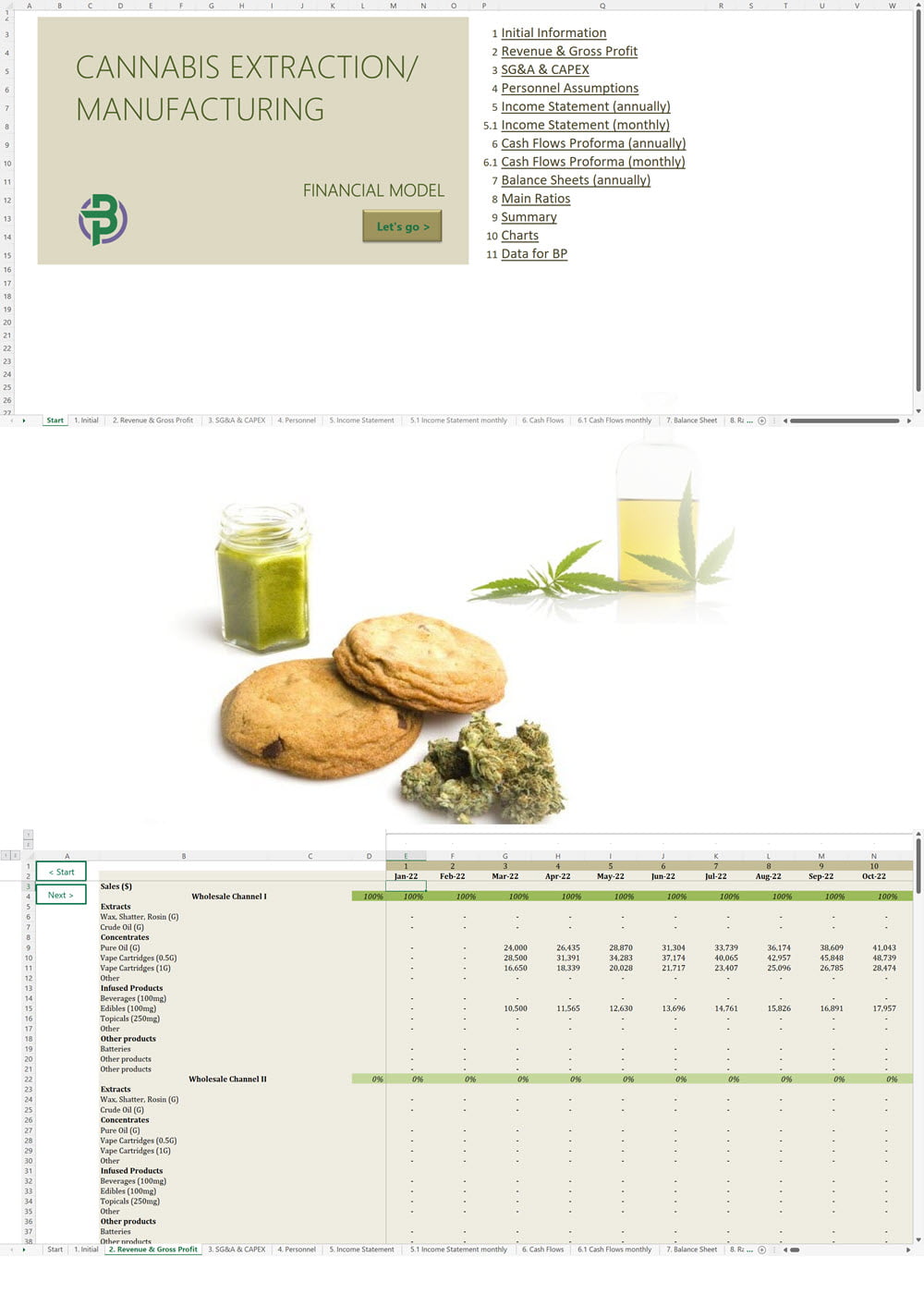
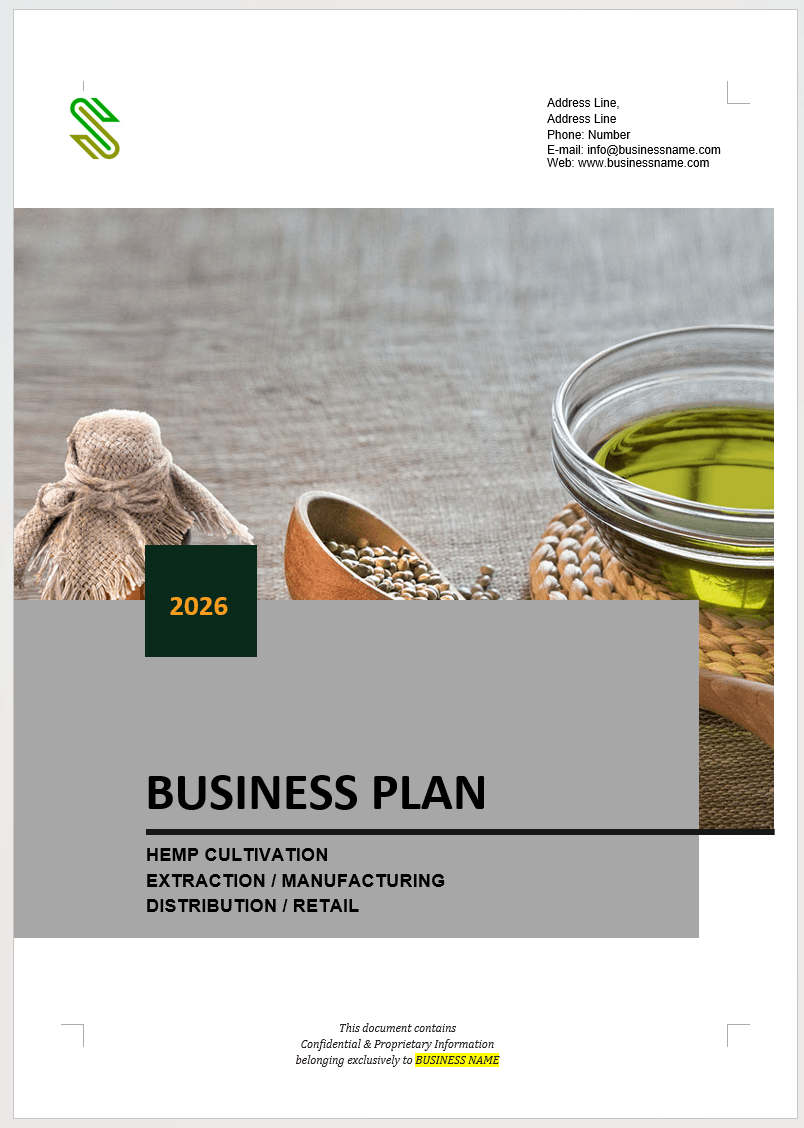
Hemp CBD Vertically Integrated Business Plan Template
Price range: $75.00 through $450.00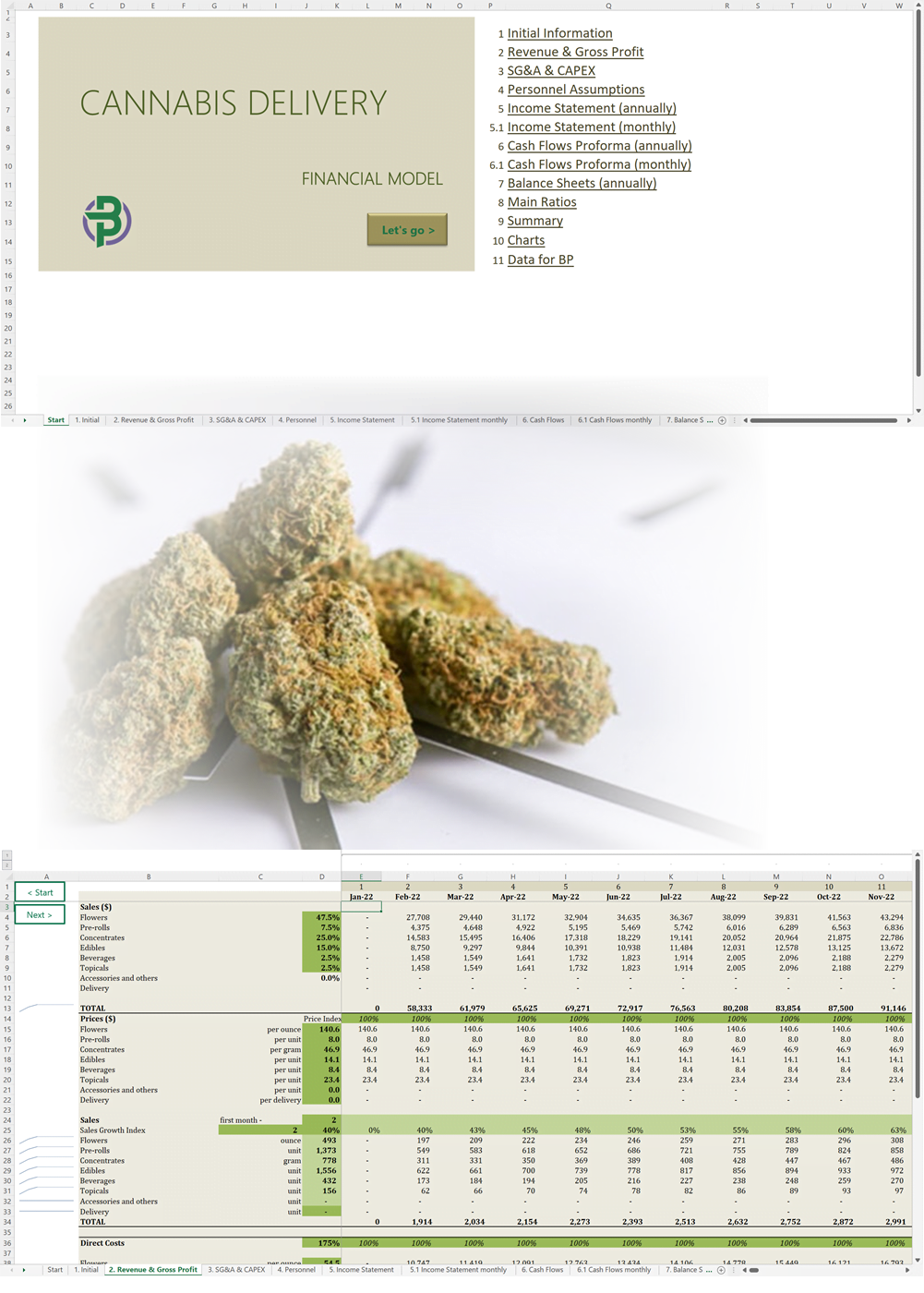

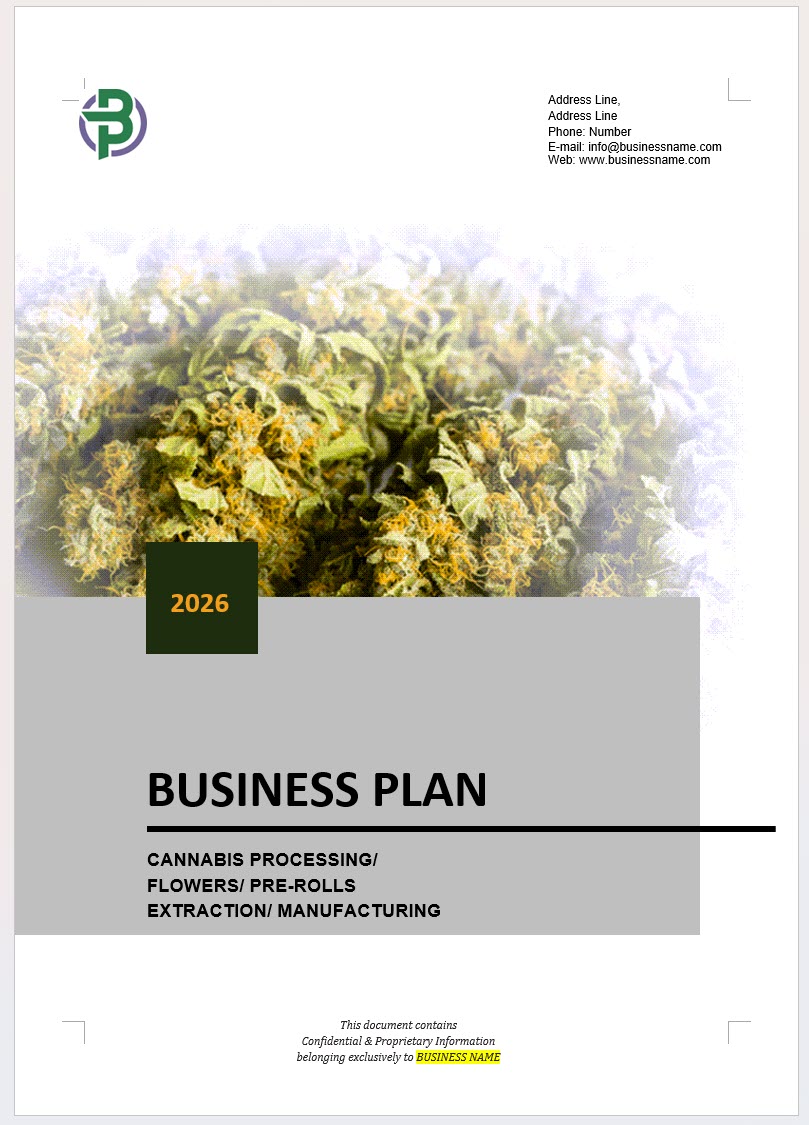
Cannabis Processing/ Flowers/ Pre-rolls/ Extraction/ Manufacturing Business Plan Template
Price range: $75.00 through $350.00
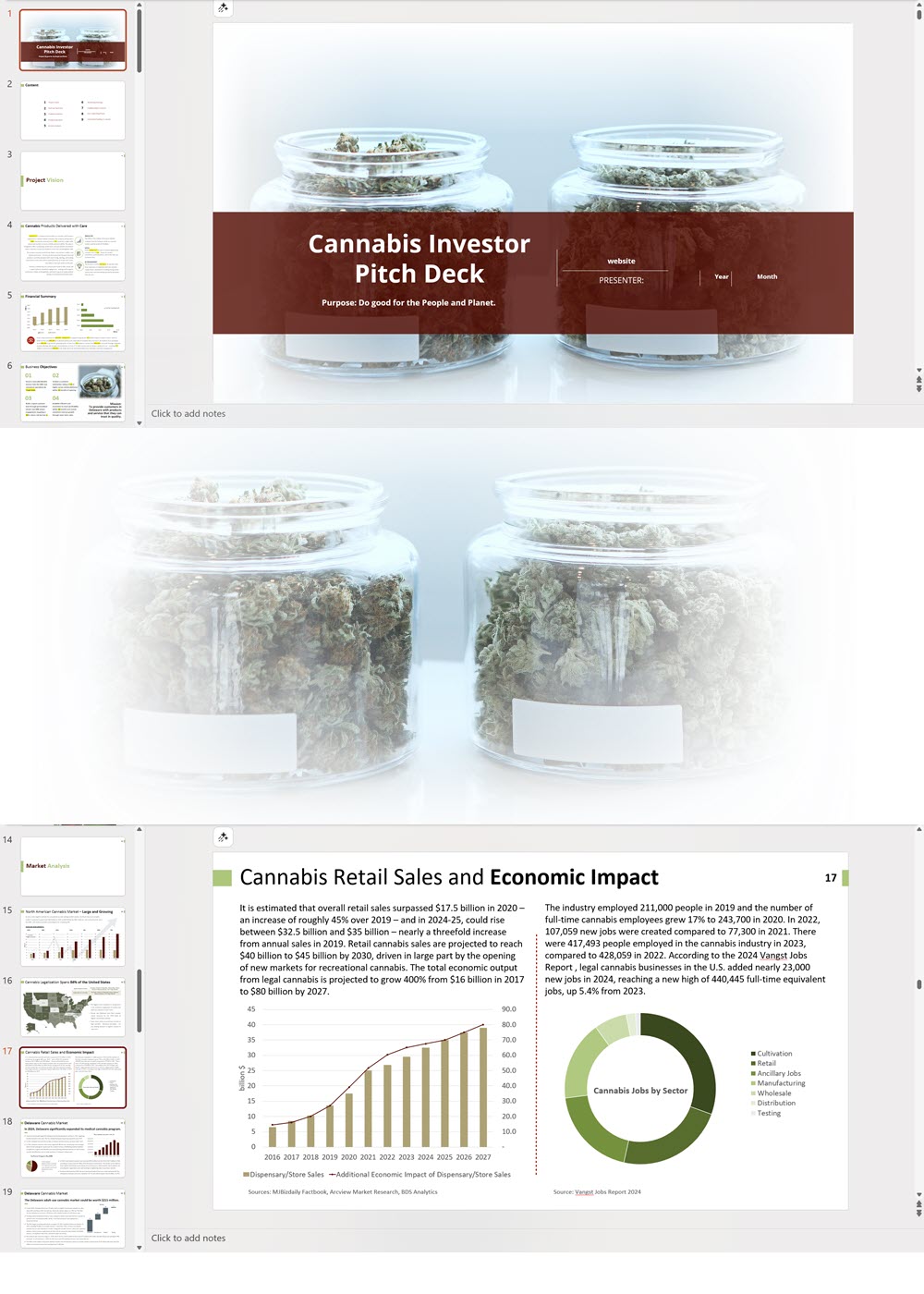
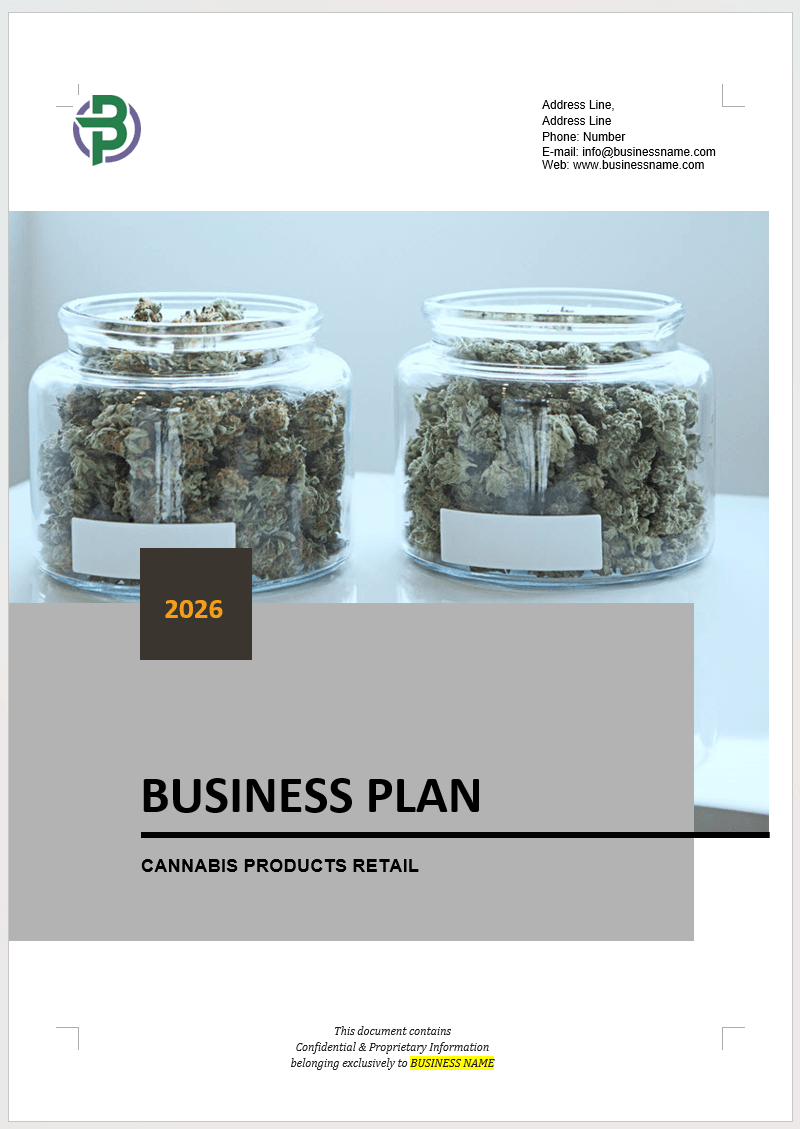
Cannabis Dispensary Business Plan Template
Price range: $75.00 through $350.00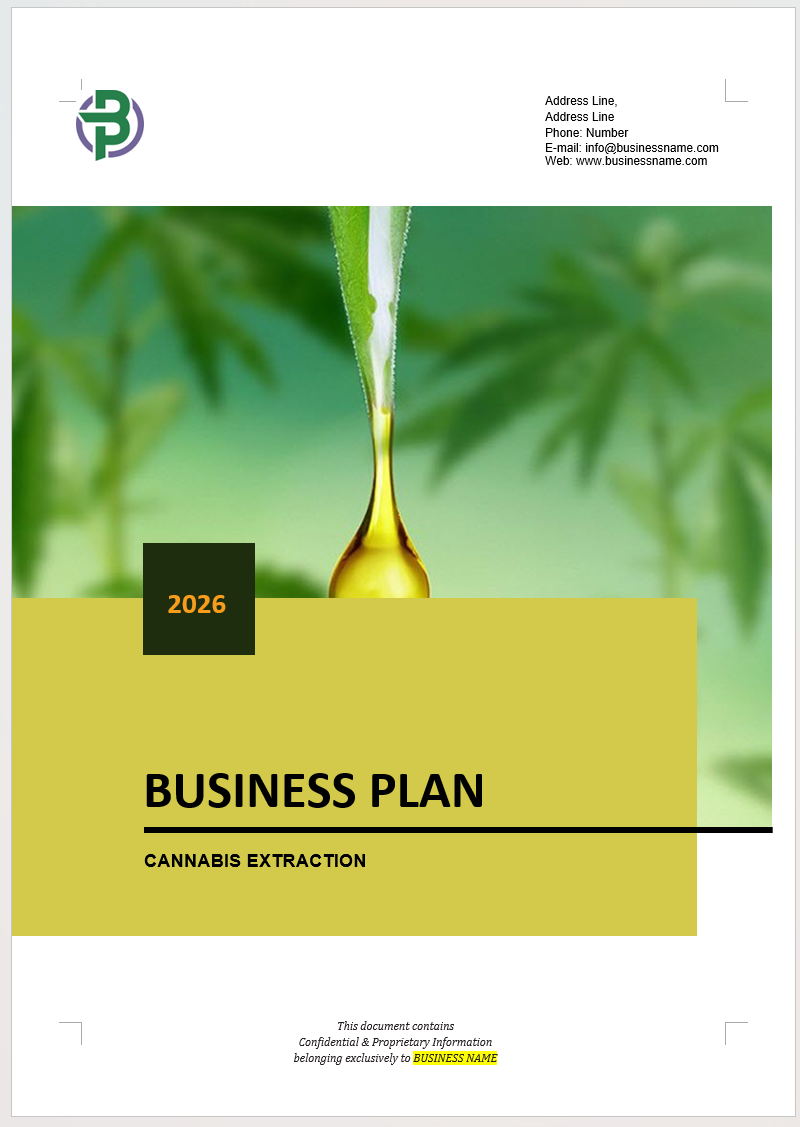
Cannabis Extraction / Concentrates Business Plan Template
Price range: $75.00 through $350.00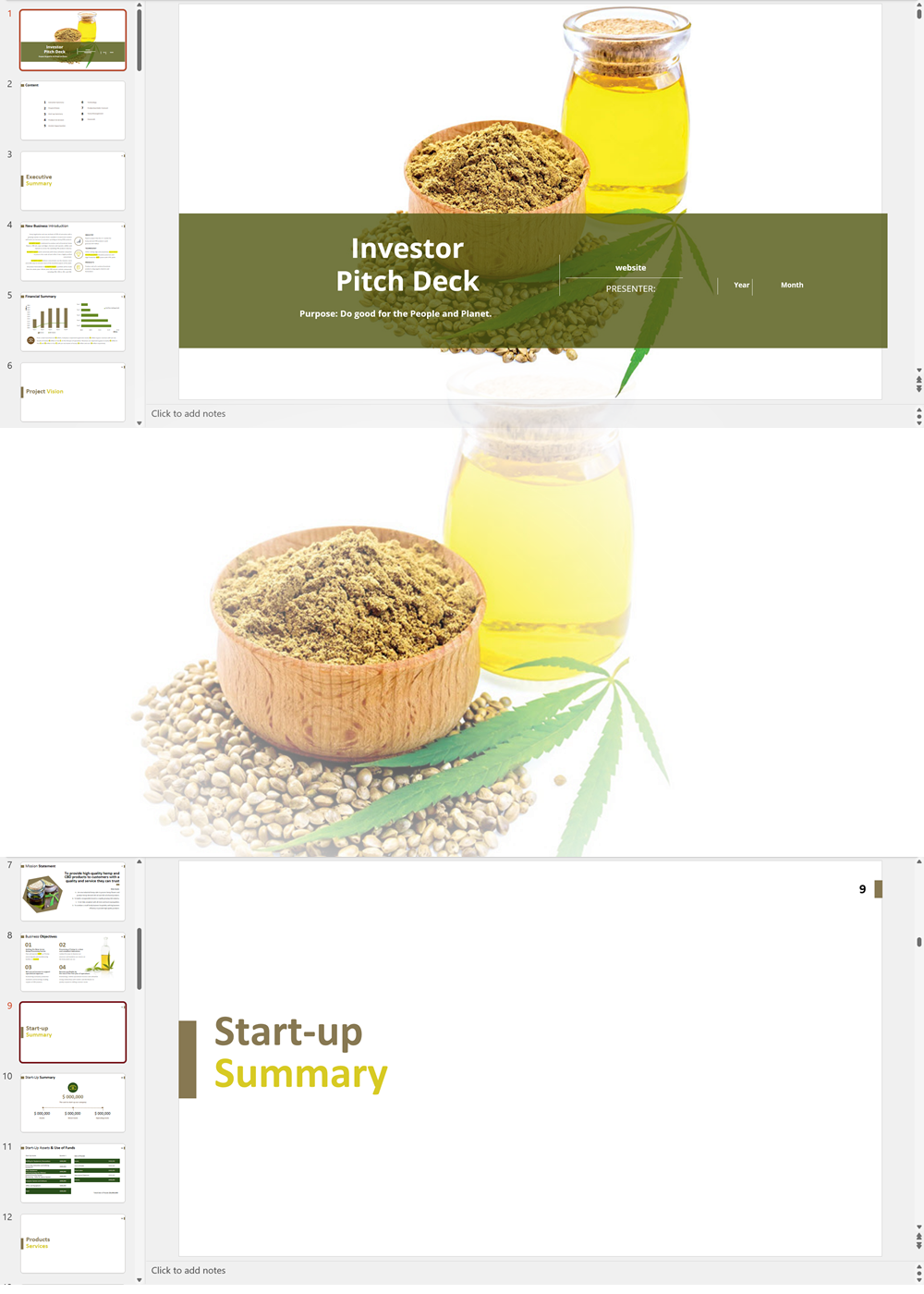
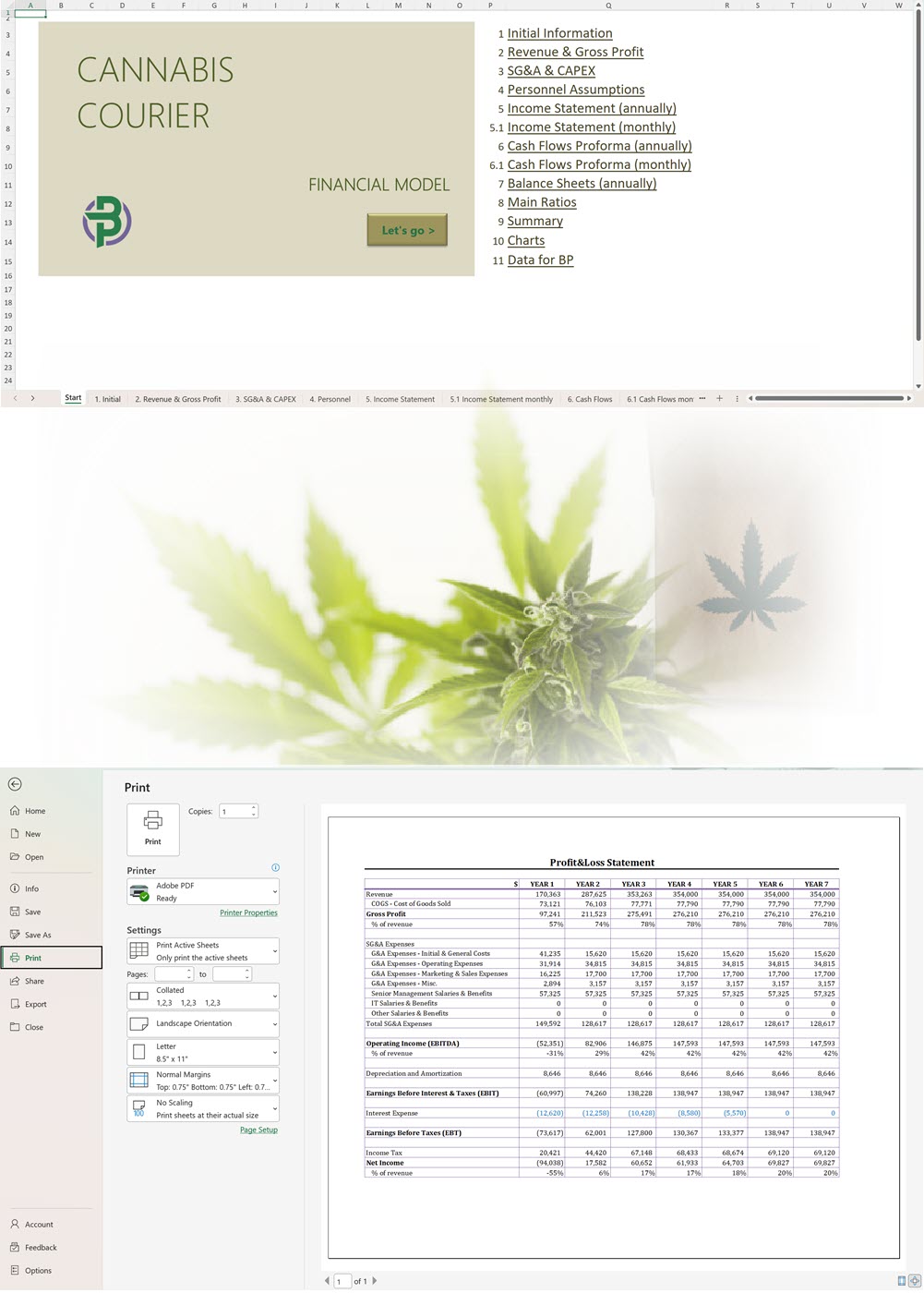
Cannabis Courier Financial Model
$100.00
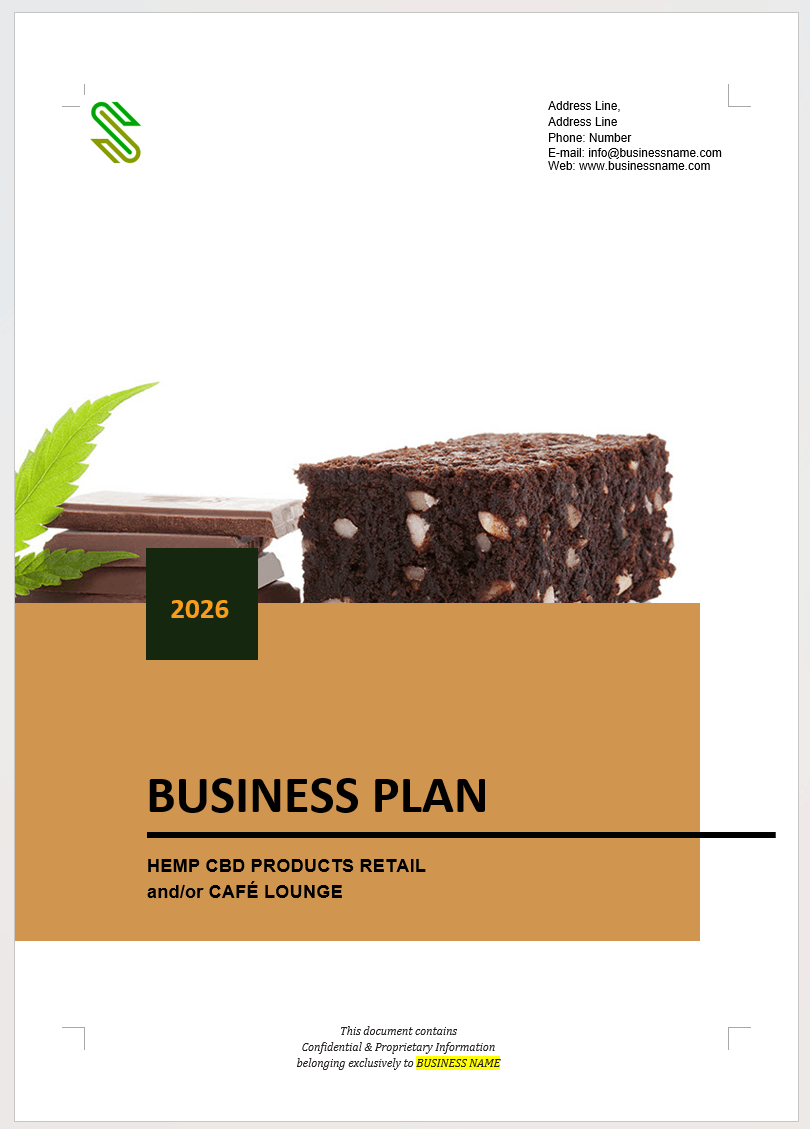
CBD Store and/or Cafe Lounge Business Plan Template
Price range: $75.00 through $275.00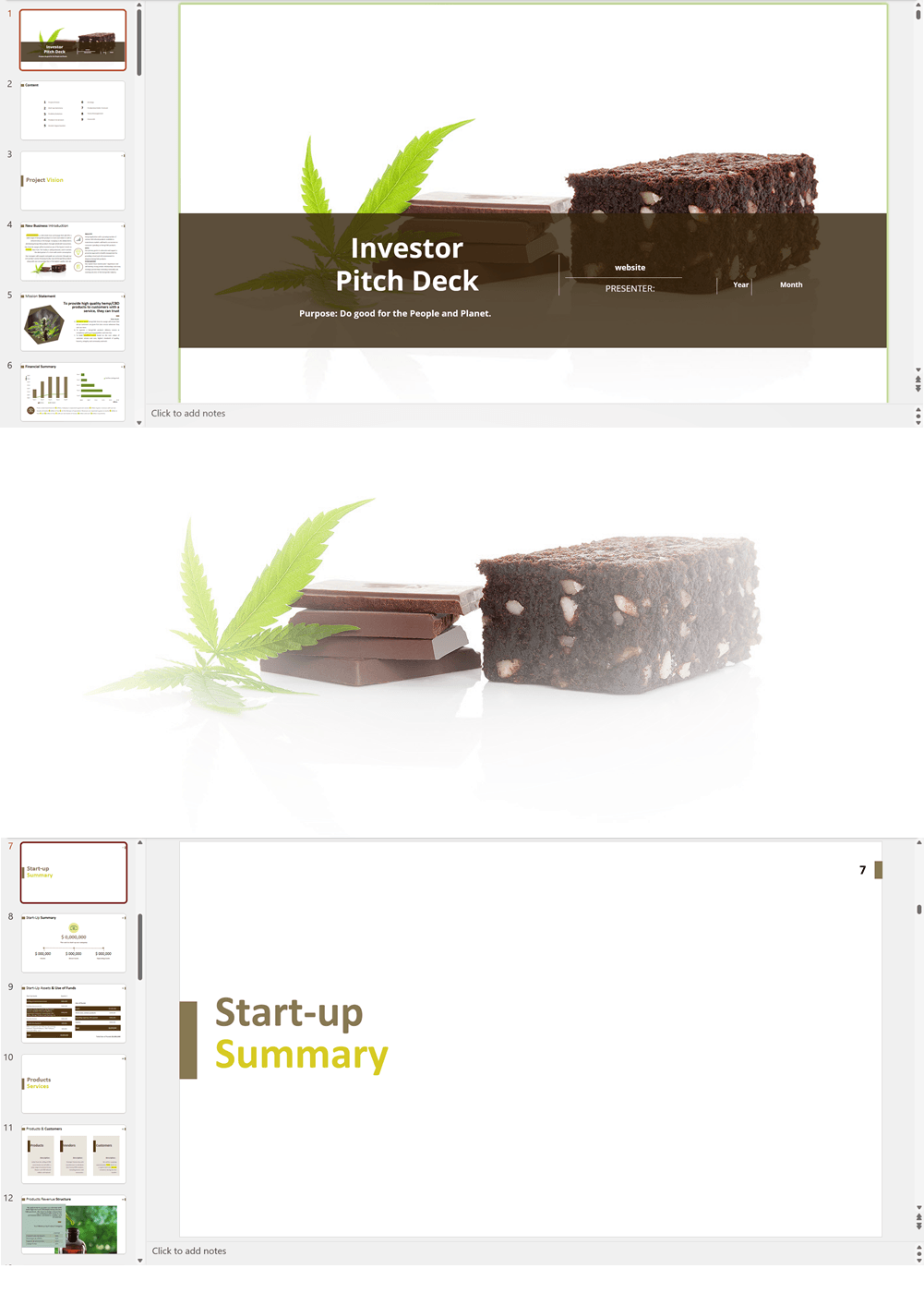

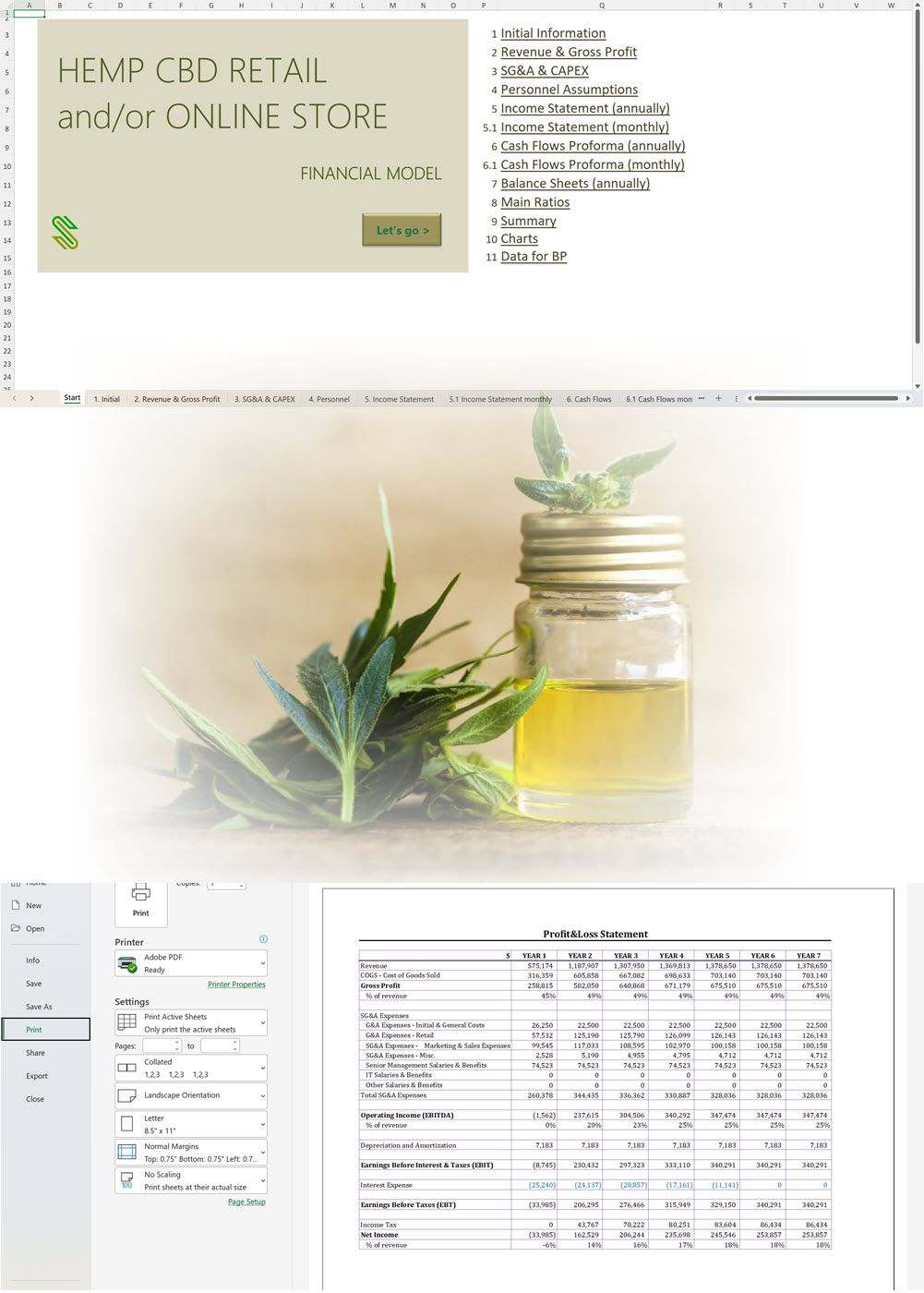

Cannabis Transportation Business Plan Template
Price range: $75.00 through $275.00