Cannabis use has increased significantly globally over the past two decades. Around 228 million people aged 15 to 64 reported using cannabis, increasing prevalence to 4.4% from an estimated 3.5% in 2000 (UNODC 2024).
To date, nearly 50 countries have fully or partially legalized cannabis for medical and/or recreational use. More than half of the U.S. population lives in states with established models providing access to legal, regulated non-medical cannabis. Combined with legal adult-use access models (commercial sales) in Canada and Uruguay, approximately 230 million people now live in jurisdictions with regulated commercial recreational cannabis markets. An additional 160 million people have access to recreational cannabis through personal-use frameworks (legal possession, use, and home cultivation without commercial sales) in Germany, Malta, Luxembourg, the Czech Republic, and South Africa. This brings the global total to approximately 390 million people with some form of legal recreational cannabis access as of 2026 – roughly 4.7% of the world’s 8.3 billion population. When including medical cannabis programs – which operate in one in every four countries worldwide across North America, Europe, Latin America, Asia, and Oceania – the total population with legal access to cannabis for medical purposes exceeds 1.5 billion people, or approximately 18-20% of the global population.
Global cannabis sales have experienced robust growth over the past several years, reflecting expanding legalization, increasing consumer acceptance, and maturing markets. In 2020, the market reached $20.3 billion – a striking 40% increase over 2019 – driven largely by accelerated adoption in North America amid pandemic-related demand shifts. Momentum continued into 2021, with global sales surging to $28.9 billion (up 43% year-over-year), marking the peak of post-pandemic expansion. Growth moderated thereafter but remained steady: sales rose to $31.4 billion in 2022 (+9%), climbed to $35 billion in 2023 (+12%), and surpassed $37 billion in 2024 (+6%). In 2025, global cannabis sales grew to $39.4 billion, reflecting a 6% increase from the prior year – confirming the market’s continued upward trajectory, albeit at a steadier pace as regulatory frameworks solidify and competition intensifies.
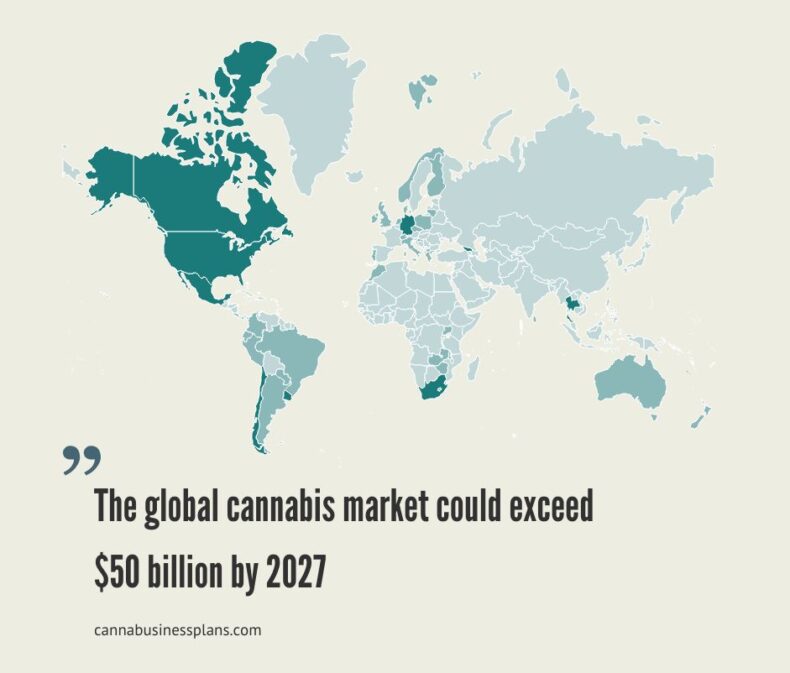
Spending on legal cannabis worldwide is expected to exceed $50 billion by 2028 at a compound annual growth rate (CAGR) of 12% from 2020 and hit $57 billion by 2030. The cannabis market in the United States and Canada is estimated to be about $46.5 billion while the remaining $10.5 billion would be generated in other markets. The largest growth rate is predicted to occur within the rest-of-world markets with a projected $2 billion in 2030. The recreational cannabis market will account for around 67% of the spending while medical cannabis will take up the remaining 33%.
Legal medical cannabis spending outside the U.S. and Canada increased by 150% in 2025 compared to 2023, from $1.5 billion to $3.7 billion, largely due to growing markets in Australia and Europe. Sales are projected to grow in value to $6 billion in 2027 at a CAGR of 40%.
US & Canada
The initial decision by many U.S. states and Canada to create medical-only cannabis regulations prompted many other countries to act similarly while legalization of recreational use in Canada and in nearly 50% of U.S. states triggered a second wave of legalizing laws internationally to increase access to cannabis products. Analysts estimate that the overall cannabis market for recreational and medical sales in North America reached $35.7 billion in 2025 and is projected to grow to $46.5 billion by 2030 at a CAGR of 8.2% from 2020.
The U.S. legal cannabis market is currently the largest in the world. In 2020-2024, spending in U.S. on cannabis formed more than 80% of global cannabis expenditure. Medical cannabis is legal in 42 states, the District of Columbia, Puerto Rico, Guam, the Northern Mariana Islands and the U.S. Virgin Islands while recreational cannabis is legal in 24 states, the District of Columbia, Guam, the Northern Mariana Islands and the U.S. Virgin Islands. Legal cannabis sales in the U.S. have grown steadily over the years, with a CAGR of 19% since 2014, reaching an estimated $31.3 billion in 2025. Recreational cannabis accounted for more than 70% of these sales. Experts predict that the legal cannabis market in the U.S. could surpass $40 billion by 2030.
Canada’s legal cannabis market is the second largest in the world, consistently accounting for a little over 10% of the global expenditure on cannabis. Statistics Canada data shows that recreational cannabis sales have grown rapidly since recreational cannabis was legalized in 2018, more than doubling from C$1,186 million in 2019 to C$2,625 million in 2020 and continuing to grow to exceed C$5 billion in 2023 and C$5.6 billion in 2025. Canada is a major exporter of medical cannabis with C$350+ million worth of medical cannabis products exported in the 2024-25 fiscal year.
Europe
Some form of medical cannabis (or cannabis-based medicine) is now legal in 25 countries in the region, with a further 9 countries having decriminalized the recreational use of personal amounts of cannabis and 4 countries having legalized cannabis for recreational use. Meanwhile, Switzerland and the Netherlands are operating multi-city adult-use pilot programs, and Switzerland is advancing a bill that would legalize adult-use cannabis and create a regulated, commercial market.
Reports prepared by the London-based advisory group Prohibition Partners valued European legal cannabis sales at €516 million in 2023, and by 2025, sales had nearly tripled to €1.5 billion. Total legal cannabis sales in Europe are forecast to grow at a compound annual growth rate (CAGR) of 50% to reach €2.5 billion by 2027.
Germany remains the regional engine; following its 2024 Cannabis Act, imports nearly tripled to surpass 200 tonnes in 2025, pushing market value to nearly €1 billion (a 110% YoY increase). The UK follows as the second-largest market, valued at €350 million in 2025, with sales projected to reach €535 million by 2028 as patient numbers more than double.
Other markets are also gaining momentum – Poland’s medical cannabis sales in 2024 were double their value in 2023, while the Czech Republic has seen annual prescription growth of about 37% in recent years. Spain and Portugal lead European cannabis production, and countries such as Denmark, the Netherlands, and North Macedonia are also strengthening their roles as medical cannabis suppliers.
Meanwhile, New Frontier Data estimates the total value of cannabis demand in Europe at $42.9 billion. This figure serves as the upper bound for the region’s market potential, contingent on a broad shift toward medical and adult-use legalization among its most populous nations.
Oceania
Based on analyses of Australia, New Zealand and multiple independent island nations in the region, the value of Oceania’s medical cannabis market is projected to reach US$1.4 billion by 2030.
The Australian cannabis market is the largest in the region, accounting for around 80%. Since its legalization in 2016, more than 3.6 million prescriptions for medical cannabis have been issued in Australia. Australians spent around AU$234 million in 2022 and cannabis sales almost doubled in 2023, reaching AU$448 million. In 2025, sales exceeded AU$1 billion. Australia’s legal cannabis market is forecast to grow to US$1 billion by 2030, the 5th largest in the world, according to “The Global Cannabis Report: 5th Edition” by the Prohibition Partners.
New Zealand legalized medical cannabis in December 2018. The Medicinal Cannabis Council of New Zealand estimated the sector to be worth around NZ$200 million in 2025. Research by Wellington-based Business and Economic Research revealed that New Zealand’s cannabis industry could reach the value of NZ$1.5 billion based on the estimated 74,000 kilograms of cannabis consumed annually in the illicit market, and the report assumes that only 67% of total consumption – about 50,000 kilograms – would be sold through licensed retail stores.
Medical cannabis is also legal in Vanuatu.
Latin America and the Caribbean
The Latin America and the Caribbean (excl U.S. territories) cannabis market had an estimated value of around $500 million in 2025 and is projected to reach $1 billion by 2030.
In 2013, Uruguay became the first country in the world to legalize cannabis for adult-use at a national level and establish a regulated commercial market in addition to home cultivation and cultivation associations. Pharmacies sold 4,290 kg of cannabis in 2025 – an increase of 34% from the previous year. As of March 2026, there were 117,160 registered cannabis users according to the Institute for the Regulation and Control of Cannabis (IRCCA).
Brazil is another large market for cannabis-based medicines which have been legal in the country since December 2019. Although the products are identified as “cannabis-based products”, they are often referred to in other major cannabis markets as hemp products since they must contain mostly CBD and no more than 0.3% THC. However, it is possible for the THC level to be higher in medicinal hemp products that are to be used by patients subject to palliative care or in irreversible or terminal clinical situations as well as by patients diagnosed with severe debilitating diseases. More than 672,000 patients in Brazil received medical cannabis treatment in 2024 (up by 56% from 2023), generating BRL 852 million in sales (US$160 million).
Several countries in Latin America such as Uruguay, Colombia and Argentina export cannabis to large developed markets such as those in Europe or Oceania.
Africa
As of March 2026, nine African countries – South Africa, Morocco, Malawi, Zambia, Zimbabwe, Lesotho, Ghana, Uganda, and Rwanda – have legalized cannabis for medical use.
In 2017, Lesotho became the first African country to legalize the cultivation of medical cannabis. In 2021, Lesotho’s start-up MG Health became the first African cannabis grower to receive the certification required to be able to export its medical cannabis flower to the European Union.
South Africa is currently the only country on the continent where cannabis is legal for both medical and recreational purposes. A report from the Department of Trade and Industry (DTIC) projected that the country’s cannabis market will reach the value of R5.5 billion (US$320 million) by 2025. According to the Government’s National Cannabis Master Plan, South Africa’s cannabis industry could be worth R28 billion (US$1.6 billion) and create up to 25,000 jobs.
Another emerging cannabis market in Africa is Morocco. Morocco is targeting Europe with its exports of medical cannabis and the Moroccan Federation of Pharmaceutical Industry and Innovation believes it could secure a 10% to 15% share of the European market which would bring the country annual revenue of €400-€600 million. The country’s medical cannabis production is growing at a fast pace with an increase in cannabis cultivation area from 286 hectares in 2023 to more than 3,000 hectares as of April 2024 (more than tenfold). Total cannabis production surpassed 4,000 tonnes in 2024. In 2025, authorized cultivation area expanded further to 5,800 hectares.
Asia
In 2018, Thailand legalized medical cannabis, becoming the first country in Southeast Asia to do so. In 2022, it decriminalized cannabis which made it legal to use it for recreational purposes. However, in June 2025, new laws re-designated cannabis as a controlled herb under the Thai Traditional Medicine Protection Act, limiting cannabis possession, sale, and use to only medical, research, and industrial purposes. To legally purchase or possess cannabis, a consumer must have a valid prescription from a licensed Thai medical practitioner. Recreational use is prohibited.
South Korea and Japan have adopted strictly pharmaceutical models for medical cannabis. Since 2018, South Korea has permitted the import of approved treatments like Sativex and Epidiolex, for specific qualifying conditions and when no therapeutic substitutes exist. Similarly, Japan’s 2023 legislative amendments ended a blanket ban on cannabis-derived medicines, allowing for clinically tested cannabinoid medicines to be approved as pharmaceuticals under the PMD Act.
Global Cannabis Market Infographics
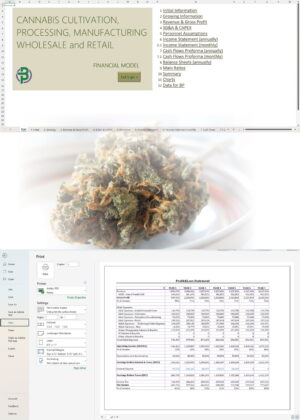
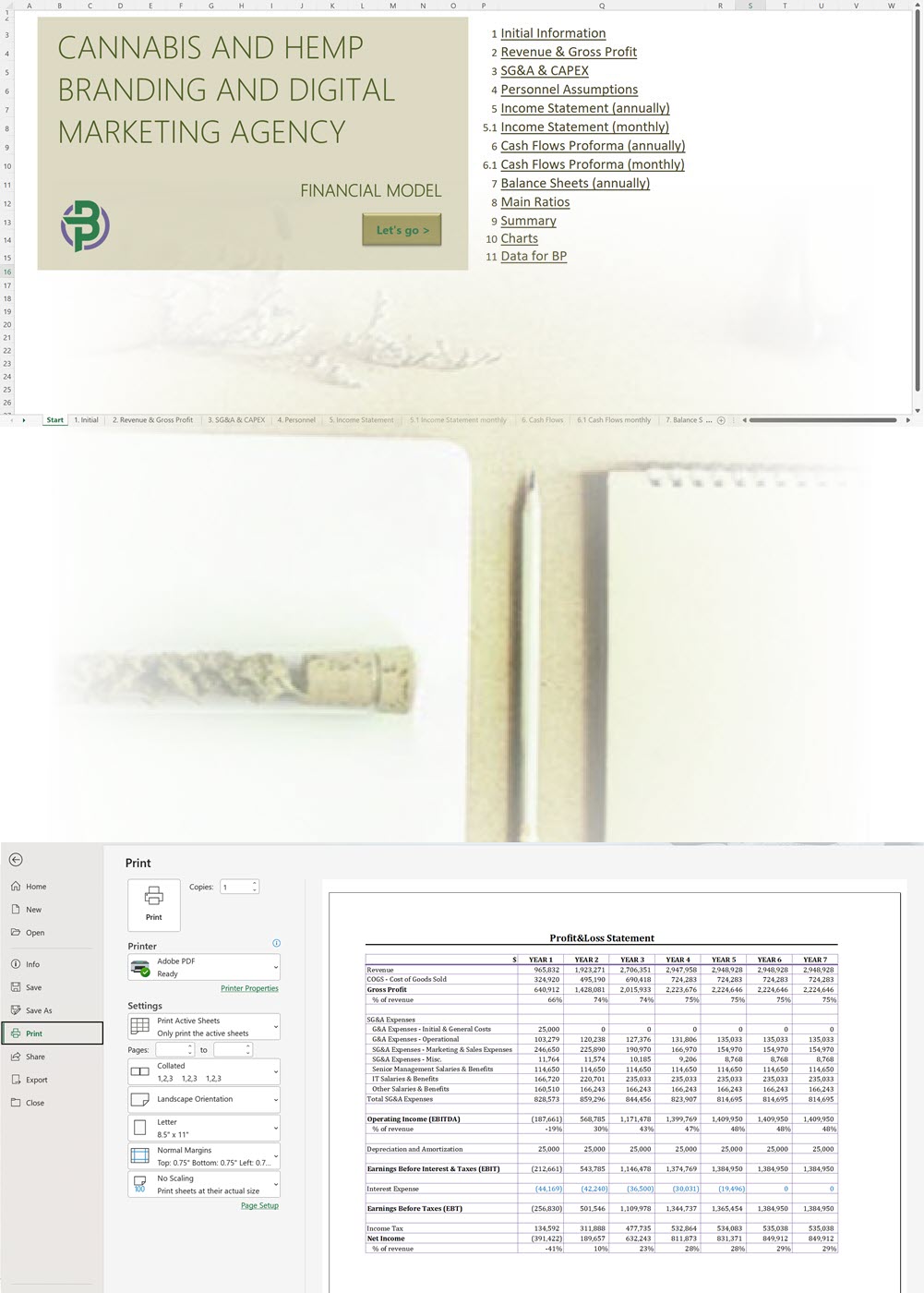
We offer professional cannabis business plan templates, including pro forma financials and projections to help you know how much money it will cost to start your business and how much money you can make by starting and operating your 100% legally compliant cannabis business. The Cannabis Business Plan Template includes: Excel financial model that you will be able to edit and customize according to your business needs Word business plan document template, open and editable PowerPoint pitch deck template, open and editable Unlimited support (email)
Best Selling Cannabis Business Plan Templates
-

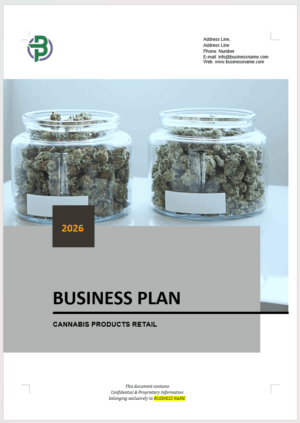
Cannabis Cultivation Business Plan Template
Price range: $75.00 through $350.00 Select options This product has multiple variants. The options may be chosen on the product page -

Cannabis Dispensary Business Plan Template
Price range: $75.00 through $350.00 Select options This product has multiple variants. The options may be chosen on the product page -

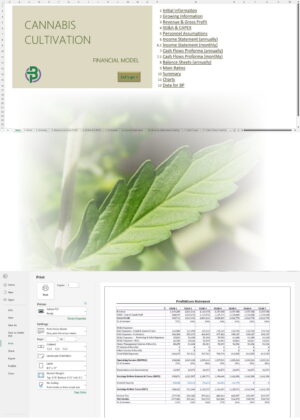
Cannabis Cultivation Financial Model
$150.00 Select options This product has multiple variants. The options may be chosen on the product page -
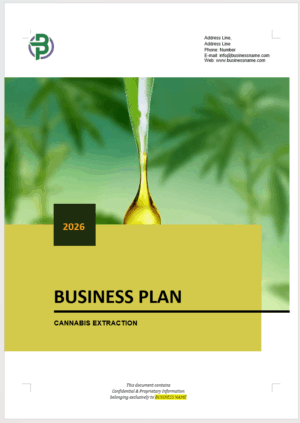
Cannabis Extraction / Concentrates Business Plan Template
Price range: $75.00 through $350.00 Select options This product has multiple variants. The options may be chosen on the product page -

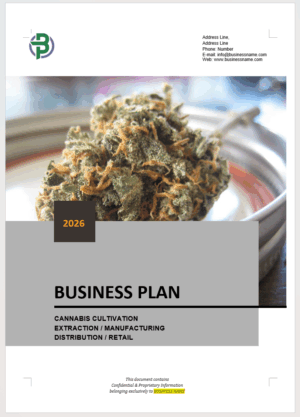
Vertically Integrated Cannabis Business Plan Template
Price range: $75.00 through $500.00 Select options This product has multiple variants. The options may be chosen on the product page -
Vertically Integrated Cannabis Financial Model
$200.00 Select options This product has multiple variants. The options may be chosen on the product page
We also offer hemp CBD business plan templates at hempcbdbusinessplans.com.
Our Templates

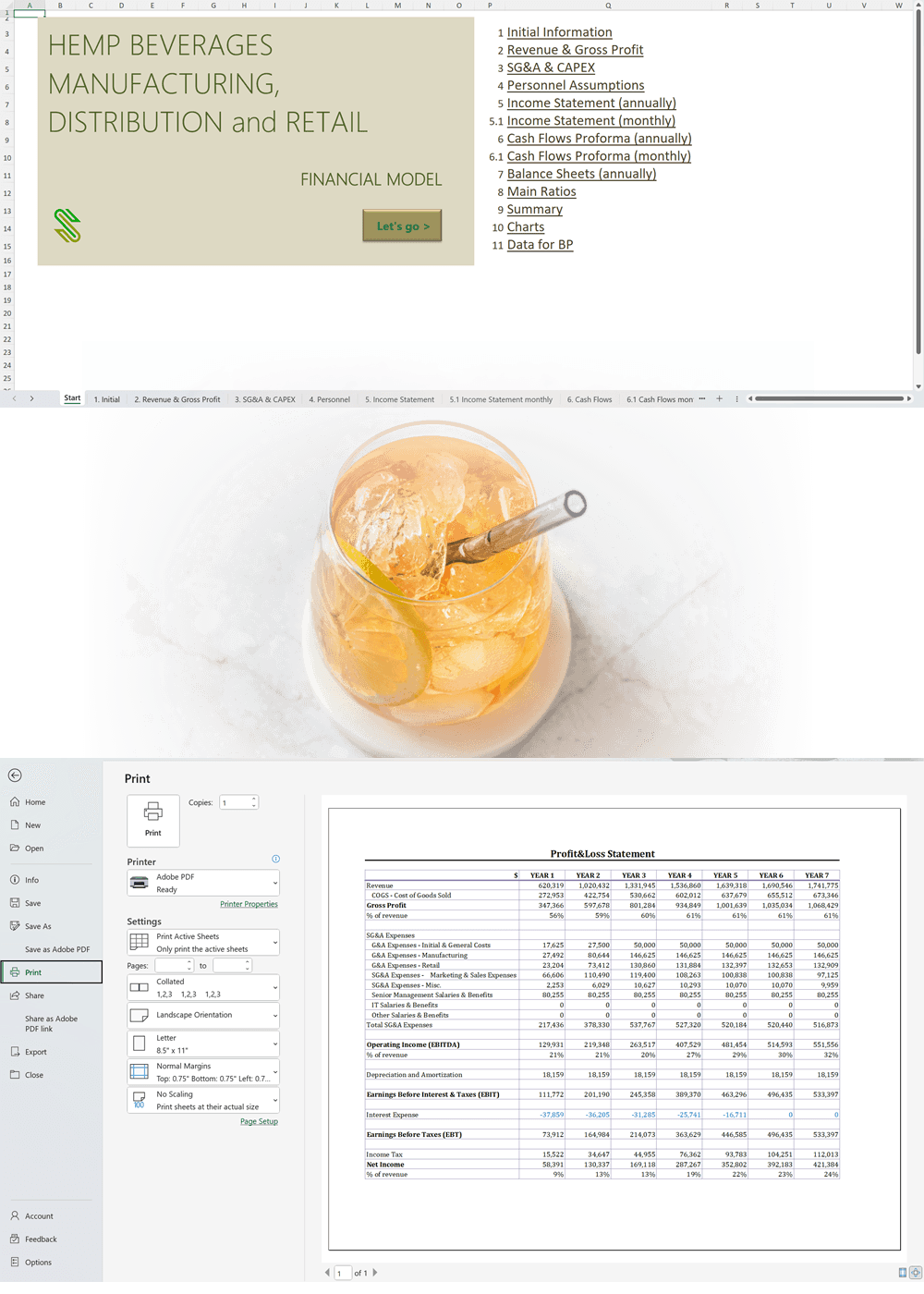
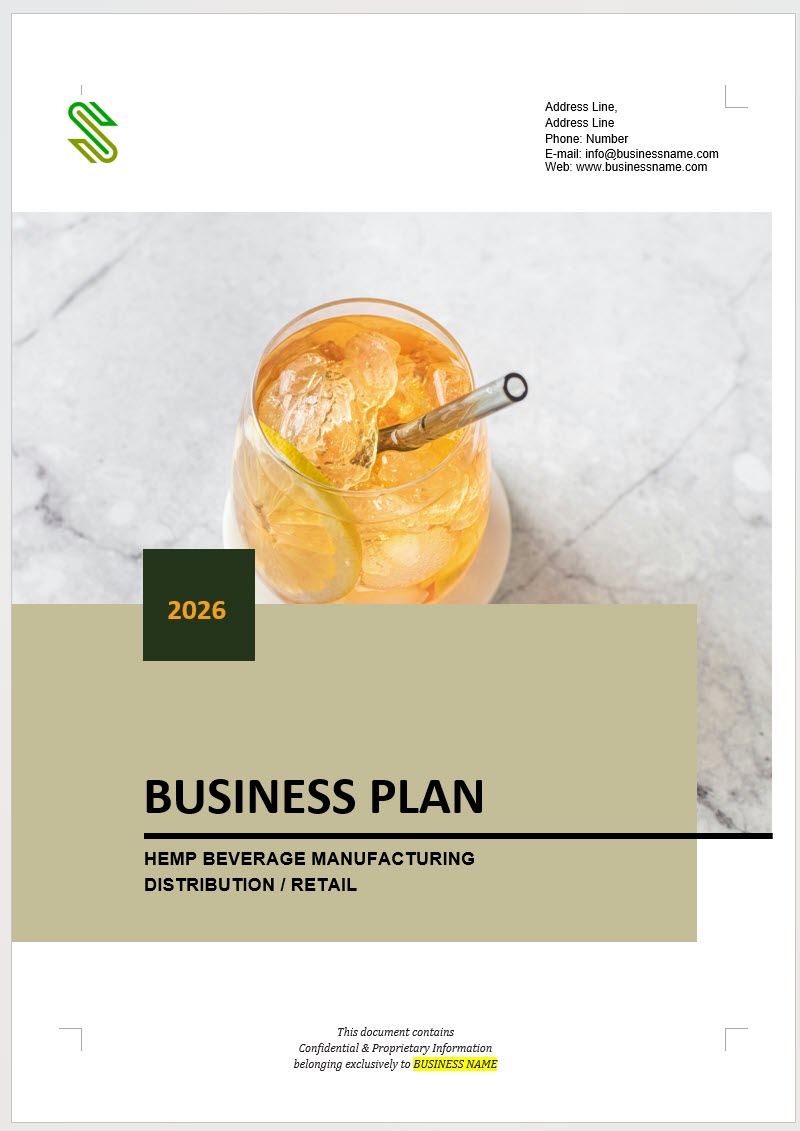
Hemp CBD Beverage Manufacturing, Wholesale and/or Retail Business Plan Template
Price range: $75.00 through $350.00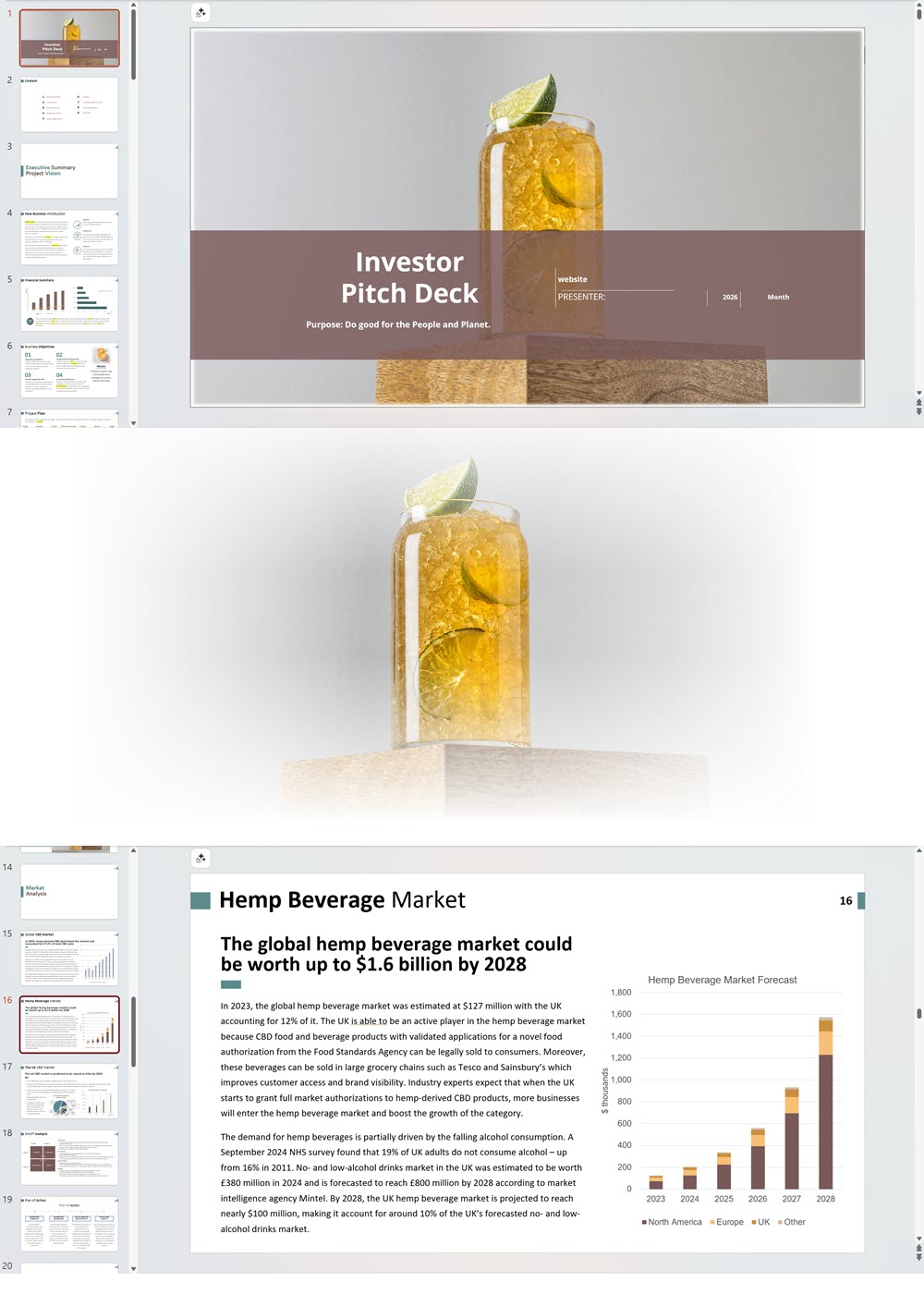

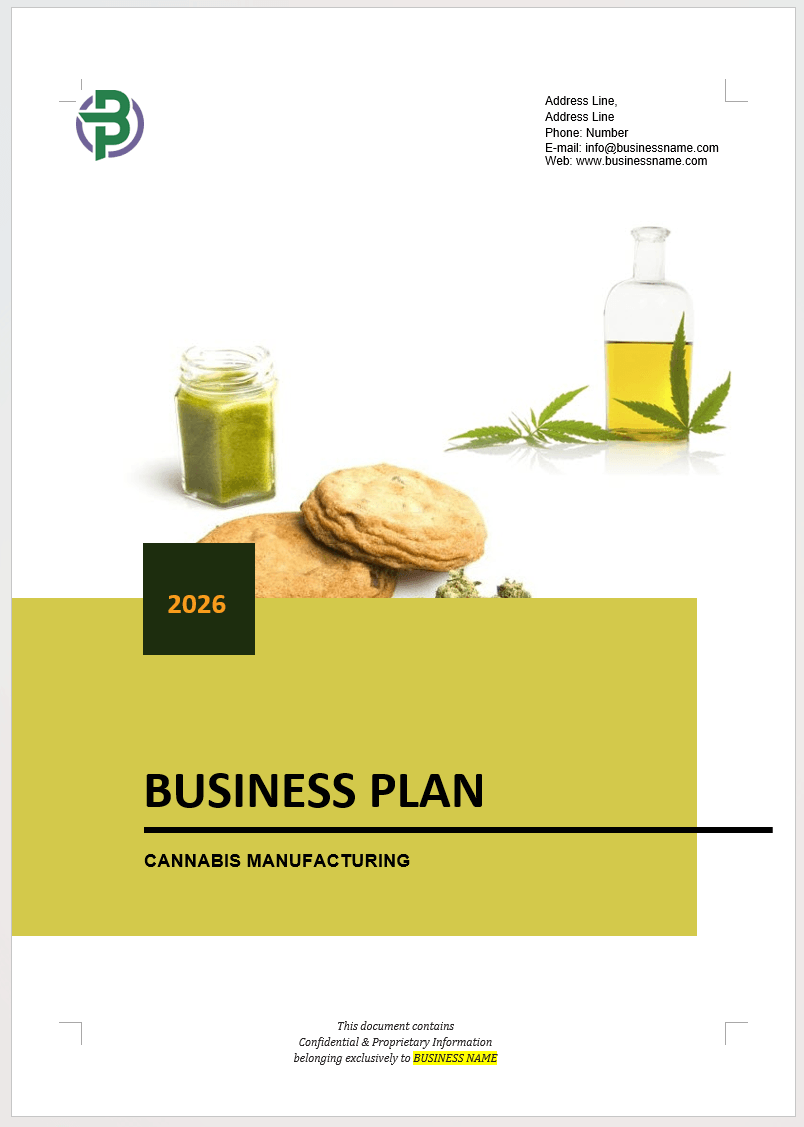
Cannabis Manufacturing Business Plan Template (with in-house processing)
Price range: $75.00 through $350.00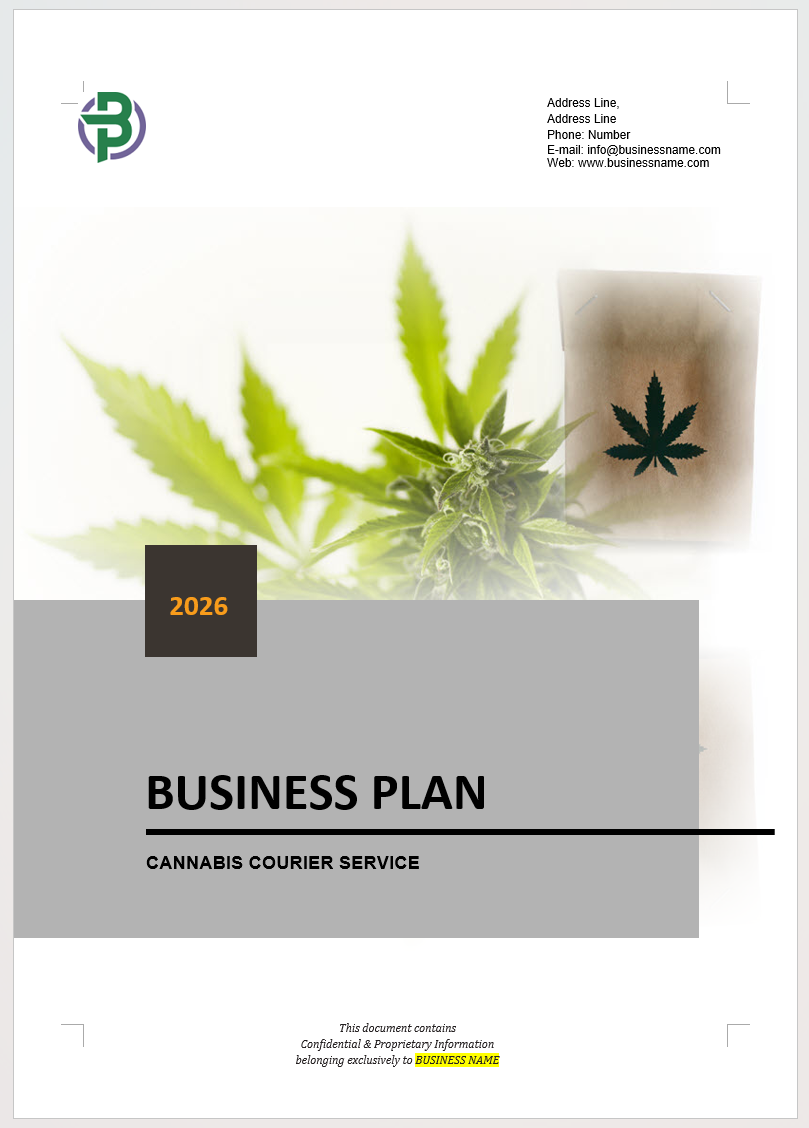
Cannabis Courier Business Plan Template
Price range: $75.00 through $275.00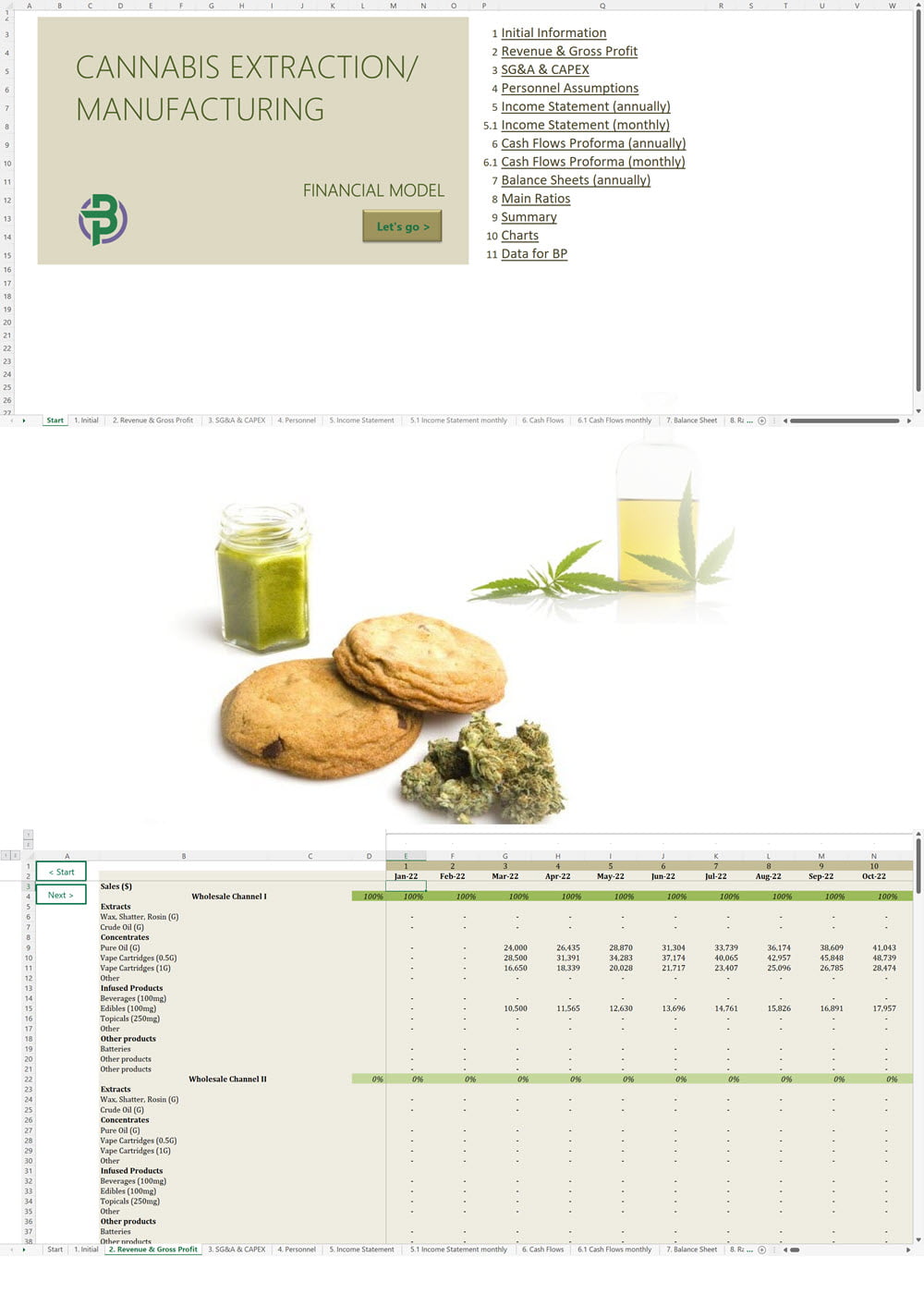
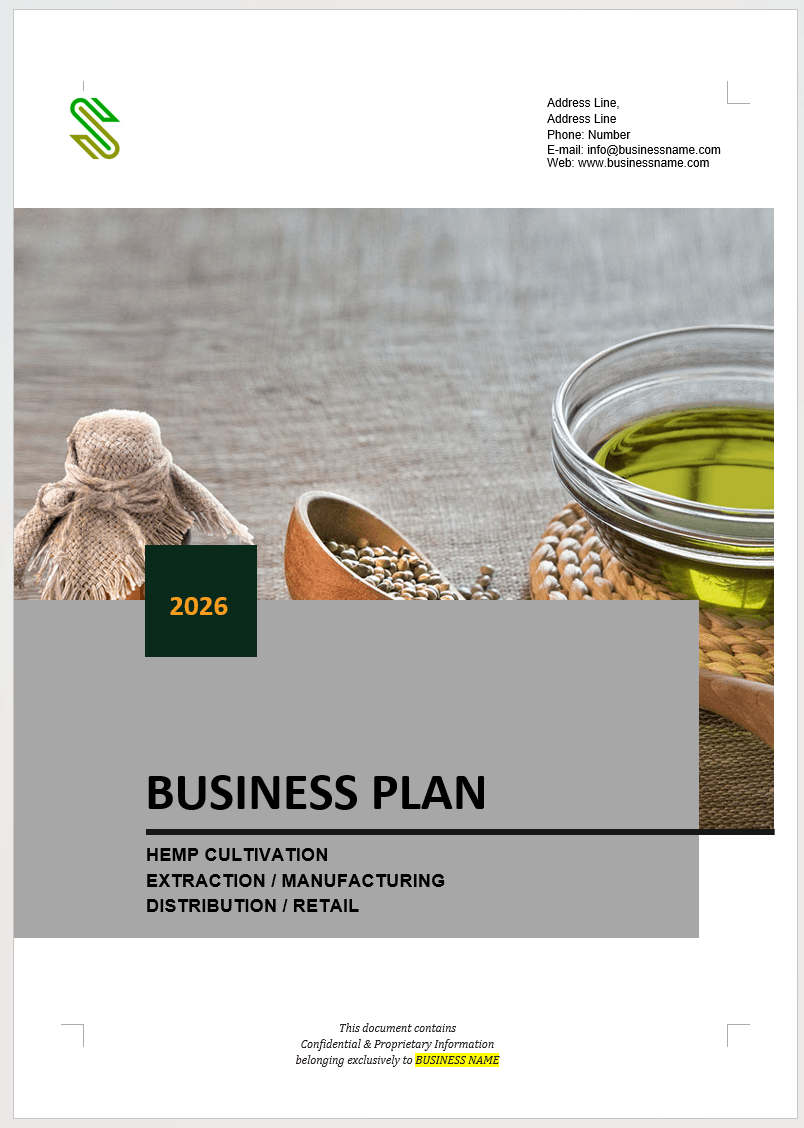
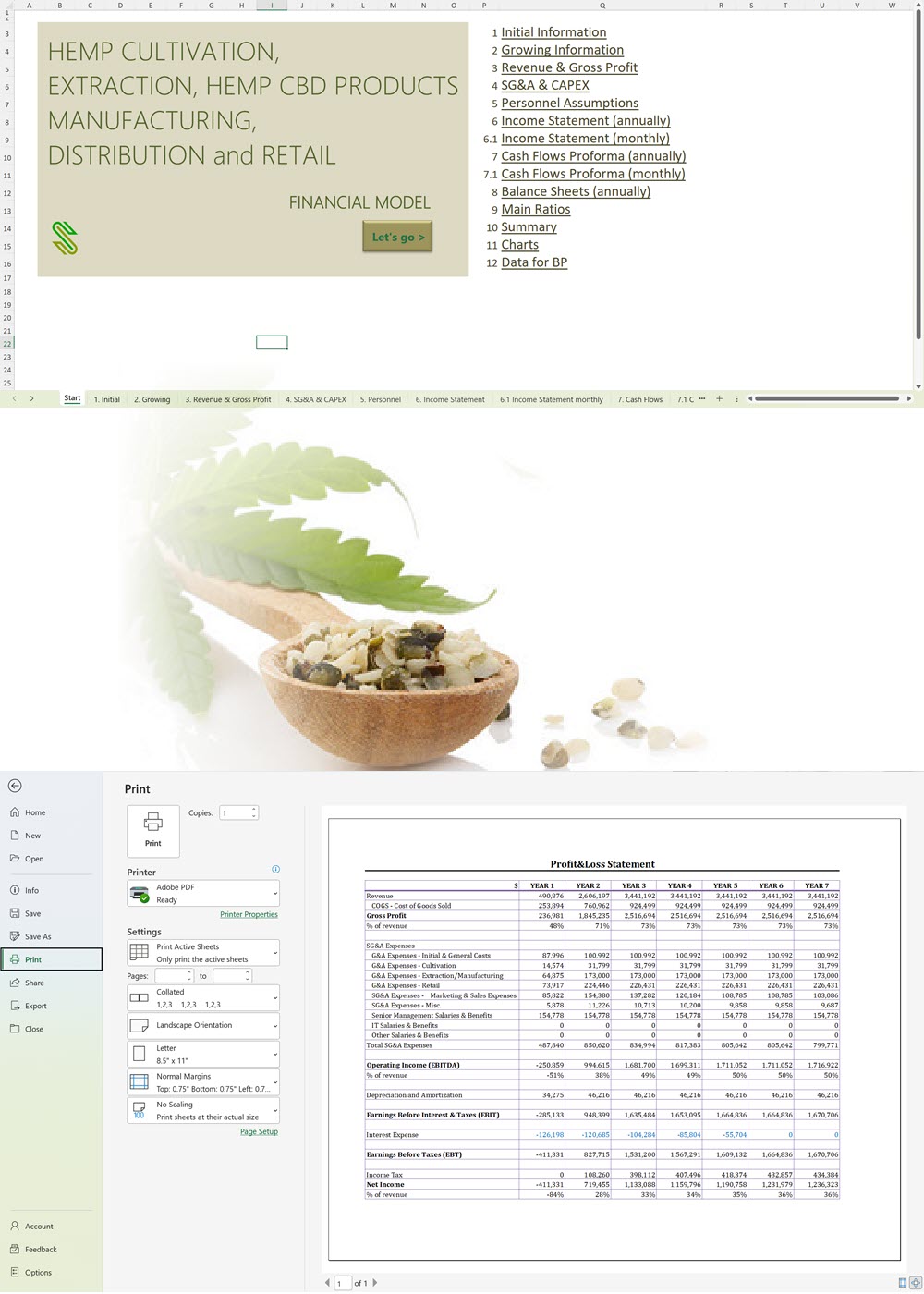
Hemp CBD Vertically Integrated Business Plan Template
Price range: $75.00 through $450.00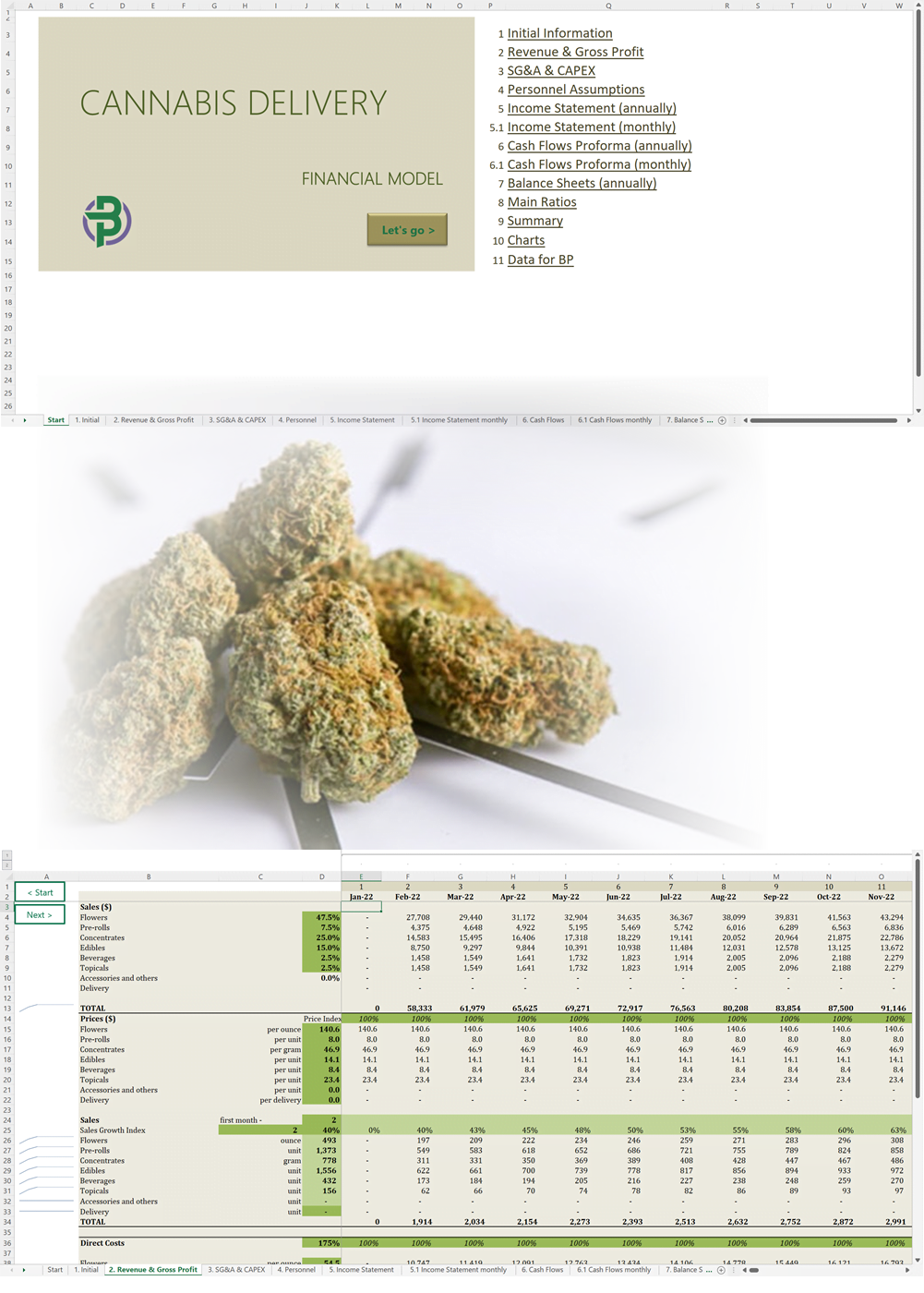

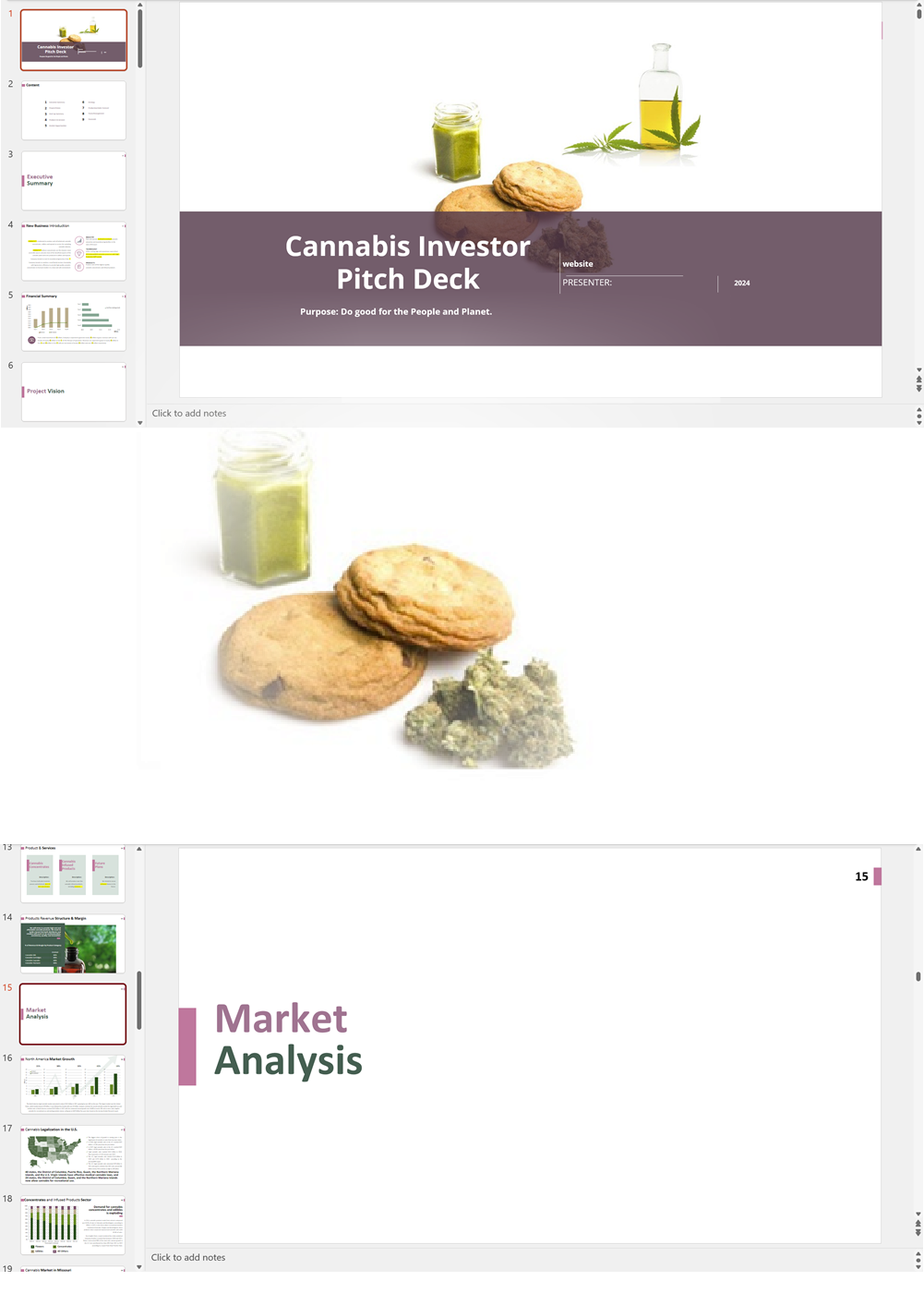
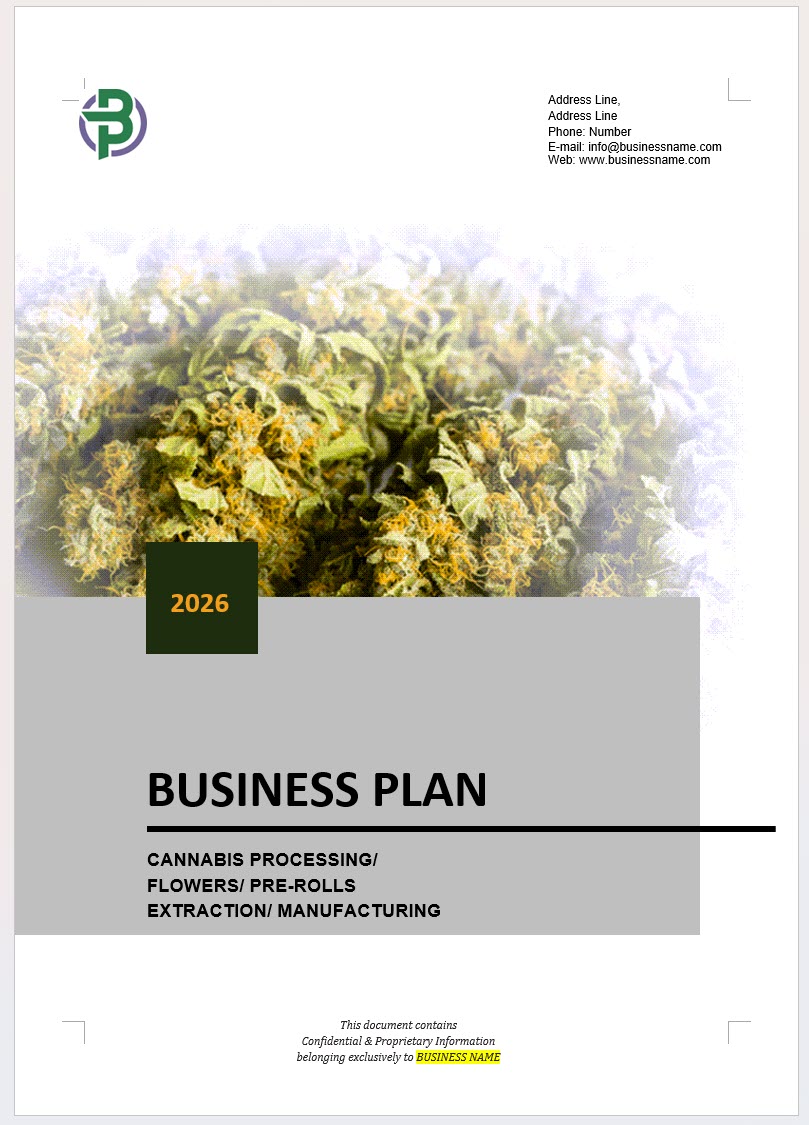
Cannabis Processing/ Flowers/ Pre-rolls/ Extraction/ Manufacturing Business Plan Template
Price range: $75.00 through $350.00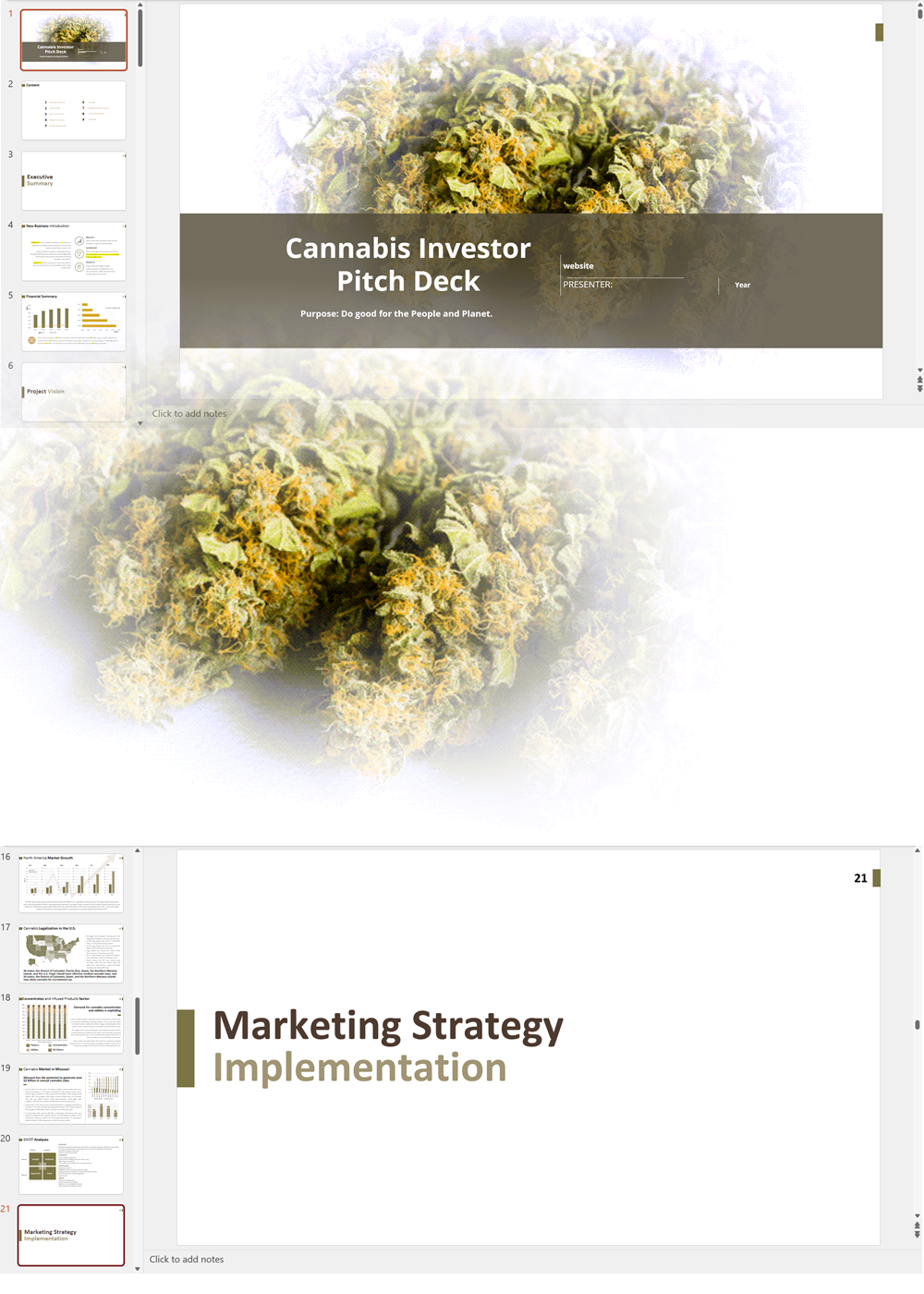
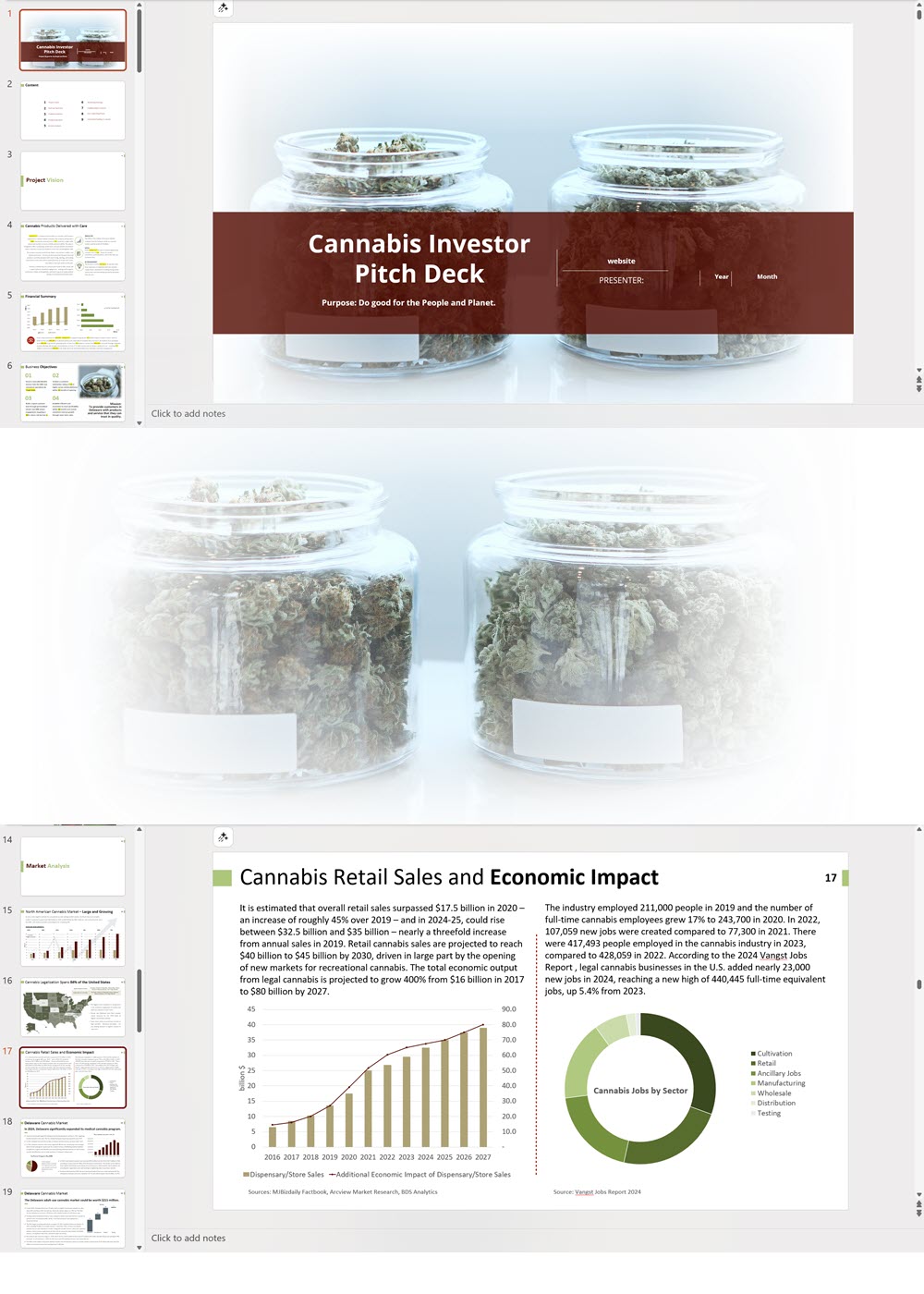
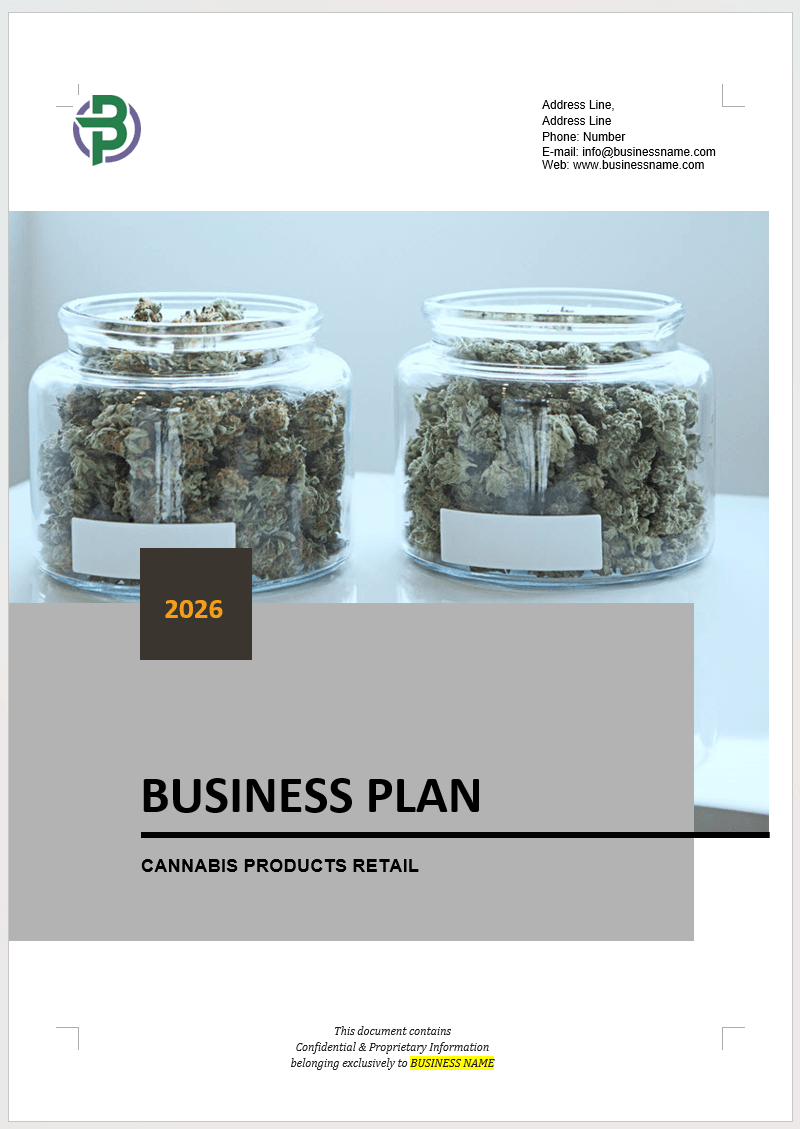
Cannabis Dispensary Business Plan Template
Price range: $75.00 through $350.00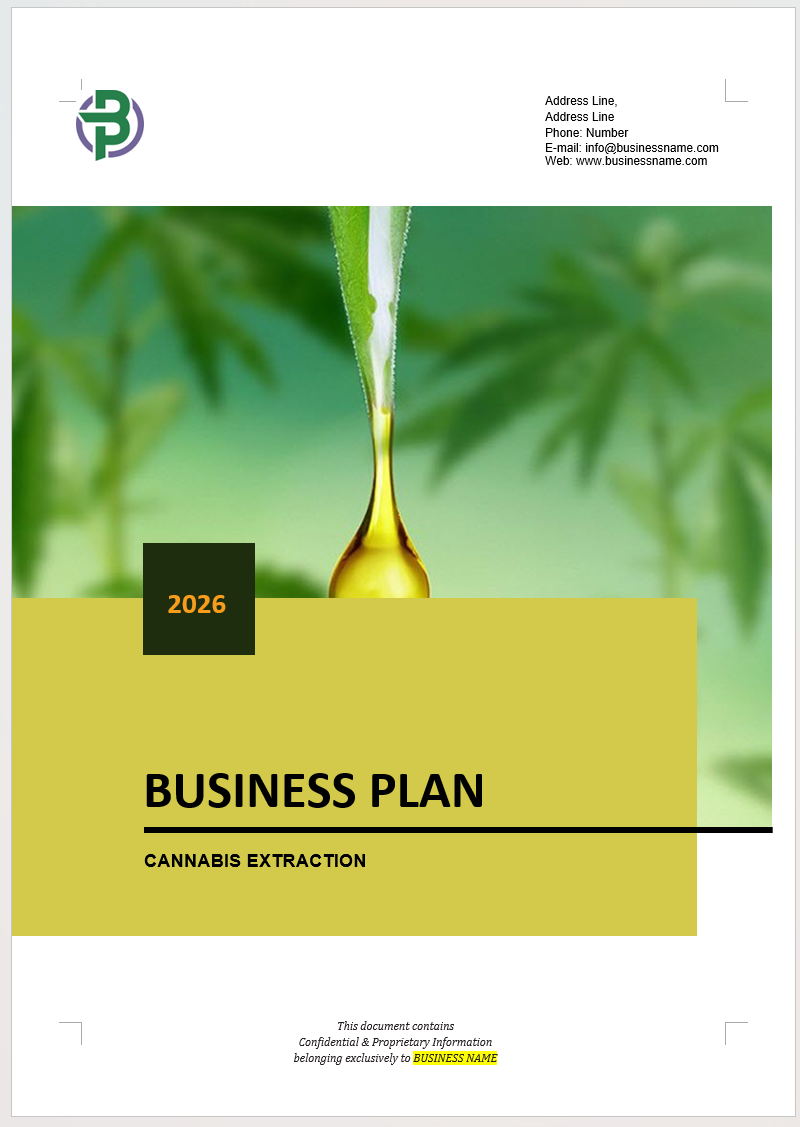
Cannabis Extraction / Concentrates Business Plan Template
Price range: $75.00 through $350.00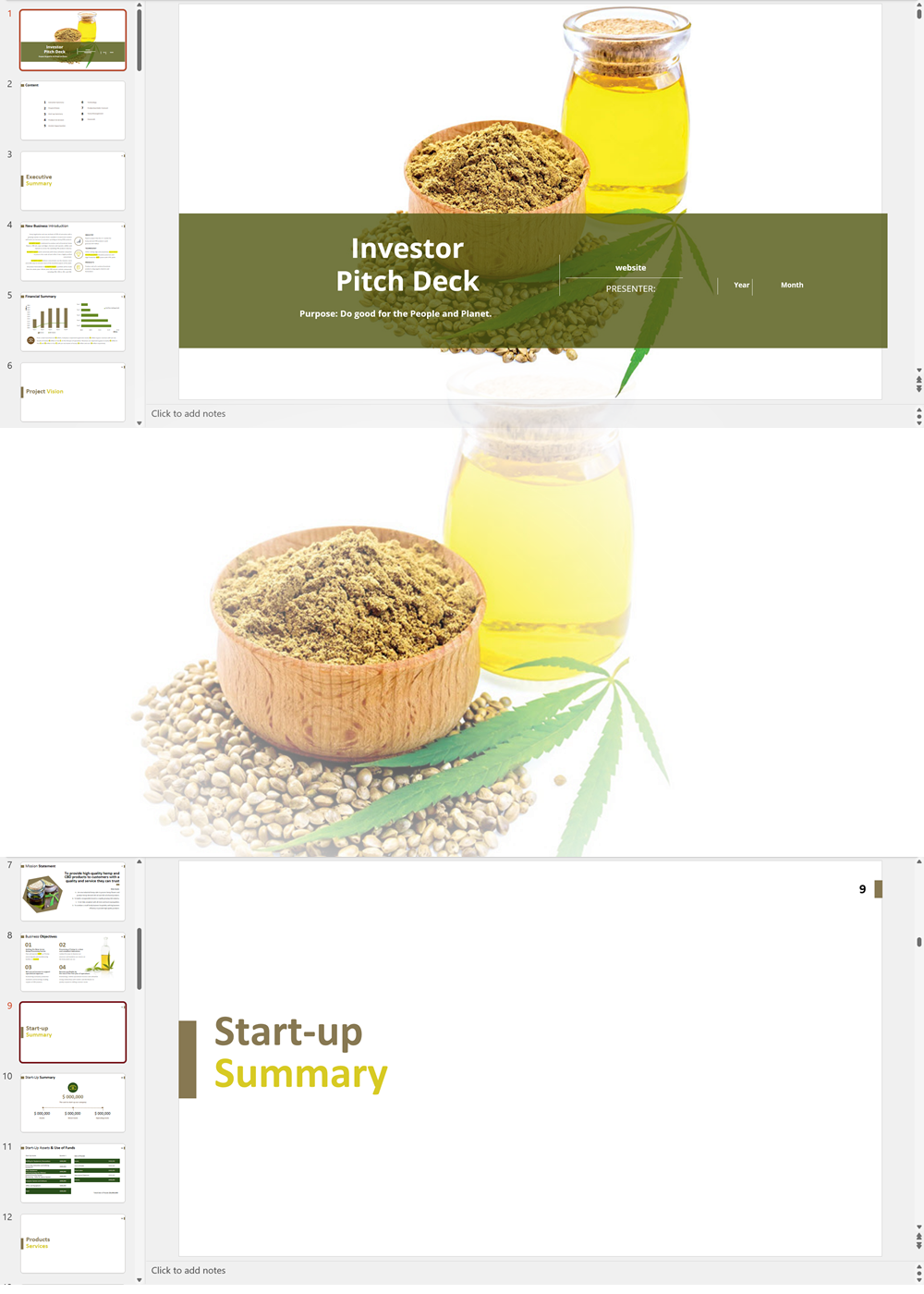
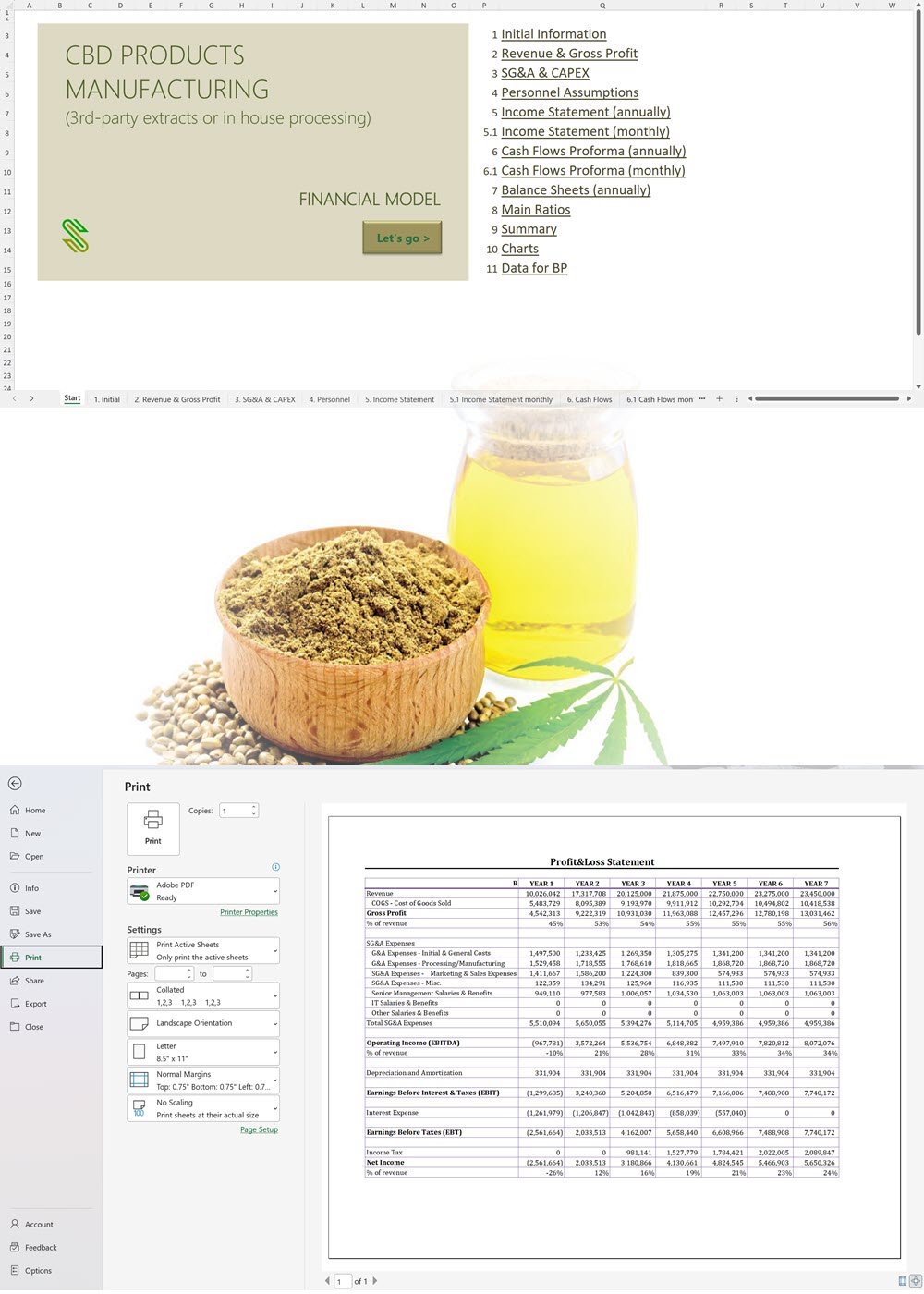
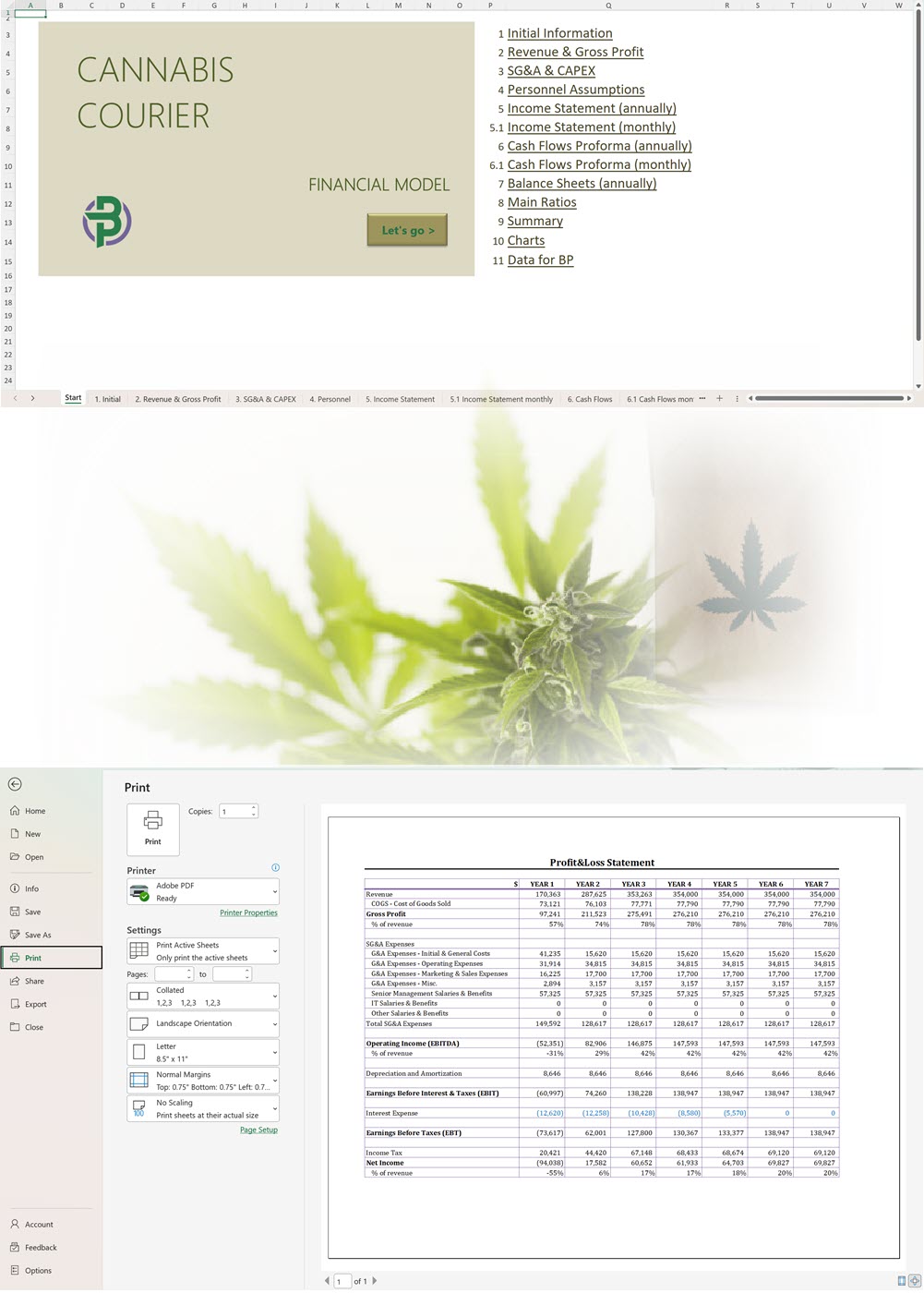
Cannabis Courier Financial Model
$100.00
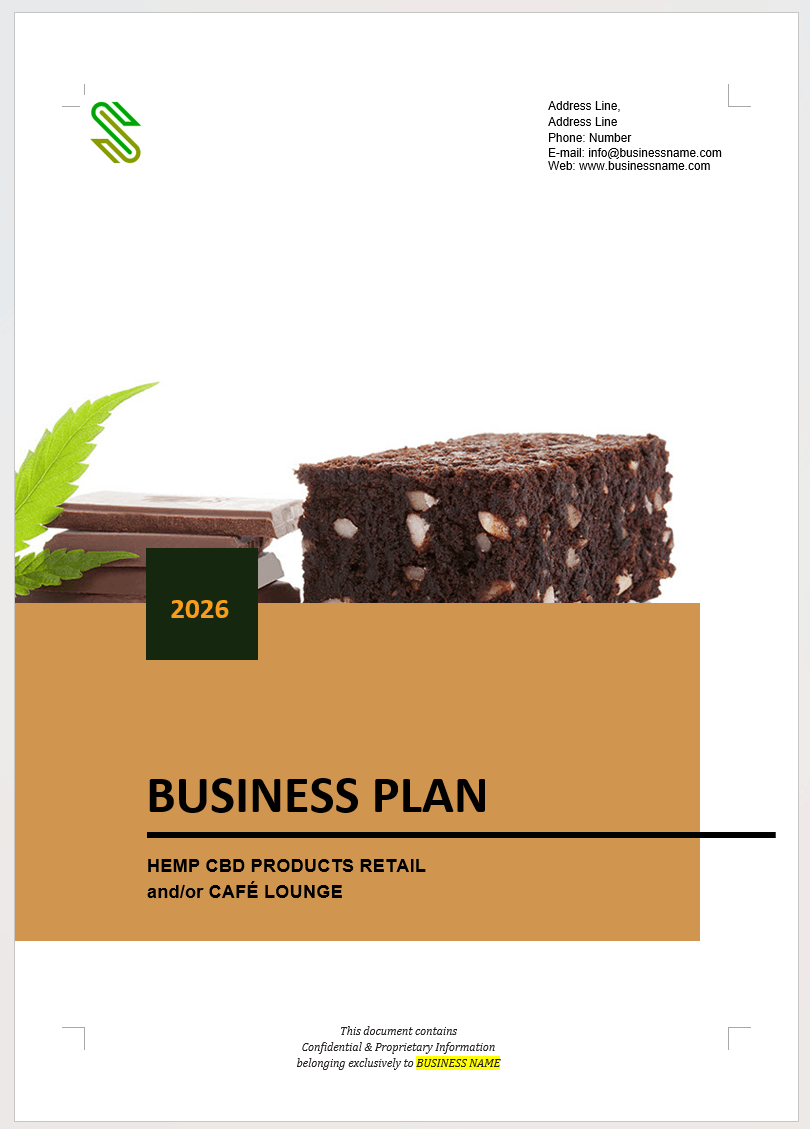
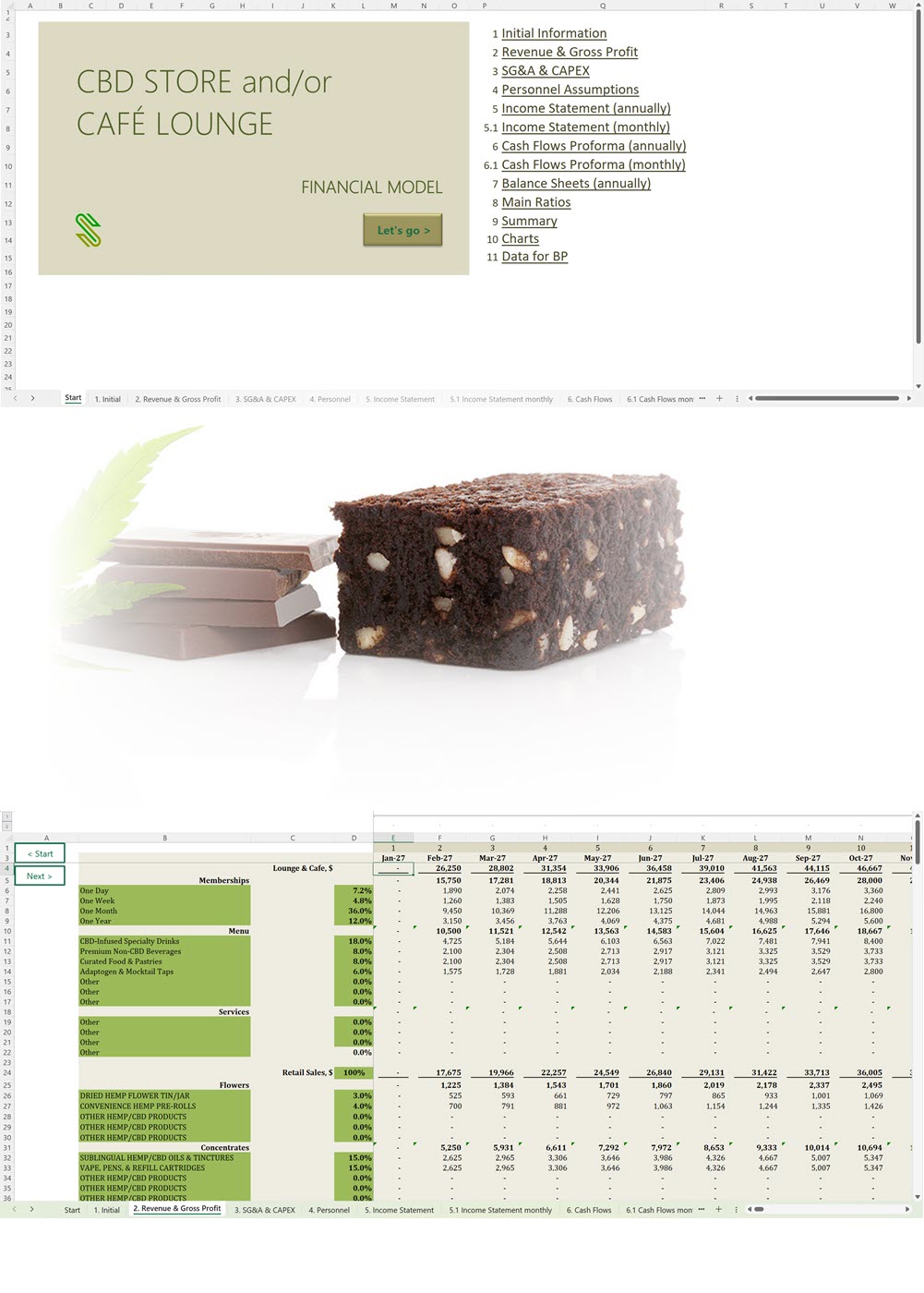
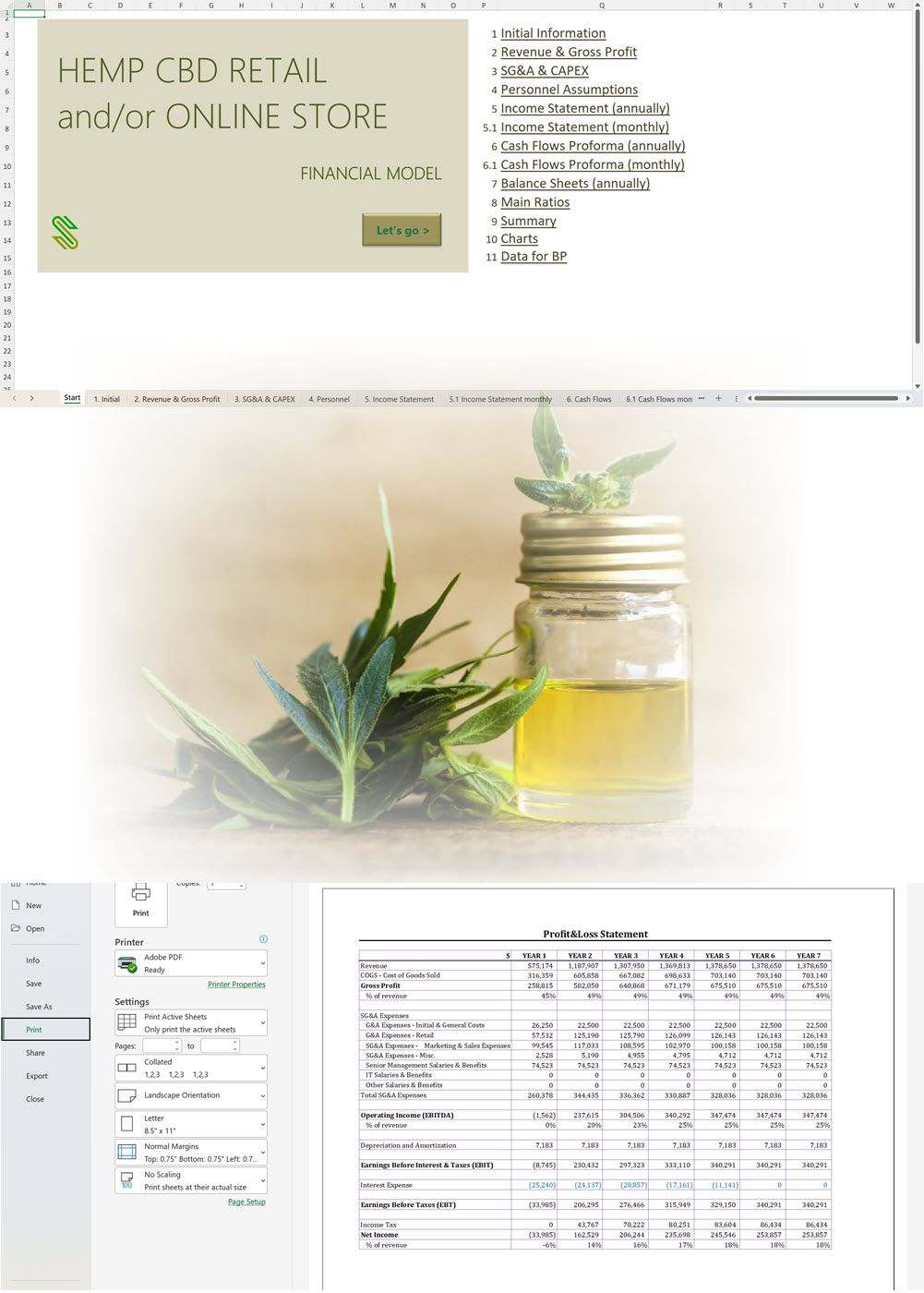
CBD Store and/or Cafe Lounge Business Plan Template
Price range: $75.00 through $275.00


Cannabis Transportation Business Plan Template
Price range: $75.00 through $275.00