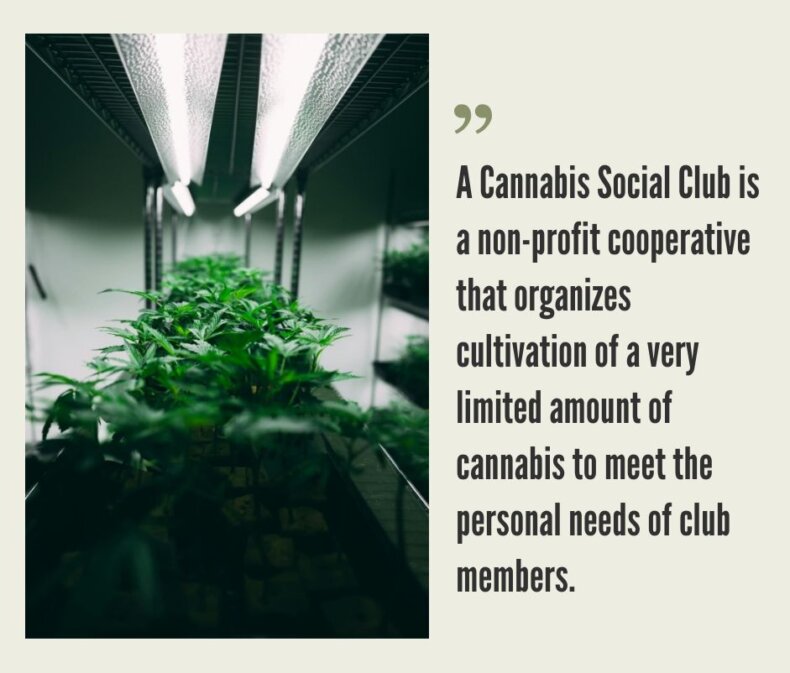
A Cannabis Social Club is a business model of the regulated cannabis industry, registered as a non-profit cooperative that organizes the professional, collective cultivation of a very limited amount of cannabis, enough to cover the personal needs of club members. This model differs from standard cannabis dispensaries or cannabis consumption lounges in that they operate on a commercial basis and are open to all adults, whereas cannabis social clubs operate on a non-profit basis and only provide access to registered members.
Members of the cannabis social club fund the system through subscriptions according to their needs. Each member receives a value card with units according to their credit, with a maximum limit per month and/or per year. Members are prohibited from reselling any cannabis obtained from the club and are required to ensure that it is not consumed by minors.
According to the European Cannabis Social Club Guidelines:
CSCs are characterised by transparency, democracy and non-profitability. They function as an association, with complete openness about financial arrangements to their members, so the members can see how the costs are calculated and the money is spent. CSC’s organise a general assembly at least once a year, where annual reports are discussed and approved. These reports include a full balance of income and expenses in the past fiscal year, according to the rules established for this purpose. A CSC is not a business in which there are economic benefits that are used for personal profit. The benefits are not shared between the partners.
Currently, cannabis social clubs are legal in some countries in Europe, in some states in the United States and in Uruguay.
In December 2021, the country passed Bill No 241 entitled “An act to establish the Authority on the Responsible Use of Cannabis and to amend various laws relating to certain cannabis activities” regulating cannabis social clubs:
“it shall be permissible to establish, and an individual may be a member of, an organisation the membership of which shall consist only of individuals in their personal capacity and acting only in their own name the only purpose of which being the cultivation of the plant cannabis exclusively for its members in a collective manner to distribute it only to those members”.
Cannabis social clubs in Malta are able to provide their members (up to 500 per club) with up to 7 grammes (1⁄4 oz) per day, with a maximum of 50 grammes (1+3⁄4 oz) per month per member. Authority for the Responsible Use of Cannabis (ARUC) is responsible for the regulation of licenses for non-profit organisations for cannabis. Applicants must pay a registration fee of €1,000 and the license fee starts at €8,750 for the first 50 members.
In October 2023, two non-profit associations were granted the first licenses to legally grow and distribute cannabis, and three more entities had received approval by the end of the year. Before being sold to members, cannabis must be tested by ARUC. A total of 750 people have joined three legal cannabis clubs, each of which began distributing cannabis at the end of January 2024.
As of June 2025, there were 19 licensed Cannabis Harm Reduction Associations (CHRAs).
On September 25, 2020, the Swiss Parliament adopted an amendment to the Federal Act on Narcotics and Psychotropic Substances (NarcA). Per the amendments to Article 8a NarcA, the revised Act provides a legal basis for scientific pilot trials with cannabis. Then, on 15 May 2021, the amendment to the NarcA has come into effect allowing pilot testing of the controlled dispensing of cannabis for recreational purposes.
Pilot trials can be carried out between 2021 and 2031. The experimental protocol allows for the creation of social cannabis clubs run by universities, local authorities, research institutes, associations or foundations.
As of June 2024, a total of nine pilot trials with cannabis for non-medical purposes have been authorized in various cities in Switzerland, including Lausanne, Zürich, Liestal, Allschwil, Bern, Bienne, and Lucerne. The canton of Zurich launched its largest pilot trial program in 2024, which began with Winterthur, Schlieren and Horgen in May 2024 and will then extend to Adliswil, Wädenswil, and Uster.
On February 23, 2024, the Bundestag (the lower house of the German legislature or parliament) passed a law legalizing the recreational use of cannabis for personal use in the country. The Law (CanG) came into force on April 1st for possession and cultivation, with cannabis social clubs to start operating from July 1st. Membership of cannabis social clubs in Germany will only be legal for adult residents of Germany and have a maximum membership number of 500. Cannabis social clubs in Germany also require permits. These clubs are permitted to distribute to each member no more than:
- 25 grams of cannabis per day,
- 50 grams of cannabis per month,
- 7 seeds or 5 cuttings per month.
As of December 2024, 83 cannabis club applications have been approved and an additional 349 applications are being processed.
The Cannabis Patient Protection Act (SB 5052) was passed in April 2015 and came into force on July 1, 2016. Among other rules, it also introduced the new medical marijuana cooperative law that replaced the marijuana collectives law on July 1, 2016. Section 26 of the Cannabis Patient Protection Act states that “qualifying patients or designated providers” can form a cooperative where they have shared responsibility for “acquiring and supplying the resources” required to produce and process cannabis for the medical use of the cooperative’s members only.
There can be a maximum of four members per cooperative and all members should hold valid recognition cards as well as be entered into the medical cannabis authorization database. All members should be at least 21 years old and cannot belong to more than one cooperative. They should provide assistance in growing plants – nonmonetary resources and labor. A cooperative cannot grow more than 60 plants and no more than 72 ounces of useable cannabis can be possessed by members. A cooperative cannot sell or give away cannabis or cannabis products to anyone who is not a member of the cooperative.
The cooperative must be located in one of the members’ homes, meet the requirements, and only one cooperative can be located per property tax parcel. There should be appropriate security arrangements to ensure that the cooperative cannot be easily seen or smelled including having an “eight-foot fence” if the location is outdoors. Cooperatives must be registered with the Washington State Liquor and Cannabis Board (WSLCB) and follow all regulations. There is no fee involved in registering a cannabis cooperative with the WSLCB.
Steps to form a cooperative:
- Obtain a medical cannabis authorization form.
- Have your information entered into the medicinal cannabis authorization database and obtain a medical cannabis recognition card.
- Appoint one of the members as the leader and register your cooperative on the WSLCB website.
- Buy plants from a licensed WSLCB producer.
- Ensure that the registration and copies of all members’ recognition cards are kept close to where the plants are being grown.
Cooperatives must maintain records as instructed in WAC 314-55-415.
On December 20, 2013, President José Mujica enacted the Law 19.172 which regulates the production, marketing and consumption of cannabis as well as promoting information, education and prevention of cannabis use. The act also regulates Cannabis Social Clubs (CSCs) which are referred to as Cannabis Membership Clubs in the Law 19.172 document. The Law 19.172 came into force in 2014.
CSCs constitute a Civil Association and must follow the procedure for the approval of their by-laws and the recognition of their legal status by the Government – Ministry of Education and Culture. The Institute for the Regulation and Control of Cannabis (IRCCA), created by Law 19.172, is responsible for issuing licenses for all stages of production as well as for CSCs. Licenses for CSCs and their members are valid for three years and can be renewed on expiry. The following documents are required for the application for registration of CSCs. The term “Club Cannábico” should be included in the name of the CSC.
In Uruguay, CSCs can have between 15 and 45 members and “only capable natural persons, of legal age, legal or natural citizens” can be members of a CSC. A maximum of 99 psychoactive Cannabis plants can be grown by a CSC. Production and storage cannot be greater than 480 grams per member annually and the same limit is established for delivery to each member. Every CSC must have a Technical Manager who has the responsibility for controlling the compliance with the current regulations. The CSC must have a single Headquarters where its activities are performed “including planting, growing, harvesting, processing and distribution of psychoactive Cannabis for its members”. Carrying out any of these activities outside of the Headquarters is prohibited. If a CSC wishes to move its Headquarters, it must follow this guide.
On 4 April, 2018, the IRCCA Board of Directors, by Resolution No. 9/2018, approved the new guide that outlines the minimum conditions that need to be satisfied in order for a CSC to be authorized and be allowed to operate in Uruguay.
Total number of authorized clubs as of February, 2025, was 495 (363 in 2023).
Source: cannabusinessplans.eu.
Cannabis Social Clubs Infographics
'70% ready to go' business plan templates
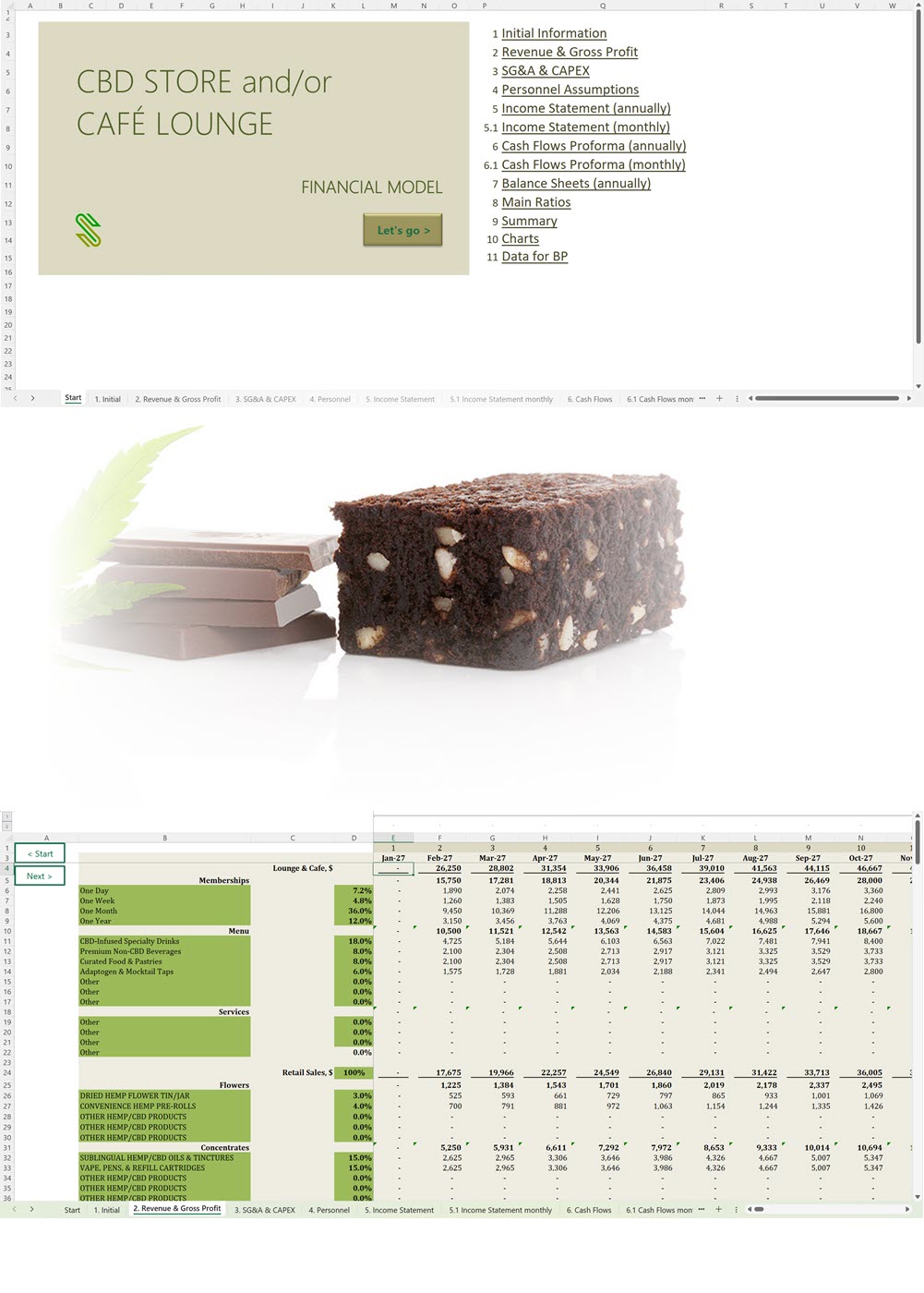
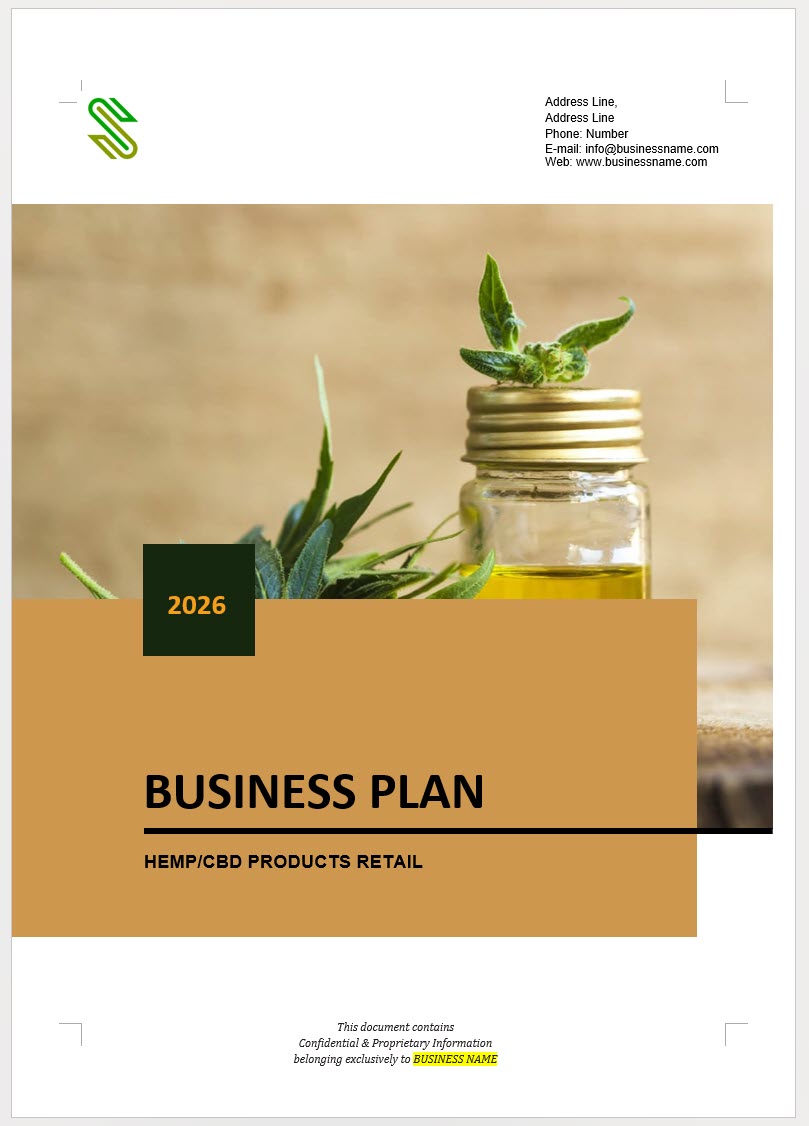
Our cannabis social club financial models and cannabis social club business plan templates with pitch decks will help you estimate how much does it cost to open your own cannabis social club, to build all revenue and cost line-items monthly over a flexible seven year period, and then sums the monthly results into quarters and years for an easy view into the various time periods.
Should you have any questions, please do not hesitate to contact us.
Cannabis Social Club Business Plan Sample (Germany)
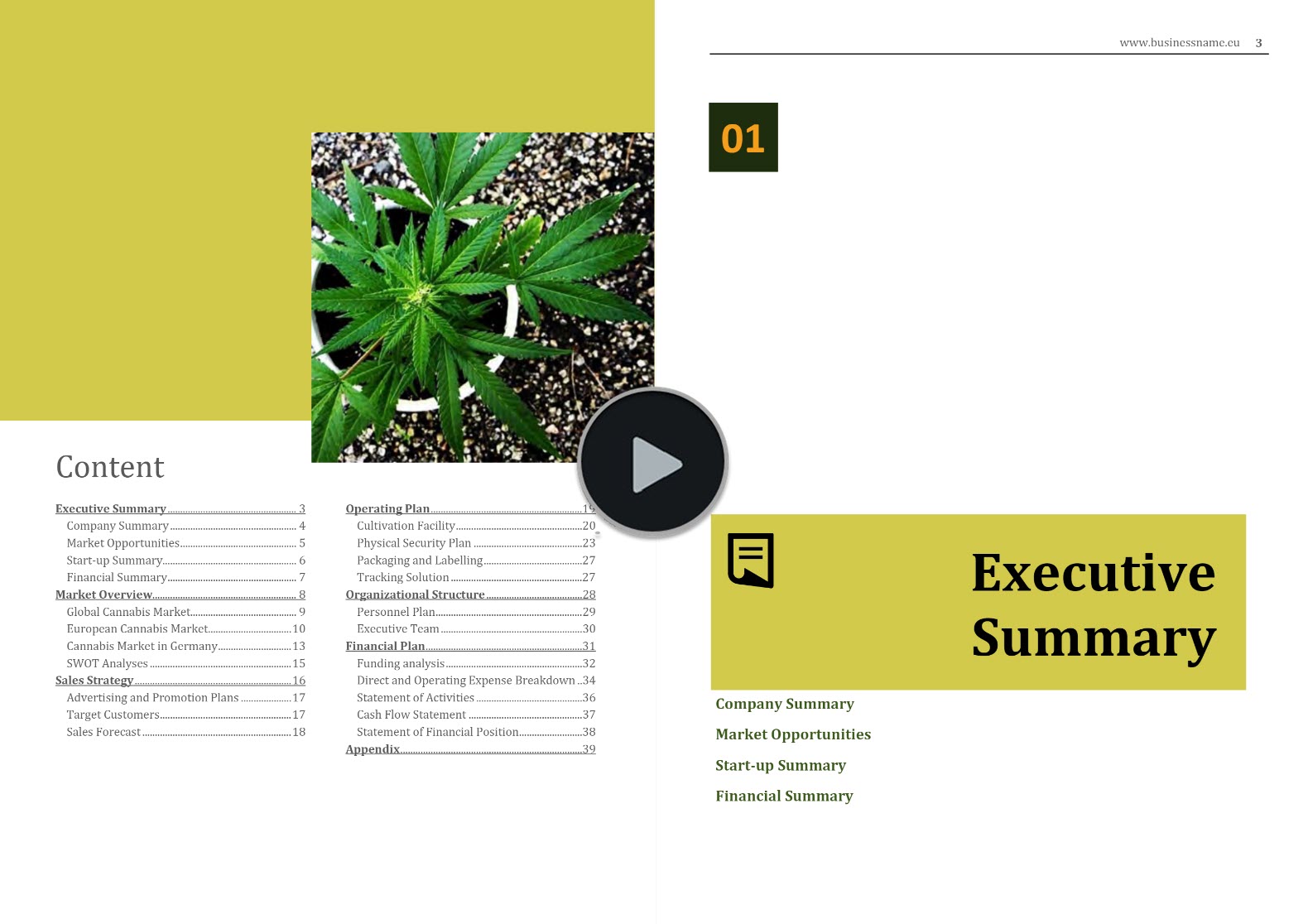
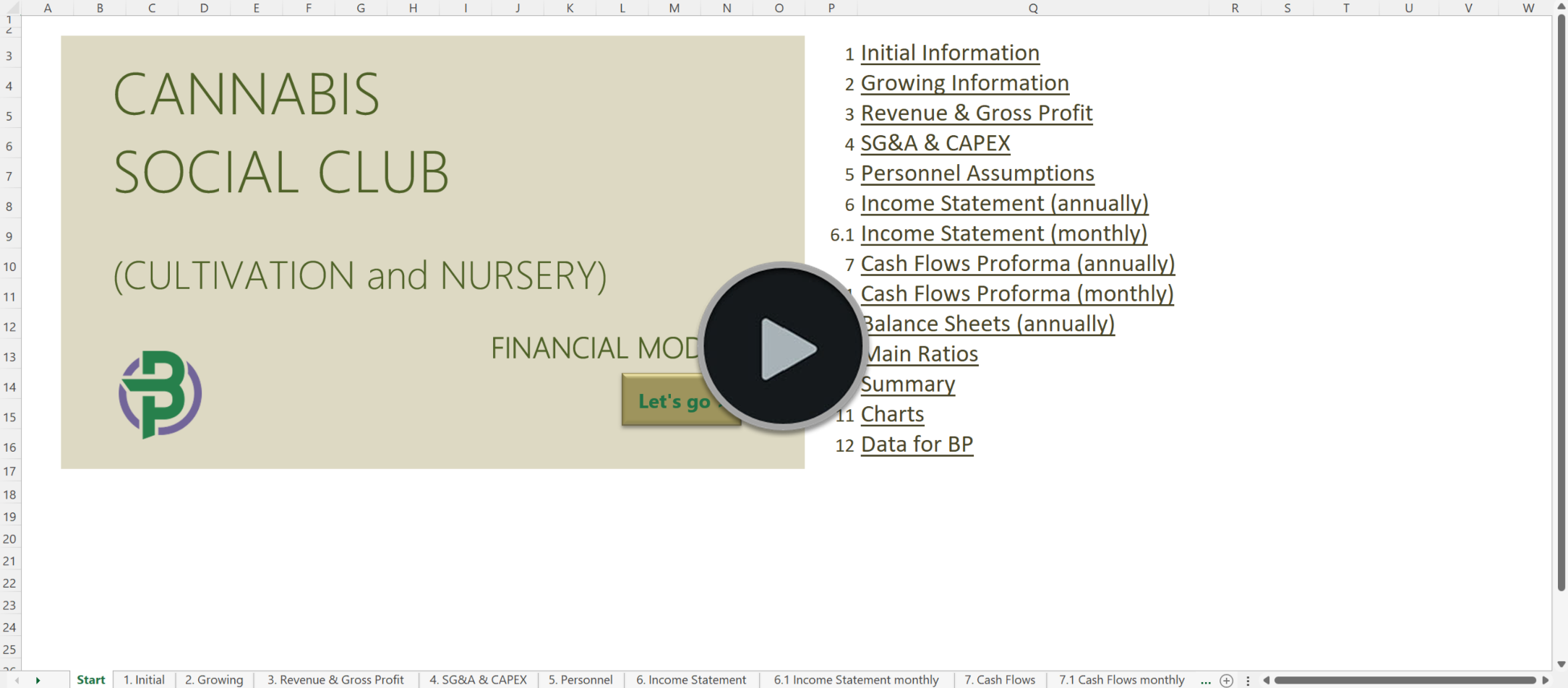
Cannabis Social Club Pitch Deck Sample (Germany)
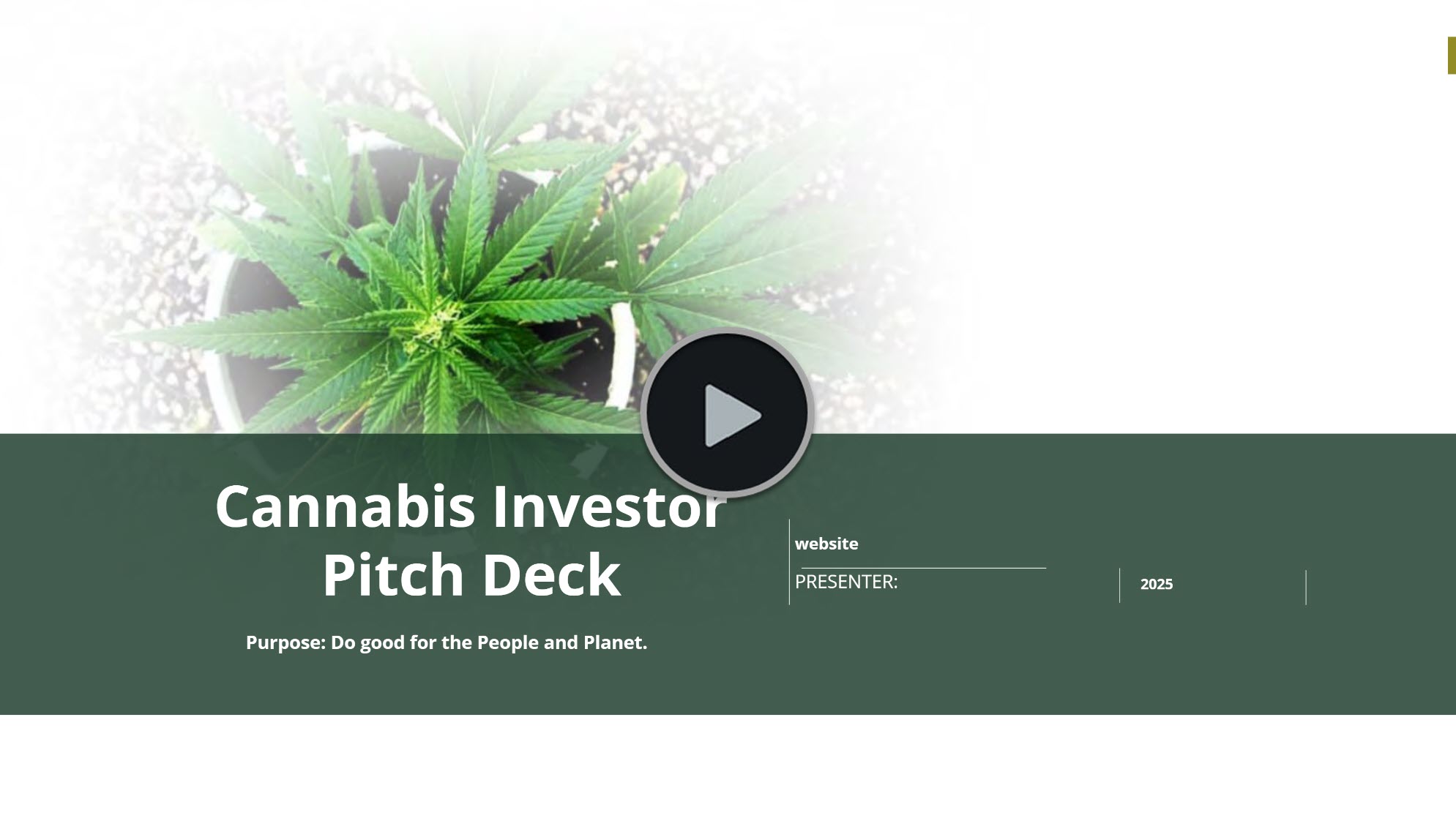
More European cannabis business plan templates are available at cannabusinessplans.eu.
Our Templates
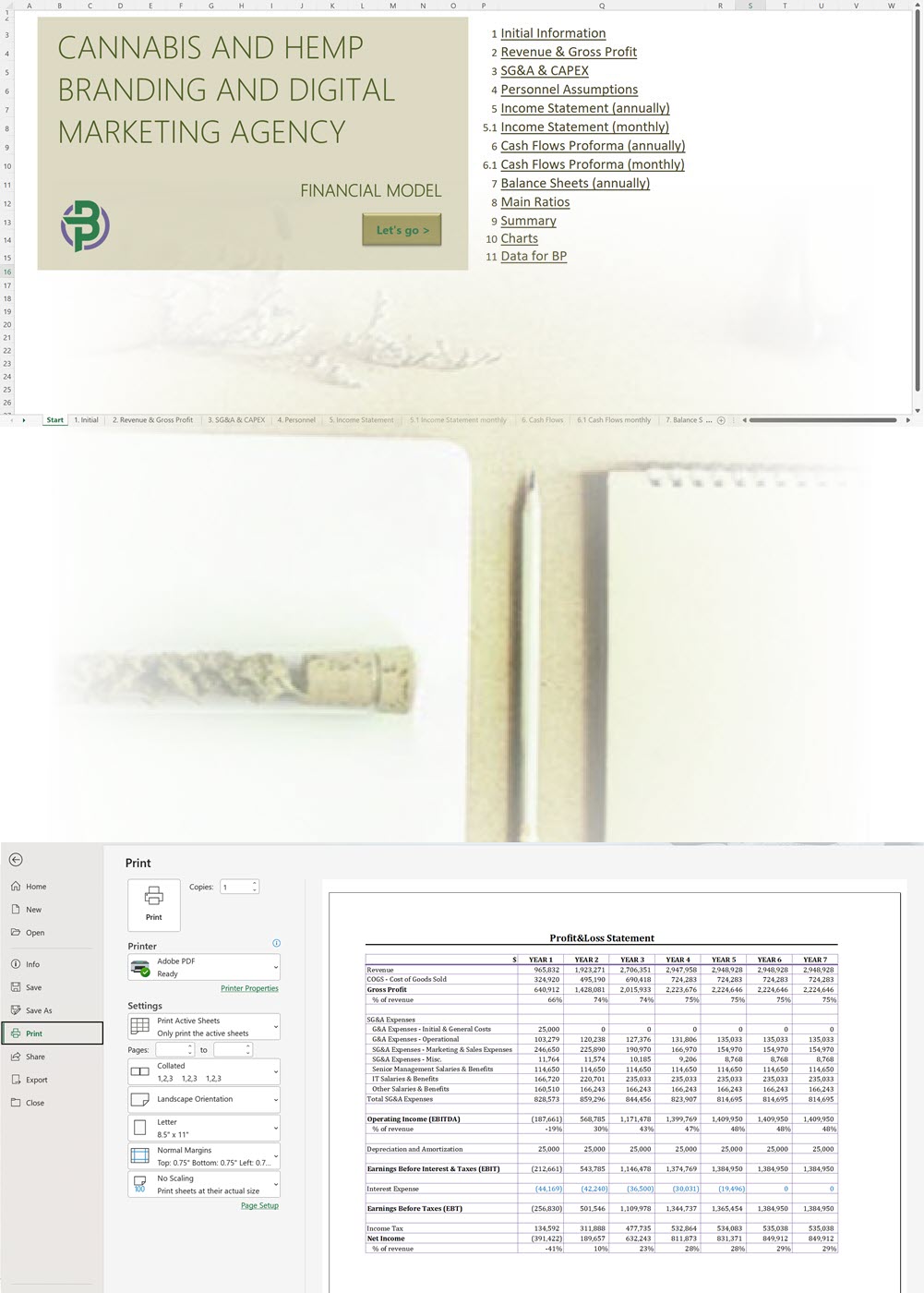

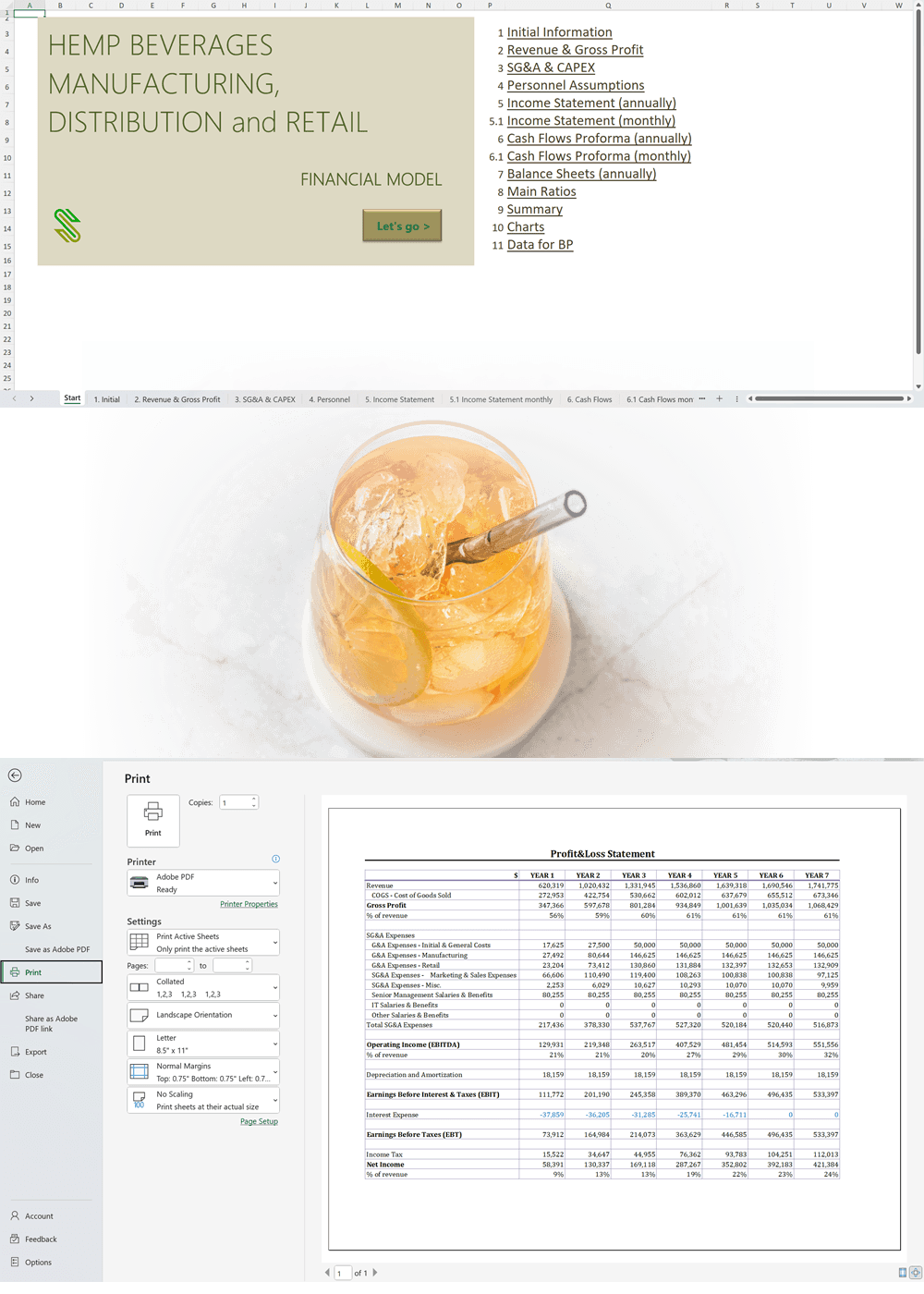
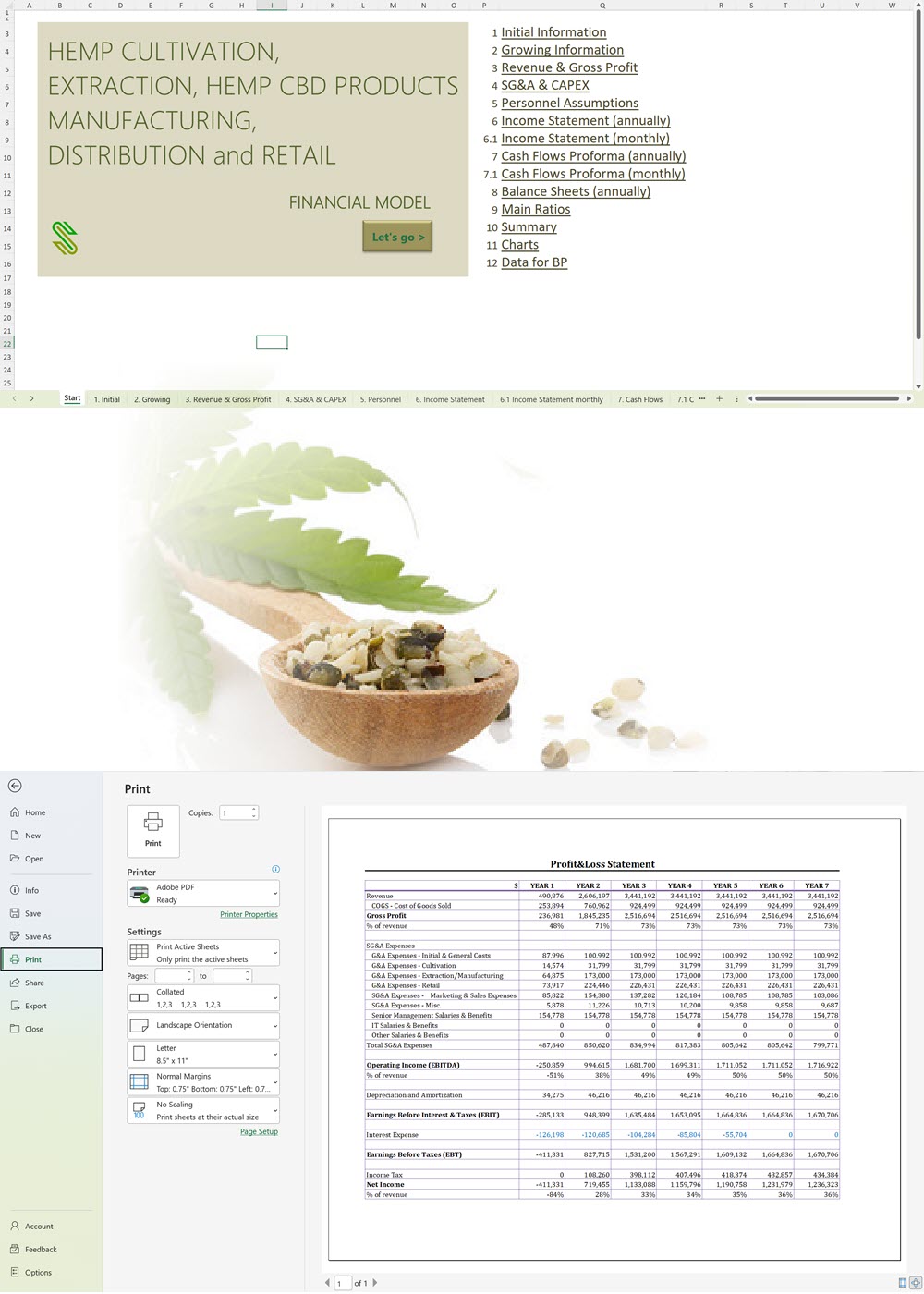

Hemp CBD Beverage Manufacturing, Wholesale and/or Retail Business Plan Template
Price range: $75.00 through $350.00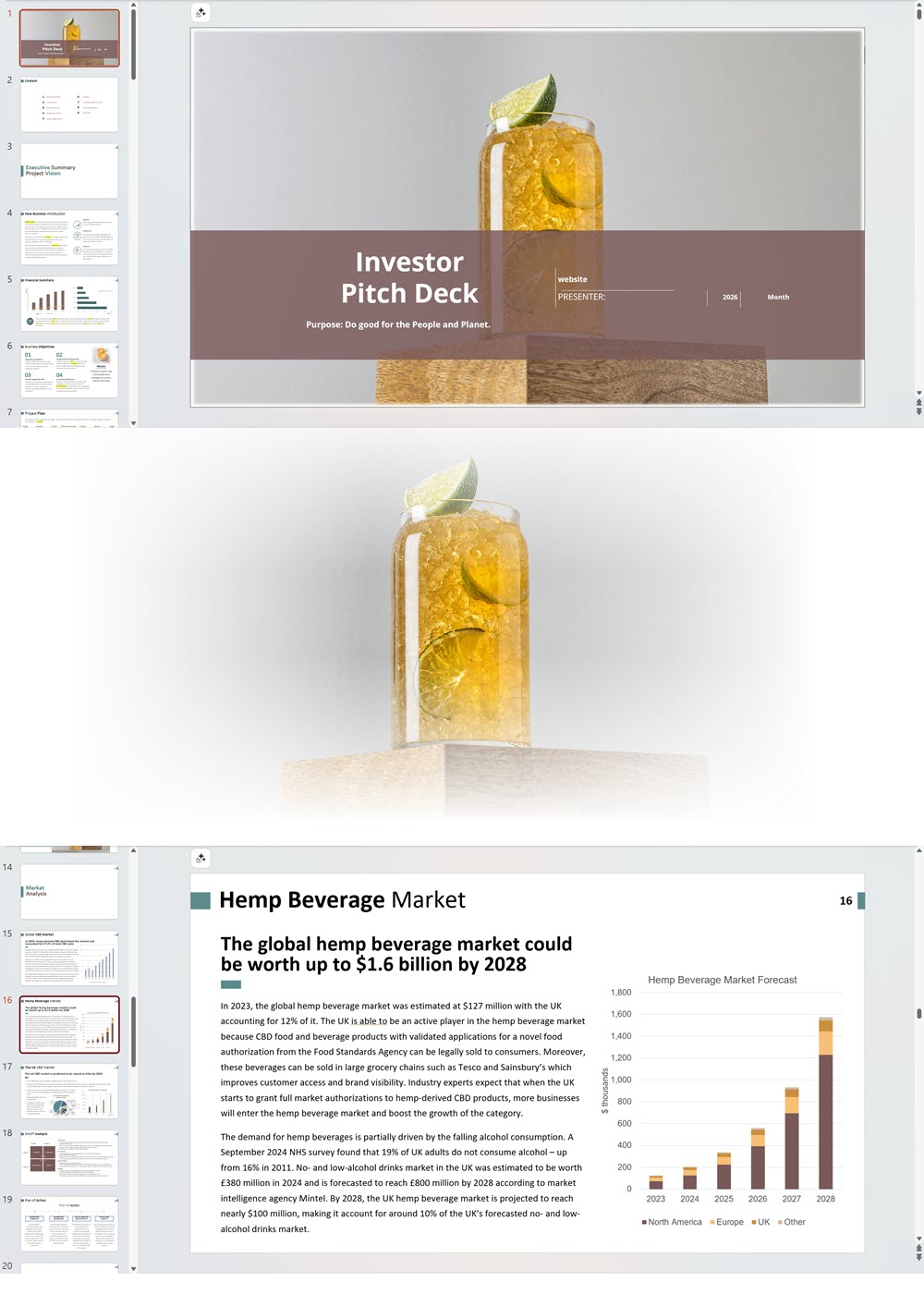

Cannabis Manufacturing Business Plan Template (with in-house processing)
Price range: $75.00 through $350.00
Cannabis Courier Business Plan Template
Price range: $75.00 through $275.00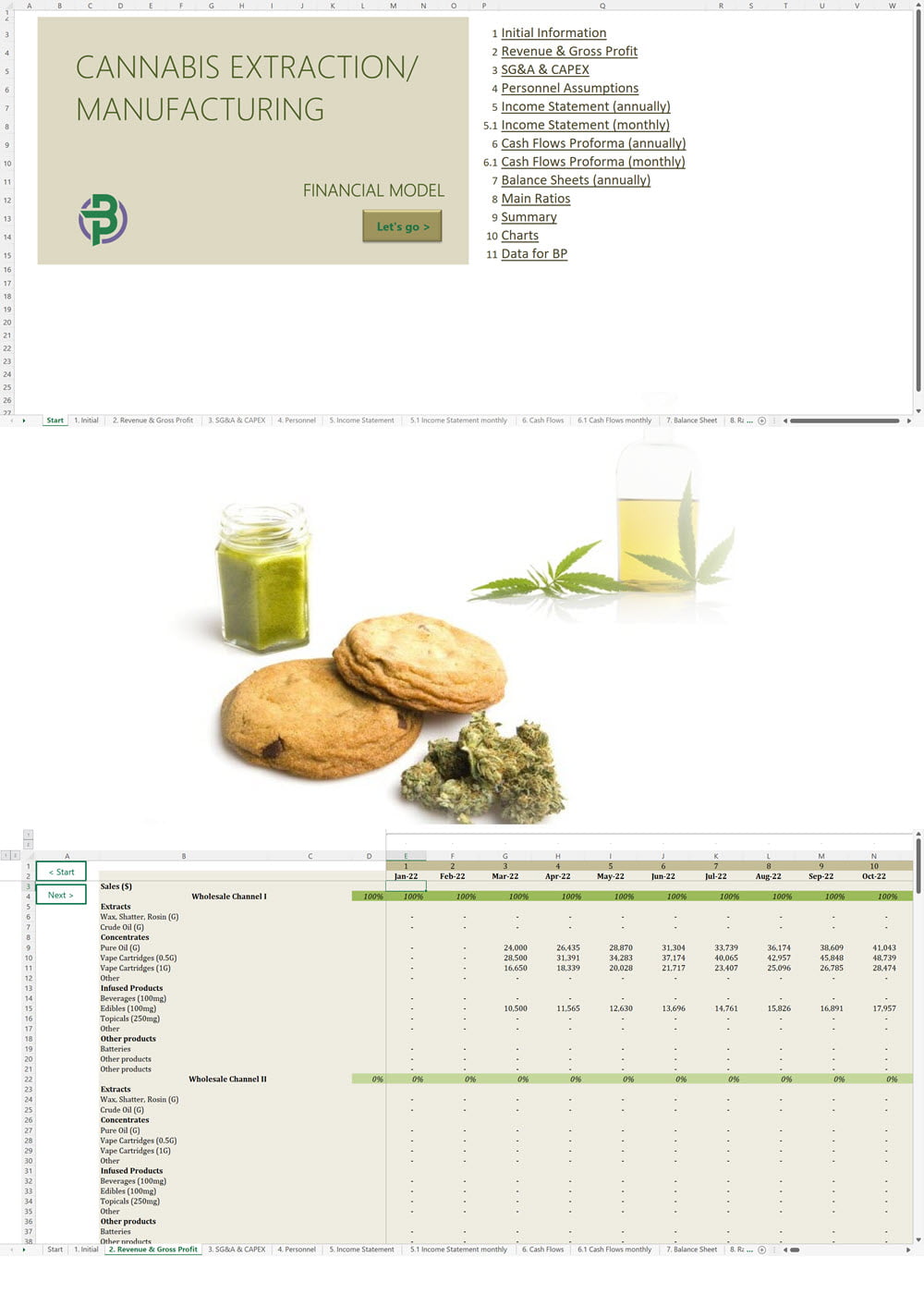
Hemp CBD Vertically Integrated Business Plan Template
Price range: $75.00 through $450.00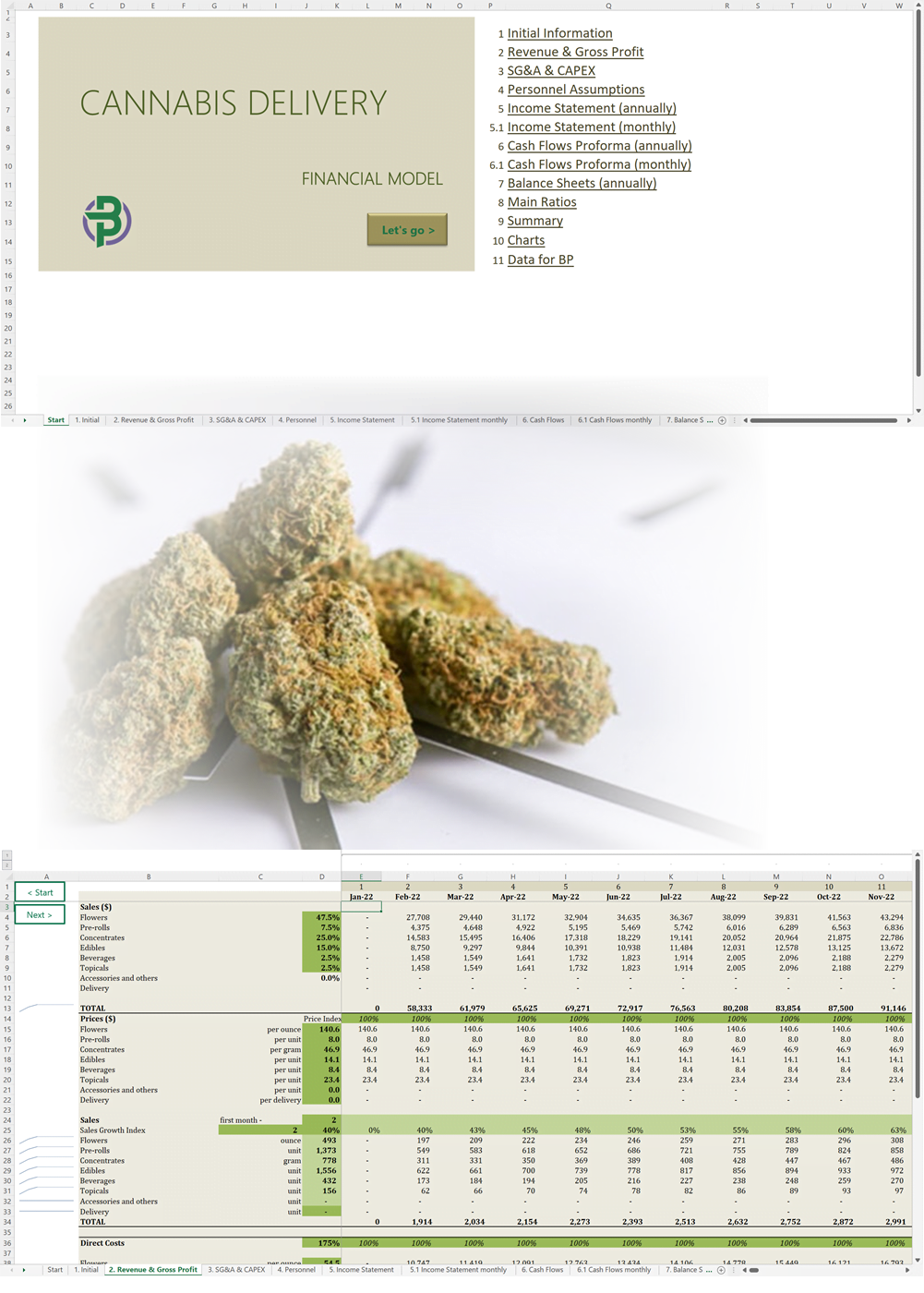

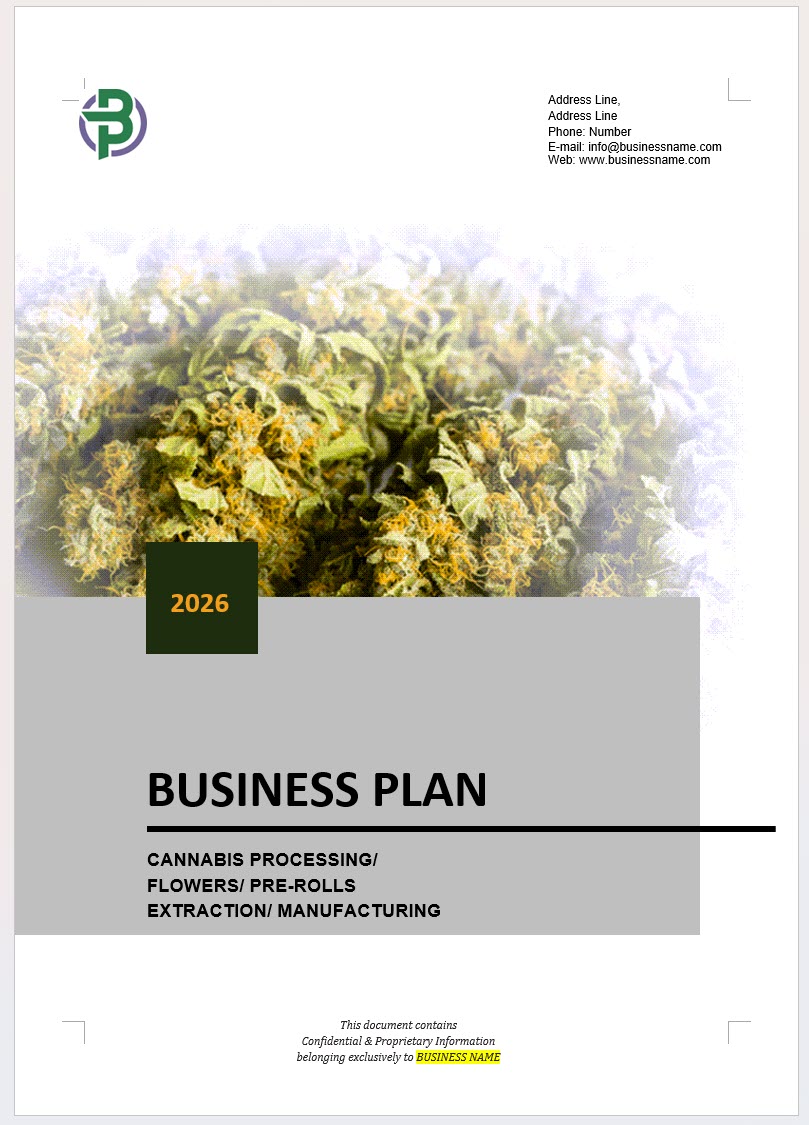
Cannabis Processing/ Flowers/ Pre-rolls/ Extraction/ Manufacturing Business Plan Template
Price range: $75.00 through $350.00
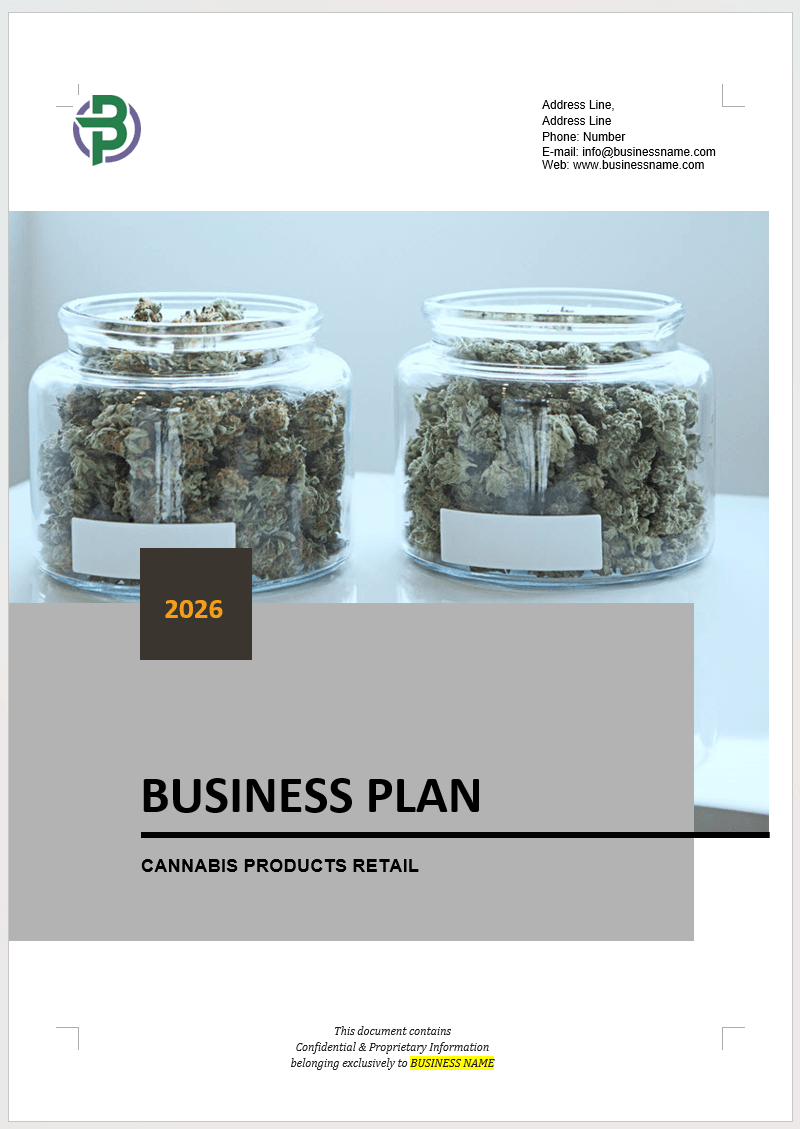
Cannabis Dispensary Business Plan Template
Price range: $75.00 through $350.00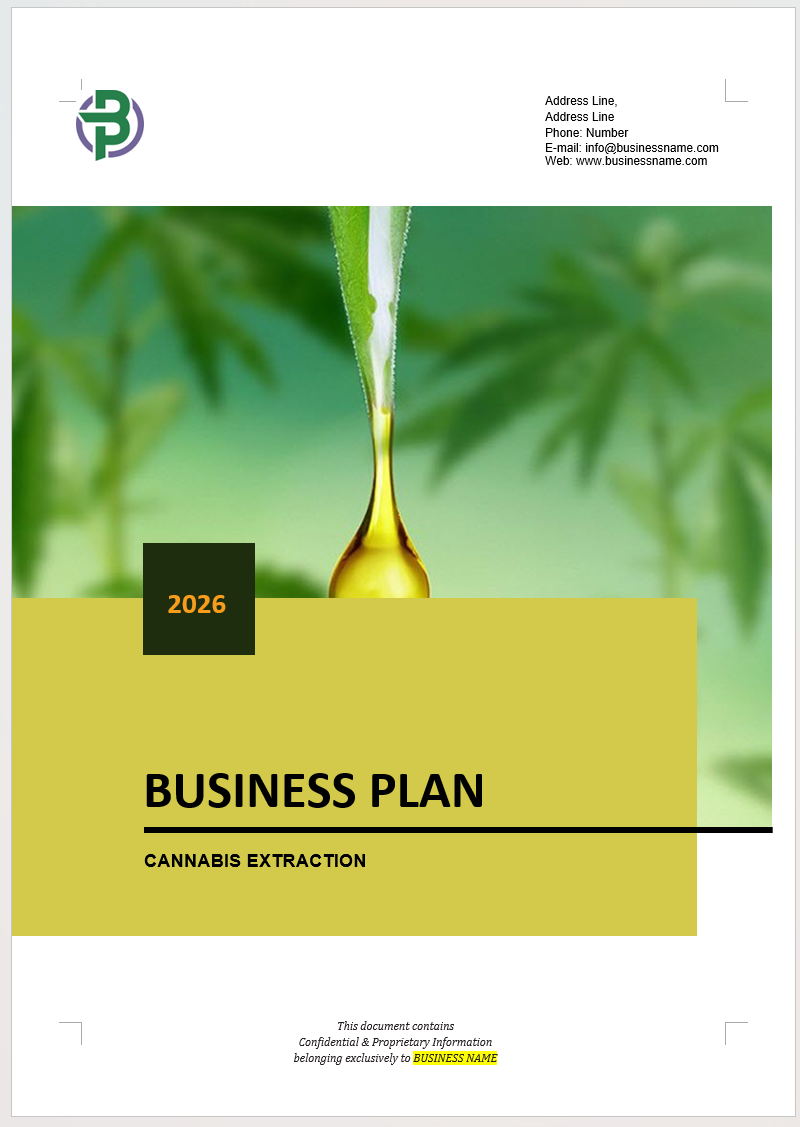
Cannabis Extraction / Concentrates Business Plan Template
Price range: $75.00 through $350.00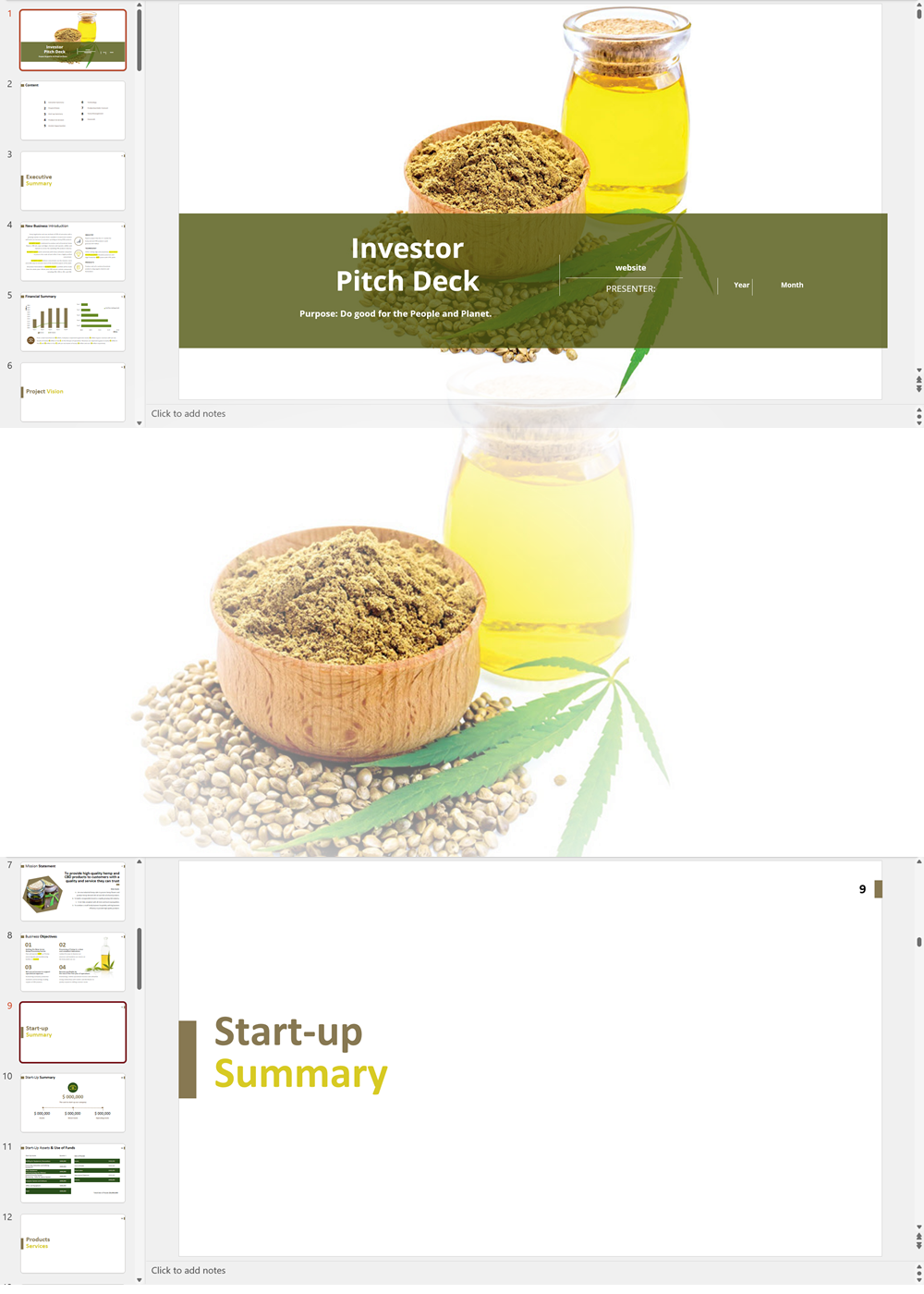
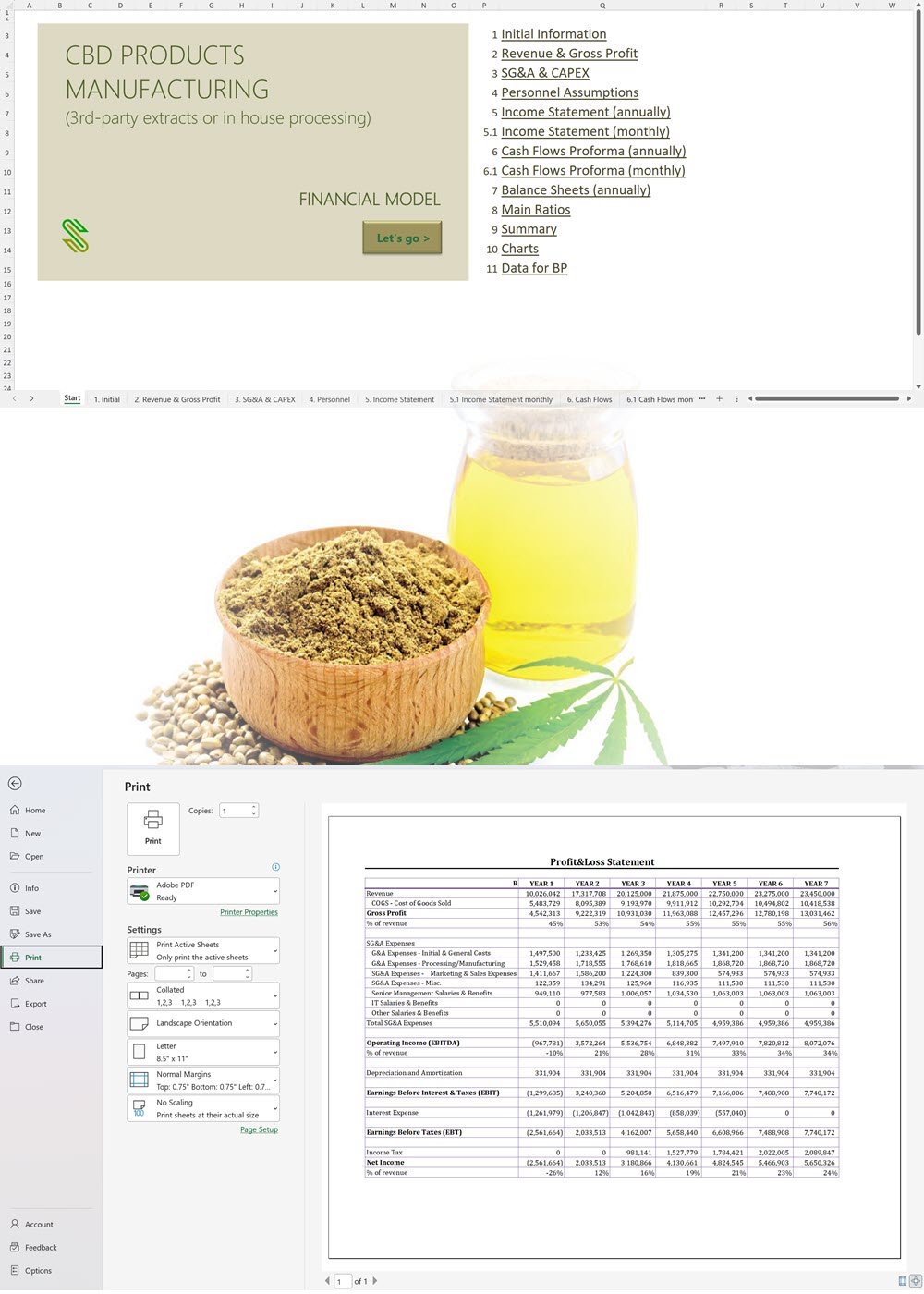
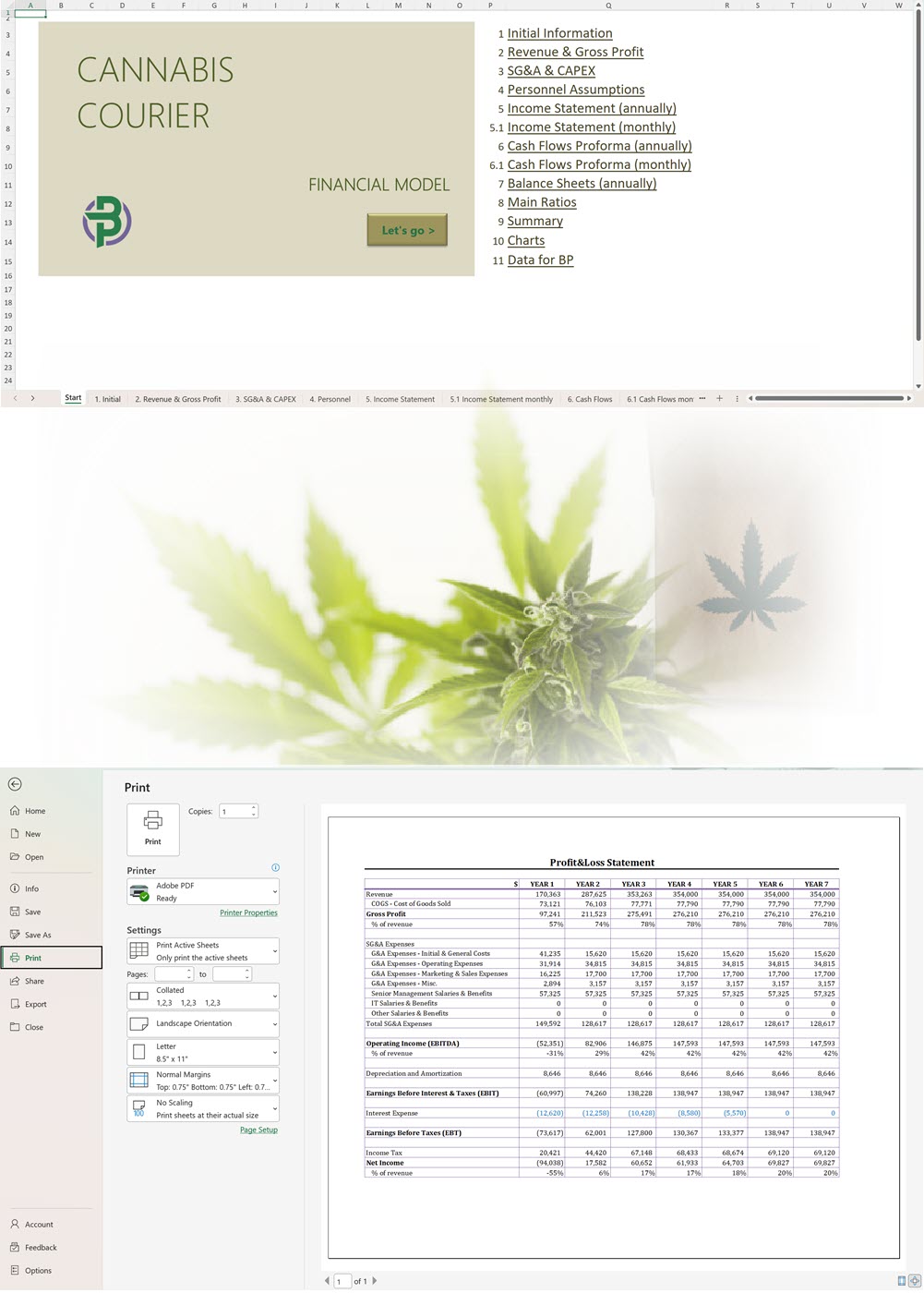
Cannabis Courier Financial Model
$100.00
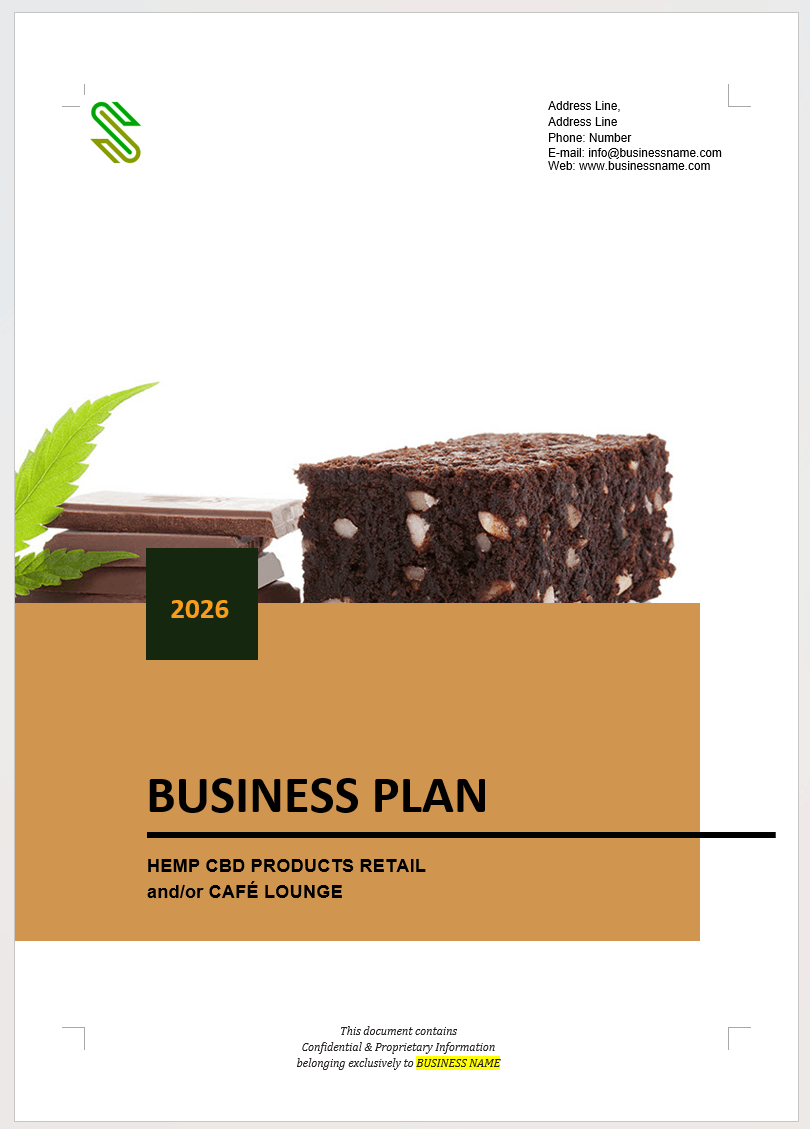
CBD Store and/or Cafe Lounge Business Plan Template
Price range: $75.00 through $275.00


Cannabis Transportation Business Plan Template
Price range: $75.00 through $275.00