Main steps in short:
- Understand regulatory and legal requirements. Do market research.
- Decide the type of cannabis business. Choose a location. Check local zoning regulations.
- Develop a solid business plan. Secure financing.
- Submit an application. Pay fees. Prepare and submit the required documents.
- Register your business as an employer and a tax payer.
- Keep track of your ongoing compliance requirements.
- License renewal.
In 2013, the Compassionate Use of Medical Cannabis Program Act was signed into law to legalize medical cannabis, and six years later, Illinois became the 11th state to legalize the production and sale of adult-use cannabis through the Cannabis Regulation and Tax Act. Total sales of cannabis in Illinois surpassed $2 billion in 2024, of which over 85% were adult-use cannabis sales.
The Illinois Department of Financial and Professional Regulation is charged under the act with implementing and administrating multiple aspects of the program, including the licensing and oversight of dispensing organizations, dispensary agents, and agent education providers.
The Department of Agriculture is charged under the act with licensing and regulating adult use cultivation centers, cannabis craft growers, cannabis infusers, cannabis transporters, and Community College Vocational Cannabis Pilot Programs.
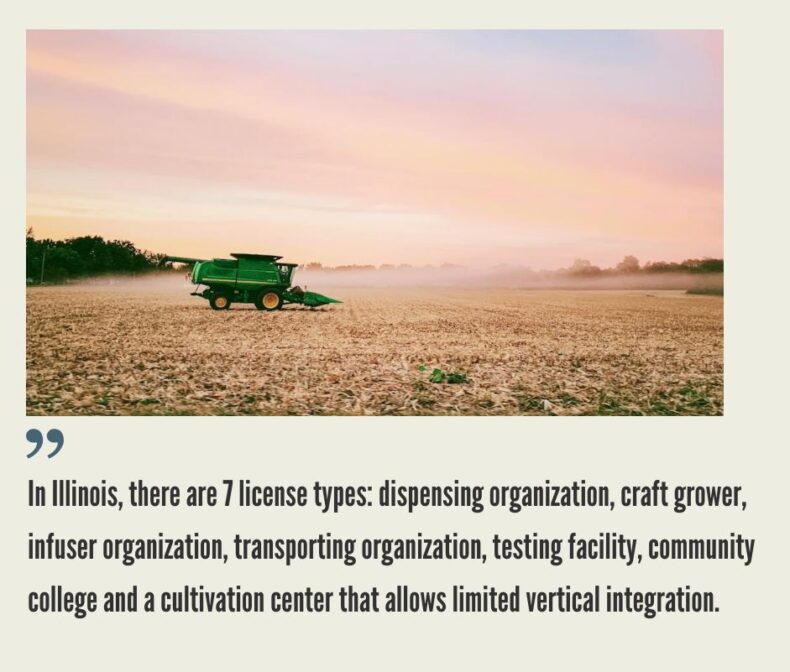
Illinois Cannabis Business Licenses Types
Means a facility operated by an organization or business that is licensed by the Department of Agriculture to cultivate, process, transport, and perform other necessary activities to provide cannabis and cannabis-infused products to cannabis business establishments.
(application fees: $100,000 (adult-use), $25,000 (medicinal); license fees: $100,000 (adult-use), $200,000 (medicinal); license renewal fees: $100,000 (adult-use), $100,000 (medicinal))
Means a facility operated by an organization or business that is licensed by the Department of Financial and Professional Regulation to acquire cannabis from a cultivation center, craft grower, processing organization, or another dispensary for the purpose of selling or dispensing cannabis, cannabis-infused products, cannabis seeds, paraphernalia, or related supplies to purchasers or to qualified registered medical cannabis patients and caregivers.
(application fees $30,000; license fees $60,000)
Means a facility operated by an organization or business that is licensed by the Department of Agriculture to cultivate, dry, cure, and package cannabis and perform other necessary activities to make cannabis available for sale at a dispensing organization or use at a processing organization. A craft grower may contain up to 5,000 square feet of canopy space on its premises for plants in the flowering state.
(application fees $5,000; license fees $40,000; license renewal fee: $40,000)
Means a facility operated by an organization or business that is licensed by the Department of Agriculture to directly incorporate cannabis or cannabis concentrate into a product formulation to produce a cannabis-infused product.
(application fees $5,000; license fees $5,000; license renewal fee: $20,000)
Means an organization or business that is licensed by the Department of Agriculture to transport cannabis or cannabis-infused product on behalf of a cannabis business establishment or a community college licensed under the Community College Cannabis Vocational Training Pilot Program.
(application fees $5,000; license fees $10,000; license renewal fee: $10,000)
Means an entity registered by the Department of Agriculture to test cannabis for potency and contaminants.
Means a person who is 21 years of age or older, licensed by the Department of Agriculture, and is employed or contracted by an Illinois community college to provide student instruction using cannabis plants at an Illinois Community College.
(application fees $100; license fees $100; license renewal fee: $50)
Note: For social equity applicants approved by the Division of Cannabis Regulation who are applying for a craft grower, infuser or transporting organization license, must pay only 50% of the applications fees and the fees paid when the license is awarded.
Illinois allows vertical integration as a single entity can apply for and hold multiple cannabis licenses. Its Cultivation Center license on its own permits limited vertical integration as it allows to cultivate, process and transport cannabis and cannabis-infused products to cannabis business establishments.
No person or entity may hold more than 10 dispensing organization licenses. No craft grower may have more than 10% legal, equitable, or beneficial interest, directly or indirectly, in a cultivation center.
Weed Delivery Service in Illinois
In December 2022, the governor of Illinois said he is open to the idea of allowing cannabis home delivery in Illinois, however medical or recreational cannabis delivery is currently prohibited in Illinois.
Illinois Cannabis Licensing Process
The business and financial plan for annual license applications shall include a full business plan, including at a minimum a description of the proposed business, the value proposition for consumers, an overview of proposed financing for the business, product and pricing plan, market analysis, and a complete profile of the management of the license applicant.
'70% ready to go' business plan templates
Our cannabis financial models and cannabis business plan templates will help you estimate how much it costs to start and operate your own cannabis business, to build all revenue and cost line-items monthly over a flexible seven year period, and then summarize the monthly results into quarters and years for an easy view into the various time periods. We also offer investor pitch deck templates.
An applicant shall pay the required fees and provide information in a form and manner as prescribed by the Department of Agriculture, which is not limited to the following:
- The legal name of the applicant and the proposed physical address.
- The name, address, social security number, and date of birth of each principal officer and board member; each principal officer and board member shall be at least 21 years of age.
- Proposed operating procedures that include procedures for main activities as well as accurate recordkeeping, staffing plan, and a security plan approved by the Illinois State Police that are in accordance with the rules issued by the Department of Agriculture. A physical inventory shall be performed of all cannabis and cannabis products on a weekly basis.
- Verification from the Illinois State police that all background checks for principal officers, board members, and agents of the cannabis business establishment have been conducted.
- A copy of the current local zoning ordinance or permit and verification that the proposed facilities are in compliance with the local zoning rules and distance limitations established by the local jurisdiction.
- Proposed employment practices, in which the applicant must demonstrate a plan of action to inform, hire, and educate minorities, women, veterans, and persons with disabilities, engage in fair labor practices, and provide worker protections.
- A description and a survey of the enclosed, locked facility where cannabis will be grown, harvested, manufactured, processed, packaged, prepared for distribution to a dispensing organization, stored or sold.
- The identity of every person having a financial or voting interest of 5% or greater in the business operation with respect to which the license is sought, whether a trust, corporation, partnership, limited liability company, or sole proprietorship, including the name and address of each person.
- A plan describing how the business will address each of the following:
- energy needs, including estimates of monthly;
- water needs, including estimated water draw;
- waste management, including if it has or will adopt a waste reduction policy;
- recycling plan.
An application for a cultivation center license requires the following additional information:
- A map of the cultivation center and a plot plan of the cultivation center.
- A diversity plan that includes a narrative of not more than 2,500 words that establishes a goal of diversity in ownership, management, employment, and contracting to ensure that diverse participants and groups are afforded equality of opportunity.
The information required to be submitted with an application for a dispensing organization includes the following:
- The legal name of the proposed dispensing organization.
- Proposed operating procedures.
- Proposed business plan.
- Proposed security plan.
- Proposed inventory control plan.
- Proposed floor plan, a square footage estimate, and a description of security devices.
- The name, address, social security number, and date of birth of each principal officer and board member of the dispensing organization; they all must be at least 21 years of age.
- Address, telephone number, and email address of the applicant’s principal place of business, if applicable.
- Estimated volume of cannabis planned to be stored at the dispensary.
- Detailed description of air treatment systems that will be installed to reduce odors.
- Description of the enclosed, locked facility where cannabis will be stored.
- A diversity plan that includes a narrative of at least 2,500 words that establishes a goal of diversity in ownership, management, employment, and contracting to ensure that diverse participants and groups are afforded equality of opportunity.
- A contract with a private security contractor agency that is licensed under Section 10-5 of the Private Detective, Private Alarm, Private Security, Fingerprint Vendor, and Locksmith Act of 2004 in order for the dispensary to have adequate security at its facility.
In Illinois, cannabis licenses are issued using a points-based system. Applicants shall be awarded points based on the following categories:
- Suitability of the proposed facility.
- Suitability of employee training plan.
- Security and recordkeeping.
- Cultivation / Infusing plan (as applicable).
- Product safety and labeling plan.
- Business plan, Financials.
- Knowledge and Experience.
- The applicant’s status as a Social Equity Applicant.
- Labor and employment practices.
- Environmental plan.
- The applicant is 51% or more owned and controlled by an individual or individuals who have been an Illinois resident for the past 5 years.
- The applicant is 51% or more controlled and owned by an individual or individuals who meet the qualifications of a veteran as defined by Section 45-57 of the Illinois Procurement Code.
- A diversity plan that includes a narrative of not more than 2,500 words that establishes a goal of diversity in ownership, management, employment, and contracting to ensure that diverse participants and groups are afforded equality of opportunity.
- Any other criteria the Department of Agriculture may set by rule for points.
Cultivation centers and dispensing organizations first receive a conditional license which does not allow them to begin operations. Conditional licensees must obtain zoning approval from the local government, have their facilities inspected, a background check must be performed on all principal officers and the applicable license fee must be paid in order to obtain the final license which allows them to begin operating.
- Register your business as an employer and a tax payer.
- Keep track of your ongoing compliance requirements.
Physical security measures, good production practices, packaging, labelling and transport requirements, reporting requirements and more.
Before commencing operations, cultivation center, craft grower and infuser licensees must undergo an inspection by the Illinois Department of Agriculture, the Illinois State Police and the Illinois Department of Public Health. They must also obtain a Certificate of Occupancy from the Fire Marshall.
Transporting organization licensees must register their vehicles.
Licensees must upload:
- A confirmation of completing the Diversity Report.
- An Environmental Plan Report.
- A Power of Attorney Form (if applicable).
Additionally, the applicable license renewal fee must be paid.
Illinois Cannabis Taxes
- 7% – of the gross receipts from the sale of cannabis by a cultivator, craft grower, or processor to a dispensing organization
- 10% excise tax – cannabis flower or products with less than 35% THC.
- 20% excise tax – products infused with cannabis.
- 25% excise tax – products with a THC concentration higher than 35%.
In 2022, Illinois passed legislation that exempt businesses from Section 280E of the federal tax code that allows cannabis companies to deduct business expenses from their state income taxes.
Cannabis Advertising Regulations in Illinois
(A) No cannabis business establishment nor any other person or entity may encourage the sale of cannabis or cannabis products by giving away cannabis or cannabis products, by conducting games or competitions related to the consumption of cannabis or cannabis products, or by providing promotional materials or activities of a manner or type that would be appealing to children.
(Section 410 ILCS 705/55-20 – Advertising and promotions)
Illinois Cannabis Market Infographics
Cannabis Edibles Business Plan Sample, Illinois
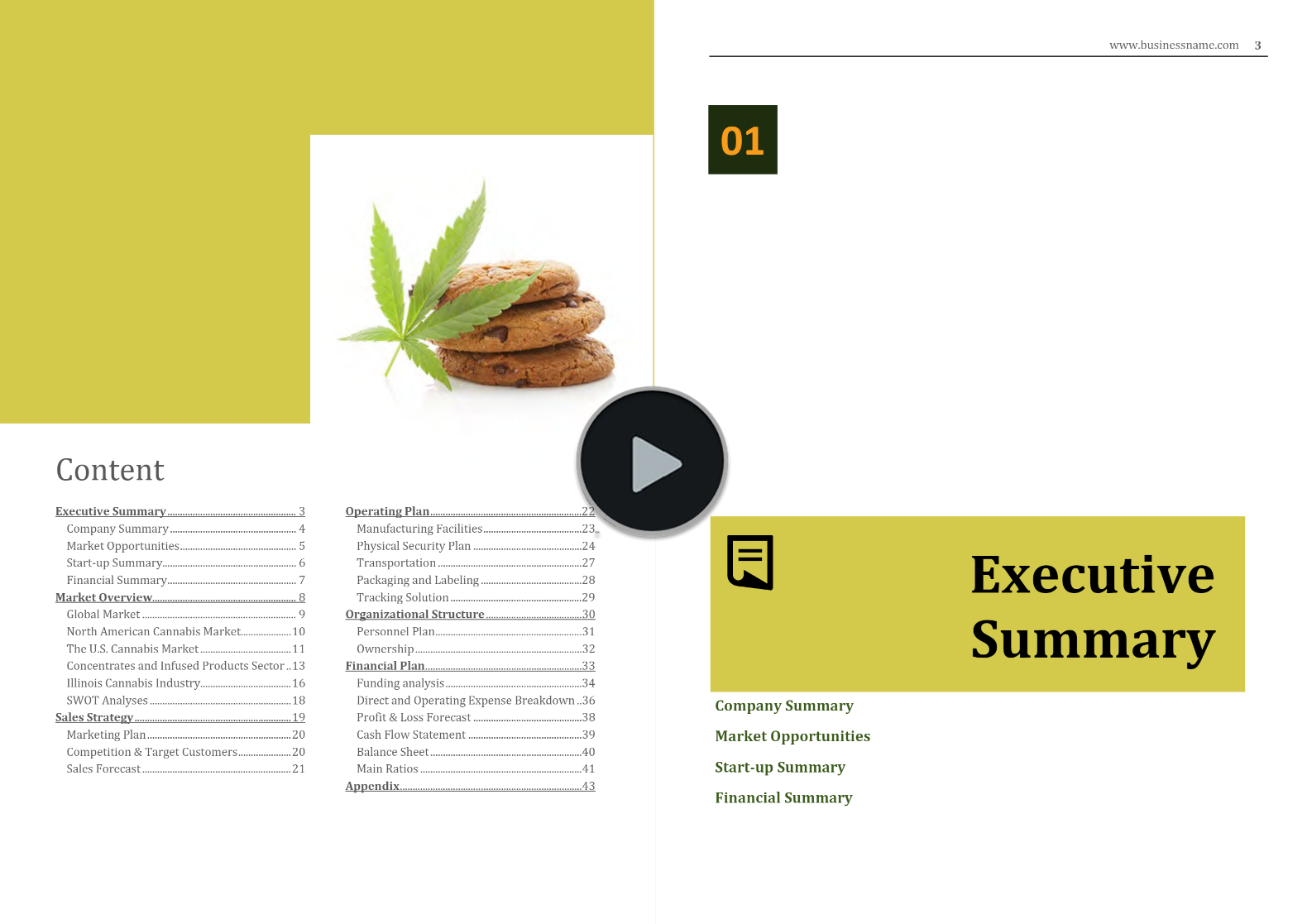
'70% ready to go' business plan templates
Our cannabis financial models and cannabis business plan templates will help you estimate how much it costs to start and operate your own cannabis business, to build all revenue and cost line-items monthly over a flexible seven year period, and then summarize the monthly results into quarters and years for an easy view into the various time periods. We also offer investor pitch deck templates.
Best Selling Templates
-

Cannabis Cultivation Business Plan Template
Price range: $75.00 through $350.00 Select options This product has multiple variants. The options may be chosen on the product page -

Cannabis Dispensary Investor Pitch Deck Template
$75.00 Select options This product has multiple variants. The options may be chosen on the product page -
Cannabis Financial Model All in One
$250.00 Select options This product has multiple variants. The options may be chosen on the product page
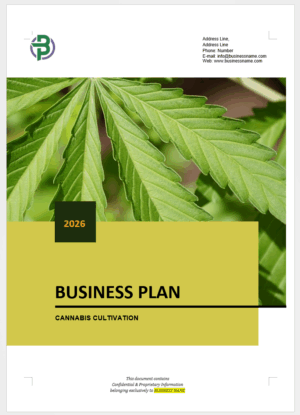
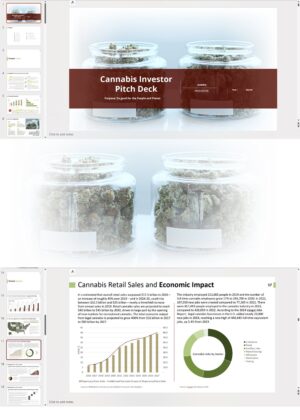
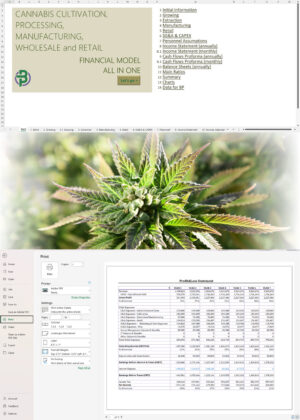
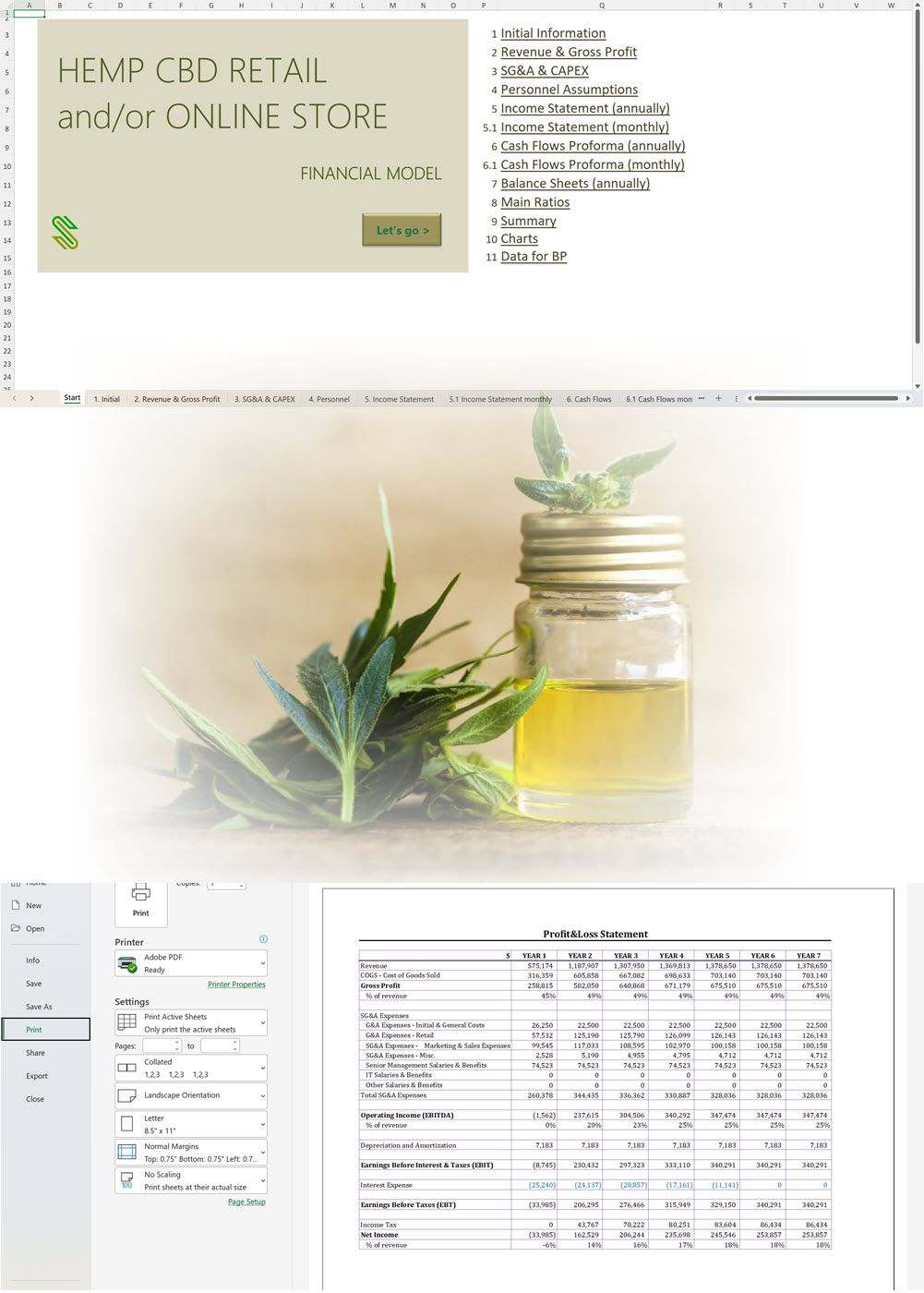
Hemp CBD business plan templates are available at hempcbdbusinessplans.com.
Our Templates
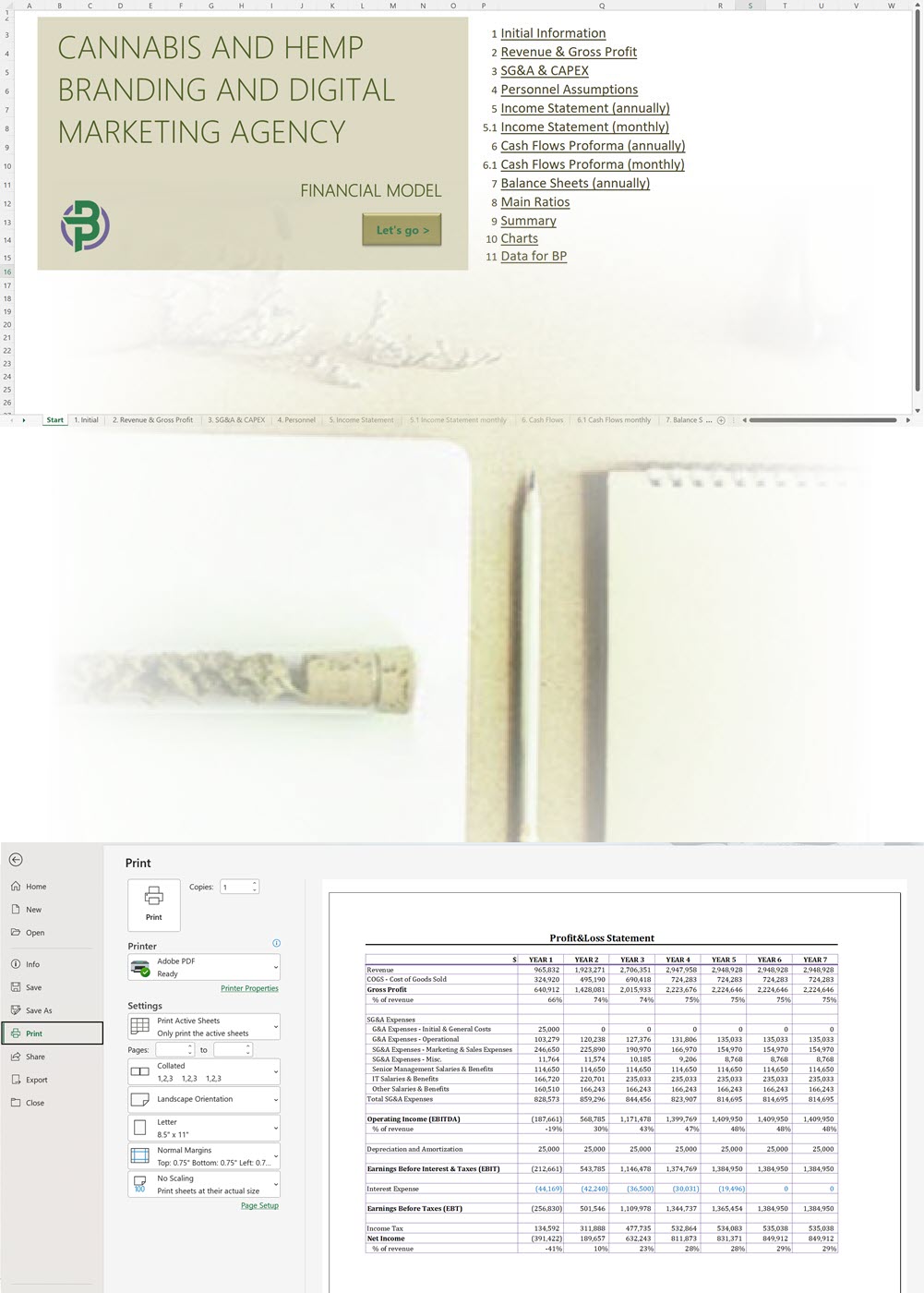

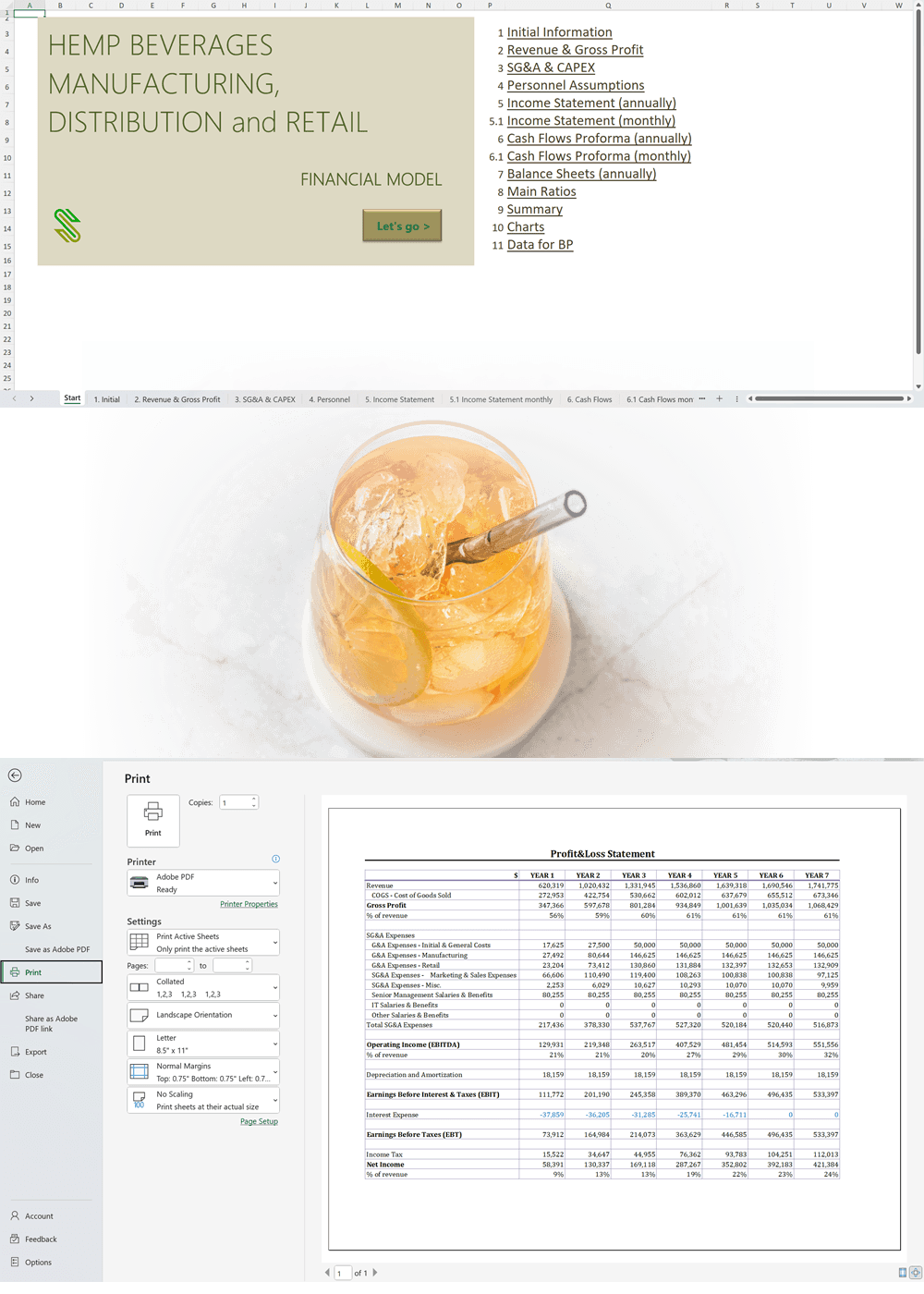
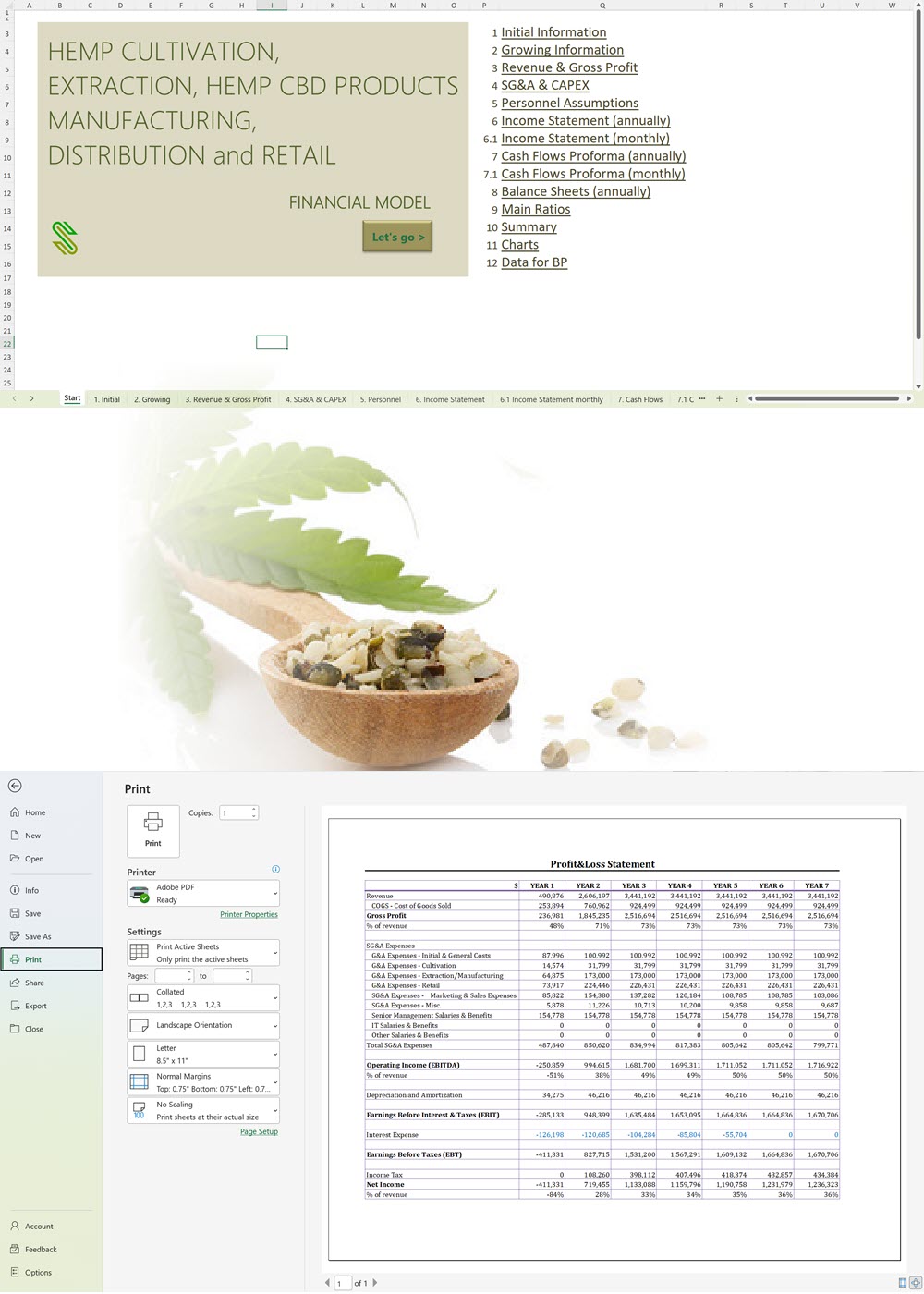
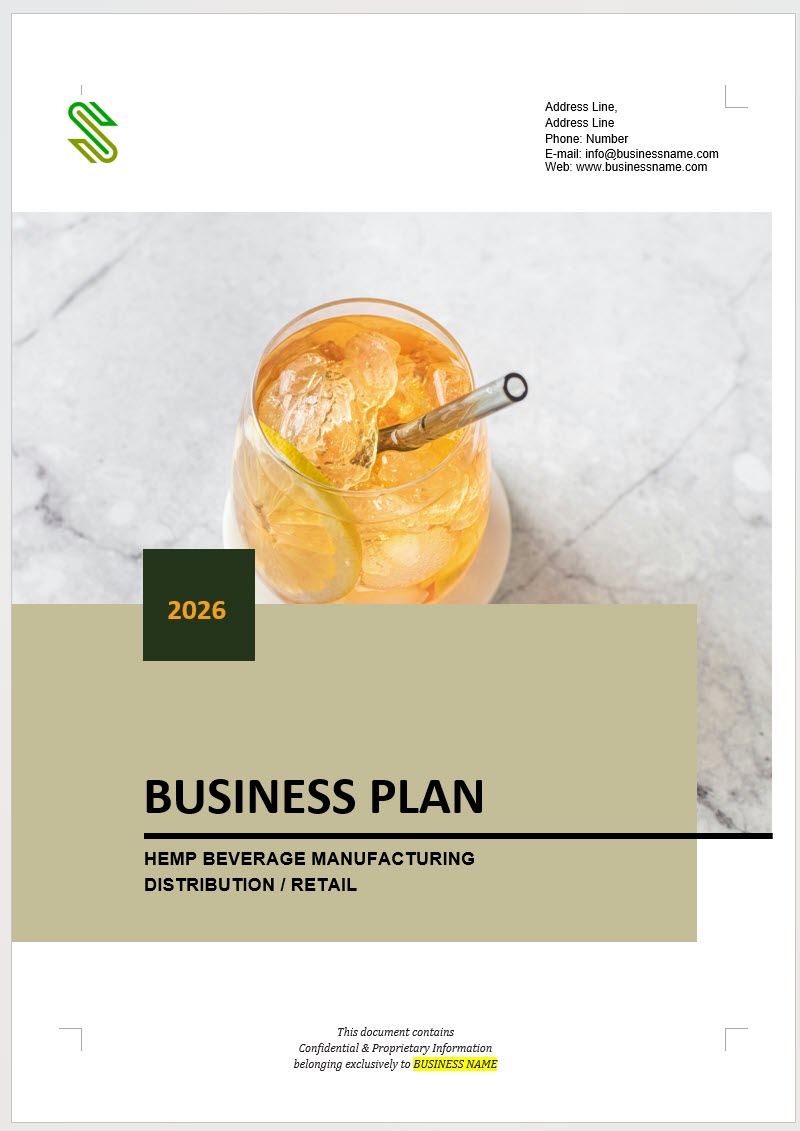
Hemp CBD Beverage Manufacturing, Wholesale and/or Retail Business Plan Template
Price range: $75.00 through $350.00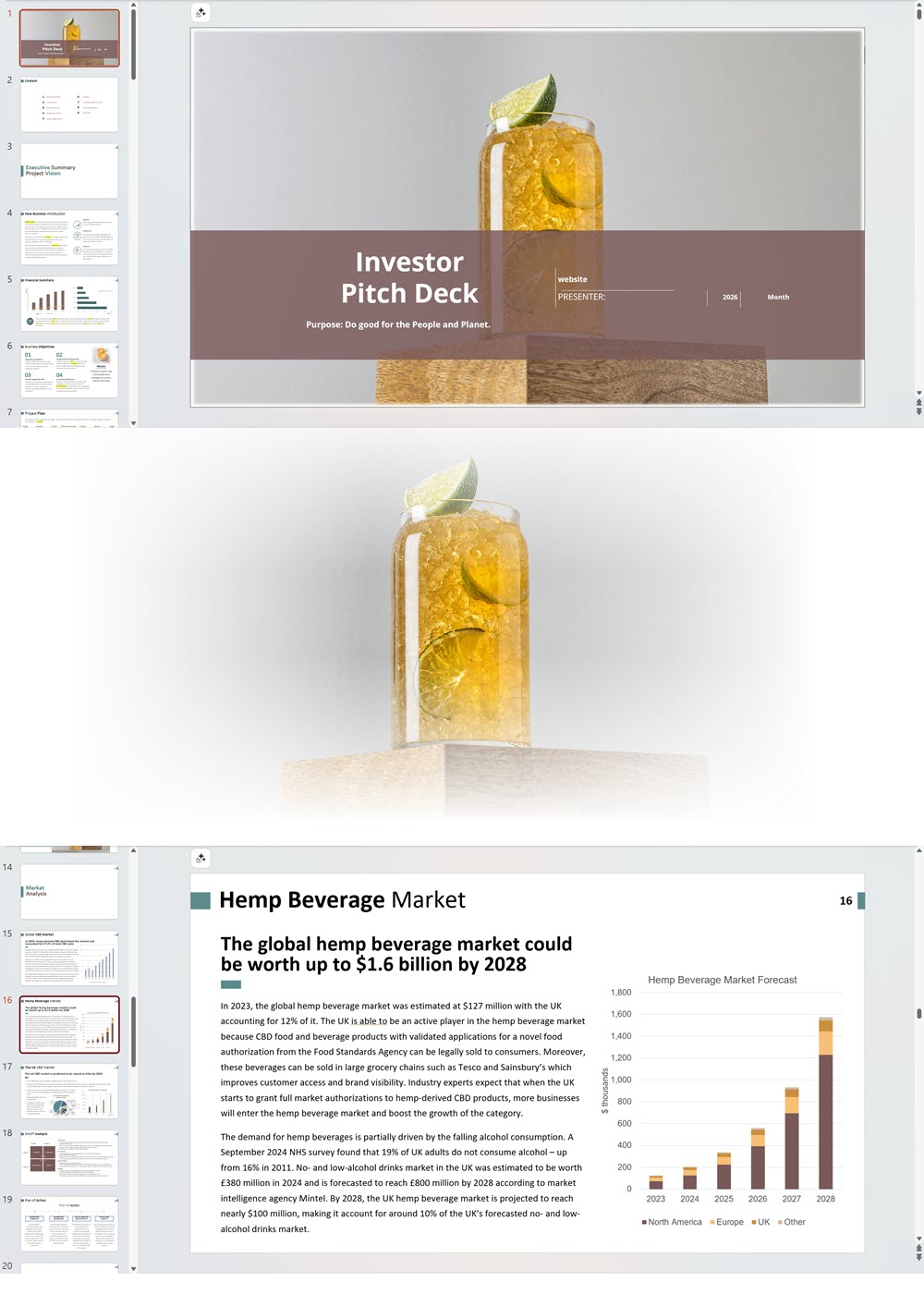

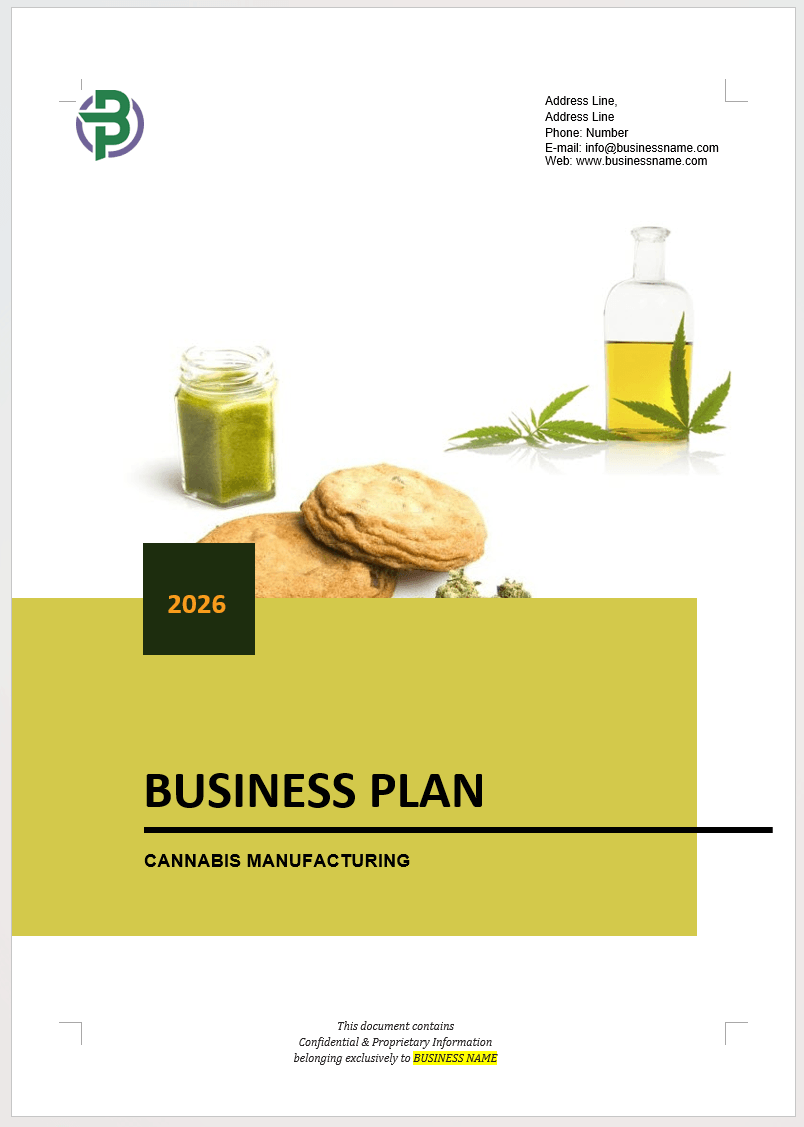
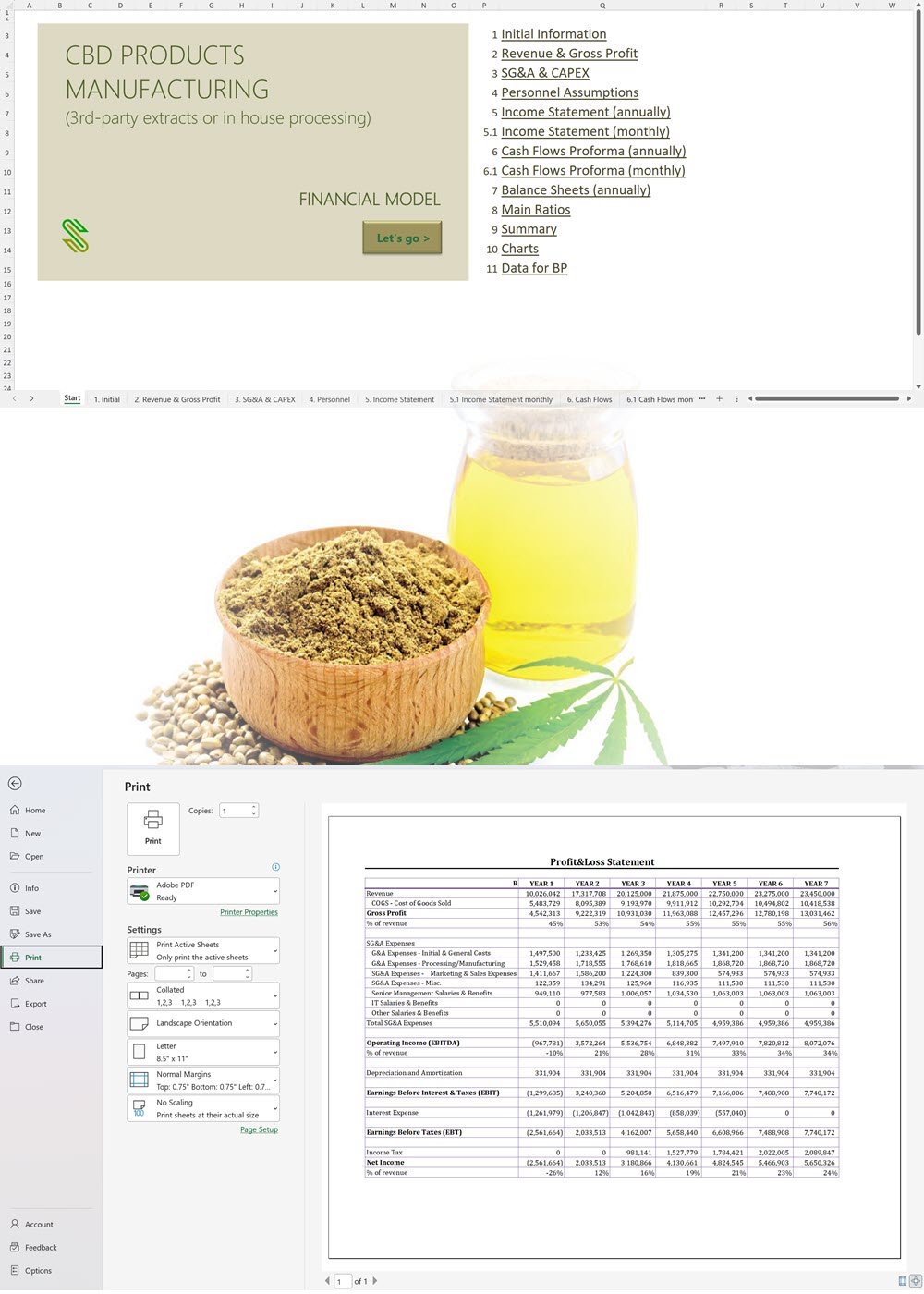
Cannabis Manufacturing Business Plan Template (with in-house processing)
Price range: $75.00 through $350.00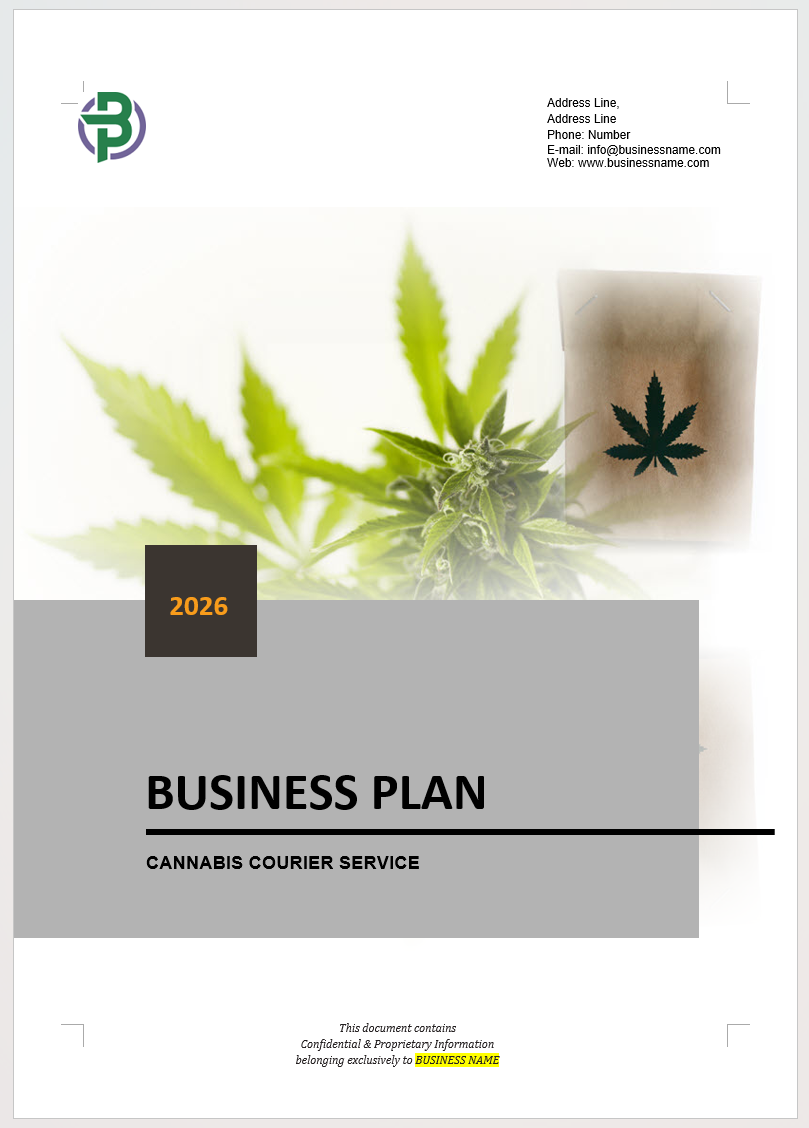
Cannabis Courier Business Plan Template
Price range: $75.00 through $275.00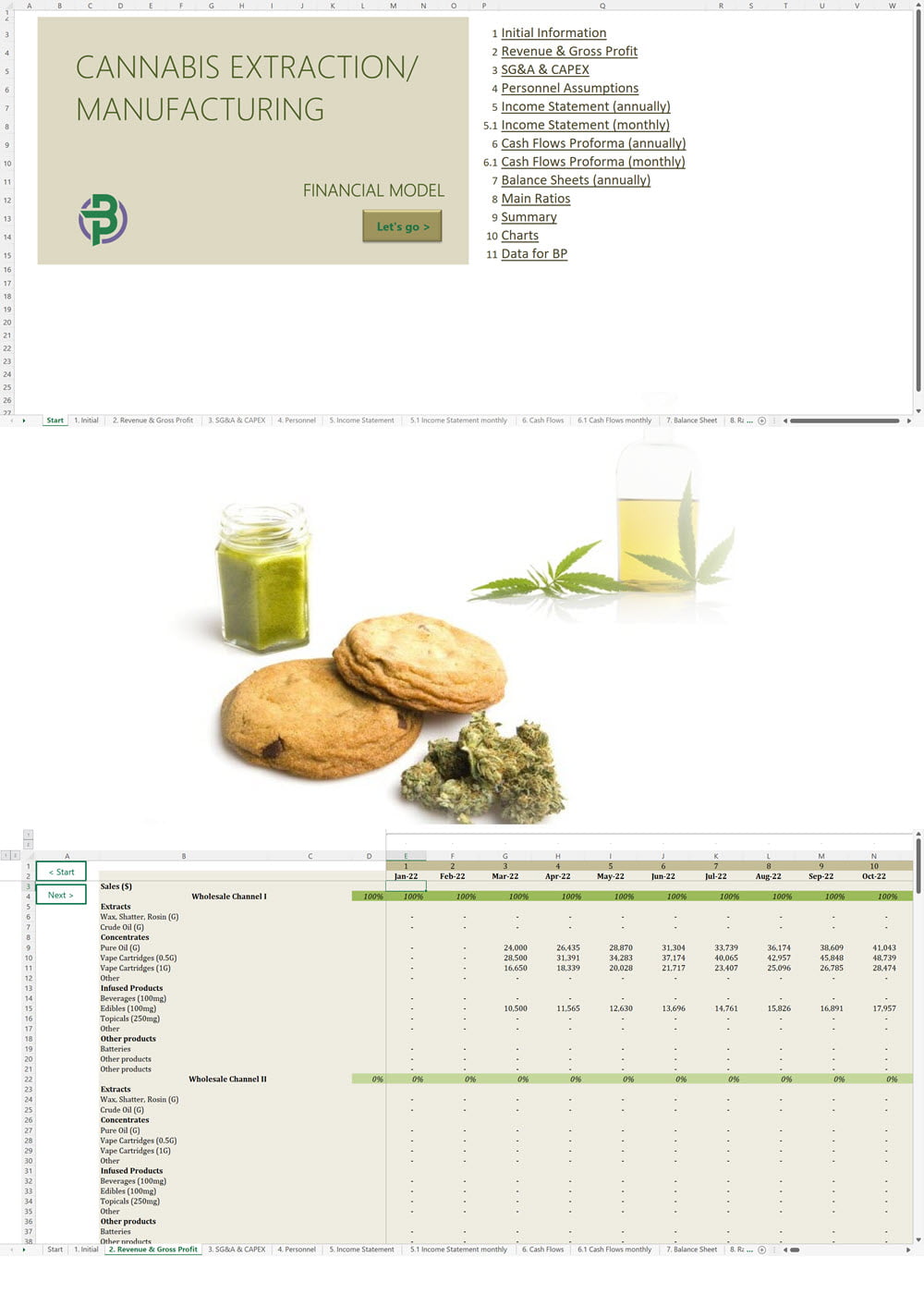
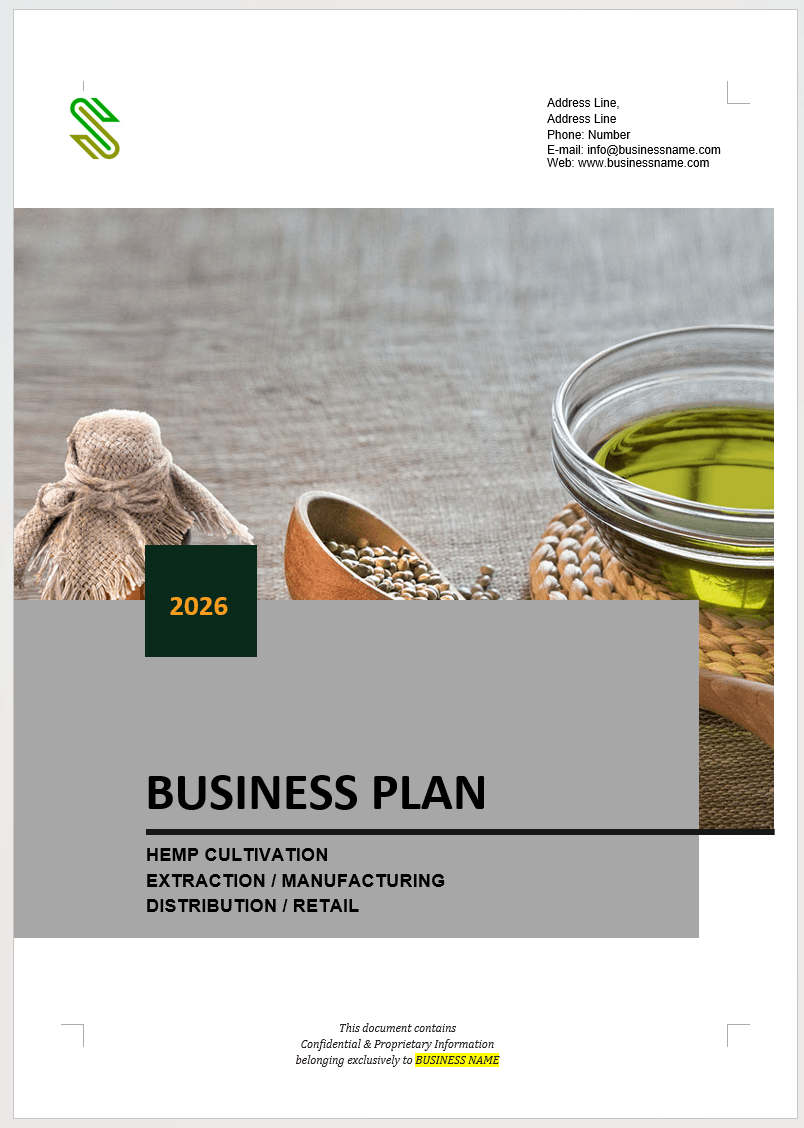
Hemp CBD Vertically Integrated Business Plan Template
Price range: $75.00 through $450.00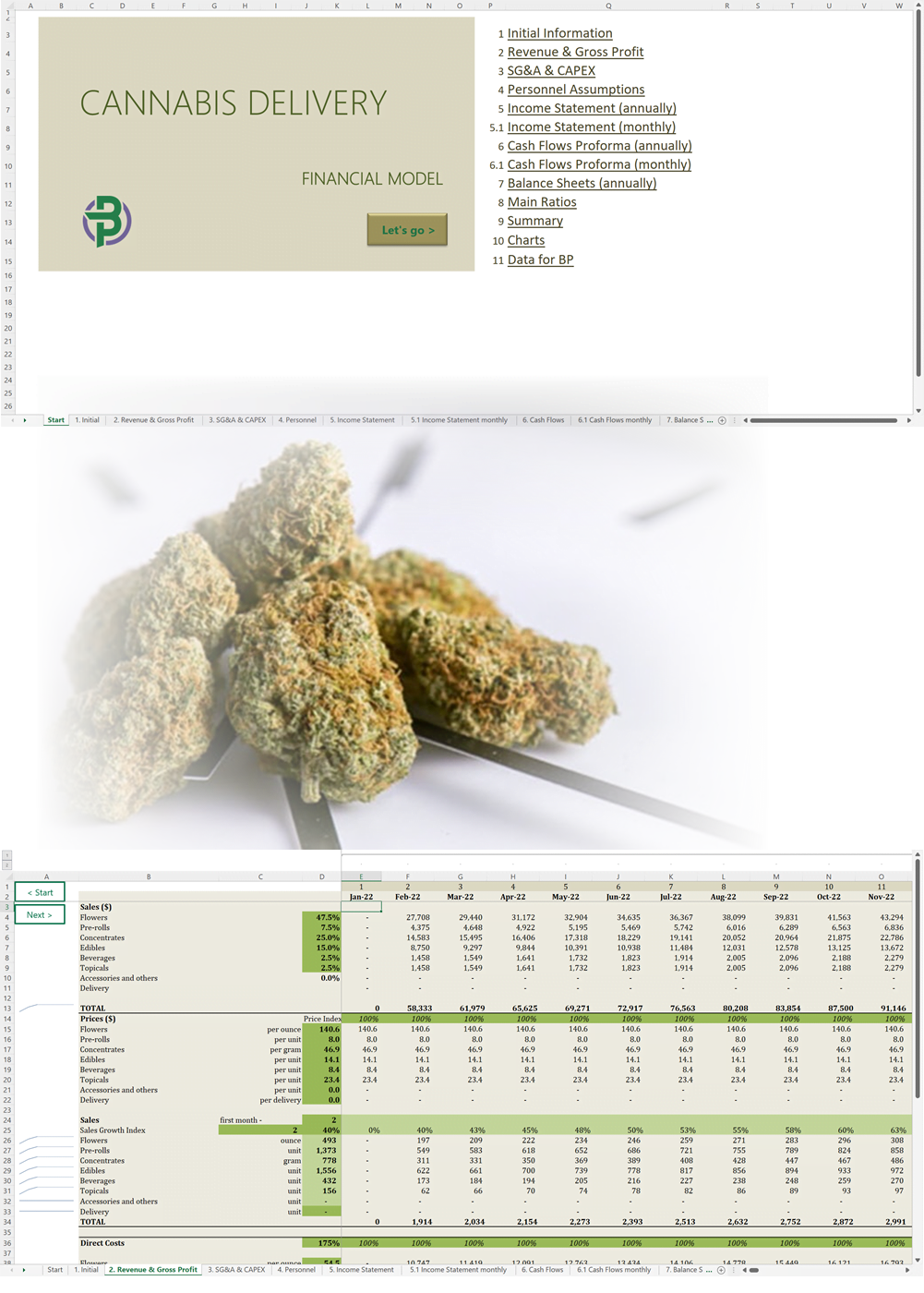

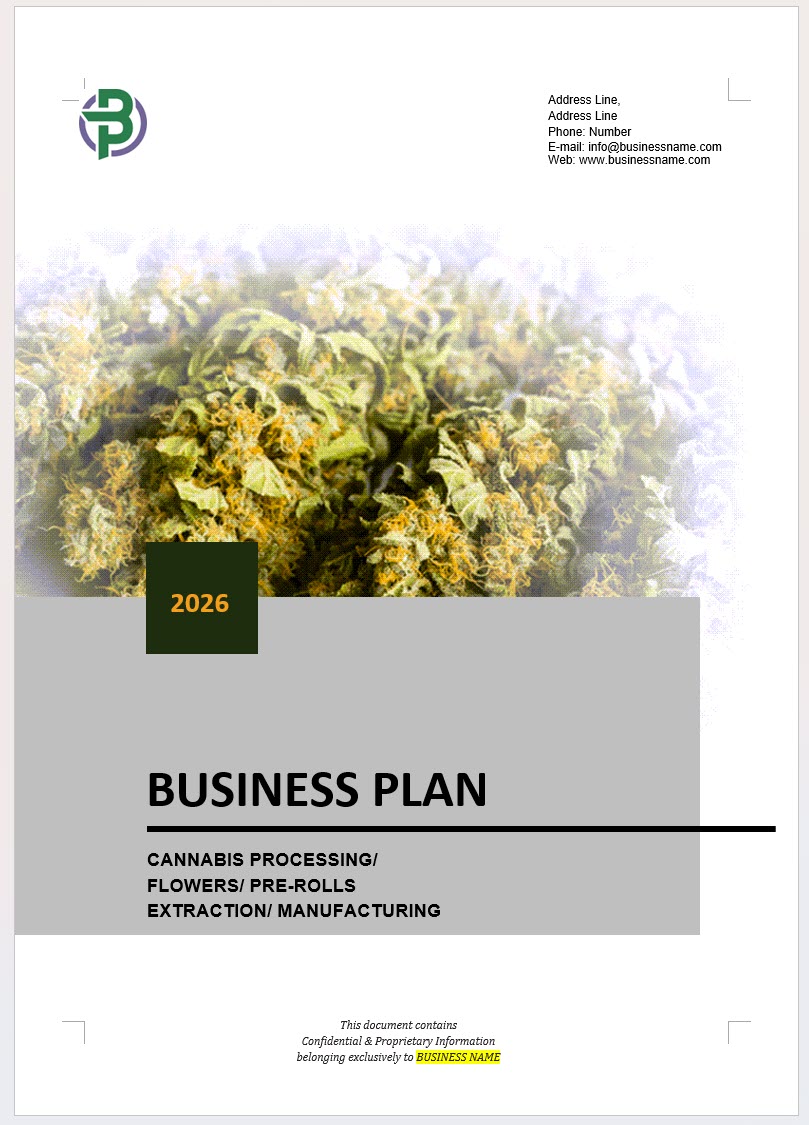
Cannabis Processing/ Flowers/ Pre-rolls/ Extraction/ Manufacturing Business Plan Template
Price range: $75.00 through $350.00
Cannabis Dispensary Business Plan Template
Price range: $75.00 through $350.00
Cannabis Extraction / Concentrates Business Plan Template
Price range: $75.00 through $350.00
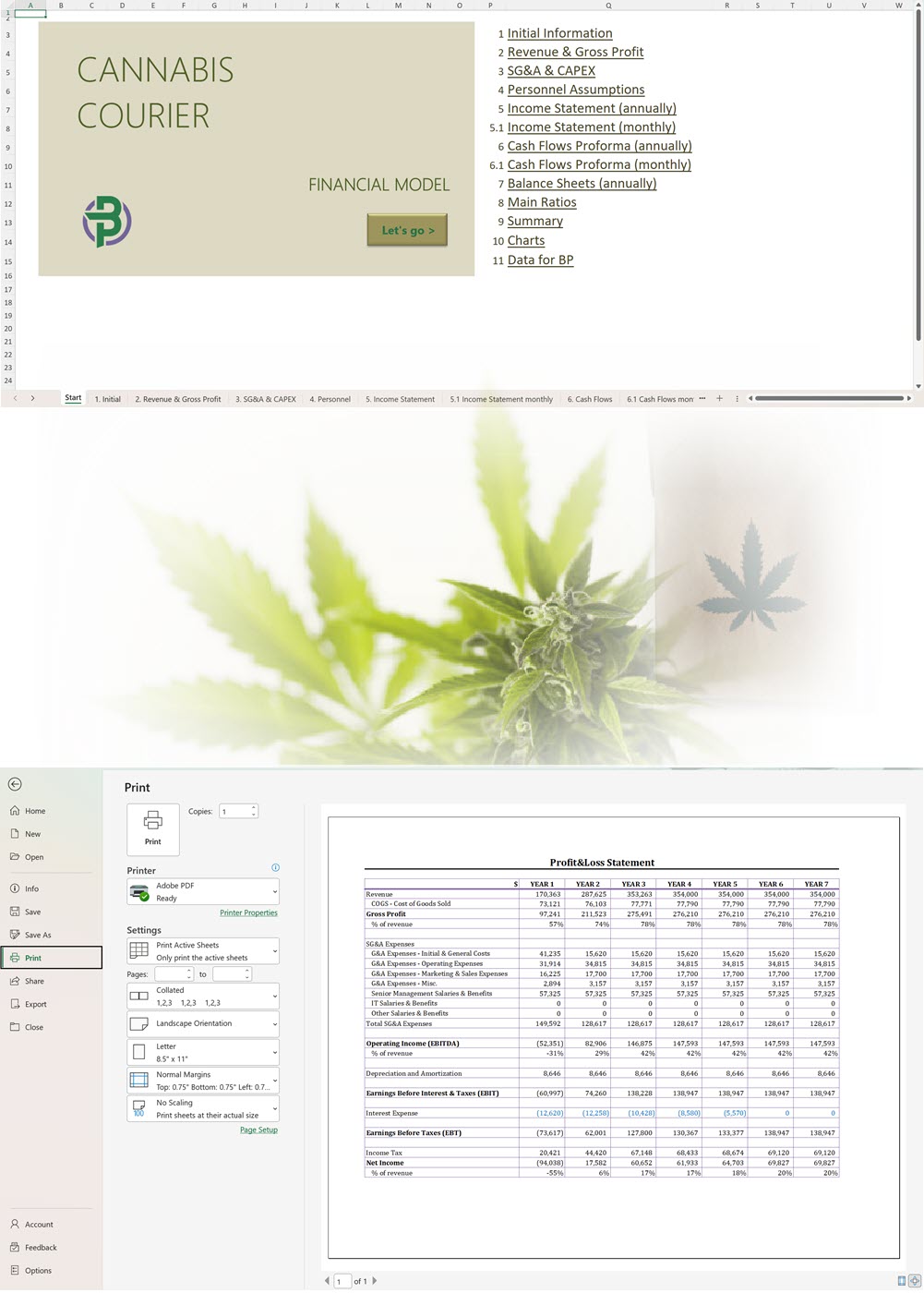
Cannabis Courier Financial Model
$100.00
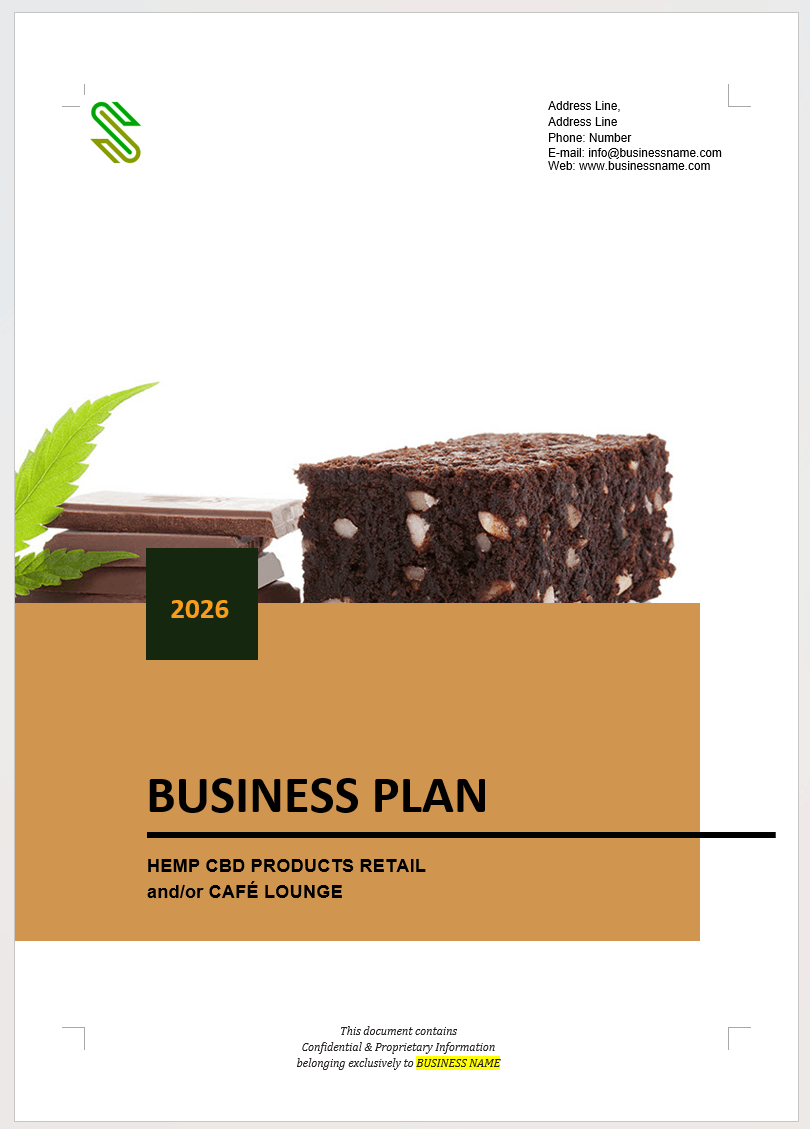
CBD Store and/or Cafe Lounge Business Plan Template
Price range: $75.00 through $275.00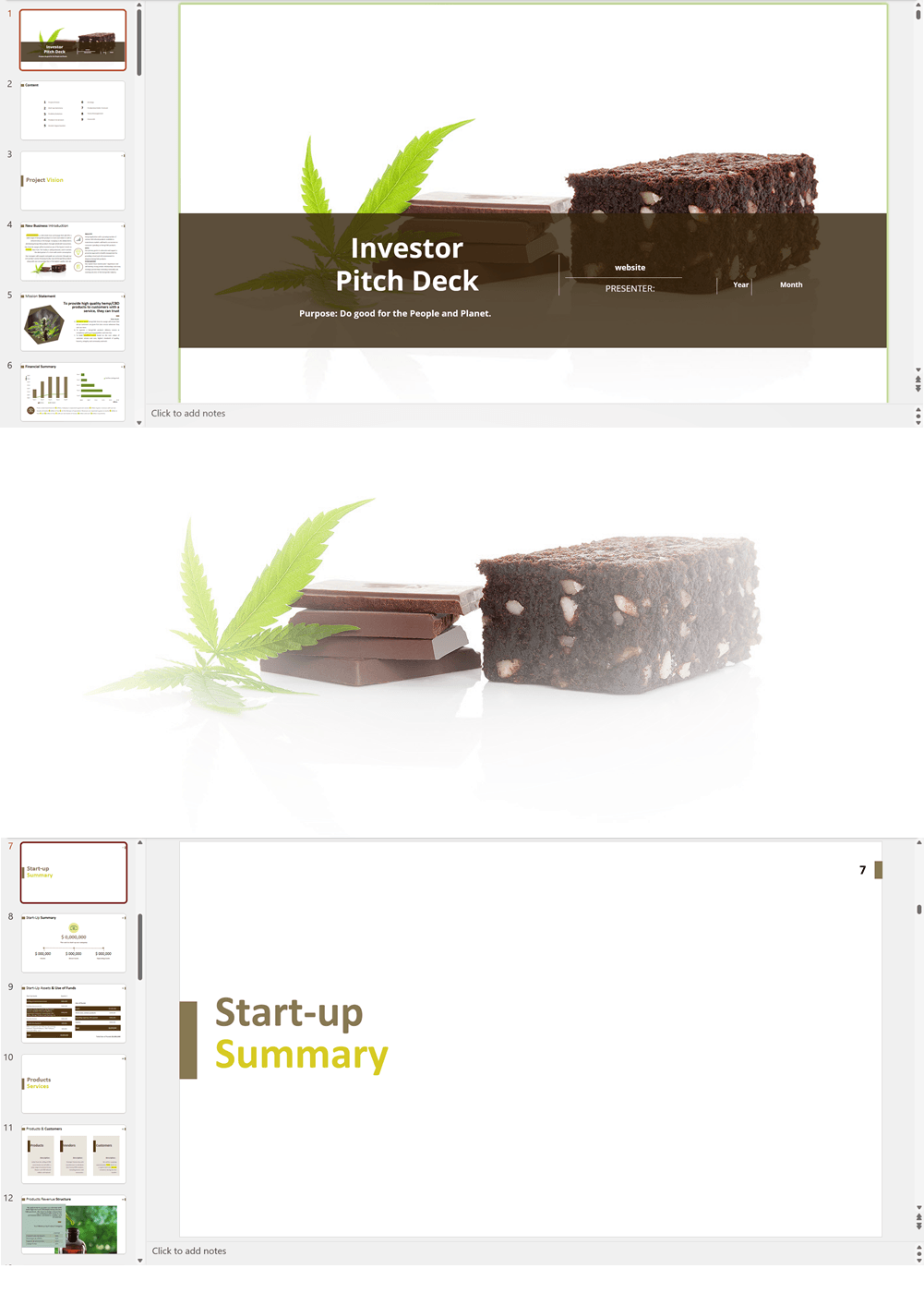

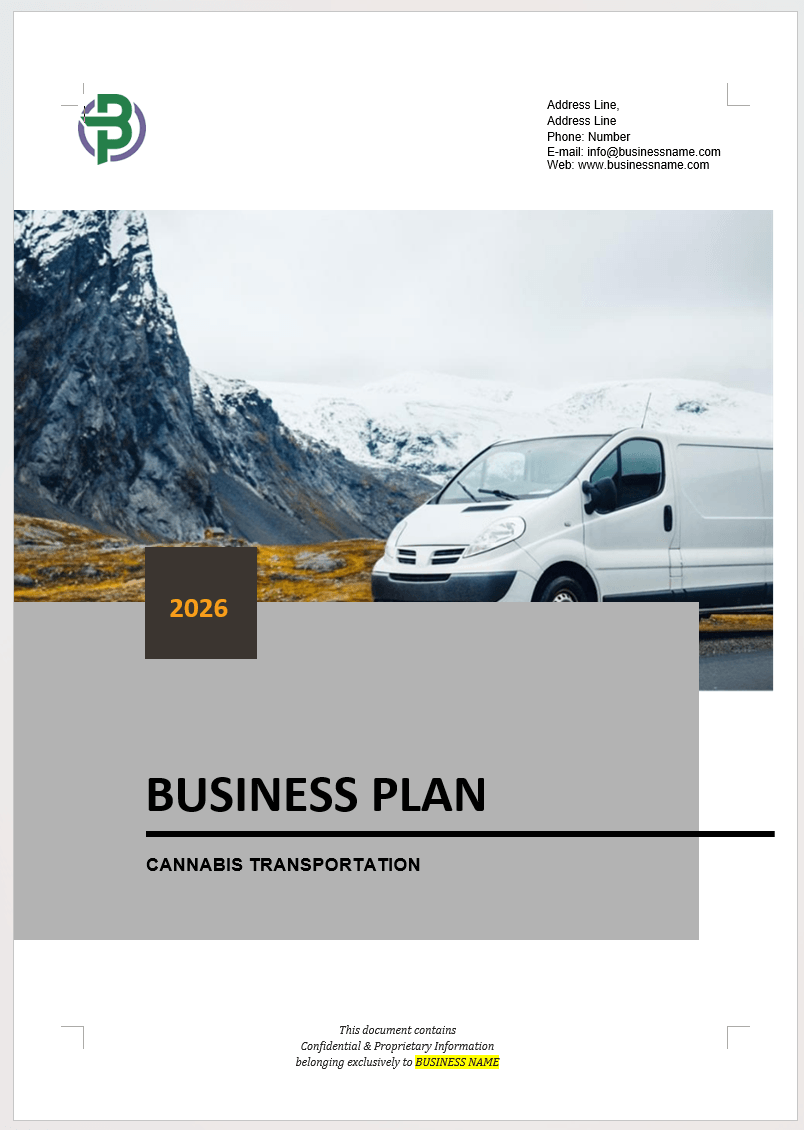
Cannabis Transportation Business Plan Template
Price range: $75.00 through $275.00