Main steps in short:
- Understand regulatory and legal requirements. Do market research.
- Decide the type of cannabis business. Choose a location. Check local zoning regulations.
- Develop a solid cannabis business plan. Secure financing.
- Prepare the required documents. Submit application.
- Receive a provisional license.
- Receive a final license.
- Register your business as an employer and taxpayer.
- Keep track of your ongoing compliance requirements.
Research the laws and regulations governing adult-use or medical-use marijuana for more information about the regulatory requirements for licensure in the city or town you wish to operate.
Some municipalities, such as the City of Boston, require additional steps before submitting your application to the Cannabis Control Commission (Commission). You may wish to speak with the municipality and inquire about the necessary requirements for operating a Marijuana Establishment within the area. View the status of municipal zoning and bylaws by city or town.
Massachusetts Cannabis Legalization
In 2008 Massachusetts voters decriminalized the possession of small amounts of cannabis and in 2012 Massachusetts became the 18th state to legalize medical cannabis through a ballot. In November 2016, Massachusetts voters approved Question 4, the initiative to legalize the recreational use of cannabis and first retail cannabis business was opened in Massachusetts in November 2018.
The Commission is in the process of developing regulations for cannabis social consumption sites. A framework was proposed in December 2024 and in July 2025, the Commission approved draft social consumption site regulations. On August 15, 2025, proposed rules were released for public comment. The rules suggest three social consumption license types:
- Supplemental – for existing qualifying cannabis establishments to add on-site consumption to their operations.
- Hospitality – for qualifying cannabis establishments to establish a new business or operate within a non-cannabis entity to sell cannabis or cannabis products to consumers for consumption within the Social Consumption Establishment’s premises and in designated consumption areas.
- Event organizer – for qualifying cannabis establishments to organize and host temporary consumption events by submitting an Event Plan for approval by the Commission.
On December 11, 2025, the Commission approved regulations for social consumption licenses and the Secretary of the Commonwealth promulgated the new regulations on January 2, 2026.
Cannabis Licenses Types available in Massachusetts
- Medical Treatment Center (MTC)
- Cultivator
- Craft Cooperative
- Product Manufacturer
- Retailer
- Existing Licensee Transporter
- Third-Party Transporter
- Research Facility
- Independent Testing Laboratory
- Standards Testing Laboratory
- Microbusiness
- Courier
- Delivery Operator
- Supplemental On-site Consumption
- Hospitality On-site Consumption
- Marijuana Event Organizer
“An MTC acquires, cultivates, possesses, processes, transports, sells, distributes, delivers, dispenses, or administers marijuana, products containing cannabis or marijuana, related supplies, or educational materials to registered qualifying patients or their personal caregivers for medical use. MTCs may deliver marijuana and marijuana products directly to patients and caregivers after receiving Commission approval.”
- Application fee: $3,500
- Initial/annual license fee: $50,000
“A Marijuana Cultivator may cultivate, process, and package marijuana, to transfer marijuana to other MEs, but not to consumers. Cultivators must select what tier they will be in by determining the total canopy they will cultivate.”
- Tier 1: Less than 5,000 sq. ft (ID fees – $1,450, OD fees – $725)
- Tier 2: 5,001 – 10,000 sq. ft (ID fees – $2,900, OD fees – $1,450)
- Tier 3: 10,001 – 20,000 sq. ft (ID fees – $5,600, OD fees – $2,800)
- Tier 4: 20,001 – 30,000 sq. ft (ID fees – $22,000, OD fees – $11,500)
- Tier 5: 30,001 – 40,000 sq. ft (ID fees – $24,500, OD fees – $12,750)
- Tier 6: 40,001 – 50,000 sq. ft (ID fees – $27,000, OD fees – $14,000)
- Tier 7: 50,001 – 60,000 sq. ft (ID fees – $32,000, OD fees – $16,500)
- Tier 8: 60,001 – 70,000 sq. ft (ID fees – $37,000, OD fees – $19,000)
- Tier 9: 70,001 – 80,000 sq. ft (ID fees – $42,000, OD fees – $21,500)
- Tier 10: 80,001 – 90,000 sq. ft (ID fees – $47,000, OD fees – $24,000)
- Tier 11: 90,001 – 100,000 sq. ft (ID fees – $52,000, OD fees – $26,500)
Starting at Tier 4, fees include an indoor application fee of $2,000 and an outdoor application fee of $1,500.
“A Craft Marijuana Cooperative is a type of Marijuana Cultivator which may cultivate, obtain, manufacture, process, package, and brand marijuana and marijuana products to transport marijuana to MEs, but not to consumers.”
- Application fee: Total fees for its canopy. If more than six locations, add $200 (I)/$100(O) per additional location.
- Annual license fee: Total fees for its canopy. If more than six locations, add $1,250(I)/$625(O) per additional location.
In October 2024, new regulations were approved which introduce several changes including allowing craft cooperative to apply for other license types such as manufacturing, retail, cultivation and transport.
“A Marijuana Product Manufacturer is an entity authorized to obtain, manufacture, process, and package marijuana and marijuana products, to transport marijuana and marijuana products to MEs, and to transfer marijuana and marijuana products to other MEs, but not to consumers.”
- Application fee: $1,500
- Annual license fee: $10,000
“A Marijuana Retailer is an entity authorized to purchase, repackage, white label, and transport marijuana or marijuana products from MEs, and to sell, repackage or otherwise transfer marijuana and marijuana products to other MEs and to sell to consumers.”
- Application fee: $1,500
- Annual license fee: $10,000
“An ME that is otherwise licensed by the Commission and also licensed to purchase, obtain, and possess Marijuana or Marijuana Products solely for the purpose of transporting, temporary storage, sale and distribution on behalf of other MEs or MTCs to other establishments, but not to consumers.”
- Application fee: $1,000
- Annual license fee: $5,000
“A Marijuana Transporter is an entity that may only transport marijuana or marijuana products and does not hold another ME license and is not licensed as an MTC. A Third-party Transporter is permitted to transport marijuana and marijuana products between MEs and between MTCs.”
- Application fee: $1,500
- Annual license fee: $5,000
“A Marijuana Research Facility licensee or Research Licensee is an academic institution, non-profit corporation, domestic corporation, or entity authorized to do business in Massachusetts. A Marijuana Research Facility may cultivate, purchase, or otherwise acquire marijuana for the purpose of conducting research regarding marijuana and marijuana products if the licensee possesses such a license to do so or is allowed to do so through an approved Research Permit if the cultivation or product manufacturing process is the subject of its research.”
- Application fee: $300
- Annual license fee: $1,000
“An Independent Testing Laboratory (ITL) is an entity that does not hold any other type of ME/MTC license and is properly accredited to perform tests in compliance with the stringent requirements of the Commission’s protocols for testing marijuana and marijuana products. Licensed ITLs may test marijuana and marijuana products in the adult- and medical- use markets.”
- Application fee: $1,500
- Annual license fee: $10,000
“A Standards Testing Laboratory is an entity that would otherwise qualify to be an Independent Testing Laboratory, but instead performs blind tests to verify the results of an Independent Testing Laboratory at the request of the Commission.”
- Application fee: $1,500
- Annual license fee: $10,000
“A Microbusiness is a collocated Tier 1 Marijuana Cultivator, and/or Marijuana Product Manufacturer limited to purchase 2,000 pounds of marijuana from other MEs in one (1) year.”
- Application fee: $1,000
- Annual license fee: 50% of all applicable fees
In October 2024, new regulations were approved which introduce several changes including allowing microbusiness permit holders to apply for other license types such as manufacturing, retail, cultivation and transport.
“A Marijuana Courier licensee may deliver marijuana or marijuana products directly to consumers or patients at a residential address from a Marijuana Retailer or Medical Marijuana Treatment Center with which the Marijuana Courier has a delivery agreement.”
- Application fee: $1,500
- Annual license fee: $5,000
“A Marijuana Delivery Operator may purchase at wholesale and warehouse finished marijuana or marijuana products acquired from a Marijuana Cultivator, Marijuana Product Manufacturer, Microbusiness or Craft Marijuana Cooperative, and sell and deliver directly to consumers.”
- Application fee: $1,500
- Annual license fee: $10,000
In October 2024, new regulations were approved which introduce several changes including allowing delivery operator licensees to repackage cannabis and cannabis products.
“A type of license within the Social Consumption Establishment license classes where an eligible Retailer, Cultivator, Product Manufacturer, Microbusiness, Craft Marijuana Cooperative, Third-party Transporter, Delivery Operator or Courier may sell Marijuana or Marijuana Products to Consumers to consume in a designated Consumption Area within the Marijuana Establishment’s Premises.”
- Application fee: $1,000
- Annual license fee: $5,000
“A type of license within the Social Consumption Establishment license classes where an eligible applicant or licensee may establish a new business or operate within a Non-Cannabis Entity to sell Marijuana or Marijuana Products to Consumers for consumption within the Social Consumption Establishment’s Premises and in designated Consumption Areas.”
- Application fee: $1,500
- Annual license fee: $5,000
“A type of license within the Social Consumption Establishment license classes where an eligible applicant or Licensee may coordinate Temporary Consumption Events by submitting an Event Plan for approval by the Commission.”
- Application fee: $1,000
- Annual license fee: $5,000
Delivery Endorsement
- Application fee: $300
- Annual license fee: $1,000
In October 2024, new regulations were approved which introduced several changes including allowing microbusiness permit holders and craft cooperative to apply for other license types such as manufacturing, retail, cultivation and transport.
Cannabis Delivery in Massachusetts
In 2020, the Massachusetts Cannabis Control developed a delivery program. There are two licensing options available: cannabis courier and delivery operator.
Delivery operators are allowed to purchase cannabis and cannabis products from licensed cultivators and manufacturers and sell and deliver to consumers. Cannabis delivery operators may securely store on its premises cannabis and cannabis products that have been purchased at wholesale for eventual resale to consumers.
Cannabis couriers are allowed to deliver cannabis and cannabis products to consumers and patients from a Cannabis Retail Establishment or Medical Cannabis Treatment Center. Cannabis Couriers cannot store cannabis and cannabis products overnight.
Since the approval of new regulations in October 2024, for adult-use cannabis delivery licensees and Medical Marijuana Treatment Centers, cannabis can now be delivered by one agent if the value of cannabis products is not higher than $5,000; there is no longer a requirement for two couriers to be present during each delivery.
- Develop a solid cannabis business plan. Secure financing.
Begin researching and writing the operational plans for your business – you’ll need these plans later when you submit your application to the Commission. All plans must be compliant with adult-use or medical-use regulations.
Plans that should be prepared include, but are not limited to: a business plan, a diversity plan, a security plan, a plan for positive impact, and a plan to remain compliant with local codes and ordinances. Each plan should be tailored to your application and include items required in the regulations.
'70% ready to go' business plan templates
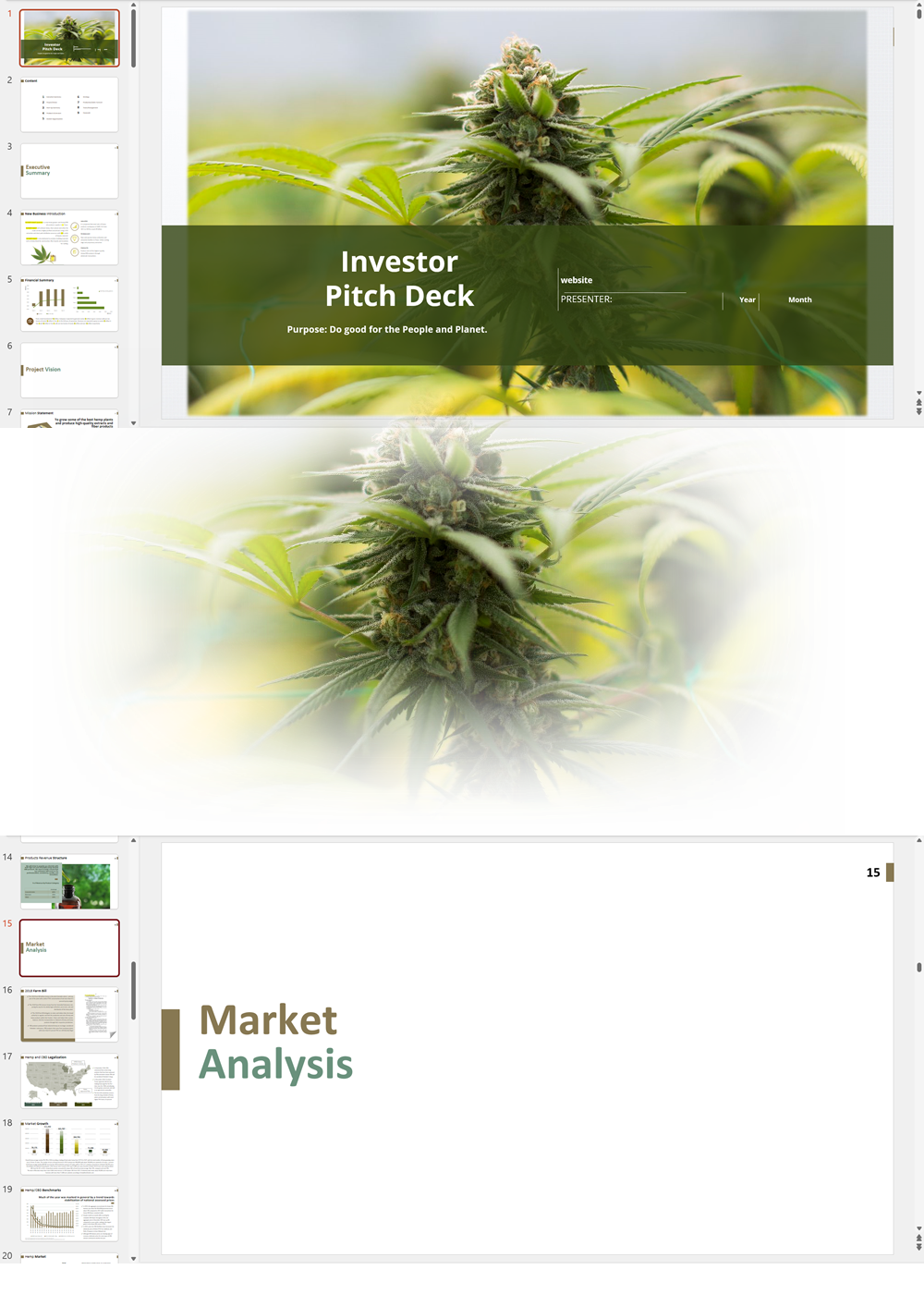
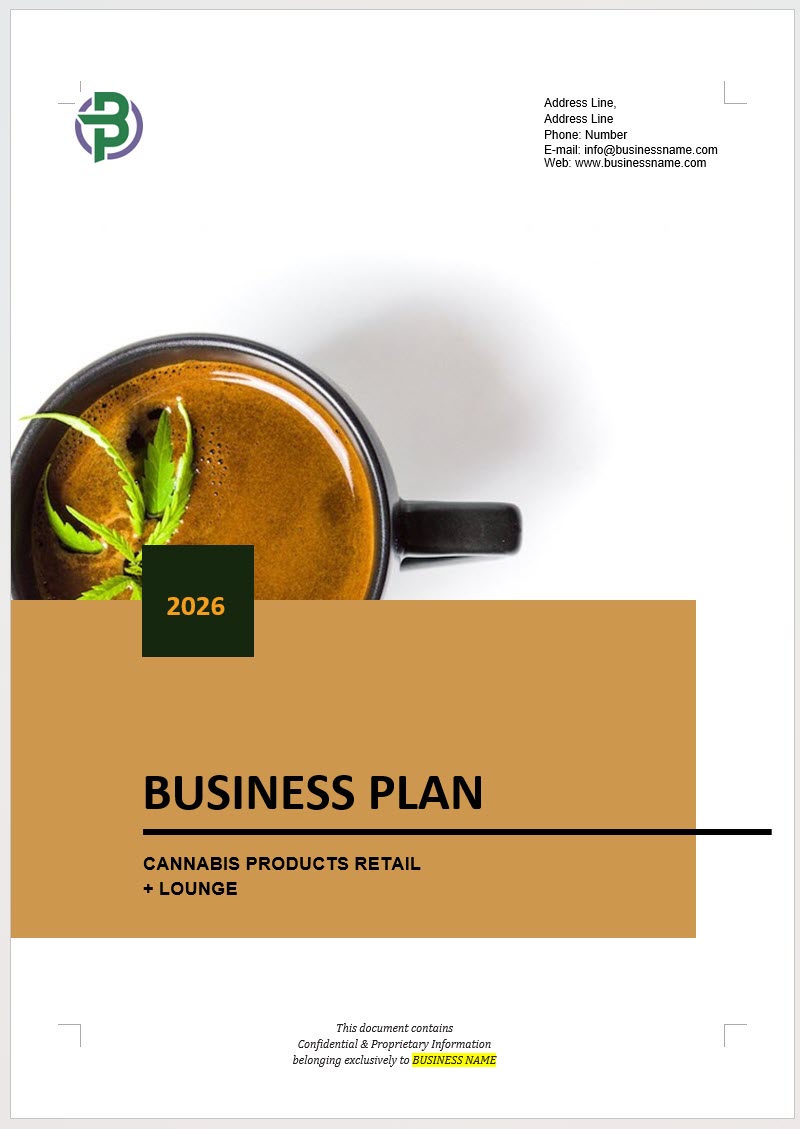
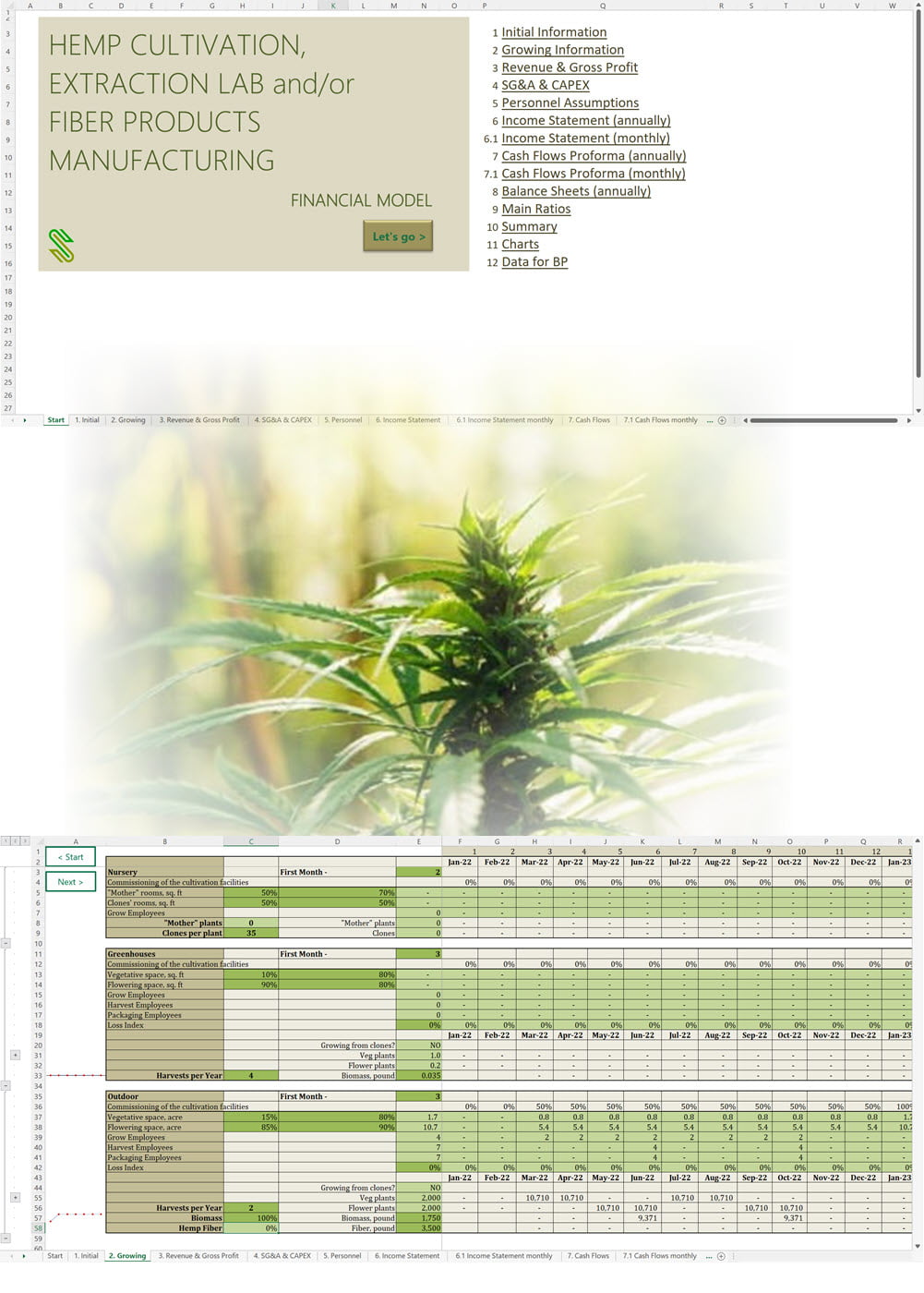
We offer a wide range of '70% ready-to-go' cannabis business plan templates that will help you prepare a professional cannabis business plan document supported with expert financials and an investor pitch deck. All our templates are completely open and editable and you can use Word, Excel and PowerPoint to work with them.
For a detailed list of all the information and documents that must be submitted, please refer to the official Massachusetts cannabis regulations. Each application consists of three sections: Application of Intent; Background Check; and Management and Operations Profile, except as otherwise provided. Applicants controlled by and with majority ownership comprised of Economic Empowerment Priority Applicants or Social Equity Program Participants may file a pre-certification application prior to submitting a provisional license application.
Gather information related to the persons and entities who will be listed on the license and who will have control over the business. The persons and entities that must be included in the application are defined by the regulations. When you are ready to submit your application, you must include identifying information about each person and entity to be listed.
Host a Community Outreach Meeting and work with the municipality on the required Host Community Agreement. As part of the application process, you must submit evidence that a Community Outreach Meeting occurred and that a Host Community Agreement has been signed with the municipality.
Once your application is ready, submit it online along with applicable license and background check fees. Visit the Massachusetts Cannabis Industry Portal (MassCIP) to begin the process for an adult-use license application or an MTC license application.
The Commission will review the application based on its priority status and when it was submitted. Once the Commission reviews the application, the applicant will be notified via email.
Within 90 days of your license application, the Commission will issue either a provisional license or a rejection. The Commission will perform inspections and request that background checks and fingerprinting be performed by all individuals listed on the license.
A certification form will be sent to the host municipality to confirm your establishment is in compliance with local codes and ordinances. Once these steps have been completed, the Commission will consider your application for a provisional license.
After receiving the provisional license, you must request a post-provisional license inspection (PPLI) form by emailing the Commission. Following the PPLI request, an interview will be arranged to discuss your facility, business, and licensure plans, followed by a scheduled onsite inspection. If successful, you will receive the final license and you may begin cultivating, manufacturing, or wholesaling cannabis/cannabis products depending on the type of license. However, you may not move the product down the supply chain.
Once the product is tested and your business is ready for inspection, you must request a Post-Final License Inspection (PFLI) via email. An onsite inspection will be completed and if no deficiencies are found, an inspection report will be written, recommending commencement of operations and you will receive a notification that you are allowed to commence operations and start operating as a business.
Physical security measures, good production practices, packaging, labelling, transport and reporting requirements, taxes and more.
Massachusetts Cannabis Taxes
The baseline tax is 17 percent, which is determined from a combination of a 6.25 percent sales tax and a 10.75 percent special excise tax on adult use. Any city or town may impose a local sales tax upon the sale or transfer of cannabis or cannabis products by a cannabis retailer operating within the city or town to anyone other than a cannabis establishment at a rate not greater than 3 per cent of the total sales price received by the cannabis retailer as a consideration for the sale of cannabis or cannabis products.
The Cannabis Industry Reform Act, effective January 1, 2022, decouples Massachusetts from federal IRC Section 280E for licensed marijuana businesses. While federal law still prohibits these businesses from deducting most expenses (except cost of goods sold), Massachusetts now allows them to claim full business expense deductions under G.L. c. 62, § 2(d)(4) and G.L. c. 63, § 30.4 – including marijuana establishments and medical marijuana treatment centers.
Cannabis Advertising Regulations in Massachusetts
Recreational Cannabis
Allowed activities:
- Can develop a Brand Name to use in labelling, signage and other materials as long as medical symbols, images of cannabis or that are appealing to those younger than 21 years old are not used. Brand Name can be used on t-shirts and other merchandise but not on cannabis, cannabis products or cannabis accessories.
- Brand Name Sponsorship of a charitable, sporting or similar event if it is limited to the Brand Name. Advertising at or in connection with the event is not allowed unless there is reliable, current audience composition data that shows that participants are reasonably expected to be 21 years of age or older.
- Brand Name Sponsorship of a chartable, cultural or similar event held and organized by the city or town in which the sponsoring Marijuana Establishment or CMO (Colocated Marijuana Operations: allowed to conduct adult-use and medical operations) is licensed to conduct business if:
- the sponsorship is included in its Positive Impact Plan
- the limitations imposed on sponsorship of a charitable, sporting or similar event mentioned above.
- Products can be displayed in secure, locked cases that can be transparent.
- Advertising on TV, radio, internet, mobile applications or any other form of advertising where at least 85% of audience is expected to be 21 years old or over.
Prohibited activities:
- No pictures or illustrations that appeal to anyone younger than 21 or show anyone younger than 21.
- No use of vehicles with radio or loudspeakers.
- Operating a website that does not verify the entrant is older than 21.
- Any advertising specifically for promotion of cannabis or cannabis products on Branded Goods such as clothes and drink holders.
- Display of products in a visible way to people from the exterior of a Marijuana Establishment.
- Use of free promotional items including gifts, discounts, point-based reward systems, customer loyalty programs etc.
Medical Cannabis
Same as for recreational cannabis BUT there is no prohibition of advertising discounts, coupons and other price reductions on cannabis and cannabis products.
How Can Cannabusinessplans Templates Help Start or Grow Your Cannabis Business?
The majority of cannabis licensing programs require the submission of a business plan as part of the application for a cannabis license. Even if it is not mandated by law, a business plan is essential for securing funding and assisting an applicant in understanding how much money it will take to start a cannabis business and how much profit it could make.
A well-structured business plan can make all the difference in helping you demonstrate your proposed cannabis business’ compliance with regulations and its operational viability.
Our complete cannabis business plan template package is everything you need to create a professional business plan for a cannabis business with expert financials and projections. A complete cannabis business plan template package includes:
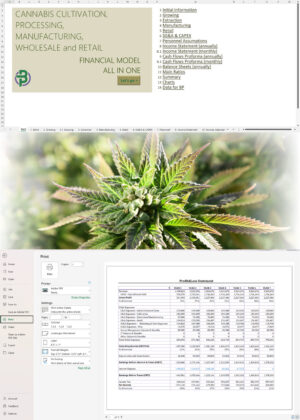
- Excel Financial Model: change variables and immediately see the impact, break down operational and capital costs, know how much it will take to get into the business and the potential profits.
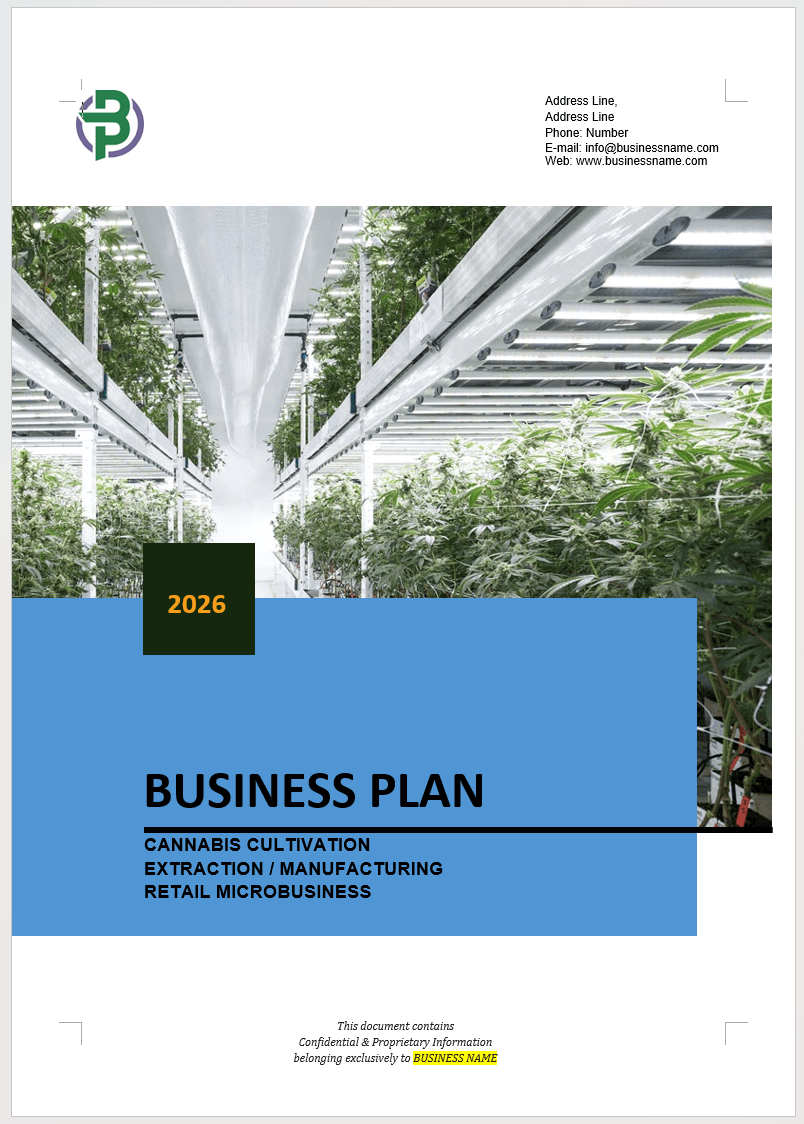
- Word Business Plan: value proposition, market analysis, marketing strategy, operating plan, organizational structure, financial plan and more.
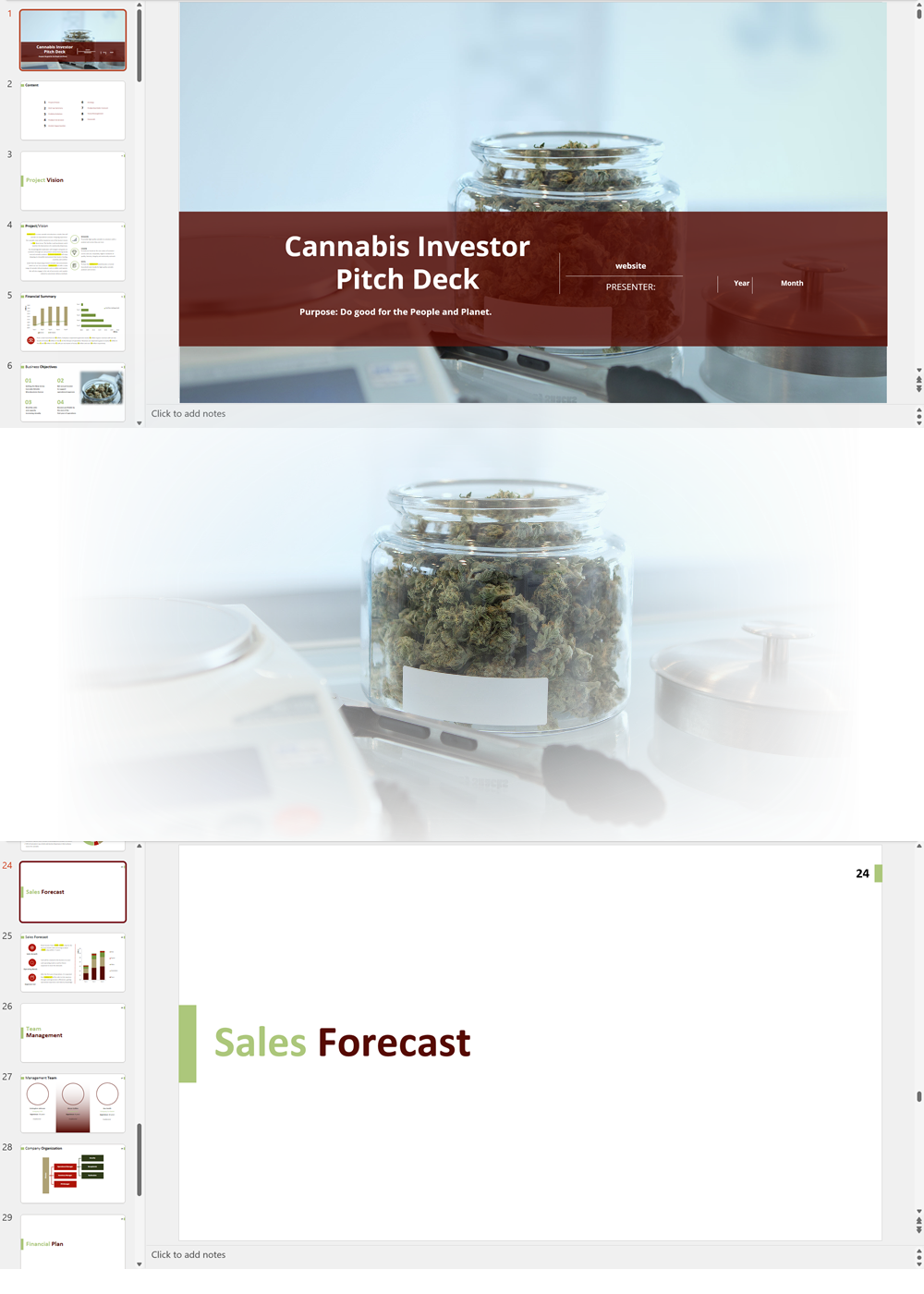
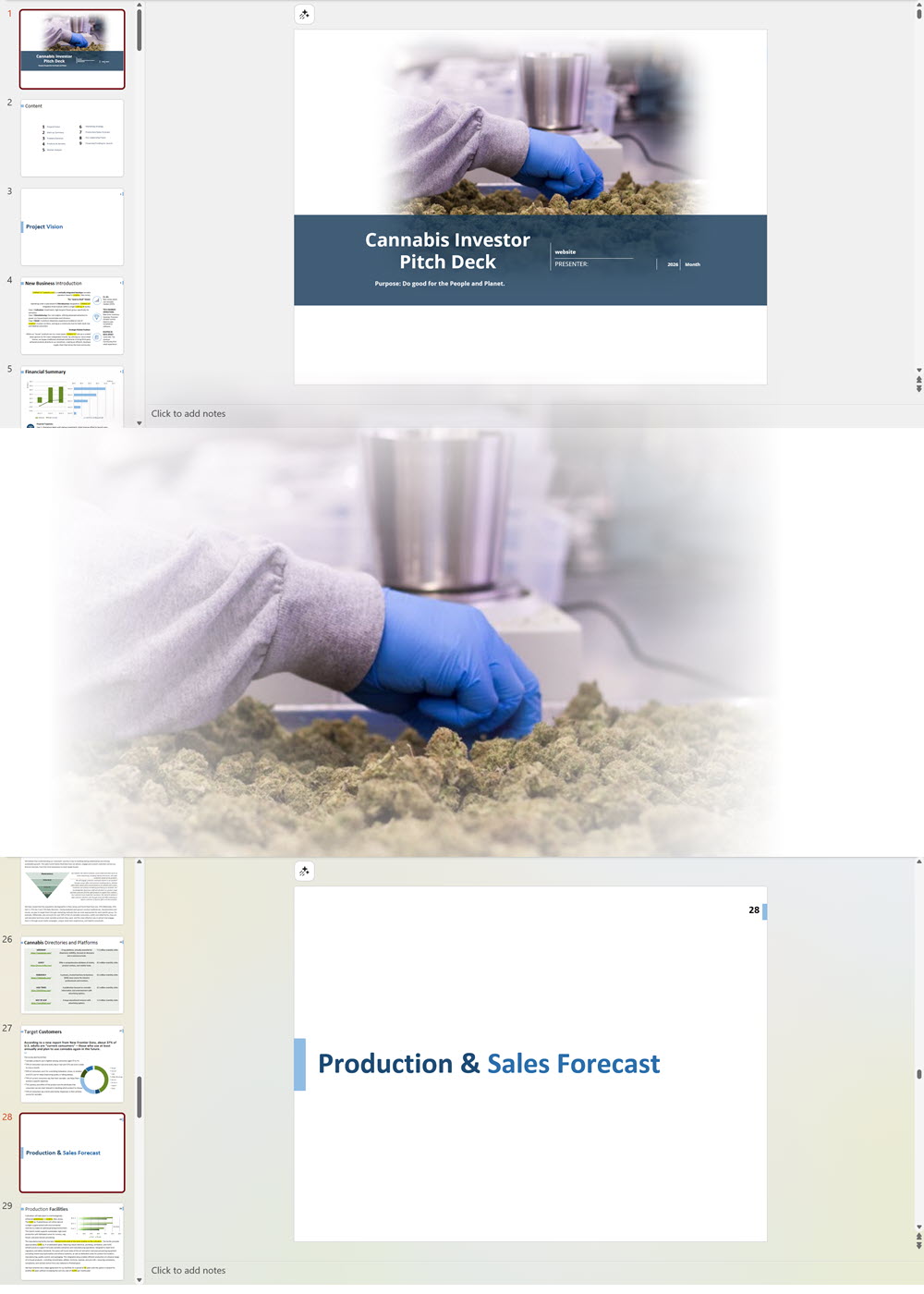
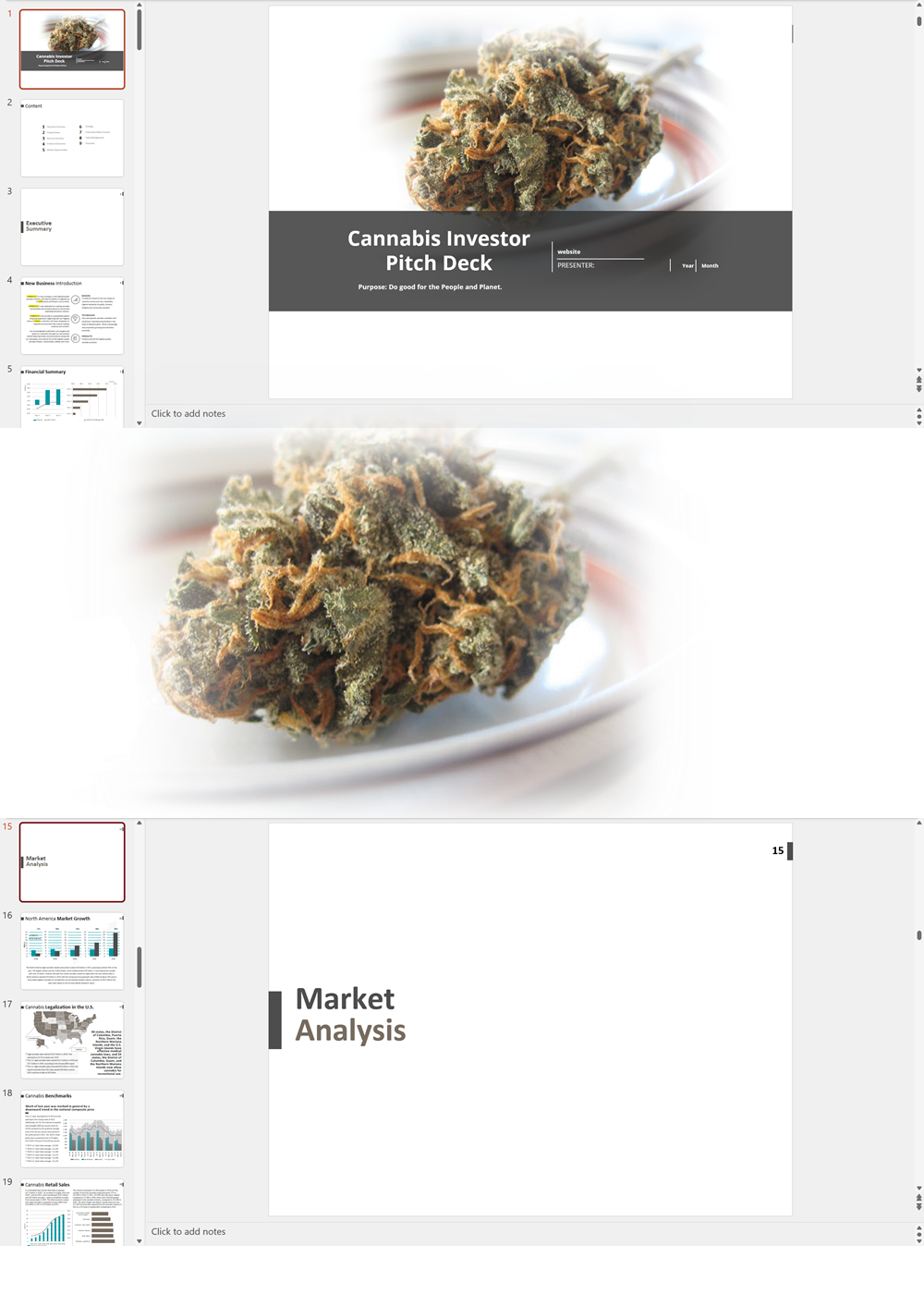
- PowerPoint Pitch Deck: provide a quick overview of your cannabis business plan.
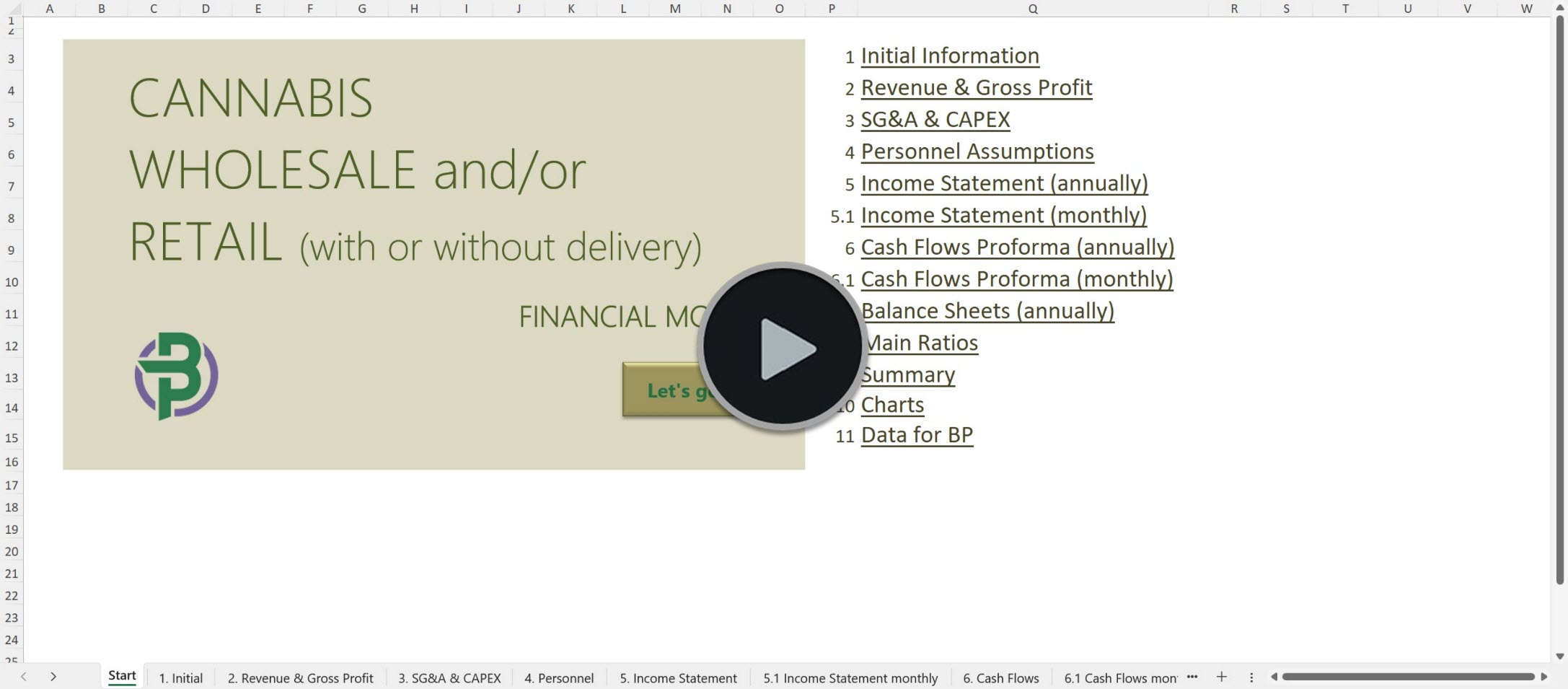
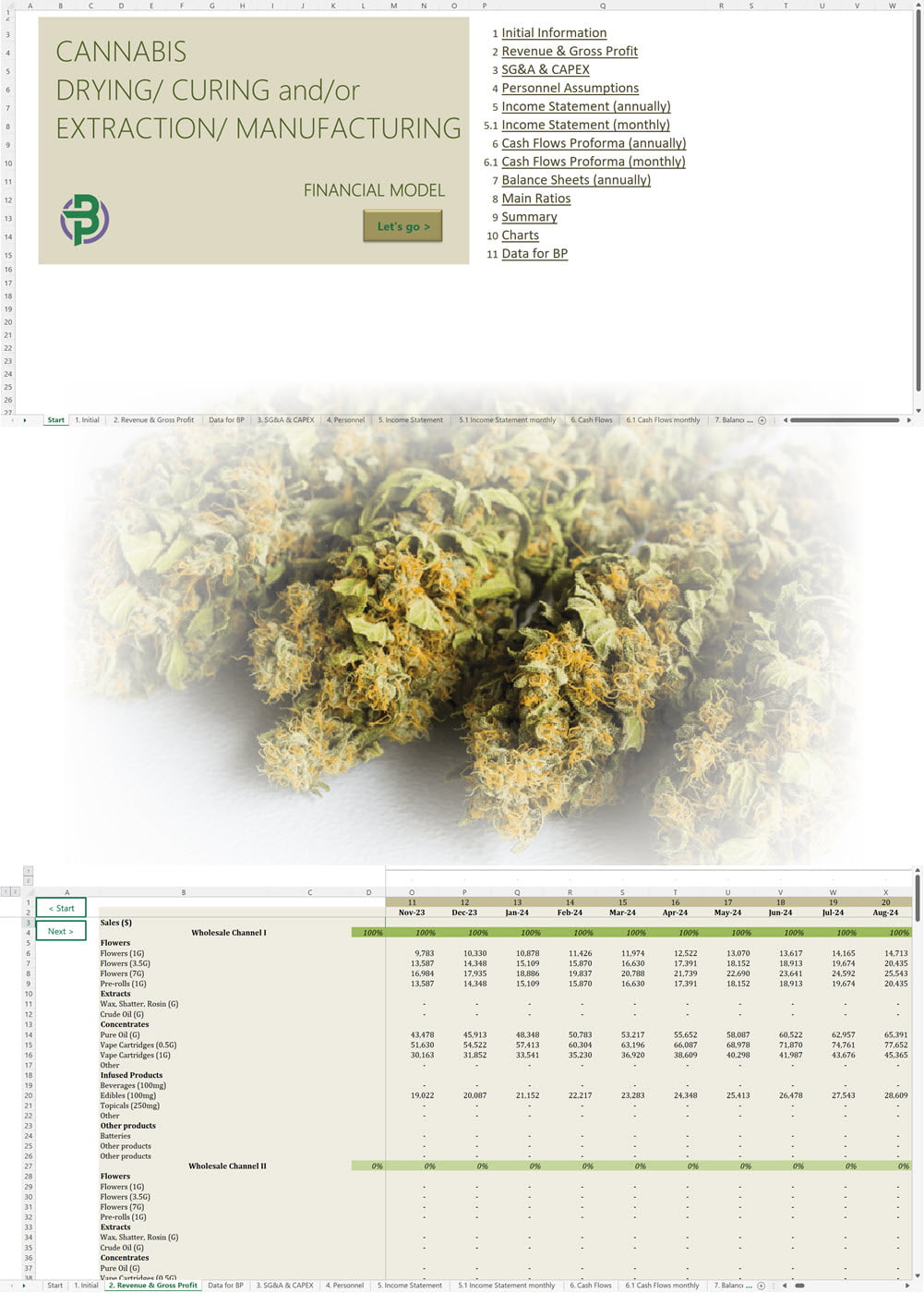
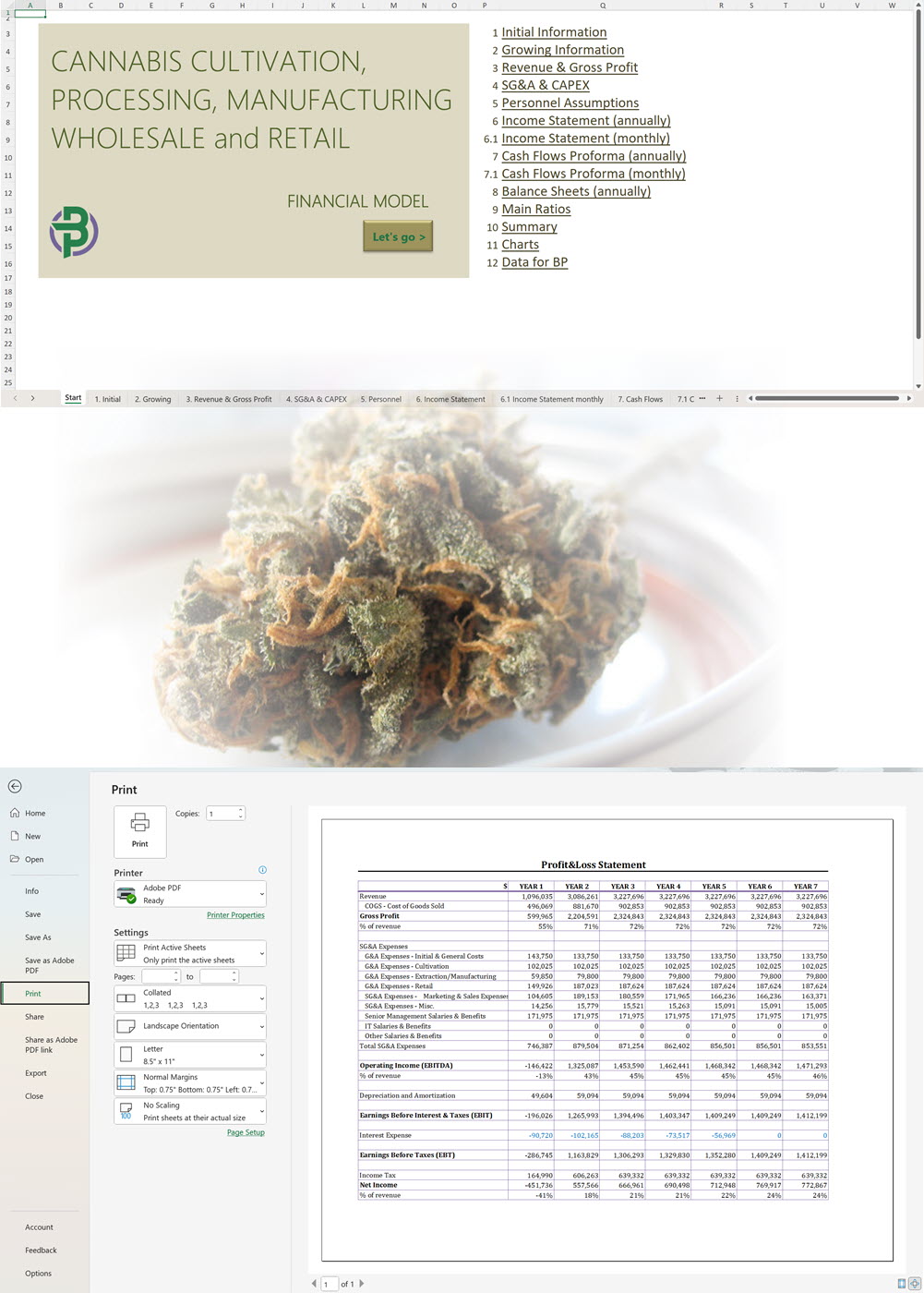
Cannabis Wholesale Retail Financial Model Sample, Massachusetts
Best Selling Templates
-

Cannabis Cultivation Business Plan Template
Price range: $75.00 through $350.00 Select options This product has multiple variants. The options may be chosen on the product page -

Cannabis Dispensary Investor Pitch Deck Template
$75.00 Select options This product has multiple variants. The options may be chosen on the product page -
Cannabis Financial Model All in One
$250.00 Select options This product has multiple variants. The options may be chosen on the product page
Hemp CBD business plan templates are available at hempcbdbusinessplans.com.
Our Templates
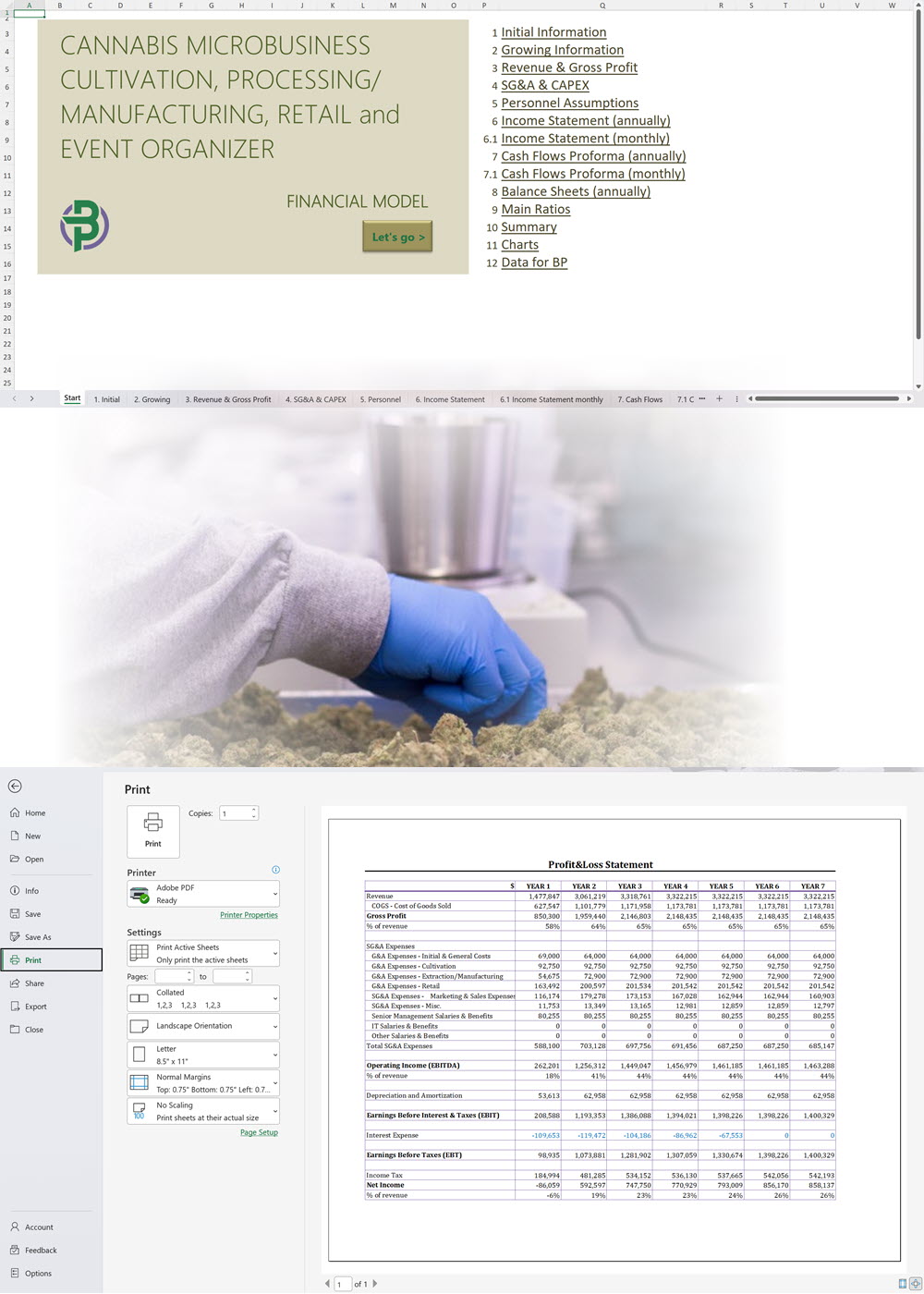
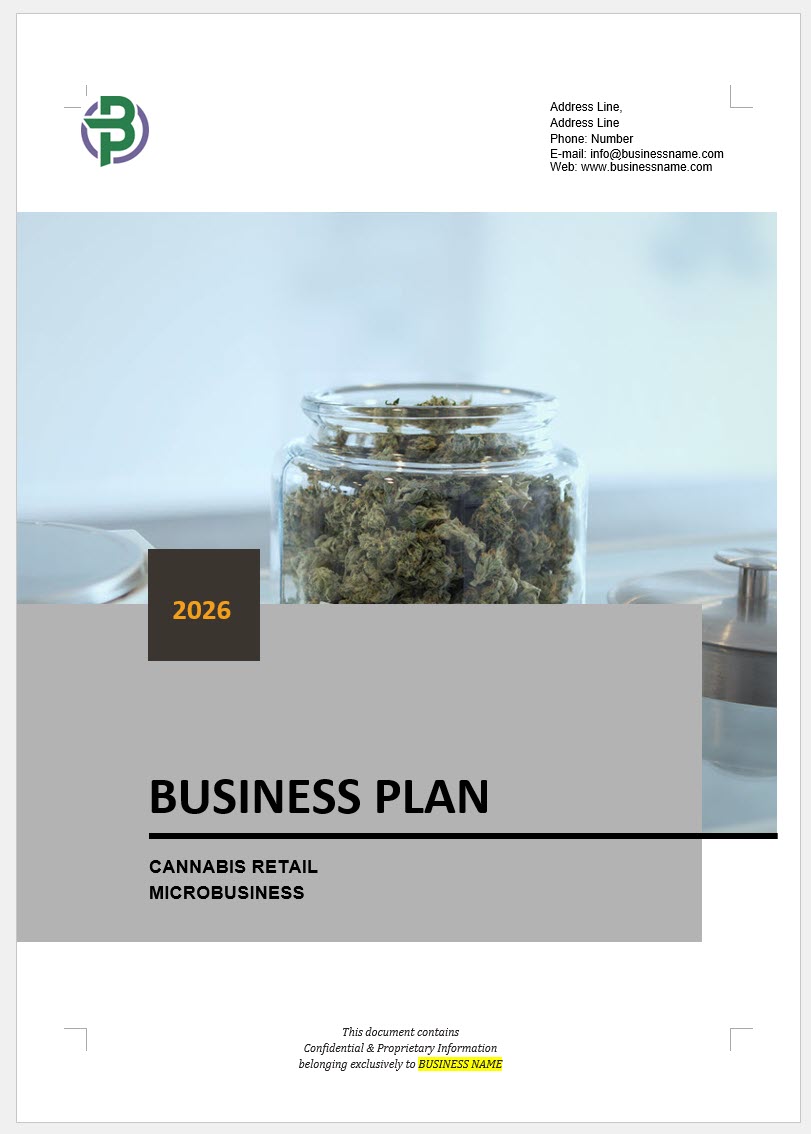
Cannabis Retail Microbusiness Business Plan Template
Price range: $75.00 through $275.00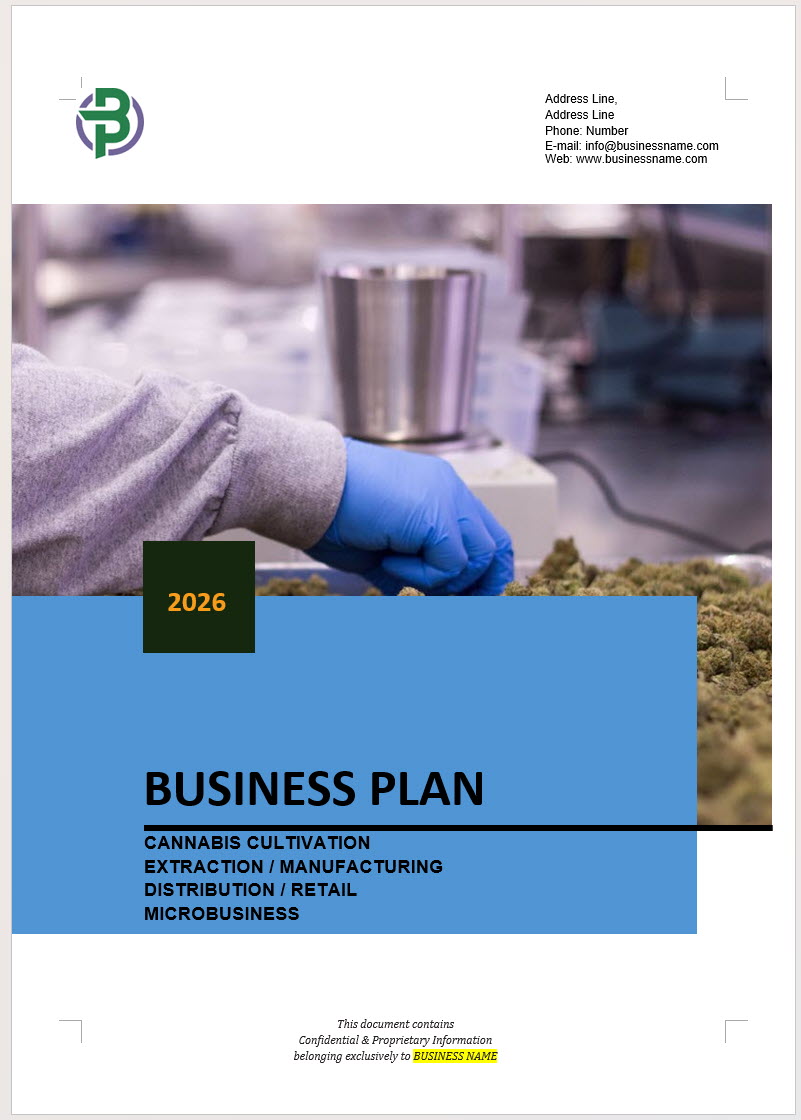
Cannabis Cultivation, Extraction, Manufacturing, Distribution, Retail and Microbusiness Business Plan Template
Price range: $75.00 through $500.00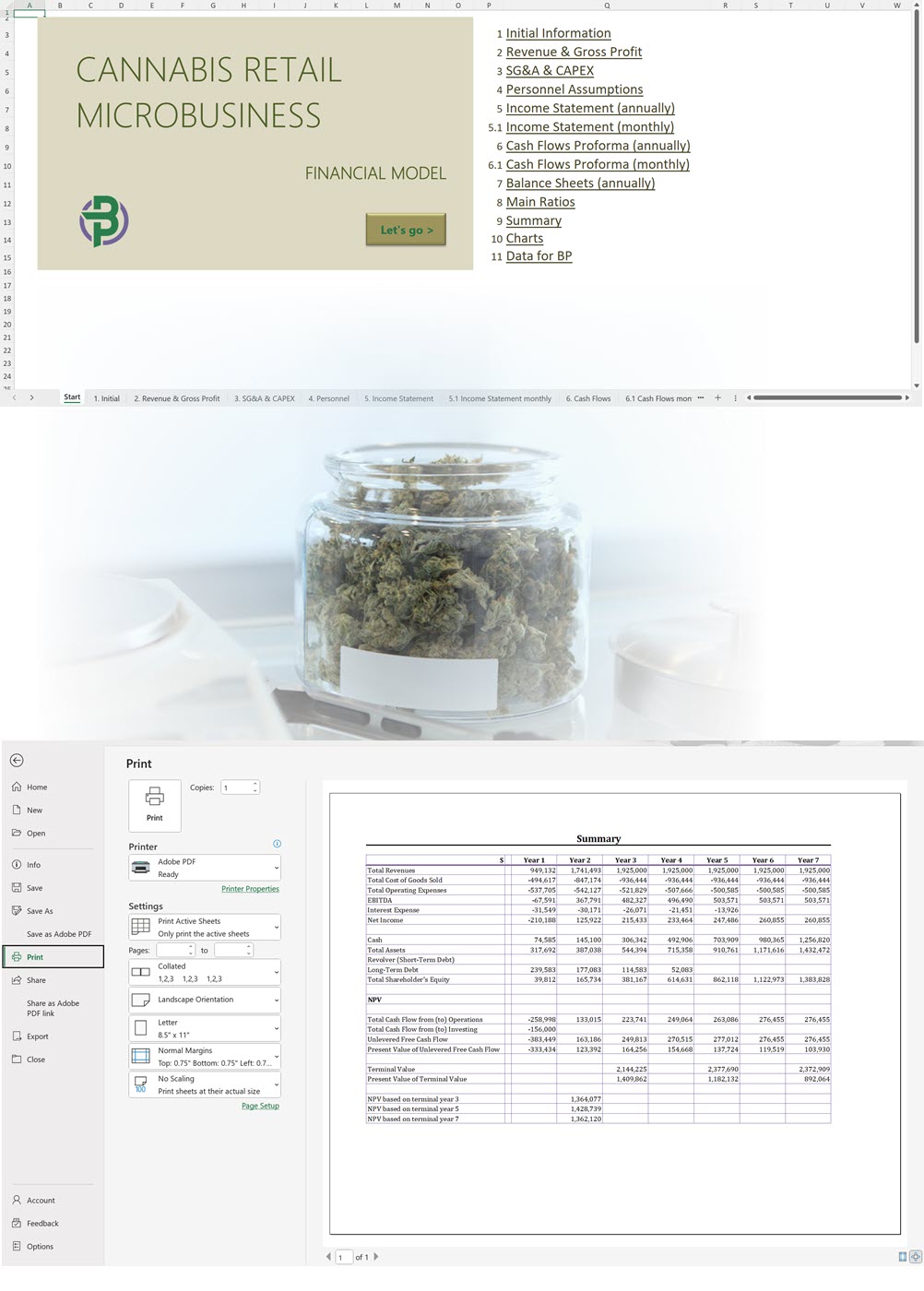
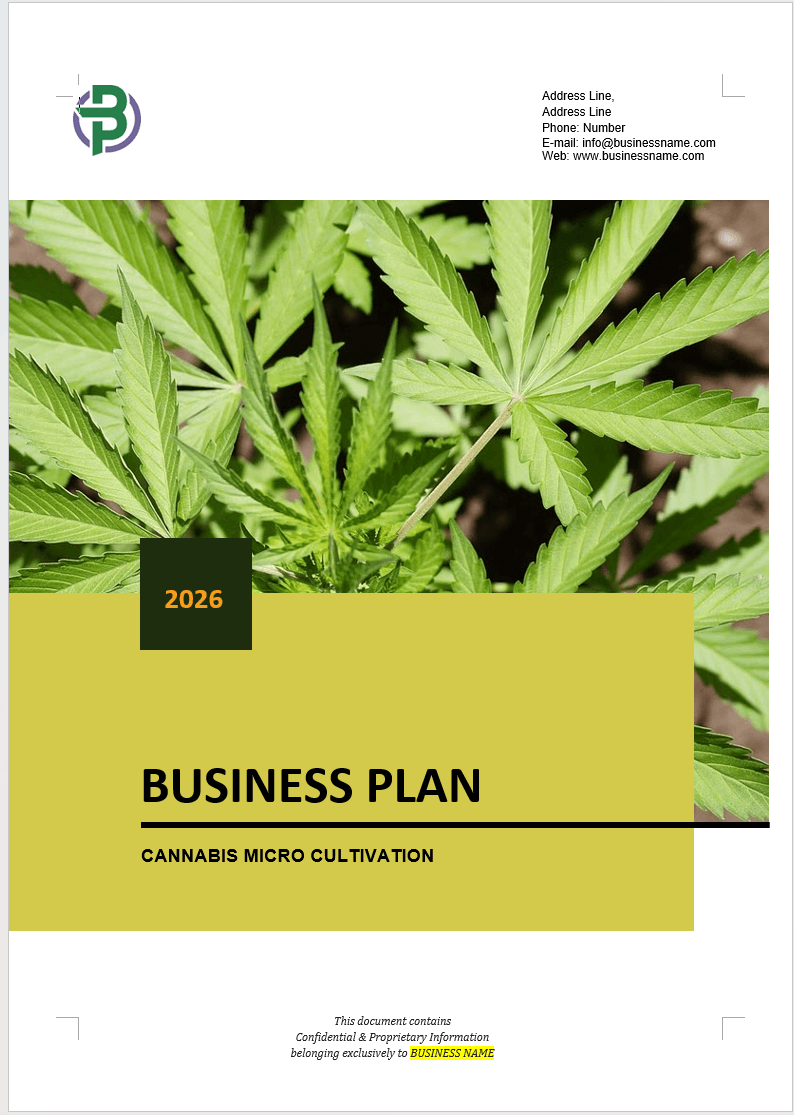
Cannabis Micro Cultivation Business Plan Template
Price range: $75.00 through $300.00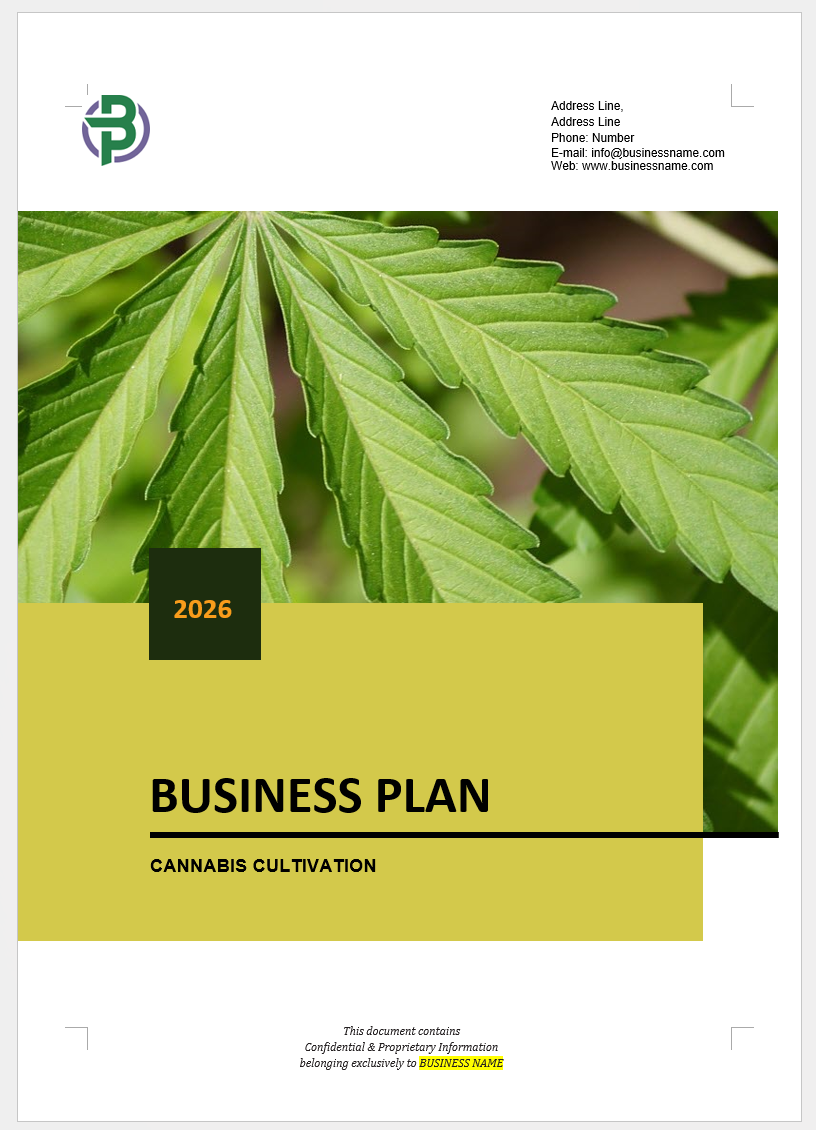
Cannabis Cultivation Business Plan Template
Price range: $75.00 through $350.00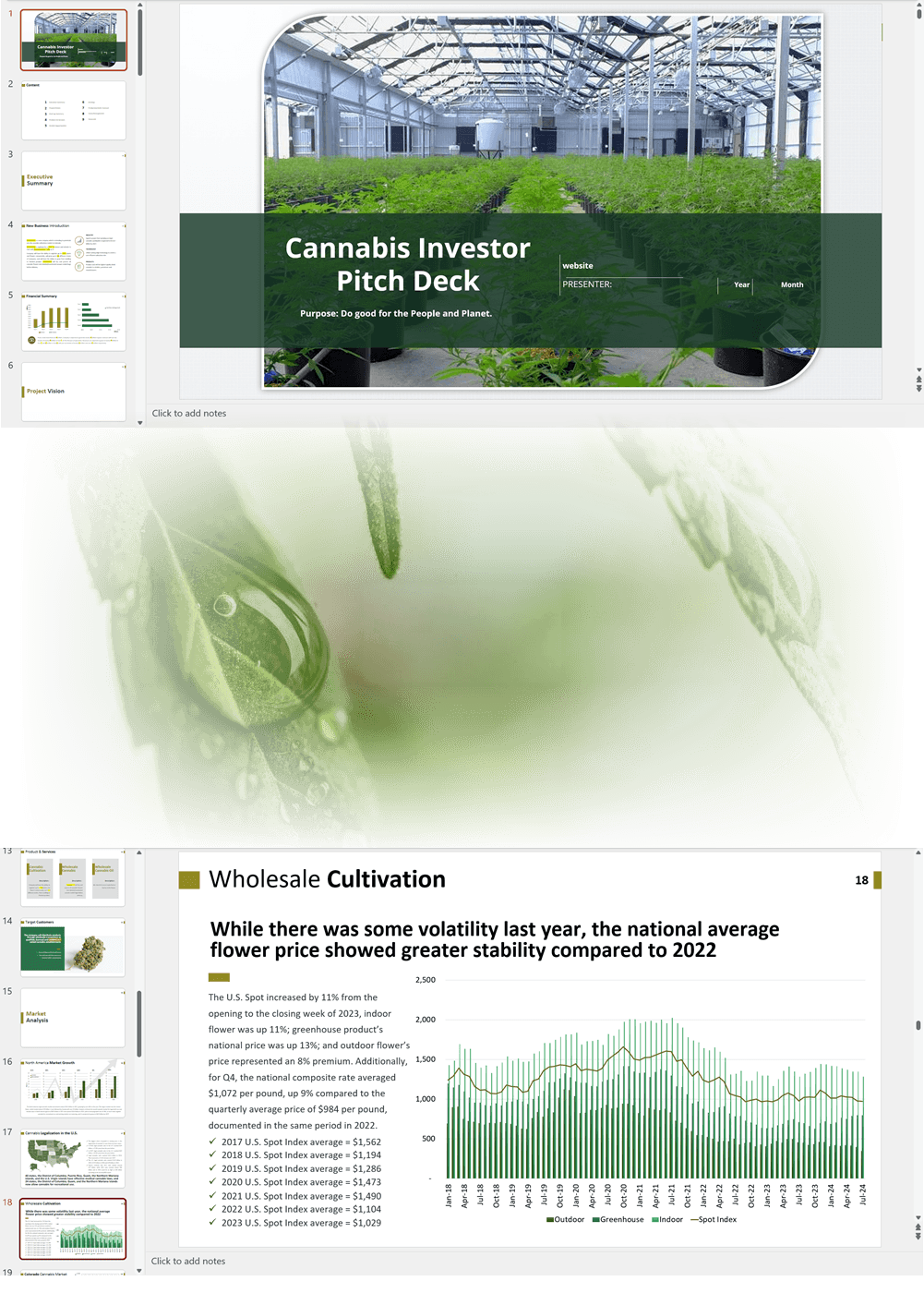
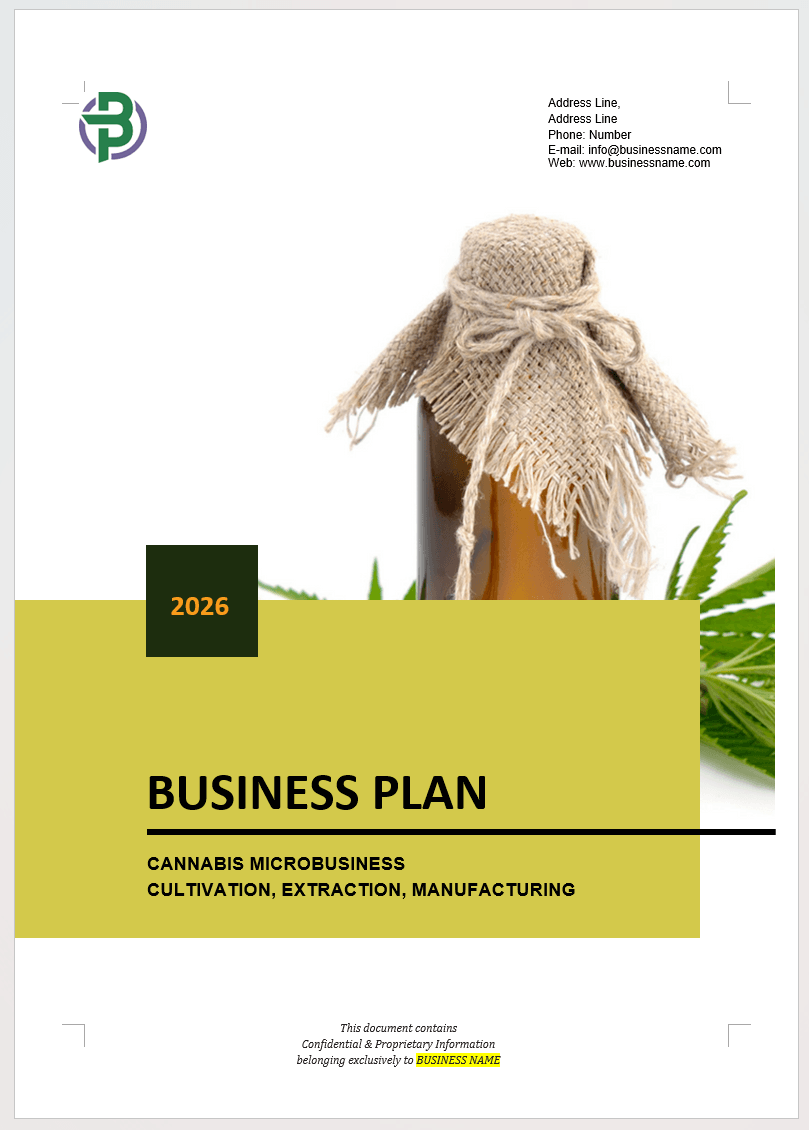
Cannabis Microbusiness Cultivation and Manufacturing Business Plan Template
Price range: $75.00 through $350.00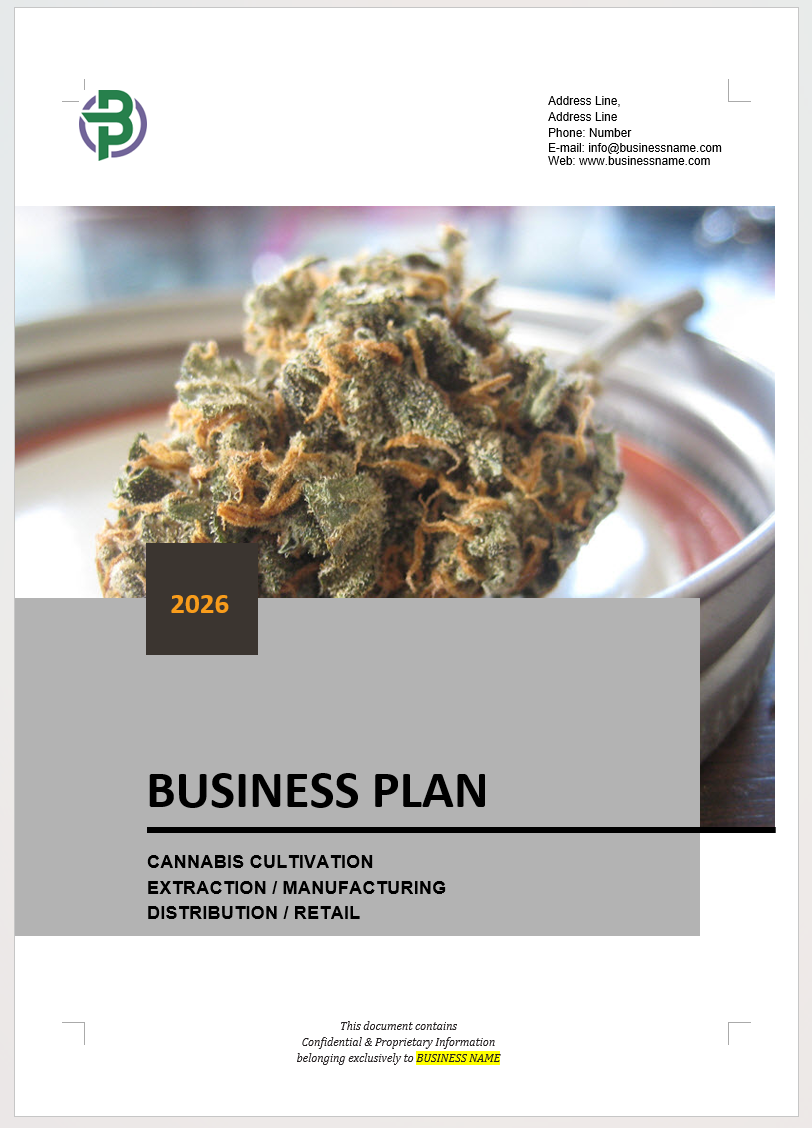
Vertically Integrated Cannabis Business Plan Template
Price range: $75.00 through $500.00


Cannabis Microbusiness Business Plan Template for Cultivation + Extraction + Manufacturing + Wholesale + Retail + Services
Price range: $75.00 through $500.00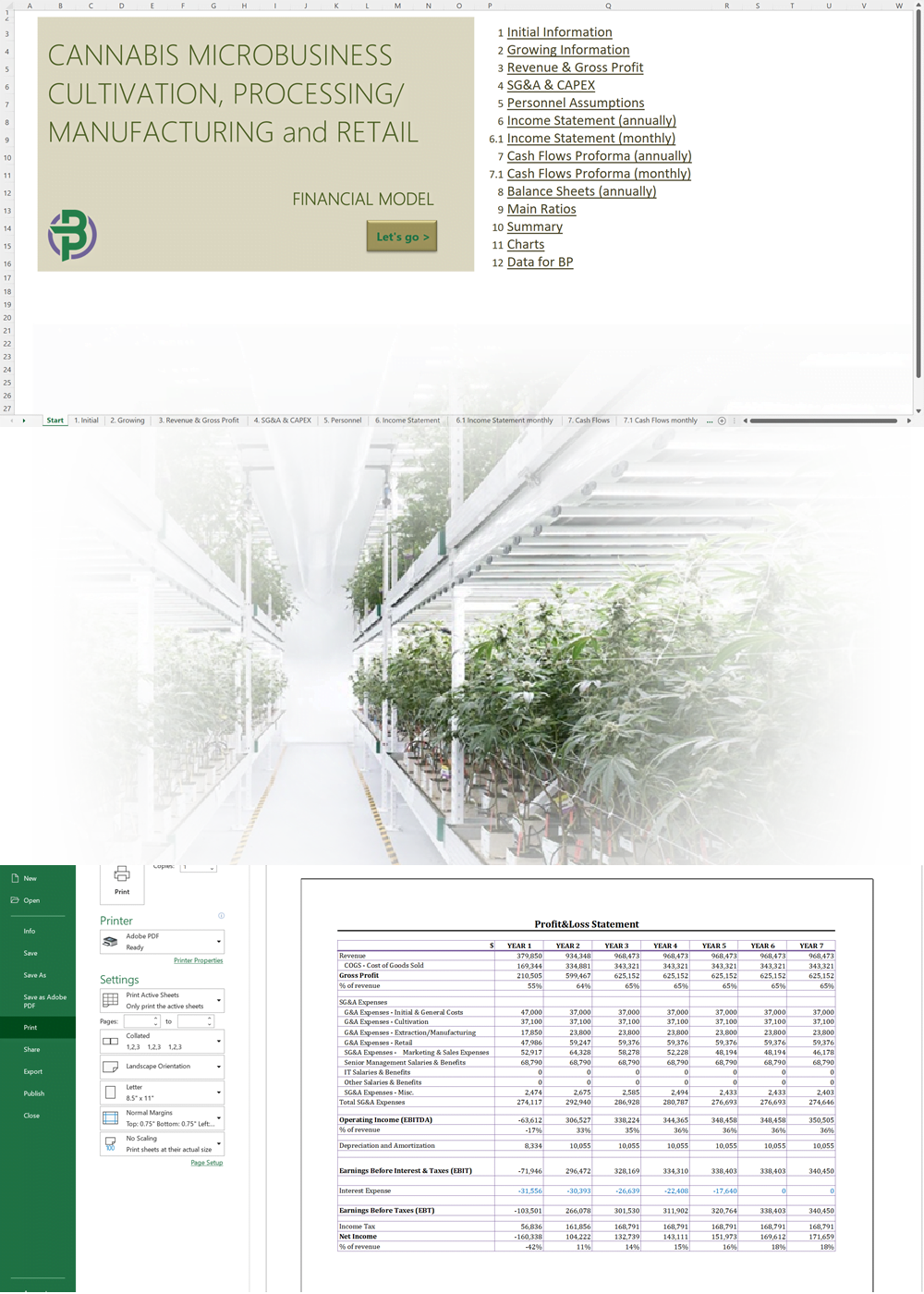
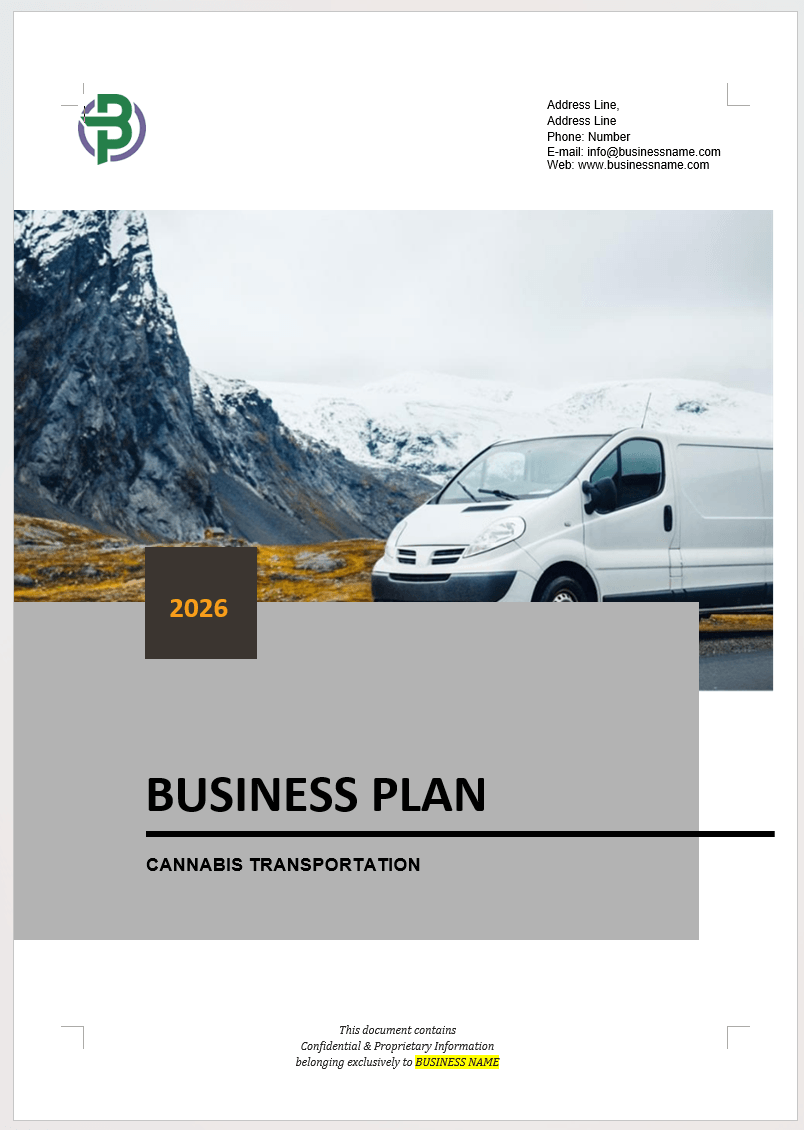
Cannabis Transportation Business Plan Template
Price range: $75.00 through $275.00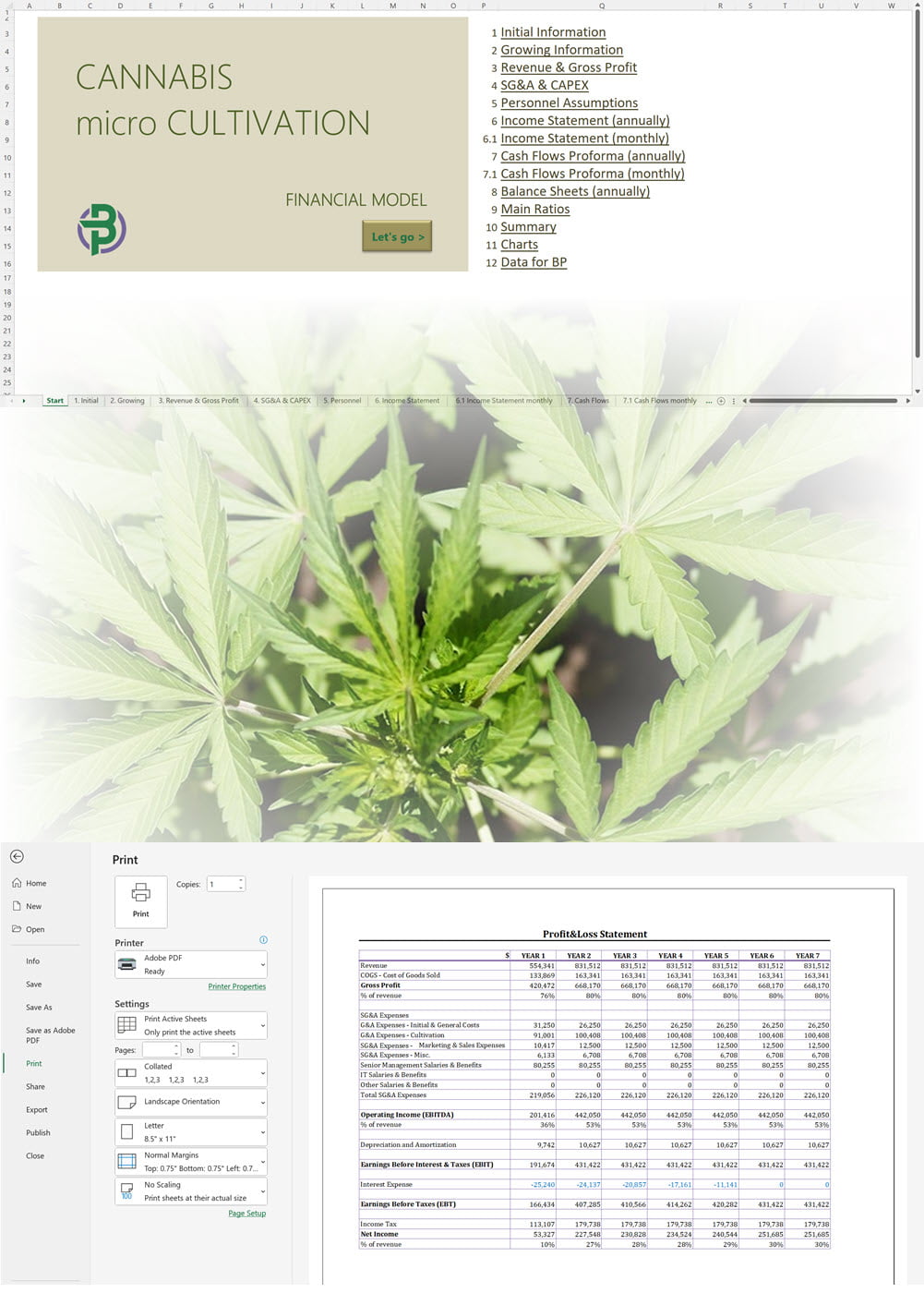
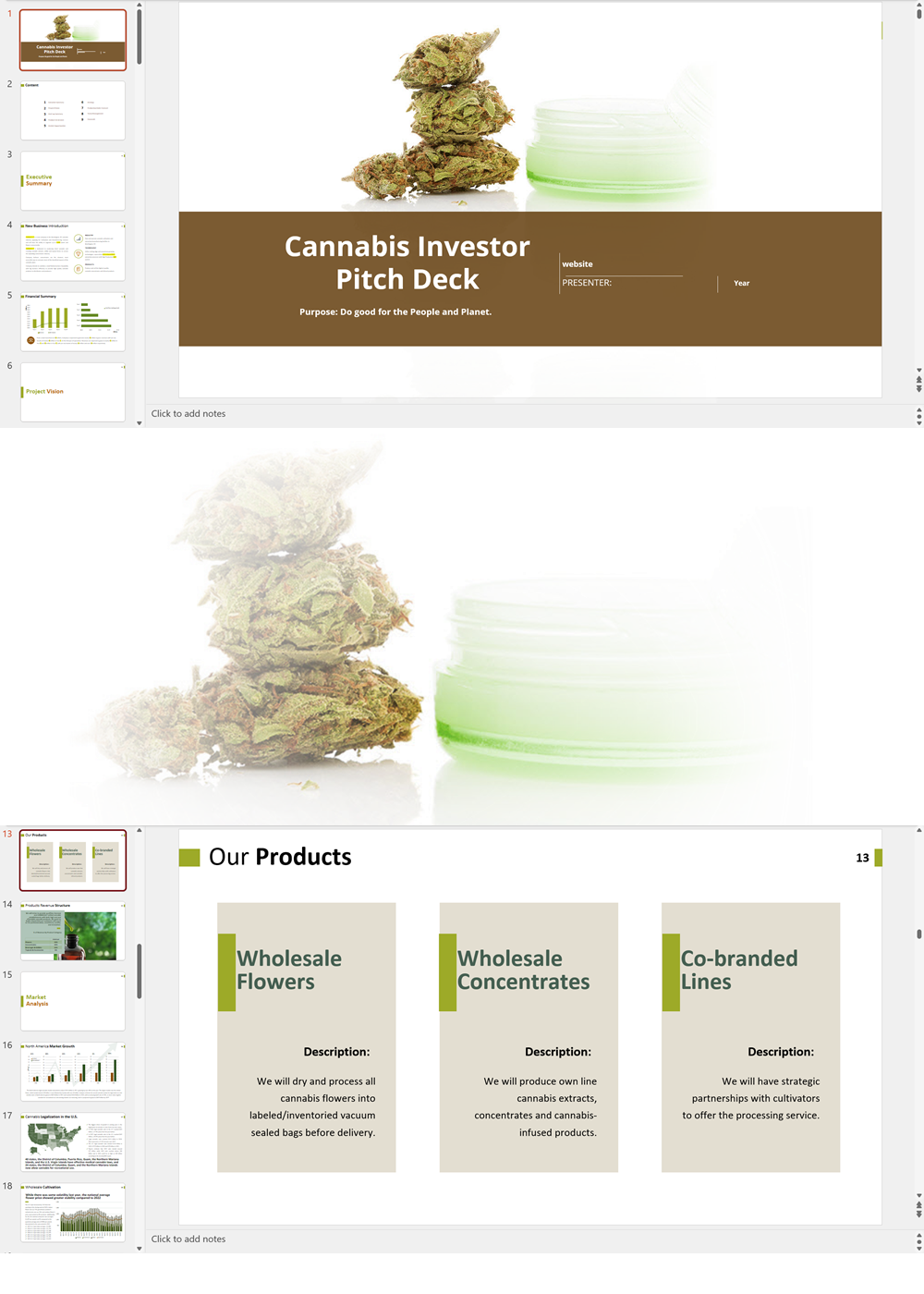

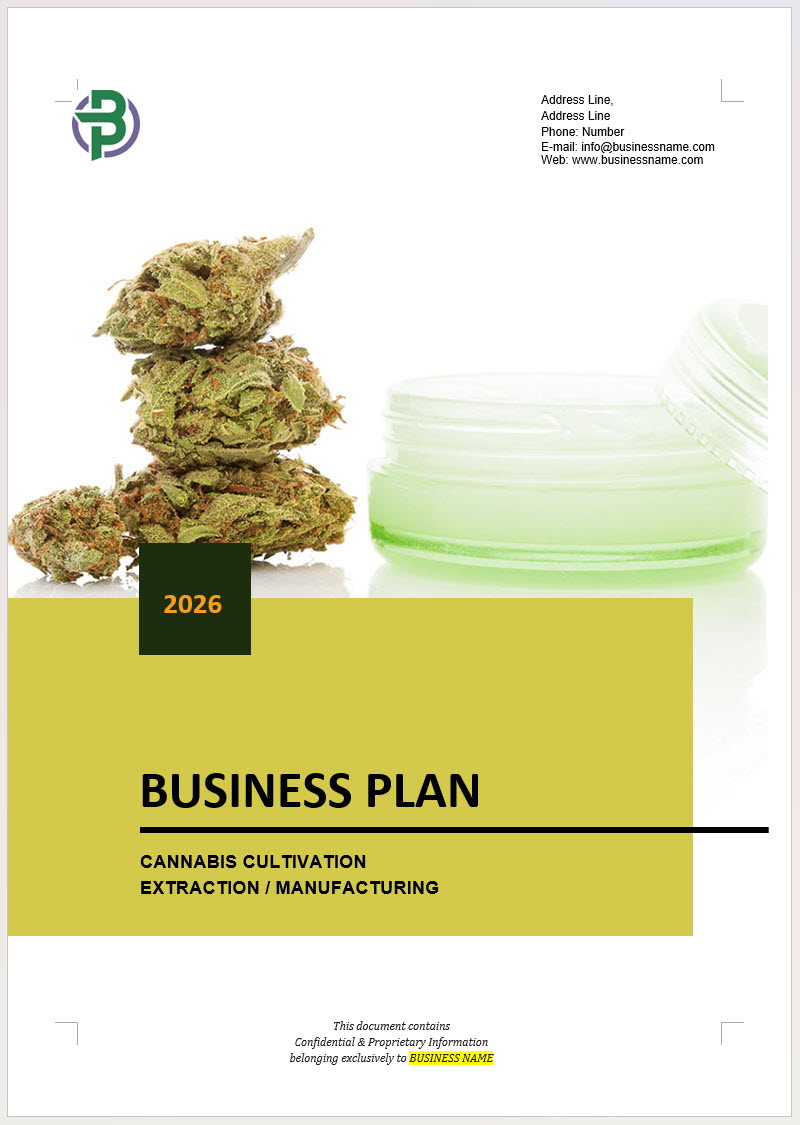
Cannabis Cultivation, Extraction and Manufacturing Business Plan Template
Price range: $75.00 through $450.00
Hemp Cultivation and CBD Oil Extraction and/or Fiber Products Business Plan Template
Price range: $75.00 through $350.00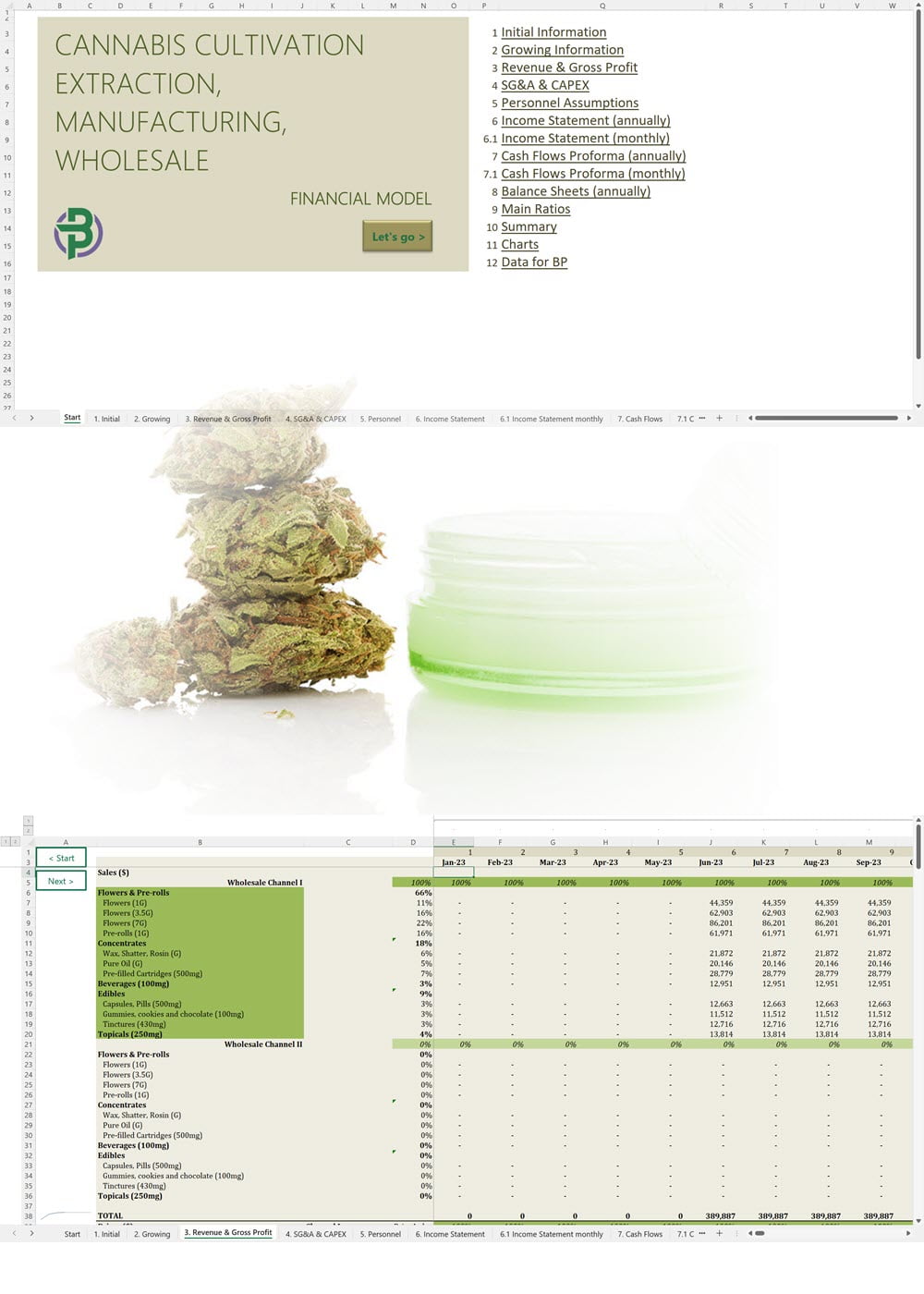
One-Page Cannabis Business Plan Template
Price range: $25.00 through $200.00