
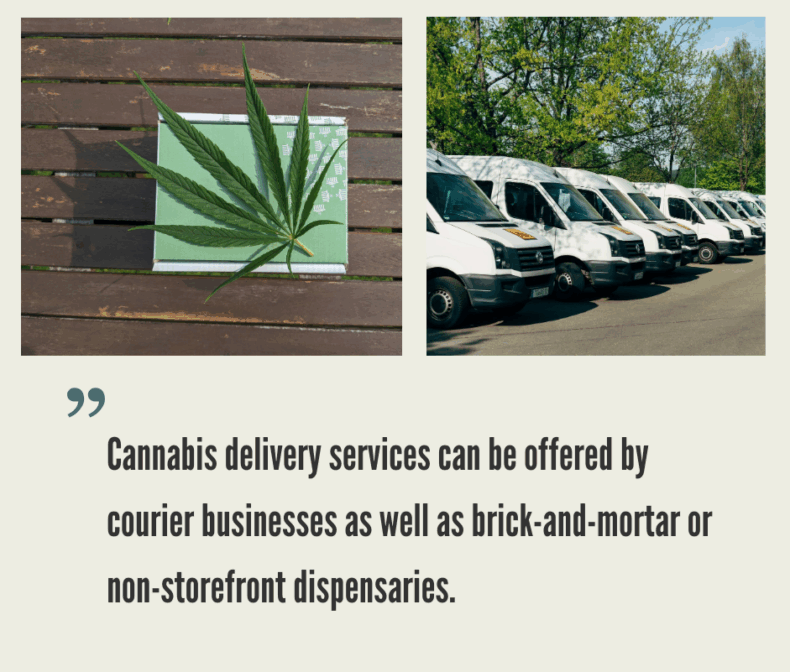
Cannabis Delivery Business Model
As more states began to legalize recreational cannabis, the number of cannabis users dramatically increased. This led to the need to improve convenience and accessibility for consumers, creating a market for cannabis delivery services. Consumers can now purchase cannabis similar to how they order groceries – through a website or a mobile app with a range of features such as delivery time scheduling, customer reviews, and live chat support. Additionally, cannabis delivery became a solution for certain consumers who did not feel comfortable visiting a dispensary and prefer the discretion of having cannabis delivered to their home.
Cannabis delivery services have expanded access for new customers while increasing purchase frequency among existing consumers – particularly those with busy schedules or limited proximity to a physical dispensary.
While some dispensaries decided to start offering delivery services themselves, others outsourced them to licensed cannabis delivery and courier companies. There are three main ways that businesses can perform delivery of cannabis products:
- Courier: Only delivers cannabis products directly from a dispensary to an adult customer or patient, essentially operating as a logistics and delivery partner for local dispensaries. They do not buy or store cannabis products.
- Delivery/Non-Storefront: Operates an online store and storage facilities from which delivery agents deliver cannabis products purchased through the e-commerce platform to customers. Cannabis products for sale to customers are bought and stored by the business.
- Dispensary Service Add-On: In addition to operating a brick-and-mortar dispensary, the dispensary’s drivers deliver the store’s cannabis products to an adult customer or patient.
Cannabis Delivery Business Pros and Cons
How Much Does it Cost to Start a Cannabis Delivery Business?
Main steps in short:
Research and Planning
Prior to planning to starting a cannabis delivery business, it is necessary to study the local cannabis regulations and check that cannabis delivery is legal and that you are eligible to apply for a cannabis delivery/courier license or provide delivery as part of your existing dispensary licensee activities. You can use our lists to quickly scan for which states permit cannabis delivery or have a separate cannabis delivery/courier license:
Cannabis Delivery Business by State
Most states post a checklist on their official websites detailing how the application process works as well as the requirements. What you need to know:
- Legality of Medical Cannabis and/or Recreational Cannabis
- Legality of Cannabis Delivery
- Types of Delivery Licenses and Application Deadlines
- Social and Economic Equity Programs
- License Fees and Investment Requirements
- Whether Delivery Businesses Can Store Cannabis and For How Long
- Facility Requirements (location and security)
- Management and Staffing Requirements
- Type of Permitted Products
For information on the cannabis laws and regulations in each U.S. state, please find the appropriate article on our website in the Cannabis Markets section by choosing the desired state in the sidebar under the Cannabis US subheading or typing it into the search bar.
Competition among delivery service operators is expected to intensify as the market expands. It is important to conduct thorough market research to identify gaps and opportunities, and to differentiate through a user-friendly ordering process and quick delivery, ensuring that products arrive in top condition.
If you are already operating a dispensary, then this may be your current dispensary location or possibly a different location that you intend to use for storage-only purposes. When selecting a location for a cannabis storage facility, it is vital to adhere to the local regulations. Cannabis business facilities must typically be situated in commercial or industrial zones and maintain certain distances from sensitive areas such as schools and parks. The required distance can vary, ranging from 200 to 1,000 feet. Strict security measures, including surveillance and alarm systems, are necessary.
You should ideally choose a spot where both dispensaries and potential delivery customers are near. This is also where you should think of your delivery radius – the area which your delivery operations will cover. For this, take inspiration from alternative industries such as fast food restaurants as this would typically indicate the delivery radius that is profitable.
This step may be skipped in case of cannabis couriers as they do not maintain storage facilities and instead just transport cannabis products directly from a dispensary to a customer.
Even if it is not mandated by law, a business plan is essential for securing funding and assisting an applicant in understanding how much money it will take to start a cannabis business and how much profit it could make. A well-structured business plan can make all the difference in helping you demonstrate your proposed cannabis business’ compliance with regulations and its operational viability.
Our complete cannabis business plan template package is everything you need to create a professional business plan for a cannabis business with expert financials and projections. A complete cannabis business plan template package includes:
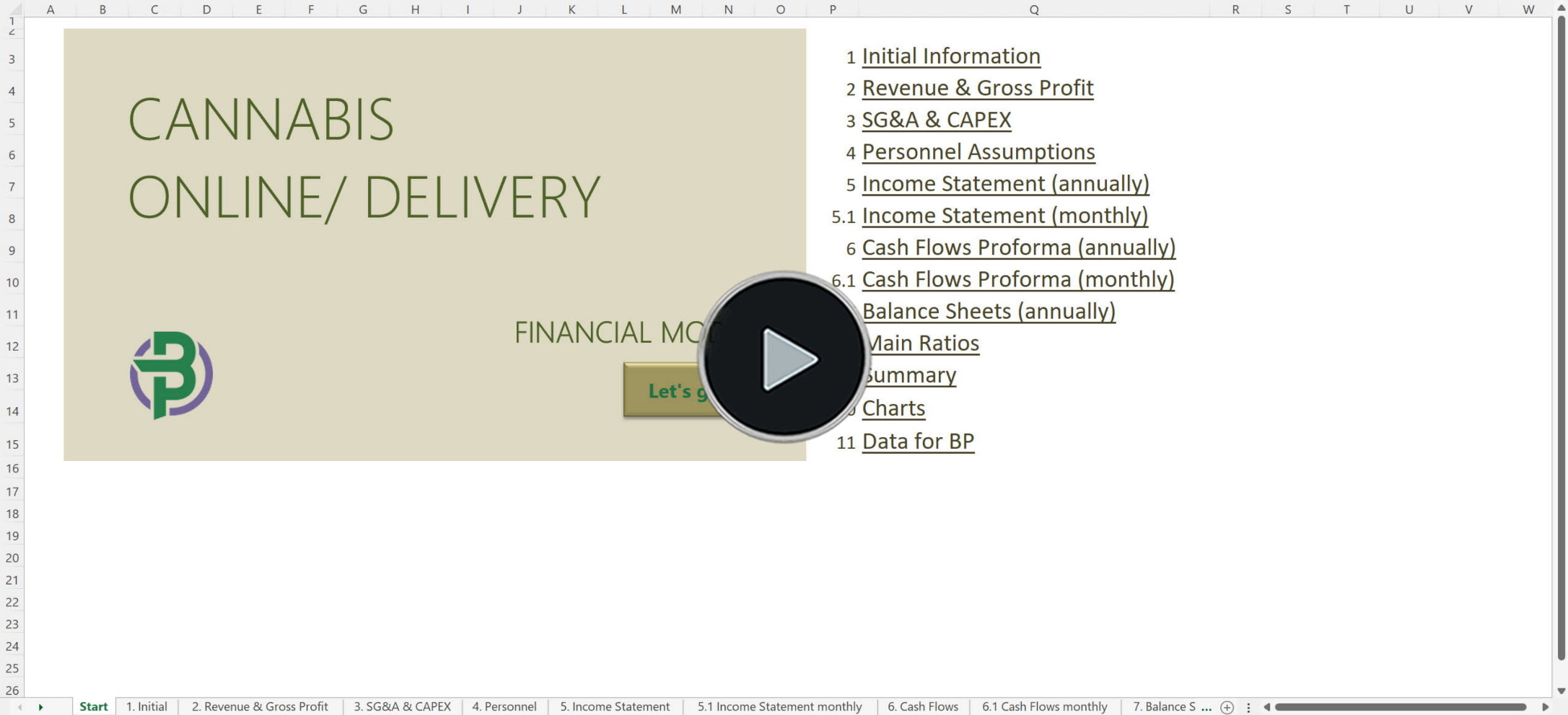
- Excel Financial Model: change variables and immediately see the impact, break down operational and capital costs, know how much it will take to get into the business and the potential profits.
- Word Business Plan: value proposition, market analysis, marketing strategy, operating plan, organizational structure, financial plan and more.
- PowerPoint Pitch Deck: provide a quick overview of your cannabis business plan.
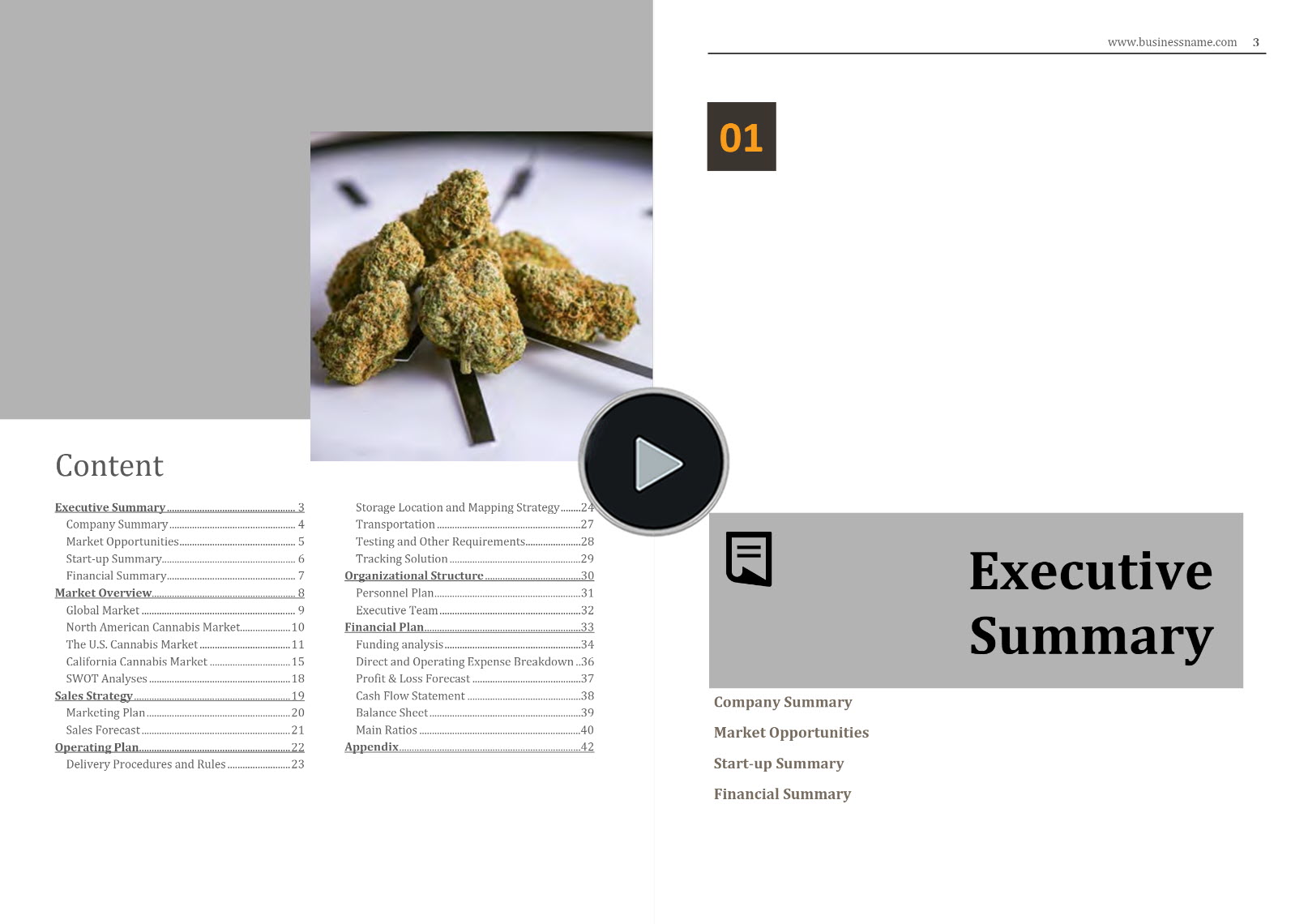
The business plan includes:
- Introduction to the business including an Executive Summary
- An overview of cannabis industry and target market
- Marketing strategy, Production and Sales forecast.
- Operating Plan
- Organizational Structure
- Financial Plan
- Appendix
'70% ready to go' business plan templates
Our cannabis retail financial models and cannabis retail business plan templates will help you estimate how much does it cost to open your own cannabis store, to build all revenue and cost line-items monthly over a flexible seven year period, and then sums the monthly results into quarters and years for an easy view into the various time periods.
Compared to delivery businesses in other industries, starting a cannabis delivery business is more expensive due to certain state regulations and financial barriers that must be overcome. Application and licensing fees are lower for social equity applicants and many states are providing financial help as well, but operational costs will still be significant.
The cost of starting a cannabis delivery operation ranges from $25,000 to as much as $2 million if we are talking about a dispensary with an additional delivery service. This includes approximately $30,000 for a car fleet, $15,000 worth of equipment (including a climate control system), and a $10,000 security system with multiple camera feeds. For maintaining storage facilities, this would involve an additional $15,000 annually for rent and $25,000 for space improvements.
One of the major challenges in the cannabis industry is finding funding. The ongoing regulatory and legal complications surrounding the industry – such as the federal prohibition in the US – make financial institutions hesitant to provide funding.
Despite these challenges, as the global acceptance of cannabis increases, access to financing for cannabis businesses is improving as well. There are now financial institutions who are willing to provide finance to cannabis businesses as well as grants and loans offered in some countries and US states intended to boost the cannabis industry.
While specific requirements may vary, the following types of insurance policies are typically necessary:
- General Liability Insurance: This policy provides coverage for third-party bodily injury, property damage, or personal injury claims that may occur on the premises of the dispensary.
- Product Liability Insurance: This policy protects against claims related to product defects, contamination, or adverse effects from the use of cannabis products.
- Commercial Auto Insurance: This policy provides coverage for accidents, theft, or vandalism involving business-owned vehicles used for deliveries.
- Property Insurance: This policy covers the storage facility’s physical assets – including the building, inventory, equipment, and fixtures – as well as delivery vehicles against risks such as fire, theft, vandalism, or natural disasters.
- Workers’ Compensation Insurance: This policy covers work-related injuries or illnesses sustained by employees.
Coverage Limits
Cannabis delivery business owners should aim to obtain adequate coverage limits to safeguard their assets and liabilities effectively. According to industry data and sources, typical coverage limits for each type of insurance are the following:
- General Liability Insurance: $1 million to $5 million
- Product Liability Insurance: $1 million to $10 million
- Commercial Auto Insurance: $1 million to $2 million
- Property Insurance: $500,000 to $1 million
- Workers’ Compensation Insurance: at least $500,000 per occurrence
Costs Associated with Insurance
Determining the costs of insurance for a cannabis delivery business involves various factors and can vary significantly. According to industry data, insurance premiums can range from $5,000 to $50,000 annually, depending on factors such as the delivery business model (whether this includes a brick-and-mortar dispensary or not), size of the operation, location, coverage limits, and number of vehicles and employees. The specific risks associated with the cannabis industry, including product liability and security concerns, also influence insurance costs.
Business owners should obtain quotes from several insurance providers with expertise in the cannabis industry to compare coverage and pricing, helping them secure comprehensive protection while keeping costs under control.
Your staff is one of the factors that will determine the success of your business. Personnel can be split into two categories: professional services and day-to-day staff.
Professional Services:
- Lawyer: Given the risks associated with the cannabis industry, it is essential to have a good lawyer. They can assist with both the licensing, application, and regulatory compliance processes as well as effectively defend your business in case of a lawsuit.
- Accountant: A good accountant will help you to pay your taxes on time and file all the necessary financial reports when they are due.
- Security Consultant: Most cannabis regulations include security and surveillance requirements which every cannabis licensee has to comply with. Therefore, assistance from a security consultant in designing appropriate security systems for your storage warehouse will be beneficial.
Day-to-Day Staff:
- Delivery Drivers/Cannabis Couriers: These employees will be responsible for transporting products from a dispensary or from the warehouse to customers. They must be trained in cannabis compliance, state and local regulations, secure handling protocols, and professional customer service.
- Dispatch & Logistics Coordinator: They are responsible for overseeing all steps of cannabis delivery – from assigning orders to ensuring on-time fulfillment.
- Customer Support Representative: Handles pre- and post-delivery inquiries, order changes, complaints, and compliance questions.
- Inventory Manager (if operating a storage facility): It is essential to monitor stock levels and ensure that popular products are always stocked. An inventory manager will be responsible for this, as well as inventory inspections and negotiations with suppliers.
If you’re operating a dispensary with integrated delivery services, you’ll also need a full in-store team to manage retail operations. You can find information on this in our guide on how to open a dispensary:
A security plan is not just about protecting inventory – it’s a legal requirement, a condition for licensing, and a core component of operational integrity. Every state has specific, detailed rules for cannabis facility security. While exact requirements vary by location, most cannabis security plans must include the following key elements:
- Physical Security Measures: perimeter security, secure storage, access control, alarm systems.
- Video Surveillance System: full coverage of all interior and exterior areas, high-resolution, at least 30-90 days of recording retention.
- Security Personnel: on-site guards, visitor logs, staff training on emergency procedures and theft prevention.
- Operational and Procedural Safeguards: chain of custody, cash management, delivery & transportation security, and incident reporting.
Apply for the License
Now that you have prepared your business plan, secured funding, found a location for your storage facility, assembled your team, and finalized the security plan, you are most likely ready to apply for a cannabis delivery/courier/non-storefront license. In some states, inspection of facilities is part of the licensing process so you would need to prepare your storage facilities for an inspection by the relevant regulatory agency. The two examples below illustrate how different states have different licensing requirements.
To find out about the licensing process in the state where you wish to start your cannabis delivery business, visit the Markets section on our website and in the search bar enter “How to Start a Cannabis Business In [desired state]” or choose the desired state in the sidebar under the Cannabis US subheading.
Prepare for Operations
You are going to need a fleet of sturdy, reliable and secure vehicles that fully comply with state laws regarding not only cannabis delivery, but also those concerning the use of a vehicle for business purposes and the vehicle registration laws in general. Typically, a cannabis delivery vehicle should have the following features:
(A) Capable of securing (locking) the cannabis items during transportation.
(B) Equipped with an alarm system, a secure form of communication with the cannabis retailer or cannabis delivery service, and a GPS device.
(C) Capable of being temperature controlled if perishable cannabis items are being transported.
Keep in mind that some patients who are physically capable of getting to a dispensary prefer to use a delivery service because of the extra level of discretion it ensures. This means that even if the state cannabis regulations do not specifically require it, having no markings on the vehicles that would indicate its use to deliver cannabis is preferable.
Seed-to-Sale Tracking Software
This is a legal requirement. The software tracks cannabis inventory from cultivation to sale in real time and reports data to regulatory agencies. The two main providers are Metrc and Biotrack. Some U.S. states have specified the seed-to-sale tracking software that local licensed cannabis businesses should use.
Website
A user-friendly website allows customers to see the product range offered by your business (if your business purchases and stores cannabis products for sale to customers), complete with pictures, certificates of analysis, and other useful information. This allows customers to use product filters to quickly find what they need and place an order. The payment process should be seamless and secure.
Inventory Management System
An inventory management system allows to monitor inventory levels in real-time, providing insight into most popular items as well as when certain cannabis goods are approaching their restock levels. For compliance, your inventory management system should be able to integrate with the seed-to-sale tracking system.
Delivery Software
Cannabis delivery software typically works for both scheduled and on-demand delivery and helps cannabis delivery companies manage their inventory, track deliveries in real time, and ensure compliance with regulations. For customers, it offers a convenient and secure delivery service where they can view real-time status updates and receive notifications when their order is on the way. For drivers, it allows to process transactions, communicate with dispatchers, have full access to delivery order details and instructions, and comply with delivery regulations, including manifest creation and reporting of all required delivery ledger endpoints to Metrc in real time. For businesses, it helps to easily manage drivers, optimize routes for faster delivery, identify popular cannabis products by area, track inventory levels, and get real-time data and analytics.
Depending on the delivery business model, the business will either only act as a courier and collect a product from a dispensary to deliver it directly to a customer or will purchase cannabis products itself for sale and delivery to customers.
Some U.S. states allow vertical integration which means that a business can control the whole cannabis supply chain from cultivation to retail – a non-storefront dispensary for instance, can also own a manufacturing facility where it produces the cannabis products it sells. In other states, vertical integration is prohibited so the only way a cannabis dispensary can source products is through wholesale. When choosing a wholesaler, make sure to research their reputation and the product range they offer.
To avoid stockouts, analyse cannabis consumption trends and sales data in your service area to estimate required product volumes.
It is also essential to study the rules and regulations regarding the amount of cannabis products you can store and for how long you can store them, as well as the amount you are allowed to deliver at one time.
Once you have sourced products, it is important to perform regular inventory audits. How frequently these audits are performed vary from one business to another but experts recommend to perform them on a weekly basis.
Advertising rules vary in different locations so it is important to read local regulations when creating a marketing strategy. A cannabis company can advertise its business using both offline and online marketing methods. Some of the most effective advertising methods include optimizing your website for SEO, publishing informative and educational content on your website or social media accounts, and email and SMS campaigns.
Ongoing Compliance and Reporting
Licensed cannabis businesses are subject to a range of compliance and reporting requirements. Make sure to check the applicable cannabis regulations for information on record-keeping and reporting. Licensed cannabis delivery companies must typically maintain documentation of inventory records, security and surveillance records, advertising records, product alerts and recall procedures, sale of cannabis products, and other areas of the business. As it is mandatory to use a cannabis tracking system, information about cannabis and cannabis product inventories and activities is reported automatically to the relevant official cannabis regulatory agency through the tracking system.
Cannabis Delivery Business FAQs
What is a cannabis delivery business?
There are basically three business models: a storefront dispensary with its own delivery service, an online store with delivery only and no storefront, and an independent courier that delivers only on behalf of a licensed dispensary and cannot stock cannabis products. Check your local regulations to determine which type is legal in your area.
How much does it cost to start a cannabis delivery business?
This depends on your cannabis delivery business model and can range from $100,000 for a courier to $1,000,000 for a dispensary with delivery service.
Should you have any questions, please do not hesitate to contact us.
Cannabis Delivery Business Plan Sample (California)
Cannabis Delivery Pitch Deck Sample (Minnesota)

Best Selling Templates
-

Cannabis Cultivation Business Plan Template
Price range: $75.00 through $350.00 Select options This product has multiple variants. The options may be chosen on the product page -

Cannabis Dispensary Investor Pitch Deck Template
$75.00 Select options This product has multiple variants. The options may be chosen on the product page -
Cannabis Financial Model All in One
$250.00 Select options This product has multiple variants. The options may be chosen on the product page

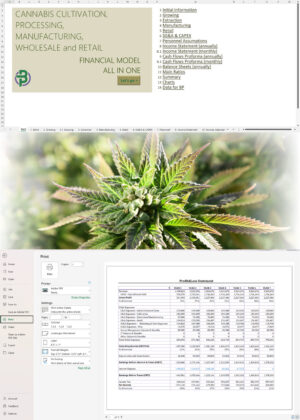
The templates we offer for cannabis delivery businesses include:
Cannabis Storefront Retailer with Delivery Business Plan Template
Cannabis Non-Storefront Retailer / Online Business Plan Template
Hemp CBD Products Retail/Online Store Business Plan Templates are available at hempcbdbusinessplans.com.
Our Templates


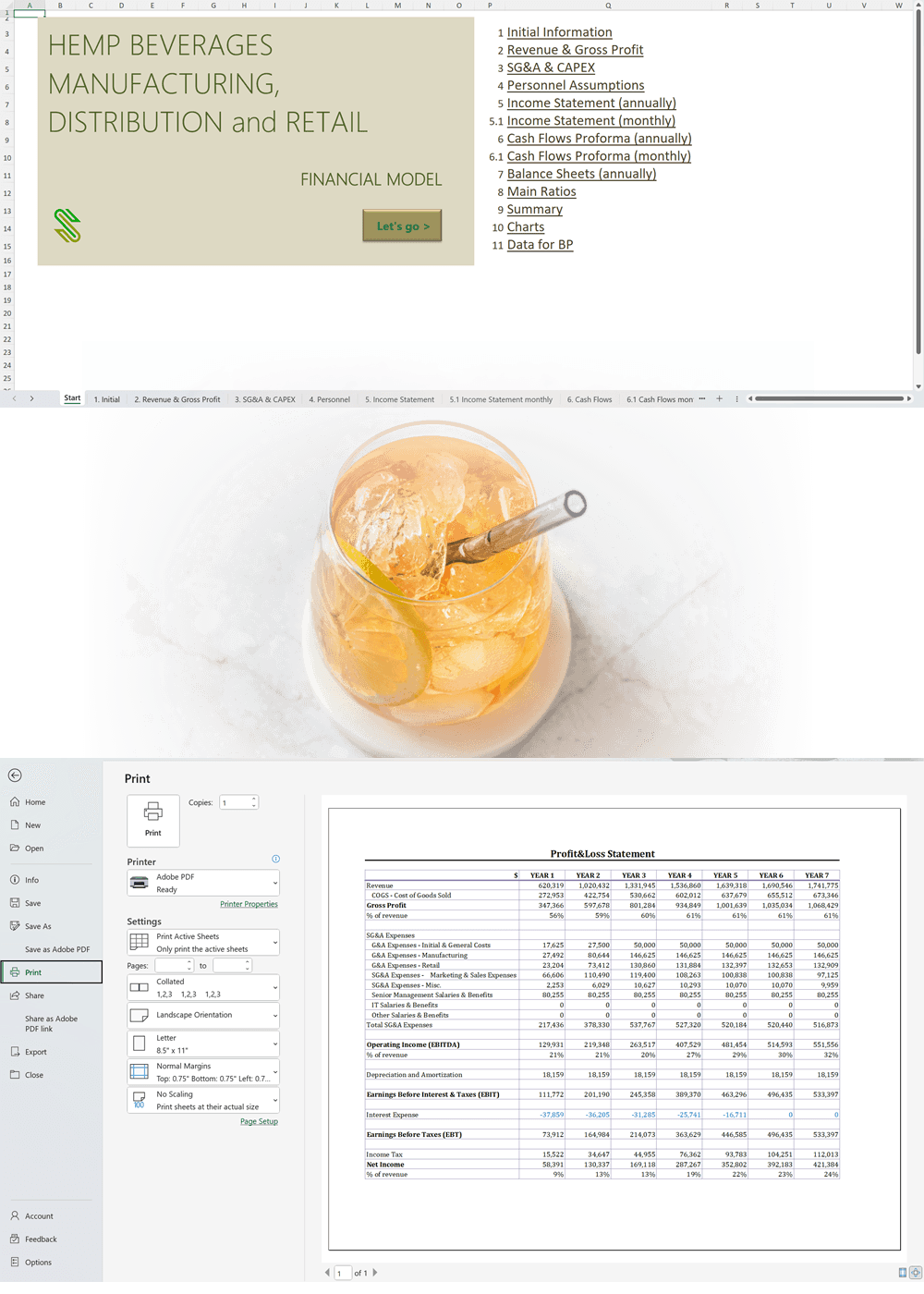

Hemp CBD Beverage Manufacturing, Wholesale and/or Retail Business Plan Template
Price range: $75.00 through $350.00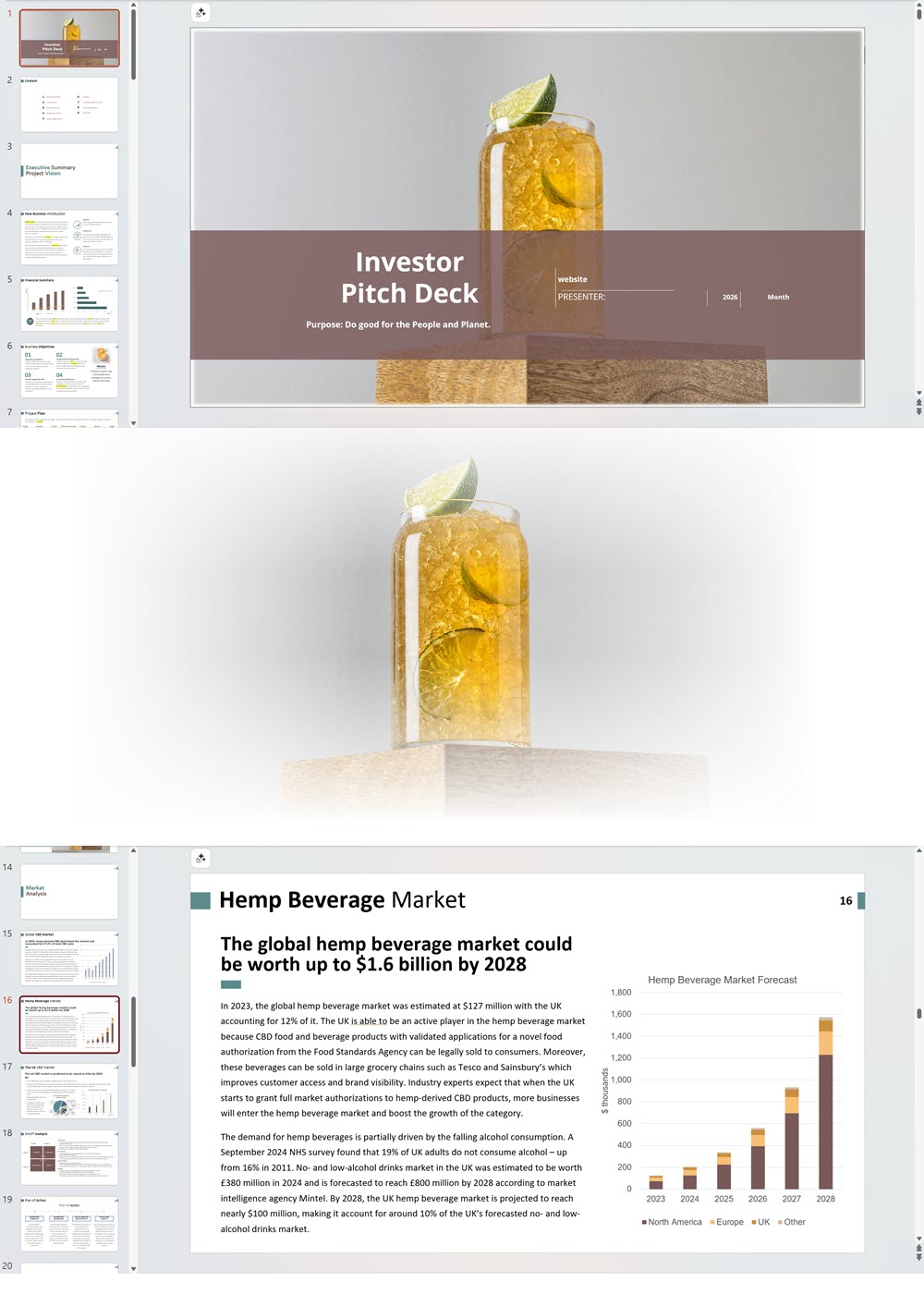


Cannabis Manufacturing Business Plan Template (with in-house processing)
Price range: $75.00 through $350.00
Cannabis Courier Business Plan Template
Price range: $75.00 through $275.00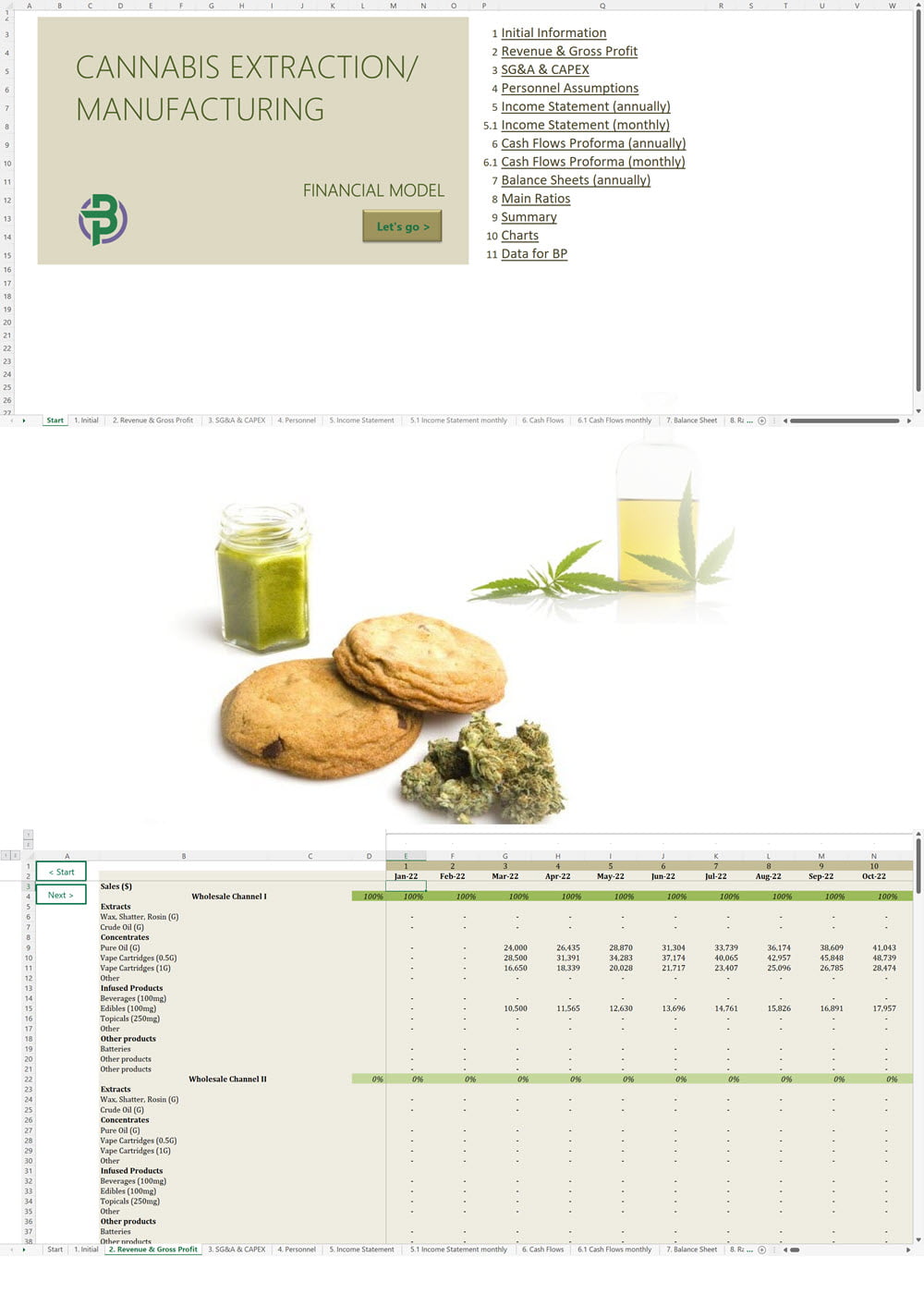

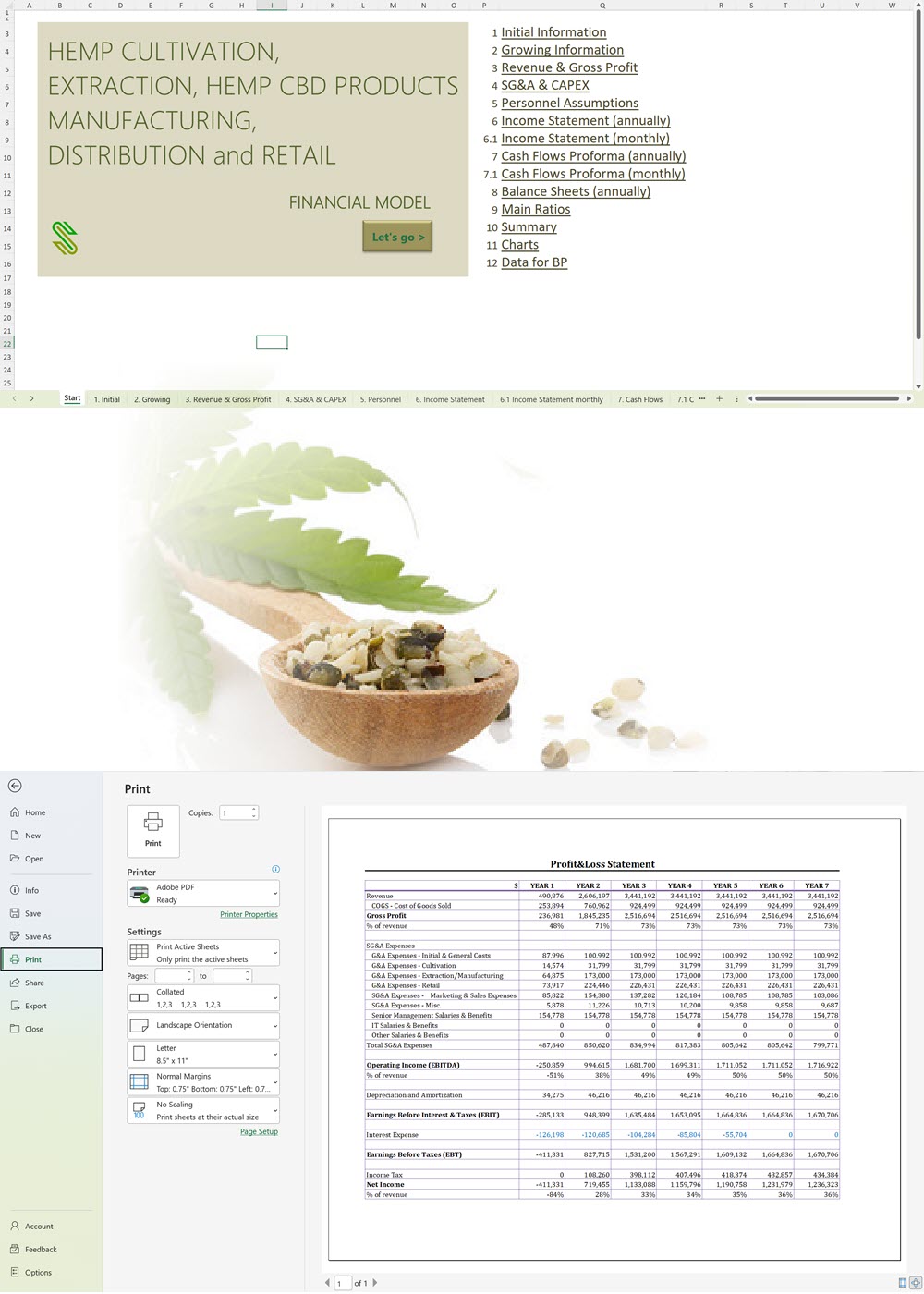
Hemp CBD Vertically Integrated Business Plan Template
Price range: $75.00 through $450.00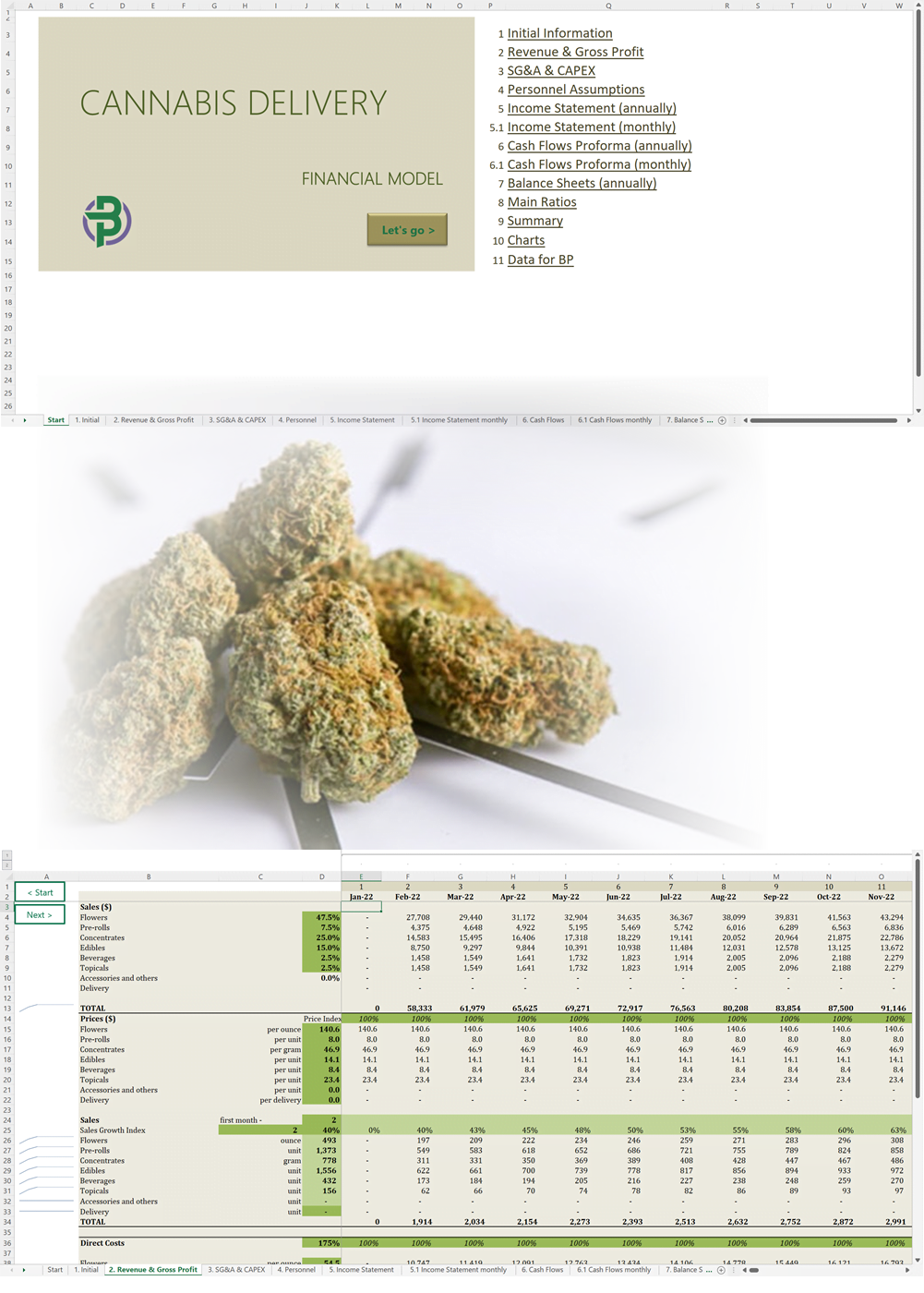

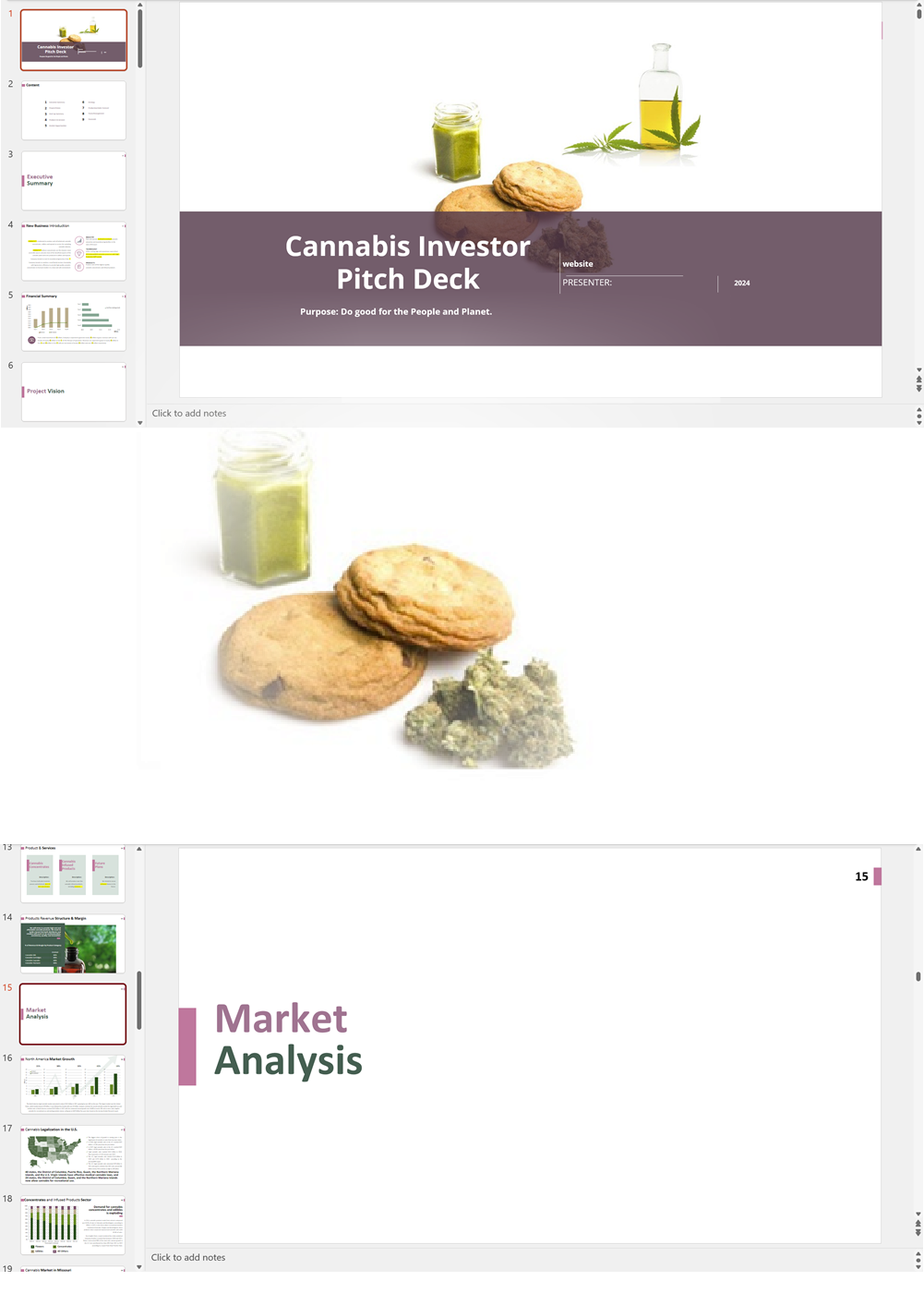
Cannabis Processing/ Flowers/ Pre-rolls/ Extraction/ Manufacturing Business Plan Template
Price range: $75.00 through $350.00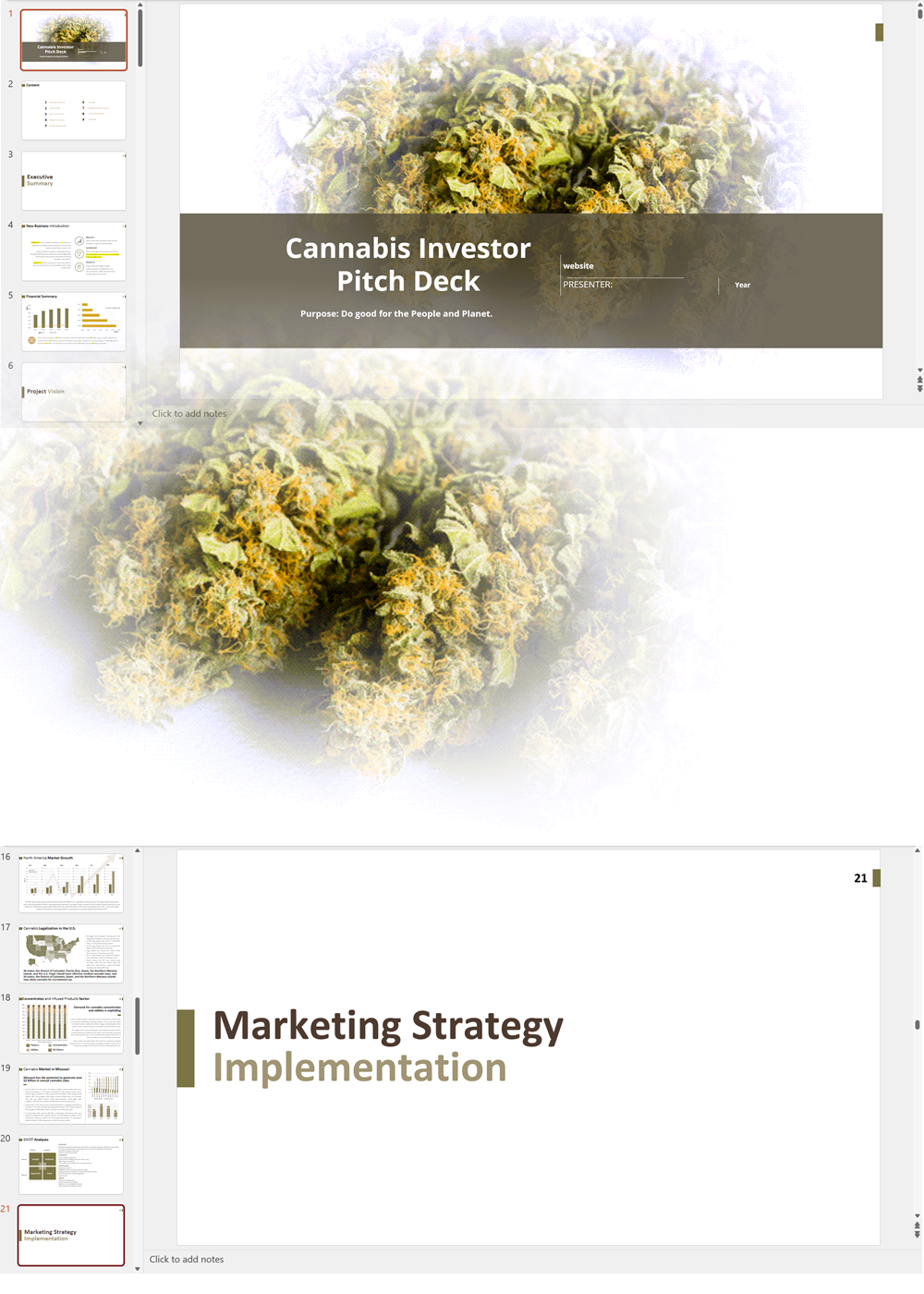
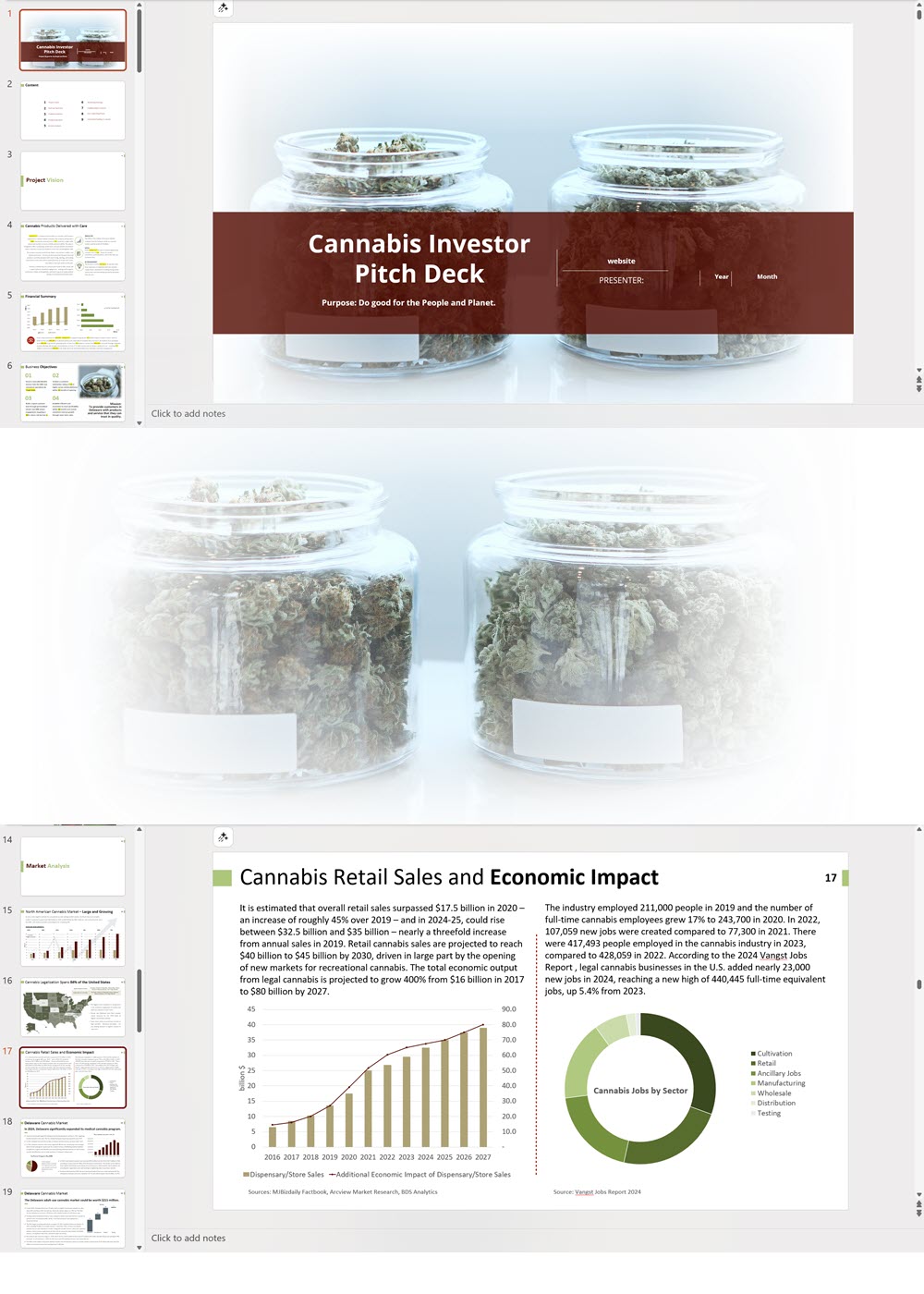

Cannabis Dispensary Business Plan Template
Price range: $75.00 through $350.00
Cannabis Extraction / Concentrates Business Plan Template
Price range: $75.00 through $350.00

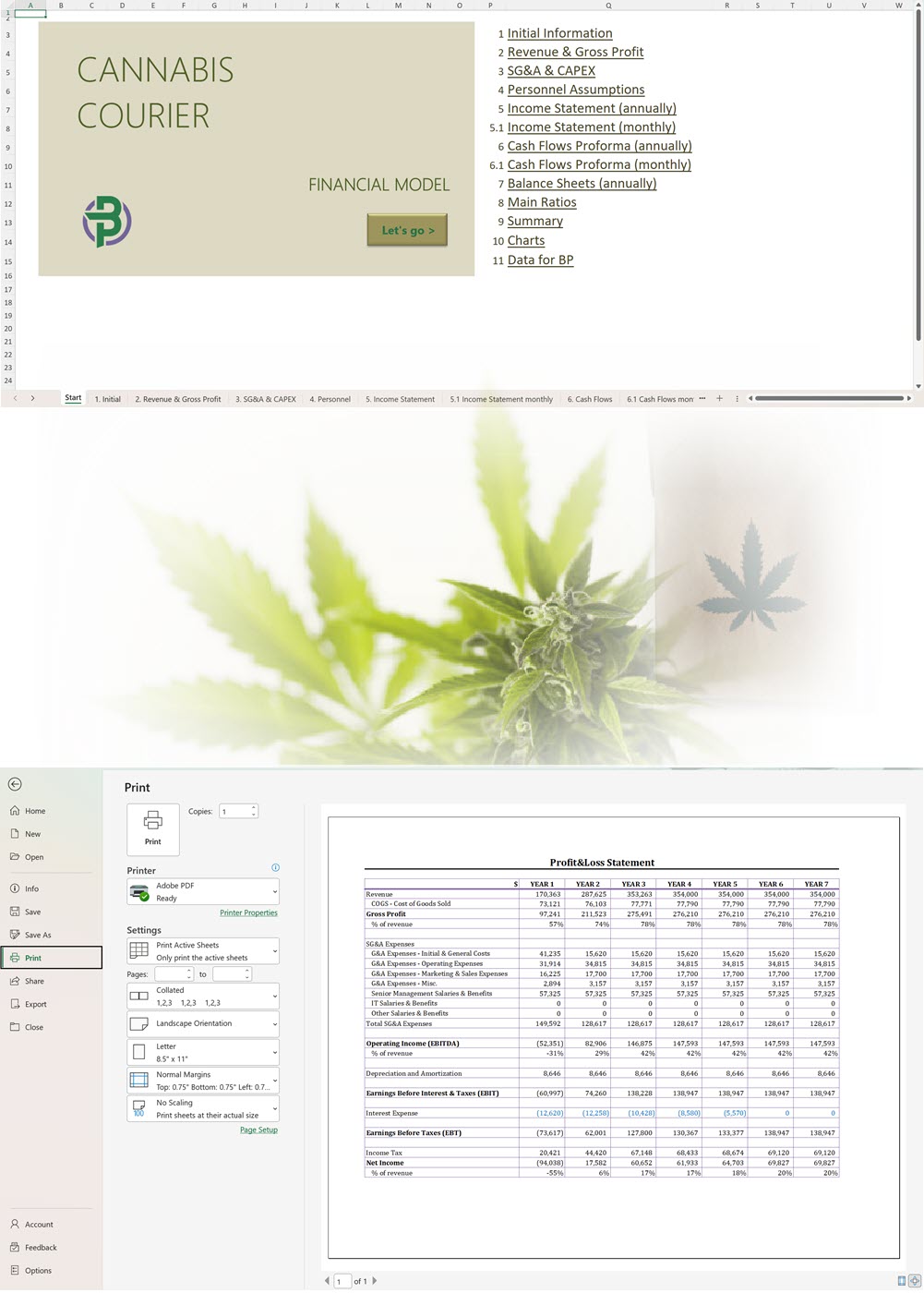
Cannabis Courier Financial Model
$100.00

CBD Store and/or Cafe Lounge Business Plan Template
Price range: $75.00 through $275.00

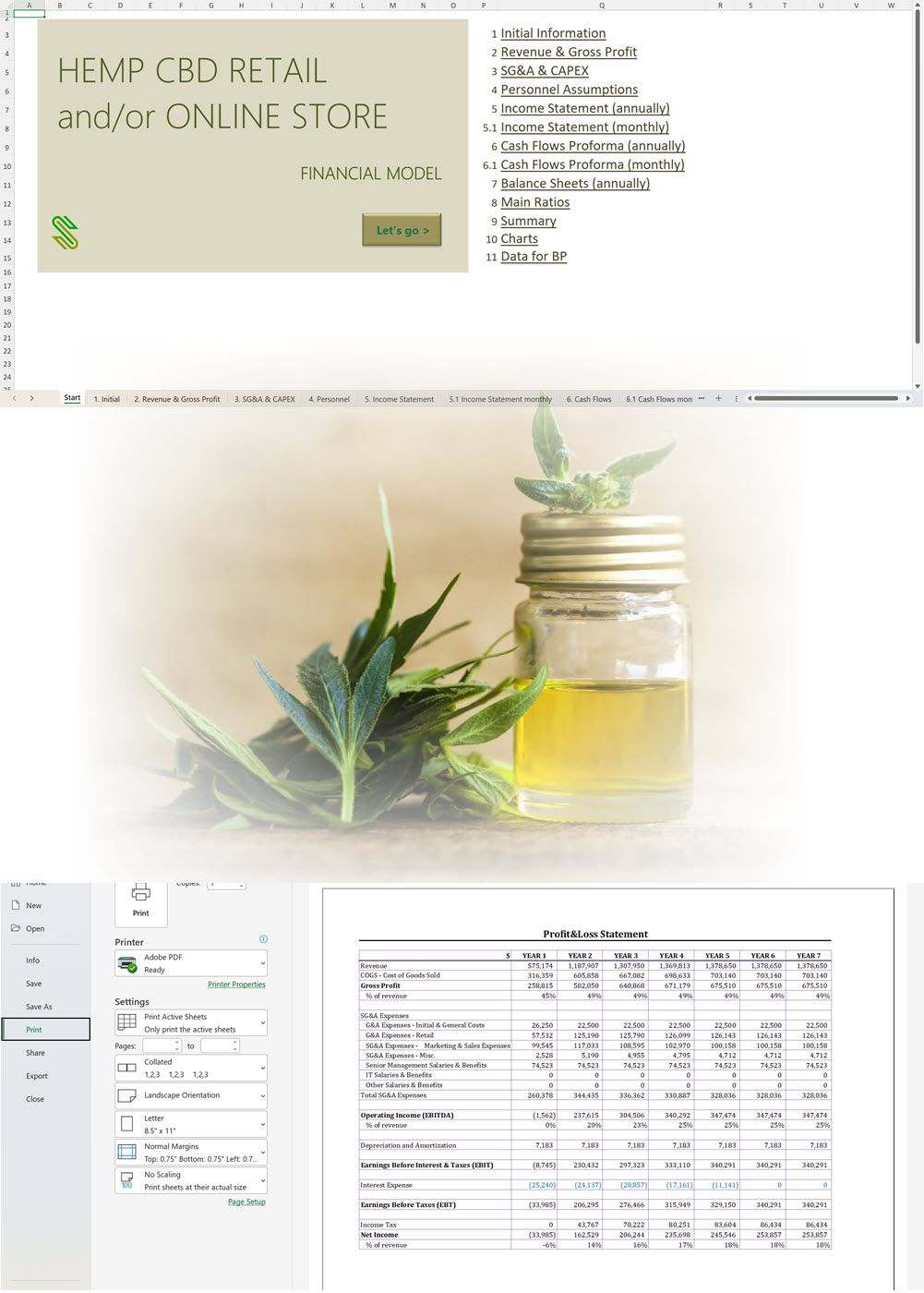

Cannabis Transportation Business Plan Template
Price range: $75.00 through $275.00